HINDU DISCOVERY – SUN IS A STAR! (Post No.7526)

WRITTEN BY London Swaminathan               

Post No.7526

Date uploaded in London – – 2 February 2020

Contact – swami_48@yahoo.com

Pictures are taken from various sources for spreading knowledge; this is a non- commercial blog.

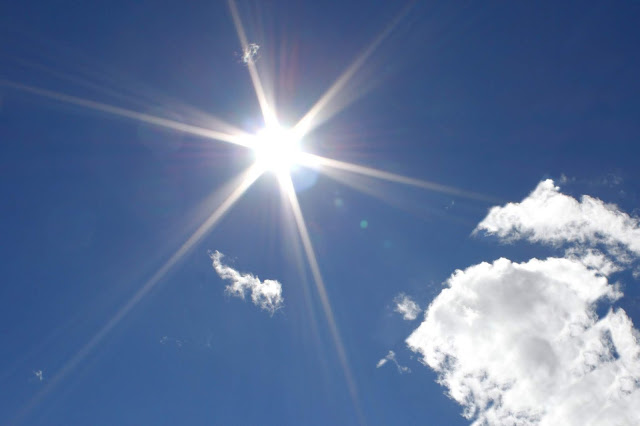
Sun is a star according to modern science. There are billions and billions of suns. Most of them are bigger than our sun. Our sun is a yellow colour star, i.e. mediocre one. Blue and red colour stars are more powerful and hotter. The world thought that these are modern discoveries. But it is already in our Vedas!

Before I give my comments read what A A Macdonell and A B Keith said in 1912.

‘Surya – Nakshatra’

“Surya – Nakshatra is found in Satapata Brahmana (2-1-2-19) in a passage where Sayana takes it denoting a nakshatra/star which gives out rays of light like sun. But the real sense (as the Kanva  text helps to show)  is that the sacrificer may take the sun for his nakshatra – i.e. he may neglect the nakshatras altogether and rely on the sun”.

Page 468, volume 2, Vedic Index
My Comments

All the world literature compared stars with fire flies or little lamps at a distance or candle light till the modern science informed the world that our Sun is also a star. But Vedic rishis always associated Sun with Star or Stars with sun. It is amazing to see that the Vedic seers spoke about sun and star at one breadth.

Look at the first sentence ‘star which gives light like Sun’. 200 years ago, if anyone read it, the person would have thought that it is just an exaggeration.

Sayana wrote the commentary in the 14th century. Satapata Bramana was written around 850 BCE according to the Westerners. But Hindus believe it is older than that.

I don’t jump to conclusion based on a single passage.

 In fact, it is even in Rig Veda, the oldest book in the world.

Macdonell and Keith again,

Nakshatra

Nakshatra is a word of obscure origin and derivation.  The Indian interpreters already show a divergence of opinion as to its primary meaning. The Satapata Brahmana resolves into ‘na- ksatra = no power’ explaining it by a legend. The Niruka refers it to the root ‘nak’s ‘obtain’ following the Taittriya Brahmana

Aufrecht and Weber derived it from ‘nakta-tra’ ‘guardian of night’, and more recently the derivation from ‘nak- ksatra’ ‘having rule over night’, seems  to be gaining acceptance. The generic meaning of the word therefore seems to be star. (English word Night came from Sanskrit ‘Nakt’

English word star is derived from Sanskrit ‘tara’ for star.

xxx
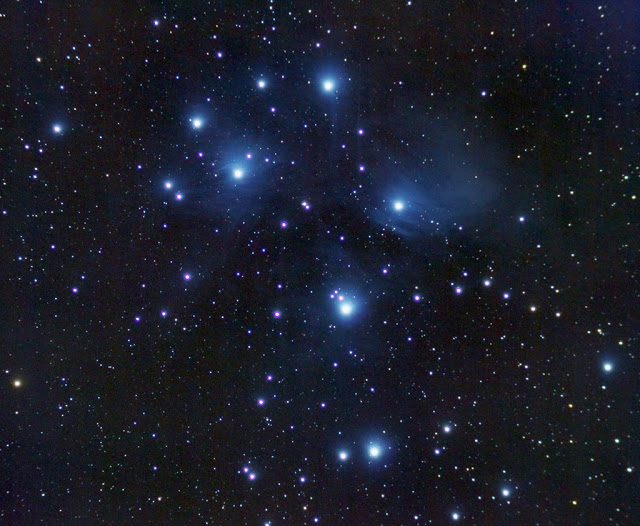
The Nakshatras as stars in the Rig Veda and later-

The sense of star appears to be adequate for all or  nearly all the passages  in which Naksatras occur in the Rig Veda. The same sense occurs in the later Samhitas also; the sun and the Naksatras mentioned together;  or the sun, moon, the Naksatras  or the moon and the Naksatras or  the Naksatras alone .

–Page 409, volume 1, Vedic Index

For al the above, both of them, have given references from the Vedic literature.

MY COMMENTS

I am going to comment on only one thing in the above passage.

There is nothing interesting if some poet sings about ‘twinkle, twinkle little star up above the world so high’.

There is nothing significant if a poet sings about star’ like a diamond in the sky ‘ with moon. A child even can sing about it. Throughout Tamil and Sanskrit literature we read star girls are after moon man, in Hindu mythology moon is masculine and stars are feminine. Moon is always loved by 27 wives/ 27 stars

But when one sings about ‘sun and star together’ one raises one’s eyebrow. One wonders what! stars tiny specs of light in the night and sun is million times brighter in the day!

But  Vedic poets sing them together in

Atharva Veda – 6-10-3; Vajasaneyi Samhita 23-43 and in a few other places.

More important is the Rig Vedic mantra 6-67-6

ता हि कषत्रं धारयेथे अनु दयून दरंहेथे सानुमुपमादिव दयोः |
दर्ळ्हो नक्षत्र उत विश्वदेवो भूमिमातान दयां धासिनायोः ||

tā hi kṣatraṃ dhārayethe anu dyūn dṛṃhethe sānumupamādiva dyoḥ |
dṛḷho nakṣatra uta viśvadevo bhūmimātān dyāṃ dhāsināyoḥ ||6-67-6

Here is Griffith’s translation 100 years ago-

“So, through the days, maintaining princely power, ye  prop the height as it were from loftiest heavens.

The star of al the gods, established filleth the heaven and earth with food of man who liveth”.

Star of All Gods

In the foot note Griffith says,

The Star of all Gods- SUN

In RV 7-86-1, the poet says

धीरा तवस्य महिना जनूंषि वि यस्तस्तम्भ रोदसी चिदुर्वी |
पर नाकं रष्वं नुनुदे बर्हन्तं दविता नक्षत्रम्पप्रथच्च भूम ||RV 7-86-1

dhīrā tvasya mahinā janūṃṣi vi yastastambha rodasī cidurvī |
para nākaṃ ṛṣvaṃ nunude bṛhantaṃ dvitā nakṣatrampaprathacca bhūma |

“Wise, verily, are creatures through his greatness who  stayed ever , spacious heaven and earth asunder;

Who urged the mighty sky to motion, the Star of Old, and spread the earth before him”

Here also Griffith’s foot note says the star = the SUN

Nowadays we praise someone who has achieved something with the words YOU ARE A STAR. Sometimes we comment she is a star or he is a star. This expression is found for the first time in the Rig Veda

It is interesting to see that one compares star with sun another praises sun as star. So, we can boldly conclude that the Vedic rishis knew sun is a star.

Xxx subham xxx

ஏழு வகை பிராக்ருதத்தில் உள்ள அற்புத நூல்கள் (Post No.7525)

ஏழு வகை பிராக்ருதத்தில் உள்ள அற்புத நூல்கள் (Post No.7525)

WRITTEN BY London Swaminathan               

Post No.7525

Date uploaded in London – – 2 February 2020

Contact – swami_48@yahoo.com

Pictures are taken from various sources for spreading knowledge; this is a non- commercial blog.

சம்ஸ்க்ருதத்தில் இருந்து பிராகிருதம் வந்ததா  அல்லது பிராக்ருதத்தில் இருந்து சம்ஸ்க்ருதம் வந்ததா என்று வாத ப் பிரதிவாதங்கள் வருவதுண்டு. அல்லது இரண்டும் ஒரே நேரத்தில் இருந்தனவா என்று கேட் போரும் உளர். ஆயிரம் ஆண்டுகளுக்கு முன்னர் வந்த கவிஞர்கள், சம்ஸ்க்ருதம் மூல மொழி என்று கவி பாடிவிட்டுச் சென்றனர் (மேல் விவரம் வேண்டுவோர் விக்கிபீடியாவில் உள்ள ஆங்கிலக் கட்டுரையைப் படிக்கவும்)

ப்ரக்ருதி என்பது இயற்கையில் உளது . அதிலிருந்த வந்தது பிராகிருதம் என்பர் சிலர். இல்லை, இல்லை புரா + க்ருதம் =முன்னரே இருந்தது ப்ராக்ருதம் . பின்னர்  செம்மை செய்யப்பட்டது  சம்ஸ்க்ருதம் என்பர் வேறு சிலர். பழைய கவிஞர்கள் சம்ஸ்க்ருதம்தான் முதலில் இருந்தது என்று சொல்லிவிட்டனர்.

இன்னும் சில அரை வேக்காடுகள் சம்ஸ்க்ருதம் என்ற பெயரையே பழைய இலக்கண வித்தகர்கள் செப்பவில்லையே என்று அங்கலாய்ப்பர். அத்தகைய அறிவிலிகளிடம் கேளுங்கள் செந்தமிழ் என்ற சொல் சங்க இலக்கியத்தில் உள்ளதா? என்று.

இன்னும் சிலர் கேட்பர். அது சரி. பிராகிருதம் என்று சொல்கிறீர்களே. எந்தப் பிராக்ருதத்தை ? என்று கேட்பர் . இன்று அதை ஆராய்வோம்.

எது ஒரிஜினல் பிராகிருதம்? எது உண்மையில் பிராகிருதம் அல்லது அபப்ராம்ஹஸம் என்பதிலும் பிராகிருத அறிஞர்களிடம் கருத்து வேறுபாடு இருக்கிறது. சுருக்கமாய் சொல்கிறேன்.

முக்கிய ப்ராக்ருதங்கள் ஆறு. அவை திரிந்தால் வருவது அபப்பிராம்சம்; ஆக மொத்தம் ஏழு.

தமிழர்கள் சொல்வார்கள் நாநிலம் ; அதாவது குறிஞ்சி, முல்லை, மருதம், நெய்தல் என்று. ஐயா! பின்னர் பாலை  நிலம் பற்றியும் பாடிவிட்டு 4 என்று சொல்கிறீர்களே என்றால், நாலு நிலமும் இயல்பு கெட்டுத் திரிந்து போனால் கிடைப்பது– மிஞ்சுவது — பாலை என்று பகர்வர். அதுபோலத்தான் அபப்ராஹ்ம்ஸம் .

முக்கிய ஆறு பிரிவுகளைக் காண்போம்—

மஹாராஷ்ட்ரி, சௌரசேனி , அர்த்தமாகதி , மாகதி , பாலி,

பைசாசி .

மஹாராஷ்ட்ரி வகை பிராக்ருதத்தில் தோன்றிய மொழி – மராட்டி.

அர்த்த மாகதியில் இருந்து பிறந்தவை – குஜராத்தி, ராஜஸ்தானி, பஞ்சாபி, மேற்குப் பகுதியில் பேசும் ஹிந்தி.

பைசாசி வகை பிராக்ருதத்தில் இருந்து பிறந்த மொழிகள் – வங்காளி , ஒரியா , பிஹாரி, அஸ்ஸாமிய மொழிகள். இதிலிருந்தே நேபாளி மற்றும் இமயமலை மொழிகள் பிறந்திருக்கலாம் என்றும் சிலர் உரைப்பர் .

பாலி

த்ரி பிடகம் (மூன்று பெட்டிகள் ) என்ற புத்த மத புனித நூல்களும் ஜாதகக் கதைகளும் இலங்கை வரலாறு விளம்பும் மஹாவம்சம், தீப வம்சம் முதலியனவும்  பாலி வகை பிராக்ருதத்தில் உள்ளன.

2300 ஆண்டுகளுக்கு முன்னர் தோன்றியது; 14ம் நூற்றா ண்டுவரை இலக்கியம் படைத்த  மொழி இது.

அர்த்தமாகதி

ஸ்வேதாம்பர பிரிவு ,  அதாவது வெள்ளாடை உடுத்தும் — சமணர் பிரிவின் ஆகமங்கள் , அர்த்தமாகதி ப்ராக்ருதத்துள் உள . இரண்டாம் நூற்றாண்டு முதல் இலக்கிய அந்தஸ்த்தைப் பெற்றது. நீதிகளை போதிக்கும் 115 நூல்கள் இருக்கின்றன .

சௌரசேனி

கிருஷ்ண பரமாத்மா உலவிய மதுராபுரியைத் தலை நகராகக் கொண்ட தேசம் சூரசேனம் . அங்கே பிறந்தது இது. சம்ஸ்க்ருத நாடகங்களில் விதூஷகர்களும் பெண்களும் இதில் கதைப்பர் . விதூஷகர் என்னும் நகைச் சுவை நடிகராக பிராமணர் வேடம் போடுவோர் நடிப்பர் .

இங்கே இரண்டு கருத்துக்களைச்  சொல்கிறேன். திரைப்படங்களில் என் பிரமணர்களைக் கிண்டல் செய்யும் பாத்திரங்களில் போட்டுவிக்கிறார்கள் என்று சிறு வயதில் நான்  வியந்ததுண்டு . இது 2300 ஆண்டுகளாக நாடகத்தில் பின்பற்றப்படும் உத்தி என்பது சம்ஸ்கிருதம் கற்ற பின்னரே என் புத்திக்கு எட்டியது .

இரண்டாவது கருத்து இந்துக்களின் அபார அறிவு பற்றியது. ஒரு கேளிக்கை என்றால் – திரைப்படம் , நாடகம் என்றால் — அதில் காமெடியும் இருக்க வேண்டும் என்பதை சம்ஸ்கிருத நாடகம் உலகிற்கு கற்பித்தது. தமிழில் – பழந் தமிழில்– எழுதப்பட்ட நாடகம் எதுவும் நமக்கு கிடைத்தில.

கேரளத்தில் கோட்டயம் தம்புரான் எழுதிய கதகளி நாடக வசனத்தில் சௌரசேனி பிராக்ருதத்தில் ஊர்வசியின் அழகை வருணித்துள்ளார் என்று எல்.சுதர்மணி எழுதிய ஒரு கட்டுரையில் குறிப்பிடுகிறார்.

நாடகத்தின் பெயர்- நிவாட கவச காலகேய வைபவ. இந்தப்  பிரிவில் சத்தகம் என்று அழைக்கப்படும் இலக்கியம் வரும். முக்கிய படைப்புகள் – ராஜசேகர எழுதிய கற்பூர மஞ்சரி, கேரள கவிஞர் ஸ்ரீகண்ட கவி எழுதிய சந்திரலேகா, கண ஷியாம எழுதிய ஆனந்த சுந்தரி, விஸ்வேஸ்வர எழுதிய சிருங்கார மஞ்சரி , நய சந்திர எழுதிய ரம்பா மஞ்சரி .

மஹாராஷ்ட்ரி

இந்த வகை பிராகிருதம் கொஞ்சம் கடினமானது மகாராஷ்ட்ர மாநிலப் பகுதியில் பேசப்பட்டது. இலக்கண கர்த்தாக்கள் பிராகிருதம் என்று சொல்லும்போது அது மஹாராஷ்ட்ரியை மட்டுமே குறித்தது.மிகவும் இனிமையான மொழி என்பதால் சம்ஸ்கிருத நாடகங்களில் பெண்கள் பாடுவது மஹாராஷ்ட்ரி வகை பிராக்ருதத்தில்தான் .

மிகவும் புகழ்பெற்ற ஹாலன் என்ற மன்னன் தொகுத்த காதா சப்த சதி , சமய சுந்தராகினி எழுதிய  காதா சஹஸ்ரி, பிரவரசேனா எழுதிய  சேது பந்தன என்பன இதிலுள்ள முக்கிய படைப்புகள். வரருசி படைத்த பிராகிருத பிரகாச, வாக்பதிராஜனின் கௌடவாஹோ  முதலியனவும் புகழ்பெற்ற நூல்கள் .

பைசாசி

இலக்கண வித்தகர் அனைவரும் குறிப்பிடும் இம்மொழியில் உள்ள படைப்புகள் எதுவும் கிடைத்தில. குணாட்யர் என்பவர் எழுதிய பிருஹத் கதா — பெருங்கதை – இதில் இருந்ததாகவும்  சொல்லுவர். போஜன் என்பவர் சிருங்கார ப்ரகாசாவில் கொடுத்த மேற்கோள்கள் மூலம் சில பகுதிகள் கிடைத்தன.

அபப்ராஹ்ம்ச

இலக்கிய நடையில் இல்லாமல் கொச்சை மொழியில் இருந்த எல்லா வகை பிராகிருத எழுத்துக்களும் இதில் அடங்கும். தண்டி என்ற புலவர் மொழிகளை பற்றிப் பேசுகையில் மொழிகளை நான்கு வகையாகப் பிரிப்பார் — சம்ஸ்க்ருதம், பிராகிருதம், அப பிராஹ்ம்சம் , மிஸ்ரம் என்று . இதை தற்கால வடஇந்திய மொழிகளின் ‘மூலம்’ எனலாம். இதிலும் கூட பின்னர் சில படைப்புகள் தோன்றின.

மஹாகவி ஸ்வயம்பூதேவ் , தேவசேன, புஷ்ப தந்த , ஹேமசந்திர, அப்துர் ரஹ்மான் முதலியோர் 17-ம் நூற்றாண்டு வரை இதில் எழுதினர் . இலக்கண வரம் பற்ற மொழி என்பதே இதன் பொருள். காட்டுவாசி ஒருவன் சொல்லும் பதில் விக்ரம ஊர்வசீயம் என்ற காளிதாசன் நாடகத்தில் வருகிறது. அந்தக் கொச்சை மொழி இவ்வகைத்தே. அப்துர் ரஹ்மான் என்பவர் மூல்டான் நகரைச் சேர்ந்தவர். சுமார் 700 ஆண்டுகளுக்கு முன்னர் வாழ்ந்தவர் என்று தெரிகிறது.

மாகதி

மகத தேசத்தில்  பேசப்பட்ட பிராகிருதம். இப்போதும் பிஹாரில் ஏழு மாவட்டங்களில் மகதி பேசப்படுகிறது . ஜார்கண்ட் மாநிலத்தின் சோடா நாகபுரி பகுதியில் பழங்குடி மக்கள் கலப்பட மாகதி பேசுகின்றனர். எல்லாம் இந்தி போலவே இருக்கும். அத்துடன் ஒரு இயா , வா, ஈய என்பன சேரும். அசோகரின் கல்வெட்டுகள் உள்ள மொழி. மௌர்யர்களின் ராஜாங்க மொழி. புத்தர் பேசிய மொழி என்றும் மொழிவார்கள்.

xxx

நாட்டிய சாஸ்திரம் எழுதிய பரத முனி சம்ஸ்க்ருதம், பிராக்ருதம் ஆகிய இரண்டையும் ‘ஆர்ய பாஷை’ என்பார் . ஆர்ய என்பது மாக்ஸ்முல்லர் வகையறா பயன்படுத்திய இனவெறிச் சொல் அல்ல. சங்கத் தமிழ் இலக்கியத்தில் வரும் கற்றோர், பண்புடையோர் மொழி என்பதாகும். பரத முனி இவ்விரு மொழிகளை அரசர் மொழி என்று சொல்லிவிட்டு, விபாஷா என்ற பட்டியலில் திராவிட, ஆந்திர, சண்டாள , சகர , சைபர், ஆபிர மொழிகளைச் சேர்க்கிறார். அபிநவ குப்தா என்பவர் இவைகளை ‘சிதைந்து போன பிராக்ருதங்கள்’  என்று சொல்லிவிட்டு , ‘காட்டுவாசிகளின் மொழி’ என்றும் செப்புவார்.

தொல்காப்பியர் கூட செந்தமிழ் பேசக்கூடிய சிறு பகுதியை வரையறை செய்துவிட்டு ஏனைய பகுதிகளைக் கொடுந்தமிழ் பகுதிகள் என்பார் . பரத முனி , அபிநவ குப்தர் ஆகியோர் கருத்துக்களையும் அப்படியே நோக்க வேண்டும்.

–subham–

உலகின் மாபெரும் அறிவாளி மன்னன் போஜராஜன்! (Post No.7524)

ச.நாகராஜன்

WRITTEN BY S NAGARAJAN                     

Post No.7524

Date uploaded in London – – 2 February 2020

Contact – swami_48@yahoo.com

Pictures are taken from various sources for spreading knowledge; this is a non- commercial blog.

உலகில் உள்ள அனைத்து நாடுகளையும் எடுத்துக் கொண்டு ஆங்காங்கு பல நாடுகளையும் ஆண்ட மன்னர்களில் அறிவாளிகளாக இருந்த மன்னர்களை ஒப்பிட்டுப் பார்த்தால் உயர்ந்த அறிவாளியாகவும் பல்வேறு துறைகளில் பல நூல்களை இயற்றிய அறிவாளியாகவும் மிளிரும் மன்னன் பாரதத்தைச் சேர்ந்த போஜ மஹாராஜனே! ( அரசாண்ட காலம் :கி.பி. 1010-1055)

போஜனின் பெயரால் வழங்கப்படும் நகரின் பெயர் போபால்.

போஜன் 84 நூல்களை இயற்றியதாகப் பலவேறு நூல்களின் அடிப்படையில் அறிகிறோம்.

இன்னும் சிலர் அவன் 104 நூல்களை இயற்றியதாகவும் 104 ஆலயங்களை அமைத்ததாகவும் கூறுகின்றனர்.

போஜன் சிறந்த சிவ பக்தன்.

வாழ்க்கையின் ஒவ்வொரு அம்சத்தையும் ஒவ்வொரு நாளையும் நன்கு அனுபவித்தவன்.

பெருத்த நீதிமான். ஏழைகளின் பால் இரக்கம் கொண்டவன்.

சிறந்த கவிஞன். பல் துறை நிபுணன். எப்போதும் அவனைச் சுற்றிப் பெரும் கவிஞர் கூட்டம் ஒன்று இருந்து கொண்டே இருக்கும்.

ஏராளமான நுட்பமான கேள்விகளை அவர்களிடம் அவன் கேட்டுக் கொண்டே இருப்பான்.

அவர்களில் தலை சிறந்த கவிஞனாக மிளிர்ந்த காளிதாஸன் மன்னனின் மனதில் ஊடுருவி இருக்கும் ரகசியத்தை அறிந்து பளீர் பளீரென்று கவிதையாலேயே பதில் கொடுப்பான்.

போஜனையும் காளிதாஸனையும் இணைத்து பாரதத்தில் உலவி வரும் சம்பவங்கள் ஏராளம்; கதைகள் ஏராளம்.

துரதிர்ஷ்டவசமாக போஜனைப் பற்றிய முழு வரலாறு எழுதப்படவில்லை.

ஆங்காங்கே சிதறிக் கிடக்கும் நூல்களில் உள்ள சம்பவங்கள் மட்டுமே கிடைத்துள்ளன.

அவனது 84 நூல்களில் இன்று கிடைத்திருப்பவை சொற்பமே. ஒரு வேளை முனைப்புடன் ஆராய்ந்தால் (4 லட்சம் சம்ஸ்கிருத சுவடிகள் திறந்து கூடப் பார்க்கப்படவில்லை என்பதை நினைத்துப் பார்த்தால்) அவனது நூல்கள் பல கிடைக்கக் கூடும்.

அவனது நூல்களின் பட்டியலை ஒருவாறாக இன்றைய நிலையில் தொகுத்துப் பார்த்தால் வருவது கீழ்க்கண்ட நூல்கள்:

வானவியல் மற்றும் ஜோதிடம்

ராஜமார்த்தாண்டா

ராஜம்ருகங்கா

இட்வஜ்ஜனவல்லபா (ப்ரஸ்ன ஞானம்)

ஆதித்ய பிரதாப சித்தாந்தா

மருத்துவம்

ஆயுர்வேத சாரஸ்வம்

விஸ்ராந்தவித்யா விநோதம்

சாலைஹோத்ரம் (விலங்கிய கையேடு)

சில்ப சாஸ்திரம்

சமராங்கதஹன சூத்ரதாரா

இலக்கணம்

சப்தானு ஞானம்

தத்துவம்

ராஜமார்த்தாண்டம் (வேதாந்தம்)

பதஞ்சலி யோக சூத்ரம்

தத்வ ப்ரகாசம் (சைவம்)

சித்தாந்த சங்க்ரஹம்

சிவதத்வ ரத்ன காலிகா

யுக்தி கல்பதரு

பரம சாஸ்த்ரம்

வியவஹார சமுச்சயம்

சாருசர்யா

அர்த்த சாஸ்திரம்

அய்ஜக்ய நீதி (தண்ட நீதி) மற்றும் புத்ரமார்த்தாண்டம்

அலங்காரம்

சரஸ்வதி கண்டாபரணம்

ச்ருங்கார ப்ரகாஸம்

கவிதை மற்றும் உரைநடை

ரத்னாயன சம்பு

வித்யாமோத காவ்யம்

இரு பிராக்ருத நூல்கள் (சமீப காலத்தில் கண்டுபிடிக்கப்பட்டவை)

மஹா காளி விஜயம் (ஸ்தோத்ர நூல்)

ச்ருங்கார மஞ்சரி (உரைநடையில் கதைகள்)

சுபாஷித ப்ரபந்தம்

அகராதி

நாமமாலிகா

மேலே கண்டவை அனைத்தும் பிரபாவ சரித்ரம் என்ற (1450ஆம் ஆண்டு) நூலில் தரப்பட்டவையாகும்.

வழக்கம் போல ஆங்கில “அறிஞர்களால்” முட்டாள்தனமாக வைக்கப்படும் ஒரு வாதம் – இவ்வளவு நூல்களையும் ஒரே மன்னன் எழுதி இருக்க முடியுமா? என்பது தான்!

உடனேயே இவர்களின் முடிவு “முடியாது” என்பது தான்.

பல்வேறு அறிஞர்களை எழுத வைத்துத் தன் பெயரைப் போட்டுக் கொண்டான் போஜன் என்று கூறி இவர்கள் சந்தோஷப்படுகின்றனர் – பாரத அறிஞன் ஒருவனை மட்டம் தட்டி, அதை அப்படியே காலம் காலமாகச் சொல்ல வித்திட்டு விட்டோமே என்பது இவர்களின் சந்தோஷம். ஆகவே தான் இவர்களின் பெயர்களைக் கூட இங்கே குறிப்பிடவில்லை. வெற்று விளம்பரத்தைத் தேடும் அறிஞர்களுக்கு நாம் ஏன் அதைத் தர வேண்டும்.

இன்றைய உலகை எடுத்துக் கொண்டால் பல அறிஞர்கள் ஏராளமான நூல்களை எழுதிதைப் பார்க்கிறோம்; எழுத்தாளர்கள் பல நாவல்களை எழுதியதைப் பார்க்கிறோம்.

அவர்களை எல்லாம் ஏன் இந்த அறிஞர்கள் மட்டம் தட்டவில்லை? சந்தேகப்படவில்லை?!

காரணம் போஜன் ஒரு பாரத தேசத்து மாமன்னன்; பேரறிஞன் – அவனை அப்படி ஒப்புக் கொள்ளாமல் மட்டம் தட்ட வேண்டும்; அவ்வளவு தான்!

•   I. Astronomy and Astrology   (1) Rajamarttanda   (2) Rajamrganka   (3) Yidvajjanavallabha (pra§najnana)   (4) Adityapratapasiddbanta   II. Medicine   (5) Ayurveda Sarvasvam   (6) Visrantavidyavinoda   (7) Salihotra (a Veterinary Manual)     III. Silpaidstra   (8) SamaranganaSutradbara   IV. Grammar     (9) Sabdanu6a3anam   V. Philosophy   (10) Rajamarttanda (Vedanta)   (11) „ (acorn, on Patanjali’s Yoga Sutras)   (12) Tatvaprakasa (Saivaism).   (13) Siddhantasangraha, „   ( 14 ) Sivatatvaratna Kalika „   (15) Yukti Kalpataru „   VI. Pharma Sastra   (16) Vyavabarasamuccaya.   (17) Carucarya.   VII. Arthasaitra   (18) Caijakyaniti (Dandaniti) and Putramartanda.   VIII. Alankdra   (19) Sarasvati Kantbabharana   (20) jSrngaraprakasa.   IX. Poetry and Prose.   (21) Ratnayana campu.   (22) Vidyavmodakavyam.   (23, 24) Two Prakrt poems (lately discovered at  Dbar).   (25) Mabakalivijayam (a stotra)   (26) Srngaramanjari (prose tales)   (27) Subbasitaprabandha.   X. Lexicography   (28) Namamalika. A list in the Prabhavaka Garitra (c. 1450 A. D.)

*

போஜன் எழுதிய நூல்களாக விக்கிபீடியா தரும் பட்டியல் இது:

According to Ajada, who wrote a commentary titled Padaka-prakasha on Sarasvati-Kanthabharana, Bhoja wrote 84 books. The surviving works attributed to Bhoja include the following Sanskrit-language texts (IAST titles in bracket)

  • Bhujabala-bhima (Bhujabalabhīma), a work on astrology
  • Champu-Ramayana or Bhoja-Champu (Campūrāmāyaṇa), a re-telling of the Ramayana in mixture of prose and poetry, which characterises the champu genre. The first five kandas (chapters) are attributed to Bhoja. The sixth and seventh chapters were completed by Lakshmana and Venkatadhvarin respectively.
  • Charucharya (Cārucārya), a treatise on personal hygiene
  • Govinda-vilasa, poem
  • Nama-Malika, a compiled treatise on lexicography
  • Raja-Martaṅda (Rājamārtanḍa) or Patanjali-Yogasutra-Bhashya, a major commentary on the Yoga Sutras of Patanjali; includes an explanation of various forms of meditations
  • Raja-Mriganka-Karana (Rājamrigankakaraṅa), a treatise on chemistry, especially dealing with the extraction of metals from ores, and production of various drugs.
  • Samarangana-Sutradhara (Samarāṇgaṇasūtradhāra), a treatise on architecture and iconography. It details construction of buildings, forts, temples, idols of deities and mechanical devices including a so-called flying machine or glider.
  • Sarasvati-Kanthabharana (Sarasvatīkaṇṭhabharaṇa), a treatise on Sanskrit grammar for poetic and rhetorical compositions. Most of it is a compilation of works by other writers. Some of the poetic examples provided by him in this work are still appreciated as the highest cream of Sanskrit poetry.
  • Shalihotra (Śālihotra), a book on horses, their diseases and the remedies
  • Shringara-Prakasha (Śṛṅgāraprakāśa), treatise on poetics and dramaturgy
  • Sringara-Manjari-Katha (Śṛṅgāramanjarīkathā), a poem composed in akhyayika form
  • Tattva-Prakasha (Tattvaprākaśa), a treatise on Shaivite philosophy. It provides a synthesis of the voluminous literature of the siddhanta tantras
  • Vidvajjana-Vallabha, treatise on astronomy
  • Vyavahara-Manjari (Vyavahāramanjarī), a work on dharmaśāstra or Hindu law
  • Yukti-Kalpataru, a work dealing with several topics including statecraft, politics, city-building, jewel-testing, characteristics of books, ship-building etc.

The Prakrit language poems Kodanda-Kavya and Kurma-Sataka are also attributed to Bhoja.[79] The Kodanda-Kavya (Kodaṅḍakāvya) was found inscribed on stone slab fragments at Mandu.[80] The Kurma-Sataka (Avanikūrmaśataka), which praises the Kurma (tortoise) incarnation of Vishnu, was found inscribed at the Bhoj Shala in Dhar.[81]

Sangitaraja, attributed to Kalasena or Kumbha, names Bhoja as an authority on music, which suggests that Bhoja also compiled or wrote a work on musi

***

போஜனின் வாழ்க்கையில் நடந்த சுவையான சம்பவங்கள் சிலவற்றை அடுத்துப் பார்ப்போம். 

(தொடரும்)

WONDERS IN PRAKRIT LANGUAGE- 2000 INSCRIPTIONS! (Post No.7523)

WRITTEN BY LONDON SWAMINATHAN

Post No.7523

Date uploaded in London – 1 February 2020

Contact – swami_48@yahoo.com

Pictures are taken from various sources for spreading knowledge; this is a non- commercial blog.

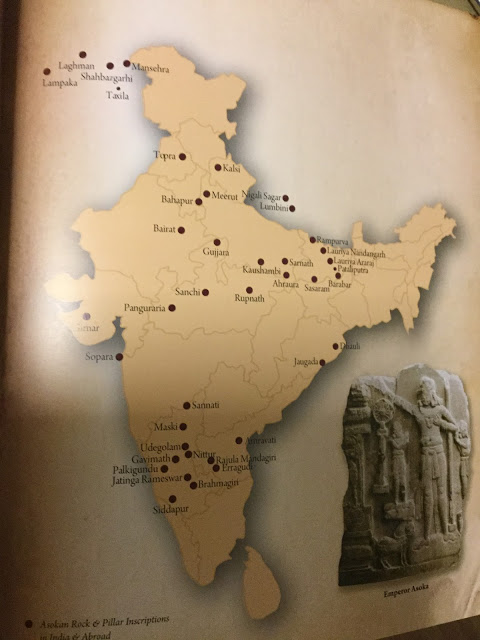
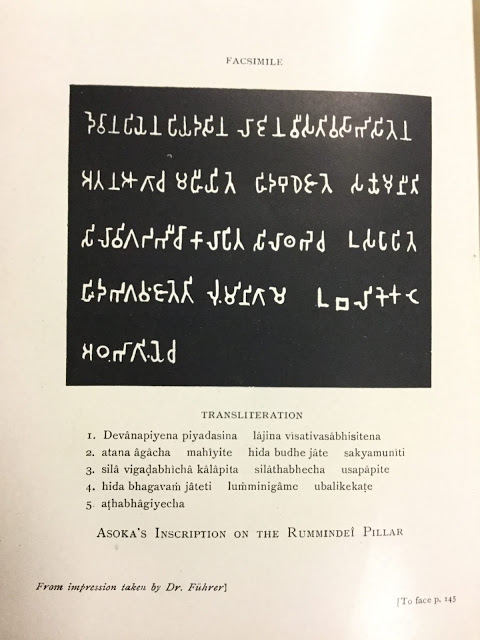
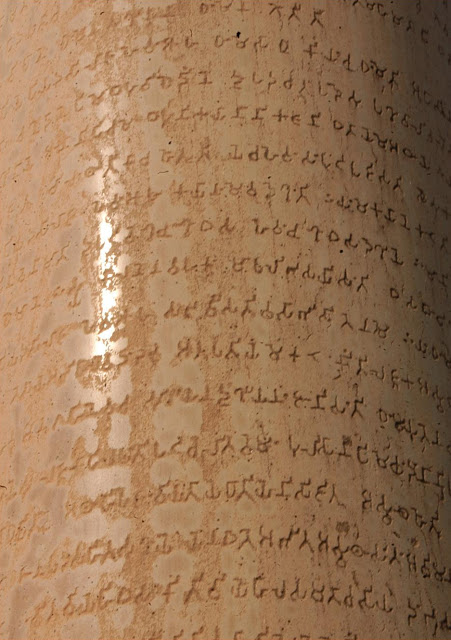
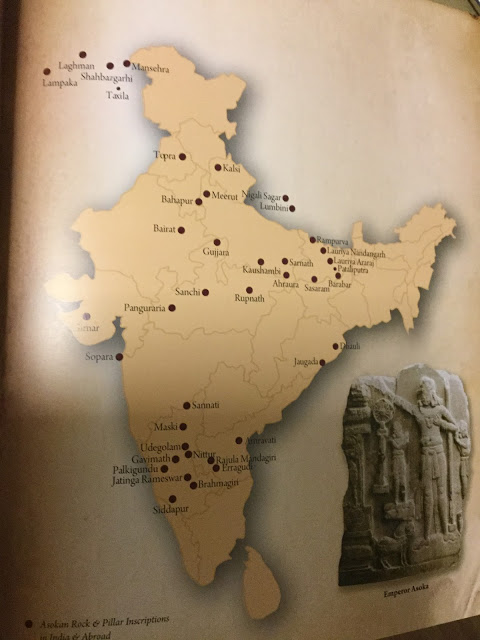
There are 2000 inscriptions in Prakrit from Asokan period. Next to Asokan we have Kharavela’s inscriptions. Oldest Tamil inscriptions of first century BCE have Prakrit words in Brahmi lipi/script.

In Sanskrit dramas Kings and ministers spoke in Sanskrit. But women, workers and Brahmin comedians spoke in Prakrit. Brahmin Comedians/ Vidushakas spoke in seven different Prakrits.

Unique feature of Prakrit is that we have prose first and then poetry later which is not found in existing (ancient) languages.

Vedic Hindus used Sanskrit , Jains used Prakrit , Buddhists used Pali for teaching.

The teachings of Jain Tirthankaras/ saints were composed in Prakrita.

There are thousands of books in Prakrita covering all subjects from astronomy to zoology.

Prakrit  became an ideal source of communication among the people. Therefore, Saint Mahavira, Kings Asoka and Kharavela used Prakrit for delivery and transmission of their messages.

Great Prakrit poet Vakpatiraja praised Prakrit  sky high. He says,

“As water evaporates from the sea to form clouds and comes back to the sea as river, so all languages emerge from Prakrit  and come back to it and again become dialects spoken by the people”.

–Gaudavaho 

Sayalaao imam vaayaa visanti etto ya nenti vaayaao

Enti samuddam cciya saayaraao cciya jalaaim – 2, Gaudavaho

Prakrit  is mostly in Jain Agamas.  Ardhamagadi is the language of the Jain Canon. It is considered a language of saints and monks which indicates its antiquity.

Buddhists consider Magadhi as the basis of all languages, the Jains consider Ardha magadhi and grammarians consider Arsa language as a basic language from which other languages and regional dialects came into existence.

Most of the present day north Indian languages came from Prakrit .

Another unique thing is grammarians wrote grammar of Prakrit  in Sanskrit

XXX

Asoka’s advice

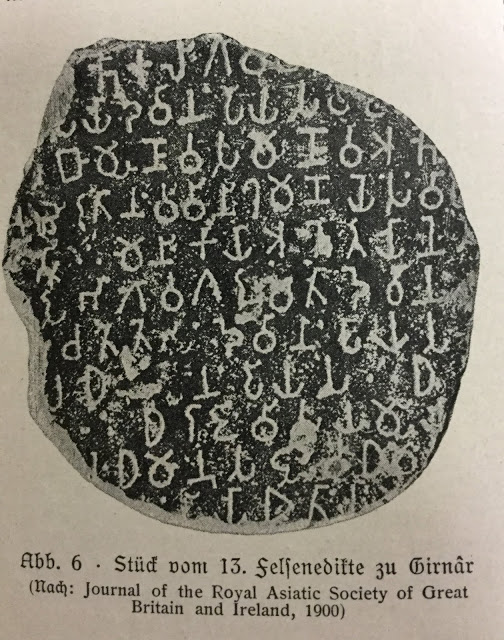
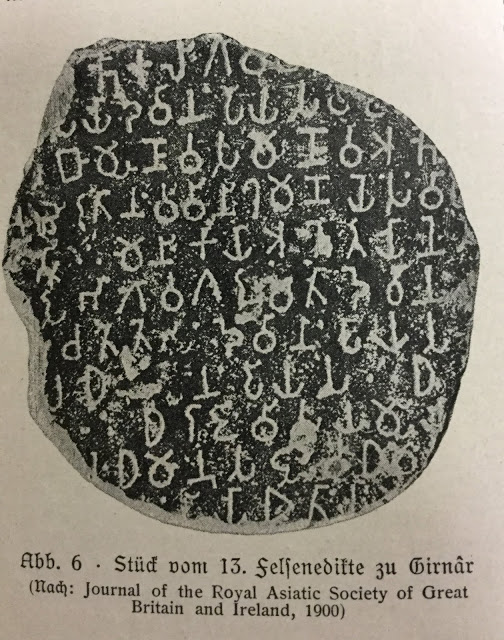
The edicts of Asoka are in Prakrit . This shows that Prakrit  was popular among common people. Asoka depicted high moral values in small phrases. He said,

Praanaanam sadhu anaarambho, apavyayataa apa bhaandataa sadhu – Girnar 3rd edict.

Non violence is good for living beings, less expense and less compilation is good.

Savapaasandaa bahusutaa va asu, kalaanagamaa va asu – Girnar 12th edict

All religious communities should listen to each other and work for welfare

Emperor Asoka

Sravanabelagola Prakrit University

Svastisri  Carukirti Bhattaraka Pattacarya ,a great Jain scholar  and multi linguist, has established a Jain centre with library and research facilities at Sravanabelagola.

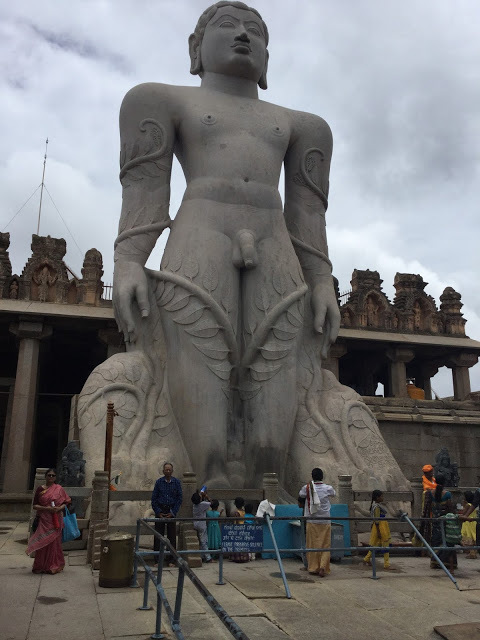
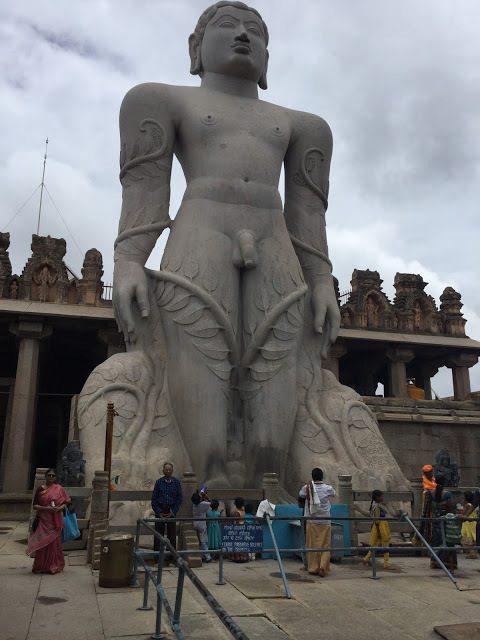
There is a Prakrit University in Sravanabelagola  in Karnataka. It is a popular tourist destination because of  the gigantic, reverential Gomateswara monolith statue touching the blue sky. Great Mauryan emperor Chandragupta Maurya came here to spend his last days at the feet of his Jain Guru .

MAIN DIALECTS OF PRAAKRT

Mahaaraastri, Sauraseni, Maagadhi, Ardhamaagadhi,

Paisaaci and Paali are different types of Prakrit.

Sanskrit grammarians treat all these languages as Apabhramsa which means not regulated by strict grammatical rules.

Modern Maraatti came from Mahaaraastri Praakrit

Gujaraathi, Raajasthaani, Punjaabi and Western Hindi from Ardhamaagadhi

Bengaali, Oriaa, Biihaari and Assaamese from Paisaaci.

Nepaali and many Himalayan dialects may be from Paisaaci.

Pali

We have written materials up to 14th century CE.

Sacred language of the Buddhist canons;

Tripidakas, Jataka stories, Mahavamsam and Deepavamsam are some important works in Pali. Earliest works are from 3rd century BCE.

Among the Kavyas written between 10th and 14th centuries –

Jinacaritam of Budhapriya

Padyamadhu of Veedeeha

Ardhamaagadhi

Important works – Agamas of Svetambara Jains; even though it is an ancient language like Pali, it has assumed the status of literary language only in the 2nd century CE. These works on morals comprise 115 books.

Sauraceni

Language of the kingdom of Saurasena with its capital in Mathura, land of Lord Krishna. In Sanskrit dramas women and Brahmin Viduusaka speak in this language. Kathakali literature in Kerala contains certain lines in Sauraseni. It was not used in poetry in dramas.

Kings and noble characters in Sattakam group are ‘Karpuuramanjari’ of Rajasekhara,

‘Chandralekha’ of Kerala poet Srikanthakavi

‘Aanandasundari’ of Ghanasyaama

‘Sringaaramanjari’ of Visvesvara

‘Rambhamanjari’ of Nayachandra.

Mahaaraastri

According to Dandin, it was spoken in Maharshtra. As this language abounds in common nouns, it is not an easily intelligible language. Most grammarians use the word Prakrit to refer to this language. This is highly a musical language and hence the songs sung by women characters in Sanskrit dramas are written in it.

Important works

Gathaa Sapta Sati of Halan

Gathaasahasri of Samayasundragni

Sethubandhana of Pravarasena

Praakrtaprakasam of Vararuci

Gaudavaho of Vaakpatiraaja

Visambanaleela of Aanandavardhaana

Karpuuramanjari of Raajasekhara

Paisaaci

It is also as old as Pali. Grammarians mention it and the places mentioned by them were all in South India. Except a few scanty citations as in Bhoja’s Srngaaraprakaasa , Paisaci doesn’t show any extant literature. The Brhadkathaa of Gunadhya was written in Paisaci.

Apabhramsa

Each of these literary Prakrts has its own colloquial dialect , which is called Apabramsa.

Therefore, Dandin classifying literature speaks of Sanskrit, Prakrta , Apabhramsa and Misra.

Apabrahmsa was used in daily conversation. By the sixth centur,y it goes to the level of a literary language

Bharata’s assessment

Bharata includes both Sanskrit and Prakrit in Aaryabhaasa, which he designates the language of kings. It is remarkable that the Brahmin Vidusaka in Sanskrit dramas speaks prakrts of all seven dialects.

Abhinavagupta explains these as vernaculars/ (desha bhasas) which according to him  are generate forms of Sanskrit.

Natyasaastra of Bharata include another list of languages also, by the name of Vibhasas, which include the language of Sakaras, Abhiras, Candalas, Sabaras, Dravidas and Andhras. Abhinavagupta describes them as language of foresters- gahanavaasinah—and designate them as degenerate forms of Prakrt.

My comments

Amazing thing about India is if we draw a language map of India during 2nd century CE, we see a multitude of languages and thousands of books in different languages from Kanyakumari to Kashmir,  no where in the world we see such a thing. They all hold the same cultural views and praise the same values of dharma, artha kama and moksha.

Some say Prakrit came from Sanskrit; others say Sanskrit came from Prakrit. Some others say both existed at the same time. But the fact of the matter is that we have Vedas in Sanskrit from at least 1500 BCE and Prakrit inscriptions only from 3rd century BCE.

In all the ancient languages, the old materials are in poetry. Then comes prose. It will be interesting to study how long it took for them to reach the prose stage. But we must consider the lost literature in that language as well. My cursory look at this shows it differs from language to language. But everyone would agree human beings spoke in prose and not in poetry. But it was easy to remember poetry because of its rhythm and music. So we have Vedas, Ramayana, Mahabharata in Sanskrit, Sangam literature, Five epics in Tamil , Homer’s Iliad and Odyssey in Greek, Virgil’s Aeneid in Latin in poetry format.

This is to say that every language speaker begins speaking in prose and write important things in verses. If it is a short one, then they keep it as proverbs. Even those proverbs are with rhyme and rhythm. So we may even consider them as ‘one sentence poems’.

The question Did Prakrit exist first or Sanskrit exist first must be looked into with the above things in mind.

One more strange feature is we have so many Prakrit dialects. Why is it? We must explore this. Even if we discuss it the debate would continue forever without any conclusion. Because linguists are still wondering how come there are over 780 languages in New Guinea among aborigines. Why there are over 200 languages among Australian aborigines? Why did 2000 year old Tamil give birth to Telegu, Kannada and Malayalam from as early as first century BCE?

In short, no one can say what the reality is. It may differ from country to country, society to society, culture to culture. If we go to ancient Middle East still more wonders are seen. Why did Sumerians, Hittites, Kassites, Mitannian and Assyrians speak different languages in a small area (Modern Iraq)?

So don’t jump to any conclusion when you speak about the origin and development of languages.  If we apply Max Muller’s theory that ‘ a language changes every 200 years’, dating of Tamil literature will tumble. Dates of Tirukkural, Silappadikaram and Tolkappiam will be later productions than thought.

Sattaka / dramatic genre

Rajasekhara’s Karpuramanjari – 9th to 10th centuries

Nayacandra suri’s Rambhaamanjari – 14th to 15th

Rudradasa’s Chandralekhaa –17th Century

Visvesvara Pandeya’s Srngaramanjari – 17th to 18th centuries

Ghanasyama’s Anandasundari – 18th century

Source books

Carusri -Essays in honour of  S C B P

New horizons of Indological research

–subham —

பிராக்ருத மொழி அதிசயங்கள் -2000 கல்வெட்டுகள் (Post No.7522)

WRITTEN BY LONDON SWAMINATHAN

Post No.7522

Date uploaded in London – 1 February 2020

Contact – swami_48@yahoo.com

Pictures are taken from various sources for spreading knowledge; this is a non- commercial blog.

1.இந்தி, மராட்டி, குஜராத்தி, வங்காளி முதலிய வட இந்திய மொழிகள் பிராகிருத வடிவத்திருந்து பிறந்தன; இம்மொழி பற்றிய சுவையான செய்திகளைக் காண்போம்.

2.பிராகிருதம் பற்றிய வியப்பான விஷயம் அதில் முதலில் கிடைப்பது உரை நடை (Prose) ஆகும். உலக மொழிகள் அனைத்திலும் முதலில் கிடைப்பது (Poetry) கவிதைகள். ஆனால் பிராக்ருதத்திலோ அசோகனின் கல்வெட்டு வாசகங்கள். அது கவிதை நடை இல்லை.

3.சமண மதம்

சமண தீர்த்தங்கரர்களின் போதனைகள் ப்ராக்ருதத்தில் உள்ளன. அவர்களுடைய முக்கிய மந்திரங்களும் இதே மொழியில் உள்ளன.

4.வாக்பதிராஜ என்ற புகழ்பெற்ற கவிஞர் கூறுகிறார் ,

“கடல் நீர் ஆவியாகி மேகமாக மாறி மழையாகப் பொழி  ந்து ஆறாக ஓடி கடலையே அடைவது போல எல்லா மொழிகளும் பிராக்ருதத்திலிருந்து தோன்றி  பிராக்ருதத்திலேயே சங்கமம் ஆகின்றன”.

சயலாவோ இமாம் வாயா விசந்தி எத்தோ யா னேந்தி வாயாவோ

ஏந்தி சமுத்தம் ச்சிய னேந்தி சாயராவோ ச்சிய ஜலாயிம்

—-கௌடவாஹோ

5.மஹாவீரர் , மாமன்னன் அசோகன், காரவேலன் ஆகியோர் செய்திப் பரிமாற்றத்துக்கு பிராகிருத மொழியையே பயன்படுத்தினர்.

6.சமண ஆகமங்களும் அசோகர், காரவேலன் கல்வெட்டுகளும் இம்மொழியில் இருக்கின்றன. 2000 கல்வெட்டுகள் பிராகிருத மொழியில் உள்ளன. தமிழ் நாட்டின் பல பழைய பிராமி லிபி கல்வெட்டுகளும் இதில் அடக்கம்.

7.வியப்பான ஒரு விஷயம் பிராகிருத மொழி இலக்கணத்தை சம்ஸ்க்ருத மொழியில் எழுதினர்

8.பிராக்ருதத்தில் பல வகைகள் உண்டு- மஹாராஷ்ட்ரீ , சூரசேனி ,மாகதி , பைசாசி , ஆபப்ராஹ்மச

பிராகிருத பல்கலைக்கழகம்

9.கர்நாடகத்திலுள்ள சிரவண பெலகோளாவில் மிகப்பெரிய பிராகிருத நூலகம் உள்ளது. அங்குதான் மௌர்ய சந்திரகுப்தர் தவம் செய்து உயிர்விட்டார். அவருடைய குருவின் பெயர் ஸ்ருதகேவலன்  பத்ரபாஹு . ஆகவே இந்த இடம் 2500 ஆண்டு வரலாறு உடையது . அங்குள்ள கோமடேஸ்வரரின் பிரம்மாண்டமான ஒற்றைக் கல் சிலை , சமண மத நம்பிகை இல்லாதோரையும் ஈர்த்திழுக்கும். .அங்குள்ள மடத்தின் தலைவர் ஸ்வஸ்தி ஸ்ரீ சாரு கீர்த்தி பட்டாராக பட்டாச்சார்ய சுவாமிகள் பெரிய அறிஞர் ; பல் மொழி வித்தகர். அவர் போன்களையோ மொபைல் போன்களையோ பயன்படுத்தாத அதிசயப்பிறவி. பெரிய சொற்பொழிவாளர் ; நூலாசிரியர்  அவருடைய முயற்சியின் பேரில் அங்கு பிராகிருத பல்கலைக்கழகம் துவக்கப்பட்டுள்ளது.

10.தர்ம அறிவுரை

அசோகரின் கிர்னார் கல்வெட்டு எண் மூன்றில் காணப்படும் வாசகம்

‘பிராணானாம் சாது அனாரம்போ , அபவ்யயதா ஆபத்பாந்ததா சாது’

அஹிம்சை என்பது எல்லா உயிரினங்களுக்கும் நன்மை பயக்கும்.குறைவாக செலவு செய்வதும், குறைவாக சேர்த்துவைப்பதும் ன்மை பயக்கும்.

கிர்னார் மலையின் 12ஆவது கல்வெட்டில் அசோகன் சொல்கிறார்,

‘ஸவபாசந்தா பஹூசுதா வ அ சு , கலா னாகமா வ அசு’

எல்லா சமய பிரிவினரும் மற்றவர் சொல்வதையும் கேட்டு, பொது நல சேவை செய்ய வேண்டும் .

இவ்வாறு உயரிய கருத்துக்களை இம்மொழி பரப்பியதோடு வரலாற்றை அறியவும் உதவுகிறது.

11.பிராகிருத மொழி வளர்ச்சி

ஏழு வகை பிராக்ருதத்திலும் நிறைய நூல்கள் தோன்றின. இரண்டாம் நூற்றாண்டு இந்திய வரைபடத்தில் மொழிகளைக் குறித்து, இலக்கியப் படைப்புகளை எழுதினால், உலகில் வேறு எங்கும் இல்லாத அளவுக்குப் பல்லாயிரம் நூல்கள் அல்லது கல்வெட்டுகள் அல்லது ஓலைச்  சுவடிகள் இருப்பதைக் காணலாம். அத்தனை பேரும் தர்ம, அர்த்த, காம , மோக்ஷத்தைப் போற்றி எழுதினர். ஒரே பண்பாடு, ஒரே நம்பிக்கைகள்!

xxx
பத்தாம் நூற்றாண்டு முதல் ஸுரசேனி வகையே கவிதையிலும் நாடகத்திலும் பயன்பட்டது. 18ம் நூற்றாண்டு வரை ‘சத்தக’ (SATTAKA) இலக்கியத்திலும் இதைக் காணலாம் . இதன் பிறப்பிடம் மத்திய இந்தியா என்றும் மற்ற கிளை மொழிகள் இதிலிருந்து உதித்ததாகவும் அறிஞர்கள் செப்புவர். இது திகம்பர பிரிவினரின் முக்கிய மொழியாகத்  திகழ்ந்தது.

நாடகங்களில் பயன்பட்டது – ஸுரசேனி . காளிதாசர் முதலியோர் எழுதிய சம்ஸ்க்ருத நாடகங்களிலும் பிராகிருத வசனம் உண்டு. முக்கிய சில கதாபாத்திரங்கள் சம்ஸ்க்ருதத்திலும், ஏனையோர் பிராக்ருதத்திலும் பேசுவதைக் காணலாம். சூத்ரகர் எழுதிய ம்ருச்சகடிக நாடகத்தில் இதைத் தெளிவாகக் காணலாம்

சம்ஸ்கிருத நாடகங்களில் பெண்கள், வேலைக்காரர்கள் இப்படி கொச்சை மொழியில் பேசுவர்.

18ம் நூற்றாண்டு வரை சம்ஸ்க்ருத நாடகங்களில் இந்தப் போக்கைப் பார்க்கிறோம்

சமணர்களின் புனித நூல்கள் பயன்படுத்துவது அர்த்தமாகதி ; பௌத்தர்கள் பயன்படுத்துவது மாகதி ; இலக்கண கர்த்தாக்கள் பின்பற்றுவது ஆர்ச ; ஒவ்வொருவரும் தங்கள் மொழியே மூல மொழி என்பர்.

xxxx
சம்ஸ்கிருதம் என்பது செம்மை செய்யப்பட மொழி. பேச்சு வழக்கில் இருந்த கொச்சை மொழிக்கு பிராகிருதம் என்று பெயர். ஆனால் காலப்போக்கில் அதற்கு என்று தனி இலக்கணம் வகுத்தனர். அதில் கவிதை நூல்கள், அறிவியல் நூல்கள் தோன்றின. அதுவே பெரிய இலக்கியமாக உருவெடுத்தது. மூல சம்ஸ்கிருத மொழி தெரியாதவர்களுக்கு அது புது மொழியாகத் தோன்றும் . வட இந்தியா முழுதும் பரவியதால் காலப்போக்கில் அவைகளே தனி மொழியாக வளர்ந்தன . 2000 ஆண்டுகளுக்கு மேல் இப்படி வளர்ந்து வந்திருக்கிறது இன்றும் கூட சம்ஸ்கிருதம் அறிந்தோர் வட இந்திய மொழிகள் எதுவானாலும் அதைப் புரிந்துகொள்ள முடியும். தர்ம என்பதை பாலி மொழியில் ‘தம்ம’ என்பர். இந்திக்காரர்கள் ‘தரம்’ என்பர்.தமிழர்கள் ‘அறம்’ என்பர். சம்ஸ்கிருத வேதத்திலுள்ள ‘தர்ம’ தெரிந்தவர்களுக்கு மற்ற மூன்று சொற்களையும் புரிந்து கொள்வது எளிது.

இதற்கு இணையாக எடுத்துக்காட்டு சொல்ல வேண்டுமானால் தமிழில் இப்போது வரும் கதைப் புத்தக நடையை பிராக்ருதத் தமிழ் என்றும், நாட்டுப்புறப் பாடல்களை பிராக்ருதத் தமிழ் கவிதைகள் என்றும் சொல்லலாம். சுருக்கமாகச் சொல்ல வேண்டுமானால் பேச்சு மொழி பிராகிருதம்; இலக்கண /இலக்கிய மொழி சம்ஸ்கிருதம்.

இதை புரிந்து கொள்ள தமிழ்த் திரைப்பட மொழி உதவும். அரசர் வேடத்தில் வருவோர் பேசுவது இலக்கிய மொழி; ஆண்டி வேடத்தில் வருவோர் பேசுவது கொச்சை மொழி.

பாலி என்னும் பிராகிருத மொழியை பௌத்தர்கள் அதிகம் பயன்படுத்தினர். பிராக்ருதத்தை சமணர்கள் அதிகம் பயன்படுத்தினர். சம்ஸ்க்ருதம் இதற்கெல்லாம் மூல மொழி. அதை இந்துக்கள் பயன்படுத்தினர். சம்ஸ்க்ருதம் அறிந்தோர் இவ்விரு மொழிகளையும் புரிந்துகொள்ள முடியும்.

–subham—

மஹரிஷி தேவலர் என்னும் அஷ்டாவக்ரர்! (Post No.7521)

ரிஷிகள் சரித்திரம்

மஹரிஷி தேவலர் என்னும் அஷ்டாவக்ரர்! (Post No.7521)

WRITTEN BY S NAGARAJAN                     

Post No.7521

Date uploaded in London – – 1 February 2020

Contact – swami_48@yahoo.com

Pictures are taken from various sources for spreading knowledge; this is a non- commercial blog.

ச.நாகராஜன்

பகவத்கீதையில் அர்ஜுனன் ஸ்ரீ கிருஷ்ணரை நோக்கிக் கூறும் ஸ்லோகம் (பத்தாம அத்தியாயத்தில் 13ஆம் ஸ்லோகம்)  இது:

ஆஹூஸ்த்வாம்ருஷய: ஸர்வே தேவர்ஷிர் நாரதஸ்ததா |

அஸிதோ தேவலோ வ்யாஸ ஸ்வயம் சைவ ப்ரவீஷிமே ||

12, 13 ஆம் ஸ்லோகங்களின் பொருள் இது:-

“நீயே பரம்பொருள்; நியே பரஞ்ஜோதி; நீயே தூயவன்; நீயே உயர்ந்தவன்: நீயே புருஷன்; நீயே நிலையானவன்; நீயே தேவலோகத்தவனான ஆதி தேவன்; நீயே பிறப்பற்றவன்; நீயே எங்கும் பரவியுள்ளவன்” என்று எல்லா ரிஷிகளும், தேவ ரிஷியான நாரதரும், அஸிதரும், தேவலரும், வியாஸரும் சொல்கிறார்கள். நீயும் கூட அவ்விதமே எனக்குச் சொல்கிறாய்”.

இதில் வரும் மஹரிஷி அஸிதரின் புதல்வர் தேவலர் பெரும் ரிஷி.

தேவலர் என்ற பெயரில் மூன்று ரிஷிகள் உள்ளனர். அஸிதரின் புதல்வரான தேவலரைப் பற்றி இங்கு காண்போம்.

அஸிதருக்கு அஷ்டாவக்ரர் என்ற இன்னொரு பெயரும் உண்டு. ஏனெனில் இவரது உடல் எட்டுக் கோணல்களைக் கொண்டது.

அஷ்டம் என்றால் எட்டு. வக்ரம் என்றால் கோணல். ஆக அஷ்டாவக்ரர் என்றால் உடலில் எட்டுக் கொணல்களைக் கொண்டவர் என்று பொருள் ஆகும்.

அஷ்டாவக்ரர் என்ற பெயரில் பிரஸித்தமான ரிஷி ஜனகரைக் காத்திருந்து சந்தித்த சரிதம் அனைவரும் அறிந்ததே. இவர் ககோதரர் என்னும் ரிஷியின் புதல்வர்.

அவரை முதலாம் அஷ்டாவக்ரர் என்றும் அஸிதரின் புதல்வரை இரண்டாம் அஷ்டாவக்ரர் என்றும் கொள்ளலாம்.

ஜனகரின் அவைக்குச் சென்ற அஷ்டாவக்ரரின் உடல் கோணல்கள் அவரது 12ஆம் வயதிலேயே நீங்கி விட்டன.

ஆனால் அஸிதரின் புதல்வருக்கோ நீண்ட நாள் அந்த எட்டுக் கோணல்கள் இருந்தன.

இவரது சரிதம் இது:

அஸிதர் நெடுங்காலம் சிவனை நோக்கித் தவமிருந்து அவரது அருளால் ஒரு புதல்வரைப் பெற்றார். அவரது பெயர் தேவலர்.

ஒரு முறை தேவலோக ராணியான ரம்பை தேவலர் மீது மையலுற்றாள். ஆனால் தேவலரோ அவளது ஆசைக்கு இணங்கவில்லை. இதனால் கோபமுற்ற ரம்பை அவர் அஷ்டகோணல் கொண்ட உடலை அடையக்கடவது எனச் சாபமிட்டாள்.

தேவலரின் உடல் எட்டுக் கொணல்களைக் கொண்டதாக ஆனது.

அவரை அனைவரும அஷ்டாவக்ரர் என்ற பெயரால் அழைக்கத் தொடங்கினர்.

ஒரு சமயம் கிருஷ்ண பகவான் மலையபர்வதத்திற்குச் சமீபத்தில் உள்ள அழகிய தடாகத்தில் ராதையுடன் ஆனந்தமாய் ஜலக்ரீடை செய்து விட்டு அந்தத் தடாகத்திற்குச் சமீபத்தில் இருந்த ஒரு ஆலமரத்தை அடைந்தார்.

அப்போது பகவானையே சதா சர்வகாலமும் தியானித்துக் கொண்டிருந்த தேவலர் அவரிடம் வந்து சேர்ந்தார்.

அவரது சரீரத்தில் உள்ள எட்டுக் கொணல்களையும் நீண்ட நகங்கள் கொண்ட அவரது குள்ளமான உருவத்தையும் கண்ட ராதை  பரிகாசமாக நகைத்துச் சிரித்தாள். இதைக் கண்ட கிருஷ்ணர், “அவர் மிக்க பிரபாவமுள்ளவர். இப்படி பரிகாசமாக நீ நகைக்கக் கூடாது” என்று ராதையைக் கண்டித்தார்.

தேவலர் கிருஷ்ணரை நமஸ்கரித்து ஈஸ்வரனால் தனக்கு உபதேசிக்கப்பட்ட மந்திரங்களினால் ஸ்தோத்திரம் செய்ய ஆரம்பித்தார். அவ்வாறு துதித்து பகவானிடத்து தனது மனம் ஒன்றி அவர் பாதங்களில் நமஸ்காரம் செய்து கொண்டிருக்கும் நிலையிலேயே தமது யோக பலத்தால் பிராணனை விட்டார்.

அவரது சரீரத்திலிருந்து கொழுந்து விட்டெரியும் அக்னி போல் எல்லா திக்குகளையும் பிரகாசமடையச் செய்து ஒரு ஜோதி ஏழு பனைமரங்களின் உயரத்துடன் ஆகாயத்தில் கிளம்பி நான்கு பக்கங்களிலும் சுற்றிக் கொண்டு பகவானுடைய பாதங்களில் வந்து  லயமாயிற்று.

பிறகு கிருஷ்ண பகவான் முனிவர் இறந்ததைக் கண்டு அவருக்கு ஸம்ஸ்காரம் செய்யக் கருதியவராய் தமது இரு கைகளாலும் அம்முனிவருடைய சரீரத்தை எடுத்து மார்புடன் தழுவிக் கொண்டு சாமான்ய மனிதன் போல உரக்க அலறினார்.

தேவலர் அறுபதினாயிரம் வருஷங்களாக அன்ன ஆகாரமின்றி தவம் செய்ததால்  அவர் தேகத்திலுள்ள ரத்தம், மாமிசம், எலும்புகள் யாவும் அவருடைய ஜாடராக்னியினால் கொளுத்தப்பட்டு சாம்பலாகி இருந்த்ன. ஆதலால், பகவன் தமது மார்பில் அவரைத் தழுவும் போது அந்தத் தேகத்திலிருந்து பஸ்மம் வெளியேறியது.

பிறகு கிருஷ்ணர் சந்தனக்கட்டைகளால் சிதை அடுக்கி அதில் அவருடைய சரீரத்தை வைத்து அக்னி மூட்டினார். அப்போது தனது பக்தனின் பிரிவையாற்றாமல் ஒரு க்ஷண நேரம் மூர்ச்சையடைந்தார்.

அச்சமயம் ஆகாயத்தில் துந்துபி முழங்கிற்று. தேவர்கள் பூமாரிப் பொழிந்தனர்.

ஆச்சரியம்! ஆச்சரியம்!! ஆச்சரியம்!!!

அங்கு உயர்ந்த ரத்தினங்களால் செய்யப்பட்டதும் விசித்திரமான ஆடைகளைத் தரித்துக் கொண்டும் கிருஷ்ணனுக்கு ஒப்பான ரூபமுள்ள அநேக விஷ்ணு தூதர்களால் சூழப்பட்டதுமான ஒரு திவ்ய விமானம் கோலோகத்திலிருந்து ஸ்ரீ கிருஷ்ணருக்கு முன்பாக வந்து நின்றது.

உடனே விஷ்ணுதூதர்கள் அனைவரும் கீழே இறங்கினர்.

ராதாசமேதரான கிருஷ்ணரையும் சூக்ஷ்ம சரீரத்துடன் இருந்த தேவலர் என்னும் அஷ்டாவக்ரரையும் நமஸ்கரித்து அம்முனிவரை அவர்கள் கோலோகம் கொண்டு சென்றனர்.

இதைப் பார்த்த ராதை ஆச்சரியமுற்று, “ஹே! நாதா!! இம்முனி சிரேஷ்டர் யார்? எல்லா அங்கங்களும் கோணலாகவும், மிகவும் குள்ளமாகவும், மஹா தேஜஸ் உள்ளவராகவும் பார்ப்பவர் மனதிற்கு அருவருப்பு உண்டாக்குபவராகவும் உள்ளவராய் அல்லவா இவர் இருக்கிறார்! இவரது சரீரத்திலிருந்து சாம்பல் வெளியேறியது ஏன்? உமது பாதாரவிந்தத்தில் அக்னி போன்ற தேஜஸானது லயத்தை அடைந்ததின் காரணம் என்ன? இப்பெரும் பாக்கியவான் உடனே கோலோகத்திற்கும் சென்று விட்டார். அவர் இவ்வளவு வைபவம் உள்ளவராய் இருக்கும்போது நீங்கள் ஏன் இவ்விதம் துக்கம் அடைந்து அரற்றுகிறீர்? கண்ணீரும் கம்பலையுமாக நீங்கள் ஏன் அவ்ருக்கு உத்தரகிரியைகளைச் செய்தீர்? இதன் காரணத்தை எனக்குச் சொல்லி அருள்வீராக!” என்றாள்.’

உடனே கிருஷ்ணர் அஸிதர் மற்றும் தேவலரின் ஆச்சரியமான சரிதத்தை விரிவாக ராதைக்குக் கூறினார்.

இந்தச் சரிதம் பிரம்மவைவர்த்த புராணத்தில் உள்ளது.

*

மேலே கண்ட சரிதத்தின் இறுதிப் பகுதி சற்று மாற்றியபடி வேட்டம் மணி அவர்கள் எழுதிய புராணிக் என்சைக்ளோபீடியாவில் (65ஆம் பக்கம் – Puranic Encyclopedia) காணப்படுகிறது.

அஷ்டாவக்ரரின் உடல் கோணல்களைக் கண்டு பரிகசித்த ராதையைக் கண்டித்த கிருஷ்ணர் அவரை ஆரத் தழுவினார். உடனே அவரது உடல் கோணல்கள் நீங்கி அழகிய உடல் கொண்டவராக அவர் மாறினார். அச்சமயம் ஆகாயத்திலிருந்து ஒரு திவ்ய ரதம் வந்து இறங்க அதில் மூவரும் ஏறிச் சென்றனர்.

***

கிருஷ்ண பக்தரான தேவலர் கிருஷ்ணரின் பெருமைகளைச் சொல்லி வருவதை அர்ஜுனன் வாயிலாக நாம் கீதையில் அறியும் போது அவரது சரிதம் எவ்வளவு பெருமை மிக்கது என்பதை நன்கு அறிய முடிகிறது!

****

UDAYANA AND VASAVADATTA -OLDEST LOVE STORY OF INDIA (Post No.7520)

WRITTEN BY LONDON SWAMINATHAN

Post No.7520

Date uploaded in London – 31 January 2020

Contact – swami_48@yahoo.com

Pictures are taken from various sources for spreading knowledge; this is a non- commercial blog.

UDAYANA was a prince of lunar race/ Chandra kula. He was the son of Sahasraanika. He was the king of Vatsa and called Vatsaraja. He was the hero of a popular love story, probably the earliest love story in India, a real life story. Though we have Nala- Damayanti, Sathyavan- Savithri , Krishna – Rukmini, Arjuna – Chitrangada and other such love stories they all become part of religious literature. Udayana – Vasavadatta love affair is from the secular side and more historical.

One more interesting thing is that it has reached the Southern most of part of India and became a hero  in Tamil   kavyas.

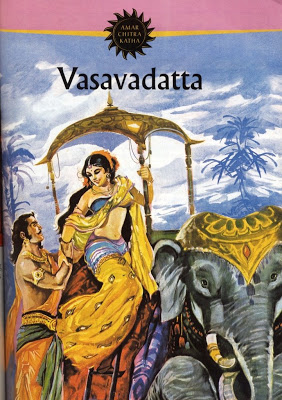
Udayana’s capital was Kausambi. He was a great Veena player. Vaasavadataa , princess of Ujjaiyini , saw him in a dream and fell in love with him. She was the heroine of Subhandhu’s ‘Vasavadatta’.

Here is piece about her in the Great Women of India.

 Vasavadatta  the far famed queen of Udayana is the character where the recognised romantic ideal  (sachiva, sakhii, shishya) is brough to a highest level of execution. The features of sensitive pride and surrender to the cause of the husband are not clouded, but shine in her pre-eminently. There have been poets and dramatists who have brought her  character  into fine relief by presenting her  in comparison and contrast with other queens Padmaavatii,Saagarikaa and Priyadarshikaa .

In two the Bhasa plays,  we have Vasavadatta  as the figure round  which the whole course of events turns. Yaugandharayana’s policy succeeds  because of the force of the circumstances and of the self -effacement  of Vasavadatta , who offered him her ungrudging  aid.  She reconciles herself to her new position as the trusted and respected attendant maid , in which occupation, she has to weave the marriage garland of  Padmavati and do other unwonted and difficult things.  She accuses none for her ordeal of separation but relentless fate. The Samudragriha episode affords solace to her, proving, if any proof was necessary , that she was, as before, the king’s beloved par excellence.

Her recognition or appreciation of Padmavati as  her valued co-wife is a thing not uncommon in literature  and in history for Hindu  wives of high birth  and position.  The mutual respect and affection of the two queens, born of Vasavadatta’s majestic demeanour and Padmavati’s stately courtesy.

Classical Sanskrit literature is replete with examples of this type of adaptability, which is in keeping with the inner promptings of constancy that had their inspiration at least from the Epic Age. Episodes like those developed round  Manorama, Vinayavati, Sagariika are apt illustrations , in some of which the amiable  and accomplished rival claimant to the king’s affection is no less a favourite  with the reader than the main heroine.

Here is a piece from Wikipedia:-

Svapnavasavadattam (Sanskrit: स्वप्नवासवदत्तम्, Svapnavāsavadattam) (EnglishThe dream of Vasavadatta) is a Sanskrit play in six acts written by the ancient Indian poet Bhasa. It is probably the best known of Bhāsa‘s works.
(Bhasa lived in 3rd or 4th century BCE).

The plot of the drama is drawn from the romantic narratives about the Vatsa king Udayana and Vasavadatta, the daughter of Pradyota, the ruler of Avanti, which were current in the poet’s time and which seem to have captivated popular imagination. The main theme of the drama is the sorrow of Udayana for his queen Vasavadatta, believed by him to have perished in a fire, which was actually a rumour spread by Yaugandharayana, a minister of Udayana to compel his king to marry Padmavati, the daughter of the king of Magadha. It forms, in context, a continuation of his another drama, Pratijnayaugandharayana.

The complete text of the Svapnavasavadattam was long lost until it was discovered in Kerala in 1912.A tradition is recorded that when the critics subjected the plays of Bhasa to a severe test by throwing them into fire, only Svapnavasavadattam rose out unaffected, while other plays were all consummated by the flames. This play contains some of Bhasa’s greatest characters.

 MY OLD POSTS:-

tamilandvedas.com › tag › udayanas-encounter-with-elephants 
Udayana’s encounter with elephants | Tamil and Vedas

29 Sep 2012 – Posts about Udayana’s encounter with elephants written by Tamil and … Interesting stories about elephants are found in Indian literature.

tamilandvedas.com › tag › svapnavasavadatta 
Svapnavasavadatta | Tamil and Vedas

Translate this page

18 Apr 2014 – Here are some quotes from ‘Svapnavasavadatta’, his masterpiece and one of the best dramas available today:—. Ignorance 1.Even deities …

tamilandvedas.com › 2014/04/20 › beautiful-and-tranquil-hermitages-… 
Beautiful and Tranquil Hermitages of Ancient India | Tamil and …

20 Apr 2014 – The following passages from Svapnavasavadatta illustrate these points more clearly: Act 1. Yaugnadharayana: Self possessed dwellers of the …

–SUBHAM–

டைட்டானிக் கப்பல் விபத்து விசாரணை (Post No.7519)

WRITTEN BY LONDON SWAMINATHAN

Post No.7519

Date uploaded in London – 31 January 2020

Contact – swami_48@yahoo.com

Pictures are taken from various sources for spreading knowledge; this is a non- commercial blog.

மே 24, 1992 தினமணியில் நான் எழுதிய கட்டுரைகள்:–

1.ரஷ்ய ராக்கெட்டுகள் ஏலம்

2.எல்விஸ் பிரெஸ்லி தபால் தலை

3.டைட்டானிக் கப்பல் விபத்து விசாரணை

4.எக்ஸ்டசி உயிர்கொல்லி மருந்து

இதில் டைட்டானிக் கப்பல் விபத்து விசாரணை

 பற்றிய செய்தியைக் காண்போம்–

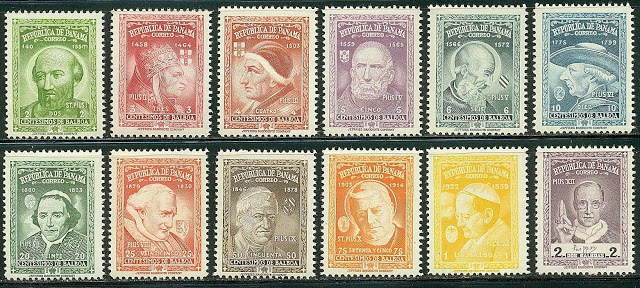
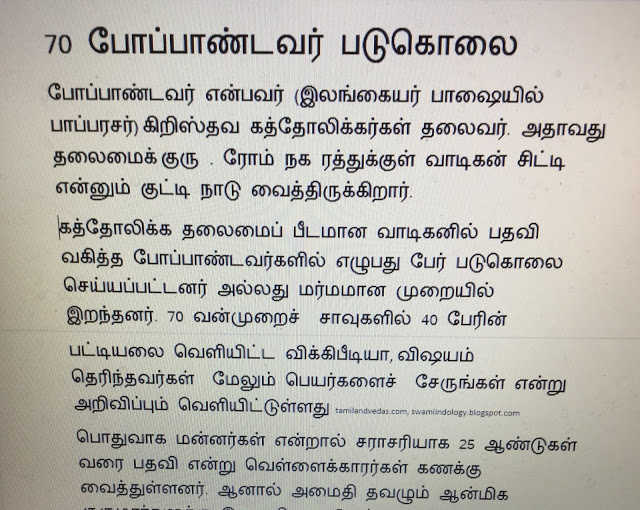
70 போப்பாண்டவர் படுகொலை (Post No.7518)

tamilandvedas.com, swamiindology.blogspot.com

WRITTEN BY LONDON SWAMINATHAN

Post No.7518

Date uploaded in London – 31 January 2020

Contact – swami_48@yahoo.com

Pictures are taken from various sources for spreading knowledge; this is a non- commercial blog.


கிறிஸ்தவர்களைப் பிரித்து பிராடஸ்டண்ட் (Protestant) பிரிவை 

உருவாக்கினார் போப்பாண்டவர் ‘பாவ மன்னிப்புச்  சீட்டு’ 

விற்றதே tamilandvedas.com, swamiindology.blogspot.com  இதற்கு காரணம்.

இனி கொலையுண்ட போப்புகளின் பட்டியலைப் பாருங்கள் :–

List of popes who died violently

From Wikipedia, the free encyclopedia

A collection of popes who have had violent deaths through the centuries. The circumstances have ranged from martyrdom (Pope Stephen I)[1] to war (Lucius II),[2] to a beating by a jealous husband (Pope John XII). A number of other popes have died under circumstances that some believe to be murder, but for which definitive evidence has not been found.

Martyr popes[edit]

This list is incomplete; you can help by expanding it.

In tradition, the first pope, Saint Peter, was crucified upside-down.

Murdered popes[edit]

Dubious[edit]

tags -போப்பாண்டவர், படுகொலை

—–subham—

நல்ல ஜீரணத்திற்கான அருமையான அறிவுரைகள்! – 1(Post No.7517)

WRITTEN BY S NAGARAJAN                     

Post No.7517

Date uploaded in London – 31 January 2020

Contact – swami_48@yahoo.com

Pictures are taken from various sources for spreading knowledge; this is a non- commercial blog.

திருநெல்வேலியிலிருந்து வெளிவரும் ஹெல்த்கேர் தமிழ் மருத்துவ மாத இதழில் ஜனவரி 2020 இதழில் வெளியாகியுள்ள கட்டுரை (ஹெல்த்கேர் ஆசிரியர் R.C.ராஜா, 10, வையாபுரி நகர், திருநெல்வேலி டவுன் 627006, தமிழ்நாடு, இந்தியா)

புத்தகச் சுருக்கம் : Perfect Digestion by Deepak Chopra

நல்ல ஜீரணத்திற்கான அருமையான அறிவுரைகள்! – 1

(தீபக் சோப்ரா எழுதியுள்ள ‘பெர்ஃபெக்ட் டைஜெஸ்ஷன்”)

ச.நாகராஜன்

உலகப் புகழ் பெற்ற எழுத்தாளர், யோகா மாஸ்டர், வாழ்க்கை முறை நெறியாளர் தீபக் சோப்ரா அமெரிக்காவில் வாழ்ந்து வருகிறார்.

ஏராளமான நல்ல புத்தகங்களை எழுதியுள்ளவர் அவர்; அவரது புத்தகங்கள் உலகெங்கும் லட்சக் கணக்கில் விற்று சாதனை படைத்திருக்கின்றன.

நல்ல ஜீரணத்தை அடைவதற்கான வழிகள் என்ற அவரது புத்தகம் அருமையான புத்தகம். 127 பக்கங்கள் கொண்ட இந்த நூல் 10 அத்தியாயங்களைக் கொண்டுள்ளது.

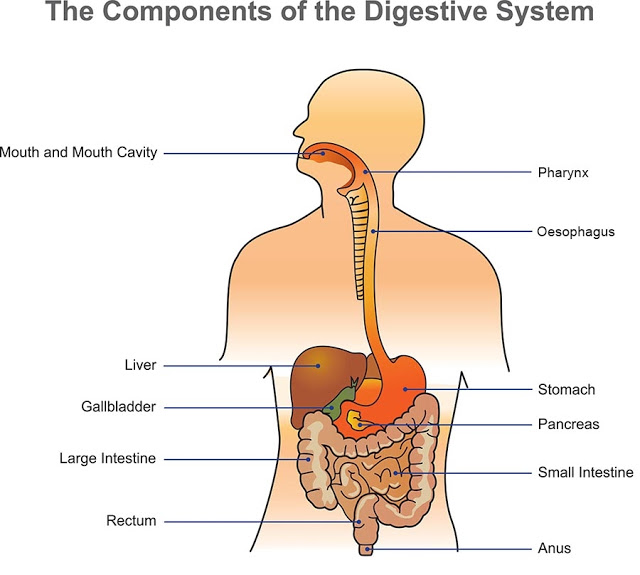
மனிதன் ஆரோக்கியமாக வாழ அவன் எடுத்துக் கொள்ளும் உணவு மிக முக்கியமானது. குடல், இரைப்பை, குடல் நாளம் ஆகியவை எப்படிப்பட்ட உணவை ஏற்கும், எவற்றை எடுத்துக் கொண்டால் உடலில் பிரச்சினைகள் தோன்றும் என்ற அடிப்படை அறிவை அறியாததால் தான் உலகில் பெரும்பாலானோருக்கு ஜீரணம் சார்ந்த பிரச்சினைகள் உருவாகின்றன.

அந்த வகையில் நல்ல அறிவுரைகளைத் தந்து ஜீரணம் பற்றிய முழு விவரங்களைத் தொகுத்து விளக்கி ஆயுர்வேத அடிப்படையிலான ஆலோசனைகளை வழங்குகிறார் இந்தப் புத்தகத்தில் தீபக் சோப்ரா.

செரிமானக் குடல் தடம் சிக்கலான ஒரு உறுப்பு.

மாறிக் கொண்டே இருக்கும் உடல் அமைப்பில் 98 சதவிகிதம் அணுக்கள் சென்ற வருடம் உடலில் இல்லாதவை,

இந்த ஒரு உண்மையே உடல் அமைப்பு மாறிக் கொண்டே இருக்கிறது என்பதைக் காண்பிக்கிறது. இதை முதலில் உணர வேண்டும்.

ஒரு ஆச்சரியாமான உண்மை, உங்களின் உடல் எலும்புகள் ஒவ்வொரு மூன்று மாதமும் புதுப்பிக்கப்பட்டுக் கொண்டே இருக்கின்றன என்பது தான்!

இர்ரிடபில் பவல் சிண்ட் ரோம் (Irritable Bowel Syndrome – IBS) எனப்படும் குடல் பதற்றப் பிணிக்கூட்டு நோய் ஒரு ‘வில்லங்கமான’ வியாதி.

எதையும் சாப்பிட விடாது; சாப்பிட்டவுடன் டாய்லெட்டை நோக்கி ஓட வேண்டும் போன்ற உணர்வை ஏற்படுத்தும் வியாதி.

வெளியில் சாப்பிட முடியாது; பயணம் போக முடியாது; விருந்தில் கலந்து கொள்ள முடியாது, ஏன் அண்டை அயலார் உறவினர் வீட்டிற்குக் கூட சகஜமாகப் போக முடியாது; எதையாவது  கொடுத்துச் சாப்பிடச் சொன்னால்…” – என்ன செய்வது என்ற இடைவிடாது தொற்றிக் கொண்டிருக்கும் பயமே காரணம்!

இந்த வியாதி பற்றிய முழு விவரத்தையும் நோய்க்கான தீர்வையும் விளக்கமாகத் தருகிறது இந்த நூல்.

ஆயுர் வேத வைத்திய முறை உடலை வாதம், பித்தம், கபம் என மூன்று வகையாகப் பிரிக்கிறது.

முதலில் இந்த மூன்றில் நாம் எந்த வகை என்பதை அறிந்து கொள்ள வேண்டும். அதற்குத் தக்கபடி நமது உணவுப் பழக்கத்தை ஏற்படுத்திக் கொள்ள வேண்டும்.

இதற்காக மூன்று வினாத்தாள்கள் 20 கேள்விகளுடன் தரப்பட்டுள்ளன. அதற்கு விடையளித்த பின்னர் கொடுக்கப்பட்ட சரியான விடைகளுடன் ஒத்துப் பார்த்து நீங்கள் எந்த டைப் என்பதைக் கண்டுபிடித்து விடலாம்.

முதலாவது வகையினர்

வாத வகையினர் (Characteristics of Vada Type)

ஒல்லியான உடல்வாகு, எடை குறைவு

சுறுசுறுப்பாகச் செயல் புரிவர்

ஒழுங்கற்ற பசி எடுக்கும் தன்மையும் சீரற்ற ஜீரணமும்

விட்டு விட்டுத் தூங்குதல், இன்சோம்னியா நிலை போல இருத்தல்

சுறுசுறுப்பு, நல்ல கற்பனா திறன், குதூகலமான தன்மை

உணர்ச்சிவயப்படக்கூடியவர், அடிக்கடி மனநிலை மாறும் தன்மை (Changing moods)

ஒரு விஷயத்தை உடனே கிரஹிப்பவர், அதே போல மறந்தும் போய்விடுவர்

கவலைப்படும் சுபாவம்

மலச்சிக்கல் வரும் தன்மை

சுலபமாக களைப்படைவர், அதிக வேலை செய்வர்

மன மற்றும் உடல் ஆற்றல் பொங்கிப் பொங்கி வரும் (Mental and physical Energy comes in bursts)

இரண்டாவது வகையினர்

பித்த வகையினர் (Characteristics of Pitta Type)

நடுத்தர உடல் வாகு கொண்டவர்

நடுத்தர வலிமை அதே போன்ற தாங்கும் சக்தி கொண்டவர்

நல்ல பசியும் தாகமும் கொண்டவர், நல்ல ஜீரண சக்தி உண்டு.

கோபம் கொள்பவர், மன அழுத்தத்தில் எரிச்சல் அடைபவர்

சிவப்பான தோற்றம், மச்சம் உள்ளவர்

சூரிய வெளிச்சம் ஆகாது, வெப்பம் அதிகமாக இருப்பின் தாங்க மாட்டார்

ஊக்கமுடையவர், சவால்களை எதிர்கொண்டு சமாளிப்பவர்

கூரிய புத்தி

துல்லியமானவர், நல்ல குரலுடன் பேசுபவர்

அந்தந்த வேளை உணவை விட்டுக் கொடுக்கவே முடியாதவர்.

பொன் நிறம்/பழுப்பு/ சிவப்பு முடியினர்

மூன்றாவது வகையினர்

கப வகையினர் (Characteristics of Kapha Type)

திடமான உடல்வாகு கொண்டவர்,வலிமையானவார், நல்ல உடல் வலிமை, தாங்கும் சக்தி அதிகம் கொண்டவர்

சீரான சக்தி; மெதுவாகவும் நளினமாகவும் செயல் புரிபவர்

அமைதியானவர், பதற்றமில்லாத ஆளுமை கொண்டவர், கோபம் மெதுவாகத் தான் வரும்

அமைதியானவர், மிருதுவானவர், வெளுத்தவர், எண்ணெய்ப்பசை கொண்ட தோல் கொண்டவர்

புதிய விஷயங்களை மெதுவாகப் புரிந்து கொள்வர், ஆனால் தீர்க்கமான நினைவாற்றல் இருக்கும்

நல்ல, நீண்ட தூக்கம்

சற்று உடல் பருமன் உண்டு

மெதுவான ஜீரண சக்தி, நிதானமான பசி

அன்பானவர், பொறுமையானவர், மன்னிக்கும் மனப்பான்மை கொண்டவர்

தன்னுடையது என்ற குணம் உண்டு,திருப்தியான சுபாவம் கொண்டவர்

ஒரு ஆயுர்வேத மருத்துவர் ஒருவரைப் பார்த்தவுடன் அவர் எந்த வகை என்பதைச் சுலபமாக நிர்ணயித்து விடுவார்.

சில அடிப்படை விதிகள்

நல்ல ஜீரண சக்தி அடைய சில அடிப்படையான விதிகள் உண்டு. அவையாவன:

நல்ல அமைதியான இடத்தில் உண்ணுதல் வேண்டும்.

உட்கார்ந்து உணவை உண்ண வேண்டும்.

மன அழுத்தம், சோர்வு,கவலையுடன் சாப்பிடக் கூடாது

அதிகமாக உண்ணக் கூடாது

ஃபிரிட்ஜில் வைக்கப்பட்ட குளிர்ந்த உணவை உண்ணக் கூடாது. ஐஸ் போட்ட திரவ வகைகளை உட்கொள்ளக் கூடாது

மென்று உண்ண வேண்டும்; பேசியவாறே சாப்பிடக் கூடாது

நிதானமாக உண்ண வேண்டும்.

உணவு உண்டபின் அது நன்கு ஜீரணமான பின்னரே அடுத்த வேளை உணவு உண்ணல் வேண்டும்.

அவ்வப்பொழுது சமைக்கப்பட்ட உணவு வகைகளை உண்ணுங்கள்.

எளிய நடைமுறைகள் தாம் இவை.

இவற்றைச் சரியாகக் கடைப்பிடிக்கவில்லையெனில் ஜீரண சக்தி குறைந்து சாப்பிட்ட உணவு வகைகள் அப்படியே இரைப்பையில் தங்கும்.

இதன் ஒரு விளைவாக ஏற்படுவது தான் ஆயுர்வேதம் குறிக்கும் ஆமா (Ama)

இதனால் ஏராளமான கோளாறுகள் உடலில் ஏற்படும். வாயில் வெள்ளைப் படலமாகத் தோன்றுவது இதன் ஒரு அறிகுறி.

இந்த அஜீரணக் கோளாறை நீக்க ஒரு எளிய சின்ன வழி உள்ளது.

முதல் வழி வாரத்தில் ஒரு நாள் எளிய கஞ்சி உணவு போன்ற திரவ உணவை மேற்கொள்வது.

அடுத்த இன்னும் ஒரு எளிய வழி.சாப்பிட்ட பின்னர் கொதிக்க வைத்த வெந்நீரை குடிக்கக் கூடிய பொறுக்கும் சூட்டுடன் அவ்வப்பொழுது நாள் முழுவதும் இரண்டு அல்லது மூன்று மடக்கு குடிக்க வேண்டியது தான்.

ஒரு பிளாஸ்கை வாங்கி வைத்துக் கொண்டு அவ்வப்பொழுது இந்த வெந்நீரை அருந்தி வந்தால் ஆமா போய் விடும்.

ஒரு முறை அல்லது இரண்டு முறை இப்படிச் செய்தால் போகாது; பல முறை இந்த வெந்நீர் குடிப்பதை மேற்கொள்ள வேண்டும்.

இதன் விளைவாக முதல் சில வாரங்கள் அடிக்கடி சிறுநீர் கழிக்க வேண்டி வரும். ஏனெனில் உடலில் சேர்ந்துள்ள ‘ஆமாவை’ உடல் சிறுகச் சிறுக வெளியேற்றுவதால் இது ஏற்படும். சில வாரங்களில் பழையபடி சில முறை மட்டுமே சிறுநீர் கழிக்கும் நிலை திரும்பி விடும்.ஆனால் ஜீரணத்திற்கு தீங்கு பயக்கும் ‘ஆமா’ பொயே போய் விடும்.

ஜீரணத்திற்காக ஆயுர்வேதம் பரிந்துரைக்கும் சில மூலிகைகளும் உண்டு. இவற்றை அன்றாடம் உணவில் நாம் சேர்த்துக் கொள்ளலாம்.

நெல்லிக்காய்: இரைப்பையில் தோன்றும் எரிச்சலை நீக்குவது இது. இரத்தத்தில் உள்ள இனிப்பையும் இது சமனப்படுத்தும் (

கொத்துமல்லி : பித்த தோஷத்தை நீக்கும்.

லவங்கம் மற்றும் கிராம்பு : ஜீரணத்தை ஊக்குவிக்கும்.

(அடுத்த பகுதியுடன் இந்த புத்தகச் சுருக்கம் முடியும்)

***