Pictures are taken from various sources for spreading knowledge; this is a non- commercial blog. Thanks for your great pictures.
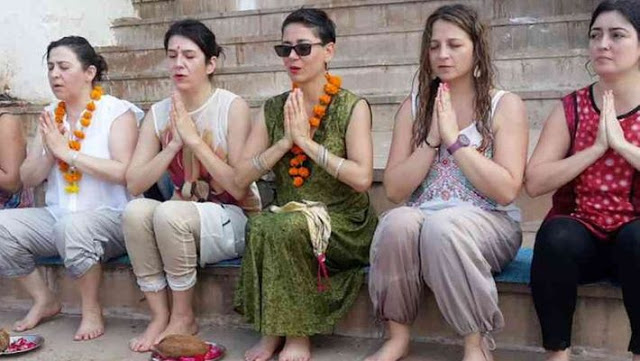
All of us go to temples and pray for one million things. Hindus pray for Moksha which is absent in Semitic prayers. Only people belonging to oriental religions pray to get out of B irth and Death Cycle. Since three speakers are in museums theory they don’t bother about Mukti or Moksha.
Hindus’ oldest prayers are in the Rig Veda. Probably those are the oldest prayers in the world. Greeks started writing (literature) only from 800 BCE. Hebrews and Chinese come closer to Hindus. Tamils started writing books from first century BCE. Just after the Latin speakers. Other ancient languages and their works are in museums now.
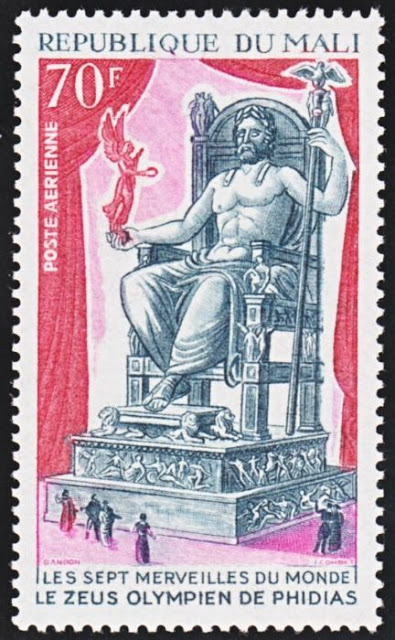
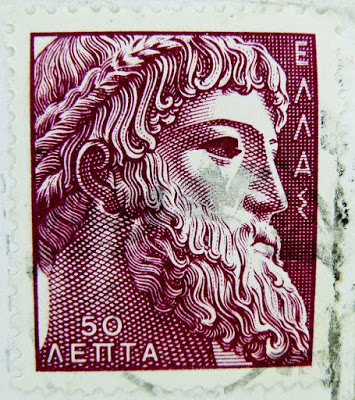
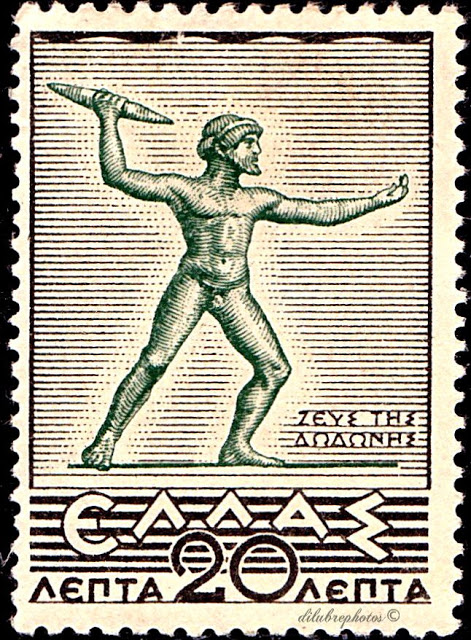
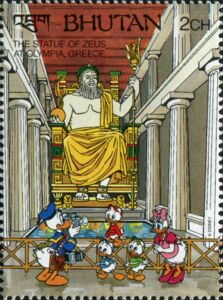
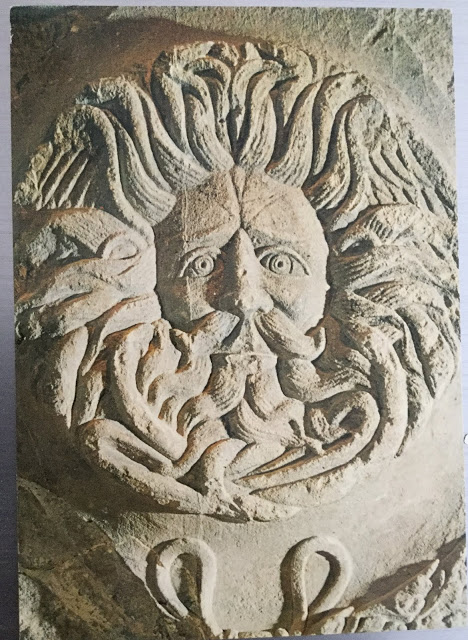
Greek god ZEUS is like the Indra of Rig Veda. Some people would compare him with Vedic Dyaus, Prajapathi, Jupiter etc.
Let my Father Die, Please!
Here is a bit of information from the book Eureka by Peter Jones:-
Greeks were well aware of the paradoxes inherent in Homer’s view of the gods . The brilliant satirist Lucian, writing in the second century CE, described how Zeus sat up in heaven in front of a collection of what looked like wells , each with a cover. He lifted the lid off each well to hear what prayers , covenants, oaths, omens and sacrifices in his name were coming through to him.
One man asked to become king, another that his onions and garlic should grow, another that his father should soon die. Some sailors prayed that the north wind should blow, others the south; farmers prayed for rain, people doing the washing for sun.
When ZEUS had listened to them all (groaning, as he did so, at the impossibility of keeping everyone happy), he left his orders, sounding rather like a TV weatherman: “Rain today in Scythia, lightning in Libya, snow in Greece; north wind in Lydia, south wind, take a rest, west wind, raise a storm over the Adriatic Sea; and a few large baskets of hailstones, fall on Cappadocia.”
Pictures are taken from various sources for spreading knowledge; this is a non- commercial blog. Thanks for your great pictures.
குக்கூ என்றது கோழி- பெண்களின் மாத விலக்கு பற்றி சுவையான பாடல் (Post 7773)
குக்கூ என்றது கோழி; அதன் எதிர்
துட்கென்றன்று என் தூஉ நெஞ்சம் —
தோள் தோய் காதலர்ப் பிரிக்கும்
வாள் போல் வைகறை வந்தன்றால் எனவே.
–அள்ளூர் நன்முல்லை (MISS SUKUMARI)
–குறுந்தொகைப் பாடல் 157
சுகு மாரி என்பது மல்லிகை, முல்லை, பிச் சி பூவகையில் ஒன்று)
பாடலின் பொருள்-
கோழி குக்கூ என்று கூவியது. அதற்கு நேராக எம் தோளைத் தழுவும் காதலரைப் பிரியச் செய்யும் வாளைப் போன்ற விடியற் காலைப் பொழுது வந்தது. எனது தூய நெஞ்சம் அதனால் அச்சத்தை அடைந்தது
கருத்து
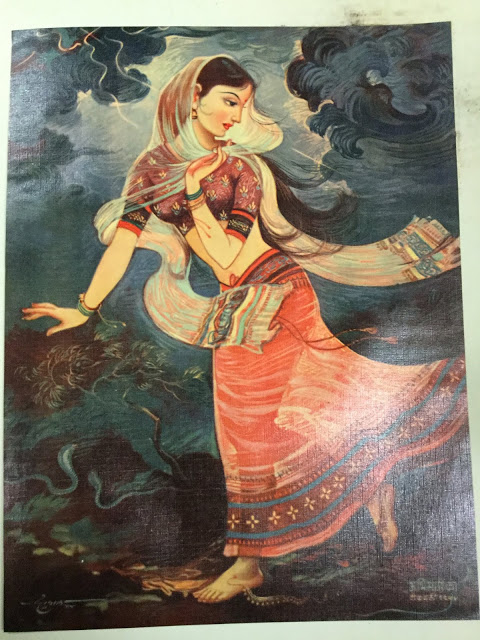
பூப்புக்காலத்தில் (MENSTRUATION) தலைவனைப் பிரிந்திருக்க அஞ்சிய தலைவி தன் உண்மை நிலையை மறைத்தது .
(இது மாதவிலக்கு (MENSES) பற்றிய இந்து நம்பிக்கைகளைப் பிரதிபலிக்கும் பாடல் )
இதைப் பாடியவர் ஒரு பெண். பொதுவாகப் பெண்கள் மாதவிலக்கு பற்றிப் பகிரங்கமாகப் பேசமாட்டார்கள். பேசினாலும் மகளிற்கிடையே மட்டும் சம்பாஷிப்பார்கள் ; கணவனிடம் நான் வீட்டில் இல்லை; அல்லது ‘சாமி படம், விளக்குக்கு அருகில் இன்று போக முடியாது’ என்று குறிப்பால் உணர்த்துவர். இது மாதவிலக்கு பற்றிய ஒரு அரிதான பாட்டு. நாலே வரிகளில் 40 விஷயங்களைச் சொல்லிவிடுகிறார்.
“அடடா , இன்னும் மூன்று நாட்களுக்கு கணவனைக் கட்டித் தழுவ முடியாதே” என்று வருத்தப் படுகிறார்.
இப்போதெல்லாம் நாம் என் நெஞ்சு படபடத்தது. ‘திக் திக்’ என்று அடித்தது ; ‘பக் பக்’ என்று சத்தம் கேட்டது என்றெல்லாம் சொல்கிறோம். அக்காலத்தில் மிஸ் சுகுமாரி ,மிஸ் மாலதி அல்லது மிஸ் மல்லிகா — அதாவது திருமதி முல்லை — அழகாக பாடியிருக்கிறார். ‘துட்’ என்றது என்று பாடிவிட்டார்.
உ.வே.சாமிநாதைய்யர் இப்பாடல் விமர்சனத்தில் — அதாவது உரையில் இன்னும் பல விஷயங்களைச் செப்புகிறார் .
‘அவையல் கிளவி மறைத்தனர் கிளத்தல்’ – தொல்காப்பியம் 2-442 என்பது விதியாதலின் தலைவி தான் பூப்பெ ய்தியதை வெளிப்படையாகக் கூறாதொழிந்தாள்.
துட்கு – அச்சம்
தலைவனைத் தவிர வேறு எதுவும் நினையாதாலால் தூய நெஞ்சம் ஆயிற்று.
பூப்புக் காலமாகிய மூன்று நாளும் தலைவியின் சொற் கேட்கும் அணிமையில் இருத்தலையன்றி, அளாவளாவுதல் அறநெறியன்று ஆதலின் பூப்பு, தலைவனைத் தோள் தோயாமற் பிரிப்பதாயிற்று.
பூப்புக் காலத்தில் கணவனும் மனைவியும் நெருங்கி வாழ்ந்தால் என்ன ஆகும் என்கிற பழைய உரைப் பாடல்களையும் உ.வே.சாமிநாதைய்யர் எடுத்துக் காட்டுகிறார்.
இந்தப் பாடலில் வாள் போல் வைகறை என்று ஒரு வரி வருகிறது. அது பற்றித் தனியாக எழுதுகிறேன்
என் கருத்து
மாதவிலக்கு நாளில் கணவன்- மனைவி சேர்ந்து படுக்கக்கூடாது. கருவுற்றாலும் அது அழியும் .கர்ப்பம் கலையும் ; தப்பித் தவறி குழந்தை பிறந்தாலும் அது ஆரோக்கியமாக வாழாது என்பது இந்துக்களின் நம்பிக்கை .
மல்லிகை, முல்லை, பித்திகம் (பிச்சி) முதலிய எல்லாப் பூக்களும் தாவரவியல் கணக்குப் படி ஜாஸ்மினியம் (JASMINIUM) தான் . சம்ஸ்க்ருதத்தில் நூற்றுக்கணக்கான சொற்கள் ஜாஸ்மினியம் (JASMINE ஜாஸ்மின் ) பூக்களுக்கு உண்டு. தமிழர்கள் மாலதி, மல்லிகா, சுகுமாரி என்றெல்லாம் பெயர் வைத்துக் கொள்வர். இவற்றில் நன் முல்லை என்பது சுகுமாரி என்ற சம்ஸ்கிருதப் பெயர் ஆகும். “சு” என்ற முன்னொட்டுடன் (PREFIX) நுற்றுக்கணக்கான பெண்கள் பெயர் சம்ஸ்க்ருதத்தில் உண்டு- சுமதி, சுமலதா, சுகுமாரி, சுகந்தி , சுகன்யா ……..
காமக்கண்ணியார் என்ற சங்கப் புலவரை காமாட்சி என்று காஞ்சி பரமாசார்ய சுவாமிகளும் (1894-1994) , உவே.சா. வும் செப்புவர். நிற்க.
மிஸ் (MISS) என்பதை திருமணம் ஆன , ஆகாத இருவருக்கும் பயன்படுத்தலாம்.
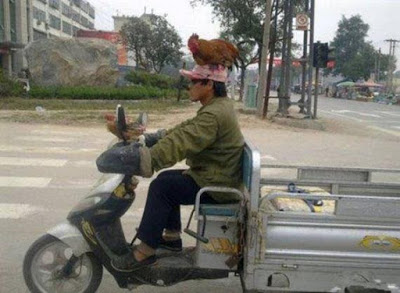
hen hitch hiking
மிஸ் சுகுமாரியின் சங்க இலக்கியப்பாடலைப் பார்த்தவுடன் எனக்கும் கவிதை எழுதும் ஆசை வந்துவிட்டது அட, வைரஸ் பட்டு, வண்ண தோசை போன்ற கவிஞர்கள் சினிமாவுக்கு எழுதியது போல எனக்கும் எழுத ஆசை பிறந்தது. இது என்றோ ஒரு நாள் தமிழ் சினிமாவில் இடம்பெறும் –
“குக்கூ என்றது கோழி
டிக்டிக் என்றது என் ரிஸ்ட் வாட்ச் (WRIST WATCH)
திக் திக் என்றது என் மனம்
பட் பட் என்று அடித்தது ஹார்ட் (HEART)
டொக் டொக் என்றது டோர் -ல் (KNOCKING AT DOOR)
ஸார் ‘மில்க்’ என்றான் பால் காரன் (MILK MAN)
பரிட்சை நாள் என்பதால் பயம் (EXAM DAY MORNING)
(லண்டன் சாமிநாதையர் பரீக்ஷை நாள் அன்று காலையில் எழுதிய கவிதை)
சாமிநாதையர் , கவிதை, நன்முல்லை, மாத விலக்கு, பூப்பு, குக்கூ , கோழி, Menses, Menstruation, குறுந்தொகை, பாடல் 157
Pictures are taken from various sources for spreading knowledge; this is a non- commercial blog. Thanks for your great pictures.
வர பலம் தவறினாலும் சர பலம் தவறாது!
ச.நாகராஜன்
கம்பனின் சுந்தரகாண்டம் அற்புதமான பாடல்களைக் கொண்ட ஒரு பாடல் களஞ்சியம்.
அனுமனின் ஆற்றலை இதில் காண முடியும்.
கிட்கிந்தா காண்டத்தில் அனுமப்படலத்தில் இராமனிடம் தன்னை யார் என்று தேர்ந்தெடுத்த சொற்களால் அறிமுகப்படுத்திக் கொண்ட அனுமனை ‘யார் கொல் இச்சொல்லின் செல்வன்’ என வியந்து இலக்குவனிடம் கேட்கிறான்
இராமன்! (பாடல் 33)
சுந்தர காண்டத்தில், சொல்லின் செல்வன் என்று இராமனால் வியந்து புகழப்படும் அனுமன் இராவணனைச் சந்திக்கின்ற போது அவனது சொல்லின் ஆற்றலைக் கண்டு வியக்க முடியும்.
அவன் இராவணனிடம் பேசுவதை பிணி வீட்டு படலத்தில் விவரிக்கிறான் கம்பன். பிணி வீட்டு படலம் சுமார் 140 பாடல்கள் கொண்டது. அநுமன் பிரம்மாஸ்த்ரத்திலிருந்து விடுபட்டு ராவணனை நேருக்கு நேர் சந்திப்பதை இந்தப் படலம் விவரிக்கிறது.
சொல்லின் செல்வன் பேசுகிறான் என்பதால் தேர்ந்தெடுத்த சொற்களை கம்பன் உபயோகிக்கிறான்.
அனுமனை உயர்த்துவதோடு தானும் உயர்கிறான்.
அநுமன் இராவணனோடு பேசும் நீண்ட உரையாடலில் ஒரு பகுதியாக ஒளிர்கிறது 16 கவிகள்.
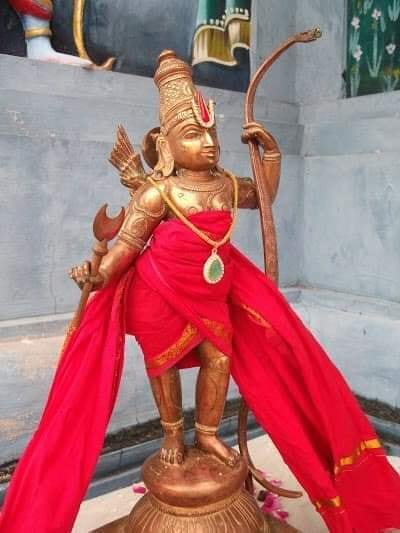
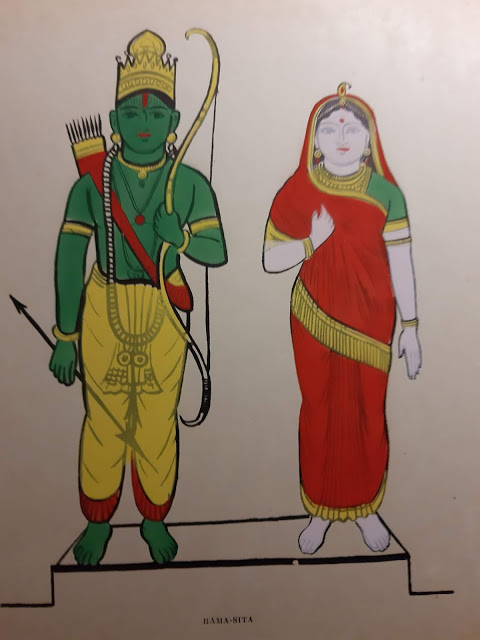
sri Rama
அவற்றில் சிலவற்றை இங்குப் பார்ப்போம்:
பாரைஞ் ஞூறுவ பற்பல பொற்புயல்
ஈரைஞ் ஞூறு தலையுள வென்னினும்
ஊரைஞ் ஞூறுங் கடுங்கன லுட்பொதி
சீரைஞ் ஞூறவை சேமஞ் செலுத்துமோ
பாடலின் பொருள் : பாரை நூறுவ பல்பல் பொன்புயம் – உலகை அழைக்க வல்ல பற்பல அழகிய புயங்களும்
ஈர் ஐ நூறு தலை உள என்னினும் – ஆயிரம் தலைகளும் உனக்கு உள்ளன என்றாலும்
சேமம் செலுத்துமோ – அவை உனக்கு நல்லதை உண்டாக்குமா (ஆக்காது)
அவை ஊரை நூறும் சுடுக் கனல் உன் பொதி – அவை ஊரையே அழிக்கும் கொடிய கனலினை உள்ளே பொதிந்து பத்திரப்படுத்தி வைத்த
நூறு சீரை – நூறு சீலைகளே ஆகும்.
பிராட்டி என்னும் கனலின் முன் குவித்து வைத்த கந்தைத் துணி போல நீ அழிந்து போவாய் என அற்புதமாக அநுமன் ராவணனுக்குக் கூறுகிறான்.
அடுத்த பாடல் அற்புதமானது.
அதில் சங்கரனிடமிருந்து பெற்ற வரபலம் தவறாது; அதன் மூலம் ராமனின் சர பலத்தைத் தவறச் செய்யலாம் என எண்ணுகிறாயா; அது நடக்கவே நடக்காது; ராமனின் சரம் தவறாது, (ஆகவே நீ பிழைக்க மாட்டாய்) என்கிறான் அநுமன்.
இதில் அற்புதமான ஒரு வரலாறு சொல்லப்படுகிறது.
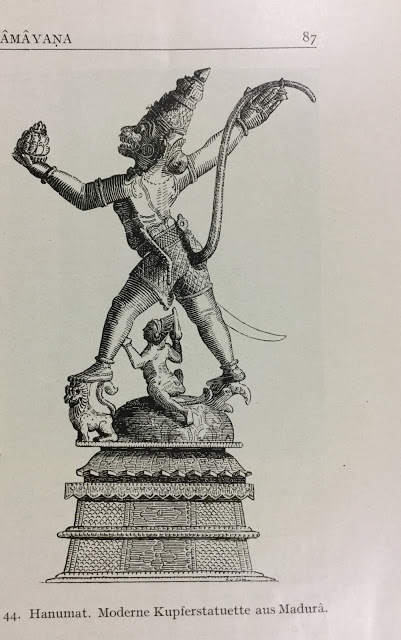
Hanuman in Madura.
ஒரு காலத்தில் இராவணன் கைலை மலையையே அடியோடு தூக்க முயற்சிக்கும் போது கோபம் கொண்ட சிவபிரான் தன் காலை அவன் தலையில் அழுத்த இராவணன் மலையின் கீழ் நசுங்கி அழுது புலம்பினான். பின்னர் தன் தலை ஒன்றை அறுத்து கை நரம்புகளை எடுத்து அதை யாழாக அமைத்துச் சாம கானம் பாட ஆரம்பித்தான். இதனால் மகிழ்ந்த சிவ பிரான் அவனை விடுவித்து வரமும் அருளினார்.
சிவனிடமிருந்து ஒரு வாளைப் பெற்றான். முக்கோடி வாழ்நாளையும் பெற்றான். (மூன்றரை கோடி) எவராலும் வெல்லப்படமாட்டாய் என்ற வார்த்தையையும் பெற்றான்.
முக்கோடி வாழ் நாள் , முயன்றுடைய பெருந்தவம், சங்கரன் கொடுத்த வாள், நாரத முனிவர்க்கு ஏற்ப நயம்பட உரைத்த நா என இப்படிக் கம்பன் இராவணனை ஏற்றம் தந்து பிறிதோரிடத்தில் பேசுவான்.
அநுமன் இராவணனின் இந்த வரலாற்றை அவனுக்கு நினைவூட்டி சங்கரன் கொடுத்த வரபலம் இருக்கிறது என்று மகிழாதே. ராமனின் சரபலத்தை நீ தாங்க மாட்டாய் என்கிறான்.
பாடல் இதோ:
புரம்பி ழைப்பருந் தீப்புகப் பொங்கியோன்
நரம்பி ழைத்தன பாடலி நல்கிய
வரம்பி ழைக்கு மறைபிழை யாதவன்
சரம்பி ழைக்குமென் றெண்ணுதல் சாலுமோ
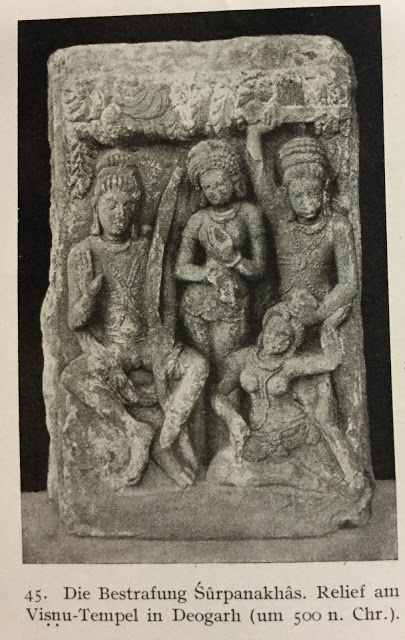
Surpanakha meeting Sri Rama, Deogarh Temple
பாடலின் பொருள் ; புரம் – திரிபுரத்திலும்
பிழைப்பு அரும் தீ புக – எவரும் தப்ப முடியாத பெரும் தீ புகுந்து எரிக்குமாறு
பொங்கியோன் – கோபம் கொண்டு பொங்கிய சிவபிரான்
நரம்பு இழைத்தன பாடலில் நல்கிய – நரம்புகளைக் கொண்டு நீ பாடிய பாடல்களுக்காக மனமுவந்து உனக்குக் கொடுத்தருளிய வரமானது
பிழைக்கும் – நீ மறைநெறி தவறியதால் தவறிப் போனாலும் போகும்
மறை பிழையாதவன் சரம் பிழைக்கும் என்று எண்ணுதல் சாலுமோ- வேத மார்க்கம் தவறாத ராமபிரானது அம்பு தவறிப் போகும் என்று நீ நினைப்பது தகுமா . தகாது!
தீமை நன்மையைத் தீர்த்தல் ஒல்லாது என்று கூறி அநுமன் வாயிலாக ராமாயணத்தின் உயிர் சாரத்தை இங்கு வைக்கிறான் கம்பன் இன்னொரு பாடலில். அறம் வெல்லும் பாவம் தோற்கும் என்பது தான் கம்பனின் – உயிரோட்டமான பிரதான செய்தி – theme!
இராவணன் சிவனின் கீர்த்தியைத் தனது கையின் அழகிய நரம்புகளைக் கொண்டு பாடிய செய்தியை இதற்கு முன்னர் வரும் படலமான ஊர்தேடு படலம் பாடலிலும் (178) கம்பன் இப்படி அழகுற எடுத்துரைக்கிறான்:
“கூடி நான்குயர் வேலையுங் கோக்க நின்று
ஆடினான் புகழ் அங்கை நரம்பினா
நாடி நற்பெயரும் பண்ணும் நயப்பு உறப்
பாடினான்”
இராவணனுக்கு தனது வருகை கடைசி வாய்ப்பு – Last Chance- என்று துணிச்சலுடன் அநுமன் சொல்வது எண்ணி எண்ணி மகிழ்வதற்குரிய பாடல்.
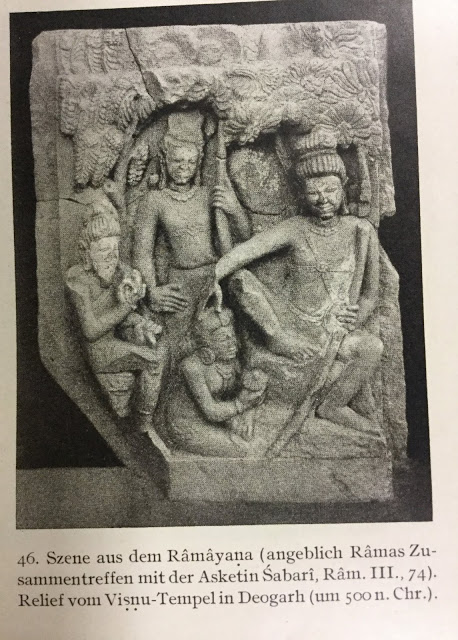
Tribal woman SABARI blessed by Sri Rama, Deogarh Temple
இன்று வீந்தது நாளைச் சிறிதிறை
நின்று வீந்த தலாலிறை நிற்குமோ
ஒன்று வீந்தது நல்லுணர் வும்பரை
வென்று வீக்கிய வீக்கம் விதியினால்
இன்று வீந்தது – இன்றைத்தினம் என்பது அழிந்ததே ஆகும்
நாளை – நாளைய தினம் என்று சொல்லப்படுவது
சிறிது இறை நின்று வீந்தது அலால் – சிறிது நேரம் நின்றதாய் இருந்து அழிவதே ஆகுமல்லாமல்
இறை நிற்குமோ – சிறிது நேரம் நிலை பெற்றிருக்குமோ?
(நிலை பெற்றிருக்காது)
நல் உணர்வு உம்பரை – நல்ல அறிவுடைய தேவர்களை
வென்று வீக்கிய வீக்கம் ஒன்று -வெற்றி கொண்டு தேடித் தொகுத்து வைத்த
உன் வாழ்வின் பெருமையாகிய ஒன்று
விதியினால் வீந்தது – உனக்கு ஏற்பட்டுள்ள விதியின் கொடுமையால் அழிந்து போயிற்று
இந்தப் பாடலை பல்வேறு விதமாகப் பொருள் கொள்ள முடியும்.
“தேவர்களை அக்கிரமமாக வென்ற போதே உன் பெருமை போயிற்று. இராம தூதனாகிய் என் வருகையில் உனக்கு மிச்சமிருந்ததில் பெரும்பாலான பெருமையும் போயிற்று; இன்னும் கொஞ்சம் ஏதேனும் பாக்கி இருந்தால் அது நாளை ராமபிரான் வருகையால் போய் விடும்” என்றும் பொருள் கொள்ள முடியும்.
அருமையான இந்த சுந்தர காண்டத்த்தின் பிணி வீட்டு படலம் அற்புதமான பாடல்களைக் கொண்டதாகும்.
இந்தப் படலத்தில் பகவத்கீதையை அப்படியே மொழி பெயர்த்துக் கம்பன் தருவதையும் இராம பிரானின் உண்மைத் தன்மையையும் அநுமன் கூறுவது மெய்சிலிர்க்க வைக்கும்.
அது அடுத்த கட்டுரைக்கான பொருள். அதை அடுத்துக் காண்போம்
Pictures are taken from various sources for spreading knowledge; this is a non- commercial blog. Thanks for your great pictures.
Tamil folk tales
A respectable merchant had his daughter instructed by a famous teacher in the town. After a few years of studying under him, she attained womanhood. On hearing of this, father of the girl called her and said,
My girl! Go and tell your Guru the good news. Don’t forget to give him Guru Dakshina along with coconut, betel nuts and fruits. Accordingly she went to the school master and having given him the betel nut, fruits and the fee, made her obeisance and said,
Sir, bless me and allow me to take leave.
Guru said,
Have I taken pains with you till now for the sake of this worthless money? Your father had already given me enough. I have for many years desired to embrace you. Now is the right time. Do not refuse me. Having said this he moved forward to molest her.
On hearing this the girl of honourable family trembled and agitated. She shouted at him,
You wretch! Ungrateful traitor! Is it right for you to lust after me? Learned fool! You will speedily be undone.
So saying she escaped from him and ran home. Because her father was busy with his business matters, she did not tell him at once.
In the meantime, the cunning teacher came to the merchant’s house and gave him the very bad news. I heard from your daughter that she has attained puberty. Just now I looked at her horoscope. It happened at the most inauspicious time. It is going to bring utter disaster for everyone in your family.
The merchant got very upset and asked him,
What can I do now?
The teacher told him,
Nothing to worry. Just put her in a basket and float her in the river. God will take care of her.
The merchant also acted hastily and did whatever he said.
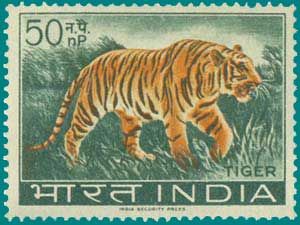
While the basket with the girl was floating in the river a king came for hunting. He saw the box and recovered it from the river. When he saw a beautiful teenager inside he sent her to his palace in his golden palanquin. He had hunted a tiger on the day. He put the wounded tiger in the basket and left it in the river.
The teacher had a cunning plan. He came alone and stopped the box. He took it on the head of workers to his house. In the night he scented himself with all sandal paste and fragrant garlands. He took the box into his private room. Burning with evil desire he asked,
What do you say now my girl? As soon as he opened the box the angry tiger sprang upon him and tore him to pieces.
A king kept a parrot as a pet. He liked it very much. One day it left the palace and flew with the birds that came from the heaven. The king got worried. But it came back after several days. It brought him a mango stone/ seed from the heaven. Afterwards addressing the king it said,
If you plant this and make it grow, whoever eats of its fruit, old age will forsake him and youth return. The king felt very happy and did bury the seed in his favourite garden. Every day he watered the tree with utmost care and looked after it very well with proper manure.
After some years having come to maturity it put forth buds, flowered, set its young fruit and bore ripe fruits. Immediately on its bearing ripe fruit the king ordered a mango from it to be cut and brought. He wanted to test it first and so gave it to an old man. The man fell down and died. The king was very angry. He thought that the parrot must have brought a poisonous fruit from his enemy. He thought it was a foreign conspiracy. So he took the parrot from its cage swung it round and striking it against the ground killed it. But it was an innocent bird.
What happened was just before the king’s man brought the mango, a snake fell on the fruit and vomited its poison. And a kite took the snake very next minute. So no one knew the poison in the fruit.
tamilandvedas.com, swamiindology.blogspot.com
After the death of old man, the tree was known as the poisonous mango tree. Whilst things were so, a washer man siding with his wife, struck his aged mother. The old woman vexed with her son decided to commit suicide. She came to the tree at the dead of night plucked a fruit and ate it. Immediately she became a sixteen-year-old beautiful girl. The servants came to know about it in the morning and took the girl to the king. He was surprised to see her and gave the fruits to some old people. All of them became very young. The king cried saying,
Alas! I have sinned by killing the innocent bird. I am a wretch. From that day he made a vow not to feel angry at any time.
tags – tiger, teacher, girl, king, parrot, poison, mango, youth, old age
Pictures are taken from various sources for spreading knowledge; this is a non- commercial blog. Thanks for your great pictures.
ஒரு சந்தேகம்- அந்தணர் என்போர் யார்?- part 2
நேற்றைய கட்டுரையில் திருக்குறளில் வந்த பார்ப்பான், அந்தணர் குறள்களைக் கண்டோம். இன்று ஒரு அழகான பார்ப்பன மகனைக் காண்போம்.
சங்க இலக்கியத்தில் 18 மேல் கணக்கு நூல்கள் உள . அதற்குப் பின்னர் நாலாம் நூற்றாண்டு முதல் திருக்குறள் உள்ளிட்ட 18 கீழ்க்கணக்கு நூல்கள் உருவாயின. கீழ்கண்ட குறுந்தொகைப் பாடல் சங்க கால நூல்களில் ஒன்றான குறுந்தொகையில் உளது.
பார்ப்பன மகனே பார்ப்பன மகனே
செம்பூ முருக்கி னன்னார் களைந்து
தண்டோடு பிடித்த தாழ் கமண்டலத்துப்
படிவ வுண்டிப் பார்ப்பன மகனே
எழுதாக் கற்பினின் சொலுள்ளும்
பிரிந்தோர்ப் புணர்க்கும் பண்பின்
மருந்து முண்டோ மயலோ விதுவே
-குறுந்தொகை பாடல் எண் 156
– பாண்டியன் ஏனாதி நெடுங்கண்ணன் பாடியது
பாட்டின் பொருள்-
(தலைவியிடத்தில் ஆசைகொண்ட தலைவனை பாங்கன் இடித்துரைத்த போது , தலைவன் பாங்கனை நோக்கி நீ திட்டுவதால் பயன் ஒன்றுமில்லை என்றது )
“பார்ப்பன மகனே ! சிவப்பு நிறப் பூவையுடைய புரச மரத்தினது நல்ல பட்டையை நீக்கிவிட்டு , அதன் தண்டோடு , கமண்டலத்தைக் கீழே வைத்துக் கொண்டு, விரத உணவு மட்டும் சாப்பிடும் பார்ப்பன மகனே ! என்றும் எழுதப்படாத வேதத்தைக் கற்று வந்தாயே , உன்னுடைய அருமையான அறிவுரைக்குள் பிரிந்து போன கணவன் மனைவியைச் சேர்த்து வைக்கும் மருந்து இருக்கிறதா ? நீ என்னைத் திட்டுவது அறியாமையால் வந்ததே” .
கருத்து – நீ என்னை இடித்துரைப்பதால் பயன் யாதும் இல்லை.
இந்த காட்சியைக் கொஞ்சம் கற்பனை செய்வோம். காதலனுக்கும் காதலிக்கும் இடையே பிணக்கு; பிரிந்து போய்விட்டார்கள். பாங்கன் என்பது பார்ப்பன தூதன். அவன் வந்து காதலனை அல்லது கணவனைக் கடிந்து கொள்கிறான். அவன் உருவத்தை வருணித்து விட்டு, நீ என்னைத் திட்டுவதை நிறுத்து. நீ
கற்ற வேதத்துக்குள் இருவரையும் சேர்த்துவைக்கும் வசிய மந்திரம் ஏதேனும் இருக்கிறதா? வெறுமனே என்னைத் திட்டுவதால் பயன் ஒன்றுமில்லை.
பாடலில் வரும் ‘மருந்து’ என்பதை உ.வே.சாமிநாதையர் ‘பரிகாரம்’ என்று எழுதி அதற்கு ஆதாரமாக எடுத்துக் காட்டுகளைத் தருகிறார் .
ஆனால் பாடலில் நான் சொல்ல வந்த விஷயம் வேறு-
பார்ப்பனர் மட்டுமே தூதர் வேலை செய்ய முடியும் என்று தொல்காப்பியமும் சொல்லும்; புறநானுறும் காட்டும். ஏனெனில் அவர்கள் லஞ்சம் வாங்க மாட்டார்கள்; பொய் சொல்ல மாட்டார்கள். சிலப்பதிகாரத்திலும் மாதவியிடமிருந்து கோவலனுக்கு மன்னிப்புக் கடிதம் கொண்டு வந்தது பார்ப்பனர் என்றும் படிக்கிறோம்.
இரண்டாவது முக்கிய விஷயம்– முருக்கு ; அதாவது பலாச மரம் எனப்படும் புரச மரத்தால் ஆன கம்பை , தடியை பார்ப்பனர்கள் / பிரம்மச்சாரிகள், சந்யாசிகள் வைத்திருப்பர்; கமண்டலமு ம் ஒரு உறியில் தொங்கும்; இதைப் பழந்தமிழ் நூலான தொகாப்பியமும் செப்பும்-தொல் .மரபு. 70 ; பேராசிரியர் உரை
மூன்றாவது முக்கிய விஷயம் – படிவ உண்டிப் பார்ப்பனன்- இது முல்லைப் பாட்டிலும் (வரி 37); அதாவது கண்ட நேரத்தில், கண்ட உணவைச் சாப்பிட மாட்டார்கள்.
அந்தணர் என்போர் அறவோர் , துறவியர் என்பதை வள்ளுவத்தில் கண்டோம். அதை உறுதிப் படுத்துகிறது இப்பாட்டு .
எழுதாக் கற்பு
வேதத்தை மிக அழகாக வருணிக்கிறார் பாண்டியன் நெடுங்கண்ணன் ; வேதத்தை எழுதவே கூடாது ; கேள்வியால் — காதில் கேட்பதால் மட்டுமே – ‘சுருதி’ – கற்க வேண்டும் என்பதை 2000 ஆண்டுக்கு முன்னரே மக்கள் பெருமை படக் கூறினர் .
‘கற்பு’ என்பதை கற்ற விஷயம் என்று பழைய உரை கூறுகிறது ஆனால் எனக்கு வேறு ஒரு கருத்தும் புல ப்படுகிறது . பெண்ணின் ‘கற்பு’ பற்றி தமிழும் சம்ஸ்கிருதமும் விதந்து ஓதுகின்றன. ‘எழுதாக் கற்பு’ என்பதை எழுதினால் அதன் கற்பு , அதாவது புனிதத் தன்மை , போய்விடும் என்று கருதித்தான் பாண்டியன் நெடுங்கண்ணன் அந்தச் சொல்லை இங்கு போட்டாரோ !
மற்ற இடங்களில் எல்லாம் சங்கத் தமிழ் புலவர்கள் வேதம் என்பதைக் குறிக்க ‘நான் மறை’, ‘அரு மறை’, ‘வேதம்’ என்ற சொற்களையே பயன்படுத்துகின்றனர் .
Xxx
திருவள்ளுவர் ஆண்டு கி.மு.31 உருவான கதை !
திருக்குறளில் வரும் மொழி மாற்றத்தைக் காட்டி மொழியியல் ரீதியில் அது பிற்கால நூல் என்று பேராசிரியர் வையாபுரிப பிள்ளை நிரூபித்தார். ஆயினும் திருக்குறள் பற்றிய மகாநாட்டில் காரசார விவாதம், வெளிநடப்பு நடந்தவுடன் கி.மு. 31
தான் அவரது ஆண்டு என்று ‘கட்டைப் பஞ்சாயத்து’ செய்தனர். இதற்குக் காரணம் இல்லாமல் இல்லை.
எல்லிஸ் துரை , ஜி யூ போப் போன்ற கிறிஸ்தவர்கள் செயின்ட் தாமஸ் சென்னை விஜயம் பற்றிய கட்டுக் கதைகளைப் பரப்பிவிட்டு திருவள்ளுவருக்கு ஏசு கிறிஸ்துவை நன்றாகவே தெரியும் என்று பரப்பிவிடனர் . அவர்கள் மண்டையில் ஆணி அறைந்து சவப்பெட்டிக்குள் அடக்கி வைக்க தமிழர்கள் போட்டார்கள் ஒரு போடு! “ஏசுவுக்கு 31 ஆண்டுக்கு முன்னர் பிறந்தவர்டா ! எங்கள் வள்ளுவன் என்று அடித்துப் பேசினர்” . கிறிஸ்தவர் கூட்டமும் அடங்கியது. வள்ளுவரும் உயிர்தப்பினார். அந்தக்கால மகாநாட்டு பத்திரிக்கைச் செய்திகளைப் படித்தோருக்கு விவரம் தெரியும். ஆனால் அவர்கள் அவ்வளவு கஷ்டமே பட்டிருக்க வேண்டாம். திருக்குறளின் கடவுள் வாழ்த்திலேயே 7 குறள்களில் உருவ வழிபாட்டுடன்தான் கடவுள் வாழ்த்தைத் துவக்கினார். பின்னர் துறவறவியலில் 140 குறள்களில் பகவத் கீதையின் 700 ஸ்லோகங்களை ஜூஸ் பிழிந்து ஒரே கிளாஸ்ஸில் தமிழனுக்குக் கொடுத்து விடுகிறார் .முதல் குறளையும் கடைசி குறளையும் ஸம்ஸ்கிருதச் சொல்லில் அமைத்து சம்ஸ்கிருதம் அழியக்கூடாதென்று சபதம் செய்கிறார். ஒவொன்றுக்கும் அதிகாரம் என்று சம்ஸ்கிருதப் பெயர் சூட்டுகிறார் . நூ ற்றுக் கணக்கான குறள்களில் சம்ஸ்கிருதச் சொற்களை பயன்படுத்திவிட்டு “டேய் தமிழா ! கவலைப் படாதே ! திருக்குறள் உள்ளவரை இந்து மதமும் அழியாது; சம்ஸ்கிருதமும் அழியாது” என்று மனதில் நினைத்துக் கொண்டு சமாதி ஆனார்.
–subham–
tags — திருவள்ளுவர் ஆண்டு, பார்ப்பன மகனே, குறுந்தொகை, அந்தணர் என்போர் யார்?- part 2
Pictures are taken from various sources for spreading knowledge; this is a non- commercial blog. Thanks for your great pictures.
ஆல் இந்தியா ரேடியோ சென்னை வானொலி நிலையம் அலைவரிசை ‘A’யில் காலைமலர் நிகழ்ச்சியில் தினமும் காலை 6.55க்கு 1-3-2020 முதல் 10-3-2020 முடிய ஒலிபரப்பப்பட்ட பத்து சுற்றுப்புறச்சூழல் விழிப்புணர்வு உரைகளில் ஐந்தாவது உரை
இயற்கைச் சூழலை மாசில்லாது பாதுகாக்க வேண்டும் என்ற விழிப்புணர்ச்சி உலகெங்கும் மேம்பட இயற்கை ஆர்வலர்கள் உத்வேகமூட்டும் முன்மாதிரியாகத் திகழ்கின்றனர்.
சாமானியனிலிருந்து ஹாலிவுட் பிரபலங்கள் வரை இதில் முனைப்புடன் ஈடுபடுவது வரவேற்கப்பட வேண்டிய செய்தியாகும்.
உலகின் பிரசித்தி பெற்ற நடிகரான லியனார்டோ டிகாப்ரியோ (Leonardo Dicaprio) 50 லட்சம் டாலர் தந்து அமேஸான் காடுகளைப் பாதுகாக்க வேண்டும் என்ற தனது எண்ணத்தை வலியுறுத்தியுள்ளார்.
அமேஸான் காடுகளில் இயற்கையாகவும் சிலசமயம் செயற்கையாகவும் ஏற்படும் தீ விபத்து பல்லுயிர் பெருக்கத்திற்குப் பெரும் ஊறு விளைவித்திருக்கிறது.
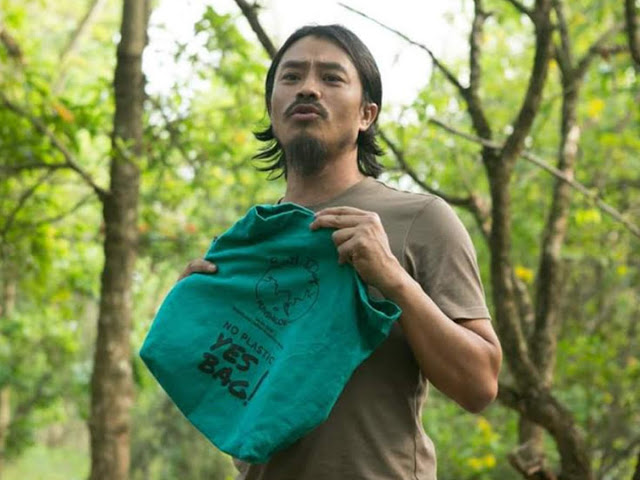
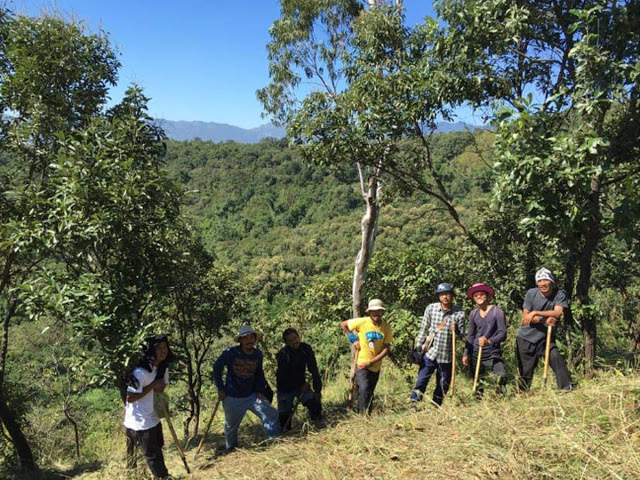
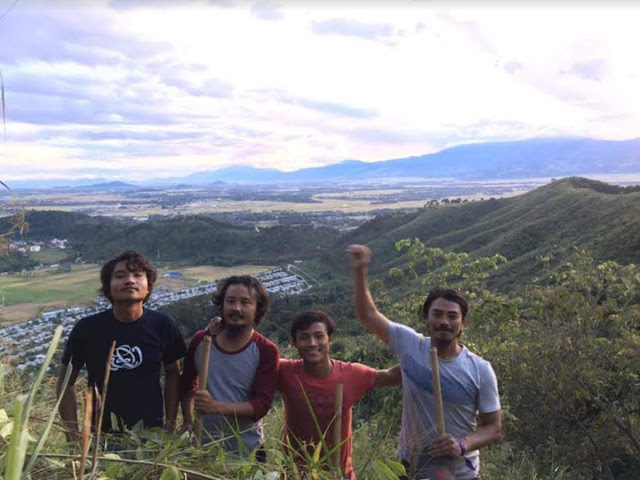
இதே போல இம்பாலின் மேற்கே உள்ள காடுகள் அழிந்து வரும் நிலையைக் கண்ட 45 வயதான மொய்ரங்தெம் லொய்யா (Moirangghem Loiya) மருலாங்கோல் மலைத் தொடர் பகுதிகளில் (Maru Longol hill range) தனது இளம் பருவத்தில் குழந்தையாக இருக்கும் போது அடிக்கடி செல்வது வழக்கம்.
தனது கல்லூரிப்படிப்பை முடித்த நிலையில் 2000ஆம் ஆண்டில் அங்கு சென்ற போது அந்தப் பகுதி முற்றிலுமாக எரிக்கப்பட்டு கிடந்ததைக் கண்டு திடுக்குற்றார்; வேதனை கொண்டார். உடனே அந்தப் பகுதியில் இழந்த பசுமையை மீட்க வேண்டும் என்ற ஒரே நோக்கத்துடன் மரங்களை நட ஆரம்பித்தார். கடந்த 19 வருடங்களாக இடைவிடாது அவர் நட்டு வந்த மரங்கள் 300 ஏக்கர் காட்டை உருவாக்கி இழந்த பசுமையை மீட்டிருக்கிறது.
இந்திய அரசியல் அமைப்பின் 51-A (g) பிரிவானது ஒவ்வொரு இந்தியக் குடிமகனும் இயற்கையைப் பாதுகாப்பதை கடமையாகக் கொள்ள வேண்டுமென்பதை வலியுறுத்துவதோடு விலங்குகளின் மீது இரக்கத்துடன் நடந்து அவற்றைப் பாதுகாக்க வேண்டும் என்கிறது.
லொய்யாவின் தன்னலமற்ற பணியால் உள்ளூர் மக்களும் உற்சாகத்துடன் அவருடன் இணைந்து இயற்கைப் பாதுகாப்பில் ஈடுபட்டு வருகின்றனர்.
அரசும் லொய்யாவின் பணியை வரவேற்று ஊக்குவிக்கிறது.
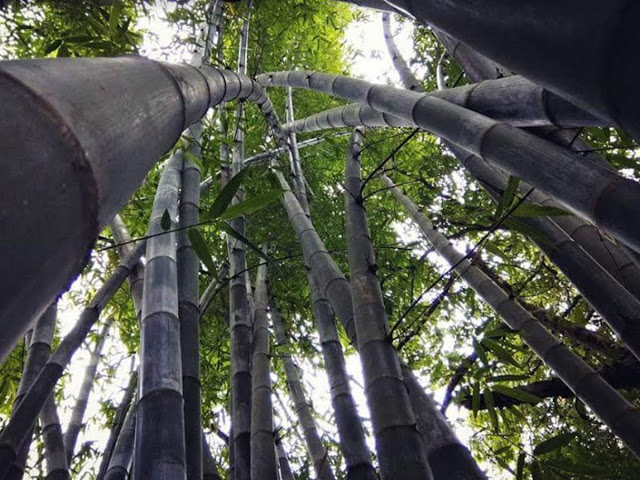
250 வகையான தாவரங்கள் அங்கு வளர்கின்றன; இவற்றில் 25 வகையான மூங்கில் இருப்பது ஒரு சிறப்பு அம்சமாக இலங்குகிறது. அத்துடன் ஏராளமான பாம்பு வகைகளும், விலங்கினங்களும் பறவைகளும் இப்பகுதியில் பயமின்றி வாழ்ந்து வருகின்றன.
பெருந்திரளான மக்கள் இந்த இயற்கைப் பசுமையைப் பார்த்துப் பரவசப்பட்டு தம் தம் அளவில் இயற்கைப் பாதுகாப்பில் ஈடுபடுகின்றனர். இதே போல நமது பகுதியில் உத்வேகமூட்டும் முன்மாதிரியாக நாம் திகழ்வோம் என ஒவ்வொருவரும் முன் வந்தால் பசுமை இந்தியா அமையும், இல்லையா?!
Script by S.Nagarajan (ச.நாகராஜன்)
tags – மொய்ரங்தெம் லொய்யா, இயற்கை ஆர்வலர், சுற்றுப்புறச்சூழல், விழிப்புணர்வு
Pictures are taken from various sources for spreading knowledge; this is a non- commercial blog. Thanks for your great pictures.
Tamils are super Hindus. Out of 200,000 temples in India, about 45,000 temples are in Tamil Nadu. H R C E of Tamil Nadu Government are maintainig them. The devotional literature in Tamil is more than what we have in Sanskrit if we take the medieval period into account. Of course Sanskrit had more devotional literature more than 3000 years ago. At that time Tamil didn’t have anything.
Tamils understood the Vedas better than other communities. They named the Vedas rightly ‘Secret’, ‘Hidden’, ‘un written study’ (Kurun 156) etc. They knew that Vedas shouldn’t be read literally. Many thousand years later, Tamil Siddhas used such symbolic, coded language.
Oldest book available in Tamil is Tolkaappiam. It is a grammar book similar to Ashtadhyayi of Panini composed by a Brahmin disciple of Agastya. His name is Trunadumagni according to the most famous Tamil commentator Nacchinarkiniyar. Agastya is a gotra (clan) name , so we don’t know which Agastya he mentioned. But Nacchinarkiniyar thought that it was Rig Vedic Agastyar (spouse of Queen Lopamudra).
The great surprise in the oldest book of Tamils is, all the Tamil Gods mentioned by him are Vedic Gods! Older generation easily digested this fact. Because they knew Tamils are like their counterparts in the north. But the Dravidian politicians could not digest it and so they thought that it was an interpolation. But they cut a sorry face when scholars pointed out that the Sangam Literature is full of Vedic Gods. To every one’s surprise neither the name of Gautama Siddharta Buddha nor the great Jain saint Varthamana Mahavira is named anywhere in Sangam literature. But passing remarks of Buddhists and Jains are there. But again Dravidian politicians are not happy. Because all the words are in Sanskrit or spoken / colloquial Prakrit (in Brahmi inscriptions)!
Sangam Tamil literature is vast; 18 books have nearly 30,000 lines composed by over 450 poets.
Let us look at the Gods mentioned in the oldest book Tolkaappiam.
Author Tolkaapiar alias Truna Duma Agni begins his verse with
In other paces he mentioned the Goddess of arid area as Durga (in Tamil Korravai and Ayirai).
There is no difference of opinion in identifying the gods.
Reference about Indra Festival, bringing down the Indra pillar , Indra Flag are in later literature which confirms what Tolkappiam said.
In the same way, Varuna’s worship by sea faring community and fisherman is also in Sangam literature.
Palmyra flag of Balarama is also mentioned in another place in Tolkappiam and later Sangam verses.
According to chronology, Purananuru comes next. There are innumerable references to Vedas, Vedic Sacrifices (including Rajasuya Yagam), Vedic altar in the shape of Eagle constructed for Karikal Choza, Yupa Stamba, Lord Shiva with poison in his neck, Vishnu, Goddess Uma, Durga , Aryambika (in Tamil Ayirai) etc.
Most interesting thing is the gods are identified by their flags or Vahanas. So Tamils were well versed with the Puranas 2000 years ago. And another surprising thing is full description of a Vedic sacrifice by Vishnudasa of Kaundinya Gotra (Viinan+Thayan= Vishnu Dasa). A 33 line verse about his Yajna has got lot of information which no one could explain in full.
One world be surprised to see poets’ names such as Valmiki, Brahma, Damodara, Kesava, Kannadasa (Kannan+ Thayan) , Vishnu dasa, Kamakshi (Kamakkanniyar), Sulochana (Nakkannai), Kabila, Barana, Dharmaputra, Gauthama etc.
Kaundinya, Kausika, Kavya gotras of poets are also prefixed with their names.
Highest number of poems are composed by two Brahmin poets Kabilar and Baranar (Tamil spelling Paranar).
6000 year old Sanskrit words of Rig Veda are used in Sanskrit itself in Sangam Literature!! Vadhuvai, Yupam, Ganga, Himalayas, Muni, Vanik/a etc.
xxx
Now let us look at some references-
Verse number/line number
Reference to Lakshmi
Kali – 8/14, 44/6, 104/10, 45/64
Pari – 1/8, 1/36, 13/12, 15/22,
Puram – 179/5, 342/5, 358/6
Akam -316/13, 13/6
And in many other verses
Xxx
Skanda /Murugan /Kartikeya
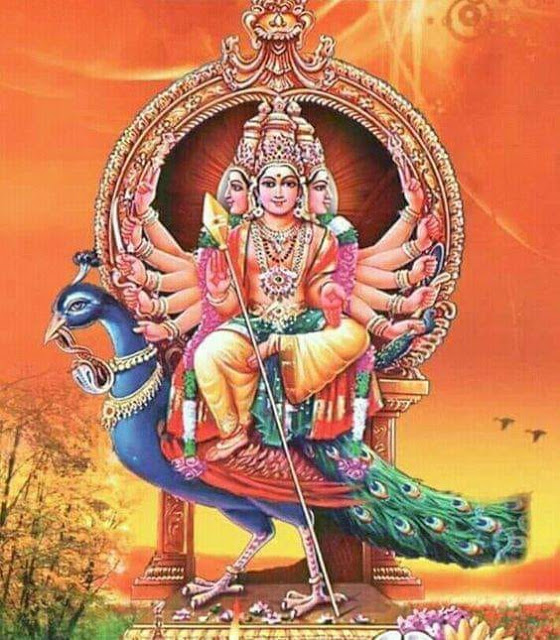
Whole book of Tiru Muruku Atruppadai , shortened in references as ‘Muruku’ is singing the glory of lord Skanda .
I will just give references from Purananuru –
Puram 16/12, 23/4, 56/14, 259/5, 299/6
Xxx
Indra temple
Puram 241/3
Xxx
Goddess Durga
Tol. -1005;
Kali. 89/8;
Akam. – 345/3;
Nedunal. Lines 166-168;
Pathirruppattu – 79/16, 38/11, 89/19
Xxx
Two Brahmins – Asura guru and Deva guru
Kali -99/1
Xxx
Uma Devi
Kali – prayer verse, 38/1;
Pari -8/127
Xxx
Brahma
Perumpan – lines 402-404
Muruku – lines 164, 165
Pari – 5/22;
Kali 2-1
Xxx
Vishnu & Balarama
Puram 56, 57, 58
Kali and Pari – lot of places
xxx
Shiva
Puram 6, 55, 56, 91, 166
Akam – 181, 360
Malaipadu. – lines 81-83 and 225-233
Muruku, Kali and Pari – lot of places
Of the verses on Lord Shiva , the most beautiful one is Purananuru Verse number 6 on Pal Yagasalai Mudukudumi Peruvazuthi.
His country was full of Yupa pillars/poles and he would bow his head only twice in his life. When he goes around Shiva temple and when Brahmins bless him. He was one of the oldest Pandya kings. And he was a Pre-Tsunami catastrophe king. Pahruli River and Kumari landscape devoured by the sea were still intact in his days according to the verses. And the strangest thing is Sanskrit word ‘Veda’ and ‘Yupa’ are used in Sanskrit. Later they were translated into Tamil ‘Marai’ and ‘Maram’ or ‘Thun’.
tags -Dravidian , Vedic Gods, Tamil Gods, Sangam Verses, Tolkappiam,