Pictures are taken from various sources for spreading knowledge.
this is a non- commercial blog. Thanks for your great pictures.
tamilandvedas.com, swamiindology.blogspot.com
இந்துக்களின் புனித நூலான பகவத் கீதை இந்து மதத்தின் பிரிவுகளான அறு சமயத்தாருக்கும் பொதுவானது. ஏனெனில் அதிலுள்ள கருத்துக்கள் உபநிஷத்தின் சாரம் . உபநிஷதங்களும் எல்லோருக்கும் பொதுவானது என்பதை சமய ஆச்சார்யார்கள் உரை எழுதி ஒப்புக்கொண்டுள்ளனர். பகவத் கீதைக்கும் எல்லோரும் உரை எழுதியுள்ளனர் உபநிஷதங்கள் வேதத்தின் சாரம். அதை வேதத்தின் முடிபு, துணிபு என்ற பொருளில் வேத + அந்தம்= வேதாந்தம் என்பார்கள் .
வேதம்தான் தர்மத்தின் மூலம் ; வேதமே இந்துமதத்தின் ஆணிவேர் என்றெல்லாம் சொல்லுகிறார்கள்.; அதற்கு ஆதாரம் காட்ட வேண்டாமா.? வேதம் தமிழ்செய்த மாறன் சடகோபன் என்றெல்லாம் நம்மாழ்வாரைப் போற்றுகிறார்கள்; இவை அவ்வளவும் உண்மையே என்பதை ரிக் வேதத்தை ஊன்றிப் படிப்போருக்குத் தெள்ளிதின் விளங்கும் . திருவாசகம், தேவாரத்திலுள்ள வரிகள் ரிக் வேதத்தின் எதிரொலியே ; விறகில் தீயினன் , பாலில் படுநெய் போலப் பரவியவன் என்ற தேவார வரிகள் அப்படியே உள்ளது. அக்கினி என்ற பகவான் பெயரை சிவன் என்று தலைப்பிட்டுவிட்டால் அப்படியே பொருந்துகிறது.
விஷ்ணு என்ற பெயர் பல இடங்களில் தெளிவாக வருகிறது. ஆயினும் சங்கத் தமிழ் இலக்கியம், தொல்காப்பியம் முதலியவற்றில் “சிவன்” என்ற சொல் இல்லாதது போலவே ரிக் வேதத்திலும் இல்லை. ஆனால் சிவனைக் குறிக்கும் வேறு அடை மொழிகள் புற நானூற்றில் உள்ளது போலவே ரிக் வேதத்திலும் உண்டு ஒரே ஒரு இடத்தில் சிவ என்ற சொல் வருவது உரிச் சொல் (adjective) அல்ல, பெயர்ச் சொல்லே (proper noun) ; அது சிவ பெருமானையே குறிக்கும் என்று வில்சன் எடுத்துக் காட்டியுள்ளார்.
நான் வேறு ஒரு சுருக்கு வழி வைத்துள்ளேன். அக்கினி தேவனைப் போற்றும் துதிகளை எல்லாம் சிவன் என்று கருதினால் போதும். நல்ல பொருத்தம் இருக்கிறது சிவனே நெற்றிக் கண்ணில் தீயை உடையவன்;. நடராஜர் கையிலும் அனல் உண்டு.
சுருக்கமாகச் சொன்னால் வேத கால அக்கினியே சிவனாகவும் முருகனாகவும் வழிபடப்படுகின்றார்கள் .
xxx
இப்போது பகவத் கீதைக்கு மூலமான வேத மந்திரங்களைக் காண்போம்.
RV 1-24-7
மூலமில்லாத சுத்த வானிலே வசிக்கும் சுத்த வலிமையுள்ள அரசனான வருணன், மேலே மூலமுள்ளவையும், கீழே நோக்குபவையுமான கதிர்களிருக்கும் ஒளித் தூணை உச்சத்திலே ஏந்துகிறான் . அந்தக் கிரணங்கள்/ ஒளிக் கற்றைகள் எங்களுக்குள் இறங்கி மறைவாக நிற்கட்டும் (சீவனுக்கு காரணமான ரசிமிகள் ராணங்களாக எண்ணில் ஸ்தாபனமாகுக- Jambunathan) RV 1-24-7
Varuna, King, of hallowed might, sustaineth erect the Tree’s stem in the baseless region
Its rays, whose root is high above, stream downward. Deep may they sink within us, and be hidden RV 1-24-7
பகவத் கீதை
ஊர்த்வமுலமத:சாகமச்வத்தம் ப்ராஹு ரவ்யயம்
ச்சந்தாம்ஸி யஸ்ய பர்ணானி யஸ்தம் வேத ஸ வேத வித் 15-1
பொருள்
மேலே வேருள்ளதும், கீழே கிளையுள்ளதுமான அசுவத்தமாக முடிவற்றதாய் தோன்றும் ஸம்ஸாரத்தை பேசுகிறார்கள்.எதற்கு இலைகள் வேதங்களோ அந்த மரத்தை எவன் அறிந்தவனோ அவன் வேதத்தை அறிந்தவன் ஆவான்
இதில் மர உவமையும் அதன் மேல், கீழ்ப் பகுதி விளக்கங்களும் ஒப்பிடத் தக்கவை.
Xxx
RV 1-25-6
THIS, WITH JOY THEY BOTH ACCEPT IN COMMON; NEVER DO THEY FAIL
THE EVER FAITHFUL WORSHIPPER
மித்திரனும், வருணனும் மகிழ்ச்சியுடன் இதை ஏற்கிறார்கள் நம்பிக்கையுடன் தொழும் பக்தர்களை அவர்கள் எப்போதும் கைவிட்டதில்லை. RV 1-25-6
பகவத் கீதை 9-31
க்ஷிப்ரம் பவதி தர்மாத்மா சச்வச் சாந்திம் நிகச்சதி
கௌந்தேய ப்ரதி ஜானீஹி ந மே பக்த :ப்ரண ச்யதி 9-31
விரைவில் தரும சிந்தனையுடையவன் ஆகின்றான்.சாசுவதமான சாந்தியைப் பெறுகிறான் . குந்தீ புத்திரனே என்னுடைய பக்தன் நாசம் அடையவே மாட்டான் . இந்த உண்மையை உணர்ந்து உலகுக்கு உரைப்பாயாகுக.
xxxx
1-31-3/4
இந்த இரண்டு மந்திரங்களில் அக்நியானது விவஸ்வா னுக்கும் மனுவுக்கும் முதலில் புலப்பட்டதாக ரிஷிகள் பாடுகின்றனர்.
இதே வரிசை பகவத் கீதையின் நாலாவது அத்தியாயம் முதல் ஸ்லோகத்திலும் உளது..அதற்குப்பின்னர் பாண்டவர்களின் முன்னோர்களா ன யயாதி, புரு முதலியோர் பெயர்களும் வருகின்றன .
பகவத் கீதை 4-1
நான் இந்த அழிவற்ற யோகத்தை முதலில் விவஸ்வானுக்கு உபதேசித்தேன். விவசுவான் மநுவுக்கு உபதேசித்தார். மநு இக்ஷ்வாகுவுக்கு உரைத்தார். -பகவத் கீதை 4-1
நண்பன் என்ற சொல் நூற்றுக்கணக்கான ரிக்வேத மந்திரங்களில் வருகிறது. கடவுளரையும் சகா க்களையும் ரிஷிகள் நண்பர்களே என்றுதான் அழைக்கின்றனர். அர்ஜுனன் – கிருஷ்ணன் உறவும் நட்பின் அடிப்படையிலே அமைந்தது என்பது வெளிப்படை. விசுவ ரூப தரிசனம் காட்டிய பின்னரும் கூட கிருஷ்ணன் அர்ஜுனனைக் கட்டாயப்படுத்தாமல் , நான் சொல்லுவதைச் சொல்லிவிட்டேன்; ஏற்பதும் ஏற்காததும் உனது ரிமை என்று சொல்லிவிடுகிறான்.
குரு வம்சத்தின் மூதாதையர்களான யயாதி, நஹுஷன் பெயர்களும் இதே துதியில் வருவது குறிப்பிடத்தக்கது இது பகவத் கீதை, மஹாபாரத காலத்தை நிர்ணயிக்கவும் உதவும்..
Pictures are taken from various sources for spreading knowledge.
this is a non- commercial blog. Thanks for your great pictures.
tamilandvedas.com, swamiindology.blogspot.com
Manikka vasagar (maanikka vaasagar), one of the four great Tamil Saivite saints, wrote Tiruvasagam. He might have lived just before Sambandar and Appar, which will fix his time around seventh century CE. His masterpiece Tiruvasagam attracted even Christian preachers like Rev.G U Pope. He translated it into English. It contains 51 hymns on Lord Shiva. Manikka vasagar’s another work is Tirukkovaiyar.
Manikka vasagar makes some interesting remarks about the Vedas.
Those remarks are echoes of the mantras found in the Rig Veda, the oldest book in the world ,dated between 6000 BCE and 1500 BCE.
I will compare only a few hymns from the RV.
The common factor between the two is
“Crying and weeping for His grace”.
****
RV 1-25-19
Varuna , hear this call of mine; be gracious unto us this day.
Bring in your triple car, O Asvins, bring us present prosperity with noble offspring.
I cry to you who hear me for protection; you be our helpers where men win the booty.
Manikka vasagar says in 4-59…..61
தப்பாமே, தாம் பிடித்தது சலியா, தழல் அது கண்ட மெழுகு அது போல, தொழுது, உளம் உருகி, அழுது, உடல் கம்பித்து, ஆடியும், அலறியும், பாடியும், பரவியும்,
Lest I should go astray, He laid His hand on me
As wax before the unwearied fire
With melting soul I worshipped, wept, and bent myself,
Danced , cried aloud and sang, and prayed
***
1-38-2
Now whither to ? what goal of yours you go in heaven and not on earth?
Where else you find cows bellowing (mooing)?
Manikka vasagar says 5-85
Thee worship the earth and heaven , with shouts of joy, and Four fold Vedas
They are yearning pine for Thee
Again in the same fifth hymn 5-348
Estranged, a slave , I wildered weep
வணங்கும் நின்னை, மண்ணும், விண்ணும்; வேதம் நான்கும் ஓலம் இட்டு உணங்கும், நின்னை எய்தல் உற்று, மற்று ஓர் உண்மை இன்மையின்; வணங்கி, யாம், விடேங்கள் என்ன, வந்து நின்று அருளுதற்கு, இணங்கு கொங்கை மங்கை பங்க! என் கொலோ நினைப்பதே?
(Vedas cry for your help . The words earth and heaven found here– are repeated hundreds of times in the Vedas too. This confirms Manikkavasagar is repeating the Rig Vedic Mantras.
What we find in common between M and RV is that devotees always cry for the help from Gods.
அழுகேன், நின்பால் அன்பு ஆம் மனம் ஆய்; அழல் சேர்ந்த மெழுகே அன்னார், மின் ஆர், பொன் ஆர், கழல் கண்டு தொழுதே, உன்னைத் தொடர்ந்தாரோடும் தொடராதே, பழுதே பிறந்தேன்; என் கொண்டு உன்னைப் பணிகேனே?
In other words they pine, weep, yearn and long for God.
I am indeed false; my heart also is false; my love too is false;Yet,if , I the Karma-ridden one, weep for You I can secure You. O Honey,Nectar,Essence of sweet cane
And sweet and great One,grace me,Your slave, to reach You.
xxxx
Thus we see Manikka vasagar echoing the Rig Vedic mantras in his great devotional work. From the Himalayas to Kanyakumari, from the Vedic days to devotional period in Tamil Nadu, the approach was same. Though the Vedas mentioned different gods in different hymns the attributes to Gods were nearly same.
Pictures are taken from various sources for spreading knowledge.
this is a non- commercial blog. Thanks for your great pictures.
tamilandvedas.com, swamiindology.blogspot.com
if u want the article in word format, please write to us.
It is amazing to see the continuity of our customs from the days of the Rig Veda to this day. Not many Hindu scholars noticed or not documented those customs. I don’t expect Western Buffoons to list them because Max Muller gang is not only Anti Hindu but also could not understand many of the customs said in mantras. Most of them including Max Muller never visited India nor seen a true Vedic Hindu.
Rigveda contains over 1000 hymns in which we come across over 10000 mantras . One will be amazed and flabbergasted to see the way the seers address the Gods. I have just finished reading two out of Ten Mandalas(Books) in the Rig Veda.
Let me tell you the points I have noted.
Everyone knows that this is the Oldest Religious Book in the world.
Most of you know that this is the Oldest Anthology in the world. Several thousands of years after the Rigveda, Tamils also made anthologies like this. Tamil books themselves are 2200 years old!!
Most amazing thing in the Vedas is the Mudra or Signature they use in the Rig veda. I used to wonder how come the great Tamil saint Tiru Jnana Sambandar put his name in every decad 1400 years ago and how come 900 years after him the great Carnatic music composer Sri Purandaradasa used the same style and revived it. Many of the hymns in the Veda have the names of the Seers who sang them e.g. Agastya, Grtsamada, Bhargava,Visvamitra. All the Carnatic music composers used the technique. We see Thyagaraja’s name in his Krtis and Guruguha for Muthuswami Dikshitar krtis. Dikshitar used Guru Guha , perhaps following Agastya. He also used Mana’s son and in few his own name ‘Agastya
Before Purandaradasa, Jeyadeva also placed his name in every Ashtapathi. It continued with Kabir Mirabai and the latest Tamil composers of 20th century.
Until this day this Rig Vedic custom is followed.
Xxx
Dharba Grass
All the Brahmin priests leave the house with a bundle or bunch of Dharba grass. Every Brahmin use it in their day today rituals. As a Brahmin I use it at least once a month. Most amazing thing is the way the Vedic seers used it on the banks of River Yamuna, Ganga, Sindhu and Sarasvati is followed by me in London on the banks of the River Thamasa, that is Thames.
All the Vedic Rishis or seers invoke the gods to sit on the Dharba grass spread before them. I do the same to invoke my departed forefathers every New Moon day what is called Amavasya. Apart from 12 new moon days and 12 first days of every Hindu month, Hindus are supposed to this Tarpana 70 more days. I invoke the departed souls from my father’s side and from my mother’s side in the Dharba grass on a plate. Then we do it with mantras and Sesamum seeds and the water.
So this Dharba grass business is being continued for several thousands of years.
Amazing thing about this Dharba business is, it is in 2000 year old Sangam Tamil literature too!!
xxx
Let me tell you more amazing things. In Carnatic and Hindustani songs we have Pallavi.
Refrain (Pallavi) is part of the compositions. That is the opening lines or sentences are used after each stanza. This custom or style is started by the Vedic Rishis. Bards like Homer and Sangam age Tamil poets also used refrains. We see it in Bharati’s Tamil poems too.
But the oldest refrains are found in the Rigveda. Some times all the stanzas/ mantras finish with the same word s or lines. Sometimes a particular Rishi finish all his compositions with the same stanza/ Mantra.
The wonder of wonders is like Visvamitra of Rig Veda, Tamil saint, The Boy wonder, Tiru Jnana Sambandar, also composed 11 stanzas and the finishing has the same message like the previous decads. Though we call it decads they have 10+1=11.
Jnana Sambandar, the boy saint, who changed Tamil Nadu completely within 16 years of his life, mentioned Rig Veda in many of his Pathikams / decads. No wonder he followed Visvamitra.
Look at the beauty in his name. Visvamitra means ‘Friend of the World’. And the very first hymn was sung by Madhu chandas which means Mr Honey Poetry or honey poems.
Vedas are full of positive words. They address all the Gods as Friends and address their colleagues Comrades. I don’t know whether there is any Index book that gives the information of the number of times each word is used. They use the similes ‘God please help me like a friend helping another friend’.
‘God please shower me good things like a father showers his love and affection on his children’.
Mother, father, brother, sister, friend and cow and calf are used thousands of times. I don’t find it in Sangam Tamil literature that many times. Even ten fingers are called ‘10 sisters’, because they help you like a sister.
Pictures are taken from various sources for spreading knowledge.
this is a non- commercial blog. Thanks for your great pictures.
tamilandvedas.com, swamiindology.blogspot.com
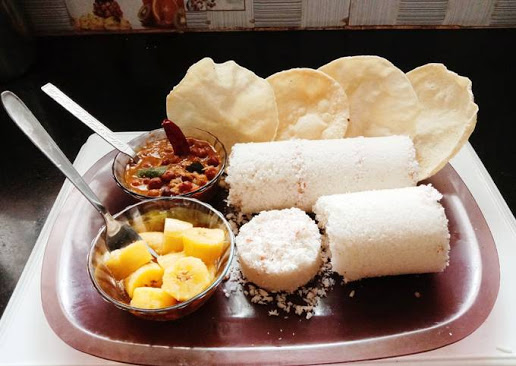
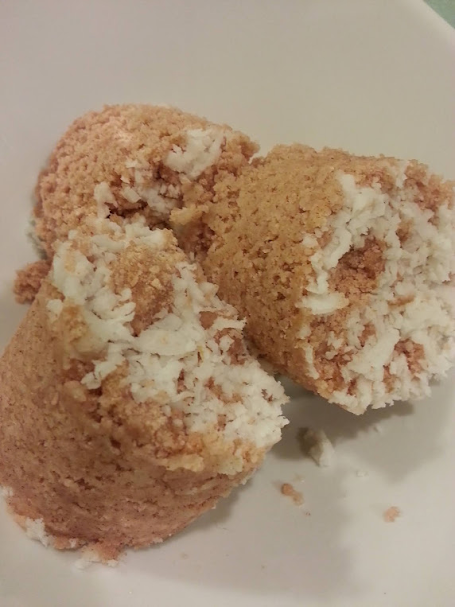
Tamils are very familiar with two food items 1Appam or Aappam and 2.Puttu or Pittu. Agastya , the great seer of the Tamil language, has 27 poems or hymns to his credit in the first book of the Rig Veda alone. And one of them is on food. Along with the gods, food, water, birds and inanimate objects have hymns in the oldest book of the world.
It may look strange to 30 foreign translators who have no practical knowledge of Hindu culture. And we have the gang leader Max Muller who was scared to death to visit India and refused to see India or Hindus in his lifetime. Such a coward! And there is another set of white skinned fellows like Ralph T H Griffith. He was very honest and apologised hundreds of times saying ‘the meaning is not clear, he is uncertain, it is obscure’ etc. In his 650 page Rig Veda book I have seen it more than 200 times. At least, he was honest in admitting his ignorance!
Brahmins who practice Hinduism worship food every day. Like the Catholic Christians’ ‘Grace’, Brahmins say Pariseshana Mantra. They praise the food as God sent Amrosia/ Amrita and finish eating by saying ‘Anna Dhata Sukhi Bhava’. Let the provider of food live longer healthily.
Actually Catholics followed the Pada Puja of guests which we see in the pictures where Jesus feet were given a holy wash. Great Hindu saints are honoured that way even today. And Jesus saying Namaste in old Christian drawings are also there. In short, Catholics copied Hindus.
Worshipping Food
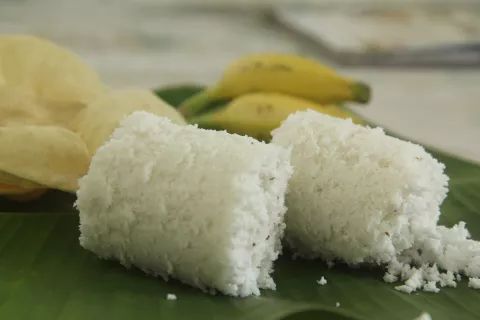
It is part of Hindus’ day to day life. Agastya, Father of Tamil Language, sings the glory of Food. It is Tamil Food Pittu or Puttu. Kerala Malayalees and Sri Lankan Tamils use it as staple food. It is salted and spiced. But Agastya talks about sweet Puttu. Lord Siva of Madurai worked for an old Puttu vending lady of Madurai and got beaten by the Pandya King, according to Saint Manikka vasagar.
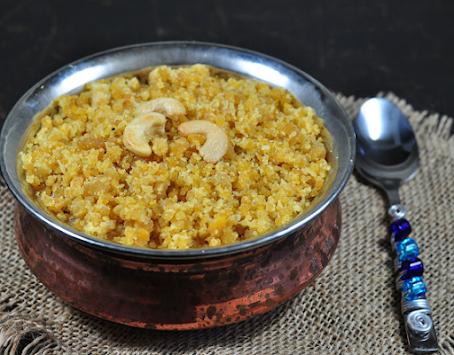
Brahmins make such Sweet Puttu on festive days and in particular, on the day a girl comes of age in a family. Close relatives are given that Sweet Puttu. Agastya use the spelling Pithu ten times in the said hymn RV 1-187.
Since I am attaching the hymn at the end, I am going to leave my comments alone.
Aapupa is a fried cake which is called Appam or Aaappam in Tamil. Like Puttu, this is also made spicy and sweety. It is in many verses of Rig Veda. Even Tamil villagers are very familiar with this Aapuupa- AAppam.
Now in this verse 1-187 we come across 3 or 4 tasty food items. Puttu (Pithu) Mork Kali (Karamba), Barley cake and Soma juice.
Pithu and Puttu are the same though the spellings are different. Th= T is seen in moTHer and maTErnal uncle. (Other examples Pitha= Pitr= Pater= Peter= FaTHer; moTHer= matha= mater etc)
There are 11 mantras in the hymn describing various dishes. But in general Agastya thank Gods for providing Food and Water.
Apart from Pittu, Agastya sings about, Karamba. It is rice flour mixed with sugar or spices. One way of eating it is mixing flour in diluted yoghurt/ curd and add spices. After boiling it will be thick and can be cut into pieces. It is called Kali. Brahmins make it as snacks and call it Mork Kali (Mor is diluted Youghurt).
Xxx
Three interesting Tit Bits
Since Rig Veda is many thousand years old, no one can give us correct meaning to many words. One of them is Trita. Literally it means ‘Mr Number Three’.
Griffith says about Trita:- “ a mysterious ancient deity frequently mentioned in the Rigveda, principally in connection with Indra , Vayu and Maruts. His home is in the remotest part of heaven and he is called Aaptya , the Watery, that is sprung from or dwelling in the sea of cloud and vapour. By Sayana, (the most famous Hindu commentator ), he is identified sometimes with Vayu, sometimes with Indra as pervader of Three worlds and sometimes with Agni stationed in the Three Fire receptacles.”
Every Brahmin house had Three Fires in Three geometrically shaped Altars. 2000 year old Sangam Tamil Literature also called Brahmins with the epithet ‘Three Fire Brahmins’. Trita is in RV. 1-187-1
The mystery doesn’t stop there. In 1-187-5 we come across an animal with the epithet ‘Like creatures that have mighty necks’. Griffith says ‘like strong bullocks’.
I don’t agree with Griffith. It is also a mysterious word like Trita. We come across Bulls in the Rig Veda hundreds of times with the normal Sanskrit word Vrsa/ba. Here Agastya plays on words to mean perhaps a Rhino. They are also vegetarians, but their horn and neck can even knock down a heavy truck. In Tamil they are called Kaandamrga meaning Neck animal or Horn animal.
xxx
Vaatapi Mystery
There is more mystery towards the end of the hymn with the word ‘Vatape peetha Bhava.’ This occurs in three Mantras.
“Vaataapi = Fermenting Soma. According to Saayana, the body” says Griffith
White skinned Max Muller gang interpreted Rig Veda as a Book of Songs of Drug Addicts. in the very first page of 650 paged Rig Veda of Griffith, we see the description of the hallucinatory Drug Soma. Scores of pages later Max Muller pours more poison saying he couldn’t find any word in English to explain the Matha/Kick the drug Soma gives. So according to the white skinned gangsters , Soma is a hallucinatory narcotic chemical. And there is no hymn without Soma in the Rig Veda!! So the gang hints at a drug addicted Hindu religion/ society. So no wonder here also Vaatapi is interpreted as fermenting Soma by Griffith.
Vatapi- Ilvalan Story
There is a very interesting story in the later Hindu mythology about Agastya whose statues are found throughout South East Asia. He is a short guy with a big belly like Lord Ganesh. Two demon brothers Ilvala and Vaataapi killed lot of sages and ate them. Some hymns clearly say they were cannibals. When Ilvala invited a sage he used to cook Vatapi and as soon as the sage ate Vaataapi meat, Ilvala called ‘Vatapi, Come out’ and the sage tummy was torn to pieces. When Ilvala played the same trick on Agastya, he said Vataapi Jeerno Bhava= Vataapi Get Digested.
This story is hinted in this mantra.
The Tamil translation by Jambunathan says ‘let the body get fattened’. Or ‘become stronger’.
All these mean the same. When the food is digested and get absorbed, the body becomes stronger or fatter.
So my Bhasyam/ interpretation is ‘Vatape peetha Bhava’ is ‘Vataapi Jeerno Bhava’. So we have the mythological story in the Rig Veda itself.
Kaamabha and Pithu
I said in the beginning two tasty items mentioned in the hymn are Pittu or Puttu and Mor Kali (karamba). Old Brahmin ladies make this spicy tasty Mor Kali by mixing Curd/Yoghurt with rice flour. Boil it and spice it with Jeera, Turmeric powder and chilies or black pepper. Chillies were imported from South America at a very late stage in Indian History and Hindus used black pepper instead.
The very word Pishta in Sanskrit means rice flour. In Agamas Rice Flour Abhisheka is prescribed to Lord Siva.
So my conclusion is Pithu= Pittu= Puttu and Karambha is Mor Kali= Yoghurt+ Rice Flour.
1935 Tamil Dictionary published by Ananda Vikatan magazine gives the meaning of Karambha.
Let us enjoy the Tamil Food from the Menu of Agastya Restaurant of Rig Vedic times!!
If you can’t make it, visit Kerala or Sri Lanka for a spicy Puttu or a Brahmin family for Sweet Puttu and Mor Kali/Karambha.
Long Live Tamil Saint Agastya!
Please see the attached original hymn below: —
1. Now will I glorify Food that upholds great strength,
By whose invigorating power Trita rent Vrtra limb from limb.
2. O pleasant Food, O Food of meath, thee have we chosen for our own,
So be our kind protector thou.
3. Come hitherward to us, O Food, auspicious with auspicious help,
Health-bringing, not unkind, a dear and guileless friend.
4. These juices which, O Food, are thine throughout the regions are diffused.
like winds they have their place in heaven.
5. These gifts of thine, O Food, O Food most sweet to taste,
These savours of thy juices work like creatures that have mighty necks.
6. In thee, O Food, is set the spirit of great Gods.
Under thy flag brave deeds were done he slew the Dragon with thy help.
7. If thou be gone unto the splendour of the clouds,
Even from thence, O Food of meath, prepared for our enjoyment, come.
8. Whatever morsel we consume from waters or from plants of earth, O Soma, wax thou fat thereby.
9. What Soma, we enjoy from thee in milky food or barley-brew, Vatapi, grow thou fat thereby.
10. O Vegetable, Cake of meal, he wholesome, firm, and strengthening: Vatapi, grow thou fat thereby.
11. O Food, from thee as such have we drawn forth with lauds, like cows, our sacrificial gifts,
From thee who banquetest with Gods, from thee who banquetest with us.
Pictures are taken from various sources for spreading knowledge.
this is a non- commercial blog. Thanks for your great pictures.
tamilandvedas.com, swamiindology.blogspot.com
After reading Panini’s Ashtadhyayi, I thought the Rig Vedic translation of the word ‘Vrka is wrong at least in some places. Ancient Hindus used animal totems, or they had animals on their flags. We know that Arjuna had monkey flag and Duryodhana had snake on his flag. We also read Vanara/ monkey tribe, Jatayu, the Eagle rtribe, Jambhavan, the Bear tribe in Ramayana. All the rishis have animal or bird names. Just a few examples Kausika Visvamitra means Owl, Bharadvaja means Crow and Kashyapa means Tortoise. These totem symbols are in later Mahabharata as well. We read about Matsya/ Fish kingdom and Naga/ snake loka or kingdom.
To cut it short, over hundred kings, seers and persons are named after plants, birds and animals. It is even in Vedic literature like Pippalada/ peepul tree, Mesha/ sheep for Indra. Aja means goat and many kings and Brahma were called Aja.
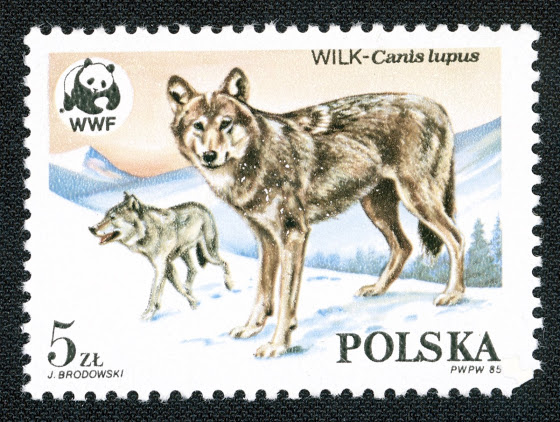
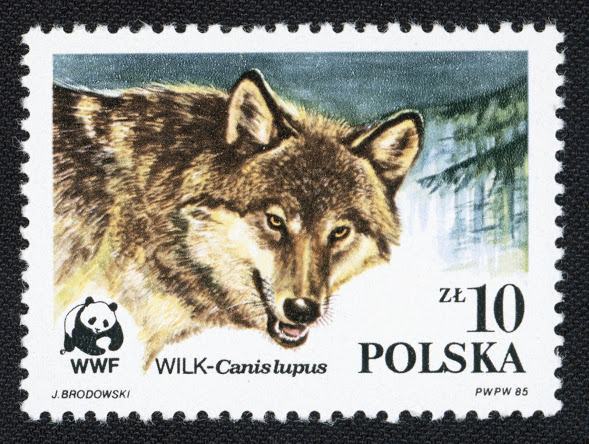
Vrka is found in Rigveda in several places. The Vedic Index of Keith and Macdonell gives two meanings. Strangely not connected to one another. A wolf or a plough. I read one or two hymns where the word Vrka occurred. The people who read Vedas forget completely the greatest grammarian Panini. Nobody explained why Panini gives the meanings of words or usage In Chandas/ Vedas and Bhasha/ Sanskrit. Scholars like Goldstucker only pointed out that he was very close to the end of the Vedic period.
So let us look at some interesting details about Vrka in Panini and also Viruhu in Tamil
*****
Panini’s Vrka is explained in detail by M S Agrawala in his doctoral research thesis and published later with the title ‘India As Known to Panini’.
Here is the gist from the book:
Vrikas is an Aayudha jiivi Sangha, a community that lived by the profession of arms. The whole tribe was called Vrikaah. The Vrikas thus appears to be a section of the war like Saka tribes.
Vrka, Sutra 5-3-115
An individual member of this Sangha was called Vaarkenya and the whole Sangha Vrika. This name standing alone in the sutra with a suffix peculiar from the rest is hither to untraced. It is stated to be Aayudha jiivin, but not necessarily associated with Vaahiika.
It should probably be identified with Varkana, the Old Persian form in the Behitsun inscription of Darius, mentioned along with Paarthava or the Paarthians.
There is a striking similarity between the Sanskrit and old Persian forms of the name,e.g.Vaarkenya equal to Vaarkana in the singular number, and Vrikaah equal to Varkaa in the plural as in the expression Sakaa Hauma Varkaa.
The country of the Vrikas s seems to have been the same as Hyreania lying to the north of Paarthia and on the Eastern corner of Caspian.
Modern Persian Gurgan from Vrika= gurg, in the valley of the river with that name in fertile district of Astarabad.
The Persians distinguished the Varkas and in fact all the northern warlike equestrian people as Sacas.
The name Vrika is known throughout the north west as shown by by its derivatives found in several languages near by Paninis homeland
E.g.
Iskashmi- Verk
Yidghaa – work, wurg
The title Bakanapati or Barkanapati, the Chief of the Varkanas, is applied to a governor of Mathuraa who was associated with the foundation and repair of Devakula of Vima kadphises, whom Jayaswal identifed a sa Hycranian Saka.
The Sakas were a very ancient race referred to in old Persian inscriptions of Darius and settled both in the Sakasthana. Katyayana also has the expression Saka- Parthava in a Varttika showing that he knew about them in the fourth century BCE.
******
Vrika in Vedic Index
Vrka, wolf, is mentioned frequently in the Rigveda and also later. It was an enemy of sheep and of calves, being dangerous even to men. Its colour is stated to be reddish/aruna. The she wolf is Vrki ; several times mentioned in the Rigveda.
Second meaning:
Vrka in two passages of the Rigveda denotes ‘plough’.
Another word next to it is Vrka-dvaras, found in only one place in the Rigveda. It is interpreted differently by Ludwig, Roth, Oldenberg and Hillebrandt.
King of the Sandikas. Hillebrandt says it has Iranian connection.
****
Viruhu (Dhole) in Tamil
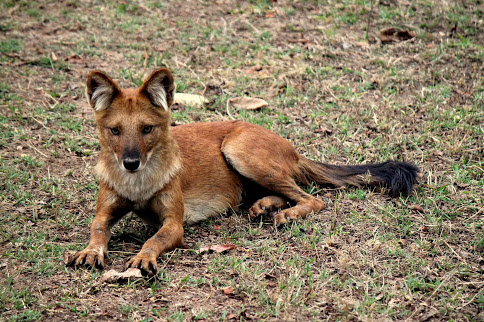
In Tamil, Viruhu is forest Red dog.
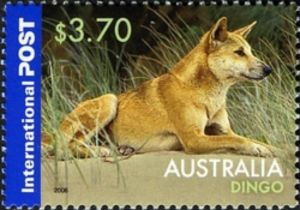
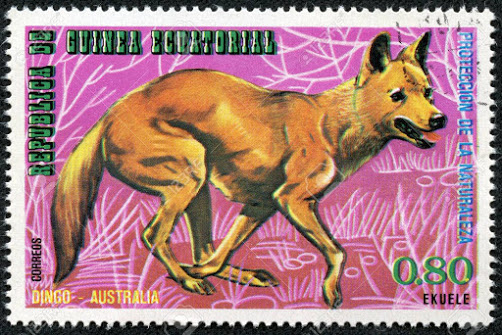
It is like Dingoes of Australia. They circle the prey and attack together.
xxxx
My Comments
Matsya tribe is found in the Puranas and Mahabharata. It means Fish tribe. In our own time we saw Tamil Tigers in Sri Lanka attacking Sinhalese. The newspapers simply called them ‘tigers’. Those who were familiar with the Sri Lankan politics know they were fighters against the government .
In the same way, Vrka were wolf people. They attacked others and made a life out of it. But in the Rig Vedic translations we find only wolves. It may be right in some places, but not in other places. So we have to reconsider the old translations.
And strangely Tamils also has this word. Many Rig Vedic words are used in day today conversations. Like Rig Vedic Aruna/ Red wolf we have Sen Naay, Red Dogs of the wild, the common name of which is Viruhu/dhole. There is even a proverb. He blinks like a viruhu; it also means the face of a thief. Because they steal goats and sheep.
So Vrka is not just Wolf. It may be Armed Vrka tribe or Red Dog, Dingoes of Tamil Nadu or plough.
Another interesting point is its Iranian connection. Since Tamils also have the word we are pretty sure the word travelled from India to Iran and not vice versa.
One more interesting point is Gurg. We have to see whether there is any connection with the Gurkas of Nepal.
The word Gurg is used even in Karnataka where the River Kaveri originates.
We see wolf and sheep even in Aesop fables who copied all the Hindu stories. Vrka gives the word Wolf in English is known to linguists.
–Subham–
tags- Vrka, wolf, Armed tribe, Dhole, Dingo, Plough, Rig Veda
Pictures are taken from various sources for spreading knowledge.
this is a non- commercial blog. Thanks for your great pictures.
tamilandvedas.com, swamiindology.blogspot.com
if u want the article in word format, please write to us.
The Rigveda has a mantra against snake bites and other poisonous creatures including scorpions. The mantra or the spell has some lines against unseen germs as well. I personally think that this mantra can be used as anti COVID-19 spell by those who have faith in the Vedic mantras. Hindus believe that Vedic sound effect is more important than the literal meaning.
There are more interesting details coming out of the commentaries on these mantras. It talks about anti dotes to poison and the anti-dotes are peacock/peahen, mongoose, a bird identified as Francolin partridge , herbs, sun and the hymn Mantra itself.
This Rigvedic hymn 1-191 has 16 mantras or stanzas in it. It is attributed to seer Agastya.
RTH Griffith, who translated it gives us the following information,
My additional interpretation is that it may be used against all viral attacks because it talks about invisible and unseen poison attacks as well.
Since the hymn is at least 3500 years old, we lost some of the original meaning..
in the second part i will give the full mantra………….
Pictures are taken from various sources for spreading knowledge.
this is a non- commercial blog. Thanks for your great pictures.
tamilandvedas.com, swamiindology.blogspot.com
( I find Vedic references numbers are wrong )
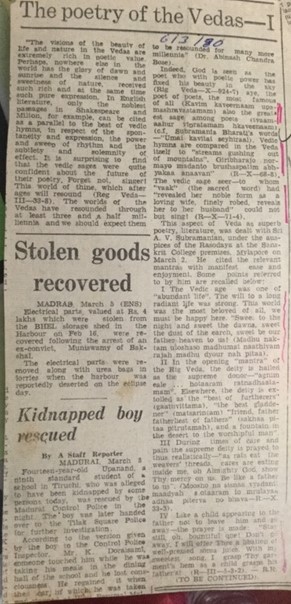
Indian Express newspaper cutting dated 6-3-1980
The visions of the beauty of life and nature in the Vedas are extremely rich in poetic value. Perhaps, nowhere else in the world has the glory of dawn and sunrise and the silence and the sweetness of nature, received such rich and at the same time such pure expression.
In English literature , only such noblest passages in Shakespeare and Milton, for example, can be cited as a parallel to the best Vedic hymns, in respect of the spontaneity and expression, the power and sweep of rhythm and the subtlety and solemnity of effect. It is surprising to find that the Vedic sages were quite confident about the future of their poetry
Never Forget This word of thine, O Singer !
Which future generations shall re-echo
— RV 3-33-8
The words of the Vedas have resounded through at least three and a half millennia and we should expect them to be resounded for many more millennia— (Dr. Abinash Chandra Bose).
Indeed, God is seen as the poet who with poetic power has fixed his beauty in the sky – RV
Aye, the poet of poets, the most famous of all
‘Kavim kaveernaam Upamasra vasthamam’
Also the greatest sage among the poets
‘Tvaam aahur vipratamam kaveenaam.’
In Subrahmanya Bharati s words
‘Umai kavithai seykiral’.
Vedic hymns are compared in the Veda itself to streams gushing out of mountains
The Vedic sage -seer to whom Vaak, the sacred word had revealed her noble form as a loving wife, finely robed, reveals her to her husband, could not but sing –RV10-71-4
.
The aspect of Veda as superb poetry, literature, was dealt with Sri A.V.Subrahmanian under the auspices of Rasodaya at the Sanskrit college premises, Mylapore on March 2. He cited the relevant mantras with manifest ease and enjoyment. Some points referred to by him are recalled below,
SWEET NIGHT AND DAY
1.The Vedic age was one of abundant life. The will to live a long and radiant life was strong. This world was the most beloved of all, we must be happy here.
Sweet to the night and
Sweet to the dawns
Sweet the dust of the earth,
Sweet be our father heaven to us.
‘Madhu naktam utoshaso madhumat naathivam rajah madhu dhyaur nah pitas’
2.In the opening mantra of the Rigveda the deity is hailed as the Supreme donor,
Agnimeele….. hotaaram ratnadhaatamam. Elsewhere the deity is extolled as the best of furtherers— gaatuvittama- the best gladdener— matsarintam, friend, father, fatherliest of fathers—sakhaayo pitaa pitrutamah and a fountain in the desert to the worshipful man.
RATS AND WEAVER
3.During times of care and pain the Supreme deity is prayed to thus realistically—-
As rats eat the weaver’s threads, cares are eating inside me, Oh Almighty God, show Thy mercy on us. Be like a father to us.
Moosho na sisnaa vyadanti Maadhyah sotaaram to mrulayaa adhaa piternava no bhava RV 10-33-3
CHILD AND FATHER
4.Like a child appealing to his father not to leave him and go away, the prayer is made
Stay still O Bountiful One
Don’t go away. I will offer Thee a libation of
Well pressed Soma juice .
With my sweetest song,
I grasp thy garment’s hem as a child grasps his father’s
Date uploaded in London – –13 FEBRUARY 2021 Contact – swami_48@yahoo.com Pictures are taken from various sources for spreading knowledge. this is a non- commercial blog. Thanks for your great pictures. tamilandvedas.com, swamiindology.blogspot.com
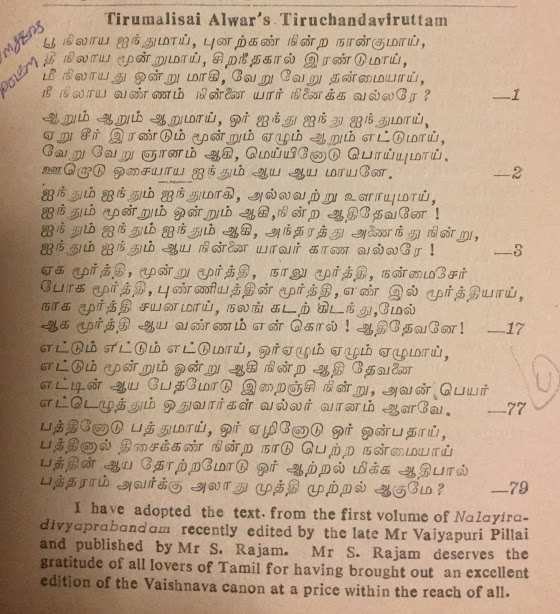
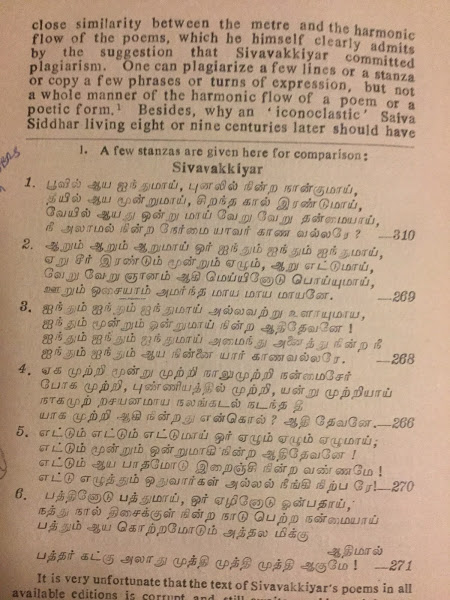
Number symbolism is found throughout Vedic hymns. Hymn 114 of Tenth Mandala also has lot of numbers in it and the Vedic “scholars” found it very difficult to translate it or interpret it. Many of the translators differ from traditional commentator Sayana. I read more in this hymn/ poem from another angle. First let us look at the numbers in the Ten Mantras in the hymn RV 10-114 Here is Ralph T H Griffith’s translation who is very honest and admits that he is unable to understand hundreds of mantras in the Rig Veda. Others such as Max Muller, Dr Muir, Wilson and Ludwig give their own views. Like no two clocks agree they don’t agree with each other. Later day Tamil siddhas also followed this style and gave just numbers in their verses. At the end of this article I give two examples from Siva Vakkiyar and Tirumazisai Alvar where they repeat number 8 or 5 umpteen times in their verses they leave it to solve the number puzzle. XXXX
RV 10-114 The Rig Veda/Mandala 10/Hymn 114 Translated by Ralph T.H. Griffith
Two perfect springs of heat pervade the Three fold, and come for their delight is Matarisvan. Craving the milk of heaven the Gods are present: well do they know the praise song and the Saman.
The priests beard far away, as they are ordered, serve the three Nirrtis, for well they know them. Sages have traced the cause that first produced them, dwelling in distant and mysterious chambers.
The Youthful One, well-shaped, with four locks braided, brightened with oil, puts on the ordinances. Two Birds of mighty power are seated near her, there where the Deities receive their portion.
One of these Birds hath passed into the sea of air: thence he looks round and views this universal world. With simple heart I have beheld him from anear: his Mother kisses him and he returns her kiss.
Him with fair wings though only One in nature, wise singers shape, with songs, in many figures. While they at sacrifices fix the metres, they measure out twelve chalices of Soma.
While they arrange the four and six-and-thirty, and duly order, up to twelve, the measures, Having disposed the sacrifice thoughtful sages send the Car forward with the Rc and Saman.
The Chariot’s majesties are fourteen others: seven sages lead it onward with their Voices. Who will declare to us the ford Apnana, the path whereby they drink first draughts of Soma?
The fifteen lauds are in a thousand places that is as vast as heaven and earth in measure. A thousand spots contain the mighty thousand. Vak spreadeth forth as far as Prayer extendeth.
What sage hath learned the metres’ application? Who hath gained Vak, the spirit’s aim and object? Which ministering priest is called eighth Hero? Who then hath tracked the two Bay Steeds of Indra?
Yoked to his chariot-pole there stood the Coursers: they only travel round earth’s farthest limits. These, when their driver in his home is settled, receive the allotted meed of their exertion.
XXXX
MY COMMENTS
1.In Mantra 8, Griffith talks about 15 types of prayers/lauds. Sayana talks about Indriyas/ sense organs.
2.In Mantra 3, we come across Two Birds; In another Upanishad mantra two bird sitting and one eats the berries- is interpreted as Paramatma and Jeevatma; Kanchi Paramacharya (1894-1994) says it was taken by the Christians and given in Adam and Eve (Atma and Jeeve atma) story
3.in Mantra 9, we come across 8th hero. Some describe it as Agni. Others differ. 4.In Mantra 8 , three times 1000 is repeated. Translators struggle to explain it. 5.Mantras 5, 6, 7 also have many numbers 6.Mantra three is very interesting Four Braided Woman is described as Vedic altar with four sides! 7.In Mantra we have Three Nirritis, who are usually associated with Death 8.Mantra two probably talks about the Big Bang and the expanding Univers whe they say “Sages have traced the cause that first produced them, dwelling in distant and mysterious chambers.” 9.Mantra 10 also stress this cosmological point when they say “Yoked to his chariot-pole there stood the Coursers: they only travel round earth’s farthest limits” 10.Mantra seven describe a place called Apnana (water ford?) which is rare. 11.Mantra 4 talks about one bird goes into the sea and looks around which reminds us of the bird that sailors use to fined out whether they are near shore/land. This bird is in Indus boat seal and Alvar song. 12.Mantra 4 has a beautiful expression “his Mother kisses him and he returns her kiss.” This hymn is addressed to Visvedevas, but stress One God is seen as many/1000 Very interesting Hymn, but not translated correctly by the “scholars” XXXX Translators’ views Mantra 1 Springs of heat – Agni and Surya ; Three fold- the universe , sky, firmament and earth; Matariswan – Vayu according to Sayana; Three fold- Agni, Vayu, Surya says Ludwig. Mantra 2 Nirritis -heaven, mid air an earth according to Sayana. Dawn , which by their regular appearance bring men nearer to death . Nirritis are linked to death. Mantra 3 Four braided youth – Vedic altar Two birds – probably Agni and Soma According to Sayana husband and wife Mantra 4 One – Agni as the sun. his mother, perhaps as prof. Ludwig says dawn Mantra 6 Thirty six grahas are chalices or saucers for soma juice and four extra for Atyagniistoma sacrifice. The car = sacrifice. Mantra 7 Majesties- may be mighty priests; The ford Apanana – passage leading to sacrifice Mantra 8 The mighty thousand – meaning is uncertain. Wilson says 1000 places. Dr muir says thousand times 15 Ukthas/ words. According to Sayana every function of the body had its appropriate object. Mantra 9 Eighth hero – Agni XXX EXCEPT TENTH MANTRA, ALL OTHERS HAVE NUMBERS
Pictures are taken from various sources for spreading knowledge.
this is a non- commercial blog. Thanks for your great pictures.
tamilandvedas.com, swamiindology.blogspot.com
(IF YOU NEED THE ARTICLE IN WORD FORMAT PLEASE WRITE TO US)
ORIGIN OF ‘BHAKTI’ IN RIG VEDA; 15 TYPES OF PRAYER! (Post.9250)
BHAKTI (devotion to God) MOVEMENT HAS ITS SEEDS IN THE RIG VEDA. NARADA BHAKTI SUTRAM DESRCIBED THE STAGES IN BHAKTI, I.E. DEVOTION TO GOD. GREAT TAMIL SAINT APPAR ALIAS TIRU NAVUKKARASAR REPEATED IT IN HIS TEVARAM IN 600 CE. HE WAS CONTEMPORARY OF ANOTHER GREAT TAMIL SAINT TIRU JNANA SAMBANDAR. BOTH OF THEM CHANGED THE PICTURE OF TAMIL NADU BY WALIKNG THROUGH THE LENGTH AND BREADTH OF TAMIL NADU WIPING OUT BUDDISM AND JAINISM FROM TAMIL SPEAKING WORLD.
BUT BEFORE THIS, WE SEE BHAKTI YOGAM CHAPTER IN THE BHAGAVAD GITA. IF WE GO BY ADI SHANKARA’S DATING BY KANCHI PARAMACHARYA SWAMIJI, THEN ADI SHANKARA STATRED BHAKTI MOVEMENT IN THE PRE CHRISTIAN ERA. BUT THE SEEDS ARE LAID IN THE RIG VEDA.
If one goes through the prayers in the Rig Veda, one would understand all the points raised by later Bhakti poets are already in the oldest book in the world- The Rig Veda
Pictures are taken from various sources for spreading knowledge.
this is a non- commercial blog. Thanks for your great pictures.
tamilandvedas.com, swamiindology.blogspot.com
“THE INDIA WE HAVE LOST” , EDITOR PARAMESH CHOUDHURY, NEW DELHI, 1997 IS A VALUABLE BOOK WITH LOT OF INFORMATION ABOUT INDIA’S FOREIGN ADVENTURES 5000 YEARS AGO. HE IS QUOTING ALL FROM EARLY WRITERS.
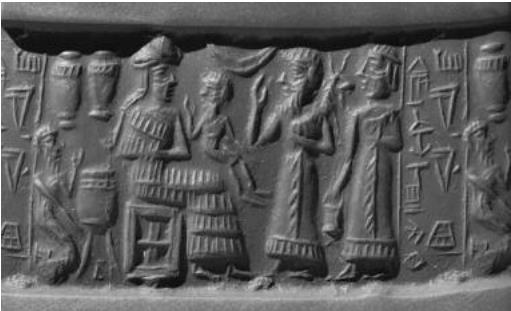
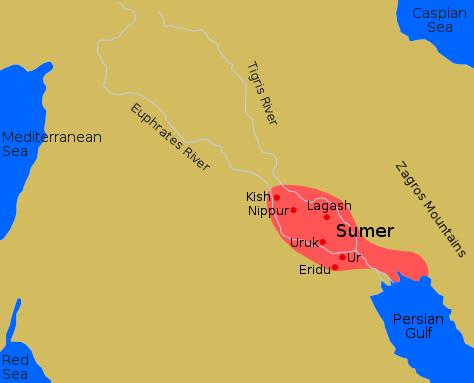
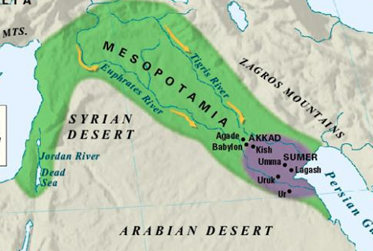
Two Seals (2800 BCE) found in Ur and Kish of Mesopotamia (IRAQ) are particularly of Mohenjo-Daro type. 16 seals have been found in Ur and 14 in Kish and other places, 30 seals in all.
Besides these, there are also other indications of intercourse between India and Mesopotamia: broken portions of earthen jars, toilets sets, horns on the head of human figures, trefoil decoration on cloth, beads, covers of jars etc
XXX
Sumerian in Rig Veda- URU , KISH
The following verses are found in the Rig Veda (RV):-
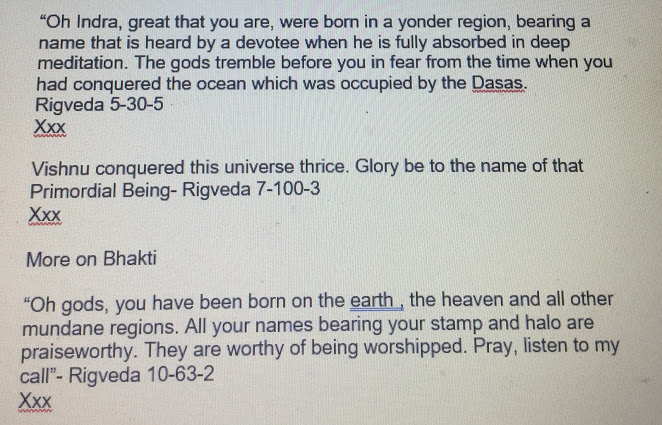
1. NE’ER doth the man repent, who, seeking profit, bringeth his gift to the far-striding Visnu.
He who adoreth him with all his spirit winneth himself so great a benefactor.
2. Thou, Visnu, constant in thy courses, gavest good-will to all men, and a hymn that lasteth,
That thou mightst move us to abundant comfort of very splendid wealth with store of horses.
3. Three times strode forth this God in all his grandeur over this earth bright with a hundred splendours.
Foremost be Visnu, stronger than the strongest: for glorious is his name who lives for ever.
4. Over this earth with mighty step strode Visnu, ready to give it for a home to Manu.
In him the humble people trust for safety: he, nobly born, hath made them spacious dwellings.
(URU+KISH= URUKSHITI-SPACIOUS DWELLINGS)
5. To-day I laud this name, O gipivista, I, skilled in rules, the name of thee the Noble.
Yea, I the poor and weak praise thee the Mighty who dwellest in the realm beyond this region.
6. What was there to be blamed in thee, O Visnu, when thou declaredst, I am Sipivista?
Hide not this form from us, nor keep it secret, since thou didst wear another shape in battle.
7. O Visnu, unto thee my lips cry Vasat! Let this mine offering, Sipivista, please thee.
May these my songs of eulogy exalt thee. Preserve us evermore, ye Gods, with blessings.
XXX
TAMIL LITERATURE
In Tamil literature we have Uru, Urukezu used in several places and Uru means in Tamil—
Beauty – from Sanskrit Rupa (Rupa is a common name for girls from Kanyakumari to Kashmir)
Statue/figure/idol – from Sanskrit Rupa
Disease, Musical piece, Boat/ship and Big/long/Spacious
Surprisingly Sayana translated URU as ‘spacious’ as in Tamil!
(Uru Kesa= Beautiful hair in Maori according to A Kalyanaraman of Aryatarangini)
But the actual meaning is Uru and Kish are two place names where from different kings ruled. It is confirmed as place names in other RV verses:-
“Oh, Soma flow for Indra , Varuna and Vayu. Let our wealth remain intact. Let the Devas assemble in Urukshiti hearing the sound of your sacrifice “(9-84-1)
“Oh Fire , blaze in your glory and burn the Rakshasas in the houses in Uru” (RV 10-118-8)
“The dwellers of Uru worshipped you who are the most worshipful with hymns of praise” (10-118-9)
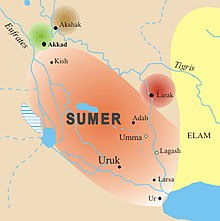
The names Ur and Kish in ancient Mesopotamia (Iraq) are clearly the corruptions of the word URU-KSHITI
Kshiti is colloquially pronounced as Kish
Uru is used in other places in Mesopotamia as Uru, Uruk, Urkashade etc.
Even modern names of ancient places of India are corrupted, some beyond recognition.
xxx
Kishkinda in Patanjali
All Indians know about Kishkinda of Hanuman and Anjaneya of Ramayana. Scholars have identified this place with Hampi in modern Karnataka state of India.
But Patanjali mentioned another Kishkinda 2300 years ago.
Sudras outside Aryavarta lived in Kishkinda-Gabdikam, Saka- Yavanam, and Saurya- Krauncham.
All these places are outside present India.
So, Kish people might have gone to Sumeria. Sumerians clearly say that they came from East and from a mountainous area. All Sumerian scholars repeated this but identified the East and Mountainous area with different places. My research shows that they went from Himalayan area. For the same reason Valmiki also named Kishkinda for the rocky areas of South India in Ramayana.
xxx
This is confirmed by other evidence:
“The Indus Script and the Rig Veda” by Egbert Richter Ushanas (New Delhi, 1997) gives detailed comparison of Sumerian seals and Indus seals. He interpreted all the seals on the basis of Rig Veda .
A beautiful summary is available from Aryatarangini of A Kalyanaraman (Asia Publishing House, 1969)
Here is the gist in bullet points…………..
NOTE II TO CHAPTER III
VISHNU IN MESOPOTAMIA
In the paper submitted to the All India Oriental Conference in 1964, Shri BK Chattopadhyaya makes the following points-
1.Apropos of the Indus Valley seals (dated circa 2500 BCE) found at Ur and Kish in Mesopotamia, there is mention of a place valled Uru-Kshiti, in Rig Veda 7-100-4 as below:
2.Vishnu traversed the world , in order to give lands to his worshippers! Those who worshipped him got a fixed abode . He created Uru- Kshiti
In another verse in RV 10-84-1
Oh Soma, flow for Indra, Varuna and Vayu; Let Gods assemble at Uru-Kshiti, hearing the recitation of your mantras!
Further in RV 10-118-8 occur these significant paasages-
Oh, Agni, blaze in the houses of Uru and destroy the Rakshasas; the dwellers of Uru kindled you (Agni) with hymns.
Finally in RV 8-68-12/13 the word Uru occurs in a context which suggests that it is a name of a place and not the equivalent of ‘great’ or ‘much’ as interpreted by Sayana (died in 1387 CE) .
Dr Marshall believed that Indus seals were carried to Ur and Kish by people hailing from India and settling in Mesopotamia .
Mr Chattopadhya holds that the first invasion of Sumeria by the Hindus took place in 3500 BCE.
Rudra and Shiva are not two different deities but one and the same as we find in Yajur Veda and the Indus valley people worshipped Shiva and Sakti. The religion of Mohenjo-Daro must have been Vedic, concludes B K Chattopadhyaya.
Xxx
Sayana was wrong
Urukshaya is translated as BIG HOUSE IS NOT HAPPY by Sayana who lived 600 years ago. He tried to interpret Vedas which came about in 4500 BCE. So he couldn’t have understood it fully.
From the statement that Vishnu gave Urukshit to his followers which has been explained by Sayana to mean that Vishnu took it from the Asuras and gave it to the Devas and for the fact that Indian seals of 2800 BCE have been found in Uru and Kish it is clear that the Vedic Hindus established a colony in Mesopotamia in that early date. Sumerian literature also say that they came from the East, from a mountainous area and settled in the ‘plains’.
Later Hittites (corruption of Kshatrias; even today Kshatrias call themselves Khatti in North India) and Kaassites form Kasi/Varanasi also settled there from 1900 BCE.
Xxx
Uru in other RV verses
Uru -kaksa in 6-45-3 = dwelling on the Ganges or name of a person
Uru- ksaya in 10-118-8/9
According to Ludwig translation of the RV,
A family of singers and worshippers of Agni. They are knows as Uru ksayas.
Tamil Uzavu= ploughing is in other Verses
Urvara denotes a piece of ploughland . it occurs from first mandala to tenth mandala of RV, in all ten books! In Tamil it is Uzavu (cultivation) uzavaaram- cultivated land;
Uzu – plough. English word Plough came from this Ur/Uzu/
R =L; P=U
xxxx
My Evidence
My research shows that Ur and Kish Kings have Sanskrit names:
Kish
Enmebaragesi – Kesi suffix is very common India ; even Maoris of New Zealand had Uru kesi as a name. we have Neelakesi , Rishikesi etc. he ruled kish in 2650 BCE
Agga is the next king we know of. It is Aja whom we find in Raghuvamsam of Kalidasa and puranas.
Ur nanshe ruled in 2500 BCE
Ur in Sumerian means dog as well. But here it may be his town – Ur
Tamil poets are called with their town names in Sangam literature.
Then we have Akul – shiva’s name followed by 5 names with Natum . it may be Nathan like my name swami Nathan.
Kings of Ur
First king is
Ur Nammu – 2112 BCE
Shulgi 2094 BCE
Then we have three Sanskrit names
Sin is Chandra / moon in Sumerian ; I read it as sena ; Mahabharata has many sena names
We have
Ramachandra
Kaushik Chandra and many more chanders
In Sumer we have
Amar sin – 2046 BCE
Shu sin – 2037 BCE
Ibbi sin – 2026 BCE
I gave only the kings who ruled 4000 years ago.
So there is no doubt that they were Hindus who went there and settled and ruled. Later Mitannian kings have very pure Sanskrit names from 1400 BCE.
xx
So far as archaeological evidence is concerned , a piece of Indian teak found in the ruins of Ur of the Chaldess at Al Muqayyar (Sayce, Hibbert Lectures, 1887, pp 18, 136-137 was the first indication of a commercial contact between India and Sumer.
xxx
A .V. Pandya identified the Asuras in Rig Veda with Assyrians in the Middle East in his article ‘Some Ancient Cities of Iraq in Early Indian Literature’ (Ballabh Vidhyamandir Research Bulletin, Vol.I, Issue I, 1957).
11 May 2014 — Picture of Eagle headed genie from Assyria 883 BCE. There are 60,000 lines on clay tablets in chaste Sumerian ’emegir’ and another 60,000 …
19 Sept 2020 — Thanks for your great pictures. tamilandvedas.com, swamiindology.blogspot.com I wrote about Sumukan Mystery six year ago. Now I have got …
2 Aug 2015 — (I have already shown that even the most popular Valentine day symbol of an ‘arrow piercing the heart’ is from the Atharva Veda). bes. image of …
18 Nov 2014 — God Baal of Sumer ( Indra of Sumer) Research paper written by London … of clay which is then brought to life is another image of creation.
Posts about Sumer written by Tamil and Vedas. … Pictures are taken from various sources; thanks. Rig Veda, the oldest book in the world, contains references to …
31 Oct 2019 — 7159 Pictures are taken from various sources; beware of copyright … blog; posted in swamiindology.blogspot.com and tamilandvedas.com simultaneously. … I have chosen 30 Sumerian Proverbs which are similar to Indian …
31 Oct 2019 — Posts about Sumerian Proverbs written by Tamil and Vedas. … Pictures are taken from various sources; beware of copyright rules; don’t use …
14 Sept 2014 — He is a Hindu god from India travelling to different parts of the world. In my previous article, I published the pictures of Laos and Mongolia stamps …















 Tamil and Vedas