Scientific proof for Samudrika Lakshana

Picture shows Beauty Ratio

(Body Symmetry or Body Features)

Hindus have divided arts under 64 branches. An expert is expected to master all those subjects. A popular Tamil hymn is praising Goddess Saraswati as the one who bestows everyone with these 64 “arts”. One of them is the art of knowing the character of a man by studying his features. This is called Samudrika Lakshna. (some books drop one or two subjects and include certain others-only minor changes) There are several books giving more details about women’s body features.  The books are called Anga Shastra. Vatsyayana , the author of Kamasutra, who lived two thousand years ago wrote in detail about the sexual organs. So that was purely a sexual classification of men and women.

Tamils classified women in to seven categories according to their age: Pethai, Pethumbai, Mangai, Matanthai,Arivai, Therivai and Perilam Pen, starting from age 5 and finishing with 40. Probably they called over forty women with a general term like “woman”. Sanskrit book Rati Rahasya went one step further and classified women into four categories on the basis of psycho-physical aspects: Padmini, Chitrini, Shankini and Hastini. Many books were written until 12th century giving more information about women’s body features. All these show serious research was done in these areas by Hindus. I doubt any other ancient culture has done so much work on body features and characters.

Latest scientific research by westerners confirms our studies. Though they have not quoted our texts on these subjects their approach is same. This makes it an urgent necessity of studying our ancient scriptures and prove them scientifically. This will help us to diagnose even diseases well in advance.

If we could predict the character of a person in advance, we could even take corrective measures for people with bad characters. Following are the scientific studies which strengthens our beliefs:

1. Back in 1977 the newspapers reported a new device developed by the Moscow Institute of Radio Engineering, Electronics and Automatics. The device is called thermovisor. The device was used for diagnosing diseases of thyroid (neck), the mammary glands (breast) and cardio vascular system (heart and blood vessels). Every object releases heat. There are parts in the human body where temperature exceeds the normal one. Such parts are situated around the eyes, the lips and on the forehead. The difference in temperatures is taken into account for diagnosis ( Tamils call snakes as Katsevi meaning EYE EAR. The eyes of snakes have got special organs which does the function of ear i.e. the snakes could see its prey during night time using infra red rays- body heat of the prey).  This is about body heat and not about body features.

2.  By 2008 many books were published about the measurements of hands, particularly fingers. John Manning found out our fingers provide a wealth of  evidence about  how men and women differ and how they are programmed before birth to show certain behaviour patterns and likely hood of getting certain diseases . John Manning’s book The Finger Book explains, the length of our ring and index fingers can greatly influence our personality, health and abilities. The language and approach of the book is similar to Sanskrit books on Samudrika Lakshan, but differ in details.

3. Another study by Michael Heselhuhn showed something more interesting. He found out that there is a link between a person’s behaviour and WHR. One’s WHR (width Height Ratio) is the ratio between face width and face height. His study involved 192 MBA students. The result of his study showed that men who have wider faces relative to their facial height are involved in un ethical behaviour. Michael is from Wisconsin University. He did this research along with Elaine M Wong.

4. Back in 2009, The Science Daily reported another study proving a link between the eyes and the mouth. Pamela Pallet and Stephen Link of University of California and Kang Lee of the University of Toronto did four experiments and discovered golden ratios for beauty. They said the position of the eyes and the mouth decided the beauty of a person. This was also in line with samudrika Lakshan. They said that the value of Phi was known to Greeks as divine proportion. Some believe that Lerado Da Vinci used this proportion for painting the most famous Monalisa. In short they found out, if the vertical distance between their eyes and the mouth is approximately 36 percent of the face’s length and the horizontal between their eyes was approximately 46 percent of the face width they looked beautiful. Even if one doesn’t understand all these mathematics of beauty, one can understand that there is always a link between the body features and one’s own behaviour or attraction.

5. Three researchers from the Psychology department of Brock University, Canada also concluded that facial features can tell us whether a person is aggressive or not.

6. All these Western researchers did not study the books on Samudrika Lakshan. If we do some scientific research on available information from our scriptures we may throw more light on this art/science.

7. In our literature we read about a person drawing a one’s whole figure just by looking at his or her nail. We also knew that great painters like Raja Ravi Varma did all Hindu Gods and goddesses by reading Sanskrit hymns. Those hymns were once again visualised by our seers. Heroines of Sanskrit literature drew the pictures of lovers by dreaming or hearing about him. It is a shame that we did not take all these writings worthy of scientific research.


(Please read my article “Hindus’ Future Predictions” to know more about what else Hindus have predicted about future discoveries)

****************
ஷ்ரோடிங்கரின் பூனை விளக்கும் பிரம்ம ரகசியம்!


யாராலும் விளக்க முடியாத பிரம்ம ரகசியத்தை வியன்னா விஞ்ஞானி ஷ்ரோடிங்கரின் மாயப் பூனை விளக்குவது ஒரு விஞ்ஞான – மெய்ஞான விந்தை அல்லவா! பிரம்ம ரகசியத்தை விளங்கிக் கொள்ள கட்டுரையைப் படியுங்கள்!

விஞ்ஞானம் விளக்கும் மெய்ஞானம்!


ஷ்ரோடிங்கரின் பூனை விளக்கும் பிரம்ம ரகசியம்!

——————————————————————— 

ச.நாகராஜன்

காலம் காலமாக ஹிந்து மதத்தின் வேத உபநிடதங்கள் கூறும் பிரம்மம் பற்றிய உண்மையை அறிந்து கொள்ள மாபெரும் அறிஞர்களே சிரமப்படுகின்றனர்.


ஆதி சங்கரர் பிரம்மம் மட்டுமே சத்யம் மற்றது மாயை (ஜகம் மித்யா) என்று கூறுகின்ற போது அதை உணர்ந்து கொள்ள சிரமப்படுகிறோம். நாம் காண்கின்ற அனைத்துமே பொய்யா என்ற கேள்வி, மகாகவி பாரதியார் உள்ளிட்ட நம் அனைவருக்குமே எழுவது இயல்பு.(நிற்பதுவே,நடப்பதுவே,பறப்பதுவே நீங்களெல்லாம் சொற்பனந்தானோ? பல தோற்ற மயக்கங்களோ?-பாரதியார் -பொய்யோ மெய்யோ கவிதையில்)


அது மட்டுமின்றி அணோரணீயான் மஹதோ மஹீயான் – அது பெரிதுக்கும் பெரிது; அணுவுக்கும் அணு; மிக மிக தூரத்தில் உள்ளது; மிக மிக அருகிலேயே உள்ளது என்று விளக்கப்படும் போது இரண்டு நேர் எதிர் துருவங்கள் எப்படி ஒன்றாக இணைக்கப்பட்டு விளக்கப்பட முடிகிறது என்று அதிசயிக்கிறோம்;புரியாமல் தவிக்கிறோம்.

அர்ஜுனனக்கு கிருஷ்ணன் பகவத்கீதையில்,” சாஸ்வதமாயுள்ள சத்யத்தில் நிலைத்திரு;புவியில் காணும் எதிர்நிலைகளுக்கு அப்பால்!” என்று கூறும் போதும் இதைச் சரியாகப்புரிந்து கொள்ள முடியாமல் வியப்பும் வேதனையும் தான் மிஞ்சுகிறது.


இந்த வியப்பும் வேதனையும் விஞ்ஞானிகளுக்கும் ஹிந்து தத்துவத்தைப் பொருத்த மட்டில் உண்டு. அளக்க முடியாத அதன் ஆழத்தை அளந்தவர்கள் வெகு சிலரே!


வியன்னாவைச் சேர்ந்த எட்வின் ஷ்ரோடிங்கர் (Austrian Physicist Schrodinger) நோபல் பரிசு பெற்ற இயற்பியல் விஞ்ஞானி (பிறப்பு 12-8-1987 மரணம் 4-1-1961). ஹிந்து தத்துவத்தின் பால் ஈர்க்கப்பட்டு அதன் கருத்துகளோடு ஒன்றியவர்!  ஐன்ஸ்டீனுடன் தன் கருத்துக்களைப் பரிமாறிக்கொண்டே இருந்த ஷ்ரோடிங்கர் 1935ம் ஆண்டு சிந்தனை சோதனை (Thought experiment) ஒன்றை அறிவித்தார். அவரது சிந்தனையில் இடம் பெற்றது ஒரு பூனை!


அந்தப் பூனை பிரம்ம ரகசியத்தை விஞ்ஞானபூர்வமாக விளக்கி உலகை பிரமிக்க வைத்தது!


அவரது சிந்தனை சோதனை இது தான்:-

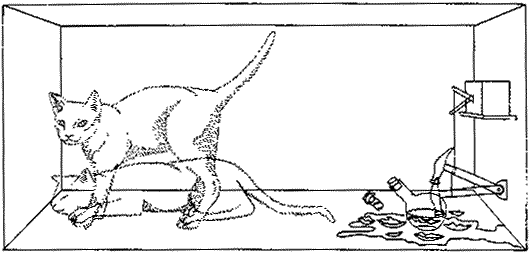
இரு பகுதிகள் உள்ள ஒரு இரும்புக் கூண்டிற்குள் ஒரு பகுதியில் ஒரு உயிருள்ள பூனை இருக்கிறது.அதன் அடுத்த பகுதியை இரும்புக் கூண்டில் இருக்கும் பூனையால் ஒன்றும் செய்ய முடியாது.அந்த அடுத்த பகுதியில் ஒரு ரேடியோஆக்டிவ் பொருள் உள்ளது.இந்த ரேடியோ ஆக்டிவ் பொருள் அடுத்த ஒரு மணி நேரத்திற்குள் செயல்படலாம் அல்லது செயல்படாமலும் போகலாம் ஐம்பதுக்கு ஐம்பது என்ற விகிதத்தில் அதில் உள்ள ஒரு அணு அழிந்து போகலாம் அல்லது அழியாமலும் இருக்கலாம். அந்த கூண்டில் இருக்கும் ஒரு குழாய் அணு அழிவு ஏற்பட்டால் செயல்பட்டு ஒரு சுத்தியலை செயல்பட வைக்கும். இந்த சுத்தியல் ஒரு சிறிய குடுவையில் உள்ள ஹைட்ரோசியானிக் அமிலத்தைக் கசிய வைக்கும். அவ்வளவு தான், பூனை அணுமயமாக ஆகி விடும்.


ஒரு மணி நேரத்திற்கு இந்த அமைப்பு அப்படியே இருப்பதாக வைத்துக் கொள்வோம். அணு அழிவு இல்லை என்றால் பூனை உயிருடன் அப்படியே இருக்கும். அணு அழிவு ஏற்பட்டால் பூனை இறந்து சிதறுண்டு அணுமயமாக ஆகியிருக்கும்.


இப்போது நம் முன் உள்ள கேள்வி பூனை உயிருடன் இருக்கிறதா அல்லது இறந்து பட்டதா!


ஷ்ரோடிங்கர் முரண்பாடு என்ற இந்த ‘சிந்தனை சோதனை சித்தாந்தம்’ ஒரு பெரிய உண்மையை விளக்குகிறது.

ஐம்பதுக்கு ஐம்பது என்ற விகிதத்தில் வாய்ப்பு இருப்பதால் பூனை இறந்தது என்று சொல்லவும் சொல்லலாம்; அது இறக்கவில்லை என்றும் சொல்லலாம்.


எல்லாம் பார்ப்பவர் பார்வையில் இருக்கிறது.

பிரம்மமும் அப்படித்தான். நோக்குபவர் எண்ணத்தில் தான் அது இருக்கிறது.


மாயையைக் கடந்த நிலையில் பிரம்மம் சத்யம்; ஜகம் மித்! மாயை இருக்கும் சூழ்நிலையில் கண் எதிரே ஜகம் உள்ளிட்ட அனைத்தும் நிஜம்!


க்வாண்டம் பிஸிக்ஸ்(quantum physics) என்றைய இன்றைய நவீன இயற்பியல் சப்-அடாமிக் (Sub atomic) மட்டத்தில் மேட்டர் (matter) எனப்படும் பொருளை இரு நிலைகளைலும் கூறலாம் என்று அதிசயக்கவைக்கும் வண்ணம் அறிவிக்கிறது. அதாவது பொருளானது அழிக்கப்படக் கூடியது ; அழிக்கப்பட முடியாதது! அது தொடர்ந்து இருப்பது, தொடராமல் விட்டு விட்டு இருப்பது! அது துகளாக இருக்கக் கூடியது, அலையாக இருக்கக் கூடியது!


(Matter is both destructible and indestructible, both continuous and also discontinuous, matter is both particle and also wave)


ஒரு இடத்தில் அணுத்துகள் இருக்குமா இருக்காதா என்பதை விளக்கப் புகுந்த ராபர்ட் ஓப்பன்ஹீமர் (இவர் அணுகுண்டு விஞ்ஞானி என்பதை அனைவரும் அறிவர்), “அணுத்துகள் ஒரே இடத்தில் இருக்குமா என்று கேட்டால் இல்லை என்றே நாம் சொல்ல வேண்டும்; எலக்ட்ரானின் நிலையானது, நேரம் மாறுபடும் போது மாறுமா என்று  கேட்டால் இல்லை என்றே சொல்ல வேண்டும்; எலக்ட்ரான் ஒரே இடத்தில் இருக்கிறதா என்று கேட்டால் இல்லை என்றே சொல்ல வேண்டும்; எலக்ட்ரான் சலனத்துடன் இயங்குகிறதா என்றால் இல்லை என்றே சொல்ல வேண்டும்” என்கிறார்


(‘If we ask whether the position of the particle remains the same, we must say no, if we ask whether the electron’s position change with time, we must say no, if we ask whether the electron is at rest, we must say no, if we ask whether it is in motion, we must say no.’ – Robert Oppenheimer)


இதே வார்த்தைகளை ஈஸாவாஸ்ய உபநிடதம் (ஐந்தாம் செய்யுள்) கூறுகிறது!!


“தத் தூரே; தத் அந்திகே; தத் அந்தரஸ்ய சர்வஸ்ய; தத் சர்வஸ்ய பாஹ்யதே”


பிரம்மத்தின் நிலையை இந்த விளக்கங்ளால் புரிந்து கொள்ள முடிகிறதல்லவா, இப்போது!


அது எங்கும் பரவி உள்ளது. அண்டத்தில் உள்ளது; பிண்டத்திலும் உள்ளது. அனைத்திலும் உள்ளது. உலகம் பிரம்மத்தின் பிரதிபலிப்பு!

“பார்ப்பவர் அதை உணர்வர்”! பார்ப்பவர் பார்வையைப் பொறுத்து அது இருப்பதும் இல்லாததும்- சத்யமும் மாயையும் – அமைகிறது.

இதையே ஆதி சங்கரர் மிக அழகாக விளக்கி அருளியுள்ளார். நான் மற்றும் நான் இல்லை என்ற இரு நிலைகளும் ஒன்றுக்கொன்று எதிரான நிலைகள். பார்ப்பவர் மற்றும் பார்க்கப்படும் பொருள் (subject and object) ஆகிய இரு நிலைகளும் வெளிச்சமும் இருளும் போன்றவை. வெளிச்சத்தை எடுத்துக் கொண்டு போய் யாராலாவது இருளை விளக்க முடியுமா? ஒரு விளக்கை எரிய விடும் போதே இருள் அகல்கிறது அல்லவா? பிரம்மத்தையும் இப்படித் தான் மனித நிலையில் இருந்து கொண்டு விளக்க முடியாது. அதை முற்றிலும் விளங்கிக் கொள்ளும் நிலையின் போது நாம் பிரம்மமாக ஆகி விடுகிறோம். ஆகவே தான் கண்டவர் விண்டிலர்; விண்டவர் கண்டிலர்!


ஐன்ஸ்டீனுக்கு எழுதிய ஒரு கடிதத்தில் ஷ்ரோடிங்கர் கிறிஸ்தவம் காட்டும் தந்தை மற்றும் ஏசு கிறிஸ்து அவரது புதல்வர் என்ற கருத்தைத் தன்னால் ஏற்க முடியவில்லை என்று எழுதினார். ஆனால் வேதாந்தம் விளக்கும் ஒரே பிரம்மம் தான் சத்யம் என்பதையும் அது எல்லோருக்குள்ளும் பிரகாசிக்கும் ஐக்கியத்தன்மையையும் தன்னால் ஏற்க முடிகிறது என்றார்.


ஒரே ஆன்மா எல்லோருக்குள்ளும் பிரகாசிக்கும் தன்மையை விளக்கும் வேதாந்தத்தை ஷ்ரோடிங்கராலும் நவீன க்வாண்டம் இயற்பியலாலும் நம்மால் நன்கு விளங்கிக் கொள்ள முடிகிறது!

மாயையை விளக்கும் ஷ்ரோடிங்கரின் பூனை உண்மையில் ஒரு மாயப் பூனை தான்!

This article was written by my brother S Nagarajan.

******************


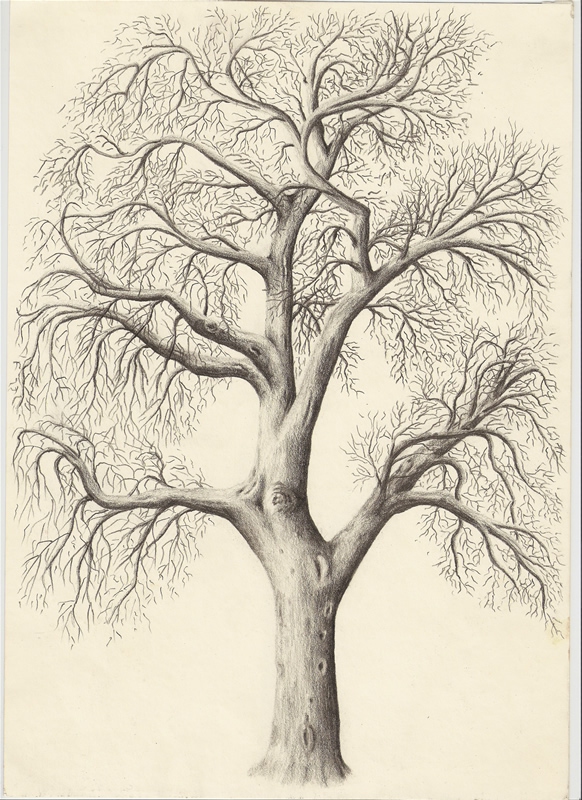
ஒன்றுக்கும் உதவாத உதிய மரமே

(தினமணி, 29-11-1977)

தஞ்சை, நவ.27 (1977): தஞ்சை மாவட்டத்தில் புயல் வீசி மரங்கள் சாய்ந்தன. இவைகள் சாலைப் போக்குவரத்தைப் பாதித்ததால், சாலையின் குறுக்கே விழுந்து கிடக்கும் மரங்களை பொது மக்கள் இலவசமாக எடுத்துச் செல்லலாம் என்று கலெக்டர் அறிவித்தார். உடனே ஏழை எளிய மக்கள் அவைகளை வெட்டி வீட்டுக்குக் கொண்டு சென்றனர். சில அரசு ஊழியர்கள் பணி முடிந்த்ததும் ஒரே வெட்டில் வெட்டக் கூடிய உதிய மரங்களை வெட்டி, சைக்கிளின் பின்னால் பெரிய மரங்களாக வைத்துச் சென்றனர். அவர்களை சட்ட மன்ற கொறடா துரை கோவிந்தராஜன் வழிமறித்து ஏன் பெரிய மரங்களை கொண்டு செல்கிறீர்கள் என்று கேட்டார். அவர்கள் ,”கலெக்டர் அறிவித்ததால் நாங்கள் எடுத்துச் செல்கிறோம்” என்று பதில் சொன்னார்கள். உடனே கொறடா, புளிய மரக் கிளைகளை எடுத்துச் சென்றாலும் அடுப்பு எரிக்க உதவும். இவைகள் உதிய மரங்கள். அடுப்பில் வைதாலும் எரியாது, புகை தான் வரும், ஒன்றுக்கும் உபயோகம் இல்லாதவர்களை “ ஒன்றுக்கும் உதவாத உதிய மரமே” என்று கிராமங்களில் சொல்லுவதை நீங்கள் கேட்டதில்லையா என்றவுடன் அவர்கள் வெட்கமடைந்து அந்த பெரிய மரங்களை சாலை ஓரமாக போட்டுவிட்டுச் சென்றனர். (தினமணி செய்தியின் சுருக்கம்).

உதிய மரமும் ஒதிய மரமும் ஒன்றும் என்று சொல்லுவார்கள். ஆனால் இரண்டுக்கும் வெவ்வேறு தாவரவியல் பெயர்கள் கொடுக்கப்பட்டிருப்பதால் அது சரியா என்று சொல்ல முடியவில்லை.

உதிய மரம் உத்தரம் செய்யக்கூட பயன்படாது என்று கிராமப்புறத்தில் பழமொழி உள்ளத்.. எதற்கும் ஆகாத ஆட்களை, ஆள் உதுயமரம் போல வளந்திருக்கானே தவிர ஒரு பிரயோஜனமும் இல்லை என்று அப்பா, அம்மாக்கள் அலுத்துக்கொள்வதையும் பார்க்கலாம்.

ஓதிய மரம் தூணாமோ, ஒட்டாங் கிளிஞ்சல் காசாமோ? (பழமொழி)


உடம்பைக் கடம்பால் அடி

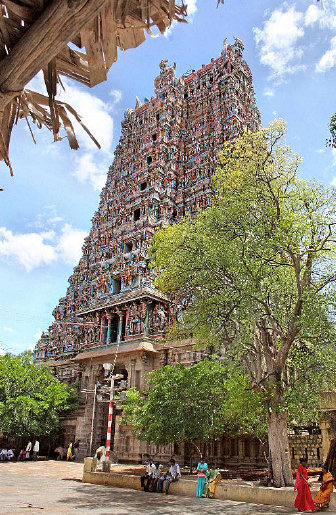
படம்: மதுரையின் ஸ்தல விருட்சமான கடம்ப மரம்

கடம்ப மரம் உடலுக்கு நன்மை பயக்கும் என்பது ஆன்றோர் வாக்கு. உடம்பைக் கடம்பால அடி என்ற பழமொழி இதற்குச் சான்று. மதுரை நகரத்தைக் கட்டுவதற்கு முன் அந்த இடம் ஒரு பெரிய கடம்பவனக் காடாக இருந்தது. ஒரு நாள் இரவில் தனஞ்செயன் என்ற வணிகன் அக்காட்டு வழியே செல்கையில் இரவு நேரத்தில் அதிசய ஒளியைக் கண்டான். இந்திராதி தேவர்கள் காட்டின் நடுவே இருந்த சிவலிங்கத்துக்குப் பூஜை செய்வதைப் பார்த்து மறுநாள் பாண்டிய மன்னனுக்கு அறிவிக்கவே அங்கே கோவில் கட்டினான் என்று ஸ்தல புராணம் கூறுகிறது. இன்றும் மதுரை மீனாட்சி கோவிலில் காய்ந்து போன ஒரு கடம்ப மரத்தை வேலி கட்டி பாதுகாத்து வருகின்றனர்.

(என் பாட்டி கடம்ப மரத்தால் செய்யப்பட்ட கட்டிலில் படுத்து உறங்குவாள். அவள் இறுதி மூச்சு வரை நோய் நொடி இல்லாமல் வாழ்ந்தாள். நாங்கள் எனக்குத்தான இறுதிக் காலத்தில் இந்த கட்டில் சொந்தம் என்று சகோதரர்களுக்குள் “ஜோக்” அடித்துக் கொள்வோம்! அக்கட்டில் இன்னும் மதுரையில் இருக்கிறது.)


பார்ப்பனர் மாமிசம் சாப்பிடுவார்களா?

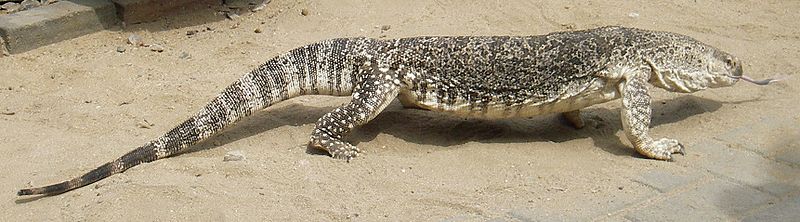
உடும்பின் படம் (varanus exanthematicus, garden lizard)

நான் சொல்லுவது பழந்தமிழகப் பிராமணர்களைப் பற்றியது. இப்பொழுதுள்ள பிராமணர்களைப் பற்றி அல்ல!!

புலன் அழுக்கற்ற அந்தணாளன் என்று கற்றோராலும் மற்றோராலும் புகழப்படும் கபிலர் பாடிய சில பாடல்களில் (புறம் 113, புறம் 14) மாமிச உணவு பற்றிய செய்திகள் வருகின்றன. இதனால் பழைய தமிழ் நாட்டில் பார்ப்பனர்கள் மாமிசம் (இறைச்சி) உண்டனரா என்ற கேள்விகள் எழுந்தன. உலகப் புகழ் காளிதாசனும் விதூஷகன் வாயிலாக வரும் வசனத்தில் மாமிசம் பற்றிப் பேசுவான். இதற்கெல்லாம் நீண்ட விவாதங்களுக்குப் பின்னர் ஆன்றோர்களும் சான்றோர்களும் பதில் கூறிவிட்டனர்.

அதாவது ஒருவன் இறைச்சி உணவு பற்றிப் பாடியதால் அவர்கள் உண்டதாகாது என்றும் பல தமிழ்ப் புலவர்கள் தங்களையே பாணர்கள் போல உருவகித்துப் பாடியபோதிலும் அவர்கள் பாணர் சாதியினர் அல்ல, அந்தணரே என்றும் விடை கூறி, எடுத்துக் காட்டுகள் தந்து சமாதானப் படுத்திவிட்டனர்.

பத்துப் பாட்டில் ஒன்றான பெரும்பாணாற்றுப் படையில் பார்ப்பார் வீட்டை கோழியும் நாயும் கூட நெருங்காது என்று அவர்கள் தூய்மை பெரிதும் போற்றப்படுகிறது. அதே நூல் வரிகள் 302-310 ஐயர் வீட்டில் என்ன என்ன கிடைக்கும் என்ற “மெனு” வையும் கொடுக்கிறது:

இராசன்னம் (அரிசிச் சோறு)

வெண்ணெயில் வெந்த கொம்மட்டி மாதுளைத் துண்டு

(மிளகு பொடியும் கருவேப்பிலையும் கலந்தது)

மாவடு

இதைப் பாடிய உருதிரங்கண்ணானார் ஒரு அந்தணரே.

இது இப்படி இருக்க, நீண்ட நாட்களாக எல்லா உரைகளிலும் வரும் பழமொழிப் பாட்டின் ஒரு வரி புதிராகவே இருக்கிறது:


கள்ளி அகிலும் கருங்காக்கைச் சொல்லும்போல்

எள்ளற்க யார்வாயின் நல்லுறையைத்—தெள்ளிதின்

ஆர்க்கும் அருவி மலை நாட ! நாய் கொண்டால்

பார்ப்பாரும் திண்பர் உடும்பு (பழமொழி நானூறு)

பொருள்: அருவி உடைய மலைநாடனே! பார்ப்பனரும் நாய் கவ்வியதாயினும் உடும்பின் தசையை அதன் உயர்வை எண்ணித் தின்பர். அதுபோல கள்ளியிடம் தோன்றும் அகிலையும் கரிய காக்கையின் சொல்லையும் அவை தோன்றிய இடத்தை எண்ணி இகழாது உயர்வாய்க் கருத வேண்டும்.


உடும்பு என்னும் பல்லி இனப் பிராணியை எந்த எந்த இனத்தினர் சாப்பிடுவர்? உடும்புக் கறிக்கு ஏதேனும் மருத்துவ சக்தி இருப்பதால் இப்படிச் சொன்னார்களா? அல்லது இதை அப்படியே பொருள் கொள்ளாது வேறு வகையில் பொருள் கொள்ள வேண்டுமா?

இது நீண்ட காலமாக விடை காணப்படாத ஒரு கேள்வி. விடை தெரிந்தால் எழுதுங்கள்.contact swami_48@yahoo.com

நாஸா (NASA) வியக்கும் சம்ஸ்கிருத மொழி!

ச.நாகராஜன்

கடவுளரின் மொழி!

வளர்ந்து வரும் விஞ்ஞானத் துறைகளுள் ஒன்று மொழியியல் துறை!

நாளுக்கு நாள் வளர்ந்து வரும் இந்தத் துறை புதுப் புதுக் கண்டுபிடிப்புகளை உலகினருக்கு அறிவித்து வருகிறது. இந்தக் கண்டுபிடிப்புகளுள் ஒன்று சம்ஸ்கிருத மொழியின் அதிசயம்!

கடவுளரின் மொழி என்றும் தேவ நாகரி என்றும் அழைக்கப்படும் சம்ஸ்கிருதம் என்றால் சம்பூர்ணமான மொழி – perfect language – என்று பொருள்!

ஒலி அதிர்வுகளின் மகிமையை உள்ளுணர்வாலும் தவத்தாலும் அறிந்த மகரிஷிகள் ஒலி ஆற்றலைப் பயன்படுத்த சம்ஸ்கிருதமே சிறந்த கருவி என்று கண்டறிந்தனர். “உண்மையைத் தேர்வோம்” என நினைத்த அவர்கள் பயன்படுத்தியது சம்ஸ்கிருத மந்திரங்களேயாகும்.உலகின் மிகப் பழமையான மொழிகளில் ஒன்று சம்ஸ்கிருதம்!


எளிமையானது, தூய்மையானது, கடவுளின் படைப்பின் மகிமையை உணர்த்துவது.ஜோஸப் காம்பெல் சொன்னது போல உலகின் ஆன்மிகக் களஞ்சியத்தைத் தன்னகத்தே கொண்டுள்ளது இது.


அல்பெரூனி வியந்த புராணம்

இந்தியா வந்த அல்பெரூனி இந்தியாவில் சம்ஸ்கிருதத்தில் இருக்கும் புராணங்களைக் கண்டு வியந்து “அதில் எல்லாம் இருக்கிறது” என்று அதிசயித்துக் கூறினான். 18 புராணங்களையும் வரிசையாகக் குறிப்பிட்டுள்ள அவன் தன்னால் மத்ஸ்ய, ஆதித்ய, வாயு புராணங்களின் சில பகுதிகளை மட்டும் பார்க்க முடிந்தது என்று ஆதங்கப்படுகிறான்.

ஐந்து லட்சத்து ஐம்பதினாயிரம் சுலோகங்களில் அனைத்தும் அடக்கம்!

இனி 18 புராணங்களில் உள்ள ஸ்லோக எண்ணிக்கையைப் பார்க்கலாம்:-


பிரம்ம புராணம் சுமார் 13000 ஸ்லோகங்கள்

பத்மம் சுமார் 55000 ஸ்லோகங்கள்

விஷ்ணு -சுமார் 23000 ஸ்லோகங்கள்

சிவ -சுமார் 24000 ஸ்லோகங்கள்

பாகவதம்- சுமார் 18000 ஸ்லோகங்கள்

பவிஷ்யம் -சுமார் 14500 ஸ்லோகங்கள்

மார்க்கண்டேயம் சுமார் 9000 ஸ்லோகங்கள்

ஆக்னேயம்- சுமார் 15000 ஸ்லோகங்கள்

நாரதீயம் – சுமார் 25000 ஸ்லோகங்கள்

பிரம்ம வைவர்த்தம் சுமார் 18000 ஸ்லோகங்கள்

லிங்கம் சுமார் 11000 ஸ்லோகங்கள்

வராஹம் சுமார் 24000 ஸ்லோகங்கள்

ஸ்காந்தம் சுமார் 81000 ஸ்லோகங்கள்

வாமனம் சுமார் 2400 ஸ்லோகங்கள்

கூர்ம சுமார் 5246 ஸ்லோகங்கள்

மத்ஸ்யம் சுமார் 1402 ஸ்லோகங்கள்

காருடம் சுமார் 19000 ஸ்லோகங்கள்

பிரம்மாண்டம் சுமார் 12000 ஸ்லோகங்கள்

ஆக சுமார் 370541 ஸ்லோகங்களுடன் தேவி பாகவதத்தில் உள்ள 18000 ஸ்லோகங்களையும் கணக்கிட்டால் 388548 ஸ்லோகங்கள் ஆகின்றன!


இது தவிர மஹாபாரதம் ஒரு லட்சம் சுலோகங்களாலும் வால்மீகி ராமாயணம் சுமார் 24000 ஸ்லோகங்களாலும் ஆகி இருப்பதை சேர்த்துக் கொண்டால் 512548 ஸ்லோகங்கள் ஆகின்றன.


நமக்குக் கிடைக்கக் கூடிய ஒரு சில பதிப்புகளை வைத்தே இந்த கணக்கீடு உள்ளது என்பதால் அனைத்துப் பதிப்புகளையும் நன்கு ஆராய்ந்தால் சில ஆயிரம் ஸ்லோகங்கள் கூடுதலாகவும் இருக்கலாம். ஆக சுமார் ஐந்து லட்சத்து ஐம்பதினாயிரம் ஸ்லோகங்களில் பிரபஞ்சம் பற்றிய மற்றும் பிரபஞ்சத்தில் உள்ள அனைத்து அறிவையும்  இவ்வுலக வாழ் நெறிகளையும் மோட்ச வாழ் நெறிகளையும் மோட்ச மார்க்கத்தையும் நம் முன்னோர்கள் சுட்டிக் காட்டி உள்ளனர்.இவற்றில் இல்லாதது வேறெங்கும் இருக்கப் போவதில்லை!

நாஸா(National Aeronautics and Space Administration) வியக்கும் சம்ஸ்கிருத மொழி! இப்படிப்பட்ட மொழிக்கும் விஞ்ஞான ஆராய்ச்சிக்கும் என்ன சம்பந்தம்?

எல்லா மொழிகளையும் தன் பயன்பாட்டிற்காக ஆராய்ந்த நாஸா சம்ஸ்கிருதம் ஒன்றே பூமியில் உள்ள ஒரே தெளிவான மொழி என்று கூறுகிறது. விஞ்ஞான ரீதியாகவும் சரியான அமைப்புள்ளதாகவும் உள்ள மொழி இது. நாஸாவைச் சேர்ந்த ரிக் ப்ரிக்ஸ் தனது நீண்ட கட்டுரையில் இதன் பெருமைகள் பற்றி விளக்கமாகக் கூறுகிறார்.

இதனுடைய இலக்கணம் பரிபூரணமானது. உலகெங்கும் உள்ள அறிஞர்களைத் தன் வசம் இழுத்துள்ளது.சமீபத்தில் கணிணி விஞ்ஞானிகள் கணிணி பயன்பாட்டிற்கான சிறந்த மொழி சம்ஸ்கிருதமே என்று அறிவித்துள்ளனர்.

வியக்க வைக்கும் மொழி அமைப்பு!

1984ம் ஆண்டு ஆர்டிபிஷியல் இன்டெலிஜென்ஸ் – AI- என்ற பத்திரிக்கை மெஷின் ட்ரான்ஸ்லேஷனுக்கு – இயந்திர மொழி பெயர்ப்பிற்கு சம்ஸ்கிருதம் சிறந்த இடை மொழியாக இருக்கிறது என்று அறிவித்தது. அதாவது ஜப்பானிய மொழியை ஆங்கிலத்திற்கு மொழி பெயர்க்க வேண்டுமென்றால் முதலில் ஜப்பானிய மொழியை முதலில் சம்ஸ்கிருதத்திற்கு மொழி பெயர்க்க வேண்டும்; பின்னர் அதை ஆங்கிலத்திற்கு மாற்ற வேண்டும்.இதற்கான காரணம் சம்ஸ்கிருத மொழியின் அமைப்பேயாகும். உதாரணத்திற்கு ஒரே ஒரு எளிமையான எடுத்துக்காட்டு.


லிஸா புஸ்தகம் படிக்கிறாள் என்பதை ஆங்கிலத்தில் எழுதினால்

லிஸா ரீட்ஸ் எ புக் (Lisa reads a book) என்று ஆகும்.

இதையே சம்ஸ்கிருதத்தில் கீழே கண்டபடி எப்படி வேண்டுமானாலும் எழுதினாலும் அர்த்தம் மாறுவதில்லை.

லிஸா புஸ்தகம் படதி

புஸ்தகம் லிஸா படதி

புஸ்தகம் படதி லிஸா

படதி புஸ்தகம் லிஸா

படதி லிஸா புஸ்தகம்

லிஸா படதி புஸ்தகம்


ஆறு விதமாக மேலே கண்டபடி எழுதினாலும் அர்த்தம் ஒன்று தான்.

ஆனால் ஆங்கிலத்தில் Lisa reads a book என்பதை

A book reads Lisa என்பது அர்த்தத்தை விபரீதம் ஆக்கி விடும். ஒரு புஸ்தகம் லிஸாவைப் படிக்கிறது என்றால் எப்படிப்பட்ட விபரீத அர்த்தம்?

ஆகவே சம்ஸ்கிருதத்தின் இந்த ஒரே அமைப்பே கணிணி மொழிகளில் ஏராளமான நன்மைகளைச் செய்யும் போது அதன் இதர அமைப்பு முறைகள் அதை ஒப்பற்ற மொழியாக ஆக்குகிறது.

4000 மூலச் சொற்களில் அனைத்தும் அடக்கம்!

லட்சக்கணக்கான சம்ஸ்கிருத சொற்கள் சுமார் 4000 மூலச் சொற்களிலிருந்தே பிறக்கின்றன என்றால் ஆச்சரியமாக இல்லை? இவையும் இரண்டு அல்லது அதற்கு மேற்பட்ட மூலங்களால் ஆனவை.


மூலத்தின் அர்த்தத்தை உணர்ந்து கொண்டு அதன் அடிப்படை மூலங்களைப் பிரித்தால் வார்த்தையின் அர்த்தம் தானாகத் தெரிய வரும். இதனால் சம்ஸ்கிருத அகராதி 4000 மூலச் சொற்களுக்குள் அடங்கி விடும் அற்புதத்தைக் காணலாம்!

இயந்திரத் தகவல் தொடர்புக்கு பொருத்தமான ஒரு மொழியை விஞ்ஞானிகள் தேட ஆரம்பித்தனர்.ஆங்கிலம் இதற்குப் பொருத்தமானதாக இல்லை என்பதை உணர்ந்த அவர்களின் கவனம் சம்ஸ்கிருதத்தின் பால் திரும்பியது. அதன் அமைப்பை உணர்ந்து அதிசயித்த அவர்கள் அதைப் பயன்படுத்த ஆரம்பித்து விட்டனர்.

ஒலி நுட்பம் உணர்ந்த பாணிணி!

வார்த்தையையும் அதன் ஒலியையும் ஆராய்ந்த பாணிணி அற்புதமாக சம்ஸ்கிருத இலக்கணத்தைச் செப்பனிட்டு உலகிற்கு ஈந்தார்.

யாக்ஞவல்ய ஸ்மிருதி வார்த்தையை உச்சரிக்கும் விதத்தை வர்ணிக்கும் போது எப்படி ஒரு புலி தன் குட்டியை வாயில் தூக்கிக் கொண்டு போகும் போது அதற்கு வலிக்காத படி அதைத் தூக்கிச் செல்கிறதோ அதே போல வார்த்தையை உச்சரிக்க வேண்டும் என்று அறிவுறுத்துகிறது!.


இந்த உச்சரிப்பை ஆராய்ந்தவர் டாக்டர் ஹான்ஸ் ஜென்னி.

சம்ஸ்கிருதத்தை நன்கு ஆராய்ந்த அவர் அது ஒரு பெர்•பெக்ட் லாங்வேஜ்- செம்மொழி என அறிவித்தார். அதன் ஒலியை ஆராய்ந்த போது எந்த எழுத்தை உச்சரிக்கிறோமோ அதே போல அதன் வடிவம் வருகிறது என்பதை நிரூபித்தார். அது மட்டுமின்றை சில சொல் சேர்க்கைகள் மண்டல அமைப்புகளைக் காட்டுவதையும் சுட்டிக் காட்டினார்.


உயிருள்ள மொழி!


சம்ஸ்கிருதம் இறந்த மொழி அல்ல. கர்நாடகத்தில் ஷிமோகாவிலிருந்து 4 கிலோமீட்டர் தூரத்தில் உள்ள மாத்தூரில் கிரிக்கட் மைதானத்தில் கூட சிறுவர்கள் சீக்ர தாவே (வேகமாக ஒடு) என்று சம்ஸ்கிருத மொழியில் பேசி விளையாடுவதைப் பார்க்கலாம்.

இங்குள்ள 5000 பேர் பேசுவது தாய் மொழியான சம்ஸ்கிருதத்தில் தான்!

இது மட்டுமின்றி மேலை நாடுகளில் ஏராளமான சம்ஸ்கிருத ஆராய்ச்சி மையங்கள் மூலம் சம்ஸ்கிருதம் பேசப்படுகிறது; பரப்பப் படுகிறது.

இந்நிலையில் மெய்ஞான மொழியான சம்ஸ்கிருதம் கணிணி விஞ்ஞானத்தால் ஆராயப்பட்டு தன் பழம் பெருமையை மீட்டு ஜொலிப்பதைப் பார்க்க ஆரம்பித்து விட்டோம்.

இதைப் பேணிக் காப்பது இதன் சொந்தக்காரர்களான நமது கடமை அல்லவா? இதைப் போற்றுவோம்; காப்போம்!

Article written by my brother S Nagarajan

********


இந்திய அதிசியங்கள்: உலகிலேயே ஆழமான கிணறு

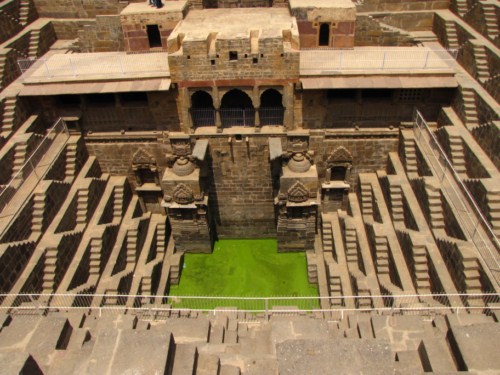
இந்தியாவிலுள்ள அதிசியங்கள் என்ன என்று கேட்டால் அஜந்தா, எல்லோரா, அமர்நாத் குகை, தாஜ் மஹால், மீனாட்சி கோவில், பனிமூடிய இமய மலை என்று அடுக்கிக் கொண்டே போவார்கள்- கட்டாயம் நூற்றுக்கும் மேலே வரும். ஆனால் நம் நாட்டிலுள்ள உலகிலேயே ஆழமான கிணறு அந்தப் பட்டியலில் வருமா என்பது சந்தேகமே. ஏனெனில் கின்னஸ் சாதனை நூல் போன்றவற்றைப் பார்ப்பவர்களுக்குத் தான் இத்தகைய விஷயங்கள் கண்ணில் அகப்படும். படிக்கட்டுகளை உடைய கிணறுகளில் மிகவும் ஆழமானது (Deepest Step well in the World) என்ற வகையில் இது சாதனை நூலில் இடம்பெறும்.

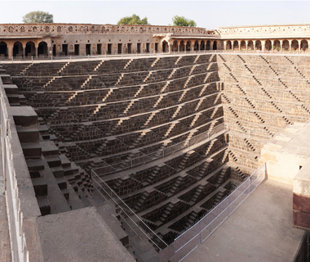
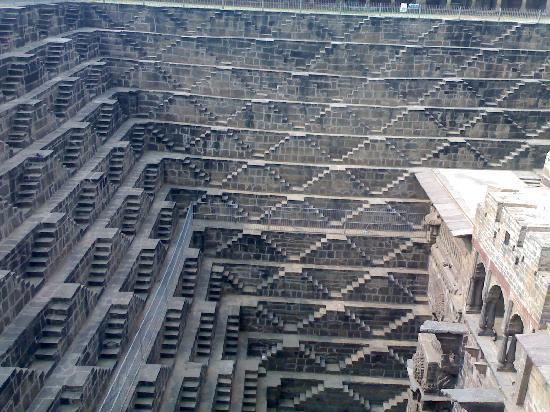
இந்த அதிசியக் கிணறு இந்தியாவின் ராஜஸ்தான் மாநிலத்தில் இருக்கிறது. இந்தக் கிணறு ஆழமானது மட்டும் அல்ல, மிக அழகானதும் கூட. ராஜஸ்தானில் ஜெய்ப்பூர் நகரிலிருந்து சிறிது தொலைவில் அபநேரி (Abhaneri) என்ற கிராமத்தில் இந்தக் கிணறு உள்ளது. 13 அடுக்குகளாக 3500 படிகலைக் கொண்டது இது. ஆழம் சுமார் நூறு அடி. கிணற்றின் பக்கங்கள் சுமார் 110 அடி (35 மீட்டர்) நீளம் உடைய சதுரமான கிணறு.

இது ஆயிரம் ஆண்டுகளுக்கும் மேலான வரலாறு உடையது. கி.பி 850ல் மன்னர் ராஜா சந்த் என்பவர் இதைக் கட்டினார். இந்த அபநேரியின் உண்மையான பெயர் அப நகரி (ஒளிமயமான நகரம்). ராஜா சந்த் கட்டியதால் கிணற்றின் பெயர் சந்த் பவ்ரி (பவ்ரி, பவ்டி என்ற சொற்கள் கிணற்றை குறிக்கும்).

இங்குள்ள பாமர மக்கள் இந்த கிணற்றை ஒரே இரவில் பூதங்கள் கட்டியதாக நம்புகின்றனர். ஏனென்று கேட்டால் இவ்வளவு ஆழமான கிணற்றை மனிதர்கள் கட்ட முடியாதென்று பதில் கூறுகின்றனர். உண்மையில் இதைப் பற்றிப் படிப்பதை விட பார்ப்பதே மேல்—காதால் கேட்பதைவிட கண்ணால் காண்பதே இதன் பெருமையைப் புலப்படுத்தும்.

இந்தக் கிணறு ஹர்சத் மாதா (Harshat Mata temple) கோவிலுக்கு முன்னால் இருப்பதால் இதில் மத நம்பிக்கைகளும் கலந்திருக்கலாம். ஆனால் முஸ்லீம் படை எடுப்புகளின் போது பல சின்னங்களும் அழிக்கப்பட்டுவிட்டதால் முழு விவரமும் இப்போது கிடைக்கவில்லை. ஹர்சத் மாதா என்பதன் பொருள் “மகிழ்ச்சி தரும் அன்னை”. கோவிலை மட்டும் அல்ல, இந்தக் கிணற்றைப் பார்க்கும்போதும் இந்தியர்களின் கட்டிடக் கலைத்திறனையும் கணிதப் புலமையையும் எண்ணி எண்ணி மகிழ்ச்சி அடைவோம் என்பதில் ஐயமில்லை.

ராஜஸ்தான் மாநிலம் தண்ணீர் பற்றாக்குறை நிறந்த மாநிலம். பெரும்பாலும் பாலைவனப்பகுதி. ஆகையால மழை நீரைச் சேமிப்பதற்கு இப்படி கிணறுகள் வெட்டுவது வழக்கம் என்றும் தெரிகிறது. ஜோத்பூர் அருகில் கடன் வாவ் என்னும் இடத்தில் மற்றொரு கிணறுஉள்ளது. ஆனாலும் அபநேரி கிணற்றின் அழகுக்கு ஈடு இணை இல்லை.

அபநேரியின் ஆழமான கிணற்றுக்கு மேலே மொகலாயர்கள் சில மண்டபங்கள், கட்டிடங்களைக் கட்டியிருக்கிறார்கள். மோர்னா லிவிங்ஸ்டன் என்பவர் ராஜஸ்தான் மாநிலப் படிக் கிணறுகள் பற்றி ஆய்வு செய்து புத்தகம் எழுதியுள்ளார் (The Ancient Step wells of India by Morna Livingston).


******************


Hindus’ Future Predictions- Part 1

My friends get annoyed whenever I say, “it is already said in our Hindu scriptures”, interrupting their scientific discussions. One of my friends became very bold and challenged me one day in front of everyone. “Look, if we say Darwin gave us Theory of Evolution, you say it is already in our Dasavatar starting from fish and finishing with a super man Kalki avatar, if we say that Copernicus said that the earth was round you say that is already there in the books of Aryabhatta and Varahamihira, if we say that Columbus discovered America, you say that Hindus welcomed him when he landed there, Right, I accept you invented or discovered Chess, Zero, Algebra, many theorems and the Arabic numerals. Now tell me what your Hindus have already discovered, but the world is yet to discover them”. This challenge gave me the shock of my life. I asked him for a week’s time and found out some interesting things. Read the following:

  1. Venus and Rain: Tamil literature and Sanskrit literature associate Venus with the rains. Astronomers and meteorologists will discover that Venus has a link with the rains in future. If Venus goes towards south, the world will have a drought (going south is an astrological jargon to denote appearing towards south). The Vedas and Tamil literature talk about twelve year long droughts. So the scientists will find out that the position of Venus has an impact on world’s weather.

We know that the sun has a big role in the growth of plants. We read plants make food by photosynthesis using sun light. But Sanskrit literature is very clear and loud in saying moon’s rays give energy to the plants. So biologists will find out soon the link between the moon and the plants. But Hindus never denied Sun’s role.


Sanskrit Navagraha Stotras (hymns on nine heavenly bodies) gives the relationship between the planets. Hindus have already found out that Jupiter is the largest and heaviest planet and named it GURU appropriately. Guru means leader, teacher and heavy in Sanskrit. Mars is called Red planet by Tamil and Sanskrit poets. Mars is already confirmed red by scientists. Mars is called Bhumi Puthra/ son of earth. Scientists also believe Mars may have water and life.


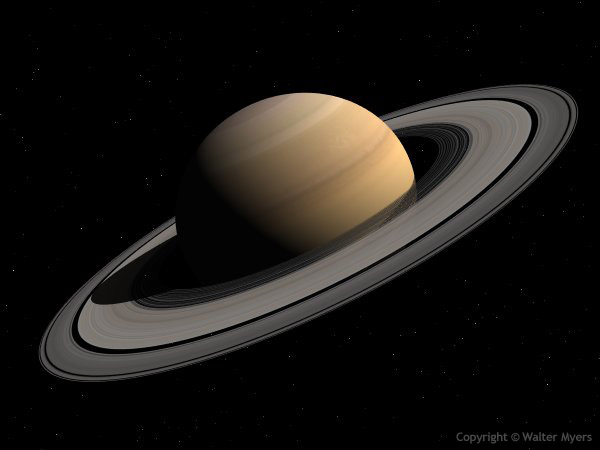
  1. Saturn is called a black planet by Sangam Tamil poets and Sanskrit poets (Maim meen in Tamil and Neela in Sanskrit). Saturn will be confirmed black by scientists in future. It is also called chaya puthra (son of shadow as well as son of sun). Hindus said that Saturn has a son called Manthi. It corresponds to the ring (Mantle) around it.


Planet Mercury is called “son of moon”. Science is yet to prove the link between the two heavenly bodies. Probably mercury came into existence because of moon. When moon or/ and another body collided with earth mercury might have born. Science will prove  Hindus are right about mercury .


  1. Venus is described as the “son of sun”. Scientists will prove the link between the sun and Venus. We already know that Venus is the brightest object in the sky next to sun and moon. It is always with the sun (it can be seen either at dawn or at sunset).


Aliens in Hindu scriptures: Hindus describe the alien (E.T.) features very clearly 1. Aliens can’t have sex or give birth in their world. If they want to have sex or give birth they have to come to earth. 2. They don’t perspire 3. Their feet won’t touch the earth/ always floating 4. They don’t wink 5. They can travel to earth and go back to their world. 6. They are happy and they don’t need to eat.7. Their garlands never wither away  8. They always shine like dazzling lights. Whenever Hindus describe about Indra’s visit to earth they say the whole area was shining like sun. Even Madurai city was founded when a businessman was crossing the forest of Katampa trees in the middle of night watched Indra doing Puja shining brilliantly at the dead of night. Scientists will find a place like heaven soon or confirm the existence of such a place in the universe.

  1. Futurology: Before the scientists and Nostradamus predicted the future, Mahabharata (vanaparvam) and Bhavishya Purana described what will happen at the end of Kaliyuga. The description was similar to the Nuclear winter. We realised it only when we watched the film “The Day After”.

Concept of Time: Hindu concept of time is completely different from the western concept of time. Hindus believe that they can get out of time and watch it from the top of Time mountain. They can be part of it or get out and travel back and forth. But very rarely they interfere in it. (read my article Time Travel by Two Tamil Saints). I don’t say that Einstein is wrong. But we know a way (Time warps) to get out of time and travel between three worlds (Heavenly singer Narada is called Triloka Sanjari/one who travels between three worlds. Here three worlds may mean present, past, future).


  1.  Brahmastra & Nuclear weapon: Hindus can produce weapons by mantras (spells). These weapons are similar to nuclear weapons but sound based. They knew the power of water (Hydrogen and Oxygen). Whether it is a curse or boon they always use water along with the mantra.(please read my article Is Brahmastra a Nuclear Weapon? and  Do Word Have Power? The Science of curses and boons.)


When the first nuclear device exploded in 1945 ,Father of the Atomic bomb J.Robert Oppenheimer, an American physicist, burst in to a Bhagavad Gita sloka(Chapter 11,verse 32) where Krishna says ,” Now I am become Death, the Destroyer of worlds”. He said these words after witnessing a huge fire ball that brightened the sky for many miles producing huge mushroom cloud. Now the chapter 11 fits very well with the description of Black Holes. Nothing is destroyed but they come back (in time) is the message given by Krishna. Scientists will slowly come to that conclusion about Black Holes.


Hindus’ Future Predictions- Part 2


  1. God’s particle and Kanchi Shankaracharya: Kanchi Shankaracharya who attained Samadhi at the age of 100, delivered a lecture in Madras in 1932. At that time the Periodic Table had only 72 elements. He made a passing remark about it and said they will find in future that there is only “one” from which all these came from. Now we are looking for such a particle. What Shankaracharya said 80 years ago will soon be proved by the scientists.
  1. Big Bang: The universe came into existence from the sound (AUM). This is what happened during Big Bang 1500 million years ago. Hindus talk about Big Shrink as well in their literature.
  1. G spot: Hindus were the first to explore sex. Whether it is grammar or sex they produced the first scientific treatise. 11th century Sanskrit literature speaks about mysterious G spot which gives pleasure for women during sexual intercourse. Now biologists are proving that the Sanskrit texts are right (See New Scientist, April 28, 2012 issue). They will find more from Vatsyayana’s Kamasutra.
  1.  84 lakhs Yoni Bedam: Even before Linnaeus and others classified the plant and animal kingdoms Hindus said that there were 8.4 million species. It may not coincide exactly with what the biologists say today. After all we are the one who classify them and in future lot of species may be merged into one family or a lot may be further sub divided. What matters here is we knew many lakhs of species were there when other cultures did not even bother about the number.
  1. Brahma’s life: What we say about the life of Brahma, Manu etc can be interpreted in many ways. Please read my article Do Hindus believe in Aliens and ETs? We were the one who came at least nearer to Big Bang time by giving the Life of Brahma, Manvantara etc.


  1. Eight Super Powers: “Ashtama Siddhi”  is a house hold word for Hindus. We come across such words from Vedic literature to Hanuman Chalisa. Man’s mental power is an unexplored area in western science. Only now they have realised the importance o it because of the time taken for travel to Mars and back. Science will slowly acknowledge it and start practising Yoga to attain Eight Great Super Powers. The need for Yogasana and Pranayama (breath control exercise) will be acknowledged by the scientific community.
  1. Rebirth : Though lot of cases of rebirth have been identified and researched ,still it remains a mystery for scientists. They try to explain differently because Semitic religions don’t accept it. Slowly scientists will accept it by doing proper and open research.

Dreams : Western psycho analysts Freud and Jung haven’t understood the dreams well. Though they created awareness in this area, their explanation of dreams as “suppressed desire” is not right. Hindus have explained the meaning of dreams. Saints like Dr Sivananda of Divine Life Society have explained it very well. Psychologists and psycho analysts will slowly accept the Hindu explanation of dreams (please read Do our Dreams come true?).


  1. Body Symmetry and Body Features: Hindus have studied the body parts and its features very well and developed a new science called Shamudrika Lakshan. This is an unexplored field in western countries. By studying the body features of a man or a woman one can tell their virtues, qualities and health. Scientists will rush for ancient Indian Sanskrit texts when they realise the importance of such features.
  1. Vastu Sastra/ Sacred Geometry: It is similar to above Kshamudrika Lakshan. Instead of body features, here we see the structure and location of buildings. Now even big companies hire Feng Sui (Vastu Sastra of Chinese) experts to build or reconstruct their buildings. Scientists will accept and acknowledge our contribution in this area.
  2.  Research on Twins gave inconclusive evidence to the validity of astrology. Proper research by Indians with the help of computers will prove our astrological texts are right. Those who study Nadi Jothidam books, published already (Saptarishi Nadi) would find out what exactly can be told in advance about a person born on a particular day.
  1. Powers of copper utensils, Dharba grass, Vedic Soma plant juice, cow’s Urine and several trees like Neem, Pipal, Katampu , Ayur Vedic and Siddha medicines will get renewed attention from the scientists and Hindu contribution will be appreciated.
  1. Mankind is divided into seven major groups (came from Sapta Rishis) according to Hindus. They banned Gotra marriages (man, woman relationship in the same clan/gotra). There was only one language (Tower of Babel story) which gave birth to several languages. Gotras and one language theory will get some new impetus and old language theories will be discarded.
  1. Puranas (Hindu mythologies) such as Devi Bhgavath gives graphic description of various worlds (loka loka parvatham,four dig Gajams Rishabam, Pushkarasutam, Vamanam and Varajitham). Even those who don’t believe such descriptions as astronomical descriptions will have to give the writer the title -First Science Fiction Writer!!
  1. When Arjuna was taken in the Space Shuttle ( Matali’s Chariot) to the heaven (Indra Loka), he asked about the stars. Matali answered him saying that they were the Punya Atmas (Good souls). I couldn’t understand this till I heard a TV broadcast where Patrick Moore, The British Royal Astronomer made a statement that we were all stars once!! We were all star dust once upon a time, may be billions and billions of years ago. This partly explains Matali’s answer to Arjuna that stars are Holy souls. Hindus name the stars after Rishis/ seers. Apart from the Sapta Rishis (Seven stars in the Great Bear/ Ursa Major), we have named other stars as Arundhati, Dhruv, Agastya and Tri Sanku. Hindu literature contains more stories about the 27 Nakshatras (stars). Viswamitra was praised for creating a “new world”. Many of these are not even understood by us now.

Contact : swami_48@yahoo.com

*****************

Sanskrit Inscription and Magic Square on Tortoise!!

Picture taken by Dr C Alyilmaz in  Mongolia (Bugut Inscription)

Hindu Gods are associated with all the important birds and animals. They are associated with insects and reptiles as well. Take any animal whether it is elephant or rhino, snake or scorpion, fish or crocodile, eagle or crow, boar or tortoise —they are all associated with Hindu gods. We see it in the Vedas, in the Indus valley civilization and in the temple Vahanas. But when we read that even the Chinese, Mongolians and other cultures believed in such things we raise our brows. When we see Sanskrit inscription on a tortoise statue,that too in the remotest part of the world, we are wonder struck!!

Kurmavatar, the Tortoise incarnation of Vishnu is the oldest tortoise we know. But we have even Rishis (seers) in the name of frogm(manduka)owl (Uluka) and tortoise (Kasyapa)in Vedic literature. Kasyapa is one of the Vedic Rishis. Kasyapa means tortoise. Kashmir is named after Kasyapa Rishi. Kumaon hills in the Himalayas is named after Kurma Avatar. If you read the history of Kashmir and Kumaon in Uttaranchal state you will find more surprising things. We have Kurmavatar statues in Kahajuraho Lakshman temple (M.P) and Osiyan temple in Rajasthan. One exclusive temple for Kurmavatar is near Srikakulam in Andhra Pradesh .

Three thousand years ago a Chinese king found a turtle with a magic square on its back. The magic square will add up to number fifteen whichever way you add the numbers. From that day it was considered a lucky square and people believe that they will get money etc. It is called Lo Shu. Hindus also believe this as money making square and call it Kubera Kolam. Egyptians and Hindus used the magic squares. Even the Vedic mathematics has magic squares.

Tortoise statues with stone tablet son their backs is a common sight in South East Asian and the Far Eastern countries. Nowadays they are used in mausoleums as memorial stones. But in olden days they were used as inscription tablets. The oldest Tortoise tablet has a Sanskrit inscription on its back along with other languages. It is dated around 500 AD. It is a wonder that this Sanskrit inscription was found in the remotest part of the world. Mongolia is a land locked country and even during the modern era the country is difficult to access. This country was known to the only because of its ruler ruthless Genghis Khan( 1162-1227 AD).

The tortoise tablet with Sanskrit inscription is known as Bugut inscription. It is an old Turkic inscription. It is found in Bugut mountain in Mongolia. The tablet on the back of the tortoise has Sogdian letters on three sides and Sanskrit letters on the fourth side. It is in Brahmi characters. The text contains an order to build a monument for king Mahan Tigin. But the inscription did not stop there. It throws lot of light on the Turkic beliefs, values and relations with others. It was dated 572 -580 AD. It is two and a half meter tall and it is preserved in Cecerleg Museum in Mongolia.

Sanskrit inscriptions are available throughout Asia from the remotest Mongolian mountains to tropical forests of Borneo. We see thousands of inscriptions in high literary style from 150 AD. Thousands of them were written in verses. This strengthens the belief that they were writing Sanskrit even earlier but on palm leaves and birch leaves. Another fact is that it was understood by everyone from Mongolia to Indonesia.

The Bugut inscription has beliefs similar to India. It considers the king as a representative of God on earth. Kings are called savers of the world. Kings lay their faith in God and thank him for everything. This is typical Indian.

BIXI

Picture: Kurmavatar in Bangkok (Thailand ) airport

In South East Asia and China they call these tortoise stone tablets Bixi. The Chinese word means strong or capable of withstanding any weight. It is similar to Kurmavatar tortoise. When Devas and Asuras churned the ocean to get Amrita (ambrosia) they used Mandara Mountain as the churning rod and the snake Vasuki as rope. But the mountain was not stable and started going to the bottom of the sea. Then Vishnu incarnated himself as a tortoise and held the mountain stable. So the idea of tortoise as a strong stabilising or fixing factor went from India to different parts of the world. We can safely conclude that Kurmavatar (Tortoise Incarnation of Vishnu) is the basis for all tortoise stories in the world. The idea migrated to China and South East Asia through the Buddhist monks.

Please read my posts: 1. Old Sanskrit Inscriptions in Mosques and on Coins 2. Ancient Sanskrit Inscriptions in Strange Places 3. The Tortoise Mystery: Can we live for 300 years? (contact swami_48@yahoo.com)

Draupadi and Tamil Heroines

Picture shows Angry Kannaki

Draupadi, wife of Pancha Pandavas came from Punjab. She was a heroic woman. She was called Draupadi because she was the daughter of Drupada, King of Punjab/Panchala. She was also known as Panchali because she was a woman from Punjab/Panchala. She had another name Yagnaseni because she was born out of a holy fire/Yagna.

People of Punjab were famous for their heroic deeds. They protected Hindus from the onslaught of foreign invaders for over two thousand years. Draupadi was an intelligent woman, but she was an arrogant princess as well when she got married to the Pandavas. When the Pandavas constructed a new palace, Duryodhana and others were invited to view the palace. It was so beautifully done that Duryodhana mistook its crystal floor for water and lifted his clothes to step in carefully. Draupadi who watched it from the balcony burst into laughter. Women should never laugh at men, that too for silly mistake, like this. Duryodhana and his brothers were already burning with jealousy. This laughter rubbed salt into their wounds.  They were all waiting for an opportunity to take revenge upon her.

When Dharama (Yudhistra), eldest of the five Pandava brothers, lost everything in the gambling, Sakuni, the most wicked uncle of Dhuryodana provoked Dharma to stake his wife Draupadi in the game of dice. When he did this and lost again,  Duryodhana ordered his brother to undress Draupadi. When she was dragged into the court in front of all the elders in the Royal Assembly, nobody raised a finger against Duryodhana or advised him against this un holy, un Hindu act of molesting a woman in public.

But Draupadi asked them what right Dharma had over her when his independence was already lost in the gambling. She argued like an efficient solicitor. She asked the elders in the Royal Assembly to speak up. No one could answer her questions. But Krishna came to her rescue and saved her modesty. When Duschasana, brother of Duryodhana, tried to denude her by pulling her sari, it became longer and longer and there was no end to the garment. Krishna played many magical tricks throughout the Mahabaharata warand this was one of them. Beyond Krishna’s magical gifts, Hindus believe that chaste women can control even Nature’s forces. Tamils believe that a chaste woman can bring rains and stop anything at their will power. A woman can make or mar a man and she can make or destroy a country.

Draupadi Vs Tamil Heroines

In Tamil country, we have a great heroine by name Kannaki. Her full story is given in the great Tamil epic Silappadikaram. When her husband Kovalan was falsely accused of stealing Pandyan queen’s anklet and executed without proper enquiry, she went straight to the Royal court and challenged the king. Like Draupadi she also argued her case and proved that she was right. The ashamed Pandya king died of heart attack on the spot. Since such an injustice had never happened in the country his wife/the queen also died of heart attack. But yet Kannaki’s anger did not subside and she walked through the streets of Madurai and invoked God of fire to burn all the bad elements in Madurai, the capital city of Pandya kingdom. This is a famous story every Tamil knew. But there was another fiery woman who lived nearer her time who was not known even by Tamils. Her name was AnnI Njimili. Her unusual name itself is a tongue twister.

Anni njimili was an ordinary innocent village girl. Her father was also equally humble and a poor man. He used to take his cows for grazing every day. Kosars, a clan who were famous for their truthful words, were controlling that area. It was Anni Njimi family’s bad luck that the cows went into the field of Kosars. Immediately they arrested Anni Njimili’s father and took him to their leader. He ordered his servants to gouge his eyes. But knowing the seriousness of the situation, Anni went with all the elders of the village and begged him to pardon her dad. The arrogant Kosars did not listen to her and Anni’s dad lost his eyes.

When Draupadi was insulted in the royal court she made a vow not to tie her hair till she saw the end of Duryodhana. Probabbly Anni Njimili knew the story of Draupadi. Mahabharata and Ramayana were very popular in Tamilnadu two thousand years ago that we have new anecdotes in Tamil which were not found in Sanskrit versions of the epics. (Please read my Articles: WHERE IS RAMA STU? and TWO ANIMALS THAT INSPIRED INDIANS in the blogs). Anni also made the same vows. She swore that she wouldn’t eat or dress herself properly till the wrongdoers were punished.

Like Draupadi and Kannaki , Anni was very clever and she was looking for a hero who would punish the bad people. She had heard about valorous Thithiyan of Azunthur. She went to Azunthur and told him what happened. When Thithiyan saw the conviction of this girl, her love and affection for her dad and her determination to punish the bad people ,he made up his mind. He promised her that he would finish off the people who did this to her father. As promised, Thithian went to Kosar country and killed the people who did the barbaric act of gouging her dad’s eyes just for grazing the cows. On that day her angry face changed to beautiful face of a woman. Sangam Tamil poems written two thousand years ago praised her heroic act and determination in Akananuru  verses 196 and 262. Paranar who never missed any of the important events of his days like a war correspondent, recorded this incident in his beautiful poem.


***********************