வள்ளுவன் ஒரு சம்ஸ்கிருத அறிஞன்

Picture: Tamil Poet Valluvar’s statue at SOAS, University of London

பொய்யா மொழிப் புலவன் திருவள்ளுவன் ஒரு பெரிய சம்ஸ்கிருத அறிஞன். அவன் செய்த திருக்குறள் போல வேறு எம்மொழியிலும் நூல் இல்லை. இனி ஒரு காலத்திலும் இவ்வளவு அழகாக ஒரு புலவர் செய்ய முடியுமா, அப்படியே செய்தாலும் அதை வள்ளுவனை ஏற்றார் போல உலகம் ஏற்குமா என்பதெல்லாம் கேள்விக்குறியாகவே தொக்கி நிற்கும். இப்படி வான் புகழ் பெற்று தேன் தமிழில், தென் தமிழில், தெள்ளு தமிழில் குறள் செய்த வள்ளுவன் தமிழில் ஒரு அமைதிப் புரட்சியையும் செய்தான். தமிழில் முதல் தடவையாகத் துணிந்து சம்ஸ்கிருதத்தைப் புகுத்தினான். அதனால் தமிழ் அழகு பெற்றதே அன்றி சோபை குன்றவில்லை. மொழியைக் கெடுக்காமல், அளவோடு செய்தான். நம் காலத்தில் பாரதியார் செய்ததைப் போல.


வள்ளுவப் பெருமான், பகவத் கீதையைக் கரைத்துக் குடித்திருப்பாற் போலத் தோன்றுகிறது. ஏனெனில் தானம்,தவம் என்ற சொற்றொடரும் குணம் என்ற சொல்லும் சமன் என்ற சொல்லும் பகவத் கீதையில் ஏராளமான ஸ்லோகங்களில் வரும். தமிழில் தைரியமாக இப்படி சம்ஸ்கிருதச் சொற்களுடன் வேறு யாரும் கவிதையையோ பாடலையோ துவக்கியதில்லை.


கீதையில் தானம்,தவம் என்ற 2 சொற்களும் சேர்ந்தே வரும் (கீதை 10-5, 16-1,17-7,17-28,18-5; கீதையில் 14ஆவது அத்யாயம் குணத்ரய விபாக யோகம். ஒவ்வொரு செய்யுளிலும் குணம் என்ற சொல் வருகிறது. அதே சொல்லுடன் தவங்கும் ஸ்லோகமும் உண்டு. சமம் என்ற சொல்லுடன் கீதையில் குறைந்தது ஆறு ஸ்லோகங்களாவது துவங்குகின்றன. இதை எல்லாம் பார்க்கையில் அவர் குறளை எட்டுக்கட்டும்போது அவரை அறியாமலே இந்தச் சொற்கள் பீறிட்டெழுந்திருக்க வேண்டும்.

வள்ளுவன் கையாண்ட பல கருத்துக்கள் வடமொழி நூல்களான பர்த்ருஹரியின் சதகங்கள், மனுதர்ம சாஸ்திரம், கீதை, தம்மபதம் ஆகியவற்றில் இருப்பதைச் சுட்டிக்காட்டி நிறைய கட்டுரைகள் வந்துவிட்டதால் அவைகளைத் திரும்பச் சொல்லப் போவதில்லை.


‘தானம் தவம் இரண்டும்’ (குறள் 19, 295) என்றும், ‘குணம் என்னும் குன்று ஏறி’ என்றும் ‘சமன்’ செய்து என்றும் துணிவாகச் சம்ஸ்கிருதச் சொற்களுடன் குறளைத் துவக்குகிறார். முதல் குறளிலேயே அ’கரம்’, ‘ஆதி பகவன்’ என்றும் அடித்து நொறுக்குகிறார். இந்தத் துணிவு இவர் ஐந்தாம் நூற்றாண்டில் வாழ்ந்ததால்தான் வந்தது. மனம், கருமம், காமம்,தெய்வம், முகம் போன்ற சம்ஸ்கிருதச் சொற்களுடன் இன்னும் நிறைய குறள்களைத் துவக்குகிறார். இவருக்குப் பின் வந்த நாயன்மார்களும், ஆழ்வார்களும் ஏராளமான வட மொழிச் சொற்களைப் பயன்படுத்த வள்ளுவனே வழி வகுத்தான் போலும்.


வள்ளுவன் உள்ளத்தால் பொய்யாதொழுகிய உத்தமன். அதனால்தான் அவன் உலகத்தாற் உள்ளத்துள் எல்லாம் உளன். அவனுக்கு வட மொழி தென் மொழி என்ற காழ்ப்புணர்ச்சி இல்லை. இரு மொழியும் இரு கண்கள் என்பதை உணர்ந்த பெரியோன் அவன். யாராவது திருக்குறளில் இருந்து வடமொழிச் சொற்களை எடுத்தால் அது செல்லரித்துப் போன ஏடு போல, வைரஸ் பாதிப்புக்குள்ளான ‘சாFட்வேர்’ போல ஆகிவிடும்.


தொல்காப்பியத்திலும், சங்க இலக்கியத்திலும் வட மொழிச் சொற்கள் இல்லாமல் இல்லை. நக்கீரர் கூட ‘உலகம்’ (லோக) என்ற வடமொழிச் சொல்லோடு திருமுருகாற்றுப் படையைத் துவக்குகிறார். சிறுபாணாற்றுப் படை, ‘மணி’மலை என்று துவங்குகிறது. ஆனால் இவ்விரு நூல்களும் பிற்காலத்தில்  எழுந்தவை என்பது சில ஆராய்ச்சியாளரின் கருத்து. சிறுபாணாற்றுப்படை,  கடை எழு வள்ளல்களை வரிசைப்படுத்தி உரைப்பதால், இப்படி ஏற்பட கபிலர் பரணர் காலத்திலிருந்து 200, 300 ஆண்டுகளாவது ஆயிருக்கும். ஆனால் தொல்காப்பியர், வள்ளுவர், இளங்கோ ஆகிய மூவரும் ஒரே காலத்தில் வாழ்ந்ததால்தான் “அதிகாரம்” என்ற சொல்லை மூவரும் தங்கள் நூல்களில் பயன்படுத்தினர். (காண்க என் கட்டுரை: தொல்காப்பியர் காலம் தவறு)

The Opening Ceremony took place on 13th May 1996. Dr L M Singhvi, High Commissioner of India in grey suit is at left extreme, Dr Stuart Blackburn in grey suit is in the middle and I am (London Swaminathan, author of this article) at the far right in the picture.


அதிகாரம் என்ற சொல்லைக் கருத்திற் கொண்டால் வள்ளுவன் சம்ஸ்கிருத் சொற்களைப் பயன்படுத்தாத அதிகாரமே இல்லை! ஒவ்வொரு அதிகாரத்திலும் சம்ஸ்கிருதச் சொற்களைக் குறள்களிலும் காண்கிறோம். நான் ‘ஹைலைட்டரை’க் கொண்டு வடமொழிச் சொற்களை ‘ஹைலைட்’ செய்தபோது எல்லா பக்கங்களிலும் வடமொழிச் சொற்கள்  இருப்பதைக் கண்டேன்.

வள்ளுவனுக்கு பகவத் கீதை அத்துபடி என்பதற்கு இன்னும் ஒரு சான்றும் இருக்கிறது. கீதையில்:

“ப்ரஹ்மார்ப்பணம் ப்ரஹ்மஹவிர் ப்ரஹ்மாக்னௌ ப்ரஹ்மனாஹுதம்

ப்ரஹ்மைவ தேன கந்தவ்யம் ப்ரஹ்மகர்ம சமாதினா” (4-24)


என்று ஒரு ஸ்லோகம் வருகிறது. இதே போல உபநிஷதத்தில்


“பூர்ணமதப் பூர்ணமிதப் பூர்ணாத் பூர்ணமுதச்யதே

பூர்ணஸ்ய பூர்ணமாதாய பூர்ணமேவா வஷிஷ்யதே” –

என்று ஒரு மந்திரம் வருகிறது. இதே ‘ஸ்டைலில்’—பாணியில்– வள்ளுவனும்


துப்பார்க்குத் துப்பாய துப்பாக்கித் துப்பார்க்குத்

துப்பாய தூஉம் மழை —-(குறள் 12)

என்று பாடுகிறான். முன் எவரும் இப்படிச் செய்ததில்லை.


வடமொழிச் சொற்பட்டியல்

வள்ளுவர் பயன்படுத்திய வடமொழிச் சொற்கள் பட்டியலை தமிழ் பேரறிஞர் வையாபுரிப் பிள்ளை அளிக்கிறார். அத்தோடு வள்ளுவர்  பயன்படுத்தும் புதிய தமிழ் இலக்கண அமைப்புகளும் அவர் எக்காலத்தவர் என்பதை காட்டிவிடுகிறது.வள்ளுவர் 137 வட மொழிச் சொற்களைப் பயன்படுத்துகிறார். ஒவ்வொரு சொல்லையும் பலமுறை பயன்படுத்தும் போது இது பன்மடங்கு அதிகரிக்கும்.:


அகரம், அச்சு, அதி, அவி, அந்தம், அமிர்தம், அங்கணம், அரங்கு, அமர், அமரர், அமைச்சு, அரங்கு, அரண், அரசர், அவம்,அவலம், அவை, ஆசை, ஆகுலம், ஆசாரம், ஆதி, ஆணி, ஆயிரம், ஆயம், இசை, இந்திரன், இமை, இரா, இலக்கம்,உரு, உருவு, உலகு, உல்கு, உவமை, உறு, ஏமம், ஏர், கஃசு, கருமம், கணம், கணிச்சி, கதம்,காந்து, கலுழும், கவரி, கவுள், கழகம், களம், களன், கனம், காரிகை,கானம், காமம், காரணம், காமன், காலம், குணம், குடங்கர், குலம், குவளை, கூர், கூகை, கொக்கு, கோடி, கோட்டி, கோட்டம், சலம், சமன்,சிவிகை,சுதை,சூது,சூதர் , தகர், தண்டம், தவம், தானம், தாமரை, திண்மை, திரு, துகில், துலை,தூது, தெய்வம், தேயம், தேவர்,தொடி, தோட்டி, தோணி, தோள், நத்தம், நயம், நாகம், நாவாய், நாகரிகம், நாமம், நிச்சம், நீர், நுதுப்பேம்,பகவன், பக்கம், பகுதி, படாம், படிவத்தர், பதம், பயன், பரத்தன், பண்டம்,பளிங்கு, பள்ளி, பாக்கியம்,பாகம், பாவம்,பாவி, பூரியர்,பூசனை. புருவம், பூதம், பீழிக்கும் ,பீழை, புருவம், பூசனை, பூதங்கள் பேடி, பேய், மங்கலம், மடமை, மதலை, மயிர், மயில், மனம், மந்திரி, மணி, மதி, மா, மாடு, மாதர், மாத்திரை, மாயம், மானம், மீன், முகம், யாமம், வஞ்சம், வண்ணம்,வளை, வாணிகம், வித்தகர்


பொய்யாமொழியைச் சுற்றி ஒரே பொய் மூட்டைகள்!!!

வள்ளுவன் காலம் அவன் பயன்படுத்தும் வடமொழிச் சொற்களாலும், புதிய சொற்றொடர்களாலும், பிற்கால இலக்கணத்தாலும் நன்கு தெரிந்த பின்னரும், இதை வையாபுரியார் முதற்கொண்டு பல அறிஞர் பெருமக்கள் எடுத்துக்காட்டிய பின்னரும், சிலர் ‘கட்டைப் பஞ்சாயத்து’ முறையில் வள்ளுவனை கி.மு.31 என்று முத்திரை குத்தியது பொய்யாமொழிப் புலவனையே அவமானப் படுத்துவதாகும். இது தொடர்பான பழைய மகாநாட்டில் காரசார விவாதங்கள் நடந்து வெளிநடப்பு நடந்தபின்னர் ஒரு கோஷ்டி இப்படி வள்ளுவருக்குப் பொய்க் காலம் போட்டுக் கொடுத்தது. இதை வள்ளுவனே மன்னிக்கமாட்டான்.

வள்ளுவன் பெருமை அவன் வாழ்ந்த காலத்தால் அல்ல. அவன் எழுதிய நூலால்தான். இன்று வள்ளுவன் இப்படி ஒரு நூல் எழுதியிருந்தாலும் இந்தியாவிலேயே அவன் ஒருவன் தான் இப்படிப்பட்ட சாதனையைச் செய்தவனாக இருந்திருப்பான். ஏற்கனவே நேர்மையற்ற அரசியல்வாதிகள் எல்லாம் அவன் குறளை மேடை தோறும் முழக்கி அவனை மஹாத்மா காந்தியைப் போல மதிப்பு இல்லாமல் நகைப்புக்குரியவராகச் செய்துவிட்டார்கள். அவன் வாழ்ந்த காலம் பற்றிய மோசடியையாவது மாற்றி உண்மையைச் சொன்னால் அவனுக்கு ஆத்ம சாந்தியாவது ஏற்படுமே.


மொழியியல் ரீதியில் வள்ளுவனை கி.மு.வில் வைக்க முடியாது. அப்படி வைத்தால் சங்க இலக்கியம் முழுவதையும் கி.மு 4 அல்லது 5ஆம் நூற்றாண்டுக்குத் தள்ள வேண்டியிருக்கும். அதுவும் முடியாது. கடல் வணிகம் பற்றிய சங்க இலக்கிய குறிப்புகளும் ரோமானிய ,கிரேக்க எழுத்தர் குறிப்புகளும் சங்க இலக்கியத்தை முதல் மூன்று (கி.பி) நூற்றாண்டுகள் தான் என ஐயம் திரிபு அற முடிவு செய்துவிட்டன (காண்க கனக சபைப் பிள்ளை, டாக்டர் இரா.நாகசாமி, கமில் சுவலெபில் நூல்கள்)


வள்ளுவன் வடமொழி வாசகத்துடன் பாடலைத் துவக்கியதோடு நிற்காமல் ஆங்காங்கே சில சம்ஸ்கிருதச் சொற்றொடர்களுக்கு அருமையான மொழிபெயர்ப்பும் செய்திருக்கிறான். சினம் பற்றிய அதிகாரத்தில் ‘சேர்ந்தாரைக் கொல்லி ‘என்ற சொல் ‘ஆஸ்ரயாச:’ என்பதன் தமிழாக்கம். தாமரைக் கண்ணன் என்பது கமலநயன, அரவிந்தாக்ஷன் என்பதன் தமிழாக்கம். தர்ம,அர்த்த,காம (அறம், பொருள், இன்பம்) என்ற இந்து மதக் கோட்பாடுகளுடன் இந்திரன் முதலாக பல்வேறு இந்துக் கடவுளரையும் குறிப்பிடுகிறார்.


வள்ளுவனின் வேறு சில அழகான மொழிபெயர்ப்பு:சம்சார சாகரம்=பிறவிப் பெருங்கடல்,அஹங்காரம்,மமகாரம்=யான்,எனது என்னும் செருக்கு, ரிக்வேதத்தில் வரும் கவீம் கவீனாம்=நூலாருல் நூல் வல்லான், கீதை ஸ்லோகம் உத்தரேத் ஆத்மநாத்மானம்= உள்ளுவது எல்லாம் உயர்வுள்ளல், தர்மோ ரக்ஷதி ரக்ஷித:= அல்லவை தேய அறம் பெருகும்.


வள்ளுவர் “இந் நான்கும்”, “இம்முன்றும்” என்று சொல்லுவதும் வட மொழி அணுகுமுறை. பழந்தமிழ் நூல்களில் காணப்படா.

கடவுள் வாழ்த்தில் உள்ள பத்து பாக்களில் ஏழு குறள்களில் இறைவனுக்கு பாத நமஸ்காரம் செய்கிறார் (அடி போற்றுதல், தாள் வணங்குதல்). இது சம்ஸ்கிருத நூல்களில் தடுக்கி விழுந்தால் பார்க்கக்கூடியது. (Please read my post WHY DO HINDUS WORSHIP SHOES?).


கோடி என்ற வடமொழிச் சொல்லை இவர் பயன்படுத்திய அளவு வேறு எந்த பழந்தமிழ் கவிஞனும் பயன்படுத்தியிருக்க மாட்டான். சின்னக் குழந்தை சொல்லும் வடமொழி ஸ்லோகத்தில் கூட “சூர்யகோடி சமப்ரபா” என்ற வடமொழி வாசகம் வரும்.

வேறு யாரும் சொல்லாத இன்னொரு விஷயம். வள்ளுவர் பஞ்ச தந்திரக் கதைகளையும் நன்கு படித்தவர் என்பது குறள்கள் 273, 274, 277, 481, 495, 633 முதலியவை மூலம் தெரிகிறது.


வாழ்க வள்ளுவன் புகழ். வளர்க வாய்மை, பொலிக தூய்மை!
SCIENCE BEHIND DEEPAVALI- Part 1


Science behind Deepavali (swaminathan’s Talk delivered today 03/11/2012) Actual Diwali falls on 13-11-2012

Good Evening,Namsthe,Vankkam,Namskaram

Wish You all a Very Happy Deepavali

First of all I want to THANK the organisers for arranging nice Desi Diwali events successfully year after year. Thanks for inviting me to give a talk for ten minutes On Science Behind Deepavali.

What is Deepavali:

‘Deepa’ means light or lamp, ‘aavali’ means a row. Deepavali means a ROW OF LIGHTS. It is Festival of Lights.

Diwali is the spoken form of the word Deepavali.

We celebrate the Victory of Good over Evil. Good is light and Evil is darkness. It is the most famous festivals of the Hindu festivals. In some parts of India, they celebrate it for four days.

A lot of things about Deepavali are available on websites and encyclopaedias. They give the reasons for celebrating Deepavali.

  1. Lord Krishna Killed a demon called Narakasura. So we call that day Naraka Chathurdasi, literally Naraka’s 14th day.
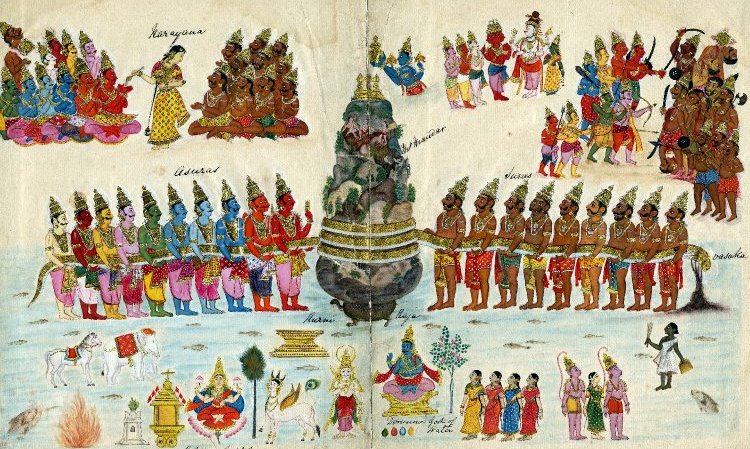
  2. Goddess Lakshmi came out of the Milky ocean when Devas and Asuras churned the ocean for Amrutha, i.e. ambrosia
  3. Rama returned to Ayodhya after defeating Ravana of Sri Lanka who abducted Rama’s wife Sita.
  4. Pandavas came out of the forest after their 12 year banishment. So to celebrate all these things they decorated the houses and streets with row of lamps. The reason being, it was Amavasya-new moon day where there was no light. Most of other Hindu festivals fall on Full Moon day, so there is natural moon light. We have to remember there was no electric light thousands of years ago.


The above four episodes give us a Big lesson. Victory of Good doesn’t come that easily. Rama suffered for 14 years, Pandavas suffered for 12+1 years. Goddess Lakshmi, that is wealth, doesn’t come easily. You will have to churn the ocean, that isthrough hard work. Krishna had to travel all the way from Dwaraka in Gujarat to Kamaroop in Assam to kill Narakasura. To achieve success in anything, you have to struggle hard, but final victory will be yours.

  1. Jains also celebrate Diwali, because one of the greatest Thirthankaras, Mahavira, a contemporary of Buddha, attained Niravana- equivalent to Hidnu Yogi’s Samadhi on a Diwali day.
  2. Sikhs also celebrate Diwali because the foundation for Golden Temple in Amritsar was laid on the day. Guru Amardas called all Sikhs to get Gurus’s blessings on that day, like Hindu’s Vyasa Purnima. One of the ten Sikh gurus Hari  Govinda Sing was released from imprisonment by Mughal emperor Jehangir on that day.
  3. Arya Samaj followers consider it a holy day because its founder Dayananda Sarswati attained Samadhi on that day.
  4. There are many more reasons. Greatest of the Hindu Kings Vikramaditya was crowned on a Diwali day.
  5. For Gujaratis and other business men it is a NEW YEAR DAY. They start their Financial year on that day.

Lakshmi Puja and Kubra Puja are conducted during the four day celebrations. Gujaratis heap food and sweets like mountains in a festival called Annakut festival.

But I am going to give you some new information on Diwali


10.A for astronomy:

Why do we celebrate Diwali on different dates every year? Diwali doesn’t  fall on the same day like New Years day or Makara sankaranti (Pongal). Why?

Most of the Hindu festivals are based on Lunar Calendar. That is, they are based on the movements of Moon. Diwali is one of them.

But other festivals are based on solar calendar. That is to say they are based on the movement of Sun. So they will fall on almost same date every year except in leap years.

Thithi & Nakshatra

Some people are very keen to do a festival on a particular Thithi like Amavasya, Paurnami, Ashtami Navami etc. Some Hindus are very keen to do it on Nakshatra, that is the star under which one born or one event happened. So even birthdays like Rama, Krishna, Adi Shankara differ slightly between Hindus.

11. Why do we light lamps?

The philosophical explanation for this is light symbolises all good things in the world. Darkness stands for evil, fear and death. So we always need light. But the scientific explanation for this is in winter months a lot of insects multiply and destroy crops. When you light lamps in millions they come and fall in it. You don’t kill them and so you don’t earn sin/demerits. It is the innate nature of the insects that they are attracted to light and die.

Bonfire nights are celebrated around the world. Even in England coinciding with Diwali comes Guy Fawkes Day on 5th November every year. This story was invented recently. Bonfires are lighted throughout Northern Hemisphere in November even before Guy Fawkes. It is in most of the cultures. We see it even in African and Australian aboriginal cultures.

Other than killing insects, it gives warmth during the cold winter. It gives them an opportunity to gather together, think together and act together. They sing and dance in groups. Music and dance originated around fire in the caves millions of years ago.

Even the oldest religious book Rig Veda begins with Fire/Agni and ends with Fire/Agni.

In South India, one month after Diwali on Karhtikai Pournami day (Full Moon Day), every town and village do the bonfires. Millions of lamps are lighted in Houses and Temples. They are made up of recyclable materials like clay. The oil used for those lamps is special oil called ILUPPA ENNEI with some medicinal properties.

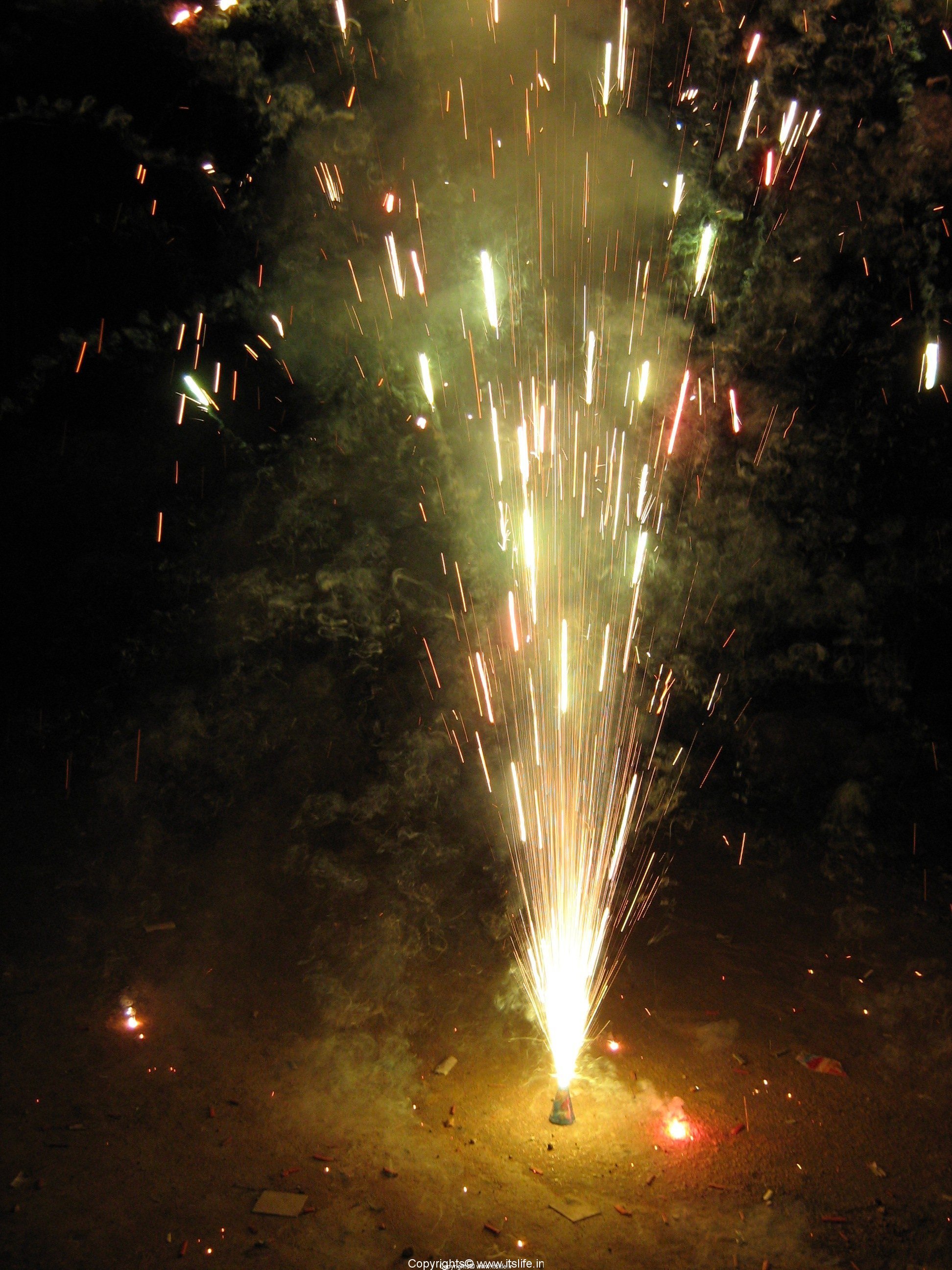
12.Why do we do fireworks?

We, human beings, are pyromaniacs. What is pyromania?

According to Oxford Dictionary Pyromania is AN OBSESSIVE DESIRE TO SET FIRE TO THINGS. This is in our genes. If it is not properly controlled or channelized this becomes a mental disease. Since we all lived in caves millions of years ago, the only help we had from nature is FIRE. The Greek word for fire is Pyro.

In August 2010, Londoners saw big riots. Youths enraged by the police action set fire to buildings, houses and shops. Properties worth millions of pounds were lost. In India, during each Bandh or Hartal day we see such arson attacks. The reason for this, according to social scientists, is we have NOT channelized this pyromania. Youths have tremendous energy to spend. If you ask them to do controlled destruction like setting fire to bonfires or fireworks, they would not do it to buildings. Hinduism is based fully on science. Knowing this pyromania our forefathers allowed you to do controlled destruction and arson. You can burn old things without affecting your neighbourhood on Diwali day, Karthikai Day or Bogi Day. Bogi is celebrated a day before Makara Sankaranti called Pongal in Tamil Nadu.

Parents would have noticed their children messing around with fire or lamps. Smelling smoke, elders would rush to the place and chastise children shouting “ Stop it. You are going to burn down the house”. In fact most of us have done it when we were young!

Nowadays children and youths are not given that opportunity. So they misbehave during riots.

One may wonder why western countries are spending billions of dollars in doing fireworks during Olympics or Independence Days or Bonfire Nights. Laser lights can do the same magic without contributing to pollution at a minimum cost. The reason is as I mentioned earlier we are still pyromaniacs. The habit we had millions of years ago in the caves to protect ourselves from animals, to cook food for us and to get warmth is still in our genes.

This is the reason we encourage our children to do fireworks, bonfires and lighting lamps under the supervision of elders.

There are minor reasons as well. In certain cultures they believe the fireworks such as crackers will scare away evil spirits. In place like Sabarimalai Ayyappan temple, they even use it for scaring away the wild animals. In Tamil Nadu they do use explosives to announce the Gods procession. Hearing that, people from distant streets come to the streets where Gods chariot or procession in is on its way.

Chinese discovered the effect of some chemicals and started making fireworks. In Tamil Nadu the minor crackers are still called Chini Charam/chini vedi meaning China crackers.

Continued in Second Part…….

SCIENCE BEHIND DIWALI-2 : 175 SWEET ITEMS!!

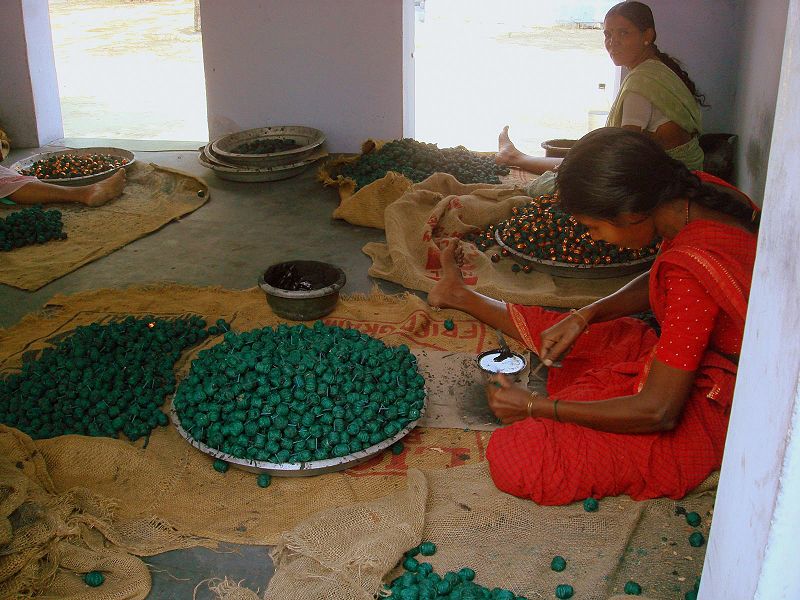
Picture from Wikipedia : Making Fire Crackers.

This is Second Part of my speech: swami

13.What do they use for making crackers and sparklers?

Some chemistry lesson can also be taught through Diwali.

Barium gives green colour for sparklers.

Magnesium gives a glow and silvery light.

Strontium gives red colour.

Potassium Nitrate, Sulphur and Carbon are used to make crackers.

So Diwali is based on science!


150 sweet Items+ 25 Payasam Items!!

14. Now let us look at medical science. The largest number of diabetics is in India. Why?

Like pyromania, Indians have another mania called SUGAR MANIA. We are sugar maniacs or “Sucromaniacs”. I counted the Indian sweets and it came to 150 different sweets and 25 types of Payasams (equivalent to puddings, desserts of western countries). If I read the long list of Indian sweets it will take another ten minutes.

The Indian wonder is we are excellent in mathematics, computers, chess, ayurveda, siddha, yoga, breathing techniques and………….……………and FOOD!

Go to any book shop or library and go to Food or Cookery Book section. India has the biggest volumes. We have invented the highest number of food items in the world. If you go to Annakut festival at Swaminarayan Temple, you can literally see a Mountain of Food/sweets.

We have a special food for every god and every festival. No religion in the world has got so many gods, so many festivals and so many different Prasadams. This is our strength and weakness. If you say to any Indian D for…………………… he or she will say D for Diabetes. This is the medical science behind Diwali. We have to be careful about our innovative foods. In those days our forefathers ate well, but they did their Yogasanas and Pranyamas as well!


15. Wherever you take bath on Diwali Day, that becomes a Ganga Shower. Goddess Ganges occupies every water source on the day. The traditional greeting on the day is Have you had Ganga Snanam?

16.Talking about Diwali, who can forget Gold and beautiful and colourful silk saris? India is a land of colours. Hinduism is a colourful religion. They see god in colours, Rangolis, Kolams Alpanas and Henna decorations. Tonnes of gold jewellery and millions of clothes were sold just before Diwali boosting our economy. This is the economics behind Diwali.

Let us keep our GLOWING tradition alive for generations to come.


17.Old and New Deepavali

In the olden days Deepavali was celebrated differently. The four day celebration started on Dhana Trayodasi and ended on Bali pratipada. Dhana Trayodasi day was allocated to the worship of Dhanvantri, the physician of Gods. On the day of Bali pratipada, they installed cow dung effigies of the demon king Bali. On Naraka Chaturdasi day they took ritual oil bath. Next day they worshipped Goddess Lakshmi.


Even before the festival another day was also observed to propitiate cows on Govatsa Dvadasi according to Skanda Purana.It was done under a banyan tree. Nine wick lamps were lighted.


18.Christmas Trees from Hinduism!!!

On the day of Lakshmi puja, they erected Deepa Vriksha (Trees of Light) on the main street of the town. Probably this was the origin of  Christmas trees in Western  Countries. Most of the customs of Christians are pagan (Non Christian rites). We have authenticated information from Skandam.

Other ancient customs included Tug of war competition between the Royalty and the general public, driving away the Alakshmi (poverty), worship of Audumbara trees (Ficus glomerata) and gambling with dice. Yama was also known as Audumbaraya.

Goddess Lakshmi, Dhanvantri, Yama and Bali were worshipped along with cow during the four day festive period. It is very interesting to note the historical changes in the celebration. Bali who was associated with Onam in Kerala figured in Deepavali in the olden days.

Thank you.

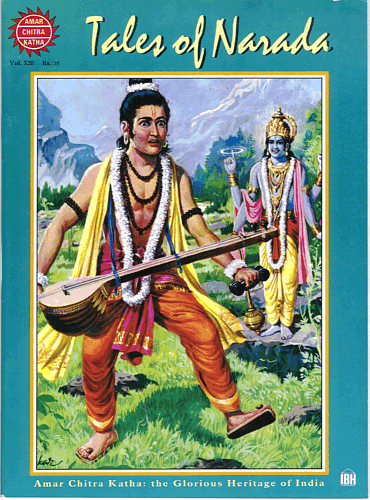
ஜோதிடக் கலை மஹரிஷி நாரதர்

by ச.நாகராஜன்

ராமாயணம் உருவாகக் காரணமான மஹரிஷி


ஹிந்து வாழ்க்கை முறையில் இதிஹாஸ, புராணங்களுக்கு ஒரு தனி இடம் உண்டு என்றால் அந்த இதிஹாஸ புராணங்களில் நாரத மஹரிஷிக்குத் தனி இடம் ஒன்று உண்டு.


மாபெரும் அறிஞரும் வேத விற்பன்னரும் இசைப் புலவரும் பக்தி சாஸ்திரத்தை நுணுக்கமாக அலசி ஆராய்ந்து விளக்கியவருமான நாரதர் சிறந்த ஜோதிட மேதையும் கூட!


வால்மீகி ராமாயணத்தில் வரும் “தபஸ்ஸ்வாத்யாயநிரதம் தபஸ்வீ வாக்விதாம் வரம் நாரதம் பரிப்ரச்ச வால்மீகிர் முநி புங்கவம்” என்ற சுலோகம் ஒன்றே போதும் நாரதரின் பெருமைப் பற்றிக் கூற! நாரத முனிவர் தவத்திலும் வேதத்திலும் ஆழ்ந்தவர்; வாக்கு வன்மையுள்ளவர், பகவானை தியானம் செய்பவருள் உத்தமர். அவரை தபஸ்வியான வால்மீகி கேட்டார் என்பது மேலே கண்ட சுலோகத்தின் பொருள்.

வால்மீகி தர்ம நாயகனும் பொய்பேசாதவரும் இன்னும் இப்படிப் பல்வேறு நற்குணங்கள் பொருந்தியுள்ள நாயகன் யார் என்று நாரதரைக் கேட்ட போது அவர் ராமரைப் பற்றிக் கூற, ராமாயணம் எழுந்தது. நாரதர் பாண்டவர்களின் உற்ற நண்பரும் கூட! தேவைப்பட்ட போதெல்லாம் அவர்களைச் சந்தித்து அவர்களுக்குத் தேவையான வழிகாட்டுதலையும் அறிவுரைகளையும் தந்ததை மஹாபாரதத்தில் வியாஸர் வெகுவாக விரித்துரைப்பதைக் காணலாம்.

வேத வியாஸர் மனம் கலங்கி இருந்த போது அவரை பாகவதத்தை இயற்றுமாறு கூறி அவரின் கலக்கத்தைப் போக்கி பாகவதம் எழக் காரண புருஷராக இருந்தவரும் நாரதரே!


திரிலோக சஞ்சாரி

நாரத பாஞ்சராத்ரத்தின் படி நாரதர் பிரம்மாவின் புத்திரர்.இவரைப் பற்றி பதினெட்டு புராணங்களும் ஏராளமான சம்பவங்களை எடுத்துக் கூறுகின்றன. அவரது பல பிறவிகள் பல்வேறு சுவையான செய்திகளைத் தருகின்றன.நாரதர் பிரபஞ்சத்தின் முதல் சுற்றுப் பயணி. திரிலோக சஞ்சாரி என்ற பெயர் கொண்ட அவர் மூன்று லோகங்களுக்கும் தேவைப்பட்ட போதெல்லாம் க்ஷண நேரத்தில் சென்று விடுவார்.


நாரதர் கலகப் பிரியர் என்பது அனைவரும் அறிந்த ஒன்று. இது அவரது பல்முக பரிமாணங்களில் ஒரு சிறிய பரிமாணம் தான். ஆனால் சென்ற நூற்றாண்டில் பிரபலமடைந்த நாடகங்களில் ஹாஸ்ய ரசம் தேவைப்பட்டதால் இரவு முழுவதும் நடந்த நாடகத்தில் அவ்வப்பொழுது நாரதர் தோன்றி சிரிக்க வைத்து மக்களை ‘விழிப்புடன்’ இருக்குமாறு செய்வது வழக்கமாகிப் போனது. அதனால் தேவரிஷியான மிகப் பெரிய மஹரிஷியின் ஒரு சிறிய அம்சத்தையே நாம் வெகுவாக ரசிக்க வேண்டிய கட்டாயத்திற்கு ஆளாக்கப்பட்டு விட்டோம்!


நாரதரின் கலகம் நன்மையில் முடியும். ஒரே ஒரு பிரச்சினையை எழுப்பி அதன் மூலம் அவர் பல பெரிய விஷயங்களுக்குத் தீர்வு காண்பதை ஏராளமான கதைகள் விளக்குவதை நாம் அறிவோம்.

ஜோதிடத்தின் மூலகர்த்தா


தேவரிஷியான நாரதரைப் பற்றி மட்டுமே உள்ள புராணம் நாரத புராணம். அதில் வேதத்தின் ஆறு அங்கங்களும் விரிவாக எடுத்துரைக்கப்படுகின்றன. ஜோதிடத்தை எப்படி அன்றாட வாழ்க்கையில் உபயோகப்படுத்துவது என்பதைத் தெளிவாக நாரத புராணம் எடுத்துரைக்கிறது. இதில் சிக்ஷ¡ பகுதி வேத சம்ஹிதைகளை நன்கு விளக்குகிறது. எப்படி வேதத்தை உச்சரிப்பது என்பதை அற்புதமாக விளக்கும் போது நன்கு உச்சரிக்கப்படும் மந்திரங்களே பலன் அளிக்கும் என்பதைத் தெளிவாக நாம் உணர முடிகிறது.

ஒரு கீதத்தின் பத்துக் குணங்களையும் இந்த புராணமே நன்கு விளக்குகிறது. இசைக் கருவிகளில் வீணையையும் வேணுவையும் இந்தப் புராணம் விளக்குவது போல வேறு எந்த நூலும் விளக்கவில்லை!
 

பிரம்மா ஜோதிடத்தைப் பற்றி நான்கு லட்சம் சுலோகங்களில் விளக்கியுள்ளார்! இதன் சுருக்கத்தை நாரதர் விளக்கியுள்ளார். இந்த ஜோதிடப் பகுதி வானவியல், ஜாதகம் பார்த்தல். ஜோதிட சாஸ்திரம் என மூன்று பெரும் பகுதிகளாகப் பிரிக்கப்பட்டு விளக்கப்படுகிறது. வானவியல் பகுதியில் கிரகணம், நிழல்கள், கிரக சேர்க்கைகள். கணித மூலங்கள் போன்றவையும் ஜாதகப் பிரிவில் ராசிகள் பிரிக்கப்பட்ட விதமும் அதன் அடிப்படைக் கருத்துக்களும் கிரக சேர்க்கைகளும் விளக்கப்படுகின்றன. சூர்ய சித்தாந்த கருத்துக்களை இங்கு காணலாம்.வராஹமிஹிரரின் பிருஹத் சம்ஹிதாவில் உள்ள பல கருத்துக்கள் இங்கு உள்ளன. நாரத சம்ஹிதையில் உள்ள பல சுலோகங்கள் அப்படியே ப்ருஹத் சம்ஹிதாவிலும் இருப்பது வியப்பூட்டும் ஒரு விஷயம்! நாரத புராணத்தில் நவீன விஞ்ஞானத்தின் பல இயல்களைப் பார்த்து வியக்கலாம்! ஒரு முக்கியமான விஷயம், ஜோதிடம் உள்ளிட்ட அனைத்துக் கலைகளிலும் நாரதரின் பார்வை தனிப்பார்வையாக உள்ளது!
 

த்ரி ஸ்கந்த ஜோதிஷம்


‘ஜோதிஷம் சூர்யாதி க்ரஹணம் போதகம் சாஸ்த்ரம்’ என்பது ஜோதிடம் என்றால் என்ன என்பதை விளக்குகிறது.

கிரஹ சஞ்சாரங்களைத் துல்லியமாக நிர்ணயிக்க உதவும் கணக்குகளும் அதையொட்டி நல்ல காரியங்களை நல்ல நேரங்களில் ஆரம்பித்து நற்பயன் காண்பதையும் நாரத சம்ஹிதா, ஸ்கந்த த்ரியா என்று மூன்று பகுதிகளாக விளக்குகிறது! த்ரிஸ்கந்த ஜோதிஷம் என்ற பெயரில் இன்று பிரபலமாக இது விளங்குகிறது.


பின்னால் இது விரிந்து சித்தாந்தம், ஹோரா (பராசரர்,ஜைமினி, யவனர் முறைகள்), வாஸ்து சாஸ்திரம் முஹ¥ர்த்தம் உள்ளிட்ட சம்ஹிதா, ப்ரஸ்னம் பார்த்தல், சகுனம் பார்த்தல் என ஐந்தாக விரிவடைந்தது.பிரம்மாவிடமிருந்து நாரதர் ஜோதிடத்தைக் கற்று அதை சௌனகாதி முனிவர்களுக்கு உபதேசித்ததாகப் புராணங்கள் கூறுகின்றன.


நாரதரின் இசை


நாரதரைப் பற்றிய சுவையான ஒரு குட்டிக் கதையைப் பார்ப்போம்: தானே சிறந்த விஷ்ணு பக்தர் என்றும் இசைக் கலைஞர் என்றும் கர்வம் கொண்ட நாரதர், ஒரு முறை ஒரு நந்தவனத்தின் பக்கம் செல்கையில் பல பெண்கள் புலம்பி அழுவதைக் கேட்டார். யார் அவர்கள் என்று பார்த்த போது அவர் திகைத்துப் போனார். தேவதை போன்ற அழகிய முகங்கள் கொண்ட அவர்களில் சிலருக்கு கைகள் இல்லை; சிலருக்குக் கால்கள் இல்லை; சிலரோ சிதைந்த உருவத்தோடு இருந்தனர். சிலர் குள்ளமாக ஆகி இருந்தனர். இதைப் பார்த்துத் திகைத்த நாரதர் அவர்களை நோக்கி அதன் காரணத்தைக் கேட்டார். அதற்கு அவர்கள். “நாங்கள் ராக தேவதைகள். இன்று வைகுந்தத்தில் நாரதர் என்ற ஒருவர் அபத்தமாக இசையை இசைக்கவே நாங்கள் உருக்குலைந்து சீர் குலைந்து இப்படி ஆகி விட்டோம்” என்று பரிதாபமாகத் தங்கள் நிலையைக் கூறினர். நாரதரது கர்வம் ஒழிந்தது. அவர் தான் யார் என்பதை ஒப்புக் கொண்டு, இப்போது நான் ஹனுமானிடம் உண்மையான இசை என்ன என்பதைத் தெரிந்து கொள்வதற்காகப் போகிறேன்” என்றாராம். ஹனுமான் அவருக்கு உள்ளத்தின் ஆழத்திலிருந்து வரும் பக்தி இசையைப் பாடிக் கற்றுத் தந்தாராம்.


இப்படிப் பட்ட அனுபவங்களைக் கொண்ட நாரதர் ஜோதிடத்தை எவ்வளவு நுணுக்கமாகச் சொல்லி இருப்பார் என்பதை ஊகித்துத் தெரிந்து கொள்ளலாம்.


நாரதரின் வழிபாட்டு நூல்


108 பாஞ்சராத்ர நூல்களில் நாரத பாஞ்சராத்ரம் பிரபலமானது. இது கோவிலில் நடைபெறும் வழிபாடுகளைப் பற்றியும் சுத்திகள் பற்றியும், தேவதா பிரதிஷ்டை போன்றவற்றையும் பற்றி விளக்குகிறது. இவற்றின் அடிப்படையாக ஜோதிடம் இலங்குகிறது! நாடக வாயிலாகவும் நமது திரைப்படங்கள் வாயிலாகவும் நாம் பார்க்கும் நாரதர் வேறு; ஜோதிடம்,பக்தி, நாட்டியம், பூஜை முறைகள் இவற்றை உபதேசித்து உரைக்கும்  மகத்தான ஞானமுடைய மஹரிஷி நாரதர் வேறு!


நல்ல பக்தராக வேண்டுமா, நல்ல ஜோதிடராக வேண்டுமா, நல்ல நாட்டியக் கலைஞராக வேண்டுமா..?

நாட வேண்டிய மஹரிஷி நாரதரே!


*******************

சிந்து சமவெளி & எகிப்தில் நரபலி

English Version of this article is posted yesterday: London Swaminathan, swami_48@yahoo.com

உலகில் நரபலி இல்லாத நாகரீகம் இல்லை, நரபலி இல்லாத மத நூல்கள் இல்லை. சிந்து சமவெளி நாகரீகத்திலும் எகிப்திலும் ஒரு நரபலிக் காட்சி ஒரே மாதிரி வருணிக்கப்படுவது வியப்பூட்டுகிறது. ராமாயணத்தில் ராம பிரான் தனது வாழ்க்கையை முடித்துக் கொள்வதற்காக சரயு நதியில் குதிக்கிறார். அவருடன் ஆயிரக் கணக்கான மக்களும் குதிக்கின்றனர். புண்ய ஆத்மாவுடன் போனால் சொர்க்கத்துக்கு நேரடி ‘டிக்கட்’ வாங்கியதற்குச் சமம். இதே போல எகிப்திலும் மன்னர் இறந்தவுடன் அவருடைய நெருங்கிய அதிகாரிகள், சேவகர்கள், ராணிகள் ஆகியோரும் உயிருடன் புதைக்கப்பட்டனர். ஆயினும் இப்படிப் புதைக்கப்பட்ட சடலங்களின் முகத்தில் அமைதியே தவழ்கிறது. ஆகையால் முதலில் போதை மருந்தோ விஷமோ ஏற்றியபின்னரே அவர்கள் புதைக்கப் பட்டார்கள்.


வேதத்தில், பைபிளில், யூத மத நூல்களில் உயிர்ப்பலி குறிப்புகள் உள்ளன. பஹ்ரைன் நாட்டில் உலக மஹா இடுகாடு (கல்லறை) இருக்கிறது. அங்குள்ள பல்லாயிரக் கணக்கான சடலங்களில் ஏராளமான குழந்தைகள் சடலங்கள் இருப்பது பலருடைய புருவங்களை வியப்பால் உயர்த்துகிறது. இது மாபெரும் குழந்தை பலியோ என்று!

இப்போதெல்லாம் மாயா நாகரீகம் பற்றி எழுதுவோருக்கு நரபலியைக் குறிப்பிடுவது ஒரு ‘பாஷன்’ ஆகிவிட்டது. அதைவிட மோசமான கொடுமை எல்லாம் மறைக்கப்படுகிறது.

சிந்து சமவெளி முத்திரைகள்

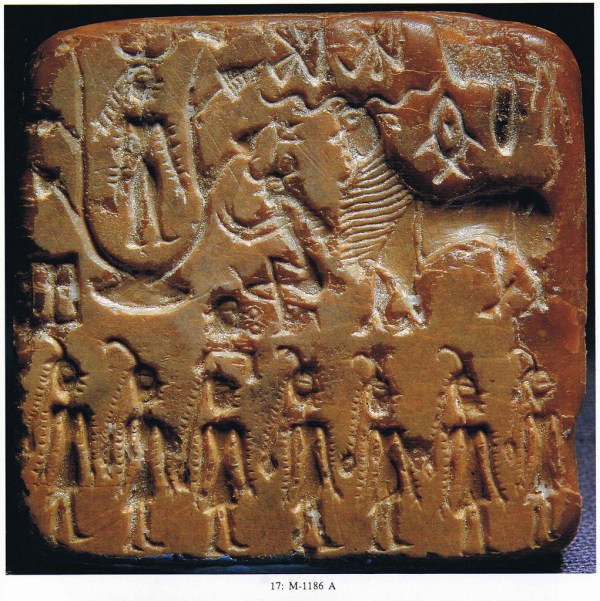
சிந்து சமவெளியில் ஒருமுத்திரையில் ஒரு ஆள் ஒரு தெய்வத்தின் முன்னால் மண்டிபோட்டு உடகார்ந்திருக்கிறார். அவர் பக்கத்தில் பூதாகரமான ஒரு ஆடு நிற்கிறது. அதன் முகம் கிட்டத்தட்ட ஒரு மனித முகம் போல இருக்கிறது. அவருக்குப் பக்கத்தில் ஒரு ஸ்டூல் இருக்கிறது. அதன் மேல் ஒரு மனித தலை இருக்கிறது. அவருடைய தலை மயிர் இரட்டைக் கொண்டையாக முடியப் பட்டிருக்கிறது (டபுள் பன்). இதே போலத்தான் மத்திய கிழக்கு நரபலி சிலைகளிலும் கொண்டை இருக்கும். இது மொஹஞ்சதாரோ முத்திரை.

காளிபங்கன் என்ற இடத்தில் இன்னும் ஒரு முத்திரை கிடைத்தது. அதில் விநோதமான புலி உருவ தெய்வத்துக்கு முன்னால் இரண்டு வீரர்கள் ஈட்டிச் சண்டை போடுகின்றனர். ஒருவர் உடலை மற்றொருவர் ஈட்டி துளைக்கிறது. இதே காட்சி எகிப்தில் ஒரு தந்த சிற்பத்தில் இருக்கிறது அது டஜேர் (Pharoah Djer) என்ற மன்னனுடையது.

சுமேரியாவில் ஜில்காமேஷ் (2700 BC)  காலத்தில் இருந்து கல்லறையில் அதிகாரிகளும் புதைக்கப் பட்டனர்.


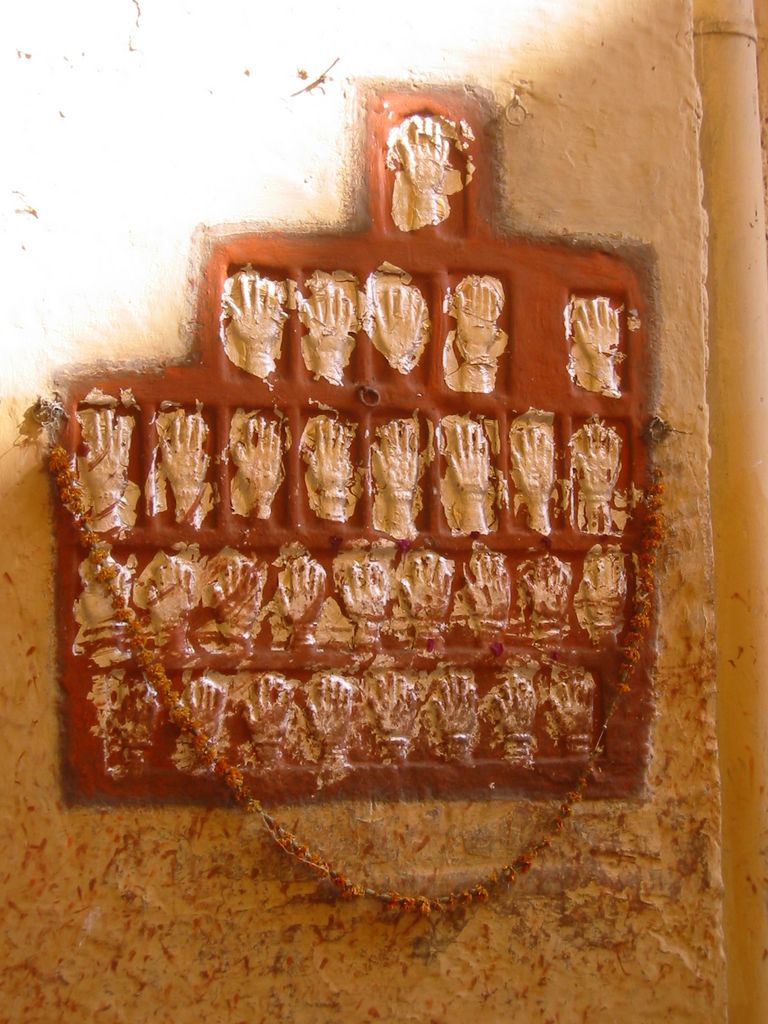
இந்தியாவில் பழங்காலத்தில் சதி என்னும் உடன் கட்டை ஏறும் வழக்கம் இருந்தது. கணவன் இறந்த பின்னர் அவனுடன் மனையும் எரிக்கப்பட்டாள். ஆனால் இதில் கட்டாயம் ஏதும் இல்லை. பாண்டுவின் மனைவி குந்தி, கணவன் இறந்த பின்னரும் பஞ்ச பாண்டவர்களைப் போற்றி வளர்த்தாள். புறநானூற்றில் ஒரு பாடல் வருகிறது. பாண்டிய மன்னன் பூதப் பாண்டியன் இறந்தபின்னர் அவன் மனைவி தீயில் பாய முனைகிறாள். மந்திரிமார்கள் எவ்வளவோ தடுத்தும் அவள் தீயில் பாய்ந்து உயிர் நீத்ததைப் பார்க்கிறோம்.

மஹா பரதத்தில் கள பலி

மகாபாரதப் போர் துவங்குவதற்கு முன்னால் அர்ஜுனன்–உலூபி மகன் அறவான் களபலி கொடுக்கிறான். அவனது தலை இன்றும் வட தமிழ் நாட்டில் பல கோவில்களில் வழிபடப்படுகிறது. ராஜஸ்தான், நேபாளம், தென் கிழக்கு ஆசிய நாடுகளிலும் அவன் போற்றி வழிபடப் படுகிறான்.

தமிழ் நாட்டில் நவகண்டம்

போருக்கு முன்னால் வீரர்கள் காளியின் சிலைக்கு முன்னால் தலையை அறுத்து நவகண்டம் கொடுப்பது தமிழ் நாட்டிலும் கர்நாடகத்திலும் நடந்தது. மக்களுக்கு தியாக உணர்வையும் தேசபக்த வீர உணர்வையும் ஏற்படுத்த இப்படிக் கள பலி கொடுத்தனர். உடலில் ஒன்பது இடங்களில் கத்தியால் வெட்டி உயிர் கொடுக்கும் நவகண்ட வீரர்களை மக்கள் சிலைவைத்து வழிபட்டனர். தமிழ் நாட்டில் பல பகுதிகளிலும் இப்படிப்பட்ட நவகண்ட சிலைகள் உள்ளன.

தொல்காப்பியம், மணிமேகலை, கலிங்கத்துப் பரணி ஆகிய நூல்களில் இந்தப் பழக்கம் வருணிக்கப்படுகிறது. ராமாயண காலத்தில் இலங்கையில் இந்த வழக்கம் இருந்ததை ராவணன் புதல்வர்களான மேகநாதன், இந்திரஜித் ஆகீயோர் பயங்கரமான நிகும்பிளா குகையில் நடத்திய சடங்குகள் காட்டுகின்றன.

இதுதவிர பலவிதமான உயிர்த் தியாகங்கள் இலக்கியத்திலும் வரலாற்றிலும் காணக் கிடக்கின்றன. முஸ்லீம் படையெடுப்பு, வெள்ளைக்காரர் படை எடுப்பு காலத்தில் அவர்களை அச்சுறுத்தவும் மக்களை வீறு கொண்டு எழச்செய்யவும் கோபுரத்திலிருந்து குதித்து உயிர் நீத்தனர். அலாவுதீன் கில்ஜியின் கையில் சிக்கி காமவெறிக்கு ஆளாக விரும்பாத ரஜபுதனப் பேரழகி சித்தூர் ராணி பத்மினி நூற்றுக் கணக்கான அழகிகளுடன் தீப்பாய்ந்தாள்.


குருகோவிந்த சிம்மன்

முஸ்லீம் படை எடுப்பாளர்களின் கொடுமையிலிருந்து சீக்கியர்களைக் காப்பாற்ற குருகோவிந்த சிம்மன் ஒரு தந்திரம் செய்தார். காளி தேவி உயிர்ப் பலி கேட்கிறாள் எனக்கு ஐந்து வீரர்கள் தேவை என்று அறிவித்தார். கூட்டத்தில் இருந்து ஒவ்வொரு வீரராக முன்வந்தனர். ஒவ்வொரு வரையும் ‘பலி கொடுத்த’ ரத்தம் சிந்தும் கத்தியைக் காட்டிய பின்னரும் மேலும் மேலும் வீரர்கள் உயிர்ப் பலி தர முனவந்தனர். ஆனால் அவர் வெட்டியது மனிதனை அல்ல. மிருகங்களை வெட்டி அதன் ரத்தத்தையே காட்டினார். உயிர்ப் பலி தர முன்வந்த ஐவரையும் சீக்கிய குருமார்களாக ஆக்கினார். பாரதியார் குருகோவிந்தர் என்ற தலைப்பில் பாடிய அருமையான கவிதை இந்த ‘உயிர்ப் பலி காட்சியை’ வருணிக்கிறது.


என்னுடைய பிற கட்டுரைகள்: Read my other posts on Indus and Egypt:

1.The Sugarcane Mystery: Indus Valley and the Ikshvaku Dynasty

2.Ghosts in Indus Seals and Indian Literature

3.Flags: Indus Valley- Egypt Similarity

4.Bull Fighting: Indus Valley to Spain via Tamil Nadu

5.Tiger Goddess of Indus Valley: Aryan or Dravidian?

6.Indra on Elephant Vahana in Indus Valley

7.Vishnu Seal in Indus Valley Civilization

8.Indus Script Deciphered

9.Tamil articles: சிந்து சமவெளியில் பேய் முத்திரை

10.சிந்து சமவெளியில் ஒரு புலிப் பெண்

11.கொடிகள்: சிந்து சமவெளி- எகிப்து இடையே அதிசய ஒற்றுமை

Human Sacrifice in Indus Valley and Egypt

Picture shows a man’s head on the stool by the side of a kneeling person.

Human sacrifice was practised by various cultures at various levels. We have references to sacrifice of human beings in the Vedas and Tamil literature and sculptures. In fact there is no religious book which has not got a reference to it. There is no civilization where it was not practised. Historians only talk about Mayans nowadays. But it was practised on a large scale in the Middle East. We have unusually, disproportionately large number of children graves in Bahrain. It was practised in the early dynasties of Egypt. When the pharaoh died, lot of his servants, officials, queens were buried with him. They were administered with quick acting poison or a tranquilizing drug. They all did in an orderly manner. Bible and Jewish literature refers to it a number of places.


It is also known from Sumer, where the death pits of ur and kish contained rich burials of royal or sacred personages attended by dozens of retainers, guards and courtiers. Even during the death of Gilgamesh, his intimates were sacrificed around 2700 BC.

In some places, like Mayans, it was done ritually. Hindu Heroes sacrificed themselves to infuse heroism and patriotism before wars. They cut their heads by their own hands. We have sculptures depicting this scene. Hindu ladies threw themselves in husband’s pyre (called Sati) even when others stopped them. Sangam Tamil literature has a beautiful verse in Purananauru sung by the wife of Pandyan King. Bhutapandyan Devi simply ignored the requests of all the ministers and threw herself in the fire. But it was not compulsory. Even when the Pandava king Pandu died, his wife Kunti did not die by Sati. When Rama went in to the Sarayu River, thousands of his followers followed him into the river, says Ramayana. But we can see a clear dividing line between voluntary sacrifice and forced human sacrifice.

In Sri Lanka, Ravana’s sons Meghanada and Indrajit did human sacrifice in the cave of Nikhumbila according to Ramayana.

Picture shows Kalibhangan Spear Fight.

Same scene in Egypt and Indus

An ivory label from Djer’s reign has two figures facing each other. One seems to be plunging a knife into the other’s breast.;he holds ready a  vessel, of a typically elegant first dynasty form, in which presumably, he will catch his victims blood. It seems certain that what is shown here is a rite of human sacrifice (page 121, Egypt’s Making by Michael Rice).

Indus valley has two or three human sacrifice scenes. On a seal we see two warriors piercing each other’s body in front of a god, similar to scenes in Egypt. A cylinder seal from Kalibhangan shows two soldiers spear each other. They have their hair tied into double bun

In another seal we have a man bowing before a goddess with a big animal. In the fig deity seal of Mohanjo- daro (M1186) a human head was placed on the altar beneath the fig tree. The hair on this head is bound at the back into a double bun. This suggests that the human head on the fig deity seal belonged to a warrior.


Pictures of Navakandam from Tamil Nadu and Karnataka

Human Sacrifice in Mahabharata

Another type of human sacrifice is offering one’s life for the success in a war. This is first seen in Mahabharata and then in Tamil literature. Rajasthani flk literature also has got such tales. This is a self motivated sacrifice. No one puts anyone to death. Aravan also known as Irawan, son of Arjuna and Naga princess Ulupi offers his head for the success of Pandavas. This tradition is well known in South East Asia and Northern parts of Tamil Nadu. A lot of temples have Aravan’s head. In Rajathan the same story is told about Khatusyamji, also known as Barbarika (Belar Sen). In Nepal, he is known as Yalamabar. So we can conclude sacrificing one’s head for the success in war is as old as Mahabharata.


Navakandam (Nine Cuts) In Tamil Nadu

Navakandam means Nine Cuts. A heroic soldier ritually cuts himself in nine places and dies in front of Goddess Durga also known as Kotravai just before a war. He does it for the welfare and success of the king and kingdom. This was a great patriotic act. The people who have sacrificed their lives for sake of the country are honoured by the Tamils. They install statues  for them and do Puja. We have got beautiful sculptures depicting this heroic deed.

Jayamkondar, author of Kalingatuparani, wrote songs about this practice of Navakandam in 9th century AD. Oldest Tamil book Tolkappiam and Manimekalai, one of the five epics, also mention it. Maravars  of Tamilnadu and Nayars of Kerala practised this ritual.


Pictures of Hand Prints by women who committed Sati in Jodhpur Rajasthan & a Navakandam

Following are the places where Navakandam happened:

Thanjavur—for the success of a Choza king

Mahabalipuram fifth ratha of Kali—

Madurai Madapuram mariammn temple—Siththira sarithan & Vallabhan

Thenkarai village— Near Sholavandan

Mallal, Ilaiyangkudi—Prayer to Kali for the welfare of the king

Sathipattu near Panrutti—for ruler Athirajamangalyapuram

We have statues of the heroes in Navakandam pose.

Kundrakudi temple wall- For Durga

Mannarkottai—for the welfare of his master.

Tirupparankundram—to save the temple from invading army jumped from the tower. Strictly speaking it was not Navakandam, but a sort of ritual sacrifice.


Human Sacrifice in Sikhism

Different types of suicides or sacrifices are known through  historical documents. When the Sikh leader Guru Gobinda Simhan asked for five volunteers who can sacrifice their lives against foreign invaders, five people came forward. Though he did not kill them he pretended as if he had already sacrificed them by showing blood stained sword. All the five were declared as Sikh leaders. This shows that sacrifice for the country or religion existed in all parts of India. He asked them to come forward for sacrificed at the altar of Goddess. Tamil poet Bharathiyar has sung beautifylly about this under Guru Govindar.


Chittoor Rani Padmini entered fire with hundreds of her women colleagues to avoid molestation by foreign invaders.

Read my other posts on Indus and Egypt:

1.The Sugarcane Mystery: Indus Valley and the Ikshvaku Dynasty

2.Ghosts in Indus Seals and Indian Literature

3.Flags: Indus Valley- Egypt Similarity

4.Bull Fighting: Indus Valley to Spain via Tamil Nadu

5.Tiger Goddess of Indus Valley: Aryan or Dravidian?

6.Indra on Elephant Vahana in Indus Valley

7.Vishnu Seal in Indus Valley Civilization

8.Indus Script Deciphered

9.Tamil articles: சிந்து சமவெளியில் பேய் முத்திரை

10.சிந்து சமவெளியில் ஒரு புலிப் பெண்

11.கொடிகள்: சிந்து சமவெளி- எகிப்து இடையே அதிசய ஒற்றுமை


Hindu Vahanas in Italy and Greece


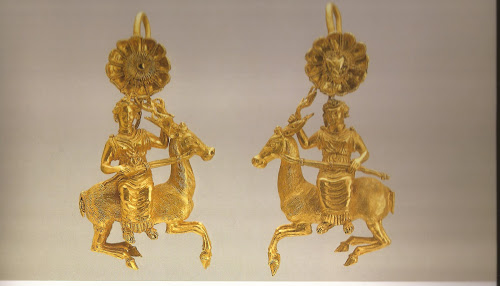
Picture shows Greek Ear Rings with Artemis on Stag

By Santanam Swaminathan; contact swami_48@yahoo.com or Swaminathan.santanam@gmail.com

Hindu Vahanas (Mounts of Gods) are found in different parts of the world. We have already seen them in Afghanistan, Iraq, Syria, Iran, Egypt, Turkey and other places. Since the Middle Eastern countries were under the Kassites, Hittites and Mitanni from 1800 BC, who followed  Vedic Religions, we see the Vahanas of gods there in sculptures and inscriptions. I have given the proofs in my earlier articles. Now I furnish more details about how the European countries adapted Hindu Gods’ vahanas with new stories.

We have sculptures showing Hindu Vahanas in Rome (Italy) and various parts of Greece or in the countries where Romans and Greeks extended their rule. Most of these sculptures were from First few centuries before Christ.

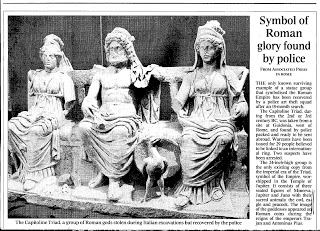
Times News Paper published a story on 23the February 1994 (see the picture in the paper cutting which I have preserving for 20 years in my file) detailing the symbols of three Roman Gods: “It consists of three seated figures of Minerva, Jupiter and Juno with their sacred animals the owl, eagle and peacock. The image of the goddesses appeared on Roman coins during the reigns of the emperors Trajan and Antonius Pius.” The statues belong to 3rd century BC. It shows that before the spread of Christianity and Islam, people worshipped different forms Gods like the Hindus of today.

In course three thousand long years, all the Gods and Goddesses got mixed up in their forms and interpretations. Any one opening the Encyclopaedias of Gods and Goddesses ( I have four different books on Gods and three different books on Symbols) will get confused when  they say this  god was worshipped as XXXX in this country, this god may be from XXXX country etc. The scholars are more confused than the people who worshipped them!

All the tales of ancient heroes and gods are full of violence, one killing another, cutting the body into many pieces and throwing them into different areas. Most of them may be interpreted as some natural phenomenon or astronomical events. We see it in Rig Veda from the story of Indra slaying Vritra etc. So called scholars with motive interpret them as Aryan-Dravidian fight. We know them as absurd theories because such fights are found in every ancient culture. There is no religious book or ancient literature without such clashes. Only in India the so called scholars deliberately mislead the general public for political gains.


Aphrodite (Greek and Cypriot)

Aphrodite on Hamsa Vahana and Hindu Anna Vahana of Sarsvati

Aphrodite is goddess of sexual love, worshipped from 1300 BC. She is equated with Ishtar (Akkadian), Astarte (Syrian), Astoreth (Phoenician), Dione, Cytherea, Venus (roman). She came from the foam of the ocean. In fact it was a distorted story of Hindu Samudra Marthan (Churning of the ocean) where Goddess Lakshmi, Heavenly nymph Apasaras and Jyeshta come out of the ocean. Aphrodite is shown as riding a swan, like goddess Saraswati. Egyptian Goddess Neith also emerged from the primeval ocean to create the world. She was depicted as the great celestial cow, like Hindu Kamadhenu. Neith is the goddess of weavers. I have already explained Neith–al means ‘weaving’ in Tamil in my earlier posts.

Hindu God Brahma and goddess Saraswati are shown riding swan.


Apollo (Greece and Rome)

Apollo was god of light, music and medicine. He was the son of the Titan Leto and the god Zeus (Latona and Jupiter to Romans) and the twin brother of the goddess Artemis (the Roman Diana). Apollo was often depicted with a lyre riding a swan. Known period of worship is circa 1300 BC. He is drawn as a god of hunters carrying a bow and arrow and associated with a stag. He is also pictured with lions. Apollo is strongly associated with the mystical number seven. Artemis rides a stag like Hindu Goddess Durga.


Hephaistos: Donkey Vahana In Atharva Veda (A.V.)

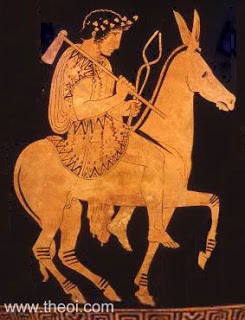
Picture: Hindu Goddess and Greek God on Donkeys

Hephaistos is an Olympian God in Greece. He rides a donkey. Donkey is Vahana for Hindu Gods and Goddesses as well:

Donkey Vahana for Indra: A.V. 9-6-4

Donkey vahana for Agni: Aitareya Brahmana 4-9-1

Donkey Vahana for other Gods: AV 8-8-22

Jyeshta or Muthevi or Seetala Devi have donkey has her Vahana.


Henrich Zimmer (1890-1943) wrong!

German Scholar, like most foreign Indologists misled the world by mixing the poison of Aryan –Dravidian theory in his interpretation of Vahanas. He said,

“ Animal symbol carrying the human is the duplicate representation of the energy, character of that god. They are the tutelary deities of the Indian household derived from the pre-Aryan aboriginal tradition and playing a considerable role in the Hindu and Early Buddhist lore”. Those who read about Vahanas from 3000 BC in Sumerian culture to 3rd BC in Greek culture can see the absurdity in Zimmer’s theory. If Indian Vahanas are pre Aryan, what about the Vahanas of other cultures? Moreover we see Vahanas as negative forces that is controlled by the Gods, not duplicate as Zimmer described.

Foreign scholars caused a big havoc by poisoning the Indian history with their own invented theories of Aryan-Dravidian divide wherever possible. Tamil Kings Chera ,Choza and Pandyas  fought for 1500 years without any break! They deserve a place in Guinness Book of Records for the longest fight in the world. But nobody saw any Aryan-Dravidian division in those fights. But if there was a fight between a Northern kingdom and Southern Kingdom, immediately they described it as Aryan-Dravidian clashes. If two kings or kingdoms fought during Vedic period, immediately they described it as Aryan-Dravidian!! But we see such clashes in Greece, Rome and Egypt.

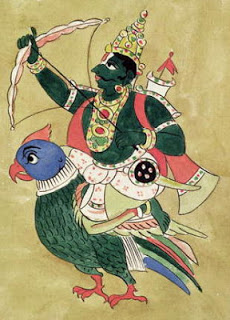
Rati and Manmatha on Parrot Vahana

Also read my earlier posts:

1.Iraq: 7 Gods Procession on Vahanas, 2.Deer Chariot: Rig Veda to Santa Claus, 3.Hindu Vahanas around the World,4.Vahanas in Kalidasa and Tamil Literature,5.Who Rides What Vahanas?,6.உலகம் முழுதும் இந்து தெய்வ வாகனங்கள்,7.சங்கத் தமிழ் இலக்கியத்தில் வாகனங்கள், 8.வாகனங்கள் தோன்றியது எங்கே?ஏன்? எப்போது?, 9.எந்தக் கடவுளுக்கு என்ன வாகனங்கள்? 10.Interesting Facts on Vahanas,11.Hindu Vahanas In Italy and Greece


Interesting Facts about Vahanas

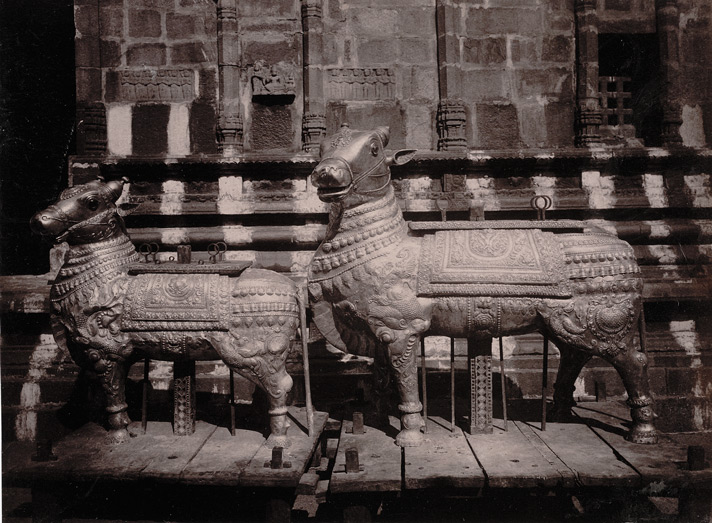
Picture: Silver Rishaba Vahanas

Here is the Second List of Vahanas:

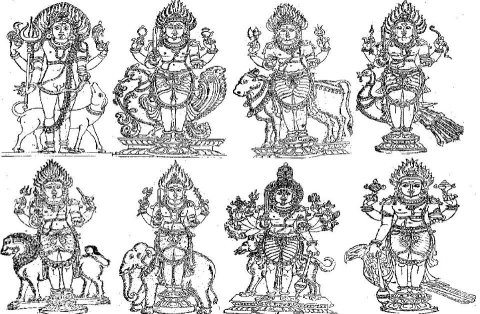
1.Vahanas for Ashta Bhairav:

Ashitanga Bhairav—Swan, Guru Bhairav—Bull, Krotha Bhairav—Garuda, Unmatha Bhairav—Horse, Kapala Bhairav—Elephant, Bitchana Bhairav—Pretha, Chanda  Bhairav—Peacock, Samhara Bhairav—Lion

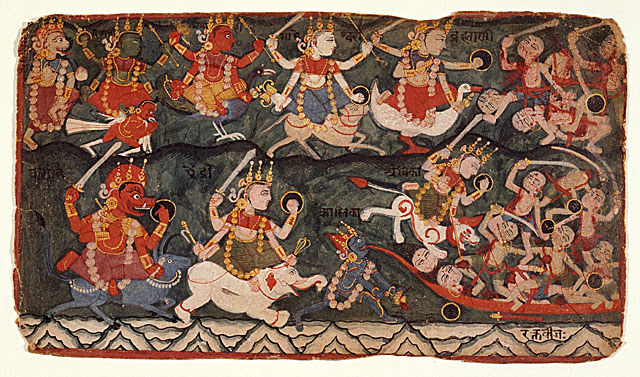
2.Vahanas for Sapta Matha:

Sapta Mathas: Maheswari—Rishaba/Bull, Kali—Mahisha, Indrani—Elephant, Varahi—Pig, Narayani—Garuda/Eagle, Kaumari—Peacock/Mayura, Brahmi—Swan/Anna

Picture: Vahanas of Ashta Bhairav

3.Vahana Order in Temples: 6th Day=Gaja, 8th Day=Horse Vahana

Temple Vahanas are taken out in a particular order. The Agama Shastras have stipulated some rules regarding this. For instance Ani Thirumanjana Festival at Chidamabaram Shiva Temple is celebrated in the following order:

First Day: Dwaja Arohanam (Flag Hoisting),In the night Pancha murthy procession in Manjam

Second day: Silver ChandraPrabha Vahana

Third day: Gold Surya Prabha Vahana

Fourth day: Silver Bhutavahana

Fifth Day: Silver Rishaba Vahana

Sixth day: Silver Elephant Gaja Vahana

Seventh day: Gold Kailash Vahana

Eighth day: Bhikshadanar in Gold Chariot

Ninth Day: Rathothsavam (Ratham= Big Chariot)

Tenth day: Maha Abhishekam

Eleventh day: Muthu Pallakku ( Pearl Palanquin)

Saivaite temples do elephant vahana on the sixth day of festival.

Tirupati-Tirumala Brahmorchavam Calendar:

First Day-Dwajarohan: Flag of Eagle hoisted, Pedda Sesha Vanam/many headed snake vahana;

2n day: Chinna Sesha Vahana/five headed snake, evening Hamsa/swan Vahana;

3rd day: Simha/lion Vhana, evening Pearl Palanquin;

4th day: Karpaka Vrksha/wish fulfilling tree, Evening Bhoopala Vahana/lord of the world vahana;

5th day: Mohini Avatar, evening Garuda/eagle vahana;

6th day:Hanumantha vahana, evening Gaja/elephant vahana;

7th day: Surya Prabha vahana/under the sun vahana, evening Chandra Prabha vahana/under the moon vahana;

8th day: Rathotsavam/chariot festival, evening Horse/Aswa vahana;

9th day: Chakra snanam/lord’s disc is immersed in the tank and flag is lowered.

This is typical of North Tamil Nadu and Andhra temples. Surya and Chandra Prabha vahanas are absent in Southern Tamil Nadu. They replace it with other Vahanas. But 8th day is allocated for Kuthirai/Aswa/Horse vahana.


Picture of Agni Deva on Ram

Madurai Meenakshi Temple Festival Calendar

1st day:Dwara Arohanam;2nd day-Bhutha Vahanam, Anna Vahanam;3rd day-Golden Palnquin;4th day- Kuthirai/horse vahana, 5th day-Vrshaba Vahana;6th day-Nandhikeswara and Yali Vahana;7th day: Silver Simhasana/Lion Throne;8th day-Indra Vimanam;9th day- Gaja/Yanai Vahanam,Pushpa Pallaku;10th day-Ther/Chariot,11th day-Rishaba Vahana

4.Vahana in Amarakosha

Amarasimhan’s Amarakosha (First Dictionary of Synonyms in the World) gives Vahana names as other names for Gods. This shows people were very familiar with all Vahanas and flags 2000 years ago.

Hamsa Vahana means Brahma (Swan Vehicle)

Garudadwaja means Vishnu (Eagle Flag)

Vishnuratha means Garuda (chariot of Vishnu)

Vrushadwaja means Shiva (Bull Flag)

Siki Vahana means Lord Kartikeya (Peacock Vehicle)

Megha Vahana means Indra (Cloud as Vehicle)

Havya Vahana means Agni (Fire takes all Havis/food in Yagas)

Picture of Ashta Matrika with Vahanas


5.Unusual Vahanas

Some temples have lotus (India’s national flower) as vahana for goddess Devi. Tulsi (Holy Basil plant) also used as a Vahana. Alwartirunagari near Tirunelveli in Tamil Nadu, has a strange vahana –Tamarind Tree (Imli in Hindi). This is used for one of the twelve Alvars known as Nammalvar. He attained wisdom under a tamarind tree. Another unusual vahana associated with this town is Parangi Narkali (Foreign Chair).The origin of this vahana is shrouded in mystery.

Chandi Devi in Sujanaghat has got varaha (pig) as vahana which is unusual.

6.Vahanas  of Ganesh

Dhumaketu (kaliyuga): Horse Vahana

Vinayakar (Kritayuga):Simha Vahana

Mayuresar (Treta yUga):Mayura Vahana

Gajananar (Dwapara Yuga): Mushika Vahana

7.Buddhist Vahanas

Buddists also have vahanas for their gods:

Vairochana- Dragon Vahana

Ratna Sambhava- Lion/simha

Amitabha—Mayura/peacock

Amoka siddhi-Eagle

Ashosabya-Elephant

8.Strange Vahanas of Temples

Several temples have unusual vahanas. It is a long list of strange things. Let us look at a few:

Pancha muka Heramba ganapathy-Simha vahana,Nagai Neelayathakshi; Mayura vahana ganapathy:Tiruanaikka,Aruppukottai,Puduvai Mankkula Vinayakar temple paintings; Horse vahana vinayakar-Chennapanayakkan palayam,Koyamputhur; Rishaba vahana ganapathy-Nellai Kanthimathi, Sucheendrum Temples; Elephant vahana Ganapathy-Tiruchendur, Sriviliputtur temples.

Pinna Kili, Gaja Lakshmi,Tulasi Brunda-Karur temple; Sarabha vahana-Tiruchendur Ambal; Kubera vahana-Kumbheswarar temple, Idumba vahana-Swamimalai Murugan; Kalaiman kida/antelope-Valliyur Murugan; Adhikara Nandhi_-Arunachaleswar temple.

In the next part we will look at the Vahanas on ancient Indian coins.


Picture Of Mahisasura Mardhani on Lion ,Mahabalipuram Caves

Also read my earlier posts:

1.Iraq: 7 Gods Procession on Vahanas

2.Deer Chariot: Rig Veda to Santa Claus

3.Hindu Vahanas around the World

4.Vahanas in Kalidasa and Tamil Literature

5.Who Rides What Vahanas?

6.உலகம் முழுதும் இந்து தெய்வ வாகனங்கள்

7.சங்கத் தமிழ் இலக்கியத்தில் வாகனங்கள்

8.வாகனங்கள் தோன்றியது எங்கே?ஏன்? எப்போது?

9.எந்தக் கடவுளுக்கு என்ன வாகனங்கள்?

10.Interesting Facts on Vahanas

Contact: swami_48@yahoo.com or swaminathan.santanam@gmail.com

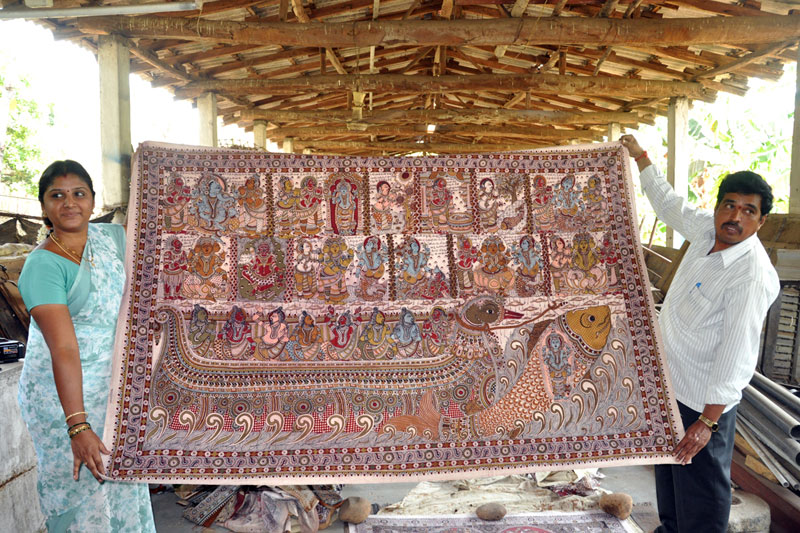
Mysterious Fish Gods around the World


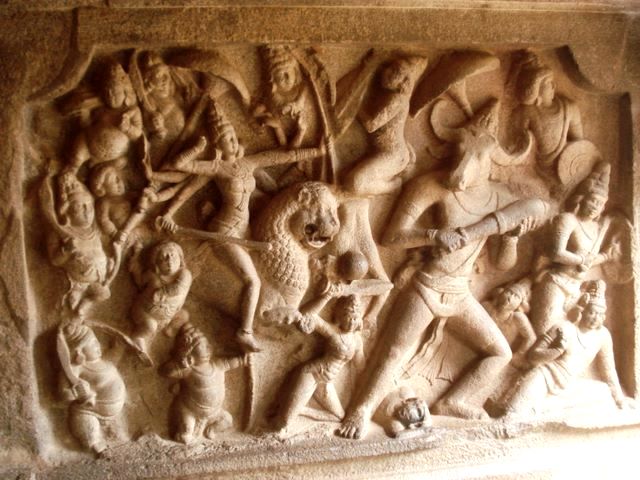
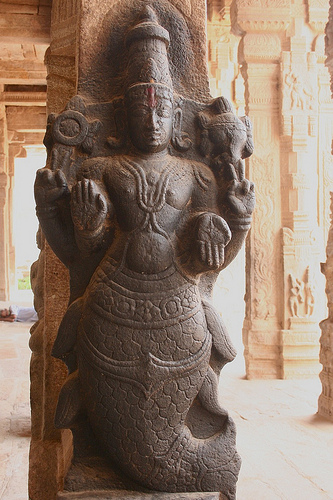
The Story of Floods is in every culture. The first incarnation of Hindu God  Vishnu known as Matsya Avatar (Fish Incarnation) has spread to different parts of the world. We read about it in Sumerian Atrahasis /Ziusudra/Gilgamesh, Biblical Nova and other cultures including Mayan culture. One fact is very clear in all these stories. There was a civilization before. That civilization was very good in Marine Engineering. They were able to build a big ship so as to accommodate all the species. The thought of preservation for the posterity was also there. So it must be an intelligent society. Otherwise they would have perished without trace. Now who was that intelligent person or god who instructed them to build a ship? That person must be a scientist and must have Tsunami monitoring equipments. Otherwise he couldn’t have forecast a catastrophic event. All fingers point to India. No one has that intelligence in maths or calculation in those times.

1. Every other culture stopped with fish and flood story. But Hindus developed it logically to Ten Incarnations of Lord Vishnu. From water born fish they took it to amphibian turtle. From Amphibian turtle, they took it to the next level of land animals- ‘pig’ avatar. Then half man half animal (Lion) Narasimha avatar, then humans with more and more intelligence. They beat Darwin by 2000 years in proposing the Theory of Evolution. That is why I said only a Hindu mind can do it. The mathematical (decimal) calculations in the Vedas and the invention of Game of Chess show that we could do it.

2. Hindus First in Biology

The Hindu classification of plants and animals as 84 lakhs is the closest to science. The latest count is 8.7 million (87 Lakhs) species of plants and animals on earth. Hindus had an amazing knowledge about this number, thousands of years before our time. It is a big puzzle to modern science. No wonder we were able to forecast a big rise in sea level—Great Floods.

In Hindu myth, Lord Vishnu took the form of a fish in order to save Manu, the ancestral father of the human race. Every Manvantara (Period of one Manu=306,720,000 years) will have a new Manu.

3. Sumerians, Mayans and Egyptians say that they did not belong to the land they lived. Either they said that they came from a far off place or someone from a far off place came and taught them civilization. Another strange thing about this Great Floods is that this happened in South India. Sanskrit and Tamil Books are unanimous in pointing the direction to south. Tirugnana Sambandha, a Saivaite saint who lived 1400 years ago, even called his own place Sirkazi as Thonipuram (Boat Town). He sang about the great floods and he praised Lord Shiva for making the town safe during the deluge.

4. The gradual development of Fish to fully fledged, civilized man show that the story started its circulation from Indian soil. The scriptures and sculptures stand as a proof. Hindus believed that TIME is cyclical. Civilizations start from Golden age (Krita Yuga) and deteriorate into Kali Yuga/Black age. So even before the Great Floods, there was civilization.

5. Fish Gods

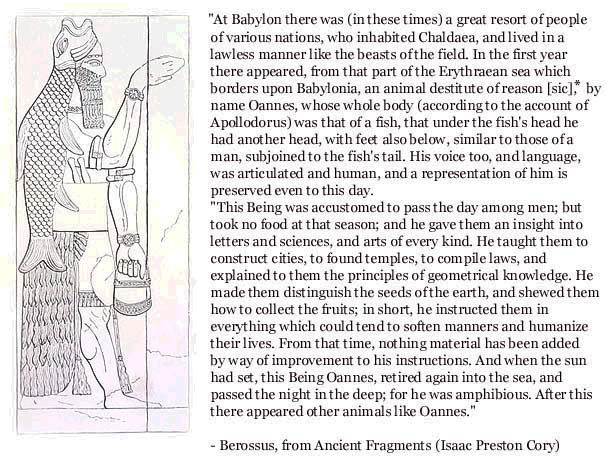
Apart from Matsya Avatar of Lord Vishnu, we hear about other Fish Gods such as Oannes, Dagon and Sindhi saint. Berossus (Vararuchi ?) was a scholar/priest who lived in Babylon in 3rd century BC. He wrote the history of Babylonia. He gave us the story of Oannes. Oannes was a mythical being who taught mankind wisdom. He had the body of fish, but underneath the figure of a man. He taught arts, science and writing. Oannes came from the Uanna, another name for Adapa. Akkadian connects this word to Um Manu. I guess this name as Indian Law Giver Manu. Adapa was a sage according to Sumerian legends. Going by this version I will take it as Manu or a sage from India who taught them Manu Dharma.

Berossus said that the half man-half fish creature was attended by other monsters called Apkallu. Apkallus are Sapta Rishis of India. The Sumerian legend says Seven Apkallus (sages) were created by Enki to establish culture and give civilization to mankind.

First King Narmer ( Nara Meru also knowns as Menes=Manu) was called Catfish Chisel. In other words he was also called a fish. Perch fish was sacred to Goddess Neith.

6.Dagan

He was called Dagon in the Bible. He was worshipped throughout the near east from 2500 BC. He was considered god of rain, corn and death. The kings of third dynasty of Ur established for Dagan an official state cult and a sanctuary to him was constructed at Nippur. From fourth century AD, he was considered a fish god.

7.Sindhi Saint on Fish

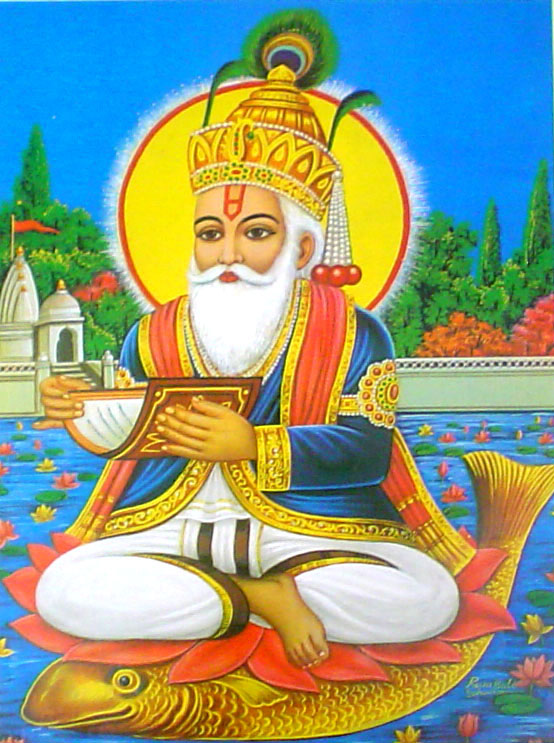
Sindhi saint Jhulelal is depicted riding a fish. He saved the Sindhi people from a tyrannical ruler called Mirkshah. He was considered a man sent by Vedic God Varuna. He convinced the ruler that God is one and he is common to everyone.


8.Turtle Gods

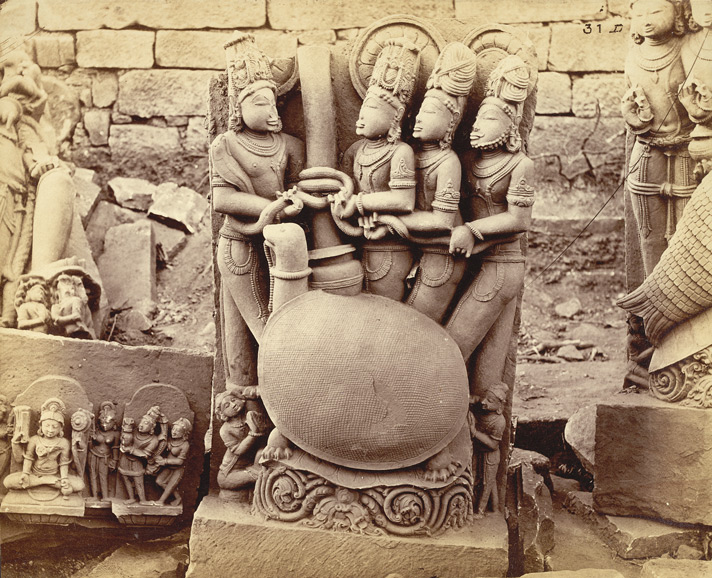
Following the fish come turtles in the Hindu myths. When the Devas and demons churned the ocean god took the form of a turtle (Kurma) and gave stability. He supported the mountain Mandara that acted as the churning rod while Vasuki the snake was used as the rope. This turtle also figured in the world of mythology in the names of Ao (China), Ataentsic (North America), Bedawang (Bali, Indonesia), Gong Gong (China), Sciron (Greece), Xbalanque and Hunaphu (Mayan Twins).

The Atlas like Mayan deity Pauahtun who supported the world on his shoulders is sometime depicted wearing a turtle shell on his head. Turtle shells are also associated with altars in some contexts, and the maize god is sometimes shown emerging from turtle shell.

9.I reproduce the following passages from my earlier post, ”SANSKRIT INSCRIPTION AND MAGIC SQUARE ON TORTOISE”:

Hindu Gods are associated with all the important birds and animals. They are associated with insects and reptiles as well. Take any animal whether it is elephant or rhino, snake or scorpion, fish or crocodile, eagle or crow, boar or tortoise —they are all associated with Hindu gods. We see it in the Vedas, in the Indus valley civilization and in the temple Vahanas. But when we read that even the Chinese, Mongolians and other cultures believed in such things we raise our brows. When we see Sanskrit inscription on a tortoise statue,that too in the remotest part of the world, we are wonder struck!!

Kurmavatar, the Tortoise incarnation of Vishnu is the oldest tortoise we know. But we have even Rishis (seers) in the name of frog (manduka)owl (Uluka) and tortoise (Kasyapa)in Vedic literature. Kasyapa is one of the Vedic Rishis. Kasyapa means tortoise. Kashmir is named after Kasyapa Rishi. Kumaon hills in the Himalayas is named after Kurma Avatar. If you read the history of Kashmir and Kumaon in Uttaranchal state you will find more surprising things. We have Kurmavatar statues in Kahajuraho Lakshman temple (M.P) and Osiyan temple in Rajasthan. One exclusive temple for Kurmavatar is near Srikakulam in Andhra Pradesh .


Three thousand years ago a Chinese king found a turtle with a magic square on its back. The magic square will add up to number fifteen whichever way you add the numbers. From that day it was considered a lucky square and people believe that they will get money etc. It is called Lo Shu. Hindus also believe this as money making square and call it Kubera Kolam. Egyptians and Hindus used the magic squares. Even the Vedic mathematics has magic squares.

Contact swami_48@yahoo.com

***************

Who rides what Vahana (Animal or Bird)?


Following is the first list of Hindu Vahanas:

1.Ganesh/Vinayaka=Mouse

2.Kartikeya/Skanda/Murugan–Peacock

3.Shiva=Bull/ Nandhi

4.Raja Rajeswari= Lion

5.Vishnu= Garuda/Eagle

6.Bhairava=Dog

7.Sastha= Horse

8.Ayyappa= Tiger

9.Sani/Saturn= Crow

10.Kalki Avatar=Horse

11.Indra= Airavata/ Elephant

12.Lakshmi= Red Lotus, Owl

13.Sarasvati=White Lotus, Swan

14.Ganga Devi= Crocodile

15.Manamatha & Rathi= Parrot

16.Kubera= Man,Parrot or Horse

17.Vishnu= 7 headed Snake/ Sesha

18.Krishna=Banyan leaf

19.Brahma= Swan


20.Kartikeya=Rhino (Vietnam)

21.Chandi= Pig

22.Sindhi saint= Fish

23.Ganda Beranda Bird= Mannarkudi Rajagopalswamy

24.Varuna= Makara (Shark or Crcodile)

25.Agni / Fire= Ram

26.Durga= Antelope

27.Marut= Deer

28.Lakshmi in Nepal=Turtle, In Bengal=owl

29.Durga= Lion or Tiger

30.Chamundi- Owl

31.Asvini Devas= Donkey (also for Indra and Agni)

32.Dead Body= Niruthi

33.Sun= 7 Horse Chariot

34.Rahu/ Shasti= Cat

35.Rathi= Pigeon

Following Vahanas are used by different temples in Tamil Nadu

36.Surya Prabha (SUN)= Northern Districts of Tamil Nadu

37.Chandra Prabha (MOON)= Northern Districts of Tamil Nadu

38.Karpaka Vrksha= (Wish fulfilling Tree)

39.Kamadenu= Wish fulfilling Cow

40.Kailash Vahana= Siva

41.Bhupala Vahanam= Vishnu

42.Purusha Mrugam

43.Bhuta Vahanam= Shiva

44.Punnai Tree Vahana= krishna

45.Karampasu Vahanam (See Kamadhenu)

46.Goat Chariot=Pushan

47.7 Cow Chariot=Ushas

48.Kali= Yali (Yali is a mythical animal)

48.Snake= Manasa Devi

49.Seetala= Donkey

50.Viswakarma= Elephant


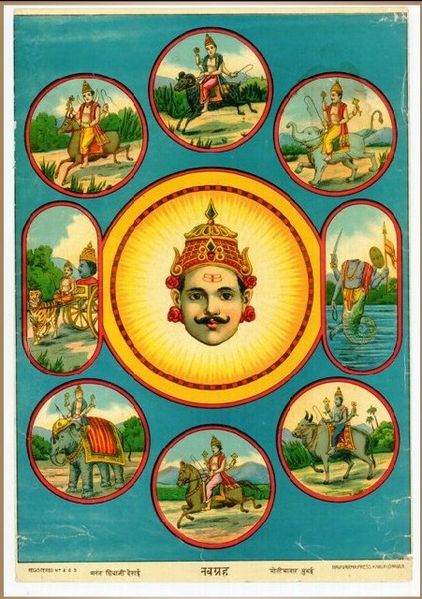
Nava Grahas (Nine Planets)

Sun=Chariot drawn by Seven Horses

Moon= Antelope chariot

Mars=Ram

Bhudan/ Mercury= Horse

Jupiter= Elephant

Venus= Horse/ Crocodile

Saturn / Saniswarea= Crow

Rahu= Lion/ Cat/Tiger

Ketu=Fish

In the next part we will see the Vahanas of Ashta Bhairav,Sapta Matha etc.…….Contd.

Other Vahana Articles written and posted by me:

Please read my other articles on Vahanas in my blogs:

1.Iraq: 7 Gods Procession on Vahanas,2.Deer Chariot: Rig Veda to Santa Claus,3.Hindu Vahanas around the World,4.Vahanas in Kalidasa and Tamil Literature, 5.Who Rides What Vahanas? Tamil articles: 6.உலகம் முழுதும் இந்து தெய்வ வாகனங்கள்,7.சங்கத் தமிழ் இலக்கியத்தில் வாகனங்கள்,8.வாகனங்கள் தோன்றியது எங்கே?ஏன்? எப்போது?,9.எந்தக் கடவுளுக்கு என்ன வாகனங்கள்?

***************