Pictures are taken from various sources for spreading knowledge;
this is a non- commercial blog. Thanks for your great pictures.
வீர ஜெயத் திருப்புகழும் மந்திரத் திருப்புகழும்!
ச.நாகராஜன்
திருப்புகழ் 1324 பாடல்கள் நம்மிடையே இன்று உள்ளது. இது வரை வெளி வராத சில அரிய பாடல்கள் ஆறைச் சேர்த்து இதை சிலர் 1330 என்று குறள் எண்ணிக்கைக்கு நிகராகக் கொண்டு வருவதும் உண்டு. ‘யாம் ஓதிய கல்வியும் எம் அறிவும் தாமே பெற வேலவர் தந்ததனால்’ என அருணகிரிநாதரே கூறுவதால் அவர் வாக்கு முருகன் வாக்கே என ஆகிறது. ஆகவே இவை மந்திரப் பாடல்களாக அமைந்துள்ளன என்று சொல்வது சத்திய வாக்காகும்.
பல பாடல்களை தங்கள் அனுபவத்தால் கண்டறிந்த பெரியோர்கள், அவற்றின் பயனைத் தெளிவுறச் சொல்லி வைத்துள்ளனர்.
அவற்றில் வீர ஜெயத் திருப்புகழாக, ‘சினத்தவர் முடிக்கும்’ என்ற பாடலும், மந்திரப் பாடலாக ‘இருமலு ரோக’ என்ற பாடலும் அமைந்துள்ளன.
வீர ஜெயத் திருப்புகழ் பகைவரை வென்று எந்தக் காரியத்திலும் வெற்றியைத் தரும் ஒரு அரிய திருப்புகழாகும்.
எந்த வியாதி வந்தாலும் அதைத் தீர்க்க பாட வேண்டிய பாடலாக அமைகிறது
‘இருமலு ரோக’ எனத் தொடங்கும் பாடல்.
அவற்றைக் கீழே பார்க்கலாம்.
சினத்தவர் முடிக்கும் பகைத்தவர் குடிக்குஞ்
செகுத்தவர் ருயிர்க்குஞ் …… சினமாகச்
சிரிப்பவர் தமக்கும் பழிப்பவர் தமக்கும்
திருப்புகழ் நெருப்பென் …… றறிவோம்யாம்
நினைத்தது மளிக்கும் மனத்தையு முருக்கும்
நிசிக்கரு வறுக்கும் …… பிறவாமல்
நெருப்பையு மெரிக்கும் பொருப்பையு மிடிக்கும்
நிறைப்புக ழுரைக்குஞ் …… செயல்தாராய்
தனத்தன தனத்தந் திமித்திமி திமித்திந்
தகுத்தகு தகுத்தந் …… தனபேரி
தடுட்டுடு டுடுட்டுண் டெனத்துடி முழக்குந்
தளத்துட னடக்குங் …… கொடுசூரர்
சினத்தையு முடற்சங் கரித்தம லைமுற்றுஞ்
சிரித்தெரி கொளுத்துங் …… கதிர்வேலா
தினைக்கிரி குறப்பெண் தனத்தினில் சுகித்தெண்
திருத்தணி யிருக்கும் …… பெருமாளே.
பொருள் : முருகனை வழிபடுவோர்களைக் கோபிப்பவர்கள் தலைக்கும், அவர்களைப் பகைத்து இருக்கும் குடும்பத்திற்கும், அவர்களைச் செகுக்கத் துணிபவர் உயிருக்கும், முருகன் அடியாரைக் கண்டு சினத்துடன் சிரிப்பவர்க்க்கும், பழிப்பவர்க்கும் திருப்புகழே நெருப்பாய் அமைந்து அவர்களை அடியோடு அழித்து விடும். இதை நன்கு அறிவோம் நாம்.
முருகனை வழிபடும் அடியவர் என்ன நினைத்து வேண்டுகிறார்களோ அதை அளிக்க வல்லது, மனத்தை உருக்குவது, மீண்டும் மீண்டும் பிறப்பு என்ற நிலையை இல்லாமல் செய்து இருள் நிறைந்த கருப்பையில் வராமல் செய்வது, நெருப்பையே எரிக்க வல்லது, மலைகளையே இடிக்க வல்லது, அனைத்துப் பொருள்களையும் தம்முள் உள்ளடக்கியது ஆகிய திருப்புகழை பாடுகின்ற நல்ல செயலை அருள்வாயாக. தனத்தன தனத்தந் திமித்திமி திமித்திந்த் தகுத்தகு தகுத்தந்தன என்ற ஒலியுடன் பேரிகைகள் முழங்க, தடுட்டுடு டுடுட்டுண் டென ஒலியுடன் உடுக்கை முழங்க, சேனைகளுடன் போருக்கு அணி வகுத்து வந்த கொடு சூரர் சினத்தையும் அவர்கள் தம் உடலைச் சங்கரித்த (அழித்த) பிண மலைகள் யாவையும் புன்னகை ஒன்றினாலேயே அதில் தோன்றிய அனல் பொறியால் சாம்பலாக்கிய கதிர் வேலா, தினைப்பயிரை விளைவிக்கும் மலைக் குற வள்ளியை மார்புற அனைத்து இன்புற்று எண்ணுகின்ற திருத்தணியில் அமர்ந்து அருள் புரியும்
வேலவனே!
அநுஷ்டான திருப்புகழ் பாடல்கள் என்று சில திருப்புகழ் பாடல்கள் தொகுக்கப்பட்டுள்ளன.
அவற்றில் நோய் வரின் அதைப் போக்க ‘இருமலு ரோக’ பாடல் பாடி துதிக்கப்படுகிறது.
நோய் வராமல் தடுக்கவும் அன்றாடம் அன்பர்களால் இது ஓதப்பட்டு வருகிறது.
பாடல் இதோ:
இருமல் உரோகம் முயலகன் வாதம்
எரிகுண நாசி …… விடமேநீர்
இழிவு விடாத தலைவலி சோகை
எழுகள மாலை …… இவையோடே
பெருவயி றீளை எரிகுலை சூலை
பெருவலி வேறும் …… உளநோய்கள்
பிறவிகள் தோறும் எனைநலி யாத
படி உன தாள்கள் …… அருள்வாயே
வருமொரு கோடி அசுரர் பதாதி
மடியஅ நேக …… இசைபாடி
வருமொரு கால வயிரவர் ஆட
வடிசுடர் வேலை …… விடுவோனே
தருநிழல் மீதில் உறைமுகில் ஊர்தி
தருதிரு மாதின் …… மணவாளா
ஜலமிடை பூவின் நடுவினில் வீறு
தணிமலை மேவு …… பெருமாளே.
இந்த மந்திரத் திருப்புகழைச் சொல்லி திருநீறு அணிந்து கொண்டால் நோய்கள் வராது; வந்த நோய்களும் போகும்.
இப்படி ஏராளமான பலன் தரும் திருப்புகழ் பாடல்கள் அன்றாட வாழ்க்கையின் வெற்றிக்கு உறுதுணை செய்வதை அன்பர்கள் காலம் காலமாக அனுபவித்து உணர்ந்து பயன் அடைந்துள்ளனர்.
Pictures are taken from various sources for spreading knowledge;
this is a non- commercial blog. Thanks for your great pictures.
tamilandvedas.com, swamiindology.blogspot.com
12 angled- 12 adityas
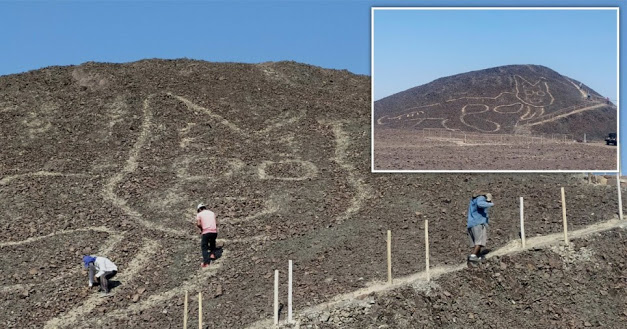
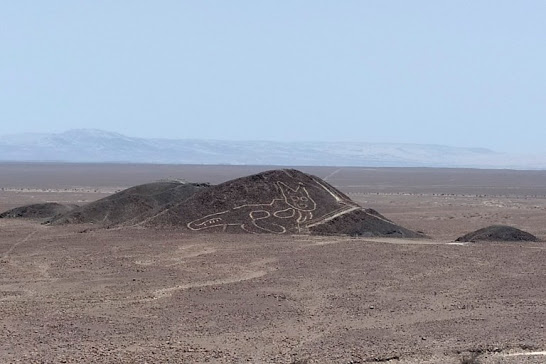
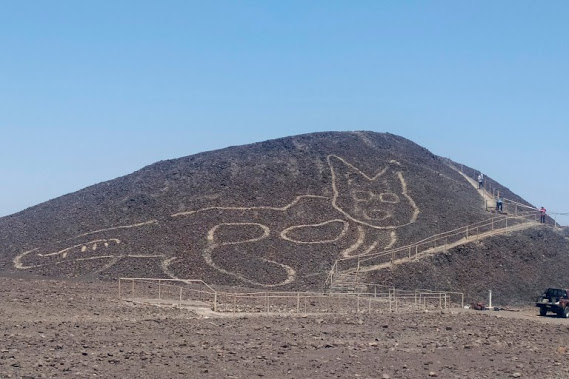
தென் அமெரிக்காவில் பெரு என்ற ஒரு நாடு உள்ளது. அங்குள்ள மர்மம் மீண்டும் பத்திரிகைகளில் அடிபடத் துவங்கிவிட்டது. சென்ற வாரம் ஒரு மிகப்பெரிய பூனை உருவமும் அதில் செல்லும் மலைப்பாதையும் கண்டு பிடிக்கப்பட்டது.. இது உலகம் முழுதும் பத்திரிக்கைகளில் வெளியானது . இது 2300 ஆண்டுகள் பழமை உடைத்து; ஆகையால் அனைவரும் இது எப்படி சாத்தியமானது என்று மீண்டும் வினவத் துவங்கி விட்டனர் . ஏனெனில் ஏற்கனவே இது போல 300 விதமான உருவங்கள் பெரு நாட்டில் உள்ளன. இதற்கான விடை பாணினி எழுதிய இலக்கணப் புஸ்தக உரையிலும் மஹாபாரத படை ‘வியூஹ’ (Strategic Formations) அமைப்புகளிலும் உளது. இதோ முழு விவரம்:–
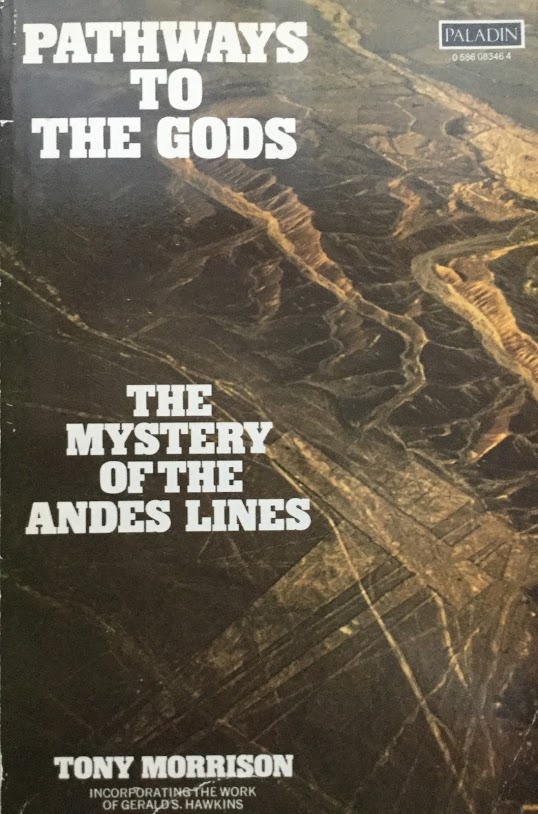
இதுபற்றி ஆங்கிலத்தில் நேற்றும் அதற்கு முன்தினமும் நீண்ட கட்டுரைகளை வெளியிட்டேன். சுருக்கத்தை மட்டும் அளிக்கிறேன். லண்டன் பழைய புஸ்தக கடையில் 1994-ல் ஒரு புஸ்தகம் வாங்கினேன். அதில் ஆண்டிஸ் மலை அற்புத ஓவியங்கள்– சுவரில் அல்ல – துணியில் அல்ல – 150 சதுரமைல் பரப்பில்- தரையில் வரையப்பட்டது பற்றி நீண்ட ஆராய்சசி உளது. இதில் படித்த அதிசய விஷயங்கள் :–
எங்கே உள்ளது?
தென் அமெரிக்க கண்டம் வட அ மெரிக்காவுக்கு கீழே உள்ளது. அங்கும் மத்திய அமெரிக்க நாடுகளிலும் உள்ள மாயா (மயன் Mayan Civilization) நாகரீக சின்னங்கள் மஹாபாரத கால இந்திய நாகர்களால் உருவாக்கப்பட்டது . இது பற்றி 10 ஆண்டுகளுக்கு முன்னரே இந்த ‘பிளாக்’கில் கட்டுரைகள் எழுதினேன். ஆகையால் பெரு நாட்டு அதிசயம் பற்றி மட்டும் சொல்கிறேன்
***
300 பிரம்மாண்டமான படங்கள்
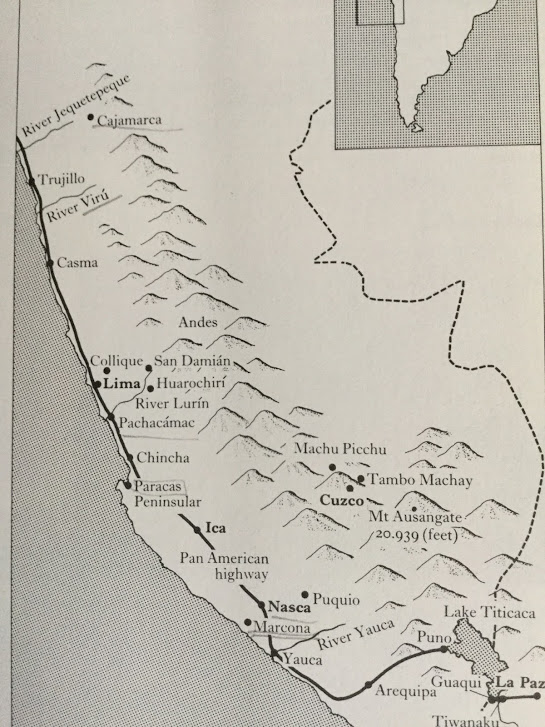
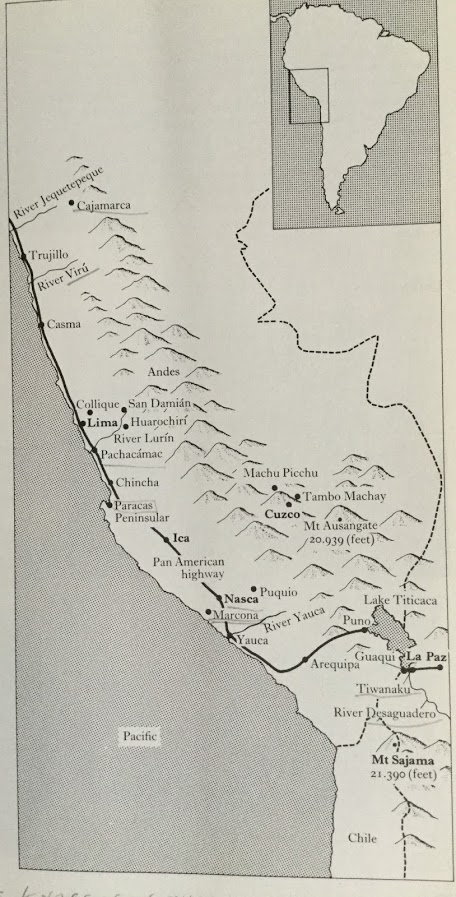
பெரு நாட்டில் நாஸ்கா (Nazca Lines) என்ற பகுதியில் பல மைல்களுக்கு நேராகச் செல்லும் பாதைகளும் வட்டம், முக்கோணம் போன்ற கணித உருவ (geometrical shapes) வடிவங்களும் , மீன் பறவை உருவ வடிவங்களும் உள்ளன. நாஸ்கா பகுதி மக்கள் இதைச் செய்ததால் இதை நாஸ்கா (Nazca Culture) கலாசாரம் என்பர்.
***
இதில் என்னஅதிசயம் ?
2300 ஆண்டுகளுக்கு முன் இவை வரையப்பட்டன என்பதை கார்பன் டேட்டிங் (Carbon Dating) முறை உறுதிப்படுத்தியது ; எப்படி ஒரு வித உபகரணமும் இல்லாமல் இப்படி பிரம்மாண்டமான உருவங்களை பூமியில் உண்டாக்கினார்? ஏன் உண்டாக்கினார்கள்?
வேற்று உலக வாசிகளின் (Extra Terrestrials) விமானங்கள் தரை இறங்குவதற்காக அயல் கிரக வாசிகளின் உதவியுடன் இதை வரைந்ததாக ஒரு கொள்கை உண்டு. ஏனெனில் இந்த உருவங்களை விமானத்தில் இருந்து பார்த்தால்தான் காணமுடியும். விமானமும் அதி நவீன வண்டிகளும் இல்லாதபோது இதை எப்படி சாதித்தனர் ?
மற்றும் சிலர் இவை நட்சத்திரங்களுடன் தொடர்புடையவை; வான சாஸ்திர வரை படங்கள் (Astronomical) இவை என்பர். ஆனால் இவைகளை எல்லாம் அழித்து ஒழித்து நிர்முலமாக்கிய ஸ்பெயின் நாட்டு கிறிஸ்தவ வெறியர்கள், இவைகள் இந்திய பழங்குடி மக்களின்’ வழிபாட்டுத் தடங்கள்’ ( lines/ routesரூட்ஸ்) என்று 500 ஆண்டுகளுக்கு முன்னர் எழுதி வைத்துள்ளனர் .
இந்த வரைபடக் கோடுகளில் ஆங்காங்கே வாகா (Waqa) என்ற கற்களை அமைத்தனர். அந்த ‘வாகா’ கற்கள் இருக்கும் இடங்களில் அவர்கள் நின்று வழிபட்டு தியானித்து விட்டுச் செல்லுவார்கள், வீடுகளில் கோணபா (Conapas) என்ற கற்களை வைத்து வழிபடுவர். இவை எல்லாம் இந்துக்கள் வழிபடும் சாளக்கிராமம் , பஞ்சாயதன பூஜையில் வழி படும் பாணலிங்கம், ஸ்படிகலிங்கம் போன்றவை. இவர்களை கிறிஸ்தவ வெறியர்கள் இந்தியர்கள் என்றே 500 ஆண்டுப் புஸ்தகத்தில் எழுதிவைத்துள்ளனர். அசப்பில் பார்த்தால் அஸ்ஸாம் நாகாலாந்து, மணிப்பூர் திரிபுர மக்கள் என்றே நாம் சொல்லுவோம்.
இந்த கல் வழிபாடு இமய மாலையிலும் உண்டு. திபெத்தியர்கள் கருப்பு நிறக் கூழாங்கற்களை அடுக்கிவைத்து கர்மபா (Karmapa stones) என்று வழிபடுவர். சிவலிங்க வழிபாடோ இமயம் முதல் குமரி வரை பல்லாயிரம் கோவில்களில் உண்டு.
இவை அனைத்தும் இந்து மத தாக்கத்தைக் காட்டுகின்றன. இதைவிட பெரிய ஒற்றுமை மச்சுப் பிச்சு (Machu Pichu) வில் இருக்கிறது. உலகம் முழுதுமுள்ள சுற்றுலாப் பயணிகள் செல்லுவது மச்சுப் பிச்சு-வைப் பார்க்கத்தான். மச்ச புச்சம் – மீன் வால் — என்ற ஸம்ஸ்க்ருதச் (Matsya Pucha= Fish Tail) சொல்லை இப்படி மச்சுப் பிச்சு- ஆக்கிவிட்டனர். இமயமலையில் மீன் வால் போன்ற மலைப் பகுதியை ‘மத்ஸ்ய புச்சம்’ (Matsya Pucham) என்றே அழைப்பர்.
எங்கு நோக்கினும் சம்ஸ்க்ருத சொற்களையும் தமிழ் சொற்களையும் காணலாம். நாசுக்கா பகுதி முழுதும் வறண்ட பாலைப் பகுதி. இதை பம்பா (Pampas) என்று அழைப்பர். தமிழிலும் பரந்து விரிந்த இடத்தை ‘பம்பை’ என்பர். இது தவிர பம்பா பெயரில் சபரிமலை முதல் இமயமலை வரை பல நதிகளும் உண்டு. நின்று வழிபடும் கற்குவியல் ஒன்றை அவர்கள் தியான (Theana) என்ற ஸம்ஸ்க்ருதச் சொல்லால் அழைப்பர் ; இது போல மூன்று வகை கற்குவியல்கள் உண்டு . நீண்ட கோடுகளை சீக்ஸ் (Ceques) என்று அழைப்பர். திபெத்திய கர்மபா கற்களை போல வீட்டில் வழிபடும் கற்களை கோனபா என்று அழைப்பதிலும் சப்த ஒற்றுமையைக் காணலாம் ; இப்படி நிறைய ஒற்றுமைகள் காணப்பட்டாலும் முக்கிய ஆராய்ச்ச்சிக்கு வருவோம்.
மஹாபாரத மர்மம்
மஹாபாரதப் போரில் 18 நாட்களிலும் அமைத்த 18 வகை வியூகங்கள் (Strategic/ Army Formations) இருக்கின்றன. இவை அனைத்தும் 5000 ஆண்டுகளுக்கு முன்னர் பாரத பூமியில் நடந்தவை ; இவை பறவை, சக்கரம், முக்கோணம், சதுரம், மீன் வடிவில் அமைந்தவை. இது போல வருண பகவானின் வாகனமான மீன் உருவம் நாஸ்கா பகுதியிலும் உளது. பெரிய சிலந்தி வடிவமும் நாஸ்காவில் உண்டு.
மகாபாரத வியூஹ அமைப்பும் பிரம்மாண்டமானவை. விமானத்தில் இருந்து பார்த்தால்தான் அவை தெரியும். சக்கர வடிவ வியூகத்தில் அபிமன்யு புகுந்து இறந்ததை உலகமே அறியும். கர்நாடக கோவில் சிற்பங்களிலிலும் உளது.
ஆனால் மஹாபாரதம் சொல்லும் 18 வியூகங்கள் மட்டும்தான் என்று நாம் கருதிவிடக்கூடாது. பாணினி எழுதிய உலகம் போற்றும் இலக்கண புஸ்தகத்துக்கு காத்யாயன வரருசி என்பவர் 2400 ஆண்டுகளுக்கு முன்னர் Marginal Notes நோட்ஸ் – வார்த்திகம் — எழுதினார். அதில் ஒரு இலக்கண விதிக்கு உதாரணம் தருகையில் ‘ஆந்தை வடிவ கட்டிடங்கள்’ , ‘ஆந்தை வடிவ வியூகங்கள்’ என்று எடுத்துக் காட்டுகிறார். ஆக, நாஸ்கா கலாசாரத்துக்கு முன்னரே இப்படி ஆந்தை வடிவ கட்டிடங்கள் இருந்ததையும் அணிவகுப்பு– வியூகங்கள் – இருந்ததையும் இலக்கணப் புஸ்தகத்தில் கூ ட காண்கிறோம். இதற்கெல்லாம் மூலம் வேதத்தில் உள்ளது.
யாக குண்டங்களை பருந்து வடிவிலும் கொக்கு வடிவிலும் அமைப்பது எப்படி? 10,800 செங்கல்களை என்ன பெயரில் அழைக்க வேண்டும்? என்பனவெல்லாம் வேதத்தில் உள்ளது. கரிகால் சோழன் பருந்து வடிவ யாக குண்டத்தில் யாகம் செய்ததை சங்க இலக்கியத்திலும் படிக்கிறோம். ஆக மஹாபாரத, வேத கால மக்கள் எப்படி பிரம்மாண்டமான உருவங்களை சமைத்தனர்? அவர்கள் ஒவ்வொரு முறையும் விமானத்தில் அல்லது ஹெலிகாப்டரில் சென்று இதைச் செய்யவில்லை. சிறிய வரைபடங்களில் மாதிரிகளை வரைந்து அதை பெரிய அளவில் செய்தனர். இன்றைய சிவில் எஞ்சினியர்கள் பிரம்மாண்டமான கட்டிடம் அணைகள் முதலியவற்றைக் கட்டுவதற்கு முன்னர் ப்ளூ பிரிண்ட் (Blue print Drawings) வரைபடம் வரைந்து அதை செயல்படுத்துவர். வேத நூல்களில் பிரம்மாணடமான எண்கள் காணப்படுகின்றன. அவர்கள் உலக மஹா கணித மேதைகள். அவர்கள் சொல்லும் சுல்வ சூத்திர (Sulva Sutra) சொற்களையே எகிப்தியர்களும் பயன்படுத்துவதால் பிரமிடுகள் கட்டவும் நாம்தான் உதவினோம் என்பதை முன்னரே எழுதியுள்ளேன்.
(சுல்வ சூத்ரன் – நூல் பிடிப்போன் . ஒரு நூலில் கீழே உலோக குண்டைக் கட்டி மேலிருந்து கோணங்களை அளப்பது.)
ஆக 10,800 செங்கற்களை பருந்து வடிவிலும் கொக்கு வடிவிலும் அடுக்கி, அடிக்கடி யாகம் செயதோர் தென் அமெரிக்க மக்களுக்கும் சொல்லிக் கொடுத்தனர். அதைக் கொண்டு அவர்கள் நாஸ்கா /பம்பைப் பகுதியில் பிரம்மாண்டமான உருவங்களைச் சமைத்தனர் என்பது என் துணிபு.
இதை உறுதிப் படுத்தும் வகையில் அங்கு சாளக்ராம, பாணலிங்க வழிபாடுகளையும் காண்கிறோம். ஆடு பலி கொடுக்கும் சித்திரங்களைப் பார்க்கையில் கிராமத்து கோவில்களில் நடக்கும் காட்சிகளும் நம் மனக்கண் முன் வரும்.
ஸ்பெயின் நாட்டு, போர்ச்சுகல் நாட்டு கிறிஸ்தவ வெறியர்கள் தென் அமெரிக்கா முழுதும் இந்திய நாகரிகத்தை அழித்துத் துடைத்து விட்டனர். ஆனால் ஸ்பெயின், போர்ச்சுக்கல் மன்னரிடமிருந்து பணம் பெறுவதற்காக எத்தனை ஆயிரம் வழிபாட்டுத் தலங்களை ,சிலைகளை உடைத்தோம் என்று பெருமையாக புள்ளி விவரம் எழுதி வைத்துள்ளனர். இவர்கள் 500 ஆண்டுகளுக்கு முன்னர் செய்த அட்டூழியங்களை அவர்கள் வாய் மூலமாகவே அறிய முடிகிறது . இந்த புள்ளி விவரங்களை ஆங்கிலக் கட்டுரையில் காண்க.
கிறிஸ்தவர்கள் இப்படி அழித்தபோதிலும் காடுகளிலிலும் பூமிக்கடியிலும் கிடைக்கும் கண்டுபிடிப்புகள் நமக்கு புதிய தகவல்களை அளிக்கின்றன . சென்ற வார பூனை உருவக் கண்டுபிடிப்பு இதை உறுதி செய்கிறது .
மதம் மாறாத மக்களை எப்படிக் கொன்றோம், கொடுமைப்படுத்தினோம் என்றும் அந்த மஹா பாவிகள் பட்டவர்த்தனமாக எழுதி வைத்து இருக்கிறார்கள். பெண்களை சூன்யக்காரிகள் என்னு முத்திரை குத்தி எரித்துவிட்டனர். உலகம் போற்றும் ஜோன் ஆப் ஆர்க் எறிந்த கதை அனைவரும் அறிந்ததே.
2,000 ஆண்டுகள் பழமையான பூனை வடிவத்திலான மலைப்பாதை… பெரு நாட்டில் தொல்பொருள் ஆய்வாளர்கள் கண்டுபிடிப்பு!
சுமார் 120 அடி நீளம் கொண்ட இந்த மலைப்பாதை இயற்கைச் சீற்றங்கள் மற்றும் கால மாற்றத்தின் காரணமாக மறைந்து போயுள்ளது.
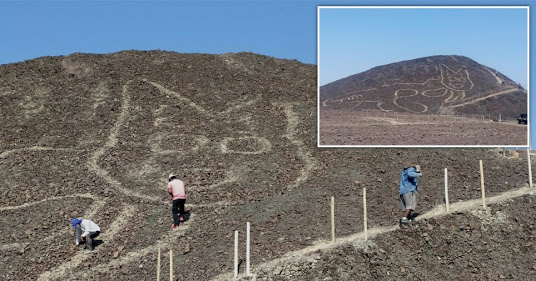
தெற்கு அமெரிக்காவில் உள்ள பெரு நாடு, பழங்கால நாகரீகத்தில் சிறந்து விளங்கும் நாடு. மச்சு பிச்சு போன்ற உலகின் பாரம்பரிய சின்னங்களைக் கொண்ட நாடு, இதற்கு மேலும் சிறப்பு சேர்க்கும் வகையில் பெருவியன் தொல்பொருள் ஆராய்ச்சியாளர்கள் நாட்டின் புகழ்பெற்ற நாஸ்கா லைன்ஸ் யுனெஸ்கோ பாரம்பரிய தளத்தின் ஒரு சிறிய ஆய்வு செய்யப்பட்ட பகுதியில் 37 மீட்டர் நீளமுள்ள பூனை வடிவிலான பாதையை கண்டுபிடித்துள்ளனர். இது 2,000 ஆண்டுகளுக்கு முன்பானது எனக் கூறப்படுகிறது.
நீளமான உடல், கோடிட்ட வால் மற்றும் தலையில் தனித்துவமான கூர்மையான காதுகளால் ஆன இந்த உருவம், ஹம்மிங் பறவை, சிலந்தி மற்றும் மனிதனை உள்ளடக்கிய சில பிரபலமான புள்ளிவிவரங்களை முன்வைக்கிறது என்று நாட்டின் கலாச்சார அமைச்சகம் தெரிவித்துள்ளது.
தலைநகர் லிமாவுக்கு அருகே உள்ள மலையில் சுமார் 2,000 ஆண்டுகளுக்கு முன்பு இந்த பிரம்மாண்ட அளவிலான பூனையின் வடிவம் செதுக்கப்பட்டிருக்கலாம் எனக் கலாச்சார அமைச்சகம் தெரிவித்துள்ளது.
சுமார் 120 அடி நீளம் கொண்ட இந்த மலைப்பாதை இயற்கைச் சீற்றங்கள் மற்றும் கால மாற்றத்தின் காரணமாக மறைந்து போயுள்ளது. இதனை ஆராய்ச்சி ஒன்றிற்காகச் சுத்தம் செய்யும்போது தொல்பொருள் ஆய்வாளர்கள் கண்டுபிடித்துள்ளனர்.
குழந்தைப் பருவத்தில் பிதா ரக்ஷிக்கிறார்; யௌவன பருவத்திலோ கணவன் ரக்ஷிக்கிறார்; வயது ஆனவுடன் புத்திரர்கள் ரக்ஷிக்கின்றனர்; ஆகவே ஒரு பெண்ணானவள் ரக்ஷிக்கப்படாமல் இருக்கவே மாட்டாள்.
At the age of childhood she is protected by father, in her youth she is taken care of by husband, in her old age she is looked after by the son – hence a lady should not be left uncared for.
(Translation by Dr N.P.Unni)
3
ராஜா குலவதுர்விப்ரா மந்த்ரினஸ்ச புரோஹிதா: |
ஸ்தானப்ரஷ்டா ந ஷோபந்தே தந்தா: கேஷா நகா நரா: ||
ஒரு ராஜா, கற்புள்ள குலப் பெண், பிராமணர்கள், மந்திரிகள், புரோகிதர்கள், பொதுவாக மனிதர்கள் அனைவரும் தங்கள் நிலையிலிருந்து இழிந்துவிட்டால். பல், கேசம், நகம் கீழே விழுந்தால் என்ன நிலையை அடையுமோ அதே நிலையை அடைந்து ஷோபிக்க மாட்டார்கள்.
A King, a chase lady, Brahmins, ministers, preceptor, teeth, hair, nails and men in general once they are fallen from their position make no appeal.
(Translation by Dr N.P.Unni)
4
கணஷ: க்ஷணஷச்சைவ வித்யாமர்தமுபார்ஜயதே |
கிம் க்ஷணஸ்ய குதோ வித்யா கிம் கணஸ்ய குதோ தனம் ||
ஒவ்வொரு க்ஷணம் க்ஷணமாக ஒருவன் கல்வியையும் செல்வத்தையும் சேகரிக்க வேண்டும். ஒரே க்ஷணத்தில் கல்வி எப்படி வரும், ஒரே க்ஷணத்தில் செல்வம் எப்படி சேரும்?
By By bits and moments one should acquire knowledge and wealth; how could there be knowledge in a moment and how could there be wealth by bits.
G.3.Gymno- ammana அம்மண / அவதூத சந்நியாசி; சமண சந்நியாசி; அலெக்ஸ்சாண்டர் சந்தித்த இந்து சந்நியாசி ஜிம் னோ பொடிஸ்ட் என்று கிரேக்கர்கள் எழுதி வைத்துள்ளனர்
G.4.Grind – arai அரை
G.5.Graph – Varai வரை
G.6.Gr-ace – aasi ஆசி
G.7.Glyph- lipi லிபி
G.8.Garden- kaa, kadam கா/ கடம்
G.9.Garland- haaram in Sanskrit; aaram, Thaar in Tamil தார்,
Pictures are taken from various sources for spreading knowledge;
this is a non- commercial blog. Thanks for your great pictures.
tamilandvedas.com, swamiindology.blogspot.com
அள்ளிக்குடிக்க தண்ணீர் இல்லை, அவள் பேர் கங்கா தேவி என்பது போல மேலும் 4 வேடிக்கைப் பழ மொழிகள் என்ன என்று கண்டுபிடியுங்கள். அவைகள் கோவணம், ஆண்டி, ஆண்டிச்சி பற்றியவை
Pictures are taken from various sources for spreading knowledge;
this is a non- commercial blog. Thanks for your great pictures.
tamilandvedas.com, swamiindology.blogspot.com
In the first part of the article posted yesterday we saw the mystery behind Nazca figures and lines. The latest discovery of a huge cat figure last week added one more thing to the mystery. I wrote that there is only one precedence to such huge figures and that is in the oldest and longest epic in the world- Hindu’s Mahabharata. Now I will explain that and add more points from Paninian grammar and Hindu Salagrama worship in South America. When we look at these together with the Mayan civilization’s Hindu connection, we can see the whole of South America and Central America was civilized by the Hindus thousand years before Christopher Columbus. Despite Christian destruction, still we get more and more proofs from dense forests and rom below the earth. (Please read my articles on Mayan civilization – Hindu Naga connection written by me several years ago in this blog).
The strangest and biggest proof comes from Paninian grammar, which itself is a literary wonder . Katyayana’s Vartika on it says that there were owl shaped buildings and owl shaped army formations. When Katyayana commented on Panini’s sutra 4-1-55, he added some examples such as
Uluuka pakshi saalaa- a building constructed in the shape of an owl
Uluuka puchi sena – army formation in the shape of owl tail.
Here I would like to point out a few more interesting facts. Owl is derived from uluka in Sanskrit; budgie is derived from pakshi/bird in Sanskrit.
More interesting coincidence is here Katyayana speaks about Visha puchi – scorpion with poisonous tail. And in South America we have Machu pichu- fish tail. The most famous archaeological site in Peru. We have same Machu pichu in the Himalayas as well . Correct spelling is Matsya Pucha- Fish tail.
So the Sanskrit connection is seen in Matsya Pucha/ Machu pichu in Peru.
In the first part I mentioned the god of the Incas of Peru is Viracocha. Actually he has several titles but the Spaniards gave us only one name.
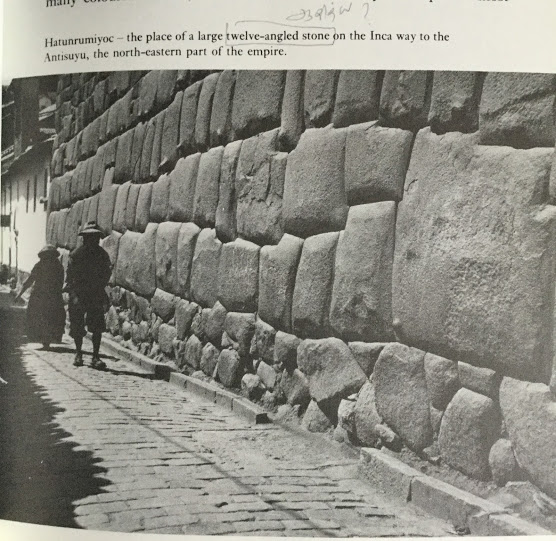
12 ANGLE REPRESENTS 12 ADITYAS OF VEDAS
Viracocha is called
‘Ilya Tiqsi Wiraquoca Pacaya caciq’ which means
‘Ancient Foundation, Lord, Teacher of the World’.
He was the supreme Creator Deity of the Incas Actually all these titles go with Lord Vishnu, Brahma and Siva, Hindu Trinity. Incas also has the flood story and creation of human beings from clay. We see such stories in Hindu Puranas.
Vyuhas in Mahabharata
There are at least 18 types of Vyuhas in Mahabharata. To form such huge army formations in bird shapes, geometrical shapes, you need a blueprint/drawing with mathematical precision. Then you execute it in mega scale. Katyayana also speaks of Owl Shaped buildings and army formations that existed before 2400 years ago. That is a few hundred years before the date of Nazca lines and figures. So now the mystery is solved. Like the army engineers and mathematicians of Mahabharata period, Nazca architects or civil engineers did a blueprint/drawing on paper and then made it bigger. They don’t need to fly high at every point to construct such figures.
In short, we may even say that they learnt it from us. Or our people went there and taught them. To support it, I have more evidence from their Saligrama (Fossils with Vishnu’s Chakra figures) worship. Before that let us look at the shapes of Vyuahas/army formations in Mahabharata War:-
Army Formations in Mahabharata
The Mahabharata lists the following 18 battle formations or Vyuhas:
Krauncha vyuha (Heron formation)
Makara vyuha (Crocodile formation)
Kurma vyuha (Tortoise or Turtle formation)
Trishula vyuha (Trident formation)
Chakra vyuha (Wheel or Discus formation)
Kamala vyuha or Padma vyuha (Lotus formation)
Garud vyuha (Eagle formation)
Oormi vyuha (Ocean formation)
Mandala vyuha (Galaxy formation)
Vajra vyuha (Diamond or Thunderbolt formation)
Shakata vyuha (Box or Cart formation)
Asura vyuha (Demon formation)
Deva vyuha (Divine formation)
Soochi vyuha (Needle formation)
Sringataka vyuha (Horned formation)
Chandrakala vyuha (Crescent or Curved Blade formation)
Mala vyuha (Garland formation)
Please go to Mahabharata-research.com for pictures and day to day strategic formations in 18 day war.
My research shows that there were more strategic formations; I have already shown the owl shaped strategic formation from 2400 year old Vartika of Katyayana.
Saligrama – Bana linga Worship
Hindus worship different shaped stones in their Panchayana Puja. In many houses they have Saligrma in their Puja rooms. According to geologists they are ammonite fossils, millions of years old, with different shapes of marine animals. Incas and Tibetan Lamas also worshipped such stones. From Kanyakumari to Amarnath Ice Cave and Kailash in China we see linga shape worshipped for thousands of years. Siva Linga, mostly made up of stone, is the worship of God without form. That is the meaning of round shaped stones.
Nazca people called them Wakas.
Tibetans worshipped smooth black jet stones as Karmapas. We can see many stone piles in the Himalayas even today. Banalinga , Salagrama, crystals are worshipped in orthodox Hindus house even today. In Nazca culture they called them Wakas. But that is not the only name; they have three different piles of stones . We may not have the same sound as we have in Sanskrit today in their Quecha and Aymara languages. They called them Quontu, Tiyano (Dhyana in Ssnskrit), altipano.
When the villager explained it as the’ place to sit and think’, we understand he meant Dhyana/meditation.
They called the malevolent spirits in mountains as Acasila; achala in Sanskrit means mountain as in Himachala, Venkatachala, Vindhyachala etc.
Household gods were called Conopas (like Sanskrit Ganas or Ganapathy)
One has to study the words in their contexts. We should not just look in dictionary and see the similarities in sound and meaning. When we study them in their contexts, we get full meaning.
My 25 year study
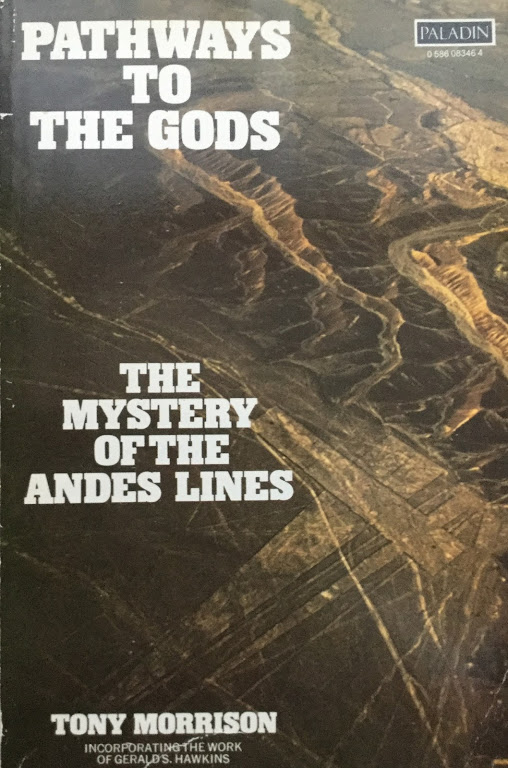
I bought a book on Nazca Lines on 31-3-1994 in a London shop and started marking the similarities when I read other books . Following are my remarks:-
Varuna’s vahana
Varuna ‘s vehicle is a dolphin or fish; we see it among 300 figures in Peru .
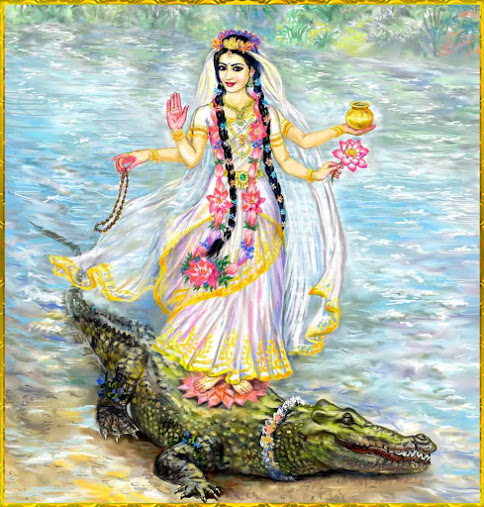
Varuna is said to travel on white Makara in the Vedas. It may be a white whale like we see in Moby Dick or a dolphin.
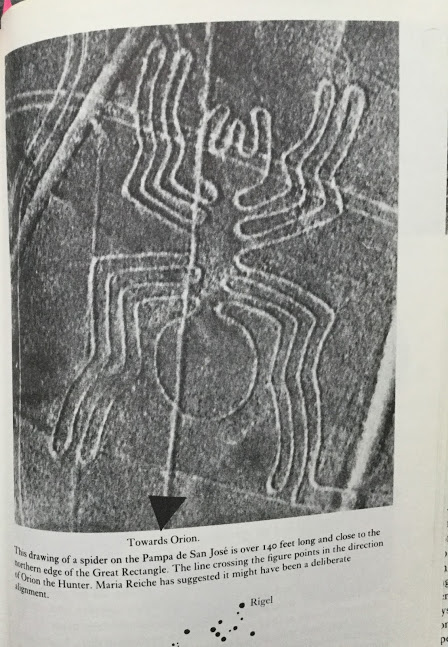
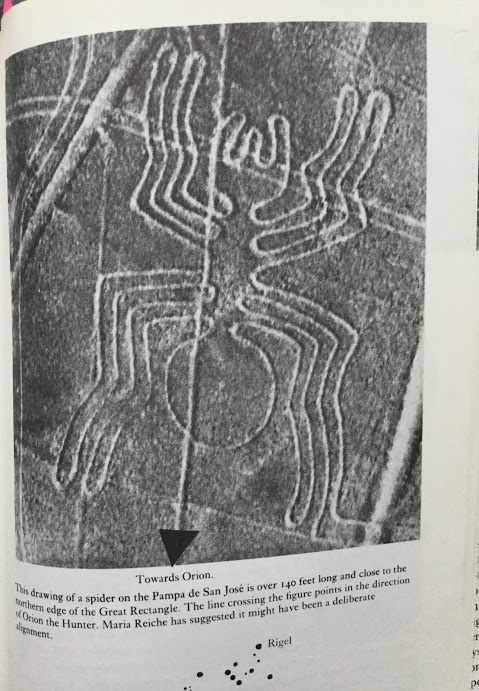
The 140 feet long spider drawing on the Pampa de San Jose is seen on Mycenae pots as well. In fact, lot of similarities are found in Mycenean and Nazca figures, particularly on pots.
Spirals and animals are characteristic deigns of the early phases of Nazca style pottery. More than a hundred spiral patterns are found on potteries.
Ceques
The long lines are called ceques- pronounced as sikh-is. The holy stones called wakas were placed on those lines in an order. Those places were like holy stopping places, to be venerated by all. Hindus also follow an order when they do Parikrama/going round places in a circular route. In Kurukshetra 48 holy places have to be covered. In Kanyakumari district and other places they cover 12 towns running from one place to another within 24 hours. Probably Nazca people also did such Parikramas/Visiting places in a circle. Traditionally Hindus do Rameswaram to Kasi trip in an order.
xxx
Pampa in India and South America
Pampa is a word common in all Indian languages. It refers to rivers in South and North India. And in Tamil it is used for vast dry land. Probably that is the sense in which Incas used the word. Pampa means flat space in their language.
Capuchin
Capuchin monkey figures are seen in Nazca culture; capi/ kapi is a Sanskrit word for monkey.
Christian Atrocities
Christian preachers destroyed most of the old-world artefacts and holy objects. But they have some drawings or descriptions of the things they destroyed or melted if it is made up of gold.
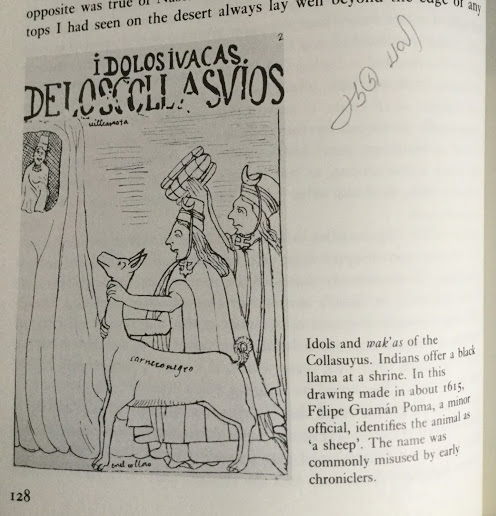
In the early seventeenth century the Spanish church in Peru instructed its priests to destroy any symbol of ancient religion, especially the wakas or sacred shrines.
One account from the time of the Viceroy Montesclaros says that 600 idols from Huarochiri were burned in Lima’s public square and an Indian idolater was flogged in viceroy’s presence.
In the years 1617 and 1618, idols and witch hunts were legion. Records show that in one coastal area alone 6000 people confessed to idolatry, 679 sorcerers were discovered and 603 principal wakas were removed with 3418 Conopas.
Conopas are small pebble like things like Banalingas, salagramas of Hindus, worshipped inside the houses.
At the same time Christian priests confiscated 617 mummies as evidence of ancestor worship. All over Peru , the Spanish clergy arrested the native worshippers. Those who refused to become Christians were killed or punished severely. This is from one single report. We have hundreds of reports like this. In short, they destroyed every bit of Nazca culture. South Americans were all called Indians because of their appearance and their idol worship.
A lot of scope is there to compare the Hindu- South American link. Most of the facts are in Spanish and Portuguese books. Some objects and drawings are still available.
Conclusion
Thousands of years before Nazca culture Hindus also formed huge animal figure shaped formation in battle fields; they built animal shaped buildings. The yaga kundas (Fire Altars) were constructed with 10,800 bricks in eagle shapes in Vedic periods. Saligrama, Banalinga worship of South Americans also is also another proof for Hindu connection. Above all Sanskrit words are seen in South American languages in corrupted forms.
அருணகிரிநாதர் திருப்புகழில் ஏராளமான முருகனின் அருள் திருவிளையாடல்களைச் சுட்டிக் காட்டி மகிழ்வார்; நம்மையும் மகிழ்விப்பார்.
அப்படி முருகனின் சிறப்பான ஒரு தமிழ் விளையாட்டை அவர் ‘பத்தி தரள’ என்று தொடங்கும் திருப்புகழின் கடைசி வரியில் கூறுகிறார்.
பாடல் இதோ:
பத்தி தரள கொத்து ஒளிர் வரி
பட்ட புளக செப்பு இள முலை
பட்டு இட்டு எதிர் கட்டு பரதவர் உயர் தாள
பத்மத்தியர் அற்பு கடுகடு
கண் சத்தியர் மெத்த திரவிய
பட்சத்தியர் இக்கு சிலை உரு விலி சேரும்
சித்த தருணர்க்கு கனி அத
ரம் புத்தமுதை தரும் அவர்
சித்ர கிரண பொட்டு இடு பிறை நுதலார்தம்
தெட்டில் படு கட்ட கனவிய
பட்சத்து அருளற்று உற்று உனது அடி
சிக்கிட்டு இடை புக்கிட்டு அலைவது தவிராதோ
மத்த பிரமத்த கய முக
னை குத்தி மிதித்து கழுகுகள்
மட்டிட்ட இரத்த குருதியில் விளையாட
மற்றை பதினெட்டு கண வகை
சத்திக்க நடிக்க பலபல
வர்க்க தலை தத்த பொரு படை உடையோனே
முத்தி பரமத்தை கருதிய
சித்தத்தினில் முற்ற தவ முனி
முற்பட்டு உழை பெற்று தருகுற மகள் மேல் மால்
முற்ற திரி வெற்றி குருபர
முற்பட்ட முரட்டு புலவனை
முட்டை பெயர் செப்பி கவி பெறு பெருமாளே
இந்தத் திருப்புகழில் ‘முற்ற திரி வெற்றி குருபர முற்பட்ட முரட்டு புலவனை முட்டை பெயர் செப்பி கவி பெறு பெருமாளே’ என்ற வரிகளில் ஒரு பெரும் வரலாறு அடங்கியுள்ளது.
பொய்யாமொழிப் புலவர் என்னும் பெரும் புலவர் ஒருவர் அகத்துறையில் தன்னைப் போலப் பாடுவார் யாரும் இல்லை என்று எண்ணம் கொண்டிருந்தார். ஒரு சமயம் அவர் பாலை நிலத்தின் வழியே சென்று கொண்டிருந்தார். வேடுவ உருவம் மேற்கொண்டு அவரை எதிர்ப்பட்ட முருகக் கடவுள், ‘நீங்கள் யார்?” எனக் கேட்டார்.
“யாம் ஒரு தமிழ்ப் புலவர்” என்று பதில் சொன்னார் புலவர்.
“அப்படியானால் இந்தப் பாலை நிலத்தைச் சிறப்பித்து ஒரு வெண்பா பாடுங்கள் பார்ப்போம்” என்றார் முருகன்.
“உமது பெயர் என்ன?” என்று கேட்டார் புலவர்.
“எனது பெயர் முட்டை” என்றார் முருகக் கடவுள். அத்துடன் புலவர் பாடும் பாடல் சுரம் போக்குத் துறையாய் இருக்க வேண்டும் என்றும் கூறினார்.
உடனே புலவர்.
“பொன் போலுங் கள்ளிப் பொறி பறக்குங் கானலிலே
என்பேதை செல்லற் கியைந்தனளே – மின்போலும்
மானவேன் முட்டைக்கு மாறாய தெவ்வர் போம்
கானவேல் முட்டைக்குங் காடு
இதன் பொருள் :-
மின் போலும் – மின்னலை நிகர்க்கின்ற
மானம் – பெருமை உடைய
வேல் – வேலாயுதத்தை ஏந்திய
முட்டைக்கு மாறு ஆய – முட்டை என்பவனுக்கு மாறுபட்ட
தெவ்வர் போம் – பகைவர் போகின்ற
கான – மணம் வீசுகின்ற
வேல் முள் தைக்கும் காடு – வேல் முள் தைக்கின்ற காட்டில்
பொன் போலும் – பொன்னை நிகர்க்கும்
கள்ளிப் பொறி பறக்கும் – கள்ளிச் செடிகளிலிருந்து நெருப்புப் பொறி பறக்கின்ற
கானலிலே – கானல் பரவிய பாலை நிலத்தில்
என் பேதை – என் பேதைப் பெண்ணானவள்
செல்லற்கு இயைந்தனள் – செல்வதற்கு மனம் இசைந்தாள்
ஏ – அடடா, இது என்ன பாவம்!
இந்தப் பாடலைக் கேட்ட முருக பிரான், பாடல் அவ்வளவாகச் சிறந்து விளங்கவில்லை என்று கூறித் தானே ஒரு பாடலைப் பாடி அருளினார் இப்படி:
“விழுந்த துளி யந்தரத்தே வேமென்றும் வீழின்
எழுந்து சுடர்சுடு மென் றேங்கிச் – செழுங்கொண்டல்
பொய்யாத கானகத்திற் பெய்வளையுஞ் சென்றனளே
பொய்யா மொழிப் பகைஞர் போல்”
இதன் பொருள் :-
“விழுந்த துளி அந்தரத்தே வேம் என்றும் – விழுந்த மழைத்துளியானது ஆகாயத்திற்குத் தான் ஏகும் என்றும்
வீழின் – வீழ்ந்தால்
எழுந்து – மேலே தாவி
சுடர் சுடும் என்று – அனலானது சுடும் என்று
ஏங்கி – ஏக்கமுற்று
செழுங் கொண்டல் – செழுமையாகிய மேகங்கள்
பொய்யாத கானகத்தில் – பொய்யாத காட்டில்
பொய்யாமொழிப் பகைஞர் போல் – பொய்யாமொழிப் புலவரது பகைவர்கள் போல
பெய்வளையும் சென்றனளே – வளையலை அணிந்த என் பெண்ணும் போனாள்
ஏ – அடடா, இது என்ன பாவம்!
இந்தப் பாடலைக் கேட்ட பொய்யாமொழிப் புலவர் பாடலின் அருமை கண்டு திகைத்துப் போனார். எதிரில் இருப்பது குமரக் கடவுளே என்பதை உணர்ந்து அவரைத் துதித்தார்.
முருகனும் அவர் முன் தோன்றி அருள் பாலித்து அவர் நாவில் வேல் கொண்டு ஊன்றிச் சென்றார்.
இதைத் தான் அருணகிரி நாதர் தன் பாடலில் கூறிச் சிறப்பிக்கிறார்.
இந்த நிகழ்ச்சி திருமுருகன் பூண்டித் திருத்தலத்தின் அருகில் நடந்ததாகக் கர்ணபரம்பரை வழக்காகப் பெரியோர் கூறுகின்றனர்.
இப்படி அருள் பெற்ற பெரும் புலவரான பொய்யாமொழிப் புலவர் காளையார் கோயில் சென்று மிகவும் பிரசித்தி பெற்றார். பின்பு அங்கிருந்து புறப்பட்டார். தஞ்சைவாணன் கோவை பாடிப் பெரும் புகழ் பெற்றார். பின் மதுரை சென்று சில அற்புதங்களை நிகழ்த்தினார்.
பின் சீனக்கன் என்ற வள்ளலுடன் நட்பு பூண்டு அவருடன் இருந்தார்.
அவர் உயிர் துறக்கவே அவர் உடலுடன் உடன்கட்டை ஏறினார் என்பர் பெரியோர்.
இத்தகைய முருகனின் அருள் விளையாடலைக் கொண்டது கொங்கு மண்டலமே என்று பாடல் 97இல் கூறிப் பெருமைப் படுகிறது கொங்கு மண்டல சதகம்.
பாடல் இதோ:-
முட்டையென் பேர் சுரம் போக்கா வொரு பா மொழியெனக் கேட்
டிட்ட முறுபொய் யாமொழி பொன்போ லெனவுரைக்கச்
சுட்டழகில்லை யீ தென்று விழுந்த துளியென்றுநன்
மட்டவிழ் தார் முருகோன்சொன்ன துங்கொங்கு மண்டலமே
பாடலின் பொருள் :
முட்டை என்பது என் பெயர். சுரம் போக்காக ஒரு பாடல் கூறுவாயாக எனக் கேட்க, பொய்யா மொழிப் புலவர் மகிழ்ந்து பொன் போலும் என ஒரு வெண்பா பாடலை உரைக்க, அதைக் கேட்டு, இது அழகில்லை என்று கூறி, விழுந்த துளி என்ற ஒரு வெண்பாவை முருக வேள் பாடி அருளியதும் கொங்கு மண்டலத்திலே தான்!
பொய்யாமொழிப் புலவரின் வாழ்க்கையில் நிகழ்ந்த இன்னும் பல அற்புதங்களைப் படித்து உணர்ந்து அனைவரும் மகிழலாம்!
Pictures are taken from various sources for spreading knowledge;
this is a non- commercial blog. Thanks for your great pictures.
tamilandvedas.com, swamiindology.blogspot.com
A few days ago whole world was surprised by the discovery of a massive cat drawing in the Nazca area of South America. Mahabharata solves the mystery of Nazca drawings.
Where in Nazca?
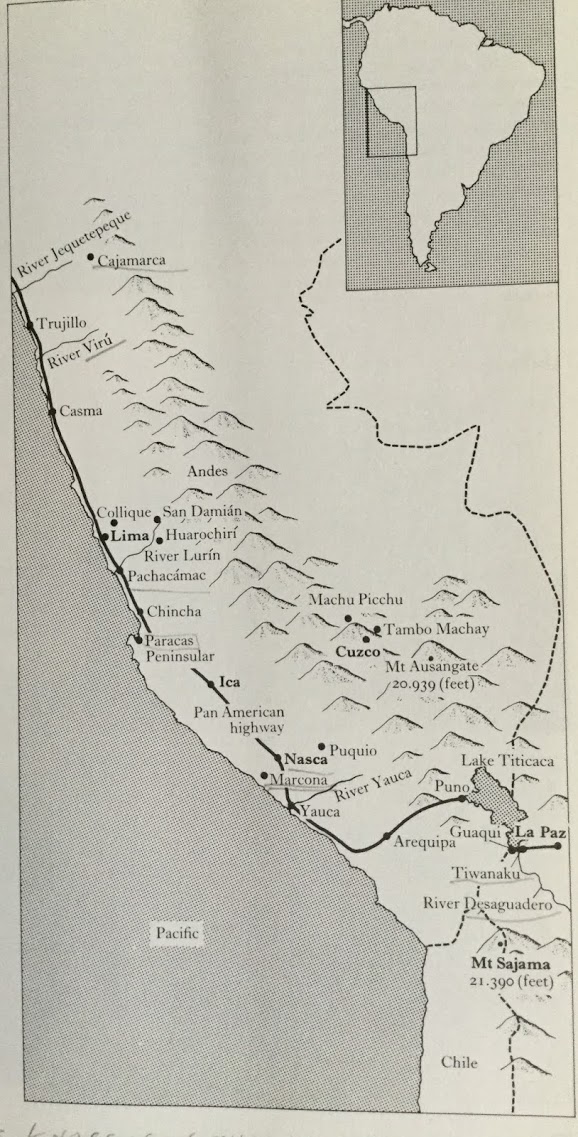
It is in Peru, a country in South America.
What is Nazca?
It is vast desert area. The area is called Nazca.
What is the mystery?
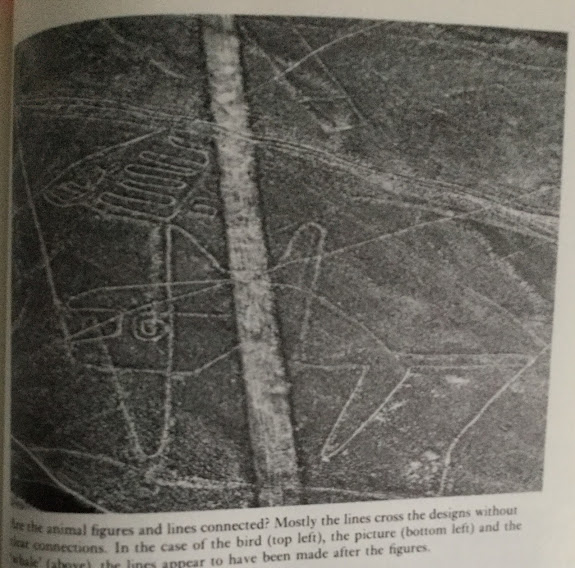
300 huge drawings or figures are there which can be seen from a very high hill or from satellites or from air planes.
Why is it a mystery?
How did uncivilized Peru people of Nazca culture create such huge figures without air planes? Why did they create it? What is the purpose?
Is it for Flying Saucers? For UFOs? For ETs? For Aliens?
Some people created great interest by saying these figures were drawn or made to help Extra Terrestrials to land on earth. Others said that these were ritualistic things where they (Nazca people) offered prayers. Few others said they are all astronomical symbols.
UFO= Unidentified Flying Objects= flying saucers
ET= Extra Terrestrial Civilization
Aliens = ETs
When did they draw or make such gigantic figures?
It is done 2300 years ago! If it is a few hundred years old, there is no mystery. But it is created 2300 years ago. i.e when Emperor Asoka ruled India.
i bought this book from a second hand book shop in London on 31-3-1994; i have been doing research on it for 26 years.
What are the figures we see from airplane?
Mostly Geometric shapes and Animals; some are very straight lines extending for 100s of miles. Modern engineers wonder how they created such straight lines!
Are they all intact today?
Most of them went into oblivion because of the barbaric Spanish Christian preachers. They destroyed the local people and local culture. Those who became Christians only survived. Native people were obliterated by the atrocious Spanish Christian preachers. Whole of south America speak Spanish today except Brazil where Portuguese Christians destroyed Amazon people and spread Portuguese language .
What do the encyclopaedias say about Nazca Lines?
These strange lines in the Peruvian desert have been called the greatest mystery in the world. Only recently rediscovered, when viewed from the air, hundreds of huge drawings in the sand and straight lines that radiate to horizon can be seen, covering 500 square kilometres.
Made by arraging small stones in the flat, rainless plain. The images include
Giant birds
Fishes
Flowers
Mammals and
Insects .
They have been carbon dated to 350 BCE , but could be even older. The lines may have been sacred ritual path ways. Some lines converge on a centre, where offerings have been left. Yet why could the lines only be seen from the air?
In 1586, Spaniard Luis de Monzon said they were built in honour of the saintly Viracochas , followers of the god, who expected him to return like a great bird from the air.
It means that some one will come in Garuda Vahana or Eagle shaped satellite from another planet. That is what made people to believe alien hand in these huge figures.
Spider Figure
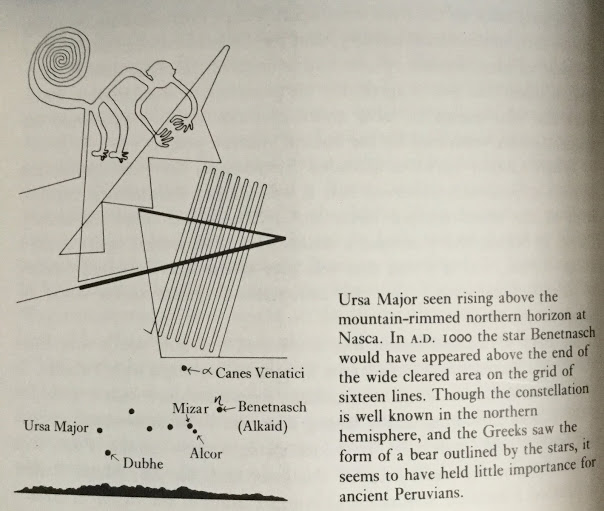
One of the remarkable figures is a huge Spider. To see it you must fly in an airplane. Some people lnked it to Orion Constellation. Orion has the Arudra star of Lord Shiva which is already linked to Egyptian Pyramides.
Now let me give my theories:-
Vyuha= Army formations
1.It can be solved only when you study the 18 types of Vyuhas in the Mahabharata, world’s longest and oldest epic.
2.Mahabharata also describe Bird Vyhas, Chakra Vyuhas etc. Those Vyuhas can be seen only from air, because they are formed with 1000s of soldiers. How did they form Crane (Krauncha bird) shape? How did they form Chakra (circle/geometrical shape) Vyuha? The very death of the great hero Abhimanyu is based on Chakra Vyuha!
3.Major General G D Bakshi of Indian Army has written books and articles on these Vyuha/formations. Mahabharata lists ancient countries spreading from South India to North India on one side and from Iran to Burma on the otherside. That means a huge army took pat in it. So one can imagine the Gigantic Vyuha shapes. How did our people- the Hindus- do it in 3200 BCE? That is 3000 years before the Peru!!
4. The geometrical shapes and Bird shapes originate in Vedic Yaga Kundas.The Vedas clearly explain making such shapes. Eagle shape Yaga Kunda is even in Sangam Tamil literature.
5.Viracocha, God of Nazcan people is a Sanskrit name. Very English word Hero came from Vira of Sanskrit.
6.Even Mahabhasya commentary on Paninian Grammar speaks about Owl shaped buildings that existed 2200 years ago in India!!
If it is Vajra (in Tamil it is Vaira) then it means Indra. If it is vairi it is enemy in Sanskrit.
In the second part I will explain the 18 types of Vyuhas and Nazca figures. I will also show their Hindu connection in their Saligrama (Fossils with Vishnu Chakra shapes) worship. Christian preachers destroyed all those Saligramas. But they have recorded their destruction. Otherwise we wouldn’t even know it.
I will show you their records and the pictures. but before I conclude I will attach the press news what surprised every one of a few days ago:-
Archaeologists in Peru discovered a massive cat carved into the side of a hill more than 2,000 years ago, according to the country’s ministry of culture.
An ancient design showing what appears to be a 120-foot cat has been discovered in Peru’s Nazca Desert – after laying undiscovered for more than 2,000 years. The ‘geoglyph’ was found among the Nazca lines – a sprawling UNESCO World Heritage site in the South American country. It shows a basic etching of a feline figure, with triangular ears and odd markings on its tail, mounted on a hill beside the Pan-American Highway. Archaeologist Jhonny Isla, who runs the management system for the Nazca-Palpa Archaeological Park, said it had been found during work to improve an access to a visitor look-out point enabling people to view the giant figures that make up the mysterious Nazca Lines. He told local media: ‘We realised the access to the look-out point ran over a geoglyph and we decided to alter it because it’s not possible to promote access by damaging heritage.
Officials have dated the design to between 200BC and 100BC – and say it was ‘hardly visible’ when first noticed. Peru’s Culture Ministry said in a statement earlier this month: ‘The design was hardly visible when it was first identified and was on the verge of disappearing because it was on a hill with a steep slope and was subject to the effects of natural erosion. ‘Over the past week cleaning and conservation work has taken place which has led to the emergence of the figure of a feline with its body side-on and its head facing forwards. ‘The lines of the geoglyph are around 12 to 15 inches wide in some parts. The figure is 121 feet long.’