Date: 7 OCTOBER 2019 British Summer Time uploaded in London – 7-56 am Post No. 7066
Pictures are taken from various sources; beware of copyright rules; don’t use them without permission; this is a non- commercial, educational blog; posted in swamiindology.blogspot.com and tamilandvedas.com simultaneously. Average hits per day for both the blogs 12,000.
Date: 6 OCTOBER 2019 British Summer Time uploaded in London – 19-38 Post No. 7065
Pictures are taken from various sources; beware of copyright rules; don’t use them without permission; this is a non- commercial, educational blog; posted in swamiindology.blogspot.com and tamilandvedas.com simultaneously. Average hits per day for both the blogs 12,000.
Date: 6 OCTOBER 2019 British Summer Time uploaded in London – 17-31 Post No. 7064
Pictures are taken from various sources; beware of copyright rules; don’t use them without permission; this is a non- commercial, educational blog; posted in swamiindology.blogspot.com and tamilandvedas.com simultaneously. Average hits per day for both the blogs 12,000.
Date: 5 OCTOBER 2019
British Summer Time uploaded in London – 15-59
Post No. 7060
Pictures are taken from various sources; beware of copyright rules; don’t use
them without permission; this is a non- commercial, educational blog; posted in
swamiindology.blogspot.com and
tamilandvedas.com simultaneously. Average hits per day for both the blogs
12,000.
Vedic Hindus
were predominantly agriculturists. The Rig Veda, the oldest religious book in
the world, was transmitted unaltered from generation to generation simply
through oral traditions. It furnishes us with a picture of the earliest Hindu
culture. Vedic people domesticated cows, horses and sheep. They knew the uses
of bronze, gold , copper and silver.
The Rig Veda
is regarded as a genuine document belonging to 1500 BCE or before that. Scholars
like Herman Jacobi and BG Tilak even place it between 4000 and 6000 BCE
In the RV,
we find mention of gold, silver, copper and bronze among metals. A hymn (1-162)
gives an account of the bronze cauldron slung over the fire by pot-hooks for
the cooking of meat. Gold was used for
ornaments like anklets, rings etc. Mention of metal vessels, tools and armour,
made mainly of bronze, affords evidence of the knowledge of metal working.
Some writers
believe that iron was known during the time of the Rig Veda . For according to
them the word ayas in the hymns of the Rig Veda definitely refers to iron in certain
instances. But many other scholars pointed out that AYAS is a generic term for
metals in the Vedic age and sometimes for gold.
In Tamil
also PON refers to gold, iron and five metals in gods’ (Pancha loka= Aim Pon) idols.
Even in Tamil Veda Tirukkural, it is used for both iron and gold.
Then again
in the Brahmanas and Upanishads, which were of later date than the Vedas we
find that the word ayas has been differentiated into lohita ayas or red metal
and Krishna ayas or black metal, representing copper and iron respectively. So Rig
Veda ayas is not iron and in the Indus valley civilization we don’t find
iron. It may be early Vedic
civilization.
Date: 5 OCTOBER 2019 British Summer Time uploaded in London – 9-21 AM Post No. 7059
Pictures are taken from various sources; beware of copyright rules; don’t use them without permission; this is a non- commercial, educational blog; posted in swamiindology.blogspot.com and tamilandvedas.com simultaneously. Average hits per day for both the blogs 12,000.
WRITTEN BY S NAGARAJAN swami_48@yahoo.com Date: 5 OCTOBER 2019 British Summer Time uploaded in London – 7-29 AM Post No. 7058
Pictures are taken from various sources; beware of copyright rules; don’t use them without permission; this is a non- commercial, educational blog; posted in swamiindology.blogspot.com and tamilandvedas.com simultaneously. Average hits per day for both the blogs 12,000.
Superstitions and Beliefs of Indian Space Scientists
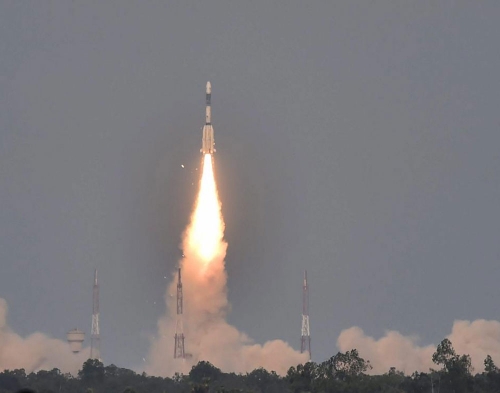
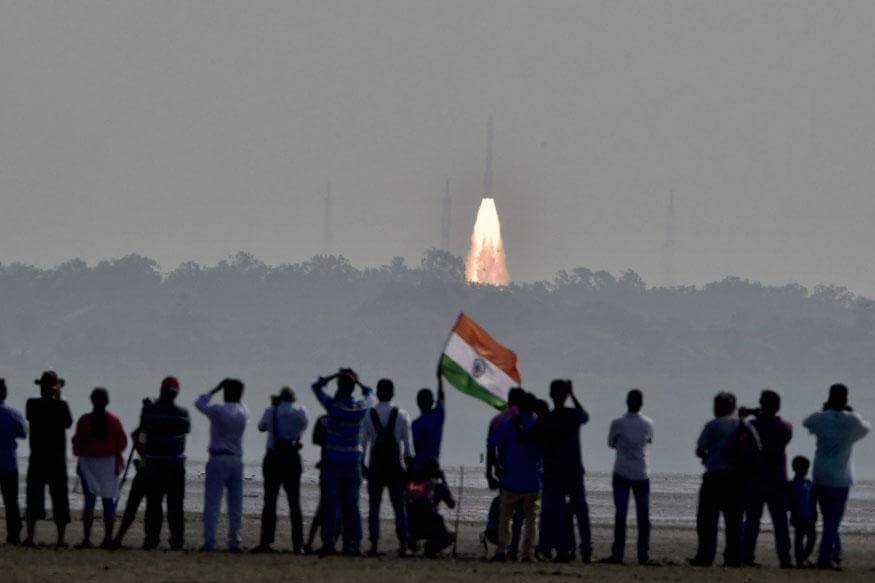
I. IANS reports from Chennai, Nov 7, 2013 as follows: The Indian Space Agency may be sending rockets and satellites to various planets but is also guided by their own superstitions and beliefs, said a retired official of the Indian Space Research Organisation (ISRO).
II.
On the home front, ISRO will not start the countdown for a rocket flight at Rahu Kaalam, said the official not wanting to be quoted.
Rahu Kaalam , or the one-and-a-half-hours of planet Rahu, is considered inauspicious to start any new work.
“In the case of inter-planetary missions, it is not possible to coincide auspicious time with the rocket’s launch time. The latter is decided based on the position of the target planet on the day when the spacecraft is expected to enter its orbit. So, the countdown is started on the auspicious time,” he explained.
tamilandvedas.com, swamiindology.blogspot.com
Similarly, prior to every rocket mission, ISRO officials pray at the famed Lord Venkateswara Temple in Tirumala in Andhra Pradesh and place a replica of the rocket at the God’s feet seeking his blessings for a successful flight.
Over the years, some more temples near the Sriharikota rocket port have been added to the list and officials or their juniors will visit those temples and pray for a mission’s success.
Similarly, pujas, or ceremonies, will be conducted before starting the integration of different stages of a rocket.
“It is all individual beliefs. One cannot take chance with God and poison,” a former ISRO chief told IANS.
According to a retired ISRO rocket scientist, a project director used to wear a new shirt on the day of a rocket launch.
Officials of ISRO are still unable to explain away the absence of the rocket named Polar Satellite Launch Vehicle-C13 (PSLV-C13) from their launch roster.
After sending up the rocket PSLV-C12, ISRO jumped one number to number its next PSLV rocket as PSLV-C14 that put into orbit Oceansat-2 and six European nano satellites.
“There is no such rocket designated with that number,” a high ranking official had told IANS while declining to comment whether the space agency considered the number 13 as unlucky.
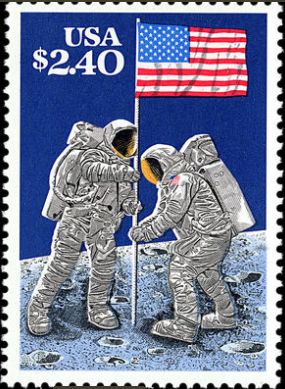
Curiously, following the failure of Apollo-13 to land on the moon, the American Space Agency has not named any other mission with that number.
India’s Rs 450 crore Mars Orbiter Mission however, was a tradition breaker in a way by flying on a Tuesday.
tamilandvedas.com, swamiindology.blogspot.com
“This was the first time in ISRO’s history that a rocket was launch on a Tuesday. Tuesday generally considered as inauspicious day,” an ISRO official had told IANS.
However, another senior official involved in the Mars Orbiter Mission told IANS that for him Tuesday was a lucky day as the mission succeeded.
Pictures are taken from various sources; beware of copyright rules; don’t
use them without permission; this is a non- commercial, educational blog;
posted in swamiindology.blogspot.com and tamilandvedas.com simultaneously.
Average hits per day for both the blogs 11,000.
ச.நாகராஜன்
நாம் தெரிந்து கொள்ள
வேண்டிய ஏராளமான விஷயங்கள் உள்ளன.
இந்தியர்களைக் குருட்டு
நம்பிக்கைக்காரர்கள் என்று சொல்லும் மேலை உலகப் பகுத்தறிவு வாதிகளும் அவர்களுக்கு ஜால்ரா
போடும் நமது ‘பகுத்தறிவுச் செல்வங்களும்’ தெரிந்து கொள்ள வேண்டிய விஷயம் அமெரிக்க, ரஷிய
விண்வெளி வீரர்கள் விண்வெளி ஏகு முன் என்ன செய்கிறார்கள் என்பதையே.
கீழே உள்ள சுவையான
செய்தியைப் பார்ப்போம்
*
நாஸாவின் ஜெட் புரபல்ஷன்
லாபரட்டரி ஆயிரத்தி தொள்ளாயிரத்து அறுபதுகளில் ரேஞ்சர் திட்டத்தை உருவாக்கியபோது சந்திரனைச்
சுற்றவும் அதை போட்டோ எடுக்கவும் விண்கலங்களை அனுப்பியது.
என்றாலும் கூட ரேஞ்சர்
திட்டமானது தொடர் திட்டமாக ஆகி விட்டது; ஏனெனில் முதலில் ஏவப்பட்ட ஆறு கலங்களும் தோல்வியில்
முடிந்தன.
ஏழாவது முறை வெற்றியை
அடைந்தனர். அல்லது தோல்வியை அடையவில்லை. இதற்கான காரணம் என்ன என்று யோசித்துப் பார்த்ததில்
கண்ட்ரோல் அறையில் ஒருவர் ஜாடி நிறைய கடலையை வைத்துக் கொண்டு அனைவருக்கும் கொடுத்துக்
கொண்டிருந்தார். அதிலிருந்து விண்வெளியில் அமெரிக்கர்கள் விண்வெளியில் வெற்றிகரமாகச் செல்வதற்கான காரணம் கண்ட்ரோல்
அறையில் உள்ள கடலையினால் தான் என்று சொல்லப்பட்டது.
ரஷிய விண்வெளி வீரர்கள்
பஸ் டயர்களின் மீது சிறுநீர் கழிக்கும் போது அமெரிக்க விண்வெளி வீரர்களோ தமக்கே உரிய
பழக்கத்தை விடாது செய்கின்றனர்.
இந்தக் குருட்டு
நம்பிக்கையின் அடிப்படையிலான செயலின் போது அமெரிக்க விண்கலக் குழுவினர் போக்கர் விளையாட்டை
விளையாடுகின்றனர். குழுவின் கமாண்டர் தோற்கும் வரை இது தொடரும்.பிறகே விண்கலத்தை நோக்கி
அனைவரும் புறப்படுவர்.
நன்றி : TRUTH VOL.87 NO. 22 – 13-9-2019
இச் செய்தியின்
ஆங்கில மூலம் கீழே தரப்படுகிறது:
NASA’s Jet Propulsion Laboratory launched the Ranger mission
in the 1960s,
spaceflights intended to fly around and take photographs of
the moon. However, the Ranger mission soon turned into a series of
missions as all of the first six launches were unsuccessful.
On the seventh try they got lucky, or perhaps they didn’t get
unlucky. Either way, the thing that was most noticeably different the
seventhtime was that someone had got a jar of peanuts to the
control room and shared it around. Since then, mystical powers of
sending Americans successfully to space have been attributed
to peanuts in the
control room.
While the Russian cosmonauts hydrate their bus tyres, their
astronaut counterparts do their own thing en route to the launch pad. In
this superstitious ritual, the crew play poker and the cards continue to the
dealt until the commander loses. Only then can the launch proceed.
On the Earth-ridden side, ever since STS-1, the director of the
Lanuch Control Centre treats his co-workers to a meal of beans and cornbread
after a successful launch, a time for celebration and bonding for the entire
team.
Pictures are taken from various sources; beware of copyright rules; don’t use them without permission; this is a non- commercial, educational blog; posted in swamiindology.blogspot.com and tamilandvedas.com simultaneously. Average hits per day for both the blogs 11,000.
12 Aug 2017 – WARNING: PLEASE SHARE MY ARTICLES; BUT DON’T SHARE IT WITHOUT AUTHOR’S NAME AND THE BLOG NAME. BE HONEST; OTHERS WILL BE HONEST WITH YOU. அஷ்டமா சித்தி (எட்டு வகை …
21 May 2018 – WARNING: PLEASE SHARE MY ARTICLES; BUT DON’T SHARE IT WITHOUT AUTHOR’S NAME AND THE BLOG NAME. BE HONEST; OTHERS WILL BE HONEST WITH YOU. அஷ்டமா சித்தி (எட்டு வகை …
Pictures are taken from various sources; beware of copyright rules; don’t use them without permission; this is a non- commercial, educational blog; posted in swamiindology.blogspot.com and tamilandvedas.com simultaneously. Average hits per day for both the blogs 11,000.
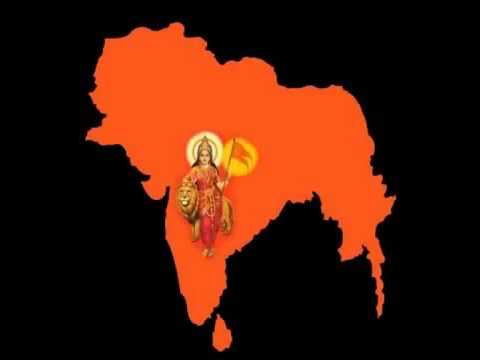
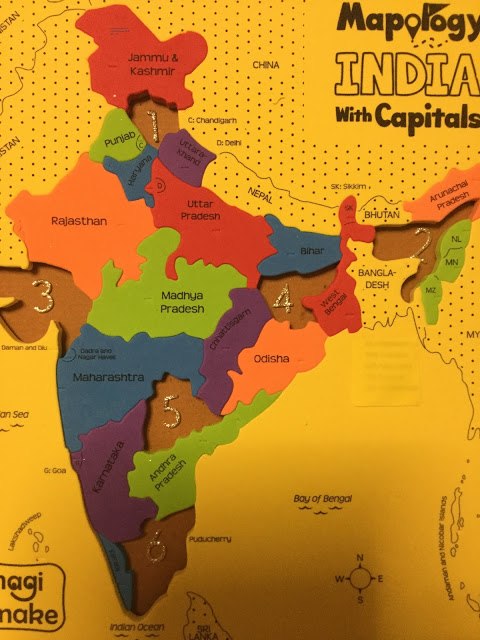
1.Can you
identify the six states that are missing in the Map, numbered 1 to 6?
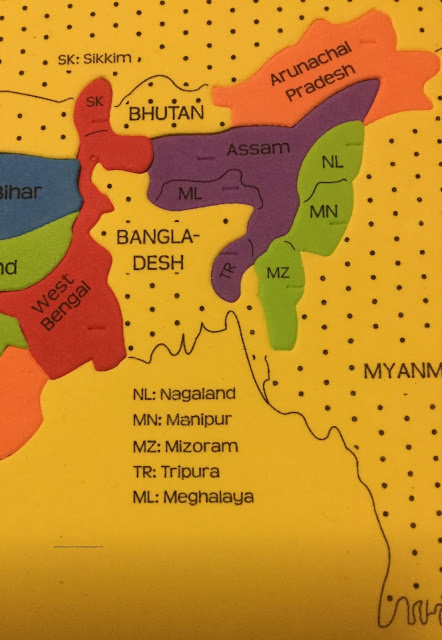
2.Can you
expand the 5 abbreviations of North Eastern States?
NL, MN,
MZ, TR, ML
மாநிலக்
கேள்வி-பதில்
1 முதல் 6 வரை இலக்கமிட்ட மாநிலங்களின்
பெயர்களைச் சொல்ல முடியுமா?
2. ஆங்கிலச் சுருக்கெக்ழுத்துக்கள் குறிக்கும் 5 வடகிழக்கு மாநிலங்கள் யாவை?
Pictures are taken
from various sources; beware of copyright rules; don’t use them without
permission; this is a non- commercial, educational blog; posted in
swamiindology.blogspot.com and tamilandvedas.com simultaneously. Average hits
per day for both the blogs 11,000.
ரஷிய விண்வெளி வீரர்கள் விண்வெளி ஏகு முன் பாரம்பரியமாகச்
சில பழக்க வழக்கங்களை கடைப்பிடித்து வருகின்றனர்.
இதை Quora.com தெரிவிக்கிறது.
அவற்றில் சிலவற்றைக் கீழே காணலாம்.
ரஷிய
விண்வெளி வீரர்கள் ரெட் ஸ்குயருக்குச் செல்வர். க்ரெம்ளின் வால்-இல் பூங்கொத்தை
வைக்கின்றனர்.
ஸ்டார்
சிடியில் உள்ள யூரி ககாரின் அலுவலகத்தில் விருந்தினர் புத்தகத்தில்
கையெழுத்திடுகின்றனர்.
ஒரு
மரத்தை நடுகின்றனர். யூரி ககாரின் காலத்தில் ஆரம்பித்த இந்தப் பழக்கம் இன்றளவும்
தொடர்கிறது.
ரஷிய
சர்ச்சின் பாரம்பரிய பாதிரியார் ஒருவர் ராக்கெட் விண்ணில் ஏவப்படுவதற்கு முன்
விண்வெளிவீரர்களை ஆசீர்வதிக்கிறார்.
கிளம்பும்
முன்னர் தங்கள் கதவில் விண்வெளிவீரர்கள் கையெழுத்து இடுகின்றனர்.
ராக்கெட்டை
நோக்கிச் செல்லும் முன்னர் பஸ் டயரில் சிறுநீர் கழிக்கின்றனர். யூரி ககாரின்
காலத்திலிருந்தே இந்தப் பழக்கம் ஆரம்பித்து இன்றளவும் தொடர்கிறது. விண்ணில்
பறக்கப்போகும் பெண் வீராங்கனையாக இருந்தால் ஒரு பாட்டிலில் தங்கள் சிறுநீரைப்
பிடித்துக் கொண்டு வந்து டயர் மீது ஊற்றி விட்டுச் செல்வது வழக்கம்.
கிராவிடி
டெஸ்ட் உள்ள பொம்மையில் விளையாடுவதும் ஒரு பழக்கம். இது ஒவ்வொரு சோயுஸ்
விண்கலத்திலிருந்தும் கொண்டு வரப்படுகிறது.
அக்டோபர்
24ஆம் தேதி எந்தக் கலமும் விண்ணில் செலுத்தப்படுவதில்லை. ஏனெனில் அந்த தினத்தில்
இரண்டு மோசமான விபத்துக்களை ரஷியா சந்தித்து விட்டது.
ஒய்ட்
சன் ஆஃப் தி டெஸர்ட்-ஐ விண்வெளி ஏகுவதற்கு முதல் நாள் விண்வெளி ஏகுவோர் பார்ப்பது
வழக்கம்.
மோதிரம்,
கால் தண்டை போன்ற சிறு அணிகலன்களை ஒவ்வொரு வீரரும் விண்வெளிக்கு எடுத்துச் செல்வது
வழக்கம்.பின்னர் இதை அவர்கள் பரிசுப் பொருள்களாக விரும்பியோருக்கு வழங்குவர்
அல்லது விற்று விடுவர். இதே போல நாஸாவிலிருந்து விண்ணில் செல்லும் அமெரிக்க
வீரர்களும் பரிசு வழங்க இருக்கும் பொருள்களை எடுத்துச் செல்வதுண்டு.
மூலத்தை ஆங்கிலத்தில் கீழே காணலாம். கீழே கொடுக்கப்பட்ட இணைய தளத்தில் இது தொடர்பான சில படங்களையும் காணலாம்.
There are a few
traditions that the astronauts do before going into space right now. Since the
only way for humans to get into space right now is through Russia, all of these
traditions are related to that program. There may have been some other
traditions for other space programs which won’t be listed here.
Here are my top ten
traditions, in no particular order.
1. Astronauts visit Red Square and lay carnations at the Kremlin Wall. Here,
Samantha Cristoferitti is participating.
2. They sign a guest
book at Star City, Russia at Yuri Gagarin’s office. Here you see the current
expedition members, Scott Kelly, Gennady Padalka and Mikhail Kornienko signing
the book.
3. Here, Karen Nyberg
is planting a tree. This tradition started with Yuri Gagarin and continues
today.
4. A Russian Orthodox
priest blesses the crew and rocket before launch:
5. Astronauts sign the
door to their room before departing. This is Chris Hadfield signing his.
6. One tradition that
is hard to find photos of (for obvious reasons) is the tradition of urinating
on the bus tire as the astronauts head to the rocket. Yuri Gagarin also started
this tradition. I have read that female astronauts may or may not participate
in this tradition. Sometimes they bring a bottle of their urine and pour it on
the tire.
7. My daughter’s
favorite tradition is of course the “gravity test” stuffed toy that
is brought onboard each Soyuz. Here, Anton Shkaplerov, Terry Virts and Samantha
Cristoforetti are conducting this important test
8. There is one
anti-tradition: No launches are ever scheduled on Oct 24th because Russia has
had two fatal accidents on that day.
9. The crew traditionally watch “Белое солнце пустыни / White Sun of the Desert”
the night before the launch.
10. The Russians in particular have always taken trinkets into space to give away later as gifts or to trade. This is also popular in the US with NASA astronauts, but the tradition is a lot bigger in Russia.













































 Tamil and Vedas