Amazing Similarities between Mayas and Hindu Nagas

Amazing Similarities between Mayas and Hindu Nagas

Amazing Similarities between Mayas and Hindu Nagas

( The first part of this article is Are Mayas, Indian Nagas?)

1. Strange co incidence: Kali Yuga 3102 BC and Maya Yuga beginning 3114 BC

2. Maya appearance: Maya people of Central America look exactly like Manippur or Nagaland people.

3. Maya architecture resembled Pallava and South East Asian monuments

4. Justifying their name NAGAS (Sanskrit name for snake) Snake Symbol is found every wherein Naga buildings.

5. “Maya”– was the divine architect in Hindu mythology. Justifying the name Maya, we see a lot of huge buildings in the Maya countries Mexico, Honduras, Belize and Guatemala.

6. 1000 pillar mandap is mentioned in Vedas and it is found in Madurai and other places. We hear about 1000 pillar mandap in Chichen Itza at the tip of Yucatan peninsula.

7.Patchouli is a game played by both Mayas and Indians

8.Tamil word catamaran is used in Mexico, where Mayas flourished for centuries.

9. Migration Route: Sri Lanka-South East Asia—Central America—South America was the Nga migratory route. All these places are called Naka Loka (Nagaland) in Tamil and Sanskrit literature.

Indus river port Patala was used for travel to the countries down below Indian peninsula and so they were called Patala Loka.

10. Nagas are mentioned in Vedas (  Pancavimsa Brahmana–iv.9,4  ) and they are an ancient race

11. Nagas in Nala Damayanthi  story in Mahabharata and Sangam Tamil literature mention special type of clothes made by the Nagas.

12. Over twenty Naga poets composed Tamil poems which were in the Tamil Sangam anthology.

13. Sri Lanka Nagas and SE Asia Nagas freely mingled with Non Naga races. Agastya Rishi married a Naga princes by name Yasomati in South East Asia. Rig Vedic Agastya was different who married Lopamudra, a princess of Vidharba.( Vedic civilization spread far south beyond Vidharba during Rig Vedic days. This explodes the Westerner’s myth of Aryan-Dravidian divisions).

14.Mahabharata period Nagas married their women to Arjuna (Ulupi and Chitrangatha) One of them is a Tamil also known as Miss Alli Rani.

15. Lord Krishna was Anti Naga and Indra was Pro Naga, according to Hindu scriptures.

16. Krishna’s two clashes with Nagas: Khandava Vana (Gondwana land) and Kaliya Marthan (dancing on the head of a snake)

17. Arjuna’s grandson Parikshit’s assassination culminated in the migration of Nagas outside India.

18. Janamejayan’s massacre was stopped by the good offices of Astika and Jaratkaru.

19.Brahmin’s peace deal was worked out on the banks of Narmadha (Mahismati) and Brahmins remember  this every day in their Sandhyavandana Mantra.

20. The Padma Purana says of the seven infernal regions Mahatala, Rasatala and Patala are occupied by Nagas and Danavas. The suffix  ATL in many Naga names may be ATALA.

21. Paramapatha Sopana Patam/picture is a Snake and Ladder game played by Tamils and Telugus, where in all the Naga leader pictures are drawn.

22.Ophir—Oviyar— Chitra—Painter– is another name of Nagas. Probably they wore Tattoos of snakes on their bodies. Ophites (snake worshippers) is mentioned in Greek literature. Hippolytus and Clement of Alexandria mention this sect.

Sarpa Rakja (Rani) is mentioned in Pancha Vimsa Brahmana. Aligi and Viligi are mentioned in Atharva Veda. Aligi and Viligi are found in Sumerian clay tablets. They may be Nagas/Mayas. Probably Krishna devotees wanted to ridicule them by depicting them as snakes with their names written. When one reaches a snake square by rolling the dices, the player gets negative points and go to the bottom of the board.

23. American born Swami B. V. Tripurari asks, “What mysterious psychological law would have caused Asians, and Americans to both use the umbrella as a sign of royalty, to invent the same games, imagine similar cosmologies, and attribute the same colours to the different directions?”

Hindus and Mayas use umbrella as a royal symbol which is mentioned in Sangam Tamil literature and Sanskrit literature in thousands of places.

Hindus, Jains, Buddhists attribute four different colours to East, South, West and North. Mayas follow it.Maya colours :East-red, South- yellow, West- black, North- white. It is slightly different from Buddhists and Hindus. Shiva’s five faces are attributed with colours. Buddhists colours for directions was even mentioned by a Muslim traveller like Albiruni. Mahabharata attributes four colours for four Yugas (white,yellow,red and black).

23.Sanskrit Names for Towns: Guatemala =Gauthama alaya; Tiwanaku= Deva Naga;Tikal=Trikala,Teotihuachan=Deva Takshan,Mitla=Mithila, Orinoco= Ori Nagan, Machu Pichu= Macha Pucham (exactly looking like fish wall. There is one more place with the same name in the Himalayas/Nepal, Jaina Island, Mani, Copan= Sopana,Cholula=Chola,Aryballus= Arya Bala, Chetumal=Ketumala Dwipa=Guatemala,Aztec=Astika (Rishi who saved Nagas). Loads of Sanskrit and Tamil names can be derived by a patient researcher. We can justify it by observing waves of migrations. Tula, Yacatehctli (Yaga Deva Thali) Yaxchilan (Yaksha Seelan) also sound like Sanskrit names.

24. Over seventeen Egyptian kings who lived 3500 years ago had the same title Ramses.It may be Rama Seshan (Vishnu) or Ramesan (Shiva). Egyptian pharaohs Ramses heads are decorated with snake like Lord Shiva’s head. Vishnu had it (snake Adi Seshan) as his bed.

25. Swastika, elephant, lotus: Hindu motifs lotus, Swastika and elephant are found in Maya sculptures. Americas have not got elephants. Millions of years ago mammoths only roamed American north.

26. Maya God Quetza coatl (Plumed Serpent) may be a distorted word meaning Garuda Sathru (enemy of eagle).

27. Fire is Born: One of the kings who ruled around 378 AD is translated as Fire is born. Draupadi, Rajashani Chauhans and Cheras and Velirs of Tamil Nadu say that they were are Fire born. They belong to Agni Kula. Nagas may belong to Agni kula.

28. The Maya king who ruled around 700 AD is called Kan Maxx which is nothing but Maha Nakan/ great snake (Kan is snake in Mayan language, Na(kan), Maxx is Maha)

Palenque (Tamil word Palingu): One of the town names is Palengue. There is a stone temple which looks like marble temple. Palingu is a Tamil word for Marble, Mirror, Crystal etc. Ther eis no doubt that Tamil Nagas also were part of the migration. One of the twenty Tamil Naga poets is Maruthan Ila Nagan who has contributed a lot.

29.The very script of Mayas is round which looks like Palalva Grantha.
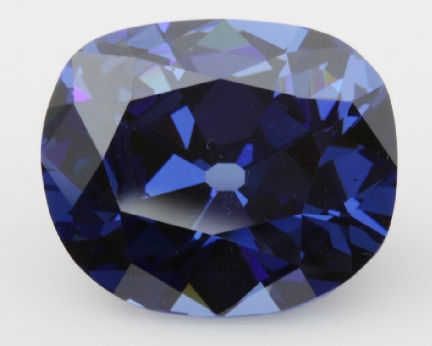
Krishna’s Diamond in USA ?

Picture shows Hope Diamond

(Brahmin and Chettiar families in South India won’t buy diamonds straight away. They will pay an amount as advance and take it home, keep it for a few days to see whether it brings good news or bad news. If it is good, then they pay the full amount. Some diamonds are defective diamonds.)

“Diamonds are a girl’s best friends”– may be true, but definitely not Lord Krishna’s best friend. Krishna had a diamond known as SYAMANTAKA which led to several murders, encounters, fights, acrimony and marriages!! My research shows the English word DIAMOND came from SYAMANT, though scholars may find different origin. The murderous diamond is at Smithsonian Museum in the USA, again this is the result of my research. Read the interesting story from Vishnu Purana and Bhagavata.

Satrajit was a Yadava leader. He was a worshipper of Sun God. Sun God gave him a powerful diamond called Syamantaka (The hidden meaning is that he found it on the ground when he went to worship in the Sun Temple). It will emit red light and dazzle like sun. A lot of people eyed this diamond and conspired to get it. When Krishna asked him to give it to Ugrasena, he refused and gave it to his own brother Prasen. When Prasen went on a hunting expedition he was killed by a lion and the diamond was taken by a tribal group known as Jambhavans. They were called Bear people because they wore the bear (Jambhavan) symbol.

Everybody suspected Krishna and thought he stole the diamond from Prasen and disposed him off. Krishna wanted to clear his name and so went in search of Prasen. He found his mauled body in the forest and traced the footsteps. When he saw Jambhavan’s children playing with the diamond, he tried to get it from them, but ended in a fight. The fight with Jambhavan went for a month and at last he reached an agreement with Jambhavan, the tribal leader and got his daughter Jambhavati  in marriage. As a marriage gift he got the diamond.

Krishna returned to his kingdom and gave Syamantaka back to Satrajit. Satrajit thanked Krishna wholeheartedly and gave his daughter Satyabhama in marriage to Krishna. When Krishna made an urgent visit to Hastinapura , another person by name Satadhanwa killed Satrajit and took the diamond. So far the diamond caused two murders and two marriages !! It did not stop there.

When Krishna returned to Dwaraka ,his wife told him that his father was murdered for the diamond. Krishna and Balarama went on a mission to get the diamond.  They chased Satadhanwa for nearly a thousand mile and killed him near Mithila in Bihar. A dangerous diamond caused three deaths and three fights and thousand mile trip from Gujarat to Bihar!! But only after killing him, they came to know the diamond was given to Akrura for safe custody by Satadhanwa.

Akrura had already escaped with the diamond to Kasi. He ran away for a thousand mile just because of the diamond. Krishna brought him back and Akrura returned the diamond to Krishna. Knowing that it was a murderous diamond, Krishna gave it back to Akrura and asked him to stay in Dwaraka. The diamond was attributed with magical qualities like bringing lot of gold like the  goose that lays golden eggs.

This is the end of the Syamantaka story in our Hindu scriptures. My research shows that it caused more fights and murders and went to USA after passing several hands in India, France and Britain.


Story of “Hope” diamond

Syamantaka went to foreign countries in the name of HOPE diamond. Knowing that it was a HOPELESS diamond, at last it was sent to a museum in the USA. People believe it was mined in Golconda area of Andhra Pradesh long ago. For several centuries diamonds were mined only in India and the world famous Kohinoor diamond also came from the same mine. The reason for me to believe that Symantaka is Hope diamond is Hope diamond is a rare diamond that emits red rays  at the exposure of ultra violet light. Syamantaka was also attributed with this quality in our Sanskrit scriptures. They describe it dazzling like (Red) sun. Moreover it created more fights resulting in more murders before landing itself in Smithsonian Museum in Washington D.C. The weight of Hope is 45 carats.

Fearing the evil effect of this gem, they adorned a goddess with this gem in South India. The priest stole that and was sentenced to death. By hook or crook French merchant Tavernier took it to France from India. Tavernier was mauled to death by dogs. It changed hands and went to the royal family. Louis XVI and his wife Marie Antoinette were guillotined (beheaded) in the French revolution. The world believed that it was due to the evil effect of Hope diamond. Later the palace was looted for this diamond. Then it changed hands and came to Britain which resulted in financial disaster and suicide. Later it was sold to private parties and that led to court cases.

Before it came to King Louis, Princess of Label had it and she was killed by a mob. Later Jacques Cello bought it and committed suicide. When it was bought by a Russian prince, he gave it to his lady love and later killed her. Whoever worn it met with a disaster.

People were afraid to buy this because of its notoriety. At one time it was owned by Henry Philip Hope and so it was named Hope diamond. The last owner Harry Watson was persuaded to donate it to the Smithsonian Museum in 1958. This diamond also resulted in at least three murders, several fights, thefts, bankruptcies like Krishna’s Syamantaka. So we can be sure that this was the Syamantaka from Krishna’s period.

Some diamonds bring lot of luck. Another famous diamond from India, Kohinoor, brought immense luck to the British Royal family. Queen Elizabeth is ruling for over 60 years.  Kohinoor is exhibited in London Tower museum. Queen Elizabeth will shine as long as the Kohinoor shines on her crown jewels!!

கொலவெறி வைரம்!!!!!

Picture shows Hope Diamond

(தமிழ்நாட்டில் பல குடும்பங்களில், குறிப்பாக பிராமண மற்றும் செட்டியார் குடும்பங்களில் வைரம் வாங்குவதற்கு முன் அதை வீட்ல் சில நாள் வைத்து நல்ல செய்திகள் வருமா என்று பார்த்தே வாங்குவார்கள். ஏனெனில் சில வைரங்களில் குறைகள் இருக்கும். இதோ, கிருஷ்ண பரமாத்மாவை படாத பாடு படுத்திய வைரம் பற்றிப் படியுங்கள்)


வைரங்கள் பெண்களின் சிறந்த நண்பர்கள் என்று ஆங்கிலத்தில் சொல்லுவதுண்டு. அது உண்மையாக இருக்கலாம். ஆனால் கட்டாயம் கடவுளுக்கும் வைரத்துக்கும் ரொம்ப தூரம்!! சியமந்தக மணி எனப்படும் வைரம் கண்ண பிரான் காலத்தில் இருந்தது. அது யாதவ குலத்தில் மூன்று கொலைகளுக்கும் பல சண்டைகளுக்கும் காரணமாகிவிட்டது பின்னர் இது பிரான்ஸ், பிரிட்டன் ,அமெரிக்கா ஆகிய நாடுகளுக்குச் சென்று அங்கும் பல சாவுகளுக்கும் சண்டைகளுக்கும் வித்திட்டது. இதை இப்போது வாஷிங்டனில் உள்ள ஸ்மித்சோனியன் மியூசியத்தில் பார்க்கலாம். ஆனால் அவர்களுக்கே இது கண்ணனின் வைரம் என்று தெரியாது.


சத்ரஜித் என்பவர் ஒரு யாதவர் தலைவர். அவர் சூரிய தேவனை வழிபடுவார். ஒரு நாள் சூரிய தேவனே அவருக்கு ஒரு பெரிய வைரத்தைக் கொடுத்தார். (அதாவது அவர் கோவிலுக்குச் சென்றபோது அது பூமியிலிருந்து கிடைத்தது.) அது பள பள என்று ஜொலித்தவுடன் கிருஷ்ணருக்கும் கூட பொறுக்கவிலை. அதை உக்ரசேனன் என்பவனிடம் கொடு என்றார். ஆனால் சத்ரஜித் அதற்கு மறுத்துவிட்டார்.


சத்ரஜித் அவருடைய தம்பி ப்ரசேனன் என்பவரிடம் கொடுத்துவைத்தார். அவன் அதை எடுத்துக் கொண்டு வேட்டை ஆடப்போனான். அவனை ஒரு சிங்கம் அடித்துக் கொன்றது. இந்த வைரத்தை கரடி இனத் தலைவர் ஜாம்பவான் எடுத்துச் சென்றார். முன் காலத்தில் மக்கள் தங்களை அடையாளம் கூற ஒரு பறவை அல்லது மிருகம் பெயரைச் சொல்லுவார்கள். ஜம்பவான் கரடி இனம் எனப்படும்  மலை ஜாதி இனத்தைச் சேர்ந்தவர். அவருடைய பிள்ளைகள் அந்த வைரத்தை வைத்து விளையாடத் துவங்கினர்.


எல்லோரும் கண்ண பிரானைச் சந்தேகப் பட்டனர். உடனே அவர்ப்ரசேனனைத் தேடிச் சென்றார். காட்டில் அவனது சடலத்தையும் மற்ற அடிச் சுவடுகளையும் கண்டு அதைப் பின்பற்றினான். ஒரு மாதம் சண்டை போட்ட பின்னர் ஜாம்பவானுடன் ஒரு சமரச ஒப்பந்தம் ஏற்பட்டது. அவருடைய பெண் ஜாம்பவதியைக் கல்யாணம் செய்து கொண்டால் சியமந்தக மணியைத் திருப்பித் தருவதாகச் சொன்னார். கண்ணனுக்கு அடித்தது யோகம். ஒரே கல்லில் இரண்டு மாங்காய். ஒரு பெண்+ ஒரு வைரம்!!


துவாரகைக்குத் திரும்பிவந்தார். வைரத்தை சத்ரஜித்திடமே திருப்பித் தந்தார். அவருக்கு ஏக சந்தோஷம். அவருடைய பெண் சத்யபாமாவையும் கண்ணனுக்கு மணம் முடித்தார். சியமந்தக வைரத்தால் இரண்டு பெண்கள் லாபம் !! இந்த நேரத்தில் ஹஸ்தினாபுரத்திலிருந்து எஸ்.ஓ.எஸ். (அவசர உதவி தேவை என்று) செய்தி வந்தது. பாண்டவர்கள் அனைவரும் அரக்கு மாளிகை தீ விபத்தில் இறந்துவிட்டதாக வந்தது செய்தி. அங்கே சென்றால் எல்லோரும் சுபம்.


இதற்குள் சத்ரஜித் வீட்டில் சததன்வா என்பவன் புகுந்து சத்ரஜித்தைக் கொன்றான். வைரத்தை எடுத்துக் கொண்டு ஓடிவிட்டான். சத்யபாமாவுக்கு ஒரே துக்கம். துவாரகைக்குத் திரும்பி வந்த கண்ணனிடம் கதறி அழுதாள். கண்ணனும் பலராமனும் சததன்வாவைத் தேடினர். அவன் பீஹாருக்கு ஓடிவிட்டான். குஜராத்திலிருந்து ஆயிரம் மைல் துரத்திச் சென்று அவனைக் கண்ணன் கொன்றான். பின்னர்தான் தெரிந்தது. அதை அவன் அக்ரூரன் என்பவனிடம் கொடுத்து வைத்தான் என்பது. கிருஷ்ணன் துவாரகைக்குத் திரும்பி வருவதற்குள் அவன் உத்தரப் பிரதேசத்தில் உள்ள காசிக்கு ஓடிவிட்டான். ஆட்களை அனுப்பி அவனை கண்ணன் அழைத்து வந்தார். மீண்டும் ஒரு சமரச ஒப்பந்தம். அக்ரூரனே அதை வைத்துக் கொள்ளலாம் என்றும் ஆனால் துவாரகையை விட்டு வெளியே போகக் கூடாது என்றும் உத்தரவு போட்டார். இதற்குப் பின் அந்த வைரத்தின் கதை தெரியவில்லை.


ஹோப் வைரம்


சியமந்தக மணியை ஒரு கோவில் அம்மனின்  நெற்றியில் பதித்து வைத்தனர். அதைத் திருடிய அர்ச்சகருக்கு மரண தண்டனை கிடைத்தது. அதைத் திருட்டுத்தனமாக வாங்கிய பிரெஞ்சுக்காரர் ஜீன் பாப்டிஸ்ட் டவர்னியர் வெறி நாய்கள் கடித்து இறந்தார். இதற்கு ஹோப் வைரம் என்று பின்னர் பெயர் சூட்டப்பட்டது!


இந்தியாவிலிருந்து பிரான்ஸ், பிரிட்டன் ,அமெரிக்கா சென்ற ஹோப் வைரம் இதே போல படுகொலைகள், வழக்கு வாய்தாக்கள், சண்டை சச்சரவுகள், கடன் திவாலாக்கள் எல்லாவற்றையும் உண்டாக்கியது. மேலும் ஹோப் வைரம் புற ஊதா கதிர்களில் தக தக என்று சிவப்பாக ஜொலிக்கிறது. இதைத்தான் பாகவதமும் சூரியன் போல ஜொலித்த வைரம் என்று சியமந்தக மணி பற்றியும் கூறுகிறது. பலரும் அதை மாணிக்கம் என்று நம்பினர். ஆனால் அது வைர வகைகளில் ஒரு அபூர்வ வைரம். இப்போது அது அமெரிக்காவில் வாஷிங்டன் நகரில் ஸ்மித்சோனியம் மியூசியத்தில் உள்ளது.


இது மனிதர் கையில் இருந்தால் பல துரதிருஷ்டங்கள் ஏற்படுவதால் கடைசியாக இதை வைத்திருந்த வாட்சன் என்பவரிடமிருந்து இதை அந்த மியூசியத்துக்கு நன்கொடையாக வாங்கிவிட்டனர். அவரும் உடும்பு வேண்டாம் கையை விட்டால் போதும் என்று கொடுத்துவிட்டுப் போய்விட்டார். அவருக்கு முன் ஹோப் என்பவர் வைத்திருந்ததால் இதற்கு ஹோப் வைரம் என்று பெயர். உண்மையில் இது ஹோப்லெஸ் (அவ நம்பிக்கை) வைரம்!!!

முதலில் இது லாம்பெல் இளவரசி கைக்குப் போனது. அவரை ஒரு கும்பல் அடித்துக் கொன்றது. அதன் பின்னர் ஜாக்ஸ் செலோட் என்பவர் கைக்குப் போனது. அவர் புத்தி சுவாதினம் இழந்து தற்கொலை செய்துகொண்டார். இதற்குப் பின்னர் ரஷிய இளவரசர் கனிடொவ்ஸ்கியை அடந்தது. அவர் தனது காதலிக்குக் கொடுத்துவிட்டு பின்னர் அவளை கொலையும் செய்தார். பிறகுதான் ஹென்ரி தாமஸ் ஹோப் வாங்கினார்.


பிரெஞ்சுப் புரட்சியில் லூயி மன்னரையும் அவருடைய மனைவி மேரி அன்டாய்னெட்டையும் கில்லட்டின் எந்திரத்தில் வைத்து பகிரங்கமாக கொடூரமாகக் கொன்றதைப் படித்திருப்பீர்கள். அப்போது இந்த ஹோப் வைரம் (கண்ண பிரானின் சியமந்தகம்) அவர்கள் கையில் இருந்த்தது. உலக வரலாற்றில் ஒரு மன்னரும் ராணியும் இவ்வளவு பரிதாபமாக இறந்தது கிடையாது. அதற்குப் பின் வேறு ஒருவர் கைக்குப் போய் அவர்கள் குடும்பத்தில் பெரிய சண்டை ஏற்பட்டு பல ஆண்டுகள் வழக்கு நடந்தது. இதை வாங்கிய ஒருவர் பணம் எல்லாம் இழந்து திவால் ஆனார்.


சில வைரங்கள் அதிக யோகத்தைக் கொண்டு வரும். இந்தியாவில் ஆந்திரப் பிரதேசத்தில் கிடைத்த கோஹினூர் வைரம் சென்ற இடம் எல்லாம் சிறப்பை ஈட்டித் தரும். அது இப்போது இலண்டன் டவர் மியூசியத்தில் உள்ளது. அது இருப்பதால் எலிசபெத் மஹாராணியார் கொடிகட்டிப் பறக்கிறார். அவருடைய 60ஆவது வருட பதவி ஏற்பு நிறைவு வைபவம் லண்டனில் ஜூன் மாதம் நடைபெறப் போகிறது. கோஹினூர் அவர் கையில் இருக்கும் வரை அவரை யாரும் அசைக்க முடியாது.

Love Letters from Ancient India

Letter writing has a long history in ancient India. We have a number of references to letters particularly written by women. Vidharba princess Rukmini wrote a love letter to Lord Krishna requesting him to marry her. Sanskrit epic poem Sisupalawadha refers to it. We have two letter verses in the Prakrit anthology Gatha Sapta sati.

Kalidasa, the greatest of the Sanskrit poets, mentions letter writing in his play Vikrama Urvasiyam. Kalidasa lived around 1st century BC. King Pururavas falls in love with a celestial nymph named Urvashi. After writing her mortal suitor a love letter on a birch leaf, Urvashi returns to the heavens to perform in a celestial play. However, she is so smitten that she misses her cue and pronounces her lover’s name during the performance. As a punishment for ruining the play, Urvashi is banished from heaven.

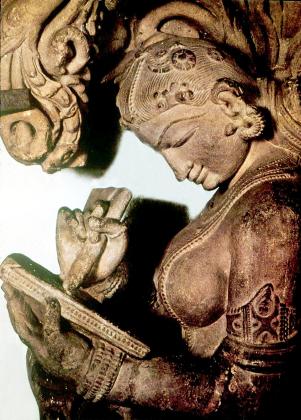
Letter writing was an integral part of our culture. We have a sculpture of a beautiful lady writing a letter in Khajuraho Khandariya Mahadev temple. Needless to say it is a love letter. Damayanthi sent a riddle in a poem to find her husband King Nalan. Bhoja sent a riddle in a poem to find the great poet Kalaidas. Probably these were also sent in letter format.

Tamil letter

In Silappadikaram, one of the five Tamil epics, we have references to several letters. Madhavi, the dancer with whom Kovalan had relationship for sometime wrote to him after separation. She asked him why he left her. It was sent through a Brahmin. In ancient India Brahmins acted as messengers for kings and others.

Madhavi sent the letter to Kovalan through a Brahmin called Kausikan. Kausikan narrated to Kovalan how he got it from her. “Madhavi wrote this letter on a palm leaf  with her tender hands and sealed it. She requested me to hand it over to you”. When Kovalan opened the letter, he found the following words: My lord, I fall at your feet. Kindly forgive my indiscreet words. What is my mistake which made you leave the city during the night with your wife of noble birth, even without the knowledge of your parents? My mind suffers in ignorance. Please clarify. O great and true one of wisdom, may you bless me (This is from Puranceri Irutta Katai in Silappadikaram).

When Kovalan finished reading it, he gave the letter back to Kausikn and requested him to show it to his parents so that they would also know what happened. Kovalam told him that it was his fault.

In another place (Ataikala Katai), a story of Panchatantra Tales is referred to. A Brahmin lady who raised a mongoose went out to fetch water leaving the care of her baby to the mongoose. In those days people were afraid of snake bites and so raised mongooses, the enemies of the snakes. As expected a snake came near the child and the mongoose killed the snake and protected her child. Mongoose was waiting at the gate to give the good news. But Alas! When the woman saw the blood in the mouth of the mongoose she thought it killed her child and threw her water pot on the head of the mongoose. It had an instant death.

Her husband was enraged by her hasty stupid act. Immediately he gave her a palm leaf containing a message in Sanskrit. He told her that he wouldn’t eat food served by her. He went on a pilgrimage to North. When Kovalan saw that distressed lady he took the message from her and performed several  rituals to absolve her from the sin. He also brought her husband back. This is narrated by another Brahmin called Matalan. He reminded all the good deeds done by Kovalan and wondered what caused the present misery.

It bears testimony to the fact that Kovalan possessed a sound knowledge of Sanskrit. We can also conclude that letter writing was common and women were able to write freely. Sanskrit was used for writing letters in the first century AD. Though Silappadikaram was written around fifth century AD, the incident happened in the first century.

Lord Shiva’s Recommendation Letter

Writing recommendation letters to political leaders for favours is the order of the day. But according to Tamil books, Lord Shiva was the one who started this custom. When a Northern singer known as Hemnath came to Pandya country and challenged the Tamil singers Lord Shiva helped his devotee Bababathran, the royal singer, by scaring away Hemnath.  The northern singer ran away in the night after hearing Banabathran’s worst student, who was none else but Shiva. He thought if the worst one can sing this good, Banabathran must be better than him. So the singer bolted away with his disciples at the dead of night. After this incident, Banabathran went to work in the temple and suffered from poverty. Shiva came in the disguise of a Tamil saint and gave him a recommendation letter to the king of Chera country who was a great devotee of Shiva. He alerted Chera king in a dream that Bana was coming with a letter. Chera welcomed him and gave him lot of money. The letter is in verse form and says that Bana is also a great devotee like the Chera king and he must be helped with money.

*************************


நிர்வாண சாமியார்களுடன் அலெக்ஸாண்டர்

இந்தியா ஒரு அதிசிய நாடு. செல்வக் கொழிப்பும் ஆன்மீகச் சிறப்பும் கொடிகட்டிப் பறக்கும் நாடு என்று கேள்விப்பட்டவுடன் மாமன்னன் அலெக்ஸாண்டருக்கு ஒரே துடிப்பு. எப்படியாவது இந்தியாவுக்குப் போக வேண்டும். அங்குள்ள சந்யாசிகளின் காலடியில் உட்கார்ந்து ஆன்மீகப் பாடம் கற்க வேண்டும். முடிந்தால் சந்யாசிகளைக் கூடவே அழைத்து வர வேண்டும் என்று திட்டமிட்டான். வரும் வழியில் உள்ள நாடுகளை ஒவ்வொன்றாக வென்றான். வட மேற்கு இந்தியாவில் போரஸ் என்ற புருஷோத்தமனை வெல்வதற்குள் போதும் போதும் என்றாகிவிட்டது. மகதப் பேரரசின் மாபெரும் படை வளத்தை ஒற்றர்களின் மூலம் அறிந்தவுடன் செய்ய முடியாத ஒரு செயலில் இறங்கிவிட்டோமே என்று எண்ணி கிரேக்க நாட்டுக்குத் திரும்ப ஆரம்பித்தான்.

இந்திய சந்யாசிகளைக் கூட்டிக்கொண்டு போக அவன் பல முயற்சிகள் செய்ததை அவனுடன் வந்த , அவனுக்குப் பின் வாழ்ந்த கிரேக்க எழுத்தாளர்கள் நமக்கு விட்டுச் சென்றுள்ளனர். மிகவும் அற்புதமான, சுவையான விஷயங்கள் அவை.

அலெக்ஸாண்டர் சந்தித்த சாமியார்களை அவர்கள் அம்மண சாமியார்கள் ஜிம்னோசோபிஸ்ட்(Gymnosophists) என்று எழுதிவைத்தனர். இவர்கள் யார்?


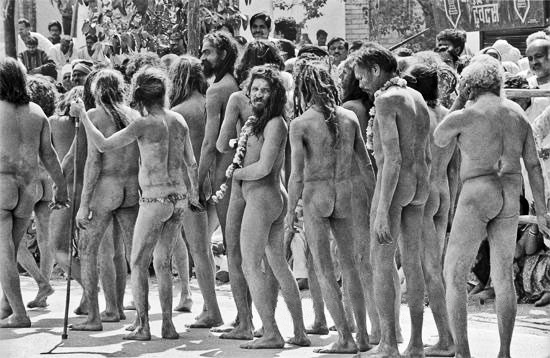
இவர்கள் சமணர்களில் ஒரு பிரிவினரோ என்று நீண்ட காலமாக ஆராய்ச்சியாளர்கள் விவாதித்து வந்தனர். ஆனால் இவர்கள் நாகா சாது சன்யாசிகள் என்பது இப்போது உறுதியாகிவிட்டது. உலகிலேயே பெரிய திருவிழாவான கும்பமேளாவில் 12 ஆண்டுகளுக்கு ஒரு முறை இமய மலைக் காட்டுக்குள் இருந்து வெளியே வரும் அபூர்வ நிர்வாண சாமியார்கள் இவர்கள். மன்னருக்கு எதிராக சபா (Sabhas)என்பவரை எழுப்பி புரட்சி செய்யச் சொன்ன இந்து சந்யாசிக்கள்.

2300 ஆண்டுகளுக்கு முன் இந்தியாவில் நடந்த அற்புதமான உரையாடலை ப்ளூடார்ச்(Plutarch கி.பி 46-120) என்பவர் எழுதிவைத்தார். அலெக்ஸாண்டர் முதலில் கலனஸ் (Calanus) என்ற சாதுவைச் சந்தித்தார். மன்னன் கூறியதை ஏற்க மறுத்து வேத மந்திரங்களை உச்சரித்தவாறு அந்த சாது தீக்குளித்து உயிர்த் தியாகம் செய்தார். இறப்பதற்கு முன் பாபிலோனில் அலெக்ஸாண்டர் இறந்துபோவார் என்று ஆரூடமும் கூறினார். அலெக்ஸாண்டருக்கு பயம் வந்துவிட்டது. கலனஸின் குருவான டண்டாமிஸ் (Dandamis) காலடியில் விழுந்தார். கிரேக்க யாத்ரீகர்களுக்கு நம்முடைய சம்ஸ்கிருத பெயர்கள் பரிச்சயம் இல்லாததால் பெயர்கள் உரு மாறிவிட்டன. டண்டாமிஸ் என்பது தண்டி சுவாமிகள் என்று அறிஞர்கள் ஊகிக்கின்றனர்.


மன்னரின் சுவையான 10 கேள்விகள்

மஹா பாரதத்தில் ஒரு சுவையான கதை “பேயின் கேள்விகள்” எனப்படும் “யக்ஷப் ப்ரஸ்னம்” ஆகும். தர்மபுத்திரன் எல்லா கேள்விகளுக்கும் பதில் கூறவே பேயாக மரத்திலிருந்த யக்ஷன் ஏனைய நான்கு பாண்டவர் களையும் உயிர்ப்பிக்கிறான். இதே பாணியில் அலெக்ஸாண்டரும் பத்து கேள்விகளுக்குப் பதில் சொல்லாதவர்கள் இறக்க வேண்டும் என்று நிபந்தனை போட்டார். இதோ ப்ளூடார்ச் (கி.பி 46-120) சொல்லுவதைப் படியுங்கள்:

“பத்து அம்மண சாமியார்களை மன்னர் பிடித்துவரச் சொன்னார். நான் இப்பொழுது கேள்விகள் கேட்பேன். யார் முதலில் தவறான விடை சொல்லுகிறீர்களோ அவர்களை முதலில் கொல்லுவேன். உங்களுக்குள் வயதில் மூத்தவரே இந்தப் போட்டிக்கு நீதிபதி.”

அலெக்ஸாண்டரின் முதல் கேள்வி : உலகில் அதிகமான எண்ணிக்கை எது. உயிர் வாழ்கின்றவர்களா? இறந்தவர்களா?

இந்து சந்யாசியின் பதில்: உயிர் வாழ்கின்றவர்களே, ஏனெனில் செத்தவர்கள்தான் இப்போது இல்லையே!

கேள்வி 2: பூமியில் பெரிய மிருகத்தை உடையது கடலா? நிலமா?

பதில்: நிலமே. ஏனெனில் பூமி என்னும் நிலப் பரப்பின் ஒரு பகுதிதானே கடல்!

கேள்வி 3: மிகவும் தந்திரமுள்ள பிராணி எது?

பதில்: இது வரை மனிதனால் கண்டுபிடிக்க முடியாதது! (அவ்வளவு தந்திரம் இருப்பதால் இதுவரை மனிதன் கையில் அகப்படவில்லை!)

கேள்வி 4: சபாவை புரட்சி செய்யும்படி ஏன் தூண்டிவிட்டீர்கள்?

பதில்: வாழ்ந்தாலும் இறந்தாலும் மானத்துடன் இருக்கவேண்டும் என்பதால்!

கேள்வி 5: முதியது எது? இரவா? பகலா?

பதில்: நாள், ஒரு நாள் !

பதில் புரியாதபடி புருவத்தை நெறித்தார் அலெக்ஸாண்டர். கடினமான கேள்விகளுக்குக் கடினமான பதில்தான் வரும் என்றார் சந்யாசி.

கேள்வி 6: ஒரு மனிதன் அதிகமாக நேசிக்கப்பட என்ன செய்ய வேண்டும்?

பதில்: சக்தி வாய்ந்தவனாக இருந்தும் மற்றவர்கள் மனதில் அச்சத்தை உண்டுபண்ணாதவனே நேசிக்கப்படுவான் (அலெக்ஸாண்டருக்குப் புரிந்திருக்கும்!!!)

கேள்வி 7: மனிதன் கடவுள் ஆவது எப்போது?

பதில்: மனிதனால் செய்ய முடியாத செயற்கரிய செயல்களைச் செய்யும்போது !

கேள்வி 8: எது வலியது? வாழ்வா? சாவா?

பதில்: வாழ்வே. எத்தனை நோய்களை வளர்க்கிறது !

கேள்வி 9: ஒரு மனிதன் எத்தனை ஆண்டுகள் வாழ வேண்டும்?

பதில்: வாழ்வதை விட சாவதே மேல் என்று எண்ணாத வரைக்கும்.

கடைசி கேள்வி: ஓ, நீதிபதி சாமியாரே, இவர்களில் யார் தவறான விடை கூறியவர்?

பதில்:ஒருவரை விட ஒருவர் மிக மோசமான பதிலைக் கொடுத்தார்கள் !

அலெக்ஸாண்டர்: அப்படியா? இப்படி ஒரு திர்ப்பை வழங்கியதால் நீர்தான் முதலில் சாகப் போகிறீர்.

சந்யாசியின் பதில்: மன்னா ! முடியாது. நீ என்ன சொன்னாய்? முதலில் தவறான பதில் சொன்னவன் தானே கொல்லப்படுவான் என்று!!


இதை ப்ளூடார்ச் 2000 ஆண்டுகளுக்கு முன்னரே எழுதிவைத்தது நாம் செய்த புண்ணியமே!


எலிஸ் என்ற இடத்தைச் சேர்ந்த பைரோ என்பவர் அலெக்ஸாண்டருடன் வந்ததாகவும் நிர்வாண சாமியார்களிடம் பாடம் கற்று கிரேக்க நாட்டுக்குச் சென்று அவர்களைப் போல வாழ்க்கை நடத்தியதாகவும் டயோஜெனிஸ் லேர்சியஸ் (3 ஆம் நூற்றாண்டு கிரேக்க ஆசிரியர்) என்பவர் எழுதிவைத்தார். (இவர் ஆதி சங்கரர் அடிக்கடி பயன்படுத்தும் கயிறு-பாம்பு உவமையைப் பயன்படுத்தியதால் சங்கரரின் அத்வைதத்தை அறிந்திருந்தார் என்று “ஆதி சங்கரரின் காலம்: தமிழ் இலக்கியச் சான்றுகள் என்ற கட்டுரையில் எழுதி இருக்கிறேன்).

***************

கிரேக்க – தமிழ் மொழி தொடர்பு

உலகில் உள்ள பழைய மொழிகளில் கிரேக்க மொழியும் ஒன்று. தமிழை விட பழமையான நூலை உடையது. ஆனால் சம்ஸ்கிருதத்துக்கு மிகவும் இளைய தம்பி. தமிழில் கிடைக்கும் மிகவும் பழைய நூல் தொல்காப்பியம். அது கி.மு. முதல் நுற்றாண்டைச் சேர்ந்தது. கிரேக்க மொழியில் கிடைக்கும் பழமையான நூல்கள் ஹோமர் எழுதிய இலியட், ஆடிசி என்னும் இரண்டு இதிஹாசங்களாகும் அவை கி.மு. எட்டாம் நூற்றாண்டைச் சேர்ந்தவை. சம்ஸ்கிருதத்தில் கிடைக்கும் மிகவும் பழைய நூல் ரிக் வேதம். அதன் காலம் கி.மு. 1500.


கிரேக்க மொழி இந்தோ- ஐரோப்பிய மொழிக் குடும்பத்தைச் சேர்ந்தது. அதாவது சம்ஸ்கிருத மொழியுடன் நெருங்கிய தொடர்புடைது. தமிழோ அதற்குச் சிறிதும் தொடர்பில்லாத திராவிட மொழிக் குடும்பத்தைச் சேர்ந்தது. மஹா அலெக்சாண்டர் கி. மு.326-ல் இந்தியா மீது படை எடுத்த பின்னர்தான் கிரீஸ் நாட்டுக்கும் நமக்கும் தொடர்பு ஏற்பட்டதாக சிலர் எழுதிவைத்தனர். அது தவறு. அதற்கு முன்னரே தமிழ் சொற்கள் அந்த மொழியில் கலந்துவிட்டன. வட மொழிச் சொற்களும் உள்ளன. ஆனால் கிரேக்கமும் சம்ஸ்கிருதமும் ஒரே மொழிக் குடும்பத்தைச் சேர்ந்ததாக ஆராய்ச்சியாளர்கள் கூறுவதால் சம்ஸ்கிருதத்தை யாரும் பெரிது படுத்துவதில்லை.

மொழி ஒரு புறம் இருக்க, பழக்க வழக்கங்களிலும் இதிஹாசக் கதை விஷயங்களிலும் இந்தியா கிரேக்க ஒற்றுமை பலருடைய கவனத்தையும் ஈர்த்துள்ளது. முதலில் மொழித் தொடர்புகளைக் காண்போம். இவைகள் அலெக்ஸாண்டர் படை எடுப்புக்கு முன்னரே கிரேக்க மொழியில் உள்ள்வை. பல சொற்கள் இலியட், ஆடிசி நூல்களில் காணப்படுகின்றன.


இதற்கு கீழ்கண்டவாறு விளக்கங்கள் கூறலாம்:

  1. நாம் வட மொழி, தென் மொழி சொற்கள் என்று கருதுவன எல்லாம் ஒரே மூலத்திலிருந்து வந்தவை. அதனால்தான் கிரேக்க மொழியில் பழந்தமிழ் சொற்களும் பழைய சம்ஸ்கிருத சொற்களும் உள்ளன.
  2. அல்லது நாம் பழந்தமிழ் சொற்கள் என்று கருதுபவையும் சம்ஸ்கிருத சொற்களே. அதனால்தான் நீர் என்ற சொல் கூட ரிக் வேதத்திலும் கிரேக்க மொழியிலும் உள்ளது.
  3. அல்லது இரு வேறு மொழி பேசுவோர் வாணிபம் செய்யச் சென்றதால் அங்கே மொழிக் கலப்பு ஏற்பட்டிருக்கலாம்.

நான் முதலில் உள்ளதையே நம்புகிறேன். தமிழும் சம்ஸ்கிருதமும் ஒரே மூலத்திருந்து வந்தவையே. கிரேக்க நாட்டில் பல நாட்டு மக்கள் குடி ஏறி இருக்கிறார்கள் என்பதும் உண்மையே.


இந்திய-கிரேக்க உறவு, மொழியோடு மட்டும் நிற்கவில்லை என்பதை பல கோணங்களில் விளக்குவேன்.

PALEO: (Palaeo botany, Palaeontology ).இது பழைய என்ற பொருளில் பயன்படுத்தப்படுகிறது.

TELE: தொலை தூரம், தொலைக் காட்சி, தொலை பேசி என்பதெல்லாம் டெலி என்பதுடன் தொடர்புடையவை. டெலி என்பதை நாம் தொலை(வு) என்று சொல்கிறோம்.

NEREIDS: நெரைட்ஸ் என்பது நீர்த் தேவதைகளைக் குறிக்கும். நாராயணன் என்பவன் நீரில் மிதப்பதால் அப் பெயர் பெற்றான். விஷ்ணு ஆதிசேஷன் என்ற பாம்பின் மீது கடலில் மிதப்பதாக இந்து மத புராணங்களும் வேதமும் கூறும். நீர் என்னும் சொல் ரிக் வேதத்திலும் கிரேக்கத்திலும் உள்ளது. இதை தமிழிலிருந்து சம்ஸ்கிருதம் கடன் வாங்கியதாக சிலர் எழுதிவைத்தனர். அது தவறு.

தமிழும் சம்ஸ்கிருதமும் ஒரே மூலத்திருந்து வந்ததால் இரு மொழிகளில் மட்டும் இன்றி கிரேக்க மொழியிலும் நீர் உள்ளது. ஒரு சொல் கிரேக்கத்திலும் சம்ஸ்கிருதத்திலும் இருந்தால் அது இந்தோ ஐரோப்பிய மொழிக் குடும்பத்தைச் சேர்ந்தது என்று மொழிநூலார் முத்திரை குத்தி விடுவார்கள். இனி இதை திருத்தி எழுத வேண்டும்.

ORYZA SATIVA: அரிசியின் (botanical term) பெயர். இது அலெக்ஸாண்டர் காலத்துக்கு முன்னமே கிரேக்கத்தில் உள்ளது.

CLEPTO: க்லெப்டோ என்பது களவு என்றாகும். ப –வும் வ- வும் உலகிலுள்ள ஏராளமான மொழிகளில் இடம் மாறும். (இது பற்றி தமிழன் காதில் பூ என்ற கட்டுரையில் மேல் விவரம் காண்க.)

ODOMETER: ஓடு என்ற தமிழ் சொல்லுடன் தொடர்புடையது. எவ்வளவு தூரம் பயணம் செய்தது என்பதைக்காட்டும் மீட்டர்.

SYRINX: சுரங்கம் என்பதுடன் தொடர்புடைய சொல்.சுருங்கிய இடம்.

DOLIA (sthali-sanskrit)=தாழி= நீண்ட என்று பொருள். நீளமான ஜாடி.

PENELOPE: நப்பின்னை,Nappinnai= பின்னல் pinnal=பின்னு செஞ்சடையாள்

AMPHORAE: ampanam, அம்பணம் padi படி, barani பரணி, amparam அம்பாரம் போன்ற கொள்கலன்

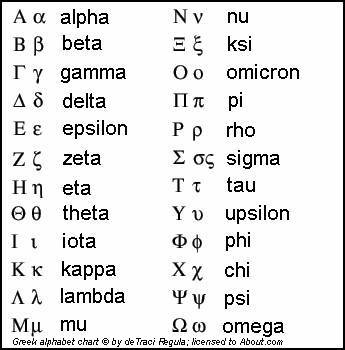
ALPHA: First letter of Greek Alphabet: AA (Cow) ஆ/ பசு (பழைய மொழிகளில்)

BETA: veedu வீடு (பழைய மொழிகளில்).


1954 ஆம் ஆண்டில் வெளியான ஒரு கட்டுரையிலிருந்து: I am adding a few more points from “Tamil Loan Words in Greek” by F.Legrand (Tamil Culture, Volume III, No 1, January 1954):

Oryza=oriza அரிசி (Latin) = Riz (French) = Rice (English) = Riso (Italian) = Arrez (Spanish)

PEPPER=பிப்பலி=pippali (Tamil)=Piperi (Greek)= Piper (Latin) ஆனால் இந்தச் சொல் சங்கத் தமிழில் கிடையாது. Milaku மிளகு and Kari கரி என்ற சொற்களே உண்டு.

GINGER = இஞ்சி வேர் inji+ver (Tamil)= Zinziberi (Greek)=Gingiber (Latin),

MALABATHRUM= மலபத்ரம் cinnamon leaf from Malabar is Malabathrum (Latin). (My opinion is it is a Sanskrit word Malabar/Malaya + Pathram) இது வடமொழிச் சொல்.

SANDAL = சாந்து Santalon (Greek)= Santhu சாந்து (Tamil)= Chandana (Sanskrit)

F.Legrand says that the Hebrew word Almug Trees (Old Testament, Bible) identified with Valgu வல்கு for Sandal is a Sanskrit word. எபிரேய மொழியில் அல்மக் மரம் என்பது வடமொழிச் சொல்லான வல்கு என்று லெக்ராந்த் சொல்லுகிறார்.

(He pointed out that the word Palais (Paleo) for old pazaiya in Tamil is found in Homer.

Legrand also pointed out that Nereus, God of the Sea, is found in Hesiod’s Theogony.)

TYRANNES (Powerful)=Thiran திறன்  (Tamil)

PATHOS (suffering)=படு Legrand compares it with Patu in Tamil. But I think it is a Sanskrit word similar to Vathai வதா/ வதை (vatha). But it is possible that both Tamil Patu and Sanskrit Vatha come from same source.

AROO (cultivate, plough)= அறு/ ஏரு Legrand says it is similar to Aru (cut, harvest). But I think it is closer to ERU (plough)

Legrand argues that Pagu, Paguthi, Pangu are all cognates of Pagos (greek) pagus (Latin). Probably he did not know that Pagam பாகம் is a Sanskrit word.

He argues Gynae<Gune for woman is Tamil. He points out it Pen பெண் in Tamil becomes Hennu ஹன்னு in Kannada and Gyne in European languages. But the linguists will see Kanya கன்யா / கன்னி in Sanskrit and Gynae closer.

ANTHROPOS = ANER (Greek)= aan ஆண் in Tamil (Anthropology= மானுடவியல்)

CHEIR (Gk) =kai கை in Tamil Kara கர in Sanskrit. Probably both have some common root.

PAIDI (Gk) =Boy=Page= paiyan பையன்

GALA = Gala காலா means milk. He argues that Halu ஹாலு in Kannada is similar to Pal பால் in Tamil. He says that if we understand G=H=P changes then we can trace many more words.

Megas= மஹா Great / Big. But it is Sanskrit (Maha). Tamil use Ma மா for big;May be from a common source.


மயிலை சீனி வேங்கடசாமியும் சில சொல் ஒற்றுமைகளை அவரது கட்டுரையில் எழுதியிருக்கிறார்:

மத்திகை= குதிரை ஓட்டும் சம்மட்டி, சுருங்கை=பாதாள சாக்கடை, கலம்=படகு, கன்னல் (கடிகாரம்)=க்ரோனோஸ், ஓரை/ஹோரை=Hour

எழினி=யவனிகா-எவினி=திரைச் சீலை

ட்ராய் (Troy) என்பது கிரேக்க இதிஹாசத்தில் முக்கியப் பங்கு வகிக்கும் நகரம். இது துறை என்பதன் மாற்று வடிவம்.


(பகுதி இரண்டில் பண்பாட்டு ஒற்றுமைகள் விளக்கப்படும்)

Karnataka- Indus Valley Connection

Sangam Tamil poets composed over 2000 poems. Purananuru is an encyclopaedia of Tamil culture. It has got less than 400 verses. Purananuru verse 201 was composed by Kapilar two thousand years ago. This is a very important verse in Purananuru. It throws much light on early Indian History. Kapilar talks about 49th generation of Irungovel. Famous Tamil Commentator Nachinarkiniyar , who lived several hundred years ago, gave a very interesting story about this verse.

(49th generation: Please read my article How Old is India?)


Nachinarkiniyar said that Agastya brought 12 tribes from Dwaraka ruled by Lord Krishna. Another city in the name of Dwaraka was founded in Karnataka (Mysore) state in the twelfth century. There is an interesting story about how and who founded this city. Hoychalas were the kings who ruled from this city. Hoychala is translated into Tamil as Pulikadimal which is found in verse 201.

Chala was a king belonging to Yadu dynasty. While he was hunting in the Western Ghats, he saw a hare heroically fighting with a tiger. This made him to think that this place must have some special importance. When he followed the fighting tiger and hare, an ascetic who was doing penance ordered king Chala to kill the tiger. The ascetic’s order in Sanskrit was “Hatham Hoy Chala”. So from that day on wards the king and his descendants were called Hoychalas. If the verse 201 refers to this anecdote then it must have happened 2000 years ago.


The story was found in the inscription belonging to Narasimha Hoychala found in Pelavadi in Belur area of Karnataka. Only the detail about the hare is missing in it. But the name of the city mentioned in the inscription was Sasakapuram. In Sanskrit Sasanka is hare. When the area under Sasakapuram was given to King Chala, the goddess belonging to Sasakapuram “Vasanthika” came in the form of a tiger. When the king killed the tiger he became Hoychala. This was confirmed in the Arisikare inscription of Veera Vallala Deva.

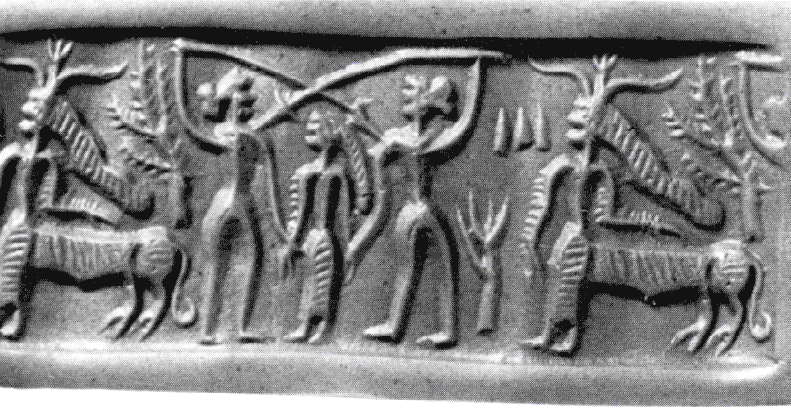
Another interesting co incidence is we see tiger goddess in Indus Valley Seals as well. A seal with Half woman Half tiger was discovered. Some people think it may be Proto Durga. Durga was shown riding tiger or lion in later day iconography. She was shown as a forest deity with plants on her head or in her surroundings. Indus Valley has several  female deities. In one of the seals we see seven women dance hand in hand. Sapta matha (Seven sisters or seven women) is found in Hindu scriptures. Seven women dancing together is known as Kuavai Kuthu in Tamil. Seven is a sacred number in Hinduism. But the tiger goddess comes very close to Vasanthika story in Hoychala inscription.

(Also read my article Karnataka-Cambodia connection in Sahasralingam statues)

******************


கலித்தொகையில் ஒரு அதிசயச் செய்தி

சங்க இலக்கிய நூல்களில் ஒன்று கலித்தொகை..எட்டுத்தொகை நூல்களில் ஒன்றான கலியில் நிறைய புராண இதிஹாசச் செய்திகளைக் காண முடிகிறது. சங்க நூல்களில் இதுவும் பரிபாடலும் என்ன வகையைச் சேர்ந்தவை என்பதை தலைப்பே காட்டிவிட்டது. அதாவது பரிபாடல், கலி என்பதெல்லாம் பாட்டின் வகைகள்.


நாடக வழக்கினும் உலகியல் வழக்கினும்

பாடல் சான்ற புலனெறி வழக்கம்

கலியே பரி பாட்டு ஆயிரு பாங்கினும்

உரியதாகும் என்மனார் புலவர் –(அகத்.53)

என்று தொல்காப்பியர் கூறுகிறார்.


கலித்தொகையில் ஐந்து திணைகளுக்கு ஐந்து பகுதிகள் உள்ளன. இவைகளை 5 புலவர்கள் பாடியதாகக் கருதுவர். ஆனால் சி.வை தாமோதரம் பிள்ளை, பேராசிரியர் எஸ். வையாபுரிப் பிள்ளை ஆகியோர் நல்லந்துவனார் என்ற ஒரே புலவர்தான் 5 பகுதிகளையும் இயற்றினர் என்பர்.


ஐந்து புலவர்கள் பாடியது உண்மை என்று கொண்டால் பாலைக் கலியைப் பாடியவர் பாலை பாடிய பெருங் கடுங்கோ ஆவார். அவர் ஒரு அதிசியச் செய்தியைக் கூறுகிறார். பொய் சொல்பவன் நிற்கும் மரம் வாடிவிடுமாம்! தற்காலத்தில் பொய் சொல்வதைக் கண்டுபிடிக்க ஒரு கருவியே (Lie Detector) உள்ளது. ஒருவன் பொய் சொல்லும்போது அவனது நாடி நரம்புகளில் ஏற்படும் மற்றங்களைக் கணக்கிட்டு பொய் சொல்கிறானா உண்மை சொல்கிறானா என்று கண்டுபிடித்துவிடும். பாலை கலி அதிசயமும் ஏறத்தாழ இந்த வகையில்தான் வருகிறது. வள்ளுவர் கூட மோப்பக் குழையும் அனிச்சம் என்று கூறுவார். முகர்ந்து பார்த்தாலேயே வடிவிடுமாம் அனிச்சம் பூ.


பாலை பாடிய பெருங் கடுங்கோ கூறுகிறார்:

விரி காஞ்சித் தாதாடி இருங்குயில் விளிப்பவும்,

பிரிவஞ்சாது அவர் தீமை மறைப்பென்மன்; மறைப்பவும்

கரி பொய்த்தான் கீழ் இருந்த மரம் போலக் கவின் வாடி,

எரி பொத்தி என் நெஞ்சம் சுடுமாயின் எவன் செய்கோ? (பாலைக் கலி 33)

பொருள்: காஞ்சிப் பூ மலர்ந்தது. குயில்கள் கூவுகின்றன. இந்தக் காலத்தில் பிரிந்திருக்கலாமா? நானும் மறைக்கத்தான் பார்க்கிறேன் முடிய வில்லையே! பொய் சாட்சி சொன்னவன் வந்து கீழே நின்ற மரம் பட்டுப் போனது போல இருக்கிறதே என் நிலை !


ஒருவனுடைய உடலில் ,எண்ணத்தில் ஏற்படும் மாற்றங்கள் தாவரங்களில் விளைவுகளை ஏற்படுத்தும் என்பது தமிழன் கண்டு பிடித்த விஞ்ஞான உண்மை. மாத விலக்குள்ள பெண்கள் துளசி முதலிய புனிதச் செடிகளைத் தொட மாட்டார்கள், பட்டுப் போய் விடும் என்பதால். மாத விலக்கு காலத்தில் பெண்களின் உடலில் ஏற்படும் மாற்றங்களை நான் விளக்கத் தேவை இல்லை.


சிலர் செடிகளை வளர்த்தால் அவைகள் செழித்துப் பூக்கும். அவர்களுக்கு பச்சை விரல்கள் (Green Fingers) இருப்பதாக ஆங்கிலத்தில் குறிப்பிடுவார்கள். இதுவும் நம் எண்ணத்தின் சக்தியாக இருக்கலாம். ஆராய்ச்சிக்குரிய விஷயம்.


ஆதி சங்கரர் வாழ்க்கையிலும் இப்படி ஒரு செய்தி உண்டு. தெற்கில் எல்லோரையும் வாதத்தில் வென்று வடக்கே சென்றவருக்கு மண்டன மிஸ்ரர் என்ற மாமேதையை வெல்ல வேண்டும் என்று ஆசை. ஆனால் இருவரும் புத்திசாலித்தனதில் ஈடு இணையற்றவர்கள். வாதத்தில் யார் வென்றார்கள் என்று சொல்ல நடுவர் வேண்டுமே !


மண்டன மிஸ்ரருக்கு இணையாகக் கல்வி கேள்விகளில் சிறந்தவர் அவருடைய மனைவி சரசவாணி. படிப்பில் சரஸ்வதி. வேத கால மாமேதைப் பெண்களான மைத்ரேயி, கார்க்கி போன்ற அறிஞர். சத்தியத்தில் நம்பிக்கை கொண்ட சங்கரர் அந்தப் பெண்மணியே நடுவராக இருக்கலாமே என்றார். என்ன இருந்தாலும் மண்டன மிஸ்ரர் வெற்றி பெற்றால், நாளைக்கு யாராவது மனைவி நடுவராக இருந்ததால் அவர் வெற்றி பெற்றார் என்று சொல்லிவிடலாமே.


சரசவாணி அதி மேதாவி அல்லவோ! உள்ளவியல், உயிரியல்( Psychology, Bilology) அனைத்து விஞ்ஞான பாடங்களையும் கற்றவர் போலும். அருமையான ஒரு “ஐடியா”(idea) சொன்னார்.இருவரும் மாலை போட்டுக் கொள்ளுங்கள். யார் மாலை முதலில் வாடுகிறதோ அவர்தான் தோற்றவர். இதில்தான் அறிவியல் வருகிறது. நிறைகுடம் தழும்பாது ! குறைகூடம் கூத்தாடும் ! அமைதியாக சரக்கோடு பேசுபவர்கள் ஆ, ஊ என்று கூச்சலிட மாட்டார்கள், பதட்டம் அடைய மாட்டார்கள். உடலில் வெப்பம் ஏறாது. நாடி நரம்புகள் முறுக்கேறாது. டென்சன் (Tension) இல்லாமல் கூல்(cool) ஆக இருப்பார்கள். சரக்கில்லாத ஆசாமிகள் குரலை உயர்த்துவார்கள். பதட்டத்தில் உடம்பில் உஷ்ணம் தலைக்கேறும். உடலில் போட்ட மாலையும் வாடி விடும்!


21 நாட்களுக்கு வாதப் ப்ரதிவாதங்கள் நடந்தன. மண்டன மிஸ்ரர் மாலை முதலில் வாடியது. ஆண்களுடன் நேருக்கு நேராக உட்காரக்கூடாது என்பதால் சரசவாணி திரைக்குப் பின்னால் அமர்ந்து வாதத்தைக் கேட்டாள் என்பது சங்கர விஜயம் சொல்லும் கதை.


இதைப் போலத்தான் பாலை பாடிய பெருங் கடுங் கோவும் மரம் வாடும் என்றார். அங்கே வாடியது மரம். இங்கே வாடியது மாலை.


( மண்டன மிஸ்ரர் கிராமத்தில் ஆதி சங்கரர் கேட்ட கேள்விக்கு சம்ஸ்கிருத ஸ்லோக வடிவில் பெண்கள் பதில் சொல்லியது, சரசவாணி செக்ஸ் (Sex) தொடர்பான கேள்விகளைக் கேட்டு ஆதி சங்கரரைத் திணறடித்தது, சங்கரர் சூப்பர்மேன் (Super Man) போல திவசம் நடந்த வீட்டுக்குள் மந்திர சக்தியால் மரத்தை வளைத்துக் குதித்தது, மண்டன மிஸ்ரர் வீட்டுக் கிளிகள் வேதம் பற்றி உரையாடியது ஆகியவற்றை தனிக் கட்டுரையில் தருகிறேன். நியூ சை ன் டி ஸ்ட் (New Scientist, March issue) மார்ச் பத்திரிக்கையில் வந்த பேசும் அதிசியக் கிளிகள்  (Animal Einsteins) பற்றிய செய்திகளுடன் எழுதுவேன்.


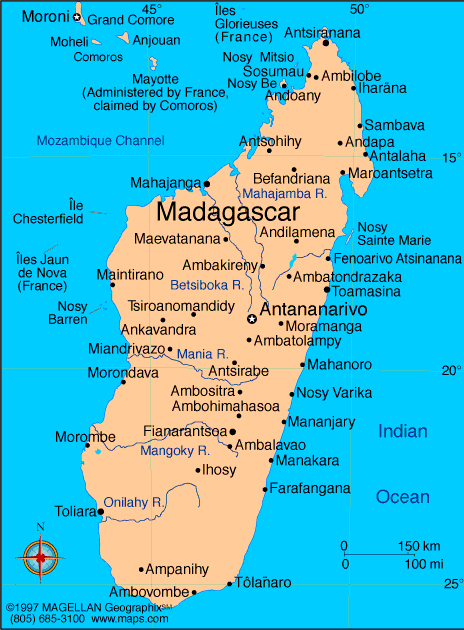
Madagascar –India Link via Indonesia

Sri Shankaracharya of Kanchi gave a series of talks in Madras (Chennai) in 1932. He was talking about the Hindu symbols and names found all over the world. He mentioned that 75 percent of the place names in Madagascar were Sanskrit names (page 68 of Jagadguru’s lectures published in 1933). Shankaracharya also pointed out many names carry the name of Rama. Now there is some scientific proof to confirm the links between India and Madagascar via Indonesia.

Prestigious science magazine New Scientist (issue dated 24th March 2012) has published a news story that Madagascar settlers came from Indonesia 1500 years ago. Around that time a Hindu empire flourished in Indonesia. Mulavarman’s inscription in Sanskrit was discovered in the middle of thick tropical forest in the last century. Mulavarman’s fourth century Sanskrit inscription spoke of the Yagna he performed, the pole he erected (Yupa Sthamba) and the donations he made to Brahmins. Mulavarman also said about his forefathers ruling that place. Since the migration took place around that time no wonder we see so many Sanskrit names in Madagascar Island.


(For more information read my articles Sanskrit inscriptions in strange places and Old Sanskrit inscriptions in mosque and coins)

“ Madagascar is a country of paradoxes. It lies just 400 kilometres off the coast of Africa yet it appears to have been colonised only within the last 1500 years. Stranger still, it now looks as if most of the women in that first population came from Indonesia rather than Africa .We know from language and culture that modern Malagasy have African and Indonesian ties”-says New Scientist.  When they analysed the genes of local women  it showed 93 percent had Indonesian links. Research scholars from Massey University of New Zealand and University of Cambridge conducted research in this area.


After the Indonesians, came the Bantu Africans, the Arabs, Portuguese, French and the British. So it is difficult now to recognise many of the original names. But rice is cultivated like India and Indonesia. Two hundred million years ago the island split from South Western India. Now the sapphire dug out in Madagascar is similar to Indian and Sri Lankan gem stones. Malagasy language is of Malayo-Polynesian origin. Since the South East Asians received the script, architecture, language via the east coast of India we may find some Tamil influence in the island. Gujarati Hindus have migrated to the island from East Africa in the nineteenth century.


Some signs that show the link with India:

1.Unlike African countries people traditionally cultivate rice, which is the South Indians staple diet.

2. Swastika symbol is found.

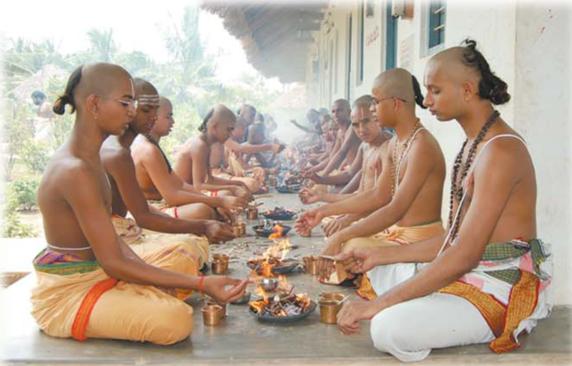
3.People worship their dead which is part of Hindu life. Hindus have to do Pancha Yagna (five sacrifices) every day. Remembering them and giving oblations is done by orthodox Hindus. Other Hindus do it on monthly (Amavasya Tarpanam) or Annual (Tithi) basis in India.

4. Boabab is considred a holy tree like Peepal tree in India.

5. Malagasy houses are accurately oriented so that the door faces west. In India most of the houses will face East.

6. Merina is the tribe that ruled Malagasy for many centuries. They came from Malaya-Indonesia area. Merina may be a corrupted form of Varuna, the Hindu Sea God. Linguistically M=V=P changes are possilbe.

7. Like Hindus worship monkeys (Hanuman) they worship Lemurs and call them Indra/ Indri. Lemurs are considered their ancestors.


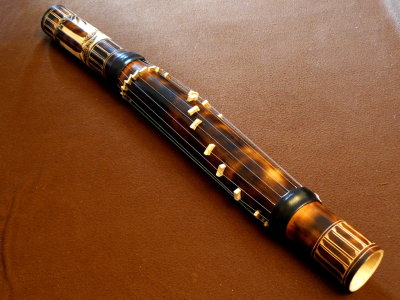
8. Valiha is a musical instrument made up of a long piece of bamboo with 15 strings stretched along its length between two collars. It is not found anywhere in Africa, but in Thailand, Burma and the East.

9.Famadi Hany (turning the dead): They exhume the body of the relatives every year and carry them to the land and then start farming. We have no similarity with any culture in this regard, but the word Famadi may be interpreted as Samadhi (Hindu Grave). Bali is a predominantly Hindu island in Indonesia where some strange customs like this exist.

10. Anovorano: Sacred lake where the women feed the crocodiles. As soon as the women call them, the crocodiles come. We have only Naga Panchami where the Hindu women feed the snakes every year.


Following place names sounds like Sanskrit names:

Antananarivo (capital city), Ambanizana, Mahajanga ( Maha Ganga?),Toamasina (Deva—-?),Sambhava, Manakara,Madirovalo (Mathura),Mahafali (Maha Bali, Mavali),Maevatanana (Maya vatana),Ankara fantsika (Ankara—)Marontsetra (Maran Kshetra),Moron dava (Maran Theva)Ambositra (Amba Sitra)Anala lava(Analan=Agni). More than ten town names begin with AMBA. Most of the river names begin with MAN, which may be Vana (forest).

A lot of place names start with A,U,M . As a matter of fact , all the famous islands start with Mala: Malaca, Malaya, Maldives, Malagasy, Mauritius, Malta, Mayotte, Molucas (Raja Raja chola conquered Mayirudingam, Mabuppalam Manakkavaram islands).

People’s names: Ravalomanana ,Ratsiraka ,Queen Rana Valona. Riija Rama is a name found in the island which may be Raja Rama.

A patient chronological analysis of names may reveal more details. As of now we can only make a safe guess.


From another book: “Who were the Malayo-Polynesian migrants?”

Higher numerals and calendrical terms are originally Malay and/or Javanese adaptations of Sanskrit terms. Sanskrit loanwords came into Malagasy via Malay or Javanese, as their shape or meaning often betray. Compare the following instances:

sisa ‘remainder, rest’ < Malay sisa ‘id.’ < Sanskrit çe a ‘id.’

asotry (dialectal) ‘Winter’ < (Old) Javanese asuji ‘September-October’ < Sanskrit a çvayuja ‘id.’

tantara ‘story, legend’ < Malay tantra (obsolete), Old Javanese tantra ‘id.’ < Sanskrit tantra– ‘chapter of a scientific book, doctrine, theory’

hetsy ‘100,000’ < Malay ti, Javanese sa-kəṭi ‘id.’ (both obsolete) < Sanskrit koṭi ‘ten million’

That these terms were borrowed via Malay and Javanese is supported by the fact that, of all Sanskrit loanwords in Malagasy (at least 35 in total), there is only one word that is not also found in Malay or Javanese.[6]

A large part of the vocabulary for body-parts in Malagasy was originally Malay or Javanese.

trozona ‘whale’ < Malay duyu ŋ ‘sea cow’

hara ‘mother-of-pearl’ < Malay karah ‘patchy in colouring (of tortoise-shell)’

fanohara (dialectal) ‘turtle with a particular kind of shell’ < Malay pəɲu karah ‘tortoise-shell turtle, Chelonia imbricata’

vontana (dialectal) ‘kind of fish’ < Malay ikan buntal ‘box-fish, globe-fish or sea-porcupine’

tona ‘k.o. large nocturnal snake; enormous eel’ < Malay tuna ‘name of a mud-snake or eel with yellowish body’

lamboara ‘a species of fish’ < Malay mbuara, Old Javanese mbwarambora ‘a giant fish (possibly a whale)’

vidy (dialectal) ‘k.o. small fish’ < Malay ikan bilis ‘anchovy, Makassar redfish; small fish, esp. Stolephorus spp.’

hoala (dialectal) ‘bay, inlet’ < Malay kuala ‘river mouth’

rivotra ‘wind, storm’ < Malay ( inribut ‘stormwind’

tanjona ‘cape, promontory’ < Malay taəjuŋ ‘id.’

an/drefana ‘West’ < Malay pan ‘(in) front’

valaha (dialectal) ‘East’ < Malay lakaŋ ‘back; space behind’

a/varatra ‘North’ < Malay barat ‘West’

sagary ‘a northeast wind’ < Malay or Javanese gara ‘sea’ (< Sanskrit)

*****************

வேதத்தை “முழி பெயர்த்த” “அறிஞர்கள் !!!!

அறிஞர்கள் கையில் சிக்கி வேதங்கள் படும் பாடு உலகில் எல்லாவித கஷ்டங்களையும் விடப் பெரியது. பல வெளிநாட்டு அரைவேக்காடுகளின் கைகளில் மட்டுமின்றி நம் நாட்டு இடதுசாரிகளின் கைகளிலும் சிக்கி சித்திரைவதைக்குள்ளாகி வருகிறது புனித வேதங்கள். ஆனால் பிராமணர்ககளுக்கு தேவ பாஷையின் ஞானம் எல்லாம் போய்விட்டதால் அவர்களும் ஆங்கிலம் மூலமாக அதுவும் வெளிநாட்டார் மொழி பெயர்ப்புகள் மூலமாகவே படிக்க முடிகிறது. இவை எல்லாம் மொழி பெயர்ப்பு அல்ல,”முழி பெயர்ப்பு”. வேதங்களின் பொருளையே மாற்றி நம்மை எல்லாம் யானை பார்த்த குருடன் போல ஆக்கிவிட்டார்கள்.


இந்தி மொழி தெரிந்தவர்கள் நிலை கொஞ்சம் பரவாயில்லை. சில ஒரிஜினல் மொழிபெயர்ப்புகள் கிடைக்கின்றன. தமிழர்கள் நிலை பரிதாபம். இந்தியாவுக்கே வராத மாக்ஸ்முல்லரின் மொழி பெயர்ப்புதான் நமக்கெல்லாம் வேதம். உத்தரப் பிரதேச கிராமத்தான் ஒருவன் நியூயார்க்கே போகாமல் அமெரிக்கா பற்றி 20 வால்யூம்ஸ் எழுதினால் யாராவது படிப்பார்களா? ஆனால் நாம் மாக்ஸ்முல்லரைப் படிக்கிறோம்!!


சில அமெரிக்க “ப்ருஹஸ்பதிகள்” சமுத்திரம் என்று வேதத்தில் வந்தால் அது வெறும் நீர் நிலைதான் ,கடல் அல்ல என்றும் அயஸ் என்று வந்தால் அது இரும்பு என்றும் ஆகையால் கி.மு 1000 தான் அதன் காலம் என்றும் அஸ்வ என்றால் குதிரை என்றும் ஆகையால் கி.மு 1500க்கு முன் வேதம் உருவாகி இருக்க முடியாது என்றும் கதைக்கிறார்கள்.


க்ரிஃபித் என்பவரின் ரிக் வேத மொழிபெயர்ப்பை எடுத்தாலோ மூன்று  பக்கத்துக்கு ஒரு முறை The meaning is obscure  அர்த்தம் புரிபடவில்லை என்று எழுதியுள்ளார். நான் ஷேக்ஸ்பியரின் மாக்பெத் நாடகத்தை மொழிபெயர்த்துவிட்டு 3 பக்கத்துக்கு ஒரு முறை அர்த்தம் விளங்கவில்லை என்று எழுதினால் எனக்கு முட்டாள் பட்டம் கட்ட மாட்டீர்களா? இன்னொரு வெள்ளைக் கார பெண்மணி கையைத் தூகினால் செக்ஸ், காலைத் தூக்கினால் செக்ஸ் என்று மொழி பெயர்த்துள்ளார். மனம் போல மாங்கல்யம். அவர்கள் வாழும் நிலை, மன நிலையைப் பொறுத்து உரையும் மாறுகிறது.


வேதத்தின் பல சொற்களுக்கு அர்த்தம் புரியவில்லை என்று கி.மு 800ல் வாழ்ந்த யாசஸ்கரே திணறிப் போனார். வேதங்கள் ஏராளமாகப் போனதால்தானே வியாச பகவானே கவலைப் பட்டு அதை நான்காகப் பிரித்து 4 சீடர்களிடம் கொடுத்தார். நமக்கு 800 வருடங்களுக்கு முன் வாழ்ந்த சாயனர் இவை முஸ்லீம் படை எடுப்பில் அழிந்து விடக் கூடாதே என்ற நல்ல எண்ணத்தில் இதை எழுத்தில் வடித்ததோடு பாஷ்யமும் செய்தார். அவராலும் இதைச் சரியாகச் செய்ய முடியவில்லை. ஏனெனில் சொற்களுக்கு அப்படியே பொருள் செய்யக் கூடாது. மேலும் வேதம் என்பது ரகசிய சங்கேத மொழிகளில் எழுதப்பட்டதால் 2000 ஆண்டுக்கு முன்னரே தமிழ் அறிஞர்கள் அவைகளை நான் மறை (ரகசியம்) என்று அழகாக மொழி பெயர்த்தார்கள்.


உண்மையில் பழங்காலத்தில் சொற்களுக்கு பல பொருள்கள் உண்டு. சங்க இலக்கியத்தைக் கூட பாஷ்யக்காரர்கள்/ உரைகாரர்கள் இல்லாவிடில் நாம் புரிந்து கொள்ளமுடியாது. ஒரு சில எடுத்துக் காட்டுகள் கூறி விளக்க முயல்கிறேன். பொன் என்றால் தங்கம், இரும்பு, உலோகம் என்று மூன்று பொருள்கள் உண்டு. வள்ளுவர் “தூண்டிற் பொன் மீன் விழுங்கியற்று” என்று பாடுகையில் தூண்டிலில் உள்ள இரும்பு என்றும் “சுடச் சுட ஒளிரும் பொன் போல” என்று பாடும்போது தங்கம் என்றும் கோவிலில் “ஐம்பொன் சிலைகள்” என்னும்போது பஞ்ச உலோகங்கள் என்றும் பொருள் கொள்கிறோம். சங்கப் பாடலில் யானைக்கு பொன் சங்கிலி போட்டதாக வரும் இடத்தில் தங்கம் என்று உரைகாரர்கள் எழுதியுள்ளனர். நான் விதண்டா வாதத்துக்காக இல்லை இது இரும்பே என்றும் வாதாடலாம்.

பொன் என்பதை எப்படி மாற்றி மாற்றி மொழிபெயர்க்கிறோமோ அப்படித்தான் வேதத்தில் அயஸ் என்பதை செம்பு,இரும்பு இன்னும் பொதுவில் உலோகம் என்றெல்லாம் மொழிபெயர்க்கலாம். ஆனால் நாமாக வேதத்தின் காலம் கி.மு 1000 என்று கொண்டுவிட்டாலோ இரும்பு என்று மட்டும்தாம் மொழி பெயர்ப்போம். இப்படித்தான் காளிதாசரையும் குப்தர் காலம் என்று வெள்ளக்காரர்கள் முடிவு செய்து எழுதிவந்தார்கள். நான் சங்கப் பாடல்களைக் கொண்டு அவரது காலம் கி.மு.முதல் நூற்றாண்டு என்று நிரூபித்துள்ளேன்.


மா என்ற சொல்லுக்கு பல பொருள் உண்டு.பெரிய, கறுப்பு, மிருகம் இது போல நிறைய அர்த்தங்கள் உண்டு. அது வரும் இடத்தைப் பொருத்து எந்த மிருகத்தின் பெயரையும் அத்துடன் இணைக்கலாம். இது போலத்தான் அஸ்வ என்ற சொல்லும். வேகமாகச் செல்லும் எதற்கும் பொருந்தும். குதிரை என்று மட்டுமே பொருள் கொள்ள வேண்டியதில்லை.


தமிழ், வட மொழி இலக்கியங்களில் எங்குமே இல்லாத ஆரிய திராவிட வாதத்தைப் புகுத்தி அதற்கேற்றார் போல எல்லா விஷயங்களுக்கும் வியாக்கியானம் செய்து நம்மை எல்லாம் குருடன் ஆக்கிவிட்டார்கள். சிந்து சரஸ்வதி சமவெளி நாகரீகத்தை நாம் சரியாக அணுக முடியாதவாறு தடுத்துவிட்டார்கள்.


இந்திரன் என்ற சொல்லுக்கு இவர்கள் தவறாக அர்த்தம் செய்தது பெரிய தவறு. சிங்கத்தை ம்ருகேந்திரன், கருடனை ககேந்திரன், யானயில் சிறந்த யானையை கஜேந்திரன், மனிதர்களில் சிறந்தவரை நரேந்திரன், தேவர்களில் சிறந்தவரை தேவேந்திரன் ,அரசர்களில் சிறந்தவரை ராஜேந்திரன் என்று சொல்கிறோம். இந்த முன் ஒட்டு (ப்ரீ பிக்ஸ்) இல்லாவிடிலும் கூட இடத்தைப் பொருத்து நாம் அர்த்தம் கொள்ளமுடியும். மிருகமா, பறவையா, மனிதனா என்று சொல்ல வேண்டியதில்லை.இதை எல்லாம் வெள்ளைக்காரர்கள் தாறுமாறாக மொழி பெயர்த்து விட்டார்கள்.


இந்திரனை ஏறு (ரிஷபம்) என்று அழைப்பதைப் போலவே சங்கத்தமிழ் நூல்களில் மள்ளர் ஏறு (மன்னர்களில் உயர்ந்தோன்), குட்டுவர் ஏறு, புலவர் ஏறு (புலவர்களில் சிறந்தோன்), பரதவர் போர் ஏறு, புயல் ஏறு (பயங்கர மழை), உறுமின் ஏறு (பயங்கர இடி) என்று பதிற்றுப் பத்தில் பயன்படுத்தியுள்ளனர். வேதத்தை மொழிபெயர்த்தது போல ஏறு என்று வரும் இடமெல்லம் காளை மாடு என்று மொழி பெயர்த்தால் அர்த்தம் அனர்த்தம் ஆகிவிடும். வேதத்தை மொழி பெயர்த்த வெளிநாட்டார் இந்த சிதைக்கும் வேலையைச் செய்துள்ளனர். இப்பொழுது வேதம் பட்ட பாட்டை திருக்குறள் படுகிறது. பகுத்தறிவுகளின் கைகளில் அது சிக்கிவிட்டது!


இந்தியாவுக்கே வராத மாக்ஸ்முல்லரை நம்புவதைவிட உபன்யாசகர்களையும் சங்கராசார்யார்களையும் நம் ஊர் வேத பண்டிதர்களையும் நம்புவோமாக. சம்ஸ்கிருதத்தை ஓரளவாவது படித்து இந்த தீபத்தை வருங்கால சந்ததியினர்க்கு ஒளி ஊட்ட எடுத்துச் செல்வோமாக.


யூதர்கள் ஹீப்ரூ மொழியையும் யூத மதத்தையும் இஸ்ரேல் என்ற ஒரு நாட்டையும் நமது காலத்திலேயே புனருத்தாரணம் செய்திருப்பதை அறிந்தும் நாம் வாளாயிருப்பது நியாயமா?