கந்தபுராணத்திருந்து ‘ரஸவாதி ஏமாற்றிய கதை’ (Post No 2777)

கந்தபுராணம் 1

Compiled by london swaminathan


Date: 3 May 2016


Post No. 2777


Time uploaded in London :– 10-41 AM


( Thanks for the Pictures)


DON’T REBLOG IT AT LEAST FOR A WEEK!  DON’T USE THE PICTURES; THEY ARE COPYRIGHTED BY SOMEONE.


(for old articles go to tamilandvedas.com OR swamiindology.blogspot.com)


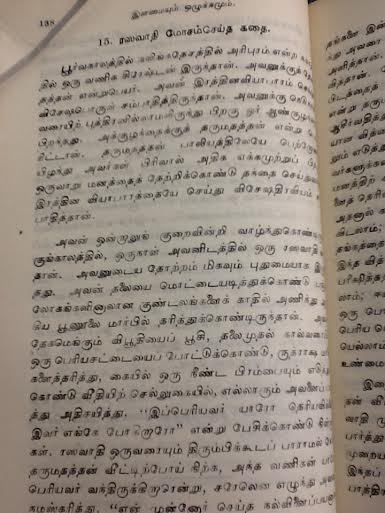
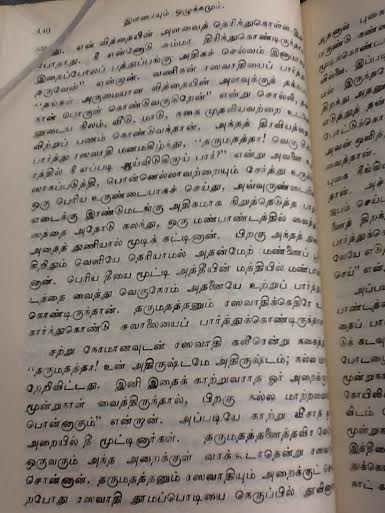
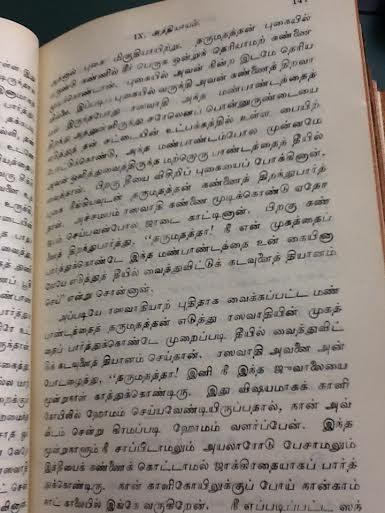
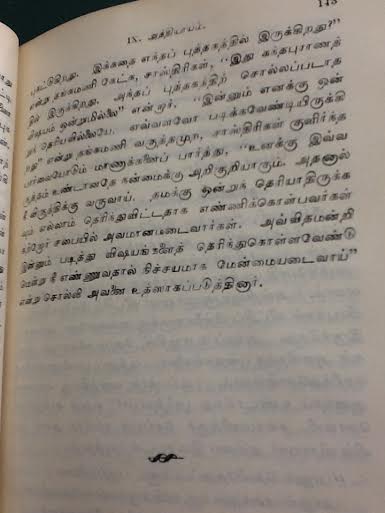
கந்தபுராணத்திலுள்ள ரசவாதி கதையைப் படித்தபோது சிறு வயதில் அம்புலிமாமா பத்திரிக்கையில் படித்த கதைகள் நிணைவுக்கு வந்தன. கந்த புராணத்திலும் இப்படி ஒரு கதை இருப்பது பிரிட்டிஷ் நூலகப் புத்தகத்திலிருந்துதான் தெரியவந்தது.


irandu1


நூறு ஆண்டுகளுக்கு முன் வெளியான சி.ப. வேங்கட ராம ஐயர் எழுதிய ‘இளமையும் ஒழுக்கமும் அல்லது இரண்டு பிள்ளைகள்’ என்ற புத்தகத்தில் (ஆண்டு 1915, சென்னை), பழைய தமிழில் இந்தக் கதையை எப்படி சொல்லியிருக்கிறார் என்று பாருங்கள்.


irandu22


irandu23


irandu24


irandu25


irandu26


irandu27

Don’t Postpone (Post No.2775)

courageToPostpone_20140705

Compiled  BY S NAGARAJAN
Date: 3 May 2016


Post No. 2775


Time uploaded in London :–  5-49 AM


( Thanks for the Pictures)


DON’T REBLOG IT AT LEAST FOR A WEEK!  DON’T USE THE PICTURES; THEY ARE COPYRIGHTED BY SOMEONE.


(for old articles go to tamilandvedas.com OR swamiindology.blogspot.com)


From  my 50 years notebooks (Read, noted down, shared with  many)

Postponing-Decision

Don’t postpone : Read this later


S.NAGARAJAN


THE ‘SEVEN AGES OF MAN’


1)   6  WEEKS                  –   ALL SYSTEMS GO

2)   12   YEARS                  –   ALL SYSTEMS ‘NO!’

3) 16   YEARS                  –   ALL SYSTEMS KNOW

4) 26   YEARS                  –   ALL SYSTEMS GLOW

5) 36   YEARS                  –   ALL SYSTEMS OWE

6) 56   YEARS                  –   ALL SYSTEMS STATUS QUO

7) 76   YEARS                  –   ALL SYSTEMS SLOW


                                           –  R.M.CORNELIUS, Dayton, Tennessee, USA


FORK LIFT


A SURE SAFE WAY

TO LOSE SOME WEIGHT

IS LOAD LESS FREIGHT

UPON YOUR PLATE

  • CORINNE ADRIA BARITEAU


READ THIS LATER


PROCRASTINATING IS MY SIN;

IT BRINGS ME ENDLESS SORROW;

I REALLY MUST STOP DOING IT-

IN FACT, I’LL START TOMORROW.

  • HENRY E.LEABO


CONSCIENCE CON?


CONSCIENCE IS THAT STILL, SMALL VOICE

THAT SOMETIMES SPEAKS IN REVERSE.

INSTEAD OF TELLING US WHAT WE’RE DOING WRONG,

IT ADVISES US THAT OTHERS ARE WORSE!

  • RUTH M WALSH


STRINGS ATTACHED


TO WRAP THE PACKAGES, I’VE GOT

TAPE, PAPER, STRING AND STUFF,

ALTOGETHER, QUITE A LOT;

BUT OF EACH , NOT QUITE ENOUGH

  • DONA EVLETH


                                            FROM THE ROTARIAN JULY 1981 ISSUE


DROWN MISERS IN THE SEA: MAHABHARATA (Post No 2773)

desrt nd sea

Written  by london swaminathan


Date: 2 May 2016


Post No. 2773


Time uploaded in London :– 9-12 AM


( Thanks for the Pictures)


DON’T REBLOG IT AT LEAST FOR A WEEK!  DON’T USE THE PICTURES; THEY ARE COPYRIGHTED BY SOMEONE.


(for old articles go to tamilandvedas.com OR swamiindology.blogspot.com)


Hindu scriptures are not against violence; they support violence where it is necessary. When it comes to protecting countries and governments, war was part of their life. The biggest job provider in the ancient world was the war and weapon industry. It is true with the modern world as well. At any one time 50 conflicts are going on in different parts of the world. The Western Governments love wars. Their biggest income come from arms sale. They are the mainstay of all the terrorist movements. Big arms fairs are held in London and other parts of the world, where the terrorists and developing countries procure weapons in benami/proxy names. So we can laugh at them when they speak of world peace and non-violence.


Western Governments ‘invent’ human rights violations of other countries if they don’t provide them oil/petrol or don’t do business with them. They have no moral issues in wars. They want their products to be sold. Doctors flourish when there are more diseases; lawyers flourish when there are more criminal activities; Western Governments survive only through their arms sales and conflicts between nations. If there is peace, then they wont have the BIG POWER status! They will justify any violence like Iraq War, Vietnam War, nuclear bombing of Hiroshima and Nagasaki in Japan and killing millions of innocent Buddhists. Their propaganda machinery such as ABC, BBC, CBC etc. will help them to justify all their immoral activities. With the communist governments, they openly support violence unlike the covert activities of Western Governments.


All Hindu gods and goddesses hold weapons; they are there to punish the evil doers. They never attack anyone on their own. If there is violence from the demons and devils, they kill them. It is also symbolic in many cases; there the demons or devils symbolise evil thought in human beings.


So we have to look at any violence in this background; the violence advocated by the Tamil and Sanskrit scriptures is of different kind. They support violence only against the evil people. We can easily see the difference between the actual criminals and the ‘invented’ criminals of the Western countries.

kadala, fb, sea

Ambhasi nivestavya: To be drowned in ocean

Mahabharata says,
Dvaambhasi nivestavyau gale badhwaa drutaam silaam
Dhanavantamadaataaram daridram caatapasvinam
—Udyoga parva 33.60


Drown the following two kinds of people in the ocean:

1.Adaataa Chanukah
Richman who doesn’t give
2.Atapasvi daridra
Poor man who is not devout


From Tamil Literature
Tamil poet Tiruvalluvar also says,

“The mean will not shake off what sticks to their hands to any but those who would break their jaws with their clenched fists!” (Tirukkural 1077)

That is the misers have no heart, no compassion; they will give only when their hands are twisted and jaws are broken with a good punch.

“At a mere word the good melt; but the mean, like the sugarcane, yield only under pressure” (Tirukkural 1078)

That is the misers have to be actually crushed physically to get something out of them.

In another couplet, Valluvar advocated also death penalty for the murderers. He compared the murderers as weeds in the field. Capital punishment for grievous offences is like the weeding of fields, necessary for protecting the food crops.

“The king gives capital punishment to wicked killers like removing weeds from flourishing fields” (Tirukkural 550)

Sanskrit law books such as Manu smrti and Sukra neeti also support capital punishment.

–Subham–


Learn weeping and you shall gain laughing (Post No 2767)

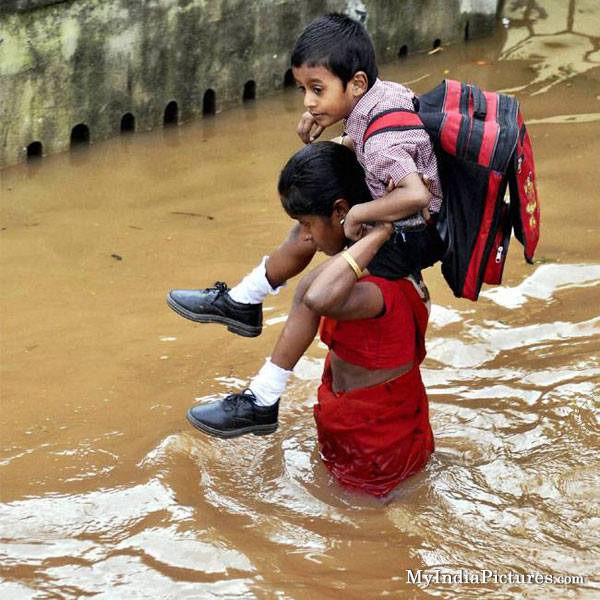
schooling in floods

May, 2016 Good Thoughts Calendar

Compiled by london swaminathan


Date: 29 April 2016


Post No. 2767


Time uploaded in London :– 12-11


( Thanks for the Pictures)


DON’T REBLOG IT AT LEAST FOR A WEEK!  DON’T USE THE PICTURES; THEY ARE COPYRIGHTED BY SOMEONE.


(for old articles go to tamilandvedas.com OR swamiindology.blogspot.com)


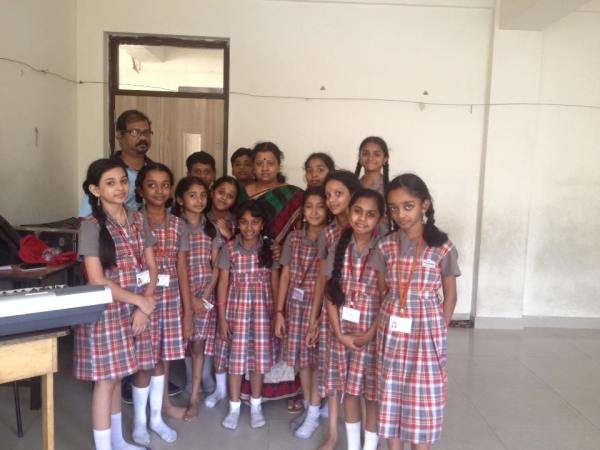
31 Proverbs and Sayings on ‘Education’


Festivals in May: 1 May Day, 2 Bank Holiday in England; 9 Akshaya Trutyai; 21 Buddha Purnima, Vaikasi Visakam; 22 Kanchi Mahaswamikal Jayanthi; 31 Dattatreya Jayanti.


Auspicious Days: 2, 4, 9, 11, 12, 19, 26; Full Moon/Purnima- 21; New Moon/Amavasya- 6; Ekadasi Fasting Days: 3, 17
 

 school day project

May 1 Sunday


Even if a person of the lowest caste among the four castes is educated, the high caste person would salute (pay respects to) him; knowledgeable person is preferred than an aged person for the government job—Purananuru verse 183


May 2 Monday


 “A man who has faith may receive good learning even from a man who is lower, the ultimate law even from a man of the lowest castes, and a jewel of a woman even from a bad family”–2-239


May 3 Tuesday

“Ambrosia may be extracted even from poison,

And good advice even from a child,

Good behaviour even from enemy

And gold even from something impure “– Manu 2-240


May 4 Wednesday

“Women, jewels, learning, law, purification, good advice and various crafts may be acquired from anybody” – Manu 2-241


May 5 Thursday


“Though high born, an unlettered man is deemed lower than a learned man of lower birth. “—Tirukkural 409.
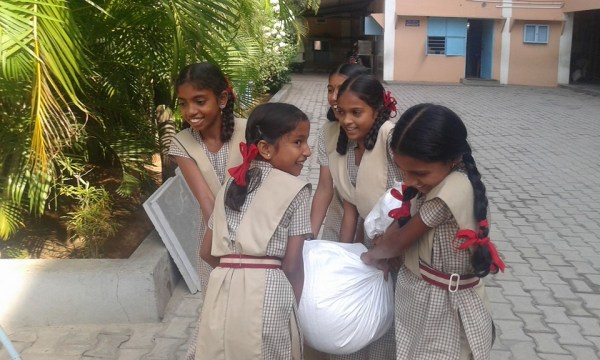
 bhadravati girls, Sai school

May 6 Friday

Property gained by education belongs to one to whom it was given – Manu 9-206


May 7 Saturday

Just a man who digs with a spade discovers wter, even so the obedient people discovers the learning that is in his guru / teacher.


May 8 Sunday

That wells in the sand abound with springs of water as one digs deep,

So with appropriate education, knowledge gets wider and deeper – Tirukkural 396


May 9 Monday

Learning or knowledge cannot be washed away by the floods; fire cannot burn it’ kings cannot take it away as taxes; even if you give it increases; difficult for thieves to steal t; easy to guard; that wealth is called education. When you have that wealth you don’t need to go around the world for money – Tamil Verse


May 10 Tuesday

Learning without practice is toxic – Canakya neeti
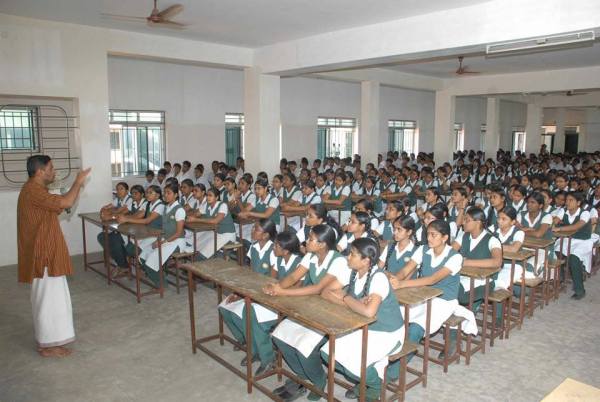
 periyakulam3

May 11Wednesday

The learned is not a foreigner anywhere – Panchatantra  2-56


May 12 Thursday

No kin (relations) like knowledge


May 13 Friday

Study well those books which are worth studying. Then, follow the right path  according to what you have learnt — Tirukkural 391


May 14 Saturday

Strength is no strength; knowledge is power supreme


May 15 Sunday

In this world human birth is rare; rarer still knowledge – Agni purana

 ram nam periyakulam.jpg

May 16 Monday

Education polishes good natures, and correcteth bad ones.


May 17 Tuesday

Learn not and know not


May 18 Wednesday

The best horse needs breaking, and the aptest child needs teaching.


May 19 Thursday

Letters and numbers are the two eyes of man – Tirukkural 392


May 20 Friday

Knowledge has bitter roots, but sweet fruits (refers to suffering involved in learning)
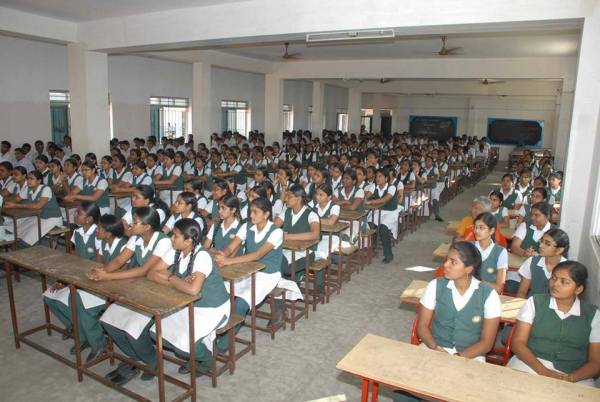
 periyakulam2

May 21 Saturday

Learn weeping and you shall gain laughing (refers to suffering involved in learning)


May 22 Sunday

There is no royal road to learning – Euclid 300 BCE (no easy way)


May 23 Monday

The nature of the learned is to cause delight in companionship and regret in separation Tirukkural 394


May 24 Tuesday

Soon learnt, soon forgotten


May 25 Wednesday

What we first learn, we best can
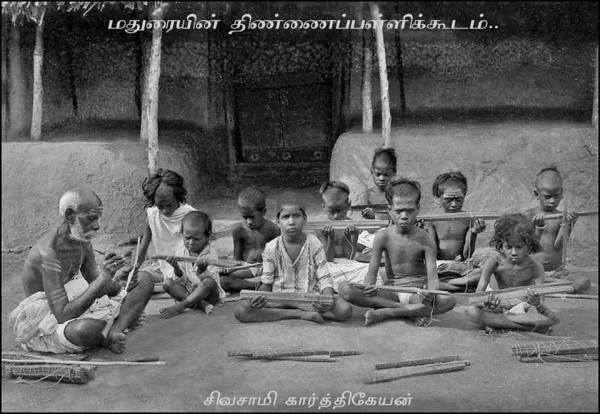
 mdu school

May 26 Thursday

That which is not bent at five, cannot be bent at fifty (Tamil Proverb)


May 27 Friday

Learning in one’s youth is engraving in stone


May 28 Saturday

Whoso learns young, forgets not when he is old.


May 29 Sunday

The learning that one has imbibed in this birth

Will stand him in good stead in the next seven births Tirukkural 398


May 30 Monday

In every art it is good to have a master.
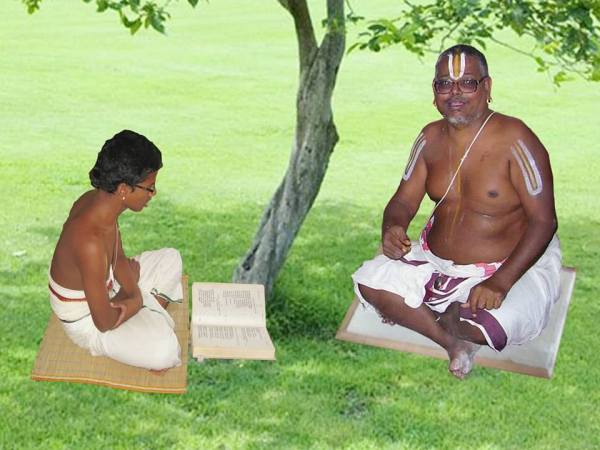
 school tree

May 31 Tuesday

Learning is the lasting joyful wealth; all other material wealth are lost in time -Tirukkural 400


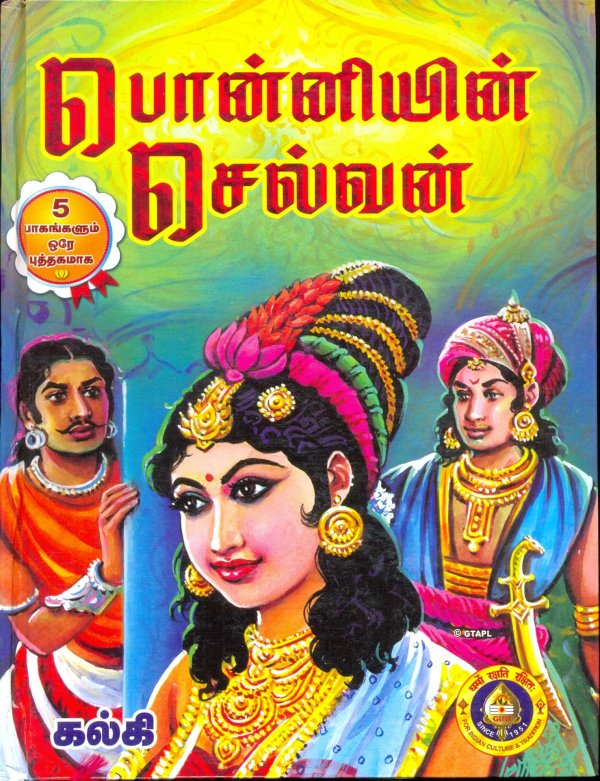
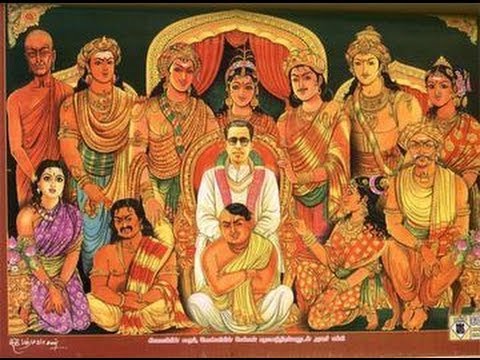
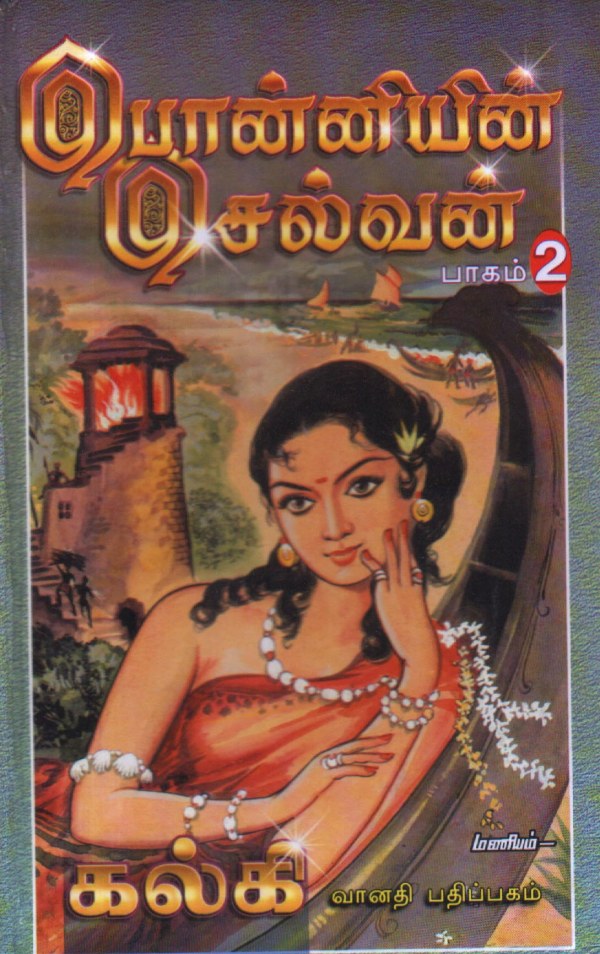
பொன்னியின் செல்வனில் எத்தனை எழுத்துக்கள்? (Post No 2755)

ponni1

Written  BY S NAGARAJAN

Date: 25 April 2016


Post No. 2755


Time uploaded in London :–  13-51


( Thanks for the Pictures)


DON’T REBLOG IT AT LEAST FOR A WEEK!  DON’T USE THE PICTURES; THEY ARE COPYRIGHTED BY SOMEONE.


(for old articles go to tamilandvedas.com OR swamiindology.blogspot.com)


ச.நாகராஜன்

pooni2

“பொன்னியின் செல்வனின் எத்தனை எழுத்துக்கள்?”


“பத்தொன்பது லட்சத்தி பதினாலாயிரத்தி நானூறு எழுத்துக்கள்!”


“அடடே! அதில் உள்ள சொற்கள் எத்தனை?”


“நாலு லட்சத்து ஏழாயிரத்து நூற்றி நாற்பத்தியேழு.”


“அட, அதில் இடம் பெற்றுள்ள வாக்கியங்கள்? அத்தியாயங்கள் எத்தனை?”


“61333 வாக்கியங்கள் 293 அத்தியாயங்களில் இடம் பெற்றுள்ளன?”


“அடடே, போகிற போக்கில் ஓர் எழுத்துச் சொற்கள் எத்தனை. இரண்டு எழுத்துச் சொற்கள் எத்தனை என்றெல்லாம் அடுக்கிக் கொண்டே போவீர்களா?”


“நிச்சயமாக!


அதில் வரும் ஓர் எழுத்துச் சொற்கள் 2220

இரண்டு எழுத்துச் சொற்கள் 40606

மூன்று எழுத்துச் சொற்கள் 78705

நான்கு எழுத்துச் சொற்கள் 101573

ஐந்து எழுத்துச் சொற்கள் 69321

ஆறு எழுத்துச் சொற்கள் 44348

ஏழு எழுத்துச் சொற்கள் 30217

எட்டு எழுத்துச் சொற்கள் 19220

ஒன்பது எழுத்துச் சொற்கள் 9445

பத்து எழுத்துச் சொற்கள் 5830

ப்தினொன்று எழுத்துச் சொற்கள் 2961

ப்ன்னிரெண்டு எழுத்துச் சொற்கள் 1438”


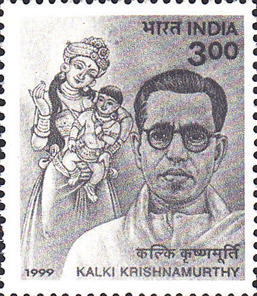
kalki stamp

“போதும், போதும் நீங்கள் யார்? உங்கள் பெயர் என்ன?”


“என் பெயர் க.சீனிவாசன். அறிவியல் அலுவலர். கல்பாக்கத்தில் உள்ள இந்திரா காந்தி அணு ஆராய்ச்சி நிறுவனத்தில் வேலை பார்க்கிறேன்.”


“எப்படி இவ்வளவு நுணுக்கமாக அனைத்தையும் பிட்டுப் பிட்டு வைக்கிறீர்கள்?”


“அதில் ஒன்றும் சிரமம் இல்லை! இந்த நெடிய புதினத்தைச் சென்னை குரோம்பேட்டையிலுள்ள AUKBC தரவு உள்ளீடு செய்து இணணயதளத்தில் வழங்கியிருக்கிறது. எனவே எனது ஆய்வுக்குத் தேவையான தரவைப் பெறுவதில் சிக்கல் எழவில்லை.”


“நீங்கள்  மேற்கொண்டு என்ன செய்தீர்கள்?”


“தர்வுகளை அலசுவதற்குத் தேவையான நிரல்களை மட்டும் கணிப்பொறிக்கென எழுத வேண்டியிருந்தது.”


“உங்கள் ஆய்வின் முடிவில் என்ன கண்டு பிடித்தீர்கள்?”

ponni3

“ஏறக்குறைய நான்கு லட்சம் சொற்கள் கொண்டுள்ள இந்தப் புதினம் ஏ 4 அளவுத்தாளில் அச்சிட்டால் சுமார் 900 பக்கங்கள் வரும். அதில் பதினொன்றாயிரத்திற்கும் மேலான சொலவளத்தை கல்கி பயன்படுத்தியுள்ளார் என அறிய முடிகிறது.


புதினத்தில் உரையாடல் இடம் பெற்றிருப்பதை ஓரெழுத்து ஒரு  மொழி வாயிலாகவும் ஒரு சொல் வாக்கியங்கள் மூலமாகவும் அறிய இயலும். நீண்ட சொல் அமைப்புகளையும் நீண்ட வாக்கிய அமைப்புகளையும் கொண்டு நூலாசிரியரின் நடையை ஒருவாறு தெளியலாம்.”


“ஆஹா! அருமை! இதற்கு மேல் கொண்டு என்ன செய்யலாம், இந்த ஆய்வில்?”


“ஒரு நூலாசிரியர் வாலிபப் பருவத்தில் எழுதும் போது உள்ள சொல்லாட்சிக்கும் முதிர்வுப் பருவத்தில் அவர் சிந்தனை செம்மையுறும் போது  படைக்கப்படும் புதினங்களில் உள்ள சொல்லாட்சிக்கும்  வேறுபாடு இருத்தல் கூடும். அறிவுத் தேடலில் ஒரு கட்டத்தில் சொல்வ்ளம் உச்சம் பெறுவதாகவும் மொழிப்பயன்பாடு இறுகுவதாகவும் (fossilation or crystallaization) அறிஞர்கள் உரைக்கின்றனர். இக்கூற்றின் தன்மையை மெய்ப்பிக்க நூலாசிரியரின் புதினங்களைக் காலவரிசைப்படுத்தி ஆய்வு செய்தல் மேலும் பயன் தரக்கூடும்!”


“சபாஷ்!சீனிவாசன் அவர்களே! கல்கியின் வாசகர்கள் உங்களைப் பெரிதும் பாராட்டுவார்கள். எனது பாராட்டுக்களையும் தெரிவித்துக் கொள்கிறேன். உங்கள் ஆய்வின் மூலமாக ஒரு பெரும் உண்மையை தமிழ் மக்கள் அறிந்து கொள்கிறார்கள். பெரும் ஆய்வுகளின் ஆரம்பப் பணியை கணினி எளிதாக்குகிறது. மிகக் கஷ்டமான சொற்களின் எண்ணிக்கை மற்றும் தரவுகளை அது அனாயாசமாக அள்ளி வீசுகிறது. இது முந்தைய காலத்தில் தமிழ் அறிஞர்களால் பல்லாண்டு உழைப்பின் மூலமாகவே பெறப்பட்டது, இப்போது கணினியின் ஒரு சொடுக்கின் மூலமாகப் பெறப் படுகிறது. அந்தத் தரவுகளை அடிப்படையாக வைத்து அற்புதமான் ஆய்வுகளைச் செய்ய முடியும் என்பதை உங்கள் ஆய்வால் உணர முடிகிறது. கம்பன், பாரதி, சங்க இலக்கியம் ஆகியவற்றில்  இப்படி கணினி மூலமாகப்  தரவுகள் பெறப்பட்டால் தமிழகத்தில் ஒரு புதிய அறிவுப் பேரலை எழும்பும் என்பதில் சந்தேகமே இல்லை!”

*

ஆய்வாளர் திரு க.சீனிவாசனின் ‘கல்கி கிருஷ்ணமூர்த்தியின் சொல்லாட்சி’ என்ற கட்டுரையின் அடிப்படையில் மேலே கண்ட கற்பனை உரையாடல் அமைக்கப்பட்டிருக்கிறது.


இந்தக் கட்டுரை வளரும் தமிழ் என்னும் புத்தகத்தில் இடம் பெற்ற கட்டுரை. பல நல்ல கட்டுரைகளைக் கொண்டுள்ள இந்த நூல் பதிப்பாசிரியர்கள் சா.கிருட்டினமூர்த்தி, தி.மகாலட்சுமி.சு.நரேந்திரன் ஆகிய முனைவர்களால் தொகுத்துப் பதிப்பிக்கப்பட்டுள்ளது.

ponni4


அனைவருக்கும் எமது பாராட்டுக்கள்!


நல்ல தமிழ் வளர நல்ல ஆய்வு வேண்டும். நல்ல முனைவர்கள் வேண்டும். இருண்ட தமிழகத்தில் மினுக் மினுக் என்று ஒரு சின்ன ஒளி கண்ணுக்குப் புலப்படுகிறது.

கீற்றொளி பெரும் ஜோதியாக மாறட்டும்!

************


Rousseau, Thomas Gray, Francis Thompson: More Eccentricity Anecdotes! (Post No2741)

Sarah-Bernhardt-portrait

Compiled by London swaminathan

Date: 20 April 2016


Post No. 2741


Time uploaded in London :– 14-02


( Thanks for the Pictures)


DON’T REBLOG IT AT LEAST FOR A WEEK!  DON’T USE THE PICTURES; THEY ARE COPYRIGHTED BY SOMEONE.


(for old articles go to tamilandvedas.com OR swamiindology.blogspot.com)


Eccentricity Anecdotes

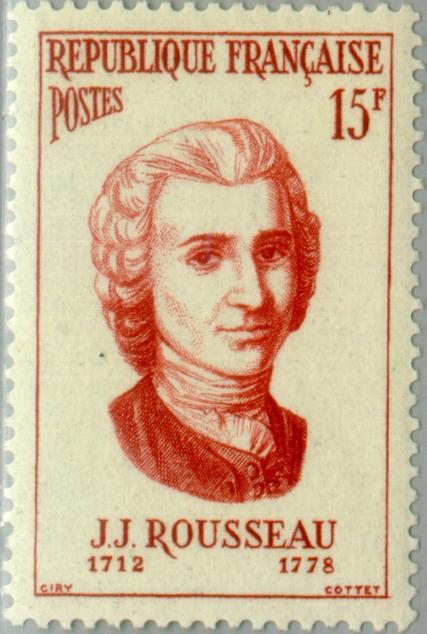
rossueau

Poor Rousseau!

In 1776 David Hume, ‘the philosopher and historian, carried off Rousseau to England and tried to get a pension for him from George III. Rousseau was beginning to suffer from the persecution obsession that afflicted his later years, but at first he was purring and grateful. Then his old suspicions, his old hatred of being under obligation, came back upon him and he began to explode nervously. At such times Hume could only pat him on the back, exclaiming,
What, my dear sir?……. Eh, my dear sir…. What now my dear sir?

Xxx

francis thompson

Eccentric Francis Thompson

In one of his lodgings, Francis Thompson, the poet, habitually walked around his table all night and went to bed at dawn. Finally he wore out the carpet in a perfect circle around his table. He habitually stayed in the bed most of the day and never kept appointments. Whatever he was he always sought the fire and stood against it forever getting his trousers and his coat afire. Once, in his lodging, he set the curtains afire and tipped over the lamp in trying to extinguish it. His hands were badly burned and he walked the streets all night, for, as he later remarked
“The room was quite burned out”.

Xxx

Male or Female Hippo?

A woman visitor to the London zoo asked the keeper whether the hippocampus was a male or a female.
Madam, replied the keeper sternly, that is a question that should be of interest only to another hippopotamus.

hippopotamus-meat-1
Xxx

Fire! Fire! Thomas Gray!!

Gray, the English poet, had an abnormal terror of fire and when he was living at Peterhouse got Wharton to supply him with a sixty five foot rope ladder with strong hooks which he fastened to a bar across his window, which bar remains there to this day.

One chill February night, some undergraduates, aware of his pyrrophobia shouted,Fire, on his staircase.  The timid Gray hastily threw out his rope ladder and descended through the darkness and cold in his night clothes, only to drop into a carefully placed tub of water. He fell to shivering. A night watchman discovered him and helped him back, up the stairs, to his room.

Xxx


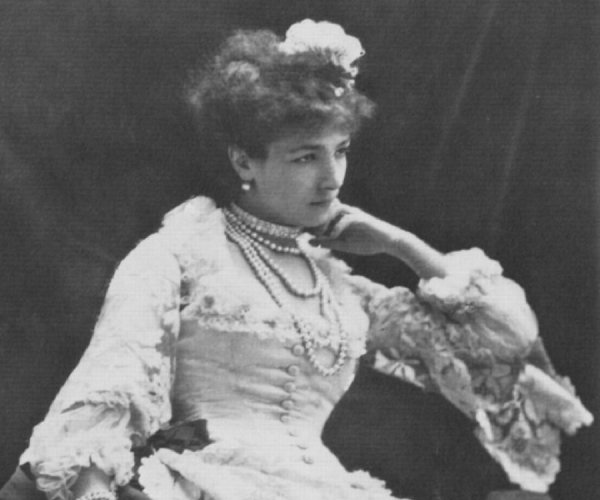
sarah-bernhardt-5

Actress who travelled with her Coffin!!

In 1874 , Sarah Bernhardt was advised to give up acting if she wished to live, but she returned to the theatre as soon as she was able to leave her bed.  When she was asked by an admirer what gift he could send her , she replied, “They say, I am to die, so you may send me a coffin.”

A week later, she was notified by a famous coffin maker that an order had been received for a coffin, to be constructed according to her wishes. Sarah was most particular about its design, finally agreeing that it should be made up of rosewood, with handles of silver, later changed to gold.

For the reminder of her life this coffin never left her side, even during her travels. She had made a trestle on which it stood at the end of her bed, so she could see it without effort, on awakening.
“To remind me that my body will soon be dust and my glory alone will live forever”, she explained.

—Subham–


I laugh when I hear that fish in the water is thirsty! – Kabir (Post No 2734)

Clownfish and anemone

Compiled by london swaminathan

Date: 17 April, 2016


Post No. 2734


Time uploaded in London :–21-40

( Thanks for the Pictures  ) 


DON’T REBLOG IT AT LEAST FOR A WEEK!  DON’T USE THE PICTURES; THEY ARE COPYRIGHTED BY SOMEONE.


(for old articles go to tamilandvedas.com OR swamiindology.blogspot.com)


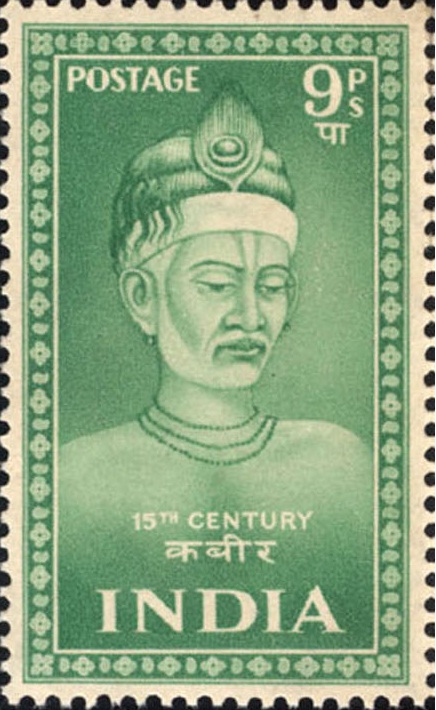
kabir stamp

kabir stamp


The great saint and poet Kabir says

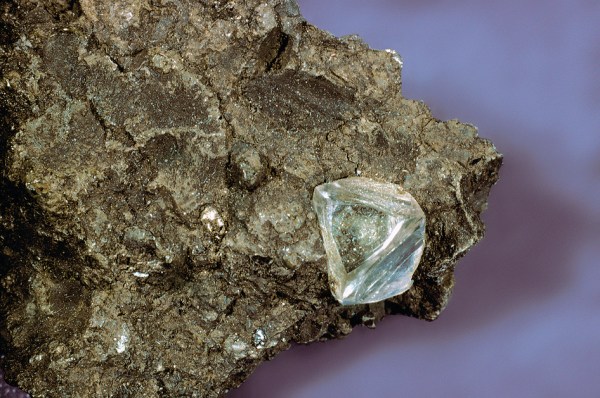
The Jewel

The jewel is lost in the mud,

And all are seeking for it;

Some look for it in the East, and some in the West;

Some in the water and some amongst stones.

But the servant Kabir has appraised it at its true value, and has warpped it with care

In a corner of the mantle of his own heart.

xxx

gem in the rocjk

The Real is in Your Own Home

“I laugh when I hear that fish in the water is thirsty;

You do not see the Real in your home, and you wander from forest to forest listlessly!

Here is the truth! Go where you will, to Benares or to Mathura, if you do not find your soul, the world is unreal to you……

To what sore would you cross, O my heart? There is no traveller before you, there is no road……………..

There, there is neither mind nor body and where is the plae that shall still the thirst of the soul? You shall find naught in the emptiness.

Be strong, and enter into your own body; for there your foothold is firm. Consider it well O my heart! Go not elsewhere.

Kabir says :Put all imagination away, and stand fast in that which you are

Xxx

hairpin bends, ghat section

An Endless World

There is an endless world, O my brother,

And there is a nameless Being, of whom naught can be said:

Only he knows who has reached that region.

It is other than all that is heard or said

No form, no body, no length, no breadth is seen there;

How can I tell you that which it is?

Kabir says: “It cannot be told by the words of the mouth, it cannot be written on paper;

It is like a dumb person who tastes a sweet thing – how shall it be explained?

–Subham–

India- Land of Fine and Noble Manners: Edwin Arnold, Year 1886 (Post No 2731)

nautchee women

Written by london swaminathan

Date: 16 April, 2016


Post No. 2731


Time uploaded in London :–20-06

( Thanks for the Pictures  ) 


DON’T REBLOG IT AT LEAST FOR A WEEK!  DON’T USE THE PICTURES; THEY ARE COPYRIGHTED BY SOMEONE.


(for old articles go to tamilandvedas.com OR swamiindology.blogspot.com)


“On the evening of our visit to the city of Poona and to the sacred hill of Parvati, we were invited to a nautch dance at the house of an old people and most esteemed friend, Mr Dorabji Pudumji.


It is the custom on festive occasions to illuminate the gardens and house fronts with numberless oil lamps set on pyramidal stands, or suspended in the trees. A flood of light, therefore, welcomes the guest on arrival, and he passes into spacious apartments equally bright, with candles in brass buttis, or handsome glass chandeliers.  There is nowhere greater grace or cordiality of greeting than among the educated families of India; but, in truth, this is the land of fine and noble manners, and from the cultivated Parsee and Mohammedan friends to the peasant and the peon, the Western traveller may receive, if he will, perpetual lessons of good breeding.

I day 2015

The ladies of old friend’s family were ranged round the large central room in dresses of light gauzy muslins or silks delicately embroidered, and dyed with all the loveliest tints imaginable, rose colour predominating. The effect was like a garden of beautiful flowers. The gentlemen wore black coats and hats of the well-known Parsee fashion, with trousers of crimson or white. In the centre of the apartment sat the two nautch girls, Wazil -Bukshs, a Mohammedan, and Krishnaa, a Hindu, both amazingly arrayed in I skirts of scarlet and gold, with saris of bright hue, plentifully spangled, tight gilded trousers, and anklets of silver and gold bells, which make a soft tinkling of  at every movement of soft brown feet. Behind them stand their three musicians, one playing the sarangi, a sort of violin,  the other the tamboora, a deep sounding kind of violoncello, and the third provided with a bass and treble drum tied round his waist  on an ornamented scarf. The girls rose to their feet, salammed, and one of them began a slow pas, advancing and retreating with a rhythmical  waving of hands and measured beat of foot, which the other dancer then repeated.


Next followed a song, or a series of songs, delivered in high head notes, and principally of an amatory character.

“My beloved is absent, and by day there is no sun in the sky, no moon for me at night! But he is coming, ek hath Khali – with one hand empty – yet in that he carries me back my heart.”


Then Krishnaa sang the “Taza ba Taza”, the musicians advancing and retreating with her tinkling paces, leaning over the absorbed performer, and seeming in the intensity of their accompaniment to nurse the singing and draw it forth note by note.


After this the Muslim girl and her Hindu sister executed together a famous dance called the “Kurrar”, which consists of a series of character pictures. They placed coquettish little caps of spangled velvet on their black hair, and acted first of all the Indian jeune amorexux, adjusting his turban, stroking his moustache and pencilling his eyebrows. The it was Govinda, one corner of the sari twisted up to represent the bansula, on which the light hearted god  piped to the shepherdess, and  Radha listening and singing. Next to the same never ending  rise and fall of the amorous  music – Wazil Bhukshs became a love-sick maiden  in the jungle, picking up blossoms to fasten in her hair, and Krishnaa followed, enacting a serpent charmer. Playing on the beaded gourd that snake  music which brings the hooded cobra forth from his deepest hole, she swayed her lithe body  over the imaginary reptile, chanting the notes of dreamy, bewildering, beguiling song;  bent herself over the half entranced snake, coaxing him with out long , low, weird passages of wild melody , until the charm have supposed to have  triumphed, the serpent was bewildered and captured; whereupon Krishna rose to her feet, and drawing the glittering fringe  of her sari over forehead, expanding it with both hands, so as to resemble a cobra’s hood , she finished with the snake-dance, amid cries of “shabash” (well done)! Which were acknowledged with deep salaams.

We were favoured after this, with special request, with the Holi and Wasanta songs, albeit not of the season; for Hindu singing is always more or less religious, and there are certain of these melodies set apart for the time of  year, and for the daylight and others which must never be given except after the hour of midnight. When the first portion was concluded  the mistress of the house hung “hars” or garlands, of sweet scented blossoms on  the necks and the writs of the nautch dancers, since it is always the custom to honour them in this way before any  other guests. Nor does anybody slight or abuse these Deva dasas, or servants of the god, though their profession is perfectly understood


South Indian Devadasis

In southern India the Nautchee is married solemnly to a dagger, by a ceremony called ‘shej’, and lives afterwards as a Bhavin, dedicated to the temple and dance.  But because so many of them can read, write and in fact are the cleverest and most accomplished, as well as the most generous of their sex, the Hindus have come to shudder at the idea of education for their wives, and this is one of the greatest obstacles  to female instruction. When they rested and munched their betel leaf, a skilful player from Canara discoursed singular passages upon an eight stringed sitar, accompanied by a boy on tamboora; and afterwards followed sweetmeats, and attar of roses, whereupon some of us had had enough, and we made adieux. The natives will, however, sit out the whole nights, listening to such music, and watching the soft movements of the Nautchees, which are the more interesting, of course,  the better they are comprehended.”

Source : India Revisited by Edwin Arnold, 1886


–Subham–

‘Women are vainer than Men’ – Disproved!(Post No.2726)

pen by maruthi

Compiled by london swaminathan

Date: 15 April, 2016


Post No. 2726


Time uploaded in London :– 14-57

( Thanks for the Pictures  ) 


DON’T REBLOG IT AT LEAST FOR A WEEK!  DON’T USE THE PICTURES; THEY ARE COPYRIGHTED BY SOMEONE.


(for old articles go to tamilandvedas.com OR swamiindology.blogspot.com)


Anecdotes about VANITY

It is not a Sin, it is a Mistake!

A young girl came to Father Healey of Dublin and confessed that she feared she had incurred the sin of vanity.

“What makes you think that?” asked Father Healey.

“Because very morning when I look into the mirror I think how beautiful I am.”

“Never fear, my girl, was the reassuring reply.

“That is not a sin, it is only a mistake.”


Xxx

Headstrong!

While D’Annunzio was living in France, a letter addressed to him simply with the words

To

“Italy’s Greatest Poet”

He declined to accept it, saying that he was not Italy’s greatest poet — he was the World’s Greatest Poet!


Xxx


pen from face book

Who is vain? Man or woman?

Miss Frances Keller of the Women’s Municipal League of New York illustrated at a dinner party a point she wished to make in reply to a man who had said,

“Women are vainer than men.”

“Of course”, Miss Keller answered, “I admit that women are vain and men are not. There are a thousand proofs that this is so. Why, the necktie of the handsomest man in this room is even now up the back of his collar.”


There were six men present and each of them put his hand gently behind his neck!

Xxx

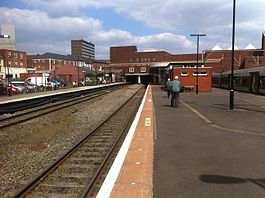
265px-Walsall_railway_station.p5

City life and Village life

A young man, who had come to the city from a small rural community, had toiled diligently until at last he had attained some prominence in the banking world.

Belatedly he returned for a visit to his home town, half expecting that the greater part of the community would be marshalled out to meet him at the station, and that some considerable fuss would be made over the local boy who had made good.

To his disappointment, there was not a soul around when he alighted at the station platform. He waited doubtfully as several people came and went, none of them giving him so much as a glance.

At last he was recognised by an old baggage handler who shuffled forward and looked at him with some interest, “Hello, George!”, he said at last, “going away?”

–Subham–


The Ideal Dancer: Kalidasa (Post No.2724)

padmini

Written by london swaminathan

Date: 14 April, 2016


Post No. 2724


Time uploaded in London :– 16-15

( Thanks for the Pictures  ) 


DON’T REBLOG IT AT LEAST FOR A WEEK!  DON’T USE THE PICTURES; THEY ARE COPYRIGHTED BY SOMEONE.


(for old articles go to tamilandvedas.com OR swamiindology.blogspot.com)


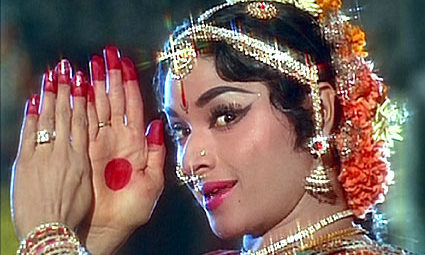
_Vyjayanthimala (10)

“Her eyes are large and lustrous; her face makes the autumn pale with envy; her arms slope away gracefully from her shoulders; her toes are finely moulded and prominent; she is in short the brightest creation of a Divine Artist, in the golden hours of his imagination.


“her motions are free and flowing; her hands and feet keep time most accurately; her action is light, easy and natural; she expresses the unspoken  workings of her heart through her limbs that seem to have sentiments imprinted upon them, as it were. She loses herself in the character and its emotions. She represents them so skilfully as to deceive us into the conviction that she pours out her own heart and its workings. The beholders are, for the time, taken out of themselves and live and move and feel with her and follow her joys and griefs, her hopes and aspirations, her despair and darkness”.

Malavikagnimitra (2-6) by Poet Kalidasa

shiva1


nataraja, golden, fb

Dance of Shiva- Symbolism in Dance

“The story is given in the Koyil Purana, and is familiar to all the Saivites. Siva appeared in disguise amongst a congregation of ten thousand stages and in the course of disputation, confuted them and so angered them, thereby, that they endeavoured by  incantations to destroy Him. A fierce tiger was created in sacrificial flames and rushed upon Him, but smiling gently, He seized it with His sacred hands, and with the nail of His little finger stripped off its skin, which he wrapped about as it had been a silken cloth. Undiscouraged by failure, the sages renewed their offerings, and there was produced a monstrous serpent, which he seized and wreathed about his neck.  Then he began to dance; but there rushed upon him a last monster in the shape of a dwarf. Upon him the god pressed the tip of his foot, and broke the creature’s back, so that it writhed upon the ground; and so his last foe prostrate, Siva resumed the dance of which the gods were the witnesses.


One interpretation of this legend explains that he wraps about him as a garment, the tiger fury of human passion; the guile and malice of mankind.  He wears a necklace, and beneath his feet is for ever crushed the embodiment of evil

siva in poses

More characteristic is the thought of symbolism, in terms of the marvellous grace and rhythm of Indian dancing, the effortless ease with which the god in his grace supports the cosmos; it is his sport.  The five acts of creation, preservation, destruction, embodiment and gracious release are his ceaseless mystic dance.  In sacred Tillai, the ‘New Jerusalem’, the dance shall be revealed; and Tillai is the very centre of the universe, that is, his dance is within the cosmos and the soul”.

nataraj

–Ananda Coomaraswamy