Pictures are taken from various sources; beware of copyright
rules; don’t use them without permission; this is a non- commercial,
educational blog; posted in swamiindology.blogspot.com and tamilandvedas.com
simultaneously. Average hits per day for both the blogs 12,000
Tamils have
a special interest in Aindra grammar system. The reason being Tolkappiar, the
author of the oldest book in Tamil (Tolkappiam) was well versed in it.
Panamparanar who introduces Tolkappiar in his prolegomenon says this. So people
wonder whether AINDRA was prevalent before Panini or after Panini or many
systems existed at the same time in different parts of India. Tolkappiar says
Indra and Varuna are gods of two Tamil regions along with Vishnu, Skanda and
Durga representing other three Tamil regions.
Great Tamil
poet Kamban says Hanuman was well versed in Aindra grammar. He is also praised
as Nava Vyakarana Panditha. (Nava may mean NEW or NINE)
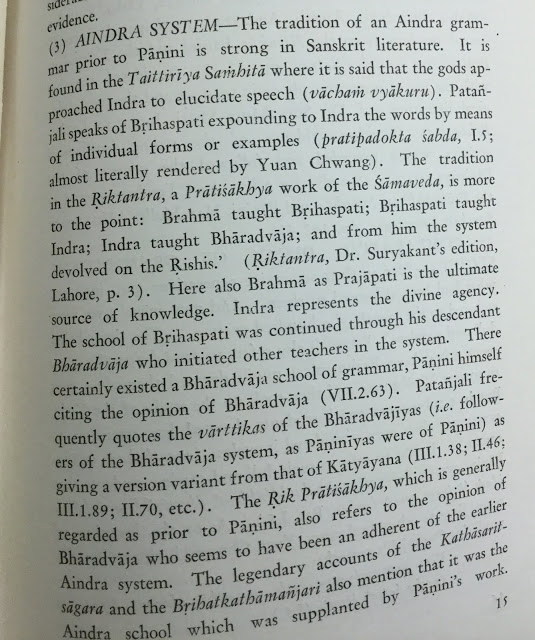
Agrawala says,
“According to
Vedic literature Brahma taught grammar to Brihaspati and he taught Indra and
Indra taught Bharadwaja. He in turn taught other Rishis (seers). Now we know
there was another system Bharadwaja grammar. Bhardwaja was a master of Aindra
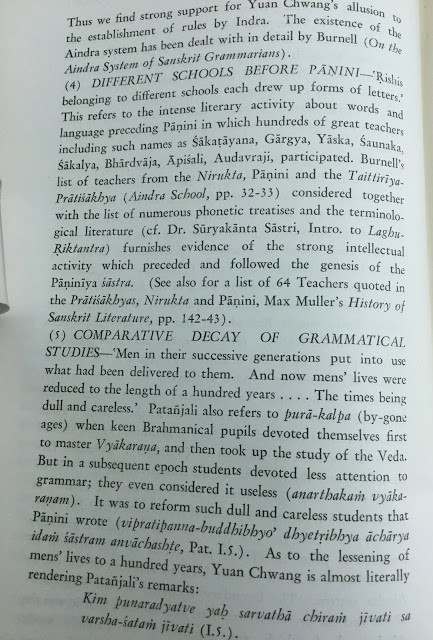
as well. Panini also mentioned several teachers before him.
Tamils
believe that there was one grammar before Tolkappair, codified by Agastya as
well. Agastya’s own disciple Tolkappiya did another grammar within a short time.Why?
we don’t know. From all these things what we understand is several grammar
systems existed simultaneously, because there can’t be more than 50 years
difference between Agastya and Tolkappiyar if we believe the story of most famous
Tamil commentator Nachinarkiniyar. Tamils also believe that Shiva sent Agastya
to codify a grammar to Tamil language. It is in the old Tamil verses. Poet
Kalidasa also links Pandya with Agastya in his Raghuvamsa. It is all 2000 year
old belief.
Indra is a
Vedic God who has the highest number of hymns in the oldest book The Rig Veda. The
very construction of the word Aindra (derived from Indra) is also of Sanskrit
origin.
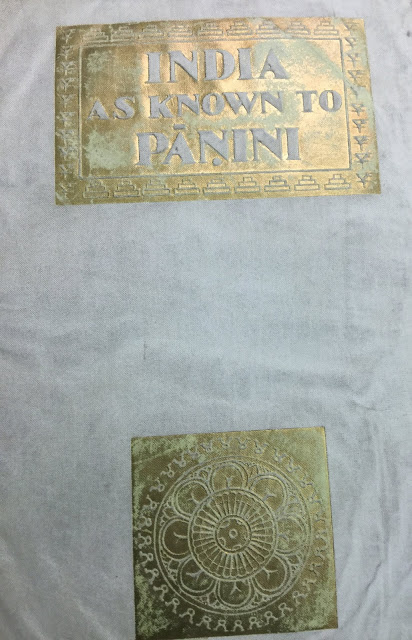
But many Tamils do not know much about Panini or other systems of grammar that existed in India. Agrawala in his book ‘India as known to Panini’ gives interesting details:–
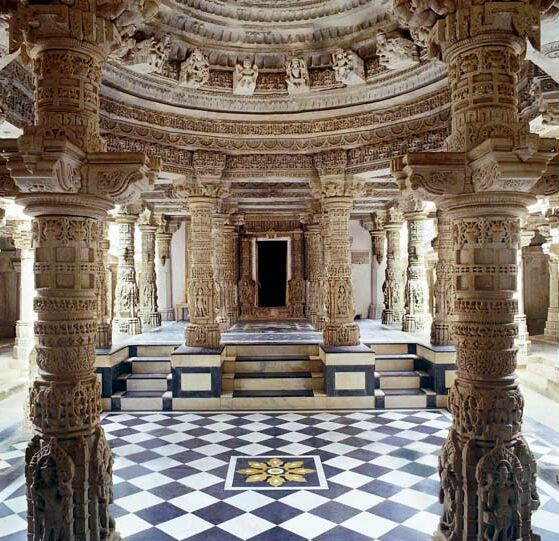
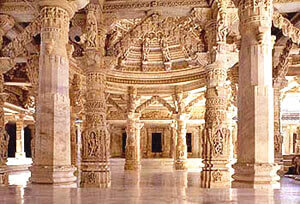
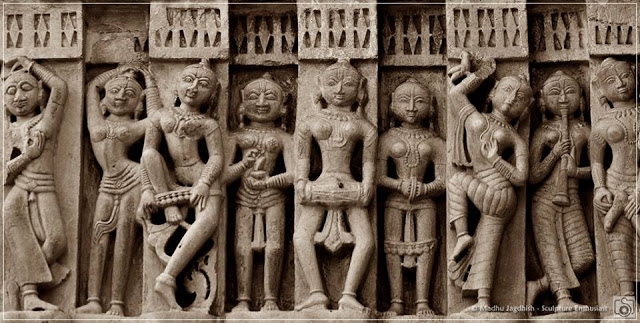
Delwara (Dilwara) Jain Temple at Mt Abu in Rajasthan
Written by London Swaminathan
swami_48@yahoo.com
Date: 22 NOVEMBER 2019
Time in London – 15-31
Post No. 7248
Pictures are taken from various sources; beware of copyright rules;
don’t use them without permission; this is a non- commercial, educational blog;
posted in swamiindology.blogspot.com and tamilandvedas.com simultaneously.
Average hits per day for both the blogs 12,000
Queens and Princesses- Part 2
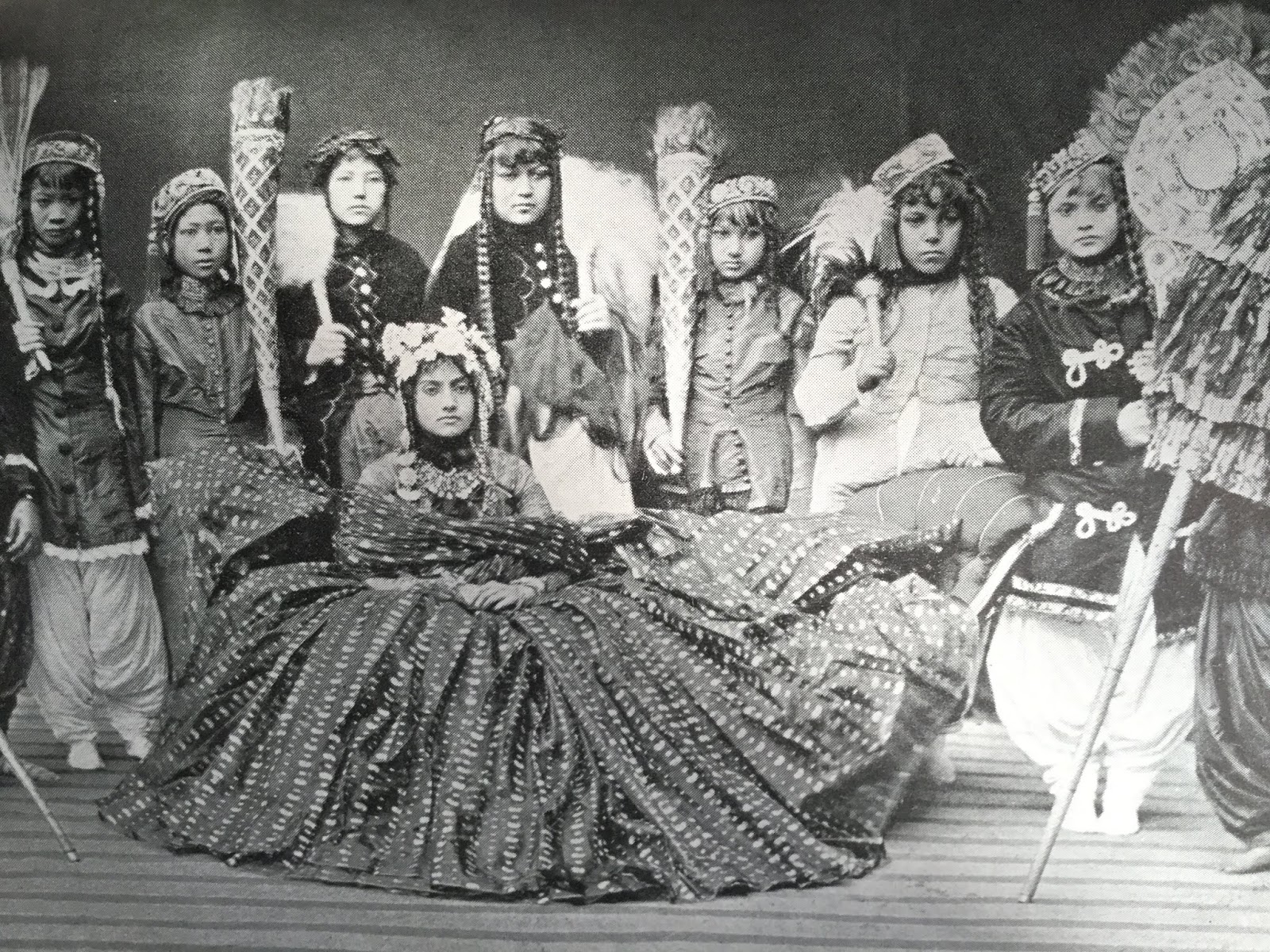
1.Mayanalla or Minaladevi was the daughter of Jeyakeshin, King of Kadamba Dynasty in Karnataka. Her son was Siddharaja Jayasimha, 1094-1143 CE. She is known from records as a ruler.
2.Naikidevi She was the mother of Bala Mularaha. When Ghuri Mohammed invaded Gujarat, Mularaja was a child . Keeping him on her lap Naikidevi fought and defeated the invaders.
3.Anupama of Gujarat
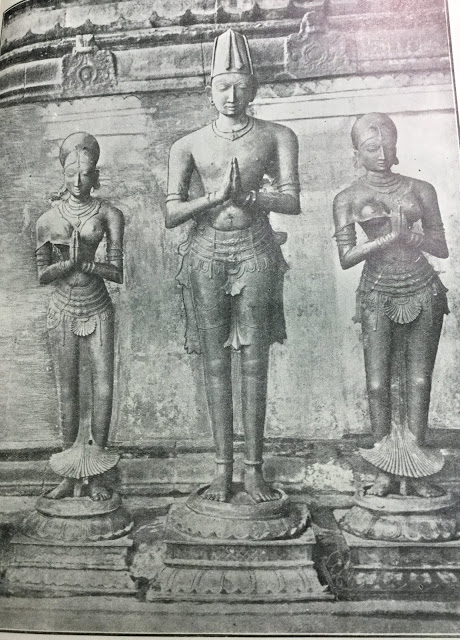
Like Kuntavai inspired Rajaraja to build the grandest temple in Thanjavur in Tamil Nadu, Anupama inspired her husband Tejapaala to build the famous Delaware temple on Mt Abu (Rajasthan). Tejapaala and Vastupala were brothers and shrewd politicians. Many famous temples of Gujarat were built by the Pala brothers. Anupama advised them in running the administration.
(Wikipedia add:–Vastupala was married to Lalita and Vayajalladevi (or Sokhuka or Saukhyalata). Tejapala was married to Anupama and Suhavadevi (also spelled Suhadadevi). Anupama was a daughter of Dharaniga, a counselor to the brothers, and his wife Tribhuvanadevi)
Gupta Queen
Prabhavati Gupta was the daughter of Chandragupta Vikramaditya. She was the Chief Queen of Rudrasena of Vakataka dynasty, 376 CE
Queens of Orissa
Bhaumakaras ruled the lower parts of Orissa between the ninth and eleventh centuries. We know at least six queens in their regime.
Queen Tribhuvana Mahadevi
King Lalitahara’s wife and daughter of Rajamalla, a southern Naga Chief. She ruled the country for several years because her son was a little boy when her husband died.
Queen Tribhuvana Mahadevi II Wife of King Shubakara IV. Her real name was Prithvi Mahadevi. Daughter of King of Kosala.
Queen Gauri Mahadevi and
Dandi Mahadevi
After the death of King Shubakara, four queens occupied the Bhaumakara throne. They ruled between 1011 and 1018
Queen Bakula Mahadevi
And
Dharma Mahadevi – She is the last known ruler of Bhumakaras in Orissa
Xxx
Heroic queens of Kashmir
Didda of Kashmir ruled between 958 and 1003 CE. She was daughter of King Simharaja. She was married to Kshemagupta. Diidda dominated over him and so he was called Diddakhsema.
Centuries later another lady Kotadevi (1338 CE) adorned the throne of Kashmir.
Silla was another heroic woman of Kashmir who led the defeated forces of her king to safety. But she was killed later in a fighting.
Alexander the great killed the king of Swat region. His name was Asakenos (Aswaka?) according to Greek writers. When he died in battle his wife or mother Kleopis (Kripi in Sanskrit) defended the fort and died in the ensuing battle according to Curtius, Greek writer.
Pictures are taken from various sources; beware of copyright rules;
don’t use them without permission; this is a non- commercial, educational blog;
posted in swamiindology.blogspot.com and tamilandvedas.com simultaneously.
Average hits per day for both the blogs 12,000
Yatra naryastu pujyante ramante tatra Devata,
yatraitaastu na pujyante sarvaastatrafalaah kriyaah
“Where Women are honoured, divinity blossoms there, and where ever women are
dishonoured, all action no matter how noble it may be, remains unfruitful.”
Manu smrti 3-56 and Mahabharata 13-45-5
We always
read about kings and their victories or defeats in the history books. But
behind every successful man there is a woman, they say. It is true with our
ancient Hindu kings. We know that Veera Shivaji was inspired his mother
Jijabhai who told him heroic Hindu tales. The inscriptions and copper plates
give lot of information about the donations the queens and princesses made to
the temples, to brahmin scholars, to hospitals and educational institutions. So
let us recall their names and then find out their contributions. We already
know the great queens who ruled certain parts of India. But there is a silent
majority who are found only in inscriptions.
Here is the
list –
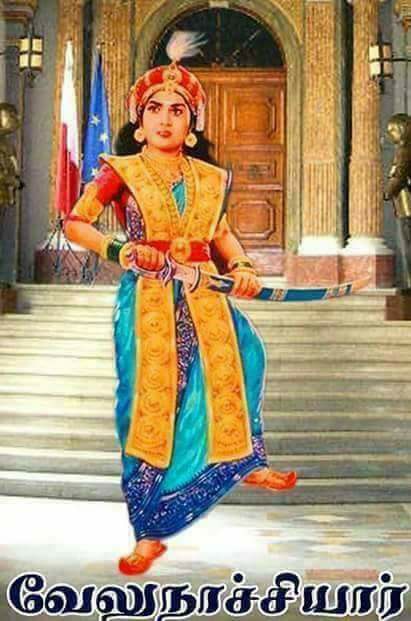
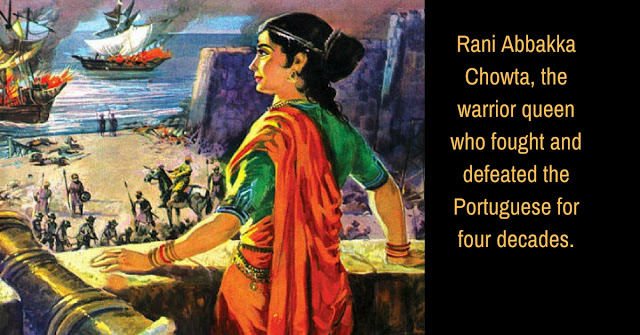
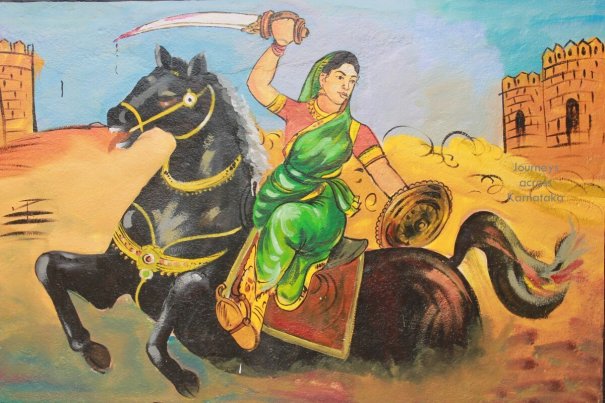
1.Abbakka
Chowta of Ullal, Tuluva Queen – 1525-
1570- who fought with the Portuguese.
2.Vijaya
bhattarika , chalukya queen – 650 ce, ruled after her husband’s death
3.Sugandha
and
4.Didda –
both Kashmiri queens administered extensive kingdoms – 10th and 11th
centuries.
5.Akka devi,
a sister of Jayasimha iii – 1025 ce
6.Mailadevi,
queen of someswara 1050 ce-
7.Lakshmi
devi, chief queen of vikramaditya vi
–1100 ce
Rajasthan
8.Kurma devi
– widow of king samarsi- organised forces against qutbuddin – 1195 ce
9.Karnavati,
widow of rana sangha , rekindled patriotism by her inspiring speeches.
10.Jawahirbhai
, another widow of rs fought and died in the battle, defending the fort.
Maharashtra
11.Tarabhai
of Kolhapur and
12.Ahalyabhai of Indore played prominent part in administration.
Andhra
Pradesh
13.Ganga Devi
– Queen of Kumara Kampanna; who accompanied her husband in battles up to
Madurai; written Madura Vijayam in Sanskrit like a war correspondent reporting
battle scenes.
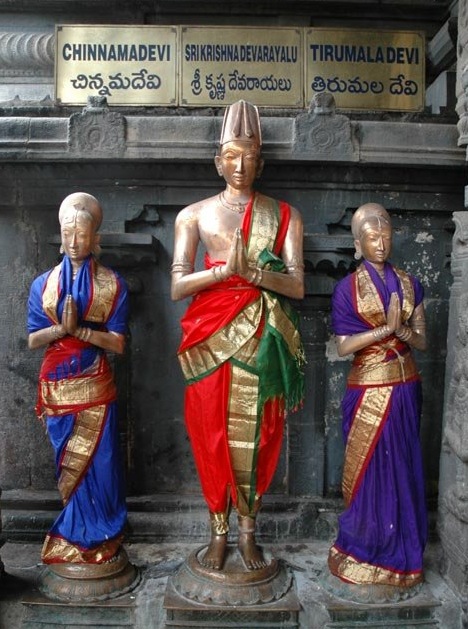
14.Tirumalamba
, wife of Emperor Sri Krishnadeva Raya
Pictures are taken from various sources; beware of copyright rules; don’t use them without permission; this is a non- commercial, educational blog; posted in swamiindology.blogspot.com and tamilandvedas.com simultaneously. Average hits per day for both the blogs 12,000
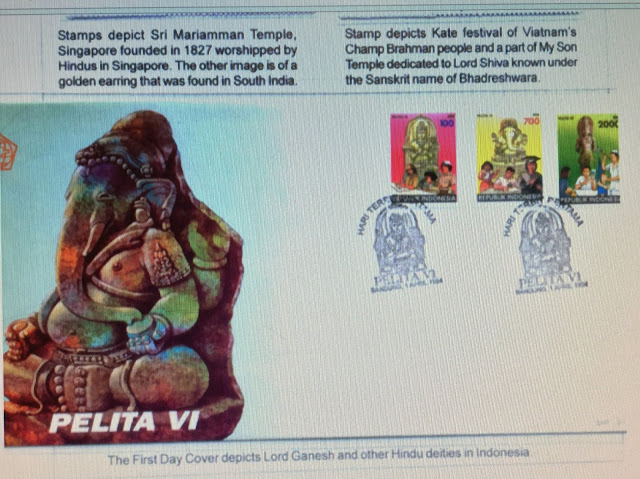
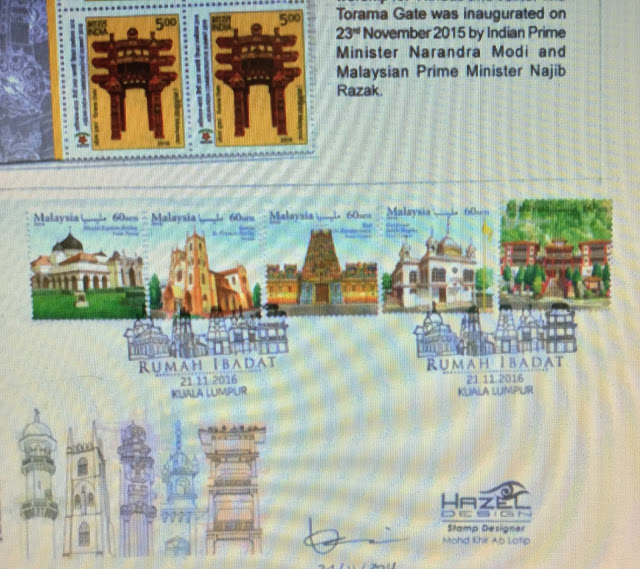
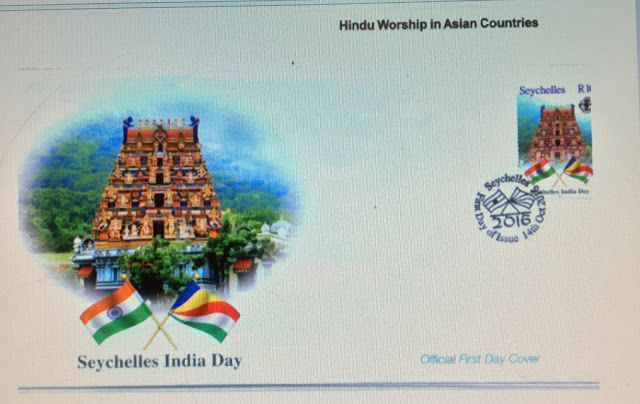
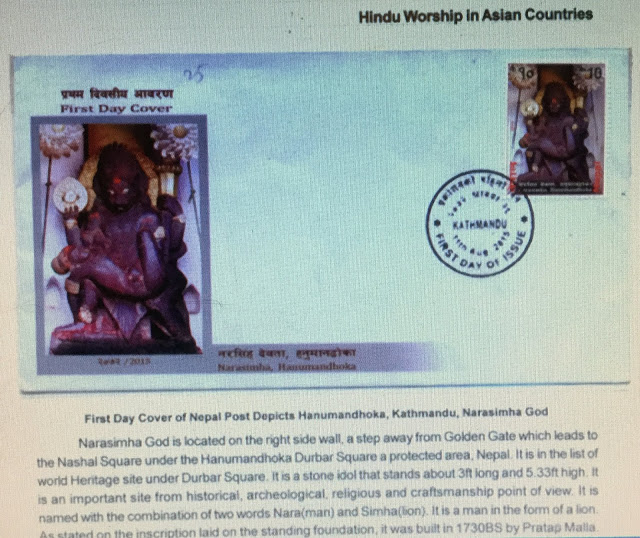
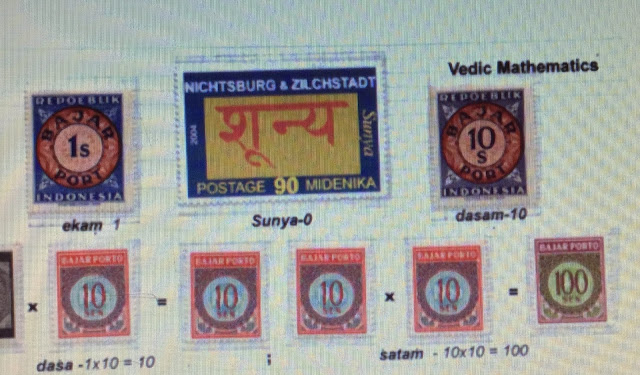
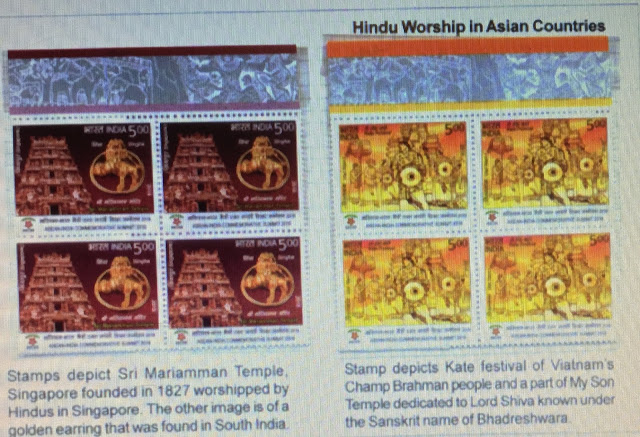
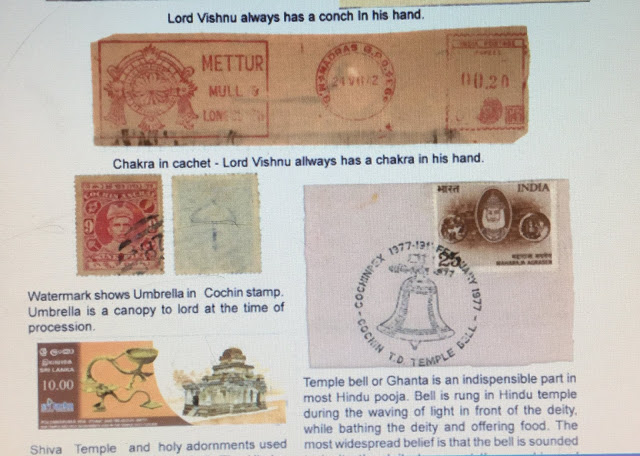
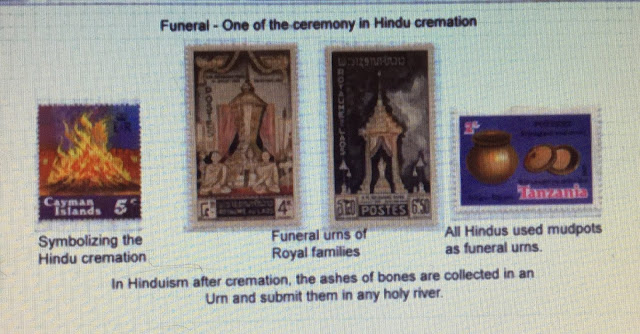
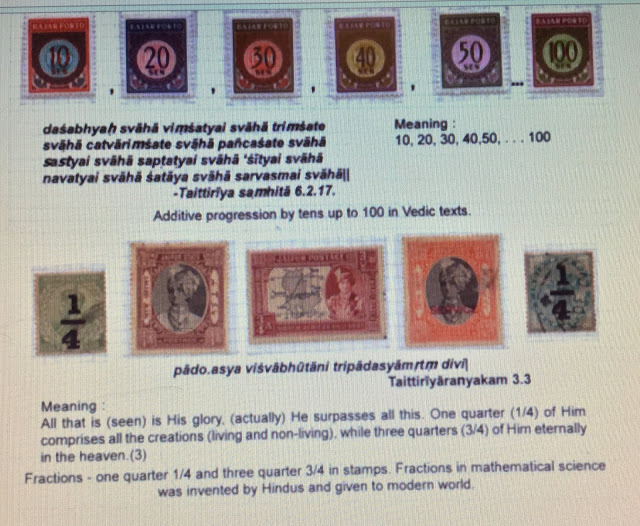
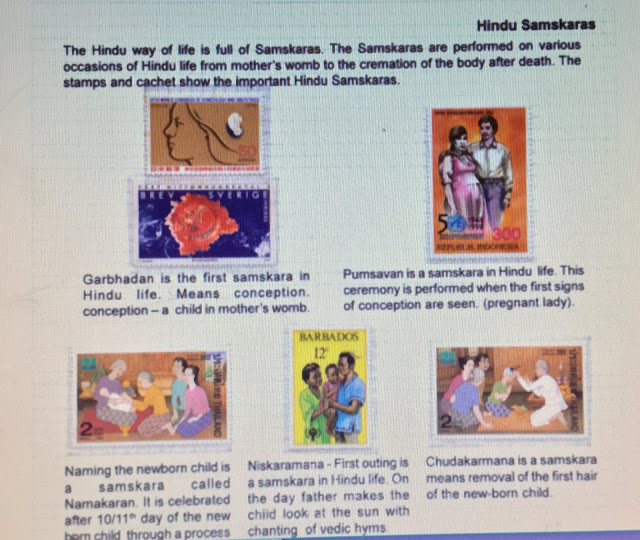
Universities must start M.Phil and Ph.D studies in Stamps
One can serve Hindu religion in various ways. Here is a story about an individual who is serving Hindu religion through his stamp collection.
I came to know about Mr N Ragupathy of Nagappattinam (Tamil Nadu, India) through his friend Dr Sathyanarayana of Pondicherry, when he visited London a few months ago. Then I contacted Mr Ragupathy through e mail and received some details about his good and rare stamp collection on Hindu themes.
He has not only collected stamps on Hindu saints and Hindu Gods but also displayed them beautifully with notes and explanations. It will be a great help to children and foreigners who collect stamps on religion and statues / idols. He has spent a lot of time in preparing the frames so that he can easily display them in exhibitions. His efforts dd not go waste. He has displayed them in various countries and Indian towns and received prizes and accolades.
Though he is a septuagenarian his enthusiasm is great and serves as an example to others. His life shows that individuals also can spread Hindu values in simple ways like this. You don’t need to run a big Mutt or institution to support Hindu cause.
He did not stop displaying his stamp collection. He wrote to government to issue stamps on various Hindu themes. But he is not happy that still the government has not taken enough action on his proposals.
If people like Ragupathy live in London they will get more exposure. Twice a year London holds STAMPEX (stamp exhibitions). There in addition to over 100 stamp vendors’ stalls from different countries, they hold seminars every day on various themes. And every year they chose a subject and ask the students, adults and experts to display their collection in very big glass frames. Prizes are given under different categories. Three or four monthly Stamp Magazines give huge publicity to the events as well as prize winners.
My suggestions are as follows:
1.Any Hindu institution can buy Ragupathy’s collection and display them in their Mutts or institutions.
2.Big towns should organise STAMPEX every year and award prizes to students, adults and experts under a chosen theme. Theme may differ from year to year.
3.India has issued over 3000 stamps until now. Indian princely states issued thousands of stamps. Now even Indian businessmen have started investing in Indian stamps. Rs Ten Gandhi stamp of year 1948 is sold at the prize of Rs14,000 today (in good condition with gums).
4.India is the country which has issued highest number of stamps for religious leaders. So, people like Ragupathy can do wonders through stamp collections. They deserve big awards.
5. Now millions of stamps are available from over 200 countries. So Thematic collection is becoming popular. No one collect stamps of all the countries. They go for one a Theme or One Country and collect stamps.
6.Stamp studies should be made available in every university. Doctorates should be awarded to researchers. M.Phil courses must be available.
7.School syllabus should include stamps and coins.
8.India with coins from sixth century BCE and stamps from 19th century has huge potential in this area.
9.Above all , Government museums should preserve all its STAMP and COIN treasures in good conditions.
10.When I collected stamps in India they started becoming brown under humid conditions. When I came to London all stamps remained in its pristine beauty. So Indians must be taught to preserve their stamp collection under different climatic conditions. Institutions can run courses for this.
11.Stamps give great pleasure, good knowledge and good returns on the invested money. I have been collecting stamps for over fifty years. Whether it returns your money or not, you learn a lot and you get great pleasure. You may call it the ‘King of Hobbies’ or the ‘Queen of Hobbies’.
Here is Ragupathy’s Profile and Wish
Sir,
I was born as a Hindu. I want to do any small service to Hinduism and so I
have selected new way of stamp collection on Hinduism.Why this?
Because Hinduism has huge number of books, media’s and religious organisations extra throughout the world .The translation
of Vedas are also made by Maxmuller a German born
philologist.
I have already expressed my ambition about the issue of stamps
on Hinduism by India post ( Om,Vedas, Vilvaleaf festivals such as
Ganesh chaturthi, Ramnavami and Krishnastami). For all these
things other countries issued stamps ; My attempts to bring this
to the present government failed.
So I made a humble request to you to highlight this matter in a daily
news papers in small column in London so the subject will reach the Government easily and the Government will also realise
the importance of such stamps.
Profile:
My first appointment as Record Clerk in Panchayat Union Office
Kivalur in 1961. Till 1972 I have served by promotions in various
posts. And then only I have transferred to Nagapattinam
and stayed at Nagapattinam till date. Lastly, I have served
as Personal Assistant to Collector Tiruvarur and retired on 1999.
I will speak freely in Tamil only. I don’t know Hindi or Sanskrit.
With the help of some scholars I have done the work.
Thank you
N.Ragupathy, Nagapattinam,
Tamil nadu, India.
–subham–
I have photocopied it from his pdf . So quality is not that good.
Pictures are taken from various sources; beware of copyright rules; don’t use them without permission; this is a non- commercial, educational blog; posted in swamiindology.blogspot.com and tamilandvedas.com simultaneously. Average hits per day for both the blogs 12,000
This about
the correspondence between two kings who lived 3300 years before our time.
Archaeologists
have unearthed interesting letters exchanged between common citizens and kings
and between two kings.
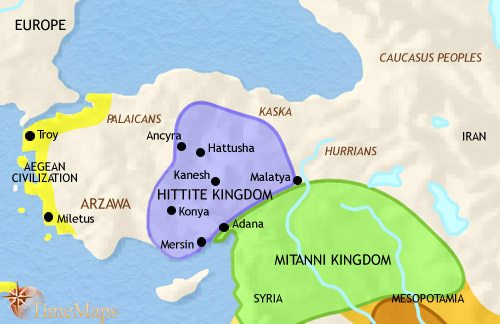
Hittite king
Hattushili III (1267 BCE-1237 BCE) wrote to Ramesses II of Egypt. He didn’t
reply immediately. After some time he sent a letter saying that he was sending
a physician with herbal medicine and a magician to drive away the demon who caused
the disease.
We can call
Ramesses as Rama Seshan or Rameshan (i.e.Vishnu or Shiva) and Hattusili as
Kshatriya Sri or Sathya Seelan; both Hittites and Ramesses had Hindu
connections.
Here is the
detail of the letter and the background of the correspondence: –
The letter
at hand provides, among other things, evidence for the great interest the
Hittite kings showed for Egyptian physicians and their healing practices. Egyptian
medicine is known from the third millennium BCE, but there is no evidence for a
long standing medical tradition among the Hittites.
Hattusili III
requested medical help on multiple occasions, both for others and to cure his
own illness, which was caused by a demon according to the letter. The illness might
have been an affliction of the eyes that Hattusili suffered from. After ignoring
three letters from him, Ramesses finally sent a positive response and announced
that he had dispatched , along with medicinal plants, a physician and a second
person by name Leya, who might have been an incantation priest charged with
performing magical rituals to dispel the
demon thought to be the cause of illness.
(Hindu’s
Atharva Veda also has such magic rituals)
The letter was written a few years after Egypt and Hatti (kshatriya = Hatti= khatti) had concluded a peace treaty. This reminds us the Peace Treaty between the Pandyas and Sri Lankan king Ravana which is reported in an inscription (That must be the world’s first International Peace Treaty).
At one time
both empires (Egypt and Hatti) tried to control the Middle East which led to
the famous battle of Quadesh. Since it ended in a stalemate Egyptian king had
to acknowledge the Hittite king as his
equal. Hattusili removed his own nephew and made his way to the throne. This
recognition by Egypt was an acknowledgement to his legitimacy. Each king
addresses the other as ‘dear brother’. Ramessess II was one of the longest
ruling pharaohs of Egypt. He died at the at the age of 90. He was the greatest
and most powerful and most celebrated king of New Kingdom.
Pictures are taken from various sources; beware of copyright rules; don’t
use them without permission; this is a non- commercial, educational blog;
posted in swamiindology.blogspot.com and tamilandvedas.com simultaneously.
Average hits per day for both the blogs 12,000
ச.நாகராஜன்
வரலாற்றின் அற்புதமான ஏடு இது!
வருடம் 1555. ஆயிரத்தி ஐநூறுகளில் பல நாடுகளைப் பிடித்து தனது காலனி ஆக்குவதில்
போர்த்துகீசியர் உச்ச கட்டத்தை எய்தி இருந்த காலம் அது.
காளிகட்டில் ஜமோரின்களை அழித்து, பீஜப்பூர் சுல்தானைத் தோற்கடித்து, குஜராத்
சுல்தானிடமிருந்து டாமனைக் கைப்பற்றி, மைலாபூரில் தனது காலனியை ஸ்தாபித்து, பாம்பேயை
தமது வசமாக்கி, கோவாவை தமது தலைமையகமாக்கிய போர்த்துகீசியரின் காலம் அது. எதிர்ப்பார்
யாருமின்றி, கபாலீஸ்வரர் கோவிலையே இடித்து அங்கு ஒரு சர்ச்சை அவர்கள் நிர்மாணிக்க இருந்த
சமயம்.
அடுத்த குறி மங்களூர். அது லாபம் தரும் ஒரு துறைமுகம் ஆயிற்றே!
ஆனால் அவர்களின் துரதிர்ஷ்டம், மங்களூரிலிருந்து 14 கிலோமீட்டர் தெற்கே உள்ளல்
என்ற ஒரு சிறு பகுதியை முப்பதே வயதான வீரப் பெண்மணி அப்பக்கா சௌதா ஆண்டது தான்!
அந்த ராணியை அவர்கள் முதலில் ஒரு பொருட்டாகவே மதிக்கவில்லை. சில படகுகளில்
தங்கள் போர்வீரர்களை அனுப்பினர், அதைக் கைப்பற்ற. ஆனால் படகுகளும் வரவில்லை, போர்வீரர்களும்
திரும்பி வரவில்லை!
ஒரே அதிர்ச்சி!
கோபத்தில் உறைந்த அவர்கள் இந்த முறை பல கப்பல்களை அனுப்பினர். படைக்குத் தலைவன்
அட்மிரல் டாம் ஆல்வாரோ டா சில்வெய்ரா.
அட்மிரல் சீக்கிரமே திரும்பி வந்தான் அடிபட்டு, உதைபட்டு, வெறும் கையுடன்!
உடனேயே, இன்னொரு போர்த்துகீசிய கடற்படை அனுப்பப்பட்டது. இந்த முறை சிலரே காயம்பட்டனர்.
ஒருவழியாக படை சமாளித்துத் திரும்பி வந்து விட்டது.
உடனே போர்த்துக்கீசியர் மங்களூர் துறைமுகத்தையும் அதைச் சார்ந்த கோட்டையையும்
கைப்பற்ற முனைந்தனர். மங்களூரில் இருந்தால்
அருகில் உள்ள சௌதாவை ஒரு கை பார்க்கலாமே என்று நினைத்தனர்.
மங்களூர் கைப்பற்றப்பட்டது. ஒரு பெரும் படையுடன் அனுபவம் வாய்ந்த போர்த்துக்கீசிய
ஜெனரல் உள்ளலுக்கு அனுப்பப்பட்டான்.
அவனுக்கான உத்தரவு ஒரே வரி தான்! உள்ளலைப் பிடி சௌதாவைப் பிடி!
திட்டம் தீர்க்கமானது தான்!
மிகப் பெரும் படையை – ஆயிரக்கணக்கான வீரர்கள் நவீன ஆயுதங்களைக் கொண்டவர்கள்
உள்ள படையை – முப்பதே வயதான ஒரு பெண்மணி தன்னுடன் இருக்கும் சில ஆட்களுடன் எதிர்கொள்ள
முடியுமா, என்ன?
போர்த்துக்கீசியர் உள்ளலை அடைந்தனர். பார்த்தால் உள்ளல் வெறிச்சோடிக் கிடந்தது.
அப்பக்காவை எங்கேயும் காணோம். சுற்றித் திரிந்து பார்த்தவர்கள் உல்லாசமாக இருந்து தங்களது
அதிர்ஷ்டத்தை எண்ணி வியந்தனர். வெற்றி என்று முழக்கமிடும் தருணத்தில் சௌதா தேர்ந்தெடுத்த
தனது இருநூறே போர்வீரர்களுடன் அந்தப் பெரும்படையைத் தாக்கினார்.
ஒரே குழப்பம், கூக்குரல். ஏராளமான போர்த்துக்கீசியர் சண்டை போடாமலேயே உயிரை
இழந்தனர்.
ஜெனரல் ஜோஓ பெய்க்ஸோதோ கொல்லப்பட்டான். 70 போர்த்துக்கீசிய வீரர்கள் கைது செய்யப்பட்டனர்.
மற்றவர்கள் அலறி அடித்துக் கொண்டு ஓடினர்.
அப்பக்கா சௌதா அதே இரவு மங்களூரை அடைந்து
மங்களூர் கோட்டையை முற்றுகை இட்டார். கோட்டைக் காவலை உடைத்தார், உள்ளே புகுந்தார்.
போர்த்துகீசிய தலைவனான அட்மிரல் மஸ்கரன்ஹாஸைக்
கொலை செய்தார். அங்கிருந்த போர்த்துக்கீசியரை விரட்டி அடித்தார்.
இத்தோடு நிற்காமல், அவர் மங்களூருக்கு வடக்கே நூறு
கிலோமீட்டர் தள்ளி இருந்த குந்தபுரா கோட்டையையும் கைப்பற்ற முனைந்தார்.
வேறு வழி இன்றி போர்த்துக்கீசியர், சௌதாவை விட்டு
விலகி இருந்த அவரது கணவருக்கு ஏராளமான பணம் கொடுத்து துரோகம் செய்யத் தூண்டினர்.
சௌதா கைது செய்யப்பட்டார். சிறையில் வைக்கப்பட்டார்.
அங்கும் அவர் எதிர்க்க ஆரம்பித்தார். சிறையிலிருந்து தப்பி வெளியேறும் சமயம் அவர் கொல்லப்பட்டார்.
முதல் சுதந்திரப்போர் நடந்த ஆண்டான 1857க்குச் சரியாக
முன்னூறு ஆண்டுகளுக்கு முன்னர் ஹிந்துக்களும் முஸ்லீம்களும் அடங்கிய ஒரு சேனையுடன்
ஜைன மதத்தைச் சேர்ந்த சௌதா போர்த்துக்கீசியரை இப்படி எதிர்த்தார்.
அவரை மறந்து விடலாமா? அவரைப் பற்றி எங்கேனும் நாம்
சொன்னோமா? அவர் பெயரை எங்கேனும் சூட்டினோமா?
ஒரு தபால்தலையை வெளியிட்டோம், அவ்வளவு தான்! ஒரு படகுக்கு அவர் பெயரைச் சூட்டினோம், அத்துடன்
இரண்டே இரண்டுச் சிலைகளையும் நிறுவினோம்.
அடடா, என்ன ஒரு நன்றி உணர்ச்சி, இந்தியர்களாகிய நமக்கு!!!
அமெரிக்காவோ, அல்லது ஐரோப்பாவாகவோ இருந்தால் இப்படி
நடந்திருக்குமா? கொண்டாடி இருப்பார்கள், பாட புத்தகத்தில் இடம் பெற வைத்திருப்பார்கள்.
நாமோ, சண்டையிட்டது அவர் தானா இல்லை உண்மையில் அவர்
மகளா என்ற ஒரு வெற்றுச் சர்ச்சையைக் கிளப்பி விவாதித்து மகிழ்ந்து கொண்டிருக்கிறோம்!
நமது கூக்குரலிலும் வெற்றுச் சர்ச்சையிலும் ஒரு வெற்றிகரமான
வீராங்கனையின் புகழ் மங்கி விட்டது.
அடடா, என்ன ஒரு ஆச்சரியம்…
அப்பக்கா சௌதா ஆச்சரியமா..
அல்லது நாம் தான் ஆச்சரியமா???!!!
நமது நன்றி ட்ரூத் வார இதழுக்கு (TRUTH
VOL.87 NO. 28 ;8-11-19)
உரித்தாகுக!
*****
மூலத்தை அப்படியே ஆங்கிலத்தில் கீழே படிக்கலாம்:
Snippets from Social Media
Abbakka Chowta of Ullal and Portuguese Invaders
:
This is a nice piece of history. Worth a
read.
The
year was 1555. Portuguese colonial power was at its peak in the 1500’s. They
destroyed Zamorins of Calicut, defeated the Sultan of Bijapur, took away Daman
from the Sultan of Gujarat, established a colony in Mylapore, captured Bombay
and made Goa as their headquarters. And while they were at it, pretty much
unchallenged, they even ruined the ancient Kapaleeswarar Temple to build a
Church over it.
Their next target, the super profitable port of Mangalore.
Their
only bad luck, just 14 kilometers south of Mangalore was the small settlement
of Ullal– ruled then by a feisty 30 year old woman– Abbakka Chowta.
Initially,
they took her lightly and sent a few boats and soldiers to capture and bring
her back to Goa– those boats never came back.
Shocked
and enraged, they sent a huge fleet of ships this time, under the command of
much celebrated Admiral Dom Álvaro da Silveira– The admiral soon returned,
badly injured and empty handed.
Thereafter,
another Portuguese fleet was sent –only a few injured from the crew managed to
make it back.
Then
the Portuguese went on to capture the Mangalore port and the fort anyways,
perhaps planning to tackle Mrs. Chowta from the convenient distance of the
Mangalore fort.
After
the successful capture of Mangalore, a huge army under João Peixoto, an
experienced Portuguese General was sent to Ullal.
The brief was simple:
Subjugate Ullal andcapture
Abbakka Chowta.
The
plan was foolproof– there was no way a 30 year old with a few men could
withstand the might of an army of thousands with advanced weapons.
The
Portuguese reached Ullal and found it deserted. Abbakka was nowhere in sight.
They roamed around, relaxed and thanked their stars. Just when they were about
to call it a victory – Mrs Chowta attacked with 200 of her chosen men. There
was chaos all around and many Portuguese lost their lives even without a fight.
General João Peixoto was assassinated, 70 Portuguese were captured and the rest
just ran away.
So if you’re Abbakka Chowta, who’s just defeated a large army of
aggressors, killed a general, captured fighters and defended her
city, what will you do? Rest and enjoy the moment right? Right?
No!
Rani Abbakka Chowta, rode with her men towards Mangalore that
same night, and laid a siege of the Mangalore fort. She not just
broke inside the fort successfully, but assassinated Admiral
Mascarenhas the Chief of the Portuguese power there and forced
the remaining Portuguese to vacate the fort.
She didn’t just stop at this but went on to capture the
Portuguese settlement at Kundapura, a full 100 kms, north
of Mangalore. Just to make a point.
The Portuguese finally managed
to get back at Abbakka Chowta by convincing her estranged husband,
to betray for money. She was arrested and put in the prison where
she revolted again and was killed while trying to escape.
Abbakka Chowta was a Jain who fought against
the Portuguese with an army comprising of both Hindus and Muslims, a full
300 years before the First War of Indian Independence in 1857.
What did we Indians do to her, as a mark of our respect and
gratitude? We just forgot her.
We didn’t name our girls after her. We didn’t even teach her
stories to our kids. Yes, we did release a Postal Stamp in her name, named a
boat after her and erected 2 statues, yes, just 2 statues in the whole of India
for someone
who should be our national hero.
We might have got to read a chapter about even her in our text
books, had she been a European or an American.
We Indians are still busy, arguing, if it was actually one of her
daughters who fought the battles instead of her. Many talk about her being the
last Indian to have the power of the agni-ban. In all this cacophony, our
generation has lost a great hero– a great source of inspiration.
Still wondering why you’ve not heard about her yet?
Pictures
are taken from various sources; beware of copyright rules; don’t use them
without permission; this is a non- commercial, educational blog; posted in
swamiindology.blogspot.com and tamilandvedas.com simultaneously. Average hits
per day for both the blogs 12,000
The greatest
grammarian the world has ever produced is Panini. His master piece Ashtadhyayi
(literally Eight Chapters) is the creation of a great genius. Within 4000
sutras (pithy sayings with grammar rules) he has proved that Brevity is the
soul of wit. No one else can say such rules in such a short sutras.
Panini’s knowledge
about South India is taken as one of the factors to decide his age. Goldstucker
and RG Bhandarkar placed him in the seventh century BCE. Others gave him
various dates between 4th century BCE and seventh Century BCE. But
his silence on Upanishads, Buddha, Mahavira etc place him definitely before
Buddha.
Following is
the dates given to Panini by various scholars:-
Goldstucker –
seventh century BCE
R G
Bhandarkar – seventh century BCE
D R Bandarkar
– middle of sixth century BCE
Charpentier –
500 BCE
H C Rayachaudhry
– later half of sixth century BCE.
Grierson – a
century elapsed between Panini and Asokan inscriptions
Weber – post
Alexander
Each one of
them gave his own reasons to place him in the above periods .
PANINI AND SOUTH INDIA
Panini did
not write about geography of India. But yet he gives the names of rivers, mountains
and towns to illustrate some rules.
Panini besides
referring to the seas and the islands lying near the coast and mid ocean,
actually mentions the portion of country which lies between the tropics as antar ayana desa. It can refer only
to Deccan lying south of the Tropic of Cancer, which passes through Kachcha and
Avanti.
Panini also
knows of Asmaka on the banks of modern Godavari. He also refers to Kalinga. And
people who lived before Panini also mentioned several places in the south. That
indirectly proves that south India was known to them.
Pictures are taken from various sources; beware of copyright
rules; don’t use them without permission; this is a non- commercial,
educational blog; posted in swamiindology.blogspot.com and tamilandvedas.com
simultaneously. Average hits per day for both the blogs 12,000
PERU IN SOUTH AMERICA HAS REVEALED A SURPISE; THE PEOPLE
WORHSIPPED WATER LIKE WE WORSHIP GANGA MATA AND VARUNA. FOR THE WATER CEREMONY
THEY HAVE CONSTRUCTED SPECIAL STEPS LIKE OUR RIVER GHATS OR TEMPLE TANKS. TODAY’S
LONDON NEWS PAPERS HAVE PUBLISHED FULL DETAILS. HERE IS THE REPORT FROM DAILY
MAIL NEWS PAPER. THEY CALL IT ‘DIVINE WATE’R. HINDU VEDAS ARE FULL OF PRAISE
FOR APA/WATER. NO HINDU CEREMONY GOES WITHOUT WATER RITUAL. BRAHMINS OF INDIA
DO WATER CEREMONY THRICE A DAY WITH SPECIAL PRAYERS TO WATER (APAH) AND VARUNA.
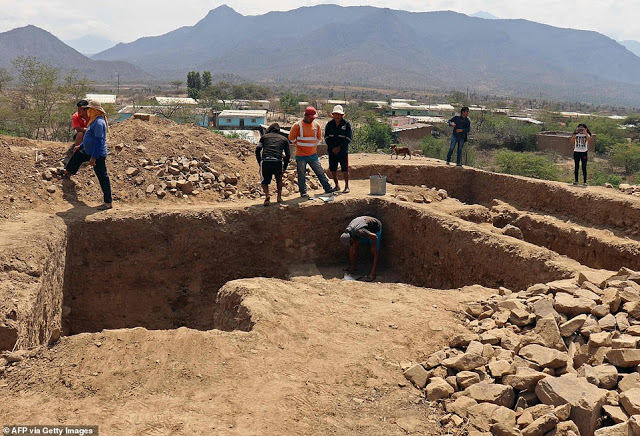
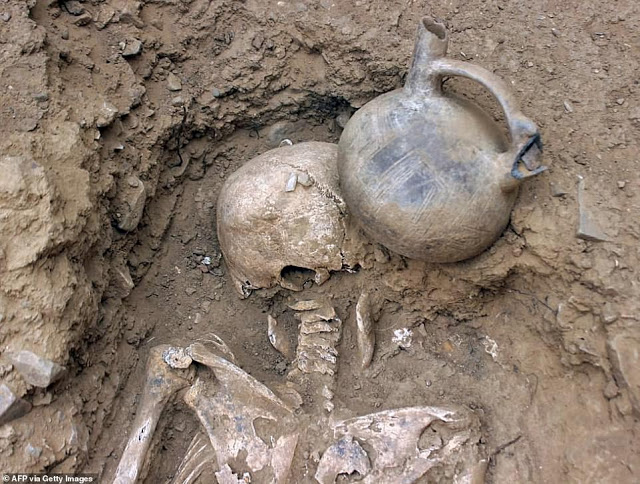
Archaeologists find a 3,000-year-old megalithic
temple that was used to stage ‘pagan rituals of water worship’ in ancient Peru
The graves that were found at the temple site by archaeologists
date back to between 1,500 BC to 292 AD
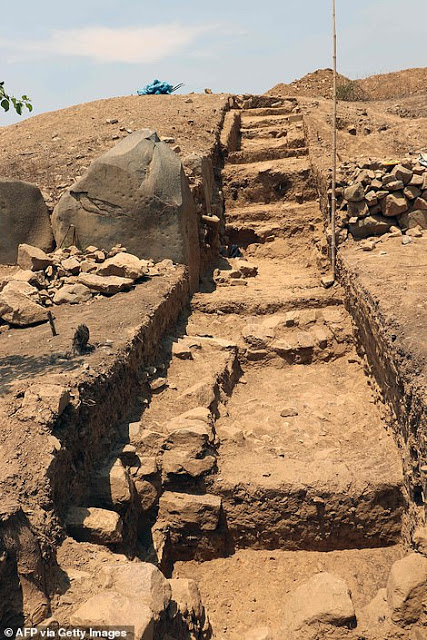
The religious monument’s total structure is over 131ft long and
features a staircase that is 49ft long
The discovery was made in October but the news was delayed to deter
treasure hunters from visiting the site
Researchers believe the megalith template would have been used by a
water cult to Promote fertility
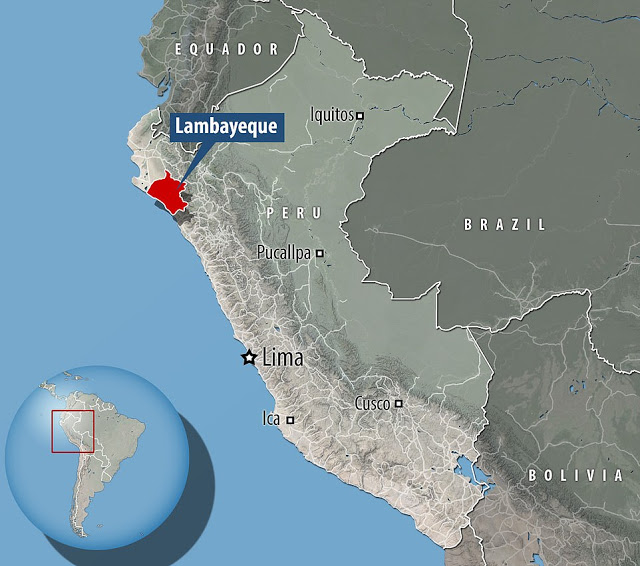
The religious monument is over 131ft long
and is located in the springs of the Zaña Valley river about 500miles from
Lima, the modern capital of Peru.
Inside the temple archaeologists found a
square with an alter that was likely used to offer important fertility rituals
with water taken from the Zaña Valley river.
Archeological excavation has
revealed the remnants of an ancient megalithic temple in Peru, believed to have
been constructed some 3,000 years ago. The temple is thought to have been
dedicated to the worship of water. Experts have concluded this based on altars
at the site, their shape and how they were positioned.
The
ancient megalithic remnants were discovered at the
archaeological complex Huaca El Toro, in the district of Oyotún, in Peru’s
Lambayeque region.
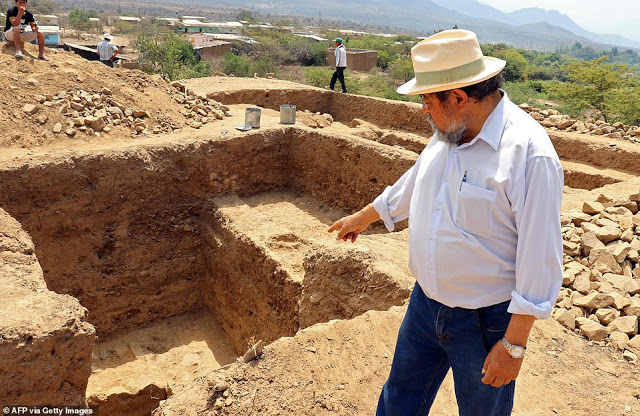
The director of the Royal Tombs
of Sipán Museum, Walter Alva, reported that this temple is located near the
junction of two rivers that were sacred places in ancient times: the Nanchoc
and Udima rivers.
It is precisely there where an
ancient culture chose to construct a massive temple.
Although temples are not a rarity
in Peru, this is the only megalithic structure that has been discovered so far
in Peru’s Lambayeque region.
To
the surprise of archaeologists, excavations revealed that the ancient temple had
been constructed entirely of supermassive stones. The facade, as well as the
side wall s of the temple, were all built using massive granite blocks.
Some
of the megalithic stones bear messages on their surfaces. The symbols suggest
that the massive granite blocks were hauled from sacred places.
The temple was used as a center
for the worship of water. In front of the megalithic construction are altars
representing the cult of water. Water is thought to have been considered divine
at the time.
The
temple comes from a time when water was considered divine and was used in a
number of rituals and religious practices, researchers claim.
They
were able to determine this temple was home to a cult that worshipped water by
studying the way the alter is positioned and how it looks.
The
altar includes holes similar to those found on other temples from the period.
‘This
is typical of water altars that are in other places, and it is located in
the springs of the Zaña Valley river’, Mr Alva said.
Mr
Alva said they have identified a circular column, where evidence of
sedimentation of rains and rituals was found.
‘This
temple is facing the mountain. This place is strictly ceremonial because of the
signs of burning that took place.’
‘The
rituals were performed for fertility,’ (To get children) he said.
Stunning
walls surround the monument and there is a central staircase that is 32ft wide
and 49ft long. (Like Hindu Temple Tanks and Tirthas)
The
Peruvian team discovered 21 tombs on the site of the temple which is thought to
date back to about 1,500 BC to 292 AD.
Inside
the tombs they found ceramic pieces and metal objects such as knives that were
placed next to the graves.
Mr
Alva says it is likely the tombs were later re-used as 20 of burial sites were
from the later Inca Chimu culture which dates back to about 1,000 to 1,470
AD.
This
isn’t the first major discovery made by Walter Alva and his team.
The
archaeologist also discovered the tomb of the Lord of Sipan in 1987. Sipan (Lord
Shiva’s name??) was a ruler of Mochica culture and his remains were found
intact in Northern Peru.
In
2007 he discovered a number of 4,000-year-old murals in Peru.
Like Hindu river Ghat and Temple Tanks, they had steps to get the holy water (Tirtham)
Pictures are taken from various sources; beware of copyright rules; don’t use them without permission; this is a non- commercial, educational blog; posted in swamiindology.blogspot.com and tamilandvedas.com simultaneously. Average hits per day for both the blogs 12,000
Pictures are taken from various sources; beware of copyright rules; don’t use them without permission; this is a non- commercial, educational blog; posted in swamiindology.blogspot.com and tamilandvedas.com simultaneously. Average hits per day for both the blogs 12,000
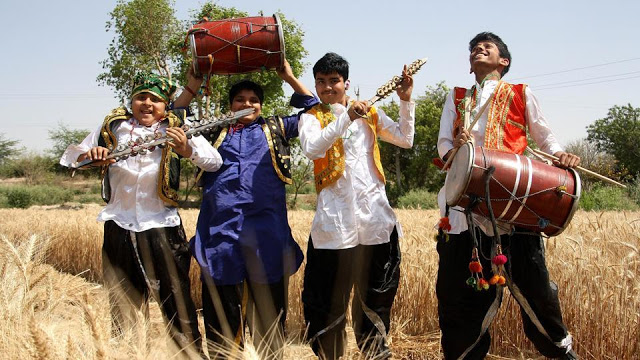
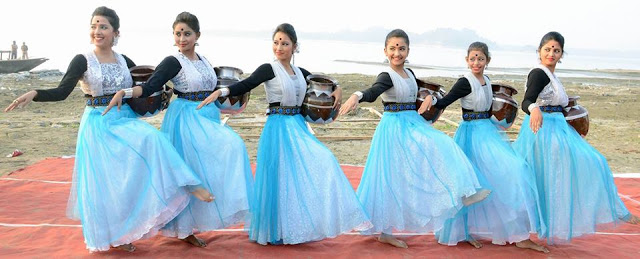
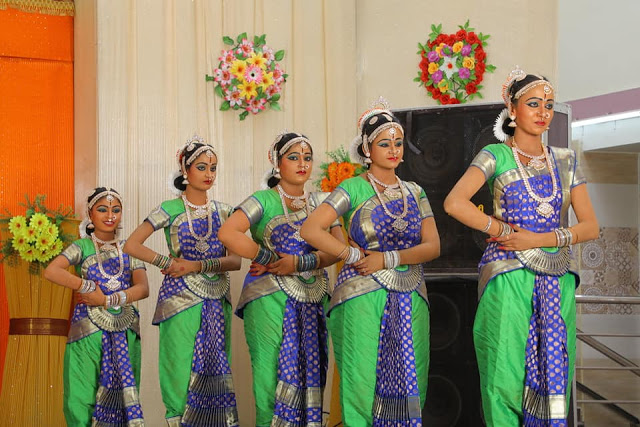
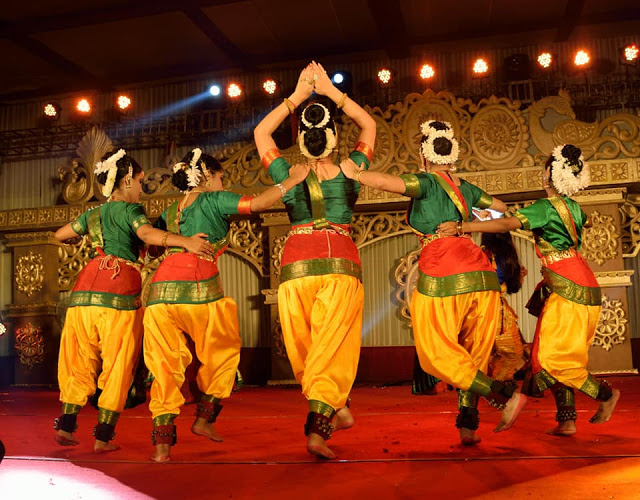
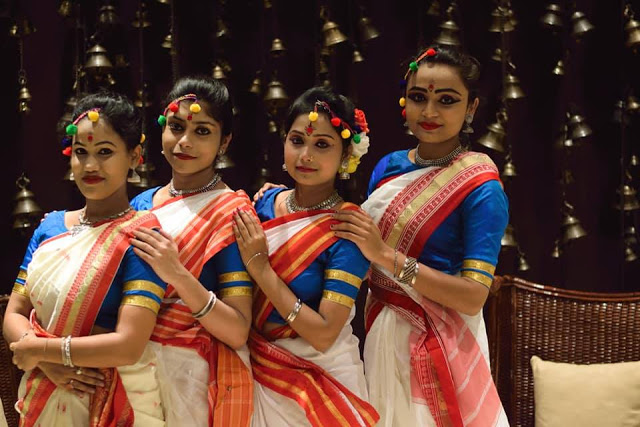
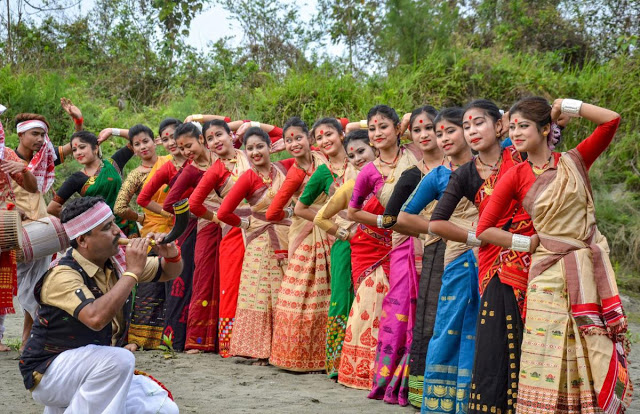
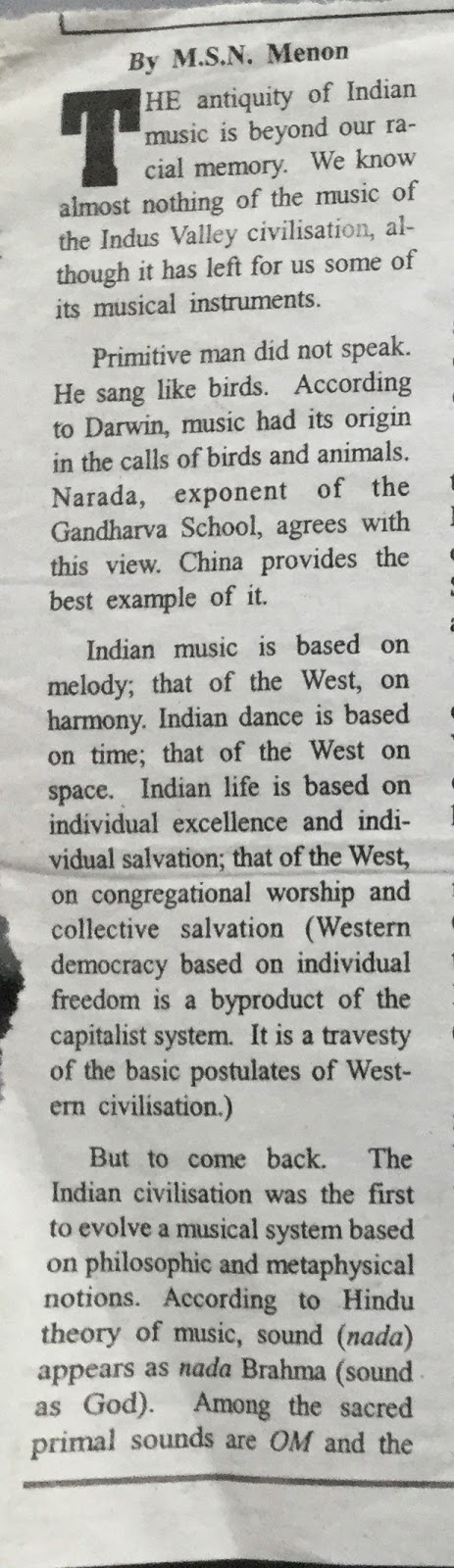
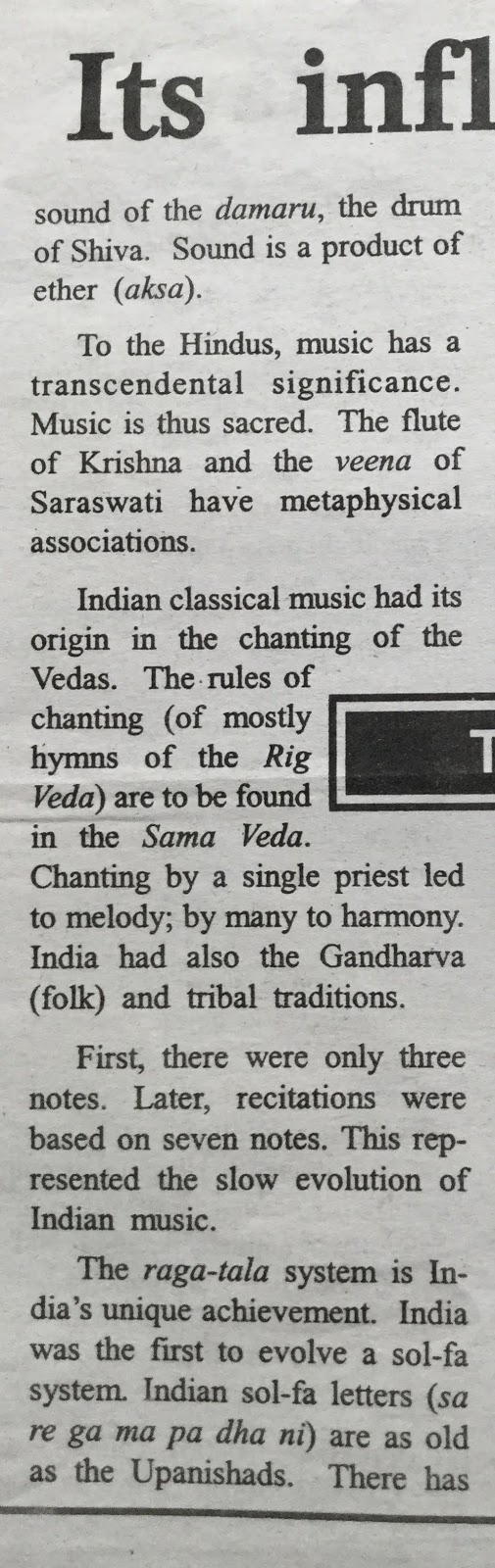
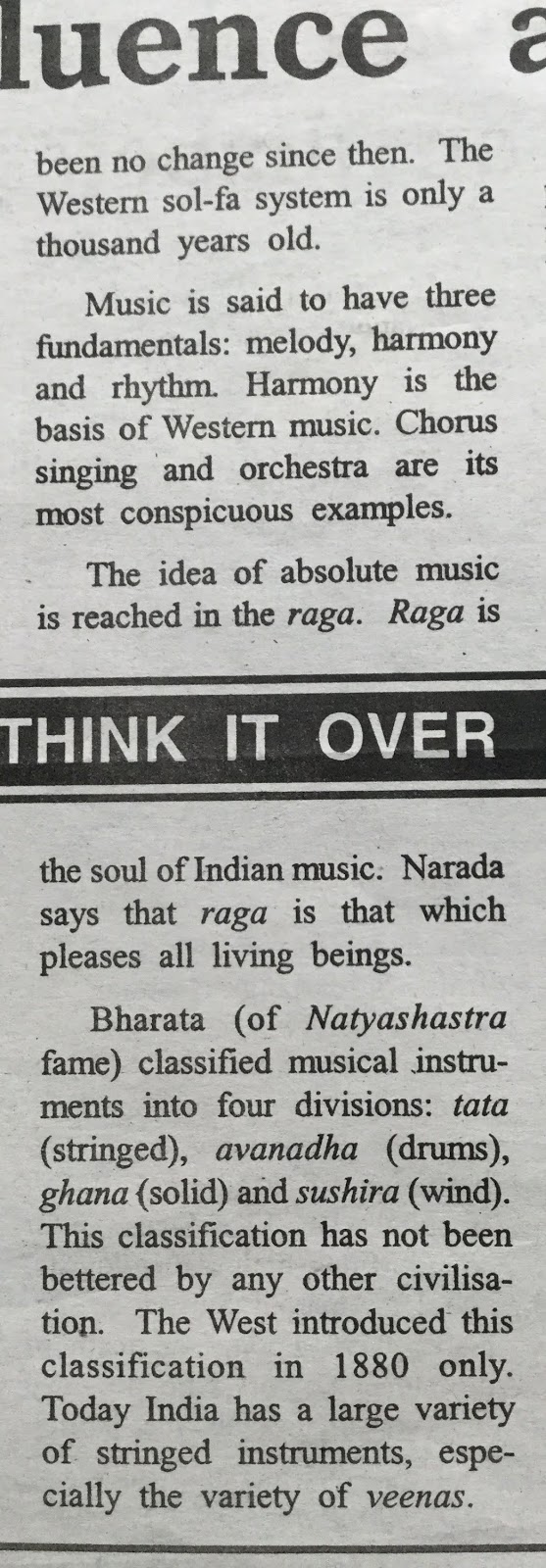
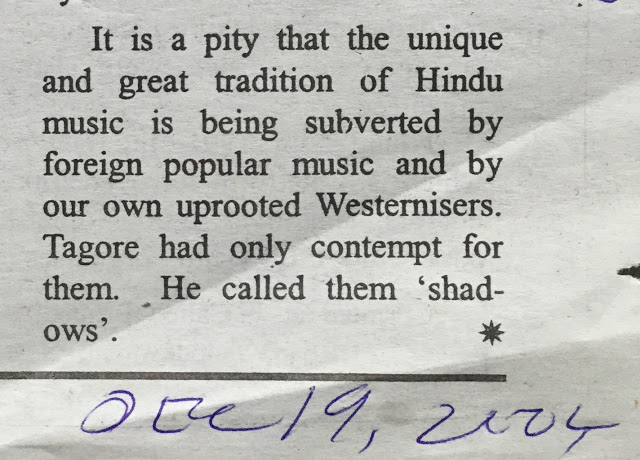
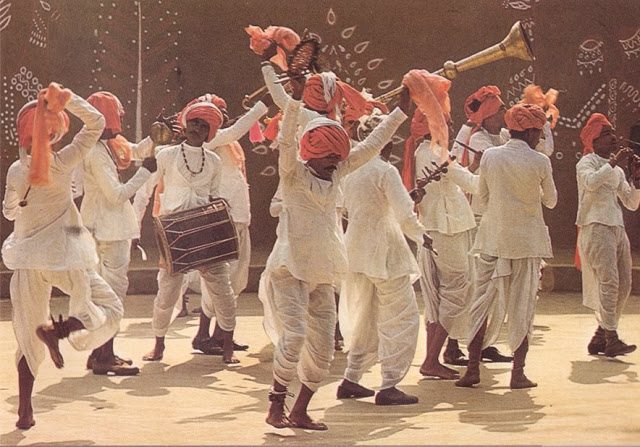
I have been throwing away all the paper cuttings and articles I have collected from 1974. I am clearing two cup boards full of paper cuttings, articles, my hand written notes in 20 note books. One article written by M S N Menon from ORGANISER weekly published in 2004 is very interesting. It compares the arts of India with the arts of the Western world in bullet points. I cannot resist publishing it here before throwing the small paper cutting into the bin. Please read the article if you are a fan of music.

















 Tamil and Vedas