Deva Dasis: Dancing Girls of Hindu Temples (Post No.3189)

deva-dasi-1

Compiled by London swaminathan

Date: 25 September 2016

Time uploaded in London:19-58

Post No.3189

Pictures are taken from various sources; thanks.


Following is an excerpt from the book- “The Land of the Lingam” by Arthur Miles, 1933


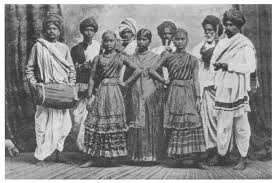
“Dasis, or Deva-dasis (handmaidens of the gods), are dancing girls attached to the temples. They have their own caste, which has its own customs, councils and laws of inheritance. Dasis, dedicated to the temple, are married to the god or to a sword and receive their marriage badge.


There are two divisions of the dasis: the Valangai, or right hand, and the Idangai, or left hand. The former will have nothing to do with artisans, and refuse to dance in their houses; the latter is not so particular. Neither division however, will sell themselves to men of the lowest castes. In the Oriya country the dasi caste is not connected with the temples in any way, and its girls neither marry the god nor receive the marriage badge.


Indian music is perhaps the oldest in the world, and the Dasi caste is the repository for much of it.


Dancing girls sometimes amass considerable fortunes, which frequently they devote to piety or to something which will commemorate their caste endian bridges and other public works frequently owe their existence to these girls, and the large tank at Channaraya patna in Mysore state was built by two dancing girls.
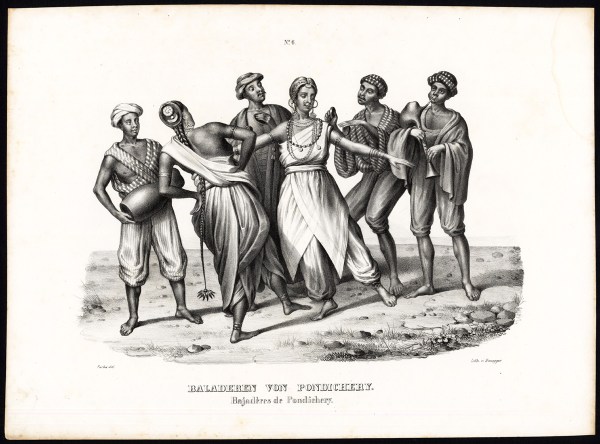
pondicherry1836

Girls are usually presented to the caste between six and eight years of age, and after formal investigations have been made the parents of the girl must pay the expenses of the ceremony and present something to the temple. If the girl is accepted she is taken to the inner sanctuary of the temple where she sits facing the deity. The priest then makes the fire and performs the marriage ceremony. A mimic marriage, representing Siva marrying Parvati, sometimes precedes the girl’s marriage to the god. After the marriage the girl is taken to her father’s house, where her marriage is celebrated for two or three days. A coconut is rolled back and forth between the bride and the elderly dasi dressed in male attire to act the part of the bridegroom.


The home of the dancing girl is the only place in India where the birth of a male child is not an occasion for rejoicing. Three boys born to the dancing girls sometimes remain in the caste as musicians, playing for the women to dance. Daughters are brought up to follow the profession, and are taught dancing, singing, and the arts of dressing and make-up.


Too old to dance

When a dancing woman becomes too old, or too diseased, for the profession she applies to the temple for permission to remove her ear rings. After she has formally handed over her ornaments which are returned to her, she becomes an old mother and is supposed to lead a life of retirement. She may still receive a small income from the temple to which she was dedicated.

When a priest dies, the dancing girl whom he married vicariously prepares the turmeric powder which is dusted over his corpse. She also observes the anniversaries of his death. It is said that in former times dancing girls, at the commencement of their career, used to sleep three nights in the inner shrine of Koppeswara temple in the Godavari district, so as to be embraced by god.


Dancing Girls of Conjeeevaram Temples

At the beginning of the last century there were a hundred dancing girls attached to the temple at Conjeeevaram.


About three years ago I arranged to have a group of girls’ dance at the temple in Conjeevaram, the temple of Ekambara Swami, the god of a single garment. They danced in the hall of a hundred pillars, a fine old structure in the temple courtyard. They were dressed in gaudy saris, with as much jewellery as their frail little bodies could support. Their necks, breasts, hips, arms, fingers, ankles, and toes were fairly plastered with jewels, most of which were imitation.  Their faces were heavily painted, and their eyes were touched up with kohol. Old hags and several ragged musicians accompanied them, and the former no doubts had been nautch girls once. The hags’ mouths were stained with betel and they talked rapidly to the dancers in highly pitched, unpleasant voices.
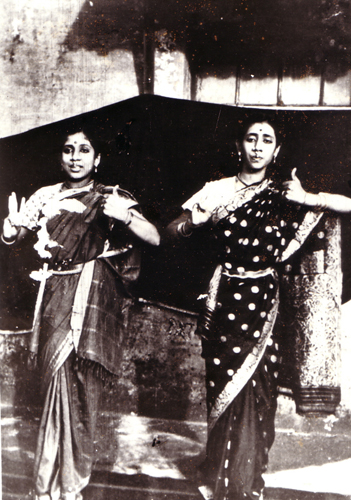
kumbakonam-devadasis

The girls danced slowly, rhythmically, swaying their bodies from side to side and dislocating their necks. The hags, meanwhile uttered a series of grunts, in time with the music.  A girl, who could not have been more than twelve years old, knelt before me, making the erotic gestures and singing a filthy Tamil song. When she finished the song she stood up, the others joined her, and the dance became very excited. The musicians put down their instruments, and one old hag took up a conch shell and blew in it. The wail of the shell seemed to madden the girls, and they started a wild song which left little to the imagination.

As I watched and listened, I could feel modernity slip away – back to the days hidden behind centuries.”


My comments

The author has criticised Hindu customs through his book and he had lot of factual errors. His understanding of Hindu religion was not good.

In the very first page of his book he has written, “Siva’s symbols are the lingam and the yoni. The cow, usually wrought in bronze, is placed in the temple before the altar. The cow represents Maya (illusion).”

Dance has become a sacred art now as we had it in the days of Bharata, who wrote the sacred treatise in Sanskrit 2000 years ago.

Raja Raja Choza had 400 dancing girls around the Big Temple in Thanjavur 1000 years ago. Their house numbers and their beautiful Tamil and Sanskrit names are inscribed on stone. Many Tamil inscriptions reveal that they have made donations to temples in cash and kind.


–Subham–
 

விஞ்ஞானிகளை வியக்க வைக்கும் அதிசய மனிதர்கள்! (Post No.2896)

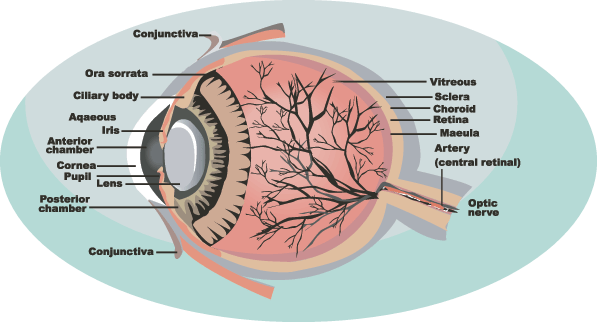
eyeanat

Article written by S.NAGARAJAN


Date: 15 June 2016


Post No. 2896


Time uploaded in London :–  6-17 AM

( Thanks for the Pictures)


DON’T REBLOG IT AT LEAST FOR A WEEK!  DON’T USE THE PICTURES; THEY ARE COPYRIGHTED BY SOMEONE.


(for old articles go to tamilandvedas.com OR swamiindology.blogspot.com)


17-6-16 பாக்யா இதழில் அறிவியல் துளிகள் தொடரில் வெளியாகியுள்ள கட்டுரை


விஞ்ஞானிகளை வியக்க வைக்கும் அதிசய மனிதர்கள்!

ச.நாகராஜன்

eye3

அற்புதங்கள் தினமும் நிகழ்ந்து கொண்டே இருக்கின்றன. அற்புதங்கள் பற்றிய உங்கள் பார்வையை மாற்றிக் கொண்டு பாருங்கள். உங்களைச் சுற்றி ஏராளமான அற்புதங்கள் நிகழ்வதை நீங்கள் காண்பீர்கள்.” – ஜோன் போன் ஜோவி


அறிவுஜீவியான இண்டிகோ  பையன் (மிகவும் அறிவு மிக்கவர்களை இண்டிகோ என்று அழைப்பர்) தான் முற்பிறவி ஒன்றில் செவ்வாய் கிரகத்தில் பிறந்தவன் என்று சொன்னதைப் பார்த்தோம். ரஷியாவைச் சேர்ந்த இந்தப் பையனின் பெயர் போரிஸ்கா (Boriska). நாளுக்கு நாள், வளர வளர, வயது ஏற ஏற, தன் வியத்தகு அறிவினால் அனைத்து விஞ்ஞானிகளையும் அசத்தி வருகிறான் போரிஸ்கா.


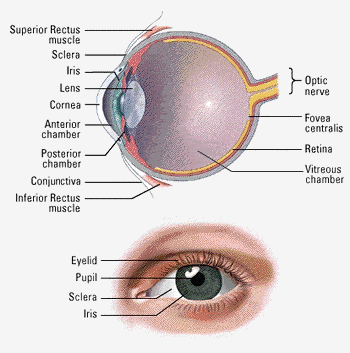
அறிவியலுக்குச் சவால் விடும் வகையில் உலகெங்கும் பலர் இப்படி அடிக்கடி பிறந்து கொண்டே தான் இருக்கின்றனர். விஞ்ஞானிகளால் திகைப்பதைத் தவிர வேறொன்றும் செய்ய முடியவில்லை. பார்ப்பதற்கு ஆதாரமாக இருக்கும் விழிகளின் கட்புல மேலுறை (Visual Cortex) இல்லாமல் ஒருவரால் பார்க்க முடியுமா? முடியும் என்று சொன்னால் விஞ்ஞானிகள் என்ன, சாமான்ய மனிதர்களே சிரிப்பார்கள்.

விழிகளின் பார்வைக்கு ஆதாரமான கார்டெக்ஸ் இல்லாமல் பார்ப்பது எப்படி என்று கேலியும் செய்வார்கள்.

ஆனால் மருத்துவ ரீதியாக “பார்வையற்ற” ஒருவர், விஷுவல் கார்டெக்ஸ் இல்லாமல் பார்க்க முடிகிறது என்றால் அதை விஞ்ஞானிகளாலேயே நம்ப முடியவில்லை!


‘பயலாஜி’ என்ற விஞ்ஞான இதழில் 2008ஆம் ஆண்டு இவரைப் பற்றிய அதிசய விவரங்கள் வெளியிடப்பட்டன.

இவரது முழுப்பயரைச் சொல்லாமல் இவர் டிஎன் (TN) என்று குறிப்பிட்ப்பட்டார்


டி என் ஒரு டாக்டர். துரதிர்ஷ்டவச்மாக இவர் இருமுறை பக்கவாதத்தால் தாக்கப்பட்டார். இரு விழிகளின்  மேலுறையும் முற்றிலுமாக பழுதுபட்டன. உறுப்புகள் சிதைந்தே விட்டன. ஒன்றும் செய்ய முடியாத நிலை.


ஆனால் இவர் எதிரில் இருக்கும் தடைகளை எல்லாம் “பார்க்கிறார்” அல்லது உணர்கிறார்.

இதை நம்ப  மறுத்த விஞ்ஞானிகள் இவருக்கு ஒரு சோதனையை வைத்தனர்.


நெதர்லாண்ட்ஸ் பல்கலைக் கழகம் இந்த ஆய்வை முன்னின்று நடத்தியது.


ஒரு ஹாலில் ஏராள்மான தடைகளை ஏற்படுத்தி   – நாற்காலி,மேஜை ஆகியவற்றைக் குறுக்கும் நெடுக்குமாக  வைத்து – அதில் இவரை நடந்து போகச் சொன்னார்கள்.

என்ன ஆச்சரியம், சரியாக கண்பார்வை உள்ளவர் போல இவர் தடையின்றி எதன்  மீதும் இடிக்காமல் நடந்தார்.

இது எப்படி சாத்தியம் என்று யாராலும் விளக்கமுடியவில்லை.

மூளைக்கு இன்னொரு பாதை இருக்கிறதா – பார்ப்பதற்கு?!

பிரப்ல விஞ்ஞான இதழான, ‘தி ஸயின்டிஸ்ட்’ பத்திரிகையில் இவர் இன்னொருவரின்  முகபாவத்தில் ஏற்படும் கோபம் மற்றும் பயத்தைக் கூட உணர்கிறார் என்று எழுதப்பட்ட கட்டுரை உலகையே பரபரப்புக்குள்ளாக்கியது.


உலகில் பார்வையற்ற நிலையில் இப்படிப் பார்க்கும் ஒரே நோயாளி இவர் தான் என்று அறிவிய்ல் உலகம் கூறுகிறது.

இவர் எப்படிப் பார்க்கிறார் என்ற மர்மத்தை விடுவிக்க இன்னும் முடியவில்லை!

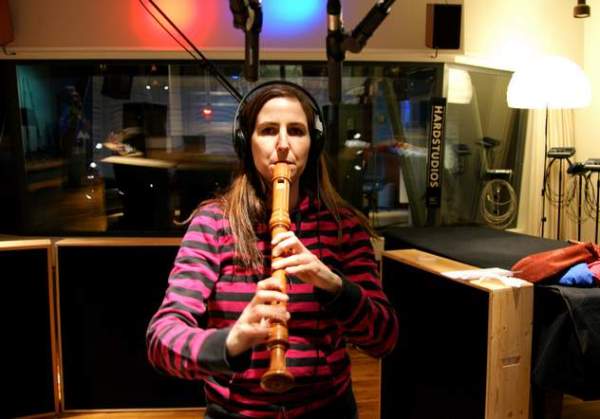
elizabeth susler

இன்னொரு அதிசயப் பெண்மணி எலிஸபத் சல்ஸெர் (Elisabeth Sulser) என்பவர். இவருக்கு இரு புலன்கள் ஒரே சமயத்தில் வேலை செய்கின்றன.


பதினாறு வயதிலேயே அவர் இதைக் கண்டு பிடித்து விட்டார். தொழில் துறையில் இவர் ஒரு இசைக் கலைஞர்.

2004, 2005ஆம் ஆண்டுகளில் ஸ்விட்ஸர்லாந்தில்  ஜூரிச் பல்கலைக் கழகம் இவரை ஆய்வுக்காக அழைத்தது.


ஒலியைக் கேட்கும் போது அதன் வடிவத்தை இவர் உணர்கிறார். உதாரணமாக இசை ஸ்வரத்தில் சி நோட் (C Note)

இசைக்கப்பட்டால் அதை சிவப்பாக இவர் காண்கிறார். டி நோட் என்றால் நீல நிறத்தை இவர் காண்கிறார். கலைடாஸ்கோப் போல பல்வேறு வண்ணங்களை ஸ்வர மாறுதலுக்குத் தக்கபடி இவர் தொடர்ந்து காண்கிறார்.


அதே போல இசையில் ஒரு நோட்டிற்கும் இன்னொரு நோட்டிற்கும் இடையே உள்ள சிறிய இடைவெளியில் இவர் நாக்கில் சுவையை உணர்கிறார். ஒரு சமயம் புளிப்புச் சுவை. இன்னொரு சமயம் கசப்புச் சுவை. ஒரு சமயம் நீரை அருந்தும் உணர்வு. இன்னொரு சமயம் ஐஸ் க்ரீம் சாப்பிடும் உணர்வு. ஒவ்வொரு ஸ்வர இடைவெளிக்கும் இடையே ஒவ்வொரு விதமான சுவை.


இந்த அரிய அனுப்வத்தை அறிவியல் ‘ஸினஸ்திசியா’ (Synesthesia) என்று அழைக்கிறது. உலகில் உள்ள 750 கோடி பேரில் ஒரு சதவிகிதத்திற்கும் குறைவான பேருக்கே இப்படிப்பட்ட இரு புலன்களின் கலப்பு ஏற்பட வாய்ப்பு இருக்கிறதாம்! மூளையில் உள்ள சில அமைப்புகள் தீவிரமாக இணைக்கப்பட்டிருப்பதால் இப்படி புலன் கலவை ஏற்படுகிறதாம்.


ஸினஸ்தீசியா என்ற வார்த்தை கிரேக்க மொழியிலிருந்து வந்த வார்த்தை. பல்வேறு உணர்வுகளின் அனுபவம் என்று இதற்குப் பொருள்.


இப்படிப்பட்டவர்களில் வெளி உலகிற்குத் தெரியும் வகையில் ஆய்வுக்கு வந்த முதல் இசைக் கலைஞர் இவர் என்பதால் இவருக்கு ஏகமான புகழ். விஞ்ஞானிகளும் இவரை எல்லா ஆராய்ச்சிகளுக்கும் அழைத்து சோதனைகளைச் செய்து வருகின்றனர்.

7_Sulser


இதுவரை அறுபதுக்கும் மேற்பட்ட இரு புலன் உணர்வுகளை அறிவியல் இனம் கண்டுள்ளது. சிலருக்கு எண்களை வண்ணங்கள் மூலமாக மட்டுமே அறிய  முடிகிறது! எந்த எண்ணைச் சொன்னாலும் அவர்களுக்கு அதற்குரிய வண்ணமே தோன்றும்!


ஆனால் இப்படி ஏன் அதீத புலன் உணர்வு சிலருக்கு  மட்டும் வருகிறது என்பதை விஞ்ஞானிகளால் இது வரை கண்டு பிடிக்க முடியவில்லை.

விநோதமான உலகத்திலே வித விதமான் அதிசயங்கள்! அதைச் செய்து காட்டும் மனிதர்கள்!! அறிவியலும் விடுவதாயில்லை. அவர்களின் மீதான தனது ஆராய்ச்சியைத் தொடர்கிறது!!!


அறிவியல் அறிஞர் வாழ்வில் .. ..


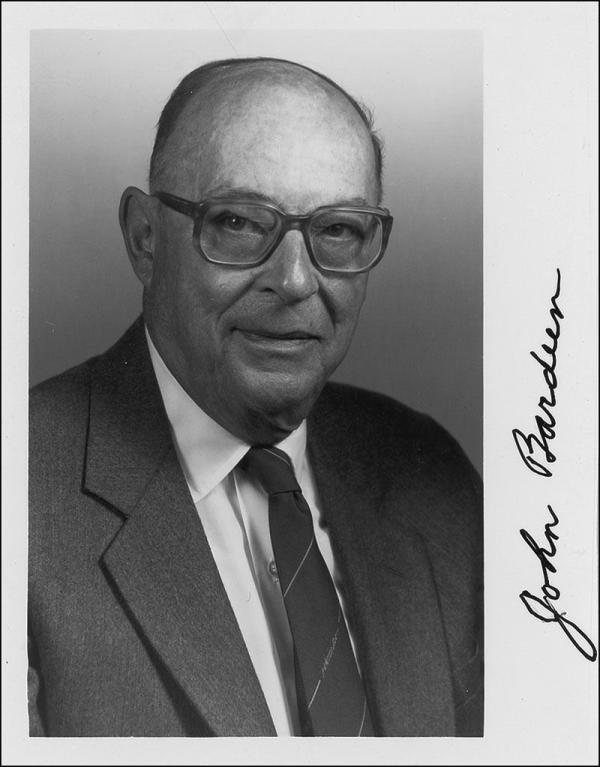
இயற்பியலில் பெரும் மேதை ஜான் பர்டீன் (John Bardeen – தோற்றம் 23-5-1908 மறைவு 30-1-1991)

இயற்பியலில் இரு முறை நோபல் பரிசு பெற்ற பெருமை இவர் ஒருவரை மட்டுமே சாரும்.


john bardeen

டிரான்ஸிஸ்டரைக் கண்டுபிடித்ததற்காக 1956இல் முதல் முறையாக இவருக்கு நோபல் பரிசு வழங்கப்பட்டது. பின்னர் சூபர்கண்டக்டிவிடி துறையில் இவர் செய்த ஆராய்ச்சிக்காக 1972இல் இரண்டாம் முறையாக நோபல் பரிசு இவருக்கு வழங்கப்பட்டது.


அதிகம் பேசாத மேதை இவர். சொற்களை யோசித்துப் பேசுவார்.

டிரான்ஸிஸ்டர் கண்டுபிடிப்பு மின்னணுவியலில் ஒரு பிரம்மாண்டமான மாறுதலை ஏற்படுத்தியது. கம்ப்யூட்டர் உருவாக இது பெரிதும் காரணமாக அமைந்தது.

முதல் முறை பரிசைப் பெற இவர் ஸ்வீடனுக்குச் சென்றார். சாதாரணமாக நோபல் பரிசு பெறும் அறிஞர்கள் இந்த வாய்ப்பை நழுவ விடாமல் தன் குடும்பத்துடன் விழாவிற்குச் செல்வது வழக்கம்.


ஜான் பர்டீனுக்கு  மூன்று  மகன்கள். மூவரில் ஒருவரை மட்டும் ஸ்டாக்ஹோமில் நடந்த விழாவிற்குத் தன்னுடன் அழைத்துச் சென்றார் அவர்.

அவரை வரவேற்ற ஸ்வீடன்  மன்னர் ஆறாம் குஸ்டாஃப் (King Gustaf VI) , “கூட யாரெல்லாம் வந்திருக்கிறார்கள்?: என்று அவரிடம் வினவினார். தன் மகன்களில் ஒருவர் மட்டுமே தன்னுடன் வந்திருப்பதாக பர்டீன் பதிலளித்தார்.


உடனே அவரைச் செல்லமாகக் கடிந்து கொண்டார் மன்னர். அனைவரையும் கூட்டிக் கொண்டு வந்திருக்க வேண்டாமா என்றார் அவர்.

எப்போதுமே மெதுவாக பதில் சொல்லும் பர்டீன் இப்போது, உடனடியாக, “அடுத்த முறை குடும்பத்துடன் வருகிறேன்” என்று பதிலளித்தார்.


அனைவரும் பிரமித்துப் போயினர். ஒருமுறை நோபல் பரிசு பெறுவதே முடியாத காரியம். அடுத்த முறை அழைத்து வருவதாவது?


ஆனால் மேதை தன் வாக்கை மெய்யாக்கிக் காட்டினார்.

1972இல் இரண்டாம் முறை நோபல் பரிசைப் பெற்றார்; விழாவிற்கும் குடுபத்துடன் சென்றார்!

************


பைத்தியத்துக்கு வைத்தியம்: சுவையான சம்பவங்கள் (Post No.2866)

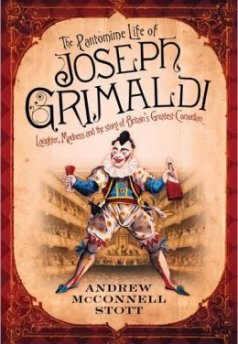
grimadi

Translated by London swaminathan


Date: 4 June 2016


Post No. 2866


Time uploaded in London :–  6-25 AM


( Thanks for the Pictures)


DON’T REBLOG IT AT LEAST FOR A WEEK!  DON’T USE THE PICTURES; THEY ARE COPYRIGHTED BY SOMEONE.


(for old articles go to tamilandvedas.com OR swamiindology.blogspot.com)


Contact swami_48@yahoo.com


தமிழ்நாட்டில் தங்கவேலு, சந்திரபாபு போல அந்தக் காலத்தில் புகழ் பெற்ற மேற்கத்திய நகைச்சுவை நடிகன் கிரிமால்டி. அவருடைய வாழ்வில் நடந்த சுவையான சம்பவம் இதோ:

நோயாளி: டாக்டர், எனக்கு எப்போதும் ஒரே கவலையாக இருக்கிறது. ஏனென்றே தெரியவில்லை.

டாக்டர், அந்த நோயாளியிடம் பேச்சு கொடுத்துவிட்டு சொன்னார்:

“இதோ பாருங்கள், உங்களுக்கு உடம்பில் ஒரு நோயும் இல்லை; மன நோயும் இல்லை. பேசாமல் பிரபல நகைச் சுவை நடிகர் கிரிமால்டியின் நாடகத்தைப் போய்ப் பாருங்கள்; வயிறு குலுங்கச் சிரிப்பீர்கள்; கவலைகள் எல்லாம் பறந்தோடிப் போகும்”.

நோயாளி: “டாக்டர், நான் தான் அந்த கிரிமால்டி!”

(பெரும்பாலான நகைச் சுவை நடிகர்களும், சர்க்கஸ் கோமாளிகளும் நமக்கு சிரிப்பு ஊட்டினாலும், அவர்கள் சொந்த வாழ்வு, சோகமயமாக இருக்கிறது!)

Xxx

(மொழிபெயர்ப்பு: லண்டன் சுவாமிநாதன்; இந்த சம்பவங்கள் ஏற்கனவே என்னால் இங்கே ஆங்கிலத்தில் வெளியிடப்பட்டன)

mozart notes

சங்கீதம் – நல்ல மருந்து!

ஸ்பெயின் நாட்டின் அரசர் பிலிப்புக்கு திடீரென்று உடல் நலம் குன்றி, மன நோய் ஏற்பட்டு சோகக் கடலில் மூழ்கினார். உண்ணுவதில்லை; உறங்குவதில்லை; உடம்பைப் பேணுவதில்லை. முகச் சவரம் கூட செய்துகொள்ளவில்லை; செய்யவும் பிறரை அனுமதிக்கவில்லை.


மஹாராணிக்கு ஒரே கவலை. “இசை ஒரு மருந்து; அது பல வியாதிகளைக் குணப்படுத்தும்; கவலைகளைக் போக்கும்” — என்பதை அவர் அறிவார். ஆகையால் அக்காலத்தில் சிறந்த பாடகரான பாரிநெல்லி என்பவரை அழைத்து அரண்மனைக்குள் ஒரு கச்சேரி ஏற்பாடு செய்தார். அந்த இன்னிசை நிகழ்ச்சி, மன்னர் தங்கியிருந்த அறைக்கு அடுத்த அறையில் ஏற்பாடு செய்யப்பட்டது. மன்னர் காதிலும் அற்புதமான சங்கீதம், தேவ கானம் ஒலித்தது. மெல்ல மெல்ல, கச்சேரியில் வந்து அமர்ந்தார். பாரிநெல்லி அவரிடம் பேச்சு கொடுத்தார். மேலும் சில பாடல்களைக் கேட்க விரும்புவதாக மன்னர் தெரிவித்தார்.


உடனே பேரிநெல்லி சொன்னார்: மன்னர் அவர்களே, நீங்கள் கேட்கும் பாடல்கள் எல்லாவற்றையும் பாடுவேன். ஆனால் எனக்கும் ஒரு கோரிக்கை இருக்கிறது. அதை நிறைவேற்றுவீர்களா?

மன்னர் சொன்னார்: என்னால் நிறைவேற்றக் கூடிய கோரிக்கை என்றால் உடனே செய்கிறேன்.

பாரிநெல்லி சொன்னார்: மன்னரே, சின்ன வேண்டுதல்தான். தாங்கள் முக க்ஷவரம் செய்துகொண்டு ‘டிப்டாப்’பாக, மன்னர் போல அமர்ந்தால் நான் இன்னும் உற்சாகத்துடன் பாடமுடியும்.

உடனே பிலிப் முடிதிருத்தி, மணி முடி அணிந்து வந்து அமர்ந்தார்.

மன்னர் சங்கீதக் கடலில் மூழ்கினார்; மஹாராணி மகிழ்ச்சிக் கடலில் நீந்தினார்.

Xxx

dollars

காசேதான் கடவுளடா! பணமே மருந்து!!

டாக்டர் கோல்ட்ஸ்மித் என்பவர் சிறந்த மேல்நாட்டு மருத்துவர். அவரிடம் ஒரு பெண்மணி வந்தார். என் கணவருக்கு மனதே சரியில்லை; பிரமை பிடித்தவர் போல இருக்கிறார். டாக்டர் வீட்டுக்கும் வர மறுக்கிறார். தயவு செய்து வீட்டுக்கு வந்து அவரைப் பார்த்து, ஏதேனும் மருந்து கொடுங்களேன் – என்று கெஞ்சினார்.


டாக்டர் கோல்ட்ஸ்மித்தும் அந்த வீட்டுக்குப் போய் ‘நோயாளியிடம்’ பேச்சுக் கொடுத்தார். அவருக்கு என்ன நோய் என்று பளிச்செனத் தெரிந்தது.

அந்தப் பெண்மணியிடம் சொன்னார்: கவலைப்படாதீர்கள். உங்கள் கணவரின் நோய்க்கு உடனே மருந்து கொடுத்து அனுப்புகிறேன்.


வீட்டிற்குப் போனவுடன் டாக்டர் கோல்ட்ஸ்மித், ஒரு ‘கவரில்’ (காகிதப் பை) பத்து பவுன் கரன்ஸி நோட்டை வைத்து நோயாளிக்கு அனுப்பிவைத்தார். அந்த நோயாளியும் விரைவில் குணம் அடைந்தார்.

(வறுமை என்பது மனத் தொய்வை ஏற்படுத்தும். உங்கள் நண்பரோ, உறவினரோ இப்படிப்பட்ட பசிப் பிணியால், ஏழ்மை நோயால், வருந்தினால், அவருக்கு உதவி செய்யுங்கள். மனக் கவலை, பயம் முதலியவற்றை இயற்கைக் காட்சிகள், நகைச் சுவைப் படங்கள், இன்னிசைக் கச்சேரிகள், பண உதவி மூலம் போக்குங்கள். பணத்தாசை கொண்ட மன நோய் மருத்துவரிடம் போனால், ‘லிதியம்’ மாத்திரைகளைக் கொடுத்து, வாயில் நுரை தள்ள வைத்துவிடுவார்கள்.)

–சுபம்–


Melancholy Anecdotes (Post No. 2822)

grimaldi picture

Compiled  by London swaminathan

Date: 18 May 2016

Post No. 2822

Time uploaded in London :– 17-37

( Thanks for the Pictures)

DON’T REBLOG IT AT LEAST FOR A WEEK!  DON’T USE THE PICTURES; THEY ARE COPYRIGHTED BY SOMEONE.

(for old articles go to tamilandvedas.com OR swamiindology.blogspot.com)

Melancholy = feeling of sadness

I am Grimaldi !


A patient suffering from profound melancholy one day presented himself to Abernathy. After careful examination the celebrated practitioner said, “You need amusement, go and hear the comedian Grimaldi, he will make you laugh, and that will be better for you than any drugs.

“My God”, exclaimed the invalid, “I am Grimaldi!”

Xxx

Money is Medicine!!

Dr Goldsmith, having been requested by a woman to visit her husband who was melancholy, called upon the patient and told him that he would send some pills which he had no doubt would prove efficacious. He immediately went home, put ten guineas into a chip, and sent them to the sick man. The remedy had the desired effect.


Xxxx

philip of spain

Music is Medicine!!!

Philip of Spain was in such a deplorable state of despondency from ill health, that he refused to be shaved. On the arrival of the famous singer Farinelli, the queen ordered a concert in a room adjoining the Kings chamber.  Farinelli sang one of his best airs, which so overcame the King that he desired he might be brought into his presence, when he promised to grant him any reasonable request he might make. The performer, in the most respectful manner, then begged of the King to allow himself to be shaved to which request Philip graciously consented.


—Subham—-


India- Land of Fine and Noble Manners: Edwin Arnold, Year 1886 (Post No 2731)

nautchee women

Written by london swaminathan

Date: 16 April, 2016


Post No. 2731


Time uploaded in London :–20-06

( Thanks for the Pictures  ) 


DON’T REBLOG IT AT LEAST FOR A WEEK!  DON’T USE THE PICTURES; THEY ARE COPYRIGHTED BY SOMEONE.


(for old articles go to tamilandvedas.com OR swamiindology.blogspot.com)


“On the evening of our visit to the city of Poona and to the sacred hill of Parvati, we were invited to a nautch dance at the house of an old people and most esteemed friend, Mr Dorabji Pudumji.


It is the custom on festive occasions to illuminate the gardens and house fronts with numberless oil lamps set on pyramidal stands, or suspended in the trees. A flood of light, therefore, welcomes the guest on arrival, and he passes into spacious apartments equally bright, with candles in brass buttis, or handsome glass chandeliers.  There is nowhere greater grace or cordiality of greeting than among the educated families of India; but, in truth, this is the land of fine and noble manners, and from the cultivated Parsee and Mohammedan friends to the peasant and the peon, the Western traveller may receive, if he will, perpetual lessons of good breeding.

I day 2015

The ladies of old friend’s family were ranged round the large central room in dresses of light gauzy muslins or silks delicately embroidered, and dyed with all the loveliest tints imaginable, rose colour predominating. The effect was like a garden of beautiful flowers. The gentlemen wore black coats and hats of the well-known Parsee fashion, with trousers of crimson or white. In the centre of the apartment sat the two nautch girls, Wazil -Bukshs, a Mohammedan, and Krishnaa, a Hindu, both amazingly arrayed in I skirts of scarlet and gold, with saris of bright hue, plentifully spangled, tight gilded trousers, and anklets of silver and gold bells, which make a soft tinkling of  at every movement of soft brown feet. Behind them stand their three musicians, one playing the sarangi, a sort of violin,  the other the tamboora, a deep sounding kind of violoncello, and the third provided with a bass and treble drum tied round his waist  on an ornamented scarf. The girls rose to their feet, salammed, and one of them began a slow pas, advancing and retreating with a rhythmical  waving of hands and measured beat of foot, which the other dancer then repeated.


Next followed a song, or a series of songs, delivered in high head notes, and principally of an amatory character.

“My beloved is absent, and by day there is no sun in the sky, no moon for me at night! But he is coming, ek hath Khali – with one hand empty – yet in that he carries me back my heart.”


Then Krishnaa sang the “Taza ba Taza”, the musicians advancing and retreating with her tinkling paces, leaning over the absorbed performer, and seeming in the intensity of their accompaniment to nurse the singing and draw it forth note by note.


After this the Muslim girl and her Hindu sister executed together a famous dance called the “Kurrar”, which consists of a series of character pictures. They placed coquettish little caps of spangled velvet on their black hair, and acted first of all the Indian jeune amorexux, adjusting his turban, stroking his moustache and pencilling his eyebrows. The it was Govinda, one corner of the sari twisted up to represent the bansula, on which the light hearted god  piped to the shepherdess, and  Radha listening and singing. Next to the same never ending  rise and fall of the amorous  music – Wazil Bhukshs became a love-sick maiden  in the jungle, picking up blossoms to fasten in her hair, and Krishnaa followed, enacting a serpent charmer. Playing on the beaded gourd that snake  music which brings the hooded cobra forth from his deepest hole, she swayed her lithe body  over the imaginary reptile, chanting the notes of dreamy, bewildering, beguiling song;  bent herself over the half entranced snake, coaxing him with out long , low, weird passages of wild melody , until the charm have supposed to have  triumphed, the serpent was bewildered and captured; whereupon Krishna rose to her feet, and drawing the glittering fringe  of her sari over forehead, expanding it with both hands, so as to resemble a cobra’s hood , she finished with the snake-dance, amid cries of “shabash” (well done)! Which were acknowledged with deep salaams.

We were favoured after this, with special request, with the Holi and Wasanta songs, albeit not of the season; for Hindu singing is always more or less religious, and there are certain of these melodies set apart for the time of  year, and for the daylight and others which must never be given except after the hour of midnight. When the first portion was concluded  the mistress of the house hung “hars” or garlands, of sweet scented blossoms on  the necks and the writs of the nautch dancers, since it is always the custom to honour them in this way before any  other guests. Nor does anybody slight or abuse these Deva dasas, or servants of the god, though their profession is perfectly understood


South Indian Devadasis

In southern India the Nautchee is married solemnly to a dagger, by a ceremony called ‘shej’, and lives afterwards as a Bhavin, dedicated to the temple and dance.  But because so many of them can read, write and in fact are the cleverest and most accomplished, as well as the most generous of their sex, the Hindus have come to shudder at the idea of education for their wives, and this is one of the greatest obstacles  to female instruction. When they rested and munched their betel leaf, a skilful player from Canara discoursed singular passages upon an eight stringed sitar, accompanied by a boy on tamboora; and afterwards followed sweetmeats, and attar of roses, whereupon some of us had had enough, and we made adieux. The natives will, however, sit out the whole nights, listening to such music, and watching the soft movements of the Nautchees, which are the more interesting, of course,  the better they are comprehended.”

Source : India Revisited by Edwin Arnold, 1886


–Subham–

“எனக்கு ஏன் சிலை வைக்கவில்லை?” (Post No.2705)

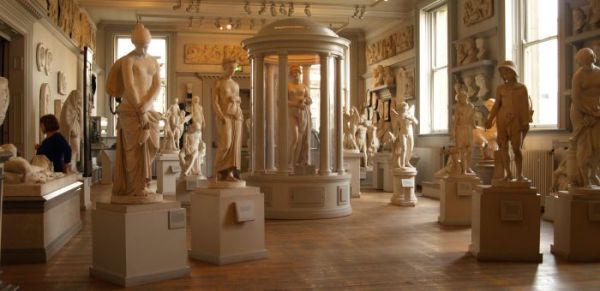
walker art gallery

Picture: Walker Art Gallery, Liverpool

Compiled by london swaminathan

Date: 8 April, 2016

Post No. 2705

Time uploaded in London :–  10-05 AM

( Thanks for the Pictures  ) 

DON’T REBLOG IT AT LEAST FOR A WEEK!  DON’T USE THE PICTURES; THEY ARE COPYRIGHTED BY SOMEONE.

(for old articles go to tamilandvedas.com OR swamiindology.blogspot.com)

Modesty Anecdotes (Translated by London swaminathan)


0_photographers_alinari_rome

Rome Art Gallery

பணிவு, அடக்கம் பற்றி பல மேற்கோள்களும், துணுக்குச் செய்திகளும் உள்ளன. ஏற்கனவே ஆப்ரஹாம் லிங்கன் வாழ்க்கையில் நடந்த சில சம்பவங்களை எழுதினேன். இதோ மேலும் சில சம்பவங்கள்:–


காடோ என்பவர் புகழ்பெற்ற ரோமானிய ராஜ தந்திரி. 2000 ஆண்டுகளுக்கு முன், இதாலியில், ரோம் நகரில் இருந்த அரசியல்வாதி.அவர் சிலை வைப்பது பற்றிச் சொன்னது மிகவும் பிரபலமான பொன்மொழியாகும்:-


“எனக்கு சிலை வைப்பதை நான் விரும்பவில்லை. எவன், எதற்காக, இந்த ஆளுக்குச் சிலை வைத்தான்? என்று கேட்பதைவிட, இப்பேற்பட்ட பெரியவருக்கு இன்னும் சிலை வைக்கவில்லையா? ஏன்? என்று மக்கள் கேட்பதையே நான் விரும்புகிறேன்”.

Xxx

da vinci

குறைகுடம் கூத்தாடும்; நிறைகுடம் தழும்பாது


லியார்னோடோ டா வின்சி என்பவர் பல கண்டுபிடிப்புகளின் தந்தை, பல ஓவியங்களை வரைந்தவர். அவர் மரணப் படுக்கையில் கிடந்தார். அவர் மீது மதிப்பும் மரியாதையும் கொண்ட இதாலிய அரசர் அவரைப் பார்க்க வந்தார். உடனே லியார்னாடோ மிகவும் கஷ்டப்பட்டு எழுந்திருக்க முயன்றார். தலையை எவ்வளவு தூரம் தூக்க முடியுமோ அத்தனை உயரம் தூக்கி, “நான் கலைத் துறையில் இன்னும் எவ்வளவோ செய்திருக்கவேண்டும். அப்படிச் செய்யாமல் மனிதனையும் கடவுளையும் அவமதித்துவிட்டேன்” என்று பணிவுடன் கூறிவிட்டுத் தலையைச் சாய்த்தார்.

லியார்னாடோ செய்ததோ மகத்தான சாதனைகள். ஆனால் அவருடைய பணிவோ அதையும்விட மகத்தானது.

Xxx

பீதோவன் மியூசியத்தில் பியானோ கருவி

paderewsi_readmore

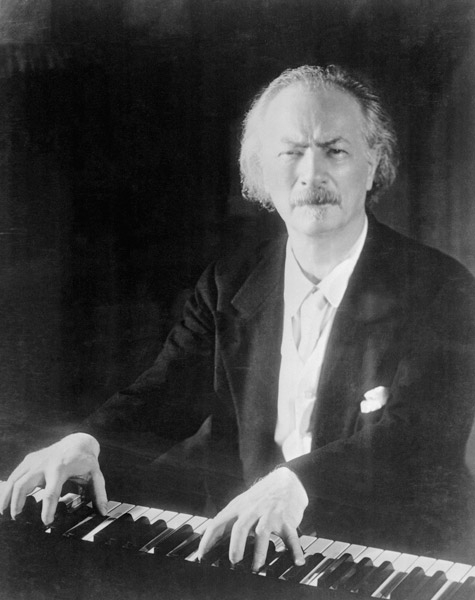
Picture of Padrewski


மேலை உலகத்தின் மாபெரும் இசை மேதை பீதோவன். அவர் பயன்படுத்திய இசைக் கருவிகள் ஜெர்மனியில் பான் நகரத்தில், அவரது சொந்த வீட்டில் உள்ள, ஒரு அருங்காட்சியகத்தில் காட்சிக்கு வைக்கப்பட்டுள்ளன. ஒரு அமெரிக்க மாணவர் குழு அதை சுற்றிப் பார்க்கவந்தது. அதில் ஒரு பெண்மணி, அந்தப் பகுதியின் பாதுகாப்பாளரிடம் போய்,  தனது கவர்ச்சி சக்திகளையெல்லாம் பயன்படுத்தி மிகவும் கொஞ்சலாக, ‘நான் இந்தக் கருவியைக் கொஞ்சம் வாசித்துப் பார்க்கலாமா?’ என்று கேட்டார். பாதுகாப்பாளரும் (மியூசியம் க்யூரேட்டர்), ‘அதற்கென்ன ,வாசியுங்களேன்’ என்றார். அந்தப் பெண்ணும் பீதோவன் இயற்றிய புகழ்பெற்ற, ‘மூன்லைட் சொனாட்டா’வை இசைத்து முடித்துவிட்டு, பெருமிதத்துடன், “உலகப் புகழ்பெற்ற இசை மேதைகள், என்னைப் போல இந்த பியானோவை வாசித்திருப்பார்களே” என்றார்.


அந்தப் பகுதியின் பாதுகாப்பாளரோ மிகவும் அமைதியாகச் சொன்னார்: “மேடம், இரண்டு ஆண்டுகளுக்கு முன்னர் பெடெரொவ்ஸ்கி இங்கே வந்திருந்தார். இதன் பக்கத்தில் வந்து, பயபக்தியுடன் இதைப் பார்த்தார். கடவுளே! இதைத் தொடும் தகுதி எனக்கு இல்லை” என்று சொல்லிவிட்டுப் போனார்.

பெடெரவ்ஸ்கி, போலந்து நாட்டைச் சேர்ந்த இசை மேதை. உலகப் புகழ்பெற்ற பியானோ கலைஞர். அவருடய பணிவையும் அடக்கத்தையும் பாருங்கள். பீதோவனின் பியானோவைத் தொடக் கூட அஞ்சினார். (நான் இதை ஏற்கனவே ஆங்கிலத்தில் கொடுத்துள்ளேன்- லண்டன் சுவாமிநாதன்).

beethoven piano

–சுபம்–


“No Cabinet Minister is Indispensable!” Abraham Lincoln (Post No.2700)

statue-of-plato

Statue of Plato.

Compiled by london swaminathan

Date: 6 April, 2016

Post No. 2700

Time uploaded in London :–  19-53

( Thanks for the Pictures  ) 

DON’T REBLOG IT AT LEAST FOR A WEEK!  DON’T USE THE PICTURES; THEY ARE COPYRIGHTED BY SOMEONE.


(for old articles go to tamilandvedas.com OR swamiindology.blogspot.com)


Modesty anecdotes


Plato’s Story about Spirits
Plato tells a fable of how spirits of the other world came back to find bodies and places to work. One took the body of a poet and did his work. Finally, Ulysses came and said,
“All the fine bodies have been taken and all the grand work done. There is nothing for me”.

“Yes”,said a voice, “the best has been left for you – the body of a common man, doing a common work for a common reward”.

Xxx

court
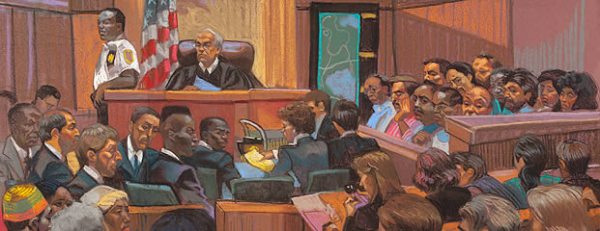
Respectable Ladies thrown out!
A t Lyon assizes, in France, before the trial of a certain case, the presiding judge remarked on seeing the court crowded with ladies:
“The persons composing the audience are probably not aware of the nature of the case about to be tried. I therefore feel it incumbent on me to request all respectable women to withdraw”.

Not one of the ladies stirred from her place.

“Usher”, the judge continued, “now that all the respectable women have left, turn the others out”.

Xxxx

lincoln speeches
Let him resign; no one is a national necessity!
Salmon P Chase, when Secretary of the Treasury, had a disagreement with other members of the Cabinet, and resigned.
The President was urged not to accept it as “Secretary Chase is today’s national necessity”, his advisers said.

“How mistaken you are!” Lincoln quietly observed, “yet it is not strange. I used to have similar notions.
No! if we should all be turned out tomorrow and could come back here in a week, we should find our places filled by a lot of fellows doing just as well as we did, and in many instances better”.

“Now, this reminds me of what the Irish man said. His verdict was that ‘in this country one man is as good as another. And, for the matter of that, very often a great deal better’. No, this government does not depend upon the life of any man.

Xxxx

da vinci

Learno da Vinci’s modesty

Vasari relates that when Learnado da Vinci lay on his death bed, the King came to visit and cheer him. He raised himself as far as he could in the Royal presence and lamented that he offended God and man in that he had not laboured in art as he ought to have done.

Xxxx

paderewsi_readmore

Picture of Pederewski

Piano at Beethoven Museum

In Bonn, the home of Beethoven has been converted into a memorial museum. In one of the rooms, roped off from curious hands, is the Piano upon which Beethoven composed many of his great works. A Vassar girl visiting the shrine with a party of American students, looked upon the instrument with awe and asked the guard, with the additional persuader of a generous tip, if she might play upon for a minute. The permission was granted and she sat at the piano and strummed out a few bars of the ‘Moonlight Sonata’.

Departing she remarked to the guard, “I suppose all the great pianists who have come here at one time or another played on it”.

The guard said, “No, Miss, Paderewski (famous Polish pianist) was here two years ago; but said he was not worthy to touch it”.
beethoven piano

–Subham–


சுப்புடுவுக்கே சுப்புடு! (Post No 2695)

subbudu 2

விபரீத விமரிசனம்

சுப்புடுவுக்கே சுப்புடு!


Written by S NAGARAJAN

Date: 5 April 2016


Post No. 2695


Time uploaded in London :–  7-58  AM


( Thanks for the Pictures)


DON’T REBLOG IT AT LEAST FOR A WEEK!  DON’T USE THE PICTURES; THEY ARE COPYRIGHTED BY SOMEONE.


(for old articles go to tamilandvedas.com OR swamiindology.blogspot.com)


ச.நாகராஜன்


subbudu

உலகத்திலேயே சுலபமான வேலை எது என்று கேட்டால் குற்றம் குறைகளைச் சொல்லுவது தான்!


இதற்கு நவீன காலப் பெயர் விமரிசனம்!

பத்து வருடங்களுக்கு முன்னர் சுப்புடுவை அறியாதவர்கள் இருக்க மாட்டார்கள்.


மனுஷனைக் கண்டாலே சங்கீத வித்வான்களுக்கு அலர்ஜி!

கிழி கிழி என்று கிழித்து விடுவார்.


இந்தக் ‘கிழிப்பைப் போடப் பத்திரிகைகள் அணி வகுத்துத் தயாராய் நிற்கும்.


எதிர்பாராத விதமாக ஓஹோ என்று சிலருக்குப் புகழ் மாலையும் சூட்டப்படும். அன்று அவர்கள் சாதகம் செய்தார்களோ இல்லையோ சாமியைக் கும்பிட்டார்களோ இல்லையோ நரி முகத்தில் விழித்திருக்க வேண்டும் அல்லது சுப்புடுவின் மூடைக் கெடுக்காமலாவது இருந்திருக்க வேண்டும்.

ஆனால் சுப்புடுவுக்கே சுப்புடு இருந்திருக்கிறார்கள், காலம் காலமாக!


பட்டென்று சம்யோசிதமாக விமரிசனம் செய்வது, பதிலடி கொடுப்பது, சாமர்த்தியமாக நிலைமையைக் கையாளுவது, நையாண்டி செய்யும் அதே சமயம் பிறர் மனதைப் புண்படுத்தாமல் இருப்பது என்று இப்படி பல ரகங்களிலும் பெரும் மேதைகள், சாமர்த்தியசாலிகள் இருந்திருக்கிறார்கள்.

சில உதாரணங்களை மட்டும் பார்த்து மகிழலாம்.

ரிச்சர்ட் அட்லிங்டன் என்று ஒருவர். சுப்புடுவுக்கே சுப்புடு இவர்!

விமரிசனங்களை அள்ளித் தெளிப்பார். ஜனங்கள் ரசிப்பார்கள். விமரிசனத்திற்குள்ளான்வர்கள் நெளிவார்கள்.


ஒரு சமயம் இவரிடம் ஒரு கவிதை விமரிசனத்திற்காக வந்தது.

வந்த கவிதை இது தான்:


A  B   C  D  E  F

G   H   I   J   K  L

M   N  O  P  Q   R

S    T   U  V  W X

Y   Z


பார்த்தார் மனிதர். இதற்கு என்ன விமரிசனம் செய்வது?

இப்படி எழுதினார் விமரிசனத்தை:


1   2   3   4    5

6   7   8   9   10


“I still think that was the most snappy review I ever wrote; but unfortunately, “The Times’ refused  to print it” என்று எழுதியிருக்கிறார் அவர்..

பிரபல பத்திரிகையான டைம்ஸ் இதழே இதைப் பிரசுரிக்க தயங்கி விட்டது என்றால் அது எப்படிப்பட்ட விமரிசனம் என்பதை நாம் புரிந்து கொள்ள முடியும்!


ரீடர்ஸ் டைஜஸ்ட் இதழில் வெளி வந்த விம்ரிசனம் பற்றிய துணுக்கு இது:
ஒரு புத்தகத்தை விமரிசனம் செய்தவர் எழுதிய விமரிசனம் இது:
“இந்தப் புத்தகத்தில் நான் ரசித்த ஒரே அம்சம் இதன் அகலமான மார்ஜின் தான்!”


என்ன வேண்டுமானாலும் எழுதிக் கொள்ள அது  பயன் படுமே! இந்தப் புத்தகத்தில் என்பதன் உண்மையான அர்த்தம் இந்த   270 பக்க அபத்த புத்தகத்தில் என்பது தான்!


என்ன இந்தக் கட்டுரையை சுப்புடு பாணியில் விமரிசிக்க ஆரம்பிக்கிறீர்களா! ஹி..ஹி. வேண்டாமே!


************

Why did Bharati burn the Harmonium? (Post No 2602)

IMG_9567

Compiled by london swaminathan

Date: 5 March, 2016


Post No. 2602


Time uploaded in London :–  15-17


( Thanks for the Pictures  ) 


DON’T REBLOG IT AT LEAST FOR A WEEK!  DON’T USE THE PICTURES; THEY ARE COPYRIGHTED BY SOMEONE.


(for old articles go to tamilandvedas.com OR swamiindology.blogspot.com; 

IMG_3519

There are very interesting anecdotes in the life of the great Tamil poet Subramanya Bharati. One of them was his fear of leprosy, which made him to consume a harmonium to fire!

Once he was playing on harmonium; actually he was playing with a harmonium like a child. He pressed many keys at the same time which produced a horrible sound. Immediately people in the room criticized him. He gave a beautiful reply. I wanted to show you how horrible it is when you scold a child! The same horrible sound you people produce when you scold a child! (His care and love for children is known through many anecdotes).


Chellamma’s bother has given her this harmonium. When it developed some problems it was sent to a shop for repair work.  Bharatiyar found out that the person who was handling it was a leper. Bharati was so scared of leprosy, he came home and told his wife Chellamma, “Never ever touch that harmonium, when it is returned”. She kept quiet. She loved the harmonium very much. Moreover it was given by her brother.


All this happened when the family was about to shift to far away Kadayam from Pondycheri. Bharati told his friends to pack all the goods and send them as cargo by next train. Chellamma told them to pack the harmonium without fail. After some days the cargo arrived at Kadayam. It so happened that Bharati himself received it and opened the package.


As soon as he saw the harmonium he became very angry. He separated it from rest of the goods and then asked someone to take it to the garden nearby. There he poured kerosene oil over it and set fire to it. Only when he saw the ashes of the harmonium he became peaceful. He came back home and gave treatment to the house with burning torches to kill the leprosy bacteria.

Once a freedom fighter who was afflicted with leprosy came home and touched Bharati’s daughter Sakuntala. She was a child then. As soon as he went out he bathed his child with anti-bacterial lotion. Since he had so much respect to freedom fighters he could not say anything when he was playing with his child.


He used to throw out all the tumblers and other utensils touched by a leper. People who find them on the roads, just outside his house, naturally returned them to Chellamma. When he saw them back in the house, he took them to a garden and buried them saying that it would prevent others getting leprosy. He was so health conscious!


Every one of us has some fear or phobia. Bharati was very much worried about leprosy. This shows that his human side.


Source: Tamil book on Bharatis Life by Akkur Ananthachary, 1936 publication. Rough translation by London swaminathan.

-subham-

Ganges and Coovam Rivers in Carnatic Music!(Post No.2597)

Tiger_new

Compiled by london swaminathan

Date: 4 March,2016


Post No. 2597


Time uploaded in London :–  16-12


( Thanks for the Pictures  ) 


DON’T REBLOG IT AT LEAST FOR A WEEK!  DON’T USE THE PICTURES; THEY ARE COPYRIGHTED BY SOMEONE.


(for old articles go to tamilandvedas.com OR swamiindology.blogspot.com; contact 


swami_48@yahoo.com)

tiger you tube

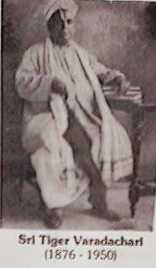
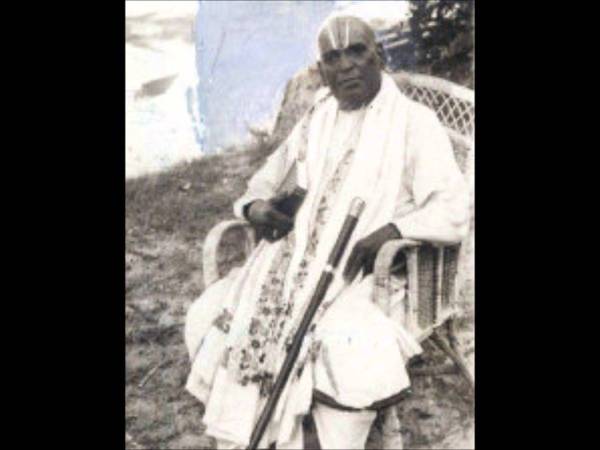
Tiger Varadachary was a famous vocalist. At a Carnatic music concert in which, by a strange turn of circumstances, a senior violin vidwan of high rank had to accompany a beginner,  Tiger Varadachariar was asked to say a few words at the end.  Tiger never uttered a word of disparagement about anyone. He complimented all the party in general terms. Bout the violinist he said: “What shall we say of our senior vidwan? His experience and knowledge are deep like an ocean. He is verily a mighty sea which receives ito its wide bosom such pure and holy rivers like the Ganges as also the gutter water of Coovam”.The implications are obvious.


Cooum/ Coovam was a highly polluted river in Chennai/Madras and known for its bad smell.

Xxx


purandara stamp

Purandaradasa flogged!

Many miracles are attributed to Sri Purandaradasa, Father of Carnatic music. His Ishta devata was Sri Vittalaraya of Pancharpur. Allowing for possible exaggerations, certain incidents may be said to be authentic. In the temple at Pandharpur, there is a Dwajasthamba (Flag Staff) called Dasarasthamba. Pilgrims entering the temple worship this pillar first before entering the holy of holies. There is an anecdote connected with this.


In Pandharpur there was a Devadasi (singer and dancer of the temple) who was also a true devotee of Lord Vittala. One day the Lord himself in the guise of Purandaradasa went to the dancer and desired to see her dance and hear her song. The dancer who was a great admirer of Purandaradasa as a devotee sang and danced, with self-forgetful devotion. Highly pleased with her performance the visitor presented her with a bracelet. Next morning it was found that the bracelet of the image of Lord Vittaa in the temple was missing and it came out that Purandaradasa had given it to the dancer. In spite of his entreaties Purandaradasa was dragged to the temple, tied to the post and flogged.  At that moment a Voice was heard from the inner shrine saying that it was the Lord who disguised as Purandaradasa went to the dancer, because the dasa had some little karma to work out and by that apparent disgrace and flogging Purandaradasa had been completely cleared of all old karma and became a free soul, a ‘Mukta’ . The Lord also indicated his desire that the pillar should thereafter be considered a sanctified post and named Dasarasthamba.

Source: Facets of Indian Culture by R Srinivasan, B V Bhavan Publication 1990)


My previous articles on music:–

Mystic No.7 in Music, Post No.977, 13-4-14

Musician who pledged a Raga, Post no.1074, 30-5-2014
True Art is Never Made to Order, post No.1066, 26-5-14

Acoustic Marvel of Madurai Temple 13-5-13

Superstition in the World of Music 12-4-14 (Post No.975)

Musical Pillars in Hindu Temples

Interesting Anecdotes from the World of Music (29 May 2014;Post No.1072)

Saint who went to Heaven with a Flute in Hand (16 April 14,Post No 983)

How did Rare Indian Animal Asunam become extinct? (15 April 14,Post No 981)

Rain Miracles: Rain by Fire and Music (7 January 2012)


மழை அற்புதங்கள் (7 ஜனவரி 2012)

இசைத் தமிழ் அதிசயங்கள் 31-1-2013

சங்கீதம் தோன்றிய வரலாறு- ஒரு புராணக் கதை 13-4-14 (976)

சப்தம் கேட்டால் இறந்துவிடும் அசுணமா? 15-4-14 (980)

கையில் புல்லாங்குழலுடன் சுவர்க்கத்துக்குப் போன மனிதர் 16-4-14 (982)

ஸ்ரீராமர் மீது முத்துசுவாமி தீட்சிதர் கிருதிகள் 8-4-14 (963)


-subham-