சூரியனுக்கு 37 பெயர்கள்! (Post No. 2850)

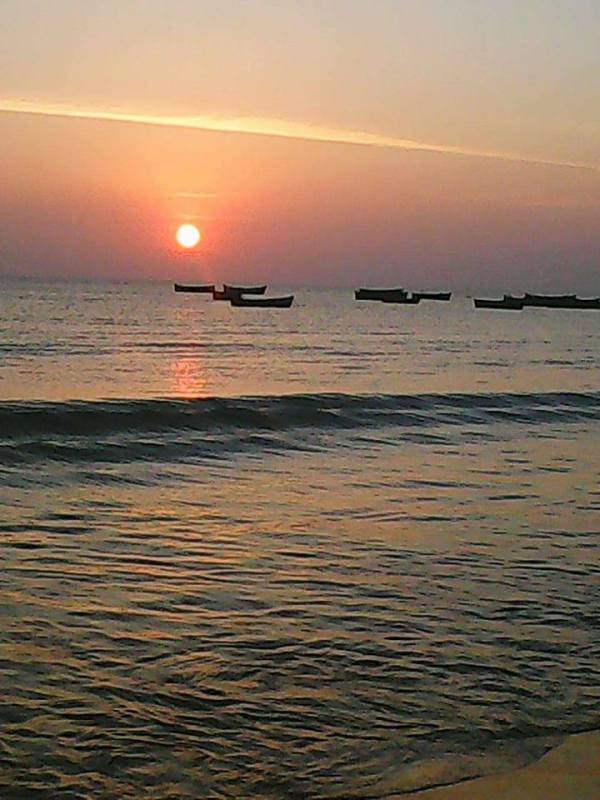
BOAT AND SUNRISE

Research Article written by london swaminathan


Date: 28 May 2016


Post No. 2850


Time uploaded in London :– 7-44 AM


(Thanks for the Pictures)


DON’T REBLOG IT AT LEAST FOR A WEEK!  DON’T USE THE PICTURES; THEY ARE COPYRIGHTED BY SOMEONE.


(for old articles go to tamilandvedas.com OR swamiindology.blogspot.com)


Contact : swami_48@yahoo.com


அமரகோசம் என்ற சம்ஸ்கிருத அகராதி உலகில் தோன்றிய முதல் அகராதி—நிகண்டு ஆகும். ஏறத்தாழ 1500 ஆண்டுகளுக்கு முன் தோன்றிய இந்த அகராதியில் யமனுக்கு 14 பெயர்கள் பற்றி நான் நேற்று எழுதிய கட்டுரையில் விவரம் காண்க. ஏனைய கடவுளருக்கு


சிவனுக்கு 52 பெயர்களும்

விஷ்ணுவுக்கு 46 பெயர்களும்

பலராமனுக்கு 17 பெயர்களும்

அம்பாளுக்கு 21 பெயர்களும்

லெட்சுமிக்கு 14 பெயர்களும்

கணபதிக்கு 8 பெயர்களும்

முருகன்/ ஸ்கந்தனுக்கு 17 பெயர்களும்

இந்திரனுக்கு 35 பெயர்களும்

அக்னிக்கு 34 பெயர்களும்

யமனுக்கு 14 பெயர்களும்

வருணனுக்கு 5 பெயர்களும்

வாயுவுக்கு 20 பெயர்களும்

குபேரனுக்கு 17 பெயர்களும்

மன்மதனுக்கு 19 பெயர்களும்

ஜினதேவனுக்கு 18 பெயர்களும்

புத்தபகவனுக்கு 7 பெயர்களும்


கொடுக்கப்பட்டுள்ளன. இதற்கு ஒன்பதாம் நூற்றாண்டு முதல் பல உரைகள் எழுந்தன. அவைகளைப் படித்தால் சம்ஸ்கிருதத்தையும் இந்து மதத்தையும் “ஓரளவுக்கு அறிந்ததற்குச் சமம்”.


(இவர்களில் இந்திரன்,அக்னி,  குபேரன், வாயு,  பிரம்மா, பலராமன்,யமன் பற்றிய பெயர்ப் பட்டியலையும் அதன் விளக்கங்களையும் இங்கே ஏற்கனவே எழுதிவிட்டேன்)
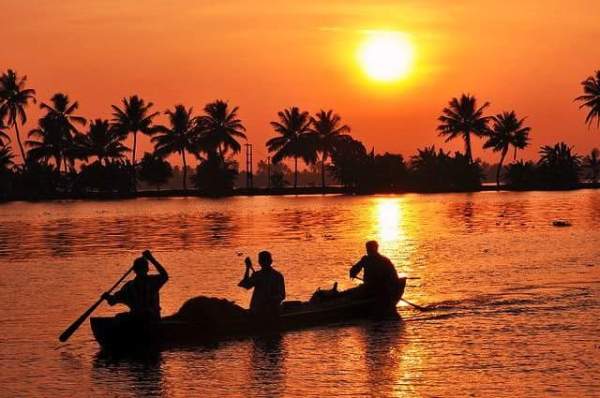
boat evening

இன்று சூரியனின் பெருமையைக் காண்போம்:–

அமரகோசத்தின் ஆசிரியர் அமரசிம்மன் சூரியனுக்கு 37 பெயர்களைச் சொல்லியிருக்கிறார். அவையாவன:–


(சம்ஸ்கிருத உச்சரிப்பு: சம்ஸ்கிருதத்தில் சொல்லுக்குப் பின்னே இரண்டு புள்ளிகள் ( : ) விசர்கம் இருந்தால் அதற்கு முந்திய உயிரெழுத்தைப் போல உச்சரிக்கவும்; எடுத்துக் காட்டு:– பாஸ்கர: = பாஸ்கரஹ, க்ரஹபதி: = க்ரஹபதிஹி, சித்ரபனு:= சித்ரபானுஹு)


அர்யமா = பித்ரு தேவதா, சூரியனின் பக்தர்கள்

ஆதித்ய: = அதிதி வம்சத்தில் வந்தவர்

த்வாதசாத்மா =

திவாகர: = நாள் என்பதை உருவாக்குபவன்

பாஸ்கர: = ஒளியூட்டுபவன் (பாஸ்பரஸ் என்ற மூலகத்தின் பெயரும் இதே பொருளுடைத்து)

அஹஸ்கர: = நாள் என்பதை உருவாக்குபவன்

ப்ரத்ன:= இருட்டை ஒழிப்பவன்

ப்ரபாகர: = ஒளியூட்டுபவன்

விபாகர: = ஒளியூட்டுபவன்

பாஸ்வான்= ப்ளியுடையவன்

விவஸ்வான் = பலவித ஆடைகளை உடையவன்

சப்தாஸ்வ = ஏழு குதிரைகளை உடையவன் (வானவில்லின் வண்ணங்கள்)

ஹரிதஸ்வ = பச்சைக் குதிரை உஅடையவன்

உஷ்ணரஸ்மி: = வெப்பமான கதிர் உடையவன் (பல பெண்களுக்கு ரஸ்மி என்று பெயர்; அதாவது கிரணம், கதிர் ஒளி)

விகர்தன: = பாலிஷ் செய்யப்பட்டவன், மெருகூட்டப்பட்டவன், விசேஷன கர்தவ்யம்

அர்க: = பூஜிக்கப்படதக்கவன் (அருகம் புல், தாமிரம், ஸ்படிகம், இந்திரன் என்றும் இச்சொல் பொருள்படும்)

மார்த்தாண்ட: = ‘இறந்த கோளத்தில்’ இருப்பவர்

மிஹிர: = வெளிவருபவன் (புத்தன் என்றும் இச்சொல் பொருள்படும்)

அருண: = சூர்ய சாரதி ( மற்ற பொருள்கள்= சந்த்யா ரகம், நிசப்தம், கபிலர், குஷ்டநோய், குணவான்)


பூஷா = புஷ்டியை ஏற்படுத்துபவன் (சூரியனிடமிருந்து ஆரோக்கியத்தைப் பெறு என்பது சம்ஸ்கிருத பழமொழி; இலவச வைட்டமின் ‘டி’ தருபவன்)


த்யுமணி: = வானில் தோன்றும்ரத்தினக் கல்

தரணி = சம்சாரக் கடலைக் கடக்கச் செய்வோன் (ஏனைய பொருள்= குமரி, படகு)

மித்ர: = சூரியன் (நண்பன்)

சித்ரபானு: = வண்ணக் கதிர் உடையோன்

விரோசன: = ஒளிவீசுபவன் 9மற்ற அர்த்தங்கள் = நிலவு, பிரஹலாதன் மகன்)

விபாவசு: = ஒளிதருபவன் (மற்ற பொருள்= ஒருவித நெகலஸ், பாவக)

க்ரஹபதி: = கிரகங்களுக்கு நாயகன்/தலைவன்

த்விஷாம்பதி:= ஒளிக்கு அதிபன்/தலைவன்

அஹர்பதி:= நாளுக்கு தலைவன் (அஹர் = பகல், பகலவன்)

பானு: = ஒளி

ஹம்ச: = சூரியன்

சஹஸ்ராம்சு: = 1000 கதிர் உடையோன்

தபன: = தபிக்கச் செய்பவன்(தபி = சூடேற்று; தப=தவ)

சவிதா= சூரியன்

ரவி: = சூரியன்

சுர: = பார்க்கக்கூடிய அனைத்தையும் தூண்டுபவன் (விழித்தெழச் செய்வான்)

சூர்ய: = சுர: என்பதைக் காணவும்.

 

chilka sun

தமிழ்நாட்டில் தினமணி, தினகரன் போன்ற பத்திரிக்கைகள், ஆங்கிலத்தில் ‘சன்’ போன்ற பத்திரிக்கைகள் சூரியன் பெயரைத் தாங்கி வருகின்றன. உலகிலுள்ள எல்லா முக்கிய மொழிகளிலும் சூரியன் பெயரில் நாளேடுகள் இருக்கின்றன. சூரிய நமஸ்காரத்திலுள்ள 12 மந்திரங்களும் மீண்டும் பிரபலமாகி வருகின்றன.


பல ஆண்கள், பெண்களின் பெயர்களும் சூரியன் பெயரிலிருந்தும், ஒளி என்பதிலிருந்தும் வந்தவை.


சூரியனுக்கு ‘இனன்’ என்று ஒரு பெயர் உண்டு; அதிருந்து வந்ததே இன்கா நாகரீகம் என்று முன்பே எழுதியிருக்கிறேன்.

அம்சுமாலி (நீர்நிலைகளின் தலைவன்), பஹ: ( ஐஸ்வர்யம்) முதலிய வேறு 17 பெயர்களையும் அமர கோச உரைகாரர்கள் விளம்புவர்)

சூரியனுக்கு அருகாமையில் உள்ள மாடர, பிங்கள:, தண்ட: பற்றியும் அமரம் பேசும்; இவை ஆராய்ச்சிக்குரிய விஷயங்கள்.


சூர்ய சாரதியின் பெயர்கள்:- சூர்யசுத:, அருண:, அனூரு:, காஸ்யபி, கருடாக்ரஜ:

கிரணங்களின் பெயர்கள்:– கிரண:, உஸ்ர:, மயூக:, அம்சு:, கபஸ்தி:, க்ருணி:, க்ருஷ்ணி:, பானு:, கர:, மரீசி:, தீதிதி:


சூர்யப் பிரபைக்கான பெயர்கள்:- ப்ரபா, ருக், ருசி:, த்விஷ், பா:, சவி:, த்யுதி:, தீப்தி:, த்யுதிமதி, ரோசி:, சோசி:

தீப்தி போன்ற பெண்களின் பெயர்கள் இந்தப் பிரபை (ஒளி மண்டலம், ஒளிவட்டம்) யிலிருந்து வந்தவையே.

சூரிய வெப்பத்துக்கான பெயர்கள் முதலிய விஷயங்களையும் அமரம் உரைக்கும்.

உரைகாரர்களின் உரைகளுடன் படித்து இன்புறவேண்டிய நூல்.
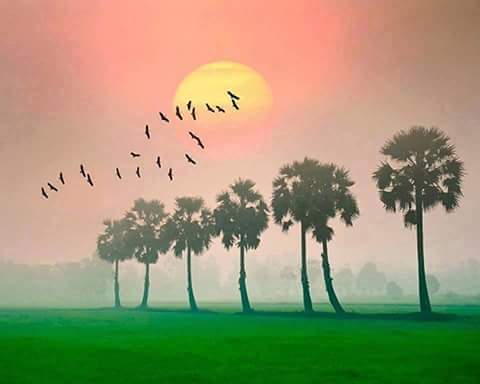
birds, pollachi

–சுபம்–


Minus X Minus = Plus: Hindu Science of Poisons (Toxicology)—Post No 2845

OLYMPUS DIGITAL CAMERA

OLYMPUS DIGITAL CAMERA

Research Article written by london swaminathan


Date: 27 May 2016


Post No. 2845


Time uploaded in London :– 14-08


( Thanks for the Pictures)


DON’T REBLOG IT AT LEAST FOR A WEEK!  DONT USE THE PICTURES; THEY ARE COPYRIGHTED BY SOMEONE.


(for old articles go to tamilandvedas.com OR swamiindology.blogspot.com)


Contact ; swami_48@yahoo.com

This article is published in Tamil as well.

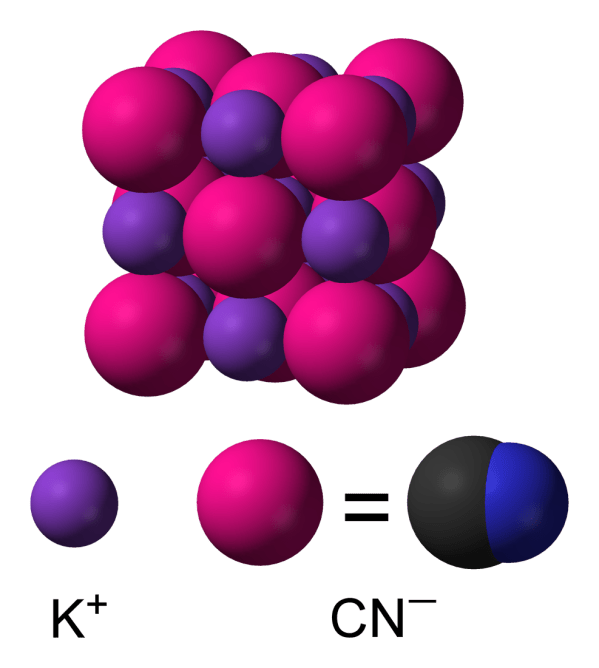
Potassium-cyanide-phase-I-unit-cell-3D-SF

There is an interesting story in Mahabharata. Pandava brothers and Kaurava brothers were learning archery from the great teacher Drona. From the very beginning Duryodhana, the eldest of the Kauravas was very jealous of the Pandavas. Duryodhana was waiting for an opportunity to kill them by hook or crook. Once he tricked Bhima, the strongest of the Pandava brothers to eat poisonous fruits. When he fell unconscious, he tied him with plant fibres and threw him into a river full of poisonous snakes. He thought Bhima was finished. But Bhima came alive as if he was just woken up from sleep. The poisonous snakes in the river had bitten him and that poison neutralised the original poison. That is (– x — = +) Minus x Minus = plus

The popular Sanskrit proverb is Vishasya Aushadam Visham (Venom is the antidote for venom).

The word poison came from the Sanskrit word Visham ( V changes to  P in most of the languages)

We have a vast resource of materials on everything under the sun in Sanskrit language. 2000 years ago Charaka and Susrutha wrote about poisonous flowers, roots, seeds, barks, fruits and animal poison in their medical books. They followed Homeopathy and took minute quantities of poison or impurities or germs to cure the symptoms caused by such things. They knew very well that the antidote for poison is another poison. Now this principle is followed in several treatments.


HINDUS DISCOVERED HOMEOPATHY

Five years ago I wrote an article under the title WHY DO HINDUS PRACTISE HOMEOPATHY? And posted here (19 November 2011); Following is an excerpt from my article:–

We are told that Homeopathy was developed by the German physician Samuel Hahnemann (1755-1843).But Indians know the principle long ago and are practising it in their day to day life.

The basic principles of Homeopathy are:

(1) ‘Like cures Likes’;

(2) ‘Symptoms of diseases are body’s self healing processes’ and

(3) ‘If one is administered with very dilute dose of what causes the disease, one will be cured of the disease’

When Hindus go to a holy place, they won’t drink or bathe in the water at once. Even when they go to temple tanks or holy rivers they will take three sips of water and sprinkle it on their head. Then they will use it for washing their feet and hands , bathing, drinking etc. This small dose of three sips of water (Brahmins call it Achamana) will help them to avoid all the diseases from that particular water source. In those days, water was the main source of diseases. The mineral contents, temperature, taste and quality of water were different from place to place. There was no chlorination or protected water supply for the public. Even today one can practise this ‘achamanam’ and avoid getting diseases from water. The diluted water-in small quantity- gives immunity to us from the germs and other impurities. So Hindus know the principle of Homeopathy ‘Like cures Likes’. No need to say that we should remember other basic rules about hygiene.

The rule for doing ‘achamana’ (sipping of water) is that the amount of water you take should submerge only one black gram seed (Urad Dhal in Hindi and Masha in Sanskrit). So when you do it three times you would have taken water that submerges only three seeds-so little!

 சிவ சிவ

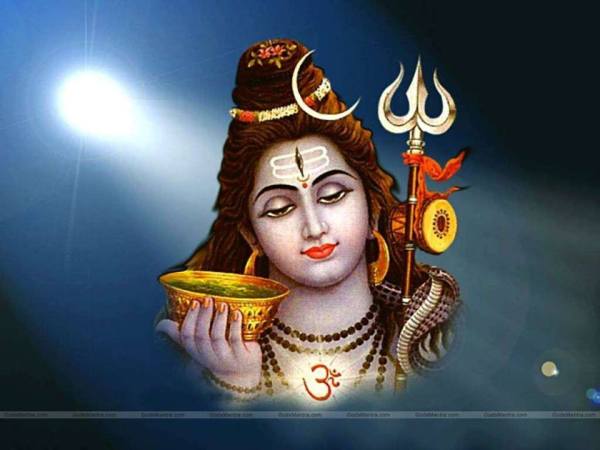
Shiva – the poison eater

Lord Shiva, one of three Hindu Trinities helped the Devas (angels) by devouring the poison known as Kaalakuuta or Halaahala. When the Devas (angels) and the demons (demons) churned the Milky Ocean for Amruta/ambrosia.

Ten Types of Poison

An old Sanskrit sloka divides poison into five big/main poisons and five small/minor poisons. Since we lost touch with the ancient language and the ancient science may of the words look Greek to us today!

Srngi ca kaalakuutasca muthsalo vathsanaabhakah

Sangakarniiti yogoyam mahaapancavishaamidhah

Five main poisons are; Srngi, Kalakuta, Muthsalah, Vathsanabhakah, sangakarnii


Arkakshiiram snuhikshiiram tathaiva kalihaarikaa

Dhattuurah karaviirasca panca chopavishaah smrutaaah

Five minor poisons are : Arkakshiram, Snuhikshiram, Kaliharika, Dhatturah, Karavirah


POISON SIMILES!

Since people knew these things very well they even composed several verses using the theme of poison as simile:-


One poet composed a verse saying that what is poison for whom.

Anabhyaasena visham saastram

Agiirne bhojanam visham

Daritrasya visham goshti

Vrddasya tarunii visham

That is scriptures are poison to an idiot; food is to a person suffering from indigestion; donation of a cow to a poor and giving a young woman for an old man in marriage. All these are like poisons.


Another poet said that poison kills only one person who took it. But those steal a Brahmin’s property will be destroyed for seven generations:-

Na visham vishamiyaahu brahmasvam vishamucyate

Visham ekaakinam hanti brahmasvam  putr pautrakam

 old-fashioned-poison-

SANSKRIT SAYINGS ON POISON

Following are some of the Sanskrit sayings on Poison (Visham); taken from the book Suktisudhaa, Chinmaya Interational Foundation:-

Duskaram visam ausadhii kartum – Mrccakatikam

It is an arduous task to convert poison into potion

Xxx

Dvesaakhyaanam visam bhavet – Brhat katha kosa

Scandal mongering is lethal

Xxx

Na hemakumbhe visam amrutam bhavet – Kahavatratnakar

Poison in a golden goblet will not turn into nectar

Xxx

Visam visameva sarvakaalam

Poison remains Poison alone at all times

Xxx

Visasya visam ausadham -– Kahavatratnakar

Venom is the antidote for venom

Xxx

Sarvaange durjane visam – Canakya Niti

The whole body of the wily is venomous

Xxx

Sva hasto api visadigdhah  chedyah -– Canakya Niti Sastram

The poisoned hand, though your own, deserves to be amputated


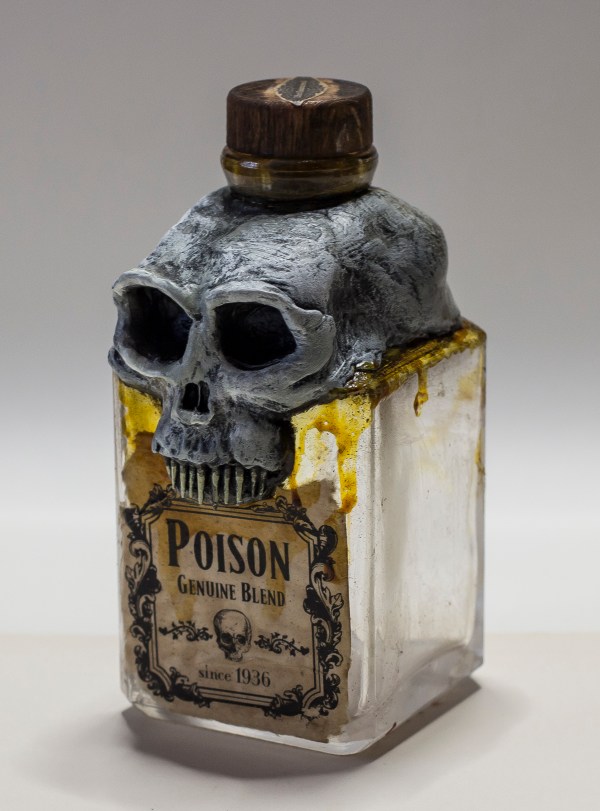
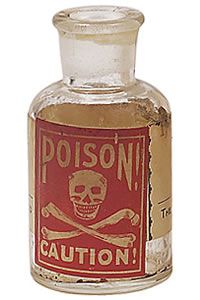
skull_poison_bottle_

ENGLISH PROVERBS

The above proverbs may be compared with English proverbs:

Poison is poison though it comes in a golden cup

One drop of poison infects the whole tun of wine

One poison drives out another (Read the Story of Bhima above)


Tamil Proverbs

Scorpion has poison in its sting but bad people has poison all over the body

Scorpion has poison in its sting but a whore has poison all over her body (Iniyvai Naarpathu verse 38)

One drop of poison spoils the whole pot of milk

Singaravelu Mudaliyar in his Tamil Encyclopaedia ‘Abidhaana Chintaamani’ has listed all the plant poisons and antidotes as well.


Who do the Hindus feed the crows first?

Hindus used to feed the crows first just before eating. Some used to fee the dogs in the street. If there is any poison in the food they react immediately. In the olden days due to unhygienic conditions or deliberate poisoning, food poisoning was common. Even kings used some animals to test theiir food first.

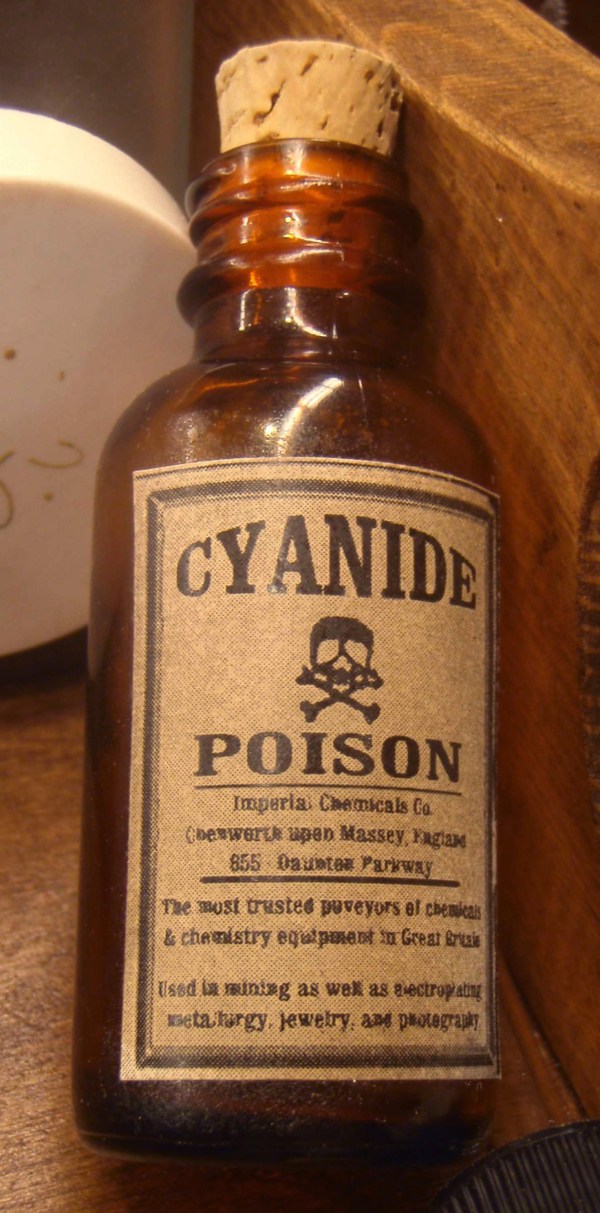
poison old type

–Subham–


Auspicious Words in Sanskrit and Tamil Books (Post No.2825)

08.08.67.earth.med

Research article written by London swaminathan


Date: 20 May 2016


Post No. 2825


Time uploaded in London :–  13-49


( Thanks for the Pictures)


DON’T REBLOG IT AT LEAST FOR A WEEK!  DON’T USE THE PICTURES; THEY ARE COPYRIGHTED BY SOMEONE.


(for old articles go to tamilandvedas.com OR swamiindology.blogspot.com)


Ancient Hindu writers who wrote in Sanskrit and Tamil had some wrting traditions which were not found anywhere else in the world. They had a set of rules about the opening sentence or opening word of a great work in literature. They always started with some auspicious words or with the name of God. Either the prayer in the book or the first verse had that Mangala or auspicious words.


Here is a simple sloka which gives the rule:-

Omkaarascha atha sabdascha dvaavethau brahmanah puraa

Kandam bitwaa viniyaartau tasmaan maangalikaavubau

-Paatanjala darsanam


The sounds ‘Om’ and ‘Atha’ came first from the mouth of Brahma. So both these are considered auspicious words.

moon night

This ancient tradition lead the poets and compilers to begin a book with these words. The first letter of the alphabet in most of the old languages is ‘A’. Tamils and Sanskritists used this word as well.

Om or Aum has got a mystical meaning; it is the primordial sound from which everything came out/ originated

‘Atha’ means now

Here are some examples to illustrate the tradition:-

Atha yogaanusaasanam – Opening line of Patanjali Yogasutram

Atha Srimad Bhagavd Gita – Bhagavad Gita

Athaatho brahmajijnaasaa – Brahmasutra

Agni meele – Rig Veda (Om is also added with every mantra in the Vedas).

When the Guru opens the book in front of the students, he would say

Atha Valmiki Ramayana, Atha Rik Vedah etc. and then teaches the students.

Kalidasa, the greatest of Indian poets, prays to god with various words. If god is not directly referred to then the poets used words like ‘Viswa’, ‘Loka/world’.


Vishu Sahsranama begins with ‘Viswam’ vishnur Vashatkaro……..

tricolour om

But all the Sanskrit religious texts used Om or Atha in the beginning.

Amarakosa also says ‘Atha’ is an auspicious word. So we know that it has been in vogue for thousands of years.

Tamil Rule

Tamils have used the following words as the initial word in their works if it does not contain a direct Prayer to God:–

Siir(Sri), Ezuthu(word),Pon(gold), Puu(flower), Thiru (Sri/Lakshmi), Mani(Gem/Bell), Yaanai (Elephnt),Ther(chariot), Pari(horse), kadal(Sea), Malai(hill) Pukaz(fame), Mathi(Moon), Neer (water) Aaranam(Vedas) ,Sol(wprd), Puyal (rain/storm), Nilam (Earth), Ganga (Holy Ganges River), Ulakam(world),Parithi(Sun), Amirham (Ambrosia/Amrut).

Ulakam/World

Famous Tamil works such as Tirumurukatruppadai, Manimekalai, Valayapathy, Periya Puranam, Kamba Ramayanam, Mullaippaattu, Mudumozikanchi, Seevaka Chintamani, Villi Bharatam begin with the word ‘Ulakam’.

Other books such as Sirupaanatrupadai, Natrinai, Tirikaduka used the synonyms of world (Maanilam)

Oldest Tamil book Tokaappiam begins with Ezuthu(Word).

Tamil Epic Silappathikaram begins with Moon, Sun and Rain.

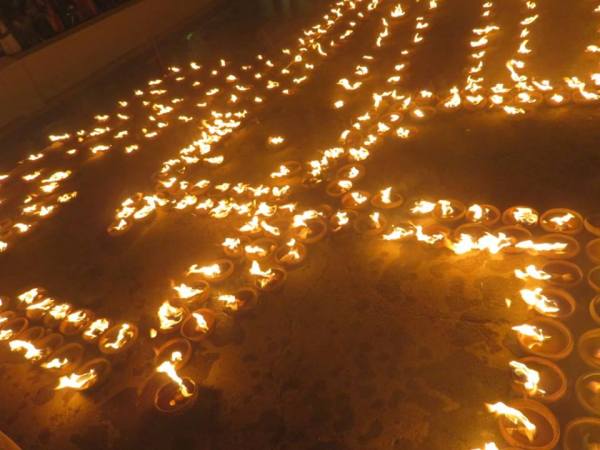
swastik, om lamps, kotipali shivratri

Tamil Veda Tirukkuran begins with ‘Akara’.

All the ancient Sanskrit and Tamil inscriptions begin with Swasti Sri, another auspicious word.

All the literary works ended with the word SUBHAM ( meaning Well, Good, Prosperity)

No other ancient culture except the Hindus had this literary tradition.

sheep, sun

–Subham_


காளிதாஸன் மீது போஜனின் நட்பு!!(Post No.2815)

kalidasa-

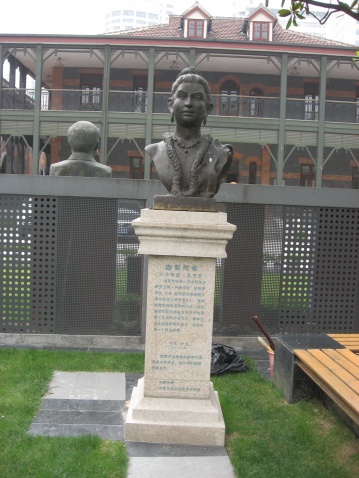
Kalidasa Statue in China

Written  BY S NAGARAJAN
Date: 16 May 2016


Post No. 2815


Time uploaded in London :–  5-27 AM


( Thanks for the Pictures)


DON’T REBLOG IT AT LEAST FOR A WEEK!  DON’T USE THE PICTURES; THEY ARE COPYRIGHTED BY SOMEONE.


(for old articles go to tamilandvedas.com OR swamiindology.blogspot.com)


சமஸ்கிருதச் செல்வம்


காளிதாஸன் மீது போஜனின் நட்பு!!

ச.நாகராஜன்

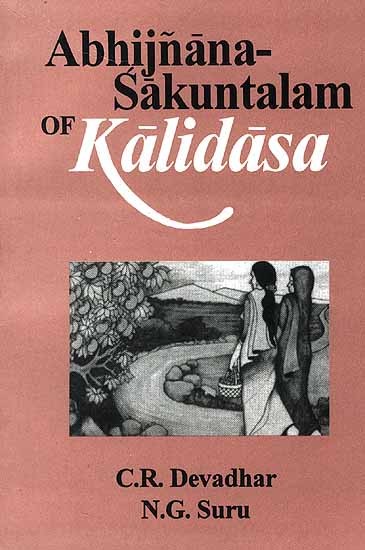
abhijnanasakuntalam_of_kalidas

World Famous Drama Sakunatala of Kalidasa

மாபெரும் மன்னனான போஜன் சிறந்த அறிவாளியும் கூட.

அவன் காளிதாஸன் மீது வைத்திருந்த அன்பை வார்த்தைகளால் விளக்க முடியாது. என்றாலும் கூட அந்த மாபெரும் மன்னன் காளிதாஸன் மீது தான் கொண்டிருக்கும்  அன்பை தன் வார்த்தைகளிலேயே விளக்குகிறான் இப்படி:


கச்சதம் திஷ்டதோ வாபி ஜாக்ரத: ஸ்வதோபி வா

மா மூன்மன: கதாசித் மே த்வயா விரஹிதம் கவே


போஜ மஹாராஜன் காளிதாஸனைப் பார்த்து நேரில் கூறுவது இந்தக் கவிதையாக மலர்ந்துள்ளது.


“ஓ, கவிஞரே! நடக்கும் போதும் சும்மா இருக்கும் போதும், விழித்திருக்கும் போதும் அல்லது தூங்கும் போதும் எனது மனம் உன்னை விட்டு ஒரு பொழுதும் விலகி இருக்காது.”


எப்படி ஒரு அருமையான நட்பு மன்னன் – கவிஞன் நட்பு!

அறிவுக்கு மன்னன் கொடுத்த மதிப்பு அந்த அரிய நட்பு!


இதை S.B.Nair  அழகுற ஆங்கிலத்தில் மொழி பெயர்க்கிறார் இப்படி:


When walking or keeping still, when waking or sleeping may my mind never remain far away from you, O, the Poet!


இந்த அரிய கவிதைக் கூற்று பல்லகரின் போஜ ப்ரபந்தத்தில் 158வது செய்யுளாக அமைகிறது!


வரலாறு கூறும் ஒரு அரிய நட்பு போஜ – காளிதாஸன் நட்பு!


xxxxxx


சமஸ்கிருத செல்வம்

இறந்ததற்குச் சமம்!

ச.நாகராஜன்


கங்கை, வித்யா, குழந்தை, யக்ஞ தட்சிணை இவற்றின் மதிப்பை எப்படி அறிவது?


சாணக்யர்  தெளிவாகக் கூறுகிறார் இப்படி:


கங்கா ஹீனோ ஹதோ தேஷோ வித்யா ஹீனம் ஹதம் குலம்

அப்ரசுதா ஹதோ நாரீ   ஹதோ யக்ஞஸ்த்வ தக்ஷிணா:


இதன் பொருள் என்ன?


கங்கை இல்லாத தேசம் இறந்த சுடுகாடு தான்!

ஞானம் அல்லது படிப்பறிவு இல்லாத குடும்பம் செத்த குடும்பம் தான்!


குழந்தை இல்லாத பெண் இருந்தும் இறந்தவளே!

யக்ஞ தட்சிணை தராத யக்ஞம் பயனற்ற யக்ஞமே!


இதை எஸ்.பி. நாயர் (S.B.Nair)  ஆங்கிலத்தில் அழகுற இப்படி மொழியாக்கம் செய்கிறார்:


Dead is a land without Ganga:

Dead is a family without wisdom:

Dead is a barren woman;

Dead is a sacrifice not followed by gifts (to the Brahmanas)


சுருக்கமாகச் சொல்லும் போதே அழுத்தமாகச் சொல்வது கவிஞர்களின் இயல்பு. இப்போது கங்கை, வித்யா, குழந்தை, யக்ஞ தட்சிணை ஆகியவற்றின் மதிப்பும் முக்கியத்துவமும் நன்கு புரிகிறது, இல்லையா!

*********


Two Types of Thieves! Two Types of Knowledge! (Post No.2796)

happy-valmiki-day08

Written by london swaminathan


Date: 9 May 2016


Post No. 2796


Time uploaded in London :–  21-14


( Thanks for the Pictures)


DON’T REBLOG IT AT LEAST FOR A WEEK!  DON’T USE THE PICTURES; THEY ARE COPYRIGHTED BY SOMEONE.


(for old articles go to tamilandvedas.com OR swamiindology.blogspot.com)


Sanskrit literature gives us very interesting information about thieves, knowledge and charity.

Thieves are of two types:-

Prakaasa – explicit

Aprakaasa – invisible

The Sanskrit saying goes thus:-

“Prakaasaascaprakaasaasca dvividhaastaskaraah smrutaah”


My view is corrupt politicians are day light robbers ie. Prakaasa

Night time thieves are invisible i.e Aprakaasa


xxx

Knowledge

Knowledge is said to be of two types: Saabdika – verbal (even Vedic and other Sastras transmitted verbally) and Anubhava – experience.

In the olden days lot of things were learnt on the job i.e. through experience.


Vedic and other subsidiary scriptures were learnt through verbal teaching. But yet experience counted more than bookish knowledge.


Xxx

AVVAI, BATTICAOLA,S.L.

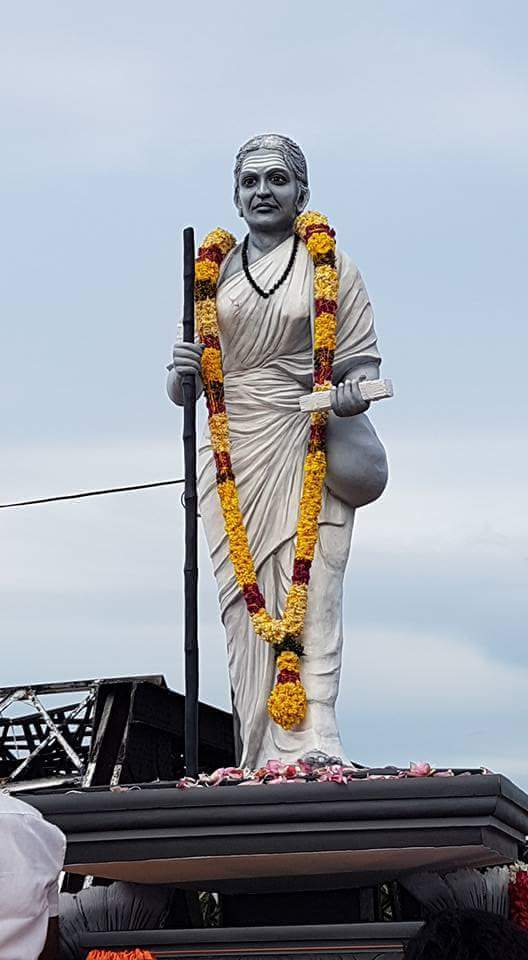
Avvai statue in Batticaola, Sri Lanka

Overstepping the rules of Charity

Mahabharata says that there are two things which violate the scriptural instructions.

Apaatre pratipatti – giving to the undeserving

Paatre apratipatti – not giving to the deserving

Labdhanaamapi vittaanaam boddhauyau dvaatkramau

Apaatrepratipattisca patre chaapratipadanam

Mahabharata, Shaanti parva, 26-31


Tamil proverbs also concur with this view. Tamil poets were very strict about giving. One poet says that Ay, the chieftain, was not a ‘Charity businessman’ who expects something when he gives a donation. Ay gives to the poor to get rid of poverty and not expecting a good place in the heaven or good rebirth.


Another poet says that even if there is no heaven (for those who give), it is good to give (donate).


We see lot of poets praising Dhana/ donation in the Vedas. It is good to see the same concept existed throughout the vast land of India for thousands of years. Majority of the 80,000 Tamil inscriptions talk about donation to Brahmins or temples. Tamil poets of Sangam age praised donating to the poor. Seven chieftains were called the Last Seven Philanthropists. One of them was Ay.


The first lesson the Vedic students taught was Do Charity, “Dharmam Chara”. Later Tamil poetess Avvaiyar translated this and put it as the first advice to youngsters in her Athichudi.

–subham–


அரிது, அரிது, ‘அநாயாச மரணம்’ அரிது! (Post No 2780)

happy-valmiki-day08

Written by london swaminathan


Date: 4 May 2016


Post No. 2780


Time uploaded in London :– 8-20 AM


( Thanks for the Pictures)


DON’T REBLOG IT AT LEAST FOR A WEEK!  DON’T USE THE PICTURES; THEY ARE COPYRIGHTED BY SOMEONE.


(for old articles go to tamilandvedas.com OR swamiindology.blogspot.com)


சம்ஸ்கிருதத்தில் ஒரு பொன்மொழி இருக்கிறது. எது துர்லபம்? அதாவது கிடைத்தற்கு அரியது எது?


“அநாயாசேன மரணம் வினா தைன்யேன ஜீவனம்”

அநாயாசேன மரணம்= எளிதான/ கஷ்டப்படாமல் மரணம்

வினா தைன்யேன ஜீவனம் = வறுமையற்ற வாழ்வு.


‘உடம்பைக் கடம்பால் அடி’ என்பது  தமிழ்ப் பழமொழி. என் பாட்டி கடம்ப மரத்தால் செய்யப்பட்ட கட்டிலில் படுத்து உறங்குவாள். அவள் இறுதி மூச்சு வரை நோய் நொடி இல்லாமல் வாழ்ந்தாள். நாங்கள் எனக்குத்தான் இறுதிக் காலத்தில் இந்த கட்டில் சொந்தம் என்று சகோதரர்களுக்குள் “ஜோக்” அடித்துக் கொள்வோம்! அக்கட்டில் இன்னும் மதுரையில் இருக்கிறது. அந்தப் பாட்டி தினமும் தூங்குவதற்கு முன் எனக்கு அநாயாச மரணதத்தைக் கொடுடாப்பா என்று பெரிதாக பிரார்த்தனை செய்துவிட்டுத் தூங்குவாள். சிறுவயதில் இந்தச் சொற்களுக்கு எங்களுக்கு அர்த்தம் தெரியாது.

இரவில் பாட்டியைப் பார்த்தால் பாட்டி சொன்னதையே திருப்பிச் சொல்லி கிண்டல் செய்வோம்.


கஷ்டப் படாமல் ஒருவர் இறப்பதற்கு புண்ணியம் செய்திருக்க வேண்டும். நான் பார்த்த பல ‘கேஸ்’கள் ஆஸ்பத்திரியில் பல காலம் கிடந்து, படுக்கையிலேயே மல, மூத்ர விசர்ஜனம் செய்து, குடும்பத்தினரே, இவர் இருந்து சித்திரவதைப்படுவதை விட, (உண்மையில்………எங்களைச் சித்திரவதைப்படுத்துவதை விட), போவதே மேல் என்று சொல்லுமளவுக்குப் போய்விடுகிறது. இன்னும் பலர் விஷயத்தில் காசுக்காக டாட்டர்களே மெஷின் மூலம் உயிரைத் தக்கவைத்து, வேண்டாதபோது நம்மைக் கூப்பிட்டு எல்லா உறவினர்களையும் வரும்படி சொல்லுங்கள், பிளக்கைப் பிடுங்கப் போகிறோம் (ஆக்சிஜன் சப்ளை, இருதயத்துடிப்புக்கு உதவும் மிஷின்) என்று சொல்லுவதைப் பார்த்திருக்கிறேன். இதையெல்லாம் பார்க்கையில் நமக்கு அநாயாச மரணம் எவ்வளவு முக்கியம் என்று தெரியும். நாமும் பிரார்த்திப்போம்.


வறுமை பற்றி பெரியகட்டுரை எழுதத்தேவையே இல்லை. எல்லோருக்கும் தெரிந்த விஷயமே. கொடிது கொடிது வறுமை கொடிது – என்று அவ்வையே பாடிவிட்டார்.


வால்மீகி கூறும் அரிய விஷயம்


எது அரிது (துர்லபம்)? என்பதற்கு வால்மீகி முனிவர் வேறு பதில் சொல்லுகிறார்.

சுலபா புருஷா ராஜன் சததம் ப்ரியவாதின:

அப்ரியஸ்ய ச பத்யஸ்ய  வக்தா ஸ்ரோதா ச துர்லப:

–வால்மீகி ராமாயணம், ஆரண்ய காண்டம், 37-2


பத்யஸ்ய  வக்தா = கசப்பான உண்மையைச் சொல்பவர்


பத்யஸ்ய  ஸ்ரோதா = கசப்பான உண்மையைக் கேட்பவர்


கொஞ்சம் யோசித்துப் பார்த்தால் நமக்கு இது எவ்வளவு உண்மை என்று தெரியும். அம்மா, அப்பாவைத் தவிர வேறு எவரும் நம்மிடம் மனம் திறந்து பேசுவதில்லை. கசப்பான உண்மையை அவர்கள் மட்டுமே நமக்குச் சொல்வர். நாமோ அதைக் கேட்பதில்லை ஆகவே துர்லபம்; அதாவது அரிதே.


கசப்பான உண்மையை நமக்கு வேறு யாரும் சொலாமல் இருப்பதற்கு இரண்டு காரணங்கள்:

குடும்பத்திலும் அலுவலகத்திலும் பொது வாழ்விலும் நம் மீது பொறாமை கொண்டவர்கள், “ஆள் நன்றாகச் சிக்கித் தவிக்கட்டும்; வேடிக்கை பார்ப்போம்” என்று எண்ணலாம். இரண்டாவது காரணம்:- நமக்கு ஏன் வம்பு? கசப்பான  உண்மையைச் சொன்னால் நம்மைத் தப்பாக நினைப்பார்கள் என்று பேசாமல் இருந்து விடுகிறார்கள்.ஆகவே இவ்வகை ஆட்களும் அரிதே!

IMG_3286.JPG


அரிது அரிது ……………………….. அவ்வைப் பாட்டி சொன்னது


என்னுடைய ஒரு பழைய கட்டுரையில் நான் கூறிய விஷயம் இதோ :-மாநுடப் பிறவி அரிது! அரிது!! (21 அக்டோபர் 2013)


அரியது கேட்கின் வரிவடி வேலோய்!
அரிதரிது மானிடர் ஆதல் அரிது
மானிடராயினும் கூன் குருடு செவிடு
பேடு நீக்கிப் பிறத்தல் அரிது
பேடு நீக்கிப் பிறந்த காலையும்
ஞானமும் கல்வியும் நயத்தல் அரிது
ஞானமும் கல்வியும் நயந்த காலையும்
தானமும் தவமும் தான்செயல் அரிது
தானமும் தவமும் தான்செய்வராயின்
வானவர் நாடு வழிதிறந் திடுமே

என்று அவ்வைப் பாட்டியும் கூறுவர்.

ஆதிசங்கரர் கூற்று

ஆதிசங்கரர் பல இடங்களில் மாநுடப் பிறவியின் அரிய தன்மை பற்றிக் கூறுகிறார்: “ஜந்தூனாம் நரஜன்ம துர்லபத:” (அரிது அரிது மானுடராதல் அரிது). அவர் எழுதிய விவேக சூடாமணியில் 2, 3, 4– ஆவது ஸ்லோகங்களிலேயே இதைப் பற்றிப் பிரஸ்தாபிக்கத் துவங்கி விடுகிறார்.

அரிது அரிது மனிதப் பிறவி, அதிலும் அரிது பிரம்மத்தை நாடும் பிறவி
அதனிலும் அரிது வேத அறிவு, அதனிலும் அரிது ஆத்ம ஞானம்
முக்தி பெறுவதோ நூறு கோடியில் ஒன்றே!

மூன்றாவது ஸ்லோகத்தில் மூன்று அரிய விஷயங்களைக் கூறுகிறார்: மனுஷ்யத்வம், முமுக்ஷுத்வம், மஹா புருஷர்களின் அருள். மனிதப் பிறவி, வீடு பேற்றை நாடல், பெரிய குருவின் பூரண பாதுகாப்பு என்பதே அவர் கூறுவது.

வேதத்தைப் படித்த பின்னரும் முக்தியை நாடாதவன் தற்கொலை செய்துகொள்வதற்குச் சமம் என்கிறார் நாலாவது ஸ்லோகத்தில்.

இதையெல்லாம் படிப்பவர்களும் அரிதே!!!

–சுபம்–


DROWN MISERS IN THE SEA: MAHABHARATA (Post No 2773)

desrt nd sea

Written  by london swaminathan


Date: 2 May 2016


Post No. 2773


Time uploaded in London :– 9-12 AM


( Thanks for the Pictures)


DON’T REBLOG IT AT LEAST FOR A WEEK!  DON’T USE THE PICTURES; THEY ARE COPYRIGHTED BY SOMEONE.


(for old articles go to tamilandvedas.com OR swamiindology.blogspot.com)


Hindu scriptures are not against violence; they support violence where it is necessary. When it comes to protecting countries and governments, war was part of their life. The biggest job provider in the ancient world was the war and weapon industry. It is true with the modern world as well. At any one time 50 conflicts are going on in different parts of the world. The Western Governments love wars. Their biggest income come from arms sale. They are the mainstay of all the terrorist movements. Big arms fairs are held in London and other parts of the world, where the terrorists and developing countries procure weapons in benami/proxy names. So we can laugh at them when they speak of world peace and non-violence.


Western Governments ‘invent’ human rights violations of other countries if they don’t provide them oil/petrol or don’t do business with them. They have no moral issues in wars. They want their products to be sold. Doctors flourish when there are more diseases; lawyers flourish when there are more criminal activities; Western Governments survive only through their arms sales and conflicts between nations. If there is peace, then they wont have the BIG POWER status! They will justify any violence like Iraq War, Vietnam War, nuclear bombing of Hiroshima and Nagasaki in Japan and killing millions of innocent Buddhists. Their propaganda machinery such as ABC, BBC, CBC etc. will help them to justify all their immoral activities. With the communist governments, they openly support violence unlike the covert activities of Western Governments.


All Hindu gods and goddesses hold weapons; they are there to punish the evil doers. They never attack anyone on their own. If there is violence from the demons and devils, they kill them. It is also symbolic in many cases; there the demons or devils symbolise evil thought in human beings.


So we have to look at any violence in this background; the violence advocated by the Tamil and Sanskrit scriptures is of different kind. They support violence only against the evil people. We can easily see the difference between the actual criminals and the ‘invented’ criminals of the Western countries.

kadala, fb, sea

Ambhasi nivestavya: To be drowned in ocean

Mahabharata says,
Dvaambhasi nivestavyau gale badhwaa drutaam silaam
Dhanavantamadaataaram daridram caatapasvinam
—Udyoga parva 33.60


Drown the following two kinds of people in the ocean:

1.Adaataa Chanukah
Richman who doesn’t give
2.Atapasvi daridra
Poor man who is not devout


From Tamil Literature
Tamil poet Tiruvalluvar also says,

“The mean will not shake off what sticks to their hands to any but those who would break their jaws with their clenched fists!” (Tirukkural 1077)

That is the misers have no heart, no compassion; they will give only when their hands are twisted and jaws are broken with a good punch.

“At a mere word the good melt; but the mean, like the sugarcane, yield only under pressure” (Tirukkural 1078)

That is the misers have to be actually crushed physically to get something out of them.

In another couplet, Valluvar advocated also death penalty for the murderers. He compared the murderers as weeds in the field. Capital punishment for grievous offences is like the weeding of fields, necessary for protecting the food crops.

“The king gives capital punishment to wicked killers like removing weeds from flourishing fields” (Tirukkural 550)

Sanskrit law books such as Manu smrti and Sukra neeti also support capital punishment.

–Subham–


Learn weeping and you shall gain laughing (Post No 2767)

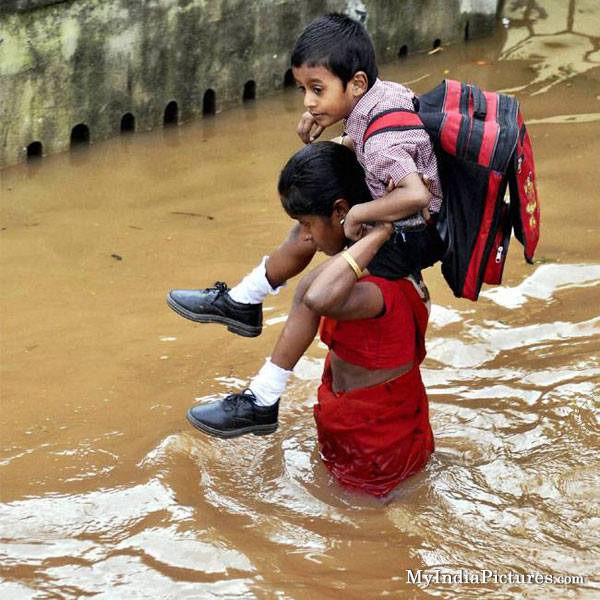
schooling in floods

May, 2016 Good Thoughts Calendar

Compiled by london swaminathan


Date: 29 April 2016


Post No. 2767


Time uploaded in London :– 12-11


( Thanks for the Pictures)


DON’T REBLOG IT AT LEAST FOR A WEEK!  DON’T USE THE PICTURES; THEY ARE COPYRIGHTED BY SOMEONE.


(for old articles go to tamilandvedas.com OR swamiindology.blogspot.com)


31 Proverbs and Sayings on ‘Education’


Festivals in May: 1 May Day, 2 Bank Holiday in England; 9 Akshaya Trutyai; 21 Buddha Purnima, Vaikasi Visakam; 22 Kanchi Mahaswamikal Jayanthi; 31 Dattatreya Jayanti.


Auspicious Days: 2, 4, 9, 11, 12, 19, 26; Full Moon/Purnima- 21; New Moon/Amavasya- 6; Ekadasi Fasting Days: 3, 17


 school day project

May 1 Sunday


Even if a person of the lowest caste among the four castes is educated, the high caste person would salute (pay respects to) him; knowledgeable person is preferred than an aged person for the government job—Purananuru verse 183


May 2 Monday


 “A man who has faith may receive good learning even from a man who is lower, the ultimate law even from a man of the lowest castes, and a jewel of a woman even from a bad family”–2-239


May 3 Tuesday

“Ambrosia may be extracted even from poison,

And good advice even from a child,

Good behaviour even from enemy

And gold even from something impure “– Manu 2-240


May 4 Wednesday

“Women, jewels, learning, law, purification, good advice and various crafts may be acquired from anybody” – Manu 2-241


May 5 Thursday


“Though high born, an unlettered man is deemed lower than a learned man of lower birth. “—Tirukkural 409.

 bhadravati girls, Sai school

May 6 Friday

Property gained by education belongs to one to whom it was given – Manu 9-206


May 7 Saturday

Just a man who digs with a spade discovers wter, even so the obedient people discovers the learning that is in his guru / teacher.


May 8 Sunday

That wells in the sand abound with springs of water as one digs deep,

So with appropriate education, knowledge gets wider and deeper – Tirukkural 396


May 9 Monday

Learning or knowledge cannot be washed away by the floods; fire cannot burn it’ kings cannot take it away as taxes; even if you give it increases; difficult for thieves to steal t; easy to guard; that wealth is called education. When you have that wealth you don’t need to go around the world for money – Tamil Verse


May 10 Tuesday

Learning without practice is toxic – Canakya neeti

 periyakulam3

May 11Wednesday

The learned is not a foreigner anywhere – Panchatantra  2-56


May 12 Thursday

No kin (relations) like knowledge


May 13 Friday

Study well those books which are worth studying. Then, follow the right path  according to what you have learnt — Tirukkural 391


May 14 Saturday

Strength is no strength; knowledge is power supreme


May 15 Sunday

In this world human birth is rare; rarer still knowledge – Agni purana

 ram nam periyakulam.jpg

May 16 Monday

Education polishes good natures, and correcteth bad ones.


May 17 Tuesday

Learn not and know not


May 18 Wednesday

The best horse needs breaking, and the aptest child needs teaching.


May 19 Thursday

Letters and numbers are the two eyes of man – Tirukkural 392


May 20 Friday

Knowledge has bitter roots, but sweet fruits (refers to suffering involved in learning)

 periyakulam2

May 21 Saturday

Learn weeping and you shall gain laughing (refers to suffering involved in learning)


May 22 Sunday

There is no royal road to learning – Euclid 300 BCE (no easy way)


May 23 Monday

The nature of the learned is to cause delight in companionship and regret in separation Tirukkural 394


May 24 Tuesday

Soon learnt, soon forgotten


May 25 Wednesday

What we first learn, we best can

 mdu school

May 26 Thursday

That which is not bent at five, cannot be bent at fifty (Tamil Proverb)


May 27 Friday

Learning in one’s youth is engraving in stone


May 28 Saturday

Whoso learns young, forgets not when he is old.


May 29 Sunday

The learning that one has imbibed in this birth

Will stand him in good stead in the next seven births Tirukkural 398


May 30 Monday

In every art it is good to have a master.

 school tree

May 31 Tuesday

Learning is the lasting joyful wealth; all other material wealth are lost in time -Tirukkural 400


அர்ஜுனன் சபதமும், ராமன் சபதமும் (Post No.2766)

arjuna, bali, indonesia

PICTURE: ARJUNA IN INDONESIA

Translated by london swaminathan

Date: 29 April, 2016

Post No. 2766

Time uploaded in London :–  8-33

( Thanks for the Pictures  ) 

DON’T REBLOG IT AT LEAST FOR A WEEK!  DON’T USE THE PICTURES; THEY ARE COPYRIGHTED BY SOMEONE.

(for old articles go to tamilandvedas.com OR swamiindology.blogspot.com)

அர்ஜுனன் உறுதி மொழி (பிரதிக்ஞா)

ந தைன்யம் – என்றும் பரிதாபத்துக்குரிய நிலையை அடையமட்டேன்

ந பலாயனம் – என்றும் புறமுதுகு காட்ட மாட்டேன் (போரில்).


“அர்ஜுனஸ்ய பிரதிக்ஞே த்வே ந தைன்யம் ந பலாயனம்”

Xxx

tiruvallur rama

ஒரே சொல், ஒரே அம்பு

தத் ப்ரூஹி வசனம் தேவி ராக்ஞா யதபிகாங்க்ஷிதம்

கரிஷ்யே ப்ரதிக்ஞாதே ச ராமோ த்வினார்பிபாஷதே

வால்மீகி ராமாயணம், அயோத்யா காண்டம், 18-30


தேவி! நீ சொல். அரசனால் விரும்பப்பட்டராமன், இரண்டாவது முறை அம்பு தொடுப்பதுமில்லை; இரண்டாவது தடவை உறுதிமொழி செய்வதுமில்லை.


ராமனுக்கு சொல் ஒன்றே; அதிலிருந்து மாற மாட்டான். அதே போல அவன் ஒரு வில் விட்டால் போதும்; எதிரிகள் வீழ்வர். அதற்குப்பின், மற்றொரு அம்பைத் தொடுக்கும் தேவையே இராது.


த்வி: சரம் நாபிசந்தத்தே ராமோ த்விநார்பிபாஷதே— மஹாநாடகம்

இரண்டாவது அம்பு தொடுப்பது இல்லை; இரண்டாவது சொல் பேசுவதுமில்லை.


கைகேயி, சீதை, பரதன், அனுமன், சுக்ரீவன்,குகன், விபீஷணன் ஆகிய எல்லோருக்கும் கொடுத்த வாக்கைக் காப்பாற்றினான்.

இந்த இப்பிறவியில் சிந்தையாலும் இரு மாதரைத் தொடேன் (மனதாலும் மற்ற பெண்களை நினைக்க மாட்டேன் என்று சீதைக்கு வாக்குக் கொடுத்தான்). அதனால் தான் ராமர் இருக்கும் இடத்தில் காமன் இருக்க மாட்டான் என்பர் பெரியோர். மண், பெண், பொன் ஆசையைத் துறந்தவன் அவன். இலங்கையின் பொன்மயமான கோட்டைகளை லெட்சுமணன் புகழ்ந்த போது “பெற்ற தாயும் பிறந்த பொன்னாடும் நற்றவ வானினும் நனி சிறந்தனவே” (ஜனனி ஜன்ம பூமிஸ்ச ஸ்வர்காதபி கரீயசி)

இந்த உறுதி மொழிகளால்தான் வில்லுக்கு விஜயன், சொல்லுக்கு ராமன் என்று உலகம் புகழ்கிறது.

xxx


RAMA ARCH

முந்தைய கட்டுரை

ராமனுக்கு ஒரு வில், ஒரு சொல், ஒரு இல் !!!

தமிழ் திரைப்படங்களில் ராமர் – 2 by ச.நாகராஜன்; Post No 1635; Dated 9th February 2015


–Subham—


Language Matters in Sanskrit Couplets (Post No.2706)

namaste

Compiled by london swaminathan

Date: 8 April, 2016


Post No. 2706


Time uploaded in London :–  19-32


( Thanks for the Pictures  ) 


DON’T REBLOG IT AT LEAST FOR A WEEK!  DON’T USE THE PICTURES; THEY ARE COPYRIGHTED BY SOMEONE.


(for other 2705 articles go to tamilandvedas.com OR swamiindology.blogspot.com)


skt words

There are lot of Sanskrit slokas (Couplets) which beautifully describes various aspects of the languages in general. This shows how much the people of ancient India cared about the languages, particularly Sanskrit.


Here are some slokas:

Styles of Literary compositions

Bhaaratii – verbal

Saatvatii – Grand

Kaisikii – Graceful

Aarabhatii – Energetic

Bhaaratii saatvatii caiva kaisikyaarabhatii tathaa

Catasro vruttayo hyete naatyam pratistitam

Xxx

Word Types

Drsta – based on observation

Adrsta – unobservable

Satya – factual

Anrta – false

Sabdo naama varnasamaamnaayah

Sa caturvidhah drstaarthasca adrstaarta satyasca

Anrutasceti

Xxx

Import of the words: Sabdapravrtti nimitta

Jaatih – class

Gunah – quality

Kriyaa –action

Sambandha – relationship

Sabdapravrttau catvaari nimittaanyuucire prthak

Jaatigunah kriyaa caiva sambandhasceti saabdhikaih

–vedantasamnjavai 100

Xxx

sakuntal book

Popular four verses in Saakuntam drama of Kalidasa

Kaavyesu naatakam ramyam tatra ramyaa sakuntalaa

Tatraapica caturthonkah tatra sloka catustayam

Among the classics drama is the best; among the dramas Sakuntalam is the best; in that drama fourth act is the best act; in that four slokas/couplets are the best.

(For the four slokas, please go to my earlier post “Drama is the Best: Kavyesu Natakam Ramyam Date: 17the November 2015)

xxx

Causes for the meaning of sentence

Aakaanksaa – expectancy

Yogyataa –propriety

Aasatti – proximity

Taatparya – import

Catvaari kaaranaani syuh vaakyajanyadhiyam prati

Aakaankshyogyataaasattitaatparyaani yathaayatham

–vedantasamnjavai 118

Xxx

welcome

I have already given the four types of Vak: Paraa, Pasyanti, Madhyamaa and Vaikhari (RV 1-164-45)

Manu’s sloka (12-6) was also dealt with in another post.

Xxx

–subham–