PERSON WITHOUT LEARNING IS A PAINTED CLAY DOLL (Post No.5536)

Written by London Swaminathan
swami_48@yahoo.com
Date: 13 October 2018


Time uploaded in London – 14-19 (British Summer Time)


Post No. 5536


Pictures shown here are taken from various sources including google, Wikipedia, Facebook friends and newspapers. This is a non- commercial blog.


Bhartruhari Nitisataka Slokas 16,17,18,19,20


हर्तुर्याति न गोचरं किम् अपि शं पुष्णाति यत्सर्वदा‌உप्य्
अर्थिभ्यः प्रतिपाद्यमानम् अनिशं प्राप्नोति वृद्धिं पराम् ।
कल्पान्तेष्वपि न प्रयाति निधनं विद्याख्यम् अन्तर्धनं
येषां तान्प्रति मानम् उज्झत नृपाः कस्तैः सह स्पर्धते ॥ 1.16 ॥


16.Kings! Cast off your pride before those who have the inward treasure wisdom; they are not despoiled by robbers, but their treasure, always increasing, grows greater when it is shared with the needy; not even at the end of the world does it perish. Who indeed may compare with them.


Many didactic Tamil poets have also sung about it. They said

Education can’t be washed away in floods, cannot be burnt, it cannot be taken by the rulers. It increases more when you give it to others. Thieves can’t touch it and guarding it is very easy.


Another Tamil poet described what is beauty and described education adds beauty to a person.

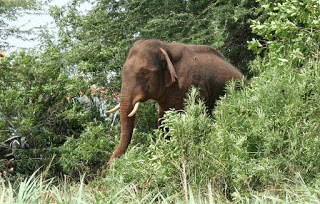
17.Despise not wise men who have attained to knowledge of the truth. They are not held bound by riches, for they count wealth even as grass. The stalk of a water lily will not bind an elephant infuriated by passion.


अधिगतपरमार्थान्पण्डितान्मावमंस्थास्
तृणम् इव लघु लक्ष्मीर्नैव तान्संरुणद्धि ।
अभिनवमदलेखाश्यामगण्डस्थलानां
न भवति बिसतन्तुर्वारणं वारणानाम् ॥ 1.17 ॥


`18.The Creator in his anger may hinder the swan from sporting in the lotus bed, his dwelling: but he cannot take away his faculty of separating milk from water.

अम्भोजिनीवनविहारविलासम् एव
हंसस्य हन्ति नितरां कुपितो विधाता ।
न त्वस्य दुग्धजलभेदविधौ प्रसिद्धां
वैदग्धीकीर्तिम् अपहर्तुम् असौ समर्थः ॥ 1.18 ॥


19.Bracelets are no ornament to a man nor strings of pearls shining like moon; nor yet bathing, nor perfumes, nor flowers, nor decorated hair. Perfect eloquence alone adorns a man. Adornments may perish but the ornament of eloquence abides for ever.

केयूराणि न भूषयन्ति पुरुषं हारा न चन्द्रोज्ज्वला
न स्नानं न विलेपनं न कुसुमं नालङ्कृता मूर्धजाः ।
वाण्येका समलङ्करोति पुरुषं या संस्कृता धार्यते
क्षीयन्ते खलु भूषणानि सततं वाग्भूषणं भूषणम् ॥ 1.19 ॥

Tamil poet Tiruvalluvar in his Tamil Veda Tirukkural says ,


Those who cannot express their thought acquired after deep study

Are like a bunch of flowers without fragrance—Kural 650


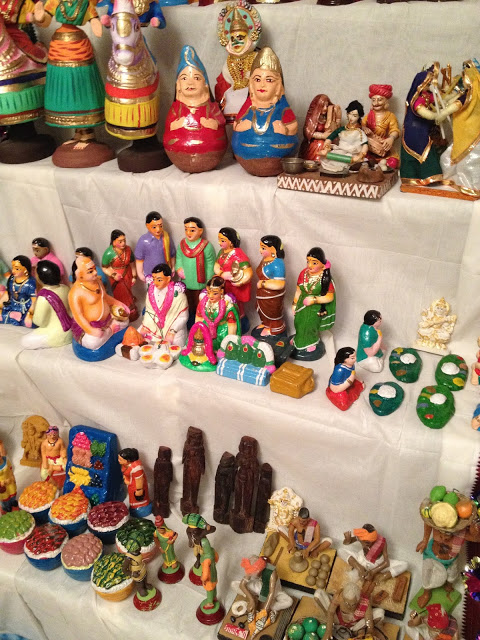
The pomp of a person without deep and subtle learning is like the fine painting on a clay doll– Kural 407


20.Wisdom is indeed the highest ornament that a man possesses. It is a valuable to be carefully guarded, for wisdom gains food, glory and blessing. It is the Lord.

विद्या नाम नरस्य रूपम् अधिकं प्रच्छन्नगुप्तं धनं
विद्या भोगकरी यशःसुखकरी विद्या गुरूणां गुरुः ।
विद्या बन्धुजनो विदेशगमने विद्या परा देवता
विद्या राजसु पूज्यते न तु धनं विद्याविहीनः पशुः ॥ 1.20 ॥


In relation to them that have studied noble books, others are like beasts in relation to men — 410


Men without learning are like worthless barren lands. Kural 407


—-Subham——


PURANA RESEARCH- PURANA IN ATHARVA VEDA (Post No.5506)

Written by London Swaminathan
swami_48@yahoo.com
Date: 4 October 2018


Time uploaded in London –16-18 (British Summer Time)


Post No. 5506


Pictures shown here are taken from various sources including google, Wikipedia, Facebook friends and newspapers. This is a non- commercial blog.


The word Purana is found in the Atharva Veda (25-6-4); Ithihasa-Purana occur together in Satapata Brahmana and other Brahmana  period books. This shows that Puranas- Hindu Mythologies– are as old as Vedic literature. But Puranas were constantly updated and so the latest updated versions decided their date. Hindus were great historians and they were updating the history and added it to the existing Puranas. This updates earned a bad name for Puranas and they were classified as the latest books in the Hindu literature. Puranas were meant to give genealogies of Hindu Kings and sutas/bards were singing it in all the places.


Atharva Veda  mentions Puranas with the Richs, the Samans and the Yajus (11-7-24)

The Satapata Brahmana (850 BCE composition according to foreign authors) called Ithihasa-Purana and certain other compositions as ‘honey offering to the God’s and commands their daily study (11-5-6-8)


In the Chandogya Upanishad, Narada mentioned the subjects he had studied in which Ithihasa- Purana comes immediately after four Vedas. So it is clear by the time of Bramanas, Ithihasa-Purna existed in its original form.


There are 18 major Puranas (see my two earliers posts on Puranas for more details). The internal evidence shows that they were written at different periods. By the time of Guptas,they got the present form.

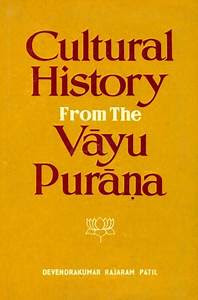
Narrator of most of the Puranas is Romaharshana or his son Ugrasrava. Brahma, Vayu and Matsya Puranas were the oldest of the 18 Puranas. We see a clear pattern in the later Puranas. Brahma Purana is called the Adi (old, original) Purana.


Brahmanda Purana followed Vayu;

Padma Purana followed Matsya;

Agni Purana followed Brahma.


A comparison of the 12 later Puranas  shows that the version of each of them approximates to one or the other of the three ancient Puranas.

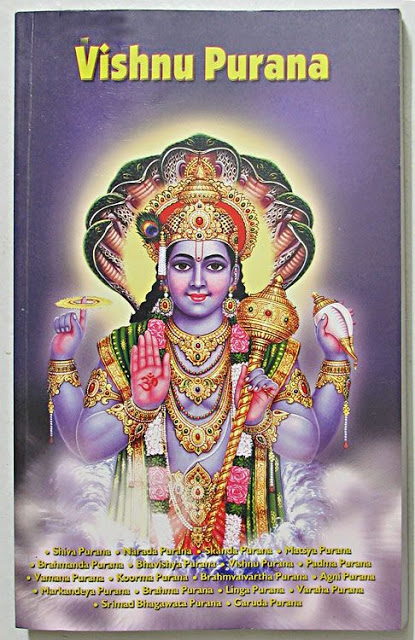
Vishnu Purana came after this.


Vayu Purana’s origin itself shows that it is very old. In the olden days Hindus had a very beautiful system which is not seen anywhere in the wolrd. They had conference inside the deep forest for 12 long years. Romaharshana recited the Vayu Purana deep inside the Naimisaranya (Forest named after King Nimi).

They had havans, scholarly deliberations, editing, compiling, revising during the 12 year period. Even daily recitation of it was considered sacred. We see even later day Tamil kings giving grants for reciting Ithihasa- Puranas in the temples.


Puranas were relegated to backstage because of some defects:


1.Winternitz says that the Puranas were passed into the hands of lower rank priesthood, who used them for the glorification of local deities. Even now we see such a trend in ‘sthala puranas’.


2.New editors gave wrong origin to many ancient dynasties. As the time passed they mixed up and merged two or three dynasties, because they could not understand them. When the brothers ruled different parts as juniors or a different clan ruled a smaller area the confusion arose (we see such trends in Tamil Chera Kings and Pandya kings; nothing to do with Puranas; just as an example I am giving this)


3.A  lot of exaggeration was there because it was for general public.


4.Editors who were lacking historical sense gave fabulous ages to ruling dynasties


King Alarka of Kasi is said to have ruled 66000 years; Rama ruled for 24,000 years.

But Vedas repeated in numerous places that the human life span is 100 years. Only Mahidasa Aitareya lived for 116 years; Dirgatamas lived for 100 years.

My comments:


We see this even in Sumerian history and Tamil Sangam History. wherever thousand comes we have to delete the three zeroes. Patajnjali in Mahabhasya approached this problem in a scientific way and worked out Rama ruled for 24 years.


5.We see many kings with same names. It is possible even today. But Puranic reciters or editors got mixed up with them. A Dasaratha ruled Mitanni region (Turkey, Iraq) in 1400 BCE. Another Dasaratha is found before Rama’s father. Most famous Dararatha was Rama’s father. Emperor Asoka’s grandson was also named Dasaratha. When such things came Pauranics recited or concocted new stories.


Manu Vaivasvata who was a king is mentioned in the Rig Veda. Later Manu samvarani who was not a king is also mentioned. His son Nabanedhista was shown as the son of Vaivasvata Manu. Two ‘Saryatis’, two Yayatis also led to lot of confusion.


  1. Rishi names such as Vasishta and Visvamitra are found in different ages. Actually they are Gotra names. Tamils have lot of Agastyas in different ages in different locations from te Vindhyas to Java  in Indonesia. All Vasithas shown having Arundhati as wife!


7.The identification of different persons was carried to an absurd limit when historical persons were confused with mythological beings and even planets or other objects bearing the same names.


For instance Indra, Surya/sun and Chandra/moon figure in most of the names from Kashmir to Kandy in Sri Lanka. With all the modern day communication, mass media and social media we sift them. Even then some confusion arises.


  1. Puranic editors deliberately introduced divine beings in the life of famous persons. In our time many people called themselves Avatars of so and so or Reincarnation of God etc. Lakhs of people believed them. It happened in the olden days leading to big confusion in later periods. (E.g. Sathya Sai Baba called himself an avatar of Shirdi Sai Baba)

9.Puranic editors added miracles in the lives of many. When great adventures or extraordinary events happened they attributed miracles. When Agastya laid a land route through the Vindhya mountains they called Agastya ‘belittled’ Vindhya mountain (Vindhya Garva Bhanga). When Agastya took a naval force to South East Asia, they interpreted it as Agastya drank the sea. This is a symbolic language. But Puranic reciters without understanding it said that he really drank the ocean. Bhagirata diverted the Ganges into new plains; Indra did it during Vedic times. Parasurama reclaimed saline and of Kerala and converted them as inhabitable area. Several Pandyas did this. But Tamil literature said that the Pandya king threw the spear in anger and the sea went back.


In short ignorance, communication gap, exaggeration, poor editing, mix ups, false interpretations, attributing miracles without understanding ancient way of presentation (symbolic language) and deliberate distortions for favors from kings—all these earned the Puranas a bad name.

–subham–

350 Herbs in Charaka Samhita, 85 Plants in Matsya Purana (Post No.5480)

Compiled by London Swaminathan
swami_48@yahoo.com
Date: 27 September 2018


Time uploaded in London – 18-37 (British Summer Time)


Post No. 5480


Pictures shown here are taken from various sources including google, Wikipedia, Facebook friends and newspapers. This is a non- commercial blog.

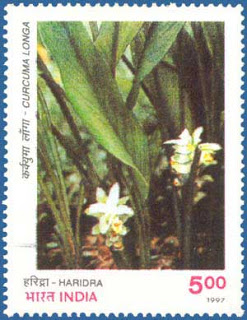
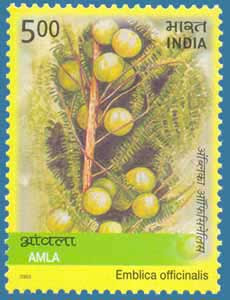
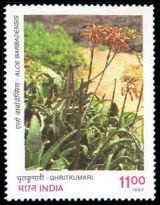
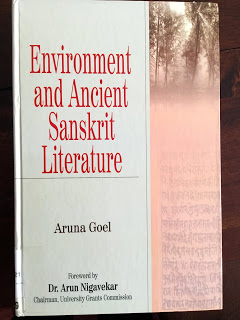
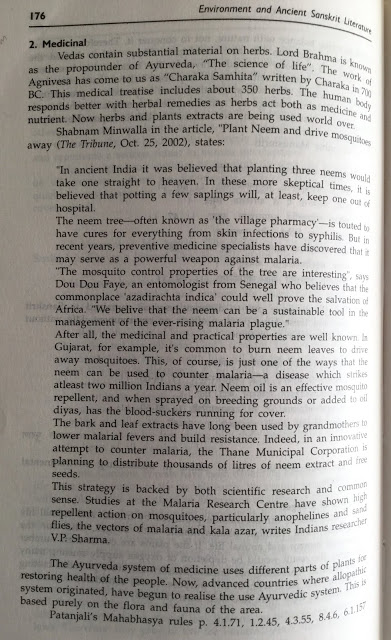
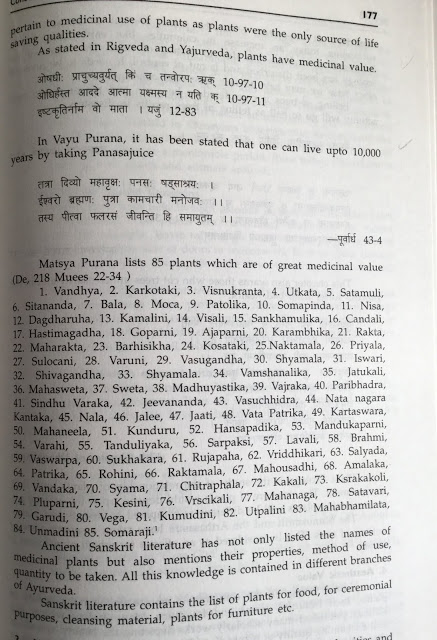
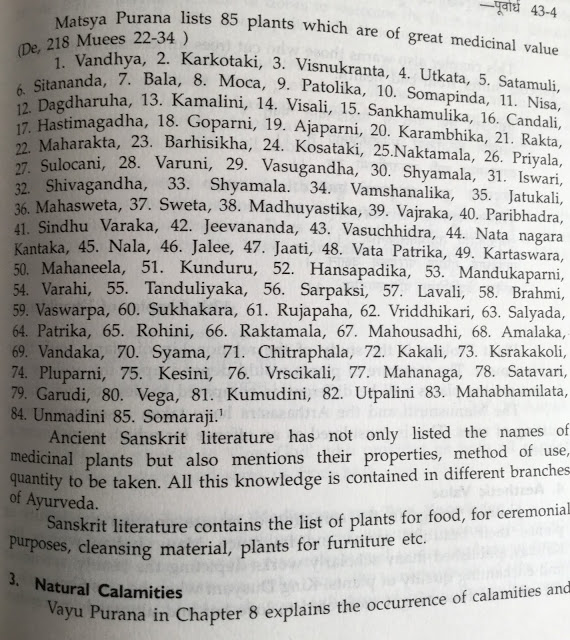
Hindu mythologies, known an Puranas, are encyclopedia of Hindu beliefs, thoughts, history and geography. Charaka Samhita, a medical treatise, has listed 350 herbs. Matsya Purana gave a list of 85 plants. Aruna Goel has given it in her book on environment. Another person has written about the usefulness of Neem tree. The towpage attachment will give you the full details:-


Useful Neem Tree


–subham–

5 STORIES-LEARNING LEADS TO JEALOUSY, MONEY LEADS TO ARROGANCE (Post No.5437)

Written by London Swaminathan

swami_48@yahoo.com

Date: 16  September 2018


Time uploaded in London – 14-49 (British Summer Time)


Post No. 5437

Pictures shown here are taken from various sources including google, Wikipedia, Facebook friends and newspapers. This is a non- commercial blog.


5 STORIES-LEARNING LEADS TO JEALOUSY, MONEY LEADS TO ARROGANCE (Post No.5437)


Bhartruhari composed 300 slokas and they are in three books- Neeti Sataka, Srngara Sataka and Vairaga Sataka. The Neeti Sataka looks at the ethical issues; let us look at two slokas.


बोद्धारो मत्सरग्रस्ताः
प्रभवः स्मयदूषिताः ।
अबोधोपहताः चान्ये
जीर्णम् अङ्गे सुभाषितम् ॥ 1.2 ॥

The learned are filled with jealousy, the wealthy are full of arrogance, all others are ignorant. Therefore my words of wisdom have become emaciated 1-2


There are a few stories to illustrate these points.

Learned men suffer from jealousy. Tamil poet Valluvar says,


‘The wise will do no wrong actuated by jealousy as they realise that evil bound is to result from such wrong doing- Tirukkural 164


He who is envious needs no enemy to ruin him. Envy itself is enough to bring him ruin’- Tirukkural 165


1.Bandi, an arrogant scholar was in the Court of Janaka who ruled from Mithila. He used to challnege scholars coming to the Royal court and if the scholars lose they will be thrown into river nearby. This was the fate of many and one of them was Kahoda, a Brahmin scholar. Kahoda’s son Ashtavakra learnt about his father’s death at the age of 12. He set out to avnge him. The lad was possessed of great wisdom and great ability.  He got better of the court poet Bandi who worsted his father. He insisted that Bandi should be thrown into river and it was done. This story is found in Vana Parva of Mahabharata.

2.There is a similar story in Tamil Nadu. A poet of 15th century by name Villiputhurar challenged all the scholars and cut the ear of the opponent if he was lost. Many lost their ears. Once Arunagirinatha, a great saint and disciple of Lord Skanda happened to be at the same place. He was challenged by Villiputhurar. Arunagiri accepted the challenge and on his part asked the meaning of certain verses composed by him on Lord Muruga. Villiputturar couldn’t answer his questions and his ear was cut off.


3.The greatest of the Tamil poets of ancient Tamil Nadu, Tiruvalluvar was also asked to prove his book Tirukkural a genuine one and above fault. In ancient India book launch was not an ordinary meeting. Great scholars will assemble and try to tear the new poet like sharks in the sea. He has to answer all critics and prove that his book is fit for approval. When Tiruvalluvar came with his master piece Tirukkural, jealous poets challenged him. There was a magical plank which would allow only genuine poets to sit on it. It allowed only Tiruvalluvar and his book throwing all other wrong doers into water.


These anecdotes show how jealous were scholars in those days. In the same way money also corrupts.


There are two anecdotes from Mahabharata and Ramakrishna Paramahamsa’s life.

4.Drupada was the king of Punjab (Panchala) and he was the schoolmate of Drona, greatest archer and teacher of Pandavas and Kauravas. When Drona went to see him as an old classmate, he was sent back saying that he did not know him at all. When the Pandavas and their cousins finished their training under him ,they asked what Guru Dakshina ( convocation fees for the teacher) would make him happy. Drona told them that they had to bring Drupada and make him fall at his feet. Arjuna took the challenge and defeated Drupada in a battle and brought him as a prisoner of war. Drona got half of his kingdom and released him. This shows that power and money corrupt.


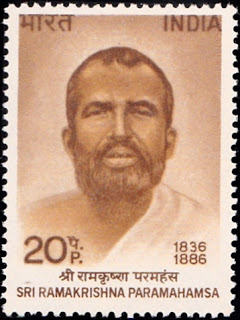
5.Ramakrishna Paramahamsa, the great saint of Calcutta always warned about Kamini and Kanchana (Women and Money/gold). He narrated the following anecdote:

“Money is an upadhi ( a deceptive influence) of a very strong nature. As soon as a man becomes rich, he is thoroughly changed. A Brahmin who was very meek and humble used to come to Dakshineswar every now and then. After some time he stopped his visits, and we knew nothing of what happened to him. One day we went to Konnagore in a boat. As we were getting down from the boat, we saw him sitting on the banks of the Ganges, where in the fashion of a big folk, he was enjoying the breeze of the river.


On seeing me, he accosted me in a patronising tone with the words, ‘Hello, Thakur! How do you do now?’


At once I have noticed the change in his tone and said to Hriday who was with me, ‘I tell you Hriday, this man must have come by some riches. See what a great change has come over him!’ And Hriday burst into laughter.


That is the evil power of money.


xxx


अज्ञः सुखम् आराध्यः
सुखतरम् आराध्यते विशेषज्ञः ।
ज्ञानलवदुर्विदग्धं
ब्रह्मापि तं नरं न रञ्जयति ॥ 1.3 ॥


It is easy to explain an ignorant man. It is even easier to explain to a wise and leanrned person. But, even Brahma cannot explain and please a person who has only a little knowledge and yet considers himself to be the mot learned man 1-3

In Tamil there are some proverbs to say that that a fool cannot be taught. ‘He will argue that the rabbit he caught has only three legs’.

There is another proverb which says ‘a dog’s tail can never be straightened!” And the last one is “An ignorant idiot and a crocodile will never lose the grip of its catch’. That is an idiot will stick to his argument,come what may.


There is an Arabic saying which categorizes people into four types:-


“He who knows not, and knows not that he knows not, is a fool. Shun him.
He who knows not, and knows that he knows not, is simple. Teach him.
He who knows, and knows not he knows, is asleep. Wake him.
He who knows, and knows that he knows is wise. Follow him.”


–Subam–


ஸம்ஸ்க்ருதத்தில் 650 நாடகங்கள்- நேருஜி தகவல் (Post No.5404)

Written by  London Swaminathan


swami_48@yahoo.com

Date: 8 September 2018


Time uploaded in London – 8-25 am (British Summer Time)


Post No. 5404

 
Pictures shown here are taken from various sources including google, Wikipedia, Facebook friends and newspapers. This is a non- commercial blog.


ஸம்ஸ்க்ருத மொழியின் சிறப்புகள் பற்றி எவ்வளவோ படிக்கிறோம். பாரதத்தின் முதல் பிரதமரான ஜவஹர்லால் நேரு, நாடு சுதந்திரம் அடைவதற்கு முன்னர் எழுதிய டிஸ்கவரி ஆப் இந்தியா (DISCOVERY OF INDIA) என்ற நூலில் வேறு இடத்தில் கிடைக்காத பல செய்திகளை எழுதியுள்ளார்.


ஸம்ஸ்க்ருத மொழியில் பாஷா, காளிதாசன்,சூத்ரகன், ஹர்ஷர் முதல் ஒன்பதாம் நுற்றாண்டு முராரி வரை பலரும் நாடகங்களை எழுதினர். சில்வன் லெவி (SYLVAIN LEVY) என்ற பிரபல இந்தியவியல் அறிஞர் 189 ஆசிரியர்கள் எழுதிய 377 நாடகங்களின் பட்டியலை வெளியிட்டார். அதற்குப் பின்னர் வெளியான ஒரு பட்டியலில் 650 நாடகங்கள் இருப்பதாக நேருஜி தனது புஸ்தகத்தில் எழுதியுள்ளார்.


1924 ஆம் ஆண்டிலேயே சூத்ரகன் என்ற பிரபல ஸம்ஸ்க்ருத நாடகாசிரியர் எழுதிய ‘ம்ருச்ச கடிகம்’ (மண்ணியல் சிறுதேர்) நியூயார்க்கில் நாடக மேடை ஏறியதும் அது பற்றி நேஷன் என்ற பத்திரிக்கையின்  கலை விமர்சகர் ஜோஸப் வுட் க்ரட்ச் நீண்ட விமர்சனம் எழுதியதையும் அப்படியே கொடுத்துள்ளார் நேரு.

“அந்த நாடகம் யார் எழுதியது, எந்த நூற்றாண்டில் எழுதியது என்பதைவிட அதன் இதயத்தைத் தொடும் அம்சங்களும், உண்மையுமே மிகவும் கவர்ர்ந்திழுக்கிறது. இது போன்ற ஒரு தூய நாடகத்தை ஐரோப்பாவில் காண முடியாது” என்றார்.


ஷேக்ஸ்பியர் எழுதிய Mid Summer Night’s dream

‘மிட் சம்மர் நைட் ட்றீம்’ என்ற நாடகம் அந்தக் காலத்திலேயே , அதாவது 1892 ஆம் ஆண்டில்– ஸம்ஸ்க்ருத மொழியாக்கம் செய்யப்பட்ட செய்தியையும் எழுதியுள்ளார்.


1789-ஆம் ஆண்டில் ஸர் வில்லியம் ஜோன்ஸ் (SIR WILLIAM JONES) காளிதாசனின் சாகுந்தலம் நடகத்தை ஆங்கிலத்தில் மொழிபெயர்த்து வெளியிட்டவுடன் மேலை உலகம் முழுதும் பெரும் வியப்பும் மகிழ்ச்சியும் உண்டானதாகவும் உடனே அவரது மொழி பெயர்ப்பின் அடிப்படையில் ஜெர்மன், பிரெஞ்ச், இதாலிய மொழிகளில் சாகுந்தலம் வெளியானதாகவும்நேருஎழுதுகிறார். அது மட்டுமல்ல கெதே (GOETHE) போன்ற பெரும் புலவர்களை இது மிகவும்  ஈர்த்தது என்கிறார்.

நாடகங்களுக்கு அறிமுகம்/ பீடிகை (PROLOGUE) எழுதுவது ஸம்ஸ்க்ருத நாடகங்களில் மட்டுமே உண்டு. காளிதாசன் நாடகங்களைப் பார்த்துத்தான் பாஸ்ட் (FAUST) போன்ற நாடகத்தில் அறிமுகம்/ பீடிகை இடம்பெற்றது என்றும் சொல்கிறார்.


ஆக்ஸ்போர்ட் பல்கலைக்கழக ஸம்ஸ்க்ருதப் பேராசிரியர் வில்ஸன் (WILSON) பவபூதி, காளிதாஸன் நாடகங்களைப் புகழ்ந்து எழுதியதையும் மேற்கோள் காட்டுகிறார். ‘இசை போன்று ஒலிக்கும் மஹத்தான காவியங்கள்’ என்பது வில்ஸனின் பாராட்டுரை.


2800 ஆண்டுகளுக்கு முன்னர் பாணினி விதித்த வரம்புக்குள் இவ்வளவும் நடந்துள்ளது. ஒன்பதாம் நூற்றாண்டுக்குப் பின்னர் நாடகம் முதலிய கலைத்துறைகள் படிப்படியாகக் குறைந்தமைக்கு இஸ்லாமிய மதத்தின் கலை வெறுப்பே காரணம் என்று ஒரு கருத்து உள்ளது. இந்தக் கலைகள் அனைத்தும் இந்தியாவின் தேசீய மதத்தைத் தழுவி இருந்ததால் ஆட்சியாளரின் ஆதரவு கிடைக்காமல் போயிற்று என்பதைக் குறிப்பிட்ட நேரு இதை முழுதும் ஏற்பதற்கில்லை. ஏனெனில் அதற்கு முன்னரே கலைகளின் வீழ்ச்சியைக் காண முடிகிறது என்பார்.


ஸர் வில்லியம் ஜோன்ஸ் சொன்ன கருத்தை அப்படியே கொடுத்துள்ளார்.


“சம்ஸ்க்ருத மொழி, எவ்வளவு பழமையாக இருக்கட்டும்; அதன் அமைப்பு மிகவும் அதிசயமானது. கிரேக்க மொழியை விட சிறப்பானது; லத்தீன் மொழியைவிட வளம் பொருந்தியது; இரண்டு மொழிகளையும் விடசெம்மையானது; ஆயினும் வியப்பான ஒற்றுமையைக் காணமுடிகிறது. வினைச்சொற்களின் வேர், இலக்கண அமைப்பு ஆகியவற்றில் அதிக ஒற்றுமை இருப்பதை தன்னிச்ச்சையாக நடந்தது என்று எண்ண முடியாது. எந்த ஒரு மொழி அறிஞனும் அவை ஒரே மூலத்திலிருந்து பிறந்த மொழிகள் என்றே எண்ணுவான். அந்த மூல மொழி இப்போது இல்லாமல் இருக்கலாம்”.


நேருவும் தனது சொற்களில் சம்ஸ்க்ருத்த மொழியின் வளமை, பழமை, செம்மை ஆகியவற்றைப் பாராட்டுகிறார்.


பாணினி பற்றி (ABOUT PANINI)

உலக மஹா இலக்கண மேதை, உலகின் முதல் இலக்கண புஸ்தகத்தை எழுதிய, பாணினி பற்றி ஜவஹர்லால் நேரு, டிஸ்கவரி ஆப் இந்தியா- வில் கூறுகிறார்:-

“கி.மு. ஆறாவது அல்லது ஏழாவது நூற்றாண்டிலேயே பாணினி என்பவர் ஸம்ஸ்க்ருத இலக்கணத்தை எழுதிவிட்டார். அவருக்கு முந்தி இருந்த இலக்கண வித்தகர்களின் பெயர்களையும் அவர் செப்புகிறார். அவரது காலத்தில் ஸம்ஸ்க்ருத மொழி செம்மொழியாகி  எப்போதும் வளரும் இலக்கியமாக உருப்பெற்றது. அவர் எழுதிய புத்தகம் வெறும் இலக்கண புஸ்தமன்று. அதற்கும் மேலானது . பாணினியின் இலக்கணம் (அஷ்டாத்யாயி) பற்றி சோவியத் (ரஷ்ய) பேராசிரியர் ஸ்டெசர் பாட்ஸ்கி பகர்கிறார்: ‘

‘மனித சிந்தனையின் மஹத்தான சாதனைப் படைப்புகளில் இதுவும் ஒன்று. இதுவும் இதன் மீது பதஞ்சலி எழுதிய மஹாபாஷ்யம் என்னும் பேருரையும் இந்திய விஞ்ஞான சிந்தனையின் அடிப்படையாகத் திகழ்கின்றன.’


பாணினிக்குப் பிறகு பல வியாக்கியானங்களும் பிற்சேர்க்கைகளும் வந்த போதும் இன்றும் அது, ஸம்ஸ்க்ருத இலக்கணத்தின் அளவுகோலாக நிற்கிறது. பாணினி யவன லிபி பற்றிச் சொல்லுவது வியப்பானது – அலெக்ஸாண்டர் படையெடுப்புக்கு மிக நீண்ட காலத்துக்கு முன்னரே இந்தியாவுக்கும் கிரேக்க நாட்டுக்கும் தொடர்பு இருந்ததை இது காட்டுகிறது.


பாணினி பல்வேறு நாட்டியங்கள் பற்றி உரைப்பது 2700 ஆண்டுகளுக்கு முன்னரே நாட்டியம், நாடகம் வளர்ந்ததைக் காட்டுகின்றது.


அடிக்குறிப்பு:

கீத் போன்றோர் கி.மு.300 வாக்கில் பாணினி இருந்ததாகச் சொன்னாலும் அவர் புத்தர் காலத்துக்கும் முந்தியவர் என்பது தெளிவாகத் தெரிகிறது. பாணினி சொல்லும் விஷயங்களில் எங்குமே புத்தமத வாசனை துளிக்கூட இல்லை.


வட மேற்கு இந்தியாவில் தற்போதைய பெஷாவர் (பாகிஸ்தானில் உள்ளது) நகருக்கு அருகில்  புத்தர் பிறபதற்கு முன்னர் (2700 ஆண்டுகளுக்கு முன்னர்) தட்ச சீலம் நகரில் ஒரு பல்கலைக்கழகம் இருந்தது. விஞ்ஞானம் மருத்துவம் கலைகள்,சம்யம் ஆகியவற்றைப் போதித்தது (இதுதான் உலகின் முதல் பல்கலைக்கழகம்).அதில் கல்வி கற்க தொலைதூரப் பிரதேசங்களில் இருந்து பிராஹ்மணர்களும் பிரபுக்களின் பிள்ளைகளும் பயமின்றி, ஆயுதப் பாதுகாப்பின்றி பயணம் செய்ததை ஜாதக் கதைகளில் காண்கிறோம். அதில் படித்துப் பட்டம் பெறுவதை பெறும் கௌரவமாகக் கருதினர். பாணினியும் இந்த இடத்தில் கல்வி கற்றவரே.முன்காலத்தில் பிராஹ்மண (வேத) பாடங்கள் கற்பிக்கப்பட்டது. பிற்காலத்தில் பௌத்தம் கற்பிக்கும் கேந்திரமாக மாறியது.


(அடைப்புக் குறிக்குள் இருப்பது நான் சேர்த்த விளக்கங்கள்.  நாடு சுதந்திரம் அடைவதற்கு முன்னர், சிறைவாசத்தின்போது நேரு எழுதியது டிஸ்கவரி ஆப் இந்தியா. அனைவரும் படிக்க வேண்டிய நூல்)


–சுபம்–

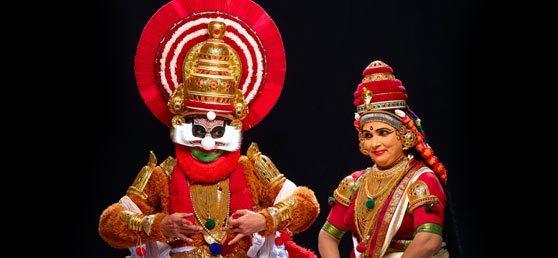
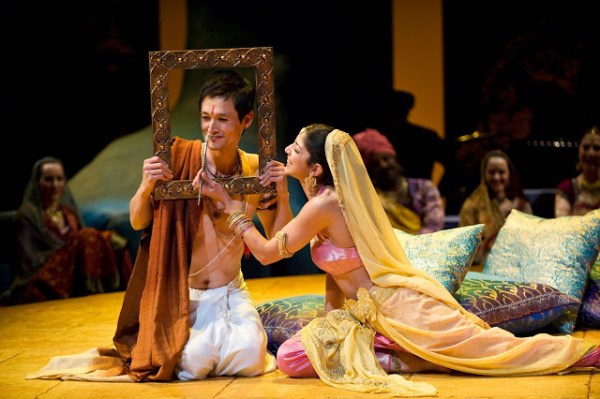
650 Plays! Nehru on Sanskrit Wonders!! (Post No.5402)

Compiled by  London Swaminathan


swami_48@yahoo.com

Date: 7 September 2018


Time uploaded in London – 18-25 (British Summer Time)


Post No. 5402

 
Pictures shown here are taken from various sources including google, Wikipedia, Facebook friends and newspapers. This is a non- commercial blog.

We read about wonders of Sanskrit language. Jawaharlal Nehru adds more interesting information which most of us don’t know.

Following is taken from his book Discovery of India before Independence: –

“Europe first learned of the old Indian drama from Sir William Jones translation of Kalidasa’s Shakuntala, published in 1789. Something in the nature of a commotion was created among European intellectuals by the discovery and several editions of the book followed. Translations also appeared in German, French Danish and Italian. Goethe was powerfully impressed and he paid a magnificent tribute to Shakuntala.
Xxx


The idea of giving a Prologue to Faust said to have originated from Kalidasa’s prologue, which was in accordance with the usual tradition of the Sanskrit drama.
Xxx
Wilson who used to be Professor of Sanskrit at Oxford university, has said of these two,
‘It is impossible to conceive language so beautifully musical or, so magnificently grand, as that of the verses of Kalidasa and Bhavabhuti.

Xxx
Islamic Rule is cause for decay ??

The stream of Sanskrit drama continued to flow for centuries but after Murari , early in the ninth century, there is a marked decline in the quality. That decline, and a progressive decay, were visible in other forms of life’s activities. It has been suggested that this decline may be partly due to the lack of royal patronage during the Indo -Afghan and Mogul periods and the Islamic disapproval of the drama as an art form, chiefly because of its intimate association with the national religion. But there is little substance in the argument though political changes at the top had some indirect effect. The decline was obvious long before the political changes.

Xxxx


Yet , in spite of all this, it is astonishing the Sanskrit drama continued to be produced right through the mediaeval period and up to recent times. In 1892 appeared a Sanskrit adaptation of Shakespeare’s Midsummer Night’s Dream. Manuscripts of old plays are continuously being discovered. A list of these prepared by Professor Sylvain Levi contained 377 plays by 189 authors. A more recent list contains 650 plays.

Xxx

An English translation of Shudraka’s ‘Mrichakatika’ drama was staged in New York in 1924. Mr Joseph Wood Krutch , the dramatic critic of the ‘Nation’ wrote of it as follows,
‘Here, if anywhere the spectator will able to see a genuine example of that pure art theatre of which theories talk, and here, too, he will be led to meditate upon that real wisdom of the East doctrine but in a tenderness, far deeper and truer than that of the traditional Christianity which has been so thoroughly corrupted by the hard righteousness of Hebraism. A play wholly artificial but yet profoundly moving because it is not realistic but real. Whoever the author may have been, and whether he lived in the fourth century or the eighth century he was a man good and wise with the goodness and wisdom which not come from the lips or the smoothly flowing pen of the moralist but from the heart……..
Nowhere in our European past do we find, this side the classics, a work more completely civilised.

Xxx


Vitality and Persistence of Sanskrit

Sanskrit is a language amazingly rich, efflorescent, full of luxuriant growth of all kinds, and yet precise and strictly keeping within the framework of grammar which Panini laid down two thousand six hundred years ago. It spread out, added to its richness, became fuller and more ornate, but always it stuck to its original roots.

Sir William Jones observed as long ago as 1784,
‘The Sanskrit language, whatever be its antiquity, is of a wonderful structure; more perfect than the Greek; more copious than the Latin and more exquisitely refined than either; yet bearing to both of them a stranger affinity, both in the roots of verbs ,and in the forms of grammar, than could possibly have been produced by accident; so strong indeed, that no philologer could examine them all without believing them to have sprung from some common source which perhaps no longer exists’.
Xxx

Nehru has given a detailed list of Sanskrit books with short descriptions in the Discovery of India.


–Subham–


Homer and Vyasa- Iliad, Odyssey and the Mahabharata (Post No.5357)

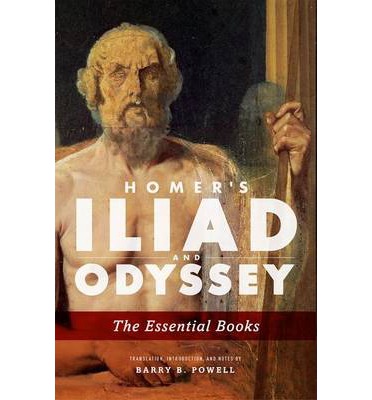
Blind Poet Homer of Greece

COMPILED BY LONDON SWAMINATHAN

Date: 24 August 2018


Time uploaded in London – 9-03 AM (British Summer Time)


Post No. 5357


Pictures shown here are taken from various sources including google, Wikipedia, Facebook friends and newspapers. This is a non- commercial blog.


WHO IS HOMER?


HOMER PROFILE

Greek poet
Lived 8 th century BCE

Of all the ancient poets of Greece Homer is the most mysterious and most extraordinary. He is known as the author of the two earliest works of European literature, the Iliad and the odyssey. Nothing at all is known for certain about his life, and many scholars have argued that he never even existed.

The Iliad and odyssey describe events during and soon after the Trojan war, a conflict between Ancient Greek s and citizens of a city called Troy around 1250 BCE. The works were probably composed several hundred years after this time. If Homer was a real person , he may have lived during the 8th century BCE. Those who argue that Homer is a myth say that the poems are the work of several generations of poets combined into one long text at a much later date.

Whatever the truth, the name of Homer was revered in Ancient Rome and Greece. The Iliad and the odyssey were regarded in much the same way as Christian Bible was later regarded in medieval Europe. They were the basic education al texts of the time q, and quotations from them were used to settle disputes and resolve moral problems.

Both the Iliad and the Odyssey are epic poems. They tell the stories of heroes and their incredible deeds in a mythical past when gods and goddesses interfere d directly in the lives of mortals. Characters and events from the Iliad and the odyssey were often used by the later Greek writers and are still referred to in the European literature today. James Joyce’s novel Ulysses, written around 3000 years later, is based on the adventures of Odysseus, hero of the odyssey.


Comparison of Homer and Vyasa

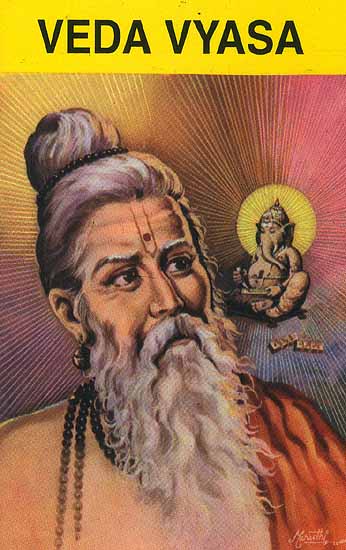
Vyasa wrote the longest epic in the world. His master piece Mahabharata has over 200,000 lines. If you compare it with Homer, the first poet of Greek literature, who wrote the Iliad and the odyssey, you will enormous know the size of the Hindu epic. Both of Homer’s epics have only 30 000 lines.

Dr F A Hassler of America says about the Mahabharata ,
“I have studied it more than any other work for a long time past, and I have made at least 1000 notes which I have arranged in alphabetical order for the purpose of study. The Mahabharata has opened to me, as it were, a new world, and I have been surprised beyond measure at the wisdom, truth, knowledge , wisdom and love of the right which I have found displayed in its pages. Not only so, but I have found many of the truths which may own heart has taught me in regard to the Supreme being and His creations set forth in beautiful, clear language”.

Professor Sylvan Levi says
“The Mahabharata  is not only the largest, but also the grandest of all the epics, as it contains throughout a lively teaching of morals under a glorious garment of poetry”

Mahabharata is an inexhaustible mine of proverbial philosophy— Macdonell’s Sanskrit literature.

American ethnologist Jeremiah Curtin says,
“I have never obtained more pleasure from reading any book in my life. The  Mahabharata will open the eyes of the world to the true character and intellectual rank of the people of India. The Mahabharata is a real mine of wealth not entirely known, I suppose, to anyone outside your country, but which will be known in time and valued in all civilized lands for the reason it contains information of the highest import to all men who seek to know in singleness of heart, the history of our race on earth, and the relations of man with the Infinite Power above us, around us and in us.”


Saint Hilarie Batholemy thus speaks of the Mahabharata in the Journal Des Savantes of September 1886 ,
“When a century ago Mr Wilkins published in Calcutta an extract from the grand poem Mahabharata, and made it known through the episode of the Bhagavad Gita, the world was dazzled with its magnificence. Vyasa the reputed author of the Mahabharata, appeared greater than even Homer, and it required a very little indeed to induce people to place India above Greece….. It has not the less been admitted that this prodigious Hindu epic is one of the grandest monuments of its kind of human intelligence and genius”.

Titus Munson Coan says,
“The Hindu epics have a nearer significance for us than anything in the Norse mythology. The Mahabharata, one of the longest of these poems, has wider romantic element in it than King Frithiop’s Saga; its action is cast upon a grander scale, and its heroes belittle all others in mythology. The Hindu poems, early though are, contain ethical and human elements that are unknown to the Norseman. It is in this that their enduring, their growing interest remains for the mind of Europe and America”.

Mon A Barth says ,
“Some portions of the Mahabharata may well compare with the purest and most beautiful productions of human genius. The Ramayana is three times as large as Homer’s Iliad and the Mahabharata four times as large as the Ramayana. Homers Iliad and odyssey have thirty thousand lines, the Mahabharata has two hundred twenty thousand lines, and in addition a supplement of sixteen thousand three hundred seventy four couplets. But it is not in size alone that the sacred epics of Valmiki and Vyasa excel They enchant by the wondrous story they tell us of an ancient people’s life, faith and valour. There is also a lively teaching of morals under a glorious garment of poetry. Matchless vivacity, unsurpassably tender and touching episodes, and a perfect store house of national antiquities, literature and ethics”.


Source book
Is Hindu a Superior Reality, Krishan Lal Jain, 1989

–subham–

More About Rig Vedic Kings : Nine Interesting Points (Post No.5336)

Research Article Written by London swaminathan

Date: 18 August 2018


Time uploaded in London – 21-17  (British Summer Time)


Post No. 5336


Pictures shown here are taken from various sources including google, Wikipedia, Facebook friends and newspapers. This is a non- commercial blog.


Kings and Queens of Rig Veda

I am just updating my previous post with the following new information:

So far my research has revealed More Interesting Information

1.We have Sumerian and Iranian names in the Rig Veda.

2.Sindhudvipa (name of a seer) is a very interesting name, meaning king of Indus valley . This links Rig Veda with the Indus Valley Civilization. The follow up is in Mahabharata- Jayadratha of Sindhudesa (3100 BCE)

3.Another interesting name is Pratardhana (1380 BCE) . This name is found in Vishnu Sahasranama and Mitanni Civilization (1380 BCE inscription). Mitanni King is not the Rig Vedic king who is very old. But the interesting fact is that the Rig Vedic name has travelled up to Turkey.

4.Revolutionary Naabhananethista is a very interesting name for several reasons; the name itself is strange; more linked to Sumerian sound; another reason is Hindu scriptures say that he revolted against the family and so his father Manu and brothers did not allot him a share in the property; He is like Akhenaten of Egypt. In Sumerian/ Assyria another king with similar name revolted against the formal religion and introduced new god like Akhenaten. So this revolutionary Nabananedisthta needs further research.

  1. I have already discussed Sumuka which is found only in Manu Smrti and Sumerian literature Nowhere else!
  2. Dumuzi/ Sammata/ Fish God mystery is also discussed already (please look at the bottom for links)

7.There is another interesting detail added by P L Bhargava: King’s younger brother and some Vaisyas become Brahmins by becoming Rishis. We see such a thing in Ilanko of Tamil literature and other Puranas.

8.Iranian King Balbhutha figures in the Eighth Mandala of Rig Veda where Camel Dana and Cow Dana are described. The Rig Veda covers a vast area from Iran to Gangetic Plains. It also covers Pakistan, Afghanistan, Turkey, Mesopotamia (Iraq, Middle Eastern Countries) and China.

9.The word ‘Anasa’ (snub nosed or no nose people) are described in the Rig Veda. They belong to Mongoloid race of China, Tibet, Mongolia etc. Foreigners deliberately invented Aryan- Dravidian division and dubbed ‘Anasa’ as Dravidians and distorted Hindu history. Likewise Dasa/slave is found in Greece as well.
 

Following is from P L Bhargava Book:–


“Younger brothers of kings became seers ( Rishis)  and they founded Brahmin families.

In Tamil literature we see Ilango, younger brother of mighty Chera king Cheran Senguttuvan, became an ascetic and composed Tamil epic Silppadikaram.

Among early kings, Manu, Saryaata, Puruuruvas, Nahusha, Yayaati and Puuru were hymn makers. Among Aikshvaakus, Maandhaatri, Trasadasyu, Vasumanas, Tryaruna and Sindhudvipa were composers of hymns.

Among Pauravas, Suhotra, Ajamiidha, Pratardana, Mudgala, Kusika, Gaathin, and Sudaas were authors of hymns. Among AanavasSivi and among Yaadavas Viitahavya were makers of hymns.

 
Among Vaisyas or commoners, there were three well known hymn makers, viz.,Manu Savarni, Naabhaanedishtha, and Vatsapri. They all became Aatreya Brahmins.
Among ladies to whom hymns of the Rig Veda are ascribed the most celebrated were Urvasii, Lopaamudraa, Visvavaaraa, Apaalaa and Ghoshaa. Urvasi was wife of king Puruuruvas and Lopaamudraa was wife of Agastya (This shows Rig Veda knew Vidarbha area. Lopamudra was the princess of Vidarbha; Agastya came to South Tamil Nadu) . They are perhaps the heroines rather than the authors of the hymns ascribed to them. The other three, however, appear to have actually composed the hymns attributed to them. Visvavaaraa and Apaalaa were of the Atreya family. Ghoshaa was the daughter of king Kakshiivant and expressly calls herself a ‘kings daughter ‘.

Source India in the Vedic Age PL Bhargava, Jaipur, 1956

xxx
 

160 Kings in Rig Veda!

posted on 23 Nov.2014


Bharata Dynasty in the Rig-Veda:–

1.Bharata
2.Devavaata
3.Srnjaya
4.Vadhryasva
5.Divodaasa
6.Pratardana
7.Pijavana
8.Devasravas
9.Sudaas
10.Sahadeva
11.Somaka

Trksi Dynasty

1.Mandhata
2.Purukutsa
3.Trasadasyu
4.Trasadasyu Purukutsa
5.Trasadasyava
A
ABHYAVARTIN, AJAS, ALINAS, AMBARISHA, ANAVA, ANHASA, ANU, API, AVLAN, AYU
B
BALBHUTHA, BHAGERATHA, BHALANAS, BHAYAMANA, BHEDA, BOJA
C
CHAIDYA, CHAYAMANA, CHEDI, CHITRARATHA
D
DARBHYA, DASHADYU, DASARAJA, DASONI, DEVAVAN, DEVAVRATA, DHVANYA,DHVASARI, DIRGANITHA, DROPKRISHNA, DRUH, DRUHYU, DUHASU,DUHSIMA, DURGAHA, DYOTANA
E
EMUSHA
G
GAIRIKSHITA
H
HARAYANA, HARISCHANDRA
I
IKSHVAKU, ISHTAHWA


K
KAKUHA, KASU, KARURAYAN, KIKATA,KSHABAVAN, KSHATRASRI, KUNDAPAVYU, KURUNGA
L
LAKSHMANA
M
MANYAMANA, MAYAVA, MITRATHITHI, MITRAYU INDROTA
N
NAHUS, NAHUSHA, NAM, NARMARA, NINDITASVA, NITOSHA
P
PAIJAVANA, PAKASTHAMAN, PAKTHA, PARAMJAYA, PARSU, PASADHYUMNA
PERUK, PITHINAS, PLAYOGA, PORUKUTSA, PRADAKUSANU, PRAMAGANDA
PRAJAPATHI, PRASTOKA, PRATARDHANA, PRATARDAS, PRATHAVANA
PRATHUSRAVAS, PRISHADVANA, PURAJA, PURAYA, PURODAS, PURU
PURUKUTSA, PURUPANTHA

R
RAMA, RATHAHAVYA, RATAVITI, RATHAPROSTHAS, RIJIASVA
RIKSA, RUMA, RUNACHAYA

S
SAHADEVA, SAHAVASU, SANDA, SANTANU, SAPYANAMI, SATRI, SAVISTHA
SIGRUS, SINJARA, SIVAS, SMADIBHA, SOBHARI, SOUDASA, SRINGAVRISHA
SRINJAYA, SRUTARATHA, SRUTARVA, SUDASA, SUNITHA, SURADEVA,
SURADHAS, SUSAMAN, SUSHRAVAS, SVANA DRATHA, SVARNARA,SVASNA
SVAITREYA, SYAVAKA, SYAVATANA
 

T
TARANTA, TARUKSHA, TIRINDRA, TRAITANA, TRIKSHI, TRISKY, TUGRA, TUJI, TURVAYANA
TUTUJI
U
UKSANYAYANA, UPAMASRAVASA, USINARANI
V
VAIDADASVI, VAIKARANA, VAITARANA, VAMRAKA, VARASIKA, VAYATA
VAYYA, VESA, VETASU,VIBINDHU, VIDATHIN, VIRKA, VISANINS,VISVAMITRA
VRICHIVAN, VRISHAKAPI

Y
YADU, YAKSUS, YAYATI
YUDHYAMADHI

  1. Vedic Kings | Tamil and Vedas

tamilandvedas.com/tag/vedic-kings

Posts about Vedic Kings written by Tamil and Vedas. … Egyptian King and Rig Vedic King. … //tamilandvedas.com/2014/11/23/160-kings-in-rig-veda/

  1. Rig Vedic King and Sumerian King 2600 BCE! | Tamil and Vedas

tamilandvedas.com/2014/11/14/rig-vedic-king-and…

Rig Vedic King and Sumerian King … So there is confusion about who did what.Indra in the RigVeda is a god as well as a title … //tamilandvedas.com/2014/11/14 …
Sumukan | Tamil and Vedas

tamilandvedas.com/tag/sumukan

Posts about Sumukan written by Tamil and Vedas. about; Fatness Anecdotes (Post No.3526) … (for old articles go to tamilandvedas.com OR swamiindology.blogspot.com)


CAMEL MYSTERY IN SANSKRIT AND TAMIL … – tamilandvedas.com

tamilandvedas.com/2018/08/05/camel-mystery-in…

RESEARCH ARTICLE Written by London swaminathan Date: 5 August 2018 Time uploaded in London – 15-47 (British Summer Time) Post No. 5291 Pictures shown here are …


-subham-
Linguists’ bluffing blasted by Tamil Language (Post No.5252)

Compiled by London swaminathan

Date: 24 JULY 2018


Time uploaded in London – 7-19 am  (British Summer Time)


Post No. 5252


Pictures shown here are taken from various sources such as Facebook friends, Wikipedia, Books, Google and newspapers; thanks. Pictures may be subject to copyright laws.


Following is the question and answer from The Guardian Newspaper of London and my comments are added at the end


How do YOU know the correct way to pronounce a dead language?

“Old languages don’t die. They just fade into new languages (at least most of them do). While the entire sound system of ancient language rarely survives intact, fragments can usually be found scattered around its various daughter languages.


For example, many traits of Latin pronunciation are directly observable in Italian French Spanish and Romanian. The job of linguistic historian is to try to piece these various bits together. The most tried and tested technique is comparative reconstruction, which focuses on the systematic sound correspondences that emerge when we compare the same words in different sister languages. Where this exercise turns up different sounds, it is usually possible to trace them back to a common historical source.

For example, many English words beginning with ‘t’ correspond to words beginning with ‘ ts’ ( Spelt z) , in sister language German; compare English ten, to, time with German Zein, zu, zeitgeist.


On the basis of this and many similar correspondences, we can reconstruct a Common Germanic parent language in which the older sound in this particular instance is the knowledge that each type of sound change takes place in one direction only. On the strength of what happens in many other languages, we know that ‘t’ at the beginning of a word can turn into ‘ts’ but not vice versa. The more  widely we cast our comparative net, the further we can reach back into the mists of time. The ‘t’ of early Germanic itself derives from an even older ‘d’ — contrast English two and tooth with, say, Italian ‘due’ and ‘dente’. Ultimately we arrive at the sound system of an ancient Indo-European tongue, the common ancestor of languages as apparently diverse as English, French, Russian, Irish, Greek and Urdu.”

John Harris, Department of Phonetics and Linguistics, University college, London


FROM NOTES AND QUERRIS, GURDIAN NEWSPAPER, VOLUME 5, 1994


MY COMMENTS

Compare changes in Tamil

IN TAMIL also we see ‘S’ of Sanskrit change into ‘T’ in Tamil

I will give some examples though there are hundreds of such words

Purushan– Purutan
Visesham– Visetam
Sishya — Seetan
Joshyam — Jothitam
VishaM —  Vitam
Koshtam — Kottam
Pushpam — Putpam

In my earlier research articles, I have  Exploded all the OLD theories about similarities or changes in Indo- European languages. In fact, those changes or similarities are found even in Pacific Ocean and Mayan languages. In short, all the bluffing of ‘D’ of Aryans changing into ‘L’ after contacting Dravidians, are wrong. Once they study the similarities between Tamil and Sanskrit or other languages they will know all those are nothing but SHEER bluffing.


Tamil and Sanskrit: Rewrite Linguistics Theory

tamilandvedas.com/2014/12/20/tamil-and-sanskrit…

Tamil and Sanskrit: Rewrite Linguistics Theory … But this D/L or R/L changes are natural. They are in Tamil … in Tamil itself. In Sanskrit language Sandhi .

Ja and Ya in Indian languages | Tamil and Vedas

tamilandvedas.com/tag/ja-and-ya-in-indian-languages

Posts about Ja and Ya in Indian languages written by Tamil and … with other languages will rewrite linguistic … this change lies in Tamil and Sanskrit …


Origin of Tamil and Sanskrit | Tamil and Vedas

tamilandvedas.com/…/origin-of-tamil-and-sanskrit

They believed that Siva’s drum Damaruka gave Sanskrit from one side and Tamil from another side. … //tamilandvedas.com/2014/11/13/origin-of-tamil-and-sanskrit/


  1. Vowels = Life, Consonants = Body; Hindu concept of Alphabet …

tamilandvedas.com/2015/06/27/vowels-life…

Research paper No 1958 Written by London swaminathan Date: 27 June 2015 Uploaded in London at 20-15 I have been arguing in my earlier posts that the Western …


Sanskrit Alphabet | Tamil and Vedas

tamilandvedas.com/tag/sanskrit-alphabet

Posts about Sanskrit Alphabet written by Tamil and Vedas


  1. Tamil or Sanskrit: Which is Older? | Tamil and Vedas

tamilandvedas.com/2014/07/16/tamil-or-sanskrit…

Tamil or Sanskrit: Which is Older? … my pet theory is Tamil and Sanskrit originated from a common source on the … comparative reconstruction pays no attention to …

  1. Tamil and Sanskrit | Tamil and Vedas

tamilandvedas.com/tag/tamil-and-sanskrit

Posts about Tamil and Sanskrit written by Tamil and Vedas. … (for old articles go to tamilandvedas.com OR … Tamil and Sanskrit, Tamil Grammar. Posted by Tamil …


–SUBHAM–

SANSKRIT WAS SPOKEN BY ALL! (Post No.5201)


Compiled by London swaminathan


Date: 9 JULY 2018


Time uploaded in London – 20-49  (British Summer Time)


Post No. 5201


Pictures shown here are taken from various sources such as Facebook friends, Wikipedia, Books, Google and newspapers; thanks. Pictures may be subject to copyright laws.


There is a good article written by S P Caturvedi of Nagpur in the Woolmer Commemoration Volume published in 1940. I am attaching the pages for verbatim report.

Following are the interesting points in the article:

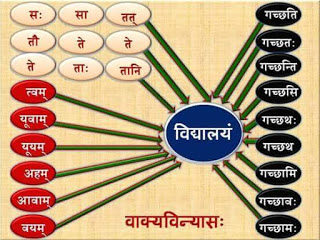
1.Sanskrit was a Spoken language; even Sudras spoke Sanskrit.

2.Age of Panini is closer to Mahabharata; he lived before ninth century BCE.

3.Panini lists 2000 roots; but only 900 were used in Classical Sanskrit.

4.There is a big time gap between Panini and Patanjali.

  1. Panini did not use the word Samskrtam for the language.

6.Panini’s vocabulary was ancient.

  1. The vocabulary of Ashtadyayee was vast and rich; almost all conceivable topics in the world are covered.
  2. There is no force in the argument that Sanskrit was refined or adorned by Panini. Grammarians don’t create languages. They only write grammar for the existing language.

The article is very crisp and interesting: –


–Subham–