Comets in Brhat Samhita!

Written by London swaminathan

Research Article No.1861; Dated 13 May 2015.

Uploaded in London at 10-38 am

It is amazing to read about the chapter on Comets in the Brhat Samhita which Varahamihira wrote 1500 years ago. No modern astronomer can appreciate it with today’s knowledge of comets. But if you consider the knowledge that existed 1500 years ago, Varahamihira’s knowledge was far better than others. He quotes his predecessors who might have lived at least a few hundred years before him. First let us look at what today’s scientists say about the comets:-

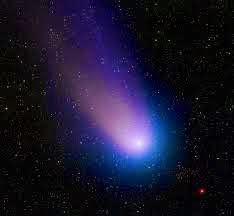
Comet Halebopp

What is a Comet?


Comets are essentially piles of rock, gravel, and dust held together by various kinds of ice – essentially water and carbon dioxide ice.

As the comet nears the sun, its icy tail turns into a gas and blows away – due to pressure from the solar wind and sunlight.

They also release dust and gravel which tend to follow the comet around the sun – and if the Earth’s orbit intersects this material, it results in annual meteor showers.

According to the latest count there are over 5000 comets.

Varahamihira’s Chapter on Comets:

Varahamihira wrote over sixty couplets about comets. He did not have the modern facilities like Telescope or other electronic equipment. He says that sages Garga, Parasara, Asita, Devala and others had already written about the comets. They must have observed the sky for hundreds of years to write so much about it.

Now scientists are warning about Dark Comets crashing on to earth which would not glow because they lost its ice. This means that our knowledge is growing slowly with all the modern equipment. Two centuries ago astronomers thought that there are only 500 comets. But Garga told us that there are 1000 comets!

I will just summarise the ancients’ thoughts on Comets:

1.It is not possible to determine by calculation the rising or setting of the comets. (It is true even today. Now and then amateur astronomers discover new comets and now there over 5000 comets. Unless we know the orbits, we can’t say whether it will come back to earth or not. Halley’s Comet is a regular visitor which appears every 85 years).

2.There are three categories of comets as celestial, atmospheric and terrestrial (It would not make any sense in modern astronomy).

3.The atmospheric Ketus (Dhumaketu=comet) are those that are sighted on flagstaff, buildings, trees, horses elephants and other animals. The celestial ones are seen amidst the constellations, and the terrestrial ones are those that do not come under either of the two categories (I honestly don’t know what Varahamihira means by these three categories).

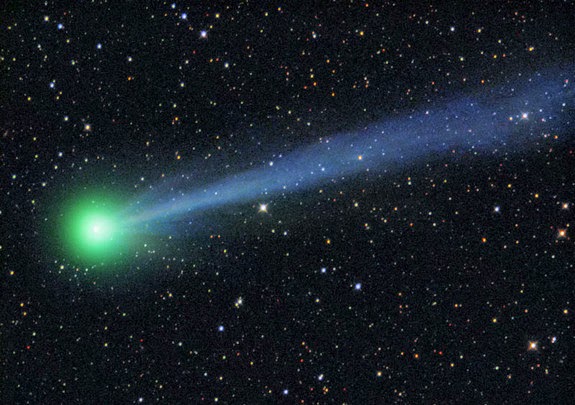
Comet Mcnaught

4.Some sages like Parasara speak of 101 Ketus (comets), while others such as Garga of 1000 Ketus (comets). However sage Narada declares that there is only one Ketu which appears in many forms and places (Probably Narada means to say that all comets are made of same materials).

5.Next Varahamihira gives his opinion: “What difference does it make whether there is a single Ketu or many? Under any circumstance, its effects ought to be declared through the positions of its appearance and setting, contact with planets or asterisms, smoky mantle and colours.

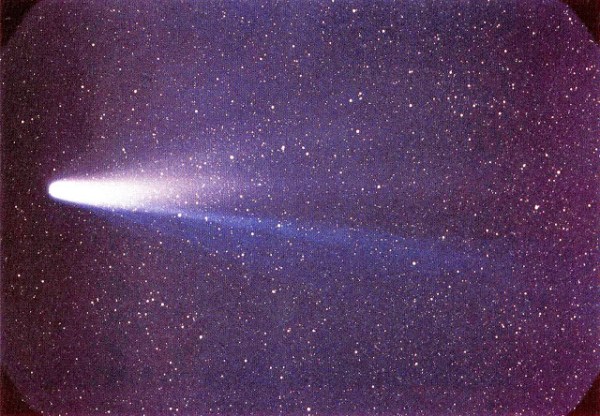
Halley’s Comet

6.The effects of Ketu (comet):- The effects of comet (Ketu) would be felt for so many months as the number of days during which it remains visible. Similarly its effect would last for so many years as the number of months during which it remains visible. However the effects in all cases would come to pass only after the first three fortnights of its appearance (This verse has got different interpretations from Bhattotpala. Al Biruni also commented on this verse)

7.All Ketus are not evil. There are some which augur well for the world. If a Ketu be short, slender, clear, glossy, straight, white and visible and if its appearance is followed by rain, there would be abundance of food crops and happiness.

8.A comet whose form is contrary to what has been described above, is considered as Dhumaketu – a portentous comet – that has risen; and it is disastrous in its effects, all the more so when resembles the rainbow or is possessed of two or three crests.

My comments: These couplets show that the Hindus have been observing comets for several hundreds of years or thousands of years before 500 CE. Otherwise they could not write about different colours and different types. It is scientifically true that comets appear in different colours and shapes. But its effects are not proved scientifically. Tamils also believed in its effects. Sangam Tamil Literature confirmed the death of a king within seven days of the appearance of a comet. I have already given the full details from Purananauru verse in one of my articles.

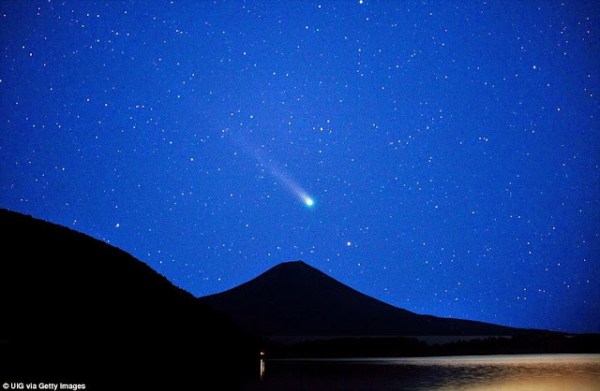
Comet Lovejoy seen from Japan.

  1. Varahamihira introduces a new element in to the Study of comets. He had written about the effects of comets appearing in different directions from East to North

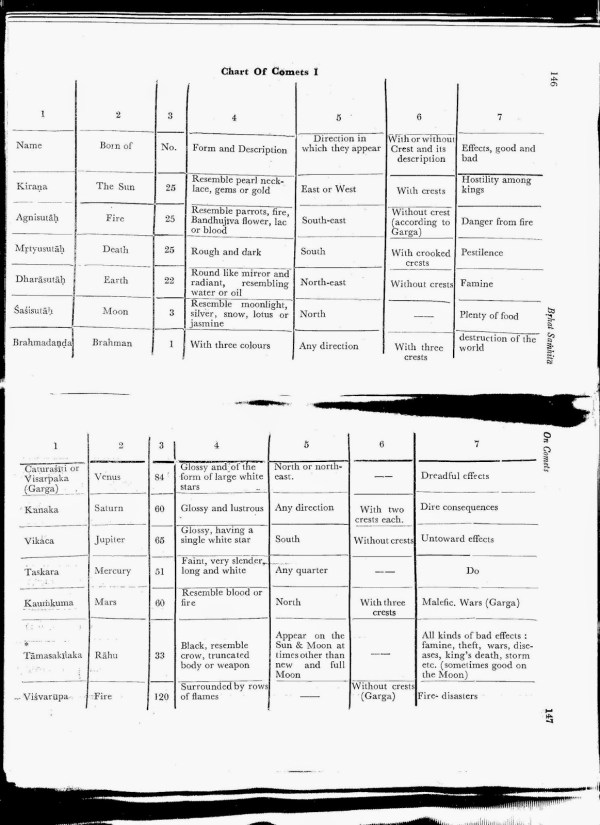
10.He described the types of comets in many verses which would not be understood by modern astronomers (Please see the charts).

  1. It requires lot of research by astronomers to see whether any of the information given by Varahamihira is useful today. We must appreciate that he had summarised the ancient Hindus’ knowledge in over 50 couplets 1500 years ago. The world was without much knowledge about comets at that time. Comets only created fear among the public in the ancient past.

I have followed Brhat Samhita translated in to English from Sanskrit by Prof. M Ramakrishna Bhat.


Comet Chart 1

Comet Chart 2.

Subham.

Is it good to see Three Suns in the Sky?

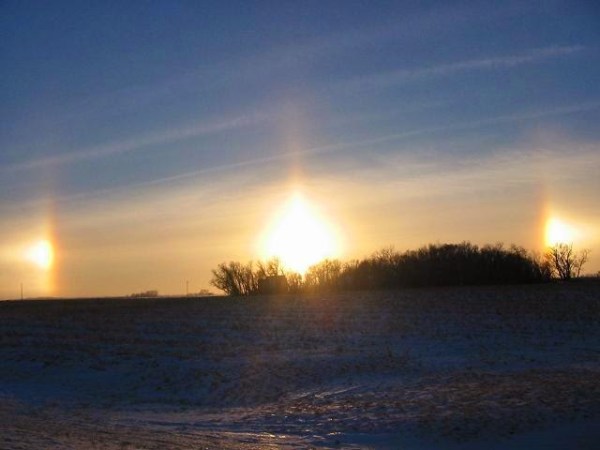
Picture of three Suns in Mongolia

Compiled by London swaminathan

Article No.1856; Dated 10 May 2015.

Uploaded in London at 20-30

A news item about the appearance of three Suns in Mongolia excited a lot of people around the world. It happened in the third week of January this year (2015) in Mongolia. When I was working as Sub Editor of Dinamani newspaper we published one such news item from Karaikal. Actually it happens very often, but go unnoticed because of the time and location.

We have one chapter on Mock Suns also known as Sun Dogs in the Sanskrit Encyclopaedia Brhat Samhita written 1500 years ago. Varahamihira in that book says that he has summarised all those information from twenty other authors who lived well before his time. So Hindus knew about this natural phenomena at least 2000 years ago.

Let us first look at what Varahamihira says and then the science behind the Mock Suns:

Chapter 37 of Brhat Samhita

1)A mock sun is auspicious, if it is glossy and possessed of the colour appropriate for the Sun in the particular season, if it is similar to beryl in lustre, and is clean and white, it is productive of happiness and plenty

Pratisuraka prasasto divasakrydrutuvarnasaprabhah snigdhah

vaiduryanibha svachchah suklasca kshemasaurbikshah


2)A mock sun that is yellow engenders diseases; one of the colour of the Asoka flowers (red) leads to clash of arms; and row of mock suns causes dangers from robbers, diseases and murder of kings.

Pito vyadhim janayatya sokarupascha sastrakopaya

Pratisuryanam mala dasyubhayatanganrupahantri

3)The mock sun appearing to the north of the sun causes rain; to the south, a strong wind; on both sides danger from water (i.e floods, Tsunami etc); the same appearing above the sun destroys the king; and below, the people.

Divasakrutah pratisuryo janakrududagdakshine stithognilakrut

Upabhayasthah salilabhayam nrupamupari nihanyadho janaha

4)The mock sun is nothing but a reflection of the Sun’s disc in the thin clouds near the Sun in the morning hours. This phenomenon may occur in the evening also.

Yamye vataprado njeya uttare vruddido raveh

Ubayoh parsvayobharti salilam bhuri yachchati


My comments:

1)Hindus are keen observers of the sky

2)Not only keen observers, but also recorded such events and made their own judgements/conclusions.

3)Whether Varahamihira agrees with modern science or not, he took care to write one chapter on it, that too 1500 years ago!

Science behind Mock Suns or Sun Dogs

They are created by the refraction of light passing through flat, hexagonal ice crystals in high, cold clouds.

The crystals act like prisms so that as light passes through them, it is bent by exactly 22 degrees before reaching viewers’ eyes to make the illusion.

If the crystals are more randomly located in clouds, a complete ring around the sun is visible, called a halo.

But if the crystals sink through the air, they become arranged in vertical lines, so that the sunlight is refracted horizontally, to make sundogs, as seen in these images.

They are reddest in colour when they are near to the sun and fade to yellow, orange and then blue as they move away. The colours of sun dogs merge into a white halo in some instances.

The strange phenomenon was recorded by Aristotle between 384 and 322 BC. The Greek philosopher wrote: ‘two mock suns rose with the sun and followed it all through the day until sunset’. He noted that they were always to the sun’s side and never rose above or below it.

The poet Aratus, who lived between 310 and 240 BC mentioned them in his catalogue of Weather Signs, saying that they indicate wind, rain or an approaching storm, while Artemidorus, a diviner in the second century, included the phantom suns in his list of celestial deities.

Sundogs were sometimes seen as an omen for bad times ahead, such as war, and observations of them feature in ancient texts by Aristotle, Seneca and Cicero, among others. This depiction of sundogs appeared in the Nuremberg Chronicle, an early printed book showing world history, published in 1493.

Subham.

Nakshatra Purusa: Worship of the Stellar Deity!

Written by London swaminathan

Research Article No: 1829

Date: 27 April 2015; Uploaded in London at 8-40 am

A lot of things about stars, planets and comets are in the Vedas and later literature. German scholar Jacobi and Indian Independence hero B G Tilak have studied them independently and arrived at the date of 4000 BCE or before for the Vedas. Both the Rig Veda and Atharva Veda have got special hymns on the stars.

The study of the Vedic Astronomy explodes the Aryan Dravidian Racist theory into pieces. Had the Vedic Hindus arrived from other areas as suggested by foreign “scholars”, the 27 star system and other Vedic Hindus’ beliefs must be there or at least the remnants would have been there. We have not seen anything like that anywhere else. This shows clearly the Vedic astronomy and astrology are independent of any other system. Westerners told us that we borrowed the planetary astrology from the Greeks. It cannot be correct because all the beliefs are here even before the Greeks started writing in their language. Those who study the four Vedas together would understand it. If we include the Brahmanas, Aranyakas and Upanishads, the subjects covered by them are amazing, though they are all religious books!!

In today’s article I will analyse what Varahamihira wrote 1500 years ago, in his Brhat Samhita.

Like we have Graha purusa and Vastu Purusa, Varahamihira gives us some information about Nakshatra Purusa:

The FEET of the stellar deity are represented by the star Mula

The LEGS by Rohini

The KNEES by Asvini

The THIGHS by two (Purva/Uttara) Asadas

The PRIVITIES by two Phalgunis (Purva/ Uttara)

The HIPS by Krittikas

The SIDES by Purva and Utthara) Bhadrapadas

The STOMACH by Revati

The BREAST by Anuradha

The BACK by Dhanista

The ARMS by Visakha

The HANDS by Hastha

The FINGERS by Punarvasu

The NAILS by Aslesa

The NECK by Jyeshata

The EARS by Sravana

The MOUTH by Pusya

The TEETH by Svati

LAUGHTER by Sathabishak

The NOSE by Magha

The EYES by Mrgasiras

The FOREHEAD by Chitra

The HEAD by Bharani and

The HAIR by Arudra

Hindus always describe Gods from Foot to Head and human beings from Head to Foot. It is seen in Sangam Tamil and more ancient Sanskrit literature.

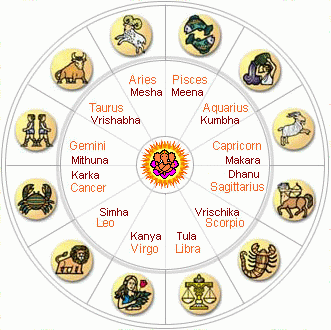
12 signs of zodiac (12 Rasis) represent Kalapurusa (Time in the form of a Person). Likewise the 27 Nakshatras are distributed among the limbs of the Nakshatra purusa.

One should worship Lord Vishnu and the Stellar Deity and then observe fast on the 8th of dark half (Krishna paksha Ashtami) of the Chitra month. After this verse Varahamihira explains various gifts to the Brahmins.

The benefits  one gets by the worship make interesting reading: a man who does this gets 1)long arms 2) broad, muscular breast 3)moon like face 4) white teeth 5)Gait of lordly elephants 6)Lotus like eyes 7) a personality that captivate the hears of damsels and a body verily that of Manmatha (Cupid).

This description gives an idea about what the Vedic civilization considered as the features of a handsome man.

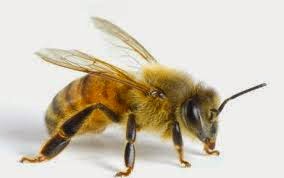
A woman who performs the Puja will get a face as bright and as lustrous as autumnal full moon, eyes like the petals of lotus, beautiful sparkling teeth, hair resembling the belly of the bees, a voice as sweet as that of an intoxicated cuckoo, red lips , hands and feet like as tender and charming like lotus petals, a slender waist bending under the weight of the bosoms, a navel with turns from left to right, thighs similar to banana trunks, fine buttock and excellent loins. She will win the love of her husband, and have well knit toes.

Belly of the bee: Golden hair?

This gives an idea of the concept of beauty in Indian literature. It is almost similar in ancient Sangam Tamil literature. The presence of such a concept from the Himalayas to Kanyakumari and the absence of such a concept in any other country explodes the Aryan Dravidian Racist theory.

Varahamihira , in his book, adds, “such a person, man or woman, will become a star and move with the stars in the sky, as long as the rows of stars move in the sky and illumine the world, till the end of the Creator’s Day i.e Kalpa. And when the universe is re-created, the person will become a monarch; and will be reborn in the world as a king or a rich Brahmana.

No other religion other than Hinduism (includes its offshoots like Jainism, Buddhism, Sikhism) accepts that Soul can neither be created nor destroyed. Hindus only have found out that the Soul is indestructible. It can only merge with the God at the end.

The scientists have not yet understood the cyclical nature of TIME. They will agree with the Hindus when they understand fully the nature of Black holes.

The twelve months beginning with Margasirsa are said to be presided by Kesava, Narayana, Madhava, Govinda, Visnu, Madhusudana, Trivikrama, Vamana, Sridhara, Rishikesa and Padmanabha respectively. This shows the calendar year started with Margasirsa at one time. This is a proof for the antiquity of the ancient Indian/Hindu civilization. The twelve names are the names of Vishnu.

Source: I have used the translation of Brhat Samhita by Mr M Ramakrishna Bhat and added my comments.

Pictures are used from various sources; thanks.

Strange Bird Stories in Mahabharata!

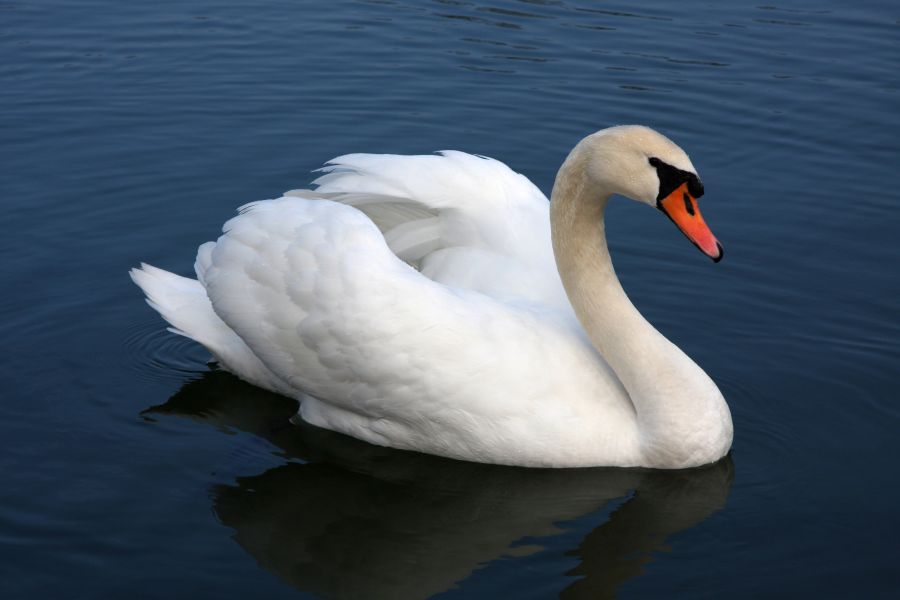
Swan

swan

Written by London swaminathan

Research Article no. 1711; dated 12 March 2015

Up loaded at 16-30 London time

Strange Animal Stories in Mahabharata! – Part 3

Part 1 and part 2 were posted yesterday and day before yesterday.

We have seen snakes, snake bites, crocodiles, and strange frog, fish and tortoise stories so far. Now let us look at some strange bird stories in the Mahabharata.


Swan

(1).Water birds appear in the Yaksha Prasna (Questions of a Ghost) story. The pond was located only when Bhima saw the water birds at a distance. Our forefathers observed nature very closely and found out lot of things through animal behaviour.

(2).Bird migration is also mentioned in the epic. When Bhisma was lying down on the Bed of Arrows, they noticed a kind of birds and commented Uttarayana is round the corner. Our forefathers found out the change of seasons by the appearance of different kinds of birds. Even today the monsoon birds appear every year in Kerala just before the beginning of monsoon on 1st or 3rd of June.

(3).Atreya, a great seer, assumed the form of a swan. Sadhya Gods approached them and asked the difference between righteous and unrighteous men. 5-36

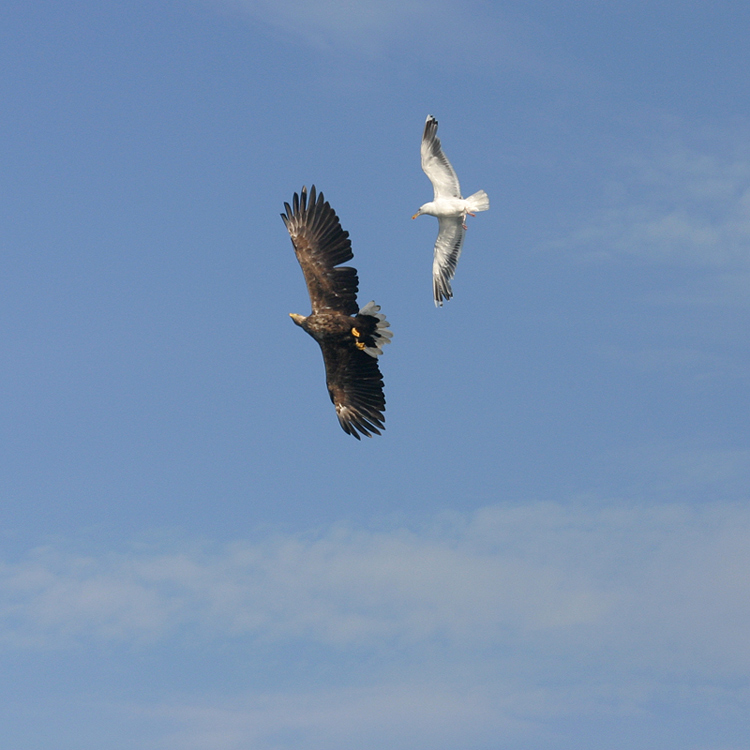
eagle-and-seagull

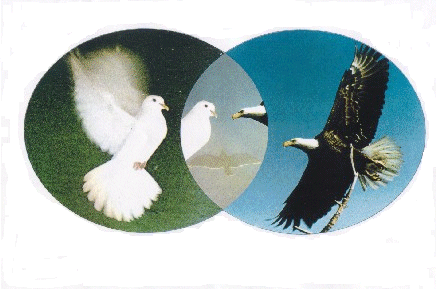
(4).Shibi story  (3-197 M.Bh.) is known throughout India. Purananuru, part of Sangam Tamil literature and Tamil epic Silappadikaram mentioned the story in several places and claimed that Shibi, King of North West India, was their forefather ((Read my earlier article Were Chozas Tamils?). In the story of Shibi we knew that Indra took the form of a hawk and Agni took the form of a dove. Buddhists pirated all the Hindu stories and included them in the Jataka Tales. Sibhi story is one of them.

Shibi’s son was called Kapotaroma (Dove feather) because he was made up of various fleshy parts of King Shibi (sounds like cloning or tissue culture!). King Shibi cut his body parts to save the dove from the hawk

(5).Shakuntala, who was protected by the birds, is found in Mahabharata (1-71) and Kalidasa’s most famous Shakuntalam drama.

DOVE.eagle

Dove and Hawk

(6).Hindus believe that humans may be reborn as animals and birds depending upon their Karma in the previous birth. We have the story of Jarita in the Mahabharata (1-230).

Jarita (bird) was the wife of a male bird who was seer Mandapala in previous birth. She gave birth to four baby birds. Later Mandapala abandoned her and lived with another female bird known as Lapita. When Krishna and Arjuna burnt down the Khandava Vana (Gond+Vana= Gondwana ) forest Jarita escaped from the fire by flying out at the insistence of the baby birds. Baby birds also escaped miraculously from the fire. When Mandapala (in bird form) came to inquire about their welfare, Jarita ignored him and asked him to go back to his lady love Lapita. Mandapala explained that it was he who saved the baby birds from the fire and Lapita also worried about them. Then Jarita accepted Mandapala and they lived happily in another forest.

It may be just a story rather than a real life incident. But it has got many messages such as accepting a repentant and reformed husband, birds’ love and kindness, fire hazards etc. Husbands returning to their wives after spending time with another woman is a common theme in Sangam Tamil Literature. 279 verses out of 966 Tamil verses (in the love poems) are about visiting prostitutes. We should not take it literally, but the message must be understood!

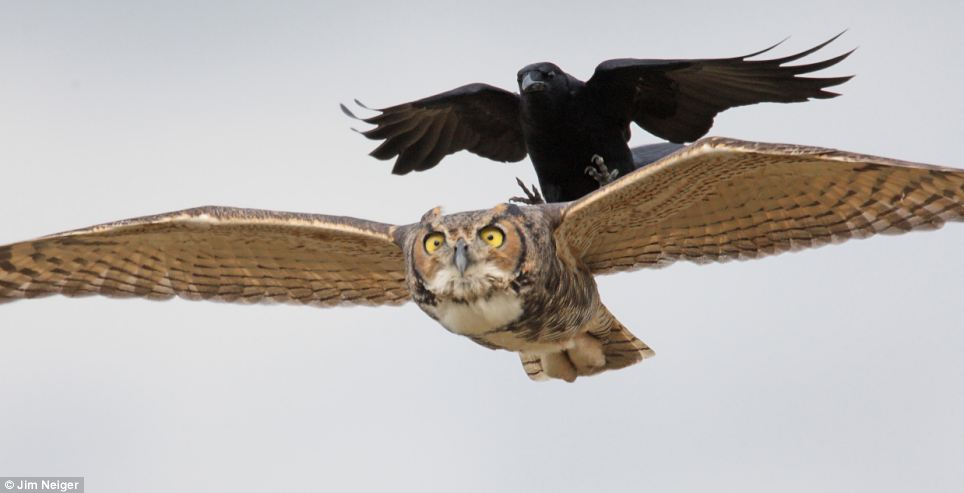
(7).Asvattama set fire to Pandava’s camp at the dead of night after the war. He did this after watching owls attacking the crows in the night (10-1). The fight between the Owls and the Crows form the entire fifth book of Panchatantra fables.

crow and owl

Owl and Crow fight

(8).Uluka (owl) was the name of emissary sent by Duryodhana to tell the Pandavas that their peace proposal is rejected. Seer Kausika (Visvamitra) also means owl. In Tamil also we have many poets with owl name (Pisir Anthai, Othal Anthai). People thought that they are the names of their towns. My view is that they actually mean the bird of wisdom owl, which is the vehicle of Lakshmi and Greek Goddess Athena. In western countries it is a very common logo in the educational institutions.

This confirms my view that most of the tribal names are totem symbols I have already given the names of Tamil poets with frog names like their counterparts in Sanskrit. Tortoise is also the name of several rishis/seers.

eagle

Eagle

(9)In the article on mysterious Sanskrit names in Sumerian books, I mentioned about Sumukha. Though Manu Smrti also mentioned the name of this king, nothing is found about King Sumukha in any Indian literature. But a Naga by name Sumukha appeared in Mahabharata (5-103). In fact it was not a snake (Naga), it was a human being with Naga symbol or tattoo.

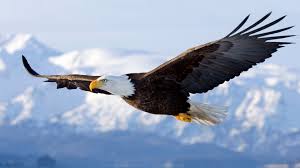
Chikura was the father of Sumukha. He was killed by an eagle (man) before Matali chose Chikura’s son Sumukha to be the husband of his daughter Gunakeshi. The clash between the Naga tribes and the Eagle tribes is known throughout the world. We see it in the flags of Mexico, Emblem of USA and the Mayan stories.

When Sumukha got worried about an imminent attack from eagle (tribes), Indra came and protected Sumukha (Snake people). We see this clash of Nagas and Eagles in all the epic and Hindu Puranic stories.

(10).Eagle appeared in another story in Mahabharata (5-113). Shandili was a pious woman who lived on Mount of Rishaba. Once Galava and his friend, an eagle, came that way in search of good horses. When the eagle (in fact a man of eagle tribe) saw Shandili , he thought this virtuous woman should live in the heaven. The mere thought of carrying her away to heaven made the eagle’s wings to drop off. When he explained that the thought was not impure, Shandili forgave him and gave the eagle (man) more powerful wings.

flag-day-mexicol

Eagle- Snake clash

We have more such stories in the epic. Since thousands of years lapsed between the actual incidence and the writing, the original meaning was lost. Everything made to look like miracle stories.

I will conclude this series “Strange animal stories in Mahabharata” tomorrow.

swami_48@yahoo.com

Snakes and Snake Bites in Mahabharata!

indian-snake

Written by London swaminathan

Research Article no. 1706; dated 10 March 2015

Up loaded at 19-30 London time

Strange Animal Stories in Mahabharata! – Part 1

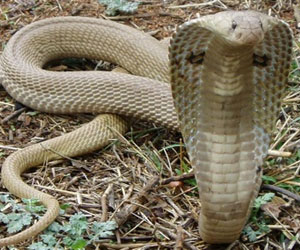
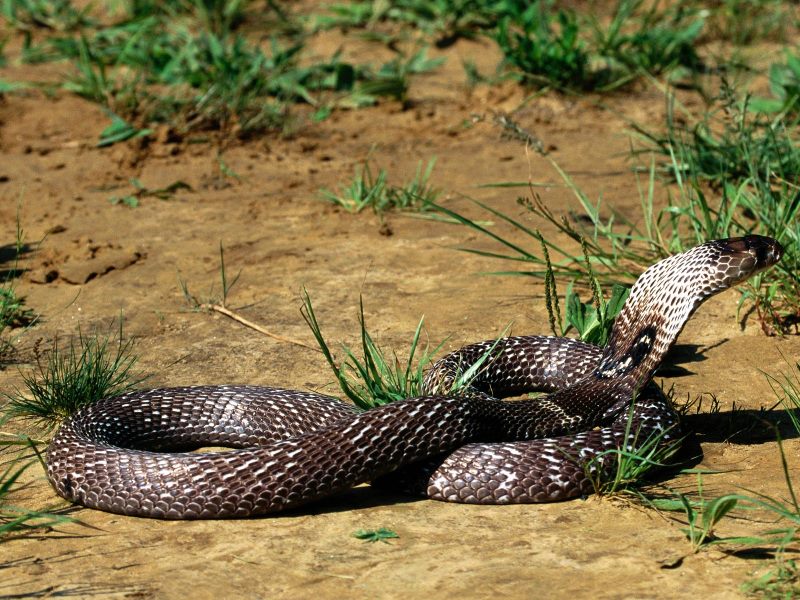
The stories in Hindu scriptures are real life stories. They are not concocted. The best examples are stories of snake bites. From the story of Parikshit to down south Tamil stories of Periya Purana and Tiruvilaiyadal Purana, we hear about several deaths due to snake bites. In some stories gods or saints came to the rescue of the devotees. In other cases God is not dragged into the scene. Even Parikshit was killed by a “snake”!

(I have interpreted this Parikshit story elsewhere in my blogs, as a Naga Tribes Vs Pandava family clash due to Khandava Vana Dhahana. As a result of which Maya Danava went to South America to establish Mayan Civilization.He led the exodus after Khandava forest burning by Arjuna and Krishna. Khandava Vana is now called Gondwana land. Not many people knew Khandava Vana = is Gond Vana)

There are lot of animal stories in the longest Hindu epic Mahabharata. Many of the stories are very strange and mysterious. People becoming animals or animals becoming humans, semen devoured by an animal giving birth to human beings are some of the themes repeated frequently. I have collected some sample anecdotes and these are not exhaustive. Probably there existed some novel way of saying something symbolically. Someone has to do deeper research into it. Several animal symbols were used as totem symbols by the tribes. So they were called by the animal names. Later writers took it for real animals and called them bears (Jambavan in Ramayana) and Eagle ( Jatayu in Ramayana). In real life bears and eagles were just human beings but with some animal tattoos or animal masks. I am using “Who is Who in the Mahabharata by Subash Mazumdar” for the references. Numbers at the end of each anecdote are the book numbers of Mahabharata. The epic consists of 18 books or parvas.  Here are a few snake stories:

magnificence-cobra-snake-qwficx

Snake

(1).Astika ,son of Jaratkaru, stopped Naga Yajna (throwing snakes into fire)- 1-48

(2).Agastya cursed king Nahusa to become a python. He was saved by Yudhistra after sometime 5-17

(3).Snake poison/bite disfigured Nala. Under the assumed name Bahuka, he worked as a charioteer of King Rituparna of Ayodhya.3-67

(4).Gautami was a learned Brahmana woman. Her son was bitten by a snake and he died. A passer-by hunter caught the snake and was about to kill it. But she told him to spare the life of the snake saying that her dead son would not come to life by killing the snake 13-1

(5).A snake called Karkotaka was cursed by sage Narada to remain stationary in one place until Nala picked him up. When Nala picked him he was bitten by Karkotaka. This changed the colour and shape of Nala. Karkotaka told him that it would benefit him because no one could recognise him as a king. But he gave him a divine garment which would help him to get back to his original form 3-66

When Nala was ready to join his wife Damayanti he wore the divine nNga garment and regained his original appearance 3-73

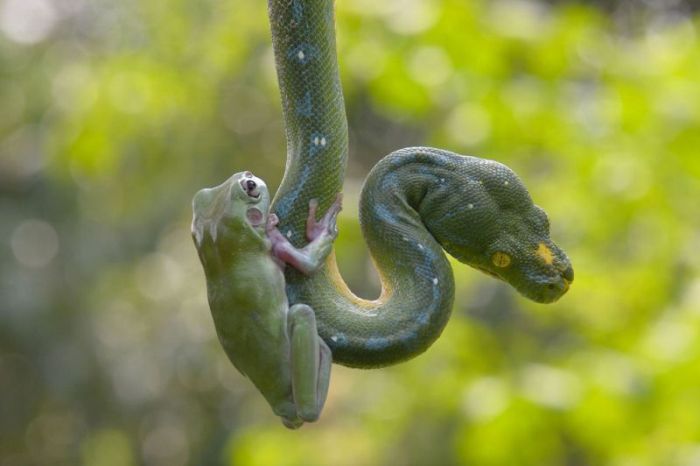
snake and frog

My Comments: It is strange that Naga tribe (Snake people) is always associated with wonderful garments. Sangam Tamil Work Sirupan Atrppadai (lines 96-97) also described the divine garment given by Neelanagan to chieftain Ay. He gave it to Lord Shiva under the banyan tree. Naga tribe people are described as Oviyar (Painters) in Tamil literature. Probably they painted their body with snake pictures and worshipped snakes! Snake figures are found in every temple in India.

(6).Nagas were the descendants of Kasyapa and Kadru. They were famous and notorious for their skills and cunningness 1-16

My comments: Sri Lanka was called Nagadwipa (Nagar island). The Naga Kanyas were described as cunning women who would entice ship wrecked people to their homes and ‘devour’ them> This means they will strip them of their money etc.

(7).Ruru , grandson of Chyavana rishi, was about to marry a beautiful girl by name Pramadvara. But she died of a snake bite just a few days before the marriage. When he offered half of his life span to the snake bitten girl she was revived. When he wanted to kill all the snakes as an act of revenge, Dundubha prevented him by saying that not all snakes are not poisonous. Dundubha pointed out that snakes are essential part of food chain and it would help the orderly development of different forms of life 1-8

My comments: In all these stories we see some environmental concern. When the kings try to kill all the snakes and all the frogs someone gives them good advice about environmental protection. Even if we take them as human beings with totem symbols, peace is restored by stopping the killings.

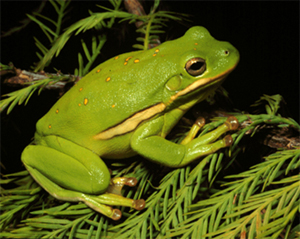
Green-tree-frog-2-copy

Snake toy

(8).A Brahmana rishi called Sahasrapata frightened his friend Khagama by throwing upon him a snake toy made up of straw. He did it for fun. But Kaghama cursed his friend to become a snake.  In his non-poisonous snake form he was called Dundhuba. He regained his original form when Ruru visited him. 1-10

(9).Parikshit story

Parikshit ,son of Abimanyu, went for hunting, 36 years after the Mahabharata war. Shamika rishi was doing meditation. When Parikshi asked for water he did not respond and he thought the seer was pretending. Immediately Parikshit threw a dead snake on the rishi (seer). When the seer’s son came and saw this he cursed Parikshit that he would die within seven days by a “snake bite”. Takshaka Naga ‘bit’ him by hiding in a fruit basket

(My comments:–Actually the seer used Naga tribe leader Takshaka to revenge upon Parikshit. He hid himself in a fruit basket like Veera Shivaji hid himself in the fruit basket to escape from Delhi prison of Aurangzeb. On the seventh day Parikshit was killed and then Janamaejaya stared killing the snakes (naga tribes). Seer Astika made a compromise. Even today Brahmins recall this episode thrice a day in their Sandhyavandana water ritual by reciting the mantra Narmadayai nama:……It happened on the banks of River Narmada.)

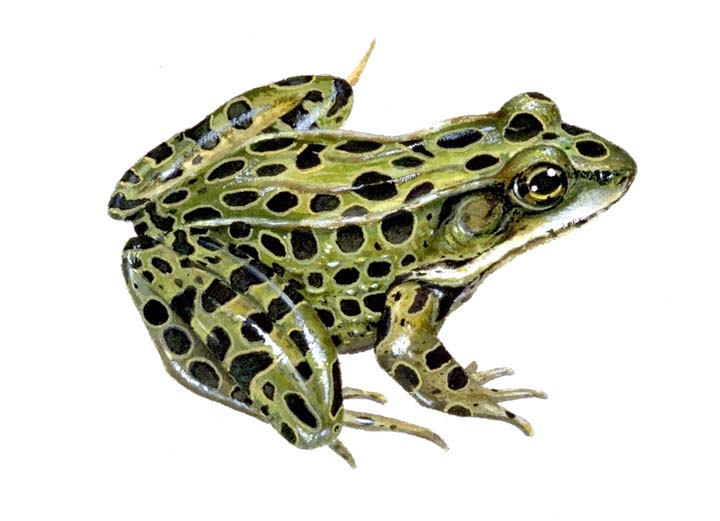
Leopard Frog

Frog

(10).Ayu was king of frogs. When King Parikshit hunted down the frogs thinking that the queen was eaten by frogs, Ayu revealed that the queen Shobana was his own daughter. Through his powers Shobana re appeared  (3-192)

The story goes like this:

Parikshit was a king of Ikshwaku dynasty (This Parikshit was different from snake bitten Parikshit). Once when the queen and the king were in the forest Parikshit was very thirsty. He asked his wife to go down the well to fetch some water. She went into the water but never came out. He saw only frogs there. He thought that the frogs ate his queen and started massacring him. At that time Ayu, king of frogs appeared and asked him to stop the killing. He told that Shusobana, the queen was his own daughter and she was alive.

My comments: Frog was a totem symbol of a particular tribe and Ayu was the king of that Frog tribe. Actually they are human beings, not frogs. We have poets and seers with the names such as Manduka Maharishi (frog), Therai (Toad) in Sanskrit and Tamil.  Mandukyopanishad is one of the major Upanishads. So what we read here is the story of tribal people. Since thousands of years passed before Vyasa collected all these stories and incorporated them into the epic for the benefit of posterity, the original meaning was lost. Now we have to read the story between the lines.

Tomorrow I will give more animal stories from the Mahabharata.

swami_48@yahoo.com

Hindus’ Ultra Modern Weapons!

Brahmos_imds

Written by London swaminathan

Research Article no. 1703; dated 9 March 2015

uploaded at 19-40 Monday London Time.

“Oh Dharba grass, you have the capacity to ward off death till long age. You are the best armour of all the armours in the world. Shielding the king with the self-same armour, kill the enemies with your strong powers.

“Oh Dharba! hundreds are your shields and thousands are the means of strength and power. All the learned scholars have given you to the king for protection till old age or for long life”– Atharva Veda Book 19, Hymn 30

“O Man, I (physician says) tie this Kuhsa grass, which is forceful, energising herb, with hundreds of reeds infallible, with thousands of leaves and far efficacious than other herbs, for lengthening your life span” – Hymn 31, Book 19

Brahmins believe in this efficacy of Kusha grass till this day. Their entire work is done with the Kusha/Dharba grass.

My opinion is that ancient Hindus channelized the energy through Dharba and Water. Great teachers like Drona and Kripa of Mahabharata knew about ultra-modern weapons which work with sound vibrations. Western Scientists are yet to invent such weapons. It is like cancer drugs with certain nuclear isotopes targeting only the bad cells, the Vibration weapons will target only the intended targets.

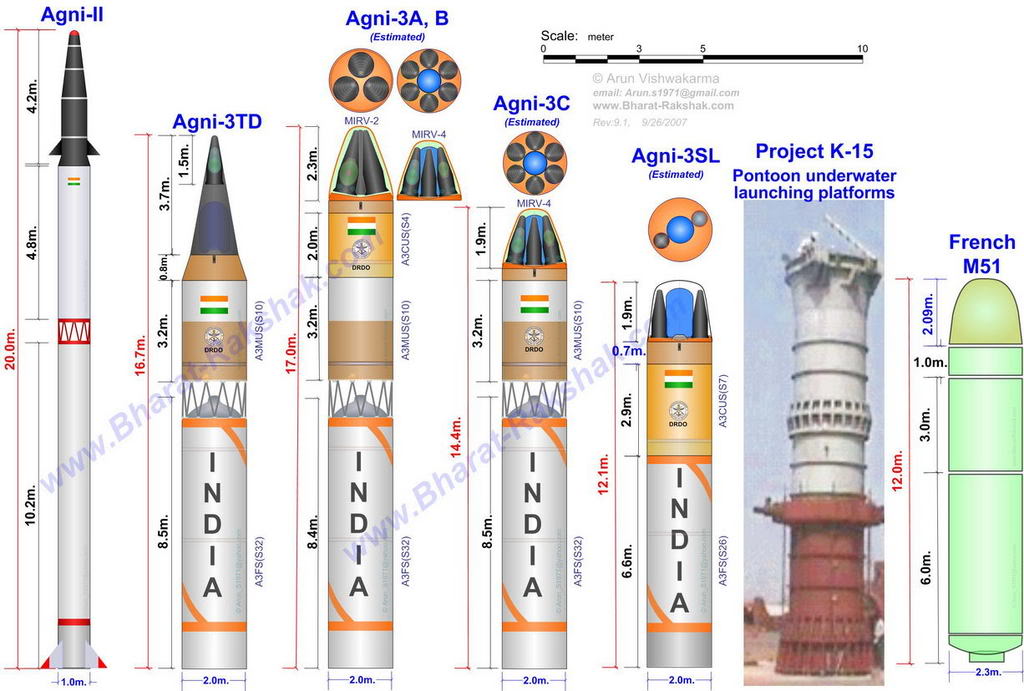
A23_M51_Pontoon_r13d

These mantra (Sound) weapons are taught only to Kings and selected people. Like nuclear bomb buttons have secret passwords which are known only to Prime Ministers and Presidents of countries these Ultra Modern Sound Weapons are taught only to the Kings. But like we use nuclear weapons very rarely, they also used it only when it was absolutely necessary. That is why commoner Ekalaiva was denied a place in the Royals class by Drona.

Dharba grass is like the modern delivery vehicles for nuclear war heads. Even when the Hindu kings were taught such most dangerous weapon techniques, they were forced to promise that they use it only once. That too if necessary. So far seven countries have made thousands of nuclear bombs, but only USA used it once in Hiroshima and Nagasaki in in Japan which killed millions of people.

Lord Rama also finished of seven million Kara Dushana demons like we kill the mosquitoes. Demons do not follow any code of conduct in wars. But the same Rama did not use it against Ravana who was ready for a decent fight. He was a great hero and he would not hit anyone below the belt. Ram was also great. When Ravana was disarmed in the battle field, Rama stopped fighting and asked Ravana to go home and come back the next day with full preparations (“Go Today and Come Tomorrow” — was the most famous quote in the Yuddha Kanda of Ramayana)

Like nuclear materials have good and bad uses, Dharba is also used in all the good ceremonies.

pavithram

Power of Dharba Grass!

I posted my article on “Power of Holy Durva Grass” here on 12th July 2013. Now I give below some hymns highlighting the power of sacred Dharba grass. A Brahmin priest won’t leave the house without the sacred Dharba grass. It is his essential tool. It is neatly cut and preserved in its dry form. Hindus believe that that Dharba grass (also known as Kusha) can purify one just by wearing it in the ring finger. Hindu saints do penance or meditation sitting on the Dharba mat. Though Yogis or saints do such meditation sitting on deer skin or tiger skin, Dharba mats are easily available, less expensive and environment friendly.

Botanically it falls under the Graminae ( Poaceae or grass family ) family and it is known as Eragrostis cynosoroides. It is mentioned in all the four (Rig Veda 1-191-3)Vedas. Atharva Veda mentions it as an amulet.

During eclipse period, they put the grass in all the food items to save it from the bad rays. The following hymns show how much they valued it. As a Brahmin, I always keep it here in my London home. I use it during the ceremonies. Usually they make a ring like figure and wear it in the ring finger. It is called Pavitram. That means the dharba as well as Pure and holy in Sanskrit. The ring finger itself is called Pavitra finger.

pavitra

Ghosts will run away!

Hanuman Chalisa of Goswami Tulsidas says that the ghosts will run away when the name of Hanuman is recited. In the same way

Bhuta Preta Pisasascha ye chanye Brahmarakshasaaha

Vipra anguli Kusaan drustwa duuram gachcha adhomukaaha

When the ghosts, ghouls, spirits and goblins see the Dharba worn in the Brahmins’ fingers, they go far away with their heads bowed down.

Another hymn says

Vajro Yathaa Surendrasya Suulam hastha Harasya cha

Chakraaydham Yathaa Vishno: evam vipra kare Kusha:

Like Vajra weapon for Indra, Sula weapon for Lord Shiva, Wheel weapon for Vishnu, Kusha grass weapon is for Brahmins. (Dharba grass is as powerful as Vajra, Sula and Chakra weapons)

If a Brahmin stands with a kusha and is without vain or not showy, he can destroy all the sins like dews driven away by the sun light. ( He can drive away the sins like the sunlight drives away the snow)

Another hymn praise “ even Shiva was cleared of sin by Kusha grass after killing a Brahmin” ( One of Brahma’s five heads was cut off by Shiva; actually  it is a symbolic story saying the four Vedas will be beneficial only when the ego is eliminated)

Anyone wearing gold or dharba in the fingers are considered pure even if their hands are not clean, says another couplet.

darbha02

Picture of Dharba Mat

Such is the greatness of Dharba (Kusha) grass in the Hindu scriptures. The use of water, sesame seeds, white rice in funeral ceremonies, yellow rice in auspicious ceremonies, Kusha grass, cow, its milk, daily bath and Abishek rituals, Asvamedha Yajna, Swayamvara, decimal system and the absence of all these things in the Western world explodes the Aryan –Dravidian Race theory. Actually all these put together with the six divisions of seasons, four divisions of armies, four values in life (Dharma Artha Kama Moksha)  in the oldest parts of Tamil literature, it bulldozes the Aryan Dravidian fake theory.

Long live Dharba Grass! Long Live Durva Grass!

Is Brahmastra a Nuclear Weapon? Written by me in South Indian Society Magazine in London in 2005 and posted here in this blog in 2011 is getting a lot of hits every day until today! Please read it if you have read it already.

D-128

Pictures are taken from various sites; thanks.

Hindu Issues: Questions from Medical Students!- Part 2

IMG_2472

Written by London swaminathan

Article No 1695; Dated 6th march 2015

London Time 11-09 am

This is the second and final part of my talk to the medical students at Kings College, London. Please read the first part before reading this part.

Alcohol prohibited

When I said alcohol is also prohibited, a girl student interrupted me asking where in Hindu scriptures it is said that you should not drink? I answered her: It is written in all the Hindu scriptures from the Vedas to the latest literature (Tirukkural in Tamil). I told her that I wrote an article on the same topic in my blog showing the difference between Sura Pana (alcoholic drinks) and Soma Pana. Even soma pana is not a narcotic drug. It was a medicinal herb. (One student took my website ID)

IMG_2476

ABORTION: Brunu Hathi

Abortion is a big issue in the U S.; during the American elections it becomes a heated issue. In India the female foeticide has created a big problem now. The ratio between male and female has gone down to a dangerous level. In some places there are only 800 girls for 1000 boys. It may create moral issues. Even now marriages are becoming difficult. But Hindu religion never allowed foeticide. Killing a foetus is considered a murder- Brunu Hathi. 1500 years ago the families of boys went to bride’s house and gave money to get the girl. We have enough proof for it in ancient Tamil and Sanskrit literature. After 1000 year foreign rule in India, it changed topsy-turvy. Boys were demanding dowry money. Then having a girl in the house was considered a burden. This was the reason for female foeticide. It is not allowed in Hindu religion. Because of this imbalance, now boys are ready to give dowry!

I had a chat with a London doctor about it. She believes in all the old Hindu values. She told me that she also supported abortion, when it was known that the child will have some serious genetic diseases. Nowadays people do it if they know for sure that would be child will have some serious deformities. In those days we did not have tests such as amniocentesis.

Two thousand years ago the condition of women were very different in India. They were highly educated and attended conferences where philosophical debates took place. Even before the Greeks started writing their epics Hindu women were attending such sessions and questioning great scholars of those days. We know Gargi Vachaknavi and other such women who lived 3000 years ago.

Organ donations

Very often I am asked about organ donations and religious sanction for it. We did not have much about it in our literature. Though medical scholars like Susruta talk about Rhinoplasty (Nose Transplant) 2500 years ago, we don’t know about organ “donations”. We have to do certain organ transplants within few hours of their availability. We did not have those facilities 2000 years ago.

There are interesting stories such as a devotee of Lord giving eye (Kannappa Nayanar) and another devotee giving his bone (Dadichi). But they all fall under mythology. We know for sure a Pandya king getting golden hand after he cuts his hand for some blunder he did the previous night. I narrated the story of Golden Handed Pandya king (Por Kai Pandiya: It is already in my blog). This showed clearly that they had the techniques of transplanting eyes, hands, noses etc.

Going back to the question of signing some documents regarding donating the organs after one’s death, it is all individuals’ choice. Hinduism is an ever changing religion. It adapts quickly. Only the basic values are kept intact. So even if my son comes to me tomorrow asking my opinion on donating his organs, I will leave it to his discretion. We read a lot of moving stories in the newspapers about donating organs for the benefit of others. Even when a youth dies, his organs are living in four or five persons’ bodies!

IMG_2469

Euthanasia & Attitude towards Life

Again euthanasia is a new concept. I can’t see anything against or for in the scriptures. 2000 years ago, the third stage of a Hindu’s life was Vanaprastha. Parents themselves withdrew from everything worldly and went to the forest for yoga and meditation. They were ready to die. When they saw their grandchildren well off in life, they thought they must leave home. Since Hindu scriptures explain that death is like changing garments (Bhagavad Gita), they did not bother about dying at ripe old age. But finishing someone’s life at an early age because of suffering is not documented.

Dead bodies and Post-mortem

Hindus feel discriminated against in the Western hospitals. When they allow Muslim dead bodies to be buried within 24 hours even without a post-mortem or namesake pot mortem, they insist post mortem in the case of Hindu patients even when they knew the reason for death. Recently my friend died in hospital aged 87, after 15 years on dialysis. They insisted post mortem in spite of his wife’s protests. As a result of which the funeral was delayed by a week. But according to scriptures the body must be cremated within 24 hours. Back home they did not even cook food in the house where a death occurred and the community used to cook for the families for the first few days. (Then I narrated the court case that was filed in a Northern England city for open cremation like in India etc.)

Charaka, Susruta and “AYUSH” – a new Department

I told the students that India was far advanced in medical sciences 2500 years ago. We have the medical books written by Charaka and Susruta. Charaka in his 120 chapters dealt with pathology, anatomy, toxicology, nursing, nutrition and pharmaceutics. Susruta in 184 chapters dealt with 1120 illnesses, 700 medicinal plants, surgical procedures, rhinoplasty, cataract, hernia surgeries etc. He mentioned the names of innumerable surgical instruments!

Immediately one student interrupted me saying that he understood allopathic system is practised in India. I answered him that it is very correct to say that in Indian cities, English medicine is more used, but in village areas still the native medicines are used. After Indian life style changed to “Sofa and TV culture”, they wanted quick solution for their illnesses and allopathic medicines came very handy. But the Indian Government has set up a department called “AYUSH” ( A for Ayurveda, Y for yoga, U for unani, S for siddha and H for homeopathy) to encourage scientific research in the traditional medicines.

Then I mentioned the controversy about Yoga, after a remark by an American pastor that Christians should not practise Yoga and the BBC Radio programme on it a few days back. I told them that even my Muslim colleagues attended Baba Ramdev’s Yoga programme here in London. Though mantra is used in initiation, people can still practise the exercise part of it without involving religion.

Vegetarianism: Are all Hindus vegetarians?

Not all Hindus are vegetarians. But beef is prohibited. When Hindu patients get admitted to hospitals hospital staff ass their preferences. But vegetarian dishes are always very few and not cooked tastily. It is always boiled potatoes plus something else!

When I said beef is prohibited, one person asked a question: So you don’t drink milk or take Yogurt (curd) then?

My answer: I was born in a vegetarian family. But I have been drinking milk from my childhood days. The Vegan concept is not known in India. Our ancient Hindu seers were living just on milk and honey. They raised cows and bulls in their Ashrams (holy shelters).

The reason for adopting vegetarianism is that they dont want to kill animals. They know very well that plants are also living beings, but they thought it is less evil to kill the plants. Even non vegetarians have their own views; some don’t kill pigs, some don’t eat horses or elephants. Theoretically speaking a man can eat another man. There is no higher or lower among the living things. But we don’t do it on moral grounds. There was a strange case of man eating men in South American jungle after a plane crash. It was reported in a Readers Digest Article. Men do anything for survival. Recently we read in the British newspapers that after a ferry disaster everybody wanted to escape. Nobody listened to the captain who said that children and women should be given priority. We only setup rules for certain reasons. Hindu seers don’t eat non vegetarian. Even Sikh Gurudwaras never cook or serve non vegetarian food. Recently we saw Prime Minister David Cameron’s photo making chapatis in a Sikh Gurudwara in Northern England.

(I told them about high Upansihdic principles of Tat tvam asi, Aham Brahmasmi etc and explained that even Charvakam/atheism is considered part of Hindu way of life. Like Buddha one can follow a set of moral code without thinking about God/agnostic)

It was a two hour talk. I did not put everything I said there. Only the gist is given to show the medical students’ areas of interest.

Swami_48@yahoo.com

Questions from London Medical Students!- Part 1

IMG_2474

Written by London swaminathan

Research Article No. 1692; Dated 5 March 2015.

Ethical Issues of Hindu Patients and Non Hindu Health Professionals in British Hospitals

Semitic vs Oriental

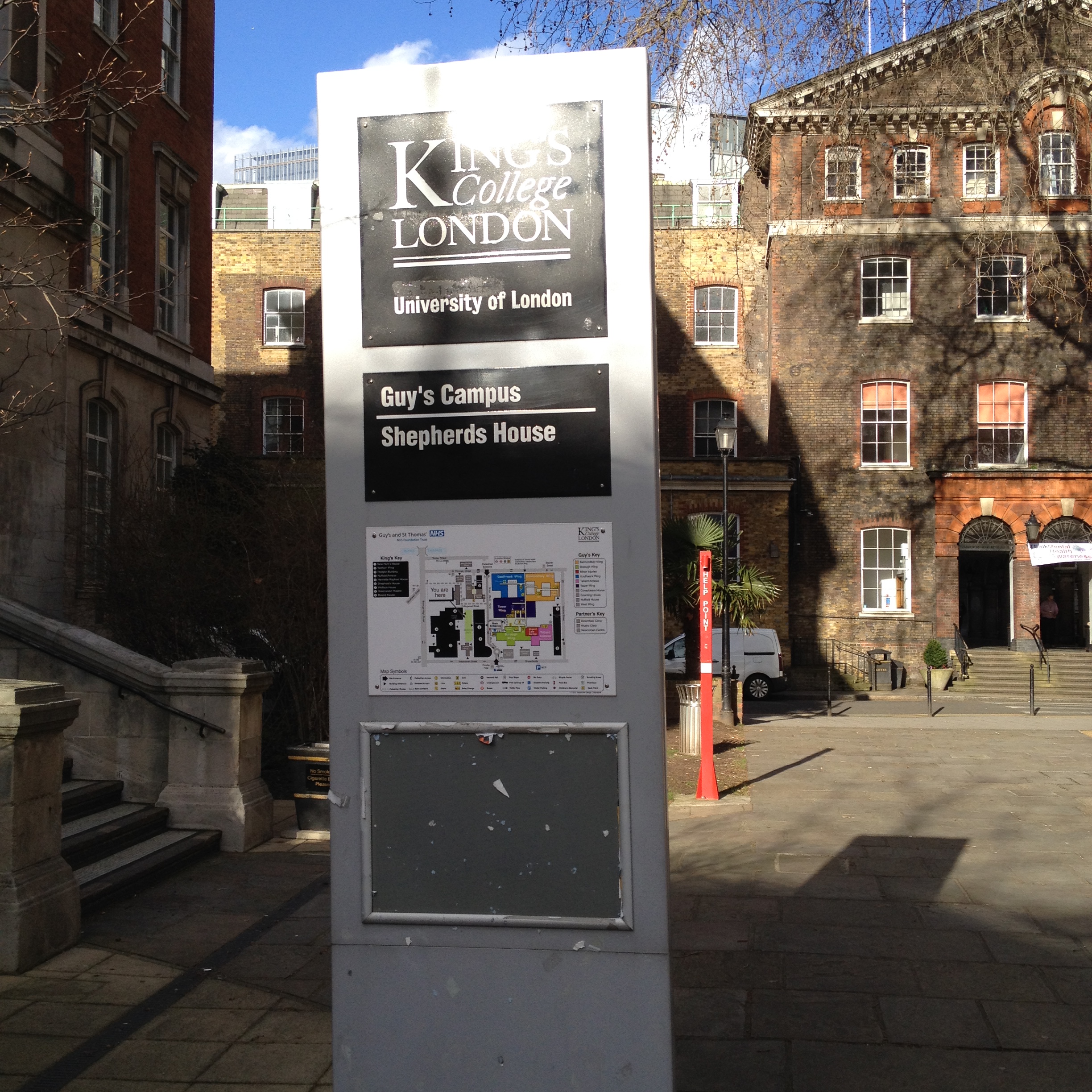
For the third consecutive year I was invited by the Kings College to give a talk to the students of four universities who have chosen the subject Medical Ethics and Law as part of their studies. My talk was delivered on 2nd March, 2015 (Time 1-30 to 3-30 including Q and A) at Hodgkin Building, Guys Campus, Kings College, London SE1 1UL

In the first one hour I did a power point presentation on Hinduism. I compared the Semitic religions with Hinduism, Buddhism, Jainism and Sikhism. I explained that Oriental religions believe in rebirth and Karma theory. We all know that if you something good to your friend your friend will buy you a cup of coffee. If you do something very bad, immediately your friend will punch on your face or give you a slap. Something similar to Newton’s Third Law “For every action there is an equal and opposite reaction”. But Hindus did not stop there. They said that it would follow you in your next birth! They believed that soul exists for ever until it merges with God. It is something similar to the First Law of Thermodynamics that Energy can neither be created nor be destroyed,.

This belief in Karma theory plays a key role in Hindu’s approach to diseases. They thought acute diseases are the result of bad karma (action) in their previous births.

Another big difference between the Semitic and Oriental religions is that Hindus have a purpose in life. The aim or the goal of a Hindu is to merge with the God by liberating him or her from the cycle of birth and death. This is a unique concept.

The common thread among all the religions of the world is that they wanted to elevate man from animal state to a good man and then from man to a superman. They wanted to maintain order in the world and so they advised us to follow some rules  such as Kindness, Love, Honesty and Truth.

Then I explained to them the Four Vedas, Four Values (Dharma, Artha, Kama and Mokasha), Four stages of Life (Brahmacharya, Grahastha, Vanaprastha and Sanyasa), Four castes, major festivals, symbols of Hindus, two great Hindu epics  and two ancient languages of India (Sanskrit and Tamil). Hindus may be illiterate but not ignorant. They may not know the Vedas or the Tamil Thevaram or Divya Prabandham, but they believed in the same concept about Dharma (Righteousness or moral code) , Artha (wealth), Kama (Pleasure) and Moksha (liberation from the birth-death cycle) from one end of the land to the other end. Last but not the least, Hindus also believe in One God but they allow people to worship the God in different forms highlighting different aspects. If you are very studious and want to get good marks you worship Goddess of Education Sarasvati and if you want to become a billionaire you worship Goddess of Wealth Lakshmi and so on. The oldest religious scripture in the world Rik Veda says that “Ekam Sath – Vipraha Bahuda Vadhanthi” (God/Truth is one; learned people call him by different names). Now to the Q and A session:–

IMG_2470

Questions from Students

1.Sir, you said that we have rebirths and you also said that if I was born in a rich family or as a child prodigy or with a healthy beautiful body, it is all due to previous good karma (action). How do I know that it is all because of previous Karma? What is the proof?

My answer: It is a very good question. This doubt comes to all of us. Religion is based on faith. Science is based on observation. Religion begins where science ends. Unless you believe in what your forefathers or saints said, you can’t follow many of the religious teachings.

I added two more points. Lot of research was done by the Department of Parapsychology in Rajasthan University regarding cases of rebirth and they were all documented with a scientific approach. They blindfolded the people and took them to the places where they claimed to have lived in their previous births. There was amazing accuracy. A village boy in North India claimed that he lived in New York in his previous birth just by looking at the pictures of sky scrapers. He was blindfolded and was taken in plane and he identified the places where he lived and all other landmarks in NY. Though hundreds of cases like this were recorded, scientists still say that memory can be implanted from some source etc. So religion is only for believers. Hindu saints and seers thought why some are born lucky and healthy and others are not and then found out this by intuition. As a Hindu I strongly believe in it, though I have a degree in science (B.Sc).

The second point I wanted to add here is that the Theory of Karma is misinterpreted or misunderstood by many. Karma of previous birth — whether good or bad— will definitely have an impact. But it can be nullified or reduced or wiped out by very hard work during this birth.

If I bored you with my talk today, you may fire a paper arrow at me or throw a rotten egg on me. That will definitely come and hit me. But I can duck below the table and escape or hold the book against my face and escape. (All the students laughed). But the insult is done. In a way Karma theory worked. Karma also acts in the same way. If you want to escape from your previous actions, still you can do it by doing lot of good things now.

Hinduism has a beautiful rule. Even God can’t take the word back; what he said will be true. We have lots of stories in our mythology about the Curses and Boons. Once said, it is the final word. But if you repent for your bad actions, then they always show you a way out. There is always an exit strategy. Suppose your father left you a debt of 100,000 pounds before his death. You may work very hard and pay it back and make millions more. Alternately you can blame your father for all the previous debts (Karma in previous birth) and go into more debts and declare insolvency (hell). The choice is yours!

IMG_2471

Karma Theory and Attitude towards Life:

Hindus’ attitude towards life and death surprised several health professionals in Britain. I worked as a health advocate for thirteen years in Newham University Hospital in East London and as a manger of Health Advocacy Project for Tamil and Malayalee communities for three years after my BBC World Service Contract finished.

On several occasions I used to accompany Macmillan Cancer Charity specialist nurses to break very bad news to terminally ill cancer patients and their families. They are specially trained nurses and so they talk for half hour or so about various things that could happen with cancer patients and then say in your case It is terminal. Then they break for a few minutes and ask the patient, Sir, Do you understand whatever I said to you so far? Do you have any question? The patient replied I am ready to go! The nurse could not understand it. Then I explained to her that he was ready to leave the world. This happened with another patient also. She was repeatedly saying “Finish me now”. The doctors could not understand her. Then I explained to the health professionals that she wanted the treatments to be stopped now and she wanted to die.

Hindus, when they reached the third stage of life – Vanaprastha/ Forest dweller stage, they have the satisfaction of having lived a full life. They have seen their grandchildren and so they believe it is time to leave. In the olden days pensioners or Vanaprasthas went to forest or distant place like Kasi/Benares and they never bothered about wordy things or relations. This attitude of old aged Hindus was very shocking to foreign health professionals. They could not understand the philosophical attitude of Hindu patients (In their mind they thought that it was due to depression or frustration).

I told the students that even my father at his ripe old age asked us when he was going to die? What he meant was he is ready for it. We used to tell him that “Dad, Don’t talk about it now, you are going to live for hundred years” (Hindu Vedas repeat it in hundreds of places that one should live One Hundred Years).

About students’ other questions on 1)Abortion: To be or not to be 2) Organ Donation: Yes or No 3) Euthanasia 4) Alcoholism and Hindu scriptures 5) Hindus and Non Vegetarian Diet and Medical preparations 6) Disposal of Hindu dead bodies in Hospitals etc. I will give it in the second (Final) part of this article.

Swami_48@yahoo.com

255 Indian Trees, Herbs and Shrubs mentioned in Brhat Samhita- Part-1

acacia catechu_tree

Acacia catechu (used in Pan for red colour)

255 Indian Trees, Herbs and Shrubs mentioned in Brhat Samhita- Part-1

Compiled by London swaminathan

Post No.1665; Dated 21 February 2015.


Varahamihira was a great scholar, mathematician, astronomer, astrologer, biologist and a poet. He has mentioned over 250 plants in his encyclopaedic work Brhat Samhita. Prof. Ramakrishna Bhatt who has translated the work from Sanskrit into English has given the list of plants in the appendix section. I have added the Tamil names wherever possible:

1.Aguru = Aquilaria agallocha (Agil in Tamil)அகில்

2.Agnimantha = Premna spinosca

3.Ankola  = Alangium decapaetalum அழிஞ்சில்

4.Ajakarna = Vateria indica (Raala in Kannada)

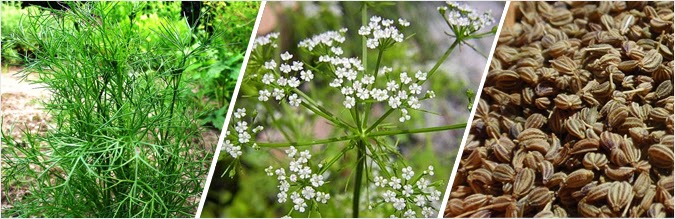
5.Ajamoda  = Apium grveolens or Carum copticum (Voma in Kannada)

6.Aja = Ocimum americanum (Ramatulasi-Kannada)துளசி

7.Anjana = Memecylon umbellatum (Vishnukranta?) விஷ்ணுகிரந்தி?

8.Atasi = Linum usitatissimum (Aali Vithai in Tamil)

Linum_usitatissimum_plant

Linum usitatissimum (Ali vithai in Tamil)

9.Ati balaa = Sida rhombifolia

10.Atimuktaka = Chrysanthemum indicum (Sevantige in Kannada)சிவந்தி

11.Apamarga = Achyranthes aspera (Uttarane in Kan.)

12.Amrta = Eulophia campestris or Tenospora cordifolia (amrtaballi in Kan.)

13.Amba = Pongamia glabra (Honge in Kan.)

14.Arani = Breynia rhamnoides/

15.Arista = Xanthium strumarium

16.Arka = calotropis gigantea (Ekke in Kan and Erukku in Tamil)எருக்கு

17.Arjuna = Terminalia arjuna (matti or Bili matti in Kan.)மருத மரம்

18.Asmantaka = Bauhinia tomentosa? (Vanasampige in Kan)

19.Asvakarna= Shorea robusta (Raladamara in Kan.)சால மரம்

azhignchil_in_jaffna

(Alangium= Alinjil in Tamil=Ankola in Sanskrit)

( I have already written about Adi Shankara’s hymn about this rare tree)

20.Asvagandha = Withania somnifera (Sogade beru in Kan.)

21.Asvattha = Ficus religiosa (Arasa Maram in Tamil)அரச மரம்

22.Asana = Bridelia montana = Benga mara in Kan.

23.Amra = Magnifera indica (Mavina mara in Kannada; Ma Maram in Tamil) மா மரம்

24.Amraataka = Spondias magnifera (Ambate mara in Kannada

25.Iksu = Saccharum officinarum = Kabbu. In Kannada)கரும்பு

26.Asoka =  sarasa idica அசோக மரம்

yakshi under asoka

Yakshi under Asoka Tree.

27.Inguda = Balanites aegyptiaca (Ingalika mara in Kan., Nanjunda in Tamil)நஞ்சுண்டா

28.Indra taru or Svetakutaja= Wrightia tinctoria (kirigodesige in Kan)

29.Udumbara + Ficus racemosa அத்தி மரம்

30.Usira = Vetiveria zizanioides (Lavanca in Kan.)

31.Ela = Elettaria cardomonum (Elakkay in Tamil) ஏலக்காய்

32.Kakubha = Lagarstroemia speciose (Cemmaruta in Malayalam)

asoka, saraca indica

Asoka flower (two different species are called Asoka)

33.Kangu = Setaria italic (Navane akki in Kan.)

34.Katambhara = Picorrhiza Kurroa or Helleborus niger (Katukarohini in Tam., Kan.) கடுகரோகிணி

35.Katuka = see above 34 (Kadukkay is different)

36.Kantakari = Solanum xanthocarpus (Nelagulla in Kan.) கண்டங்கத்தரி

37.Kataka = Strychnus potatorum = Clearing nut tree (cilliamara in Kan., Tettaa maram in Mal)

38.Kadamba = Anthocephalus indicus கடம்பமரம்

39.Kadali = Musa paradisiac (Bale in Kan. Vazai maram in Tam.) வாழை

40.Kapikachchu = Colocasia esculenta (Kesavu in Kan., Sembu in Mal., Tamil )சேம்பு

Bo tree

Peepal Tree= Ficus religiosa= Arasa maram in Tamil

41.Kapitha = Feronica elephantum = Wood apple (Vilam pazam in Tam.Belada mara in Kan.)விளாம்பழம்

42.Kamala = Nelumbo nucifera (Tavare hu in Kan., Tamarai in Tamail, mal.) தாமரை

43.Kampillaka = Mallotus philippinensio (Honne mara in Kan)

44.Karanja = Pongamia pinnata (Honge in Kan., Korngu in Telugu)

45.Karavira = Nerium indicum அரளி

46.Karira = Capparis decidua

47.Karnikara = Pterospermum acerifolium (kanaka champaka in Kan) செண்பகம்

48.Karcura = Hedychium spicatum

49.Karpasa = Gossypium herbaceum (hatti in Kan.) பருத்தி

champaca

(Champaka=Michelia)

50.Kalama – Gryza sativa (Rice variety Kalame in Kan.)

51.Kallola = Luffa echinata (Devadangar in Kan.?)

52.Kakodambarika = Ficus hispida (Peyatti in tam. And Mal) பேயத்தி

53.Kasmari = Gmelina arborea (Kulimara in Kan. And Gumuducettu in Telugu)

54.Kutaja = Holarrhena antidysenterica (kodasige in Kan.and Kodisepala in Telugu)

  1. Kunda = Jasmium multiflorum (dundu mallige in Kan and Mogra in Marathi) மல்லிகை

56.Kunduruka = Boswellia serrata or thurifera (madimara in Kan. And Parangi sambrani in Telugu)

57.Kumari = Aloe barbadensis (Lolisara in Kan. Katrazai in Tamil)கற்றாழை

58.Kumuda = Nymphea stellate அல்லி, குமுதம்

59.Kuranta = Striga lutea =

60.Kuravaka = Baleria cristata (Kariculli in Kan.)
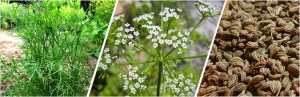
Ajowan

Ajowan = Ajamoda= Omam in Tamil

61.Kula = Solanum xanthocarpum (Kantakari in Kan.)கண்டங்கத்தரி

62.Kulatha = Dolochos biflorus (Huruli in Kan.)

63.Kusa = Desmosstycha bipinnata (Darbhe in Kan; Thrppai in Tam.) தர்ப்பை

64.Kushta = Sassurea lappa (Koshtam in Tam.Sepuddi in Mala) கோஷ்டம்

65.Kusumbha = Crocus sativus = Kunkumakesara in Kan and Kunkuma pu in Tam.) குங்குமப்பூ

66.Kustumburu = Coriandrum sativam (Dhania in Hindi; Kothumalli in Tam)கொத்தமல்லி

67.Kesara (punnaga) = Calophyllum inophyllum (punna in mal.) புன்ன

1024px-புன்னை_காய்களுடன்

Calaphyllum = Punnai in Tamil

68.Kodrava = Paspalum scrobikulatum (Varagu in Tam. And Kiraruga in Tel) வரகு

69.Kovidara = Bauhinia variegate (Kempu mandara in Kan.;Devakanchanamu in Tel)

70.Ksirika = Alstonia venenata (Addasarpa in Kan.; Pazamunipala in Mal.)

71.Ksema = Angelica glauca? or Fagonia cretica (Dhamasa in Mara.Dusparsa in Sanskrit, Cittigara in Tel.?)

72.Khadira = Acacia catechu (Kasu in Kan.);used in Paan for redcolour

73.Kharjuri = Phoenix sylvestris

74.Ghandhamamsi = Nardostachys jatamansi (Sugandhamuste or Ganigalamuste in Kan.Namattam in Tam)

75.Garudavega = Cocculus hirsutus (katterkodi in Tam.)காட்டுகொடி

76.Gangeruka = Canthium parviflorum (Karegida in Kan.Karai in Tam., Balusu in Tam)காரை

77.Girikarnika = Clitoria ternatea (Sankhapuspa in Kan; sangu pushpam or Kakkanam in Tam) காக்கணம் (sangu Pu, Karuvilai in Tamil)

Clearing nut ,strychnos_potatorum_

Cleaning Nut

78.Guggulu = Commiphora roxbhurgili (Gondhu in Tamil)

79.Gunja = Abrus precatorius (Kundumani in Tam.Gulukunji in Kan.) குந்துமணி மரம்

80.Guduci = Tinospora cordifolia (Siindil in Tam.Amrta in Kan.)

81.Gundra = Typha elephantine (Jambhuhullu in Kan.)

82.Goksura = Tibulus terrestris (neggilu Mllu in Kan. Nerunji in Tam) நெருஞ்சி

83.Godhuma = Triticum aestivum (Godhi in Kan, Kothumai in Tam)கோதுமை

84.Canaka = Cicer arietinum (Kadale in Kannada) கொண்டைக்கடலை

shenpakam

Michelia= Shrnpakam in Tamil)

85.Candana (sandana) = Santalum album (Srigandha in Kan.) சந்தன மரம்

86.Campaka = Michelia champaca (Sampige in Kan.) செண்பகம்

87.Cirabilva = Pongamia pinnata or Eleocarpus serrata (Bigadamara in Kan)

88.Coca = Kydia calcina

89.Coraka = Curcumba latifoliya or Angelica glauca

90.Jambu = Syzygium jambos (Jambu nerale in Kan.) நாவல்மரம்

91.Jati = Jasminum officinale ( Jaati mallige in Kan) ஜாதி மல்லிகை

Kutaja, Girimallika, Holorrhea

Kutaja= Giri mallika

92.jaathipalaa = Myristica fragrans (Nutmeg Tree, Jajikay in Kan. ஜாதிக்காய் மரம்)

  1. Jiraka = Cuminum cyminum ( Jirige in Kan ஜீரகம்)

94.Jivaka =Bridelia montana = Pantegi in Te. வேங்கை மரம்

95.Jivanti = Demotrichum fimbriatum or Trema orientalis (Kiruhali in Kan)கடலை, துவரை

96.Jyotismati = Cardiospermum halicacabum (Heart seed(Erumballi or agnipalli in Kan.)

  1. Tagara =Valeriana wallichi (Rishawala in Urdu)

98.Tala = Borassus flabellaformis (Talisepatra in Kannda) Panai in Tamil பனை மரம்

99.Talisapatra = Flacourtia jangomas (Talisapatre inKan.)

100.Tintidi = Tamarindus indica (Hunisemara in Kan. புளிய மரம்)

101.Tinduka =Diospryos paniculata (karunthuvarai in Tamil) கருந்துவரை

பல மரங்கள்

102.Timira = Turmeric?

  1. Tila = Sesamum indicum (Ellu I Kan. El in Tamil)

104.Tilaka = Clerodendrum phlomoides (Takkolamu in Tel.)

105.Turuska = Olibanum tree; Tagetes erecta (Banti in Tel)

106.Trayamana = Ficus heterophylla (kodiyatti in Tami, Datir in Mara) கொடி அத்தி

107.Triphala = Terminalia chebula (kadukkay (Anil kaye in Kannada) கடுக்காய்

  1. Trivrta = Vitis vinifera (Drakshai in Kannada)

109.Tvak = Cassia bark

110.Danti (Nagadanti) = Baliospermum montanum (Niradimuttu in Tamil, Nelajidi in Tel.)

111.Damanaka = Artemisia siversiana(Maru in Tamil) மருக்கொழுந்து

Balanites_aegyptiaca

Balanites aegyptica

112.Darbha = Desmostachya bipinnata (Tharppai in Tamil)

113.Davadagdhaka = (Vyamaka) = Costus specius or Arabicus (Pushkaramula in Kan.)

114.Dadima = Punica granatum (Dalimbe in Kanna) மாதுளம்

115.Durva = Cynodon dactylon  (Garike hullu in Kan)

  1. Devadaru = Cedrus devdara

117.Dhava = Anogeissus latifolia  (cirimanu in Tel.118

118.Dhatri Embilica officinalis (nellikay in Kan. And Tamil)

119.Naktamala = Pongamia pinnata

120.Nandikavarta =  Tabernacemontana coronoria  (Maddarasa in Kan)

121.Nala = Phragmites maxima (Peddarellu in Tel)

  1. Nalika = Hibiscus cannabinus (Gongura in Tel)

123.Navamallika = Jasminium arborescens

124.Nagakesara = Mesua ferrea = (Nagasampige in Kan)

125.Nicula = Vetasa = Calamus rotang = Betta in Kan.

126.Nimba = Azadirachta indica =Kahibevu in Kan. வேப்பமரம்

ராசி மரம்

127.Niragundi = Vitex negundo = (Bile nekki or Karlaki in Kan)

128.Nispava = Dolichos lab lab = Avare in Kan. (Mochai in Tamil)

129.Nipa = Anthocephalus indicus

130.Nyagrodha = Ficus bengalensis ( Ala maram in Tam and Kan) ஆலமரம்

Continued in Part 2………………………………..

(Most of these plants are used in Ayurveda and Siddha medicines)

Compiled by London swaminathan

Post No.1665; Dated 21 February 2015.


Varahamihira was a great scholar, mathematician, astronomer, astrologer, biologist and a poet. He has mentioned over 250 plants in his encyclopaedic work Brhat Samhita. Prof. Ramakrishna Bhatt who has translated the work from Sanskrit into English has given the list of plants in the appendix section. I have added the Tamil names wherever possible:

1.Aguru = Aquilaria agallocha (Agil in Tamil)அகில்

2.Agnimantha = Premna spinosca

3.Ankola  = Alangium decapaetalum அழிஞ்சில்

4.Ajakarna = Vateria indica (Raala in Kannada)

5.Ajamoda  = Apium grveolens or Carum copticum (Voma in Kannada)

6.Aja = Ocimum americanum (Ramatulasi-Kannada)துளசி

7.Anjana = Memecylon umbellatum (Vishnukranta?) விஷ்ணுகிரந்தி?

8.Atasi = Linum usitatissimum (Aali Vithai in Tamil)

9.Ati balaa = Sida rhombifolia

10.Atimuktaka = Chrysanthemum indicum (Sevantige in Kannada)சிவந்தி

11.Apamarga = Achyranthes aspera (Uttarane in Kan.)

12.Amrta = Eulophia campestris or Tenospora cordifolia (amrtaballi in Kan.)

13.Amba = Pongamia glabra (Honge in Kan.)

14.Arani = Breynia rhamnoides/

15.Arista = Xanthium strumarium

16.Arka = calotropis gigantea (Ekke in Kan and Erukku in Tamil)எருக்கு

17.Arjuna = Terminalia arjuna (matti or Bili matti in Kan.)மருத மரம்

18.Asmantaka = Bauhinia tomentosa? (Vanasampige in Kan)

19.Asvakarna= Shorea robusta (Raladamara in Kan.)சால மரம்

20.Asvagandha = Withania somnifera (Sogade beru in Kan.)

21.Asvattha = Ficus religiosa (Arasa Maram in Tamil)அரச மரம்

22.Asana = Bridelia montana = Benga mara in Kan.

23.Amra = Magnifera indica (Mavina mara in Kannada; Ma Maram in Tamil) மா மரம்

24.Amraataka = Spondias magnifera (Ambate mara in Kannada

25.Iksu = Saccharum officinarum = Kabbu. In Kannada)கரும்பு

26.Asoka =  sarasa idica அசோக மரம்

27.Inguda = Balanites aegyptiaca (Ingalika mara in Kan., Nanjunda in Tamil)நஞ்சுண்டா

28.Indra taru or Svetakutaja= Wrightia tinctoria (kirigodesige in Kan)

29.Udumbara + Ficus racemosa அத்தி மரம்

30.Usira = Vetiveria zizanioides (Lavanca in Kan.)

31.Ela = Elettaria cardomonum (Elakkay in Tamil) ஏலக்காய்

32.Kakubha = Lagarstroemia speciose (Cemmaruta in Malayalam)

33.Kangu = Setaria italic (Navane akki in Kan.)

34.Katambhara = Picorrhiza Kurroa or Helleborus niger (Katukarohini in Tam., Kan.) கடுகரோகிணி

35.Katuka = see above 34 (Kadukkay is different)

36.Kantakari = Solanum xanthocarpus (Nelagulla in Kan.) கண்டங்கத்தரி

37.Kataka = Strychnus potatorum = Clearing nut tree (cilliamara in Kan., Tettaa maram in Mal)

38.Kadamba = Anthocephalus indicus கடம்பமரம்

39.Kadali = Musa paradisiac (Bale in Kan. Vazai maram in Tam.) வாழை

40.Kapikachchu = Colocasia esculenta (Kesavu in Kan., Sembu in Mal., Tamil )சேம்பு

41.Kapitha = Feronica elephantum = Wood apple (Vilam pazam in Tam.Belada mara in Kan.)விளாம்பழம்

42.Kamala = Nelumbo nucifera (Tavare hu in Kan., Tamarai in Tamail, mal.) தாமரை

43.Kampillaka = Mallotus philippinensio (Honne mara in Kan)

44.Karanja = Pongamia pinnata (Honge in Kan., Korngu in Telugu)

45.Karavira = Nerium indicum அரளி

46.Karira = Capparis decidua

47.Karnikara = Pterospermum acerifolium (kanaka champaka in Kan) செண்பகம்

48.Karcura = Hedychium spicatum

49.Karpasa = Gossypium herbaceum (hatti in Kan.) பருத்தி

50.Kalama – Gryza sativa (Rice variety Kalame in Kan.)

51.Kallola = Luffa echinata (Devadangar in Kan.?)

52.Kakodambarika = Ficus hispida (Peyatti in tam. And Mal) பேயத்தி

53.Kasmari = Gmelina arborea (Kulimara in Kan. And Gumuducettu in Telugu)

54.Kutaja = Holarrhena antidysenterica (kodasige in Kan.and Kodisepala in Telugu)

  1. Kunda = Jasmium multiflorum (dundu mallige in Kan and Mogra in Marathi) மல்லிகை

56.Kunduruka = Boswellia serrata or thurifera (madimara in Kan. And Parangi sambrani in Telugu)

57.Kumari = Aloe barbadensis (Lolisara in Kan. Katrazai in Tamil)கற்றாழை

58.Kumuda = Nymphea stellate அல்லி, குமுதம்

59.Kuranta = Striga lutea =

60.Kuravaka = Baleria cristata (Kariculli in Kan.)

61.Kula = Solanum xanthocarpum (Kantakari in Kan.)கண்டங்கத்தரி

62.Kulatha = Dolochos biflorus (Huruli in Kan.)

63.Kusa = Desmosstycha bipinnata (Darbhe in Kan; Thrppai in Tam.) தர்ப்பை

64.Kushta = Sassurea lappa (Koshtam in Tam.Sepuddi in Mala) கோஷ்டம்

65.Kusumbha = Crocus sativus = Kunkumakesara in Kan and Kunkuma pu in Tam.) குங்குமப்பூ

66.Kustumburu = Coriandrum sativam (Dhania in Hindi; Kothumalli in Tam)கொத்தமல்லி

67.Kesara (punnaga) = Calophyllum inophyllum (punna in mal.) புன்ன

68.Kodrava = Paspalum scrobikulatum (Varagu in Tam. And Kiraruga in Tel) வரகு

69.Kovidara = Bauhinia variegate (Kempu mandara in Kan.;Devakanchanamu in Tel)

70.Ksirika = Alstonia venenata (Addasarpa in Kan.; Pazamunipala in Mal.)

71.Ksema = Angelica glauca? or Fagonia cretica (Dhamasa in Mara.Dusparsa in Sanskrit, Cittigara in Tel.?)

72.Khadira = Acacia catechu (Kasu in Kan.);used in Paan for redcolour

73.Kharjuri = Phoenix sylvestris

74.Ghandhamamsi = Nardostachys jatamansi (Sugandhamuste or Ganigalamuste in Kan.Namattam in Tam)

75.Garudavega = Cocculus hirsutus (katterkodi in Tam.)காட்டுகொடி

76.Gangeruka = Canthium parviflorum (Karegida in Kan.Karai in Tam., Balusu in Tam)காரை

77.Girikarnika = Clitoria ternatea (Sankhapuspa in Kan; sangu pushpam or Kakkanam in Tam) காக்கணம் (sangu Pu, Karuvilai in Tamil)

78.Guggulu = Commiphora roxbhurgili (Gondhu in Tamil)

79.Gunja = Abrus precatorius (Kundumani in Tam.Gulukunji in Kan.) குந்துமணி மரம்

80.Guduci = Tinospora cordifolia (Siindil in Tam.Amrta in Kan.)

81.Gundra = Typha elephantine (Jambhuhullu in Kan.)

82.Goksura = Tibulus terrestris (neggilu Mllu in Kan. Nerunji in Tam) நெருஞ்சி

83.Godhuma = Triticum aestivum (Godhi in Kan, Kothumai in Tam)கோதுமை

84.Canaka = Cicer arietinum (Kadale in Kannada) கொண்டைக்கடலை

85.Candana (sandana) = Santalum album (Srigandha in Kan.) சந்தன மரம்

86.Campaka = Michelia champaca (Sampige in Kan.) செண்பகம்

87.Cirabilva = Pongamia pinnata or Eleocarpus serrata (Bigadamara in Kan)

88.Coca = Kydia calcina

89.Coraka = Curcumba latifoliya or Angelica glauca

90.Jambu = Syzygium jambos (Jambu nerale in Kan.) நாவல்மரம்

91.Jati = Jasminum officinale ( Jaati mallige in Kan) ஜாதி மல்லிகை

92.jaathipalaa = Myristica fragrans (Nutmeg Tree, Jajikay in Kan. ஜாதிக்காய் மரம்)

  1. Jiraka = Cuminum cyminum ( Jirige in Kan ஜீரகம்)

94.Jivaka =Bridelia montana = Pantegi in Te. வேங்கை மரம்

95.Jivanti = Demotrichum fimbriatum or Trema orientalis (Kiruhali in Kan)கடலை, துவரை

96.Jyotismati = Cardiospermum halicacabum (Heart seed(Erumballi or agnipalli in Kan.)

  1. Tagara =Valeriana wallichi (Rishawala in Urdu)

98.Tala = Borassus flabellaformis (Talisepatra in Kannda) Panai in Tamil பனை மரம்

99.Talisapatra = Flacourtia jangomas (Talisapatre inKan.)

100.Tintidi = Tamarindus indica (Hunisemara in Kan. புளிய மரம்)

101.Tinduka =Diospryos paniculata (karunthuvarai in Tamil) கருந்துவரை

102.Timira = Turmeric?

  1. Tila = Sesamum indicum (Ellu I Kan. El in Tamil)

104.Tilaka = Clerodendrum phlomoides (Takkolamu in Tel.)

105.Turuska = Olibanum tree; Tagetes erecta (Banti in Tel)

106.Trayamana = Ficus heterophylla (kodiyatti in Tami, Datir in Mara) கொடி அத்தி

107.Triphala = Terminalia chebula (kadukkay (Anil kaye in Kannada) கடுக்காய்

  1. Trivrta = Vitis vinifera (Drakshai in Kannada)

109.Tvak = Cassia bark

110.Danti (Nagadanti) = Baliospermum montanum (Niradimuttu in Tamil, Nelajidi in Tel.)

111.Damanaka = Artemisia siversiana(Maru in Tamil) மருக்கொழுந்து

112.Darbha = Desmostachya bipinnata (Tharppai in Tamil)

113.Davadagdhaka = (Vyamaka) = Costus specius or Arabicus (Pushkaramula in Kan.)

114.Dadima = Punica granatum (Dalimbe in Kanna) மாதுளம்

115.Durva = Cynodon dactylon  (Garike hullu in Kan)

  1. Devadaru = Cedrus devdara

117.Dhava = Anogeissus latifolia  (cirimanu in Tel.118

118.Dhatri Embilica officinalis (nellikay in Kan. And Tamil)

119.Naktamala = Pongamia pinnata

120.Nandikavarta =  Tabernacemontana coronoria  (Maddarasa in Kan)

121.Nala = Phragmites maxima (Peddarellu in Tel)

  1. Nalika = Hibiscus cannabinus (Gongura in Tel)

123.Navamallika = Jasminium arborescens

124.Nagakesara = Mesua ferrea = (Nagasampige in Kan)

125.Nicula = Vetasa = Calamus rotang = Betta in Kan.

126.Nimba = Azadirachta indica =Kahibevu in Kan. வேப்பமரம்

127.Niragundi = Vitex negundo = (Bile nekki or Karlaki in Kan)

128.Nispava = Dolichos lab lab = Avare in Kan. (Mochai in Tamil)

129.Nipa = Anthocephalus indicus

130.Nyagrodha = Ficus bengalensis ( Ala maram in Tam and Kan) ஆலமரம்

Continued in Part 2………………………………..

Mesua ferrea, nagakesara, Ironwood

Mesua ferrea= Ironwood = Nagakesara
Nagaratna/ Cobra Jewel, Rubies and Emeralds in Brhat Samhita

3 stones in 1

Written by London swaminathan

Research Paper No 1643; Date:- 11th February 2015

Varahamihira devoted sixty six verses for gem stones in his Sanskrit encyclopaedia Brhat Samhita. He was more interested in pearls than any other gem stones in the Nava Ratna. He dealt with pearls in 36 verses but dismissed Emerald in a single verse.

He says that gem stones are beneficial. About emeralds, he says,

Suka vamsa pathra kadali sirisa kusuma prabham gunopetham

Sura pithru karyam marakatham athiva subadham nrunaam vihitham

“An emerald of the hue of parrots’ wings, bamboo leaves, banana trunk (greyish yellow) or Sirisa flower (Albizza lebbeck in whitish yellow colour) and of good qualities is highly beneficial to people when they wear it at ceremonies in honour of Gods and Manes.

Group-emerald

Emerald Stones from Colombia, South America

Snigda prabhaanulepi swachcho archismaan guru susamsthana:

Antha prabo athirago maniratna gunaa: samasthaanaam

The general qualities of all excellent gems are smoothness, illumination with rays, purity, sparkle heaviness, fine shape, brilliance within and bright redness.

This verse proves that gems have spiritual powers that can be utilized both for remedial and progressive purposes.

He says that rubies are born of sulphur (Saugandika), Kuruvinda (corundum) and crystal.

Padmaraga, Manikya,Kuruvinda are all red colour stones.

Ruby_Jewel

Ruby Stone

Nagaratna (Snake Jewel)!!

Varahamihira gives interesting information about Nagaratna (Cobra Jewel). The lore about Cobra jewel is found in 2000 year old Sangam Tamil literature and in Sanskrit literature. Shakespeare also heard about it and used his in his drama ‘As you Like it’:

Please read my research paper, “How did Shakespeare know about the Indian Cobra Jewel-Nagaratna?”– Posted on 1 October 2011.

http://swamiindology.blogspot.co.uk/2011/10/how-did-shakespeare-know-about-indian.html

Varahamihira says, “It is said that on the head of the serpents there is a gem with the hue of a bee or peacock’s neck, and shining like the flame of a lamp. Such a gem is to be known as of inestimable value”.

Bramara siki kanta varnor Deepasikasaprabho Bhujanganaam
Bhavati mani khila murdhani yo anargheya: sa vignjeya:

“A king who wears such a serpent gem will never have troubles arising from poison and diseases. Indra will always be pouring good rains in his realms, and as a result of the intrinsic power of the gem he will annihilate his enemies”.
opal

Opal Stones

Price List of Rubies 1500 years ago:-

Ruby weighing a Pala (i.e. 4 karsas) = 26,000 silver pieces or Karsapanas

Ruby weighing half Pala (i.e. 2 karsas = 12,000

Ruby weighing 8 Masas or Rattis= 3000

Four masa weight= 1000

It is very interesting to compare the price of diamonds and pearls (Please see my earlier two papers on Diamonds and Pearls. I Have also given the Tables for Weights)

Earlier Research Articles on Gem Stones in Literature:

Eight Types of Pearls, posted on 9 Feb.2015

http://swamiindology.blogspot.co.uk/2015/02/eight-types-of-pearls-varahamihiras.html

Gemmology in Brhat Samhita, posted 8 Feb.2015

http://swamiindology.blogspot.co.uk/2015/02/gemmology-in-brhat-samhita.html

Krishna’s Diamond in USA ?

agate

Agate

amethist4

Amethyst

corundumpink

Corundum (Kuruvinda in Sanskrit, Kuruntha in Tamil)

Gem Stones in Kalidasa and Tamil Literature

13th February 2012

http://swamiindology.blogspot.co.uk/2012/02/gem-stones-in-kalidasa-tamil-literature.html

Pearls in the Vedas and Tamil Literature- posted by me on 17 May 2014

http://swamiindology.blogspot.co.uk/2014/05/pearls-in-vedas-and-tamil-literature.html

Lord Krishna’s Diamond in USA? –  posted on 23 April 2012

https://tamilandvedas.com/2012/04/23/krishnas-diamond-in-usa/

contact swami_48@yahoo.com