2.Herbs, Trees, Flowers in Sanskrit Literature – Part 2

850_Lotus

Compiled by London swaminathan

Post No.2244

Date: 14 October 2015

Time uploaded in London: 19-22

Thanks for the pictures.

Don’t use pictures. Don’t reblog for at least a week.


download

1.Cupid’s Five Flower Arrows

Aravinda – Red Lotus

Asoka – Asoka flower (saraca asoka)

Cuutam – Mango Flowers

Navamallikaa – Jasmine Flowers

Niilotpala – Blue Lotus or Lily

Aravindamasokamcha chuutancha navamallikaa

Niilotpalamcha panchaite panchabaanasya  saayakaa:

–Amarakosa 1-1-27

xxx

Sita-Ashok_(Saraca_as

2.Pancha pallavam (Five Leaves) used for Puja

Jack fruite tree leaves

Amra/ Mango leaves

Asvattha/Pipal leaves

Vata/Banyan leaves

Bakula/Mimusops elengi leaves

Panasaamra tathaasvattham vatam bakulameva cha

Panchapallavamuktam cha munibhis tantra vedibhi:

—Sabda kalpa druma, 3-9

Xxx

852_Kadamba

3.Five Fragrant leaves

Amra- mango leaves

Jambu-rose apple

Kapittha- wood apple

Biijapuura- Guava

Bilva – Vilva (wood apple variety)

Amra jambu kapitthaanaam biijapuurabilvayo:

Gandhakarmani sarvatra  patraani pancha pallavam

Xxx

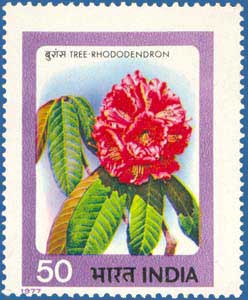
851_Rhododendron

4.Panchamuula (Five Roots)

Hrasva

Prsniparnii, Saalaparnii, Kantakaarikaa, Brhatii, Goksuraka

Jiivana

Sataavarii, Kaakolii, Jiivantii, Jiivaka, Rsabaka

Xxx

1142_Rose_Sugandha

5.Panchavati (Five Trees or Five trees at Panchavatii)

Asvattha/Pipal leaves

Vata/Banyan leaves

Bilva – Vilva (wood apple variety)

Dhaatrii = Myrobalan

Asoka – Saraca asoka

Asvatthabilva vrksancha vatadaatrii asokakam

Vatii panchamiyuktam (Sabda kalpa druma 3-14)

Xxx

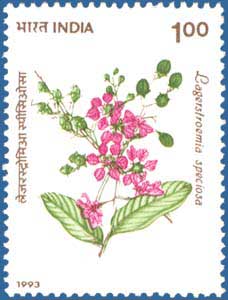
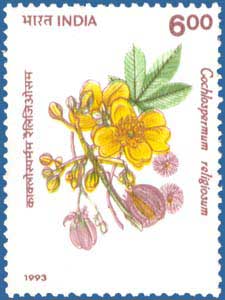
1993-Pride_of_India_Tr

6.Five Flowers for Puja

Campaka, Amra, Samii, Padma, Karaviira.

Champakaamrasamii Padma karaviiram  cha panchakam

–Subham–

Five Divine Trees and Five Important Grasses!

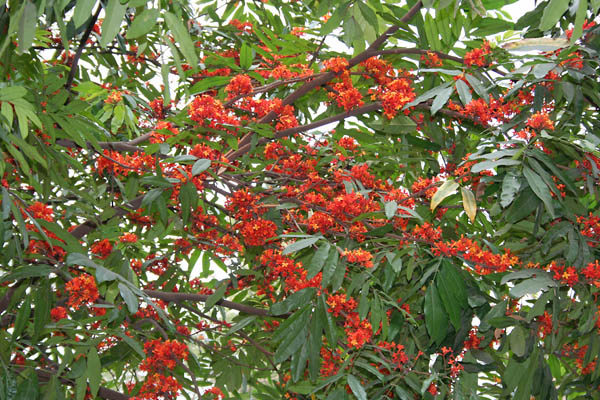
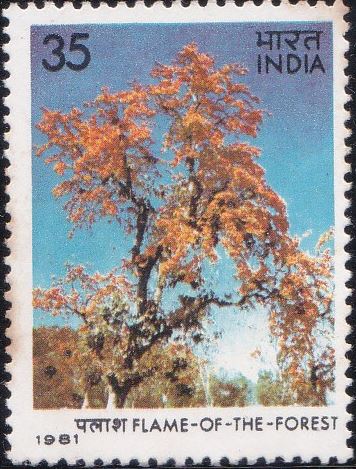
861-Flame-of-the-For

Compiled by London swaminathan

Post No.2241

Date: 13 October 2015

Time uploaded in London: 17-53

Thanks for the pictures.

Don’t use pictures. Don’t reblog for at least a week.

Herbs, Trees, Creepers, Flowers in Sanskrit Literature – Part 1

1.Five Devapaadapa = Five Divine Trees

Trees are called ‘paadapa’ in Sanskrit = eating with/by foot; they take their food through their feet i.e.roots!

Mandaara

Paarijaata

Santaana

Haricandana

Kalpavrksa

Panchaite devataravo mandaara: paarijaataka:

Santaana: kalpavrkshascha pumsi vaa harichandanam

–Amarakosa 1-50

xxx

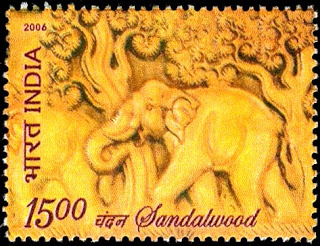
sandalwood

2.Fragrances

Kasturi = musk (animal product; not from plants)

Candana – a variety of sandal wood tree

Karpura = camphor (extracted from plant)

Agaru = aloewood tree

Malayaagaru = Candana from Malaya Hills

Kastuuricandanam chandramagaru dvitiiyam tathaa

Panchagandha samaakyaatam sarvakaaryeshu sobhanam

These five plants add beauty and colour to any event.

Xxx

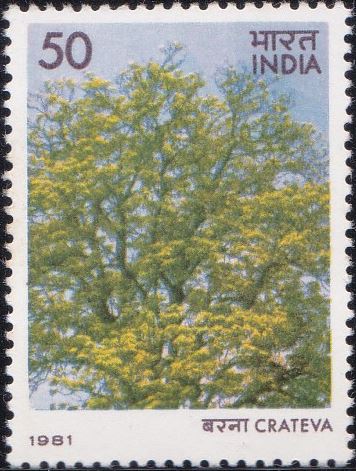
862-Crateva-Indian-Flowering-Tre

3.Guduucii Pancakam

Guduucii

Padmaka

Arista

Dhaanakaa

Rakta candana

Group of these five plants is helpful in the subjugation of fever, vomiting, burning sensation, thirst and improves digestion.

Guduuciipadmakaarishtadhaanakaararaktacandanam

Pittasloshmajvarachardidaahatrushnaadhvamagnikrut

–ashtaanga nighandu -66

xxx

864-Bauhinia-

4.Trnapanchamuula = Five (Important) Grasses

Kusa

Kaasa

Nala

Darbha

Kaandeksu

Kusakaasanaladarbhakaandekshukaa iti trunasamknaka:

–Susruta Sutra 38-75

xxx

5.Aamalapanchaka = Five varieties of Aamala (sour) Fruits

Kola = jujube

Daadima =Pomegranate

Vrsaamla = Tamarind (imli)

Cullikaa

Cukrikaa = wood soorel

Kola dadima vrkshaamlachullikaa chukrikaarasa:

Panchaamlakam samudhdhishtam tacchoktam  cha aamla panchakam — Rasa ratna samuchaya

Xxx

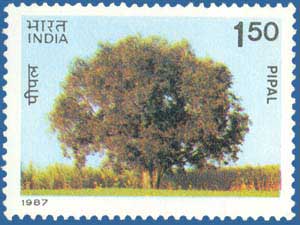
1272_Trees_Pipal

6.Kasaaya = medicinal decoction

Sami

Udumbara

Asvatta

Nyagrodha

Palaasa

Samyudumbara masvattam nyagrodham cha palaasakam

Yajnam yajne vimantreens dadhyaath pancha kashaayikam –Saptakalpadruma

Xxx

1549_Yellow_Silk_Tree

7.Thorny plants

Karamardi;  Trikantaka; Saireyaka; Sataavari; Grdranakhi

–Susruta Sutra 38-73

xxx

Source: compiled from the Encyclopaedia of Numerals –Volume 1; The Kuppuswami research Institute, Chennai; 2011

–Subham–

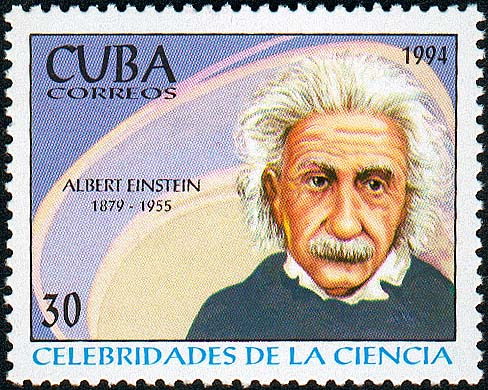
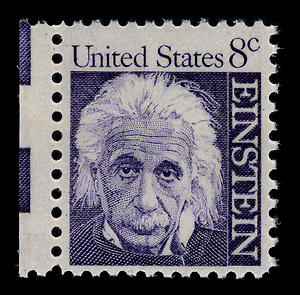
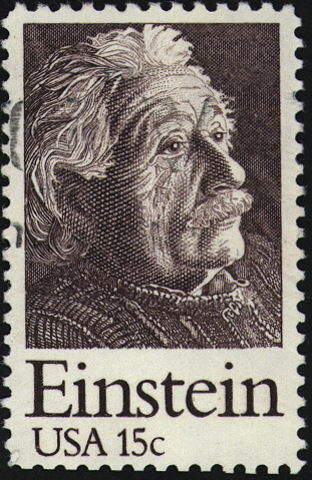
Mystery of Einstein’s Brain! Smaller than ours!

Albert_Einstein_1979_USSR_Stamp

Article No.2021

Written by London swaminathan

Swami_48@yahoo.com

Date : 26  July 2014

Time uploaded in London :10-58 am

The first part of this article was posted yesterday under the title “Einstein’s Hindu Connection.”

475334271_f50f1dbf6d

1.Greater than Einstein!

At a gathering of mathematicians, someone undertook to discourse upon the meaning of Einstein’s theories. After he had run on tediously for nearly an hour, someone interrupted to say, “I think you are greater than Einstein himself. Twelve men understand Einstein—but nobody understands you.”

Xxx

2.I am NOT a good mathematician: Einstein

Sir William Rothenstein was in Berlin doing a portrait of Einstein. The mathematician was always accompanied to the studio by a solemn, academic looking individual who sat in a corner throughout the sittings. Einstein, not wishing to waste any time, was putting forth some tentative theories, to which the silent companion replied only by an occasional nod or shake of the head.  When the work was concluded, Rothenstein, who was curious, asked Einstein who his companion was. “That is my mathematician”, said Einstein, who examines problems which I put before him and checks their validity.  You see, I am not myself a good mathematician.”

albert-einstein-stamps-web-topical-checklist-03

Xxx

3.Success Formula

Asked one day for a mathematical formula for success in life, Albert Einstein gave the following:

“if ‘a’ is success in life, the formula is,  ‘a’ equals ’x’ plus ‘y’ plus ‘z’. x being work and y being play.”

“And what is ‘z’?” he was asked.

“Z”, he said, “is keeping your mouth shut.”

xxx

Einstein_stamp

4.Einstein’s jibe at Nazis

The sculptor Jacob Epstein tells this story”When I was doing Professor Albert Einstein’s but he had many a jibe at he Nazi professors, one hundred of him had condemned his theory of relativity in a book. ‘Were I wrong’, he said, ‘one professor would have been enough!”

Xxx

E= mc2

5.Brain of Einstein

Charles Saatchi, author of the book   “DEAD: A Celebration of Mortality” gives lot of interesting information about Einstein’s brain.

Einstein’s brain was smaller than our brains

During Albert Einstein’s autopsy his brain was cut into 240 blocks and tissues were taken on slides from all the blocks. The slides were distributed to some of the world’s best neuro pathologists. The autopsy revealed that Einstein’s brain was a great deal smaller than average.

Years a later lot of people asked for his brain samples. The researchers noted a uniquely formed pre-frontal cortex and concluded that this would explain the kind of abstract thinking Einstein would have needed for his experiments on the nature of space and time – such as imagining riding alongside a beam of light.

The advances he ushered into the first half of 20th century – quantum theory and relativity are still the twin pillars of physics, encompassed in the vast sweep of modern science. However, Einstein abilities did not always make themselves clear.

Xxx

mocambiqe

6.Einstein’s childhood

As a child Einstein struggled to speak, and his worried parents took him to see doctors who misread his lack of interest in taking as a sign of someone of below average intelligence. He also displayed stunted social development, was stubborn and preferred to play alone.

At supper when he was about five years old he surprised his parents by breaking his silence to explain in perfect German: “This soup is too hot.” His parents asked him why he barely uttered a sentence before and he replied: “Because up to now everything was in order.”

Many exceptionally intelligent people have displayed similar slow development at a young age, causing social theorist Thomas Sowell to name the behaviour as Einstein Syndrome.

Xxx

Einstein.stamp

7.Belief in God

Einstein’s radical scientific leaps convinced many that they left him with no room for a belief in God.

He explained his position simply:

“Imagine a little child entering a huge library filled with books in many languages. The child knows someone must have written those books but does not know how, or the languages in which they are written.

“It may dimly suspect a mysterious order in the arrangement of the books but doesn’t know what it is. That, it seems to me, is the attitude of even the most intelligent human being toward God. We see the universe marvellously arranged and obeying certain laws but only dimly understand these laws.”

XXXX

monaco

  1. Top Ten Highest Earning Dead People!

There is a Tamil proverb about elephants:

An elephant is worth 1000 gold coins whether it is alive or dead.

Even in death Einstein has been prolific.  He is one of the top ten highest earning dead people and generates an annual revenues of $20 million spreading his teaching through educational materials including Disney’s Little Einsteins.

XXXX

s_einstein-8

9.Anagram of Albert Einstein!

“Albert Einstein” is anagram of “Ten Elite Brains”!

If you rearrange the spelling using each letter once, you will get new words TEN ELITE BRAINS.

DWGDN2 Two Mongolia postage stamps featuring Albert Einstein. In one he is sitting in a chair, holding a pipe; the other is a portrait.

DWGDN2 Two Mongolia postage stamps featuring Albert Einstein. In one he is sitting in a chair, holding a pipe; the other is a portrait.

Source: Thesaurus of Anecdotes

News Paper Book Review

stamp_einstein2india eistein

HINDU VIEW OF DOCTORS AND LAWYERS!

doctor

Research Article No.1994

Written  by London swaminathan

Date 14th July 2015

Time uploaded in London: 19-43

“Judges shall discharge their duties objectively and impartially so that they may earn the trust and affection of people.” (Arthasastra 3-20-24)

“ A king who observes his duty of protecting his people justly and according to law will go to heaven, whereas one who does not protect them or inflicts unjust punishments will not.” (Arthasastra 3-1-41)

“It is the power of punishment alone, when exercised impartially in proportion to the guilt, and irrespective of whether the person punished is the king’s son or an enemy, that protects this world and the next.” (Arthasastra 3-1-42)

21  Pirmoji širdies operacija

Greek View

Lawyers = Robbers (Thief)

Doctors =  Yama Dharma (Executioner)

I gave fifteen interesting anecdotes about doctors and lawyers yesterday to illustrate the western view of these professionals. Diogenes, the Greek philosopher, who lived 2300 years ago, called the lawyer a thief and a physician an executioner. Today, even Indians say this. But 2000 years ago, Hindus, unlike Greeks, had very high respect for  these professions. Here are some quotes about the lawyers and physicians:-

Earlier in my posts I quoted  the Rudra (Yajur Veda) mantra where Lord Shiva is called a doctor (Bhishak). He is a doctor to our physical illness and mental illness.

Popular Sanskrit proverb says

Vaidye grhaste mriyate kathannu

Whence death when the doctor is at home?

But it is true that there are sayings against inexperienced doctors and doctors running late:–

Anubhava rahito vaidyo loke nihanti praaninah praanaan

An inexperienced physician snuffs out the life of the living

Siirse sarpah desaantare vaidyah

The serpent dangles over the head and the doctor is miles away

Both in Tamil and Sanskrit we have a proverb

Hatvaa nrnaam sahasram pascaat vaidyo bhavet siddhah

It is only after finishing off a thousand that a doctor becomes proficient.

The hidden meaning is that doctors too learn by mistakes.

medicalstamps1

Kautilya’s Arthashastra

India was the most civilized country and the richest country in the world  2000 years ago. I have given enough proof for these in my 1800 articles so far. In all the fields that we know of, India stood first, whether it is environmental science or consumer protection, etymology or grammar, aeronautical engineering or nuclear physics.

Kautilya (Chanakya), who lived 2300 years ago, wrote the first economic treatise. It gives a list of punishments and fines for all the mistakes or errors or blunders committed by various workers or professionals:

“Physicians shall inform the authorities before undertaking any treatment which may involve danger to the life of the patient. If, as a result of the treatment, the patient dies or physically deformed, the doctor shall be punished (Arthasastra 4-1-56)

Doctors not giving prior information about treatment involving danger to life with the consequence of physical deformity = same punishment as for causing similar injury”.

Only after patients sued the hospitals or the doctors claiming millions in damages, the consumer/patient protection rules came into Western countries. Nowadays they inform the patient about the risks involved in a treatment and then get the signature of the patient in a consent form. Kautilya thought about it 2300 years ago!

Because of these strict rules, the standard of physicians was very high. They were treated like angels.

“Any doctor who is called to a house to treat a severely wounded person or one suffering from unwholesome food or drink shall report the fact to the ‘gopa’ and the ‘sthanika’. If he does not report, he will be charged” – Arthasastra 2-36-10

Gopa and sthanika were like supervising officers.

judiciary 2

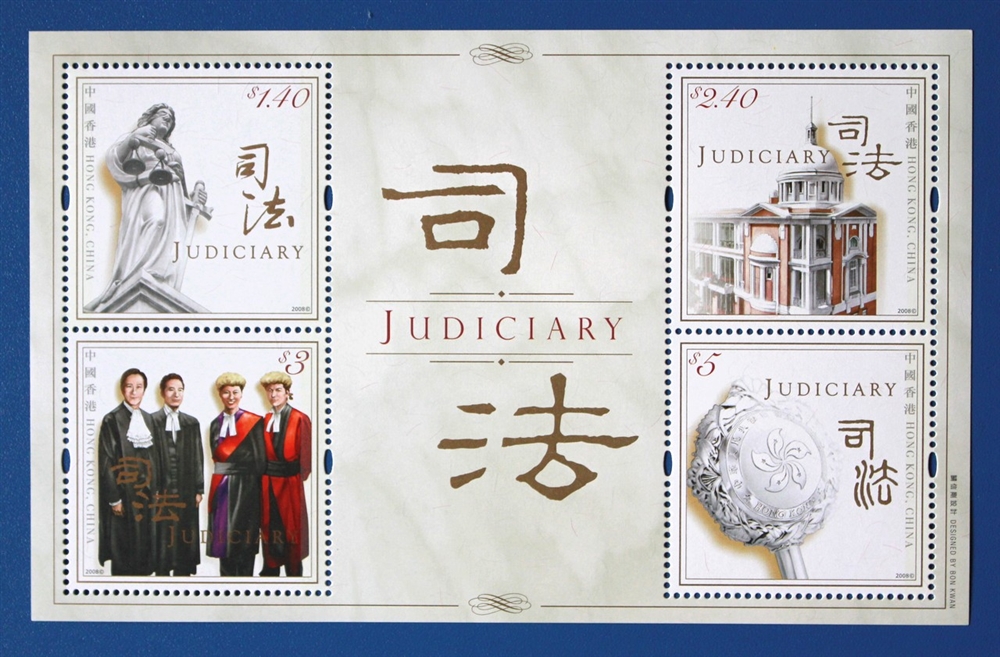
Judiciary

There are clear guidelines to judges about testimony of witnesses and punishments in 3-11 (Chanakya’s Arthasastra)

Manu says

“A king who wishes to hear legal cases should enter the court-room modestly with priests and counsellors who know how to counsel” (Manu smrti 8-1)

There are 18 causes of legal action. When the king could not sit in the court he must ask a priest to sit there with three judges.

A man who gives false evidence is an offender.

How to find an offender?

“The king or judge should discover the inner emotion of men from the outward signs, by their voice, colour, involuntary movements, and facial expressions, by their gaze and their gestures.

The inner mind and heart is grasped by facial expressions, involuntary movements, gait, gesture, speech, and changes in the eye and the mouth.” (Manu 8—25/26)

This shows that there was no lawyer in those days. But the ministers or judges used various methods to find the true criminal.

Chapter eight of Manu Smrti gives lot of information about the judicial procedures. They were very careful not to punish the innocent.

“Neither the king nor even one of his men should start a law suit himself, nor ever swallow up a case brought by anyone else.

Just as a hunter traces the track of a wild animal by the drops of blood, even so the king should trace the track of justice by inference.

When he is engaged in a legal proceeding, he should examine the truth, the object of the dispute, himself, the witnesses, the time and place, and the form of the case.”  (Manu. 8-44/46)

judiciary

swami_48@yahoo.com

Brain Surgery in Ancient India: Bhoja and Indus Valley

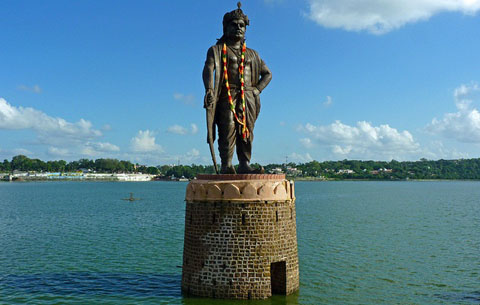
Bhoja 32ft 7 tons

King Bhoja In Bhopal, Madhya Pradesh

Post No 1938; Date: 17th June 2015

Written  by London swaminathan

Uploaded from London at 19-28


We have very interesting information about two brain surgeries in ancient India, one form Indus Valley and another from Sanskrit work Bhoja Prabandham.  Bhoja was a great scholar. He was a versatile genius. 84 Sanskrit books were authored by him. He wrote on every subject from aeronautics to medicine. He was a great Sanskrit scholar and wrote on grammar as well. He ruled from Dharain Madhya Pradesh where Parmar dynasty ruled. He lived in the eleventh century CE.

India had many kings with the name Bhoj. We have one King Bhoja in  Vedic literature Aitareya Brahmana. We had another Bhoja during the days of Kalidasa (First Century BCE)

1.Surgery for King Bhoja

Bhoja had incurable headaches. All the doctors in the town tried their hands and nothing worked. Having heard about the king’s health problems two Brahmin surgeons from Ujjain came to Dhara and told the king that they can cure him but it involved surgery in the skull. The king told them that he was ready to undergo any difficulty to get out of this torturous headache.

The surgeons brought with them a herb called Sammohini which will put any one in a coma stage like the Chloroform of modern operation theatres. The surgeons know how much of herb to give for certain number of hours. Nowadays the anaesthetists stand by the surgeons to increase the level of chloroform or reduce it. But in those days the surgeons themselves handled this. When the operation was over they administered an antidote herb called Sanjeevini (we have already heard about it in Valmiki Ramayana which cured Lakshmana from Indrajit’s biological warfare). King Bhoja also went through all the procedures and the surgery was 100 percent successful. He came out of the surgery room as if he had just woken up. This is in Bhoja Prabandham, a Sanskrit book giving his life history.

Surgeries are not new to ancient India. We have heard about Buddhist doctor Jeevaka whose salary was also mentioned in the Buddhist literature. He charged an enormous fee for each operation. I have already written about his eye operation and the Sangam age Pandya’s hand operation. The Pandya king was fixed with a golden hand and the Tamil literature call him Golden Handed Pandya. Nobody knew his real name! Following are the links for my earlier articles:

2.Jeevaka’s Eye Operation

There is a similar story that happened in Northern India one thousand years before Kannappan. Jeevakan was a great physician cum surgeon in the days of Buddha. He lived in the Maghada (Bihar) empire during Bimbisaran’s rule(603-551 BC). One of the kings who ruled the north western part of India was Sibi. A blind Brahmin approached him asked for eye donation. The Brahmin asked him because the king had already earned the reputation of a big philanthropist donating anything you ask for. The king sent a word for Jeevaka and he came and removed both the eyes of the king and fixed them to the Brahmin. This is recorded in the Buddhist chronicles. Both these stories show that the organ donation was in vogue in those days. Big surgeons did eye operations and other surgeries easily. Posted on 25-2-2013.

3.How did a Pandya king get a golden hand? (Posted on Nov 18,2011)

4.Brain Surgery In Indus Valley

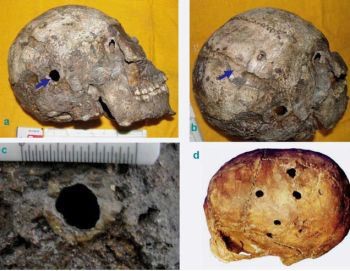
We find the names of over 400 surgical instruments in Sanskrit medical books. In 2013 an important news item hit the front page of Indian news papers about a Brain surgery that happened 4300 years ago in India in the Harappa region. One of the skulls excavated from Harappa was with the Kolkatta anthropological survey (ASI). It was kept in the Paleo Anthropology Wing of the ASI. A study published in the Current Size Magazine said the hole in oe of the male skulls showed a surgery by a procedure called “trepanation”.

Paleo anthropologist A R Sankhyan said that trepanation was practised in Bronze Age in India. They make a hole in 3 mm wide hole in the skull. And the evidence from the skull showed that the person lived for considerable time after the operation. It was the oldest case of such a surgery. This developed in to Ayurvedic surgery in later days.

We find lot of information about surgery in Susruta’s Sanskrit book. Even surgeries like rhinoplasty (fixing artificial nose) was explained by him. I have explained in my article The Oldest Organ Donation in India how Kannappan and others transferred their eyes to God and got them back.

skull brain sugery

The trepanated Harappan male skull H-796/B in the Palaeoanthropology Repository of Anthropological Survey of India, Kolkata in three views: a, the left lateral view showing the trepanated hole; b, the postero-lateral view showing the horizontal linear traumatic fracture on the occipital bone; c, an enlarged view of the

Comets in Brhat Samhita!

Written by London swaminathan

Research Article No.1861; Dated 13 May 2015.

Uploaded in London at 10-38 am

It is amazing to read about the chapter on Comets in the Brhat Samhita which Varahamihira wrote 1500 years ago. No modern astronomer can appreciate it with today’s knowledge of comets. But if you consider the knowledge that existed 1500 years ago, Varahamihira’s knowledge was far better than others. He quotes his predecessors who might have lived at least a few hundred years before him. First let us look at what today’s scientists say about the comets:-

Comet Halebopp

What is a Comet?


Comets are essentially piles of rock, gravel, and dust held together by various kinds of ice – essentially water and carbon dioxide ice.

As the comet nears the sun, its icy tail turns into a gas and blows away – due to pressure from the solar wind and sunlight.

They also release dust and gravel which tend to follow the comet around the sun – and if the Earth’s orbit intersects this material, it results in annual meteor showers.

According to the latest count there are over 5000 comets.

Varahamihira’s Chapter on Comets:

Varahamihira wrote over sixty couplets about comets. He did not have the modern facilities like Telescope or other electronic equipment. He says that sages Garga, Parasara, Asita, Devala and others had already written about the comets. They must have observed the sky for hundreds of years to write so much about it.

Now scientists are warning about Dark Comets crashing on to earth which would not glow because they lost its ice. This means that our knowledge is growing slowly with all the modern equipment. Two centuries ago astronomers thought that there are only 500 comets. But Garga told us that there are 1000 comets!

I will just summarise the ancients’ thoughts on Comets:

1.It is not possible to determine by calculation the rising or setting of the comets. (It is true even today. Now and then amateur astronomers discover new comets and now there over 5000 comets. Unless we know the orbits, we can’t say whether it will come back to earth or not. Halley’s Comet is a regular visitor which appears every 85 years).

2.There are three categories of comets as celestial, atmospheric and terrestrial (It would not make any sense in modern astronomy).

3.The atmospheric Ketus (Dhumaketu=comet) are those that are sighted on flagstaff, buildings, trees, horses elephants and other animals. The celestial ones are seen amidst the constellations, and the terrestrial ones are those that do not come under either of the two categories (I honestly don’t know what Varahamihira means by these three categories).

Comet Mcnaught

4.Some sages like Parasara speak of 101 Ketus (comets), while others such as Garga of 1000 Ketus (comets). However sage Narada declares that there is only one Ketu which appears in many forms and places (Probably Narada means to say that all comets are made of same materials).

5.Next Varahamihira gives his opinion: “What difference does it make whether there is a single Ketu or many? Under any circumstance, its effects ought to be declared through the positions of its appearance and setting, contact with planets or asterisms, smoky mantle and colours.

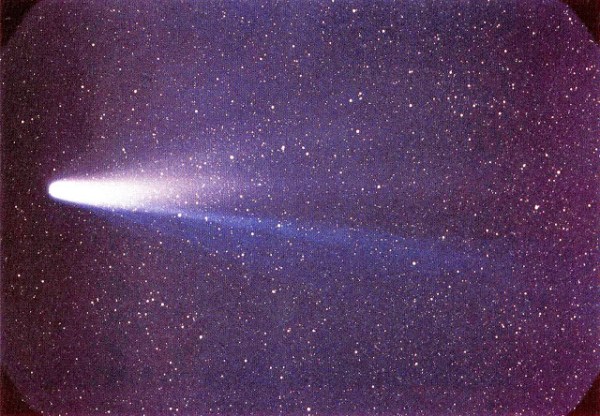
Halley’s Comet

6.The effects of Ketu (comet):- The effects of comet (Ketu) would be felt for so many months as the number of days during which it remains visible. Similarly its effect would last for so many years as the number of months during which it remains visible. However the effects in all cases would come to pass only after the first three fortnights of its appearance (This verse has got different interpretations from Bhattotpala. Al Biruni also commented on this verse)

7.All Ketus are not evil. There are some which augur well for the world. If a Ketu be short, slender, clear, glossy, straight, white and visible and if its appearance is followed by rain, there would be abundance of food crops and happiness.

8.A comet whose form is contrary to what has been described above, is considered as Dhumaketu – a portentous comet – that has risen; and it is disastrous in its effects, all the more so when resembles the rainbow or is possessed of two or three crests.

My comments: These couplets show that the Hindus have been observing comets for several hundreds of years or thousands of years before 500 CE. Otherwise they could not write about different colours and different types. It is scientifically true that comets appear in different colours and shapes. But its effects are not proved scientifically. Tamils also believed in its effects. Sangam Tamil Literature confirmed the death of a king within seven days of the appearance of a comet. I have already given the full details from Purananauru verse in one of my articles.

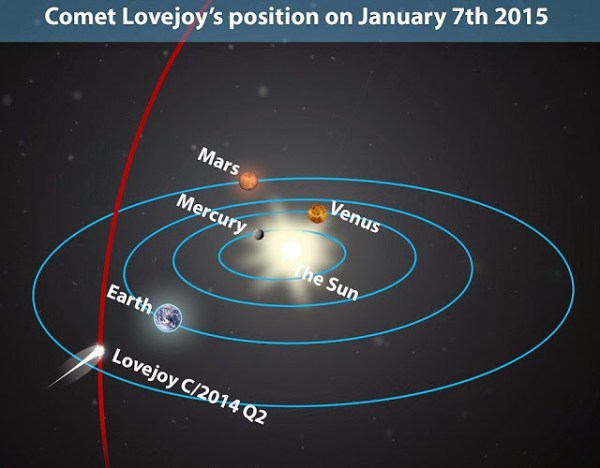
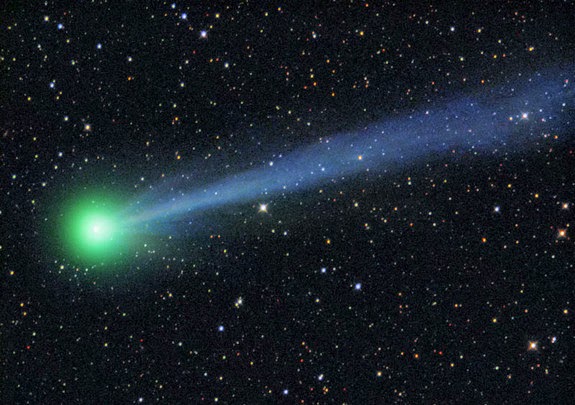
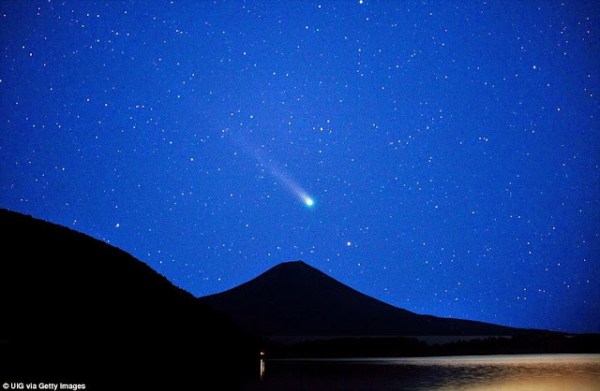
Comet Lovejoy seen from Japan.

  1. Varahamihira introduces a new element in to the Study of comets. He had written about the effects of comets appearing in different directions from East to North

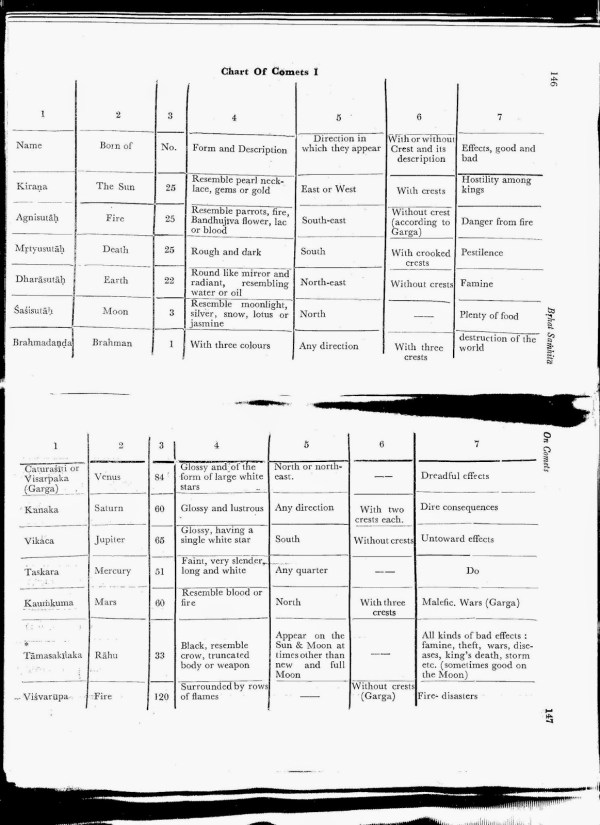
10.He described the types of comets in many verses which would not be understood by modern astronomers (Please see the charts).

  1. It requires lot of research by astronomers to see whether any of the information given by Varahamihira is useful today. We must appreciate that he had summarised the ancient Hindus’ knowledge in over 50 couplets 1500 years ago. The world was without much knowledge about comets at that time. Comets only created fear among the public in the ancient past.

I have followed Brhat Samhita translated in to English from Sanskrit by Prof. M Ramakrishna Bhat.


Comet Chart 1

Comet Chart 2.

Subham.

Water Purification Techniques in Ancient Indian Literature!

Strychnos_potatorum_5

Clearing nut (Strychnos potatorum = Thetraang Kottai in Tamil)

Written by London swaminathan

Research Article No. 1688; Dated 3 March 2015.

Water is a rare commodity in certain parts of India. There is a proverb in Tamil, “Treat Water as Precious” – “Neeraiyum Seeraadu”. Villagers have to walk miles together just to get some water for their day to day essential use. Even that water is murky or muddy. Indian literature is full of stories about mass migration because of big droughts. We read about the droughts and migration in Vedic literature and later Tamil literature. Indus valley civilization was also affected by acute drought. Mahabharata described the drought in Saraswati River basin and the Brahmins moved out of that area.  have collected all the references to drought in the Vedas and Tamil literature for my research.

Waterpurify

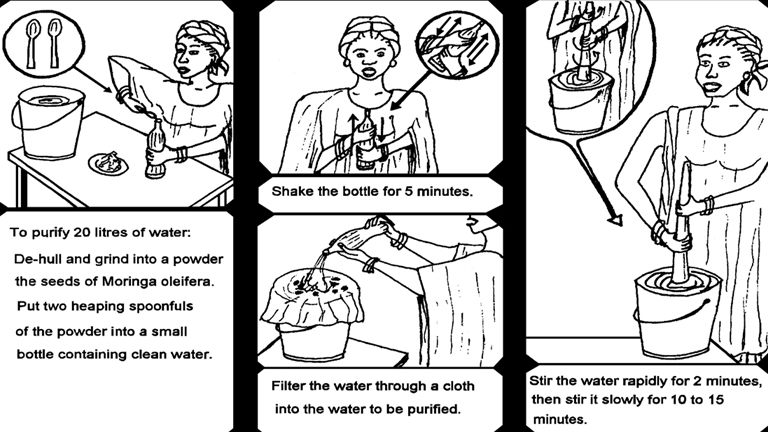
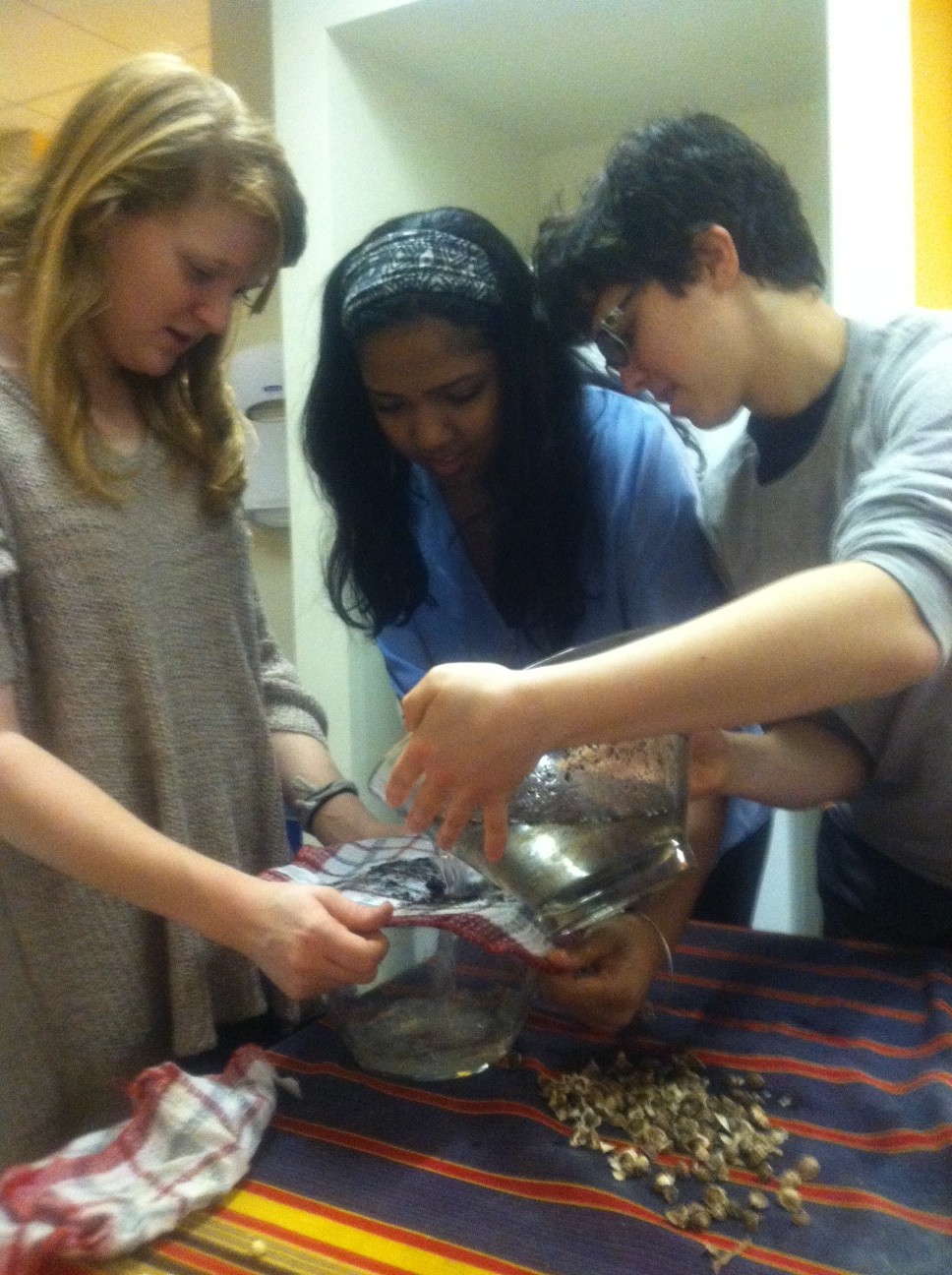
Water purification in African countries with drumstick tree

Even in the areas where water is available, there were certain periods of acute scarcity. So the ingenious people have found out some techniques for water purification. Usually they dugout water springs in the dry river beds or some places identified by the trees. Varahamihira has dealt with this in a separate chapter in his Brhat Samhita (Please read my earlier article on this topic: How to find water in the desert? Posted on 16th February 2015 in this blog)

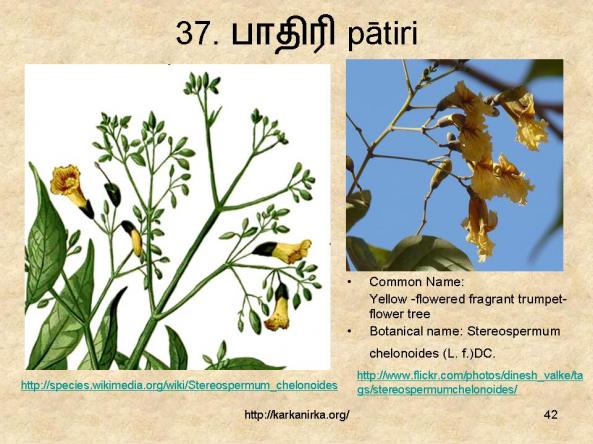
pathiri

Tamil Books on Water purification

Kalitokai is an anthology of Sangam Tamil period. It is dated to first three centuries CE. A confused woman who later became clear and composed is compared to the water that is purified by the clearing nuts (Kalitokai, Neithar Kali by Poet Nallanthuvanar):

“ How come she has become bright and composed now! As soon as she embraced that broad chested man, she has become clear like the water that has become crystal clear after adding the Thetraankottai (Clearing nuts)”

Naladiyar is an anthology of 400 verses in Tamil. It is dated to eighth century CE. One of the verses says about the unlearned people,

“Though they be unlearned, if they move in the society of the learned, the former will grow wise and learned just as the new earthen pot by its contact with the bright coloured “Paathiri” flower, imparts its fragrance to the water deposited in it”.

best water

जलकतकरेणुन्यायः

jalakatakarenu nyayah

Sanskrit language has got many Nyayas (analogies or similes) and one of them is jala katakarenu nyaya. The nyaya is used to illustrate that dirty things can be purified by mixing with good things. If you mix the kataka powder (Clearing nut powder), then the water gets purified-  is the message. This is used by great people like Sri Sathya Sai baba to bring out the sacrifice one makes in community service. He used to say, “bring out the good in the society and disappear like Kataka powder. Once it purifies the water it dissolves in the water and loses its shape. A social worker also should sacrifice his name, fame and identity when he serves the community like the kataka powder” — is the message, he gives.

KATAKA = Strychnos potatorum = clearing nut tree= Thetra maram in Tamil

It is a common sight in South Indian houses that a corner is allocated for a mud pot. There the mud pot is placed on a heap of river sand and in the water pot they put Vettiver or pathiri flower for fragrant and cool drinking water.

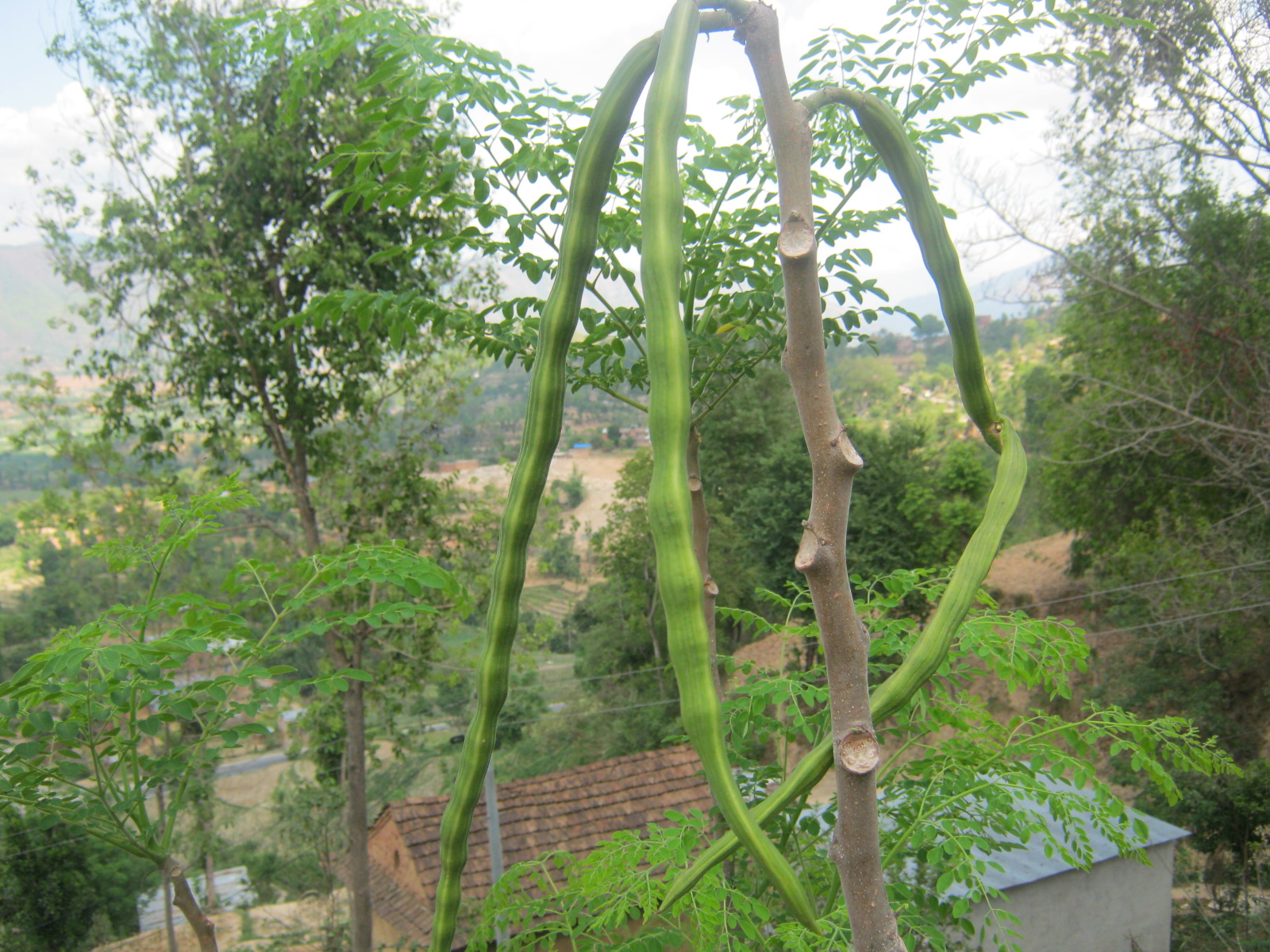
Moringa_oleifera_pods_NP

Drumstick tree is used in African countries for water purification.

Varahamihira on Water purification

Brhat Samhita – Chapter 54

“A mixture of antimony, and the powder of Bhadramusta ( a kind of grass) bullbs, andropogon, Rajakostaka and myrobalan combined with Kataka nuts should be dropped into a well.

Anjanasusthosariirai: saraajakosathakaamalakachurnai:

Kathakafalasamayukthairyoga kuupe pradhaatavya:

(Kataka = Strychnos potatorum- Clearing Nut tree. Cilliya mara , Tettamaram in Tamil and Malayalam;  Anjana is translated as antimony; but it has other meanings in Sanskrit).

Even the water that is muddy, bitter, saltish, bereft of good taste, and of bad odour, will become clear/pure, of good taste and good smell and endowed with other qualities”.

the-moringa-book

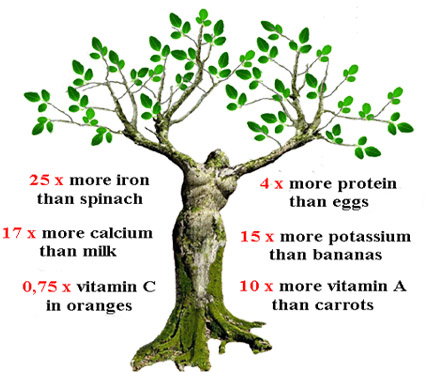
The villagers living in arid areas will be benefitted if they follow ancient scriptures. In African countries they use the seeds of Moringa oleifera, a common vegetable used in South India and Sri Lanka.

moringa-oleifera-powder2

Swami_48@yahoo.com

255 Indian Trees, Herbs and Shrubs mentioned in Brhat Samhita- Part-2

alstonia-scholaris-saptaparna

(Sapta parna, Ezilai Palai in Tamil)

Compiled by London swaminathan

Post No.1670; Dated 23 February 2015.

In the first part posted on 21st February I gave the names of 130 trees. Here is the second part:

131.Patra =Laurus cassia, Cinnamomum zeylanicum (Lavanga sake in Kan.. Lavangam in Tamil) லவங்கம்

132.Padma= Nelumbo nucifera (Tamarai in Tamil)தாமரை

133.Padmaka = Prunus cerasoides

134.Pnasa = Artocarpus heterophyllus (Jack fruit; Palaa in Tamil)பலா

135.Parusaka = Grewia asiatica (பலிச in Tamil; Phalsa, Farsa in Urdu, Sindhi)

136.Palasa = Butea monosperma ( Flame of the forest; Muttuga in Kan;Kimsuka in Sanskrit, பரசு in Tamil)

137.Paathaa = Cissampalos pareira or Cyclea burmanni (Paadaavali valli)

139.Paanduuka = a corn; Sterculia urens?

flame-of-the-forest-palasa

Flame of the Forest = Mul Murukku in Tamil

  1. Paarijata = Erythrina indica (முள் முருக்கை in Tamil)Indian coral tree; Tiger’s claw

141.Picumanda = See Nimba

142.Pindara =Trewia nudiflora (ஆட்டரசு in Tamil, Eruponaku in Tel)

143.Pippali = Piper longum ( மிளகு in Tamil; Hippali balli in Kan.

144.Pilu = Salvadora oleoides (Varagogu in Tel.)

145.Punnaga = Calophyllum inophyllum (surahonne in Kan)

146.Pughiphala = Areca Catechu (பாக்கு மரம் in Tamil, Adike in Kan.)

147.Purnakosa = ?

148.Priyaka = Anthocephalus indicus

149.Plaksa = Ficus arnottiana (Kada Asvatta in kan)

150.Bakula = Mimusops elengi (Renge in Kan)

ஆடாதோடை

151.Badari= Zizyphus jujube (இலந்தை in tamil; Bugari in Kan)

152.Bandhujiva = Pentapetes phenicca ( நாகலிங்க பூ in Tamil, Naga Champake in Kan.)

153.Bimba = Coccinia indica (Tonde in kan)

154.Bilva = Aegle marmelos ( வில்வம்  in Tamil)

155.Bijapura = Citrus medica (Madala in Kan)

156.Brhati = Solanum xanthocarpum (kirigulla in Kan.)

157.Brahmi = Centella asiatica  ( வல்லாரை  in Tamil)

158.Bhadra = Acorus calamus (Bajegida in Kan., வசம்பு in Tamil)

159.Bhallataka = Semecarpus anacardium (Marking Nut Tree; Gerkayi in Kan.)

160.Bhandira = Indian Fig Tree

161.Bharngi = Clerodendrum indicum  (Ceru Tekku in mala. Gantu barengi in Kan)

162.Bhurja = Betula alnoides

163.Manjistha = Rubia cordifolia = Tamravali in Tel.Istamaduka in Kan)

164.Manivaka=?

165.Madana = Randia dumetorum (Karekayi gida in Kan)

166.Madayantika = Arabian jasmine

167.Madhuka = Cynometra ramiflora = Bassia latifolia (ippemara in Kan)

168.Marica = Piper nigrum (Olle manasina ballai in Kan)

169.Matr Vrksha = Pongamia glabra (Honge in Ka)

170.Maalaa=  Trigonella corniculata = (Pirang in Urdu)

vitex negundo (keuschabam)

Vitex negundo

171.Masa = Phaseolus radiates (uddu in Kan)

172.Masaparni = Teramnus labialis (kattulandu in Mal)

  1. Mudga = Phaseolus mungo (பாசிப் பயறு in Tamil, Moong Dhal, Pacce hesaru in Kan)

174.Musta = Cyperus rotundus = Bhadramusti or tunge hullu in Kan)

175.Mrdvika = Vitis vinifera (Drakshai in Tamil திராட்சை and Kan)

176.Maurvi = Senseieria roxbhurghiana (Maruga in Kan)

177.Yava= Hordeum vulgare (Jave godi in Kan)

178.Rasa=Bola = Commiphora myrrha (சாம்பிராணி மரம்)

179.Rajakosataka = Luffa cylindrical (Sorekayi in Kan; Surai Kay சுரை in Tamil)

180.Renuka = Piper aurantiacum (shambaluka buk in Hindi)

Garcinia morella, Tapincha

Tapincha = Clerodendrum

181.Rohitaka = Aphanamixis polystrachya (Cemmaram in Mal.Rohada in Marat)

182.Lakuca = Artocarpus lakoocha (Vatehuli in Kan)

183.Laksmana= Mandragora officinarum (Kattai jati in Mal.)

184Lavanga = Syzigiumaromaticum

185.Lavali = Cicca asida (Ara nelli அர நெல்லி in Tamil)

186.Lodhra = Symplocos paniculta

187.Vaca= orris root ,Acorus calamus (Vasambu வசம்பு in Tamil)

188.Vanjula = see Vetasa

189.Vata = Ficus benglanesis (ஆலமரம் in Tamil; Nyagrodha in Sanskrit)

190.Vana = Kyllinga mono cephala (Nirbhisi in Hindi; Mustu in Marat)

191.Varuna = Crataeva murwala (Holenekki in Kan)

192.Vanira = See vetasa

193.Vaaraahi = Tacca aspera (Dukarkanda in Marat)

194.Vaarida = Cyperus grass

195.Valaka = Aporosa lindieyana (விட்டில்  in Tam. And Malaya)

196.Vasika = Adatoda vasika (Adathodakam in Mal, Adusoge in Kan ஆடாதோடை)

197.Vasiphala = Gendarussa vulgaris (Vatamkolli in Mal; கருநொச்சி in Tamil)

198.Vikankata = Gymnosporia spinosa= காட்டஞ்சி in Tamil)

199.Vidanga = Embeliaribes = Vayu vilangaa in Kan, Tamil and Te.

200.Vidarika = Solanum verbasifolim (Kallate in Kan)
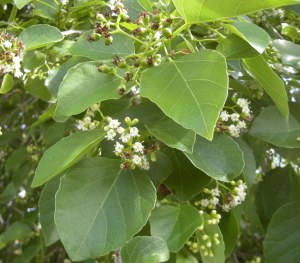
cordia dichotama

Cordia dichotama

201.Vibhitaka = Terminalia balerica (Santi mara in Kan)தான்றிக்காய்  Tamil

202.Visvesvari = Hibiscus mutabilis (சூர்யகாந்தி Surya Kanti in Tamil and Kan)

203.Visa = Aconitum ferox (Bish in Hindi, Vashanavi in Mala;

204.Virana = See Usira

205.Vetasa = Calamus rotang (பிரம்பு in Tamil;Betta in Kan)

206.Vyagranakha = Euphorbia antiquorum (வச்சிரம் in Tamil, Cadurakali in MalayalamGymnosporia spinosa

207.Vyagrapada = Gymnosporia spinosa (see Vikankata)

208.Vyamaka = costus specious (குரவம் in Tamil; Chengalvagoshu in Tel)

209.Sana = Crotalaria juncea = (Sanabu in Kan.,

210.Satapushpa = Pimpinella anisum (Bade sophu in Kan.

Shami

211.Satavari = Asparagus gonogladus (Halavumakkala thayi babbi

212.Sai= Proposis spicigera (Saami , வன்னி மரம் in Tamil)

213:Sara = Typha elephantine (Jambu hallu in Kan.)

214:Sallaki – Boswelia serrata (Guggula mara in Kan)

215.Sala = Shorea robusta (குங்கிலியம் in Tamil, aasinamara in Kan)

216.Saka = Tectona grandis

217.Sali = Oryza sativa (nellu in Tamil and Kan)

218.Salmali =Bombax malabaricum (Elava in Kan. இலவம்)

bombaxmalabaric

Bombax malabaricum , Silk Cotton Tree, Salmali, Ilavam in Tamil

219.Sirisa = Albizzia lebbeck (Bage mara in Kan, வாகை in Tamil)

220.Siva = Cinnamomum tamala ( malabathrum, tamala patra; Tejput in Hindi; தாலிசபத்திரி

221.Sisumari= ?

222.Simsapa = Dalbergia sisoo – Indian Rosewood; Sheesham wood (irungudi in Kan.)

223.Srngavera = Zingiber officinale ( Sunthi in Kan. இஞ்சி)

224.Sonaka = Groxylum indicum (Anemungu in Kan. Velutta Patiri maram in Mal, சொரிகொன்றை cori-konnai, பாலையுடைச்சி )

225.Sriparni = Gmelia arborea; Kasmari; Beech wood, White teak; Kuli mara in Kan)

226.Syama = Echinochloa frumentacea (samul in Marat. Chamalu in Tel)

227.Srivasa = Turpentine (obtained from tree resins; from Pinus trees)

228.Slesmataka = Cordia dichotama (Cinna nakkeru in Te. Gunda in Hindi; Bhokar in Marat.)

Gmelina-arborea

Gmelina arborea

229.Sastika = A kind of rice growing in 60 days

230.Saptaparna = Alstonia scholaris (Hale mar in Kan. ஏகாளி மரம், ஏழிலைக் கள்ளி மற்றும் ஏழிலம்பாலை)

231.Samanga = Rubia cordifolia (Manjistha in Kan, Manditti in Tamil)

  1. Sarja = Shorea robusta சால மரம்

233.Sarsapa = Brassica integrifolia = (sasive in Kan)

234.Sahadevi = Veronica cinerea (karehindi in Kan., Puvankuruntala in Mal)

235.Sala = Hibiscus salateus  or Sida acutea (Malatanni in Mal; நீர் பருத்தி

236.Sariva = Ichnocarpus frutescens (Pal valli in Mal.

237.Sinduvara = Vitex negundo

238.Sindhuka = Sariva = Ichnocarpus frutescens

239.Suvarnataru = Cassia fistula (Konde mara in Kan)

240.Suvarna Pushpa = Campaka சண்பகம்

Phalsa, Grewia asiatica

Phalsa, Grewia asiatica

241.Susara (Sardru?) = Terminalia tomentosa = Tempavu in Mal. Tamil:கருப்பு மருது

242.Sukaraka = Gironniera reticulate?

243.Sukarapadi = Azima tetracantha?

244.Suryavalli = Indigofera enneaphylla? Or Hibiscus mutabilis

245.Somaraji = Centratherum anthelminticum (Kadu Jirege in Kan. காட்டு ஜீரகம் in Tamil)

246.Somalata = Sarcostemma brevestigma

247.Saugandhika = White water Lily அல்லி

248.Saubhanjana = Moringa oleifera = Drumstick Murungai in Taml; (Nugge mara in Kan.)

  1. Spandana =?

250.Syandana = Rathadru = Tinisa

251.Svarnapuspa = Jasminum humile (செம்மல்லிகை)

252.Haridratara = Coscinium fenestratum = Dodda maradara sina in Kan.; maramanjal in Mal.)

253.Haridra = Cucrcuma longa (Arasina in Kan)

254.Hastikarna = Alocasia macrorhiza (Marasanige or Mundigida in Kan)

255.Haritaki = Terminalia chebula ஹரிதகி / கடுக்காய்

The translator has put question marks against some plants. He could not identify them correctly. Further research is required in this area.

swami_48@yahoo.com

How to find Water in the Desert?

arid land

Research Paper written by London swaminathan

Research Article No.1654; Dated 16th February 2015.

Varahamihira on Water Divination

Varahamihira in his Brhat Jataka has devoted one full chapter for exploration of water springs. He deals with the subject in a very scientific way. There is no mumbo-jumbo. He links water springs with certain trees and anthills.  We all know that both the trees and ants need water. Ants get water from moisture in the atmosphere. Naturally ants build ant hills where there is humidity. Ant hills need moisture for its existence. Certain trees with lot of leaves need more water. So they grow only under certain conditions. In some slokas (couplets) he refers to frogs as well. He even tells us how to find water by tapping the ground and listening to the sound!
Ancient Hindus were keen observers of Nature. They observed the huge heavenly bodies as well as the tiny ants. To develop a branch of study like this, they must have observed them for centuries!
Varahamihira was not the first one to write on this subject. He and his commentators refer to various authors who lived before Varahamihira. He wrote it in the fifth century. He says that Baladeva, Garga, Kasyapa and Devala wrote about rain water and Saraswata and Manu wrote books on underground water. Unfortunately we lost the books written by Manu and Saraswata. But commentator Bhattotpala gives us lot of information.

Varahamihira says, “ Just as there are veins in the human body so do they exist higher up, others lower down, in the earth. Rain water has no colour or taste; but ground water assumes colour taste from its surroundings”.

The Gods who preside over eight directions are Indra, Agni, Yama, Nirrti, Varuna, Vayu, Chandra and Siva. The water veins in different directions are named after their presiding deities.

What is interesting is that his observation of the trees, the soil underneath, the ants and frogs living in the vicinity and the direction of water veins. I have given only the bare facts, not all the details. One must remember that he gives this for the waterless arid lands and deserts. If it is a river bed, we don’t need a Varahamihira to tell us where to dig a well!

calamus rotang

Calamus rotang

Now Varahamihira gives the names of trees and the source of water at the depth of …. Cubits in waterless places:–

1)Rotang Tree – Depth of seven and half cubits

(A cubit is approximately 18 inches)

Calamus rotang: Rattan palms (Pirampu in Tamil)

If a pale white frog found – water is at two and half feet depth.

2)Jambu tree  — water is at the depth of 10 cubits.

Jambu: Syzygium  jambolanum (Family: Myrtaceae)- Naval in Tamil.

Ant hill near Jambu tree – inexhaustible water at 10 cubits

ja,mbu fruits

Fruits from Jambu tree

3)Fig tree – 12 and half cubits

Ant hill near Arjuna tree – 17 and half cubits.

4)Arjuna : Terminalia arjuna (Family: Combretaceae);

Marutha maram in Tamil

2_vilvam_tree

Bilva/ Vilva Tree

5)Bilva and Fig tree joined together – 15 cubits

Bilva = Aegle marmalos (Family: Rutaceae)

Ant hill near opposite leaved fig tree (Phalgu) – 16 cubits

Fig Tree is Aththi in Tamil; Bilva is Vilvam in Tamil

6)Kampillaka tree – 16 cubits

Mallotus philippinensio

Kamla or Red Kamala or Kumkum Tree

7)Ant hill near Myrobalan tree – 7 and half cubits

Amla (nellikkay in Tamil), Haritaki (Kadukkay in Tamil) all belong to this group.

8)Ant hill near mountain ebony tree – inexhaustible water at the depth of 22 and half cubits

Bauhinia species

9)Echites tree with ant hill – 25 cubits

If a frog is found under any tree – 22 and half cubits

Echites scholaris or Alstonia scholaris (Devil tree)

nickernuts

Grey banduc (Nickernuts tree)

10)Ant hill near Grey Bonduc tree – 17 and half cubits

Nickernuts=Caesalpinia bonduc

11)Ant hill near Bassia tree – 37 and half cubits

Bassia latifolia = Madhuca indica (Family Sapotaceae)

Jatropa or Mahwa; Iluppai in Tamil

Bassia latifolia_clip_image002

Bassia latifolia

12)Ant hill + Durva grass + Tilaka tree – 25 cubits

Durva grass: Cynodon dactylon

13)n Tilaka tree:Clerodendrum phlomoides (Agnimantha, Vaijayanthi in Sanskrit)

14)Ant hill near Kadamba tree – 28 cubits

Kadamba: Anthocephalus cadamba (Rubiaceae)

(Katampa maram in Tamil)

kadamba

15)Ant hills +Palm or Coconut tree – 25 cubits

Coconut: Cocos nucifera (Arecaceae)(Tennai in Tamil)

16)Palm tree: Borassus flabellifer (Palmae) (Panai in Tamil)

17)Ant hill + Daru haldi tree – 28 and half feet

Berberis aristata

daruhaldi

Daruhaldi

18)Ant hill +Asmantaka tree – 17 and half feet

Asmantaka tree : Bauhinia tomentosa (Pilo asondaro in Gujarati)

19)If there are creepers Navamalika, Lakshmanaa – 15 cubits

Navamallika: Jasminium arborescens

Then Varahamihira describes glossy leaves of the trees and its link to underground water sources.

He says that if one branch lowers towards earth that indicates underground water.

kantankattari

Kantakari/ Solanum xanthocarpum

Sound and Water

If the earth being struck by feet emits a loud and pleasant sound, a northerly water vein will be found at the depth of 17 and half cubits.

If the fruits or leaves look unnatural that is also an indication of underground water according to Varahamihira.

20)If Kantakari (Prickly Nightshade) is seen without thorns that shows water is at the depth of 17 and half cubits.

Kantakari :Solanum xanthocarpum (Kandankattari in Tamil)

If steam or smoke arises from the ground that shows water is at the depth of 10 cubits.

Then he explains water sources found in desert regions. This is a lengthy chapter with 125 couplets. If villagers living in arid regions study this they will be benefitted. Alternately botany departments of local colleges can help our people. There is no equipment or money required to identify the sources. Only when it comes to digging a well, money and man power are required. This must be studied seriously and utilised for the benefit of the people.

Pictures are taken from various sites; thanks.

Jangida Mystery in Atharva Veda!

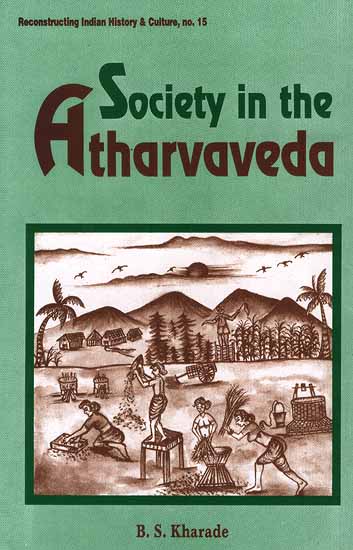
society_in_the_atharvaveda_idd105

Research paper written by London Swaminathan

Research article No.1528; Dated  29th  December 2014.

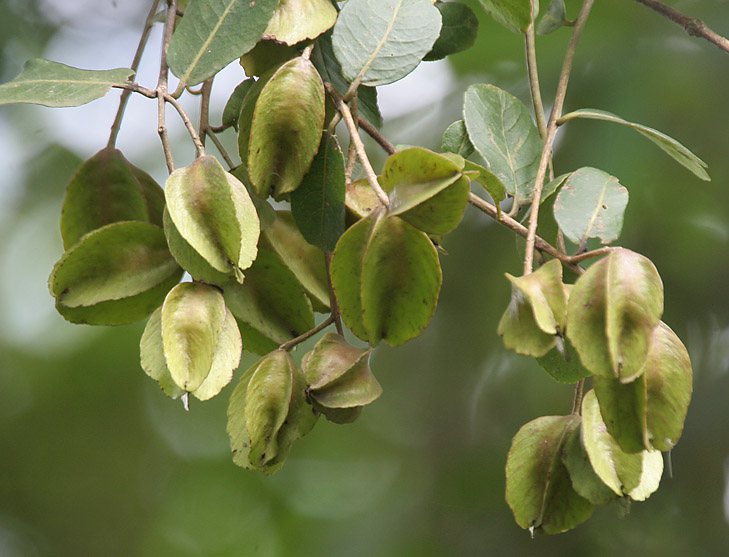
Jangida is mentioned in Atharva Veda as panacea, cure-all, elixir, remedy and a magic bullet for many diseases. But no one knows for sure what it meant. Some scholars identify this with Terminalia Arjuna tree. Termanalia Arjuna is known as  Arjuna tree in North India and Marutha maram in Tamil Nadu. Telugu name- Thella maddi, Malayalam name – Neer Maruthu

Already some research papers on the effect of Arjun tree on cardio vascular diseases (Heart diseases) have been published, but the result is inconclusive. Marutha maram (arjun tree) is the Sthala Vrksa of some temples in Tamil Nadu (Tiruvidaimaruthur/Madhyarjuna; Tiruppudaimaruthur/Budarjuna) and  (Sri sailam/Mallikarjuna) Andhra Pradesh . There are few others who identify the Jandgida with other plants. But no definite evidence is produced. The reason being the name disappeared after the Atharva Veda period.

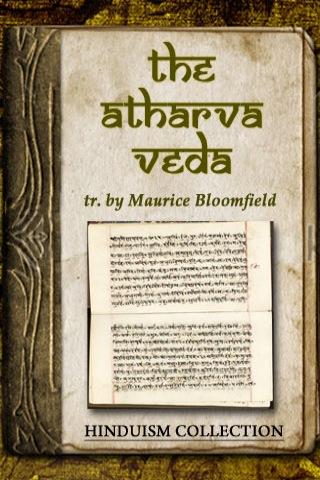
atharva__veda__samhita_

Vedic Index of Names and Subjects by AA Macdonell and A B Keith says,

“Jangida is the name of a healing plant mentioned in the hymns of the Atharva Veda (ii,4; xix 34,35). It was used as an amulet against the diseases, or symptoms of disease, Takman, Balasa, Asarika, Visarika, Prestyamamaya, fevers and rheumatic pains Viskandha and Samskandha, Jambha and so on (AV xix-34,10, ii-4,1-5)

It is also regarded as a specific against all diseases and as the best of healing powers (AV xix-34,9,7).

It is said to be produced from the juices of (rasa) ploughing (krsi), but this only mean that it grew in cultivated land, not that it was itself cultivated.

What plant the name designates is quite uncertain, for it disappears in the later literature. Caland takes it in the Kausika Sutra to be Terminalia arjuneya”

The above matter is taken from Vedic Index

atharva-veda-8

My comments:

Foreign scholars were quick to identify the Soma plant with narcotic drug and narcotic plants without any evidence, but here they struggle! This shows their attitude. They are from a culture of drug users and so they can see only narcotic drug in it. I have already written in my articles how the ancient Pandya Tamil inscriptions describe Somayajis as Manosudhdha (mind purifying juice). Vedic literature criticises even the use of alcohol. They clearly differentiate Sura Bana and Soma bana. So, one must not depend entirely on the foreign translations of the Vedas. The difference of opinion on each word, name and the phrase even among themselves is enough to estimate their translations!

The Atharva Veda by Devi Chand gives some new information on Jangida plant:

“Sayana interprets Jangida as a tree found near Benaras (Varanasi). This explanation is illogical, as it savours of history, but the Vedas are free from history. The word means God, who devours all sins. Griffith explains the word to mean a plant frequently mentioned in the Atharva Veda as a charm against demon and a specific for various diseases. This interpretation too is irrational. Griffith writes Vishkandha is probably rheumatism, and the name of the fiend to whose malignity the diseases was attributed. This does not appeal to reason. The word means God, who is the averter of obstacles”

The Atharva Veda by Devi Chand, page 30.

Terminalia_arjuna-1

Terminalia arjuna

But later in the book the translation of Anuvalka 5, Hymn XXXIV, says Jangida is a herb!

“O Jangida herb, thou art the consumer of all destructive forces in the form of germs, the secret weapons like mines etc, employed by the enemies. O Jangida, Thou art the protector. Let jangida guard all our men and cattle.

Let this potent herb destroy the women of ill repute, the large group of gamblers and hundreds of secret means of destruction like mine and dynamites employed by the enemy to harm us. Let it set all these at naught by its powerful energy and radiation.”

“The leaned physicians grow thee well by transplanting thee thrice in the well prepared soil. The learned Vedic scholars of yore, well versed in biological science knew thee.”

Flowers_with_Sykes's_warbler_I_IMG_1880

Devi Chand adds in the foot note: “ The superfine properties of Janghida are also worth research. They are meant to be some potent in removing so many fatal diseases. This sukta  (5-35)may also be aptly applied to Jangida, the Arjun tree which is called Indra and Sahasra Chakshu in books of Ayurveda. It is not a charm or an amulet that is meant be jangida.

Devi chand translated it differently from the western scholars.

All these show that the Vedas were very ancient. One can easily translate Gilgamesh and such stuff, but not the Vedas!

terminalia arjuna

Terminalia pictures are taken from Wikipedia;thanks.

contact swami_48@yahoo.com