காப்பிகுடித்தால் 100 ஆண்டுகள் வாழலாம்! (Post No.4608)

Einstein image in Coffee!


Written by London Swaminathan 


Date: 12 JANUARY 2018


Time uploaded in London  6-32 AM


Post No. 4608

Pictures shown here are taken from various sources such as Facebook friends, Books, Google and newspapers; thanks.


WARNING: DON’T SHARE IT WITHOUT AUTHOR’S NAME AND  BLOG NAME. BE HONEST; OTHERS WILL BE HONEST WITH YOU.


பிரான்ஸ் நாட்டின் கல்வி நிபுணர், நூல் ஆசிரியர் பாண்டநெல் (Fontenelle) என்பவர் ஆவார். அவருடைய முழுப் பெயர் பெர்னார்ட் லெ பொவியர் தெ பாண்டநெல் என்பதாகும். அவர் 1657 முதல் 1757 வரை வாழ்ந்தார்.


பாண்டநெல் மிகவும் காப்பி குடித்ததால் டாக்டர்களுக்கு மிகவும் கவலை. அவருக்கு 80 வயதானபோது டாக்டர்கள் அவரைச் சந்தித்தனர். அவருக்குப் புரியும்  வகையில், மெதுவாக, அழகாக டாக்டர்கள் பேசினர்.


“அன்பரே, இந்தக் காப்பி இருக்கிறதே. அது ஒரு விஷம்– உமது உடலை மிகவும் பாதிக்கும்; விஷம் என்று சொன்னால் போதாது. அது ‘மெதுவாக’க் கொல்லும் விஷம்– என்றெல்லாம் விளக்கினர்.


அவர் இதைப் புரிந்து கொண்டாரா, இதைப் பற்றி அவர் என்ன நினைக்கிறார் என்று அறிய டாக்டர்கள் அவருடைய முகத்தை உற்று நோக்கிப் பார்த்துக் கொண்டு இருந்தனர்.


அவர் மெதுவாக வாய் திறந்தார்– சரியாகச் சொன்னீர்கள்; மெதுவாகக் கொல்லும் விஷம் என்று; கொஞ்சம் தப்பு விட்டு விட்டீர்கள். அது மெதுவாகக் கொல்லும் விஷம் இல்லை; ‘மிக மிக மிக மெதுவாகக் கொல்லும்’ விஷம்! பாருங்கள்! தினமும் எவ்வளவு காப்பி குடிக்கிறேன்;  80 வயது வரை நன்றாக இருக்கிறேனே! என்றார்.

டாக்டர்களுக்கு உப்புச் சப்பில்லாமல் போய்விட்டது. ஈதென்னடா, செவிடன் காதில் சங்கு ஊதிய கதை ஆகி விட்டதே என்று எண்ணி வெளியேறினர்.


டாக்டர்கள் சொன்னது பிழை ஆகிவிட்டது. அதற்குப் பின்னரும் பாண்டநெல் 20 ஆண்டுகள் வாழ்ந்தார். நூறு வயதை நெருங்க ஒரு மாதம் இருக்கையில் உயிர் நீத்தார்.


காப்பி குடிப்போருக்கு எவ்வளவு மகிழ்ச்சியான செய்தி!


காப்பி  குடியுங்கள்! நன்றாகக் காப்பி குடியுங்கள்! குடித்துக் கொண்டே 100 ஆண்டுக் காலம் வாழுங்கள்! நோய் நொடி இல்லாமல் வாழ்க!!

((தமிழ் திருடர்களின் குலம் வேருடன் அழியாமல் இருக்க அன்பான வேண்டுகோள்!! உங்கள் குலம் வாழ வேண்டுமானால், தமிழ் வாழ வேண்டுமானால், இந்து மதம் வாழ வேண்டுமானால், எனது பிளாக் (blog)கில் உள்ள கட்டுரைகளப் பகிர்வோர்ப் எழுதியவர் பெயரையும் பிளாக்கின் பெயரையும் நீக்காமல் வெளியிடுக.))

xxxx
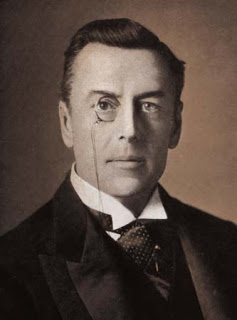
நீண்ட காலம் வாழ சுருட்டு குடியுங்கள்!


பிரிட்டனில் பிரதமராக இருந்தவர் ஜோசப் சாம்பர்லைன் (Joseph Chamberlain): 70 வயதிலும் இளமை ததும்பும் எழில் மிகு தோற்றம்! அவர் மேனி அழகின் ரஹசியத்தை அறிய பலருக்கும் ஆசை. அவரை நெருங்கினர்; தைரியமாகக் கேட்டனர்.


“ஐயன் மீர்! உங்கள் மேனி அழகின் ரஹசியம் என்னவோ?”


இந்தக் கால நடிகைகளாக இருந்திருந்தால் அவர் என் மேனி அழகிற்கு நான் பாவிப்பது  xyz –  சோப்புதான் என்று சொல்லி இருப்பர்.


ஆனால் சாம்பர்லைனோ சற்றும் தயக்கம் இன்றி பதில் கொடுத்தார்.


இளமைத் துடிப்புடன் வாழ வேண்டுமா?


அதிகம் நடக்காதீர்கள்; எங்கெங்கெல்லாம்  காரில் செல்ல முடியுமோ அங்கெல்லாம் காரிலேயே செல்லுங்கள் நடந்து தொலையாதீர்கள்!!!

சுருட்டு குடிக்கும் வழக்கம் இருந்தால் இரண்டு சுருட்டுகளில் எது சக்தி வாய்ந்ததோ, எது நீளமானதோ அதைக் குடியுங்கள்; அது மட்டுமல்ல அனாவசியமாக நடக்காதீர்கள்; எங்கெங்கெல்லாம் காரில் போக முடியுமோ அங்கெல்லாம் காரில் செல்லுங்கள்– என்றார்.

கேட்க வந்தவர்களுக்கு ஏனடா கேட்க வந்தோம் என்பது போல ஆயிற்று!


xxx

மாக்ஸிம் கார்க்கி

சோவியத் ரஷ்யாவின் புகழ் பெற்ற  எழுத்தாளர் (Maxim Gorky) மாக்ஸிம் கார்க்கி. அவர் சோஷலிஸ அறிஞர். அவரை அமெரிக்காவுக்கு அழைத்த நண்பர்கள் அவரை (Coney Island) கோனி தீவிலுள்ள ஒரு கேளிக்கைப் பூங்காவுக்கு அழைத்துச் சென்றனர். அங்கே வீர தீர சாஹசச் செயல்கள் நடந்தன. இவருக்கு எல்லாவற்றையும் நன்கு காட்டிவிட வேண்டும் என்று எண்ணி பாதாள அறை, நிலத்தின் மேலுள்ள மண்டபம் ஆகியவற்றுக்கு எல்லாம் அவரது நண்பர்கள் அழைத்துச் சென்றனர்.


அவர் பார்க்காத சர்கஸ் காட்சிகளே இல்லை; அந்தர் பல்டி, குட்டிக்கரணம், வேகப் பாய்ச்சல், மேலிருந்து கீழே குதித்தல் தாவுதல் எல்லா வற்றையும் நண்பர்கள் காட்டினர். கார்க்கியின் நண்பர்களுக்குப் பரம த்ருப்தி.

கார்க்கிக்கு????????


எல்லோரும் ஓய்வெடுக்கும் நேரம் நெருங்கியது. மாக்ஸிம் கார்க்கியிடம் அவருடைய நண்பர்கள் வினவினர்.

அன்புடையீர், எங்களுக்கு எல்லாம் இன்று உங்களுடன் இருந்தது மிகவும் பிடித்து இருந்தது; உங்களுக்கும் மகிழ்ச்சிதானே?


அவர் உடனே பதில் தராமல் சற்று நேரம் யோசித்தார்; பின்னர் சொன்னார்.


அட தோழர்களே; நீங்கள் எல்லோரும் எவ்வளவு துயரத்துடன் வாழ்கிறீர்கள்!!

((தமிழ் திருடர்களின் குலம் வேருடன் அழியாமல் இருக்க அன்பான வேண்டுகோள்!! உங்கள் குலம் வாழ வேண்டுமானால், தமிழ் வாழ வேண்டுமானால், இந்து மதம் வாழ வேண்டுமானால், எனது பிளாக் (blog)கில் உள்ள கட்டுரைகளப் பகிர்வோர்ப் எழுதியவர் பெயரையும் பிளாக்கின் பெயரையும் நீக்காமல் வெளியிடுக.))

சுபம் —–

Tirukkural and Bhagavad Gita compared by Rev G U Pope and VRR Dikshitar (Post No.4513)

Tirukkural and Bhagavad Gita compared by Rev G U Pope and VRR Dikshitar (Post No.4513)


WRITTEN by London Swaminathan 


Date: 18 DECEMBER 2017 


Time uploaded in London-  21-18


Post No. 4513

Pictures shown here are taken from various sources such as Facebook friends, Books, Google and newspapers; thanks.


In 1886 Rev G U Pope published the translation of Tamil Veda Tirukkural. Before Dr Pope, Ellis has published a translation. Father Beschi translated it into Latin before them. Dr Pope has compared the Bhagavd Gita and Tiukkural. In our time C Rajagopalachari did compare both Gita and Kural.


Dr G U Pope in his appendix with notes gives the following comparisons:

Tirukkural couplet No.1 = Bhagavad Gita 10-33

Chapter 2 Rain= B G 3-14

Chapter 4 = B G Chapter 18

Tirukkural 35= BG 16-21

Tirukkural 126 = BG 2-58

Tirukkural 133= BG 3-35, 18-47

Tirukkural 341-350= BG II chapter

Tirukkural 360= B G II -62,63

Tirukkural 605 = BG 14-8

Tirukkural 622 = 18-70/74


Did Valluvar copy Manu, Gita and Kamasutra?

V R Ramachandra Dikshitar (lecturer in Indian History, University of Madras) says that Tiruvalluvar might have used several materials from Manu Smrti, Bhagavad Gita and Vatsayana’s Kamasutra, in his book Studies in Tamil Literature in 1936


Dikshitar says,”If Parimelalagar’s views could be adopted, then the author of Kural must have been familiar with Sanskrit literature, especially the Dharmashastra and the Arthshastra literature. If this position can be accepted, it is reasonable to assume that Tiruvalluvar follows mainly in his Arathupal the most popular Dharmashaastra of Manu, in his porutpal, the well known Arthashaastra of Kautilya, and in his Kamathu pal, The Kamasutra of Vatsyayana. To these may be added Ramayana and Mahabharata and allied literature. Whether Valluvar’s Muppaal (another name for Tirukkural) is an independent growth or is indebted to Sanskrit literature, it is for future research to determine conclusively. As it is there is a remarkable Parnellism between the Kural and the Sanskrit books above referred to


He had dealt with this more elaborately than DR G U Pope. Here is the list according to Dikshitar:


Kural 1

A, as is first of letters, every speech maintains;

The Primal Deity is first through all the world’s domains

The Bhagavad Gita (10-33) expresses similar ideas; ‘I am the letter A among the alphabets’ (10-33)


xxx

Kural 4

His feet, who over the full blown flower hath past, who gain

In bliss long time shall dwell above this earthly plain.

The Gita (18-61) says, ‘Arjuna! The Lord lives in the hearts of all creatures, making them move about machine like Maya.

xxx

Kural 11

By the continuance of rain the world is preserved in existence; it is therefore worthy to be called ambrosia.

The Bhagavad Gita (3-14) furnishes a parallel: Man depends for his existence on food, and the source of foodstuff is rain.


xxx

Kural 24

He who controls his five senses by his will

gains heavenly bliss

The Gita furnishes a parallel (2-61): Having restrained the five senses and brought them under control and having fixed one’s mind on me, one attains the divine knowledge.

xxx

Kural 34

To be of pure, spotless mind is real virtue; all else is of no avail.

The Gita (16-1) has the following: Fearlessness, spotless purity, stability of knowledge and yoga gift, peace of mind, sacrifice and learning constitute real tapas/penance.


xxx

Kural 41

The men of household virtue, firm in way of good, sustain

The other orders three that rule professes maintain

The Manu Dharma Shastra says: As the members of the three asrmas are maintained by one householder everyday by Janna and food, the asrama of the householder is said to be the best. Manu 3-78 and 6-89.


xxx

Kural 43


The paramount duty of a house holder is to cherish daily the manes, God, guests, kindred, self.

In the Manusmrti (3-72), ‘he who does not cherish the God, guests, servants, manes and self, is dead  though he physically  lives.


xxx


Kural 51

A wife of excellent virtues who is capable managing the household within the means of her husband is a real household help in home life.


The Dharmashastra has the following idea: A wife should always be joyous, skilled in domestic duties, helpful and economic in expenditure.


to be continued…………………


Manu in Tirukkural: More Couplets Compared by Rev.G U Pope (Post No.4467)

Manu in Tirukkural: More Couplets Compared by Rev.G U Pope (Post No.4467)


Compiled by London Swaminathan 


Date: 7 DECEMBER 2017 


Time uploaded in London-  8–33 am


Post No. 4467

Pictures shown here are taken from various sources such as Facebook friends, Books, Google and newspapers; thanks.


I have given below the links for the first two articles in this series: Comparison of Manu Smrti with Tamil Veda Tirukkural by Rev G U Pope (Christian Priest and Tamil Scholar of the last century)


There are more couplets given below:


1.Offending Kings and Saints


Tiru Valluvar in the Tamil Veda Tirukkural says

If those of rigorous penance become enraged, even Indra will crash from power and position –(Kural 899)

(Nahusan- Agastya episode mentioned by both valluvar and Manu)

Should they who stand as high as the hills look with disfavour, even men of firm standing in the world perish with all their race (Kural 898)

Manu in his Manava Dharma Shastra says


7-39. Let him, though he may already be modest, constantly learn modesty from them; for a king who is modest never perishes.

7-40. Through a want of modesty many kings have perished, together with their belongings; through modesty even hermits in the forest have gained kingdoms.

7-41. Through a want of humility Vena perished, likewise king Nahusha, Sudas, the son of Pigavana, Sumukha, and Nemi.

xxx

2.Gambling

Tiruvalluvar has done 10 couplets on the evils of Gambling

Gambling ruins a man’s fortune, makes him resort to falsehood, deprives him of grace and lands him misery (Kural 938)


Manu says,

2-179. From gambling, idle disputes, backbiting, and lying, from looking at and touching women, and from hurting others.( these come under the list of whan man should avoid)

Tamil poetess Avvaiyar says ‘Suuthum vaathum vedhanai seyyum’ (Gaming and Disputation bring distress)


xxx


3.Ministers


Valluvar says,

The right minister judges the right means, season and method of action for a rare adventure (Kural 631)

The ideal minister is learned, manly,firm, resolute and zealous in guarding people’s welfare (Kural 632)

The able minister cherishes friends, disunites foes, and reunites those who had parted (633)

The minister comprehends a plan, reflects, selects the best method and gives one assuring fact (634)

Manu says

7-58. But with the most distinguished among them all, a learned Brahmana, let the king deliberate on the most important affairs which relate to the six measures of royal policy.- Manu 7-58


xxxx


4.Nation:-

Tiru Valluvar defines a good country in ten couplets (731-740)


That is a country which is desired for its great wealth and which yields rich produce free from blights (Kural 732)


That is a country which is free from starvation , from incurable diseases, and from enemies that are dangerous (734)


Five are the ornaments of a country: blooming health, wealth, rich yields, happiness, defensive forces (738)


7-69. Let him settle in a country which is open and has a dry climate, where grain is abundant, which is chiefly (inhabited) by cultured people, not subject to epidemic diseases (or similar troubles), and pleasant, where the vassals are obedient and his own (people easily) find their livelihood Manu 7-69


5.Fortification


Tiru Valluvar says,

Even to the powerful, a fortress is of value; it is of value even to them that want to defend themselves in fear (Kural 741)

A good fort has crystal fountains, sandy plains,  a hill and a shade of thick woods. These make it impregnable (742)

Military science says that an unconquerable fort must be high, broad, strong and impregnable (743)

A fort must be so strong that foes cannot storm it. It must stock food and it must suit the garrison (745)

Valluvar adds six more couplets under this topic.


Manu says in the Seventh chapter of Manu Smrti

7-70. Let him build (there) a town, making for his safety a fortress, protected by a desert, or a fortress built of (stone and) earth, or one protected by water or trees, or one (formed by an encampment of armed) men or a hill-fort.

  1. Let him make every effort to secure a hill-fort, for amongst all those (fortresses mentioned) a hill-fort is distinguished by many superior qualities.
  2. The first three of those (various kinds of fortresses) are inhabited by wild beasts, animals living in holes and aquatic animals, the last three by monkeys, men, and gods respectively.
  3. As enemies do not hurt these (beings, when they are) sheltered by (their) fortresses, even so foes (can) not injure a king who has taken refuge in his fort.
  4. One bowman, placed on a rampart, is a match in battle for one hundred (foes), one hundred for ten thousand; hence it is prescribed (in the Sastras that a king will possess) a fortress.
  5. Let that (fort) be well supplied with weapons, money, grain and beasts of burden, with Brahmanas, with artisans, with engines, with fodder, and with water.
  6. Let him cause to be built for himself, in the centre of it, a spacious palace, (well) protected, habitable in every season, resplendent (with whitewash), supplied with water and trees.

Dr G U Pope compared this description with the fort of Shivaji Mharaj.

xxx

6.Bhagawan

G U Pope has even noticed the word Bhagavan (god) occurred in the very first couplet of Tiru Valluvar and the first six slokas of Manu!

More articles on Manu and Tirukkural

MARRIAGE – TWO OPPOSSING TAMIL VIEWS (Post No.4462) | Tamil …

https://tamilandvedas.com/…/marriage-two-oppossing-tamil-views-…


9 hours ago – Post No4462. Pictures shown here are taken from various sources such as Facebook friends, Books, Google and newspapers; thanks. (Tamil Joke: Husband:While I read my love … Dr G U Pope compared couplet 41 with Manu’s 3-78 and showed Naladiyar, the poems of Jains were opposed to marriage.


Tamil Literature | Tamil and Vedas

https://tamilandvedas.com/category/tamil-literature/


MANU IN TAMIL VEDA TIRUKKURALRev GU Pope and Father Beschi compare -1 ( Post No.4459). MANU … RevG U Pope, a Tamil scholar and Christian preacher published The Sacred Kural of Tiruvalluva Nayanar in 1886 with his English translation. Throughout the book he had used his predecessors’ views. He had .


xxx  SUBHAM xxx

புகழ்பெற்ற வயலின் ‘திருடன்!’ (Post No.4444)

Written by London Swaminathan 


Date: 29 NOVEMBER 2017 


Time uploaded in London-  9-38 am


Post No. 4444

Pictures shown here are taken from various sources such as Facebook friends, Books, Google and newspapers; thanks.


ஆஸ்திரியாவில் பிறந்த புகழ்பெற்ற வயலின் கலைஞர் பிரெடெரிக் க்ரைஸ்லர் Frederic (Fritz) Kreisler  (1875-1962) ஆவார். அவர் வாழ்வில் ஒரு சுவையான சம்பவம் நடந்தது.

அவர் ஒருமுறை ஜெர்மனியில் உள்ள ஹாம்பர்க் (Hamburg) நகரில் இருந்து லண்டனுக்குப் புறப்பட்டார். மறு நாள் லண்டனில் வயலின் கச்சேரி. ஆனால் ஹாம்பர்கில் லண்டனுக்கான கப்பல் புறப்பட ஒரு மணி நேரம் இருந்தது. அருகில் இசைக் கருவிகள் கடைகள் இருப்பதை அவர் அறிவார். ஒரு கடைக்குள் போய்ப் பார்ப்போமே என்று நுழைந்தார். அவர் கைகள் இடுக்கில் வயலினை வைத்திருந்தார். அதில்  அவருடைய பெயர் கொட்டை எழுத்துக்களில் பொறிக்கப்பட்டிருந்தது.


இசைக் கருவிகளின் உரிமையாளரிடம் பேச்சுக் கொடுத்து, அதன்

விலை என்ன? இதன் விலை என்ன? என்று கேட்டுக்கொண்டிருந்தார்.


அந்தக் கடைக்காரர் கொஞ்சம் நில்லுங்கள்; இதோ வந்து விடுகிறேன் என்று வெளியே சென்றவர், சற்று நேரம் கழித்து இரண்டு போலீஸ்காரர்களுடன் வந்தார்.


ஒரு போலீஸ்காரன், பிரெடெரிக்கின் தோள் மீது கையைப் போட்டு, ‘நடடா, போலீஸ் ஸ்டேஷனுக்கு’ என்றார்.

பிரிட்ஸுக்கு ஒன்றும் புரியவில்லை. எதற்காக? என்றார்.


நீ ஒரு பெரியவருடைய வயலினைத் திருடிவிட்டாய். பார், உன் வயலின் மீது புகழ்பெற்ற வயலின் வித்தகர் பிரிட்ஸ் க்ரைஸ்லர் பெயர் பொறித்து இருக்கிறது’ என்றார்.

அடக் கடவுளே! நான்தான் அந்த பிரெடெரிக் க்ரைஸ்லர்’ என்றார்.

“ஏ, மாப்ளே! அந்தக் கதை எல்லாம் என்கிட்ட விடாதே; நடடா, ஸ்டேஷனுக்கு என்றார். ஆனால் இந்த சம்பாஷனை எல்லாம்   கடைக்குளதான் நடந்தது. கடையின்  மூலையில் ஒரு கிராமபோன் ரிகார்டர் இருந்தது. உங்களிடம் பிரிட்ஸின் இசைத்தட்டு இருக்கிறதா? என்று கடைக்காரரிடம் கேட்டார் பிரிட்ஸ்.


ஓ, இருக்கிறதே என்று சொல்லி, புகழ் பெற்ற, வாசிப்பதற்கே கடினமான ஒரு இசைத்தட்டைக் கொண்டுவதார். அதை கிராமபோன் ரிகார்டரில் போடுங்கள் என்று போடச்சொல்லி எல்லோரையும் கேட்க வைத்தார். அது முடிந்தவுடன், ‘என் வயலினை இப்போது கொடுங்கள்’ என்று கேட்டு வாங்கினார். கண்ணை மூடிக்கொண்டு அந்தப் புகழ்பெற்ற சாகித்யத்தை அப்படியே வாசித்துக் காட்டினார். எல்லோரும் அசந்தே போய்விட்டார்கள்.

பெரிய மன்னிப்பு கேட்டுக்கொண்டு பிரிட்ஸ் க்ரைஸ்லரை மரியாதையுடன் வழியனுப்பினர். என்ன பிரயோஜனம்? லண்டனுக்கான கப்பல் புறப்பட்டு போய்விட்டது!


xxxxx


சித்திரமும் கைப்பழக்கம், செந்தமிழும் நாப்பழக்கம்!

“அட நீ ஒரு பெரிய மேதை, அப்பா!”


டாக்டர் ஆக்ஸில் முந்தே (Dr Axel Munthe) என்ற புகழ் பெற்ற மருத்துவரிடம் சஹ மருத்துவர் ஒருவர் உடகார்ந்திருந்தார். டாக்டர் ஆக்ஸல் ஏதோ சொன்னவுடன், அந்த சஹ மருத்துவர், நீண்ட பிரசங்கம் நடத்தி, அவரை இந்திரனே சந்திரனே என்று புகழ்ந்தார். இறுதியில் அடேங்கொப்பா! நீ பெரிய மேதை டா! என்றார்.

பூ, ச்சீ, மேதையா? என்ன சொன்னாய்?

உனக்குத் தெரியுமா? புகழ்பெற்ற வயலின் கலைஞர் சாரசாதே (Pablo Sarasate) (ஸ்பெயின் நாட்டைச் சேர்ந்த மார்டின் மெல்டின் பாப்லோ சாரசதே) ஒருமுறை பியாரிட்ஸ் குடிலில் உட்கார்ந்து கொண்டிருந்தார். ஒரு பிரபல இசை விமர்சகர் அவரை மேதை என்று புகழ்ந்தார்.

உடனே சாரசதே சொன்னார்:

“என்ன சொன்னீர்கள்; மேதை என்றா? 37 ஆண்டுகளுக்கு ஒவ்வொரு நாளும் 14 மணி நேரத்துக்கு வயலின் பயிற்சி செய்திருக்கிறேன். இப்போது என்னை மேதை என்கிறீர்கள்!!!”


(அவர் மனதில் நினத்தது: கழுதைக்குத் தெரியுமா கற்பூர வாசனை; உன் கிட்ட இன்றைக்கு மேதை என்று பெயர் வாங்கினால் என்ன? வாங்காவிட்டால் என்ன?)

இசைக் கலைஞர்கள் உயிரைக் கொடுத்து பயிற்சி செய்துகொண்டே இருந்தால்தான் புகழ்பெற முடியும்; அவர்கள் வாசிப்பில் மெருகு ஏறும். சித்திரமும் கைப்பழக்கம் செந்தமிழும் நாப்பழக்கம்; இசைக் கருவிகள் வாசிப்புப் பழக்கம்.


xxxxx


பாடப்பாட ராகம், மூட மூட ரோகம்!

“நான் ஒரு நாள் வாசிக்காவிட்டால் நான் கண்டு பிடிப்பேன்; நான் மூன்று நாள் வசிக்காவிட்டால்,ரசிகர்கள் கண்டுபிடிப்பர்!”– பெடெரெவ்ஸ்கி


போலந்து நாட்டில் பிறந்த பியானோ வாத்திய மேதை பெடெரெவ்ஸ்கி (Faderewski) ஒரு அரசியல்வாதி; முன்னள் பிரதமர். அவர் சொல்வார்:

நான் ஒரு நாள் பியானோ பயிற்சி செய்யா விட்டால் நான் தடுமாறும்போது ‘ஓ, நான் நேற்று பிராக்டீஸ் (practice) செய்யவில்லை என்று புரியும்.


நான் மூன்று நாட்களுக்குத் தொடர்ந்து  பயிற்சி செய்யாவிடில், “ஐயா, தடுமாறுகிறார்; தப்புத் தப்பா வாசிக்கிறார். வீட்டில் பயிற்சி செய்து பார்க்கவில்லை போலும்! என்று ரசிகர்கள் சொல்லிவிடுவார்கள்.


பாடப்பாட ராகம், மூட மூட ரோகம் – என்பது தமிழ்ப் பழமொழி; வாசிக்க வாசிக்கத்தான் திறமை அதிகரிக்கும்!


TAGS:, பாடப்பாட ராகம், சித்திரமும் கைப்பழக்கம்

–SUBHAM–

மஹாபாரதம் தெரிவிக்கும் அஸ்திரங்களின் மர்மம்! (Post No.4430)

Written by S.NAGARAJAN


Date: 25 NOVEMBER 2017


Time uploaded in London- 6-26 am


Post No. 4430

Pictures shown here are taken from various sources such as Facebook friends, Books, Google and newspapers; thanks. Pictures may not be related to the story. They are only representational.


மஹாபாரதம்

கடந்த நூறு ஆண்டுகளில் மஹாபாரதம் பற்றிய ஏராளமான, சுவாரஸியமான ஆராய்ச்சிகள் நடைபெற்றுள்ளன. 2013, டிசம்பரில் வந்த ஒரு செய்தி பற்றிய கட்டுரை இது.


மஹாபாரதம் தெரிவிக்கும் அஸ்திரங்களின் மர்மம்!


ச.நாகராஜன்

1

மஹாபாரதம் ஒரு லட்சம் ஸ்லோகங்களைக் கொண்டது. பிரமிக்க வைக்கும் மர்மங்களைக் கொண்டது.

கதை ரீதியான மரமங்கள் மட்டுமல்ல, இதை இயற்றிய வியாஸ பகவான் மஹாபாரதத்தில் அடக்கி இருக்கின்ற மரமங்களும் ஏராளம்.


கூட ஸ்லோகங்கள் என்று கூறப்படும் சுமார் 8000 ஸ்லோகங்களின் பொருளை விநாயகரே யோசித்துத் தான் புரிந்து கொண்டார் என்றால் சாமானிய மனிதர்களால் மஹாபாரதத்தின் முழுப் பொருளையும் புரிந்து கொள்வது சுலபமில்லை.

ம்ஹாபாரதத்தை பல நூறு கோணங்களில் ஆராயலாம். ஒவ்வொரு ஆராய்ச்சியும் பிரமிக்க வைக்கும் உண்மைகளைத் தெரிவிக்கும்.


2

மஹாபாரதத்தில் கூறப்படும் அஸ்திரங்களைப் பற்றிய அபூர்வமான ஓலைச்சுவடி ஒன்று அஷ்டவைத்யன் வைத்யமடம் செரிய நாராயணன் நம்பூதிரி என்பவரிடம் இருந்தது. இவர் 2013ஆம் ஆண்டில் காலமானார்.

இவரது தொகுப்பில் உள்ள ஒரு மஹாபாரத நூலில் – பனை ஓலைச் சுவடி நூலில் – 63 பகுதிகளில் மஹாபாரதத்தில் கூறப்படும் அனைத்து அஸ்திரங்களும் எப்படி பயன்படுத்தப்படலாம் என்பதைப் பற்றிய விவரங்கள் உள்ளன.

இது சுமார் 120 வருடங்களுக்கு முன்னால் எழுதப்பட்டதாக நம்பப்படுகிறது.

இப்படி ஒரு ஓலைச் சுவடி இந்தியாவிலேயே இது ஒன்று தான்!

48 மந்திரங்கள் இதில் விவரமாகக் குறிப்பிடப்பட்டுள்ளன.

இந்த மந்திரங்கள் மூலமாக அஅனைத்து அஸ்திரங்களையும் இயக்க முடியும்.


3

செரிய நாராயணன் நம்பூதிரியிடம் 1300 கட்டு ஓலைச் சுவடிகள் இருந்துள்ளன.இதை அவர் டிஜிடல் மயமாக்க வேண்டும் என்று திட்டமிட்டிருந்தார். இதன் மூலம் எதிர்கால் ஆராய்ச்சியாளர்கள் பெரிதும் பயனடைவர் என்பது அவரது எண்ணம்.

சென்ட்ரல் கவுன்ஸில் ஃபார் ரிஸர்ச் இன் ஆயுர்வேதா (Central Council for Research in  Ayurveda)-வின் டைரக்டர் திரு ஏ.ஆர். கிருஷ்ணகுமார், “ரெப்ரோகிராபி (reprography) என்ற நம்பகமான முறையில் நாங்கள் டிஜிடல் வடிவமாக இதை ஆக்கும் போது இந்த நூல் அருமையான ஒரு நூல் என்பதை அறிந்தோம் என்றார்.

இந்திராகாந்தி நேஷனல் சென்டர் ஃபார் தி ஆர்ட்ஸ், புது டில்லியிலிருந்து இந்தப் பணிக்காக அமைக்கப்பட்டுள்ள குழுவில் கிருஷ்ணகுமாரும் ஒருவர். இவர் ஐஜிஎன்சிஏ- ஐச் சேர்ந்த சீனியர் ரெப்ரோகிராபிக் அதிகாரி. (CCRASS ) Central Council for Research in Ayurdedic Sciences) – நிறுவனத்தின் ப்ராஜக்ட் மேனேஜர் கிருஷ்ணகுமார்.

இந்த மையம் பொது நிலையங்கள் மற்றும் தனியாரிடம் உள்ள அனைத்து ஓலைச்சுவடிகளையும் டிஜிடல் மயமாக்கும் பெரிய பொறுப்பை ஏற்றிருக்கிறது.

ஏன் இவை அனைத்து டிஜிடல்மயமாக்கப்பட வேண்டும் என்ற கேள்விக்கு கிருஷ்ணகுமார் பதில் அளிக்கையில், “ ஏனெனில் இது நமது பண்பாடு, வரலாறு, பழக்க வழக்கங்கள்,பழைய மதங்கள் ஆகியவை பற்றிய தகவல்களைத் தருவதோடு சுற்றுப்புறச் சூழல், உடல் நலம், புராதன கால விஞ்ஞானம் ஆகியவை பற்றித் தெரிவிக்கும்” என்கிறார்.

இது வரை ஆயுர்வேதம் பற்றிய சுவடிகளில் 15 % ஓலைச்சுவடிகள் மட்டுமே டிஜிடல்மயம் ஆக்கப்பட்டுள்ளது. ஆயுர்வேதம் மிகவும் அங்கீகரிக்கப்பட்ட மருத்துவ சிகிச்சை முறையாக உலகில் இருக்கிறது. இப்போது சற்று கற்பனை செய்து பாருங்கள். ஐந்து லட்சம் ஓலைச் சுவடி நூல்களில் எவ்வளவு பிரம்மாண்டமான அறிவுச் செல்வம் புதைந்து கிடக்கும்!இது மக்களுக்குக் கிடைத்தால் ஆயுர்வேதம் இன்னும் எவ்வளவு திறனுடன் நன்மை தரும்” என்கிறார் கிருஷ்ணகுமார்.

“கேரளாவில் உள்ள நூலகங்கள், கல்லூரிகள், பல்கலைக் கழகங்கள் இன்னும் இதர நிறுவனங்களில் உள்ள நூல்களில் ஒரு பகுதியை சில வருடங்களுக்கு முன்னர் டிஜிடலைஸ் செய்தோம்.

இப்போது இரண்டாவது கட்டப் பணியாக பாலக்காடு மாவட்டத்தில் மேழாத்தூரில் உள்ள வைத்யமடத்தில் உள்ளவற்றை டிஜிடலைஸ் செய்ய ஆரம்பித்திருக்கிறோம். எங்களது அடுத்த இடம் தச்சு சாஸ்திரம் என்று கூறப்படும் கட்டிடக் கலைக்குப் பெயர் பெற்ற குன்னம் குளத்தின் அருகில் உள்ள கனிப்பையூர் மனா என்ற இடமாகும்.

இன்னும் பல மையங்களில் ஏராளமான சுவடிகள் உள்ளன” என்று கிருஷ்ணகுமார் கூறியுள்ளார்.

“இதில் ஒரு பெரிய நல்ல விஷயம் என்னவெனில் அனைத்து தனியார் வசம் உள்ள நூல்களையும் டிஜிடலைஸ் ஆக்க அனைவரும் ஒத்துழைப்புத் தருவது தான்!” என்று மகிழ்ச்சி பொங்க அவர் மேலும் தெரிவித்தார். ஆயுர்வேதம் மட்டுமின்றி இயற்பியல் விஞ்ஞானம், இரசாயனம், ஜோதிடம் உள்ளிட்ட பல பொருள்களைப் பற்றிய நூல்கள் இந்த ஐந்து லட்சத்தில் அடக்கம்!


4

இது 2013 டிசம்பரில் வந்த செய்தி. நான்கு வருடங்கள் ஓடி விட்டன. பல நூல்கள் டிஜிடலைஸ் ஆகி இருக்கும்..

மஹாபாரத அஸ்திர விவரங்களை நமது நாட்டு ஆராய்ச்சியாளர்களிடம் தந்தால் மிகப் பெரும் வல்லரசாக நாம் மாறி விடுவோம்.

இதே போலப் பல்வேறு ஆராய்ச்சியாளர்கள் வெவ்வேறு பொருளில் மஹாபாரத மர்மங்களை அவிழ்த்து வருகின்றனர்.

அவை அனைத்தும் சுவையானவை!

இது கடந்த நூறு ஆண்டுகளுக்கும் மேலாக நடை பெற்று வருகிறது.

அப்படியானால் இது வரை மஹாபாரதம் பற்றிய்  ஆராய்ச்சி முடிவுகள் எவ்வளவு இருக்க வேண்டும்.

மலைப்பாக இருக்கிறது.

அவை பற்றி அறிந்து கொள்வதே ஒரு ஆனந்தம் தான்!

***

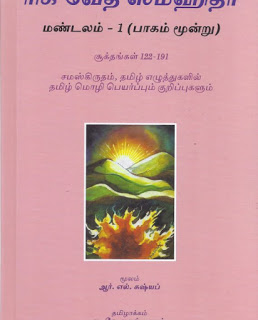
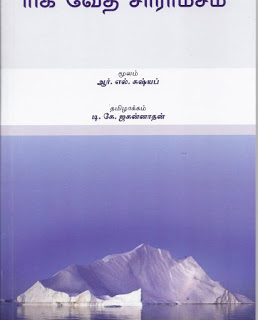
Books on Vedas in Tamil (Post No.4322)

Written by London Swaminathan


Date: 21 October 2017


Time uploaded in London- 14-58


Post No. 4322

Pictures shown here are taken from various sources such as Facebook friends, Books, Google and newspapers; thanks.


Now and then people e mail me and ask for Tamil Books on the Vedas; I have received the following e mail today. So I googled and found out some books. But I have not seen them or read them; first let me give the names of the books I have:


Sir..


Holy wishes to u..


I m reading your blog’s contents with excited feelings..


It has a lot of miracles messages and  new to me..


I’m an astrologer in XXXXXXXXXXXXX town


I read Upanishads eagerly.


And I’m living with the same


I wish to know and read about


“Atharvaa vedham”in Tamil


U r the expert in this field


So i request u to please guide me to know about the Tamil books for atharvaa vedham..


Please refer the name and publications..


It’ll be a very much benefit to my life style life and worshiping god by an another way..


I’ll be a grateful to u..


Pls reply


R V


My Reply:–


1.Atharvavetham Arulum Ananda Vazvu

author- Kavimamani Thamiz Maaran

Ramya Pathippagam, 33/4 Rmanathan Theru,

Thiyagaraya nagar, achennai 600 017

Tel- 24340599

Year of Publication 2009

It is a very good book (pages 222+)

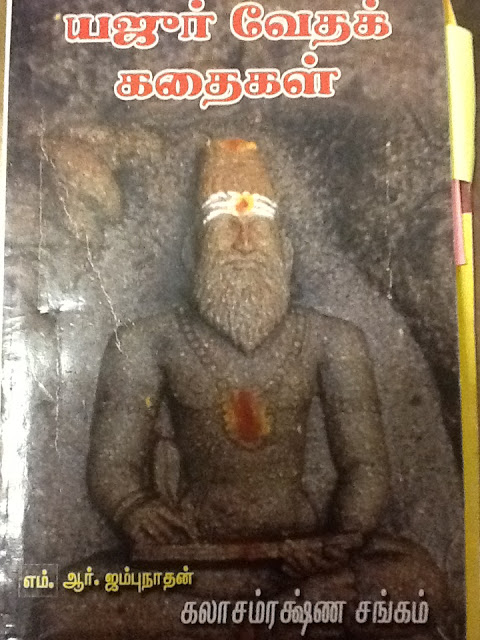
2.YajurVethak Kathaikal

author- M R Jambunathan

Kala Samrakshna Sanagam

5-D Selvam Nagar

Thanjavur 613 007

Year of Publication 2004

It is a good book (pages 80)

contact- Marutham Pathippagam

Tel 04372 232829 (Orathanadu)


These are the two books in Tamil with me in London

I have got 20 books on Vedas in English.

University of London has 100s of books and I borrow them every month.


The best place to find books on Vedas in Tamil and English is:–


Jayalakshmi Indological Book House

Mylapore, Chennai

6, Appar Swamy Koil Street,
Mylapore,
Chennai – 600004
Tamil Nadu


Ramakrishna Mutt (Mylapore, Chennai)  publish very good books about Upanishads in Tamil.


MY BOOKS


I want to publish my articles on Vedas (already in my blog) and distribute them free of cost to the interested people. If any one is interested in this venture, please contact me.

swami_48@yahoo.com


Following books are on the internet:


Sakshi Trust in Bangalore has published three vedas in Tamil; but I have not seen Atharva veda titles; please phone them to find the latest publications.


SAKSHI Trust
#63, 13th Main,
4th Block, Jayanagar
Bangalore – 560011
+91 (080) 22456315
info@vedah.com


xxxxxxx

Vedangal – Oru Pahuppaaivu: Vedas – an analysis (Tamil Edition)(Tamil) Paperback – May 24, 2016

by Dr. Ramamurthy Natarajan (Author)


Product details

  • Paperback:280 pages
  • Publisher:Local agency assigned (May 24, 2016)
  • Language:Tamil
  • ISBN-10:9382237313
  • ISBN-13:978-9382237310
  • Product Dimensions: 2 x 0.6 x 8 inches

xxxxxxxx


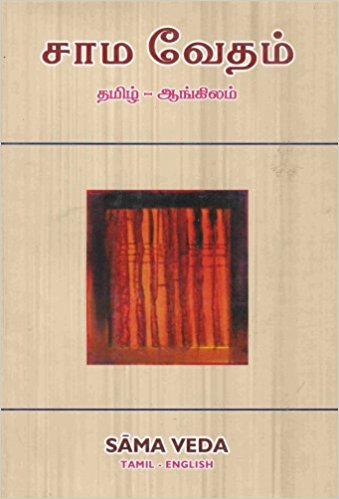
Samaveda – Veda of Holy Songs (Bilingual Tamil and English Translation) (Tamil) Hardcover – 2005

by M.R. Jambunathan (Author), R.D.H. Griffith (Author)


  • Hardcover:618 pages
  • Publisher:Alaigal Veliyeetagam (2005)
  • Language:Tamil
  • ASIN:B000V9AAXM
  • xxxxxxxxxxxxxxxxx


A lot of books are published in Marathi, Guajarati and Hindi. Tamil lags in this area.


–Subham–


கம்பன் கவி இன்பத்தில் வம்பு-2 (Post No.4296)

Written by S.NAGARAJAN


Date:13 October 2017


Time uploaded in London- 6–08 am


Post No. 4296

Pictures shown here are taken from various sources such as Facebook friends, Books, Google and newspapers; thanks.


வர்ஜிலையும், ஹோமரையும், மில்டனையும் வம்பிக்கிழுக்க வேண்டாமே! – 2

.நாகராஜன்


4

இனி அடுத்து கவிதா ரஸிகரான வ.வெ.சு. ஐயர் எப்படி வர்ஜில், ஹோமர், கம்பன், வால்மீகி, கம்பன் ஆகியோரின் கவிதையை ரஸித்தார் என்று பார்ப்போம்.

கம்பன் கவிதை என்ற தொகுப்பு நூல் பிரமாதி (1939), பங்குனி 8,9,10 ஆகிய நாட்களில் காரைக்குடியில் நடைபெற்ற கம்பன் திருநாளில் வெளியிடப்பட்டது. அதில் முதல் கட்டுரையாக ‘கம்ப ராமாயண ரசனை’ என்ற தலைப்பில் வ்.வெ.ஸுப்ரஹ்மண்ய ஐயர் எழுதிய கட்டுரை இடம் பெற்றுள்ளது. வ.வெ.சு, ஐயரின் கம்பராமாயண ரசனை நூலை தில்லி தமிழ்ச் சங்கமும் பின்னாளில் வெளியிட்டது.

102 பக்கங்கள் உள்ள அந்த நூலில் சில பகுதிகளை மட்டும் இங்குக் காண்போம்.

5

வ.வே.சு. ஐயரின் கட்டுரை, அவரது சொற்களில் :

இது மாத்திரமில்லை, கம்ப ராமாயணமானது ஹோமர் எழுதிய இலியாதையும், விர்க்கிலீயன் எழுதிய ஏனயிதையும், மில்டனுடைய சுவர்க்க நஷ்டம் என்ற காவியத்தையும், வியாஸ பாரதத்தையும், தனக்கே முதல் நூலாக இருந்த வால்மீகி ராமாயணத்தையும் கூட பெருங் காப்பிய லட்சணத்தின் அம்சங்களுள் அநேகமாய் எல்லாவற்றிலும் வென்று விட்டது என்று சொல்லுவோம். இவ்விமரிசனத்தைத் தொடர்ந்து வாசிப்போருக்கு எமது இவ்வபிப்ராயத்தை மெய்ப்பிக்க முயலுவோம்.  (பக்கம் 4)

கவிதை என்னும் அணங்கு இலக்கண வித்துவானைத் தந்தையென மதித்து அவனை அணுகாள். தார்க்கிகளைச் சகோதரன் என்று பாவித்து அவனை நெருங்காள். வேதாத்தியயனம் செய்தவனை (யும், சந்தத்தையே கவனிப்பவனையும்) விட்டுச் சண்டாளர்களிடம் நின்று ஓடுகிறவர்கள் போல ஓடியே போய் விடுகிறாள்.; மீமாம்சையை ஆராய்பவனை நபும்ஸகன் என்று நினைத்து அவமதித்து விடுகிறாள்; காவியாலங்கார சாஸ்திரமறிந்தவனைக் கண்டதும் அவனையே தன் கொழுநனாகப் பாவித்து அவனைச் சேருகிறாள்…….. வால்மீகியைச் சாமானிய கவியாக நாம் பாவிக்கவில்லை. உலகத்திலுள்ள முதல் ஏழெட்டு மகா கவிகள் என்று கணக்கிட்டு எந்த ஜாதி அறிஞர் எண்ணினாலும் அந்தக் கணக்கில் வால்மீகியின் பெயரைச் சேர்க்காதிருக்க முடியாது. எமது சொந்த அபிப்ராயத்தில் உலகத்தின் ஒரு தனிக் காவியம் என்று சொல்லத் தகுந்தது கம்பராமாயணம் தான் என்றும், வால்மீகி ராமாயணம் அதற்கு அடுத்த ஸ்தானத்தை வகிக்கும் என்றும் சொல்லுகிறோம்.   (பக்கம் 10,11)

ஹோமர் எழுதிய ஒதூஸியத்தில் வரும் குக்ளோப உபாக்கியானம், விர்க்கீலியனுடைய ஏனையத்தில் வரும் ஹார்ப்பியரின் செய்தி, ஆகிய இவைகளோடு தான் இந்த விராதன் கதையையும் இக்காண்டத்தின் கடைசியில் வரும் அயோமுகியின் கதையையும் ஒப்பிடலாகும். (The episode of Polyphemus the Cyclops in the Odyssey of Homer and the account of the Harpius in Virgil’s Eneid.) (பக்கம் 14)


மகாகவிகளெல்லாம் இத்தகைய மகா சந்தர்ப்பங்களில் பிரகிருதி மனித உணர்ச்சியோடு நடப்பது போல எழுதுவது சகஜமாயிருப்பது என்பது குறிப்பிடத்தக்கது. இலியாதின் 30-வது சருக்கத்தில் ஹோமர் பின்வருமாறு பாடுகிறார்:

“போர்க்கடவுள் துரோயா மீது வட்டமிட்டுக் கொண்டு தன் பயங்கரமான உருவத்தைப் ப்யற்காற்றாலும் மழை வேகத்தாலும் போர்த்தி மறைத்துக் கொண்டு, அத்துரோயாவின் உன்னதமான கோபுரங்களின் மீது நின்று கர்ஜித்துத் தன் வேகத்தைத் துரோயா நெஞ்சில் ஊற்றினான்.”

“பூதேவி புண்பட்டாள்; முடிவு வந்துற்றதென்று பகுதியாளும் தான் நிற்கும் அனைத்துப் பொருள்களினும் உயிர்த்துக் கொண்டு பொருமினாள், துடித்தாள் “ –

“Earth felt the wound and nature from her seat

Sighting through all her works, gave signs of woe

That all was lost” என்று மில்தனும் கற்பித்தெழுதுகிறான். எந்த ஜாதியினராயினும் பெருங் கவிகளின் இதயத்தில் ஒரே  மகாநாதம் ஒலிக்குமன்றோ? (பக்கம் 37)


உபாக்கியானங்கள் அமைப்பதில் ஹோமரைத்தான் – அவனும் இலியாதைப் பாடுகையில்தான் மிக சாமர்த்தியசாலி என்னலாம். அவன் எழுதிய ஒதூஸியம் என்னும் காவியத்தை உண்மையாக மகா காவியமென்று சொல்லக் கூடாது. அதை அநேகமாக உபாக்கியானங்களின் சேர்க்கையென்று சொல்லுவதே முறையாகும். ஆனால் இலியாதிலுள்ள அவனுடைய உட்கதைகள் சிறியனவாயும் அவய்வயங்களுக்கு அளவில் பொருத்தமாயும் இருக்கின்றன. கதையும் உபாக்கியானங்களும் ஒன்றோடொன்று பின்னிக்கொண்டு, கதைக்கு இடைஞ்சற்படுத்தாமல் பெரும்பாலும் எடுக்க முடியாதனவாய் இருக்கின்றன. ராமாயணத்தில் உபாக்கியான அமைப்பு இலியாதின் அமைப்புக்குத் தாழ்ந்ததன்று. (பக்கம் 39)


இவ் யுத்தகாண்டம்  ஒன்று மாத்திரம் அளவில் மேனாட்டுப் பெரிய மகா காவியங்களுக்கு ஏறத்தாழச் சரியாக இருக்கிறது. சாதாரணப் பதிப்புகளில் யுத்த காண்டத்தில் 4,358 விருத்தங்கள் காணப்படுகின்றன. இலியாதில் 15,693 அறுசீர் வரிகளே இருக்கின்றன என்று கணக்கிடுகிறார்களாதலால் கம்பனது யுத்த காண்டம் இலியாதை விடப் பெரியதாகவே இருக்கிறது. அவ் இலியாதில் உள்ள சகல சுவைகளையும் இக் காண்டத்தில் நாம் காணலாகும். (பக்கம் 53)


போரை வர்ணிப்பதில் ஹோமரே தான் சிறந்த கவி என்று மேனாட்டு ஆசிரியரின் கூற்றுக்களைக் கண்டும், ஹோமரின் உத்கிருஷ்டமான யுத்த வர்ணனைகளைப் படித்துப் பார்த்தும் நாம் மயங்கிப் போய், ஹோமரின் போர்ச் சித்திரங்களை விட உயர்ந்த சித்திரங்கள் கிடையா என மதித்திருந்தோம். ஆனால் கம்ப ராமாயணத்தின் யுத்த காண்டத்தைப் படித்துப் பார்த்ததும், கம்பன் போர் வர்ணனையில் ஹோமருக்குத் தாழ்ந்தவனில்லை என்றும், சில இடங்களிலும் சில விஷயங்களிலும் ஹோமரது போர் வர்ணனையை வென்றிருக்கிறானென்றும் கண்டு கொண்டோம். ஹோமரில் ஓர் குற்றம் இங்கு எடுத்தற்பாலது….. (பக்கம் 60)

தொடர்ந்து ஹோமரின் மீதான குற்றத்தை வ்.வெ.சு. ஐயர் விரிவாக விளக்குகிறார்.

மொத்தத்தில் சுவையான நூல்.

கம்பனின் காவியத்தை சிகரத்தில் நிறுத்தும் நேர்மையான விமரிசனம்.

அனைவரும் படிக்க வேண்டிய அற்புதமான நூல்.

கட்டுரையை முடிக்க வேண்டுமென்று நினைத்தாலும் அரவிந்த ரிஷியின் கருத்துக்களைப் பார்க்கவில்லை என்பதால் அடுத்த கட்டுரை தொடரும். அத்துடன் இந்த விமரிசனம்  பற்றிய தொடர் முடியும்.

***


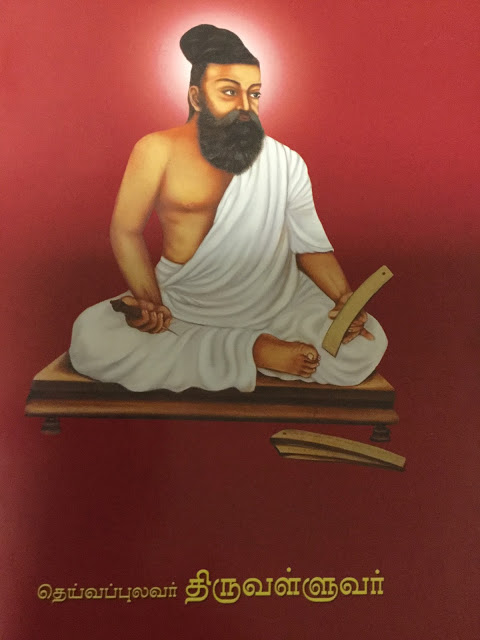
Great Men Praise Tamil Poet Tiruvalluvar and Tamil Veda Tirukkural! (Post No.4152)

Compiled by London Swaminathan


Date: 12 August 2017


Time uploaded in London- 9-18 am


Post No. 4152

Pictures shown here are taken from various sources such as Facebook friends, Books, Google, Wikipedia and newspapers; thanks.


(Don’t cut the name of the writer and blog if you are reusing it. Give respect to the writers and get respect. Be honest and your spouse and children will be honest to you; if you cheat me, they will cheat you.)

Great Men Praise Tamil Poet Tiruvalluvar and Tamil Veda Tirukkural! (Post No.4152)

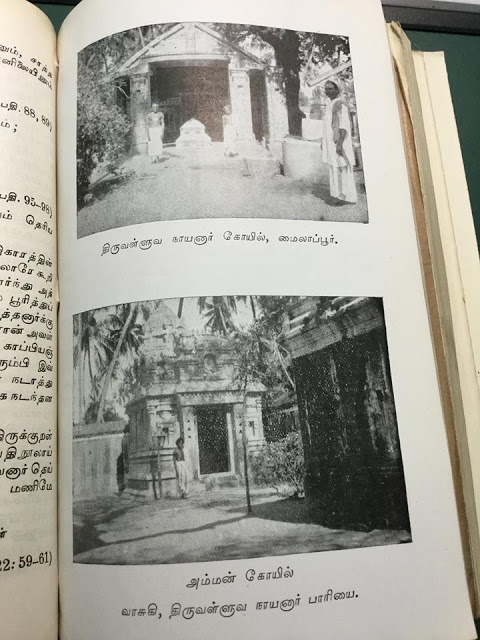
TIRUVALLUVAR TEMPLE IN MYLAPORE, CHENNAI

Tirukkural, written by Tamil Poet Tiruvaluvar, is considered as the Tamil Veda. It consists of 1330 aphorisms grouped into 133 chapters of ten couplets each. These fall into three sections Dharma (virtue), Artha (wealth) and Kama (love).


Tirukkural literally means a ‘book of sacred couplets’

We can ungrudgingly compare it to the Confucian Analects, Plato’s Dialogue and Aristotle’s Ethics. Western scholars who have scrutinised it in translation are unquestionably impressed by its universal content and appeal.

xxx

Tirukkural is neither a scripture nor an epic, but an extraordinary treatise on the art of living, which delves deep into the unshifting foundations of human life and attempts to provide guidelines, not for the society in general but for the individuals – the ascetic, the family member, the father, the son, the ruler, the minister, the ambassador, and in general to the individuals in society with responsibilities to themselves and others  — Dr V C Kulandaiswamy

xxx


“There hardly exists in the literatures of the world a book of such lofty maxims”- Albert Schweitzer

xxx


M.Ariel (Journal Asiatique-1848)

“The Kural is the masterpiece of Tamil literature:- one of the highest and purest expressions of human thought.”


xxx

Dr Graul (1856)

“No translation can convey an idea of its charming effect. It is truly apple of gold in a net work of silver.”

xxx

Dr G.U. Pope (1886)

“The Kural owes much of its popularity to its exquisite poetic form. The brevity rendered necessary by the form gives an oracular effect to the utterances of the great Tamil ‘Master of Sentences’. They are the choicest of the moral epigrams. Their resemblance to gnomic poetry of Greece is remarkable as to their subjects, their sentiments, and the state of society when they were uttered. Something of the same kind is found in Greek epigrams, in Martial and Latin elegiac verse. There is a beauty in the periodic character of the Tamil construction in many of these verses that reminds the reader of the happiest efforts of Propertius”.

xxx

Dr Barth (Religions of India)

“The Kural is that admirable collection of stanzas in the Tamil language, which is instinct with the purest and most elevated religious emotion……………………… What philosophy he teaches seems to be of the eclectic school as represented by the Bhagavt Geeta.”


xxx


Frederic Pincott

“There are two books in India which have taken entire possession of the hears and minds of the people; the first of these is the Ramayana of Tulsidas, which is known to every peer and peasant in Northern India, and the other is the Kural of Thiruvalluvar which is equally well-known throughout the South of the Indian Peninsula. The authors of both these works were essentially moralists and monotheists, and their poems have moulded the characters and guided the lives of many generations of their countrymen.

xxx

Rev.Elijah Hoole D.D.

“Some of the sayings (of Cural) are probabaly as old as the earliest writings of the Old Testament. The Cural of Tiruvalluvar is a poetic work on morals, of great merit as literary performance”


xxx

Rev.W .H.Drew (1840)

“Called the first of works, from which, whether for thought or language, there is no appeal, the Cural has a strong claim on our attention as a part of the literature of the country, and as a work of intrinsic excellence”.

xxx

Rev. E.J. Robinson

“We may regard Valluvar… as Tamil Solomons, Ezras or Tuppers, who collected and arranged the ‘proverbial philosophy’ of primitive times”.

xxx

G.U. POPE’S POEM ON TIRUVALLUVAR

‘’Sage Valluvar, priest of the lowly clan,
No tongue repeats, no speech reveals thy name;
Yet, all things changing, dieth not thy fame
For thou art bard of universal man;

And still thy ‘book’ above the waters wan’
Virtue, true wealth, and joy, and being’s aim,
In sweetest mystic couplets doth proclaim
Where winds sea-wafted palmy forests fan.

Haply undreamed of ‘visions’ glad thine eyes
In reals beyond thy fabled ‘seven fold birth’,
And clouds of darkness from thy spirit roll;

While lands far off have heard with strange surprise
Faint echoes of thy song. Though all the earth
Men hail thee brother, seer of spotless soul’’
—Written by Dr G.U. Pope

xxxx

Tirukkural Commentaries

Tradition says that there were ten commentaries on the Kural in medieval times. Of these only five have been bought to light, namely those of Parimel alagar, Manakkudavar, Kalingar, Parithiyar and Paripperumal. Parmellagar was the most popular and authoritative commentary on the book. He was a native of Kanchi, where he lived and taught about 600 years ago. His style is almost as terse and vigorous as the original and all students of Kural are greatly indebted to him for his clear and convincing exposition of the couplets. His criticisms of the various readings current in his day are incisive and dignified.

Manakkudavar differs from him in many places and he often adopts a different renderings of the same text.

xxx

Tiruvalluvar’s Age

Tiruvalluvar hailed from Mylapore in Chennai and he lived at least 1500 years ago. Though the Tamil Nadu government publications place him around 31 BCE, linguistically he can be placed in the fourth or fifth century CE only. His style, language and grammatical constructions show him that he lived in the post- Sangam age. Sangam Age covers the first three centuries of modern era.

–Subham—


A few Anecdotes about Tamil Savant U.Ve.Sa (Post No.4135)

Written by London Swaminathan


Date: 6 August 2017


Time uploaded in London- 18-40


Post No. 4135

Pictures shown here are taken from various sources such as Facebook friends, Books, Google and newspapers; thanks.


There is an interesting story about Uthamadhanapuram, a village 3-5 km south of Papanasam in Thanjavur district.

A Maratha king who happened to camp nearby had his food and Thamboolam (betelnut and betelleaves) without knowing it was Ekadasi Day that day – a day of prayer and fasting. As an act of atonement, he established and Agraharam (Street for Brahmins) for 80 Vedic scholars, providing each a house and 10 Velis of land. He named it Uthamadhanapuram, evidently to show how greatly he valued the Dhana (gift)

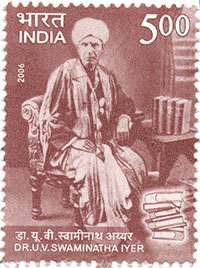
It was this Uthamadhanapuram that gifted to the world the ‘Uthama’ (great soul) of Tamil learning, Mahamahopadhyaya Dr U V Saminatha Iyer.

xxx

Two of many incidents show what Tamil meant to U Ve. Saminatha Iyer. He had picthed upon a girl for his grandson> She was clever, good looking and good singer. But she did not sing any Tamil song nor did she know Tirukkural (Tamil Veda).

Saminatha Iyer asked her, with some disappointment: How can a girl who does not know Tirukkural become my grand daughter-in-law?”

The girl did acquire the qualification and entered his house triumphantly.

xxx


Once a friend wished hi many more years of life to see the arrival of his great grandson.

“I want to live for many years but not for that reason”, he said.

Pointing to the piles of palm leaves in the room, he said with an innocent smile “They are my children. I want to see them in print before I die. If I depart suddenly, I wish to be reborn in this Tamil Land to complete the work. But when I come here in rebirth, I wonder if these people (relatives) would let me in”.

xxxx

Saminatha Iyer needs no new honour. He was a legend in his day – titles and honours were heaped upon him. Mahakavi Bharati sang a verse in praise of him in which he wonders if the foreign rulers with no knowledge of Tamil, honour him with the title MAHA MAHOPADHYAYA, what would have been his fame if he had been born in the days of Pandya Kings!

Addressing him as the king of poets, he tells Saminathan that he may not have money or know the way to enjoy the pleasures of life, but he will live in the hearts of poets as long as Tamil lasts, with words of praise on their lips.


XXX

Born on 19 February 1855

Died in 1942

His Guru: Mahavidwan Meenakshisundaram Pillay

Posts held: Adheena Vidwan of Thiruvavadurai

Tamil Teacher at Kumbakonam College

Publications: 100 books including his Autobiography, Edited versions of Sangam Literature, Silappadikaram, Manimekalai and Jeevaka Chintamani.


Source:V Sundaram’s article in Indian Express dated 26 December 1994


மருந்து உட்கொள்ள ஆரம்பித்தவுடன் எடை கூடுகிறதா? (Post No.4085)

Written by S NAGARAJAN


Date: 16 July 2017


Time uploaded in London:- 5-54 am


Post No.4085


Pictures are taken from different sources such as Face book, Wikipedia, Newspapers etc; thanks. 


திருநெல்வேலியிலிருந்து திரு ஆர்.சி.ராஜாவை ஆசிரியராகக் கொண்டு வெளிவரும் ஹெல்த்கேர் மாத பத்திரிகையில் ஜூலை 2017 இதழில் வெளியாகியுள்ள கட்டுரை

புதிய மருந்து உட்கொள்ள ஆரம்பித்தவுடன் உங்க உடலின் எடை திடீரென்று கூடுகிறதா?

ச.நாகராஜன்

ள்﷽﷽﷽﷽﷽﷽﷽﷽﷽﷽﷽﷽﷽﷽﷽﷽﷽﷽﷽﷽﷽﷽ம்பிதவtsRSதிடீரென்று உடல் எடை கூடுகிறதே என்று கவலைப்படுபவர்களில் ஒருவர் நீங்கள் என்றால் உடனடியாக நீங்கள் ஏதேனும் மருந்துகளை உட்கொள்ள ஆரம்பித்தீர்களா என்பதைச் சரி பார்க்க வேண்டியதும் அவசியமாகிறது.


ஆம், சில மருந்துகள் உடலின் எடை கூடுவதற்குக் காரணமாக அமைகின்றன. பக்க விளைவாக உடல் எடையைக் கூட்டும் மருந்துகளைப் பற்றிய கவனம் தேவை.

On Planet Pluto

எடை குறைவாக இருந்தால், பரவாயில்லை சரி என்று விட்டு விடலாம்.ஆனால் ஏற்கனவே எடை கூடுதலாக இருந்தால் உடலின் எடை இன்னும் கூடுவது அபாயத்தில் அல்லவா முடியும்!


சிலருக்கு மாதத்தில் 5 முதல் 10 கிலோ வரை எடை கூடி விடுகிறது. டாக்டர்கள் குறிப்பிட்ட மருந்துகளை அவர்கள் தொடர்ந்து உட்கொள்ள வேண்டிய நிலையில் இருந்தால் அவர்களின் நிலை என்னவாகும்?


பல ஸ்ட்ராய்ட் மருந்துகள் (Steroid Drugs) உங்களுக்குப் பசி உணர்வைத் தூண்டி விடுகிறது. அதே போல மனம் சம்பந்தப்பட்ட வியாதிகளுக்குத் தரும் மருந்துகள் கூட – மனச்சோர்வு, schizophrenia போன்ற வியாதிகளுக்குத் தரப்படும் மருந்துகள் கூட – உடலின் எடையை அதிகரிக்கச் செய்யும்.

முதலில் இந்த மருந்துகள் பசி உணர்வைத் தூண்டுவதால் அதிகம் சாப்பிடத்  தோன்றும். இதன் விளைவாக உடலின் எடை கூடும். சில மருந்துகளோ உடலில் கலோரியை மிக மெதுவாகச் செலவழிக்க வைத்து உடல் கூற்றையே மாற்றும். இன்னும் சில மருந்துகளோ சர்க்கரைச் சத்தையும் சில ஊட்டச் சத்துகளையும் அவற்றை உறிஞ்சுவதிலும் சேமிப்பதிலும் பாதிப்பு ஏற்படுத்தி அதன் விளைவாக உடலின்

எடையை அதிகரிக்கச் செய்யும்.

உங்களுக்கு சுவாசம் விடுவதில் சில மருந்துகள் சிரமத்தை ஏற்படுத்தினால் இயல்பாகவே நீங்கள் உடல்பயிற்சியை செய்ய விரும்ப மாட்டீர்கள். இதன் விளைவாகவும் கூட உடல் எடை கூடக் கூடும்.


இன்னும் சில மருந்துகளோ நீரை உடலில் அப்படியே தங்கச் செய்யும். அதன் விளைவாக உடல் எடை கூடலாம். உடலில் கொழுப்பு சக்தி அதிகம் இல்லை என்றாலும்  உடலின் எடையை இந்த நீர் அதிகரித்தே காட்டும்! இன்னும் சில மருந்துகளைப் பற்றி ஆய்வாளர்களே அவை ஏன் எடையைக் கூட்டச் செய்கின்றன என்பதை அறியாது  தொடர்ந்த ஆய்வில் ஈடுபட்டுள்ள்னர்.

உடலின் எடையைக் கூட்டும் மருந்துகளின் பட்டியல் இதோ:-

டயபடீஸ் நோய்க்காக எடுத்துக் கொள்ளப்படும் இன்சுலின், Thiazolidinediones, Sulfonylureas போன்றவை

ஆன்ட்டி சைகாடிக் (Antipsychotic)மருந்துகள் எனப்படும் Haloperidal, Clozapine, Lithium போன்றவை

Anttidepressant drugs எனப்படும் மனச்சோர்வை அகற்றும் மருந்துகளான amitriptyline, paroxetine மற்றும் sertraline போன்றவை


வலிப்பு நோய்க்கான Valproate, carbamazepine போன்றவை

ஸ்ட்ராய்ட் ஹார்மோன் மருந்துகளான prednisone அல்லது குடும்பக்கட்டுப்பாடு மாத்திரைகள்

பீட்டா ப்ளாக்கர்ஸ் (Beta –blockers) போன்ற ரத்த அழுத்தத்தைக் குறைக்கும் மருந்துகள்


ஒரு முக்கியமான விஷயம்; இங்கு குறிப்பிடப்படுள்ள இவை அனைத்துமே உடல் எடையைக் கூட்டும் மருந்துகள் என்பதில்லை. உதாரணமாக metformin என்ற டயாபடீஸுக்கான மருந்து உடல் எடையைக் கூட்டுவதற்கு பதிலாக எடையைக் குறைக்கவும் கூடும். மைக்ரேன் மற்றும் இழுப்புக்கான மருந்தான Topiramteம் கூட ஒருவரின் உடல் எடை இழப்பதற்கான காரணமாகக் கூடும். ஆகவே முடிவெடுப்பதில் கவனம் தேவை.

ஒருவரின் எடை கூடுகிறது என்பதற்கு பல காரணங்கள் உண்டு


ஒருவர் எடுத்துக் கொள்ளும் குறிப்பிட்ட மருந்து, அவரது வயது போன்றவற்றைச் சொல்லலாம்

முதலில் டாக்டரிடம் சென்று உடல் எடை கூடுவதைச் சொன்னவுடன் அவர் பல்வேறு காரணங்களைப் பகுத்து ஆராய்வார்.


இப்போது உட்கொள்ளும் மருந்து தான் காரணமெனில அவர் வேறு ஒரு மாற்று மருந்தை உட்கொள்ளுமாறு ஆலோசனை கூறலாம்.


அதே மருந்து தான் உங்கள் வியாதியைக் குணப்படுத்த தேவை எனில் அதன் உட்கொள்ளும் அளவை அவர் குறைக்கக் கூடும்.


சில வகையான கான்ஸர்கள் மற்றும்

உளவியல் ரீதியிலான வியாதிகள் போன்றவற்றில் மருந்துகளை மாற்ற முடியாத சூழ்நிலையில் டாக்டர் இப்படிப்பட்ட முடிவை பரிந்துரைக்கலாம்.

ஒரு மருந்தை உங்கள் டாக்டர் பரிந்துரைக்கும் போது அவரிடமே இதன் பக்க விளைவாக உடல் எடை கூடுதல் போன்றவை ஏற்படுமா என்று முதலிலேயே கேட்டுத் தெளிவு பெறலாம்.

நல்ல உணவுப் பழக்க வழக்கங்கள், உடல் பயிற்சியை மேற்கொள்வது போன்றவற்றால் உங்கள் எடையை எப்பொழுதும் கட்டுப்பாட்டிற்குள் வைப்பது சாத்தியம்.

அவசரப்பட்டுத் தன்னிச்சையாக முடிவெடுக்காமல் உங்கள் மருத்துவரிடம் கலந்து ஆலோசனை செய்து ஒரு முடிவை எடுப்பதோடு தொடர்ந்து உங்கள் எடை மீது கவனம் வைப்பது சாலச் சிறந்தது.


****