விபூதியின் மஹிமை! – 2 (Post No.7553)

paramam pavithram Baba Vibhuutim

WRITTEN BY S NAGARAJAN                     

Post No.7553

Date uploaded in London – – 9 February 2020

Contact – swami_48@yahoo.com

Pictures are taken from various sources for spreading knowledge; this is a non- commercial blog.

விபூதியின் மஹிமை! – 2

ச.நாகராஜன்

தேவி பாகவதம் விபூதி எப்படித் தயாரிக்கப்பட வேண்டும், அவற்றின் வகைகள், பெயர்கள், பயன்கள் என்ன என்று விரிவாகக் கூறுகிறது.

சில முக்கிய விஷயங்களை மட்டும் இங்கு சுருக்கமாகப் பார்ப்போம்: –

(உத்தூளனம் என்றால் நெற்றி முழுவதும் விபூதியைப் பூசுவது என்று பொருள்; திரிபுண்டரதாரணம் என்றால் நெற்றியில் மூன்று கோடுகளை கிடைமட்டமாக விபூதியினால் தரிப்பது என்று பொருள். இதை மனதில் கொண்டு கட்டுரைகளை மேலே படிக்கலாம்.) tamilandvedas.com, swamiindology.blogspot.com

பஸ்மம் இல்லாத நெற்றியைச் சுடு,

சிவாலயம் இல்லாத கிராமத்தைச் சுடு,

சிவார்ச்சனம் இல்லாத ஜன்மத்தைச்  சுடு,

சிவாஸ்ரயம் இல்லாத வித்தையைச் சுடு, என்று இவ்வாறு வேதம் கூறுகிறது.

பிரம்மா சிருஷ்டியினாலும் திரிபுண்டரதாரணத்தைக் காண்பித்திருக்கிறார்!

எப்படியெனில்,  அவர் நெற்றியைக் குறுக்காயும், ஊர்த்துவமாயும் படைத்திருக்கிறார், இல்லையா?!

விருத்தமாகச் சிருஷ்டிக்கவில்லை அல்லவா!

மானிடருக்கேயல்லாமல் சகல பிராணிகளுக்கும் நெற்றியில் திரியக் ரேகைகள் காணப்படுகிறதில்லையா!

அப்படிக் காணப்பட்டும் கூட மூட மனிதர்கள் திரிபுண்டரதாரணம் செய்கிறதில்லை!

எவன் ஒருவன் பஸ்மம் மற்றும் ருத்திராக்ஷம் தரிக்கின்றானோ, அவனது ரோகம், வியாதி, துர்பிக்ஷம், திருடு முதலியவை நாசகரமாகும். அவன் பிரம்மத்தை அடைகிறான்.

திருமூர்த்திகளாலும், இரண்யகர்ப்பனாலும் வருணன் முதலியவர்களாலும் உமை, லட்சுமி, சரஸ்வதி என்னும் மூவராலும் ஏனைய தேவதா ஸ்திரீகளாலும் யட்ச, ராட்ஸச, கந்தர்வ, சித்த ,வித்தியாதர்களாலும், முனிவர்களாலும் பஸ்மோத்தூளனமும் திரிபுண்டரமும் தரிக்கப்பட்டிருக்கின்றன.

முக்தி என்கிற ஸ்திரீயை வசீகரம் செய்து கொள்ள வேண்டியவனுக்கு சிவலிங்கம், ருத்திராக்ஷம் பஞ்சாக்ஷரம் பஸ்மம் என்னும் இவைகள் ஔஷதங்களாகும்.

ஐஸ்வர்யமாகிய விபூதி சாதனத்தை ஒருவன் கபடத்தினாலாவது அணிவான் என்றாலும் கூட அவன் அடையும் கதியை நூறு யாகம் செய்தவன் கூட அடைய முடியாது. tamilandvedas.com, swamiindology.blogspot.com

 ஒரு அரசன் தனது அடையாளம் தரிக்கப்பட்ட ஒருவனை எப்படித் தன்னவனாக எண்ணுகிறானோ அதே போல மஹாதேவனும் தனது அடையாளமாகிய பஸ்ம திரிபுண்டரங்களை அணிபவனைத் தன்னவனாகவே எண்ணுகிறான்.

சுருதிகளும் ஸ்மிருதிகளும் எல்லாப் புராணங்களும் விபூதி மகிமையையே கூறுகின்றன.

பஸ்ம ஸ்நானத்தை விட வேறு சுத்தமான ஸ்நானம் பிறிதில்லை.

ஜல ஸ்நானத்தை பிரகிருதி என்றும் பந்தம் என்றும் சொல்கின்றனர். பிரகிருதியாகிய பந்தத்தைத் தொலைப்பதற்கே இந்த பஸ்ம ஸ்நானம் விதிக்கப்பட்டிருக்கிறது.

இந்த ஸ்நானத்தால் ஜுரம், பிரம்ம ராட்ஸச பிசாசம், பூத சேஷ்டைகள், குஷ்டம், குன்மம், பகந்தரம் முதலிய அறுபத்திநான்கு  வாத ரோகங்களும், சிலேஷ்ம ரோகங்களும், வியாக்ரம் முதலிய துஷ்ட பயங்கர மிருகங்களும், திருடு போன்ற பயங்களும் சிங்கத்தைக் கண்ட யானையைப் போல நசித்துப் போகும். tamilandvedas.com, swamiindology.blogspot.com

விதியுக்தமாகிய வன்னி வீரியத்தினால் உண்டாகிய பஸ்மத்தைத் தரித்தால் அது நெற்றியில் எழுதியிருக்கும் யம சம்பந்தமான எழுத்தைத் தொலைத்து விடும். இது நிச்சயம்.

இது போல் கழுத்தில் தரிப்பதால் கண்டத்தில் உண்டாகும் பாபமும், மார்பில் தரிப்பதால் மனதால் செய்த பாவமும்,

நாபியில் தரிப்பதால் ஆண்குறியினால் செய்த பாவமும்,

பிருஷ்ட பாகத்தில் தரிப்பதால் அதனால் செய்த பாவமும்,

பக்கங்களில் தரிப்பதால் பர ஸ்திரீகளைத் தழுவிய பாவமும் நசித்துப் போகும்.

பஸ்மத்தைத் தரித்தே காயத்திரியை ஜபிக்க வேண்டும்.

ஒருமுறை துர்வாச முனிவர் பிதுர் லோகம் சென்றார்.அவரை அனைவரும் மரியாதையுடன் எதிர்கொண்டழைத்தனர்.

அப்போது அங்கிருந்த கும்பீபாகம் என்னும் நரகத்திலிருந்து ஐயோ ஐயோ, கொளுத்தப்பட்டோம், அறுக்கப்பட்டோம், பிளக்கப்பட்டோம் என்று பலரும் அலறும் குரல்கள் கேட்கப்பட்டன. tamilandvedas.com, swamiindology.blogspot.com

இதனால் துர்வாசர் துக்கமுற்று இது யாருடைய குரல்கள் எனக் கேட்க பாவிகளின் குரல்கள் இவை, கும்பீபாகம் என்ற நரகத்திலிருந்து எழும் குரல்களே இவை என பதில் வந்தது.

துர்வாசர் அதைப் பார்க்க வேண்டும் என்ற எண்ணத்துடன் அதன் அருகில் சென்று குனிந்து பார்த்தார்.

அந்தக் கணமே கும்பீபாகத்தில் இருந்த அனைவருக்கும் சொர்க்கத்திலிருக்கும் சுகத்திற்கும் மேலான சுகம் கிடைத்தது.

இதனால் ஆச்சரியம் அடைந்த யமதூதர்கள் விஷயத்தை எமனிடம் சொல்ல எமன் ஆச்சரியப்பட்டு விரைந்தோடி வந்தான். காரணம் புரியவில்லை அவனுக்கு. இந்திரனும் பிற தேவர்களும் வந்தனர்; பின்னர் விஷ்ணுவும் அங்கு வந்தார். அவர்களுக்கும் இதன் காரணம் புரியவில்லை!

காரணம் புரியாததால் மஹாதேவரை அனைவரும் அணுகினர்.

விஷயத்தைக் கேட்ட சிவபிரான் புன்னகை பூத்தார்.

“வேறொன்றுமில்லை, துர்வாசர் கும்பீபாக நரகத்தைக் குனிந்து பார்த்தார் இல்லையா, அவரது நெற்றியிலிருந்து சில விபூதி துளிகள் அந்த நரகத்தில் விழுந்தன. ஆகவே அந்த நரகம் சொர்க்கம் போல ஆயிற்று. இனி அதை பிதுர் தீர்த்தம் என அழையுங்கள்’ என அருளுரை புகன்றார்.

அனைவரும் விபூதி தாரண மகிமையையும் துர்வாசரின் விபூதி துளிகளின் மகிமையையும் அறிந்தனர்.

இப்படி தேவி பாகவதம் விரிவாக விபூதி மகிமையை எடுத்துரைக்கிறது. tamilandvedas.com, swamiindology.blogspot.com

    அடுத்து சைவ சமயக் குரவர் மந்திரமாவது நீறு என்று கூறி ஆற்றிய அற்புதத்தையும் அவர் கூறும் திருநீற்றின் மகிமையையும் உணர்ந்து,  திருநீற்று மகிமைத் தொடரை முடிப்போம்.

***

அடுத்த கட்டுரையுடன் இந்தக் குறுந்தொடர் முடியும்
‘WOMEN IN VEDAS’ IN BULLET POINTS (Post No.7551)

WRITTEN BY LONDON SWAMINATHAN

Post No.7551

Date uploaded in London – 8 February 2020

Contact – swami_48@yahoo.com

Pictures are taken from various sources for spreading knowledge; this is a non- commercial blog.

The number of female seers in Rig Veda comes to about thirty. This number includes five lady seers of Khilasukta also . Khila is like appendix or supplement.

GHOSA KAKSHIVATI, LOPAMUDRA, APALA, ROMASA, SURYA, JUHU BRAHMAJAYA, SRADDHA KAMAYANI, YAMI, INDRANI, MEDHA, AGASTYAVASA, ATREYI, SASVATI ANGHIRASI, VISWAVARA, SACI PAULOMI, DAUGHTERS OF KASYAPA, OR SIKHANDINS, URVASI, INDRAMATARAH

NON HUMAN FEMININE  CHARACTERS

SARAMA THE BITCH, GODHA THE CORODILE, SARPA RAJNI

INANIMATE FEMININE CHARACTERS

RATRI BHARADWAJI, DAKSHINA  PRAJAPATYA, VAG/SPEECH, NADHI/NADHYAH, SRI, LAKSA

It is pleasing to note that no religious disabilities were associated with women in India down to the end of the Upanishadic age (pre buddha period 600 BCE)

In the Vedic age there is ample evidence to show that the women not only studied the Vedas but also figured among the authors of Rig Vedic hymns. tamilandvedas.com, swamiindology.blogspot.com

ONLY FOR WOMEN

In the Vedic age there were certain sacrifices  like the Siitaa sacrifice and Rudra sacrifice that could be performed by women alone.

(Siitaa sacrifice at harvest and Rudra sacrifice to ensure fecundity among cattle)

Some women Vedic scholars like Lopaamudraa, Vishwavaaraa and Ghoshaa composed hymns that were later admitted into the sacred canon. Usually Vedic sacrifices were to be offered jointly by the husband and the wife.

The wife took an active part in the daily and periodical sacrifices along with her husband. She had her own hut in the sacrificial compound; the duty of chanting the sSaman hymns  usually fell upon her. tamilandvedas.com, swamiindology.blogspot.com

FIRST BRICK

The wife used to make the first brick for the sacrificial altar and participate in the consecration of the fire and the offering of oblations.

If the husband is away on a journey, the wife alone performed the different sacrifices which the couple had to do jointly.

Xxx

As women enjoyed the same religious privileges as men and received the same education, their status in the family was nearly the same as that of men. Their status in society also was naturally satisfactory. Many of them were famous scholars and authors. tamilandvedas.com, swamiindology.blogspot.com

Women in Industries

 It is rather surprising to find that women were taking active part in the industrial life. They were manufacturing arrows and bows, making baskets, weaving cloth and participating in outdoor agricultural work. It is important to note that words like female arrow makers (ishukartryah) do not occur in later literature.

Among the fine arts music and dance have been cultivated by women fairly extensively; their love for and excellence in these arts were well known. Since women were following many outdoor professions there was naturally no ‘purdah’ (face covering veil) in the society. tamilandvedas.com, swamiindology.blogspot.com

Dampati

The husband and wife were the joint owners of the household and its property. They are called Dampati (Couple).RV 8-31-5/6

Yaa dampatii samanasaa sunuta aa ca

Dhaavalah devaaso niyayaasir

The expression ‘the wife is the home’ shows how woman was the central point of domestic life-RV 3-53-4

Jaayedastammaaghavantsedduyoni

Grhinini /housewife is used in tamil as well as ‘illaal’ tamilandvedas.com, swamiindology.blogspot.com

POST VEDIC

What living women have proved to be such formative force as, for example, Sati, Sita and Savitri?

What could be better illustrative examples of the true dignity of Indian womanhood than Draupadi, Shakuntalaa, and Gaandhaari?

We hear of great women like Maitreyi, , Gaargi, Arundhati and Liilaavati

Source – Great Women of India and New Horizons of Indological Research tamilandvedas.com, swamiindology.blogspot.com

TAGS – Vedic Women, Vedic Poetesses, Rig Veda

–subham–

Vasantasena , Noble Courtesan’s love affair with ‘Brahmana Merchant’! (Post No.7540)

Written  by London Swaminathan               

Post No.7540

Date uploaded in London – – 5 February 2020

Contact – swami_48@yahoo.com

Pictures are taken from various sources for spreading knowledge; this is a non- commercial blog.

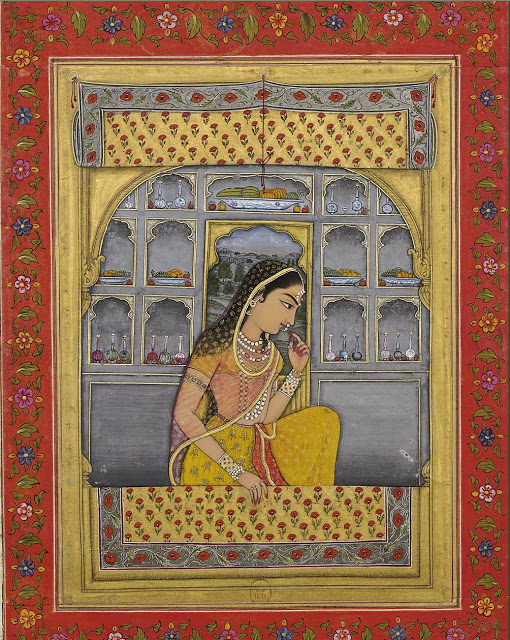
That magnanimity is no close preserve of birth and lineage, and that a debasing environment is no impediment to what is intrinsically noble, is patent in the character of Vasantasena , presented by Bhaasa  in

‘Daridra –Charudatta’ and by Shudraka  in

‘Mrichhakatika’ . It has got to be recognised  also that the lure of conventional romance and the profusion of seductive love accessories on the lines of the Kamasutra , as presented in the Mrichhakatika, serve not to demoralize the real woman in her, and in spite of her  ignoble birth she gets united at last to her lover

Charudatta, who is by birth a Brahmana , but by profession a merchant now reduced to poverty.

The high position of the courtesan is recognised not merely in the Kamasutra but also in the Artha-shastra ; and in classical Sanskrit convention  these are not mean forces to reckon with.

In spite of the mean and vulgar machinations of  brutal

Shakara , Vasantasena has the satisfaction to see  that her love for the brahmana  merchant, which is based on intrinsic merit , is appreciated and validated.   The depositing of her ornament casket with her lover almost at the first introduction, her sincere and heart felt inclination to religious performances , her liberality, which is evinced by her granting ransom to her chief attendant maid, her pleasure in giving full play to  the motherly instinct , her reverential reference to Charudatta’s wife  and the cheerful way of meeting her privations to the point of  being almost beaten to death are but clear evidences of  her totally uncourtesan like leanings.

To her maid’s query whether she was after a prince or a potentate, she gives an emphatic reply:

“My girl, it is a question of loving , not applying the trade of a courtesan”. Charudatta’s boy, who plays with a Little Earthern Toy Cart (this is the title of the play)  and seems to be depressed because his playmates of the  merchant  square play with the golden carts , she consoles him by saying : “Don’t worry, my child, you shall have a golden cart to play with”.

When the boy’s attendant maid introduces Vasantasena as his mother, he is not reconciled, but utters  knowingly,

“You are not telling me the truth. If she were my mother, she would not have such beautiful jewels”.

To this  Vasantasena says ,

“Child, your naïve lips utter cruel words …. There now I am your mother . Take these ornaments and make a golden cart for you.”  She has seen many sordid things in life, but her mind is not debased. In spite of her vile associations, her mind was not defiled; but rather, as the hero puts it, ‘she is worthy of the homage that one accords to a goddess’. In her, discrimination and passion are well balanced, discrimination leading to modesty and passion to steadfastness in affection.

My comments

We have beautiful dramas written in Sanskrit by Bhasa, Kalidasa, Visakadatta and Shudraka which were staged at least 1600 years before Shakespeare. Each one has many beautiful characters who will beat Shakespeare’s characters.

The society described in those drams is entirely different from what we read in Manu Smriti and other Smritis (Hindu Law books. Even Mahabharata has characters like Dharma vyadha and Ramayana, a Valmiki. If these dramas are from 3rd century BCE (Bhasa’s 13 plays), then we can’t place Manu nearer to that period. Either the anti- Shudra remarks are interpolations or later additions .

Another thing is a Brahmin merchant it is like hot ice cream. And that Brahmin merchant was loved by a courtesan of ignoble birth. This is a picture from Shudraka of second century CE (Mrchhakatika- Little clay Cart).

Though I have not read the drama in its Sanskrit original, I have read its Tamil translation by Pandithamani Kathiresan Chettiyar. It was prescribed for Tamil language paper in Undergraduate Studies in Madurai University. It is a drama touching various facets of society. I place Kalidasa’s three dramas on the basis of his 200 out of 1500 similes found in Sangam Tamil literature (See my 20 plus research articles in this blog). Even if scholars don’t agree with me, Bhasa’s 13 plays are definitely before Kalidasa.

If we put all these plays together and study the society, it will show a liberal society with catholic outlook. If we add the society as wee see in Sangam Tamil literature and Buddhist Jataka Tales we will have more support for the liberal views. Kabila, the Brahmin poet who contributed over 200 poems to the 2500 poem Sangam corpus, goes to a chieftain and introduces himself “I, the brahmin, have brought these daughters; marry them”. But those two are not his own daughters, but the daughters of his beloved friend and the great philanthropist Pari, who was a kshatriya ruler. So we see a society with catholic outlook from Kanyakumari to Kashmir.

 The above write up about Vasantasena is taken from ‘Great women of India’ published in 1953 by the Advaita Ashrama; those who have read the dramas on Vasanta sena only can appreciate this critical review. It must be made compulsory to study the ancient dramas at school level and college level. If we do it before we study Shakespeare it will make us proud. An ocean of drama literature is in Sanskrit up to 18th century. Almost a continuous production of dramas for 2000 plus years. Unfortunately, we lost all ancient Tamil dramas.

tags – Vasantasena, Charudatta, Love, Courtesan ,

xxx

My old articles

tamilandvedas.com › 2014/05/19 › 133-beautiful-quotations-of-bhasa…


133 Beautiful Quotations of Bhasa – Part 2 | Tamil and Vedas

  1.  
  2.  

19 May 2014 – Vasantasena in Charudatta drama. GOOD & BAD PEOPLE 115.Don’t grind what is already ground. 116.Discharge your duties as if death …

tamilandvedas.com › 2020/01/07 › a-courtesan-became-the-queen-of-…


A COURTESAN BECAME THE QUEEN OF MADURAI (Post …

  1.  

7 Jan 2020 – SHE WAS A COURTESAN FROM TIRUVELLORE NEAR CHENNAI. HERE IS HER INTERESTING STORY. … Tamil and Vedas … A lampoon by a contemporary writer Chnna Venkanna, throws some light on Mangamma’s life.

tamilandvedas.com › tag › goldsmiths

tamilandvedas.com › tag › goldsmiths


Goldsmiths | Tamil and Vedas

  1.  

15 Apr 2017 – Silappadikaram, the Tamil epic, is the story about Kannaki and … He advised the mighty king Cheran Senguttuvan about the good things in life (Dharma). … and courtesan Matavi, the mighty lord of the Cheras, asked Matalan:.

tamilandvedas.com › 2018/06/07 › sea-is-a-channel…


‘SEA IS A CHANNEL, EARTH IS A COURTYARD’ FOR INDIANS

  1.  

7 Jun 2018 – Mricakatika of Sudraka (second century CE) describes the eight courtyard building of courtesan Vasantasena. There is a beautiful description …

உலகின் மாபெரும் அறிவாளி மன்னன் போஜராஜன்! (Post No.7524)

ச.நாகராஜன்

WRITTEN BY S NAGARAJAN                     

Post No.7524

Date uploaded in London – – 2 February 2020

Contact – swami_48@yahoo.com

Pictures are taken from various sources for spreading knowledge; this is a non- commercial blog.

உலகில் உள்ள அனைத்து நாடுகளையும் எடுத்துக் கொண்டு ஆங்காங்கு பல நாடுகளையும் ஆண்ட மன்னர்களில் அறிவாளிகளாக இருந்த மன்னர்களை ஒப்பிட்டுப் பார்த்தால் உயர்ந்த அறிவாளியாகவும் பல்வேறு துறைகளில் பல நூல்களை இயற்றிய அறிவாளியாகவும் மிளிரும் மன்னன் பாரதத்தைச் சேர்ந்த போஜ மஹாராஜனே! ( அரசாண்ட காலம் :கி.பி. 1010-1055)

போஜனின் பெயரால் வழங்கப்படும் நகரின் பெயர் போபால்.

போஜன் 84 நூல்களை இயற்றியதாகப் பலவேறு நூல்களின் அடிப்படையில் அறிகிறோம்.

இன்னும் சிலர் அவன் 104 நூல்களை இயற்றியதாகவும் 104 ஆலயங்களை அமைத்ததாகவும் கூறுகின்றனர்.

போஜன் சிறந்த சிவ பக்தன்.

வாழ்க்கையின் ஒவ்வொரு அம்சத்தையும் ஒவ்வொரு நாளையும் நன்கு அனுபவித்தவன்.

பெருத்த நீதிமான். ஏழைகளின் பால் இரக்கம் கொண்டவன்.

சிறந்த கவிஞன். பல் துறை நிபுணன். எப்போதும் அவனைச் சுற்றிப் பெரும் கவிஞர் கூட்டம் ஒன்று இருந்து கொண்டே இருக்கும்.

ஏராளமான நுட்பமான கேள்விகளை அவர்களிடம் அவன் கேட்டுக் கொண்டே இருப்பான்.

அவர்களில் தலை சிறந்த கவிஞனாக மிளிர்ந்த காளிதாஸன் மன்னனின் மனதில் ஊடுருவி இருக்கும் ரகசியத்தை அறிந்து பளீர் பளீரென்று கவிதையாலேயே பதில் கொடுப்பான்.

போஜனையும் காளிதாஸனையும் இணைத்து பாரதத்தில் உலவி வரும் சம்பவங்கள் ஏராளம்; கதைகள் ஏராளம்.

துரதிர்ஷ்டவசமாக போஜனைப் பற்றிய முழு வரலாறு எழுதப்படவில்லை.

ஆங்காங்கே சிதறிக் கிடக்கும் நூல்களில் உள்ள சம்பவங்கள் மட்டுமே கிடைத்துள்ளன.

அவனது 84 நூல்களில் இன்று கிடைத்திருப்பவை சொற்பமே. ஒரு வேளை முனைப்புடன் ஆராய்ந்தால் (4 லட்சம் சம்ஸ்கிருத சுவடிகள் திறந்து கூடப் பார்க்கப்படவில்லை என்பதை நினைத்துப் பார்த்தால்) அவனது நூல்கள் பல கிடைக்கக் கூடும்.

அவனது நூல்களின் பட்டியலை ஒருவாறாக இன்றைய நிலையில் தொகுத்துப் பார்த்தால் வருவது கீழ்க்கண்ட நூல்கள்:

வானவியல் மற்றும் ஜோதிடம்

ராஜமார்த்தாண்டா

ராஜம்ருகங்கா

இட்வஜ்ஜனவல்லபா (ப்ரஸ்ன ஞானம்)

ஆதித்ய பிரதாப சித்தாந்தா

மருத்துவம்

ஆயுர்வேத சாரஸ்வம்

விஸ்ராந்தவித்யா விநோதம்

சாலைஹோத்ரம் (விலங்கிய கையேடு)

சில்ப சாஸ்திரம்

சமராங்கதஹன சூத்ரதாரா

இலக்கணம்

சப்தானு ஞானம்

தத்துவம்

ராஜமார்த்தாண்டம் (வேதாந்தம்)

பதஞ்சலி யோக சூத்ரம்

தத்வ ப்ரகாசம் (சைவம்)

சித்தாந்த சங்க்ரஹம்

சிவதத்வ ரத்ன காலிகா

யுக்தி கல்பதரு

பரம சாஸ்த்ரம்

வியவஹார சமுச்சயம்

சாருசர்யா

அர்த்த சாஸ்திரம்

அய்ஜக்ய நீதி (தண்ட நீதி) மற்றும் புத்ரமார்த்தாண்டம்

அலங்காரம்

சரஸ்வதி கண்டாபரணம்

ச்ருங்கார ப்ரகாஸம்

கவிதை மற்றும் உரைநடை

ரத்னாயன சம்பு

வித்யாமோத காவ்யம்

இரு பிராக்ருத நூல்கள் (சமீப காலத்தில் கண்டுபிடிக்கப்பட்டவை)

மஹா காளி விஜயம் (ஸ்தோத்ர நூல்)

ச்ருங்கார மஞ்சரி (உரைநடையில் கதைகள்)

சுபாஷித ப்ரபந்தம்

அகராதி

நாமமாலிகா

மேலே கண்டவை அனைத்தும் பிரபாவ சரித்ரம் என்ற (1450ஆம் ஆண்டு) நூலில் தரப்பட்டவையாகும்.

வழக்கம் போல ஆங்கில “அறிஞர்களால்” முட்டாள்தனமாக வைக்கப்படும் ஒரு வாதம் – இவ்வளவு நூல்களையும் ஒரே மன்னன் எழுதி இருக்க முடியுமா? என்பது தான்!

உடனேயே இவர்களின் முடிவு “முடியாது” என்பது தான்.

பல்வேறு அறிஞர்களை எழுத வைத்துத் தன் பெயரைப் போட்டுக் கொண்டான் போஜன் என்று கூறி இவர்கள் சந்தோஷப்படுகின்றனர் – பாரத அறிஞன் ஒருவனை மட்டம் தட்டி, அதை அப்படியே காலம் காலமாகச் சொல்ல வித்திட்டு விட்டோமே என்பது இவர்களின் சந்தோஷம். ஆகவே தான் இவர்களின் பெயர்களைக் கூட இங்கே குறிப்பிடவில்லை. வெற்று விளம்பரத்தைத் தேடும் அறிஞர்களுக்கு நாம் ஏன் அதைத் தர வேண்டும்.

இன்றைய உலகை எடுத்துக் கொண்டால் பல அறிஞர்கள் ஏராளமான நூல்களை எழுதிதைப் பார்க்கிறோம்; எழுத்தாளர்கள் பல நாவல்களை எழுதியதைப் பார்க்கிறோம்.

அவர்களை எல்லாம் ஏன் இந்த அறிஞர்கள் மட்டம் தட்டவில்லை? சந்தேகப்படவில்லை?!

காரணம் போஜன் ஒரு பாரத தேசத்து மாமன்னன்; பேரறிஞன் – அவனை அப்படி ஒப்புக் கொள்ளாமல் மட்டம் தட்ட வேண்டும்; அவ்வளவு தான்!

•   I. Astronomy and Astrology   (1) Rajamarttanda   (2) Rajamrganka   (3) Yidvajjanavallabha (pra§najnana)   (4) Adityapratapasiddbanta   II. Medicine   (5) Ayurveda Sarvasvam   (6) Visrantavidyavinoda   (7) Salihotra (a Veterinary Manual)     III. Silpaidstra   (8) SamaranganaSutradbara   IV. Grammar     (9) Sabdanu6a3anam   V. Philosophy   (10) Rajamarttanda (Vedanta)   (11) „ (acorn, on Patanjali’s Yoga Sutras)   (12) Tatvaprakasa (Saivaism).   (13) Siddhantasangraha, „   ( 14 ) Sivatatvaratna Kalika „   (15) Yukti Kalpataru „   VI. Pharma Sastra   (16) Vyavabarasamuccaya.   (17) Carucarya.   VII. Arthasaitra   (18) Caijakyaniti (Dandaniti) and Putramartanda.   VIII. Alankdra   (19) Sarasvati Kantbabharana   (20) jSrngaraprakasa.   IX. Poetry and Prose.   (21) Ratnayana campu.   (22) Vidyavmodakavyam.   (23, 24) Two Prakrt poems (lately discovered at  Dbar).   (25) Mabakalivijayam (a stotra)   (26) Srngaramanjari (prose tales)   (27) Subbasitaprabandha.   X. Lexicography   (28) Namamalika. A list in the Prabhavaka Garitra (c. 1450 A. D.)

*

போஜன் எழுதிய நூல்களாக விக்கிபீடியா தரும் பட்டியல் இது:

According to Ajada, who wrote a commentary titled Padaka-prakasha on Sarasvati-Kanthabharana, Bhoja wrote 84 books. The surviving works attributed to Bhoja include the following Sanskrit-language texts (IAST titles in bracket)

  • Bhujabala-bhima (Bhujabalabhīma), a work on astrology
  • Champu-Ramayana or Bhoja-Champu (Campūrāmāyaṇa), a re-telling of the Ramayana in mixture of prose and poetry, which characterises the champu genre. The first five kandas (chapters) are attributed to Bhoja. The sixth and seventh chapters were completed by Lakshmana and Venkatadhvarin respectively.
  • Charucharya (Cārucārya), a treatise on personal hygiene
  • Govinda-vilasa, poem
  • Nama-Malika, a compiled treatise on lexicography
  • Raja-Martaṅda (Rājamārtanḍa) or Patanjali-Yogasutra-Bhashya, a major commentary on the Yoga Sutras of Patanjali; includes an explanation of various forms of meditations
  • Raja-Mriganka-Karana (Rājamrigankakaraṅa), a treatise on chemistry, especially dealing with the extraction of metals from ores, and production of various drugs.
  • Samarangana-Sutradhara (Samarāṇgaṇasūtradhāra), a treatise on architecture and iconography. It details construction of buildings, forts, temples, idols of deities and mechanical devices including a so-called flying machine or glider.
  • Sarasvati-Kanthabharana (Sarasvatīkaṇṭhabharaṇa), a treatise on Sanskrit grammar for poetic and rhetorical compositions. Most of it is a compilation of works by other writers. Some of the poetic examples provided by him in this work are still appreciated as the highest cream of Sanskrit poetry.
  • Shalihotra (Śālihotra), a book on horses, their diseases and the remedies
  • Shringara-Prakasha (Śṛṅgāraprakāśa), treatise on poetics and dramaturgy
  • Sringara-Manjari-Katha (Śṛṅgāramanjarīkathā), a poem composed in akhyayika form
  • Tattva-Prakasha (Tattvaprākaśa), a treatise on Shaivite philosophy. It provides a synthesis of the voluminous literature of the siddhanta tantras
  • Vidvajjana-Vallabha, treatise on astronomy
  • Vyavahara-Manjari (Vyavahāramanjarī), a work on dharmaśāstra or Hindu law
  • Yukti-Kalpataru, a work dealing with several topics including statecraft, politics, city-building, jewel-testing, characteristics of books, ship-building etc.

The Prakrit language poems Kodanda-Kavya and Kurma-Sataka are also attributed to Bhoja.[79] The Kodanda-Kavya (Kodaṅḍakāvya) was found inscribed on stone slab fragments at Mandu.[80] The Kurma-Sataka (Avanikūrmaśataka), which praises the Kurma (tortoise) incarnation of Vishnu, was found inscribed at the Bhoj Shala in Dhar.[81]

Sangitaraja, attributed to Kalasena or Kumbha, names Bhoja as an authority on music, which suggests that Bhoja also compiled or wrote a work on musi

***

போஜனின் வாழ்க்கையில் நடந்த சுவையான சம்பவங்கள் சிலவற்றை அடுத்துப் பார்ப்போம். 

(தொடரும்)

GREAT HINDU HEROINES PADMINI & RANI SAMYUKTA (Post No.7503)

COMPILED BY LONDON SWAMINATHAN

Post No.7503

Date uploaded in London – 27 January 2020

Contact – swami_48@yahoo.com

Pictures are taken from various sources for spreading knowledge; this is a non- commercial blog.

PADMINI, queen of Rana Rattan Sing of Mewar , and a  lady of exquisite beauty, has been deservedly given an exalted place in the epic of Rajput chivalry by col. Tod and also by Malik Mohammad Jayasi in his Padmavati, a classic work of Hindustani literature . The traditional belief is that the immediate cause of Alauddin Khilji’s invasion of Chitor was his infatuation of Padmini.  History records the chivalrous role of Padmini and a number of other women of Mewar at the time when the famous citadel of Chitor was besieged by Alauddin.

The valiant Rajputs offered a heroic resistance against his onslaught for eight months; but at last to give way in view of the superior numerical strength of the Delhi army.  Before the final surrender of the citadel , however of 26th august , 1303, hundreds of brave women , under the leadership of Padmini plunged themselves in to the fire of JAUHAR – self immolation – to escape pollution and captivity by the Muslim invaders.

The funeral pyre was lighted within the great sub terranean retreat in chambers impervious to the light of the day, and the defenders of Chitor beheld in procession the queens, their own wives, and daughters , to the number of several thousands.

This is the greatest sacrifice of women in the history of the world. This is the bravest act of women the world has never seen.  The fair Padmini closed the throng, which was augmented by whatever of female beauty or youth could be tainted Tartar lust. The women were conveyed to the cavern for security. They were saved from dishonour. Thus Padmini and several thousand Hindu women preferred heroic death  to a disgraced existence.

HEROIC SAMYOGITA

In the bardic traditions of Rajasthan there are thrilling references to the selfless patriotism and heroic exploits of her daughters. The bards’ folk songs are echoing in the walls of the mighty forts. Every stone and sand particle in the surrounding Thar desert are reverberating with the glorious sacrifices they made.

The first example in this category is Samyogita (RANI SAMYUKTA), daughter of Jjayachandra, the ruler of Kanauj. She married Prithiviraj in a swayamvara. When Mohammad of Ghor marched with reinforced troops for the second time to meet his adversary Prithiviraj on the Tarain near  Thanesar, she is said to have armed her lord for the encounter and exhorted him with the following words—

“To die is the destiny not only of man but of the gods; all desire to throw off the old garment; but to die well is to live for ever. Think not of self; but of immortality; let your sword divide your foe and I will be your arthaanga (other half) hereafter”

Prithiviraj fought with reckless valour, but was at last overpowered and killed by the Muslim invaders. True to her vow, the devoted spouse sacrificed her life by mounting his funeral pyre.

We praise Gargi Vachaknavi of Vedic lore as the oldest and most intelligent woman in the world. And in the same way we can praise Rani Samyukta as the most intelligent and bravest woman in the historic period. She and Rani Padmini will inspire Hindu women for generations to come.

Xxx subham xxx

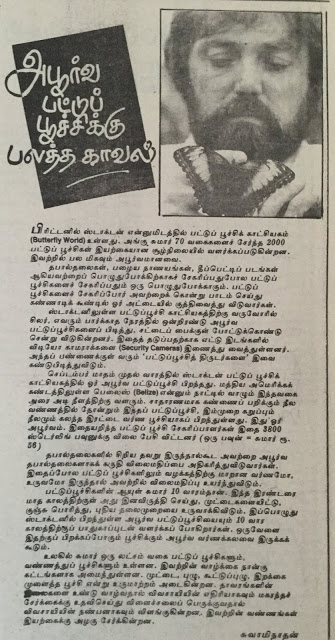
பட்டுப் பூச்சிக்குப் பலத்த காவல்! (Post No.7502)

WRITTEN BY LONDON SWAMINATHAN

Post No.7502

Date uploaded in London – 27 January 2020

Contact – swami_48@yahoo.com

Pictures are taken from various sources for spreading knowledge; this is a non- commercial blog.

பட்டுப்பூச்சி உலகம் பற்றி நான் தினமணிக்கதிரில் 18-10-  எழுதிய துணுக்கு செய்தி இது.

இப்பொழுது பிரிட்டன் உள்பட  உலகின் பல பகுதிகளிலும் இது போல காடசியகங்கள் உள்ளன.

பத்திரிக்கையின் பெயர் — தினமணி கதிர்.

தேதி – 18-10-1992

தலைப்பு -அபூர்வப்  பட்டுப்பூச்சிக்குப் பலத்த காவல்

HOW TO FIND US

BUTTERFLY WORLD
Preston Park
Yarm Road
Eaglescliffe
Stockton
TS18 3RH

Tel: 01642 791414
Email: butterflyworldltd@outlook.com

மொக்கணீசுரர் என்ற திருநாமம் சிவனுக்கு ஏன் உண்டாயிற்று? (Post No.7500)

கொங்குமண்டல சதகம் பாடல் எண் 24

WRITTEN BY S NAGARAJAN

Post No.7500

Date uploaded in London – 27 January 2020

Contact – swami_48@yahoo.com

Pictures are taken from various sources for spreading knowledge; this is a non- commercial blog.

ச.நாகராஜன்

thanjavur

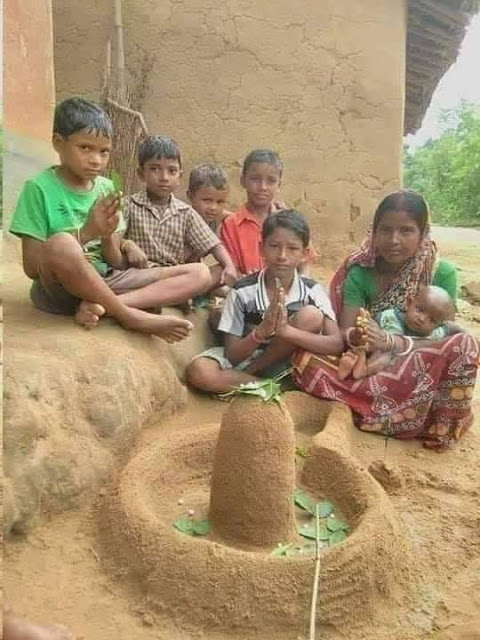
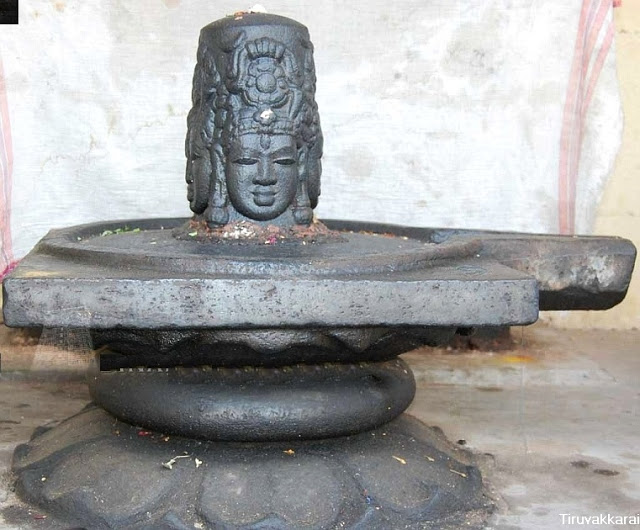
கொங்குமண்டலத்தில் ஆறைநாட்டில் கருடக்கோட்டூர் என்று ஒரு ஊர். அதில் இருந்த சிவலிங்கத்திற்கு மொக்கணீசுரர் என்று திருநாமம் ஏற்பட்டது. ஏன்?

சுவையான சிவநேசர் ஒருவரின் வரலாறு இதை விளக்குகிறது.

வணிக குல சிவநேசர் ஒருவர் சிவ தரிசனம் செய்த பின்னர் மட்டுமே உணவருந்தும் பழக்கத்தைக் கொண்டவர்.

ஒரு நாள் அவர் பயணம் மேற்கொண்டு ஆறை நாட்டில் உள்ள கருட கோட்டூர் வந்தார். tamilandvedas.com, swamiindology.blogspot.com

கருட கோட்டூர் என்பது அவிநாசியிலிருந்து சத்தியமங்கலம் போகும் பாதையில் ஐந்தாவது மைலில் உள்ள சேவூரிலிருந்து வடமேற்கே செல்லும் கொடி வழியில் சுமார் மூன்று மைல் தூரத்தில் உள்ளது. இன்று இங்குள்ள ஆலயம் அழிந்துபட்டு இருக்கிறது. ஊரும் அழிந்து விட்டது. ஆனால் கோட்டூர் பள்ளம் என்று ஊரின் பெயர் மாத்திரம் சொல்லப்படுகிறது. இங்கு செட்டியார் நீராடிய ஓடையை தாழையூற்று என்று சொல்கின்றனர். இந்த ஆல்யத்தில் இருந்த உற்சவமூர்த்திகள் சுமார் முன்னூற்றைம்பது வருடங்களுக்கு முன்னர் சேவூர் வாலீசப்பெருமாள் கோவிலில் சேர்க்கப்பட்டன.

கருடக்கோட்டூர் வந்த சிவநேசர் நீராடி ஆடையைத் தோய்த்து விட்டு  கரையேறி உடன் வந்த மைத்துனனை நோக்கி, “ சிவதரிசனம் செய்ய வேண்டும். நீ முன் சொல்லிய சிவாலயம் எங்கே இருக்கிறது” என்று கேட்டார். இவரைக் கேலி செய்ய நினைத்த மைத்துனன் முன்னமேயே குதிரைக்குக் கொள் கட்டும் பையில் மணலை நிரப்பி  சிவலிங்கம் போல ஆக்கி கட்டுமாலை ஒன்றையும் சாத்தி வைத்திருந்தான். tamilandvedas.com, swamiindology.blogspot.com

“ஐயா! இதோ இருக்கிறார், சிவபெருமான், தரிசித்து வாரும்” என்றான் அவன். வணிகர் மிக்க மகிழ்ச்சியுற்று அந்த சிவலிங்கத்தைத் தரிசித்து அது சுயம்பு மூர்த்தி என எண்ணி தோத்திரம் செய்தார். பின்னர் உணவருந்தத் தொடங்கினார்.

vaidyanathaam

இப்போது அவரது மைத்துனன் அவரை நோக்கி, “அத்தான்! இன்று சிவதரிசனம் இன்றி சாப்பிடுகிறீரே, இது சரியா?” என்று கேட்டான்.

“இதோ, இப்போது தானே வணங்கி வந்தேன்” என்றார் வணிகர்.

“இல்லையே! அது சிவலிங்கமே இல்லையே!” என்றான் மைத்துனன்.

பல பேருடன் சேர்ந்து கை கொட்டி நகைத்த அவன்,  தான் செய்து வைத்திருந்த கொள்ளுப் பை சிவலிங்கத்தைத் தூக்கினான். அது அசையவில்லை.

மண்ணைப் பறிக்கப் பறிக்க அதன் அடியைக் காணமுடியவில்லை. சுயம்பு மூர்த்தியாக பாதாளம் வரை ஊன்றி நின்றது.

இதைப் பார்த்த மைத்துனனும் ஏனையோரும் ஆச்சரியப்பட்டனர். tamilandvedas.com, swamiindology.blogspot.com

“ஆஹா! பக்திமான் பாவித்தபடியே சிவலிங்கம் விளங்குவார்” என்று அனைவரும் வியந்து கூறி சிவநேசரைக் கொண்டாடி லிங்கத்தை வணங்கினர்.

சிவநேசர் கண்ணீர் மல்க சிவனைத் துதித்து உள்ளமுருகினார்.

இதனால் மொக்கணீசுரர் என்ற திருநாமம் அந்த சிவலிங்கத்திற்கு ஏற்பட்டது.

இன்றைய கால கட்டத்திலும், ஆலயம் அழிந்து பட்டாலும் கூட, அந்த ஊரைச் சுற்றியுள்ள மக்கள் இந்த வரலாற்றைப் பெருமை படப் பேசி வருகின்றனர்.

இந்த வரலாறைக் கொங்கு மண்டல சதகம் தனது 24ஆம் பாடலில் விளக்குகிறது இப்படி:-

ஏத்து சிவபத்தி யானொரு செட்டிமு னீசுரனைத்

தோய்த்து முழுகித் தொழவெழ வாங்கொரு சூழ்ச்சிகற்றோன்

பூத்த வனக்குடக் கோட்டூரில் மொக்கணி யைப்புதைக்க

வாய்த்த சிவலிங்க மானது வுங்கொங்கு மண்டலமே

பாடலின் பொருள்:- tamilandvedas.com, swamiindology.blogspot.com

சிவதரிசன வழிபாடு செய்யும் ஒரு வணிகர் குடக்கோட்டூருக்கு வந்து , ஆடை தோய்த்து, ஸ்நானம் செய்து, நியமம் முடித்து வரும் போது சூழ்ச்சி கொண்ட ஒருவன் , குதிரைக்குக் கொள் கட்டும் பையை மணலில் நட்டு வைத்து (பூமாலை பொட்டு வைத்து அலங்கரித்து), ‘இதோ, சிவலிங்கம்’ என்றான். சிவநேசர் வணங்கினார். அது சிவலிங்கப் பெருமான் ஆயிற்று. அந்தக் குடக்கோட்டூரும் கொங்குமண்டலத்தில் இருக்கும் ஊரேயாகும்.

இந்த வரலாற்றை மாணிக்கவாசகர் திருவாசகத்தில் கீர்த்தித் திருவகவலில் குறிப்பிடுகிறார் tamilandvedas.com, swamiindology.blogspot.com

tiruvakkaarai, sent by Lalgudi Veda

இப்படி:-

“மொக்கணி யருளிய முழுத்தழன் மேனி

சொக்க தாகக் காட்டிய தொன்மையும்”

வேம்பத்தூரார் திருவிளையாடல் இந்த வரலாற்றை பின்வருமாறு குறிப்பிடுகிறது:

“பழுதில்கண் டுயின்றோ மில்லை பருப்புநெய் கரும்புக் கட்டி

எழிறரு மட்டிக் திட்டே மிதலிய புல்லு மிட்டேங்

கழுவிய பயறுங் கொள்ளுங் கடலையுந் துவரை யோடு

முழுவதுஞ் சிறக்க விட்டே மொக்கனி முட்டக் கட்டி”

சிவபிரான் பக்தர்களுக்கு எப்படியெல்லாம் அருள் பாலித்துத் தன் திருவிளையாடலைச் செய்கிறார் என்பதற்கு இந்த வரலாறும் ஒரு சிறந்த உதாரணமாகிறது. tamilandvedas.com, swamiindology.blogspot.com

தென்னாடுடைய சிவனே போற்றி!

எந்நாட்டவர்க்கும் இறைவா போற்றி!!

***

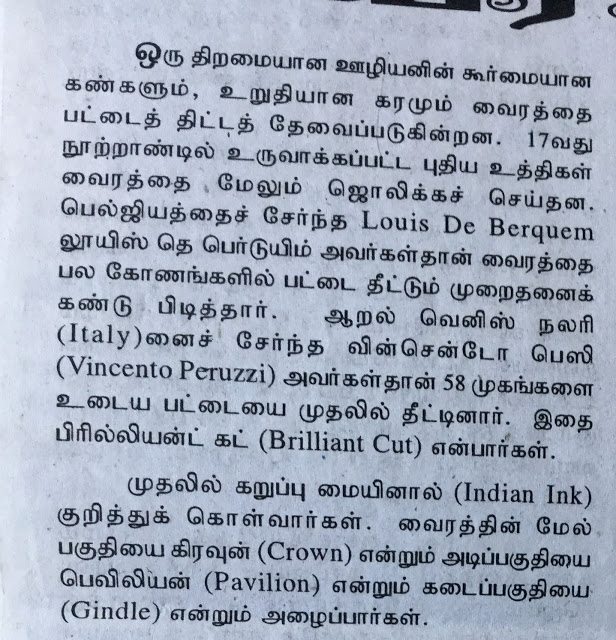
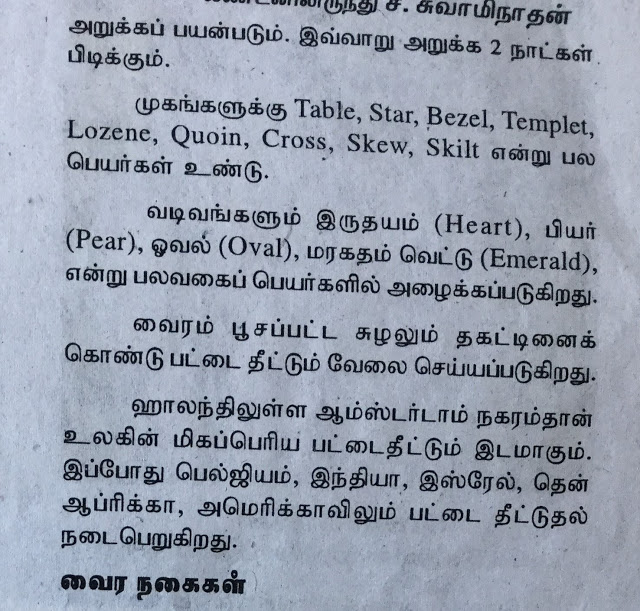
வைரத்தைப் பட்டை தீட்டும் முறை (Post No 7483)

WRITTEN BY LONDON SWAMINATHAN

Post No.7483

Date uploaded in London – 22 January 2020

Contact – swami_48@yahoo.com

Pictures are taken from various sources for spreading knowledge; this is a non- commercial blog.

இது இத்தொடரில் எட்டாவது கட்டுரை

வெளியான தேதி-  டிசம்பர் 1999- ஜனவரி 2000

பத்திரிக்கையின் பெயர்- ஜெம்மாலஜியும் ஜோதிடமும்
கட்டுரைத் தலைப்பு – வைரங்களை பட்டை தீட்டுவது  எப்படி?

குழந்தை பிறக்காதது ஏன்? (Post No7472)

WRITTEN BY LONDON SWAMINATHAN

Post No.7472

Date uploaded in London – 19 January 2020

Contact – swami_48@yahoo.com

Pictures are taken from various sources for spreading knowledge; this is a non- commercial blog.

பிரிட்டனில் ஆங்கிலப் பத்திரிக்கைகளில் அவ்வப்போது மருத்துவப் பிரச்சினைகள் பற்றி பயனுள்ள கட்டுரைகள் வெளியாகும் .அத்தகைய ஒரு கட்டுரை குழந்தை பிறக்காமல் இருக்க  என்ன  காரணங்கள் என்பதை புல்லட் பாயிண்டுகளில் தருகிறது. குறிப்பாக ஆண்கள் பற்றிய விஷயம் இது.

குழந்தைக்காக ஏங்குவோர்  எல்லா கலாசாரங்களிலும் , மதங்களிலும், நாடுகளிலும் உள்ளனர். இயற்கையான காரணங்களை வீட நாமாக உண்டாக்கிக் கொள்ளும் செயற்கையான தடைகளும் உண்டு. அவைகளை நாம் தவிர்க்கலாம். மருந்து , சிகிச்சை என்று ஏதேனும் படித்தால் மருத்துவ நிபுணர்களைக் கலந்தாலோசிக்காமல் எதையும் செய்யாதீர்கள்.

1.வயது ஒரு காரணம். 70 வயதுக்குப் பின்னர்கூட குழந்தை பெற்றுக்கொள்ளும் பிரமுகர்கள் பற்றிப் பத்திரிகையில் படிக்கிறோம் . ஆனால் ஆண் விந்து உற்பத்தி 40 வயதுக்குப் பின்னர், 25 வயதுக்காரனை விட,  பாதியாகக் குறைந்துவிடுகிறது.
2.மதுபானம் அருந்துவர்களுக்கும், சராசரி மனிதனைவிட ஆண் விந்து உற்பத்தி குறைவே. அதிகம் குடிப்போருக்கு குழந்தை உற்பத்தி செய்யும் சக்தி மிகவும் குறைந்துவிடும்.

3.சிகரெட் குடிப்போருக்கும் , ஆண் உயிரணுக்களின் உற்பத்தி சரி பாதிதான்.

4.போதை மருந்துக்கு அடிமையானோரின் உயிர் அணு – விந்து – மிக வேகமாக நீந்துவதால் ,பெண்ணிடம் உற்பத்தியாகும் முட்டையை அடைவதற்குள் களைப்படைந்து விடுமாம் .

5.அதிக எடையுடையோர் பிள்ளை பெற்றுக்கொள்வதில் கஷ்டப்படுவார்கள். காரணம் என்னவென்றால் உடலில் சுரக்கும் ஹார்மோன்கள் சமச் சீராக இருப்பதில்லை. உடல் பருத்தவர்கள் உணவுக்கட்டுப்பாடு, உடற்பயிற்சி மூலம் முதலில் எடையைக் குறைக்கவேண்டும்

6.புறச் சூழல் மாசுபடுவதும் குழந்தை பெரும் விகிதத்தைக் குறைத்துவிட்டது. பிரிட்டனில் மது, புகை பிடித்தல் , புறச் சூழல் கேடு ஆகியன காரணமாக முன்னர் இருந்ததைவிட விந்து  உற்பத்தி பாதியாகக் குறைந்துவிட்டது. 1950களி ல் ஆண்  விந்து உற்பத்தியை தற்கால ஆண்களுடன் ஒப்பிட்டதில் இது தெரியவந்தது.

7..இத்தாலியில் நடந்த ஆராய்ச்சியில் மாலை 5 மணி முதல் 5-30 வரை விந்து உற்பத்தி மிகவும் அதிகமாக இருந்தது 500 ஆண்களைச் சோதித்ததில் கண்டுபிடிக்கப்பட்டது .

8.அடுப்பங்கறையில் அதிக நேரம் செலவழிப்போரும்  , அதிக வெப்பம் வெளியிடும் எந்திரங்களின்  இடையே வேலை செய்வோரும், குழந்தை பெற்றுக்கொள்ள சிரமப்படுவார்கள்.  வெப்பத்தால் விந்து உற்பத்தி பாதிக்கப்படுவதே இதற்குக் காரணம் . ஜக்குஸி (Jacuzzi) ,வெப்ப ஊற்றில் குளிப்பவர்களுக்கும் வெப்பத்தால் ஏற்படும் பாதிப்பு உண்டு.

9.ட்யூனா மீன் , மகேரல் மீன்(Tuna and Mackerel)  வகைகளில் அதிக பாதரச விஷம் (Mercury poisoning) இருப்பதாலும் பாதிப்பு உண்டு.

10.ஈயத்துக்கும் (Lead) விந்து உற்பத்தியைப் பாதிக்கும் குணம் உண்டு .ஈய உபகணரங்களுடன் வேலை செய்வோர் கவனமாக இருக்கவேண்டும்.

11.மொபைல் போன் அதிர்வுகள், கிரணங்கள் பாதிக்குமா என்பதில் இருவேறு கருத்துக்கள் உள்ளதால் ஒன்றும் சொல்வதற்கில்லை .

12.வலி நிவாரணி (Pain Relief) மாத்திரைகளை நீண்ட காலம் பயன்படுத்துவதும் பதிப்பை உண்டாக்கும்.

13.செயற்கை உரம் பயன்படுத்தாத இயற்கை உர தாவரங்கள் காய்கனிகளைச்  சாப்பிடுவோருக்கு குழந்தை பெறுவது எளிது.

14.மாதுளம் பழச் சாறு சாப்பிடுவோருக்கு ஜனன உறுப்புகளில் ரத்தம் பாய்வது அதிகரிக்கிறது என்பதும் ஆராய்ச்சியில் கண்டு பிடிக்கப்பட்டது. நாள்தோறும் ஒரு கோப்பை பழச் சாறு சாப்பிடலாம்.

15.ஆண்கள் உறுப்பை இறுக்கமாகப் பிடிக்கும் ஆடைகளை அணிய கூடாது.

16.ஆஸ்திரேலியாவில் நடந்த ஒரு ஆய்வில் வாரத்துக்கு மூன்று முறை படுக்கை அறைக்கு செல்வது நல்லது என்று காட்டியது. கிணற்றில் தண்ணீர் எடுக்க எடுக்க ஊறுவது போல விந்து உற்பத்தியும் நடைபெறும்.

17.பாலியல் நோய் (STD or VD) வந்தால் உடனே சிகிச்சை பெற வேண்டும். ஏனெனில் அதுவும் குழந்தை பிறப்பதைப் பாதிக்கும்.

18.வாகனங்களில் செல் வோர்  மூக்கில் அசுத்தக் காற்று உள்ளே செல்லாதபடி முகமூடி அணிவதும் நலம் பயக்கும்.

19.மன உளைசல், மனக்கவலை ஆகிய னவும் குழந்தை பெறுவதற்குத் தடையாக நிற்கிறது. ஆகையால் கவலை இல்லாத, மனா நிறைவுடன் வாழ்தல் குழந்தை பெற உதவும். எல்லாம் அவன் செயல் என்று விட்டுவிட்டு நிம்மதியாக வாழவேண்டும்.

20.அந்த விந்துவில் இரண்டு வகை; எக்ஸ் X விந்து என்ற வகை பெண் குழந்தைகளை உருவாக்கும். இவை வலுவானவை. நீண்ட காலம் உயிர்த்துடிப்புடன் இருக்கும். ஒய் Y வகை விந்து ஆன் குழந்தைகளை உருவாக்கும். இவை நீண்ட வால் உடையவை. வேகமாக நீந்த வல்லவை .

21.குழந்தை பெறுவதில் தாமதம் ஏற்பட்டால் உடனே மருத்துவ ஆலோசனை பெறுவது நல்லது. சிலர் குழந்தை பெற முயற்சிக்கும் முன்னர் கூட (Pre-Conception Test)  , சோதனை செய்து கொள்கின்றனர். பிரச்சனை உள்ள குடும்பங்களில் இப்படி முன்கூட்டி சோதனை செய்வது தாமதத்தைத் தவிர்க்க உதவும்.

22.இறுதியாக துத்தநாக (Zinc) உலோக உப்புக்கள் நிறைந்த உணவு விந்து உற்பத்தியை அதிகரிக்கிறது. இதுதான் காரணம் என்று தெரிந்தால் மருத்துவர் ஆலோசனையின் பேரில் நாள்தோறும் பத்து மில்லி கிராம் மாத்திரை எடுக்கலாம். டாக்டர்கள் ஆலோசனையின் பேரில் இதைச் செய்தல் அவசியம்.

Xxxx

லோகாஸ் ஸமஸ்தோ சுகினோ பவந்து

எல்லோரும் இன்புற்றிருப்பதேயன்றி யாமொன்றும் அறியோம் பராபரமே

Xxx subham xxx

LOVE JIHADஜிஹாதி லவ் – மதமாற்றக் கொடுமைக் காதல்! (Post No.7449)

WRITTEN BY S NAGARAJAN

Post No.7449

Date uploaded in London – 13 January 2020

Contact – swami_48@yahoo.com

Pictures are taken from various sources for spreading knowledge; this is a non- commercial blog.

ஜிஹாதி லவ் – மதமாற்றக் கொடுமைக் காதல்!

ச.நாகராஜன்

முஸ்லீம்களின் மதமாற்றக் கொடுமையின் ஒரு வழிமுறை ஜிஹாதி லவ். இளம் ஹிந்துப் பெண்களை மயக்கி, பயமுறுத்தி, கற்பழித்து மதமாற்றும் ஜிஹாதி லவ் பற்றி ரதி ஹெக்டே ஃபேஸ் புக்கில் செய்த பதிவு இது.

பெண்ணைப் பெற்ற ஒவ்வொரு ஹிந்துவும் படிக்க வேண்டிய பதிவு இது. படித்து விட்டு பத்துப் பேருக்குச் சொல்ல வேண்டிய விஷயம் இது.

பதிவு இதோ:

இன்று நான் லவ்-ஜிஹாதி கேஸில் உதவி செய்தவதற்காக அழைக்கப்பட்டேன். கடந்த 3 மாதங்களில் இது 4 அல்லது 5வது கேஸ். இதை நான் எழுதுகிறேன் என்றால் பெற்றோர்கள் குழந்தைகள் அப்படிப்பட்ட கேஸ்களில் எப்படி அவஸ்தைப் படுகிறார்கள் என்பதை அறிந்து விழிப்புணர்ச்சி கொள்ள வேண்டும் என்பதற்காகத் தான்.

1. எனக்கு வந்த 5 விசித்திரமான கேஸ்களில் ஒரே ஒரு கேஸ் தான் தாழ்ந்த ஜாதி கேஸ். (அதாவது பையன் தாழ்ந்த ஜாதி பெண்ணை மயக்கி கல்யாணம் செய்த கேஸ்)

2. பெண்கள் எந்த வயதிலும் வலையில் சிக்க வைக்கப்படுகிறார்கள். ஒரு பெண் இரண்டு குழந்தைகளைக் கொண்ட விதவை. இந்தக் காதல் விஷயம் ஆரம்பிக்கும் போது மற்ற அனைத்துப் பெண்களும் 14  முதல் 16 வயதுடைய இளம் பருவப் பெண்கள்.

3. பெரும்பாலான கேஸ்களில் முதலில் பைக் சவாரியில் தான் பையன்கள் பெண்களைக் கவர்ந்திழுத்துக் கூட்டிச் செல்வர். இது பெண்களுக்கான சுதந்திரம் என்று அவர்கள் உணரும்படி சொல்லப்படும்.

4. ‘எம்’ பையன்கள் இளம்பெண்களை காதல் கவர்ச்சி மூலம் கவர்ந்திழுக்கப் பயிற்சி தரப்படுகிறார்கள். முதலில் கையைப் பிடிப்பார்கள். பின்னர் நட்பு ரீதியான உரசல், தழுவல் இருக்கும். பின்னர் ‘தற்செயலாகவும், தவறுதலாகவும்’ சில பகுதிகளைத் தொடுவர். பின்னர் முத்தமிடுதல் .. பின்னர் உடலுறவு என்று நீளும். பெண்கள் மன அழுத்தம் கொள்ளும் காலமான 10வது அல்லது 12வது படிப்பின் போது இது நடக்கும். இந்த உறவி வீடியோவாகப் படம் பிடிக்கப்படும் (ரகசியமாக)

5. விஷயம் எல்லை மீறிப் போன பின்னர் தான் பெற்றோர்களுக்கே இந்த விஷயம் தெரியவரும்.

6. விஷயம் பெற்றோர்களுக்குத் தெரிந்தவுடன் இந்தத் தகாத உறவை அவர்கள் முறிக்க முனையும் போது அந்தப் பெண்ணானவள் வீட்டை விட்டு ஓடுவதற்குக் கட்டாயப்படுத்தப்படுவாள் அல்லது 4இல் சொன்னபடி வீடியோவைக் காண்பித்து அவள் ப்ளாக் மெயில் செய்யப்பட்டு உறவை நீடிக்க வற்புத்தப்படுவாள். அது வரை அப்படிப்பட்ட ஒரு வீடியோ எடுத்ததே அந்தப் பெண்ணுக்குத் தெரியவராது.

7. அந்தப் பெண் உறவை முறிக்க வற்புறுத்தினால், ப்ளாக்மெய்ல் செய்யவோ அல்லது பயமுறுத்தவோ பையன் தனது நண்பர்களை ஏவி விட்டு அவளுடன் உடலுறவைக் கொள்ளச் செய்வான். ஆனால் எப்போதுமே அந்தப் பெண்ணிடம் உன்னை ஒரு போதும் கை விட மாட்டேன்.திருமணம் செய்து கொள்வேன் என்று சொல்லிக் கொண்டே இருப்பான்.

8. பெற்றோர்கள் குறுக்கிடால் பையன் தற்காலிகமாக விலகி விடுவான். ஆனால் பெண் 18 வயதை எட்டி விட்டல் அவன் திருப்பியும் அந்தப் பெண்ணை இழுத்துத் தன் வலையில் விழச் செய்வான்.

9. பெரும்பாலும் திருமணம் நடந்து விடும். பெண் மதம் மாற்றப்படுவாள். முதல் 6  மாதங்களுக்கு ஒரு பிரச்சினையும் இருக்காது. பின்னர் தான் சித்திரவதை ஆரம்பிக்கப்படும். முதலில் அடி உதை தான். பின்னர் தொடர்ந்து கர்ப்பம் ஏற்படும். பின்னர் கர்ப்பமுறுவது நிறுத்தப்படும்.

10. இரண்டு வருடங்களுக்குப் பிறகு அதே பையன் இன்னொரு பெண்ணை மணப்பான். முதலில் மணந்தவளும் அப்படியே தான் இருப்பாள்.

11.இப்போது பெண் நிச்சயமாக எதிர்ப்பாள். அவளைத் தொடர்ந்து மணந்த நிலையில் வைத்திருக்கப் பையனின் அப்பா அவளைக் கற்பழிப்பார். பின்னர் சகோதரர்கள் கற்பழிப்பர். பையனின் அம்மா, சகோதரிகள் அவளைத் தினமும் அடித்து நொறுக்குவர்.

12. போலீஸும் மற்ற குடும்ப உறுப்பினர்களும் (இன்னும் பேசும் நிலைமை நீடித்தால்) பெண்ணை அட்ஜஸ்ட் செய்து திருமண உறவு நீடிக்கட்டும் என்று ஆலோசனை சொல்வார்கள்.

13. பெரும்பாலான கேஸ்களில், பெண் மிகவும் மனவலிமை கொண்டவளாக இருந்தால் அவளை வீட்டில் ஜெயிலில் வைப்பது போல சிறை வைக்கப்படுவாள். அவளிடம் மொபைல் போன் இருக்காது.

14. அவள் ஒருவேளை ஓடிப் போகத் துணிந்தால் அவளது குழந்தைகளை அவளுடன் இருக்க விடமாட்டார்கள். அல்லது ஒரு குழந்தை மட்டும் அவளிடம் இருக்கும். மற்ற குழந்தை(கள்) கணவனிடம் இருக்கும்.

15. கோர்ட் மாதாந்திர ஜீவனாம்சத்தைத் தரும்படி தீர்ப்பளித்தாலும் கணவன் ஒரு போதும் அதைத் தர மாட்டான். ஏனெனில் திருமணம் சாதாரணமாக நடக்கும் திருமணம் அல்ல. ஏனெனில்  அவள் திருமணத்திற்குப் பின்னர் தான் மதம் மாற்றப்படுவாள். நிச்சயமாக முன்னால் அல்ல! ஆகவே அவளால் கணவனது சொத்தின் மீது உரிமை கொண்டாட முடியாது. ஆனால் பையனோ பெண்ணின் பெற்றோரின் சொத்தின் மீது ஹிந்து பாரம்பரியத்தின் படி உரிமை கொண்டாடலாம்.

16. தயவு செய்து விழிப்புடன் இருங்கள். உங்கள் குழந்தைகளுக்கு ஜிஹாதி லவ் பற்றி நன்கு கற்பியுங்கள்.

நன்றி : Truth வார இதழ் 27-12-2019 – தொகுதி 87 இதழ் 35

இதன் ஆங்கில மூலத்தைக் கீழே படிக்கலாம். அனைவருக்கும் சொல்லலாம்.

Rati Hegde facebook

Today I was called to help in a Love-Jihad case. In the last 3 months this is the 4th or 5th case. I am writing this because I think it is very necessary to make Parents aware of what the children are going through in such cases.

  1. Out of the 5 odd cases that have come to me, only one is what is known as a ‘lower’ caste.
  2. Girls are trapped at any age. One was a widow with 2 children. But all the other girls were anywhere between 14 and 16 when the affair started.
  3. In almost all cases, the boys take the girls out on bike rides. Girls are made to feel that this is ‘freedom’.
  4. The M boys are trained to make the girls sexually aware and they start by holding hands, giving a friendly hug, touching certain places by ‘mistake’ … then they move on to kissing and physical relationship when girl is in 10th or 12th and under stress for studies. Videos of such if only physical relationship is made silently.
  5.  Most parents are unaware till it is too late.
  6. Once parents come to know and try to break off the relationship, either girl is pressurised to run away or the girls are blackmailed to continue relationship using videos as in 4 above. Till this time, the girl is unaware that a video has been made. 

7. If the girl insists on breaking up, the boy will get his friends to force physical relationship with the girl as a threat or blackmail. All the time, he will keep saying that he will marry the girl.

8. If parents interfere, the boy will stay away temporarily. Once the girl is 18, this starts again and this time the girl is completely trapped. 

9. Mostly, marriage takes place. Girl is converted. For 6 months, there is no problem. Then starts the torture. First beating and all. Continuous pregnancies and termination of pregnancies take place. 

10. After 2 years, boy will get married again to some other girl while remaining married to the 1st girl. 

11. Now girl will definitely resist. To keep her in the marriage, she is raped by boy’s Father and Brothers. Mother, other wife and sisters will beat her every day. 

12. Police and other family members (if still on talking terms) will counsel the girl to adjust and continue in the marriage. 

13. In many cases, if girl is too strong mentally, she will be jailed inside the house without a mobile also.

14. If she manages to run away, she will not get custody of the children or get only 1 child  custody. The other child(ren) will remain with husband.

15. Even if court gives monthly maintenance, husband will never pay. It is a unusual marriage because girl will be converted only after marriage, NOT BEFORE. So she cannot claim right to husband’s property. But boy can claim right to girl’s parent’s property as per Hindu customs.

16. PLEASE BE AWARE. TEACH YOUR CHILDREN TO KNOW ABOUT LOVE JIHAD.

****

Source :

Thanks  Weekly 27-12-2019 – Volume 87 issue 35

tags- LOVE JIHAD , ஜிஹாதி லவ் , மதமாற்றக் கொடுமை, காதல்