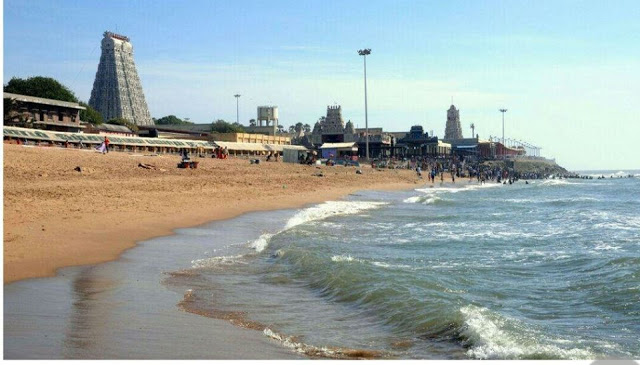
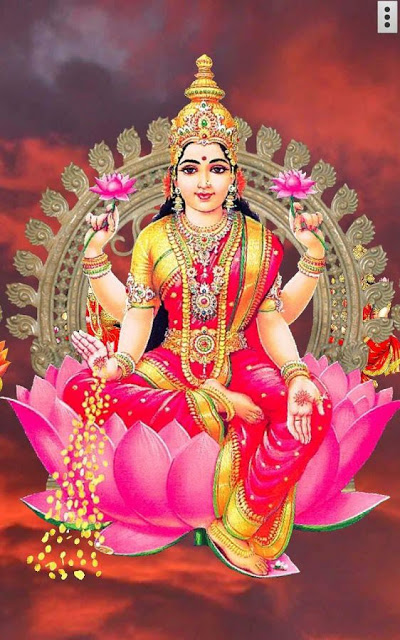
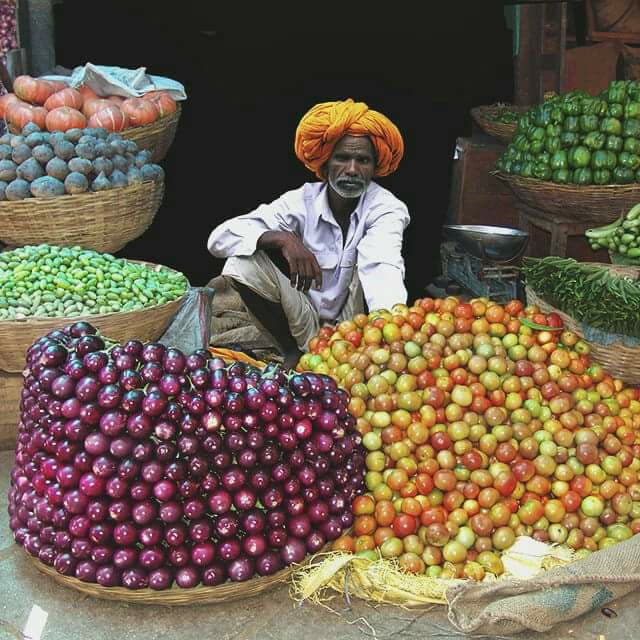
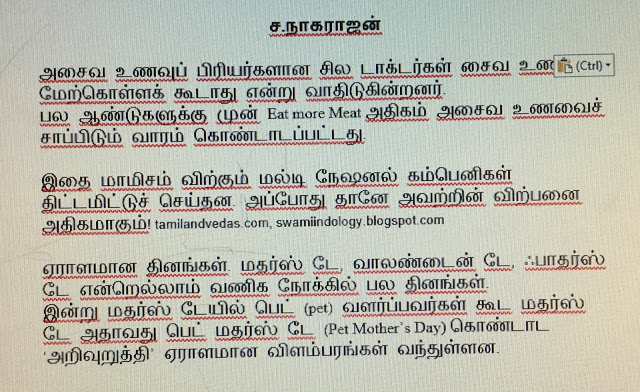
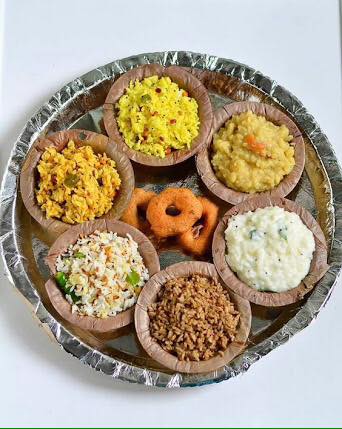
They fast between sunrise and sunset. Hindu fasting has no strict rules. But most of them starve from dawn to dusk. Theydon’t eat any cooked food in the …
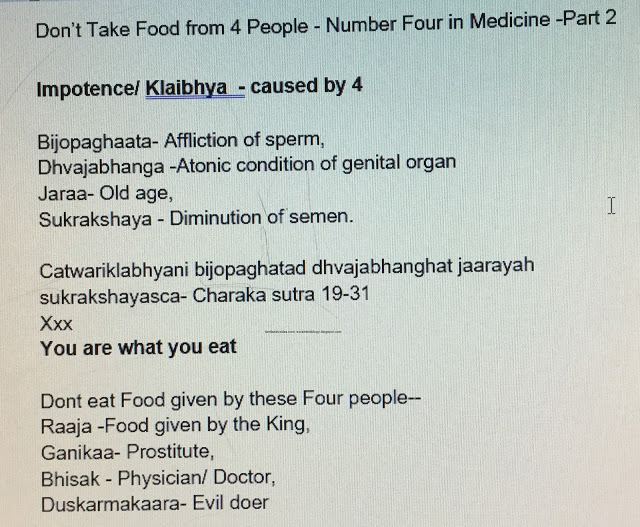
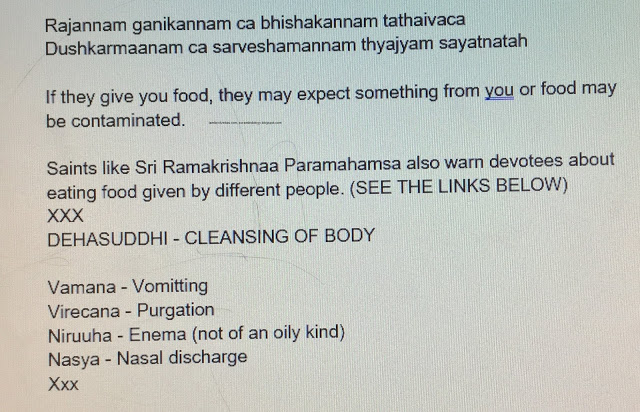
1 Jan 2018 – It is very true that the food shapes our body. In the olden days they used to say ‘you are what you eat‘ and ‘Tell me the books you read, I will tell …
5 Jun 2011 – Many of us know that we are what we eat. But only a few people knew we are what we think. Lord Krishna in Bhagavad Gita says,”Let a man lift …
19 Nov 2011 – The message is same, but they convey it in different ways. … “One fourth of what you eat keeps you alive and three fourths of what you eat …
You’ve visited this page 2 times. Last visit: 26/05/16
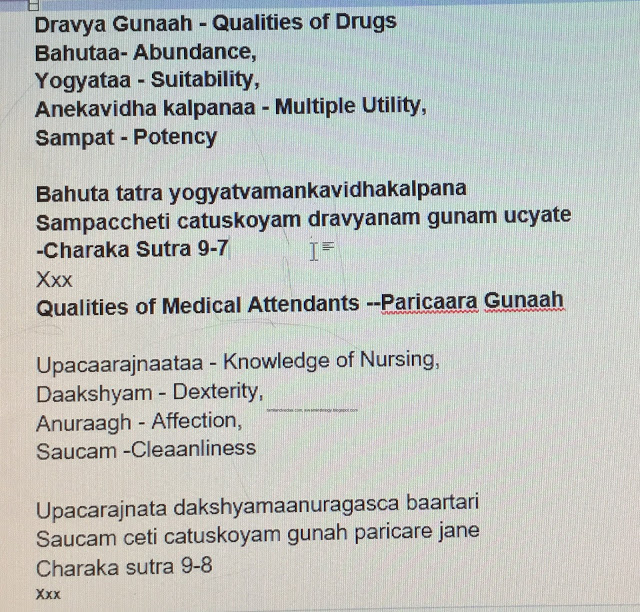
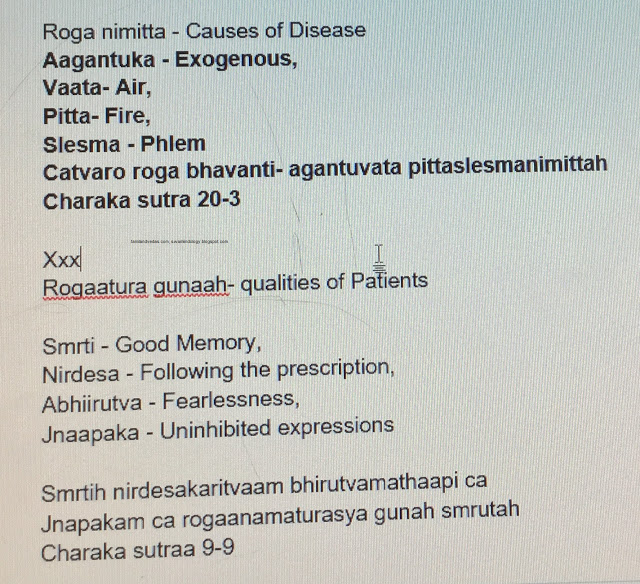
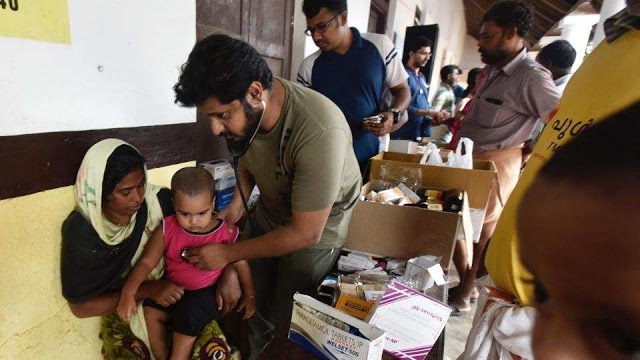
11 Jan 2017 – and the Nurse/ compounder (Kural 950). Parimel azakar, the most famous commentator of Tirukkural, explains the attributes thus of the four …
Knowledge of Medicine and Method of Treatment in Tamil and Sanskrit … It shows that the doctors of ancient India had a nurse or compounder for assistance.
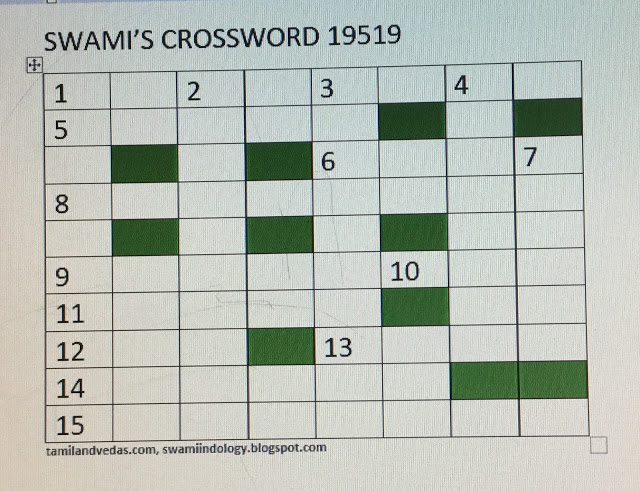
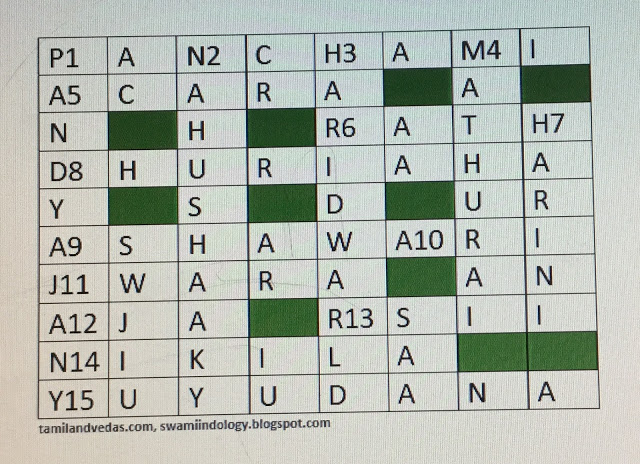
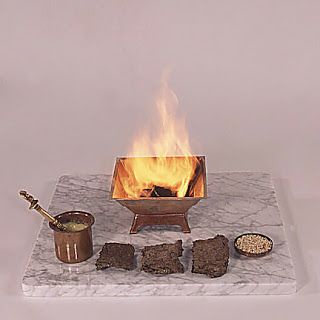
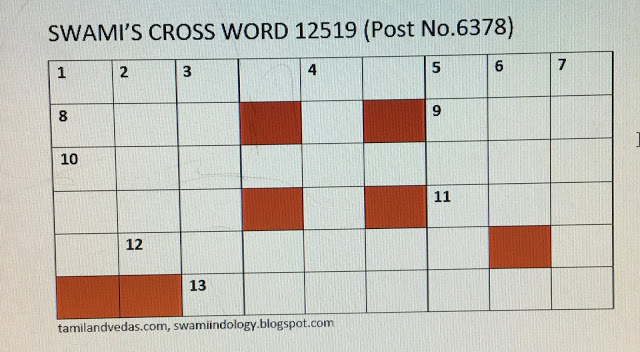
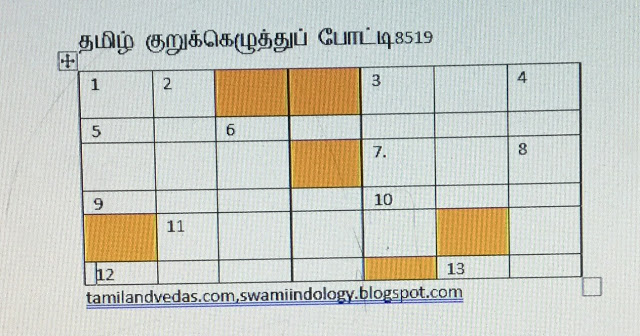
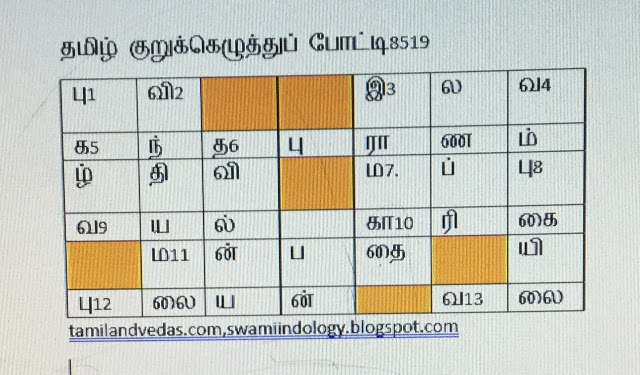
1. – (9 LETTERS) THIS HOMA IS DONE TWO TIMES EVERYDAY WITH MILK OFFERING BY BRAHMINS. DURING BHOPAL POISON GAS ACCIDENT ,,,,,,,,,,,,,,, PEOPLE ESCAPRD; 3000 OTHER DIED
8. – (3)DEBT;
EVERDAY HINDUS ARE SUPPOSED TO CLEAR
THREE DEBTS.
9. (3)THE
DIVINE NAME WHICH GANDHIJI SAID WHEN HE WAS SHOT DEAD.
10. -(9) FULL OF WAVES IS THE MEANING IN Sanskrit;
girls name.
11. – (3)SESAME
SEEDS OFFERED TO DEPARTED SOULS WITH WATER
12. – (6)
NOT FAR, NEAR IN SANSKRIT
13. – (3+4)PRANAVA
MANTRA+ ONE SYLLABLE BHIJA MANTRA OF
GODDESS
DOWN
1. – (5 letters) WEALTH; ONE OF THE FOUR HINDU
GOALS
2. – (5)WISDOM,
DIVINE KNOWLEDGE
3. -(6)
INTER GALACTIC HINDU SAINT WHO DEFATS EINSTEINS’ THEORY OF LIGHT; HE CHNTS
NARAYANA.
4. – (5)ONE
WHO STICKS TO A RELIGION BORN IN INDIA
5. -(5)
HIS NAME IS NUMBER THREE; HIS BROTHERS’ NAMES ARE EKTA= NUMBER ONE AND DWITA=
NUMBER TWO IN MAHABHARATA
லண்டனுக்கு அருகில் வசிக்கும்
திரு.காட்போலே, தாஜ்மஹாலின் உண்மைக் கதையை
ஆங்கிலத்தில் எழுதியுள்ளார். அதைத் தமிழில் மொழிபெயர்க்க ஒரு நண்பர் மூலம் என்னை
அணுகினார். நான் மொழி பெயர்த்த கட்டுரையை எனது பிளாக்கில் வெளியிட அனுமதி தந்தார்.
இதோ நீண்ட கட்டுரை: part- 2
தாஜ்
மஹால்- உண்மையைச் சொல்லும் நேரம் வந்துவிட்டது- part 2
“கல்லறை கட்டத் தேர்ந்தெடுக்கப்பட்ட இடம் முன்னர் ராஜா மான்சிங்கின் அரண்மனையாக இருந்தது. இப்பொழுது அவருடைய பேரன் ராஜா ஜெய்சிங்கின் வசம் உள்ளது”. பல ஆசிரியர்கள் லதீப் புஸ்தகத்தை மேற்கோள் காட்டிய போதும், இந்த விஷயத்தை மட்டும் காட்டவில்லை. ஆக, இந்த உண்மையையும் வரலாற்று ஆசிரியர்கள் நம்மிடமிருந்து மறைத்து வைத்தனர்.
ஆக்ரா
மாவட்ட கெஜட்டை 1905ம் ஆண்டில் எச்.ஆர். நெவில் ஐ.சி.எஸ்
தொகுத்து வெளியிட்டார். அதில் ராஜா மான்சிங் அரண்மனை என்பதை, ராஜாமான்சிங்கின் ஒரு துண்டு நிலம்
என்று மாற்றினார்.
இதைத்
தொடர்ந்து வரலாறு எழுதிய அனைவரும் ராஜா ஜெய்சிங்கின் வசமிருந்த ராஜா மான்சிங்கின்
ஒரு துண்டு நிலத்தை ஷாஜஹான் விலைக்கு வாங்கினார் என்று எழுதத் துவங்கினர். இந்த
ஏமாற்று வித்தை நூற்றாண்டுக் காலமாக நடந்து வருகிறது.
ஒரு
ஆங்கில அதிகாரி ஏன் இப்படிப்பட்ட விஷமச் செயலைச் செய்வதில் ஆர்வம் காட்டினார்
என்று சிலர் வினவலாம்.
இதோ
அந்தக் காலத்தில் நடந்த நிகழ்வுகளைப் பார்ப்போருக்குத் தெளிவான பதில்
கிடைத்துவிடும்
1901
வைஸ்ராய்
கர்சன் பிரபு பஞ்சாபின் சில பகுதிகளைப் பிரித்து
முஸ்லீம்கள் பெரும்பான்மையாக இருக்கும் வடமேற்கு எல்லை மாகாணத்தை உருவாக்கினார்.
இந்துக்கள் அங்கே சிறுபான்மை மக்கள் ஆயினர். அவர்களுடைய துரதிருஷ்ட காலத்தின்
ஆரம்பம் இது.
1903
வங்காளத்தைப்
பிரித்து முஸ்லீம்கள் பெரும்பான்மையாக உள்ள கிழக்கு வங்காளத்தை அமைக்கப் போவதாக
கர்சன் பிரபு அறிவித்தார்.
1905
கர்சன்
ராஜினாமா செய்தார். ஆயினும் அவர் திட்டப்படிவங்காளத்தை இரண்டாகப் பிரித்தார்.
1906
ஆகாகான் தலைமையிலொரு முஸ்லீம் குழு புதிய வைஸ்ராய் மின்டோ
பிரபுவைச் சந்தித்தது. எந்த ஒரு அரசியல் முடிவிலும் தங்களையும் கவனத்திற்கொண்டு
தங்களுக்குச் சாதகமாக முடிவெடுக்க வேண்டும் என்று அவர்கள்கோரினர். இதை பிரிட்டிஷ் ஆட்சியாளர்களே
தூண்டிவிட்டனர்.
1906 டிசம்பர்- டாக்காவில் முஸ்லீம் லீக் துவக்கப்பட்டது.
1909
மோர்லி-
மின்டோ சீர்திருத்தங்களின்படி முஸ்லீம்களுக்கு தனித் தொகுதிகள் அளிக்கப்படன.
மற்றொரு விஷயத்தையும் நினைவிற் கொள்ள வேண்டும். 1873-1914 கால கட்டத்தில் ஆங்கில அதிகாரிகள் சிலர் பாபர் நாமா, ஹுமாயுன்நாமா, அக்பர் நாமா, அயினி அக்பரி, தாஜுக்-இ- ஜஹாங்கிரி ஆகியவற்றை பாரஸீக மொழியிலிருந்து ஆங்கிலத்தில் மொழி பெயர்த்தனர். ஆனால் பாதுஷா நாமாவை மட்டும் தொடவில்லை.
மேற்கூறிய
தகவல்களைப் பின்னணியில் வைத்துக்கொண்டு பார்த்தோமானால் 1905ம் ஆண்டில் ஆக்ரா கஜட்டைத் தொகுத்த
நெவில் ஏன் விஷமம் செய்தார் என்பது புரியும்.
ராஜா
மான்சிங்கிற்குச் சொந்தமான துண்டு நிலத்தை ஷாஜஹான் விலைக்கு வாங்கியதாக ஸர்
ஜதுநாத் சர்கார் , மௌல்வி அஹமது சொல்லுவதும் வியப்பை அளிக்கிறது.ஸர் ஜதுநாத் சர்கார் அவுரங்கசீப் வாழ்வில் நடந்த
சம்பவங்கள் என்ற நூலை இயற்றியவர்;மௌல்வி அஹமது (தாஜின் வரலாறு, 1905) என்ற நூலை இயற்றியவர்; அவர்கள் பாதுஷா நாமாவிலிருந்து மேற்கோளும் காட்டியுள்ளனர். முதல் தொகுதி,பக்கம் 40 3 என்று. விந்தையிலும் விந்தை; அந்தப் பக்கத்தில் என்ன எழுதி இருக்கிறது எவரும் பார்க்கவே இல்லை.
டில்லியைச்
சேர்ந்த பி.என்.ஓக் என்பவருக்கு 1964ஆம் ஆண்டில் தாஜ்மஹால் பற்றி சந்தேகம் எழுந்தது. அது ஒரு காலத்தில்
அரண்மனையாக இருந்தது என்ற வாதத்தை முன்வைத்தார். இது விஷயமாக அவர் பல வரலாற்று
ஆசிரியர்களுடன் மோத நேரிட்டது. அவர்களில் ஒருவர்
காஷ்மீரி பண்டிட். அவர்கள் இருவரும் அரசாங்க ஆவணக் காப்பகத்துக்குச் சென்றார்கள்.
அங்குள்ள நூலகர் சொன்னபடி அவர் பாதுஷா நாமாவைப் படிக்கத் துவங்கி பக்கம் 403க்கு வந்தார். அதில் ஒரு வரி
‘வா பேஷ் அசீன் மஞ்சில் இ ராஜா மான்சிங் பூத் வடரி வக்த் பா ராஜா
ஜெய்சிங்’ என்று இருந்தது. ஷாஜஹான் , மனைவியை அடக்கம் செய்ய ராஜா
மான்சிங்கின் அரண்மனையை எடுத்துக்கொண்டார் என்பதை பண்டிட் உடனே ஒப்புக்கொண்டார்.
ஓக்
அவர்களை எதிர்த்த அந்த நேர்மையான ஆளுக்கு நாம் மிகவும் கடமைப்பட்டுள்ளோம்.அவர்
பக்கம் 402, 403 ஆகியவற்றிலுள்ள விஷயங்களை வரிக்கு வரி மொழி
பெயர்த்தார். அதைத் தொடர்ந்து ‘தாஜ்மஹால் என்பது இந்து அரண்மனையே‘ என்று பி.என்.ஓக் 1968ல் புஸ்தகம் வெளியிட்டார். ஆனால்
பி.என். ஓக் அது தனது மொழிபெயர்ப்பு இல்லை என்பதை சொல்லவேயில்லை. ஒரு பாரஸீக மொழி
அறிஞர் அவருக்கு மொழி பெயர்த்தார். அது அவருடைய எதிரிகளுக்கு வரப்பிரசாதமாகப்
போயிற்று. அவர்கள் அனைவரும் ஓக் அவர்களின் மொழிபெயர்ப்பு தவறு என்று வாதிட்டனர்.
ஓக்
எழுதிய புஸ்தகம் 1977ல் எனக்கு லண்டனில் கிடைத்தது. அதை
ஓரண்டுக்காலம் படித்தேன்.முதலில் வரலாற்று ஆசிரியர்கள் சொன்னதாக வந்த மேற்கோள்களை
மட்டும் தேடிப் படித்தேன். நான் இங்கிலாந்தில் வசித்ததால் எனக்கு இது எளிதாகக்
கிடைத்தது. ஓக் அவர்களுக்கு அந்த வாய்ப்பு இல்லை. எல்லா வரலாற்று ஆசிரியர்களும்
தாஜ்மஹால் ஒரு இந்து அரண்மனையே என்றும் அது ஷாஜஹானால் கட்டப்படவில்லை என்றுமே
சொல்லியிருக்கிறார்கள்.
1986ம் ஆண்டில், நான் ஒரு சின்ன புஸ்தகம்வெளியிட்டேன்; அதன் தலைப்பு “தாஜ்மஹால்-பெரும்
ஏமாற்று வித்தை பற்றிய ஒரு சின்ன ஆராய்ச்சி”. 1981ம் ஆண்டில் பல மேற்கோள்களைப் படித்த
போதே எனக்கு ஒரு சந்தேகம் எழுந்தது. அதாவது பிரிட்டிஷ்காரர்களுக்கு இது நன்றாகவே
தெரியும். ஆனால் வேண்டுமென்றே உண்மையை மறைத்தனர் என்று. இதைத் தொடர்ந்து என்
ஆராய்ச்சியை தானேநகர இதிஹாஸ் பத்ரிகா என்னும் காலாண்டு இதழ் பத்து பகுதிகளில்
வெளியிட்டது. நான் 1784 முதல்1984 முடியவுள்ள200
ஆண்டுக்காலத்தில் தாஜ்மஹால் பற்றிஎன்ன தகவல்கள் உண்டோ அவைகளைத் தொகுத்து எப்படி
பிரிட்டிஷார் அவற்றை மறைத்தனர் அல்லது திரித்தனர் என்று காட்டினேன். என்னுடைய
ஆராய்ச்சி தொடர்ந்தது. அதன் விளைவாக 1996ம் ஆண்டில் இன்னொரு புஸ்தகம் வெளியிட்டேன்; அதன் பெயர் ” தாஜ்மஹாலும்
பிரிட்டிஷாரின் பெரிய சதியும்.”
So far, I have covered up to 106 slokas in the eighth chapter of Manu
Smrti. Now let me continue from sloka 8-107
MY COMMENTS
1This section shows the economic conditions that prevailed at least 2000
years ago in India.
2.Manu talking about depositing gold, silver and copper objects (and not
iron) also indicate ancient period- may be copper age
3. Fire ordeal, water ordeal and deciding by oath are in Hammurabi’s
Code of Law. This shows the value of truth. People feared God and never dared
to tell lies openly.
4.Manu gives the weight measurements of ancient days. 1000 Panaas is the
highest punishment.
5.Manu’s sloka on different types on interests, sea voyages etc. show
the adventurous foreign trade during those days. We have historical and
ARCHAEOLOGICAL evidence of sea trade for at least 2300 years.
6.See 8-108- disaster will fall on one who gives false evidence
Interesting Stories
8-110- Sapta Rishis (seven seers) swore against Indra who had stolen
lotus filaments (Mahabharata story)
Indra swore to escape punishments when he seduced Ahalya, wife of
Gautama Rishi
Rig Vedic King was Sudas, son of Pijavana. He killed Sakti, son of Vasistha.
But Viswamitra, official priest of Sudas, accused Vasishtaa of the murder. He
accused Vasishta a man eater. Then
Vasishta swore an oath by touching the heads of his wives and sons. Even today
Hindus talk of swearing by touching the head of his wife or son. Vasistha says,
‘ I may die if I am a man eating giant’- Rig Veda 7-104-15
The fact of the matter was Sudas killed 100 sons of Vasistha according to Brhaddevata (6-36)
7.See 8-116
FIRE WALKING ceremony is in the Pancavimsa Brahmana. Even today fire
walking is practised in all the villages of South India. The story of Vatsa is
given in full detail in the commentaries of Manu. Kanva had two sons-
Madhatithi and Vatsa. Medhtithi reproached Vatsa saying ‘You are not a priest because you
are the son of a servant woman’.
Vatsa replied,
Let us walk through fire. Let it decide who is a true priest. At the
end, not even a single hair of Vatsa was burnt. It is in other Brahmana books
as well.
8.See 8-120 Thousand Panas is the maximum fine.
9.See 8-129 Four types of Punishment
10.See from 8-132 Hindu Weight Measurements. This shows Coin money
existed even during Manu’s time
11. See 8-151 money lending and interest rates are discussed.
12.See 8-173 Be impartial like Yama.
8th chapter continued………….
FAILURE TO APPEAR IN COURT
8-107. A man who, without being ill, does not give evidence in (cases
of) loans and the like within three fortnights (after the summons), shall
become responsible for the whole debt and (pay) a tenth part of the whole (as a
fine to the king).
108. The witness to whom, within seven days after he has given evidence,
happens (a misfortune through) sickness, a fire, or the death of a relative,
shall be made to pay the debt and a fine.
109. If two (parties) dispute about matters for which no witnesses are available, and the (judge) is unable to really ascertain the truth, he may cause it to be discovered even by an oath.
DECIDE BY OATH
110. Both by the great sages and the gods oaths have been taken for the
purpose of (deciding doubtful) matters; and Vasishtha even swore an oath before
king (Sudas), the son of Pijavana.
111. Let no wise man swear an oath falsely, even in a trifling matter;
for he who swears an oath falsely is lost in this (world) and after death.
112. No crime, causing loss of caste, is committed by swearing (falsely)
to women, the objects of one’s desire, at marriages, for the sake of fodder for
a cow, or of fuel, and in (order to show) favour to a Brahmana.
SATYA PRAMAANAM
113. Let the (judge) cause a Brahmana to swear by his veracity, a
Kshatriya by his chariot or the animal he rides on and by his weapons, a Vaisya
by his kine, grain, and gold, and a Sudra by (imprecating on his own head the
guilt) of all grievous offences (pataka).
114. Or the (judge) may cause the (party) to carry fire or to dive under
water, or severally to touch the heads of his wives and children.
115. He whom the blazing fire burns not, whom the water forces not to
come (quickly) up, who meets with no speedy misfortune, must be held innocent
on (the strength of) his oath.
VATSA DID IT
116. For formerly when Vatsa was accused by his younger brother, the
fire, the spy of the world, burned not even a hair (of his) by reason of his
veracity.
117. Whenever false evidence has been given in any suit, let the (judge)
reverse the judgment, and whatever has been done must be (considered as)
undone.
118. Evidence (given) from covetousness, distraction, terror,
friendship, lust, wrath, ignorance, and childishness is declared (to be)
invalid.
119. I will propound in (due) order the particular punishments for him who gives false evidence from any one of these motives.
FINES FOR PERJURY
120. (He who commits perjury) through covetousness shall be fined one thousand
(panas), (he who does it) through distraction, in the lowest amercement; (if a
man does it) through fear, two middling amercements shall be paid as a fine,
(if he does it) through friendship, four times the amount of the lowest
(amercement).
121. (He who does it) through lust, (shall pay) ten times the lowest
amercement, but (he who does it) through wrath, three times the next (or second
amercement); (he who does it) through ignorance, two full hundreds, but (he who
does it) through childishness, one hundred (panas).
122. They declare that the wise have prescribed these fines for perjury,
in order to prevent a failure of justice, and in order to restrain injustice.
123. But a just king shall fine and banish (men of) the three (lower)
castes (varna) who have given false evidence, but a Brahmana he shall (only)
banish.
BRAHMINS EXEMPTED
124. Manu, the son of the Self-existent (Svayambhu), has named ten
places on which punishment may be (made to fall) in the cases of the three
(lower) castes (varna); but a Brahmana shall depart unhurt (from the country).
125. (These are) the organ, the belly, the tongue, the two hands, and
fifthly the two feet, the eye, the nose, the two ears, likewise the (whole)
body.
126. Let the (king), having fully ascertained the motive, the time and
place (of the offence), and having considered the ability (of the criminal to
suffer) and the (nature of the) crime, cause punishment to fall on those who
deserve it.
127. Unjust punishment destroys reputation among men, and fame (after death), and causes even in the next world the loss of heaven; let him, therefore, beware of (inflicting) it.
KINGS GO TO HELL FOR WRONG JUSTICE
128. A king who punishes those who do not deserve it, and punishes not
those who deserve it, brings great infamy on himself and (after death) sinks
into hell.
129. Let him punish first by (gentle) admonition, afterwards by (harsh)
reproof, thirdly by a fine, after that by corporal chastisement.
130. But when he cannot restrain such (offenders) even by corporal
punishment, then let him apply to them even all the four (modes cojointly).
131. Those technical names of (certain quantities of) copper, silver,
and gold, which are generally used on earth for the purpose of business
transactions among men, I will fully declare.
WHAT IS 1000 PANA? HINDU TABLES
132. The very small mote which is seen when the sun shines through a
lattice, they declare (to be) the least of (all) quantities and (to be called)
a trasarenu (a floating particle of dust).
133. Know (that) eight trasarenus (are equal) in bulk (to) a liksha (the
egg of a louse), three of those to one grain of black mustard (ragasarshapa),
and three of the latter to a white mustard-seed.
134. Six grains of white mustard are one middle-sized barley-corn, and
three barley-corns one krishnala (raktika, or gunga-berry); five krishnalas are
one masha (bean), and sixteen of those one suvarna.
135. Four suvarnas are one pala, and ten palas one dharana; two
krishnalas (of silver), weighed together, must be considered one mashaka of
silver.
136. Sixteen of those make a silver dharana, or purana; but know (that)
a karsha of copper is a karshapana, or pana.
137. Know (that) ten dharanas of silver make one satamana; four suvarnas
must be considered (equal) in weight to a nishka.
138. Two hundred and fifty panas are declared (to be) the first (or lowest) amercement, five (hundred) are considered as the mean (or middlemost), but one thousand as the highest.
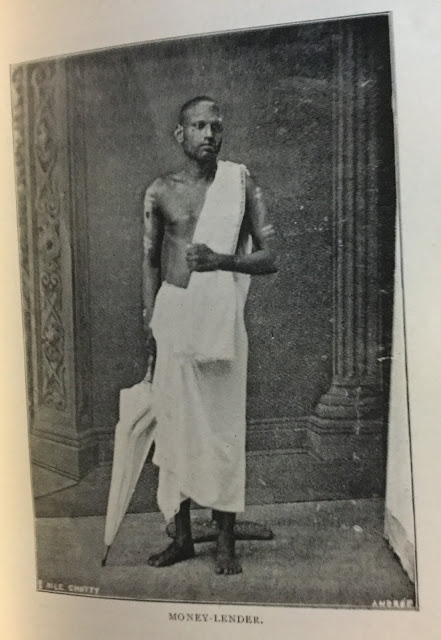
MONEY LENDING AND INTEREST
139. A debt being admitted as due, (the defendant) shall pay five in the
hundred (as a fine), if it be denied (and proved) twice as much; that is the
teaching of Manu.
140. A money-lender may stipulate as an increase of his capital, for the
interest, allowed by Vasishtha, and take monthly the eightieth part of a
hundred.
141. Or, remembering the duty of good men, he may take two in the
hundred (by the month), for he who takes two in the hundred becomes not a
sinner for gain.
142. Just two in the hundred, three, four, and five (and not more), he
may take as monthly interest according to the order of the castes (varna).
143. But if a beneficial pledge (i.e. one from which profit accrues, has
been given), he shall receive no interest on the loan; nor can he, after
keeping (such) a pledge for a very long time, give or sell it.
144. A pledge (to be kept only) must not be used by force, (the
creditor), so using it, shall give up his (whole) interest, or, (if it has been
spoilt by use) he shall satisfy the (owner) by (paying its) original price;
else he commits a theft of the pledge.
145. Neither a pledge nor a deposit can be lost by lapse of time; they
are both recoverable, though they have remained long (with the bailee).
146. Things used with friendly assent, a cow, a camel, a riding-horse,
and (a beast) made over for breaking in, are never lost (to the owner).
147. (But in general) whatever (chattel) an owner sees enjoyed by others
during ten years, while, though present, he says nothing, that (chattel) he
shall not recover.
148. If (the owner is) neither an idiot nor a minor and if (his chattel)
is enjoyed (by another) before his eyes, it is lost to him by law; the adverse
possessor shall retain that property.
149. A pledge, a boundary, the property of infants, an (open) deposit, a
sealed deposit, women, the property of the king and the wealth of a Srotriya
are not lost in consequence of (adverse) enjoyment.
150. The fool who uses a pledge without the permission of the owner,
shall remit half of his interest, as a compensation for (such) use.
151. In money transactions interest paid at one time (not by
instalments) shall never exceed the double (of the principal); on grain, fruit,
wool or hair, (and) beasts of burden it must not be more than five times (the
original amount).
152. Stipulated interest beyond the legal rate, being against (the law),
cannot be recovered; they call that a usurious way (of lending); (the lender)
is (in no case) entitled to (more than) five in the hundred.
TYPES OF INTERESTS
153. Let him not take interest beyond the year, nor such as is
unapproved, nor compound interest, periodical interest, stipulated interest,
and corporal interest.
154. He who, unable to pay a debt (at the fixed time), wishes to make a
new contract, may renew the agreement, after paying the interest which is due.
155. If he cannot pay the money (due as interest), he may insert it in
the renewed (agreement); he must pay as much interest as may be due.
156. He who has made a contract to carry goods by a wheeled carriage for money and has agreed to a certain place or time, shall not reap that reward, if he does not keep to the place and the time (stipulated).
SEA VOYAGES
157. Whatever rate men fix, who are expert in sea-voyages and able to
calculate (the profit) according to the place, the time, and the objects
(carried), that (has legal force) in such cases with respect to the payment (to
be made).
158. The man who becomes a surety in this (world) for the appearance of
a (debtor), and produces him not, shall pay the debt out of his own property.
159. But money due by a surety, or idly promised, or lost at play, or
due for spirituous liquor, or what remains unpaid of a fine and a tax or duty,
the son (of the party owing it) shall not be obliged to pay.
160. This just mentioned rule shall apply to the case of a surety for
appearance (only); if a surety for payment should die, the (judge) may compel
even his heirs to discharge the debt.
161. On what account then is it that after the death of a surety other
than for payment, whose affairs are fully known, the creditor may (in some
cases) afterwards demand the debt (of the heirs)?
162. If the surety had received money (from him for whom he stood bail)
and had money enough (to pay), then (the heir of him) who received it, shall
pay (the debt) out of his property; that is the settled rule.
INVALID CONTRACTS
163. A contract made by a person intoxicated, or insane, or grievously
disordered (by disease and so forth), or wholly dependent, by an infant or very
aged man, or by an unauthorised (party) is invalid.
164. That agreement which has been made contrary to the law or to the
settled usage (of the virtuous), can have no legal force, though it be
established (by proofs).
165. A fraudulent mortgage or sale, a fraudulent gift or acceptance, and
(any transaction) where he detects fraud, the (judge) shall declare null and
void.
166. If the debtor be dead and (the money borrowed) was expended for the
family, it must be paid by the relatives out of their own estate even if they
are divided.
167. Should even a person wholly dependent make a contract for the
behoof of the family, the master (of the house), whether (living) in his own
country or abroad, shall not rescind it.
NO FORCE
168. What is given by force, what is enjoyed by force, also what has
been caused to be written by force, and all other transactions done by force,
Manu has declared void.
169. Three suffer for the sake of others, witnesses, a surety, and
judges; but four enrich themselves (through others), a Brahmana, a
money-lender, a merchant, and a king.
170. No king, however indigent, shall take anything that ought not to be
taken, nor shall he, however wealthy, decline taking that which he ought to
take, be it ever so small.
171. In consequence of his taking what ought not to be taken, or of his refusing what ought to be received, a king will be accused of weakness and perish in this (world) and after death.
KINGS MUST FOLLOW YAMA
172. By taking his due, by preventing the confusion of the castes
(varna), and by protecting the weak, the power of the king grows, and he
prospers in this (world) and after death.
173. Let the prince, therefore, like Yama, not heeding his own likings
and dislikings, behave exactly like Yama, suppressing his anger and controlling
himself.
174. But that evil-minded king who in his folly decides causes unjustly,
his enemies soon subjugate.
175. If, subduing love and hatred, he decides the causes according to
the law, (the hearts of) his subjects turn towards him as the rivers (run)
towards the ocean.
176. (The debtor) who complains to the king that his creditor recovers
(the debt) independently (of the court), shall be compelled by the king to pay
(as a fine) one quarter (of the sum) and to his (creditor) the money (due).
177. Even by (personal) labour shall the debtor make good (what he owes)
to his creditor, if he be of the same caste or of a lower one; but a (debtor)
of a higher caste shall pay it gradually (when he earns something).
178. According to these rules let the king equitably decide between men,
who dispute with each other the matters, which are proved by witnesses and
(other) evidence.
DEPOSITS, MORTGAGES
179. A sensible man should make a deposit (only) with a person of (good)
family, of good conduct, well acquainted with the law, veracious, having many
relatives, wealthy, and honourable (arya).
180. In whatever manner a person shall deposit anything in the hands of
another, in the same manner ought the same thing to be received back (by the
owner); as the delivery (was, so must be) the re-delivery.
181. He who restores not his deposit to the depositor at his request,
may be tried by the judge in the depositor’s absence.
182. On failure of witnesses let the (judge) actually deposit gold with
that (defendant) under some pretext or other through spies of suitable age and
appearance (and afterwards demand it back).
183. If the (defendant) restores it in the manner and shape in which it
was bailed, there is nothing (of that description) in his hands, for which
others accuse him.
184. But if he restores not that gold, as be ought, to those (spies),
then he shall be compelled by force to restore both (deposits); that is a
settled rule of law.
185. An open or a sealed deposit must never be returned to a near
relative (of the depositor during the latter’s lifetime); for if (the
recipient) dies (without delivering them), they are lost, but if he does not
die, they are not lost.
186. But (a depositary) who of his own accord returns them to a near
relative of a deceased (depositor), must not be harassed (about them) by the
king or by the depositor’s relatives.
187. And (in doubtful cases) he should try to obtain that object by
friendly means, without (having recourse to) artifice, or having inquired into
(depositary’s) conduct, he should settle (the matter) with gentle means.
188. Such is the rule for obtaining back all those open deposits; in the
case of a sealed deposit (the depositary) shall incur no (censure), unless he
has taken out something.
189. (A deposit) which has been stolen by thieves or washed away by
water or burned by fire, (the bailee) shall not make it good, unless he took
part of it (for himself).
190. Him who appropriates a deposit and him (who asks for it) without having
made it, (the judge) shall try by all (sorts of) means, and by the oaths
prescribed in the Veda.
191. He who does not return a deposit and he who demands what he never
bailed shall both be punished like thieves, or be compelled to pay a fine equal
(to the value of the object retained or claimed).
192. The king should compel him who does not restore an open deposit,
and in like manner him who retains a sealed deposit, to pay a fine equal (to
its value).
193. That man who by false pretences may possess himself of another’s
property, shall be publicly punished by various (modes of) corporal (or
capital) chastisement, together with his accomplices.
194. If a deposit of a particular description or quantity is bailed by
anybody in the presence of a number (of witnesses), it must be known to be of
that particular (description and quantity; the depositary) who makes a false
statement (regarding it) is liable to a fine.
195. But if anything is delivered or received privately, it must be
privately returned; as the bailment (was, so should be) the re-delivery.
196. Thus let the king decide (causes) concerning a deposit and a
friendly loan (for use) without showing (undue) rigour to the depositary.
197. If anybody sells the property of another man, without being the
owner and without the assent of the owner, the (judge) shall not admit him who
is a thief, though he may not consider himself as a thief, as a witness (in any
case).
198. If the (offender) is a kinsman (of the owner), he shall be fined
six hundred panas; if he is not a kinsman, nor has any excuse, he shall be
guilty of theft.
199. A gift or sale, made by anybody else but the owner, must be
considered as null and void, according to the rule in judicial proceedings.
8-200. Where possession is evident, but no title is perceived, there the
title (shall be) a proof (of ownership), not possession; such is the settled
rule.
பாக்யா
29-3-2019 இதழில் அறிவியல் துளிகள் தொடரில் வெளியாகியுள்ள ஒன்பதாம் ஆண்டு நான்காம் கட்டுரை – அத்தியாயம் 420
மூன் ரஷ்!
ச.நாகராஜன்
கோல்ட் ரஷ் – தங்க
வேட்டை என்பதைப் பற்றிக் கேள்விப்பட்டிருக்கிறோம். 1848ஆம் ஆண்டில் கலிபோர்னியாவில்
தங்கம் கண்டுபிடிக்கப்பட்டதை ஒட்டி அங்கு ஏராளமானோர் முகாமிட்டுத் தங்கம் கிடைக்கும்
இடம் தேடி அலைந்த கதை பெரிய கதை.
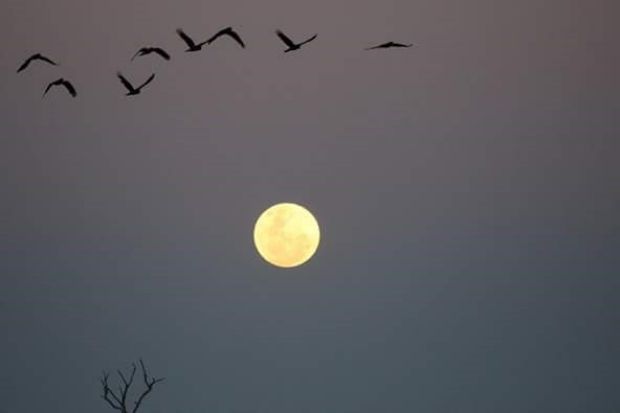
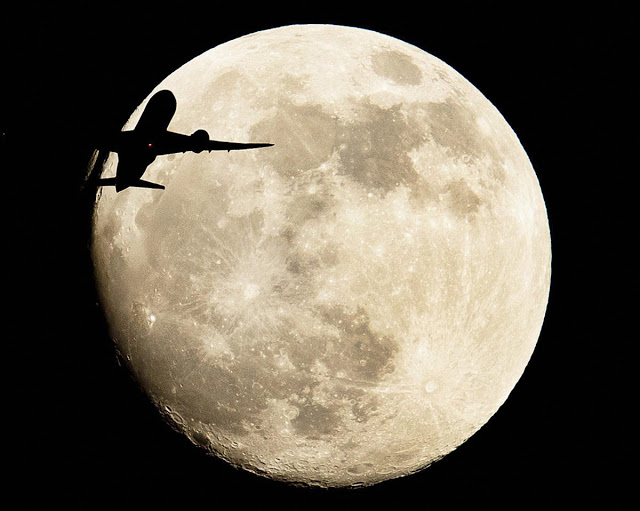
ஆனால் ‘மூன் ரஷ்’ என்பது பற்றி இப்போது தான்
கேள்விப்படுகிறோம். மூன் ரஷ் என்ற வார்த்தையை முதலில் உருவாக்கியவர் விண்வெளி இயல்
பொறியாளரான டென்னிஸ் விங்கோ (Moon Rush
by Dennis Wingo) என்பவர் தான். தனது ‘மூன் ரஷ்’ என்ற புத்தத்தில் பூமியின்
அருகில் இருக்கும் அண்டை கிரகமான சந்திரனில் என்னவெல்லாம் கிடைக்குமோ அதை முதலில்
‘அறுவடை’ செய்யத் துடிப்போர்
அங்கு செல்ல, போட்டி இடுவதையே அவர் மூன் ரஷ் என்றார். ஆம், சந்திர வேட்டை தான்!
2019, பிப்ரவரி
21ஆம் தேதி விண்ணில் ஏவப்பட்ட பால்கன் 9 (Falcon
9) ராக்கட் ஏப்ரல் மாதத்தில் சந்திரனில் இஸ்ரேலின்
ஒரு வாகனத்தை இறக்கும். இதற்கான ஒரு ஒப்பந்தம் இஸ்ரேலிய வணிக கம்பெனி ஒன்றுடன் செய்யப்
பட்டிருக்கிறது. இதன் மூலம் சந்திரனிலிருந்து முதல் வணிக ரீதியிலான பொருள் பூமிக்கு
வர இருக்கிறது. இதைத் தொடர்ந்து ஏராளமான கம்பெனிகள் சந்திரனுக்கு ராக்கெட்டுகளை அனுப்பத்
துடிக்கின்றன. ஜப்பானிய கம்பெனி ஒன்றும் இந்தப் போட்டிக்குள் குதிக்கிறது.
அமெரிக்கா, ரஷியா,
சீனா, இந்தியா, பிரிட்டன் உள்ளிட்ட பல நாடுகள் சந்திரனில் தங்கள் தளத்தை உருவாக்கி
மனிதர்களைக் குடி அமர்த்த திட்டம் தீட்டி வரும் வேளையில் முதலில் அதை யார் அடைகிறார்களோ
அவர்கள் எவ்வளவு ஆதிக்கத்தைச் செய்ய முடியுமோ அவ்வளவையும் செய்யவே துடிப்பார்கள்.
இரண்டு கோடி டாலரிலிருந்து
260 கோடி டாலர் வரை முதலீடு செய்ய பெரிய நிறுவனங்கள் தயாராகி விட்டன. 2021ஆம் ஆண்டில்
நாம் பார்க்கும் சந்திரன் வேறு விதமாக (எந்த தேசத்தின் பகுதி எது என்ற விவரணம் ஆரம்பிக்கும்)
விவரிக்கப்படுவான்!
அங்கு தண்ணீர் இருக்கிறதா,
அது ஐஸ் வடிவில் இருந்தால் பருகுவதற்கு உகந்ததாக இருக்குமா என்பது தான் அனைவரது கேள்வியும்!
அப்படி இருப்பின் அதை ஹைட்ரஜன் மற்றும் ஆக்ஸிஜனை உருவாக்கப் பயன்படுத்தலாம். ஆக்ஸிஜன்
மனிதர்களின் சுவாசத்திற்கு உதவும். பூமியிலிருந்து
நீரை சந்திரனுக்கு எடுத்துச் செல்ல வேண்டிய அவசியம் இல்லாது போய் விடும்; பெரும் பொருட்செலவு
மிச்சமாகும். சந்திரனில் தண்ணீரை எடுப்பதையே மிகப் பெரிய வாய்ப்பாக உலகின் மிகப் பெரிய
கம்பெனிகள் கருதுகின்றன.
ஆக்ஸிஜன், சிலிகான்,
இரும்பு, மக்னீஷியம், கால்சியம், அலுமினியம், மாங்கனீஸ், டைட்டானியம் உள்ளிட்டவை சந்திரனில்
இருப்பதாக இதுவரை மேற்கொண்ட ஆய்வுகள் உறுதிப்படுத்துகின்றன.
இன்னொரு மிகப் பெரிய
அதிர்ஷ்டப் பொருள் ஹீலியம் 3.இது மட்டும் நிறையக் கிடைத்தால் பூமியின் ஆற்றல் பற்றிய
நிலை முற்றிலுமாக மாறி விடும்.படிம எரிபொருள்களுக்கு – பெட்ரோல், டீஸல் உள்ளிட்ட அனைத்தின்
ஆதிக்கத்திற்கும் ஒரு முடிவு வந்து விடும்.
பல லட்சம் டன்கள்
ஹீலியம் சந்திரனில் இருப்பதாக சில விஞ்ஞானிகள் கருதுகின்றனர். உலகின் பொருளாதார நிலை
ஹீலியத்தின் அடிப்படையில் மாறி விடும்!
ஆகவே தான் இந்த
மூன் ரஷ்!
விலையுயர்ந்த பொருள்கள்
என்று பார்த்தால் பிளாட்டினம் குழுவைச் சேர்ந்த பொருள்களையும் சொல்லலாம். அது இருப்பதற்கான
சாத்தியக்கூறுகளும் சந்திரனில் உண்டு. இந்தப் பொருள்களின் இப்போதைய விலை ஒரு கிலோவுக்கு
20000 டாலரிலிருந்து 50000 டாலர் வரை இருக்கிறது. அதாவது ஒரு கிலோ சுமார் ரூ 14 லட்சம்
ரூபாயிலிருந்து 35 லட்சம் ரூபாய் வரை என்ற விலையில் விற்கப்படுகிறது. பல டன்களை முதலில்
வெட்டி எடுப்போரின் பொருளாதார நிலையை நாம் சுலபமாக ஊகிக்கலாம்.
ஆகவே முதலில் சென்று
ரொபாட்டை வைத்து முதலில் ஆராய்வோரே நிறைய ஆதாயத்தைப் பெற முடியும். ஆகவே தான் இந்த
சந்திர வேட்டை இப்போது சூடு பிடித்துள்ளது.
எங்கேயோ யாரோ ராக்கெட்
அனுப்புகிறார்கள் என்று நாம் சும்மா இருக்க முடியாது. இது நேரடியான விளைவை மனித குலத்தின்
மீது ஏற்படுத்தும்.
ஆகவே மூன் ரஷ் பற்றி
இனி அதிகம் தெரிந்து கொள்ள வேண்டிய நிலையில் அனைவரும் இருக்கிறோம்!
இது ஒருபுறமிருக்க
அளவற்ற – மிக மலிவாகக் கிடைக்கும் – ஆற்றலைத் தேடும் தனது முயற்சியில் வெற்றி பெற்று
விட்டதாக சீனா அறிவித்திருக்கிறது. இது சிக்கலான நியூக்ளியர் ஃப்யூஷன் (nuclear fusion) பற்றிய விஷயம்!.
இதை அணுச்சேர்க்கை என்று தமிழில் சொல்லலாம்.
சீனாவில் ஹெஃபியில்
(Hefei) உள்ள ரீ ஆக்டரில் ஹைட்ரஜனை ஒரு
செயற்கை சூரியன் மூலமாக 100 மில்லியன் டிகிரி செல்ஸியஸ் என்ற கற்பனைக்கும் அப்பாற்பட்ட
வெப்பநிலையில் வெப்பமடைய வைத்து பிளாஸ்மாவை உருவாக்கும் முயற்சியில் வெற்றி பெற்றுள்ளனர்.
நியூக்ளியர் ஃப்யூஷன்
என்னும் அணுச்சேர்க்கை ஆபத்தில்லாதது; பக்கவிளைவு இல்லாதது.
மாறாக நியூக்ளியர்
ஃபிஷன் என்ப்படும் அணுப்பிளவு ஆபத்தானது; ஏராளமான பக்க விளைவை உருவாக்கும்.
அணுச்சேர்க்கைக்கு
பூமியில் மிக அதிகமான உஷ்ணநிலை தேவைப்படுகிறது. ஆகவே தான் செயற்கை சூரியன் மூலம் இந்த
உயரிய உஷ்ணநிலையை உருவாக்கியதாக சீனா சொல்வதை விஞ்ஞானிகள் வியப்புடன் பார்க்கின்றனர்.
அதாவது அளப்பரிய
ஆற்றலை மிகவும் ‘சுத்தமான அணுச்சேர்க்கை’ மூலம் பெறுவதென்றால் அது அசாத்தியமான சாதனை தான்!
சந்திரன் மூலம்
பெரும் ஆற்றலைப் பெறப் போகிறோமா, அல்லது அணுச்சேர்க்கை மூலம் பெரும் ஆற்றலை பூமியிலேயே
பெறப் போகிறோமா?
இந்த விண்வெளிப்
போட்டியில் முதலில் வெற்றி அடைந்து உலகின் தலைமை விண்வெளி இயல் அரசாக மிளிரப் போவது
எந்த நாடு? சீனா, இந்தியா, அமெரிக்கா, ரஷியா?
காலம் விரைவில் அதிசயமான பதிலைச் சொல்லப் போகிறது! காத்திருந்து பிரமிப்படைவோம்!
அறிவியல் அறிஞர்
வாழ்வில் .. ..
ஜெனி ஷூமேக்கர்
என்று பிரபலமாக அறியப்படும் அமெரிக்க புவியியல் விஞ்ஞானி (Gene Shoemaker or Eugene Merie Shoemaker பிறப்பு 28, ஏப்ரல் 1928, மறைவு 18, ஜூலை 1997) ஷீமேக்கர் – லெவி 9 என்ற வால் நட்சத்திரத்தைக்
கண்டுபிடித்தவர். 1994இல் இது வியாழ கிரகத்துடன் மோதியது. இந்த காட்சியை உலகில் உள்ளோர்
வியப்புடன் தொலைக்காட்சியில் பார்த்தனர்!
இள வயதிலிருந்தே
விண்வெளி பற்றிய அனைத்து விஷயங்களிலும் ஆர்வம் காட்டி வந்தார் ஷூமேக்கர். எப்படியாவது
சந்திரனில் காலடி பதிக்க வேண்டுமென்பது அவரது தணியாத ஆசை. அபல்லோ பயணத்தில் சேர்வதற்கு
மிகவும் எதிர்பார்ப்புடன் காத்திருந்தார். ஆனால் அவருக்கு அட்ரினல் கிளாண்டில் ஏற்படும்
ஒரு வித வியாதியான அடிஸன் வியாதி இருப்பதாகத் தெரிய வந்ததால் அவரைப் பயணத்திற்கு சேர்க்க
முடியவில்லை. இதனால் மிகவும் மனமுடைந்து போனார்.
விண்வெளி வீரர்களைப்
பயிற்றுவிக்கும் பயிற்சியாளராக ஆனார். உலகெங்கும் உள்ள கனிம வளங்களை ஆராய்ந்தார். அமெரிக்காவில்
உடா மற்றும் கொலொரோடாவில் யுரேனியம் இருக்கிறதா என்பதை ஆராய்ந்தார்.
கோரமான ஒரு கார் விபத்தில் 1997இல் அவர் கொல்லப்பட்டது உலகையே அதிர்ச்சிக்குள்ளாக்கியது. அவரது தணியாத ஆசையை நிறைவேற்றும் வண்ணம் 1998இல் நாஸா சந்திரனுக்கு அனுப்பிய ப்ராஸ்பெக்டர் கலத்தில் அவரது அஸ்தியை ஒரு உலோகச் சுருளில் வைத்து அதை அனுப்பியது.
சந்திர தூசியுடன்
அவரது அஸ்தியும் கலந்தது.
பித்தளை உலோகச்
சுருளில் ஷேக்ஸ்பியரின் ரோமியோ ஜூலியட்டில் வரும் கீழ்க்கண்ட பிரபலமான மேற்கோள் பொருத்தமாகப்
பொறிக்கப்பட்டது:
“And, when he shall die
Take him and cut him out in little stars
And he will make the face of heaven so fine
That all the world will be in love with night
And pay no worship to the garish sun”
பூமி
வாழ் மனிதருள் வெளிகிரகத்திற்கு அனுப்பப்பட்ட
ஒரே மனிதரின் அஸ்தி ஷூ மேக்கருடையது தான்!