சீரடியார் பழவேத முனிவர் போற்றுஞ் செழுஞ் சோதி – சீர்களும் அடிகளும் இயைந்த மந்திரங்களால் முன்னைய வேத ரிஷிகள் போற்றிய ஞாயிறு
இங்கு சூர்யாஸ்தமய வர்ணனை கூறப்படுகிறது. இப்பாடல்களின் கருத்து நன்கு விளங்கும் பொருட்டு நமது ‘கர்மயோகிப்’ பத்திரிகையிலே இவ்விஷயத்தைப் பற்றி எழுதியுள்ள உபந்யாஸமொன்றை இங்கு தருகின்றோம்.
ஸூர்யாஸ்தமயம்
உலகத்தில் எங்கு பார்த்தாலும் நிறைந்து கிடக்கும் லாவண்யங்களைத் தமிழர்கள் கவனிப்பது கிடையாது. சனிக்கிழமை சாயங்காலந்தோறும் குளக்கரைகளிற் போய்க் கருடன் பார்ப்பதெற்கென்றால் நம்மவர்கள் கூட்டம் கூட்டமாக ஓடுகிறார்கள். சூர்யாஸ்தமய காலத்தில் வானத்திலே தோன்றும் அதிசியங்களைப் பார்க்க ஒருவன் கூடப் போவதில்லை. அப்போது வானத்திலே இந்திரஜால மஹேந்திர ஜாலங்களெல்லாம் நடக்கின்றன. இந்த க்ஷணம் இருந்த தோற்றம் அடுத்த க்ஷணம் இருப்பதில்லை. உலகத்திலுள்ள திரவிய முழுவதையும் செலவிட்டு வர்ணக் காட்சிகள் ஏற்படுத்திப் பார்ப்போமானாலும் அது சூர்யாஸ்தமய காலத்தில் வானத்திலே நாம் பொருட்செலவில்லாமல் பார்க்கக்கூடிய காட்சிகளிலே கோடியிலொரு பங்கு கூடக் காணாது. வாணவேடிக்கைகள் பார்க்க ஒரு செல்வன் பதினாயிரக்கணக்கான திரவியம் செலவிடுகிறான். அவ்னது செல்வத்தினாலன்றோ இந்தக் காட்சி சுலபமாகிறதென்று அதையே பார்த்து ஆயிரம் ஏழைகள் பெருமூச்செறிகிறார்கள். ஸஹோதரா! ஸூர்யாஸ்தமயத்தின் விநோதங்களைச் சென்று பார். ஸூர்யனைப் பார்த்தால் கண்ணுக்குக் கெடுதி என்ற குருடர் நம்பிக்கையைப் பொருட்டாக்காதே. ஸூர்யனைப் பார்ப்பது பாவமென்று சொல்லும் மூடர் சாஸ்திரத்தைக் கண் கொண்டு பார்க்காதே.
நமது நாட்டில் வேத காலத்து ரிஷிகள் பிரகிருதியின் சௌந்தர்யங்களைக் கண்டு மோஹித்துப் பரமானந்தமெய்தியவர்களாய்ப் பல அதிசியமான பாடல்கள் பாடியிருக்கிறார்கள். பிரகிருதியின் அழகைக் கண்டு பரவசமெய்திக் காளிதாஸன் முதலிய பெருங்கவிகள் அற்புதக் கவிதைகள் செய்திருக்கின்றனர். இக்காலத்திலே தான் இந்த துரதிர்ஷ்ட நிலை கொண்ட நாட்டில் வானம் பார்த்தறியாத குருடர்களெல்லோரும் கவிகளென்று சொல்லி வெளி வருகிறார்கள்.
ஸூர்யாஸ்தமயத்தின் அற்புத சௌந்தர்யங்களை எழுதிப் பிறர் மனதில் படும்படி செய்வது சாத்தியமில்லை. (நேரிலே கொண்டு காட்டினாலும் பலருக்கு ஆரம்பத்திலே கண் கூசுவது தான் அர்த்தமாகுமேயல்லாமல் விஷயம் தெரியாது.) ஸஹோதரா! நீயாகவே போய்ப் பல தினம் அடுத்துப் பார்க்க வேண்டும். பிறகு தான் உனக்கு அந்தத் தெய்வக் காட்சி சிறிது சிறிதாக விளங்கும். ஸூர்யோதயத்திலேயும் ஸூர்யாஸ்தமயத்திலும் வானத்தில் நடக்கும் இந்திரஜாலக் காட்சியில் க்ஷணந்தோறும் புதிய புதிய விநோதங்கள் மாத்திரமேயன்றி இன்னுமொரு விசேஷமுண்டு. நேற்று இருந்தது போல இன்றைக்கு இராது. இன்று இருப்பது போல நாளை இராது. தினந்தோறும் வெவ்வேறு வியப்புக்கள். வெவ்வேறு உலகங்கள். வெவ்வேறு மஹிமைகள். வெவ்வேறு கனவுகள். வெவ்வேறு ஆனந்தங்கள். வெவ்வேறு அநிர்வசனீயங்கள்.
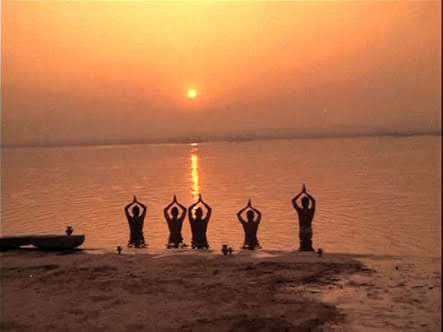
சில தினங்களின் முன்பு ஓர் மாலைப்பொழுதில் நான் கண்ட அதிசியங்களை ஒருவாறு இங்குக் குறிப்பிடுகிறேன். அடிவானத்தில் ஸூர்ய கோளம் தகதகவென்று சுழன்று கொண்டிருந்தது. இருபது கோடி மின்னல்களை எடுத்து ஒரு சக்கரமாக வார்த்துச் சுழற்றுவது போலிருந்தது. ஆரம்பத்திலே தான் கண்கூசும். சிறிது நேரம் உற்று நோக்கிக் கொண்டிருந்தால், பிறகு கண் கூச்சம் தீர்ந்து போய் விடும். இரண்டு வட்டத் தகடுகள் ஒன்றின் மேலொன்று சுழலும். கீழே இருப்பது சுத்தமான மின்வட்டம். மேலே இருப்பது மரகத வட்டம். பச்சை வர்ணம்! அற்புதமான பசுமை.
பச்சைத் தகடு பின்புறத்திலிருக்கு மின் தகட்டை முழுவதும் மறைத்துக் கொண்டிருக்கும். ஆயினும் இடையிடையே பின்னுள்ள வட்டத்தின் வயிரக் கிரணங்கள் கண்மீது பாயும்.
பார்! ஸுர்யனைச் சுற்றி மேகங்களெல்லாம் தீப்பட்டெரிவது போலத் தோன்றுகிறது! ஆஹா! என்ன வர்ணங்கள்! எத்தனை வித வடிவங்கள்! எத்தனை ஆயிர விதமான கலப்புக்கள்! அக்கினிக் குழம்பு! தங்கம் காய்ச்சியிட்ட ஓடைகள்! எரிகின்ற தங்கத் தீவுகள்!
நீல ஏரிகள்! கரும் பூதங்கள்! எத்தனை வகை நீலம்! எத்தனை விதச் செம்மை! எத்தனை வகைப் பசுமை! எத்தனை விதக் கருமை! நீல ஏரியின் மீது மிதக்கும் தங்கத் தோணிகள்! எரிகின்ற தங்க ஜரிகைக்கரைப் போட்ட கரிய சிகரங்கள்! தங்கத் திமிங்கலங்கள்! மிதக்கும் செங்கடல்! எங்கு பார்த்தாலும் ஒளித்திரள், வர்ணக் களஞ்சியம்.போ, போ, என்னால் அதை வர்ணிக்க முடியாது.
உள்ளந்தான் கவ்வ ஒருசிறிதுங் கூடாத கொள்ளைப் பெரியவுருக் கொண்ட பலகோடி வட்ட வுருளைகள் போல் வானத்தில் அண்டங்கள் எட்ட நிரப்பியவை எப்போதும் ஓட்டுகின்றாய்; எல்லா மசைவில் இருப்பதற்கே சக்திகளைப் … 85
பொல்லாப் பிரமா, புகுத்திவிட்டாய் அம்மாவோ! காலம் படைத்தாய் கடப்பதிலாத் திக்கமைத்தாய்; ஞாலம் பலவினிலும் நாடோ றுந் தாம்பிறந்து தோன்றி மறையும் தொடர்பாப் பல அனந்தம்!
*
இதுவரை கூறிய பாடல் பகுதிகளால் பாரதியார் வானக் காட்சிகள் மீது கொண்ட மோகத்தைப் பார்க்கிறோம்.
வானக் காட்சிகளைத் தமிழர் கவனிப்பது கிடையாது என்று அவர் அங்கலாய்க்கிறார்.
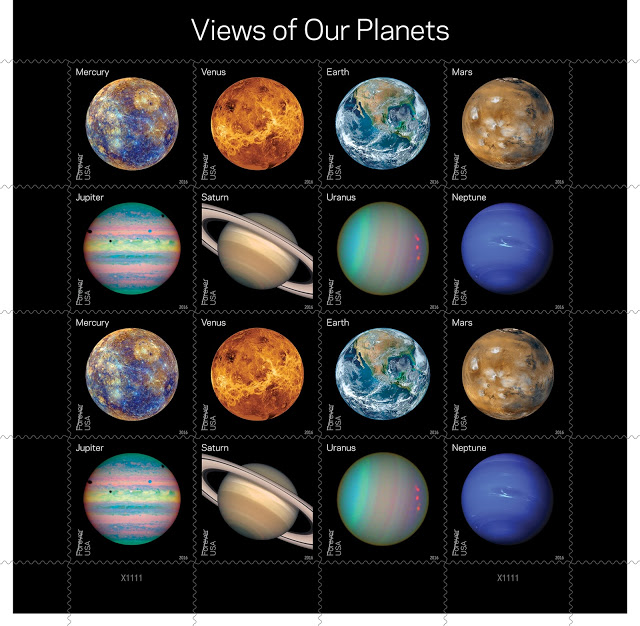
சந்திரன், சூரியன், நட்சத்திரங்கள், தாரகைக் கூட்டம், அண்டங்கள் உள்ளிட்ட அனைத்தையும் அவர் வியப்புடன் பார்க்கிறார்; அதன் உண்மை தெளிகிறார்; நமக்குப் புலப்படுத்துகிறார்.
இன்னும் வசன கவிதையிலும் உரை நடைப் பகுதிகளிலும் அவர் ஞாயிறு, நட்சத்திரம், நிலா ஆகியவை பற்றிக் கூறியவை ஏராளம் உள்ளன.
அவற்றையும் சேர்த்துப் படித்தால் வானவியல் கவிஞன் பாரதி என்று ஒரு புதிய பரிமாணத்தை மஹாகவி பாரதியாரில் நாம் காண முடியும்.
பாரதியைக் கற்றால் வானவியலையும் கற்றது போலத் தான் என்று கூறி இந்தக் குறுந்தொடரை முடிக்கிறேன்.
Pictures shown here are taken from various sources including google, Wikipedia, Facebook friends and newspapers. This is a non- commercial blog.
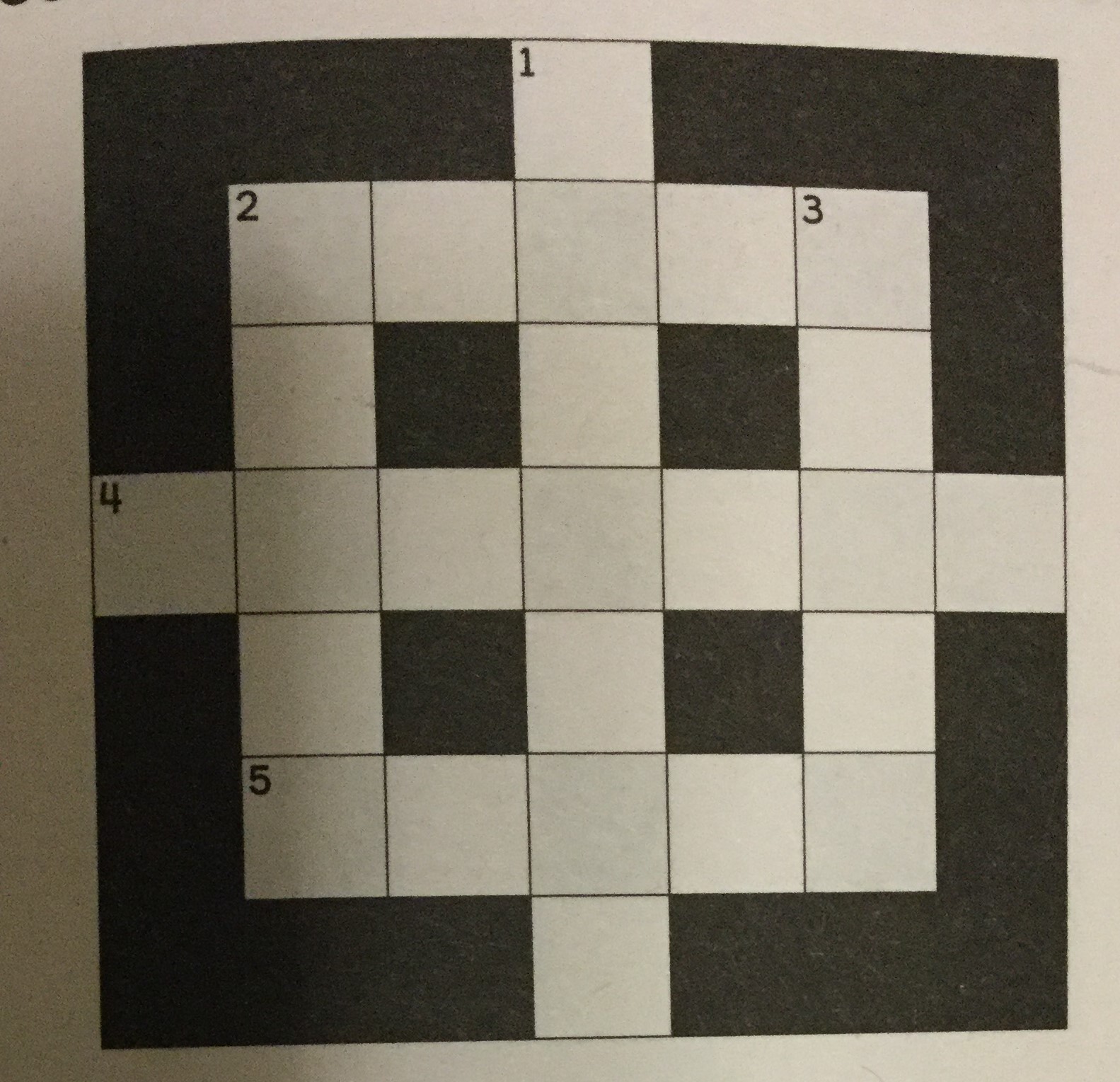
கட்டத்திலுள்ள ஆறு சொற்களைக் கண்டு பிடியுங்கள். இதோ உதவும்குறிப்புகள்; முயன்று பாருங்கள்; முடியாவிட்டால் விடை கீழேதரப்பட்டுள்ளது. அதைக் கண்டு மகிழுங்கள்.
குறுக்கே
1.பாம்பின் தலையில் இருக்குமாம்; இரவில் ஒளி வீசுமாம்
4.நகரைக் காக்க தமிழ் நாட்டில் ஊருக்கு ஊர் இப்பட குழு அமைத்தனர்.
5.மரத்தை அறுக்க உதவும்
கீழே
1. வாய் பேசாதோர் நால்வர் வந்தனர்
2. உஜ்ஜைனி நகரில் 12 ஜோதிர்லிங்கத்தின் ஒரு பெயர்
3. வரதட்சிணைக்கு ஸம்ஸ்க்ருதச் சொல்; கன்யா என்று சொல்லுடன் சேர்ந்து வரும்.
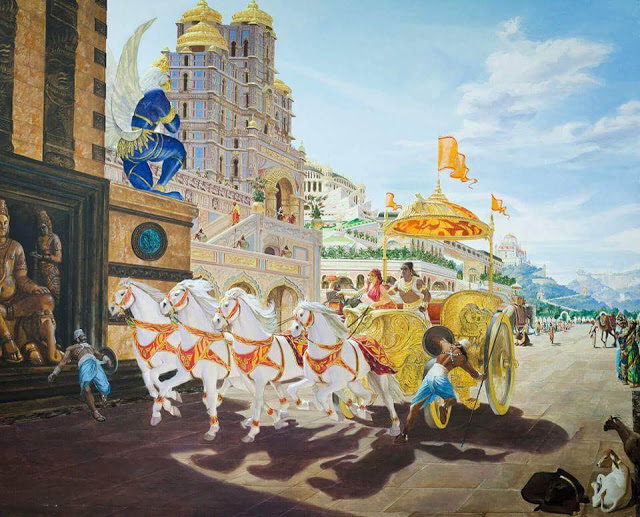
குரு க்ஷேத்திரமும் உண்மை இல்லை; அந்தக் கண்ணனும் உண்மை இல்லை; அவன் கூறிய பகவத் கீதையும் பாதை காட்டும் நூல் இல்லை; விரட்டு பார்ப்பனனை!
ஒருவழியாக விரட்டியாகி விட்டது பார்ப்பனனை!
அவன் என்ன செய்வான்? அவனை வரவேற்க 200 நாடுகள் துடித்தன! கூப்பிட்ட இடமெல்லாம் சென்றான். வெற்றிக் கொடி நாட்டினான்;
தொழில்நுட்பத்தின் உச்சியில் ஏறினான்; அந்த நிறுவனங்கள் கொடுத்த பதவியின் உச்சாணிக் கொப்பில் ஏறி அமர்ந்தான்.
அவன் ஒரு விரலை அமுக்கினால் போதும்; விரட்டியவர்களின் ஊழல் பட்டியல் உலகெங்கும் தெரியும்; அவன் தொழில்நுட்பம் அப்படிப்பட்டது.
டாட்டா கலெக் ஷன்!
ஆனால் அவன் அப்படிச் செய்யவில்லை; செய்யவும் மாட்டான் – அவன் வந்த வழி அப்படி!
அப்படியானால் விரட்டி அடிக்கப்பட்ட மண் அவனது சொந்த பூமி தானே! அரக்கரின் பிடியில் அகப்பட்டுத் தவிக்கும் அவனது இதர சகோதரர்களை அவன் காப்பாற்ற மாட்டானா; காப்பாற்றத்தான் மனமில்லையா!
இல்லை; தன் சொந்த மண் மட்டுமல்ல; உலகனைத்தும் தன் பூமி என்றவன் அவன்!
பாவிகள் தன் தலையில் ஏற்றிக் கொள்ளும் பாவச் சுமையைக் கண்டு அவன் திடுக்கிட்டான்!
அட 50 எடைப் பாரம் தாங்க முடியாத தன் தலையில் 5000 எடைப்பாரம் ஏற்றிக் கொள்வதோடு தன் கும்பல் ஒவ்வொருவன் தலையிலும் 5000 எடைப்பாரம் ஏற்றுகிறானே! பாவச்சுமையைத் தாங்கிக் கொள்ள முடியுமா என்று நினைத்தான்.
இந்தப் பாவச் சுமையால் மொத்தக் கூட்டமும் அழியும் நிலையில் இதரர்கள் தாமே வலுவாய்ப் பிழைத்து விடுவார்கள்; தர்ம சக்கரம் விளைவிக்கும் கர்ம சக்கரம் இது என்று அவன் உணர்ந்தான்;
பாவச் சுமை விழும் நாள் நோக்கிக் காத்திருந்தான்; பார்த்திருந்தான்!
****
தாடி வைத்த தலைவர் சமூக நீதி கேட்டார் என்பது போய் அந்தக் கெட்ட பயல் ஒரு கன்னடன்; அவன் தமிழைக் காட்டிமிராண்டி மொழி என்று சொன்னான் என்று ஒருவன் கூச்சலிட, ஐயையோ! தமிழா!! அப்படிச் சொல்லாதே அவர் வைக்கம் வீரர் என்றான் ஆட்சித் தமிழன்.
அட போடா! நீயா தமிழன்! நான் தானடா தமிழன்! வைக்கம் போராட்டத்தை நடத்தியது காங்கிரஸ்; அதில் கலந்து கொண்ட பலரில் அவனும் ஒருவன்; அவன் ஒரு கன்னடன்! நீ வீட்டில் பேசுவது தெலுங்கு; நீ ஒரு தெலுங்கன்; உன்னிடம் கணக்குக் கேட்டவன் ஒரு மலையாளி! ஆக கன்னடர், தெலுங்கர்,மலையாளி கூட்டத்தை ஆள விட மாட்டோம்; நான் சங்கத் தமிழ் கூறும் பாணனடா! நான் தான் தமிழன் என்றான் புதிதாக வந்தவன்.
அட நாம் திராவிடர்; ஒரு தாய் வயிற்றுப் பிள்ளையடா என்றான் ஆட்சித் தமிழன்.
‘அட போடா! இந்த திராவிட வாதத்தை மலையாளம், கன்னடம், தெலுங்கு தேசத்தில் என்றாவது வைத்திருக்கிறாயா! அங்கு போய் திராவிடம் பேசு. முதலில் எங்களிடம் அடித்த சொத்தைத் திருப்பிக் கொடு; உன் சேனல்கள் உட்பட’ என்றான் சங்கத் தமிழன்.
ஐயையோ! திராவிடம், அதன் முன்னேற்றம், அதன் மறுமலர்ச்சி, அதன் அனைத்திந்திய வடிவம் அனைத்திற்கும் உலை வைக்கிறானே இந்த ஆதித் தமிழன் என்று கொந்தளிப்போர் கொந்தளிக்க சங்கத் தமிழனோ நடிகர் சங்கத் தெலுங்கர் வெளியேற வேண்டும்; வீட்டில் தெலுங்கு பேசும் தெலுங்கர் வெளியேற வேண்டும்;உண்மைத் தமிழருக்குத் தான் இங்கு இடம் என்றான்!
அட, இவனை விரட்ட நம் சேனல்களை முடுக்கி விடு என்றான் ஆட்சித் தமிழன்.
அந்தக் காலம் மலையேறிப் போச்சு; இப்போது சோஷியல் மீடியா என்று நாளைக்கு ஒரு புது வீடியோ மீடியா! நம் சேனலை எவன் பார்க்கிறான்; எல்லாம் போச்சு என்று சேனல் கூலிகள் அலற, புது யுக்தி வகுக்க நினைத்தான் ஆட்சித் தமிழன்.
‘சரி, பாதிரிகளிடம் பணம் வாங்கு; தீவிரவாதிகளை இறக்கி விடு; அவனை ஒழித்துக் கட்டு’ என்றான் ஆட்சித் தமிழன்.
ஐயையோ! அவன் முந்திக் கொண்டு அவர்களின் ஆதரவை நாடி விட்டானே என்றனர் சேனல் கூலிகள்.
சரி! சரி! போர், போர், அகநானூறே அள்ளி வா! புற நானூறே பொங்கி வா என்றான் ஆட்சித் தமிழன்.
“அண்ணே! அந்தக் காலமெல்லாம் போச்சு. இப்ப புறநானூறும் அகநானூறும் அவனுடையது என்கிறான். அவன் தான் தங்கத் தமிழனாம்! சங்கத் தமிழனாம்.
நாம் பிழைக்க வந்த நாதாரிகளாம்; நம் வீட்டில் பேசும் மொழியை எல்லாம் பிட்டுப் பிட்டு வைக்கிறான்; நம் சரித்திரத்தின் ஆதிக்கே போய் அலசுகிறான் அவன்!”
‘அப்படியானால்?’
‘குரு க்ஷேத்திரப் போர் உண்மை இல்லை என்றோமே; இப்போது தமிழ் க்ஷேத்திரப் போர் நிஜமாகவே வந்து விட்டது; நாம் ஒழிந்தோம்’ என்றனர் கொள்ளையடித்து வயிறு வளர்த்த கூலிகள்
நடக்கப்போவது என்ன என்பது நாளை தெரியும்!
*
இது தான் இன்றைய தமிழகத்தின் நிலை. சோஷியல் மீடியா என்ற ஊடகங்களில் ஒரு மணிக்கு ஒரு வீடியோ! ஒவ்வொரு நாளும் ஒரு புதிய ஊடகத்தின் பிறப்பு!
அதில் நடக்கும் அடிதடிகள்! அடடா!! பார்க்கக் கண்கொள்ளாக் காட்சி!
தன் வினை தன்னைச் சுடும்!
எதை எதையெல்லாம் வைத்து பிரிவினை விதைகளை வித்திட்டு மரமாக்கி கனிகளை அனுபவித்தார்களோ அதே விதைகள் இன்னொரு மரத்தை உருவாக்கி முதல் மரத்தைப் பட்டுப் போகச் செய்ய முனைகிறது.
கட்டபொம்மு நாயக்கர்! தெலுங்கு பேசும் செட்டியார்; தமிழ் பேசும் செட்டியார்! நாயுடு; ரெட்டி, இன்னும் இன்ன பிற!
சாதி வேண்டாம் என்று சொல்லி ஆளவந்தவர்கள் சாதியின் பேரைச் சொல்லிச் சொல்லி அழிய ஆரம்பித்து விட்டனர்.
தலித் ஆட்சிக்கு வரக் கூடாதா – ஒரு சேனலன் (சேனலை நெறிப்படுத்துபவர் சேனலன்) கேட்க தெலுங்குத் தமிழர் மலர்ச்சி போய், கோபமடைந்து, ‘அட போ! பேட்டி முடிந்தது’ என்று சொல்கிறார்.
இலவசமாக மணிக்கு ஒரு கூத்து!
முற்றிலும் இலவசம்!
பார்ப்பனன் காட்சியில் இல்லாத- பார்ப்பன சூழ்ச்சியற்ற- இலவசம்!
குரு க்ஷேத்திரம் பார்க்கவில்லையே, என்று உலகோரே வருத்தப்பட வேண்டாம்; இதோ தமிழ் க்ஷேத்திரப் போர் ஆரம்பித்து விட்டது!
Pictures shown here are taken from various sources including google, Wikipedia, Facebook friends and newspapers. This is a non- commercial blog.
Find the six words in the square. Though they are Sanskrit words few of them are used even in Tamil. I have given some clues to identify them. Answers are also given at the end.
2.laughing, name of people
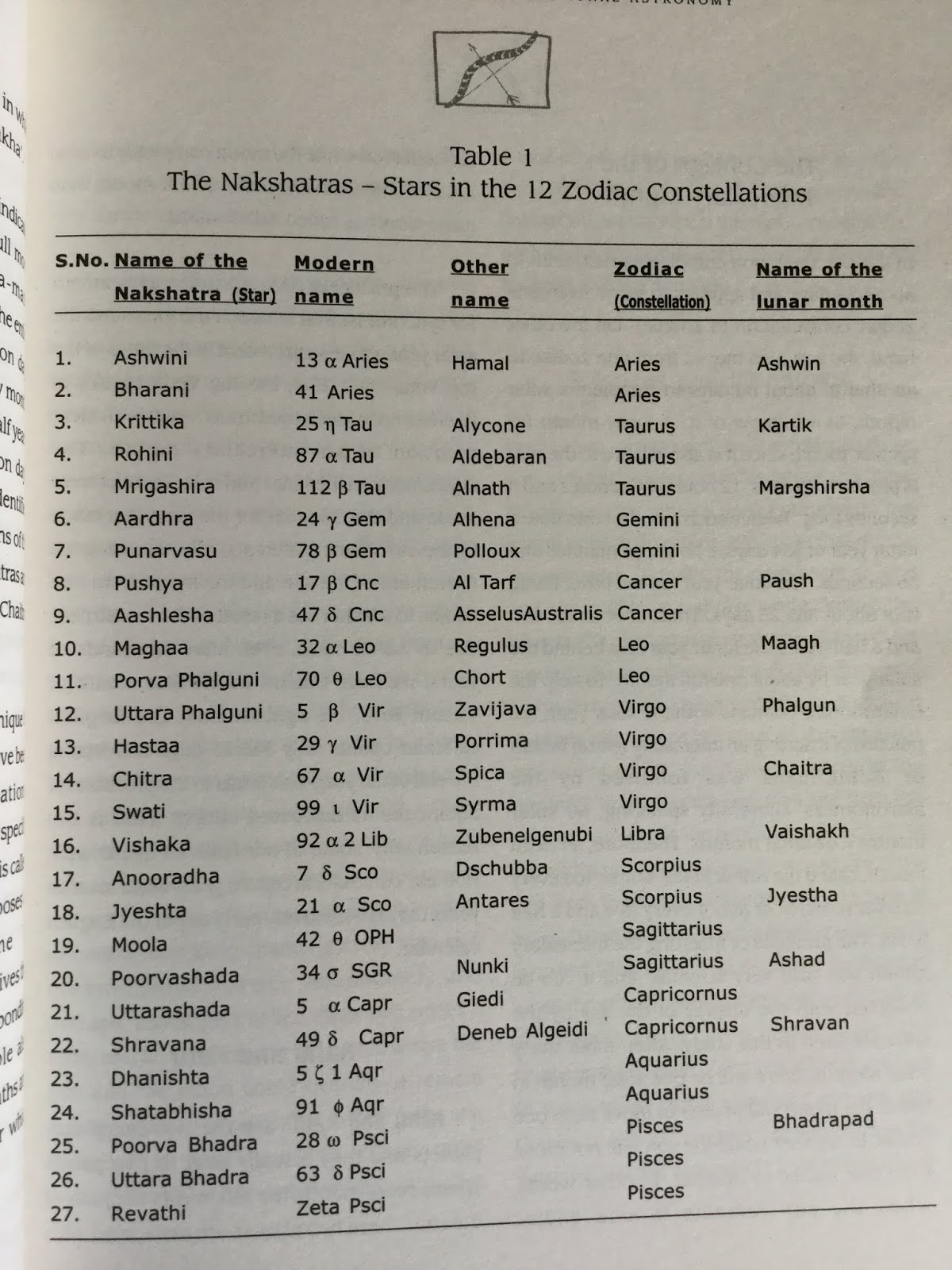
4.star associated with Kartikeya; Pleiades constellation
5.one yoga in astronomy; meaning night
1.eight verses; also name of Visvamitra’s son
2. Name of Shiva always suffixed with Hari
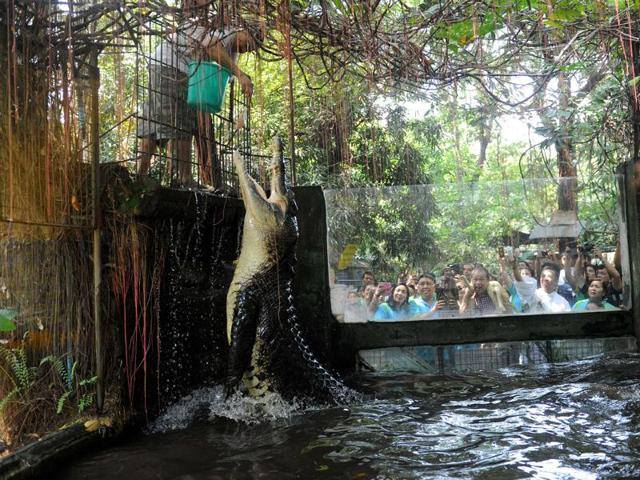
3.Sanskrit word for crocodile; swarm of bees
*
*
*
A
*
*
*
*
H
A
S
A
N
*
*
A
*
H
*
A
*
K
R
I
T
I
K
A
*
A
*
A
*
R
*
*
N
A
K
T
A
*
*
*
*
A
*
*
*
Answers
2.Hasan- laughing, name of people
4.Kritika- star associated with Kartikeya; Pleiades constellation
5.Nakta – one yoga in astronomy; meaning night
1.Ashtaka- eight verses; also name of Visvamitra’s son
2.Haran – Name of Shiva always suffixed with Hari
3.Nakra- Sanskrit word for crocodile; swarm of bees
Pictures shown here are taken from various sources including google, Wikipedia,
Facebook friends and newspapers. This is a non- commercial blog.
மநு நீதி நூல்- பகுதி 35
மநு ஸ்ருதியின் ஆறாவது அத்தியாயத்தை இன்று முடித்து விடுவோம்.
இதற்குப் பின்னர் இன்னும் ஆறு அத்தியாயங்கள் உள. மொத்தம் 2685 ஸ்லோகங்கள்; ஒன்பது பேரின்
முழு பாஷ்யங்கள்/ உரைகள். ஆயிரக்கணக்கான வெளிநாட்டுப் பிதற்றல் பேர்வழிகளின் நூல்கள்
வேறு.
ஸ்லோகம் 50 முதல் இறுதிவரையுள்ள (97) ஸ்லோகங்களின் புல்லட்
bullet points பாயிண்டுகளை மட்டும் முதலில் தருகிறேன்.
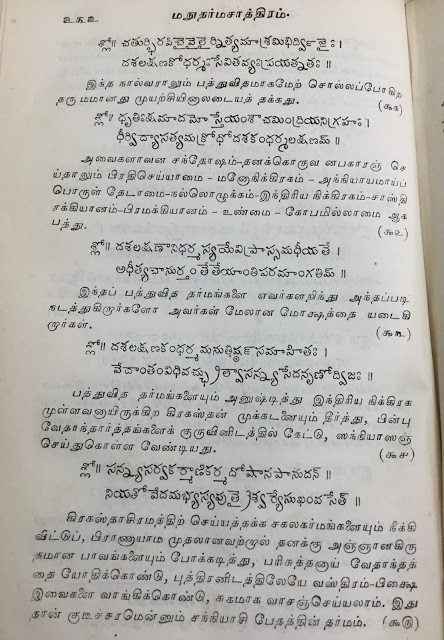
1.வள்ளுவனுக்கு மிகவும் பிடித்த ‘இல்லறமே நல்லறம்’ என்ற கருத்து
இங்கே வருகிறது. இதனால் வள்ளுவர் அப்படியே 4 குறள்களில், மநுவின் ஸ்லோகத்தை (6-87,
6-88, 6-89 etc) மொழி பெயர்த்து விடுகிறார்.
இல்வாழ்வான் என்பான் இயல்புடைய மூவர்க்கும்
நல்லாற்றின் நின்ற துணை- குறள் 41
பிரம்மச்சாரி, வாநப்ரஸ்தன், ஸந்யாஸி ஆகிய மூவர்க்கும் கிரஹஸ்தனே
துணை/ ஸப்போர்ட் support
துறந்தார்க்கும் துவ்வாதவர்க்கும் இறந்தார்க்கும்
இல்வாழ்வான் என்பான் துணை – 42
அநாதைகள்,ஏழைகள், பிச்சை எடுப்போர்க்கும் கிரஹஸ்தனே (இல்வாழ்வான்)
துணை
இயல்பினான் இல்வாழ்க்கை வாழ்பவன் என்பான்
முயல்வாருள் எல்லாம் தலை- 47
தர்ம நெறிப்படி வாழும் கிரஹஸ்தனே வேறு எவரைக்காட்டிலும் பெஸ்ட்/best
தலை சிறந்தவன்.
ஆற்றின் ஒழுக்கி அறனிழுக்கா இல்வாழ்க்கை
நோற்பாரின் நோன்மை உடைத்து -48
தூய வாழ்க்கை நடத்தி மற்றவர்களையும் நல்வ வாழ்வு நடாத்த உதவி வாழும்
வாழ்க்கை தவங்களையெல்லாம் விட மஹிமை வாய்ந்தது.
வள்ளுவனுக்கு பல நூற்றாண்டுகளுக்கு முந்தி வாழ்ந்தவர் மநு என்பதில்
எவருக்கும் கருத்து வேற்பாடு இல்லை. ஆக வள்ளுவன்
இல்லறம் பற்றிச் சொன்ன பத்து குறள்களுமே முன்னரே மநு தர்ம சாஸ்திரத்தில் உள்ளதே.
உலகில் எந்த மத நூல்களும் இப்படி 4 வகை மனிதர்களைச் சொல்லவும் இல்லை. அதில் இல்லற த்தானே
சிறந்தவன் என்று பேசவும் இல்லை. இது பாரதீய சிந்தனையின் ஆணிவேர்- அஸ்திவாரம்.
அந்தக்காலத்தில் காடக (தேற்றாங்கொட்டை) விதைகளைப் போட்டு தண்ணீரைச்
சுத்தம் செய்ததை சங்க நூல்கள், காளிதாசன் முதலியோர் சொன்னது மநுவிலிருந்து போயிருக்கலாம்
(ஸ்லோகம் 67)
4.வனவாசிக்கும் (வாந்ப்ரஸ்தன்) ஸந்யாஸிக்கும் அன்பும் அருளுமே
அவஸியம் என்பதை மீண்டும் மநு வலியுறுத்துகிறார்- ஸ்லோகம் 6-52, 6-60
5.ஸ்லோகங்கள் 6-91, 6-92ல் வாழ்க்கையில் முன்னேற— ஸந்யாசி நிலையை
அடைய–த் தேவையான பத்து குணங்களின் பட்டியலைத் தருகிறார். இவற்றை பகவத் கீதையும் திருக்குறளும்
பல இடங்களில் வலியுறுத்துகின்றன.
ஸத்யம் என்னும் ஒரு குணத்தை இந்துக்கள் மட்டுமே ‘உண்மை,வாய்மை,மெய்மை’ (மனோ, வாக், காயம்= த்ரி கரண சுத்தி) என்று மூன்று பகுதிகளாக வரையறுத்துச்சொல்லுகின்றனர். இது மூன்றும் இருப்பவர்கள் மஹத்தான அற்புதங்களைச் செய்யலாம்– எல்லாஉயிரும் கை கூப்பித் தொழும்—வன விலங்குகளும் வணக்கம் செய்யும் – என்பது இந்துமத நூல்கள்மட்டுமே இயம்பும் கருத்து. கிறிஸ்தவ ஸந்யாஸிகளில் செயிண்ட் பிரான்ஸிஸ் ஆப் அஸிஸி (StFrancis of Assisi0 இப்படிப்பட்டவர்.
6.கொஞ்சமாகச் சாப்பிடு
அதிகம் சாப்பிடாதே (ச்லோகம் 55, 59); நிறைய சாப்பிட்டால் புலன்கள்
சேட்டை செய்யும் என்றும் மநு எச்சரிக்கிறார்.
இதோ ஆறாவது அத்தியாயத்தின் இறுதிப் பகுதி—
TAGS- மநு நீதி நூல்- பத்து கட்டளைகள், இல்லறம், நல்லறம், கிரஹஸ்தன்,வானப்பிரஸ்தன்
Pictures shown here
are taken from various sources including google, Wikipedia, Facebook friends
and newspapers. This is a non- commercial blog
ஆங்கிலஇலக்கியம்
பதில் சொல்லார்! தர்க்கம் புரியார்!! செய்வர், அல்லது செத்து
மடிவர்!!!
ச.நாகராஜன்
1
இங்கிலாந்தைச் சேர்ந்த கவிஞரான லார்ட்
ஆல்ஃப்ரெட் டென்னிஸனின் (Lord Alfred Tennyson – பிறப்பு 6-8-1809 மறைவு 6-10-1892) அற்புதமான
கவிதைகளில் ஒன்று ‘தி சார்ஜ் ஆஃப் தி லைட் ப்ரிகேட்’
இந்தக் கவிதை 1854ஆம் ஆண்டு டிசம்பர் 2ஆம் நாள் எழுதப்பட்டு
டிசம்பர் 9ஆம் தேதி தி எக்ஸாமினர் இதழில் பிரசுரிக்கப்பட்டது. சில நிமிடங்களில் இந்தப்
பாடல் எழுதப்பட்டது. ரஷியாவிற்கு எதிராக நடந்த க்ரிமியன் போரைப் பற்றி எழுதிய இந்தக்
கவிதையை அவர் ஏ.டி. என்ற பெயரில் வெளியிட்டார்.
இந்தக் கவிதை கருங்கடலின அருகே நடந்த பலக்லாவா சண்டையைப் (Battle of Balaclava) பற்றிய பாடலாகும்.
படைத் தலைவனின் தவறான ஒரு உத்தரவு காரணமாக (Someone
had blundered)
ரஷியர்களை எதிர் கொண்டனர் பிரிட்டனின் போர் வீரர்கள். சாவு நிச்சயம்
என்ற நிலையில் கூட அவர்கள் பின்வாங்கவில்லை. (Into the
valley of Death
Rode the six hundred)
கீழே பள்ளத்தாக்கை
நோக்கி அவர்கள் செல்ல எதிரில் எதிரி பீரங்கி வைத்துக் குண்டுமழை பொழிந்தான்!
உத்தரவுக்குக் கீழ்ப்படிந்தனர்; அவர்கள் பதில் சொல்லார்; தர்க்கம் புரியார்; செய்வர்
அல்லது செத்து மடிவர். (Theirs not to make
reply,Theirs not to reason why,
Theirs but to do and die)
ஆணை சரியா தவறா என்ற தர்க்கத்திற்கே அந்தக் களத்தில், அந்தக்
கணத்தில் இடமில்லை.
சந்தோஷமாக சாவை அவர்கள் எதிர் கொண்டனர்; அவ்வளவு தான்!
அந்தப் போரில் படையில் பாதிக்குப் பாதி போர்வீரர்கள் இறந்தனர்.
ரஷியர்கள் பின்வாங்குவதை மீதி பாதிப்பேர் பார்த்தனர்!
பிரிட்டனின் ராணுவ வீரர்களின் தேச பக்தியையும் உயிர் தியாகத்தையும் புகழ்ந்து டென்னிஸன்
இதை எழுதினார். அவர் தம் புகழ் என்றேனும் மங்குமா? மறையுமா! (When can their glory fade?)
இதை அமெரிக்க கவிஞரான ப்ரெடரிக் கோடார்ட் டக்கர்மேனும் இன்னும்
சிலரும் கடுமையாக விமரிசனம் செய்யவே டென்னிஸன் கவிதையில் சில மாற்றங்களைச் செய்தார்.
இந்தக் கவிதை டாக்டலிக் டைமீடர் (dactylic
dimeter) என்னும் சந்தத்தில் எழுதப்பட்ட கவிதையாகும். ஆறு செய்யுள்கள்
அடங்கிய இந்தப் பாடலில் சின்னச் சின்ன வரிகளையே பார்க்க முடிகிறது; அது ஆழ்ந்த பொருளைத்
தருகிறது!
2
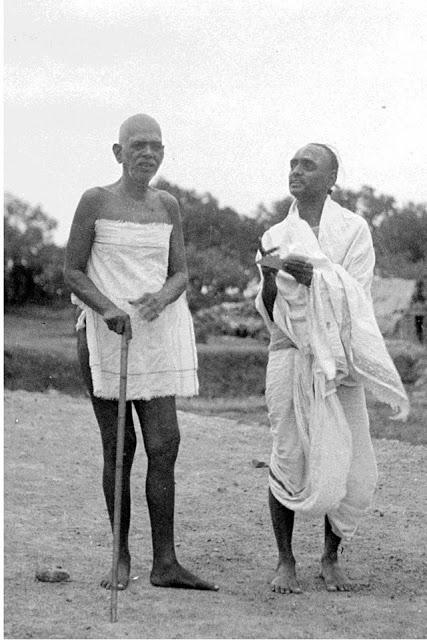
ரமணாஸ்ரமத்தில் டென்னிஸனைப் பற்றிய
பேச்சு ஒரு முறை வந்தது.
தேதி 16-6-1946
அன்று பகலில் ஜி.வி.எஸ் என்ற அன்ப,
‘டென்னிஸன் தனது பெயரைப் பல முறை சொன்னவுடன் சுற்றி இருக்கும் உலகையே அவர் மறந்து விடுவார்;
அது ஒரு மாயத் தோற்றம் தான் என உணர்வார்’ என்று கூறினார்.
இந்த விஷயத்தை அவர் எங்கு படித்தார்
என்பதைப் பற்றிய ஒரு விவாதமும் கூடவே நிகழ்ந்தது.
இன்னொரு முறை ரமண மஹரிஷியின் அணுக்க
பக்தரான தேவராஜ முதலியார் டென்னிஸன் பி.பி. ப்ளட் என்பவருக்கு எழுதிய கடிதத்தை பகவான்
முன்னிலையில் படித்துக் காண்பித்தார். அதில் இளமைப் பருவத்தில் தனியாக இருந்த போது
தன் பெயரை இரண்டு அல்லது மூன்று முறை சொன்னவுடன் தன் உணர்வை இழந்து இருந்ததை டென்னிஸன்
குறிப்பிட்டிருந்தார்.பகவான் உடனே, ‘அந்த நிலை ஆன்மாவில் ஒன்றித் தங்கும் நிலை” என்று கூறினார்.
இதிலிருந்து டென்னிஸன் ஒரு உயரிய கவிஞர்
என அறிய முடிகிறது!
3
மேலே கூறிய ரமணாஸ்ரம நிகழ்ச்சிகளின்
மூலப் பதிவை ஆங்கிலத்தில் கீழே காணலாம்:
16-6-46
Later in the day G.V.S. said, “It is
said that by repeating
his own name a number of times Tennyson
used to get into a
state in which the world completely
disappeared and he
realised that it was all illusion.” And
a discussion ensued as
to where the quotation came from and
whether we could
find it.
The
following extract from a letter of the poet Tennyson to B. P. Blood was read
out in Bhagavan’s presence: ‘… a kind of waking trance I have frequently had,
quite up from boyhood, when I have been all alone. This has generally come upon
me through repeating my own name two or three times to myself, silently, till
all at once, as it were out of the intensity of consciousness of individuality,
the individuality itself seemed to dissolve and fade away into boundless being;
and this not a confused state but the clearest of the clearest, the surest of
the surest, the weirdest of the weirdest, utterly beyond words, where death was
an almost laughable impossibility, the loss of personality (if so it were)
seeming no extinction but the only true life’. Bhagavan said, ‘That state is
called abidance in the Self.’
Pictures shown here are taken from various sources including google, Wikipedia,Facebook friends and newspapers. This is a non- commercial blog.
MY COMMENTS
We are finishing chapter six of Manu Smrti with
the following portion.
1.Old water purification technique is mentioned
in sloka 67. This is in Tamil post Sangam literature as well.
2.Slokas 52 and 60emphasizes AGAIN the love and
affection
3.Householder is praised as the supporter of the
other three types of people. Tamil poet Tiruvalluvar translated this verbatim.
See sloka 87,88, 89
Tamil poet Tiruvalluvar says in Tamil Veda
Tirukkural,
The true house holder is the mainstay of of the other three orders (Brahmachari,
Vanaprastha and Sanyasin)- Kural 41
Among those who labour for the eternal the
greatest are those who lead a virtuous family life -_Kural 47
Far holier and more patient than the recluse is
the householder who helps the hermits in the observance of their duties, and
himself swerves not from virtue- 48
Tiruvalluvar was so impressed with Manu Smrti that
he used four couplets to translate Manu verbatim (the other one was about
Pancha yajna)
4.Similes in slokas 67,71, 76, 77, 78, 90 are
good
5.Slokas 91 and 92 gives Manu’s Ten Point plan to
become a Sanyasin (renouncer)
Ten virtues are,
Patience, Forgiveness, Self- control, Not
stealing, Purification, Mastery of the sensory powers, Wisdom, Truth, Learning
and Lack of anger.
These are emphasized by Valluvar in Tirukkural and
by Krishna in Bhagavad Gita umpteen times.
xxx
HERE WE CONTINUE THE SIXTH CHAPTER OF MANU SMRTI
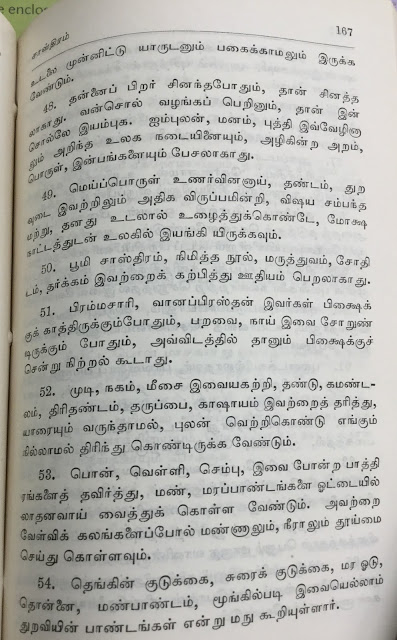
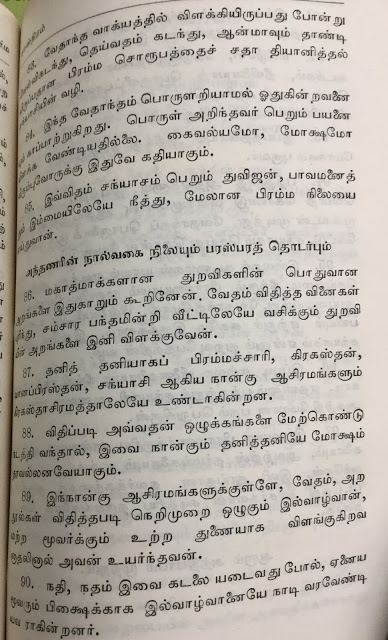
6-51. Let him not in order to beg go near a
house filled with hermits, Brahmanas, birds, dogs, or other mendicants.
52. His hair, nails, and beard being clipped, carrying an alms-bowl, a
staff, and a water-pot, let him continually wander about, controlling himself
and not hurting any creature.
53. His vessels shall not be made of metal, they
shall be free from fractures; it is ordained that they shall be cleansed with
water, like (the cups, called) Kamasa, at a sacrifice.
54. A gourd, a wooden bowl, an earthen (dish),
or one made of split cane, Manu, the son of Svayambhu, has declared (to be)
vessels suitable) for an ascetic.
55. Let him go to beg once (a day), let him not
be eager to obtain a large quantity (of alms); for an ascetic who eagerly seeks
alms, attaches himself also to sensual enjoyments.
56. When no smoke ascends from (the kitchen),
when the pestle lies motionless, when the embers have been extinguished, when
the people have finished their meal, when the remnants in the dishes have been
removed, let the ascetic always go to beg.
57. Let him not be sorry when he obtains
nothing, nor rejoice when he obtains (something), let him (accept) so much only
as will sustain life, let him not care about the (quality of his) utensils.
58. Let him disdain all (food) obtained in
consequence of humble salutations, (for) even an ascetic who has attained final
liberation, is bound (with the fetters of the Samsara) by accepting food given
in consequence of humble salutations.
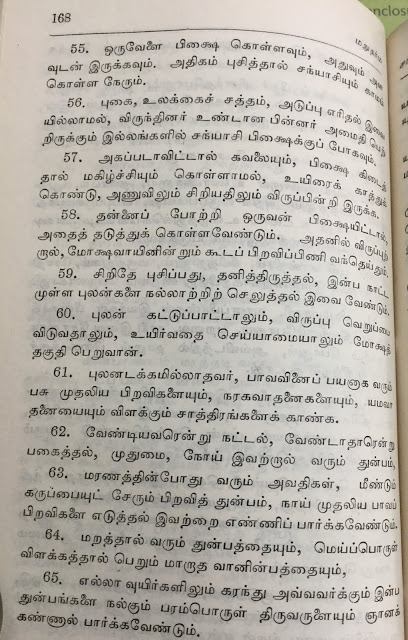
59. By eating little, and by standing andsitting in solitude, let him restrain his senses, if they are attracted bysensual objects.
6-60. By the restraint of his senses, by the destruction of love and
hatred, and by the abstention from injuring the creatures, he becomes fit for
immortality.
61. Let him reflect on the transmigrations of
men, caused by their sinful deeds, on their falling into hell, and on the
torments in the world of Yama,
62. On the separation from their dear ones, on
their union with hated men, on their being overpowered by age and being
tormented with diseases,
6-63. On the departure of the individual soul from this body and its new
birth in (another) womb, and on its wanderings through ten thousand millions of
existences,
(Adi Shankara says it in Viveka Chudamani as well)
64. On the infliction of pain on embodied
(spirits), which is caused by demerit, and the gain of eternal bliss, which is
caused by the attainment of their highest aim, (gained through) spiritual
merit.
65. By deep meditation let him recognise the
subtle nature of the supreme Soul, and its presence in all organisms, both the
highest and the lowest.
66. To whatever order he may be attached, let
him, though blemished (by a want of the external marks), fulfil his duty,
equal-minded towards all creatures; (for) the external mark (of the order) is
not the cause of (the acquisition of) merit.
Water Purification Techniques
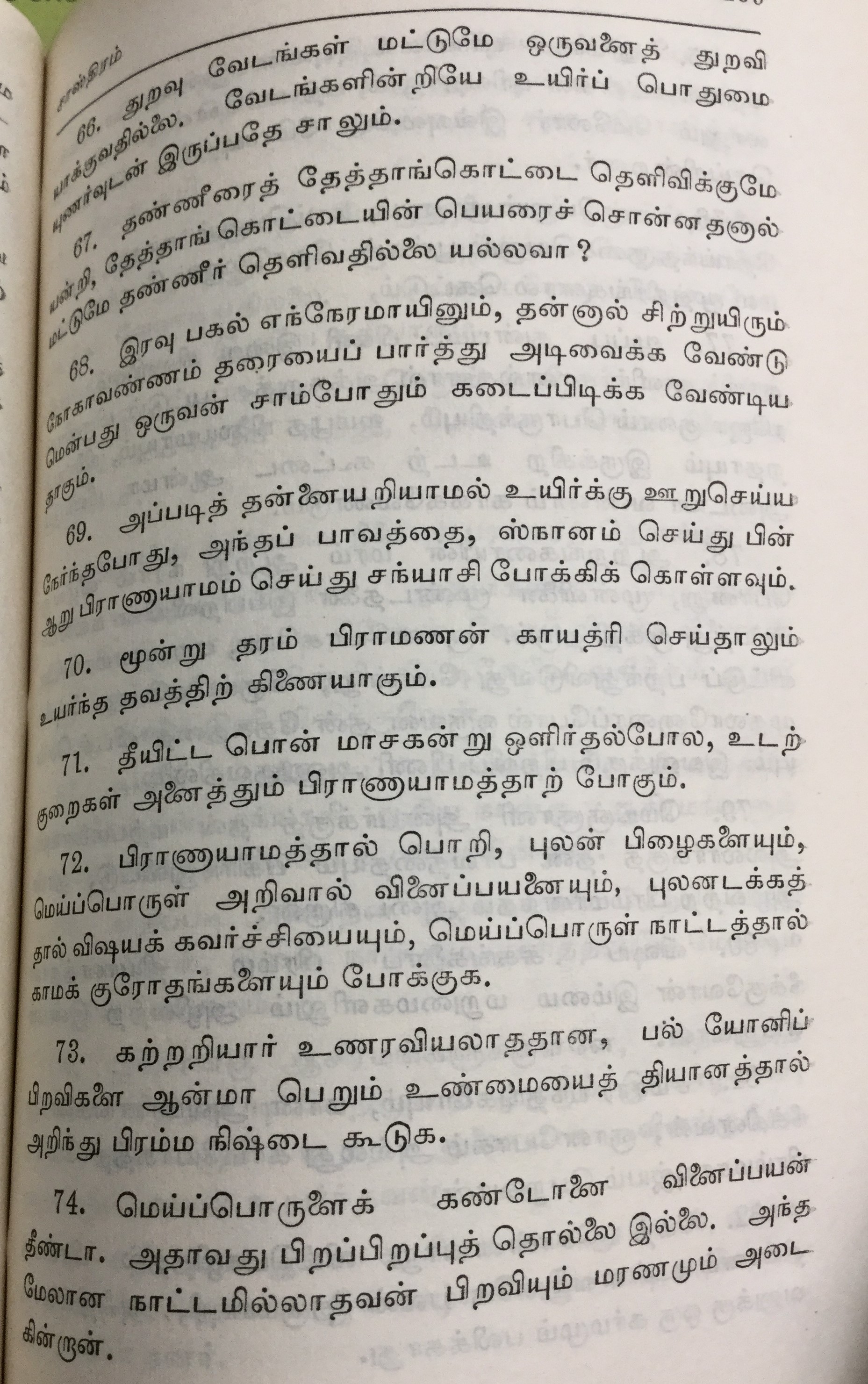
6-67. Though the fruit of the Kataka tree (the clearing-nut) makes water
clear, yet the (latter) does not become limpid in consequence of the mention of
the (fruit’s) name.
68. In order to preserve living creatures, let
him always by day and by night, even with pain to his body, walk, carefully
scanning the ground.
69. In order to expiate (the death) of those
creatures which he unintentionally injures by day or by night, an ascetic shall
bathe and perform six suppressions of the breath.
70. Three suppressions of the breath even,
performed according to the rule, and accompanied with the (recitation of the)
Vyahritis and of the syllable Om, one must know to be the highest (form of)
austerity for every Brahmana.
6-71. For as the impurities of metallic ores, melted in the blast (of a
furnace), are consumed, even so the taints of the organs are destroyed through
the suppression of the breath.
72. Let him destroy the taints through
suppressions of the breath, (the production of) sin by fixed attention, all
sensual attachments by restraining (his senses and organs), and all qualities
that are not lordly by meditation.
73. Let him recognise by the practice of
meditation the progress of the individual soul through beings of various kinds,
(a progress) hard to understand for unregenerate men.
74. He who possesses the true insight (into the
nature of the world), is not fettered by his deeds; but he who is destitute of
that insight, is drawn into the circle of births and deaths.
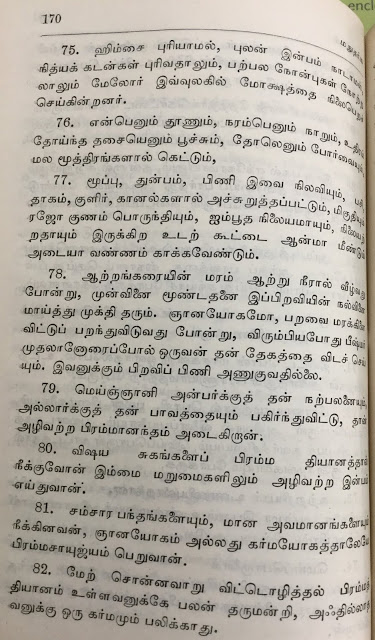
75. By not injuring any creatures, by detachingthe senses (from objects of enjoyment), by the rites prescribed in the Veda,and by rigorously practising austerities, (men) gain that state (even) in this(world).
6-76-77. Let him quit this dwelling, composed of the five elements,
where the bones are the beams, which is held together by tendons (instead of
cords), where the flesh and the blood are the mortar, which is thatched with
the skin, which is foul-smelling, filled with urine and ordure, infested by old
age and sorrow, the seat of disease, harassed by pain, gloomy with passion, and
perishable.
SIMILES
6-78. He who leaves this body, (be it by necessity) as a tree (that is
torn from) the river-bank, or (freely) like a bird (that) quits a tree, is
freed from the misery (of this world, dreadful like) a shark.
79. Making over (the merit of his own) good
actions to his friends and (the guilt of) his evil deeds to his enemies, he
attains the eternal Brahman by the practice of meditation.
80. When by the disposition (of his heart) he
becomes indifferent to all objects, he obtains eternal happiness both in this
world and after death.
81. He who has in this manner gradually given up
all attachments and is freed from all the pairs (of opposites), reposes in
Brahman alone.
82. All that has been declared (above) depends
on meditation; for he who is not proficient in the knowledge of that which
refers to the Soul reaps not the full reward of the performance of rites.
83. Let him constantly recite (those texts of)
the Veda which refer to the sacrifice, (those) referring to the deities, and
(those) which treat of the Soul and are contained in the concluding portions of
the Veda (Vedanta).
84. That is the refuge of the ignorant, and even
that (the refuse) of those who know (the meaning of the Veda); that is (the
protection) of those who seek (bliss in) heaven and of those who seek endless
(beatitude).
85. A twice-born man who becomes an ascetic,after the successive performance of the above-mentioned acts, shakes off sinhere below and reaches the highest Brahman.
STOPPING THE RITES
6-86. Thus the law (valid) for self-restrained
ascetics has been explained to you; now listen to the (particular) duties of
those who give up (the rites prescribed by) the Veda.
87. The student, the householder, the hermit,
and the ascetic, these (constitute) four separate orders, which all spring from
(the order of) householders.
88. But all (or) even (any of) these orders,
assumed successively in accordance with the Institutes (of the sacred law),
lead the Brahmana who acts by the preceding (rules) to the highest state.
89. And in accordance with the precepts of the Veda and of the Smriti,
the housekeeper is declared to be superior to all of them; for he supports the
other three.
90. As all rivers, both great and small, find a resting-place in the
ocean, even so men of all orders find protection with householders
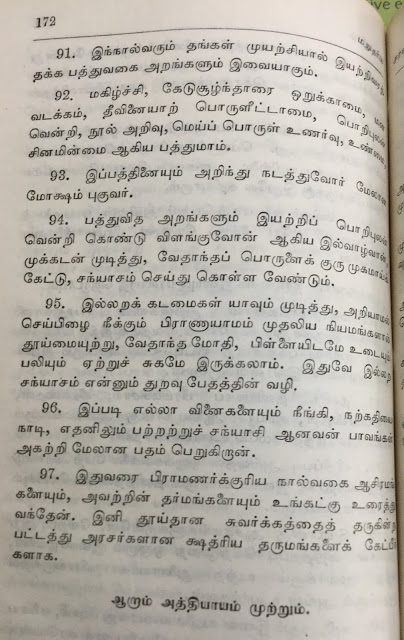
TEN FOLD LAW
6-91. By twice-born men belonging to (any of) these four orders, the
tenfold law must be ever carefully obeyed.
92. Contentment, forgiveness, self-control, abstention from
unrighteously appropriating anything, (obedience to the rules of) purification,
coercion of the organs, wisdom, knowledge (of the supreme Soul), truthfulness,
and abstention from anger, (form) the tenfold law.
93. Those Brahmanas who thoroughly study the
tenfold law, and after studying obey it, enter the highest state.
94. A twice-born man who, with collected mind,
follows the tenfold law and has paid his (three) debts, may, after learning the
Vedanta according to the prescribed rule, become an ascetic.
95. Having given up (the performance of) all
rites, throwing off the guilt of his (sinful) acts, subduing his organs and
having studied the Veda, he may live at his ease under the protection of his
son.
96. He who has thus given up (the performance
of) all rites, who is solely intent on his own (particular) object, (and) free
from desires, destroys his guilt by his renunciation and obtains the highest
state.
97. Thus the fourfold holy law of Brahmanas,
which after death (yields) imperishable rewards, has been declared to you; now
learn the duty of kings.
















You must be logged in to post a comment.