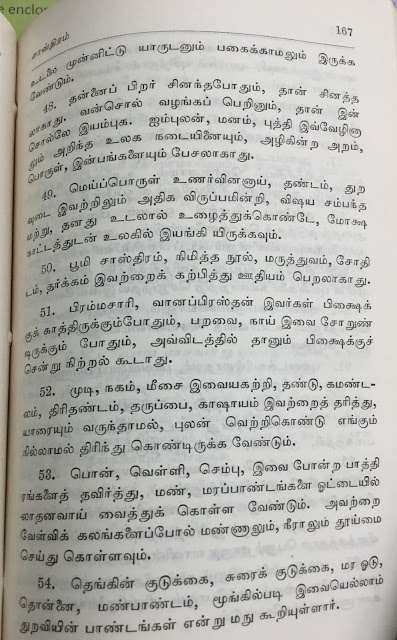
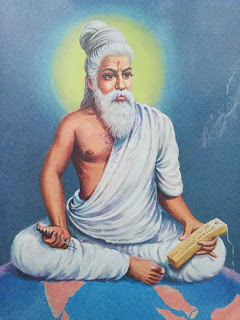
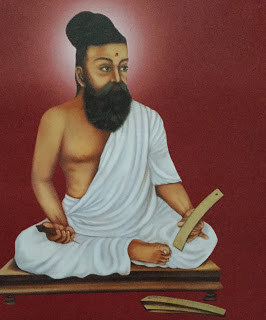
Pictures shown here are taken from various sources including google, Wikipedia,
Facebook friends and newspapers. This is a non- commercial blog.
இன்னா செய்தாரை வெட்கப்படும்படி நல்லதைச் செய்து விடு– என்று
வள்ளுவன் பறைந்தான். கனியிருக்கக் காய் கவராதே; அகராதியில் இனிய சொல் இருக்கும் போது
சுடு சொற்களைப் பெய்யாதே –என்றும் மொழிந்தான். ஏசு பிரானோ ஒரு கன்னத்தில் அறைந்தால்
மறு கன்னத்தைக் காட்டு- என்றான். இவர்கள் எல்லாம் மநு தர்ம சாஸ்திரத்தைக் ‘காப்பி’
அடித்தார்களோ என்று எண்ணத் தோன்றுகிறது. ஏனெனில் மநு இவர்கள்
எல்லோருக்கும் முந்தையவன் என்பதில் இரு வேறு கருத்துக்கு இடமே இல்லை. ஐயம் திரிபற நிரூபிக்கப்பட்ட
காலம் கி.மு.இரண்டாம் நூற்றாண்டு அல்லது அதற்கு
முந்தைய நூற்றாண்டு. நானோ அவரை ரிக் வேத காலத்தில் வைக்கிறேன். முதல் ஐந்து அத்தியாயம்
பற்றிய முப்பதுக்கும் மோலான கட்டுரைகளில் காரணங்களைக் கரைந்து விட்டேன்.
இப்போது ஆறாவது அத்தியாயத்தில் நுழைகிறோம். முதலில் பீடிகை போட்டுவிட்டு
ஸ்லோகங்களைத் தருகிறேன்
மநுவின் புகழ்பெற்ற பாடலை நாலாவது அத்தியாயத்தில் கண்டோம்
உண்மையே பேசு
இனிமையாகப் பேசு
கசப்பான உண்மையைப் பேசாதே
அன்பின் முகத்தான் பொய்யும் புகலாதே -4-138
இது மநுவின் உலகப் புகழ்பெற்ற ஸ்லோகம். மநுவின் ஜீனியஸுக்கு
(genius) முன்னுதாரணம். வள்ளுவனும் ‘வாய்மை என்பது யாதொன்றும் தீமை இலாத சொலல்’ என்றான்.
மநு ஆறாவது அத்தியாயத்தில் சொல்லுவது எல்லாம் வாநப்ரஸ்தனுக்கும்
சந்யாஸிக்கும் ஆனது. அதாவது இந்துக்களுக்கு நான்கு கட்ட வாழ்க்கை உண்டு. மாணவர் வாழ்வு
(பிரம்மசர்யம்), இல்லற வாழ்வு (கிரஹஸ்தன்), கானக வாழ்வு (ஓய்வுக் காலத்தில், குடும்ப
பாரத்தை மகனிடம் ஒப்படைத்துவிட்டு காட்டுக்குப் போய் வாழ்தல்); இறுதி கட்டமாக முற்றும்
துறந்த முனிவன் ஆதல் (ஸந்யாஸம்).
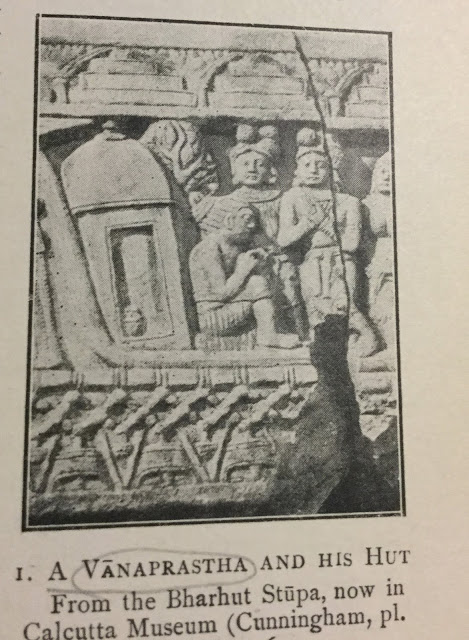
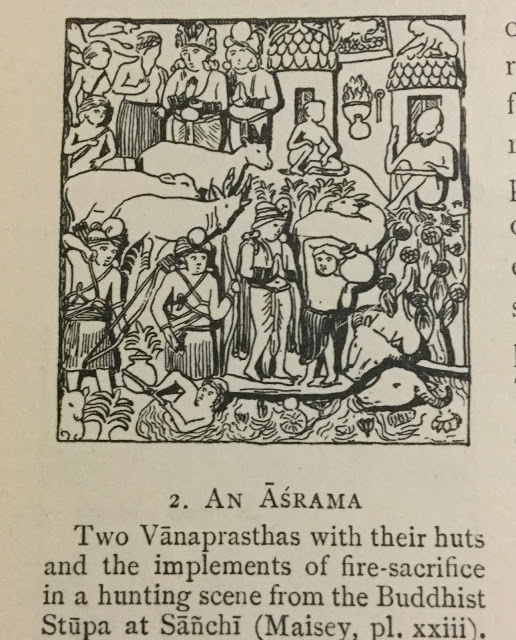
ஆறாவது அத்தியாயத்தில் முழுக்க முழுக்க வானப் ப்ரஸ்தம், ஸந்யாஸம்
பற்றியே கதைக்கிறார்.
இந்த அத்தியாயம் ஆரிய- திராவிட வாதம் பேசும் கூத்தாடிகளுக்கு செமையடி,
வகையடி,தொகையடி, சுத்தியடி, நெத்தியடி, மிதியடி கொடுக்கிறது. ஏதோ ஆரியர்கள் வெளி நாட்டிலிருந்து
வந்ததாகவும் அதற்கு ஐரோப்பிய மொழிகளில் உள்ள ஸம்ஸ்க்ருதச் சொற்களே சான்று என்றும் மாக்ஸ்
முல்லர்களும் வில்லியம் ஜோன்ஸ்களும், கால்டுவெல்களும் கழுதையாகக் கத்துவர். ஆனால் முக்கியமான
இந்துமதக் கோட்பாடுகள் அங்கே இல்லை என்பதை அவர்கள் மூடி மறைப்பர். பெண்களைப் போற்றும்
இடத்திலேயே கடவுள் வசிப்பார் என்று மநு சொல்லுவதையும், உண்மையே அனைத்துக்கும் ஆதாரம்
என்பதையும் வேற்றுமத நூல்களில் காண முடியாது. இந்த அத்தியாயத்தில் வரும் வாழ்வின் நான்கு
கட்டங்களோ மநுவும் வள்ளுவனும் தொல்காப்பியனும் சொல்லும் அறம், பொருள், இன்பம் வீடு
(தர்ம அர்த்த காம மோக்ஷ) என்ற வாழ்க்கையின்
லட்சியங்களோ கிரேக்கம்,எபிரேயம், லத்தீனியம்
வரை எங்குமே காணக்கிடைக்கில. ஆக மநுவின் ஆறாவது அத்தியாயம் இந்த ஆரிய- திராவிடப்
பொய்மைவாதப் பேர்வழிகளின் கண்களைத் தோண்டி எடுத்து, கழுத்தை நெரிக்கிறது.
நிற்க.
ஆறாம் அத்தியாயத்தின் முக்கிய அம்சங்களைக் காண்போம்.
ஸ்லோகம் 6-47
“அவன் சுடு சொற்களைப் பொறுத்துக் கொள்வானாக; எவனையும் இகழாது இருப்பானாக;
இந்த உடலின் காரணமாக எவனையும் எதிரியாக ஆக்கிவிடக்கூடாது” (அதாவது எதிரியே இலாது அன்பே
உருவாக வாழ்க)
ஸ்லோகம் 6-48
“கோபத்துடன் சீறுவோன் இடத்தில் கோபம் காட்டாதே;
அவன் சுடு சொற்களைச் சொல்லும்போது அவனுக்கு இனிமையான சொற்கள் சொல்லி
வாழ்த்து; அதற்காக பொய்மைப் புகழ்ச்சியும் வேண்டாம்
ஸ்லோகம் 6-40
இரு பிறப்பாளன் ஒருவன், அணு அளவேனும் பிற உயிர்களுக்குத் தீங்கு
செய்யாது இருப்பின் அவனுக்கு வேறு எந்த உயிரிடத்திலிருந்தும் தீங்கு வராது.
இதைத்தான் வள்ளுவனும் ஆங்காங்கே, ‘மன்னுயிர் எல்லாம் தொழும்’,’எல்லா
உயிர்களும் கை கூப்பித் தொழும்’ என்றெல்லாம் பகர்வான்.
இனிய உளவாக இன்னாத கூறல்
கனியிருப்பக் காய் கவர்ந்தற்று- 100
இன்னாசெய் தாரை ஒறுத்தல் அவர்நாண
நன்னயம் செய்து விடல் – 314
இதை ஒருவரை ஒருவர் ‘காப்பி’ அடித்தனர் என்று சொல்லுவதைவிட இந்துமத
சிந்தனை என்று சொல்லுவதே சாலப் பொருந்தும்; ஏசு பிரான் 13 வயதில் போனார்- 33 வயதில்
திரும்பி வந்தார் என்று இயம்பும் பைபிள், அவரது இருபது வயது இளமைக் காலத்தில் அவர்
இமயமலை முனிவர்களிடையே பாடம் கற்றதை மறைத்துவிட்டது. ஆகையால்தான் சில கருத்துக்களை
மட்டும் அவர் எதிரொலிப்பதை நாம் காணமுடிகிறது ( உம். ஒரு கன்னத்தில் …..); இது பாரத மண்ணின் மைந்தர்கள்
சிந்தனை என்பதால், புத்தரின் தம்ம பதத்திலும் காணலாம்.
ஏழுவாசல்
ஸ்லோகம் 6-48-ல் ஏழுவாசல் ‘ஸப்த த்வார’ என்ற சொல்லைப் பயன் படுத்துகிறார். இதற்கு உரைகாரர்கள் பல விளக்கங்களைத்தருவர். இதனால் மநு நூலின் பழமை புலப்படும் அவர் சொன்னது பலருக்கும் பல பொருள்களைத்தருவதால் அவர் மிகப் பழங்காலத்தவர் என்பது தெளிவு. இதே போல 3 விலக்கத்தக்க காய்கறிகளை(ஸ்லோகம் 14) மநு குறிப்பிடுவது பலருக்கும் பலவித அர்த்தங்களைத் தொனிக்கச் செய்கிறது.
நான் கொடுத்திருக்கும் தமிழ் மொழிபெயர்ப்பு ஒரு வழிகாட்டியேயன்றி
சரியான மொழிபெயர்ப்பு அன்று; மநு நூலுக்கு பழைய உரைகள் மட்டுமே ஒன்பது உள. நாம் அரசியல்சாசனம்
இயற்றி அதற்கு ஆண்டுதோறும் திருத்தம் செய்வது போல மநு நூலூம் காலாகாலத்தில் பல இடைச்
செருகல்களைப் பெற்றுளது.
ஸ்லோகம் 31 வடக்கு நோக்கி நடந்து, நடந்து உயிரை விடும் வழக்கத்தைப்
புகலும்; இதை மஹாபாரதத்தின் 18ஆவது பர்வத்தில் காணலாம். அப்படி வடக்கே போக முடியாதவர்
வடதிசை நோக்கி அமர்ந்து உயிர் விடுவர். இது புறநானூற்றிலும் ராமாயணத்திலும் உளது. புனிதமான
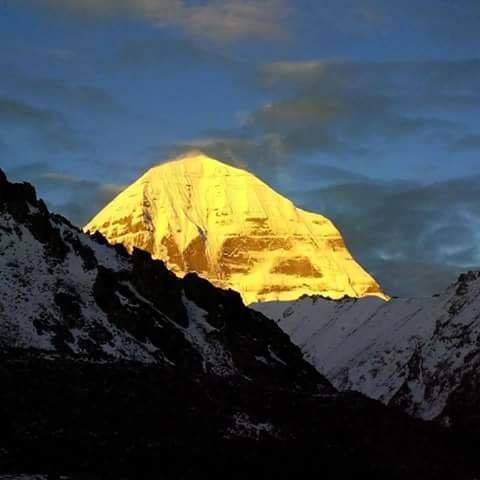
மேரு, கயிலாயம் ஆகியன வடதிசையில் உள்ளன. சுந்தரர், அவ்வையார், சேரமான் பெருமாள் நாயனார்
ஆகியோரும் வடதிசை வந்தனர்.
கல்யாணம் செய்யாமல், குழந்தை பெறாமல், திடீர் சந்யாசி ஆவதும் பாபம்
என்பார் மநு (ஸ்லோகம் 37).புறநானூற்றிலும் சாகும்வரை உண்ணாவிரதம் இருந்த குழுவில் சேர
வந்த ஒரு புலவரை பிள்ளை பெற்ற பின்னர் வா என்று திருப்பி அனுப்பி விடுகின்றனர். ஆனால்
பிசிரந்தையார் போன்ற வயதானவர்களை வரவேற்று ஏற்றுக் கொள்கின்றனர்.
சம்பள நாள்
உவமை
மநுவும் காளிதாசன் போல உவமையில் வல்லவன். வானப்ரஸ்தம் செய்பவன்தானாகவும் உயிரை விடக்கூடாது; வாழவும் ஆசைப்படக் கூடாது .சம்பளநாள் வருவதை எதிர்பார்த்துநிற்கும் தொழிலாளி போல, மரண காலம் வருவதை எதிர்பார்த்து ஆவலுடன் காத்திருக்க வேண்டும்என்பார் (ஸ்லோகம் 45)
ஜோதிடம் வேண்டாம்
மநு சில இடங்களில் ஜோதிடத்துக்கு எதிர்ப்பு தெரிவிக்கிறார். ஸ்லோகம்
50-ல் வானப்ரஸ்தன் (கானக வாழ்வினன்) ஜோதிடம், ஆரூடம், நிமித்தம் எல்லாம் சொல்லி காசோ
உணவோ பெறக்கூடாது என்கிறான்.
கடுமை, கடுமை, கடுமை
கானக வாழ்வினனுக்கு மநு இடும் கட்டளைகள் எவ்வளவு கடுமையான வாழ்வு
என்பதைக் காட்டும்; இதற்கெல்லாம் கட்டு திட்டங்களை– ஒழுங்கு நெறிகளை விதித்த-சொன்ன
— ஒரே மதம் இந்து மதம்.
மரவுரி அல்லது மான் தோலாடை.
உயர்த்திக் கட்டிய கொண்டைமுடி, தாடி,
மரவோடு அல்லது திருவோடு
வீடு கூடாது, மரத்தடி வாழ்வு
ஒரே முறை உணவு
மூன்று முறை குளியல்
தானிய உணவு, மரக்கறி உணவு
தேனீக்கள் சேகரித்த தேனைத் திருடாதே; புற சூழலை அழிக்காதே
இப்படியெல்லாம் அற்புதமான கட்டளைகள்! இவையெல்லாம் பாரத மண்ணின்
மைந்தர்கள்– அவர்கள் என்பதைக் காட்டும்.
இதோ ஆறாம் அத்தியாயத்தின் முதல் ஐம்பது ஸ்லோகங்கள் (மொழி பெயர்ப்புசுமார்தான்).
Pictures shown here
are taken from various sources including google, Wikipedia, Facebook friends
and newspapers. This is a non- commercial blog
தமிழ் இலக்கியம்; அறநூல்!
பாண்டியன் வள்ளுவரிடம் கேட்கச் செய்த நூறு இரகசியம் விளக்கும்கேள்விகள்! – 7
ச.நாகராஜன்
நாளுக்கு நாள் பெருகி
வரும் கூட்டத்தை நல்ல முறையில் எதிர் கொண்டான் பாண்டியன். அனைத்து ஏற்பாடுகளும் அருமை
என்றனர் மக்கள்!
அவை கூடியவுடன் ஒரு பெரியவர்
எழுந்தார்.
“ஐயனே! எதன் மீது பற்று
கொள்ள வேண்டும்?” என்றார்.
வள்ளுவர் கண்களை மூடிக்
கொண்டு ஒரு நொடி தியானித்தவர் கூறினார்:
“பற்றுக பற்றற்றான் பற்றினை
பற்றுக அப்பற்றைப்
பற்று விடற்கு”
பற்றற்றவனாகிய கடவுள்
மீது பற்று கொள்க; அப்பற்று இதர பற்றுகளை விடச் செய்து விடும்!
அருமையான இந்த அறிவுரையைக்
கேட்ட பெரியவர் அமரவே புலவர் ஒருவர் எழுந்தார்.
“அற்புதமான கருத்துரைகளை
ஆழ்ந்த தமிழ்ச் சொற்களுடன் கூறுகிறீர்கள்.
ஒரே சொல் மீண்டும் மீண்டும்
வந்து ஒரு உண்மையைத் தருமாறு அருளிச் சொன்னீர்கள் என்றால் தமிழின் அருமையையும் நாங்கள்
உணர்வோம்”!
உடனே வள்ளுவர் சிரித்தவாறே
கூறினார்:
துப்பார்க்குத் துப்பாய
துப்பாக்கித் துப்பார்க்கு
துப்பாய தூஉம் மழை
கேள்வி கேட்ட புலவர்
அர்த்தம் தெரியாமல் மயங்கவே புலவர் குழாமின் தலைவர் ஒருவர் எழுந்தார். அர்த்தத்தை விளக்க
ஆரம்பித்தார்.
துப்பார் என்பது உண்பவரைக்குறிக்கும். துப்பாய எனில் உணவுப் பொருள்களை என பொருள் கொள்ளல் வேண்டும்.துப்பாக்கிஎனில் அவற்றைத் தருவதோடு துப்பார்க்கு, அதாவது அருந்துவோருக்கு தானும் ஓர் உணவாகவேஅமைவது மழை அல்லவா? அதன் சிறப்பைச் சொல்லி மாளுமா?
வள்ளுவர் தொடர்ந்தார்:
கெடுப்பதூஉம் கெட்டார்க்குச்
சார்வாய்மற் றாங்கே
எடுப்பதஉம் எல்லாம் மழை.
உண்ணுவோருக்கு ஒன்றும்
இல்லாமல் அவர்கள் வாழ்வைப் பெய்யாமல் கெடுக்க வல்லது மழை; அப்படி மழையின்றி உளம் நொந்தோருக்கு
துணையாய் வந்து அவர்களைக் காக்க வல்லதும் அதே
மழையே.
விவரத்தைப் புரிந்து
கொண்ட மக்கள் மனம் மகிழ்ந்த போது அங்கு ஒரு
அதிசயம் நிகழ்ந்தது.இலேசாக சாரலாக மழை ஆரம்பித்தது.
வள்ளுவர் வாயிலாக இருமுறை
மழை என்ற சொல்லைக் கேட்ட வருண தேவன் தானும் வள்ளுவர் சொல்வதைக் கேட்டுக் கொண்டிருப்பதை
மறைமுகமாகக் காட்டி அருளினான் என்று தங்களுக்குள் சொல்ல மகிழ்ந்த மக்கள் ஆஹா, ஆஹா என்று
கூவி மகிழ ஒருவர் எழுந்தார்.
“வாய்மை எனப்படுவது யாது?”
வாய்மை எனப்படுவது யாதெனின்
யாதொன்றும்
தீமை இலாத சொலல்
வாய்மை எனப்படுவது யாது
என்றால் மற்றவர்க்கு ஒரு சிறிதும் தீங்கில்லாத சொற்களைக் கூறுவதே ஆகும்.
வள்ளுவர் தொடர்ந்து கூறினார்:
புறந்தூய்மை நீரான் அமையும்
அகந்தூய்மை
வாய்மையால் காணப் படும்
யாமெய்யாக் கண்டவற்றுள்
இல்லை எனைத்தொன்றும்
வாய்மையில் நல்ல பிற
மழை பெய்து கொண்டிருக்கும்
போதே புலவர் வள்ளுவர் கூறியதை மழையைச் சுட்டிக் காட்டி விளக்கினார்.
“நீரால் புறத்தில் தூய்மை
ஏற்படும். அகத் தூய்மை வாய்மையால் அமையும்.
அது மட்டுமல்ல. பிரான்
முதன் முதலாக இங்கு தன்னை முன்னிலைப் படுத்தி கூறுகிறார்.
அவர் கண்டவற்றுள் எந்த
ஒன்றும் கூட வாய்மையைக் காட்டிலும் சிறந்ததாக, நல்லதாக இல்லை!
பொய் பேசுதலே தவறு” என்று
அந்தப் புலவர் முடித்த போது வள்ளுவர் சிரிப்பு தவழ கூறினார்:
பொய்மையும் வாய்மை யிடத்த
புரைதீர்ந்த
நன்மை பயக்கும் எனின்
ஒரு பெரிய நன்மைக்காகவென்று பொய் சொல்ல நேர்ந்தால் அது வாய்மை என்றே கருதப்படும்.
அருமை, அருமை என அனைவரும்
எண்ணி மகிழ்ந்தனர்.
அப்போது புலவரின் பேச்சைக்
கேளாமல் பெண்கள் பகுதியிலிருந்து சிறிது உரத்த குரலில் பேச்சுச் சப்தம் கேட்க பாண்டியன்
சப்தம் வந்த திசையை நோக்கினாண்.
மூன்று அழகிய இளம் பெண்கள்
தங்களுக்குள் ஏதோ விவாதித்துக் கொண்டிருந்ததைக் கண்ட அவன் சற்று திடுக்கிட்டான்.
பாண்டியன் நோக்கிய திசையை
அனைவரும் நோக்க பெரும் நிசப்தம் நிலவியது. ஆனால் அந்தப் பெண்களோ அனைவரும் தங்களைக்
கவனிப்பது தெரியாமல் பேசிக் கொண்டிருந்தனர்.
“யாரது! அங்கே பேசிக்
கொண்டிருப்பது?” பாண்டியனின் உரத்த குரலைக் கேட்டவுடன் அனைவரும் தங்களையே பார்த்துக்
கொண்டிருப்பதை அந்த மூன்று பெண்கள் உணர்ந்தனர்; திடுக்கிட்டனர்.
“இங்கே வாருங்கள்” –
மன்னனின் ஆணையைக் கேட்ட அவர்கள் நடுங்கியவாறே மேடைக்குச் சென்றனர்.
“வள்ளுவப் பிரான் அற்புதமான
அறிவுரைகளைத் தர அதை அனைத்து நாடுமே உன்னிப்பாகக் கேட்டுக் களிக்கிறது. ஆனால் நீங்களோ
உங்களுக்குள் சளசளவென்று பேசிக் கொண்டிருக்கிறீர்கள். அப்படியானால் அது வள்ளுவப் பிரானின்
கூற்றை விட மிக முக்கியமானதாகத் தான் இருக்க வேண்டும். அப்படி என்ன தான் பேசினீர்கள்.
அந்த முக்கியமான விஷயத்தை அனைவருமே அறிந்து கொள்ளட்டும்!”
வெடவெடவென்று இளம் மேனி
நடுங்க அவர்கள் அழும் நிலைக்கு வந்து விட்டனர்.
கண்கள் கலங்கின. அவர்களின்
மூவரின் சிவந்த மேனியைக் கண்டு கூட்டம் வியந்தது. இப்படி ஒரு அழகா!
பாண்டியன் மீண்டும் உரத்த
குரலில் காரணத்தைக் கேட்கவே, நடுவில் நின்றிருந்த பேரழகி விளக்கலானாள்.
“மன்னரே! எங்களை மன்னித்து
விடுங்கள். நான் தான் ஆரம்பித்தேன் பேச்சை.
பாண்டிமாதேவியின் சிவந்த
மேனியில் மார்பிலே தவழும் முத்து மாலையின் வெண்மை அழகா அல்லது அவர்களின் பற்களின் வெண்மை
அழகா என்று கூறிய நான் அவர் தம் சிவந்த மேனியில் தவழும் வெண் முத்து மாலையே உலகின்
ஒப்பற்ற அழகு என்றேன். ஆனால் இதைக் கேட்ட என் தோழி – இதோ இடப்பக்கத்தில் நிற்கிறாளே
இவள், இல்லை இல்லை, சேரமாதேவி தான் சிவப்பின் உச்ச கட்ட அழகைக் கொண்டவர். அவர் அணிந்திருக்கும்
சேரத்துத் தந்தத்திலான ஆபரணங்களுக்கு உவமையே இல்லையே! அவரே பேரழகி என்றாள். உடனே அதை
மறுத்த இவள் – இதோ என் வலப்பக்கத்தில் இருக்கிறாளே இவள், இல்லை இல்லை, சோழமாதேவி தான்
ஒப்பற்ற அழகி. அவர் அணிந்திருக்கும் மரகத மாலையும், இடுப்பில் மரகதப் பரல்கள் கொண்ட
ஒட்டியாணமுமே அவரது சிவப்பிற்கு ஏற்ற பச்சையாக அமைந்து என் உள்ளத்தைக் கொள்ளை கொள்கிறது.
மற்ற இருவரும் அழகில்லை. சோழமாதேவியே உலகின் ஒப்பற்ற பேரழகி என்றாள். இதை நான் மறுக்க,
அவர்களும் மறுக்க விவாதத்தில் எங்களை மறந்து உரத்த குரலில் பேசி விட்டோம். எங்களை மன்னித்து
விடுங்கள்” – இப்படி அவள் கூறியவாறே மஹாராணியை நோக்கிக் கைகூப்பி வணங்கினாள்.
பாண்டியன் அதிர்ந்து
போய் குழம்பி நின்றான். இப்படி ஒரு விவாதமா! இங்கேயா!
மூன்று தேவியரும் கலீர்
என்று சிரித்தனர். கூட்டத்தினரும் சிரித்தனர். வள்ளுவரும் புன்முறுவல் பூத்தார்.
பாண்டியன் இவர்களை என்ன
செய்வது என்று நினைத்து பாண்டிமாதேவியைப் பார்க்க அவளோ, விவாதத்தின் உண்மையைச் சொன்ன
அந்தப் பெண்ணைப் பார்த்து, “உண்மையைச் சொல்லவா! நீ தான் அழகு” என்றாள். அதைக் கைதட்டி
சேரமாதேவியும் சோழமாதேவியும் ஆமோதித்தனர். “அதுமட்டுமல்ல, உன் தோழிகளும் அழகிகளே” என்று
கூற மூவரும் நாணத்தால் இன்னும் சிவந்தனர். தன் கழுத்திலிருந்த முத்து மாலையை மஹாராணி
அவளுக்கு அணிவிக்க மற்ற இரு தேவியரும் தங்கள் பங்கிற்கு ஒரு தந்த அணியையும், மரகத மாலையையும்
முறையே மற்ற இருவருக்கும் அணிவித்தனர்.
பாண்டிமாதேவி வள்ளுவரை
நோக்கினாள்.
வள்ளுவர் அந்தப் பெண்ணைப்
பார்த்துக் கூறினார்:
அணங்கு கொல் ஆய்மயில்
கொல்லோ கனங்குழை
மாதர்கொல் மாலும் என்
நெஞ்சு
“அட, இவள் தெய்வப் பெண்ணோ,
மயிலோ, கனமான குழை அணிந்த மனிதப் பெண் தானோ! என் நெஞ்சம் மயங்குகிறதே”
அனைவரும் எழுந்து நின்று
கைதட்டி ஆரவாரித்தனர். ஒரு தலைவனின் கூற்றாக இதை வள்ளுவர் கூறியதை அவர்கள் உணர்ந்தனர்.
ராணி இன்னும் மூன்று
ஆசனங்களை மேடைக்கு வரவழைத்துத் தங்கள் அருகில் அந்த மூவரையும் அமரச் சொன்னாள். அன்று
கூட்டம் முடியும் வரை அங்கும் அமரும் பெருமையை அவர்கள் பெற்ற போது, “உண்மையைச் சொன்னதற்கான
பரிசு” என்று சிலரும், ‘அவர்களின் அழகுக்கான பரிசு’ என்று சிலரும் ‘அவர்களது ஆகூழ்
தந்த பரிசு’ என்று சிலரும் இப்படிப் பலவிதமாகக் கூறி மகிழ்ந்தனர்.
பாண்டியன் கையை உயர்த்த
அமைதி நிலவியது. சபை தொடர்ந்தது.
கலகலப்பான அந்த நேரத்தில்
பெண்ணின் பார்வை எப்படிப்பட்டது என்று ஒரு ரஸிகர் வேகமாகக் கேட்டு விட்டார்.
புன்முறுவல் பூத்த வள்ளுவர்
கூறினார்:
கூற்றமோ கண்ணோ பிணையோ
மடவரல்
நோக்கமிம் மூன்றும் உடைத்து
கூட்டத்தினர் அனைவரும்
ஆஹா என்று கூறி மகிழ்ந்தனர்.
நினைக்க நினைக்கப் பல
பொருள் தரும் அதைக் கூறி வியப்பை அடைந்தனர்.
எமனோ, அல்லது கண்ணோ,
பெண் மானோ, அட,இந்த இளம்பெண்ணின் பார்வை இந்த மூன்றின் தன்மையையும் ஒரு சேர அல்லவா
கொண்டிருக்கிறது!
ஒரு இளைஞன் எழுந்து கேட்டான்.
‘பெண்ணழகை எப்படி வர்ணிக்கலாம்,
ஐயனே!’
முறிமேனி முத்தம் முறுவல்
வெறிநாற்றம்
வேலுண்கண் வேய்த்தோ ளவட்கு
மதியும் மடந்தை முகனும்
அறியா
பதியின் கலங்கிய மீன்
அறுவாய் நிறைந்த அவிர்மதிக்குப்
போல
மறுவுண்டோ மாதர் முகத்து
மூங்கில் போன்ற தோளைக்
கொண்ட இவளுக்கு தளிரே மேனி. முத்தே பல், இவள் கொண்டிருக்கும் இயற்கை மணமே மணம். வேலே
மை உண்ட கண்.
வானத்து நட்சத்திரங்கள்இவளுடைய முகத்தையும் சந்திரனையும் கண்டு வேறுபாடு அறிய முடியாமல் கலங்கித் திரிகின்றன!
அட, ஏன் நட்சத்திரங்கள்
படிப்படியாக நகரும் பெண்ணின் முகத்தைப் பார்த்துக் கலங்கித் திரிய வேண்டும்? சந்திரனுக்கு
உள்ளது போல இவள் முகத்தில் களங்கம் இருக்கிறதா என்ன, இல்லையே!
புலவர் ஒருவர் அனைத்தையும்
விளக்கி வள்ளுவப் பிரான் அறம், பொருள், இன்பம் ஆகிய விளக்கிய பான்மையை வியந்து போற்றியதோடு
கடவுளில் ஆரம்பித்து காமத்தில் முடிந்தது இன்றைய தினம் என்று கூறி அவரை வணங்கக் கூட்டம்
அன்று முடிந்தது.
அனைவரும் மகிழ்ச்சி பொங்க
அந்த மூன்று மகளிரையும் பாராட்டினர். அவர்களால் அல்லவோ காமத்துக்கு விளக்கமாக சில உரைகளை
வள்ளுவர் மூலமாகக் கேட்க முடிந்தது. கூட்டம் முடிந்தவுடன் மகளிர் பலர் அவர்களைத் தொட்டு
மகிழ்ந்து பாராட்டினர்.
Pictures shown here are taken from various sources including google, Wikipedia,
Facebook friends and newspapers. This is a non- commercial blog.
We have completed five chapters so far. Now let us
look at the sixth chapter of Manava Dharma Shastra or Manu Smrti
My Comments
1.This whole chapter is about the Forest Life of
Hindus i.e Vanaprastha Stage, third in the Four Stages of a Hindu’s life.
We have examples for it in Mahabharata (Pandu and Madri), Ramayana (Sabari and seers), Puranas (Gautama,Ahalya) and Kalidasa’ works (Kanva).
2.This explodes the Aryan Migration theory because this concept of Four Stages of life and Four Goals of Life are not seen in any other culture in the world. This shows that
all the writings about migration is ridiculous.
Manu’s genius and generosity are reflected in this chapter.
3.Walking towards death is in the last chapter of
Mahabharata.
Sangam Tamil Literature book Purananuru, which is 2000 year old confirms it. There a poet who came to die by fasting was sent home saying ‘come after getting a child’. See Manu’s sloka No.31and 37
Purananuru has fast unto death facing North; see
Manu sloka No.31
4.Manu lived during Rig Vedic age. May be 4000 to
6000 years before our time. The current updated and interpolated version is
dated 300 years before Christ. What Manu said before
Valluvar (Tamil poet) Christ is a proof of Indian Thinking (See Sloka No. 8, 40, 47, 48)
Since Jesus came to Indian Himalyas
between his age 13 and 33 to study under the seers (Bible is silent about these youthful years of Jesus), he might have
learnt Manu’s Code or in general Hindu scriptures.
5.Manu’s expression about SEVEN gates cannot be explained by any
commentator. That shows Manu’s code was very very old (See sloka 48)
6.Manu says no to Astrology and Palmistry (see sloka 50). His No to
astrology and plamistry, at least in the forest life, is an evidence to his
honest approach.
7.Manu’s strictness about forest life- No House, No Gifts, No staying inone place but wander and wander alone, skin dress,three baths a day, only one meal a day, all the fire rituals, No cultivation but forest produce only, environmental concern about preserving Honey bees (No honey) etc are proof for Manu’s genius.
We are reminded of Tennyson’s lines……
To strive, to seek, to find, and not to yield’: Tennyson, –‘Ulysses’
To seek Brahman and not to
yield is Manu’s motto
8.Saints did miracles with animals because their adrenaline prodction was
same even when they saw wild animals and snakes. So they never harmed the
saints. See sloka 40.
9.This chapter gives a severe blow to bluffing about Aryans coming from outside. Hindus are the sons of the soil. They are born here and their thinking developed in this land. When we look at the same period around the world, we see primitive thinking in other parts. Pliny the Elder’s encyclopedia of first century CE is a proof for their primitiveness. If at all we see some high thinking in Socrates or Plato,that is due to their acquaintance with the Upanishads.
Here is the frist 50 slokas…………………….
CHAPTER VI.
6-1. A twice-born Snataka (Vedic graduate) , who
has thus lived according to the law in the order of householders, may, taking a
firm resolution and keeping his organs in subjection, dwell in the forest, duly
observing the rules given below.
2. When a householder sees his skin wrinkled,and his hair white, and. the sons of his sons, then he may resort to the forest.
3. Abandoning all food raised by cultivation,
and all his belongings, he may depart into the forest, either committing his
wife to his sons, or accompanied by her.
4. Taking with him the sacred fire and the implements required for domestic sacrifices, he may go forth from the village into the forest and reside there, duly controlling his senses.
Only Vegetarian
6-5. Let him offer those five great sacrifices according to the rule, with various kinds of pure food fit for ascetics, or with herbs, roots, and fruit.
No Shaving!
6-6. Let him wear a skin or a tattered garment;let him bathe in the evening or in the morning; and let him always wear his hair in braids, the hair on his body, his beard, and his nails being unclipped.
7. Let him perform the Bali-offering with such
food as he eats, and give alms according to his ability; let him honour those
who come to his hermitage with alms consisting of water, roots, and fruit.
No gifts
6-8. Let him be always industrious in privately reciting the Veda; lethim be patient of hardships, friendly towards all, of collected mind, ever liberal and never a receiver of gifts, and compassionate towards all living creatures.
9. Let him offer, according to the law, the
Agnihotra with three sacred fires, never omitting the new-moon and full-moon
sacrifices at the proper time.
10. Let him also offer the Nakshatreshti, the
Agrayana, and the Caturmasya (sacrifices), as well as the Turayana and likewise
the Dakshayana, in due order.
11. With pure grains, fit for ascetics, which
grow in spring and in autumn, and which he himself has collected, let him
severally prepare the sacrificial cakes (purodasa) and the boiled messes
(karu), as the law directs.
12. Having offered those most pure sacrificial viands, consisting of the produce of the forest, he may use the remainder for himself, mixed with salt prepared by himself.
Forest Produce
6-13. Let him eat vegetables that grow on dry land or in water, flowers, roots, and fruits, the productions of pure trees,and oils extracted from forest-fruits.
Things to be Avoided
6-14. Let him avoid honey, flesh, and mushrooms
growing on the ground or elsewhere, the vegetables called Bhustrina, and
Sigruka, and the Sleshmantaka fruit.
ie. Andropogon Schoenanthus
Moringa Pterygosperma
Cordia Myxa
6-15. Let him throw away in the month of Assassinate food of ascetics, which he formerly collected, likewise his worn-out clothes and his vegetables, roots, and fruit.
16. Let him not eat anything grown on ploughed land,though it may have been thrown away by somebody, nor roots and fruit grown in avillage, though he may be tormented by hunger.
17. He may eat either what has been cooked with
fire, or what has been ripened by time; he either may use a stone for grinding,
or his teeth may be his mortar.
18. He may either at once after his daily meal cleanse his vessel for collecting food, or lay up a store sufficient for month, or gather what suffices for six months or for a year.
One meal a day!
6-19. Having collected food according to his
ability, he may either eat at night only, or in the day-time only, or at every
fourth meal-time, or at every eighth.
WHAT IS CANDRAYANA?
6-20. Or he may live according to the rule of the lunar penance Candrayana, daily diminishing the quantity of his food in the bright half of the month and increasing it in the dark half; or he may eat on the last days of each fortnight, once a day only, boiled barley-gruel.
21. Or he may constantly subsist on flowers,
roots, and fruit alone, which have been ripened by time and have fallen spontaneously,
following the rule of the Institutes of Vikhanas.
Vaikhanasas= Diggers who dig for roots
22. Let him either roll about on the ground, or
stand during the day on tiptoe, or let him alternately stand and sit down;
going at the Savanas at sunrise, at midday, and at sunset) to water in the
forest in order to bathe.
Five Fires
6-23. In summer let him expose himself to thereat of five fires, during the rainy season live under the open sky, and in winter be dressed in wet clothes, thus gradually increasing the rigour of his austerities.
Three Bathing a Day
6-24. When he bathes at the three Savanas
(sunrise, midday, and sunset), let him offer libations of water to the manes
and the gods, and practising harsher and harsher austerities, let him dry up
his bodily frame.
25. Having reposited the three sacred fires in
himself, according to the prescribed rule, let him live without a fire, without
a house, wholly silent, subsisting on roots and fruit,
26. Making no effort to procure things that give
pleasure, chaste, sleeping on the bare ground, not caring for any shelter, dwelling
at the roots of trees.
27. From Brahmanas who live as ascetics, let him receive alms, barely sufficient to support life, or from other householders of the twice-born castes who reside in the forest.
28. Or the hermit who dwells in the forest may
bring (food) from a village, receiving it either in a hollow dish of leaves, in
his naked hand, or in a broken earthen dish, and may eat eight mouthfuls.
29. These and other observances must a Brahmana
who dwells in the forest diligently practise, and in order to attain complete union
with the supreme Soul, he must study the various sacred texts contained in the
Upanishads,
30. (As well as those rites and texts) which
have been practised and studied by the sages (Rishis), and by Brahmana householders,
in order to increase their knowledge (of Brahman), and their austerity, and in
order to sanctify their bodies;
Walk towards NE till your body falls
6-31. Or let him walk, fully determined and going straight on, in north-easterly direction, subsisting on water and air, until his body sinks to rest.
32. A Brahmana, having got rid of his body by
one of those modes practised by the great sages, is exalted in the world of
Brahman, free from sorrow and fear.
6-33. But having thus passed the third part of a man’s natural term of
life in the forest, he may live as an ascetic during the fourth part of his
existence, after abandoning all attachment to worldly objects.
34. He who after passing from order to order,after offering sacrifices and subduing his senses, becomes, tired with giving alms and offerings of food, an ascetic, gains bliss after death.
35. When he has paid the three debts, let him
apply his mind to the attainment of final liberation; he who seeks it without
having paid his debts sinks downwards.
36. Having studied the Vedas in accordance withthe rule, having begat sons according to the sacred law, and having offeredsacrifices according to his ability, he may direct his mind to the attainmentof final liberation.
You must Marry and beget Sons
6-37. A twice-born man who seeks final liberation, without having
studied the Vedas, without having begotten sons, and without having offered
sacrifices, sinks downwards. (will go to hell)
38. Having performed the Ishti, sacred to the
Lord of creatures Prajapati, where he gives all his property as the sacrificial
fee, having reposited the sacred fires in himself, a Brahmana may depart from
his house as an ascetic.
39. Worlds, radiant in brilliancy, become theportion of him who recites the texts regarding Brahman and departs from hishouse as an ascetic, after giving a promise of safety to all created beings.
NO HARM TO ANY CRAETURE
6-40. For that twice-born man, by whom not the smallest danger even is
caused to created beings, there will be no danger from any quarter, after he is
freed from his body.
No Mobile Phone, No Internet
41. Departing from his house fully provided with
the means of purification Pavitra, let him wander about absolutely silent, and
caring nothing for enjoyments that may be offered to him.
42. Let him always wander alone, without any
companion, in order to attain final liberation, fully understanding that the
solitary man, who neither forsakes nor is forsaken, gains his end.
No House, Sky is the Roof
6-43. He shall neither possess a fire, nor a dwelling, he may go to a
village for his food, he shall be indifferent to everything, firm of purpose,
meditating and concentrating his mind on Brahman.
44. A potsherd instead of an alms-bowl, the
roots of trees for a dwelling, coarse worn-out garments, life in solitude and
indifference towards everything, are the marks of one who has attained
liberation.
Wait for the Appointed Time
6-45. Let him not desire to die, let him not desire to live; let him
wait for his appointed time, as a servant waits for the payment of his wages.
46. Let him put down his foot purified by hissight, let him drink water purified by straining with a cloth, let him utter speechpurified by truth, let him keep his heart pure.
Did Jesus Copy Manu?
6-47. Let him patiently bear hard words, let him not insult anybody, and
let him not become anybody’s enemy for the sake of this perishable body.
6-48. Against an angry man let him not in return show anger, let him
bless when he is cursed, and let him not utter speech, devoid of truth,
scattered at the seven gates.
Various interpretations for 7 Gates
Seven Gates= five senses +mind+ sense of I
Seven Gates= 7 vital breaths in the head
Seven Gates = Permutation of the combination of 3 goals Dharmaa, Artha Kama
No one could explain it clearly.
49. Delighting in what refers to the Soul,
sitting in the postures prescribed by the Yoga, independent of external help,
entirely abstaining from sensual enjoyments, with himself for his only
companion, he shall live in this world, desiring the bliss of final liberation.
No Astrology
6-50. Neither by explaining prodigies and omens, nor by skill inastrology and palmistry, nor by giving advice and by the exposition of theSastras, let him ever seek to obtain alms.
Tags– Forest life, Vanaprastha, Astrology, Manu and Jesus
Written by Santanam Srinivasan (brother of
London swaminathan)
Date: 6 December 2018
GMT Time uploaded in London – 7-29 am
Post No. 5743
Pictures shown here are taken from various sources including google, Wikipedia,
Facebook friends and newspapers. This is a non- commercial blog.
(English version of this article is posted already)
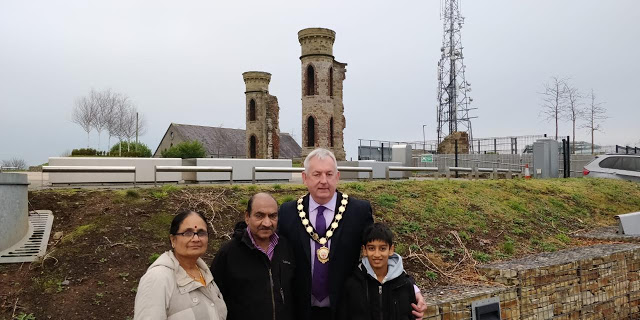
சென்னையிருந்து பிரிட்டனிலுள்ள மாஞ்செஸ்டருக்குச் சென்றேன். அங்கிருந்து
அயர்லாந்தின் தலைநகரான டப்ளினுக்குச் சென்றேன். அயர்லாந்தின் வடக்குப் புகுதி பிரிட்டிஷ்
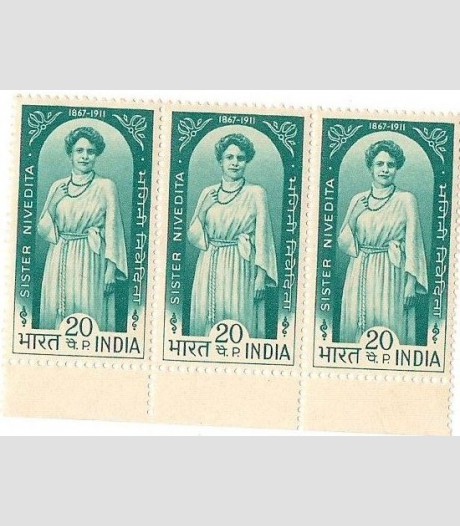
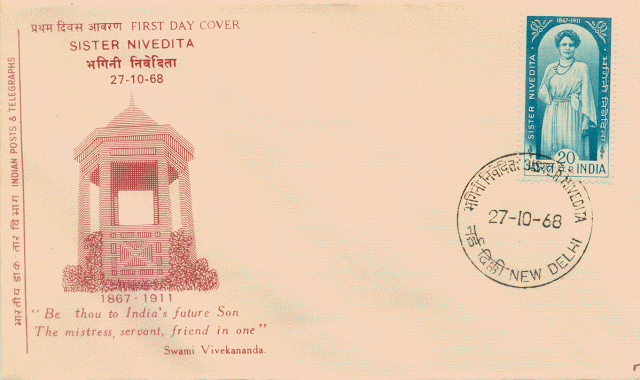
ஆட்சியின் கீழ் உள்ளது. அங்கு ஸிஸ்டர் நிவேதிதா (Sister Nivedita) பிறந்த ஊருக்கு என்னையும்
என் மனைவியையும் நண்பர் அழைத்துச் சென்றார். அயர்லாந்து நாட்டிலிருந்து பிரிட்ட்ஷ்
ஆட்சியின் கீழுள்ள வட அயர்லாந்தில் தங்கு தடையின்றி நுழைந்தோம் ஒரு நாட்டிலிருந்து
இன்னொரு நாட்டுக்குச் செல்லுவதால் எல்லைச் சாவடி, சுங்கச் சாவடி தடைகள் இருக்குமோ என்று நினைத்த எனக்கு ஒரு தடையும்
மின்றி வீட்டுக்குள் நுழைவது போல நுழைய அனுமதித்தது வியப்பாக இருந்தது.
அந்த ஊரின் பெயர் டங்கனான். அதன் மேயர் அவருக்கே உரித்தான டவாலி,
சேனம் முதலியவற்றைப் போட்டுக்கொண்டு, எங்களை வரவேற்றார்.
ஏன்?
இந்தியா என்று சொன்னவுடன் அவ்வளவு மதிப்பு ( அடுத்த பக்கமுள்ளஅயரலாந்தின் தற்போதைய பிரதமர் இந்திய வம்சாவளியினர் என்பதும் நினைவுகூறத் தக்கதே.)
சகோதரி பிறந்த அகத்தைப் பார்க்க வந்தோம் என்று சொன்னவுடன் உதவியாளரை
அழைத்து இவர்களை அனைத்து இடங்களையும் சுற்றிக் காண்பியுங்கள் என்று அன்புக் கட்டளை
இட்டார். அவரும் எங்களை அழைத்துச் சென்றார்.
நாங்கள் சந்தித்த டங்கனான் நகர மேயரின் பெயர் ஸ்யான் மக்பீக்.
(Sean McPake, Mayor of Dungannon) அவர் தனது வீரப் பிரதாபங்களையும் அவிழ்த்துவிட்டார்.
அரசியல்வாதிதானே! நகரின் பெருமையை எடுத்துரைத்தார்.
ஆயினும் ஸிஸ்டர் நிவேதிதா பிறந்த இடத்துக்குப் போனபோது பெரிய மருந்துக்
கடைதான் அந்த இடத்தை ஆக்ரமித்து இருந்தது. போர்டு கூட அவர் வசித்த ‘வீதி’ என்றே சொன்னது.
சிறிது ஏமாற்றமே.
( நம்மூர் அரசியல்வாதிகள் போல இடத்தை ‘ஆட்டை’யைப் போட்டுவிட்டார்களோ
என்ற ஸம்ஸயம்! )
அந்த இடத்தின் கதை பற்றி சொல்லுகையில் ராமகிருஷ்ணா மடத்துச் சாமியார்ஒருவர் வந்து அதைத் திறந்து வைத்ததாகவும் அந்த இடத்தைப் புதுக்குவதில அவர்களுக்கு ஆர்வமுளதுஎன்பதையும் அறிந்தோம்.
அதெல்லாம் சரி. யார் அந்த ஸிஸ்டர் நிவேதிதா என்று வினவும் அப்’பாவி’களுக்கு
விக்கி பீடியாவில் நிறைய தகவல் உள்ளது என்று விடை தருவேன்.
சகோதரி நிவேதிதையின் இயற்பெயர் மார்கரெட் எலிஸபெத் நோபிள்.
அவர் பிறந்த தேதி- 28 அக்டோபர் 1867
சுவாமி விவேகாநந்தரின் சிஷ்யை
அவர் இறந்த தேதி – 13 அக்டோபர் 1911
இறந்த இடம்- டார்ஜீலிங்
25 மார்ச் 1898-ல் அவருக்கு சகோதரி நிவேதிதா என்ற பெயரை, விவேகாநந்தர்
நாமகரணம் செய்தார்.
மெத்தப் படித்த அவருக்கு, ஆன்மீக தாகம் எடுத்தது. கிறிஸ்தவ மதத்தில்விடை கிடைக்கவில்லை புத்தசமய நூல்களில் மூழ்கித் திளைத்தார். அவ்வமயம், அமெரிக்காவில்இந்து மதக் கொடியைப் பறக்கவிட்டு புகழ் எய்திய சுவாமி விவேகாநந்தர் லண்டனில் மூன்றுமாதம் தங்கிச் சொற்பொழிவு ஆற்றினார். மார்கரெட் நோபிள் கேட்ட சந்தேகங்களுக்கு விடைபகர்ந்தார். சூரியனைக் கண்ட பனி போல அவர் ஐயம் அகன்று தெளிந்தார். இந்தியாவுக்கு வந்தவுடனஅவருக்கு பிரம்மசர்ய விரதம் அளித்து நிவேதிதா என்ற பெயரை சுவாமிஜி அளித்தார்.
இந்தியாவில் பெண்களுக்கு கல்வி புகட்டி அவர்களை முன்னேற்றுங்கள்என்று சுவாமிஜி இட்ட கட்டளையை சிரமேற் கொண்டு செவ்வனே பணியாற்றினார். ராமகிருஷ்ண பரமஹம்ஸரின் துணைவியார் அன்னை சாரதா தேவிக்கு நெருக்கமானவர்.
சிறந்த பேச்சாளர்; பெரிய எழுத்தாளர்; பல நூல்களின் படைப்பாளி;
சிறந்த சமூக சேவகி. கல்கத்தாவில் பிளேக் நோய்கண்டவர்களுக்கு அச்சமின்றி உதவி செய்தார்.
காந்திஜி, பாரதியார் போன்றோர் நிவேதியைச் சந்தித்து அளவளாவினர். தேசபக்தக் கனல்பறக்கும்
உரையாற்றி இந்திய சுதந்திரப் பயிரில் நீர் பாய்ச்சினார். அவர் கல்வியாளர் என்பதால்
பல பள்ளிகளை நிறுவினார். பெண் உரிமைக்குப் போராடியதால் பாரதியார் போன்றோருக்கு முன்னுதாரணமாகத்
திகழ்ந்தார்.
அந்தப் புனித மாது பிறந்த இடத்தில் நடந்தது நீங்காத நினைவாக நிலைத்து
நிற்கும்.
கட்டுரை எழுதிய சந்தானம் சீனிவாசன் சென்னைக்குத் திரும்பிவிட்டார்.
முப்பெருந்தேவியர்
முன்னணியில் அமர்ந்திருக்க பாண்டியன் புன்முறுவல் பூத்த முகத்துடன் காட்சியளிக்க வள்ளுவரை
அனைவரும் வணங்கியவுடன் சபை ஆரம்பித்தது.
முதலிலேயே பாண்டிமாதேவி
எழுந்தாள்.
“ஐயனே! செய்யற்க என்று
செய்யத் தகாதவைகளைக் கூறி அருளினீர்கள்.
செய்க என்று தாங்கள்
அறிவுறுத்தவது யாதோ?” என்று வினவ பாண்டியன் தன் தலையை அசைத்து ஆமோதித்தான்.
வள்ளுவர் முழங்கினார்:
“செய்க பொருளை”
கூட்டம் ஆரவாரித்தது
இந்தக் கட்டளையைக் கேட்டு. வாழ்வியல் ஆதாரமான செல்வத்தைச் சேர்க்க திடமான கட்டளையாக
இரு சொற்களிலேயே அவர் கூறியது அனைவரையும் கவர்ந்தது.
இதனால் உணர்ச்சி வசப்பட்ட
ஒருவர் கூட்டத்திலிருந்து எழுந்தார்.
“ஐயனே! பொருளில் தானே
எவ்வுலகமும் அடங்கியுள்ளது” என்று மகிழ்ச்சிப் பொங்க கூற பாண்டியன் தன் கையை அசைத்து
அவரை அமர்த்தினான்.
குறுக்கிட்டதற்குத்
தன்னை மன்னித்தருளுமாறு வேண்டி அவர் அமர்ந்தார்.
வள்ளுவர் கூறினார்:
பொருளில்லார்க்கு இவ்வுலகம்
இல்லை அருளில்லார்க்கு
அவ்வுலகம் இல்லாகி
யாங்கு
கூட்டத்தினர் மிக்கமகிழ்ச்சியுடன் உணர்ச்சிவசப்பட்டு குறுக்கிட்டவரை குறுகுறுப்புடன் பார்த்து, “பார்த்தாயா!செல்வம் இந்த உலகத்தில் மட்டுமே செல்லுபடியாகும்; அருள் அல்லவா அந்த உலகத்தை ஆள்கிறது”என்று சொல்வது போல தலையை அசைத்தனர்.
வள்ளுவர் பாண்டியனைப்
பார்த்துக் கூறினார்:
செய்க பொருளை; செறுநர்
செருக்கறுக்கும்
எஃகதனிற் கூரிய தில்
பாண்டியன் மஹாராணியைப்
பார்த்து அர்த்தத்துடன் புன்முறுவல் பூத்தான்; நாட்டு மக்களுக்கும் புரிந்தது. பேரழகியான
ராணி காலையில் முதல் வேலையாக அன்றைய பொக்கிஷக் கணக்கைத் தான் பார்ப்பார் என மக்கள்
அறிந்து வைத்திருந்தனர். சற்றுக் குறைந்தாலும் அவர் மன்னரை இடிப்பாராம். உடனடியாக மன்னன் அதில் கவனம் செலுத்தி பொக்கிஷத்தை நிரப்ப
வழிவகை செய்வானாம்.
மஹாராணி இந்த குணத்தை
அர்ஜுனனை இடித்துப் பொருள் சேர்க்க வைக்கும் அன்றாடக் கணக்குப் பார்க்கும் திரௌபதியிடமிருந்து
உத்வேகம் பெற்றுத் தான் பெற்றார் என்பதை மக்கள் அறிவர். மகளிர் எல்லோரும் பாண்டிய நாட்டில்
இப்படி அமைய ராணியே காரணம்.
மக்கள் தங்களுக்குள்
பல பழமொழிகளைக் கூறி மகிழ்ந்தனர்:
பணம் என்றால் பிணமும்
வாயைப் பிளக்கும்.
காசே தான் கடவுளடா
ஆரவாரம் அடங்கிய போது
ஒருவர் கூறினார் இன்னொரு பழமொழியை:
பணம் பந்தியிலே; குணம்
குப்பையிலே
வள்ளுவர் கூறி முடித்தவுடன்ஒருவர் எழுந்தார்.
“ஐயனே! பொருளின் சிறப்பை
இப்படிக் கூறி விட்டீர்கள். பொருளே எல்லாமா? பொருள் உடையவர் தான் சிறந்தவரோ?” என்றார்.
வள்ளுவர் பகர்ந்தார்:
இரு வேறு உலகத்து இயற்கை
திரு வேறு
தெள்ளியர் ஆதலும் வேறு
ஆஹா!செல்வந்தர் அனைவரையுமே
தெள்ளியர் என்று கூறி விட முடியாது. உலகத்தின்
இயற்கை இருவிதமாக அமைகிறது என்று வள்ளுவர் கூறுகிறார் என உணர்ந்த மக்கள் அமைதியடைந்தனர்.
வள்ளுவர் தொடர்ந்தார்:
அறனறிந்து வெஃகா அறிவுடையார்ச்
சேரும்
திறன் அறிந் தாங்கே
திரு
தர்மவான்களை லட்சுமி
தானே தேடி வந்து சேர்வாள் என்ற வள்ளுவரின் இந்தப் பொருள் பொதிந்த கருத்தை ஆமோதித்த
வேதம் ஓதும் அந்தணர்கள் பாண்டியனைப் பொருள் பொதிந்த பார்வையுடன் நோக்கினர். தர்மவான்
அல்லவா பாண்டியன்; அவனிடம் பொருள் சேர்வதில் என்ன வியப்பு இருக்கிறது!
‘பொருள் சேர்ப்பதுடன்
வேறு என்ன முக்கியமானவை உள்ளன, ஐயனே!’- கூட்டத்தினருள் பலரும் ஒரே சமயத்தில் இதைக்
கேட்கவே வரிசையாகக் கூற ஆரம்பித்தார் வள்ளுவர்:
அன்றறிவாம் என்னாது
அறஞ்செய்க மற்றது
பொன்றுங்கால் பொன்றாத்
துணை
துன்பம் உறவரினும் செய்க துணிவாற்றி
இன்பம் பயக்கும் வினை
கெடல் வேண்டின் கேளாது
செய்க அடல்வேண்டின்
ஆற்றுபவர் கண் இழுக்கு
வாரி பெருக்கி வளம்படுத்து
உற்றவை
ஆராய்வான் செய்க வினை
புலவர்கள் எழுந்தனர்.
நாளைக்குப் பார்த்துக்
கொள்வோம் என்று உடனடியாக இன்று அறச் செயல்களைச் செய்யாமல் விட்டு விடக் கூடாது.
இன்பம் பயக்கவல்ல ஒரு
நல்ல காரியத்தில் துன்பம் வரலாம். என்றாலும் துணிவுடன் அதை நிறுத்தி விடாமல் செய்து
முடிக்க வேண்டும்.
பிறரை அழிக்க வல்ல
ஆற்றலுள்ளவரிடத்தில் அறநூல்கள் சொல்லும் பிழைகளைச் செய்தால் யாரும் அழிக்க இல்லாமலே
தானே அழிந்து விடலாம்.
பொருள் வரும் வழிகளை
நன்கு பெருக்கி, அதன் மூலம் வளம் அனைத்தையும் பெற்று, அதில் எதிர்ப்படும் இடையூறுகளைக்
களைந்து அதை நீக்க வல்ல ஆராயும் அறிவு படைத்தவன்
ஒரு காரியத்தைச் செய்ய வேண்டும். கூட்டத்தினருள் ஒவ்வொருவராக எழுந்து கேள்வி கேட்க
ஆரம்பித்தனர்.
உடனுக்குடன் வள்ளுவர்
விடை பகர்ந்தார்.
மறக்கக் கூடாதது?
மறவற்க மாசற்றார் கேண்மை
துறவற்க
துன்பத்துள் துப்பாயார்
துப்பு
மாசு இல்லாதவரின் நட்பை
எப்போதும் மறாக்காதீர்கள். துன்பம் உற்றபோது உதவியவர்களின் நட்பைத் துறக்காதீர்கள்.
கற்க வேண்டியது?
ஆற்றின் அளவறிந்து
கற்க அவையஞ்சா
மாற்றங் கொடுத்தற்
பொருட்டு
கற்க கசடறக் கற்பவை
கற்றபின்
நிற்க அதற்குத் தக
ஒரு அவையிலே ஒரு கேள்வியைக்
கேட்டால் அதற்கு அஞ்சாமல் தக்க விடையைக் கூறும் வகையில் நல்ல நூல்களைப் படித்து ஆதார
நூல்களை நன்கு கற்க வேண்டும்.
கற்க வேண்டியவற்றை
நன்கு கசடில்லாமல் கற்க வேண்டும். கற்றது மட்டும் போதாது; அதன் படி நின்றொழுக வேண்டும்.
வேண்டத் தகாதது?
வேண்டற்க வெஃகியாம்
ஆக்கம் விளைவயின்
மாண்டற் கரிதாம் பயன்
பிறர் பொருளைக் கவர்வதால்
வரும் செல்வத்தை விரும்பாதீர்கள். அது பயன் தரும் போது அது நன்மையான பயனாக அமையாது.
தொடர்ந்து வள்ளுவர்
கூறினார்:
வேண்டற்க வென்றிடினும்
சூதினை வென்றதூஉம்
தூண்டிற்பொன் மீன்
விழுங்கி அற்று
சூதாட்டம் வேண்டாம்.
வென்றது போல முதலில் காட்டினாலும் அது தூண்டிலில் இரை என மயங்கி அதைக் கவ்வும் மீன்
போன்றதாகும்.
ஒரு முதியவர் வருத்தத்துடன்
எழுந்தார்.
“ஐயனே! கற்க வேண்டிய
பருவமெல்லாம் போய் விட்டது. இந்த முதிய வயதில் நான் என்ன செய்வது?
அவரை நோக்கிப் புன்
முறுவல் பூத்த வள்ளுவர் கூறினார்:
கற்றில னாயினுங் கேட்க
அஃதொருவற்கு
ஒற்கத்தின் ஊற்றாந்
துணை
ஒருவேளை நூல்களைக்
கற்கும் வாய்ப்பு இல்லாது போனாலும் கேட்டறிய வேண்டும். அது தளர்ச்சி வந்த காலத்தில்
உதவும் ஊன்று கோல் போலத் துணையாகும்.
முதியவர் மிக்க மகிழ்ச்சியுடன்
தன் கைத்தடியை ஊன்றி நின்ற போதே அடுத்து வள்ளுவர் கூறினார்:
எனைத்தானும் நல்லவை
கேட்க அனைத்தானும்
ஆன்ற பெருமை தரும்
எதைக் கேட்க வேண்டும்
என்ற அடுத்த கேள்வியைக் கேட்க நினைத்த அவருக்கு அந்த வாய்ப்பையே அளிக்காமல், எவ்வளவு
சிறிதாகக் கேட்டாலும் நல்லவற்றைக் கேட்கவும். கேட்ட அளவிற்கு அது பெருமை தரும் என்று
பதில் கூறிய வள்ளுவரை அனைவரும் போற்றினர். முதியவர் அமர்ந்தார்.
அடுத்து அரசனை நோக்கிப்
பின்னர் மந்திரியையும் படைத்தலைவனையும் நோக்கிய வள்ளுவர் கூறினார்:
எப்பொருளும் ஓரார்
தொடரார்மற் றப்பொருளை
விட்டக்கால் கேட்க
மறை
அரசன் இரகசியமாக ஒரு
மறை பொருளைப் பேசும் போது அதை உற்றுக் கேட்கக் கூடாது.தொடர்ந்து வினவக் கூடாது. அந்த
விஷயத்தை அவரே சொல்லும் போது தான் கேட்க வேண்டும்.
மறைந்தவை கேட்கவற்
றாகி அறிந்தவை
ஐயப்பாடு இல்லதே ஒற்று
மறைந்த செய்திகளை கேட்டறிய
வல்லவனாகி தான் அறிந்த செய்திகளை சந்தேகப்படாமல் துணிய வல்லவனே ஒற்றன் ஆவான்.
அரசு விஷயத்தையும்
ஐயந்திரிபற வள்ளுவர் கூறி விட்டதை புலவர்கள் நன்கு விளக்கினர்.
வள்ளுவர் உரைக்க உரைக்க
புலவர்கள் விரிவுரை விளக்க விளக்க கூட்டத்தினர் அதை மெய்ம்மறந்து கேட்டனர்.
மாலைப் பொழுதாகியது.
மனமில்லாமல் அங்கிருந்து கூட்டம் கலைந்தது.
Pictures shown here are taken from various sources including google, Wikipedia,
Facebook friends and newspapers. This is a non- commercial blog.
37. A king is ruined through evil counsellors
:
an ascetic through society :
a child by spoiling :
a priest by not studying the Sacred
Scriptures :
a family by the evil behaviour of
children :
good manners by evil habits :
modesty by wine :
agriculture by want of care :
affection by absence from home :
friendship by want of love :
possessions by mismanagement :
money by waste and prodigality. -Niti
Sataka of Bhartruhari
There is another translation for the same couplet:-
The king shall be ruined by a wicked adviser; the monk
would be ruined by attachments;
the son would be spoilt by pampering; the learned would
become dull without constant study;
The family would be ruined by a wicked son;
and modesty and virtues would be lost by bad company. Thealcoholic drinks would ruin the intellect and agriculture would be lost by undertaking travels abroad and friendshipwould be ruined without love. Lack of scruples would ruin prosperity and wealthwould be lost by renunciation or by lethargy.
Bhartruhari gave lot of advice in one sloka/couplet. Tamil
poet Tiruvalluvvar explained it in detail in several couplets.
For instance he has done ten couplets on the evils of
drinking.
Kural 451, 460, 922, 925,926, 366, 341, 70 may be compared
with the above sloka of Bhartruhari
“Noble men dread vulgar company; mean men treat the vulgar
as kinsmen “- 451
“There is no help better than good company and no trouble
worse than evil company”- 460
This is applicable both to a king/ruler and common man.
Evils
of Drinking
“Let no one drink liquor; if drink is desired let them
drink who do not seek the esteem of the good”.- 922
“To spend money and purchase liquor and lose bodily sense
by intoxication is nothing but foolish ignorance”. – 925
V V S Iyer has translated this as,
“It is the veriest idiocy to spend to spen one’s substance
And obtain in return only insensibility”.
“The sleeping and the dead are in no way different; those
who drink are always like them that eat poison”- 926
DR S M Diaz has translated it with the following
commentary:
Those who sleep resemble the dead for the duration, but the
drunken ones are,
As good as dead always, having consumed poison-Kural 926
Dr Diaz comments
Tennyson spoke of sleep as the twin brother of death.Shakespeare too has said very much the same on several occasions. But that is acomparison valid only for the duration of the sleep. But the drunken person isinvariably like on, who has really crossed the barrier of death, havingconsumed poison.
Desire
and Attachment
“Desire is the evil which causes deception and detracts one
from liberation. it is therefore proper that one should beware of it and guard
oneself against it”- 366
“A man suffers no misery whatsoever from the desire of
which he has freed himself “– 341
Dr S M Diaz in his commentary says
When you detach yourself from things of the world, one by
one,
Each step will be a relatively a painless process.
Socrates said that ‘to have no wants is divine’ He
descended to a human and practical level
when he stated ‘The fewer our wants, the closer we resemble the gods’.
The Bhagavad Gita also says
He who does forsaking attachment, resigning them to
Brahman/God, is not soiled by evil, like unto a lotus leaf by water – BG 5-10
Krishna repeats it in BG 5-21 and 18-2
Duty
of a Son
“The duty of the son to the father is to make others
exclaim ‘what penance has he done to be blessed with such a worthy son”. –70
In Tamil there is a saying about bad sons. Each one of them
is worse than the other. When he was about to die in a burning house, which one
is a good son so that we would call him before you die. Immediately the dying
old man said,
Look above, there is a boy setting fire to the roof. He is
the best among my sons.
At the same time we come across illustrious sons like Adi
Sankara, Sambandar, Dhruva, Markandeya, Nachiketas, Satyakama Jabala, Aruni and
others.