காலம் என்னும் மாபெரும் சக்தி! பாரதியார் கருத்து

பாரதி

Article No.2018

Written ச .நாகராஜன்

Swami_48@yahoo.com

Date : 25  July 2014

Time uploaded in London :8-49


முகலாய சாம்ராஜ்ய அழிவுக்கு மகாகவி பாரதி கூறும் காரணம்! – 2

ச.நாகராஜன்


(இக்கட்டுரையின் முதல் பகுதி ஜூலை 23 வெளியாகியது)


காலம் என்னும் மாபெரும் சக்தி!

“பாரத ராஜ்யம் மொகலாயர் கையினின்றும் நழுவ வேண்டுமென்று கால சக்தி நிர்ணயம் செய்து விட்டது.”

என்று கட்டுரையின் முன் பகுதியில் கூறும் மகாகவி “காலசக்தி”யைப் பற்றி விரிவாகக் கூறுகிறார் இப்படி:-

“ஓர் பெரிய ராஜ்யம் அழிவதென்றால் அது ஸாமான்யமான சம்பவமன்று. கடைசிப் பொழுதிலே தான் காலசக்தி ஓர் மனுஷ்யாவதாரமாகத் தோன்றி அதை முடித்து வேறு சகம் தொடங்கச் செய்து விட்டுப் போகிறதாயினும், அதற்கு முன்னிட்டே நெடுங்காலமாகக் காலசக்தி பதினாயிர வழிகளிலே மறைவாக அதனை அரித்துக் கொண்டு வருகின்றது. ஒரு ராஜ்யத்தின் மரணத்தை நினைக்கும்போது மிகப்  பரிதாபமுண்டாகிறது. நேற்று வரை கல்லைப் போலிருந்த அதன் சரீரத்திலே மறைவாகப் பதினாயிரம் புண்களுண்டாகின்றன. அந்தப் பதினாயிரம் புண்களின் வழியாகவும் யமன் உள்ளே நுழைகிறான். ஒவ்வொரு புண் இலேசாக வெளிக்குத் தென்படும். பார்ப்பவர்கள் “ஆ! இவ்வளவு வலிமையுடைய சரீரத்தை இச்சிறிய புண் என்ன செய்து விடும்?” என்று யோசிப்பார்கள். முடிவில் திடீரென்று அந்தப் பெரியவுடல் மலை சரிவது போலச் சரிந்து விழும்போது உலகத்தாரெல்லாம் கண்டு வியப்படைவார்கள்”

காலசக்தியைப் பற்றிய இந்த பாரா தனியாக தரப்பட்டிருக்கிறது. ம்காகவியின் அழகிய வாக்கியங்களில் பெரும் உண்மை புதைந்திருக்கிறது. ஒரு சாம்ராஜ்யத்தின் அழிவுக்கான வித்து சிறு சிறு புண்களாக “பதினாயிர” வழிகளிலே உண்டாகும் என்கிறார் அவர்.

பதினாயிரம் புண்களின் வழியாகவும் எமன் உள்ளே நுழைகிறான் என்ற அழகிய வாக்கியம் ஆழ்ந்த பொருளைத் தருகிறது. ஒரு வழியில் அல்லா, ஆயிரம் வழிகளை உண்டாக்கி அழிவைத் தருகிறான் யமன்!

இதையே மனதில் ஊன்றிப் படிப்பவர்கள் பிரிட்டிஷ் சாம்ராஜ்யத்தின் அழிவுக்கும் “பதினாயிர” வழிகளிலே புண்கள் ஏற்பட்டு விட்டன; அழிவு ஒன்று தான் பாக்கி என்று அவர் குறிப்பால் உணர்த்துகிறார் என்ற உணர்வு ஏற்படும்!

காலசக்தியைப் பற்றிய மகாகவி பாரதியாரின் தெளிவான சிந்தனை அவரது பாடல்களில் பல்வேறு இடங்களில் பளிச்சிடுவதைப் பார்க்கலாம்.  இதைத் தனியாக ஒரு கட்டுரையில் பின்னர் பார்ப்போம்.


பதினாயிரம் புண்கள்

பாரதியாரின் வார்த்தைகளில் கட்டுரையின் அடுத்த பகுதி இது:-

“மொகலாய ராஜ்யத்தின் சரீரத்திலே தோன்றிய கணக்கற்ற புண்களை இங்கே விஸ்தரித்து முடியாது. ஒன்றா? இரண்டா? ஆயினும், அவுரங்கஜீப்பைப் பற்றிக் கல்கத்தா மாதாந்தப் பத்திரிகையொன்றில் யதுநாத் ஸர்க்கார் என்னும் பண்டிதர் எழுதி வரும் சரித்திரக் குறிப்புகளை வாசிக்கும் போது ஒரு முக்கியமான பெரும் புண் தென்படுகிறது.ல்

“ஸம்சயாத்மா விநச்யதி” என்று பகவான் கீதையிலே சொல்லுகின்றார். ஒருவனுக்கு நாசம் வந்து விட்டதென்பதற்குத் தெளிவான அடையாளம் யாதெனில், அவன் உள்ளத்திலே சமுசயங்கள் வந்து குடிகொண்டு விடும். இது மிக நல்ல அடையாளம். அவுரங்கஜீப் ராஜாவின் நெஞ்சம் சமுசயங்களுக்கெல்லாம் ஓர் வாசஸ்தலமாக இருந்தது. ராஜா மனதில் எப்போது அசாதாரணமான சமுசயங்கள் உதிக்கின்றனவோ, அப்போது அவனுடைய ராஜ்யம் உதிரத் தொடங்கி விட்டதென்று பாவித்துக் கொள்ளலாம்.

அவுரங்கஜீப்பின் சமுசயங்களை வாசிக்கும்போது மனதிற்கு மிகுந்த சலனமுண்டாகிறது. இவ்வளவு வல்லமை கொண்ட அரசனுக்கு இவ்வளவு சமுசயங்கள் எப்படி உண்டாயினவென்று வியப்புண்டாகிறது.

என்ன செய்யலாம்?

காலசக்தியின் செயல்!

இப்படியாக மகாகவி பாரதியார் காலசக்தியின் செயலை மீண்டும் வற்புறுத்திக் கூறுகிறார் இங்கு!

அவுரங்கஜீப்பின் சமுசயங்கள் என்னென்ன? சுவாரசியமாகப் பட்டியலிடுகிறார் பாரதியார்!

அதை அடுத்த கட்டுரையில் பார்ப்போம்!

****************


Einstein’s Hindu Connection!

usa e=mc2

Article No.2017

Written by London swaminathan

Swami_48@yahoo.com

Date : 25  July 2014

Time uploaded in London : 6-48 am

Where did Einstein get this E= mc2 formula from? Did he get this concept after reading Hindu scriptures? We can’t say anything for sure. But there are two important clues.

Einstein was a Jew. Jews are Yadavas who migrated to Middle East during Rig Vedic days. Yadu became Juda. J=Y is linguistics. But it won’t give any clue to his discovery.

The concept of time in Hindu scripture is very different from the old Western concept. Hindu concept is very scientific. Hindu sages are called Tri Kala Jnanis= who can go beyond Past, Present and Future. Like we see TV serials and films on VCR by ‘Fast Forwarding’ and ‘Rewinding’ they saw TIME!

We are the one to tell the world first about Big Bang and Big Crunch/Shrink. We are the one to tell the world that time is different for Brahma in Celestial Worlds and Brahmins on earth. We are the one who spoke about very big numbers in astronomical terms where as other books were able to count 40 to 120. We are the one who told the world about Zero without which no scientific invention was possible. We are the one who taught the world to write numbers 1,2,3 etc. They were using complicated Roman script to write numbers until a few centuries ago.

india eistein

First clue

Einstein had several books about Hinduism in his library. One of them was ‘The Secret Doctrine’ published by the Theosophical Society. He has met Hindu scholars including Tagore. Does it say anything about what Einstein said? No. it might have helped him to think scientifically. For instance the Viswarupa Darsanam (Arjuna’s Vision of Universal Form of God) in Bhagavad Gita explains the cyclical nature of time. Even Black holes may be explained with that description. Everything is sucked into this Universal Form in an amazing speed. Arjuna was shown a parallel universe. And I am not the first one to see nuclear science in Bhagavad Gita. Even the Father of Atomic Bomb Robert Oppenheimer recited Gita sloka in great excitement when he witnessed the first atomic explosion (Please read my Atomic Bomb to Zoology in Bhagavad Gita article).

eistein quote

Second Clue

The following anecdote is found in a very old book of anecdotes:

This story is told of, and possibly by, Alfred Einstein, who was asked by his hostess at a social gathering to explain the theory of relativity. Said the great mathematician,

“Madam, I was once walking in the country on a hot day with a blind friend, and said that I would like a drink of milk.

“Milk? Said my friend, ‘Drink I know; but what is milk?

“’A white liquid’, I replied.” ‘Liquid I know; but what is white?’

“’The colour of swan’s feathers.’

“’Feathers I know; what is a swan?’

“’A bird with a crooked neck’

“’Neck I know; but what is this crooked?’

“Thereupon I lost patience. I seized his arm and straightened it. ‘That is straight’, I said; and then I bent it at the elbow. ‘That is crooked’.

“’ ‘Ah!’ said the blind man, ‘Now I know what you mean by milk!’”.

(Thesaurus of Anecdotes, page 198)

albert-ajnstajn-velika

This story is found in the Hindu ‘Katha Sarit Sagara’, which is the largest Story collection in the ancient world. All the seeds or plots of old stories such as Arabian Nights are found in it. If Einstein has said it, then he must have read several Hindu stories and scriptures. This might have given some new idea for his lateral thinking on TIME!

15 Anecdotes from George Bernard Shaw’s Life- Part 2

shaw5

Article No.2016

Written by London swaminathan

Swami_48@yahoo.com

Date : 24  July 2014

Time uploaded in London : 13-37


(Seven of the 15 anecdotes were published yesterday in Part-1)


8.I think of nothing but Money!

It is reported that Sam Goldwyn telephoned to G.B.Shaw and attempted to drive a bargain for the film rights for some of his plays. Shaw’s terms were stiff and Goldwyn endeavoured to whittle them down by an appeal to the artist.

“Think of millions of people who would get a chance to see your plays who would otherwise never see them. Think of the contribution it would be to art.”

“The trouble is, Mr.Goldwyn,” Shaw replied, “that you think of nothing but Art and I think of nothing but money.”

XXX

my fair lady

9.Producers

How Producer Gabriel Pascal acquired the film rights to Shaw’s plays – a mine of entertainment material practically every producer in Hollywood has tried one time or another – is utterly implausible story. In 1935, after spending six months in Hollywood doing nothing, Pascal, who had made one successful picture and a succession of shorts, left in disgust. He arrived in London, and out of a clear sky called on Shaw, whom he had never met, saying he wanted to produce his plays. When Shaw asked how much capital he had to do it with, Pascal replied: “ Fifteen shillings and six pence – but I owe a pound.”

Delighted as much with his effrontery as with Pascal’s obvious admiration for his work, Shaw gave him a pound to pay his debts, and agreed to the experiment. The successful “Pygmalion” was the result.

(My connection with Shaw’s plays: When I was working as the Producer of BBC Tamil Service in London, we produced Pygmalion in Tamil and broadcast it. I acted as professor in the play. The BBC has got official permission to translate St Joan of Shaw into Tamil, which I translated for the BBC Tamil Service. But we did not produce it in the studio for lack of time between 1987 and 1992—London swaminathan)

saintjoanplay

XXX

10.Swimming: Helped a youth

Bernard Shaw was enjoying a swim in a pool during a stay in South Africa; so were some boys who knew nothing of the august author one small boy was “dared” by his playmates to “duck the old man” for a Shilling. He accepted, but when he was close to his victim, panic seized him. Shaw turned, saw the youngster, and asked him what he wanted. In halting accents, the boy revealed the plot and the shilling bet.

“Well”, said Shaw, looking sternly at the youngster, “if you wait a moment while I get my breath, I will let you push my head under water.

He did, and the small boy swam back triumphantly to collect his shilling.

life shaw

Xxx

11.Shaw writes “Nonsense”

After the premiere performance of “Arms and the Man”, Bernard Shaw was called upon to take a bow. As he stepped forward upon the stage amidst the applause, a loud voice called from the balcony, “Come, come, Shaw, you know all this stuff is balderdash.”

((Balderdash = nonsense, senseless writing))

Shaw good-naturedly looked up toward the balcony and called back, “I quite agree with you, my friend, who are you and I against many?”

XXX

GeorgeBernard-Shaw-Heartbreak-House-1

12.True Characters in Shaw’s Drama

“When I wrote ‘Major Barbara’, the characters were modelled on people I knew. The liknesses were unmistakable, and therefore I was anxious to make sure that no words used in the play could hurt the originals. I read the play to an old dear friend of the family.  All went well till I came to the lines: “ Never call me Mother again”. ‘Oh’, said she, ‘you must not say that for those are the very words used by ….. (the character copied in the play), and used in tragic circumstances.’”

Shaw paused. Bridges opened his eyes, ‘remarkable co-incidence,” he said and closed his eyes again.

XXX

shaw wealth

13.Social Activities

Bernard Shaw one day received an invitation from a celebrity hunter: “Lady X will be at home Thursday between four and six.”

The author returned the card; underneath he had written: “Mr Bernard Shaw likewise”.

XXX

devils disciple

14.Age

“Youth”, said George Bernard Shaw, “is a wonderful thing. What a crime to waste it on children.”

XXX

15.Vegetarian Shaw

George Bernard Shaw was noted as a vegetarian. On time, at a dinner party in London, he had before him on his plate the special concoction which was always provided for him, consisting of some greens with a mixture of salad oils.

Sir James Barrie, who was Shaw’s neighbour at the table, bent over him and, in a confidential tone, asked, “Tell me one thing, Shaw, have you eaten that are you going to?”

george_bernard_shaw_quote

-End–

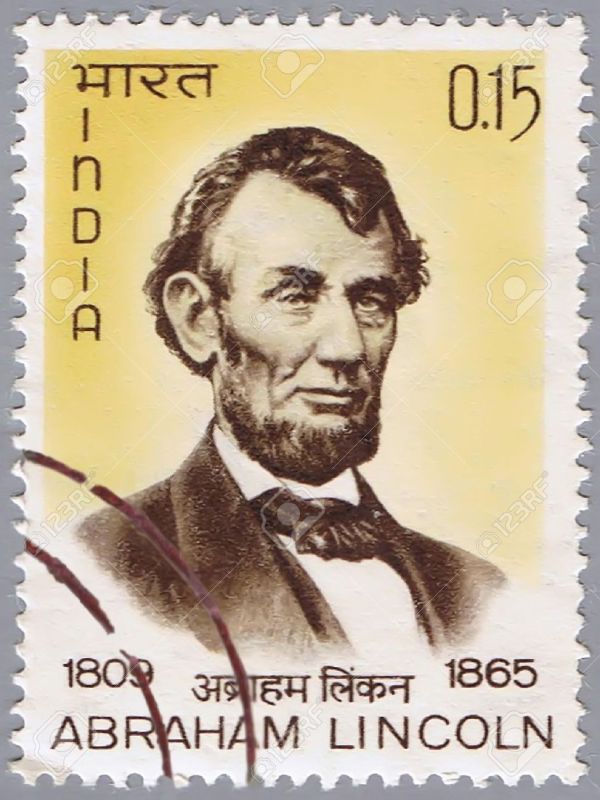
நட்பின் சின்னம் ஆப்ரஹாம் லிங்கன்!

lincoln india

Article No.2015

Written by London swaminathan

Swami_48@yahoo.com

Date : 24  July 2014

Time uploaded in London : காலை 8-53

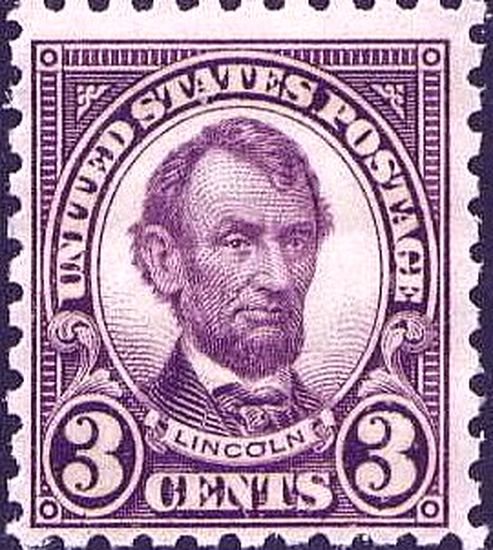
அமெரிக்காவின் 16-ஆவது ஜனாதிபதியாகப் பதவி வகித்தவர் ஆப்ரஹாம் லிங்கன். அடிமைத்தனத்தை ஒழித்து, அமெரிக்க உள்நாட்டுப் போரில் வென்று, அமெரிக்க ஐக்கியத்தைக் காப்பாற்றியவர். அவரது பதவிக்காலத்தில் கடமையிலிருந்து தவறிய படைவீரர்களுக்கு மன்னிப்பு வழங்கினார். ஆயினும் ஒவ்வொரு சிப்பாயும், செல்வாக்குமிக்க ஒரு ஆளிடமிருந்து சிபாரிசுக் கடிதம் பெற்று வரவேண்டும்.

ஒரு படைவீரனின் கடிதம் மொட்டையாக, தனிக் கடிதமாக இருந்தது. “அட! என்ன இது? இதனுடனிருந்த சிபாரிசுக் கடிதம் எங்கே?” — என்று இதைக் கவனித்த ராணுவ அதிகாரியிடம் கேட்டார்.

அவரும், அந்த வீரன் எந்தக் கடிதமும் இணைக்கவில்லை – என்றார்.

அட! முக்கிய ஆள் சிபாரிசுதான் வேண்டுமென்பதில்லை. யாராவது நண்பர், ஒரு ஆதரவுக் கடிதம் கொடுத்தால் போதுமே! – என்றார் லிங்கன்.

அதையும் நான் கேட்டுவிட்டேன்; அவருக்கு நண்பர் எவருமே இல்லை என்று சொல்கிறார் – என்றார் அதிகாரி.

அப்படியா? நானே அவருடைய நண்பன்! – என்று சொல்லி அந்தப் படைவீரனுக்கு மன்னிப்பு அளித்தார்!

குகன் என்னு வேடனையே தம்பி என்று உறவு முறை கொண்டாடினான் இராமன். ஒன்றும் தெரியாத, முன்னைப்பின் அறியாத, ஒரு படைவீரனை ஒரு நொடியில் நண்பனாக்கி உயிர்ப் பிச்சை அளித்தார் லிங்கன்!

Brahms (1)

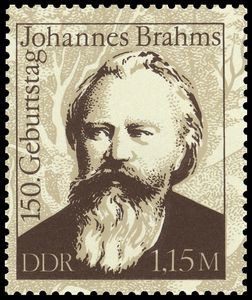
அன்பின் சின்னம் யொவன்னாஸ் பிராம்ஸ்

ஜெர்மானிய இசை அறிஞர் யொவன்னஸ் பிராம்ஸ். அவரை அறியாத மேல்நாட்டு இசைப் பித்தர் யாரும் இருக்கமுடியாது. ஆஸ்திரியாவில் தனது வாழ்நாள் முழுதும் இருந்தவர். இரக்க உள்ளம் படைத்த மாமேதை.

ஒருநாள் சாலை ஓரமாக நடந்து சென்று கொண்டிருந்தார். பிளாட்பாரத்தில் ஓவியம் வரைந்து கொண்டிருந்த சாலைக் கலைஞனைக் கண்டு வியந்தார். அவ்வளவு தத்ரூபமான படங்கள்! இத்தகைய சாலையோரக் கலைஞர்கள், எல்லோரும் காசு போடுவதற்காக ஒரு தட்டு வைத்திருப்பார்கள். அப்படி ஒரு தட்டைப் பார்த்த பிராம்ஸ் மனமுருகி, ஒரு பெரிய நாணயத்தை அதில் போட்டார். அது பாறை மீது பட்ட நாணயம் போல ‘டங்’ என்ற ஒலியுடன் எகிரிக் குதித்தது. அவருக்கு மஹா வியப்பு! பின்னர்தான் அறிந்தார்: அது தட்டு அல்ல; உண்மையில் தட்டு போல தத்ரூபமாக வரையப்பட்ட படம் என்று!

அவரே ஒரு இசைக் கலைஞர். இதனால் கலையின் பெருமையை உணர்ந்து அதைப் போற்றினார். ஆனால் அவருடைய அந்தஸ்துக்கு ரோட்டில் போகும், வரும் கலைஞரை நின்று பார்க்க வேண்டிய தேவையே இல்லை. இது நடந்த இடம் பொலொஞா என்னும் இத்தாலிய நகரம் ஆகும். இவ்வளவுக்கும் அந்த சாலையோர ஓவியன் ஒரு ஊமை!

பிராம்ஸ், எங்கு திறமை இருந்தாலும் அதைப் போற்றிப் புகழ்வார். தன்னைவிட இளம் கவிஞர்களை ஊக்குவித்தார். பிரபல இசை மேதைகளின் படைப்புகளை வெளியிட உதவினார். ஒரு முறை ஒரு பிரபல இசைமேதைக்குப் பணம் உதவியும் அவரது நூலை வெளியிட அவருக்கு ‘ப்ரூப்’ பார்க்கத் தெரியவில்லை. பெரிய இசைமேதையாக இருந்த போதும் அவருக்காக பிராம்ஸே படி திருத்தும் பணியை மேற்கொண்டார்.

brahms

இளிச்சவாயனைக் கண்டால் எருதும் மச்சான் முறை கொண்டாடும்!

உலகில் எவ்வளவோ நல்லவர்கள் உளர். அவர்களைத் தவறாகப் பயன்படுத்தும் ஆட்களும் உண்டு. ஆகையால், உதவி செய்வதிலும்கூட கவனம் தேவை.

ஒரு சிறு பையன் மிக கனமான சாமானை ஏற்றிக் கொண்டு மேட்டில் ஏற முடியாதபடி தவித்தான். அதைப் பார்த்த  ஒரு வயதான நபர் அவனுக்கு மிகவும் கஷ்டப் பட்டு உதவினார்.

இருவரும் வெற்றிகரமாக,  மேட்டுக்கு வண்டியைக் கொண்டு சேர்த்தனர். பையன் நன்றி சொன்னான்.

யாரப்பா உன் முதலாளி? பெரிய கல் நெஞ்சக்கரானாக இருப்பான் போல இருக்கிறதே? ஒரு சின்னப் பையனிடம் இவ்வளவு பாரத்தைக் கொடுத்தால் அது தாங்காது என்று அவர்க்குத் தெரியாதா? – என்று கேள்வி மேல் கேள்வியாகக் கேட்டார் வயதான அந்த நபர்.

அதைக் கேட்ட அந்தப் பையன் சொன்னான்: “என் முதலாளிக்கு இது என்னால் செய்ய முடியாத காரியம் என்று நன்றாகவே தெரியும். ஆனால் அவர் சொன்னார்:

“இப்படியே போ, எவனாவது ஒரு இளிச்சவாயன், வழியில் கிடைப்பான்; அவனே உன் வண்டியை மேலே தள்ளிக் கொண்டுவந்து கொடுப்பான்” – என்று முதலாளி சொன்னார் என்றான்.

சும்மாவா சொன்னான் தமிழன்: “இளிச்சவாயனைக் கண்டால் எருதும் மச்சான் முறை கொண்டாடும்” என்று!!

உத்தமனாக வாழ வேண்டும்தான்; ஆனால் அதற்காக “ஊருக்கு இளைத்த பிள்ளையார் கோவில் ஆண்டி”யாக இருத்தல் கூடா.

Abraham_Lincoln_1923_Issue-3c

தான் பெற்ற குஞ்சுகளையே கொல்லும் அதிசயப் பறவை!

Mockingbird,_

Article No.2014

Written by London swaminathan

Swami_48@yahoo.com

Date : 24  July 2014

Time uploaded in London : காலை 6-02

‘யுதனேசியா’ என்னும் கருணைக் கொலை பற்றி தற்காலத்தில் பத்திரிக்கைகளில் நிறைய படிக்கிறோம். யாரேனும் தீராத நோயில் நீண்டகாலம் கஷ்டப்பட்டால், அவர் இருப்பதைவிட போவதே மேல் என்று அவரை மேலுலகத்துக்கு அனுப்பிவைப்பது பல நாடுகளில் சட்டபூர்வம் ஆக்கப்பட்டுவிட்டது. அன்பின் காரணமாக ஒரு வகைப் பறவையும் இப்படி செய்கிறது! தான் பெற்ற குஞ்சுகளையே அது கொன்றுவிடுகிறது.

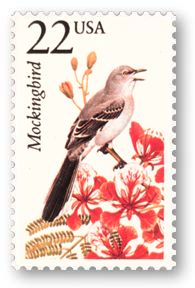
அமெரிக்காவில் மாக்கிங் பர்ட் mocking- bird – என்னும் பறவை வகை உண்டு. இவை கிளி, மைனா போல தான் கேட்ட ஒலிகளை அப்படியே செய்துகாட்டி விகடம் செய்யும் பறவை வகை.

இது பற்றிய அதிசயச் செய்தி இதோ:–

ஆர்ச்சிபால்ட் ரட்லெட்ஜ் என்பவர் எழுதுகிறார்: “நான் சிறுவயதில் படு சுட்டிப்பயல். அமெரிக்காவில் கரோலினாவில் வசித்தபோது பறவைகளைக் கூண்டில் அடைத்துப் போட்டு மகிழ்வேன். ஒரு மாக்கிங் பறவை வகையைப் பிடித்து கூண்டில் போட்டால் வாழ்நாள் முழுதும் அதன் இசையைக் கேட்டு மகிழலாம் என்று குஞ்சு ஒன்றைப் பிடித்துக் கூண்டில் அடைத்தேன். என்ன அதிசயம் பாருங்கள்! மறு நாள் அதன் தாய் வந்து அதற்கு உணவு ஊட்டியது.

அட நமக்கு இனி செலவும் இல்லை; கவலையும் இல்லை! ஒரு தாய் கவனிப்பது போல நாம் கவனிக்க முடியாது. அன்பைத் தடைப் போட்டுத் தடுக்கும் தாழ்ப்பாள் கிடையாதே என்று எண்ணினேன்.

அந்தோ பரிதாபம்; இரண்டாவது நாள் கூட்டில் உள்ள பறவையைக் கொஞ்சுவதற்காக எட்டிப் பார்த்தேன். அது இறந்து கிடந்தது. எனக்கு மிகவும் வருத்தம்.ஆனால் காரணம் தெரியவில்லை.

புகழ்பெற்ற அமெரிக்க பறவையியல் நிபுணர் ஆர்தர் வெய்ன் என்பவரிடம் இது பற்றிப் பேசிக்கொண்டிருந்தேன். அவர் சொன்னார்: மாக்கிங் பறவை வகைப் பறவைகள் தங்கள் குஞ்சுகள் கூண்டில் அடைக்கபட்டால், அதற்கு விஷமுள்ள பழங்களைக் கொண்டுவந்து ஊட்டிக் கொன்றுவிடும். ஏனெனில், தனது அன்பிற்கினிய குஞ்சுகள் இப்படி அடைபட்டு, சித்திரவதைப் படுவதை அவைகளின் தாய் விரும்புவதில்லை” என்றார்.

பறவைகளிடமிருந்துதான் மனிதன் கருணைக் கொலையைக் கற்றுக் கொண்டானோ?

mockingbirdstamp

பறவைகளுக்குதான் எவ்வளவு சுதந்திர உணர்வு!

சோழ மன்னன் செங்கணானிடம் தோல்வியடைந்து, சிறைக்காவலில் வைக்கப்பட்ட கணைக்கால் இரும்பொறை, காவலர்கள் தண்ணீர் தர தாமதித்ததால், மானத்துடன் உயிர்துறந்தான். அதுபோல சிறை வாழ்வை விட இறப்பதே மேல் என்று எண்ணுகின்றன இவ்வகைப் பறவைகள்.

இதே போல வேடன் பிடித்த ஆண் புறா இறக்கக் கண்டு, பெண்புறாவும் தீயில் விழுந்து வேடனின் பசிதீர்த்த கதையை நாம் அறிவோம்.

கழுகு விரட்டி வந்த, புறாவுக்காக தன்னுயிரையே ஈந்த சோழர்குல முன்னோனான சிபிச் சக்ரவர்த்தி கதையையும் புறநானூற்றில் கண்டோம்.

“பறவையைக் கண்டான்; விமானம் படைத்தான்” – என்றும் பாடுகிறோம். ஆனால் பறவைகளிடமிருந்து மனிதர்கள் கற்றது ஏராளமானவை என்பதை நம் புலவர்கள் பாடத் தவறவில்லை.

இந்திய இலக்கியங்களில் காகம், குருவி, கிளி, குயில் முதலியன பற்றிப் புலவர்கள் பாடியதைப் பற்றி எழுதினால் புத்தகங்கள் அளவுக்கு விரிவடையும்!

15 Anecdotes from George Bernard Shaw’s Life- Part 1

Shaw1981CZ

Article No.2013

Written by London swaminathan

Swami_48@yahoo.com

Date : 23  July 2015

Time uploaded in London : 14-17

1.Children

There is a legend about the fervent message Bernard Shaw received from Isadora Duncan expressing the opinion that by every eugenics principle they should have a child.

“Think what a child it would be”, she said, “with my body and your brain.”

Shaw sent the following response, discouraging the preposition, “Think how unfortunate it would be if the child were to have my body and your brain.”

2.Shaw—an imaginary Personage?

Bernard Shaw’s name first became familiar to the general public as the result of scurrilous attacks, disguised as interviews, made upon by him by a section of the London evening press. The interviewer would force his way into Shaw’s modest apartment, apparently for no other purpose than to bully and insult him.

Many people maintained that Shaw was an imaginary personage. Why did he stand it? Why didn’t he kick the interviewer downstairs? Failing that why didn’t he call the police? It seemed difficult to believe in the existence of a being so Christian as this poor persecuted Shaw appeared to be. Everyone talked about him.

As a matter of fact, the interviews were written by Shaw himself.

XXXX

shaw2

3.Shaw as a Critic

When Bernard Shaw wrote dramatic criticisms for the “London Saturday Review” he commented about a certain play in his column as follows:

“I am in a somewhat foolish position concerning a play at the Opera Comique, whither I was bidden this day week. For some reason I was not supplied with a program; so that I never learned the name of the play. At the end of the second act the play had advanced about as far as  an ordinary dramatist would have brought it five minutes after the first rising of the curtain; or say as far as  Ibsen would have brought it ten years before the event. Taking advantage of the second interval (intermission) to stroll out into the Strand for a little exercise, I unfortunately forgot all about my business, and actually reached home before it occurred to me that I had not seen the end of the play.  Under these circumstances, it would ill become me to dogmatize on the merits of the work or its performance. I can only offer the management my apologies.”

4.Practical Joking

George Bernard Shaw was poring over a second hand book stall of volumes much marked down, when he came across a volume containing his own plays. The book was inscribed, moreover, to a friend, beneath whose name on the fly-leaf, G.B.S. saw, written in his own hand, “With renewed compliments. G.B.S,” and sent it back to the early recipient.

5.Habits

In reply to an invitation to lunch with Lady Randolph, George Bernard Shaw wired: “certainly not; what have I done to provoke such an attack on my well known habits?”

Lady Randolph sent another telegram:

“Know nothing of your habits; hope they are not as bad as your manners.

shaw3

6.Shaw came to conquer England

Lillah Mc Carthy asked Bernard Shaw why he had come to live in England instead of seeking inspiration among the Dublin (Irish) poets – George Moore, A.E.Yeats and the others. He answered: “Lord bless you, I am old enough to be A.E.’s father; and George Moore had not discovered Ireland then. He was in Paris studying painting. He hadn’t even discovered himself. The Ireland that you know did not exist. I could not stay there, dreaming my life away on the Irish hills. England had conquered Ireland; so there was nothing for it but to come over and conquer England. Which, you will notice, I have done pretty thoroughly.”

7.Oscar Wilde  on G.B.Shaw

When G.B.Shaw, as a young man, emerged from his native Ireland and moved to England he began writing a column for a London weekly publication.  At that time Oscar Wilde was enjoying his vogue as a wit and epigram maker. One evening an acquaintance, calling upon Wilde, happened upon a copy of the paper to which Shaw was a contributor and reading therein one of Shaw’s characteristic articles which was signed with the author’s initials, said to his host:

“I say, Wilde, who is chap G.B.S. who is doing a department for this sheet?”

“He is a young Irishman named Shaw,” said Wilde. “Rather forceful, isn’t he?”

“Forceful”, echoed the other, “well, rather! My word, how he does cut and slash! He doesn’t seem to spare anyone he knows. I should say he is in a fair way to make himself a lot of enemies.”

“well,” said Wilde, “as yet he hasn’t become prominent enough to have enemies. But none of his friends like him.”

Rest of the anecdotes in Part 2……………..

முகலாய சாம்ராஜ்ய அழிவுக்கு மகாகவி பாரதி கூறும் காரணம்!-1

IMG_4438

Article No.2012

Written by S NAGARAJAN

Swami_48@yahoo.com

Date : 23  July 2015

Time uploaded in London : காலை 8-26


By ச.நாகராஜன்


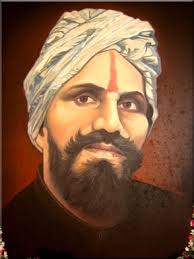
பாரதியாரின் தெளிவான சிந்தனை

மகாகவி பாரதியாரின் தெளிவான சிந்தனையும், தீர்க்கதரிசனமும் எண்ணி எண்ணி வியக்கப்பட வேண்டிய விஷயங்கள்!

அவர் தொடாத விஷயங்களே இல்லை; பல பிரச்சினைகளில் தெளிவான தம் வழிகாட்டுதலைத் தருவது அவருடைய தனி பாணி.


புராதனமான பாரதப் பண்பாட்டு உலகிலேயே சிறந்த பண்பாடு என்பதையும், இந்தியாவில் உள்ள முஸ்லீம்கள் முன்பு ஹிந்துக்களாகவே இருந்தவர்கள் என்பதையும், ஹிந்து முஸ்லீம் ஒற்றுமை சிறந்து ஓங்க வேண்டும் என்பதையும் அவர் நன்கு விளக்கியுள்ளார்.


இந்த விஷயங்கள் அடங்கிய கட்டுரைகள் பொதுவாக வெளியிடப்பட்டுள்ள பாரதியார் கட்டுரைத் தொகுப்பு நூல்களில் இடம் பெறவில்லை. இதன் காரணம், இந்தக் கட்டுரைகள் விஜயா, இந்தியா ஆகிய பத்திரிகைகளின் பல இதழ்கள் கண்டுபிடிக்கப்பட்ட பின்னர் நமக்குக் கிடைத்தவையாகும். ஆகவே அவற்றை முயன்று தேடிப் பிடித்துப் படிக்க வேண்டும்.


முகலாய சாம்ராஜ்ய அழிவுக்கான காரணங்களாக பாரதியார் இனம் கண்டு தெரிவிப்பது:- 1)அதர்மம் 2) சமுசயம் 3) வினாசம்

இது பற்றிய கட்டுரையை அவர் நடத்திய விஜயா பத்திரிக்கையில் ‘மொகலாய ராஜ்யத்தின் அழிவு’ என்ற கட்டுரையில் காணலாம்.

விஜயா, இந்தியா, சூரியோதயம் ஆகியவை சகோதர பத்திரிகைகள் என்பதால் ஒன்றில் வெளியிடப்பட்டுள்ள கட்டுரை இன்னொன்றில் வெளியிடுவது வழக்கமாக இருந்தது. ஆக இந்தியா பத்திரிகையில் 1909ஆம் ஆண்டு அக்டோபர் 9ஆம் தேதி இதழில் வெளியிடப்பட்ட கட்டுரை மீண்டும் விஜயா இதழில் வெளியிடப்பட்டுள்ளது.

 IMG_3762

அவுரங்கஜீப்பின் நோக்கமும் முயற்சியும்

இதே கட்டுரையில் அவுரங்கசீப்பைப் பற்றிய விவரங்களையும் அவர் தந்துள்ளார். பாரதியாரின் கட்டுரையின் சில பகுதிகளைக் காண்போம்:-

“அவுரங்கஜீப் பெரிய பண்டிதன். கூர்மையான அறிவுடையவன்; சோம்பரென்பதே அறியாதவன்: எப்போதும் ஊக்கம், எப்போதும் செய்கை. ‘அரசர்களும், தண்ணீரும் ஒரேயிடத்தில் தங்கியிருக்கலாகாது. அப்படியிருந்தால் தண்ணீர் அழுகிப் போய் விடும். அரசன் கையிலிருந்த அதிகாரம் நழுவி விடும் என்று அவுரங்கஜீப் தனது மக்களிடம் அடிக்கடி சொல்வதுண்டு.

இதை அவன் தனது ஜீவ தர்மங்களில் ஒன்றாகக் கொண்டிருந்தான். இப்படி எத்தனையோ விதமான நற்குணங்களிலிருந்தும் பயனில்லை. பாரத ராஜ்யம் மொகலாயர் கையினின்றும் நழுவ வேண்டுமென்று கால சக்தி நிர்ணயம் செய்து விட்டது. அவுரங்கஜீப் தனது அரிய திறமைகளையும், சிறந்த குணங்களையும் துணையாக வைத்துக் கொண்டு எப்படியேனும் பாரத நாட்டை மொகலாய அதிகாரத்தின் கீழ் சாசுவதமாக ஒருமைப்படுத்தி வைக்க வேண்டுமென்று முயற்சி செய்தான். 1658-ம் வருஷம் முதல் 1707-ம் வருஷம் வரை அவன் ஆட்சி புரிந்த ஐம்பது வருஷ காலத்திலும் ஒவ்வொரு கணமும் ‘மொகலாய ராஜ்யம் ஒருமைப்பட வேண்டும்; பலப்பட வேண்டும், சாசுவதப்பட வேண்டும்’ என்ற கருத்துடன் பாடுபட்டான். அவனுடைய ஒவ்வொரு செய்கையும் மொகலாய ராஜ்யத்தின் அழிவுக்கு ஹேதுவாயிற்று.

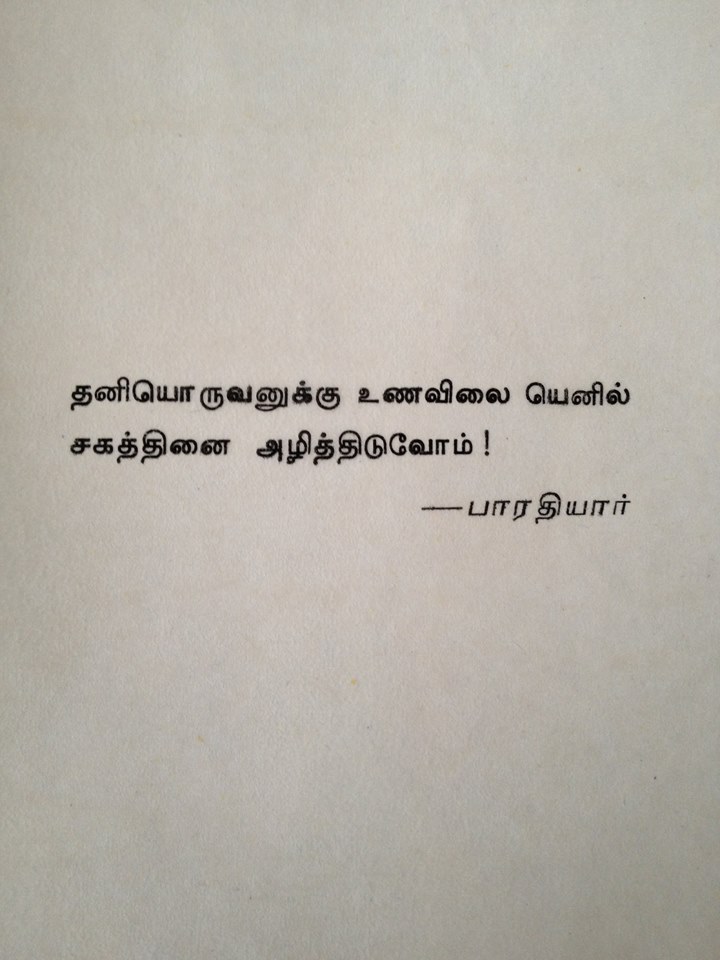
bharati malar thani oruvanukku

அவுரங்கஜீப்பின் அழிவு

கேடு வருமுன்பாகவே மதி கெட்டுவரத் தொடங்கி விட்டது. அவன் படித்த படிப்பெல்லாம் விழலுக்கிறைத்த நீராய் விட்டது. அவனுடைய சக்திகளும் குணங்களும் நெருப்புப் பிடித்த வீட்டிலுள்ள மரக்கட்டைகளையும், எண்ணெய்க் குடங்களையும் போல அவனுடைய நோக்கம் நாசமடைவதற்கே துணையாயிருந்தன. அவனுடைய வீரியம், தீரத்தன்மை, சித்த திடம் – இவையெல்லாம் இராவணனுடைய வீரியம், தீரத்தன்மை, மனோதிடம் இவற்றைப் போல நாசத்திற்கே காரணங்களாக மூண்டன. சாக விதியுடையவனுக்கு அமிருதமும் விஷமாக ஸம்பவிக்கிறது.”

அவுரங்கஜீப் பற்றிய பாரதியாரின் கணிப்பு தான் எவ்வளது துல்லியமானது!

மேலும் அவர் கூறுவதை அடுத்த கட்டுரையில் தொடர்வோம்.

********************

கல்யாணமாம், கல்யாணம்!

azaki

Article No.2011

Written by London swaminathan

Swami_48@yahoo.com

Date : 23  July 2015

Time uploaded in London : காலை 8-01


கல்யாணம் என்று வந்தால் யாருக்கு எதில் ஆசை? என்ன எதிர்பார்க்கிறார்கள்? நம் முன்னோர்கள் பாடிய பாட்டு என்ன தெரியுமா?

பெண்ணுக்கு ஆசை – கணவன் அழகாக இருக்க வேண்டும்

அம்மாவுக்கு ஆசை – மாப்பிள்ளை நல்ல பணக்காரராக இருக்க வேண்டும்

அப்பாவுக்கு ஆசை – மாப்பிள்ளை நல்ல புத்திசாலியாக இருக்க வேண்டும்

உறவினர்களுக்கு ஆசை – நல்ல குடும்பமாக இருக்க வேண்டும்

அழைப்புக்கிணங்கி வந்தோருக்கு ஆசை – நல்ல சாப்பாடு கிடைக்க வேண்டும்.

கன்யா வரயதே ரூபம், மாதா வித்தம், பிதா ஸ்ருதம்!

பாந்தவா: குலம் இச்சந்திமிஷ்டான்னமிதரே ஜனா:!!

radha beauty

நல்ல மனைவி யார்?

ஐந்து ‘ல’காரம் இருந்தால் போதும்; நீங்கள் நல்ல அதிர்ஷ்டசாலிதான்! ஐந்து ல- காரம் என்றவுடன் ஐந்து லட்சம் ரூபாய் வரதட்சிணை என்று நினைத்துவிடாதீர்கள். அந்தக் காலம் எல்லாம் மலை ஏறிப் போய்விட்டது. கீழ்கண்ட ஐந்து ல, லா – வேண்டும்:-

அனுகூ’லா’ = நன்மை செய்பவர்

விம’லா’ங்கி = நாணம் உள்ளவர்

கு’ல’ஜா = உயர்குலப் பெண்; அதாவது பண்புமிக்க குடும்பப் பெண்

குச’லா’ = திறமைசாலி

சுசீ’லா’ = நல்ல ஒழுக்கம் வாய்ந்தவள்

அனுகூலாம் விமலாங்கிம் குலஜாம் குசலாம் சுசீலசம்பன்னாம்

பஞ்ச லகாராம் பார்யாம் புருஷ: புண்யோதயா லபதே

–சுபாஷித ரத்ன பாண்டாகாரம்

IMG_4877 (2)

மாப்பிள்ளைக்கு எதனால் மதிப்பு?

இதேபோல மாப்பிள்ளைக்கோ அல்லது எந்த ஒரு மனிதனுக்கோ, மதிப்பளிக்கக்கூடிய ஐந்து ‘வ’கார அம்சங்கள் இருக்கின்றன. அவையாவன:–

வஸ்திரம் / உடுப்பு

வபுஷம் / உருவம்

வாக் / உரைத்தல் (பேசுதல்)

வித்யா/ கல்வியறிவு

விநய/ பணிவு

வஸ்த்ரேன வபுஷா வாசா வித்யயா விநயேன ச

வகாரை: பஞ்சாபி: ஹீன நரோநாயாதி கௌரவம்

வாழ்க சம்ஸ்கிருதம்! வளர்க தமிழ்!

KINDNESS: Seven Anecdotes and Quotations

mockingbirdstamp

Article No.2010

Written by London swaminathan

Swami_48@yahoo.com

Date : 22  July 2015

Time uploaded in London : 19-27

“The soul of love must live within,

Or bodies are but bone and skin” (Tirukkural 80)

“What is righteousness sans kindness?”

“Ko Dharmah krpyaa vinaa”

“Righteousness springs from compassion”

Dayaamuulo mato dharmah –(Sanskrit Sayings)

1.Euthanasia practised by Mocking Bird!

XXX Archibald Rutledge tells this story: “When I was a boy in Carolina (USA), I was cured forever of caging wild things. Not content with hearing mocking birds (birds which mimics the sounds of other birds and insects) sing from the cedar, I determined to cage a young one, and thus a young musician all my own. On the second day in the cage, he saw his mother fly to him with food in her bill. This attention pleased me for surely the mother knew how to feed her child better than I did. The following morning my pathetic little captive was dead. When I recounted this experience to Arthur Wayne, the renowned ornithologist, he said ’A mother mocking- bird, finding her young in a cage, will sometimes take it poison berries she thinks it better for one she loves to die rather than to live in captivity,”.

Mockingbird,_

2.Abraham Lincoln

U.S. President Abraham Lincoln once dropped a few kind words about the confederates (his opponents). A woman flashed forth a question of how he could speak kindly of his enemies when he should rather destroy them.

“What, Madam, do I not destroy them when I make them my friends?”

XXX

3.Brahms’ Kindness

Never was a famous composer kinder than Brahms to his young colleagues – where he found genuine talent. With might and main he urged Simrock to publish the works of Knorr, Roentgen, Fuchs and Novak. He rescued Dvorak from the direst poverty, made Simrock bring out the Slavonic Dances, and helped them to their wide success. Twice he begged Dvorac, with all his heart, to consider the Brahmsian fortune as his own. And when he learned that the Bohemian was a most incompetent proof reader, he himself actually assumed the hard work of correcting all his friend’s proofs.

XXX

4.Roadside Artist given recognition

The despised and rejected often found in this great-hearted man (Brahms) a ready ally. Widman tells how, one night under the arcades of Bologna (Italy), Brahms enthusiastically a deaf-and-dumb sidewalk artist who had drawn in the flags a portrait of Cavour (Italian statesman).” A plate stood nearby into which one could throw a coin which one might feel like offering to such art of the highways. But there was a new surprise when the coin, ringing on the hard stone, showed that the plate was not a real one but a well and truly drawn imitation. Brahms could not find words enough to praise this fine idea of the poor artist. And his offering showed how deeply he was moved by the learning that in this gifted race, even the street beggar knew how to cover his nakedness with a corner of the hem of Art’s sumptuous robe.”

brahms

XXX

5.Kindness taken for Granted!

A kindly passer- by assisted small boy in pushing a heavily loaded cart up a long, steep hill. Reaching the top, and at last getting his wind back, he said indignantly, “Only a scoundrel would expect a youngster to do a job like that! Your employer should have known it was too heavy for you.”

“He did”, replied the boy, “but he said, ‘Go on, you are sure to find some old fool who will help you up the hill.”

XXX

6.Kindness towards Trees

The sentiment of “Woodman, spare that tree”, is carried out on an extensive scale by the screen actor, Edward Everett Horton. He has a large ranch which he has converted into an “Old Tree Home.” Whenever he discovers a beautiful oak, maple, or elm condemned to be cut down to make way for highways or buildings, he purchases it and has it removed to his sanctuary for unwanted trees.

7.Tamils’ Kindness to Plants and Animals

This reminds of the famous Tamil philanthropist and chieftain Pari. He gave his chariot to a jasmine climber, seeing that it has no supporting tree nearby.

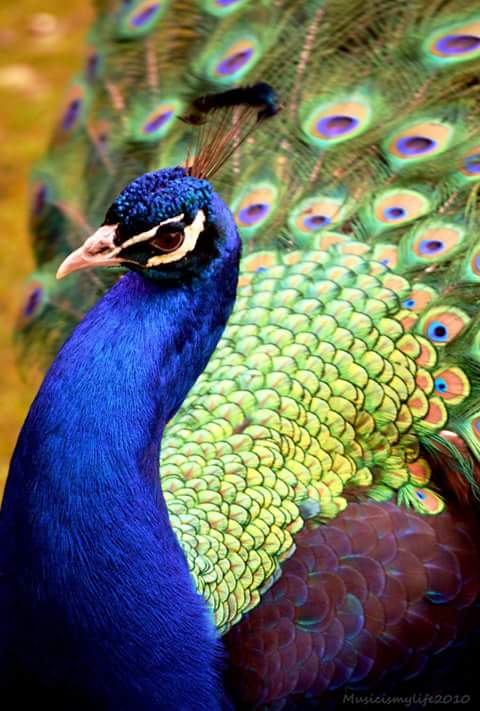
Another Tamil Chieftain Bekan gave his valuable shawl to a dancing peacock thinking that it was shivering in cold.

Sibi, a king of North West India, gave flesh from his body to an eagle just to save a dove it was chasing. This is reported in Sangam literature and Sanskrit literature.

mayil quite

Quotations

“God’s justice, as the solar blaze

Shrivels the worm, the loveless slays (Tirukkural 77)

The homes for love that find no room,

Like withered trees in deserts bloom – (78)

The heart the labouring limbs must move,

Or vain the outward life will prove (79)

ஸ்ரீ ராமரிடமுள்ள ஐந்து வீரங்கள்!

ram-with-dwaja

Article No.2009

Written by London swaminathan

Swami_48@yahoo.com

Date : 22  July 2015

Time uploaded in London : 8-07 காலை


இராம பிரானைப் பற்றி உலகம் முழுதும் 300-க்கும் மேலான வெவ்வேறு வகையான ராமாயணங்கள் இருப்பதை முன்னரே எழுதியுள்ளேன். இது தவிர கம்பன், வால்மீகி, துளசிதாசர் ஆகியோர் கூறாத சில சம்பவங்கள், சங்க இலக்கியமான புறநானூற்றில் இரண்டு பாடல்களில் இருப்பதையும், ஆழ்வார் பாடல்களில் மேலும் சில சம்பவங்கள் இருப்பதையும் காட்டினேன். இப்பொழுது உதிரியாக உள்ள ஒரு பாடல் ராமனை எப்படி வருணிக்கிறது என்று காண்போம்.

உலகில் மற்ற நாடுகளில் ஏ.கே.47 துப்பாக்கியாலும் ‘மிஷின் கன்’ எனப்படும் இயந்திரத் துப்பாக்கியாலும் அதிகம் பேரைச் சுட்டுக் கொல்லுவோருக்கு ‘பெரிய வீரன்’ பட்டம் கொடுப்பார்கள். ஆனால் இந்தியாவில் “புலன் ஐந்தும் வென்றான் தன் வீரமே வீரம்” என்று அவ்வையார் பாராட்டுவதை இரண்டு மஹாவீரர்கள் (மஹா வீர அனுமன், சமண தீர்த்தங்கரர் மஹாவீரர் ) பற்றிய கட்டுரையில் தந்தேன்.

ராமனிடம் ஐந்து விதமான வீர குணங்கள் உள்ளன. இவைகளைப் பின்பற்ற ஒருவனுக்கு மஹா வீரம் தேவை. ஏனெனில் கஷ்ட திசையில் மாட்டிக் கொண்ட நல்லவர்களும் கூட, எளிதில் வழுக்கி விழ வாய்ப்பு உண்டு. ஆனால் ராம பிரானோ எவ்வளவு இடர்ப்பாடுகள் வந்த போதிலும் தர்மத்தின் வழியையே கடைப் பிடித்தான். அதனால் அவனிடம் ஐந்து நற்குணங்கள் இருப்பதாகப் புலவர் பெருமக்கள் போற்றுவர்:-

rama-travel

தியாக வீரம்

கைகேயியின் வசப்பட்ட தசரதன் சொல்லிய சொல்லுக்காக, அந்த சத்ய பராக்ரமன் ராமன், தனக்குக் கிடைக்கவேண்டிய பெரும் அரச பதவியைத் தியாகம் செய்தான். இதைவிடப் பெரிய தியாகம் உளதோ! அப்பா, அம்மாவை எதிர்த்து போர்கொடி தூக்குவோம் என்று சூளுரைத்த லெட்சுமணனை அமைதிப்படுத்தி அவனையும் தன் வழிப்படுத்தினான்.


தயாவீரம்

வேடர் குலத் தலைவனான குகனையும், குரங்கினத் தலைவனான சுக்ரீவனையும், அரக்கர் குல விபீஷணனையும் தனது சஹோதரர்களாக ஏற்றான். சாதி, குல வேற்றுமைகளை மிதித்து நசுக்கிய முதல் மாவீரன் அவன். எல்லோரிடமும் தயை என்னும் இரக்கம் காட்டினான். சபரிக்கு மோட்சம் கொடுத்தான். மாபெரும் தவறு இழைத்த அஹல்யைக்கு சாப விமோசனம் அளித்தான்.


வித்யாவீரம்

அவனுடைய விவேகம், வித்யா வீரம் எனப்படும். போர்க்களத்தில் ஆயுதங்களை இழந்த இராவணனைக் கொல்லாது “இன்று போய் நாளை வா” — என்று இயம்பினான். சீதையை ஒப்படைத்தால் உயிர்ப்பிச்சை போடுவதாகக் கூறினான். ஒரு வண்ணான் சொன்ன சொல்லை மதித்து, தனது மனைவியின் தூய்மையை, கற்பினை நிலநாட்ட அவளை பூக்குழி இறங்க உத்தரவிட்டான். ஜனநாயகக் கொள்கைகளை நடைமுறைப்படுத்திய முதல் தலைவன் அவன். இராமன் இருக்கும் இடத்தில் காமன் இரான்.


பராக்ரமவீரம்

21 தலை முறை க்ஷத்ரிய மன்னர்களை அழித்த பரசுராமனையும் வெற்றி கொண்டு தனது பராக்ரமத்தை நிலநாட்டினான் ராமன். ஏழு மராமரங்களை ஒரே அம்பினால் துளைத்ததோடு, ஏழு கோடி அவுணர்களையும் அழித்தொழித்தான். ராவண சம்ஹாரம், அவனது வீர பராக்ரமத்துக்கு முத்தாய்ப்பாக அமைந்தது.

தர்மவீரன்

“இந்த இப்பிறவியில் சிந்தையாலும் இருமாதரைத் தொடேன்” என்று புதுநெறி புதுக்கிய நாயகன் அவன். எல்லா அரசர்களும் பல மனைவியரை மணக்க, சீதையைத் தவிர வேறு ஒரு பெண்ணை சிந்தையாலும் தொடாதவன் அவன். சத்திய நெறி தவறாதவன்

அவன் ஸ்ருதபாஷி= உண்மை விளம்பி

அவன் மிதபாஷி = குறைவாகப் பேசுபவன்

அவன் ஹித பாஷி = இனிமையான சொற்களையே நவில்வான்

பூர்வபாஷி = சிறிதும் தலைக் கனம் இல்லாமல் தானே வலியச் சென்று நலம் விசாரிப்பவன்.

 ராமன்

இதோ அவனைப் புகழும் பாடல்:

பஞ்சவீரா:சமாக்யாதா ராம ஏவ து பஞ்சதா

ரகுவீர இதி க்யாத: சர்வ வீரோப லக்ஷண:


வாழ்க இராமபிரான் திரு நாமம்! வளர்க அறம்!!