பாண்டிய மன்னனின் அளவற்ற பக்தி!

பக்திக்கு இலக்கணமாகத் திகழ்ந்தவன் வரகுண பாண்டியன். இவனுடைய கதையைக் கேட்டால் இப்படியும் பித்துப் பிடித்தவர் போல பக்திமான் இருக்க முடியுமா என்று வியக்கத் தோன்றும். பாகவதத்தில் பக்திக்கு இலக்கணம் வகுக்கப்பட்டுள்ளது. நல்ல பக்தனுக்கு ஒன்பது வகையான செயல்கள் உண்டு. இதையே நாரத பக்தி சூத்திரம், அப்பர் பாடல் ஆகியவற்றிலும் காணலாம். ஏறத்தாழ காதல் வயப்பட்ட ஒரு இளைஞனோ யுவதியோ எப்படி இருப்பரோ அப்படி பக்திமானும் இருப்பார். ஆனால் காதலில் கிடைப்பது உடல் சம்பந்தமான சிற்றின்பம். பக்தியில் கிடைப்பாதோ ஆன்மா சம்பந்தமான நிரந்தரமான பேரின்பம்.


பாகவத புராணத்தில் வரும் ஸ்லோகம் இதோ:

ஸ்ரவணம் கீர்த்தனம் விஷ்ணோ: ஸ்மரணம் பாத சேவனம்

அர்ச்சனம் வந்தனம் தாஸ்யம் ஸக்ய ஆத்மநிவேதனம் (பாகவதம் 7-5-23)


அதாவது கடவுளின் நாமத்தைக் 1.கேட்டல், பக்திப் பரவசத்துடன் 2.பாடுதல், கடவுளின் பெயரை சதாசர்வ காலமும் 3.நினைத்தல், அவனுடைய பாதாரவிந்தங்களில் 4.பணிவிடை செய்தல், பூவாலும் இலையாலும் பொன்னாலும் மணியாலும் அவனை 5.அர்ச்சித்தல், அவனை சிரம் மேற் கைகூப்பி 6.வணங்குதல், அவனுக்கு 7.அடிமைபோல பணியாற்றல், அவனை உயிருக்குயிரான 8.நண்பனாகக் கருதல், இருதயபூர்வமாக 9.தன்னையே அர்ப்பணித்தல் ஆகிய ஒன்பது செயல்களைப் பக்தனிடம் காணலாம். இவைகளை ஆண்டவனுக்கு மட்டுமின்றி இறையடியார்க்கும் செய்வர்.

இந்தக் கருத்துகளை அப்பர் பெருமான் தனது தேவாரப் பாடலில் அப்படியே வடித்துள்ளார்:


அப்பர் தேவாரம்

முன்னம் அவனுடைய நாமம் கேட்டாள்

மூர்த்தி அவனிருக்கும் வண்ணம் கேட்டாள்

பின்னம் அவளுடைய ஆரூர் கேட்டாள்

பெயர்த்தும் அவனுக்கே பிச்சியானாள்;

அன்னையும் அத்தனையும் அன்றே நீத்தாள்

அகன்றாள் அகலிடத்தே ஆசாரத்தை

தன்னை மறந்தாள் தன் நாமங் கெட்டாள்

தலைப் பட்டாள் நங்கை தலைவன் றாளே


சங்க இலக்கியத்தில் அகப்பாட்டுகளைப் படித்தோருக்கு காதலன், காத்லியின் நிலை விளங்கும். அப்பர் கூறிய பக்திப் பித்தை, பைத்தியத்தை அங்கும் காணலாம்.

இந்த குணநலன்களை வரகுண பாண்டியன் விஷயத்தில் நன்கு பார்க்கமுடிகிறது. இது தமிழர்களுக்குப் புதிதல்ல. முல்லைக் கொடிக்குத் தேர் ஈந்தான் பாரி வள்ளல், மேகத்தைக் கண்டு மகிழ்ச்சியாக ஆடிய மயிலைக் கண்டு குளிரால் நடுங்குகிறது என்று போர்வை அளித்தான் பேகன். ராமாயாண உபந்யாசம் கேட்டு உணர்ச்சிவசப்பட்ட குலசேகரன், தனது படைகளை உடனே ராமருக்கு உதவியாக அனுப்ப உத்தரவிட்டான். இது போல புகழ்சோழன், ஏனாதிநாயனார் கதைகளிலும் பல நிகழ்ச்சிகளைப் படிக்கிறோம். மேம்போக்காகப் பார்த்தால் அவர்களுடை செயல்கள் அறிவிழந்தவர் செயல் போலத் தோன்றும். ஆழமாகப் பார்த்தால் அவர்களுடைய ஆத்மார்த்த பக்தி விளங்கும். இன்றும் கூட அரசியல் தலைவர்களுக்காகவும், குருவுக்காகவும் உயிர்கொடுக்கும் தொண்டர்களைக் காண்கிறோம். அந்தக் கண்ணோட்டத்தோடு வரகுணன் கதைகளை அணுகவேண்டும்.

ஒன்பதாம் நூற்றாண்டில் வாழ்ந்த வரகுணன் மாபெரும் சிவ பக்தன் என்பதை பட்டினத்தார் பாடல், மாணிக்க வாசகரின் திருக்கோவையார், தளவாய்புரம் செப்பேடுகளில் காண்கிறோம்:


தளவாய்புரம் செப்பேடு

 “மற்றதற்கு மகனாகிய கொற்றவனெங் கோவரகுணன்

பிள்ளைப் பிறைச் சடைக்கணிந்த பினாக பாணி எம்பெருமானை

உள்ளத்தினிலிதிருவி உலகங் காக்கின்ற நாளில்”

******

வரகுணனாம் தென்னவன் ஏத்து சிற்றம்பலத்தான் (திருக்கோவை 306)

******
பன்னிரு திருமுறைகளில் பதினோராவது திருமுறையாக அமைந்தது

‘திருவிடைமருதூர் மும்மணிக்கோவை’. இதில் வரகுணன் செய்த வியப்பான பக்தி விஷயங்கள் வருகின்றன:


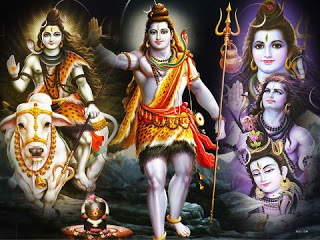
1.ஒரு திருடனைக் கையும் களவுமாகப் பிடித்து வந்து, வரகுண பாண்டிய மன்னர் முன்னர் நிறுத்துகின்றனர் காவல்காரர்கள். திருடனின் நெற்றியில் விபூதி இருப்பதைப் பார்த்து விடுகிறார். உடனே அவனை விடுதலை செய்ய உத்தரவிடுகிறார்.

2. இரவில் நரிகள் ஊளை இடுகின்றன. அவை அனைத்தும் அரன் நாமத்தை உச்சரிப்பதூபோல இவர் காதில் விழவே அனைத்துக்கும் சால்வை போர்த்த உத்தரவிடுகிறார்!

3.குளத்தில் வாழும் தவளைகள் கத்துகின்றன. அவை அனைத்தும் சிவன் பெயரை உச்சரிப்பதாக எண்ணி குளத்தில் பூவையும் பொன்னையும் தூவ உத்தரவிடுகிறார்.

4.கோவிலில் விளக்கு ஏற்ற எண்ணை தேவை. அதற்காக எள்ளைக் காயவத்திருந்தனர். அதை ஒருவன் தின்றுகொண்டிருந்தான். அதைப் பார்த்த வரகுணனுக்கு ஒரே கோபம். சிவன் சொத்தை இப்படித் தின்னால் உனக்கு என்ன நேரிடும் தெரியுமா? என்று கேட்கவே அவன் பட்டென்று பதில் தந்தான்:’’ ஓ, தெரியுமே, நான் செக்கு மாடாகப் பிறப்பேன். சிவன் கோவிலுக்கு எண்ணை ஆட்டிக் கொடுத்த புண்ணியம் கிடைக்கும்”’. இதைக் கேட்ட அடுத்த நொடியில் எள்ளைத் துப்பசெய்து அதை விழுங்கினான் மன்னன். இப்போது எள்ளித் தின்னவன் கேட்டான், ஓ மன்னரே, நீவீர் ஏன் எள்ளைத் தின்றீர்? என்றான். மன்னரும் பட்டென்று பதில் தந்தார், இது தெரியாதா எள்ளை ஆட்டி எண்ணை எடுக்க இரண்டு மாடுகள் தேவையே. நான் தான் இரண்டாவது மாடு”. இது வரகுணனின் அதீத பக்தியைக் காட்டுகிறது.

5.ஒருநாள் சிவன் கோவில் வளாகத்தில் ஒரு மண்டை ஓடு கிடந்தது. அதைப் பார்த்து மன்னன் வணங்கினான். என்ன புண்ணியம் செய்தனை, இப்படி சிவன் கோவிலில் தலை கிடக்க, எனக்கும் இக்கதி வரவேண்டும் என்றான் வரகுணன்.

6.வேப்பம் பழங்கள் கீழே விழுந்து பாதி மணலிலும் பாதி வெளியிலும் கிடந்தன. அவைகள் அனைத்தும் சிவலிங்கம் போல தோன்றவே, அவைகளுக்கு விதானம் அமைக்க உத்தரவிட்டான்.

7. ஒருநாள் நாயின் மலத்தைக் கோவிலில் பார்த்தவுடன் மன்னன் என்பதையும் மறந்து, தானே அதைச் சுத்தப்படுத்தினான்.

8.மன்னர்கள் பல நாடுகளின் மீது படை எடுத்து வெற்றி கிடைத்தால் தோல்வி அடைந்த நாட்டில் அந்தப்புரத்தில் உள்ள பெண்களை மன்னரிடம் ஒப்புவிப்பர். அவன் விரும்பிய பெண்களை மணப்பான். இப்படி வேற்று நாட்டுப் பெண்கலை அவனிடம் அழைத்து வந்தபோது இவ்வளவு அழகானவர்கள் சிவன் கோவில் சேவைக்கே உரியவர்கள் என்று அனுப்பிவைத்தான் வரகுண பாண்டியன்.

இதோ பட்டினத்தார் பாடலில் இதைப் படியுங்கள்:


“வெள்ளை நீறு மெய்யிற்கண்டு

கள்ளன் கையிற் கட்டவிழ்ப்பித்தும்

ஓடும் பல்நரி ஊளை கேட்டு அரனைப் பாடின

என்று படாம்பல அளித்தும்

குவளைப் புனலில் தவளை அரற்ற

ஈசன் தன்னை ஏத்தின என்று

காசும் பொன்னும் கலந்து தூவியும்

வழிபடும் ஒருவன் மஞ்சனத்தியற்றிய

செழுவிடை எள்ளை தின்னக் கண்டு

பிடித்தலும் அவன் இப் பிறப்புக்கென்ன

இடித்துக்கொண்டவன் எச்சிலை நுகர்ந்தும்

மருதவட்டத் தொருகனிக் கிடந்த

தலையைக் கண்டு தலையுற வணங்கி

உம்மைப்போல எம் இத்தலையும்

கிடத்தல் வேண்டுமென்று அடுத்தடுத்திரந்தும்

கோயில் முற்றத்து மீமிசை கிடப்ப

வாய்த்ததென்று நாய்க்கட்டம் எடுத்தும்

காம்பவிழ்த்துதிர்ந்த கனியுறுக் கண்டு

வேம்புகட்கெல்லாம் விதானம் அமைத்தும்

விரும்பின கொடுக்கை பரம்பரற்கென்று

புரி‘குழல்தேவியைப் பரிவுடன் கொடுத்த

பெரிய அன்பின் வரகுண தேவர்’’


ராமகிருஷ்ண பரமஹம்சர் வழ்விலும் இப்படிப் பல நிகழ்ச்சிகலைக் காண்கிறோம்.ஒரு நாள் வானத்தில் கருமையான மேகக் கூட்டம் காணப்பட்டது. அங்கு வெள்ளை நிறக் கொக்குகள் பறந்தன. அந்தக் காட்சியைக் கண்ட பரமஹம்சர், அப்படியே சமாதி நிலையில் ஆழ்ந்துவிட்டார். இயற்கைக் காட்சியைக்கூட இறைவனின் லீலையாகக் கண்டார்.

Contact: swami_48@yahoo.com
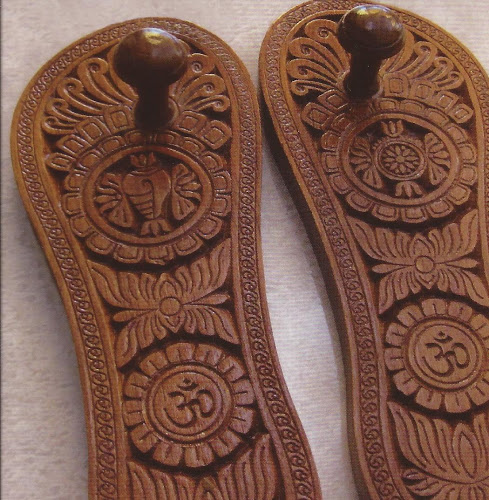
The Sandals


Tears nor sighs nor sad entreaty Rama’s changeless purpose shook,

Till once more with hands conjoined Bharat to his elder spoke:


“Rama, true to royal mercy, true to duties of thy race,

Grant this favour to thy mother, to thy brother grant this grace,


Vain were my unaided efforts to protect our father’s throne

Town and hamlet, lord and tiller, turn to thee and thee alone!


Unto Rama, friends and kinsmen, chiefs and warriors, turn in pain,

And each city chief and elder, and each humble village swain,


Base thy empire strong, unshaken, on a loyal nation’s will,

With thy worth and with thy valour serve their faithful people still!”


Rama raised the prostate Bharat to his ever loving breast,

And in voice of tuneful hansa thus his gentle speech adrest:

“Trust me, Bharat, lofty virtue, strength and will to thee belong,

Thou could’st rule a world-wide empire in thy faith and purpose strong,


And our father’s ancient ministers, ever faithful, wise and deep,

They shall help thee with their counsel and thy ancient frontiers keep,


List! The Moon may lose his lustre, Himalaya lose his snow,

Heaving ocean pass his confines surging from the caves below,


But the truth abiding Rama will not move from promise given,

He hath spoke and will not falter, help him righteous Gods in heaven!”


Blazing like the Sun in splendour, beauteous like the Lord of Night,

Rama vowed his Vow of Duty, changeless in his holy might!


“Humble token”, answered Bharat, “still I seek from Rama’s hand,

Token of his love and kindness, token of his high command,


From thy feet cast forth those sandals, they shall decorate the throne,

They shall nerve my heart o duty and shall safely guard thy own,


They shall to a loyal nation absent monarch’s will proclaim,

Watch the frontiers of the empire and the people’s homage claim!


Rama gave the loosened sandals as his humble younger prayed,

Bharat bowed to them in homage and his parting purpose said:


“Not alone will banished Rama barks and mated tresses wear,

Fourteen years the crowned Bharat will in hermit’s dress appear,


Henceforth Bharat dwells in palace guised as the hermit of the wood,

In the sumptuous hall of feasting wild fruit is his only food,

Fourteen years will pass in waiting, weary toil and penance dire,

Then, if Rama comes not living, Bharat dies upon the pyre!”  (II.122.9-26)


Valmiki Ramayana translated by Romesh Dutt


Please read my earlier post: WHY DO HINDUS WORSHIP SHOES?

Contact:  swami_48@yahoo.com


சரஸ்வதி இருக்குமிடத்தில் லக்ஷ்மி ஏன் வருவதில்லை?

14.சம்ஸ்கிருதசெல்வம்

சரஸ்வதி இருக்குமிடத்தில் லக்ஷ்மி ஏன் வருவதில்லை? ரகசியம் இதோ!


By ச.நாகராஜன்


         பணம் வேண்டும் என்று எண்ணாதவன் உலகில் யாரேனும் உண்டா? நவீன காலத்தில் சந்யாசிகள் கூடத் தங்கள் ஆசிரம வளர்ச்சிக்காகவும் நற்பணிகளுக்காகவும் பணத்தைத் தேடிச் சேர்க்கின்றனர்.ஆகவே பணத்தை அள்ளித் தரும் லக்ஷ்மி தேவியை அனைவரும் வணங்குவதில் வியப்பே இல்லை.


ஒரு கவிஞர் பார்த்தார், அனைவரின் நன்மைக்காகவும் ஸ்ரீதங்காத இடங்களைப் பட்டியலிட்டுத் தந்து விட்டார் தன் கவிதை வாயிலாக. அதைப் பார்ப்போம்:


குசைலினம் தந்தமலோப ச்ருஷ்டம்

   ப்ரஹ்மாஷினம் நிஷ்டூரபாஷினம் ச I

சூர்யோதயே சாஸ்தமிதே ஷயனம்

    விமுச்சதி ஷீரபி சக்ரபாணிம் II


(தந்தம் – பல்; நிஷ்டூர பாஷினம் – கடுஞ்சொற்களைப் பேசுதல்; சூர்யோதயம் – சூரிய உதய நேரம்; அஸ்தமிதம் – சூரியன் அஸ்தமிக்கும் மாலை வேளை; ஷயனம் – உறங்குதல்)


அதிர்ஷ்ட தேவதையான லட்சுமி தேவி விஷ்ணுவையும் விட்டு நீங்கி விடுவாளாம்! எப்போது?


அவர் அழுக்கான உடைகளை அணிந்தால்

பற்களைத் துலக்காமல் அவை அழுக்குடன் இருந்தால்

அவர் பெருந் தீனிக்காரராக இருந்தால்

அவர் கடுஞ்சொற்களைப் பேசினால்

சூர்யோதய காலத்திலும் சூர்யாஸ்தமன காலத்தில் அவர் தூங்கினால்

அவர் விஷ்ணுவாக இருந்தாலும் லக்ஷ்மி தேவி அவரை விட்டு விலகி விடுவாளாம்!


ஆக நல்ல பழக்கங்களை மேற்கொண்டால்  அது நாம் லக்ஷ்மி தேவியை வரவேற்கிறோம் என்று பொருள்!


இது ஒரு புறமிருக்க,  நல்ல வாக்கை உடைய புலவர் ஒருவர் வறுமையில் வாடுகிறார். அதன் காரணத்தை ஆராய்ந்தார். உலகியல் ரீதியான விளக்கம் சட்டென்று அவருக்குப் புரிந்தது. எந்த மாமியாரும் மருமகளும் ஒத்துப் போனதாக உலக சரித்திரம் உண்டா, என்ன! அப்படி இருக்கும் போது சரஸ்வதியும் லட்சுமியும் மட்டும் எப்படி ஒத்துப் போவார்கள். மாமியார் இருக்கும் இடத்தில் மருமகள் இருப்பாளா என்ன! அது தான் தன்னிடம் சரஸ்வதி இருக்கும் போது லட்சுமி வந்து வாசம் செய்ய மாட்டேன் என்கிறாள்! காரணம் புரிந்தவுடன் கவிஞரின் மனம் ஒருவாறு சமாதானம் அடைகிறது.

அதைப் பாடலாக வடித்து விட்டார் இப்படி:


குடிலா லக்‌ஷ்மீர் யத்ர

  ப்ரபவதி ந சரஸ்வதி வஸதி தத்ர I

ப்ராய: ஸ்வஸ்தூஸ்நுஷயோர்

   ந த்ருஷ்யதே சௌஹத்வம் லோகே II


(குடிலா – கெட்ட சுபாவமுள்ள)

கெட்ட சுபாவமுள்ள லட்சுமி  எங்கு செழித்து சக்திவாய்ந்தவளாக இருக்கிறாளோ அங்கு சரஸ்வதி வசிக்க மாட்டாள். பொதுவாக உலகத்தில் மாமியாருக்கும் மருமகளுக்கும் நட்பு இருந்து பார்த்ததே இல்லை! – இது தான் ஸ்லோகத்தின் பொருள்!


விஷ்ணுவின் பத்தினியான லட்சுமி தேவி விஷ்ணுவின் நாபியில் பிறந்த பிரம்மாவின் பத்தினியான சரஸ்வதிக்கு மாமியார் முறை ஆகிறாள் அல்லவா; அதனால் விளைந்தது இந்த அற்புதக் கற்பனை!

*****  


G for Ganga….. Gayatri…… Gita…. Govinda…

G for Ganga….. Gayatri…… Gita…. Govinda…

If  you are on the telephone and the person at the other end could not understand your name , you use the phonetic alphabet spelling A for Alpha, B for Bravo, C for Charlie etc; when it comes to G for,  you use G for Golf in NATO phonetic alphabet or G for George in Western Union’s phonetic alphabet. Actually Hindus were the first to use it, but for a different purpose. Around 800 BC, the Vedic seers of Upanishads used it for the first time. There is a beautiful story in the oldest Upanishad — Brihat Aranyaka (Big Forest) Upanishad (5-2). This story was used by T.S. Eliot in his poem ‘The Wasteland’.


D for Damyata (self control),Datta (charity’ Giving ),Dayadhvam (compassion)

When Devas (demi gods), men and demons approached Prajapati for a message, he said ‘Da’. When he asked the Devas whether they understood it, the devas said D for Damyata (self control). That is what they lacked in the heaven enjoying all sorts of luxuries. When he asked men what they understood by the sound ‘Da’,  they told him,  “Yes, We knew  D meant Datta ( donating)’’. Men were selfish and they lacked the spirit of charity. Prajapati said to them they got it right. The demons came last. They said D stands for Dayadhvam. That is what the demons needed. They were cruel and killed everything that came their way. So they got the message of compassion. The same story has a different version. The thunder made the noise ‘’Da, Da, Da’’.


G for Ganga

Ai Shankara, who lived before Christ, (please see my earlier post about his age or read Kanchi Paramacharya’s lecture) in his beautiful hymn Bhaja Govindam, says:

Bhagavadgita kincid adita

Ganga jalalakanika pita

Sacrd api yena murari samarca

Kriyate tasya yamena na carca

For him who has studied GITA even a little, who has drunk a drop of GANGA water and who has performed the worship of Murari (GOVINDA) at least once, there is no tiff with Yama (god of death)— Bhajagovindam, Sloka 20.

A popular Sanskrit Subahsitha (golden saying) runs like this:

Gita Ganga cha Gayatri Govindho hrdhi samsthitha:I

Chathurr gakara samyogad punarjanma na vidyate II


Words starting with the syllable GITA, GANGA, GAYATRI, GOVINDA are so holy that the recitation of these will liberate one form the cycle of birth and death.

Krishna also says in Bhagavad Gita that he is Gayatri among Chandas (Vedic metres).

Ramakrishna Paramahamsa says that Ganges water in not to be regarded as water; nor the dust of Brindavan as dust; nor the Maha Prasada of Sri Jagannatha Deva as rice. These three are objective manifestations of the Supreme Being.

About Gita, he says, “Utter the word GITA in quick succession, a number of times Gi Ta Gi Ta Gi Ta gi…. It is then virtually pronounced as Tagi, Tagi (Thyagi), which means one who has renounced the world for the sake of God. Thus in one word the Gita teaches, “Renounce Ye world bound men! Renounce everything, and fix the mind on the Lord”.


Adi Shankara’s Bhaja Govinda sloka (couplet) and the popular Sanskrit couplet clearly said G ( Gakaram)  stands for what. Upanishad ‘s ‘ Da,Da,Da’  did the same with ‘D’ letter 2800 years ago!

(Please read my earlier posts ‘One minute Bhagavad Gita’ and ‘Gangajal Medicine’).


‘இன்பம் எங்கே, இன்பம் எங்கே என்று தேடு’


Pictures are drawn by Maniam Selvam for another book.Thanks.

வணக்கம். என் பெயர் நக்கீரன். சென்ற 4 வாரங்களில் ‘சொல்லத்தான் நினைக்கிறேன் முடியவில்லை’,  ‘மன்னிக்க வேண்டுகிறேன்”,  “ரொம்ப நாளாக எனக்கு ஒரு ஆசை”,  ‘’கறுப்புதான் எனக்கு பிடிச்ச கலரு” என்ற தலைப்புகளில் பேசினீர்கள். இன்று நாம் அலசும் விஷயம் ‘’இன்பம் எங்கே?’’ யார் வேண்டுமானாலும் விவாதத்தைத் துவக்கி வைக்கலாம்.


திருமூலர்:

நான் பாடியதை முதலில் படியுங்கள், இன்பம் என்ன என்று விளங்கும்:

“முகத்தில் கண்கொண்டு காண்கின்ற மூடர்காள்

அகத்தில் கண்கொண்டு காண்பதே ஆனந்தம்” (திருமந்திரம்)

“யான் பெற்ற இன்பம் பெருக இவ்வையகம்

வான்பற்றி நின்ற மறைபொருள் சொல்லிடின்

ஊன்பற்றி நின்ற உயர் திருமந்திரம்தான்

தான் பற்றப் பற்ற தலைப்படும்தானே”  (திருமந்திரம்)

(இறை வழிபாடே இன்பம் தரும்)

‘’ஆசை விடவிட ஆனந்தம் ஆகுமே’’


வள்ளுவர்:

என்னுடைய குறளில் 29 இடங்களில் இன்பம், இன்புறுவது என்ற சொற்களைப் பயன்படுத்தியுள்ளேன்.

‘’அறத்தான் வருவதே இன்பம்’’ (குறள் 39) (தருமத்தைப் பின்பற்றினால் இன்பம் கிடைக்கும்)

‘’மக்கள் மெய்தீண்டல் உடற்கின்பம் மற்று அவர்

சொற்கேட்டல் இன்பம் செவிக்கு’’ (குறள் 65) (குழந்தைகள் இன்பம் தருவர்)

‘’இன்சொல் மறுமையும் இம்மையும் இன்பம் தரும்’’ (98) (இன்சொல் இன்பம் தரும்)

‘’இன்பம் இடையறா தீண்டும் அவாவென்னும்

துன்பத்துள் துன்பம் கெடின்’’ (ஆசையை ஒழித்தால் இன்பம்)

‘’ஊடுதல் காமத்திற்கு இன்பம் அதற்கின்பம்

கூடி முயங்கப்பெறின்’’ (1330) (கணவன் –மனைவி ஊடல் பின்னர் சமாதானத்தில் முடியும்போது கூடுதல் இன்பம் தரும்)


அப்பர்=திருநாவுக்கரசர்

நாமார்க்கும் குடி அல்லோம் நமனை அஞ்சோம்

ஏமாப்போம் பிணி அறியோம் இடர்வோம் அல்லோம்

இன்பமே எந்நாளும் துன்பமில்லை. . . . .


மாணிக்கவாசகர்

‘’ இன்ப ஊர்தி ‘’ (சிவ பெருமான்)

‘’பால் நினைந்தூட்டும் தாயினும்

சாலப் பரிந்து நீ பாவியேனுடைய

ஊனினை உருக்கி உள்ளொளி பெருக்கி

உலப்பிலா ஆனந்தமாய தேனினைச் சொரிந்து

புறம் புறம் திரிந்த செல்வமே சிவபெருமானே’’


‘’ஆராத இன்பம் அருளும் மலை போற்றி’’


நம்மாழ்வார்

கொள்ள மாளா இன்ப வெள்ளம் கோதுஇல தந்திடும்

என் வள்ளலேயோ (திவ்யப் பிரபந்தம் 3298)

தழை நல்ல இன்பம் தலைப்பெய்து எங்கும் தழைக்கவே (திவ்யப் பிரபந்தம் 3834)


தாயுமானவர்

‘’எல்லோரும் இன்புற்றிருப்பதேயன்றி

யாமொன்றும் அறியோம் பராபரமே’’


பாரதிதாசன்

அட நான் கூடத்தான் இன்பத் தமிழ் பற்றிப் பாடிய பாடலில்

தமிழுக்கும் அமுதென்று பேர்—அந்தத்

தமிழ் இன்பத் தமிழ் எங்கள் உயிருக்கு நேர்

என்று ஒரே பாடலில் ‘’இன்பத் தமிழ்’’ என்ற சொல்லை எட்டு முறை பயன்படுத்தி தமிழ்தான் இன்பம் என்று நிரூபித்திவிட்டேன்.

பாரதி

என் சீடன் பாரதிதாசன் கூறியது முற்றிலும் உண்மையே. அத்தோடு சுதந்திரமும் ஆனந்தம் தரும். உலகே ஒரு இன்பக் கேணி என்று வேதம் சொல்லுவதையும் கணக்கிற் கொள்ள வேண்டும். இதோ கேளுங்கள்;

‘’செந்தமிழ் நாடெனும் போதினிலே—இன்பத்

தேன் வந்து பாயுது காதினிலே’’

‘’ஆடுவோமே பள்ளுப் பாடுவோமே

ஆனந்த சுதந்திரம் அடைந்து விட்டோம் என்று’’

‘’ஒன்று பரம் பொருள்- நாம் அதன் மக்கள்

உலகு இன்பக் கேணி என்றே- மிக

நன்று பல் வேதம் வரைந்த கை பாரத

நாயகி தன் திருக் கை’’

‘’தீக்குள் விரலை வைத்தால் நந்தலாலா

உன்னைத் தீண்டும் இன்பம் தோன்றுதையா நந்தலாலா’’

‘’தனமும் இன்பமும் வேண்டும்

தரணியிலே பெருமை வேண்டும்’’


அருணகிரி

‘’என் பிறப்பு பங்கம் சிறைப்பங்கம் சிதைத்து உன்றன் பதத்து இன்பம் தருவாயே’’ (முருகன் திரு அடியே இன்பம்)

‘’சுரர்ச் சங்கம் துதித்து அந்தஞ்சு எழுத்து இன்பம் களித்து உன்பண் சுகத்த உய்ந்து இன்பு அலர்’’ (ஐந்தெழுத்தே இன்பம்)

தொல்காப்பியர்:

எல்லா உயிர்க்கும் இன்பம் என்பது

தானமர்ந்து வரூஉம் மேவற்றாகும் (தொல்காப்பியம்)

சினிமா பாட்டு

மருதகாசி: ஐயா, என் பெயர் மருத காசி. நான் எழுதிய பாடலில் இன்பம் என்றால் என்ன என்று சினிமா பாட்டு வடிவிலேயே சொல்லிவிட்டேன்; நல்ல மனைவியும் மக்களும் தான் ஒருவனுக்கு இன்பம் தருவர்:

இன்பம் எங்கே இன்பம் எங்கே – (திரைப்படம்: மனமுள்ள மறுதாரம் பாடியவர்: சீர்காழி கோவிந்தராஜன்)


இன்பம் எங்கே இன்பம் எங்கே என்று தேடு – அது
எங்கிருந்த போதுமதை நாடி ஓடு (2 முறை)
இன்பம் எங்கே இன்பம் எங்கே என்று தேடு

இன்றிருப்போர் நாளை இங்கே
இருப்பதென்ன உண்மை – இதை
எண்ணிடாமல் சேர்த்து வைத்து
காத்து என்ன நன்மை (2 முறை)
இருக்கும் வரை இன்பங்களை
அனுபவிக்கும் தன்மை
இல்லையென்றால் வாழ்வினிலே
உனக்கு ஏது இனிமை

இன்பம் எங்கே
இன்பம் எங்கே இன்பம் எங்கே என்று தேடு

கனிரசமாம் மதுவருந்திக் களிப்பதல்ல இன்பம்
கணிகையரின் துணையினிலே கிடைப்பதல்ல இன்பம் (2 முறை)
இணையில்லா மனையாளின் வாய்மொழியே இன்பம் – அவள்
இதழ் சிந்தும் புன்னகையே அளவில்லாத இன்பம்

இன்பம் எங்கே
இன்பம் எங்கே இன்பம் எங்கே என்று தேடு அது
எங்கிருந்த போதுமதை நாடி ஓடு
இன்பம் எங்கே இன்பம் எங்கே என்று தேடு

மாடி மனை கோடி பணம் வாகனம் வீண் ஜம்பம்
வாழ்வினிலே ஒருவனுக்குத் தருவதல்ல இன்பம் (2 முறை)

மழலை மொழி வாயமுதம் வழங்கும் பிள்ளைச் செல்வம் – உன்
மார் மீது உதைப்பதிலே கிடைப்பது தான் இன்பம்

இன்பம் எங்கே
இன்பம் எங்கே இன்பம் எங்கே என்று தேடு அது
எங்கிருந்த போதுமதை நாடி ஓடு
இன்பம் எங்கே இன்பம் எங்கே என்று தேடு


நக்கீரன்

நன்றி. தேச சுதந்திரம், ஆன்ம சுதந்திரம், தமிழ் மொழி, நல்ல மனைவி, நல்ல பிள்ளைகள், முருகன் திருவடி, சிவபெருமான், ஐந்தெழுத்து, விஷ்ணு, இறை வழிபாடு, தருமம் என்பன எல்லாம் இன்பம் பயக்கும் என்று அருமையான கருத்துக்களை முன் வைத்தீர்கள். ஆயினும் 29 குறட் பாக்களில் இன்பம் என்ற சொல்லைப் பயன்படுத்திய வள்ளுவனுக்கு எல்லோரும் ஒரு ‘’அப்ளாஸ்’’ கொடுக்கும் படி வேண்டுகிறேன். நமது அடுத்த வார தலைப்பு ‘’வாழ நினைத்தால் வாழலாம், வழியா இல்லை பூமியில்’’ (பலே பாண்டியா திரைப் படம்) நன்றி, வணக்கம்.

 contact swami_48@yahoo.com


Free Charter Flight to Heaven

Pictures are taken from other sites such as vaimanika.com, Bharat Gyan etc. Thanks.


Free Charter Flight to Heaven

Hindu saints talk about special planes coming from heaven to pick up the good people on earth. Sangam Tamil literature, Tamil epic Silappadikaram and Ramayana also speak about such airplanes coming from heaven.

The Boy Wonder, Child Prodigy and Youngest Poet in recorded history Sambandhar (Tirugnana Sambandhar who lived in Seventh Century) sings about it in crystal clear language (here is arough translation):

“ Whoever sings all the ten verses that I sang with great devotion will go to heaven. The angels from heaven will bring the plane and devotees can board it. Those who go there will rule the world sitting there majestically” (Thevaram First Chapter). This decad was sung by him at his own native place called Sirkazi (venkuru). Sambandhar started composing poems at the age of three.


Purananuru verse 27

Sangam Tamil Poet Muthukannan Sathanar, who lived 2000 years ago, also sings about planes coming from heaven for the people who did good deeds on earth. He adds another interesting detail that those planes are pilotless remote controlled planes! The poet asks Chozan Nalakillil to do good things, particularly help the needy. The people who travel to heaven are sung by the poets, he says.


Kannaki goes to heaven in Airplane

( I have already given this anecdote in ‘Miracles by the Departed Souls’)

Tamil epic Silappadikaram also has one such story. Kovalan, the hero of the epic was sentenced to death by the Pandya king under the false accusation of stealing the queen’s anklet. Fourteen days after this execution, his wife Kannaki was standing under a tree and Kovalan came back to earth in an aerial car and took Kannaki to heaven. The tribal women in the hill watched this in awe. They praised her as goddess and reported the incident to the Chera King Senguttuvan. The story of what women had seen under the Venkai tree at the top of the hill Tiruchenkunru astonished all who heard it. The wonder struck king decided to erect a s temple for Kannaki and marched all the way to Himalayas with an army and brought back a holy stone from the Himalayas. He bathed the stone in the Ganges and made it holier. This episode shows that 2000 years ago the values and beliefs were same throughout India.

From Ramayana

Dasaratha appears to Rama (chapter 121,Yudda Kanda, Valmiki Ramayana)


‘’Dasaratha stood in his chariot. He came back from Indraloka. Rama and Lakshmana bowed before him who was standing in his aerial car in the sky. Dasaratha took Rama and Lakshmana and embraced them. They mutually praised each other. Dasaratha even told Sita not to mistake him for sending her to Agni pareeksha (Fire Test). After addressing all the three he ascended to Indraloka in his chariot. Mounted on his aerial car, full of majesty, his body blazing with effulgence, Dasaratha returned to the abode of the Sovereign of the Gods’’.

Rama also used an airplane. He travelled back to Ayodhya with his retinue from Sri Lanka. But it belonged to Kubera of the Himalayan country. Ravana took it from his cousin Kuber and rama got it as war booty.

Why did I give the title as ‘Charter Flight’?

It is because the aerial chariot comes just for a single devotee. Not any Tom, Dick and Harry can board it. Moreover it is a nonstop flight to Heaven, no changes or stop over!

(Two articles on Subbaraya Shastry, author of Vaimanika Shastra, written by my brother S Nagarajan have been posted in this blog last year.)

Tamil References cited above:

விண்ணியல் விமானம் விரும்பிய பெருமான்

வெங்குரு மேவியுள் வீற்றிருந்தாரை

நண்ணிய நூலன் ஞான சம்பந்தன்

நவின்ற இவ்வாய்மொழி நலமிகு பத்தும்

பண்ணியல்பாகப் பத்திமையாலே

பாடியும் ஆடியும் பயில வல்லோர்கள்

விண்ணவர் விமானம் கொடுவர ஏறி

வியனுலகாண்டு வீற்றிருப்பாரே (முதல் திருமுறை/சம்பந்தர்)


புறநானூறு

புலவர் பாடும் புகழுடையோர் விசும்பின்

வலவன் ஏவா வான ஊர்தி

எய்துப, என்ப, தம் செய்வினை முடித்து எனக்

கேட்பல் எந்தை! சேட்சென்னி! நலங்கிள்ளி (புறம்.27, மு.க.சாத்தனார்)


சிலப்பதிகாரம்

என்றலும் இறைஞ்சி, அஞ்சி,

இணை வளைக்கை எதிர்கூப்பி,

நின்ற எல்லையுள் வானவரும்

நெடுமாரி மல்ர் பொழிந்து,

குன்றவரும் கண்டு நிற்பக்,

கொழுநனொடு கொண்டுபோயினார்;

இவள் போலும் நங்குலக்கோர்

இருந்தெய்வம் இல்லை;

பெரிய தெய்வம் (குன்றக் குறவை, சிலப்பதிகாரம்)

சுவர்க்கத்துக்கு நேரடி விமான சர்வீஸ்!!

Pictures are taken from other sites vaimanika.com and Bharat Gyan.Thanks.


சுவர்க்கத்துக்கு நேரடி விமான சர்வீஸ்!!

(This article is posted in English as well)

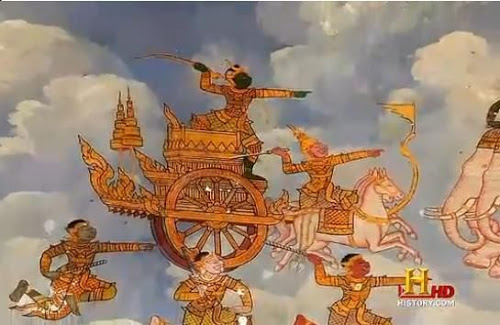
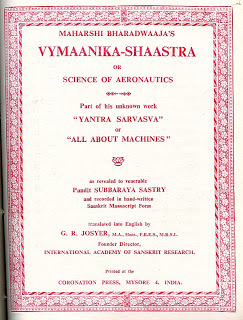
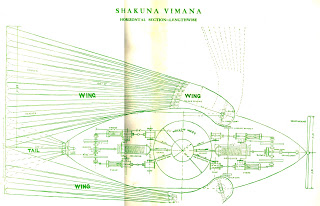
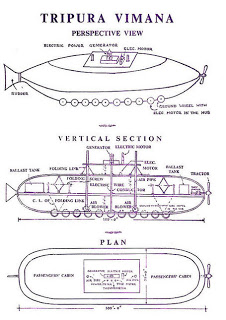
இந்து மத நூல்களிலும் சங்க இலக்கியத்திலும் சிலப்பதிகாரத்திலும் விமானம் பற்றிய குறிப்புகள் உள்ளன. உண்மையிலேயே காற்றடைத்த பலூன் விமானம் செய்வது பற்றிய சம்ஸ்கிருத நூல்களும் (வைமானிக சாஸ்திரம்) இருக்கின்றன. ஆனால் இக்கட்டுரையில் வரும் விமானங்கள், —-தேவலோக விமானங்கள்!

புறநானூற்றில் உள்ள செய்தியும் திருஞான சம்பந்தர் தேவாரப் படலில் உள்ள செய்தியும் சுவையான செய்திகள். சிவ பக்தர்களை தேவலோக விமானங்கள் ஏற்றிச் செல்லும் என்றும் அங்கு சென்றபின் அவர்கள் அரசர் போல ஆட்சி செலுத்தலாமென்றும் பாடுகிறார். ஆனால் ஒரு நிபந்தனை உண்டு; பக்தி சிரத்தையுடன் ஆடல் பாடலுடன் மனம் உருகிப் பாடுவோருக்கே இந்த விமானம் வரும். இதோ அவருடைய பாடல்:


“விண்ணியல் விமானம் விரும்பிய பெருமான்

வெங்குரு மேவியுள் வீற்றிருந்தாரை

நண்ணிய நூலன் ஞான சம்பந்தன்

நவின்ற இவ்வாய்மொழி நலமிகு பத்தும்

பண்ணியல்பாகப் பத்திமையாலே

பாடியும் ஆடியும் பயில வல்லோர்கள்

விண்ணவர் விமானம் கொடுவர ஏறி

வியனுலகாண்டு வீற்றிருப்பாரே” (முதல் திருமுறை/ சம்பந்தர்)

வெங்குருவில் (சீர்காழியில்) பாடிய தேவாரம் இது.

சிலப்பதிகார காவியம் தோன்றுவதற்கு காரணம் கானக மாக்கள் கண்ட ஒரு அதிசய நிகழ்ச்சியாகும். மரத்துக்கு அடியில் ஒருமுலை இழந்த நிலையில் நின்றிருந்த கண்ணகியை அவர் கணவன் கோவலன் வந்து அழைத்துச் சென்ற காட்சியைப் பார்த்தவுடன் அவர்கள் அசந்து போய்விட்டனர். அப்போழுது காட்டுப் பகுதிகளில் இயற்கை அழகை கண்டு ரசிக்க வந்த செங்குட்டுவனிடம் இதைக் கூறியபோது அவருக்கும் வியப்பு மேலிடுகிறது. அருகே இருந்த தண் தமிழ்ப் புலவன் சாத்தனார் ஆதியோடு அந்தமாக நடந்த நிகழ்ச்சிகளைச் சுருக்கமாக கூறுகிறார். பின்னர் இளங்கோ அடிகளின் அழியாச் சொற்களில் அற்புதமாக உருவெடுத்தது சிலம்பு. இதோ மலர்மாரி பொழிய கண்ணகி விண்ணுலகம் சென்றதை இளங்கோவின் சொற்களில் படியுங்கள்:


“ என்றலும் இறைஞ்சி, அஞ்சி,

இணை வளைக்கை எதிர்கூப்பி,

நின்ற எல்லையுள் வானவரும்

நெடுமாரி மலர் பொழிந்து,

குன்றவரும் கண்டு நிற்பக்,

கொழுநனொடு கொண்டுபோயினார்;

இவள் போலும் நங்குலக்கோர்

இருந்தெய்வம் இல்லை;

(பெரிய தெய்வம், குன்றக் குறவை, சிலப்பதிகாரம்)

புறநானூறு கூறும் புதுச் செய்தி

சங்க இலக்கியத்தில் பழமையான நூல் புறநானூறு. 2000 ஆண்டுகளுக்கு முன் தமிழர் வாழ்ந்த நிலையைப் படம் பிடித்துக் காட்டுகிறது இந்த நூல்.

“புலவர் பாடும் புகழுடையோர் விசும்பின்

வலவன் ஏவா வான ஊர்தி

எய்துப, என்ப, தம் செய்வினை முடித்து எனக்

கேட்பல் எந்தை! சேட்சென்னி! நலங்கிள்ளி (புறம்.27, மு.க.சாத்தனார்)

சோழன் நலங் கிள்ளி மீது முதுகண்ணன் சாத்தனார் பாடிய பாடலில் நல்வினை செய்வோரை வான ஊர்தி ஏற்றி செல்லும் என்றும் அந்த விமானம் விமானி இல்லாமல் தானாக ஓடும் விமானம் என்றும் கூறுகிறார். வலவன் ஏவா என்று அடைமொழி கொடுத்ததில் இருந்து வலவன் ஓட்டிய விமானங்களும் அக்காலத்தில் இருந்தது சொல்லாமல் விளங்கும். இது போன்ற விமானத்தில் செல்லும் பேறு பெற்றோர் புலவர் பாடும் புகழ்மிகும் செயல்களைச் செய்தவர்கள் என்றும் சாத்தனார் பாடுகிறார்.

ராமர்—ராவணன்- குபேர விமானம்

ராமாயணத்தில் வரும் புஷ்பக விமானம் முதலில் குபேரனிடம் இருந்தது. அதை ராவனன் அபகரித்தான். ராமர், இலங்கையை வென்றவுடன் அது அவர் கைக்கு வந்தது. அதில் இலங்கையில் இருந்து அவர் அயோத்தி வரை விரைவாகச் சென்ரறதை நாம் அறிவோம்.

வால்மீகி ராமாயண யுத்த காண்டத்தில் (அத்தியாய 121) தசரத மன்னன் ராமருக்குக் காட்சி கொடுத்த சம்பவத்திலும் தசரதர் விமானத்தில் வந்ததைப் படிக்கிறோம். ஆனால் 5000 ஆண்டுக் கால நூல்களில் மொத்தம் மூன்று நான்கு இடங்களில் மட்டுமே வருவதால் இது உண்மை என்றும் அபூர்வமானது என்றும் அறிகிறோம். சீவக சிந்தாமணி போன்ற நூல்களில் பறக்கும் வாகனங்கள் வந்தாலும் அவை கதைக்குச் சுவையூட்ட எழுந்த கற்பனையா உண்மையா என்று அறிய முடிவதில்லை.

(Two articles on Subbaraya Shastry, author of Vaimanika Shastra, written by my brother S Nagarajan have been posted in this blog last year.)

contact swami_48@yahoo.com


Miracle of Entering in to Another Body

Transmigration of Soul: Parakaya Pravesa

Tirumular became a cowherd

Arunagirinathar became a parrot

Adi  Shankara became a king

Vikramaditya story speaks of transmigration of soul


Hindus believe in Parakaya Pravesa.It is the power of one’s soul to enter in to another’s body. The other body may be of an animal or a bird or a human being. Scientists don’t believe in rebirth or soul. Hindus, Buddhists, Jains and Sikhs believe in it. Hindus believe in Eight Great (miraculous) Powers known as Ashta Ma Siddhi. Though ‘ Parakaya Pravesa’  is not one of the eight great powers, whoever has attained yogic powers can do it. We have three interesting anecdotes of Parakaya Pravesa. It is about Adi Shankara, Tamil saints Arunagirinathar and Tirumular. We find this miracle in lot of stories like Vikramaditya and Vetal.

Swami Rama says that when one frees one’s consciousness from the identification of his or her body Para Kaya Pravesa (Para=another, Kaya=body, Pravesa=entering) is possible. This technique is explained in Yoga sutra (3-37). This power has been rarely used by our saints. We have got three interesting episodes in the life of Adi Shankara, Tirumular and Arunagirinathar. Now Science fiction TV serials use similar techniques. Parapsychology departments in several universities have collected lot of amazing stories of rebirths. But scientists are hesitant to say that they are rebirths because it will go against their (Semitic) religions. At the same time they struggle to explain the exciting stories about rebirths.(  have published several stories in this blog in Tamil).


Adi Shankara entered the body of a king

Shankara defeated Mandanamishra in a debate. But his wife Sarasavani who acted as the judge (moderator) in the debate challenged him. She asked difficult questions about sex and family life. She knew that Adi Shankara couldn’t answer such questions because of his astute Brahmacharya (celibacy). Wise Shankara asked for some time to give her the answers. While Shankara was walking through a jungle along with his disciples he saw the dead body of a king. His name was Amarukan. He told his disciples that he is going to enter in to the body of the king Amaruka and asked his disciples to preserve his body in a cave till he returns. Shankara became king Amaruka and went back to the king’s palace. During his life as a king, he learnt all about the sexual pleasures and family life. He returned to his own body after some time and answered all the questions raised by Sarasavani. This is the oldest Parakaya Pravesa story. Adi Shankara lived before Christ. Since he was mistaken with another great Shankara called Abi Nava ( meaning ‘once more a new’) Shankara, scholars placed him in eighth century AD.

(Please read my post Lie Detectors in Upanishads, where I have given details of Mandana-Shankara debate)


Tirumular became a cowherd

One of the 18 Tamil Siddhas is Tirumular. He wrote Tirumanthiram which is part of Saivite literature. Periya Puranam gives his life history in detail. He was initiated by great Nandi in Mount Kailash. He came down to the south to meet Agastya. On his way to Podigai hills from Tiru Avaduthurai, he saw a flock of cows grieving over the death of their herdsman. His name was Mulan and he hailed from nearby village Sattanur. Pitying the cows he used the power of Para Kaya Pravesa (entering in to another body) he entered in to Mulan’s body. But his behaviour was strange. When Mulan’s wife touched him, he got a shock and sat under a tree in meditation. After some time he came in search of his original body which he hid in the hollow of a tree trunk. When he couldn’t find it,  he remained Tiru Mular and composed 3000 Tamil verses. This is the second parakaya pravesa story. Tiru Mular was said to have lived 3000 years, but his language and style places him in eighth century AD.


Arunagirinathar became a Parrot

The most interesting story of Parakaya pravesa is that of Tamil saint Arunagirinathar. He was the author of Tiruppugaz, Kanthar Alankaram and Kanthar Anubhuti. His new style was greatly appreciated by Tamil poets of his time (15th Century). Like any other poet he had some jealous enemies. One of them was Sambandan. The local king became blind after seeing Lord Skanda  as bright as sun. Sambandan wanted to take revenge upon Arunagirinahar using this blindness. He told the king to fetch Parijatha flower from heaven through Arunagiri so that his blindness can be cured. The king ordered Arunagiri to get the flower. Arunagiri left his body and entered in to the dead body of a parrot to go to heaven. He hid his body in a place before doing the Para Kaya Pravesa. Sambandan who was watching every movement of Arunagiri, burnt the body of Arunagiri as soon as he left in the form a parrot. When parrot (arunagiri) returned with the heavenly flower the body was not there. He realised what happened and told the king. The king apologised to Arunagiri. But Arunagiri never stopped his compositions. He composed Kanthar anubhuti in Tamil. The tower where he remained as a parrot and composed this poem is called Kili Kundu Gopuram (Parrot Tower) in Tiruvannamalai. This is the third popular Para kaya Pravesa story.

We have several transmigration incidents in stories such as Vikramaditya and Vetal. But they all come under the category of fiction. This Parakaya Pravesa is purely a Hindu belief.

Contact swami_48@yahoo.com


சினம் காக்க!

12.ராமாயண வழிகாட்டி

அத்தியாயம் – 12 ச.நாகராஜன் 

சினம் காக்க!


இலங்கையைக் கொளுத்திய பின்னர் அனுமன் சற்று சிந்திக்கிறார்.

ஆஹா! என்ன காரியம் செய்து விட்டேன் என்று நினைத்த அவருக்கு மனதில் பயம் உண்டாயிற்று. அப்போது அவர் கூறிய நான்கு ஸ்லோகங்கள் சுந்தரகாண்டத்தில் ஐம்பத்தைந்தாவது ஸர்க்கத்தில் 3,4,5,6வது ஸ்லோகங்களாக அமைகின்றன.


தன்யாஸ்தே புருஷ ச்ரேஷ்டோ யே புத்யா கோபமுத்திதம்

நிருந்தந்தி  மஹாத்மானோ தீப்த மக்னி மிவாம்பஸா


யே – எவர்கள்

உத்திதம் கோபம் – சீறி வரும் சினத்தை

புத்யா – அறிவைக் கொண்டு

தீப்தம் அக்னி –பற்றி எரியும் தீயை

அம்பஸா – நீரைக் கொண்டு

இவ – எப்படி அணைக்கிறார்களோ அப்படியே

நிருந்தந்தி – அடக்கிக் கொள்கிறார்களோ

தே – அவர்களே

தன்யா: – தன்யர்கள்

புருஷ ச்ரேஷ்டா – புருஷ ச்ரேஷ்டர்கள்

மஹாத்மான: – மஹாத்மாக்கள்


எவர்கள் சீறி வரும் சினத்தை அறிவைக் கொண்டு பற்றி எரியும் தீயை ஜலத்தால் அணைப்பது போல அடக்கிக் கொள்கிறார்களோ அவர்களே தன்யர்கள்; புருஷர்களில் உயர்ந்தவர்கள்; மஹாத்மாக்கள்.


க்ருதத: பாபம் ந குர்யாத்க: க்ருத்தோ ஹன்யாத் குரூநபி

க்ருத்த: பருஷயா வாசா நர: ஸாதூநதிக்ஷிபேத்


க்ருதத: – கோபத்திற்காளாகிய

க: – எவன் தான்

பாபம் – பாவத்தொழிலை

ந குர்யாத் – செய்யாதிருப்பான்?

க்ருதத: – கோபம் கொண்டவன்

குரூன் அபி – பெரியோர்களையும் கூட

ஹன்யாத் – கொலை புரிவான்

க்ருதத: – கோபத்திற்காளான

நர: – புருஷன்

பருஷயா – கடுமையான

வாசா – மொழியால்

சாதூன் – சாதுக்களை

அதிக்ஷிபேத் – எடுத்தெறிந்து பேசுவான்


கோபத்திற்காளாகிய எவன் தான் பாவத் தொழிலைச் செய்யாதிருப்பான்? கோபம் கொண்டவன் பெரியோர்களைக் கூடக் கொலை செய்வான். கோபத்திற்காளான புருஷன் கடுமையான மொழியால் சாதுக்களை எடுத்தெறிந்து பேசுவான்,


வாச்யாவாச்யம் ப்ரகுபிதோ ந விஜானாதி கர்ஹிசித்

நாகார்யமஸ்தி க்ருத்தஸ்ய நாவாச்யம் வித்யதே க்வசித்


ப்ரகுபித: – கோபம் தலைக்கேறியவன்

வாச்யாவாச்யம் – எது சொல்லத் தகுந்தது எது சொல்லத்தகாதது என்பதை

கர்ஹிசித் – எப்பொழுதும்

ந விஜானாதி – பகுத்தறிய முடியாது

க்ருத்தஸ்ய –கோபம் கொண்டவனுக்கு

அகார்யம் – தகாத செயல் என்பது

ந அஸ்தி – இல்லை

க்வசித் – இந்த ஸ்திதியில்

அவாக்யம் – தகாத சொல்லென்பதும்

ந வித்யதே – கிடையாது


கோபம் தலைக்கேறியவனுக்கு எது சொல்லத் தகுந்தது எது சொல்லத் தகாதது என்பதைப் பகுத்தறியவே முடியாது. கோபம் கொண்டவனுக்குத் தகாத செயல் என்பது இருக்கவே இருக்காது. அப்படிப்பட்ட நிலையில் தகாத சொல் என்பதும் அவனுக்குக் கிடையாது,


ய ஸமுத்பதிதம் க்ரோதம் க்ஷமயைவ நிரஸ்யதி

யதோரக ஸ்த்வசம் ஜீர்ணாம் ஸவை புருஷ உச்யதே


ய: – எவனொருவன்

ஸமுத்பதிதம் – தலைக்கு மேலேறிய

க்ரோதம் – சினத்தை

க்ஷமயா – பொறுமையைக் கொண்டு

உரக: – சர்ப்பம்

ஜீர்ணாம் – ஜீர்ணமான

த்வசம் – தோலை

யதா – எப்படி விடுகிறதோ அப்படி

நிரஸ்யதி – விட்டு விடுகிறானோ

ஸ: வை – அவன் தான்

புருஷ: ஏவ – ஆண்பிள்ளையென

உச்யதே – சொல்லப்படுகிறான்


எவனொருவன் தலைக்கு மேலேறிய கோபத்தை பொறுமையின் மூலம் சர்ப்பம் ஜீரணமான தோலை எப்படி விட்டு விடுகிறதோ அதே போல விட்டு விடுகிறானோ அவனே ஆண்பிள்ளை என்று சொல்லப்படுகிறான்.

கோபத்தைப் பற்றிய அனுமனின் இந்த சிந்தனை மனித குலத்திற்கே உரியது அல்லவா!

செல்லிடத்துக் காப்பான்  சினம் காப்பான்அல்லிடத்துக்

காக்கின் என்? காவாக்கால் என்? (குறள் 301) என்று எங்கு கோபம் செல்லுபடியாகுமோ அங்கே தான் முக்கியமாக சினம் கொள்ளாமல் இருக்க வேண்டும் என்று வள்ளுவர் கூறுவது பொருள் பொதிந்ததல்லவா!வெகுளாமை அதிகாரத்தில் அவர் கூறும் 10 குறள்களும் கருத்தூன்றிப் படித்துக் கடைப்பிடிக்க வேண்டியவை.


தன்னைத் தான் காக்கின் சினம் காக்க காவாக்கால்

தன்னையே கொல்லும் சினம் (குறள் 305)

சினம் காக்கப்படாவிட்டால் அது தன்னையே அழித்து விடும் என்பது வள்ளுவரின் எச்சரிக்கை.

இலங்கையில் அனுமன் சினம் பற்றி நன்கு சிந்தித்து அதன் பாதகங்களை நன்கு தெளிவாக்குகிறான்!


அனுமனின் சிந்தனை மனித குலத்திற்கான பொதுவான சிந்தனை அல்லவா!

**********  


காஞ்சீபுரம் கோவில்கள்

LIST OF KANCHIPURAM TEMPLES

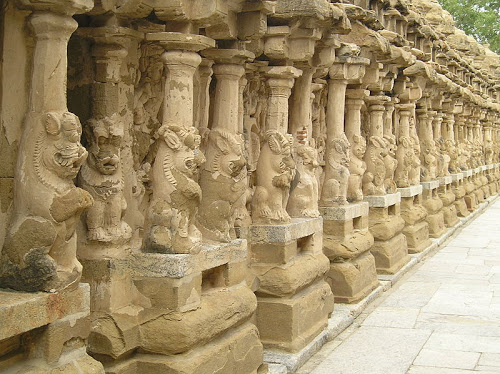
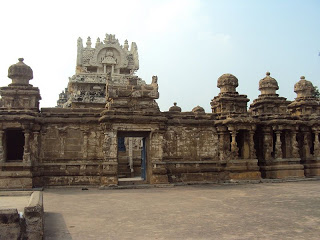
Picture of Kailasanathar temple (Pictures from Wikipedia)

“ புஷ்பேசு ஜாதி, புருஷேசு விஷ்ணு

நாரீஷு ரம்பா நகரேஷு காஞ்சி “


என்று சம்ஸ்கிருதத்தில் ஒரு ஸ்லோகம் உண்டு. புஷ்பங்களில் ஜாதி முல்லை/மல்லிகை சிறந்தது, புருஷர்களில் பெரியவர் விஷ்ணு, பெண்களில் சிறந்தவர் ரம்பா, நகரங்களில் சிறந்தது காஞ்சீபுரம். இதை காளிதாசர் செய்ததாகச் சொல்லுவர்.


காஞ்சீபுரம் மஹாபாரத காலம் முதல் இன்றுவரை சீரும் சிறப்புடனும் திகழ்கிறது. சங்க இலக்கியம் பெரும்பாணாற்றுப்படை முதல் பல்லவர் கல்வெட்டுகள் வரை அனைத்தும் காஞ்சியின் புகழ் பாடுகின்றன. காஞ்சியை வெற்றிகொண்ட சாளுக்கிய மன்னன் ஆறாம் விக்ரமாதித்தன் அதன் அழகைக் கண்டு வியந்து இந்த நகரை அழிக்கவேண்டாம் என்று உத்தரவிட்டான். அந்தக் காலத்தில் ஒரு மன்னன் வெற்றிகொண்ட மாற்றான் நாட்டு நகரங்களைத் தீக்கிரையாக்குவது வழக்கம். காஞ்சிபுரம் மட்டும் தப்பியது என்றால் பார்த்துக் கொள்ளுங்களேன்!


பதஞ்சலி மகரிஷி, போதிசத்துவர், ஆதிசங்கரர், பல்லவ மன்னர்கள், கச்சியப்ப சிவாச்சாரியார் மற்றும் பட்டுப் புடவைகள் மூலம் காஞ்சி உலக வரை படத்தில் அழியா இடம் பெற்றுவிட்டது. இந்தக் காட்டுரை காஞ்சியில் உள்ள நூற்றுக்கும் மேலான கோவில்களில் முக்கிய 83 கோவில்களைப் பட்டியல் இடுகிறது.

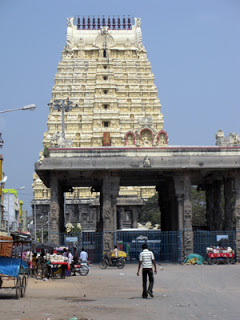
Picture of Ekampareswarar Temple

1.அகஸ்தீஸ்வரர் கோவில் 2.அபிராமீஸ்வரர் கோவில் 3.அமரேஸ்வரர் கோவில் 4.அஷ்டபுஜர் கோவில் 5.ஆலடிப்பிள்ளையார் கோவில் 6.இராமேஸ்வரர் கோவில் 7.இலட்சுமணேஸ்வரர் கோவில் 8.இறவாஸ்தாணீஸ்வரர் கோவில் 9.ஈயகோஷ்டேஸ்வரர் கோவில் 10.ஈஸ்வரர் கோவில்

11.உருத்ரகோடீஸ்வரர் கோவில் 12.உலகளந்த பெருமாள் கோவில் 13.ஏகாம்பரேஸ்வரர் கோவில் 14.ஐராவதேஸ்வரர் கோவில் 15.ஓணகாந்தேஸ்வர கோவில் 16.கங்கணேஸ்வரர் கோவில் 17.கங்காதேஸ்வரர் கோவில (ஒக்கப்பிறந்தான் கோவில குளக்கரை) 18. கங்காதேஸ்வரர் கோவில் (சர்வதீர்த்த குளக்கரை) 19.கச்சபேஸ்வரர் கோவில் 20.கடகேஸ்வரர் கோவில்


21.கயிலாயநாதர் கோவில் 22. காசி விசுவநாதர் கோவில் 23.காஞ்சி காமாட்சி கோவில் 24.காயாரோஹணேஸ்வரர் கோவில் 25.காளிகாம்பாள் கோவில் 26.குமரகோட்டம் கோவில் 27.சங்குபாணிப் பிள்ளையார் கோவில் 28.சதுர்புஜ ஆஞ்சநேயர் கோயில் கோவில் 29.சித்தீஸ்வரர் கோவில் 30.சித்ரகுபத் சுவாமி கோவில்

31.சிவாஸ்தானம் கோவில் 32.சீதேஸ்வரர் கோவில் 33.தவளேஸ்வரர் கோவில் 34.தாந்தோன்றீச்வரர் கோயில 35.திருக்கச்சி அநேக தங்காவதம் கோவில் 36. திருக்கச்சி மயானம் கோவில் 37.திருக் காஞ்சீஸ்வரர் கோவில் 38.திருக்காளீஸ்வரர் கோவில் 39.திருமேற்றளி கோவில் 40.திருவெட்டானீஸ்வரர் கோவில்

Picture of Kailasanathar temple

41.தீபப்ரகாசர் கோவில் 42.தீர்த்தேஸ்வரர் கோவில் 43.திரிகால ஞானேஸ்வரர் கோவில் 44.நகரீஸ்வரர் கோவில் 45.நசிம்மஸ்வாமி கோவில் 46.பச்சைவண்ணர் கோவில் 47.பவழவண்ணர் கோவில் 48.பணாதரேஸ்வரர் கோவில் 49.பாகீஸ்வரர் கோவில் 50.பாண்டவப்பெருமாள் கோவில்


51.பிறவாஸ்தானீஸ்வரர் கோவில் 52.புண்யகோடீஸ்வரர் கோவில் 53.பெருமாள் (செவிலிமேடு) கோவில் 54.மச்சேஸ்வரர் கோவில் 55.மணிகண்டேஸ்வரர் கோவில் 56.மதங்கேஸ்வரர் கோவில் 57.மல்லிகார்ஜுனன் கோவில் 58.மன்மதேஸ்வரர் கோவில் 59.மாண்டகன்னீஸ்வரர் கோவில் 60.முக்தீஸ்வரர் கோவில (அடிசன் பேட்டை காந்தி ரோடு)

61. முக்தீஸ்வரர் கோவில் ( கீழண்டை ராஜ வீதி) 62.யதோத்காரி கோவில் 63.வரதராஜர் கோவில் 64.வரதராஜர் சந்நிதி ஆஞ்சநேயர் கோவில் 65.வளத்தீஸ்வரர் கோவில் 66.வியாச சாந்தலீஸ்வரர் கோவில் 67.விருபாட்சீஸ்வர கோவில் 68.வைகுண்டப் பெருமாள் கோவில் 69.வைரவேஸ்வரர் கோவில் 70.ஜூரஹரேஸ்வரர் கோவில்

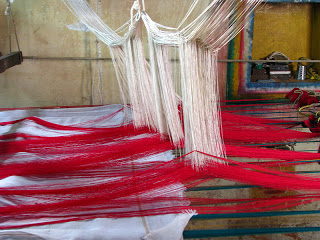
Picture of silk sari weaveing

71.ஹிரண்யேஸ்வரர் கோவில் (நன்றி: காஞ்சீபுரம் மலர், மார்ச் 1979, பக்கம் 32) 72.வீற்றிருந்த லட்சுமண பெருமாள் கோவில் 73.அழகியசிங்கர் கோவில்(திருவெஃகா 74.ஜகதீஸ்வரர் கோவில் 75.ஆதிவாரஹப் பெருமாள் கோவில் 76.ஸ்ரீ சத்யநாதீஸ்வர கோவில் 77.ஸ்ரீ கருணாகரப் பெருமாள் கோவில் 78.கூரன் ஆதிகேசவப் பெருமாள் கோவில் 79.ஸ்ரீ விஜயராகவ பெருமாள் கோவில்

80.ஆதிகாமாட்சி கோவில் 81. கல்யாண வரதராஜப் பெருமாள் கோவில் 82.கோனேரிபுரம் கனகதுர்கா கோவில் 83..திருபருத்திகுன்றம் ஜைனர் கோவில் கோவில்.


List of Temples dedicated to Lord Vishnu (Source:- SCSVMV University)
• Varadharaja Perumal Temple
• Ashtabujakaram – Sri Adhikesava Perumal Temple
• Tiruvekkaa – Sri Yathothkari Temple
• Tiruththanka – Sri Deepa prakasa Perumal Temple
• Tiruvelukkai – Sri Azhagiya Singar Temple
• Neervalur – Sri Veetrirunda Lakshmi Narayana Perumal Temple
• Tirukalvanoor – Sri Adi Varaha Swami Temple
• Tiruoorakam – Sri Ulaganatha Swami Temple
• Tiruneeragam – Sri Jagadeeshwarar Temple
• Tirukaaragam – Sri Karunagara Perumal Temple
• Tirukaarvaanam – Sri Tirukaarvarnar Temple
• Tiruparamechura Vinnagaram – Sri Vaikunda Perumal Temple
• Tirupavalavannam – Sri Pavala Vanar Temple
• Tirupaadagam – Sri Pandava Thoodar Temple
• Tirunilaaththingalthundam – Sri Nilathingal Thundathan Perumal Temple
• Tirupputkuzhi – Sri Vijaya Raghava Perumal Temple
• Parithiyur-Kalyana Varadharaja Perumal Temple
• Sri Aadhi Kesava Perumal – Kooran [about 8 to 9 km from Kanchipuram]

List of Temples dedicated to Lord Shiva

• Kailasnatha Temple
• Ekambareswarar Temple
• Kachi Metrali
• Onakanthan Tali
• Kachi Anekatangapadam
• Kachi Nerikkaaraikkadu
• Kuranganilmuttam
• Tiru Maakaral
• Tiruvothur
• Panankattur
• Sangupani Vinayakar Temple
• Vazhakarutheeswarar Temple
• Thirumetrali Temple
• Satyanadeeswara Temple
• Adhi Kamakshi Temple
• Kanaka Durga Temple, Koneri Kuppam
• Thiruparruthikundram – Jaina Temple

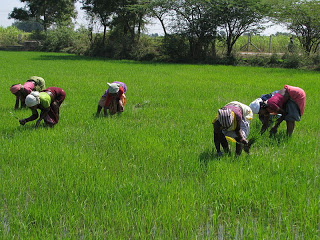
Picture of Kanchipuram Paddy fields.

Contact swami_48@yahoo.com