காஞ்சீபுரம் கோவில்கள்

LIST OF KANCHIPURAM TEMPLES
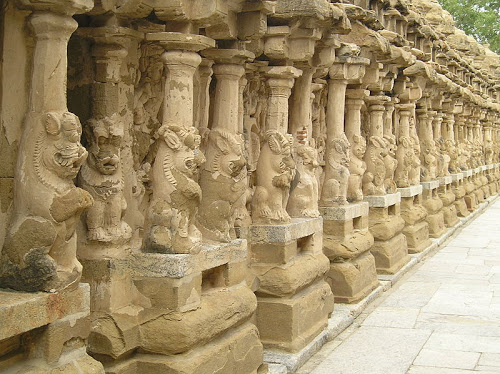
Picture of Kailasanathar temple (Pictures from Wikipedia)

“ புஷ்பேசு ஜாதி, புருஷேசு விஷ்ணு

நாரீஷு ரம்பா நகரேஷு காஞ்சி “


என்று சம்ஸ்கிருதத்தில் ஒரு ஸ்லோகம் உண்டு. புஷ்பங்களில் ஜாதி முல்லை/மல்லிகை சிறந்தது, புருஷர்களில் பெரியவர் விஷ்ணு, பெண்களில் சிறந்தவர் ரம்பா, நகரங்களில் சிறந்தது காஞ்சீபுரம். இதை காளிதாசர் செய்ததாகச் சொல்லுவர்.


காஞ்சீபுரம் மஹாபாரத காலம் முதல் இன்றுவரை சீரும் சிறப்புடனும் திகழ்கிறது. சங்க இலக்கியம் பெரும்பாணாற்றுப்படை முதல் பல்லவர் கல்வெட்டுகள் வரை அனைத்தும் காஞ்சியின் புகழ் பாடுகின்றன. காஞ்சியை வெற்றிகொண்ட சாளுக்கிய மன்னன் ஆறாம் விக்ரமாதித்தன் அதன் அழகைக் கண்டு வியந்து இந்த நகரை அழிக்கவேண்டாம் என்று உத்தரவிட்டான். அந்தக் காலத்தில் ஒரு மன்னன் வெற்றிகொண்ட மாற்றான் நாட்டு நகரங்களைத் தீக்கிரையாக்குவது வழக்கம். காஞ்சிபுரம் மட்டும் தப்பியது என்றால் பார்த்துக் கொள்ளுங்களேன்!


பதஞ்சலி மகரிஷி, போதிசத்துவர், ஆதிசங்கரர், பல்லவ மன்னர்கள், கச்சியப்ப சிவாச்சாரியார் மற்றும் பட்டுப் புடவைகள் மூலம் காஞ்சி உலக வரை படத்தில் அழியா இடம் பெற்றுவிட்டது. இந்தக் காட்டுரை காஞ்சியில் உள்ள நூற்றுக்கும் மேலான கோவில்களில் முக்கிய 83 கோவில்களைப் பட்டியல் இடுகிறது.
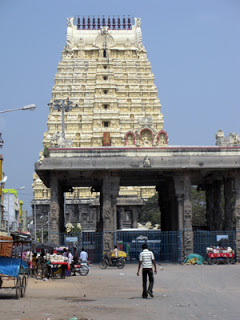
Picture of Ekampareswarar Temple

1.அகஸ்தீஸ்வரர் கோவில் 2.அபிராமீஸ்வரர் கோவில் 3.அமரேஸ்வரர் கோவில் 4.அஷ்டபுஜர் கோவில் 5.ஆலடிப்பிள்ளையார் கோவில் 6.இராமேஸ்வரர் கோவில் 7.இலட்சுமணேஸ்வரர் கோவில் 8.இறவாஸ்தாணீஸ்வரர் கோவில் 9.ஈயகோஷ்டேஸ்வரர் கோவில் 10.ஈஸ்வரர் கோவில்

11.உருத்ரகோடீஸ்வரர் கோவில் 12.உலகளந்த பெருமாள் கோவில் 13.ஏகாம்பரேஸ்வரர் கோவில் 14.ஐராவதேஸ்வரர் கோவில் 15.ஓணகாந்தேஸ்வர கோவில் 16.கங்கணேஸ்வரர் கோவில் 17.கங்காதேஸ்வரர் கோவில (ஒக்கப்பிறந்தான் கோவில குளக்கரை) 18. கங்காதேஸ்வரர் கோவில் (சர்வதீர்த்த குளக்கரை) 19.கச்சபேஸ்வரர் கோவில் 20.கடகேஸ்வரர் கோவில்


21.கயிலாயநாதர் கோவில் 22. காசி விசுவநாதர் கோவில் 23.காஞ்சி காமாட்சி கோவில் 24.காயாரோஹணேஸ்வரர் கோவில் 25.காளிகாம்பாள் கோவில் 26.குமரகோட்டம் கோவில் 27.சங்குபாணிப் பிள்ளையார் கோவில் 28.சதுர்புஜ ஆஞ்சநேயர் கோயில் கோவில் 29.சித்தீஸ்வரர் கோவில் 30.சித்ரகுபத் சுவாமி கோவில்

31.சிவாஸ்தானம் கோவில் 32.சீதேஸ்வரர் கோவில் 33.தவளேஸ்வரர் கோவில் 34.தாந்தோன்றீச்வரர் கோயில 35.திருக்கச்சி அநேக தங்காவதம் கோவில் 36. திருக்கச்சி மயானம் கோவில் 37.திருக் காஞ்சீஸ்வரர் கோவில் 38.திருக்காளீஸ்வரர் கோவில் 39.திருமேற்றளி கோவில் 40.திருவெட்டானீஸ்வரர் கோவில்
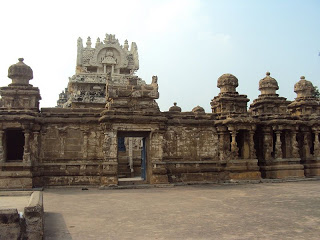
Picture of Kailasanathar temple

41.தீபப்ரகாசர் கோவில் 42.தீர்த்தேஸ்வரர் கோவில் 43.திரிகால ஞானேஸ்வரர் கோவில் 44.நகரீஸ்வரர் கோவில் 45.நசிம்மஸ்வாமி கோவில் 46.பச்சைவண்ணர் கோவில் 47.பவழவண்ணர் கோவில் 48.பணாதரேஸ்வரர் கோவில் 49.பாகீஸ்வரர் கோவில் 50.பாண்டவப்பெருமாள் கோவில்


51.பிறவாஸ்தானீஸ்வரர் கோவில் 52.புண்யகோடீஸ்வரர் கோவில் 53.பெருமாள் (செவிலிமேடு) கோவில் 54.மச்சேஸ்வரர் கோவில் 55.மணிகண்டேஸ்வரர் கோவில் 56.மதங்கேஸ்வரர் கோவில் 57.மல்லிகார்ஜுனன் கோவில் 58.மன்மதேஸ்வரர் கோவில் 59.மாண்டகன்னீஸ்வரர் கோவில் 60.முக்தீஸ்வரர் கோவில (அடிசன் பேட்டை காந்தி ரோடு)

61. முக்தீஸ்வரர் கோவில் ( கீழண்டை ராஜ வீதி) 62.யதோத்காரி கோவில் 63.வரதராஜர் கோவில் 64.வரதராஜர் சந்நிதி ஆஞ்சநேயர் கோவில் 65.வளத்தீஸ்வரர் கோவில் 66.வியாச சாந்தலீஸ்வரர் கோவில் 67.விருபாட்சீஸ்வர கோவில் 68.வைகுண்டப் பெருமாள் கோவில் 69.வைரவேஸ்வரர் கோவில் 70.ஜூரஹரேஸ்வரர் கோவில்
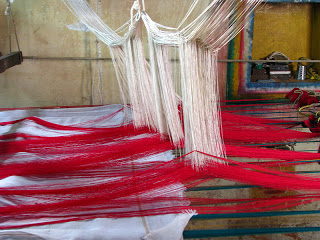
Picture of silk sari weaveing

71.ஹிரண்யேஸ்வரர் கோவில் (நன்றி: காஞ்சீபுரம் மலர், மார்ச் 1979, பக்கம் 32) 72.வீற்றிருந்த லட்சுமண பெருமாள் கோவில் 73.அழகியசிங்கர் கோவில்(திருவெஃகா 74.ஜகதீஸ்வரர் கோவில் 75.ஆதிவாரஹப் பெருமாள் கோவில் 76.ஸ்ரீ சத்யநாதீஸ்வர கோவில் 77.ஸ்ரீ கருணாகரப் பெருமாள் கோவில் 78.கூரன் ஆதிகேசவப் பெருமாள் கோவில் 79.ஸ்ரீ விஜயராகவ பெருமாள் கோவில்

80.ஆதிகாமாட்சி கோவில் 81. கல்யாண வரதராஜப் பெருமாள் கோவில் 82.கோனேரிபுரம் கனகதுர்கா கோவில் 83..திருபருத்திகுன்றம் ஜைனர் கோவில் கோவில்.


List of Temples dedicated to Lord Vishnu (Source:- SCSVMV University)
• Varadharaja Perumal Temple
• Ashtabujakaram – Sri Adhikesava Perumal Temple
• Tiruvekkaa – Sri Yathothkari Temple
• Tiruththanka – Sri Deepa prakasa Perumal Temple
• Tiruvelukkai – Sri Azhagiya Singar Temple
• Neervalur – Sri Veetrirunda Lakshmi Narayana Perumal Temple
• Tirukalvanoor – Sri Adi Varaha Swami Temple
• Tiruoorakam – Sri Ulaganatha Swami Temple
• Tiruneeragam – Sri Jagadeeshwarar Temple
• Tirukaaragam – Sri Karunagara Perumal Temple
• Tirukaarvaanam – Sri Tirukaarvarnar Temple
• Tiruparamechura Vinnagaram – Sri Vaikunda Perumal Temple
• Tirupavalavannam – Sri Pavala Vanar Temple
• Tirupaadagam – Sri Pandava Thoodar Temple
• Tirunilaaththingalthundam – Sri Nilathingal Thundathan Perumal Temple
• Tirupputkuzhi – Sri Vijaya Raghava Perumal Temple
• Parithiyur-Kalyana Varadharaja Perumal Temple
• Sri Aadhi Kesava Perumal – Kooran [about 8 to 9 km from Kanchipuram]

List of Temples dedicated to Lord Shiva

• Kailasnatha Temple
• Ekambareswarar Temple
• Kachi Metrali
• Onakanthan Tali
• Kachi Anekatangapadam
• Kachi Nerikkaaraikkadu
• Kuranganilmuttam
• Tiru Maakaral
• Tiruvothur
• Panankattur
• Sangupani Vinayakar Temple
• Vazhakarutheeswarar Temple
• Thirumetrali Temple
• Satyanadeeswara Temple
• Adhi Kamakshi Temple
• Kanaka Durga Temple, Koneri Kuppam
• Thiruparruthikundram – Jaina Temple
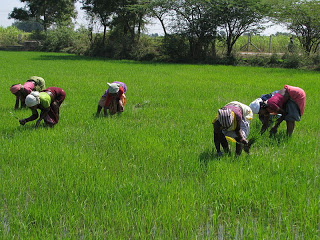
Picture of Kanchipuram Paddy fields.

Contact swami_48@yahoo.com

தூதர்கள் படுகொலை

பிராமண தூதர்கள் படுகொலை

(இந்தக் கட்டுரை ஏற்கனவே ஆங்கிலத்தில் என்னால் வெளியிடப்பட்டுள்ளது)


தூய்மை துணைமை துணிவுடைமை இம்மூன்றின்

வாய்மை வழியுரைப்பான் பண்பு (தூது, குறள் 688)


உலகிலேயே தூதர்களுக்கான இலக்கணம் வகுத்த முதல் நாடு இந்தியாதான். தூதர்களுக்கான குண நலன்களை வகுத்ததோடு அவர்களுக்கான சட்ட திட்டங்களையும் வகுத்தது பாரதம் தான். இதற்கான சாட்சியங்கள் ராமாயணத்திலும் மகா பாரதத்திலும் இருக்கின்றன. தமிழ் வேதமான திருக்குறள் “தூது” என்ற அதிகாரத்தில் பத்து குறட் பாக்களில் தூதர்களின் லட்சணங்களை முன்வைக்கிறது.

ராவணனிடம் தூது சென்ற அனுமனைக் கொல்ல ராவணன் உத்தரவிடுகிறான். உடனே விபீஷணன் அதைத் தடுத்து தூதர்கள் விஷயத்தில் பின்பற்றப்படவேண்டிய அறப் பண்புகளை நினைவு படுத்துகிறான். இதுதான் இந்தக் காலத்தில் “டிப்ளமேடிக் இம்யூனிட்டி” என்ற பெயரில் சர்வதேச அளவில் பின்பற்றப்படுகிறது.


கவுரவர்கள் இடத்தில் தூது சென்ற கிருஷ்ணன் தன்னுயிரையும் பொருட்படுத்தாமல் தனது பணியைச் செய்ததை மகா பாரதம் எடுத்துரைக்கிறது. ஆனால் இக் கட்டுரையில் நான் சொல்ல வந்த விஷயம் பலரும் அறியாத ஒரு விஷயம். வரலாற்றுக் காலத்தில் இரண்டு பார்ப்பன தூதர்கள் படுகொலை செய்யப்பட்ட சோக நிகழ்வு அது.

பிராமணர்கள் கல்வி கற்றதாலும் அந்தக் காலத்தில் ஒழுக்க சீலர்களாக இருந்ததாலும் பழங் காலத்தில் தூதர் பணியையும் செய்து வந்தனர். இப்படிப்பட்ட இரண்டு பிராமணர் பற்றி அக நானூறும் புற நானூறும் பாடுகின்றன. பாலை நிலம் வழியாக ஓலைச் சுவடியைக் கையில் ஏந்திவந்த பார்ப்பனனை தங்கம் கொண்டு செல்லும் ஆள் என்று நினைத்து பாலை நில மாக்கள் கொன்று விடுகின்றனர். அவர் ஒரு ஒல்லியான வறிய பார்ப்பனன் என்று அறிந்தவுடன் வருத்தத்துடன் கையை நொடித்துச் சென்று விடுகின்றனர். இதோ அந்தப் பாடல்:


“ கண நிரை அன்ன , பல் கால், குறும்பொறை

தூது ஒய்ப் பார்ப்பான் மடி வெள் ஓலைப்

படையுடைக் கையர் வரு தொடர் நோக்கி

உண்ணா மருங்கும் இன்னோன் கையது

பொன் ஆகுதலும் உண்டு என கொன்னே

தடிந்து உடன் வீழ்த்த கடுங்கண் மழவர்

திறன் இல் சிதாஅர் வறுமை நோக்கி

செங்கால் அம்பினர் கைந்நொடியாப் பெயர

கொடிவிடு குருதித் தூங்கு குடர் கறீஇ”

——

(அகம் 337, பாலை பாடிய பெருங் கடுங்கோ)


புறநானூறு வேறு ஒரு சித்திரத்தைக் காட்டுகிறது. ஒரு பிராமணர் நள்ளிரவு என்று கூடப் பார்க்காமல் அரண்மனைக்குள் ஓலைச் சுவடியுடன் அவசரம் அவசரமாக நுழைகிறார். அடுத்த நிமிடம் அந்த மன்னன் பயந்து போய் தனது போர்க் கால நடவடிக்கைகளைக் கைவிட்டு பணிந்து விடுகிறார். அந்த பார்ப்பனன் பேசிய சொற்களோ வெகு சில என்று வியக்கிறார் புலவர். இதோ அந்தப் பாடல்:

“ வயலைக் கொடியின் வாடிய மருங்கின்

உயவல் ஊர்திப், பயலைப் பார்ப்பான்

எல்லி வந்து நில்லாது புக்குச்

சொல்லிய சொல்லோ சிலவே; அதற்கே

ஏணியும் சீப்பும் மாற்றி

மாண்வினன யானையும் மணிகளைந்தனவே”

(புறம் 305, புலவர் மதுரை வேளாசான்)


கொடுமையிலும் கொடுமை


போர்ச்சுகீசியர்கள், ஸ்பானியர்கள், டச்சுக்காரர்கள், ஆங்கிலேயர்கள் ஆகியோர் சென்ற இடமெல்லாம் படு கொலை, கொள்ளைகளில் ஈடுபட்டு வணிகத்தையும் அரசாட்சியையும் நிறுவியது உலகறிந்த உண்மை. மனிதர்களை கொக்கு, குருவி போல சுட்டுக் குவித்ததையும் வரலாறு அறியும். ஆஸ்திரேலிய, அமெரிக்கப் பழங்குடிகளையும், இன்கா, மாயா, அஸ்டெக் நாகரீகத்தையும் அழித்த ரத்தக் கரை எந்தக் காலத்திலும் இவர்கள் கைகளில் நாற்றம் வீசும். இந்தியாவில் இவர்கள் இழைத்த கொடுமைகள் ஏராளம். வீரபாண்டிய கட்ட பொம்மன், மருது சகோதரர் முதல் ஜாலியன்வாலாபாக் வரை ஆயிரக் கணக்காணோர் கொல்லப்பட்டனர்.

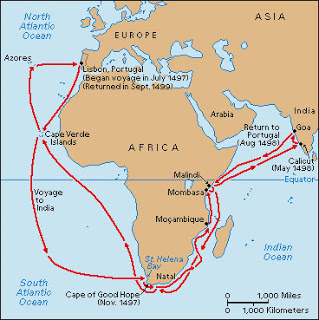
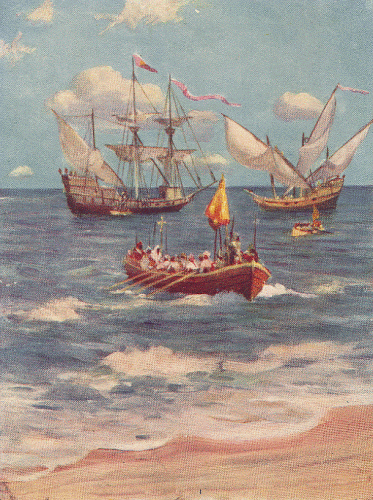
போர்ச்சுகீசியர்களும் ஸ்பானிஷ்காரகளும் நயவஞ்சகத்தில் வெள்ளைக்காரர்களுக்கு ஒரு படி மேல்தான். வாஸ்கோடகாமா என்ற கிராதகன் கோழிக்கோட்டில் 1498-ல் வந்திறங்கியபோது அப்போது அரசாட்சி செய்த ஹிந்து மன்னன் (ஜாமொரின்) நல்ல வரவேற்பு கொடுத்தார். ஒரு பிராமண நம்பூதிரி காமாவுக்கு மொழிபெயர்த்தார். பின்னர் போர்ச்சுகீசிய- இந்திய உறவு சீர்கெடவே 70 போர்ச்சுகீசியர்கள் கோழிக்கோடில் கொல்லப்பட்டனர். 1502ம் ஆண்டில் இரண்டாவது முறை இந்தியாவுக்கு வந்த வாஸ்கோட காமா,  பழிவாங்கும் நோக்கத்தில் 400 பேருடன் மெக்காவுக்குப் புனித யாத்திரை சென்ற கப்பலை தீயிட்டுக் கொளுத்தினார். புகையை அதிகமாக்கி கப்பலில் இருந்த ஆண்,பெண், குழந்தைகளை சித்திரைவதை செய்து கொன்றார். கோழிக்கோடு மீது குண்டு வீசித் தாக்கினார்.

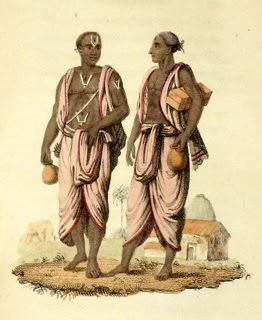
எந்த பிராமணர் முதலில் பேச்சுவார்த்தையில் உதவினாரோ அதே பிராமணர், தூதர் என்ற முறையில்,  வாஸ்கோவின் கப்பலுக்குச் சென்றார். அவரைப் பிடித்து வைத்து அவரது காதுகளை வெட்டி ஒரு நாயின் காதுகளை அவர் காதுகளில் வைத்துத் தைத்தார். உதடுகளைத் தைத்து ஜாமொரின் மன்னரிடம் அனுப்பிவைத்தார். ராவணன் கூட செய்யாத காடுமிராண்டித்தனமான செயல் இது. இதற்குப் பின் பேச்சுவார்த்தைக்கு வந்த ஒரு பிராமணரைக் கண்டம் துண்டமாக வெட்டி அனுப்பினார். இபோதும் கூட எந்த ஒரு நாடும் தூதர்களை இப்படி அவமானப் படுத்துவதில்லை. கோவாவிலும் இலங்கையில் யாழ்ப்பாணத்திலும் போர்ச்சுகீசியர்கள் செய்த கொடுமைகள் தனிக் கதை.


தூதர்களுக்கு இலக்கணம் வகுத்த பூமியில் இப்படி நடந்தது வருந்ததக்கது. இதில் வேடிக்கை என்னவென்றால் ஹிட்லர் செய்த கொடுமை பற்றி வாரம் தோறும் ஒரு டாக்குமெண்டரி அல்லது சினிமா அல்லது புத்தகம் வெளியிடும் வெள்ளைக்காரர்கள் அவர்கள் செய்த கொடுமைகளை அழகாக மறைத்து வருகின்றனர். முழுப் பூசணிக்காயைச் சோற்றில் மறைக்க முடியுமா?

contact swami_48@yahoo.com

Ancient Indian Ambassadors

Murder of Two Brahmin Ambassadors

India is the first country in the world to frame rules regarding international ambassadors. India is the first country in the world that framed law regarding diplomatic immunity. This shows civilization has advanced to the highest level in ancient India, which has got no parallel. We have two episodes of peace missions in Ramayana and Mahabharata. Both the episodes describe the rules for ambassadors. Hanuman went on a mission to Sri Lanka to see Ravana. Krishna went on a peace mission to see the Kurus: Dhritarashtara  and Duryodhana. On both the occasions, when kings tried to ill treat the ambassadors, the ministers reminded the kings of the accepted norms and warned them not to do so.

Hanuman went to Lanka to see Ravana and demand return of Sita, whom he abducted. Enraged Ravana wanted to execute Hanuman, but Ravana’s brother Vibhishana reminded him that an ambassador cannot be ill treated.

Tamil Rules

Tamil Veda Tirukkural has an entire chapter about ambassadors. Brahmins were sent as ambassadors in the historical period. Brahmins can travel to any part of ancient India without any hurdles.  2300 year old Arthashastra of Chanakya says that Brahmins need not pay even ferry charges.

People of highest calibre only were appointed as ambassadors. Tirukkural has got ten couplets on this subject. Following three describe the qualities required for ambassadors:

“The faithful ambassador is pure in heart, obtains helpful alliance and is bold in presenting facts”.

“The proper messenger to a foreign court is he who is flawless in words, and brave in heart, but never loose in tongue”.

“The bold envoy, even at the cost of his life, assures the well being, safety and joy of his leader”. (Tirukkural 688- 690)

We see these virtues in Hanuman and Sri Krishna. Anjaneya (Hanuman  or Maruthi) was described as ‘Master of Words’.

We have two unfortunate reports of two Brahmin ambassadors’ murder in the historical period. Sangam Tamil literature narrates one incident where a Brahmin messenger was killed by illiterate robbers. The other murder is an atrocious betrayal by the ruthless Portuguese traveller Vasco da Gama.

2000 year old Akananuru (Sangam Anthology) verse 337 says:

A Brahmin was coming with a message in his hand. It was a message written on palm leaf and rolled. The robbers thought it was gold and killed the Brahmin messenger. When they realised that he was a poor Brahmin in rags, they regretted their action very much, says the poet Palai Padiya Perum Katunko.

Purananauru verse 305 by poet Madurai Velasan praises a Brahmin messenger for his quick and positive role. The slim and tired Brahmin came and went quickly in to the palace in the dark night. Next minute the king who got his message changed his mind and stopped the war fearing defeat. The poet adds the Brahmin spoke only few words but it was tremendously fruitful.

Evil Vasco da Gama

Portuguese sailor Vasco da Gama came to Calicut (Kozikodu) in Kerala in 1498. He met the Hindu king of Calicut and he was given a warm welcome. But relationship deteriorated in the next few years and 70 Portuguese workers were killed in Kerala. So he avenged their death by bombarding Calicut during his second voyage to India in 1502. He attacked a ship going to Mecca with 400 pilgrims and burnt them to death. He insulted the Nambudiri priest who came for negotiation. The priest’s ears and lips were cut and dog’s ears were sewed and sent back to Zamorin of Calicut. In fact he was the one who interpreted for him during his first voyage. On another occasion he killed the Brahmin messenger sent for negotiations.He cut him into pieces. Both the incidents took place in his ship. Portuguese destruction of all that is Hindu in Goa, Diu and Daman is a different story.

Krishna, the Divine Ambassador

Swami Krishnannda of Divine Life Society wrote a beautiful poem about Krishna’s Peace mission:

  1. Sri Krishna turned his gracious glance and spoke in soothing terms,
    “Well, what is past is past, of course, now further steps be thought.”
  2. “A messenger, learned in lore, be despatched quickly hence,
    To court of Kurus with a request that your share is due.”
  3. “Since errand sent with milder touch bore not a happy end,
    Methinks a stronger politic take up this task on hand.”
  4. “Whom shall we send, thou, all-knowing, may kindly suggest us,
    A person who would speak and explain facts of justice plain.”
  5. So wondered eldest of the brethren, good Yudhishthira,
    To which Sri Krishna thus replied in loving tender words.
  6. “I am here, king, ready am I to do this work of peace,
    As errand-man I go to Kurus and convey your views.”
  7. “No, nothing doing, thou shalt not, our heart and soul thou art,
    Thy single march to camp of foes I wholly disapprove.
  8. “Thou shalt not go, our life thou art, our life is in thy life,
    No, never, Master, I shall myself or my brothers go.”
  9. In loving kindness Krishna spoke to fear struck righteous king,
    “Fear not my life, I have the strength to protect myself safe;
  10. “Not all the kings, with all weapons can face me in battle,
    As herd of deer dare not stand before a lion’s rage.

—–Swami Krishnanada of DLS

Contact swami_48@yahoo.com
****

எல்லோருக்கும் திறமை இருக்கிறது!


சம்ஸ்கிருதச் செல்வம்- Part 13


வீணான அக்ஷரமோ வேரோ கிடையாது! வீணான மனிதனும் இல்லை!

ச.நாகராஜன்  


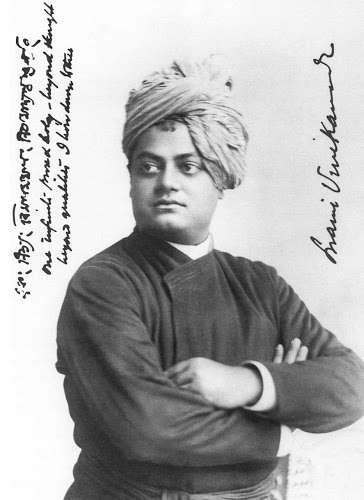
     ஸ்வாமி விவேகானந்தர் இந்திய சமூகத்தைப் பற்றி அக்குவேறு ஆணி வேறாக அலசி ஆராய்ந்த மாபெரும் மகான். இந்தியரைப் பொருத்த மட்டில் ஒரு பெரும் பிழை இருக்கிறது என்பது அவரது கணிப்பு.


“ஒரு நிரந்தர அமைப்புக்கு கட்டுப்பட்டு இருக்க முடியாது; எதையும் ஒழுங்காக திட்டமிட்டு ஒழுங்காக அமைத்தல் இந்தியருக்குக் கூடி வராத ஒன்று.” என்பது அவரது கணிப்பு.


முதலில் ‘ஆர்கனைஸ்’ (organize) என்ற சொல்லை இந்தியர் கற்றுக்கொள்ள வேண்டும் என்பது அவரது அன்புரை! யார் யாருக்கு எது எது முடியும் என்பதை உணர்ந்து அவரவர் பணியை மேற்கொண்டு பணிகளைப் பிரித்துக் கொள்ளல் வேண்டும் என்பது அவரது அறிவுரை.

அவரது ஆங்கில உரையை அப்படியே காணலாம்:

“We Indians suffer from a great defect, viz. we cannot make a permanent organization: and the reason is that we never like to share power with others and never think of what will come after we are gone.


If one man dies, another – why another only, ten if necessary – should be ready to take it up. Secondly if a man’s interest in the thing is not roused he will not work whole-heartedly; all should be made to understand that every one has a share in the work and property; and a voice in the management. Give a responsible position to everyone alternatively, but keep a watchful eye so that you can control when necessary, thus only men be trained for the work. Set up such a machine as will go on automatically, no matter who dies or lives.

Skillful management lies in giving everyman, work after his own heart.”

இதையே பண்டைய நாட்களிலேயே எழுந்த அற்புதமான ஒரு ஸ்லோகம் விளக்குகிறது:-


நாக்ஷரம் மந்த்ரஹிதம் ந மூலம்நௌஷதிம்

அயோக்ய புருஷம் நாஸ்தி யோஜகஸ்த்த்ர துர்லப:


நாக்ஷரம் மந்த்ரஹிதம் – மந்திரத்தில் பயன்படுத்த முடியாத எந்த எழுத்தும் இல்லை (There is no letter that cannot be used as a mantra)   


ந மூலம்நௌஷதிம் – மருந்தாகப் பயன்படுத்த முடியாத எந்த வேரும் இல்லை (There is no root without some medicinal Value)


அயோக்ய புருஷம் நாஸ்தி – எந்த மனிதனும் உபயோகமற்றவன் என்று ஒதுக்கக் கூடியவன் அல்ல (There is no person who is absolutely useless)


யோஜகஸ்த்த்ர துர்லப: – யோஜகன் – ஒருவரது தகுதியைக் கண்டுபிடித்து அதை சரியான விதத்தில் பயன்படுத்தக் கூடிய திட்டமிடுபவனே அரிதாக இருக்கிறான் (A yojaka i.e. a person who can identify their utility and put them to proper use is, however, always rare.)


உரிய இடத்தில் உரிய விதத்தில் பயன்படுத்தப்பட்டால் அனைத்து எழுத்துக்களும் மந்திர எழுத்துக்களே; அதே போல மஹிமையை உணர்ந்து உரிய விதத்தில் பயன்படுத்தினால் அனைத்து வேர்களும் ஔஷத மூலிகைகளே; எந்த மனிதனும் உபயோகமற்றவன், எதற்கும் லாயக்கற்றவன் என்பதில்லை. உரிய விதத்தில் பயன்படுத்தப்பட்டால் ஒவ்வொருவனும் பெரிய காரியத்தை அவனளவில் சாதிக்க வல்லவனே! யாருக்கு என்ன தகுதி என்பதை உணர்ந்து திட்டமிடும் யோஜகன் தான் உண்மையில் அரிதானவன் என்று இந்த ஸ்லோகம் கூறுகிறது.


இந்திய சரித்திரத்தில் ஆயிரக் கணக்கானோரை இந்த ஸ்லோகத்திற்கு உதாரணமாக்க் கூறலாம். சத்ரபதி சிவாஜி பெரிய மொகலாய படை வைத்திருந்த ஔரங்கசீப்பையே திணற அடித்து தோற்கடித்தார். அவரிடம் இருந்த படை தளகர்த்தர்கள், படை வீர்ர்களை அவரவர்கேற்ற தகுதிப்படி அவர் சாமர்த்தியமாகப் பயன்படுத்தினார். சிறந்த யோஜகராக சிவாஜி திகழ்ந்ததை வரலாறு கூறுகிறது.


இதே போல ஒவ்வொருவரும் யோஜகனாகத் திகழ வேண்டும் என்பதை அற்புதமான இந்த ஸ்லோகம் கூறுகிறது!


“இதனை இதனால் இவன் முடிக்கும் என்றாய்ந்து

அதனை அவன் கண் விடல்” (குறள் 517)

************

  Contact:- swami_48@yahoo.com
Can Humans communicate with Animals?

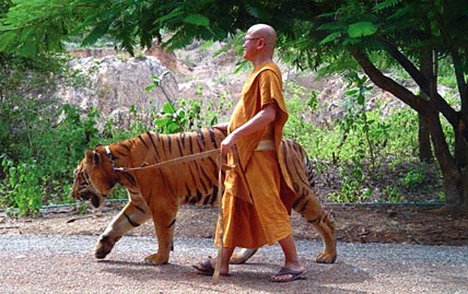
Picture of Monk walking with a tiger in Thailand.

 Can Humans communicate with Animals?

Men who spoke to animals: Asvapati, Seraman Perumal Nayanar,Vikramaditya, Sufi saints; Men who tamed animals : Daniel, Pulipani, Appar, Swami Vivekanada, Tamil Siddhas, Ramana Maharishi, St Francis of Assisi, Romulus and Remus  (Founders of Rome).

Modern scientific research has shown that animals do communicate with one another in their own way. Even plants communicate with other plants and warn them of impending dangers. They release certain chemicals to warn others. Animals use various sounds to warn or to express love. But they don’t use human languages. Whales, elephants, rhinos, hippos, giraffes and okapis use infra sound (low frequency sounds) for communication. They can use it for long distance communication. Humans can’t hear those sounds. Even domestic dogs and cats understand what we tell them. They obey our commands. Circus animals also obey commands. But this is definitely different from human communication. They may react to sounds, sometimes, out of fear of punishment (in circuses) or hunger.

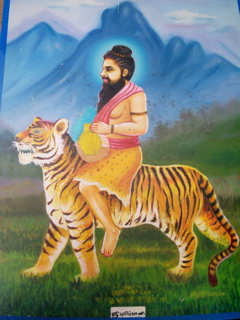
Tamil Siddha Pulipani on tiger

Very often we come across some birds like myna and parrots imitating words of human beings. Once again they are not using languages like we use. Sanskrit and Tamil literature speak about the parrots that recite Vedas. Ancient Sanskrit and Tamil literature paint a different picture on animal communication. They say humans spoke to animals or understood their language. We have such stories in the books such as Mahabharata, Vikramaditya and Betal/Vedala, Panchatantra, Periyapuranam and the Bible. Later day Christian saints like St.Francis of Assisi were credited with this knowledge. Tamil Siddhas tamed animals and rode on them.

Ramayana gives a story about Asvapati who knows animal language. Asvapati was the father of Kaikeyi. Asvapati banished his wife to forest because she insisted that Asvapati should reveal what two birds spoke about. Asvapati said to her that he should not reveal what he overheard. He told her that his head would blow into hundreds of pieces if he reveals to her the bird’s talk. This happened while they were strolling the palace gardens. After Asvapati listened to two swans, he laughed loudly. Kaikeyi’s mother (queen) insisted that he should reveal what he heard, but he refused and banished her to forest.

Tamil Saint Kumarakurupara on Lion

Periapuranam

Periapuranam gives the life history of 63 Tamil Saivite saints. One of the 63 poets is Seraman Perumal Nayanar also known as Kazarirrarivar. He also knew animal language like Asvapati.

Periyapuranam verse 3760 says: “He was enabled to reign as king at the same time follow the path of loving worship. He was given the power of understanding the communication of all living creatures”

We must notice one thing here: Scriptures don’t attribute this rare talent to everyone. Only few of the ancient people had this knowledge. Christian saint St Francis of Assisi was an embodiment of love. Even fishes kissed his fingers. King Solomon also understood animal language.

Najmuddin Kubra was a Sufi Muslim saint who founded the Greater Brother order. His pictures show that he was always surrounded by birds. Sufi saints were said to have spoken to birds and animals. Ancient Hindu saints spoke to animals in the natural language. Probably Asvapati, Kazarrarivar and Vikramaditya used thought power to communicate with them. Stories of Vikramaditya have several incidents of listening to birds’ talk.


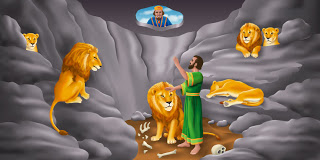
Daniel in the Lion’s Den

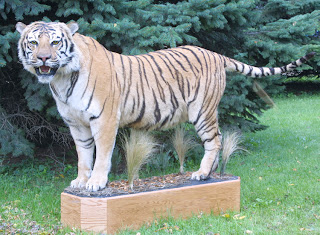
Hebrew Bible has a story of Daniel in the Lion’s den. King Darius ordered that Daniel should be thrown in to a lion’s den for disobeying his orders. Daniel prayed to different god violating king’s order. When he was thrown into the lion’s den, they did not attack him. The king came to know about this miracle and ordered that Daniel’s enemies should be thrown in to the den. Hindu scriptures have hundreds of stories similar to Daniel in Lion’s den. Appar alias Tirunavukkarasu was not attacked by the mad elephant set upon him. Swami Vivekananda tamed a bull that was rushing towards him in a narrow street. Kalidasa’s Raghu Vamsam and Kamba Ramayanam say that deer and tiger drank water from the same source. The idea is that if the king ruled according to law, even animals won’t attack one another unnecessarily (out of natural enmity). Ramana Maharishi lived in a cave where there was a tiger. Pulippani Siddhar rode on a tiger.

64 Arts

Another interesting fact is that women should learn 64 arts and one of them is to train parrots to speak. ‘Saarikaa Pralaapanam’ is the 45th art in the list of 64. Knowledge of how to train parrots to speak and answer questions of human beings comes under this topic.

(I have already posted several articles of music taming the animals, Tamil Birdman, Parrots reciting Vedas, Crows communicating for sharing the food, Animal Einsteins etc. Please go through my blogs)

Contact:  swami_48@yahoo.com
St Francis de Assisi

மண் தின்ற வாயைக் காட்டிய மாயக் கண்ணன்!

12.சம்ஸ்கிருதச் செல்வம் 

12. மண் தின்ற வாயைக் காட்டிய மாயக் கண்ணன்!

ச.நாகராஜன்  


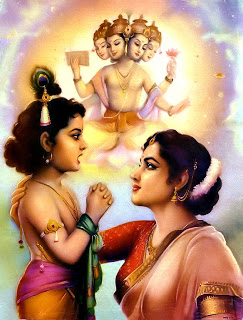
பாரத தேசத்தில் கிருஷ்ணனின் லீலைகளைப் பேசாத வீடே கிடையாது. யமுனை, ராதை, கோகுலம் போன்ற வார்த்தைகளை இன்றைய கவிஞர்கள், குறிப்பாகத் திரைப்படப் பாடலாசிரியர்கள் எழுதும் போது அது உடனடி ‘ஹிட்’ ஆகி விடக் காரணம் இந்த வார்த்தைகள் பல்லாயிரக்கணக்கானோரின் உள்ளங்களில் பழைய பாரம்பரியத்தை ஒரு க்ஷணத்தில் கொண்டு வந்து அந்த வார்த்தைகளுக்குத் தனி ஒரு கௌரவம், ஆழம், அர்த்தத்தைத் தருவதால் தான்!


சந்தேகம் இருந்தால் தமிழ் திரைப்படப் பாடல்களில் கண்ணன் என்று வரும் சொல் உள்ள சில பாடல்களை இசைத்துப் பாருங்கள்!

கண்ணனின் லீலைகளை ஆழ்வார்கள் முதல் பாரதியார் ஈறாக எண்ணற்ற பெரியோர் அழியாத சொற்களில் பதித்து வைத்துள்ளார்கள்.

இந்தவகையில் லீலா சுகர் தனி ஒரு இடத்தைப் பெறுகிறார்.

அவரது காலம் கி.பி, 1220 முதல் 1300 முடிய என்று சரித்திரம் கூறுகிறது.

அவர் எழுதிய கிருஷ்ணகர்ணாம்ருதம் காலத்தால் அழியாத காவியம். இது மூன்று பகுதிகளைக் கொண்டுள்ளது. இந்த மூன்று பகுதிகள் ஆஸ்வாஸம் என்ற சொல்லால் குறிப்பிடப்படுகிறது.

முதல் ஆஸ்வாஸத்தில் 110 ஸ்லோகங்களும், இரண்டாவது ஆஸ்வாஸத்தில் 109 ஸ்லோகங்களும் மூன்றாவது ஆஸ்வாஸத்தில் 109 ஸ்லோகங்களும் உள்ளன. மொத்தத்தில் 328 ஸ்லோகங்களும் கர்ணாம்ருதம் என்ற சொல்லுக்கு ஏற்ப செவிக்கு அமுதமாக அமைந்துள்ளன. மாதிரிக்கு ஒன்றைப் பார்ப்போம்:

க்ருஷ்ணேனாம்ப கதேன ரந்து-மதனா

ம்ருத்பக்ஷிதா ஸ்வேச்சயா

தத்யம் க்ருஷ்ண க ஏவ-மாஹ முஸலீ

மித்யாம்ப பச்யானனம் I

வ்யாதேஹீதி விதாரிதே சிகமுகே

த்ருஷ்ட்வா ஸமஸ்தம் ஜகத்

மாதா யஸ்ய ஜகாம விஸ்மயபதம்

பாயாத் ஸ ந: கேசவ: II

(இரண்டாவது ஆஸ்வாஸம் 64ஆம் ஸ்லோகம்)


இதற்கு பிரபல உரையாசிரியர் அண்ணா (ஸ்ரீ ராம கிருஷ்ண மடம், சென்னை) தரும் விரிவுரை அழகான ஒன்று.


அம்ப – அம்மா!

ரந்தும் – விளையாடுவதற்கு

கதேன – சென்ற

க்ருஷ்ணேன. – கிருஷ்ணனால்

அதுனா – இப்பொழுது

ம்ருத் – மண்ணானது

ஸ்வேச்சயா – இஷ்டப்படி

பக்ஷிதா – தின்னப்பட்டது


கத்யம் க்ருஷ்ண – மண்ணைத் தின்றது உண்மையா, கிருஷ்ணா?

க: ஏவம் ஆஹ – யார் அப்படிச் சொன்னது?

முஸல: – பலராமன்


மித்யா அம்ப, பச்ய ஆனனம் – பொய் அம்மா, வாயைப் பார்!

வ்யாதேஹி – வாயைத் திற

இதி – எனவே

விதாரிதே சிசு முகே – குழந்தையின் திறந்த வாயில்

ஸமஸ்தம் ஜகத் – உலகம் அனைத்தையும்

யஸ்ய மாதா – எவனுடைய தாயார்

த்ருஷ்ட்வா – கண்டு

விஸ்மய பதம் – ஆச்சரிய நிலைய

ஜகாம- அடைந்தாளோ

ஸ: கேசவ: -அந்தக் கண்ணன்

ந: – நம்மை

பாயாத் – காப்பாற்றட்டும்

தீராத விளையாட்டுப் பிள்ளையான கண்ணன் நடத்திய லீலைகளை கிருஷ்ண கர்ணாம்ருதத்தில் படிக்கக் கொடுத்து வைத்தவர்கள் பாக்யம் செய்தவர்களே!


328 அம்ருதத் துளிகளை இந்த ஜன்மத்திலேயே ஒரு முறையேனும் படிப்போம்; மலர்வோம்; மகிழ்வோம்.

contact: swami_48@yahoo.com

*******


Birds for finding Direction: Sumerian to Tamil Nadu via Indus Valley

Birds for finding Direction: Sumerian to Tamil Nadu via Indus Valley

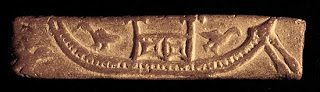
Birds were used by ancient mariners to find the land while they were in the mid seas. After the use of compasses, this was not practised. Very Interesting references are found in Sumerian culture, Indus valley, Biblical story, Viking expeditions and Tamil literature. Ramakrishna Paramahamsa and several other saints also used this bird as a simile in their religious discourses. We have an Indus Valley tablet containing a boat with two birds on either side. Tamil Vaishnavite saints used this simile in their poems. Let us look at Sumerian culture first.


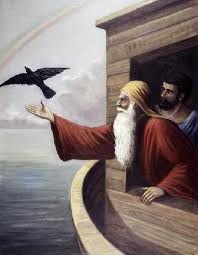
Utnapishtim was the survivor of a great deluge sent by the gods to destroy the human race. Akkadian epic of Gilgamesh says that God Enlil was angry with humanity and decided to destroy them in a flood. Utnapishtim told Gilgamesh to build a boat. When the waters receded he sent a dove, a swallow and a raven to find land.


We have a similar story in the Bible. In the Flood story Noah sent a raven and then two doves to find the land.

Genesis 8:7-9 (Old Testament)

7:And he sent forth a raven, which went forth to and fro, until the waters were dried up from off the earth.

8:Also he sent forth a dove from him, to see if the waters were abated from off the face of the ground;


Indus Valley Tablet

A three sided tablet was found in 1931 in the Indus valley excavations. This shows a flat bottomed boat with a central hut and two birds on the deck. The birds were used as aids in the navigation. When they were released, they would not come back if they find land.

Vikings were powerful mariners. They also kept birds to find new lands. Since birds have powerful eye sight they can see lands from a distance of hundred miles. If they see any land they will fly in that direction and the sailors would sail their ships towards the land. Vikings were even credited with discovering America, probably with the help of ravens.


Tamil Literature

Hindus look at this direction finding birds from a different angle. Kulasekara Alvar of ninth century sang a poem on Vishnu. He says that he also comes back to the lotus feet of the lord like a bird that couldn’t find the land. A strange coincidence is that he and other Tamil saints mention only crow as the bird for finding the direction. It is similar to the raven of Sumerian and Biblical stories.

Swami Sri Vedanta Desikan who lived around 1300 AD also sang a poem on Vishnu in Kanchipuram. He also used the same simile like Kulasekara. He compared himself to a crow of flying aimlessly in different directions and returning to the same place without finding a place to rest.

Ramkrishna Parmahamsa compared the disciples who move away from their Gurus and come back at last to the same Guru:

“A bird perching upon the masthead of a ship in mid ocean, gets tired of its position and flies away to discover a new place of rest; but failing to find any other place, it returns at last to the old roost, weary and exhausted. In the same manner an ordinary aspirant is disgusted with the monotony of of the task and discipline imposed upon him by his well wishing and thoroughly experienced Guru. He loses all his hopes as well as confidence in the Guru and so goes out in to the world with the belief that he can attain God with his self effort alone; but after much fruitless exertion he is sure to return to his old master for his blessing and grace at last”.

The bird on the masthead of the ship has been in the minds of Indians for thousands of years. This continuity made me believe that it was an Indian custom which was borrowed by the Sumerians and the Biblical Noah.


References for Tamil Readers:

‘’வெங்கண்திண் களிறு அடர்த்தாய்! வித்துவகோட்டம்மானே

எங்குப் போய் உய்கேன்? உன் இணையடியே அடையல் அல்லால்

எங்கும் போய்க் கரை காணாது எறிகடல்வாய் மீண்டு ஏயும்

வங்கத்தின் கூம்பு ஏறும் மாப் பறவை போன்றேனே’’

(பெருமாள் திருமொழி, குலசேகர ஆழ்வார்)


‘’பத்தி முதலாமவற்றில் பதியெனக்குக் கூடாமல்

எத்திசையும் உழன்றோடி இளைத்துவிழும் காகம் போல்

முத்திதரு நகரேழில் முக்கியமாம் கச்சிதன்னில்

அத்திகிரி அருளார்க்கு அடைக்கலம் நான் புகுந்தேனே’’

(அடைக்கலப் பத்து, சுவாமி ஸ்ரீ தேசிகன்)


இதேபோல பல தமிழ்ப் பழமொழிகளிலும் இக் கருத்து உளது.

contact: swami_48@yahoo.com


அனுமனிடம் சீதை சொன்ன கரடி கதை!

11.ராமாயண வழிகாட்டி

ச.நாகராஜன்


ராமன் சொன்ன புறாக் கதையை முந்திய பகுதியில் படித்தீர்கள். இப்போது சீதை சொன்ன கரடி கதையைப் பார்ப்போம்.


அனுமனிடம் சீதை சொன்ன கரடி கதை! 

ராவண வதம் முடிந்தது. ராமரின் கட்டளைப்படி விபீஷணருக்கு கலச நீரால் அபிஷேகம் செய்து  இலங்கையின் மன்னனாக லக்ஷ்மணர் பட்டாபிஷேகம் செய்தார். அதன் பின்னர் ராமர் அனுமனை அழைத்து சீதா தேவியிடம் தனது க்ஷேமத்தைத் தெரிவித்து ராவணன் கொல்லப்பட்டதையும் தெரிவிக்க கட்டளை இடுகிறார்.சீதையிடம் வந்த அனுமன் ராமரின் க்ஷேமத்தைத் தெரிவித்து விட்டு  ஒரு வேண்டுகோளை முன் வைக்கிறான்.

“நீங்கள் உத்தரவு அளித்தால் உங்களை மிரட்டிய இந்த அரக்கிகள் அனைவரையும் இப்போதே கொல்ல விரும்புகிறேன்.இந்த வரத்தை அருளுங்கள் (ஏதத் வரம் ப்ரபச்ச என்பது வால்மீகியின் வாக்கு)” என்று பணிவாக அனுமன் இந்த வரத்தைக் கேட்க, சீதையோ, “விதிப்பயனாய் என்னால் இது  இப்படி அனுபவிக்க வேண்டியதாகி விட்டது என்று நிச்சயிக்கிறேன். இந்த விஷயத்தில் ராவணனின் வேலைக்காரிகளை நான் மன்னிக்கிறேன்” என்று கூறுகிறார்.


விதியின் வெல்ல முடியாத போக்கும், மன்னிப்பு என்ற மாபெரும் தெய்வீக குணத்தை சீதாதேவி கொண்டிருப்பதையும் இந்த இடம் அருமையாக விளக்குகிறது.

“வானர சிரேஷ்டரே! ராவணனின் கட்டளைக்கு இணங்க இந்த அரக்கிகள் என்னை மிரட்டினார்கள். அவனே இப்போது இறந்து விட்டான். ஆகவே இனி மிரட்ட மாட்டார்கள்.

புராதனமானதும் அறநெறி வழுவாததுமான இந்த ஸ்லோகமானது ஒரு புலியிடம் கரடி ஒன்றினால் சொல்லப்பட்ட்து. அதை என்னிடம் கேட்பீராக!” என்று கூறும் சீதை அதைக் கூறுகிறார்:

ந பர: பாபமாதத்தே பரேஷாம் பாபகர்மணாம்

சமயோ ரக்ஷிதவ்யஸ்து சந்தஸ்சாரித்ர பூஷணா: 

பர: – ஒரு நற்புருஷன்

பாப கர்மணாம் – பாவத்தைப் புரியும்

பரேஷாம் – மற்றவர்க:ளுக்கு (அதாவது தீயவருக்கும்)

பாபம் – பாவத்தை (தீங்கை)

ஆதத்தே ந – புரிவதில்லை

சமய: து – நன்னெறியே தான்

ரக்ஷிதவ்ய: -பாதுகாக்கத் தக்கது

சந்த: – நல்லோர்கள்
சாரித்ர பூஷணா: – நன்னடத்தையையே ஆபரணமாகக் கொண்டவர்கள்


தீங்கு செய்தோருக்குத் திரும்பி நல்லோர் தீங்கை இழைப்பதில்லை. நல்லோர்கள் நன்னடத்தையையே ஆபரணமாகக் கொண்டவர்கள். அவர்கள் நன்னெறியையே பாதுகாப்பார்கள்.

சந்த: சாரித்ர பூஷணா: என்ற வால்மீகியின் வாக்கை நினைத்து நினைத்து மகிழலாம்.

பழம் பெரும் கதையான புலிக் கதையை சீதை கூறுவதிலிருந்தே அது எத்துணை பழமையானது என்பதை ஊகித்துக் கொள்ளலாம்.சரி, கரடியின் கதை என்ன?

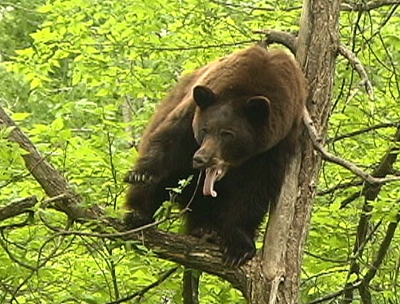
முன்னொரு காலத்தில் புலி ஒன்று வேடன் ஒருவனைத் துரத்தியது. புலிக்கு அஞ்சி ஓடி வந்தவன் அருகிலிருந்த மரம் ஒன்றின் மீது ஏறினான். அந்த மரத்திலோ ஒரு கரடி இருந்தது! பயந்து போன வேடன் அந்த கரடியிடம் சரணாகதி அடைந்தான். அப்போது மரத்தின் கீழே இருந்த புலி, கரடியிடம் வேடனைக் கீழே தள்ளுமாறு கூறியது. ஆனால் கரடி திடமாக அதை மறுத்து விட்டது. பின்னர் கரடி உறங்க ஆரம்பித்தது. அப்போது வேடனை நோக்கிய புலி,” இப்போது கரடியைக் கீழே தள்ளி விடு. உன்னை விட்டு விடுகிறேன்” என்றது. அதற்கு இணங்கிய வேடன் உறங்கிக் கொண்டிருந்த கரடியைக் கீழே தள்ளி விட்டான். ஆனால் முழித்துக் கொண்ட கரடி கீழே விழும் போதே ஒரு மரக்கிளையைப் பற்றிக் கொண்டது, இப்போது புலி கரடியிடம், “ உன்னைத் தள்ளிய வேடனை நீ கீழே தள்ளி விடு” என்றது. அதற்குக் கரடி,” தஞ்சமுற்றவனுக்கு எவ்வாற்றானும் தீங்கு புரிய மாட்டேன்” என்று உறுதியாகக் கூறி மேலே கண்ட ஸ்லோகத்தைக் கூறியது.

ஆகவே கரடி சொன்ன இந்த ஸ்லோகம் காலம் காலமாக வழி வழியாக வழங்கப்பட்டு வருகிறது.


சரணமடைந்தவனை எப்பாடு பட்டேனும் காப்பேன் என்ற அருமையான தத்துவம் பாரதத்தின் பாரம்பரியமான தத்துவங்களுள் ஒன்று என்பதற்கு இதை விட வேறென்ன சான்று வேண்டும்!

இந்த சரணாகதி தத்துவத்தின் படியே விபீஷணனை ராமன் அங்கீகரித்து ஏற்றான் என்பதையும் ராமாயணம் சரணாகதி காவ்யம் என்பதையும் எண்ணிப் பார்த்து மகிழலாம்.

***************

999 Prisoners + One Poet

Eight Anthologies (Ettu Tokai) and Ten Long Poems (Pathu Pattu) were composed during Tamil Sangam period. These 18 books are collectively known as Sangam Literature. Sangam poets lived in the first few centuries of modern era. Sangam poetry is predominantly secular in character but consists of lot of references to Hindu epics and mythologies. Of the Ten Long Poems known as Pathu Pattu in Tamil, Tiru-muragatrup-padai is a religious work. It is attributed to poet Nakkirar who headed the Third Tamil Sangam (Tamil Academy). He had composed a secular poem ‘Nedunal Vaadai’ in the Ten Long Poems.


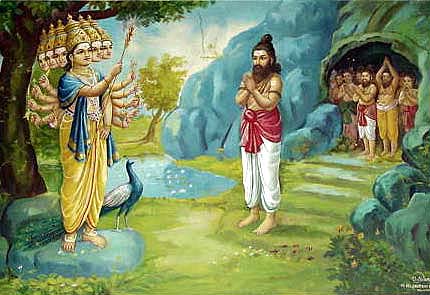
Nakkirar was the most controversial poet of the period. There are many legends which project him as a revolutionary poet. He challenged Lord Shiva at one time according to a popular legend. The story behind this Long Poem Tiru Murugatrup Padai is also equally interesting. It is a story of a demon who imprisoned 999 people and was looking for the last one to offer them in a big sacrifice. The source for this story is a passing reference in Tiruppugaz composed by poet Arunagirinathar of fifteenth century. But Nakkirar lived at least 1200 years before him.


One day Nakkirar was doing Shiva Puja (offering to Lord Shiva). A strange incident distracted him from the Puja. A leaf from the nearby tree fell into water and half of the leaf was in the water and the other half was on land. The water half became a fish and the land half became a bird and each one was pulling the other. Nakkirar stopped the Puja and watched this. At that time a demon appeared and caught hold of Nakkirar for violating the rules of the Siva Puja. The demon took him to a cave, where he saw 999 detainees. They started crying as soon as they saw Nakkirar. The poet was puzzled. Then the detainees in the cave explained to him that that they were happy inside the cave because the demon fed them very well until today. But they were told that the day the prisoner’s strength goes up to 1000 they will be sacrificed and eaten. Nakkirar was the thousandth prisoner.

Nakkirar was upset when he heard the story. He thought Lord Skanda/ Murugan can alone save them at times like this. So he composed Tirumurukatruppadai in praise of Lord Skanda/Murugan. When he recited this poem Lord Skanda appeared before them and killed the demon. All the 999 prisoners were released and they were very happy. This story is authenticated by Tiruppugaz.


We have one such story in Mahabharata about a squirrel with half of its body gold and the other half normal grey. It appeared at Dharmaputra’s Yagna (Fire sacrifice) to test the effect of the Yagna. Probably this episode gave birth to the story of half fish and half bird. Tiru Murugatrup Padai is a beautiful poem running to 317 lines. It describes the beauty and sanctity of six famous centres of Skanda/Murukan worship in Tamil Nadu. Atruppadai poems belong to a particular genre, where in one poet who has received voluminous gifts from a patron, guides another poet to him. But in the Tiru Murukatru Padai, the poet guides others to Lord Murukan.


The poem is regarded as part of canonical literature of Saivism. It is included in the Eleventh Tirumurai. Devotees of Lord Murukan or Skanda  recite this poem with great reverence and devotion.


Tamil Reference for the story from Tiruppugaz:

மலைமுகம் சுமந்த புலவர் செஞ்சொல் கொண்டு

வழி திறந்த செங்கை வடிவேலா:

Contact: swami_48@yahoo.com
 

கா…கா…கா…!!! கா..கா..கா..!!!

என் பெயர் புலவர் நக்கீரன். கா ..கா…கா…… என்ற தலைப்பில் பேச வந்திருக்கும் உங்கள் அனைவர்க்கும் முதல் கண் நன்றி கலந்த வணக்கங்கள். சென்ற 4 வாரங்களில் ‘மன்னிக்க வேண்டுகிறேன்”, “ரொம்ப நாளாக எனக்கு ஒரு ஆசை”, ‘’கறுப்புதான் எனக்கு பிடிச்ச கலரு” “சொல்லத்தான் நினைக்கிறேன் முடியவில்லை, அதைச் சொன்னாலும் கேட்பவர்க்கு புரியவில்லை’’ என்ற தலைப்புகளில் பேசினீர்கள். இன்று காகம் பற்றிய பாடல்கள், பழமொழிகளைக் காண்போம்.அடுத்த வாரத் தலைப்பையும் இப்போதே சொல்லிவிடுகிறேன்: ‘’இன்பம் எங்கே, இன்பம் எங்கே என்று தேடு, அது எங்கிருந்த போதிலும் அதை நாடி ஓடு’’


நான் முதலில் பேசுகிறேன். என் பெயர் வள்ளுவன். காகத்தின் அருமையான குணங்களில் உன்று பகுத்துண்டு உண்ணுதல். அதை நான் தான் அழகாக இரண்டே வரிகளில் சொல்லிவிட்டேன்:

காக்கை கரவா கரைந்துண்ணும் ஆக்கமும்

அன்ன நீரார்க்கே உள (குறள் 527)


அது மட்டுமா? பஞ்ச தந்திரக் கதையில் வரும் காகம் ஆந்தை மோதலையும் இரண்டே வரிகளில் சொல்லிவிட்டேன்:

பகல் வெல்லும் கூகையைக் காக்கை இகல் வெல்லும்

வேந்தர்க்கு வேண்டும் பொழுது (குறள் 481).


என் பெயர் ஓதல் ஆந்தையார். நான் சங்க காலத்திலேயே இதைச் சொல்லிவிட்டேனே:

மறுவில் தூவிச் சிறுகருங் காக்கை

அன்புடை மரபின் கிளையோடாரப்

பச்சூன் பெய்த பைந்நிண வல்சி

பொலம்புனை கலத்தில் தருகுவன் மாதோ

வெஞ்சின விறல் வேற் காளையோ

டஞ்சி லோதியை வரக்கரைந்தீமே (ஐங்குறுநூறு 391)

(காக்கை கரைவதை விருந்தினர் வருவதற்கு நிமித்தமாகக்கொள்ளுவர்).

என் பெயர் பெருவாயின் முள்ளியார். என் ஆசாரக்கோவையில் கூட எறும்பு, தூக்கணம் குருவி, காகம் ஆகிய மூன்றின் அரிய குணங்களைப் பாடி இருக்கிறேன். எறும்பு திட்டமிட்டு மழைக் காலத்துக்கு உணவைச் சேமிக்கிறது. குருவி எந்தக் காலத்திலும் சேதமடையாத அழகான கூட்டைக் கட்டுகிறது. காகம் எல்லோரையும் அழைத்து பகிர்ந்து சாப்பிடுகிறது.

நந்து எறும்பு தூக்கணம் புள் காக்கை என்றிவை போல்

தங்கரு நல்ல கடைப் பிடித்து……….. (ஆசாரக்கோவை)


என் பெயர் முன்றுரை அரையனார். காகத்தின் சொல்லை எள்ளி நகையாடக்கூடாது என்று பாடி இருக்கிறேன்:

கள்ளி அகிலும் கருங் காக்கைச் சொல்லும்போல

எள்ளற்க யார் வாயின் நல்லுரையை—பழமொழி

பாரதி

பாரதி: நான் பல பாடல்களில் காகத்தின் பெருமைதனைப் பேசி இருக்கிறேன். காகத்தை மனித ஜாதியுடன் இணைத்துப் பாடிவிட்டேன். சிறுவர் பாட்டில்கூட காகத்துக்கு இரக்கம் காட்டச் சொன்னேன்:

காக்கை குருவி எங்கள் ஜாதி—நீள்

கடலும் மலையும் எங்கள் கூட்டம்.

!!!

ஓடி விளையாடு பாப்பா……….

எத்தித் திருடும் அந்த காக்கை—அதற்கு

இரக்கப் படவேணும் பாப்பா

!!!

காக்கைச் சிறகினிலே நந்தலாலா—நின்றன்

கரிய நிறம் தோன்றுதையா நந்தலாலா

!!!

பாரசக்தி திரைப்படம்

என் பெயர் உடுமலை நாராயண கவி.நான் பாரசக்தி திரைப்படப் படத்தி பாடிய பாடல் 60 ஆண்டுகாலமாகப் பட்டி தொட்டிகளில் எல்லாம் ஒலித்துக்கொண்டிருக்கிறது:

கா கா கா
கா கா கா

ஆகாரம் உண்ண எல்லோரும் ஒன்றாக அன்போடி ஓடி வாங்க

ஆகாரம் உண்ண எல்லோரும் ஒன்றாக அன்போடி ஓடி வாங்க

என்ற அனுபவப் பொருள் விளங்க

அந்த அனுபவப் பொருள் விளங்க

காக்கை அண்ணாவே நீங்கள்

அழகான வாயால் பண்ணாக பாடுவீங்க

காக்கை அண்ணாவே நீங்கள்

அழகான வாயால் பண்ணாக பாடுவீங்க

கா கா கா என்று தினம் ஒன்னாக கூடுவீங்க

வாங்க.. கா கா கா

சாப்பாடில்லாம தவிக்கிதுங்க ஜனம்

கூப்பாடு போட்டு மனம் குமுறுதுங்க
சாப்பாடில்லாம தவிக்கிதுங்க ஜனம்

கூப்பாடு போட்டு மனம் குமுறுதுங்க

உயிர் காப்பாத்த கஞ்சி தண்ணீ ஊத்துங்க—என்றால்

தாழ்ப்பாள போடுறாங்க பாருங்க

அந்த சண்டாளர் ஏங்கவே தன் நலமும் நீங்கவே

தாரணி மீதிலே பாடுங்க

ராகம்…. கா கா கா
…

எச்சிலை தனிலே எரியும் சோத்துக்கு

பிச்சைக்காரர் சண்டை ரோட்டிலே

பிச்சைக்காரர் சண்டை ரோட்டிலே

இளைத்தவன் வலுத்தவன் இனச் சண்டை பணச் சண்டை
எத்தனையோ இந்த நாட்டிலே

எத்தனையோ இந்த நாட்டிலே

படிக்காத நீங்க எங்க பக்த்தறிவாளர பாக்காதீங்க

படிக்காத நீங்க எங்க பக்த்தறிவாளர பாக்காதீங்க

பாசமாய் இருங்க பகிர்ந்துண்டு வாழுங்க

பாசமாய் இருங்க பகிர்ந்துண்டு வாழுங்க

பழக்கத்தை மாத்தாதீங்க

எங்க பாடுங்க… கா கா கா (பாராசக்தி திரைப்படப் பாடல்)

!!!!!!

காகம் பற்றிய பழமொழிகள்:

நாங்கள் பட்டிக்காட்டு ஜனங்கள்தான் .எழுதப் படிக்கத் தெரியாதவர்கள் ஆனால் நாங்கள் புழக்கத்தில் விடும் பழமொழிகள் நிறைய விஷயங்கள் உடைய பொக்கிஷம்.ஈதோ பாருங்கள்:

காக்கைக்கும் தன் குஞ்சு பொன் கொஞ்சு

காக்கா கறுப்பு

காகத்திலே வெள்ளை உண்டா?

காகம் இருக்க பழம் விழுந்தது போல

காகம் இல்லாத ஊர் சோணகன் இல்லாத ஊர்

காகம் இல்லாத ஊர் பாவி இல்லாத ஊர்

காகம் ஏறி பனம் காய் உதிருமா?

காகம் கழுத்து கறுத்து என்ன?வெளுத்து என்ன?

காகம் கர் என்றால் கணவனை அப்பா என்று கட்டிக் கொள்வாளாம்

காகம் கொக்கு கன கிளி யனுமான் குடியர் குணம்

காகம் வலமானால் ஆயுசு விருத்தியாகும்

காக்கனுக்கும் பூக்கனுக்கும் பூத்தனையோ புன்னை,

கண்ணாளன் வருந்தனையும் பொறுக்கலையோ புன்னை?

காக்காயினும் கன சிவப்பு

காக்காயின் கண்ணுக்கு பீர்க்கம் பூ பொன்னிறம்

காக்காய் கூட்டம் போல கட்டுக் கோப்பு

காக்காய் (கால் கை) பிடிக்கிறவனுக்கு காலம்

காக்கை இருந்த கொம்பு அசையாது

காக்கை ஏறினதும் பனம்பழம் விழுந்தது

காக்கை கரிச் சட்டியைப் பழித்ததாம்

காக்கை குருவி மூக்காலே கொறிக்கிறது போல

கக்கைக்கு அஞ்சு குணம்

காக்கையிற் கரிது களாம் பழம்

காக்கையின் கழுத்தில் பனங்காயைக் கட்டினதுபோல

காக்காயும் கத்திப் போகிறது, கருவாடும் உலர்ந்து போகிறது

காக்கையும் காற்றும் போகு உண்டானால் வரும்

காக்கையும் குயிற்குஞ்சை தன் குஞ்சு போல வளர்க்கும்

காக்கையைக் கண்டு அஞ்சுவாள், கரடியைப் பிடித்துக் கட்டுவாளாம்


காக்கைபாடினியார்:

காக்கைபாடினியார்: என்பெயர் காக்கை பாடினியார். நான் சங்க காலத்திலேயே காக்கை பற்றிப் பாடியவள். காக்கையின் பெயரை உடைய ஒரே புலவன். என் பெயரில் காக்கைபாடினீயம் என்ற நூலும் உள்ளது.

நாங்கள் சங்கப் புலவர்கள். பாருங்கள் எத்தனை பாடல்களில் காகம் பலிச் சோற்றை உண்ணுவது பற்றிப் பாடீருக்கிறோம். பெண்களின் கரிய விழிகளைக் காகத்தின் கரிய நிறத்துக்கு ஒப்பிட்டுள்ளோம்:

பொருநராற்றுப்படை (முடத்தாமக்கண்ணியார்)

செஞ்சோற்ற பலி மாந்திய

கருங்காக்கை கலவு முனையின்

விருந்துவரக் கரைந்த காக்கையது பலியே (குறுந்210) 246 ,313, 334;

நற்றிணை 31, 231, 258, 272, 281, 343, 345, 358. 367; புறம் 238, 342, 362


படிக்கவேண்டிய எனது பழைய கட்டுரைகள்:1.இந்துமதம் பற்றி 200 பழமொழிகள் 2.இருபதாயிரம் தமிழ் பழமொழிகள் 3.யானை பற்றிய நூறு பழமொழிகள் 4.பெண்கள் பற்றி 300 பழமொழிகள் 5.பாரதி பாட்டில் பழமொழிகள் 6.பழமொழியில் இந்துமதம்7.Indian Crow by Mark Twain