Dravidian Devil Worshippers! J.P.Jone’s attack on Goddess Meenakshi! (Post No. 3111)

d08b0-maduraitempletank

Written by London Swaminathan


Date: 1st September 2016


Time uploaded in London: 13-55


Post No.3111

Pictures are taken by london swaminathan


From the book

India – Its Life and Thought by John P.Jones D.D., The Macmillan Company, New York, 1908.


Page 32 to 34

“It will be convenient start upon our tour from Madura, the missionary home of the writer. It is a large, wide-awake centre of of enthusiastic Hinduism in the extreme south of the peninsula. In the heart of this town, of more than a hundred thousand people, stands its great temple, dedicated to Siva. The principal monuments of South India are its temples. They are the largest temples in the world. The Madura temple is only the third in size; but in s upkeep and architectural beauty it far surpasses the other two, which are larger. It covers an area of fifteen acres, and its many gopuras or towers, furnish the land mark of the country for miles around. It is erected almost entirely of granite blocks, some of which are sixty feet long. Its monolithic carving is exquisitely fine, and its most abundant and elaborate. Hinduism may be moribund; but this temple gives only intimation of life and prosperity as one gazes upon its elaborate ritual, and sees the thousands passing daily into its shrine for worship. It represents the highest form of Hindu architecture, and like almost all else that is Hindu, its history carries us to the dim distance of the past. But the great Tirumalai Nayak, the king of two and a half centuries ago, spent more in its elaboration than anyone else. And it was he who built, half a mile away, the great palace, which though much reduced, still stands as the noblest edifice of its kind south of a line drawn from Bombay to Calcutta.

IMG_5596

In this same temple, we find,transformed, another cult. It is called the Temple of Meenatchi, afer its presiding Goddess, “The Fish Eyed One”. When Brahmanism reached Madura, many centuries ago, Meenatchi was the principal demoness worshipped by the people, who were all devil worshippers. As was their wont, the Brahmans did not antagonize the old faith of the people, but absorbed it by marrying the Meenatchi to their chief god Siva, and thus incorporated the primitive devil worship into the Brahmanical religion. Thus the Hinduism of Madura and of all South India is Brahmanism plus devil-worship. And the people are today much more absorbed in pacifying the devils which infest every village than they are in worshipping purely Hindu deities. The prevailing faith of the Dravidians, therefore is demonolatry; and the myriad shrines in the villages and hamlets, and the daily rites conducted in them, attest the universal prevalence of this belief and the great place it has in the life of these so-called Hindus.”


Page 206

“4.Another marked feature of modern Hinduism is its devil worship. This is peculiarly manifest in South India. In the Madras Presidency, whose fifty million population is mostly Dravidian, nine tenths of the people follow the faith of their ancestors, which is Demonolatry (Demon Worship.


When Brahmanism came to South India, many centuries ago, it found entrenched among the people, everywhere and universally, this ancient cult. The Brahmans, recognizing this, did what they have already done; they said to the people: “We have not come to destroy your religion; we will take your demons and demonesses, marry them to our gods, and give them shrines and worship in our temples. Come with them and be a part of our religion. We will give to you the privileges, and confer upon you the dignity and blessing, of our great religion.” The people were impressed by this offer, accepted the situation, and were absorbed, with their religion, into the Brahmanical faith. From that time forward they have been recognised as Hindus, and have, after a fashion, been loyal members of the faith.


But let it not be supposed they, by becoming Hindus, they have deserted their ancestral religion, and have ceased to be devil worshippers. Far from it, Hinduism proper is to them a mere plaything, or a festival pastime. On special Hindu holidays, and perhaps on occasions of pilgrimage, they will visit these Hindu temples and bring their offering to the deities of Brahmanism. But their chief concern and their daily religious occupation is found in the appeasing of the many devils whose abode is supposed to be in their countless village shrines and under well-known trees in their hamlets. They have not abated one jot of their belief in the supremacy of these devils in their life affairs; and they always stand in fear of them, and do what they can do to satisfy their bloody demands.

Thus at least nine tenths of the people of South India, are first of all, demonolater, and secondly, but a long way behind, are Hindus. And yet a great many people in the West think of these people as the pure worshippers of the highest type of Brahminical faith”.

madurai temple

My Comments:

1.This is a very good piece to show how

the foreign invaders divided the Hindus

2.This shows that even after living in Madurai for thirty years or so, this Christian preacher did not know the Tamil History or pretended to not to know the history. All the forefathers of Goddess Meenakshi are from North India and Meenkashi’s father was Malaydwaja Pandya and Mother Knachanamala. All the name linked to the history Meenakshi are in Sanskrit.

3.Two thousand year old Sangam literature and the oldest Tamil book are full of Hindu rites and Hindu Gods.

4.Most of the famous Kings of Tamil Nadu did Aswameda or Rajasuya Yajnas.

5.Brahmins contributed one third of the Sangam literature

6.When J P Jones wrote this book Indus Valley sites were not excavated. After their excavation, scholars found all the symbols of Hindu Gods there.

7.Attacking all the Dravidians as Devil worshippers in one place and provoking them to fight against the “injustice: done to them by Aryans in another place is their usual tactics.

Foreigners knew that Hindus never read their literature in full and so they thought they can fool anyone by writing in English. But now we have fooled them and all their hope of changing  India into a Christendom failed miserably.

madurai pillayar

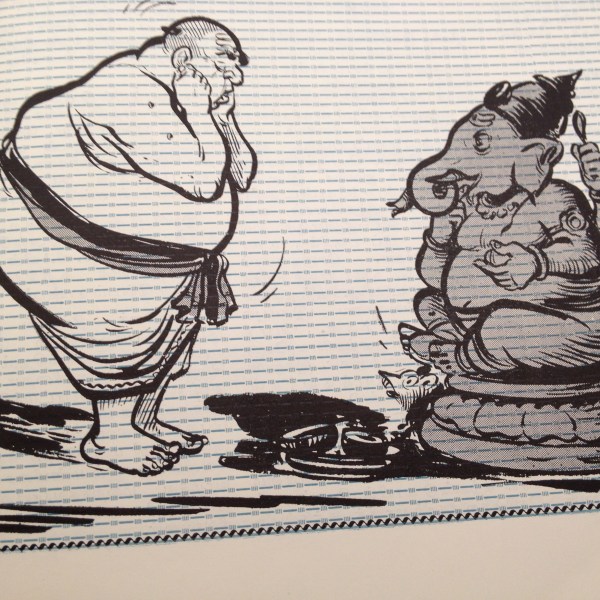
Ganesh/ Ganapathy/ Pillayar picture from Madurai

Please read my previous posts on the same subject:

The Wonder that is Madurai Meenakshi Temple, posted on 14 Oct 2011.

Acoustic Marvel of Madurai Temple, posted on 12 May 2013

Musical Pillars in Hindu Temples, posted on 12 May 2013

Madurai Temple Photos,31 May 2013

21 லிட்டர் கொழுக்கட்டை எதற்காக?, posted on 30 May 2013

–Subham–


வைரத்தில் இட்ட துளை! கம்பனும் காளிதாசனும் ஒப்பீடு (Post No.3110)

diamond-bruise

Picture: Making hole in a diamond

Translated by London Swaminathan


Date: 1st September 2016


Time uploaded in London:8-59 AM


Post No.3110


Pictures are taken from various sources; thanks for the pictures.


உலக மஹா கவிஞன் காளிதாசனின் காவியத்தை படியாதோர் பழங்கால பாரதத்தில் இருந்திரார். கம்பனும் படித்திருப்பான். மூவர் ராமாயணத்தைப் படித்து, முதலோனாகிய வால்மீகியையே தான் பின்பற்றுவதாக எழுதினான் கம்பன். ஆயினும் அந்த மூவர் யார் என்று உரைகாரர் வகுத்ததில் காளிதாசன் பெயர் இலை. நான் ரகுவம்சத்தையும் கம்ப ராமாயணத்தையும் ஒப்பிடுகையில் பல ஒற்றுமைகளைக் காண்கிறேன். ஆகையால் மூவரில் ஒருவர் காளிதாசனோ?


இதோ ஒரு பாடல்:–

அதவா க்ருத வாக் த்வாரே

வம்சே அஸ்மின் பூர்வ சூரிபி:

மணௌ வஜ்ர சமுத்கீர்ணே

சூத்ரஸ்யேவ அஸ்தி மே கதி:

-ரகுவம்சம் 1-4


“நான் காவியம் இயற்றும் திறமை இல்லாதவந்தான். ஆனால் முன்னோர் சென்ற வழியில் சென்று புகழடைவேன். எப்படியென்றால் வைரத்தால் துளையிடப்பட்ட ரத்தினக் கல்லில் ஒரு நூலைக் கோர்ப்பது எளிதுதானே. அதே போல முன்னோர்கள் (வால்மீகி) இயற்றிய காவியம் என்னும் துவாரத்தில் நுழைந்து செல்வேன்.”

ரகுவம்சம் 1-4


வைரத்தில் இட்ட தொளையில், தான் எளிதில் சென்றதாகக் காளிதாசன் பணிவோடு சொல்கிறான். கம்பன், ராமரின் அம்பு ஏழு மராமரங்களைத் துளைத்ததை நினைவு கூறுகிறான். இதோ கம்பன் பாடல்:-

palmyra-7

Picture: Rama and Seven Trees

நொய்தின் நொய்ய சொல் நூல் கற்றேன் எனை

வைத வைவின்  மராமரம் ஏழ் துளை

எய்த எய்வதற்கு எய்திய மாக்கதை

செய்த செய்தவன் சொல் நின்ற தேயத்தே

அவை அடக்கம், பால காண்டம்


பொருள்:–

சான்றோர்கள் சபித்த சாபச் சொல்லைப் போலத் தப்பாமல், ஏழு மராமரங்களையும் துளையிட்டான் ராமன். அவனைப் பற்றிய பெரிய சரிதத்தை சம்ஸ்கிருதத்தில் ராமாயணமாகச் செய்து முடித்த தவ முனிவன் வால்மீகியின் கவிதைகள் நிலை பெற்ற இந்த தேசத்திலே, எளியவனுக்கும் எளியவனான நான் என் கவிகள் கொண்டு இந்நூலை இயற்றத் தொடங்கினேன் . இது என்ன வியப்பு!


திடீரென ராமன் துளையிட்ட ஏழு மராமரங்கள் , கம்பனுக்கு நினைவுக்கு வந்தது ஏன்? பெரியோர்களின் சாபம் தப்பாமல் எப்படி போகுமோ, அதே போல எனது சொற்களும் வால்மீகி என்ற பெரியோனின் சொல் போன வழியில் , ஏழு மரங்களைத் துளைத்து அம்பு சென்றது போலச் செல்லும்.


வால்மீகியின் வைரத்துளை என்பது காளிதாசனின் வாசகம்

இராமனின் மராமரத் துளை என்பது கம்பனின் வாசகம்.


நேரடியாக கம்பன் அப்படிச் சொல்லாவிடினும் முன் பின் பாடல்களை காளிதாசனின் அவை அடக்கத்தோடு ஒப்பிடுகையில் அது காளிதாசனின் தாக்கம் என்பதைக் காட்டும்.


முந்தைய கட்டுரைகள் (Earlier Posts):–

புத்தகம் எழுதுவது எப்படி? கம்பனும் காளிதாசனும் காட்டும் வழி ,Date: 1 June 2016

‘ரொம்ப நாளாக எனக்கு ஒரு ஆசை’, 21-2-2013


கெட்ட நண்பர்கள் இருக்கையில் பாம்புகள் எதற்கு? (Post No.3109)

¿Quién? ¿Cuándo? ¿Por que? ¿Que? ¿Como? ¿Donde?

Translated by London Swaminathan


Date: 1st September 2016


Time uploaded in London:5-20 AM


Post No.3109


Pictures are taken from various sources; thanks for the pictures.


(Posted in English yesterday)

சம்ஸ்கிருதத்தில் இரண்டே வரிகளில் , திருக்குறள் போல,  அருமையான கருத்துகளைச் சொல்லி விடுவர். அது போன்ற 4 வட மொழி ஸ்லோகங்கள் “ஏன்? ஏன்?”  என்று முடியும். ஆகையால் ஸ்லோகத்தில் எதுகை மோனையும் இருக்கும்.


இதோ முதலில் கருத்து; பின்னர் ஸ்லோகம்!!


பொறுமை உள்ளவனுக்கு கவசம் ஏன்?

கோபம் உள்ளவனுக்கு எதிரி ஏன்?

உறவினர் உள்ளவனுக்கு நெருப்பு ஏன்?

நண்பன் இருந்தால் மருந்து ஏன்?


கெட்டவர் சேர்க்கை இருக்கும்போது பாம்பு ஏன்?

படிப்பாளிக்கு பணம் ஏன்?

பணிவு உடையோருக்கு ஆபரணம் ஏன்?

நல்ல விவேகம் உள்ளவனுக்கு ராஜ்யம் ஏன்?


பேராசை இருந்தால் வேறு கெட்ட குணம் அவசியமா?

கோட் சொல்லும் ஆளுக்கு வேறு பாவம் அவசியமா?


உண்மை இருக்குமிடத்தில் வேறு தவம் அவசியமா?

சுத்த மனம் இருந்தால் தீர்த்த யாத்திரை அவசியமா?


ஒற்றுமை உள்ள இடத்தில் வேறு பலம் அவசியமா?

புகழ் இருக்குமிடத்தில் வேறு அலங்காரம் அவசியமா?

நல்ல கல்வி இருந்தால், செல்வம் அவசியமா?

கெட்ட புகார் இருந்தால், மரணமும் அவசியமா?


Many People Thinking of Questions

சாந்திஸ்சேத் கவசேன கிம், கிம் அரிபி: க்ரோதோ அஸ்தி, சேத் தேஹினாம்

ஞாதிஸ்சேத் அனலேன கிம், யதிசுஹ்ருத் திவ்ய ஔஷதை: கிம் பலம்


கிம் சர்பைர் யதி துர்ஜனா: கிம் தனை வித்யா  அனவத்யா யதி

வ்ரீடா சேத்கிமு பூஷணை:, சுகவிதா யத்யஸ்தி  ராஜ்யேன கிம்


லோபஸ்சேத் குணேன கிம், பிசுனதா யத்யஸ்தி கிம் பாதகை:

சத்யம் சாத் தபஸா ச கிம் சுசிமனோ யத்யஸ்தி தீர்தேன  கிம்


சௌஜன்யம் யதி கிம் பலேன மஹிமா யத்யஸ்தி கிம் மண்டனை:

சத்வித்யா யதி கிம் தனைர் பயசோ யத்யஸ்தி கிம் ம்ருத்யுனா


–SUBHAM–

Where is the need for a shield if you have patience? (Post No.3108)

question red

Written by London Swaminathan


Date: 31 August 2016


Time uploaded in London: 18-33


Post No.3108


Pictures are taken from various sources; thanks for the pictures.

get-answers.jpg

There are four Sanskrit couplets which give us practical advice about good and bad virtues. Instead of dry listing of all the virtues in a list, it gives the same message in beautiful slokas. I give below a rough translation and then the Sanskrit verses.

Where is the need for a shield, if you have Patience?

Where is the need for an enemy, if you have Anger?

Where is the need for fire, if you have Relations?

Where is the need for medicine, if you have Friends?

Where is the need for a snake, if you have Bad friends?

Where is the need for money, if you have Knowledge?

Where is the need for jewels, if you have Modesty?

Where is the need for a kingdom, if you have Wisdom?

Where is the need for bad habits, if you have Greediness?

Where is the need for new sins, if you Talk behind one’s back?

Where is the need for penance, if are Truthful?

Where is the need for pilgrimage if your mind is Pure?

Where is the need for strength, if are United?

Where is the need for make ups, if you are Great/Famous?

Where is the need for money, if you are Learned?

Where is the need for death, if you have Stained hands?

kim kim 2 (1)

kim kim 2 (2)

In Sanskrit:

Saantiscet kavachena kim

Kim aribhih kroto asti

Jnaati cet analena kim

Suhrut divya ausadhaih kim palam


Kim sarpaih  yadi durjanaah

Kim dhanair vidhyaa anavadhyaa yadi

Vriida cet kim bhaushanaih

Sukavitaa yadi yadyasti raajyeva kim


Lobhah cet gunena kim

Pisunataa ydyasti kim paatakaih

Satyam cet tapasaa ca kim

suchimano yadhyasti tirtena kim


saujanyam yadi kim balena

mahimaa yadyasti kim mandanaih

savidhyaa yadi kim dhanah

apayasaa yadi kim mrutyunaaasti


–Subham–


கடவுளை வணங்க வேண்டிய நேரங்கள் (Post No.3107)

IMG_3203

Written by London Swaminathan


Date: 31 August 2016


Time uploaded in London: 10-59 AM


Post No.3107


Pictures are taken from various sources; thanks for the pictures.


உண்ணும் பொழுதும் உறங்கும் பொழுதும் ஒரு தொழிலைப்

பண்ணும் பொழுதும் பகரும் பொழுதும் நின்பாதத்திலே

நண்ணும் கருத்துத் தமியேனுக்கென்றைக்கு நல்குவையோ

விண்ணும் புகழ்க் கடவூர் வாழும் கள்ள விநாயகனே

— அபிராமி பட்டர்


பொருள்:-

தேவர்களும் போற்றும் திருக்கடவூரில் வாசம்புரியும் கள்ளப் பிள்ளையாரே! என்றைக்கு உண்ணும் பொழுதும், உறங்கும் போதும், எந்தத் தொழிலையும் செய்யத் தொடங்கும் போதும், பேசுவதற்குத் தொடங்கும் போதும் உன் திருவடிகளை நினைக்கும் நல்ல பண்புகளை எனக்குத் தரப்போகிறாயோ — என்று அபிராமி பட்டர் துதிக்கிறார். ஆகையால் அவர் கருத்துப் படி எவ்வப்பொழுது கடவுளை வணங்க வேண்டும் என்று தெரிகிறது.

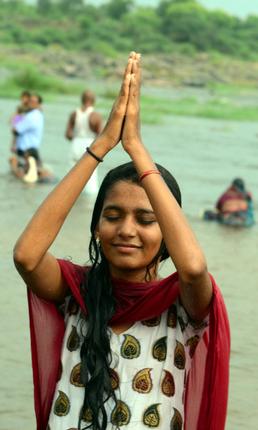
HY14-PUSHKAR_2472025g.jpg,hindu 2

காலையில் 12 மந்திரங்களைச் சொல்லி சூரியனை  வழிபடும் வழக்கமிருப்பதால் (சூர்ய நமஸ்காரம்) அதி காலையில் கடவுளை வணங்க வேண்டும் என்பதும் சொல்லாமலேயே விளங்கும்.


பிராமணர்களும் — பழங்காலத்தில் மூவர்ணத்தினரும் — “காணாமல் கோணாமல் கண்டு” கொடுத்தனர்.


அதாவது சூரியனைக் காணாமல் ( சூர்ய உதயத்துக்கு முன்), கோணாமல்,  சூரியன் உச்சியில் இருக்கையில் நிழல் விழாது/சாயாது, கண்டு, அதாவது சூரியன் மலைவாயில் விழுந்து மறைவதற்கு முன் சந்தியா வந்தனம் செய்ய வேண்டும் என்று அறிந்தனர்.


தேவாரம் போன்ற துதிகளிலும் “முப்போதும் தீண்டுவார்” என்ற வரியில் இவ்வழக்கத்தைக் காணலாம்.


ஆக குறைந்தது முப்பொழுது, முதிர்ந்த நிலையியில் எப்பொழுதும், எதைச் செய்தாலும் இறைவனை நினைத்தல் அவசியம்.


காலை எழுந்தவுடன் சொல்லவேண்டிய துதி


கராக்ரே வசதே லக்ஷ்மீ கரமத்யே சரஸ்வதீ

கரமூலேது கோவிந்த: ப்ரபாதே கரதர்சனம்


பொருள்:-

வலது கையின் நுனியில்  லக்ஷ்மியும், நடுப்பகுதியில் சரஸ்வதியும், அடிப்பகுதியில் கோவிந்தனும் வசிக்கிறார்கள் காலியில் கரத்ர்சனம் செய்யவேண்டும்.

சிலர் கோவிந்த: என்ற இடத்தில் கௌரீ வாசம் செய்வதாகக் கொண்டு கௌரீஸ்யாத் என்றுமுரைப்பர்.

IMG_5160 (2)

இதிலிருந்து தூங்கி எழுந்தவுடன் வலது கையைப் பார்த்து கடவுளின் பெயரை உச்சரித்தல் ஆன்றோர் வகுத்த வழி என்பதும் தெரிகிறது. இதை ப்ராத ஸ்மரணம் என்பர்.


வேதநாயகம் பிள்ளையின் விநோதக் கடிதம் (post No.3106)

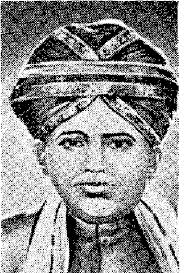
vedanayagam_pillai

Written by London Swaminathan


Date: 31 August 2016


Time uploaded in London: 8-32 AM


Post No.3106


Pictures are taken from various sources; thanks for the pictures.


திருவாவடுதுறை ஆதீன கர்த்தராக விளங்கிய மேலகரம் சுப்பிரமணிய தேசிகர் ஒரு பெரிய தமிழ் அறிஞர். அவரை வந்து சந்திக்கும் தமிழ்ப் புலவர்களுக்குப் புரவலராக விளங்கினார். பலருக்கும் தமிழ் நூல்களை விளக்கிப் பாடம் சொன்னவர் அவர். அவரது பெருமையைக் கேட்ட மாயூரம் முன்சீப்பு வேதநாயகம் பிள்ளை ஒரு நாள் அவரைக் காணவந்தார். அவர் கிறிஸ்தவர். சுப்பிரமணிய தேசிகர் மடாதிபதி. ஆயினும் தமிழ் என்னும் பாலம் அவர்களை இணத்தது.


மடாதிபதியும், நீதிபதியும் பல மணி நேரம் கலந்துரையாடினர். பொழுது சாயும் வேளையில் மாட்டு வண்டியில் ஏறி வேதநாயகம் பிள்ளை மாயூரத்துக்கு விரைந்தார். வண்டிதான் முன்னே சென்றதே தவிர அவர் மனம் பின்னேயே சென்றது; அதாவது திருவாவடுதுறையை நோக்கியே எதிர்த் திசையில் போய்க்கொண்டிருந்தது.


மறுநாள் காலையில் வேதநாயகம் பிள்ளை எழுந்தார். ஆனால் வேலையே ஓடவில்லை. திருவாவடுதுறையிலேயே ஒரு பொருளை விட்டுவந்ததால் ஒரு தவிப்பு. உடனே அந்தப் பொருளைக்கேட்டு கடிதம் எழுதினார். இருவரும் தமிழ் அறிஞர் ஆனதால் கவிதை வடிவில் கடிதம் எழுதினார்:–


சுருதியோர் உருக்கொண்டென்ன

சுப்பிரமணிய மேலோய்!

கருதி இன்னொருகால் உன்னைக்

காணலாம் எனும் அவாவால்

பொ ரு தி என்மனம் பின் ஈர்க்கப்

பொறையுறும் வண்டி பூட்டும்

எருதுகள் முன்னே ஈர்க்க

என்பதி அடைந்திட்டேனே


பொருள்:-

வேதமே உருவாய் நின்றது போல விளங்கும் சுப்பிரமணியப் பெரியவரே! இன்னும் ஒருமுறை உம்மைக் கணுவோம் என்று மனம் பின்னே செல்கிறது. வண்டியோ எருதுகளால் இழுக்கப்பட்டு முன்னே விரைந்தோடுகிறது.


மனம் ஓரிடத்திலும் உடல் வேறொரு இடத்திலும் இருந்தால் எப்படி வேலை செய்யமுடியும். ஆகையால் என் மனத்தை உடனே அனுப்பிவையுங்கள் என்று இன்னொரு பாடல் எழுதி கடிதத்தை அனுப்பிவைத்தார்.

சூர்வந்து வணங்கு மேன்மை சுப்பிரமணியத் தேவே

நேர்வந்து நின்னைக் கண்டு நேற்றிராத்திரியே மீண்டு

ஊர்வந்து சேர்ந்தேன்; என்றன் உளம் வந்து  சேரக்காணேன்

ஆர்வந்து சொலினும் கேளேன் ; அதனையிங்கனுப்புவாயே


தமிழ் மீது கொண்ட அன்பு, எப்படி இருவேறு மதத்தினரைச் சேர்த்து   வைக்கும் என்பதற்கு இது ஒரு எடுத்துக்காட்டு. நல்ல நட்புக்கும் எடுத்துக் காட்டு.


முகநக நட்பது நட்பன்று நெஞ்சத்து

அகநக நட்பது நட்பு (குறள் 786)

 chariot mbh

காளிதாசனும் வேதநாயகம் பிள்ளையும்


வேதநாயகம் பிள்ளை பயன்படுத்திய ஒரு உவமை 2000 ஆண்டுகளுக்கு முன்னரே காளிதாசனாலும் பயன்படுத்தப்பட்டது.


கச்சதி புர: சரீரம்

தாவதி பஸ்சாதசம்ஸ்திதம் சேத:

சீனாம்சுகமிவ கேதோ:

ப்ரதிவாதம் நீயமானஸ்ய

–சாகுந்தலம் 1-33


சகுந்தலை என்னும் பேரழகியை, கண்வரின் ஆசிரமத்தில், மாமன்னன் துஸ்யந்தன் கண்டான்; கண்டதும் காதல் மலர்ந்தது. இருந்தபோதிலும் மாமன்னன் என்பதால் உடனே அவளை அணுக மனமில்லை. மேலும் அவளோ தோழிகளுடன் சென்று விட்டாள். மாமன்னரின் தேர் தலைநகரை நோக்கி விரைந்தோடியது. தேரிலுள்ள அவரது உடல்தான் முன்னே சென்றது. மனமோ தேருக்கு எதிர்த் திசையில் சென்றது. அதாவது பேரழகி சகுந்தலையை நோக்கிச் சென்றது. காளிதாசன் உவமை மன்னன். ஆயிரத்துக்கும் மேலான உவமைகளை தனது ஏழு நூல்களிலும் அள்ளித் தெளித்திருக்கிறான்.


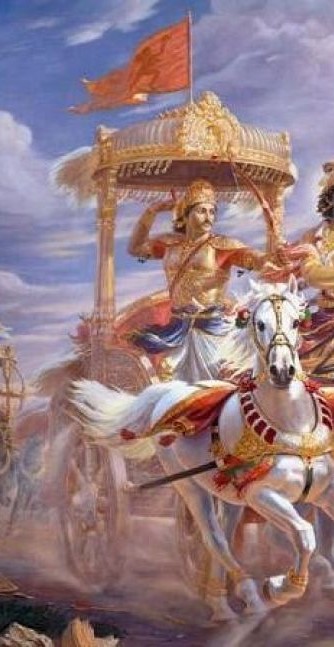
மனம் பின்னே சென்றது; உடல் முன்னே சென்றது என்பதற்கு அவன் பயன்படுத்திய உவமை: தேர் முன்னே சென்றது; தேரின் உச்சியில் கட்டப்பட்ட கொடியோ எதிர் திசையை நோக்கிப் பறந்தது! தேர் = உடல்; கொடி= மனம்.


கொடியும் காற்றில் படபடக்கும்; மனமும் காம வேகத்தில் படபடக்கும். அருமையான உவமை.


வேதநாயகம் பிள்ளையும் இந்த சாகுந்தல ஸ்லோகத்தைப் படித்திருப்பார். அதனால் மனம் பின்னோக்கிச் சென்றது, வண்டி முன்னே சென்றது என்ற உவமையைப் பயன்படுத்தி இருக்கலாம்; அல்லது பெரியோர் ஒரே மாதிரி எண்ணுவர் “GREAT MEN THINK ALIKE” என்றும் கருத இடமுண்டு!


–subham–


பஞ்சபூத தலங்களை நினைவில் வைக்க ஒரு பாடல் (Post No.3105)

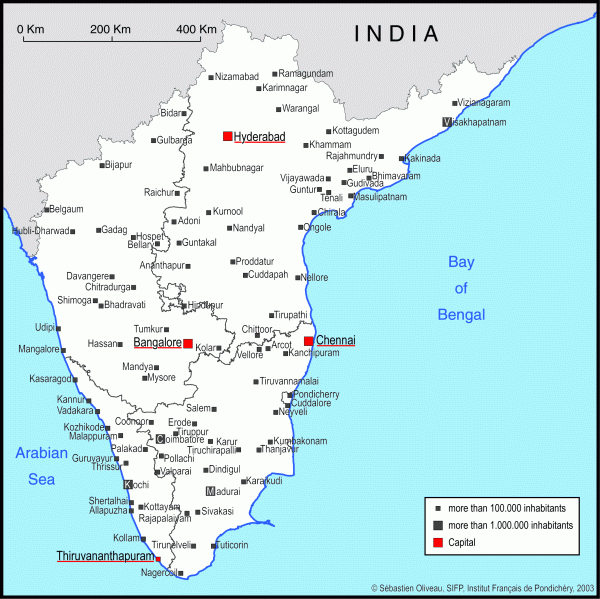
southindiacitiesbig

Compiled by London Swaminathan


Date: 30 August 2016


Time uploaded in London: 20-36


Post No.3105


Pictures are taken from various sources; thanks for the pictures.


சிவனுடைய ஐந்து தலங்கள் பஞ்ச பூதத்தலங்கள் என்று அழைக்கப்படும். அதாவது அங்கே சிவன் பஞ்ச பூதங்களின் வடிவாக இருக்கிறார். நிலம், நீர், தீ, காற்று, ஆகாயம் என்னும் பஞ்ச பூத தத்துவத்தை உலகிற்குக் கற்பித்தது பாரதம். பின்னர் இது கிரேக்க நாடு வழியாக பிற இடங்களுக்குப் பரவியது. இதற்கு என்ன சான்று?


வடக்கில் சம்ஸ்கிருதத்திலும், தமிழில் புறநானூற்றிலும் 2000 ஆண்டுகளுக்கு முன்னரே பஞ்சபூதம் காணப்படுகிறது. அந்தக் காலத்தில் இவ்வளவு பரப்புடைய நாடு உலகில் எதுவும் இல்லை. அப்படியே அலெக்ஸாண்டர் போல ஒருவர் ஒரு பிரதேசத்தை உருவாக்கினாலும் அது ஒரே பண்பாடுடைய “தேசம்” இல்லை. ஆக இவ்வளவு பரந்த ஒரு நிலப்பரப்பில் ஒரே பண்பாடு நிலவியதே நாம்தான் இதை பரப்பினோம் என்பதைக் காட்டும்.


“தில்லைக் கலம்பகம்” என்னும் நூல் 500 ஆண்டுகளுக்கு முன்னர் இரட்டையர் என்று அழைக்கப்பட்ட புலவர்களால் பாடப்பட்டது. அதிலுள்ள ஒரு பாடல், அழகாக ஐந்து தலங்களையும் வரிசைப் படுத்துகிறது. இதோ அந்த பாடல்:-


கடல்விடம் நுகர்ந்த காசினி லிங்கம்

காஞ்சிமா நகருறை லிங்கம்;

காவிரி வடபால் வருதிரு ஆனைக்

காவினில் அப்புலிங்  கமதாம்

வடதிசை அண்ணா   மலையினில் லிங்கம்

வன்னியின் வடிவு; காளத்தி

வாயுலிங்   கமதாம்; சிதம்பர லிங்கம்

மாசில்  காயலிங்   கமதாம்.

–தில்லைக் கலம்பகம்


காஞ்சீபுரம் – நிலம் (ப்ருத்வீ)

திருவானைக்கா – நீர் (அப்பு)

திருவண்ணாமலை – தீ (தேயு, வன்னி )

திருக்காளத்தி — காற்று (வாயு)

சிதம்பரம் – வானம் (ஆகாசம்)


–Subham-


Poverty Anecdotes (Post No. 3104)

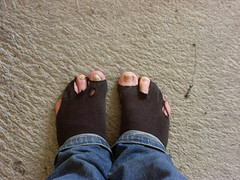
holes in socks

Compiled by London Swaminathan


Date: 30 August 2016


Time uploaded in London: 9–53 AM


Post No.3104


Pictures are taken from various sources; thanks for the pictures.


Comedian’s Poverty

Ned Shutter ,the 18th century comedian, was often very poor, and being more negligent than poor, was careless about his dress. A friend overtaking him one day in the street said to him,  “Why Ned, are you not ashamed to walk the streets with twenty holes in your stockings? Why don’t you get them mended?”

“No, my friend”, said Ned,

“I am above it and if you have the pride of a gentleman you will act like me, and walk with twenty holes, rather than have one darn”.

“How?” replied the other, “how do you make that out?”

“Why, replied Ned, a hole is the accident of the day, but a darn is a premeditated poverty”.


Xxxx

elegy

Lincoln’s Poverty

When Abraham Lincoln once was asked to tell the story of his life, he replied, “it is contained in one line of Gray’s ‘Elegy in a Country Church Yard’:

“The short and simple annals of the poor.”


Xxx

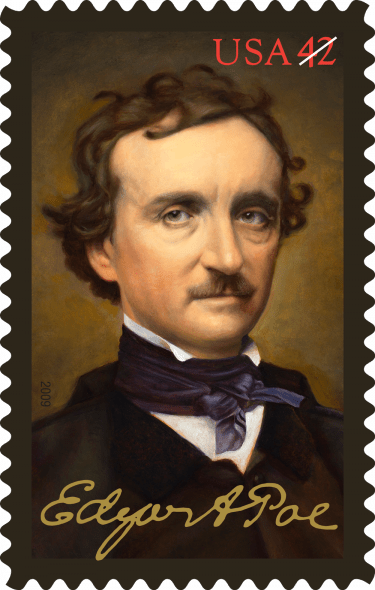
EdgarAllanPoe-42

Edgar Allan Poe’s Poverty

In December 1846, Edgar Allan Poe, being in the direst need, inserted a notice in ‘The Express’:

“We regret to learn that Edgar A.Poe and his wife are dangerously ill with the consumption (T.B.), and that the hand of misfortune lies heavy upon their temporal affairs. We are sorry to mention the fact that they are so far reduced as to be hardly able to obtain the necessitates of life. This is indeed a hard lot, and we hope the friends and admirers of M Poe will come promptly to his assistance in his bitterest hour of need.”


Xxx

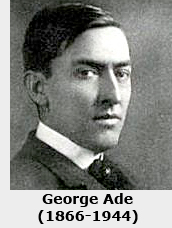
george_ade

Writer’s Poverty

During his early newspaper days in Chicago, George Ade was accustomed to pawn a large old-fashioned gold watch every Monday morning, to tide him over that trying period between weekly pay checks.

Many years later, when he had become nationally known and attained a certain degree of affluence, Ade met his old pawn broker friend on the street.

“Why, George”, asked the old pawn broker “what happened to you? I haven’t seen you in years. Did you lose your watch?”


xxx

Mark Twain’s Poverty

When Mark Twain was a young and struggling newspaper write in San Francisco, a lady of his acquaintance saw him one day with a cigar box under his looking in a shop window.

Mr.Clemens (Mark Twain), she said, I always see you with a cigar box under your arm. I am afraid you are smoking too much.

“It is not that I am moving again, said Mark


m twain

xxx

Quarrelsomeness Anecdotes

Keats was a famous little fighter, less in truculent self-assertiveness than by way of high chivalry and defence of the right.

According to his school fellow. E Holmes , “He would be fighting anyone — morning, noon and night, his brother among the rest. It was meat and drink for him.”

Xxx


இந்துக்களுக்கு ஏன் இவ்வளவு சட்ட புத்தகங்கள்? நாகரீக வளர்ச்சியா? பின்னடைவா? (Post No.3103)

manusmriti-the-hindu-law-book-economic-ideas

Written by London Swaminathan


Date: 30 August 2016


Time uploaded in London: 8-48 AM


Post No.3103


Pictures are taken from various sources; thanks for the pictures.


manu 2

பழங்கால இந்தியாவில், இந்துக்களுக்கு உலகில் வேறெங்கும் இல்லாத அளவுக்கு, நிறைய சட்ட புத்தகங்கள் இருந்தன. அதில் ஒன்றான மனு ஸ்மிருதி பற்றி இன்றும் பலரும் ‘கதைத்து’க் கொண்டிருப்பதால் இதை கொஞ்சம் அலசுவோம்.


‘சுருதி’ என்றால் காதால் மட்டும் கேட்டவை; கேட்கப்பட வேண்டியவை; அதாவது வேதங்கள்; இதை சங்க கால தமிழ்ப் புலவர்கள் “எழுதாக் கிளவி” என்றும் “நான் மறை” என்றும் “எழுதாக் கற்பு” என்றும் அற்புதமாக வருணித்துப் போற்றியுள்ளனர். இதற்கு அடுத்த படியாக இந்துக்கள் போற்றுவது ‘ஸ்மிருதி’; அதாவது நினைவில் வைத்துக்கொள்ளப் படவேண்டியவை. இதில் ஒன்றுதான் மனு ஸ்மிருதி. உலகில் மிகப் பழைய சட்டப்புத்தகம். கிருத யுகத்தில் ஒரு லட்சம் பாடல்களாக இருந்தது. இப்பொழுது 12 அத்தியாயங்களில் 2685 பாடல்களாகச் சுருங்கிவிட்டது.


மனு ஸ்மிருதியை கம்பனும், தமிழ்க் கல்வெட்டுகளும் போற்றுகின்றன. ஆனால் இதில் உள்ள “சூத்திரர்கள்” பற்றிய குறிப்[பு காரணமாக அவ்வப்பொழுது அரசியல்வாதிகளும், வெளிநாட்டுக்காரர்களும் சர்ச்சையை எழுப்புவர். இதில் சூத்திரர்களுக்கு எதிரான கருத்துகள், சுங்க வம்ச பிராமண ஆட்சிக்காலத்தில் இடைச் செருகலாக வந்தவை என்பது பலருக்கும் தெரியாது. மேலும் கி.மு.2600-ல் ஹமுராபி எழுதிய சட்டக்குறிப்புகளுக்கும் முந்தியது இது என்பதும் பலருக்கும் தெரியாது. மேலும் மனு எழுதிய புத்தகத்தில் இது வட  இந்தியாவுக்கு மட்டும்தான் என்று எழுதியிருப்பதும் பலருக்கும் தெரியாது. மேலும் மனு எழுதியது கிருதயுகத்துக்கு மட்டும் தான் என்று வடமொழி ஸ்லோகம் கூறுவதும் பலருக்கும் தெரியாது. மேலும் பலவேறு மனுக்கள், உலகின் மிகப் பழைய நூலான ரிக்வேதத்தில் குறிப்பிடப்பட்டிருப்பதும் பலருக்கும் தெரியாது. மேலும் இப்போதைய மனுஸ்மிருதி அவரது மகன் பிருகுவின் பெயரில் இருப்பதும் பலருக்கும் தெரியாது.


இந்துக்களுக்குப் பல்லாயிரம் நூல்கள் இருப்பதால் அதில் ஒன்றைக்கூட இந்துக்கள் படிக்காமலேயே திண்ணையில் உட்கார்ந்து கதைப்பது வெளிநாட்டுக்காரனுக்குத் தெரியும் . ஆகையால அவ்வப்பொழுது எங்காவது ஒன்றை எடுத்து சர்ச்சையை  உண்டாக்குவான். அவர்களிடம் காசு வாங்கும் டெலிவிஷன் நிலலையங்கள் அதைப் பூதாகாரமாகப் பெரிதுபடுத்துவர். உடனே ஜவஹர்லால் நேரு பலகலைக் கழக மார்கசீய ஆசிரியர்கள் மாணவர்களை உசுப்பிவிடுவர்.


நிற்க.

cover manusmriti

மனு நீதி என்று பிற்கால நூல்கள் குறிப்பிடுவது நேர்மையான, நீதியான நடைமுறை என்பதை முதலில் நாம் புரிந்துகொள்ளவேண்டும். ஒரு குறிப்பிட்ட நூலை அன்று. இதனால்தான் தேர்க்காலில் மகனை முறை செய்த மனு நீதிச்சோழனை இன்றும் புகழ்கிறோம்.


மனு பற்றிய ஸ்லோகம் இதோ:-

க்ருதே து மானவா: ப்ரோக்தாஸ் த்ரேதாயாம் யாக்ஞவல்க்யஜா:

த்வாபரே சங்கலிகிதா: கலௌ பராசரா: ஸ்ம்ருதா:


“மனுவினுடைய சட்ட நூல் கிருத யுகத்துக்கும் யாக்ஞவல்கியரின் நூல் த்ரேதா யுகத்துக்கும், சங்க, லிகிதர் எழுதிய நூல்கள் த்வாபர யுகத்துக்கும், பராசர நூல் கலி யுகத்துக்கும்  உரியவை.”


இதிலிருந்து இப்போதுள்ள மனு நூல், முழுக்க நம்பக்கூடியது அல்ல என்பது தெள்ளிதின் விளங்கும்.


நாரத ஸ்மிருதி என்னும் நூல் யுகந்தோறும் மனு ஸ்மிருதி எப்படிச் சுருங்கியது என்று சொன்ன விஷயத்தை முன்னொரு கட்டுரையில் தந்தேன். அதாவது “கழுதை தேய்ந்து கட்டெறும்பு ஆயிற்று” அல்லது, “வர வர மாமியார் கழுதை போல ஆனாளாம்” என்ற கதை ஆயிற்று.


மனு ஸ்மிருதி தவிர வேறு என்ன சட்ட நூல்கள் உள்ளன:


நாரத ஸ்மிருதி

யாக்ஞவல்கியர் ஸ்மிருதி


பராசரர் ஸ்மிருதி

சங்க ஸ்மிருதி

லிகித ஸ்மிருதி


விஷ்ணு ஸ்மிருதி

இது தவிர


ஆபஸ்தம்ப சூத்ரம்

போதாயன தர்ம சூத்ரம்

கௌதம தர்ம சூத்ரம்

வசிஷ்ட தர்ம சூத்ரம்


இது தவிர பொருளாதார குற்றங்கள் பற்றியும் தண்டனைகள் பற்றியும் கூறும் அர்த்தசாத்திரம், ப்ருஹஸ்பதி நீதி, சுக்ர நீதி இப்படி எத்தனையோ நூல்கள்!!

yajna smrti

மனு சொல்கிறார்:

ச்ருதிஸ்து வேதோ விக்ஞேயோ தர்மசாஸ்த்ரம் து வை ஸ்ம்ருதி:

தே சர்வார்தேஷ்வமீமாஸ்யே தாப்யாம் தர்மோ ஹி நிர்பபௌ

–மனு 2-10


“வேதமே ச்ருதி எனப்படுகிறது தர்ம சாத்திரங்களே ஸ்மிருதி எனப்படும்; இவைகளை சந்தேகித்தல் ஆகாது. கவனமாக ஆராயப்பட வேண்டியவை; ஏனெனில் இவற்றிலிருந்துதான் தர்மம் என்பதே தோன்றியது.


என் கருத்து:


மேற்கூறிய விஷயங்களில் இருந்து நாம் அறிவது என்ன?

1.தர்மம் என்பது காலத்துக்கு காலம் வேறுபடும். பூகோள எல்லைக்கு எல்லை வேறுபடும்; சமூகத்துக்கு சமூகம் வேறுபடும் ஆகையால் புதிய நூல்கள் தேவைப்படும். அதனால்தான் இவ்வளவு நூல்கள்.


2.தர்மம் என்பது காலத்துக்கும், தேசத்துக்கும், சூழ்நிலலைக்கும் ஏற்பட மாறுபடும். மாற்றம் என்பது இயற்கை நியதி. எதுவும் மாறாமல் நிலையாக நிற்காது. இப்படி நூல்களை அவ்வப்பொழுது மாற்றி எழுதியதில் சில “சூத்திரர் எதிர்ப்புகள்” பிற்காலத்தில் நுழைக்கப்பட்டன. இப்படிச் சில குறிப்புகளை வைத்து அவை பிற்காலத்தவை என்று தவறாக தேதி குறிக்கவும் வாய்ப்புளது. ஆகையால் நம் நூல்களுக்கு வெளிநாட்டார் தரும் தேதியும் தவறு; விளக்கங்களும் தவறு. தனக்கு வேண்டாத விஷயங்களை இடைச் செருகல் என்று வெளிநாட்டார் ஒதுக்குவர். தனக்கு வேண்டிய ஸ்லோகங்களை மட்டும் பெரிதுபடுத்துவர்; அதுதான் நூலின் ஒட்டு மொத்தக் கருத்து என்று பொய்மை உரைப்பர்.அவர்களின் நரித் தந்திரத்தை நாம் உணர்தல் வேண்டும்


3.இந்தியாவின் 5000 ஆண்டு வரலாற்றில் தோன்றியது போல உலகில் வேறு எங்கும் சட்ட நூல்கள் தோன்றியது இல்லை. இது உலகில் இந்தியாதான் மிகவும் முன்னேறிய நாடு என்பதைக் காட்டும்.


4.சட்ட நூல்கள் அதிகம் இருப்பது குற்றங்கள் அதிகம் இருப்பதைக் காட்டாதா? என்று ஒரு கேள்வி எழும். “காட்டாது” என்பதற்கு யுவாங் சுவாங், பாஹியான் போன்ற யாத்ரீகர்களின் குறிப்பும், காளிதாசன் போன்ற காவியங்களும் சான்று பகரும்.


5.பிராமணர்கள், பெரியோரை வணங்கும்போது சொல்லும் “அபிவாதயே” என்று துவங்கும் வணக்க மந்திரத்தில், என்ன சட்டப் புத்தகதைப் பின்பற்றுபவன் என்றும் சொல்லி அவர்கள் காலில் விழுந்து வணங்குவர். இன்று வரை சட்டப் புத்தகத்தின் பெயரைச் சொல்லி வணங்கும் முறை வேறு எங்கும் இல்லை. இது நாகரீகத்தின் உச்ச கட்டத்தை நாம் எய்தியதைக் காட்டுகிறது. (எடுத்துக்காட்டாக நான் என் வீட்டிற்கு வரும் பெரியோரின் காலில் விழும்போது என் கோத்திரம் கௌசிக கோத்திரம், நான் யஜுர் வேதத்தை அத்யயனம் செய்பவன், நான் ஆபஸ்தம்ப தர்ம சூத்திரத்தைப் பின்பற்றுபவன், எனது ரிஷிகள் யார் யார், என் பெயர் என்ன என்று சொல்லி வணங்குவேன். உலகில் சட்ட நூலின் பெயரைச் சொல்லி வணங்கும் சமூகம் வேறு எங்குளது?

31oeb-hindu_jpg_645950e

வேதம் என்றும் வாழ்க என்று கொட்டு முரசே — பாரதியார்


வாழ்க ச்ருதிகள்! வளர்க ஸ்மிருதிகள்!!


How many Law Books Hindus have? Why? (Post No.3102)

31oeb-hindu_jpg_645950e

Written by London Swaminathan


Date: 29 August 2016


Time uploaded in London: 13-41


Post No.3102


Pictures are taken from various sources; thanks for the pictures.

cover manusmriti

India is the most civilized country in the world? How do we know it? What is the proof?


The proof lies in the OLD Law Books Hindus own. Law books are called ‘Smritis’ in Sanskrit.

Manu’s Law Book, known as Manu Smriti or Manava Dharma Sastra, is famous and notorious! Famous because that is the oldest law book, older than the Hammurabi Code of 2600 BCE. The subjects it deals with in 12 chapters in approximately 2700 couplets are wholesome and enormous. Manu has been referred to in the oldest book in the world- The Rig Veda. What we have today is only the latest updated version, because Narada Smriti says the original Manu Smriti contained 100,000 couplets like Mahabharata. It is notorious because of its caustic remarks about the lowest caste of India – the Shudras, which are later additions or interpolations. One who reads the whole book will come to this conclusion.


Is it the only law book that Hindus follow? No. Because the cunning and divisive foreigners translated this first to use against the Hindus, the world came to know about it. They knew that most of the Hindus are simpletons and believe whatever written in English by a white skinned man. They also knew Hindus are chatter boxes and talk about anything in the world without reading a single book in full. They also knew that Hindus are very catholic in their outlook and take whatever given to them without knowing that they are actually ‘time bombs’.

The Vedas are called Shruti i.e. that which is heard by the seers. They receive it like we receive different broadcasts or stations on radio. Next in order to Shruti in authority comes the SMRITI i.e. that which is remembered.

So let me tell you how many law books we have and why?


manusmriti-the-hindu-law-book-economic-ideas

(1).Manu Smriti (12 Chapters: 1.Origin of the Universe, 2.Duties of the Student, 3. Duties of the householder, 4.duties of the Snataka, 5.Food, impurities, Women 6.Forest dweller, Ascetic, 7.Duties of a King, 8.Administration of Civil and Criminal law, 9.Laws for husband and wife, laws of inheritance, Royal duties 10.rules of Four castes 11. Laws on penances, 12.Transmigration and Supreme Bliss.

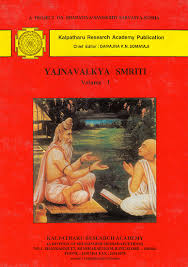
(2).Yajnavalkya Smriti consists of 3 chapters (Adyayas) containing 1010 couplets (slokas): 1.Achara (conduct), 2.Vyavahara (Civil Law), 3.Prayaschita (Penance)

(3).Vishnu Smriti

(4).Narada Smriti

(5). Shankha Smriti

(6).Likhita Smriti

(7).Parasara Smriti


(8).Apastamba sutra

(9).Gautama sutra

(10).Vasishta sutra

(11).Baudhayana sutra


These books deal with Dharma (moral conduct rules). But there are books on economics such as Artha Shastra of Kautilya, Brihaspati Shastra, Sukra Niti which deals with punishments for economic offences. Several of the Law Books are lost.

There is a couplet in Sanskrit which says,

“The Laws of Manu are declared for the Krita Yuga, those of Yajnavalkya for the Treta Yuga; those of Shanka and Likhita are recommended for the Dwapara Yuga, those of Parashara are remembered for the Kali yuga (current yuga)”

Krute tu maavaa: proktaas tretaayaam yaajnavalkyajaa:

Dwaapare shankkalikhitaa: kalua paraasaraa: smrutaa:

 manu 2

Manu smriti says:

“The Veda is known as Shruti, the Dharmashastras as Smriti: these should not be doubted (but carefully consulted and considered) in all matters, for from them Dharma arose.”

Shrutistu vedo vinjeyo dharmasaastram tu vai smruti:

Te sarvaartheshvamiimaasye tabhyaam dharmo hi nirbabhau

Manu 2-10


What do they indicate:

1.A community needs different codes of conduct to suit the needs of people living in different areas at different times

2.Change is inevitable; so introduce new books or update the old version; this is used by the foreigners to give a false date for each book.

3.Whenever Hindus met elders or seers they introduced themselves with their names, part of the Veda they are mastering and the Law Book/ Dharmasutra they are following. (For instance, I bow to the elders at my house saying I recite Yajur Veda and follow Apastamba Sutra)

4.Since no country in the world has so many law books during a span of 3000 years, and since nobody recites to his elders what law book he is following we have to accept that Hindus are more civilized and advanced in the area of codifying laws.

yajna smrti

–subham–