‘Madura, Most Celebrated City of the Kingdom of Regio Pandionis’ (Post No.2831)

Temple_de_Mînâkshî01

Compiled by London swaminathan


Date: 22 May 2016


Post No. 2831


Time uploaded in London :–   20-37


( Thanks for the Pictures)


DON’T REBLOG IT AT LEAST FOR A WEEK!  DON’T USE THE PICTURES; THEY ARE COPYRIGHTED BY SOMEONE.


(for old articles go to tamilandvedas.com OR swamiindology.blogspot.com)


Excerpt from the book ‘India Revisited’ by Edwin Arnold, year 1886

“No towns of any importance are passed until the traveller arrives at Madura, one of the most celebrated cities of the ancient kingdom of the Regio Pandionis.

Madura, “the place of amenity”, according to its Sanskrit derivation, lies on the high road to Rameswaram, the sacred island of the Straits, and thus must have become very early as a famous site, full of schools, temples and palatial buidings.


One prince of the Nayak dynasty is said to have here erected or commenced 96 shrines, of which those that remain are striking examples of the religious architecture of India.


Temple of Minakshi or the Fish Eyed Parvati has nine large and small pagodas on its sides and angles. Four of them are of great height, soaring aloft in the form of sharp pyramids, covered from base to summit with stages of elaborately sculptured figures in stone, which have been minutely and ingeniously coloured, and stand forth from a ground of red – so that each gopuram looks like a mountain of bright and shifting hues, in the endless detail of which the stonished vision becomes lost. Range after range of gods, goddesses, heroes, and demons, in vivid tents, and with all their jewels and weapons dazzlingly brought out by gold and ochres, are seen mounting into  the air from the pillared basement where horses ramp and elephants twist their trunks, to the volutes at the top all blue and green and gold. Imagine four of these carved and decorated pyramidal pagodas, each equally colossal and multi coloured, with five minor ones clustering near, any one of which would singly make a town remarkable!

meenakshi 1919

The interior of this vast temple is full of picturesque courts and dimly lighted aisles, where numberless bats flit about among the lamps, and figures of the wildest fancy glimmer through the obscurity. We were not allowed – being known here only as passing travellers – to enter the very holy places of the building, and thus failed to see the “Tank of the Golden Lotuses” and the famous “Bench of Jewels”. This latter, if accounts be true, was a marvellous possession of the shrine. The candidate for election to the Synod of the college, after satisfactorily replying to his examination questions, was told to seat himself on the bench. If he were a worthy aspirant it expanded of itself from a mere knife- edge of a blue granite to  a commodious seat set with diamonds; if unworthy, the bench collapsed altogether, at the same time flinging the rejected  novice into the tank.


According to old legends, the useful institution came into disuse about the year 1028 AD, when a Pariah priest presented himself for ordination, bringing a remarkably clever Sanskrit poem. The proud ecclesiastics of Madura had grown idle and ignorant, and would have driven this humble  yet learned aspirant forth; but he was no other than the God Shiva himself in disguise,  who had come to claim admission to his own Sangha; and the Bench of Jewels expanded joyously  to accommodate the deity. The story goes that, , on beholding this condemnation of their order, the priests filled out one by one and drowned themselves respectfully in the tank of the Golden Lotuses.


Madura is a clean and well-kept city, full of many other interesting buildings and of picturesque combinations of palm grove and bazaar life which would delight an artist. In its streets may be  constantly seen, yoked ‘ekas’ and carts, those charming little  Guini bullocks, milk white and perfectly proportioned , but diminutive beyond belief. I saw one of them in the garden of Mr De Souza, at Colombo, which was a bull, as symmetrical as any short-horn sire of the Bates breed, and yet positively no bigger than a mastiff or Mount st. Bernard. I tried to buy some of these to bring home, but those offered were not of the true caste; and the man who had the better specimens encountered an evil omen on his way to my quarters. You must not do any business in India, if you meet with a one eyed person, an empty water pot, a fox, a hare, or a dead body!


Madura also produces the finest scarlet-dyed cloths in India – a distinction attributed to the virtues of the water of the River Vyga. In one of her streets is, moreover, to be seen a very simple, but a pleasing monument, recording the gratitude of the inhabitants to a former collector, Mr Black Burne.


This is a pillar of stone, of no architectural merit, but erected to perpetuate the name and virtues of the meritorious British official who transformed Madura from foetid and plague-stricken city to one which has become wholesome, aggregable, and handsome in aspect beyond most Indian towns. Every night a lamp is lighted upon his memorial, and it is only one of a thousand proofs of the benefits conferred upon India by the just and conscientious English rule, as well as of the solid appreciation felt for that rule by best minds among the natives.


meenakshi base view

“Political Mischief Mongers”

Political mischief mongers who talk at home or in India, of the discontent and ill will of her inhabitants towards the British are either ignorant or malignant. I have recently passed through hundreds of her towns and cities, and over thousands of miles of her districts – often wandering alone in crowded bazaars or solitary jungles — and have not encountered a single evil look or received one rude or unfriendly answer.  In conversation with intelligent people of all caste and classes I have found the blessings of our  strong and upright sway perfectly understood, and repaid — not, indeed, with affection, since that is asking too much from Hindu natures – but with respect, admiration, and general acquiescence. There are classes, of course, which will always remain hostile, and India is an ocean of humanity, about the various seas, gulfs and inlets of which no man can ever securely generalise. Yet I am personally convinced by observation and inquiry that the roots of our Raj – despite al drawbacks and perils – were never so deeply struck into the soil as at present, and that while we must strive more and more to develop the boundless resources of the country, and to win the hearts of her people by fearless, but wise and gradual expansion of their rights and liberties, India at large knows well that she has never received from Heaven aa richer blessing than the Pax Britannica”.


(Even scholars like Edwin Arnold justified the “just” and “conscientious” British Rule!!!)

Many of the things he has said about Madura(i) are also factually incorrect—London swaminathan.

–subham–

கடலுக்கடியில் சக்ரவாள மலை:கம்பன் தரும் தகவல் (Post No. 2830)

submarine mountains 1

Article written by London swaminathan


Date: 22 May 2016


Post No. 2830


Time uploaded in London :–   6-55 AM


( Thanks for the Pictures)


DON’T REBLOG IT AT LEAST FOR A WEEK!  DON’T USE THE PICTURES; THEY ARE COPYRIGHTED BY SOMEONE.


(for old articles go to tamilandvedas.com OR swamiindology.blogspot.com)


sea-mounts

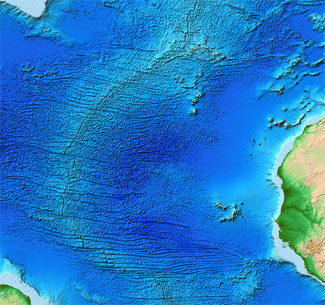
கடலுக்கடியில் இருக்கும் ஒரு பெரிய மலைத் தொடர் பற்றி இந்திய இலக்கியங்கள் பேசுகின்றன. தமிழ், சம்ஸ்கிருத நூல்கள் இதைப் பற்றி குறிப்பிடுகின்றன. கடலுக்கடியில் வட்டமாக பூமியைச் சுற்றி இம்மலை இருப்பதாக மக்கள் நம்பினர். இதனால் இதை, புலவர் பெருமக்கள் உவமையாகக் கூட பயன்படுத்தினர்.


இப்பொழுது கடலடி மலைகளையும், கடற் படுகைகளையும் ஆராயும் நீர்மூழ்கிக் கப்பல்கள் உருவாகிவிட்டதால் எளிதில் ஆராய முடிகிறது. கடலுக்கடியில் மிக உயரமான மலைகள் இருப்பதை கடலியல் ஆராய்ச்சியளர்கள் ஒப்புக் கொள்கின்றனர். ஆயினும் நமது இலக்கியங்கள் வருணிப்பது போல இது வட்டமாகத் தொடர்ந்து இல்லாமல் ஆங்காங்கே இடைவெளி விட்டு மலைத் தொடர்களாக இருக்கின்றன. இதைத் தான் நமது இலக்கியங்கள் சக்கரவாளம் என்று வருணிக்கிறது என்று சொல்லலாம்.


கடலடி ஆராய்ச்சிக் கருவிகள் இல்லாமலேயே, பூமி முழுவதும் எல்லா இடங்களிலும், கடலுக்கடியில் இப்படி ஒரு மலைத் தொடர் இருப்பதைக் கண்டுபிடித்த நம் முன்னோர்களின் அறிவை எண்ணி வியக்கலாம். கடற்பயணம் செய்த நம் முன்னோர்கள் இதைக் கண்டு பிடித்திருக்கலாம்.


இதோ கம்பன் சொல்லும் உவமை:

தேமொழி திறத்தினால் அரக்கர் சேனை வந்து

ஏமுற வளைந்தது என்று உவகை எய்தினார்

நேமி மால் வரைநெருக்குகின்றதே

ஆம் எனல் ஆய கைம்மதிட்குள் ஆயினார்

-கவந்தன் படலம், ஆரண்ய காண்டம், கம்பராமாயணம்


பொருள்: சக்கரவாளம் என்று பெரிய மலை ஒன்று உள்ளது. அது நெருங்கி வந்து நெருக்குகிறது என்று சொல்லுமாறு கவந்தன் என்னும் ராட்சசனின் கைகள் ராம, லட்சுமண சகோதரர்களைச் சுற்றி வளைத்தது. தேன் போல இனிய மொழி பேசும் சீதையின் பொருட்டு அரக்கர் சேனை வந்துவிட்டது என்று எண்ணி மகிழ்ந்தனர்.


கவந்தனின் கைகள் வளைத்ததை, சக்கரவாக மலை நெருக்கியதற்குக் கம்பன் ஒப்பிடுகிறார். மக்களுக்கு ஒரு விஷயம் தெரிந்திருந்தால்தான் புலவர்கள் அதை உவமையாகப் பயன்படுத்துவர். ஆகவே மக்களுக்கு இதுபற்றி நன்கு தெரிந்திருந்தது என்றே சொல்லல்லாம்.

submarine2

கம்பனுக்கு முன் தோன்றிய பழமொழி நானூறு என்னும் நூலிலும் இதோ ஒரு உவமை:-


கெடுவலெனப்பட்ட கண்ணும் தனக்கோர்

வடுவல்ல செய்தலே வேண்டும் – நெடுவரை

முற்று நீராழி வரையகத் தீண்டிய

கற்றேயும்; தேயாது சொல்

-பழமொழி


பொருள்:-  பெரிய சக்கரவாள மலை சூழ்ந்த கடலை எல்லையாக உடைய உலகத்திலுள்ள மலைகள் தேயும்; ஆனால் வடுச்சொல் தேயாது. ஆகையால் தான் கெடுவோம் என்று தெரிந்தாலும்,தனக்கு பழி உண்டாகத செயல்களையே செய்தல் வேண்டும்.


–சுபம்–


How Hindu Lahore became Muslim Lahore: A.H. Hallam Murray, Year 1905 (Post No 2829)

Lahore

Article written by London swaminathan


Date: 21 May 2016


Post No. 2829


Time uploaded in London :–  13-50


( Thanks for the Pictures)


DON’T REBLOG IT AT LEAST FOR A WEEK!  DON’T USE THE PICTURES; THEY ARE COPYRIGHTED BY SOMEONE.


(for old articles go to tamilandvedas.com OR swamiindology.blogspot.com)


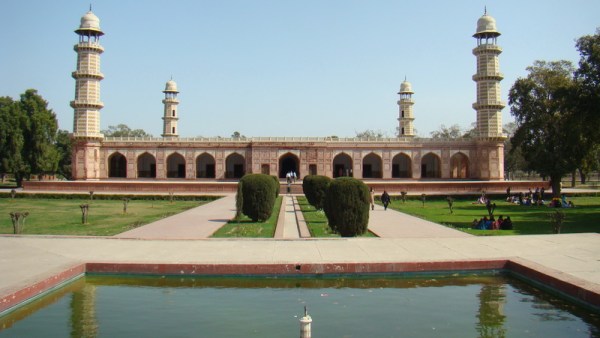
03 Lahore Jahangir's Tomb

Picture: Jahaghir Tomb in Lahore


“In old days, he who held Lahore held India, for it stands at the sluice gates through which, from the north-west – since the time of Alexander – the flood of many successive generations of India’s conquerors has swept. Into Lahore poured the first Mohammedan invaders at the end of the seventh century, and looted the great Brahminical city, of which years before, the Chinese Buddhist pilgrims, Fo-Hian and Hiuen- Tsiang, had described the splendour. Again three centuries later, the ten thousand picked horsemen of Mahmoud of Ghazni burst, “like a foaming torrent”, through the barriers and overwhelmed Jai Pal, the Rajput king of Lahore, at Peshawur. He was carried off, with rich spoils, into captivity, but released on promising a tribute: the disgrace, however, broke his heart, and mounting a pyre, he had had constructed, he applied the torch with his own hands, and perished in the flames.


The burden of the tribute passed to his son, Anang Pal, who was true to his inherited engagements, though other subjugated Rajahs were less loyal, and the northern Sultan returned in wrath and – defeating the largest army India ever had mustered- gained a firm foot in Hindustan. He occupied Lahore, which remained the capital of Musalman Empire, until 1194, when Mohammad Ghori, or Sahabuddin, whose dominions extended from Tibet to the Caspian, transferred the Metropolis to Delhi.


In the last years of the fourteenth century Lahore fell before the invasion of the lame   Timur, and when another 140 years had elapsed, it was once again sacked and pundered by the great Babar in 1526, who pushed his invasion further, and, after the victory of Panipat, founded the Empire of Moghuls. From that time Lahore ranked one of the great capitals of the East, and Milton, no doubts basing his estimate on  Mr William Finch’s remark, “This is without doubt one of the greatest cities of the East”, coupled it with Agra – in the well-known lines –

Samarckand by Oxus, Timur’s throne

To Pekin, of Simoean kings, and then

To Agra and Lahor of Great Mogul

Down to the golden Chersonese


The Mogul emperors lived here at intervals, and four great builders of the dynasty are all represented in Lahore: Akbar by the mixed Saracenic and Hindu architecture in the Fort and walls, Jehangir and Shah Jehan by their splendid palaces and the fanatical Aurngazeb by the great mosque. Subsequently the city became the scene of perpetual pillage and loot until the establishment of Sikh Kingdom under Ranjit Singh, a magnificent figure, who welded the Sikhs, under European officers, into the strongest native power in India; he was always a faithful ally of the British, and it was not till after his death, that two great wars led to the annexation of his kingdom”( by the British).

lahore-flash-mob

Picture of Lahore Fort

–A H Hallam Murray, London, 1905

From his book “THE HIGH ROAD OF EMPIRE”

–Subham–

சிதையும், சிந்தையும்; சுவையான பாடல் (Post No.2828)

problems

சிதையும், சிந்தையும்; சுவையான பாடல் (Post No.2828)


Article written by London swaminathan


Date: 21 May 2016


Post No. 2828


Time uploaded in London :–  7-34 AM


( Thanks for the Pictures)


DON’T REBLOG IT AT LEAST FOR A WEEK!  DON’T USE THE PICTURES; THEY ARE COPYRIGHTED BY SOMEONE.


(for old articles go to tamilandvedas.com OR swamiindology.blogspot.com)

bee happy

நம் எல்லோருக்கும் தெரிந்த சொற்கள் சிதை, சிந்தை; இரண்டும் சம்ஸ்கிருதச் சொற்கள்; இவைகளை வைத்து ஒரு கவிஞன் அழகான பாடல் யாத்துள்ளான்.

சிதைத் தீ, ஒருவர் இறந்த பின்னர் வெறும் உடலை மட்டும்தான் எரிக்கும்; சிந்தனையில் சோகமிருந்தால் அது நீங்கள் உயிருடன் இருக்கும்போதே உங்களை எரித்துக் கொன்றுவிடும்!

சிதா சிந்தா சமாக்ஞேயா சிந்தா வை பிந்துநாதிகா

சிதா தஹதி நிர்ஜீவம், சிந்தா தஹதி சஜீவகம்

பொருள்:–

சிதை, சிந்தனை பற்றி அறிந்துகொள்ளுங்கள்; இரண்டும் அழிக்கக்கூடியதே. ஆனால் சிதைத் தீயைவிட, சிந்தனை ஒரு சொட்டு (கொஞ்சம்) அதிகம்தான். ஏனெனில் சிதைத் தீ, செத்த பிறகு நம்மை எரிக்கும்; சிந்தனையோ/ கவலையோ உயிருள்ளபோதே நம்மை அழிக்கும்!


கொன்றழிக்கும் கவலை: பாரதி

இப்போது இதை பாரதி பாடலுடன் ஒப்பிடுவோம்:–


சென்றது இனி மீளாது மூடரே! நீர்

எப்போதும் சென்றதையே சிந்தை செய்து

கொன்றழிக்கும் கவலையெனும் குழியில் வீழ்ந்து

குமையாதீர்! சென்றதனைக் குறித்தல் வேண்டாம்

இன்று புதிதாய்ப் பிறந்தோம் என்று நீவீர்

எண்ணமதைத் திண்ணமுற இசைத்துக் கொண்டு

தின்று விளையாடி இன்புற்று இருந்து வாழ்வீர்

தீமை எல்லாம் அழிந்து போம், திரும்பி வாரா.


இதற்குப் பொருள் எழுதத் தேவையே இல்லை; தூய தமிழ்; எளிய தமிழ்; போனதைப் பற்றி கவலைப் படாதே; ஒவ்வொரு நாளும் புதிதாகப் பிறந்த்து போல எண்ணி அனுபவி (பழைய கஷ்டங்களை எண்ணி கவலைப் படாதே; பயப்படாதே)


கவலை – ஒரு பகைவன்!


மொய்க்கும் கவலைப் பகை போக்கி

முன்னோன் அருளைத் துணையாக்கி

எய்க்கும் நெஞ்சை வலியுறுத்தி

உடலை இரும்புக் கிணையாக்கி

பொய்க்கும் கலியை நான் கொன்று

பூலோகத்தார் கண் முன்னே

மொய்க்கும் கிருதயுகத்தினையே

கொணர்வேன் தெய்வ விதியிஃதே.

positive-quotes-61

பாரதி பாடல் முழுதும், வேதங்களைப் போல பாஸிட்டிவ்/ ஆக்கபூர்வ எண்ணங்களே இருக்கும்.

கவலையை ஒழித்து, உள்ளத்தையும் உடலையும் எஃகு போல வலிமைப் படுத்தி, கிருத யுகத்தையே உண்டாக்குவேன் என்று சொல்கிறான் பாரதி. அவன் உடல் எரிக்கப்பட்டுவிட்டது; ஆனால் அவனது சொற்கள் நமக்கு ஒளியூட்டுகின்றன.


சங்கடம் வந்தால்

ஓம் சக்தி சக்தி சக்தி என்று சொல்லு – கெட்ட

சஞ்சலங்கள் யாவினையும் கொல்லு;

சக்தி சக்தி சக்தியென்று சொல்லி – அவள்

சந்நிதியிலே தொழுது நில்லு

ஓம் சக்தி அருளால் உலகில் ஏறு – ஒரு

சங்கடம் வந்தால் இரண்டு கூறு;

சக்தி சில சோதனைகள் செய்தால் – அவள்

தண்ணருளென்றே மனது தேறு.


கவலையைக் கொல்; அப்படியும் சங்கடம் நீடித்தால், ஏதோ ஒரு நன்மைக்காகத்தான் இதுவும் என்று உணருங்கள் என்கிறான்.

 thinking

சஞ்சலக் குரங்குகள்

கவலை, யோஜனை, பயம் ஆகியன குரங்குகள் போல ஒரு இடத்திலிருந்து இன்னொரு இடத்துக்குத் தாவித்தாவி நம்மை கலக்கும் என்பதால்,கலைமகளை வேண்டுதல் என்ற பாடலில் ‘சஞ்சலக் குரங்குகள்’ (மனம் ஒரு குரங்கு) என்ற அருமையான பதப் பிரயோகம் செய்கிறான். அவன் ஒரு சொல் தச்சன்!


கவலையைக் கொல்லுவோம்; எல்லா நலன்களையும் வெல்லுவோம்; அனைவருக்கும் இதைச் சொல்லுவோம்!


–சுபம்–


அதிசய ரஷிய யோகி குர்ட்ஜியெஃப்! (Post No.2827)

biography gurdjief

Written  BY S NAGARAJAN

Date: 21 May 2016


Post No. 2827


Time uploaded in London :–  6-48 AM


( Thanks for the Pictures)


DON’T REBLOG IT AT LEAST FOR A WEEK!  DON’T USE THE PICTURES; THEY ARE COPYRIGHTED BY SOMEONE.


(for old articles go to tamilandvedas.com OR swamiindology.blogspot.com)


20-5-16  பாக்யா வார இதழில் அறிவியல் துளிகள் தொடரில் வெளீயான கட்டுரை


 Book Gurdjief


அதிசய ரஷிய யோகி குர்ட்ஜியெஃப்!

ச.நாகராஜன்


“வாழ்க்கையில் இரண்டு விஷயங்கள் முடிவற்று தொடரும். ஒன்று மனிதனின் முட்டாள் தனம், இரண்டாவது இறைவனின் கருணை!”

–  குர்ட்ஜியெஃப்


“மனிதர்களுக்கு நம்பமுடியாதபடி அளப்பரிய ஆற்றல் உண்டு. ஒவ்வொருவருக்கும் இந்த ஆற்றல் உண்டு என்ற போதிலும் அப்படி ஒரு ஆற்றல் இருப்பதைத் தெரிந்து கொள்ளாமல் ஒவ்வொரு மனிதனும் வாழ்ந்து கொண்டிருக்கிறான்”


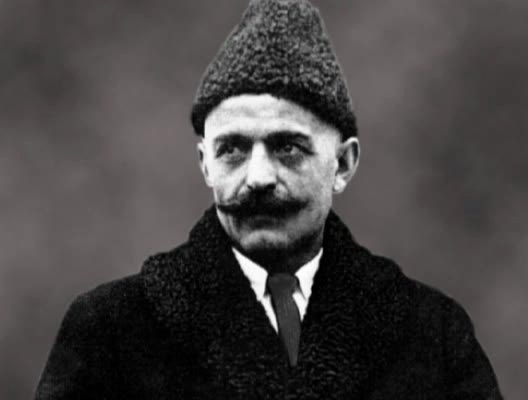
என்று இப்படி ஒரு கொள்கையை  முன் வைத்தவர் அதிசய ரஷிய யோகி குர்ட்ஜியெஃப். (GURDJIEFF :தோற்றம் 13-1-1866 மறைவு 29-10-1949)


சுவை நிறைந்த ஏராளமான சம்பவங்கள் நிறைந்தது இவரது வாழ்க்கை. தமிழ் மொழி உள்ளிட்ட பல மொழிகளிலும் இவரைப் பற்றி அதிகமாக எழுதப்படவில்லை. ஆகவே பொதுவாக மக்களிடையே அறியப்படாதவர்.


ஆனால் மேலை நாடுகளில் இந்த யோகியின் அருமையை அறிந்தோர் ஏராளம் உண்டு.

ஜான் ஜி.பென்னட் (தோற்றம் 8-6-1897 மறைவு 13-12-1974) என்பவர் பிரிட்டனைச் சேர்ந்த கணித மேதை. பெரிய விஞ்ஞானி. தொழில்துறை நிபுணர்.எழுத்தாளர். உளவியல் துறையில் சிறந்த புத்தகங்களை எழுதியவர்.


சிறந்த அறிவியல்  மனப்பான்மை கொண்ட இவர் ரஷிய யோகி குர்ட்ஜியெஃப்பைக் கண்டு அதிசயித்தார். அவருடனேயே இருந்து சிஷ்யராக மாறி அவர் காட்டிய வழியில் புதிய் ஆற்றலைப் பெற்றார்.


குர்ட்ஜியெஃப் பாரிஸுக்கு அருகில் இருந்த ப்ரியூர் என்ற இடத்தில் இன்ஸ்டிடியூட் ஃபார் ஹார்மோனியஸ் டெவலப்மெண்ட் ஆஃப் மேன் (Institue for the Harmonious development of man) என்ற ஒரு நிலையத்தை நடத்தி வந்தார்.

1923ஆம் ஆண்டு ஒரு நாள் அவரைக் காண பென்னட் வந்து சேர்ந்தார்.


பென்னட்டிற்கு ஒரு பெரிய பிரச்சினை இருந்தது.  நிரந்தரமான வயிற்றுப் போக்கு வியாதியால் அவர் பெரும் அவஸ்தைப் பட்டுக் கொண்டிருந்தார்.ஒவ்வொரு நாள் காலை எழுந்திருக்கும் போதும் முந்தைய நாளை விட அதிக பலஹீனமாக ஆகியிருப்பதை அவர் உணர்ந்தார். படுக்கையை விட்டு எழுந்திருக்கவே முடியாத நிலைக்கு  வந்தார்.

ஆனால் ஒரு நாள் காலை படுக்கையிலேயே படுத்திருக்க் வேண்டும் என்று அவர் நினைத்த போது அந்த நினைப்பையும் மீறி அவர் எழுந்தார்.நன்கு உடைகளை அணிந்தார். ஏதோ ஒரு பெரும் சக்தி தன் மீது இறங்கியதைப் போல அவர் உணர்ந்தார்.

காலையில் ந்டைப் பயிற்சிக்குப் பின் அதிக பலஹீனமாக இருப்பது போல உணர்ந்தாலும் கூட நேராக குர்ட்ஜியெஃப் நடத்தி வந்த நடன வகுப்புக்கு வந்து சேர்ந்தார்.


அந்த நடன வகுப்போ அதிக சிக்கலான, நளினமான அசைவுகளைக் கொண்ட நடனத்தைக் கற்பிக்கும் ஒரு வகுப்பு. அதில் மிக அதிகமான கவனக்குவிப்பும் அதிக உடல் வலிமையும் தேவை.


Gurdjieff31

நடனம் ஆரம்பமானது. தன்னிடம் ஒரு சக்தி வந்திருப்பதை உணர்ந்த பென்னட் நடனம் ஆட ஆரம்பித்தார். அன்று குர்ட்ஜியெஃப் புதிய அபிநயங்களைக் கற்பித்தார். மற்ற மாணவர்களோ அதைப் பின்பற்ற முடியாமல் நின்று விட்டனர். பென்னட்டின் கண்களைத் தீவிரமாக குர்ட்ஜியெஃப் பார்த்தார்.

பென்னட் அதீத சக்தியுடன் ஆடலானார்.


நிண்ட நடனப் பயிற்சி  முடிந்தது. தனக்குள் எப்ப்டி இப்படி ஒரு வலிமை வந்து சேர்ந்தது என்று வியந்த பென்னட் தன் சக்தியைச் சோதித்துப் பார்க்க விரும்பி ஒரு மண்வெட்டியைக் கையில் எடுத்துக் கொண்டு ஒரு குழியைத் தோண்ட ஆரம்பித்தார். சாதாரணமாக அவரால் இரண்டு நிமிடங்கள் கூட அந்தக் குழியைத் தோண்டியிருக்க முடியாது. ஆனால் அன்றோ        கடுமையான வெயிலிலும் கூட அவர் தொடர்ந்து ஒரு மணி நேரம் குழியை வெட்டிக் கொண்டே இருந்தார். பின்னர் அருகிலிருந்த ஒரு காட்டினுள் நுழைந்தார். அங்கே அவர் குர்ட்ஜியெஃப்பைச் சந்தித்தார்.


எந்த ஒரு பீடிகையும் இன்றி குர்ட்ஜியெஃப் பல்வேறு விதமான சக்திகளைப் பற்றி பென்னட்டுக்குக் கூறலானார்.

“ஒரு மனிதன் ஆற்றலுடன் இருக்க ஒரு விதமான சக்தி வேண்டும். அதை உயரிய உணர்ச்சி ஆற்றல் (higher emotional energy) என்று  அழைக்கலாம். இந்த பிரம்மாண்டமான சக்தியுடன் உலகில் சில பேர்களே இனைக்கப்பட்டுள்ளனர்.அகண்டாகாரமான அந்த சக்தித் தேக்கம் மிக மிகப் பெரியது” என்றார் அவர்.


இதன் மூலமாக் பென்னட்டுக்குத் தானும் அந்த சக்தி தேக்கத்துடன் இணைக்கப்பட்டிருப்பதைத் தெரிவித்ததோடு தனது சக்தியைச் சிறிது பென்னட்டுக்கும் கொடுத்திருப்பதை அவர் குறிப்பால் உணர்த்தினார்.


பென்னட் இன்னும் கொஞ்ச தூரம் அடர்ந்த காட்டினுள் சென்றார்.

நான் இப்போது வியப்படையப் போகிறேன் என்று நினைத்துக் கொண்டார். அவ்வளவு தான், அங்கிருந்த மரம் ஒவ்வொன்றும் பெரும் வியப்புகுரிய ஒன்றாக மாறி இருந்தது. இதைப் பார்த்துக் கொண்டே இருந்தால் எத்தனை நாட்கள் ஆனாலும் காட்டை விட்டு வெளியே போக முடியாது என்ற எண்ணம் அவருக்கு வந்தது.


பின்னர் பயப்படுவதாக அவர் நினைத்தார். அவ்வளவு தான், நானா திசையிலிருந்தும் அவரைப் பயமுறுத்தும் பல்வேறு தெரியாத தீய சக்திகள் அவர் மீது பாய்ந்தன.

திகைத்துப் போன அவர் சந்தோஷம் என்பதை நினைக்கவே உடலெல்லாம் புல்லிருக்கும் விதத்தில் சந்தோஷம் நிரம்பியது.

பிறகு அன்பு என்பதை அவர் நினைக்க உலகமே அன்பு மயமாகத் தோன்றியது. இந்த அன்பிலிருந்து ஒருகாலத்திலும் தான் விடுபட முடியாது என்று அவருக்குத் தோன்றியது.


இப்படிப்பட்ட அதிசய உணர்வுகள் வேண்ட்வே வேண்டாம் என்று அவர் நினைக்க அவரது அமானுஷய சக்தி அகன்று சாதாரண நிலைக்கு அவர் வந்தார்.


எப்படி குர்ட்ஜியெஃப்  அவருக்கு இப்படி ஒரு அபரிமிதமான சக்தியை அளித்தார்?

இது ஒன்றும் அதிசயம் இல்லை. யார் வேண்டுமானாலும் இப்படி ஒரு சக்தியை எல்லயற்ற சக்தித் தேக்கத்திலிருந்து பெறலாம் என்பதே குர்ட்ஜியெஃப்பின் கொள்கை.


உலகின் பிரபல விஞ்ஞானியும் உளவியலாளருமான வில்லியம் ஜேம்ஸும் இது பற்றிக் கூறி மனிதனின் ஆற்றல் அளப்பரியது என்று சொல்லி இருக்கிறார்.


பென்னட் வாழ்நாள் முழுவதும் குர்ட்ஜியெஃப்பை நேசித்தார். மதித்தார்.


abdulkalam


அறிவியல் அறிஞர் வாழ்வில் .. ..


பிரெஞ்சு கினியாவில் உள்ள கௌரவ் என்ற இடத்திலிருந்து இன்சாட் – 4 B சாடலைட் ஏவப்படுவதை மேற்பார்வையிட இந்திய விண்வெளி ஆய்வுக் கழகமான ஐஎஸ் ஆர் ஓவிலிருந்து இந்திய விஞ்ஞானிகள் பலர் சென்றனர். சோதனையை முடித்து விட்டு இந்தியா திரும்ப அவர்கள் பாரிஸில் உள்ள சார்லஸ் டீ கால் விமான நிலையத்திற்கு வந்தனர்.


அங்கு அவர்களை விமான நிலையத்தின் உயர் அதிகாரி ஒருவர் சந்தித்தார். பாஸ்போர்ட்டுகளை செக் செய்த பின்னர் வழக்கமாக அவர்கள் செல்லும் பயணிகளுக்கான இருக்கைகளை நோக்கி அவர்கள் செல்ல முயன்ற போது அந்த அதிகாரி அவர்களைத் தடுத்தார். என் கூட வாருங்கள் என்றார் அவர். விஞ்ஞானிகள் பயந்து போனார்கள். ஏதாவது பிரச்சினையா என்று பயத்துடன் வினவினர்.

அதெல்லாம் ஒன்றும் இல்லை! எனக்குக் கிடைத்த உத்தரவை நான் நிறைவேற்றுகிறேன். அவ்வளவு தான். கூட வாருங்கள் என்றார்.


எல்லோரையும் ஒரு விசேஷமான விஐபி தங்குமிடத்திற்கு அவர் அழைத்துச் சென்று அங்கு அமரச் சொன்னார்.

ஏதோ விபரீதம் தான் என்று எண்ணிய விஞ்ஞானிகள் நாங்கள் சாதாரண எகானமி க்ளாஸ் டிக்கட் தான் வாங்கி இருக்கிறோம். இங்கு தங்க முடியாது என்று தயக்கத்துடன் கூறினர்.


அந்த அதிகாரி அப்போது, “டிக்கட்டெல்லாம் தேவையில்லை. சற்று நேரத்திற்கு முன்னர் உங்கள் ஜனாதிபதி அப்துல்கலாம் அவர்கள் இங்கிருந்து புறப்பட்டுச் சென்றார். அப்போது அவர்கள் எங்கள் நாட்டு விஞ்ஞானிகள் சோதனை முடிந்து திரும்பி வருவார்கள். அவர்களை கொஞ்சம் கவனித்துக் கொள்ளுங்கள் என்றார். இங்கு உங்கள் விமானம்  புறப்பட இன்னும்  மூன்று மணி நேரம் இருக்கிறது. இங்கு உங்களை சௌகரியமாக வைக்க வேண்டியது எங்கள் பொறுப்பு” என்றார்.


விஞ்ஞானிகளுக்கு மெய் சிலிர்த்தது. எவ்வளவோ வேலைகளுக்கு இடையில் தங்களின் வரவை நன்கு கணித்து விமான நிலைய அதிகாரியிடம் வேண்டுகோள் விடுத்த ஜனாதிபதியின் அன்புள்ளத்தை நினைத்து அவர்கள் உருகிப் போனார்கள். மாமனிதர் என்று அப்துல்கலாமை காரணம் இல்லாமல் மக்கள் அழைக்கவில்லை!

**********


Auspicious Words in Sanskrit and Tamil Books (Post No.2825)

08.08.67.earth.med

Research article written by London swaminathan


Date: 20 May 2016


Post No. 2825


Time uploaded in London :–  13-49


( Thanks for the Pictures)


DON’T REBLOG IT AT LEAST FOR A WEEK!  DON’T USE THE PICTURES; THEY ARE COPYRIGHTED BY SOMEONE.


(for old articles go to tamilandvedas.com OR swamiindology.blogspot.com)


Ancient Hindu writers who wrote in Sanskrit and Tamil had some wrting traditions which were not found anywhere else in the world. They had a set of rules about the opening sentence or opening word of a great work in literature. They always started with some auspicious words or with the name of God. Either the prayer in the book or the first verse had that Mangala or auspicious words.


Here is a simple sloka which gives the rule:-

Omkaarascha atha sabdascha dvaavethau brahmanah puraa

Kandam bitwaa viniyaartau tasmaan maangalikaavubau

-Paatanjala darsanam


The sounds ‘Om’ and ‘Atha’ came first from the mouth of Brahma. So both these are considered auspicious words.

moon night

This ancient tradition lead the poets and compilers to begin a book with these words. The first letter of the alphabet in most of the old languages is ‘A’. Tamils and Sanskritists used this word as well.

Om or Aum has got a mystical meaning; it is the primordial sound from which everything came out/ originated

‘Atha’ means now

Here are some examples to illustrate the tradition:-

Atha yogaanusaasanam – Opening line of Patanjali Yogasutram

Atha Srimad Bhagavd Gita – Bhagavad Gita

Athaatho brahmajijnaasaa – Brahmasutra

Agni meele – Rig Veda (Om is also added with every mantra in the Vedas).

When the Guru opens the book in front of the students, he would say

Atha Valmiki Ramayana, Atha Rik Vedah etc. and then teaches the students.

Kalidasa, the greatest of Indian poets, prays to god with various words. If god is not directly referred to then the poets used words like ‘Viswa’, ‘Loka/world’.


Vishu Sahsranama begins with ‘Viswam’ vishnur Vashatkaro……..

tricolour om

But all the Sanskrit religious texts used Om or Atha in the beginning.

Amarakosa also says ‘Atha’ is an auspicious word. So we know that it has been in vogue for thousands of years.

Tamil Rule

Tamils have used the following words as the initial word in their works if it does not contain a direct Prayer to God:–

Siir(Sri), Ezuthu(word),Pon(gold), Puu(flower), Thiru (Sri/Lakshmi), Mani(Gem/Bell), Yaanai (Elephnt),Ther(chariot), Pari(horse), kadal(Sea), Malai(hill) Pukaz(fame), Mathi(Moon), Neer (water) Aaranam(Vedas) ,Sol(wprd), Puyal (rain/storm), Nilam (Earth), Ganga (Holy Ganges River), Ulakam(world),Parithi(Sun), Amirham (Ambrosia/Amrut).

Ulakam/World

Famous Tamil works such as Tirumurukatruppadai, Manimekalai, Valayapathy, Periya Puranam, Kamba Ramayanam, Mullaippaattu, Mudumozikanchi, Seevaka Chintamani, Villi Bharatam begin with the word ‘Ulakam’.

Other books such as Sirupaanatrupadai, Natrinai, Tirikaduka used the synonyms of world (Maanilam)

Oldest Tamil book Tokaappiam begins with Ezuthu(Word).

Tamil Epic Silappathikaram begins with Moon, Sun and Rain.

swastik, om lamps, kotipali shivratri

Tamil Veda Tirukkuran begins with ‘Akara’.

All the ancient Sanskrit and Tamil inscriptions begin with Swasti Sri, another auspicious word.

All the literary works ended with the word SUBHAM ( meaning Well, Good, Prosperity)

No other ancient culture except the Hindus had this literary tradition.

sheep, sun

–Subham_


Lateness Anecdotes (Post No. 2824)


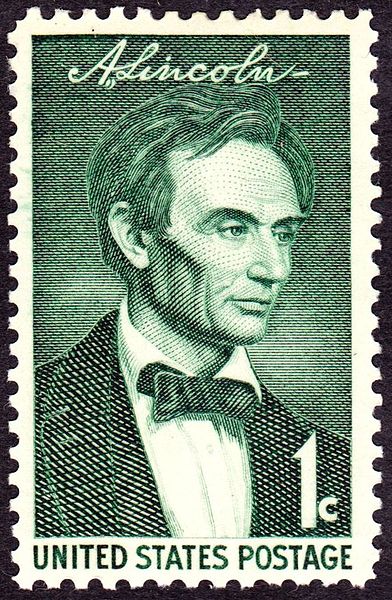
392px-Young_Lincoln-1c

Compiled by London swaminathan


Date: 18 May 2016


Post No. 2824


Time uploaded in London :– 17-37


( Thanks for the Pictures)


DON’T REBLOG IT AT LEAST FOR A WEEK!  DON’T USE THE PICTURES; THEY ARE COPYRIGHTED BY SOMEONE.


(for old articles go to tamilandvedas.com OR swamiindology.blogspot.com)


Charles Lamb


At the East India House the head of the office once reproved Charles Lamb for the excessive irregularity of his attendance

Really , Mr Lamb, you come very late!

Y..yes, replied Lamb with his habitual stammer, b..but con…sider how ear…..early I go!


Xxx


Slow Horse


On one occasion when Lincoln was going to attend a political convention, one of his rivals, a liveryan, provided him a slow horse, hoping that he wouldn’t reach his destination in time. Lincoln got there, however, and when he returned with the horse, he said, “You keep this horse for funerals, don’t you?”


Oh, no! Replied the liveryman.


Well, I am glad of that, for if you did you would never get a corpse to the grave in time for resurrection.


Xxx


A gentleman, having an appointment with another who was habitually unpunctual, to his great surprise found him waiting. He thus addressed him, “Why I see you are here first at last. You were always behind before, but I am glad to see you have become early of late”.


Xxx

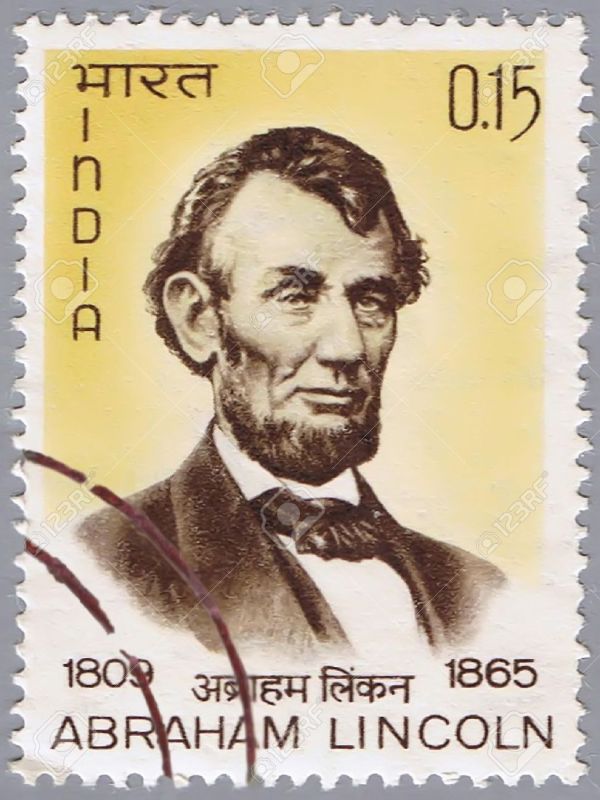
 -INDIA lincoln

Gettysburg Address


On his way to Gettysburg, where he delivered his immortal address, Lincoln was urged by General Fry hurry in order not to hold up the train. To this Lincoln replied, I feel about this as the convict in one of our Illinois towns felt when he was going to the gallows. As he passed along the road in custody of the sheriff, the people eager to see the execution, kept crowding and pushing past him. At last he called out “Boys you need not be in such a hurry to get ahead. There won’t be any fun till I get there”.


…subham….


தமிழர்களின் கோழிச் சண்டை, ஆட்டுக் கிடாச் சண்டை!! (Post No.2823)

cockfighting

Research article written by London swaminathan


Date: 19 May 2016


Post No. 2823


Time uploaded in London :–  9-19 AM


( Thanks for the Pictures)


DON’T REBLOG IT AT LEAST FOR A WEEK!  DON’T USE THE PICTURES; THEY ARE COPYRIGHTED BY SOMEONE.


(for old articles go to tamilandvedas.com OR swamiindology.blogspot.com)


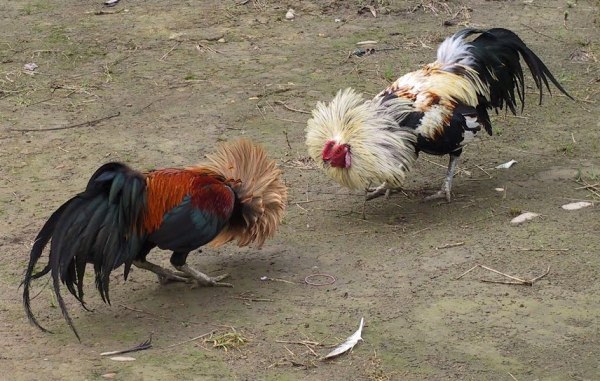
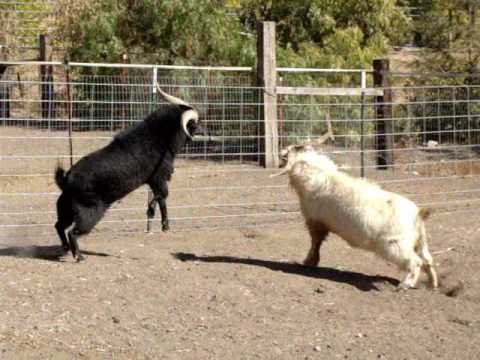
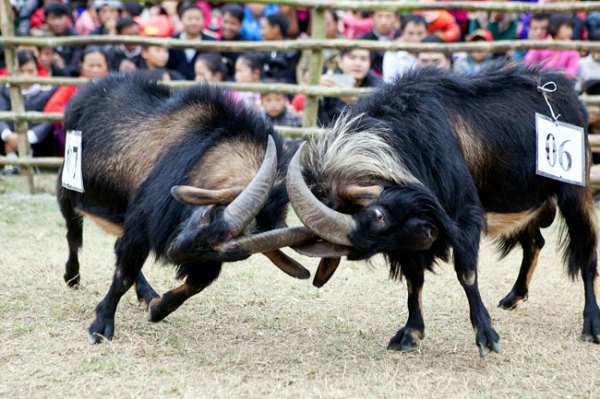
சங்க காலம் முதல் இந்தக் காலம் வரை தமிழர்களின் பொழுது போக்காக சில விளையாட்டுகள் இருந்து வருவது சிறப்புக்குரியது. சேவல் கோழி, கவுதாரி முதலிய பறவைகளை மோதவிட்டு வேடிக்கை பார்ப்பது, அதே போல ஆடு, மாடுகளை சண்டை போட வைத்து வேடிக்கை பார்ப்பது பற்றி சங்க இலக்கியங்களிலும், பிற்கால இலக்கியங்களிலும் சுவையான செய்திகள் உள்ளன. இங்கே ஒன்றிரண்டைத் தொட்டுக் காட்டுகிறேன்.

கம்பராமாயணத்தில் பால காண்டத்தில் அயோத்தி நகர மக்களின் பொழுதுபோக்குகளை கம்பன் வருணிக்கிறான். கோசல நாடு பற்றி கம்பன் கூறியது அனைத்தும் சோழ நாட்டை மனதிற்கொண்டு சொல்லப்பட்டவையே.

கறுப்புறு மனமும் கண்ணில் சிவப்புறு சூட்டும் காட்டி

உறுப்புறு படையின் தாக்கி உறுபகை இன்றி சீறி

வெறுப்பு இல களிப்பின் வெம்போர் மதுகைய வீர ஆக்கை

மறுப்பட ஆவிபேணா வாரணம் பொருத்துவாரும்


பொருள்:–

சினம் மிகுந்த மனமும், கண்களைப் போலச் சிவப்பு நிறமுள்ள உச்சிக் கொண்டையும் தோன்ற, தமது காலிலே கட்டப்பட்ட கத்தியால் தம்முடன் போரிடும் கோழியைத் தாக்கி, முன்பகை ஏதுமில்லாமலே கோபித்துப் போர் செய்வதில் வெறுப்பில்லாதனவாகி, செருக்கினால் அப்போரில் வலிமை பெற்று, வீர வாழ்க்கைக்கு களங்கம் உண்டானால், உயிர்துறக்கும் சேவற் கோழிகளை சிலர் போர் செய்யுமாறு செய்தார்கள்.

goat fight

எருமை நாகு ஈன்ற செங்கண் ஏற்றையோடு ஏற்றை சீற்றத்து

உரும் இவை என்னத் தாக்கி ஊழுற நெருக்கி ஒன்றாய்

விரி இருள் இரண்டு கூறாய் வெகுண்டன அதனை நோக்கி

அரி இனம் குஞ்சி ஆர்ப்ப மஞ்சுற ஆர்க்கின்றாரும்

பொருள்:–


எருமைகள் பெற்றெடுத்த செந்நிறக் கண்களையுடைய ஒரு எருமைக் கடாவுடன், மற்றோர் எருமைக் கடா, இவை ‘உருமும் இடிகள்’ ஆகும், என்று சொல்லும்படி மோதி, இருட்டு, இரண்டு பகுதியாகிப் போர் செய்வது போல போரிட்டன. அந்தக் கடாக்களின் போரினை வேடிக்கை பார்த்து ஆரவாரித்து வண்டுகள் மேலே எழுந்தன. மக்களில் சிலர் வானம் வரை சப்தம் கேட்கும்படி ஆரவாரம் செய்தார்கள்.

தமிழர் நாகரீகமும் பண்பாடும் என்ற நூலில் அ.தட்சிணாமூர்த்தி பின்வருமாறு கூறுகிறார்:–

வீரவுணர்வு மிக்க தமிழர்கள் ஆட்டுக் கிடாய்களையும், காடை, கவுதாரி, கோழி முதலான பறவைகளையும் பழக்கிப் போரிடச் செய்து மகிழ்வதில் நாட்டம் கொண்டிருந்தனர். ‘குப்பைக் கோழி தனிப் போர் போல’ (பாடல் 305) என்று குறுந்தொகைப் புலவர் ஒருவர் அரிய உவமையை ஆள்கின்றார். இதனால் கோழியைப் பழக்கிப் போரிடச் செய்தலும் வழக்கிலிருந்தது என அறியலாம். புறப்பொருள் வெண்பா மாலையில் பூழ்ப்போரும் தார்ப்போரும் வாகைத் திணையில் பேசப்படுகின்றன.


பூழ்= காடை, கானாங்கோழி பறவை வகைகள், தார்=ஆட்டுக் கிடா

நமது இலக்கியங்களில், குறிப்பாக கம்பராமாயணம், பெருங்கதை போன்ற இடைக்கால நூல்களில், இது போன்ற நிறைய குறிப்புகள் உள.


goat fight 2

–சுபம்–


Melancholy Anecdotes (Post No. 2822)

grimaldi picture

Compiled  by London swaminathan

Date: 18 May 2016

Post No. 2822

Time uploaded in London :– 17-37

( Thanks for the Pictures)

DON’T REBLOG IT AT LEAST FOR A WEEK!  DON’T USE THE PICTURES; THEY ARE COPYRIGHTED BY SOMEONE.

(for old articles go to tamilandvedas.com OR swamiindology.blogspot.com)

Melancholy = feeling of sadness

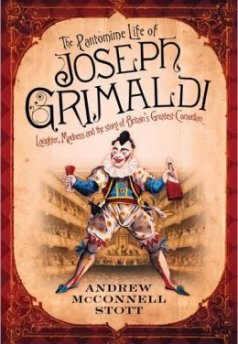
I am Grimaldi !


A patient suffering from profound melancholy one day presented himself to Abernathy. After careful examination the celebrated practitioner said, “You need amusement, go and hear the comedian Grimaldi, he will make you laugh, and that will be better for you than any drugs.

“My God”, exclaimed the invalid, “I am Grimaldi!”

Xxx

Money is Medicine!!

Dr Goldsmith, having been requested by a woman to visit her husband who was melancholy, called upon the patient and told him that he would send some pills which he had no doubt would prove efficacious. He immediately went home, put ten guineas into a chip, and sent them to the sick man. The remedy had the desired effect.


Xxxx

philip of spain

Music is Medicine!!!

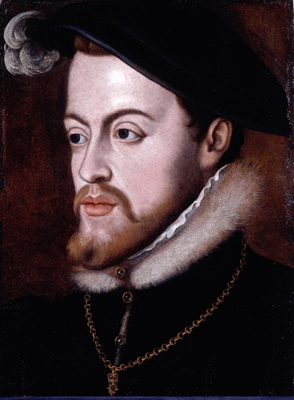
Philip of Spain was in such a deplorable state of despondency from ill health, that he refused to be shaved. On the arrival of the famous singer Farinelli, the queen ordered a concert in a room adjoining the Kings chamber.  Farinelli sang one of his best airs, which so overcame the King that he desired he might be brought into his presence, when he promised to grant him any reasonable request he might make. The performer, in the most respectful manner, then begged of the King to allow himself to be shaved to which request Philip graciously consented.


—Subham—-


சமயோசித புத்தி! நறுக்கென பதில்கள்!! (Post No 2821)

politics-clipart

Translated by London swaminathan


Date: 18 May 2016


Post No. 2821


Time uploaded in London :– 8-32 AM


( Thanks for the Pictures)


DON’T REBLOG IT AT LEAST FOR A WEEK!  DON’T USE THE PICTURES; THEY ARE COPYRIGHTED BY SOMEONE.


(for old articles go to tamilandvedas.com OR swamiindology.blogspot.com)


(இந்த சம்பவங்கள் ஏற்கனவே இங்கு ஆங்கிலத்தில் பிரசுரிக்கப்பட்டன. மொழி பெயர்ப்பளர்- லண்டன் சுவாமிநாதன்)

அமெரிக்காவில் சென்ற நூற்றண்டில் பிரபல வணிகராக இருந்தவர் மார்க் ஹன்னா. அவர் அரசியலிலும் மிகவும் செல்வாக்கு பெற்றவர்.


ஒரு நாள் தனது கம்பெனியில் நடந்துசென்று கொண்டிருந்தார். அப்பொழுது ஒரு இளம் தொழிலாளி இப்படிச் சொன்னார்:

“இதோ போகிறானே, நம்ம முதலாளி; இவன் நம்மைப் போல குடிசையிலும், நாம அவனைப் போல பங்களாவிலும் வாழனும்; நமக்கு அவனைப் போல நல்ல பணம் இருக்கனும்; அப்பத்தான் இந்தப் பயலுக்கு நாம படற கஷ்டமெல்லாம் தெரியும்”.


இது முதலாளி காதில் விழுந்திருக்காது என்று நினைத்து அவன் சொல்லிவிட்டான். ஆனால் இது மார்க் ஹன்னா காதிலும் விழுந்துவிட்டது.


மார்க் ஹன்னா தனது அலுவலகத்தில் உட்கார்ந்தபின்னர் அந்த இளைஞனை அலுவலகத்துக்கு அழைத்தார். அவன் நினைத்தான், “இன்றோடு நம்ம ‘சீட்டு’ கிழிந்துவிட்டது; வீட்டுக்கு அனுப்பப்போகிறார்” என்று.

முதலாளி: “நீ என்னைப் பற்றி சொன்னதை நான் கேட்டுக் கொண்டிருந்தேன். அது சரி, நான் உன் குடிசையில் வாழத் தயார்; நீ என் பங்களாவுக்கு வா; அந்தப் பணம் எல்லாம் எடுத்துக்கொள். அப்படிக் கிடைத்தால் என்ன செய்வாய்?”

இளைஞன்: “உங்களை முதலில் குடிசை வாழ்விலிருந்து உயர்த்தி மேலிடத்துக்கு வர வைப்பேன்”.

இதை கேட்டவுடன் முதலாளி மார்க் ஹன்னாவின் மனம் நெகிழ்ந்தது. உடனே அவனுக்கு சம்பள உயர்வு அளித்தார்.


சமயோசிதமான பதில்கள், ஒருவரின் அடி மனத்திலுள்ள நல்ல எண்ணத்தையோ கெட்ட எண்ணத்தையோ பளிச்செனக் காட்டிவிடும்.


Xxx

speech-clipart-1

கழுதை அல்ல; நீ ஒரு மிருகம்!

அமெரிக்க காங்கிரஸில் (பார்லிமெண்டின் ஒரு சபை) சாம்ப் கிளார்க் என்பவர் சபாநாயகராக இருந்த போது இந்தியானா மாகாண உறுப்பினர் ஜான்சன், மற்றொரு உறுப்பினர் பேசுகையில் குறுக்கிட்டு, “சீ, கழுதை, பேச்சை நிறுத்து” என்றார்.


கழுதை என்று திட்டுவது பார்லிமெண்டில் சொல்லக்கூடாத தகாத சொல் என்று அவர் உடனே ஆட்சேபனை எழுப்பினார். உடனே சபாநாயகர் அதைச் சபைக்குறிப்பிலிருந்து நீக்கினார். ஜான்சனும் மன்னிப்புக் கேட்டார். அப்படியும் விடாமல் தாக்குதலைத் தொடர்ந்தார்.

அந்த உறுப்பினரிடத்தில் கோளாறு இருக்கிறது; குறைபாடு இருக்கிறது என்றார்.


உடனே தாக்குதலுக்குள்ளான உறுப்பினர்,

என்ன கோளாறு, குறைபாட்டைக் கண்டீர்? தைரியம் இருந்தால் சொல்” – என்றார்.

உடனே ஜான்சன் சூடாக பதில் தந்தார், “அது எப்படி எனக்குத் தெரியும். மிருக வைத்திய சாலைக்குப் போய்ப் பார்; அவர் சொல்லுவார்” – என்றார்.

இப்பொழுது அந்த உறுப்பினரால் ஒன்றும் செய்ய முடியவில்லை. முதலில் கழுதை என்பதை நீக்குவதில் வெற்றி பெற்றார். ஆனால் அவர் மிருக (கால்நடை) மருத்துவ மனைக்குப் போய்ச் சோதனைக்குள்ளாக வேண்டும் – என்பதை நீக்க வைக்க முடியவில்லை. அப்படியே சபைக் குறிப்பேட்டில் பதிவாகியது.

கழுதை என்று நேரடியாகத் திட்ட காங்கிரஸ் (அமெரிக்க பார்லிமெண்ட்) அனுமதிக்காவிட்டாலும் ஒருவரை மிருக வைத்தியசாலைக்குப் போய் உன்னைச் சோதித்துக் கொள் என்று சொல்லுவதை அனுமதித்தது. இதுதான் சமயோசிதம்! அரசியல்வாதிக்கே உரித்தான பேச்சுத் திறமை!!

–சுபம்–