Three Tamil Kings fast unto Death! (Post No 2820)

bow arrow

Research article written by London swaminathan

Date: 17 May 2016


Post No. 2820


Time uploaded in London :– 20-49


( Thanks for the Pictures)


DON’T REBLOG IT AT LEAST FOR A WEEK!  DON’T USE THE PICTURES; THEY ARE COPYRIGHTED BY SOMEONE.


(for old articles go to tamilandvedas.com OR swamiindology.blogspot.com)


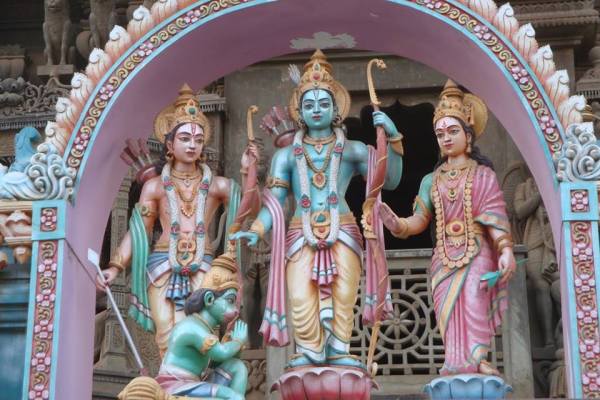
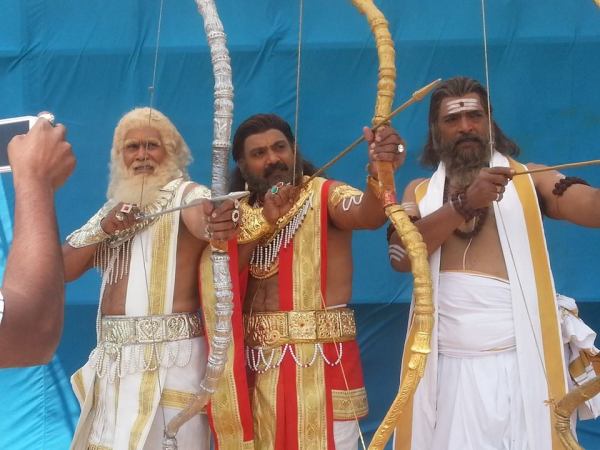
Tamils who lived 2000 years ago valued good reputation and family honour. They thought that it was better to die than to live in disgrace. This is a typical Hindu thinking. Throughout Valmiki Ramayana we come across several references to losing one’s life just to save their name and fame. Rama, Lakshmana, Bharata and Hanuman thought of killing themselves once or twice because they couldn’t do what they were supposed to do. The popular method of losing one’s life was jumping into a ritual fire. Alternative method was fast unto death.
IMG_3325

Tamil literature has listed at least three kings who lost their lives by ritual fasting.

Popular Tamil poet Tiruvalluvar says in his

Tirukkural (970)

The world will admire the glory of men, who give up their life,

When overtaken by dishonour

Purananuru, part of Sangam literature, has a verse sung by the Chera king Kanaikal Irumporai (Puram 74). He was defeated by the Chola king Chenganan. After his defeat hhe was thrown into the prison. Suddenly he felt thirsty and he asked for some cold water. The prison guards delayed t under some false excuses. He fasted unto death and refused to take the water which was brought to him after a deliberate delay.

He sang the verse when he was insulted by the prison guards:–

“Royal babies that die and even moles delivered from the womb of queens, even though they are not men, are cut to pieces with swords (warriors are supposed to die in battle fields; so it is done symbolically as if they died in battle fields). When this is so, could any king beget a son, when tied like a chained dog, would be so weak to drink  water charitably offered by his jailor, for allying the  fire in his stomach?”


When he got the water after a long delay, he composed this poem, holding the water in his hand. He never drank it. He starved him to death.

Tiruvalluvar says in another couplet

Hair lost, the yak lives not

Honour lost, noble men leave their life(969)

Ike hair that is fallen from the head are men athat have fallen from their height (964)
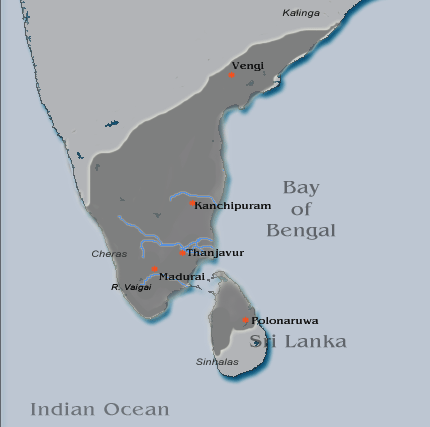
Pandya_territories

Asi Dhara Vrata (Sharp Sword Edge Vow)


It is like standing on the sharp edge of a sword. The meaning is  it is difficult to maintain that balance or it would hurt if slipped. A bachelor can lie in the same bed with a beautiful girl but yet never swerve from the vow of chastity. It is said that a sword will be placed in between them in the bed according to the commentator (Raghuvamsa 13-67).


When Rama returned to Ayodhya after 14 year stay in the forest, he saw Bharata walking towards him. He praised Bharata as practising Asidhara Vratam, without enjoying the Rajyalakshmi  (Kingdom or Earth is praised as Lakshmi, Goddess of Wealth in Hindu scriptures).


Tamil Kings Kopperum Choza and Neduncheralatha


Tamil Kings Kopperum Choza and Neduncheralatha of Sangam age also followed similar type of vow. They sat facing North on the banks of a river and fast unto death. They were also holding a sword in their hands, probably meaning the same, i.e. sharp edged vow. Verses in Purananuru 65 (by Kazath thalaiyar) and Akananuru  55 (by Mamulanar) are about the Chera King Neduncheralathan who died facing North. When such a great person sacrificed his life, scholars and general public joined them and made it a “mass suicide”. We see it when Lord Rama drowned himself in the Sarayu River and in the Tamil Kings’ deaths. Lot of Tamil poets and scholars joined them in the fast unto death ceremony. In Tamil it is called “Vaal Vatakkiruthal”, meaning Facing North with a Sword.


When the greatest of the Chola kings, Karikalan fought with Chera King Nedunseralathan, Chera king was wounded on his back. No Tamil king tolerated a wound on his back. Those who were injured on the back were called cowards. So Chera king decided to die through fasting. Several poets sang in praise of both the kings ( see Puram verses 65 and 66).


In another episode we read about a family feud where the sons of Chola king Kopperuncholan revolted against their dad. Immediately a poet advised him to go into fasting. When he decided to die through fasting, several famous poets joined him and died with him. One of them, Pisiranthaiyar, has never met him but considered him as his best friend (see Puram 214 to 223).
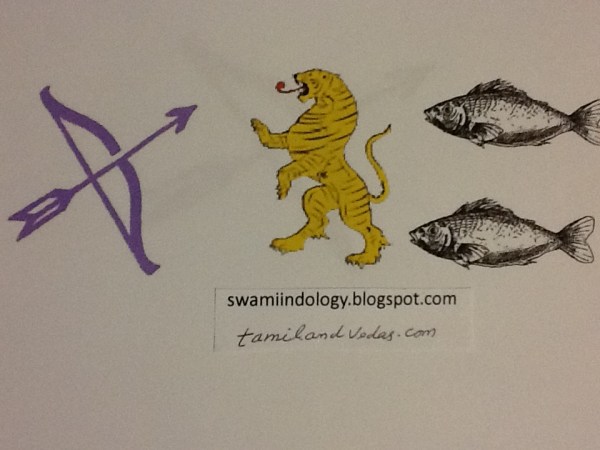
 

IMG_3459

Apart from Jain’s Sallekhana we come across several examples in Sanskrit scriptures. Kishkinda Kanda of Valmiki Ramayana has one such episode. Angatha, son of Vali, went in search of Sita, but in vain. He decided to sit tight on Dharba grass and die. Only minor difference was he faced east but not north.

Alexander and Purushottama

When Alexander the Great conquered the valiant Hindu King Purushottama alias Porous, he asked him how he would like to be treated, Purushottama said,

“I am King. Treat me like a king”.

Alexander was greatly impressed with his bold answer and treated him like a king. When Alexander saw this little king fighting valiantly, he had second thoughts attacking the mighty Mauryan army.

Honour was valued and no king could live in disgrace. Chittor Queen Padmini jumped into fire with hundreds of her loyal servants just the avoid the disgrace from the cruel Alauddin Khilji.


Honour in Animal World

Sangam Tamil literature gives some interesting details about Tigers. Tamil poets say that the tigers wont eat their prey if it falls on its left side. It will eat the animal only when it falls on its right side. In Hindu culture left is inauspicious and right is auspicious. All the auspicious things are done in clockwise direction (right turn) and inauspicious or funeral rites are done in leftward direction/anti clockwise direction. This simile is always used to illustrate the greatness of honour.
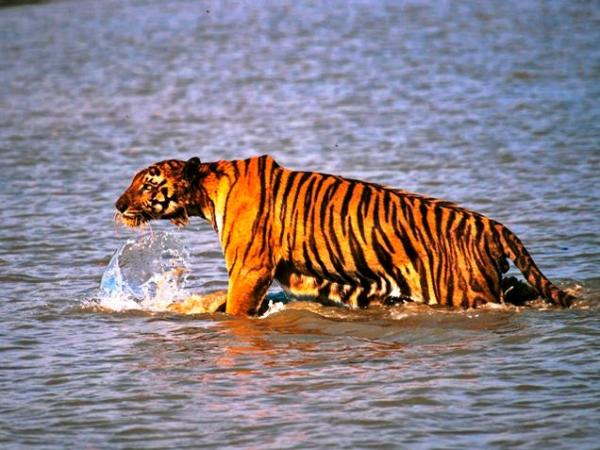
Tiger_2504157f

–subham–


தமிழ் மொழி பற்றி கம்பன் (Post No.2819)

IMG_3212

Written by london swaminathan


Date: 17 May 2016


Post No. 2819

Time uploaded in London :– 15-15


( Thanks for the Pictures)


DON’T REBLOG IT AT LEAST FOR A WEEK!  DON’T USE THE PICTURES; THEY ARE COPYRIGHTED BY SOMEONE.


(for old articles go to tamilandvedas.com OR swamiindology.blogspot.com)


தமிழ் மொழி பற்றி கம்பன் பாடிய பாடல்கள், அவனுக்கு தமிழ் மீதுள்ள அன்பைக் காட்டுகிறது. ராமன் புகழ் பாட வந்த கம்பன், தமிழின் புகழ் பாட மறக்கவில்லை. எங்கெங் கெல்லாம் முடியுமோ அங்கெல்லாம் தமிழையும், தமிழுக்கு இலக்கணம் வகுத்த அகத்தியனையும் போற்றிப் புகழ்கிறான்.

agastyanepal-carole-r-bolon

‘’நீண்ட தமிழால் உலகை நேமியின் அளந்தான்’’


ஆரண்ய காண்டத்தில் ராமன், அகத்தியன் சந்திப்பு பற்றி வருணிக்கும் கம்பன்,

ஆண்தகையர் அவ்வயின் அடைந்தமை அறிந்தான்

ஈண்டு உவகை வேலை துணை ஏழ் உலகம் எய்த

மாண்ட வரதன் சரண் வணங்க எதிர் வந்தான்

நீண்ட தமிழால் உலகை நேமியின் அளந்தான்’’


பொருள்:– சக்கராயுதத்தை உடைய திருமாலைப் போல, பெரிய தமிழ் மொழியால் இவ்வுலகத்தை அளந்தவனாகிய அகத்தியன், ஆண்மை மிகுந்த ராம, லெட்சுமணர் அங்கே வந்ததை அறிந்தார். அதனால் மகிழ்ச்சிக் கடல் 14 உலகங்களையும் அடைந்தது. அந்த மகிழ்ச்சியுடன், மாட்சிமைப்பட்ட வரங்களை வழங்கும் ராமன், தன் திருவடிகளில் விழுந்து வணக்குமாறு, அவன்  எதிரே வந்தான்.


உழக்கும் மறை நாலினுமுயர்ந்து உலகம் ஓதும்

வழக்கினும் மதிக் கவியினும் மரபின் நாடி

நிழல் பொலி கணிச்சி மணி நெற்றி உமிழ் செங்கண்

தழல்புரை சுடர்க்கடவுள் தந்த தமிழ் தந்தான்’’


பொருள்:- அந்த அகத்தியன் நால் வேதங்களையும் பயின்று உயர்வு அடைந்தான். தமிழ் உலகம் பேசும் முரை, தமிழ்ப் புலவரின் செய்யுள் ஆகியவற்றை முறைப்ப்ட ஆராய்ந்து, சிவபெருமான் கற்றுத்தந்த தமிழுக்கு இலக்கணம் செய்து தந்தான். சிவன், ஒளிவீசும் மழு ஆயுதம்,நெற்றியில் நெருப்பை உமிழும் சிவந்த கண்ண்ணை உடையவன்.

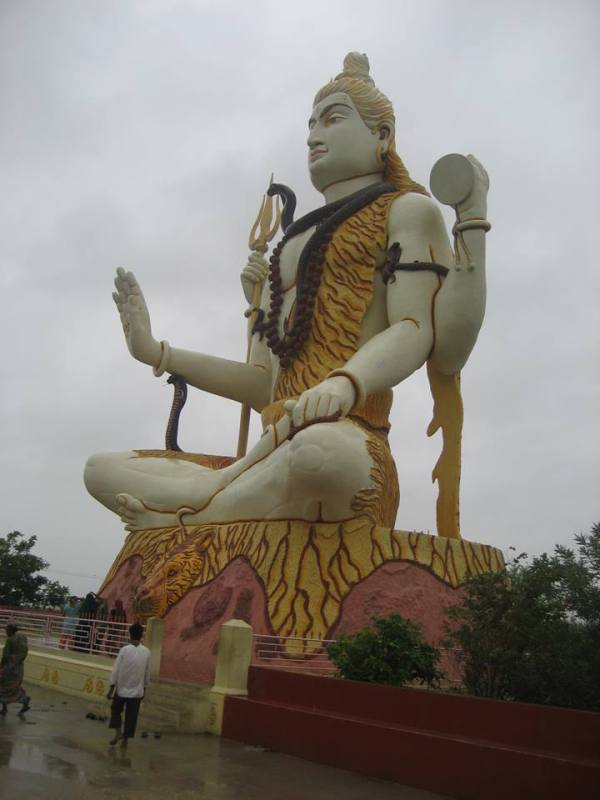
 shiva at Dwaraka

என்றுமுள தென் தமிழ் இயம்பி இசை கொண்டான்’’

“நின்றவனை வந்த நெடியோன் அடிபணிந்தான்

அன்று அவனும் அன்பொடு தழீஇ அழுத கண்ணால்

நன்று வரவு என்று பல நல் உரை பகர்ந்தான்

என்றுமுள தென் தமிழ் இயம்பி இசை கொண்டான்’’


பொருள்:– அங்கே நின்று கொண்டிருந்த அகத்தியனின் கால்களில் விழுந்து நெடியோனாகிய ராமன் வணங்கினான். அப்போது எக்காலத்திலும் நிலைத்து நிற்கும் இனிய தமிழுக்கு இலக்கண நூல் இயற்றிப் புகழ் பெற்றவனாகிய அகத்தியன், ராமனை அன்போடு அணைத்து, ஆனந்தக் கண்ணீர் விட்டு, உன் வரவு நல் வரவாகுக என்று பல உபசார மொழிகளைப் பகர்ந்தான்.


தமிழ்த் தலைவன் யார்? (எனது பழைய கட்டுரையிலிருந்து)


அலை நெடும் புனல் அறக் குடித்தலால் அகம்
நிலை பெற நிலை நெறி நிறுத்தலால் நெடு
மலையினை மண் உற அழுத்தலால் தமிழ்த்
தலைவனை நிகர்த்தது அத் தயங்கு தானையே

-கம்ப ராமாயணம், அயோத்தியா காண்டம், பாடல் 969

பொருள்: அலைகளை உடைய ஆறுகளின் (கடலில் போய்ச்சேரும்) நீரைக் குடித்தலாலும், பூமியைச் சம நிலையில் நிறுத்தியதாலும், போகும் வழியில் நீட்டிக் கொண்டிருந்த மலையை பூமிக்குள் அழுத்தியதாலும் பரதனின் படைகள் தமிழ்த் தலைவனான அகத்தியன் செய்த செயல்களைப் போல இருந்தது. அதாவது அகத்தியர் செய்த செயல்களும் பரதன் படைகள் செய்த செயலும் ஒரே மாதிரியாக இருந்தன.


இதைத் தொடர்ந்து வரும் இன்னொரு பாடலில்

அறிஞரும் சிறியரும் ஆதி அந்தமா
செறிபெருந் தானையும் திருவும் நீங்கலால்
குறியவன் புனல் எலாம் வயிற்றில் கொண்ட நாள்
மறிகடல் ஒத்தது அவ் அயோத்தி மா நகர்.

பொருள்: அகத்தியன் கடல் நீரை எல்லாம் குடித்து வயிற்றில் அடக்கிக் கொண்ட பின்னர், எப்படிக் கடல் வெறிச்சோடிக் கிடந்ததோ அப்படி இருந்தது அயோத்தி மா நகரம். ஏனெனில் பெரியோர் முதல் சிறியோர் வரை அறிஞர்களும், படைகளும் சீதையும் நீங்கிவிட்டனர்.

சொற்கலை முனிவன்

இன்னொரு செய்யுளில் அகத்தியனை “சொற்கலை முனிவன்” (பால காண்டம்) என்பான் கம்பன். தமிழுக்கு இலக்கணம் வகுத்ததால், அகத்தியனுக்குக் கிடைத்த அடைமொழி இது.

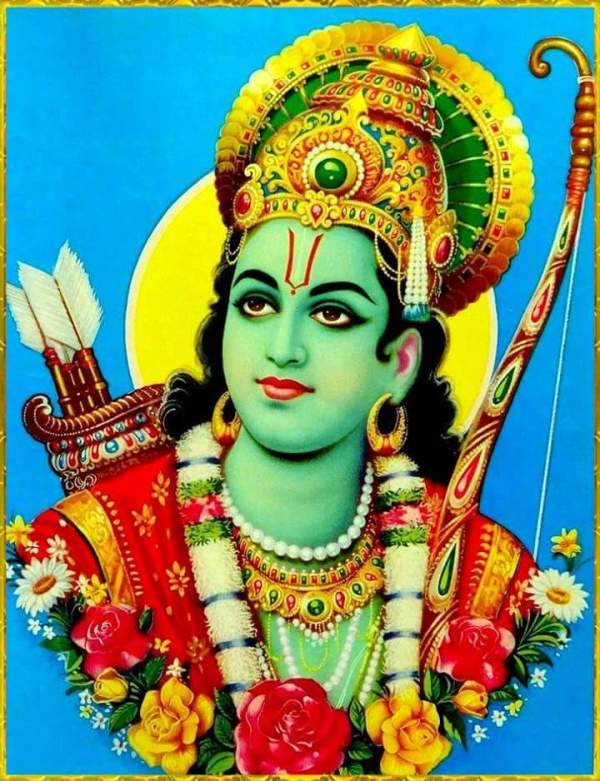
rama look

இராமபிரானுக்கு தமிழ் தெரியும்!

கம்பன் ஒரு அதிசயத் தகவலையும் தருகிறான். ராமனுக்கு தமிழும் சம்ஸ்கிருதமும் தெரியும் என்பான்:–

நன்சொற்கள் தந்து ஆண்டு எனை நாளும் வளர்த்த தாதை

தன் சொல் கடந்து எற்கு அரசு ஆள்வது தக்கது அன்றால்

என் சொல் கடந்தால் உனக்கு யாது உளது ஈனம் என்றான்

தென் சொல் கடந்தான் வடசொல் கலைக்கு எல்லை தேர்ந்தான்

பொருள்:- பரத கண்டத்தின் தென்பகுதியில் வழங்கும் தமிழ் மொழி எனும் கடலைத் தாண்டியவனும், வடக்கே வழங்கும் சம்ஸ்கிருத மொழியில் கூறப்பட்டுள்ள எல்லா கலைகளுக்கும் எல்லை கண்டவனுமான ராமபிரான், “இனிய சொற்கலைக் கூறி இந்நாள் வரை என்னைப் பாதுகாத்து வளர்த்த தந்தையின் சொல்லை மீறி அரசாள்வது எனக்குத் தகுந்தது இல்லை. ஆனால் என் சொல்லை நீ மீறி நடந்தாலோ உனக்கு இழிவு அல்லவோ” (நகர் நீங்கு படலம், அயோத்யா காண்டம்—லெட்சுமணனிடம் ராமன் சொன்னது)


எனது பழைய கட்டுரைகள்


தமிழ் தலைவன் யார்? கம்பன் பதில் (17 ஜூலை 2014)

தமிழுக்கு எத்தனை பெயர்கள்? – பகுதி 2 (26 டிசம்பர் 2014)

தமிழுக்கு எத்தனை பெயர்கள்? – பகுதி 1 (9 ஜூன் 2014)


–சுபம்–


என் கணவர்: ராஜலக்ஷ்மி சந்தானம் (Post No 2819)


Damma i pad pictureate: 17 May 2016

Post No. 2818

Time uploaded in London :–5-36 AM

( Thanks for the Pictures)

DON’T REBLOG IT AT LEAST FOR A WEEK!  DON’T USE THE PICTURES; THEY ARE COPYRIGHTED BY SOMEONE.

(for old articles go to tamilandvedas.com OR swamiindology.blogspot.com)

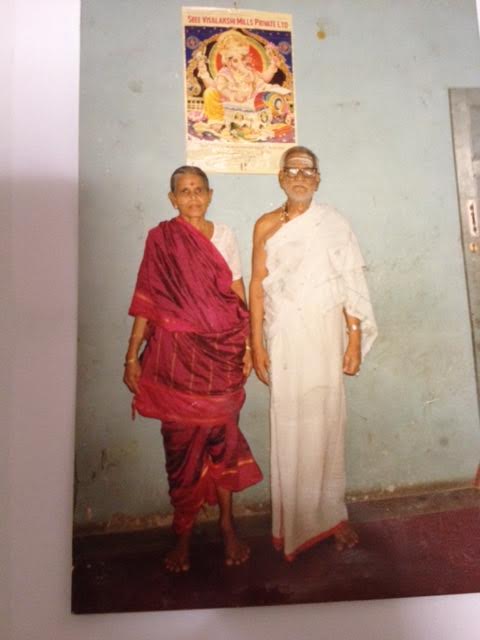
Both my parents Sri Venkataraman Santanam and Srimati Rajalakshmi Santanam are no more; my brother S Nagarajan sent this old article, today being my mother’s thithi (death anniversary) day —London swaminathan.


திரு திருப்பூர் கிருஷ்ணன் அவர்களுக்காக


சுதந்திரப் போராட்ட வீரரும், சிறந்த தமிழ் பத்திரிக்கையாளரும். ஆன்மீகவாதியுமான தினமணி மதுரைப் பதிப்பின் பொறுப்பாசிரியராகப் பணியாற்றிய திரு வெ.சந்தானம் அவர்களின் துணைவியார் தனது கணவரைப் பற்றிய எண்ணங்களை நம்முடன் பகிர்ந்து கொள்கிறார்.


வெ.சந்தானம் தோற்றம்:4-9-1911 மறைவு:15-8-1998


என் கணவர்

—————–

ராஜலக்ஷ்மி சந்தானம்


சுதந்திரப் போர்

சுதந்திரப் போராட்ட காலம் ஒரு தனி சகாப்தம் என்றால் அது மிகையல்ல. சாதாரண குடும்பங்களைச் சேர்ந்தவர்களும் மிகப் பெரிய அந்தஸ்தில் இருந்தவர்களும் ஒருங்கிணைந்து காந்திஜியின் தலைமையில் ஓரணியில் இணைந்து தங்களிடம் இருந்தவற்றையெல்லாம் தேசத்திற்காக அர்ப்பணித்த உன்னதமான காலம் அது. அந்தக் காலத்தில் தான் பெருங்கடலில் சிறு துளிகள் போல மணிக்கொடி இலக்கியகர்த்தாக்கள் ஓரணியில் சேர்ந்தனர். திருவாளர்கள் வ.ரா, பி.எஸ்.ராமையா, ஸ்டாலின் சீனிவாசன், ஏ.என்.சிவராமன் போன்ற இலக்கிய ஜாம்பவான்களின் குழுவில் என் கணவர் திரு வெ.சந்தானமும் ஒருவர். ஆனால் அவர் தன்னைப் பற்றி எந்தக் காலத்திலும் விளம்பரப்படுத்திக் கொண்டதே இல்லை. அதனால் என் குடும்பத்தைச் சேர்ந்தவர்களுக்கே அவர் ஆற்றிய இலக்கியப் பணி. தேசப் பணி, ஆன்மீகப் பணி முழுவதுமாகத் தெரியாது.


திருமணம்

தஞ்சாவூரில் நான் பத்தாவது படித்து முடித்திருந்தேன். 1935ம் வருடம் அது. எனது அண்ணனின் நண்பர் ஒருவர் எனது கணவரிடம் தஞ்சாவூரில் ஒரு படித்த பெண் இருப்பதாகவும் சென்று பார்க்குமாறும் தூண்டினார். என்னைப் பெண் பார்க்க அவர் மட்டுமே தனியாக வந்தார்.


என் தந்தையார் கல்யாணராமையர் ஒரு ரெவின்யூ இன்ஸ்பெக்டர். தஞ்சாவூரைச் சுற்றி உள்ள எல்லா இடங்களுக்கும் பயணம் செய்வது அவரது பணியின் ஒரு பகுதி. பட்டுக்கோட்டை. சேண்டாகோட்டை, கீவளூர் என பல இடங்களுக்கும் அவர் சென்றாலும் குடும்பத்தினராகிய நாங்கள் தஞ்சாவூரிலேயே இருந்தோம்.


நான் வயலின் லோயர், ஹையர் மற்றும் அதற்கு அடுத்து இருந்த வித்வான் ஆகிய அனைத்திலும் பாஸ் செய்ததைக் கேட்டதும் அவருக்கு மிகுந்த சந்தோஷம்.


எனது குரு திரு கே.ஸி. தியாகராஜன் மிகுந்த பிரபலமான சங்கீத மேதை. எனது கல்யாணம் நிச்சயிக்கப்பட்டு பட்டுக்கோட்டையில் நடந்தது. ரிஸப்ஷன் சென்னையில். ராஜாஜி நேரில் வந்து வாழ்த்துக் கூறினார். இப்படி மிகப் பெரிய தேசீயத் தலைவர்களைப் பார்ப்பது ஒரு புது அனுபவமாக இருந்தது.

இலக்கியப் பணியும் தேச சேவையும்

தினமும் உற்சாகமாக நண்பர்கள் குழு கூடும்.


இலக்கியம் சங்கீதம் பாரதி பாடல்கள் என ஏக அமர்க்களமாக விவாதங்கள் சுவையுடனும் நட்புடனும் நடைபெறும். அனைவரும் ஒவ்வொரு முறை ஒவ்வொருவர் வீட்டில் சாப்பிடுவது வழக்கமாக இருந்தது.


சென்னையில் நாங்கள் ஜாகை இருந்த இடம் திருவல்லிக்கேணி. கடற்கரையில் தினமும் நண்பர்கள் கூடுவது வழக்கமானது.

பாரதி உலகக் கவிஞர் தான் என்பதை நிலை நாட்ட  அங்கு தான் முடிவு எடுக்கப்பட்டது. ஆளுக்கு ஒரு கோணத்தில் பாரதியை அலசி ஆராய்ந்து கட்டுரைகளை எழுத முடிவும் அங்கே தான் எடுக்கப்பட்டது.


என் கணவர் முதலில் சுதந்திரச் சங்கு போன்ற சிறிய பத்திரிக்கையிலும் பணி ஆற்றியிருக்கிறார். மணிக்கொடியில் அவரது இலக்கியப் பணி சிறந்து விளங்கியது.பி.எஸ்.ராமையா மிக நெருங்கிய நண்பர். மணிக்கொடியை போஸ்ட் செய்வது ஈறாக அனைத்துப் பணிகளையும் இந்த இலக்கியக் குழாமே செய்தது.


இடையில் சைமன் கமிஷன் பகிஷ்காரத்தை ஒட்டி நாடெங்கும் கிளர்ச்சி எழுந்தது. அதில் வெள்ளையரை நாட்டை விட்டு விரட்டுமாறு கூறும் தீவிரமான ஒரு பிரசுரம் ஆயிரக்கணக்கில் அடிக்கப்பட்டு  எங்கள் வீட்டில் வைக்கப்பட்டிருந்தது. துண்டுபிரசுரங்களை கடற்கரையில் சென்று அனைவரிடமும் விநியோகம் செய்யும் பணி என் கணவருடையது.


இந்த பிரசுரங்களை என் வீட்டில் பார்த்த ஒரு நபர் போலீசிடம் இதைச் சொல்ல அவர்கள் எங்கள் வீட்டிற்கு வந்து விட்டனர். ஆனால் நல்ல வேளையாக உரிய நேரத்தில் பிரசுரங்கள் அகற்றப்பட்டன.என்றாலும் போலீசார் கடற்கரைக்குச் சென்று பிரசுரங்களைக் கட்டுக் கட்டாக வைத்து விநியோகம் செய்த என் கணவரை கைது செய்தனர். அவர் வேலூர் சிறையில் ஆறு மாத காலம் இருந்தார்.அங்கே காமராஜர் முதலான அனைவருடனும் நல்ல சினேகம் ஏற்பட்டது.

விடுதலையானவுடன் பத்திரிகைப் பணி தொடர்ந்தது.. மணிக்கொடி நின்றவுடன் தினமணியில் சேர்ந்தார்.

அப்போது லியோ டால்ஸ்டாயின் அன்னா கரீனாவை தமிழில் மொழி பெயர்த்தார்.பல கதை கட்டுரைகளை எழுதினார்.


மதுரையில் பணி


தினமணியின் மதுரைப் பதிப்பு 1950ல் தொடங்கியவுடன் இவரை மதுரைப் பதிப்புக்கு பொறுப்பாக நியமித்தனர். மதுரை வந்தோம். மீனாட்சி பட்டணம் இவருக்கு மிகவும் பிடித்து விட்டது. ஆன்மீகத்தில் மிகவும் ஈடுபாடு ஏற்பட்டது. காஞ்சி காமகோடி பெரியவாள், சிருங்கேரி பெரியவாள் ஆகியோரிடம் அளவற்ற ஈடுபாட்டினால் அடிக்கடி அவர்களை தரிசனம் செய்வது வழக்கமானது, அவர்களது அருளுரைகளை எல்லாம் தினமணி அப்படியே வெளியிடும். அந்த ஞான பொக்கிஷமே இன்று நமக்கு நூல்களுக்கு அடிப்படையாக அமைந்துள்ளன. திருமுருக கிருபானந்தவாரியார், சேங்காலிபுரம் ஸ்ரீ அனந்தரம தீக்ஷ¢தர்,திரு முத்துராமலிங்க தேவர் என ஆன்மீகவாதிகள் நூற்றுக் கணக்கானோரின் பழக்கம் இந்த கால கட்டத்தில் ஏற்பட்டது. இவர்கள் அனைவரது ஆன்மீகச் சொற்பொழிவுகள் அனைத்தையும் முழுவதுமாக தினமணி பிரசுரிக்கும்.

அத்தோடு அனைத்து ஆன்மீக இலக்கிய சங்கங்களும் தலைமை வகிக்க இவரை அழைக்கவே இவற்றை ஊக்குவிக்க தனது வேலைப்பளுவிற்கு இடையேயும் செல்வார்.


தென் தமிழகமெங்கும் இவர் பங்கேற்காத இலக்கிய ஆன்மீக சங்கங்களே இல்லை எனலாம். திரு ஏ.கே.செட்டியார், திரு சா.கணேசன் திரு ஏ.சீனிவாசராகவன் உள்ளிட்டோர் வீட்டிற்கு வருவர்.வானொலியில் பத்திரிக்கையாளர் பணி பற்றி அடிக்கடி உரையாற்றியதும் உண்டு.


சுவாமிஜி கிருஷ்ணா


சுவாமிஜி கிருஷ்ணா அச்சன்கோவிலில் பரசுராமர் ஸ்தாபித்த ஐயப்பன் சிலையை நிறுவிய பெரிய மகான். அவர் கணபதி ஹோமத்தை தனது சிறுவயதிலிருந்தே தினமும் நடத்தி கணபதியை பிரத்யக்ஷமாகக் கண்டவர். அவருடன் ஈடுபாடு ஏற்பட்டு அவர் குருவாக மந்த்ரோபதேசம் செய்தார்.கணபதி ஹோமத்தைத் தொடங்கி வைத்தார். எனது இல்லத்திற்கு பிரவசனகர்த்தாக்கள் வந்து தங்கி ராமாயண மஹாபாரத உபந்யாஸத்தை கிருஷ்ணாராயர் கோவில் தெருவிலுள்ள ஹனுமார் கோவிலில் நடத்துவார்கள்.


புதுக்கோட்டை ஸ்ரீ சாந்தானந்த சுவாமிகளுக்கு அடிக்கடி பி¨க்ஷயிட்ட பாக்கியமும் எனக்கு உண்டு.


இந்து முன்னணி தலைவரான கோபால்ஜி உள்ளிட்டோர் அடிக்கடி எங்கள் இல்லத்திற்கு வருவர்.


இப்படி கடந்த ஐம்பது ஆண்டு கால ஆன்மீக தேசீய இலக்கிய வரலாறை எடுத்துக் கொண்டால் நல்லனவற்றைப் பரப்புவதையே தன் குறிக்கோளாகக் கொண்டு அவர் வாழ்ந்தார்.


சுதந்திர நாளன்று பேசிய இறுதிப் பேச்சு

1998 ஆகஸ்ட் 15ம் தேதி சுதந்திர தினத்தன்று கொடி ஏற்றி ஆயிற்றா என்பதே அவர் பேசிய கடைசி பேச்சு. கொடி ஏற்றி ஆகி விட்டது என்ற பதிலைக் கேட்டு அவர் ஆவி அமைதியாகப் பிரிந்தது.


ஒரு பெரிய இயக்கம் வளர அடிக்கல்லாக இருப்பவர் பலர். அவர்கள் தங்களை விளம்பரப்படுத்திக் கொள்வதே இல்லை. அதில் புகழ் பணம் எதையும் எதிர்பார்ப்பதும் இல்லை.இந்த வகையில் என் கணவரை முதல் வரிசையில் கூறலாம். எனது ஐந்து புத்திரர்களும் ஒரு பெண்ணும் இன்று நல்ல நிலைமையில் உள்ளனர்.நானும் தேக திடத்துடன் இறைவன் நாமத்தை உச்சரித்து வருகிறேன்.

ஆயிரக்கணக்கான சுதந்திரப் போராட்ட வீரர்களின் வாழ்க்கையை உற்றுக் கவனித்து இன்றைய இளைஞர்கள் தங்கள் வாழ்க்கையை தேசத்திற்காகவும் ஆன்மீக வளர்ச்சிக்காகவும் அர்ப்பணிக்க வேண்டும் என்பதே என் ஆசை. தேசமும் தெய்வீகமும் செழிக்கட்டும்.


**********************


A New Anecdote from Ananda Ramayana (Post No.2817)

IMG_4384

Written by london swaminathan


Date: 16 May 2016


Post No. 2817

Time uploaded in London :– 17-49


( Thanks for the Pictures)


DON’T REBLOG IT AT LEAST FOR A WEEK!  DON’T USE THE PICTURES; THEY ARE COPYRIGHTED BY SOMEONE.


(for old articles go to tamilandvedas.com OR swamiindology.blogspot.com)


There are hundreds of different Ramayanas around the world. Every time I go to British Library in London I see a new version of Ramayana. Recently I came across a Ramayana in Tamil verse by Ramaswami Iyer nd he named his Ramayana as ‘Raamaswaamiiyam’ lot of people have written dance dramas in Tamil one one or two episodes of Valmiki Ramayana.


Though Ramayanas written by Valmiki (in Sanskrit), Kamban (in Tamil) and Tulsidas (in Hindi) stand out, no body ignores other Ramayanas. Sangam Tamil Literature has two episodes not reported in any of the above popular Ramayanas. Alvar hymns give details of the squirrel episode which is not found in the above three Ramayanas.

ராம சீதா

Tulsi and Kamban took the freedom of changing the versions of Valmiki. Ananda Ramayana written in Sanskrit also has several new stories in it. It is also ascribed to Valmiki. It has got nine cantos and 12,252 couplets/slokas.

There is an interesting episode in this Ramayana:

Rama went to Panchavati (Panchavati= Five banyan trees) on the banks of River Godavari. He wanted to construct a Parnasala (Thatched House) for them. He wanted to get permission from the owner of the land. So he sent his brother Lakshmana to get the permission.


Lakshmana went through the forest in search of the owner of the land. He saw a little figure (an apparition) under a tree. Lakshmana also sat there in meditation and tried to communicate with that man. Slowly there emerged a picture In Lakshman’s mind.

He saw a picture of someone holding his tongue with one hand and his loin cloth (covering the genitals) with another hand. After some time Lakshmana went back to Rama and reported to him what he saw.

Rama said, “Well done! We got the permission to construct a hut”.

Lakshmana was puzzled and asked his brother Rama how come he concluded that the permission was given.

Rama explained to him,

“Oh, my little brother! The position of the two hands represent the controlling of speech/taste and lust. Since we have already achieved this, it is a ‘no objection certificate’ to us.

Then they happily constructed a beautiful hut surrounded by the trees.


Ananda Ramayana has got sub sections called Sargas in each canto (kandam); following is the number of Sargas in each canto:–

Sara Kandam – 13 Sargas

Yatra Kandam – 9 Sargas

Yaga Kandam – 9 Sargas

Vilasa Kandam – 9 Sargas

Janma Kandam – 9 Sargas

Vivaha Kandam – 9 Sargas

Rajya Kandam – 24 Sargas

Manohara Kandam – 18 Sargas

Purna Kandam – 9 Sargas

Total 109 Sargas in 9 Kandams containing 12,252 slokas.


–subham–


வாதக்கோன், வையக்கோன், ஏதக்கோன்: யார் நல்லவர்? (கட்டுரை எண்.2816)

IMG_9826

Written by london swaminathan


Date: 16 May 2016


Post No. 2816

Time uploaded in London :– காலை 9-05


( Thanks for the Pictures)


DON’T REBLOG IT AT LEAST FOR A WEEK!  DON’T USE THE PICTURES; THEY ARE COPYRIGHTED BY SOMEONE.


(for old articles go to tamilandvedas.com OR swamiindology.blogspot.com)


ஒரு ஊரில், வாதக்கோன், வையக்கோன், ஏதக்கோன் – என்று மூன்று பேர் வசித்தனர். சிலர் அவர்களிடம், ஒரு நல்ல காரியம் செய்ய நன்கொடை வசூலிக்கச் சென்றனர். அவர்கள் ஒவ்வொருவரும் என்னதெரியுமா சொன்னார்கள்?


வாதக்கோன் நாளை என்றான், வையக்கோன் பின்னையென்றான்

ஏதக்கோன் யாதொன்றும் இல்லை என்றான் – ஓதக் கேள்

வாதக்கோன் நாளையினும் வையக்கோன் பின்னையினும்

ஏதக்கோன் இல்லை இனிது


பொருள்:

நாளைக்கு வா, தருகிறேன் என்றான் வாதக்கோன்; மறு நாள் போனபோதும் நாளைக்கு வா, தருகிறேன் என்றான்; இப்படி நாட்கள் உருண்டோடின.

கொஞ்சம் நேரம் கழித்து வாருங்கள், தருகிறேன் என்றான் வையக்கோன்; சிறிது நேரம் கழித்துச் சென்றால், ஐயா, வெளியே போய்விட்டார்- என்று மனைவி சொன்னாள்; மாலை நேரத்தில் சென்று பார்த்தால், ஐயா, இப்பொழுதுதான் போன் செய்தார்; அவசர ஜோலியாக வெளியூர் செல்வதாக; எப்பொழுது திரும்பிவருவார் என்று சொல்லவில்லை என்றாள் மனைவி.


ஏதக்கோன் வீட்டுக்கு, நன்கொடை கேட்கச் சென்றபோது, இதோ பாருங்கள், இந்த மாதிரிப் பணிகளுக்கெல்லாம் நான் நன்கொடை கொடுப்பதுமில்லை; அந்த அளவுக்கு என்னிடம் பணமும் இல்லை என்றான்.


இந்த மூன்று ஆட்களில் இல்லை என்று சொன்னானே ஏதக்கோன்; அவன்தான் நல்லவன் – என்கிறார் அவ்வையார்.


சம்ஸ்கிருதத்திலும் அழகான பாடல் உண்டு (நான் முன்னர் எழுதிய கட்டுரையிலுந்து)

paari vallal

Pari, who gave his chariot to a climbing plant, one of the Seven Tamil Philanthrophists

தானதூஷணம்

அநாதரோ விலம்பஸ்ச வைமுயம் சாப்ரியம் வச:

பஸ்சாத் பவதி ஸந்தாபோ தான தூஷண பஞ்சகம்.


ஐந்து வகைத் தானங்கள் குறையுடைய தானம்; அவையாவன:

அநாதர- மரியாதை இல்லாமல் வழங்கும் தானம்

விலம்ப: – தாமதமாகக் கொடுக்கும் தானம்

வைமுக – முக்கியம் கொடுக்காமல் இருப்பது

அப்ரியம்வச: – திட்டிக் கொண்டே கொடுப்பது

பஸ்சாத் சந்தாப- கொடுத்த பின்னர் வருந்துவது

உத்தமன், மத்திமன், அதமன்

தமிழில் நீதிவெண்பா பாடல் ஒன்றும், இதே கருத்தை அழகாக விளக்கும்:

தானறிந்தோருக்குதவி தன்னாலமையுமெனில்

தானுவந்தீதல் தலையாமே—ஆனதனால்

சொன்னாற் புரிதலிடை சொல்லியும் பன்னாள் மறுத்துப்

பின்னாட் புரிவதுவே பின்.


பொருள்:– ஒருவர் தான் அறிந்த ஒருவருக்கு உதவி செய்ய முடியுமானால், அவர் கேட்கும் முன்னால், மகிழ்ச்சியுடன் தானே வலியப் போய் உதவி செய்தால், அது தலையானது; முதன்மையானது; உத்தமம்.

அவர் கேட்ட பின்னர், உதவி செய்வது இடைப்பட்டது; மத்திமம்.

அவர் கேட்ட பின்னரும் பல நாள் தாமதித்து, பின்பு உதவுவது கடைப்பட்டது; கடைத்தரமானது; அதமம்.

அன்பர்களே! நண்பர்களே! நாம் எல்லோரும் உத்தமர்களாக வாழ்வோம்! அல்லது வாழ முற்படுவோம்.

ஆங்கிலப் பழமொழிகளிலும் இதே கருத்தைக் காணலாம்:–

He gives twice who gives quickly

To refuse and to give tardily is all the same

He that is long a giving knows not how to give

Long tarrying takes all the thanks away


முந்தைய கட்டுரைகள்:

கருமிகள் பெரும் கொடையாளிகள்! ஒரு கவிஞரின் கிண்டல் (12 மே, 2016)

நன்கொடை/ தானம் பற்றிய பழமொழிகள், பாடல்கள் (25 பிப்ரவரி 2016)

–சுபம்–


காளிதாஸன் மீது போஜனின் நட்பு!!(Post No.2815)

kalidasa-

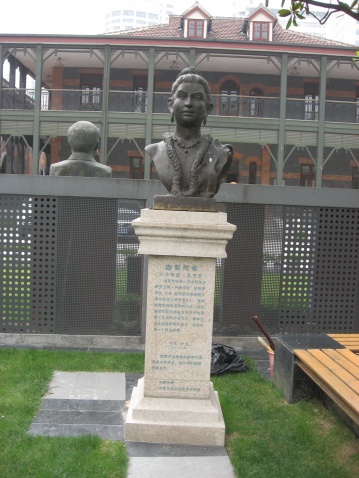
Kalidasa Statue in China

Written  BY S NAGARAJAN
Date: 16 May 2016


Post No. 2815


Time uploaded in London :–  5-27 AM


( Thanks for the Pictures)


DON’T REBLOG IT AT LEAST FOR A WEEK!  DON’T USE THE PICTURES; THEY ARE COPYRIGHTED BY SOMEONE.


(for old articles go to tamilandvedas.com OR swamiindology.blogspot.com)


சமஸ்கிருதச் செல்வம்


காளிதாஸன் மீது போஜனின் நட்பு!!

ச.நாகராஜன்

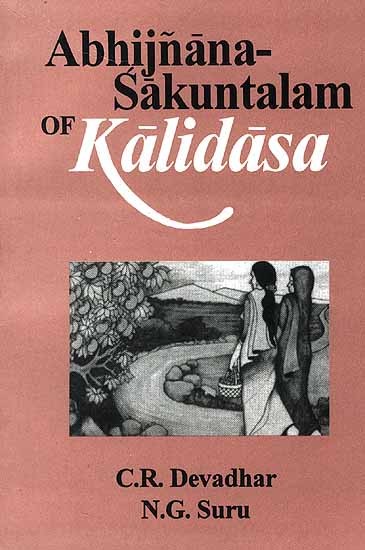
abhijnanasakuntalam_of_kalidas

World Famous Drama Sakunatala of Kalidasa

மாபெரும் மன்னனான போஜன் சிறந்த அறிவாளியும் கூட.

அவன் காளிதாஸன் மீது வைத்திருந்த அன்பை வார்த்தைகளால் விளக்க முடியாது. என்றாலும் கூட அந்த மாபெரும் மன்னன் காளிதாஸன் மீது தான் கொண்டிருக்கும்  அன்பை தன் வார்த்தைகளிலேயே விளக்குகிறான் இப்படி:


கச்சதம் திஷ்டதோ வாபி ஜாக்ரத: ஸ்வதோபி வா

மா மூன்மன: கதாசித் மே த்வயா விரஹிதம் கவே


போஜ மஹாராஜன் காளிதாஸனைப் பார்த்து நேரில் கூறுவது இந்தக் கவிதையாக மலர்ந்துள்ளது.


“ஓ, கவிஞரே! நடக்கும் போதும் சும்மா இருக்கும் போதும், விழித்திருக்கும் போதும் அல்லது தூங்கும் போதும் எனது மனம் உன்னை விட்டு ஒரு பொழுதும் விலகி இருக்காது.”


எப்படி ஒரு அருமையான நட்பு மன்னன் – கவிஞன் நட்பு!

அறிவுக்கு மன்னன் கொடுத்த மதிப்பு அந்த அரிய நட்பு!


இதை S.B.Nair  அழகுற ஆங்கிலத்தில் மொழி பெயர்க்கிறார் இப்படி:


When walking or keeping still, when waking or sleeping may my mind never remain far away from you, O, the Poet!


இந்த அரிய கவிதைக் கூற்று பல்லகரின் போஜ ப்ரபந்தத்தில் 158வது செய்யுளாக அமைகிறது!


வரலாறு கூறும் ஒரு அரிய நட்பு போஜ – காளிதாஸன் நட்பு!


xxxxxx


சமஸ்கிருத செல்வம்

இறந்ததற்குச் சமம்!

ச.நாகராஜன்


கங்கை, வித்யா, குழந்தை, யக்ஞ தட்சிணை இவற்றின் மதிப்பை எப்படி அறிவது?


சாணக்யர்  தெளிவாகக் கூறுகிறார் இப்படி:


கங்கா ஹீனோ ஹதோ தேஷோ வித்யா ஹீனம் ஹதம் குலம்

அப்ரசுதா ஹதோ நாரீ   ஹதோ யக்ஞஸ்த்வ தக்ஷிணா:


இதன் பொருள் என்ன?


கங்கை இல்லாத தேசம் இறந்த சுடுகாடு தான்!

ஞானம் அல்லது படிப்பறிவு இல்லாத குடும்பம் செத்த குடும்பம் தான்!


குழந்தை இல்லாத பெண் இருந்தும் இறந்தவளே!

யக்ஞ தட்சிணை தராத யக்ஞம் பயனற்ற யக்ஞமே!


இதை எஸ்.பி. நாயர் (S.B.Nair)  ஆங்கிலத்தில் அழகுற இப்படி மொழியாக்கம் செய்கிறார்:


Dead is a land without Ganga:

Dead is a family without wisdom:

Dead is a barren woman;

Dead is a sacrifice not followed by gifts (to the Brahmanas)


சுருக்கமாகச் சொல்லும் போதே அழுத்தமாகச் சொல்வது கவிஞர்களின் இயல்பு. இப்போது கங்கை, வித்யா, குழந்தை, யக்ஞ தட்சிணை ஆகியவற்றின் மதிப்பும் முக்கியத்துவமும் நன்கு புரிகிறது, இல்லையா!

*********


ஆனந்த ராமாயணத்தில் ஒரு புதுக்கதை (கட்டுரை எண். 2814)

ராம சீதா

Written by london swaminathan


Date: 15 May 2016


Post No. 2814

Time uploaded in London :–  17-24


( Thanks for the Pictures)


DON’T REBLOG IT AT LEAST FOR A WEEK!  DON’T USE THE PICTURES; THEY ARE COPYRIGHTED BY SOMEONE.


(for old articles go to tamilandvedas.com OR swamiindology.blogspot.com)


ராமரும் லெட்சுமணரும் வனவாசத்துக்குப் புறப்பட்டனர். சீதையுடன் கோதாவரி நதிக்கரையில் இருக்கும் பஞ்சவடி என்ற இடத்தை அடைந்தனர். ஐந்து ஆலமரங்கள் அழகாக ஒரே இடத்தில் இருந்ததால் அந்த இடத்துக்கு சம்ஸ்கிருதத்தில் பஞ்சவடி ( தமிழில் 5 ஆலமரம்) என்று பெயர்.


அங்கே பர்ணசாலை அமைக்க தீர்மானித்தனர் (இலைகளால் வேயப்படும் குடிசைக்கு பர்ணசாலை என்று சம்ஸ்கிருதத்தில் பெயர்). இங்கே பர்ணசாலை அமைக்க, இந்த இடத்துக்குச் சொந்தக்காரரைச் சந்தித்து அனுமதி பெற்று வா என்று லெட்சுமணனை ராமபிரான் அனுப்பினார்.


லெட்சுமணன், அந்த இடத்தின் சொந்தக்காரரைத் தேடிப்போகையில் ஒரு மரத்துக்கு அடியில் ஒரு சிறு உருவம் தோன்றியது. அவர்தான் அந்த இடத்தின் சொந்தக்காரர் என்று லெட்சுமணன் நினைத்தான். அவரிடம் அனுமதி பெறுவதற்காக அவன் அங்கே தியானத்தில் அமர்ந்தான். அவனது தியானத்தில் ஒரு உருவம் பற்றிய வருணனை மனக் கண்கள் முன்னால் வந்தது. அதாவது குணம் குறியுடையதாக ஒரு உருவம் கையால் நாக்கை இழுத்துப் பிடிப்பது போலும், மற்றொரு கையால் கௌபீனத்தை (கோமணத்தை) இழுத்துப் பிடிப்பது போலும் கண்டான். தியானம் முடிந்தவுடன் ராமனிடம் வந்து தான் கண்ட காட்சியைச்சொன்னான்.

RAMA ARCH

இராமன் உடனே நமக்கு உத்தரவு கிடைத்துவிட்டது. நாம் குடிசை அமைக்கும் பணியைத் துவக்கலாம் என்றான்.

எப்படி அண்ணா, உத்தரவுகிடைத்தது என்று நினைக்கிறாய்? என்று இளவல் (தம்பி) வினவினான்.


நாக்கை இழுத்துப் பிடிக்கும் காட்சி– எவனுக்கு சுவையையும், சொல்லையும் அடக்கி ஆளும் திறன் உண்டோ என்பதையும் கோமணத்தை இழுத்துப்பிடிக்கும் காட்சி— எவனுக்கு காமத்தை அடக்கி ஆளும் திறன் உண்டோ — அவனுக்கு எங்கும் எல்லா உரிமையும் உண்டு என்பதையே காட்டுகிறது என்று ராமன் விளக்கினான். நாம் அந்நெறியில் பிறழாது வாழ்வதால் நமக்கு உத்தரவாகிவிட்டது என்றான்.


இருவரும் குடில் அமைக்கும் பணியைச் செவ்வனே செய்து முடித்தனர்.

‘யா காவாராயினும் நா காக்க’ – என்ற வள்ளுவன் சொல்லும், ‘இராமன் இருக்கும் இடத்தில் காமன் இரான்’ – என்ற பெரியோர் வாக்கும் இந்த நிகழ்ச்சிக்குப் பொருத்தமாக இருக்கிறது.


ஆனந்த ராமாயணம்

‘300 ராமாயணம்’ என்று ஒருவர் ஆங்கிலத்தில் நூல் எழுதினார். ஆனால் நான் பிரிட்டிஷ் லைப்ரரிக்கு போகும் ஒவ்வொரு வாரமும் ஒரு புதிய தமிழ் ராமாயணம் கிடைத்து வருவதைப் பார்க்கையில் 3000 ராமாயணங்கள் இருக்கலாம் என்று எழுதினேன். சென்ற வாரம் பிரிட்டிஷ் நூலகத்துக்குச் சென்ற போது ராமஸ்வாமி அய்யர் என்பவர் பாடல் வடிவில் சில ராமாயண காண்டங்களை இயற்றி அதற்கு ‘ராமஸ்வாமீயம்’ என்று பெயர் கொடுத்திருப்பதைக் கண்டேன். அந்த நூலின் சில பக்கங்களையும் அட்டையையும் ‘பேஸ்புக்கில்’ வெளியிட்டேன்.


ஆனந்த ராமாயணம் என்பது வால்மீகி, கம்பன், துளசி ராமாயணம் அளவுக்குப் பிரசித்தமாகவில்லை. இதையும் வால்மீகி இயற்றினார் என்றே சொல்லுவர். இதில் ஒன்பது காண்டங்களும் 12,252 ஸ்லோகங்களும் சம்ஸ்கிருதத்தில் உள்ளன. வால்மீகி ராமாயணத்தில் காணப்படாத பல விஷயங்களும் கதைகளும் இதில் இருக்கின்றன.

-சுபம்-


Mahabharata–about Women! (Post No.2813)

IMG_4875 (2)

Compiled by london swaminathan


Date: 15 May 2016


Post No. 2813

Time uploaded in London :–  14-55


( Thanks for the Pictures)


DON’T REBLOG IT AT LEAST FOR A WEEK!  DON’T USE THE PICTURES; THEY ARE COPYRIGHTED BY SOMEONE.


(for old articles go to tamilandvedas.com OR swamiindology.blogspot.com)


Women! Women !! Women !!!

IMG_4412

She is the true wife who is a good house wife. She is a true wife whose heart is devoted to her husband. She is a true wife who is faithful to her husband.

A man’s half is his wife. The wife is her husband’s best of friends…. The wife is the source of salvation.


Those who have wives can perform religious acts. Those that have wives lead domestic lives. Those that have wives can be happy; and those that have wives can achieve good fortune.


The sweet –speeched wives are their husband’s friends on the occasion of joy; they are as fathers on occasions of religious acts;they are as mothers in the hours of illness and woe.


Even in the deep forest, the wife is the refreshment and solace of her roaming husband. He who has a wife, is trusted by all. The wife, therefore, is man’s great means of salvation.

–Mahabharata

(Taken from the book Asia through Asian Eyes, Thames and Hudson, London, page176)


“Let this heart of yours be mine, and let this heart of mine be yours”- Mahabharata (1.3.9)

Xxx

IMG_4384

Manu on Wife

The production of children, the nurture of those born, and the daily life of men (of these matters) woman is visibly the cause.

Offspring, (the due performance of) religious rites, faithful service, highest conjugal happiness, and heavenly bliss for the ancestors and oneself, depend on one’s wife alone.

“ Yatra naryast pujyante ramante tatra devatah

Yatraitastu na pujyante sarvastatraphalah kriyah”

Manu smriti 3-56, Mahabharata 13-45-5


‘Where women are worshipped, there the gods are delighted; but where they are not worshipped, all religious ceremonies become futile’—Manu Smriti.


“Her father protects her in childhood, her husband protects her in youth, and her sons protect her in old age; a woman is never independent”. Manu IX-9 (The meaning is that she is always protected and not left alone without support).


Durga Saptasati

In Saptashati, Durga says, “He who conquers me in battle, he who humbles my pride, he who is my equal in this world, he shall be my husband”.

India was the only country in the world where women were free to choose their husbands. Eight types of marriages were offered to men and women. Men and women met and mixed freely at festivals like ‘Samanas’. Nowhere in the ancient world have we seen such a freedom.

IMG_4880 (2)

Selling of Daughters

Whoever sells his daughter in emergency or merely for the sake of filthy lucre, goes to the Hell…. Where he is bitten by crows and vultures.

Whoever sells his daughter for gain dwells in the pit of flesh, and eats I for as many years as there are hairs on the skin of the body of his daughter.

–brahma-Vaivarta, Prakrit Khanda


Old Posts on Women

One mother is greater than 1000 fathers (posted on 7 June 2013)

‘Women in state affairs are like Monkeys in Glass Shops’ (Post No 2625)

Posted on 12 March 2016

An Ounce of Mother is worth a Ton of Priest! (Post No.2793);posed 8 May 2016

Most Intelligent Woman in the Ancient World; Posted 7 August 2013

Women’s freedom by Bharatiyar; posted on 19 April 2014

Wonderful Syllabus for Women! Posted by 4 May 2014
இந்தியப் பெண்கள் உலக மஹா அறிவாளிகள்! – பகுதி-1


இந்தியப் பெண்கள் உலக மஹா அறிவாளிகள்- பகுதி 2

–subham


சந்திரனில் ஒரு கிராமம்!(Post No 2812)

moon value

Written  BY S NAGARAJAN

Date: 15 May 2016


Post No. 2812


Time uploaded in London :–  6-25 AM


( Thanks for the Pictures)


DON’T REBLOG IT AT LEAST FOR A WEEK!  DON’T USE THE PICTURES; THEY ARE COPYRIGHTED BY SOMEONE.


(for old articles go to tamilandvedas.com OR swamiindology.blogspot.com)


அறிவியல் துளிகள் தொடரில் 13-5-16  இதழில் வெளியாகியுள்ள கட்டுரை


சந்திரனில் ஒரு கிராமம்!

ச.நாகராஜன்


“சந்திரனைக் குறி வையுங்கள். ஒருவேளை தவறி விட்டாலும் ஒரு நட்சத்திரத்தை அடையலாம்.”

டபிள்யூ க்ளிமெண்ட் ஸ்டோன்


உல்கெங்கும் சந்திரனில் ஒரு கிராமம் அமைக்க வேண்டும் என்ற திட்டத்திற்கு ஆதரவு பெருகி வருகிறது. 2016 ஏப்ரல்  மாத ஆரம்பத்தில் 32வது விண்வெளி கருத்தரங்கம் ஒன்று அமெரிக்காவில் நடைபெற்றது. இதில் எப்படி இந்த கிராம திட்டத்தை நிறைவேற்றுவது என்பதை ஆர்வலர்கள் தீவிரமாகப் பரிசீலித்தனர்.


நாஸாவோ செவ்வாய்ப் பயணத்தில் தீவிர ஈடுபாட்டைக் காண்பிப்பதால் சந்திரனில் கிராமம் அமைக்கும் திட்டத்திற்கு அவ்வளவாக ஆதர்வு காட்டவில்லை.


ஆனால் சந்திரனில் ஒரு தளத்தை முதலில் அமைத்து விட்டால் அங்கிருந்து செவ்வாய்க்குச் செல்லும் பயணம் சுலபமாகும் என்று அங்கு குழுமியிருந்த விஞ்ஞானிகள் உள்ளிட்ட அனைவரும் ஒரு கருத்தை முன் வைத்தனர்.இரண்டாயிரத்து இருபதுகளில் இது முடிந்து விட்டால் இரண்டாயிரத்து முப்பதுகளில் செவ்வாய்ப் பயணம் உருவாகி விடும் என்பது அவர்களின் கணிப்பு.

இதற்கிடையில் இப்போது வெளியாகி உலகில் பரபரப்பூட்டை ஊட்டும் ஒரு புத்தகமாக பால் ஸ்புடிஸ் என்ப்வர் எழுதிய ‘தி வால்யூ ஆஃப்  தி மூன்’ என்ற புத்தகம் அமைகிறது.


ஸ்புடிஸ் சந்திரனைப் பற்றிய ஒரு ஸ்பெஷலிஸ்ட். முதலில் சந்திரனில் மனித குலம் குடியேற வேண்டும் என்பதில் முனைப்பாக இருக்கும் விஞ்ஞானி.

ரொபாட்டுகளையும் மனிதர்களையும் சந்திரனுக்கு அனுப்பி அங்கிருக்கும் நீர் உள்ளிட்ட அனைத்து ஆதார வளங்களையும் பயன்படுத்தி அற்புதமான ஒரு குடியிருப்பை அமைத்து விடலாம் என்பது அவரது ஆலோசனை.


இந்தியாவின் சந்திராயன் – 1 திட்டத்தை அவர் வெகுவாக ஆதரிக்கிறார்.


நாஸாவின் செவ்வாய் மோகத்தில் அவருக்கு சந்தேகம்! சமீப காலத்தில் நிச்சயமாக செவ்வாய்க்குச் செல்ல  முடியாது; அப்படியே போனாலும் அது மனிதனின் கால் பதிக்கும் பயணமாகவே அமையும். ஆனால் சந்திரன் அருகில்  இருக்கும் கிரகம். அதில் காலனி ஏற்படுத்துவது என்பது சுலபம் என்கிறார் அவர்.


சந்திரனில் நீர் இருப்பது உறுதியாகி விட்ட நிலையில் அந்தப் பனிக்கட்டி நீரைப் பயன்படுத்துவதோடு சந்திரனில் எப்போதுமே வெளிச்சமாக இருக்கும் பகுதியைப் பயன்படுத்தினால் சூரிய ஒளி பிரதேசத்தில் சரியான தளம் ஒன்றை அமைக்க முடியும். அங்கிருந்து மனிதர்களின் சந்திரனுக்கும் பூமிக்குமான பயணம் சுலபமாகும், சாடலைட்டுகளை சர்வீஸ் செயவதும் சுலபம். இது இன்னும் தொலைதூரப் பயணங்களுக்கு வழி வகுத்து அப்பயணங்களை எளிதாக்கும் என்று விவரமாக அவர் விளக்குகிறார்.


இந்த திட்டத்திற்கு 2011இல் உத்தேசிக்கப்பட்ட செலவு சுமார் 88 பில்லியன் டாலராகும் (ஒரு பில்லியன் என்பது நூறு கோடி).

இப்போது கொஞ்சம் கூட செலவாகும்.

ஆனால் சந்திர தளத்தை அமைத்து விட்டால் டெலி ஆபரேடட் ரொபாட்டுகள் அனைத்து வேலைகளையும் அங்கு செய்து மனிதர்கள் வாழத் தக்க ஒரு கிராமத்தை உருவாக்கி விடும். சந்திரனில் தளம் அமைக்க வேண்டிய அவசியம் என்ன?

ஏராளமான காரணங்கள் உள்ளன.


முதலில் தளம் அமைக்கும் தேசத்தின் கௌரவம் உயரும். அறிவியல் புதிய பரிமாணத்தை எட்டும். வணிகம் உயரும். சந்திர பயணங்கள் ஏற்பட்டு கிரகங்களுக்கு இடையேயான பயணம் ஆரம்பிக்கும்.


1972இலிருந்து ஒருவரும் சந்திரனுக்குச் செல்லவில்லை. இரண்டாயிர்த்து இருபதுகளிலிருந்து இந்த நிலை மாறும். இப்படி ஒரு சந்திர கிராமம் அமைய வேண்டுமெனில் மேலும் பல கருத்தரங்கங்கள் தேவை. இதை ஜாம் செஷன் என்று அழைக்கின்றனர்.


ஆனால் இப்படிப்பட்ட தளம் அமைக்கப்பட வேண்டும் என்று இந்தியா உள்ளிட்ட ப்ல நாடுகளும் விரும்புகின்றன. அனைத்து நாடுகளும் இந்த திட்டத்தில் இணைந்தால் திட்டம் வெற்றி பெறும்.


யூரோப்பிய ஸ்பேஸ் ஏஜன்ஸியின் டைரக்டராக 2015இல் பொறுப்பெற்றவுடன் ஜோஹன் டயட்ரிச் வோர்னர்  இதை வலியுறுத்தினார்.


சந்திர கான்க்ரீட்டைக் கொண்டு பாறைகள் உள்ள பகுதியில் விண்வெளி வீரர்களுக்கு ஒரு கிராமம் அமைக்கலாம். கிராமம் என்றால் ஒரு சர்ச், ஒரு டவுன் ஹால், வீடுகள் என்று அர்த்தமில்லை. ரொபாட்டுகள்  மற்றும் மனிதர்களின் செய்ல்பாட்டிற்கு உதவும் ஒரு தளம், அவ்வளவு தான்,


ஆனால் இதிலும் அபாயங்கள் இல்லாமல் இல்லை. சந்திரனின் உஷ்ணநிலை மாறுபாடு அபாரமாக இருக்கும். சூரிய கதிரியக்கம் வேறு அதிகம். அத்துடன் விண்கற்கள் மோதாமல் இருக்க வேண்டும். இதையெல்லாம் மீறி நாம் நினைத்ததைச் சாதிக்க வேண்டும் என்றார் அவர்.


விண்வெளி வீரர்கள் சிறிது சிறிதாக அங்கு வாழும் நிலையை உருவாக்கிக் கொண்டே தான் இருக்கின்றனர். ஓடுபாதையில் விண்கலத்திலேயே உருவாக்கப்பட்ட உணவுவகைகளை அவர்கள் சாப்பிடுவது உள்ளிட்ட பல முயற்சிகள் வெற்றி பெற்றுள்ளன.


விண்வெளி கருத்தரங்கமும் சந்திர தளம் அமைப்பதற்கு ஆதரவாக வெளியாகியுள்ள புதிய புத்தகமும் நல்ல முயற்சிக்கான ஆரம்பம் என்று சந்திரப் பிரியர்கள் கருதுகின்றனர்.


einstein


அறிவியல் அறிஞர்கள் வாழ்வில .. ..


பிரபல விஞ்ஞானி ஐன்ஸ்டீன் ஒரு சிறந்த விஞ்ஞானி மட்டுமல்ல, மனிதாபிமானம் மிக்க சிறந்த ஒரு மனிதரும் கூட என்று அவரது வாழ்க்கைச் சமபவங்கள் பல நிரூபித்துள்ளன. அவற்றில் முக்கியமான ஒன்று இது:


1903ஆம் ஆண்டு நோபல் பரிசைப் பெற்ற முதல் பெண்மணி என்ற புகழைப் பெற்றார் மேரி க்யூரி. (தோற்றம் 7-11-1867 மறைவு 4-7-1934). அவரது கணவரான பியரியுடன் இணைந்து இப்பரிசு அவருக்கு அளிக்கப்பட்டது.

1906ஆம் ஆண்டு ஏப்ரல் மாதம் 10ஆம் தேதி நிகழ்ந்த ஒரு விபத்தில் அவர் கணவர் அகால மரணம் அடைய அவர் விதவையானார். பெரும் துக்கம் அவரை ஆட்கொண்டது.


காலப்போக்கில் ஆறுதல் அடைந்த அவர்  மனம், பால் லாங்வின் (Paul Langevin) என்ற  இயற்பியல் பேராசிரியரின் மீது நாட்டம் கொண்டது. பால் தன் மனைவியிடமிருந்து ஒதுங்கித் தனித்து வாழ்ந்து வந்தார். ஏனெனில் அடிதடிக்குத் தயங்காதவர் அவர் மனைவி.


இருவரின் காதலும் வளர்ந்ததைப் பார்க்கச் சகிக்காத பாலின் மனைவி  அவரது வீட்டின் கதவை உடைத்து காதல் கடிதங்களைக் கைப்பற்ற ஒரு ஆள் மூலமாக ஏற்பாடு செய்தார். அந்தக் கடிதங்களை பத்திரிகைகளுக்கு வேறு அனுப்ப ஏற்பாடு செய்தார். அவ்வளவு தான், பத்திரிகைகள் மேரி க்யூரியைக் கண்டபடி சித்தரிக்க ஆரம்பித்தன.


இதனால் மிகவும் மன வருத்தமுற்றார் அவர். இதற்கிடையே ப்ரஸ்ஸல்ஸ் நகரில் நடந்த பிரம்மாண்டமான அறிவியல் மாநாட்டில் கலந்து கொண்ட அவர் அங்கே ஐன்ஸ்டீனைச் சந்தித்தார். மாநாட்டிலிருந்து திரும்பி பாரிஸுக்கு வந்த அவர் தன் வீட்டின் முன்னால் திரண்டிருந்த கோபம் கொண்ட கும்ப்லைக் கண்டு திடுக்கிட்டார். வீட்டை விட்டு தனது மகள்களுடன் வெளியேறிய அவர் தன் நண்பர் ஒருவர் வீட்டில் தஞ்சம் புக நேர்ந்தது.


இதைக் கேட்ட ஐன்ஸ்டீன் மிகுந்த வருத்தம் அடைந்தார். மேரி க்யூரியை அபூர்வமான அறிவு கொண்ட பிழையில்லாத நேர்மையான பெண்மணி என்று அவர் கணித்து வைத்திருந்தார். ஆனால் பத்திரிகைகளும் மஞ்சள் பத்திரிகைகளும் பல்வேறு விதமாக அவரைச் சித்தரித்து அவருக்கு களங்கத்தை உண்டாக்கின. குறிப்பாக அவரது அறிவியல் சாதனையை மட்டம் தட்ட வேண்டும் என்பதே அவற்றின் குறிக்கோளாக இருந்தது.


ஆறுதல் கடிதங்கள் எழுதுவதில் புகழ் பெற்ற ஐன்ஸ்டீன் அற்புதமான ஒரு கடிதத்தை மேரி க்யூரிக்கு எழுதி அதில் தனது உறுதியான ஆதரவை அவருக்குத் தெரிவித்தார். களங்கமே இல்லாத நபர் என்று மேரியை ஐன்ஸ்டீன் புகழ்ந்தார்.


“இந்தக் கடிதத்தை எழுதுவதைப் பார்த்துச் சிரிக்க வேண்டாம், ஆனால் நடப்பதைப் பார்த்து நான் மிகவும் கோபமடைகிறேன், உங்களின் அறிவையும் உங்கள் ஆற்றலையும் நேர்மையையும் பார்த்து நான் வியக்கிறேன். ப்ரஸ்ஸல்ஸ் நகரில் உங்களைச் சந்தித்ததில் பெருமைப் படுகிறேன். கண்டதை எல்லாம் படித்து குழப்பம் அடையவேண்டாம். உங்களுக்கும் லாங்வினுக்கும் என் மரியாதையைத் தெரிவித்துக் கொள்கிறேன்” என்று நீண்ட கடிதம் ஒன்றை ஐன்ஸ்டீன் எழுதினார்.


இதைப் பார்த்த மேரி பெரும் ஆறுதலை அடைந்தார். தொடர்ந்து பணியாற்றினார். அவருக்கு இரண்டாவது முறையாக நோபல் பரிசு அளிக்கப்பட்டது.

இந்த கடிதத்தை ‘ஐன்ஸ்டீன்: ஹிஸ் லைஃப் அண்ட் யுனிவர்ஸ்’ என்ற சமீபத்திய புத்தகத்தில்  வால்டர் ஐஸக்ஸன் என்பவர் வெளியிட்டுள்ளார்.

**********


Children and Fools have merry lives (Post No 2811)

blockheads

Compiled  by london swaminathan


Date: 14 May 2016


Post No. 2811


Time uploaded in London :–  18-46


( Thanks for the Pictures)


DON’T REBLOG IT AT LEAST FOR A WEEK!  DON’T USE THE PICTURES; THEY ARE COPYRIGHTED BY SOMEONE.


(for old articles go to tamilandvedas.com OR swamiindology.blogspot.com)


Following are some of the proverbs and sayings on Fools and Foolishness in English, Sanskrit and Tamil


1.A fool may ask more questions in an hour than a wise man can answer in seven years.

2.Doesn’t even know the alphabet, yet competes with the scholars (Kahavatratnakar)

3.I can address walls rather than fools- from a famous speaker

4.A clot who considers himself wise acts obdurately and perishes (Katha sarit sagaram)


5.Wise men have their mouth in their heart, fools their heart in their mouth

6.Fools are wise as long as they are silent

7.Inimical to alphabet, but bears the name Vidhyaadhara (bearer of knowledge)- (Kahavatratnakar)

8.None is so wise, but the fools overtake them

9.The learned give up but a half, while the fools forsake all–(Kahavatratnakar)

10.What the fool does in the end, the wise man does in the beginning

11.A fool is the one who sitting on the top branch cuts the bottom of the tree(Tamil saying)

Laurel and Hardy

12.Riches serve a wise man but command a fool

13.A wise man changes his mind, a fool never

14.Dialogues with dunces turn out to be hollow

15.Children and fools cannot lie

16.Experience is the mistress of fools

17.Wise men learn by other men’s harms; fools, by their own

18.A dimwit whose tongue is scalded by milk, sips even buttermilk after blowing it cold – Hitopadesam


19.Better be fool than a knave.

20.Children and fools have merry lives.

21.Fools rush in where angels fear to tread –Alexander Pope

22.A fool glows only from a distance – (Kahavatratnakar)

23.Wise men propose and fools determine.

24.Fools and crocodiles never lose the grip (Tamil saying)

25.If you agree with a fool, you must be ready for insults and disgrace (Tamil saying)


26.A fool and his money are soon parted

27.A nod from a lord is a breakfast for a fool

28.A fool believes everything

29.A fool’s tongue is long enough to cut his own throat

30.Fools uproot the mountains to eliminate rodents – Sanskrit proverb

31.Fortune favours fools

32.God sends fortune to fools

skeleton laurel.gif

33.Fools and madmen ought not to be left in their own company

34.Don’t fight with the fools (Tamil saying)

35.Foolish king and foolish minister are doomed (Tamil saying)


36.Children and fools must not play with edged tools

37.Take heed of fools in a narrow place

38.Fools will be tricked by clever intruders – Sanskrit proverb

39.When the moon is in the full, then wit’s in the wane

40.He that is born a fool is never cured

41.Fools will be fools still

42.Counsel not a fool – (Satopadesa prabanda)

43.Once wood, never wise

44.Fools grow without watering

45.Whom Heaven at his birth has endowed as a fool , it is a waste of instruction – Chinese Proverb

46.The world is full of fools

47.Friendship with the fools is like the feet trapped in the wedge (Tamil Proverb)

48.Have fools as friends; danger will follow suit (Tamil Proverb)

ghost laurel


49.Fools get angry quickly (Tamil Proverb)

50.Foolish Turuk and Rough Nayaka are fit for battalion (army work) only (Tamil Proverb)

51.We have all been fools once in our lives

52.One fool extols another, and one scholar appreciates another

53.Everyman a little beyond himself is a fool

54.If all fools wore feathers we should see a flock of geese.

55.The fool asks much, but he is more fool that grants it.

56.A fool exerts little and expects much -(Kahavatratnakar)

57.Make not a fool of thyself to make others merry

58.He is a fool that forges himself

A barber learns to shave by shaving fools

59.Fools live poor to die rich

  1. It is foolish to sell two eyes to buy a painting (Tamil poet Bharati)

Laurel and Hardy card

61.No remedy for stupidity – Neeti sastra

62.Wise men make proverbs and fools repeat them

63.He that talks to himself, speaks to a fool

64.A fool’s heart is null and void – Canakya Neeti

65.There is no fool like an old fool

66.A fool at forty is a fool indeed

67.An idiot’s advisor is his enemy – Canakya Neeti

68.It is foolish to seek fireflies ignoring the sun (Tamil poet Bharati)

69.Catch a crane (or a peacock) by putting butter on its head (the idea is that it will melt and blind the eyes or obscure the vision of the bird)


My Old Posts on Fools:

King, Fools and Scoundrels (25-2-2016)

Ways to identify Fools and Idiots (28-10-2015)

Every jackass wants an office (13-3-2016)


–subham–