கந்தபுராணத்திருந்து ‘ரஸவாதி ஏமாற்றிய கதை’ (Post No 2777)

கந்தபுராணம் 1

Compiled by london swaminathan


Date: 3 May 2016


Post No. 2777


Time uploaded in London :– 10-41 AM


( Thanks for the Pictures)


DON’T REBLOG IT AT LEAST FOR A WEEK!  DON’T USE THE PICTURES; THEY ARE COPYRIGHTED BY SOMEONE.


(for old articles go to tamilandvedas.com OR swamiindology.blogspot.com)


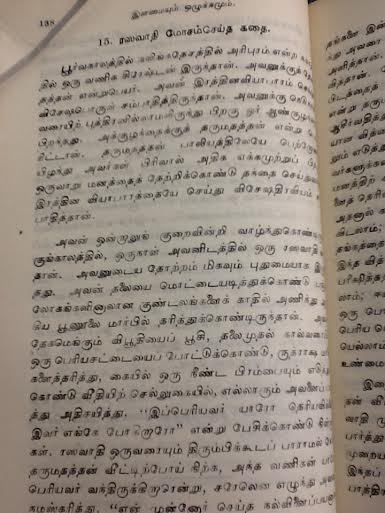
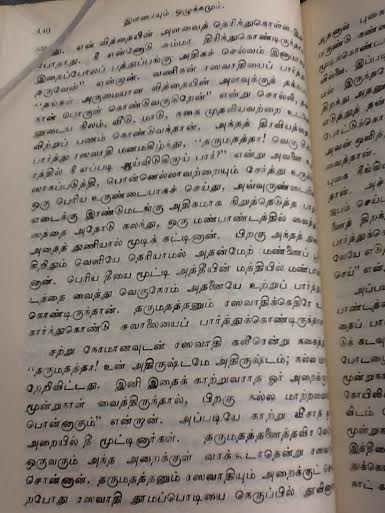
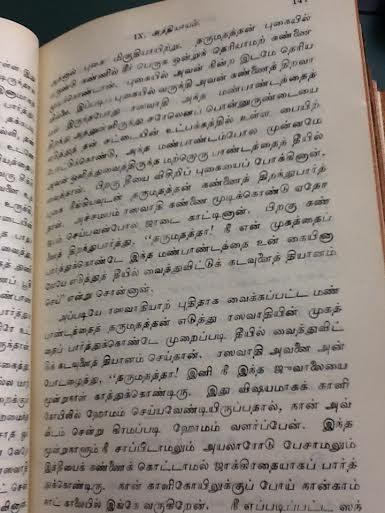
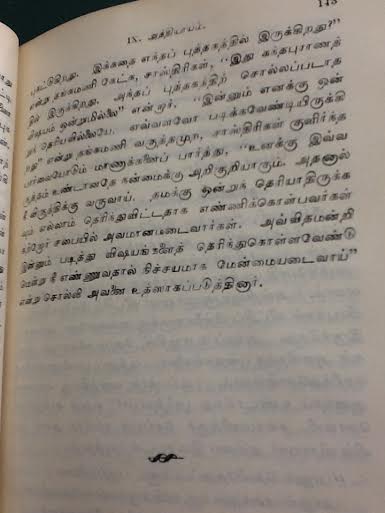
கந்தபுராணத்திலுள்ள ரசவாதி கதையைப் படித்தபோது சிறு வயதில் அம்புலிமாமா பத்திரிக்கையில் படித்த கதைகள் நிணைவுக்கு வந்தன. கந்த புராணத்திலும் இப்படி ஒரு கதை இருப்பது பிரிட்டிஷ் நூலகப் புத்தகத்திலிருந்துதான் தெரியவந்தது.


irandu1


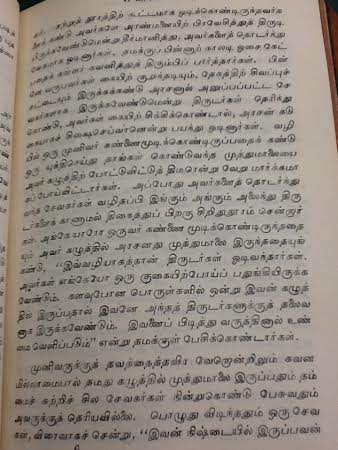
நூறு ஆண்டுகளுக்கு முன் வெளியான சி.ப. வேங்கட ராம ஐயர் எழுதிய ‘இளமையும் ஒழுக்கமும் அல்லது இரண்டு பிள்ளைகள்’ என்ற புத்தகத்தில் (ஆண்டு 1915, சென்னை), பழைய தமிழில் இந்தக் கதையை எப்படி சொல்லியிருக்கிறார் என்று பாருங்கள்.


irandu22


irandu23


irandu24


irandu25


irandu26


irandu27

மாண்டவ்ய மகரிஷி கதை (Post No.2776)

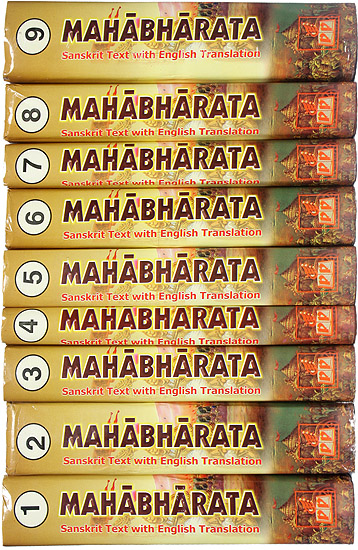
mahabharata pile

Compiled by london swaminathan


Date: 3 May 2016


Post No. 2776


Time uploaded in London :– 10-10 AM


( Thanks for the Pictures)


DON’T REBLOG IT AT LEAST FOR A WEEK!  DON’T USE THE PICTURES; THEY ARE COPYRIGHTED BY SOMEONE.


(for old articles go to tamilandvedas.com OR swamiindology.blogspot.com)


மாண்டவ்ய மஹரிஷி என்றும் ஆணி மாண்டவ்யர் என்றும் அழைக்கப்படும் முனிவரின் சரிதம், நிறைய பேரால் சொல்லப்பட்டிருக்கிறது. மஹாபாரதத்திலுள்ள இக்கதையை ஒவ்வொருவரும் தனக்கே உரிய பாணியில் சொல்லி, தனக்குப் பிடித்த வியாக்கியானமும் செய்திருக்கிறார்கள்.


நூறு ஆண்டுகளுக்கு முன் வெளியான சி.ப. வேங்கட ராம ஐயர் எழுதிய ‘இளமையும் ஒழுக்கமும் அல்லது இரண்டு பிள்ளைகள்’ என்ற புத்தகத்தில் (ஆண்டு 1915, சென்னை), பழைய தமிழில் இந்தக் கதையை எப்படி சொல்லியிருக்கிறார் என்று பாருங்கள்

இதற்கு முன் நான் சுருக்கமாக இந்தக் கதையைச் சொல்லியிருக்கிறேன்; இதோ அந்தப் பதிவின் பெயர்:

பிராமணன் மீது நஷ்ட ஈடு வழக்கு! ஒரு பழைய சுவையான கதை!

Article No.1734; Date:- 20th March, 2015.


irandu1


irandu18


irandu19

irandu20


irandu21

–subham–


Don’t Postpone (Post No.2775)

courageToPostpone_20140705

Compiled  BY S NAGARAJAN
Date: 3 May 2016


Post No. 2775


Time uploaded in London :–  5-49 AM


( Thanks for the Pictures)


DON’T REBLOG IT AT LEAST FOR A WEEK!  DON’T USE THE PICTURES; THEY ARE COPYRIGHTED BY SOMEONE.


(for old articles go to tamilandvedas.com OR swamiindology.blogspot.com)


From  my 50 years notebooks (Read, noted down, shared with  many)

Postponing-Decision

Don’t postpone : Read this later


S.NAGARAJAN


THE ‘SEVEN AGES OF MAN’


1)   6  WEEKS                  –   ALL SYSTEMS GO

2)   12   YEARS                  –   ALL SYSTEMS ‘NO!’

3) 16   YEARS                  –   ALL SYSTEMS KNOW

4) 26   YEARS                  –   ALL SYSTEMS GLOW

5) 36   YEARS                  –   ALL SYSTEMS OWE

6) 56   YEARS                  –   ALL SYSTEMS STATUS QUO

7) 76   YEARS                  –   ALL SYSTEMS SLOW


                                           –  R.M.CORNELIUS, Dayton, Tennessee, USA


FORK LIFT


A SURE SAFE WAY

TO LOSE SOME WEIGHT

IS LOAD LESS FREIGHT

UPON YOUR PLATE

  • CORINNE ADRIA BARITEAU


READ THIS LATER


PROCRASTINATING IS MY SIN;

IT BRINGS ME ENDLESS SORROW;

I REALLY MUST STOP DOING IT-

IN FACT, I’LL START TOMORROW.

  • HENRY E.LEABO


CONSCIENCE CON?


CONSCIENCE IS THAT STILL, SMALL VOICE

THAT SOMETIMES SPEAKS IN REVERSE.

INSTEAD OF TELLING US WHAT WE’RE DOING WRONG,

IT ADVISES US THAT OTHERS ARE WORSE!

  • RUTH M WALSH


STRINGS ATTACHED


TO WRAP THE PACKAGES, I’VE GOT

TAPE, PAPER, STRING AND STUFF,

ALTOGETHER, QUITE A LOT;

BUT OF EACH , NOT QUITE ENOUGH

  • DONA EVLETH


                                            FROM THE ROTARIAN JULY 1981 ISSUE


கருமிகளை கடலில் தள்ளுக! மஹாபாரதம் அறிவுரை!! (Post No.2774)

desrt nd sea

Written  by london swaminathan


Date: 2 May 2016


Post No. 2774


Time uploaded in London :– 11-58 AM


( Thanks for the Pictures)


DON’T REBLOG IT AT LEAST FOR A WEEK!  DON’T USE THE PICTURES; THEY ARE COPYRIGHTED BY SOMEONE.


(for old articles go to tamilandvedas.com OR swamiindology.blogspot.com)


மஹாபாரதம் உத்யோக பர்வத்தில் ஒரு அருமையான ஸ்லோகம். இதே கருத்தை வள்ளுவனும் பிற்காலத்தில் எழுதியிருக்கிறான்:–


த்வாவம்பசி நிவேஷ்டவ்யோ கலே பத்வா த்ருடாம் சிலாம்

தனவந்தமதாதாரம் தரித்ரம் ச தபஸ்வினம்

–மஹாபாரதம், உத்யோக பர்வம் 33-60


அதாத தனிக – பணமிருந்தும் கொடுக்க மறுப்பவன்

அதபஸ்வி தரித்ர – (கடவுள்) நம்பிக்கையற்ற ஏழை

த்வா- இருவரும்

கலே பத்வா த்ருடாம் சிலாம்- கழுத்தில் கல்லைக் கட்டி

அம்பசி நிவேஷ்டவ்ய = கடலில் மூழ்கடிக்கப்படவேண்டியவர்கள்.


வெறுமனே கடலில் தூக்கிப்போட்டால், ஒருவேளை நீந்திக் கரை சேர்ந்துவிடுவார்களே என்றெண்ணி, கழுத்தில் கல்லைக் கட்டி கடலில் தூக்கி எறிக என்கிறது மஹாபாரதம்.

 sugarcane

வள்ளுவனும் இப்படி சுடு சொற்களையே பெய்கிறான்: கையை முறுக்கு, தாடையில் ஓங்கி அடித்து நொறுக்கு, கரும்பை நசுக்கிப் பிழிவது போல கருமியை நசுக்கு – என்பான் வான் புகழ் வள்ளுவன்!!


 “வள்ளுவனும் வன்முறையும்”, “பாரதியும் வன்முறையும்” என்று 24 ஜூலை, 2013ல் நான் எழுதிய கட்டுரையின் ஒரு பகுதி இதோ:


மரண தண்டனைக்கு ஆதரவு


மரண தண்டணைக்கு ஆதரவு தருபவன் வள்ளுவன். அவன் தீவிர அஹிம்சாவாதி அல்ல. தீயோரை அழிப்பது பயிர்களின் களைகளை நீக்குவது போல என்று அழகான உவமை தருகிறான். இதோ அந்தக் குறள்:


கொலையிற் கொடியாரை வேந்தொறுத்தல் பைங்கூழ்

களைகட் டதனோடு நேர் (550)


பொருள்: நாட்டில் உள்ள கொடியோரை மரண தண்டனை கொடுத்து அழிப்பது, பயிர்கள் நன்றாக வளர உழவர்கள் களை எடுப்பது போல் ஆகும்.


ஒன்னார்த் தெறலும் உவந்தாரை ஆக்கலும்

எண்ணின் தவத்தான் வரும் (264)


கீதையில் ‘’பரித்ராணாய சாதூணாம் விநாசாய ச துஷ்க்ருதாம்’ என்று கண்ணன் சொன்னதன் எதிரொலி இது. ‘’தீயோரை அழிப்பதும் நல்லோரைக் காப்பதும் என் குறிக்கோள்’’ என்று பகவான் கண்ணன் சொன்னதை, தவமுடைய யாரும் செய்ய முடியும் என்பதை வள்ளுவன் ஒப்புக்கொள்கிறான்.

twists

கன்னத்தில் அடி, கையை முறுக்கு, கரும்பு போல நசுக்கு


அதிகாரம் 108, கயவர்கள் பற்றியது. அதில் கஞ்சர்களையும் சேர்த்துத் திட்டுகிறார். கயவர்களின் கன்னத்தில் அடித்து ஆளை நொறுக்கு என்றும் சொல்வான் வள்ளுவன்.

ஈர்ங்கை விதிரார் கயவர் கொடுறுடைக்கும்

கூன்கைய ரல்லா தவர்க்கு (1077)

பொருள்: கன்னத்தில் அடித்து நொறுக்கினால்தான் கயவர்கள் உதவி செய்வர். அதுவரை சாப்பிட்ட பின்னர் ஈரக் கையால் கூட உதறித் தெறிக்க மாட்டார்கள்.

இன்னொரு குறளில் கரும்பு போல கசக்கி நசுக்கு என்கிறான்.

சொல்லப் பயன்படுவர் சான்றோர் கரும்புபோல்

கொல்லப் பயன்படும் கீழ் (1078)


பொருள்: சான்றோர்கள் சொன்ன மாத்திரத்திலேயே பிறர்க்கு உதவி செய்வர். கயவர்கள் மட்டும் கரும்பு போல் கொன்று பிழிந்தால்தான் பயன்படுவார்கள்.


வள்ளுவன் கோபக்காரனும் கூட. சோற்றுக்கே அலையவேண்டிய நிலை இருக்குமானால் பிரம்மாவே பிச்சை எடுக்கட்டும் என்று அவனைச் சபிக்கவும் தவறவில்லை.

இரந்தும் உயிர்வாழ்தல் வேண்டின் பரந்து

கெடுக உலகு இயற்றியான் (1062)

பொருள்: உலகில் சிலர் பிச்சை எடுத்துத்தான் உயிர் வாழவேண்டும் என்றால், அந்த பிரம்மாவே பிச்சை எடுத்து அழியட்டும்.

ஆக தேவையானபோது வன்முறையைப் பிரயோகிக்கலாம்; அதர்மம் செய்வோருக்கு எதிராக மட்டும் வன்முறையைக் கையாளலாம்.


Sugar cane-23

–சுபம்–


DROWN MISERS IN THE SEA: MAHABHARATA (Post No 2773)

desrt nd sea

Written  by london swaminathan


Date: 2 May 2016


Post No. 2773


Time uploaded in London :– 9-12 AM


( Thanks for the Pictures)


DON’T REBLOG IT AT LEAST FOR A WEEK!  DON’T USE THE PICTURES; THEY ARE COPYRIGHTED BY SOMEONE.


(for old articles go to tamilandvedas.com OR swamiindology.blogspot.com)


Hindu scriptures are not against violence; they support violence where it is necessary. When it comes to protecting countries and governments, war was part of their life. The biggest job provider in the ancient world was the war and weapon industry. It is true with the modern world as well. At any one time 50 conflicts are going on in different parts of the world. The Western Governments love wars. Their biggest income come from arms sale. They are the mainstay of all the terrorist movements. Big arms fairs are held in London and other parts of the world, where the terrorists and developing countries procure weapons in benami/proxy names. So we can laugh at them when they speak of world peace and non-violence.


Western Governments ‘invent’ human rights violations of other countries if they don’t provide them oil/petrol or don’t do business with them. They have no moral issues in wars. They want their products to be sold. Doctors flourish when there are more diseases; lawyers flourish when there are more criminal activities; Western Governments survive only through their arms sales and conflicts between nations. If there is peace, then they wont have the BIG POWER status! They will justify any violence like Iraq War, Vietnam War, nuclear bombing of Hiroshima and Nagasaki in Japan and killing millions of innocent Buddhists. Their propaganda machinery such as ABC, BBC, CBC etc. will help them to justify all their immoral activities. With the communist governments, they openly support violence unlike the covert activities of Western Governments.


All Hindu gods and goddesses hold weapons; they are there to punish the evil doers. They never attack anyone on their own. If there is violence from the demons and devils, they kill them. It is also symbolic in many cases; there the demons or devils symbolise evil thought in human beings.


So we have to look at any violence in this background; the violence advocated by the Tamil and Sanskrit scriptures is of different kind. They support violence only against the evil people. We can easily see the difference between the actual criminals and the ‘invented’ criminals of the Western countries.

kadala, fb, sea

Ambhasi nivestavya: To be drowned in ocean

Mahabharata says,
Dvaambhasi nivestavyau gale badhwaa drutaam silaam
Dhanavantamadaataaram daridram caatapasvinam
—Udyoga parva 33.60


Drown the following two kinds of people in the ocean:

1.Adaataa Chanukah
Richman who doesn’t give
2.Atapasvi daridra
Poor man who is not devout


From Tamil Literature
Tamil poet Tiruvalluvar also says,

“The mean will not shake off what sticks to their hands to any but those who would break their jaws with their clenched fists!” (Tirukkural 1077)

That is the misers have no heart, no compassion; they will give only when their hands are twisted and jaws are broken with a good punch.

“At a mere word the good melt; but the mean, like the sugarcane, yield only under pressure” (Tirukkural 1078)

That is the misers have to be actually crushed physically to get something out of them.

In another couplet, Valluvar advocated also death penalty for the murderers. He compared the murderers as weeds in the field. Capital punishment for grievous offences is like the weeding of fields, necessary for protecting the food crops.

“The king gives capital punishment to wicked killers like removing weeds from flourishing fields” (Tirukkural 550)

Sanskrit law books such as Manu smrti and Sukra neeti also support capital punishment.

–Subham–


உள்ளத்தனையது உயர்வு; உள்ளுவதெல்லாம் உயர்வுள்ளல்! (Post No 2772)

cartoon-ladder-5

Compiled by london swaminathan


Date: 1 May 2016


Post No. 2772


Time uploaded in London :– 21-49


( Thanks for the Pictures)


DON’T REBLOG IT AT LEAST FOR A WEEK!  DON’T USE THE PICTURES; THEY ARE COPYRIGHTED BY SOMEONE.


(for old articles go to tamilandvedas.com OR swamiindology.blogspot.com)


HitchYourWagonToAStar-jpg

அமெரிக்கக் கவிஞரும் கட்டுரையாளருமான ரால்ப் வால்டோ  எமர்சன் (1803-1882) ஒரு கட்டுரையில் எழுதிய வாசகம் ஆங்கில நூல்களில் ‘ஊக்கமுடைமை’ பற்றிய சிறந்த மேற்கோளாகப் பயன்படுத்தப்படுகிறது. உனது வாகனத்தை (பிறர் உதவியுடன்) நட்சத்திரத்தை நோக்கி நகர்த்து ‘Hitch your wagon to a star’ என்றார். இதன் உட்பொருள் உயர்ந்த குறிக்கோள் உடையவனாக இரு. ஏற்கனவே வெற்றி பெற்றவரின் பாதையைப் பின்பற்று என்பதாகும்


இதில் வியப்பான விஷயம் என்ன வென்றால் இதை 2000 ஆண்டுகளுக்கு முன்பே சோழ மன்னன் கோபெருஞ்சோழன் சொல்லியிருக்கிறான்:–

புறம் 214 (கோப்பெருஞ் சோழன்): யானை வேட்டைக்குப் போகிறவன் வெல்வான். யானையுடன் திரும்பி வருவான். குறும்பூழ் வேட்டைக்குப் போவோன் அது இல்லாமலும் திரும்புவான். உயர்ந்த குறிக்கோளுடன் கூடிய உயர்ந்தோனாக விளங்குக. இமயம் போல் புகழ் அடைக.

யானை வேட்டுவன் யானையும் பெறுமே

குறும்பூழ் வேட்டுவன் வறுங்கையும் வருமே

அதனால், உயர்ந்த வேட்டத்து உயர்ந்திசினோர்க்கு (புறம் 214)


ஆங்கிலப் பழமொழிகள்

இதை வேறு சில ஆங்கிலப் பழமொழிகளிலும் காணலாம்.


He who aims at the moon may hit the top of a tree; he who aims at the top of a tree unlikely to get off the ground.

நிலவை எட்டிப் பிடிக்க முயல்பவன் மரத்தின் உச்சியையாவது தொடுவான்; மரத்தின் உச்சியை அடைய முயல்பவன், தரையை விட்டுக்கூட எழுதிருப்பது சந்தேகமே- என்கிறது ஆங்கிலப் பழமொழி.

See mickle, and get something; seek little and get nothing (mickle = much)

இன்னொரு பழமொழியும் இதை வலியுறுத்தும். ‘நிறையக் கேட்டால் கொஞ்சமாவது கிடைக்கும்; கொஞ்சம் கேட்டால் ஒன்றும் கிடைக்காது’ என்று சொல்கிறது இப்பழமொழி!


நன்கொடை வசூலிக்கப் போகிறவர்களுக்கு இது நன்கு விளங்கும். ஆயிரம் ரூபாய் நன்கொடை கேட்டால், கொடுப்பவன் பாதியாவது கொடுப்பான். விற்பனையாளர் தந்திரமும் இதுதானே! ஒரு பொருளின் விலையை ஆயிரம் ரூபாய் என்பான். நாம் நூறு ரூபாய்க்குத் தருகிறாயா? என்போம். கடைசியில் 500 ரூபாயில் பேரம் முடிவடையும். ஆக வாழ்க்கையில் உயர்ந்த குறிக்கோள் இருந்தால்தான் நாம் முன்னேறுவோம். குறிக்கோளே இல்லாதவர் இறந்தர்க்குச் சமம். மரக்கட்டையும் அவர்களும் ஒன்றே என்பான் வள்ளுவன் (குறள் 600).

வள்ளுவனும் ஊக்கமுடைமை என்னும் அதிகாரத்தில் இரண்டு குறள்களில் மிக அழகாகச் சொல்கிறான்:

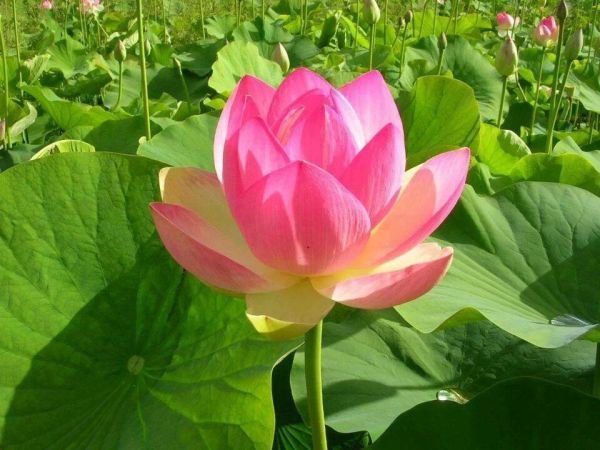
2lotus bloom

வெள்ளத்தனைய மலர் நீட்டம் மாந்தர்தம்

உள்ளத்தனையது உயர்வு – திருக்குறள்  595


உள்ளுவதெல்லாம் உயர்வுள்ளல் மற்றது

தள்ளாமை தள்ளினும் நீர்த்து– குறள் 596

ஆனால் மேற்கூறிய எல்லா மேற்கோள்களுக்கும் முன்னதாகவே கண்ணபிரான் இக்கருத்தை பகவத் கீதையில் முன்வைத்துவிட்டான்:-


உத்தரேத் ஆத்மனாத்மானம் நாத்மானம் அவசாதயேத் – பகவத் கீதை (6-5)

ஒருவன் தன்னாலே தன்னை உயர்த்திக்கொள்ளவேண்டும். தன்னையே தன்னைத் தாழ்த்தக் கூடாது; உனக்கு நீயே நண்பன், நீயே பகைவன்.

புறநானூற்றில் இமயம் போல உயர்ந்து புகழ் அடைவாயாக (பாடல் 214) என்பது கீதையிலும் இருக்கிறது

(கீதை 11-33) எழுந்திரு ! புகழடை!! உத்திஷ்ட ! யசோ லப !!


எனது முந்தைய கட்டுரைகள்:–

மனம் பற்றிய 31 நல்ல மேற்கோள்கள் …(31 Mar 2012) என்ற பதிவிலும், புறநானூற்றில் பகவத் கீதை- பகுதி 2-லும் (31-3-2012) இக்கருத்துகளை முன்னரே தொட்டுக்காட்டி இருக்கிறேன்


–சுபம்–


‘Hitch your wagon to a star’ – Ralph Waldo Emerson (Post No 2771)

hitch-wagon-star

Compiled by london swaminathan


Date: 1 May 2016


Post No. 2771


Time uploaded in London :– 9-59 AM


( Thanks for the Pictures)


DON’T REBLOG IT AT LEAST FOR A WEEK!  DON’T USE THE PICTURES; THEY ARE COPYRIGHTED BY SOMEONE.


(for old articles go to tamilandvedas.com OR swamiindology.blogspot.com)


American essayist and poet Ralph Waldo Emerson (1803-1882) said in one of his essays:

“Now that is the wisdom of a man, in every instance of his labour, to hitch his wagon to a star, and see his chore done by the gods themselves. That is the way we are strong, by borrowing the might of the elements. The forces of steam, gravity, galvanism, light, magnets, wind, fire, serve us day by day and cost us nothing”.

It means always aspire to do great things. Do not set pessimistic goals. Set in the footsteps of great men and use their wisdom and experience.


HitchYourWagonToAStar-jpg


AIM HIGH: HINDU PHILOSOPHY

Aim high is one of the concepts or ideas that Hindu saints put forth before their disciples. First we found it in the great scripture Bhagavad Gita and then in a Sangam Tamil verse. Later Tamil poet Tiruvalluvar also repeated this.

Let a man lift himself by himself; let him not degrade himself, said Lord Krishna in the Bhagavad Gita (6-5)

Buddha also said the same in the Dhammapada: The Self is the Lord of the Self (verse 380)

Every one of us has the freedom to rise or fall and our future is in our own hands. Tamil poet Tiruvalluvar said: The stalk of a lotus blossom grows long enough to project the pretty flower out of water, so too, a man’s level of greatness is determined by his own will.


Rajaji, first Governor General of India, commenting on this said: Think of ever rising higher. Let it be your only thought. Even if your object be not attained, the thought itself will have raised you.”

Dr S M Diaz added: If a man constantly aspires, is he not elevated? The well-known expression of “hitching your wagon to the stars”, has, therefore some special meaning. You may not reach the stars. You may fall short of it. Even so, the effort involved in the process has certainly involved in the process has certainly served to elevate and enrich you, well above the ordinary run of human beings.


hitch star

I wrote the following in 2013:–

ZEAL
“One should not pursue goals that are easily achieved. One must develop an instinct for what one can just barely achieve through one’s greatest efforts.” —Albert Einstein.
All thought should be the thought of rising high though it fails; it is the nature of success. Your aspirations keep you on a higher plane (Tirukkural 596)

Though wounded with arrows, the elephant stands firm in his greatness; he who has spirit never loses heart when he fails (Tirukkural 597)

Let a man lift himself by himself; let him not degrade himself; for the self alone is the friend of the self and self alone is the enemy of the self. (Bhagavad Gita 6-5)
Purananuru verse 214 of Kopperum Chozan also advises everyone to Aim High. “A person who wanted to hunt an elephant will come with an elephant after a successful hunt. A person who wants to hunt quails may come even without a single bird. So aim high in life”.

Kopperum Chozan, the Choza king continues, “In the case of the superior persons who are inspired by higher desires if you admit that they experience the fruit of their deeds they may enjoy pleasures in the next world. If they do not enjoy them in the next world they will attain joys in the next re-birth; if even that is not admitted, it is an excellent thing to die after having planted one’s good name as high as the lofty Himalayas.” (Karma Theory)

(From my post : Albert Einstein and Thiruvalluvar; Post No. 749 dated 17th December 2013)


English Proverbs on ‘Aim High’:-


There are some interesting English proverbs echoing the same theme:-

He who aims at the moon may hit the top of a tree; he who aims at the top of a tree I unlikely to get off the ground.

Nothing crave, nothing have

Nothing seek, nothing find

Seek and ye shall find – Mathew 7:7

See mickle, and get something; seek little and get nothing (mickle = much)

He begins to die that quits his desires

There is always room at the top.

–subham–

Rama’s Vow and Arjuna’s Vow (Post No 2770)

arjuna, bali, indonesia

Compiled by london swaminathan


Date: 30 April 2016


Post No. 2770


Time uploaded in London :– 11-53 AM


( Thanks for the Pictures)


DON’T REBLOG IT AT LEAST FOR A WEEK!  DON’T USE THE PICTURES; THEY ARE COPYRIGHTED BY SOMEONE.


(for old articles go to tamilandvedas.com OR swamiindology.blogspot.com)


There are two beautiful sayings in Sanskrit about Arjuna and Rama, covering two Hindu epics Mahabharata and Ramayana.


Arjuna of Mahabharata is famous for his valour. He was a great archer. Since he was the best student among the royals, Drona, the teacher of Pandavas and Kauravas, taught him all the tricks of the trade. He has made two vows, never to beg to anyone to save his life and never to run away from a battle.

In Sanskrit:-

Arjunas pratiknjaa (Arjunas vow)

1)Na Dainyam
Never to be reduced to a pitiable state
2)Na palaayanam
Never run away from war
“Arjunasya pratikjne dve na dainyam na palaayanam”

 RAMA ARCH

Rama’s Vow

Rama stood for all the good virtues enumerated in the Hindu scriptures but yet he is more famous for his two vows:

He never shoots an arrow at his enemy for the second time; that means there was no need; he was so focussed and skilful that his first arrow would definitely hit the target. He had never missed it.

The second vow is he speaks only once about any issue; if he gives a word he would never go back. He had given words to Kaikeyi, Sita, Bharata, Guha, Sugreeva and Vibhisana. He had never gone back.

He promised Kaikeyi that he would abide by what Dasaratha ordered him to do i.e. 14 years stay in the forest.
He told Sita that he would not even think of any other woman; that is why there is a saying in Sanskrit ‘ Where is Rama, there is no Kama/desire.

He even rejected the golden Lanka. He handed it over to Vibhisana after the fall of Ravana; when his brother Lakshmana remarked that Sri Lanka was a golden land, Rama said to him, “mother and motherland are greater than the Heaven” (Janani Janama bhumisca Swargadapi gariyasi). He said that Guha was his fifth brother in the very first meeting. Rama was a prince and Guha was just a hunter!

In Sanskrit :-

Tad bruuhi vacanam Devi raaknjaa yadabikaankshitam
Karishyee pratiknjaate ca raamo dvirnaabhibhaasate

—from Valmiki Ramayana

The same is in Mahanatakam as well:–

Dvissaram naabhi sandhatte raamo dvirnaabhibhaasate
–Mahaanaatakam
Dvi saram = two arrows

Na Abhisandatte = never shoots

Dvi = two times

Na Abbhibhasate = never speaks

Let us keep these ideals before us and try to follow in the footsteps of Rama and Arjuna.


Read also my previous posts:

Five heroic qualities of Lord Rama; post no. 2006; posted on 20th July 2015

Lord Shri Rama- the world’s Best PR Man; posted on 17 November 2011

–subham–
 

முருகப் பெருமானும் எண்களும்: ஒரு ‘க்விஸ்’ (Post No.2769)

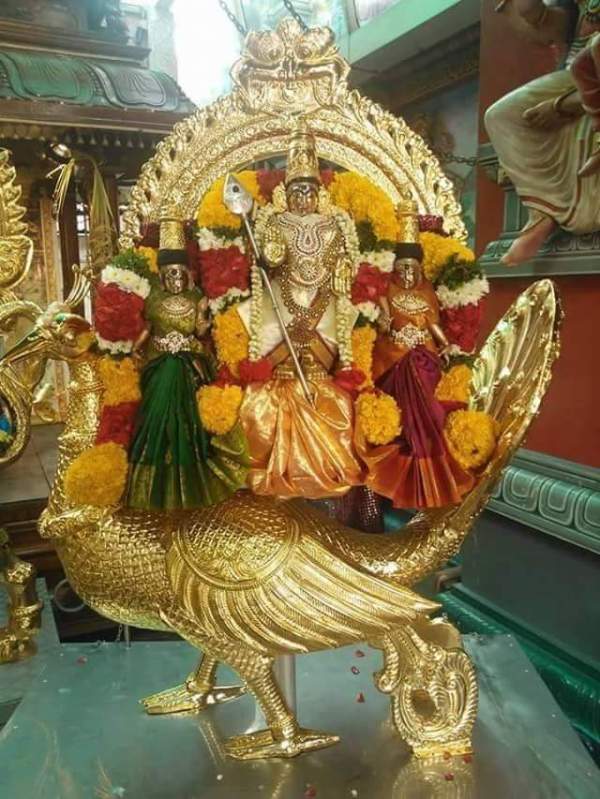
thanga murukan

Compiled by london swaminathan


Date: 30 April 2016


Post No. 2769


Time uploaded in London :– 6-46 AM


( Thanks for the Pictures)


DON’T REBLOG IT AT LEAST FOR A WEEK!  DON’T USE THE PICTURES; THEY ARE COPYRIGHTED BY SOMEONE.


(for old articles go to tamilandvedas.com OR swamiindology.blogspot.com)


நீங்கள் முருக பக்தரா? எங்கே, இந்தக் கேள்விகளுக்குப் பதில் சொல்லுங்கள் பார்ப்போம். இதில் பத்துக்கு பத்து கிடைக்கவில்லையென்றால் நான் கடந்த ஐந்து ஆண்டுகளில் இதே பிளாக்கில் போட்ட 25-க்கும் மேலான கேள்வி பதில்களுக்குப் போங்கள். ஏதாவது ஒன்றிலாவது நூற்றுக்கு நூறு எடுக்க முடிந்தால் நீங்கள் மெத்தப் படித்தவர். மிகவும் குறைவாக மதிப்பெண்கள் கிடைத்தால் மெதுவாகப் படிப்பவர்கள்!!!

muruga,doddappalapura,karnataka

1.முதலில் ஒன்று என்ற எண்ணுடன் துவங்குவோம். எந்த ஓரெழுத்து மந்திரத்தின் பொருளை சிவனுக்கு முருகன் உபதேசித்தார்? எங்கு?


2.முருகனுக்கு எத்தனை மனைவியர்? யார் அவர்கள்?


3.திருத்தணியில் எத்தனை படிகள் உள்ளன?

4.கதிர்காமத்தில் எத்தனை திரைகள் உள்ளன?

5.நமக்கு திருப்புகழ் பாடல்கள் எவ்வளவு கிடைத்துள்ளன?

6.பழனியிலுள்ள முருகன் சிலை எத்தனை பொருட்களால் ஆனது?

7.முருகப் பெருமானுடன் தொடர்புடைய முக்கிய எண் எது?

8.பழனி மலையில் எத்தனை படிகள் ஏறிச் சென்றால் முருகனை தரிசிக்கலாம்?

9.மலேசியாவில் பத்துமலைக் குகைக் (Batu Caves) கோவிலில் எத்தனை படிகள் இருக்கின்றன?

10.நக்கீரரை பிடித்த பூதம் அவரை எத்தனையாவது ஆளாகப் பிடித்தது?


mayil murugan

விடைகள்: 1.ஓம், சுவாமி மலை 2.இரண்டு மனைவியர்:வள்ளி, தெய்வானை 3. மொத்தம் முன்னூற்று அறுபத்தைந்து படிகள் 4.ஏழு திரைகள்  5.அருணகிரிநாதர் பாடியது 16,000க்கும் மேலான  திருப்புகழ் பாடல்கள்; இன்று பட்டியலிடப்பட்டவை 1334; யாரேனும் 1300 அல்லது அதற்கு நெருங்கிய எண் சொன்னால் முழு மதிப்பெண். 6.நவபாஷாணம் எனப்படும் ஒன்பதுவகை மருந்துப் பொருட்களால் ஆன சிலை என்பது  ஐதீகம் 7.முருகப் பெருமானுடன் மிகவும் தொடர்புடைய எண் ஆறு; அவன் பெயரே ஆறுமுகன், ஷண்முகன், அவனது புகழ்பெற்ற தலங்கள் ஆறு படைவீடு, அவனை வளர்த்த கார்த்திகைப் பெண்கள் ஆறு பேர்; அவனது யந்திரம் அறுகோணம் 8.பழனியின் படிகள் 689 அல்லது 690 என்ற இரண்டும் சரியே; நாம் கடைசி படியைக் கோவிலாகவோ அல்லது அதையும் ஒரு படியாகவோ எண்ணலாம் 9.பாட்டு கேவ்ஸ் (Batu Caves) என்றும் பத்துமலை என்றும் அழைக்கப்படும் மலேசியாவின் புகல் மிகு முருகன் கோவிலில் 272 படிகள் உள 10. குகையில் 999 பேரை அடைத்து வைத்து ஆயிரமாவது ஆளாக நக்கீரரைப் பிடித்தது ஒரு பூதம்; அப்போது அவர் முருகன் அருள் வேண்டிப் பாடியதே திருமுருகாற்றுப்படை..


Earlier Quiz posted by me:
(1&2) 27 Star Quiz (In English and Tamil)
(3&4)Hindu Picture Quiz-1 (In English and Tamil)
5.தமிழ் தெரியுமா? Tamil Quiz—1
6.தமிழ் தெரியுமா? Tamil Quiz—2
7.Tamil Quiz—3 தமிழ் தெரியுமா?
8.Hindu Tamil Quiz (in Tamil)
9.Hindu Tamil Quiz (in Tamil)-2
10.Hindu Tamil Quiz (in Tamil)-3
11.Hindu Tamil Quiz (in Tamil)-4
12.Hindu Quiz–1
13.Hindu Quiz–2
14.Hindu Quiz–3
15.Hindu Quiz–4
16.Hindu Quiz on Holy Forests
17.காடுகள் பற்றி இந்து மதம்: கேள்வி பதில்
18.ராமாயண வினா விடை
19.பிள்ளையார் பற்றி வினா விடை
(20&21)Quiz on Saivaite Saints (Both Tamil and English)
22.சைவம் பற்றி வினா விடை
23 & 24) Quiz on Hindu Hymns in English and Tamil
25. Are you familiar with Number Four?
26. நீங்கள் நாலும் தெரிந்தவரா?

murugan vattam
Contact swami_48@yahoo.com

படிப்பது எப்படி? (Post No.2768)

e bay reading statue

Written  BY S NAGARAJAN

Date: 30 April 2016


Post No. 2768


Time uploaded in London :–  5-23 AM


( Thanks for the Pictures)


DON’T REBLOG IT AT LEAST FOR A WEEK!  DON’T USE THE PICTURES; THEY ARE COPYRIGHTED BY SOMEONE.


(for old articles go to tamilandvedas.com OR swamiindology.blogspot.com)


சமஸ்கிருத செல்வம்


ச.நாகராஜன்

kids-Reading-Books-group-1

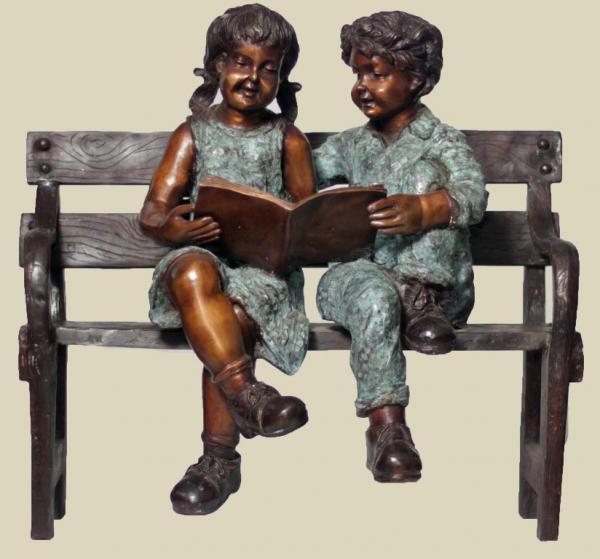
சபையிலாகட்டும் தனியாகவே படிப்பதாகட்டும் எப்படிப் படிப்பது.? அதற்கு 6 குறைகளை அகற்றிப் படிக்க வேண்டும் என்று பாணிணீய சிக்ஷா கூறுகிறது.


  • ஏற்றியும் இறக்கியும் கண்டபடி உச்சரிக்கக் கூடாது
  • வேக வேகமாகப் படிக்கக் கூடாது
  • படிக்கும் போது தலையை ஆட்டிப் படிக்கக் கூடாது
  • எழுதியபடி படிக்கக் கூடாது (இலக்கணப் பிழைகளுடன்)
  • எதைப் படிக்கிறோமோ அதை நன்கு புரிந்து கொள்ளாமல் படிக்கக் கூடாது
  • தாழ்ந்த குரலில் படிககக் கூடாது (கணீரென்ற குரலில் அனைவரையும் கவரும் வண்ணம்) படிக்க வேண்டும்

செய்யுளைப் பார்ப்போம்:-

கீதோ ஷீக்ரீ சிரக்கம்போ ததா லிகித பாடக: |

   அனர்த்தக்ஞோல்ப கண்டச்ச ஷடதே பாடகாதமா: ||


இதன் ஆங்கில மொழிபெயர்ப்பை அழகாக எஸ்.பி. நாயர் (S B Nair) செய்துள்ளார் இப்படி:-


One who reads in a sing-song manner, reads too quickly, shakes his head while reading, reads as written (without correcting scribal errors), does not understand the sense, and has a faint voice – all these six are inferior reciters (readers)

பழைய கால குருகுல முறையில் இந்த ஆறு பிழைகளையும் ஆரம்பத்திலேயே திருத்தி விடுவார்கள்.


ஆக படிப்பதிலும் சரியான முறை ஒன்று உண்டு; அதைச் செய்க என்கிறது பாணிணி சிக்ஷா!

statue reading, gift

–subham–

**************