Tamil Hindu Encyclopaedia வானவ மகளிர் , கடல் கெழு செல்வி-4  (Post No.11,339)

WRITTEN BY LONDON SWAMINATHAN

Post No. 11,339

Date uploaded in London – 9 OCTOBER 2022                  

Contact – swami_48@yahoo.com

Pictures are taken from various sources for spreading knowledge.

this is a non- commercial blog. Thanks for your great pictures.

tamilandvedas.com, swamiindology.blogspot.com

https://www.pustaka.co.in/home/author/london-swaminathan

Xxx
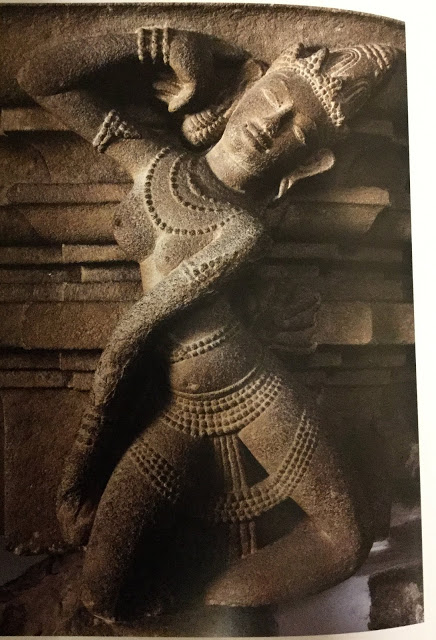
Greeks copied everything said by the Hindus. Greeks copied all nymph stories from 2000-year-old Sangam Tamil books. Tamils were ardent Hindus and they saw Gods in trees, lakes, ponds, rivers, seas, hills, mountains, houses and what not.

We have hundreds of Tamil nymphs seen in all these places like the Greeks.

Following is some of the Greek nymphs (Anangu or Makalir in Tamil):

Naiades – The nymphs of fresh water

Nereus – The old man of the sea (note Rig Vedic word for water NEER)

Nereids – Nymphs found in Mediterranean Sea (note Rig Vedic word for water NEER)

Nymphs are daughters of Zeus (Indra), but not immortal; living in the ocean-Oceanids; living in the Mediterranean sea- Nereids; living in fresh water- Naiades; Mountains- Oreades; Trees- Dryades (Sanskrit word Daru=Tree)

Hindu Puranas say Narayana (naaraayanaa) is the god living in ocean and so he is called Naara/water+ Ayana/abode.

But Tamils used Neer for water than other communities. Hindus believed Gods, Divine women Apsaras, Indra, Head of Divine World—all lived in the sky. Tamils, being enthusiastic Hindu devotees used the exact word Sky Women வானவ மகளிர் for Apsaras.

Valluvar also said Gods in the Sky in his Kural Couplet 50 வானுறையும் தெய்வம்.

But the amazing similarity is in ‘Sea bound woman’ கடல் கெழு செல்வி like the Greek Nereids.

Let me now give details about all Divine Women தெய்வ மகளிர்.

Ara Makalir – Kalittokai 40-23 அர மகளிர் ,

Sea woman – Aka naanuuru 370-12 கடல் கெழு செல்வி

Vaanara makalir வானர மகளிர் – Ainkuru nuuru 418-3; Natrinai 356-4; Malaipaddukadaam- Line 294

Vaanara also means Monkey. But ancient Tamils meant Sky.

Xxx

Sky bound women வானவ மகளிர்- Mathuraik Kaanchi lines 581-583

Xxx

Women living in sky வானுறை மகளிர்- Pathitruppaathu 14-13

What Tamil Commentators said:

In all the Itihasa/ Puranic stories (Epic and mythological) we come across Apsaras. Ramba, Menaka, Urvasi  and Tilottamaa among them are very common, Hindus even today use them to name their girls. They are found throughout India and South East Asia.

Xxx

Very interesting is the poem by Ammuuvanaar in Akam 370 about Sea Woman கடல் கெழு செல்வி. Here the girlfriend of the love sick woman says “Don’t worry about the gossip in the village. You stand like a sea nymph on the coast; let me stand by your side like a Dancing girl. Commentators used the word Neerara Makalir (Divine Water Women) similar to Nereids of Greek Mythology.

Greeks got the word Neer/water from Rig Veda and Hindu Puranas (Naara+ Ayana= Naaraaayana/Vishnu.

This sea nymph is in Kalittokai and Post Sangam book Silaapdikaram as well.

Xxx

Women living in sky வானுறை மகளிர்- Pathitruppaathu 14-13

Brahmin poet Kumattur Kannan (Mr Krishna of Kumattur) says in Pathiruppaththu 14-13:

You are the husband of a woman who is as beautiful as Apsaras . The Apsaras women are fighting among themselves comparing themselves with your wife. Each one is saying that ‘I am the one equal to the beauty of Chera Queen’ .

This shows Tamils were deep into the Puranas. Menaka- Viswamitra episode attracted all the Tamils.

The same poet referred to the Mahabharata war and Samudrika Lakshana as well. He says the Chera king had Sri Vatsa on his chest. That means one who carries Lakshmi on his chest திரு ஞெமர் அகலத்து.

xxx

Sky bound women வானவ மகளிர்- Mathuraik Kaanchi lines 581-583

Maankudi Maruthanaar who composed the longest poem

Mathuraik kaanchi in Sangam books compared the divine dancers to the courtesans dancing in the first quarter of the night accompanied by lyre and drums. The commentator says that the divine dancers in the sky (heaven) were so sad because these courtesans danced so beautifully well, better than them. The commentator also added these courtesans made the watchers sad by emptying their pockets (they lost the money by visiting them!

Xxx

Vaanara makalir வானர மகளிர் – Ainkuru nuuru 418-3

Another poet by name Peyanaar (Mr Ghost) compared hero’s lady love to divine woman and skylark in  Ainkuru nuuru.

One woman in the forest hugged this man so tight pressing her breasts on his chest. He wondered whether she is a divine woman. He also added that this forest is feeding the skylark with unfailing water, and you are providing me continuous pleasure like the sky lark.

Hindu mythology believes that the sky larks drink wate only from sky(rain water). Sangam Tamils repeat this in umpteen places. They are genetically Hindus with their blood corpuscles vibrating with Hindu thoughts!

There are more mythological points in post Sangam literature. Tamil epic Silappadikaaram is a Hindu Encyclopaedia.

To be continued……………

Tags- Tamil Hindu, Encyclopedia,Divine woman, Vanurai Makalir, Greeks, Nereids, Nymphs, Apsaras

LEARN TAMIL VERBS கொடு- GIVE, பார்- SEE (Post No.11,338)

WRITTEN BY LONDON SWAMINATHAN

Post No. 11,338

Date uploaded in London – 9 OCTOBER 2022                  

Contact – swami_48@yahoo.com

Pictures are taken from various sources for spreading knowledge.

this is a non- commercial blog. Thanks for your great pictures.

tamilandvedas.com, swamiindology.blogspot.com

https://www.pustaka.co.in/home/author/london-swaminathan

Xxx

Download the attachments and enlarge them or take printouts.

LESSON 3

LET US LOOK AT THE CONJUGATION OF TWO MORE TAMIL VERBS கொடு , பார். I PREPARED THEM TO TEACH TAMIL AT THE UNIVERSITY OF LONDON (SOAS )twenty years ago.

கொடு- GIVE  , பார்- SEE

Download the attachments and enlarge them or take printouts.

LESSON 3

LET US LOOK AT THE CONJUGATION OF TWO MORE TAMIL VERBS கொடு , பார். I PREPARED THEM TO TEACH TAMIL AT THE UNIVERSITY OF LONDON (SOAS )twenty years ago.

கொடு- GIVE  , பார்- SEE

PRESENT TENSE is the simplest form in Tamil. You just add KIRA with the stem and the add PGN

P- person, G- gender, N-Number

After Kira you add letters according to I person, II person or III person

After Kira you add letters according to gender Male/he or Female/she or Neuter/ this, that, it

After Kira you add letters according to number- singular or plural

With கொடு- GIVE , பார்- SEE, you can simply do this. But the stem changes if they are irregular verbs like Come, Go, Say etc.

Xxx

Future tense also is simple/ there are only two forms; either you add PP or VV to the stem and then add PGN

paarPPen – I will see

koduPPen- I will give

solVen – I will say

varuVen- – I will come

xxx

Past tense

It is the most difficult tense in Tamil.

It differs for seven different classes of verbs.

I will explain it later.

xxx

11 YEARS AGO I RECORDED 20 PLUS LESSONS ON YOU TUBE WITH PRINTED LESSONS IN WORD PRESS.COM

Tamil Lesson 9 – YouTube

https://www.youtube.com › watch

9:42

Learn more. Switch camera … Tamil Lesson 9. 245 views • Nov 7, 2011 … Santanam Swaminathan. Santanam Swaminathan. 132 subscribers.

YouTube · Santanam Swaminathan · 7 Nov 2011

To be contined……………………………………….

கம்பனை முழுதும் காண முயன்ற கே.என்.சிவராஜ பிள்ளை! (Post 11,337)

WRITTEN BY S NAGARAJAN

Post No. 11,337

Date uploaded in London – –    9 OCTOBER 2022                  

Contact – swami_48@yahoo.com

Pictures are taken from various sources for spreading knowledge.

this is a non- commercial blog. Thanks for your great pictures.

tamilandvedas.com, swamiindology.blogspot.com

கம்பனை முழுதும் காண முயன்ற கே.என்.சிவராஜ பிள்ளை!

ச.நாகராஜன் 

கவிச் சக்கரவர்த்தி கம்பனை முழுவதுமாகக் கற்க ஒரு ஆயுள் போதாது.

தன் வாழ்நாள் முழுவதும் கம்பனைக் கற்று ஆனந்தம் அடைந்த பெரியோர் ஆயிரக் கணக்கில் உள்ளனர்.

இவர்களில் ஒருவர் கே.என்.சிவராஜ பிள்ளை (1879-1941).

இவர் திருவனந்தபுரத்தில் வாழ்ந்து வந்த தமிழ் அறிஞர்.  இளமை முதலே இவர் கம்பனைக் கற்று வரலானார். இவருடைய தமையனாரும் கம்பராமாயண சொற்பொழிவுகள் ஆற்றுவதில் வல்லவர். கம்பராமாயணம் குமரேசப் பிள்ளை என்று நாடு போற்ற நல்வாழ்வு வாழ்ந்தவர்.

 கம்பராமாயணத்தின் பெருமையை விளக்க முயன்ற பேரறிஞர் கே.என். சிவராஜ பிள்ளை அவர்கள் கம்பராமாயண கௌஸ்துபம் என்னும் ஒரு அரிய நூலை இயற்றினார். 1927ஆம் ஆண்டு இந்த நூல் இயற்றப்பட்டது.

இதில் 422 பாக்கள் உள்ளன. கம்பனுடைய பாடல்களில் 39 பாடல்களை உதாரணத்திற்காக ஆங்காங்கே எடுத்துக் காட்டியுள்ளார். ஆக மொத்தம் 461 விருத்தப் பாக்கள் இந்த நூலில் உள்ளன.

காரைக்குடியிலிருந்து வெளியாகி வந்த குமரன் என்ற பத்திரிகையில் 1927ஆம் ஆண்டே முதல் பன்னிரெண்டு பாடல்கள் வெளியாகி உள்ளன. பின்னர் மதுரைத் தமிழ்ச் சங்க வெளியீடாக வந்த ‘செந்தமிழிழ்’ பத்திரிகையில் 28ஆம் தொகுதியில் 105 பாடல்கள் வெளியிடப்பட்டுள்ளன.

 முழு நூலையும் 1979இல் இவரது நூற்றாண்டு விழாவை ஒட்டி சென்னைப் பல்கலைக் கழகம் மு.சண்முகம் பிள்ளை அவர்களைப் பதிப்பாசிரியராகக் கொண்டு  வெளியிட்டு ஒரு அரும் பணியை ஆற்றியது.

இந்த நூல் பத்துப் படலங்களைக் கொண்டுள்ளது.

1. முன்னுரைப் படலம் –              18 பாக்கள்      – 1 -18 முடிய

2. ஆக்கியோன் படலம் –              64 பாடல்கள்    – 19-82 முடிய

3. உவமைப் படலம்                  23 பாடல்கள்    – 83-105 முடிய

4. இயற்கை வருணனைப் படலம்     44 பாடல்கள்    – 106-149 முடிய

5. கதை மக்கட் படலம்               65 பாடல்கள்    – 150-214 முடிய

6. மெய்ப்பாட்டு வருணனைப் படலம்  63 பாடல்கள்    – 215-277 முடிய

7. சொல், நடை, வனப்புப் படலம்     43 பாடல்கள்    – 278-320 முடிய

8. புலமைத் திறன் படலம்            54 பாடல்கள்    – 321-374 முடிய

9. அறவுரைப் படலம்                 12 பாடல்கள்    – 375-386 முடிய

10. கவி இலக்கணப் படலம்           36 பாடல்கள்    – 387-422 முடிய

பேரறிஞர் சிவராஜ பிள்ளை அவர்கள்  சென்னைப் பல்கலைக் கழகத் தமிழ்த் துறையின் முதல் தலைவராக விளங்கினார்.

கம்பனின் காவியத்தில் உள்ள 1) மாதுரியம் 2) தெளிவு 3) வளம் 4) பாவிகம் (Idealisation) 5) அணி 6) இசை ஆகிய நயங்களை கவி இலக்கணப் படலத்தில் காணலாம்.

 கம்பன் காவியத்தைக் கடலாகவும், விரிந்து பரந்த ஆகாயமாகவும் பிள்ளை அவர்கள் காண்பதோடு அதற்கான காரணங்களையும் விளக்குகிறார்.

 கம்பன் பாவிசையைத் தேவர்களே செவி மடுக்கும் போது ஏனையோர் ஏற்றுக் கொள்வதில் என்ன வியப்பு என்று இவர் கேட்பதில் அர்த்தமுள்ளது.

 கம்பனைக் கற்க விருப்பமுள்ளவர்கள் இந்த நூலையும் படித்து இவர் காட்டுகின்ற வழியில் செல்வதோடு அதற்கு அப்பாலும் சென்று ஆழ்ந்திருக்கும் கடலில் நல் முத்துக்களை எடுக்கலாம். 

**

Tag- கே.என்.சிவராஜ பிள்ளை!

புத்தக அறிமுகம் – 81

விஜயதீபம்

(சரித்திர நாவல்)

நாவலில் உள்ள அத்தியாயங்கள்

1. இரண்டு நிலவுகள்

2.மல்ல சபை

3. இவரும் மன்னரே

4. பேரரசருக்குச் செய்த பெரும் பிழை                                      

5.பயங்கரியின் சபதம்   

6. மயங்கிய மங்கை

7.குள்ளசிவத்தின் பயணம் 

8.ப்ருத்விமாணிக்கம்

9.கன்னியும் காவலனும்

10. கண்களின் சந்திப்பு

11. பிட்சுவின் சதித்திட்டம்

12. பிட்சுவின் கெஞ்சல்

13. பூம்புகார் காவல்

14. பாண்டியன் தந்த பிரமிப்பு

15. பயங்கரியின் பரிசு

16. புகார் போர்

17. சிவிகைக்குள் இருந்த ஸ்படிகம்

18.  பிட்சுவின் போர்க்குரல்

19. தஞ்சைப் போர்

20.  நிசும்பசூதனி ஆலயம் 

21. முடிவுரை

இந்த நாவலைப் பற்றிய சிறு அறிமுகக் குறிப்பு:-

The great hero Vijayalayan was the founder of the great Cholaempire He was a great emperor who built the NisumbaSudani temple of Durga Devi in Tanjore. He fought with the emperor Nrupathungavarman in the battle and proved his valour to lay down the foundation of the great Cholaempire. With this historical basis, the novel is woven with interesting and imaginary incidents in 21 chapters. The specialty of this novel is centered around Kancheepuram, Tanjore, Poompuhar, which were in full bloom during the Pallava and Chola periods with picturesque depictions. 

 மகத்தான சோழப் பேரரசுக்கு அடிகோலியவன் மாமன்னன் விஜயாலயன். துர்க்கைக்கு எனத் தஞ்சையில் நிசும்பசூதனி கோயிலை எழுப்பியவன். அந்த மாவீரன் பல்லவப் பேரரசனான நிருபதுங்க வர்மனைச் சந்தித்துத் தனது வீரத்தால் மாபெரும் சோழ சாம்ராஜ்யத்திற்கு அஸ்திவாரம் அமைத்ததை வரலாற்று ஆதாரங்களோடு, சுவையான நிகழ்வுகளுடன் புனைந்திருக்கும் வரலாற்றுப் புதினம். காஞ்சிபுரம், தஞ்சை, பூம்புகார் எனக், கதை நிகழும் இடங்கள் பழைய, புகழோங்கிய பல்லவ நாட்டையும் சோழ நாட்டையும் நம் கண் முன்னே கொண்டு வருகின்றன! 

*

இந்த சரித்திர நாவல் திருமதி நிர்மலா ராஜூ அவர்களால் அவரது www.nilacharal.com மூலமாக வெளியிடப்பட்டுள்ளது. இதை (EBOOK) டிஜிடல் வடிவமாகப் பெற விரும்புவோர் www.nilacharal.com இணையதளத்தில் EBOOKS என்ற பகுதியில் AUTHOR-ஐ தேர்ந்தெடுத்தால் எழுத்தாளர் பகுதியில் ச.நாகராஜன் (61) என்ற பெயரைக் காணலாம்.

அங்கு சொடுக்கினால் ச.நாகராஜன் எழுதிய 61 புத்தகங்களின் விவரத்தைக் காண முடியும். விஜயதீபம் நாவலைப் பற்றிய  சிறுகுறிப்பு, விலை விவரத்தைக் காணலாம்; அதை வாங்கலாம்.

Singapore, National Library இல் நிலாச்சாரல் வெளியீடுகள் இடம் பெற்றுள்ளது குறிப்பிடத்தக்கது.

**

LEARN TAMIL- VERBS ‘SPEAK/TALK’ AND ‘GO’ (Post No.11,336)

WRITTEN BY LONDON SWAMINATHAN

Post No. 11,336

Date uploaded in London – 8 OCTOBER 2022                  

Contact – swami_48@yahoo.com

Pictures are taken from various sources for spreading knowledge.

this is a non- commercial blog. Thanks for your great pictures.

tamilandvedas.com, swamiindology.blogspot.com

https://www.pustaka.co.in/home/author/london-swaminathan

Xxx

Please get the print outs or download it and enlarge it to see.

I gave two Tamil verbs (ask/listen and come) yesterday. Conjugation of two more verbs is given below:

Speak/ Talk- Pesu and Come- Vaa

Also follow my old lessons posted I 2011

https://studytamil.wordpress.com/

Xxx

Present Tense பேசு 

Pesu – Kiren = I talk, I speak

Pesu – Kiraan- He…….

Pesu – Kiraal- she……………….

Pesu- kirathu – it……………………..

Xxxx

Future Tense

Pesu – ven – I will speak/ talk

Pesu – vaan – He

Pesu – vaal – She………

Pesum —- It……

Negative – Pesa- Maat—en/aan/aal (pesaaTHU for animals etc)

Xxx

Past Tense

Pesinen – I spoke

PesinaaN – he spoke

PesinaaL- She spoke

Pesiyathu- It spoke

NEGATIVE- PESA- villai (for present and past- did not speak, doesn’t speak)

Xxx

Go is Po in Tamil (O in PO is pronounced as O as in Old.) போ

Present Tense

POkiren – I go

POkiraaN – He goes

POkiraaL- She…………

POkiraTHU-  it ….

Xxxx

Future Tense

PO– ven – I will go

PO– vaan – He

PO – vaal – She………

POgum—- It……

Negative – POga- Maat—en/aan/aal (pogaaTHU for animals etc)

Xxx

Past Tense

POnen – I went

POnaaN- He……………

POnaaL- She……………

POnaTHU-It……………

Xxx

POga- villai Did not/ does not go; POgaaTHU- it would go.

xxx

COME GIVEN YESTERDAY IS EXPLAINED IN DETAIL (Chart was posted  yesterday):

IRREGULAR VERB ‘Vaa’ come வா 

Go, Come, Say are irregular verbs; that means they wont follow the rules in some places.

Let us look at verb Vaa= Come

Present Tense

Varukiren – I come

VarukiraaN – He comes

VarukiraaL- She…………

VarukiraTHU-  it ….

Xxxx

Future Tense

Varu – ven – I will come

Varu – vaan – He

Varu – vaal – She………

Varum —- It……

Negative – Vara- Maat—en/aan/aal (VaraaTHU for animals etc)

Xxx

Past Tense

Vanthen – I came

VanthaaN- He……………

VanthaaL- She……………

VanthaTHU-It……………

Xxx

Vara- villai Did not/ does not come; varaaTHU- it would not come

https://studytamil.wordpress.com/

To be continued……………………………………

Tags தமிழ், வினைச் சொற்கள், போ , வா , பேசு ,  Tamil Verbs, Conjugation, Come, Speak, Talk, go

Tamil Hindu Encyclopaedia (இந்திரர் அமிழ்தம்) -3 (Post No.11,335)

picture shows Devas and Asuras churning the ocean to get Amrit

WRITTEN BY LONDON SWAMINATHAN

Post No. 11,335

Date uploaded in London – 8 OCTOBER 2022                  

Contact – swami_48@yahoo.com

Pictures are taken from various sources for spreading knowledge.

this is a non- commercial blog. Thanks for your great pictures.

tamilandvedas.com, swamiindology.blogspot.com

https://www.pustaka.co.in/home/author/london-swaminathan

 Xxx

 தமிழ் ஹிந்து என்சைக்ளோபீடியா-3

Ancient Tamils were ‘pukka’ Hindus that all of them knew Indra and Amrita. Tolkaappiam, the oldest Tamil book, says Indra ,Varuna and Vishnu are the gods worshipped by all the Tamils.

One Pandya king by name Ilam Peru Vazuthi suddenly got a doubt. He was wondering how come this earth is hanging in the sky for millions of years without falling out of orbit or crashing onto nearby Mars and Venus. Probably his son asked him this question. Immediately he found the answer which is in Purananuru verse 182.

Pandya king Ilam Peru Valuthi (vazuthi) who drowned in the sea on his way to South East Asia, says:

Even if Indra’s Amrita (இந்திரர் அமிழ்தம்) is received, they would not drink it without sharing. Not only that, if some good act brings fame, they will sacrifice their own lives. If some bad act causes bad name even if the whole world is given to them (as bribes) they will say NO.(Puram 182)

This is the reason that the earth is still there up above the sky, he found out. He repeated what Lord Krishna said in Bhagavad Gita and Vedas.’ He who eats alone is eating sin’ in in the Vedas.

The good people who eat what is left from the sacrifice are released from all sins but those wicked people WHO PREPARE FOOD FOR THEIR OWN SAKE- VERILY THEY EAT SIN- B G 3-13

Tiru Valluvar also said in Tiruk Kural 322 ; he echoed the same thought

Enjoying one’s food, sharing it with others and sustaining other lives is held out as the highest virtue by the learned sages

Xxx

Three different Spellings for Amrit

Ancient Tamils used three different spellings for the Sanskrit word Amrit which shows it was used colloquially as well in day to day life. That is proved by another usage in Sangam Tamil literature. Salt is the most important ingredient in food. So Tamils called salt as ‘Amrutha from sea’! A good discovery. A Tamil proverb says ‘Food without salt is dust binned’ உப்பில்லா பண்டம் குப்பையிலே. All of us know that our body needs salt.

Amṛta (अमृत) is used for Soma rasa in the Rig Veda. Sataptha Brahmana called it as the Drink of immortality. Tamils also used it in the same sense SAAVAA MARUNTHU that which never gives you death.

Amruthaa, Amuthaa, Amritaa அம்ருதா, அமுதா are used as girls names all over India even today. It is found in Puranas as well.

Amṛtā (अमृता) is the name of a beautiful damsel (kanyā), with black curly hair and red lips, according to the Varāhapurāṇa chapter 92

Amṛtā (अमृता).—Daughter of a King of Magadha. She was the wife of Anaśva and mother of Parīkṣit. (Mahābhārata, Ādi Parva, Chapter 95, Verse 41).

2a) Amṛtā (अमृता).—A Śakti devī; the goddess enshrined in a Vindhyan cave.*

2e) One of the fourteen clans of Apsaras, born of waters.*

(48 definitions are given in Wisdom Library website)

References to Amrit

There are over 30 references to Sanskrit word Amrita in 2000 year old Tamil literature :-

1.Amutham அமுதம்

Tolkappiam (kaappiyam)- 1092 வானோர் அமுதம்

The oldest book says Vaanor Amutham (Amrit of Devas)

Natrinai 65

Xxx

2.Amizthu (amilthu) அமிழ்து

Kurunthokai – 14; 83; 201; 206; 286

Aka nanuru (naanuuru) – 213, 332, 335,

Pura nanuru (naanuuru)- 150, 182,361, 390, 391

Maduraikkanchi (mathuraik kaanchi)- line 197

Sirupanatruppatai (paanaatru)- line 101

Post Sangam book Tirukkural – 1106

Xxx

3.Amirthu அமிர்து

Paripatal (paatal) – 2-69/71; 3-33/34; 12-57/59

Pathitrup pathu (paththu)- 16-12

Maduraikkanchi (mathuraik kaanchi)- line 532

(note same poet Maankudi Maruthanaar in Mathuraik kaanchi used two different spellings which shows Tamil folk used it in their day to day conversation)

Xxx

4.Saavaa Marunthu (never death medicine)

Only in post Sangam work Tirukkural – 82

Rain as Amiztham – Kural 11

Xxx

5.Amutham, Amizthu கடல் விளை அமுதம் = உப்பு

Salt as important as Amiztham (amutham)

Natrinai -84

Akam – 169, 207

Tamils thought rain water and salt are essential for survival and so they compared it with Amrit.

xxx

6.Linguistics research

I have been showing that Tamil and Sanskrit came from the same Hindu parent language throughout my research articles. I have shown P=V changes found in Avestan and Tamil following Sanskrit.

Tamils follow Panini in R=L change as well. Tamils used ami’L’thu and ami’R’thu (R=L)

Tamil is closest to Sanskrit than any other language in the world is proved by me in 200 articles spreading over 11 years.

அமுதம், அமிழ்து , இந்திரர் அமிழ்தம் , அமிர்து , சாவா மருந்து, கடல் விளை அமுதம் = உப்பு

Xxx

External references (Bhagavad Gita 3-13)

यज्ञशिष्टाशिनः सन्तो मुच्यन्ते सर्वकिल्बिषैः।
भुञ्जते ते त्वघं पापा ये पचन्त्यात्मकारणात्॥१३॥

யஜ்ஞஸி²ஷ்டாஸி²ந: ஸந்தோ முச்யந்தே ஸர்வகில்பி³ஷை:|
பு⁴ஞ்ஜதே தே த்வக⁴ம் பாபா யே பசந்த்யாத்மகாரணாத் ||3-13||

வேள்வியின் மிச்சத்தையுண்ணும் நல்லோர் எல்லா பாபங்களினின்றும் விடுபடுகிறார்கள். தம்பொருட்டென்று மாத்திரமே உணவு சமைக்கும் பாவிகள் பாவத்தை உண்ணுகிறார்கள். http://www.sangatham.com/bhagavad_gita/gita-chapter-3

Xxx

பகுத்துண்டு பல்லுயிர் ஓம்புதல் நூலோர்

தொகுத்தவற்றுள் எல்லாந் தலை.

[அறத்துப்பால், துறவறவியல், கொல்லாமை] குறள் 322 https://dailyprojectthirukkural.blogspot.com/

To be continued ……………………………

தமிழ் ஹிந்து என்சைக்ளோபீடியா 3, Amrit, Amrutha, அமுதம், அமிழ்து , இந்திரர் அமிழ்தம் , அமிர்து , சாவா மருந்து

ரஸவாத வித்தை கற்ற நாகார்ஜுனர்! (Post No.11334) 

WRITTEN BY S NAGARAJAN

Post No. 11,334

Date uploaded in London – –    8 OCTOBER 2022                  

Contact – swami_48@yahoo.com

Pictures are taken from various sources for spreading knowledge.

this is a non- commercial blog. Thanks for your great pictures.

tamilandvedas.com, swamiindology.blogspot.com

 ரஸவாத வித்தை கற்ற நாகார்ஜுனர்!

ச.நாகராஜன்

 கௌதம புத்தர் தான் வாழ்ந்த காலத்திலேயே தன் சீடர்களிடம், ‘வரும் காலத்தில் நாகார்ஜுனர் என்பவர் தோன்றுவார்’ என்பதைக் கூறி அவர் பெரும் ஆசாரியராக இருப்பார் என்பதை அறிவித்தார்.

அதன் படியே பின்னால் நாகார்ஜுனர்  தென்னிந்தியாவில் அந்தணர் குலத்தில் அவதரித்தார்.

குழந்தை பிறந்தவுடன் அதன் ஜாதகத்தைக் கணித்துப் பலன் பார்க்க ஆரம்பித்தனர் பெற்றோர். ஜாதகத்தைப் பார்த்த ஜோதிடர், அதிக பட்சமாக ஏழு வருடங்களுக்கு மேல் அந்தக் குழந்தை வாழவே முடியாது என்று உறுதி படக் கூறி விட்டார். மனம் மிக வருந்தினர் பெற்றோர்.

ஏழாவது வருடம் நடக்கும் போது பெற்றோர், மகனை யாத்திரை ஒன்றை மேற் கொள்ளுமாறு  சொல்லி அவனைத் தனியே அனுப்பி விட்டனர்.

அவர்களுக்குத் தாங்கள் உயிரோடிருக்கும் போது தங்கள் மகன் உயிரற்ற சவமாய் இருப்பதைப் பார்க்கப் பிடிக்கவில்லை.

நாகார்ஜுனர் நடைப் பயணம் மேற்கொண்டு நாலந்தா மடாலயத்திற்கு வந்தார்.’

அங்கு சரகரைப் பார்த்து அவர் வணங்கினார்.

சரகர் அவரிடம், “அகால மரணமடைந்து சாகாமல் இருக்க ஒரு வழி உண்டு. உடனடியாக சந்யாசம் மேற்கொண்டால் மரணம் வராது” என்று கூறினார்.

அதற்கு இணங்கிய நாகார்ஜுனர் சந்யாசத்தை மேற்கொண்டு புத்த துறவியானார்.

அங்கேயே பல நூல்களையும் கற்றுத் தேறினார். தீவிர மந்திர ஜபத்தை மேற்கொண்டு ஜெபிக்கலானார். ஏழாவது வருடம் முடிந்த கடைசி நாளன்று அவருக்கு மரண பயம் முற்றிலுமாக நீங்கி விட்டது.

அடுத்த ஒரு வருடத்தில் அனைத்து தர்ம சாஸ்திரங்களிலும் தேறிய அவர் ஹீனயானம் மற்றும் மஹாயான சூத்ரங்களில் அபார மேதையாக விளங்கினார்.

சரகர் அவருக்கு மஹாயானத்தில் உள்ள பல ரகசியங்களை உபதேசித்தார்.

எல்லாவற்றையும் கற்றுத் தேர்ந்த நாகார்ஜுனர் சரகரிடம் விடை பெற்றுத் தன் இல்லம் திரும்பினார். பெற்றோர்களைச் சந்தித்து வணங்கினார்.

பின்னர் முழு நேரமும் மடாலயத்தில் தங்கலானார்.

பிரமிக்க வைக்கும் அற்புதங்களை அவர் தனது வாழ்க்கை முழுவதும் நிகழ்த்திக் கொண்டே இருந்தார்.

அவற்றில் குறிப்பிடத் தகுந்த சம்பவம் இது>

ஒரு முறை மகத ராஜ்யத்தில் தொடர்து கொடிய பஞ்சம் ஒன்று ஏற்பட்டு 12 வருட காலம் நீடித்தது.

சரகர் நாகார்ஜுனரை அழைத்து மடாலயத்தில் உள்ள துறவிகள் உணவுக்கு மிகவும் கஷ்டப்படுவதைச் சொல்லி ஏதேனும் செய் என்று கட்டளையிட்டார்.

நாகார்ஜுனர் யோசித்தார். அவர்களின் துன்பம் போக தங்கத்தை எப்படிச் செய்வது என்பதைத் தெரிந்து கொள்வது என்று தீர்மானித்தார்.

தங்கம் உருவாக்கும் ரஸவாதத்தில் தேர்ந்த ஒருவர் தொலைவில் உள்ள தீவில் வாழ்ந்து வருவதை அறிந்தார் நாகார்ஜுனர்.

உடனே அங்கு செல்ல விரும்பினார்.

இரண்டு சந்தன மர இலைகளை உரிய மந்திரங்களை ஜெபித்துப் பறித்தார். அந்த இலைகள் நினைத்த இடத்திற்கு ஒரு க்ஷணத்திற்குள் ஒருவரைக் கொண்டு செல்லும் ஆற்றல் உடையவை.

ஒரு இலையைத் தன் கையிலும் இன்னொன்றை தனது காலணியிலும் வைத்துக் கொண்டு புறப்பட்டார் நாகார்ஜுனர்.

கடல் வழியே சென்று ஒரு கணத்தில் நினைத்த தீவை அடைந்தார்.

அங்கு ரஸவாத நிபுணரை வணங்கி தனது நோக்கத்தைக் கூறினார்.

ரஸவாத நிபுணர் பிரமிப்புடன் நாகார்ஜுனரைப் பார்த்தார்.

கடல் வழியே ஏதோ ஒரு ரகசிய உத்தியின் மூலமாக அவர் வந்திருக்க வேண்டும் என்று ஊகித்தறிந்தார் ரஸவாத நிபுணர்.

ஆகவே நாகார்ஜுனரிடம், “சரி, இந்த ரஸவாத வித்தையை உங்களுக்குக் கற்றுத் தருகிறேன். ஆனால் நீங்கள் வர முடியாத இந்த இடத்திற்குக் கடல் வழியே வந்து சேர்ந்த ரகசிய வித்தையை அதற்குப் பதிலாக எனக்குக் கற்றுத் தர வேண்டும். சம்மதமா?” என்று கேட்டார்.

நாகார்ஜுனர் தன் கையிலிருந்த இலையைக் கொடுத்து உரிய மந்திரத்தையும் உபதேசித்தார்.

மனம் மகிழ்ந்த ரஸவாத நிபுணர் அந்த இலையை  வாங்கித் தன்னிடம் பத்திரமாக வைத்துக் கொண்டார்.

இனி நாகார்ஜுனர் அந்த இலை இல்லாமல் மீண்டும் தன் இடத்திற்குச் செல்ல முடியாது என்று நினைத்த அவர் எப்படியும் தனது தீவில் தானே அவர் நிரந்தரமாக இருக்கமுடியும் என்று நினைத்து ரஸவாத வித்தையை முற்றிலுமாகக் கற்பித்தார்.

அந்தக் கலையைக் கற்றுத் தேறிய நாகார்ஜுனர் அவரை வணங்கினார்.

தன் காலணியில் மறைத்து வைத்திருந்த இலையை எடுத்தார்.

அந்தக் கணத்திலேயே தனது இருப்பிடமான மடாலயத்திற்குச் செல்ல நினைத்தார்.

உடனே இருப்பிடம் மீண்டார்.

அங்கு ஏராளமான இரும்புத் துண்டுகளை தங்கமாக மாற்றினார்.

துறவிகளின் உணவுப் பஞ்சம் நீங்கியது. அனைவரும் மகிழ்ந்தனர்.

காலம் சென்றது.

நாலந்தாவின் தலைமைப் பொறுப்பை ஏற்றார் நாகார்ஜுனர்.

நாகாலாந்தில் புத்தரின் உபதேச மொழிகளும் சூத்திரங்களும் இருப்பதை உணர்ந்த நாகார்ஜுனர் அங்கு சென்று நாகா அரசனுக்கு நல்லுபதேசம் நல்கினார். நாகாலாந்து மக்களும் மகிழ்ந்தனர்.

புத்த சூத்ரங்கள் அனைத்தையும் அவர் மீட்டார்.

ஒரு லட்சம் செய்யுள் அடங்கிய ப்ரக்ஞான பராமிதா என்ற அந்த நூல் அனைவருக்கும் கிடைத்தது.

அவர் தனது வாழ்நாளில் பல அபூர்வ நூல்களை இயற்றினார்.

இன்றளவும் அவை உலகில் பெரிதும் போற்றப்பட்டு வருகின்றன.

நாகார்ஜுனரின் வாழ்க்கை ஏராளமான சம்பவங்களை உள்ளடக்கிய ஒன்று.

அவரது வரலாறு மிக்க சுவையான ஒன்று என்பதைச் சொல்லவும் வேண்டியதில்லை!

*** 

Tags- ரஸவாத வித்தை, நாகார்ஜுனர்,

புத்தக அறிமுகம் – 80

அறிவுக்கும் அப்பால்! 

நூலில் உள்ள அத்தியாயங்கள் 

01)       புதிய யுகம்

02)       நாம் காணும் கனவுகள்

03)       வருவதைக் காட்டும் கனவுகள்

04)       கனவுப் படைப்பாளிகள்

05)       ஒருவரே இரு இடங்களில் தோன்றுதல்

06)       இரு இடங்களில் தோற்றம்

07)       கிருஷ்ண விஜயம்

08)       டெலிபதி

09)       டெலிபதி – ஸ்டாலினின் சோதனைகள்

10)       டெலிபதி நிபுணர் – மெஸ்ஸிங்கின் அதிசய வாழ்க்கை

11)       உலகம் வியந்த மெஸ்ஸிங்

12)       மென்டல் ரேடியோ

13)       தூர திருஷ்டி

14)       அமெரிக்க நிறுவன ஆராய்ச்சிகள்

15)       தூர திருஷ்டி சோதனைகள்

16)       தொலைதூரச் சோதனைகள்

17)       விதி வெல்லுமா?

18)       மதியால் வெல்லலாம்!

19)       காலம் பற்றிய உண்மைகள்

20)       விஞ்ஞான நகரில் விந்தை சோதனைகள்!

21)       உணர்ச்சிகளையும் டெலிபதி போல அனுப்பலாம்

22)       சுவை உணர்ச்சியை அனுப்பிய செக் விஞ்ஞானிகள்

23)       மனதின் அதிசய ஆற்றல்

24)       வாங்கா டிமிட்ரோவா

25)       முடிவுரை                     

* 

இந்த நூலைப் பற்றிய சிறு அறிமுகக் குறிப்பு:-

In Western countries like Czechoslovakia, Bulgaria, Britain and America mind and the human thought process has always been a subject of research.. The fact findings of such researches are astonishing and still so much unexplored.. In this book there are 25 chapters which depicts some of the extraordinary psychological facts in a simple and lucid manner which can be easily comprehended by all.

மனம், எண்ணம் ஆகியவை பற்றிய ஆராய்ச்சிகள் ரஷியா, செக்கோஸ்லேவேகியா, பல்கேரியா, பிரிட்டன், அமெரிக்கா போன்ற பல நாடுகளில் தொடர்ந்து நடைபெற்று வருகின்றன. இந்த ஆராய்ச்சிகளில் கண்டுபிடிக்கப்பட்ட முடிவுகள் பிரமிப்பூட்டுபவை! இவற்றில் முக்கியமான பலவற்றை இந்த நூல் விளக்குகிறது. அதீத உளவியல் பற்றியும் மனம் பற்றியும் எளிய நடையில் சுவையான சம்பவங்களுடன் எழுதப்பட்டுள்ள இந்த நூலை அனைவரும் ரசிக்கலாம்.

இந்த நூல் திருமதி நிர்மலா ராஜூ அவர்களால் அவரது www.nilacharal.com மூலமாக வெளியிடப்பட்டுள்ளது. இதை (EBOOK) டிஜிடல் வடிவமாகப் பெற விரும்புவோர் www.nilacharal.com இணையதளத்தில் EBOOKS என்ற பகுதியில் AUTHOR-ஐ தேர்ந்தெடுத்தால் எழுத்தாளர் பகுதியில் ச.நாகராஜன் (61) என்ற பெயரைக் காணலாம்.

அங்கு சொடுக்கினால் ச.நாகராஜன் எழுதிய 61 புத்தகங்களின் விவரத்தைக் காண முடியும். அறிவுக்கும் அப்பால் நூலைப் பற்றிய  சிறுகுறிப்பு, விலை விவரத்தைக் காணலாம்; அதை வாங்கலாம்.

Singapore, National Library இல் நிலாச்சாரல் வெளியீடுகள் இடம் பெற்றுள்ளது குறிப்பிடத்தக்கது.

**

LEARN TAMIL- VERBS ‘LISTEN/ASK’ AND ‘COME’ (Post 11,333)

WRITTEN BY LONDON SWAMINATHAN

Post No. 11,333

Date uploaded in London – 7 OCTOBER 2022                  

Contact – swami_48@yahoo.com

Pictures are taken from various sources for spreading knowledge.

this is a non- commercial blog. Thanks for your great pictures.

tamilandvedas.com, swamiindology.blogspot.com

https://www.pustaka.co.in/home/author/london-swaminathan

Xxx

I PREPARED THESE TAMIL LESSONS 20 YEARS AGO FOR TAMIL STUDENTS AT SOAS, UNIVERSITY OF LONDON. I WANT TO POST THEM HERE SO THAT IT WOULD BE USEFUL TO FUTURE LEARNERS AND TEACHERS.

TWO VERBS LISTEN/ASK AND COME ARE GIVEN HERE (PLEASE SEE ATTACHEMENTS)

 PRINT THE SHEETS OR DOWNLOAD AND ENLARGE THEM TO READ.

ALSO READ ; ALSO USE MY YOU TUBE LESSONS

தமிழ் தெரியுமா | Tamil and Vedas

https://tamilandvedas.com › tag › த…

·Translate this page

this is a non- commercial blog. Thanks for your great pictures. tamilandvedas.com, swamiindology.blogspot.com. Written by London Swaminathan (Former BBC …


அப்பு! தமிழ் தெரியுமா? முட்டாள் ராஜாவும் …

https://tamilandvedas.com › அப்ப…

·Translate this page

28 Mar 2020 — A blog exploring themes in Tamil and vedic literature. அப்பு! தமிழ் தெரியுமா? முட்டாள் ராஜாவும் ..

.TO BE CONTINUED……………………….

TAGS – tamil verbs, come, listen, ask,

Tamil Hindu Encyclopaedia- Part 2 அணங்கு ,  சுராங்கனி (Post No.11322)

WRITTEN BY LONDON SWAMINATHAN

Post No. 11,332

Date uploaded in London – 7 OCTOBER 2022                  

Contact – swami_48@yahoo.com

Pictures are taken from various sources for spreading knowledge.

this is a non- commercial blog. Thanks for your great pictures.

tamilandvedas.com, swamiindology.blogspot.com

https://www.pustaka.co.in/home/author/london-swaminathan

Xxx

Tamils are better Hindus than others. Tiru Valluvar begins his most popular book Tiruk Kural with Bhagavad Gita sloka/couplet. Krishna said ‘Aksharanam Akaarosmi’ (BG 10-33)- ‘Of the letters I am letter ‘A’ (in the alphabet). Valluvar, an ardent Hindu said ,

‘As all alphabets have letter ‘A’ as their first, so as the world Bhagawan(god) for its beginning’.

The things to be noted are the Sanskrit words A-kaaram and Bhagawan in the very first couplet of the most famous Tamil work. He summarised all the 700 slokas of Bhagavad Gita into 140 couplets in his Chapters on Ascetic Virtues.

Let us look at more words from Tamil Sangam works now:

Anangu (அணங்கு)

Anangu அணங்கு means nymphs, spirits that live in  nature. Female deities and personification of nature are portrayed as beautiful maidens. Hindus believe that all the things in Nature have their own spirits. Greeks also followed Hindus and allocated nymphs for lakes, hills, ocean, water, trees etc. They even used Sanskrit word Neer for water in Nereids in Greek. Sanskrit word Neer for water is in the holiest mantra ‘Narayana’ and Rig Veda as well.

Anangu in Mahabharata gave us the best advice in Yaksha Prasna. Hindus call them with various names as Yaksha, Brahma Rakshas (Brahmin Ghosts) etc.

Hindus (Tamils) believed that they will harm us if we interfere in their work or cross their borders. 2000 year old Sangam Tamil Hindus found these spirits in at least 20 places.

xxx

Tamil Hindus sing about Spirits/Nymphs found in the following places:-

Apsaras, Women’s chest,  House, Door steps, Lyre (Yaaz in Tamil), Kadamba tree, Head of the elephant, Cot made up of tusk, Ponds, Ocean, Bathing Ghats, in the middle of the sea, Shark, Lord Skanda (Muruga in Tamil) Goddess (Devi), Ghost etc.

We must understand what they really mean. Hindus believe that everything in Nature is divine , and so use them carefully; give them respect; and if you use them unnecessarily they will harm you. Now science also says that is correct. If you waste water you won’t get good harvest. If you cut all the trees, there won’t be any rain.

Linguistics Research

My research shows that the word Nymph, Anangu in Tamil and Surangani are cognate words. Nangai in Tamil means wife, woman; found only twice in Sangam literature (Paripatal). Surangani (beauty from heaven/ devaloka ) is used in Sinhalese.

The reason for my interpretation is the reference in Tolkappiam, the oldest book in Tamil.

Tolkappiar, the author, says that four things cause fear in people: Anangu, Animals, Thieves and Kings.

The commentators interpreted Anangu as Divine Women such as Suurara Makalir (Suraangani)

Sura/Deva+ Aaaranangu/beauty

அணங்கு , நங்கை, சுராங்கனி (தேவ லோக அழகி, நங்கை)

சுர + ஆரணங்கு= சுராங்கனி

அணங்கே விலங்கே கள்வர் தம் இறை என

பிணங்கல் சாலா அச்சம் நான்கே (தொல்காப்பியம் 1202)

உரை

சூர் அர மகளிர் ஆரணங்கே (சுராங்கனி )- யாப்பருங்கல விருத்தி உரை மேற்கோள்

Xxx

Fear evoking harming elements

In Puram 174, poet Miss Nappasalai praised Mr Sri Krishna (in Tamil Thiru Kannan) singing about the Mahabaharata episode of Krishna causing solar eclipse by his Sudarsana wheel so that Arjuna could slay Jayadratha. It was a real solar eclipse attributed as Krishna’s miracle. There  the poet says Anangudai Avunar /fearful Rakshasas hiding sun and then Mr Black (Anjana Uruvan= collyrium dark person) saving it . Here Anangu means Fearful.

(fighting took place on certain days only during ; they did not fight continuously for 18 days. So one New moon day occurred in between and the solar eclipse can happen only on New moon days/Amavasyai)

xxx

Anangu in Sangam books

As God/Divine in 29 places

As Divine women in 2 places (+ 2 places in Tirukkural)

As harming spirit – 3 places

As on the chest of woman – 5 places

As living in houses 3 places

As part of Lyre/ Yaaz in Tamil – 1

In Kadamba Tree – 1

In the elephant head and tusk – 2

In the water sources – 12 places

(This is in Yaksha Prasna of Mahabharata too)

As trouble causing Skanda (Muruga)- 6 places

Kalidasa also says that women are harmed by Lod Skanda /Muruga. Sangam Tamils also mentioned it in

Natrinai- 47-8; 376-10; 386-6; Puram.299-6; Kali.52-10; Muruku-289

(for abbreviations of Tamil books, please see first part of this article)

Anangu as troubling, fear causing element is used in over 30 places in Sangam literature

In one place ,a ladylove  is compared to  Anangu (Surangani??) – Pari.12-57

(When I was visiting temples from Shirdi to Nasik, in one of the shrines, my wife and other women in our group were not allowed inside Skanda/ Muruga shrine. A big curtain with an announcement said-‘ No women can enter. This is Skanda/ Kartikeya shrine’. In ancient Tamil Nadu love sick women behaved strangely. Immediately their mothers says she is affected by Murugan/Skanda and invited prophesy tellers to drive the love sickness out. They sacrificed goats to the gods during the ceremony.

To be continued……………………..

 Tags- Anangu, Surangani, Tamil, Sangam, literature, Tamil Encyclopedia , Nymphs, Spirits, Yaksha

குட்டிக் கதைகள்! சுட்டிக் காட்டுவதோ சுவையான செய்திகள் (Post.11331)

WRITTEN BY S NAGARAJAN

Post No. 11,331

Date uploaded in London – –    7 OCTOBER 2022                  

Contact – swami_48@yahoo.com

Pictures are taken from various sources for spreading knowledge.

this is a non- commercial blog. Thanks for your great pictures.

tamilandvedas.com, swamiindology.blogspot.com

குட்டிக் கதைகள்! சுட்டிக் காட்டுவதோ சுவையான செய்திகள்!

ச.நாகராஜன் 

சில வரிகளில் பெரிய விஷயங்களை விளக்கும் குட்டிக் கதைகளில் தான் எவ்வளவு சுவையான விஷயங்கள் அடங்கி இருக்கிறது! ஒவ்வொன்றையும் படித்தவுடன் சற்று ஆழ்ந்து சிந்தித்தால் நாம் அடையும் லாபமோ கணக்கிடமுடியாத அளவில் இருக்கும்! சில குட்டிக் கதைகளைப் பார்போமா?

 முக்தி அடைந்த விதம் 

சாது வேஷம் போட்ட சோம்பேறிகள் சிலர் ஒரு கிராமத்திலிருந்த தோட்டத்தை ஆக்கிரமித்து நன்றாக உண்டு கொழுத்து வந்தனர். ஒரு நாள் பழுத்த பழங்களைப் பறிக்க எண்ணிய ஒரு தொப்பை சந்ந்தியாசி மரத்தின் உச்சியில் உள்ள கிளையின் மீது கிடுகிடுவென்று ஏறினார். அவரது பாரம் தாங்காமல் கிளை முறிய கீழே விழுந்த அவர், இறந்து போனார். அந்தச் சமயத்தில் யோகி ஒருவர் அங்கே வர, கூடவே கிராமமக்களும் கிராம அதிகாரியும் வந்து குழுமி விட்டனர்.

கிராம அதிகாரி (போலி) சாதுக்களைப் பார்த்து இவர் எப்படி இறந்தார் என்று வினவ அவர்கள் முழித்தனர். யோகி, கிராம அதிகாரியை நோக்கி, “அவர் பாரம் தாங்காமல் அவரே முக்தி அடைந்தார்!” என்று பதில் சொன்னார்.

 கருணை புரிய எல்லை எதுவும் இல்லை 

அடர்ந்த இமயமலைக் காடுகளில் பனி பொழிந்திருந்த குளிர் காலக் காலை நேரம். யாருமே இல்லாத வனாந்தர பிரதேசம்! ஒரு சாது அந்தப் பனி மலை பிரதேசத்தில் ஒரு ஒற்றையடிப் பாதை வழியே சென்று கொண்டிருந்தார்.தூரத்திலே ஒரு இளம் தளிர் – ஒரு அடி உயரம் இருக்கும்- சாய்ந்து கிடந்தது. ஓடோடிச் சென்ற அந்த சாது இளம் செடியைப் பார்த்தார். ஐஸ் கட்டி அதன் தண்டின் மேல் விழுந்திருக்கவே கனம் தாங்காது அது சாய்ந்து கிடந்திருந்தது. சாது அந்த ஐஸ் கட்டியை மெதுவாக விலக்கி விட்டார். செடி நிமிர்ந்தது. சாது தன் வழியே போனார்.

 ஞானம் வரும் நேரம்!

 “ஒரு நிமிடத்தில் ஞானம் அடைந்து விட முடியுமா என்ன ?” சிஷ்யன் குருவிடம் சந்தேகத்தோடு கேட்டான்.

“நிச்சயமாக அடைந்து விட முடியும்” என்று குரு பதில் சொன்னார்.

“ஆனால், குருவே, ஒரு நிமிடம் என்பது மிகவும் குறைவான நேரமாக இருக்கிறதே”-சந்தேகம் தீராத சிஷ்யன் மென்று விழுங்கினான்.

“59 விநாடிகள் அதிகமாக இருக்கிறது, அப்பனே!” என்றார் குரு.

மற்ற சிஷ்யர்கள் எல்லோரும் இந்த உரையாடலைக் கேட்டு திகைத்தனர்.

பிறகு குரு கேட்டார்:-“ சந்திரனைப் பார்க்க எவ்வளவு நேரம் பிடிக்கிறது?”

“உடனே பார்க்கலாமே!… அப்படியானால் எல்லோராலும் ஏன் ஞானம் பெற முடியவில்லை? ஆன்மீக சாதனையில் இவ்வளவு காலம் ஏன் செலவிட வேண்டியிருக்கிறது”- சிஷ்யர்கள் வினவினர்.

“கண்களை மூடிக்கொண்டே இருக்கும் ஒருவருக்கு கண்னைத் திறக்க எவ்வளவு காலம் வேண்டுமானாலும் எடுத்துக் கொள்ளலாம்! ஆனால் கண்ணைத் திறந்து விட்டால் க்ஷண மாத்திரத்திலேயே பார்க்க முடியும், இல்லையா!” சாதுவின் விளக்கத்தை சிஷ்யர்கள் புரிந்து கொண்டனர்!

 நெருப்பிடம் விளையாடாதே!

 யோகி ஒருவரின் ஞானத்தைப் பார்த்த அரசன் ஒருவன் அவர் விரும்பாத போதும் கூட வற்புறுத்தி ஒரு மாளிகையை அளித்து அதில் தன்னை நல்வழியில் செலுத்துவதற்காக எப்போதும் கூடவே வசித்து வர பெரிதும் வணங்கி வேண்டினான். 

யோகிக்கு வந்த வாழ்வைக் காணப் பொறுக்காத ஒரு செல்வந்த பிரபு அரசரிடம் ஒரு நாள், “ அரசே! அந்த யோகி ஏராளமாகப் பணத்தையும் தங்க, வெள்ளிக் கட்டிகளையும் சேர்த்து வைத்திருக்கிறார். இவற்றை அதிக வட்டிக்கு வேறு விடுகிறார். அப்படி வட்டிக்குத் தரும் போது அரசன் என்று இறக்கிறானோ அன்று இதைத் திருப்பித் தந்தால் போதும் என்று வேறு சொல்கிறார்.” என்றார்.

 குழம்பிப் போன அரசனுக்கு திரும்பத் திரும்ப இதைச் சொல்லவே அவனுக்கு யோகியின் மீது கோபம் வந்தது.

அரச சபை கூடியிருந்த போது நேரடியாகவே கோபத்துடன் அரசன் அவரிடம் கேட்டான்:-“ என்ன யோகியாரே! பணத்தையும் தங்கம் முதலானவற்றையும் அதிக வட்டிக்கு மக்களுக்கு விடுவதோடு நான் இறக்கும் போது அவற்றை வாங்கிக் கொள்வதாகச் சொல்கிறீர்களாமே, இது உண்மையா?”

 யோகிக்கு செல்வந்தரின் பொறாமையும் சூழ்ச்சியும் புரிந்தது.

மிக மெதுவாக சாந்தமான குரலில், “ ஆமாம், மன்னா! அப்படித் தான் சொல்லிக் கொடுக்கிறேன்!” என்றார்.

சபையிலுள்ளோர் ஆஹா என்று கூவினர். செல்வந்தரோ இன்றோடு யோகியின் அத்தியாயம் முடிந்தது என்று மகிழ்ந்தார்.

அரசர் ஆச்சரியத்தோடு யோகியைப் பார்த்து,” என்ன தைரியம் இருந்தால் இப்படி செய்வீர்கள்; செய்வதை ஒப்புக் கொள்ளவும் செய்வீர்கள்” என்றான்.

 அரசனை நோக்கிய யோகி, “ மன்னரே ! நான் விடும் அகாத வட்டிக்கு எந்தக் குடிமகனானாலும் கூட அசலையும் வட்டியையும் திருப்ப முடியுமா என்ன? அவர்கள் என்ன செய்வார்கள்? அரசன் இறக்கவே கூடாது! நெடு நாள் வாழ வேண்டும். நாங்கள் பணத்தை திருப்பி அளிக்கத் தேவையே இருக்கக் கூடாது என்று இறைவனை தினம் தோறும் பிரார்த்தனை அல்லவா செய்வார்கள். இந்தக் கூட்டுப் பிரார்த்தனையால் அரசர் நெடு நாள் வாழ்ந்து தேசம் சுபிட்சமாக இருக்குமல்லவா! அதனால் அப்படிச் செய்தேன்” என்றார்.

 மனம் குளிர்ந்த அரசன், “யோகியாரே! கஜானாவில் இருந்து எவ்வளவு வேண்டுமானாலும் இன்னும் எடுத்துக் கொள்ளுங்கள்! மக்களை நான் நீண்ட நாள் வாழுமாறு பிரார்த்தனை செய்ய உதவி புரியுங்கள்” என்று வினயமாக வேண்டினான்.

யோகியாரோ, “ அரசரே! இதற்குத் தங்கள் கஜானா பணத்தை எடுக்க வேண்டுமா,என்ன, இதோ இருக்கிறாரே, இந்த செல்வந்தர் இவரிடம் உள்ளதே போதுமே” என்றார்.

எதுவும் பேச முடியாமல் செல்வந்தர் திகைக்க, அரசன் ஆமோதிக்க, மக்கள் மகிழ

யோகியார் செல்வந்தரின் பணம் அனைத்தையும் எடுத்து மிக அதிக வட்டிக்கு ஏழைகளுக்கு வழங்கினார்! அதை தானமாகப் பெற்ற மக்கள் அரசனை வாழ்த்தினர்!      

***

புத்தக அறிமுகம் – 79

ராமாயண வழிகாட்டி! (பாகம் 1) 

நூலில் உள்ள அத்தியாயங்கள் 

பொருளடக்கம் 

முதல் பகுதி

  1. மனப்பூர்வமாகக் கொண்டாடப்பட வேண்டியவர்கள் யார்?
  2. பொறுமையே அழகு!
  3. கழிந்த இரவு மீண்டும் வராது!
  4. சமுத்திரத்தில் சேரும் இரு கட்டைகள்!
  5. உற்சாகமே உயிர்!
  6. ராமர் போற்றிய மஹாத்மா!
  7. ஒன்றை அறியும் விஷயத்தில் ஆறு பிரமாணங்கள்!
  8. உற்சாகமே பலம்!
  9. உயிரைக் காப்பாற்றிக் கொள்!ஆனந்தம்  உன்னை  வந்து அடையும்!!
  10. சரணடைந்தோரைக் காக்கும் விரதம் கொண்ட அதிசய புருஷன் ராமன்!
  11. அனுமனிடம் சீதை சொன்ன கரடி கதை!
  12. சினம் காக்க!
  13. மனமே அனைத்துப் புலன்களின் இயக்கத்திற்கும் காரணம்!
  14. நாள் அல்ல, உயிரை அறுக்கும் வாள்!                           
  15. ராம ராஜ்யம் – 1                                                    
  16. ராம ராஜ்யம் – 2
  17. ராம ராஜ்யம் – 3                                                        
  18. ராம ராஜ்யம் – 4
  19. சீதை ராமருக்குச் சொன்ன ஆயுதம் பற்றிய கதை!
  20. பாதுகையின் மஹிமை!
  21. ராமம் ஸத்யபராக்ரமம்!
  22. கோசலையின் ஆசீர்வாதம்!
  23. சீதை சொன்ன காகாஸுரன் கதை!
  24. மண்டோதரியின் மாண்பு !
  25. ராமரின் சாஸ்வதமான அனுஷ்டானம்!
  26. முனிவரின் இரக்கம்! ராமாயண உதயம்!!
  27. ராமாயணம் சௌபாக்யம், பாப நாசனம், வேத சமம்!

இரண்டாம் பகுதி

   1. காண்ட, ஸர்க்க, ஸ்லோக எண்ணிக்கை விவரம்       

   2. ஏழு காண்டங்களில் உள்ள ஸர்க்கங்களின் விவரம்      

   3. ராமாயண காலத்தில் பாரத தேசத்தின் வரைபடம் 

*

 இந்த நூலைப் பற்றிய சிறு அறிமுகக் குறிப்பு:-

 ராமாயணம்…ரகு வம்ச இளவரசரின் வாழ்க்கைப் பயணம். புனித பாரதத்தின் தலைசிறந்த இதிகாசம். வாழ்க்கை வழிகாட்டி. உறவுகளுடனான கடமைகளை வலியுறுத்தும் ஆதி காவியம்! வால்மீகி முனிவரின் செவ்விய மதுரம் சேர்ந்த கூரிய கவிதைகள்… தமிழில் புதிய ஒரு முயற்சியாக, 24,000 சமஸ்கிருத ஸ்லோகங்களில் இருந்து, தேர்ந்தெடுக்கப்பட்ட ஸ்லோகங்கள் எளிய நடையில், அழகிய தமிழில், உரிய விளக்கங்களுடன் இந்நூலில் தரப்பட்டுள்ளன. அசலின் சுவை எப்பொழுதுமே ஈடு இணையில்லாததுதான்! படித்துத்தான் பாருங்களேன்! 

*இந்த நூல் திருமதி நிர்மலா ராஜூ அவர்களால் அவரது www.nilacharal.com மூலமாக வெளியிடப்பட்டுள்ளது. இதை (EBOOK) டிஜிடல் வடிவமாகப் பெற விரும்புவோர் www.nilacharal.com இணையதளத்தில் EBOOKS என்ற பகுதியில் AUTHOR-ஐ தேர்ந்தெடுத்தால் எழுத்தாளர் பகுதியில் ச.நாகராஜன் (61) என்ற பெயரைக் காணலாம்.

அங்கு சொடுக்கினால் ச.நாகராஜன் எழுதிய 61 புத்தகங்களின் விவரத்தைக் காண முடியும். ராமாயண வழிகாட்டி (பாகம் 1)நூலைப் பற்றிய  சிறுகுறிப்பு, விலை விவரத்தைக் காணலாம்; அதை வாங்கலாம்.

Singapore, National Library இல் நிலாச்சாரல் வெளியீடுகள் இடம் பெற்றுள்ளது குறிப்பிடத்தக்கது.

**

Tamil Hindu Encyclopaedia – Part 1(Post No.11,330)

WRITTEN BY LONDON SWAMINATHAN

Post No. 11,330

Date uploaded in London – 6 OCTOBER 2022                  

Contact – swami_48@yahoo.com

Pictures are taken from various sources for spreading knowledge.

this is a non- commercial blog. Thanks for your great pictures.

tamilandvedas.com, swamiindology.blogspot.com

https://www.pustaka.co.in/home/author/london-swaminathan

 Xxx

 Ancient Tamils were ardent Hindus. They were well versed in Vedas, Itihasas/epics and Puranas/Mythology. Many of their names are in Sanskrit. They reveal lot of new information which are not in Sanskrit; probably we lost them. The oldest book Tolkappiam, talks about Dharma Artha and Kama in many places, surprisingly in the same order. Oldest part of the Sangam corpus, Pura nanuru (naanuuru) also sings about the Dhrama artha kama . The best book in the Tamil is Tirukkural and its real name is Muppaal (three divisions- Dharma, Artha Kama. Moksha is included in the Ascetism chapter.

Many of the Poets’ names are in pure Sanskrit such as Damodaran, Kesavan, Vishnudasan (Vinnanthaayan in Tamil), Kannadasan (kannanthaayan in Tamil), Kaamaakshi (Kaamakkanni in Tamil), Valmiki, Brahma, Sulochana (Miss Nakkannai in Tamil), Raadhaa ( in Tamil Nappinnai= Miss Hair Beauty) Mahadevan (maathevan in Tamil), Rudraksha (Uruththiran kannannaar in Tamil) so on and so forth.

We have references to Raja Suya Yaga and 21 types of Yagas and Yupa sthambas. We have evidence of Eagle shaped Yaga Kunda, and Asvametha Yaga.

In the first part of this Tamil Hindu Encyclopaedia

I will list all the references and in the second part, I will add poems and brief explanation.

Here we go

Sangam Tamil literature is nearly 2000 year old. The oldest part belongs to first century BCE and the latest part belongs to third century CE. But they were made anthology only later, probably in the fourth century CE. We have 18 books running to 27,000 to 30, 000 lines. Since some people don’t consider the ‘in between’ Pathikams, the number of lines differ.

In the eighteen books we have Pathuppattu (paththuppaattu) and Ettuththokai.

Pathuppattau consists of Ten long poems- idylls

Ettuththokai consists of Eight Anthologies

Pathu is Ten and Ettu is Eight in Tamil.

Xxx

1.Shamudrika Lakshnanam

1.Shamudrika Lakshnanam (Science of Body features and their link to behaviour and virtues)

Thaal Thoi Tadakkai- long hands extending to knee- Aajaanu Baahu in Sanskrit

Rama is praised as Ajanubhahu Aravintha lochana/long hands, lotus like eyes in Sanskrit.

xxx

Thaal Thoi Tadakkai- Akananuru 312-11;

Purananuru – 59-2;  90-10;

Kurinjippattu – Line 123

( Akanaanuuru is abbreviated as Akam, Puranaanuuru- Puram, Kurinjippaattu – Kurinji)

Xxx

Three Lines on chest  (Sempori in Tamil)

Some commentators think that it is not three lines but Lakshmi, Goddess of Wealth is mentioned. When the poets described men, particularly kings, they used Sempori.

Sem in Tamil means both Red and Best/Proper

Following are the references:

Puram – 68-5; 161-27;

Pathitruppaththu – 88-30

(Pathitruppaththu is abbreviated as Pathitru)

Kurinji – lines 121-123

Tirumurukaatruppatai – Lines 104-105

(Tirumurukaatruppatai is abbreviated as Muruku)

Xxx

Vishnu with Lakshmi on his chest

Sri Vatsa in Sanskrit and Tamil translation is ‘Tiru Maru Marba’.

Tiru Maru Marba literally means Sri/Lakshmi Emblem/Mole (on) Chest.

It is the name of Vishnu, ‘one who carries Lakshmi on his chest’.

Tiru Maru Maarba is found in

Paripaatal – 1-39 (abbreviation Pari.)

Kalittokai 104-10 (Kali. is abbreviation)

Perumpanatruppatai (perum paanaatrup patai)- line 29 (abbreviation- Perum)

This emblem is found in Jain Tirtankara  (Arukan) statues as well.

Xxx

Lotus Eyed Vishnu /Krishna/Rama

Rama, Krishna and Vishnu are praised as Lotus eyed- Aravinda Lochana

But it is found only in Post Sangam work Tirukkural (5th century CE)

Thaamaraik Kannaan- Tiruk Kural 1103

xxx

Lotus Seated – All the goddesses are lotus seated, but it is mostly used to denote Lakshmi.

Tiru Valluvar used it in Kural – 617

Tamil words used:-

தாள் தோய் தடக்கை , மார்பில் செம்பொறி , மூன்று வரிகள் தாமரைக் கண்ணான், தாமரையினாள் , திரு மறு மார்பன் , ஆஜானுபாஹு , அரவிந்த லோசன, ஸ்ரீ வத்ச

To be continued…………………

Tags- Tamil, Hindu, Encyclopaedia, Shamudrika lakshana, Body features