Pictures are taken from various sources for spreading knowledge; this is a non- commercial blog. Big Thanks for your pictures.
மேலைச் சிதம்பரம் என்று புகழ் பெற்ற பேரூரில் தாண்டவமாடிய பட்டீசுரன்!
ச.நாகராஜன்
மேலைச் சிதம்பரம் என்று புகழ் பெற்றது பேரூர். அங்கு கோமுனி, பட்டி முனி காண மரகதவல்லி சமேதரான பட்டீசுரன் தாண்டவமாடினார். இப்படிப்பட்ட பெருமையைக் கொண்ட பேரூர் உள்ளது கொங்கு மண்டலத்திலேயாம் என்று கூறிப் பெருமைப் படுகிறது கொங்கு மண்டல சதகம்.
பாகான சொல்லிதென் பேரூர் மரகதப் பார்ப்பதிமா
நாகா பரணர்பட் டீசுரர் பாதத்தை நம்பியெங்கும்
போகாத கோமுனி பட்டி முனிக்குப் பொதுநடஞ்செய்
வாகான மேலைச் சிதம்பர முங்கொங்கு மண்டலமே
இது கொங்கு மண்டல சதகத்தில் வரும் 17வது பாடல்.
பேரூர் உள்ளது ஆறை நாடு. பேரூர்ப் புராணம் கூறும் செய்யுள் இது:
கொங்குமண்டல சதகத்தில் அடுத்த பாடலாக மலரும் 18வது பாடல் பட்டீசுரன் பள்ளனான வரலாறைக் கூறுகிறது இப்படி:
கடுவாள் விழியினைப் பாரூர்ப் பரவை கலவிவலைப்
படுவார் தமிழ்ச்சுந் தரர்பாடற் கீயப் பரிசின்மையால்
நெடுவாளை பாயும் வயலூடு போகி நெடியபள்ள
வடிவாகி நின்றதும் பேரூர்ச் சிவன்கொங்கு மண்டலமே
இதன் பொருள் :- சுந்தரர் நம்மைப் பாடி வருவார்; அவருக்குக் கொடுக்கப் பரிசு (பொன்) இல்லையே என்று ஒளிந்தவர் போலப் பட்டிப் பெருமான், பள்ள வடிவு கொண்ட பேரூரும் கொங்குமண்டலத்தில் உள்ளதேயாம்.
கொங்கு மண்டல சதகம் தனது நூறு பாடல்களில், பட்டீசுரத் திருவிளையாடலுக்கு மட்டும் மூன்று பாடல்களை ஒதுக்குகிறது. (பாடல்கள் 17,18,19). இந்த மூன்றையும் நமது கொங்கு மண்டல சதகத் தொடரில் விரிவாகப் பார்த்து விட்டோம்.
Pictures are taken from various sources for spreading knowledge; this is a non- commercial blog.
Three interesting things happened with a beautiful courtesan in India two thousand six hundred years ago.
1.Buddha’s meeting with her and accepting her food surprised every one and Buddha’s own clan Sakhyas were disappointed
2.Emperor Bimbisara entered enemy’s territory to spend one night with her and escaped incognito.
3.That courtesan who was named Mango Garden lady imposed five interesting conditions to entertain anyone for one night.
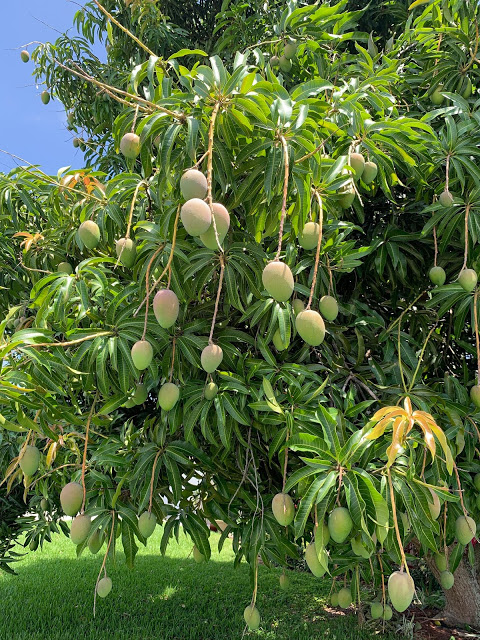
Here is the most interesting story of Ambapali. In Sanskrit her name is Amra Pali ,i.e. Lady from Mango Garden .
There is a very interesting story about the name.
A Shakyan clan noble called Mahanama found a baby girl in a mango garden in the big city of Vaishali. Now that city is in the Bihar state of India. Mahanama was childless and so his wife reared her amid pomp and luxury as her own daughter. When she grew up she became exquisitely beautiful.
There were strict caste restrictions in Sakhya clan. Mahanama can’t give her to anyone outside his clan. So when she was ready to marry, the Assembly of Lichcavis was convened. Everybody waited to see the girl. When she entered the hall all were wonderstruck with her beauty. Each one vied to marry her. It looked like there would be a big fight to get her. At last they decided to own her jointly. It is called ‘Ghana bhogya’. Her father refused to it. But the clever girl came with a proposal. She put five conditions to spend a night with anyone.
What are the conditions?
1.She should be provided a big house in the centre of the city;
2.Only one person can enter her house eachday.
3.Her fee for one night is 500 karshapanas ( very expensive lady; this word is used even today in Tamil as ‘Kasu’ ‘Panam’) .
4.If anyone wants to inspect her house for any reason the government should give her seven day notice and the Administration would be allowed into her house only on the seventh day.
5.There should be no watch over persons coming in and going out of her house.
(Thank God, there was no CCTV cameras or Google watch 2600 years ago).
The assembly accepted all her conditions.
She selected the best house in the best locality of the city. She had the walls of her house painted by an artist with the portraits of kings, ministers, nobles, rich bankers and traders. While scanning the portraits she fell in love with the portrait of emperor Bimbisara and very anxious to meet him
Since her name and fame spread far and wide Bimbisara also wanted to spend some time with her. But there was a big problem. He was the mighty emperor of Magadha Empire. Even Alexander was not ready to enter India 300 years after Bimbisara. But the Licchavi clan of Vaishali was not in good relationship with him. So his ministers warned him not to go to Ambapali’s house. But he boldly went to her house with the help of Gopa, Commander in Chief of the Army. He spent some time with her. However, the Licchavi spies got the information that the enemy in their territory. But they never suspected Ambapali. When they made house to house search Ambapali reminded them the administration should give her seven- day notice. This is one of the five conditions. In the meantime, sensing the trouble Bimbisara escaped in disguise.
When Bimbisara stayed with her for six nights he gave her a ring with his official seal and told her she could approach him anytime. After nine months Ambapali gave birth to a son. When he grew up his classmates were teasing him as an Illegitimate son of a courtesan. Then Ambapali sent him to Bimbisara. In later life that boy became a Buddhist monk and came to be known as Vimala Kondanna.
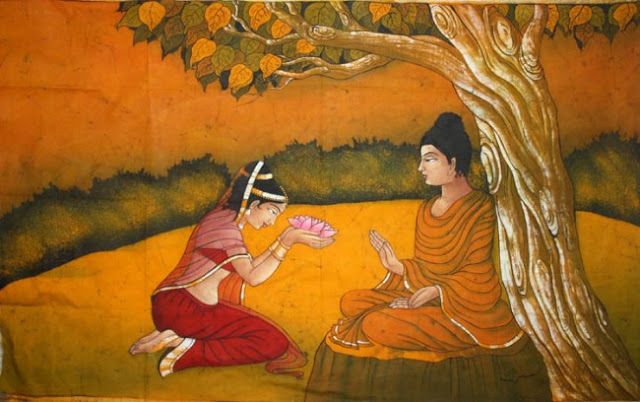
Ambapali was very successful in her trade and amassed huge wealth.Buddha in his last days came to Kotigama near Vaishali. Ambapali went to pay her respects. She listened to his discourse and became a lay devotee. She invited Buddha with his disciples for lunch in her house. At the same time the Licchavi leaders also came to invite him. But Buddha accepted only Ambapali’s invitation. This disappointed the Licchavis. At the end of dinner, she gave her entire mango garden with its big buildings to Bikshu Sanga, the Buddhist Association.
Some time after this she listened to her own son Vimala’s discourse. She decided to become a bikshuni, monk. She looked at her own body which was beautiful at one time and now became shrunken. She realised the impermanence of worldly existence and attained arhathood. She gave expression to her mind in verses.
She was one of the most famous women of ancient India. Vasanta sena, Vasava data and Ambaplali became famous and was the plot of several Sanskrit dramas and Kanyas.
While Maitreyi and Gargi Vachknavi were known for their spiritual attainments, the above three were known for their sacrifice , devotion and affection towards their lovers.
Ancient Indian love stories were more beautiful than Romeo and Juliet and Antony and Cleopatra.
Pictures are taken from various sources for spreading knowledge; this is a non- commercial blog.
ஒரு கடிகை என்பது 24 நிமிஷங்கள். அந்த நேரத்தில் எட்டு மொழிகளில் 100 கவிதைகளை – செய்யுட்களை – எட்டுக் கட்டுவோரை ‘சத லேகினி’ என்பர். அப்படிப்பட்ட திறமையான பெண்கள் நாயக்கர் ஆட்சியில் இருந்தனர். மதுரவாணி, ராமபத்ராம்பா , முத்து பழனி, ரங்க ஜம்மா என்போர் விஜய நகர மற்றும் நாயக்கர் ஆட்சியில் பெரும் சாதனைகளைச் செய்தனர். அவர்களில் சிலர் ‘அஷ்டாவதானம் செய்தனர். அதாவது ஒரே நேரத்தில் எட்டு காரியங்களைச் செய்து தங்கள் திறமையை வெளிக் கொணர்வர். இவர்களில் ஒரு பெண்மணிக்கு மன்னர் ‘கனகாபிஷேகம்’ செய்து — தங்கக் காசுகளால் அபிஷேகம் செய்து நாடெங்கும் அறியச் செய்தார் . மன்னருக்கு அந்தப் பெண்கள் மீது இலக்கியக் காதலுடன் உண்மைக்கு காதலும் மலர்ந்தது
இதோ சில சுவையான செய்திகள் –
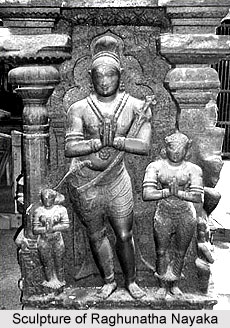
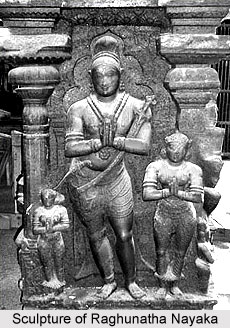
தஞ்சாவூரிலிருந்து ஆண்ட நாயக்க மன்னர்களில் ரகுநாத நாயக்கர் மாபெரும் அறிஞர். தெலுங்கு, சம்ஸ்க்ருத மொழிகளில் புலமை மிக்கவர். தெலுங்கில் வால்மீகி சரித்திரம் எழுதினார். கோவிந்த தீட்சிதர் முதலிய பேரறிஞர்களை ஆதரித்தார். அவரது தந்தையான அச்சுத நாயக்கர் பற்றி அச் யுதேந்தாப்யுதயம் என்ற காவியத்தை இயற்றினார். இது தவிர பல சம்ஸ்க்ருத நூல்களையும் இயற்றினார் . சுமார் 400 ஆண்டுகளுக்கு முன்னர் தமிழ், தெலுங்கு, சம்ஸ்க்ருத மொழிகள் சிறக்க பேருதவி புரிந்தார்.
ராம பத்ராம்பாவும் மதுரவாணியும் நாயக்க மன்னரின் அன்பிற்குப் பாத்திரமானார்கள் . அவர்களிருவரும் தெலுங்கு, சம்ஸ்க்ருத மொழிகளில் வியத்தகு அறிவு பெற்றிருந்தனர். எட்டு மொழிகளில் கவி புனையும் ‘சத லேகினி’ பட்டம் பெற்றவர் ராமபத்ராம்பா. மன்னரின் காதலி.
அவரைப் போலவே இவரும் ஒரு சம்ஸ்கிருத காவியம் படைத்தார். அதன் பெயர் ரகுநாதாப்யுதயம். அதாவது காதலனும் மன்னனுமான ரகுநாத நாயக்கர் பற்றியது. இது விஜய நகர ஆட் சியின் இறுதிக்காலம் பற்றி அறிய பெரிதும் உதவும் வரலாற்றுக் களஞ்சியம் ஆகும். ராமபத்ராம்பா எழுதிய ரகுநாத அப்யுதயம் நூலில் 12 காண்டங்கள் உள . அக்கால ராணுவ, அரசியல் எழுச்சிகளைக் கூறும் வரலாற்று நூல் இது. தஞ்சாவூர் பெண்களின் எட்டு மொழிப் புலமையை இவருடைய நூலின் கடைசி இரண்டு காண்டங்களில் காணலாம். அந்தப் பெண்மணிகள் வைசேஷிக தத்துவ நூல்களிலும் வல்லவராம்.
மதுர வாணியும் ரகுநாத நாயக்கரின் அவைக்கள புலவர் பெருமக்களில் ஒருத்தி. சம்ஸ்கிருதம், பிராகிருதம்,தெலுங்கு ஆகிய மும்மொழிகளில் புலமை பெற்றவர்.ரகுநாத நாயக்கர் தெலுங்கில் இயற்றிய ராமாயண திலகத்தை இவர் சம்ஸ்கிருதத்தில் மொழிபெயர்த்தார். இவருக்கு இசையிலும் வீணை வாசிப்பதிலும் அபார புலமை உண்டு. சம கால அறிஞ்ஞர்களின் பாராட்டைப் பெற்றவர். பாணிணீய இலக்கணத்தின் கரை கண்டவர்.
ராமாயண காவ்ய திலகம் 14 சர்க்கங்கள் உடைய நூல். இவரைப் பாராட்டி மன்னர் ரகுநாத நாயக்கர் கவிதை மழை பொழிந்தார்
சாதுர்யமேதி கவிதாஸு சதுர்விதாஸு
வீணா கலா ப்ரகடேன பவதிப் ப்ரவீணா
ப்ரக்ஞாமியம் நிபுணமஞ்சதி பாணிணீ யே
மேதாம் வ்யனக்தி பஹுதா விவிதா வதானே
என்பது ரகுநாத நாயக்க மன்னர் பாடிய புகழ் மாலை.
மதுர வாணியின் புகழ்மிகு சாதனைகள் அவரது ராமாயண காவியத்தின் முகவுரையில் உளது. அவர் அஷ்டாவதானம் மட்டுமின்றி சதாவதானமும் செய்தார் . அதாவது பலர் முன்னிலையிலும் 100 விஷயங்களை நினைவு வைத்துக் கொண்டு கேட்ட கேள்விகளுக்குப் பதில் கொடுப்பார். அவர் வீணையில் இனிமையாக வாசித்ததால் மதுரவாணி பட்டம் பெற்றார். பின்னர் ஆடசி புரிந்த மன்னர் காலத்தில் இவரை ஆசு கவிதாராணி என்று புகழ்ந்தனர் . ஆசு கவி என்றால் நினைத்த மாத்திரத்தில் கவி புனையும் ஆற்றல் உடையவர். காளிதாசரின் ரகுவம்ச காவிய நடையைப் பின்பற்றியவர்..
பெண்மணிக்கு தங்க அபிஷேகம்
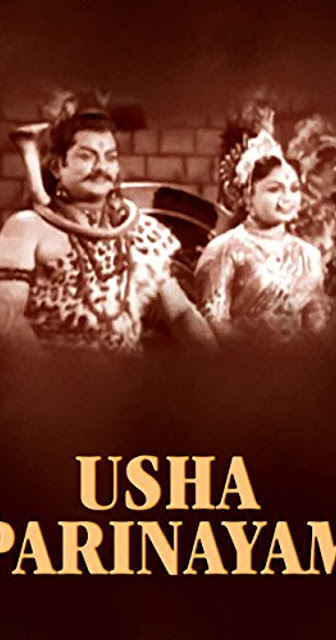
ரங்க ஜம்மா என்பவர் பசுபலேட்டி வேங்கடாத்ரியின் புதல்வி. இவர் விஜயராகவ நாயக்கரின் மனைவி. இவரும் எட்டு மொழி கவிதை வித்தகி என்றாலும் காமச் சுவையூட்டும் காவியங்களையே இயற்றினார். மன்னாருதாச விலாசம், உஷா பரிணயம் என்பன இவர் இயற்றிய தெலுங்கு காவியங்கள். உஷா பரிணயம் மிகவும் புகழ்பெற்ற தெலுங்கு நூல். சதா சர்வ காலமும் இவருடன் காலம் கழித்த மன்னர், ரங்கஜம்மாவின் புலமையைப் பாராட்டி தங்க மழை பொழிந்தார். அதாவது அவரை அமரவைத்து தங்கக் காசுகளால் அபிஷேகம் செய்தார்.
பெண்களை இந்த அளவுக்கு பகிரங்கமாக உயர்த்திப் பாராட்டியது உலகில் வேறெங்கும் காணாத புதுமை . இது அவளது அழகிற்காக கிடைத்த பரிசன்று . புலமைக்குக் கிடைத்த பரிசு என்பதை அவரது நூல்களை கற்போர் அறிவர். ராமாயண சாரம், பாகவத சாரம், யக்ஷ கான நாடகம் ஆகியனவும் இவரது படைப்புகளாம்.
முத்துப் பழனி
நாயக்க மன்னர்கள் வளர்த்த கலைகளையும் இலக்கியத்தையும் அவருக்குப் பின்னர் தஞ்சசையை ஆண்ட வீர சிவாஜியின் பான்ஸ்லே வம்ச அரசர்களும் பின்பற்றினர் அவர்கள் முயற்சியால் உருவானதே சரஸ்வதி மஹால் நூலகம். பிரதாப சிம்மன் 1739-63, என்ற மன்னரின் அந்தப்புர நாட்டிய தாரகைகளில் ஒருவர் முத்துப் பழனி. வாத்ஸ்யாயனர் எழுதிய சம்ஸ்கிருத காம சூத்திரத்தில் பெண்களுக்கான பாடத்திட்ட சிலபஸில் Syllabus 64 கலைகளின் பட்டியல் உளது. தெலுங்கு, தமிழ் நாட்டிய தாரகைகள் அனைவரும் இவைகளைக் கற்று மகா மேதாவிகளாக விளங்கினர். முத்துப் பழனி
சம்ஸ்கிருத, தெலுங்கு மொழிகளில் மிகவும் பாண்டித்தியம் பெற்றுத் திகழ்ந்தார். வீணை வாத்தியத்தில் பெரும் திறமை பெற்றவர். ராதிகா சா ந்தவன , அஷ்டபதி ஆகியன அவர் படைத்த தெலுங்கு நூல்கள். ராதா- கிருஷ்ணர் லீலைகளை வருணிப்பது முதல் நூல். ஜெயதேவர் சம்ஸ்கிருதத்தில் எழுதிய அஷ்ட பதியை சுவை குன்றாமல் தெலுங்கில் கூறுவது இரண்டாவது நூல். ஜெயதேவரின் ஒரிஜினல் பாடல் போலவே சிறப்புடையது இது என்பது இசை வாணர்களின் அபிப்ராயம் ஆகும்.
Pictures are taken from various sources for spreading knowledge; this is a non- commercial blog.
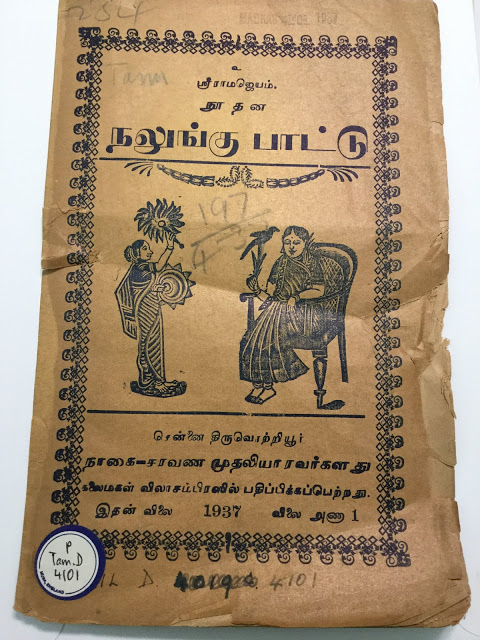
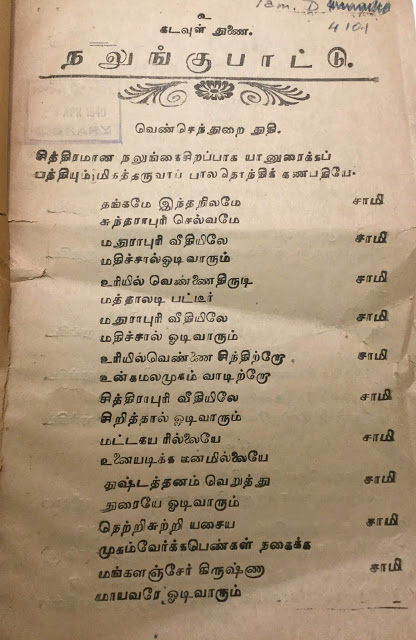
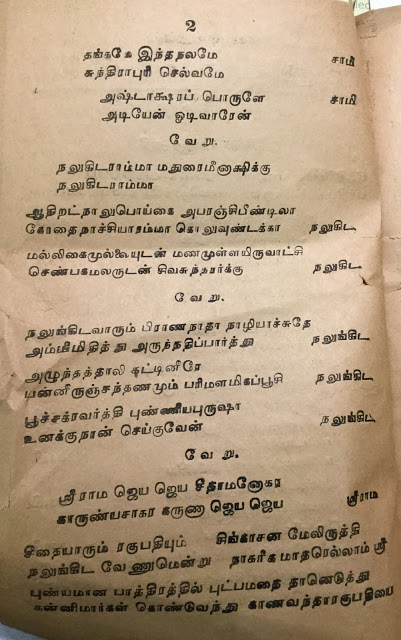
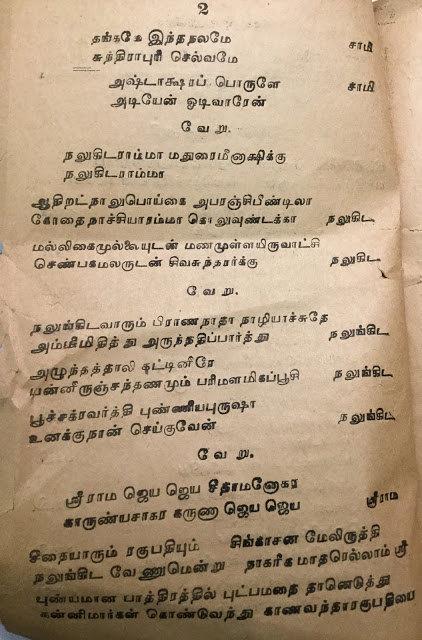
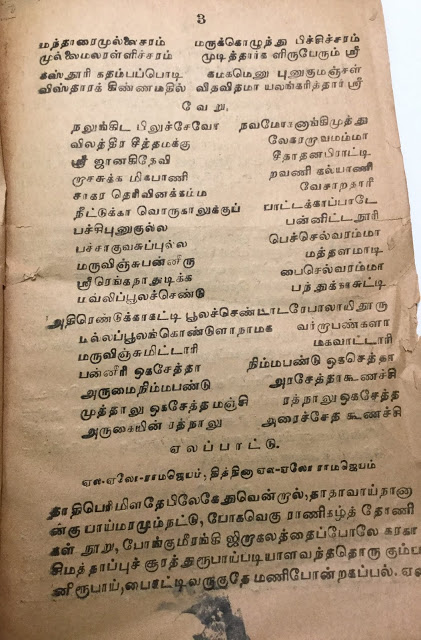
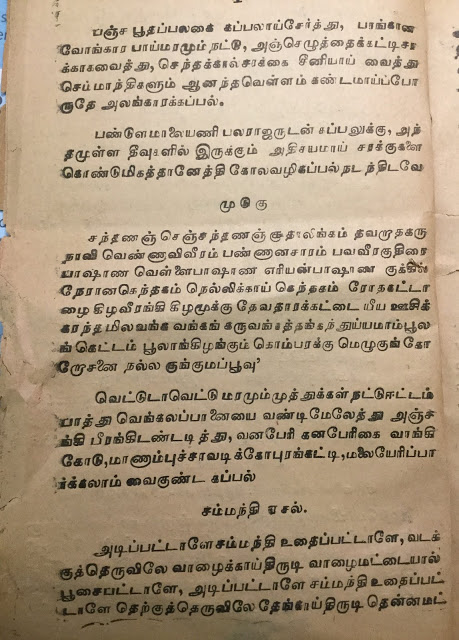
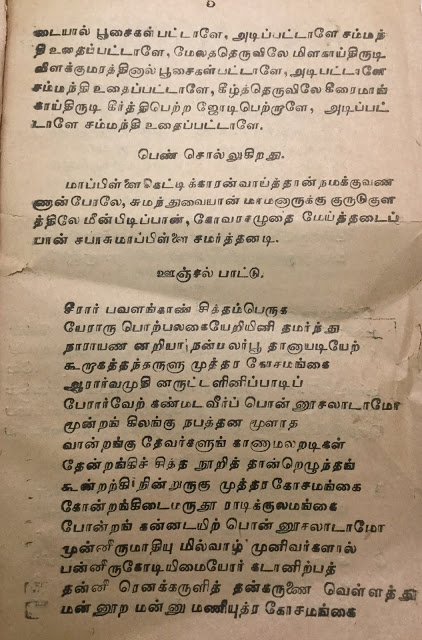
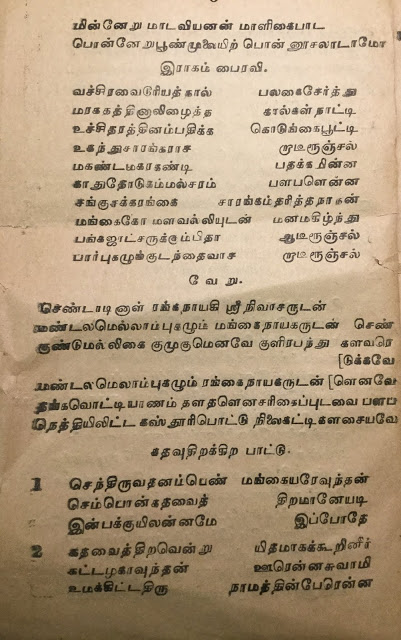
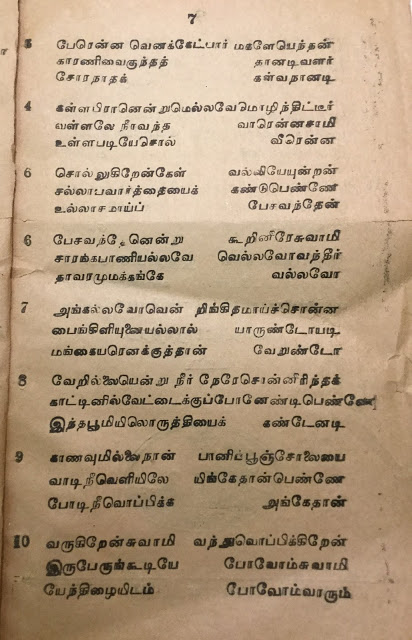
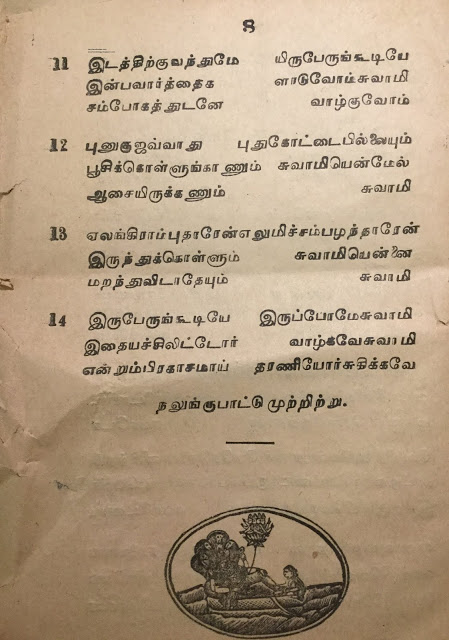
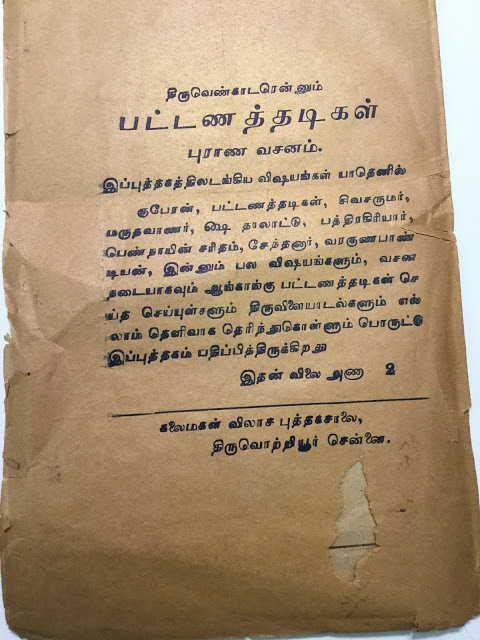
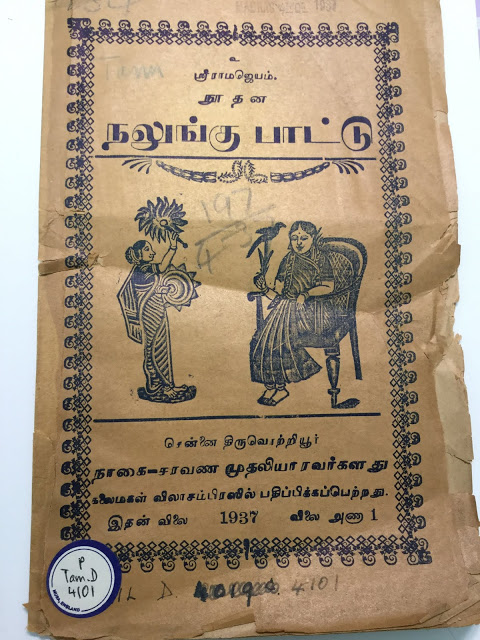
நலுங்கு பாடல்கள் பற்றி ஆராய்ச்சி செய்து வருகிறேன் . ரிக் வேதத்திலும் நலுங்குப் பாடல்கள் இருக்கின்றன. அது பற்றி தனியாக எழுதுகிறேன். இதோ லண்டனில் உள்ள பிரிட்டிஷ் நூலகத்தில் கிடைத்த பழைய நலுங்குப் பாடல் புஸ்தகம். வாசகர்களும் காமெண்ட் பத்தியில் நலுங்குப் பாடல்களையும் அது பற்றிய தகவல்களையும் கொடுத்தால் எதிர்கால ஆராய்ச்சியாளர்களுக்குப் பயன்தரும்
நூலின் தலைப்பு – நூதன நலுங்குப் பாட்டு
ஆண்டு- 1937
வெளியிட்டவர்- சென்னை திருவொற்றியூர் நாக்கை சரவண முதலியார்
Pictures are taken from various sources for spreading knowledge; this is a non- commercial blog.
A request : Please spread this news to all of your friends, relatives…
ஆடிப் போயிருக்கும் சில டி.வி. சானல்களும், பத்திரிகைகளும்!
ச.நாகராஜன்
பரபரப்புச் செய்தி!
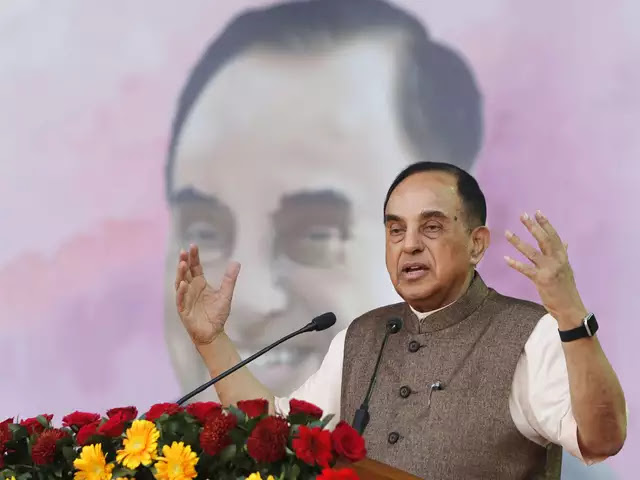
டாக்டர் சுப்ரமண்யம் ஸ்வாமி அவர்களின் அப்பீலை ஒட்டி மத்திய அரசுக்கு சுப்ரீம் கோர்ட் நோட்டீஸ் அனுப்பியுள்ளது.
தனது அப்பீலில் டாக்டர் சுப்ரமண்யம் ஸ்வாமி, இந்தியாவில் உள்ள அனைது நியூஸ் சானல்களும், ஊடக நிறுவனங்களும் இந்தியர்களையே சொந்தக்காரர்களாகக் கொண்டிருக்க வேண்டும் என்று கூறியுள்ளார்.
ஆனால் உண்மை என்னவெனில் நியூஸ் சானல்கள் மற்றும் செய்தி நாளிதழ்களில் பெரும்பாலானவை சவூதி அரேபியா, இத்தாலி, அமெரிக்கா, பிரிட்டன் மற்றும் துபாய் குடி மக்களுக்கே சொந்தமாக இருக்கின்றன!
சொந்தம் கொண்ட உரிமையாளர்களின் நிலை இப்படி இருக்க, இந்த ஊடகங்கள் அவற்றின் சொந்தக்காரர்கள் இசைக்கும் பாட்டுக்கு டான்ஸ் ஆட வேண்டிய நிலையில் உள்ளன. அவற்றின் சொந்தகாரர்களுக்கோ தாங்கள் அடைய வேண்டிய, யாருக்கும் தெரியாத, சொந்தக் குறிக்கோள் இருக்கிறது!
தேசத்தின் நலனைக் கருதி, சுப்ரீம் கோர்ட் இந்த நிலையை மாற்ற தகுந்த ஆணையைப் பிறப்பிக்க வேண்டும் என்று அவரது அப்பீல் முடிகிறது!
சுபிர்ரிம் கோர்ட் உறுதியான இறுதியான ஒரு ஆணையை டாக்டர் சுப்ரமணியம் ஸ்வாமியின் அப்பீலுக்குத் தந்து விட்டால் – ABP, AAJ TAK, NDTV மற்றும் அதையொத்த சானல்களும் / செய்தித்தாள் ஊடகங்களும்
மூடப்படும்!
இந்த வார்த்தையைக் கேட்ட வினாடியிலிருந்து அந்த ஊடக நிறுவனங்கள் அடி வயிறு கலங்கி ஆடிப் போயுள்ளன.
அவை கவலையின் உச்சிக்கே போய் விட்டன!
ஆனால் இதில் பரிதாபரகரமான ஒரு விஷயம் என்னவெனில், எப்போதுமே பரபரப்பைப் பரப்பி விட்டுக் கொண்டே இருக்கும் இந்த சானல்கள் இந்த செய்தியை ஃப்ளாஷ் நியூஸாகவும் வெளியிடமுடியவில்லை. டி.வியில் பளீர் செய்தியாகவும் காண்பிக்க முடியவில்லை; செய்தித்தாள்களிலும் தலைப்புச் செய்தியாக வெளியிட முடியவில்லை!
உண்மையான இந்தியர்களாகிய நாம் இந்த செய்தியை தேசம் முழுவதும் உள்ள ஒவ்வொரு குடிமகனுக்கும் கொண்டு செல்வோமாக!
நன்றி : வார இதழ் ட்ரூத், தொகுதி 87- இதழ் 42 21-2-2020 தேதியிட்ட இதழ்
***
அன்பர்கள் இந்த கட்டுரை செய்தியை முடிந்த அளவு அனைவருக்கும் கொண்டு செல்ல வேண்டுகிறேன்.
இதன் ஆங்கில மூலம் :-
Breaking News.
Against an Appeal by Dr. Subramaniam Swamy, Supreme Court has given Notice to the Central Government……
In his Appeal, Dr. Swamy has stated that all News Channels and Media Houses in India should only be owned by Indians.
But the truth is that a majority of News Channels and News Magazines are owned by Saudi Arabia, Italy, America, Britain and Dubai citizens!
Because of this ownership status, these Media Houses are made to dance to the tunes of their owners, who have hidden Agendas to achieve!
His Appeal concludes with a plea that the Supreme Court should pass a suitable Order to end this status in the interest of the Nation!
If the Supreme Court issues a firm and conclusive Order in favour of Dr. Swamy’s Appeal– ABP, AAJ TAK, NDTV and similar other Channels/News Media will be closed!
From the time this situation has been heard of, these Media Houses have been shaken up to their bones!
They are really, really worried!
But, it is a pitiable situation that these Media Houses could not highlight this as Flash News in their Telecast or in their printed material!
It is our duty as a true Indians to take this news forward and spread it to every citizen across the country!
Thanks to Weekly Magazine TRUTH Vol 87 Issue 42 dated 21-02-2020
Pictures are taken from various sources for spreading knowledge; this is a non- commercial blog.
Women who could Compose Verses in Eight Languages in 24 Minutes! (Post.7663)
Ramabhadramba
Madhuravaani and Raamabhadraambaa were two great poets who were well versed in Telugu and Sanskrit.
We have already seen Madhuravani’s achievement sometime ago.
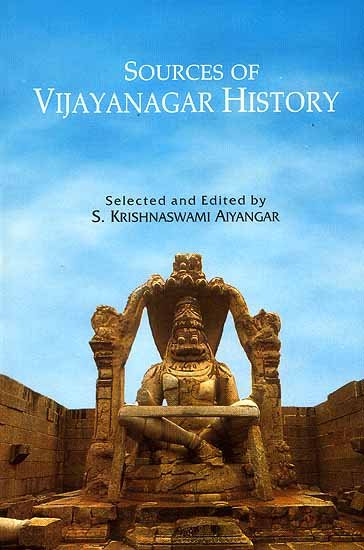
Raama bhadraambaa wrote a historical poem in twelve cantos called ‘Raghunaathaabhyudayam’, describing the political and military events that happened during the reign of Raghunatha Nayaka (1600-34). It is in Sanskrit. Apart from its literary merits, the poem is of very great source of Vijayanagara history. It is a contemporary account of the political revolution which hastened the disintegration and the downfall of the Rayas.
As a poetess she is in no way inferior to Madhuravani. Having chosen a historical theme for her poem, she could not give full play to her poetic fancy and imagination. That was not due to her want of ability, but to the limitation of the subject she had chosen. She has a great power of narration, and her descriptions of battle scenes are lovely. Her style is spontaneous and her verse flows smoothly like an unobstructed stream. Owing to her being adept in the rhetoric, her imagery is varied and original.
Two cantos of the poem describe the accomplishments of the ladies of the Thanjavur court, who could compose with facility verses in eight languages. Some of them could even expound the Vaiseshika philosophy and grammar.
Ramabhadramba herself was a shatalekhini, one who could compose one hundred verses in eight languages in a ‘ghatika’, about 24 minutes. Vijaya vilasam is another poem attributed to her.
RANGAJAMMA received Gold Shower
Rangajamma was the daughter of Paupuleti Venkatadri and Mangalamba. She was a consort of Vijayaraghava Nayaka 1633-1673,
She also was a shatalekhini, and her forte was erotic poetry, though she was skilled in Rajaniti, politics.
Her two Telugu poems are
Mannaarudasavilasam and
Ushaa parinayam
She also wrote the Ramayana saram and Bharata saram and a Yakshaghana play.
Usha parinayam is perhaps the greatest of her works and deserves a place among the great ‘prabandhas’ in the Telugu language. In composing her Yakshaghana, she followed the literary techniques of Vijayaraghava. Her style is simple and homely.
Vijayaraghava who was attracted by her charms and talents, spent most of his time in her company, and in appreciation of her versatility bathed her in a shower of gold, Kanakabisheka.
MUDDUPALANI
Muddupalani was a daughter of a courtesan in the harem of Pratapa sSmha, 1739-1763 of Thanjavur. The Bhonsle rulers of Thanjavur continued the literary and cultural traditions of the Nayaks, whom they supplanted. Like most of the courtesans in the court of Thanjavur, she was highly educated and was proficient in Sanskrit and Telugu. Her command over Telugu was commendable. She was an expert in dance and music; and her skill on the Vina won the admiration of her contemporaries. MUDDUPALANI, was above all, a poetess of great literary merit, and her works are still popular.
She is the authoress of two works
Radhika santwana or Ilavidya and the
Ashtapadi
The former, an erotic poem, describing the loves of Radhika and Krishna, is a work of uncommon literary excellence. Her diction and imagery are fine, her descriptions charming; and the style is simple, homely and graceful.
The Ashtapadi is a Telugu rendering of Jayadeva’s work of the same name. Competent music critics are of opinion that the translation is worthy of the original which gives us an insight into the great musical talents of the authoress.
source book – Great Women of India, Advaita Ashrama, Almora, Year 1953
Pictures are taken from various sources for spreading knowledge; this is a non- commercial blog.
உலகமே வியக்கத்தக்க அளவுக்கு முதல் இலக்கண நூலை யாத்தவர் பாணினி. ‘நம்பரும் திறல்’ என்று பாரதியார் பாடலில் புகழப்பட்டவர். சுருக்கம் என்றால் அப்படிச் சுருக்கமாக, வான் புகழ் வள்ளுவனை விழுங்கிச் சாப்பிடும் அளவுக்குச் சுருக்கமாக 4000 சூத்திரங்களைக் கொண்டு சமஸ்கிருத மொழிக்கு இலக்கணம் கற்பித்தார். அவர் எழுதிய நூலுக்கு அஷ்டாத்யாயீ (எட்டு அத்தியாயம்) என்று பெயர். அவர் 2700 ஆண்டுகளுக்கு முன்னர் தற்போதைய பாகிஸ்தானில் பிறந்தார். அவருக்கு அடுத்த படியாக காத்யாயனர் என்பவர் விளக்க உரை எழுதினார். இவ்வளவு சுருக்கமாக இருந்தால் எதிர்கால சந்ததியினருக்குப் புரியாமல் போய்விடுமே என்று எண்ணி, 500 ஆண்டுகளுக்குப் பின்னர், பதஞ்சலி முனிவர் ‘மஹாபாஷ்யம்’ இயற்றினார். மஹா பாஷ்யம் என்றால் பேருரை என்று பொருள். உண்மையிலேயே அது அளவிலும் சரி, பொருளடக்கத்திலும் சரி, பேருரைதான். அதிலுள்ள சில நயங்களை ஒருவர் ஆங்கிலக் கட்டுரையில் தந்தார். அதன் மொழிபெயர்ப்பு இதோ-
ப்ராயேன ஸம்க்ஷேப ருசினான் அல்பவித்யா பரிக்ரஹான்
ஸம்ப்ராப்ய வையாகராணான் ஸங்க்ரஹே சமுபாகதே
க்ருதே ச பதஞ்சலினா குருணா தீர்த்த தரிசினா
ஸர்வேஷாம் ந்யாய பீஜானாம் மஹாபாஷ்யே நிபந்தனே
–பர்த்ருஹரி
“பெரும்பாலும் காணப்படும் குறைவான அறிவுடையவர்களால், வியாடி எழுதிய ஸங்க்ராஹானை விளங்கிக் கொள்ள முடியாததால் நலிவடைந்து போன இலக்கணத்தை மிகப்பெரிய தீர்க்கதரிசியான பதஞ்சலி முனிவர், எல்லா விதமான மூலச் சொற்களையும் மஹாபாஷ்ய உரையில் விளக்கினார்” – என்று பர்த்ருஹரி புகழ்மாலை சூட்டினார்
பதஞ்சலி முனிவர் கொடுக்கும் பல எடுத்துக்காட்டுகள் அக்கால பாரத சமுதாயத்தை விளங்கிக்கொள்வதற்கு வகை செய்கிறது. விவசாயம், கிராமீ யக் காட்சிகள் , நகர்ப்புற வாழ்வு, பெண்களின் உயர்ந்த கல்வி அறிவு, வரலாறு, பூகோளம் என்று அவர் தொடாத விஷயங்களே இல்லை.
கெட்ட தண்ணீரில் காலை நனைத்தால் நோய் வரும்; கெட்டுப்போன தயிரைப் பயன்படுத்தினால் ஜுரம் வரும் என்பது போல
2200 ஆண்டுகளுக்கு முன்னர் மக்களிடையே இருந்த சுகாதார அறிவையும் மருத்துவ அறிவையும் இதன் மூலம் அறிகிறோம்.
Xxx
ஒருமையில் சொன்னால் போதும்; எல்லாவற்றுக்கும் இலக்கண சுத்தமாகப் பன்மையைப் பயன்படுத்த வேண்டாம் என்றும் விளக்குகிறார்
‘இதம் மே அக்ஷி பஸ்யதி அயம் மே கர்ணஹ சுஸ்து ஸ்ருனோதி’
கண் பார்க்கிறது ; காது கேட்கிறது என்று ஒருமையில் சொல்வர். இருமை/ பன்மை அவசியமில்லை.
Xxxx
ஒருவருடன் உரையாடு கையில் சொற்களைப் பயன்படுத்தும் திறமையை அழகாக விளக்குகிறார். ‘சொல்லுக சொல்லிற் பயனுடைய’ – என்ற வள்ளுவன் வாக்கை நினைவுபடுத்துவதாக இது உள்ளது
‘ஒரே கல்லில் இரண்டு மாங்காய் அடிப்பது’ என்று தமிழில் சொல்லுவோம். ஒருவர் நீத்தார்க்கு நீர்க்கடன் செய்ய நினைத்தார். அட, மாமரத்தின் அடியில் செய்தால் மாமரத்துக்குத் தண்ணீர் விட்ட பயனும் கிட்டும் நீத்தார்க் கடனையும் முடித்ததாக இருக்கும் என்று மாமரத்துக்கு அடியில் தர்ப்பணம் செய்தாராம்;
Xxxx
இரு பொருள் தரும் சொற்களை இவ்வாறு விளக்குகிறார்
ஸ்வேதா (White) தாவதி
நாய் ஓடியது ; வெள்ளை ஓடியது .
Xxx
உரிச் சொற்களைப் பயன்படுத்துவதிலும் அ ல்பம் என்ற இடத்தில் ஹ்ரஸ்வம் வரா து என்று காட்டுகிறார்–
அல்பம் க்ருதம் அல்பம் தைலம் இத்யுச்சதே ந புனஹ
ஹ்ரஸ்வம் க் ருதம், ஹ்ரஸ்வம் தைலம்
அல்பம் என்றால் குறைவான என்று பொருள் நெய் குறைவு , எண்ணெய் குறைவு என்று சொல்லலாம் ஆனால் குள்ளமான / ஹ்ரஸ்வம் என்ற சொல்லை அங்கே பயன்படுத்த மாட்டோம்.
தமிழிலும் கூட கன்றுக் குட்டி, அணில் பிள்ளை , பன்றிப் போத்து, கோழிக் கு ஞ்சு என்று சொல்கிறோம்.
Xxxx
சம்ஸ்கிருதத்தில் வர்ணங்களைப் பயன்படுத்துவதிலும் கூட சில விதி முறைகள் உண்டு—
சமானே ரக்தே கௌஹு லோஹித அஸ்வ சோனஹ
சமானே காளார்த்தே கௌஹு க்ருஷ்ண அஸ்வ ஹேமஹ
சமே தவளார்த்தே கௌஹு ஸ்வேதஹ அஸ்வ கர்கஹ
சிவப்பு நிறப் பசுவை ‘ரத்த’ வர்ணம் எனலாம் ; சிவப்பு நிற குதிரையை சோனக என்போம் .
கருப்பு நிறப் பசுவை க்ருஷ்ண வர்ணம் எனலாம் ; கருப்பு நிற குதிரையை ஹேம வர்ணம் என்போம்.
வெள்ளை நிறப்பசுவை ஸ்வேத வர்ணம் எனலாம் ; வெள்ளை நிற குதிரையை கர்கஹ என்போம்.
அதாவது வர்ணம் ஒரே வர்ணம்தான்; ஆனால் பசு, குதிரைகளின் நிறத்தைக் குறிப்பிடுகையில் வெவ்வேறு வர்ண சொற்கள் பயன்படுத்துவது மரபு..
உலகத்தில் நாம் காண்பது என்ன ? இரண்டாவது பிச்சை கிடைத்தாலும் முதலில் கிடைத்த பிச்சையைத் தூக்கி எறிவதில்லை. அவன் எல்லாவற்றையும் சேர்த்து வை த்துக் கொள்வான் ; இதை அவர் உரிச் சொற்களின் தேவையை விளக்குகையில் எடுத்துக் காட் டாகத் தருகிறார் . சாதாரணமாக நாம் காணும் காட்சியை க் கொண்டு இலக்கண விதிகளை அவர் விளக்கும் பாங்கு மிகப்பெரிய, அரிய பாணினி இலக்கணத்தை எவரும் புரிந்துகொள்ள உதவுகிறது. பாணினி ‘உயிர்’ என்றால், பதஞ்சலி எழுதியதை ‘உடல்’ என்று சொல்லலாம்.
xxxx
வெவ்வேறு உடைகளுக்கு வெவ்வேறு பெயர்கள் சொல்லப்படும்
அன்யேன சுத்தம் தவுத்கம்
அன்யேன சேபாலிகம்
அன்யேன மாத்யமிகம்
Xxx
ஊர்க் குருவி உயர உயரப் பறந்தாலும் பருந்து ஆகிவிடாது
‘காப்பி’ அடிப்பதில் (Imitating) பயனில்லை என்று ஓரிடத்தில் விளக்குகையில்
ந கல்வன்யத் ப்ராக்ருதமனு வர்த்தநாத் அஞ்ஞாத நஹி கோதாஹா ஸர்பந்தி ஸர்பனாதஹிர் பவதி .(பாம்பு போல வளைந்து நெளிந்து உருண்டாலும் கீரி , பாம்பு ஆகிவிடாது) .
அதாவது பிறரைப் பார்த்து அவர் போல நடித்தாலும் குணம் வேறுபடாது .
எவன் ஒருவன் உடனடியாகச் செய்யவேண்டியதை தாமதமாகச் செய்கிறானோ அவன் குளிர்ந்தவன்
எவன் ஒருவன் உடனடியாகச் செய்யவேண்டியதை உடனே செய்கிறானோ அவன் வெப்பமானவன்
வெப்பம், குளிர் என்பதையும் குணங்களுக்குப் பயன்படுத்துவதற்கு இவை எடுத்துக் காட்டுகள்.
மேலை நாடுகள் குளிர்ப் பிரதேச நாடுகள் ; ஆகவே இங்கு வெப்பம் போற்றப்படும். ஒருவருக்கு உற்சாக வரவேற்பு என்பதை இளம் சூட்டு – warm welcome வார்ம் வெல்கம் — வரவேற்பு கொடுக்கப்பட்டது என்பர்.
வெப்ப நாடான இந்தியாவில் அவர்கள் பேசும் மொழிகளில் இது எதிர்மறையான பொருளைத் தரும்
xxx
‘காஸுக்ருஸ்தா ப்ராஹ்மணி’ என்ற சொல் அக்காலத்தில் மீமாம்ச சாஸ்திரத்தில் வல்ல பெண்கள் இருந்ததைக் காட்டும்; பெண்கள் கல்வி உயர் நிலையில் இருந்தது.
Source (with my inputs from Tamil literature)
Article written by P .Narayanan Namputiri in
New Horizons of Indological Research , Edited by Dharmaraj Adat , KAIR, 2013
Pictures are taken from various sources for spreading knowledge; this is a non- commercial blog.
நம்ம ஊர் திராவிடங்களுக்கு பக்தர்கள் கொடுத்த, கொடுக்கும் சூடான பதில்கள் எல்லோரும் அறிந்ததே.
“அவருடைய நாவில் சரஸ்வதி தேவி தவழ்கிறாள்” என்று உபன்யாசகர் சொன்னார் .
ஒரு திராவிடன் கேட்டான்- ஐயா! அவர் நாவில் சரஸ்வதி தேவி வசித்தால் , சிறுநீர் கழிக்க எங்கே போவாள்? என்று கேட்டான்.
உபன்யாசகர் சொன்னார்- “அப்போது மட்டும் உன்னுடைய நாக்கிற்குள் வந்து விடுவாள் என்று !”
இதே மாதிரி “அதோ இருக்காண்டா , பூ ணுல்காரன் ! என்று ஒரு திராவிடம்” கத்திய ‘ஜோக்’கை முன்னரே எழுதிவிட்டேன்.
இதே போல சீனாக்காரனிடம் ஒரு வெள்ளைக்காரன் நமட்டு விஷமம் செய்தா ன் ; அவன் கொடுத்த சூடான பதில் இதோ—
ஒரு வெள்ளைக்கார அதிகாரியிடம் வேலை பார்த்த சீன ஊழியர் ,
“ஐயா ! நாளை ஒரு நாள் விடுமுறை வேண்டும். நெருங்கிய சொந்தக்காரர் இறந்துவிட்டார் ;இறுதிச் சடங்கிற்குப் போகவேண்டும்” என்று சொன்னார் .
அதிகாரியும் “சரியப்பா , போய் வா” என்று அனுமதி கொடுத்துட்டு …….
“உங்கள் சீன வழக்கப்படி நீயும் கல்லறையில் உணவு படைப்பாயோ ?” என்று விஷமத்த தொனியில் வினவினார்.
சீனாக்காரனுக்கு என்னவோ போல் இருந்தது .
“ஆமாம் ஐயா , கட்டாயம் உணவு படைப்பேன்” என்று விடையிறுத்தான் .
அந்த அதிகாரிக்கு விஷமம் அதிகரித்தது.
“செத்துப்போனவர் எப்போது அதைச் சாப்பிடுவார் ?” என்று நமட்டுச் சிரிப்புடன் வினவினார் .
அவன் பதில் வில்லில் இருந்து பாய்ந்த அம்பு போல வந்தது. அம்பு போலவே வெள்ளைக்காரன் நெஞ்சில் பாய்ந்தது —
“ஐயா, போன வாரம் நீங்கள் உங்கள் நெருங்கிய உறவினர் மரணத்துக்குப் போய்விட்டு கல்லறையில் மலர்கள் வைத்துவிட்டு வந்தீர்கள் அல்லவா ? செத்துப்போன உங்கள் உறவினர் அந்த மலர்களின் மணத்தை முகர வரும் நாளன்று எங்கள் உறவினரும் கல்லறையில் இருந்து வந்து படைத்த உணவை அருந்திவிடுவார்” என்றார் .
வெள்ளைக்காரனுக்கு சுரீர் என்றது.
இதைத்தான் தமிழில்’ நாயை அடிப்பானேன் பீயைச் சுமப்பானேன்’ என்றும் புகல்வர் பழமொழி அறிந்தோர்!


















 Tamil and Vedas