Pictures are taken from various sources for spreading knowledge; this is a non- commercial blog.
வாழும்போது எவ்வளவோ விசித்திரமான விஷயங்கள் நடக்கின்றன. ஆனால் சாகும்போதும் அப்படி நடப்பது மிகவும் அபூர்வமே. இதோ சில விந்தையான சம்பவங்கள்—
சாகும்போது Good Bye குட் பை!
அமெரிக்க சுப்ரீம் கோர்ட்டின் நீதிபதி ஜான் மார்ஷல் ஹார்லன் (John Marshal Harlan) படுத்த படுக்கையாகக் கிடந்தார். சாவதற்கு சற்று முன் கண் விழித்தார். அரை குறை நினைவுடன் பேசினார். “உங்களை எல்லோரையும் நீண்ட நாட்கள் காக்க வைத்தமைக்கு வருந்துகிறேன். குட் பை Good Bye “என்று சொல்லிவிட்டு கண்ணை மூடி இறுதியாத்திரைக்கு தயாரானார்.
Xxxx
சாகும்போது வரைந்தவர் யார்?
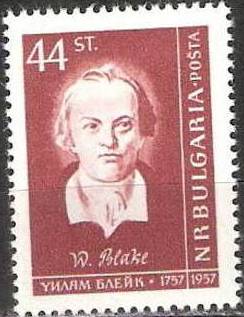
வில்லியம் பிளேக் (William Blake 1757-1827) என்பவர் புகழ்பெற்ற ஆங்கில ஓவியர், கவிஞர். ஆனால் அவர் வாழ்ந்த காலத்தில் அவர் போற்றப்படவில்லை. இறப்பதற்கு மூன்றே நாட்கள் இருந்தன. அவர் கடைசியாக எடுத்துக்கொண்ட ஒரு ஓவியத்தை வரைவதற்காக படுக்கையைக் கொஞ்சம் தலைமாட்டில் உயர்த்தும்படி செய்தார். தனக்குப் பிடித்த வண்ணங்களை தீட்டினார். திடீரென தூக்கி எறி ந்து, அவ்வளவுதான்; இதற்கு மேல் செய்வதற்கு ஒன்றுமில்லை என்று சொன்னார்.
இதைப் பார்த்துக் கொண்டிருந்த அவருடைய மனைவியின் கண்களில் இருந்து கண்ணீர் தாரை தாரையாக வழிந்தது.
“ஹே கேதி (Kate) ! அப்படியே அசையாமல் நில்.
வழக்கம் போல் தோன்று .நீ வாழ்நாள் முழுதும் என்னைக் காத்த தேவதை. நான் உன்னை வரையப்போகிறேன். அசையாது அழகாக நில்”– என்று கட்டளையிட்டுவிட்டு மனைவியின் ஓவியத்தை வரைந்தார். பின்னர் இறந்தார். அதுதான் அவருடைய கடைசி ஓவியம்!
Xxx
சாகும்போது பாடியவர் யார் ?
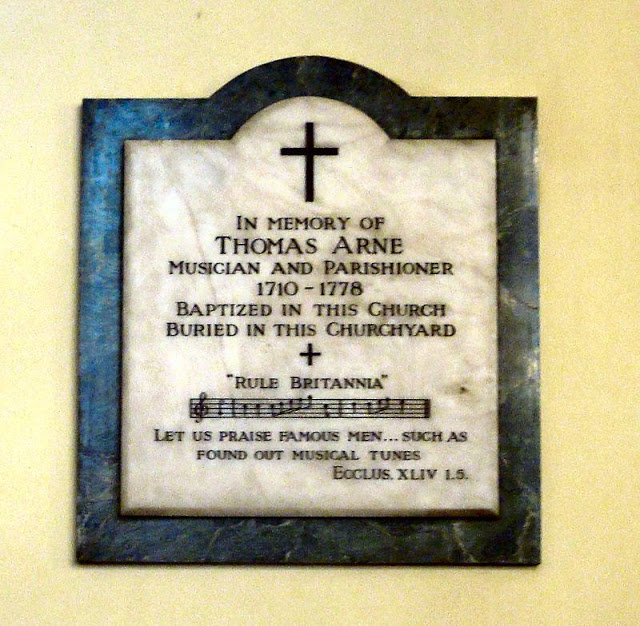
தாமஸ் ஆர்ன் ( Thomas Arne) என்பவர் பதினெட்டாம் நூற்றாண்டின் இசை மேதை. அவர் எப்படி வாழ்ந்தாரோ அப்படியே கடைசி மூச்சு உள்ளவரை வாழ்ந்ததாக அவருடைய நெருங்கிய நண்பர் வெர்னன் (Vernon) கூறு கிறார் :-
நான் அவருடன் பேசிக்கொண்டிருந்தேன். அவர் கடைசியாக தான் இயற்றிய சாகித்யத்தின் சிறப்பை எடுத்துக் காட்டி அதை மெல்லிய குரலில் பாடியும் காட்ட துவங்கினார். பாடிக்கொண்டே இருந்த அவரது குரல் மேலும் மேலும் சன்னமாகிக் கொண்டே வந்தது. பாடியவாறே கடைசி மூச்சை விட்டார். பிரிட்டனின் தேசீய கீதத்தின் ஒரு பகுதி அவர் இயற்றியதாகும்
அன்னப் பட்சி சாவதற்கு முன்னர் பாடும் (Swan Song) என்பது மேலை நாட்டு கவிகள் சொல்லும் மரபு. நமது இந்துக் கவிகள் பாலையும் தண்ணீரையும் சேர்த்துவைத்தால் அன்னப்பறவை பாலை மட்டும் பிரித்து உண்ணும் சக்தி படைத்தது என்று சொல்லுவது போல இதுவும் ஒரு நம்பிக்கை ; க்ஷேக்ஸ்பியர் கூட சாகும் அன்னப் பறவையின் கீதம் என்று உவமை காட்டுவார் . அதுபோல சாகும் அன்னப்பறவையாக ஆர்ன் உயிர்துறந்தார்.
Pictures are taken from various sources for spreading knowledge; this is a non- commercial blog.
Jesus Christ said in the Bible,
‘I am Alpha and Omega, the beginning and the end, the first and the last’
Revelation 22-13
Appar alias Tirunavukkarasar (Sixth Century CE) also said,
‘Aanaththu mun ezuththaai ninraar polum’ (in Tamil)
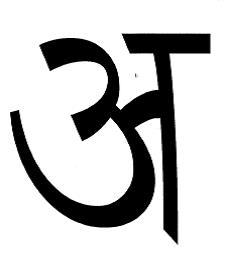
That is a, the first letter in Tamil alphabet
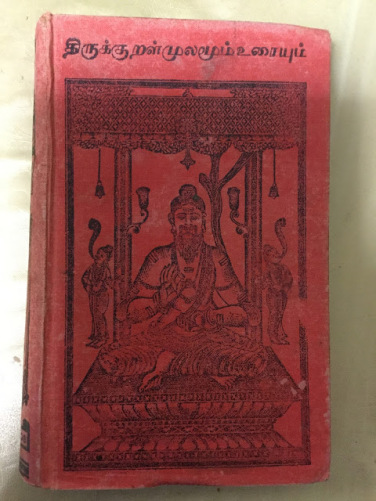
Tiruvalluvar, author of Tamil Tirukkural also said,
In his very first couplet,
The alphabet begins with A;
So does the Universe with God (Akara mudala Ezuthu ellam….. in Tamil)
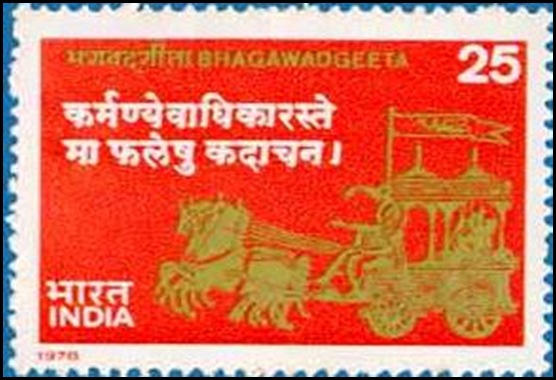
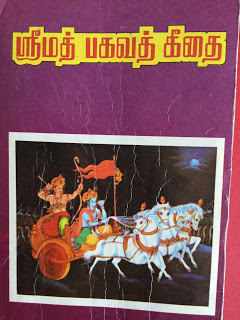
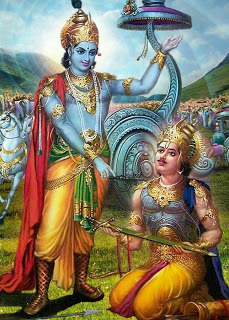
All these people echoed what Lord Krishna said in the Bhagavad Gita,
“Of letters I am A” (Krishna in Bhagavad Gita – Aksharaanaam Akaarosmi……in Sanskrit) – B G 10-33
When Krishna explained to Arjuna that God is in all the living beings and non-living things in the world, he mentioned the best in every category. There he mentioned He is A among letters (BG 10-33). This is a very interesting linguistic matter.
God is the origin and sustenance of all universe.
Dr S M Diaz in his commentary on the Tirukkural couplet says,
“In this particular couplet (very first Kural) , there is more in the comparison of god to the first letter of the alphabet, than is obvious in the ordinary context. Linguists would realise that the sound of the letter ‘A’ is that which energises all other letters and is the indispensable origin and source of utterance for all letters of the alphabet of most languages. In this way the letter ‘A’ and its sound not only form the starting point for all the letters of the language, but also give life and integrity to all other sounds and letters. In the same way God is the fountain head and source of all life and activity in this universe. Perhaps that is the reason most invocations to god begin with Om. It is interesting to note also that Thirumanthiram (written by Tiru Mular) refers to God as
Akara muthalaa yanaithumai nirkum , 1753 1751 (in Tamil)
That is why Spinoza called God the first cause in his philosophic discourse on Ethics.
So does Thomas Aquinas, and from a more rational angle, De Cartes.”
—Tirukkural, Volume 1 Dr SM Diaz
Swami Chinmayananda says in his comment on the Bhagavad Gita sloka/couplet,
“Of the alphabet, I am the letter A” (10-33)
It is very well known that, without the help of the vowels, words cannot be pronounced. Of all languages, Sanskrit is particularly sweet because of the preponderance of the A sound in it. In fact, every letter in its combination is to be pronounced in Sanskrit with the sound of A added to it to lengthen it to its full sweetness. This, as it were, lubricates the words, and consequently the language has no backfiring of disturbances of rattling nuisance or disgusting hoarseness. Because of the smooth run of the A sound in every letter, there is a melody even between words and a lingering echo between sentences.
In fact, after a long chanting of a Sanskrit text in a hall, there is, for the sensitive, a perceptible atmosphere of soothing music in the air that can lull all the agitations of the human mind.
The sound A is not only the essence in each letter of a word— not only does it transcend, or overflow the sentences and flood the very atmosphere — but it has itself the first place among the alphabets in all the languages. Realising these implications, the Upanishads declare that A sound is the essence in all speech. (Karma phalasya vidhata)
MY RESEARCH ON LETTER ‘A’
1.Rig Veda begins with the mantra ‘ agni meele prohitam ‘.i.e with Agni and ends with a verse on Agni. Thus we see ‘ A’ for Agni there. It is said that all Vedic mantras begin with ‘Aum’. Even if we take Aum as the first word in the Vedas, it is the combination of A+U+M according to Hindu commentators. Again we see ‘A’ as the first letter.
2.And there is a rule in Sanskrit and Tamil that a book or any literary work should begin with auspicious words where we can see ‘A’ words. Several Sanskrit books begin with ‘Atha’. There is a sloka which explains it:-
The sounds ‘Om’ and ‘Atha’ came first from the mouth of Brahma. So both these are considered auspicious words.
3.Tamil can be compared only with Sanskrit because both came from the same source i.e Lord Shiva according to Tamil literature.
And Agastya, the Rishi from northern Himalayas, only did a Grammar for Tamil. All these facts are in Tamil literature. If both are completely different from one another, Agastya would not have agreed for the huge assignment.
Very interestingly, the Agastya’s name also begins with ‘A’.
4.When a five year old boy goes to Sanskrit school, he is taught in the very first class,
‘Akaarantha pullingah Rama Sabdah’
That is the students have to memorise everything when the teacher says it. I myself learnt Sanskrit that way. We begin with Akaara………
5.Then we are asked to memorise the world’s first dictionary cum thesaurus Amara Kosa written by Amara Simha. Though it begins with Yasya……… the name of the book and the name of the author begins with ‘A’.
5.Panini’s Mahesvara Sutra, which came from the kettle drum of Lord Siva begins with ‘A’.
6.My long research over 50 years have shown that Sanskrit and its sister language Tamil have unique structure. Unlike other language dictionaries the Sanskrit and Tamil dictionaries are arranged in the same alphabetical order. Short vowel and Long Vowel will follow one another (A, aa, E, ee, U, uu………………..). Then the consonants also follow the same order in the dictionary (Ka, Ca, Ta, Tha, Pa, Ra; Ya Ra La, Va etc).
But here I will only talk about letter A.
The wonder of wonders in Tamil and Sanskrit is
‘A’ words will be more than ‘AA’ (long vowel)
‘I’ words will be more than ‘ii’ words
‘U’ words will be more than ‘UU’ words
In short long vowel words will be less than short vowel words.
Strangely diphthongs Ai and Au won’t be there.
In my previous research paper written years ago, I have given the comparative chart. Since this article is about vowel A, I will just show only the vowels from two most famous books of Hindus in Sanskrit and Tamil:-
Slokas beginning with letter Aa in Bhagavad Gita – 17
Slokas beginning with letter ‘ i’ in Bhagavad Gita – 21
Slokas beginning with letter ‘ii’ in Bhagavad Gita – 1
Slokas beginning with letter U in Bhagavad Gita – 9
Slokas beginning with letter Uu in Bhagavad Gita – 2
You can see short vowel sound letter slokas are more than long vowel sound slokas
This amazing structure can be seen in Tamil Veda Tirukkural as well :-
TIRUKKURAL in TAMIL by Tiru Valluvar
Tirukkural has 1330 Kural couplets
Kural couplets beginning with letter A – 157
Kural couplets beginning with letter Aa – 23
Kural couplets beginning with letter i – 114
Kural couplets beginning with letter ii – 8
Kural couplets beginning with letter U– 81
Kural couplets beginning with letter Uu – 21
The pattern is same in both the languages. Even the proportion of all vowel related verses or words is same.
No one can impose a condition on poets that you must compose these many poems with A and these many verses with Aa. And yet we see this amazing feature through out ancient Sanskrit and Tamil literature. These morphological and anatomical (sandhi rules) features of both these languages explode Aryan-Dravidian language family theories. I have given more information about Sandhi rules in another article.
So, when Krishna said that He is A among letters and when Valluvar said A is the first letter in alphabet they meant more than what you read superficially.
7.Let us Decipher Indus Script
I have been proposing for long that if at all one cracks the code of Indus- Sarasvati River basin civilization language seals, then you will
See ‘A’ words (or sounds) more than ‘Aa’, I words (or sounds) more than ‘Ii’ and that will prove it is typical Indian language which would be the basis of Sanskrit and Tamil. In short, there will be no Aryan Family of languages or Dravidian Family of languages. There we will see a common root!
“ ஆப்டிகல் இல்லூஷன் (Optical Illusion) எனப்படும் ஒளியியல் கண்மாயத்தைக் கொண்ட பல படங்கள் பற்றி நான் கேள்விப்பட்டிருக்கிறேன், பார்த்தும் இருக்கிறேன். ஒரு படத்தில், வலது பக்கத்திலிருந்து பார்த்தால் ஒரு அரசன் யானை மீது அமர்ந்திருப்பதைப் பார்க்கலாம். அதே படத்தை இடது பக்கத்திலிருந்து பார்த்தால் ஒரு குதிரை வீரன் குதிரையின் கடிவாளத்தைக் கையில் பிடித்துக் கொண்டிருப்பதைப் பார்க்கலாம். படம் ஒன்று தான்!
இன்னொரு படம் ஒரு அறையில் சுவரில் மாட்டப்பட்ட ஒன்று. அறையின் எந்தப் பக்கத்திலிருந்து அந்தப் படத்தைப் பார்த்தாலும் அந்தப் படம் உங்களை நோக்கியே உற்றுப் பார்த்துக் கொண்டிருக்கும்; நீங்கள் அறையில் எங்கு நகர்ந்தாலும் சரி, அதன் கண்கள் உங்களோடு நகர்ந்து வந்து கொண்டே இருக்கும்.
ஆனால் ஒரு ஆங்கில நாளிதழின் விளம்பரத்தில் “Here is the Bohemian with his family, where is the cat? – “இதோ பொஹிமியன் தன் குடும்பத்துடன் இருக்கிறார், பூனை எங்கே?” – என்ற விசித்திரமான படத்தைப் பார்த்தேன். (பொஹிமியன் என்றால் பொஹிமியா நாட்டைச் சேர்ந்தவர்)
அந்தப் படம் ஒரு சுவாரசியமான படம். சாதாரணமாக ஒரு பார்வை பார்த்தால், அந்தப் படமானது பொஹிமியனையும், அவரது மனைவி, குழந்தைகள், அவரது வயல்வெளி, கலப்பை, பாரசீகச் சக்கரம், மரங்கள், பறவைகள், விலங்குகள், மற்றும் இதர பல டஜன் பொருள்களையும் காண்பிக்கும், ஆனால் அதில் பூனை மட்டும் இருக்காது!
எவ்வளவு உன்னிப்பாக ஜாக்கிரதையாக அந்தப் படத்தைப் பார்த்தாலும் கூட அதில் உங்களால் பூனையைக் கண்டுபிடிக்கவே முடியாது.
அந்தப் படத்தைத் தூக்கிப் போடுங்கள், ஆஹா!, அந்த கான்வாஸ் முழுவதும் பூனையே நிரம்பி இருக்கும், பொஹிமியன், அவர் குடும்பம் அனைத்தும் மறைந்து விடும்!
“நான் இருந்த போது, நீ இல்லை, இப்போது, நீ இருக்கிறாய், நான் இல்லை!”
இந்தப் படம் சுக்ல யஜுர் வேதத்தின் 40வது அத்தியாயத்தில் வரும் கீழ்க்கண்ட மந்திரத்தின் பொருத்தமான விளக்கப்படமாக அமைகிறது :
“ஈஸாவாஸ்யம் இதம் சர்வம் யத் கிஞ்ச ஜகத்யாம் ஜகத் |
தேன த்யக்தேன புஞ்ஜீதா மாக்ருத: கஸ்யஸ்வித்தனம் ||”
“உலகில் உள்ள அனைத்துமே கடவுளால் நிறைந்திருக்கிறது. நாமங்களையும் உருவங்களையும் துறந்து விட்டு, இப்படி கடவுளை எங்கும் பார்த்து ஆனந்தத்தை அனுபவி. ஆகையால், அனைத்துமே கடவுள் அல்லது கடவுளுடையது என்னும்போது, உலக செல்வத்தின் மீது கொண்ட ஆசையிலிருந்து விலகி விடு.”
பொஹிமியன் படத்தில் உள்ள பூனையைப் போல, உலகத்தில் ஒருவன் சந்தோஷத்தைக் காணவே முடியாது.
இப்படி கஷ்டமான ஈஸாவாஸ்ய உபநிடதத்தின் முதல் ஸ்லோகத்திற்குப் புரியும் வகையில் எளிய உதாரணத்தைக் குட்டிக் கதையாகக் கூறி விளக்குகிறார் ஸ்வாமி ராமதீர்த்தர்.
இது அவரது தனிப் பாணி!
*
இதன் ஆங்கில மூலத்தைப் படிக்க விரும்புவோருக்காக மூலம் கீழே தரப்படுகிறது. படித்து மகிழ்க; உணர்க!
An Optical Illusion
I have seen and heard of many pictures containing optical illusions. In one picture, looking from the right, you see a king riding on an elephant, from the left, a groom standing with the reins of a horst in his hand. But the picture is one and the same.
Another picture is hanging in a room on the wall, you may look at it from any side of the room, you will find the picture staring at you, wherever you move, its eyes move with you.
But I read in some English newspaper the advertisement of a strange picture, entitled, “Here is the Bohemian with his family, where is the cat?”
The picture was very interesting, a casual glance disclosed the Bohemian, his wife and children, his fields and plough and Persian wheel, trees, birds and beasts and dozens of other objects but not a trace of the cat. Look at it as carefully as you may, you find no cat. You throw away the picture, and lo! The whole canvas is covered with the cat, the Bohemian, his family and the whole paraphernalia disappear.
“When I was, Thou was not, now Thou art and I am not.”
This picture is an apt illustration of the following Mantra of Chapter 40 of Shukla Yajurveda :-
isavasyam-idagm sarvam yat-kinca jagatyam jagat, tena tyaktena bhunjitha ma grdhah kasya svid dhanam
All in the world is coverable by God. After thus renouncing the names and forms, do enjoy the bliss by seeing God everywhere. Hence refrain from the greediness of the worldly wealth when everything is God or God’s.
One can find no happiness in the world, like the cat in the Bohemian picture.
Pictures are taken from various sources for spreading knowledge; this is a non- commercial blog.
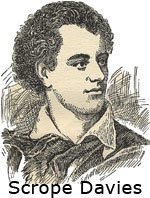
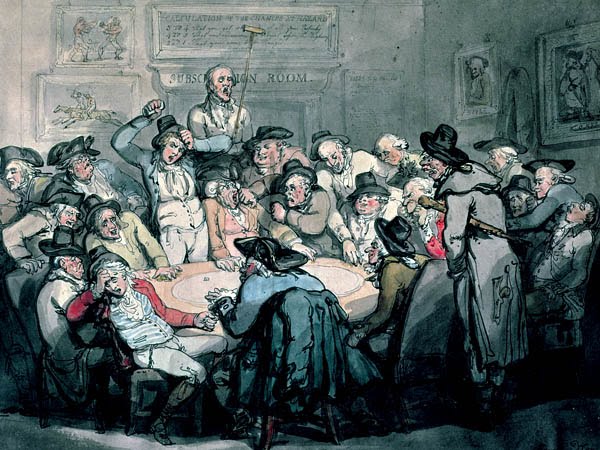
Scrope Davies, the witty gambler and friend of Byron, was lying on his death bed. He had seriously taken leave of his physician who told him that he could not live beyond eight O clock next morning . Exerting the small strength left to him he called the doctor back. Doctor, he whispered, “I will bet you five guineas I live till nine”.
Xxx
No Conundrum, Please!
A clergyman came to a man near to death and said,
Dear friend, do you know who died to save you?
O, meenister, meenister, said the dying man, is this a time for conundrums?
Xxx
Beautiful Crucifix
Alonzo Cano , a Spanish artist, when a presented to him a crucifix badly executed , turned his eyes away and refused to look at it , but when one of good workmanship was brought to him, he devoutly embraced it and expired.
Xxxx
wikipedia picure
Voice of War while Dying
When the chieftain Rob Rroy Mac Gregor was on his death bed, a gentleman whom he had reason to consider as an enemy came to see him. On being requested to admit the visitor to his bed side he said,
No enemy shall see Rob Roy in the posture of defeat, raise me up, put on my clothes, buckle in my arms, then admit him. He was obeyed: the guest was received with cold civility by the dying man, and in short time departed.
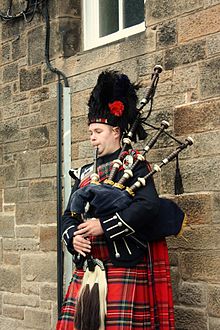
Now, said Rob Roy— now help me to bed, and call in the piper.
The piper appeared; Rob Roy shook hands with him, and desired him to play
“Cha tuile mi tuile adgh” and not to cease while he continued to breathe. He soon expired,with the voice of war pealing around him.
Pictures are taken from various sources for spreading knowledge; this is a non- commercial blog.
மநு நீதி நூல் – பகுதி48
மானவ தர்ம சாஸ்திரம் என்னும் மனு நீதி நூலில் வெற்றிகரமாக பத்து அத்தியாயங்களை முடித்து 11ஆவது அத்தியாயத்தில் நுழைகிறோம். முதல் நூறு ஸ்லோகங்களைக் காண்போம். இந்த அத்தியாயம் பிராயச்சித்தம் என்னும் கழுவாய் பற்றிப் பேசுகிறது. முக்கியமான விஷயம் இதில் பெரும்பாலனவை பிராமணர்களுக்கானது .
முதலில் சுவையான விஷயங்கள் புல்லட் (bullet points) பாயிண்டுகளில் :–
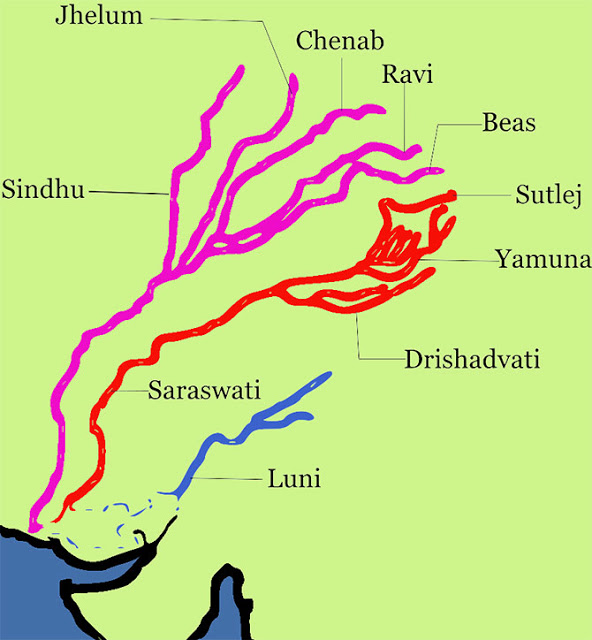
ஸ்லோகம் 11-76 TO 78
சரஸ்வதி நதியில் நீரோட்டத்துக்கு எதிராக நதி உற்பத்தியாகும் இடம் வரை நடக்கவேண்டும் என்பது ஒரு தண்டனை/ பிராயச் சித்தம். இதிலிருந்து இவர் சிந்து- சரஸ்வதி நாகரீக காலத்தவர் அல்லது அதற்கு முந்தியவர் என்பது தெளிவாகிறது. ஆகவே இவர் பாபிலோனிய ஹமுராபிக்கும் முந்தையவர். உலகத்தில் முதல் முழு நீள சட்டப் புஸ்தகத்தை எழுதிய நிபுணர். ஆனால் எல்லா புராணங்களையும் அப்டேட் UDATE செய்தது போலவே மனு நீதியையும் புதுப்பித்திருக்கின்றனர். வேதம் சொல்லிக்கொண்டே நுறு யோஜனை / 1000 மைல் நடக்க வேண்டும் என்பது இன்னும் ஒரு பிராயச் சித்தம். இவை அனைத்தும் பிரமணர்களுக்கான கடும் தண்டனைகள். tamilandvedas.com, swamiindology.blogspot.com
தீவிர பிராமண ஆதரவு சுங்க வம்சம் (Sunga Dynasty) வரை அப்டேட் UPDATE ஆனதால் பிராமண ஆதரவு ஸ்லோகங்களையும் காண முடிகிறது.
ஸ்லோகம் 11-91/99
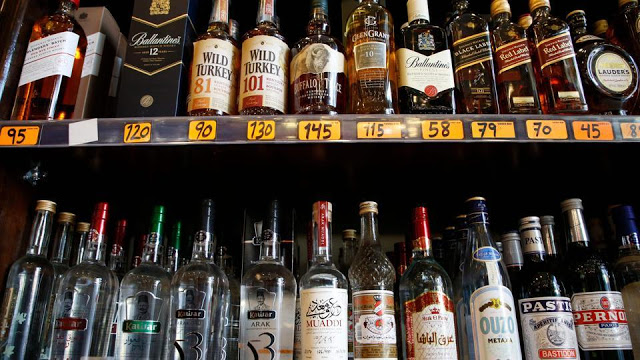
குடிகார பிராமணர்களுக்கு கடும் தண் டனை விதிக்கிறார் மநு .
ஸ்லோகம் 11-33
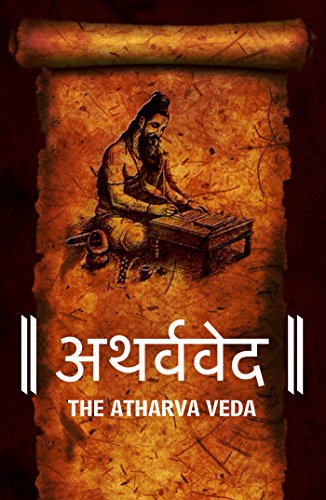
பிராமணர்களின் ஆயுதம் வாக்கு தான் ; அவர்கள் அதர்வ வேதத்தைக் கொண்டு எதிரிகளை விழுத்தட்டலாம் என்கிறார் . எதிரிகளை ஒழிக்க அதர்வண வேதத்தைப் பயன்படுத்து என்று அறிவுறுத்துகிறார்.
ஸ்லோகம் 11-65 & 11-69
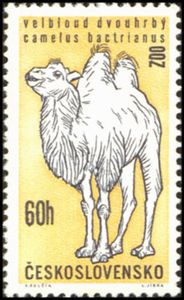
மரங்களை வெட்டுவது தவறு; ஒட்டகம் கழுதை போன்ற பிராணிகளைக் கொல்வது தவறு என்கிறார். இதிலிருந்து 3000 ஆண்டுகளுக்கு முன்னரே புறச் சூழல் பற்றி கவலைப்பட்டதும், அஹிம்சையைப் பின்பற்றுவதே நல்லது என்ற உணர்வும் இருந்ததை அறியலாம்.
ஸ்லோகம் 11-15
திருவள்ளுவர் சொல்லுவது (குறள் 1077, 1078) போல மனுவும் கருமிகளின் கையை முறுக்கி முகவாய்க் கட்டையில் குத்து விட்டுப் பொருட்களை பறித்து நல்ல பணிகளுக்கு கொடுப்பதில் தவறு இல்லை என்கிறார் . அதாவது பணக்கரர்களைக் கொள்ளையிட்டு ஏழைகளுக்கு கொடுத்த ராபின்ஹுட் (Robin Hood) ஆக மாறலாம் என்பார் tamilandvedas.com, swamiindology.blogspot.com
.
பாவ மன்னிப்பு (Confession) ஓ.கே. என்று ஆதரவு தருகிறார். பலர் முன்னிலையிலும் தவற்றை ஒப்புக்கொண்டு மன்னிப்பு கேட்டால் விட்டுவிடலாம் என்பது மனுவின் மனிதாபிமாதைக் காட்டுகிறது.
ஸ்லோகம் 11-1/2 ஒன்பது விதமான பிராமணர் களுக்கு உதவி செய்யவேண்டும் என்று ஆதரவு தருகிறார்.
ஸ்லோகம் 11-55 பஞ்ச மஹா பாதகங்கள் என்ன என்பதை விளக்குகிறார்.
ஸ்லோகம் 11-49 to 11-54 என்னென்ன பாவங்களுக்கு என்னென்ன நோய்கள் வரும் என்று பட்டியல் தருகிறார். தற்கால டாக்டர்கள் இதை ஒப்புக்கொள்ள மாட்டார்கள். இது சரஸ்வதி நதி தீர நாகரீக நம்பிக்கை என்பதை நாம் நினைவிற்கொள்ள வேண்டும்.
பசுவைக் (11-60) கொன்றால் , பிரமணனைக் (11-55) கொன்றால், தங்கத்தைத் திருடினால் (11-49) , தகாத முறையில் பாலியல் உறவு கொண்டால் என்ன தண்டனை என்றும் விளம்புகிறார் . ஒரு தண்டனை 12 ஆண்டுகள் வனவாசம் செய்ய வேண்டும் மண்டை ஓட்டுக்(11-73) கொடியுடன்!
11-36 யாருக்குப் புரோகிதம் செய்யும் தகுதி உண்டு என்றும் வரையறுக்கிறார். tamilandvedas.com, swamiindology.blogspot.com
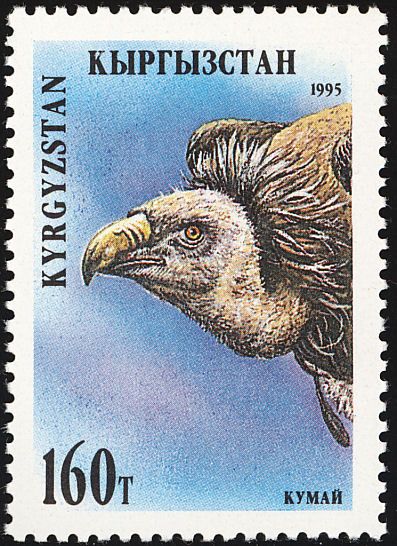
11-25 பிராமணன் யாகத்துக்கான பொருளுதவியைத் தவறாகப் பயன்படுத்தினால் பிணம் தின்னும் கழுகாகவோ காகமாகவோ பிறப்பான் என்று எச்சரிக்கிறார்
Pictures are taken from various sources for spreading knowledge; this is a non- commercial blog.
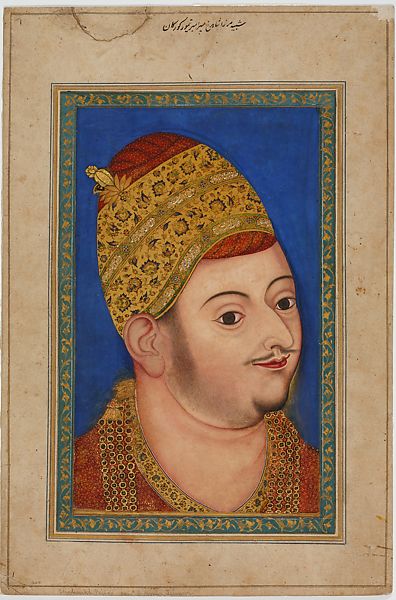
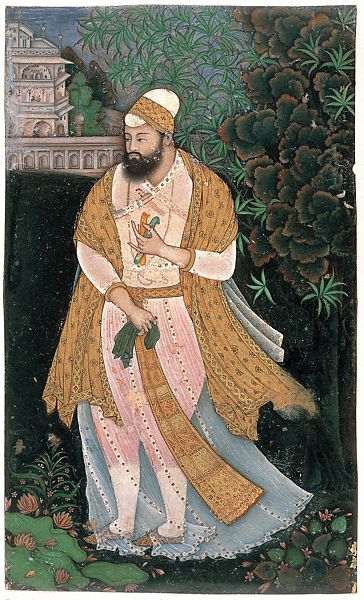
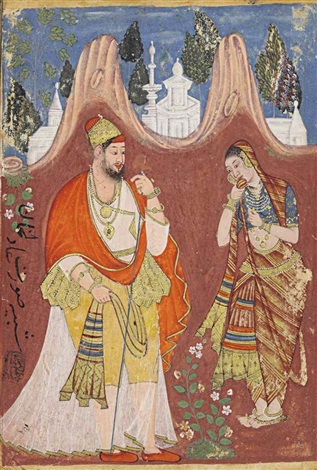
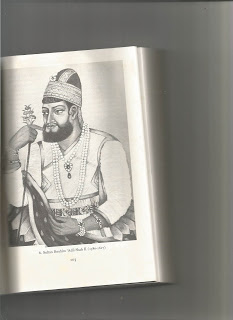
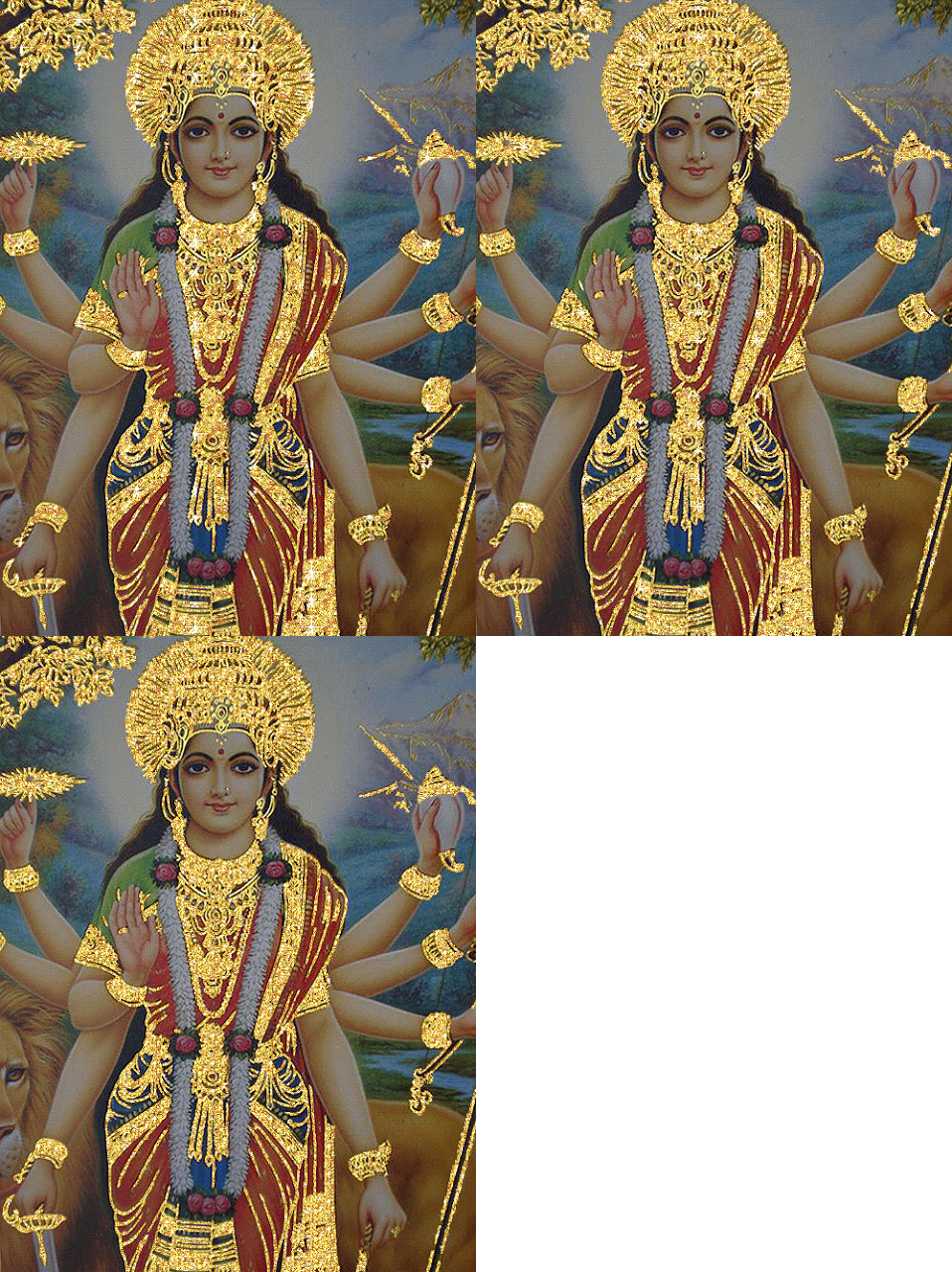
பீஜப்பூரை ஆண்ட சுல்தான் (இரண்டாம்) இப்ராஹீம் சிறந்த சரஸ்வதி பக்தன். சிறந்த கலைஞன். இசையில் தேர்ந்தவன்.
சுல்தான் இப்ராஹீம் அடில்ஷா II என்று வரலாற்றில் குறிப்பிடப்படுபவன். இவனது காலம் 1580-1627.
அவன் ஏன் சரஸ்வதி தேவியை வணங்கத் துவங்கினான் என்பதற்குப் பல காரணங்கள் உள்ளன.
முக்கியமான காரணத்தை முதலில் பார்ப்போம்.
சுல்தான் இப்ராஹீம் (II) பீஜப்பூரை ஆண்ட காலத்தில் ஒரு யோகி வாழ்ந்து வந்தார். அவர் மீது சுல்தானுக்கும் மதிப்பும் மரியாதையும் நிரம்ப உண்டு. இதற்கான முக்கியமான காரணம் சுல்தானின் வாழ்க்கையில் நடந்த ஒரு சோக சம்பவத்தை அவர் சந்தோஷ சம்பவமாக மாற்றியது தான்!
pictures from metropolitan museum of art
சுல்தானுக்கு ஒரு அருமை மகள் உண்டு. அந்த மகளின் மீது சுல்தானுக்கு அளவற்ற பாசம். ஒரு நாள் திடீரென்று அந்த அருமை மகள் இறந்து விட்டாள். சுல்தான் துக்கத்தால் கதறி அழுதான். இதைக் கேள்விப்பட்ட யோகி உடனடியாக அவனிடம் வந்தார். சுல்தானிடம் சரஸ்வதி தேவியின் உருவச்சிலை உடனடியாக அந்த அறைக்குள் கொண்டுவரப்பட்டு இறந்த மகளின் சவத்தையும் அந்த அறைக்குக் கொண்டுவர வேண்டும் என்றார். இப்படிச் செய்தால் சுல்தானின் மகள் உயிர் பிழைப்பாள் என்றார் அவர். உடனடியாக சுல்தான் அப்படியே செய்தான்.யோகி சிறந்த இசைக் கலைஞர். அவர் ஒரு ராகத்தைப் பாட ஆரம்பித்தார். அந்த ராகம் பாதி முடியும் முன்னரேயே இறந்த மகளின் உடலில் அசைவுகள் ஏற்பட ஆரம்பித்தன. ராகம் முடியும் போது முற்றிலுமாக சுல்தானின் மகள் எழுந்து விட்டாள்.
சுல்தானும் அரசவையில் அங்கம் வகித்தோரும் பிரமித்தனர். யோகியின் ஆற்றலுக்கு அவர்கள் தலை வணங்கினர்.
அன்றே சரஸ்வதியின் திருவுருவச் சிலையை அரண்மனையில் பிரதிஷ்டை செய்த சுல்தான் ஹிந்துக்களின் பூஜை முறைப்படி சரஸ்வதிக்கு பூஜை செய்ய ஆரம்பித்தான்.
இப்ராஹீம் அனைத்து ராகங்களிலும் வல்லவன் என்பதால் அவன் சரஸ்வதியின் முன் பாடுவான்.
அரசவைக் கலைஞர்களும் பாடுவர்.
சுல்தானுக்கு போர், படையெடுப்பு இதிலெல்லாம் நம்பிக்கை இல்லை. ஒற்றுமையான அமைதியான வாழ்வையே அவன் விரும்பினான். அதை மக்களிடம் உறுதிப்படுத்தினான்.
விஜயபுரி என்ற நகரத்தின் பெயரை வித்யாபுரி என்று அவன் மாற்றினான்.
ஹிந்துக்களின் பழக்க வழக்கங்களை மதிக்க வேண்டும் என்று கூறிய அவன் அதைத் தன் வாழ்விலும் கடைப்பிடிக்க ஆரம்பித்தான்.
அவனது கவிஞரான ஜுஹாரி (Zuhari) இயற்றிய கிதாப்-இ-நௌரஸ் (‘Kitab-i-Naurs) என்ற நூல் பிஸ்ம் அல்லாவைத் (Bism Allah) தொழுது ஆரம்பிக்கவில்லை.
மாறாக, ஹிந்து கவிஞர்கள் நூலின் ஆரம்பத்தில் துதிக்கும் கணபதி துதியைக் கொண்டு ஆரம்பிக்கிறது!
சிவ பிரான், பார்வதி,பைரவர் உள்ளிட்ட தெய்வங்கள் நூலெங்கும் காணப்படுகின்றனர்.
என்றாலும் கூட சுல்தானுக்கு இஷ்ட தெய்வம் சரஸ்வதி தான்!
நா வன்மை, கவிதையின் தாய், அறிவுத் தெய்வம், கலைகளின் இருப்பிடம், சாஸ்திர புராண நாடக சஞ்சாரிணீ – ஆகிய சரஸ்வதி தேவியை அவன் ஆராதித்தான்.
இது அவனது தனிப்பட்ட வாழ்க்கையில் மட்டும் நடக்கவில்லை.
அரசாங்க ஆவணங்களிலும் பிரதிபலித்தது.
பெர்சிய மொழியிலும் மராத்திய மொழியிலும் எழுதப்படும் ஆவணங்கள், அஜ் பூஜா ஸ்ரீம் சரஸ்வதி (Ai puja shrim Saraswathi) என்று ஆரம்பிக்கப்பட்டது.
ஜுபைரி (Zubairi) என்ற வரலாற்று ஆசிரியன், தான் எழுதிய நூலான பசாசின் அல்-சுலாடின் (Basatib al-Sulatin) என்ற நூலில்,” சுல்தான் சிறந்த இசைக் கலைஞர்களுடன் நெருக்கமாகப் பழகி வந்தான். அவர்கள் அனைவரும் சரஸ்வதி தேவியை வழிபடுபவர்கள். ஆகவே சுல்தான் இப்ராஹிமும் சரஸ்வதி தேவி பால் ஈர்க்கப்பட்டான்” என்று எழுதியுள்ளான்.
இதற்கான இன்னும் பல காரணங்களைத் தங்கள் மனம் போல பல எழுத்தாளர்கள் எழுதியுள்ளனர்.
இன்னும் ஒரு விஷயம். சுல்தானின் மகளை உயிர்ப்பித்த ருக்மாங்கத பண்டிதர் பற்றிய விஷயம் அது.
சுல்தான் ஹிந்து தெய்வத்திற்கு கொடுத்த மரியாதையையும் பக்தியையும் கண்டு பொறாத அப்துல் ஹாஸன் (Abdul- Hasan) என்பவர், தான் பீஜப்பூருக்கு வந்தவுடன் இதை மாற்ற வேண்டுமென்று நினைத்தார். அவரிடம் ஏதாவது செய்ய வேண்டுமென்று பலரும் சொல்லவே, சுல்தானின் கவனம் யோகியிடமிருந்து தன் மீது திரும்பவேண்டுமென்று அவர்கள் விரும்புகிறார்களா என்று அவர் கேட்க அவர்கள் ஆமாம், ஆமாம் என்றனர்.
உடனே அப்துல் ஹாஸன் தன் உருவத்தை ஒரு மண் பாண்டத்தில் வரைந்து அவர்களில் ஒருவனிடம் கொடுத்து, மறுநாள் யோகியைப் பார்க்க சுல்தான் செல்லும் போது அதை அவனிடம் காண்பிக்குமாறு கூறினார். மறுநாள் சுல்தான் வரும் போது அவரிடம் ஹாஸனின் படத்தைக் காண்பிக்கவே அவர் யோகியிடம் செல்லாமல் ஹாஸன் இருக்குமிடம் நோக்கிச் சென்றார்.
அங்கு ஹாஸன் சுல்தானை நோக்கி, “உன் மனம் இறைவனிடம் நிலை பெறட்டும் “ என்று பல்வேறு விதமாக உபதேசித்தார்.
யோகியை வரவழைத்த அப்துல் ஹாஸன் அவர் முன்னர் மழை நீரை பாலும் நெய்யுமாக மாற்றிக் காண்பிக்க ருக்மாங்கத பண்டிதர் ருக் அல் டின் (Rukn al-Din) என்று தன் பெயரை மாற்றிக் கொண்டு இஸ்லாமுக்கு மாறினார்.
இப்படி ஒரு கதை உண்மையா என்று வரலாற்று ஆசிரியர்கள் சந்தேகப்படுகின்றனர். அப்துல் ஹாஸன் யோகியை விட உயர்ந்தவர் என்ற அபிப்ராயத்தை உருவாக்க இப்படி ஒரு கதை உருவாக்கப்பட்டது என்பது அவர்கள் கருத்து.
சிந்தித்துப் பார்த்தால், இறந்த உயிரை எழுப்பிய யோகி பெரியவரா, மழை நீரை பாலாக மாற்றிக் காண்பித்த ஹாஸன் பெரியவரா என்று கேட்டால் சிறு குழந்தை கூட என்ன பதிலைச் சொல்லும் என்பது புலப்படும்.
தனது இறுதி வரை சரஸ்வதி தேவியின் பக்தனாக சுல்தான் இப்ராஹீம் திகழ்ந்தான் என்பதும் குறிப்பிடத் தகுந்தது.
*
சரஸ்வதி தேவியை வணங்கிய சுல்தான் இப்ராஹீம் போன்ற ஏராளமான வரலாறுகள் இந்திய சரித்திரத்தில் உண்டு. அதிகாரபூர்வமான நூல்கள் தரும் வரலாறுகள் இவை.
இவற்றை நாம் கேள்விப்படுவதே இல்லை.
காரணம் செகுலரிஸம்.
செகுலரிஸம் என்றால் இன்றைய செகுலரிஸ்டுகளின் உபதேசப்படி, ‘ஹிந்து மதத்தை இழிவு படுத்தும் எதையும் உடனடியாகப் பரப்புவது; அதற்குப் பெருமை சேர்க்கும் எதையும் மறைத்து விடுவது; இஸ்லாமிய, கிறிஸ்தவர்களை உண்மைக்கு மாறாகக் கூடப் புகழலாம்; ஆனால் ஒரு போதும் உண்மையான விஷயமாக இருந்தால் கூட இகழக் கூடாது’ என்பது தான்!
இது மாற வேண்டும் இல்லையா, சுல்தான் இரண்டாம் இப்ராஹீம் வாழ்க்கைச் சம்பவம் போல உள்ளவற்றை ஹிந்துக்கள் உணர வேண்டும்; பரப்ப வேண்டும்!
****
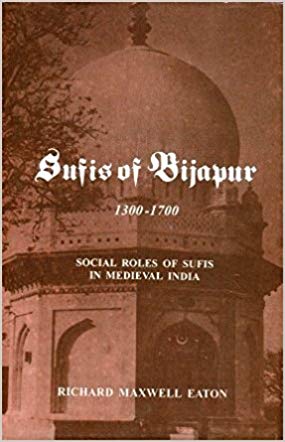
ஆதார நூல் : Sufi’s of Bijapur 1300-1700 by Richard Maxwell Eaton, 1978 publication
நன்றி : Richard Maxwell Eaton சுல்தான்படம் – நன்றி – ரிச்சர்ட் மாக்ஸ்வெல் ஈடன்
tags சுல்தான் இப் ராஹிம் , அடில்ஷா,பீஜப்பூர், சரஸ்வதி
Pictures are taken from various sources for spreading knowledge; this is a non- commercial blog.
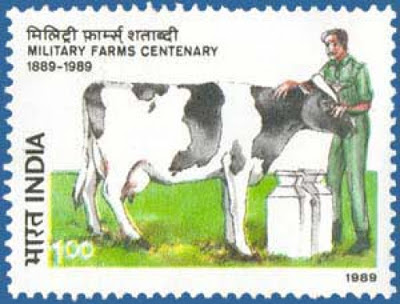
ஜான் டன் (John Donne 1572-1631) என்பவர் பிரபல ஆங்கிலக் கவிஞர். அவர் மரணப் படுக்கையில் கிடந்தார். அவருக்கு டாக்டர் சைமன் பேக்ஸ் (Dr Simon Faxe) சிகிச்சை அளித்து வந்தார் . இனிப்பு மருந்துகள் தருகிறேன். அத்துடன் 20 நாட்களுக்கு தொடர்ந்து பசும் பால் குடியுங்கள். உடம்பு தேறி விடும் என்றார் . ஆனால் ஜானுக்கு பால் அறவே பிடிக்காது.கஷ்டப்பட்டு கொஞ்சம் குடித்துப் பார்த்தார். ஆயினும் முடியவில்லை. “டாக்டர்! பால் குடிப்பதை விட எனக்கு மரணமே மேல். நான் சாவதற்குத் தயார்” என்று சொல்லிவிட்டார்.
(அவரது காலத்தில் பாலில் இப்போதுள்ள அசுத்தங்கள் கிடையாது. ஆயினும் அவர் மறுத்தார்.) இப்போது மேலை நாடுகளில் வேகன் VEGAN என்னும் பால் பொருள் வெறுப்பு அணியினர் பெருகி வருகின்றனர். பிரபல உணவு விடுதிகளான கென்டகி ப்ரைட் சிக்கன், மேக் டொனால்ட் , சப் வே Mac Donald, Kentucky Fried Chicken, Sub Way) முதலியன vegan வேகன் உணவுப் பொருட்களை விளம்பரப்படுத்தி வாடிக்கையாளர்களைத் தக்கவைத்துக்கொள்கின்றன.
காரணம் என்னவெனில் மேலை நாட்டிலுள்ள பெரும்பாலோருக்கு பாலில் உள்ள லாக்டோஸ் (Lactose) பொருட்கள் ஒத்துக் கொள்ளாது . மேலும் தேன், பால் முதலியன தேநீக்களையும் பசு மாடுகளையும் கொடுமைப்படுத்துவதாகும் என்றும் பிரசாரம் செய்யப்படுகின்றன. ஆனால் வேத காலம் முதல் இன்று வரை ஆசாரமான ஹிந்துக்கள் கூட இவற்றைப் பூஜையிலும் பயன் படுத்தி உணவாகவும் சாப்பிடுகின்றனர்.
அந்தக் காலத்தில் பிராணிகளுக்கு மிஞ்சியது போக இருந்ததை இந்துக்கள் எடுத்தனர். இப்போதோ மேலை நாடுகளில் இயந்திரங்களை வைத்து மாடுகளில் இருந்து பாலை ஒட்டப்பிழிந்து விடுகின்றனர். யார் வீட்டிலாவது மைக்ராஸ்க்கோப் என்னும் கருவி இருந்தால் மேலை நாட்டுப் பாலில் மிதக்கும் மாட்டின் முடி, கொழுப்பு , ரத்தம் மிதப்பதைக் காணலாம்.இதனால்தான் மஹாத்மா காந்தி, ஆட்டுப் பாலுக்கு மாறினார் என்ற ஒரு தகவலும் உண்டு.
பால் மற்றும் பால் பொருட்களைத் தவிர்க்கும் ‘வேகன்’கள் இதையெல்லாம் அறிவர். மேலும் மேலை நாட்டு பசுமாடுகள் சித்திரவதை செய்யப்படுகின்றன. அவை தலையைக் கூட ஆட்டமுடியாத படி நெருக்கமாகக் கூண்டுகளில் அடைக்கப்படுகின்றன. கொழுப்புச் சத்தைக்கூட்டி மாமிசத்துக்கு வெட்டுவதற்காக பலவகை ஊசி மருந்துகள் ஏற்றப்படுகின்றன. மாமிசப் பொடி கலந்த உணவு ஊட்டப்படுகின்றன. இந்தியாவில் ‘நாய்ப் பிழைப்பு’ என்று சொல்லுவர் . ஆனால் மேலை நாட்டில் ‘பசு மாட்டுப் பிழைப்பு’ என்றே சொல்ல வேண்டும். அவ்வளவு கேவலமாக மாடுகள் வாழ்கின்றன. நாய்கள் ‘சோபா’ (Sofa) வில் தூங்குகின்றன . கார்களில் பவனி வருகின்றன. மாடுகளோ அடைக்கப்பட்ட லாரிகளில் கசாப்புக்கு கடைக்குச் செல்கின்றன. சூப்பர் மார்க்கெட்டுகளில் விற்கும் ‘பால்’களுக்கு 15 நாளைக்குப் பின்னர் எக்ஸ்பைரி டேட்Expiry Date (பயன்படுத்தக் கூடாது என்ற ) முத்திரை குத்துகின்றனர். இவ்வளவு காலம் இது கெடாமல் இருப்பதற்கு இதில் பல பொருட்கள் கலக்கப்படுகின்றன.
இப்பொழுது கொரோனா வைரஸ் (Corona Virus) மக்கள் உயிரைப் பறிப்பது போல மாடுகளுக்கு பைத்திய நோய் (Mad Cow Disease) பரவியவுடன் லட்சக்கணக்கான மாடுகளை எரித்துப் புதைத்தனர். கொடுமைகளுக்கு அளவில்லை என்ற அளவுக்கு பால் பண்ணைத் தொழில் நடக்கிறது . இந்தியாவிலாவது இத்தகைய கொடுமைகள் நிகழா வண்ணம் பாதுகாப்பது மக்களின் கடமை. மாட்டு மாமிசத்தை இந்துக்கள் தடை செய்ததற்கு இந்த MAD COW DISEASE ‘மேட் கவ் டிஸீஸ்’ ஒரு காரணம் போலும் . இது மனிதர்களுக்கும் பரவ முடியும் என்று மருத்துவர்கள் ஏசிசரித்தவுடன் அத்தனை பசுமாடுகளையும் கொட்டிலுடன் எரித்தனர். இது போல பல முறை கோடிக்கணக்கான கோழிக் குஞ்சுகளையும் முட்டைகளையும் அழித்தனர் சால்மோனெல்லா (SALMONELLA) வைரஸ் பரவுகிறது என்று அச்சுறுத்தினர்.
இதன் ஆங்கில வடிவம் இந்த ‘பிளாக்’கில் வந்தவுடன் திரு நஞ்சப்பா என்ற நேயர் எழுதிய விமர்சனத்தில் எல்லா மிருகங்களும் குழந்தைப் பருவத்தில் மட்டும் பால் குடித்துவிட்டு பின்னர் நிறுத்திவிடுகின்றன. ஆ னால் மனிதன் மட்டும் தாய்ப்பாலை விட்டவுடன் பசும்பாலை குடிப்பது அவசியமில்லையே என்று எழுதினார். இந்து சிந்தனையைத் தூண்டும் பதில்; பாலில் உள்ள கால்சியம் போன்ற சத்துக்கள் நமக்குத் தேவை என்றாலும் பசு மாடுகளைக் கொடுமைப்படுத்தக் கூடாது என்பது நியாயமே.
Pictures are taken from various sources for spreading knowledge; this is a non- commercial blog.
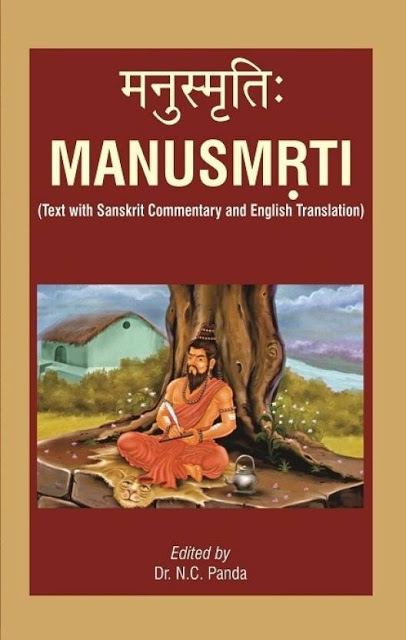
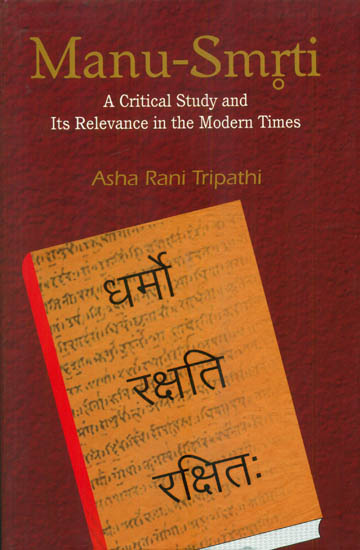
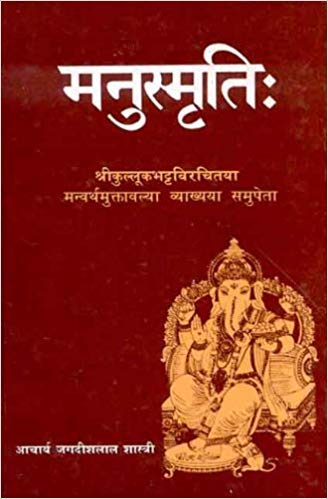
We have covered ten out of 12 chapters of Manava Dharma Shastra so far. Today let us investigate chapter 11. Manu, as usual, gives very interesting rules regarding Brahmins in this chapter.
I am covering up to 100 slokas in chapter 11 of Manu Smriti (Popular Hindu Law Book).
MOST OF THE RULES APPLY TO BRAHMINS ONLY.
The rule about River Sarasvati shows original Manu Smriti is Pre Indus Valley Civilization work . It was updated up to Sunga period (2nd century BCE) who were fanatically pro Brahmin.
The rule against cutting trees shows that ancient Hindus were concerned with environmental issues.
The rules against killing animals show that the ancient Hindus were friends of animals
The strict punishments for brahmins for drinking and other offences show brahmins must be purer than aall others.
First let me give interesting/important bits in bullet points-
1.sloka 11-1,2- nine types of brahmins must be supported
2.sloka 11-33- Brahmin’s weapon is Atharva Veda.
3.sloka 11-36- who can officiate as priest
4.sloka 11-49- gold theft
5.sloka 11-55- killing a priest
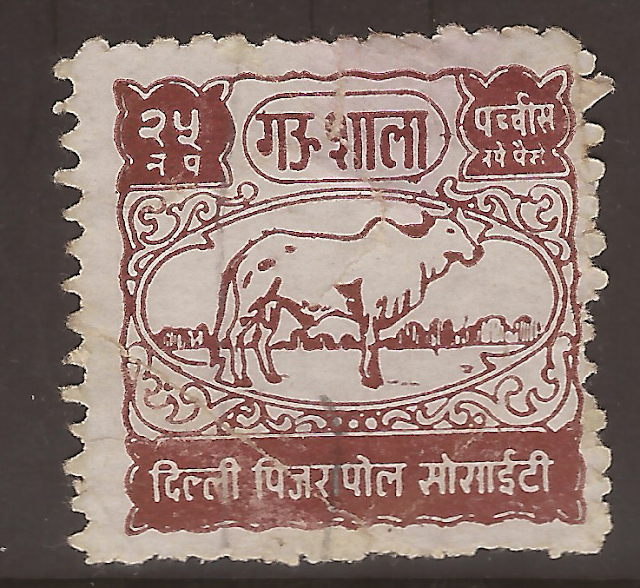
6.sloka 11-60 killing a cow
7.sloka 11-65- cutting trees
8.sloka 11-69- killing donkey, camel etc.
9.sloka 11-73- skull flag/ pirate’s flag
10.sloka 11-78- Sarasvati river
11.sloka 91- 99 severe punishments for Drinking
12.Sloka 11-15- violence against misers
Tirukkural, the Tamil Veda, supports violence against misers – see Kural 1077, 1078
13.SLOKA 11-19- ROB THE RICH, GIVE IT TO THE GOOD PEOPLE- BECOME A ROBIN HOOD
14. slokas 11-49-54 – what diseases one gets for Gold theft, Drinking, Sex offence (Doctors wont agree!!)
11-1. Him who wishes (to marry for the sake of having) offspring, him who wishes to perform a sacrifice, a traveller, him who has given away all his property, him who begs for the sake of his teacher, his father, or his mother, a student of the Veda, and a sick man,
2. These nine Brahmanas one should consider as Snatakas, begging in order to fulfil the sacred law; to such poor men gifts must be given in proportion to their learning.
3. To these most excellent among the twice-born, food and presents (of money) must be given; it is declared that food must be given to others outside the sacrificial enclosure.
4. But a king shall bestow, as is proper, jewels of all sorts, and presents for the sake of sacrifices on Brahmanas learned in the Vedas.
5. If a man who has a wife weds a second wife, having begged money (to defray the marriage expenses, he obtains) no advantage but sensual enjoyment; but the issue (of his second marriage belongs) to the giver of the money.
6. One should give, according to one’s ability, wealth to Brahmanas learned in the Veda and living alone; (thus) one obtains after death heavenly bliss.
SOMA JUICE
11-7. He who may possess (a supply of) food sufficient to maintain those dependant on him during three years or more than that, is worthy to drink the Soma-juice.
8. But a twice-born man, who, though possessing less than that amount of property, nevertheless drinks the Soma-juice, does not derive any benefit from that (act), though he may have formerly drunk the Soma-juice.
9. (If) an opulent man (is) liberal towards strangers, while his family lives in distress, that counterfeit virtue will first make him taste the sweets (of fame, but afterwards) make him swallow the poison (of punishment in hell).
11-10. If (a man) does anything for the sake of his happiness in another world, to the detriment of those whom he is bound to maintain, that produces evil results for him, both while he lives and when he is dead.
11. If a sacrifice, (offered) by (any twice-born) sacrificer, (and) especially by a Brahmana, must remain incomplete through (the want of) one requisite, while a righteous king rules,
12. That article (required) for the completion of the sacrifice, may be taken (forcibly) from the house of any Vaisya, who possesses a large number of cattle, (but) neither performs the (minor) sacrifices nor drinks the Soma-juice;
13. (Or) the (sacrificer) may take at his pleasure two or three (articles required for a sacrifice) from the house of a Sudra; for a Sudra has no business with sacrifices.
14. If (a man) possessing one hundred cows, kindles not the sacred fire, or one possessing a thousand cows, drinks not the Soma-juice, a (sacrificer) may unhesitatingly take (what he requires) from the houses of those two, even (though they be Brahmanas or Kshatriyas);
TAMIL VEDA ALSO SUPPORTS VIOLENCE AGAINST MISERS
11-15. (Or) he may take (it by force or fraud) from one who always takes and never gives, and who refuses to give it; thus the fame (of the taker) will spread and his merit increase.
16. Likewise he who has not eaten at (the time of) six meals, may take at (the time of) the seventh meal (food) from a man who neglects his sacred duties, without (however) making a provision for the morrow,
17. Either from the threshing-floor, or from a field, or out of the house, or wherever he finds it; but if (the owner) asks him, he must confess to him that (deed and its cause).
18. (On such occasions) a Kshatriya must never take the property of a (virtuous Brahmana; but he who is starving may appropriate the possessions of a Dasyu, or of one who neglects his sacred duties.
BECOME A ROBINHOOD – ROB THE RICH, GIVE IT TO THE POOR
11-19. He who takes property from the wicked and bestows it on the virtuous, transforms himself into a boat, and carries both (over the sea of misfortune).
20. The property of those who zealously offer sacrifices, the wise call the property of the gods; but the wealth of those who perform no sacrifices is called the property of the Asuras.
21. On him (who, for the reasons stated, appropriates another’s possessions), a righteous king shall not inflict punishment; for (in that case) a Brahmana pines with hunger through the Kshatriya’s want of care.
22. Having ascertained the number of those dependent on such a man, and having fully considered his learning and his conduct, the king shall allow him, out of his own property, a maintenance whereon he may live according to the law;
23. And after allotting to him a maintenance, the king must protect him in every way; for he obtains from such (a man) whom he protects, the part of his spiritual merit.
24. A Brahmana shall never beg from a Sudra property for a sacrifice; for a sacrificer, having begged (it from such a man), after death is born (again) as a Candala.
BRAHMIN BECOMES A VULTURE
11-25. A Brahmana who, having begged any property for a sacrifice, does not use the whole (for that purpose), becomes for a hundred years a (vulture of the kind called) Bhasa, or a crow.
26. That sinful man, who, through covetousness, seizes the property of the gods, or the property of Brahmanas, feeds in another world on the leavings of vultures.
27. In case the prescribed animal and Soma-sacrifices cannot be performed, let him always offer at the change of the year a Vaisvanari Ishti as a penance (for the omission).
28. But a twice-born, who, without being in distress, performs his duties according to the law for times of distress, obtains no reward for them in the next world; that is the opinion (of the sages).
29. By the Visve-devas, by the Sadhyas, and by the great sages (of the) Brahmana (caste), who were afraid of perishing in times of distress, a substitute was made for the (principal) rule.
30. That evil-minded man, who, being able (to fulfil) the original law, lives according to the secondary rule, reaps no reward for that after death.
31. A Brahmana who knows the law need not bring any (offence) to the notice of the king; by his own power alone be can punish those men who injure him.
32. His own power is greater than the power of the king; the Brahmana therefore, may punish his foes by his own power alone.
SPEECH IS THE WEAPON- USE BLACK MAGIC
11-33. Let him use without hesitation the sacred texts, revealed by Atharvan and by Angiras; speech, indeed, is the weapon of the Brahmana, with that he may slay his enemies.
34. A Kshatriya shall pass through misfortunes which have befallen him by the strength of his arms, a Vaisya and a Sudra by their wealth, the chief of the twice-born by muttered prayers and burnt-oblations.
35. The Brahmana is declared (to be) the creator (of the world), the punisher, the teacher, (and hence) a benefactor (of all created beings); to him let no man say anything unpropitious, nor use any harsh words.
AGNI HOTRA
36. Neither a girl, nor a (married) young woman, nor a man of little learning, nor a fool, nor a man in great suffering, nor one uninitiated, shall offer an Agnihotra.
37. For such (persons) offering a burnt-oblation sink into hell, as well as he to whom that (Agnihotra) belongs; hence the person who sacrifices (for another) must be skilled in (the performance of) Vaitana (rites), and know the whole Veda.
38. A Brahmana who, though wealthy, does not give, as fee for the performance of an Agnyadheya, a horse sacred to Prajapati, becomes (equal to one) who has not kindled the sacred fires.
39. Let him who has faith and controls his senses perform other meritorious acts, but let him on no account offer sacrifices at which he gives smaller fees (than those prescribed).
40. The organs (of sense and action), honour, (bliss in) heaven, longevity, fame, offspring, and cattle are destroyed by a sacrifice at which (too) small sacrificial fees are given; hence a man of small means should not offer a (Srauta) sacrifice.
ATONEMENT
11-41. A Brahmana who, being an Agnihotrin, voluntarily neglects the sacred fires, shall perform a lunar penance during one month; for that (offence) is equal to the slaughter of a son.
42. Those who, obtaining wealth from Sudras, (and using that) offer an Agnihotra, are priests officiating for Sudras, (and hence) censured among those who recite the Veda.
43. Treading with his foot on the heads of those fools who worship a fire (kindled at the expense) of a Sudra, the giver (of the wealth) shall always pass over his miseries (in the next world).
44. A man who omits a prescribed act, or performs a blamable act, or cleaves to sensual enjoyments, must perform a penance.
45. (All) sages prescribe a penance for a sin unintentionally committed; some declare, on the evidence of the revealed texts, (that it may be performed) even for an intentional (offence).
UNINTENTIONAL SIN
11-46. A sin unintentionally committed is expiated by the recitation of Vedic texts, but that which (men) in their folly commit intentionally, by various (special) penances.
47. A twice-born man, having become liable to perform a penance, be it by (the decree of) fate or by (an act) committed in a former life, must not, before the penance has been performed, have intercourse with virtuous men.
48. Some wicked men suffer a change of their (natural) appearance in consequence of crimes committed in this life, and some in consequence of those committed in a former (existence).
GOLD THEFT, DRINKING, KILLING AND DISEASES ONE GETS
11-49. He who steals the gold (of a Brahmana) has diseased nails; a drinker of (the spirituous liquor called) Sura, black teeth; the slayer of a Brahmana, consumption; the violator of a Guru’s bed, a diseased skin;
50. An informer, a foul-smelling nose; a calumniator, a stinking breath; a stealer of grain, deficiency in limbs; he who adulterates (grain), redundant limbs;
51. A stealer of (cooked) food, dyspepsia; a stealer of the words (of the Veda), dumbness a stealer of clothes, white leprosy; a horse-stealer, lameness.
52. The stealer of a lamp will become blind; he who extinguishes it will become one-eyed; injury (to sentient beings) is punished by general sickliness; an adulterer (will have) swellings (in his limbs).
53. Thus in consequence of a remnant of (the guilt of former) crimes, are born idiots, dumb, blind, deaf, and deformed men, who are (all) despised by the virtuous.
11–54. Penances, therefore, must always be performed for the sake of purification, because those whose sins have not been expiated, are born (again) with disgraceful marks.
WORST SINS/MAHA PATAKAS
11-55. Killing a Brahmana, drinking (the spirituous liquor called) Sura, stealing (the gold of a Brahmana), adultery with a Guru’s wife, and associating with such (offenders), they declare (to be) mortal sins (mahapataka).
56. Falsely attributing to oneself high birth, giving information to the king (regarding a crime), and falsely accusing one’s teacher, (are offences) equal to slaying a Brahmana.
57. Forgetting the Veda, reviling the Vedas, giving false evidence, slaying a friend, eating forbidden food, or (swallowing substances) unfit for food, are six (offences) equal to drinking Sura.
58. Stealing a deposit, or men, a horse, and silver, land, diamonds and (other) gems, is declared to be equal to stealing the gold (of a Brahmana).
59. Carnal intercourse with sisters by the same mother, with (unmarried) maidens, with females of the lowest castes, with the wives of a friend, or of a son, they declare to be equal to the violation of a Guru’s bed.
KILLING COWS AND OTHER PROHIBITED ACTIVITIES
11-60. Slaying kine, sacrificing for those who are unworthy to sacrifice, adultery, selling oneself, casting off one’s teacher, mother, father, or son, giving up the (daily) study of the Veda, and neglecting the (sacred domestic) fire,
61. Allowing one’s younger brother to marry first, marrying before one’s elder brother, giving a daughter to, or sacrificing for, (either brother),
62. Defiling a damsel, usury, breaking a vow, selling a tank, a garden, one’s wife, or child,
63. Living as a Vratya, casting off a relative, teaching (the Veda) for wages, learning (the Veda) from a paid teacher, and selling goods which one ought not to sell,
64. Superintending mines (or factories) of any sort, executing great mechanical works, injuring (living) plants, subsisting on (the earnings of) one’s wife, sorcery (by means of sacrifices), and working (magic by means of) roots, (and so forth),
DON’T CUT TREES
65. Cutting down green trees for firewood, doing acts for one’s own advantage only, eating prohibited food,
66. Neglecting to kindle the sacred fires, theft, non-payment of (the three) debts, studying bad books, and practising (the arts of) dancing and singing,
67. Stealing grain, base metals, or cattle, intercourse with women who drink spirituous liquor, slaying women, Sudras, Vaisyas, or Kshatriyas, and atheism, (are all) minor offences, causing loss of caste (Upapataka).
68. Giving pain to a Brahmana (by a blow), smelling at things which ought not to be smelt at, or at spirituous liquor, cheating, and an unnatural offence with a man, are declared to cause the loss of caste (Gatibhramsa)
KILLING DONKEYS, CAMELS – DON’T KILL ANIMALS
11-69. Killing a donkey, a horse, a camel, a deer, an elephant, a goat, a sheep, a fish, a snake, or a buffalo, must be known to degrade (the offender) to a mixed caste (Samkarikarana).
70. Accepting presents from blamed men, trading, serving Sudras, and speaking a falsehood, make (the offender) unworthy to receive gifts (Apatra).
71. Killing insects, small or large, or birds, eating anything kept close to spirituous liquors, stealing fruit, firewood, or flowers, (are offences) which make impure (Malavaha).
72. Learn (now) completely those penances, by means of which all the several offences mentioned (can) be expiated.
12 YEARS PUNISHMENT FOR BRAHMIN KILLERS
73. For his purification the slayer of a Brahmana shall make a hut in the forest and dwell (in it) during twelve years, subsisting on alms and making the skull of a dead man his flag.
74. Or let him, of his own free will, become (in a battle) the target of archers who know (his purpose); or he may thrice throw himself headlong into a blazing fire;
75. Or he may offer a horse-sacrifice, a Svargit, a Gosava, an Abhigit, a Visvagit, a Trivrit, or an Agnishtut;
1000 MILE WALK; AND WALK IN SARASVATI RIVER
11-76. Or, in order to remove (the guilt of) slaying a Brahmana, he may walk one hundred yoganas (Yojana= ten miles) , reciting one of the Vedas, eating little, and controlling his organs;
77. Or he may present to a Brahmana, learned in the Vedas, whole property, as much wealth as suffices for the maintenance (of the recipient), or a house together with the furniture;
78. Or, subsisting on sacrificial food, he may walk against the stream along (the whole course of the river) Sarasvati; or, restricting his food (very much), he may mutter thrice the Samhita of a Veda.
79. Having shaved off (all his hair), he may dwell at the extremity of the village, or in a cow-pen, or in a hermitage, or at the root of a tree, taking pleasure in doing good to cows and Brahmanas.
80. He who unhesitatingly abandons life for the sake of Brahmanas or of cows, is freed from (the guilt of) the murder of a Brahmana, and (so is he) who saves (the life of) a cow, or of a Brahmana.
81. If either he fights at least three times (against robbers in defence of) a Brahmana’s (property), or reconquers the whole property of a Brahmana, or if he loses his life for such a cause, he is freed (from his guilt).
82. He who thus (remains) always firm in his vow, chaste, and of concentrated mind, removes after the lapse of twelve years (the guilt of) slaying a Brahmana.
83. Or he who, after confessing his crime in an assembly of the gods of the earth (Brahnanas), and the gods of men (Kshatriyas), bathes (with the priests) at the close of a horse-sacrifice, is (also) freed (from guilt).
CONFESSION
11-84. The Brahmana is declared (to be) the root of the sacred law and the Kshatriya its top; hence he who has confessed his sin before an assembly of such men, becomes pure.
85. By his origin alone a Brahmana is a deity even for the gods, and (his teaching is) authoritative for men, because the Veda is the foundation for that.
86. (If) only three of them who are learned in the Veda proclaim the expiation for offences, that shall purify the (sinners); for the words of learned men are a means of purification.
87. A Brahmana who, with a concentrated mind, follows any of the (above-mentioned) rules, removes the sin committed by slaying a Brahmana through his self-control.
88. For destroying the embryo (of a Brahmana, the sex of which was) unknown, for slaying a Kshatriya or a Vaisya who are (engaged in or) have offered a (Vedic) sacrifice, or a (Brahmana) woman who has bathed after temporary uncleanness (Atreyi), he must perform the same penance,
89. Likewise for giving false evidence (in an important cause), for passionately abusing the teacher, for stealing a deposit, and for killing (his) wife or his friend:
90. This expiation has been prescribed for unintentionally killing a Brahmana; but for intentionally slaying a Brahmana no atonement is ordained.
FOR DRINKING – SEVERE PUNISHMENT
11-91. A twice-born man who has (intentionally) drunk, through delusion of mind, (the spirituous liquor called) Sura shall drink that liquor boiling-hot; when his body has been completely scalded by that, he is freed from his guilt;
92. Or he may drink cow’s urine, water, milk, clarified butter or (liquid) cowdung boiling-hot, until he dies;
93. Or, in order to remove (the guilt of) drinking Sura, he may eat during a year once (a day) at night grains (of rice) or oilcake, wearing clothes made of cowhair and his own hair in braids and carrying (a wine cup as) a flag.
94. Sura, indeed, is the dirty refuse (mala) of grain, sin also is called dirt (mala); hence a Brahmana, a Kshatriya, and a Vaisya shall not drink Sura.
95. Sura one must know to be of three kinds, that distilled from molasses (gaudi), that distilled from ground rice, and that distilled from Madhuka-flowers (madhvi); as the one (named above) even so are all (three sorts) forbidden to the chief of the twice-born.
96. Sura, (all other) intoxicating drinks and decoctions and flesh are the food of the Yakshas, Rakshasas, and Pisakas; a Brahmana who eats (the remnants of) the offerings consecrated to the gods, must not partake of such (substances).
97. A Brahmana, stupefied by drunkenness, might fall on something impure, or (improperly) pronounce Vedic (texts), or commit some other act which ought not to be committed.
98. When the Brahman (the Veda) which dwells in his body is (even) once (only) deluged with spirituous liquor, his Brahmanhood forsakes him and he becomes a Sudra.
11-99. The various expiations for drinking (the spirituous liquors called) Sura have thus been explained; I will next proclaim the atonement for stealing the gold (of a Brahmana).


















 Tamil and Vedas