Pictures are taken from various sources; beware of copyright rules; don’t use them without permission; this is a non- commercial, educational blog; posted in swamiindology.blogspot.com and tamilandvedas.com simultaneously. Average hits per day for both the blogs 12,000
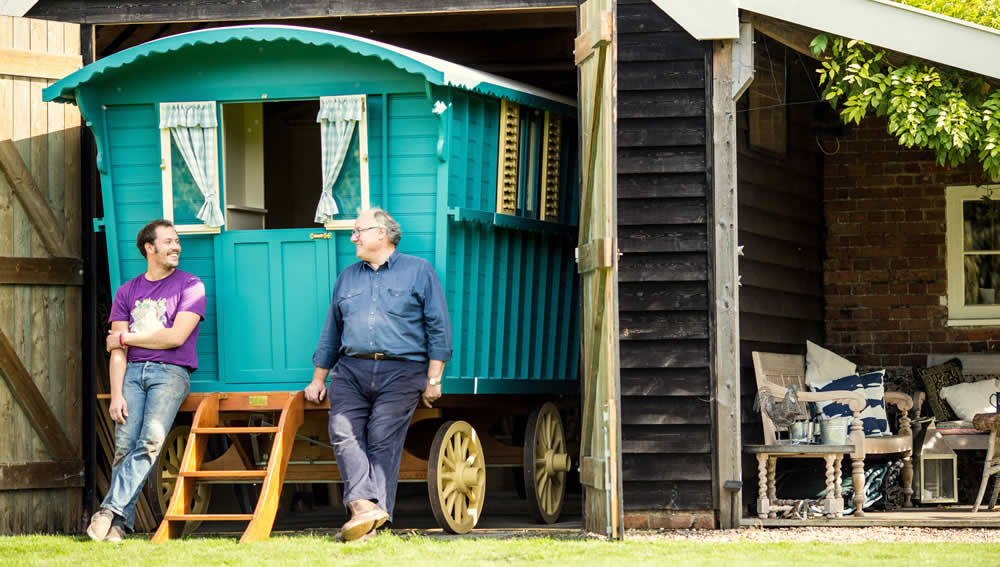
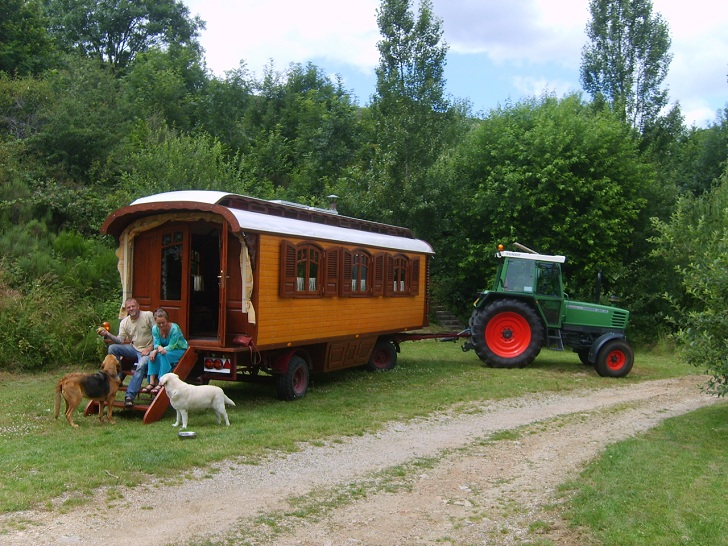
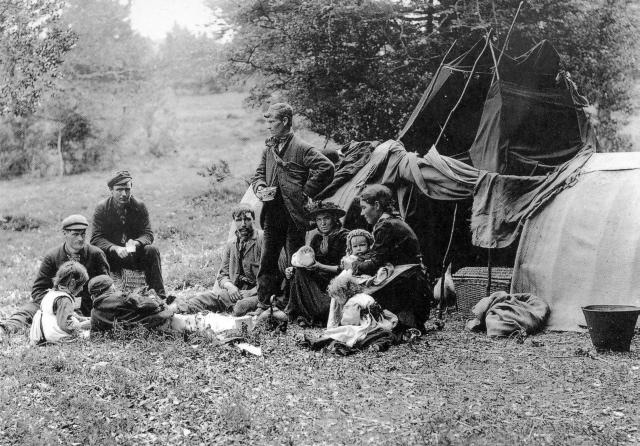
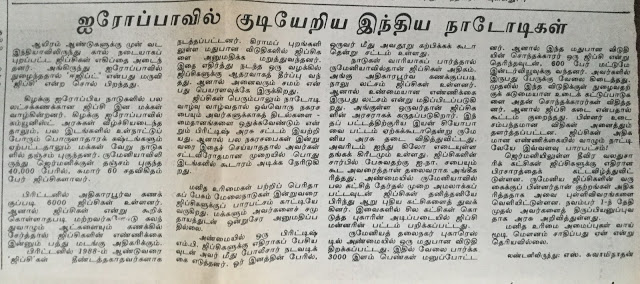
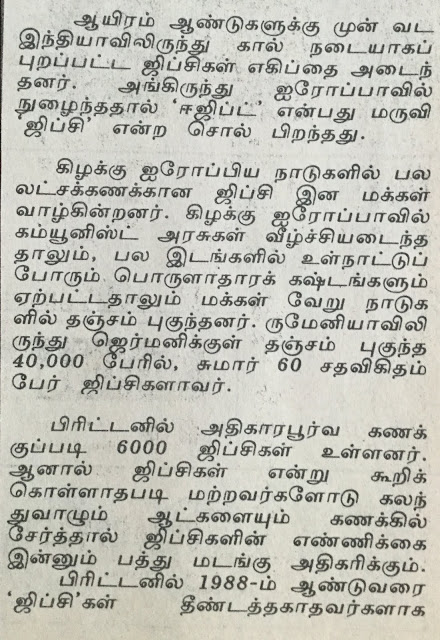
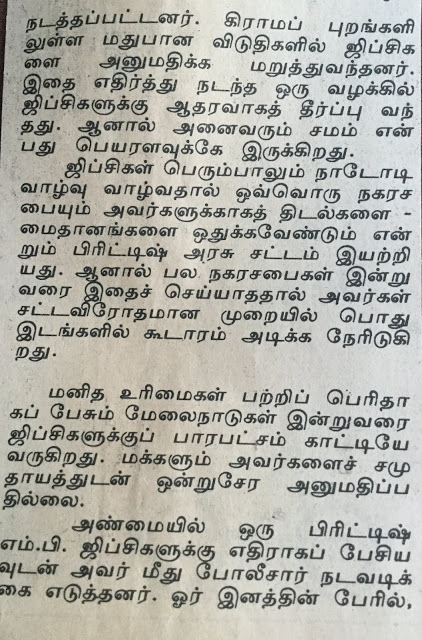
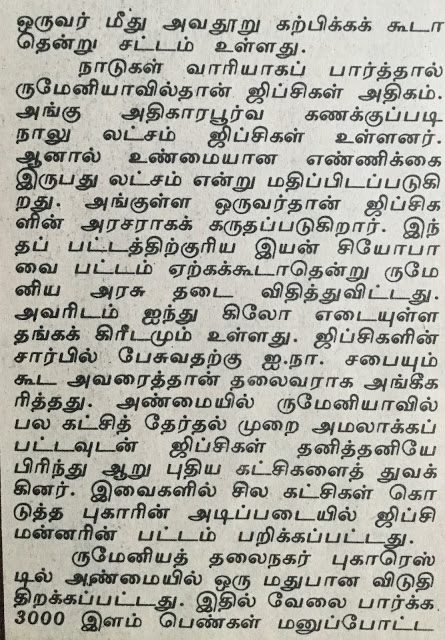
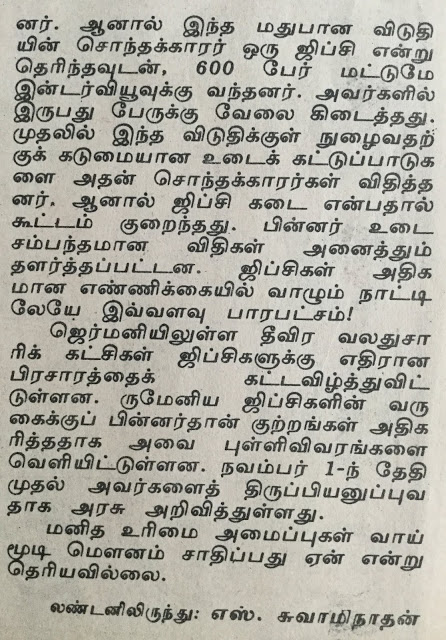
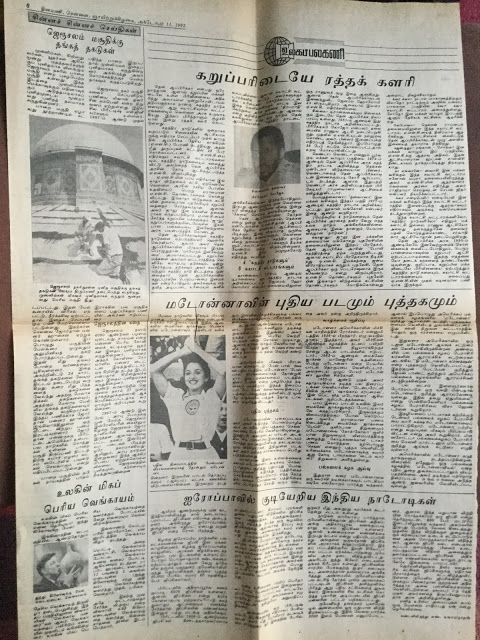
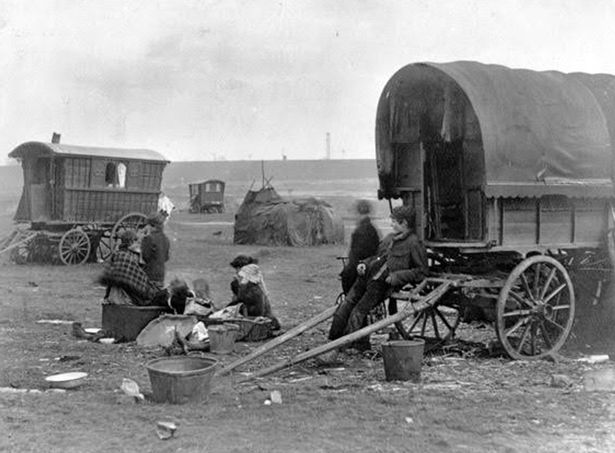
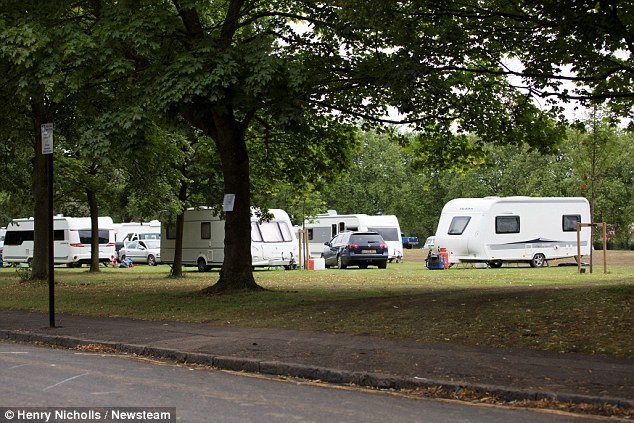
நான் 11-10-1992-ல் ஜிப்ஸி பற்றி எழுதிய கட்டுரை . இன்றும் அவர்களைப் பற்றி செய்திகள் வந்தவண்ணம் இருக்கின்றன. திடீரென்று 20, 30 காராவான் CARAVAN VEHICLES வண்டிகளில் வந்து மைதானம் அல்லது பூங்காக்களை ஆக்ரமித்துவிடுவார்கள் பின்னர் சட்டப்படி நடவடிக்கை எடுத்து அவர்களை வெளியேற்ற வேண்டிவரும் .இதோ பழைய தினமணிக் கட்டுரை
Pictures are taken from various sources; beware of copyright rules; don’t use them without permission; this is a non- commercial, educational blog; posted in swamiindology.blogspot.com and tamilandvedas.com simultaneously. Average hits per day for both the blogs 12,000
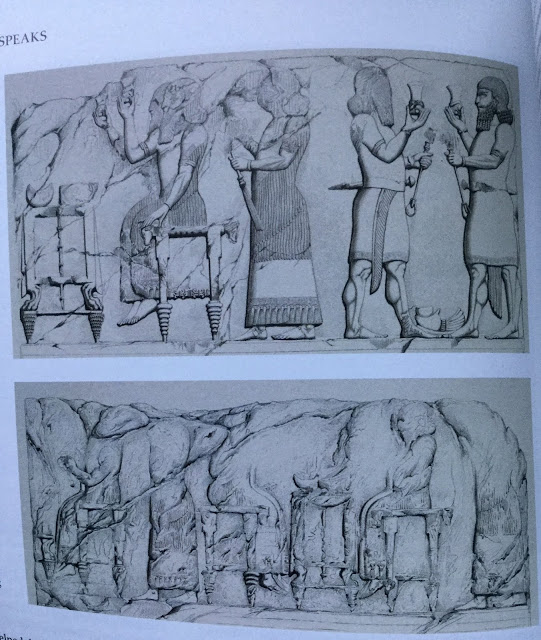
சொல் ஆராய்ச்சியில் ஈடுபடுவோருக்கு பெரிய பட்டியல் உள்ளது . விருந்துக் காட்சிகளும் விரிவாக எழுதப்பட்டுள்ளது . அதைத் தனியாகத் தருகிறேன் .
Pictures are taken from various sources; beware of copyright rules; don’t use them without permission; this is a non- commercial, educational blog; posted in swamiindology.blogspot.com and tamilandvedas.com simultaneously. Average hits per day for both the blogs 12,000
இறப்பதற்கு முன்னர் ஸ்டீவ்ஸ் கூவ்ஸின் அற்புத அறிவுரை!
மொழியாக்கம் : ச.நாகராஜன்
இறைவனிடம் அன்பு!
ஸ்டீவ் கூவ்ஸ் ஒரு கோடீஸ்வரராக மறைந்தார். 56ஆம் வயதில் கணைய கான்ஸரினால் பீடிக்கப்பட்டு இறந்த போது, அவர் விட்டுச் சென்ற சொத்தின் மதிப்பு 700 கோடி டாலராகும்!
அவரது கடைசி வார்த்தைகளில் சில இதோ:-
“மற்றவர்களின் கண்களுக்கு எனது வாழ்க்கை வெற்றிகரமான ஒன்று. ஆனால் வேலை என்பதை விட்டு விட்டுப் பார்த்தால் எனக்கு சந்தோஷம் குறைவு தான். கடைசி கடைசியாக, என்னிடம் இருந்த பணம் என்பது வாழ்க்கையின் ஒரு அம்சம் தான்.
நோய்வாய்ப்பட்டு படுக்கையில் படுத்திருக்கும் இந்தத் தருணத்தில், எனது வாழ்க்கையைத் திருப்பிப் பார்க்கும் போது என்னை எதிர்நோக்கிக் காத்துக் கொண்டிருக்கும் மரணத்தின் முன்னர் என்னைப் பற்றிய பாராட்டுகளும் எனது செல்வமும் அர்த்தமில்லாத ஒன்று என்பதை உணர்கிறேன்.
உங்களுக்காகப் பணம் சம்பாதிக்க ஒருவரை அமர்த்தலாம், உங்களை ஓரிடத்திற்குக் கூட்டிச் செல்ல ஒரு காரை நீங்கள் வாடகைக்கு அமர்த்தலாம். ஆனால் உங்கள் நோயை வாங்கிக் கொள்ள ஒருவரை வாடகைக்கு அமர்த்த முடியாது.
உலகியல் செல்வங்களை யார் வேண்டுமானாலும் அடையலாம். ஆனால் ஒன்றே ஒன்றை இழந்து விட்ட போது மட்டும் அதைத் திருப்பிப் பெறவே முடியாது – அது தான் வாழ்க்கை!
உங்களை நன்றாகப் பார்த்துக் கொள்ளுங்கள், அது போலவே அனைவரையும் நன்கு நடத்துங்கள்.
வயதாக ஆக நாம் திறம்பட வாழ்கிறோம். 30 டாலர் விலையுள்ள வாட்சாக இருந்தாலும் சரி 300 டாலர் வாட்சாக இருந்தாலும் சரி, அது காட்டுவது ஒரே நேரத்தைத் தான் என்பதை மெதுவாக உணர்கிறோம்.
30 டாலர் மதிப்புள்ள பர்ஸாக இருந்தாலும் சரி, 300 டாலர் மதிப்புள்ள பர்ஸாக இருந்தாலும் சரி, அதில் உள்ளே வைத்துக் கொண்டு போகும் பணத்தின் மதிப்பு ஒன்றே தான்.
1,50,000 டாலர் விலையுள்ள காராக இருந்தாலும் சரி, 30,000 டாலர் விலையுள்ள காராக இருந்தாலும் சரி, அதை ஓட்டும் போது ஓட்டுகின்ற சாலையும்,கடக்கின்ற தூரமும் ஒன்றே தான், சேர வேண்டிய அதே இடத்தைத் தான் அறிகிறோம்.
300 டாலர் மதிப்புள்ள ஒய்னாக இருந்தாலும் சரி அல்லது 10 டாலர் மதிப்புள்ள ஒய்னாக இருந்தாலும் சரி அதை ஏந்திக் கொண்டு செல்லும் நமது நடை ஒன்றே தான்!
நாம் வாழும் நமது வீடு 300 சதுர மீட்டரோ அல்லது 3000 சதுர மீட்டரோ- நமது தனிமை ஒன்றே தான்.
உங்களது உண்மையான சந்தோஷம் இந்த உலகின் உலகியல் பொருள்களிலிருந்து வருவதில்லை. நீங்கள் விமானத்தில் முதல் வகுப்பில் பயணித்தாலும் சரி, எகானமி வகுப்பில் பயணித்தாலும் சரி, விமானம் நொறுங்கி விழுந்தால் நீங்கள் அதனுடன் விழுந்து நொறுங்க வேண்டியது தான்.
ஆகவே, நண்பர்களைக் கொண்டிருக்கும் போது அல்லது யாரோ ஒருவரிடம் பேசும் போது அது தான் உண்மையான சந்தோஷம் என்பதை நீங்கள் புரிந்து கொள்வீர்கள் என நான் நம்புகிறேன்.
மறுக்க முடியாத ஐந்து உண்மைகள் :-
பணக்காரராக ஆகும் படி உங்கள் குழந்தைகளுக்குச் சொல்லித் தராதீர்கள். அதனால், வளர்ந்து பெரியவர்களாக ஆகும் போது அவர்கள் அனைத்திற்கும் மதிப்பை மட்டுமே பார்ப்பர், அதன் விலையைப் பார்க்க மாட்டார்கள்.
உங்கள் உணவை மருந்து போல உண்ணுங்கள். இல்லையேல் மருந்தையே நீங்கள் உணவாக உண்ணுவீர்கள்.
உங்களை நேசிக்கும் எந்த ஒருவரானாலும் சரி, அவர் உங்களை விட்டுப் போக மாட்டார் – உங்களை விட்டு விலக 100 காரணங்கள் அவளுக்கு இருந்தாலும் சரி, அவள் போக மாட்டாள். உங்களுடனேயே இருக்க ஒரே ஒரு காரணத்தை மட்டுமே எப்போதுமே பார்ப்பாள்.
மனிதத்தன்மையுடன் இருப்பதற்கும் மனிதனாக இருப்பதற்கும் இடையே ஏராளமான வித்தியாசம் உள்ளது.
நீங்கள் வேகமாகப் போக வேண்டுமெனில் – தனியே செல்லுங்கள். மிக அதிக தூரம் போக வேண்டுமெனில் மற்றவர்களுடன் இணைந்து செல்லுங்கள்!
ஆக, முடிவாக நான் சொல்வதெல்லாம் இது தான்:
உலகின் ஆறு சிறந்த டாக்டர்கள் இதோ:
1. சூரிய வெளிச்சம்
2. ஓய்வு
3. உடல் பயிற்சி
4. திட்டமிட்ட உணவு
5. தன்னம்பிக்கை
6. நண்பர்கள்
உங்கள் வாழ்க்கையின் எல்லா நிலைகளிலும் இவர்களைக் கொண்டிருங்கள், ஆரோக்கியமான வாழ்வை அனுபவியுங்கள்.
கடவுள் உங்களிடம் அனுப்பி இருப்பவர்களை நேசியுங்கள், ஒரு நாள் அவருக்கு அவர்கள் திருப்பித் தேவைப்படுவர்.
***
உருக்கமான இந்த அற்புதமான அறிவுரை உலக மக்கள் அனைவருக்கும் பொதுவான அறிவுரை தானே! இதை ஆங்கில மூலத்தில் படிக்க விரும்புவர் கீழே அதைப் படிக்கலாம்.
நன்றி : Truth Weekly 22-11-2019 issue (Vol 87 No 30)
சமூக ஊடகங்களிலிருந்து … படித்ததில் பிடித்தது!
xxxx
Snippets from Social Media
Love for God
Steve Gouves dies a billionaire, with a fortune of $7 billion, at the age of 56 from pancreatic cancer, and here are some of his last words:
In other eyes, my life is the essence of success, but aside from work, I have a little joy, and in the end wealth is just a fact of life to which I am accustomed.
At this moment, lying on the bed, sick and remembering all my life, I realize that all my recognition and wealth that I have is meaningless in the face of imminent death. You can hire someone to drive a car for you, make money for you – but you cannot rent someone to carry the disease for you. One can find material things, but there is one thing that cannot be found when it is lost – “life”.
Treat yourself well, and cherish others. As we get older we are smarter, and we slowly realize that the watch is worth $30 or $300 – both of which show the same time.
Whether we carry a purse, worth $30 or $300 – the amount of money in the wallets are the same. Whether we drive a car worth $150,000, or a car worth $30,000 – the road and distance are the same, we reach the same destination.
If we drink a bottle worth $300 or wine worth $10 – the “stroller” will be the same.
If the house we live in is 300 square meters, or 3000 square meters – the loneliness is the same.
Your true inner happiness does not come from the material things of this world. Whether you’re flying first class, or economy class – if the plane crashes, you crash with it.
So, I hope you understand that when you have friends or someone to talk to – this is true happiness!
Five Undeniable Facts –
1. Do not educate your children to be rich. Educate them to be happy. – So when they grow up they will know the value of things, not the price.
2. Eat your food as medicine, otherwise you will need to eat your medicine as food.
3. Whoever loves you will never leave you, even if she has 100 reasons to give up. She will always find one reason to hold on.
4. There is a big difference between being human and human being.
5. If you want to go fast – go alone! But if you want to go far – go together!
And in conclusion, The six best doctors in the world.
1. Sunlight
2. Rest
3. Exercise
4. Diet
5. Self-confidence
6. Friends
Keep them in all stages of life and enjoy a healthy life.
“Love the people God sent you, one day he’ll need them back.”
Pictures are taken from various sources; beware of copyright rules; don’t use them without permission; this is a non- commercial, educational blog; posted in swamiindology.blogspot.com and tamilandvedas.com simultaneously. Average hits per day for both the blogs 12,000
Verse 38
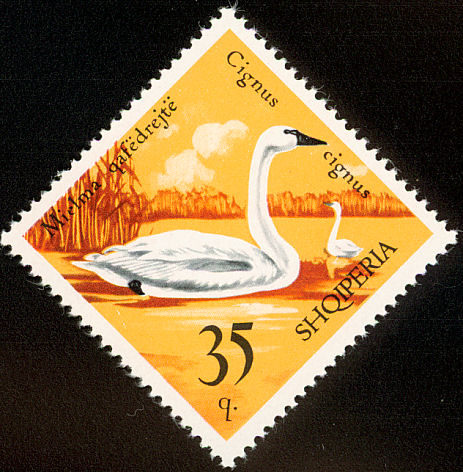
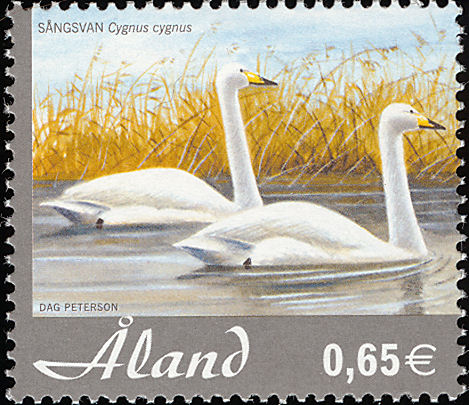
Fate may destroy the swans’ joy but it can never rob it of its skill in separating water from milk.
Hindus believe that the swans have a strange power of separating water from milk and drink only milk . This is in Kalidasa’s works and Tamil literature.
Verse 39
Here B tells another story of a bald- headed man. He went to take rest under the shade of wood apple tree. Alas, there his head was smashed by a large falling fruit, Verily Where goes a man deserted by fortune There do adversaries follow him!
If you are under the influence of good stars, like Issacs Newton you will discover a new law when the apple falls on your head.
In Tamil there are two proverbs,
Patta kaalileye Patum, Ketta kutiye ketum. The equivalent English proverb is Troubles come in battalions.
Another Tamil proverb is Even if you go to Rameswaram, Saneesvaran will follow you. (Rameswaram is a holy spot, Saneesvaran is the evil planet Saturn)
Verse 40
It is about one’s Karma. You will get the merits of your good karma like the fruit bearing trees. They give the fruits at the right time.
Verse 43
B sings about trident wielding Shiva
Verse 44 Good summary of virtues is here.
Verse 45 Echoes Tirukkural (467) Begin a task only after estimating/ considering the pros and cons of an action. After beginning the task you should not consider the good and bad sides of it.(467)
Verse 46 and 47
Purva janma punya, the merits you earned in your previous births, will protect you wherever you go.
Vane Rane Satru jalagni madhye.
There is another proverb in Sanskrit- Dharmo rakshati Rakshitah
(whoever upholds the Dharma, will be protected by the Dharma)
Verse 48 is also about the effect of karma in sky and earth
Verse 49
Even Indra suffered in the battle field due to fate. Even though he had Vajrayudam and Airarvatam he suffered.
(Vajrayudham is his thunderbolt, Airavatam is his powerful elephant)
Verse 52
It is about perseverance—
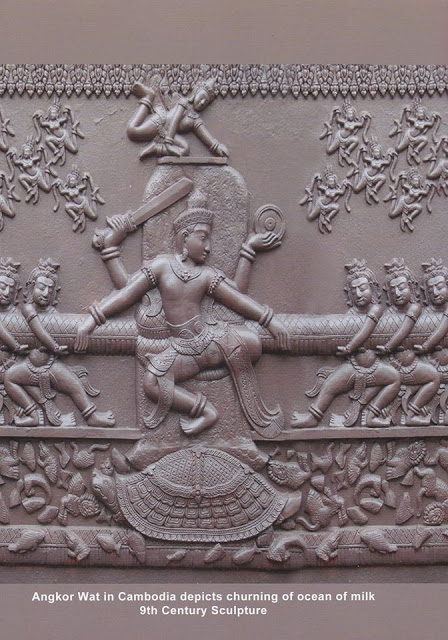
The gods were not appeased by the fabulous gems They drew from the Cosmic Ocean; Nor did they falter where the sea spewed forth A dreadful poison; They ceased to churn its milky waters Only when it yielded up The nectar of immortal life The resolute never relinquish their goal.
Pictures are taken from various sources; beware of copyright rules; don’t use them without permission; this is a non- commercial, educational blog; posted in swamiindology.blogspot.com and tamilandvedas.com simultaneously. Average hits per day for both the blogs 12,000
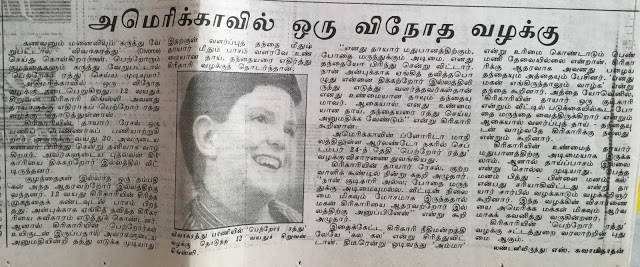
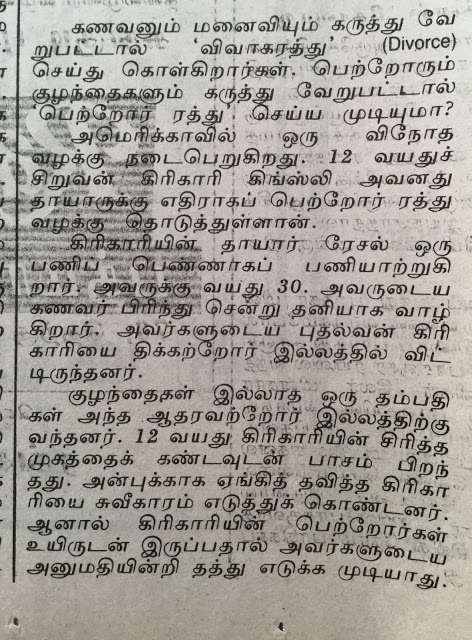
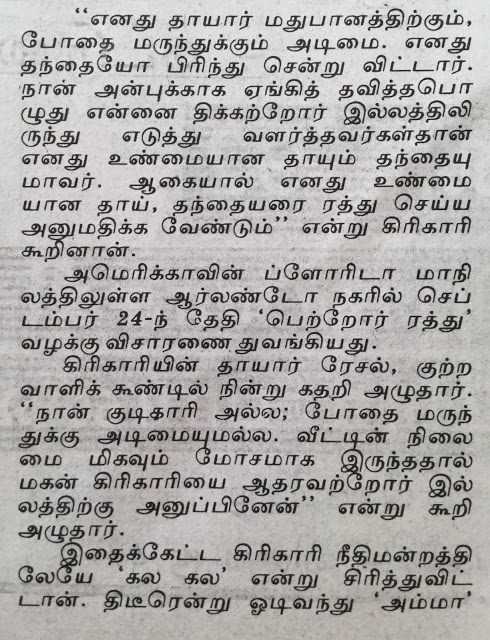
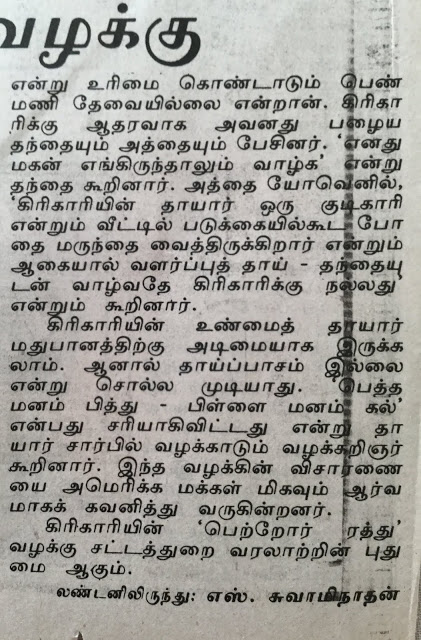
நான் 18-1-1992 தினமணியில் எழுதிய பின்னர் நடந்த கதை–
27 ஆண்டுகளுக்கு முன்னர் பெற்றோர் மீது DIVORCE வழக்கு தொடுத்த
கிங்ஸ்லி அதில் வெற்றி பெற்றான்.அவனைத் தொடர்ந்து வேறு
ஒரு பெண்ணும் பெற்றோரிடமிருந்து டைவர்ஸ் கோரி வழக்கு தொடுத்தாள் .
கிங்ஸ்லியின் வழக்கின் அடிப்படையில் இரண்டு டெலிவிஷன் திரைப்படங்கள் வந்தன .
மற்றோர் வழக்கில் குழந்தைகளைப் பூட்டி வைத்துக் கொடுமைப்படுத்திய
பெற்றோர்களுக்கு 25 ஆண்டு சிறைத் தண்டனை விதித்து அமெரிக்க நீதிமன்றம் தீர்ப்பு வழங்கியது
‘House of horrors’: California couple sentenced to life in prison for torturing their children
Colin Atagi and Shane Newell and Christopher Damien and Joseph Hong Palm Springs Desert Sun
Published 1:49 PM EDT Apr 21, 2019
RIVERSIDE, Calif. – The Southern California couple who pleaded guilty in February to torture, false imprisonment and endangering their children – some for dozens of years – were sentenced Friday to life in prison for charges involving 12 of their 13 children with the possibility of parole only after 25 years.
David and Louise Turpin of Perris, about 70 miles east of Los Angeles, appeared in court Friday morning in Riverside about three months after pleading guilty to 14 felony counts. The charges didn’t apply to their youngest child, who was 2 when investigators found the victims.
Their sentencing caps a saga that publicly played out for nearly 16 months after being concealed for several decades.
Pictures are taken from various sources; beware of copyright rules; don’t use them without permission; this is a non- commercial, educational blog; posted in swamiindology.blogspot.com and tamilandvedas.com simultaneously. Average hits per day for both the blogs 12,000
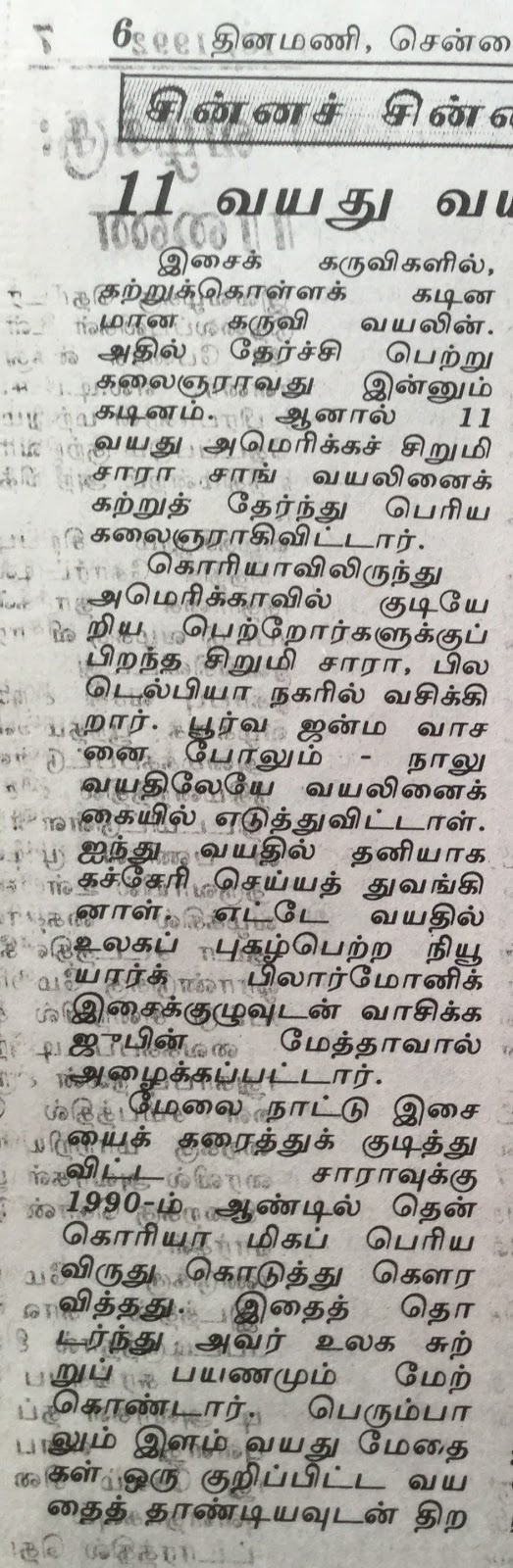
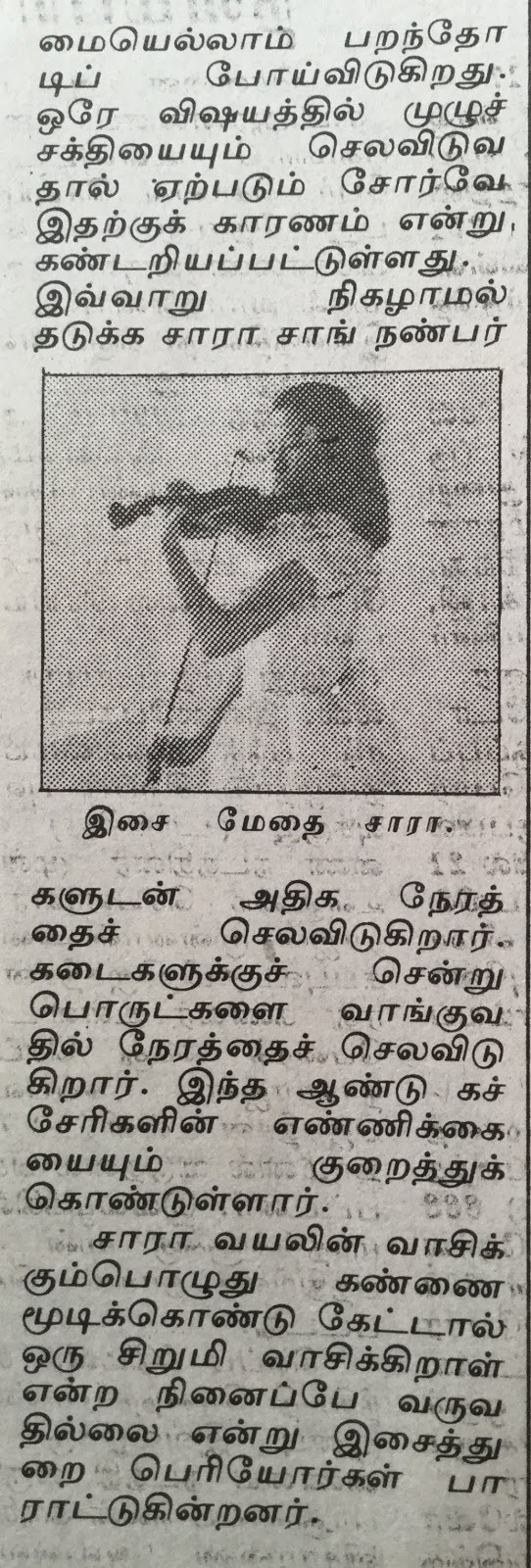
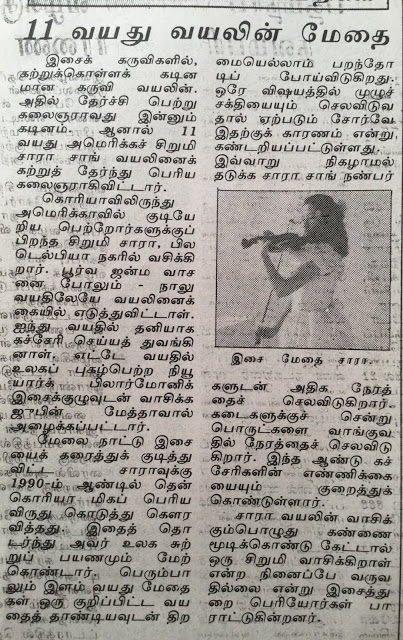
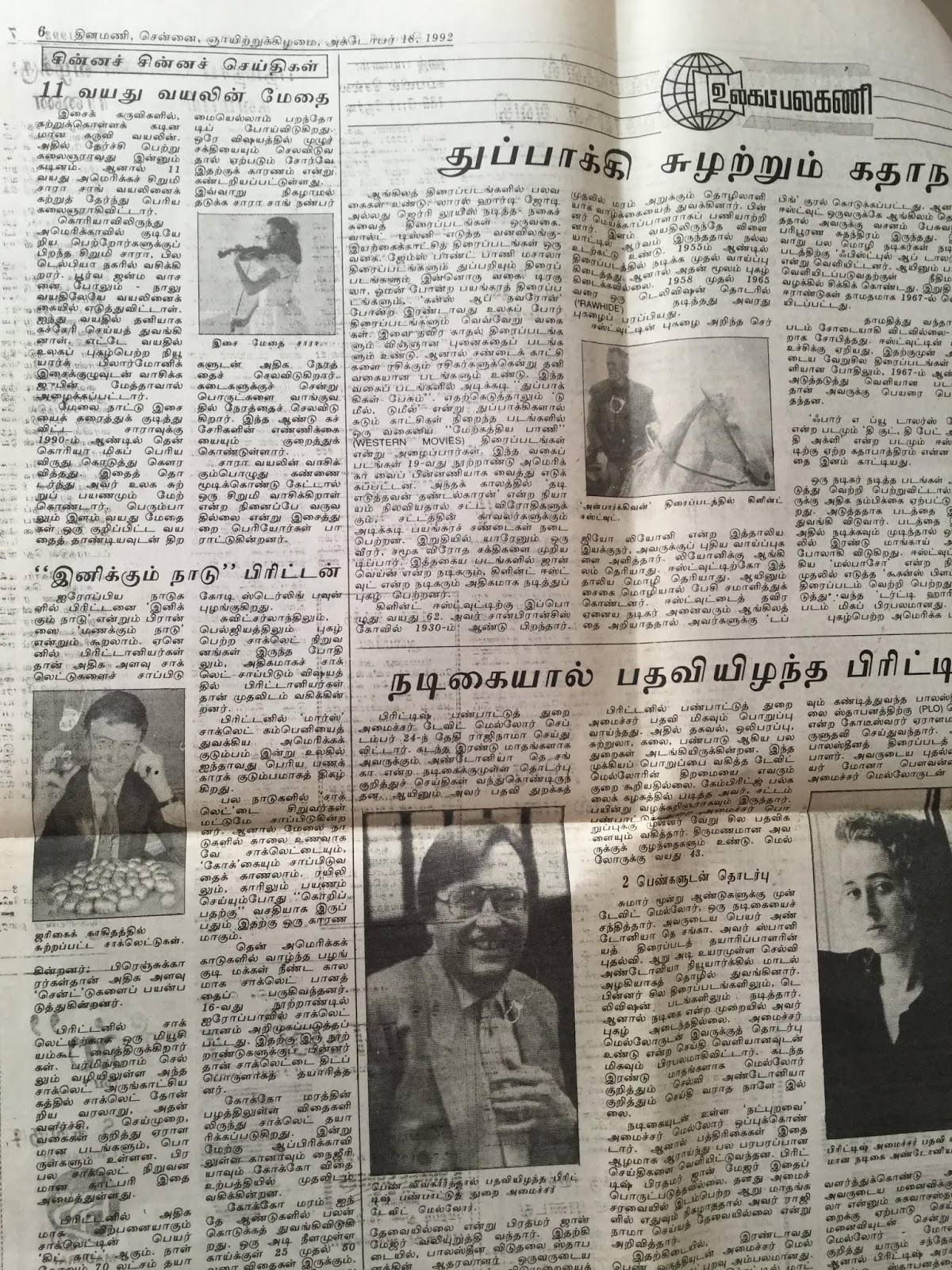
27 ஆண்டுகளுக்கு முன்னர் நான் புகழ்ந்த மேதை இப்போது பல விருதுகளை வாங்கி கொடிகட்டிப் பறக்கிறார். இதோ அவர் வாங்கிய
விருதுகள் (இது விக்கிபீடியாவில் இருந்து எடுக்கப்பட்டது)
நான் தினமணி பத்திரிகையில் கட்டுரை எழுதிய தேதி—18-10–1992
Pictures are taken from various sources; beware of copyright rules; don’t use them without permission; this is a non- commercial, educational blog; posted in swamiindology.blogspot.com and tamilandvedas.com simultaneously. Average hits per day for both the blogs 12,000
Pictures are taken from various sources; beware of copyright rules; don’t use them without permission; this is a non- commercial, educational blog; posted in swamiindology.blogspot.com and tamilandvedas.com simultaneously. Average hits per day for both the blogs 12,000
நவரத்தினங்களுள் பச்சை பசேலென ஒளிர் விடும் ரத்தினம் மரகதம்.
அன்னை மீனாட்சியின் சிலை மரகதத்தால் ஆனது என்பது ஒன்றே மரகதத்தின் அருளாட்சியைப் புலப்படுத்த வல்லது.
தமிழ்நாட்டில் இராமநாதபுர மாவட்டத்தில் உள்ள உத்தரகோச மங்கை நடராஜரின் திருவுருவமும் மரகதத்தால் ஆன ஒன்றே! வருடம் முழுவதும் சந்தனம் பூசப்பட்டிருக்கும் நடராஜரின் திருவுருவம் திருவாதிரை உற்சவத்தின் போது மட்டும் சந்தனம் எடுக்கப்பட்டு காட்சியளிக்கும். சிறு அதிர்வுகள் கூட சிலைக்குப் பங்கம் விளைவித்து விடும் என்பதால் ஒரு வித தாள வாத்தியமும் சந்நிதியில் வாசிக்கப்பட மாட்டாது.
மரகத வண்ணன்
வில்லிபுத்தூரார் அர்ஜுனனும் துரியோதனனும் கண்ணனின் உதவி கேட்டு வரும் நிகழ்ச்சியை விவரிக்கும் போது கண்ணனை மரகதவண்ணன் என்று கூறிச் சிறப்பிக்கிறார்.
கம்பரோ இராமபிரானை வர்ணிக்கையில் அவரது மேனியிலிருந்து எழும் ஒளியால் சூரியனின் ஒளி மறைவதைக் குறிப்பிட்டு, ‘மையோ மரகதமோ மறிகடலோ மழைமுகிலோ, ஐயோ, இவன் வடிவென்பதோர் அழியா அழகுடையான்’ என்று ராமரின் அழியா அழகைப் பாராட்டுகிறார்.
ஆம், மரகதம் அழியா அழகுடையது தான்.
காலம் காலமாக உலக மக்களுடன் ஒன்றி விட்ட மணி மரகத மணி.
எண் கணிதத்தின் படி ஐந்து என்ற எண்ணை பிறந்த தேதி எண்ணாகவும் கூட்டு எண்ணாகவும் உடையவர்கள் அணிய வேண்டியது மரகதமே.
மரகதத்தின் மற்ற பெயர்கள்
மரகதம் எப்படித் தோன்றியது என்பதைப் பற்றி சிலப்பதிகார உரையில் ஊர்காண் காதையில் அடியார்க்கு நல்லார் குறிப்பிடுகையில், “வலாசுரன் வயிற்றின் புறத்தைக் கொத்தி விழுங்கிய கருடன் அதனைக் கனைத்து உமிழ, அது வீழ்ந்து பல மலைகளிலும் ஊறிப் பிறந்த கற்கள் மரகதம் எனப்படும்” என்று குறிப்பிடுகிறார்.
கருடோற்காரம் எனவும் மரகத்தின் பெயராக அவர் குறிப்பிடுகிறார்.
நிகண்டுகள் மரகதத்தின் மற்ற பெயர்களாக, பச்சை, தோல், பரிமளம், புதல், மால் புந்தி ஆகியவற்றைக் குறிப்பிடுகின்றன.
மதுரை கலெக்டர் அளித்த மரகதக் காணிக்கை
மரகதம் பற்றி உலகெங்கும் சுவையான வரலாறுகள் ஏராளம் உண்டு.
மதுரையை ஆளும் மரகத மீனாட்சி பற்றி ஒன்றைப் பார்ப்போம். பிரிட்டிஷார் ஆண்ட காலத்தில் ரோஸ் பீட்டர் என்பவர் (1812 முதல் 1828 முடிய) மதுரை கலெக்டராக இருந்தார்.
ஒருநாள் அவர் தூங்கும் போது பலத்த மின்னல் இடியுடன் ஒரு சூறாவளி எழுந்தது. ஒரு சிறிய பெண் ரோஸின் முன்னே தோன்றி உடனே கட்டிடத்திலிருந்து வெளியேறுமாறு கூறினாள். ரோஸ் பீட்டர் உடனே வெளியேறினார். அவர் வெளியே வந்ததும் ஒரு இடி கட்டிடத்தின் மேல் விழ, கட்டிடம் அடியோடு நொறுங்கிப் போனது. மிகவும் ஆச்சரியப்பட்ட ரோஸ் கனவில் தோன்றிய பெண் யார் என விசாரிக்கத் தொடங்கினார். அது மதுரை மீனாட்சியே என்பதை உறுதிப் படுத்திக் கொண்ட அவர் தனது நன்றிக் காணிக்கையாக மதுரை மீனாட்சிக்கு நவரத்தினங்கள் பதிக்கப்பட்ட பாத அணிகளை பக்தியுடன் சமர்ப்பித்தார். ஒவ்வொரு பாத அணியும் 28 தோலா (ஒரு தோலா என்பது சுமாராக 11.5 கிராம்) எடையுடன் இருந்தது. 412 சிவப்புக் கற்கள், 72 மரகதக் கற்கள், 80 வைரக் கற்கள், முத்துக்கள், வைடூரியம், நீலம் உள்ளிட்ட கற்கள் அவற்றில் பதிக்கப்பட்டிருந்தன. மரகதவல்லிக்கு காணிக்கையாக மரகதம் இப்படி வந்து சேர்ந்தது.
தர்மதேவதைக்கும் மரகதவல்லி என்ற பெயர் உண்டு. குபேரனுக்கு மரகதன் என்ற பெயரும் உண்டு.
விஷமகற்றும் மரகதம்
எகிப்திய நாகரிகம் உள்ளிட்ட பண்டைய நாகரிகங்கள் அனைத்திலும் மரகதத்தை அணிந்தால் கண் நோய்கள் தீரும் என்ற நம்பிக்கை இருந்தது. அத்தோடு தீய கண்திருஷ்டியைப் போக்கவும் வலிப்பு வியாதி தீரவும் மரகத்தை அணிந்து கொண்டனர். தூய்மையான ஒளி பொருந்திய மரகதத்தைப் பார்த்தவுடன் கட்டுவிரியன், நாகப்பாம்பு ஆகியவற்றின் கண்கள் தெறித்து வெளியில் வந்து விழும் என்று அவர்கள் தங்கள் அனுபவ உரையைக் கூறினர்.
ரஸ ஜல நிதி தரும் தகவல்கள்
இனி பண்டைய பழம் பெரும் நூலான ரஸ ஜல நிதி மரகதம் பற்றி ஏராளமான சுவையான கீழ்க்கண்ட தகவல்களைத் தருகிறது.
நல்ல மரகதத்தின் ஏழு அம்சங்களாவன :-
பச்சை வண்ணம் கொண்டிருக்கும் 2) கனமாக இருக்கும் 3) ஆனால் மிருதுவாக இருக்கும் 4) ஒளிக் கதிர்களைப் பீச்சி அடிக்கும் 5) வழவழப்பாக இருக்கும் 6) பிரகாசமாக இருக்கும் 6) ஒப்படர்த்தி அதிகமாக இருக்கும்
மோசமான மரகதம் எப்படி இருக்கும்?
1) மஞ்சள் பழுப்பு நிறம் கொண்டது 2) கரடுமுரடானது 3) நீல வண்ணம் உடையது 4) இலேசானது 5) தட்டை வடிவமானது 6) அழகற்றது 7) கறுப்பாக இருப்பது 8) ஒழுங்கான வடிவமற்று இருப்பது
இப்படிப்பட்ட மரகதங்களை விலக்க வேண்டும்.
மரகதத்தின் பயன்கள் :
(உரிய முறைப்படி பஸ்மமாக ஆக்கப்பட்ட போது) மரகதம் ஜுரத்தைப் போக்கும். வாந்தியை நீக்கும். விஷத்தை முறிக்கும். ஆஸ்த்மாவைப் போக்கும். திரிதோஷத்தை அகற்றும். ஜீரண சக்தியை அதிகரிக்கும். மூலத்தைப் போக்கும். ரத்த சோகையை விலக்கும். உடல் வீக்கத்தைத் தணிக்கும். வலிமையைக் கூட்டும்.
மரகத சுரங்கத்தில் உள்ள அனைத்துமே விஷத்தை நீக்கும் வல்லமை வாய்ந்தது. கொடிய விஷமுள்ள பாம்பு கடிக்கு – மூலிகை உள்ளிட்ட மற்ற அனைத்து மருந்துகளினாலும் குணப்படுத்த முடியாத நிலையிலும் கூட – மரகத பஸ்மமே சிறந்த மருந்து.
நல்ல உயரிய மரகதத்தின் குணங்கள் :
நல்ல பச்சை வண்ணமும் மிருதுவாகவும் ஒளி பளீரென மின்னுவதாகவும் வெளியிலிருந்து கதிர்கள் ஊடுருவும் படியான மரகதம் அருமையானவை. அதன் உட்புறம் தங்கத் துகள்களால் மின்னுவது போல இருக்கும். வண்ணம் சீராக இருப்பதுடன் வடிவ அமைப்பு அற்புதமாக இருக்கும். சூரியக் கதிர்கள் அதன் மீது படும் போது அது இருக்கும் அறையே ஒளிரும்! அதைப் பார்த்தாலே மனம் அமைதியுறும்; மகிழ்ச்சி பொங்கும்.
மரகதத்தைச் சோதிக்கும் விதம்
முதலாவது முறை
அதை ஒரு கல்லினால் கீறும் போது அது கண்ணாடியாக இருந்தால் பல துண்டுகளாக உடைந்து வீழும். நிஜமான மரகதம் இப்படி உடையவே உடையாது.
இரண்டாவது முறை
ஒரு இரும்புக் கம்பியினால் மரகதத்தைக் கீறி விட்டுப் பின்னர் எலுமிச்சையினால் பூசினால் நிஜ மரகதம் ஒளிரும். போலிகள் ஒளி இழந்து காணப்படும்.
மூன்றாவது முறை
ஒரு மரகதம் இன்னொரு மரகதத்தால் உடைபட்டால் அதை அணியக் கூடாது. அப்படிப்பட்ட கல்லை வாங்கவும் கூடாது.
நான்காவது முறை
பட்டுத் துணியினால் அழுத்தித் துடைக்கப்படும் போது போலி மரகதம் அதன் ஒளியை இழக்கும்; நல்ல மரகதமோ ஒளியை அதிகரித்துக் காட்டும்!
ஐந்தாவது முறை
மரகதத்தின் எடையை அதே அளவுடன் கூடிய நீரின் எடையுடன் ஒப்பிட வேண்டும். பின்னர் நீரின் அதே அளவுடன் கூடிய ஒரு கல்லின் எடையுடன் ஒப்பிட வேண்டும். கிடைத்த எடையில் இரண்டாவதாகக் கிடைத்தது முதலில் கிடைத்ததை விட மிகவும் குறைவாக இருந்தால் அது வெறும் கண்ணாடி தான் என்பதை அறியலாம் ; அல்லது மரகதமில்லாத வேறொரு கல் எனத் துணியலாம்.
ஆறாவது முறை
மரகதம் போன்று தோற்றமளிக்கும் கற்களை இனம் காண்பது எளிது. வண்ணம் தெளிவாகவும் அதிகமாகவும் இருப்பது தான் உண்மை மரகதம். (அதாவது ஒரு நல்ல மரகதக் கல்லை பக்கத்தில் வைத்துக் கொண்டு போலியா உண்மையா என்பதைக் கண்டுபிடித்து விடலாம்)
இவ்வளவு அரிய விஷயங்களையும் ரஸ ஜல நிதி நமக்குத் தெரிகிறது. ஒப்படர்த்தி எனப்படும் Specific Gravity பற்றி அந்தக் காலத்திலேயே நன்கு அறிந்திருந்தனர் என்பதை ரஸ ஜல நிதியின் மரகதம் பற்றிய பகுதியால் நன்கு அறிய முடிகிறது!
அறிவியல் தகவல்கள்
‘மோ அலகின்’ படி மரகதத்தின் கடினத் தன்மை 7.5 முதல் 8 ஆகும்.
Specific Gravityசராசரியாக 2.6 இருக்கும்.
வைரத்திற்கு உள்ள நான்கு ‘C’க்கள் – Colour, Clarity, Cut, Carat weight – நிறம், தெளிவு, பட்டை தீட்டல், கேரட் எடை ஆகியவை – மரகதத்திற்கும் உண்டு. தரம் பிரிக்கையில் வண்ணத்திற்கே முதலிடம் தரப்படும்.
அதிசய மரகத புத்தர்
பாங்காக்கில் உள்ள தியானம் செய்வது போன்ற யோக நிலையில் காணப்படும் புத்தர் மரகதத்தால் ஆனது. 26 அங்குலம் உயரம் உள்ள இந்தச் சிலை மரகத புத்தர் ஆலயத்தில் எழுந்தருளச் செய்யப்பட்டிருக்கிறது. இதை வாட் ப்ரா க்யூ என அழைக்கின்றனர்.
இந்தச் சிலை பற்றி ஏராளமான சுவையான வரலாறுகள் உண்டு. அவற்றில் ஒன்று இது:
பாடலிபுத்ரத்தில் (இன்றைய பாட்னா நகரில்) நாகசேனர் என்னும் புத்த துறவி இதை உருவாக்கினார். இதை உருவாக்குவதில் விஷ்ணுவும் இந்திரனும் அவருக்கு அருள் புரிந்தனர். நாகசேனர் இந்த மரகத புத்தர் பிரபலமடையப் போவதை முன்கூட்டியே கணித்துச் சொல்லி விட்டார் இப்படி :” மிகப் பெரும் புகழை ஐந்து தேசங்களில் – ஸ்ரீ லங்கா, ராமலக்கா, த்வாராவதி, சியங் மாய் மற்றும் லாவோஸ் ஆகிய தேசங்களில் – இது பெறப் போகிறது.”
பாடலிபுத்ரத்தில் இருந்த இந்த மரகத புத்தர் உள்நாட்டுப் போரினால் சேதமடையாமல் இருப்பதற்காக ஸ்ரீ லங்காவிற்கு 457ஆம் ஆண்டு எடுத்துச் செல்லப்பட்டது. அங்கிருந்து அனுருத் என்ற மன்னனின் வேண்டுகோளுக்கு இணங்க பர்மாவிற்கு அனுப்பப்பட்டது, ஆனால் வழியில் ஒரு சூறாவளியில் அதை எடுத்துச் சென்ற கப்பல் திசை மாறி கம்போடியாவை அடைந்தது. பின்னர் பல இடங்களுக்கும் எடுத்துச் செல்லப்பட்டு இப்போதிருக்கும் பாங்காக்கை அடைந்தது.
கொலம்பியா மரகதம்
தென்னமரிக்காவில் உள்ள கொலம்பியாவில் உள்ள மரகதச் சுரங்கங்கள் பிரபலமானவை. மரகத சந்தையில் 70 முதல் 90 சதவிகிதம் மரகதத்தை உலகிற்கு வழங்குவது கொலம்பியாவே.
தமிழ்நாட்டில் கோவை,காங்கேயம் பகுதியிலும், ஜெய்ப்பூர் பகுதியிலும் நல்ல மரகதம் கிடைக்கிறது.
பிரேஜில் நாட்டில் ஆயிரத்திதொள்ளாயிரத்து அறுபதுகளில் முதன் முதலாக ‘வனடியம் பெரில்’ என்னும் மரகதம் கண்டு பிடிக்கப்பட்டது. ஆனால் இது மரகதம் தானா என்ற சர்ச்சை இன்றளவும் தொடர்கிறது. அமெரிக்கா ‘வனடியம் பெரிலை’ மரகதம் என்று அங்கீகரித்துள்ளது. ஆனால் இதர நாடுகள் இதை மரகதம் என்று அங்கீகரிக்கவில்லை.
செயற்கை முறையிலும் மரகதம் கடந்த அறுபது ஆண்டுகளாகச் செய்யப்பட்டு வருகிறது. ஆனால் இவை ஒரிஜினல் மரகதம் போல அவ்வளவு சிறப்பானவையாக இல்லை.
நமது அறநூல்கள் கூறும் அனைத்துப் பயன்களும் இயற்கை மரகதத்திற்கே பொருந்தும் என்பதை மனதில் கொள்ள வேண்டும். இன்னும் அக்னி புராணம், கருட புராணம் ஆகியவற்றில் கூறப்படும் செய்திகளையும் முழுவதுமாக அறிந்தால் நாம் மரகத நிபுணராக ஆகி விடுவோம்; நம்மிடம் மரகதம் பற்றிய தகவல் களஞ்சியம் ஒன்று இருக்கும்!
கிளியோபாட்ராவின் மகுடம்
மரகதத்தைப் பற்றிய மகுடமான செய்தியும் உண்டு!
எகிப்திய மன்னர்களும் சக்கரவர்த்திகளும் மரகதத்தை உயரிய அந்தஸ்தைத் தரும் ஒன்றாகக் கருதினர்.
உலகின் பேரழகியும் பெரும் சாம்ராஜ்யத்தின் ராணியுமான கிளியோபாட்ராவிற்கு மரகதம் என்றால் உயிர். அதை மகுடம் உள்ளிட்ட தனது அனைத்து ஆபரணங்களிலும் பதித்து மகிழ்ந்தார்; உலகினரும் அவரைக் கௌரவித்தனர்.
ஸ்பெயினிலும் அனைத்து மன்னர்களும் மரகத கிரீடத்திற்குத் தனி கௌரவத்தை வழங்கினர்.
தி க்ரௌன் ஆஃப் ஆண்டஸ் (The Crown of Andes) என்ற ஆண்டஸ் மகுடத்தில் இருந்த மிகப் பெரும் மரகதம் உலகப் புகழ் வாய்ந்த ஒன்று! இப்போது அடாகுலாபா மரகதம் என இது அழைக்கப்படுகிறது. இங்கா வமிச மன்னரான அடாகுலாபா என்பவரை பிரான்ஸிஸ்கோ பிஜாரோ என்பவர் வெற்றி கொண்டபோது எடுத்துச் செல்லப்பட்டது இந்த மகுடம்!
கிளியோபாட்ரா ராணியின் மகுடம் ஒரு புறம் இருக்கட்டும், என் இல்லத்திற்கு நானே ராணி என்று உங்கள் அன்புக்குரியவர் சொன்னால் அதுவும் சரி தான்! அவருக்கு ஒரு மரகத மகுடத்தைச் சூட்ட வேண்டியது தான்!
Pictures are taken from various sources; beware of copyright rules; don’t use them without permission; this is a non- commercial, educational blog; posted in swamiindology.blogspot.com and tamilandvedas.com simultaneously. Average hits per day for both the blogs 12,000
Verse 25 Without wealth all these merits— character, virtues, heroism, high birth— are all like worthless bits of straw . Compare this with Tirukkural 247 All those without riches can have no enjoyments in this world so also all those without compassion denied the blessings of the world above.
Verse 26 Interesting story about a snake A snake was starving inside a tightly closed basket and a rat made a hole in the basket to get some food, but it was eaten by the snake. Not only that, the snake used the same hole to escape. Moral- only chance/luck causes the rise and fall of man.
Verse 27 Stay away from bad people even if they are intelligent. Isn’t a serpent with a gem on its hood an agent of danger?
Nagaratna, Cobra Jewel, is found in ancient Tamil and Sanskrit literature.
Verse 28 Another interesting story Look at the boiling milk When milk is boiled it suffers. But his friend water comes to its rescue. When water is sprinkled on boiling milk, it is subdued. it is an example for good friendship.
Verse 30 Dog eats meatless bone and thinks the tasty blood comes from it. Actually it’s dogs blood oozing out from its own mouth
Verse 33 Swati star and pearls! It is in Tamil literature and Kalidasa. If a drop of water falls on a hot pan, it makes hissing noise. If it falls on a lotus leaf, it looks like a pearl . If it falls in the mouth of an oyster on Sati star day , it turns into a pearl. Man also attains good or bad depending upon the company he keeps.
Verse 34 The lamp on top of a hill or the lamp inside a pot are two proverbs in Tamil. Compare B’s verse below, As it is with clusters of blossoms wise men have two destinies— To grace the summit of the world or wither in the forest.
Verse 35 this verse is very interesting. This is the lament of a servant. Most of us have come across the same situation in our work spot.
Servant says If I talk I get the bad name of Talkative, If I keep quiet they call me Dumb If I go near they accuse me of arrogance If I go faraway they call me incompetent The rules of service are a mystery.
Pictures are taken from various sources; beware of copyright rules; don’t use them without permission; this is a non- commercial, educational blog; posted in swamiindology.blogspot.com and tamilandvedas.com simultaneously. Average hits per day for both the blogs 12,000



























 Tamil and Vedas