Date of Mahabharata War

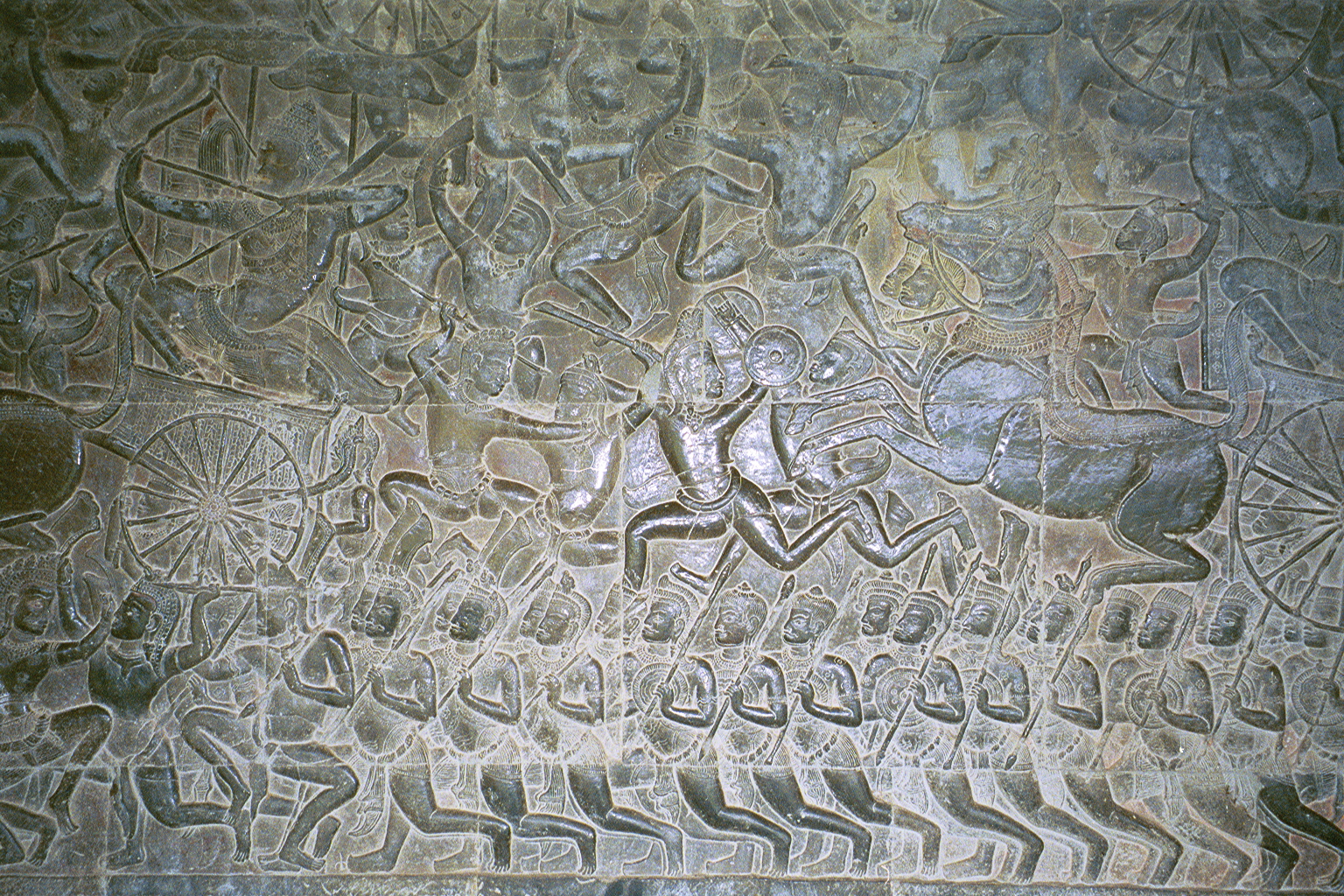
mbh-war cambodia
Mahabharata war in Angkhor wat Temple, Cambodia

Research paper written by London Swaminathan
Research article No.1383; Dated 1st November 2014.

Mahabaharata stands out in the epic literature of the world for various reasons:

1.This is the longest epic in the world with one hundred thousand couplets.
2.It is said that all the subjects under the sun are dealt with by the author Vyasa and the saying goes “Vyasochchishtam Jagath sarvam” i.e. The whole world is the spit of Vyasa. That is nothing is untouched by Vyasa. In the epic itself it is said that what you find elsewhere in the world is already here.
3.The date of the great war is debatable because there is no archaeological proof to confirm the traditional date.

Hindus strongly believed in the traditional date of the war around 3100 BCE. But scholars who believed in archaeology of Gangetic plains think that it was fought around 1500 BCE. Either way it is interesting.

Two inscriptions give the date of Kali Yuga. Both of them believed that Kaliyuga commenced around 3100 BCE!
a)Aihole Inscription of Chalukya King Pulekesi II stated that the inscription was made in the year 3735 of Kali era when the Saka era was 556. This meant that the Kali era began in 3101 BCE.
b)Parthivasekarapuram copper plate Tamil inscription of Ko Karunathadakkan gave the number of days of Kali passed as 1449087! The inscription is dated around 865CE.
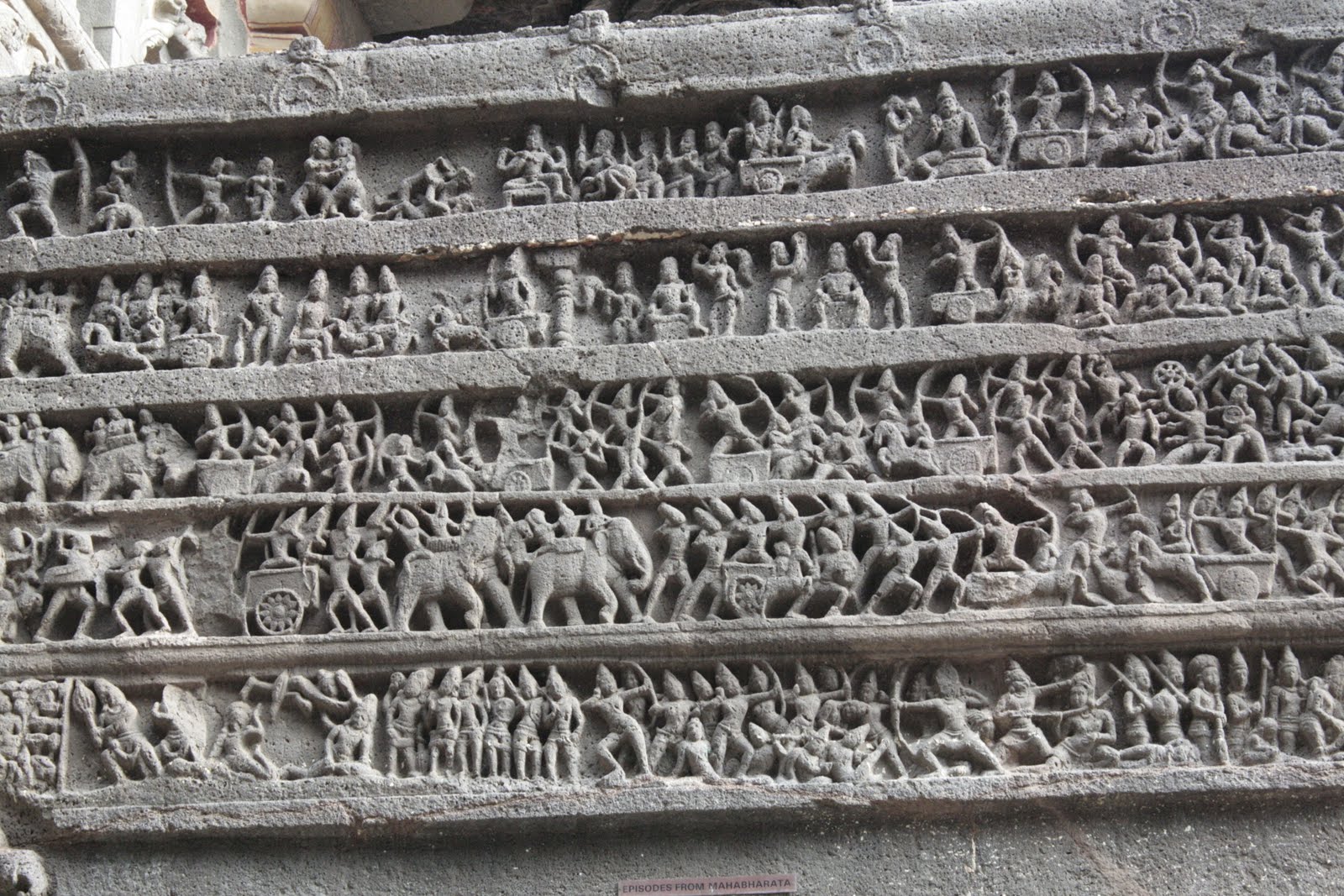
Ellora - Mahabhatara
Mahabharata war in Ellora caves

This shows that Hindus believed in the date of 3100 BCE as Kaliyuga year 1. Till this date all South Indian Panchangs (traditional ephemeris) give the date of Saka, Vikrama and Kali era faithfully. Hindus believe that the war happened just before the Kali Yuga began.

Now I will summarise the views of some scholars who attended seminars on Mahabharata or contributed articles on this subject:

16th century Abul fazal’s ‘Ain-i-Akbari’ – the 40th year of din-I Llahi 4696 years have elapsed from the beginning of Kali Yuga. This means war took place in 3137 BCE

12th century Kalhana’s Rajatarangini – Kali 653 i.e 2500 BCE. So the war took place before 2500 BCE.

Kalhana was the first historian according towstern scholars. That Kashmiri Brahmin was the first one to write Indian History with dates. But he did a blunder in calculating the Kali Yuga. Still scholars wonder how he committed this mistake. There are various theories about it.
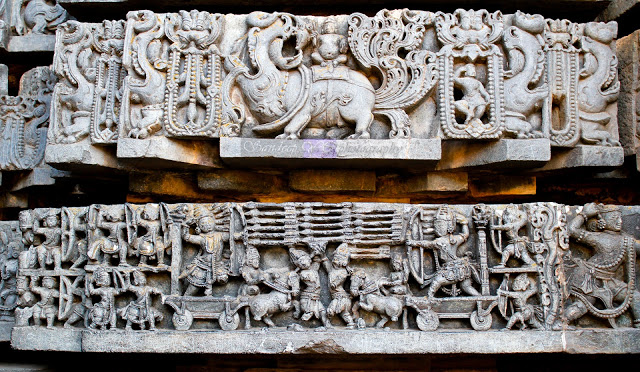
halebedu
Mahabharata war in Halebedu

R.Morton Smith – 1050 BCE
Srinivas Raghavan 3067 BCE
P C Sen Guptas 2449 BCE
Dr Sankalia – later than 15th century BCE
S B Roy on the basis of astronomical calculations – 1424 BCE
S B ROY in his book “Date of Mahabharata Battle” has beautifully summarised the views of scholars in this field as follows:–

Group A who believed in the date 3100 BCE
D R Mankad- 3201 BCE
M M Krishnamachari – 3137 BCE
C V Vaidya – 3102 BCE
V B Athvale – 3016 BCE

Chakra vyuha
Chakra Vyuha in Bharata battle

Group B (2500 BCE)
Varahamihira (Brihat Samhita)
Kalhana (Rajatarangini)
P C Sengupta (Indian Chronology)

Group C (1450 BCE)
A.Cunningham – 1424 BCE
K P Jaiswal – 1424 BCE
Tarakeshwar Bhattacharya – 1432 BCE
Giridra Sekhar Basu – 1416 BCE
Bankim Chandra Chatterji – 1400 BCE
Swami Vivekananda – 1400 BCE
(Complete Works, Vol.II, PP 27,29
A D Pusalkar 1400 BCE
Bala Gangadhara Tilak – 1400 BCE (in his book Gita Rahasya)
H C Deb – 1400 BCE
B B Ketkar – 1267 BCE
Shri Aurobindo -1191 BCE
(in his book Vyasa and Valmiki)
K L Dapthari 1197 BCE
K G Shankar – 1197 BCE
Sitanath Pradhan – 1151 BCE

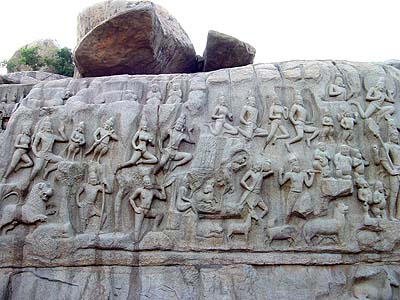
arjuna
Arjuna or Bhageeratha doing penance, Mahabalipuram

Group D (950 BCE)
Pargiter – 950 BCE
Roy Chowdhuri – 900 BCE

My comments: Tamil inscription and Pulikesin’s Aihole inscription confirm the traditional date for Kaliyuga i.e.3100 BCE. Our Panchangam also sticks to the traditional date. They were not influenced by the concocted and outmoded theory of Aryan Invasion. They were of pure and unpolluted mind. Moreover Megasthenes of third century BCE said that 143 generations had passed before his time. His statement is repeated by other Greek authors. Even if we give 20 years per king then it would add up 2860. This gives the traditional date 2860+Appr.300 BCE). Inscriptions never lie. Kalhana and Varahamihira lost 600 years in their calculations because of some vague astronomical positions.

It is very interesting to note that scholars differ widely even after several seminars. We must hold one more seminar or conference in the light of new evidence from the submarine Dwaraka, underground Sarasvati River and the revised date of Rig Veda from Shriknat Talegari and American Sanskrit scholars.
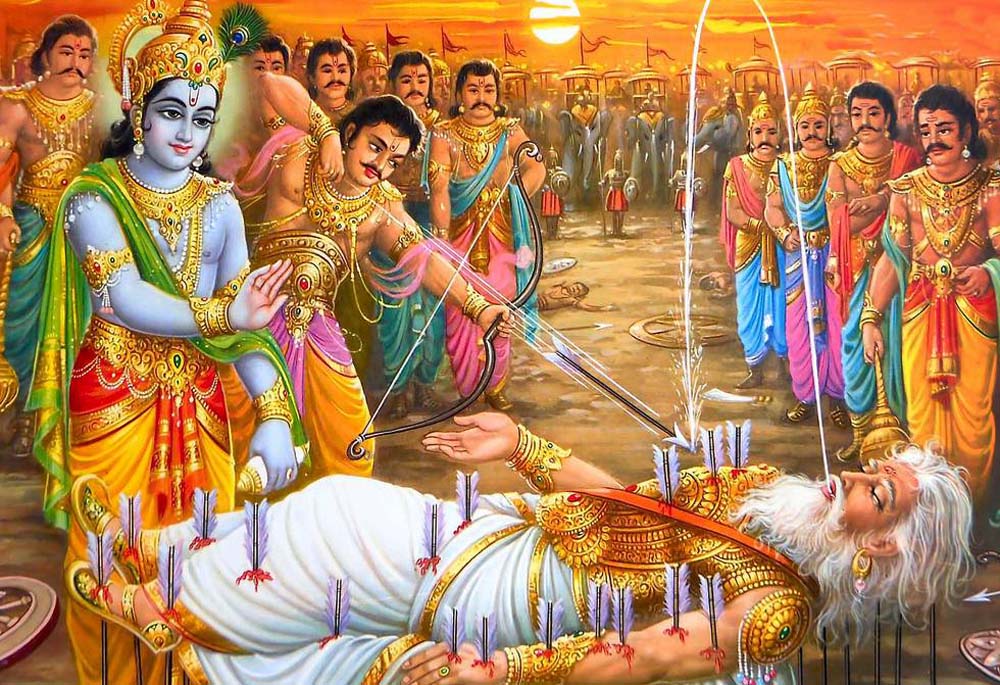
krishna-bhishma
Bhisma on acupuncture treatment (Bed of Arrows)

The following three books give lot of information on this topic:
Mahabharata Myth and Reality – Differing Views, Agam Prakashan, New Delhi
Age of Bharata War, Edited by G C Agarwala, Motilal Banarsidas, 1979
Date of Mahabharata battle, S B Roy, The Academic Press, Gurgaon, 197
Long live the Greatest, Oldest and Longest Epic Mahabharata!!
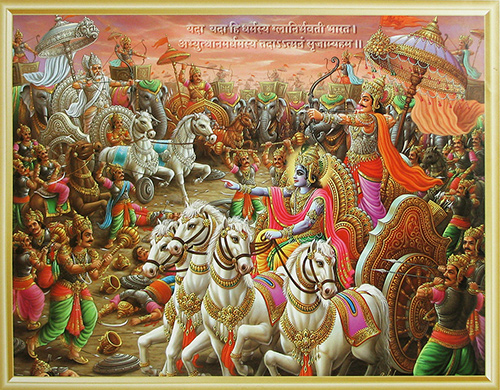
krishna war
Lord Krishna, Military strategist and main architect of the great war.

ரிக் வேதத்தில் ஹரப்பா நகரம்?

harappa2

கட்டுரையை எழுதியவர் :– லண்டன் சுவாமிநாதன்
ஆராய்ச்சிக் கட்டுரை எண்- 1382; தேதி நவம்பர் 1, 2014.

உலகின் மிகப்பழைய நூல் ரிக்வேதம். வியாசர் என்பவர் இதைத் தொகுத்தார். 5200 ஆண்டுகளுக்கு முன் வேதங்கள் அளவுகடந்து பெருகிவிட்டன. யார் எதைப் படிப்பது? எப்படி மனனம் செய்வது? கடல் போலப் பரந்துவிட்டதே? என்று கவலைப்பட்ட வியாசர் வேதத் துதிப்பாடல்களை நான்காகப் பிரித்து நாலு சிஷ்யர்களைக் கூப்பீட்டு நீங்கள் ஒவ்வொருவரும் உங்களுக்குக் கொடுக்கப்பட்ட பகுதிகளை மட்டும் பரப்புங்கள் என்றார். ரிக், யஜூர், சாமம், அதர்வணம் என்ற நான்கு வேதங்களில் மிகப் பழையது ரிக் வேதம் என்று உலகமே ஒப்புக் கொண்டுவிட்டது. அதில் பத்து மண்டலங்கள் உள்ளன. ஒன்று, பத்து ஆகிய மண்டலம் தவிர ஏனையவை ஒவ்வொரு ரிஷியின் குடும்பத்தினர் பாடிய பாடல்களாகும்.

ஆறாவது மண்டலம் பாரத்வாஜ ரிஷியின் மண்டலம் ஆகும். இதில் 27-ஆவது துதியில் ஹரியூபிய என்னும் ஒரு சொல் வருகிறது. வழக்கம் போல வெளிநாட்டு ஆராய்ச்சியாளர்கள் இங்கேயும் உளறிக்கொட்டி கிளறி மூடியிருக்கிறார்கள். அவர்கள் அனைவரும் ஆங்கிலத்தில் எழுதியதாலும், அப்போது பிரிட்டிஷ்காரகள் நம் நாட்டை ஆண்டதாலும் நம் ஊர் மக்குகள், அசடுகள் அவர்கள் சொன்னதை எல்லாம் வேதத்துக்கு மேலான வேதம் என்று நம்பிவிட்டன!!
நல்ல வேளை! இந்துக்கள் செய்த பாக்கியம்! அத்தனை வெள்ளைத் தோல் “அறிஞர்”களும் ஆளுக்கு ஒன்றைத் தத்துப் பித்து என்று எழுதிவிட்டனர். எல்லோரும் ஒரே கருத்தை எழுதி இருந்தால் இவ்வளவு நேரம் இந்துமதத்தையே “த்வம்சம்” செது அழித்திருப்பர். ஆளாளுக்கு ஒவ்வொரு வகையில் உளறியதால் நம் மதம் பிழைத்தது. அவர்கள் சொன்ன ஒரு கருத்து ஹரியூபிய என்பது ஹரப்பா என்பதாகும்.

கிழக்கு பஞ்சாபில் ராவி நதிக்கரையில் ஹரப்பா நகரம் இருக்கிறது. இப்போது இது பாகிஸ்தான் எல்லைக்குள் இருக்கிறது. இதுவும் மொஹஞ்சதாரோ என்னும் நகரமும் சிந்து சமவெளி நாகரீகத்தின் மிகப்பெரிய இரண்டு நகரங்கள் ஆகும். உலகம் வியக்கும் செங்கற் கட்டிடங்களையும் அருமையான திட்டமிடப்பட்ட நகர அமைப்பையும் உடையன இவ்விரு ஊர்களும்.

Rigvedic_geography

நகரமா? நதியா?

ரிக்வேத சூக்தத்தில் வரும் ஹரியூபிய என்ற சொல்லை நதி என்றும் ஊர்ப்பெயர் என்றும் சொல்லுவர் சிலர். இன்னொருவர் “ஐரோப்பா” என்பதே ஹரியூப்பியவில் இருந்து என்றும் சொல்லி இருக்கிறார். உளறுவதற்கு வெள்ளைக்காரகள் மட்டும்தான் உரிமை வாங்கி இருக்கிறார்களா? நாங்கள் உளறக்கூடாதா? என்று இப்போது “பிளாக்:குகள் எழுதுவோரிடயே ஒரு போட்டி!! தடி எடுத்தவன் எல்லாம் தண்டல் காரன்; பிளாக் எழுதுபவன் எல்லாம் அறிஞன் என்று ஆகிவிட்டது. நிற்க.

லுட்விக் என்பவர் இதை யாவ்யாவதி நதியின் மேல் உள்ள நகரம் என்று சொல்வதாக வேதங்களுக்கு இண்டெக்ஸ் தயாரித்த கீத், மக் டொனல் எழுதி வைத்துள்ளனர்.
ஹில்பிராண்ட் என்பவர் குரும் நதியின் உபநதி இது என்று கூறுகிறார்.
வேதத்துக்கு பாஷ்யம் எழுதிய சாயனர் இதை நதி என்பார்.

இந்தத் துதியை மொழி பெயர்த்த கிரிப்பித் என்பவர், அபயவர்த்தின் சாயமான என்ற மன்னன் விரிச்சிவன் என்பவர்களைத் தோற்கடித்த இடம் என்கிறார். ‘’ஹரியூப’’ என்றால் பொன் மயமான யூப தூண்கள் என்று பொருள். ஆகவே ஹரி யூப என்பது வேத கால நகரம் என்ற பொருள் தொனிக்கிறது. இரண்டாயிரம் ஆண்டுகளுக்கு முன் சங்க காலத்திலேயே யூப நெடுந்தூண் என்று சம்ஸ்கிருதச் சொல் பயன் படுத்தப்படுகிறது. அந்த அளவுக்கு தமிழ் மன்னர்கள் யாக யக்ஞங்களை செய்து புகழடைந்தனர்.
harppa mohanjo

போர்னியோ தீவில் (இந்தோநேசியா) மனிதர்கள் காலடி படாத காடு என்று நினைத்த அடர்ந்த காட்டுக்குள் மூலவர்மன் என்பவனின் யூப நெடுந்தூன் கல்வெட்டுடன் கிடைத்ததை காஞ்சிப் பெரியவர் 1932 சென்னைச் சொற்பொழிவுகளில் குறிப்பீட்டுள்ளார். ஆகவே யூபம் என்பது சிந்து சமவெளி நாகரீக ஹரியூப்பியவில் மட்டும் இன்றி 2000 ஆண்டுகளாக ஆசியா முழுதும் பரவிவிட்டது தெரிகிறது.

யூப ஸ்தம்பம் என்பது வேதத்தில் ஆகுதியாக்கப்படும் யாகப் பசு கட்டப்படும் இடம் அல்லது வேதச் சடங்கின் வெற்றியின் நினைவாக எழுப்பபடும் தூண் ஆகும். சங்க இலக்கியத்தில் குறைந்தது நான்கு இடங்களில் ரிக்வேதத்தில் பயன்படுத்தப்பட்ட அதே யூப என்ற சொல் பயன்படுத்தப்படுகிறது.

பாண்டியன் பல்யாகசாலை முதுகுடுமிப் பெருவழுதியும், கரிகால் பெருவளத்தானும், பெருநற்கிள்ளியும் யாகங்கள் செய்து புகழ் அடைந்ததை சங்க இலக்கியப் பாடல்கள் விதந்து ஓதும். யூப என்ற சம்ஸ்கிருத சொல் வழங்கும் நான்கு பாடல்கள்:—
புறநானூறு- 15, 224
மதுரைக்காஞ்சி – வரி 27
பதிற்றுப்பத்து – 67–10
Samudra-4787v-280.50

Samudra Gupta’s gold coin with Yupa post near the Horse.

ஆக, ஹரியூப்பிய என்பது ஹரப்பாதான் என்று நம்புவோர் பொன் மயமான ஹரி+யூப நெடுந்தூண் நடப்பட்ட நகரம்தான் அது என்பதை ஒப்புக் கொண்டதாக அர்த்தம். அங்கே நடந்த யுத்தமும் ஒரு மன்னன் மற்றொரு மன்னனைத் தாக்கும் சாதாரணப் போராக இருந்திருக்கலாம். இனப் போர், ஆரிய -திராவிடப் போர் என்று பொருள் கொள்ளத் தேவை இல்லை. உலகிலேயே நீண்ட காலம் போரிட்ட — தங்களுக்குள்ளேயே போரிட்ட —- சேர, சோழ பாண்டியர்களுக்கு உள்ளேயே போரிட்ட — 1500 ஆண்டுகளுக்கு இடைவிடாமல் போரிட்ட – இனம் தமிழ் இனம் ஒன்றுதான். அவர்கள் பேசிய மொழி தமிழ்— அவர்கள் வழிபட்ட தெய்வங்கள் இந்துக் கடவுளர்- அவர்கள் பின்பற்றிய பண்பாடு பாரதப் பண்பாடு – அப்படி இருந்தும் முஸ்லீம்களும், வெள்ளைக்காரர்களும் வரும் வரை போரிட்டது தமிழ் இனம் — ஆகவே ரிக் வேத கால போர்களை இனப் பூசல்கள் என்று வருணிப்பது மடமை!!

ujjain333
Ujjain coin with Yupa post

என்னுடைய முந்தைய சிந்துவெளிக் கட்டுரைகள்:

சிந்து சமவெளியில் பேய் முத்திரை
சிந்து சமவெளியில் ஒரு புலிப் பெண் Aug.23, 2012
‘எள்’ மர்மம்: ரிக் வேதம் முதல் சிந்து சமவெளி வரை! Post No 755 dated 23/12/13
பதி – வதி – மதி: சிந்து சமவெளியில் உண்டா? 20-10-2014
தேள்— ஒரு மர்ம தெய்வம்!
சிந்து சமவெளி & எகிப்தில் நரபலி1 November 2012
சிந்து சமவெளியில் செக்ஸ் வழிபாடு (26/7/13)
கொடி ஊர்வலம்: சிந்து சமவெளி – எகிப்து அதிசய ஒற்றுமை
(15/10/12)‘திராவிடர் கொலை வழக்கு: இந்திரன் விடுதலை’ Post-763 dated 28th Dec. 2013.
சிந்து சமவெளியில் அரசமரம்
சிந்து சமவெளி நாகரீகம் பெயரை மாற்றுக! march 29, 2014
1500 ஆண்டு பிராமண ஆட்சியின் வீழ்ச்சி 24-3-14
சிந்து சமவெளி – பிராமணர் தொடர்பு (Post No 1033, Date 10-5-14)

harappa
Harappa buildings
Contact swami_48@yahoo.com

Who is a Demon? Asuras,Rakshas, Danavas and Daityas

Bhutan masked dancers  4
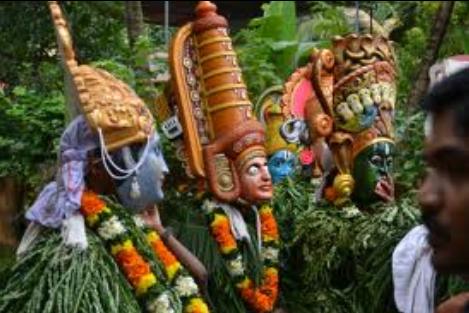
Bhutan Mask dance; they are not demons.They dress like demons.

Research paper written by London Swaminathan
Research article No.1381; Dated 31 October 2014.

Hindu epics and mythology give a good description of the demons. Those who read them will see how much the foreign “scholars” have distorted and mis interpreted these people. Anyone can see their evil designs in dividing the Hindus. In fact, there is no culture in the world without demons. Every culture has demons.

The wonder of wonders, the greatest wonder, is that they are always described as sons of seers like Kashyapa or born out of Prajapati. In all the Hindu scriptures they are described as part of Hindu society. Vishnu Sahasranama and Bhagavad Gita describe them as part of the human beings or semi divine beings: Sura-Nara- Kaga- Go-Bogi-Gandharva-Daityai:

Kummatti-Kali-Onam-Dance
Kerala Onma dance with masks.

Even according to the Upansishads they went along with the Devas, humans and received the mantra Da—Da—Da—( Read my earlier post about Datta, Damyata, Dayatva).

Even in the churning of the ocean episode they were called to participate in the task together with the Devas. The Ramayana described the different masks they wore like elephants, horses etc like our children wear during fancy dress competition or festivals.

Even today the country where the masks are worn is called Bhutan meaning Bhutastan. But the only difference is they went against the rules. We can compare them to the criminals of today.

All the Asuras, Daityas, Danavas and Raksasa were connected with either Brahma, Brahmin seers Kasyapa or Pulastya, Prajapati. But the foreigners deliberately described them as Dravidians and aborigines. Those who study the Puranas, epics and earlier Brahmanas like Satapata Brahmana or Taitriya Aranyaka will understand what they meant by these terms.

There is a difference between Asuras, Raksasaas, Danavas and Daityas, though the English translation for all of them is demons!!!
masks

Amarakosa, the oldest dictionary in the world, gives ten names for Daityas and Danavas; but it has grouped them together:

Daitya : Descendants of Diti and Kasyapa
Daiteya : same as above
Danujendra: Descendants of Danu
Danava : descendants of Danu
Sukrasishya: Brahmin Sukra was their Guru
Ditisudha: Descendants of Diti
Purvadeva: Originally started as good and then degenerated
Suratvisha:

mask-dance,bhutan
Bhutan mask dance

Amarakosa gives 15 names for Rakshasaas

Raksasana = should be protected from
Konapan= dead body
Kravyat = raw meat eaters
Kravyata: = raw meat eaters lie animals

Asrapaka: = Blood suckers
Asara:= one who tortures
Ratrinchara: = roaming in the night; also Naktan chara
Ratrichara:= roaming in the night
Karpura: = Black; they came during night with their face painted with black ink. E.g. In London criminals come with their hoods on the head. So, now the shops have banned the hoodies. This is what the criminal Raksasas did in the olden days.
Nikasatmaja: = Nikasha’s children
Yatudana: = nourishes his own (Yatu) kind; E.g. in London we have lots of gangs. Gangsters get support only from their own group.
Punya jana:= never does anything good, an irony; a parody; E.g.Cobras are called “Good” snakes in Tamil! They wouldn’t tell the name in the night time. They say “Goodies” may come. Because some people, particularly children, get scared if you say Snake!
Nairuta: = descendents of Nitruti
Yaturakshasi = protects their own kind.

Jaws_
Villain Jaws in James Bond film.

They have more epithets descriptive of their actions or character: Hanuushas= killers or hurters; Ischipachas= stealers; Sandhya balas= strong in twilight; Samani sadas= night walkers, Nri chaksas= cannibals; Paldas= carnivorous; Raktapas= blood drinkers; dandasukas=biters; Praghasa=gluttons; Malina mukhas= black faced ; they applied black paint on the faces for camouflage effect during darkness
Asura : In the early part of the Rig Veda Indra, Varuna and Agni are called Asuras. Only in the later parts of the Rig Veda and the Atharva Veda Asura got a bad connotation. This is because one splinter group migrated from Saurashtra area to Iran. According to Kanchi Parmacharya, Saurashtra was called Zoaroastra. When Iran was occupied by the Muslims they came as refugees back to Saurashtra! Because of this division, the word Asura changed its meaning in India. Their Guru was a Brahmin- Sukra Acharya!!
E.g. We see the same thing when political parties divide and splinter groups form; the previous good leaders become bad to another group.

dracula
Dracula film

Quotations on Demons

The following quotes will fit with all the fraudsters and criminals in the modern world; when bad thoughts or violent thoughts come to us, if we write them on a sheet of paper, we will also be dubbed a Raksasa!
(From the book Sukti Sudha of Chinmaya International Foundation)
Demons will always be devious — Valmiki Ramayana 6-50-54
Nityam jihmaa hi raakssasaaha

Negotiations do not augur well with ogres — Valmiki Ramayana 5-41 -3
Na saama rakshah su gunaaya kalpaté

Devils are naturally treacherous in war — Valmiki Ramayana 6-50-53
Prakrtyaa raaksasaa sarvé sangraamé kuutayódhinah

Ogres become invincible at twilight — Valmiki Ramayana 1-26-23
Raksaamsi sandhyaakaalé tu durdharsaani bhavanti hi

Demons brim with bestial strength – Valmiki Ramayana 1-20-15
Viiryootsiktaa hi raakssasaaha

Demons are extremely deceitful – Bharat Kthamanjari
Asuraasca bahucchaalaah

Demons are treachery personified — Ramyana Manjari3-24-768
raakssasaaha bahucchaalaah

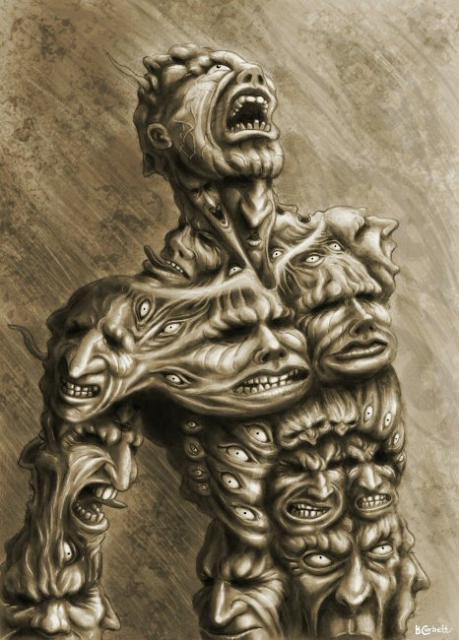
So, all the immoral, deceitful, violent and fraudulent people who disturbed or troubled good people were called demons. We can compare them to the villains of today’s films. Foreign scholars deliberately concealed what Hindu scriptures told about them: they were our own children, but mislead and mis guided by bad people.

demon-within-faces
Contact swami_48@yahoo.com

இலங்கைத் தீவு உண்டானது எப்படி? வாயு பகவான் பற்றிய அதிசயச் செய்திகள்

CIS:IM.368-1923

இலங்கைத் தீவு உண்டானது எப்படி? வாயு பகவான் பற்றிய அதிசயச் செய்திகள்

கட்டுரையை எழுதியவர் :– லண்டன் சுவாமிநாதன்
ஆராய்ச்சிக் கட்டுரை எண்- 1380; தேதி அக்டோபர் 31, 2014.

வாயு பகவான் பற்றிய பல அரிய பெரிய செய்திகளை ரிக் வேதம் முதல் வாயு புராணம் வரை பல சம்ஸ்கிருத நூல்கள் தருகின்றன. இதில் ஒன்று இலங்கைத் தீவு உருவான கதை. சில விஷயங்களைக் காண்போம்:

1.வெள்ளைக் காரர்கள் எழுதிய புத்தகங்களைப் படித்தேன். இப்போது வாயு பகவானை யாரும் வழிபடுவதில்லை என்று எழுதி இருந்தனர். அது தவறு. பிராமணர்கள் அனுதினமும் மூன்று முறை செய்யும் சந்தியா வந்தனத்தில் அக்னி, வாயு, அர்க்க, வாகீச, வருண, இந்திர, விஸ்வேதேவா என்று ஏழு வேத கால கடவுளரை வணங்குகின்றனர்.

2.பிராமணர்களோடு மற்றவர்களும்கூட வீடுகளில் திருமணம், கிரகப்பிரவேசம், பூமி பூஜை முதலிய நிகழ்ச்சிகளில் செய்யும் ஹோமங்களிலும், கோவில்களில் செய்யும் யாகம் முதலியவற்றிலும் ஹோம குண்டத்தில் வடமேற்குத் திக்கில் வாயு பகவானை ஸ்தாபித்து வழிபடுவர். அவர் எண்திசைக் காவல் தெய்வங்களில் ஒருவர்.

3.மேலும் குருவாயூர், காளஹஸ்தி, திருவண்ணாமலை வாயுலிங்கம் போன்ற எண்ணற்ற கோவில்களில் வாயு பகவான் தொடர்பு உண்டு.

4.வாயு பற்றி, ரிக் வேதம் என்னும் உலகின் மிகப் பழைய நூலில் சில துதிகள் உள்ளன. அதனுடன் புயற்காற்று என்னும் பொருள்படும் ‘’மருத்’’ பற்றிய துதிகளும் உண்டு. இதன் பெயரை ‘’மருத்’’ என்று இந்திய விமானப்படையின் குண்டுவீசி விமானங்களுக்குச் சூட்டியிருப்பது சாலப் பொருத்தமே.

5.மருத் என்னும் சொல்லில் இருந்து வாயு புத்ரனான அனுமனுக்கு ‘’மாருதி’’ என்ற பெயரும் வந்தது. பீமனும் வாயு அம்சத்தில் பிறந்தவர். அதாவது வாயு என்றால் ‘’பலம், புயல் வேகம், அதிரடி’’ என்னும் பொருள் தொனிக்கும். வாயுவின் புதல்வர்களான பீமனையும் அனுமனையும் பார்த்தால் இது நன்கு விளங்கும்.

6.வாயுவுக்கு உலகின் முதல் நிகண்டு/அகராதியான அமரகோசம் இருபது வடமொழிப் பெயர்களைத் தருகிறது. ஒவ்வொன்றின் விளக்கமும் நிறைய புதிய செய்திகளைத் தரும்.
அவையாவன:

Vayu

வாயு — வீசுபவன்
மருத் – (புயல்) அவன் இல்லையேல் ம்ருத்யு (மரணம்)
ஸ்வாசன — சுவாசத்துக்கு உதவுபவன்
ஸ்பர்சன – நம்மைத் தொடுவது மூலம் உணர வைப்பவன்
சதாகதி – எப்போதும் சென்றுகொண்டே இருப்பான்
மாதரிஸ்வான் – வானத்துக்கும் பூமிக்கும் இடையில் இருப்பவன்
ப்ருஷதஸ்வ – மழைத் துளிகளைத் தெளிப்பவன்
கந்தர்ப: — வாசனையை சுமந்து செல்பவன்
கந்தவாஹன: — வாசனையை வாஹனமாக உடையவன்
அநில — நிலையற்றவன்
ஆசுக – வேகமானவன் — (வேகமாகக் கவிதை மழை பொழியும் புலவர்களை ஆசு கவி என்பர்; சிவ பெருமான் வேகமாக திருப்தி அடைந்து எல்லோருக்கும் வரம் கொடுப்பதால் அவனை ஆசு தோஷ் என்பர். அதாவது விரைவில் மகிழ்பவன்/ சந்’தோஷ’ம் அடைபவன். வங்காளத்தில் புகழ்பெற்ற ஒருவர் ஆசு தோஷ் முகர்ஜி )
சமீர – விரைவில் பரவுபவன்
சமீரன — விரைவில் பரவுபவன்
ஜகத்ப்ராண – உலகின் உயிர் மூச்சு; அவன் இன்றி ஓர் அணுவும் அசையாது
மாருத – உயிர்வாழ உதவுவோன்
நபஸ்வான் – ஆகாயத்தில் சஞ்சரிப்பவன்
வாத — வீசுபவன்
பவன – தூய்மைப் படுத்துவோன்
பவமான — தூய்மைப் படுத்துவோன்
ப்ரபஞ்சன – தனது வேகத்தால் அழிப்பவன்

birla-museum

7.வேதத்தில் மருத்

ரிக் வேதத்தில் ருத்ரனின் புதல்வர்களாகவும், இந்திரனின் உதவியாளர்களாகவும், அக்னியின் நண்பனாகவும், த்வஷ்ட்ரியின் மாப்பிள்ளையாகவும் வாயு போற்றப்படுகிறான். புருஷசூக்த துதுயில் ஆதி புருஷனின் மூக்கில் இருந்து உதித்தவன் என்றும் வருணிக்கப் படுகிறான். அவனை புயல் என வருணிக்கும் வேத சூக்தங்கள் (துதிகள்) அவனுடைய எண்ணிக்கை 27 என்றும் ‘’மூன்று அறுபது’’ என்றும் பகரும். ராமயனத்தில் இந்திரனின் வஜ்ராயுதம் ஒரு சதைப் பிண்டத்தை 49 கூறு போட்டதாகவும் அதுவே மருத்துகள் என்றும் வருகிறது. மா ரோதி (அழாதே, வருந்தாதே) என்பதே ‘’மருத்’’ ஆனதாகவும் வேத இலக்கியம் சொற்சிலம்பம் ஆடும். இவைகளை எல்லாம் மருத்துவ, பூகர்ப்பவியல் குறிப்புகள் எனக் கொண்டால் பொருள் விளங்கும்.

vayu in nilali shobaneswara tem
Vayu at Nilali Shobaneswara Temple

8.இலங்கைத் தீவு உண்டானது எப்படி?

பாகவத புராணம் இலங்கை உருவான வரலாறு பற்றி சுவை மிகு செய்தி தருகிறது. நாரதர் வேண்டுதலுக்கு இணங்க மேரு மலையின் சிகரத்தை வாயு பகவான் தகர்த்து எறிந்ததாகவும் அது கடலில் விழுந்து ஸ்ரீ லங்கா தீவு ஆனதாகவும் கூறப்படுகிறது. இதையும் புவியியல் குறிப்பு – பல மில்லியன் ஆண்டுகளுக்கு முன் நடந்த ஒரு நிகழ்வு– எனவே கொள்ளல் வேண்டும்.

9.சுமேரிய, கிரேக்க, புத்த, பாரசீக கலாசாரங்களில், மதங்களில் வாயு பகவான் போற்றப்படுகிறார். மர்து என்ற மொசபொடோமியன் புயல் தெய்வம் பற்றி ஒன்றும் தெரியவில்லை என்று கலைக்களஞ்சியங்கள் செப்பும். உண்மையில் இது மருத் என்ற வேத காலக் கடவுளே. கிரேக்கர்கள் ‘’இயோலஸ்’’ என்ற தெய்வமாக வாயுவை வணங்குவர். ராமாயண, மஹாபாரதக் கதைகள் வாயு புத்ரர்களான அனுமன், பீமன் ஆகியோரின் வீரப் ப்ரதாபங்களை எடுத்துரைக்கும்

10.வாயு பகவான் பற்றிய புராண விவரங்கள்:
வாயு புராணம் என்பது சிவனின் மகிமைகளை விதந்தோதும்;
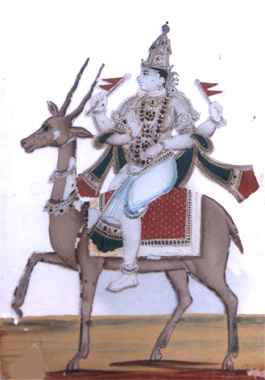
வாயுவின் நிறம் நீலம்; வாகனம் ஒருவகை மான்;
தாய் தீதி;

vayu in NY
Vayu at Brooklyn Museum, New York

11.ஐந்து வகை காற்றுகள் உடலில் உண்டு:
பிராணன் = நெஞ்சில்/ இருதயத்தில் இருந்து வரும் காற்று

அபானன்= அடிப் பகுதியில் இருந்து வரும் காற்று
வியானன் = உடல் முழுதும் வியாபித்து இருப்பவன்
உதானன் = வயிற்றில் இருந்து வரும் காற்று
சமானன் = கழுத்தில் இருந்து வரும் காற்று

கடவுளுக்கு உணவுபடைக்கையில் இந்த ஐந்து வாயுக்களின் பெயரில் ஸ்வாஹா சொல்லி அர்ப்பணிப்பர். இது தவிர மேலும் ஐந்து வாயுக்களையும் சேர்த்து தச வாயு என்றும் அழைப்பர்.

aeolus2-1027
Aeolus, Greek God of Wind

12.ஏழுவகைக் காற்று
மாஹாபாரத சாந்தி பர்வத்தில் ஏழுவகைக் காற்று பற்றிய விஜ்ஞானத் தகவல் கிடைக்கிறது:

ஆவாஹன் = உயிர் வாயு / ஆக்சிஜன்
ப்ரவாஹன் = மழை பொழியும் மேகம் கொணர்வோன்
உத்வாஹன் = மேகத்தை மழையாக மாற்றும் குளிர்க் காற்று

சம்வாஹன் = பாலைவன வறண்ட காற்று

விவாஹன் = வானத்தில் உள்ள நீரைத் தாங்குபவன் (இப்போது நாஸா போன்ற விண்வெளி ஆய்வு அமைப்புகள் வானத்து நீர் பற்றிப் பேசி வருகின்றன; அறிவியல் வளரும் போது இச் சொல்லுக்குப் புதுப் பொருள் காணலாம்)

பரிவாஹன் = சூரிய, சந்திரர்களைத் தாங்கும் காற்று — (மின் காந்த வீச்சு, அகச் சிவப்பு , புற ஊதா கதிர்களாக இருக்கலாம்; யாம் அறியோம் பராபரமே!!!)
பரவாஹன் = எல்லாவற்றுக்கும் அப்பாற்பட்டது; தஙகு தடையின்றி வழங்குவது
IAF MARUT
Marut, IAF Bomber

13.மேற்கண்ட மஹாபாரத பகுப்பு, உடலில் உள்ள தச வாயு பகுப்பு, காற்றுக்கான பல்வேறு பெயர்கள் ஆகியன உணர்த்தும் அபூர்வ விஷயம் என்ன தெரியுமா?

1.சம்ஸ்கிருத மொழி உலகின் வளமிக்க மொழிகளில் ஒன்று; எதை எடுத்தாலும் பல நூறு ‘’டெக்னிக்கல்’’ சொற்கள் கிடைக்கும்

2.காற்றையும் மேகத்தையும், மூச்சையும் கூடப் பிரிக்கவேண்டும் என்ற விஞ்ஞான அணுகு முறை!!! உலகில் மற்ற மொழியினர் சிந்திக்காத பல விஷயங்களைச் சிந்தித்து அதைச் செயல் முறையில் கொண்டு வந்து ஆயிரக் கணக்கான ஆண்டுகளாக நடைமுறையில் வைத்துள்ள அற்புதமே அற்புதம். நான் தினமும் உணவு சாப்பிடுகையில் ‘’பிராணய ஸ்வாஹா’’ முதல் ஐந்து வாயுக்களின் பெயர் சொல்லி உள்ளே இருக்கும் இறைவனுக்கு நெய் கலந்த சோறு கொடுத்து வணங்குகிறேன் ஆகவே இன்றும் அனைத்தும் நடைமுறையில் உள்ளன.

contact swami_48@yahoo.com

Rig Vedic Hariyupia and Indus Valley Harappa: Rig Veda Mystery 7

harappa2

Research paper written by London Swaminathan
Research article No.1379; Dated 30th October 2014.

Please read the earlier posts covering from Rig Veda Mystery 1 to 6.
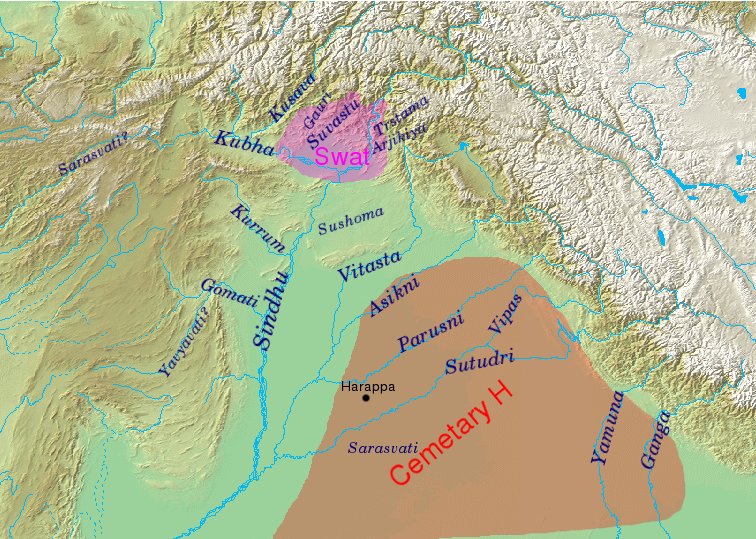
Harappa and Mohenjo-Daro are two major cities of the Indus valley civilization. Harappa is in East Punjab (now in Pakistan). It is on the banks of River Ravi. Ancient name of the river is Parusni.

There is a similar sounding word Hariyupia – in the Rig Veda. Few scholars identify it with Harappa of Indus Valley Civilization. Rig Veda describes it a as a Vedic city with Yupa posts of golden colours!!

Rig Vedic Index by A B Keith and A A Macdonell gives the following information:

harappa

Hari-yuupiiyaa:
“Hari-yúpíyá is mentioned in a hymn of the Rig Veda (6-27-5) as the scene of the defeat of the Vrivavants by Abhyavartin Caayamana. It may denote either a place or a river, since many battles seem to have been fought on the banks of rivers.

Ludwig took it as the name of a town on the river Yavyaavatii, which is identified in Sayanas’ commentary on the passage.

Hillebrndt thinks it is the river Iryaab (Haliab), a tributary of the Kurum (Krumu), but this is not all probable”.

The above passage from the Vedic Index shows that a big difference in views! It is very common in the Vedic interpretation. That is, no one can understand the Vedas!!!

Ralph T H Griffith’s translation of the hymn runs like this:
RV 6-27-5/6
“In aid of Abhyavartin Cayamana, Indra destroyed the seed of Varasikha.
At Hariyupia he smote the vanguard of the Vrcivans, and the rear fled freighted

Three thousand, mailed, in quest of fame, together on the Yavyavati, O much sought after Indra
Vrcivan’s sons, falling before the arrow, like bursting vessels went to their destruction”.

harppa mohanjo

Griffith added foot note:
“Hariyupia (having golden sacrificial posts), the name of a town or according to others, a river.
Yavyavati: the name of a river, according to Sayana, identical with Hariyupia of stanza 5”.
So, according to Sayana, it is a river. Whether it is a river or a city, the meaning of the word “HARIYUPIA” is not disputed. It means place of golden Yupa posts.
A few people have even connected the word Hariyupia with Europa/Airoppa!!

Samudra-4787v-280.50
Samudra Gupta gold coin with Asva and Yupa post

What is a YUPA? — From Tamil Literature

Yupa is a post made up of wood from the tree. There are two purposes: one is to tie the animal to be sacrificed at the fire pit (Yaha Gunda) and the other is a victorious post installed after each big Yaha like the Asvamedha or Rajasuya.

Kalidasa mentioned it in Raguvamsa 1-44 and several other places.

2000 year old Sangam literature mentioned Yupa with the same Sanskrit word “YUPA” in at least 4 places:
Purananuru verses 15 and 224
Maduraikanci line 27
Pathtrupathu 67-10

Nettimaiyar, one of the oldest poets of Sangam period, wonders ,“Oh! Pandya! please tell me whether the number of Yupa posts you installed more? Or the number of enemies you defeated more? Or the praises by the poets more?”
Verse 224 parised the greatest of the Chola kings Karikalan for installing the tall Yupa post.

ujjain333
Ujjain coin with yupa post

Tamil Kings Karikalan, Perunarkilli and Mudukudumi Peruvazuthi have done so many Yajnas according to Sangam Tamil literature. So the Rig Vedic word YUPA is very popular in Tamil Nadu even 2000 years ago. Karikalan and Mudukudumi are the two oldest Tamil kings we knew.

Kanchi Paramacharrya Swamikal in his 1932 lectures in Chennai pointed out that archaeologists were surprised to see the Mulavarman’s Yupa post in the “virgin” forests of Borneo, now part of Indonesia. He belonged to fourth century CE. It shows the word Yupa is known throughout South East Asia.

Now going back to Hariyupia, if it is Hari+Yupa, then Harappa is a Vedic city. The battles that happened there did not give the name to the place. It is only the Vedic Yajnas gave that name to the city – Harappa. So the battles may be described as internal wars among local kings. Tamils fought among themselves continuously for 1500 years, though they worshipped the same Hindu gods, spoke the same Tamil language, upheld the same values Dharma, Artha and Kama according to the oldest Tamil book Tolkappiam. Words Dharma, Artha, Kama is repeated several times in Sangam and later Tamil books (but the words are in tamil Aram, Porul Inpam).
So, my argument is that the word Hariyupia confirms the Vedic presence in East Punjab during Harappan period.

Rigvedic_geography

INDUS VALLEY CIVILIZATION Read my other 30 posts on Indus:

Indus Valley-Brahmin Connection (Post No 1034, Date 10-5-14)
Bull Fighting: Indus Valley to Spain via Tamil Nadu (posted 21/1/12)
Human Sacrifice in Indus Valley and Egypt (posted on 31/10/12)

Ghosts in Indus Seals and Indian Literature
Flags: Indus Valley- Egypt Similarity
Tiger Goddess of Indus Valley: Aryan or Dravidian?
Indra on Elephant Vahana in Indus Valley
Indus Script Deciphered

Human sacrifice in Indus Valley and Egypt 0ct.31, 2012
Indus Valley Cities in Ramayana Dec.18, 2012
Open Sesame’: Password to Heaven Post No 756 dated 23rd December 2013
Change ‘’Indus’’ valley civilization to ‘’Ganges’’ valley civilization! Ulta! 29-3-2014
Indus Valley Case: Lord Indra Acquitted Post No 764 dated 28th Dec. 2013
‘Sex Worship’ in Indus Valley

harappa well

Flags: Indus Valley – Egypt Similarity (15/1012)
The Sugarcane Mystery: Indus Valley and the Ikshvaku Dynasty
Vishnu in Indus Valley Civilization (posted on 19-10-11)
Serpent Queen: Indus Valley to Sabarimalai 18 June 2012
Fall of Brahmin Kingdoms in Pakistan and Afghanistan 23-3-14
Indus Valley Civilization- New Approach , posted on May 29, 2011

என்னுடைய முந்தைய 30 கட்டுரைகள்:
சிந்து சமவெளியில் பேய் முத்திரை
சிந்து சமவெளியில் ஒரு புலிப் பெண் Aug.23, 2012
‘எள்’ மர்மம்: ரிக் வேதம் முதல் சிந்து சமவெளி வரை! Post No 755 dated 23/12/13

தேள்— ஒரு மர்ம தெய்வம்!
சிந்து சமவெளி & எகிப்தில் நரபலி1 November 2012
சிந்து சமவெளியில் செக்ஸ் வழிபாடு (26/7/13)
கொடி ஊர்வலம்: சிந்து சமவெளி – எகிப்து அதிசய ஒற்றுமை (15/10/12)
‘திராவிடர் கொலை வழக்கு: இந்திரன் விடுதலை’ Post-763 dated 28th Dec. 2013.

சிந்து சமவெளியில் அரசமரம்
சிந்து சமவெளி நாகரீகம் பெயரை மாற்றுக! march 29, 2014
1500 ஆண்டு பிராமண ஆட்சியின் வீழ்ச்சி 24-3-14
சிந்து சமவெளி – பிராமணர் தொடர்பு (Post No 1033, Date 10-5-14)
Contact swami_48@yahoo.com

கல்வி பற்றிய 30 தமிழ் பாடல் மேற்கோள்கள்

classroom1

சிந்தனைச் சிற்பிகள் (ஜய வருடம்) 2014 நவம்பர் மாத காலண்டர்

Post No. 1378; Date: 30 அக்டோபர் 2014
Prepared by London swaminathan (copyright)

முக்கிய நாட்கள்: நவம்பர் 4 முஹர்ரம்; அமாவாசை:22;
சுபமுஹூர்த்த நாள்:– 2, 9, 12, 13, 21; பௌர்ணமி – 6; ஏகாதசி- 3, 18;

நவம்பர் 1 சனிக் கிழமை
எண்ணும் எழுத்தும் கண் எனத் தகும் – கொன்றை வேந்தன்

நவம்பர் 2 ஞாயிற்றுக் கிழமை
கைப்பொருள் தன்னில் மெய்ப்பொருள் கல்வி – கொன்றை வேந்தன்

நவம்பர் 3 திங்கட் கிழமை
ஓதாமல் ஒருநாளும் இருக்கவேண்டாம் — உலக நீதி

நவம்பர் 4 செவ்வாய்க் கிழமை
இளமையிற் கல்; ஓதுவது ஒழியேல்; வித்தை விரும்பு – ஆத்திச்சூடி

நவம்பர் 5 புதன் கிழமை
கற்கை நன்றே கற்கை நன்றே
பிச்சை புகினும் கற்கை நன்றே – வெற்றிவேற்கை

Class_Room2

நவம்பர் 6 வியாழக் கிழமை
எண் என்ப ஏனை எழுத்து என்ப இவ்விரண்டும்
கண் என்ப வாழும் உயிர்க்கு – திருக்குறள்

நவம்பர் 7 வெள்ளிக் கிழமை
பிற்றைநிலை முனியாது கற்றல் நன்றே – புறநானூறு

நவம்பர் 8 சனிக் கிழமை
தனக்குப் பாழ் கற்றறிவில்லா உடம்பு – நான்மணிக் கடிகை

நவம்பர் 9 ஞாயிற்றுக் கிழமை
கல்லா ஒருவனுக்கு அவன் சொல்லே கூற்றாக முடியும் – நான் மணிக்கடிகை

நவம்பர் 10 திங்கட் கிழமை
எக்குடிப் பிறப்பினும் யாவரே ஆயினும்
அக்குடியிற் கற்றோரை வருக என்பர் – வெற்றி வேற்கை

vedapatasala
Picture of Rajaveda patasama

நவம்பர் 11 செவ்வாய்க் கிழமை

கல்லாத மூத்தானைக் கைவிட்டுக் கற்றவன் இளமை பாராட்டும் உலகு – நான் மணிக்கடிகை

நவம்பர் 12 புதன் கிழமை
நெஞ்சத்து நல்லம் யாம் என்னும் கல்வியழகே அழகு – நாலடியார்

நவம்பர் 13 வியாழக் கிழமை
பிச்சைப் புக்காயினும் கற்றல் மிகவினிதே – இனியவை நாற்பது

நவம்பர் 14 வெள்ளிக் கிழமை
கணக்காயர் இல்லாத ஊரால் நன்மை இல்லை – திரிகடுகம்

நவம்பர் 15 சனிக் கிழமை
ஒருமைக் கண் தான் கற்ற கல்வி ஒருவற்கு
எழுமைக்கும் ஏமாப்புடைத்து — திருக்குறள்

balavedapatasala
Picture of Bala Veda Patasala

நவம்பர் 16 ஞாயிற்றுக் கிழமை
எம்மை உலகத்தும் யாம் காணேம் கல்வி போல்
மம்மர் அறுக்கும் மருந்து – நாலடியார்

நவம்பர் 17 திங்கட் கிழமை
எண் அவன் காண் எழுத்து அவன் காண்
இன்பக் கேள்வி இசை அவன் காண் – அப்பர் தேவாரம்

நவம்பர் 18 செவ்வாய்க் கிழமை
பயிற்றிப் பல கல்வி தந்து – இந்தப்
பாரை உயர்த்திட வேண்டும் – பாரதி பாடல்

நவம்பர் 19 புதன் கிழமை
ஒருகுடிப் பிறந்த பல்லோருள்ளும்
மூத்தோன் வருக என்னாதவருள்
அறிவுடையோனால் அரசுஞ் செல்லும் –புறநானூறு

நவம்பர் 20 வியாழக் கிழமை
தேடு கல்வியிலாதொரு ஊரைத் தீயினுக்கிரையாக மடுத்தல்
கேடு தீர்க்கும் அமுதம் எம் அன்னை கேண்மைகொள்ள வழி இவை கண்டீர்–பாரதியார்

shantiniketan

நவம்பர் 21 வெள்ளிக் கிழமை
வெள்ளதால் போகாது வெந்தணலால் வேகாது
வேந்தராலும் கொள்ளத்தான் முடியாது (கல்வி) –

நவம்பர் 22 சனிக் கிழமை
கல்வி கரையில, கற்பவர் நாள் சில – நாலடியார்

நவம்பர் 23 ஞாயிற்றுக் கிழமை
வேற்றுமை தெரிந்த நாற்பாலுள்ளூம்
கீழ்ப்பால் ஒருவன் கற்பின்
மேற்பாலொருவனும் அவன்கட் படுமே – புறநானூறு

நவம்பர் 24 திங்கட் கிழமை
நரை முடித்துச் சொல்லால் முறை செய்தான் சோழன்
குலவிச்சை கல்லாமற் பாகம் படும் — பழமொழி

நவம்பர் 25 செவ்வாய்க் கிழமை
கற்கக் கசடறக் கற்பவை கற்றபின்
நிற்க அதற்குத் தக – திருக்குறள்

shantiniketan2
Picture of Shantiniketan, West Bengal

நவம்பர் 26 புதன் கிழமை
நீரளவே ஆகுமாம் நீராம்பல் தான் கற்ற
நூல் அளவே ஆகுமாம் நுண்ணறிவு – வாக்குண்டாம்

நவம்பர் 27 வியாழக் கிழமை
கேள்வி முயல்; நூற் பல கல்; எண் எழுத்து இகழேல் – ஆத்திச்சூடி

நவம்பர் 28 வெள்ளிக் கிழமை
கடைநிலத்திற் பிறந்தவர் எனினும் கற்றறிந்தவரைத் தலைநிலத்து வைப்பர் – நாலடியார்

நவம்பர் 29 சனிக் கிழமை
பற்பல நாளும் பழுதின்றிப் பாங்குடைய கற்றலின்காழ் இனியதில் — இனியவை நாற்பது

நவம்பர் 30 ஞாயிற்றுக் கிழமை
கற்றோர்க்கு கல்வி நலனே கலன் அல்லால்
மற்றோர் அணிகலம் வேண்டாவாம் –– நீதிநெறிவிளக்கம்

-Study-Under-Bridge
Picture of school under Delhi bridge

In each month’s calendar you can read beautiful Tamil quotations!
Contact swami_48@yahoo.com

school_under_bridge_02

Quotations on Wealth and Fortune

akshaya-tritiya

Good Thoughts Calendar — November 2014
Post No. 1377; Date: 29 October 2014.
Compiled by London Swaminathan ©

30 Sanskrit quotations from Sanskrit texts are given in November calendar.
Important Dates: November 4 Muharram; Auspicious Days: November 2, 9, 12, 13, 21; Full Moon day- 6; New Moon (Amavasya)- 22; Ekadasi – 3, 18.

Quotes are taken from Suktisudha, Chinmya International Foundation.

November 1 Saturday
Amass wealth without straining the body — Manusmrti 4-3
Akléséna sariirasya kurvita dhana sancayam

November 2 Sunday
Never make money by evil means; such money will be snatched away by others – Yuktikalapataru
Adharmaanna dhanam kuryaat tatdhanam grhyaté paraih

November 3 Monday
Earn wealth with vigour — Vikramorvasiya 4 p90
Anirvéda praapyaani sréyaamsi

November 4 Tuesday
Wealth earned unscrupulously will get wasted the same way — Kahavatranakar p.86
Anyaaya arjita vittaanaamkumaargésu vyayó bhavét

November 5 Wednesday
Loss of wealth is due to undertaking tasks without assessing one’s ability — Sisupalavadha 2-94
Ayathaabhalamaarambhó nidaanam ksasyasampadah

RBI

November 6 Thursday
Wealth earned by one is happily enjoyed by another — Kahavatranakar p 102
Anyénópaarjitam vittam sukhamanyaisca bhjyaté

November 7 Friday
Lack of money makes a woman of man and its possession makes a man of woman Mrchakatikam 3, — Carudatta 3-17
Ardhatah prushó naari yaa naari saarthatah pumaan

November 8 Saturday
Friends wary of being asked for money desist from talking – Nitisataka 1-2
Artha praarthanasankayaa na kuruté sambhaasanam vai suhrt

November 9 Sunday
Know wealth as calamitous always — Subashita ratna bhadagara p.2
Arthamanartham bhaavaya nityam

November 10 Monday
Fired by passion for wealth, one regards neither tutor nor kin — Vikramacarita 132
Arthaa turaanaam na guruna bandhuh

currency bundle

November 11 Tuesday
Stable relationships are based on economics – Canakyanitisastra
Arthaadhiina éva niyatasambandhah

November 12 Wednesday
The ways of wealth are transient like autumnal clouds — Katha Sarit Sagara
Arthaanaam saradabhrcalaa gatih

November 13 Thursday
The whole world is one big money maniac — none is dear to none -Panchatantra 1-9
Arthaarthii jiivalókóyam na kascit kasyacit priyah

November 14 Friday
In this world wealth alone is one’s kith and kin Canakyaniti 5-2
Arthó hi looké purusasya bandhuh

November 15 Saturday
The wealthy blabber incoherently like drunkards –Sarngadharapadhdhati 341
Avyaktaani ca bhaasanté dhaninó madyapaa iva

british-1-pound-coins

November 16 Sunday
Wealth distorts the mind –Subashita ratna khandamanjusa p 4
Rddhis citta vikaarinii

November 17 Monday
Like liquor, excessive wealth too deludes — Brhatkatha manjari
Kam vaa naabhibhavaa lakshmiih vaaruniiva vimóhayét

November 18 Tuesday
Saving is duty, but boarding is undesirable Hitopadesa 1-161
Kartavyah sancayó nityam na tu kaaryóti sancayah

November 19 Wednesday
Whom does not wealth corrupt? Brhatkatha manjari
Kasya nónmaadanam dhanam

November 20 Thursday
Of what use is money for an ascetic? Brhatkatha manjari
Kim dhanair agrhasthasya

Pot full of golden coins

November 21 Friday
Who indeed is not satisfied by wealth? —- Subashita ratna bhadagara p 6
Koo na trpyati vitténa

November 22 Saturday
Wealth is ever fickle — Kahavatratnakar p 44
Cancalaa kamala sadaa

November 23 Sunday
Riches accrue through the affection of people —- Subashita ratna bhadagara 3-869
Janaanuraagaprabhavaa hi sampadah

November 24 Monday
Wealth begets wealth — Kahavatratnakar p 150
Dhanaadéva dhanam bhavét

November 25 Tuesday
It is in the minds of the rich alone that sins breed in plenty — Kahavatratnakar p 150
Dhaninaaméva cittésu paapavrttirudétyalam

Background Money

November 26 Wednesday
Wealth increases greed — Bharatmanjari 13-73-998
Dhanéna vardhaté trsnaa

November 27 Thursday
Wealth does not follow the departed soul –Ramayanamanjari 6-2-132
Na tvaatmani gaté vittam purusaananugacchati

November 28 Friday
Neither wealth nor misfortune lasts eternally — Hanumannataka 9-21
Na bhavanti ciram praayah sampadó vipadópi vaa

November 29 Saturday
Wealth resides in the diplomatic and the heroic — Hitopadesa 3-116
Nayé ca sauryé ca vasanti sampadah

November 30 Sunday
The lord is the wealth of the poor — Kahavatratnakar p 67
Nirdhanaanaam dhanam prabhuh.

Pound-Coins-2

contact swami_48@yahoo.com

தமிழ் ஒரு அதிசய மொழி!

tamil-1

கட்டுரையை எழுதியவர் :– லண்டன் சுவாமிநாதன்
ஆராய்ச்சிக் கட்டுரை எண்- 1376; தேதி அக்டோபர் 29, 2014.

தேமதுரத் தமிழோசை உலகமெலாம்
பரவும் வகை செய்தல் வேண்டும்
சேமமுற வேண்டுமெனில் தெருவெல்லாம்
தமிழ் முழக்கம் செழிக்கச் செய்வீர் – – பாரதியார்

தமிழ் மொழிக்கும் சுமேரிய, மெசபொடோமிய மொழிகளுக்கும் தொடர்பு உண்டு, தமிழ் மொழிக்கும் ஜப்பானிய, கொரிய மொழிகளுக்கும் தொடர்பு உண்டு, தமிழ் மொழிக்கும் துருக்கிய, பின்லாந்திய மொழிகளுக்கும் தொடர்பு உண்டு — என்று 40 ஆண்டுக் காலமாகப் படித்துப் படித்து அலுத்துப் போய்விட்டது. சாத்தூர் சேகரன் என்ற தமிழ் மொழி ஆர்வலர் லண்டனுக்கு வந்தபோது – 1990 ஆம் ஆண்டு என்று நினைவு — அவரை BBC பி.பி.சி. “தமிழோசை” சார்பாக பேட்டி கண்டு பி.பி.சி.யில் ஒலிபரப்பினேன். அவர் எனக்கு சில புத்தகங்களை அன்பளிப்பாக அளித்தார். அதில் ஒன்று, செர்போ–க்ரோட் –( யூகோஸ்லாவியா என்று அப்போது இருந்த இடம்; இப்போது செர்பியா, குரோவேசியா Serbia and Croatia என்பன ) — மொழிகளுடன் தமிழுக்கு இருந்த “நெருங்கிய” தொடர்புகள் பற்றிய புத்தகம்!!

பேட்டி கண்டபோது அவரை உரிய மரியாதைகளுடன் நடத்திவிட்டு, பின்னர் தனிப்பட்ட முறையில் பேசுகையில் அவரது அணுகுமுறையில் உள்ள தவறுகளைச் சுட்டிக்காட்டினேன். அவர் கணக்குப்படி உலகில் உள்ள எல்லா மொழிகளும் தமிழில் இருந்து உருவானவை. அவர் அப்போதே 140 நூல்கள் எழுதி இருப்பதாகக் கூறினார். ஆங்கில—தமிழ் மொழி நெருக்கம் பற்றியும் பேசினார். உண்மை என்ன?

அப்போது லண்டனில் உள்ள சேனல் 4 Channel Four டெலிவிஷன் ஒலிபரப்பிய புதிய மொழியியல் கொள்கை பற்றி அவரிடம் கூறினேன். அதாவது மக்கள் எல்லோரும் ஒரே மொழி பேசிக்கொண்டிருந்தனர் – அவர்கள் சுவர்க்கத்தை எட்டிப் பிடிக்க கோபுரம் கட்ட முயன்றபோது— கடவுள் நீங்கள் எல்லோரும் பல மொழிகள் பேசி பிரிந்து செல்க —- என்று சபித்துவிட்டதாக பைபிளில் ஒரு கதை உண்டு. அது உண்மைதான்; உலகில் உள்ள மொழிகள் எல்லாம் ஒரே மூலத்தில் இருந்து வந்தவைதான் என்று ஒரு இஸ்ரேலிய மற்றும் ஒரு ரஷிய அறிஞர் கூறியது பற்றிய டாகுமெண்டரி (செய்திப்படம்) அது. இதை திரு. சாத்தூர் சேகரனிடம் சொல்லி அவர் இந்தக் கோணத்தில் இருந்தும் பார்க்கவேண்டும் என்றேன்.

tamil 2

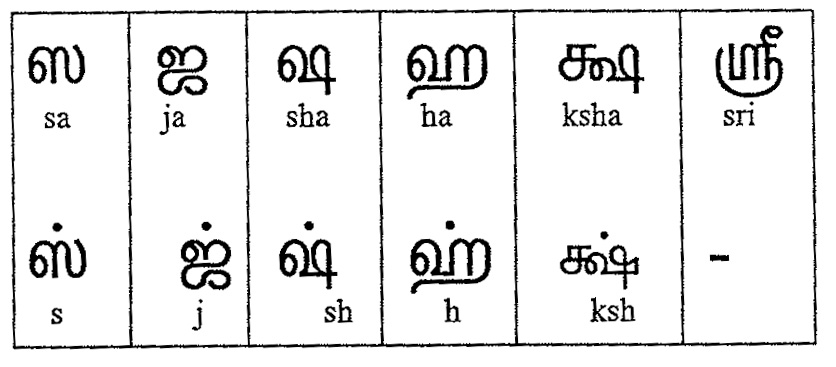
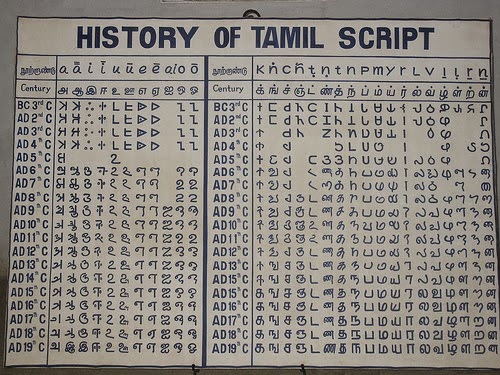
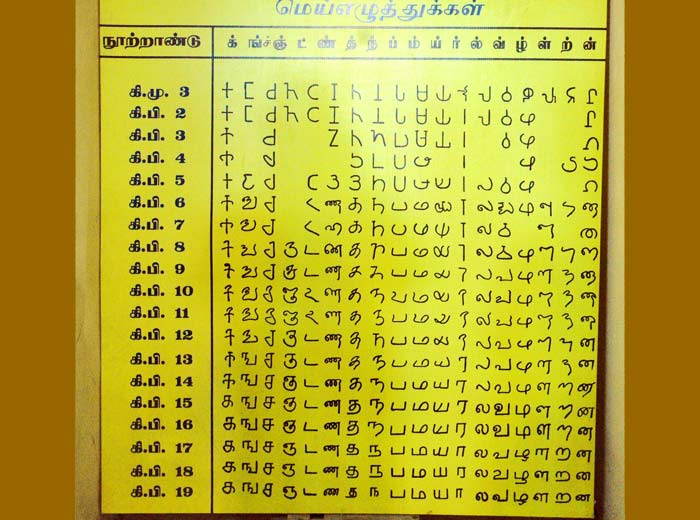
அவரது பேட்டி ஒலிபரப்பைப் பாராட்டி பல நேயர்கள் எழுதியது உண்மை என்ற போதிலும் பலருக்கும் மொழி இயல் தெரியாது. மொழி வளர்ச்சிக் கும், எழுத்து வளர்ச்சிக்கும் உள்ள வேறுபாடு கூடத் தெரியாது. திருவள்ளுவர் இன்று உயிருடன் வந்தால் அவருக்குத் தமிழ் ஓரளவு புரியும்- ஆனால் தமிழ் எழுத்து அவருக்கு விளங்காது. ஏனெனில் எழுத்து உருமாறிப் போனது. நான் லண்டன் பல்கலைக் கழகத்தில் தமிழ் வகுப்பு நடத்துகையில் என்னை அறியாமல் “னை,, ணை, லை” – போன்ற எழுத்துக்களுக்கு பழைய எழுத்து முறையைப் போர்டில் (கரும் பலகை) எழுதுகையில் பயன்படுத்துவேன். உடனே சார், இது என்ன எழுத்து? என்று சிலர் என்னை இடை மறிப்பர். பெரியார் சொன்ன எழுத்து சீர்திருத்தத்துக்கு முன் நாம் (old orthography) அத்தகைய கொம்புள்ள/ துதிக்கை போடும் எழுத்துகளை — லை, னை — முதலியவற்றைப் பயபடுத்தினோம். ஆகவே மொழியும் எழுத்தும் காலப்போக்கில் மாறும் என்று அறிய வேண்டும்.

தமிழ் ஒரு அதிசய மொழி. இதில் இரண்டு எழுத்துக்கள் சேரும் போது என்ன மாற்றம் அடைகின்றன என்பனவற்றைக் கண்டு இது போல மற்ற மொழிகளில் உண்டா? என்றும் காண வேண்டும். இதை சந்தி இலக்கணம் என்பர். வடமொழியில் இது உண்டு. ஆகவே தமிழை வேற்று மொழிகளுடன் ஒப்பிட்டு — “இது அதுவே, அது இதுவே” — என்று முழங்கும் முன்னர் பல விஷயங்களைக் கருத்திற் கொள்ள வேண்டும். எந்த இரண்டு மொழிகளிலும் மேம்போக்கான சில ஒற்றுமைகள் இருக்கத்தான் செய்கின்றன. அவை போதா. உண்மையில் வேற்றுமை உருபுகள், மொழிக்குள் உள்ள சந்தி இலக்கணம் ஆகியவற்றையும் ஒப்பிட வேண்டும்.

வேதங்களுக்கு காலம் நிர்ணையிக்க மாக்ஸ் முல்லர் கையாண்ட “குத்து மதிப்பான” முறை ஓரளவுக்கு உண்மை. ஆனால் இதையே தமிழ் மொழிக்கும் கையாண்டால் பல தமிழ் நூல்களின் காலம் கேள்விக் குறி ஆகிவிடும். அவர் சொன்னார்: “ஒரு மொழி 200 ஆண்டுகளுக்கு ஒரு முறை குறிப்பிடத்தக்க மாற்றம் அடைகிறது”. அப்படியானால் தொல்காப்பிய நடைக்கும் சங்க இலக்கிய நடைக்கும் பெரும் வேறுபாடு இருக்க வேண்டும் (.உண்மையில் அப்படி இல்லை. இதைப் பற்றி மூன்று தமிழ் சங்கங்கள் உண்மையா? என்ற கட்டுரையில் எழுதி விட்டேன்). அதே போல சங்க இலக்கியத்துக்கும் சிலப்பதிகாரத்துக்கும் ஒற்றுமை இருக்க வேண்டும். அப்படி இல்லை. அதிக அளவு வேறுபாடு இருக்கிறது. இளங்கோ காலமும் செங்குட்டுவன் காலமும் ஒன்று என்று வாதிப்போருக்கு இதை நான் சொல்கிறேன்.

சுருங்கச் சொல்லின் மாக்ஸ்முல்லர் சொன்ன முறையை உலகில் வேறு எந்த மொழிக்கும் பயன்படுத்தவில்லை. இருந்த போதிலும் ரிக்வேதத்துக்கு அவர் நிர்ணயித்த காலம் கி.மு1200 என்று அப்போது ஏற்றுக் கொண்டனர். இப்போது அது தவறு என்பதற்கு வேறு சில சான்றுகள் கிடைத்துவிட்டன.

ஒரு உண்மையை யாரும் மறுக்க முடியாது — உலகில் மாறாத பொருள் எதுவுமே இல்லை. மாற்றம் என்பது இயற்கை நியதி (Change is inevitable).— நான் வகுப்பு எடுக்கும் போது, “ஒரு மொழி 200 மைல்களுக்கு ஒரு முறை மாறும், ஒரு மொழி 200 ஆண்டுகளுக்கு ஒரு முறை மாறும்” — என்று குத்துமதிப்பாக வைத்துக் கொள்ளுங்கள் என்று மாணவர்களிடம் சொல்லுவேன் ( நியூ கினி என்னும் தீவு இதற்கு விதி விலக்கு. அந்தத் தீவில் மட்டும் 700 மொழிகள் உள்ளன!! ) இதற்குக் கோவைத் தமிழ், மதுரைத் தமிழ், நெல்லைத் தமிழ், சென்னைத் தமிழ் முதலியவற்றை எடுத்துக் காட்டாகவும், எங்கள் நாட்டில் வேல்ஸ் ஆங்கிலம், ஸ்காட்டிஷ் ஆங்கிலம், இங்கிலாந்து ஆங்கிலம் முதலியவற்றை எடுத்துக் காட்டாகவும் தருவேன். உச்சரிப்பு மட்டுமின்றி சொல் வழக்குகள் முதலியனவும் வேறுபடும். எட்டாம் நூற்றாண்டில் எழுந்த ஆங்கில நூலின் எழுத்தும் , பொருளும் யாருக்கும் புரிவதில்லை!!

கீழ்கண்ட தமிழ் அமைப்பைக் காணுங்கள். இது போன்ற ஒற்றுமை தமிழுக்கும் சம்ஸ்கிருதத்துக்கும் (சந்தி இலக்கணம்) ஓரளவு உண்டு. சம்ஸ்கிருதத்துடன் தொடர்புடைய ஐரோப்பிய மொழிகளில் உண்டு. தமிழைப் போலவே வேறு மொழிகளில் இருந்தால் அதை நன்கு ஆராய்தல் அவசியம்! அப்போதுதான் நாம் அவ்விரு மொழிகளும் “நெருக்கமானவை” என்று மேலும் ஆராய வேண்டும். இது ஒரு அம்சம் மட்டும்தான். இதுபோல வேறு பல அம்சங்களும் உண்டு. கட்டுரையின் நீளத்தைக் கருதி ஒரே வரியில் சொல்லிவிடுகிறேன்: உறவு முறை, எண்கள், நான், நீ போன்ற சொற்கள், வீடு வாசல் தொடர்பான சொற்கள் –முதலிய சுமார் 100 சொற்களில் – ஒற்றுமை இருக்க வேண்டும்.
tamil 3

விதி 1 (Rule 1 M-V-B/P)

ம – வ — ப – ஆகியன — பல மொழிகளில் இடம் மாறும். இது இயற்கையான மொழிப் பாகுபாடு. தமிழ் மொழிக்குள்ளேயே இதைக் காணலாம்
ம = வ= ப

முழுங்கு—விழுங்கு ( ம=வ )
முழி = விழி
மேளா- விழா
மாரி—வாரி
மல்லிப்புத்தூர் – வில்லிப்புத்தூர்
மண்டோதரி – வண்டோதரி
மயக்கு – வயக்கு
மானம்—வானம்
மிஞ்சு = விஞ்சு
மணிக்கிராமம் = வணிகக் கிராமம்

வ= ப
வங்கம் = பங்கம்
வங்காளம் = பெங்கால்
வந்தோபாத்யாயா = பந்தோபாத்யாயா

விதி 2 (Rule 2 R–L–D/T)

ர – ல – ட இடம் மாறும்.
இது பற்றி பாணினி சூத்திரம் கூட உண்டு. இந்த ஒலி மாற்றம் வேறு பல நாடுகளிலும் காணப்படுகின்றன என்பதை பலர் அறியார்.

( எங்கள் வீட்டுக்கு அடுத்த வீட்டில் ஐரிஷ்காரர்கள் வசித்தனர். அந்த வீட்டுச் சின்னப் பையன் என் மனைவியிடம் “க்லிஸ்ப், க்லிஸ்ப் தா” (klisp) என்று மழலை மொழியில் கேட்பான். உருளைக்கிழங்கு வறுவல் “க்ரிஸ்ப்” Crisp என்று சொல்லப்படும். நான் உடனே அட, மழலை வாயில் கூட ர என்னும் எழுத்து ல ஆக மாறுகிறதே என்று வியப்பேன்.))

ர = ல = ட
தார்வார் = தார்வாட்
சிம்மகர் – சிம்ம கட்

விதி 3 ( N- D/T)

ண் — ட் – இடம் மாறும். மேலே ல – ட – ர மாற்றத்தைக் கண்டோம். அப்படியானால் ண என்பது ட ஆக மாறி ல ஆகவும் மாற வாய்ப்பு இருக்கிறது.

இதை அறியாத பழைய மொழியியல் “அறிஞர்கள்” ட , ண போன்ற நாமடி ஒலிகள் இந்திய சம்ஸ்கிருதத்தில் மட்டுமே உண்டு என்றும் இதை அவர்கள் சிந்துவெளி திராவிடர்கள் இடமிருந்து கற்றதாகவும் எழுதி வைத்தனர். இதன் அடிப்படையே தவறு. அப்படியே அவர்கள் சொல்வதை நாம் ஏற்றாலும், இந்தியாவில் இருந்து போன இந்துக்கள் அங்கே போனவுடன் அந்த நாட்டு மக்கள் பேச்சுக்கேற்ப ஒலியை மாற்றிக் கொண்டனர் என்றும் வாதிட முடியும்.

இதை எழுதும்போது ஒரு சுவையான சம்பவம் எனக்கு நினைவுக்கு வருகிறது. நான் கொஞ்சம் காலத்துக்கு லண்டன் தமிழ் சங்கத்தின் மானேஜராகவும் பகுதி நேர வேலை செய்தேன். ஆண்டுதோறும் ஒரு நாள் தமிழ் பள்ளி ஆண்டு விழா நடத்துவோம். அப்போது திருக்குறள் போட்டி நடத்துவோம். எல்லா குழந்தைகளும் ஆங்கிலத்தில் குறளை எழுதி மனப்பாடம் செய்து கொண்டு வருவர்.

அகர முடல எலுட்டு எள்ளாம் ஆடி பகவன் முடட்ரே உலகு —

என்று பத்து குறளையும் ஒப்பித்தவுடன் விண்ணதிர கை தட்டிப் பரிசு கொடுப்போம். இது போல இலங்கையர்கள் அரங்கேற்றம் நடத்தும் நிகழ்ச்சிகளிலும் வாலிபர்களும் வாலிபிகளும் பாடும் பாட்டும் பேசும் பேச்சும் அவர்களைக் காட்டிக் கொடுத்துவிடும். அவர்கள் ஆங்கிலத்தில் எழுதி அதை ஒப்பிப்பர். தமிழ் அறிவு மிகவும் சொற்பம் (எங்கள் வீட்டிலும் இதே கதைதான்!! நான் தமிழில் சொல்லச் சொல்ல அவர்கள் ஆங்கிலத்திலேயே விடை கொடுப்பர்) ஆக மொழி என்பது வாழும் இடத்திற்கேற்ப மாறும் என்று புரிந்துகொண்டால் “நாமடி” (ண, ட) ஒலிகள் பற்றிய சித்தாந்தம் நகைப்புரியதாகிவிடும். தமிழ் மொழிக்குள்ளேயே இந்த மாற்றங்களைக் காணும் போது நான் சொல்வது இன்னும் உறுதியாகிறது.

ண் = ட்
கண்+செவி = கட் செவி
மண் =கலம் = மட்கலம்

ள் = ட்
கள்+குடி = கட் குடியன்
தாள்+ தலை= தாடலை
வாள் + போர் = வாட் போர்

ல் = ற்
பல் + பொடி = பற்பொடி
கல் கண்டு = கற்கண்டு (கண்டு = கேன் டி)

பூதன் +தேவன் =பூதன்றேவன்
இலங்கைத் தமிழ்: –(கிரிக்கெட் = கிரிக்கெற், பிரென் ட் = பிரென்ற்)

tamil 4

விதி 4 Rule 4 N — R

ன் என்பது ர் ஆக மாறும்
ன் = ர்
அவன்+கள் = அவர்கள்
அவள்+ கள் = அவர்கள்
மனிதன் +கள் = மனிதர்கள்

விதி 5 Rule 5 L — N

ழ் = ன்

வாழ் + நாள் = வானாள்
பால் + நினைந்து = பானினைந்தூட்டும்

விதி 6 Rule 6 L+D=da

ழ்+த = ட

திகடச் சக்கரம் = திகழ் + தச + சக்கரம்

விதி 7 (Y — J)

ய = ச/ஜ
பங்கஜம் = பங்கயம்
தயரதன் –தசரதன்

இந்த ஜ – ச – ய- மொழி மத்திய கிழக்கு மேலை நாட்டு மொழிகளிலும் உண்டு.
யேசு – ஜீசஸ்
யூத – ஜூடா

விதி 8 Rule 8 sion = tion (S–T)

ச =ட
விஷம் = விடம்

ஆங்கிலத்திலும் ட என்பது ஷ ஆக மாறுவதைக் காணலாம்.
எடுகேஷன் = எடுகேடியன் (ஷன் = டியன்)
ஒரு உதாரணம் மற்றும் கொடுத்தேன். இது போல நூற்றுக் கணக்கான சொற்கள் உண்டு.

விதி 9 Rule 9 ( J=S)

ராஜேந்திர சோழன் = ராசேந்திர
ஜெயலலிதா = செய லலிதா
ஷேக்ஸ்பியர் = செகப்பிரியன் !!!
ஜூலியஸ் சீஸர் = சூலியசு சீசர்
ஸ்டாலின் = சுடாலின்

(தமிழ் மொழியில் மெய் எழுத்து, மொழிமுதல் எழுத்தாக வராது. சம்ஸ்கிருதத்தில் மட்டுமே இது உண்டு!!)

ஒரு மொழியில் சில எழுத்துக்கள் இல்லாத போது வேறு ஒன்றைப் போட்டு நிரப்புவர். பாரசீகர்களும் கிரேக்கர்களும் ‘’எஸ்’’ என்று சொல்ல முடியாததால் சிந்து நதி தீர மக்களை ‘’ஹி’’ந்து என்று அழைத்தனர். கிரேக்க, சீன யாத்ரீகர்கள், ஆங்கிலேய, பிரெஞ்சு ஆட்சியாளர்கள் முதலியோர் இந்திய மன்னர்கள் பெயர்களையும் ஊர்ப் பெயர்களையும் கடித்துக் குதறி விட்டார்கள் என்பதை நாம் அறிவோம். ஆகவே யாராவது தமிழுக்கும் – இதற்கும் தொடர்பு இருக்கிறது, தமிழுக்கும் – அதற்கும் தொடர்பு இருக்கிறது கதைத்தால் கொஞ்சம் சிந்தித்து முடிவுக்கு வாருங்கள். சொல்பவருக்கு எந்த அளவுக்கு வரலாறு தெரியும், மொழியறிவு உண்டு என்பதையும் பின்னணியில் பாருங்கள்.

எப்பொருள் யார் யார் வாய்க் கேட்பினும் அப்பொருள்
மெய்ப் பொருள் காண்பது அறிவு (குறள் 423)

வாழ்க தமிழ்! வளர்க சம்ஸ்கிருதம்!!
(இவ்விரு மொழிகளும் ஒரே மூலத்தில் இருந்து பிறந்தவை என்பதை இன்னும் ஒரு கட்டுரையில் கூறுவேன்)
contact swami_48@yahoo.com

Interesting Facts about Vayu Bhagavan!

vayu in NY
Vayu Deva in Brooklyn Museum, New York

Research paper written by London Swaminathan
Research article No.1376; Dated 28th October 2014.

Vayu is one of the Vedic gods that Hindus worship every day. Brahmins do Sandhyavandhanam thrice a day in which they worship Agni, Vayu, Arka, Vageesa, Varuna, Indra, Visvedeva:. Not only Brahmins but also those who do Havan or Homam or Yagam through a priest also do it. Vayu Bhagavan is installed in the Havan fire pit. He occupies the north western corner. Vayu is the god of air or wind. People of all castes in India perform Vastu Puja, Bhumi puja, Graha Pravesam, Vivaham (wedding) etc. in which all the Vedic gods are invoked. So, Vedic religion is a living religion. Vedas are recited in all the temples rituals all over India.
Hindus divided the breath into five different airs:
Prana – comes from heart
Apana – bottom
Samana– neck
Udana – belly button
Vyana — whole body

vayu in nilali shobaneswara tem
Vayu in Nilali Shobaneswaram Temple

Mahabharata santi parva gives another category of seven types of winds –
Avahan = oxygen
Pravahan = produces rain bearing clouds
Udvahan = produces rain – probably cold air
Samvahan = makes everything dry – probably hot air from the desert
Vivahan = this supports the water in the heaven ( only now NASA talks about some water elsewhere in the universe; when we get more information we may be able to understand certain words)
Parivahan = this supports sun and moon
Paravahan = not controlled by anything or anyone; beyond control

Whether the above classification is scientific or not, one can boldly say Hindus started thinking in a scientific way to classify all the plants, animals, continents etc. In the same ways they are the first in etymology, logic, poetics, sexology, astrology, decimal system, psychology, linguistics, grammar, metaphysics, universal welfare, religion, philosophy etc. To attain such a height in all the fields even before the Greeks and other civilizations they must have lived and matured for a longer period than any ancient civilization. This serves as a proof for the antiquity of the Hindus.

birla-museum
Vayu in Birla Museum

Colour of Vayu is dark blue in Hindu mythology – probably they mean the clouds through which the presence of wind is noticed.

His vehicle was deer (antelope)
Vayu is worshipped by the Buddhists and Zoroastrian religions.
Greeks worshipped him as Eolus or Aeolus
Vedic Hindus worshipped him as Maruts
Mesopotamians worshipped him as martu (Marut got corrupted into martu)
Many Hindu temples such as Guruvayur, Kalahasti and Vayu lingam of Tiruvannamalai are associated with Vayu.

Vayu

Vayu on his vahana gazelle

Twenty names of Vayu

Amarakosa, the first thesaurus cum dictionary in the world, gives 20 names of Vayu and they are as follows:

Svasana: one who helps to breathe; also the name of a tree called Mathana vrksa

Sparsana: one can feel it when it touches one
Vayu: Vathi means that which blows
Matariswan – that which travels in the anthariksha – in between – atmosphere
Sathagathi: always moving
Prushathasva: that which sprays; that which is grey; also one who has rain drops as his vehicle

Gandharba: one who carries sweet smell
Gandhavaha: one who carries sweet smell; also the name of musk deer
Anila: that which is not stable
Asuka: quick, fast
Samiira: that which spreads quickly
Maruta: that which helps living beings
Marut – one who causes mrtyu by stopping air
Jagatprana: — breathe of the earth
Samiirana — that which spreads quickly
CIS:IM.368-1923

Nabaswan/vath — one who travels in sky
Vata: one who blows
Pavana: one who purifies everything; also kitchen, potter
Pavamana: one who purifies
Prabanchana: that which causes destruction

Vedic gods

Maruts or Marut gana are gods of wind.
The sons of Rudra and attendants of Indra are called Maruts .
There are a few hymns addressed to Vayu in the Vedas. In the Purusasukta hymn, Vayu is said to have sprung from the breath of Purusa .He is also called the son in law of Tvashtri.

Maruts are storm gods in the Vedas. Maruti, also known as Hanuman, got his name from this word. Their weapons are lightning and thunder and they are called friends of Indra. Their number is given as thrice sixty in one place and 27 in another place. In the Ramayana, Indra is said to have created 49 Maruts from the unborn son of Diti by his thunderbolt. Indra said to them “weep not” –“ma rodih” — and it became Maruts.

Maruts are said to have deformed the 100 daughters of Kusa Nabha and they became Kanya-kubja (hunch backed).
All these stories are episodes convey some geological or medical facts in the way of popular stories. Puranas use a funny way of saying all the historical, medical and geological facts. Perhaps the ancient Hindus understood in the proper way.
IAF MARUT
Indian Air Force Bomber Marut

Vayu created Sri Lanka

Bhagavatha Purana gives an interesting story of Vayu. Narada asked Vayu to break the summit of the Meru mountain and the gale force wind / Vayu broke down a part of Meru. That part fell into the ocean and became Sri Lanka.
Ramayana’s Hanuman and Mahabharata’s Bhima are considered sons of Vayu. Vayu always stand for tremendous strength.
Vayu is one of the deities with a Purana in its name- Vayu Purana. it is devoted to the praise of lord Siva.
Martu is a Mesopotamian storm god; the patron god of the city of Ninab mentioned in the texts. I guess this is the Vedic god Maruts.

aeolus2-1027
Greek Vayu deva Aeolus

Contact swami_48@yahoo.com

சிந்து சமவெளி பாடகர்கள்: ஹாஹா, ஹூஹூ!!

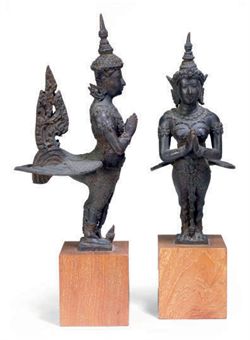
two_thai_bronze_kinnara_
Kinnaras in Thailand

கட்டுரையை எழுதியவர் :– லண்டன் சுவாமிநாதன்
ஆராய்ச்சிக் கட்டுரை எண்- 1375; தேதி அக்டோபர் 28, 2014.

உலகின் முதல் அகராதி / நிகண்டின் பெயர் அமரகோசம். இது சம்ஸ்கிருதத்தில் உள்ளது. இதை அமரசிம்மன் என்பவர் எழுதினார். இது விக்ரமாத்தித்தன் -(கி.மு.முதல் நூற்றாண்டு)– காலத்தில் எழுதப்பட்டதாக செவிவழி வந்த செய்திகள் கூறின. ஆனால் கட்டாயம் ஏழாம் நூற்றாண்டுக்கு முன் இது இருந்ததற்கான சான்றுகள் உள. சுமார் 2000 ஆண்டுப் பழமையுடையது என்று கொண்டால் தவறில்லை. உலகின் முதல் நிருக்தம் ( கி.மு 800 சொற் பிறப்பியல் நூல்), உலகின் முதல் இலக்கண நூல் ( கி.மு 700 பாணீனீயம்), உலகின் முதல் காம நூல் (காம சூத்ரம்), உலகம் வியக்கும் டெசிமல் சிஸ்டம் ( தசாம்ச முறையின் மிகப்பெரிய எண்கள்; கி.மு.1000 வேத கால பிராமணங்களில் உள ) – ஆகிய அனைத்தையும் உண்டாக்கியோருக்கு ‘அகராதி’ என்பது ஒரு எளிய பணியே.

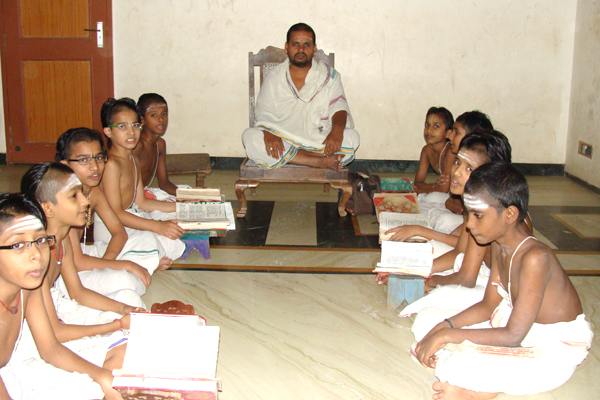
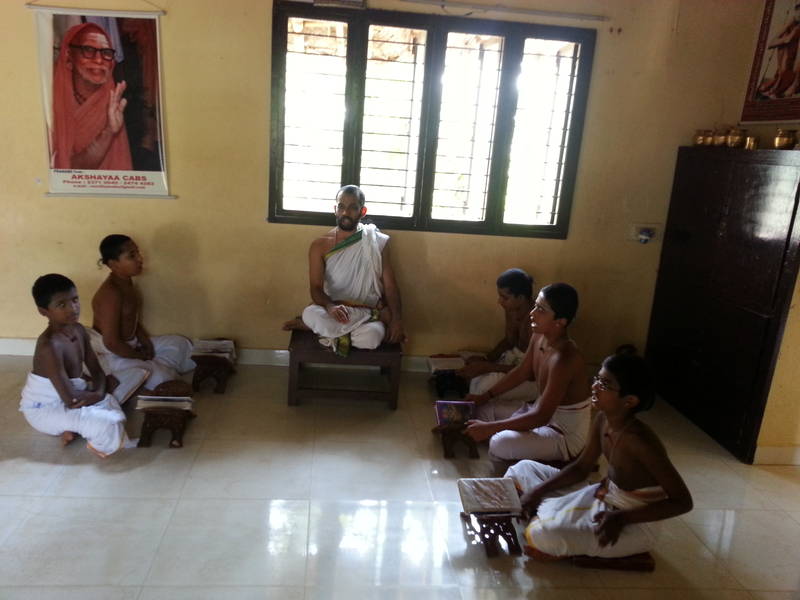
சிறு குழந்தைகள் சம்ஸ்கிருத பள்ளிக்குப் போனவுடன் இலக்கண வாய்ப்பாட்டையும், நாம லிங்கானுசாசனம் எனப்படும் அமரகோசத்தையும் மனப்பாடம் செய்ய வைத்துவிடுவர். வாழ்நாள் முழுதும் இதை மறக்க முடியாது. நானே பள்ளிக்கூட வகுப்பு முடிந்தவுடன் மதுரை மேலச்சித்திரை வீதி ஆடிட்டர் வீட்டு நடையில், தரையில் உட்கார்ந்து இப்படிக் கற்றவன். உலகமே வியக்கும் அற்புதமான வகையில் சம்ஸ்கிருதம் கற்பிக்கப்படுகிறது. நிற்க. சொல்ல வந்த விஷயம் வேறு.
kashmir Kinnara_600x450
Kinnars in Avantipur, Kashmir

அமரகோஷத்தில் ஒவ்வொரு கடவுளருக்கும் சொல்லுக்கும் உள்ள பல பெயர்கள் இருக்கின்றன. இதற்கு வியாக்கியானம் செய்த உரைகார்கள் அற்புதமான விஷயங்களை நமக்கு அளிப்பர். அவைகளை ஒருவன் கற்றால் அறிவு ஒளிரும். லண்டனில் ஒரு சம்ஸ்கிருத ஆசிரியரை வீட்டிற்கு அழைத்து கற்றுக்கொண்ட சில விஷயங்களை ஏற்கனவே ஆங்கிலத்தில் கொடுத்தேன். இன்று அமரகோசம் குறிப்பிடும் கந்தர்வர்கள் “ஹாஹா ஹூஹூ” பற்றி பார்ப்போம்.

“கந்தர்வானாம் (அஹம்) சித்ரரத:”
— என்று பகவத் கீதையில் (10-26) கண்ண பிரான் கூறுகிறார்.

மஹாபாரதம் மூலம் சித்ரரதனை நமக்குத் தெரியும். ஆனால் ‘’ஹாஹா’’, ‘’ஹூஹூ’’ பற்றி எங்குமே தகவல் இல்லை. கந்தர்வர் பற்றி வரும் விஷயங்களை வைத்து நாம் ஊகிக்கத்தான் வேண்டும்.

celestials
Gandharvas in Mamallapuram

கந்தர்வர் பற்றிய ஆராய்ச்சி மிகவும் முக்கியமானது; ஏனெனில்
1.ராமாயணமும் மஹாபாரதமும் கந்தர்வர்களை சிந்து சமவெளியுடன் தொடர்பு படுத்துகின்றன. ஆகவே சிந்து சமவெளி நாகரீக ஆட்சியாளர் பற்றி அறிய உதவும்.

2.வெள்ளைக்காரர்கள் வந்து ஆரியர், திராவிடர், முண்டா என்று இந்தியர்களை 3 கூறு போடுவதற்கு முன் நம் வடமொழி, தமிழ் மொழி இலக்கியங்கள் இந்தியர்களை 18 கூறுகளாகப் போட்டன. ஆனால் எல்லோரும் ஒரு தாய் வயிற்றுப் பிள்ளைகள் என்றும் எழுதி வைத்தார்கள். அந்த 18 வகையினரில் கந்தர்வர் என்பவர் பாடகர்கள் — கின்னரர்கள் என்போர் வாத்யம் வாசிப்போர். துருக்கி வரை பல இசைக் கருவிகளுக்கு கின்னர, கின்னரி, தும்புரு, தம்புரா, டாம்போரின் என்று தான் பெயர்!!! ஆகவே வேத காலம் முதல் வழங்கும் கந்தர்வ என்னும் சொல் இசை ஆராய்ச்சி செய்வோருக்கு மிகவும் முக்கியம்.

chiron
Chirone from Greek mythology

சித்ரரதன் யார்?

மஹாபாரதத்தில் சித்ரரதன் பற்றி இரண்டு விஷயங்கள் வருகின்றன. இவன் கந்தர்வ இனத் தலைவன். இவன் தலைமையில் இருந்த படைகள் கௌரவர் படையைத் தாக்கவே கர்ணன் போன்ற பெருந் தலைவர்கள் உயிருக்குப் பயந்து ஓடி விட்டனர். துரியோதனனை கந்தர்வர்கள் கைது செய்தனர். அர்ஜுனன் போய் சமாதானம் பேசி மீட்டு வந்தான். ஏனெனில் சித்ரரதன் அர்ஜுனனின் நண்பன். அது என்ன கதை?

பஞ்சாப் (பாஞ்சாலம்) நோக்கி பாண்டவர்கள் சென்றபோது அவர்களை சித்ரரதன் தாக்கினான். அவனை அர்ஜுனன் கைது செய்து சிறைப் பிடித்தபோது, அவனது மனைவி கும்பிநாசி கெஞ்சவே, அவனை விடுதலை செய்தான். அவன் நன்றி பாராட்டும் முகத்தான் அர்ஜுனனுக்கு கந்தர்வ வகைப் போர்க்கலையை கற்றுக் கொடுத்தான். இருவரும் நண்பராயினர்.

கந்தர்வர்கள், ஒரு குறிப்பிட்டவகை போர்ப் பயிற்சியில் வல்லவர்கள். இசைக் கலையிலும் மன்னர்கள். அவர்களுடைய மனைவியரான அப்சரஸ் என்ன்னும் அழகிகள் நாட்டியக் கலையில் வல்லவர்கள் ஆகவே இந்தியாவில் இசை-நடனக் கலைக்குப் பெயர் கந்தர்வ வேதம். இது ஆய கலைகள் 64-இல் ஒன்று.

kinnari
Kinnari instrument

அர்ஜுனன், மாதலி ஓட்டி வந்த –ஸ்பேஸ் ஷட்டிலில்—விண்வெளிக் கப்பலில் — சென்று ஐந்து ஆண்டுக் காலத்துக்கு வேறு கிரகத்தில் வசித்தான். அப்போது சித்ர சேனன் என்னும் ஒரு கந்தர்வன் அவனுக்கு இசையையும் நடனத்தையும் பயிற்றுவித்தான். தேவலோக ஊர்வசி அர்ஜுனனைக் காதலித்து அங்கேயே இருக்கும்படி கெஞ்சினாள். அர்ஜுனன் மறுக்கவே ‘’நீ அலியாகப் போ’’ என்று சபித்தாள். சித்ர சேனன் இடைமறித்து சமாதான உடன்படிக்கை செய்தான். அதன்படி குறிப்பிட்ட காலம் மட்டுமே அவன் அலியாக முடிவு செய்யப்பட்டது .பிற்காலத்தில் அஞ்ஞாதவாச காலத்தில் அவன் அலியாகி– உத்தராவுக்கு நடனம் கற்பித்து கரந்துறை வாழ்வு நடத்த இது பயன்பட்டது.

இந்தக் கதையிலும் ராமாயணக் கதையிலும் பஞ்சாப், சிந்து மாகாணம் மட்டுமே கந்தர்வர்களுடன் தொடர்புபடுத்தப் படுகிறது. இப்போது ஒரு சந்தேகம் எழும். தேவ லோக கந்தர்வர்களுக்கும் பூலோக கந்தர்வர்க ளுக்கும் என்ன தொடர்பு? இதற்கு விடை என்னவென்றால் கந்தர்வர் என்னும் சொல்லும் கின்னரர் என்ற சொல்லும் பூவுலகில் வேறு பொருள் உடைத்து. இந்தியாவில் உள்ள எல்லா ஜாதிகளும், தாங்கள் கடவுள் அல்லது தேவர்களிடம் தோன்றியதாகக் கூறும். அதாவது தேவலோகம் வேறு, அவர்களுடன் தங்களை அடையாளம் காண விழையும் பூலோக வாசிகள் வேறு. இதனைப் புரிந்து கொண்டு இரு மட்டங்களில் – இரு வேறு தளங்களில் இந்தச் சொற்கள் பயன்படுத்தப்படுகின்றன என்பதைத் தெளிதல் வேண்டும்.

kinnara_1
Tumburu from Hindu Mythology

ராமாயணத்தில் பரதன் படையெடுத்து வென்ற இடம் சிந்து சமவெளி நகரங்கள் ஆகும்— இதை வருணிக்கும் வால்மீகி முனிவர் ‘’நன்கு கட்டப்பட்ட கட்டிடங்களும் நகரங்களும்’’ அங்கே இருப்பதாக வருணிக்கிறார். லாகூர் என்னும் பாகிஸ்தானிய நகரமும் லவன் – இராமனின் மகனால்- உருவாக்கப்பட்டது. ஆக கந்தர்வர் பற்றிப் பேசும் வடமொழி இலக்கியங்கள் மூன்று விஷயங்களைத் தெளிவு படுத்துகின்றன:–

1.பஞ்சாப், சிந்து மாகாணங்களில் கந்தர்வர் –கின்னரர் என்னும் ஒரு இனம் வசித்தது. (அங்குதான் மொஹஞ்சதாரோ, ஹரப்பா ஆகிய நகரங்கள் உள்ளன).

2.அவர்கள் கட்டிடக்கலை மன்னர்கள். இசை நாட்டியத்துறை நிபுணர்கள். சிந்துவெளியில் கிடைத்த நடன மாதுவின் வெண்கலச் சிலை இதற்குச் சான்று. அங்குள்ள செங்கல் வீடுகளும் மிகப்பெரிய குளமும், குதிர்களும் இதற்குச் சான்று.

3.அவர்கள் குறிப்பிட்ட போர்க்கலையில் வல்லவர்கள். பரதன், துரியோதனன், அர்ஜுனன் ஆகியோரை அவர்கள் தாக்கியதே இதற்குச் சான்று. கர்ணனையும் உயிருக்குப் பயந்து ஓட வைத்தவர்கள்!!

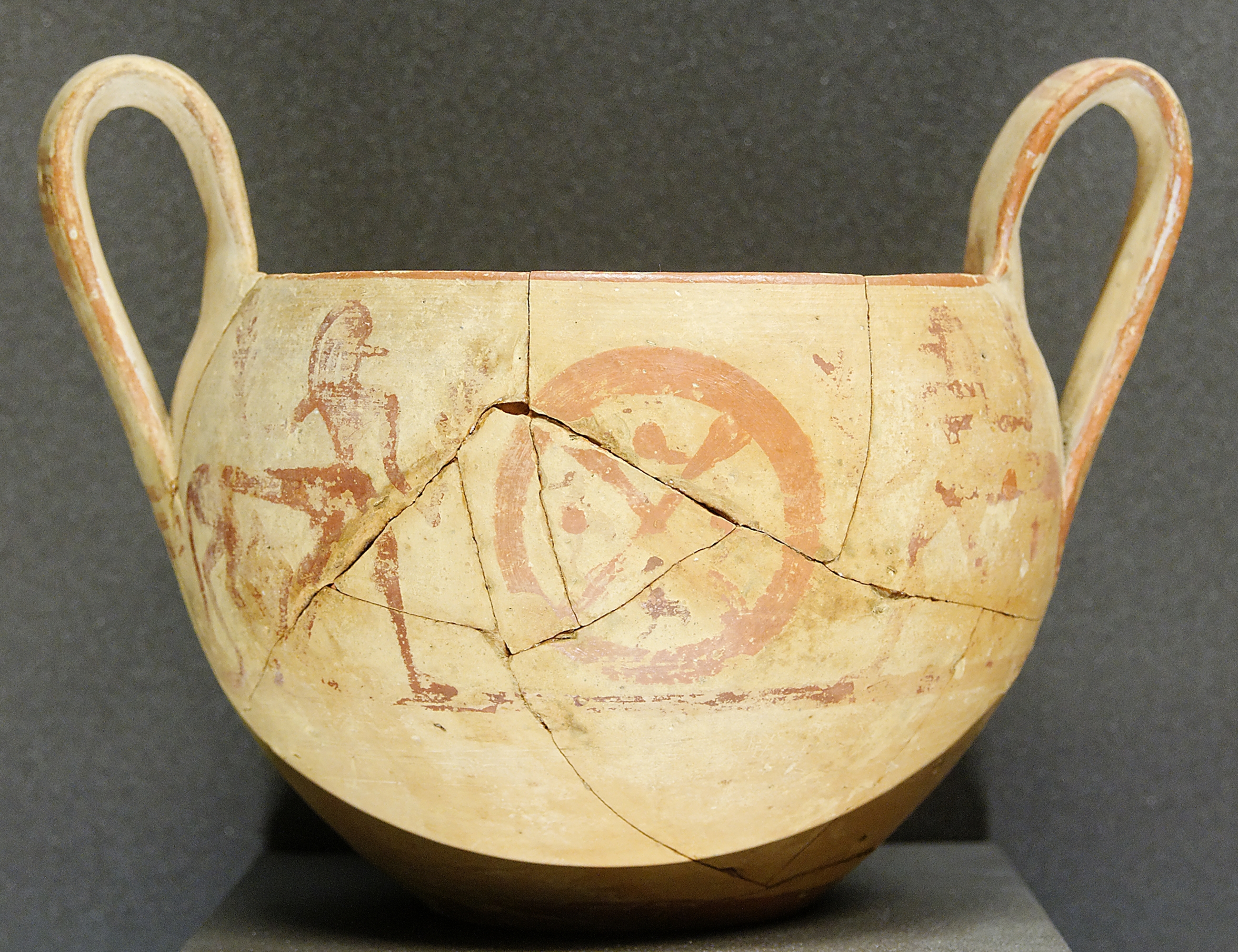
Cantharus_Stathatou_Louvre_CA1987

Mycenaean Cantharus (Gandharva) from Louvre Museum, France

வேத காலச் சான்றுகள்:–
ஊர்வசி என்னும் பெண், ரிக் வேத காலத்திலேயே பிரபலமானவள். தேவலோகப் பெண்கள், கந்தர்வர்களின் மனைவியராவர். இது தவிர, போதாயன ஸ்ரௌத சூத்திரத்தில் (20-25) பஞ்சாப் மாநிலத்தைச் சேர்ந்த காந்தர்வாய பாலேய அக்னிவேஷ்ய என்னும் பெயர் இருக்கிறது. ஆக கந்தர்வர், அப்சரஸ் ஆகியோர் ரிக்வேத காலத்தில் இருந்ததும், அவர்கள் பஞ்சாப் சிந்து பிரதேசத்தில் வசித்ததும், அவர்கள் வடமொழிப் பெயர்கள் வைத்திருந்ததையும் வேத கால இலக்கியங்கள் உறுதி செய்கின்றன.

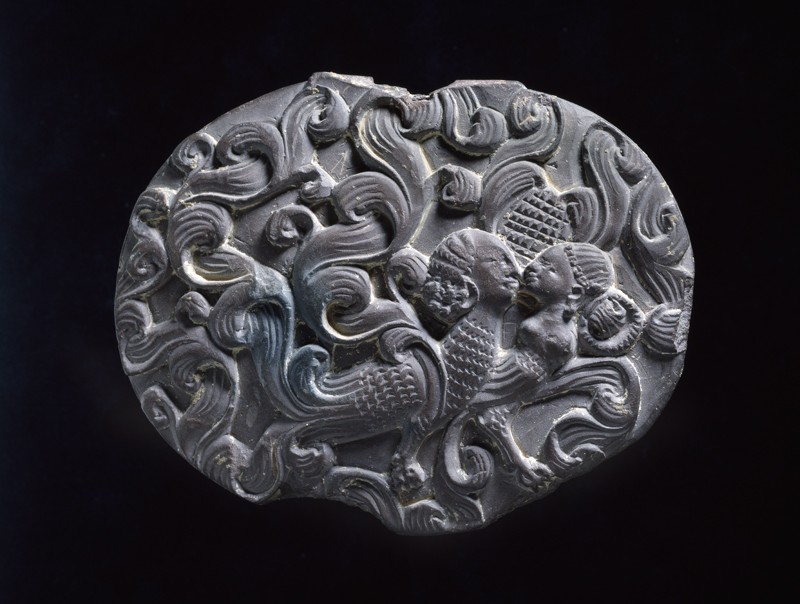
ashmoloean
Box with Kinnara figures in Asmolean Museum, Oxford, UK

இசை மன்னர்கள்
கின்னரர் என்ற பக்க வாத்தியக்காரர்களின் பெயரில் பல்வேறு வகை இசைக் கருவிகள் துருக்கி வரை இருக்கின்றன. கின்னரர் தலைவன் தும்புரு என்பவர், நாரதருக்கே இசை கற்பித்தவர். அவருடைய பெயரில் தம்பூரா, டாம்போரின் முதலிய கருவிகளும் பல நாடுகளில் காணப்படும். ஆக இசை ஆய்வுக்கும் ‘’கின்னரர் ஆய்வு’’ உதவும். தும்புரு போலவே குதிரை முகமும் மனித உடலும் கொண்ட ‘சிரோன்’ என்ற கிரேக்க தேவனும் குறிப்பிடத்தக்கவர். கிரேக்க நாகரீகத்துக்கு முன்னர் அங்கே நிலவிய மைசீனிய நாகரீகத்தில் ‘காந்தரோஸ்’ (கந்தர்வோஸ்??) என்பவர் இப்படிக் குதிரை உடலுடன் காட்டப்பட்டுள்ளார். இந்து மதக் கதைகள் இப்படி வெளிநாடுகளை அடையும்போது உருச் சிதைவதும், காலப்போக்கில் பழைய உண்மைக் கதைகள் மறைந்து புதுக்கதைகள் எட்டுக்கட்டபடுவதும் ஆய்வளர்களுக்கு புதுமை அன்று.

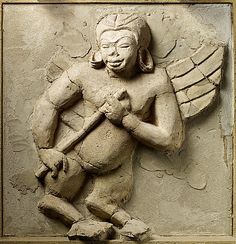
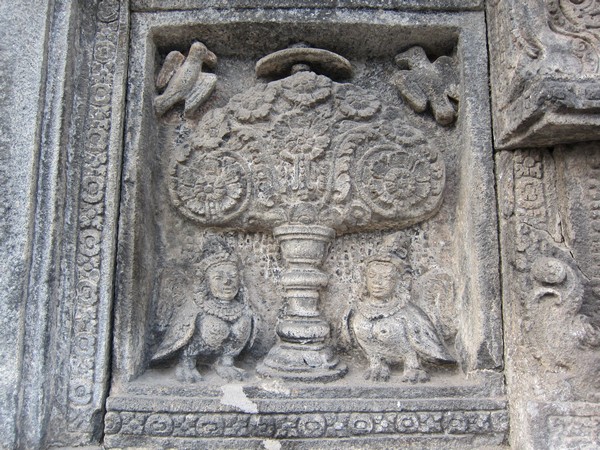
என்ன காரணத்தினாலோ கின்னரர்கள குதிரை உடல் அல்லது பறவை உடலுடன் சித்தரிக்கப் பட்டுள்ளனர். முகம் மட்டும் மனித முகம்!! இந்திய கின்னரர்- கந்தர்வர் உருவங்கள் தென்கிழக்காசியா முழுதும் பரவிக் கிடக்கின்றன. தாய்லாந்து நாட்டில் இது மிகவும் அதிகம். உலகிலேயே மிகப் பெரிய முஸ்லீம் நாடான இந்தோநேசியாவின் போரோபுதூர், கம்போடியாவின் அங்கோர்வட், ப்ராம்பனான், தாய்லாந்தின் பாங்காக் ஆகிய இடங்களில் இந்தியாவை விட அழகிய கந்தர்வர்- கின்னரர் உருவங்கள் இந்தியப் பண்பாட்டைப் பறை சாற்றி நிற்கின்றன.

kinnara in thailand musuem
Kinnara from Thailand Museum

தேவலோக கந்தர்வர் என்போரும் உண்மையே. ரமண மகரிஷிக்கு முந்திய, திருவண்ணாமலை ஸ்ரீ சேஷாத்ரி சுவாமிகள் பல அற்புதங்களைச் செய்து காட்டியவர். அவர் ஒரு இசைப் பிரியர். திடீரென வானத்தை உற்று நோக்கி இசைய ரசித்து மகிழ்வார். பக்தர்கள் கேட்டபோது வானுலக கந்தர்வர் பாடிக்கொண்டே போனதாகவும் அவர்கள் இசையைக் கேட்டு அதில் லயித்ததாகவும் கூறுவார். ஆக விண்ணுலக கந்தர்வர் என்றுமுளர். மண்ணுலக சிந்து சமவெளி கந்தர்வர் மண்ணில் கலந்துவிட்டனர் என்று கொள்வதில் தவறில்லை.

உலகம் முழுதும்— மைசீனிய நாகரீகம் வரை — கிடைக்கும் எல்லாத் தகவல்களையும், கின்னர, தும்புரு இசைகருவிகள் முதலியவற்றையும் இராமாயண, மஹாபாரத, சிந்து சமவெளி தகல்களுடன் ஒப்பிட்டால் மேலும் பல உண்மைகள் வெளியாகும். நான் முன்னர் எழுதியதுபோலவே சிந்து சமவெளி என்பது பல இன மக்கள்—பல வகை வழிபாட்டுடையோர்- ஒருங்கே வசித்த பூமி என்பதையும் நினைவிற் கொண்டால் பல புதிர்கள் விடுபட்டுப்போகும்!

Prambanan-Kinnara-bas-relief
Kinnaras from Prambanan, Cambodia

-சுபம்-

Gandharvas-Elephants

contact swami_48@yahoo.com