முள்ளை முள்ளால் எடு; வைரத்தை வைரத்தால் அறு!!

rubiks-cube-world-record

Picture of Rubik’s Cube

Written by London swaminathan

Date: 9 July 2016

Post No. 2954

Time uploaded in London :– 8-06 AM

( Thanks for the Pictures)

DON’T REBLOG IT AT LEAST FOR A WEEK!  DON’T USE THE PICTURES; THEY ARE COPYRIGHTED BY SOMEONE.


(for old articles go to tamilandvedas.com OR swamiindology.blogspot.com)


ஒரு செயலைச் செவ்வனே முடிக்க பல வழிகள் உள்ளன. சிறிது சிந்தித்துச் செயல்பட்டால் எதையும் எளிதில் முடிக்கலாம்.


முதலில் ஒரு விஷயத்தைத் தெளிவாகப் புரிந்துகொள்ள வேண்டும். துன்பம் என்று எதுவுமே இல்லை. ஏனெனில் உலகில் எல்லாவகைத் துயரங்களுக்கும் ஒரு தீர்வு இருக்கிறது. அது என்ன என்று தெளிதல் வேண்டும்.

கடவுள் யாருக்கும் துன்பம் தருவது இல்லை!


சின்னக் குழந்தைகள்  ரூபிக் கியூப் (RUBIK CUBE)  போல பல புதிர் விளையாட்டுகள் விளையாடும். ஒருமுறை அதற்கு விடை கண்டுவிட்டால் பின்னர் எளிதில் அதைத் தீர்த்துவிடலாம். முதல் முறை மட்டும் கொஞ்சம் கடினமாகத் தோன்றும். ஆனால் ,ஒவ்வொரு புதிருக்கும் ஒரு விடை உண்டு.


இது போலவே கடவுள் சில கஷ்டங்களைத் தரும்போது அதற்கான தீர்வையும் தருவான். அதைக் கண்டுபிடிக்கும் புத்திசாலித்தனம் நமக்கு வேண்டும். அது இல்லை என்றால் இது போன்ற கட்டுரைகளைப் படித்து அறிய வேண்டும். பெரியோர்களிடமும் அறிவுறை கேட்கலாம்.


இதற்கு ஆங்கில ஆசிரியர்கள் எழுதிய நூற்றுக் கணக்கான Self Improvement சுய முன்னேற்ற புத்தகங்களைப் படிக்க வேண்டும் என்பதில்லை. திருக்குறள், நாலடியார், பழமொழி நானூறு முதலிய நூல்களைக் கற்று சுய முன்னேற்றம் தொடர்பான விஷயங்களை எழுதி வைத்துக்கொண்டால் போதும். அதை அடிக்கடி “பாராயணம்” செய்தால் போதும்.

caged birds


கூட்டுக் குருவியைக் கொண்டு காட்டுக் குருவியைப் பிடி!

கூட்டுக் குருவியைக் கொண்டு காட்டுக் குருவியைப் பிடி – என்று தமிழில் ஒரு பழமொழி உண்டு.

முள்ளை முள்ளால் எடு என்று தமிழில் ஒரு பழமொழி உண்டு.

வைரத்தை வைரத்தால் அறு சம்ஸ்கிருதத்தில் ஒரு பழமொழி இருக்கிறது.


நாட்டு யானையை வைத்து காட்டு யானையைப் பிடி என்பதை அர்த்த சாஸ்திரம் எழுதிய சாணக்கியன் என்ற பிராமணனும், பின்னர் திருவள்ளுவரும் “யானையால் யானை யாத்தற்று” – என்று சொல்லியிருக்கிறார்கள்.


வினையால் வினையாக்கிக்கோடல் நனைகவுள்

யானையால் யானை யாத்தற்று (குறள் 678)

பொருள்: ஒரு செயலைச் செய்ய இன்னொரு செயலைப் பயன்படுத்தலாம்; நனைந்த மத நீரையுடைய யானையைக் கொண்டு மற்றொரு யானையைப் பிடிப்பது போல.

(நனை கவுள் = மத நீரினால் நனைந்த கபோலத்தை உடைய)


இதே உவமையை வால்மீகி ராமாயணத்திலும் காணலாம் (3-56-31)

(6-16-16)


பரணர் என்ற பார்ப்பனப் புலவர் பாடிய அகநானூற்றுப் பாடல் 276-லும் காண்க:-

தாரும் தானையும் பற்றி, ஆரியர்

பிடிபயின்று தரூஉம் பெருங்களிறு போல


(பிடி = பெண் யானை, களிறு = ஆண் யானை)


வடக்கில் , குறிப்பாக இமய மலையில், சம்ஸ்கிருத மொழியைப் பயன்படுத்தும் ரிஷி முனிவர்களையும் கற்றோரையும் “ஆரியர்” என்ற சொல்லால் சங்க இலக்கியம் அழைக்கும். இங்கே பெண் யானையைக் கொண்டு ஆண் யானையைப் பிடிக்கும் உவமையை பரணர் கையாளுகிறார்.

25KI-ELEPHANT_1155726f

ஆவின்பால் கன்றினாற் கொள்ப கறந்து!


நன்னெறி என்னும் நூலில் ஒரு நல்ல பாடலும் இதே கருத்தை வலியுறுத்தும்.


தங்கட் குதவிலர்கைத் தாமொன்று கொள்ளினவர்

தங்கட் குரியவரால் தாங்கொள்க – தங்கநெடுங்

குன்றினாற் செய்தனைய கொம்பனையாய் ஆவின்பால்

கன்றினாற் கொள்ப கறந்து.


பொருள்:–

தங்கநெடுங்குன்றினாற் செய்தனைய கொம்பனையாய் – நெடிய பொன் மலையால் செய்தது போன்ற அழகிய கொம்பு போன்ற பெண்ணே (அட! என் தங்கக் கட்டியே!)


ஆவின்பால் கன்றினாற் கொள்ப கறந்து- மாட்டுப் பாலை அதன் கன்றினாற் கறந்து கொள்வார்கள் (கன்று பக்கத்தில் இருந்தால் மாடு தானே பால் சுரக்கும். மற்றொரு பொருள்- கன்று இல்லாவிடினும் இறந்து போன கன்றின் தோலுக்குள் வைக்கலை அடைத்து கன்று போல பொம்மை செய்து , பசு மாட்டின் பக்கத்தில் வைத்துப்   பால் கறப்பது)


(அதுபோல)


தங்கட் குதவிலர்கைத் தாமொன்று கொள்ளின் – தங்களுக்கு உதவி செய்யாத ஒருவரிடமிருந்து உதவி பெற வேண்டுமானால்,


தங்கட் குரியவரால் தாங்கொள்க- அவருக்கு யார் நண்பர் என்று அறிந்து அவரை அணுகுக; அல்லது உங்கள் நண்பர்களில் யார், அவருக்கு நெருக்கமோ அவர் மூலம் அணுகி உதவி பெறுக.


எவ்வளவு அருமையான, எளிமையான விஷயம் பாருங்கள்.


2670_bessie_cow_calf_


நாட்டுப் பிரச்சினையானாலும், வீட்டுப் பிரச்சினையானாலும், குடும்பப் பிரச்சினையானாலும் திண்ணையில் உட்கார்ந்து வெட்டி அரட்டை அடிக்காதீர்கள்; முக்காடு போட்டுக் கொண்டு அழாதீர்கள்.


கஷ்டங்களைக் கொடுப்பவன் இறைவனே யானாலும், அதற்குத் தீர்வும் உண்டு!


முடியாதது என்ற சொல்லை என் அகராதியில் காண முடியாது என்று சொன்னான் நெப்போலியன். அதற்கு முன்னரே நாம் (தமிழர்கள்) சொல்லிவிட்டோம்.


–Subham–


யாழ்ப்பாண ஐயர் பழமொழிகள்! (Post No. 2953)

pararajasekara

Compiled by London swaminathan

Date: 8 July 2016

Post No. 2953

Time uploaded in London :– 17-11

( Thanks for the Pictures)

DON’T REBLOG IT AT LEAST FOR A WEEK!  DON’T USE THE PICTURES; THEY ARE COPYRIGHTED BY SOMEONE.


(for old articles go to tamilandvedas.com OR swamiindology.blogspot.com)


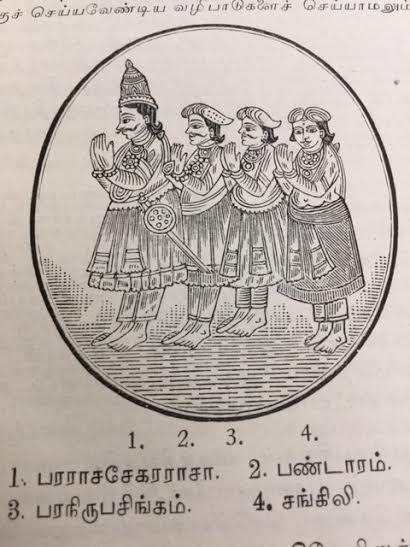
“பரராஜ சேகரன் ஆண்ட காலத்தில் சுபதிருஷ்ட முனிவர் என்பவர் அவன் சபைக்கு வந்தார். மன்னன் எழுந்து நின்று அவரை உபசரித்து,  தனது எதிர்காலம் பற்றிக் கூறுமாறு வேண்டினான். முனிவர் சொன்னார்:-

நீ புண்ணியவான். உனது ஆட்சி குறைவின்றி நடக்கும். அதற்குப்பின் உன் மூத்த புதல்வனை விஷம் வைத்துக் கொன்றுவிடுவார்கள். இரண்டாவது மகனை வெட்டிக் கொன்றுவிடுவார்கள்.


இரண்டாம் பத்தினியின் வயிற்றில் பிறந்த சங்கிலி அரசோச்சுவான். அவனது கொடுங்கோலாட்சியில் பறங்கியர் வசம் ஆட்சி ஒப்படைக்கப்படும்.  பறங்கியர் சிவாலயங்களை அழித்து தமது சமயத்தைப் பரப்பி நாற்பது வருஷம் கொடுங்கோலாட்சி புரிவர். அவர்களை ஒல்லாந்தர் (ஹாலந்து/ டச்சு) வென்று  அவரைப்போல் கொடியராக 120 ஆண்டுகள் ஆள்வர். அதற்குப்பின் மற்றொரு தேசத்தார் (புகைக்கண்ணர்- ஆங்கிலேயர்) வந்து ஒல்லாந்தரை ஒட்டி நீதியாக அரசு செய்வர். உன் சந்ததிக்கு அரசு ஒரு காலத்தும் மீள்வதில்லை” என்றார்.


இதுவே சாரமான கல்வெட்டொன்று திரிகோணமலைத் தம்பத்திலுமுள்ளது

அது மிகவும் பழமையானது. பிற்காலத்தாரால் ஏடுகளில் மாற்றப்பட்டுத் திரிபுபெற்றுள்ள வைபவமாலைக் கூற்றுப்போல்வதன்று:-


முன்னாட்குளக்கோட்டன் மூட்டுந்திருப்பணியைப்

பின்னாட்பறங்கி பிடிப்பானே — பொன்னாரும்

பூனைக்கண் செங்கண் புகைக்கண்ணர் போய் மாற

மானேவடுகாய்விடும்.


இதனை வையா (வையாபுரி ஐயர்) பாடல் என்பர்.

வையாபுரி பாடல் பொய்யாதென்பது பழமொழி. வையாபுரி ஐயர் என்பது அவர் இயற்பெயர். அவர் பிராமண சந்யாசி. அவர் சுபதிருஷ்டர் சீடராகிய சித்தையர் என்பவருக்குச் சீடர்.


சித்தையர் இருந்து தவம் செய்த இடம் சித்தன்கேணியென்று வழங்குகின்றது. சித்தன்கேணிக் கிராமத்திலே அவர் இருக்கும் வரையில்  விஷப் பாம்புகள் செல்வதும், விஷம் தீண்டி இறப்பதும் இல்லையாம். வையாபுரி ஐயர் சீடர் கோவியத் திருமேனியுடைய கொற்றனார்.


ஐயருக்கு 12 மனைவிகள்!


அவர் சீடர் பெரியதம்பி ஐயர். அவர் கொற்றனார் கொடுத்த மூலிகையை உண்டு நரை திரை மூப்பு இன்றி 120 வயசில் இளமையோடிறந்தவர். அவருக்கு நான்கு பார்ப்பாரப் பெண்களும், நான்கு வேளாளப் பெண்களும், நான்கு கோவியப் பெண்களுமாக பன்னிருவர் பத்தினிமார் ஏக காலத்தில் இருந்தார்கள். இவருடைய அற்புத இளமையை நோக்கியே “பெரிய தம்பி ஐயர் வாலிபத்திலே” என்னும் பழமொழி வழங்குவதாயிற்று. பெரியதம்பி ஐயர் இருந்த வீடு வண்ணைச் சிவன் கோயிலுக்குத் தென் பாரிசத்தில் இன்றுமிருக்கின்றது. அவர் சந்ததியாருமங்கேயிருக்கின்றார்கள்”.


–ஆதாரம்: யாழ்ப்பாண சரித்திரம், ஏ.முத்து தம்பி பிள்ளை


Four Types of Angry People! (Post No.2952)

fight-scenes-290x300

Article Written by London swaminathan

Date: 8 July 2016

Post No. 2952

Time uploaded in London :– 14-31

( Thanks for the Pictures)

DON’T REBLOG IT AT LEAST FOR A WEEK!  DON’T USE THE PICTURES; THEY ARE COPYRIGHTED BY SOMEONE.


(for old articles go to tamilandvedas.com OR swamiindology.blogspot.com)


angry-status

Sanskrit is the only ancient language in the world, where we can read about anything under the sun. Though Greek literature comes closer to Sanskrit in its contents there is nothing before 800 BCE in Greek language. And we don’t have a law book like Manu’s, a sex manual like Kamasutra, a linguistics book like Yaska’s or a grammar book like that of Panini’s. Hebrew, Chinese, Latin and Tamil can’t come anywhere near Sanskrit.


We have Sanskrit words and sentences in documents and inscriptions from 1400 BCE – an indisputable archaeological proof. Even training the horse is mentioned in the Boghazkoi inscriptions dated around 1400 BCE. Tamil inscriptions are available from 300 BCE, that too with Sanskrit and Prakrit words only.


Here are some Sanskrit couplets from Manu and others:–


Uttama, Madhhyama, Adhama and Papi


Uttame sa kshanam kopo madhyame ghatikaadwayam

Adhame sydahoraatram paapishtee maranaantaka:


Good people won’t feel the anger for more than a moment.

People in the next rank – not so good, but O.K—will feel the anger for 48 minutes (i.e. for two ghatikaas; a ghatikaa is 24 minutes).

People at the lower level, will be angry for 24 hours (Aha:+raatri).

But the sinners (paapishta:) will keep the anger till they die.

Those who feel the anger over an incident for ever are sinners! That is the message it gives.


Tamil poet Tiru valluvar also says, “The anger of a person who has reached the pinnacle of goodness will not last even for a moment”. – Kural 29

Beware of the fury of the patient man, says John Dryden

young-angry-man-52068682

Manu on Anger:–


Manu, the oldest Law Maker, (his name is in the oldest book in the world, the Rig Veda), lists the eight bad qualities that come out of anger:

Paisunam saahasam droha iirshyaarsuuyaarthaduushanam

Vaagdandajam sa paarushyam krodajopi ganoshtakah

Manu 7-48

Slander, physical violence, malice, envy, resentment, destruction of property, verbal abuse and assault are the eight vices born out of anger.


Durvaasa – synonym of anger!


In Hindu literature Durvasa’s name is synonymous with anger. He din’t even wait for a minute to curse anyone. He was notes for his uncontrollable temper. Many fell under his curses. He cursed Sakuntalaa for keeping him waiting at the door, and so caused the separation between her and King Dushyanta. But whne he was happy he gave boons as well. Kunti got a boon from him and became a mother by the sun.


He cursed Indra for showing disrespect to the garland he presented to Indra. Devas went to Vishnu and he arranged the Samudra Martha – Churning of the Ocean —  at last the demons were overpowered. When Krishna forgot to wipe his foot he cursed him and foretold Krishna how he would die. ‘Durvasa’ means ill clothed. Probably his dirty clothe is his anger!


My old articles on ANGER:–


Win Anger by serenity, wickedness by Virtue (Post No. 2568)

Compiled  by London Swaminathan, Date: 23 February 2016


When angry, count a hundred! (Post No 2565)Date: 22 February 2016


Conquer Evil Doers by Saintliness, Anger by peacefulness (Post No. 2839)

Date: 25 May 2016

Sringeri Acharya’s Advice on Anger Management! Compiled  by London Swaminathan,  Date: 22 September 2015

–Subham–


கோபக்காரர்கள் நான்கு வகை! (Post No.2951)

angry-status

Article Written by London swaminathan

Date: 8 July 2016

Post No. 2951

Time uploaded in London :– 8-42 AM

( Thanks for the Pictures)

DON’T REBLOG IT AT LEAST FOR A WEEK!  DON’T USE THE PICTURES; THEY ARE COPYRIGHTED BY SOMEONE.


(for old articles go to tamilandvedas.com OR swamiindology.blogspot.com)


fight-scenes-290x300

நான்கு வகையான கோபக்காரர்கள் இருக்கிறார்கள். இதை ஒரு சம்ஸ்கிருதப் பாடல் அழகாக வருணிக்கிறது. உலகில் சம்ஸ்கிருதத்தில் இல்லாத விஷயம் எதுவுமே இல்லை.


பழங்கால மொழிகளில் சம்ஸ்கிருதத்துக்கு இணையான மொழி எதுவுமே இல்லை. கிரேக்கம், எபிரேயம் (ஹீப்ரூ), சீனம், லத்தின், தமிழ் ஆகிய எல்லா மொழி வரலாறுகளையும் படித்த என் போன்றோருக்கு இது உள்ளங்கை நெல்லிக் கனி போலத் தெரியும். செக்ஸ், மருத்துவம், நாட்டியம், இசை, இலக்கணம், சட்டம், நாடகம், காப்பியம்,சமய இலக்கியம், தத்துவம், மொழி இயல், அகராதி இயல், இதிஹாச, புராணம் ஆகிய எல்லாவற்றிலும் உலக மொழிகளில் முதலிடம் வகிப்பது சம்ஸ்கிருதம். இதற்குக் கொஞ்சம் பக்கத்தில் வருவது கிரேக்க மொழி மட்டுமே. ஆனல் அதில் கி.மு 800-க்கு முன் எதுவுமே கிடையாது. அதற்குப்பின்னர் ஓரளவு எல்லா விஷயங்களும் உள்ள மொழி. அதிலும் கூட பாணிணீய இலக்கணம், காமசூத்திரம், மனுதர்ம சாத்திரம், பரதம் போன்ற நூல்கள் இல்லை.


தமிழ் மொழியில் கி.மு. 300க்கு முன் எதுவும் இல்லை. அப்படிக்கிடைத்த விஷயங்களிலும் சம்ஸ்கிருதம் கலந்து இருக்கிறது.தமிழ்க் கல்வெட்டுகளும் இந்தக்காலத்துக்குப் பிந்தியவையே. ஆனால் சம்ஸ்கிருதச் சொற்களுடன் உள்ள கல்வெட்டுகள் கி.மு. 1400 லிருந்து நிறைய கிடைக்கின்றன.

young-angry-man-52068682

கோபக்கரரர்கள் நான்கு வகை


உத்தமே ச க்ஷணம் கோப: மத்யமே கடிகாத்வயம்

அதமே ஸ்யாத் அஹோராத்ரம் பாபிஷ்டே மரணாந்தக:


கடிகா என்றால் 24 நிமிடங்கள்

க்ஷணம் என்றால் ஒரு நொடி/வினாடி


முதல்தரமான மனிதர்களிடத்தில் ஒரு நொடிப்பொழுதுதான் கோபம் நீடிக்கும். இதை வள்ளுவனும்


குணமென்னும் குன்றேறி நின்றார் வெகுளி

கணமேயுங் காத்தல் அரிது – குறள் 29


நொடி= க்ஷணம்= கணம்


குணக்குன்றாக விளங்கும் முதல்தர (உத்தம) மக்களிடையே கோபம், ஒரு நொடிப்பொழுதில் தோன்றி மறைந்துவிடும்.


இதற்கு அடுத்த (மத்தியம) தரத்திலுள்ளோர் கோபம் இரண்டு கடிகை (48 நிமிடங்கள்) இருக்கும்.


கடைத்தரத்திலுள்ளோர் கோபம் ஒரு நாள் முழுவதும் — 24 மணி நேரம் — நீடிக்கும். இதை சம்ஸ்கிருதத்தில் அஹோராத்ரம் (பகல்+ இரவு) என்பர்.


ஆனால் பாபிகளுக்கோ வாழ்நாள் முழுவதும் கோபம் நீடிக்கும். அதாவது ஒரு காரணத்தை வைத்துக்கொண்டு வாழ்நாள் முழுதும் மனதில் கரு வைத்திருப்பவன் மஹா பாவி.


இந்த நான்கு வகைகளில் நாம் முதல் வகையைச் சேர்ந்திருப்பது நல்லது.


முனிவு என்றாலும் கோபம். அந்த முனிவை வென்றவரே முனிவர் என்றும் ஒரு விளக்கம் உளது.


ரிஷி, முனிவர்களின் கோபம் பற்றி காளிதாசன் ரகுவம்சத்தில் (5-54) மிக அழகாகச் சொல்லுகிறான்:


” நான் அவர் (மதங்க முனிவர்)  பாதத்தில் வணங்கி அவருடைய கோபத்தை நீக்கினேன். அவர் சாந்த சுபாவத்தை அடைந்தார். நீரின் இயற்கைக் குணம் குளிர்ச்சியாகும்.  நெருப்பு, வெய்யில் இவைகளால்தான் அது சூடாகிறது. அது போல மஹரிஷிகளின் இயற்கைக் குணம் குளிர்ச்சிதான் (சாந்தம்). ஏதேனும் ஒரு தக்க காரணதால்தான் அது கோபம் அடையும்” (ரகு வம்சம் 5-54).


இதைத்தான் வள்ளுவனும் சொன்னான். வள்ளுவன் பயன்படுத்தும் கணம், குணம் முதலியன சம்ஸ்கிருதச் சொற்கள் என்பதையும் கவனத்திற்கொள்ள வேண்டும்.


மனு சொல்லுகிறார்; கோபத்தால் எட்டு தீய குணங்கள் வரும் என்று (7-48)

angry-woman

கோபத்தால் வருபவை எட்டு


பைசுனம் சாஹசம் த்ரோஹ ஈர்ஷ்யா அசூயா அர்த்ததூஷணம்

வாக்தண்டஜம் ச பாருஷ்யம் க்ரோத ஜனோபி கணோஷ்டக:

மனு 7-48


கோபத்திலிருந்து பிறக்கும் எட்டு தீய குணங்கள்:– அவதூறு, வன்செயல், தீய எண்ணம், பொறாமை, வருத்தம், பொருட்களை அழித்தல், சுடுசொற்கள், தாக்குதல்.

வள்ளுவன் வெகுளாமை என்னும் அதிகாரத்தில் கோபம் பற்றி பத்து குறள்கள் பாடியிருப்பதை இவைகளோடு ஒப்பிட்டுப் பார்த்து மகிழுங்கள்


கோபம் பற்றிய முந்தைய கட்டுரைகள்:–

தன்னையே அழிக்கும் கோபம் , சம்ஸ்கிருத செல்வம் , கட்டுரை 20, (எழுதியவர் நாகராஜன்), தேதி 28-1-2014

கோபக்காரர்களை வெல்வது எப்படி? (Article: Written by London swaminathan

Date: 14th September 2015)


சாது மிரண்டால் காடு கொள்ளாது! சீனக் கதை!! (Post No. 2405)

Date: 19 December 2015


Win Anger by serenity, wickedness by Virtue (Post No. 2568)

Compiled  by London Swaminathan, Date: 23 February 2016


When angry, count a hundred! (Post No 2565), Date: 22 February 2016


Conquer Evil Doers by Saintliness, Anger by peacefulness (Post No. 2839)

Date: 25 May 2016

Sringeri Acharya’s Advice on Anger Management! Compiled  by London Swaminathan,  Date: 22 September 2015

–Subham–


Don’t go to the Temples empty handed! (Post No. 2950)

கோவிலுக்குச் செல்

Article Written by London swaminathan

Date: 7 July 2016

Post No. 2950

Time uploaded in London :– 13-41

( Thanks for the Pictures)

DON’T REBLOG IT AT LEAST FOR A WEEK!  DON’T USE THE PICTURES; THEY ARE COPYRIGHTED BY SOMEONE.


(for old articles go to tamilandvedas.com OR swamiindology.blogspot.com)


pegnant


There is a beautiful Sanskrit couplet which summarises the ancient Hindu customs and wisdom. Hindus shouldn’t go to the following places without taking something to give:-

Agnihtram grham kshetram garbiniim vrddha balakau

Rikta hastena noppeyaat raajaanam daivatam gurum

Don’t go to or visit empty handed (rikta hastena) a place where Agnihotri, a pregnant woman, elderly people, children, king, God and Guru/teacher live.


One who does Agnihotram every day is an Agnihotri. Agnihotram is a rite of offering cow’s milk into the fire, performed daily in the early morning and in the evening. In the olden days Brahmins maintained three types of fires at home: Gaarhapatya, Aahavaniiya and Dakshinaagniya. So those who visit the house of an agnihotri will take some materials required for the daily ritual. Or as a mark of respect flowers and fruits.

Agnihotram fire ritual became popular after the notorious Bhopal Gas disaster (Union Carbide company in Madhya Pradesh, India) which killed over 3000 people. One agnihotiri’s house was the least affected place in the entire area.


Pregnant women’s cravings are understood and recognised in all the cultures around the world. Hindu women in the neighbourhood cook special dishes liked by the pregnant women and give it to them.


Children always look for toys and toffees. So it is important to take something for the children. When the children are happy, parents also feel happy and shower all the favours on you.


Temples, Gurus or ascetics and elderly people are respected and honoured in Hinduism. So one takes fruits or flowers or the materials required for Puja when they visit such places or people.


Kings or the rulers were considered gods in the olden days because they upheld the rule of law. It was important to take something to them. Sudhama (Kuchela), the poorest of the poor, who had 27 children, took pounded rice in rags and gave it to Krishna. Before he went back home his hut was turned into a palace by the cowherd king Krishna.

children

Hindus always buy flowers, fruits, coconuts and incense sticks before entering the temple. The reason is nothing should be brought home from the temples, because it is god’s property. And yet when the priests give flowers, fruits or Vibhuti/holy ash or Kunkum (vermillion colour powder prepared with turmeric) to the devotees they cant refuse it. To reciprocate their gesture one gives them some money or put some money in the temple Money Box (Hundi) or offer the materials required for the Puja.


–subham–


கர்ப்பிணிப் பெண்களைப் பார்க்கப் போகும்போது……….. (Post No. 2949)

pegnant

Article Written by London swaminathan

Date: 7 July 2016

Post No. 2949

Time uploaded in London :– 9-45 AM

( Thanks for the Pictures)

DON’T REBLOG IT AT LEAST FOR A WEEK!  DON’T USE THE PICTURES; THEY ARE COPYRIGHTED BY SOMEONE.


(for old articles go to tamilandvedas.com OR swamiindology.blogspot.com)


oldman

யார் யாரைப் பார்க்கச் செல்லுகையில் வெறும் கையோடு போகக்கூடாது என்று ஒரு பாடல் இருக்கிறது:–


கர்ப்பிணிகள்

குழந்தைகள்

குரு (சந்யாசிகள்)

முதியோர்

கோவில்

அரசர்கள் (பிரதமர், முதலமைச்சர், ராஷ்டிரபதி)

அக்னிஹோத்ரம் செய்பவர்கள் வசிக்கும் இடங்கள்.


அக்னிஹோத்ரம் க்ருஹம் க்ஷேத்ரம் கர்பிணீம் வ்ருத்த பாலகௌ

ரிக்த ஹஸ்தேன ந உபேயாத் ராஜானம் தைவதம் குரும்


அக்னிஹோத்ரம் க்ருஹம் க்ஷேத்ரம் = தினமும் அக்னிஹோத்ரம்

செய்யும் பிராமணர்களின் வீடுகள்

கர்பிணீம், வ்ருத்த, பாலக: = கர்ப்பிணிகள், முதியோர், சிறுவர்/சிறுமியர்


ராஜானம், தைவதம், குரும் = அரசர்கள், தெய்வம், குரு ஆகியோரின் இருப்பிடம்


ரிக்த  ஹஸ்தேன = வெறும் கையோடு

ந உபேயாத் = நெருங்கக்கூடாது (செல்லக்கூடாது)


children

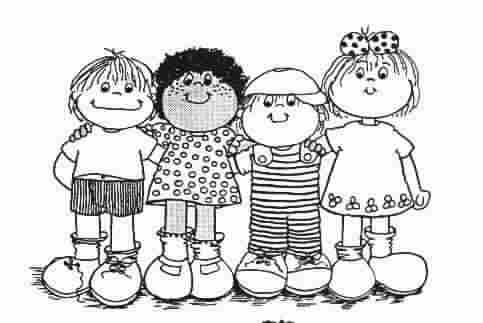
குழந்தைகளுக்கு சாக்லெட், பிஸ்கட், மிட்டாய் அல்லது விளையாட்டுப் பொருட்களை வாங்கிச் சென்றால் தாய், தந்தையர் மிகவும் மகிழ்ச்சி அடைவர். நம்முடைய வீட்டிலுள்ள குழந்தைகளின் வயது, விருப்பங்களை அறிந்து வைத்திருக்கிறார்களே என்று வியப்படைவர். உங்களுக்கு வடை, பயசத்துடன் சாப்பாடும் போடுவார்கள்.


கர்ப்பிணிப் பெண்களுக்கு மசக்கையும், பல விருப்பங்களும் இருக்கும். அவர்களுடைய விருப்பங்களை அறிந்து, அதற்குத்தக சமைத்துக்கொண்டுபோய் கொடுக்க வேண்டும். பெண்ணின் அம்மாவோ, மாமியோரோ உங்களை வாழ்த்துவர். உங்கள் வீட்டில் அத்தகைய சுப நிகழ்ச்சிகள் நடக்கும்போது ஓடிவந்து உதவி செய்வர்.


கோவில்களுக்குச் செல்லுகையில் கட்டாயம் பூவும், பழமும் கொண்டு செல்ல வேண்டும். தேவைப்படும் இடங்களில் பிரசாதம் செய்துகொண்டுபோய் கொடுக்கவேண்டும். ஒன்றும் செய்ய அவகாசமில்லாவிட்டால் உண்டியலிலும், ஐயர் (பட்டர், குருகள்) தட்டுகளிலும் காசுபோட வேண்டும். காரணம் என்ன வென்றால் கோவில்களிலிருந்து ஒரு துரும்பு கூட எடுத்துவரக்கூடாது என்று சாத்திரங்கள் சொல்லும். சிவன் சொத்து குல நாசம். ஆனால் நாமோ அங்கிருந்து விபூதி, குங்குமம், பூ, பழம், துளசி முதலியவற்றை அன்புடன் வாங்கி வருவோம். இதற்கு உடனே காசு போட்டுவிடவேண்டும்.

கோவிலுக்குச் செல்

பெரியோர்கள், சாது சந்யாசிகள்  முதலியோரைப் பார்க்கச்செல்லுகையில் பூ, பழம், தேங்காய் அல்லது குறைந்தது ஒரு எலுமிச்சம்பழமாவது வாங்கிச் செல்லவேண்டும். குரு, தெய்வம், சாதுக்களின் பரிபூரண ஆசி கிட்டும்.


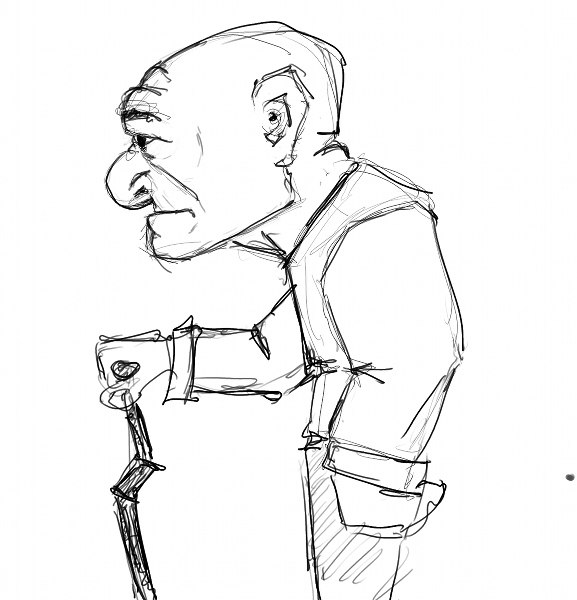
வயதானவர்கள் வசிக்கும் வீட்டுக்குச் செல்லுகையில் பழங்கள், இ னிப்புகள், காரங்கள், புத்தகங்கள் (books), கடிகாரம், வாக்கிங் ஸ்டிக் (Walking Stick) , பிளாஸ்க் (Flask), காலணி (Shoes) போன்ற பயனுள்ள பொருட்களை வாங்கிச் செல்லலாம்.

–Subham–


Mystery of Hill Tribes of India – Part 5 (Post No.2948)

new tribe 1

“Picture of Korwas, one of the wildest of the Kolarian tribes in the Province of Chutia Nagpur” (from 100 year old book)

Research Article Written by London swaminathan

Date: 6 July 2016

Post No. 2948

Time uploaded in London :– 16-20

( Thanks for the Pictures)

DON’T REBLOG IT AT LEAST FOR A WEEK!  DON’T USE THE PICTURES; THEY ARE COPYRIGHTED BY SOMEONE.


(for old articles go to tamilandvedas.com OR swamiindology.blogspot.com)


new tribe 3

Picture of an Oraon

Part 4 was published here on 24th of June. First part contains a detailed introduction.

My points of view

Foreigners called the hill tribes “natives” and “aborigines” dividing the Hindu community which is wrong; in fact, they are just forest dwellers. They were ‘uncivilised’ in western eyes. This is also wrong; in many cases, tribes were more honest and truthful who stuck to some beliefs. Foreigners told us that the tribes also came from north west of India; this is also wrong. We have proof at Bimbetka caves and other places to show that they have been living here for more than 30,000 years.


They lived simultaneously with the city civilisation of Vedic India and Indus Valley civilization. There are lot of proofs in the Vedas, Ramayana and Mahabharata to show that they were part and parcel of Hindu society. Jatayu of Eagle tribe in the Ramayana called Dasaratha his father (like father). Hanuman of Monkey tribe was well versed in Nava Vyakarana.


Like today they were living in forests leading their own life and minding their own business. 2000 year old Sangam Tamil literature show all the tribes lived at the same time of Pandya and Chera kings. There is a beautiful description of the hunters and what they brought for the great Chera King Senguttuvan (See Silappadikaram). Senguttuvan’s period showed a highly developed civilisation who sold black pepper to the Romans and got gold bars. Raguvamsam of Kalidasa also showed the condition of the forest tribes when emperor Raghu ruled.


Foreigners are wrong in saying that one race drove away another race to the forest.


One may wonder, why then there is a visible difference in their appearance? Why then there is a difference in languages?


Simple answer is they have been living separately for thousands and thousands of years. Hindu scriptures are the only scriptures in the world which talk about life over millions of years. Other histories are based on 5000 year scale. Hindus are the only one race who divided the mankind in to 18 groups (I have written an article on the 18 groups a few years ago; but foreigners divided there Aryan, Dravidian, Munda, Mongoloids and aborigines)


Now I will give the description of a foreigner with my comments side by side:

Source book: The People of India by Sir Herbert Risley, second edition 1915, London


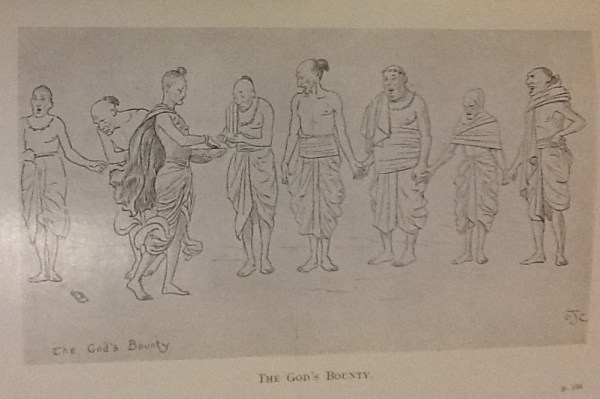
Oraons (Pictures: Plates 17 and 18)

“The nucleus of the tribe is in Chutia Nagpur proper, from whence they have spread as settlers to all the surrounding districts and as labourers to Assam, Kachar, Mauritius, the West Indies and other British and French Colonies”.


My comments: They were so innocent that the foreigners exploited them by telling them lot of lies. They were bought from their parents using agents and made them to work like animals on foreign soil. Tamil poet Bharatiyar has sung about their plight in Fiji and Pacific islands. Films also were made on this theme.

Oraons’ jewellery is very different from other tribes living in the same area. Why? If they are part of the same Dravidian stock, there can’t be hundreds of differences!
new tribe 7

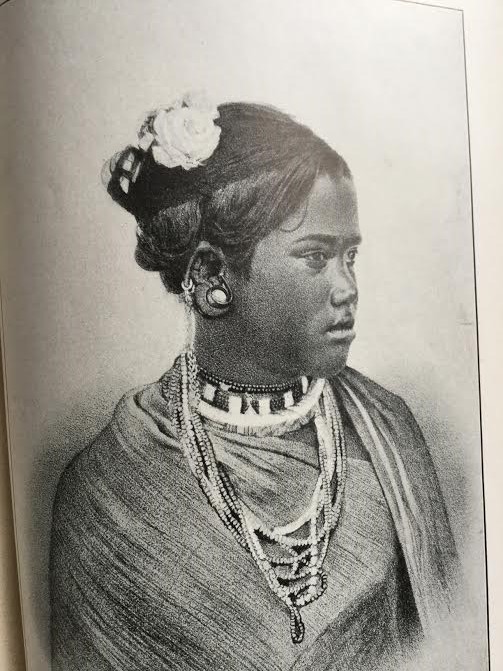
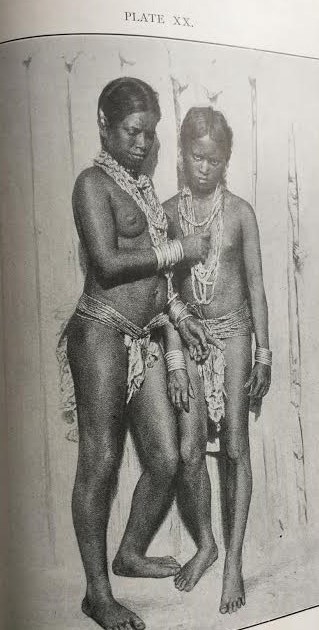
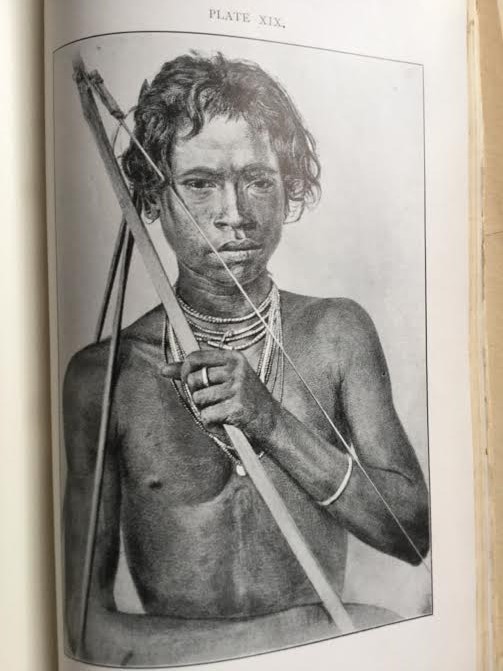
Juang man and Girls (Plate 19 and 20)

“Keonjhar, one of the Cuttack Tributary states, is the legendary cradle of the race.  The beads forming the girdles worn by the girls are of fine earthenware made by themselves. The bracelets are of brass and the necklaces of glass beads or flowers. The rest of the attire is of leaves. The origin of Juang millinery is obscure. According to one legend the goddess of the Baitarani river caught a party of Juangs dancing naked, and ordained for the women, on pain of divine displeasure, the costume shown in the illustration. This consists of the young shoots of any tree with long soft leaves, struck through the girdle in front and behind suitably draped. For the men, the goddess prescribed a shred of bark from the Tumba tree, which has now given place to an exiguous piece of cloth”.


My comments: The leaf attire is mentioned in hundreds of places in Sangam Tamil literature;(See my article on this subject)  one must note that it was the condition of the forest tribe even when great Tamil emperors traded with the Romans and amassed golden bars. The concept of River Goddess is purely a Hindu concept. All over India the river goddesses are propitiated even today. The name Baitarani is of pure Sanskrit origin.
new tribe 12

Juang Girls with Leaf Attire

Bendkar tribe (Plates 21, 21)

“The man holds the only implement they use in tillage. It is the origin of the plough! The typical form of the Bendkar plough is at straight piece of a branch of a tree with a shorter piece of another branch growing out of it. The long piece forms the handle, the short one the share. They don’t use iron or cattle in their agriculture.”


My comments:

They also live in the Keonjar area like Juangs, but they use a primitive plough. Juangs gather food from the forest where as Bendkars cultivate. So much difference between one tribe and another tribe in the same area. Why? If they are of the same Dravidian stock, one would have learnt better techniques from another; so foreigners’ theories are wrong.
new tribe 9

Juang Male with spare arrow in his hair!

Andaman Tribes

“The Andamanese represent a type found only in these islands and have affinity with no other race on the Indian subcontinent. They are probably a remnant of a Negrito people at one time inhibiting Burma or the Malay peninsula. In ancient times Andaman islands see to have been connected with the Malay peninsula, and thus migration became possible. They are nomadic. Their numbers have considerably decreased owing to infertility, high infant mortality, increased death rate among adults due to the influence of civilisation and imported diseases.”


My comments: Divisive and cunning foreigners divided Hindus into Dravidians and Aryans without any proof, based on languages and skin colour. When they met some problems, they created more races such as Munda, Mongoloid and aborigines. When they came across Veddahs and Andamanese they created more races such as Negritoes. But New Guinea island alone has got over 700 languages spoken by the aborigines. Australian aborigines have got over 200 languages. Do they belong to 700 and 200 different races?

About the skin colour: If man has originated in Ethiopia as we believe today, why then we all look differently -brown, white and black? When did this change happen? How did this change happen? Where is the place of race if all of us came from Africa 40,000 years ago? If climate decides the colour of the skin, how come there are black birds living in temperate regions and white birds living in tropical regions? If mutation of genes is the cause what is the role of the race then?

Bendkar male and female

The fact of the matter is when you live in isolation you develop your own language, your own customs and your own beliefs. When you are exposed to outside influence, changes happened. Thousands of years ago the changes happened very slowly. All the old race theories are becoming obsolete with genetic research.

Jarawas of Andaman islands are cannibals; hunters of men. Are they Dravidians? Or Negritoes? Do all the Dravidians and Negritoes are man eaters (cannibals)?

In short, the hill tribes and aborigines are a great mystery. A lot of research is required before forming any theories. On the contrary, jaundice eyed foreigners divided the Hindus and then looked for theories!
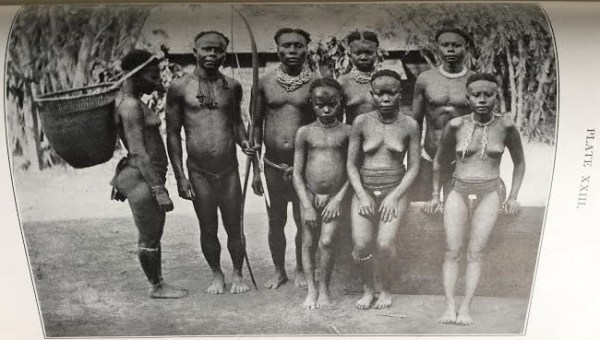
new tribe 16

Picture of  Andamanese

To be continued………………



பிராமணர்களில் குருடன் யார்? (Post No.2947)

brahmin4

Written by London swaminathan

Date: 6 July 2016

Post No. 2947

Time uploaded in London :– 14-41

( Thanks for the Pictures)

DON’T REBLOG IT AT LEAST FOR A WEEK!  DON’T USE THE PICTURES; THEY ARE COPYRIGHTED BY SOMEONE.


(for old articles go to tamilandvedas.com OR swamiindology.blogspot.com)


அந்தணர்களாகப் பிறந்து சாஸ்திர அறிவில்லாதவனை, கண்ணிருந்தும் குருடன் என்று கருதுவர் சான்றோர். இதை அழகாகச் சொல்லும் ஒரு சம்ஸ்கிருத ஸ்லோகம்:–


ஸ்ருதிஸ்ம்ருதீ து விப்ராணாம் சக்ஷுஷீ த்வே வினிர்மிதே

கானஸ்தத்ரைகயாஹீனோ த்வாப்யாம் அந்த: ப்ரகீர்தித:


அந்தணர்களின் இரண்டு கண்கள் வேதமும் தர்ம சாஸ்திரங்களும் (சுருதி, ஸ்ம்ருதி) ஆகும்.


இதில் ஒன்று தெரியாதவன் ஒற்றைக் கண்ணுடையோன்.

இரண்டும் தெரியாதவன் குருடன் என்று அறியப்படும்.


திருவள்ளுவர் இதையே வேறுவிதமாகச்   சொல்லுவார்

கண்ணுடையர் என்பவர் கற்றோர் முகத்திரண்டு

புண்ணுடையர் கல்லாதவர் (திருக்குறள் 393)


நல்ல நூல்களைக் கற்று, ஞானத்தைப் பெற்றவர்களையே கண்கள் உடையவர் என்று சொல்லுவார்கள்; கல்வி அறிவு பெறாதவர்களை, முகத்தில் இரண்டு புண்களை உடையவர் என்று இகழ்வார்கள்.

brahmin3

xxxxx


கர்ம சண்டாளர்கள் யார்?


பிறப்பினால் சண்டாளர்கள் யார் என்பதை நாம் அறிவோம்.

தொழில் ரீதியில் , தாங்கள் செய்யும் செயல்களால், சண்டாளர் நிலைக்குத் தாழ்பவர் யார் என்று ஒரு சம்ஸ்கிருத ஸ்லோகம் விளக்குகிறது:–


தூஷகஸ்ச க்ரியாசூன்யோ நிகஷ்டோ தீர்ககோபன:

சத்வார கர்ம சண்டாலா ஜாதிசண்டால உத்தம:


பிறரைக் காரணமில்லாமல் திட்டுபவன் (பொறாமை காரணமாகவோ,வெறுப்பு காரணமாகவோ)


சாத்திரப்படி விதிக்கப்பட்ட வழிபாடுகளை விட்டவன்


பேராசைக்காரன்


நீண்ட காலத்துக்கு கோபத்தைத்  தக்கவைப்பவன்


ஆகிய நால்வரும் செய்ய்யும் தொழிலால்ல் சண்டாளர் நிலைக்குத் தாழ்ந்து விடுவர்.


///////////////// SUBHAM////////////////////


Manu Smrti on Low Caste Women (Post No.2946)

kalai23

Written by London swaminathan

Date: 5 July 2016

Post No. 2946

Time uploaded in London :– 19-15

( Thanks for the Pictures)

DON’T REBLOG IT AT LEAST FOR A WEEK!  DON’T USE THE PICTURES; THEY ARE COPYRIGHTED BY SOMEONE.


(for old articles go to tamilandvedas.com OR swamiindology.blogspot.com)

klai add2

The oldest law book in the world ‘Manu Smrti’ has very interesting couplets on women who were born in low caste.


A man who has faith may receive good learning even from a man who is lower, the ultimate law even from a man of lowest caste, and a jewel of a woman even from a bad family.

Manu 2-238


Ambrosia may be extracted even from poison;

And good advice even from a child;

Good conduct even from an enemy;

And gold even from impure ore.

Manu 2-239

Women, jewels, learning, law, purity, good advice and various crafts may be acquired from anybody


Manu 2-240

In extremity, one is permitted to learn even the vedas from someone who is not a Brahmin and to walk behind him and obey him like a guru as long as the instruction lasts

Manu 2-241

It is interesting that Tamil king Nedunchezian who lived 2000 years ago also said the same about education in verse 183 of Purananuru. Tamil poet Tiruvalluvar who lived 1500 years ago also said the same:-

Though high born, an unlettered man is lower than a learned man of lower birth. Kural – 409

kalai3

Low Caste Woman Arundhati

When a woman is joined with a husband in accordance with the rules, she takes on the very same qualities that he has, just like a river flowing down into the ocean (River=wife, Ocean = husband).

Manu 9-22

When Akshamala (Arundhati), who was born of the lowest, united with Vasishta, and Sarangi, the hunter woman with Mandapala, they became worthy of honour.

Manu 9-23

Six acts banned for women

Drinking

Associating with bad people

Being separated from their husbands

Wandering about

Sleeping alone in other places

And living in other peoples’ houses

Are the six things that corrupt women.

Manu 10-13

kalai4

Respect Women! Or else you will be destroyed!!


Manu’s severe warning:–


Fathers, brothers, husbands, and brothers-in-laws who wish for great good fortune should revere women and adorn them Manu 3-55

The gods delight in places where women are respected, but where women are not honoured all rites are fruitless

Manu 3-56


Where the women of the family feel miserable, that family is soon destroyed, but the family where the women are happy thrives well

Manu 3-57

Homes that are cursed by the women who have not treated with reverence are completely destroyed, as if struck down by magic

Manu-3-58


Therefore, men who wish to prosper should always revere those women with ornaments, clothes and food at celebrations and festivals

Manu 3-59

There is unwavering good fortune in a family where the husband is always satisfied by the wife, and the wife by the husband

Manu – 3-60

Nowhere else in the world we can see such support for women. Manu was the greatest supporter of women’s rights.

assorted-coloured-gemstones-1

—Subham–


பெண்கள், ரத்தினம், கல்வி: எங்கிந்தாலும் பெறுக! (Post No.2945)

assorted-coloured-gemstones-1

Written by London swaminathan

Date: 5 July 2016

Post No. 2945

Time uploaded in London :– 9-24 AM

( Thanks for the Pictures)

DON’T REBLOG IT AT LEAST FOR A WEEK!  DON’T USE THE PICTURES; THEY ARE COPYRIGHTED BY SOMEONE.


(for old articles go to tamilandvedas.com OR swamiindology.blogspot.com)


ஸ்த்ரியோ ரத்னானி அத வித்யா தர்ம: சௌசம் சுபாஷிதம்

விவிதானி ச சில்பானி சமாதேயானி சர்வத:

–மனு ஸ்மிருதி 2-240


எல்லா திசைகளிலிருந்தும் எடுத்துக்கொள்ள வேண்டியவை:-

பெண்கள், ரத்னக் கற்கள், கல்வி, தர்மம் (அறச் செயல்கள், அற விதிகள்)

தூய்மை (விதிகள், உணவு),  நல்ல சொற்கள் (பொன்மொழிகள், பழமொழிகள், உபதேசங்கள்)

மனு சொல்வதை புறநானூற்றிலும் காணலாம்


நான்கு ஜாதிகளில், தாழ்ந்தவரானாலும், கல்வியில் சிறந்தவன் சொல்லைத் தான் அரசனும் கேட்டு நடப்பான்:–


வேற்றுமை தெரிந்த நாற்பலுள்ளும்

கீழ்ப்பால் ஒருவன் கற்பின்,

மேற்பால் ஒருவனும் அவன் கண்படுமே (புறம்.183)


மனு, இதை மேலும் அழகான உவமைகளால் விளக்குவான்:-


விஷத்திலிருந்து கூட அமிர்தம் எடுக்க முடியும்;

குழந்தையிடமிருந்து கூட அருமையான யோஜனைகள் கிடைக்கும்;

எதிரியிடமிருந்து நற்குணங்களை கற்றுக்கொள்ளலாம்;

அசுத்தமான மண்ணிலிருந்தும் தங்கத்தைக் காய்ச்சி எடுக்கலாம்

மனு 2- 239


இந்த உவமைகளைச் சொன்ன பிறகே நல்ல பெண்களை எங்கிருந்தாலும் திருமணம் செய்க என்பான்.

ms garland making

மனு, மற்றொரு இடத்தில் (9-23), கீழ் ஜாதியில் பிறந்த அருந்ததி, உலக மஹா கற்புக்கரசியாக மதிக்கப்படுவதை எடுத்துக் காட்டுவான்.


2-241ஆவது ஸ்லோகத்தில் பிராமணர் அல்லாதார் இடமிருந்தும் வேதங்களைக் கற்கலாம் என்கிறார் (உபநிடதங்களில் க்ஷத்ரிய மன்னர்களிடம், பிராமணர்களும் வேதாந்தம் கற்றனர் என்ற குறிப்பு உள்ளது.  க்ஷத்ரிய மன்னர் குலத்தில் பிறந்த கௌதம புத்தரை பிராமண அறிஞர்களும் பின்பற்றியபோது புத்தரின் முகம் தாமரை போல மலர்ந்தது என்று தம்மபத விரிவுரைகள் பகரும்.)


வேதங்களைக் கற்பிக்கும் போது அவர்களைக் குருவாக மதிக்க வேண்டும் என்கிறார் மனு. ஜனக மன்னனிடம் பலரும் கற்றதை இங்கே நினைவு கூறலாம்.


ஜாதியை விட உயர்ந்தது கல்வியும், நல்லொழுக்கமும் என்று மனு நிறைய இடங்களில் வலியுறுத்திக் கொண்டே போவதை கற்றோர் அறிவர்.


–Subham–