Pictures are taken from various sources for spreading knowledge; this is a non- commercial blog. Thanks for your great pictures.
tamilandvedas.com, swamiindology.blogspot.com
All the ancient civilizations began on the banks of long rivers like Saraswati, Sindhu, Ganga, Nile, Tigris, Euphrates and Huang He (Called Yellow River and Sorrow of China). But the most wonderful thing is that only Hindus have been worshipping rivers as Goddess until today. Hindus are the one who gave them women’s name to show that they are like Mothers. Hindus are the only community who use the river water in temples and holy ceremonies until today. Oldest book in the world, the Rig Veda, has quotations on water. Hindus are the only people who worship seven holy rivers every morning in the ‘Pratas Smaran Hymn’. Millions of RSS members also recite ‘Pratas Smaran’ every morning.
Recently I posted the names of 139 holy rivers and 39 holy lakes in this blog. Links for important articles are given at the bottom.
Tamil Veda known as Tirukkural also echoed all that is said in Sanskrit scriptures. A beautiful couplet in Trukkural of Tiru Valluvar says,
If rains fail , festivals of the year and the daily worship of the gods will cease—Kural 18.
The author Tiru Valluvar placed the chapter RAIN next to Prayer which is the first chapter. In the ten couplets he shows his indebtedness to Veda and Gita (Bhagavad Gita) by using the Sanskrit words Dhaanam, Tavam, Puja and Amrit in this chapter.
In simple words he showed what is already said in Satapata Brahmana (1000 BCE) and Bhagavad Gita (3-14)
I want to show Greeks also expressed similar views on Water which shows the link between the scholars of both the cultures even before Alexanders march to India:-
“Thales , 624- 546 BCE , a Greek from Miletus, was a ‘phusikos’ – that is ‘a student of the nature’. Aristotle thought that Thales was the first person to think rationally about nature because he offered argument against those – like Hesiod- who simply told stories. Thales started the trend for asking
What makes the world as it is? and came up with the answer-‘Water ‘.
Life and all nature needed water to grow ; and water could not be generated – it was just there. Further water was able to take on solid, liquid and gaseous forms; it could explain how water changed to everything else. But Thales never tried to test his theory. That idea, so crucial to us, was another two millennia in the making.
As one of the Greeks Seven Sages, Thales was also responsible for the saying ‘Know Yourself’.
Very Greek was his reply to the question , How best one can hear adversity ? If one sees one’s enemies doing even worse. If you cannot be a winner , it is some compensation if your enemies aren’t either”
–eureka, peter jones, 2014
***
Now compare,
“All food is produced because of rain,
Which itself is food again”
– Kural 12
Rain produces food ; rain becomes food is the meaning.
Lord Krishnasays,
“From food creatures come into being; from rain is the birth of food; from sacrifice rain comes into being and sacrifice is born of work.”—Bhagavad Gita 3-14
Dr Radhakrishnan compares it with
Manu 3-76 and RV 10-117-6
Manu says ,
“An offering cast properly into the fire /sacrifice approaches the sun; rain is created from the sun, from rain comes food, and from that progeny”.
Now we know these two scientific facts : 1.cloud seeding (Yaga smoke) helps raining; 2.Sun evaporates sea water and it becomes food and produces food.
Rig Veda 10-117-6 says one who eats without sharing is a guilty man.
Pandya King Ilam Peru Vazuthi also says in 2000 year old anthology Purananuru, that “Tamils wont eat even if they get Indra’s Amrit without sharing (Puram 182)”
24 Sep 2013 – Tamil and Vedas. A blog exploring themes in Tamil and vedic literature. Hydro Therapy in Hindu Scriptures · B_Id_406814_kawadiyan-walking.
3 Jul 2016 – We know that CCTV cameras are everywhere; we know about the … We know the five elements are water, fire, earth, air/wind and space/ether.
Water miracles | Tamil and Vedas
tamilandvedas.com › tag › water-miracles
30 May 2018 – Posts about Water miracles written by Tamil and Vedas. … I have already given the stories of walking on the water and flying through the air …
8 May 2014 – Written by London swaminathan Post No. 1030; Dated 8th May 2014. It is true that almost all the civilizations appeared on the banks of the big …
139 HOLY RIVERS AND 39 HOLY LAKES OF INDIA (Post No …
7 Jun 2020 – 139 HOLY RIVERS AND 39 HOLY LAKES OF INDIA (Post No.8124) … tamilandvedas.com, swamiindology.blogspot.com. Hindus use holy water taken from sea, lakes and rivers for bathing kings, gods, and on special …
6 May 2014 – Why is the holiest river Ganga is also called Bhagirathi? 2. What is the name of the holy lake in the Himalayas, which is the source of four big …
India | Tamil and Vedas
tamilandvedas.com › tag › india
139 HOLY RIVERS AND 39 HOLY LAKES OF INDIA (Post No.8124). WRITTEN BY LONDON SWAMINATHAN. Post No. 8124. Date uploaded in London – 7 …
seven holy rivers | Tamil and Vedas
tamilandvedas.com › tag › seven-holy-rivers
8 May 2014 – Posts about seven holy rivers written by Tamil and Vedas. … The seven sacred rivers he invokes are Ganga (River Ganges), Yamuna (River …
Pictures are taken from various sources for spreading knowledge; this is a non- commercial blog. Thanks for your great pictures.
MODERN RISHIS-1
R. Nanjappa
RACHEL CARSON Rishi-Direct perception of Reality
We Hindus have a unique conception of how we perceive Truth. It is not by cerebration or strenuous mental effort. The senses and the mind are outward directed. The senses bring the impressions of the outer world, and these are filtered, coloured and interpreted by the mind, and acted upon by the ego. The ego is the master of the mind, and mind follows the senses. Such impressions and our reaction to them constitute the world of our normal consciousness. The world we thus get to know is a mental formula. It is not the Reality or Truth as it is.
Can we know Truth as it is? Yes, Hindu psychologists say. But for that we have to transcend the mind, and its modifications. We have to go beyond the mind, not just still it, temporarily. (or make attempts to ‘strengthen ‘ it-whatever it may mean!) Patanjali Maharaj says it pithily: Yoga: chitta vritti niroda:. Controlling the modifications of mind is Yoga. All religious disciplines ultimately amount to controlling the mind and taming its master, the ego.
[Care:Yoga means being united, state of union. When the screen or filter of mind is removed, Reality alone remains as It always Is. This is what the jiva or soul experiences then. This is the state of Unity or Oneness. It is not a mental state. One may think one is a scholar, pilot or a carpenter. But one does not have to ‘think’ one is a man or woman! He or she is that already in being! Intervention of thought is not necessary for this ‘realisation’. The state of unity or oneness is like that. This is the real state of Yoga.This is what is meant by Patanjali. Most of what goes by the name of yoga in the world today is pure bunkum.]
Those who can transcend the mind and ego and perceive the Truth (Tat- Reality as It is) directly are called Rishis. However, they cannot define or describe it in precise words.. We say the Truth is beyond expression in language. They can just hint at it- give some indication in some inspired words-like pointing at the moon with the fingers. This cannot be imparted or conveyed by instruction. It has to be absorbed.
The inspired words the Rishis utter are called the mantra’ The Rishis are therefore called ‘mantra drishta’: they perceive or literally “see’ the Truth. They just express it in a few words- they do not develop logical theories. It is like a Newton ‘discovering’ gravity: he did not invent it. It is called Tatvam, as against ‘matam’, which is our mental formulation of it. Tatvam is one,eternal; matams are many, and vary.
Knowledge by Identity
This Tatvam is known by identity. It is like saying one can truly know a lion only when one becomes a lion oneself! We say: Brahmavid Brahmaiva bhavati: the knower of Truth becomes the Truth.
We say Truth can save us. Truth alone can save us, not our opinion of it. And this Truth is known by identity i.e by realisation, by personal experience. Only such Truth can save us. It is said about mantra: Mananaat traayate iti mantra:- mantra is that which saves one who keeps it in mind. People generally take it that if one repeats a mantra, one is saved. In this case, mantra becomes a mental formula, verbal combination, and how can it save us? There are certain mantras which are used for mundane purposes like curing of a scorpion sting. Here, sound vibrations are supposed to be at work. But we should realise that Truth that we seek is Supreme, is sublime, and it cannot be captured by any quick-fix formula, trick or shortcut. Repeating “I am Brahman” a billion times will not make a man Brahman, any more than repeating E=MC2 will make one an Einstein! Catching the finger pointing at the moon will not take us to the moon. What is meant here about mantra is that its Truth has to be reflected upon and realised in one’s very being! It is what Krishna means by “man manaa bhava”= become My minded. Gita 9.34, 18.65. It is not mere mental repetition. It has to be lived.
The Prophets
Though Hindus are justly proud of Rishis and the mantras they discovered, we should realise that God has not left himself without such direct witnesses among any people! There have been great souls who have perceived Truth directly at all times, in all places. The greatness of Hindus is that they did not hound or persecute such Witnesses, but honoured them! They preserved the words of the Rishis with utmost care. They did not seek to make a cult out of such works, and did not seek to impose them on all. It was always open to people to choose who they liked. In the Orthodox tradition, there were Rishis who were the originators of clans; here, it was usual for some Rishis to be grouped together- so that we have the system of three Rishis, five Rishis (thrayrsheya, pancharsheya ) etc.
The Jews have their tradition of Prophets. They are the souls who are messengers of God, show their people the path and lead them, and admonish them for their faults. They also tell the people what would be the consequences of their actions. Here is a short description:
Roughly 2750 years ago (around the time of Homer in Greece)- a man named Amos..” a herdsman and a gatherer of sycomore fruit”… left the village near Jerusalem where he lived and traveled up to Samaria in the northern part of the Land of Israel.
Immediately he erupted like a volcano, denouncing its people in the name of God for their sins and calling upon them to repent.
Thus did the first of the so called classical prophets suddenly and mysteriously stride onto the historical scene, to be followed by, among many others, Isaiah, Jeremiah, Ezekiel, Hosea, and Micah. They were some of the greatest men ever to walk the earth, and most of them, like Homer himself, were also, and not so incidentally, among the greatest poets who ever lived. Then, three centuries after Amos started this astonishing parade, (and just when Socrates and Plato were active in Athens), it ground to a halt as suddenly and mysteriously as it had begun.
From: The Prophets by Norman Podhoretz, Introduction. The Free Press, 2002.
Jesus Christ and Mohammad were also considered essentially Prophets, though their messages have been messed up in theology and doctrinaire cobwebs. In course of time the messenger has become more prominent than the message! For all that, we do not even know the messengers properly! Though their messages were meant for their ‘own’ people, subsequent followers attempted to make them universal figures, (one of them being termed ‘the only begotten Son’ )convert their messages into universal ‘gospels’, and convert and conquer the rest of the world in their name- which effort is still going on, with great vigour. They have already destroyed most ancient civilizations as living systems.
The Christians and others have their ‘mystics’ who too perceive truth directly. But the societies in which they lived largely persecuted them,, because the truths they saw and expressed did not conform to the doctrines that lesser men had invented!
Perhaps, we may make a distinction between a true Rishi and a Prophet. A prophet brings a message about the future (hence prophecy) and seeks to actively direct a people ie a whole clan or society. A Rishi is more subtle : he gives an insight, but leaves it to people to follow. His insight has the role and effect of raising people’s consciousness to a new level of awareness. It thus paves the way for the future and further evolution of mankind.
But it does not work on the masses at once. The more evolved individuals take up the new insights, and it works gradually, and irreversibly, if also invisibly and slowly, over time.
Are Rishis and Prophets phenomena of the past? Do they belong to the remote antiquity? Not necessarily. It appears that they came in clusters, and the phenomenon stopped some time in the past. But such spirits have been always with us, though rare at all times. Only, because of our current culture of publicity and promotion, of the press and the media, we have lost the ability to recognise a Rishi. (Nor are we short of bogus rishis and false prophets.) But we will see some modern Rishis here.
Scientists are not Rishis, nor Prophets
Since the 17th century, humanity has been under the sway of science. It explored the physical universe in an effort to understand its working. But soon, the objective changed from the pursuit of knowledge as such into exploitation of the knowledge so gained. Scientific knowledge was packaged into technology, and the rising industrial organisation converted it into commercial profit. Governments adopted scientific inventions to boost their military power, and thus we have the military-industrial-commercial complex. Scientists have become mercenaries of this establishment. The academic world is also a sub-system of this establishment.
One unfortunate consequence of this has been that the focus is on the short term. No one has cared to study the long term consequences, on man and Nature, of the new processes and products invented and introduced in the name of science. It is quite common to find products hailed as breakthroughs at one time become objects of risk later. Chlorination of water, fluoridation of toothpaste, iodization of salt, Teflon-quoting of cookware- the number keeps growing. There is debate about the radiation hazards of the mobile phone. It is proved that the high telecom towers are injurious to birds. Who knows what misery may yet come out of the microwave? But the science-industry-commerce juggernaut rolls on! The press and the media, with their nexus with industry and business (who can ignore the ad revenue which sustains them?) keeps a studied silence most of the time.
Nowhere does it affect us more directly or intimately than in agriculture from which we derive our food. Agriculture is now highly chemicalised. From hybrid, GM seeds, fertilisers, pesticides, herbicides, weedicides, chemicals dominate agriculture. One observer (Donella Meadows?) said that now our food grows on oil, not on soil! Even after harvest, food grains are irradiated. The food industry takes over and uses chemicals as preservatives, flavouring and colouring agents, emulsifiers, etc. It is said that there are now more than 10,000 chemicals in use in the food industry alone. Almost all these chemicals are synthetically formulated. They are not water-soluble- not washed away by simple washing with water. Most of them are carcinogens- i.e they cause cancer, besides affecting internal organs like kidney and liver. No one has studied the long term effects of the sustained use of these chemicals on living organisms, especially on man. To the extent studied, they have invariably been negative. It has become almost impossible to obtain food in a natural form.
DDT the devil
DDT was a pesticide invented/formulated in 1939. It is the most powerful pesticide to date. It was first used by the US military to eradicate malaria-causing mosquitoes in areas where the troops were stationed. It was allowed for commercial use in 1949. Industry and agriculture lapped it up. Soon, it was used every where.
There have been pesticides dealing with specific pests, but DDT was one which killed all pests, and effectively. It disturbed some naturalist writers like Edwin Way Teale who said that 90% of the insects were not harmful and it was not desirable to eradicate them. “Things will go out of kelter”, he said. But such objections were brushed aside.
Anyone who had had anything to do with farming or even amateur gardening knows how intimately plant life is connected with insect and bird life. From the humble earth worm, butterfly, honey bee, numberless and unnamed birds, insects, flies help pollinate, propagate, preserve and promote plant life. How can poison- which pesticide is- for one form of life help permit, sustain or promote other forms of life?
Rachel Carson
Now Rachel Carson a marine biologist – only the second woman to be employed by the US Fisheries dept- entered the scene. She had studied the marine life in the oceans and had three books to her credit- all acclaimed works of the 1950s. She had found that all life forms are connected through the food chain. What affects one affects all.
v
Public domain via Wikimedia commons. US Fish and Wildlife Service.
Her research revealed traces of DDT in marine animals and birds like penguins, which were thousands of miles away from the areas where DDT was sprayed! She found that the chemical stayed in the system and accumulated in the fat tissues. The chemical’s effect stayed for weeks and months after they were sprayed. They were not washed away by rains. The targeted pests developed resistance, while the generally weakened ecosystem was affected by other organisms. She proposed to write a series of articles about these experiments in the much reputed Readers’ Digest, but they did not entertain the proposal.
Finally, she came up with her book THE SILENT SPRING in 1962. It encountered savage opposition from the chemical industry lobby, the likes of giant Du Pont, from establishment scientists and other interests. Some even questioned her scientific credentials. A former US Secretary of Agriculture is even reported to have alleged that she must have been a communist because she had not married in spite of being good looking!
From the Book of the Month Club promotional literature, with endorsement by Justice William O.Douglas. Shown here for purely non-commercial educational purpose.
However the (then) academic community and the public saw the truth of her work and the book gained esteem, and soon emerged as a cult book. She said that the chemical industry spread disinformation and the officials were uncritical in accepting industry’s claims. President Kennedy satisfied himself about the scientific validity of her findings through a committee of scientists. The public opinion turned so overwhelmingly against DDT that use of DDT was banned. It also led to the US govt creating the Environmental Agency!
MORE THAN DDT
But the real or core theme of the book was not just about DDT. It was far greater. Carson noted that the overall impact of human presence on the environment was negative. She questioned the very paradigm of scientific progress. She pleaded for a major change in modern man’s attitude towards nature. In an interview shortly before her death in 1964, she said:
Man’s attitude toward nature is today critically important simply because we have now acquired a fateful power to alter and destroy nature. But man is part of nature and his war against nature is inevitably a war against himself.
We are challenged as mankind has never been challenged before to prove our maturity and our mastery, not of nature but of ourselves.
Silent Spring ranks as one of the epoch-making books of the last century. It is at base an indictment of the claims of the science establishment. It has permanently altered our consciousness about Nature, and alerted us to the dangers of human interference with eco systems, where things are interconnected in ways scientists have not fully explored or understood.
Rachel Carson’s scientific findings are entirely in accord with ancient Indian Wisdom.
Rachel Carson is the mother of modern environmental movement. She may or may not be openly recognised for her work, but she has changed the world’s consciousness about Nature in fundamental ways. Man cannot now go back. I salute her as the foremost of the modern Rishis.
Rachel Carson sought to bridge the gulf between the modern mind and Nature. Here is a bridge in memory of Rachel Carson at Pittsburg. Jet Lowe, photographer. Public domain via Wikimedia commons. NOTE:
In the Hindu tradition, the Rishi is neither a philosopher nor a theologian. The philosopher speculates, the theologian imagines and invents. Both build systems, and schools. And both keep disputing among themselves. This results in endless proliferation of new schools. A Rishi is not interested in disputes and arguments. He does not care to build systems or theories. His attitude is: ‘This is the discipline I followed, and this is what I found. If you follow the discipline you too may find it. In fact, you must find it yourself. Do not take my word as your truth. Try it, test it and take it if it is your experience’. In this sense, the Rishi is the true “scientist.”#
Pictures are taken from various sources for spreading knowledge; this is a non- commercial blog. Thanks for your great pictures.
R. Nanjappa
ராகம் பிலூ!
பிலூ திரை இசைக்காரர்களுக்கு மிகவும் பிடித்த ராகம். பல வித சந்தர்ப்பங்களில், பல மன நிலைகளை வெளியிட இது வசதியானது. உ.பி, பீஹார் பகுதிகளில் நாட்டுப்புற இசையும் இந்த ராகத்தின் சாயல் கொண்டது. இது மழைக் காலத்துடன் தொடர்புடையதாகக் கருதப்படுகிறது. மகிழ்ச்சி, களிப்பு, மனதைத் தொடும் நிகழ்ச்சிகள் ஆகிய நிலைகளில் இந்த ராகத்தை பயன்படுத்துவர். நமது சினிமாவில் அனேகமாக எல்லா சந்தர்ப்பங்களிலும் இந்த ராகத்தில் மெட்டமைத்திருக்கிறார்கள்.
கீழ்வரும் பாட்டு சாந்தாராமின் “பர்ச்சாயின்” என்ற படத்தில் வருவது. இங்கே ஹீரோ வாழ்க்கையில் பல துன்ப அனுபவங்களால் மனம் தளர்ந்திருக்கிறார். கண் பார்வையும் இல்லை. அவருக்கு உற்சாகமூட்டுவதாக அமைந்த பாடல். கேள்வி பதில் வடிவில் இருக்கிறது.
அப்னீ கஹோ, குச் மேரீ ஸுனோ
Apni kaho, kuch meri suno
kya dil ka lagaana bhool gaye, kya bhool gaye
நீ எதாவது சொல், நான் சொல்வதையும் கேள்
மனம் விட்டுப் பேசிப் பழகுவதை மறந்துவிட்டாயா, என்ன?
இப்படி பல ராகங்களிலும் பல மெட்டுக்களை அமைத்திருக்கிறார்கள் நம் பழைய இசையமைப்பாளர்கள்.
ராகம் என்றாலும் சொந்தக் கற்பனையும் இருக்கும்- ராகத்தை அப்படியே ‘காப்பி’ யடிக்க மாட்டார்கள்!. ராக அடிப்படை+ கற்பனை நுணுக்கம் இரண்டும் சேரும்போது நல்ல பாட்டு உருவாகிறது!
Pictures are taken from various sources for spreading knowledge; this is a non- commercial blog. Thanks for your great pictures.
12-6-2020 மாலைமலர் இதழில் வெளியாகியுள்ள கட்டுரை!
இறைவன் இருக்கிறான்! – அறிவியல் தரும் ஆதாரங்கள்!
ச.நாகராஜன்
நியூட்டன் தந்த பதில்!
பிரபல விஞ்ஞானி சர் ஐஸக் நியூட்டன் இயற்பியலில் மிக முக்கியமான விதிகளைக் கண்டுபிடித்தவர். மிக எளிமையானவர். பல்துறை வித்தகர்.
“உலகிற்கு நான் என்னவாகத் தோற்றமளிக்கிறேனோ, அது எனக்குத் தெரியாது. ஆனால் எனக்கு நான் கடற்கரையில் விளையாடும் ஒரு பையன் போலவே தோற்றமளிக்கிறேன். பிரம்மாண்டமான உண்மை என்னும் கடல் எனக்கு முன்னே கண்டுபிடிக்கப்படாமல் இருக்கும் போது சாதாரண கிளிஞ்சல்கலை விட இன்னும் வழுவழுப்பான கூழாங்கற்களை சிற்சில சமயம் நான் கண்டுபிடிக்கிறேன்” என்ற அவரது கூற்றே அவரது எளிமையைப் புலப்படுத்தும்.
ஆழ்ந்த இறை நம்பிக்கை கொண்ட அவருக்கு தீவிர நாத்திகவாதியான ஒரு நண்பர் உண்டு. இறைவன் இல்லை என்பதை அடிக்கடி கூறித் திருப்திப்படுபவர் அவர்.
ஒருநாள் நியூட்டன் தீவிர ஆராய்ச்சியில் மூழ்கி இருந்த போது அவர் வீட்டினுள்ளே நுழைந்தார்.
முன்னறையில் அபூர்வமான இயந்திர அமைப்பு ஒன்று முடிந்த தருவாயில் இருந்தது.
அது சூரிய மண்டலத்தை அப்படியே சிறிய அளவில் காட்டும் ஒரு ஸ்கேல் மாடல். சூரியன் நடுவிலே ஜொலிக்க சூரியனைச் சுற்றி அனைத்து கிரகங்களும் அது அதன் சுழற்சிப்பாதையில், குறிப்பிட்ட தூரத்தில் இருந்தன. அத்துடன் மட்டுமின்றி கிரக அளவுகளும் மிகச் சரியாக அமைக்கப்பட்டிருந்தன.
அதைப் பார்த்த நண்பர் பிரமித்தார். அந்த அமைப்பில் இருந்த கைப்பிடியைச் சுழற்றினார். என்ன ஆச்சரியம், கிரகங்கள் அததற்குரிய சுழற்சியுடன் சுற்றியதோடு ஓடு பாதையில் அததற்குரிய வேகத்தில் செல்ல ஆரம்பித்தன.
வியந்து போன நண்பர், “நியூட்டன், இதை யார் செய்தது?” என்று கேட்டார்.
தன் வேலையில் மூழ்கி இருந்த நியூட்டன் சாவதானமாக,”யாரும் இல்லை” என்று பதிலளித்தார்.
தனது கேள்வியை நியூட்டன் சரியாகக் கேட்கவில்லை என்று எண்ணிய நண்பர், “நான் என்ன கேட்டேன் என்றால், இதை யார் செய்தது என்று கேட்டேன்” என்று உரத்த குரலில் கேட்டார்.
“யாரும் செய்யவில்லை” என்று பதில் வந்தது.
நண்பர் சிறிது ஆத்திரத்துடன் நியூட்டன் அருகில் சென்று திரும்பவும் தன் கேள்வியைக் கேட்டார்.
நியூட்டன் அவர் அருகில் வந்து மெதுவாகக் கூறினார் : “இது ஒன்றும் ஆச்சரியமான பதில் இல்லை. சூரிய மண்டல அமைப்பை விளக்கும் ஒரு பொம்மை மெஷின் இது! இதை யாரும் செய்யவில்லை என்றால் நம்ப மறுக்கிறீர்கள்! ஆனால் வானத்தில் உண்மையாகவே பிரம்மாண்டமாகச் சுழலும் சூரியனையும் இதர கிரகங்களையும் காண்பித்தால் அதை யாரும் படைக்கவில்லை என்கிறீர்களே! இதில் எது ஆச்சரியம்?”
நண்பர் பதில் சொல்ல முடியாமல் விக்கித்து நின்றார். பதில் பேசாமல் வெளியேறிய அவர் அன்றிலிருந்து நாத்திகத்தை விட்டு ஆத்திகரானார்.
தனது வாழ்நாளின் இறுதிப் பகுதியில் கடவுள் ஆராய்ச்சியில் தீவிரமாக இறங்கியவர் நியூட்டன்.
இதே போல பல நாத்திகவாதிகள் இறைவன் இருக்கிறான் என்பதற்கான அறிவியல் பூர்வமான ஆதாரங்கள் உள்ளனவா என்று அமெரிக்க விஞ்ஞானக் கழகத்தின் தலைவர் க்ரெசிமாரிசனைக் கேட்டனர்.
அவர்.”இறைவன் இருக்கிறான்” என்று கூறியதோடு ஏழு அறிவியல் ஆதாரங்களை மக்கள் முன் வைத்தார்.
அந்த ஏழு காரணங்கள் இவை தாம் : –
கணித முறையில் பிரபஞ்ச இயக்கம் :
கணித முறைப்படி பார்த்தால் இந்தப் பிரபஞ்சம் அமைந்ததும், இயங்குவதும் ஒரு பேரறிவுடைய பரம்பொருளின் அறிவால் என்பதை நிரூபிக்கலாம்.
ஒரு பையில் ஒன்று, இரண்டு என்று எண் குறிக்கப்பட்ட பத்துப் பொருள்களைப் போட்டுக் குலுக்குங்கள். முதலாவது, இரண்டாவது, மூன்றாவது பொருள்களை வரிசையாக வருமாறு எடுக்க முயன்று பாருங்கள். கணித நூல் வல்லவர்கள், இப்படிப் பொருள்களை வரிசையாக எடுக்க பத்தில் ஒரு வாய்ப்புத்தான் கிட்டும் என்று கூறுகின்றனர். ஒன்று, இரண்டு என்று குறிக்கப்பட்டவற்றை அடுத்தடுத்து எடுக்கும் வாய்ப்பு நூறில் ஒன்று தான். இது போலவே ஒன்று, இரண்டு, மூன்று என வரிசையாகத் தொடர்ந்து எடுக்கும் வாய்ப்பு ஆயிரத்தில் ஒன்று தான். இப்படியே ஒன்றிலிருந்து பத்து வரை குறிக்கப்பட்ட பொருள்களை அவற்றின் எண் வரிசைப்படி அடுத்தடுத்து எடுக்கும் வாய்ப்பு ஆயிரம் கோடியில் ஒன்று தான்!
இந்த தர்க்க முறையைப் பார்க்கும் போது இவ்வுலக வாழ்விற்கு வேண்டிய பல்வேறு நிபந்தனைகள் சீராக அமைந்து நிலைத்திருப்பது என்பது தற்செயலான நிகழ்ச்சி என்று கூற முடியுமா? பூமி தனது அச்சைச் சுற்றி மணிக்கு நூறு மைல் வேகம் குறைவாகச் சுழன்றால் என்ன ஆகும்? நமது பகலும், இரவும் இப்போது இருப்பதை விடப் பத்து மடங்கு அதிக நீளமுள்ளவையாகும்! நீண்ட பகலில், சூரியனின் வெப்பத்தில் பயிர்கள் வாடிப் பொசுங்கும். நீண்ட இரவில் மிஞ்சியிருக்கும் செடி கொடிகளும் விறைத்துப் போய் அழிந்து விடும்!
உயிர்களுக்கெல்லாம் ஆதாரமான சூரியனின் மேற்பரப்பில் 12000 டிகிரி பாரன்ஹீட் வெப்பநிலை உள்ளது. நமது உடல் வெப்பநிலை சுமார் 98 டிகிரி. நமது பூமி சூரியனிடமிருந்து நம் உயிருக்குத் தேவையான அளவு வெப்பத்தைப் பெறுகின்ற தூரத்தில் உள்ளது. இந்தச் சூரியன் கொடுக்கும் வெப்பம் இன்னும் ஒரு மடங்கு அதிகரித்தால் நாம் வறுபடுவோம்! அரை மடங்கு குறைந்தால் நாம் குளிரில் விறைத்து உறைந்து போய் விடுவோம்!
இப்படியே நிலவுக்கும் நமக்கும் இடையே உள்ள தூரம், பூமியின் மேல் பரப்பு, கடலின் ஆழம், காற்று மண்டலத்தின் பருமன் ஆகியவை எதைக் காட்டுகின்றன? இவையெல்லாம் கேவலம், தற்செயலாக நடக்கும் நிகழ்ச்சிகளாக இருக்க முடியாது என்பதையே உறுதிப்படுத்துகின்றன, அல்லவா?!
உயிர்களின் சமாளிக்கும் ஆற்றல் :
உயிர்கள் தங்கள் நிலைமைகளைச் சமாளிக்கும் ஆற்றலானது எங்கும் நிறைந்து விளங்கும் ஒரு பேரறிவின் துவக்கமே. இன்னும் உயிர் என்பது என்ன என்பதை மனிதனால் காண முடியவில்லை! உயிருக்கு எடையில்லை! ஆனால் அதற்கு ஆற்றல் இருக்கிறது. வளரும் வேர் பாறையைப் பிளக்கிறது. மண், நீர், காற்று ஆகியவற்றுடன் போராடி உயிர் வெற்றி பெறுகிறது. பல மூலகங்களைப் பிரித்தும் புது முறைகளில் கூட்டியும் தன் ஆட்சித் திறனைக் காட்டுகின்றது.
உயிரானது, சிற்பியைப் போல பல்வேறு உருவங்களைப் படைக்கின்றது. பூக்களிலும், இலைகளிலும் அந்தக் கலைஞன் தோற்றுகின்ற உருவக் கோலங்களும், வண்ண ஜாலங்களும், தான் எத்தனை, எத்தனை! பறவைகளில் நாம் கேட்கும் ஓசைகளில் தான் எத்தனை இசை விநோதங்கள்!! மலர்களுக்கு மணம் தரும், பழங்களில் சுவை காட்டும், நீரையும் கரியமில வாயுவையும் இனிய சர்க்கரையாய் மாற்றும்!!! மீண்டும் பிராணவாயுவை உயிர்கள் சுவாசிக்கும்! உயிர்களின் இரசாயனத்திறன் தான் எத்தனை விந்தையானது!
புரோடாபிளாசம் என்னும் உயிர்ப்பொருளில் அடங்கியுள்ள வல்லமை தான் எத்தகைய ஆற்றல் படைத்தது! ஓர் உயிரணுவில் அடங்கிக் கோடிக் கணக்கான உயிரணுக்களைத் தோற்றுவிக்கும் அதன் வல்லமை தான் என்னே! இயற்கைக் கூறுகள் மட்டும் உயிரை உண்டாக்கவில்லை. ஆதியில் இருந்திருக்கக் கூடிய வெடித்த பாறைகளும் உவர்ப்பில்லாக் கடலும் உயிரைத் தோற்றுவிக்கக் கூடிய தன்மையைப் பெற்றிருக்க முடியாது. பின் யாரால் உயிர் தோன்றியது?!
பிராணிகளின் பகுத்தறிவு!
பிராணிகளின் பகுத்தறிவின் சிறப்பைக் கண்டால் அந்த பிராணிகளுக்குள் இயல்பூக்கங்களை எல்லாம் அறிந்த நல்ல ஒரு படைப்பாளன் ஒருவனே கொடுத்திருக்க வேண்டும் என்று உணராமல் இருக்க முடியவில்லை.
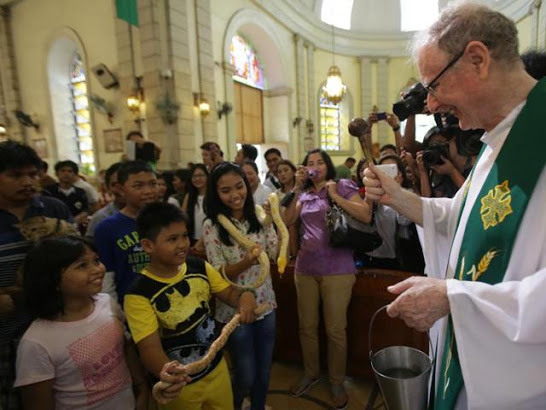
குளவி, வெட்டுக்கிளியை அதன் உடலில் சரியாய்க் குறிப்பிட்ட இடத்தில் கொட்டுகின்றது. அது சாவதில்லை. உணர்விழந்து, உயிரிழக்காது காப்பில் வைத்த இறைச்சியாய் அதைப் பயன்படுத்திக் கொள்கின்றது! தரையில் ஒரு சிறுகுழி பறித்து அதற்குள் இதை வைத்துத் தனது முட்டையை அருகில் இட்டு வைக்கின்றது. முட்டையிலிருந்து வெளிவரும் குஞ்சுகள் எளிதில் கடித்துத் தின்னவே உணவு இப்படி வைக்கப்படுகின்றது!
தாய்க்குளவி பறந்து சென்று இறந்து விடுகின்றது. தன் குஞ்சுகளை அது பார்ப்பதே இல்லை. ஒவ்வொரு குளவியும் ஒவ்வொரு முறையும் இப்படியே செய்கின்றது! இது கற்றுப் பழகிய செயலா? இயல்பாக அமைந்த இந்தப் பழக்கத்தை அதனிடம் அமைத்தது யார்?!
காரண, காரியத் தொடர்பறியும் திறன்! வேறு உயிர்களிடத்தில் காண முடியாத நமது ஆறாவது அறிவு – காரண காரியத் தொடர்பறியும் திறன் குறிப்பிடத் தகுந்த ஒன்று.
எந்தப் பிராணிக்காவது ஒன்று தொடங்கி பத்து வரை எண்ணத் தெரியுமா? பிராணிகளின் திறன்கள் குறுகிய எல்லைக்குள் திறம்படச் செயல்படுகின்றன. ஆனால் மனித மூளையின் திறன் எவ்வளவு சிக்கலானது! அதன் அகலம், ஆழம், பல்வேறு இயக்கக் கோளங்கள் ஆகியவை சொல்லில் அடங்கா. அத்துணை சிறப்பு வாய்ந்த மூளையைப் பெற்றதனால் தான் நாம் இறைவனின் ஓர் அம்சமே என்று கூட எண்ண வேண்டியுள்ளது!
ஜீன்ஸ் மர்மம்!
வாழ்வில் எல்லா வகைக்கும் அமைந்திருக்கும் ஏற்பாடுகளை இன்று நாம் அறிந்திருக்கின்ற அளவுக்கு டார்வின் அறிந்திருக்கவில்லை.
உயிரணுக்குள் இருக்கும் உயிர்க் கருவின் உள்ளம்சமான ‘ஜீன்ஸ்; பற்றி வெளிவரும் செய்திகள் பிரமிப்பூட்டுகின்றன. உலகில் வாழும் மக்கள் அனைவரையும் வாழ்விக்கும் இந்த ஜீன்ஸ்களைத் திரட்டினால் அது ஒரு ஈச்சங்கொட்டை அளவுக்குத் தான் இருக்கும்! அவ்வளவு சிறியவை ஜீன்ஸ்! பூதக் கண்ணாடி கொண்டும் காண முடியாத ஜீன்ஸும் அவற்றின் தோழரான க்ரோமோசோம்களும், உயிர்க்கருக்கள் எல்லாவற்றிலும் இருந்து கொண்டு மனிதர், விலங்கு, தாவர இயல்புகள் அனைத்திற்கும் அடிப்படை ஆதாரங்களாக விளங்குகின்றன!
இவ்வளவு நுண்ணிய இடத்தில், எப்படித் தலைமுறை தலைமுறையாய் வருகின்ற உடற்கூறுகளையும், பண்புகளையும் இவை சேமித்து வைக்கின்றன என்பது எவ்வளவு மர்மமானது! இந்த ஜீன் சில லட்சம் அணுக்களால் ஆகியதாம்! நுண்ணிதிலும் நுண்ணியதான இது உலகில் இயங்கும் உயிர்களின் அனைத்துத் தன்மைகளையும் நிர்ணயிப்பது எப்படி? இது அளவிறந்த சிருஷ்டி சக்தி காட்டும் கலைத்திறனோ அல்லது முன்னேற்பாடோ என்று தானே வியக்கத் தோன்றுகிறது? வேறு என்ன விளக்கம் தர முடியும்?!
இயற்கையில் உள்ள சிக்கன அமைப்பு!
இயற்கையில் காணப்படும் சிக்கன அமைப்புகளைக் கண்டால் எல்லையற்ற, பரந்த ஒரு பேரறிவினால் அன்றி இவ்வளவு முன் யோசனையும் அதற்குத் தகுந்த ஏற்பாடுகளும் அமைப்பது சாத்தியமில்லை என்றே தோன்றுகிறது.
சில ஆண்டுகளுக்கு முன் ஆஸ்திரேலியாவில் ஓரிடத்தில் சப்பாத்திக் கள்ளி வெகு விரைவில் பரவி பயிர்களுக்கும் மக்களுக்கும் துன்பம் தந்தது. விஞ்ஞானிகள் உலகம் முழுவதும் தேடி சப்பாத்திக் கள்ளியை மட்டும் தின்று உயிர் வாழும் ஒரு வகைப் பூச்சி இனத்தைப் பிடித்து வந்து ஆஸ்திரேலியாவில் விட்டார்கள். அவை அந்த விரும்பத்தகாத செடியை அழித்தன; சிக்கலும் தீர்ந்தது!
இது போன்ற தாவர விலங்குக் கூட்டங்களிடையே இயற்கைக் கட்டுப்பாடுகளும் தடைகளும் அமைந்துள்ளன. வேகமாய்ப் பெருக்கமடையும் பூச்சிகள், பிராணிகள் ஆகியவற்றின் உடலிலேயே அவற்றின் உருவையோ அல்லது வலிமையையோ கட்டுப்படுத்தும் அமைப்புகள் இருப்பதால் தான் மனிதன் இன்று உயிர் வாழ முடிகிறத்!
மனிதனின் கற்பனா சக்தி! வேறு எந்த உயிரிடத்திலும் காணப்படாது மனிதனுக்கே தனிச் சிறப்பாய் அமைந்திருக்கும் கற்பனா சக்தியின் துணை கொண்டு மனிதன் ஒருவனே அருவப் பொருளுக்குச் சான்று தேட வல்லவனாக இருக்கிறான்! இந்தக் கற்பனை ஆற்றலின் திறன் எல்லையற்றது! அது சீரிய நிலையில் ஆன்ம உண்மைக்குப் பிறப்பிடமாக அமைகின்றது!
இப்படி உலகின் உன்னதமான அறிவியல் கழகத்தின் தலைவர் அடுக்கடுக்காகத் தெளிவாகக் கூறும் காரணங்கள் பிரமிப்பைத் தருவதோடு ஏற்கக்கூடியவையாகவும் இருக்கிறதல்லவா!.
இறைவனைப் பற்றிய இன்னும் சில கருத்துக்களை அடுத்துக் காண்போம்!
Pictures are taken from various sources for spreading knowledge; this is a non- commercial blog. Thanks for your great pictures.
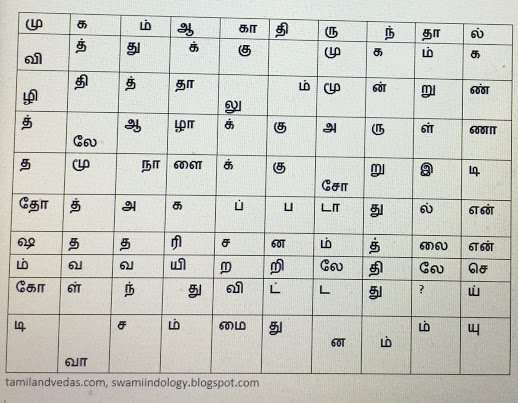
ஒரே சொல் மீண்டும் மீண்டும் வந்தால் ஓரிரு இடங்களில் மட்டுமே கட்டத்தில் இருக்கும். கொண்டு கூட்டி பொருள் கொள்க . விடை கீழே உள்ளது . சில நேரங்களில் படங்களைப் பார்த்தாலும் விடை காண உதவலாம்.
விடை
1.கரடி கையில் உதைபட்டவனுக்குக் கம்பளிக்காரனைக் கண்டால் பயம்
2.சிவ பூஜையில் கரடி புகுந்தாற் போல
3.கரடி பிறை கண்டது போல
4.கரடி துரத்தினாலும் கைக்கோளத் தெருவில் போக வழி இராது
Source book :–
பயன்படுத்திய நூல்- கழகப் பழமொழி அகர வரிசை, கழக வெளியீடு
Pictures are taken from various sources for spreading knowledge; this is a non- commercial blog. Thanks for your great pictures.
tamilandvedas.com, swamiindology.blogspot.com
SANGAM 2700 YEARS AGO
Sangam is a Sanskrit word; though banned by the oldest Tamil book Tolkappiam, Tamils are very fond of this Sanskrit word. No word should begin with ‘Sa’ in Tamil according to Tolkaapiam. But Tamils believe that they had their first Tamil Academy called Sangam 10,000 years ago. It is an exaggeration. (I have explained it in my article several years ago; please see the link at the bottom).
But Tamils had and have Sangam, an academy for languages. It was an assembly of poets. Nowadays it is just an association. Depending upon who runs it, we have third rate show by rubbish film actors or talk by highly intellectual Tamils.
The word has been used by Panini, world’s first linguist and grammarian, in his book Ashtadhyaayi (also called Panineeyam). Sangam like organisation was in Greece as well 2000 years ago.
**
SANGAM IN GREECE
Let me give some interesting information about an association of poets, actors and artists that existed in ancient Greece.
“The actors’ union was called ARTISTS OF DIONYSUS, a union formed in third century BCE by 280 poets , technicians , musicians and actors. Some replaced ‘actors’ with ‘ toadies’ (sycophants). The union lasted 500 years. Its last recorded title, under the emperor Aurelian, was modestly, ‘The Sacred Musical Travelling Aurelian Great World Guild of the Artists of Dionysus’.
(It is strange that Greek poets chose a ‘bad’ god, who was god of wine, fertility, religious orgy, effeminate and who became a bull and a lion; he was Bacchus in Rome)
The actors demanded freedom of travel by land and sea, and freedom from taxation and arrest. At Delphi, they get prior rights to consult the oracle and to hospitality, for them and their descendants.
Not surprisingly, performers had a reputation for arrogance and bad behaviour. In the pseudo-Aristotelian ‘Problems’, the question is asked-
‘Why are Artists of Dionysus mostly without principles ? The answer is that ‘their profession does not encourage reason and wisdom, and most of their life is spent in either rank self- indulgence or poverty, conditions always productive of low moral standards’. They could get away with all this because theatrical and sporting shows were staged as festivals in honour of gods (Dionysus and Heracles), whom the performers were serving .”
–Eureka by Peter Jones, London, 2014
***
VARIOUS SANGAMS 2700 YEARS AGO
Panini lived in seventh century BCE according to Goldstucker and famous Sanskrit scholars of India. He lists various Sangams. There was also a Dravida Jain Sangam in Tamil Nadu around 450 CE (may be a religious Sangam like Buddhists’).
Though Sangam poets had high moral principles 2000 years ago, the condition deteriorated later to a low level and God Shiva had to interfere in it according to Tiru Vilayadal Puranam. All the fake poets were thrown into water when they sat on a Sacred Plank called ‘Sanga Palakai’. Another device was also set up. The poets were asked to recite their verses in front of a Divine Dumb boy. If he sheds tears (of joy), then they were considered genuine poets. Moral standards were also very low and many famous poets were associated with the courtesans.
**
Panini lists the following Sanghams :-
Panini speaks of ‘Sangha’ as a generic term, applied to the following –
Firstly, sangha means a ‘multitude’ as in the expression ‘graamya- pasu- sangha’ , a herd of domestic cattle . in the same sense it is also applied to a multitude of human beings.
Secondly, a sangha was a term for a ‘nikaaya’, which is termed by panini as a corporate body where the distinction of upper and lower does not exist 3-3-42
(may be compared to Liberty, Equality and Fraternity of France)
‘Sanghe chanauttaraadharye’
This applied to a religious sangha functioning as a fraternity without distinctions of high ‘Uttara’ and low ‘adhara’.
Thirdly, there is the ‘suutra samgh-odghau gana-prasamyoh 3-3-86, which speaks of the political sangha technically known as Gana.
Sangha and Gana were used as synonymous words for a republic. Panini speaks of Yaudheyas as a Sangha, whereas they refer to themselves as a Gana on their coins, albeit in the post- Paninian period.
The religious Sangha treated all equal, but political Sangha vested power in their families. In the post Buddha period there were 18 Sanghas.
The Sangha spirit in Panini’s time had influenced every sphere of public life political, economic, religious, social and educational .
Panini mentioned Ayudhajivi Sanghas by name in sutras 5-3-115 to 117 and in three Ganas of these sutras — Daamanyaadi, Parsvaadi, Yaudheyaadi
They were martial tribes who cultivated military art as a way of life (They made a living by the profession of Arms) mostly Kshatrias, but Brahmanas are also mentioned in 5-3-114 in the group
(I think Gurus like Dronacharya ,commanders like Asavttama and may be Parasurama come under this category; Drona and others are from Punjab where the Ayudhajivis lived)
In sutra 5-1-58, Panini refers to the numerical strength of a Sangha which Patanjali explains as consisting of five, ten or twenty members. This seems to refer to the Executive of a Sangha ( a democratic set up).
**
My comments
Amazing thing about Panini is that he wrote only a grammar book and all these information came as examples for grammatical rules. If we make a list of the missing things in Kautilya’s Arthashatra who wrote a book on politics and economics, we would know the time gap between the two. Panini lived well before Kautilya of fourth century BCE.
We know for sure there were political and religious Sanghas from Panini’s time. Panini’s SANGA is the oldest reference of an organisation. Religious Sanghas continued for long. Political Sangha of Tamil Kingdoms of Chera, Choza, and Pandya was mentioned by Kharavela of Orissa in Second Century BCE (Hathikumba Inscription).
But we don’t hear about Sangha of Poets in Sanskrit literature. We hear about poets being honoured on Festival days such as Vijayadasami . Since we hear lot about Nigamas (Traders Guilds), naturally poets would have formed such groups. Tamil Sangam gave the seal of approval to good works by poets. Though the existence of Tamil Sanghams is true, the staggering number of poets mentioned and the years of its existence may be an exaggeration. We don’t have any secondary proof for it. Moreover all these details are reeled out only in very late period.
Source book – India as Known to Panini, Dr V S Agrawala, Lucknow University, 1953
Here is the link for my earlier article :-
THREE TAMIL SANGAMS : MYTH AND REALITY | Tamil and …
Pictures are taken from various sources for spreading knowledge; this is a non- commercial blog. Thanks for your great pictures.
NATIONAL IDENTITY
by R Nanjappa
Tracing the national identity of any people is an interesting exercise and a humbling experience. Today, we may define it on the basis of citizenship-natural or acquired, ethnicity, historicity, or culture. Yet, if we probe into each patiently, we come up with the stark fact that no nationality is pure on any ground whatsoever.
Colonial Concoctions
The colonial rulers divided us in many ways: into Aryan and Dravidian, into tribes, into aborigines, into martial races and even robber tribes. Our people blindly continued to follow them. The Punjabis and the Gurkhas were considered ‘martial’ and preference was given to them in the armed forces; the Bengalis were considered ‘revolutionary’ after the 1905 Partition experience and were not recruited into the army. Even among others, they forced the division of Brahmins and non-Brahmins. Our free govt. has added its own divisions: SC, ST, BC, OBC etc. People readily identify with one of these, more than with any pan-Indian category. Then there is the language identity. Through all this, it is real hard to say who is a true or total Indian.
English Scene
If we forget ourselves for a minute, and focus on our colonisers who started all this, we come up with very interesting facts! What we call Great Britain is composed of so many immigrants it is almost impossible to say who were the original inhabitants of those islands! The following is the picture we get around 600 AD:
Britain peoples circa 600
by user -Hel- Hama-vectorization CC BY-SA 3.0
So, we see the strands in the British population. Almost all of this consists of immigrants: Romans, Angles, Saxons, Jutes, Danes and Normans! And the whole area was not yet one nation or country, but each area shown was a separate kingdom.The majority of Britons are of Germanic extraction, as also their monarch! It certainly did not lie in their mouth to call us divided on so many lines, but we did not know then how to call their bluff! The Irish and the English are still contending to adjust their claims, not fully reconciled to each other. So is the case with Scotland. And the English Royal Coat of Arms includes two French mottoes.
The arrival of the first ancestors of Englishmen out of Germany into Britain.
Richard Verstegan.
What should really hold our fancy is not the variety,or the origin, but that Britain became such a great power in the subsequent centuries!
The US is an Infant
Compared to this, the United States is recent, hardly 5 centuries old.. It is a mini-world, containing people from all nationalities of the world. Yet, the core consists of Christians from Europe: about 51% Protestants, 24% Catholics. Other religions of the world constitute about 5%. The original inhabitants of America, the Native Indians form less than 2%, after millions of them were exterminated by the European settlers. There are sizable segments of Afro-Americans and Hispanics. Historically, there was resistance to the immigration and assimilation of certain peoples like those from southern Italy or Eastern Europe, and Asia but over the years, every one was absorbed.
But when we have to define an American identity, we have to think of American culture or the American dream! Any one having American citizenship is legally an American, but he would become a “real” American when he shares that culture. But no one can say what that culture is! It is the basic American trait- you think BIG! You think there is no limit to the progress you can achieve! And yet there is a bit of conservatism, a bit of religious affinity- over 75% of Americans think of themselves as ‘religious’. They boldly put on their currency: “IN GOD WE TRUST”! Samuel Huntington said that the basic identity of Americans is Anglo-Saxon Protestants.
Compared to the UK, India has been a nation for many millennia before her. Few Westerners and their Indian counterfeits have understood or acknowledged this. In contrast, Diana L.Eck investigates
a particular idea of India that is shaped not by the modern notion of a nation-state, but by the extensive and intricate interrelation of geography and mythology.
The fact that the people of ancient India….gave a single name to the whole of this diverse subcontinent is itself noteworthy. The name is Bharata…This is an indigenous name used since the time of the Mahabharata to describe roughly the territory we call India…India, like Japan,China and Greece, links its modern identity with an ancient and continuous civilization. For centuries the understanding of India in the West followed primarily a Western agenda, from the land called “Indika” by the Greek scholar Megasthenes, to the “Hindustan” of the Turk and Afghan Muslim dynasties , to the India of John Stuart Mill who, in the nineteenth century, without ever leaving England, wrote an enormous English-language history of India, to the postcolonial studies that still see India through the lens of Western interventions. In the past three centuries India has been seen by traders as a source of riches,by rulers as a part of empire, by missionaries as a mission field for winning souls, by romantics and seekers as the source of something missing in the heart and soul of the West.
The resistance to the ideas of India’s unity is embedded in colonial thought and often in postcolonial thinking as well. Even the many books that address the idea of India in recent times seem to acquiesce to largely Western constructs.
What are some of the ways in which India has seen itself and enacted its regional and pan-regional identities? Political analyses do not touch this question. Postcolonial studies do not reach very deeply into the premodern subsoil of India to inquire whether there have been alternative ways of imagining the complex collectivity of India in a distinctly Indian idiom. …Bharata is not merely a convenient designation for a conglomerate of cultures , such as Europe has been for so much of its history or such as Indonesia has become in modern times. ….And yet it is arresting to consider a “sense of unity” construed…., a sense of connectedness that seems to have flourished for many centuries without the need for overarching political expressions or embodiment.
…the geography of this kind is more than a map. It is a three-dimensional sacred landscape.
Taken from: Diana L.Eck: India, A Sacred Geography.Harmony Books, New York, 2012. p.45-49.
There are many points which could be added to this but I only wish to add two clarifications. India of the Mahabharata times was much more extensive than the India of today.
Even during historic times, India was more extensive than today. See the Maurya empire circa 250 BC.
By Avantiputra7 (Own Work). CC BY-SA 3.0 Creative Commons via Wikimedia
What is a Nation State?
Then there is the question of the nation state. As usual, there is no clear cut idea among scholars, only hypotheses. Some say it was the idea of the map-makers of the 15th century. Nation state- as the idea of a geographical area containing a political unit is a very late European idea- as late as the 19th century. Eric Hobsbawm contended that France became a nation state only in the 19th century; at the time of the French Revolution, (1787-1799) only half the people of France spoke some French, only 12 to 13% spoke ‘fairly’. Germany and Italy too became unified only in the 19th century.
As we have seen in the old map of England, the British isles were not yet a nation!
Wales had started coming close to England in the 13th century, and the eldest son of the English monarch was named the Prince of Wales! Wales finally merged with England in 1556.Scotland and England had always had problems between them because of religion (Catholic v.Anglican) but England, Scotland and Wales united in 1707. Religion [ that is factions within Christianity with one Book, one God, one Son of God] was a barrier between Ireland and England too, though Ireland joined the earlier union of England, Scotland and Wales in 1801 , leading to the birth of the United Kingdom or Great Britain. (But Ireland, except the northern portion became Independent in 1922)
The United Kingdom. From BBC News.
So for these Western writers and their Indian copy cats to say that India was not one nation before the British created it is the height of literate nonsense and deliberate lie. India, from Sethu to the Himalayas has been the Hindu nation from time immemorial. Many great emperors had established huge empires here, from Ashoka onwards, even if we do not take into account our old Itihas.
India is More Than Geography
So, when we say Indian, we do not just mean someone who happens to be born and to live in India as a geographical territory. We mean one who has fully inherited this hoary history and its sense of the sacred geography. As Dr. S.Radhakrishnan says:
When one says that he is an Indian, whether settled abroad or settled here, the matter is not one of geography but of history. What is the tradition for which the Indian stands? What are the ideals to which the Indian adheres? Why do we think that the ideals for which India has stood will have some quality of healing so far as the struggles of nations are concerned? …….
This world is asat. It is subject to mortality.It is dark. ..The Upanishad thinkers say that there is a reality which transcends this universe. It gives you freedom from fear….And it is the perception of that Reality underlying this cosmic process which gives us tranquillity which gives us some kind of freedom.
If the geography of India consists of this extensive territory from the Himalayas to Kanyakumari, the history of India consists of the formulation of these great ideals for which this country has stood from its beginning.
Anyone who calls himself an Indian must know something about what this culture stands for.
From: Dr.S. Radhakrishnan: The Adaptive Indian- Identity and Ethos (originally published as Our Heritage,1976) Orient Paperbacks, 2007.
We can now clearly see what is the identity of a true Indian. Let us remember: if mere birth in this land makes one an Indian, even buffaloes and donkeys are born here!
Note: Christianity and Islam hold up an alien land and alien values as the ideal. That is why Dr.Ambedkar advised his followers not to convert to Christianity or Islam, but embraced Buddhism! Buddhism is an Indian religion, and accepts Dharma as the base. We should be eternally grateful to Dr.Ambedkar for boldly declaring and calling India by her proper name in the Constitution: INDIA THAT IS BHARAT.
Pictures are taken from various sources for spreading knowledge; this is a non- commercial blog. Thanks for your great pictures.
ஹிந்தி படப் பாடல்கள் – 73 – ஒரு ராகம் இரு மலர்கள் – 6 – துர்கா ராகம்!
R. Nanjappa
துர்கா ராகம்!
துர்கா ராகம் கர்னாடக சுத்த சாவேரியிலிருந்து வந்தது என்று சிலர் சொல்வார்கள். தொடர்புடையதாக இருக்கலாம், அதிலிருந்தே வந்தது எனச் சொல்ல முடியாது என்பர் வேறுசிலர். பொறுமை, பயமின்மை ஆகிய மன நிலைகளைக் காட்டும் ராகம் என்பார்கள். இதில் இரண்டு பாட்டுக்கள்.
எத்தனை அழகிய பாட்டு! 70 வருஷங்கள் ஆகியும் கேட்கத் தெவிட்டாதது! துர்கா ராகத்தின் அம்சங்களை முற்றிலும் அடக்கியது! பர்மனின் ஆரம்பகால மகத்தான பாடல்களில் ஒன்று!
இப்பொழுது ஒரு அற்புதமான பாட்டு, 1938ம் வருஷத்தியது! கே/ஸீ,டே, உமா சஷீ, கே.எல் சைகல் என்ற மூன்று அற்புதக் குரல்களில்!
துனியாரங்க்ரங்கீலிபாபா
கே.ஸி.டே
duniyaa rang rangeeli baabaa, duniyaa rang rangeeli duniyaa rang rangeeli baabaa, duniyaa rang rangeeli
yeh duniyaa ik sundar bagiyaa shobhaa iski nyaari hai yeh duniyaa ik sundar bagiyaa shobhaa iski nyaari hai har daari par jaadoo chhaayaa har daari par jaadoo chhaayaa har daari matwaari hai adbhut panchhi phool manohar adbhut panchhi phool manohar kali-kali chatkeeli baabaa duniyaa rang rangeeli
duniyaa rang rangeeli baabaa, duniyaa rang rangeeli a-ha-haa-a-ha-haa-a-ha-haa-a-ha-haa, a-ha-haa-a-ha-haa-a-ha-haa
kadam kadam par aashaa apnaa roop anoop dikhaati hai kadam kadam par aashaa apnaa roop anoop dikhaati hai bigde kaaj banaati hai, dheeraj ke geet sunaati hai bigde kaaj banaati hai, dheeraj ke geet sunaati hai iskaa sur misri se meethaa iski taal sajeeli baabaa duniyaa rang rangeeli
duniyaa rang rangeeli baabaa, duniyaa rang rangeeli a-ha-haa-a-ha-haa-a-ha-haa-a-ha-haa, a-ha-haa-a-ha-haa-a-ha-haa
dukh ki nadiyaa jeewan naiyaa aashaa ke patwaar lage dukh ki nadiyaa jeewan naiyaa aashaa ke patwaar lage o naiyaa ke khene waale o naiyaa ke khene waale naiyaa teri paar lage, paar basat hai desh sunehraa paar basat hai desh sunehraa kismat chhail-chhabeeli baabaa duniyaa rang rangeeli
duniyaa rang rangeeli baabaa, duniyaa rang rangeeli duniyaa rang rangeeli baabaa, duniyaa rang rangeeli
இந்தப் பாட்டின் அருமையை தற்காலத்தவர் முழுதும் உணர்கிறார்களோ, என்னவோ தெரியாது!
அப்போது சினிமா ‘பேசத்’ தொடங்கி சில வருஷங்களே ஆகியிருந்தது! பாட்டுப் பதிவில் உத்திகள் இல்லை! நடித்துக்கொண்டே பாட வேண்டும், அப்பொழுதே பதிவாகும்! இங்கு பாடும் மூன்று பேரில் இருவர் பெரிய புள்ளிகள்! கே.ஸி.டே மன்னா டேயின் மாமா! அவர் 14 வயதில் கண் பார்வை இழந்தார். பெரிய பாடகரானார், நடிக்கவும் செய்தார், இசையும் அமைத்தார். எஸ்.டி. பர்மனுக்கும் ஆசிரியர்! பிறருக்கு குரல் கொடுப்பதை விரும்பவில்லை, அதனால் மன்னா டேவிற்கு வாய்ப்பு கொடுங்கள் என்று அவரை அறிமுகப்படுத்தினார்!
கே.எல் சைகல் பற்றிச் சொல்லவே வேண்டாம்! பின் வந்த எல்லா பாடகர்களுக்கும் அவர்தான் ஆதர்சம்!
இங்கு மூவரின் குரல்களும் எவ்வளவு இயற்கையாக இருக்கின்றன! பாடிக்கொண்டே நடித்தார்கள், ஆனாலும் எவ்வளவு நன்றாகப் பதிவாகியிருக்கிறது! காலத்தால் அழியாத பாடல்! இதை நாம் மறக்காமல் செய்தது அன்றைய ரேடியோ சிலோன்!
துர்கா ராகத்தில் அமைந்த அரிய பாடல்! பாடலும் எத்தனை அழகிய கவிதையாக இருக்கிறது!
மிஸ்ஸியம்மாவில் வந்த “பிருந்தா வனமும் நந்த குமாரனும்” என்ற பாட்டிற்கு இதுதான் ஆதாரம்!
இப்படி ஒரு ராகத்தில் எத்தனை நல்ல மெட்டுக்கள் அமைக்கிறார்கள்!
Agastya, the great engineer and saint on the banks of Kaveri, Grand Anaicut ; he diverted Kaveri into Tamil Nadu through his massive planning and skillful work.
Pictures are taken from various sources for spreading knowledge; this is a non- commercial blog. Thanks for your great pictures.
ச.நாகராஜன்
18.காவேரி தீர ஸ்தலங்கள்!
கங்கையில் புனிதமாய காவிரி நதி தீரத்தில் இரு கரைகளிலும் அமைந்துள்ள ஸ்தலங்கள் எவ்வளவு தெரியுமா?
777 தலங்கள்!
இது தவிர காவேரி பாயும் பகுதிகளில் உள்ளே சென்று பார்த்தால் இருக்கும் தலங்கள் எத்தனையோ! எண்ணி மாளாது!
இந்த 777 தலங்களில் தேவார பாடல் பெற்ற தலங்கள் 276 என்பதைப் பார்த்தோம். பட்டியலும் கொடுக்கப்பட்டு விட்டது.
காவிரி உற்பத்தியாவதிலிருந்து கடலில் சங்கமம் ஆகும் வரை காவிரியின்
வடகரையில் உள்ள தலங்கள் 400.
தென்கரையில் உள்ள தலங்கள் 377.
Kaveri near Nimishamba temple, Mysuru; wikipedia picture
வடகரையில் உள்ள 400 தலங்களில் கூர்க் பகுதியில் 41 தலங்களும், மைசூர் பகுதியில் 67 தலங்களும், கோவை, சேலம் பகுதிகளில் 115 தலங்களும், திருச்சி பகுதியில் 73 தலங்களும், தஞ்சாவூர் பகுதியில் 104 தலங்களும் உள்ளன.
தென்கரையில் உள்ள 377 தலங்களில் கூர்க் பகுதியில் 7 தலங்களும், மைசூர் பகுதியில் 90 தலங்களும், கோவை, சேலம் பகுதிகளில் 117 தலங்களும், திருச்சி பகுதியில் 76 தலங்களும், தஞ்சாவூர் பகுதியில் 87 தலங்களும் உள்ளன.
அட்டவணைப் படுத்தினால் அது இப்படி அமையும் :
———————————————————————-
காவிரி கூர்க் மைசூர் கோவை&சேலம் திருச்சி தஞ்சாவூர் மொத்தம்
வடகரை 41 67 115 73 104 400
தென்கரை 7 90 117 76 87 377
மொத்தம் 48 157 232 149 191 777
இந்த தலங்களின் சிறப்புகளும் கோவில் அமைப்பு, தீர்த்தம், இங்கு வழிபட்ட ரிஷிகள், அவதரித்த மகான்கள் பற்றிய விவரங்களும் அற்புதமான தொகுப்பாக அமையும்.
இப்படிப்பட்ட அரிய விவரங்களை காஞ்சி காமகோடி பீடம் மஹா பெரியவாள் என்று போற்றப்படும் பரமாசார்யாள் ஸ்ரீ சந்திரசேகரேந்த்ர சரஸ்வதி அவர்களின் அருள் ஆணைக்கிணங்க பல்வேறு பக்தர்களால் சரியான விவரங்கள் தொகுக்கப்பட்டன.
இந்த விவரங்கள் அனைத்தும் 1956ஆம் ஆண்டு வாக்கில் பரம பக்தரான திரு E.V.கோபாலையர் வசம் ஒப்புவிக்கப்பட்டது.
அவர் தேவைப்பட்ட விவரங்களைச் சேர்த்து சரிபார்த்து ஒரு அரிய நூலை உருவாக்கினார்.
ஸ்ரீ காவேரி ரஹஸ்யம் என்று பெயரிடப்பட்ட நூல் 1961 ஜனவரியில் ஆசார்யாளிடம் சமர்ப்பிக்கப்பட்டது. 1962இல் புத்தகம் வெளியானது.
Thalakkaveri Temple, Karnataka; wikipedia picture
நூலில் தெய்வக் காவேரி பற்றிய அரிய ரஹஸ்ய செய்திகளும், பொன்னி நதியைப் போற்றும் புராணப் பகுதிகளும், காவேரியின் உற்பத்திச் சுருக்கம், காவேரி பற்றிய ஸ்தோத்திரங்கள், காவேரியைப் போற்றும் இலக்கியங்கள், காவேரி வளர்த்த மகான்கள், தெய்வப் புலவர்கள், காவேரியின் செல்வங்கள், பிரதக்ஷிண விதியில் க்ஷேத்ரங்களின் விவரணம், காவேரி உபநதி, கிளை நதிகளில் அமைந்துள்ள சில முக்கிய க்ஷேத்திரங்களின் விவரணம், காவேரி ஸ்நான, பூஜா விதிகள், காவேரி நதி பிரதக்ஷிண விதியில் க்ஷேத்ரங்களின் அட்டவணை ஆகியவை அடங்கியுள்ளன.
காவேரி பற்றிய ஒரு சிறிய என்சைக்ளோபீடியா – கலைக் களஞ்சியம் இந்த நூல் என்று உறுதியாகக் கூற முடியும். 276 பக்கங்கள் கொண்ட நூலின் அந்தக் கால விலை ரூ 4/.
காவேரி பாயும் பகுதிகளின் மேப் – வரைபடம், சில முக்கிய கோவில்களின் புகைப்படமும் சேர்க்கப்பட்டுள்ளன.
இந்த நூலை உருவாக்க பெரிதும் குறிப்புக்ள் கொடுத்து உதவியவர் சம்ஸ்கிருத பேராசிரியர் டாக்டர் வி. ராகவன் என்று குறிப்பிட்டால் நூலின் தரம் பற்றி உணர முடியும். சரஸ்வதி மஹால் நூல் நிலைய அதிகாரிகளும் தேவைப்பட்ட விவரங்களை வழங்கியுள்ளனர்.
காவேரி தீர மகான்களில் பகவந் நாம போதேந்திர சுவாமிகள், ஸ்ரீ சதாசிவ ப்ரம்மேந்திரர்கள், ஸ்ரீ நாராயண தீர்த்த ஸ்வாமிகள், ஸ்ரீ விஜயேந்திர ஸ்வாமிகள், மருதாநல்லூர் ஸத்குரு ஸ்வாமிகள், ஸ்ரீ சந்த்ரசேகரேந்த்ர ஸரஸ்வதி ஸ்வாமிகள், ஸ்ரீ தியாகராஜ ஸ்வாமிகள், ஸ்ரீ ச்யாமா சாஸ்திரிகள், ஸ்ரீ முத்துசாமி தீக்ஷிதர், கோபாலகிருஷ்ண பாரதியார், அருணாசலக் கவிராயர், கம்பர், காளமேகப் புலவர், ஒட்டக்கூத்தர், ஸ்ரீ தாயுமானவ ஸ்வாமிகள், பட்டினத்தார், ஸ்ரீ கோவிந்த தீக்ஷிதர், ஸ்ரீதர ஐய்யாவாள், ஸ்ரீ ராஜு சாஸ்திரிகள், திவான் சேஷய்யா சாஸ்திரிகள் ஆகிய மகான்கள் மற்றும் புலவர்கள் பற்றிய விவரங்கள் உள்ளன.
தலங்களைப் பற்றிய விவரங்கள் துல்லியமாகவும், சுருக்கமாகவும் கொடுக்கப்பட்டுள்ளன.
இதைப் படித்தவர்களுக்கே பெரும் புண்ணியம் சேரும் என்றால் காவேரி தலங்களை தரிசித்தும் காவேரி நதியில் நீராடியும் ஆனந்தம் அடையும் பக்தர்கள் அடையும் புண்ணியத்தைப் பற்றிக் கேட்கவா வேண்டும்?