List of Tamil Kings who performed Yagas and Yajnas -Post No. 3086

IMG_5587

Compiled by London Swaminathan


Date: 23  August 2016


Time uploaded in London: 20-59


Post No.3086


Pictures are taken from various sources; thanks for the pictures.


(Posted already the Tamil Version of this article)


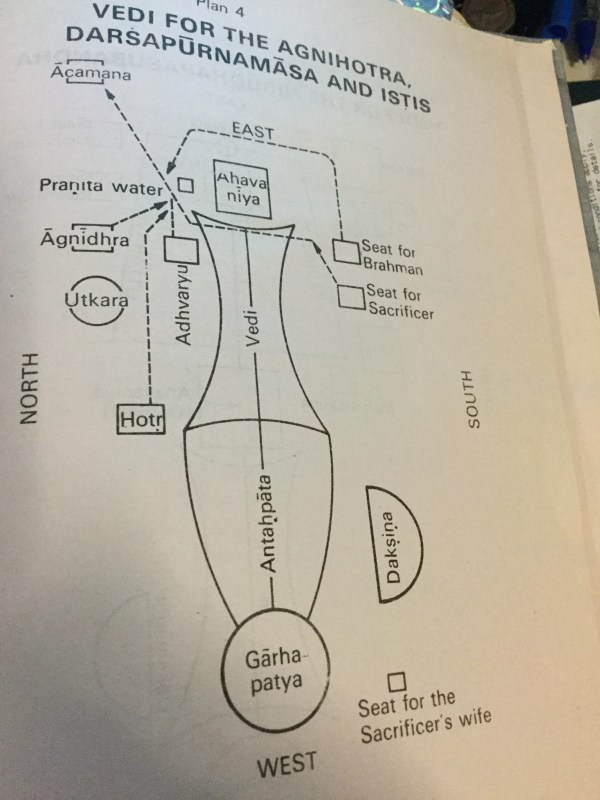
Sangam Age Tamil kings were ardent Hindus who followed all the rituals prescribed in the scriptures. Thanks to the poets who sang the praise of Tamil kings we come to know the views prevailed 2000 years ago in Tamil Nadu. Aswamedha Yagam, Rajasuya Yanjam and Soma Yagam were performed during the Sangam Age by the Tamil Kings. Apart from the poems , copper plates from Sinnamanur, Dalavaipuram and Velvikkudi provide us lot of details.


Dr R Nagasamy, former Diretor of Archeaology, Tamil nadu Government and Former Vice Chancellor of Kancheepuram niversity has listed the Vedic rituals and Yajnas performed by the tamil Kings 2000 years ago. Kanchi Paramacharya has pointed out in one of his lectures that they have special words for many of the Vedic terms. This shows that the Tamils knew all thse things well before i1st century BCE.
IMG_5588

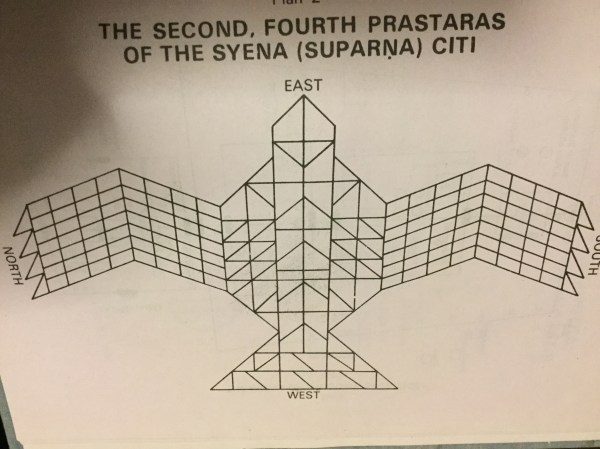
Falcon/eagle shaped Vedic altar ; Choza King Karikalan did construct like this.


Words for Brahmins, Vedas, Dhanam, Yaga are alsready in Tamil in hundreds of verses. Kings also weighed themselves equal to gold or other things (Tula Bharam); they did Go Sahasram, Bahu swarnam etc.


Now let me give what Dr R Nagasamy, eminent historian and archaeologist say about the Yagas and Yagnas ( I am attempting a rough translation in English of his write up in Tamil):


“Kings did two types of sacrifices, one in the field of Dharma and the other in in the battle field. The ceremonial sacrifice in the battle field was done with the head of the enemy as oven, blood as boiling water for the cooking and the hands of the slained enemy as fuels sticks. Neduncheziayan who won the battle of Talai alangaanam did this according to Mankuti Kizaar and mankuti marudanaar.

rudra-baba

Sathya Sai Baba who performed Athi Rudra  Maha Yajna

The other sacrifice done to propitiate the gods is done according to the scriptures. Same Nedunchezian did the fire sacrifice for the gods according to Mankuti Kizar (Puram.29)

Another Pandya Mudukudumi Peruvazuthi had the epithet ‘he who had done many yagas’ (Puram.15).


Karikal Peruvalathan did a yaga in the fire altar constructed in the shape of an eagle or falcon. He constructed the Yupa pillar as well. All his wives stood by his side (puram.224)


Perunarkilli who came in the same line of Karikala did Rajasuyam and he was called Perunarkilli who had done Rajasuyam.


Chera 9Kerala) kings also did not lag behind in performing Vedic yajnas.

Palyanai Selkezukuttuvan did ten sacrifices for Gauthaman (pathitrupathu).


Peruncheral Irumporai found out all the rules for observing the fast and finished the Yaga according to scriptures.


swathi homam, narasimhar, injimedu

picture  that looks like Narasimha.

Ilancheral Irumporai did Vedic yagas.


Seran Senguttuvan constructed the thatched shed for Vedic rituals in the coolest part of the capital city Vanji.


Forefathers of Athiyaman Anji, a chieftain, did fire sacrifices accordinto verses in the Sangam books. Velirs are supposed to have originated from the fire altar.

Among the later Pandyas, Arikesari Maravarman did the rituals off Hiranyagarbam, Tuabharam, Bahusuvarnam. Thermaran did these and Gosahasram as well.


Maravarman Rajasimhan alsodid the same according to inscriptions.

radha krishna in jwala

Picture of Radha, Krishna in fire.

Pallava kings did fire sacrifices according to scripture. Sivaskanda varman did Agnistomam, Asvamedham, Vajapeyam. Kumara Vishnu did Asvamedham.


All the Pallava Kings did Somayaga. There was noeception.

Among the later Choza kings, Parantakan and and Rajaraja did Tulabharam (weighing themselves against gold or grains or some valuables.)


Rajathi raja I did Asvamedha yagam according to his epigraphs. Later Vijyanagara Kings also followed suit”.


Source Book:–

Yaavarum Kelir (Tamil) by Dr R Nagasamy, Vasagar Vattam Publication, Chennai -17, year 1973

IMG_5585

Spoons and ladles used in the fire cerwemonies

–Subham–


Tamil King’s Rajasuya Yagna! (Post No.3084)

IMG_5583

Research Article written by London Swaminathan


Date: 23  August 2016


Time uploaded in London: 6-35 AM


Post No.3084


Pictures are taken from various sources; thanks for the pictures.


(Tamil version of this article is posted yesterday)

Dharma’s Rajasuya Yagna in the Mahabharata, the longest epic in the world, is well known. But very few people knew about the great Rajasuya Yagna performed by a Choza king 2000 years ago. Four Sangam Tamil Poets sang in praise of the great King Peru Nar Killi.

Pandarang Kannan (Krishna), Vadama vannakkan Perunchaththan (Maha Sastha),Avvaiyaar and Lochana (Ulochanar). Their verses are in the oldest part of Sangam Literature in Puranaanuru verses 16, 125, 367, 377.

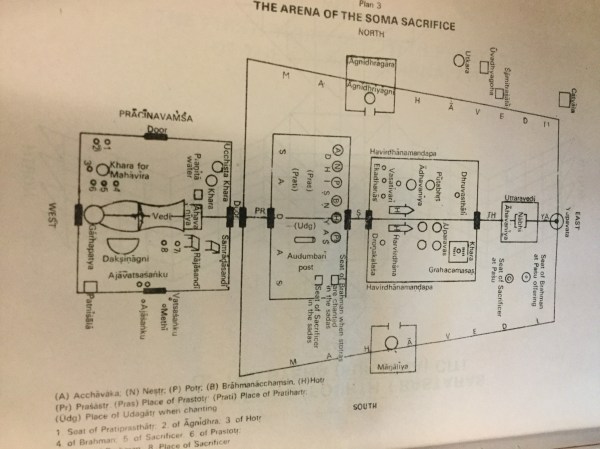
(A Yagna is a fire ceremony in which Soma juice, melted butter (ghee) and certain types of wood were placed in the fire as offerings to Vedic Gods).


Tamil Kings always fought among themselves. Tamil poets tried to calm them down, but yet the wars continued. So when Tamil poetess Avvaiyar saw three great Tamil Kings of three Kingdoms at one place she was very happy. Chera King Maari Venko and Pandyan King Ugra Peruvazuthi attended and approved the Rajasuyam conducted by Choza Perunar Killi. She wished them a long life – as many  years as the number of rain drops or the number of stars in the sky.


Ancient Tamil Nadu had three Kingdoms Chera (Kerala), Choza (East coast and Rice bowl areas) and the Pandya (Southern Tamil Nadu) kingdoms. Lot of chieftains and local leaders were under them.


Mahabharata has a very detailed description of the Rajasuya Yajna performed by the eldest of the Five Pandavas- Dharma alias Yudhistra. But Tamil verses give only the minimum details.


We came to know from Avaiyar’s verse (Puranaanuru 367) that Brahmins were given gold coins on that occasion as Dhanam (fees and donation). Avvaiyar says, “Whatever good you do in this birth only will help you like a boat ( to cross to the next world).

IMG_5584

Interesting Facts about Rajasuya:-

The fees for the Rajasuya was amazing number of cows! This is recommended by the scriptures. No one would know how many were actually given.


32,000 cows for each of the four principal priests.

16,000 cows each for the second line priests.

8000 cows for the third liners and 4000 each for others.

I guess Brahmins would have received gold instead of cows, because maintaining them would have been a big problem.

What is Rajasuya?

Rajasuya means birth of a king (generate a king). Actually this is a rite of royal consecration. All the minor kingdoms would approve him as the chief. It was performed only by the Kshatriyas – the ruling caste.

The time required for Rajasuya was two years. The king had to undergo lot of rituals and fasting during this period. There were many smaller Yagnas (fire ceremonies) involving Soma plant and Ghee (melted butter).


Rajasuya consisted of several events:

Soma rite (performed with a mysterious plant from the Himalayas. Please read my article on the Soma plant for more details).

Abhiseka (pouring or bathing the king with holy waters accompanied by Mantra)

Chariot Race

Seizing the cows and releasing the cows (Ancient Hindu kings will raid the cows in the nearby country first. This means “Let us fight”. This was practised by all the rulers from Kanyakumari to Kashmir). In the Rajasuya it was done only symbolically.

King ascending the throne.

Followed by ritual dice play

Reciting of Sunashepa (Dog’s tail) story

Avabhrta snana (bathing)

King observing certain vows for a year.

One more concluding fire ceremony (Atiratra Type)

Stepping on the tiger skin


The details of this Yagna is found in Srauta Sutras of Asvalayana, Latyayana, Katyayana and Apastambha.


In Rajasuya the king is praised as the protector of the Brahmins, sacker of the cities (in war).

IMG_5585

Spoons and laddles used in Vedic Rituals


Vedic Index by Macdonell and Keith gives the following information:

“Raja-suya is the name in the Atharva veda and later literature of the ceremony of the royal consecration. The rite is described in great length in the Sutras, but its main features are clearly outlined in the Brahmanas, while the verses used in the ceremony are preserved in the Yajurveda.


Besides priestly elaboration, the ritual contains popular ceremonial. For example, the king is clothed in the ceremonial garments of his rank and provided with bow and arrow as emblems of sovereignty.  He performs a mimic cow raid or engages in a sham fight with a royal. In a game of dice, he symbolically ascends the quarters of the sky as an indication of his universal rule; and steps on a tiger skin, thus gaining the strength and the pre-eminence of the tiger.

My Comments: –

Tiger is found in the Indus Valley seals. The number of cows as sacrificial fees corresponds with the Indus valley weights (in proportion). The dices are found in the Indus valley too. All these point towards a Vedic Culture in the Indus/Sarasvati valley Civilization.

-subham-


Proverbs on Oil Sellers, Tailors, Washer men and Fishermen (Post No.3071)

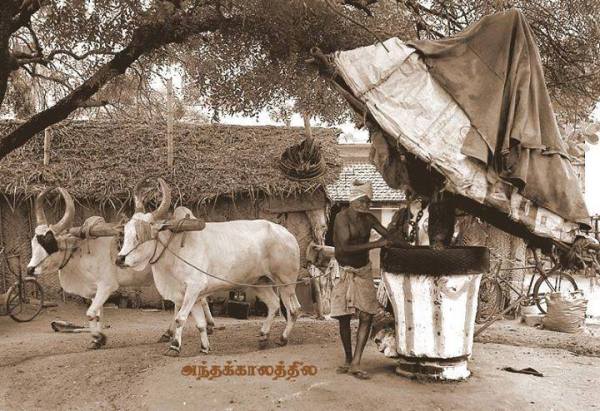
chekku madu oil

Compiled by London swaminathan

Date: 18th August 2016

Time uploaded in London: 5-32 AM

Post No.3071

Pictures are taken from various sources; thanks for the pictures.


Part-4 on caste Proverbs. For proverbs on Brahmins, Banias, Jats, Carpenters, Blacksmiths, Goldsmiths and agricultural castes, please read the first three parts.


Anti – Oil Presser Proverbs

The oil-presser is no man’s friend;he earns a rupee and calls it eight annas (16 Annas make one Old Indian Rupee).

He sits at ease while his mill goes round, and beguiles his hours of leisure by inventing stories, so that when two Telis meet their talk is unfit for publication.


His unfortunate bullock is always blindfold, and walks miles and miles without getting any further.

On another occasion his bullock took to fighting and the owner was sued before the Kazi for damages.

What made the beast fight? The Kazi’s finding ran thus:

The oil-cake you fed it on; so give me the ox and pay damages into the bargain.

‘Oil expellers bull’ – means one who goes in circles, (beating the bush); goes no further.

His wife saves a little oil by giving short measure to her customers, but god takes all at once when the jar breaks and the thick dust sucks up its content.

His daughter, on the other hand, is represented as giving herself airs and wondering what oil-cake can be.

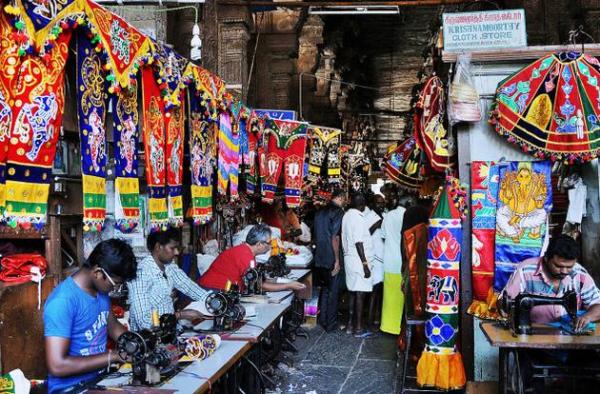
pudumandap tailors,hindu

Anti- Tailor proverbs

The tailor’s ‘this evening’ and the shoe maker’s  ‘next morning’ never come

However sharp his sight, a Darzi sees nothing,  because he cannot take his eyes off his work.


A darzi’s son is a darzi/tailor and must sew as long as he lives.

A darzi steals your cloth and makes you pay for sewing it.


When a tailor is out of work he sews up his son’s mouth

A snake in a tailor’s house: who wants to kill it?

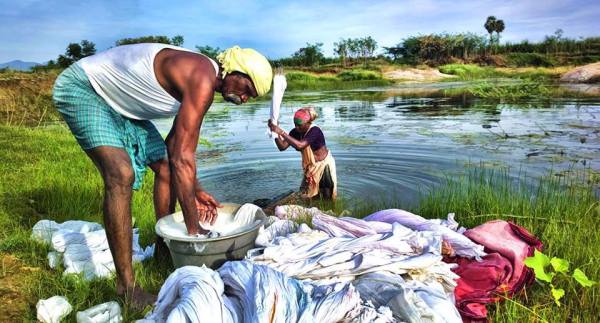
vannan

Anti- Washer man Proverbs

He tears people’s clothes and says it was the wind, but he is careful not to damage his father’s things.

A should change your dhobi/washer man as you change your linen, for a new dhobi washes clean.

When there is a robbery in a dhobi’s house, the neighbours lose their clothes.

In a Koiri village, the dhobi is the accountant, for he is the only man who can add two and two together.

He will not hesitate to use the king’s scarf as a loin cloth.

At his wedding the customers’ cloths are spread as carpets for the guests.

His son is the dandy of the village on a whistle and a bang, that is to say, wearing other people’s clothes which his father washes by giving them a bang on a stone and whistling.

The dhobi’s donkey is habitually overworked, and must carry huge bundles of linen while ‘its life oozes out of its eyes’.

His finery is never his own, but no one has so many changes of linen as a dhobi.

fisher boy

Anti- Fishermen Proverbs

A fisherman’s tongue (corresponds to Billingsgate)

(From the London, England fishmarket Billingsgate “Billingsgate is the market where the fishwomen assemble to purchase fish; and where, in their dealings and disputes they are somewhat apt to leave decency and good manners a little on the left hand.”)


A maichi/fisher woman will scold even when she is dead.

Three clouts from an oil woman  are better than three kisses from a fishwife.


Sometimes the float is uppermost, sometimes the fisherman

(a reference to the practice of fishing balanced face downwards on an earthen pot which is liable to break or capsize.)

chilka fishing


–subham-


Demolishing Dravidian Demon Theories! (Post No.3067)

dracula

Dracula from a film

Written by London swaminathan

Date: 16th August 2016

Time uploaded in London: 10-14 AM

Post No.3067

Pictures are taken from various sources; thanks for the pictures.


Foreign invaders who wanted to make India their permanent colony and destroy Hinduism wrote that India was invaded by the Aryans at one time. Strangely the invaders identified themselves with the Aryans. At the same time they instigated the so called Dravidians to agitate against the north Indians. The whole world knew about their motto “Divide and Rule”.


Most of the Hindus have never read their scriptures in full and most of the Tamils have never read the ancient Sangam Tamil literature in full. But reading all the ancient Hindu scriptures  — I am using the word READING not studying—is an impossible task to anyone. Because before the Greeks started writing in Greek , before the Romans started writing in Latin, before Moses and Jesus started speaking in one or other Semitic languages, Hindus wrote hundreds of books. If anyone draws a line around 800 BCE as the cut-off date, these languages wont be there. Tamil literature came later around first century BCE


Since no one was able to master the scriptures, foreigners wrote all the fanciful rubbish things about Hinduism citing one or two verses from thousands of books, mostly out of context. In ancient Tamil and Sanskrit literature ‘Aryan’ meant a cultured, civilized person or saints living in the Himalayas. But foreign invaders gave a racial tone to this word. Dravidian meant a southerner and the invaders gave a new bad connotation.


They dubbed all the black skinned, snub nosed, curly haired, egg shape eyed, short fellows as Dravidians. While identifying themselves with fair skinned north Indians, foreign invaders sympathised with the Dravidians saying that they were driven out of their homeland by the Aryans. In all their writings they showed Dravidians as uncivilized and uncultured people. They also said that the Dravidians were shown as demons in Hindu literature.


Since Hindus never read any book in full, most of them believed what the invaders said without any scrutiny. If anyone reads read the Hindu scriptures one would know what the that the scriptures say. The scriptures say who were the demons and how come they became demons. They also showed that demons and angels were cousins and their behaviour only made them demons. They also showed that they were liberated from the “demonship”.

I have given many examples in my previous articles (see the links below). I will add two more from the Ramayana where the demons turned Gandharvas, turned again into Gandharvas.


1.Demon Viradha says to Rama:-

“Thorugh a curse, I had to assume the monstrous shape of a titan, but in reality I am the Ganharva Tumburu, who incurred the wrath of Kuvera. He cursed me to become a demon because of my attachment to Ramba. That glorious God propitiated by me, said: When Rama overcomes you in fight, you will assume the natural form. By your grace I am delivered from this curse and shall now return to my abode”

Aranya Kanda, Chapter 4, Valmiki Ramayana


2.Demon Kabandha says:

“O Rama, on a certain occasion I incurred the wrath of a great Rishi named Sthulashira, whom I tormented in this loathsome shape, whilst he was gathering wild fruits. Fixing gaze on me , he pronounced a terrible curse on me to remain in this ugly shape till I am killed by you. This ugly form came to me by another curse of Indra in the battle field.”


In the end he regained his original shape of a Gandharva.

jaws_

Still from James Bond film


In stories like as Kalmasapada in the Mahabharata, we see even kings becoming Rakshasa (demon).

In short demons are not Dravidians or a separate race. Even a cultured, educated person like Ravana is depicted as a demon when he acquired more bad qualities.

If we go deeper into Hindu literature we come to know they also worshipped the same gods and received big boons from the same gods worshipped by the Devas (angles).

–Aranya Kanda, Chapter 71


Who is a Demon? Asuras,Rakshas, Danavas and Daityas
Research article No.1381; Dated 31 October 2014.


Dictionary of Demons

Research article No.1362; Dated 21st October 2014.

Eighteen groups of Indians!

Research article No.1390; Dated 4 November 2014.


–subham–


Anti-Barber, Goldsmith, Potter, Blacksmith, Carpenter Proverbs (Post No.3063)

blacksmith, tribe

Picture of blacksmiths

Compiled by london swaminathan

Date: 15th    August 2016

Post No. 3063

Time uploaded in London :–  6-24 AM

( Thanks for the Pictures)


DON’T REBLOG IT AT LEAST FOR A WEEK!  DON’T USE THE PICTURES; THEY ARE COPYRIGHTED BY SOMEONE.


(for old articles go to tamilandvedas.com OR swamiindology.blogspot.com)


Part-3 of the Caste Proverbs. Please see the first two parts for the Anti Brahmin, Anti agricultural caste and Anti Bania proverbs

In the olden days, village barbers were marriage brokers, surgeons, Chiropodists and quacks. So proverb makers found abundant material for vituperative sarcasm.

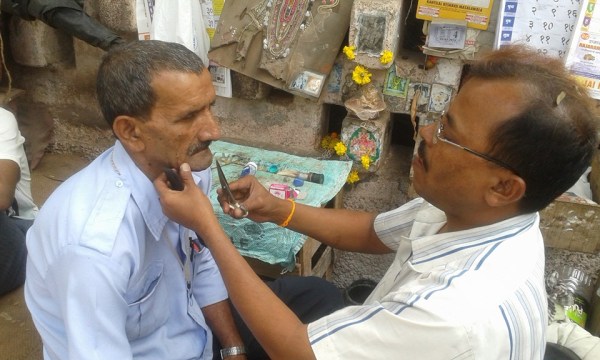
mumbai barber

Anti-Barber Proverbs


1.Among men most deceitful is the barber, among birds the crow, among the things of water the tortoise.

2.Barbers, doctors, pleaders, prostitutes – all must have cash down.


3.A barber learns by shaving fools, for which reason you stick to your barber but change your washer man, since a new Dhobi washes clean.

4.You may hammer a barber on the head with a shoe, but you will not make him hold his tongue.


5.A barber found a purse, and all the world knew it.

6.Of the inquisitive barber the wise say, “Throw a dog a morsel to stop his mouth” (It is like saying “Choke of a reporter with a scrap of stale news)

7.A barber out of work bleeds the wall or shaves a cat to keep his hand in.

(In Tamil also there is a proverb: Jobless barber caught a cat to shave it)

8.A barber’s penny, all profit and no risk

9.A burglary at a barber’s: stolen, three pots of combings!

10.If you go back four generations, you will find that your uncle was a barber (the meaning is barbers are unduly intimate with the inmates of zenana)

goldsmi2

Anti-Goldsmith Proverbs

1.Trust not the goldsmith; he is no man’s friend, and his word is worthless.

2.If you have never seen a tiger, look at a cat; if you have never seen a thief, look at a Sonar (Swarnakar=Goldsmith)

3.The goldsmith, the tailor and the weaver are too sharp for the angel of death; God alone knows where to have them.

4.A Sonar (Swarnakar=Goldsmith) will rob his mother and sister; he will filch gold even from his wife’s nose ring.


5.If he cannot steal, his belly will burst with longing.

6.He will ruin your ornament by substituting base metal for the gold you gave him, and will clamour for wages into the bargain.

7.A pair of rogues: the goldsmith and the man who sifts his ashes for scraps.

goldsmit.JPG

Anti-Potter Proverbs

1.A potter is always thinking of his pots and, if he falls out with his wife he finds a solace in pulling his donkey’s ears.

2.When the clay is on the wheel the potter may shape it as he will, though the clay re-joins “Now you trample on me, one day I shall trample on you”.


3.Turned on the wheel you know better for it; praise not the pot till it is fired

4.If you are civil to a potter he will neither respect you nor will he sell his pots.

5.The potter can sleep sound; no one will steal his clay.

6.In a deserted village even a potter is a scribe.

A potter’s wife is a meddlesome fool, she will burn herself on the carcass of the Dhobi’s donkey ( Dhobi ke gadhe par Kumhaarin Satii huuii)

potter

Anti-Blacksmith Proverbs

1.A blacksmith’s single stroke is worth a goldsmith’s hundred

2.A Lohar (Loha kara= Blacksmith)is a bad friend; he will either burn you with fire or stifle you with smoke

3.His shop is always in an untidy mess; it is the place where the donkeys roll

4.Sparks are the lot of the blacksmith’s legs.

5.Such is his good nature that a monkey begged of him a pair of anklets.

6.Never buy his pet Myna (maina), even if you can get it for a farthing, for the bird will drive you mad by mimicking the noise of a hammer

7.To sell a needle in the Lohar’s quarter (Taking coals to New Castle)

8.Before the smith can make a screw he must learn to make a nail.

carpenter,tribe

Picture of Carpenters

Anti-Carpenter Proverbs

1.The carpenter thinks nothing but wood.

2.His wife walks and talks in time to the noise of the plane.

3.When carpenter is out of work he keeps his hand in by planing his friend’s buttocks.

4.The carpenter’s face is cited as a type of unpunctuality, since it is never to be seen at the time when he promised to come.

5.A whore’s oath and a Sutar’s chip are worthless

6.A fool of a Barhai’s has neither chisel nor adze and wants to be the village carpenter.

To be continued………………….

In the next session I will give Anti-Oil monger, Anti Tailor, Anti washer man; Fisherman, Weaver, Shoemaker Proverbs.

Source:The People of India, Sir Herbert Risley, Year 1915.

–Subham–


Tamil Taste and Sanskrit Taste! (Post No.3060)

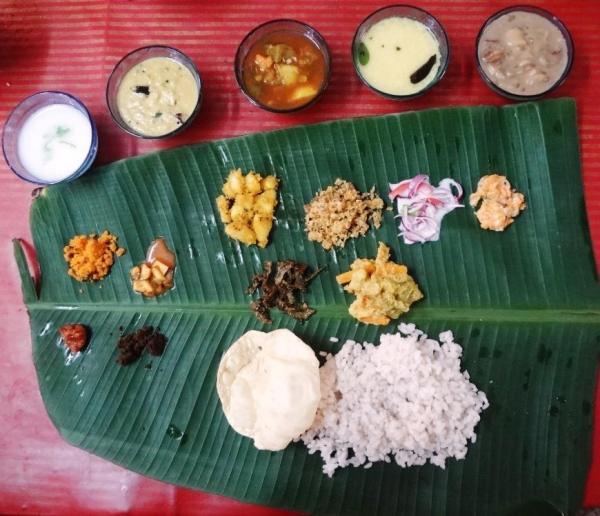
b day feast 2

Written by london swaminathan

Date: 14th    August 2016

Post No. 3060

Time uploaded in London :– 9-18 AM

( Thanks for the Pictures)


DON’T REBLOG IT AT LEAST FOR A WEEK!  DON’T USE THE PICTURES; THEY ARE COPYRIGHTED BY SOMEONE.


(for old articles go to tamilandvedas.com OR swamiindology.blogspot.com)


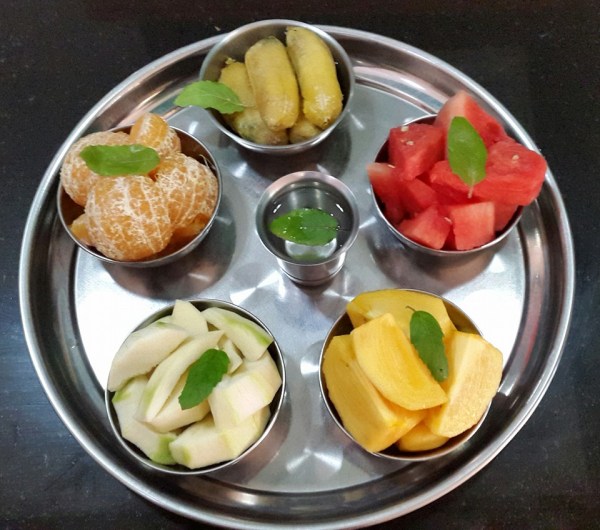
fruit salad

Tastes are different, especially for Tamil speakers and Sanskrit speakers!


For some strange reason Tamil and Sanskrit literature describe tastes in different ways.


In my earlier articles I have written about the way Lord Krishna divides food into three categories Satva, Rajas and Tamasic food in the Bhagavad Gita! Moreover, Krishna advocates great vegetarian food!


Tamils have divided food on the basis of taste. Sanskritists have divided food on the basis of its structure or state or condition.


5 divisions of food in Sanskrit:–

Pancha paksha paramaannam means very good, fulsome and tasty five types of food in Sanskrit. If one is served varieties of dishes then they say, “Oh, I enjoyed the food in his house or in the wedding; it was a five-fold division of food I had today”. If a Tamil go to the same house or the same wedding he would say, “Oh, I had Six Taste food today! I am full”.


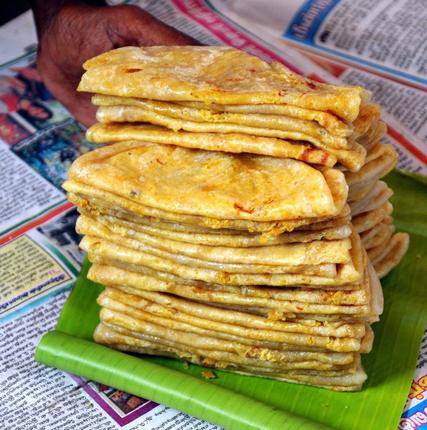
boli

Boli, South Indian Dish

So, what are the five divisions in Sanskrit literature?

Bhojyam, Bhakshyam, Soshyam, Peyam and Lehyam.

Bhojyam:-Bojanam is our normal food like rice and Chapatti; the word is very popular in most parts of India. The word stands for meals in general. This is spoiled in 24 or 48 hours because it is cooked food

Bakshyam: Bakshanam is used in most of the languages in India for any snacks. We don’t use it as food, but as snacks in between main meals. Most of the items we keep it for long, because they don’t go off that quickly. It means like sweets, Bombay Mixture, Tamil Murukku etc


Lehyam:- English word lick come from the same root of this Sanskrit word. Anything that is semi solid and semi liquid, mostly used in medicines nowadays is called Lehyam. Honey based items, Panchamritam, Chyavanaprash, medicinal lehiyams etc. fall under this category.


Soshyam: English word suck is cognate with this word. You use a straw to suck the liquid out of the cup. Fruit juices, milk shakes, Rose milk etc. fall under this category.


Peyam: Any drinks like milk or water. Orthodox Hindus wont allow their lips to touch the cup or a tumbler or any vessel containing water or milk or anything holy. Peyam is used there.

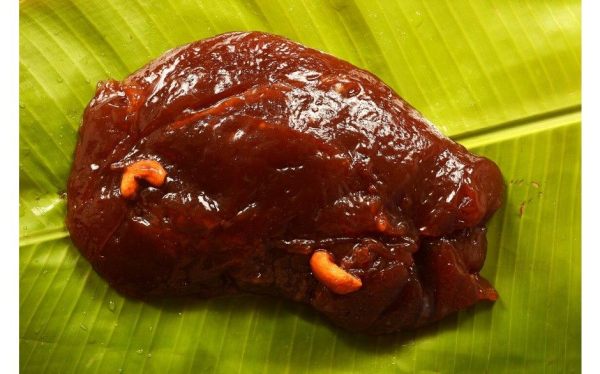
alva from tirunelveli

Halwa, Indian Sweet

Six Varieties of Tamil Food

Tamils have divided food into six types on the basis of taste felt in the tongue. They are Sweet, Hot/spicy, Sour, Salty, Bitter and Astringent.

Sweet: it needs no explanation; Eg. Sugar, jaggery, sugarcane, Indian sweets etc.

Spicy: any dish that contains chillies or black pepper

Sour: Dishes made with lemon juice or tamarind; raw vegetables such as green mangoes

Salty: dishes added with salt

Bitter: Dishes made up of bitter gourds, medicinal pastes of neem leaves, medicines like quinine, certain types of greens

Astringent: Tastes like betel nuts, certain baby vegetable like green plantain, green banana

Tamils are very fond of salt; they have a proverb “Unsalted items go into rubbish heap”.

On days like New Year day Hindus make a Pachadi (Liquid item that contains all the six tastes) to illustrate the truth that “Life is full of ups and downs”.


Kalidasa, the greatest poet of India, says “Variety is the spice of life.”


In short, Hindu Food items are classified on the basis Hindu philosophy!

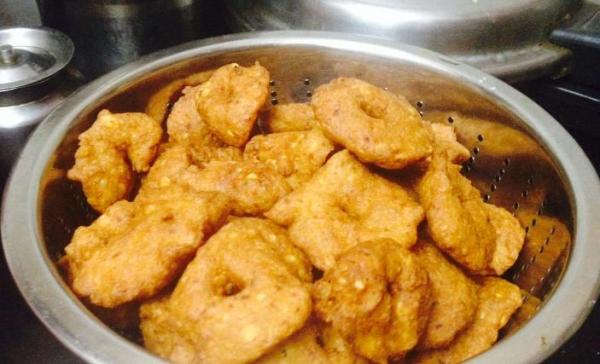
Picture shows Vada/ Vadai, Tamil Foodappam3


Read my earlier articles on Hindu Food:

1.Krishna’s Restaurant in Dwaraka- Hot Satwic Food Sold, posted on 20 November 2011

  1. The Sugarcane Mystery: Indus valley and the Ikshwaku Dynasty, posted on 19 November 2011

3.SCIENCE BEHIND DIWALI-2; 175 SWEET ITEMS, posted on 3 November 2012

4.Unique and Wonderful  Food Items (Prasads) in Hindu Temples, posted on 22 May 2015

  1. Hindu Issues: Questions from Medical Students- Part 2, posted on 6 March 2015

6.What did Vedic Hindus Eat?, posted on 23 April 2015

hare krishna food 2

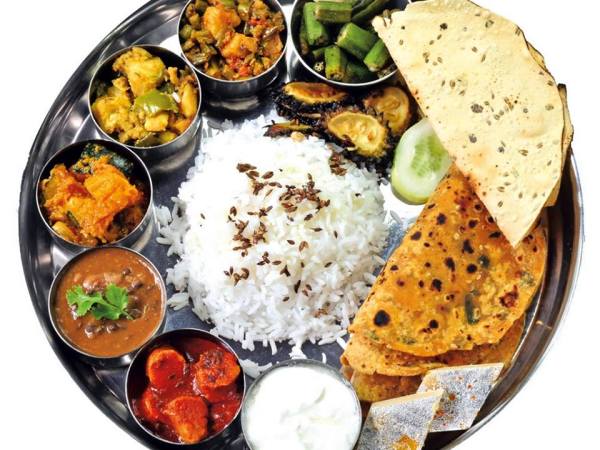
A typical North Indian Vegetarian meal.

–SUBHAM–


5 சம்ஸ்கிருத உணவும், 6 தமிழ் உணவும்! (Post No.3058)

adi 18 food

Written by london swaminathan

Date: 13th    August 2016

Post No. 3058

Time uploaded in London :– 18-29

( Thanks for the Pictures)


DON’T REBLOG IT AT LEAST FOR A WEEK!  DON’T USE THE PICTURES; THEY ARE COPYRIGHTED BY SOMEONE.


(for old articles go to tamilandvedas.com OR swamiindology.blogspot.com)


boli

உணவில் சைவ உணவு, அசைவ உணவு பற்றிக் கேள்விப்பட்டிருக்கிறோம்.


குஜராத்தி உணவு, வங்காளி உணவு, தென்னிந்திய சமையல், வட இந்திய சமையல் கேள்விப்பட்டிருக்கிறோம். ஆனால் தமிழ், சம்ஸ்கிருத மொழிகளால் உணவு கேள்விப்பட்டது இல்லை அல்லவா?


ஆனால் ஏதோ காரணத்தால் சம்ஸ்கிருத அறிஞர்கள் உணவை ஐந்து வகையாகவும், தமிழ் அறிஞர்கள் உண்வை ருசியின் அடிப்படையில் ஆறு வகையாகவும் பிரித்து இருக்கின்றனர்..

நளன், பீமன் போன்ற புகழ் பெற்ற புராண, இதிஹாச சமையல் நிபுணர்கள் “பஞ்ச பக்ஷ பரமான்னம்” படைத்ததாகப் படிக்கிறோம்.


பிராமணர்கள் வீட்டில் சாப்பிடுவோர் , அடடா! பஞ்சபக்ஷ பரமான்னம் கிடைத்தது என்பர். அவர்களே தமிழ் உணவு சாப்பிடும்போது அடடா! அறுசுவை உணவு என்பர்.


அது என்ன பஞ்ச பக்ஷ பரமான்னம்?

fruits 2

பக்ஷ்யம், போஜ்யம், சோஷ்யம், லேஹ்யம், பேயம் என்று ஐந்து வகையாக பிரித்ததற்குக் காரணம் அந்த உணவும் எந்த நிலையில் இருக்கிறது என்பதைக் காட்டவே.


1.பக்ஷணம் என்ற சொல் நம் எல்லோருக்கும் தெரிந்ததே; இது நொறுக்குத் தீனி வகை; கருக்கு முறுக்கென்று சப் தம் போட்டுச் சாப்பிடும் திட உணவுப் பொருட்கள். எடுத்துக் காட்டு: முறுக்கு, காராச் சேவை, காராபூந்தி


2.போஜ்யம்: போஜனம் (Bois in French) என்ற சொல்லும் தமிழர்களுக்குத் தெரிந்த சொல்லே. என்ன போஜனம் ஆயிற்றா? என்றால் சாப்பிட்டாகிவிட்டதா? என்று பொருள். அதாவது சாதம், சாம்பார், குழம்பு முதலியன. பெரும்பாலும் திட வடிவில் வாயில் எடுத்துப் போட்டுக் கொள்ளும்படி இருக்கும்.


3.லேஹ்யம்: இந்தச் சொல்லும் எல்லா தமிழர்களுக்கும் தெரிந்த சொல்லே; சித்த, ஆயுர்வேத வைத்தியர்கள் லேகியம் என்று சொல்லிக் கொடுத்தால் அதைக் கையில் வாங்கி நக்கிச் சுவைப்போம். ஆங்கிலச் சொல் LICK ‘லிக்’ (நக்கு) என்ற சொல்லும் சம்ஸ்கிருத மூலத்திலிருந்து வந்த சொல்லே.


சோஷ்யம் என்ற வகை உணவுகள் உறிஞ்சிக் குடிக்க வேண்டிய பானங்கள். சக் SUCK (உறிஞ்சு) என்ற ஆங்கிலச் சொல் இதிருந்து பிறந்த சொல்லே. ரோஸ் மில்க் முதல் பட்டர்மில்க் (மோர்) வரை எல்லா பானங்களும் பாயசங்களும் இதில் அடக்கம்..


பேயம் என்பனவும் திரவ நிலையிலுள்ள உணவு வகைகளே. ஆனால் இவைகளை உறிஞ்சத் தேவை இல்லை. அன்னாந்து அப்படியே குடிக்கலாம். பால், தண்ணீர், நீர்மோர் போன்றவை.


கம்ப ராமாயண காலத்திலேயே ஸ்ட் ரா STRAW இருந்தது பற்றி முன்னரே எழுதியுள்ளேன். இலைகளின் காம்பிலுள்ள ஓட்டைகளைக் கொண்டு அவைகளை ஸ் ட் ரா போல தமிழர்கள் பயன்படுத்தினர் என்பது கம்பன் தரும் தகவல்!

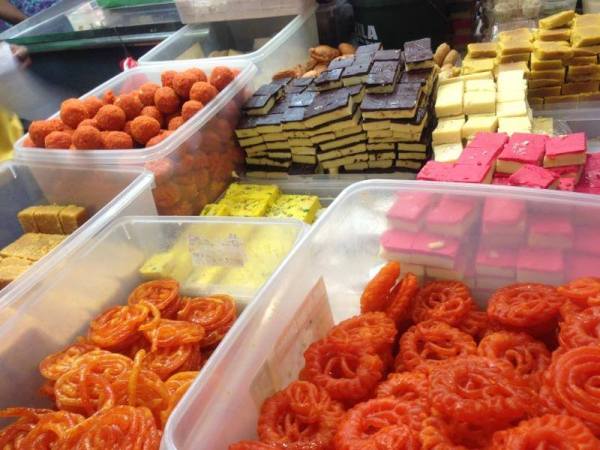
 jilebi, jangri

அறு சுவை உண்டி

பொருள்கள் திட நிலையில் இருக்கிறதா, திரவ நிலையில் இருக்கிறதா என்ற அடிப்படையில் சம்ஸ்கிருத வல்லுநர்கள் பிரித்தனர். ஆனால் தமிழ் அறிஞர்கள் சுவையின் அடிப்படையில் உணவு வகைகளை ஆறு பிரிவுகளாகப் பயன்படுத்தினர்.


அறு சுவை யாவை?

தித்திப்பு= இனிப்பு (சர்க்கரை, வெல்லம், கரும்பு, பழச்சுவை)

கைப்பு= கசப்பு ( பாகற்காய், வேப்பிலை)

புளிப்பு= புளியங்காய், மாங்காய், எலுமிச்சை

உவர்ப்பு= உப்புச் சுவை (உப்பு)

துவர்ப்பு= பாக்கு முதலியன தரும் ருசி

கார்ப்பு= காரம், உறைப்பு (மிளகாய், மிளகு)


தமிழர்கள் இதை 1200 ஆண்டுகளுக்கு முன்னரே பயன்படுத்தியமைக்கு நாலடியாரில் சான்றுளது.


அறுசுவையுண்டி யமர்ந்தில்லாளூட்ட

மறுசிகை நீக்கியுண்டாரும் — வறிஞராய்ச்

சென்றிரப்ப ரோரிடத்துக் கூழெனிற் செல்வமொன்

றுண்டாக வைக்கற்பாற்றன்று

(நாலடியார் பாடல் 1)

fruit salad

அறு சுவை உண்டி = ஆறு சுவையுடைய உணவை

இல்லாள் அமர்ந்து ஊட்ட = பெண்சாதி அன்புடன் பரிமாற

மறு சிகை நீக்கி = மற்றொரு கவளத்தை  வேண்டா ம் என்று தள்ளி

உண்டாரும் = உண்ட செல்வர்களும்

வறிஞராய் = வறுமையுற்று

ஓர் இடத்துச் சென்று =  வேறு ஒரு இடத்துக்குப் போய்

கூழ் இரப்பர் எனில் = கூழை பிச்சையாக கேட்பார்களானால்

செல்வம் ஒன்று = செல்வம் என்கிற ஒரு பொருள்

உண்டு ஆக = நிலையாக இருப்பதாக

வைக்கல் பாற்று அன்று = வைக்க வேண்டாம் (நினைக்க வேண்டாம்)


செல்வம் நிலையாமை தலைப்பில் வரும் பாடல் இது.


ஆக 5 உணவு, ஆறு உணவு — எதைச் சாப்பிட்டாலும் வயிறு நிறையும்.


கண்ணனோவெனில் பகவத் கீதையில் உணவு வகைகளை மூன்றாகப் பிரிக்கிறார். சத்துவ குணம், ராஜச குணம், தமோ குணம் கொடுக்கும் உணவு எவையென்று செப்பியதை முன்னரே ஒரு கட்டுரையில் தந்துள்ளேன்.


–subham–

Proverbs against Kayasth and the Jats(Post No.3055)

famous_kayastha

Picture of Famous Kayasths

Compiled by london swaminathan

Date: 13th    August 2016

Post No. 3055

Time uploaded in London :– 6-52

( Thanks for the Pictures)


DON’T REBLOG IT AT LEAST FOR A WEEK!  DON’T USE THE PICTURES; THEY ARE COPYRIGHTED BY SOMEONE.


(for old articles go to tamilandvedas.com OR swamiindology.blogspot.com)


In the first part I published Anti Brahmin proverbs and Anti Bania proverbs; here is the second part:-

 
These were recorded 100 years ago in the book:

The People of India by Sir Herbert Risely, London, 1915.


Anti Kayasth Proverbs


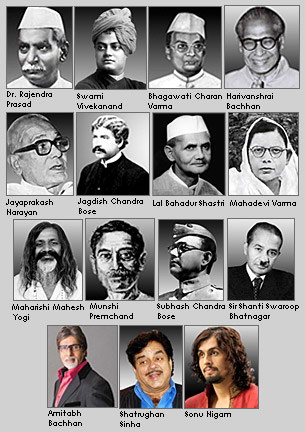
1.The Kayasth is a clerical caste.

2.Where three Kayasths are gathered together a thunderbolt is sure to fall.

3.When honest men fall out the Kayasth gets his chance.


4.When a Kayasth takes to money-lending he is a merciless creditor


5.He is a man of figures; he lives by the point of his pen


6.In his house even the cat learns two and a half


7.He is a versatile creature, and where there are no tigers he will become a shikari/hunter


8.Kayasth is no more to be trusted than a crow or a snake without a tail


9.Drinking comes to a Kayasth with his mother’s milk

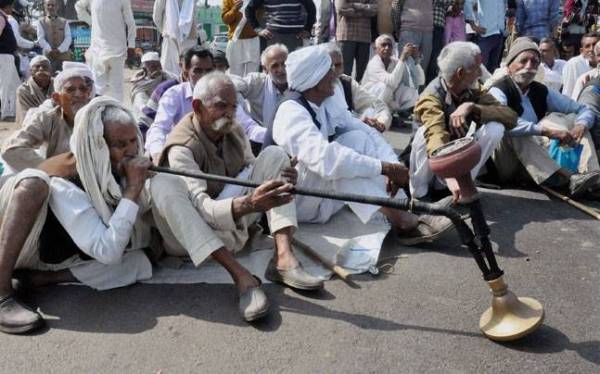
jat belt

Anti Jat Proverbs

Jats are cultivators; agricultural caste.


1.You may look for good in a Jat as for weevils/beetles in a stone.

2.He is your friend only so long as have a stick in your hand.


3.If he cannot harm you he will leave a bad smell as he goes by.


4.To be civil to him is like giving treacle to a donkey


5.If he runs amuck it takes God to hold him.

6.A Jat’s laugh would break an ordinary man’s ribs.


7.When he learns manners, he blows his nose with a mat ad there is a great run on the garlic.

jats

8.His baby has a plough-tail for a plaything.


9.The Jat stood on his own corn heap and called out to the king’s elephant-drivers, ‘Hi, what will you take for those little donkeys?


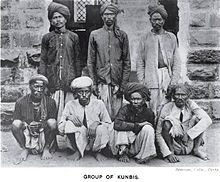
Anti Kunbi /Kurmi Proverbs

Kunbi or Kurmi is an agricultural caste


1.You will as soon grow a creeper on a rock as make him into a true friend

2.He is as crooked as a sickle, but you can beat him straight

3.If he gets a sty (swelling) on his eyelid he is as savage as a bull.


4.He is so obstinate he plants thorns across the path.

5.If it rains in the Hathiya asterism (end of September), and there is a bumper crop, he gives his wife gold rings.

6.You may know her by the basket on her head and the baby on either hip.

kunbis

I the next part I will give proverbs on Barbers, Goldsmiths, Carpenters, potters and blacksmiths.


To be continued…………………………….


–Subham–


Proverbs against Brahmins and Baniyas- Part 1 (Post No.3052)

brahmins, museum.jpg

Compiled by london swaminathan

Date: 11th    August 2016

Post No. 3052

Time uploaded in London :– 18-28

( Thanks for the Pictures)


DON’T REBLOG IT AT LEAST FOR A WEEK!  DON’T USE THE PICTURES; THEY ARE COPYRIGHTED BY SOMEONE.


(for old articles go to tamilandvedas.com OR swamiindology.blogspot.com)


Maxims and Proverbs

Sanskrit and Tamil languages are rich in proverbs. In Greece, Plato, Aristotle and Theophrastus are believed to have collected proverbs of their day. Many of Lucian’s wittiest sayings are pointed from the same armoury.

In the later middle age both Erasmus and Scaliger made collections of classical proverbs.

Voltaire illustrated the distinction between a maxim and a proverb when he said of Boileau’s poetry that one finds in it some expressions which has passed into proverbs and others which deserve to rank as maxims.

Maxims are elevated, wise and useful; they are made for the witty and appeal to cultivated taste. Proverbs on the other hand are for the vulgar, for the common man, whom one meets in all ranks of society.


The grammarian Donatus insists that it must fit the facts and the period; the philologist Festus, looking on the etymology of the word, lays stress on its quality, a guide I the business of life.


A modern writer who is impressed by both the brevity and by the selfish and heartless tone of many proverbs describes them as the “algebra of materialism”. To escribe proverbs as the algebra, od popular pessimism will be nearer to the truth.


According to Bochart, “A proverb is a saying current among the people which sets forth in thoroughly popular language, and with studied brevity, a truth acknowledged by all. By the side of it we may place Rivarol’s opinion that proverbs represent the fruits of popular experience and, as it were, the common-sense of all ages compressed into a formula.


John Russel gave the best definition for proverbs when he said “The wisdom of many and the wit of one”.


In India there are proverbs against all castes; they convey a vivid impression of the anxieties, the troubles, the annoyances, and the humours of his daily life.

brahmin2


Anti Brahmin Proverbs:-

1.Brahmin- A thing  with a string round its neck ( a profane hit at the sacred thread).

2.A priest by appearance, a butcher at heart, the chief of a trio of tormentors gibbeted in the rhyming proverb:-

Is duniya men tiin kasaai

Pisu, Khatmal, Brahman Bhai

Translation:-

Blood-suckers three on earth there be,

The bug, the Brahman and the flea.


3.Before the Brahman starves the king’s larder will be empty; cakes must be given to him while the children f the house may lick the grindstone for a meal.

4.His stomach is a bottomless pit; he eats so immoderately that he dies from wind.

5.He will beg with a lakh of rupees in his pocket, and a silver begging bowl in his hand.

6.In his greed for funeral fees he spies out corpses like a vulture, and rejoices in the misfortune of his clients.

7.A village with a Brahmin in it is like tank full of crabs.

8.If a snake has to be killed the Brahmin should be set to do it, for no one will miss him.

9.If circumstances compel you to perjure yourself, why swear on the head of your son, when there is Brahmin handy?

10.Vishnu gets the barren prayers while the Brahmin devours the offerings.


baniya shop


Anti Baniya Proverbs

The next most prominent figure in our gallery of popular portraits is that of the Baniya, moey-lender, grain-dealer and monopolist, who dominates the material world as the Brahman does the spiritual.

1.Baniya’s heart is no bigger than a coriander seed.

2.He has the jaws of an alligator and a stomach of wax

3.He is less to be trusted than a tiger, a scorpion, or a snake

4.Baniya goes in like a needle and comes out like a sword.

5.As a neighbour he is as bad as boil in the armpit.

6.If a Baniya is on the other side of the river you should leave your bundle on this side and, for fear he should steal it.

7.When four Baniyas meet, they rob the whole world

8.If a Baniya is drowning you should not give him a hand; he is sure to have some base motive for drifting down stream.

  1. He uses light weights and swears that the scales tip themselves

10.He keeps his account in a character that no one but God can read.

11.If you borrow from him your debt mounts up like a rubbish hill.

There are many more proverbs about Brahmins and Baniyas.

Tomorrow I will give some more proverbs against other castes.

These were recorded 100 years ago in the book:

The People of India by Sir Herbert Risely, London, 1915.

–Subham–

Black Antelope in Manu: Strange Facts- Part 3 (Post No.3047)

BlackBuckAntelope

black buck antelope deer 

Research Article Written by london swaminathan

Date: 9th    August 2016

Post No. 3047

Time uploaded in London :– 15-35

( Thanks for the Pictures)


DON’T REBLOG IT AT LEAST FOR A WEEK!  DON’T USE THE PICTURES; THEY ARE COPYRIGHTED BY SOMEONE.


(for old articles go to tamilandvedas.com OR swamiindology.blogspot.com)


Manu says,

God’s Country:

“The country that Gods made between the two divine rivers Sarasvati and Drsadvati is what they call the Land of Veda (Brahmavarta).

Manu 2-17

The conduct of the classes (four) and the intermediary classes in that country, handed down from one person to another, is called the conduct of good people.

Manu 2-18

The field of the Kurus, the Matsyas, the Pancalas and Surasenakas constitute the country of Priestly sages (Brahmarsi Desa), right next to the Land of the Veda

Manu 2-19

25d24-talageri-rivers

My comments

Since Manu refers to perennial river Sarasvati he must have lived long long ago.

The areas he mentioned falls under Indus Valley Civilisation. He says that is the Land of Veda. So Indus valley and Vedic Civilisation are one and the same.


He mentioned the above two rivers as divine, so he must have lived during Vedic times. We have to note that Ganges is not mentioned!

xxx

Antelope Land!

From the eastern sea to the western sea, the area in between the two mountains (Himalayas and Vindhyas) is what wise men call the Land of the Noble ones.

Manu 2-22

Where the black antelope ranges by nature, that should be known as the country fit for sacrifices; and beyond it is the country of the Mlechas.

Manu 2-23


No Ganges River!

The above passages raise lot of questions:-

1.Why did not Manu mention the holiest river Ganges when he mentioned Sarasvati and Drsadvati?

2.For whom Did Manu write his code?

3.Where did the Land of the Mlechas begin? And who were the Mlechas?


  1. If Manu has written only for the land between the Vindhyas and Himalayas, what happened to the South Indians? Did civilised people live at that time in the South or not?


My comments:

Ganges River is one of the rivers in the Rig Veda; not the holiest of the holy rivers. So can we take that Manu lived well before the Epic age?

Manu mentioned the land where black bucks roam is the holy place fit for sacrifices. We know that it roamed from Nepal to South India. So South is also a holy place?


If Manu had written only for the noble people between the two seas and two mountains why should others bother about it?


Is there any proof to show that someone was ill treated or harmed for violating Manu’s code? No, definitely not in ancient times. Even the Ramayana reference to a Shudra doing penance and Rama punishing him is considered a later addition or interpolation according to the scholars. They point out that it is in gross contradiction to the picture of Rama’s relationship with Sabari and Guha.

ganges-map-simple

Ganges Mystery!!

Ganga Mystery can be solved by dividing the period into two: Holy Saraswati period and Holy Ganga period; when Saraswati River completely dried up and disappeared without leaving a trace or imprint Ganga came into prominence. There is another way of looking at it. Bhagiratha , the king cum the greatest Hindu civil engineer planned and executed the diversion of River Ganga into the present Gangetic plains. Earlier kings failed in this. So Ganga became holy and prominent only after some period. We have to find out when. Manu did not give any prominence to River Ganges. So he must have lived in the Saraswati period. Ikshwaku came after Vaivaswata Manu. And Bhagiratha was the 54th ruler in the Ikshwaku dynasty. So there is a gap of 1500 to 2000 years (Western Kings ruled only for 20 years on an average. But Hindu kings ruled for 30 to 40 years on an average.)

(Please read my research article: “Great Engineers of Ancient India”, posted on 25 June 2011)


Bones in Indus Valley

It is very interesting that black antelope’s bones are discovered in Indus Valley civilisation. Can we take it that Rishis—ancient seers – raised them in their Ashramas in the Indus valley?


Half baked Westerners and their Indian pawns placed Manu in second century BCE. But Manu talks about perennial Sarasvati and sale of Soma herbs! Manu definitely wont fit into this period.


Mlechas in Tamil

Mlechas (barbarians) according to 2000 year old Sangam Tamil literature are ‘Yavanas’ from Rome, Greece and Arabian land. So the mention of Mlechas by Manu is not about Dravidians of the South. Cunning and divisive foreigners attributed this word to the Dravidians. Non Tamil speakers were called Mlechas by the Tamils.


Holy Ganges is praised sky high by Tamil Sangam literature, where as Ganges is not found in Manu. So there must be a wide gap between the Sangam period and Period of Manu.

yavana-in-bharhut

Picture of a Mlecha in Barhut, 2nd Century BCE

The treatment of the Ganges and the Mlechas in two different ways in two different languages show the big time gap between the Manu Smrti and Sangam Literature of first three centuries of our period.


In short, the geography and the beliefs and customs of the people mentioned by Manu, place him well before the second century BCE that is attributed to it by the foreigners.


The biggest blunder is that the foreigners try to cramp Buddha, Mahavira and 1001 Smrti writers, litterateurs, writers of Ramayana , Mahabharata, Puranas, medical treatises – all into a period of 600 years or so. It is not reasonable and there is no evidence for such a thing in any other civilisation.


If we apply the same scale to other civilisations, this theory will fall flat. Max Muller’s theory that ‘a language changes every 200 years’ is not applied anywhere in the world except Sanskrit. Even if we apply it to Tamil, all the dates of Tamil literature will collapse and hang in balance!


In short, foreigners thought Hindus are simpletons and tried to foist  their rubbish theories on us like they do dump today all the unwanted, banned medicines and pesticides on us. They polluted the world with all tobacco smoking, firing arms, nuclear explosions, burning coal and petrol. And today they advise us that we should do this or shouldn’t do that. It is the same with their writings and theories as well!

 saraswati-map

Read my earlier article:

“Yavana(Mlechas) Mystery in Tamil Literature”, posted on 31 July 2014.

–subham–