Are Dravidians Habitual Thieves? Mystery of Hill Tribes- Part- 6 (Post No.2956)

new tribe 12

Research Article Written by London swaminathan

Date: 9 July 2016

Post No. 2956

Time uploaded in London :– 17-54

( Thanks for the Pictures)

DON’T REBLOG IT AT LEAST FOR A WEEK!  DON’T USE THE PICTURES; THEY ARE COPYRIGHTED BY SOMEONE.


(for old articles go to tamilandvedas.com OR swamiindology.blogspot.com)


Part 5 was published here on 6th of July. First part contains a detailed introduction.


Source book: The People of India by Sir Herbert Risley, second edition 1915, London


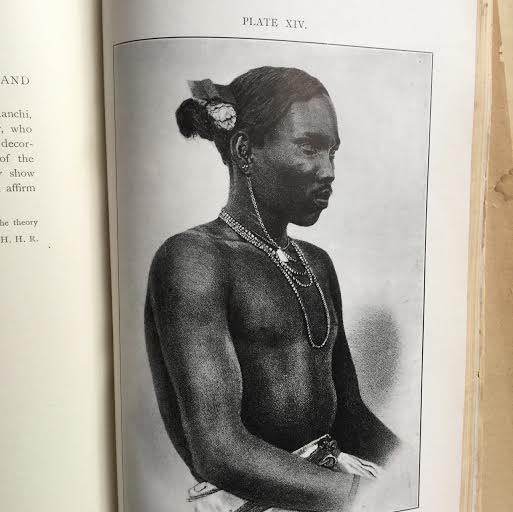
Now I will give the description of H.Risley, a foreigner,  with my comments side by side:
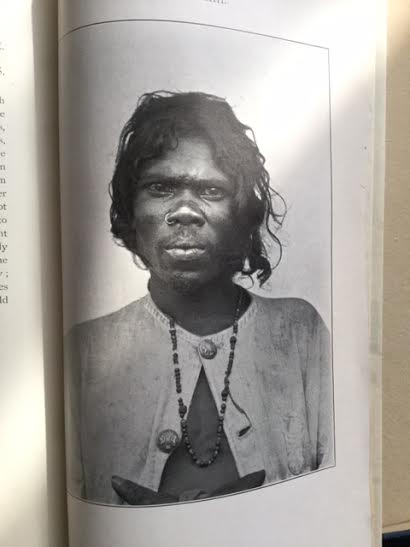
plate 33

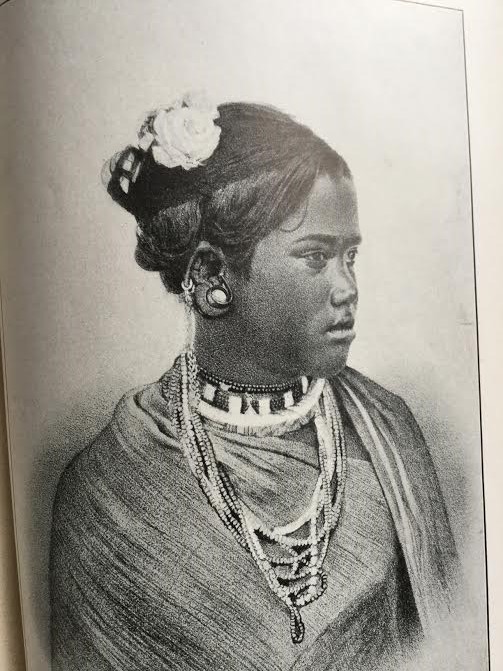
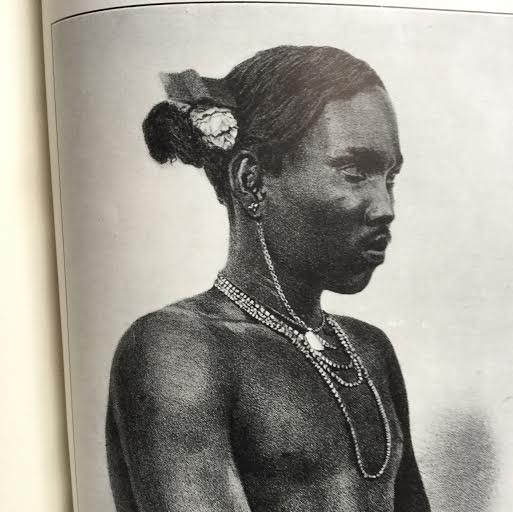
Sholaga from The Nilgri Hills, Pure Dravidian Type (Plate 33)


“The Sholagas are a jungle tribe inhabiting the British district of Coimbatore and the adjoining parts of the Mysore state. They live on millets paste and yams, supplemented by sundry jungle animals and birds, but they will not eat parroquets, which they say they are their children. Their main occupation is the collection of various jungle fruits, roots, bark and hony in the cavities of the rocks. They bury their dead, and after the funeral erect in the burial ground of the sept to which the dead man belonged a memorial stone to serve as an abode for the spirit. They are excellent trackers of game, and some of them have recently begun to do a little rude cultivation. Those of the better class have a simple form of marriage ceremony; but the poorer members merely elope with their brides to a distant jungle, and return home only after a child has been born”.


My comments: – Parrots are raised by Brahmin families who treat them as children. It is found in Mandanamishra’s house during Adi Shankara time and in Brahmin houses of Sangam Tamil period according to Sangam literatre (see Perumpaanaatruppadai). In both cases they say that the parrots repeated the Vedas said by the Brahmins. Here we see pure Dravidians treating parrots as children and never eat them! Though the hero stones (memorial stones) are seen in sangam literature it was laid only for heroes. Laying stones for the dead is seen in many cultures. Brahmins do it at the backyard or in the crematorium and Tibetan Buddists do it which is seen on the banks of Manasarovar in the Himalayas. So in the above we don’t see anything Pure Dravidian. Burial and cremation were found in Vedas and the Tamil Sangam literature.  Their belief in the spirit of the dead is purley a Hindu belief.
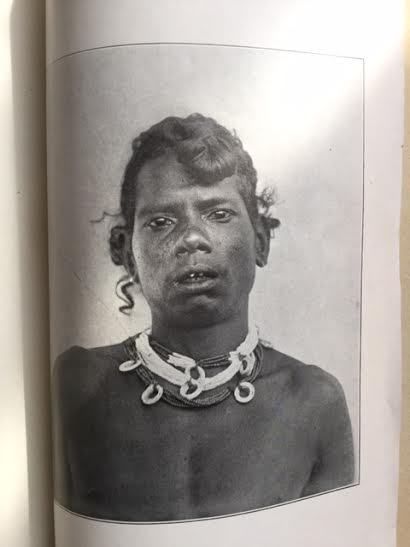
plate 34

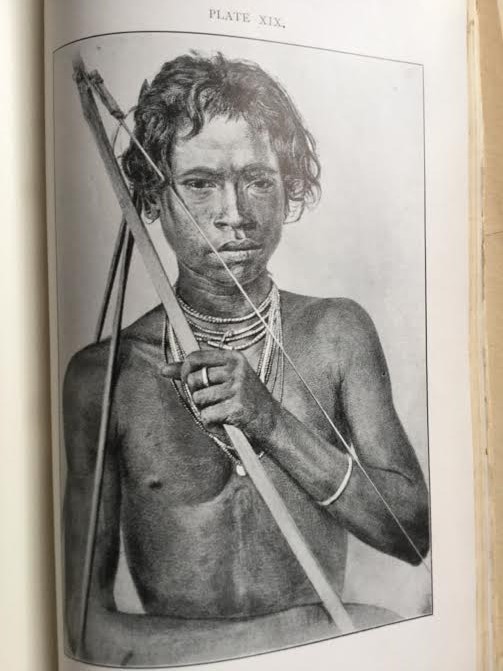
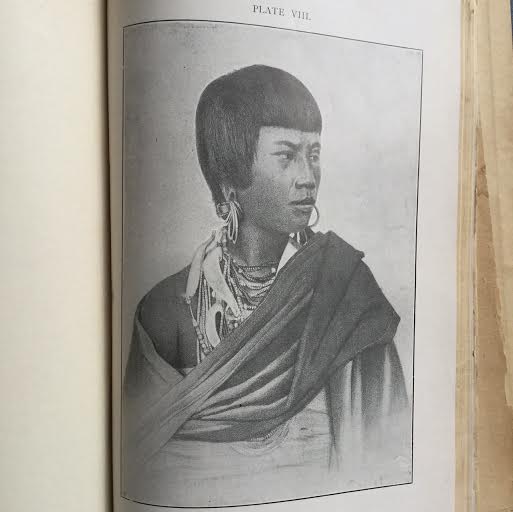
A Kadir from the Anaimalai Hills, Madras Pure Dravidian Type (Plate 34)


“The Kadirs are a jungle tribe found in the Anaimalai Hills of Madras and other ranges extending southwards into the State of Travancore. They are of short stature with dark skin and borad nose they are a happy people, living on the produce of the forests where they reside. They are nomad in habit, building neat huts at places which they temporarily occupy; good trackers and experts in the pursuit of game; wonderfully clever in climbing high trees, their method of ascent, closely resembling that of the Dayaks of Borneo. They have a horror of cattle, and will not touch the products of cow. Their reticence in regard to the disposal of the dead has given rise to a legend that they eat the corpse.


The remarkable custom of chipping the teeth curiously resembles that of Jakuns of the Malay Peninsula. The Kadirs chip all the or some of the upper and lower incisors into the form of a sharp-pointed, but not serrated, cone. This is done by means of a chisel, bill-hook and file. Both sexes undergo the operation; it is said that it makes an ugly man or woman handsome, and that a person who has not been improved in this way has teeth and eats like a cow”.


My comments: The writer himself compares the Kadirs with people living in Borneo and Malaya. Their belief about cow and handsomeness are strange; Within a small area of Nilgris we have seen different tribes with diametrically opposite beliefs. There is no relationship between them except the skin colour and broad nose. How can we justify they all belonged to Dravidian Race? All these artificial divisions created by the white skinned foreigners to justify their occupation of India. All these prove what I have said in the introduction.

palte 35

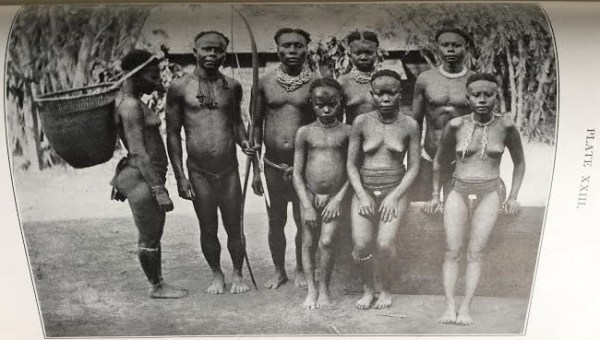
Dom Basket makers from Bihar (Mixed Dravidian Type)- Plate 35 

“The doms are semi nomadic tribe found in Bihar and the adjoining districts of the United Provinces of Agra and Oudh. One group of them, known as Maghaiya, are habitual thieves and burglars. Other sections are more or less settled, and live mainly by making mats and baskets out of the slips of bamboo. Their social statues is very low, because they eat beef, pork, horse flesh, filed rats and even the flesh of animals which have died a natural death – all abominations to orthodox Hindus. They act as executioners, and at holy places lord it at the burning ground, because they alone can supply fire to light the funeral pyre, and they must be heavily bribed before they will permit the corpse to be cremated.


My comments: Here the Dravidians are described as habitual thieves. The fact of the matter is we see robbers who kill the travellers and rob them, in Tamil Sangam and Sanskrit literature. There is no question of Dravidian or Aryan here. A section of the jungle dwellers led their life like robbers. We such people around the world. Nandanar was not allowed to enter the holy town of Chidambaram in Tamil Nadu because he also belonged to the caste of beef eaters. At last he became a pure man and entered the town and made a saint by the Tamils. Circumstances and living conditions only made them robbers no Dravidianis is in it. Kallars of Tamil Nadu were also were like that. But their belief in God was beyond comparison. Kannappan who was born in a family of hunters became a saint in Tamil Nadu 1500 years ago. We see a pure soul in the character of Dharmavyadha, the butcher in Mahabharata.

As I said in my introduction, there was no racial division in India. From time immemorial we see city civilization and tribal culture existing at the same time, leading their lives without any clash. But white skinned foreigners concocted the story of one race driving the other into forests. It is proved a blatant lie by the thousands of differences among the hundreds of tribes.


to be continued…………………..


Four Types of Angry People! (Post No.2952)

fight-scenes-290x300

Article Written by London swaminathan

Date: 8 July 2016

Post No. 2952

Time uploaded in London :– 14-31

( Thanks for the Pictures)

DON’T REBLOG IT AT LEAST FOR A WEEK!  DON’T USE THE PICTURES; THEY ARE COPYRIGHTED BY SOMEONE.


(for old articles go to tamilandvedas.com OR swamiindology.blogspot.com)


angry-status

Sanskrit is the only ancient language in the world, where we can read about anything under the sun. Though Greek literature comes closer to Sanskrit in its contents there is nothing before 800 BCE in Greek language. And we don’t have a law book like Manu’s, a sex manual like Kamasutra, a linguistics book like Yaska’s or a grammar book like that of Panini’s. Hebrew, Chinese, Latin and Tamil can’t come anywhere near Sanskrit.


We have Sanskrit words and sentences in documents and inscriptions from 1400 BCE – an indisputable archaeological proof. Even training the horse is mentioned in the Boghazkoi inscriptions dated around 1400 BCE. Tamil inscriptions are available from 300 BCE, that too with Sanskrit and Prakrit words only.


Here are some Sanskrit couplets from Manu and others:–


Uttama, Madhhyama, Adhama and Papi


Uttame sa kshanam kopo madhyame ghatikaadwayam

Adhame sydahoraatram paapishtee maranaantaka:


Good people won’t feel the anger for more than a moment.

People in the next rank – not so good, but O.K—will feel the anger for 48 minutes (i.e. for two ghatikaas; a ghatikaa is 24 minutes).

People at the lower level, will be angry for 24 hours (Aha:+raatri).

But the sinners (paapishta:) will keep the anger till they die.

Those who feel the anger over an incident for ever are sinners! That is the message it gives.


Tamil poet Tiru valluvar also says, “The anger of a person who has reached the pinnacle of goodness will not last even for a moment”. – Kural 29

Beware of the fury of the patient man, says John Dryden

young-angry-man-52068682

Manu on Anger:–


Manu, the oldest Law Maker, (his name is in the oldest book in the world, the Rig Veda), lists the eight bad qualities that come out of anger:

Paisunam saahasam droha iirshyaarsuuyaarthaduushanam

Vaagdandajam sa paarushyam krodajopi ganoshtakah

Manu 7-48

Slander, physical violence, malice, envy, resentment, destruction of property, verbal abuse and assault are the eight vices born out of anger.


Durvaasa – synonym of anger!


In Hindu literature Durvasa’s name is synonymous with anger. He din’t even wait for a minute to curse anyone. He was notes for his uncontrollable temper. Many fell under his curses. He cursed Sakuntalaa for keeping him waiting at the door, and so caused the separation between her and King Dushyanta. But whne he was happy he gave boons as well. Kunti got a boon from him and became a mother by the sun.


He cursed Indra for showing disrespect to the garland he presented to Indra. Devas went to Vishnu and he arranged the Samudra Martha – Churning of the Ocean —  at last the demons were overpowered. When Krishna forgot to wipe his foot he cursed him and foretold Krishna how he would die. ‘Durvasa’ means ill clothed. Probably his dirty clothe is his anger!


My old articles on ANGER:–


Win Anger by serenity, wickedness by Virtue (Post No. 2568)

Compiled  by London Swaminathan, Date: 23 February 2016


When angry, count a hundred! (Post No 2565)Date: 22 February 2016


Conquer Evil Doers by Saintliness, Anger by peacefulness (Post No. 2839)

Date: 25 May 2016

Sringeri Acharya’s Advice on Anger Management! Compiled  by London Swaminathan,  Date: 22 September 2015

–Subham–


Don’t go to the Temples empty handed! (Post No. 2950)

கோவிலுக்குச் செல்

Article Written by London swaminathan

Date: 7 July 2016

Post No. 2950

Time uploaded in London :– 13-41

( Thanks for the Pictures)

DON’T REBLOG IT AT LEAST FOR A WEEK!  DON’T USE THE PICTURES; THEY ARE COPYRIGHTED BY SOMEONE.


(for old articles go to tamilandvedas.com OR swamiindology.blogspot.com)


pegnant


There is a beautiful Sanskrit couplet which summarises the ancient Hindu customs and wisdom. Hindus shouldn’t go to the following places without taking something to give:-

Agnihtram grham kshetram garbiniim vrddha balakau

Rikta hastena noppeyaat raajaanam daivatam gurum

Don’t go to or visit empty handed (rikta hastena) a place where Agnihotri, a pregnant woman, elderly people, children, king, God and Guru/teacher live.


One who does Agnihotram every day is an Agnihotri. Agnihotram is a rite of offering cow’s milk into the fire, performed daily in the early morning and in the evening. In the olden days Brahmins maintained three types of fires at home: Gaarhapatya, Aahavaniiya and Dakshinaagniya. So those who visit the house of an agnihotri will take some materials required for the daily ritual. Or as a mark of respect flowers and fruits.

Agnihotram fire ritual became popular after the notorious Bhopal Gas disaster (Union Carbide company in Madhya Pradesh, India) which killed over 3000 people. One agnihotiri’s house was the least affected place in the entire area.


Pregnant women’s cravings are understood and recognised in all the cultures around the world. Hindu women in the neighbourhood cook special dishes liked by the pregnant women and give it to them.


Children always look for toys and toffees. So it is important to take something for the children. When the children are happy, parents also feel happy and shower all the favours on you.


Temples, Gurus or ascetics and elderly people are respected and honoured in Hinduism. So one takes fruits or flowers or the materials required for Puja when they visit such places or people.


Kings or the rulers were considered gods in the olden days because they upheld the rule of law. It was important to take something to them. Sudhama (Kuchela), the poorest of the poor, who had 27 children, took pounded rice in rags and gave it to Krishna. Before he went back home his hut was turned into a palace by the cowherd king Krishna.

children

Hindus always buy flowers, fruits, coconuts and incense sticks before entering the temple. The reason is nothing should be brought home from the temples, because it is god’s property. And yet when the priests give flowers, fruits or Vibhuti/holy ash or Kunkum (vermillion colour powder prepared with turmeric) to the devotees they cant refuse it. To reciprocate their gesture one gives them some money or put some money in the temple Money Box (Hundi) or offer the materials required for the Puja.


–subham–


Mystery of Hill Tribes of India – Part 5 (Post No.2948)

new tribe 1

“Picture of Korwas, one of the wildest of the Kolarian tribes in the Province of Chutia Nagpur” (from 100 year old book)

Research Article Written by London swaminathan

Date: 6 July 2016

Post No. 2948

Time uploaded in London :– 16-20

( Thanks for the Pictures)

DON’T REBLOG IT AT LEAST FOR A WEEK!  DON’T USE THE PICTURES; THEY ARE COPYRIGHTED BY SOMEONE.


(for old articles go to tamilandvedas.com OR swamiindology.blogspot.com)


new tribe 3

Picture of an Oraon

Part 4 was published here on 24th of June. First part contains a detailed introduction.

My points of view

Foreigners called the hill tribes “natives” and “aborigines” dividing the Hindu community which is wrong; in fact, they are just forest dwellers. They were ‘uncivilised’ in western eyes. This is also wrong; in many cases, tribes were more honest and truthful who stuck to some beliefs. Foreigners told us that the tribes also came from north west of India; this is also wrong. We have proof at Bimbetka caves and other places to show that they have been living here for more than 30,000 years.


They lived simultaneously with the city civilisation of Vedic India and Indus Valley civilization. There are lot of proofs in the Vedas, Ramayana and Mahabharata to show that they were part and parcel of Hindu society. Jatayu of Eagle tribe in the Ramayana called Dasaratha his father (like father). Hanuman of Monkey tribe was well versed in Nava Vyakarana.


Like today they were living in forests leading their own life and minding their own business. 2000 year old Sangam Tamil literature show all the tribes lived at the same time of Pandya and Chera kings. There is a beautiful description of the hunters and what they brought for the great Chera King Senguttuvan (See Silappadikaram). Senguttuvan’s period showed a highly developed civilisation who sold black pepper to the Romans and got gold bars. Raguvamsam of Kalidasa also showed the condition of the forest tribes when emperor Raghu ruled.


Foreigners are wrong in saying that one race drove away another race to the forest.


One may wonder, why then there is a visible difference in their appearance? Why then there is a difference in languages?


Simple answer is they have been living separately for thousands and thousands of years. Hindu scriptures are the only scriptures in the world which talk about life over millions of years. Other histories are based on 5000 year scale. Hindus are the only one race who divided the mankind in to 18 groups (I have written an article on the 18 groups a few years ago; but foreigners divided there Aryan, Dravidian, Munda, Mongoloids and aborigines)


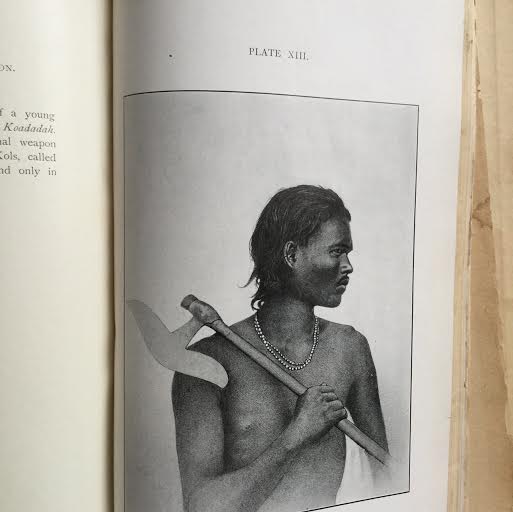
Now I will give the description of a foreigner with my comments side by side:

Source book: The People of India by Sir Herbert Risley, second edition 1915, London


Oraons (Pictures: Plates 17 and 18)

“The nucleus of the tribe is in Chutia Nagpur proper, from whence they have spread as settlers to all the surrounding districts and as labourers to Assam, Kachar, Mauritius, the West Indies and other British and French Colonies”.


My comments: They were so innocent that the foreigners exploited them by telling them lot of lies. They were bought from their parents using agents and made them to work like animals on foreign soil. Tamil poet Bharatiyar has sung about their plight in Fiji and Pacific islands. Films also were made on this theme.

Oraons’ jewellery is very different from other tribes living in the same area. Why? If they are part of the same Dravidian stock, there can’t be hundreds of differences!

new tribe 7

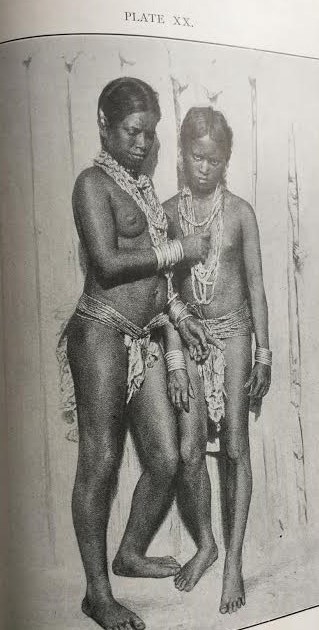
Juang man and Girls (Plate 19 and 20)

“Keonjhar, one of the Cuttack Tributary states, is the legendary cradle of the race.  The beads forming the girdles worn by the girls are of fine earthenware made by themselves. The bracelets are of brass and the necklaces of glass beads or flowers. The rest of the attire is of leaves. The origin of Juang millinery is obscure. According to one legend the goddess of the Baitarani river caught a party of Juangs dancing naked, and ordained for the women, on pain of divine displeasure, the costume shown in the illustration. This consists of the young shoots of any tree with long soft leaves, struck through the girdle in front and behind suitably draped. For the men, the goddess prescribed a shred of bark from the Tumba tree, which has now given place to an exiguous piece of cloth”.


My comments: The leaf attire is mentioned in hundreds of places in Sangam Tamil literature;(See my article on this subject)  one must note that it was the condition of the forest tribe even when great Tamil emperors traded with the Romans and amassed golden bars. The concept of River Goddess is purely a Hindu concept. All over India the river goddesses are propitiated even today. The name Baitarani is of pure Sanskrit origin.

new tribe 12

Juang Girls with Leaf Attire

Bendkar tribe (Plates 21, 21)

“The man holds the only implement they use in tillage. It is the origin of the plough! The typical form of the Bendkar plough is at straight piece of a branch of a tree with a shorter piece of another branch growing out of it. The long piece forms the handle, the short one the share. They don’t use iron or cattle in their agriculture.”


My comments:

They also live in the Keonjar area like Juangs, but they use a primitive plough. Juangs gather food from the forest where as Bendkars cultivate. So much difference between one tribe and another tribe in the same area. Why? If they are of the same Dravidian stock, one would have learnt better techniques from another; so foreigners’ theories are wrong.

new tribe 9

Juang Male with spare arrow in his hair!

Andaman Tribes

“The Andamanese represent a type found only in these islands and have affinity with no other race on the Indian subcontinent. They are probably a remnant of a Negrito people at one time inhibiting Burma or the Malay peninsula. In ancient times Andaman islands see to have been connected with the Malay peninsula, and thus migration became possible. They are nomadic. Their numbers have considerably decreased owing to infertility, high infant mortality, increased death rate among adults due to the influence of civilisation and imported diseases.”


My comments: Divisive and cunning foreigners divided Hindus into Dravidians and Aryans without any proof, based on languages and skin colour. When they met some problems, they created more races such as Munda, Mongoloid and aborigines. When they came across Veddahs and Andamanese they created more races such as Negritoes. But New Guinea island alone has got over 700 languages spoken by the aborigines. Australian aborigines have got over 200 languages. Do they belong to 700 and 200 different races?

About the skin colour: If man has originated in Ethiopia as we believe today, why then we all look differently -brown, white and black? When did this change happen? How did this change happen? Where is the place of race if all of us came from Africa 40,000 years ago? If climate decides the colour of the skin, how come there are black birds living in temperate regions and white birds living in tropical regions? If mutation of genes is the cause what is the role of the race then?

Bendkar male and female

The fact of the matter is when you live in isolation you develop your own language, your own customs and your own beliefs. When you are exposed to outside influence, changes happened. Thousands of years ago the changes happened very slowly. All the old race theories are becoming obsolete with genetic research.

Jarawas of Andaman islands are cannibals; hunters of men. Are they Dravidians? Or Negritoes? Do all the Dravidians and Negritoes are man eaters (cannibals)?

In short, the hill tribes and aborigines are a great mystery. A lot of research is required before forming any theories. On the contrary, jaundice eyed foreigners divided the Hindus and then looked for theories!

new tribe 16

Picture of  Andamanese

To be continued………………


Manu Smrti on Low Caste Women (Post No.2946)

kalai23

Written by London swaminathan

Date: 5 July 2016

Post No. 2946

Time uploaded in London :– 19-15

( Thanks for the Pictures)

DON’T REBLOG IT AT LEAST FOR A WEEK!  DON’T USE THE PICTURES; THEY ARE COPYRIGHTED BY SOMEONE.


(for old articles go to tamilandvedas.com OR swamiindology.blogspot.com)

klai add2

The oldest law book in the world ‘Manu Smrti’ has very interesting couplets on women who were born in low caste.


A man who has faith may receive good learning even from a man who is lower, the ultimate law even from a man of lowest caste, and a jewel of a woman even from a bad family.

Manu 2-238


Ambrosia may be extracted even from poison;

And good advice even from a child;

Good conduct even from an enemy;

And gold even from impure ore.

Manu 2-239

Women, jewels, learning, law, purity, good advice and various crafts may be acquired from anybody


Manu 2-240

In extremity, one is permitted to learn even the vedas from someone who is not a Brahmin and to walk behind him and obey him like a guru as long as the instruction lasts

Manu 2-241

It is interesting that Tamil king Nedunchezian who lived 2000 years ago also said the same about education in verse 183 of Purananuru. Tamil poet Tiruvalluvar who lived 1500 years ago also said the same:-

Though high born, an unlettered man is lower than a learned man of lower birth. Kural – 409

kalai3

Low Caste Woman Arundhati

When a woman is joined with a husband in accordance with the rules, she takes on the very same qualities that he has, just like a river flowing down into the ocean (River=wife, Ocean = husband).

Manu 9-22

When Akshamala (Arundhati), who was born of the lowest, united with Vasishta, and Sarangi, the hunter woman with Mandapala, they became worthy of honour.

Manu 9-23

Six acts banned for women

Drinking

Associating with bad people

Being separated from their husbands

Wandering about

Sleeping alone in other places

And living in other peoples’ houses

Are the six things that corrupt women.

Manu 10-13

kalai4

Respect Women! Or else you will be destroyed!!


Manu’s severe warning:–


Fathers, brothers, husbands, and brothers-in-laws who wish for great good fortune should revere women and adorn them Manu 3-55

The gods delight in places where women are respected, but where women are not honoured all rites are fruitless

Manu 3-56


Where the women of the family feel miserable, that family is soon destroyed, but the family where the women are happy thrives well

Manu 3-57

Homes that are cursed by the women who have not treated with reverence are completely destroyed, as if struck down by magic

Manu-3-58


Therefore, men who wish to prosper should always revere those women with ornaments, clothes and food at celebrations and festivals

Manu 3-59

There is unwavering good fortune in a family where the husband is always satisfied by the wife, and the wife by the husband

Manu – 3-60

Nowhere else in the world we can see such support for women. Manu was the greatest supporter of women’s rights.

assorted-coloured-gemstones-1

—Subham–


WARNING: Nine People Are Watching You! (Post No. 2939)

180px-Sun_26_Moon17563048.4605119_std

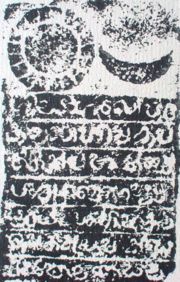
Sinhalese inscription with Sun and Moon


Written by London swaminathan


Date: 3 July 2016

Post No. 2939

Time uploaded in London :– 7-31 AM

( Thanks for the Pictures)


DON’T REBLOG IT AT LEAST FOR A WEEK!  DON’T USE THE PICTURES; THEY ARE COPYRIGHTED BY SOMEONE.


(for old articles go to tamilandvedas.com OR swamiindology.blogspot.com)


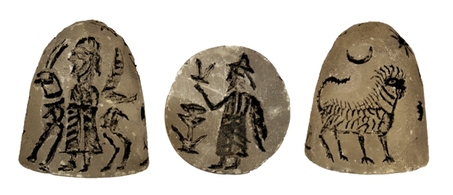
persian 500 bce

Persian Inscription, 500BCE


Big brothers are watching you! That is what Hindus said thousands of years ago. We know that CCTV cameras are everywhere; we know about the google map, spying satellites, infra-red cameras, infra-red binoculars as well. These can photograph even the backyard of your house or what is happening in the dark! But there are ways to evade all these spying devices.

Hindus say that there are NINE people who are watching you for ever and you can’t escape from them. They are called Nine Karma Sakshis (Nine Witnesses to your actions)


Suryah somo yamah kaalo mahaabhutaani pancha sa

Ete subha asubhasyeha karmano nava saakshinah


The nine are: Five elements, sun, moon, Yama, the god of death and the Time.


We know the five elements are water, fire, earth, air/wind and space/ether

Hindus are the only people who knew he full power of these five elements. Hindu scriptures have the eariest reference to the five elements. They used water to give boons to someone or to curse someone. They used water to donate anything. It is found in ancient Sanskrit and Tamil literature. Tamil literature says that the water used for donating lands and money by the kings ran like a river. Tamil epic Silappadikaram says that the wedding of Kovalan and Kannaki was done in front of fire. Hindus sealed their pacts in front of fire and gave their daughters in marriage in front of fire. The daughter was given to a man by water which is irrevocable (in those days!). all these are considered witnesses.

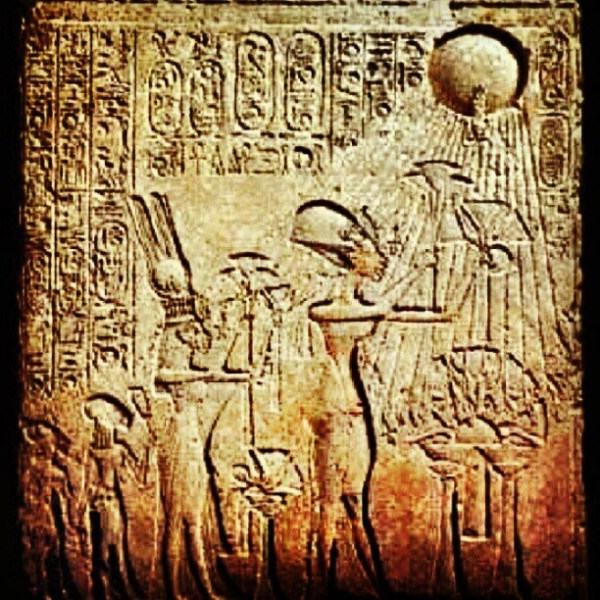
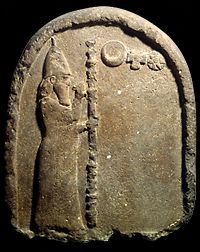
The ancient inscriptions show sun and moon in pictures or in words. Space is everywhere.


egyptian

Egyptian


We think that anything done in a locked room or alone is secret. It is not. The nine witnesses mentioned by the Hindu sloka are everywhere, all the time. Sun and moon mean day and night—all the 24 hours.


Yama and Time are also important witnesses. We haven’t found any instrument that will put the clock backward. Everything is counted. Yama , the god of death is a very interesting scientific truth. Even if a mosquito sits on the surface of water it sends ripples which we may not see, but the mosquito sees it. Even when an ant is running, a line is drawn on the earth which we may not see, but the ant knows it. Likewise, every thought or action we do create impressions, pictures. Hindus call it Chitra Gupta (means Picture Hidden= secret picture), who is the accountant of Yama. Chitra Gupta is actually a Super Computer. All our thoughts and actions are calculated by this Chitra Gupta and the sum total decides our fate after our death.


Hindu marriages are done when the sun or moon shines. In south India they do it only in the day light/ when sun shines. In north India Hindus do it when the moon shines. Most of the inscriptions say ‘as long as sun and moon shine’. They are the witnesses for anything happening on earth.


Keeping these nine witnesses we must always think good and do good.

nabonidus-praying-to-the-sun-moon-and-venus

Nabonidus praying to Sun, Moon and Venus.

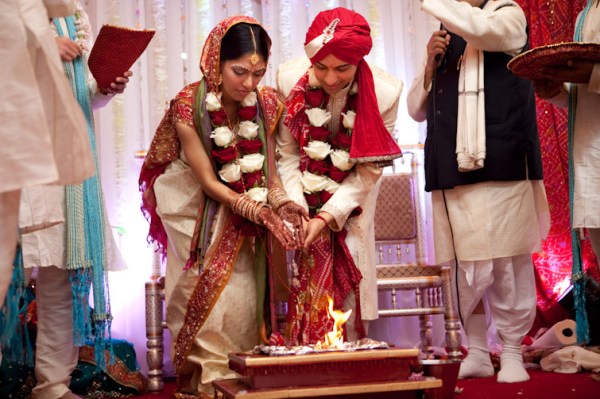
hindu wedding

Hindu Wedding with Fire as witness.

-subham-


Buy One Get 3650 Free!! Hindus’ Advertisement!! (Post No.2937)

buy one

Written by London swaminathan


Date: 2 July 2016

Post No. 2937

Time uploaded in London :–12-49

( Thanks for the Pictures)


DON’T REBLOG IT AT LEAST FOR A WEEK!  DON’T USE THE PICTURES; THEY ARE COPYRIGHTED BY SOMEONE.


(for old articles go to tamilandvedas.com OR swamiindology.blogspot.com)

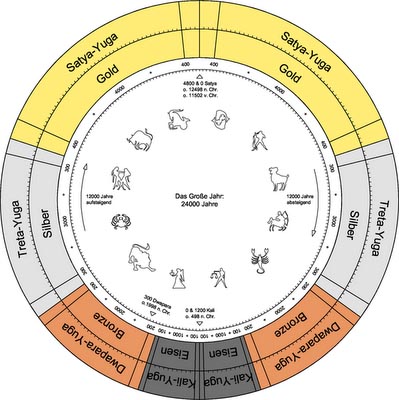
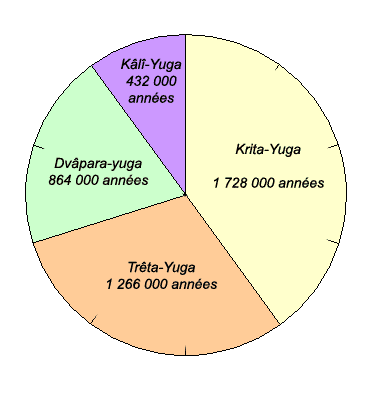
Yugas

In Western countries we very often see advertisements like ‘Buy one Get One Free’ or ‘Buy two get One Free’. Now and then we also see advertisements “if you spend 50 pounds or dollars you get five pounds or five dollars back”.


But for the Hindus there is nothing new in it. Because it is already said in the Vishnu Purana. And Vishnu Purana (Mythology) is the oldest of the 18 Puranas. Even the biased, crooked and jaundiced Westerners date it to second century CE.


Once the saints approached Vyasa, the Guru of Gurus and the author of the longest epic (Mahabharata) in the world with some questions. He heard their doubts first and then dipped into the holiest of the holy rivers Ganga. When he came out he said:-


Yatkrte dasabirvarsaistretaayaam haayanena yat

Dwaapare yaccamaasena ahoraatrena tat kalau


Tapasobrahmacharyasya japaadisca palan dwijaa:

Praapnoti pursastena kalissaadhwiti bhaasitam


“Look, my dear disciples, ten years penance in the Krta Yuga is equal to one year penance in the Treta Yuga. And one month penance in Dwapara Yuga is equal to that and that is equal to one day penance in the Kaliyuga.


In short, a person can get the benefits of ten year penance in one day in Kaliyuga (10×365=3650). If you want, you may add some more days for the leap years.

According to the Hindus there are four Yugas and they are cyclical i.e. repeat after every deluge or Pralaya. Kali is the worst of the four and known as Iron Age. Krta is the Golden Age, Treta is the Silver Age and the Dwapara is the Bronze age.


Hinduism is based on science and logic. Nothing is dogmatic. They accept the nature’s law that ‘Change is inevitable’. So our forefathers knew that a man in Kaliyuga can’t do long Yagas (Fire Sacrifices) which lasted between 12 years and 100 years in the Golden Age i.e. Krta Yuga. They knew very well that people will be flying in Jet planes for their regular office work or business and they wont have time to do long prayers. So they gave us a short cut.


But one essential qualification is there to get the full benefits. Even if the stores announce Buy one get Ten Free we must have money in our purse or on the credit card. Likewise, we must have purity in heart, sincerity in our prayers with good intentions in our hearts. Then only the Buy one and get 3650 free is applicable.


Those who are born in the Age of Kali are the luckiest ones!!!

yugas

–Subham–


Help for the Handicapped in Tamil Literature (Post No.2923)

shravankumar_22689

Article written by London swaminathan


Date: 27 June 2016


Post No. 2923


Time uploaded in London :– 17-23


( Pictures are taken from various sources; thanks)


DON’T REBLOG IT AT LEAST FOR A WEEK!  DON’T USE THE PICTURES; THEY ARE COPYRIGHTED BY SOMEONE.


(for old articles go to tamilandvedas.com OR swamiindology.blogspot.com)


We read lot about the help rendered by Florence Nightingale during Crimean War. We also think that the concept of sending terminally ill patients to hospices is a western concept. Lot of help is given to handicapped, differentially talented, orphaned children, war widows by many charities and governments. All these things look like new developments in the world. But the fact of the matter is in our Puranic stories, Tamil and Sanskrit literature.


I am going to give some Tamil verses from the Tamil epic and later ethical poems.


Manimekalai is one of the five Tamil epics, where the heroine Manimekalai says,

Come on, all those who cant see, hear or walk

Sick and those who have no support


In another place she says

Those who give food is giving life.


Later books Sirupanchamulam and Ealthi are crystal clear in their call for the help of the disabled:-

Wounded, terminally ill, orphaned, blind, lame—

Those who sympathize and render help for the above will live happy for ever. (Sirupanchamulam)


The words terminally ill are important. The concept of hospice was there even during 8th century. In facts Jains conducted hospitals for animals and birds from the very beginning.


Helping the wounded was also important in those days. During the 18 day Mahabharata war every day after sunset the wounded were visited by both the sides in the war. They were given all sorts of help.


Another verse says, “bankrupt, poor, blind, elderly, frail must be helped and those who help will get four fold army and live like kings.

For fold army consists of Elephants, horses, infantry and chariots.

Here the poet has included the elderly community as well. In western countries the elderly people get help such as old age pension, free bus pass etc only now. But Tamils included them in the needy people group 1500 years ago.


old age help

The last verse is from the book Elathi:-

Orphaned children, those who lost their husbands dumb, and those who lost all their harvest, dumb and deaf, blind must be helped. Those who help such people will attain Heaven.


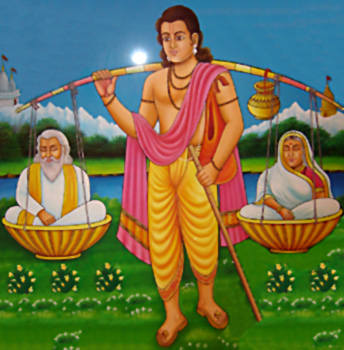
It is very interesting to read the list of people who received help in those days. Shravankuma of Hindu mythology carried his parents in the hanging baskets all through his life. Our children must be taught about those extraordinary people before they were taught about Florence Nightingale and Helen Keller.


There is a beautiful sloka/couplet in Sanskrit about the benefits of Anna dana, i.e. food offering to the scholars and the poor:-


“If the food offered to a learned Brahmin stays in his stomach and gets digested through Vedic recitation, his seven gotras/clans and 101 kulas (families) will go to heaven”.

Kukshau tishtati yasyaannam vedaabyaasena jiiryati

Uddaret sapta gotraani kulameka uttaram satam.


Another couplet says helping a poor, refurbishing a dilapidated temple and cremating a dead body of an orphan is equal to performing an Asvameda Yagam.


Books quoted from Tamil literature: Manimekalai, Elathi, Sirupancha Mulam.

From Sanskrit literature: Hindu Puranas, Story of Shravan kumar.


–subham–

Munda Tribe follows Brahmin customs! Mystery of Indian Hill Tribes – Part 3!(Post No.2914)


tribe 36

Picture of a Munda

Article written by London swaminathan


Date: 22 June 2016


Post No. 2914


Time uploaded in London :– 17-11


( Pictures are taken from various sources; thanks)


DON’T REBLOG IT AT LEAST FOR A WEEK!  DON’T USE THE PICTURES; THEY ARE COPYRIGHTED BY SOMEONE.


(for old articles go to tamilandvedas.com OR swamiindology.blogspot.com)


Please read the first and second parts published yesterday and day before yesterday, where there is a detailed introduction.

 tribe 22

Munda Tribe


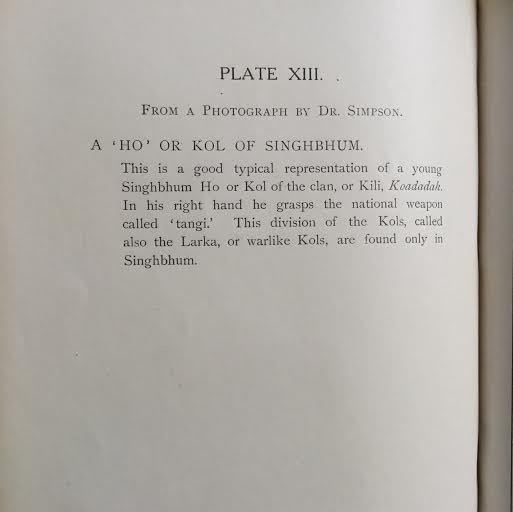
Munda tribe is found in Chota Nagpur area. The name Munda is of Sanskrit origin. Foreigners classified them as Dravidians but there is no Dravidian or Aryan element in them. They are typical Hindus. Munda means headman of a village.. Mundas themselves use this word as titular or functional designation.
This is similar to Santals calling themselves Manijhi, the Bhumij- Sardaar and the Khambu  of the Darjeeling hills Jimdaar.


The general name Kol, which is applied both to Mundas and Oraons mean a pig killer according to Herr Jellinghaus. Another interpretation is that it is similar to horo of Mundas,which means man.

 tribe 23

Origin of Man

The Munda myth of the making of mankind tells how the self existent primeval deities Ote Boram and Sing Bonga created a boy and a girl and put them together in a cave  to people the world. The innocent boy and girl did no what to do, but when they dank rice beer  their passions were inflamed . later their number reached 12 male and 12 female. Singa Bonga placed before them different kinds of food and the fate of their descendants were decided y their choice.


The first and second pairs the flesh of bullocks and buffaloes and they originated the Kols; the next took of the vegetables only and are the progenitors of the Braahmans and Chatris (Brahmans and Kshatriyas); others took goat and fish, and from them are the Sudras. One pair took shell fish and became Bhuiyas; two pairs became pigs and they became Santals. One pair got nothing, seeing which the first pairs gave them of their superfluity; and from the pair thus provided spring the Ghasis, who toil not, but live by preying on others.

Source: People of India by Sir Herbert Hope Risley, 1915 (Second Edition)


My comments:

Even the Mundas accept that mankind originated from one ancestor. They said Brahmins and other castes appeared at the same time. They believed in caste divisions; they believed Brahmins are pure vegetarians. No one could have put all these into their mouths. The God they mentionas Ote Boram is Adhi Brahma. Hindus believe that Brahma created the world.


The Mundas are divided into 13 sub-tribes such as Kharia- Munda, Mahili- Munda, Oraon- Munda, Bhunihar – Munda, Manki – Munda. Each one has a totem symbol and tey won eat the flesh of that particular symbol/animal.

tribe 24

Gotra System

Hindus, particularly Brahmins, wont marry in the same Gotra. Mundas also followed the Gotra system a Munda will not marry a woman of his own sect/sub tribe. The gotra/clan name goes by the father’s side. It is same with the Brahmins even today.


Adult marriage is still in fashion and sexual intercourse before the marriage is tacitly recognized, but in all respectable families matches

Are made by the parents, and the parties have very little to say in this matter. It is same in Brahmins families until today. Only when they migrate to foreign countries Brahmin children become uncontrollable. Because the male-female ratio gap is wide parents also keep quiet.


Bride price varies (Bride price is called Sridhanam in Hindu families. At one time it reversed and given to Bridegroom; now it is the bride who gets it again. Brides are in shortage.

Sindurdhan or the searing of vermillion on the bride’s forehead by the bridegroom and on the bridegrooms forehead by the bride is the essential and binding portion. This is also part of Hindu marriages. Only married Brahmin ladies wear sindhur on the parting of their hair.


The practice of marrying the bride to a Mahua tree (Bassia latifolia) and the bridegroom to a mango tree seems now to have been abandoned.

Widows may marry again by the ritual known as sagaai in which the Sindur dhan is performed with the left hand; this is also typical Hindu custom. Hindus will do only unusual or inferior things with their left hands .Divorce is allowed at the instance  of either party.

tribe 27

Worship of  Sun God

At the head of the Munda religion stands Sing Bonga, the sun, a beneficient but inactive deity, who concerns himself but little with human affairs and leaves the details of the executive government of the world to the gods in charge of particular branches or departments of nature.. he may be invoked to avert diseases. White goats or white cocks are offered to him.

Hindus worship sun every day by doing Surya Namaskar. A Sanskrit proverb says Get Health from the Sun. Brahmin Hindus worship sun thrice a day through water oblations.


Next in rank to Sing Bonga comes Buru Bonga or Marang Buru, also known as Paat Sarnaa, a mountain god, whose visible habitation is usually the highest hill in the neighborhood. This is also typical Hindu belief. Hindus worship all mountains in particular The Golden Meru and The Silvery Kailash I the Himalayas. Brahmins say the name of Meru every day to mention the direction. They always say whether they are south of Meru or North of Meru in their daily rituals.. Mundas sacrifice animals at the top of a rock in Lodhma. Marang Buru is prayed for rains. He is offered a buffalo during droughts. Ikir Bonga is he god of tanks and lakes. Garhaera is the Goddess of rivers, streams and springs.


Chandor, the moon is worshipped by women. This is also typical Hindu belief. She is the wife of Sun God.


Since they eat meat they sacrifice animals to all their Gods and Goddesses. All their beliefs are similar to Hindus. There is no Aryan or Dravidian as claimed by the divisive foreigners.


All their festivals are also based on seasons like the Hindus.

tribe 28

Funeral ceremonies are like that of the Hols. Munda villages fly a particular flag in villages during the festivals. This is also very similar to Hindu Temples Dwaja Arohan practiced even today in South Indian Temples.


Foreigners concocted theories about the tribes are exploded by the study of all the hill tribes.


tribe 30


tribe 32


tribe 33


tribe 34


tribe 37


tribe 38

tribe 40

–subham–


Mystery of Indian Hill Tribes – Part 2!(Post No.2912)

tribe 11

Research Article written by London swaminathan


Date: 21 June 2016


Post No. 2912


Time uploaded in London :– 19-19


( Pictures are taken from various sources; thanks)


DON’T REBLOG IT AT LEAST FOR A WEEK!  DON’T USE THE PICTURES; THEY ARE COPYRIGHTED BY SOMEONE.


(for old articles go to tamilandvedas.com OR swamiindology.blogspot.com)


Please read the first part published yesterday, where there is a detailed introduction


 tribe 13

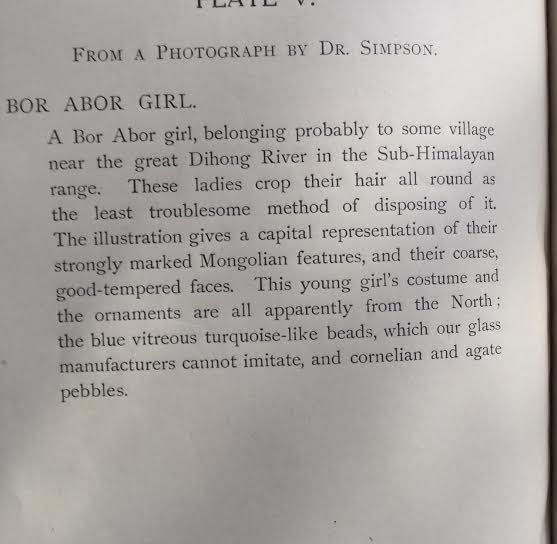
My comments: Bor Abor women cropped their hair which was unusual in India. They were semi precious stones  like the wearer of modern jewelries.


Look at he breast of the female figure. Sangam Tamil literature talks about Bra in hundreds of places. Tamil women used bra from Sangam age)


Tribes used totem symbols and half of the words are in Sanskrit.

We have totem symbols even in the oldest religious book in the world — the Rig Veda.

Kasyapa Rishi means Tortoise Rishi

Kaushika Rishi means Owl Rishi

Sandilaya Rishi means Bird Rishi

Manduka Rishi means Frog Rishi.

We have totem symbols in Ramayana and Mahabharata. Foreigners deliberately hid these factors and gave only the tribal totems in their book.

Following excerpt is from my previous post:

Several animal symbols were used as totem symbols by the tribes. So they were called by the animal names. Later writers took it for real animals and called them bears (Jambavan in Ramayana) and Eagle ( Jatayu in Ramayana). In real life bears and eagles were just human beings but with some animal tattoos or animal masks.

My comments: In all these stories (Janamejaya story of Mahabharata)  we see some environmental concern. When the kings try to kill all the snakes and all the frogs someone gives them good advice about environmental protection. Even if we take them as human beings with totem symbols, peace is restored by stopping the killings.

My comments (about Ayu story in Mahabharata) : Frog was a totem symbol of a particular tribe and Ayu was the king of that Frog tribe. Actually they are human beings, not frogs. We have poets and seers with the names such as Manduka Maharishi (frog), Therai (Toad) in Sanskrit and Tamil.  Mandukyopanishad is one of the major Upanishads. So what we read here is the story of tribal people. Since thousands of years passed before Vyasa collected all these stories and incorporated them into the epic for the benefit of posterity, the original meaning was lost. Now we have to read the story between the lines.

Naga is the totem symbol used all over the world. The opposing group used Garuda/Eagle(Please see my old articles linking Mayans and Indian Nagas from the Mahabharata period)


tribe 14

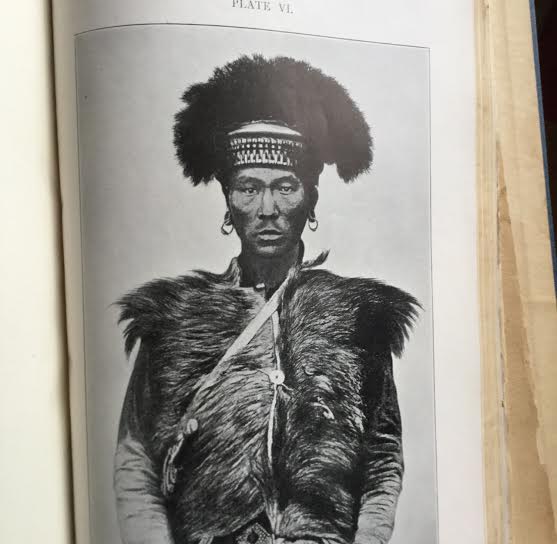
Picture shows a Chulikata Mishmi Chief in full dress

Now look at the totem symbols of the Tribes:

Oraon tribe

Tirki – Young mice

Ekka-  Tortoise

Kispotta –Pig’s entrails

Lakra- Hyena (Vyagra is Sanskrit word for Tiger)

Bagh – Tiger corrupted form of Sanskrit Vyag(ra)

Kujrar – Oil from Kujrar tree

Gede – Duck

Khoepa – Wild dog

Minji- eel (Meen is used in Sanskrit for fish)

Chirra – squirrel


Santal tribe

Ergo – Rat

Murmu – Nilgai deer

Hansda – Wild goose (Hamsa is a Sanskrit word for swan)

Maarudi – Grass

Besra – eagle

Hemron- betel palm

Saren – Pleiades (Sarvana is Sanskrit for Skanda of Pleiades/Kartika Star)

Sankh- Conch Shell (Sanka is a Sanskrit word for Conch; conch itself is Sanskrit)

Gua – areca nut

Kaaraa – buffalo

Bhumij Tribe

Saalrisi – Saal fish

Haansda – Wild goose (Sanskrit Hamsa)

Leng – Mushroom

Saandilya – bird (Vedic Rishi)

Hemron – Betel

Tumarung – Pumpkin

Nag – snake (Sanskrit)


tribe 17

tribe 20

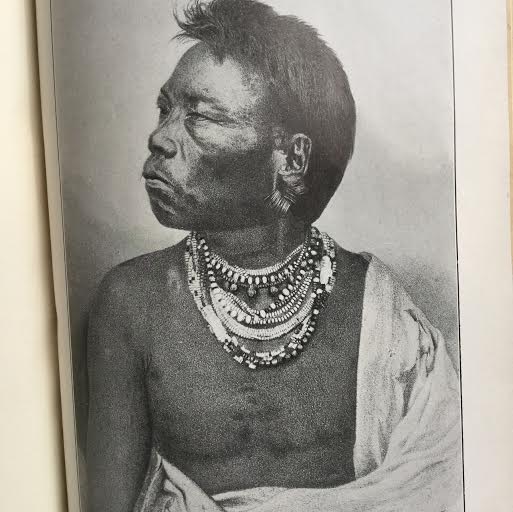
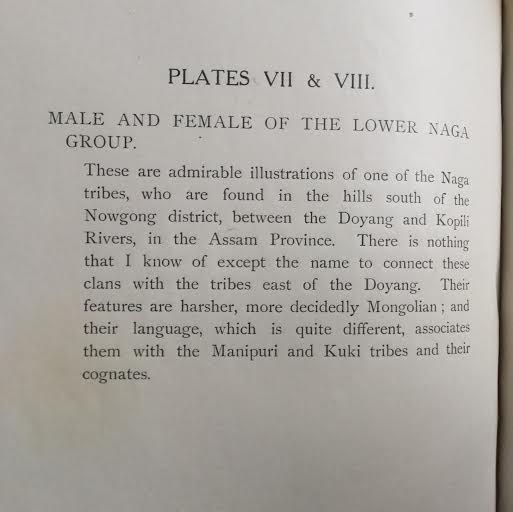
Naga chief wears shawl on the left shoulder like Hindus. Their facial features are mongoloid and their language is very different from old Tamil or Sanskrit.

Mahili Tribe

Dungri – Dumu fig

Turu – Turu grass (Sanskrit)

Kaanti – ear of an animal (Kaatu is a tamil word for ear)

Haansdaa- wld goose (Sanskrit)

Murmu – Nilagai


Koraa Tribe

Kasyab – Tortoise (Vedic rishi, sanskrit for turtle)

Saulaa – sal fish

Kasibak – heron

Haansdaa – wild goose (Sanskrit)

Butku – pig

Saampu – bul

Kurmi Tribe

Kesaria – kesar grass

Taraar – buffalo

Dumuriaa – dumur fig

Chanchmukuraar – spider

Hastovar – tortoise

Jhaalbanuaar – net

Sankhowaar – shell ornaments (sanskrt)

Baagbauaar – Tiger (Sanskrit)

Katiaar – silk cloth


Baag is a corrupted word of Vaag (Vyaagra)


Hindus were the first race in the world to have flags with totem symbols. Ramayana and Mahabharata give lot of information about flags. I have dealt with them in a separate research article.

So totem symbol is not a primitive one. Neither Aryan nor Dravidian. Even all the civilized groups had them. Now they remain in the flags and government emblems of many countries.


To be continued………………………………….