Mystery of Tribes in India- Part 1!(Post No.2910)

tribe 1

Research Article written by London swaminathan


Date: 20  June 2016


Post No. 2910


Time uploaded in London :– 17-41


( Pictures are taken from various sources; thanks)


DON’T REBLOG IT AT LEAST FOR A WEEK!  DON’T USE THE PICTURES; THEY ARE COPYRIGHTED BY SOMEONE.


(for old articles go to tamilandvedas.com OR swamiindology.blogspot.com)
tribe 2

Foreigners who came to rule India, divided Indians (Hindus) into two races Aryan and Dravidian; when their description met with some problems they created more groups such as Munda, Mongoloid and Aborigines. But neither the Sangam Tamil literature nor the older Sanskrit literature said anything about races. On the contrary they divided people into 18 groups and said that they all came from the same ancestors. Asuras (demons) and Devas (angels) prayed to the same Gods and got their boons. Asuras died because of their inherent weakness and bad qualities. Devas flourished because of their virtues.


Foreigners when classified the tribes put them in some boxes such as Dravidian, Aryan, Munda etc. But those who studied the customs of the tribes will be surprised to know that all have something common taken from Hinduism.

When you read about the tribes following questions will come into your mind:–

Where did they come from?

Why are they ‘uncivilized’ till today?

If they had come from the Indus Valley (according to divisive, cunning, jaundiced foreigners, “they are driven out by the invading Aryans”) why don’t they speak one language? Why do they speak different languages?

How come there is no common link among the languages?
tribe 3

tribe 5


If they have come from the civilized Indus valley how come all the tribes became uncivilized?

How come they have Sanskrit in their Gods names or totem Symbol names? (Please wait for more details in the following days)


Why don’t they worship the same God?

How come they claim different origins/ different ancestors?

Why are their marriage customs, funeral customs, taboos and totems differ very widely?

How come in a small area (for instance Nilgris) there are different tribes with different customs?

How come there are cannibals (jarawas) in the Andaman Nicobar Islands?


Why didn’t we find skulls or skeletons with similar features of these tribes or the so called Dravidians?

How come we found only so called ‘Aryan’ skeletons (with modern Punjabi features) in the Indus Valley Civilization?

tribe 6


tribe 8


tribe 10

My brief answer is:–

Even during Ramayana and Mahabharata times, tribes lived simultaneous with the epic/city civilization. We have enough proofs in the epics (Please read my articles Are Mayas Indian Nagas? Similarities between Nagas and Mayans, Origin of Gondwana )


I have already shown Gonds are from the Khandava vana burnt by Arjuna and Krishna; Mayans also were from the Gond+wana= Khandava Vana land.


Aborigines or tribes must have lived even during Indus Valley time. Bhimbetka cave paintings show that there were people living in the heart of India 20,000 years before the Indus Valley Civilization!

The reason for differences in the languages and customs is that they have been living here for very long time in isolation/independently.


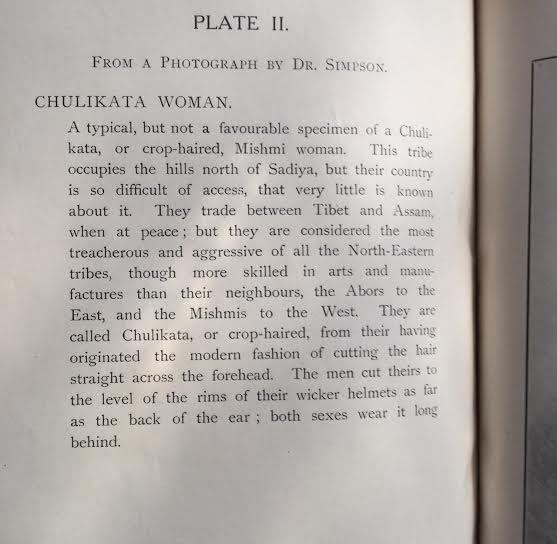
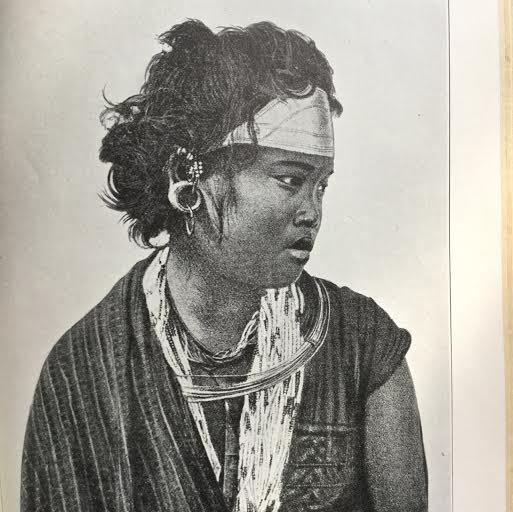
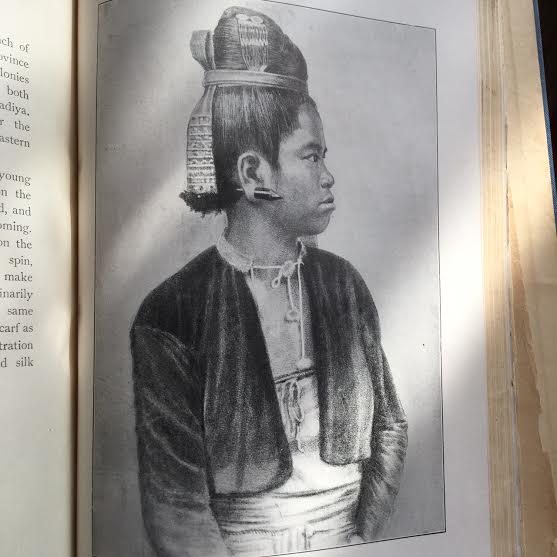
I have been reading about the tribes of India for the past 45 years. There were articles in Dinamani Sudar and Manjari in regular periodicity. Even the word Munda is Sanskrit according to Sir Herbert Risley (Author of The People of India, year 1908) I am going to present you over thirty pictures of the ancient people of Bharat from Risley’s 100 year old book. You yourself decide after seeing their dress, jewellery, totems etc.


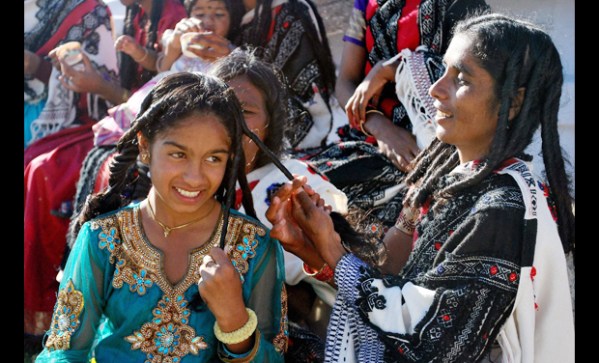
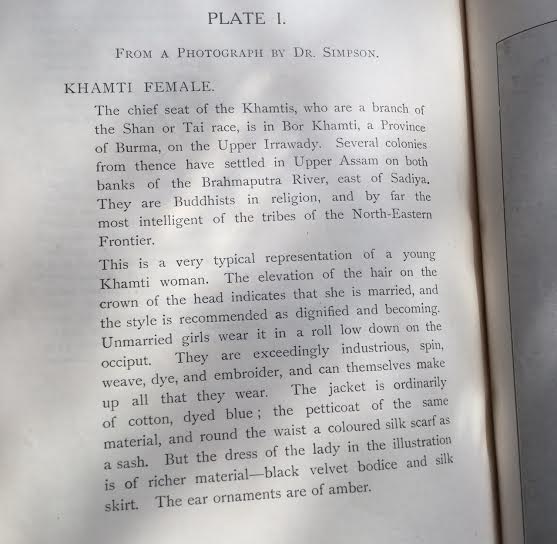
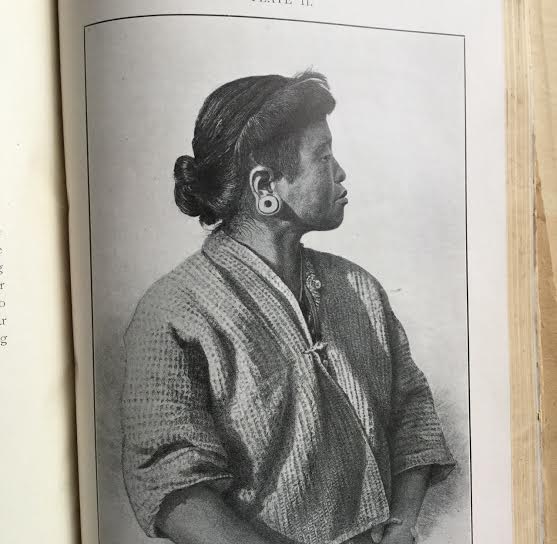
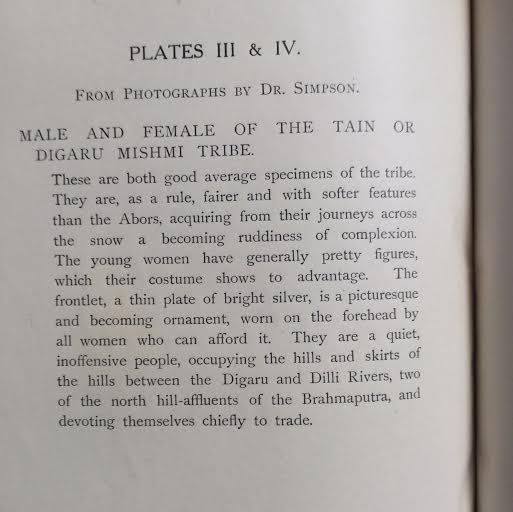
These are about a few tribal communities of North East India. Even within these three communities we see so many differences in hair style, jewellery, appearance etc. In the civilized Hindu society one can easily differentiate a married woman from unmarried woman. by looking at the toe ring (Metti in Tamil), Mangala Sutra (Thaali in Tamil), Madisarai style of Sari, Kunkum/Tilak on the parting of hair etc. In the first picture KHAMPTI female the hair style shows whether she is married or not where as in other tribal communities we dont see it. This will raise lot of questions about their origin.


……to be continued
 

Seven Pillars of the World (Post No.2885)


myth-1-21


Article written by London swaminathan


Date: 10 June 2016


Post No. 2885


Time uploaded in London :– 15-16


( Thanks for the Pictures)


DON’T REBLOG IT AT LEAST FOR A WEEK!  DON’T USE THE PICTURES; THEY ARE COPYRIGHTED BY SOMEONE.


(for old articles go to tamilandvedas.com OR swamiindology.blogspot.com

The earth is supported by seven types of people or virtues; without their support earth won’t be in its orbit!


The seven pillars are:

1.Cow

2.Brahmins (those who recite Vedas)

3.Vedas

  1. Chaste women

5.Those who speak truth

6.Philanthropists

7.Those who are not greedy


Gobiirvipraisca vedaisca satiibih satyavadibih

Alubdhaidaanasiilaisca saptabirdhaaryate mahii


Without cow’s milk it is difficult to survive. No other animal milk can replace cow’s milk. This is the closest to mother’s milk. Brahmins mean the learned people in modern interpreting. Vedas are eternal truths that floats in the air and it is heard by the saints. Other four don’t need any explanation. We knew how greedy people caused world wars. Dishonesty and characterlessness will result in utter chaos.

atlas

Tamil Purananuru


Ancient Sangam Tamil literature has also a similar verse:

A Pandya King by name Ilamperuvazuthi says: The world exists because of selfless people. They wont take it alone even if they get Amrita/ ambrosia from Lord Indra. They will do anything that brings fame; they would not do any bad things even if they will get the entire earth; they never sit idle. They fear to do what good people fear to do. They are great because they are not selfish; they always work for others welfare. The world is in its place because of them – Puram verse 182.


Why doesn’t the earth fall down?


Ancient lore

If we ask the question Why doesn’t the earth fall down to a science student, s/he will say that it is gravity that makes the earth to stand in its orbit.


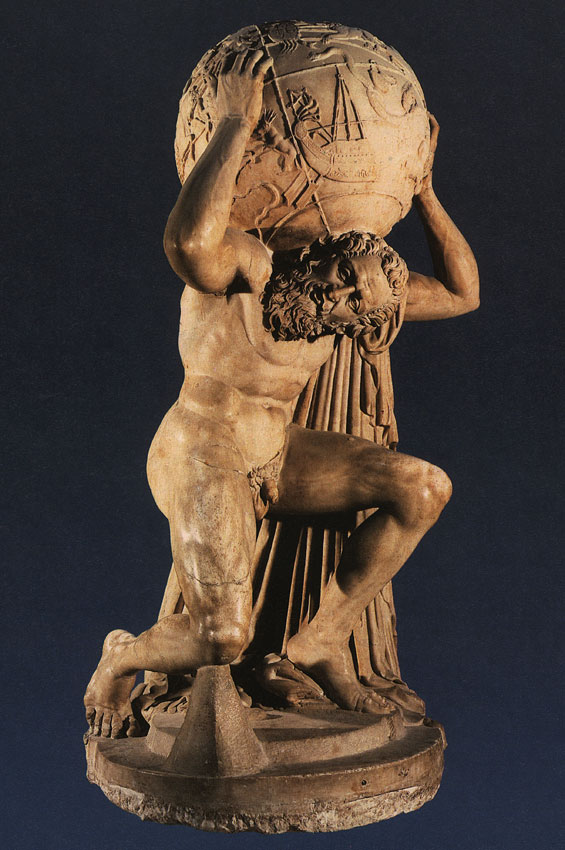
Had we asked the ancient Greeks, they would have said that it was Atlas who bears the world. Atlas was the brother of Prometheus, a king of the island nation of Atlantis. When the army of Titans was defeated in a battle, Atlas was condemned to carry the heaven and Earth on his shoulder.


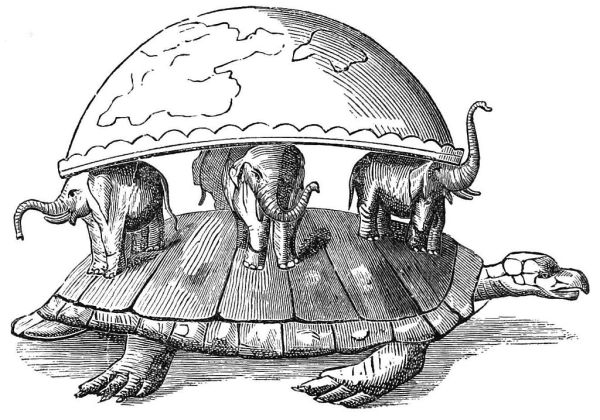
In ancient Chinese cosmology we find mention of the primordial Ao, a sea turtle of cosmic dimensions; it carries the world on its back. Mayans believed that there were four pillar trees on four corners of the earth and they were made up of Ceiba trees.


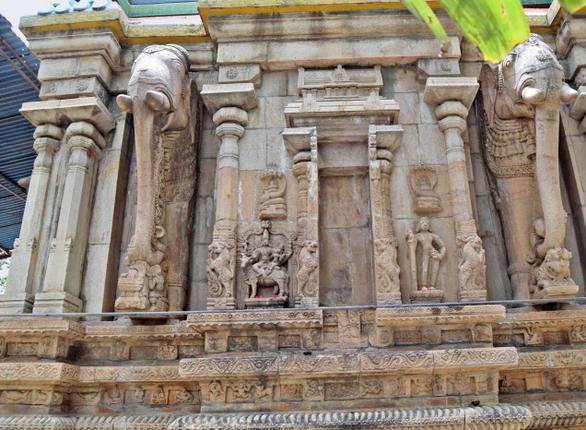
Hindus thought that the earth is on the head of a Big snake called Adi Sesha. They also believed that eight elephants known as Asta Dig Gajas in the eight directions support the earth.

ashta dik gaja

We may not believe all the above mythological explanations, but all of us will agree that virtues and virtuous people maintain order on earth. If we are led by the selfish, dishonest and greedy leaders we will face another world war.

–subham–


What is amazing? Six Answers from Six Great People (Post No.2875)

wow

Compiled by London swaminathan


Date: 7 June 2016


Post No. 2875


Time uploaded in London :–  6-13 AM


( Thanks for the Pictures)


DON’T REBLOG IT AT LEAST FOR A WEEK!  DON’T USE THE PICTURES; THEY ARE COPYRIGHTED BY SOMEONE.


(for old articles go to tamilandvedas.com OR swamiindology.blogspot.com)


narayana

1.SANSKRIT POET

How come Terrible Hell is still there when Holy Name of Narayana is easily Available?

Naaraayaneti Sabdosti vaagasti vasavartini

Tathaapi narake ghore patantiityetat adbutam


Word Narayana is there. We have the capacity to speak. It is easy to say. Even then some people fall into terrible hell. This is indeed a wonder!

(The poet is wondering how come people miss an opportunity to say the simple word Narayana and still go to hell)


Following matter is posted by me three years ago: “Most Amazing thing in the World!!” (10 November 2013)


What is the most amazing in the world? Great men of India think alike!

2.VYASA

Vyasa has answered this question through Dharma/Yudhistra in Mahabharata. This is one of the last four questions asked by the Yaksha (Spirit in the trees) in the Yaksha Prasna. Yudhistra answered:
“The most amazing thing is that even though every day one sees countless living entities dying, he still acts and thinks as if he will live forever”.

3.TIRUVALLUVAR

Great Tamil saint Tiruvalluvar also dealt with this subject (couplet 336):

“The one, who was here yesterday, is no more today and
That is a matter of great wonderment, in this world”

A man is here one day and is not here next day; that is the special significance of life on earth.

amazing 1

4.LORD KRISHNA

Lord Krishna talks about the wonderful thing in the spiritual world:

“One looks upon Him as a marvel, another likewise speaks of Him as a marvel; another hears of Him as a marvel; and even after hearing no one whatsoever has known Him!” (Bhagavad Gita 2-29)
“Among thousands of men scarcely one strives for perfection and of those who strive and succeed, scarcely one knows Me in truth” (Bhagavad Gita 7-3)

5.KALIDASA

Kalidasa in Raghuvamsa (8-87)

Kalidas in Raghuvamsam says: “For to the one that is born death is certain. Living is the unexpected one. If a living being lives for even a single second, that is a bonus!”


6.KANCHI SHANKARACHARYA (PARAMACHARYA 1894-1994)

Kanchi Paramacharya (Sri Chandrasekarendra Saraswati)

Kanchi Shankaracharya in his Madras talk on 15-10-1932 says: “A great man has spoken about the wonder in the world. He says the most amazing in the world is the life breath inside one’s body. Even though there are nine holes to escape still the life is inside the body! Is there a more wonderful thing in the world?

Navadware sarire asmin ayu: vasathi santhatham
Jeevath adhiadbutham thathra gachathithi kimadbhutham


—Subham—

இரவில் பால் சாதம், பகலில் தயிர் சாதம் ஆயுளை அதிகரிக்கும்! (Post No 2869)

milk-yoghurt-3-2_0

Written by London swaminathan


Date:5 June 2016


Post No. 2869


Time uploaded in London :–  7-13 AM


( Thanks for the Pictures)


DON’T REBLOG IT AT LEAST FOR A WEEK!  DON’T USE THE PICTURES; THEY ARE COPYRIGHTED BY SOMEONE.


(for old articles go to tamilandvedas.com OR swamiindology.blogspot.com)


Contact swami_48@yahoo.com

veggy lunch

ஆயுளைக் கூட்டுவது எது? ஆயுளைக் குறைப்பது எது? என்று சொல்லும் இரண்டு அருமையான பாட்டுகள் (ஸ்லோகங்கள்) சம்ஸ்கிருதத்தில் உள்ளன.


வ்ருத்தார்கோ ஹோமதூமஸ்ச பாலஸ்த்ரீ நிர்மலோதகம்

ராத்ரௌ க்ஷீரான்னபுக்திஸ்ச ஆயுர்வ்ருத்திர்தினே தினே

(வ்ருத்த, அர்க, ஹோம, தூம, ச, பால, ஸ்த்ரீ,நிர்மல, உதகம், ராத்ரௌ, க்ஷீர, அன்ன, புக்தி, ச, ஆயுர், வ்ருத்தி, தினே தினே)

பொருள்:-

மாலை வெய்யில், ஹோமப் புகை, (தன்னைவிட)இளம் வயதுப் பெண்ணைக் கல்யாணம் செய்வது, சுத்தமான தண்ணீரைக் குடிப்பது, இரவில் பால் சோறு சாப்பிடுவது ஆகியன ஒவ்வொரு நாளும் உங்கள் ஆயுளை அதிகரிக்கும்.


அந்தக் காலத்திலேயே சுத்த நீரைக் குடிக்க வேண்டும் என்று எழுதியது, புறச்சூழல் பாதுகாப்பு பற்றிய அறிவும், உணர்வும் இருந்ததைக் காட்டும்.அடுத்த பாட்டில் அசுத்த நீர் பற்றி வருகிறது!


பாலார்க: ப்ரேததூமஸ்ச வ்ருத்தஸ்த்ரீ பல்வலோதகம்

ராத்ரௌ தத்யான்னபுக்திஸ்ச ஆயு: க்ஷீணம் தினே தினே


(பால, அர்க,பிரேத, தூம, ச, வ்ருத்த, ஸ்த்ரீ,பல்வல, உதகம், ராத்ரௌ, ததி அன்னம், புக்தி, ச,  ஆயு:, க்ஷீணம், தினே தினே)

பொருள்:- காலை சூரிய ஒளி, பிணம் எரிக்கும் புகை, தன்னைவிட வயதான பெண்ணை மணத்தல், கலங்கிய நீர், இரவில் தயிர் சாதம் சப்பிடுதல் ஆகியன ஒவ்வொரு நாளும் ஆயுளைக் குறைக்கும்.

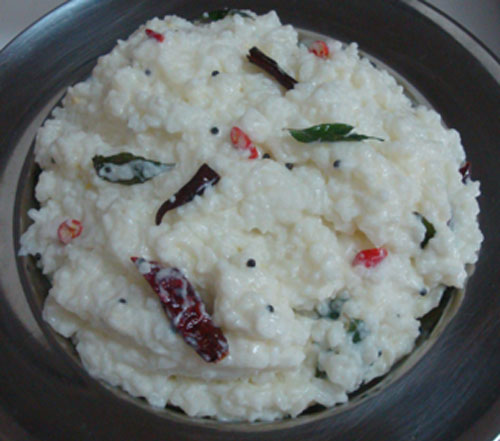
curd-rice

ஆயுர்வேதம் எட்டு வகை:-


அதர்வ வேதத்தின் உபவேதமான ஆயுர்வேத சாஸ்திரம், சுஸ்ருதர் எழுதிய நூலின்படி எட்டு வகைப் படும்; அவையாவன:–

1.சல்யம்:-

ஆயுதத்தால் செய்யும் அறுவைச் சிகிச்சை; சர்ஜரி; ஆபரேஷன்

2.சாலக்யம்:-

அறிகுறிகளைக் கொண்டு நோயைக் கண்டுபிடித்தல் (டயக்னாசிஸ்)

3.காய சிகித்சா:-

உடலின் நோய்க்குச் சிகிச்சை

4.பூத வித்யா:-

பேய் பிசாசுகளால் ஏற்பட்ட மனோ வியாதிக்கு சிகிச்சை (பேய், பிசாசு = பயம், மனக் கவலை)

5.கௌமார ப்ருத்யம்:-

குழந்தைகள் நோய்ச் சிகிச்சை

6.அகத தந்த்ரம்:–

விஷ முறிப்பு

7.ரசாயன தந்த்ரம்:_

ஆயுள் வளர்ச்சிக்கு மருந்து

8.வாஜீகரண தந்த்ரம்:-

செக்ஸ் பிரச்சனைகள், நோய்கள் தொடர்பான மருந்துகள்

–சுபம்–


Edwin Arnold’s Visit to Toda Tribal Hut in 1885 (Post No.2867)

toda_a8

Translated by London swaminathan


Date: 4 June 2016


Post No. 2867


Time uploaded in London :–  9-25 AM


( Thanks for the Pictures)


DON’T REBLOG IT AT LEAST FOR A WEEK!  DON’T USE THE PICTURES; THEY ARE COPYRIGHTED BY SOMEONE.


(for old articles go to tamilandvedas.com OR swamiindology.blogspot.com)


Contact swami_48@yahoo.com


Toda_Hut

From the book : “India Revisited” by Edwin Arnold, Year of Publication 1886, London


From Madura we travelled northwards and westwards through Trichinopoly and the temples, villages, and tobacco fields of Coimbature region; aiming to reach the Nilgris and spend three or four days in the refreshing air of the favourite hill station of Ootacamund.


I became myself friendly with a community of the Todas, who live near Ootacamund. I was even invited to crawl on hands and knees into the small square opening which forms the front door of their hut, and partook the buffalo milk from a bamboo pot in the bosom of a Toda household.

The subjoined description of this singular race – which represents no doubt, the original dwellers of India – appears generally accurate:

PTI1_15_2013_000191B__systems@deccanmail

“The Todas, or, as they are more commonly called Toruvars ( a Tamil term for herdsmen) number about one thousand, including women and children, and divides themselves into two classes  – Pakis, or Terallis, who can hold all sacred offices; and Katas, or Tardas, who are the laymen. The Todas are singularly a handsome race, tall and athletic, with Roman noses, beautiful teeth, and large, full, expressive eyes. They never wear any covering on the head, but their jet-blach hair is allowed to grow to the length of six or seven inches, and forms a thick, bushy mass of curls all round. Their women retain their good looks longer than the females of the low country, and many of the girls are exquisitely beautiful. Their dress consists of a short under-garment folded round the waist, and fastened by a girdle.  Over this is thrown a sort of mantle, or Toga, which covers every part except the head, legs, and right arm.  The tresses of women are allowed to falling natural profusion over the neck and shoulders.


Their villages, which they call, Munts or Mortts, generally situated on some lovely verdant slope, near the borders of a wood. They breed no animals save the buffalo, nor do they engage in agriculture or any other pursuit, but wander over the hills, of which it is said they are the aborigines, free and unshackled. In their Mortts, the dairies form a separate building of superior size, which is viewed by them as sacred, and into which no female is allowed to enter.

Toda Temple II

Temple of Truth

They have a temple dedicated to Truth, but there is no visible representation within; in fact nothing but three or four bells in a niche, to which libations of milk are poured out.  They salute the sun on its rising, and believe that, after death, the soul goes to Om-norr, ‘the great country’, respecting which they do not attempt to furnish any description. They have sacred groves, called Teriris, and to these herds of buffaloes are attached, whose milk is allotted entirely to the calves; and the priests of these groves are called Pal-al, from Tamil words signifying Milkmen.

They are honest, brave, inoffensive and contented; but, on the other hand, they are indolent, and do not esteem chastity a virtue.

Their dwellings more resemble the dens of beasts than the abodes of men. A door about two feet high, and so narrow as almost to forbid ingress, leads to a dark, dirty chamber, where a whole family may be found huddled together. Yet, even here, in spite of their rude dress and not over cleanly habits, the beauty of their maidens cannot be overlooked.  Their symmetry of form, and tender and delicate expression of their features, enable them to stand a comparison with the paler beauties of the West.

harappatablet89

Indus Valley Scene, buffalo sacrifice


Among the most singular of their customs is the sacrifice of buffaloes at their funerals, attended with a strange sort of game. These animals which are of a prodigious size, and far larger and wilder than the buffaloes of the plain are driven into an  enclosed area by a party of young men armed with huge clubs, who join hands and dance a sort of circular dance among them. They then with shouts and blows, excite the fury of the herd, and at a given signal two athletic youths throw themselves upon a buffalo, and, grasping the cartilage of the nostrils with one hand, hang on to the neck with the other. Two or three more rush to their aid, while others strike the animal with their clubs, and goad him on to fury. After a time, when the buffalo is nearly exhausted, they fasten a bell to its neck and let it go.in this way they overpower the herd in succession, and resume their dance, which is concluded by a feast. The next day a similar scene takes place; but on this occasion the buffaloes are dragged by their sheer force of six or eight men up to a mantle containing the relics of the deceased, and there slain with a single blow from a small axe. In the desperate struggles of the infuriated animals to escape, the Todas are often severely wounded; but the courage and strength they display is very remarkable, and it is a point of honour for those who have first attacked an animal not to receive assistance.

toda buffalo

Many men, one wife!

Another singular, though not unique, custom of the Todas is that of polyandry, also found among the Nairs of Malabar and the hill tribes of the Himalaya. The brothers of a family regularly have one wife, and the same arrangement is frequently, nay, generally, adopted with others not related. As a consequence of this, female infanticide was formerly practised, and though stopped for a time by the exertions of the late Mr Sullivan, has, it is feared, been again resumed.


Many conjectures have been made about the origin of the Todas, but yet as no traces of their past history have been discovered.


Their language is quite isolated, the sounds of it are deeply pectoral, and it seems to have no affinity either with Sanskrit, or with any language of the East”.


Let me add to this, from personal observation, that the Toda women, like all those of Hindostan, have beautiful feet. Oh, maidens of England, who pinch the delicate symmetry of your insteps and toes into tight boots and shoes, comprehend that a corn is unknown to your Indian sisters! The meanest coolie woman has a foot, perfect, unbroken, neat, and constantly washed and trimmed. Only the converts to Christianity cover the foot, and spoil its wonderful beauty.

toda woman, new IE

These people live, in truth, the wildest life imaginable, amidst the loveliest recesses of the Kunda and Doddabetta peaks; enjoying an air without parallel for purity, and almost unbroken sunshine and solitude. They are destined, however, to disappear before the civilization which has invaded their breezy summits, and curtailed the grazing grounds of their buffaloes. Yet the divine atmosphere of “Ooty” has already saved more lives than all those of existing Todas, and will be hereafter the means of restoring many a weary and sinking servant of the state. It is difficult to explain the marvellous restorative effect of the upland of the “Blue Mountains”.


Sub-headings and pictures are inserted by me—london swaminathan.

–Subham–


Kohinoor Diamond: Interesting Anecdote by Hallam Murray (Post No.2864)

diamond_3518629b

Compiled by London swaminathan


Date: 3 June 2016


Post No. 2864


Time uploaded in London :–  6-12 AM


( Thanks for the Pictures)


DON’T REBLOG IT AT LEAST FOR A WEEK!  DON’T USE THE PICTURES; THEY ARE COPYRIGHTED BY SOMEONE.


(for old articles go to tamilandvedas.com OR swamiindology.blogspot.com)


Contact swami_48@yahoo.com


From the book “The High Road of Empire” by A H Hallam Murray, year 1905, London

kohinoor

“When the kingdom of Ranjit Singh came into possession of the British at the end of the Sikh War (1849) the (Lahore) district was taken by the East India Company from Maharajah Dhuleep Sing, and with it came into their possession the famous diamond Kohinoor. After the murder of Nadir Shah in 1739 this historic stone had passed through many vicissitudes, and came at last, in a much mutilated condition – as the price of the liberty of Shah Soojah, its blind and decrepit royal owner – into the hands of Ranjit Sing. He left on his death bed instructions that it was to be sent to Jagannath, but his son retained it, amongst his treasures, until the day when it was personally entrusted to Lord Lawrence for transmission to the Queen.


One of the quaintest of its many adventures then followed. Lord Lawrence placed the small box, in its cotton wrappings, that contained it, in his waistcoat pocket, and promptly forgot all about it until six weeks later, he was called upon to send it home. Then the circumstances flashed across his mind, and with much anxiety he hastily summoned his bearer, and inquired whether he recollected the box being in his pocket sometime before. The servant had found it, and, with the care of a good native servant, though he thought it contained only a worthless glass, had luckily put it carefully away in a battered tin box, and, to Lord Lawrence’s great relief, was able to produce it at once”.


–Subham–


Kama deva – Hindu God of Love in Tamil and Sanskrit Literature! (Post No.2860)

rthi2

Picture of Rathi, Silpi drawing

Research Article written by London swaminathan


Date: 1 June 2016


Post No. 2860


Time uploaded in London :–  18-07


( Thanks for the Pictures)


DON’T REBLOG IT AT LEAST FOR A WEEK!  DON’T USE THE PICTURES; THEY ARE COPYRIGHTED BY SOMEONE.


(for old articles go to tamilandvedas.com OR swamiindology.blogspot.com)


Contact swami_48@yahoo.com


“In the beginning there was Desire (Kama)

Which was the primal seed and germ of the mind.

The Sages searching in their hearts with wisdom

found in non-existence the kin of existence”.

Creation Hymn, Rig Veda (10-129) by Rishi Prajapati Paramesthin


rathi 1

Manmatha, Silpi drawing

India was the largest country in the world 2500 years ago, with approximately an area of five million square kilometres. Though the Puranas named 56 countries inside Bharata, that is India, it was only namesake political divisions. Amazing thing about such a vast area is that from one end to the other end extending to 4000 miles there was only one culture. The oldest Tamil book Tolkappiam mentioned the Vedic Gods Indra, Varuna and Durga as gods worshipped by the Tamils. It also mentioned the four Vedas and the Hindu values of life Dharma, Artha ,Kama, Moksha. All the main deities of Hindu pantheon are mentioned in Sangam Tamil literature hundreds of times. Manmata, also known as Kamadeva, the Cupid of Hinduism is also mentioned in several places.


Since they knew all the mythological stories about Kamadeva, we may assume it was a house hold name. 2000 year old Akananuru mentioned him in one place and Paripatal and Kalitokai referred to him in several places. His flag, his festival and his beautiful wife Rathi were part of Tamil’s day today life. When we compare this with the Manmata in Kalidasa’s works, we may even say that they were very familiar with Kalidasa’s works. I have written elsewhere in this blog that the 200 similes of Kalidasa (out of 1000 plus) found in Sangam Tamil literature, show that Kalidasa lived well before the Sangam Age, probably in the first or second century BCE.

The God of Love, Kama, equivalent to Eros and Cupid, is found in the oldest Sanskrit literature. Rig Veda mentioned Desire (10-129) as the seed of creation.

1.Cupid in Sangam Tamil Books

Akananuru verse 181 by Paranar tells us about the three eyed Shiva, source of Four Vedas and then the Makara festoons in the ancient Port City of Pukar on the east coast of Tamil Nadu. The commentators explain that it was the beginning of Festival of Kama. We see such festival in the sixth century BCE king Udayana’s Kingdom. So it has been celebrated for thousands of years from North to South.

Kalitokai and Paripatal tell us that

he was the son of Vishnu (Kali 140-8),

his wife was Rati (Pari. 19-48),

his arrows made up of Five Flowers (Pari. 10-97, 22-26)

his Fish Flag (Kali. 26-3, 84-24) and

his brother Saman (Kali.26-4)


There are more references repeating the same points.


Kaman Festival is celebrated at the time of Holi in the Spring season. Even today street corner dance dramas are held in Tamil Nadu during the festival.


Sanskrit word KAMA is used in Tamil literature and his other Sanskrit name Mara is also found in Sangam literature (Pari 8-119). Kama gave the English word amorous.


2.Kamadeva in Sanskrit Literature

The earliest reference is found in Rig Veda (10-129). But it was not the God Kama. It is simple desire. Actually the abstract idea of Desire has given birth to a Concrete Kama (Cupid). One of his names is Ananga meaning ‘bodyless’. When he interfered Shiva’s penance he was burnt down to ashes. When his wife begged Siva to revive him, Lord Shiva told him that he would appear only to her in body form. So he was called Ananga. This is symbolic. The lustful desire was destroyed but the real love existed in between husband and wife. Other names such as Atmabhu (self existent), Mano ja, Manasija:, Anayaja: meaning mind born or unborn also show it is only an abstract idea. Stories were created only for the laymen. Arrows made of five flowers are all symbolic.


rathi3

3.Fact File of Manmatha

His wife’s name- Rati

His brother’s name – Saman

His Flag – Fish

His Vahana (mount) – Parrot

Five Flowers in his arrow- Asoka, Lotus, Mango flower, Nilotpala and Jasmine

He is Mind born from Vishnu or Brahma

He was burnt to ashes by Shiva but revived

His reincarnation – Krishna’s son Pradyumna

He is Lord of the Apsarasses (heavenly nymphs)


4.Ninteen Names of Manmatha

Amarakosa,the first thesaurus in the world, gives 19 names of Kamadeva:–

Madana, Manmata (Churner of Mind),Maran, Pradyumna:,Meenaketana: (Fish Flag holder), Darpaka, Smara:, Ananga: (bodiless), Kandarpa:, Kama, Sambarari ( enemy of Eunuchs), Manasija: (mind born), Kusumesa: ( Flower arrowed), Ananyaja: (born of no other), Pushpadhanva (Flower arrow),Ratipati (wife of Rati), Makaradwaja: (Fish flagged), Atmabhu: (Self Existent), Panchasara: (Five arrowed).


Other names found in Sanskrit literature: Ishma, Kanjana, Kinkira, Rama, Ramana, Bhavaja,Manoja, Karshnii, Mayasuta, Srinandana, Abhirupa, Dipaka, Gadayintu, Gridhu, Gritsa, Kamana, Kharu, Kantu, Kalakeli, Mayi, Madhudipa, Muhira, Murmura, Ragavinta,Rupastra, Ratanaricha, Samantaka, Sansaraguru, Sringarayoni, Titha, Vama.

rati or who

5.Kamadeva in Kalidasa

All the works of Kalidasa have Kama deva in several places. Following are some of the references for comparing with Tamil literature:–

Sakuntala: — sak,Kumarasmbhava: -ks,Raguvamsa: -rv, Megaduta:-mg, Vikramorvasiya: -vu,Malavikagnimitra: -ma

Flower Arrows:–ks 7-92,3-10, 4-40,45, 6-44, 7-67; vu 2-6,11; ma 4-12; sak- act 3-3; mg-104; rv 9-39, 11-45.

Manmata, Madana- sak-3, 1-41,

Fish flag :– sak 3-5, rv 9-39, vu 2-2


6.Early References in the Vedas

Rig Veda first mentioned Desire (Kama) in 10-129; Dr Muir says that Greeks also connected Desire with creation. This Kama or Desire, not of sexual enjoyment, but of good in general, is celebrated in a curious hymn of the Atharva Veda which exalts Kama into a Supreme God and creator.


“Kama was born first. Him neither gods nor fathers, nor men have equalled. Thou art superior to these and forever great” (Atharva Veda).

In another part of the same Veda Kama appears to be first desire, then the power which gratifies the desire. Kama is also in the same Veda often identified with Agni, and when  “distinguished from each other, Kama may be looked upon as a superior form of the other deity.


7.Five Views on Kama’s Birth

1.He is the son of Dharma(God of Justice) and Sraddha (the goddess of faith)—Taittriya Brahmana

2.He is Atmabu (self existent)

3.He is the son of Lakshmi – Harivamsa

4.He was water born (Ira-Ja)

5.He is Unborn (Aja), Ananyaja ( born of no other)


Son of Krishna and Rukmini was so handsome and identified with Kamadeva; considered a reincarnation of Manmata/Kama.

rathi.meenakshi13

–Subham–


The Choice of Four Friends (Post No.2857)

number_4_orange_T

Compiled by london swaminathan


Date: 31 May 2016


Post No. 2857


Time uploaded in London :– 10-18 AM


(Thanks for the Pictures)


DON’T REBLOG IT AT LEAST FOR A WEEK!  DON’T USE THE PICTURES; THEY ARE COPYRIGHTED BY SOMEONE.


(for old articles go to tamilandvedas.com OR swamiindology.blogspot.com)


Contact : swami_48@yahoo.com

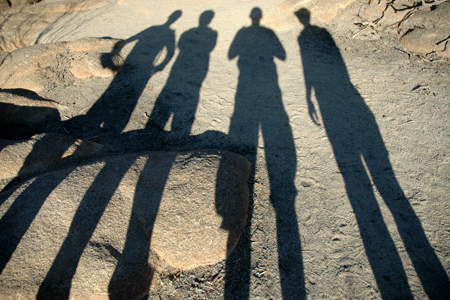
joshua-tree-shadows

Once when Tzu-Lu, Tseng Hsi, Jan Chhiu and Kunghsi Jua were seated in attendance on the Master, he said, “You consider me as a somewhat older man than yourselves. Forget for a moment that I am so. At present you are out of office, and feel that your merits are not recognised. Now supposing someone were to recognise your merits, what employment would you choose?”


Tzu-Lu promptly and confidently replied “Give me a country of a thousand war chariots hemmed in by powerful enemies, or even invaded by hostile armies, with drought and famine to boot – in the space of three years I could endow the people with courage and teach them in what direction right conduct lies.”


Our Master smiled at him and said, “What about you, Chhiu?”


Jan Chhiu replied saying, “Give me a domain of fifty to seventy square leagues, and in the space of three years I could bring it about that the common people should lack for nothing. But as to rites and music, I should have to leave those to a real Chun-tzu”


What about you, Chhih?”

Kunghsi Jua answered, “I do not say what I could; but I should like at any rate to be trained for it. In ceremonies at the ancestral temple, and at the audiences of  the Princes with the High King, I would like, dressed in the dark square made robe and the black linen cap, to act like a junior assistant”


Tien, what about you?

Tseng Hsi laid aside the lute on which  he had been softly playing, rose and said, “I fear my words and will not be so well chosen as those of the other three.:


The Master said, “What harm is there in that? All that matters is that each should name his desire.”


Tsen Hsi said, “At the end of  spring, when the making of the Spring clothes have been completed, to go with five or six newly capped  young men and six or seven boys, the perform the lustration and bathe in the River Yi, enjoy the breeze among the Rain Dance  altars, and return home signing”.

The Master sighed and said, “ I agree with Tien.”


–subham–


Men are NOT to be measured by Inches!!! (Post No.2833)

short 3

Article written by London swaminathan


Date: 23 May 2016


Post No. 2833


Time uploaded in London :–   18-14


( Thanks for the Pictures)


DON’T REBLOG IT AT LEAST FOR A WEEK!  DON’T USE THE PICTURES; THEY ARE COPYRIGHTED BY SOMEONE.


(for old articles go to tamilandvedas.com OR swamiindology.blogspot.com)


short 1

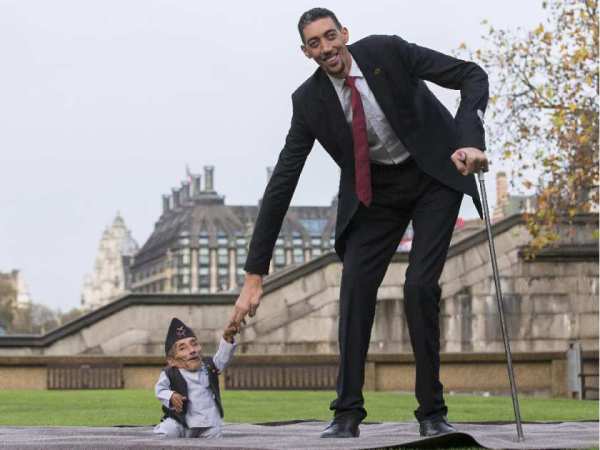
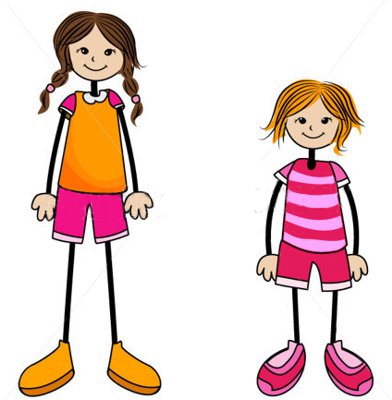
Among the Indian Prime Minsters Lal Bahadur Shastri was the shortest one; but he was the greatest among Prime Ministers belonging to Congress Party. All others have earned a bad name one way or other. But yet there are some wrong views about the short people all over the world.

The English proverbs are as follows:

Short folk are soon angry

Short folk’s heart is soon at their mouth.

A little pot is soon hot.

As sore fight wrens as cranes (meaning is ‘a small person, when provoked, will fight as ardently as anyone else)


In Tamil they say you can trust a Kallan/thief but not a Kullan/short fellow. We can’t find any rhyme or reason in the above sayings.


It is pity that small persons are given the role of comedians, jesters and clowns in films and circuses. Sanskrit Neeti Shastras (Law Books) say that short fellows, dwarfs, hunch backs, handicapped should be appointed at the harems.


But there some good things about short people as well:

A little body often harbours a great soul

Men are not to be measured by Inches

The best things come in small packages.


In Indian languages we have a proverb saying ‘Murti/figure may be small, but Keerti/fame is great.

tall-and-short-t11509

Tamil Poet Tiruvalluvar praises short people

“Do not despise men for their forms; there are men like the axle pin of a big rolling car”(Tirukkural 667)


It is not wise to belittle men of small size, for they may perform great actions. It is quite often extremely unwise to judge persons, because of an unimposing appearance or unimpressive external form, as Rajaji would say, because many of these men possess great strength of mind and action. Appearances tend to deceive. The classic story of David and Goliath in the Bible is relevant, says Dr S M Diaz in his Tirukkural commentary.


Famous Tamil poetess Avvaiyar says in ‘Vakkundam’:-

“ Look at the sea; it is vast but the water is not drinkable. But a small spring on the shore may give drinkable water. So don’t despise the form. The flower of aloe plant may be big. But smaller flower Makizam Pu gives more fragrant smell.

Another poet says in Araneri:-

Don’t be arrogant thinking that you are better qualified than others. Even a small umbrella can blot (can make a shadow under) the sun. Even learned men may be humbled by the words of less learned; so don’t be arrogant.


Vamana (dwarf) Avatar

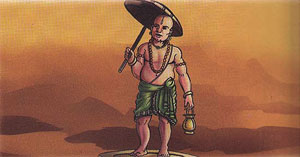
One of the ten incarnations of Lord Vishnu was a small form. The Vamana (dwarf) avatar which first appeared as a short person took a great form expanding from earth to sky known as Trivikrama (striding to the three worlds). So Hindus compare a clever but short person to Vamana.

Agastya was called as a dwarf or a short saint; but he was praised sky high in Hindu literature.

vamana_avatar

Jonathan Swift copied Tamil folk tale

In the famous political satire Gulliver’s Travels the Lilliputians were very small. Gulliver and Lilliputians do lot of funny things. But this story exists in South Indian folk tales in a different form. Also in the Rig Veda as Valakhilyas/thumb sized ascetics.

The story is as follows:-

A couple gave birth to child after a long time in their married life. But the child measured only the size of a thumb. He was called Master Thumb. Their parents were very much worried about his size. Wherever he was taken people looked at him and made embarrassing comments. One day a gang of thieves saw Mr.Thumb and abducted him so that they can use him for their criminal activities.


That night he was taken to a business man’s house who was the richest person in the town. They asked Mr Thumb to slip through the gate and get the keys from the businessman who was fast asleep. Mr Thumb, though short, was very intelligent. He stole the key from the businessman and came back to the gate and asked the thieves their next plan. They told him to open the chest and get all the jewellery out. Now Mr Thumb decided to trick them.


As instructed he went in and opened the chest and took some jewellery but pretended like a stupid boy. He shouted in high pitch, “Oh, fellows! do you want the big necklace and or the small necklace?”. They hushed him and said bring whatever you can bring. He went inside the room and shouted again, do you want the big diamond or small diamond ring? Now the business man was woken up by his screeching voice. He alerted his watchmen and chased the thieves with his dogs and caught them. When he came to know that Mr Thumb was the one who helped him to catch the thieves he and his family was given a big cash reward. They lived happily ever after.

SWIFT_gulliver_lilliputians_f_96_100_47.jpg

This is a Tamil story with lot of mischiefs and pranks done by Master Thumb. I have cut the story short. Stories like Valakhilyas and Mr Thumb must have inspired Swift to write the novel. We have other dwarf stories in the Western Literature. Probably they were their own creations.

My previous article

 Valakhilyas: 60,000 thumb-sized ascetics who protect Humanity; posted on 31 December 2011


–subham–


‘Madura, Most Celebrated City of the Kingdom of Regio Pandionis’ (Post No.2831)

Temple_de_Mînâkshî01

Compiled by London swaminathan


Date: 22 May 2016


Post No. 2831


Time uploaded in London :–   20-37


( Thanks for the Pictures)


DON’T REBLOG IT AT LEAST FOR A WEEK!  DON’T USE THE PICTURES; THEY ARE COPYRIGHTED BY SOMEONE.


(for old articles go to tamilandvedas.com OR swamiindology.blogspot.com)


Excerpt from the book ‘India Revisited’ by Edwin Arnold, year 1886

“No towns of any importance are passed until the traveller arrives at Madura, one of the most celebrated cities of the ancient kingdom of the Regio Pandionis.

Madura, “the place of amenity”, according to its Sanskrit derivation, lies on the high road to Rameswaram, the sacred island of the Straits, and thus must have become very early as a famous site, full of schools, temples and palatial buidings.


One prince of the Nayak dynasty is said to have here erected or commenced 96 shrines, of which those that remain are striking examples of the religious architecture of India.


Temple of Minakshi or the Fish Eyed Parvati has nine large and small pagodas on its sides and angles. Four of them are of great height, soaring aloft in the form of sharp pyramids, covered from base to summit with stages of elaborately sculptured figures in stone, which have been minutely and ingeniously coloured, and stand forth from a ground of red – so that each gopuram looks like a mountain of bright and shifting hues, in the endless detail of which the stonished vision becomes lost. Range after range of gods, goddesses, heroes, and demons, in vivid tents, and with all their jewels and weapons dazzlingly brought out by gold and ochres, are seen mounting into  the air from the pillared basement where horses ramp and elephants twist their trunks, to the volutes at the top all blue and green and gold. Imagine four of these carved and decorated pyramidal pagodas, each equally colossal and multi coloured, with five minor ones clustering near, any one of which would singly make a town remarkable!

meenakshi 1919

The interior of this vast temple is full of picturesque courts and dimly lighted aisles, where numberless bats flit about among the lamps, and figures of the wildest fancy glimmer through the obscurity. We were not allowed – being known here only as passing travellers – to enter the very holy places of the building, and thus failed to see the “Tank of the Golden Lotuses” and the famous “Bench of Jewels”. This latter, if accounts be true, was a marvellous possession of the shrine. The candidate for election to the Synod of the college, after satisfactorily replying to his examination questions, was told to seat himself on the bench. If he were a worthy aspirant it expanded of itself from a mere knife- edge of a blue granite to  a commodious seat set with diamonds; if unworthy, the bench collapsed altogether, at the same time flinging the rejected  novice into the tank.


According to old legends, the useful institution came into disuse about the year 1028 AD, when a Pariah priest presented himself for ordination, bringing a remarkably clever Sanskrit poem. The proud ecclesiastics of Madura had grown idle and ignorant, and would have driven this humble  yet learned aspirant forth; but he was no other than the God Shiva himself in disguise,  who had come to claim admission to his own Sangha; and the Bench of Jewels expanded joyously  to accommodate the deity. The story goes that, , on beholding this condemnation of their order, the priests filled out one by one and drowned themselves respectfully in the tank of the Golden Lotuses.


Madura is a clean and well-kept city, full of many other interesting buildings and of picturesque combinations of palm grove and bazaar life which would delight an artist. In its streets may be  constantly seen, yoked ‘ekas’ and carts, those charming little  Guini bullocks, milk white and perfectly proportioned , but diminutive beyond belief. I saw one of them in the garden of Mr De Souza, at Colombo, which was a bull, as symmetrical as any short-horn sire of the Bates breed, and yet positively no bigger than a mastiff or Mount st. Bernard. I tried to buy some of these to bring home, but those offered were not of the true caste; and the man who had the better specimens encountered an evil omen on his way to my quarters. You must not do any business in India, if you meet with a one eyed person, an empty water pot, a fox, a hare, or a dead body!


Madura also produces the finest scarlet-dyed cloths in India – a distinction attributed to the virtues of the water of the River Vyga. In one of her streets is, moreover, to be seen a very simple, but a pleasing monument, recording the gratitude of the inhabitants to a former collector, Mr Black Burne.


This is a pillar of stone, of no architectural merit, but erected to perpetuate the name and virtues of the meritorious British official who transformed Madura from foetid and plague-stricken city to one which has become wholesome, aggregable, and handsome in aspect beyond most Indian towns. Every night a lamp is lighted upon his memorial, and it is only one of a thousand proofs of the benefits conferred upon India by the just and conscientious English rule, as well as of the solid appreciation felt for that rule by best minds among the natives.


meenakshi base view

“Political Mischief Mongers”

Political mischief mongers who talk at home or in India, of the discontent and ill will of her inhabitants towards the British are either ignorant or malignant. I have recently passed through hundreds of her towns and cities, and over thousands of miles of her districts – often wandering alone in crowded bazaars or solitary jungles — and have not encountered a single evil look or received one rude or unfriendly answer.  In conversation with intelligent people of all caste and classes I have found the blessings of our  strong and upright sway perfectly understood, and repaid — not, indeed, with affection, since that is asking too much from Hindu natures – but with respect, admiration, and general acquiescence. There are classes, of course, which will always remain hostile, and India is an ocean of humanity, about the various seas, gulfs and inlets of which no man can ever securely generalise. Yet I am personally convinced by observation and inquiry that the roots of our Raj – despite al drawbacks and perils – were never so deeply struck into the soil as at present, and that while we must strive more and more to develop the boundless resources of the country, and to win the hearts of her people by fearless, but wise and gradual expansion of their rights and liberties, India at large knows well that she has never received from Heaven aa richer blessing than the Pax Britannica”.


(Even scholars like Edwin Arnold justified the “just” and “conscientious” British Rule!!!)

Many of the things he has said about Madura(i) are also factually incorrect—London swaminathan.

–subham–