Mystery of Indian Hill Tribes – Part 2!(Post No.2912)

tribe 11

Research Article written by London swaminathan


Date: 21 June 2016


Post No. 2912


Time uploaded in London :– 19-19


( Pictures are taken from various sources; thanks)


DON’T REBLOG IT AT LEAST FOR A WEEK!  DON’T USE THE PICTURES; THEY ARE COPYRIGHTED BY SOMEONE.


(for old articles go to tamilandvedas.com OR swamiindology.blogspot.com)


Please read the first part published yesterday, where there is a detailed introduction
 

 tribe 13

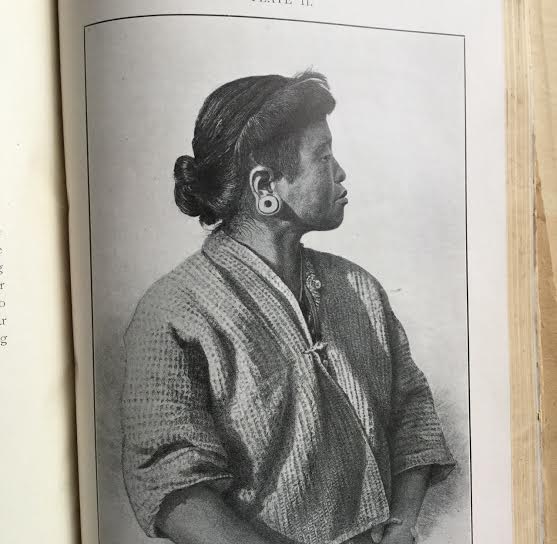
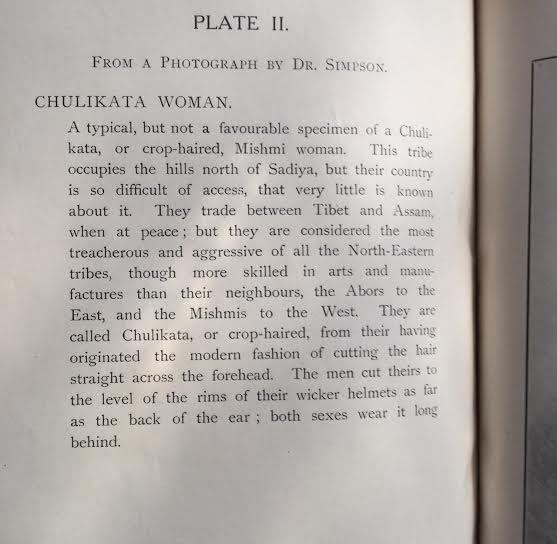
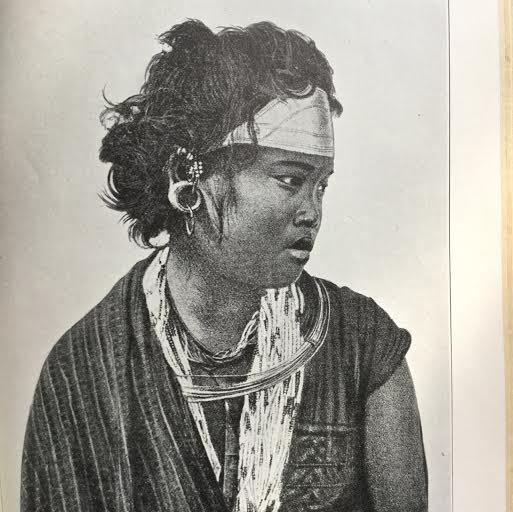
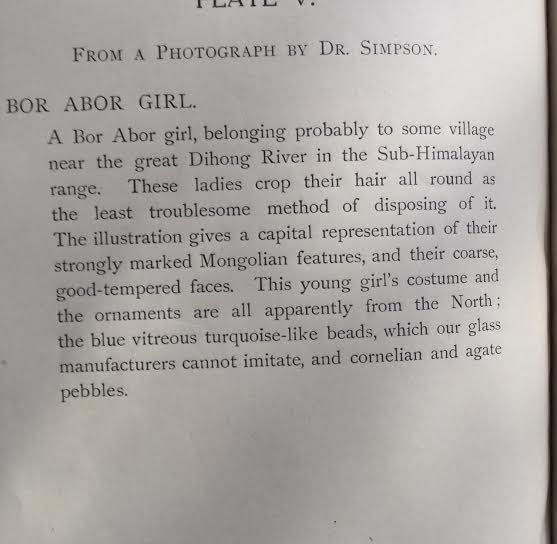
My comments: Bor Abor women cropped their hair which was unusual in India. They were semi precious stones  like the wearer of modern jewelries.


Look at he breast of the female figure. Sangam Tamil literature talks about Bra in hundreds of places. Tamil women used bra from Sangam age)


Tribes used totem symbols and half of the words are in Sanskrit.

We have totem symbols even in the oldest religious book in the world — the Rig Veda.

Kasyapa Rishi means Tortoise Rishi

Kaushika Rishi means Owl Rishi

Sandilaya Rishi means Bird Rishi

Manduka Rishi means Frog Rishi.

We have totem symbols in Ramayana and Mahabharata. Foreigners deliberately hid these factors and gave only the tribal totems in their book.

Following excerpt is from my previous post:

Several animal symbols were used as totem symbols by the tribes. So they were called by the animal names. Later writers took it for real animals and called them bears (Jambavan in Ramayana) and Eagle ( Jatayu in Ramayana). In real life bears and eagles were just human beings but with some animal tattoos or animal masks.

My comments: In all these stories (Janamejaya story of Mahabharata)  we see some environmental concern. When the kings try to kill all the snakes and all the frogs someone gives them good advice about environmental protection. Even if we take them as human beings with totem symbols, peace is restored by stopping the killings.

My comments (about Ayu story in Mahabharata) : Frog was a totem symbol of a particular tribe and Ayu was the king of that Frog tribe. Actually they are human beings, not frogs. We have poets and seers with the names such as Manduka Maharishi (frog), Therai (Toad) in Sanskrit and Tamil.  Mandukyopanishad is one of the major Upanishads. So what we read here is the story of tribal people. Since thousands of years passed before Vyasa collected all these stories and incorporated them into the epic for the benefit of posterity, the original meaning was lost. Now we have to read the story between the lines.

Naga is the totem symbol used all over the world. The opposing group used Garuda/Eagle(Please see my old articles linking Mayans and Indian Nagas from the Mahabharata period)
 

tribe 14

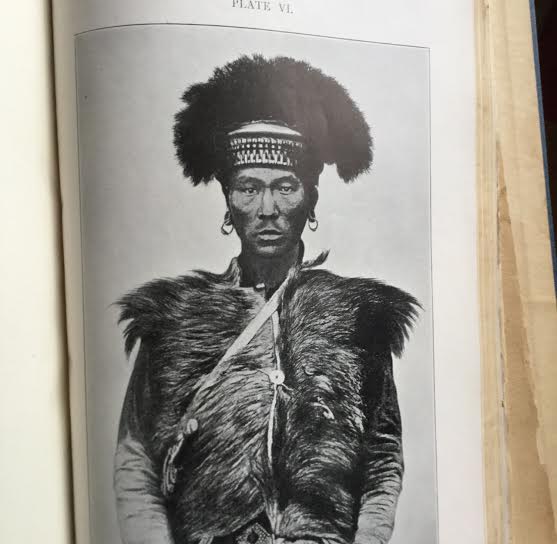
Picture shows a Chulikata Mishmi Chief in full dress

Now look at the totem symbols of the Tribes:

Oraon tribe

Tirki – Young mice

Ekka-  Tortoise

Kispotta –Pig’s entrails

Lakra- Hyena (Vyagra is Sanskrit word for Tiger)

Bagh – Tiger corrupted form of Sanskrit Vyag(ra)

Kujrar – Oil from Kujrar tree

Gede – Duck

Khoepa – Wild dog

Minji- eel (Meen is used in Sanskrit for fish)

Chirra – squirrel


Santal tribe

Ergo – Rat

Murmu – Nilgai deer

Hansda – Wild goose (Hamsa is a Sanskrit word for swan)

Maarudi – Grass

Besra – eagle

Hemron- betel palm

Saren – Pleiades (Sarvana is Sanskrit for Skanda of Pleiades/Kartika Star)

Sankh- Conch Shell (Sanka is a Sanskrit word for Conch; conch itself is Sanskrit)

Gua – areca nut

Kaaraa – buffalo

Bhumij Tribe

Saalrisi – Saal fish

Haansda – Wild goose (Sanskrit Hamsa)

Leng – Mushroom

Saandilya – bird (Vedic Rishi)

Hemron – Betel

Tumarung – Pumpkin

Nag – snake (Sanskrit)
 

tribe 17

tribe 20

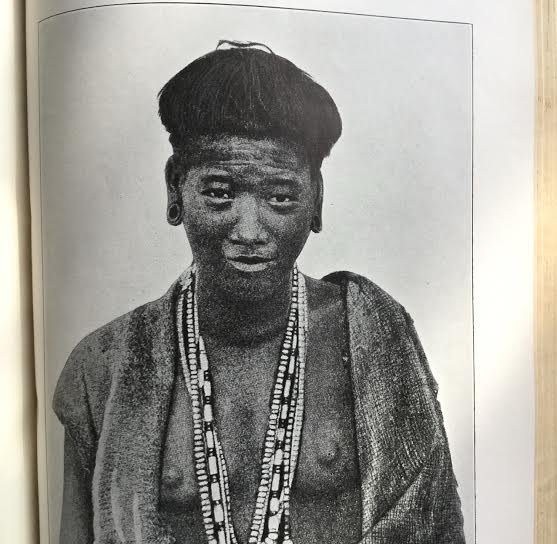
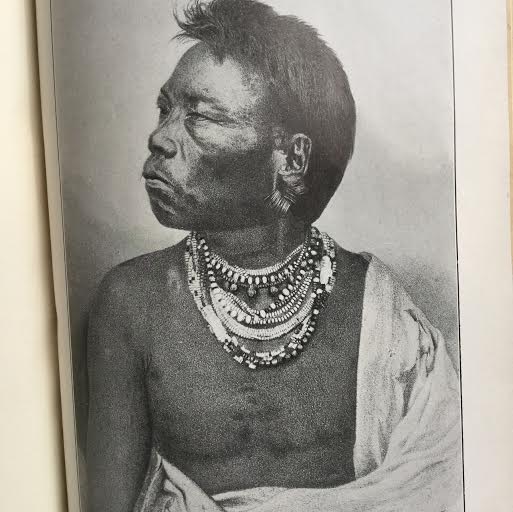
Naga chief wears shawl on the left shoulder like Hindus. Their facial features are mongoloid and their language is very different from old Tamil or Sanskrit.

Mahili Tribe

Dungri – Dumu fig

Turu – Turu grass (Sanskrit)

Kaanti – ear of an animal (Kaatu is a tamil word for ear)

Haansdaa- wld goose (Sanskrit)

Murmu – Nilagai


Koraa Tribe

Kasyab – Tortoise (Vedic rishi, sanskrit for turtle)

Saulaa – sal fish

Kasibak – heron

Haansdaa – wild goose (Sanskrit)

Butku – pig

Saampu – bul

Kurmi Tribe

Kesaria – kesar grass

Taraar – buffalo

Dumuriaa – dumur fig

Chanchmukuraar – spider

Hastovar – tortoise

Jhaalbanuaar – net

Sankhowaar – shell ornaments (sanskrt)

Baagbauaar – Tiger (Sanskrit)

Katiaar – silk cloth


Baag is a corrupted word of Vaag (Vyaagra)


Hindus were the first race in the world to have flags with totem symbols. Ramayana and Mahabharata give lot of information about flags. I have dealt with them in a separate research article.

So totem symbol is not a primitive one. Neither Aryan nor Dravidian. Even all the civilized groups had them. Now they remain in the flags and government emblems of many countries.


To be continued………………………………….
Mystery of Tribes in India- Part 1!(Post No.2910)

tribe 1

Research Article written by London swaminathan


Date: 20  June 2016


Post No. 2910


Time uploaded in London :– 17-41


( Pictures are taken from various sources; thanks)


DON’T REBLOG IT AT LEAST FOR A WEEK!  DON’T USE THE PICTURES; THEY ARE COPYRIGHTED BY SOMEONE.


(for old articles go to tamilandvedas.com OR swamiindology.blogspot.com)

tribe 2

Foreigners who came to rule India, divided Indians (Hindus) into two races Aryan and Dravidian; when their description met with some problems they created more groups such as Munda, Mongoloid and Aborigines. But neither the Sangam Tamil literature nor the older Sanskrit literature said anything about races. On the contrary they divided people into 18 groups and said that they all came from the same ancestors. Asuras (demons) and Devas (angels) prayed to the same Gods and got their boons. Asuras died because of their inherent weakness and bad qualities. Devas flourished because of their virtues.


Foreigners when classified the tribes put them in some boxes such as Dravidian, Aryan, Munda etc. But those who studied the customs of the tribes will be surprised to know that all have something common taken from Hinduism.

When you read about the tribes following questions will come into your mind:–

Where did they come from?

Why are they ‘uncivilized’ till today?

If they had come from the Indus Valley (according to divisive, cunning, jaundiced foreigners, “they are driven out by the invading Aryans”) why don’t they speak one language? Why do they speak different languages?

How come there is no common link among the languages?

tribe 3

tribe 5


If they have come from the civilized Indus valley how come all the tribes became uncivilized?

How come they have Sanskrit in their Gods names or totem Symbol names? (Please wait for more details in the following days)


Why don’t they worship the same God?

How come they claim different origins/ different ancestors?

Why are their marriage customs, funeral customs, taboos and totems differ very widely?

How come in a small area (for instance Nilgris) there are different tribes with different customs?

How come there are cannibals (jarawas) in the Andaman Nicobar Islands?


Why didn’t we find skulls or skeletons with similar features of these tribes or the so called Dravidians?

How come we found only so called ‘Aryan’ skeletons (with modern Punjabi features) in the Indus Valley Civilization?

tribe 6


tribe 8


tribe 10

My brief answer is:–

Even during Ramayana and Mahabharata times, tribes lived simultaneous with the epic/city civilization. We have enough proofs in the epics (Please read my articles Are Mayas Indian Nagas? Similarities between Nagas and Mayans, Origin of Gondwana )


I have already shown Gonds are from the Khandava vana burnt by Arjuna and Krishna; Mayans also were from the Gond+wana= Khandava Vana land.


Aborigines or tribes must have lived even during Indus Valley time. Bhimbetka cave paintings show that there were people living in the heart of India 20,000 years before the Indus Valley Civilization!

The reason for differences in the languages and customs is that they have been living here for very long time in isolation/independently.


I have been reading about the tribes of India for the past 45 years. There were articles in Dinamani Sudar and Manjari in regular periodicity. Even the word Munda is Sanskrit according to Sir Herbert Risley (Author of The People of India, year 1908) I am going to present you over thirty pictures of the ancient people of Bharat from Risley’s 100 year old book. You yourself decide after seeing their dress, jewellery, totems etc.


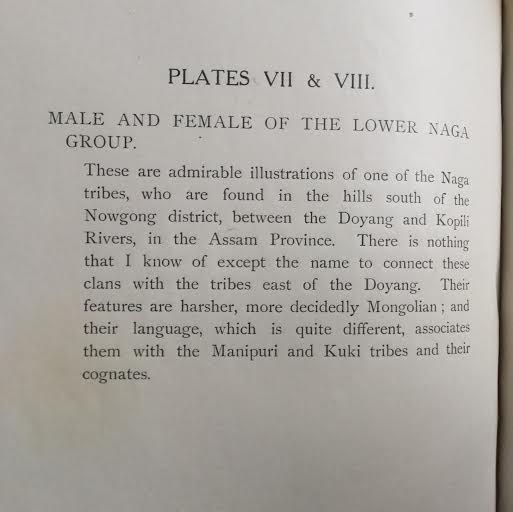
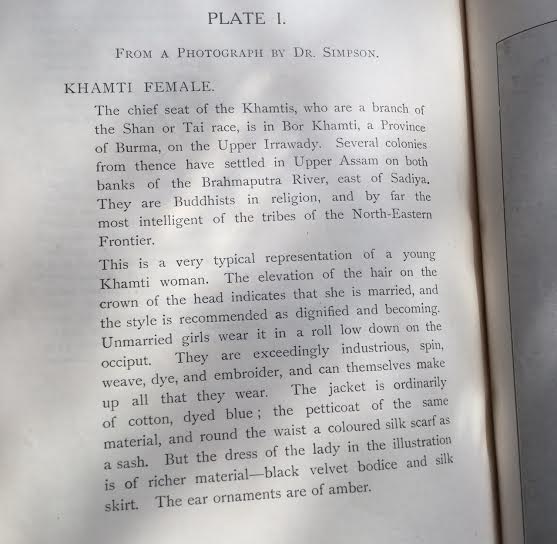
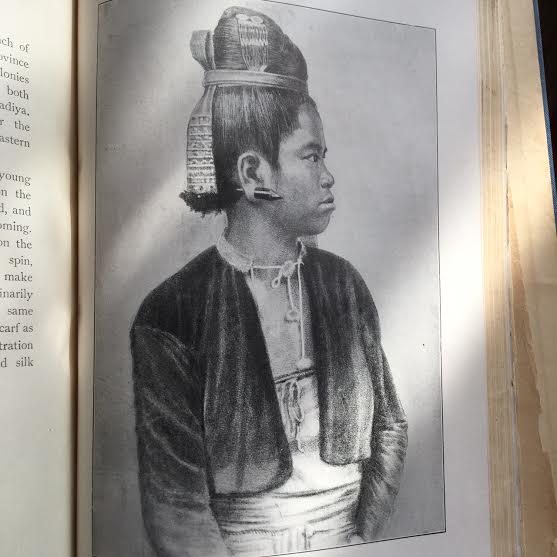
These are about a few tribal communities of North East India. Even within these three communities we see so many differences in hair style, jewellery, appearance etc. In the civilized Hindu society one can easily differentiate a married woman from unmarried woman. by looking at the toe ring (Metti in Tamil), Mangala Sutra (Thaali in Tamil), Madisarai style of Sari, Kunkum/Tilak on the parting of hair etc. In the first picture KHAMPTI female the hair style shows whether she is married or not where as in other tribal communities we dont see it. This will raise lot of questions about their origin.


……to be continued


Are Australian Aborigines Tamil Hindus? (Post No. 2515)

IMG_2347

Research Article Written by london swaminathan

Date: 6 February 2016


Post No. 2515


Time uploaded in London :– 16-12


( Thanks for the Pictures  ) 


DON’T REBLOG IT AT LEAST FOR A WEEK!  DON’T USE THE PICTURES; THEY ARE COPYRIGHTED BY SOMEONE.


(for old articles go to tamilandvedas.com OR swamiindology.blogspot.com; contact 


swami_48@yahoo.com)


Long long ago, 50, 000 years ago, a group of people migrated to Australia via South India and Indonesia. Then there was only one religion that was known as Sanatan Dharma, meaning the Eternal law. Later Greeks and Parsis (Persians) called these people Hindus, because they encountered them first beyond the River Sindhu. ‘S’ became ‘H’ in their languages.


I developed some interest in the study of aborigines after reading Kanchi Paramacharya’s (1894-1994) lectures in Chennai. He gave a detailed map of Hindu vestiges around the world. Referring to the Australian aborigines he quoted a book where in the dance of the aborigines was called ‘Shiva dance’ and they wore white paints like the Saivaite Vibhuti/holy ash marks. Later came a report of the dancer Padma Subramaniam in the Tamil dailies that she noted at least 20 Tamil words in the languages of aborigines. She watched their dance especially arranged for her. When I went to Sydney in January 2016 my in laws booked us a ticket for the Cricket match between India and Australia. I told them plainly that I was more interested in the study of aborigines than the cricket match. So my ticket was given to one of their friends and only my wife and sons went to the match with them. I went to the Australia Museum where there was a big section about the aborigines. I was surprised to see lot of similarities with the Hindus.


For long I was wondering why the aborigines held the Ayers Rock in esteem like our Mount Kailash. It stands as a solitary rock in the middle of a vast desert. Whether it is the Mt Meru of Kenya or the Fujiyama of Japan, all solitary rocks or volcanoes or hills are worshipped as Divine entities. This is nothing but Hindu in approach. So the Australian aborigines’ worship of Ayer’s rock is similar to the Hindu worship of Mount Kailash.  The original name of the sacred solitary rock is Uluru. It was named after Sir Henry Ayers, an Australian officer. Anyway it is nothing but Mt Kailash of Australia. So Kanchi Shakaracharya’s comparison of Vibhuti and Siva Dance has one more similarity i.e. Ayers rock and Mt Kailash.


The similarities don’t stop there. As soon as I entered the Australia Museum in Sydney, I saw a big board about their veneration for their elders. There is only one culture in the whole wide world that respects elders, that is Hindu culture. We can’t see such veneration in Ten Commandments or any other religious book. The first thing taught to the Vedic students was Mata, Pita Guru/ Deivam (Mother, father, teacher and/are God(s). Not only that, one of the daily Pancha Yajnas (five tasks) is the worship of ancestors. The Vedas are the oldest scriptures in the world. Those Vedas praise “their ancestors” (Purvebhayo Rishi:)! That means they are talking about thousands of years before the Rig Vedic times. The Australian aborigines also held Elders in high esteem. All male elders are called uncles and female elders are called aunties by the aorigines. It is practised in Hindu families until today:


Look at the board:

IMG_2336

Some of their beliefs about life, death, natural forces like water, fire, wind etc., Gotras(neighbour groups) and the animals are sililar to the Vedic beliefs. When I read them in the museum I was reminded of the Vedic mantras. I will deal with them in the second part of this article. Now I will conclude by giving a Vedic Mantra where elders were praised:

“Gone are the mortals who in former ages

Beheld the flushing of the early morning;

We living men now look upon her shining;

Those will be born who shall hereafter see her” –(R.V.1-113-2 A A Macdonells Translation)


Kailash= Uluru= Fujiyama=Mt Meru

Mountain Lord, we speak to thee with blissful words,

“So that all that is moving and living

May, free from disease, have happiness of heart” — (Y.V.Vs 16-4)

Even the Brahmins invoke Gayatri three times every day from the High Mountains. After the prayer she is requested to go back to the top of the hills (Uttame Sikare Devi……)


So God in the mountain is part of a Hindu belief. It is no wonder the solitary hill is revered by the aborigines. It is the Mount Kailash of Australia!

One more amazing similarity is that the people who hold this sandstone rock a sacred object are ‘ANANGU’ people. The word Anangu is used in Sangam Tamil literature lot of times to denote divinities, venerable spirits that occupy all natural objects rocks, water sources, hills and holy places! Somehow the old Tamil world has crept into their language.

uluru2

Picture of Uluru (Ayers Rock in Australia)

To be continued………………..

வரலாறு கூறும் அற்புத ரிக்வேதப் பாடல்!

thumb_286_47041

கட்டுரையை எழுதியவர் :– லண்டன் சுவாமிநாதன்
ஆராய்ச்சிக் கட்டுரை எண்- 1416; தேதி 17 நவம்பர், 2014.

ரிக் வேதம் உலகிலேயே பழமையான நூல். அதில் பத்து மண்டலங்கள் உள்ளன. மொத்தம் 1028 துதிப்பாடல்கள் இருக்கின்றன. அவைகளில் 10,552 மந்திரங்கள் உள.

பல அதிசயங்கள் நிறந்தது ரிக் வேதம். அது என்ன அதிசயம்?
உலகிலேயே முதல் முதலாகத் தொகுக்கப்பட்ட நூல் என்னும் பெருமையுடைத்து.
உலகிலேயே முதல் முதலாக ‘’இண்டெக்ஸ்’’ INDEX போட்ட நூல் இதுதான். அதாவது எல்லா ஆங்கில நூல்களிலும் கடைசி பக்கத்துக்குப் போனீர்களானால் அதிலுள்ள விஷயங்களை அகர வரிசையில் சொல் குறிப்பு அகராதி என்று கொடுத்திருப்பர். இதை ‘’அணுக்ரமணி’’ என்ற பெயரில் உலகிற்குச் சொல்லிக் கொடுத்தது நம்மவர்களே. எந்தெந்த ரிஷி எந்த மந்திரத்தைக் ‘’கண்டுபிடித்தார்’’, எந்தக் கடவுளின் பெயரில் பாடினார் என்றெல்லாம் பல்லாயிரம் வருஷங்களுக்கு முன்னர் எழுதவேண்டு மானால் அவர்களுடைய விசாலமான புத்தியை எண்ணி வியக்காமல் இருக்க முடியுமா? ( ரிஷிகள் என்போர் மந்திர த்ருஷ்டா= மந்திரங்களைக் கண்டவர்கள்; எழுதியவர்கள் அல்ல)

400—க்கு மேற்பட்ட ரிஷிகளின் பெயர்களையும் அப்படியே நமக்குக் கொடுத்துள்ளனர்.

இன்னொரு அதிசயமும் உண்டு. உலகில் எந்த நூலையும் நாலு கூறு போட்டு நாலு மாணவர்களை அழைத்து இதை ‘’எழுதக்கூடாது. ஆனால் மனப்பாடமாகப் பரப்ப வேண்டும்’’ என்று யாரும் சொன்னதில்லை. வியாசர் என்னும் மாமுனிவன் மட்டும் இப்படி உத்தரவிட்டதும் அதை அவர்கள் சிரமேல் கொண்டு இன்று வரை நமக்குக் வாய் மொழியாகக் கொடுத்து வருவதும் உலகம் காணாத புதுமை. சுமேரியாவிலோ எகிப்திலோ களிமண்ணிலும் சுவற்றிலும் எழுதாவிடில் அனைத்தும் அழிந்திருக்கும் ஆனால் நம்மவர் மனப்பாடமாக இன்று வரை அதைக் காப்பாற்றி வந்தது நம் திறமைக்கு ஒரு சான்று.

இதில் வேறு பல ரகசியங்கள் இருப்பதாலும் எதையும் நேரடியாகச் சொல்லாமல் ரகசியமாகச் சொல்வதானாலும் சங்க காலத் தமிழர்கள் இதற்கு ‘’மறை’’ என்றும், ‘’எழுதாக் கிளவி’’ என்றும் பெயர் சூட்டி அகம் மகிழ்ந்தனர், உளம் குளிர்ந்தனர்.

இதில் உள்ள கணித ரகசியங்கள் பற்றியும் மிகப் பெரிய எண்கள் பற்றியும் தனியே கொடுத்து விட்டேன். இன்று 38 பெயர்களையும் ஏழு புதிர்களையும் உள்ளடக்கிய ஒரு விஷயத்தை மட்டும் பார்ப்போம்.

ரிக்வேதத்தில் ஏழாவது மண்டலத்தில் வசிஷ்டர் என்னும் ரிஷியும் அவர் வழிவந்தவர்களும் பாடிய துதிப்பாடல்கள் இடம் பெறும். இதில் 18ஆவது துதியில் 25 மந்திரங்கள் உள. தமிழில் பரணர் பாடிய ஒவ்வொரு பாடலிலும் ஒரு வரலாற்று செய்தியைத் தருவார் ( எனது பழைய கட்டுரையில் மேல் விவரம் காண்க: வரலாறு எழுதிய முதல் தமிழன்).

அது போல இப்பாடலில் 38 விஷயங்களை அள்ளிக் கொடுத்து விட்டார் வசிட்டன். இதில் உள்ள பல விஷயங்கள் புதிர்களாகவே உள்ளன. ரிஷி முனிவர்கள் பயன்படுத்தும் மறை பொருளான மரபுச் சொற்றொடர்களும், நமது அறியாமையுமே இதற்குக் காரணம் என்று இப்பகுதியை மொழிபெயர்த்த கிரிப்பித் என்ற அறிஞர் ஒப்புக்கொண்டுள்ளார்.
Rig Veda images

புதிர் 1
இந்தத் துதிப்பாடல் இந்திரன் மீது பாடப்பட்டது. 14ஆவது மந்திரத்தில் ஒரு எண் வருகிறது. அதைச் சில அறிஞர்கள் 66,606 என்றும் இன்னும் சிலர் 6666 என்றும் மொழி பெயர்க்கின்றனர். அதன் சம்ஸ்கிருத மொழி அமைப்பு அப்படி அமைந்துள்ளது. அது சரி! இப்படிப்பட்ட வினோத எண்ணுக்கு இந்த துதியில் அவசியமே இல்லையே! ரிஷிகள் ஏதேனும் மறை பொருளைச் சொல்ல விரும்புகின்றனரா அல்லது எதுகை, மோனை விஷயங்களுக்கா கத் தங்கள் புலமையைக் காட்டுகின்றனாரா? புதிரோ புதிர்!

புதிர் 2
தாசர்கள் என்றால் கறுப்பர்கள், அவர்கள் எல்லாம் திராவிடர்கள், ஆரியர்களால் விரட்டப்பட்டவர்கள் — என்று வெளிநாட்டார் எழுதி வைத்தனர். ஆனால் இந்தப் பாட்டு முழுதும் சு தாச என்னும் மன்னன் அடைந்த வெற்றியைப் பற்றியது. அவனுடைய அப்பா பெயர் திவோ தாச! அவன் குல குரு வசிஷ்ட மாமுனிவன். அவனுக்கு உதவியதோ இந்திரன்! புதிரோ புதிர்!

புதிர் 3
இதே பாடலில் யுத்யாமதி என்ற ஒரு பெயர் வருகிறது. அது ஒரு மன்னன் பெயராக இருக்கலாம் என்று அறிஞர் கருதுவர். ஆனால் அவரைப் பற்றிய எந்த விஷயமும் வேறு எங்கும் கிடைத்தில. ஒரு வேளை சிந்து சமவெளியை ஆண்ட ஒரு மன்னனோ!! ( மதி-பதி-வதி: சிந்து சமவெளி மன்னர் பெயர்கள் என்ற எனது கட்டுரையில் விவரம் காண்க). புதிரோ புதிர்!

புதிர் 4
இந்தப் பாடல் அடங்கிய ஏழாவது மண்டலம் ரிக் வேதத்தின் பழைய பகுதிகளில் ஒன்று என்று பல அறிஞர்களும் ஒப்புவர். அத்தைகயதோர் பாடலில் திடீரென யமுனை நதி பற்றி வருகிறது! ‘’கைபர் கணவாய் வழியாக வந்த ஆரியர்கள் சிந்து நதி தீரத்தில் பாடிய துதிப்பாடலகள்’’– என்று கதைத்து வந்த வெளி நாட்டு ‘’அறிஞர்கள்’’ மீது குண்டு வீசியது போல இருக்கிறது இந்த யமுனைக் குறிப்பு! அவர்களுடைய ஆரிய—திராவிட வாதங்களை ஒரு சொல்லால் தவிடு பொடியாக்கி விடுகிறது இந்த வரி.

வேதம் பற்றியும் அதிலுள்ள வரலாறு பற்றியும் எழுதி வரும் ஸ்ரீகாந்த் தலகரி என்னும் அறிஞர், வேத கால இந்துக்கள் கிழக்கில் இருந்து மேற்கே ஈரான் வரை சென்றார்கள் என்று நிரூபித்ததை இது உறுதி செய்கிறது.

சங்கத் தமிழர்களுக்கு சிந்து நதியோ, அந்தப் பகுதியோ தெரியுமா என்று சந்தேகமாகவே இருக்கிறது. அவை பற்றி சங்கப் பாடல்களில் இல்லை. ஆனால் யமுனை (தொழுநை) நதியும் கங்கை நதியும் இமய மலையும் சங்கத் தமிழர்களுக்கு மிகவும் தெரிந்த இடங்கள்!
nab843

புதிர் 5
அஜஸ், சிக்ரூஸ், யக்ஷூஸ் என்பவர்கள் பேடா என்பவர் கீழ் இருந்தது போல என்று ஒரு வரி வருகிறது யார் இந்த பேடா? என்று தெரியவில்லை! புதிரோ புதிர்!

புதிர் 6
‘’பசியுள்ள மீன்கள் போல’’ — என்று இடையில் திடீரென்று ஒரு வரி வருகிறது. சிலர் இதை மீன் பற்றிய உவமை என்கின்றனர். இன்னும் சில வெளிநாட்டார் இது ‘’மத்ஸ்ய’’ இனத்தினர் என்பர். மத்ஸ்ய என்ற வட சொல்லுக்கு மீன் என்ற பொருள் உண்டு. மச்சாவதாரம் என்ற சொல் நமக்குத் தெரிந்ததே. ஆக இந்த வரியும் புதிரோ புதிர்!

புதிர் 7
ஆறாவது மந்திரத்தில் துர்வாச புரோதாச என்ற பெயர் உள்ளது. இது ஒரே பெயரா அல்லது இரண்டு பெயர்களா என்றும் அறிஞர்கள் மோதிக் கொள்வர். புதிரோ புதிர்!

இப்படி ஒரே பாடலில் பல அறிஞர்கள் பலவாறு பேசுவதை அறிந்தே, நம் அய்யன் வள்ளுவன், “எப்பொருள் யார் வாய்க் கேட்பினும் அப்பொருள் மெய்ப்பொருள் காண்பது அறிவு”– என்று செப்பினான். குறிப்பாக, வேத மந்திரங்களுக்கு ஆரிய—திராவிட விஷப் புகை தூவி மந்திரம் போடும் வெளி நாட்டாரை நம்பாது இருப்பதே நலம்!

new

பாடலில் என்ன சொல்கிறார் வசிட்டர்?

இந்தப் பாடல் சுதாச என்னும் மன்னன், பத்து ராஜா யுத்தத்தில் அடைந்த மாபெரும் வெற்றியைப் பாடுகிறது. எப்படி கரிகால் சோழன் ஏழு பேரை வென்று வெற்றி வாகை சூடினானோ அது போல சுதாசன் பத்து பேரை வென்று வெற்றி வாகை சூடினான். அவனுடன் போனார் வசிட்டர். அவனுக்கு உதவியது இந்திரன்!

“ஆடு சிங்கத்தை வென்றது போல வென்றான்” — என்ற உவமை இதில் இருப்பது குறித்தும் சிங்கம், பஞ்ச தந்திரக் கதைகள் போன்றவை அக்காலத்திலேயே இருந்தது என்றும் எனது முந்தைய கட்டுரையில் தந்தது உங்களுக்கு நினைவிருக்கும்.

இறுதியாக, — இதில் வரும் முப்பத்தெட்டு பெயர்கள் என்ன என்ன?

1.இந்திர, 2.வசிஷ்ட, 3.சுதாஸ், 4.சிம்யு, 5.துர்வாச, 6.புரோதாச, 7.ப்ருஹு, 8.த்ருஹ்யூஸ், 9.பக்தாஸ், 10.பலனாஸ், 11.அலினாஸ், 12.சிவாஸ், 13.விசானின்ஸ், 14.த்ருஷ்டூஸ், 15.பாருஸ்னி, 16.ப்ரிஸ்னீ, 17.வைகர்ண, 18.கவச, 19.அனு, 20.புரு 21.ஆனவாஸ், 22.பேடா, 23.யமுனா, 24.அஜஸ், 25.சிக்ரூஸ், 26.யக்ஷூஸ், 27.தேவக, 28.மன்யமான, 29.சம்பர, 30.பராசர, 31.சதாயது, 32.பைஜாவன 33.அக்னி, 34.தேவவான், 35.யுத்யாமதி, 36.திவோதாச, 37.மருத், 38.மத்ஸ்ய
nad035

இதில் பல இனங்கள் (குழுக்கள்), நதிகள், மன்னர்கள், கடவுளர் பெயர்கள் இருக்கின்றன.

–சுபம்–

அமிழ்தம், அமிழ்தம் என்று கூவுவோம் – நித்தம்
அனலைப் பணிந்து மலர் தூவுவோம்;
தமிழில் பழ மறையைப் பாடுவோம் – என்றும்
தலைமை பெருமை புகழ் கூடுவோம் — பாரதி

சங்கத் தமிழர் ஆண் குழந்தைகளை விரும்பியது ஏன்?

brahmin boy

ஆரிய-திராவிட வாதத்துக்கு மேலும் இரண்டு அடி!!

கட்டுரை மன்னன்: லண்டன் சுவாமிநாதன்
ஆராய்ச்சிக் கட்டுரை எண்:-1254; தேதி:— 27-8-2014

புனித திசையான வடக்கு நோக்கி உண்ணவிரதம் இருக்கும் ‘’பிராயோபவேசம்’’ என்னும் வழக்கமும், ஆண் குழந்தை பெற்று திதி முதலிய நீர்க்கடன் பெற்று சொர்க்கம் போகும் வழக்கமும் 2000 ஆண்டுப் பழமையான புறநானூற்றில் இருப்பதை விளக்கும் இக்கட்டுரை ஆரிய- திராவிட இனவெறிக் கொள்கைக்கு இரண்டு செமை அடி கொடுக்கிறது.

சங்க இலக்கியத்தை வரி வரியாகப் படித்தால் ஆரிய திராவிடக் கொள்கை, ஒரு உளுத்துப்போன, கறையான் அரித்த கட்டை என்பது விளங்கும். இதை சரியாகப் படிக்கததால் திராவிடங்களும் ஐராவதங்களும் வேதாசலங்களும் கக்கிய விஷப் புகை தமிழ் தெய்வத்தை மூடி மறைத்துள்ளன என்ற உண்மை பட்டெனப் பளிச்சிடும். பாரதம் முழுதும் ஒரே கலாசாரம் என்பதை கோப்பெரும் சோழனும் முது குடுமிப் பெருவழுதியும் சொன்ன பின்னர் இனி எதிர்ப்புக் குரல் கொடுப்பார் யாருளர்? இதற்குப் பின்னரும் அப்படி எதிர்ப்புக்குரல் கொடுத்தால், அவர்களை அம்மா, அப்பாவையே சந்தேகித்து டி.என்.ஏ. டெஸ்டுக்குப் போகும் அனாமதேய வகையறாவில் நாம் சேர்ப்போமாக!!!

ஆண்டவன் அவர்களை ரக்ஷிக்கட்டும்!!!

எல்லோருக்கும் எச்சரிக்கை !

முதுகுடுமியே! நீ போர் செய்யும் போது எச்சரிக்கை விடுத்துப் பின்னர் அறப் போர் (தர்ம யுத்தம்) செய்வாய்! பசுமாடுகள், பசுமாடு போன்ற சாந்த குணம் உடைய பிராமணர்கள், பெண்கள், நோயாளிகள், இறந்துபோன முன்னோர்களுக்கு திதி, தர்ப்பணம் முதலிய நீர்க்கடன் செய்ய இன்னும் தங்கம் போன்ற ஆண் பிள்ளைகளைப் பெறாதோர் எல்லாம் பாதுகாப்பன இடங்களுக்குச் செல்லுங்கள் என்று அறிவித்துவிட்டுப் போர் செய்கிறாயே! —–

என நெட்டிமையார் என்னும் புலவர் பாண்டிய நாடு முழுதும் யாக யக்ஞங்களைச் செய்து கொண்டாட்டக் கம்பங்களை ( யூப நெடுந்தூண்) நட்டுவைத்த பல்யாகசாலை முதுகுடுமிப் பெருவழுதியைப் பாராட்டுவார். அந்த மன்னன் பஃறுளி ஆற்று மணல் துகள்களை விட நீண்ட காலம் வாழ வேண்டும் என்றும் வாழ்த்துகிறார்.

ஆவும், ஆனியற் பார்ப்பன மாக்களும்,பெண்டிரும், பிணியுடையீரும் பேணித்
தென்புலம் வாழ்நர்க்கு அருங்கடன் இறுக்கும்
பொன்போற் புதல்வர்ப் பெறா அ தீரும்
எம் அம்பு கடிவிடுதும், நும் அரண் சேர்மின்’ என,
………………………………………….
நெட்டிமையார் பாடல், புறம்.9, பாடப்பட்டோன்:- பாண்டியன் பல்யாகசாலை முதுகுடுமிப் பெருவழுதி

brahminboy2

பொத்தியார் வருத்தம்!
அழல் அவிர் வயங்கிழைப் பொலிந்த மேனி,
நிழலினும் போகா, நின் வெய்யோள் பயந்த
புகழ்சால் புதல்வன் பிறந்த பின் வா’ என
என் இவண் ஒழித்த அன்பிலாள !
எண்ணாது இருக்குவை அல்லை;
என்னிடம் யாது? மற்று, இசைவெய்யோயே?

பாடியவர்:– பொத்தியார்
பாடப்பட்டோன்:– கோப்பெருஞ்சோழன் (புறம்.222)

பொத்தியார் சொல்கிறார்: சோழனே! உனக்குக் கொஞ்சம் கூட அன்பே இல்லையே! என்னைச் சாகும் வரை உண்ணாவிரதம் இருக்கும் பந்தலில் உட்காரக்கூடாது. பிள்ளை பிறந்த பின் வா என்று அன்று அனுப்பி வைத்தாயே! புகழ்மிக்க பெருந்தகையே! எனக்கு ஒதுக்கிய இடம் எங்கே?

இந்தப் பாடலைப் பொத்தியார் பாடுவதற்குள் சோழ மன்னன் இறந்துவிட்டான். பொத்தியார் ((மனைவி)) குழந்தை பெற்ற பின்னர் அவர் தாமதமாக வந்ததே இதற்குக் காரணம்!

வடக்கிருத்தல்: இந்துக்கள் வட திசையை புனித திசை என்று போற்றுவர். காரணம்? இமயமலையும், அதில் சிவனுறை கயிலாயமும், புனித கங்கையும் இருக்கும் திசை வடதிசை. இதனால்தான் செங்குட்டுவனும் அவனுடைய அம்மாவுக்காக கல் எடுக்க ஒரு முறையும் கண்ணகிக்காக கல் எடுத்துக் கங்கையில் அக்கல்லைக் குளிப்பாட்ட ஒருமுறையும் ஆக மொத்தம் இரண்டு முறை இமய மலைக்குச் சென்றான்.

பாண்டவர்கள் ஒரு நாயை அழைத்துக் கொண்டு வடதிசை நோக்கி நடந்து ஒவ்வொருவராக இறந்து விழுந்த கதை மஹாபாரதத்தின் 18ஆவது பர்வத்தில் உள்ளது. பரீக்ஷித் மன்னன் பாகவத புராணம் கேட்டுக்கொண்டே உண்ணவிரதம் இருந்தது பாகவத புராணத்தில் இருக்கிறது. இந்த பிராயோபவேசம் என்னும் வழக்கத்தை ராமாயண, மஹாபாரத இதிஹாசங்கள் குறிக்கின்றன. சமணர்களும் இப்படிச் செய்வர். குமரி முதல்—இமயம் வரை உள்ள இவ்வழக்கத்தைப் புற நானூறும் குறிப்பது ஆரிய—திராவிடக் கொள்கையை வெடிவைத்துத் தகர்க்கும்.

ஆண்குழந்தைகள் பெற்றால் அவர்கள் கொடுக்கும் நீர்க்கடனானது, இறந்து போனவர்களைக் கரை ஏற்றும் என்னும் கொள்கையும் இமயம் முதல் குமரி வரை 2000 ஆண்டுகளுக்கு முன்னரே இருந்ததை புறநானூறு உள்ளங்கை நெல்லிக் கனி என விளக்கும். இன்றும்கூட எல்லா ஜாதி மக்களும் ஆண்கள் மூலமே இறுதிக் கடன்களை முடிப்பது வெள்ளீடை மலை என விளங்கும். இந்துமத சட்டப் புத்தகங்களான ஸ்மிருதிக்களும், இறுதிச் சடங்கு பற்றிப் பேசும் எல்லா பகுதிகளிலும் ஆண் மகன்கள் பற்றியே பேசுகின்றன.

தசரதன் இறந்தவுடன், பரதனை ஆப்கனிஸ்தான் — ஈரான் நாட்டு எல்லையில் இருந்த கேகய நாட்டில் இருந்து பயங்கரமான வேகத்தில் செல்லும் குதிரை பூட்டிய ரதத்தில் உத்தரப் பிரதேசத்துக்கு அழைத்து வந்ததை வால்மீகி ராமயாணம் ‘’ரூட் மேப்’’ போட்டு விளக்குகிறது.

(( கேகயம்= கைகேயி, காண்டஹார்=காந்தாரம்=காந்தாரி. இப்பொழுதும் ஆப்கனிஸ்தானில் உள்ள காண்டஹார் நகரில் குண்டு வெடித்து பலர் சாவதை வாரம்தோறும் பத்திரிக்கையில் படிக்கிறோம். மஹாபாரத காந்தாரி, ராமாயண கைகேயி எல்லோரும் தொலைதூரத்தில் இருந்து வந்ததற்குக் காரணம் பாரதம்— அகண்ட பாரதம் ஆகக் காட்சியளித்த காலம் அது!!! ))

கோப்பெருஞ்சோழனுக்குப் புதல்வர்களுடன் கொஞ்சம் மனஸ்தாபம். உடனே உண்ணவிரத்தில் இறங்கிவிட்டார். வாழ்க்கையை வெற்றியுடன் முடித்தவர்கள், இனி வாழ வேண்டாம் என்று தீயில் குதிப்பர் அல்லது ஆற்றில் குதிப்பர் அல்லது உண்ணாவிரதம் இருப்பர். புலனழுக்கற்ற அந்தணாளன் என்று பல்லோராலும் போற்றப்பட்ட பிராமண கபிலன் தீயில் புகுந்ததையும், சபரி என்னும் வேடுவச்சி தீயில் புகுந்ததையும், குமாரில பட்டர் என்னும் மாபெரும் அறிஞன் உமியில் தீயேற்றி அணு அணுவாக உடலைக் கருக்கியதையும் என்னுடைய மற்ற 1200 கட்டுரைகளில் காண்க.

இராம பிரான் சரயூ நதியில் ஜல சமாதியில் இறந்த அன்று அவருடன் ஆயிரக் கணக்காணோர் நதியில் குதித்தனர். காரணம் பெரியோர்கள் இறக்கும் போது நாமும் இறந்தால் அவர்களுடன் நேரடியாக சொர்க்கத்துக்கு டிக்கெட் இல்லாமல் போகலாம். இதன் காரணமாக பொத்தியார், பிசிராந்தையார் என்று ஏரளமான புலவர்கள் போட்டி போட்டுக் கொண்டு — கோப்பெருஞ் சோழன் சாகும் வரை உண்ணாவிரதம் இருந்த —– பந்தலுக்கு ஓடோடி வந்தனர்.

மறுமைப் பயன் எய்த ஆண் பிள்ளைகளைப் பெறவேண்டும் என்றூ அகநானூற்றில் இரண்டு பெண்கள் கூடப் பேசிக்கொள்வர்!

இம்மை யுலகத்து இசையொடும் விளங்கி
மறுமைப் பயனும் மறுவின் றெய்துப
செறுநரும் விழையும் செயிர்தீர் காட்சிச்
சிறுவர்ப் பயந்த செம்மலோர் எனப்
பல்லோர் கூறிய பழமொழி யெல்லாம்
வாயே யாகுதல் வாய்ந்தனம் தோழி – அகம் 66
((கௌசிக கோத்ரத்து)) கோசிகன் செல்லூர் கண்ணனார்))

brahmin boy3

வள்ளுவரும் சொல்லுவார்!!

தென்புலத்தார் தெய்வம் விருந்து ஒக்கல் தான் என்று ஆங்கு
ஐம்புலத்தாறு ஓம்பல் தலை – திருக்குறள் 43

இறந்துபோய் தென் திசையில் உறையும் முன்னோர், தெய்வம், புதிதாக வந்த விருந்தினர், சுற்றத்தார், தான் (தனக்கு) என்ற ஐந்து பேரையும் ஆதரிப்பது கிரஹஸ்தனின் / இல்லறத்தானின் கடமை.

இதற்கு உரை எழுதிய ‘’பரி மேல் அழகர்’’ (குதிரை வாஹன அழகன்) கூறுவதாவது: பிதிரராவார் படைப்புக் காலத்து அயனால் படைக்கப்பட்டதோர் கடவுட் சாதி; அவர்க்கு இடம் தென்றிசையாகலின் தென்புலத்தாரென்றார்.

மக்கட்பேறு என்னும் அதிகாரத்துக்கு உரை எழுதிய பரிமேலழகர், அந்த அதிகாரத்துக்குப் ‘’புதல்வரைப் பெறுதல்’’ என்று பெயர் சூட்டி, தென்புலத்தார் கடன் — புதல்வரைப் பெறுதலால் தீரும் என்று விளக்கம் தந்துள்ளார்.

சங்க இலக்கியத்தைப் படியுங்கள்! வரிக்கு வரி இந்து மதம் கொப்புளித்துப் பொங்கித் ததும்பும். தமிழர் பண்பாடு என்று எதுவுமே இல்லை, ஒரே பாரதப் பண்பாடுதான் என்ற உண்மை புலப்படும். இனியும் முழுப் பூசணீக்காயையும் சோற்றில் மறைக்க முயலும் முட்டாள்களைப் பார்த்து கை கொட்டிச் சிரிக்கலாம், எள்ளி நகையாடலாம்!!

–சுபம்–
Pictures are taken from various websites for non commercial use; they are not connected with articles;thanks
contact swami_48@yahoo.com

நால்வகைப் படைகள்: மகாபாரதம்- தமிழ் இலக்கிய ஒற்றுமை!!

War formation in MBh

ஆராய்ச்சிக் கட்டுரையாளர்: லண்டன் சுவாமிநாதன்
கட்டுரை எண்:-1231; தேதி 13 ஆகஸ்ட் 2014.

ஆறு பருவங்கள் — நவ ரசம் — நால் வேதம் — எண்வகைத் திருமணம் — நால் ஜாதி — சதி என்னும் உடன்கட்டை ஏறும் வழக்கம் — தென்புல வாழ்நர் (இறந்தோர்)—வேத கால இந்திரன், வருணன் — அறம் பொருள் இன்பம் — முதலிய பல்வேறு இந்து மதக் கொள்கைகளைத் தொல்காப்பியரும் சங்க கலப் புலவர்களும் விதந்து ஓதி இருப்பது குறித்து 1000 கட்டுரைகளில் கண்டோம். இதோ இன்னும் ஒரு கட்டுரை.

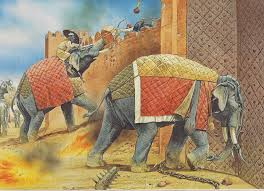
இதில் மஹாபாரதத்தில் காணப்படும் ‘’ரத, கஜ, துரக, பதாதி’’ என்னும் நால் வகைப் படைகளைக் காளிதாசனும், அர்த்தசாஸ்திரம் எழுதிய பிராமணன் சாணக்கியனும், வியாசரும், கிரேக்க வரலாற்று அறிஞன் ப்ளூடார்ச்சும் எப்படி எழுதினரோ அதே போல சங்க காலக் கவிஞர் பெருமக்களும் போற்றிப் பாடி இருப்பதைக் காணலாம்.

இந்தியர்களை 1)ஆரியர்கள், 2)திராவிடர்கள், 3)முண்டா இன மக்கள், 4)சுருட்டை முடி—கரியவிழி—போண்டா மூக்கு ஆதித் திராவிட மலை ஜாதியினர் எனப் பிரித்து இனவெறிக் கொள்கை புகுத்தி, விஷ விதைகளைத் தூவியவர்களைப் புற நானூற்றுப் புலவர்கள் புரட்டிப் புரட்டி அடிப்பதைக் காணலாம். மஹாபாரதத்தில் உள்ள தேர், யானை, குதிரை, காலாட் படைகளை காளிதாசன் பாராட்டிய மாதிரியில் அப்படியே சங்க காலப் புலவர்களும் போற்றுவதில் இருந்து தெரிவது என்ன?

Back to Godhead - Volume 12, Number 05 - 1977

இது ஏக பாரதம்; இங்கு வடக்கு தெற்கு என்னும் வேறு பாடு கிடையா; அங்கு என்ன இருந்ததோ அதேதான் இங்கும் பின்பற்றப்படும்; தமிழ் கலாசாரம், வடக்கத்திய பண்பாடு என்று வேறு பாடு எதுவும் இல்லை; சிறிய வேறு பாடுகள் உண்டு. மணப்பாறையில் முறுக்கு நன்றாக இருந்தால், திருநெல்வேலியில் பெட்டி வெல்லம் நன்றாக இருக்கும்; பம்பாயில் ஹல்வா ருசியாகக் கிடைத்தால் கல்கத்தாவில் ரஸகுல்லாவும் டில்லியில் பூசனிக்காய் அல்வாவும் ருசியாகக் கிடைக்கும். இவ்வளவுதான்! இதெல்லாம் மேம்போக்கான சிறிய வேறு பாடுகள்! ஏனெனில் எல்லாம் சர்க்கரை-வெல்லம்-மாவின் கலப்புதான்!

அலெக்ஸாண்டரை நடுங்க வைத்த இந்தியப் படை: புளுடார்ச் சொன்னது
அலெக்ஸாண்டரை எதிர்த்து தோல்வி அடைந்த இந்திய மன்னன் புருஷோத்தமன் (போரஸ்) ஒரு சின்ன அரசன். அவனை வெல்வதற்கே அலெக்ஸாண்டர் படாத பாடு பட்டார். மகத சம்ராJயத்தின் மாபெரும் படை பலம் உலகியே நடுநடுங்க வைக்கும் அளவு கடலினும் பெரிது. இதைக் கேட்டவுடன் அலெக்ஸாண்டரின் படைத் தளபதிகள் முனுமுனுக்கத் துவங்கினர். மேலும் அலெக்ஸாண்டர் இந்தியாவுக்கு வந்தது நாடு பிடிப்பதற்கு இல்லை. இந்து மத சாமியார்களைச் சந்தித்துப் பேசி அவர்களை கிரேக்க நாட்டுக்கு அழைத்துச் செல்ல வேண்டும் என்பதே அவன் லட்சியம் ( காண்க எனது பழைய கட்டுரை:– நிர்வாண சாமியார்களுடன் அலெக்ஸாண்டர் ).

மகத சாம்ராஜ்யப் படைகள் எண்ணிக்கை பற்றி முதல் நூற்றாண்டில் வாழ்ந்த கிரேக்க வரலாற்று அறிஞன் ப்ளூடார்ச் தரும் தகவல்:

(ரத) தேர் — 7000
(கஜ) யானை — 8000
(துரக) குதிரை – 80,000
(பதாதி) காலாட்படை வீரர்கள்—2,00,000

அந்தக் காலத்தில் இந்தியாவில் 56 தேசங்கள் இருந்தன. இதில் 16 நாடுகள் மஹா சாம்ராஜ்யங்கள். இதில் இரண்டு மூன்று நாடுகள் சேர்ந்தால் போதும். அலெக்ஸாண்டரைக் கதறக் கதற அடித்திருக்கலாம்! கிரேக்கர், சகரர் படைகளை விக்ரமாதித்தனும் இமயவரம்பன் நெடுஞ்சேரலாதனும் அடித்து விரட்டியதை நாம் அறிவோம்.

Battle_at_Lanka,_Ramayana,_Udaipur,_1649-53

சம பல தர்ம யுத்தம் : காளிதாசன் சொன்னது

பத்தி பதாதிதம் ரதினம் ரதேசஸ் துரங்கசாதீதகாசிரூடம்
யந்தா கஜஸ்யாப்யபத கஜஸ்தம் துல்ய ப்ரதித்வந்த்வீ பபூவ யுத்தம்
—ரகுவம்சம் 7—37

காலாட்படை வீரன், மற்றொரு காலாட்படை வீரனையே எதிர்த்தான். தேர்வீரன் தேர்வீரனையும், குதிரை வீரன் இன்னொரு குதிரை வீரனையுமே எதிர்த்தான். யானையை அடக்குபவன் யானை வீரனையே எதிர்த்தான். இவ்வாறு யுத்தம் சமமான பகைவனை உடையதாக இருந்தது (ரகு 7—37). அந்தக் காலத்தில் தர்ம யுத்தம் நடத்தினார்கள். பொதுமக்களைத் தாக்க மாட்டார்கள். புறமுதுகு காட்டி ஓடுவனைக் கொல்ல மாட்டார்கள். சம பலம் உடையவர்கள் சண்டையில் மோதுவார்கள். காளிதாசனும் பல இடங்களில் நால்வகைப் படைகளைப் பகர்வான்

good picture

சங்கப் புலவர்கள் சொன்னது

சங்க இலக்கியத்தில் மஹா பாரத கால நால்வகைப் படை முறையே பின்பற்றப்பட்டது. இது சங்கத் தமிழ் இலக்கியத்தில் நூற்றுக் கணக்கான இடங்களில் வருகிறது. மஹாபாரதத்தில் வரும் ‘’ஆநிறை கவர்தல்’’ தமிழிலும் உண்டு. இதோ நால்வகைப் படை பற்றி வரும் குறிப்புகள்:–

கடுஞ் சினத்த கொல் களிறும்; கதழ் பரிய கலி மாவும்
நெடுங்கொடிய நிமிர் தேரும், நெஞ்சு உடைய புகல் மறவரும்
—-மதுரை மருதன் இளநாகன், புறம் 55

நெடுநல் யானையும், தேரும், மாவும்
படை அமை மறவரும், உடைய யாம் என்று
—நெடுஞ்செழியன், புற நானூற்றுப் பாடல் 72

வளிநடந்தன்ன வாச் செலல் இவுளியொடு
கொடிநுடங்கு மிசைய தேரினர் எனா அ
கடல் கண்டன்ன ஒண்படைத் தானையொடு
மலை மாறு மலைக்கும் களிற்றினர் எனாஅ
–மாடலன் மதுரைக் குமரனார், புற நானூற்றுப் பாடல் 197

பாடல் 239 பேரெயின் முறுவலார், 345 அடைநெடுங் கல்வியார், 351 மதுரைப் படைமங்க மன்னியார், 368 கழாத்தலையார், 377 உலோச்சனார் ஆகியோரும் நால்வகைப் படைகளைப் பாடுகின்றனர். சங்க இலக்கியத்தில் மிகப் பழைய பகுதி என்பதால் புறநானூற்றில் இருந்து மட்டும் எடுத்துக் காட்டினேன். தமிழ் இலக்கியம் முழுதும் உள்ள நால்வகைப் படைகளைக் குறிக்க வேண்டுமானால் தனி நூலே எழுத வேண்டியிருக்கும். மாபாரத கால வழக்கத்தை தமிழர்கள் — அதற்கு 3000 ஆண்டுகளுக்குப் பின் —அப்படியே பயன்படுத்தினர்.

( களிறு=யானை; மா, இவுளி, பரி= குதிரை, மறவர்= காலாட்படை)

Krishna_Narakasura

வியாசன் சொன்னது

மாபாரத யுத்தத்தில் பாண்டவர் தரப்பில் ஏழு அக்க்ஷௌகினி (பட்டாளம்) சேனையும் கௌரவர் தரப்பில் 11 அக்க்ஷௌகினி (பட்டாளம்) சேனையும் மோதின. ஒரு அக்க்ஷௌகினி (பட்டாளம்) என்பதில்

தேர் (ரத) – 21,870
யானை (கஜ) – 21,870
குதிரை (துரக) – 65,610
காலாட்படை (பதாதி) வீரர்கள் – 109,350

இருப்பார்கள். இதை பதினெட்டு என்னும் எண்ணால் பெருக்கினால் வரும் தொகையே மாபாரத யுத்தத்தில் போரிட்டோர் எண்ணிக்கை ஆகும்!!! இவ்வளவு பெரிய எண்ணிக்கை நம்பாதவர்களும் நால் வகைப் படைகள் இருந்ததை மறுப்பதற்கில்லை. இதை மகத சாம்ராஜ்யத்தை ஆண்ட நந்த வம்சம் பற்றி ப்லூடார்ச் கூறுவதோடு ஒப்பிட்டுப் பார்த்தால் உண்மையே என்று தோன்றும். ஏனெனில் பாரத நாடு முழுதும் உள்ள சேனைகள் போரில் பொருதின.

elephant attack

சாணக்கியன் சொன்னது

சாணக்கியன் என்னும் பிராமண அறிஞன் உலகின் முதலாவது பொருளாதார நூலை எழுதிய மாபெரும் அறிஞன். அவன் எழுதாத ராஜாங்க விஷயமே இல்லை. இன்று பல நாடுகள் பின்பற்றும் தூதர், உளவு பார்க்கும் முறை, நட்புறவு, சாம–தான–பேத–தண்டம் என்னும் சதுர்வித உபாயங்கள் முதலிய அத்தனை பற்றியும் அர்த்த சாஸ்திரம் என்னும் நூலில் அற்புதமாக — மிக அற்புதமாக – எழுதிவிட்டான். நால் வகைப் படை அமைப்பு பற்றி எழுதிய அவன் ஒவ்வொரு பதவியில் உள்ளவர்களுக்கும் என்ன சம்பளம் என்றும் எழுதி இருக்கிறான்!!!

சதுரங்கம் என்னும் விளையாட்டைக் கண்டுபிடித்தது இந்தியாதான் என்பதை உலகமே ஒப்புக் கொள்கிறது. இதற்கு இந்த நால்வகைப் படைகளே காரணம். மேலும் நான்கு என்ற எண் இந்துக்களுக்கு மிகவும் பிடித்த எண். —- ‘’ஆலும் வேலும் பல்லுக்கு உறுதி; நாலும் இரண்டும் சொல்லுக்கு உறுதி’’ —- என்பது தமிழ் பழமொழி ( நாலு=வெண்பா, இரண்டு=குறட்பா ). நாலு என்பது உறுதியைக் குறிப்பதால், யுகம், ஜாதி, வேதம், பிரம்மாவின் மானச புத்ரர்,, நால்வர் (சைவப் பெரியார்), படைகள், உபாயங்கள் என்று நூற்றுக் கணக்கான விஷயங்களை இந்துக்கள் நான்காகப் பிரித்தனர் (காண்க: எனது பழைய கேள்வி-பதில் ‘’நீங்கள் நாலும் தெரிந்தவரா?’’)

வாழ்க தமிழ்; வளர்க ஒருமைப் பாடு!!

Four Wings of Hindu Army: Blow to Aryan- Dravidian Theory!

War formation in MBh

Research Paper written by London Swaminathan
Post No.1230 ; Dated 13th August 2014.

The Four Limbs of Army, ‘Chatur Anga’ in Sanskrit , is a Hindu concept found in ancient Tamil and Sanskrit literature. It is in the 2000 year old Sangam Tamil literature and earlier Sanskrit literature including that of the greatest Indian poet Kalidasa (1st century BCE or earlier) and world’s first economist and political scientist Chanakya (3rd Century BCE). This is a severe blow to the supporters of ‘racist theory’ which divide Indians into Aryans, Dravidians ,Mundas and aborigines.

The most famous board game Chess (Chaturanga) was invented in India is a fact acknowledged by everyone. This is based on the four wings of army Ratha, Gaja, Thuraga, Pathadi (Chariot, Elephant, Horse, Foot soldier) that we see in all the Indian wars from the days of Mahabharata, probably earlier.

From the ancient times Hindus from the Himalayas to the land’s end Kanyakumari had the same thought process. Foreign “scholars” who wanted to sow the seeds of division invented (concocted) a theory of dividing Indians which has no basis in Tamil or Sanskrit literature.

Back to Godhead - Volume 12, Number 05 - 1977

Hindus are fascinated with number FOUR for various reasons. Number four is considered strong, long lasting, enduring. They divided the eras (yugas), Vedas, four stages of life (Purushartha), army divisions, castes, four methods of ( Chaturvitha Upaya) winning an enemy etc.

Hindu army was also divided in to four wings of
Ratha= chariots
Gaja= elephants
Thuraga= horses
Patha athi= infantry.

Battle_at_Lanka,_Ramayana,_Udaipur,_1649-53

Powerful Nanda Army!

According to the Greek historian Plutarch (45 CE to 120 CE), Alexander the Great was afraid of the mighty Indian army. Plutarch wrote that Nanda dynasty had 200,000 soldiers, 80,000 cavalry, 8000 chariots and 7000 elephants. Nanda dynasty ruled India in the fourth century BCE.

Kautilya alias Chanakaya gives lot of information about the four wings of army in his Arthashastra (Chapter 10). He even gives the salary for each post. An amazing planning is seen there.

During Mahabahara war 11 divisions of Kauravas and 7 divisions of Pandavas fought in Kurukshetra. One division in Sanskrit is called Akshouhini, which consists of

21,870 chariots
21,870 elephants
65,610 horses
109,350 foot soldiers.

We have to multiply this number by 18 (11+7) divisions!! A huge number indeed! Whether we believe it or not at least we know for sure the four wings of army existed at that time. The war was fought around 3100 BCE!

Krishna_Narakasura

Kalidasa on Equal Fight

The beauty of this fourfold division is that it is found in Sangam Tamil literature as well. They copied it simply from the North. Kalidasa who lived in the first century BCE or earlier says about it in several places including
Raghu Vamsa 7-37:-

Paththi padanim rathinam rathesasthurangasadhi thuragathirudam
Yantha gajasyabhya pathangajastham thulya parathi dwanthvi bhabuva yudhdham
———(Raghu 7-37)

It was a dharma yudhha (war based on rules of equal strength). Infantry fought with infantry only. A charioteer fought with another charioteer only and so do the elephant man and horse man fought with each other. The war was fought between the equals (7-37).

good picture
Tamil Poets on Fourfold Army

Maruthan Ilanagan, a Tamil poet, says it in Purananuru verse 55. It is repeated by Pandya King Neduncheziyan (Puram 72), Adai nedum Kalviyar (Puram 345),Madalan Madurai Kumaranar (Puram 197), Pereyin Muruvalar (Puram 239), Madurai Padai Manga Manniyar (Puram 351),Ulochanar (Puram 377) and Kazaththalaiyar (Puram 368).

There are innumerable references in the Tamil literature. Since Purananuru verses are considered very old poems in the Sangam corpus, I quoted only from the Purananuru. All the above poets lived in the first few centuries of our era.

Sangam Tamil poets shattered the Aryan- Dravidian ‘Racist theory’ with countless references like this. Whatever we find in the North we find in the South of India. There is no difference between the south and the north in the culture or beliefs. People who did not know both Tamil and Sanskrit wrote lot of rubbish in the past. It will take years to clear that Himalayan quantity of Aryan – Dravidian rubbish!!
elephant attack

God Bless India, that is Bharat!

சங்கத் தமிழ் நூல்களில் “சதி”

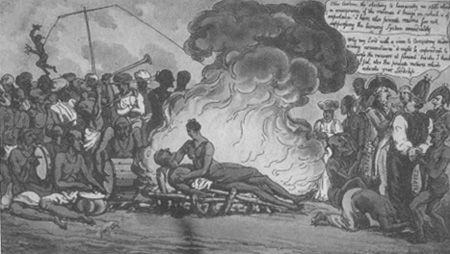
Balinese_rite_of_Suttee_in_Houtman_1597_

Suttee in Bali in 1597 (Wikipedia picture)

சங்கத் தமிழ் நூல்களில் “சதி” (உடன்கட்டை ஏறுதல்)

கட்டுரையாளர்:– லண்டன் சுவாமிநாதன்
கட்டுரை எண்:–1108; தேதி 15 ஜூன் 2014.

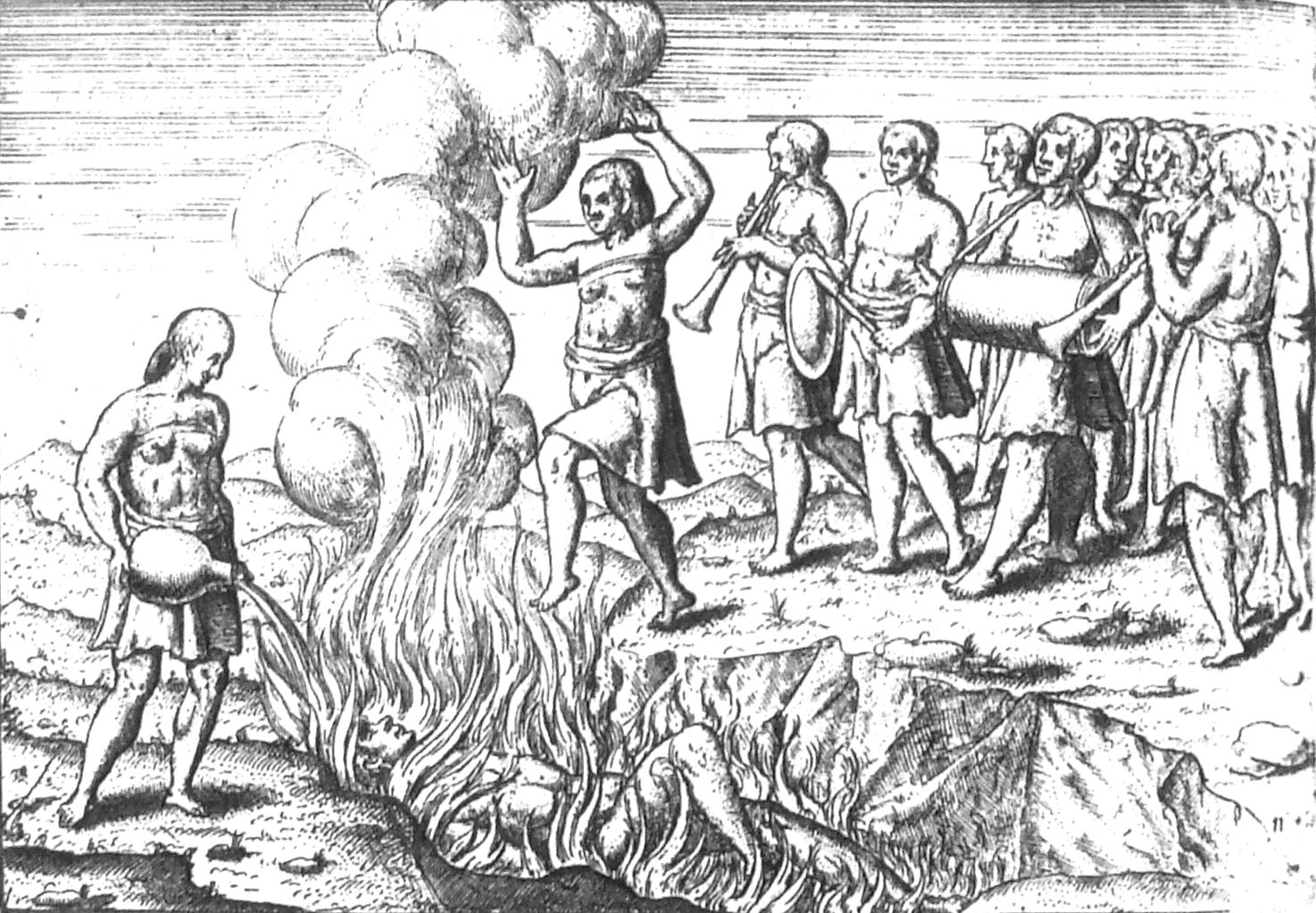
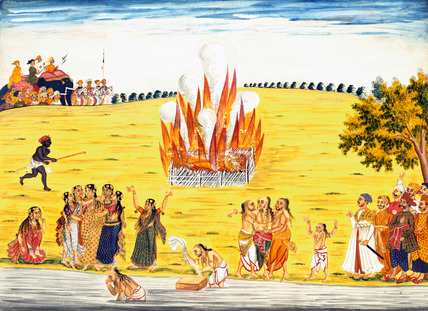
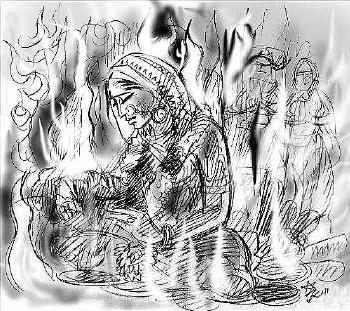
சதி என்று அழைக்கப்படும் வழக்கம் பழங்கால இந்தியாவில் இமயம் முதல் குமரி வரை இருந்தது. கணவன் இறந்தவுடன், அவனுடன் சிதைத் தீயில் ஏறி உயிர் விடுவது ‘’சதி’’ என்றும் ‘’உடன்கட்டை ஏறுதல்’’ என்றும் அழைக்கப்படும். இதை ஆரிய வழக்கம் என்று பிதற்றியோருக்கு புற நானூறும் பிற்கால இலக்கியமும் பதில் கூறுகிறது.

சதி என்பது ராமாயண, மஹாபாரத காலங்களில் கூட கட்டாயம் இல்லை. விரும்பினால் உடன்கட்டை ஏறலாம். அதீத அன்பினால் நடைபெறும் ‘தற்கொலை’ இது. தசரதன் இறந்தபோது அவன் அன்பு மனைவியர் உடன்கட்டை ஏறவில்லை. பாண்டு இறந்தபோது முதல் மனைவியான குந்தி தேவியும் உடன்கட்டை ஏறவில்லை. இரண்டாவது மனைவியான மாத்ரீ மட்டுமே உடன்கட்டை ஏறினாள். ஆக இது அந்தக் காலத்திலும் கூடப் பெருவாரியாக நடக்கவில்லை.

sati2

வெளிநாடுகளிலும் கூட அன்பின் காரணமாகவோ, பயம் காரணமாகவோ கணவன் மனைவி இருவரும் ஒரே நேரத்தில் தற்கொலை செய்து கொள்வதையும், அல்லது ஒருவர் இறந்தவுடன் அடுத்தவர் தற்கொலை செய்து கொள்வதையும், பத்திரிக்கைகளில் படிக்கிறோம். அப்படிப் படிக்கையில் அவர்களின் அன்பைக் கண்டு வியந்து பாராட்டுகிறோம். இது போலவே முன்காலத்திலும் சதி மூலம் இறக்கும் பெண்களை பத்தினித் தெய்வமாக வணங்கி கோவில் எழுப்பி வழிப்பட்டனர். தமிழ் நாட்டில் நடுகல் வைத்து வீரர்களை வணங்கியது போல, வட இந்தியாவிலும் கர்நாடகத்திலும் கை சின்னத்துடன் கோவில்கள் வைத்து பத்தினிகளை வழிப்பட்டனர்.

சதி என்பது ஆரிய வழக்கம் என்று பிதற்றிய பி எச். டி.வாலாkகளும் வெள்ளைத்தோல் வெளிநாட்டு ‘’அறிஞர்களும்’’ உள் நோக்கத்தோடு இந்தியா பற்றி அவதூறுகளைக் கிளப்பினர். பெண்களை தீயில் தூக்கி எறிவது போல படங்கள் போட்டு கிறிஸ்தவ மதத்தைப் பரப்ப முயன்றனர். ஆரிய வழக்கம் என்று முத்திரை குத்தப்பட்ட நூற்றுக கணக்கான வழக்கங்கள் இமயம் முதல் குமரி வரை இருப்பதோடு உலகில் ஆரியர்கள் வாழ்ந்ததாக ‘’அறிஞர்கள்’’ கூறும் வேறு எவ்விடத்திலும் இல்லை!! ஆரியர்களும் வெளிநாட்டுக்காரர்களும் சைபிரீயவிலோ மத்திய ஆசியாவிலோ ஒரே இடத்தில் வசித்திருந்தால் நூற்றுக் கணக்கான ’’ஆரிய’’ பழக்க வழக்கங்கள் அங்கே இல்லதது ஏனோ??

சங்கத் தமிழ் நூல்களில் உள்ள வழக்கங்கள் வடக்கிலும் 2000 ஆண்டுகளுக்கு மேல் இருந்தன. ஆரிய- திராவிட வேறுபாடு அல்லது அத்தகைய இனச் சொல்லாட்சி எங்கனும் இல்லை. சங்க காலத்தில் வாழ்ந்த 461 கவிஞர்கள் எழுதிய 2389 பாடல்களில் உள்ள 27,000 வரிகளைக் கரைத்துக் குடித்தோருக்கு ஆரிய திராவிட இனவெறிக்கொள்கை நகைப்பைத் தரும். அது ஒரு பொய்மை வாதம் என்பது வெள்ளிடை மலை என விளங்கும். உள்ளங்கை நெல்லிக்கனி போல தெள்ளத் தெளிவாக தெரியும். இதற்குப் பின்னும் விளங்கவில்லை என்றால் அவர்கள் எல்லோரும் “விளங்காதவர்களே”!

ஆரிய- திராவிட இனவெறிக் கொள்கையை வைத்து ‘’திராவிடங்கள்’’ கோடிக் கணக்கில் பணம் குவித்ததையும், ஹிட்லர், முசோலினி போன்றோர் கோடிக் கணக்கில் மக்களைக் கொன்று குவித்ததையும் உலகம் அறியும்.

sati 3

சங்க இலக்கியத்தில் குரங்கு கூட ‘’சதி’’ செய்ததை அறிகிறோம். இதோ புற நானூறு முதல் நற்றிணை வரை சில ‘’சதி’’ பற்றிய பாடல்கள்:–

புறநானூறு பாடல் 246:–
பல் சான்றீரே! பல் சான்றீரே!
‘செல்க’ எனச் செல்லாது, ‘ஒழிக’ என விலக்கும்,
பொல்லாச் சூழ்ச்சிப் பல் சான்றீரே!
அணில்வரிக் கொடுங்காய் வாள் போழ்ந்திட்ட
காழ் போல் நல் விளர் நறு நெய் தீண்டாது
அடை இடைக் கிடந்த கை பிழி பிண்டம்,
வெள் எள் சாந்தொடு, புளிப்பெய்து அட்ட
வேளை வெந்தை, வல்சி ஆக,
பரற்பெய் பள்ளிப்பாயின்று வதியும்
உயவற் பெண்டிரேம் அல்லேம் மாதோ;
பெருங்காட்டுப் பண்ணிய கருங்கோட்டு ஈமம்
நுமக்கு அரிதாகுக தில்ல; எமக்கு எம்
பெருந்தோட் கணவன் மாய்ந்தென, அரும்பு அற
வள் இதழ் அவிழ்த்த தாமரை
நள் இரும் பொய்கையும் தீயும் ஓரற்றே!
–பூதப்பாண்டியன் தேவி பெருங்கோப்பெண்டு தீப்பாய்வாள் சொல்லியது

பொருள்: ‘’கணவனுடன் நீயும் போ என்று சொல்லாமல் பொல்லாத செயல் புரியும் பெரியோர்களே! கணவன் இல்லாத பெண்கள் வெள்ளரிக்காய் விதை போல, நெய் இல்லாத சோறு, எள்ளுத் துவையல், புளி கூட்டி சமைத்த வேள இலை ஆகியவற்றை உண்ண வேண்டும். பாய் இல்லாமல் வெறும் கல் தரையில் படுக்க வேண்டும். அது போன்ற பெண் என்று என்னை நினைத்து விட்டீர்களா? நான் அப்படிப்பட்டவள் அல்ல. உங்களுக்கு வேண்டுமானால் மரணப் படுக்கை கஷ்டமாக இருக்கலாம். என் கணவன் இறந்துவிட்டான். அந்த சிதைத் தீயே எனக்கு தாமரைக்குளம் போல குளிர்ச்சிதரும். இதைப் புரிந்துகொள்ளுங்கள்.’’

ஒரு மஹாராணி பாடிய பாடல் இது. கணவனின் சிதைத் தீ, தாமரைக் குளம் போல குளிர்ச்சி பொருந்தியது என்று பாடுகிறாள். அப்பர் பெருமானை மஹேந்திர பல்லவன் சுண்ணாம்புக் காளவாயில் போட்ட போது அவர் ‘’மாசில் வீணையும்’’ பாடல் பாடியது நினைவுக்கு வருகிறது!

sati3

புறநானூறு பாடல் 373:– கிள்ளிவளவன் மீது கோவூர் கிழார் :–

மடக் கண் மயில் இயல் மறலியாங்கு,
நெடுஞ்சுவர் நல் இல் புலம்ப, கடை கழிந்து,
மெந்தோள் மகளிர் மன்றம் பேணார்
புண்ணுவ……………………………………………..
…………………………………………….. அணியப் புரவி வாழ்க என,
சொல் நிழல் இன்மையின் நல் நிழல் சேர –(வரிகள் 10-15)

பொருள்:– ‘’நல் இல் புலம்ப, கடை கழிந்து, மென் தோள் மகளிர் மன்றம் பேணார்’’— என்ற வரிக்கு உரைகார்கள் சொல்லும் பொருள்:தம் கணவர் திரும்பி வாராமையால் மகளிர் மன்றத்தில் எரியை மூட்டி தீயில் பாய்ந்து உயிர்விடுதலை உடனே செய்து……………………………… (காண்க- புறநானூறு உரை, வர்த்தமானன் பதிப்பகம்)

அலாவுதீன் கில்ஜி என்ற வெறியன் உலக மஹா அழகி சித்தூர் ராணி பத்மினியை எப்படியும் அடைய வேண்டும் என்று வந்தபோது, அந்த மஹா உத்தமி ஆயிரம் பெண்களுடன் தீப்பாய்ந்து உயிர்த் தியாகம் செய்தாள். வரலாற்றில் அழியாத இடம் பெற்றாள். அந்த நிகழ்ச்சியை நினைவு படுத்துகிறது கோவூர் கிழாரின் பாடல்.

குறுந்தொகை 69 (கடுந்தோட் கரவீரனார்)
கருங்கட் தாக் கலை பெரும் பிறிது உற்றென
கைம்மை உய்யாக் காமர் மந்தி,
கல்லா வன் பறழ் கிளைமுதல் சேர்த்தி,
ஓங்குவரை அடுக்கத்துப் பாய்ந்து உயிர் செகுக்கும்
சாரல் நாட நடு நாள்
வாரல் வாழியோ வருந்துதும் யாமே — குறுந்தொகை 69 (கடுந்தோட் கரவீரனார்)

பொருள்: ஆண் குரங்கு இறந்தது.– விதவையாக இருக்க விரும்பாத பெண் குரங்கு,— ஒன்றும் பயிலாத தன் குட்டியை நெருங்கிய உறவினரிடம் ஒப்படைத்துவிட்டு ஓங்கி உயர்ந்த மலையில் இருந்து விழுந்து இறக்கும் நாட்டை உடையவனே!

குரங்கு கூட அன்பின் மிகுதியால் மலையில் இருந்து பாய்ந்து உயிர் நீத்தது. இது பற்றி எழுதிய மு. வரதராசனார் இதை ‘சதி’ என்றே எழுதியமை குறிப்பிடத்தக்கது. (காண்க:– Reference: The Treatment of Nature in Sangam Literature by M.Varadarajan)

பஞ்ச தந்திரக் கதையில் புறாக் கூட தீப்பாய்ந்த கதை வருகிறது. கணவன் புறாவை வேடன் பிடித்துச் சாப்பிட்டவுடன் மனைவி புறாவும் அவனுக்கு உணவாக தீயில் பாய்ந்தது சதி என்னும் வழக்கத்தினால் வந்ததன்றோ!!

ரிக் வேதம் பத்தாவது மண்டலத்தில் உள்ள சில பாடல்கள் ‘’சதி’’ என்னும் வழக்கத்தைக் குறிப்பிடுவதகச் சொல்வர் வெளி நாட்டோரும் பி. எச். டி. வாலாக்களும்— அதே பத்தாவது மண்டலத்தை நீங்கள் வேறு எதற்காவது மேற்கோள் காட்டினால் அது பிற்காலச் சேர்க்கை என்பர். வெளி நட்டோரும் அவர்களுக்கு அடிவருடும், ஒத்து ஊதும் நம்மவர்களும் அரை வேக்காடுகள் மட்டும் மல்ல, பாம்பு போல இரட்டை நாக்கினர் என்பதை நான் சொல்லித் தெரிய வேண்டுமா? உங்களுக்கே புரியாதா?

எல்லை மீறிய அன்பு, பாசம் தொடர்பான கதைகளையும் நாவல்களையும் படித்தோருக்கு உடன்கட்டை ஏறும் பழக்கம் வியப்பைத் தருமேயன்றி அருவருப்பைத் தராது. எனினும் ஆதிகால வழக்கத்தைப் பலரும் துஷ்பிரயோகம் செய்ய முற்பட்ட காலையில் ராஜாராம் மோஹன்ராய் போன்ற பெரியோர்கள் முன்னின்று பிரம்ம சமாஜம் மூலம் அதற்குத் தடை போட்டதும் சரியே!

“Aryan SATI” in Sangam Tamil Literature!

Balinese_rite_of_Suttee_in_Houtman_1597_

(Sati in Bali, 1597 picture (from Wikipedia)

Written by London Swaminathan
Post No. 1107; Dated 14th June 2014.

Practice of Sati is found in ancient Sangam Tamil literature at least in three places. Sati is the custom practised by some Hindu women in the olden times. The wife of the diseased husband will enter the funeral pyre of her husband. This happened in extremely rare cases. We see it even in Western countries that wife and husband commit suicide together or wife committing suicide immediately after her husband’s death. We read such news items rarely. It happens because of extreme love or some fear. Sati was also seen rarely in the olden days.

White skinned racists proposed Aryan – Dravidian Racist theory with ulterior motives. Dravidian politicians used this theory to establish their rule and to make billions and billions of rupees, dollars and pounds (Swiss Accounts) for themselves. There are hundreds of Hindu customs which were NOT found in European countries or any other race. If Aryans have migrated from those areas where they lived with the white skinned people, those customs must have prevailed there. But to everyone’s surprise those customs prevailed only in South India and North India, from the Northern most Himalayas to the Southernmost Kanyakumari. This debunks the Aryan – Dravidian racist theory. There was no difference between the Tamils and other communities!

When you finish reading the following, you can have a good laugh at those who still stick to the Aryan – Dravidian Racist theory!

sati3

First of all one must know that Sati was not practised by all women even in the days of Ramayana and Mahabharata! When Pandu died, his second wife Madri only died with Pandu in the funeral pyre; but his old and first wife Kunti did not die with him. When Dasaratha died none of his queens died with him in the funeral pyre. In Tamil Nadu also not all the wives died in the funeral pyre when their husbands died. There are lot of Sangam poems concerning widows. Women lived longer than men in Ancient India like today. There are lots of rules regarding widows in Tamil and Sanskrit literature. This shows they lived long after their husbands’ death. Had all the women died with their husbands, India would have reduced ratio of women! Reduced population as well! Because we have to take into account the natural death of young women as well, in addition to ‘Sati’ deaths. In short, all this Sati issue was blown out of proportion by Christian missionaries and Ph.D.wallas !!

Even when the Ph.D.wallas quoted some Vedic hymns, they quoted from the10th Mandala of Rig Veda which is vague about Sati. When ‘YOU’ quote any other hymn from the same 10th Mandala, these foreign scholars would say that it was a later addition and not the ‘original’ Rig Veda!!

Sangam Tamil literature is 2000 year old where we have 2389 poems composed by 461 poets running to 27,000 lines. There are several poems which deal with widow’s life. But we have three poems where we have direct or indirect references to sati: Puram.246, Puram.374 and Kuru.69

sati 3

Purananauru 246 by Perngo pendu, wife of Bhutha Pandya.

When the Pandyan King Bhutha Pandya died, his wife Perum Koppendu wanted to commit Sati. But all the Tamil scholars and ministers tried to prevent her from entering the fire. She criticised every one assembled there and then entered the funeral pyre. She told them that the fire is like a cool lotus pond for her. Her statement in the crematorium was reported verbatim in her poem in Sangam literature.

Purananuru verse 373 (Lines 10-15) was by Kovur Kizar on Cholza king Kulamtrathu Thunjiya Killi Valavan. The poet says that the wives of the deceased soldiers did not find a better place than the feet of their husbands after their death They did not return home, but committed Sati by lighting the fire. This was what the Rajput Queen Chitoor Rani Padmini did in a later period, when her husband was killed by Alauddin Khilji.
Kuruntokai verse 68 sings about a monkey which committed suicide. Tamil scholar Professor M.Varadarajan described it as ‘Sati’:

“On the death of its loving mate, a female monkey is imagined to hand over its young one to its kith and kin and perform sati by falling down from the top of a hill” (Kuruntokai 68).
(Reference: The Treatment of Nature in Sangam Literature by M.Varadarajan)

When Kannaki proved that the Pandya king was wrong in sentencing her husband Kovalan to death, the king died of heart attack on the spot. Immediately his wife also died, says the Tamil epic Silappadikaram. We did not know whether she committed sati or suicide or had a heart attack due to extreme love and affection for her husband.
sati2

If we read about sati with this background knowledge, Sati would not get a bad name as painted by the authors of the Aryan racist theory.

Contact swami_48@yahoo.com

ஆரிய ஜீன் —- திராவிட ஜீன் ஆராய்ச்சி முடிவுகள்

Please click below for the article

ஆரிய ஜீன்

BenHur2