Water in the Oldest Scripture in the World- Rig Veda (Post No.3805)

Written by London swaminathan


Date: 10 APRIL 2017


Time uploaded in London:- 18.57


Post No. 3805


Pictures are taken from various sources; thanks.


contact; swami_48@yahoo.com


Hindus praised water as God. All the rivers in India are worshipped as goddesses (except Brahmaputra river which has a masculine name). From the Rig Veda to the latest Bharati, every one praised water or rain.


Following is the oldest hymn on water:

To Apas (water)

Rig Veda ( 10-9)

Metre: various including Gayatri metre

Rishi Sindhudvipa (Indus Valley King)

Son of Ambarisha, Indus Valley Civilization Emperor

(also called Trisiras or Tvastri)

Waters! you who are health-giving

give us energy, so that

we may look on great delight (1)

Give us a share of your most

beneficent sapidity/ strong pleasant flavour

like mothers longing with love (2)


So, gladly do we go with you

to the home for which you make us live,

Waters! Give us progeny (3)


Gracious be divine Waters for

our protection, be they for our drink,

and stream on us bliss and happiness (4)


Sovereigns over precious things,

and Rulers over men, Waters!

we seek healing balm of you. (5)


Within Waters – so Soma has

told me – are all healing balms,

and Agni, benign to all (6)

Waters, come filled with healing balm

for the shielding of my body,

so, may I long see the sun (7)

Wash away, Waters, whatever

sin is in me, what wrong I have done,

what imprecation I have uttered,

and what untruth I have spoken (8)

Today I have sought the Waters,

we have mingled with their essence;

approach me, Agni, with thy power,

and fill me, as such, with brilliance (9)


(Date :– Herman Jacobi dates it to 4500 BCE; Max Muller dates it to a date before 1200 BCE up to 5000 BCE)


This is an amazing hymn on Waters. The Vedic people knew the healing properties of the water; the words healing-giving, beneficent sapidity and healing balm show that the Vedic people recognised the hygienic and curative powers of water.


Soma ,here, means personification of the juice

Agni, here, referring particularly to the heat in water.


Hindus had the science of changing water into  a powerful weapon by some magic spells like the one above; they were able to curse or give boons with water. They used Fire(agni) as a witness to all treaties or agreements and they used Water (Apas) for all the curses, boons and giving donations. We couldn’t see such a thing anywhere in the world. In Sangam Tamil literature, we have lot of references to using water for giving donations; but we have very few references to curses in Post Sangam literature. By that time Hindus forgot the magical powers of waters.
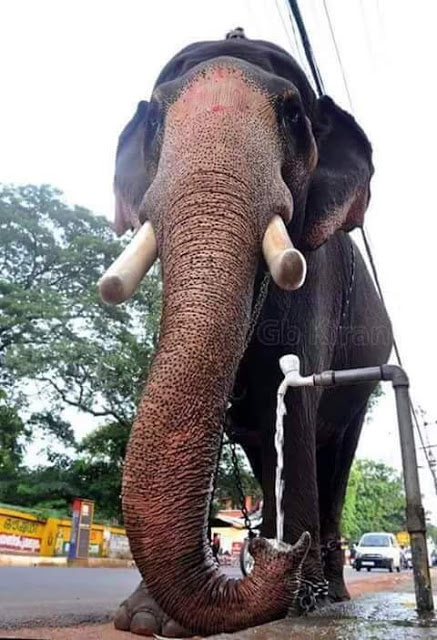
Water is Law: Satapata Brahmana (850 BCE):


The Satapata Brahmana, which the foreigners dated 850 BCE, says

“The waters, they are law; that is why when the earth receives waters regularly, everything is in accord with the law. But when the rain fails, the strong victimise the weak, for the waters, they are law.”


Tamil Veda Tirukkural also emphasized this:

“Even as life on earth cannot sustain without water, virtue too depends ultimately on rain”- Kural 20


The life on earth cannot sustain without water – is said by Kapilar earlier in Natrinai (verse 1) which is at least 2000 old.


Hindus used water as similes and in the proverbs.

If something is not reliable and not permanent they say, “It is written on water”. If something is written and preserved in tact they it is written on written on stone.”

The life’s impermanence is compared to the bubble in the water.


Manu Smrti, the oldest Law book in the world, mention God created water first and the life from it. The word for god is Narayana, one who has water as his abode. (Neer is Indo European and and Found in Nereids in Greek. Neer is also found in tail as Tamil and Sanskrit evolved from the same source according to my research.)
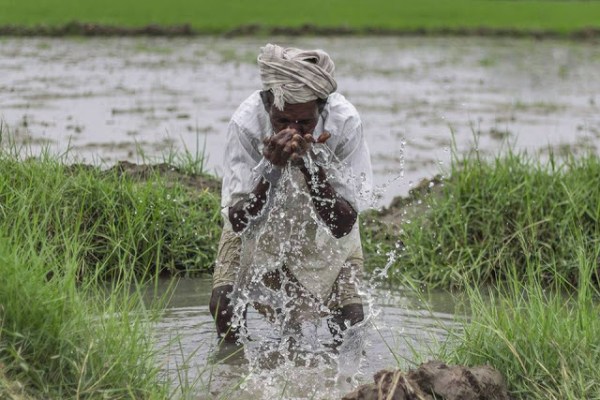
Manu says about water:

A man who gives (gifts) water obtains satisfaction/contentment; a giver of food boundless happiness; a bestower of sesame seeds progeny; and a giver of a lamp, excellent eye sight (Manu 4-229)

When it comes to division of property, they say that a piece of clothing, a carriage, jewellery, cooked food, water women, the means of security and a pasture should not be divided (Manu 9-219)

One should not urinate in water, on roads, on ant hill, on the ruins of a temple, a cowpen or a mound of the dead;one should never emit excrement in water (4-45/46/48)


One should not throw urine, excrement, poison, saliva or impurities in water (4-56)

a man should not shed his semen in water (11-174)

A Brahmin should throw his worn out thread water pot, staff, small animal skin bit, belt into water reciting Vedas (2-64)

A Priest is purified Bywater that reaches up to his heart, a king by water up to his neck, a Vaisya by the water swallowed and a Shudra by water touched on the tip of his lips (2-62)


Manu also speaks of the punishment for stealing or diverting irrigation water in chapters (3 and 9)


–Subham–


தமிழ் இலக்கியத்தில் டாக்டர்! சம்ஸ்கிருத நூல்களில் டாக்டர்!! (Post No.3540)

7d450-tamil2bdoctors

Written by London swaminathan


Date: 13 January 2017


Time uploaded in London:- 9-04 am


Post No.3540


Pictures are taken from different sources; thanks.


contact; swami_48@yahoo.com


2000 ஆண்டுக்கு முந்தைய தமிழ்ச் சங்க இலக்கியத்தில் டாக்டர்கள் பற்றிய குறிப்புகள் மிகவும் குறைவே. ஆனால் மருத்துவம் பற்றிய பழமொழிகளும் பிற்காலத்தில் எழுந்த இலக்கியங்களில் வரும் மருத்துவக் குறிப்புகளும் தமிழர்களின் மருத்துவ அறிவை விதந்து போறுவனவாய் உள. குறிப்பாக சங்க காலத்துக்குப் பின் எழுந்த திருக்குறளில் மருந்து என்ற தலைப்பில் வள்ளுவர் பாடிய பத்துக் குறள்களும் பத்தரை மத்துத் தங்கக் கட்டிகளே!


வாயைக் கட்டுப்படுத்து; பசித்த பின் சாப்பிடு– இதுதான் பத்து குறள்களின் ஒட்டுமொத்த முடிபு. ஆயினும் கடைசி இரண்டு குறள்களில் வரும் கருத்துகள் அக்காலத்தில் டாக்டர், கம்பவுண்டர் /நர்ஸ் ஆகியோர் இருந்ததையும் மருத்துவன் என்பவன் எப்படிப்பட்டவன் என்பதையும் காட்டுகின்றன.

be20e-indian2bdoctor2buk

சங்க இலக்கியத்தில் நற்றிணையில் ஒரே ஒரு டாக்டர் (மருத்துவன்) உவமை உள்ளது:-


அரும்பிணி  உறுநர்க்கு வேட்டது கொடாது

மருந்து ஆய்ந்து கொடுத்த அறவோன் போல

(பாடல் 136, நற்றிணை, நற்றங்கொற்றனார்)


“ஒரு நோயாளி கேட்டதை எல்லாம் கொடுக்காமல் அவனுக்கு நோய் தீருவதற்கான மருந்தை  ஒரு டாக்டர் (அறவோன்) கொடுப்பது போல” — என்ற உவமையைப் புலவர் பயன்படுத்துவதிலிருந்து அக்கால மருத்துவர் நிலையை நாம் அறிய முடிகிறது.


திருவள்ளுவர், திருக்குறளில்,

நோய்நாடி நோய்முதல் நாடி அது தணிக்கும்

வாய்நாடி வாய்ப்பச் செயல் (குறள் 948)


பொருள்:

முதலில் நோய் என்ன என்று ஆராய்க; பின்னர் நோய் ஏன் வந்தது என்று அறிக; பின்னர் அதற்கான மருத்து என்ன என்பதைக் காண்க; அதற்குப் பின்னர் நோயாளியின் உடலுக்கு ஏற்ற மருந்தை கொடுக்க — என்று அழகாக நான்கு நிலைகலையும் ரத்தினச் சுருக்கமாகச் சொல்லுவான் வள்ளுவன்.


இதே போல

உற்றவன், தீர்ப்பான் மருந்து உழைச்செல்வான் என்று

அப்பால் நாற்கூற்றே மருந்து (குறள் 950)


பொருள்:-

நோயாளி, டாக்டர், மருந்து, பக்கத்தில் இருந்து உதவி செய்யும் கம்பவுண்டர் அல்லது நர்ஸ் என்ற நான்கு அம்சங்களைக் கொண்டதே மருத்துவம்.


இதிலிருந்து அந்தக் காலத்திலேயே டாக்டருக்கு உதவி செய்யும் ஒருவனும் இருந்ததை அறிகிறோம். சிலர் நர்ஸ் என்றும் மற்றும் சிலர் கம்பவுண்டர் என்றும் உரை எழுதியுள்ளனர். எதுவாகிலும் மருத்துவம் உச்ச கட்டத்தை அடைந்து இருந்ததை இது காட்டும்.


பரிமேல் அழகர் எழுதிய உரையில் நான்கு  என்பதை விரித்து 4 x4 = 16 ஆக  குண நலங்களை விரித்துரைக்கிறார். அவர் முழுதும் ஆயுர்வேதம் என்ற மருத்துவத்தையே முழுதும் சுட்டிக்காட்டுகிறார்.


புத்தர் காலத்தில் ஒரு பிரபல டாக்டர் கண் ஆபரேஷனுக்கு எவ்வளவு கட்டணம் வசூலித்தார் என்பதை முன்னரே எழுதியுள்ளேன். அது போல அருணகிரிநாதர் கொடுக்கும் வியாதிகளின் பட்டியல், முருகன் ஒரு டாக்டர் என்ற திருப்புகழ் பாடல்கள் பற்றியும் எழுதியுள்ளேன். ஒருவேளை உண்பான் யோகி என்ற கட்டுரையிலும்  உண்டி சுருக்குதல் பெண்டிர்க்கழகு என்ற கட்டுரையிலும் பல விவரங்களைக் கொடுத்து விட்டேன்.

46713-indian-doctors

சம்ஸ்கிருத நூல்களில் டாக்டர்!

இந்து மதத்தில் கடவுளை டாக்டர் (பிஷக்) என்றே அழைப்பர்; ஏனெனில் அவர் பிறவிப் பிணிக்கு மருந்து தருபவர்! யஜுர் வேதத்தில் பிஷக் என்றே சிவபெருமானை அழைப்பர்.


உலகப் புகழ் பெற்ற நூல்கள் எழுதிய சரகரும் சுஸ்ருதரும் சம்ஸ்கிருதத்தில் டாக்டர் பற்றி என்ன சொல்கிறார்கள் என்பதையும் காண்போம்:-


ஒரு சர்ஜனின் (சஸ்த்ர சிகிச்சை செய்யும் டாக்டர்) குண நலன்கள் சுஸ்ருத (சூத்ர) 5-10:-


சௌர்யம் = பயப்படாமல் ஆபரேஷன் செய்க;

ஆசுக்ரியா= லாவகமாக, டென்ஷன் ஆகாமல் ஆபரேஷன் செய்க;

அஸ்வதேவேபது= கை நடுங்கக் கூடாது; வியர்த்து ஒழுகக் கூடாது;

அசம்மோஹக = மனதில் குழப்பம் இருக்கக் கூடாது (என்ன செய்யப் போகிறோம் என்பதை தெளிவாக நினைவில் வைத்துக்கொள்க)


சௌர்யமாசுக்ரியா சஸ்த்ரதைக்ஷயமஸ்வேதபது

அசம்மோஹஸ்ச வைத்யஸ்ய சஸ்த்ர கர்மணி சஸ்யதே

–சுஸ்ருத (சூத்ர) 5-10

xxxx


சிறந்த வைத்யனின் குணாதிசயங்கள் (பிஷக்தமஸ்ய ஞானம்):-


ஹேது= நோய்க்கான காரணத்தை அறிபவன்;

லிங்க = நோயின் தன்மையை அறிவான்;

ப்ரசமன = என்ன சிகிச்சை தரவேண்டும் என்பதைத் துணிவான்

ரோகாணாம் அபுனர்பவ = அந்த நோய் மீண்டும் வராதபடி தடுப்பான்.


இந்த நான்கையும் அறிந்தவனே சிறந்த டாக்டர்!


ஹேதௌ லிங்கே ரோகாணாமபுனர்பவே

ஞானம் சதுர்விதம் யஸ்ய ச ராஜார்ஹோ பிஷ்க்தமஹ

–சரக (சூத்ரம்) 9-19


xxxx

8f8a8-photo2bfor2bplant2bbased2bdoctors2b2_0

நல்ல டாக்டரின் நாலு தகுதிகள்:–


ச்ருதே பர்யவதாதத்வம் = மருத்துவ நூல்களில் பேரறிவு;

பஹுசோ த்ருஷ்டகர்மதா = நல்ல அனுபவ அறிவு;

தாக்ஷ்யம் = திறமை;

சௌசம் = கை சுத்தம், உடல் சுத்தம் , மன சுத்தம், கிளினிக் CLINIC/SURGERY சுத்தம்


ஸ்ருதே பர்யவதாதத்வம் பஹுசோ த்ருஷ்டகர்மதா

தாக்ஷ்யம் சௌசமிதி ஞேயம் வைத்யே குணசதுஷ்டயம்

–சரக சூத்ரம் 9-6

xxx


நோயாளியை கவனிக்கும் முறை:-


மைத்ரீ = நோயாளியை நண்பனாகப் பார்;

காருண்யா = அவனிடம் இரக்கம் காட்டு ( எவ்வளவு கட்டணம் வைத்து ஆளிடம் கறக்கலாம் என்று திட்டம் போடாதே)

ப்ரீதி = அவனுக்கு மகிழ்ச்சி தரும் விதத்தில் செய்திகளைக் கொடு;

உபேக்ஷணம் = அவனிடம் அனுதாபம் காட்டு ( நோய் வந்ததற்காக அவனைக் குற்றவளிக் கூண்டில் நிறுத்தாதே)


மைத்ரீ காருண்யமார்தேஷு சக்யே ப்ரீதிருபேக்ஷணம்

ப்ரக்ருதிஸ்தேஷு பூதேஷு வைத்யவ்ருத்திஸ்சதுர்விதா

–சரக சூத்ர 9-26


Please read my old articles:


டாக்டர் முருகனும் ‘பேஷன்ட்’ அருணகிரிநாதரும்–திருப்புகழ் ஆராய்ச்சிக் கட்டுரை2  ((Posted on 15 January 2015))

ஒரு வேளை உண்பான் யோகி (ஆமை போல நீண்ட காலம் வாழும் ரகசியம்) posted on 15-11-2012


–subham–


Knowledge of Medicine and Method of Treatment in Tamil and Sanskrit Books (Post No.3535)

Written by London swaminathan


Date: 11 January 2017


Time uploaded in London:- 21-17


Post No.3535


Pictures are taken from different sources; thanks.


contact; swami_48@yahoo.com


Tiruvalluvar, author of Tirukkural, has dealt with a lot of subjects including medicine. He says that one can live for long without disease if one controls his eating habits. he says 1.Eat when you are hungry 2.Eat when the food already eaten is digested. Very simple!

In two of the couplets he agrees with Charaka and Susruta, the great authors of Medical treatise in Sanskrit. Tiruvalluvar says:


Let a skilful doctor who knows medicine,

1.study the patient

2.the nature of disease

3.the season and then treat him (Kural 949)


He also adds, Medical treatment implies fourfold elements:

Patient

Doctor

Medicine

and the Nurse/ compounder (Kural 950)

Parimel azakar, the most  famous commentator of Tirukkural, explains the attributes thus of the four elements:

“The attributes of the patient are ability to disclose the symptoms, strength to endure pain, ability to pay and strict obedience to the directions of the physician;

those of the physican are intelligence and study, courage to handle every kind of disease, purity of thought, word and deeed, good luck;

those of medicine are efficacy to cure any disease, superior virtue on account of taste, power, strength and easy facility of being procured, and capacity to combine with other ingredients as well as food;

and those of the apothecary are kindness and consideration to the anxiety of the patient, purity of thought, word and deed, ability to compound drugs and common sense.


The above passage shows how much advanced we were in understanding the patient and the treatment.


It shows that the doctors of ancient India had a nurse or compounder for assistance. Westerners copied it from Indians.

The same concept of treatment is found in Sanskrit texts as well:

1.Knowledge of the Best Physician


Hetu — cause
Linga– Diagnosis
Rogaanaam apunarbhava — non recurrence of disease
Prasamana — cure
—Charaka Samhita 9-19

Hetau linge prasamanerogaanaam punarbhave
Njaanam chaturvidham yasya sa rajaarho bhisaktamah
Charaka 9-19

xxx


2.Sastra Vaidya Gunah/Qualities of a surgeon

Sauryam– fearless ness
Aasukriyaa Lighthandedness
Sastraaiksnyam Well sharpened instruments
Asvedavepathu Absence of perspiration and trembling
Asammohah Absence of confusion

Sauryamaasukriyaa sastrataiksnyamasvedavepathu
Asammohasca vaidyasya sastrakarmani sasyate
–Susruta 5-10

Xxxxx


Following quotes are from my October 2015 post:-


3.Vaidya Gunah – Qualities of a Physician

Srute paryavadaatatvam Bahuso drstakarmataa

Daakshyam Saucam iti jneya vaidye Guna chatustayam

–Charaka (sutra) 9-6

Srute paryavadaatatvam =Excellence in Medical Knowledge

Bahuso drstakarmataa = Extensive Practical Experience

Daakshyam = Skill

Saucam = Cleanliness

4.Physician’s Approach to Patients

Vaidya Vrtti

Maitri kaarunyamaarteshu sakye pritirupekshanam

Prakrutistheshu butesu vaidyavrttischaturvidhaa

–Charaka (sutra) 9-26

Maitri = Friendship

Kaarunya = compassion

Priti = Pleasure

Upekshanam = Sympathy


xxxx


5.Fake Doctors (not to be honoured)

Apuujya Vaidyaah

Kucela: karkasa: stabhdho graamani svayamaagata:

Pancha vaidyaa na puujyante Dhanvantrisamaa api

Even if he is equal to Dhnavantri, the God of Medicine, don’t honour the following five physicians:

Kucela =Untidily dressed

Karkasa = Rough

Stabdha = Stubborn

Graamani = Pervert

Svayamaagata = One who visits on his own (uninvited)


–subham–

Feet are ruled by Brahma, Heart is ruled by Rudra (Post No.3511)

Compiled by London swaminathan


Date: 3 January 2017


Time uploaded in London:-  19-14


Post No.3511


Pictures are taken from different sources; thanks.


contact; swami_48@yahoo.com


Medical Astrology says which planet rules which part of the body. Though there is no scientific evidence for that, astrologers believe in it and ‘treat’ their customers accordingly. In the same way Hindu scriptures gives details about the body parts and their rulers and the respective mantras.

The following chart gives the details:

1.Region in Body –   Elements—  Deity—  Bija Mantra

Feet to Knees –                  Earth —        Brahma—lam

Knees to Generative organ-    Water –   Vishnu—vam

Generative organ to Heart    —  Fire      —  Rudra – ram

Heart to Eye Brows          — Air          — Maruta  — yam

Eye brows to Head         — Space    — Sankara  — ham


2.Five Jnanendriyas  – Sense Organs

Naasikaa-Nose, Jihvaa- Tongue, Caksuh- Eye,

Tvak- Skin, Srotra- Ear


3.Five Karmendriyas- Motor Organs

Vak-Tonge, Paani- Hand, Paada- Feet, Paayu- Organ of excretion, Upastha- Organ of Creation

4.Pancha Bhutas – Five Elements

Prithvii- Earth, Ap- Water, Tejas- Fire, Vayu- Air, Aakaasa – Space

5.Five Tanmatras – Subtle Elements

Gandha- Smell, Rasa- Taste, Ruupa – Vision/colour, Sparsa – Touch, Sabda- Sound.

Source: sankhya sanketa kosa (Encyclopaedia of Numerals) , Volume-1, The Kuppuswami Sastri Research Institute, Chennai-600 004, Year 2011


-Subham-

மெதுவாக ருசித்து சாப்பிடுங்கள்: பால முரளி கிருஷ்ணா ‘அட்வைஸ்’ (Post No.3423)

Pictures are at London Sraddhanjali to Balamurali Krishna on 3-12-2016

Written by London swaminathan


Date: 6 December 2016


Time uploaded in London: 6-24 am


Post No.3423


Pictures are taken by ADITYA KAZA


contact; swami_48@yahoo.com


லண்டனில் இசை மேதை பாலமுரளி கிருஷ்ணாவின் மறைவை ஒட்டி நடந்த அஞ்சலிக் கூட்டத்தில் வெளியான சுவையான தகவல்களின் முதல் பகுதியை “கஷ்டம் வந்தால் கவிதை பிறக்கும்” — என்ற தலைப்பில் நேற்று வெளியிட்டேன். இதோ இரண்டாவது பகுதி:–


எனது (London Swaminathan) சொற்பொழிவின் தொடர்ச்சி:


“தோன்றின் புகழொடு தோன்றுக அஃதிலார்

தோன்றலின் தோன்றாமை நன்று (236)


தக்கார் தகவிலர் என்பது அவரவர்

எச்சத்தாற் காணப்படும் (114)


குழலினிது யாழினிது என்பர்தம் மக்கள்

மழலைச் சொல் கேளாதவர் (66)


முதல் குறளின்படி பார்த்தால் அவர்தம் வாழ்க்கை புகழ்மிக்க வாழ்க்கை என்பது புலப்படும். பால முரளி கிருஷ்ணா 86 ஆண்டுகள் இந்த உலகில் வாழ்ந்தார். ஆறு வயதில் இசை கற்றார்; ஒன்பது வயதில் முதல் கச்சேரி செய்தார். ஏறத்தாழ 80 ஆண்டுக்காலம் இசைத்துறைக்கே தன் வாழ்வை அர்ப்பணித்தார். இதுபோல வேறு ஒருவரைக் காணமுடியாது. ஈடு இணையற்ற சாதனை இது.


இரண்டாவது குறளின்படி பார்த்தால் ஒருவர் பெரியவரா இல்லையா என்பது அவர் விட்டுச் சென்றதை (எச்சம்) வைத்தே ஒருவரை எடைபோட வேண்டும்.. பால முரளி கிருஷ்ணா பன்மொழி  வித்தகர். 400 கிருதிகளை இயற்றியுள்ளார். 25,000 கச்சேரிகளைச் செய்துள்ளார். அவை அனைத்தும் யூ ட்யூப், டேப்புகள், சி.டி.க்களில் கிடைக்கின்றன. இது பெரிய பொக்கிஷம். ஆக அவர் ஒரு பெரியவர் என்பதும் வெள்ளிடை மலை.


மூன்றாவது குறளை நான் சிறிது மாற்றிப் பாடுகிறேன்.


குழல் இனிது யாழ் இனிது என்பர் பாலமுரளி பாடல்களைக் கேளாதவர் — என்று. நான் இதைச் சொல்லவில்லை. ஒரு நாள் போதுமா பாடலில் கண்ணதாசனே பாலமுரளி பாடுவதற்கு எழுதிக் கொடுத்த வரிகள் இவை!!

குழலென்றும் யாழென்றும் சிலர் கூறுவார் – என்
குரல் கேட்ட பின்னாலே அவர் மாறுவார்


இனி டாக்டர் நந்தகுமாரா சொன்ன இன்னொரு சம்பவத்தையும் கேளுங்கள் (நேற்று மீன் போட்ட தயிரினால் எழுந்த கவிதை பற்றி அவர் கூறியதைக் கேட்டோம்); பாரதீய வித்யா பவன் நந்த குமாரா மேலும்  கூறியதாவது:


“டாக்டர் பாலமுரளி கிருஷ்ணா, லண்டனில் பாரதீயா வித்யா பவனில் கச்சேரிக்காகவும் சங்கீத ஒர்க்ஷாப் WORKSHOP புக்காகவும் பல நாட்கள் தங்கியதுண்டு. அப்பொழுது தினமும் சாப்பிட அழைப்பேன். நான் வேக மாகச் சாப்பிடும் பழக்கம் உடையவன். ஆகையால் வேகமாகச் சாப்பிட்டுவிட்டு அடுத்த கட்டிடத்திலுள்ள பவனின் அலுவலத்துக்குச் சென்று விடுவேன். பால முரளியோ கொஞ்சம்தான் சாப்பிடுவார். ஆனால் மிகவும் ருசித்து ரசித்து மெதுவாகச் சாப்பிடுவார். ஒரு நாள் என் மனைவியைப் பார்த்து பாலமுரளி சொன்னார்:


“ஜானகி, ஏன் இந்த நந்தா அவசரம் அவசராமாகச் சாப்பிட்டுவிட்டு ஓடுகிறான்? நாளைக்கு வரட்டும்; அவனை நான் சாப்பிட்டு முடியும் வரை உட்கார வைக்கிறேன்”.

மறு நாளும் வந்தது. “இன்று நான் சாப்பிட்டு முடியும் வரை நீ எழுந்துபோகக் கூடாது” என்று சொல்லிவிட்டார். நானும் பொறுமையாக உட்கார்ந்தேன். அப்பொழுது பாலமுரளி ஸார் சொன்னார்.

“இதோ பார் சாப்பாட்டை நன்கு ருசித்துச் சாப்பிட வேண்டும் அவசரம் அவசரமாக அள்ளிப்போட்டுக் கொண்டு ஓடக்கூடாது” என்றார்.

Violinist Mr Nagaraju is in the picture


(எனது கருத்து:- உண்மைதானே? அவரும் ராக ஆலாபனை எதுவும் இல்லாமல் அவசரம் அவசரமாகப் பாடிவிட்டு ஓடினால் நமக்கு எப்படி இருக்கும்? பால் மக்கன்னா Paul McKenna என்பவர் பெரிய ஹிப்னாடிஸ்ட். மனோவசிய நிபுணர். அவரது டெலிவிஷன் காட்சிகள் லண்டன் மக்களுக்கு நன்கு தெரிந்தவை. உடற்பருமனைக் குறைப்பதற்கு அவரும் இதே வழியைத்தான் சொன்னார். ஒரு கிரிஸ்ப் (உருளைக் கிழங்கு சிப்ஸ்) பாக்கெட்டை எடுத்தால் ஒவ்வொரு துண்டாக எடுத்து மெதுவாகச் சாப்பிட்டீர்களானால் அதுவே வயிறு நிறைந்தது போலக் காட்டும். திருப்தி ஏற்படும். அதில்லாமல் டெலிவிஷன் பார்த்துக்கொண்டே பொட்டலம்,பொட்டலமாக உள்ளே தள்ளினீர்கள் என்றால் கலோரிகள் கூடி உடல் பருக்கும் என்றார்.


இந்துக்கள் மிகவும் புத்திசாலிகள்.அந்தக் காலத்திலேயே இலையில் உட்கார்ந்தவுடன் அன்னத்தைப் போற்றித் துதிக்கும் மந்திரத்தைச் சொல்ல வேண்டும் என்ற வழக்கத்தை ஏற்படுத்தினர். அது மட்டுமல்ல. வேதத்திலேயே உணவைக் கடவுள் என்று போற்றும் மந்திரங்களும் உள.

சாப்பிட்டு முடித்த பின்னரும் “அன்ன தாதா சுகீ பவ” ( உண்டி கொடுத்தோர் உயிர் கொடுத்தோரே; அவர்கள் சுகமாக வாழட்டும்! என்று வாழ்த்திவிட்டு இலையிலிருந்து எழுந்திருப்பர். அந்த உணவை அமிர்தத்துக்கு நிகரானது என்பர்.. இவை யெல்லாம் உணவின் மீது நமக்கு மதிப்பை ஏற்படுத்தும். உணவு பரிமாறும் மனைவி அல்லது அம்மாவைத் திட்டாமல் பாராட்டச் செய்யும்).

சுபம்–

Miracle Cure for Eczema! (Post No.3316)

Compiled  by London Swaminathan


Date: 3  November 2016


Time uploaded in London: 18-38


Post No.3316


Pictures are taken from various sources; they are only representational.


Arthur Miles narrated the following anecdote in his book The Land of the Lingam (year 1933):–

Another of my friends in south India had much happier experience with her bearer.  For thirty-five years her husband had been the victim of eczema, and had spent unavailingly a small fortune on doctors and cures.

One day, however, when she was having tea alone in the compound, her bearer said to her: “Memasahib, I can cure master”. With a smile, she told the man she was sure he could not succeed where all the doctors had failed. Nevertheless, the servant quietly insisted in his assertion, and produced a small phial containing some thickish red fluid. A crop of sores on her husband’s body the following morning reminded the memsahib of the phial the boy had given her, and more in desperation than in any belief in the of the remedy, she applied the contents of the bottle to the new eruption.


To her amazement the sores not only healed, but they left behind no scar on the skin. For some time my friend was unable to get the bearer to tell her how his medicine was prepared, and it was always he and the maali (gardner) who went off together to get fresh supplies. During the early stages of the treatment it seemed that supplies could be obtained within her own compound, but later the men had to go farther afield.

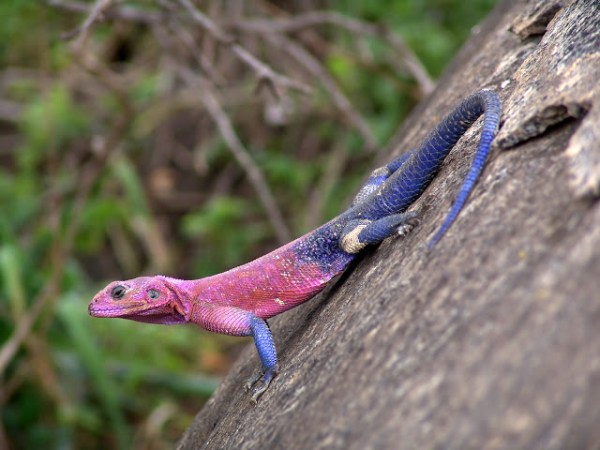
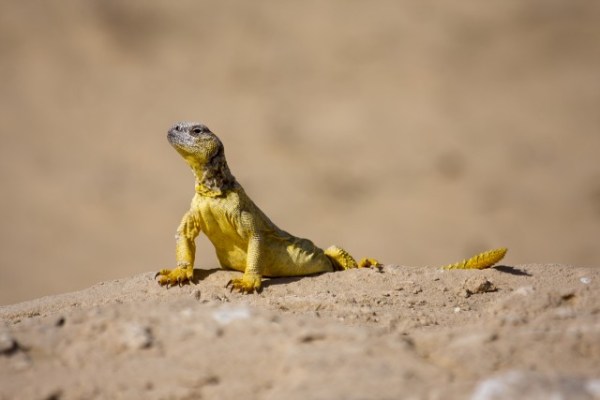
Picture of Agamidae lizard

Like a wise woman, however, since all was going well, she concealed her curiosity, and paid the bearer well for his trouble. Ultimately, it turned out to be blood from the throat of the Agamidae lizard which was providing the so magical cure. When I last heard from my friends they were making a leisurely trip around the world. Knowing my interest in the matter it was specially mentioned in a letter that no return of the eczema had occurred.

–Subham–


Sadhu (saint) who cured a Snake bite (Post No.3259)

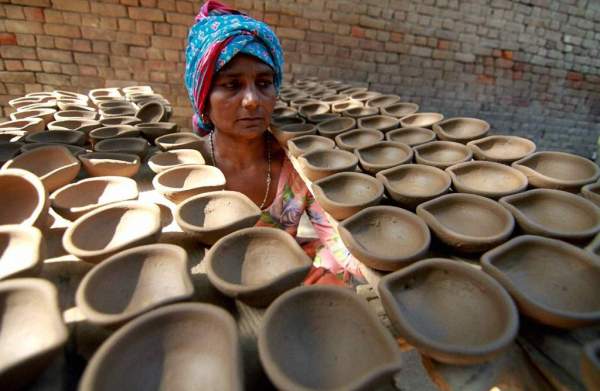
diyas-eps

Picture from New Indian Express

Compiled by London Swaminathan


Date: 16 October 2016


Time uploaded in London: 18-19


Post No.3259


Pictures are taken from various sources; thanks. (Picture are used only for representational purpose;no connection with the current article.)


Contact: swami_48@yahoo.com

 
ODDE (Potter’s Caste)


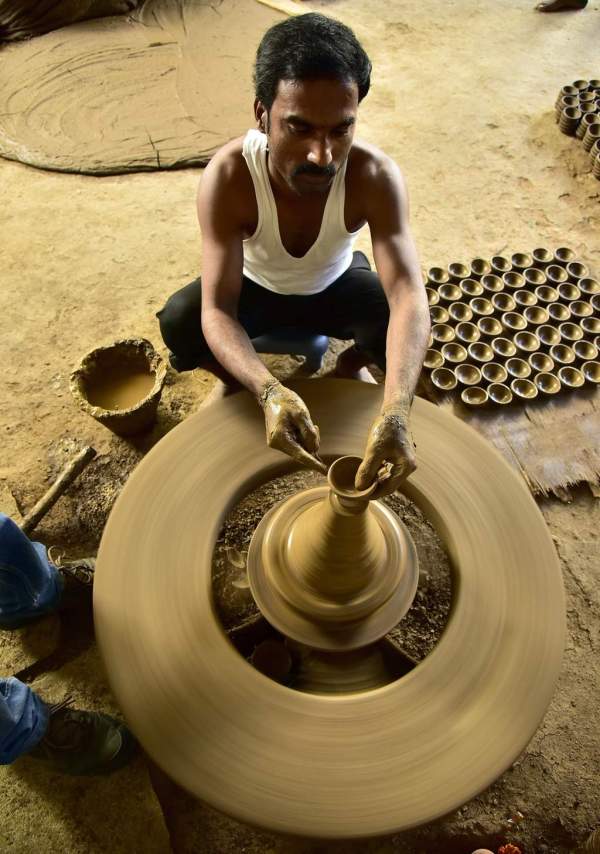
“The Odde is a potters’ caste, and their district is Canara. They make pots by moulding mud on the primitive potter’s wheel, turning the wheel with a stick. They worship at bhuthasthanas (devil shrines.)


Their marriage rites are completed in a day. The contracting fathers exchange betel-nut, and the bridegroom presents the bride’s family with a ring. At the ceremony a bench is placed within the pandal (constructed of the branches of trees, grass, and bamboo, and decorated with bunches of bananas and flowers), on which clothes, brought by the washer man caste, have been spread. The bridegroom is taken to the pandal by the bride’s brother, and after circling the bench three times he squats on the ground. Women follow him, carrying lighted lamps, rice and fruit. The lamps are hung on twigs projecting from the pandal, and the other articles are placed on the ground. The women throw rice, a few grains at a time, over the head of the bridegroom, which is afterwards shaved by the barber with milk instead of water.


A female barber attends to the bride, who has not yet left the house. The bride is shaved on the pelvis and under the arms; and Indian woman, no matter which her caste may be, disliking to have hair on her body. Next, the bride is dressed in a new sari and taken to the pandal, where she squats beside the bridegroom and they hold hands. The ceremony is consummated by the bride’s uncle pouring water, in which cow dung has been mixed, over the couple.

 diya-pti

Interesting Pregnancy Rite!

This caste has an interesting her maternal woman is presented with two chickens by her maternal uncle.

The fowls receive great care and if they lay (eggs) abundantly the woman will be very prolific. When an Odde girl reaches puberty, she is confined in a special hut with a piece of metal, some margosa (neem) leaves, and a few sticks. These are to keep the evil spirits from entering the hut. The girl may eat eggs but no flesh and on the seventh day she is given chicken broth which has been mixed with toddy. This is supposed to increase the strength of her generative organs. The chicken which is used for the broth must be black, and it must have laid eggs for the first time. After the period of menstrual pollution, the girl returns home and the hut is burned down.

The Odde death ceremony has its special variations. After the burial an effigy of departed is made out of mud, and is offered cooked rice and fruits.


Snake bite Cure!

A friend living near Coimbatore told me of witnessing a cure for snake-bite made by one of the witch-doctors of this caste. A boy, who had been digging round the root of a tree with his fingers, was bitten by a cobra, and my friend saw the cobra clinging to the boy’s hand. Almost at once the arm became numb, which is the ghastly result of cobra poison. The witch- doctor appeared as if by magic, fetched no doubt by a member of the caste, and proceeded to throw a brown powder on the spot where the snake’s fangs had fastened. He then took a small stick, which evidently he had brought with him, stuck it first in the boy’s mouth and then in his own, and began to draw it up and down the boy’s back. All the while he uttered strange guttural sounds, and the boy’s arm gradually became sensitive and he began to move his fingers. For several minutes the patient’s fingers continued to move, while the witch-doctor moved the stick up and down his back. To terminate the performance, the witch-doctor poured water over the injured hand, the brown powder had evidently been absorbed by the incision, for the water came away quite clear. The boy trotted off as if nothing had happened to him. My friend tried to question the sadhu, but was able to learn nothing. The man simply mumbled something about sap ascending in the trees as the moon waxed, and descending while it waned. These primitive people are often marvellous herbalists, but their knowledge is so mixed up with magic that it is difficult to dissociate the medicinal value of their roots from the rites which accompany it. As the is the than the medicine, nothing ever gleaned from them.”

Source:– The Land of the Lingam by Arthur Miles

diya-eps

(My comments: Snake bite cure, cure for fractured bones, jaundice cure and many more therapies are practised successfully even today. Someone has to document them after doing some scientific study. Whether it is low caste or high caste we see the role of maternal uncle, the use of yellow rice, use of water in Kanya Dhanam (donating the girl), decorating the Pandal with plantain trees, use of lighted lamps and many more in almost all the marriage ceremonies throughout India. This shows that they are all part of one culture but with some regional differences.)


–Subham–


Erukku Plant (Calotropis gigantea) in Hinduism!(Post No.3216)

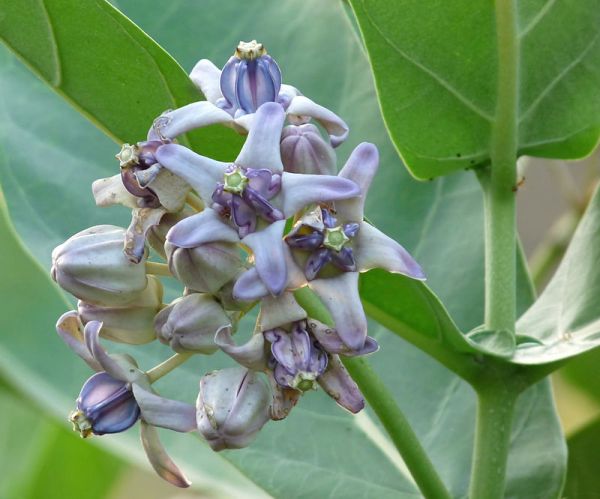
calotropis_gigantea-jpgwiki

Arka/Erukku:-Picture taken from wikipedia;thanks

Complied by London Swaminathan

Date: 3 October 2016

Time uploaded in London: 20-51

Post No.3216

Pictures are taken from various sources; thanks.

Contact swami_48@yahoo.com


Tamils are very familiar with this Erukkam Pu (Calotropis gigantea)  plant because it is the most sought after plant during Ganesh Chaturthy. No other day they use it to worship god. It grows on its own in dilapidated building sites and road side bushes.


There is no reference to Lord Ganesh in Sangam Tamil literature (except an appendix verse in Tiru Murukaatrup padai). Neither Kalidasa nor the Tamil saint Manikkavasagar mentioned Ganesh, because they lived in the early centuries of common era or before that. But Tamils must have known Lord Ganesh because Kapilar mentioned Erukku and grass for gods in verse 106 of Purananuru. Both these are offered to Lord Ganesh only in Tamil Nadu and the very name Kapila is the one of the important 16 names of Lord Ganapathy.

Erukkam pu is offered to Lord Siva in certain parts of India. Maharashtrians also use it as one of the five plants (Pancha Pallava).


Adi parva of Mahabharata has a reference to this lant. Upamanya, disciple of seer Ayoda Dhaumya, became blind after eating the Erukkam leaves. This plant and its latex are poisonous.


Cambodians use it in funeral service. Probably this is the reason for an Indian curse, “May the Arka/Erukku grow at your door”.

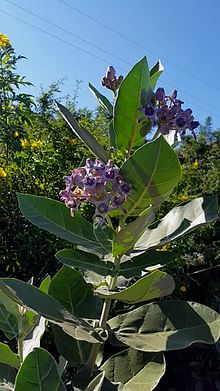
calotropis_gigantea_plant-ogv

Erukku Marriage

A brahmin marries second wife when his first wife is dead or sick or separated. But he is very superstitious about marrying a third wife. If he marries for the third time, it is believed that she will become a widow.  To avoid this, he marries the arka (Erukku) plant. Indians believe that this is the oldest plant. After marrying himself to the plant and goes for a new wife, who will be his fourth wife. The bridegroom will go to the place where the Erukku grows, with a friend and a priest, on an auspicious day. The accompanying friend acts like the father in law and the plant is addressed with Mantras. After the marriage the plant is cut down.


The plant is named Arka in Sanskrit which is one of the names of the sun. The plant is supposed to catch some property from the sun. Some people used to apply the leaves to their foreheads when the sun is in a certain position. A person suffering from some illness ties a lock of his hair or a rag from his clothing on to the plant, and it takes on his ailment and withers.

Tying rags to trees and marrying with the trees happen in other parts of the world as well.

TREE MARRIAGES

Allegorical marriage of trees is practised in India. All the rituals that are performed in an actual wedding are done to the trees. Big feast is also given to everyone.  Aswatta Tree (peepal tree) is the symbol of Vishnu. First, Lord Vishnu is invoked into the tree. Some years later, a mate is chosen for the tree, and with all the pomp and ceremony of a Brahmin wedding,  a bride, in the shape of a neem tree, is brought and legally married to the Aswatta tree.

In the fruit growing districts of the country it is supposed to be extremely unlucky for the owner of a plantation, or his wife to tatse any of their own fruits until one of the trees has been legally married to another of a different species. An owner of a mango grove will marry one of his trees, preferably to a tamarind tree. If it is not possible, jasmine plant will be the bride.

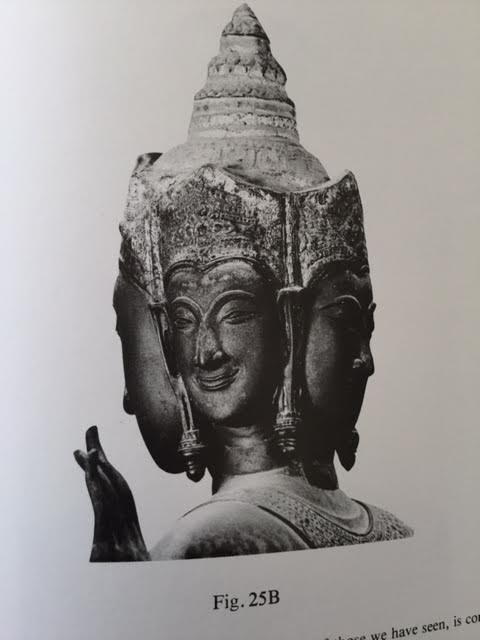
brahma-thailand

Brahma from Thialand

The origin of these tree marriages centres around an old legend, where Brahma of the four faces, induced a certain prince Indramena to restore the temple of Jagannath that was buried under the sand. After some time, the king was able to discover the buried temple but could not restore it. Then Brahma allowed him to build a new temple in a new site. Brahma also told him that Vishnu would come to the king  in the shape of a tree, which would be washed by the sea. Then the trunk of an Aswatta tree was washed up on the shore. A wood carver Visvakarma,  was allowed to carve the figure of Krishna. Half way through it, the king peeped into the room , violating the stipulated condition and so the Viswakarma left it without completing it.


Suham–

To Increase Your Life Span, To Decrease Your Life Span (Post No.2873)

curd-rice

Compiled by London swaminathan


Date: 6 June 2016


Post No. 2873


Time uploaded in London :–  16-29


( Thanks for the Pictures)


DON’T REBLOG IT AT LEAST FOR A WEEK!  DON’T USE THE PICTURES; THEY ARE COPYRIGHTED BY SOMEONE.


(for old articles go to tamilandvedas.com OR swamiindology.blogspot.com)


Contact swami_48@yahoo.com


Age old Indian wisdom about everything under the sun was summarised in Sanskrit couplets and was followed by our forefathers. Even today those couplets remain relevant and useful. Here below are two couplets which say what increases your life span and what factors cause a decreased life span.


Vrddaarko homa dhuumasca baalastrii nirmalodakam

Ratrau kshiiraannabuktisca aayurvrddhir dine dine


Evening sun light, smoke form the fire sacrifice (Havan or Homa smoke), marriage with a younger girl, crystal clear pure water, milk rice in the night increase your life span every day.
What is not good?

Baalaarkah pretadhuumasca vrddastrii palvalodakam

Ratrau dadhyaannabuktisca aayu: kshiinam dine dine


Morning sun light, smoke for the funeral fire, marriage with a girl older than you, muddy impure water, yogurt (curd) rice reduce your life span every day.


Another couplet in the book written by Susruta divides Ayurveda into eight minor divisions. This shows that they have very clear idea about the needs of the patients:-

milk-yoghurt-3-2_0

1.Salyam:-

Sugery

2.Saalakyam:-

Diagnosis

3.Kaaya chikitsaa:-

Body care and Treatment

4.Bhutavidyaa:-

Mental Health, treating mentally sick patients

5.Kaumaarabrutyam:-

Treatment of Child’s diseases (paediatrics)

6.Agatatantram:-

Anti dote to poisons

Treating patients affected by poisons

7.Rasaayana tantram:-

Chemical or medical treatment for longevity

8.Vaajikarana:-

Sexual health, curing impotency and increasing sexual vigour.


–Subham–

பைத்தியத்துக்கு வைத்தியம்: சுவையான சம்பவங்கள் (Post No.2866)

grimadi

Translated by London swaminathan


Date: 4 June 2016


Post No. 2866


Time uploaded in London :–  6-25 AM


( Thanks for the Pictures)


DON’T REBLOG IT AT LEAST FOR A WEEK!  DON’T USE THE PICTURES; THEY ARE COPYRIGHTED BY SOMEONE.


(for old articles go to tamilandvedas.com OR swamiindology.blogspot.com)


Contact swami_48@yahoo.com


தமிழ்நாட்டில் தங்கவேலு, சந்திரபாபு போல அந்தக் காலத்தில் புகழ் பெற்ற மேற்கத்திய நகைச்சுவை நடிகன் கிரிமால்டி. அவருடைய வாழ்வில் நடந்த சுவையான சம்பவம் இதோ:

நோயாளி: டாக்டர், எனக்கு எப்போதும் ஒரே கவலையாக இருக்கிறது. ஏனென்றே தெரியவில்லை.

டாக்டர், அந்த நோயாளியிடம் பேச்சு கொடுத்துவிட்டு சொன்னார்:

“இதோ பாருங்கள், உங்களுக்கு உடம்பில் ஒரு நோயும் இல்லை; மன நோயும் இல்லை. பேசாமல் பிரபல நகைச் சுவை நடிகர் கிரிமால்டியின் நாடகத்தைப் போய்ப் பாருங்கள்; வயிறு குலுங்கச் சிரிப்பீர்கள்; கவலைகள் எல்லாம் பறந்தோடிப் போகும்”.

நோயாளி: “டாக்டர், நான் தான் அந்த கிரிமால்டி!”

(பெரும்பாலான நகைச் சுவை நடிகர்களும், சர்க்கஸ் கோமாளிகளும் நமக்கு சிரிப்பு ஊட்டினாலும், அவர்கள் சொந்த வாழ்வு, சோகமயமாக இருக்கிறது!)

Xxx

(மொழிபெயர்ப்பு: லண்டன் சுவாமிநாதன்; இந்த சம்பவங்கள் ஏற்கனவே என்னால் இங்கே ஆங்கிலத்தில் வெளியிடப்பட்டன)

mozart notes

சங்கீதம் – நல்ல மருந்து!

ஸ்பெயின் நாட்டின் அரசர் பிலிப்புக்கு திடீரென்று உடல் நலம் குன்றி, மன நோய் ஏற்பட்டு சோகக் கடலில் மூழ்கினார். உண்ணுவதில்லை; உறங்குவதில்லை; உடம்பைப் பேணுவதில்லை. முகச் சவரம் கூட செய்துகொள்ளவில்லை; செய்யவும் பிறரை அனுமதிக்கவில்லை.


மஹாராணிக்கு ஒரே கவலை. “இசை ஒரு மருந்து; அது பல வியாதிகளைக் குணப்படுத்தும்; கவலைகளைக் போக்கும்” — என்பதை அவர் அறிவார். ஆகையால் அக்காலத்தில் சிறந்த பாடகரான பாரிநெல்லி என்பவரை அழைத்து அரண்மனைக்குள் ஒரு கச்சேரி ஏற்பாடு செய்தார். அந்த இன்னிசை நிகழ்ச்சி, மன்னர் தங்கியிருந்த அறைக்கு அடுத்த அறையில் ஏற்பாடு செய்யப்பட்டது. மன்னர் காதிலும் அற்புதமான சங்கீதம், தேவ கானம் ஒலித்தது. மெல்ல மெல்ல, கச்சேரியில் வந்து அமர்ந்தார். பாரிநெல்லி அவரிடம் பேச்சு கொடுத்தார். மேலும் சில பாடல்களைக் கேட்க விரும்புவதாக மன்னர் தெரிவித்தார்.


உடனே பேரிநெல்லி சொன்னார்: மன்னர் அவர்களே, நீங்கள் கேட்கும் பாடல்கள் எல்லாவற்றையும் பாடுவேன். ஆனால் எனக்கும் ஒரு கோரிக்கை இருக்கிறது. அதை நிறைவேற்றுவீர்களா?

மன்னர் சொன்னார்: என்னால் நிறைவேற்றக் கூடிய கோரிக்கை என்றால் உடனே செய்கிறேன்.

பாரிநெல்லி சொன்னார்: மன்னரே, சின்ன வேண்டுதல்தான். தாங்கள் முக க்ஷவரம் செய்துகொண்டு ‘டிப்டாப்’பாக, மன்னர் போல அமர்ந்தால் நான் இன்னும் உற்சாகத்துடன் பாடமுடியும்.

உடனே பிலிப் முடிதிருத்தி, மணி முடி அணிந்து வந்து அமர்ந்தார்.

மன்னர் சங்கீதக் கடலில் மூழ்கினார்; மஹாராணி மகிழ்ச்சிக் கடலில் நீந்தினார்.

Xxx

dollars

காசேதான் கடவுளடா! பணமே மருந்து!!

டாக்டர் கோல்ட்ஸ்மித் என்பவர் சிறந்த மேல்நாட்டு மருத்துவர். அவரிடம் ஒரு பெண்மணி வந்தார். என் கணவருக்கு மனதே சரியில்லை; பிரமை பிடித்தவர் போல இருக்கிறார். டாக்டர் வீட்டுக்கும் வர மறுக்கிறார். தயவு செய்து வீட்டுக்கு வந்து அவரைப் பார்த்து, ஏதேனும் மருந்து கொடுங்களேன் – என்று கெஞ்சினார்.


டாக்டர் கோல்ட்ஸ்மித்தும் அந்த வீட்டுக்குப் போய் ‘நோயாளியிடம்’ பேச்சுக் கொடுத்தார். அவருக்கு என்ன நோய் என்று பளிச்செனத் தெரிந்தது.

அந்தப் பெண்மணியிடம் சொன்னார்: கவலைப்படாதீர்கள். உங்கள் கணவரின் நோய்க்கு உடனே மருந்து கொடுத்து அனுப்புகிறேன்.


வீட்டிற்குப் போனவுடன் டாக்டர் கோல்ட்ஸ்மித், ஒரு ‘கவரில்’ (காகிதப் பை) பத்து பவுன் கரன்ஸி நோட்டை வைத்து நோயாளிக்கு அனுப்பிவைத்தார். அந்த நோயாளியும் விரைவில் குணம் அடைந்தார்.

(வறுமை என்பது மனத் தொய்வை ஏற்படுத்தும். உங்கள் நண்பரோ, உறவினரோ இப்படிப்பட்ட பசிப் பிணியால், ஏழ்மை நோயால், வருந்தினால், அவருக்கு உதவி செய்யுங்கள். மனக் கவலை, பயம் முதலியவற்றை இயற்கைக் காட்சிகள், நகைச் சுவைப் படங்கள், இன்னிசைக் கச்சேரிகள், பண உதவி மூலம் போக்குங்கள். பணத்தாசை கொண்ட மன நோய் மருத்துவரிடம் போனால், ‘லிதியம்’ மாத்திரைகளைக் கொடுத்து, வாயில் நுரை தள்ள வைத்துவிடுவார்கள்.)

–சுபம்–