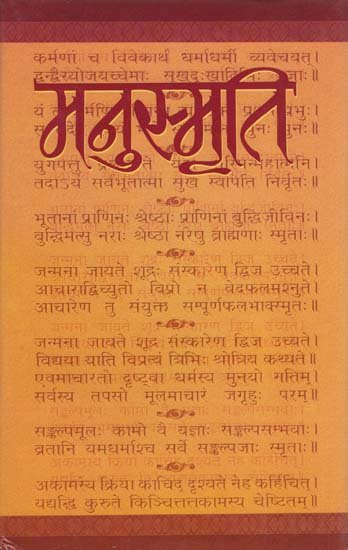
BRAHMANAS, KSHATRIYAS, VAISYAS MUST STUDY VEDAS- MANU (Post No.7354)

Written by London Swaminathan

swami_48@yahoo.com

Date: 17 December 2019

Time in London – 13-44

Post No. 7354

Pictures are taken from various sources; beware of copyright rules; don’t use them without permission; this is a non- commercial, educational blog; posted in swamiindology.blogspot.com and tamilandvedas.com simultaneously. Average hits per day for both the blogs 12,000

MANU10,CHAPTER X.

So far we have covered nine chapters with salient features highlighted; I have also added my comments wherever it was appropriate. To day let us look at the 74 slokas in the tenth chapter of Manu Smrti.

First I will give important slokas/ couplets in bullet points.

Sloka 63 – This is the most important sloka in the firsts 70 + slokas. Good qualities are common for all the Four Varnas/castes

Sloka 1 -People who belong to Three castes must learn Vedas. It will be interesting to find out till what time the three castes studied Vedas.

Sloka 8 on wards – Inter caste marriages and specific terms for them in permutation and combinations. We know that inter caste marriages were done during even Mahabharata days. But never heard these many different kinds. This chapter must be a later addition.

Sloka 20 – definition of Vratyas

Sloka 22 – Dravidas

Sloka 32  – Dasyus

Sloka 44 – Yavanas & Dravidas

These terms are used with different connotations. It is not Vedic Dasyu; Like Dravidas we have several people named after Countries/Desa So instead of Geographical connotation we have inter caste people.

Sloka 25 onwards – Sons of Inter Caste couples are dealt with.

We can infer two things from these :-

1.Inter Caste marriages took place

2.Yavanas, Dravidas, Kambojas, Vratyas, Sakar – are all Hindus.

Sloka 47 on wards – their professions

Sloka 56 – death sentence

Sloka 58 – Non Aryan qualities (Here Aryan stands for Cultured, Civilized).

Sloka 64/ 65 – A Sudra becomes a Brahmana in seventh generation

Sloka 69 to 73  Interesting Debate —

Which is important Seed (Husband) or Land (Wife)?

xxxx

Now let us look at the original translation of Slokas?

1. Let the three twice-born castes (varna), discharging their (prescribed) duties, study the Veda; but among them the Brahmana alone shall teach it, not the other two; that is an established rule.

2. The Brahmana must know the means of subsistence prescribed by law for all, instruct the others, and himself live according to the law

3. On account of his pre-eminence, on account of the superiority of his origin, on account of his observance of (particular) restrictive rules, and on account of his particular sanctification the Brahmana is the lord of (all) castes (varna).

4. Brahmana, the Kshatriya, and the Vaisya castes (varna) are the twice-born ones, but the fourth, the Sudra, has one birth only; there is no fifth caste.

5. In all castes (varna) those (children) only which are begotten in the direct order on wedded wives, equal (in caste and married as) virgins, are to be considered as belonging to the same caste (as their fathers)

6. Sons, begotten by twice-born man on wives of the next lower castes, they declare to be similar (to their fathers, but) blamed on account of the fault (inherent) in their mothers.

7. Such is the eternal law concerning (children) born of wives one degree lower (than their husbands); know (that) the following rule (is applicable) to those born of women two or three degrees lower.

INTER CASTE  MARRIAGES

8. From a Brahmana a with the daughter of a Vaisya is born (a son) called an Ambashtha, with the daughter of a sudra a Nishada, who is also called Parasava.

9. From a Kshatriya and the daughter of a Sudra springs a being, called Ugra, resembling both a Kshatriya and a Sudra, ferocious in his manners, and delighting in cruelty.

10. Children of a Brahmana by (women of) the three (lower) castes, of a Kshatriya by (wives of) the two (lower) castes, and of a Vaisya by (a wife of) the one caste (below him) are all six called base-born (apasada).

11. From a Kshatriya by the daughter of a Brahmana is born (a son called) according to his caste (gati) a Suta; from a Vaisya by females of the royal and the Brahmana (castes) spring a Magadha and a Vaideha.

12. From a Sudra are born an Ayogava, a Kshattri, and a Candala, the lowest of men, by Vaisya, Kshatriya, and Brahmana) females, (sons who owe their origin to) a confusion of the castes.

13. As an Ambashtha and an Ugra, (begotten) in the direct order on (women) one degree lower (than their husbands) are declared (to be), even so are a Kshattri and a Vaidehaka, though they were born in the inverse order of the castes (from mothers one degree higher than the fathers).

14. Those sons of the twice-born, begotten on wives of the next lower castes, who have been enumerated in due order, they call by the name Anantaras (belonging to the next lower caste), on account of the blemish (inherent) in their mothers.

15. A Brahmana begets on the daughter of an Ugra an Avrita, on the daughter of an Ambashtha an Abhira, but on a female of the Ayogava (caste) a Dhigvana.

16. From a Sudra spring in the inverse order (by females of the higher castes) three base-born (sons, apasada), an Ayogava, a Kshattri, and a Candala, the lowest of men;

17. From a Vaisya are born in the inverse order of the castes a Magadha and a Vaideha, but from a Kshatriya a Suta only; these are three other base-born ones (apasada).

18. The son of a Nishada by a Sudra female becomes a Pukkasa by caste (gati), but the son of a Sudra by a Nishada female is declared to be a Kukkutaka.

19. Moreover, the son of by Kshattri by an Ugra female is called a Svapaka; but one begotten by a Vaidehaka on an Ambashtha female is named a Vena.

WHO ARE VRATYAS?

20. Those (sons) whom the twice-born beget on wives of equal caste, but who, not fulfilling their sacred duties, are excluded from the Savitri, one must designate by the appellation Vratyas.

21. But from a Vratya (of the) Brahmana (caste) spring the wicked Bhriggakantaka, the Avantya, the Vatadhana, the Pushpadha, and the Saikha.

WHO IS A DRAVIDA?

22. From a Vratya (of the) Kshatriya (caste), the Ghalla, the Malla, the Likkhivi, the Nata, the Karana, the Khasa, and the Dravida.

23. From a Vratya (of the) Vaisya (caste) are born a Sudhanvan, an Akarya, a Karusha, a Viganman, a Maitra, and a Satvata.

24. By adultery (committed by persons) of (different) castes, by marriages with women who ought not to be married, and by the neglect of the duties and occupations (prescribed) to each, are produced (sons who owe their origin) to a confusion the castes.

SONS OF INTER CASTE COUPLES

25. I will (now) fully enumerate those (sons) of mixed origin, who are born of Anulomas and of Pratilomas, and (thus) are mutually connected.

26. The Suta, the Vaidehaka, the Kandala, that lowest of mortals, the Magadha, he of the Kshattri caste (gati), and the Ayogava,

27. These six (Pratilomas) beget similar races (varna) on women of their own (caste), they (also) produce (the like) with females of their mother’s caste (gati), and with females (of) higher ones.

28. As a (Brahmana) begets on (females of) two out of the three (twice-born castes a son similar to) himself, (but inferior) on account of the lower degree (of the mother), and (one equal to himself) on a female of his own race, even so is the order in the case of the excluded (races, vahya).

29. Those (six mentioned above) also beget, the one on the females of the other, a great many (kinds of) despicable (sons), even more sinful than their (fathers), and excluded (from the Aryan community, vahya).

30. Just as a Sudra begets on a Brahmana female a being excluded (from the Aryan community), even so (a person himself) excluded pro creates with (females of) the four castes (varna, sons) more (worthy of being) excluded (than he himself).

31. But men excluded (by the Aryans, vahya), who approach females of higher rank, beget races (varna) still more worthy to be excluded, low men (hina) still lower races, even fifteen (in number).

DASYU

32. A Dasyu begets on an Ayogava (woman) a Sairandhra, who is skilled in adorning and attending (his master), who, (though) not a slave, lives like a slave, (or) subsists by snaring (animals).

33. A Vaideha produces (with the same) a sweet-voiced Maitreyaka, who, ringing a bell at the appearance of dawn, continually. praises (great) men.

34. A Nishada begets (on the same) a Margava (or) Dasa, who subsists by working as a boatman, (and) whom the inhabitants of Aryavarta call a Caivarta.

35. Those three base-born ones are severally begot on Ayogava women, who wear the clothes of the dead, are wicked, and eat reprehensible food.

36. From a Nishada springs (by a woman of the Vaideha caste) a Karavara, who works in leather; and from a Vaidehaka (by women of the Karavara and Nishada castes), an Andhra and a Meda, who dwell outside the village.

37. From a Candala by a Vaideha woman is born a Pandusopaka, who deals in cane; from a Nishada (by the same) an Ahindika.

38. But from a Candala by a Pukkasa woman is born the sinful Sopaka, who lives by the occupations of his sire, and is ever despised by good men.

39. A Nishada woman bears to a Candala a son (called) Antyavasayin, employed in burial-grounds, and despised even by those excluded (from the Aryan community).

40. These races, (which originate) in a confusion (of the castes and) have been described according to their fathers and mothers, may be known by their occupations, whether they conceal or openly show themselves.

41. Six sons, begotten (by Aryans) on women of equal and the next lower castes (Anantara), have the duties of twice-born men; but all those born in consequence of a violation (of the law) are, as regards their duties, equal to Sudras.

42. By the power of austerities and of the seed (from which they sprang), these (races) obtain here among men more exalted or lower rank in successive births.

43. But in consequence of the omission of the sacred rites, and of their not consulting Brahmanas, the following tribes of Kshatriyas have gradually sunk in this world to the condition of Sudras;

YAVANAS, DRAVIDAS

44. (Viz.) the Paudrakas, the Kodas, the Dravidas, the Kambogas, the Yavanas, the Sakas, the Paradas, the Pahlavas, the Kinas, the Kiratas, and the Daradas.

45. All those tribes in this world, which are excluded from (the community of) those born from the mouth, the arms, the thighs, and the feet (of Brahman), are called Dasyus, whether they speak the language of the Mlekkhas (barbarians) or that of the Aryans.

46. Those who have been mentioned as the base-born (offspring, apasada) of Aryans, or as produced in consequence of a violation (of the law, apadhvamsaga), shall subsist by occupations reprehended by the twice-born.

THEIR OCCUPATIONS

47. To Sutas (belongs) the management of horses and of chariots; to Ambashthas, the art of healing; to Vaidehakas, the service of women; to Magadhas, trade;

48. Killing fish to Nishadas; carpenters’ work to the Ayogava; to Medas, Andhras, Kunkus, and Madgus, the slaughter of wild animals;

49. To Kshattris, Ugras, and Pukkasas, catching and killing (animals) living in holes; to Dhigvanas, working in leather; to Venas, playing drums.

50. Near well-known trees and burial-grounds, on mountains and in groves, let these (tribes) dwell, known (by certain marks), and subsisting by their peculiar occupations.

51. But the dwellings of Candalas and Svapakas shall be outside the village, they must be made Apapatras, and their wealth(shall be dogs and donkeys.

52. Their dress (shall be) the garments of the dead, (they shall eat) their food from broken dishes, black iron (shall be) their ornaments, and they must always wander from place to place.

53. A man who fulfils a religious duty, shall not seek intercourse with them; their transactions (shall be) among themselves, and their marriages with their equals.

54. Their food shall be given to them by others (than an Aryan giver) in a broken dish; at night they shall not walk about in villages and in towns.

55. By day they may go about for the purpose of their work, distinguished by marks at the king’s command, and they shall carry out the corpses (of persons) who have no relatives; that is a settled rule.

DEATH SENTENCE

56. By the king’s order they shall always execute the criminals, in accordance with the law, and they shall take for themselves the clothes, the beds, and the ornaments of (such) criminals.

57. A man of impure origin, who belongs not to any caste, (varna, but whose character is) not known, who, (though) not an Aryan, has the appearance of an Aryan, one may discover by his acts.

58. Behaviour unworthy of an Aryan, harshness, cruelty, and habitual neglect of the prescribed duties betray in this world a man of impure origin.

59. A base-born man either resembles in character his father, or his mother, or both; he can never conceal his real nature.

60. Even if a man, born in a great family, sprang from criminal intercourse, he will certainly possess the faults of his (father), be they small or great.

61. But that kingdom in which such bastards, sullying (the purity of) the castes, are born, perishes quickly together with its inhabitants.

62. Dying, without the expectation of a reward, for the sake of Brahmanas and of cows, or in the defence of women and children, secures beatitude to those excluded (from the Aryan community, vahya.)

63. Abstention from injuring creatures, veracity, abstention from unlawfully appropriating the goods of others, purity, and control of the organs, Manu has declared to be the summary of the law for the four castes.

64. If (a female of the caste), sprung from a Brahmana and a Sudra female, bear (children) to one of the highest caste, the inferior (tribe) attains the highest caste within the seventh generation.

SUDRA BECOMES A BRAHMANA

65. (Thus) a Sudra attains the rank of a Brahmana, and (in a similar manner) a Brahmana sinks to the level of a Sudra; but know that it is the same with the offspring of a Kshatriya or of a Vaisya.

66. If (a doubt) should arise, with whom the pre eminence (is, whether) with him whom an Aryan by chance begot on a non-Aryan female, or (with the son) of a Brahmana woman by a non-Aryan,

67. The decision is as follows: ‘He who was begotten by an Aryan on a non-Aryan female, may become (like to) an Aryan by his virtues; he whom an Aryan (mother) bore to a non-Aryan father (is and remains) unlike to an Aryan.’

68. The law prescribes that neither of the two shall receive the sacraments, the first (being excluded) on account of the lowness of his origin, the second (because the union of his parents was) against the order of the castes.

SEED AND LAND DEBATE

69. As good seed, springing up in good soil, turns out perfectly well, even so the son of an Aryan by an Aryan woman is worthy of all the sacraments.

70. Some sages declare the seed to be more important, and others the field; again others (assert that) the seed and the field (are equally important); but the legal decision on this point is as follows:

71. Seed, sown on barren ground, perishes in it; a (fertile) field also, in which no (good) seed (is sown), will remain barren.

72. As through the power of the seed (sons) born of animals became sages who are honoured and praised, hence the seed is declared to be more important.

73. Having considered (the case of) a non-Aryan who acts like an Aryan, and (that of) an Aryan who acts like a non-Aryan, the creator declared, ‘Those two are neither equal nor unequal.’

To be continued…………………………….

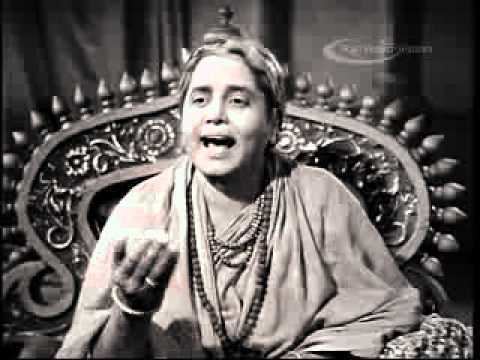
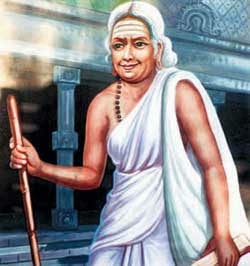
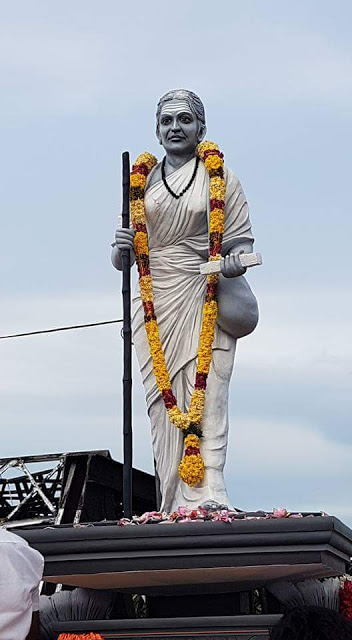
TAMIL POETESSES AVVAI, ANGAVAI AND SANGAVAI (Post No.7350)

Written by London Swaminathan

swami_48@yahoo.com

Date: 16 December 2019

Time in London – 18-10

Post No. 7350

Pictures are taken from various sources; beware of copyright rules; don’t use them without permission; this is a non- commercial, educational blog; posted in swamiindology.blogspot.com and tamilandvedas.com simultaneously. Average hits per day for both the blogs 12,000

Tamil women are great poetesses, temple builders and social reformers. Andal ,a devotee of Vishnu, and Karaikkal Ammaiyar, a devotee of Shiva are known to many. Avvaiyar is a household name in Tamil Nadu; but many Avvais existed in various ages. Probably the word AVVAI was used for an old woman completely devoted to God; that is a full timer on public service, widowed OR not married . Scholars think that six women known as Avvai lived in Tamil Nadu. But linguistically speaking, we can see at least four Avvais clearly. One belong to Sangam age , another belongs to middle age and the third one is from our times. The language of the poems draws a clear cut line. Fourth one is in between them.

The most famous Avvai existed during Sangam age i.e. 2000 years ago. She was well versed in Tamil and bold enough to challenge and advise the mighty Tamil kings. But she was respected by one and all. The Tamils were fighting among themselves from the very beginning of history. The longest infighting race in the world. Avvai was bold enough to advise them to stop fighting.

A great Chola king Peru Narkilli did a Rajasuya Yagam like Yuthisthiraa of Mahabharata. Chera king and the Pandya king attended the Hindu fire ceremony. Grand old lady of Tamil country Avvaiyar came there and blessed them. She sang that they must be united like this for ever and live longer in years than the number of stars in the sky and the number of drops in the rain. She advised them to give a lot of gold to worthy Brahmins (See Purananuru verse 366).

She went to another inexperienced king and advised him not to fight with his enemy. She used very subtle language and said to him “your weapons are brand new and shining like silver whereas your enemy’s weapons are blunt, rusty and bloody. The message she hinted was ‘Oh, you idiot, you don’t know what a battle is like, where as your enemy is an experienced fighter.”

She was in the court of Neduman Anji, the Adigamaan Chief of Tagadur (Dharmapuri). He held her in high esteem and even gave her the Nelli (amla) with rare medical properties. He entrusted her an embassy to the Chief of Tondaimandalam. She composed many poems on the generosity of Adigaman. For vigour and depth of feeling her odes to Adigaman are second to none in the Purananuru collections.

After the death of Adigaman she visited several places in Tamil Nadu. Avvai took her themes from life in the palace and in the country farm. The simple pleasures and the daily cares of the lowly appealed to her even more than the chivalry of heroes and the magnificence of princes. Her odes which are included in the   Sangam collections Akananuru, Purananuu, Natrinai and Kuruntokai, are a true mirror of contemporary Tamil life.   With a rare economy of words she creates marvellous pen pictures , and some poetic imagery; she adds choice moral precepts. She is a great exponent of morality.                                                                                                                                                                                                                                                                                                                                                                  


We see one Avvai as most famous Tamil poet Tiruvalluvar’s sister (probably around fourth or fifth century CE) and another Avvai with Sundarar and Cheraman Perumal (probably ninth century) and another Avvai who composed Athichudi and other poems in simple Tamil during modern times. She is the one devoted to Lord Skanda/Muruga and author of Vinayakar Akaval. So one can easily see four different Avvais. Pithy aphorisms of later Avvai are lisped by Tamil children even today as introduction to Tamil poetry and a guide to a moral life.

Tradition ascribes to Avvai a strange parentage- a Brahmana father and a low caste mother brought up in a Brahmana family. She has six siblings along with Tiru Valluvar. This story is found in all books that were published 75 years ago. This Avvai came after Sangam age. Her poetic talents were first discovered by Buuda, a petty chieftain of Pulveluur on the River Pennaaru.

( Tamils killed each other continuously for 1200 years and then invited Muslim invaders to kill all the Tamils. For 150 years Tamils were ruled by Muslim invaders and then Telugus saved Tamil Nadu, Tamil Culture, Tamil temples and Hinduism. Kumara Kampannan came with his wife Ganga Devi to Madurai and sounded the death knell to Muslim Rule. Tamils are ever grateful to the Telugus. Without them Tamil Pakistan would have emerged 500 years before the actual Pakistan.)

Angavai and Sangavai


One of the great Tamil philanthropists is Chieftain Vel Pari. He had two daughters named Angavai and Sangavai. They were well educated and could compose poems. Paari was ruling a small area called Parampunaadu. Three great Tamil kings of Chera, Chola and Pandya wanted to marry those girls. When Pari refused they laid a siege around his small kingdom. Kabilar, a brahmin poet was his close friend . He helped him to break the siege by training thousands of parrots to bring grains from around the kingdom. But at the end Chieftain Pari was killed . Since Kabilar took care of Pari’s daughters, the three kings could not touch them . Kabilar contributed highest number poems to the Sangam corpus . He was the only poet sung and praised by other poets. He was praised as a  Brahmin of spotless character . He was a revolutionary who broke the barriers of caste 2000 years ago. He got them married and then entered fire like several Hindu saints. That place is called Kabilar Rock near Tirukkovalur in Tamil Nadu.

One of the Purananuru collections is sung by these two daughters.
An unconquerable hero, he fell a victim to foul treachery and his orphaned girls were exiled from their home . The hymn is an exquisite pen picture of their sufferings in exile, presented in sharp contrast to their past life of affluence and luxury in their palace at Parambu Naadu.
See Puram verse 112.

Xxx subham xxx

AVVAIYAR

VASTU 12 AND MANTRA 12 AND HERCULES 12 (Post No.7334)

WRITTEN BY LONDON SWAMINATHAN

swami_48@yahoo.com

Date: 12 DECEMBER 2019

 Time in London – 20-25

Post No. 7334

Pictures are taken from various sources; beware of copyright rules; don’t use them without permission; this is a non- commercial, educational blog; posted in swamiindology.blogspot.com and tamilandvedas.com simultaneously. Average hits per day for both the blogs 12,000

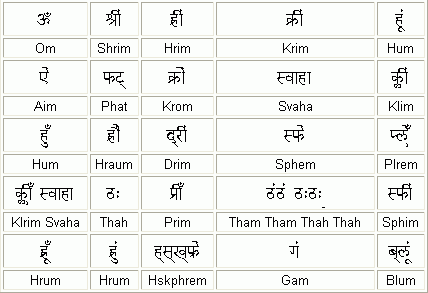
12 BHI JA MANTRAS AND THEIR DEITIES

AIM- SARASVATI

SRIM – LAKSHMI

HRIM – SURYA/ BHUVANESWARI

HRING- PARVATI

KLING – KAMA

LAM – BHUMA DEVI. MOTHER EARTH

HAUM- SADHASHIVA

TUM – DURGA

KRIM — KALI

HUM — SHIVA

GAM – GANESH

KSHRAUM – NARASIMHA

XXXX

12 Kinds Srardha in Bhavishya Purana–

Nitya, Naimittika, Kamya, Vruddi, Sapinda, Parvana, Goshti, Suddhi, Karmanga, Daivika, Yatra, Pushti

Xxx

Vastu Twelve Houses—

House – Source – Direction – Organ – Lord are given:–

First House – Water – East – Mouth – Sun

Second House – Place of Worship – Right eye – Jupiter

Third House – Place of worship – Arm – Ketu

Fourth House – Treasury – North – Heart – Mercury

Fifth House – Child Delivery – Knee – Moon

Sixth House – Right Foot

Seventh House – West – Genitals, Stomach –  Saturn

Eighth House – Left foot – Rahu

Ninth House – Toilet – Kidney, Knee

Tenth House – Bed room – South – Chest

Eleventh House – Kitchen – Left Arm – Venus

Twelfth House – Left eye

Xxx

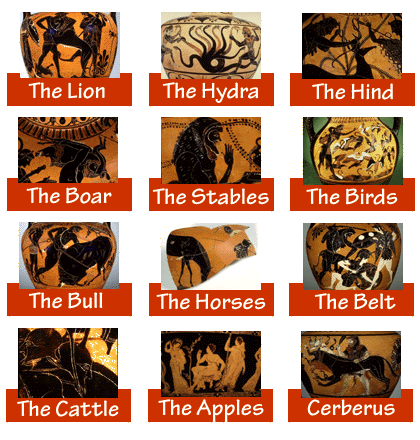
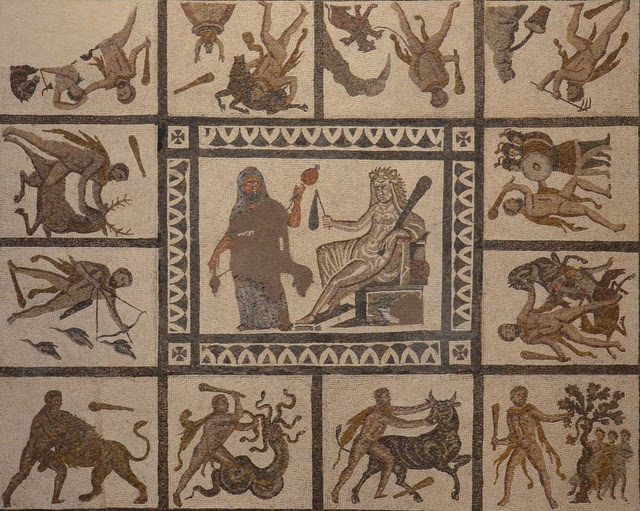
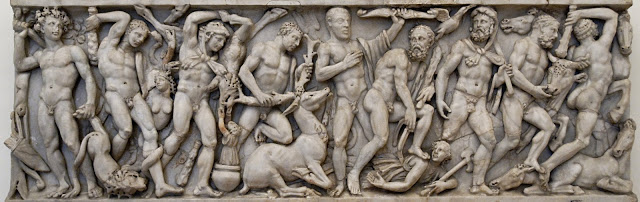
TWELVE LABOURS OF HERAKLES

Greek Hero Hercules ( Herakles) accomplished twelve labours when he was in the service of King Eurystheus of Tiryns; several of these resemble Lord Krishna’s Leelas :-

1.The Nemean Lion

Herakles was ordered to kill a lion which was terrorizing the Land of Nemea. No weapon could penetrate its hide. He used his club and killed it. He then skinned the lion with its own claws  and donned the pelt to render himself invulnerable.

2.The Lernean Hydra

He was sent to kill the nine headed snake or dragon Hydra in the swamp near Lerna When he chopped off one head two grew up. His Iolus helped him to kill it. It is similar to Kaliya mardhana of Lord Krishna.

3. The Cerynean Hind

Herakles was asked to capture this beast. It had golden horns and bronze hooves.  It was sacred to goddess Artemis. After a yeas chase he caught and injured it. To escape the goddess’ anger, he blamed King Eurystheus for its injury.

4.The Erymanthian Boar

The hero had to bring this monstrous boar back home. He captured it and sent to Tiryns. King Eurystheus was scared to look at it and so hid it in an urn.

5. The Augean Stables

Herakles was asked to clean the stables in one day.. he succeeded in cleaning it by diverting the rivers into stable. It is similar to Krishna lifting the Govardhana Giri.

6. The Stymphalian Birds

Heracles was ordered to get rid of the monstrous man eating birds with iron claws. They were living in Lake Stymphalos; He first scared them and shot one by one with his bow.

7.The Cretan Bull

Eurystheus sent Herakles to Crete island to capture a bull that was terrorizing the island. The hero caught the bull and took it to Greece.

8.The Mare of Diomedes

Diomedes , King of Bitones owned vicious mares and he fed them with the flesh of strangers. Herakles went to Thrace and killed Diomedes and fed the mares with his flesh. He tamed them and took them to his king.

9. The Girdle of Hippolyte

Hippolyte was the queen of Amazons, who wore a beautiful girdle. Herakles was sent to fetch it for Eurytheus’ daughter. He slew Hippolyte and took the girdle from her body

10.The Cattle of Geryon

Herakles borrowed the cu of Helios, the sun and sailed to Gerion beyond Spain. There he killed the three bodied monster.

11.The Apples of the Hesperides

Hesperides was the nymph who raised a tree with golden apples. Herakles killed the dragon called Ladon who guarded the tree. He took the golden apples.

12.The Descent to the Underworld

Cerberus was the three headed dog which guarded the gates of the underworld. Herakles after a great struggle dragged it to his king Eurystheus and then sent it back to the Underworld.

—subham—

GREATNESS OF NUMBER TWELVE (Post No.7321)

HEBREW MONTHS

WRITTEN BY LONDON SWAMINATHAN

swami_48@yahoo.com

Date: 9 DECEMBER 2019

 Time in London – 16-08

Post No. 7321

Pictures are taken from various sources; beware of copyright rules; don’t use them without permission; this is a non- commercial, educational blog; posted in swamiindology.blogspot.com and tamilandvedas.com simultaneously. Average hits per day for both the blogs 12,000

TWELVE is a number of great importance. 12 signs of zodiac, 12 months in the caledars of different cultures, 12 acts of Hercules, 12 tribes of Israel, 12 Apostles of Jesus are all well known.

From the fifth century BCE onward there were 12 Gods in Greek pantheon:-Zeus, Hera, Poseidon, Demeter, Apollo, Artemis, Ares, Aphrodite, Hermes, Athena, Hephaestus and Hestia. I Athens the altar was sacred to the Twelve.

NUMBER 11 TO 13

Following are more significant 12s:–

TWELVE VAISHNAVITE SAINTS OF TAMILNADU

Poikai Alvar

Pey Alvar

Bhootat Alvar

Tiruppan Alvar

Tirumalisai Alvar

Peria Alvar

Andal

Nammalvar

Madhurakavi Alvar

Kulasekara Alvar

Tondaradipodi Alvar

Tirumangai Alvar

Xxxx

TWELVE JYOTIRLINAMS ( 12 GREAT SIVA TEMPLES)

  
  1. Mallikarjunam in Srisailam, Andhra Pradesh
  2. Mahakalam in Ujjain, Madhya Pradesh
  3. Kusmesam near Aurangabad, Maharashtra
  4. Omkareswar in Omkaram on Narmadha, Indore (M.P)
  5. Vaidhyanatham in  Bihar
  6. Bimasankaram in Maharashtra
  7. Trayambakeswar in Maharashtra
  8. Kedarnath in Uttar Pradesh
  9. Visveswar in Benares, Uttar Pradesh
  10. Rameswaram in Tamilnadu
  11. Nagesam in Dwaraka, Gujarat

12.Somanatham in Saurastra, Gujarat

12 JYOTIR LINGAMS

Xxx

TWELVE ZODIAC SIGNS (RASIS) & THEIR ATTRIBUTES

Mesha-Aries

Rishaba-Taurus

Mithuna-Gemini

Kataka-Cancer

Simha-Leo

Kanya-Virgo

Tula-Libra

Vrischika-Scorpion

Dhanur-Sagittarius

Makara-Capricorn

Kumbha-Aquarius

Meenam-Pisces

xxxx

COPTIC MONTHS

TWELVE MONTHS OF HINDU CALENDAR

Chitra- Chaitram-April

Vaikasi- Vaisakam-May

Ani-Jyesta- June

Adi-Ashada- July

Avani-Sravana- August

Purattasi-Bhadrapada- September

Aippasi-Asvina- October

Karthigai-Kartika- November

Markali- Agrahayana/Margashirsam- December

Thai- Pausa/Pushya- January

Masi- Magam- February

Panguni- Phalguna- March

Tamil month begins in the middle of English month and finish in the middle of following month. For instance April 14th is the first day of the Tamil month Chitra.

Badi or Krishna Paksha- Fortnight of the waning moon

Sudi or Sukla Paksha- Fortnight of the waxing moon

BABYLONIAN AND ASSYRIAN MONTHS
SUMERIAN MONTHS

Xxxx

 TWELVE YEAR HINDU FESTIVALS

Kumbhamela –When the planet Jupiter enters Kumbha Rasi (Jupiter in Aquarius)

At the confluence of Ganga, Yamuna and invisible Saraswati at Prayag (Allahabad in Uttar Pradesh)

Mahamaham- When the planet Jupiter (Guru) enters Simha Rasi (In Leo)

At the Mahamaham Tank in Kumbakonam in Tamilnadu

Kurinji flower favourite of Lord Muruga also blooms once in 12 years.

Mahamastabisheka- Ritual bath of Jain saint Gomateswara statue in Sravanabelagola in Karnataka

Xxxx

TAMIL AND SANSKRIT MONTH NAMES

CHINESE 2 YEARS

 TWELVE SUNS (DVADASA ADITYA)

Amsu, Datta, Aryaman, Indra, Vivasva, Bahan, Paranjayan, Tvasta, Mitra, Vishnu, Varunan, Pusan


ISLAMIC CALENDAR
12 ZODIAC SIGNS

Xxx

To be continued……………………….

HINDU ZODIAC

BHARTRUHARI NOTES FINITO- LAST PART (Post No.7300)

Written by London Swaminathan

swami_48@yahoo.com

Date: 4 DECEMBER 2019

 Time in London – 19-24

Post No. 7300
Pictures are taken from various sources; beware of copyright rules; don’t use them without permission; this is a non- commercial, educational blog; posted in swamiindology.blogspot.com and tamilandvedas.com simultaneously. Average hits per day for both the blogs 12,000.

VERSE 95

Description of woman’s beauty- one more verse- similar to Tamil verses- eye = bow

Glances drawn to her ear,

Shot from the bow of her brow,

And winged by long black lashes.

xxx

VAIRAGYA SATAKAM

VERESE 104

Don’t send your thoughts into the forest of women. There is a thief by name Kaman (cupid) hiding.

“Let not your wandering mind

Roam in the forest of woman’s form

There in the mountains of her bosom

Lurks the robber Kama/cupid”

xxx

SNAKE BITE IS BETTER

VERSE 129

“There is a cure for snake bites, but not for women’s eyes/glances

I prefer being bitten by a terrible serpent

Long, wanton, tortuous, gleaming like a black lotus

To being smitten by her eye

Healers are everywhere to cure one of a serpent’s bite

But there is no spell or remedy for

I was struck by the glance of a beautiful woman”

xxx

VERSE 131

Gems are women; women are gems

“With the monstrous beauty of her face

Her sapphire black tresses

Her hands the ruby of red lotuses

She glowed with the magic of gems”

VERSE 132

Science in Bhartuhari

Hindus correctly named planet Jupiter as Guru. It means heavy. That is the largest planet. Not only that, the sling shot effect of Jupiter is used by scientists to boost the rockets further without using fuel.  Spiritual guru also sends his disciples further up with his sling shot power. The disciples don’t need any fuel/ power. Of all the visible planets, Saturn is the slowest planet

B also compared the heavy bosom to Jupiter and her slow gait to Saturn.

“With her bosom bearing Jupiter’s weight

Her face radiant like moon

Her languid legs saturnine gait

She glowed with planets magic”

Guruna sthana bharena ……………………..

VERSE 143

Ambrosia from woman’s body

VERSE 151

The cyclic recurrence of sunset and dawn serves to measure life’s decay.

It is in Ramayana as well

VERSE 157

“If the pleasures leave him at random

Man suffers unparalleled anguish;

But if he renounces them at will

He reaps the eternal fruits of calm.”

VERSE 160

Moth attracted by lamp, fish attracted by bait in the fishing rod are used by B. These similes are found in all Indian literatures. Also water drop on lotus leaf.

Tiruvalluvar says,

“Do not take to gambling even if you can win. What can the fish gain by swallowing the baited hook?”- Tirukkural 931

VERSE 161

“Earth is my bed, sky is the roof, mountain stream water is my drink/food, wood  bark is my clothing”.

VERSE 173

“Hope is a river

Hope is a river whose water is desire

Conjectures are birds, destroying the tree of delusion

Makes it difficult to fold. Let ascetics who cross

To the opposite shore, exult in their purified minds”

VERSE 190

“Earth is my bed, hands are pillows,

Sky is the roof, breeze is the fan,

Moon is the lamp, indifference is my wife

Renunciation is pleasure, Yogi smeared with Vibhuti/holy ash is the king”.

VERSE 191

B criticizes barter trade with god. In Tamil Purananuru verse we have similar thoughts. Chieftain Ay is praised for not being a barter trade salesman. He does charity not aiming a place in heaven, but to cure the poverty of the poets.

VERSE 194

Don’t postpone

“While his body’s vigour is whole

While his sensuous powers are unimpaired

And life not yet exhausted;

Only then would a wiseman

Strive to perfect his soul

Why attempt to dig a well

When the house is already burning?”

In Tamil there is a saying what is the use of crying Sankara, Sankara when you are dying?

It means there is no use if you cry for help at your last breath.

VERSE 200

APPAR AND ADI SANKARA

How a man’s life is spent or wasted is sung by Adi Sanakara in Bhaja Govindam and Appar in Thevaram. They say one third of one’s life is spent like a playful youth, one third with the family and one third as old age pensioner with hospital appointments. B also echoes the same,

“The span of man’s life is measured hundred years;

A portion each claim callous youth and hoary age;

His prime is spent in servitude, suffering

The anguish of estrangement and disease

Where do men find happiness

In life  less certain and more transient than the waves?”

—finito – subham —

Bhartruhari Notes – 2 (Post No.7286)

Written by London swaminathan

swami_48@yahoo.com

Date: 1 DECEMBER 2019

 Time in London – 20-50

Post No. 7286

Pictures are taken from various sources; beware of copyright rules; don’t use them without permission; this is a non- commercial, educational blog; posted in swamiindology.blogspot.com and tamilandvedas.com simultaneously. Average hits per day for both the blogs 12,000

Verse 25
Without wealth all these merits— character, virtues, heroism, high birth— are all like worthless bits of straw .
Compare this with Tirukkural 247
All those without riches can have no enjoyments in this world so also all those without compassion denied the blessings of the world above.


Verse 26
Interesting story about a snake
A snake was starving inside a tightly closed basket and a rat made a hole in the basket to get some food, but it was eaten by the snake. Not only that, the snake  used the same hole to escape.
Moral- only chance/luck causes the rise and fall of man.

Verse 27
Stay away from bad people even if they are intelligent.
Isn’t a serpent with a gem on its hood an agent of danger?


Nagaratna, Cobra Jewel, is found in ancient Tamil and Sanskrit literature.

Verse 28
Another interesting story
Look at the boiling milk
When milk is boiled it suffers. But his friend water comes to its rescue. When water is sprinkled on boiling milk, it is subdued. it is an example for good friendship.

Verse 30
Dog eats meatless bone and thinks the tasty blood comes from it. Actually it’s dogs blood oozing out from its own mouth

Verse 33
Swati star and pearls!
It is in Tamil literature and Kalidasa.
If a drop of water falls on a hot pan, it makes hissing noise.
If it falls on a lotus leaf, it looks like a pearl .
If it falls in the mouth of an oyster on Sati star day , it turns into a pearl.
Man also attains good or bad depending upon the company he keeps.

Verse 34
The lamp on top of a hill or the lamp inside a pot are two proverbs in Tamil.
Compare B’s verse below,
As it is with clusters of blossoms wise men have two destinies—
To grace the summit of the world or wither in the forest.

Verse 35
this verse is very interesting. This is the lament of a servant. Most of us have come across the same situation in our work spot.

Servant says
If I talk I get the bad name of Talkative,
If I keep quiet they call me Dumb
If I go near they accuse me of arrogance
If I go faraway they call me incompetent
The rules of service are a mystery.

To be continued……..

GOOD THOUGHTS DECEMBER 2019 CALENDAR (Post No.7277)

11th December- Bharati birth day
10th December Kartikai Deepa Festival

Written by LONDON SWAMINATHAN

swami_48@yahoo.com

Date: 29 NOVEMBER 2019

Time  in London – 12-38

Post No. 7277

Pictures are taken from various sources; beware of copyright rules; don’t use them without permission; this is a non- commercial, educational blog; posted in swamiindology.blogspot.com and tamilandvedas.com simultaneously. Average hits per day for both the blogs 12,000

FESTIVAL DAYS- DECEMBER 8- WORLD BHAGAVAD GITA DAY/GITA JAYANTI, 10- KARTIKAI DEEPAM, 11- POET BHARATI’S BIRTH DAY, 12-PANCHARATRA DEEPAM, 17- TIRUPPAVAI, TIRUVEMPAVAI FESTIVAL BEGINS, 25-CHRISTMAS

FULL MOON DAY- 11; NEW MOON DAY- 25; EKADASI FASTING DAYS – 8, 22

AUSPICIOUS DAYS – 1, 2, 6,  11, 15.

31 Quotations on Character

DECEMBER 1 SUNDAY
A man of pure character will not utter foul words even by a slip of the tongue — Tirukkural 139

DECEMBER 2 MONDAY

Seldom are couples of equal minds are created
Pratimanataka

DECEMBER 3 TUESDAY

Character is the greatest embellishment
Nitisataka 80

DECEMBER 4 WEDNESDAY

Right conduct results in happy and virtuous life — Tirukkural 138

DECEMBER 5 THURSDAY

Good conduct bring s nobleness. Improper conduct causes unprecedented infamy
Tirukkural 137

8th December- Gita Jayanti

DECEMBER 6 FRIDAY


Character is most fundamental to man
Vidura Niti

DECEMBER 7 SATURDAY


A man with envy cannot get riches,so also a man without character cannot have greatness Tirukkural 135

DECEMBER 8 SUNDAY


Even if a Brahmin forgets his learning he may reacquire it, but if he fails in his conduct he slips down in his rank of birth –Tirukkural –134

DECEMBER 9 MONDAY

Moral fibre is the embellishment for all
— Subhasita ratna Bhandagaram

DECEMBER 10 TUESDAY


Every thing is attained by noble nature, beggary only begets ignominiy
Ramayana Manjari

DECEMBER 11 WEDNESDAY

People of noble nature and qualities are endearing to all
Kahavatratnakar

DECEMBER 12 THURSDAY

The firm nature of noble will not be altered even by a tornado
— Kuvalayananda

DECEMBER 13 FRIDAY

Safeguard and maintain your good character with assiduous care
Tirukkural 132

DECEMBER 14 SATURDAY


Good conduct constitutes high birth . Lapse of conduct lowers one rank of birth
Tirukkural 133

17 December- Tiruppavai Festival begins

DECEMBER 15 SUNDAY

Knowledge without character is one of the seven deadly sins- Mahatma Gandhi

DECEMBER 16 MONDAY

My life is my Message- Gandhiji

DECEMBER 17 TUESDAY

Attract all with your character
— Subhasita ratnakhanda manjusa

DECEMBER 18 WEDNESDAY

Character is the wealth of the savants
— Katha Sarit Sagara

DECEMBER 19 THURSDAY

The firm minded will not fail in their conduct — Tirukkural 136

DECEMBER 20 FRIDAY


What will protect women except their own chastity
— Brhat Katha Manjari

Tiruvembavai Festival begins on 17-12-19

DECEMBER 21 SATURDAY

As the form so the character
— Subhasita ratnakhanda manjusa

DECEMBER 22 SUNDAY

Women shine by their own moral fibre
— Brhat Katha Manjari

DECEMBER 23 MONDAY


Right conduct makes one great, hence right conduct deemed greater than life
Tirukkural 131

DECEMBER 24 TUESDAY


character is the insulation of the good natured doe eyed damsels
– Brhat Katha Manjari

DECEMBER 25 WEDNESDAY


Those who have not learnt to conduct themselves in conformity with the world, however learned they may be, are in reality ignorant.– Tirukkural

DECEMBER 26 THURSDAY


Nothing is unattainable for the good natured
Bharatamanjari

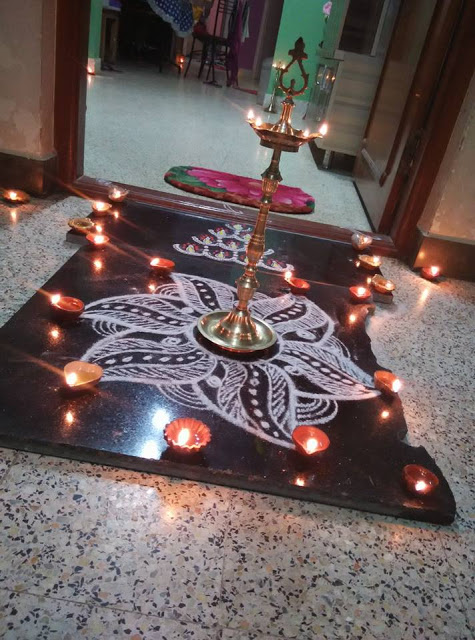
Tamils light lamps in the hoses throughout Kartika month. main festival from 10-12-19

DECEMBER 27 FRIDAY


Caste does not determineconduct nor can one’s stationdetermines one’s merit
Bharatamanjari

DECEMBER 28 SATURDAY

Forgive wrongs done to you, better still forget them Tirukkural —  152

DECEMBER 29 SUNDAY

Good character overcomes ugliness
Canakyaniti 3-32

DECEMBER 30 MONDAY

On whom does bad character bestow prosperity
— Katha Sarit Sagara

DECEMBER 31 TUESDAY

Whom does not bad character tarnish
— Katha Sarit Sagara

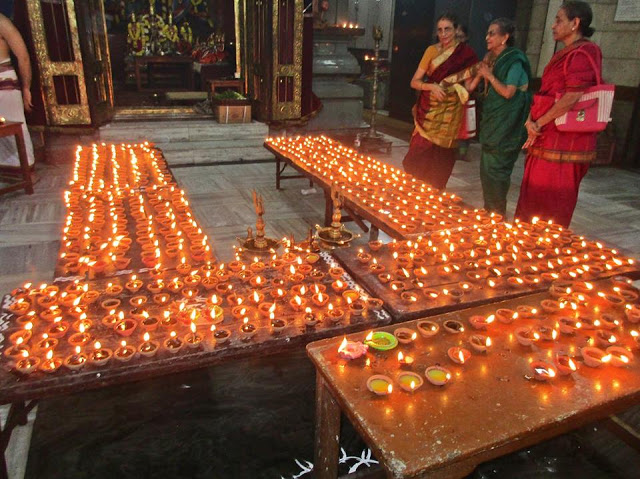
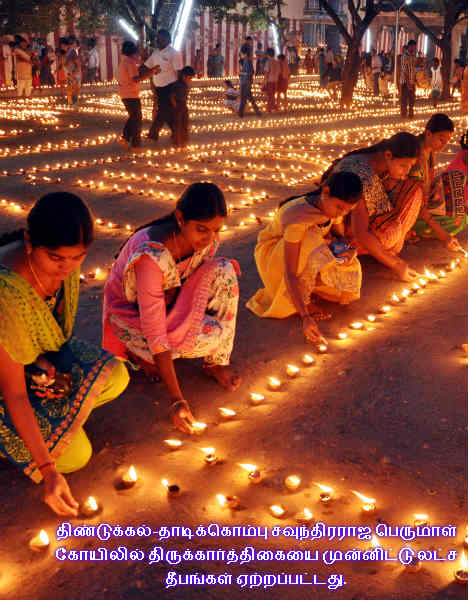
Kartikai Deepa Festival is celebrated from 10th December in Tamil Nadu.
–subham–

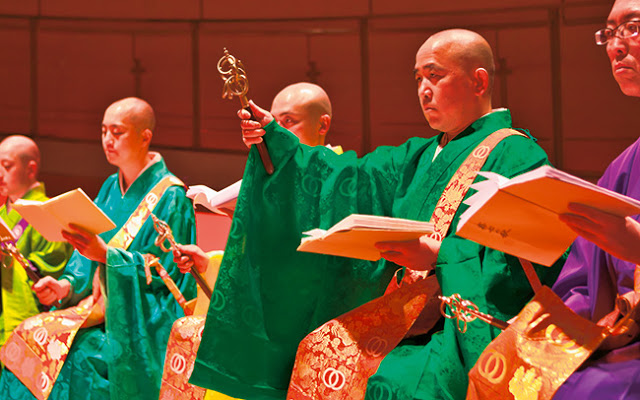
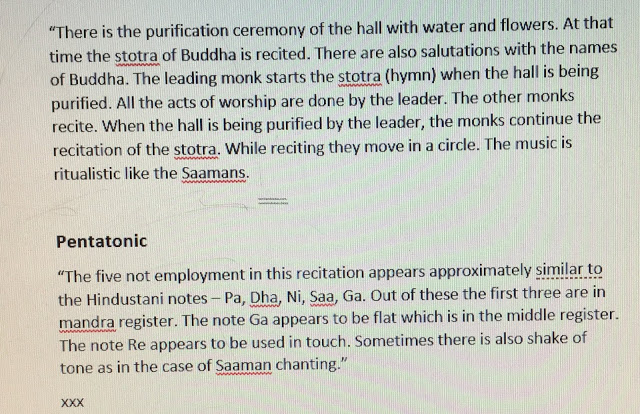
JAPANESE SHOMYO CHANTING AND HINDU SAMA VEDA (Post no.7268)

SHOMYO

Written by London Swaminathan

swami_48@yahoo.com

Date: 27 NOVEMBER 2019

Time  in London – 9-07 AM

Post No. 7268

Pictures are taken from various sources; beware of copyright rules; don’t use them without permission; this is a non- commercial, educational blog; posted in swamiindology.blogspot.com and tamilandvedas.com simultaneously. Average hits per day for both the blogs 12,000

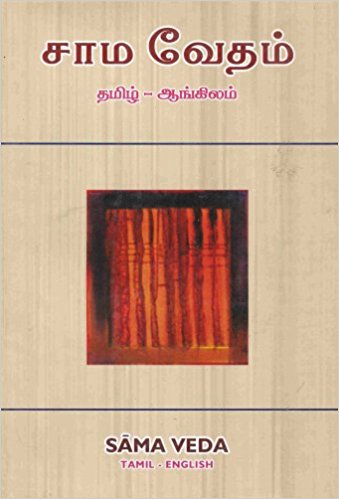
SAMA VEDIC CHANTING
SAMA VEDA PUNDITS

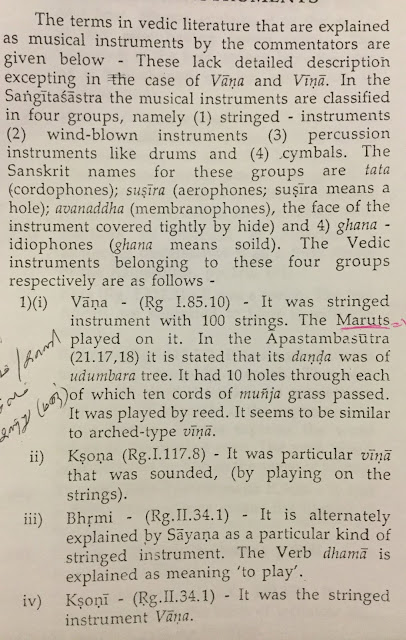
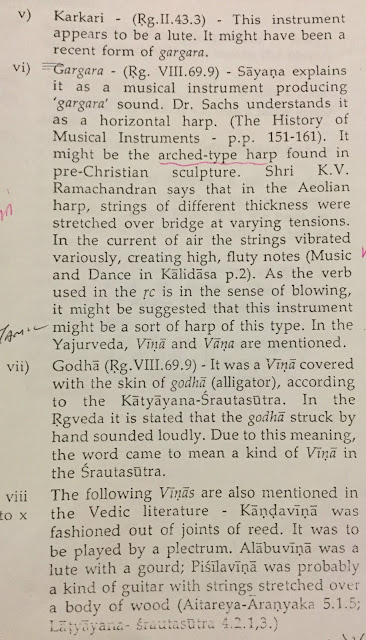
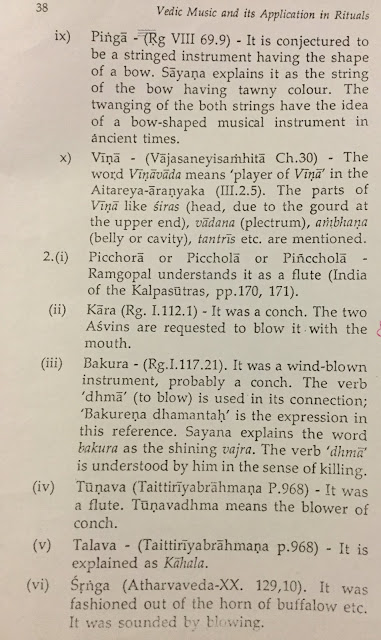
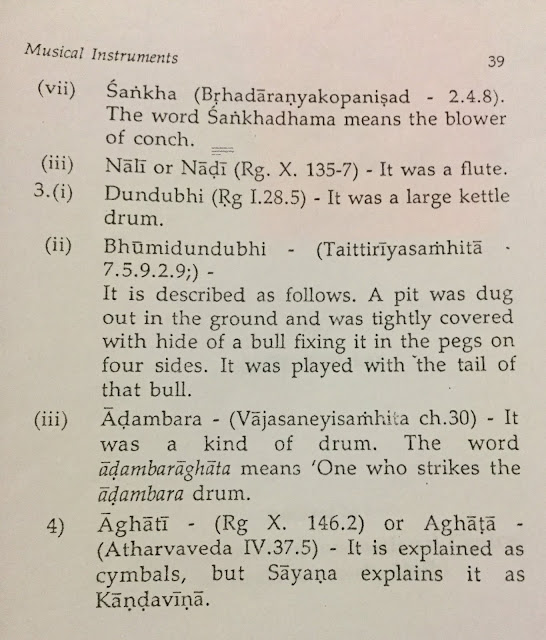
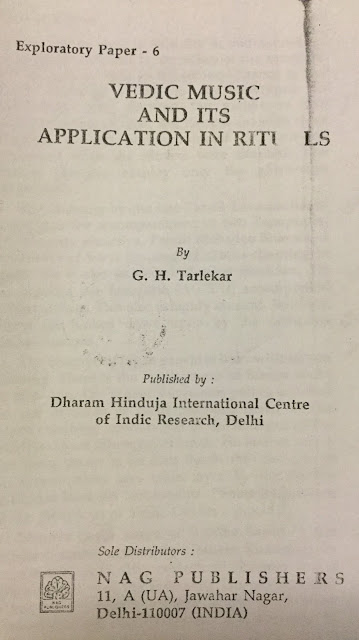
MUSICAL INSTRUMENTS IN THE VEDAS

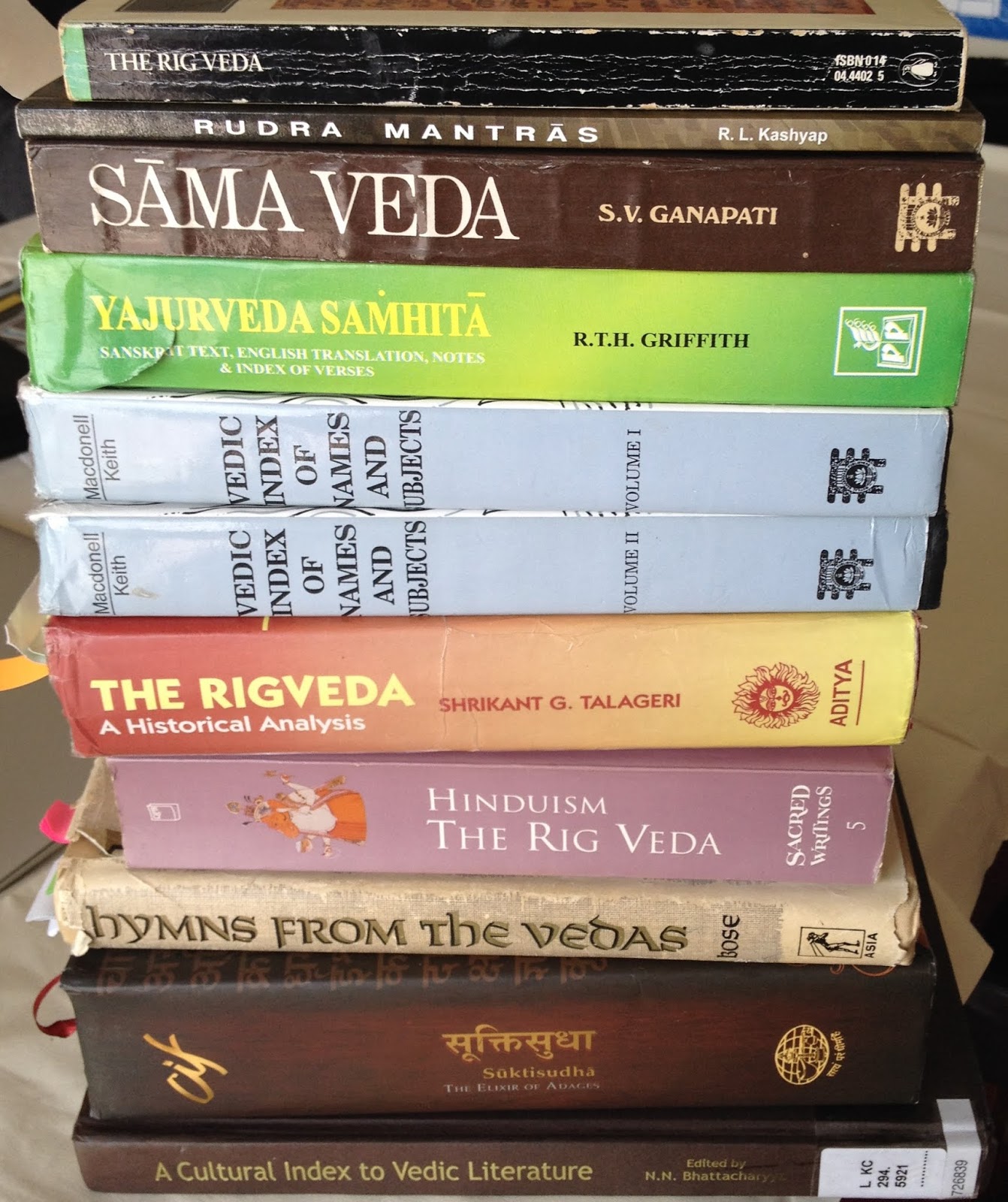
FROM MY HOME LIBRARY

–SUBHAM–

NUMBER 10 IN BUDDHISM, JUDAISM AND MANU SMRTI (Post No.7255)

Written by LONDON SWAMINATHAN

swami_48@yahoo.com

Date: 24 NOVEMBER 2019

Time  in London – 10-25 am

Post No. 7255

Pictures are taken from various sources; beware of copyright rules; don’t use them without permission; this is a non- commercial, educational blog; posted in swamiindology.blogspot.com and tamilandvedas.com simultaneously. Average hits per day for both the blogs 12,000

Marici, Atri, Angiras, Bhrgu, Narada, Pulaastya, Pulaha

NUMBER TEN IN HINDU AND OTHER CULTURES (Post No.7252)

Ten Avatars of Vishnu

Written by London Swaminathan

swami_48@yahoo.com

Date: 23 NOVEMBER 2019

Time  in London – 9-37 AM

Post No. 7252

Pictures are taken from various sources; beware of copyright rules; don’t use them without permission; this is a non- commercial, educational blog; posted in swamiindology.blogspot.com and tamilandvedas.com simultaneously. Average hits per day for both the blogs 12,000

TEN BOOKS/MANDALAS OF RIG VEDA:

The Books are called Mandalas (10)

The chapetrs or sections are called Anuvakas(85)

The hymns are called Suktas (1017 –with appendix 1028)

1st Mandala- Various seers’ hymns are in this book

2nd Mandala- Sage Grtsamada

3rd mandala- Sage Visvamitra

4th Mandala- Vamadeva

5th Mandala- Atri

6th Mandala- Bharadwaja

7th Mandala- Vashista

8th Mandala- Kanva and Angiras comosed the hymns

9th Mandala- Hymns pertaining to Soma

10th Mandala- Several poets

Hymns are mainly religious-in praise of Vedic Gods

But secular poems are also there.

XXXX

TEN INCARNATIONS IN ONE STATUE

50. TEN INCARNATIONS OF VISHNU

Matsya avatar- Incarnation as Fish

Kurma Avatar- Incarnation as Tortoise

Varaha Avatar- Incarnation as boar

Narasimha avatar- Incarnation as Man-Lion

Vamana Avatar- As a short man

Parasurama Avatar- Incarnation as Rama with a dagger

Rama Avatar- Incarnation as King Rama

Krishna- Incarnation as Krishna

Balarama/Buddha- Incarnation as Balaram/Buddha

Kalki- Yet to come ;on a white horse

 Balarama is replaced by the Buddha in some of the listings

Avatar means reincarnation. God says in the Bhagavad Gita that he would come to earth whenever there is decline in righteousness to destroy the evil and protect the good people. Other than these ten there were many more avatars. One tradition maintains that there were 18 and another 24 Avatars.

XXX

BATTLE OF TEN KINGS IN RIG VEDA

The Dasarajna or the Battle of the Ten Kings, is an important historical event alluded to in various hymns of the Rig Veda.

Sudas was the king of Bharata Kingdom. He belonged to Trstu family. At first Visvamitra was their priest. He led him to victorious campaigns on the banks of Vipas and Sutudri. Later there was some misunderstanding and Vasistha was appointed as the priest and Visvamitra was sacked. Thereupon a long and bitter rivalry ensued between the two priests and, in revenge, Visvamitra led ten kings against the Bharata kingdom.

The ten kings were from the kingdoms of Puru, Yadu, Turvasa, Anu and Drhyu, Alina, Paktha, Bhalanas, Siva and Visvanin.

In the bloody and decisive battle on the banks of River Parusni, the Bharats emerged victorious, utterly routing the ten kings. The kings of Anu and Druhyu kingdoms were drowned, while Purukutsa, King of the Puru Kingdom met his death.

XXX

TEN SIKH GURUS

Ten commandments from the Bible

–SUBHAM–