Krishna’s Diamond in USA ?

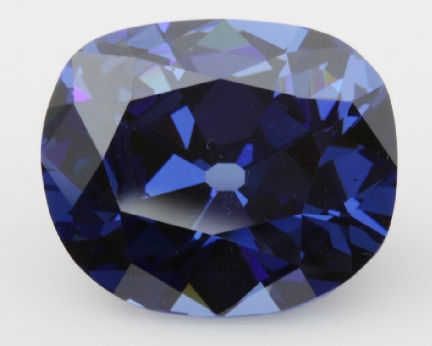
Picture shows Hope Diamond

(Brahmin and Chettiar families in South India won’t buy diamonds straight away. They will pay an amount as advance and take it home, keep it for a few days to see whether it brings good news or bad news. If it is good, then they pay the full amount. Some diamonds are defective diamonds.)

“Diamonds are a girl’s best friends”– may be true, but definitely not Lord Krishna’s best friend. Krishna had a diamond known as SYAMANTAKA which led to several murders, encounters, fights, acrimony and marriages!! My research shows the English word DIAMOND came from SYAMANT, though scholars may find different origin. The murderous diamond is at Smithsonian Museum in the USA, again this is the result of my research. Read the interesting story from Vishnu Purana and Bhagavata.

Satrajit was a Yadava leader. He was a worshipper of Sun God. Sun God gave him a powerful diamond called Syamantaka (The hidden meaning is that he found it on the ground when he went to worship in the Sun Temple). It will emit red light and dazzle like sun. A lot of people eyed this diamond and conspired to get it. When Krishna asked him to give it to Ugrasena, he refused and gave it to his own brother Prasen. When Prasen went on a hunting expedition he was killed by a lion and the diamond was taken by a tribal group known as Jambhavans. They were called Bear people because they wore the bear (Jambhavan) symbol.

Everybody suspected Krishna and thought he stole the diamond from Prasen and disposed him off. Krishna wanted to clear his name and so went in search of Prasen. He found his mauled body in the forest and traced the footsteps. When he saw Jambhavan’s children playing with the diamond, he tried to get it from them, but ended in a fight. The fight with Jambhavan went for a month and at last he reached an agreement with Jambhavan, the tribal leader and got his daughter Jambhavati  in marriage. As a marriage gift he got the diamond.

Krishna returned to his kingdom and gave Syamantaka back to Satrajit. Satrajit thanked Krishna wholeheartedly and gave his daughter Satyabhama in marriage to Krishna. When Krishna made an urgent visit to Hastinapura , another person by name Satadhanwa killed Satrajit and took the diamond. So far the diamond caused two murders and two marriages !! It did not stop there.

When Krishna returned to Dwaraka ,his wife told him that his father was murdered for the diamond. Krishna and Balarama went on a mission to get the diamond.  They chased Satadhanwa for nearly a thousand mile and killed him near Mithila in Bihar. A dangerous diamond caused three deaths and three fights and thousand mile trip from Gujarat to Bihar!! But only after killing him, they came to know the diamond was given to Akrura for safe custody by Satadhanwa.

Akrura had already escaped with the diamond to Kasi. He ran away for a thousand mile just because of the diamond. Krishna brought him back and Akrura returned the diamond to Krishna. Knowing that it was a murderous diamond, Krishna gave it back to Akrura and asked him to stay in Dwaraka. The diamond was attributed with magical qualities like bringing lot of gold like the  goose that lays golden eggs.

This is the end of the Syamantaka story in our Hindu scriptures. My research shows that it caused more fights and murders and went to USA after passing several hands in India, France and Britain.


Story of “Hope” diamond

Syamantaka went to foreign countries in the name of HOPE diamond. Knowing that it was a HOPELESS diamond, at last it was sent to a museum in the USA. People believe it was mined in Golconda area of Andhra Pradesh long ago. For several centuries diamonds were mined only in India and the world famous Kohinoor diamond also came from the same mine. The reason for me to believe that Symantaka is Hope diamond is Hope diamond is a rare diamond that emits red rays  at the exposure of ultra violet light. Syamantaka was also attributed with this quality in our Sanskrit scriptures. They describe it dazzling like (Red) sun. Moreover it created more fights resulting in more murders before landing itself in Smithsonian Museum in Washington D.C. The weight of Hope is 45 carats.

Fearing the evil effect of this gem, they adorned a goddess with this gem in South India. The priest stole that and was sentenced to death. By hook or crook French merchant Tavernier took it to France from India. Tavernier was mauled to death by dogs. It changed hands and went to the royal family. Louis XVI and his wife Marie Antoinette were guillotined (beheaded) in the French revolution. The world believed that it was due to the evil effect of Hope diamond. Later the palace was looted for this diamond. Then it changed hands and came to Britain which resulted in financial disaster and suicide. Later it was sold to private parties and that led to court cases.

Before it came to King Louis, Princess of Label had it and she was killed by a mob. Later Jacques Cello bought it and committed suicide. When it was bought by a Russian prince, he gave it to his lady love and later killed her. Whoever worn it met with a disaster.

People were afraid to buy this because of its notoriety. At one time it was owned by Henry Philip Hope and so it was named Hope diamond. The last owner Harry Watson was persuaded to donate it to the Smithsonian Museum in 1958. This diamond also resulted in at least three murders, several fights, thefts, bankruptcies like Krishna’s Syamantaka. So we can be sure that this was the Syamantaka from Krishna’s period.

Some diamonds bring lot of luck. Another famous diamond from India, Kohinoor, brought immense luck to the British Royal family. Queen Elizabeth is ruling for over 60 years.  Kohinoor is exhibited in London Tower museum. Queen Elizabeth will shine as long as the Kohinoor shines on her crown jewels!!

முதல் திராவிட ராணி:கி.மு.1320

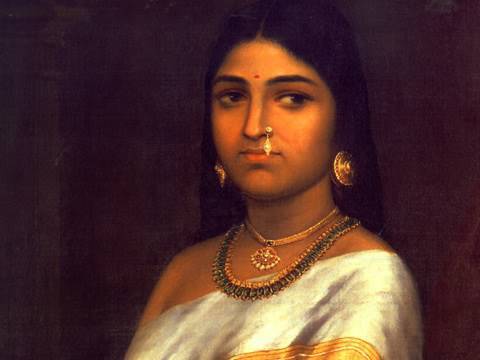
Kerala Royal Lady-Painting by Raja Ravivarma

திராவிடா என்ற ஒரு பெண்ணின் பெயர் மிக மிகப் பழைய பெயராக சம்ஸ்கிருத இலக்கியத்தில் இடம்பெறுகிறது. இவர் திராவிட நாட்டிலிருந்து சென்ற அரச குலப் பெண்ணாக இருக்க வேண்டும். இவர் த்ருணபிந்து என்பவரின் மகள். விஸ்ரவஸ் என்பவரின் தாய். இந்த வம்சங்களை ஆராய்ந்து பர்ஜிட்டர் (parjiter)  போன்ற புராண ஆராய்ச்சியாளருடன் ஒப்பிடும்  ஆர்.மார்ட்டன் ஸ்மித் (R. Morton Smith: Dates and Dynasties in Ancient India, Motilal Banarsidas)  இப்படி வரிசைப்படுத்துகிறார்.

த்ராவிடா—விஸ்ரவஸ்—விசால—ஹேமசந்திர—உசந்திர—தூம்ராஸ்வ—ஸ்ரீஞ்சய—சஹதேவ—க்ர்சாஸ்வ—சோமதத்த—ஜனமேஜய—ப்ரமாதி

ப்ரமாதி என்ற மன்னன் தசரதனின் தந்தையான அஜன் காலத்தவன். மார்ட்டன் ஸ்மித் கணக்குப்படி த்ருண பிந்துவின் காலம் கி.மு.1320. இந்த அரசர் வரிசை புராணங்களில் கொடுக்கப்பட்டுள்ளது.

உலகெங்கிலும் சுமேரிய, பாபிலோனிய, எகிப்திய கதைகளிலுள்ள மன்னர்களுக்கெல்லாம் காலம் கணித்த பின்னரும் நாம் மட்டும் புத்தர் காலம் (கி.மு ஆறாம் நூற்றாண்டு) முதல் வெள்ளைக்காரர் எழுதிய சரித்திரத்தையே இன்று வரை படித்து வருகிறோம். உண்மையில் ராமர், தசரதர் காலம் எல்லாம் இதற்கும் முன்னிருக்க வேண்டும். ஆனால் மார்ட்டன் ஸ்மித் , பர்ஜிட்டர் போன்றவர்கள் ஒவ்வொரு மன்னனுக்கும் 20 முதல் 30 ஆண்டு மட்டுமே ஒதுக்கியும் கூட அவர்கள் காலம் கி.மு.1300ஐ ஒட்டிச் செல்கிறது!

ஆனால் இதில் வியப்பதற்கு ஒன்றும் இல்லை. விஜயன் என்ற மன்னன் இந்தியாவின் ஒரிஸ்ஸா/ வங்காளப் பகுதிலிருந்து நாடு கடத்தப் பட்டு இலங்கையை அடைந்தவுடன் அவனுக்கும் அவனுடைய மந்திரிகளுக்கும் மணம் முடிக்க பெண்கள் இல்லை. பாண்டிய நாட்டுப் பெண்கள்தான் அங்கு சென்று அவர்களைக் கல்யாணம் செய்துகொண்டனர் என்று இலங்கை வரலாற்றைக் கூறும் மஹாவம்சம் என்ற நூலில் உள்ளது. இது நடந்தது கி.மு ஐந்தாம் நூற்றாண்டு.

மன்னர்கள் பல நாட்டுப் பெண்களை மணப்பது தொன்று தொட்டு நடந்துவருகிறது. காந்தார (ஆப்கனிஸ்தான்) நாட்டுப் பெண்ணான காந்தாரியை திருதராஷ்ட்ரன் மணந்தான். கேகய (ஆப்கனிஸ்தான் /ஈரான்) நாட்டுப் பெண்ணான கைகேயியை தசரதன் மணந்தான். செல்யூகஸ் நிகடார் என்ற கிரேக்க மன்னனின் மகளை மௌர்ய சந்திர குப்தன் மணந்தான்.

மஹாபாரத வீரன் அர்ஜுனன் மணக்காத இனமே இல்லை. அர்ஜுனன் பாண்டிய குமாரியை மணந்ததாக நாட்டுபுற பாடலும் உண்டு. (அர்ஜுனனும் வந்துவிட்டார் அல்லி ராணி).

2000 ஆண்டுகளுக்கு முன் அகத்திய மகரிஷி தென்கிழக்காசிய ( நாக நாட்டு) மங்கையை மணந்து அங்கு இந்து சாம்ராஜ்யத்தை ஸ்தாபித்தார். அது முஸ்லீம்கள் வரும் வரை 1300 ஆண்டுகளுக்கு நீடித்தது. ஆனால் லோபமுத்ரா என்ற பெண்ணை மணந்த ரிக் வேத அகத்தியர் வேறு. மணி மேகலை கதையிலும் இதே போல நாகநாட்டு மங்கை பீலிவளையைச் சோழ மன்னன் கிள்ளிவளவன் மணந்த வரலாறு வருகிறது.

பாண்டியர் –குஜராத்தி தொடர்பு

“ஆவஸ்யக சூர்னி” என்ற சமண மத நூல் ஒரு அரிய தகவலைத் தருகிறது. மதுரைக்கும் சவுராஷ்ட்ர தேசத்துக்கும் (குஜராத்தின் ஒரு பகுதி) இடையே தொடர்ந்து கப்பல் போக்குவரத்து இருந்ததாகவும் பாண்டு சேனன் என்ற மதுரை மன்னன் தனது இரண்டு மகள்களுடன் சென்றபோது புயல் காற்று வீசி கப்பல் உடைந்தவுடன் முருகனையும் சிவனையும் வேண்டிக் கொண்டதாகவும் கூறுகிறது. முருகனும் சிவனும் தமிழுக்கு மிகவும் நெருக்கமானவர்கள் என்பதோடு அவர்கள் இருவரும் தமிழ் சங்கத்தில் தமிழ் ஆராய்ந்ததாகவும் நாம் படிக்கிறோம். ஆக, இது சங்க காலத்தில் நடந்த ஒரு நிகழ்ச்சி என்றும் கருதலாம். புறநானூற்றில் கடலுள் மாய்ந்த இளம்பெருவழுதி என்ற மன்னன் கடல் பயணத்தில் இறந்ததையும் நினைவிற்கொள்ள வேண்டும்.

மதுரை மன்னன் மலயத்வஜ பாண்டியன் சூர சேன (குஜராத்) மன்னன் மகளான காஞ்சன மாலாவை மணந்து மீனாட்சியைப் பெற்றெடுத்தான். இதிலிருந்துதான் தற்கால மதுரையின் வரலாறே துவங்குகிறது. மதுரையைச் சுற்றி கி.மு. மூன்றாம் நூற்றாண்டு கல்வெட்டுகள் இருப்பதைக் கருத்தில் கொண்டால் மலயத்வஜன் காலமும் 2000 ஆண்டுகளுக்கு முந்தியதே.

(திராவிடம் என்பதை இப்போது அரசியல்வாதிகள் பயன்படுத்தும் சொல்லுடனும், வெளிநாட்டார்,  நம் மீது திணித்த ஆரிய திராவிடவாதச் சொல்லுடனும் குழப்பிக் கொள்ளக் கூடாது. சங்க இலக்கியத்திலும் பழைய வடமொழி நூல்களிலும் ஆரியர் என்பது முனிவர்கள் வாழும் பகுதி, வட நாடு, பண்பாடுமிக்கவர்கள் என்ற பொருளிலேயே பயன்படுத்தப்பட்டது. திராவிடம் என்பது தென் பகுதியைக் குறிக்கும் சொல். இப்போது ஆங்கிலத்தில் மத்திய கிழக்கு, தூரக் கிழக்கு என்றெல்லாம் பெயரிட்டது போல இது ஒரு நிலவியல் சொல்.)

தசரதன் எழுதிய கடிதங்கள்

எகிப்து நாட்டு அரசனுக்கு இரண்டு பெண்களை மணம் முடித்த தசரதன் (Tushratta கி.மு.1354) என்ற மன்னனின் கடிதங்கள் மிகவும் புகழ் வாய்ந்த கடிதங்கள். அவை 3500 ஆண்டுகளுக்கு முன் எகிப்திய மன்னனுக்கு எழுதப்பட்ட கடிதங்கள். இவை விக்கி பீடியா போன்ற தளங்களில் முழு விவரங்களுடன் கிடைக்கும். மிட்டன்னி மன்னனான தசரதன் தனது சகோதரி ஜிலுகிபாவையும்(Gilukhipa), மகள் ததுகிபாவையும்(Tadukhipa) எகிப்பதிய மன்னன் மூன்றாம் அமணதேவனுக்கு( Amenhotep III)  மணம் முடித்தான். இதற்குப் பின் அவன் எழுதிய 10 கடிதங்கள் மிகவும் சுவையானவை. இப்பொது கியூனிபார்ம் எழுத்தில் மியூசியத்தில் உள்ளன. நமக்குத் தெரிந்து 4, 5 தசரதன்கள் இருப்பதால் இவர் ராமாயண தசரதனுக்கு முந்தியவரா பிந்தியவரா என்பது ஆய்வுக்குரிய விஷயம். மிக மிகப் பழமையான கலப்பின கல்யாணம் இதுதான். எகிப்து நாட்டுக்கே மிஸ்ரம் (கலப்பின) நாடு என்றுதான் பெயர்.

வட மொழி தென் மொழி நூல்கள் ஒரு உண்மையை மறைக்காமல் ஒத்துக் கொள்கின்றன. விஷ்ணுவின் பத்து அவதாரங்களில் முதல் அவதாரமான மச்சாவதாரம் தென்னாட்டில்தான் நடந்தது என்ற கதை வடமொழிப் புராணங்களிலேயே உள்ளது. திருஞான சம்பந்தரும் அவர் பிறந்த சீர்காழியைத் “தோணிபுரம்” (Boat City) என்றும் பிரளய காலத்தில் தோனி (Noak’s Ark) ஒதுங்கிய இடம் என்றும் பாடுகிறார். கடல் கோளும் சுனாமியும் சங்க இலக்கியத்தில் பல இடங்களில் குறிப்பிடப் படுகிறது. இவற்றை எல்லாம் கருத்தில் கொண்டு பார்க்கையில் தென்னாட்டு / திராவிட ராணிகள் பல நாடுகளுக்குச் சென்றது உண்மையே என்று அடித்துக் கூறலாம்.

தமிழ் இலக்கியங்களில் தென்னவன் என்ற சொல் யமனையும் பாண்டியனையும் ராவணனையும் குறிக்கும். இலங்கை ராவணன் , மிதிலைப் (பீஹார்- நேபாள எல்லை ) பெண்ணான சீதையைக் குறிவைத்ததும் இதனால் அன்றோ. ராமனுக்கெல்லாம் முன்னோனான அஜன் — இந்துமதி ஸ்வயம்வரத்துக்கு பாண்டிய மன்னனும் வந்ததாக புகழ் பெற்ற கவிஞன் காளிதாசனும் பாடுகிறான். அவனும் 2000 ஆண்டுகளுக்கு முன் வாழ்ந்தவன். ஆக இது எல்லோருக்கும் தெரிந்த ஒரு வழக்குதான்.

*****************************

மஹா வீரன் யார்?

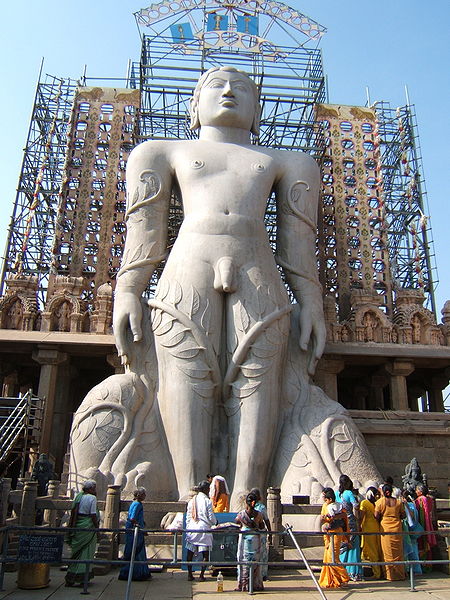
Jain Saint Bahaubali, 60 feet tall monolith,Sravanabelagola

மஹா வீரன் யார்? இந்தியாவில் இருவருக்குத்தான் மஹாவீர் என்று பெயர். ஒருவன் அநுமன். மற்றொருவர் சமண தீர்தங்கரர் மஹாவீரர்.


யார் வீரன்? என்று மேலை நாட்டில் கேள்வி கேட்டால் ஏகே 47 துப்பாக்கியால் நூற்றுக் கணக்கான பெயர்களைச் சுட்டுத் தள்ளியோரின் பெயரைக் கூறுவார்கள். திரைப்படம் பார்க்கும் படிப்பறிவு இல்லாதவர்கள் தமிழ் இந்தி திரைப்பட கதாநாயகன் ,வில்லன்கள் பெயர்களைக் கூறுவார்கள். படித்திருந்து ஆங்கிலப் படம் பார்க்கும் பழக்கம் உள்ளவர்களுக்கு இண்டியானா ஜோன்ஸ் நினைவுக்கு வரலாம். பயங்கரவாதிகள் என்று ஒரு நாடு முத்திரை குத்துவோரையும் அவருடைய கொள்கையில் நம்பிக்கை கொண்டோர் மாவீரன் என்று கொண்டாடுவார்கள். ஆனால் வியப்பிலும் வியப்பான  கொள்கை– இந்தியக் கொள்கை புலன்களை வென்றவனே மஹாவீரன்.


ஒன்றாகக் காண்பதே காட்சி, புலன் ஐந்தும் வென்றான் தன் வீரமே வீரம்


என்பது ஆன்றோர் வாக்கு. வள்ளுவனும்” பிறன் மனை நோக்காத பேராண்மை” என்று பெரும் வீரத்தைப் புகழ்கிறான்.


எப்படி துளசிதாசரின் ஹனுமான் சாலீஸா இந்தியர்களைத் தட்டி எழுப்புகிறதோ அதே போல மஹவீரரின் சிலையும் கொள்கைகளும் சிரவணபெளஹோலாவில் உள்ள பாஹுபலியின் சிலையும் நம்மை எல்லாம் புத்துணர்ச்சி பெற வைக்கிறது.


“நிமிர்ந்த நன்னடை நேர்கொண்ட பார்வை நிலத்தில் யாருக்கும் அஞ்சாத நெறிகள், திமிர்ந்த ஞானச் செருக்கு” ஆகியவற்றை அந்தச் சிலைகளில் காண முடிகிறது. புலன்களை வென்றதாலேயே மஹாவீரர்கள் என்று அழைக்கப் படுகிறார்கள். இது பாரத நாட்டுக்கே உரிய ஒரு கொள்கை. உலகில் வேறு எங்கும் காணமுடியாதது.


“கால் பொருது இடிப்பினும், கதழ் உறை கடுகினும், உரும் உடன்று எரியினும், ஊறு பல தோன்றினும், பெரு நிலம் கிளறினும், திரு நல உருவின் மாயா இயற்கைப் பாவை என்று கொல்லிப் பாவையை நற்றிணைப் புலவர் பரணர் வருணித்தது மஹாவீரர், பாஹுபலி போன்ற புனிதர்களுக்கும் பொருந்தும்.


அனுமன் ஜயந்தியும் மஹாவீர் ஜயந்தியும் அருகருகே ஏப்ரல் மாதத்தில் வருவதால் இரண்டையும் இணைத்தேன். அனைவருக்கும் வாழ்த்துக்கள்.


அஞ்சிலே ஒன்று பெற்றான், அஞ்சிலே ஒன்றைத்தாவி,

அஞ்சிலே ஒன்று ஆறாக, ஆரியர்க்காக ஏகி

அஞ்சிலே ஒன்று பெற்ற அணங்கைக் கண்டு அயலார் ஊரில்

அஞ்சிலே ஒன்று வைத்தான் அவன் நம்மை அளித்துக் காப்பான்.


Hindu Goddess’ march to Denmark !

Picture shows Gundestrup cauldron with Gajalakshmi

(This is the fifth part in my thesis to prove that Kalidasa lived before Sangam Tamil period. Kalidasa’s date was around 1st century BC. Tamil poets have used a lot from his 1000+ similes in various places. For some of these we may find a common source. But a lot of similes and idioms and phrases show beyond any shadow of doubt that they knew Kalidasa’s works and they deliberately used them in Sangam Tamil poems. Art Historian Sri C Sivaramamurti and others used different methods to arrive at the same date of first century BC. Sivaramamurti showed how Junagadh Rudradaman inscription of second century AD had echoed Kalidasa’s poems)

Lakshmi is praised by various Tamil and Sanskrit poets from Vedic days. They used the words THIRU (Tamil) and SRI (in Sanskrit) to mean wealth as well as Goddess Laksmi. Goddess Lakshmi is in charge of wealth. There are innumerable references to the goddess in Tamil and Sanskrit works. But the interesting form of Lakshmi  is GAJA LAKSHMI(Gaja in Sanskrit means elephant). Goddess Lakshmi seated on a lotus flower and two elephants on either side pouring water on her is known as Gaja Lakshmi. This particular aspect of Lakshmi is considered very auspicious. In India, particularly in Chettinadu of Tamil Nadu, palatial houses have Teak doors with the wooden figures of Gajalakshmi till this day.

Gajalakshmi’s figures have travelled from the Himalayas to the southern most part of Sri Lanka. It is in the form of old coins, lamps, wooden figures, idols and stone sculptures. It has travelled from India to Denmark !! We have Gajalakshmi figure carved in to Gundestrup silver Cauldron. Now it is in Copenhagen. When they dug up a marshy area in Jutland , Denmark in 1891 they recovered a big silver vessel which is dated to second century BC. A very interesting fact about this vessel is that there is a god surrounded by animals like we see in the Indus valley seal (For more details please read my article Vishnu in Indus Valley Seal)

The earliest reference to Gajalakshmi is in Sri Suktam of the Vedas:

“Laksmir –divyair-gajendrair-manigana-kasithai: snabitha hemakumbhair nithyam sa pathma hastha”

(Holding a lotus in hand she is bathed by water from the gem studded golden pot by the celestial elephants)

Later Valmiki, Kalidasa and Sangam Tamil poets described the goddess in detail. We get lot of materials with the figure in coins, sculptures, idols etc. from second century BC onwards .The Bharhut sculptures show a beautiful Gajalakshmi which is in Kolkatta museum at present.  Ellora, Mahabalipuram cave temples also have got these sculptures.

Gajalakshmi coins are in plenty belonging to different dynasties of different periods. The oldest coin was issued by an Indo Greek king Azilises of North West India in first century BC. Later kings of Kosambi and Mathura Bijaasata Mitra and Visaka Deva respectively issued coins with Gajlakshmi. In Sri Lanka we find Gajalakshmi on the coins of 1st century AD. The coins were recovered from Anuradhapuram,Kantharodai , Manthottam in Sri Lanka and Karur of Tamil Nadu..

Buddhists and Jains “worshipped”

Not only Hindus but also the Jains and Buddhists respected or probably worshipped Gajalakshmi. The Buddhist kings of Sri Lanka issued such coins. Bharhut sculpture of Gakjalakshmi is another proof for it. Jain Tirthankar Mahavir’s mother Trishala had a dream of 14 auspicious signs before the birth of Mahavir. The fourth dream was of Gajalakshmi.

Michael Michener read a paper at a seminar in British Museum, London where he listed all the old kings who issued coins of Gajalakshmi. The list includes coins of Indo Greek king Azilesas, Mathura King Raju vula , Andhra King Shrive Satakarni(1st century) ,Jayanagar (8th century AD) and Nayak Kings of Tamil Nadu.

In the 2000 year old Sangam literature, we have references in the books:

Nedunal vaatai .88-89 and Kalitokai 44-8.

Madurai Kanchi of Mankudi Maruthan 353

Kapilar being a Brahmin well versed in Sanskrit used lot of Kalidasa’s similes and expressions. In Kalitokai, Kurinji Kali 44-8 he described Gajalakshmi.

Another Brahimn poet Nakkirar, who would have read all Kalidasa in Sanskrit used a lot of Kalidasa’s works on Muruga (Lord Skanda) in his Tirumurukatruppatai and Lakshmi in Nedunalvatai.

“Have massive door posts daubed with ghee and white mustard

And held by a stout lintel named after Uttara star,

Where on are carved the figures of Goddess Lakshmi,

With the elephants holding water lilies on either side

And fitted with double doors, iron clamped….. (Nedu88-89)

(Nachinarkiniyar interpreted these lines as Gajalakshmi. English translation is based on his commentary. Arthasastra also advised kings to install such figures in the fort doors)

In Sivaka Sinthamani (2595), we see the same picture.

In Kalidasa we have references to Gajalakshmi in the books:

Raghuvamsa 12-93: Kalidasa was describing the battle between Rama and Ravana with beautiful similes in every sloka/couplet. The commentators struggled to comment on this sloka because they did not know what he was using as simile. They guessed that a wooden plank with wheels was used when two elephants clashed in the battle field. But anyone who reads it can easily see he used Jayalakshmi (goddess of victory) in between two elephants to mean Galjalakshmi .

In Meghadutam 79, Kalidasa described the lotus and conch (Sangha Nidhi and Padhma Nidhi) pictures drawn on the doors. They are considered two of the nine treasures of Kubera. Saivite saint Appar also mentioned these treasures of Kubera in his Thevaram hymns.

Arthasastram of Kautilya (second century BC) listed several gods and goddesses to be installed in the forts and Gajalakshmi was one of them

Tamil References:

குறிஞ்சிக் கலி

வரிநுதல் எழில் வேழம் பூநீர் மேல் சொரிதரப்,

புரிநெகிழ் தாமரை மலரங்கண் வீறு எய்தித்,

திரு நயந்து இருந்தன்ன தேங்கமழ் விறல் வெற்ப! (கலி.44-8-5/7)

மதுரைக் காஞ்சி

விண் உற ஓங்கிய பல் படைப் புரிசை

தொல் வலி நிலை இய அணங்குடை நெடி நிலை(352-353)

நெடுநல்வாடை

ஐயவி அப்பிய நெய் அணி நெடு நிலை

வென்று எழு கொடியொடு வேழம் சென்று புக

குன்று குயின்றன்ன ஓங்கு நிலை வாயில்

திருநிலை பெற்ற தீது தீர் சிறப்பின் (86-89)

அப்பர் தேவாரம்

சங்க நிதி பதும நிதி இரண்டும் தந்து

தரணியொடு வானாளத் தருவரேனும்

மங்குவார் அவர் செல்வம் மதிப்போம் அல்லோம்

மாதேவர்க்கு ஏகாந்தர் அல்லார் ஆகில் (அப்பர் 6-346)

References

  1. The Gundestrup Cauldron by Timothy Tailor-Scientific American, March 1992
  2. Ancient coins of India by A. Cunningham (pages 74,86,92 and 100)
  3. Foreign influence on Ancient Sri Lankan Coinage by Jayasinghe-1997
  4. Lakshmi bathed by elephants on ancient Indian coins by Michael Michener-seminar in British Museum-2-12-2000

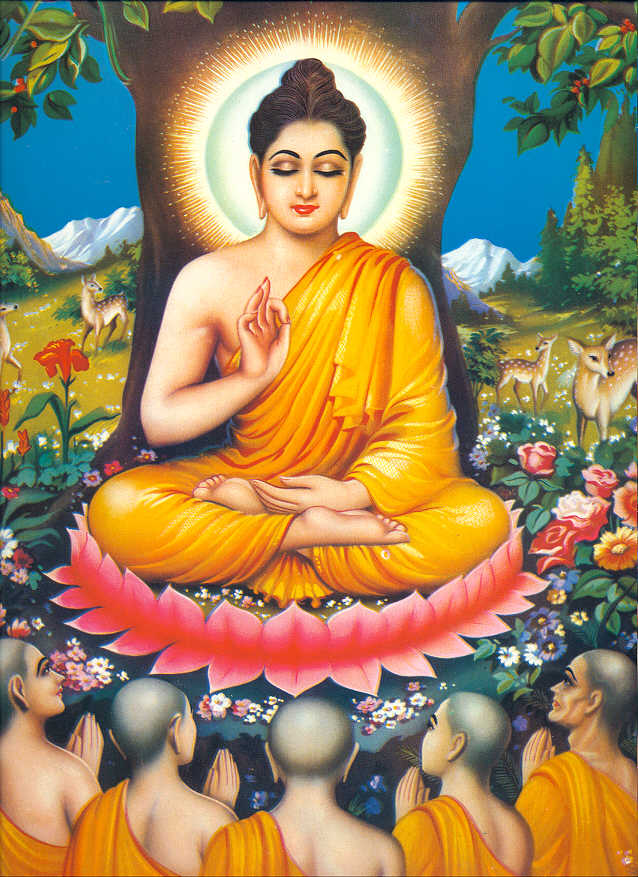
60 second interview with The Buddha


(Questions are imaginary; answers are from The Dhammapada)

Buddha, people say mind is like a monkey, jumping from one thing to another. How can we control it?

The mind is wavering and restless, difficult to guard and restrain: let the wise man straighten his mind as a maker of arrows makes his arrows straight (33).

What is the eternal law?

For hate is not conquered by hate; hate is conquered by love. This is a law eternal (5)

Who is happy?

The man who does good things is happy in both worlds. He is glad, he feels great happiness when he sees the good he has done (16).

Why are thoughts important?

What we are today comes from our thoughts of yesterday, and our present thoughts build our life of tomorrow; our life is the creation of our mind (2).

Can we criticize others when they do something wrong?

Think not of the faults of others, of what they have done or not done. Think rather of your own sins, of the things you have done or not done (50).

Who is a fool?

How long is the night to the watchman; how long is the road to the weary; how long is the wandering of lives (samsara) ending in death for the fool who cannot find the path (60).

Who is wise?

Even as a great rock is not shaken by the wind, the wise man is not shaken by praise or by blame.

What is the source of joy?

Wherever holy men dwell, that is indeed a place of joy- be it in the village, or in a forest, or in a valley or on the hills (98).

 Can we call a person Hero who kills hundreds of people with his AK 47 gun?

If a man should conquer in a battle a thousand and a thousand more, and another man should conquer himself, his would be the greater victory, because the greatest of the victories the victory over oneself (103-105).

Should I postpone doing good things till my old age?

Make haste and do what is good. If a man is slow in doing good, his mind finds pleasure in evil (116).

Lord Krishna (Gita 2-58) compares a tortoise to a self controlled Yogi and you said something similar…

The man whose hands are controlled, whose feet are controlled, whose words are controlled, who is self controlled in all things, who finds the inner joy, whose mind is self possessed, who is one and has found perfect peace-this man I call a monk (362)

Lord Krishna in Gita says Arise! Attain Glory! The Self is the friend and foe of the Self.

Arise! Rouse thyself by thy Self; train thyself by thyself, thy Self. Under the shelter of thy  Self , and ever watchful, thou shall live in supreme joy (379, 380)

Buddha, you have given one full chapter for Brahmins (Chapter 26) in Dhammapada. Who is a Brahmin according to you?

A man becomes not a Brahmin by long hair or family or birth. The man in whom there is truth and holiness, he is in joy and he is a Brahmin (393)

Who is free from anger, faithful to his vows, virtuous, free from lusts, self restrained, whose mortal body is his last- him I call a Brahmin.(400)

One should never hurt a Brahmin; and a Brahmin should never return evil for evil (389)

About misers….

Misers certainly do not go to the heaven of the gods (177)

About Birth……

It is a great event to be born a man (182).

About Love…..

O let us live in joy, in love amongst those who hate! Among men who hate, let us live in love (197).

About Health……

Health is the greatest possession. Contentment is the greatest treasure.  Confidence is the greatest friend. Nirvana is the greatest joy. (204)

Buddha, Thanks a lot. You have enlightened us.


விண்வெளி ராக்கெட்டும் விசேஷ பிரார்த்தனையும்


ஆதி சங்கரர் “கனக தாரா ஸ்தோத்திரம்” செய்தால் ஏழை வீட்டில் தங்க மழை பெய்கிறது. முத்துசாமி தீட்சிதர் அமிர்தவர்ஷனி ராகத்தில் அம்பாளைப் பிரார்த்தித்தால் வறண்ட பூமியில் மழை பெய்கிறது. ஞான சம்பந்தர் பதிகம் பாடினால் இறந்துபோன பெண் அஸ்திக் கலச சாம்பல் எலும்பிலிருந்து எழுந்து வருகிறாள். நாமும் அதே ஸ்தோத்திரம் , பதிகம் பாடினால் ஏன் நமது பிரார்த்தனைகள் நிறைவேறுவதில்லை?

இதோ, கீழே இதற்கான விடை உள்ளது.

கிரகண நாட்களில் பிரார்த்தனை செய்தால் ஏன் பலன் பன் மடங்கு அதிகரிக்கிறது? சிவ ராத்திரி, வைகுண்ட ஏகாதசி, பிள்ளையார் சதுர்த்தி, துர்காஷ்டமி, ஜன்மாஷ்டமி, ராமநவமி ஆகிய நாட்களில் பூஜை செய்தால் ஏன் பல மடங்கு பலன் கிடைக்கும் என்று நமது மத நூல்களும் ஆச்சார்யர்களும் கூறுகிறார்கள்?

இதோ கீழே இதற்கான விடை உள்ளது.

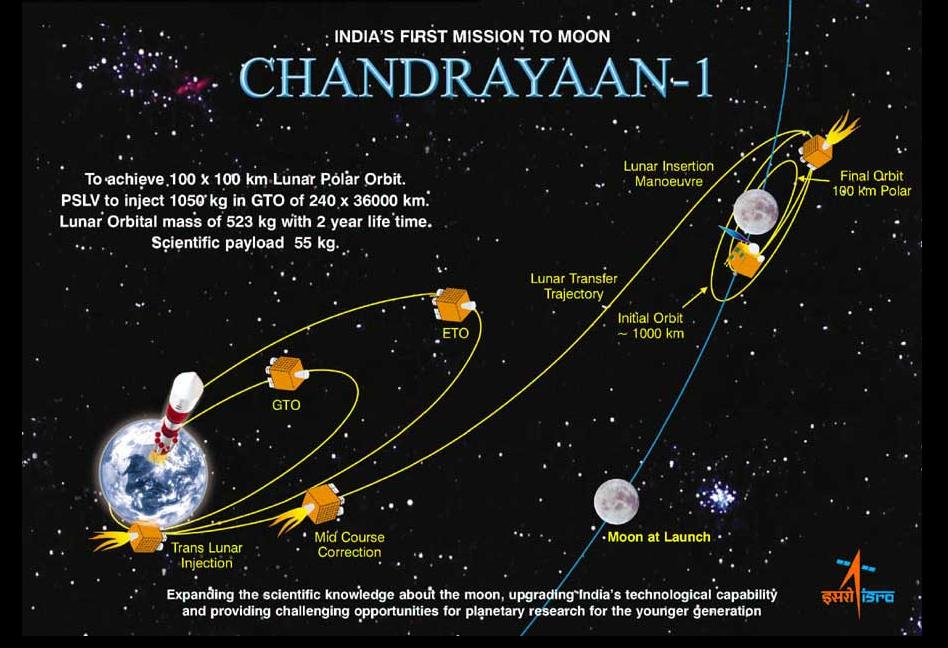
இந்திய விண்கலம் சந்திரனுக்குச் சென்றதை எல்லோரும் அறிவர். அமெரிக்க ரஷிய விண்கலங்கள் செவ்வாய், சனி கிரகங்களுக்கு அவ்வப்போது ஏவப் படுகின்றன. பல விண்கலங்களும் பாதியில் கோளாறு ஆகி விழுகின்றன. ஏன் சில போயின, சில வெடித்து விழுந்தன? தவறான நேரம் அல்லது இயந்திரக் கோளாறு காரணமாக இருக்கலாம்.


ஒவ்வொரு விண்கலம் ஏவப்படும் முன்பாக பல ஆண்டுகள் திட்டமிடுவார்கள். என்ன என்ன ஏற்பாடுகள் தேவை தெரியுமா?

ஒரு ஏவுதளம் வேண்டும். இது கடலுக்கருகில் அல்லது மனித நடமாட்டம் இல்லாத பாலவனத்தின் பக்கத்தில் இருக்க வேண்டும். அதுவும் நில நடுக் கோட்டுக்குப் பக்கத்தில் இருக்க வேண்டும். இதற்குப் பின் எந்த கிரகத்துக்கு அனுப்புகிறோமோ அதன் பாதை, வேகத்தைக் கவனித்து, அது பூமிக்கு அருகில் வரும் போது ஏவ வேண்டும். விண்வெளியில் அதிக எரிபொருள் செலவில்லாமல் பயணம் தொடர ஒவ்வொரு கிரகத்தின் ஈர்ப்பு உந்து விசையைப் (Gravitational slingshot) பயன்படுத்த உரிய தருணத்தில் அனுப்ப வேண்டும். இது தவறினால் சில நேரம் ஆண்டுக் கணக்கில் கூட காத்திருக்க வேண்டும்.

இனி ராக்கெட்டையும் விண்கலத்தையும் பார்ப்போம். ஒரு விண்கலம் பூமியின் ஈர்ப்பு விசையத் தாடவேண்டுமானால் ஒரு வினாடிக்கு குறைந்தது 11.2 கிலோமீட்டர் அல்லது எட்டு மைல் வேகத்தில் அந்த ராக்கெட் போக வேண்டும். அப்போதுதான் பூமியின் ஈர்ப்பு விசையை (Escape velocity ) மீறமுடியும். துல்லியமான கம்ப்யூட்டர் கணக்குகளில் ஒரு இம்மி பிசகானாலும் ராக்கெட்டோ விண்கலமோ அதன் இலக்கிலிருந்து பல கோடி மைல்கள் தள்ளிப் போய்விடும் .அல்லது புறப்பட்டவுடனே விழுந்துவிடும். பெரிய விண்கலம் ஆக இருந்தால் கூடுதல் எரிபொருளும் பெரிய ராக்கெட்டும் தேவைப்படும். கால நிலை முதலியவற்றைக் கணக்கில் கொண்டு (Launch window ) ஒரு கால அட்டவணை தயாரிக்க வேண்டும்.

செவ்வாய் கிரகத்தை நோக்கி அனுப்பப்பட்ட பெரும்பாலான விண்கலங்கள் தோல்வியில் முடிந்தன. பல தோல்விகளுக்கு என்ன காரணம் என்று இன்னும் ஆராய்ந்து வருகிறார்கள்.

இப்போது இதையே விசேஷ பிரார்த்தனையுடன் ஒப்பிடுங்கள். எப்படி ஈர்ப்பு விசையைத் தாண்ட வினாடிக்கு எட்டு மைல் வேகம் தேவையோ அப்படி நம்முடைய அகங்காரம், மமகாரம், தீய எண்ணங்கள், கோபம் தாபம் ஆகிவற்றைத் (Gravity) தாண்ட தீவிர பிரார்த்தனை வேண்டும்.

எப்படி சில நாட்களில் ஏவினால் கிரகங்களின் உந்துவிசை பயன்படுகிறதோ(Gravitational slingshot)  அப்படி விசேஷ நாட்களில் பிரார்த்தனை செய்தால் பிரார்த்தனைக்கு உந்து விசை கிடைக்கும். அப்போது நூறு முறை நாம ஜபம் செய்தாலும் அது பல்லாயிரம் மடங்காகும்.

எப்படி குறிப்பிட்ட நாட்களில் (Launch window ) ஏவினால்தான் ராக்கெட்டுகள் எளிதாக இலக்கை அடையுமோ அப்படி பண்டிகை அல்லது கிரகண காலங்களீல் செய்தால் எளிதில் நினைத்ததை அடையலாம்.

எப்படி குறிப்பிட்ட இடத்தில் உள்ள ஏவுதளத்திலிருந்து இலக்கை நோக்கி ஏவுகிறோமோ அப்படி குறிப்பிட்ட நேரத்தில் குறிப்பிட்ட இடத்தில் பிரார்த்தனை செய்தால் பிரார்த்தனையின் முழுப் பலனும் கிடைக்கும்.

எப்படி பெரிய ராக்கெட்டுக்கு நிறைய எரிபொருள் தேவைப் படுகிறதோ அப்படி நம்முடைய பெரிய வேண்டுகோளுக்கு நிறைய பிரார்த்தனை தேவைப்படும். ஆனால் சில நாட்களில் கிரகங்கள் (செவ்வாய், சனி) அருகில் இருந்தால் அதன் ஈர்ப்புவிசை (Gravitational slingshot) பயன்படுவது போல நமக்கு குறைந்த பிரார்த்தனைக்கு நிறைந்த பலன் கிடைக்கும்.

ஆதி சங்கரர், சம்பந்தர் போன்றோருக்கு இந்த கணக்குகள் எல்லாம் ஞானக் கண்களால் தெரியும். ஆதலால் அவர்கள் நினைத்ததை முடிக்கிறார்கள். அவர்கள் கூறியது போல நாமும் பண்டிகை நாட்களில் ஒரே எண்ணத்தோடு ராக்கெட் போல குறி இலக்கு நிர்ணயித்தோமானால் எளிதில் பலன்கள் கிட்டும். நம்முடைய பிரார்த்தனைக்கும் ஒரு “லாஞ்ச் விண்டோ” தேவை.


மஹா சிவராத்ரி மகிமை


மாசி மாத கிருஷ்ண பட்சத்தில் 13 அல்லது 14 ஆம் இரவில் சிவராத்ரி அனுஷ்டிக்கப்படுகிறது. சிலர் இதை பங்குனி மாதம் என்றும் கணக்கிடுவர்.

விஷ்ணுவுக்கு வைகுண்ட ஏகாதசி எப்படி முக்கியமோ அப்படி சிவ பக்தர்களுக்கு சிவராத்திரி மிக முக்கியமான நாளாகும். இந்த நாளில் சிலர் தண்ணீர் கூட குடிக்காமல் முழுப் பட்டினி கிடந்து உபவாசம் அனுசரித்து மறுநாள்தான் சாப்பிடுவர். உலகு எங்கிலும் உள்ள சிவாலயங்களில் இரவு முழுதும் பூஜை பாராயணம், அபிஷேகம் ஆகியன நடைபெறும். 12 ஜோதிர்லிங்க தலங்களில் அன்று சிவனைத் தரிசிக்க லட்சக் கணக்கான மக்கள் கூடுவர்.

பசுபதி நாதர் கோவில் கொண்டுள்ள நேபாளத் தலைநகர் காத்மண்டுவில் இது பெரிய அளவில் கொண்டாடப்படுகிறது. உண்மையில் சிவராத்ரி நேபாள நாட்டின் தேசியத் திருவிழாவாகும். அன்று சிவனை அந்த நாட்டின் ராஜாவாக கருதி ராஜ மரியாதைகள் செய்வர். காசி எனப்படும் வாரணாசியிலோ மக்கள் கூடம் அலை மோதும்.

சிவராத்திரி தோன்றிய கதை நமக்கு முக்கியமான ஒரு செய்தியைத் தருகிறது. ஒருவன் அறிந்தோ அறியாமலோ சிவலிங்கத்துக்குப் பூஜை செய்தாலும் அவனுக்கு முக்தி கிடைக்கும் என்பதே அந்த செய்தி. சிவ ராத்திரி கதை மஹாபாரதத்தில் சாந்தி பர்வத்தில் பீஷ்ம பிதாமஹர் அம்புப் படுக்கையில் படுத்திருந்தபோது கூறப்படுகிறது.

சித்ரபானு என்ற மன்னன் உபவாசம் இருந்தபோது அஷ்டவக்ரர் அங்கே வருகிறார். மன்னன் உபவாசம் இருப்பதன் காரணத்தை வினவியபோது அம் மன்னன் தனக்கு பூர்வ ஜன்மத்தில் என்ன நடந்தது என்பதை விவரமாகக் கூறுகிறான். முன் ஜன்மத்தில் தான் ஒரு வேடன் என்றும் காட்டில் வேட்டையாடிய போது நேரம் ஆகிவிட்டதால் இரவுப் பொழுதை ஒரு மரத்தின் மீது கழித்ததாகவும் அதன் கீழே வந்து தங்கிய மானைக் கொன்று வீட்டுக்குக் கொண்டுபோக வேண்டும் என்பதற்காக ஒவ்வொரு இலையாகப் பறித்து மானுக்குப் போட்டதாகவும் கூறுகிறான்.

காலையில் மானுடன் வீட்டுக்குச் சென்றபோது யாரோ ஒருவர் உணவு கேட்டு வந்ததால் அதைக் கொடுத்துவிட்டதாகவும் சிறிது காலத்துக்குப் பின் இறந்துவிட்டபோது சிவ தூதர்கள் இருவர் வந்து ராஜ உபசாரம் செய்து அழைத்துக் கொண்டு போனபோதுதான் முழு விஷயமும் தெரிய வந்ததாகவும் மன்னன் கூறுகிறான். அவன் இலைகளைப் பறித்துப் போட்ட மரம் சிவனுக்கு மிகவும் உகந்த வில்வ மரம் என்றும் மானுக்குப் போட்ட வில்வ இலைகள் அருகில் இருந்த சிவலிங்கம் மீதும் விழுந்ததால் எல்லா புண்யமும் வந்து சேர்ந்ததாகவும் மன்னன் கூறுகிறான்.

இந்தக் கதை நமக்குப் புகட்டுவது என்ன?

  1. சிவனுக்குப் பூஜை செய்கிறோம் என்று தெரியாமல் வில்வத்தைப் போட்டாலும் கூட முழு புண்ணியமும் கிட்டும்..
  2. வேடனாக இருந்து செய்த பாபங்கள் கூட மன்னிக்கப் படும்.
  3. அறியாமல் செய்த புஜையானாலும் அடுத்த ஜன்மத்தில் மன்னர் பதவி கிட்டும்

இந்தப் புனித நன்னாளில் நாம் என்ன செய்யலாம்?

பெரிய நகரங்கள் எல்லாவற்றிலும் உள்ள சிவன் கோவில்களில் இரவில் நான்கு ஜாமங்களிலும் பூஜை அபிஷேகம் நடக்கும். அதை தரிசிக்கலாம். பூ,தேங்காய் பழம் கொண்டுபோய்க் கொடுக்கலாம்.

மறு நாள் அலுவலகம் இல்லாவிட்டால் இரவு முழுதும் விழித்திருந்து ருத்ர பாராயணம் செய்யலாம். அது முடியாதவர்கள் ஓம் திரயம்பகம் எனத் துவங்கும் ம்ருஞ்ஜய மந்திரத்தை இயன்றவரை ஜபிக்கலாம். அதுவும் முடியாதவர்கள் மஹா மந்திரமான ஒம் நமசிவாய என்ற ஐந்தெழுத்தை ஜெபிக்கலாம்.

பட்டினி கிடக்க முடிந்தவர்கள் ஒரு நேரமாவது சிவனை நினைந்து உபவாசம் இருக்கலாம்.

வட இந்திய காய்கறிக் கடைகளில் (குறிப்பாக லண்டனில் வெம்பிளியில்) இலவசமாக வில்வ பத்திரம் கிடைக்கும். அதை சிவன் மீது அர்ச்சிக்கலாம்.

சுருக்கமாகச் சொன்னால், நாள் முழுதும் “சிவனே” என்று கிடந்தால் போதும். 12 ஜோதிர்லிங்க ஸ்தலங்களையும் தரிசித்த புண்ணியம் கிடைக்கும்.

தென்னாட்டுடைய சிவனே போற்றி

எந்நாட்டவர்க்கும் இறைவா போற்றி

ஓம் நம சிவாய.

*****************************


Space ships and Special Prayer Days

The title may look strange to many of you. You may wonder what a spaceship has got to do with special prayer days. I would like to explain why Hindus insist doing prayers on particular days and at particular times and in particular places. If the prayers are done by great saints miracles do happen. But when we do the same, no such miracles occur. Why?


Hindus believe that praying on festival days like Shivratri, Durgashtami, Ganesh Chathurthy, Kanda Shasti, Janmashtami, Rama Navami etc will increase the benefits many fold. Praying during solar or lunar eclipse will also boost the power of our prayers is a popular belief. Hindu scriptures support this belief. Is it true that certain places or certain days or certain times are more beneficial than other days? Yes, it is true.


When Adi Shankara sang the Kanakadhara Stotram a shower of golden gooseberries (amalaka) fell from the heaven for the sake of a poor devoted lady. When Saivite Nayanmars and Vaishnavite Alwars sang hymns, hundreds of miracles happened. It is the same old story with a lot of saints like Nivritti, Jnandev, Sopana, Muktabhai, Eknath,Namdev, Tukaram, Ramdas, Chaitanya,  Shirdi Saibaba, Ramakrishna Paramahamsa, Ramana and many more Babas.


Why doesn’t God answer our prayers when we sing the same old hymns sung by our saints?


Let’s look at this example:

If you want to send a spaceship into space orbit or beyond that point you need to plan a lot of things. You can’t launch a spaceship from anywhere on earth. You must have a space station at a vantage point, most times near the sea or uninhabited places. Moreover the latitude and longitude of that place must be taken into account. For example, it is advantageous if the launch pad is nearer the equator.


You have to design a rocket which exceeds a speed of at least eight miles per second (11.2 kilometres/second). This is called escape velocity. Then you must have sufficient energy to lift the rocket. The heavier the rocket, the more fuel you need to get to this speed. Then you must have an aim – like the Moon or Mars, and do the calculations accordingly and correctly. If you make even a small mistake in the calculation, the space pod at the tip of the rocket may fall back on earth or travel several thousand miles away from its destination. We often read of such failures in the newspapers. Most space missions to Mars have failed.

For launching every rocket they have Launch Windows. They have to fire the rocket at a specific time. If they miss it they have to wait for another like that. This is especially true when scientists want to launch a spaceship to a particular planet: they have to calculate the orbit of that planet and the time it comes closest to earth etc. If they want to use the ‘gravitational slingshot’ to speed up the journey, they have to adhere to a particular time. This will save an enormous amount of fuel.


One can apply this principal to prayers on special days or by special people:


We must have some aim and focus only on it (like the space ship). We must make great preparations like selecting a particular place, day and time (like launch windows). We must have enough fuel (number of times or recitation of mantra) and right speed (intensity of prayer). If our ego, hatred, desire, bad thoughts etc. are eliminated then the prayer becomes fruitful. We attain ‘escape velocity’ for our prayers and it goes straight in to orbit (of God). Since saints like Adi Shankara, Ramanuja, Madhwa, Chaitanya or Yogis and Rishis knew these “launch windows” and they attained the escape velocity easily for their prayers to achieve great success. But we always waiver, make the wrong calculations and the wrong demands so our rockets (prayers) easily fail.


Special festival days are like launch windows – they are the right time for our prayers to be sent. Our prayers will easily reach the target. Festival days act like gravitational slingshots – our prayers, even if you recite the mantra just 100 times, are boosted several thousand times. In short it reaches its destination and gives you the expected results quickly.

***************

ஸ்ரீ கிருஷ்ணனுடன் 60 வினாடி பேட்டி

( கேள்விகள்: சுவாமிநாதனின் கற்பனை; பதில்கள்-பகவத் கீதையிலிருந்து )

கிருஷ்ணா உனக்கு ஒரு சவால். ஒரே நிமிடத்தில் பகவத் கீதையின் சாரத்தைப் போதிக்க வேண்டும். கீதையின் சாரம் என்ன?

கர்மன் ஏவ அதிகாரஸ்தே மா பலேஷூ கதாசன (2-47): கருமத்திலேயே உனக்கு அதிகாரம், ஒருபோதும் பலனில் இல்லை

புரிகிறது, கண்ணா, பலனில் பற்று வைத்து எதையும் எதிர்பார்த்துச் செய்யாதே என்கிறாய். யோகம் என்றால் என்ன?

ஸமத்வம் யோகம் உச்யதே (2-48): சம நிலைமையே யோகம்.வெற்றி தோல்விகளில் சமமாக இருந்து கொண்டு பணிகளைச் செய்.

கண்ணா, ஆத்மா எப்படிப்பட்டது?

ந ஜாயதே ம்ரியதே வா கதா சிந் நாயம் பூத்வா பவிதா வா ந பூய:

(2-20) ஆத்மா ஒருபோதும் பிறப்பதும் இல்லை, இறப்பதும் இல்லை. இல்லாமல் இருந்து மறுபடியும் உண்டாவதும் இல்லை. என்றும் உள்ளது, அழியாதது.

புரிகிறது. கிட்டத்தட்ட நான் இயற்பியலில் படித்ததுதான் Energy can neither be creataed nor destroyed. சுவாமி விவேகானந்தர் கீதையின் முக்கிய செய்தி என்று எதோ சொல்கிறாரே, அது என்ன?

க்லைப்யம் மாஸ்ம கம: ந ஏதத் த்வயீ உபபத்யதே(2-3) : பேடித்தனத்தை அடையாதே.இது உன்னிடத்தில் சிறிதும் பொருந்தாது

நல்ல புத்திமதி. நீ எவ்வப்போது அவதாரம் எடுக்கிறாய்?

யதா யதா ஹி தர்மஸ்ய க்லானிர் பவதி (4-7): எவ்வப்போது தர்மத்துக்குக் குறைவும், அதர்மத்துக்கு எழுச்சியும் உண்டாகிறதோ அப்போது நான் வருவேன்.

தேவை தானப்பா, வந்து என்ன செய்வாய்?

பரித்ராணாய சாதூணாம், விநாசாய துஷ்க்ருதாம் (4-8) : சாதுக்களைக் காத்தற்கும், துஷ்டர்களை அழிப்பதற்கும் யுகம் தோறும் அவதரிப்பேன்.

கண்ணா, ரொம்ப கஷ்டம்பா, சொல்லிட்டேன். ஒன்றா, இரண்டா. நீ நிறைய பேரை அழிக்க வேண்டியிருக்கும்பா. மனிதன் கடவுள் ஆக முடியுமா? எங்கள் வள்ளுவர் சொல்றாரு, வையத்துள் வாழ்வாங்கு வாழ்பவன் வான் உறையும் தெய்வத்துள் வைக்கப்படும் என்று.

ஆசை, பயம் கோபம் இல்லாதவர்கள், என்னைச் சரண் அடைந்தவர்கள் என் தன்மையை அடைந்திருக்கிறார்கள்(4-10).

உண்மைதனப்பா, காஞ்சி மகா சுவாமிகள், ரமணர், ராமகிருஷ்ணர், ஆழ்வார்கள், நாயன்மார்கள் போல பலரைப் பற்றி படித்திருக்கேன். “வழக்கெனப்படுவது உயர்ந்தோர் மேற்றே” என்று தொல்காப்பியர் சொன்னதும் உன்னைப் பார்த்துதானோ?

யத் யத் ஆசரதி ஸ்ரேஷ்ட: தத் ததேவ இதர ஜன: (3-21): பெரியவன் ஒருவன் எதைச் செய்கிறானோ அதையே ஜனங்களும் பின்பற்றுவர்.

யார் அறிவாளி?
ஆசையும் அதற்குக் காரணமான சங்கல்பமும் இல்லாமல் வினைகளை ஞானத்தீயில் யார் ஒருவன் பொசுக்குகிறானோ அவனே பண்டிதன்(4-19)

யார் யோகி?

கருமம் செய்யும் நிலையில் கரமத்தை காணாதவனே யோகி.(4-18)

சந்தேகப் பேர்வழிகளுக்கு உன் அறிவுரை?

சம்யாத்மா விநஸ்யதி(4-40) : ஞானம் இல்லாதவன் சிரத்தை இல்லாதவன் சந்தேகம் உடையவன் அழிகிறான் அவர்களுக்கு இவ்வுலகும் இல்லை, அவ்வுலகும் இல்லை.

ஞானிகள் யார்?

பண்டிதா: சம தர்சின (5-18): பிராமணன்,பசு, யானை, நாய், புலையன் எல்லோரையும் சமமாகப் பார்ப்பவனே ஞானி

நல்லது செய்பவர்களுக்கு நீ என்ன உத்தரவாதம் தருவாய்?

ந ஹி கல்யாண க்ருத் கஸ்சித் துர்கதிம் தாத கச்சதி (6-40) : நல்லதைச் செய்பவன் எவனும் நிச்சயமாக தீய நிலையை அடையவே மாட்டான்.

ந மே பக்த ப்ரணச்யதி (9-31): என் பக்தன் அழியவே மாட்டான்.

இது போதுமப்பா, 100 சதவிகித கியாரன்டி. உன்னை எப்படி பூஜிப்பது?

பத்ரம் புஷ்பம் பலம் தோயம் (9-26): எவன் எனக்கு பக்தியுடன் பச்சிலையோ, பூவோ, பழமோ, தீர்த்தமோ தூய்மையுடன் கொடுக்கிறானோ அதை நான் புசிக்கிறேன்.

யாருக்கு அமைதி இல்லை?

ஸ சாந்தி மாப்னோதி ந காம காமி (2-70) : ஆsaiயுள்ளவனுக்கு அமைதி இல்லை.

திருடன் யார்?

வேள்வி செய்தால் தேவர்கள் உங்களுக்கு இன்பம் தரும் பொருட்களைத் தருவார்கள். அவர்கள் கொடுத்ததை அவர்களுக்குக் கொடுக்காமல் உண்பவன் திருடனேயன்றோ?(10-12) தமக்காகவே சமைப்பவர்கள் பாவத்தையே உண்கிறார்கள் (12-4).

கிருஷ்ணா, இது கொஞ்சம் கொஞ்சம் கடு மொழி, சுடு மொழி அப்பா. எல்லோருக்கும் நீ விடுக்கும் அறைகூவல்?

உத்திஷ்ட, யசோ லபஸ்வ (11-33): எழுந்திரு, புகழ் அடை.

யார் வாழ்க்கையில் முன்னேறுவார்கள்?

உத்தரேத் ஆத்மநாத்மானம்: தன்னைத்தானே உயர்த்திக் கொள்ள வேண்டும்.தன்னைத்தானே தாழ்த்திக் கொள்ளக் கூடாது.தனக்குத் தானே நண்பன், தனக்குத் தானே பகைவன்(6-5).

எல்லோரும் இன்புற்றிருக்க வேண்டும் என்று எங்கள் தாயுமானவர் கூறுகிறார். நீயும் எதோ சொன்னாயாமே?

சர்வ பூத ஹிதே ரதா(12-4, 11-55): தே மாம் ஏவ ப்ராப்னுவந்தி: எல்லா உயிர்களும் இன்புற்றிருக்க நினைப்பவர்கள் என்னையே வந்து அடைகிறார்கள்.

சாக்ரடீஸ் உன்னையே நீ அறிவாய் என்று சொன்னது உன்னைப் பார்த்துதானா?

ஆத்மவான் பவ: (2-45) : உன்னையே நீ அறிவாய்

சரியப்பா, எவ்வளவோ தப்புச் செய்துவிட்டோம். எங்களுக்கு பாவ மன்னிப்பு தருவாயா?

சர்வ தர்மான் பரித்யஜ்ய மாமேகம் சரணம் வ்ரஜ (18-66): எல்லா தருமங்களையும் விட்டுவிட்டு என்னையே சரண் அடை. நான் உன்னை எல்லா பாபங்களிலும் இருந்தும் விடுவிக்கிறேன்.

அப்பா, கண்ணா. இது ஒன்றே போதும் அப்பா. உன்னையே சரண் அடைந்தேன். என்னையும் உலகிலுள்ள அனைவரையும் காப்பற்றப்பா.

Brahmins deserve an entry in to Guinness Book of Records

(This is written for Brahmins by S Swaminathan. If they do Sandhyavandhanam everyday, they will understand it better.)

(Sandhyavanhana Bhashyam by a layman)
I do Sandhyavandhanam everyday in London (on the banks of River Thames). Every morning I wonder shouldn’t the Brahmins get an entry in to the Guinness Book of Records for using from Astronomy to Zoolatry in their life on day today basis?
1.       A for Astronomy is in our blood. The day , one was born the parents cast one’s horoscope. When I asked about the stars ,my dad showed me the Orion constellation and showed me the red star as Arudra (Betelgeuse) and the three stars as Mrigashirsa.  Below which the V shaped constellation with red colour Rohini (aldebaran) and twinkling six stars Karthika (Pleiades) are seen. Which culture in the world use astronomy and astrology from the day of their birth till the day of death. So we must be entered in to the book of records for this knowledge.
2.       When one gets married the priest shows us  the Arundhathi and Vashista stars in the Saptarishi mandala (Known as Ursa Major or Great Bear constellation). To identify it easily, he shows us the Dhruva star (Pole Star). To identify the northern direction he points out the Tri Shanku (Sothern Cross Constellation) in the opposite southern direction.
Now that I live in London I can’t see Tri shanku stars and the Agastya star (Canopus) because I am away from equator and the Southern sky is not visible here. Which culture in the world has this Star watching ceremony in their wedding? So we must be entered in to the Book of Records for our use of astronomy.
3.       We are the one who use Panchangam on day to day basis. The eclipses are calculated precisely well in advance. Though other cultures like Sumerians and Babylonians calculated eclipses we are the ones that use it continuously to find out the good and bad. Those Middle Eastern civilizations have become a history now their clay tablets and gods are in museum.
4.       A for Arts : Every Brahmin family use arts every day. Whether it is the Kolam (rangoli) or flower garlands to Gods, or singing with Ragas in front of Gods- the art is mingled with our life. No culture in the world uses this as everyday business. Don’t we deserve a place in the Book of Records?
5.       B for Biology is in our blood. Brahmins used to feed ants with some rice in the ant hill every day. I asked the elders why they did this. They told me Brahmins must do Pancha yagna (Five sacrifices) every day and one of them is Bhutayagna (looking after living beings). He told me that was the reason women throw food to the crows every morning and our grandparents giving Agathikeerai to the cows every day. I wondered which culture had this in their day to day life. So we must get an entry in to Book of Records for this Bhutayagna alone.
6.       Everyday Brahmin women cleaned the kitchen with fresh cow dung. Now we knew it is a powerful anti bacterial agent. This is the only animal excretion which doesn’t emit any bad smell which can be used even in the kitchen! Once they even drank cow’s urine almost on daily basis knowing that it is a powerful anti bacterial agent. Now we follow this custom only on the day of Punul Kalyanam as Panchakavyam. No animal’s milk is used on a mass scale as cow’s milk which is the closest to mother’s milk. The Brahmins not only domesticated this animal but also classified it as a holy animal. Which culture in the world does this?
7.       C for Castes: The status of a Brahmin is not decided by caste alone but by virtues. In the Vedic period ,a born Kshatriya Viswamitra became a Brahmarishi and at last Vashista himself called him a Brahmarishi (Vashistar vaayaal Brahmarishi is a phrase in Tamil equivalent to from the horse mouth in English).The most powerful mantra of all the three Vedas is composed by this Viswamitra. Brahmins recite this mantra every day, This shows Brahmins never bothered about castes, but allowed anyone to become a Brahmin by following virtues and controlling passions. Brahmins were the first to throw the caste barriers in to wind. So they deserve a palce in the Book of Records for this achievement.
8.       C for Chemistry in our blood. Elderly people like grandparents are fasting on Ekadasi day and next day they eat only certain type sof food .When I asked them the reason ,they told me that it would soothe the empty stomach. Now I know that they did it because of acidity in the empty stomach, they used Agathi keerai to bring the acidity down. We deserve an entry in to book of records for following chemistry in our day to day life.
9.       D for Dreams and Sleep:   Psychologists and scholars like Sigmund Freud, Carl Jung and William Donhoff interpreted dreams from a different angle. But Brahmins knew that dreams can’t be avoided by any one as it happens to everyone during REM sleep (Rapid Eye Movement) we pray every day at the end o f the Sandhyavandhanam to get rid of  Dus swpnam ( nightmares, bad dreams) only. Ref Mantra Adhyano deva savita—–.
In Western countries, proper sleep is a rare commodity. A lot of people are on sleeping pills. We know that sleep is more important than anything and we pray for ‘sayanam cha me’ (good sleep) in Rudram and Chamakam. Who else pray for good dreams and good sleep in their daily prayers? Even if you don’t say Rudram and Chamakam every day, Brahmin priests
in every Shiva temple around the world do it for us. Don’t we deserve a place in the Book of records for following it?
10.   E for Environment: Go to any South Indian temple and you will see one local tree associated with the temple or god. I went to various temples in Madurai. One god was under Neem Tree another god was under Peepal tree (Ficus Religiosa) and main god Sundaresa had a Kadamba tree. The Ganesh was under a Banyan tree (Ficus Indica). Devotees collect Vilva and Tulsi for Puja. Devotees never ever harm these divine plants. Now I know they cared for environment more than the modern man. That is the reason every temple has a particular tree as Sthala Vriksha. We must get an entry in to the Book of records for this knowledge about environmental protection.
11.   F for Full circle: When one does Sandhyavandhanam one does a  full circle worshipping all the four directions . Which race in the world worship East,South,West and North praying for good news from all the four directions. Perhaps we were the one who discovered clocks and clockwise direction. We do go round temples in clockwise direction. In addition to four directions we add two more up and down and the middle too(aparaya,antharikshaya , Bhumyai nama:) Who in the world worship earth (Bhumi) every day? Don’t we deserve a place in the Book of Records? We show respect to every direction.
12.   G for Geography is in our blood: When we do Puja in London  or India we always start with a sankalpa (Intention to do…..) and this vow has full geography of the place where we do it. Bharata Varshe, Bharata Kande, Mero: Dakshina Parswe.. etc. Now that I live in London I slightly change it to Mero: uttare parswe. I marvelled at the way our mantas are structured. Which culture in the world says their geographical location when they do the Prayer. Even before the GPS system was invented we used our own GPS and said that we do the puja in this particular place on the earth. What a marvellous and amazing geographical sense we have. We must definitely be in the Book of Records for using geography for our daily rituals.
13.   G for Grammar: When we do the Gayatri  Japa we do touch our nose and say Gayathri (24 syllables) , Ushnik (28), Anushtub (32), Bruhathi (36), Pankthi (40), Trustub (44), jagathi  (48 syllables)–all these are Vedic meters. Grammar for writing poetry-prosody. Who in the world use grammar (prosody) term for worship? Don’t we deserve a place in the Book of Records for using grammar for our daily rituals?
14.   H for Homeopathy: In the olden days Brahmins went from village to village to perform pujas and other ceremonies. They have to drink different types of water from different sources like rivers, wells and tanks. The water contamination gave them a lot of diseases. So they invented ACHAMANAM.  Achamanam is sipping water in tiny quantity reciting god’s names. If we drink this way no water infection will affect us. This is the basic principle of Homeopathy: Like cures Likes. If you take the disease causing agents in small quantity that won’t harm your body, because your body develops immunity. Even when they go to temples, they do achamanam first, sprinkle the water on the head and then dip in to water. We must get an entry to the Book of Records for this Homeopathic practice.
15.   H for Heritage: Finding your roots has become a craze in the Western countries. Genealogy websites are doing roaring business. Brahmins touch their heads and recite the names of Seven Rishis (Atri, Bruhu, Kutsa, Vashista, Gauthama, Kasyapa, Angirasa) in their daily ritual. Human beings came from these seven rishis/seers. We have been doing this recitation for ages. This practice matches with the latest Western theory that the entire humanity came from seven mothers.
16.   H for History is in our blood. No culture in the world has so much historical sense as we have. We even know the cyclical nature of TIME. So we start from Manvatara and finish with Kali yugam, year, month, thithi , star etc. The Manvantara calculation goes back to the time of The Big Bang. We must be entered in to Book of Records for using the History of our earth in our every day puja/prayer.
17.   I for Indra: Thousands of years ago our ancestors did worship Indra on the banks of River Saraswathi and Sindhu. Indra is praised in all the four Vedas. He is mentioned as one of the gods of the Tamils in the oldest Tamil book Tolkappiyam. He is later praised in Purananuru and Tirukkural. Brahmins worship Indra every day in their Sandhyavandhanam. When Sumerian, Egyptian, Babylonian gods have gone in to the window showcases of museums we still worship Indra. Indra’s name is still used in the naming of new born children as Surendran, Rajendran, Mahendran etc. on the subcontinent. Brahmins deserve a reference in the Book of Records for this continuity.
18.   I for India : India is in our blood. Indian constitution begins with the line INDIA ,THAT IS BHARATH. Brahmins use it in their sankalpam. Even when we do a ritual inEurope or USA our priests always start the sankalpa mantra  “ Bharatvarshe, Bharata kande.”  Brahmins will never forget the holy motherland India (That is Bharat) wherever they go. For this patriotism we must be entered in to the Book of Records.
19.   J for Japa: When one does Gayathri Japa everyday day one doesn’t stop praying for oneself only. The mantra says ‘we’ ,’us’ ( Na: ). So we pray for all the humanity. That is why Kings of ancient days always funded the Brahmins. Who else in the world pray for ‘us’ in plural in any part of the world in their daily prayers? Don’t we deserve a place in Book of Records?
20.   K for “Kayena vacha manasendhriyair ——Narayanaethi Samarppayaami”:  Bank Clerks count millions of rupees every day, jewellery shop assistant sells very expensive gems and gold every day, sari shop lady assistant displays expensive silk saris everyday but all these people know that the goods are not theirs. Whatever we do or enjoy in this world is not ours.  So we dedicate everything to the God at the end of all our ceremonies including Sandhyavandhan. The mantra ‘Kayena vacha’ reminds us this every day. Nothing is mine and nothing is done by me. If we develop this attitude there won’t be any worries. Who teaches us on day to day basis?
21.   K for “Kamo Karsheet manyura karsheen namo nama:”: Watch any crime film or read any crime story in the newspapers. They were all based on two things: Kama/desire-greed and manyur-anger. We are reminded of this every day by this mantra. (The meaning of the mantra is-The sins generated through desire and anger from ignorance may please be forgiven”). If one sheds these two vices, one becomes God. Aim High is the teaching of Sandhyavandhan. Who does it every day other than Brahmins? Don’t they deserve a place in the Book of Records?
22.   L for Language: When we do Sandhyavandanam every day we use Sanskrit like Christians use Latin in Catholic churches and Muslims use Arabic in mosques. But my teacher told me Sanskrit is the only language in the world which was not named after an ethnic group. That means it belongs to the entire humanity. It is the language of the Gods-Deva Bhasha. We have been using the same Vedic recitation for more than 3500 years without a break. I also thought the person who called Sanskrit a ‘dead language’ must be an idiot. Hindu priests use it every day in the prayers  like Latin is used by the Pope. For this language reason alone we must get an entry in to the Book of Records.
23.   Living Fossil: Brahmins are like living fossils. Jurassic Park of Michael Crichton created a lot of interest in Dinosaurs when Steven Spielberg made a film on it. The reason was people thought one day we can produce even Dinosaurs from the plant resin which contains the gene of a dinosaur. Brahmins who preserve the ancient heritage – The Vedas- are like the plant resin and they may create wonders one day. Kanchi Mahaswamikal said in one of his speeches that Brahmins must preserve this rituals even if they don’t understand the full meaning of it. One day an Adi Shankara  may come again and spread our name and fame far and wide.
24.   M for Mathematics: Everyday in the Madhanhika/noon time Sandhyavandhanam we pray to the sun god to give us 100 years of life. Pashyema sharadash-shatam,Jeevema sharadash-shatam,nandaama sharadash-shatam, modaama sharadash-shatam, bhavaama sharadash-shatam, shrunavama sharadash-shatam, prabravaama sharadash-shatam, ajeetaasyaama sharadash-shatam, jok cha sooryam drushe is a beautiful mantra.(Meaning: We must be able to see, live, speak, hear, enjoy, praise the glory of god for one hundred years). Even Kannadasan has used it in one of the Tamil film songs as Nuuraanduk kaalam vaazka, Noy nodi illaamal vaazka நூறாண்டு காலம் வாழ்க,நோய் நொடி இல்லாமல் வாழ்க. I used to wonder how we use decimal system even in our dally prayers. In addition to it, we pray to Lord Ganesh  as Surya Koti Samaprabha meaning He is as brilliant as 10 million suns. Now the astronomers say that millions of stars in the sky are suns! Even when someone curses they say “ that must break in to Hundred pieces “ (decimal again). For using mathematics in daily prayers ,we must get a place in the book of Records. Tell me which culture uses the decimal system in the daily prayers?
25.   N for Numbers : Brahmins read Vishnu or Lalitha or Shiva Sahasranamam (decimal system again). But they have found the mystic number  9. So instead of just 100 or just 1000 they added 8 to make it 108, 1008. Even when Gayatri is recited in the daily Sandhya we do 108 or 1008.
26.   N for Nature Worship : Worship of nature is part of Hinduism. Sun light, particularly Sandhya/twilight, gives us a lot of peace. It elevates our thoughts. Newer and newer meanings are found for the mantras and our practices at that time .A Brahmin does it every day if he sticks to the saying Kaanaamal konaamal kandu kodu காணாமல் கோணாமல்கண்டு கொடு. (Kaanaamal- without seeing the sun-just before sunrise, konaamal-without getting your shadow-exactly at 12 noon, kandu-seeing the sun-just before sunset, kodu-give the water argyam-do Sandhyavandhanam).
27.   O for OM: Hundreds of pages of articles are available to understand the greatness of this primordial sound. From The Vedas to The Gita, we read it, we recite it. A Brahmin recites this in the Sandhyavandhanam a number of times. Who else does it every day?
Don’t we deserve a place in the Book of Records for all the above categories?
28.   P for Pranayamam: Pranayamam is part of our daily Sandhya. By this breathing exercise we increase our life span. Now the Yoga, Meditation and TM of Maharishi Mahesh Yogi are taught throughout the western world. Even if I want to learn it in London, most of the teachers available are British Whites! If you have learnt it from your father or family priest, your mental health will be far better than many people. Probably in100 year time foreigners will be teaching Pranayama to us in India.
29.   Q for Quest for truth:
Sandhyavandhanam is a proof for Brahmin’s quest for truth. The word BRHMIN has got several meanings: one who has knowledge of god, one who knows god and one who seeks Brahman/God. I will go by the last meaning because two thousand year old Tamil literature has beautifully translated the word as PAARPAAN and ANTHANAN. The meaning is very clear: one who looks inward one who is seer. In the Sandhya , a Brahmin invokes over fifty Gods and 15 Rishis(seers) thrice a day. If the repetitions of God’s names are also taken in to account one will say God’s names hundreds of times. If one recites Gayathri 108 or 1008 times that must be added to the above statistics. The structure of Sandhayvandhanam is amazing. A great genius must have developed this. If one does Sandhayavandhanam that
itself will give him the status of a Brahmin, because he is always seeking Him/Brahman.
30.   R for river Narmada : Worship of river Narmada river is included in the Mantra “Narmadayai Nama: It is strange that we have not included the holy Ganges or Sindhu or Saraswathi. It may be due to the Yagna conducted on the banks of Narmada. There is scope for research on this mantra. I hope some intellectual throws more light on this mantra.
31.   S for Seven and S for Serpent: Seven is the most sacred number is many religions. Number seven is used more times than any other number in the Indus Valley Civilisation which proves its Hindu origin and religious nature.We repeat Seven Rishis, Seven Chandas and Seven Gods in the mantra ‘Atri,Bruhu……’.
 In the above said Narmada mantra the historical clash between the Naga race and the Kuru race is explained. To avenge the death of his father Parikshit, Janamejaya started killing Nagas (euphemistically called serpents).But a sage called Astika stopped that killing and peace prevailed over thereafter. Every day Brahmins recall this 3000 year old historical clash. Who in the world remembers a peace agreement in this way in their daily prayer? That is why I say Brahmins deserve a mention in the Book of Records
32.   S for sin and confession: Confession (paava mannippu in Tamil) and atonement are part of Hindu worship. A Brahmin prays for this every day in the mantra Suryascha or Agnnischa mamnyuscha, many kruthebya:  paapebyo Rakshanthaam…….
33.   S for Sindhudwipa/Indus valley civilisation: Each Hindu mantra has a rishi, chandas and devata. The rishis for Apohista Mayo Bhuva: is Sindhudwipa Rishi-probably a seer from the Indus Valley area. This takes the origin of Sandyavandhana to the Indus valley. The Sandhyavandhana also proves that he Brahmins were original inhabitants of Indus valley. Because from birth to death they use water in all the ceremonies. Even before eating, they sprinkle water around the leaf or plate with a mantra. If they were from any cold area like Central Asia they wouldn’t use water for each and every thing. They would have frozen to death. Brahmin ladies can’t survive without water. If they touch any cooked food they wash their hands. This proves they were from a riverside culture, not cold areas.
34.   T for Twelve/Dwadasa Namam & Touching twelve places: When Brahmins do Achamanam, they touch their bodies with cold water in twelve places. They also recite twelve names of Lord Vishnu starting with Kesava,Narayana——-. Each of these names has a detailed story.
Touching 12 places in the body with cold water makes a person alert. Even Christians do it but touching only three places. It is an abridged version of what Brahmins do.
35.   T for Twilight: The very word Sandhya means twilight. Nature can take anyone to SAMADHI and give concentration power very easily. One day Sri Ramkrishna Paramahamsa  was walking along the ever green paddy fields of West Bengal. The sky was darkening due to gathering thick clouds. At that time, beautiful white cranes were flying in the sky. Emerald green Paddy fields, Dark blue clouds, Pure white cranes- When Ramakrishna looked at this beautiful colour combination as creation of God , he fell in to Samadhi. His disciples had to carry him home. Knowing the power of Nature ,ingenious Brahmins selected the twilight time for Sandhya.
36.   U for Upanishad Mahavakyas: The ultimate aim of all the Hindu prayers is to elevate man to the status of GOD. Our Vedas have four Maha Vakyas.
(a)PRAJNANAM BRAHMA: Consciousness is Brahman (Aitareya Upanishad of Rik Veda)
(b)AHAM BRAHMA ASMI: I am Brahman (Brihadaranya Upanishad of Yajur Veda)
(c) TAT TVAM ASI : That Thou Art  (Chandokya Upanishad of Sama Veda)
(d)AYAM ATMA BRAHMA: This self is Brahman (Mandukya Upanishad of Atharva Veda)
When Brahmins say Asavaadityo Brahma, Brahmaivahamasmi, it reminds us of the highest goal. பிரக்ஜ்நானம்பிரம்ம , அஹம் பிரம்மாஸ்மி, தத் த்வம் அசி , அயமாத்ம பிரம்ம
 Even Valluvar says man can become God: வையத்துள் வாழ்வாங்கு வாழ்பவன்  வான் உறையும்தெய்வத்துள் வைக்கப்படும்
37.   V for Vedic Gods : Throughout Sandhya Vandhana we invoke all the Vedic Gods from Agni to Varuna. Veda starts with the letter A. AGNI MEELE PUROHITHAM is the first mantra of Rik Veda. Lord Krishna says in the Gita  ‘Aksharanam Akaarosmi’-I am the first letter of the alphabet. Tamil Poet Valluvar also says அகர முதல எழுத்தெல்லாம் ————-
The beauty in the Sandhyavandhana is all the ancient Gods like Agni, Vayu, Indra, Yama, Varuna and the later Gods like Brahma, Vishnu, Shiva(Rudra) are all covered.
We can’t see such higher thoughts anywhere else in the daily prayers. That is why I think Brahmins deserve a place in the Book of Records.
38.   W  for Water:
The use of water by the Hindus, particularly Brahmins, remains a mystery. From Birth to Death they use it in all the ceremonies. No one can imagine doing Sandhyavandhana without water. Ancient Rishis used it to bless, curse, donate, wed, purify, to satisfy the departed souls and cleanse. Though Christians use it for Baptism, Brahmins use it for everything. How can water get so much power when it is used in a curse or in a blessing (Prokshanam), no one knows.
W for We: Most of the Vedic mantras including Gayatri pray for the entire mankind. It is always ‘We’ and not ‘I’.
39.   X for Who are you? : Another beauty of Sandhyavandhanam is the self introduction. When unknown value is mentioned, we always use X and Y as we do in Algebra. With the Brahmins no one needs to ask’ Who are you?’ From Sandhyavandhanam to meeting elders (Except Sanyasins) a Brahmin introduces himself by saying Abhivadaye—- which indicates his Kulam, Gothram, Vedam etc. What a beautiful system we have. Who else in the world do it in their daily prayers?
40.   Y for Yamaya Nama: Everyone is afraid of death. But for Brahmins even death is a subject of worship. He faces South and prays to Yama everyday in his Sandhya and praises him as Dharmarajan-A king of Justice! This mantra will drive away the fear of death. No one else worships the God of Death every day. This reminds everyone that Life is short and Art is long. It motivates us to do more good. Which community in the world does it?
41.   Z for Zodiac and Z for Zoolatry : Nine planets travelling through twelve zodiac signs are worshipped by the Brahmins every day to ward off  their evil influence. The beauty of the worship lies in the order of the heavenly bodies in Sunday (adityam Tarpayami) ,Monday (somam),Tuesday (angarakam),Wednesday (budham),Thursday(bruhaspathim) ,Friday(sukram) and Saturday (sannaischaram tarpayami). We invented the days of the week. Neither the Egyptians nor the Europeans invented this. They haven’t got the heavenly bodis for all the seven days. Norse gods and Roman gods take the place for several days. Whereas our system has been the same from the Vedic days. Even Thirugnana Sambhandhar sings this in his KolaRu Thiruppathikam
ஞாயிறு திங்கள் செவ்வாய் புதன் வியாழன் வெள்ளி
சனி பாம்பிரண்டும் உடனே ஆசறு நல்ல நல்ல அவை
நல்ல நல்ல அடியாரவர்க்கு மிகவே
                                                                –கோளறு பதிகம் (சம்பந்தர்)
Zoolatry is the worship of animals. We do worship the snakes in the Narmadhayai  nama: mantra. The mantra is actually done on two planes. One is the Naga race Vs Kuru race clashes as explained earlier. The other is actual snakes which ancients wanted to avoid.
So Sandhyavandhanam contains all sciences from Astronomy to Zoolatry. We must get an entry in to the Guinness Book of Records for carrying out this practice for several thousand years.
(Posted in Tamilbrahmins.com until 3rd December 2011 in 9 parts over nine days)
**************