ON WEALTH- THE RIG VEDA AND TAMIL VEDA (Post No.4924)

ON WEALTH- THE RIG VEDA AND TAMIL VEDA (Post No.4924)


WRITTEN by London Swaminathan 


Date: 17 April 2018


Time uploaded in London –  14-49 (British Summer Time)


Post No. 4924


Pictures shown here are taken from various sources such as Facebook friends, Books, Google and newspapers; thanks. Pictures may be subject to copyright laws.


WARNING: PLEASE SHARE MY ARTICLES; BUT DON’T SHARE IT WITHOUT AUTHOR’S NAME AND THE BLOG NAME. BE HONEST; OTHERS WILL BE HONEST WITH YOU.


Rig Veda is the oldest book in the world. Tamil Veda is Tirukkural written by Tiruvalluvar, the greatest of the Tamil poets, who lived around 5th century CE. Tamil Nadu government placed him in 30 BCE.

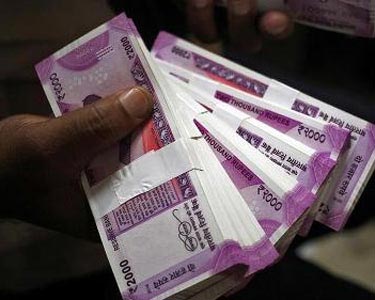
Tiruvalluvar, Kavasa Ailushan and Grtsamada- all the three poets praise wealth (money). They know the importance of wealth. Tamil poet Tiruvalluvar makes it very clear that this world in not for the poor.


Let us look at a few verses from both the Rig Veda and the Tamil Veda Tirukkural.

“As those without money (wealth) can have no enjoyments in this world so also are those without compassion denied the blessings of the world above (heaven)”—Kural/couplet 247


The poor may sometimes (by winning a lottery prize, finding a treasure trove)  prosper, but those without compassion will be ruined without redemption – Kural 248


It is interesting to note that Valluvar insists one should have money but money may come and go, but compassion once gone, gone for ever, no redemption.

Money and wealth are compared with the wheel of a cart, elsewhere in the Rig Veda. It goes up and down.


Now look at what the Vedic poets say about wealth: –

The Right Way to Wealth

Rishi- Kavasha, son of Elusha

Rig Veda 10-31-2

Let a man think well of wealth, and try to

win it by the path of Law and by worship;

and let him consult his own intellect

and grasp with his mind greater ability


And in another hymn,

Rishi Gritsamada

RV 2-21-6


Bestow on us, Indra, the best of treasures;

the efficient mind and great brilliance

the increase of wealth, the health of bodies

the sweetness of speech and the fairness of days.


Bring thou to us wealth with the power to strike – says another rishi/seer in RV3-46-4

xxx


But the Brihadaranyaka (Big Forest Upanishad) Upanishad warns money wont help a person in the other world:-

Through wealth there is no hope of immortality

–Br.U. 4-5

What should I do with worldly wealth by which I cannot become immortal?


–Maitreyi to Yajnavalkya in Br.Up. 2-4-3


That is the reason Hindu seers erected the Hindu building on the four pillars of Dharma, Artha , Kama, and Moksha ( Virtue, Wealth, Pleasure and Salvation.)

Seers insist that one should find a balance between the four and they say one should have one or two  without affecting the others in the four.

Tirukkural followed the same pattern and Valluvar divided his book into three chapters: Virtue, Wealth and Pleasure.

It is also interesting to note that the same order is recited in the oldest Tamil book Tolkappiam in at least two or three verses.


–Subham–


MILTON AND RIG VEDA ON LIGHT (Post No.4921)

WRITTEN by London Swaminathan 


Date: 16 April 2018


Time uploaded in London –  15-51 (British Summer Time)


Post No. 4921


Pictures shown here are taken from various sources such as Facebook friends, Books, Google and newspapers; thanks. Pictures may be subject to copyright laws.


WARNING: PLEASE SHARE MY ARTICLES; BUT DON’T SHARE IT WITHOUT AUTHOR’S NAME AND THE BLOG NAME. BE HONEST; OTHERS WILL BE HONEST WITH YOU.


GAYATRI Mantra/hymn is the most powerful mantra in the Rig Veda and it is found in other Vedas as well. It is a great wonder that mantra which reverberated on the banks of River Sarasvati and later Sindhu (Indus) and Ganges is still chanted by millions in India. While Brahmins only were chanting in those days and in recent years, great saints like Chinmayananda and Sathya Sai baba made it popular among other communities as well.


The meaning of the Mantra is

Let us meditate on that excellent glory of the divine vivifying Sun (light) and May He enlighten us.

There are lot of Mantras/hymns on Ushas (the dawn):

Immortal Ushas, please by praise

What mortal may enjoy they days!

Who, mighty one, can reach thy place!

Rig Veda 1-30-20


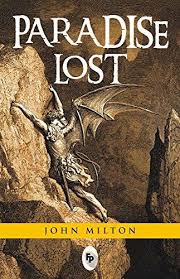
The parallelism of thought is very remarkable, between the general Vedic concept of Ushas with the lines of blind poet Milton.


Compare the following lines on Ushas (Dawn)


English poet, though blind, sings about light in the following lines:


“Hail, holy light, offspring of Heaven first born,

Or of the eternal, co-eternal beam

May I express thee unblamed? since God is light,

And never but unapproached light

Dwelt from eternity, dwell thou in me,

Bright effluence of bright essence increate

Or hear’st thou rather, pure ethereal stream,

Whose fountain who shall tell? Before the sun

Before the heavens thou wert, and at the voice

Of God, as with a mantle, didst invest

The rising world of waters dark and deep

Won from the void and formless infinite.

Paradise Lost, Book 3


The Rig Veda says

Fair as a bride embellished by her mother thou showest forth thy form that all may see it

Blessed art thou, O dawn. Shine yet more widely. No other Dawns have reached what thou attainest.


Rich in cattle, horses, and all goodly treasurers, in constant operation with the sunbeams,


The Dawns depart and come again assuming their wonted forms that promise happy fortune.

Obedient to the reins of Law Eternal give us each thought that more and more shall bless us.

Sine thou on us today, Dawn, swift to listen. With us be riches and with chiefs who worship.

RV 1-123


Upanishads say,

To the illumined soul the Self is all. For Him, who sees everywhere oneness, how can there be delusion or grief?

–Isha Upanishad 7

The whole world is illumined by His ilight.

–Sveteshvatara Upanishad 6-14


Milton also said God is Light (see above)


–Subham–


RIG VEDA AND TAMIL VEDA ON GAMBLING (Post No.4907)

RIG VEDA AND TAMIL VEDA ON GAMBLING (Post No.4907)


Research Article Written by London Swaminathan 


Date: 12 April 2018


Time uploaded in London –  10-33 am  (British Summer Time)


Post No. 4907


Pictures shown here are taken from various sources such as Facebook friends, Books, Google and newspapers; thanks. Pictures may be subject to copyright laws.


WARNING: PLEASE SHARE MY ARTICLES; BUT DON’T SHARE IT WITHOUT AUTHOR’S NAME AND THE BLOG NAME. BE HONEST; OTHERS WILL BE HONEST WITH YOU

 

Dice is a Vice; Be Wise and slip out Nicely! –The Rig Veda (10-34)


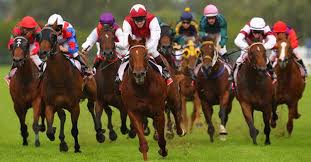
It is very interesting to see both Rig Veda, the oldest book in the world, and the Tamil Veda Tirukkural, the greatest Tamil book, oppose gambling. Both point out the evils of gambling. This message is very relevant even today. Unlike the olden days now Governments themselves are encouraging gambling by conducting lotteries in almost all the countries. Only when poor people lost everything and started stealing and robbing, they put some limits for spending or gambling in casinos. All the people knew this is only an eyewash. Governments get more funds from horse races, betting shops and lotteries. In London and other western cities every bazar street has at least three to four Betting shops. It makes people to think that they can make good money without working. Even Manu, the oldest law maker in the world lists gambling as an evil.


The longest epic in the world with two million lines, The Mahabharata, is an epic based on the evils of gambling. In those days, even kings gambled their countries.


Let us compare the famous Gambling Hymn in the Rig Veda and the chapter on gambling in the Tamil Veda Tirukkural written by Tiru Valluvar.

The author of the Rig Vedic gambling hymn (10-34) is

a seer called Kavasa Ailushan.
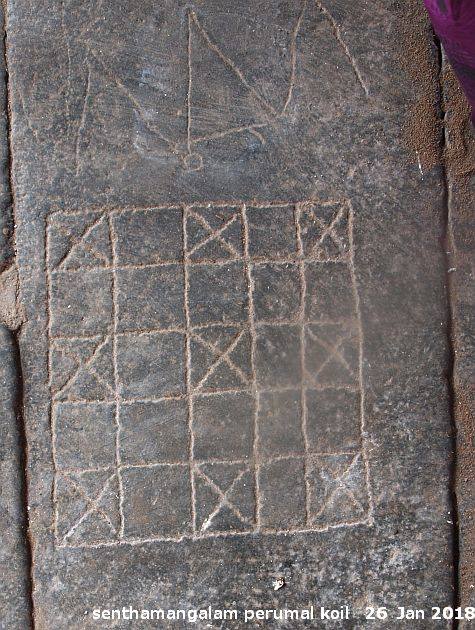
Picture posted by Lalgudi Veda


It is in the last mandala of the RV (10-34). This describes the lament of a gambler and the advice he gives to the world. A very interesting poem!


Dice is a Vice; Be wise and slip out Nicely!

The poem has 14 stanzas or mantras; the summary of the poem is: –

Gambling gives pleasure like the Soma drink from Mujawan mountains ( no one is sure about its location; only guess work).


My wife was very nice to me and my friends. She never got angry; but I drove her out after losing in the gambling (What a shame!)


Wives don’t like it; mother and mother in law hate it. They think that the person is going wrong.

My father, mother, wife and sons say- We do not know this fellow, take him out! (like a drunkard on the roadside)

Every time I go to the casino; I think I am going to win! But the dice favours only my opponent (very much disappointing)


The dice go up and down and dance. They are like the coal that burns my heart.

The gambler goes to others’ houses in the night ( to steal or borrow money)

The gambler feels remorseful when he sees the status of his wife and wives of others. He started the day with good hopes and finished it miserably.

Now I open both my palms to show I have nothing on me now. (I am bankrupt)
Good Advice!

Do not play with the dice.

Better till your lands and be content (with what you harvest there)

Only when you feel content, thinking that is plenty, you will feel happy and regain your wife. This is God’s advice. Savita Devi told me this!

(To the dice coins, the gambler say)–

Don’t be angry with me; be my friend. Do not attack me. Let your anger fall on the misers. Go to my enemy and let him fall in your trap.


Family might have enjoyed the winning money; but they are not ready to share the sin.

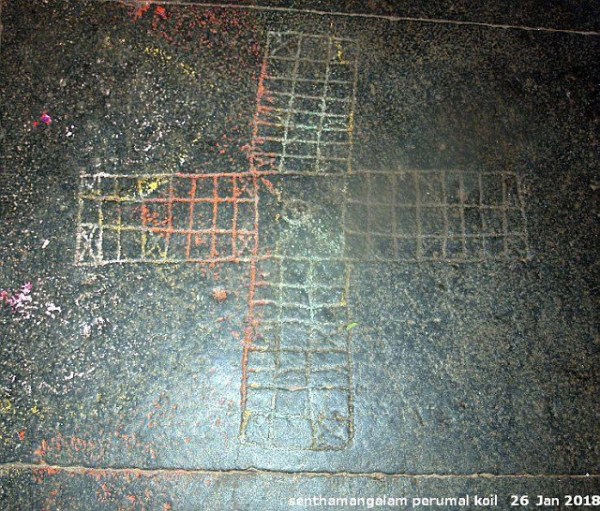
The game of the dice was played in public places such as halls (compare it with modern casinos)

The sound of the rolling dice is luring; I vow not to repeat the mistake; but the sound of the rolling dice and friends pull me towards it. I run to it like a woman runs to the meeting place to see her lover.

After losing I look like an old horse ready to be sold (unwanted stuff).

Mysterious Number 53

There is one stanza which baffles every translator.

The group of the avowed gamblers plays the game, divided into three five (tri pancha in Sanskrit); or three times five or in a group of fifty three. – Sayana takes it as 53 coins in the gambling; Ludwik says 15;it shows Vedic language is very difficult to understand. Though we have detailed report about Dice Games in Nala Charita and Mahabharata, still we could not solve this mysterious Tri pancha!!!)

In the same way, ‘To the great captain of your mighty army’ is translated as the big number in Dice by some and  as Kali, the losing throw by others. Vedic language is several thousand years old; no one can translate it correctly; Griffith attempted to translate it in English and say that the meaning is obscure, the meaning is uncertain in every other page; Mischief makers like Max Muller say they followed Sayana, but use their own interpretations; Sayana of 13th century himself only guessed the meaning several thousand years after the Vedic seers recited it!

The dice are made with Vibhitaka seeds- no one knew the plant!

 

TIRUKKURAL

Now let us compare it with the Tamil Veda Tirukkural:

Tiru Valluvar described the evils of gambling in ten couplets ( Chapter 94; from 931 to 940)


931.Do not take to gambling even if you can win.

What can the fish gain by swallowing the baited hook?

  1. To win once, the gambler loses a hundred to foes. What good can gamblers gain in life? Nothing but loss.

933.Were a man to speak incessantly of that which he gains by rolling dice, the wealth would leave him and pass on to others.

934.Gambling increases miseries and ruins one’s fame. There is nothing that reduces one to poverty like that.

935.Many who took pleasure in gambling and gambling booths, proud of their skill in dice have been ruined.


(like the Rig Vedic seer, Tiru Valluvar also talks about casinos/gambling booths. Like Rig Veda, we see the miserable status of the gambler here, loosing fame and standing like on old unwanted horses, ready to be sold).

938.Gambling ruins a man’s fortune, makes him resort to falsehood.

This can be compared with the night visit of the gambler in the Veda (for stealing or borrowing).


  1. The five things

clothing

wealth

food

fame and

learning/education

avoid a person who takes to gambling


  1. Passion for gambling grows with every loss. It is craving for life which grows through all suffering.

This can be compared to a woman running to see her lover kin the Rig Veda. The more she is separated the more she longs to see him. A person who is sick wants to live longer.

In the Kural couplet 936 , Tiruvalluvar refers to Hindu goddess of Misfortune Muudevi (Mukati in Tamil). He says gambling is the ogress misfortune.
Manu also refers to the evils of gambling in at least 20 couplets.

–Subham–


OLDEST POEM ABOUT THE MOST BEAUTIFUL FOREST! (Post No.4896)

OLDEST POEM ABOUT THE MOST BEAUTIFUL FOREST! (Post No.4896)


WRITTEN by London Swaminathan 


Date: 8 April 2018


Time uploaded in London –  20-38 (British Summer Time)


Post No. 4896


Pictures shown here are taken from various sources such as Facebook friends, Books, Google and newspapers; thanks. Pictures may be subject to copyright laws.


WARNING: PLEASE SHARE MY ARTICLES; BUT DON’T SHARE IT WITHOUT AUTHOR’S NAME AND THE BLOG NAME. BE HONEST; OTHERS WILL BE HONEST WITH YOU


Rig Veda is a treasure house. It is the encyclopaedia of human race. Since it is the only book about humanity in the ancient world, everything said in it is carefully analysed. There is a beautiful poem about Forest and Queen of the Forest in the tenth mandala, the last of the ten mandalas/divisions in the Rig Veda.

We come across beautiful description of the forest by the poet. The queen of the forest is called ARANYAANI. The beauty of the word ARANYAM is that it is found in all Indian languages including Tamil. Vedaranyam, Dharbaranyam (Tirunallaru), Vadaranyam (Tiru Alankadu) in Tamil Nadu, Naimisaranyam, Dandakaranyam in the North are famous.

Like many Rig Vedic words, it is very common. The Goddess of the Forest is addressed by the poet.

This highlights many points

Hindus cared about environment several thousand years before any other community in the world.

Hindus appreciated and respected nature than any other community. Note the words Queen, Goddess etc.

Hindus worshipped everything in Nature.

The method of addressing is followed even by the 2000 year old Tamil Sangam poets: The poet says Aranyaanii! Aranyaanii! Tamils used such repetitions in Purananauru verses–195, 228, 256, 285, 301 etc


Let us look at the short poem or hymn now:

1.Goddess of the Forest! Goddess of the Forest! who seem to vanish from the sight.

How is it you seek not the village? Are you not afraid?

2.What time the grasshopper replies and swells the shrill Chichika bird’s voice

seeming to sound the tinkling bells, the Lady of the Wood exults

3.And yonder, cattle seem to graze, what seems a dwelling place appears;

Or else at evening the Lady of the Forest seems to free the wains.

4.Here one is calling to his house, another has felled the tree;

At evening the dweller in the wood fancies that somebody has screamed.

5.The Goddess never slays, unless some murderous enemy approach

She eats fruit and then takes, even as she wills, rest.

6.Now have I praised the Forest Queen, sweet scented, redolent of balm,

The Mother of all Sylvan things, who tills not but has stores of food.

–Rig Veda 10-146


Probably this is the oldest and most beautiful poem on Forest. The scent of the forest, the sounds heard in the forest, the strength of the forest (she doesn’t need to plough and cultivate), the vegetarian food of the forest queen, the title as Queen, the status as Goddess- all such words and epithets show great appreciation for the forest.


One wonders how come the forest is not afraid, but every one of us fears it because of the wild animals and the robbers hiding there.

The chirping of the birds and crickets is not missed by the poet.

The evening scenes are picturesque: – a cart is rolling, cows are mowing, some sounds similar to crying (from animals) are heard, someone sees a house at a distance with lamps perhaps.


The forest never hurts any one unless a person hurts it.  The forest never cultivates, ploughs or raise trees; but they grow on their own and always full of fruits—all appreciation!


It is as if we are beginning to read a story or novel. The authors always describe such scenes and proceed to their plot of the story.

If we imagine that this hymn is sung in the Bhoopaala Raga, it will add more colour to it.

In Sanskrit and Tamil we have Suprabatham and Tiru Palli Ezuchi. It may be the prelude to that genre.


–Subham—


என் குழந்தை ஏன் சம்ஸ்கிருதம் படிக்க வேண்டும்? – 4 (Post No.4867)

என் குழந்தை ஏன் சம்ஸ்கிருதம் படிக்க வேண்டும்? – 4 (Post No.4867)


Date: MARCH 31, 2018


Time uploaded in London- 5-35 am


WRITTEN by S NAGARAJAN


Post No. 4867


PICTURES ARE TAKEN from various sources. PICTURES MAY NOT BE RELATED TO THE ARTICLE; THEY ARE ONLY REPRESENTATIONAL.


WARNING: PLEASE SHARE MY ARTICLES; BUT DON’T SHARE IT WITHOUT AUTHOR’S NAME AND THE BLOG NAME. BE HONEST; OTHERS WILL BE HONEST WITH YOU.


சம்ஸ்கிருதச் சிறப்பு :

நீங்கள் படிப்பது அயர்லாந்து சம்ஸ்கிருத ஆசிரியர் ரட்கெர் கோர்டன்ஹார்ஸ்ட் நிகழ்த்திய உரையின் இறுதிப் பகுதி.


என் குழந்தை ஏன் சம்ஸ்கிருதம் படிக்க வேண்டும்? – 4


ச.நாகராஜன்

நரேந்திரா தனது வழிமுறை அரவிந்தராலும் அன்னையாலும் தரப்பட்டது என்று கூறுகிறார். அந்த வழிமுறையைத் தான் நாங்கள் இங்கு டப்ளினில்  இன்று கடைப்பிடிக்கிறோம்.

அன்னை கூறிய பல ஊக்கமூட்டும் மொழிகளில் இதுவும் ஒன்று:-

“Teach logically. Your method should be most natural, efficient and stimulating to the mind. It should carry one forward at a great pace. You need not cling there to any past or present manner of teaching.”


Renaissance எனப்படும் மறுமலர்ச்சியின் 500 ஆண்டு கால சுழற்சியைப் பார்ப்போம்.


ஐரோப்பாவின் கடைசி மறுமலர்ச்சி நாம் வாழும் இன்றைய உலகை மாற்றி அமைத்த மூன்று விஷயங்களை மேம்படுத்தியது.

கலை, இசை மற்றும் விஞ்ஞானம்!


நாஸாவின்  ஸ்பேஸ் புரொகிராம் (விண்வெளித் திட்டம்) இன்ஃபர்மேஷன் டெக்னாலஜி மற்றும் ஆர்டிஃபிஷியல் இண்டெலிஜென்ஸ் ஆகியவற்றிற்கு சம்ஸ்கிருதத்தைப் பயன்படுத்த அதி தீவிர முயற்சியை எடுத்து வருகிறது.

ஸ்ரீ அரவிந்தர் கூறினார்:


”…. at once majestic and sweet and flexible,  strong and clearly formed and full and vibrant and subtle…”


ஜான் ஸ்காட்ஸ் பள்ளி மாணவர்கள் கூறுவது இது:-


It makes your mind bright, sharp and clear.

It makes you feel peaceful and happy.

It makes you feel BIG.

It clears and loosens your tongue so you can pronounce any language easily.


நாஸாவில் உள்ள சம்ஸ்கிருத ஆர்வலர் ரிக் ப்ரிக்ஸ் (rick Briggs)  கூறுகிறார்:-


It gives you access to a vast and liberating literature.

It can describe all aspects of human life from the most abstract philosophical to the latest scientific discoveries, hinting at further development.

 It can describe all aspects of human life from the most abstract philosophical to the latest scientific discoveries, hinting at further developments.

Sanskrit and computers are a perfect fit. The precision play of Sanskrit with computer tools will awaken the capacity in human beings to utilize their innate higher mental faculty with a momentum that would inevitably transform the mind. In fact, the mere learning of Sanskrit by large numbers of people in itself represents a quantum leap in consciousness, not to mention the rich endowment it will provide in the arena of future communication. NASA, California

After many thousands of years, Sanskrit still lives with a vitality that can breathe life, restore unity and inspire peace on our tired and troubled planet. It is a sacred gift, an opportunity. The future could be very bright.


நாஸாவின் ரிக் ப்ரிக்ஸ் (rick Briggs)  கூறும் வார்த்தைகளையே எனது கடைசி வார்த்தைகளாகக் கூறுகிறேன்:-


One thing is certain; Sanskrit will only become the planetary language when it is taught in a way which is exiting and enjoyable. Furthermore it must address individual learning inhibitions with clarity and compassion in a setting which encourages everyone to step forth, take risks, make mistakes and learn.

Rick Briggs [NASA]


***

சம்ஸ்கிருதத்தின் சிறப்பு பற்றிய இந்தத் தொடர் முற்றும்.

இதன் ஆங்கில மூலத்தை அடுத்த கட்டுரையாகக் காணலாம்.


CHANAKYA AND TAMIL POET VALLUVAR ON EDUCATION (Post No.4859)

WRITTEN by London Swaminathan 


Date: 28 MARCH 2018


Time uploaded in London –  16-47


Post No. 4859


Pictures shown here are taken from various sources such as Facebook friends, Books, Google and newspapers; thanks. Pictures may be subject to copyright laws.


WARNING: PLEASE SHARE MY ARTICLES; BUT DON’T SHARE IT WITHOUT AUTHOR’S NAME AND THE BLOG NAME. BE HONEST; OTHERS WILL BE HONEST WITH YOU


(பிறர் எழுதியதைத் திருடுபவனும் பிறர் மனைவியைத் திருடுபவனும் பிறர் பொருளைத் திருடுபவனும் ஒன்றே – ஐன்ஸ்டீனின் அண்ணன்பெர்னார்ட் ஷாவின் தம்பிகாந்திஜியின் தாத்தா சொன்னது)


It gives great pleasure to see the same thoughts in two great men Chanakya (3rd century BCE) and Tiruvalluvar (Fourth or Fifth Century CE  dated linguistically, first century BCE dated politically).


On Education

Handsome and young , born in high families, if uneducated, would look no good like the Kimsuka trees with no fragrance.

Chankaya Niti 3-5


Tamil Poet Tiruvalluvar says,

Those who are unable to elucidate their learning are like a cluster of blossoms without fragrance- Kural 650


Letters and Numbers are the two eyes of man – Kural 392

xxxx


Learned Men = Citizens of the World!

A learned man wins admiration in the world, he gets honour, everything is obtained through knowledge, knowledge is revered everywhere- 8-20


What excessive weight is there for those possessed of strength,?

what is distant for the energetic,

what is a foreign country for the learned and

who is alien for the one with sweet tongue?

3- 13


Tamil Poet Tiruvalluvar says,

The learned find their home and town everywhere. Why not learn and learn till death –Kural 397


xxxx

Ugly ones and Educated

The beauty of cuckoos is in their sweet cooing, that of women in their faithfulness and loyalty to their husbands, that of ugly ones in their knowledge and that of ascetics in forgiveness.

3-6

Tiruvalluvar says,

A wife who may not worship God but wakes up with worshipful devotion to her husband has the power to make rain fall at her bidding- Kural 55


xxxx

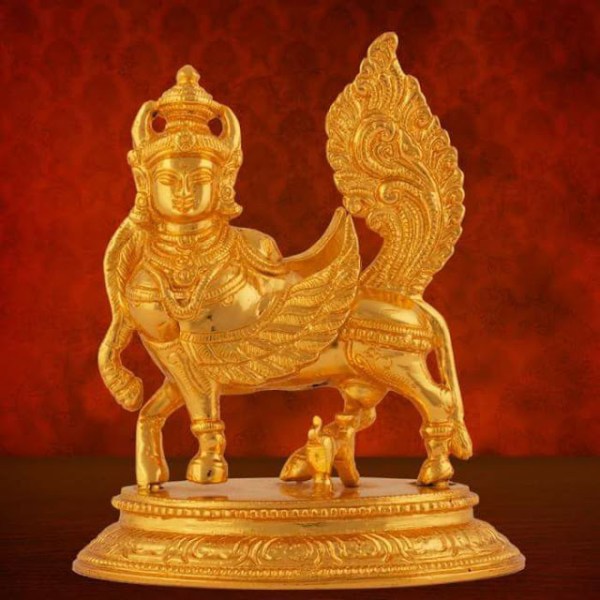
Knowledge is Kamadhenu

Knowledge has in it the quality of the desire-yielding cow. It yields fruit even when there is no season for it. In foreign sojourn it acts like other. Knowledge is accepted as a secret treasure.4-5

Learning is the lasting joyful wealth; all other material wealth are lost in time – Kural 400

The heritage of culture acquired in one birth lasts to the seventh- Kural 399


xxx


Lower Birth and Higher Birth

What one has to do with a high family where there is no education. One born in a low family, if learned, is adored even by gods 8-19


Tiruvalluvar says,

Though high-born, an unlettered man is deemed lower than a leaned man of lower birth  – Kural 409

(I have already compared this to Sangam Tamil verse Purananuru 183 and Manu Smrti 10-65, 2-240, 2-234).


–subham-


POETS’ CLOSE OBSERVATION ON BEES! (Post No.4782)

Time uploaded in London- 19-48

Written by London swaminathan

Post No. 4782

PICTURES ARE TAKEN from various sources. They may not be directly related to the article. They are only representational.

WARNING: PLEASE SHARE MY ARTICLES; BUT DON’T SHARE IT WITHOUT AUTHOR’S NAME AND THE BLOG NAME. BE HONEST; OTHERS WILL BE HONEST WITH YOU.


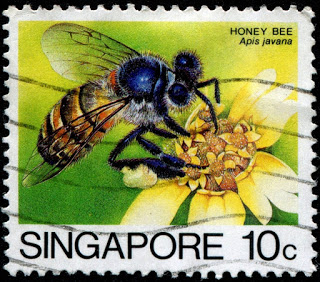
Tamil and Sanskrit poets are keen observers of nature. We have already seen how Dattatreya and others observed the nature and learnt from them. Crows and snakes are used by the poets and saints to teach us lot of things. Two poets warn us not to accumulate money so that we would not lose like the bees. William Wordsworth said, ‘Let Nature be your Teacher’; Hindu poets have been following it for over two thousand years. Here are two verses about the bees:

Chanakya says,

The pious people should always give food and money in charity, never should they accumulate them. The glory of the illustrious Karna, Bali and Vikramditya persists unabated even now. Look, the honey bees rub their hands and feet because of the despondency of losing honey that they had gathered for long.

–Chanakya Niti 11-18


deyam bhojyadhanam sadaa sukruthirbinaa sanchitavyam sadaa

sriikarnasya nhaleerasca vikramateradhyaapi kiirtihi sthithaa


asmaakammadhu daanabogarahitam nashtam chiraat sanchitam

wirvaanaaditi paanipaathayugale garshantyaho makshikaahaa

xxx

A Tamil poet in Naladiyar says………………

Naladiyaar is a Tamil didactic book composed by Jain saints in Tamil. The poet Padumanaar, who compiled 400 verses, says,

“Those who vexing their own bodies by stinting in food and clothing, perform not acts of charity that ever remain undestroyed, but avariciously hoard up a great wealth, will lose it all. O Lord of the mountains, which touch the sky, the bees that are driven away from the honey they have collected bear testimony to this.


—-Subham–


CHANAKYA ON WOMEN’S MIGHTY POWER!!! (Post No.4680)

WRITTEN by London Swaminathan

Date: 30 JANUARY 2018

Time uploaded in London – 7-27 am
Post No. 4680

Pictures shown here are taken from various sources such as Facebook friends, Books, Google and newspapers; thanks.

WARNING: PLEASE SHARE MY ARTICLES; BUT DON’T SHARE IT WITHOUT AUTHOR’S NAME AND THE BLOG NAME. BE HONEST; OTHERS WILL BE HONEST WITH YOU


Chanakya, the great genius, who lived 2300 years ago in India had given his views on various topics and issues in addition to his monumental work Athashastra—the first Economics book in the world. Following are his comments on wife and women found in his didactic work Chanakyaniti.


One should accept nectar even from poison, gold even from filth, knowledge even from a lowly person and a jewel of a woman even from a lowly family

Chankaya niti, chapter 1, sloka/verse17

Vishaadapyamrutam graahyamedhyaadapi kaancanam

Niicaadapyuttamaam vidhyaam striiratnam dushkulaadapi


A Tamil poet in Purananuru says that the king would call for service one from the lowest of the four Varnas if he is more educated. Manu says that a person can learn from the lowest caste and treat him like Guru. He also says women can be married from any caste if they are good. Vasistha’s wife Arundhati is shown as an example.


Xxxx

Woman’s Sex Drive


The diet of a woman is twice, the intellect four times, the boldness/ courage six times, and sex drive eight times that of man

Chankaya niti, chapter 1, sloka/verse18

Aahaaro dwigunah striinaam buddhistaasaam chaturgunaa

Shatgunoadhyavasaayasca kaamascaashtagunah smrutah


Xxxx


Beauty of a Woman

The beauty of cuckoos is in their sweet cooing, that of women in their faithfulness and loyalty to their husbands, that of ugly ones in their knowledge and that of ascetics is in their forgiveness.


Chapter 3, sloka 6

Kokilaanaam swaro ruupam striinaam ruupam pativratam

Vidhyaa ruupam kuruupom kshamaa ruupam tapasvinaam


Ascetic’s anger wont last even for a moment because their nature is to forgive, says Tamil poet Tiru Valluvar.

Xxxx


Bell metal is cleansed with ashes, brass with acid, a woman with menstruation, and  a river with speed.

Chapter 6, sloka 3


Basmanaa sudhyate kaamsyam taamramamleena sudhyati

Rajasaa sudhyate narii nadhii vegena sudhyati


Xxxx


Woman on the move is wrong!


A king on the move gains respect, so do a Brahmin and a Yogi/saint, but a woman doing so comes to nought.

Chapter 6, sloka 4

Braman sampuujyaterajaa braman sampuujyate dwijah

Braman sampuujyate yogi strii bramantii vinasyati

Xxx

Wife’s sin goes to Husband!


The sin committed by the country goes to the king, that committed by the king goes to his priest, that committed by a woman goes to her husband and that pupil goes to his teacher.

Chapter 6, sloka 6

Raja raashtrakrutam paapam  raaknjah paapam purohitah

Bhartaa ca striikrutam  paapam sishyapaapam gurustathaa


Xxx

Don’t Marry!!!!


It is better not to have kingdom but not the kingdom of a bad king


It is better not to have a friend than to have a bad one


It is better not to have a student than to have a bad one


It is better not to have wife than to have a bad one.


Chapter 6, sloka 12


Varam na raajyam kuraajaraajyam varam na mitram na kumitra mitram

Varam na sihyo  na kushishyasishyo varam na daaraa  na kudaaradaaraah


xxxxxxxx

A Woman’s Strength!

The prowess of arms is the strength of king, that of  a Brahmin versed in the Veda is in knowledge of the Vedic lore  ,  beauty, sweetness and youth are the   unsurpassed strength of  women


Chapter 7, sloka 11

Baahuviiryam balam raaknjobraahmano brahmavid bhalii

Ruupayauvanamaadhuryam striinaam balamanuttamam


Source Book: Canakyaniti, Translated by Satya Vrat Shastri

xxx


‘SOME ARE BORN GREAT’: CHANAKYA AND SHAKESPEARE! (Post No.4669)

WRITTEN by London Swaminathan 


Date: 27 JANUARY 2018


Time uploaded in London – 13-07


Post No. 4669

Pictures shown here are taken from various sources such as Facebook friends, Books, Google and newspapers; thanks.


WARNING: PLEASE SHARE MY ARTICLES; BUT DON’T SHARE IT WITHOUT AUTHOR’S NAME AND THE BLOG NAME. BE HONEST; OTHERS WILL BE HONEST WITH YOU


Chanakya, the great Indian genius, who lived 2300 years ago composed some verses on fame and good qualities. We see good similarities between him and other poets such as Shakespeare and Tiru Valluvar.


Here are Chanakya’s verses in his work Chanakya Niti:

“One goes by one’s qualities and not by occupying a high seat. Does a crow by sitting on the top of a place turn into Garuda?

“It is qualities that elicit praise and not enormous riches. Does the full moon evoke as much worship as the week but spotless one the day after the new moon day?


“With others proclaiming his qualities, even a person with no qualities comes to possess them. With his own self proclaiming his qualities even Indra loses his stature.


Chnakaya Niti , Chapter 16, slokas 6, 7, 8

Now compare it with Shakespeare’s famous quote in Twelfth Night,

(Malvalio  reads a letter)


“If this letter falls into your hands, think carefully about what it says. By my birth I rank above you, but don’t be afraid of my greatness. Some are born great, some achieve greatness, and some have greatness thrust upon them. Your fate awaits you. Accept it in body and spirit. To get used to the life you’ll most likely be leading soon, get rid of your low-class trappings. Show some eagerness for the new upscale lifestyle that’s waiting.”


Tiru Valluvar says,

In the abode of the gods, more honoured than the saints are those who have won lasting fame on earth.

Kural 234

Better to be born covered with glory on earth than never to be born at all.

Kural 236


Bemoan your own sloth that stands in your way to glory; why fret about the insults that others hurl at you?

Kural 237


Verily do the wise cry shame on those that leave no foot prints on the sands of time when there is glory to be sought and won in the world of men.

Kural 238

Alive is the soul that is free from reproach; but dead is the heart that lives without a name

Kural 240

xxx

Where and When Qualities Shine?

Chanakya adds two more verses on qualities (Guna)

“Qualities appear more charming when associated with a wise person. A jewel when united with (studded) in gold shines all the more.

“Even he who equals the omniscient one through his qualities, if alone, with none to support him, comes to grief. Even a priceless jewel needs the support of gold.

chapter 16, slokas 10 and 11


xxxxxxxx SUBHAM xxxxxx


TIT FOR TAT- CHANAKYA’S ADVICE (Post No.4661)

Written by London Swaminathan 


Date: 25 JANUARY 2018


Time uploaded in London – 17-55


Post No. 4661

Pictures shown here are taken from various sources such as Facebook friends, Books, Google and newspapers; thanks.


WARNING: PLEASE SHARE MY ARTICLES; BUT DON’T SHARE IT WITHOUT AUTHOR’S NAME AND THE BLOG NAME. BE HONEST; OTHERS WILL BE HONEST WITH YOU


‘Cut a diamond with a diamond’, ‘take a thorn with another thorn’ are some of the proverbs in many Indian languages. We have many stories of ‘Tit for Tat’ in Indian folk tales. Chanakya also advocates this policy.


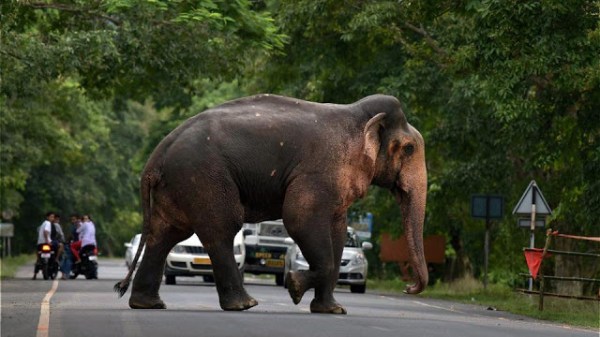
Every South Indian child has heard the story that elephant and pots are equal. If you have not heard that story, here it is in short : A person hired an elephant for a procession and unfortunately it died while it was in the procession. When the owner came and demanded the elephant the person was ready to give its price saying it was dead during the procession. But the owner harassed him saying that he wanted the elephant alive and not the money. The person who hired it was struggling to convince him. But he had a wise friend who whispered something into his ear. Then he asked the owner of the elephant to come to his house next day morning to get the elephant.


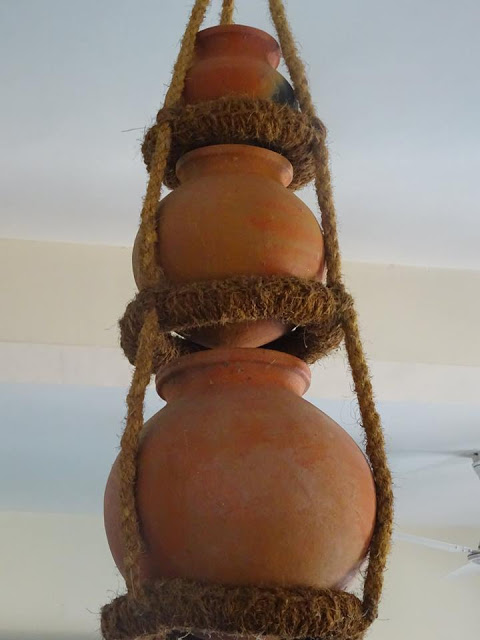
The stupid owner went to his house the next morning. When the door did not open, he broke it open and entered the house. Behind the door were several mud pots staked into several rows. All those pots were broken because of his gate crashing. And yet he demanded his elephant.


Now the person inside the house cried, “ Oh my god, my pots with big antique value were all crushed into pieces’. He demanded that the owner of the elephant should return all those pots intact. When he told that he would give the money for the pots he refused to accept it. He told him , “ you refused to accept my money for the elephant and wanted the dead elephant to come back alive. In the same way, I  want my pots with antique value to come back ‘alive’.


When the argument grew louder and louder they went to the court and the judge told that you lost your elephant and he lost the valuable mud pots. Both of you refused to accept money and the lost elephant and the lost antique pots were equal and so no one need to give anything to the other party. Case was settled.


This is what we call ‘Tit for Tat’.

Chanakya says,

“A good turn is to be repaid by good turn and the violence by counter-violence. There is nothing wrong in it. One should behave in a wicked manner with the wicked.”

-Chanakya Niti, Chapter 17, Sloka 2

krute pratikrutam kuryaad himsane pratihimsanam

tatra dosho na patati dushte dushtam samaacharet


xxx

At bad time, Mind goes astray!

He also added that one’s mind go astray when one’s end is near i.e Vinaasa Kale Vipareetha Buddhi


“The golden deer was not made by some one, nor was it seen earlier, nor it heard about. When adversity is round the corner, mind goes astray.”

-Chanakya Niti, Chapter 16, Sloka 5

na nirmitah kena na drushtapuuvah

na sruuyate hema mayah kurangah

tathaapi thrushnaa raghunandanasya

vinaasa kale vipareeta budhdhih


(This is a reference to the golden deer anecdote in the Ramayana)


–Subham–