Why do Hindus worship Grammar every day? (Post No.3814)

Written by London swaminathan


Date: 13 APRIL 2017


Time uploaded in London:- 10-12 am


Post No. 3814


Pictures are taken from various sources; thanks.


contact; swami_48@yahoo.com


Hindus are the strangest people in the world. Every day they worship sandals (shoes), sun and moon, Tulsi and Bilva leaves, several flowers and trees, cow and elephant, stones and metals (statues and idols), umpteen gods and innumerable symbols including Om and Swastika. In short they worship earth and all its occupants and stars and planets above the earth. This means they see God in everything. Since they have been doing it for 3500 years continuously according to Max Muller and 6500 years continuously according to Herman Jacobi and B.G.Tilak, I consider the Hindus ‘living fossils’.


But if one worships even prosody and grammar, numbers and mathematics for 6000 years until today they must be the most advanced civilization and most intelligent people on earth.

Five Years ago, I wrote an article in this blog with 41 points in 41 paragraphs under the title:

Brahmins deserve an entry in to Guinness Book of Records”; posted on 26 January 2012


in which I mentioned the following as one of the points:

G for Grammar: When we do the Gayatri  Japa we do touch our nose and say Gayathri (24 syllables) , Ushnik (28), Anushtub (32), Bruhathi (36), Pankthi (40), Trustub (44), jagathi  (48 syllables)–all these are Vedic meters. Grammar for writing poetry-prosody. Who in the world use grammar (prosody) terms for worship? Don’t we deserve a place in the Book of Records for using Grammar in our daily rituals?
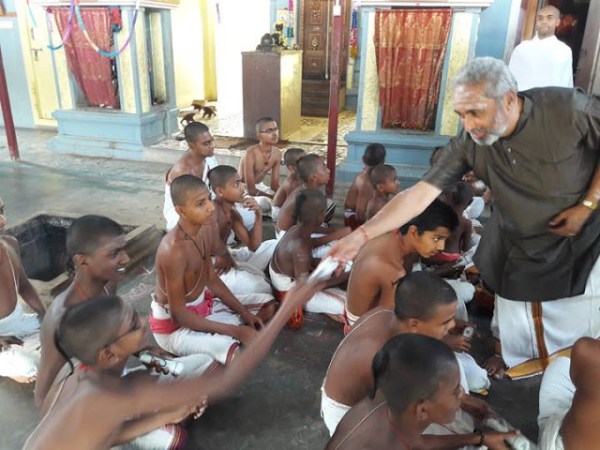
Brahmins do Sandhavandana three times a day: before sunrise, noon and after sunset. They do worship Vedic Gods in the prayer. Just before doing the most important Gayatri mantra they touch their nose and say Gayatri, Ushnik,Anushtubh, Brhti, Panti, Trshtubh, Jagati.


These are the Vedic metres, part of prosody (the study of versification, especially, the systematic study of metrical structure). Vedic Hindus paid so much attention to it and stressed its importance by including it into every day rituals. They studied sounds and its rhythm and patters. Vedic Hindus classified it in an order; we can see a pattern, arithmetic pattern in it. Lot of research is required to study them scientifically. Since Aitareya Brahmana says,


“He who wishes for long life, should use two verses in Ushnih metre; for Ushnih is life. He who having such a knowledge uses two Ushihs arrives at his full age (100 years).


“He who desires heaven should use tow Anushtubhs. There are 64 syllables in two Anushtubhs. Each of these three worlds (Earth, Air and Sky= Bhur Bhuva Suvah) contains 21 places, one rising above the other (just as the steps of a ladder). By 21 steps he ascends to each of these worlds severally; by taking the 64th step he stands firm in the celestial world. He who having such a knowledge uses two Anushtubhs gains a footing (in the celestial world).

“He who desires strength should use two Trishtubhs. Trishtubh is strength, vigour and sharpens of senses. He who knowing this, uses two Trishtubhs, becomes vigorous, endowed with sharp senses and strong.

He who desires cattle should use two Jagatis. Cattle are Jagati like. He who knowing this uses two Jagatis, becomes rich in cattle”.

GAYATRI METRE (or Meter)=24

Three times 8 syllables

This is the most sacred one and it is the proper metre for Agni (Fire God).

USHNIH = 28

It has got 28 syllables

This is the symbol of life; anyone needs longevity use this.

ANUSHTUBH = 32 Syllables

It is the symbol of celestial world

Those who wish to go to heaven should use this.


BRIHATI = 36 Syllables

This metre is used to attain fame

PANKTI = 40 syllables

Five times 8

This is also used to get wealth.


TRISHTUBH=44

It expresses the idea of strength and royal power

This is the proper metre to invoke Indra

Kshatriyas use it to get strength and power.

Four times 11 syllables


JAGATI= 48 syllables

Anyone who wishes for wealth, cattle wealth must use it.


(Viraj = 30 syllables; It helps one to get food and satisfaction.)


Why did Vedic Hindus attribute certain qualities to each metre?

Why did they arrange them in a particular (number) pattern?

Is there a scientific basis for it?

Has any one studied the Vedas form this angle?

Are they just symbolic way of saying something else?

(Number five is used to denote five senses; 64 used to denote 64 arts; Cattle and elephant are used as symbols of five senses)


We must do more research in these metres and its claims of longevity, fame, strength etc.
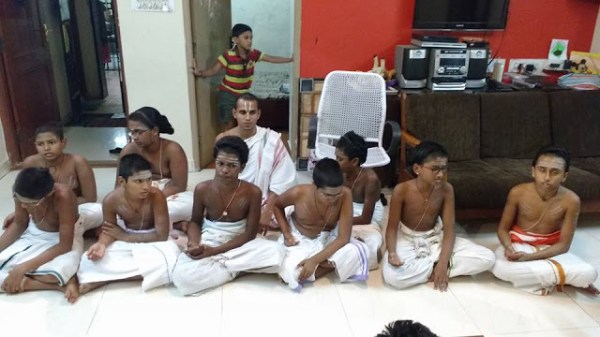
Dance and Music

Max Muller says, “The metres were originally connected with dancing and music. The names for metre in general confirm this. Chandas, metre, denotes stepping, vritta, metre from vrit, to turn, meant originally the last three or four steps of a dancing movement, to turn, the versus which determined the whole character of a dance and of a metre. Trishtubh means three steps”.


Griffith says, “The Hymns are composed in various metres, some of which are exceedingly simple and others comparatively complex and elaborate, and two or more different etres are frequently found in the same hymn, for instance in Book 1 shows nine distinct varieties in the same number of verses”.

More research with all the scientific instruments will prove how advanced were the Vedic Hindus in the science of sound and music.

They were highly civilized, far ahead of the known ancient civilizations.


Source Book:

An Account of the Vedas with Numerous Extracts from The Rig Veda by J Murdoch.

-Subham–

விஞ்ஞானம் நிரூபிக்கும் வால்மீகி முனிவர் கூறும் உண்மைகள்! (Post No.3807)

written by S NAGARAJAN


Date:11 April 2017


Time uploaded in London:-  5-44 am


Post No.3807


Pictures are taken from different sources; thanks.


contact: swami_48@yahoo.com


விஞ்ஞானம் மெய்ஞானம்

ஞான ஆலயம் மார்ச் 2017 இதழில் வெளியான கட்டுரை


விஞ்ஞானம் நிரூபிக்கும் வால்மீகி முனிவர் கூறும் உண்மைகள்!


by ச.நாகராஜன்


நாஸா நிரூபிக்கும் சேது


அறிவியல்  முன்னேற முன்னேற பல்வேறு ஆய்வின் முடிவுகள் ஹிந்து மதம் கூறும் தத்துவங்களையும் கொள்கைகளையும் உண்மை என நிரூபித்துக் கொண்டே வருகின்றன.

வால்மீகி தான் இயற்றிய ராமாயணத்தில் உண்மையைத் தவிர வேறொன்றும் உரைக்கவில்லை.


நாஸா எடுத்த சாடலைட் படம் சேது அணை இருப்பதை உறுதி செய்ததை நாம் அறிவோம் (ஞான ஆலயம் டிசம்பர் 2007 இதழில் இந்தக் கட்டுரை ஆசிரியர் எழுதிய கட்டுரையை வாசகர்கள் நினைவு கூரலாம்)


ஜெர்மனியைச் சேர்ந்த வரலாற்று ஆய்வாளர்களான புரபஸர் க்ளாஸ் டி ருல் (Prof Klaus D Ruhl)  மற்றும் அவரது இந்திய சகாவான புரபஸர் விஷாத் திரிபாதி ஆகியோர் ராமர் கட்டிய சேதுவைப் பற்றிய உண்மையை நிரூபிக்கத் தயார் என்று அகில உலக இராமாயண் மாநாட்டில் 2007இல் அறிவித்தனர்.

இராமர் பிறாந்த தேதி


இராமாயணம் நடந்த காலத்தில் ராமர் பிறந்த நேரத்தில் இருந்த பல்வேறு கிரக் நிலைகளை வால்மீகி ரிஷி கூறியிருப்பதை வைத்து ஆராய்ந்து அப்படிப்பட்ட கிரக நிலைகள் கிறிஸ்து பிறப்பதற்கு 5114 ஆண்டுகளுக்கு முன்னர் ஜ்னவரி மாதம் 10ஆம் தேதி அமைந்திருந்ததாக இப்போது பிரபல ஆராய்ச்சியாளர் புஷ்கர் பட்நாகர் கூறுகிறார்.. தி இன்ஸ்டிடியூட் ஃபார் ஸயிண்டிபிக் ரிஸர்ச் ஆன் வேதா என்ற ஆய்வு நிறுவனம் இந்த கணிதத்தைப் போடுவதற்கான  ஒரு விசேஷ மென்பொருளை வடிவமைத்துள்ளது. அதன் உதவி கொண்டு இந்த முடிவை அவர்  கண்டுள்ளார். இதே கிரக நிலைகள் சுழற்சி அடிப்படையில் இதற்கு முன்னர் வரும் போது காலம் இன்னும் பல ஆயிரம் ஆண்டுகளுக்கு முன்னர் உள்ள தேதியைக் காண்பிக்கும் என்பது இன்னும் சில அறிஞர்களின் முடிவு.


196 ராமாயண ஸ்தலங்கள்!


2002 ஆம் ஆண்டில் டாக்டர் ராம் அவதார் சர்மா என்ற ஆய்வாளர் ராமாயணத்துடன் தொடர்பு கொண்ட 196 இடங்களுக்கு நேரில் சென்று ஆய்வு நடத்தி அங்கெல்லாம் இன்றும் கூட ராமாயணம் நடந்ததற்கான சின்னங்கள் இருப்பதை உறுதிப் படுத்தியுள்ளார்.


குகனின் வமிசாவளியினர்


டெல்லி பல்கலைக் கழகத்தைச் சேர்ந்த டாக்டர் சௌபே மற்றும் புரபஸர் வி.ஆர்.ராவ் ஆகியோர் இன்னொரு உண்மையைத் தங்கள் ஆய்வின் மூலம் கண்டறிந்துள்ளனர்.மிராஜ்பூர், வாரணாசி,பண்டா மற்றும் அலஹாபாத் ஆகிய இடங்களில் இன்றும் இருந்து வரும் கொல் என்னும் பழங்குடியினர் குகனுடைய வம்சத்தின் வழித்தோன்றல்கள் என்று அவர்கள் கூறுகின்றனர்.இவர்களுடைய மரபணுக்கள் பத்தாயிரம் வருடங்களாக இருந்து வரும் ஒரு குடியினரின் மரபணுக்களாகும் என்ற அவர் கூற்று ஆரியர் இந்தியாவின் மீது படையெடுத்து வநதனர் என்ற ஆரிய-திராவிட வாதத்தைத் தவிடு பொடியாக்குகிறது.


பிரித்தாளும் சூழ்ச்சியில் கை தேர்ந்த ஆங்கிலேய அரசுக்கு உறுதுணையாக இருந்த பல அறிஞர்களின் கட்டுக்கதையான ஆரிய திராவிட வாதம் தற்போதைய பல்வேறு அறிஞர்களின் ஆய்வால் முற்றிலும் கட்டுக்கதை என்பது நிரூபணமாகி விட்டது.


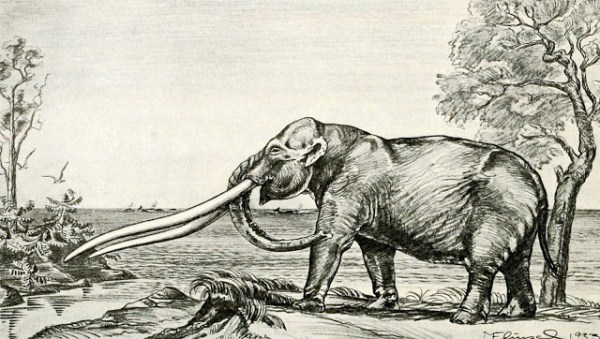
நான்கு தந்தங்கள் கொண்ட யானை உண்மையே


சுந்தர காண்டத்தில் இராவணனின் அரண்மனை நான்கு தந்தங்கள்  கொண்ட யானைகளால் காவல் காக்கப்படுவதை வால்மீகி முனிவர் நான்காவது ஸர்க்கம் 29ஆம் சுலோகத்தில் “வாரணைச்ச சதுர்தந்தை:” என்ற சொற்றொடர் மூலம் குறிப்பிடுகிறார்.

அதே காண்டத்தில் 27ஆம் ஸர்க்கத்தில் வரும் சுலோகம் இது:


ராகவஸ்ச மயா த்ருஷ்டச் சதுர்தந்தம் மஹாகஜம் |

ஆரூட: சைல சங்காஷம் சசார சஹ லக்ஷ்மண: ||


விபீஷணனின் பெண்ணான திரிஜடை, இராவணன் அழிக்கப்பட்டு சீதையுடன் இராமன் சேருவதாகத் தான் கண்ட கனவை சீதையிடம் கூறுகிறாள். அப்போது அவள் கூறும் இந்த சுலோகத்தின் பொருள்: “ராகவர் லக்ஷ்மணரோடு கூடியவராய் நான்கு தந்தங்களை உடைய குன்று போல உள்ள யானையின் மீது ஏறினவராக என்னால் காணப்பட்டார்”


நான்கு தந்தங்கள் கொண்ட யானையே இல்லை; அது கற்பனை என பல “பகுத்தறிவுவாதிகள்” கிண்டலும் கேலியுமாக கூறி வந்ததுண்டு.


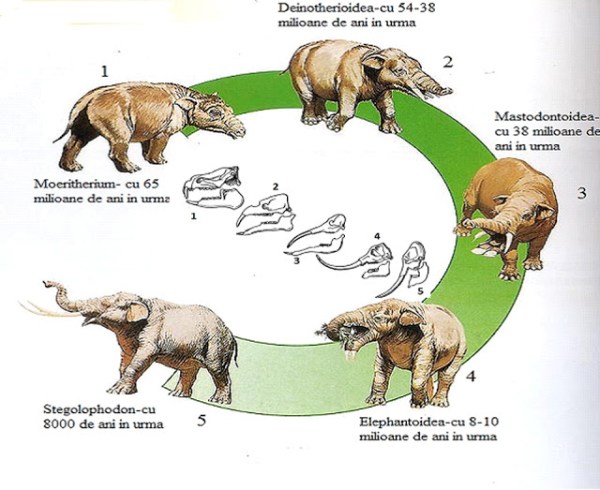
ஆனால் என்கார்டா என்சைக்ளோபீடியா (Encarta Encyclopedia)  என்னும் கலைக்களஞ்சியம் இப்படிப்பட்ட நான்கு தந்தங்கள் கொண்ட யானைகள் 38 மில்லியன் ஆண்டுகளுக்கு முன்னர் இருந்தது என்பதையும் அவற்றின் பெயர்


மஸடோடோண்டாய்டியா (MASTODONTOIDEA) என்றும் குறிப்பிடுகிறது. அந்த இனம் 15 மில்லியன் ஆண்டுகளுக்கு முன்னர் அழிந்து பட்டது என்றும் பின்னர் இரண்டு தந்தங்கள் உடைய யானைகள் தோன்றின என்றும் அந்தக் கலைக் களஞ்சியம் தெரிவிக்கிறது.


ஆய்வுகள் பல நவீன உபகரணங்களுடன் நடத்தப்பட நடத்தப்பட புதிய உண்மைகள் வெளியாகிக் கொண்டே இருக்கின்றன. ஒவ்வொன்றும் வால்மீகி கூறி இருக்கும் ஒவ்வொரு வார்த்தையும் உண்மையே என்பதை நிரூபிக்கின்றன.

சத்தியத்தின் அடிப்படையில் சத்திய நாயகனான ராமனின் சரிதத்தைக் கூறும் வால்மீகி ராமாயணத்தில்,

“ஏகைகமக்ஷரம் ப்ரோக்தம் மஹா பாதக நாசனம்” – அதில் வரும் ஒவ்வொரு எழுத்தும் கூறப்படுகையில் அது மகா பாதகத்தையும் போக்கி விடும் என்று முன்னோர் கூறியது பொருள் படைத்ததல்லவா!

******


Water in the Oldest Scripture in the World- Rig Veda (Post No.3805)

Written by London swaminathan


Date: 10 APRIL 2017


Time uploaded in London:- 18.57


Post No. 3805


Pictures are taken from various sources; thanks.


contact; swami_48@yahoo.com


Hindus praised water as God. All the rivers in India are worshipped as goddesses (except Brahmaputra river which has a masculine name). From the Rig Veda to the latest Bharati, every one praised water or rain.


Following is the oldest hymn on water:

To Apas (water)

Rig Veda ( 10-9)

Metre: various including Gayatri metre

Rishi Sindhudvipa (Indus Valley King)

Son of Ambarisha, Indus Valley Civilization Emperor

(also called Trisiras or Tvastri)

Waters! you who are health-giving

give us energy, so that

we may look on great delight (1)

Give us a share of your most

beneficent sapidity/ strong pleasant flavour

like mothers longing with love (2)


So, gladly do we go with you

to the home for which you make us live,

Waters! Give us progeny (3)


Gracious be divine Waters for

our protection, be they for our drink,

and stream on us bliss and happiness (4)


Sovereigns over precious things,

and Rulers over men, Waters!

we seek healing balm of you. (5)


Within Waters – so Soma has

told me – are all healing balms,

and Agni, benign to all (6)

Waters, come filled with healing balm

for the shielding of my body,

so, may I long see the sun (7)

Wash away, Waters, whatever

sin is in me, what wrong I have done,

what imprecation I have uttered,

and what untruth I have spoken (8)

Today I have sought the Waters,

we have mingled with their essence;

approach me, Agni, with thy power,

and fill me, as such, with brilliance (9)


(Date :– Herman Jacobi dates it to 4500 BCE; Max Muller dates it to a date before 1200 BCE up to 5000 BCE)


This is an amazing hymn on Waters. The Vedic people knew the healing properties of the water; the words healing-giving, beneficent sapidity and healing balm show that the Vedic people recognised the hygienic and curative powers of water.


Soma ,here, means personification of the juice

Agni, here, referring particularly to the heat in water.


Hindus had the science of changing water into  a powerful weapon by some magic spells like the one above; they were able to curse or give boons with water. They used Fire(agni) as a witness to all treaties or agreements and they used Water (Apas) for all the curses, boons and giving donations. We couldn’t see such a thing anywhere in the world. In Sangam Tamil literature, we have lot of references to using water for giving donations; but we have very few references to curses in Post Sangam literature. By that time Hindus forgot the magical powers of waters.

Water is Law: Satapata Brahmana (850 BCE):


The Satapata Brahmana, which the foreigners dated 850 BCE, says

“The waters, they are law; that is why when the earth receives waters regularly, everything is in accord with the law. But when the rain fails, the strong victimise the weak, for the waters, they are law.”


Tamil Veda Tirukkural also emphasized this:

“Even as life on earth cannot sustain without water, virtue too depends ultimately on rain”- Kural 20


The life on earth cannot sustain without water – is said by Kapilar earlier in Natrinai (verse 1) which is at least 2000 old.


Hindus used water as similes and in the proverbs.

If something is not reliable and not permanent they say, “It is written on water”. If something is written and preserved in tact they it is written on written on stone.”

The life’s impermanence is compared to the bubble in the water.


Manu Smrti, the oldest Law book in the world, mention God created water first and the life from it. The word for god is Narayana, one who has water as his abode. (Neer is Indo European and and Found in Nereids in Greek. Neer is also found in tail as Tamil and Sanskrit evolved from the same source according to my research.)

Manu says about water:

A man who gives (gifts) water obtains satisfaction/contentment; a giver of food boundless happiness; a bestower of sesame seeds progeny; and a giver of a lamp, excellent eye sight (Manu 4-229)

When it comes to division of property, they say that a piece of clothing, a carriage, jewellery, cooked food, water women, the means of security and a pasture should not be divided (Manu 9-219)

One should not urinate in water, on roads, on ant hill, on the ruins of a temple, a cowpen or a mound of the dead;one should never emit excrement in water (4-45/46/48)


One should not throw urine, excrement, poison, saliva or impurities in water (4-56)

a man should not shed his semen in water (11-174)

A Brahmin should throw his worn out thread water pot, staff, small animal skin bit, belt into water reciting Vedas (2-64)

A Priest is purified Bywater that reaches up to his heart, a king by water up to his neck, a Vaisya by the water swallowed and a Shudra by water touched on the tip of his lips (2-62)


Manu also speaks of the punishment for stealing or diverting irrigation water in chapters (3 and 9)


–Subham–


Kalidasa’s simile in Tamil ‘Kalitokai’ about Water Purification! (Post No.3775)

Written by London swaminathan


Date: 31 March 2017


Time uploaded in London:- 9-38 am


Post No. 3775


Pictures are taken from various sources; thanks.


contact; swami_48@yahoo.com

Picture: A girl is fetching water from Railway Supply Pipes in Agartala, Tripura

Kalidasa has used over 1300 similes and imageries in his seven works. Out of the 1300 plus similes, Sangam Tamil poets have used over 200 similes; This places Kalidasa before the Sangam Poets i.e. before 2000 years ago. I have shown in my research articles posted here from 2011 that only Sangam poets copied Kalidasa and not vice versa. It is all about Ganges, Himalayas and mythologies. Here is one more example from his drama Malavikagnimitram (Malavika+ Agnimitram). This is repeated verbatim by the Sangam Tamil poet Nallanthuvanar in Kalitokai verse 142)


Here is the reference from Kalidasa’s work:

“Just as a stupide person becomes wise by association with the wiser, similarly the turbid water becomes clear by contact with the purifying fruit of the Kataka tree” – Malavikagnimitram II-7


Mandoapyamandataameti samsarhgena vipachchitaha

pankacchidaha phalasyeva nikarshaenavilam payaha


Here is the Tamil poet’s simile:

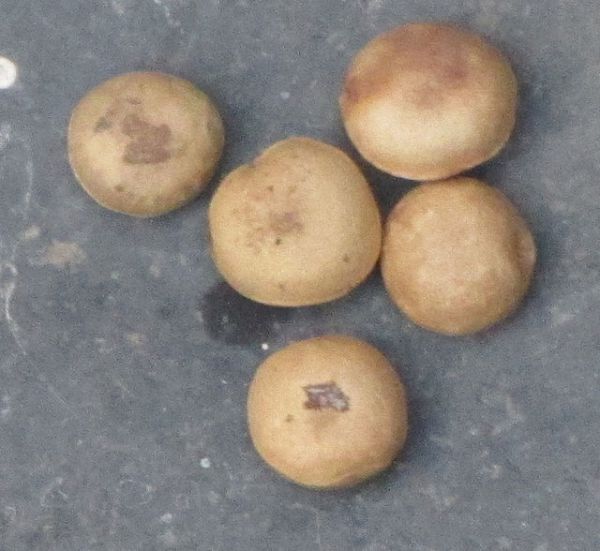
“ How come she has become bright and composed now! As soon as she embraced that broad chested man, she has become clear like the water that has become crystal clear after adding the Thetraankottai (Clearing nuts)” – Kalitokai, Verse 142;  Nallanthuvanar in Neithal Kali.


Kalitokai is an anthology of Sangam Tamil period. It is dated to first three centuries CE.


Though this water purification method is known to all the villagers from Kanyakumari to Kashmir, the way the two poets used betrays copying. Since Kalidasa is praised sky-high by the whole world for his usage of similes he couldn’t have copied. His similes are found in Gatha Sapta Sati and Sanagm Tamil Literature—over 300 similes! Had Kalidasa copied from all the 300 poets the world would have condemned Kalidasa as a copy cat! Moreover, the way and the place he used the imageries proved that his were the originals. Apart from these things, Kalidasa knew the Northern parts of India and Hindu mythology than the Southern Tamil and GSS Prakrit poets. This places Kalidasa in the first two centuries of BCE. ( For more proof , please read my articles comparing Kalidasa and the Sangam Tamil Literature)


I have given below my previous article on the water purification methods:


Water Purification Techniques in Ancient Indian Literature!


Written by London swaminathan

Research Article No. 1688; Dated 3 March 2015.

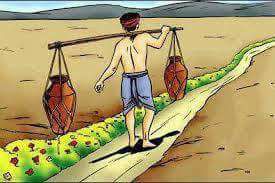
Water is a rare commodity in certain parts of India. There is a proverb in Tamil, “Treat Water as Precious” – “Neeraiyum Seeraadu”. Villagers have to walk miles together just to get some water for their day to day essential use. Even that water is murky or muddy. Indian literature is full of stories about mass migration because of big droughts. We read about the droughts and migration in Vedic literature and later Tamil literature. Indus valley civilization was also affected by acute drought. Mahabharata described the drought in Saraswati River basin and the Brahmins moved out of that area.  have collected all the references to drought in the Vedas and Tamil literature for my research.

Even in the areas where water is available, there were certain periods of acute scarcity. So the ingenious people have found out some techniques for water purification. Usually they dugout water springs in the dry river beds or some places identified by the trees. Varahamihira has dealt with this in a separate chapter in his Brhat Samhita (Please read my earlier article on this topic: How to find water in the desert? Posted on 16th February 2015 in this blog)

Tamil Books on Water purification

Kalitokai is an anthology of Sangam Tamil period. It is dated to first three centuries CE. A confused woman who later became clear and composed is compared to the water that is purified by the clearing nuts (Kalitokai, Neithar Kali by Poet Nallanthuvanar):

“ How come she has become bright and composed now! As soon as she embraced that broad chested man, she has become clear like the water that has become crystal clear after adding the Thetraankottai (Clearing nuts)”

Naladiyar is an anthology of 400 verses in Tamil. It is dated to eighth century CE. One of the verses says about the unlearned people,

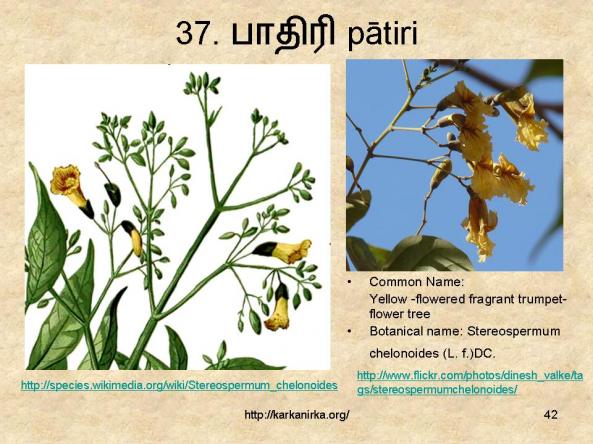
“Though they be unlearned, if they move in the society of the learned, the former will grow wise and learned just as the new earthen pot by its contact with the bright coloured “Paathiri” flower, imparts its fragrance to the water deposited in it”.


जलकतकरेणुन्यायः

jalakatakarenu nyayah

Sanskrit language has got many Nyayas (analogies or similes) and one of them is jala katakarenu nyaya. The nyaya is used to illustrate that dirty things can be purified by mixing with good things. If you mix the kataka powder (Clearing nut powder), then the water gets purified-  is the message. This is used by great people like Sri Sathya Sai baba to bring out the sacrifice one makes in community service. He used to say, “bring out the good in the society and disappear like Kataka powder. Once it purifies the water it dissolves in the water and loses its shape. A social worker also should sacrifice his name, fame and identity when he serves the community like the kataka powder” — is the message, he gives.

KATAKA = Strychnos potatorum = clearing nut tree= Thetra maram in Tamil

It is a common sight in South Indian houses that a corner is allocated for a mud pot. There the mud pot is placed on a heap of river sand and in the water pot they put Vettiver or pathiri flower for fragrant and cool drinking water.


Varahamihira on Water purification

Brhat Samhita – Chapter 54

“A mixture of antimony, and the powder of Bhadramusta ( a kind of grass) bullbs, andropogon, Rajakostaka and myrobalan combined with Kataka nuts should be dropped into a well.

Anjanasusthosariirai: saraajakosathakaamalakachurnai:

Kathakafalasamayukthairyoga kuupe pradhaatavya:

(Kataka = Strychnos potatorum- Clearing Nut tree. Cilliya mara , Tettamaram in Tamil and Malayalam;  Anjana is translated as antimony; but it has other meanings in Sanskrit).

Even the water that is muddy, bitter, saltish, bereft of good taste, and of bad odour, will become clear/pure, of good taste and good smell and endowed with other qualities”.

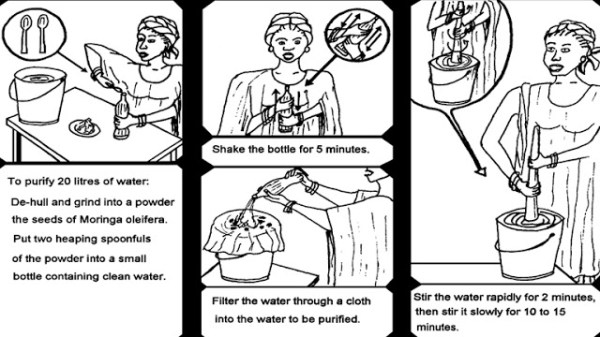
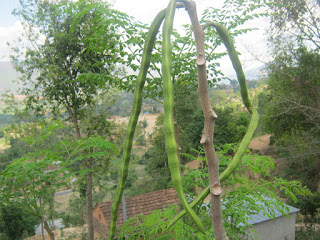
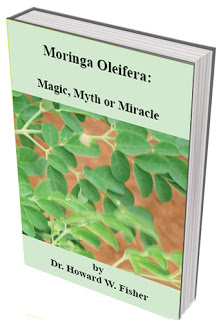
The villagers living in arid areas will be benefitted if they follow ancient scriptures. In African countries they use the seeds of Moringa oleifera, a common vegetable used in South India and Sri Lanka.


–Subham–

Book Review: A Journey towards the Infinite Absolute… (Post No.3752)

Written by S NAGARAJAN


Date: 24 March 2017


Time uploaded in London:-  6-12 am


Post No.3752


Pictures are taken from different sources; thanks.


contact: swami_48@yahoo.com


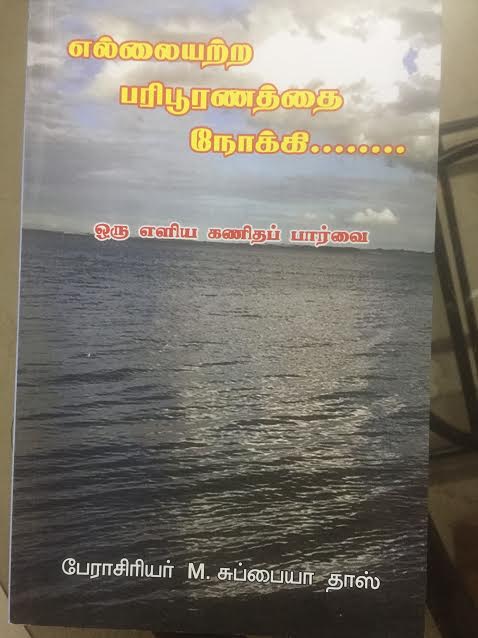
புத்தக மதிப்புரை : எல்லையற்ற பரிபூரணத்தை நோக்கி ..


Book Review

A Journey towards the Infinite Absolute…

Santhanam Nagarajan


The book under review titled,’A Journey towards the Infinite Absolute’ is written in Tamil language by a retired professor of mathematics, Mr M.Subbiah Doss.


Many mathematics professors, scholars have tried successfully in describing and measuring God with their mathematical stick.


We have Swami Ramathirtha who was a great advadic scholar as well as a mathematics professor.

In his eight volumes ‘In the Woods of God Realization’ we have beautiful mathematical analogies explaining God.

The great genius Ramanujan declared that ”An equation for me has no meaning unless it represents a thought of God”.


The present work is also trying to measure the immeasurable things.

The book has three parts with eighteen chapters. Six chapters explain the various principles of spirituality with the help of simple mathematical principles.

Mandukya Upanishad explains the three dimensional world and four dimensional world


The ancient sages have discovered everything with their intuition. Even though the physical heart is on the left side of the body the spiritual heart is in the right side of the body.

When the author emphasize this point we remind ourselves about the saying of Bhagawan Ramana Maharishi, the sage of Arunachala, who also emphasized this point with his own experience.

The fourth dimension is always a curious subject. The great author J.W.Dunne (1875-1949)  has explained it in his world famous book, ’An Experiment with Time’.


The author explains three dimensional world and four dimensional world with many simple sketches.

Man is determined by his karma which in turn is due to his own thoughts. The next birth is determined by his own thoughts of previous birth, this birth and the balance one brings from previous karmas.

The ancient sages by their inner vision have seen the hexagonal symbol in the northern pole of the planet Saturn and arranged to carve it in the Saturn temples roof. Now the spacecraft Cassini sent by Nasa proves this by sending photos of Saturn.


After illustrating the above points the author narrates an incident from Sri Sathya SaiBaba’s divine life. Once a girl met Baba in the river Chitravathi at Puttaparthi, in Andhra Pradesh, India. Baba had taken a statue from the river. That was the statue which was worshipped by the girl’s grandfather. Including this statue everything is being saved as a thought form.

Living within the limits of Space and Time and Cause and Effect is one thing. In order to free from these things one has to choose the spiritual path.


To understand God, mathematics is a helpful tool.


All the above points are all very interesting. In 147 pages the author gives us a complete picture about the hitherto unexplained principles.

A fitting foreword has been given by R.Panneerselvam, a Scholar in his own rights.


Many quotes from Swami Vivekananda, Swami Yogananda, Swami Chitbavananda and Ramakrishna mutt sages makes the book interesting reading.

The book is neatly printed and I congratulate the author for his painstaking research.


புத்தக விவரம்:

எல்லையற்ற பரிபூரணத்தை நோக்கி ..

எம்.சுப்பையாதாஸ்

147 பக்கங்கள்

விலை ரூ 150/

கிடைக்குமிடம்:

THAASU PUBLICATIONS

14, II CROSS STREET, VISWANATHAPURAM

MADURAI 625014  TAMILNADU INDIA

PHONE  0452 2641945

EMAIL : subdoss2014@gmail.com


Summary

The book under review titled,’A Journey towards the Infinite Absolute’ is written in Tamil language by a retired professor mathematics, Mr M.Subbiah Doss. To understand God, mathematics is a helpful tool. Many mathematics professors, scholars have tried successfully in describing and measuring God with their mathematical stick. The author explains three dimensional world and four dimensional world with many simple sketches. Many quotes from Swami Vivekananda,Swami Yogananda, Swami Chitbavananda and Ramakrishna mutt sages makes the book interesting reading.

Keyword

Mathematics is a tool to explain the absolute, three dimension and four dimensional wonders, explained

  1. Nagarajan has written more than 3000 articles in Tamil in 18 magazines and published 52 books. He is revealing Eastern Secret Wisdom through T.V. Programmes, magazine articles, seminars, courses. He has covered various subjects in his wide range of articles which include Mantras, Yantras, Yoga, Meditation, Astrology, Astronomy, Space Science, Science and Spirituality, Hollywood cinema, Women’s progress, Aura, Significance of Colors, Reincarnation, Divine Geometry, Power of Prayer etc. As an ardent seeker of Truth, he has collected scientific experiments on mantras, mind, Auto suggestion etc. He has written many articles on para psychology also. His email id is snagarajans@gmail.com


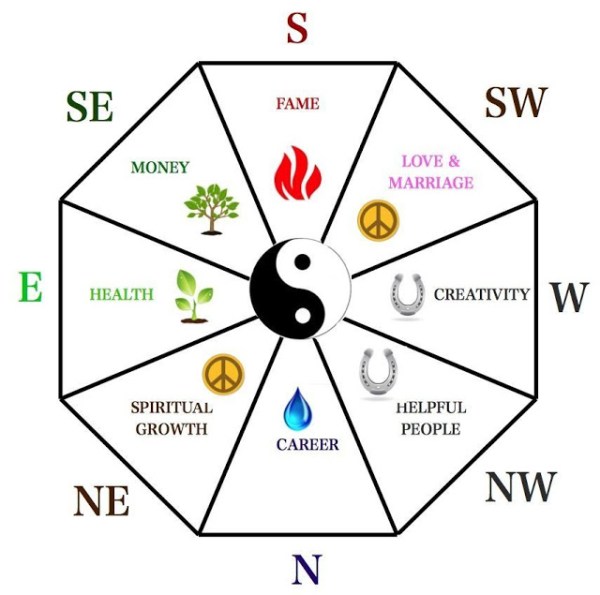
Feng Shui – True or False? (Post No.3721)

Written by S NAGARAJAN


Date: 14 March 2017


Time uploaded in London:-  5-13 am


Post No.3721


Pictures are taken from different sources; thanks.


contact: swami_48@yahoo.com


Feng Shui – True or False? If it is True, is there a Proof?

by S. Nagarajan


Feng means Wind and Shui means water in Chinese language. It is an ancient Chinese art, at least 5000 years old.


There are five elements. Everything is energy. If you are able to channelise the positive energy understanding the five elements, you will be successful in all spheres.


How to channelise the energy and what is the proof that Feng Shui works?

We may refer at least one real story for this.

Hans Snook is famous for his slogan, ‘The future is bright, The future is Orange’.  With this he developed his company and sold it for a huge amount of 50 million pounds.


Snook was born in England. He dropped out of university and worked in the hotel business in Canada.

Then he went to Hong Kong and worked in a telecoms company. In 1994, he came back to London and launched a mobile phone company.


He was all success due to his belief in Feng Shui. Even though he did not have a great belief in that, he consulted a Feng Shui master. The master suggested certain alterations in his office and assured him that within twelve months the business would become very successful.


And that is what happened. His business incredibly brought a lot of money.

Not only Hans Snook, almost all businessmen around the world who want an all-round success and prosperity adopt Feng Shui principles. The Proof?

You may see the water spring in front of the big malls and corporate office buildings.


One interesting example is Andrew Thrasyvoulou. He is an architect himself and owner of a hotel group, Myhotel Company.

When he took over a London building he had to redesign and modify it since the existing one was not according to the principles of Feng Shui.

He has based the layout on the principles of this Chinese art. Major changes in the 76 room hotel were made.

The staircase facing the entrance was moved in order to make the positive flow of energy. The bar’s hard edges were removed and were replaced with round corners.


A Fish Tank was placed in front of Cash register locks to bring luck and prosperity.

Thus the entire hotel was modified and he made enormous money.

The latest fashion is to engage a Feng Shui master along with the architect.

The Hindu Scriptures specify Vastu Sastra which is more than Feng Shui.


All these special techniques are simply aligning the forces which are invisible. Those who respect and adopt them are fortunate and those who are ignorant of the facts are deprived of the benefits.

Hence we must understand the basic principles and make our life a successful one following these rules.

I would like to recommend to read my earlier article titled, ‘Get Feng Shui – Vastu Combined Benefits’.

****


Hindus Migrate to Europe 8000 Years Ago! (Post No.3708)

Written by London swaminathan


Date: 9 March 2017


Time uploaded in London:- 20-08


Post No. 3708


Pictures are taken from various sources; thanks.


contact; swami_48@yahoo.com


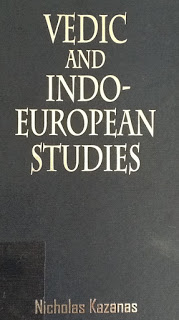
Nicholas Kazanas, a scholar from Athens has given amazing details about Hindus in his latest book “VEDIC AND INDO EUROPEAN STUDIES”. It is written for scholars with lot of linguistic studies and a layman can’t follow it easily. But he himself summarised beautifully well in the introduction. I will give only interesting points from the intro and the contents of the book.


Migration

AIT (Aryan Invasion/Immigration Theory) is wrong. On the contrary Hindus went into Europe 8000 years ago. He quoted the following:

Genetics also has in the 2000 decade established beyond any doubt the fact that genes flowed into Europe from N W India (Gujarat, Rajsathan, Sindh); these are the R1a 1a and the M458 and they travelled north westward before 8000 years ago (see underhill 2010)

Emeneau’s Ignorance

M B Emeneau wrote in 1954 : “At some time in the second millennium BC a band or bands of an Indo European language, later to be called Sanskrit, entered India over the North West passes. This is our linguistic doctrine which has been held now for more than a century and a half. There seems to be no reason to distrust the arguments for it, in spite of the traditional Hindu ignorance of any such invasion”.

Nicholas, in his book says: “However it is Emeneau himself who suffers from ignorance, not the Hindu tradition. For only 12 years later, in 1966, an article by the eminent archealogist George Dale in the Scientific American showed beyond any doubt that there has been no invasion, no bloodshed, no conquest, no violence. Note, too, that Emeneau talks of a doctrine and arguments and not of data, evidence and facts. Now where as historians like A L Basham accepted it readily (1975), it took Western and many Indian Sanskritists to accept this fact and change the theory into one of peaceful immigration.


Date of Rig Veda 3500 BCE!

All modern texts on Sanskrit and ancient Indian literature refer to the chronological scheme set out by Max Muller in his History of Sanskrit Literature (1859). What they don’t say is how he arrived at this’


This scheme was based on a ghost story in Katha sarit sagara (composed in 1100 CE) which mentions a certain Katyayana. This person was identified by Muller with the sutra writer Kaatyaayana, placed in the third century BCE. Thus working from that date as his basis, he set up the following chronological scheme:

Chandas (RV) – 1200-1000 BCE

Mantras (Atharva, Yajus) – 1000-800 BCE

Brahmanas, Upanishads – 800-600 BCE

Sutras etc. – down to 200 BCE


This chronology came into criticism at that time ( by Goldstrucker, Whitney, Winternitz and others) and even Muller admitted that nobody could determine the dates of the Rig Vedic hymns which could be from 1500, 2000 or even 5000 BCE. But his earlier scheme stuck and is being taught today in all Western Universities and most Indian ones.

However, all archaeologists today, experts in the area of Saptasindhu (Allchin, Kenoyer, Poschel, Shaffer and many others), emphasize the unbroken continuity of the native culture from c.7000 to 600 BCE, when the Persians began to invade the region.

The Indo- Aryans are indigenous to Seven River region (Sapta Sindhu) what is today North West Pakistan and North West India, since there is no evidence for any intrusion into that area before 600 BCE. The Rig Veda was complete but for minor passages by 3100 BCE when the Harappan culture begins to arise


Consequently, I take it that Rig Veda was composed in the 4th millennium BCE at least, the Brahmanas and the Upanishads early in the 3rd and some of the Sutra texts 2500 BCE.


Egypt, Babylonia learnt Maths from India!


Of great significance are two articles by American historian of science A.Seidenberg wherein he argues that Egyptian, Babylonian and Greek mathematics derive from the Indic Sulbasutras of Apastamba and Baudhayana or a work like that, dated c 2000 BC as lower limit, thus furnishing totally independent evidence; in these he took account of the work of Neugebauer, Cantor et all. Seidenberg wrote of this original work: its mathematics was very much like what we see in the Sulabasutras. In the first place, it was associated with the ritual. Second, there was no dichotomy between number and magnitude. In geometry, it knew the Theorem of Pythagoras and how to convert a rectangle into a square. It knew the isosceles trapezoid and how to compute its area.

(Source: Vedic and Indo-European Studies by Nicholas Kazanas, Aditya Prakashan, New Delhi, year 2015)


—to be continued………………………


The Story of Revata, First Time Travel Story In The History Of Mankind! (Post No.3706)

Written by S NAGARAJAN


Date: 9 March 2017


Time uploaded in London:-  5-25 am


Post No.3706


Pictures are taken from different sources; thanks.


contact: swami_48@yahoo.com


by S. Nagarajan

Who has written the first Time Travel Story? Any modern Sci-Fi – Scientific Fiction – writer? No.

It is the great sage Veda Vyasa who has written 18 great Hindu Puranas had written the first Time Travel Story.

Vyasa has been glorified as the great one who has Giant Brain. There is nothing in the world which he has not touched; enumerated! In Devi Bhagavatham, we come across the story of Revata.


The great king by name Ravata was the ruler of Kusasthali. He was the son of King Anartta and grandson of emperor Saryati. He had hundred sons and one daughter by name Revathi.


When the time for Revathi’s marriage came, he was not able to find out a suitable bridegroom for his daughter. So he thought of meeting the creator Brahma who created Revathi. Revathi also accompanied his father to the Brahmaloka, the world of Brahama.


When they enter into Brahams’s place there was some Yaga going on. Revata respectfully worshipped Brahma. On seeing him, Brahma just signed to wait. The Yaga was completed and Brahma asked Revata about the purpose of his visit.

Revata explained that he had come to take his advice in finding out a suitable bridegroom.


Braham told him, “Oh! The time in Brahma Loka and the time in the earth are different. Even though you think that you have waited here for a few minutes, thousands of years have been passed in the earth. See the persons there in the earth. They are all comparatively very much shorter because one Yuga has been completed, whereas beautiful Revathi is very much taller than the earthly men. But don’t worry. You may choose Balabadrarama as your son-in-law. He will do the needful.”

On hearing this Revata was very happy and he came back to earth along with Revathi and met Balabadrarama. Balabadrarama took his spade and with that he pressed Revathi’s head. Immediately Revathi was shortened and attained a suitable normal height as that of other earthly women.The marriage was successfully performed.


Thus Veda Vyasa very beautifully narrates the time dilation theory, that is, the difference in time when you travel in the space to a greater distance.


Now let us compare this with the data provided in “Meyers Handbook on Space’.


Meyers table gives you extents of Time dilation between the spaceship rocket crew hon an intersteller flight and the inhabitants at the rocket launching station in the earth.

Following table gives the years for Rocket Crew and equivalent years of launch station inhabitants, in this case, humanbeings in our earth.


Years of Rocket Crew                           Years of Launch Site at Earth

1                                                1

2                                                2.1

5                                                 6.5

10                                                24

20                                               270

30                                             3100

40                                           36000

50                                        4,20,000


4,20,000 years is approximately equivalent to one Kali Yuga’s duration. This is what Brahma told Revata that one Yuga has been passed.

With a fantastic story Vyasa has narrated the Time Dilation theory in a beautiful manner.


Great scientific theories are all hidden in Hindu Puranas. With the advancement of science we come to know the facts hidden in the epics and become dumbfounded.


****


PANDU- TIGER AMONG MEN! (Post No.3697)

Written by London swaminathan


Date: 6 March 2017


Time uploaded in London:- 10-42 am


Post No. 3697


Pictures are taken from various sources; thanks.


contact; swami_48@yahoo.com


Pandu was the father of Pancha (five) Pandavas in the Mahabharata. He was born to Ambalika and Vyasa. There is a big scientific truth in the birth story of Pandu. If any woman has sex with a man in disgust or hatred, the child born may be handicapped or sick or a baby with a rare syndrome.


Pandu’s older brother was Dhritarashtra who was born blind. Because of brother’s blindness Pandu took over the reins of the Kingdom. He was ruling from Hastinapura. He married Kunti, who chose him as her husband in a Swayamvara ( a princess choses her own husband in an open competition). Later he married Madri from Madra Kingdom. In the olden days, a king could marry as many princesses as possible from neighbouring kingdoms to strengthen the country and save it from invasions.


Kunti, taught Madri the mantra (magic spell) she learnt from Durvasa, a seer, to get children. Through that mantra she invoked the Vedic twins Aswini kumaras and got twins Nakula and Sahadeva. Yudhisthira, Bhima and Arjuna with these twins were called Pancha/Five Pandavas.

Science behind their births!

Vyasa was asked to help Amba and Ambika in getting children, since both had no issues. They couldn’t have children with their husband Vichitraveerya. This was an ancient custom allowed to continue the lineage. So, Vyasa agreed to produce children, but neither he was  a handsome man nor dresses properly. He was more involved in the Vedic studies. When Ambika looked at him she hated him and shut her eyes while she had conjugal bliss with him. Because of her mental state she gave birth to a born blind, Dhritarshtra. Ambalika also was not happy, but had sex with him with a feeling of disgust and the child born to her was pale, Pandu.


So, if someone doesn’t feel comfortable or happy while having sex, that will affect the children born to them physically or mentally. Western country statistics also show that children brought up in an atmosphere of violence, squalor, bad habits such as drink and drugs become anti-social elements.


How Pandu died?

Hunting and gambling were two big vices of Hindu kings. When Pandu went for a hunt in the forest he mistook a rishi and his wife as deer and shot and killed them. At that time they were having sex. Since Rishis (seers) of ancient India wore deer skin, they were easily mistaken. When the seer (Kindama) died, he cursed Pandu that he would also die when he has sex with his wife.


Pandu felt very sad and went to the forest to practice yoga and penance. Both his wives Kunti and Madri accompanied them. As fate, would have it, one day Pandu felt very happy and decided to enjoy conjugal pleasure. He died immediately and Madri also died with him in the funeral pyre, feeling that it was her fault to allow him to come closer to her despite the seer’s curse.

Kunti took care of her children.

Tiger among Men

Pandu did not get much coverage as others, outside the epic. But Mahabharata praised him very much. He had great qualities and he was used as similes in many passages Let us look at a few couplets about Pandu from the epic:-


“This tiger among men comes again, the knower of virtue, the one who protects us in accordance with what is right, as his own relatives”

ayam sa purusa Vyaagrah punar aayaati dharmavit

yo nah svaan iva daayaadaan dharmatah pariraksati ( 1-199-17)


“Pandu, while practising penance in the forest behaved like a brother to some, like a friend to others; the sages, however, protected him like their own son”


kesaam cid abhavad bhraataa

kesaam cid abhavad sakhaa

rsayas tv apare cai ‘nam

putravat paryapaalayan 1-113-3


Pandu, though a Kshatriya (king), he looked like an enlightened sage in the forest: brahma rsi sadrsah paandur – 1-111-4


He is one of the unsung heroes of Mahabharata.


—Subham–


Time is a Mysterious Factor! Let us First Know about Present! (Post No.3643)

Written by S NAGARAJAN


Date: 17 February 2017


Time uploaded in London:-  5-33 am


Post No.3643


Pictures are taken from different sources; thanks.


contact: swami_48@yahoo.com


by S. Nagarajan

How could an object be located in space? While the first three dimensions are used to specify its location in the space, the fourth dimension time, locates its position in time.


Space and time are inseparable. Time could not be easily explained. For our convenience sake we are saying present tense, past tense and future tense.


The events that had happened is past. The events which we are experiencing now is present and what is to come is future.


But these tenses are related. Swami Vivekananda once explained that all the three tenses are mingled together if you see them from an infinite height. You can take whatever tense you want at that level and see what is happening at that moment.


How could this be explained? Very Easy. Imagine one person is travelling in a train. In the compartment, he is able to see through the window up to a distance. The person sitting opposite to him will be able to see the other side through the window up to a distance. The person who is sitting in the compartment next to the engine could see a little more. Suppose if a person travels sitting on the roof of the train he could see everything in front, back, right and left.


Now could anyone say who is exactly in the present tense? Before you say, this moment starts, it ends within a second. The present becomes past in a second and the future becomes the present in that second. So, who is living exactly in the present? And whose vision is the ‘present’ vision among the travelers, the person whom we referred first or the person opposite to him or the one who is in the compartment next to engine or the person who is sitting on the roof top of the train?


For the person who is on the roof top other person’s past is also present. And other person’s future also present. At a higher level all the tenses are mingled.

All are in present tense only but their vision is full or partial depending upon the obstructions or limits.


So our views regarding present tense is only relative! Actually we are all in present tense only.

The train is moving and hence all the persons are in ‘Continuous Present”.

This is exactly the Hindu religion says about time. We are ever in Continuous Present.


Time is ever flowing. Nobody could explain it. Nobody could escape from it also.

Space and time are inseparable. Living in present is desirable. For this, continuous effort is required. Because all are either fuming about the past or hoping about the future.


The Zen Buddhism and Hinduism emphasize to live in present. If you are able to live in the present then nothing could stop your success.

This is one aspect of Time. We will explore further in our future article.

****