ஒரே துறையில் மானும் புலியும்: கம்பன் தரும் அதிசயத் தகவல் (Post No.3180)

animal-water-2

Written by London swaminathan

Date: 23 September 2016

Time uploaded in London: 8-43 AM

Post No.3180

Pictures are taken from various sources; thanks.


நல்ல மன்னர்கள் ஆட்சி செய்தால் அங்கு இயற்கையாகவே பகைமை கொண்ட கீரியும் பாம்பும், பூனையும் எலியும், புலியும் மானும் கூடப் பகைமையை விட்டு நட்பு பராட்டுமாம்.

கம்பனும் காளிதாசனும் தரும் தகவல் இது:-


இதோ கம்பன் பாடல்:

கருங்கடல் தொட்டனர் கங்கை தந்தனர்

பெரும்புலி மானொடு  புனலும் ஊட்டினர்

பெருந்தகை என் குலத்து அரசர் பின் ஒரு

திருந்திழை துயரம் நான் தீர்க்ககிற்றிலேன்

–கலன் காண் படலம், கிஷ்ககிந்தா காண்டம்


பொருள்:-

பெருமையுடைய எனது முன்னோர்கள் கடலைத் தோண்டினர் (சகரர் கதை); மேலுலகதில் இருந்த கங்கையை பூவுலகுக்கு கொண்டு வந்தனர் (Civil Engineer பொறியியல் வல்லுனன் பகீரதன் கங்கையைத் திருப்பிவிட்ட புராணக் கதை); போர் செய்யும் இயல்புடைய புலியையும் யானையையும் ஒரே துறையில் நீர் அருந்துமாறு செய்தனர் (தர்ம ஆட்சி). அவர்கள் குலத்தில் உதித்த நானோ மனைவியின் துயரைத் தீர்க்கும் தவத்தைச் செய்யாதவனாக உள்ளேன் (சீதை பற்றி ராமன் புலம்பல்)

–கிட்கிந்தா காண்டம்
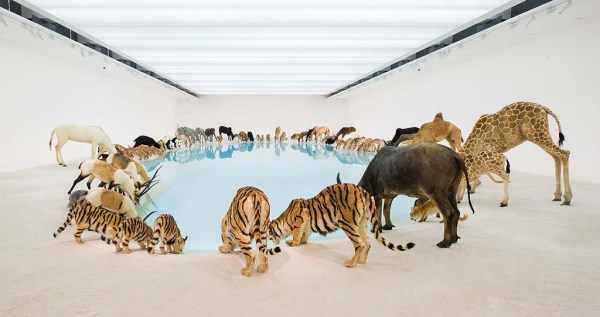
 

animals-water-1

வேறொரு இடத்தில்

புலிப்போத்தும் புல் வாயும் ஒரு துறையில் நீருண்ண

உலகாண்டோன் ஒருவன் — என்று பாடியுள்ளான்


வள்ளுவனோ இதற்கும் ஒரு படி மேல் சென்று

தர்ம ஆட்சி நடத்தும் மன்னன் நாட்டில் பருவமழை கொட்டும்; விளைச்சல் பெருகும் என்பான் (குறள் 545); கொடுங்கோலன் நாட்டில் மழையும் பெய்யாது; பசு மாடும் பால் தராது; பார்ப்பனர்களுக்கு வேதங்கள் மறந்து போகும் என்பான் (குறள் 559, 560)


காளிதாசனும் இதே கருத்தை முன்வைக்கிறான், ரகு வம்சத்தின் ஆறாவது சர்கத்தில் 46 ஆம் பாடலில் ஒரு உவமை வருகிறது.முனிவர்களின் ஆஸ்ரமத்தில்  இயற்கையிலேயே பகைமை உடைய மிருகங்களும் எப்படி பகைமை பாராட்டாது நட்புறவு கொள்ளுமோ அதுபோல……………………………..

முனிவரின் ஆஸ்ரமத்தில் புலியும் மானும் யானையும் சிங்கமும் போன்றை ஒன்று தாக்காமல் அமைதியாக வரும் என்பது இதன் பொருள். அது போல நீப மன்னனின் ஆட்சியும் குண நலன்களும் இருந்தன என்பான் காளிதாசன்.


மாணிக்கவாசகரும் திருவாசகத்தில் சிவபெருமானின் கருணை பற்றிப் பேசுகையில் “புலி முலை புல்வாய்க்கு அருளினை போற்றி” என்று விதந்தோதுவார்.
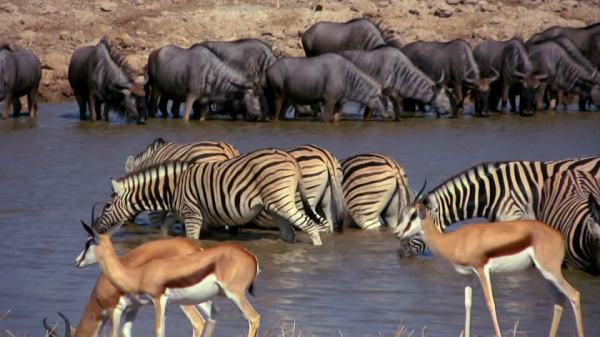
 

animals-3

இளங்கோ தரும் அதிசயத் தகவல்


நெஞ்சையள்ளும் சிலப்பதிகார காவியத்தில் பாண்டிய நாட்டில் நீதியும் அமைதியும் நிலவுவதால் இடி, மின்னல் கூட மக்கள் மீது விழாது; புலியும் மானும் சண்டை போடாது; முதலைகள் தாக்காது; துர் தேவதைகள் ம னிதனைப் பிடிக்காது; பாம்பும் கடிக்காது; கரடி கூட புற்றுமண்ணைத் தோண்டி கறையான் எறும்புகளைச் சாப்பிடா து. ஏனெனில் அங்கே தர்ம ஆட்சி நடக்கிறது. பகல் நேரத்திலு ம் பெண்ணும் ஆணும் போவது போல இரவில் பவுர்ணமி வெளிச்சத்திலும் போகலாம்; ஒரு பயமும் இல்லை– என்று இளங்கோ அடிகள் இயம்புவார்.

கோள்வல் உளிஒயமும் கொடும்புற்று அகழா;

வாள்வரி வேங்கையும் மன் கணம் மறலா;

அரவும், சூரும், இரைதேர் முதலையும்,

உருமும் சார்ந்தவர்க்கு உறுகண் செய்யா —

செங்கோல் தென்னவர் காக்கும் நாடு


—புறஞ்சேரி இறுத்த காதை, சிலப்பதிகாரம்


புறநானூற்றில் புலியும் மானும்

புறநானூற்றில் ஒரு அரிய செய்தி வருகிறது. ஒரு பெண் மானை ஒரு புலி கொன்றுவிட்டது. அதனுடன் ஒரு குட்டியும் இருந்தது. அந்தக் குட்டியை கொன்று சாப்பிடவில்லை. அதற்குக் காட்டிலுள்ள ஒரு முதிய காட்டுப்பசு பால் கொடுத்ததாம். தாயன்பு என்பது இந்த மிருகம், அந்த மிருகம் என்ற வரையரைக்கு எல்லாம் அப்பாற்பட்டது:-

புலிப்பாற்பட்ட ஆமான் குழவிக்குச்

சினங்கழி மூதாக் கன்றுமடுத்து ஊட்டும்

—புறநானூறு 323


–subham–


What is a caste? What is a Varna? (Post No.3156)

pyramid_of_caste_system_in_india

Written by London swaminathan

Date: 15 September 2016

Time uploaded in London: 21-21

Post No.3156

Pictures are taken from various sources; thanks.

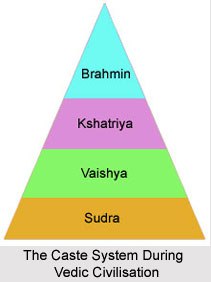
During Vedic days the Hindu society was divided into four Varnas: Brahmana- priestly caste; Kshatria- the ruling caste; Vaisya-the business community and the Sudra- manual labourers. This is very different from the castes of today. We have thousands of castes today. They are based on birth. But in Vedic days the varna was based on vocation one chose. The word varna is derived from the root “VRU” meaning “to choose”, what is chosen is Varna. It meant the profession you chose. Though it was based on vocation in the beginning, later it became a birth right. We see such things even today. A politician’s son becomes a big leader to succeed his father or mother superseding lot of seniors in the party. We see it in the film industry. An actor’s son or daughter is promoted as a prominent actor beating many seniors in the field. We see such trends in all parts of the world.


But in India the four varnas gave birth to thousands of castes which is unknown in any other part of the world. Even the Tamil literature talk about different castes in different regions. Varna is a misleading word. Foreigners deliberately left it without giving the Sanskrit root. People were allowed to believe varna means skin colour. The varna means colour as well. But in Vedic time there were not four coloured people. It meant only chosen profession. We have lot of quotations from various scriptures to justify this meaning.


Manu smriti, the first full-fledged Law book in the world, says,

Janmanaa jaayate Suudrah, karmanaa dwija Uchyate.

All are born as sudras; only the work decides whether he is a dwija  ( the word applied to first three castes.)


Krishna also says in Bhagavad Gita

Caaturvarnayam mayaa srstam

Gunakarma vibhaagasah

Tasya kartaaram api maam

Viddhy akartaaram avyayam (4-13)

The four-fold order was created by Me according to the divisions of quality and work. Though I am its creator, know Me to be incapable of action or change.


Dr S Radhakrishnan says in his Gita commentary: –

“The emphasis is on guna (aptitude) and karma (function) and not Jaati (birth). The varna or order to which we belong is independent of sex or breeding. A class determined by temperament and vocation is not a caste determined by birth and heredity.


“According to the Mahabharata, the whole world was originally of one class but later it became divided into four divisions on account of the specific duties.

Ekavarnam idam puurvam visvam aasid Yudhisthira

Karmakriyaavisesena caaturvarnyam pratishthitam


“Even the distinction between caste and out caste is artificial and unspiritual. An ancient verse points out that the Brahmin and the out caste are blood brothers.


Antyajo viprajaatis ca eka  eva sahodarah

Eka yoni prasuutas ca ekasaakhena jaayate


In the Mahabharata Yudhisthira says that it is difficult to find out the caste of persons on account of the mixture of castes. Men beget offspring in all sorts of women. So conduct is the only determining feature of caste according to sages.


the-caste-system-during-vedic-civilisation

“The fourfold order is designed for human evolution there is nothing absolute about the caste system which has changed its character in the process of history. Today it cannot be regarded as anything more than an insistence on a variety of ways in which the social purpose can be carried out.


Dr S N Sharma says

“He is thus a citizen of the world, the son of the earth”

Maataa Bhuumi: putroham prthivyaah

–Atharva Veda 12-1-42


Accordingly, birth is just incidental. It is only training and environment that give him specific direction to the development of certain qualities, determining thereby his social category.


According to Mahabharata, by birth all children can either be regarded Brahmins or Sudraas.

Yadi te vrutto raajan braahmanah prasamiikshitah

Vyarthaa jaatistadaayushman krtiyaarvanna drsyate

–Aranyaka parvan 177-25


Further the Mahabharata says that the Brahmana is one who practises truth, charity, forgiveness, compassion, restraint and goodwill.

Satyam daanam kshamaa seelamaanrusamsyam damoghrunaa

Drsyante yatra naagendra sa braahmana iti smrtah

If these qualities are found even in a so called Suudra, he must be ranked as a braahmana and, conversely, one bereft of these qualities, even though popularly known as a braahmana, is veritably a sudrah.


Suudre ca etat bhavet lakshyam dwije tat ca na vidyate

Navai suudro  bhavet suudro  braahmano na ca braahmanah

Aaranya parvan 177-17-21


Vedic Hymn

We come across the fourfold order for the first time in the Rig Veda in the Purusasuuktam hymn: –

Braahmnosya mukhamaasid baahuraajanya krtah

Uuru tadasya yath vaisyah padbhyaahum suudro ajaayata

Rig Veda 10-90-12


Brahmins came from the mouth (seat of speech)

Ruling class came from the arms (strength to protect)

Vaisyas came out of the thighs (food producer, importers)

Suudra came from the foot of God (Viraat purusa)


All the four communities came from the Viraat Purusa(God); this shows all are children of God. Moreover we need these four groups to make the society better. Even if one body part is missing he is called  disabled. In the same way Hindu society is complete only when all the four division of workers function.


Today there are thousands of castes. It is a world wonder. How come the four varnas gave birth to innumerable castes. Thurston and others were able to list them in several voloumes. But no one was able to tell us what caused so many castes. It remains a mystery!


–Subham–


வாட் இஸ் யுவர் புரஃபஷன்? நோ ப்ராப்ளம்? –கம்பன் காட்டும் தலைவனின் தத்துவம்!

4c39e-kamban

Written by S NAGARAJAN

Date: 13 September 2016

Time uploaded in London: 8-48 AM

Post No.3150

Pictures are taken from various sources; thanks.


ச.நாகராஜன்


myst-kambar-fdc

வாட் இஸ் யுவர் புரஃபஷன்?  (What is your profession?)

எது வினை?

நோ ப்ராப்ளம்? (No Problem?)

இடர் இலை?

யுவர் வைஃப் அண்ட் இன்டெலிஜெண்ட் சில்ட்ரன் ஆர் ஆல் வித் மைட்டி ஸ்ட்ரெந்த்? (Your wife and intelligent children are all with mighty strength?)

இனிதின் நும் மனையும் மதி தரும் குமரரும் வலியர் கொல்?

இன்று நம் நாட்டில் எந்தத் தலைவரேனும் நினைத்த இடத்திற்குத் தனியாகச் சென்று தமது குடி மக்களைப் பார்த்து இப்படி கேள்விகளைக் கேட்க முடியுமா?

குறைந்த பட்சம் கற்பனையிலாவது?

ஊஹூம், முடியாது! தொண்டர்களுடனும் குண்டர்களுடனும் அல்லவா அவர்கள் ‘நெடும் பயணம்’ மேற்கொள்கின்றனர்!

ஆயிரக்கணக்கான போலீஸ் பாதுகாப்புடன் உளவுத்துறை ரிபோர்ட் ஓ கே சொன்ன பிறகு தனது கட்சித் தொண்டர்கள் பாதுகாப்பாகச் சுற்றி வர புல்லட் ஃப்ரூப் மேடையில் மக்கள் தலைவர், ‘அனைவரும் எப்படித் தம் மீது அன்பைப் பொழிகிறார்கள்’ என்று மீடியாக்காரர்கள் இருக்கிறார்களா என்று பார்த்து ‘வீர உரை’ ஆற்றுவார்.

ஆனால் கம்பன் காட்டும் ராம தத்துவம் வேறு!

ராமன் நிஜமான தலைவன் என்பதைக் காட்ட விரும்புகிறான் கம்பன்.

அயோத்தி நகரத்து மாந்தர் இராமனும் இலட்சுமணனனும் எப்போது வரப் போகிறார்கள் என்று காத்திருப்பார்களாம்!

‘எதிர் வரும் அவர்களை எமை உடை இறைவன்

முதிர் தரு கருணையின் முக மலர் ஒளிரா

எது வினை இடர் இலை இனிதின் நும் மனையும்

மதி தரு குமரரும் வலியர் கொல் – எனவே’                                                         

  • (பாடல் 134, திரு அவதாரப் படலம், பால காண்டம்)

நகர  மாந்தருடனான இராமனின் முதல் பேச்சு இங்கு இப்படிப் பதிவாகிறது!

என்ன ஒரு அற்புதமான சுருக்கமான பேச்சு!

கருணை சாதாரண  கருணை அல்ல, முதிர் தரு கருணை!!

உமது மக்கள் வலியர் கொல் என்று கேட்கவில்லை!

மதி தரு குமரர் என்கிறான்.

ஜீனியஸ் – இன்டெலிஜெண்ட் புத்திரர்கள் நலமா என்கிறான்.

ஆக அயோத்தி வாழ் மக்களின் அறிவுத் திறனும் இராமனின் அருள் திறனும் ஒரு பாடலில் நான்கே வரிகளில் டிராமாடிக்காக – நாடக பாணியில் சொல்லப் படுகிறது.

ஒரு தலைவன் எப்படி இருக்க வேண்டும் என்ற தலைவனின் தத்துவம் விளக்கப்படுகிறது.

அது ஒரு புறம் இருக்கட்டும் – செக்யூரிட்டி தேவையில்லாத மக்கள் தலைவன் இராமன் என்பதையும் கண்டு மனம் மகிழ்கிறோம்!

இராமனைப் போற்றிப் புகழ்வதா அல்லது அவனை நமக்கு இப்படி இனம் காட்டும் கம்பனைப் புகழ்வதா?!

என் ஓட்டு கம்பனுக்கே!

உங்கள் ஓட்டு?!

******


Long Live Centenarians! (Post No.3138)

gandhi-2

Written by London Swaminathan


Date: 9 September 2016


Time uploaded in London: 9-14 AM


Post No.3138


Pictures are taken from various sources; thanks.


It is very interesting to note that centenarians get a positive reference in the world’s first law book Manava Dharmasasatra (Manu Smrti). This shows how much respect is given to old people in Hinduism and how much long life span is appreciated. Throughout the Vedas we find reference to man’s hundred-year life span.


Manu gives a list of people who spread positive vibrations in the place where they sit. He says that if one of them is sat in a row the entire row is purified and sanctified; though it is said in the context of twice born people, the respect to one’s age is referred in other slokas as well.


“Those who are pre-eminent in all the Vedas and the explanatory texts, and also those born into a line of priests who knew their Veda by heart, are known as purifiers of the ranks – Manu 3-184


A man who has studied the story of Naciketas (Katha Upanishad), or who keeps five sacrificial fires or has studied the three bird passage, or knows (tri suparna paasage in the Rig Veda 10-114-35), or knows all the six supplementary texts to the Veda, or is born out of a Brahma marriage or who can chant the most excellent chant (Jyeshta Samans or Tandya Brahmana 21-2-3) – Manu 3-185


Or those who know the meaning of the Veda, or can preach from the Veda, a chaste student of the Veda, one who has given away a thousand cows (at a sacrifice) or ONE WHO HAS REACHED THE RIPE AGE OF ONE HUNDRED YEARS are to be known as the people who purify the rows”.

mahatma-gandhi

Aagrayaa: sarveshu vedeshu sarvapravacaneshu sa

Srotriyaanvayajaasaiva vijneyaah panktipaavanaah -Manu 3-184


Vedaarthavit pravaktaa sa brahmachariisahasradah

Sataayussauva vijneyaa braahmanaah pakntipavanaah -Manu 3-186


Following quotations will show that the learned are respected as elders and elders are respected for their learning

1.Mere greying of hair does not make one old; the gods regard as an elder the man who, though young, has learned.–Manu Smrti 2-156

2.An assembly without the aged is not assembly at all

–Hitopadesa 3-61


3.Aged people are to be consulted about the stately path

–Satopadesa prabanda


4.Wisdom dawns with service to the elderly

–subashita ratna bandagaram 3-601


5.A courtesan though aged is sweet sixteen and the monk though young is a centenarian (Sanskrit proverb)


6.The king should adhere to the words of the wizened

—Brhat katha manjari

7.They are not really old who do not bespeak righteousness

Hitopadesam and Kahavatratnakar


happy-valmiki-day08


–Subham–

LONDON SAMOSA and HINDU NAMASTE! (Post No 3132)

london-hotel

Compiled by London swaminathan


Date: 7 September 2016


Time uploaded in London: 19-54


Post No.3132


Pictures are taken from various sources; thanks.


A former grammar school where novelist Lawrence Durrell was a pupil is to be turned into a £350-a-night luxury Indian hotel.

The new owners of the Grade II listed Victorian building on the South Bank near Tower Bridge say they plan to bring Indian hospitality to the capital for the first time.

The £50 million hotel, in the erstwhile St Olave’s Grammar School,  is the first overseas venture for family-owned Lalit hotel group and is due to open later this month.

Innovations will include an Indian bread bar — known as the Naanery — serving only breads from the subcontinent such as roti and kulcha matched with wines.

The traditional English afternoon tea will be given an Indian twist with options such as Cutting Chai tea and samosas and kathi rolls.

A restaurant in the vaulted former Great Hall where pupils once ate school dinners will showcase dishes from around India.

The basement spa will offer traditional Indian ayurvedic therapies alongside yoga.

All staff will give the traditional Hindu namaste welcome — a respectful small bow made with palms held together — to guests. Fixtures and fittings and decorations will use Indian materials such as mother of pearl and silk.

Managing director Dr Jyotsna Suri, widow of the anglophile founder of the company, Lalit Suri, said: “There has never before been an Indian brand that has come to Britain and flown its own flag under its own brand.”

She said the experience at the 70-room hotel would be as authentic as possible without being too “jarring”. “We will not be offering anglicised Indian food, it will be genuine Indian food.” -Evening Standard


chinese-airlines

DON’T COME TO LONDON! INDIANS ARE THERE!!

A Chinese airline today caused outrage after an inflight magazine told passengers to the UK to avoid ethnic minority areas in London.

A passage in the current edition of Wings of China, the publication distributed on Air China, Asia’s third largest airline, warns “London is generally a safe place to travel, however precautions are needed when entering areas mainly populated by Indians, Pakistanis and black people.

“We advise tourists not to go out alone at night, and females always to be accompanied by another person when travelling.”

The phrase is repeated in both Mandarin and English in the magazine’s feature on the capital.

The “racist” article shocked one Chinese journalist, Haze Fan, on a flight in China so much she tweeted a picture of it to Mayor of London Sadiq Khan asking him what he thought.

She said her Londoner fiancée “felt its rather insulting”.

An excerpt from the magazine’s feature on visiting London

Now politicians are demanding an apology and that the phrase is removed from the publication by the airline, which flies twice daily between London and Beijing.

Dr Rosena Allin-Khan, Labour MP for Tooting, which has one of the largest Indian and Pakistani populations in London, said: “My initial thoughts were that the comments were outrageous.

“I think that it is offensive to Londoners and I would like to see it removed. I would also like to ask the airline why they thought these precautions needed to be taken.

“Why they feel they needed to warn people of something that is not reflective of London at all?

Journalist Haze Fan sent this tweet to the Mayor asking for his view

“I think it is offensive to all Londoners, not just the ethnic minorities mentioned.

“We pride ourselves on having a wonderfully diverse community, and this may mean people come here with a different idea, it is worrying that some may arrive concerned.

“I am going to be writing to the Chinese Ambassador to invite him to visit Tooting in London, where all races live side by side. Then they can see how we live and our wonderfully diverse community.”

Lambeth and Southwark London assembly member Florence Eshalomi told the Standard that “you couldn’t make up these outdated and near-on racist views”. (Evening Standard)

wasp

Wasp Service!

Instead of rush hour rail chaos being caused by leaves on the line and wet weather, commuters have now been left stranded due to an infestation of wasps in a carriage.

South West Trains cancelled the early service between Teddington and London Waterloo due to wasps invading the carriage on Wednesday.

Passengers were alerted to the incident when they took to social media asking what had happened to the service.

In a tweet SouthWest Trains said the 5.51am service from Norbiton was cancelled due to an infestation of wasps.

It wrote: “I’m sorry, we’ve had to cancel this service due to reports of wasps setting up home on board the train overnight.” (Telegraph)


rape-es

Top of the Rapes!

More than 1,000 rapes and sexual assaults have taken place at schools and nurseries across London in the past four years, it can be revealed.

Figures obtained under the Freedom of Information Act show 83 rapes alleged to have taken place in schools or nurseries in London were reported to police.

This was coupled with 921 other sexual assaults that were also reported as taking place in schools and nurseries – meaning 1,004 sex attacks in total were recorded by police. (Evening Standard)


–subham–

Vatapi Ganapathim Bhaje! Part – 4 of Strange Stories of Ganesh Temples! (Post No.3129)

ganesha

Written by London swaminathan


Date: 6 September 2016


Time uploaded in London: 21-19


Post No.3129


Pictures are taken from various sources; thanks.


vyasaganesasivaraman

Vatapi Ganapthy Temple in TamilNadu is famous for many things. It is historical and praised by many in songs and inscriptions. It is located at Tiruchengattankudi near Tiruvarur. Let us look at a  brief history of this Ganesh.


Famous Pallava king Mahendra varman was defeated in a battle by the Chaulkya king Pulikesin II. When his son Narasimha Pallava came to power he wanted to take revenge upon him and sent an army against Vatapi under his Chief Commander Paranjothy. Pulekesin was defeated and Paranjothy took a booty from the capital one of the booty is the famous Vatapi Ganapathy which he installed in his home town Tiruchengattankudi.

(Vatapi is now called Badami in Karnataka)


This Vatapi Ganapathy is very popular in Tamil Nadu, particularly among musicians because all the students of Carnatic Music are taught this Kirtan in the very beginning. The song on Vatapi Ganapathy was composed by Muthuswami Dikshitar in Sanskrit. Set in Hamsadvani raga, it has got a deeper mysticcal meaning. He mentioned the ancient story of Vatapi, a demon devoured  by Sage Agastya (Please see my earlier post ‘Vatapi Jeerno Bhava’). Strangely this ancient story of Vatapi was mentioned by Pallava king also in one of the inscriptions. It says like Agastay won over Vatapi, Narasimha Pallava also won over Vatapi. A pun on the word Vatapi which is the name for the demon devoured and city destroyed!


There is a controversy about the oldest Ganapathy in Tamil Nadu. For three reasons scholars have come to the conclusion that Vatapi was not the oldest Ganesh in Tamil Nadu. We know that Paranjothy brought a Ganesh staue from Vatapi (Badami) in 642 CE. But Sambandhar, the most famous Saivaite saint (please see my post on Boy Wonder of Saivaite World) sang a beautiful verse on Ganesh. He was a contemporary of Narasimha Varman’s father Mahendra varman. Secondly, Sa Ganesan has proved that the Pillayar patti cave temple has got older inscriptions than this Ganesh. Thirdly, Kanchi Paramacharya has put forth valid arguments to prove that Tiruchengattankudi was not the oldest Ganapthy.

stamps-on-ganesh

Another interesting fact about Paranjothy, the Commander in Chief of Pallava Army, is he is also known as Siruthondar, one of the 63 Saivaite saints. When Pallava king came to know that his victorious commander was a humble Shiva devotee inside the temple, he thanked him for his patriotism and relieved him from all his army responsibilities and requested him to continue his religious service.

Muthuswamy Dikshitar’s “Vaataapi Ganapathim Bhaje ham, Vaataapi Ganapathim Bhaje” is sung in most of the concerts by young musicians.


Padikkassu Ganapthy

Another famous Ganapathy, located in Thiruvizimizalai is also associated with two saivaite saints Sambandhar and Appar. When there was a severe drought in the Cauvery delta area both the saints sang hymns ‘demanding’ money from God. They got one gold coin every day on the steps of the temple. Padi Kasu literally means Step or Staircase Coin. So this pillayar is known as Padikksu Pillayar.

Sveta Vinayakar

Sweta in Sanskrit means white in English. (White is derived from the Sanskrit word Swhete) This white Ganesh is made up of special and unusual materials and so no Abhishek/bathing is done. And this Vinayaka is in Tiruvizimizalai.


I have listed more than fifty famous Ganesh temples of Tamil Nadu. There are more temples in nook and corner of Tamil Nadu. When the atheist Dravidian Movement Leader E V Ramaswamy announced that they would break the Ganesh statues, more temples sprang up in every town, literally under all the banyan and peepul trees. So every temple has got one story behind it. Lot of miracles are attributed to Lord Ganesh.


It is necessary to compile all the historical information in a single encyclopaedia; at the moment only the religious details are compiled. Maharashtra and Tamil Nadu have all the famous Ganesh temples. I will write about the Ganesh temples outside Tamil Nadu in separate articles.

mumbai-ganesh-8

–Subham–


புதிய புராணம் பகுதி-3 வலஞ்சுழி,இடஞ்சுழிப் பிள்ளையார்கள் (Post No.3124)

ganesh dinamalar

Written by London swaminathan


Date: 5 September 2016


Time uploaded in London: 9-33 AM

 AM


Post No.3124


Pictures are taken from various sources; thanks.


pillayarpatti

Picture: Pillayarpatti Ganesh

முதல் இரண்டு பகுதிகளில் புகழ் மிகு பிள்ளையார்களையும் அவர்கள் பற்றிய ஸ்தல புராணக் கதைகளையும் அறிந்தோம். பிள்ளையார் சிலைகளை உற்று நோக்குவாருக்கு துதிக்கை வலமாகச் சுழிக்கப்பட்டுளதா அல்லது இடமாகச் சுழிக்கப்பட்டுளதா என்பதை யும் காண்பர். அதிலும் ஒரு தனி மகிமை உண்டு.


முதல் இரண்டு பகுதிகளில் புகழ் மிகு பிள்ளையார்களையும் அவர்கள் பற்றிய ஸ்தல புராணக் கதைகளையும் அறிந்தோம். பிள்ளையார் சிலைகளை உற்று நோக்குவாருக்கு துதிக்கை வலமாகச் சுழிக்கப்படுளதா அல்லது இடமாகச் சுழிக்கப்பட்டுளதா என்பஹையும் காண்பர். அதிலும் ஒரு தனி மகிமை உண்டு. பெரும்பாலும் இடமாகச் சுழிக்கப்பட்டிருக்கும்.


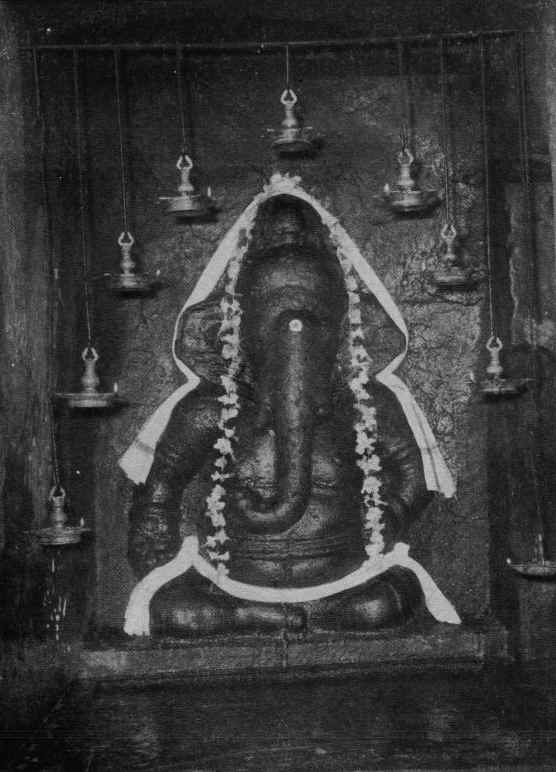
புகழ்பெற்ற, மிகப் பழமையான பிள்ளையார்பட்டிக் கோவிலில் விநாயகர் துதிக்கை வலமாகச் சுழித்திருப்பதைக் காணலாம். இது ஒன்பது நகரத்தார் கோவில்ல்களில் ஒன்று. சுமார் 1600 ஆண்டுப் பழமையுடையது. திருச் செங்காட்டங்குடி வாதாபிக் கணபதிக்கும் முந்தையவர் இவர் என்பதற்கு அங்கே இருக்கும் கல்வெட்டுகள் சான்று பகரும். இது பாண்டியர் காலக் குடைவரைக் கோவில்.


காரைக்குடி- திருப்புத்தூர் வழித்தடத்தில் குன்றக்குடிக்கு அருகில் அமைந்துள்ளது. ஏனைய சிவன் கோவிலகளில் பிள்ளையார் ஒரு துணைச் சந்நிதியில் அமர்ந்திருப்பார். ஆனால் இங்கோ பிள்ளையார்தான் முதலிடம். ஊரின் பெயரும் பிள்ளையாரின் பெயரில் அமைந்திருப்பது தனிச் சிறப்பு. இந்த ஊரின் பழைய பெயர் எருக்காட்டூர். பிள்ளையாரின் உயரம் ஆறு அடி.


பிள்ளையார்பட்டி குடைவரையில் உள்ள பெருபரணன் கல்வெட்டைக் கொண்டு ஆராய்ந்தால் இது பல்லவர் காலத்துக்கும் முன்னர் அமைந்த கோவில் என்பது விளங்கும் என்பார் கம்பன் அடிப்பொடி சா. கணேசன்.


இந்தப்பிள்ளையரை தேசி விநாயகப் பிள்ளையார் என்றும் கல்வெட்டுகள் குறிப்பிடும்.


இவர்தான் பழைய பிள்ளையார் என்பதற்கு ஆராய்ச்சியாளர்கள் காட்டும் சான்றுகள்:–

துதிக்கை வலம் சுழித்ததாக அமைந்தது

நான்கு கைகள் இல்லாமல் இரண்டு கரத்துடன் விளங்குவது

அங்குச பாசங்கள் காணப்படாமை

வயிறு ஆசனத்தில் படாமல் அர்த்தபத்ம ஆசனம் போலக் கால்கள் மடிந்திருப்பது.

வலக்கரத்தில் மோதகம் வைத்திருப்பது

இடக்கரத்தை கடிக ஹஸ்தமாக இடையில் நாட்டிப் பெருமிதக் கோலம் கொண்டிருப்பது.

வலது தந்தம் நீண்டும் இடது தந்தம் குறுகியும் காணப்படுவது.


வலஞ்சுழிப் பிள்ளையார்தான் ஓம்கார ஸ்வரூபமென்பதையும், சிலைகளாகப் பிள்ளையார் உருப்பெருமுன், ஓம்கார சொரூபமாக அவர் வணங்கப்பட்டார் என்பதற்கும் இது சான்று ஆகும்.

ganesh in drama

சேண்பாக்கம் ஏகாதச (11) ஸ்வயம்பு கணபதி மூர்த்தங்கள்


இங்குள்ள 11 கணேச மூர்த்திகளும் ஓம்கார வடிவில் அமைந்திருக்கின்றன. 1865 ஆம் ஆண்டு மந்திரி துக்கோஜி ராவ் வண்டியில் வந்துகொண்டிருந்தபோது, பூமியில் சிறு அளவில் வளர்ந்திருந்த பிள்ளையார் சிலை மீது இடித்தவுடன் ரத்தம் வந்ததாகவும் உடனே வண்டி நகரவில்லை என்றும் சொல்லுவர். துக்கோஜிராவ் அன்றிரவு முழுவதையும் அங்கேயே செலவிட நேரிட்டது. அவரது கனவில் தோன்றிய கணபதி தமக்குக் கோவில் எழுப்புமாறு சொன்னவுடன் அவர் ராஜ மான்யங்களோடு ஒரு கோவிலை எழுப்பினார்.


இதே போல காஞ்சிப் பெரியவர் அங்கு சென்றபோதும் ஒரு அற்புதம் நடந்தது. அவர் வேலூர் விஜயம் மேற்கொள்ள இருந்தபோது சேண்பாக்கம் கணபதிக்கு 108 சிதறு தேங்காய்கள் உடைக்கும்படி கூறி இருந்த போதும் சிஷ்யர்கள் அதை மற ந்துவிட்டனர். அவ்வழியே பெரியவர்களுக்குப் பின்னால் யானை மீது புதுப் பெரியவர் வந்து கொண்டிருந்தார். நெடுஞ்சாலையிலிருந்து சேண்பாக்கத்துக்கு பிரிந்து செல்லும் இடத்துக்கு யானை வந்தபோது, இருந்த இடத்திலேயே சுற்றத் துவங்கியது. இது ஏன் என்று மடத்து நிர்வாகிகள் யோசித்துக் கொண்டிருந்தபோது பெரியவர் 108 தேங்காய் உடைக்கச் சொன்னதும் அதைத் தாங்கள் மறந்ததும் மடத்து நிர்வாகிகளுக்குந் நினைவுக்கு வந்தது. உடனே 108 தேங்கய்களைக் கொண்டுவந்து சிதறுகாய் போட்டதும் யானை நகரத் துவ ங்கியது. பெரியவர்கள், அதையடுத்து சேண்பக்கத்துக்கு விஜயம் செய்து அங்கு ஒரு நாள் முழுதும் தங்கி அபிஷேக ஆராதனைகளை நடத்தினார்.


வடஆற்காடில் இது தவிர திருப்பத்தூர் மாயப்பிள்ளையார்,திருவலம் வந்த விநாயகர் ஆகியோரும் பிரபலமானவர்கள்.

திருப்பத்தூர் மாயப் பிள்ளையார் திடீரென்று பூமியிலிருந்து தோன்றியதாக பக்தர்கள் கூறுவர்.

திருவலம் என்னும் தலம் நம்பியாண்டார் நம்பியால் பாடப்பெற்ற இடம் ஆகும். பொன்னை நதிக்கரை யில் அமைந்த ஆலயத்தில் அம்மை அப்பனை வலம் வந்து மாங்கனி பெற்ற பிள்ளையாருக்கு தனி சந்நிதி ஒன்று உள்ளது.

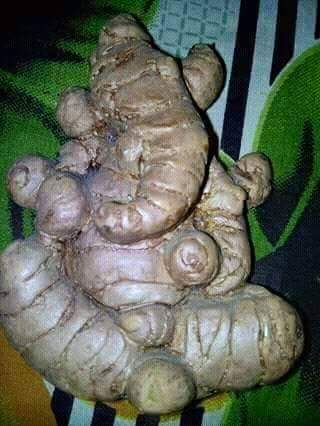
GINGER GANAPATHY  ganesh pepper

Picture of Ganesh shaped vegetables

ஏனைய பிள்ளையார் கதைகளை 4-ஆவது பகுதில் பார்ப்போம்.


Source Books:

பிள்ளையார் பட்டி தல வரலாறு -சா.கணேசன், 1983

காணாபத்யம்- செந்தில் துறவி, 1968


புதிய பிள்ளையார் புராணம்! பொல்லாப் பிள்ளையார் முதல் கள்ளப்பிள்ளையார் வரை! – பகுதி 1 (Post No. 3117)


gaja puja ganesh

புதிய பிள்ளையார் புராணம்! பொல்லாப் பிள்ளையார் முதல் கள்ளப்பிள்ளையார் வரை! – பகுதி 1 (Post No. 3117)


Written by London swaminathan


Date: 3 September 2016


Time uploaded in London: 9-53 AM


Post No.3117


Pictures are taken from various sources; thanks.


இந்து மதத்தில் கிருஷ்ணனுக்கு அடுத்தபடியாக அதிக சேஷ்டைகள், விஷமங்கள் செய்ததது பிள்ளையார்தான்! ஒவ்வொரு ஊரிலும் ஒரு பிள்ளையார் கதை உண்டு. இவை எல்லாவற்றையும் தொகுத்தால் புதிய விநாயகர் புராணம் வந்துவிடும். ஆனால் பிள்ளையாரின் குறும்புத்தனங்கள் எல்லாம் நன்மையிலேயே முடியும். பெயரிலேயே பிள்ளை (யார்) என்று இருக்கும்போது குறும்புத்தனங்கள் இருப்பது நியாயம்தானே!


புதிய பிள்ளையார் புராணம் மிக நீண்டது. முதலில் பட்டியலைக் கொடுத்துவிடுகிறேன். பிறகு ஒவ்வொரு பிள்ளையாரின் பெருமையையும் சுருக்கி வரைகிறேன்.

பொல்லாப் பிள்ளையார் முதல் கள்ளப் பிள்ளையார் வரை! வாதாபி கணபதி முதல் வரசித்தி கணபதி வரை !! எல்லோரையும் காண்போம்.

madurai pillayar

மதுரை மேலமாசிவீதி – வடக்கு மாசிவீதி சந்திப்பிலுள்ள பிள்ளையார் மிகவும் புகழ்பெற்ற பிள்ளையார். நாஸ்தீகரான நேருவே , மதுரை வந்தபோது காரை நிறுத்தி கும்பிடு போட்ட (காங்கிரஸ் பக்தர்களால் கும்பிடு போடும்படி செய்யப்பட்ட) பிள்ளையார் என்பதால் நேரு ஆலால சுந்தர விநாயகர் என்று அழைக்கப்படுகிறார்.


(ஆலமரத்துக்கடியில் குடிகொண்ட இப்பிள்ளையாரை நான் லண்டனில் குடியேறும்வரை வழிபட்டு வந்தேன். இப்போதும் இந்தியாவுக்குப் போகும் போதெல்லாம் மதுரைக்குச் சென்று மீனாட்சியையும் இந்தப் பிள்ளையாரையும் தரிசிக்காமல் திரும்புவதில்லை).


மதுரை மீனாட்சி கோவிலில் உள்ள கவர்ச்சிகரமான , பெரிய பிள்ளையாருக்கு முக்குறுணி விநாயகர் என்று பெயர். பிள்ளையார் சதுர்த்தி அன்று முக்குறுணி அரிசியில் மிகப் பெரிய கொழுக்கட்டை செய்து நைவேத்தியம் செய்வர். அ து மட்டுமல்ல இந்தப் இள்ளையார் சிலை, மதுரைக் கோவிலைக்கட்ட மண்  தோண்டியபோது, மாரியம்மன் தெப்பக்குளப் பகுதியில் கண்டுபிடிக்கப்பட்டதாம். முஸ்லீம் ஆட்சியில் அழிந்த பல கோவிலகளில் ஒன்று அப்பகுதியில் இருந்திருக்கலாம். (எனது பழைய கட்டுரையில் முழு விவரம் காண்க: – “21 லிட்டர் கொழுக்கட்டை எதற்காக?”, posted on 30 May 2013)


மதுரைக் கோவிலுக்குள் உள்ள மற்றொரு புகழ்மிகு பிள்ளையார், (அம்மன் சந்நிதிப்) பொற்றமரைக் குளத்தின் தெற்குப் பிரகாரத்திலுள்ள விபூதிப் பிள்ளையார் ஆவார். பக்தர்கள் அனைவரும் அவரை வலம் வந்து ஒரு பிடி விபூதியை அவர் தலையில் அபிஷேகம் செய்து பாதத்திலுள்ள விபூதியை நெற்றியில் பூசிக்கொள்ளுவர். விபூதியும் அவர் வைக்கப்பட்டுள்ள மரத்தொட்டியில் விழுவதால், நாம் தனியாக விபூதி கொண்டுபோக வேண்டிய அவசியமில்லை.

கோவிலில் இன்னும் பல இடங்களில் பிள்ளையார் சிலைகள் உண்டு. ஆனால் அவைகளின் சிறப்புகளைச் சொல்லும் கதைகள் ஏதும் இல்லை.


colour ganesh from madur kulasekar

கும்பகோணம் கரும்பாயிரம் பிள்ளையார் கதை

ஒரு கரும்பு வியாபாரி வண்டி நிறைய கரும்பு கொண்டுவந்தான். பிள்ளையார், ஒரு சிறு பையன் வேடத்தில், அவனிடம் சென்று கரும்பு கேட்டார். அவன் அந்தப் பையனை விரட்டி விட்டான். மறுநாள் அவனுடைய கரும்புகள் அனைத்தும் யாரோ சாப்பிட்டுவிட்டுத் துப்பிய சக்கையாக கிடந்தன. உடனே அவன் தன து தவற்றை உணர்ந்தான். பிள்ளையாரே தமக்கு அருள்புரிய இப்படி வந்தாரென்றும், அவன் சிறுவனுக்குக் கரும்பு கொடுக்காமல் திட்டி விரட்டியது தவ று என்றும் உணர்ந்து ஆயிரம் கரும்புகளை கணபதிக்குப் படைத்தான். அன்று முதல் அவன் செழிப்பு அதிகரித்தது. இந்தப் பெருமை ஊரெங்கும் பரவவே அந்தப் பிள்ளையாரின் பெயர் கரும்பு ஆயிரம் பிள்ளையார் ஆயிற்று


50 பிள்ளையார்களின் நீண்ட பட்டியல்:–


இதோ தமிழ் நாட்டின் பிள்ளையார் கோவில்களின் (சந்நிதிகளின்) நீண்ட பட்டியல்:–


முக்குறுணி விநாயகர்  — மதுரை மீனாட்சி கோவில்

விபூதிப் பிள்ளையார் – மதுரை மீனாட்சி கோவில்

நேரு ஆலால சுந்தர விநாயகர் – மதுரை

குடைவரைப் பிள்ளையார் — திருப்பறங்குன்றம் கோவில்

கரும்பாயிரம் பிள்ளையார்  – கும்பகோணம்


அழகிய விநாயகர் – திருவாவடுதுறை

ஆண்ட பிள்ளையார் – நறையூர் சித்தீச்சுரம்

ஆதி விநாயகன் – திருவையாறு

ஆழத்துப்பிள்ளையார் – திருமுதுகுன்றம்

உச்சிப்  பிள்ளையார் – திருச்சிராப்பள்ளி

ஓலமிட்ட பிள்ளையார் – திருவையாறு

கங்கைக் கணபதி – குடந்தை கீழ்க்கோட்டம்

கடுக்காய்ப் பிள்ளையார் – திருக்காறாயில்

கருக்கடி விநாயகர் – திருக்கச்சூர்

கள்ள வாரணப்  பிள்ளையார் – திருக்கடவூர்

கற்பகப் பிள்ளையார் – கடிக்குளம், திருக்காவூர்

கற்பக விநாயகர்– பிள்ளையார்பட்டி

கூப்பிடு பிள்ளையார் – திருமுருகன் பூண்டி

கைகாட்டு பிள்ளையார் – திரு நாட்டியத்தான்குடி

கோடி விநாயகர் – கொட்டையுர்

சிந்தாமணி கணபதி-திருமறைக்காடு

சுந்தர கணபதி- கீழ்வேளூர், திருமழபாடி

சூதவனப் பிள்ளையார்- திருவுச்சாத்தனம்

செவிசாய்த்த விநாயகர் – அன்பிலாந்துறை

சொர்ண விநாயகர் – திருநள்ளாறு


ganesh gold

தாலமூல விநாயகர் – திருக்கச்சூர்

துணையிருந்த பிள்ளையார் – திருப்பனையூர்

நாகாபரண விநாயகர் – நாகைக் காரோணம்

நீர்த்தன விநாயகர் – இன்னம்பர்

படிக்காசு விநாயகர் – திருவீழிமிழலை

மணக்குள விநாயகர் – பாண்டிச்சேரி

மாணிக்க விநாயகர் திருச்சி

நவசக்தி  விநாயகர் – மைலாப்பூர், சென்னை

அஸ்வத்த விருட்ச  விநாயகர் – தி.நகர், சென்னை

படித்துறை விநாயகர் – திருவிடை மருதூர்

பிரளயங்காத்த பிள்ளையார் -திருப்புறம்பியம்

பொய்யா விநாயகர் – திருமாகறல்

பொல்லாப்  பிள்ளையார் – திருநாரையூர்

மாவடிப் பிள்ளையார் – நாகைக் காரோணம்

மாற்றுரைத்த பிள்ளையார் – திருவாரூர்

முக்குறுணிப் பிள்ளையார் – சிதம்பரம், மதுரை

வரசித்தி விநாயகர் – திருவல்லம்

வலம்புரி விநாயகர் – திருக்களர்

வாதாபி கணபதி – திருப்புகலூர் (திருச்செங்காட்டங்குடி, கணபதீச்வரம்)

வீர உறத்தி  விநாயகர் – திருமறைக்காடு

வெள்ளை விநாயகர் – திருவலஞ்சுழி இடும்பாவனம்

வேதப்  பிள்ளையார் – திருவேதிகுடி

தொடரும்……………..


விண்வெளியில் ஒரு சிறைச்சாலை?! (Post No.3116)

space-court

Written by S NAGARAJAN


Date: 3 September 2016


Time uploaded in London: 5-28 AM


Post No.3116


Pictures are taken from various sources; thanks.


26-8-16 பாக்யா இதழில் அறிவியல் துளிகள் தொடரில் வெளியாகியுள்ள கட்டுரை


விண்வெளியில் ஒரு சிறைச்சாலை?!

ச.நாகராஜன்


        குற்றவாளிகள் தண்டிக்கப்பட்டே ஆக வேண்டும்  -லெமனி ஸ்னிக்கட்


 space-law-

விண்வெளியில் சுற்றுலாப் பயணம் என்பது நிச்சயமாகி விட்ட நிலையில் பல்வேறு விஷயங்களைப் பற்றி இப்போதே கவலைப் படுகின்றனர் விண்வெளி ஆர்வலர்கள்.

குறிப்பான ஒன்று விண்வெளிச் சட்டம் எப்படி இருக்க வேண்டும் என்பது பற்றி!


அறிவியல் புனைகதை என்றே வைத்துக் கொண்டாலும் கூட, விண்வெளியில் பறக்கும் போது விண்கலத்தில் இருக்கும் ஒருவர் பணத்திற்காகவோ அல்லது புகழுக்காகவோ தன்னுடன் கூடப் பறக்கும் ஒருவருக்குத் தீங்கை இழைத்து விட்டால்? குற்றவாளி எப்படி எந்த நாட்டுச் சட்டத்தின் கீழ் விசாரிக்கப்படுவார், தண்டிக்கப்படுவார்?


கிறிஸ்டோபர் ஜே நியூமேன் என்பவர் இந்த விஷயத்தைக் குறித்து மிகத் தீவிரமாக ஆராய்ந்து தனது யோசனைகளைத் தெரிவித்துள்ளார். இவர் பிரிட்டனில் உள்ள சண்டர்லேண்ட் பல்கலைக்கழகத்தில்  பொதுச் சட்டம் பற்றிப் போதிக்கும் பேராசிரியர்.


விண்வெளிச் சுற்றுலா பெரிய அளவில் நடக்கும் போது அனைவருமே நல்லவர்களாகத் தான் இருப்பார்கள் என்று சொல்ல முடியாதல்லவா என்பது அவரது கேள்வி.

விண்வெளி வீரர்களைத் தேர்ந்தெடுக்கும் போது பின்பற்றப்படும் கடுமையான விதிகளை சுற்றுலாப் பயணிகளின் மீது பின்பற்ற முடியாதல்லவா?

வர்ஜின் காலக்டிக் என்ற  நிறுவனம் இப்போதே பயணிகளை விண்வெளிக்கு அழைத்துச் செல்லும் முயற்சியில் தீவிரமாக ஈடுபட ஆரம்பித்து விட்டது.


இப்படிப்பட நிறுவனங்கள் பெருகி விடும் போது தங்களின் லாபத்திற்காக அனைத்துத் தரப்பு மக்களையும் அதிகமாக ஈர்த்து விண்வெளிப் பயணத்தில் ஈடுபட வைப்பதிலே தான் அவைகள் குறியாக இருக்கும்.

சட்டம் ஒழுங்கை யார் விண்வெளியில் பராமரிப்பது?


ஐக்கிய நாடுகள் சபையின் மூலமாக ஆயிரத்தி தொள்ளாயிரத்து அறுபதுகளில் அவுடர் ஸ்பேஸ் ட்ரியடி (Outer Space Treaty)   என்ற ஒரு ஒப்பந்தத்தில் நூறு நாடுகள் கையெழுத்திட்டன. இதன்படி விண்வெளியில் அணு ஆயுதத்தைப் பயன்படுத்துவது தடை செய்யப்பட்டது. அத்துடன் அந்தந்த நாட்டின் விண்கலம் சேதம் அடைந்தால் அதுவே மக்களின் உயிருக்கும் உடமைக்கும் பொறுப்பேற்க வேண்டும் என்பதும் வலியுறுத்தப்பட்டது.


 space_law

     இத்துடன் சரி.  குற்றங்களைப் பற்றி அந்த ஒப்பந்தத்தில் ஒன்றுமே இல்லை. 1991இல் மனிதனால் இயக்கப்படும் விண்கலத்தில் பின்பற்றப்பட வேண்டிய விதிகள் என்று ஒரு வரைவு விதிமுறை உருவாக்கப்பட்டது,

அதில் விண்கலத்தின் காப்டன் யாரோ அவருக்கு அதில் பயணிக்கும் அனைவரும் கட்டுப்பட்டவர்கள் என்பது நிர்ணயிக்கப்பட்டது. விண்கலத்தின் இதர பணியாளர்கள் விண்பயண பணிகளைக் கண்காணிக்கும் டைரக்டருக்கு கீழ்ப்படிய வேண்டும் என்பதும் நிர்ணயிக்கப்படது.


1963ஆம் ஆண்டு டோக்கியோ கன்வென்ஷன் விதிமுறைகள் என்ற சட்டம் விமானத்தின் பைலட் அதில் பயணம் செய்யும் பயணிகளின் மீது அவர்கள் ஒழுங்காக நடக்காத பட்சத்தில் எந்த ஒரு நடவடிக்கையையும் உசிதம் போல எடுக்கலாம் என்று அனுமதி தந்துள்ளது.


ஆனால் இந்த விமானப் பயணச் சட்ட விதிகள் மட்டும் விண்வெளியில் பறக்கும் போது போதாது என்கிறார் நியூமேன்.


ஒரு விண்கலத்தில் பல தேசத்து பயணிகள் பறக்கிறார்கள். அந்தக் கலம் ரஷிய கலம் என்று வைத்துக் கொள்வோம். அதில் பறக்கும் ஜெர்மானியர் ஒருவர் ஒரு இத்தாலியரின் மீது ஒரு குற்றத்தை இழைத்து விட்டார் என்று வைத்துக் கொள்வோம். இப்போது ஜெர்மானிய தேசத்தின் சட்டமே பொருந்தும் – இப்போதுள்ள பன்னாட்டு விமானப் பயண சட்ட விதிகளின் படி!


இந்தச் சட்டம் போதாது, விண்வெளியில் இழைக்கப்படும் குற்றங்கள் பற்றி பன்னாட்டு விண்வெளி நிலையம் ஒரு வழிகாட்டுதலைத் தரலாம் என்பது நியூமேனின் யோசனை.

பன்னாட்டு விண்வெளி நிலையக் கமாண்டரே அவரது கலத்தில் உள்ள அனைவருக்கும் பொறுப்பு. அவரில் ஆரம்பித்து ஒரு சங்கிலித் தொடர் போல ஆணைத் தொடர் நிர்ணயிக்கப்பட வேண்டும். விண்வெளிப் பயணிகளுக்கென ஒரு தனியான சட்டம் உடனடியாக இயற்றப்பட வேண்டும். இவை போன்ற யோசனைகளை நியூமேன் முன் வைக்கிறார்

குறுகிய காலப் பயணத்திற்கு இந்தச் சட்டங்கள் பொருந்தலாம். ஆனால் மிக நீண்ட காலப் பயணங்களுக்கு?

குற்றம் இழைத்தவர்களை என்ன செய்வது. இதற்கும் நியூமேன் ஒரு தீர்வை முன் வைக்கிறார்.


விண்வெளியில் ஒரு சிறைச்சாலை அமைக்கப்பட வேண்டும். குற்றம் இழைத்தவரை அதில் அடைத்து விட வேண்டும். அனைவரும் ஒப்புக் கொள்ளும் வகையில் அவருக்குத் தண்டனை விதிக்கப்பட வேண்டும்.


ஆனால் இந்த நெடுந்தொலைவுப் பயணங்கள் எல்லாம் சமீபத்தில் நடைபெற வாய்ப்புகள் இருக்கிறதா? இல்லை. அப்படிப்பட்ட பயணங்களை மேற்கொள்ளப் போகிறவர்கள் தேர்ந்தெடுக்கப்பட்ட மிகவும் அரிதான சில வீரர்களே

ஆகவே குறுகிய காலப் பயணங்களுக்கான குற்றச் சட்ட விதிகளை உடனே உருவாக்க வேண்டும் என்பது தான் இன்றைய பரபரப்பான வேண்டுகோள்!


பூமியில் சிறைச்சாலைகள் இருப்பது போதாது என்று விண்வெளியில் ஒரு சிறைச்சாலையா?! விண்வெளி க்ரைம், விண்வெளி சிறைச்சாலை என்பதெல்லாம் கேட்பதற்கே வியப்பாக இருக்கிறதல்லவா?

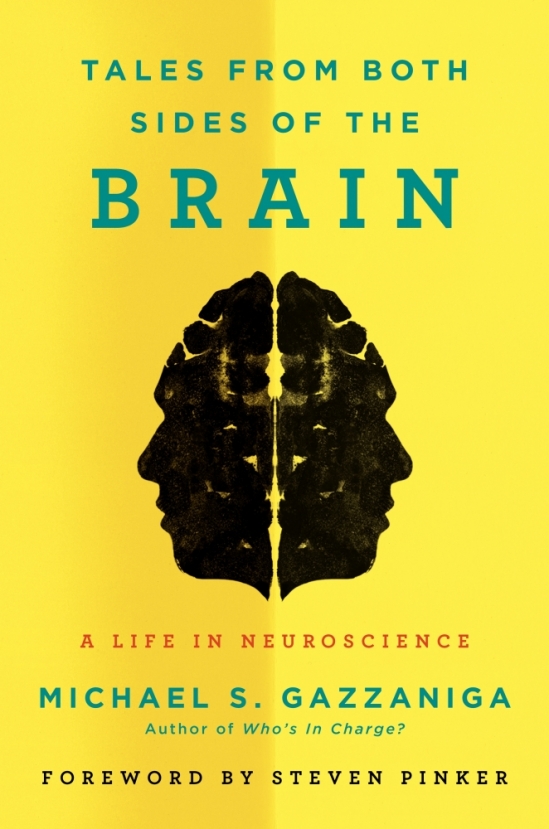
 gazzaniga

 Picture of Michael S.Gazzaniga, Split Brain Research


அறிவியல் அறிஞர் வாழ்வில் .. ,,


மைக்கேல் எஸ் கஜானிகா (Michael S. Gazzaniga தோற்றம் 12-12-1939)) என்பவர் சாண்டா பார்பாராவில் உள்ள கலிபோர்னியா பல்கலைக் கழகத்தில் பணியாற்றும் உளவியல் பேராசிரியர்.  உலகின் முதல் நம்பர் மூளையியல் நிபுணர். பெரிய விஞ்ஞானியும் கூட. அங்கு அவர் மனம் பற்றிய ஆராய்ச்சிக்கு ஒரு ஆய்வு மையத்தை ஏற்படுத்தியுள்ளார்.அவர் தான் முதல் முதலில் ஸ்பிளிட் ப்ரெய்ன் எனப்படும் மூளையின் இருவித செயல்பாடுகளைக் கண்டறிந்தார். இதற்காக ஏராளமான பரிசோதனைகளை அவர் நோயாளிகளின் மீது மேற்கொண்டார்.

ஏராளமான விசித்திரமான சோதனை முடிவுகளை அவர் கண்டு உலகிற்குக் கூறினார் அது அனைவரையும் பிரமிக்க வைத்தது டபிள்யூ. ஜே என்ற ஒருவர் இரண்டாம் உலக மகா யுத்தத்தின் போது தலையில் துப்பாக்கியின் முனையினால் அடிக்கப்பட்டு காயம் அடைந்தார். அதிலிருந்து அவருக்கு அடிக்கடி வலிப்பு  வர ஆரம்பித்தது. அவருக்கு ஒரு ஆபரேஷன் செய்ய வேண்டியிருந்தது.     


     அதைச் செய்வதற்கு முன்னால் கஜானிகா  அவரது மூளை செயல்பாட்டை ஆராய விரும்பினார்.  அவர் கண்களால் காண முடியாதபடி அவர் கையில் பல பொருள்கள் கொடுக்கப்பட்டன. இடது மற்றும் வலது பக்க பார்க்கும் தளங்களை கஜானிகா சோதித்தார். அவர் மிகவும் சரியாகப் பொருள்களை இனம் கண்டார். ஆபரேஷன் பின்னர் நடத்தப்பட்டது. ஆபரேஷனுக்குப் பின்னால் அவர் மீண்டும் சோதனைக்கு அழைத்து வரப்பட்டார். அவருக்குப் பல விதமான எழுத்துக்கள் மற்றும் வர்ணங்கள் இடது பக்க மற்றும் வலது பக்க பார்க்கும் தளங்களில் காண்பிக்கப்பட்டன.    

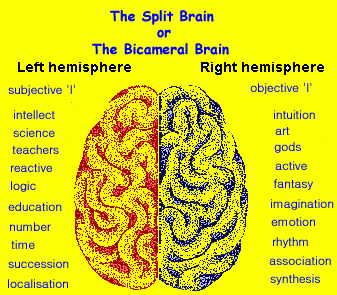
rightleftbrain-mine

        ஆச்சரியப்படும் விதமாக இடது பக்க பார்க்கும் தளமானது வலது பக்க மூளையால் செய்முறைப் படுத்தப்பட்டது. அதே போல வலது பக்க பார்க்கும் தளமானது இடது பக்க மூளையால் செய்முறைப்படுத்தப்பட்டது. இடது பக்க மூளையே மொழி பற்றிய அறிவை நல்குகிறது!


     சோதனைக்கு உட்பட்டவரின் மூளைப் பகுதியான கார்பஸ் கலோஸம் பல்வேறு விதமான முரண்பாடுகளை அவரை அடையச் செய்து விட்டது. உதாரணமாக அவரது வலது கையை இடது பக்க மூளையும் இடது கையை வலது பக்க மூளையும் கட்டுப்பாட்டுக்குள் கொண்டு வந்தது. இந்த இரு மூளைகளுக்கு இடையே ஒரு வித தகவல் தொடர்பும் இல்லை.


       இதனால் அவர் பட்ட பாடு கொஞ்ச நஞ்சமல்ல.காரின் கதவை அவரது இடது கை திறக்க முனைந்த போது அவரது வலது கையோ அதைத் தடுத்தது.


      இப்படிப்பட்ட சோதனைகளின் அடிப்படையில் தான் ஸ்பிளிட் ப்ரெய்ன் (Split Brain) பற்றிய கண்டு பிடிப்பையும் இடது மற்றும் வலது பக்க மூளையின் செயல்பாட்டையும் கஜானிகா உலகிற்கு அறிவித்தார். மூளை பற்றிய புதிய கண்டுபிடிப்பை உலகம் அறிந்து பிரமித்தது.

TalesfromBoth hc c (2)


**********


பேடி/அலி: வள்ளுவனும் காளிதாசனும் சொல்லும் உவமை (Post No.3112)

valluvar-4

Written by London Swaminathan


Date: 2 September 2016


Time uploaded in London: 6-33 AM


Post No.3112


இந்தியாவின் இரு பெரும் புலவர்கள் ஒரே உவமையைப் பயன் படுத்துவதை ஒப்பிட்டுப் பார்க்கையில் இலக்கிய இன்பம் பொங்கும். நாம் கற்றதை நினைவில் வைத்துக்கொள்ளவும் உதவும்.


ஆண்மை இல்லாதவனை அலி அல்லது பேடி என்பர்; உடலில் குறை இருந்தாலும் சரி, மனதில் வீரமினமை இருந்தாலும் பேடி -தான்.


பேடித்தனத்தை அடையாதே (க்லைப்யம் மாஸ்மகம:– பகவத் கீதை 2-3) என்று அர்ஜுனனை கிருஷ்ணன் கண்டிப்பதையும் நாம் அறிவோம்.


பெண்ணாகவும் ஆணாகவும் விளங்கிய சிகண்டியுடன் சண்டை போட மறுத்து, உயிர் துறந்த மாபாரதப் பிதாமஹர் பீஷ்மரை நாம் அறிவோம்.


வள்ளுவனுக்கும், அவனுக்கு முன் வாழ்ந்த காளிதாசனுக்கும் மஹாபாரதக் கதை நினைவுக்கு வந்தது போலும்!


இதோ காளிதாசன் கவிதை:–


கதஸ்ரியம் வைரி வராபிபூதாம்

தசாம் சுதீனாமபிதோ ததானாம்

நாரீமவீராமிவ தாமவேக்ஷ்ய ச

வாடமந்த: கருணாபரோபூத்

–குமார சம்பவம் 13-36


இந்திரனின் தலைநகரான அமராவதிக்குள் குமாரன் (முருகன்) புகுந்தபோது அது பேடியை மணந்த அழகி போலப் பொலிவிழந்து காணப்பட்டது. உடனே முருகப்பெருமானுக்கு கருணை பிறந்தது.


வள்ளுவன் சொல்லுவான்:–

கல்லாதான் சொற்காமுறுதல் முலையிரண்டும்

இல்லாதாள் பெண்காமுற்றற்று — திருக்குறள் 402


அதாவது, படிக்காத ஒருவன் அறிஞர் சபையில் பேச முற்படுவது, இயல்பாகவே தனங்கள் இரண்டும் இல்லாத பெண் ஒருத்தி காம சுகம் அனுபவிக்க விரும்பியது போல் ஆகும்.


இதை விட பேடி என்ற சொல் லையே வேறு இரண்டு சொற்களிலும் காணலாம்:–


பகையகத்து பேடி கை வாள் ஒள்வாள் அவையகத்து

அஞ்சும் அவன் கற்ற நூல்– திருக்குறள் 727


சபையில் பேச அஞ்சும் ஒருவன், போர்க்களத்தில் பேடியின் கையில் கிடைத்த வாள் போன்றதே.


தாளாண்மை இல்லாதான் வேளாண்மை பேடி கை

வாளாண்மை போலக் கெடும்– திருக்குறள் 614


முயற்சி இல்லாத ஒருவன் பிறருக்கு உதவ முன் வருவது பேடியின் கையில் கிடைத்த வாள் போன்றதே (பயனற்றது).


நல்ல உவமை! வள்ளுவன் வாய்மொழி வளர்க! காளி புகழ் ஓங்குக!!


-Subam-