அவன் யார் தெரியுமா? – பகுதி 2

ranganthananda

Article Written S NAGARAJAN
Date: 16 July 2016
Post No. 2975
Time uploaded in London :– 6-10 AM
( Thanks for the Pictures)

DON’T REBLOG IT AT LEAST FOR A WEEK!  DON’T USE THE PICTURES; THEY ARE COPYRIGHTED BY SOMEONE.

(for old articles go to tamilandvedas.com OR swamiindology.blogspot.com)

அவன் யார்? – 2
ச.நாகராஜன்

மைசூர் மடத்தின் தலைமைப் பொறுப்பில் இருந்த கோபால் மஹராஜிற்கு சங்கரன் தன் விருப்பத்தைத் தெரிவித்து கடிதம் எழுதினான். பதில் சாதகமாக வந்தது. ஆனால் திருச்சூரிலிருந்து மைசூருக்கு வர பணம் இருக்கிறதா என்ற கேள்வியும் கடிதத்தில் இருந்தது.

சங்கரனிட்ம் இருந்ததோ மூன்று ரூபாய்கள் தான். அவன் காதில் போட்டிருந்த கடுக்கனை விற்க முனைந்தான். அன்று ஞாயிற்றுக்கிழமை என்பதால் நகைக் கடைகளுக்கு விடுமுறை. ஒருவர் அவனுக்கு அதற்காக இர்ண்டு ரூபாய் தர முன்வந்தார்.

திருச்சூருக்கு அலுவல் நிமித்தமாக வந்த கோபால் மஹராஜ் தன் சார்பாக மூன்று ரூபாய்  கொடுத்தார். ஆக மொத்தம் இப்போது ஏழு ரூபாய் சேர்ந்து விட்டது. ஆனால் இந்தத் தொகை மைசூருக்குச் செல்லப் போதவே போதாது.
சங்கரன் திருச்சூர் பள்ளியில் இருந்த ராமகிருஷ்ண சந்நிதியில் மனமுவந்து பிரார்த்தனை செய்தான். அதற்குப் பலன் இருந்தது.

அன்று இரவே கோபால்  மஹராஜுடன்  மைசூருக்குச் செல்லும் இரயிலில் அவனும் சென்றான்.

நீண்ட நெடும் தவ வாழ்க்கை தொடங்கியது.
1926ஆம் ஆண்டு ஜூன் மாதம் 30ஆம் தேதி சங்கரனுக்கு மந்திர தீட்சை அளிக்கப்பட்டது.

அதை அளித்தவர் மஹாபுருஷ் மஹராஜ்.
அவர் கேட்டார்: “நீ ராமகிருஷ்ணரை வழிபடுகிறாயா?’
பதில் : “இல்லை. ஆனால் அவர் படம் என்னிடம் இருக்கிறது. அதற்கு நமஸ்காரம் செய்வேன்”
“அது போதும்.”

பின்னர் மந்திர தீட்சை அளித்த குரு, “குரு தட்சிணையாக ஏதாவது  கொண்டு வந்திருக்கிறாயா?” என்று கேட்டார்.
“ஒன்றும் கொண்டு வரவில்லை”

ஒரு சட்டை, ஒரு வேஷ்டி, ஒரு துண்டு இவ்வளவு தான் வீட்டிலிருந்து சங்கரன் எடுத்து வந்தவை.
இப்போது குரு பக்கதிலிருந்த மூன்று மாம்பழங்களை எடுத்துச் சங்கரனிடம் தந்தார்.

“இதை எனக்குக் குரு தட்சிணையாகத் தா”
சங்கரன் அப்படியே செய்தான்.
“நீ போய் கோபாலுக்கு சேவை செய்”
இது தான் குரு கொடுத்த உத்தரவு.

கோபால் மஹராஜ் பின்னால் பிரசித்தி பெற்ற சித்தேஸ்வரானந்தாஜி ஆகப் புகழ் பெற்றார். அவர் பிரான்ஸில் ஒரு புதிய கிளையைத் தொடங்க ஒன்பது வருடங்கள் கழித்து இந்தியாவை விட்டுப் பயணமானார்.
அது வரை அவருக்குச் சேவை செய்வதில் சங்கரனின் காலம் கழிந்தது.
1933ஆம் ஆண்டு ஜனவரி 23ஆம் தேதி ஸ்வாமி விவேகானந்தர் பிறந்த தினத்தன்று பேலூர் மடத்தில் மஹாபுருஷ மஹராஜ சந்நியாச தீட்சை செய்து வைக்க தேர்ந்தெடுக்கப்பட்ட சிலரை அழைத்தார்.
சங்கரனும் அதில் ஒருவர்.

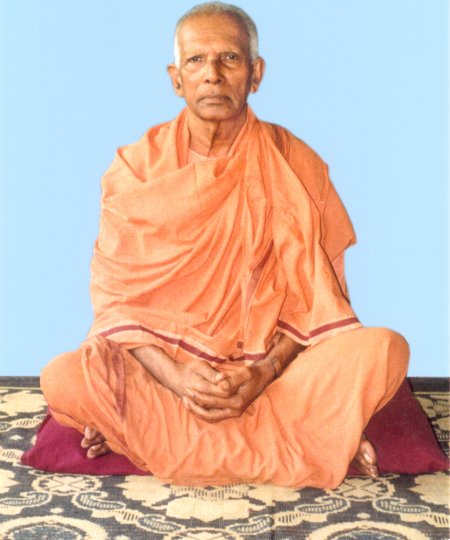
அவருக்கு ரங்கநாதானந்தா என்ற பெயர் அளிக்கப்பட்டது.
அடுத்த பல ஆண்டுகளில் உலகெங்கும் ஸ்வாமி ரங்கநாதானந்தாவின் பேச்சைக் கேட்க உலகமே திரண்டது.

1998ஆம் ஆண்டு செப்டம்பர் மாதம் 7ஆம் தேதி போர்டு டிரஸ்டிகளின் கூட்டம் நடந்தது. அதில் ஒரு மனதாக ஸ்வாமி ரங்கநாதானந்தாவை அடுத்த தலைவராக ராமகிருஷ்ண மடம் தேர்ந்தெடுத்தது.
அப்போது அவர் நர்ஸிங்ஹோமில் அனுமதிக்கப்பட்டிருந்தார்.
உபதலைவர்களில் ஒருவர் இந்தச் செய்தியை அவரிடம் தெரிவிக்க விரைந்தார்.

செய்தியைக் கேட்ட ரங்கநாதானந்தா, ‘என்ன  மைசூரில் சமையல்காரனாக இருந்தவன் மடத்தின் தலைவரா?: என்று கூறினார்.
எப்படிப்பட்ட எளிமை!

ராமகிருஷ்ண மடத்தின் 13வது தலைவராக அவர் ஆனார்.

உலக நாடுகள் பலவற்றின் ஜனாதிபதிகள், பிரதம மந்திரிகள் அவரைத் தரிசிக்க வந்திருக்கின்றனர். அவர் பேச்சைக் கேட்க உலகத் தலைவர்கள் காத்திருப்பது வழக்கம்!.

50க்கும் மேற்பட்ட அருமையான நூல்களை அவர் வழங்கியுள்ளார்.
600 ஆடியோ டேப்புகளும், 50 வீடியோ டேப்புகளும் அவரது கீதை, உபநிடதம் மற்றும் வேதாந்தக் கருத்துக்களை அள்ளித் தரும் பொக்கிஷங்களாக உள்ளன.

96 வருடம் 4 மாதம் 11 நாட்கள் வாழ்ந்த அவர் இறுதியாகக் கூறிய வார்த்தைகள் : “என்னைத் தூக்கு நான் உடகார விரும்புகிறேன். என்னைத் தூக்கி விடு” (Lift me up; I want to sit up; Lift me up)

2005ஆம் ஆண்டு ஏப்ரல் மாதம் 25ஆம் தேதி அவர் ராமகிருஷ்ணருடன் இரண்டறக் கலந்தார்.

மகத்தான வாழ்க்கை வாழ்ந்த அவரது சரித்திரம் அற்புதமானது.

ராமகிருஷ்ணரின் புகழை உலகெங்கும் பரப்பிய மகானுக்கு அஞ்சலி செலுத்துவோம். அவரது உரைகளைப் படித்த்ப் புத்துணர்வு பெறுவோம்.

***********

.


தமிழா! மரம் நடு! குளம் தொடு!! (Post No.2955)

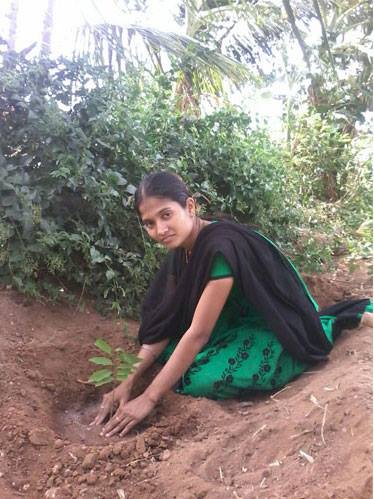
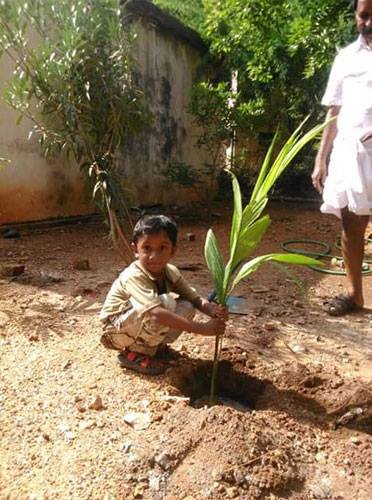
tree planting, fb

Written by London swaminathan

Date: 9 July 2016

Post No. 2955

Time uploaded in London :– 10-00 AM

( Thanks for the Pictures)

DON’T REBLOG IT AT LEAST FOR A WEEK!  DON’T USE THE PICTURES; THEY ARE COPYRIGHTED BY SOMEONE.


(for old articles go to tamilandvedas.com OR swamiindology.blogspot.com)


இன்று மரம் நடுதல், நீர்நிலைகளை உருவாக்கல் (ஏரி தூறு எடுத்தல், கிணறு வெட்டுதல்) முதலியவற்றைப் பெரும் விளம்பரத்தோடு செய்வதைக் காண்கிறோம். ஆனால் ஆயிரக் கணக்கான ஆண்டுகளுக்கு முன்னரே இந்த புறச் சூழல் விழிப்புணர்வும் இயற்கைப் பாதுகாப்பும் நம் நாட்டில் இருந்தது. குறிப்பாகத் தமிழர்கள் இது பற்றிப் பாடி வைத்துள்ளனர். அதற்கு முன்னர் உலக மஹா கவிஞன்  காளிதாசனும் இதைப் பாடிவைத்துள்ளான்.


காவியம் செய்வோம்; நல்ல காடு வளர்ப்போம்

கலை வளர்ப்போம்; கொல்லர் உலை வளர்ப்போம்

ஓவியம் செய்வோம்; நல்ல ஊசிகள் செய்வோம்;

உலகத் தொழில் அனைத்தும் உவந்து செய்வோம்


என்று காடு வளர்ப்பு பற்றி பாரதி பாடும் முன்னரே, வேறு பல கவிஞர்களும் பாடிவைத்தனர்.

tree planting 2

குளம்தொட்டுக் கோடுபதித்து வழிசீது

உளம்தொட்டு உழுவயல் ஆக்கி — வளம்தொட்டுப்

பாகுபடுங்கிணற்றோ டென்றிவ்வைம் பாற்படுத்தான்

ஏகும் சுவர்க்கத்து இனிது.


–சிறுபஞ்சமூலம், பதினெண்கீழ்க்கணக்கு நூல்


1)நீர்நிலைகலை உருவாக்கி,

2)அவைகளைச் சுற்றி மரக்கிளைகளை நட்டு,

3)மக்கள நடக்கும் வழியை உண்டாக்கி,

4)தரிசான நிலத்தில் உள்ள இடத்தைச் செம்மைப் படுத்தி வயலாக ஆக்கி  வளப்படுத்தி,

5)சுற்றுப்சுறுபுறத்தில் சுவர்களுடன் கிணற்றைத் தோண்டி உதவுபவன் — இந்த ஐந்தையும் செய்பவன் — சுவர்க்க லோகம் புகுவான்.


இன்னும் ஒரு பாடல்


நீரறம் நன்று நிழல் நன்று தன்னில்லுள்

பாரறம் நன்றுபார்த்து உண்பானேல் — பேரறம்

நன்று தளிசாலை நாட்டல் பெரும்போகம்

ஒன்றுமாம் சாலவுடன்.

tree planting

நீர் அளிக்கும் அறம் நன்று (அப்பூதி அடிகள், 1400 ஆண்டுகளுக்கு முன்அ, ப்பர் பெயரில் தண்ணீர்ப்பந்தல் வைத்தது போல)


தன் வீட்டில் மற்றவர் தங்க இடம் கொடுத்து உதவும் தர்மமும் நல்லது;

மற்ற உயிர்களுக்குப் பகுத்துக் கொடுத்து உண்பானால் அதுவும் நன்று (பஞ்ச யக்ஞம்– ஐவேள்வி — என்பது, இந்துக்கள் தினமும் செய்வது, காண்க குறள் -43);


கோயிலுடன், மரங்கள் அர்டர்ந்த சாலையை அழியாதபடி நிலைபெறச் செய்வது மிக நல்ல தர்மம்;


இந்த ஐந்தையும் செய்தால் பேரின்பம் ஏற்படும் (பேரின்பம் = பிரம்மானந்தம்).


காளிதாசன் சொன்னது:–

திலீபன் என்னும் மன்னன் கிராமப்புறம் வழியாகப் பயணம் செய்தான்; அரசன் வருவதை அறிந்த வயதான இடைக்குலப் பெரியோர்கள், அரசனை வெறும் கையோடு பார்க்கக்கூடாது என்று சாத்திரம் சொல்லுவதால், புத்துருக்கு நெய்யோடு (புதிதாகக் காய்ச்சி உருக்கப்பட்ட நெய்) அவனைச் சந்தித்தார்கள். அரசனோ மஹா அறிவாளி. இடைச் சேரிக்கிழவர்களுடன் என்ன பேசுவது? அவர்களோடு பேசுவதற்கு ஏதேனும் ஒரு சாக்கு வேண்டுமல்லவா? ஆகையால் மரங்களின் பெயர்களை எல்லாம் விசாரித்தானாம். —காளிதாசனின் ரகுவம்சம் 1-45


(என்னைவிட உங்களுக்கு இதில் அறிவு அதிகம் என்று மன்னனே ஒத்துக்கொண்டதால் இடையர்கள் மிகவும் சந்தோஷப்பட்டிருப்பர். மன்னனுக்கு மரங்கள் பற்றிக்கூட அறிந்துகொள்ளும் வழக்கம் அக்கலத்தில் இருந்தது).


இன்னும் ஒரு பாடல்


மரத்தை மகன் போல வளர்த்த குறிப்பு மேகதூதத்தில் வருகிறது. மரத்தை சகோதரி போல நினைப்பது தமிழில் நற்றிணையில் வருகிறது.

well pazum kinaru, kodunkaal

செடிகளுக்குத் தண்ணீர் ஊற்றாமல் சகுந்தலை சாப்பிட மாட்டாள் என்று சாகுந்தலம் செப்பும்.


முல்லைக் கொடியில் எவனாவது வெந்நீரை ஊற்றுவானா? என்ற உவமையை காளிதாசன் சாகுந்தலத்தில்கு பயன்படுத்துவான்.

விஷமரத்தையும் கூட வெட்டக்கூடாது என்று குமார சம்பவத்தில் பாடுகிறான்.

மரங்களை வெட்டாதே என்று காரிக்கண்ணனார் பாடுகிறார் (புறநானூறு 57)


–சுபம்–


SEXUAL LOVE and BHAKTI/devotion are same!

IMG_4415

Article written by London swaminathan


Date: 1 July 2016

Post No. 2932

Time uploaded in London :– 9-58 AM

( Thanks for the Pictures)


DON’T REBLOG IT AT LEAST FOR A WEEK!  DON’T USE THE PICTURES; THEY ARE COPYRIGHTED BY SOMEONE.


(for old articles go to tamilandvedas.com OR swamiindology.blogspot.com)


A girl or a boy who has fallen in love is in the same state of a devotee who has fallen in love with God. Hinduism allows to look at or treat god as a mother, father, servant, lover, friend, boss etc. Bharatiyar, the greatest of modern Tamil poets, has sung about Lord Krishna as a mother, friend, servant etc.


Eight ways of Enjoying a girl:-

A beautiful Sanskrit couplet/sloka explains the condition of a lover:-

Ashtaanga Maithunam

Smaranam kiirtanam kelihi prekshanam guhyabhaasanam

Sankalpo adhyavasaayas ca kriyaanishpattireva ca

Meaning:

Thinking of her, talking about her, playing with her, seeing her often, talking with her (ear to ear), thinking of the ways of enjoying her, taking steps towards this goal, sacrificing all the duties just for her are known as Ashtanga Maithunam—

–Vrdda vasishtar said.


appar2

Seventh century Tamil saint Appar alias Tirunavukkarasu also said the same thing about Bhakti/ devotion in his Thevaram verse. It is like a girl falling madly in love with a youth. Then she sees him everywhere and in everything. We have lot of such references in the Sangam Tamil literature as well.


“To begin with, she heard of His name;

She heard of His way of life;

Then she heard of His Town (Aroor);

Yet she became mad after Him;

She quit her mother and father that very day;

She forsook the mores of the worldly;

She became oblivious of herself; she became nameless;

The woman was oned with the feet of her Lover.”

–Appar/Tirunavukkarasar Thevaram, The Sixth Book, verse 258


Narada Bhakti Sutram and other Sanskrit texts also explain it beautifully: —

Sravanam: Hearing about God

Kirtanam: Reciting God’s name

Sramanam: Remembering him in everything he sees or hears

Padasevanam: Service of him as manifested in all beings

Arachanam: Worshipping him in images and holy places

Vandanam: Showing proper respect to all holy images, holy persons, symbols

Dasyam: Feeling as his servant

Sakhyam: Treating God as his intimate friend

Atma nivedanam: Surrendering oneself to Him.

sambandar appar meet

Therefore, Bhakti i.e devotion to God and Mad love after a girl or a boy are the same. The big difference is love towards God gives you permanent pleasure and no bad after effects; but love towards a girl or a boy gives you temporary pleasure with after effects or serious consequences!!!

–Subham–


Laziness and Lying Anecdotes

Laziness Anecdotes and Liar Anecdotes

Post no.2921
Date:26 June 2016
Compiled by London Swaminathan

Lincoln admitted that he was not particularly energetic when it came to real hard work.

My father, said he one day, taught me how to work,but not to love it. I never did like to work and I don’t deny it. I would rather read , tell stories , crack jokes, talk, laug, — anything but work.

Xxx

Judge David was going through the docket and came across a long Bill in chancery, drawn by an excellent but somewhat indolent lawyer. He exclaimed, Why brother Snap, how did you rake up energy enough to get up such a long bill?
Dunno, Judge, replied the party addressed. The judge held up the Bill.
Astonishing, ain’t it? Brother Snap did it. Wonderful, eh Lincoln?

This amounted to an order on Lincoln for a joke at this point. He was ready.
“It is like the lazy preacher, drawled he, that used to write long sermons, and the explanation was, he got to writing and was too lazy to stop.”

Xxx
Liar Anecdotes

Lord Chatham said of an approaching debate,
“If I can’t speak standing, I will speak sitting, and if I can’t speak sitting I will speak lying.”

“Which he will do in whatever position he speaks, remarked Lord North.”
Xxx

It is said that the Japanese inspire no more confidence one in the other than they do in the citizens of the rest of the world.
Two merchants of Tokyo once met in the railway station.
“Where are you going?, ” asked the first one.
His friend hesitated and then said , “To Kobe.”
“Oh, you liar, said the first one angrily. You tell me you are going to Kobe to make me think you are going to Osaka. , but I have made inquiries and I k now you are going to Kobe!”

Xxxxsubhamxxxxxx

Annadanam is great: Tamil post


கடன் வாங்காதவன் மகிமை

POST NO.2919
Written by london swaminathan
Date 26 Jue 2016
கடன் வாங்காதவன் மகிமை

துர்பிக்ஷே ச அன்ன தாதாரம் சுபிக்ஷே ச ஹிரண்யதம்
சதுரோஹம் நமஸ்யாமி ரணே தீரம் ருணேசுசிம்

வறட்சி காலத்தில் உணவு அளிப்பவன்
வளமான காலத்தில் தங்கத்தை வாரி வழங்குபவன்
போரில் வீரனாகத் திகழ்பவன்
கடன் வாங்கும் விஷயத்தில் சுத்தமாக இருப்பவன்

ஆகிய நால்வரை நான் வணங்குவேன்
என்று கிருஷ்ணன் கூறுகிறார்.கடன் வாங்காதவன் மகிமை

அன்ன தான மகிமை

குெக்ஷள திஷ்டதி யஸ்யான்னம் வேதாப்யாஸேன ஜீர்யதி
உத்தரேத் ஸப்த கோத்ராணி குலமகேம் உத்தரம் சதம்

எவன் கொடுத்த உணவு ஒருவன் வயிற்றில் நின்று
வேதம் ஓதுவதால் ஜீரணம் ஆகிறதோ
அவனுடயை ஏழு கோத்திரங்களும்
101 குலங்களும் கடைத்தேறுகின்றன.
–subham–

Santals-Mystery Of Hill Tribes of India -Part 4

Santals: Mystery of the Hill Tribes of India– Part 4

Written by London swaminathan

Post No.2917
Date –24 June 2016

“True Dravidians came from North West of India !!”

Foreigners who bluffed that the dark Dravidians were the original inhabitants of India never said that they were the sons of the soil. They told that the Dravidians came from outside India, but before the Aaryans. Since the foreign invaders wanted to colonise India and justify their occupation, they said that every one in India came from outside.
On the contrary Tamil literature and older Sanskrit literature said very clearly that the Hindus were the original inhabitants and sons of the soil. The Bhu Suktam of Atharva Veda says it unequivocally. They did not stop there . They also said Hindus went outside India and spread their culture. The Vedic inscriptions and Sanskrit inscriptions dated between 1400 BCE and 1000 BCE found in Turkey and Egypt stand as an indisputable proof.

Read the following piece about “true charcoal coloured Dravidians who came into India from north west” . Caldwell and others gave different countries for the origin of Dravidians . Some Tamil scholars said they came from Mongolia and China!

Here is what Sir Herbert Risley says in his The People of India:

” Santhal, Saontar, a large Dravidian Tribe, classed on linguistic grounds as Kolarian which is found in Western Bengal, Northern Orissa, Bhagalpur and the Santal Parganas. According to Mr Skrefsrud the name Santal is a corruption of Saaontaar. They adopted this term after living in that village. Before this, they were called Karwar. But they call themselves Maanjhi, literally village headman.

“In point of physical characteristics Santals may be regarded as typical examples of the pure Dravidian stock. Their complexion varies from very dark brown to a peculiar,almost charcoal like black. The proportions of the nose approach those of the Negro, the bridge being more depressed in relation to the orbits than is the case with Hindus.

(This author cunningly divide the Tribes and the Hindus. But all the tribal customs,names are based on Hindu customs. When the foreigners struggle to justify it, they simply say that after mixing with Hindus they got those things). This is their usual escape route.

“Santals mouths are large, lips are thick, hair is coarse, black,occasionally curly. Their skulls are dolico cephalic type. So they are not from Mongolia.

Santhal tradition traces back the origin of the Tribe to a wild goose (hasdak) which laid two eggs. From those spring Pichu Haram and Pilchu Burhi, the parents of the race, who begat the first seven sub tribes. (This is a typical Hindu Story. The human race came from seven rishis. Brahma had swan/goose as his vehicle. The egg is Hiranyagarbam/golden egg in Hindu Puranas).

“The Santals went westward and were destroyed by fire except one pair. They were saved on Mountain Hara. They went to many places and the Hindus drove them out and at last they settled in Saontar. (“Hindus drove them out ” are authors invention, because at that time Hindus were not called Hindus by the tribesmen).

“They wandered under a Raja called Hamibir Singh and then their Rajas/kings adopted Hindu religion.

“Mr Skrefsrud said that Santals entered from North West of India. Dalton said that they came from Assam. Another story about a Santal Raja is, he killed himself when he heard the invasion of Malik Baya, a general of Muhammad Tughlak in 1353.

“Santal Tribe is divided in to 12 exogamous groups. The first seven are believed to be the sons of Pilchu Haram and Pilchu Burhi. Five others were added later. When they meet they use passwords. Those words are the names of their original/Purveeka houses in Champa.

Hindu Gotra System
Orthodox Hindus, particularly Brahmins , never marry in the same Gotra. They have seven main rishis. Likewise Santals also never marry in the same seven group or the five sub tribes.

Sankaranti
At the time of the harvest festival in January the members of the Sidup Saren set up a sheaf of rice on end in the door way of their cattle sheds. Tamil Hindus do it even today. The Santals are anti red. They don’t use anything red.

Another sect use Sindhura /vermillion. Each sect follows something Hindu. Another sect has their own sacred grove. One of the sects won’t eat the eggs of babbler bird. One sect allows only males to eat the animals they sacrifice. It is amazing to see so many customs and taboos in a small group like this. Nothing is Aryan Or Dravidian here. Foreigners were unable to explain all these rituals or taboos. They pick one or two things and interpret it in their own ways. Surprising thing is no two foreigners agree on anything.

Girls are married as adults, mostly to men of their own choice. Sexual intercourse before marriage is tacitly recognised. Polygamy is not favoured.
Sindurdan, applying vermillion powder, on face and parting of hair is essential in marriage. This is a Hindu custom.

There are different types of marriages. Widow marriage is allowed.
Sons inherit the property in equal shares. In religion they have a supreme deity called Thakur. Some identity him with the sun.

All their customs and beliefs are based on Hinduism. They are not linked to other tribes . Whenever foreigners write about them they simply dub some customs as Dravidian custom. If the couldn’t find any explanation they will dub them as borrowed from Hindus . One can have a good laugh when one reads such bluffing.
Sub ham

Life After Death: New Evidence

We live after death! (Post No. 2915; dated 23 June 2016)

Written by London swaminathan

There is a very interesting news item in New Scientist magazine which proved the miracles of Hindu Yogis/saints.

Here is the gist of latest science article:
Hundreds of genes wake up for 48 hours in dead mice and fish
Dr Frankenstein and his monster made from a corpse brought back to life is the stuff of sci-fi but is there evidence for life after death?

When a doctor declares a person dead,parts of their body may live on for a while. Fresh evidence in animals suggests that many genes work for up to 48 hours after death. The finding could aid the science of organ transplants and help pathologists pinpoint a time of death more accurately.

Scientists measured the amount of gene messenger RNA present in the organs of mice and zebra fish immediately after death. An increase in mRNA -which genes use to tell cells to make products such as proteins– indicates that genes are more active.

Levels in the fish and mice were measured for up to four days post death and compared with the amount found at the time of death.

Overall activities decreased but levels associated with 548 genes in the fish and 515 genes in the mice went through peaks and dips in activity in a non winding down manner unlike the rest of the decaying DNA. Hundreds of genes woke up after death, including those associated with foetal development and cancer.

Activity peaked about 24 hours after death, Dr Peter Nobles study at the University of Washington, Seattle , found.

Could it be the same for us?
Previous studies found various genes were active more than 12 hours after death in people who died from multiple trauma, heart attack or suffocation.

Scientists think these genes may wake up as a part of an automatic healing attempt.
It also raises the questions about the definition of death. If genes can be active up to 48 hours after death,is the person technically still alive at that point?

Dr Noble said, “studying death will provide new information on the biology of life.”

Now compare the above information with the following matter I posted a few years ago:

Paramahamsa Yogananda (1893-1952) is one of the greatest Yogis of modern India. He entered Mahasamadhi  in Los Angeles, California, USA on 7th March 1952. The great world teacher demonstrated the value of Yoga not only in life but also in death. Weeks after his departure his unchanged face shone with the divine lustre of incorruptibility: “ The absence of any visual signs of decay in the dead body of Paramahamsa Yogananda offers the most extraordinary case in our experience…….. No physical disintegration was visible in his body even twenty days after death…… No indication of mould was visible on his skin and no visible desiccation took place in the bodily tissue”, was the report of Mr Harry T. Rowe, Los Angeles Mortuary Director.
“An Autobiography of a Yogi” written by Paramahamsa Yogananda sold millions of copies in different languages. “The Master Said” was a book of his quotations and anecdotes. Following excerpts explain the miracles.

Hindu yogis knew very well that genes don’t die immediately. When Jnanananda of Tirukkovilur attained Samadhi his devotees were wondering whether he has actually left the body. They consulted Kanchi Paramacharya Swamiji who asked them to wait for a few days before burying him.

Hindus believe that the life leaves the body only after the funeral fire touched it . They also believed it will hover around for 12 days where it lived. The relatives say Goodbye to the body on 12th day only. That is why all over the world a 13 day mourning period is followed. The dead spirit will be looking for light in the dark. That is why a light or lamp is left at the place of death for 12 days. Other religions also follow Hindu customs by lighting candles. Slowly science will unravel all the mysteries of death which is already in the funeral mantras of the Hindu Vedas. ( I have already written about the similarities between the Egyptian Book of the dead and the Vedic mantras . Please read it)

–sub ham–

Mystery of Tribes in India- Part 1!(Post No.2910)

tribe 1

Research Article written by London swaminathan


Date: 20  June 2016


Post No. 2910


Time uploaded in London :– 17-41


( Pictures are taken from various sources; thanks)


DON’T REBLOG IT AT LEAST FOR A WEEK!  DON’T USE THE PICTURES; THEY ARE COPYRIGHTED BY SOMEONE.


(for old articles go to tamilandvedas.com OR swamiindology.blogspot.com)

tribe 2

Foreigners who came to rule India, divided Indians (Hindus) into two races Aryan and Dravidian; when their description met with some problems they created more groups such as Munda, Mongoloid and Aborigines. But neither the Sangam Tamil literature nor the older Sanskrit literature said anything about races. On the contrary they divided people into 18 groups and said that they all came from the same ancestors. Asuras (demons) and Devas (angels) prayed to the same Gods and got their boons. Asuras died because of their inherent weakness and bad qualities. Devas flourished because of their virtues.


Foreigners when classified the tribes put them in some boxes such as Dravidian, Aryan, Munda etc. But those who studied the customs of the tribes will be surprised to know that all have something common taken from Hinduism.

When you read about the tribes following questions will come into your mind:–

Where did they come from?

Why are they ‘uncivilized’ till today?

If they had come from the Indus Valley (according to divisive, cunning, jaundiced foreigners, “they are driven out by the invading Aryans”) why don’t they speak one language? Why do they speak different languages?

How come there is no common link among the languages?

tribe 3

tribe 5


If they have come from the civilized Indus valley how come all the tribes became uncivilized?

How come they have Sanskrit in their Gods names or totem Symbol names? (Please wait for more details in the following days)


Why don’t they worship the same God?

How come they claim different origins/ different ancestors?

Why are their marriage customs, funeral customs, taboos and totems differ very widely?

How come in a small area (for instance Nilgris) there are different tribes with different customs?

How come there are cannibals (jarawas) in the Andaman Nicobar Islands?


Why didn’t we find skulls or skeletons with similar features of these tribes or the so called Dravidians?

How come we found only so called ‘Aryan’ skeletons (with modern Punjabi features) in the Indus Valley Civilization?

tribe 6


tribe 8


tribe 10

My brief answer is:–

Even during Ramayana and Mahabharata times, tribes lived simultaneous with the epic/city civilization. We have enough proofs in the epics (Please read my articles Are Mayas Indian Nagas? Similarities between Nagas and Mayans, Origin of Gondwana )


I have already shown Gonds are from the Khandava vana burnt by Arjuna and Krishna; Mayans also were from the Gond+wana= Khandava Vana land.


Aborigines or tribes must have lived even during Indus Valley time. Bhimbetka cave paintings show that there were people living in the heart of India 20,000 years before the Indus Valley Civilization!

The reason for differences in the languages and customs is that they have been living here for very long time in isolation/independently.


I have been reading about the tribes of India for the past 45 years. There were articles in Dinamani Sudar and Manjari in regular periodicity. Even the word Munda is Sanskrit according to Sir Herbert Risley (Author of The People of India, year 1908) I am going to present you over thirty pictures of the ancient people of Bharat from Risley’s 100 year old book. You yourself decide after seeing their dress, jewellery, totems etc.


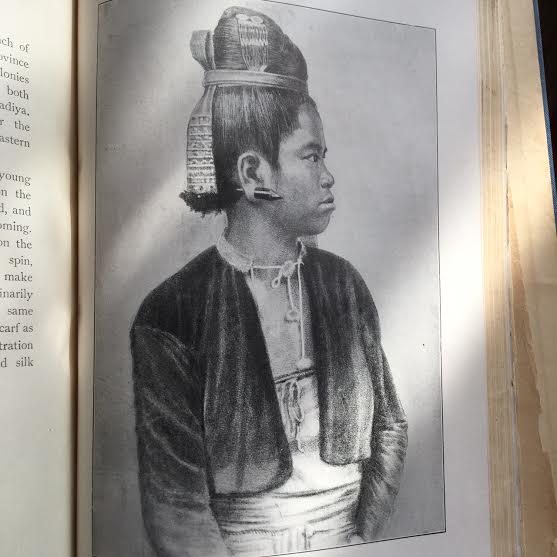
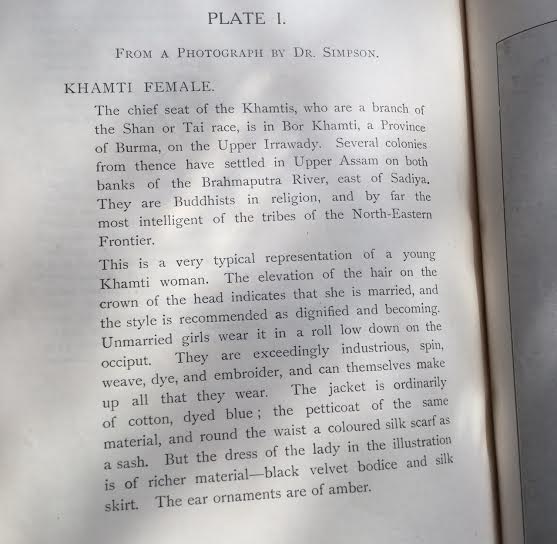
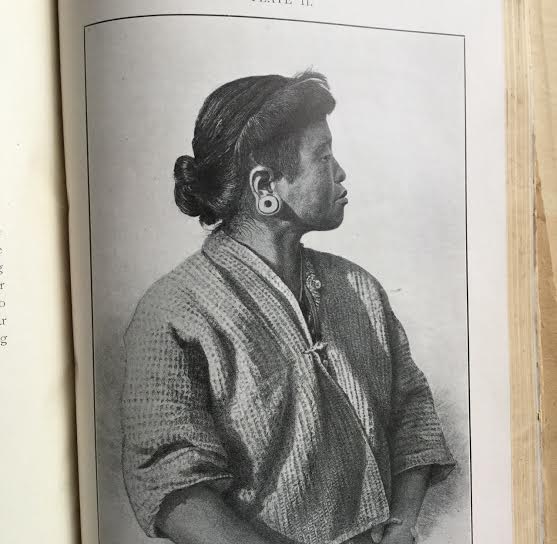
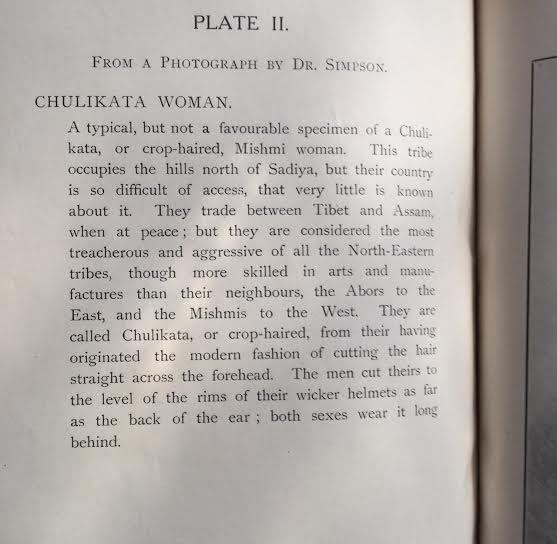
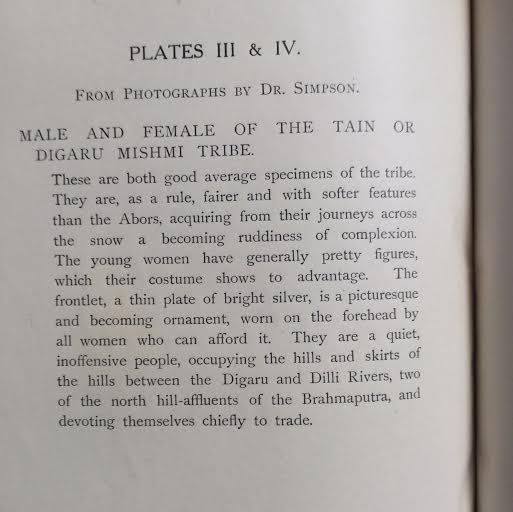
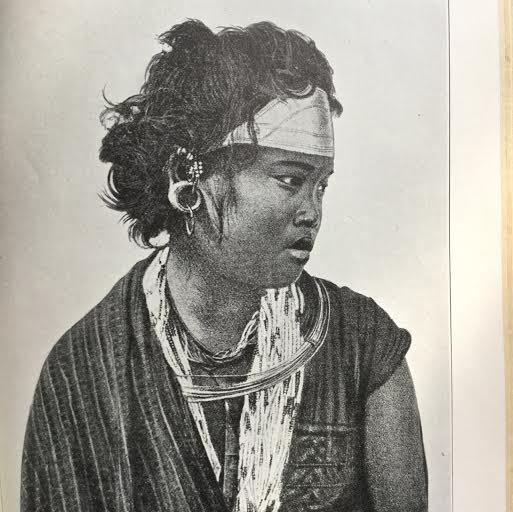
These are about a few tribal communities of North East India. Even within these three communities we see so many differences in hair style, jewellery, appearance etc. In the civilized Hindu society one can easily differentiate a married woman from unmarried woman. by looking at the toe ring (Metti in Tamil), Mangala Sutra (Thaali in Tamil), Madisarai style of Sari, Kunkum/Tilak on the parting of hair etc. In the first picture KHAMPTI female the hair style shows whether she is married or not where as in other tribal communities we dont see it. This will raise lot of questions about their origin.


……to be continued


Brevity Anecdotes (Post No.2895)

caesar-veni-vidi-vici

Compiled  by London swaminathan


Date: 14 June 2016


Post No. 2895


Time uploaded in London :– 16-38


( Pictures are taken by London swaminathan)


DON’T REBLOG IT AT LEAST FOR A WEEK!  DON’T USE THE PICTURES; THEY ARE COPYRIGHTED BY SOMEONE.


(for old articles go to tamilandvedas.com OR swamiindology.blogspot.com

veni vidi vici

The editor of a small Missouri paper sent a notice to one Bill Jenkins that his subscription had expired. The note came back with the laconic scrawl ‘so is Bill ‘.

Xxx

Bananas!

During his administration, President Coolidge was one time taken on a tour of inspection through the fabulously magnificent and variegated horticultural conservatories on the estate of Pierre S DuPont at Longwood, Pennsylvania


The marvellous beauties of the spring flowers, the exotically cultivate d special fruits, the weird and unreal form of cacti, the beautiful ferns, the orchids. All these things elicited from the President no word of comment. Stepping into the close and humid atmosphere of the room devoted to tropical trees, the president looked about for a moment and remarked with interest, ‘Bananas’.


xxx

Press Conference

At one of the White House press conference s various reporters were vainly firing their questions at Calvin Coolidge


Have you anything to say about prohibition ?

No

Have you anything to say about the world court?

No

About the farm situation?

No

About the forthcoming senatorial campaign?

No

The meeting broke up and the reporters began to file out of the room

And called the president, don’t quote me

Xxx

to be  or

Gift of Gab

Bob Burns, the local boy who made good food from Arkansas, is well known for his stories about his large and amusing family. One day when chided for his loquaciousness, he explained that not all members of his family were as given to the gift of gab as himself.


Now take my cousin Wilfred. He was eleven years old before he so much as said one word. One day he was sitting on a fence, watching his father plot a field.


A bull broke through into the pasture and made straight for Wilfred’s pa.  all of a sudden Wilfred s mouth opened and he yelled

Hey, Pa! Hey! Look out for the bull.


Soon as his Pa got out of the field he went straight for Wilfred and said, Wilfred you shore done me a right smart favour that time. But how come you are speaking all of a sudden? You ain’t never said nothing afore


“Well, Pa”, was Wilfred’s reply “I just ain’t never had nothing to say before”.


—Subham–


Kohinoor Diamond: Interesting Anecdote by Hallam Murray (Post No.2864)

diamond_3518629b

Compiled by London swaminathan


Date: 3 June 2016


Post No. 2864


Time uploaded in London :–  6-12 AM


( Thanks for the Pictures)


DON’T REBLOG IT AT LEAST FOR A WEEK!  DON’T USE THE PICTURES; THEY ARE COPYRIGHTED BY SOMEONE.


(for old articles go to tamilandvedas.com OR swamiindology.blogspot.com)


Contact swami_48@yahoo.com


From the book “The High Road of Empire” by A H Hallam Murray, year 1905, London

kohinoor

“When the kingdom of Ranjit Singh came into possession of the British at the end of the Sikh War (1849) the (Lahore) district was taken by the East India Company from Maharajah Dhuleep Sing, and with it came into their possession the famous diamond Kohinoor. After the murder of Nadir Shah in 1739 this historic stone had passed through many vicissitudes, and came at last, in a much mutilated condition – as the price of the liberty of Shah Soojah, its blind and decrepit royal owner – into the hands of Ranjit Sing. He left on his death bed instructions that it was to be sent to Jagannath, but his son retained it, amongst his treasures, until the day when it was personally entrusted to Lord Lawrence for transmission to the Queen.


One of the quaintest of its many adventures then followed. Lord Lawrence placed the small box, in its cotton wrappings, that contained it, in his waistcoat pocket, and promptly forgot all about it until six weeks later, he was called upon to send it home. Then the circumstances flashed across his mind, and with much anxiety he hastily summoned his bearer, and inquired whether he recollected the box being in his pocket sometime before. The servant had found it, and, with the care of a good native servant, though he thought it contained only a worthless glass, had luckily put it carefully away in a battered tin box, and, to Lord Lawrence’s great relief, was able to produce it at once”.


–Subham–