மேலும் ஒரு தண்ணீர் அதிசயம்: சுவையான சமண மத சம்பவம் (Post No.5036)


மேலும் ஒரு தண்ணீர் அதிசயம்: சுவையான சமண மத சம்பவம் (Post No.5036)


WRITTEN by London Swaminathan 

Date: 22 May 2018

Time uploaded in London – 13-19 (British Summer Time)

Post No. 5036

Pictures shown here are taken from various sources such as Facebook friends, Books, Google and newspapers; thanks. Pictures may be subject to copyright laws.

WARNING: PLEASE SHARE MY ARTICLES; BUT DON’T SHARE IT WITHOUT AUTHOR’S NAME AND THE BLOG NAME. BE HONEST; OTHERS WILL BE HONEST WITH YOU


ஸத்யத்தின் பெயரில் ஸபதம் செய்தால் நீர் மீது நடக்கலாம், ஆறுகளை வழிவிடும்படி விரட்டலாம் என்பது ரிக் வேதத்தில் துவங்கி பைபிளின் புதிய ஏற்பாடு வரை இருப்பதை முந்தைய கட்டுரைகளில் விளக்கினேன். சமண மதத்தில் மிகவும் சுவையான நிகழ்ச்சி ஒன்று  விடுகதைக் கதை  — புதிர்போடும் சம்பவம் — ஒன்று உளது.


பாவதேவசூரி என்பவர் எழுதிய பார்ஸ்வநாத சரிதத்தில் இது உளது,

ஆறு விலகிப் போய் வழிவிட்டது!

ஒரு நாட்டில் ஒரு சமண மன்னன் இருந்தான். அவனது சஹோதரன் ஸோமா என்பவன் சமணத் துறவி ஆகிவிட்டான். தனது தலைநகருக்கு வெளியே ஸோமா முகாம் இட்டிருக்கும் செய்தி வந்தவுடன்  ஸோமாவைப் பார்த்து நமஸ்கரிக்க மன்னன் சென்றான். அவன் தர்மோபதேசத்தைக் கேட்டுவிட்டு திரும்பிவந்தான். ராணியிடமும் சங்கதிகளைச் சொன்னான்.

ராணிக்கும் பேரார்வம் பிறந்தது. எனது மைத்துனரும் சந்யாஸியுமான ஸோமாவை நானும் நம்ஸ்கரித்து ஆசி வாங்குவேன் அது வரை சாப்பிட மாட்டேன் என்று ஸபதம் கொண்டாள்.


மாலையில் தேரில் ஏறிச் சென்றாள். நகரின் குறுக்கே ஓடும் ஆற்றில் பெரு வெள்ளம். அரண்மனைக்கு திரும்பி வந்தாள்.

நாதா! ஏதேனும் ஒரு வழி சொல்லுங்களேன். உங்கள் ஸஹோதரரை  தரிசித்து ஆசி பெற வேண்டும் என்றாள்.


ஓ, அதுவா, மிக மிக எளிது ஆற்றரங்கரைக்குப் போய் நதியிடம் நான் செப்புவதைக் கூறு:

“என் கணவன், கடந்த பல ஆண்டுகளாகப் பிரம்மசர்ய விரதம் இருப்பது உண்மையானால் நதியே எனக்கு வழி விடு”.


இதை கேட்ட அவளுக்கு ஒரே மயக்கம். நான் தான் மைத்துனர் சந்யாசம் பெற்ற பின்னர் கர்ப்பம் அடைந்து இருக்கிறேனே. என் கணவர் பிரம்மசர்யத்தை அனுஷ்டிக்க வில்லையே. இருந்தபோதிலும் நதியிடம் சொல்லிப் பார்ப்போம் என்று சொன்னாள்

என்ன அதிசயம்! நதியும் இடது பக்கமும் வலது பக்கமும் விலகிப் போய் வழிவிட்டது.


ஸோமாவைச் சந்தித்த போது இந்த அதிசயம் பற்றி விளக்கம் கேட்டாள். அவர் சொன்னார்: “உன் கணவன் மனத்தளவில் பிரம்மச்சாரி. மனமே பெரிது. அவர் கள்ளம் கபட மற்றவர். நான் ராஜ்ய பாரத்தை விட்டதால் அவர் சுமக்கிறார். அவர் மாசு மரு அற்றவர்”.


பின்னர் எல்லோரும் அமர்ந்து விருந்து உண்டனர்


அவளும் அது சரி; நான் திரும்பிப் போகும் போது ஆற்றின் வெள்ளம் தணியாவிட்டால் நான் என்ன செய்வேன்? எப்படி அரண்மனைக்குப் போக முடியும்? ஒரு வழி  சொல்லுங்களேன் என்றாள்.அதற்கு ஸோமா சொன்னர்.

“இதுவா பிரமாதம்! என் மைத்துனரும் சந்யாஸியுமான ஸோமா எப்போதும் உண்ணா நோன்பு கடைப் பிடிப்பவர் என்பது உண்மையானால், ஏ நதி

தேவதையே எனக்கு வழி விடு” என்று சொல் என்றார்.


அவளுக்கு மேலும் தலை சுற்றியது .இப்பொழுதுதானே ஸோமா என்னுடன் அமர்ந்து விருந்து உண்டார் .அவர் எங்கே உபவாஸம் இருந்தார்?  என்று எண்ணி வியந்தாள் ஆயினும் முனிவர் சொன்னபடியே நதி தேவதையிடம் சொன்னவுடன், நதியும் விலகி வழ்விட்டது. அவளுக்கு ஒரே ஆச்சரர்யம்!!


கணவனிடம் போய்க் கேட்டாள் “நீர் போட்ட புதிருக்கு எனக்கு விடை கிடைத்துவிட்டது ஆனால் உம்முடைய சஹோதரர் போட்ட புதிருக்கு விடை வேண்டும். அவர் என்னுடன் அமர்ந்து விருந்து உண்டார். ஆனால் சந்யாசம் ஏற்றது முதல் உண்ணாவிரதம் இருப்பதாகச் சொல்லுகிறாரே!”


“உண்மைதான்! அவர் உபவாஸமே இருக்கிறார். பெண்ணே! உனக்கு இன்னும் சமய உண்மை விளங்கவில்லை.  உயர்ந்த குணம் படைத்த துறவிக்கு சாப்பிடுவதற்கும் சாப்பிடாததற்கும் வித்தியாசமே தெரியாது.


மனம் என்பது வேர்; வாக்கு என்பது தலைப்பகுதி; மதம் என்னும் பெரிய மரத்தின் பரந்த கிளைகளே ஒருவனின் செயல். வேரிலிருந்துதான் (மனம்) எல்லாம் தோன்றுகின்றன”.


இதைக் கேட்டவுடன் ராணிக்குத் தெளிவு பிறந்தது.


ரிக் வேதத்தில் நதிகளுடன்  விஸ்வாமித்ர மஹரிஷி பேசியதைப் போலவே இந்த சமய உரையாடலும் அமைந்து இருக்கிறது.


இன்னும் சில புத்த மதக் கதைகளும் உண்டு.


புத்த மத சம்பவங்களை இன்னுமொரு கட்டுரையில் காண்போம்.


–SUBHAM–

BEAUTIFUL HINDU TEMPLE IN THAILAND (Post No.5000)

Written by London Swaminathan 


Date: 11 May 2018


Time uploaded in London – 19-47 am (British Summer Time)


Post No. 5000


Pictures shown here are taken from various sources such as Facebook friends, Books, Google and newspapers; thanks. Pictures may be subject to copyright laws.


WARNING: PLEASE SHARE MY ARTICLES; BUT DON’T SHARE IT WITHOUT AUTHOR’S NAME AND THE BLOG NAME. BE HONEST; OTHERS WILL BE HONEST WITH YOU

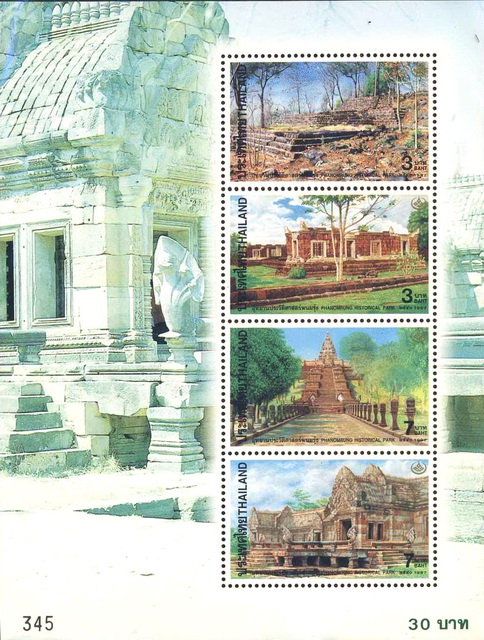
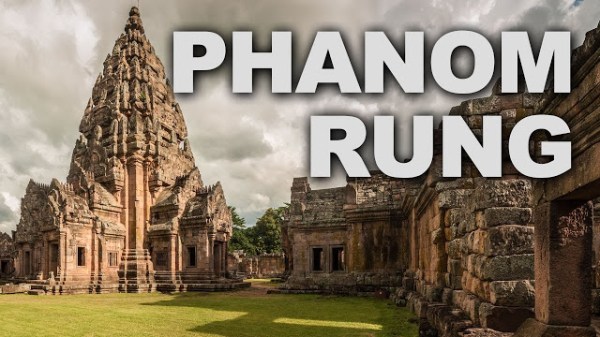
There is a beautiful temple in Thailand looking like Angkor Wat temple but it is not as famous as Angkor Wat temple of Cambodia or Borobudur temple of Java, Indonesia. Only now Thailand has renovated and protected the temple. There are lot broken statues. It is a Hindu Temple with Shiva, Vishnu and Nataraja.


Where is it in Thailand?

It is located in the Buriram ( Ram Puri) province of Thailand.

What is it called?

Phanom Rung Temple; and the full name is Prasat Hin Phanom Rung

How old is the temple?

The construction started around 10th century and finished around 13th century.

Why is it famous now?

It is constructed in the Khmer style like the world-famous Angkor Wat temple.


What are the wonders there?

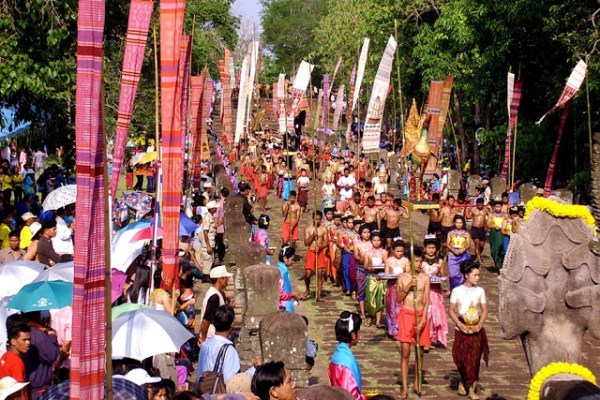
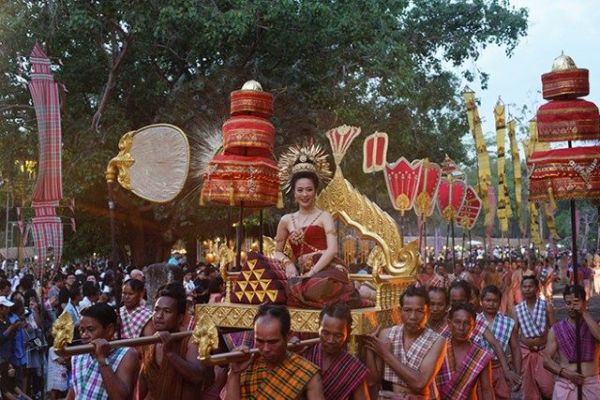
On the Tamil New Year Day (13, 14 April), the sun light travels through all the 15 gates of the temple. A big festival is held annually to coincide with the important date in solar calendar. The sun enters the Mesha Rasi in the month of Chitra. Dance, music and colourful procession form part of the celebrations.

What can we see there?

Vishnu Shiva, Nataraja, Vedic Gods Indra, Agni, Varuna, Brahma, Shiva and others. Ramayana sculptures are remarkable.

Is it same like India?

No. That is where the interesting details are>

Sanskrit scholar of Delhi University Sathya Vrat Shastri  gives the following information in his book on Thailand:-

It is built of sand stone.

There is a carving of two five headed Nagas (Snakes ) held by hands. This helps to compare it with the same statues in Cambodia which are dated around 957 CE.

One of the goddesses is Brahmi carved out of yellow sandstone with four heads.

The main Prang (tower) has interesting stone carvings. The garble on the porch in the eastern side has a massive figure of Nataraja. On the southern side a Rsi (ascetic) in happy mood.

RAMAYANA SCENES

Jatayu fighting with Ravana at Sita’s abduction.

Killing of Marica in the deer disguise.

Man shooting an arrow (partly broken; may be Rama)

Abduction of Sita

Rama returning to Ayodhya on Horse back!

Briging of Indrajit’s head to Mandodari, Wife of Ravana.

Mandodari’s palace with two parrots.

This shows that Ramayana has influenced the South Asian countries more than the Mahabharata.


Apart from the Ramayana scenes, we see Narasimha killing Hiranyakasyap, Krishna killing Kamsa etc.

VEDIC GODS

The portrayal of Vedic gods in eight directions is more interesting because it differs widely from Indian sculptures: –

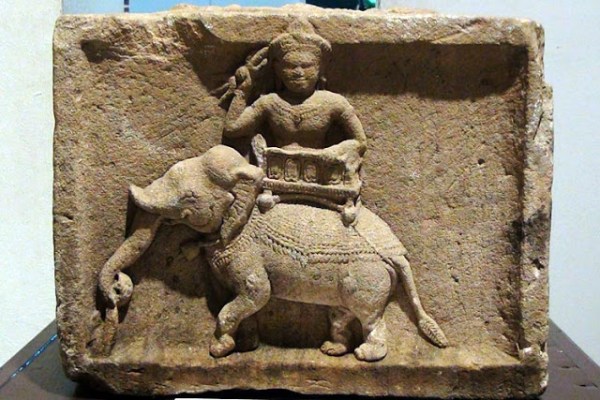
Vedic God Indra is on one headed Airavata. In other countries, we see Four headed Airawata, the white elephant.

Agni is on Rhinoceros!

Agni is on Rhino; in India Agni’s Vahana is a goat.

Varuna is shown on a five hooded Naga; in India Varuna is on a crocodile.

Kubera on lion is also a strange depiction; he always travels on the back of a Yaksha.

Isana is shown on a bull with three swans/hamsas.

Though these statues should occupy different directions, they are lying separately. May be they are part of wooden pillars which might have become rotten in course of time.

All the statues have different jewels, dress, flower motifs etc. Now the Thai authorities have made it a protected monument and an entrance fee is fixed. Thai government has released stamps featuring the monuments. The April festival attracts a good number of tourists.

Many people outside Thailand don’t know that a big Hindu temple exists in Thailand.


(Pictures are taken from Wikipedia and google)

–Subham–


SECOND PART- MURDEROUS QUEENS OF ANCIENT INDIA (Post.4933)

SECOND PART- MURDEROUS QUEENS OF ANCIENT INDIA (Post.4933)


WRITTEN by London Swaminathan 


Date: 20 April 2018


Time uploaded in London –  8-47 am (British Summer Time)


Post No. 4933


Pictures shown here are taken from various sources such as Facebook friends, Books, Google and newspapers; thanks. Pictures may be subject to copyright laws.


WARNING: PLEASE SHARE MY ARTICLES; BUT DON’T SHARE IT WITHOUT AUTHOR’S NAME AND THE BLOG NAME. BE HONEST; OTHERS WILL BE HONEST WITH YOU.


Chanakya adds more details in his work Arthasastra; let us look at them in bullet points:


Chanakya says that greed, lust and other follies will destroy a king. He gives the following examples: Bhoja Dandakya perished with his state and relations for making lascivious attempt on a Brahmana girl. Karaala Viadeha perished because of lust Various other kings paid the penalty for different vices (Artha Sastra 13-2)


Kautilya’s Tricks

Kautilya/Chanakya suggested that the spy should spin out a story of the queen’s love for the minister. That the fabrications are likely to be believed suggests the probability of such incidents. Conversely, when, according to Kautilya the minister’s wife is likely to have liaison with the king, who might send her love letters and presents to invite her into the harem, the luckless husband will merely fret and await his opportunity to take revenge (AS 12-2).


A story of confidence trick is suggested by Kautilya. Dressed as a merchant, a spy is to pick up friendship with a beautiful servant maid of the queen, feign love with the new sweetheart, give her presents and jilt her with an ulterior motive. Another spy is to give her love charm to regain her lover who in turn purports to yield to the woman. Prompted by the immediate success of the love charm, the maid naturally conveys its efficacy to the queen. The queen in turn seeks to repeat the performance on the king. This the poisoned charm kills the king.

The Divyaavadaana narrates the legend of Prince Kunala and his step mother queen Tisyaraksitaa, which indicates palace intrigues. A similar legend finds place in the Jain Parisistaparvan. Here the step mother wanted to sponsor the claim of her own son to the throne. Both ‘Parisistaparvan’ and ‘Mudrarakshasa’ record the tradition of the death of Chandragupta’s ally Parvataka through his contact with poison maid.


Chanakya ‘poisoned’ Chandragupta

As a safeguard against a poison, Parisistaparvan states: On Chanakya’s order, the food of Chandra Gupta was mixed with a gradual dose of poison, so that in the end even the strongest poison had no effect upon him. Once the Queen Durdhara who was big with child was dining with the king, when Chanakya came upon them. Observing that the poison almost immediately killed the queen, he ripped upon her womb and extracted the child.  He had been nearly too late ; for already a drop (bindu) of the poison had reached the boy’s head, who, from his circumstance, was called Bindusara.


Manu also adds how the bad rulers were thrown out in his Manu Smrti:

“Many kings have been destroyed, together with their entourages, through lack f humility, while even forest dwellers have gained kingdoms through humility.

Vena was destroyed through lack of humility, and so was King nahusa, Sudas, the son of Pijavana, Sumukha and Nimi.

But through humility Prthu won a kingdom, and so did Manu and Kubra become Lord of Wealth and Visvamitra, son of Gadhi, became a priest.

Manu 7-40/42

Manu’s Gem Therapy


Manu also warns the king against oisoning. “The king should partake of food that is well examined and prepared by servants that are trust worthy, that know the proper times for dining, that cannot be won over, and over the food spells/mantras destroying poison should have been muttered. He should fix in all that he partakes medicines that are antidotes against poison and should always wear gems that work against poison”.

Manu- 7-217/218


Megasthanes says,

King cannot even sleep in peace, for Megasthenes states: “By night he is obliged to change his couch from time to time with a view to defeat plots against his life”.


Safety First was the code advised by Chanakya and Manu. We did not read any such incidents except one or two in Mahabharata where Duryodana tried to kill the Pandavas in an arson attack by setting fire to the lac palace.


But after the contact with Persians and Greeks from the sixth century BCE, the political scene in India changed completely.


–Subham–


DON’T SMACK BOYS; BE NICE TO THEM- MANU’S ADVICE (Post N0.4911)

DON’T SMACK BOYS; BE NICE TO THEM- MANU’S ADVICE (Post N0.4911)


WRITTEN by London Swaminathan 


Date: 13 April 2018


Time uploaded in London –  20-27  (British Summer Time)


Post No. 4911


Pictures shown here are taken from various sources such as Facebook friends, Books, Google and newspapers; thanks. Pictures may be subject to copyright laws.


WARNING: PLEASE SHARE MY ARTICLES; BUT DON’T SHARE IT WITHOUT AUTHOR’S NAME AND THE BLOG NAME. BE HONEST; OTHERS WILL BE HONEST WITH YOU.


We will continue with the Second Chapter of Manu Smrti and look at some more interesting matters

Manu warns the teachers not to be harsh with the students.

The second interesting advice is: if anyone praises you, consider it as poison; if anyone criticises you, take it as nectar.

The third interesting what gives one respect: for the Brahmins- knowledge, for the rulers- heroism, for the Vaisyas- wealth and for the fourth Varna- age. So everyone commands respect.

The fourth interesting point, if a young person is learned, he is given the respect like a father. He gives us an interesting episode; Kavi, son of Angiras, taught the elders the Vedas. While teaching them, he addressed them My Little Sons! The aged people were very angry and filed a case at the Supreme court of Indra loka The petition was rejected straight away and the judgement came in favour of the little boy Kavi. Very Interesting!

In slokas 157 and 158, good similes are used!

So many interesting points are dealt with Manu in this section of the Second chapter. Please read the original translation below:–


From the Second Chapter:-

2-148. But that birth which a teacher acquainted with the whole Veda, in accordance with the law, procures for him through the Savitri (Gayatri Mantra) , is real, exempt from age and death.

2-150. That Brahmana who is the giver of the birth for the sake of the Veda and the teacher of the prescribed duties becomes by law the father of an aged man, even though he himself be a child.

2-151. Young Kavi, the son of Angiras, taught his relatives who were old enough to be fathers, and, as he excelled them in sacred knowledge, he called them ‘Little sons.’

  1. They, moved with resentment, asked the gods concerning that matter, and the gods, having assembled, answered, ‘The child has addressed you properly.’
  2. ‘For a man destitute of sacred knowledge is indeed a child, and he who teaches him the Veda is his father; for the sages have always said “child” to an ignorant man, and “father” to a teacher of the Veda.’
  3. Neither through years, nor through white hairs, nor through wealth, nor through powerful kinsmen comes greatness. The sages have made this law, ‘He who has learnt the Veda together with the subsidiary subjects is considered great by us.’

2-155. The seniority of Brahmanas is from sacred knowledge, that of Kshatriyas from valour, that of Vaisyas from wealth in grain and other goods, but that of Sudras alone from age.


  1. A man is not therefore considered venerable because his head is grey; him who, though young, has learned the Veda, the gods consider to be venerable.
  2. As an elephant made of wood, as an antelope made of leather, such is an unlearned Brahmana; those three have nothing but the names of their kind.
  3. As a eunuch is unproductive with women, as a cow with a cow is unprolific, and as a gift made to an ignorant man yields no reward, even so is a Brahmana useless, who does not know the Rig Veda
  4. Living beings must be instructed in what concerns their welfare without using violence (smacking them) , and sweet and gentle speech must be used (not scolding) by a teacher who desires to abide by the sacred law.
  5. He, forsooth, whose speech and thoughts are pure and ever perfectly guarded, gains the whole reward which is conferred by the Vedanta.
  6. Let him not, even though in pain, speak words cutting others to the quick; let him not injure others in thought or deed; let him not utter speeches which make others afraid of him, since that will prevent him from gaining heaven.
  7. A Brahmana should always fear adulation/ praising as if it were poison; and constantly desire to suffer scorn as he would long for nectar.
  8. For he who is scorned nevertheless may sleep with an easy mind, awake with an easy mind, and with an easy mind walk here among men; but the scorner utterly perishes.
  9. A cultured person must study the whole Veda together with its ancillary subjects, performing at the same time various kinds of austerities and the vows prescribed by the rules of the Veda.
  10. Let a Brahmana who desires to perform austerities, constantly repeat the Veda; for the study of the Veda is declared to be in this world the highest austerity for a Brahmana.


2-169. According to the injunction of the revealed texts the first birth of a Hindu is from his natural mother, the second happens on the tying of the girdle of Munga grass, and the third on the initiation to the performance of a fire sacrifice.

2-172. He who has not been initiated should not pronounce any Vedic text excepting those required for the performance of funeral rites, since he is on a level with a Sudra before his birth from the Veda.

2-174. Whatever dress of skin, sacred thread, girdle, staff, and lower garment are prescribed for a student at the initiation, the like must again be used at the performance of the vows/ rites.

–Subham–

என் குழந்தை ஏன் சம்ஸ்கிருதம் படிக்க வேண்டும்? -1 (POST NO.4857)

Date: MARCH 28, 2018


Time uploaded in London- 5-36 am


Compiled by S NAGARAJAN


Post No. 4857


PICTURES ARE TAKEN from various sources. PICTURES MAY NOT BE RELATED TO THE ARTICLE; THEY ARE ONLY REPRESENTATIONAL.


WARNING: PLEASE SHARE MY ARTICLES; BUT DON’T SHARE IT WITHOUT AUTHOR’S NAME AND THE BLOG NAME. BE HONEST; OTHERS WILL BE HONEST WITH YOU.


சம்ஸ்கிருதச் சிறப்பு

என் குழந்தை ஏன் சம்ஸ்கிருதம் படிக்க வேண்டும்? -1


ச.நாகராஜன்


அயர்லாந்து டப்ளினில் உள்ள ஜான் ஸ்காட்ஸ் பள்ளியில் (John Scottus School) சம்ஸ்கிருத ஆசிரியராகப் பணியாற்றும் ரட்கர் கார்டன் ஹார்ஸ்ட் (Rutger Korten Horst) குழந்தைகளின் பெற்றோர்களுடன் ஒரு உரையாடல் நடத்தினார்.

தலைப்பு : என் குழந்தை ஏன் சம்ஸ்கிருதம் படிக்க வேண்டும்?


அந்த உரையாடலின் சில முக்கியப் பகுதிகள் இதோ:-


ஏன் எனது குழந்தை சம்ஸ்கிருதம் படிக்க வேண்டும்?

அயர்லாந்தில் நமது பள்ளி தான் சம்ஸ்கிருதம் கற்றுத் தரும் ஒரே பள்ளி.

உலகில் உள்ள 80 JSS டைப் பள்ளிகள் இதே முடிவை எடுத்துள்ளன.

அடுத்து சம்ஸ்கிருதம் எப்படி கற்பிக்கப் படுகிறது?

சம்ஸ்கிருத இலக்கணப் பாடல்களை உங்கள் குழந்தைகள் இசைக்கக் கேட்பதை நீங்களும் கேட்டிருப்பீர்கள்.

ஏன் சம்ஸ்கிருதம் வேண்டும்?

அதன் அருமையான அழகினால் தான்!

ஒசையினால் தான்!

உச்சரிப்பில் உள்ள நயத்தினால் தான்!

அந்த மொழி அமைக்கப்பட்ட அமைப்பினால் தான்!

இந்த விதமாக சம்ஸ்கிருதம் மற்ற மொழிகளை விட வேறுபட்டிருக்கிறது.

ஷேக்ஸ்பியரின் ஆங்கிலக் கவிதைகளை எடுத்துக் கொள்வோம்.

500 வருடங்களில் அவை எப்படி மாறி உள்ளன?

ஷேக்ஸ்பியர் என்ன சொன்னார் என்று அர்த்தம் கண்டுபிடிக்கத் திணறுகிறோம்.

கிங் ஜேம்ஸ் பைபிளை (King James Bible) எடுத்துக் கொள்வோம். அதை இப்போது படித்துப் புரிந்து கொள்ள சிரமப்படுகிறோம்.

கி.பி.700இல் உருவான சாஸரின் பில்க்ரிம்ஸ் ப்ராக்ரஸை எடுத்துக் கொள்வோம். அதை ஆங்கிலம் என்றே சொல்ல முடியாது! அதை ஆங்க்லோ – சாக்ஸன் என்றே சொல்கிறோம்.


எல்லா மொழிகளும் காலப்போக்கில் உருத் தெரியாமல் மாறுகின்றன.

அவற்றில் ஏன் இப்படிப்பட்ட மாறுதல்கள் எனில் அவை பிழையானவை என்பதால் தான்!

மாறுதல் என்பது உண்மையில் ஊழல் என்றே சொல்லலாம்.

ஒரு ஜெயண்ட் ரெட் மரத்தின் ஆயுளான  700 அல்லது 800 ஆண்டுகளில் அந்த மொழிகள் உருவாகி மடிகின்றன.

ஆனால் ஆச்சரியம் என்னவெனில் சம்ஸ்கிருதம் ஒன்றே இதிலிருந்து மாறுபட்டுள்ளது! என்றும் இறப்பின்றி நிலையாக இருப்பது அது!

ஏனெனில் சம்ஸ்கிருதம் முற்றிலுமாக நன்கு அமைக்கப்பட்ட ஒரு மொழி!

அதன் ஒரு வார்த்தை கூட அதன் இலக்கணத்தில் விடுபட்டதில்லை!

இதன் அர்த்தம் என்னவெனில் அதன் ஒவ்வொரு வார்த்தையும் எப்படி உருவானது அதன் ஒரிஜினல் எனப்படும் மூலம் என்ன என்பதை நாம் காண முடியும் என்பது தான்!

இதனால் அதில் புது வார்த்தைகளே உருவாக முடியாது என்பது அர்த்தமில்லை.

ஆங்கிலத்தில் பழைய கோட்பாடுகளுக்கு கிரேக்க மற்றும் லத்தீனைப் பயன்படுத்திக் கொள்வது போல ஆங்கிலம் பழைய கோட்பாடுகளைப் பயன்படுத்திக் கொள்கிறது.

டெலி விஷன் என்ற வார்த்தையை எடுத்துக் கொள்வோம்.

டெலி – தூரத்தில்  விஷன் – காட்சி, பார்ப்பது! அல்லது கணக்கிடுவது!

இப்படி வார்த்தைகள் நவீனமாக உருவாக்கப்படுகின்றன.

சம்ஸ்கிருதம் சிறிய வார்த்தைகளிலிருந்து கூட்டுச் சொற்களை (காம்பவுண்ட் வோர்ட்ஸ்) அமைப்பதில் தனிச் சிறப்பு வாய்ந்தது. சம்ஸ் – கிருதம் என்ற வார்த்தையே “முற்றிலுமாக – அமைக்கப்பட்டது” என்ற பொருளைத் தருகிறது!


ஆக, இப்படிப்பட்ட மாறாத, நிலையான மொழியினால் நமக்கு என்ன ஆதாயம் ஏற்படுகிறது?

என்றுமே மாறாத ஒரு நல்ல நண்பனை எடுத்துக் கொள்ளுங்கள்.  அவரால் உங்களுக்கு என்ன பயன்? அவர் நம்பகமானவர் என்பது தானே!

பல ஆயிரம் ஆண்டுகளுக்கு முன்னர் இயற்றப்பட்ட ஒரு சம்ஸ்கிருத நூலை எடுத்துக் கொள்வோம். அதன் நம்பகத்தன்மை புரியும்!


தனிச் சிறப்பு வாய்ந்த சம்ஸ்கிருதத்தின் அம்சங்கள்  கடந்த சில நூற்றாண்டுகளாக உலகெங்கும் பாராட்டப்பட்டு வருகிறது.

ஆகவே தான் உலகெங்குமுள்ள பல பல்கலைக் கழகங்கள் சம்ஸ்கிருதப் பிரிவைக் கொண்டுள்ளன.

ஹவாயானாலும் சரி, கேம்பிரிட்ஜ், ஹார்வர்ட், அல்லது டப்ளினில் டிரினிடி     காலேஜ், எதை எடுத்துக் கொண்டாலும் சரி, அங்கே சம்ஸ்கிருதப் பிரிவு இருக்கிறது.


-தொடரும்

31 நாலடியார் பொன் மொழிகள் (Post No.4785)


31 நாலடியார் பொன் மொழிகள் (Post No.4785)

Written by London Swaminathan 


Date: 25 FEBRUARY 2018


Time uploaded in London – 17-40


Post No. 4785

Pictures shown here are taken from various sources such as Facebook friends, Books, Google and newspapers; thanks.


WARNING: PLEASE SHARE MY ARTICLES; BUT DON’T SHARE IT WITHOUT AUTHOR’S NAME AND THE BLOG NAME. BE HONEST; OTHERS WILL BE HONEST WITH YOU


மார்ச் 2018  ‘நற்சிந்தனை’ காலண்டர்

(ஹேவிளம்பி- மாசி/ பங்குனி மாதம்)

இந்த மாத காலண்டரில் நாலடியார் நானூறு என்னும் நீதி நூலில் இருந்து 31 பொன்மொழிகளைத் தந்துள்ளேன். படித்து இன்புறுக.


முக்கிய விழாக்கள் – மார்ச் 1 ஹோலி, மாசி மகம் ;  14-காரடையான் நோன்பு; 18- யுகாதி/ தெலுங்கு வருஷப் பிறப்பு, வஸந்த பஞ்சமி ஆரம்பம்; 22- வஸந்த பஞ்சமி; 25- வஸந்த பஞ்சமி முடிவு, ஸ்ரீ இராமநவமி, ஷீர்டி சாய் பாபா பிறந்த தினம்; 29- மஹாவீர் ஜயந்தி’;  30- புனிதவெள்ளி, பங்குனி உத்திரம்.

பௌர்ணமி– 1, 31; அமாவாசை– 17  ; ஏகாதஸி விரதம்-13, 27;

சுப முகூர்த்த தினங்கள்:- 4, 5, 26, 30


மார்ச் 1 வியாழக்கிழமை


பகடு நடந்த கூழ் பல்லாரோடு உண்க,அகடுற யார் மாட்டு நில்லாது செல்வம் சகடக்கால் போல வரும் (காளை உழுது பெற்ற உண்வை பகுத்து உண்க; செல்வமானது, நடு நிலையுடன், வண்டிச் சக்கரம் போல மாறி மாறி வரும்)

மார்ச் 2 வெள்ளிக்கிழமை


நின்றன நின்றன நில்லாவென உணர்ந்து

ஒன்றின ஒன்றின வல்லே செயிற் செய்க (நிலையாக இருக்கும் என்று எண்ணப்பட்டவை நிற்காது; ஆகையால் உங்களுக்குப் பொருந்திய அறப்பணிகளை உடனே செய்க)


மார்ச் 3 சனிக்கிழமை

அறம் செய்து அருளுடையீர் ஆகுமின், யாரும் பிறந்தும் பிறவாதாரில் (தர்மம் செய்து கருணை உடையவராக இருங்கள்; அப்படி செய்யாவிடில் பிறந்தும் பிறவாதவரே)

மார்ச் 4 ஞாயிற்றுக்கிழமை

ஒருநன்றி செய்தவர்க் கொன்றி யெழுந்த

பிழை நூறுஞ் சான்றோர் பொறுப்பர் (ஒரு நன்மை செய்தாலும் கூட அதற்காக சான்றோர் 100 பிழைகளையும் பொறுப்பர்)


மார்ச் 5 திங்கள் கிழமை

வழும்பில்சீர் நூல்கற்றக் கண்ணு நுணுக்கமொன் றில்லாதார் தேர்கிற்கும் பெற்றி யரிது (குற்றமில்லாத நூல்களைக் கற்றும், அதன் உட்கருத்தை அறியமாட்டார் புத்தி இல்லாதவர்)

மார்ச் 6 செவ்வாய்க் கிழமை

மைதீர் பசும்பொன்மேன் மாண்ட மணியழுத்திச்

செய்ததெனினுஞ் செருப்பும்தன் காற்கேயா

மெய்திய செல்வத்த ராயினுங் கீழ்களைச்

செய்தொழிலாற் காணப்படும் (தங்க, ரத்ன செருப்பானாலும் காலில்தான் பயன்படும். கீழ்களுக்குச் செல்வம் இருந்தாலும் அவர்களின் செயல்களே அவர்களைக் காட்டிவிடும்)


மார்ச் 7  புதன் கிழமை


தினையனைத்தே யாயினுஞ் செய்தநன் றுண்டால்

பனையனைத்தா வுள்ளுவர் சான்றோர் (கொஞ்சம் உதவி செய்தாலும் உயர்ந்தோர் அதைப் பெரிதாகப் பாராட்டுவர்)


மார்ச் 8 வியாழக்கிழமை


முந்திரிமேற் காணி மிகுவதேற் கீழ்தன்னை

யிந்திரனா வெண்ணி விடும் ( முந்திரி என்னும் சிறு தொகைக்கும் சற்று மாகாணி செல்வம் அதிகரித்தவுடன் கீழ்மட்ட மக்கள் தங்களை இந்திரன் என்று எண்ணுவர்)


மார்ச் 9 வெள்ளிக்கிழமை

நுண்ணர்வினாரொடு கூடி நுகர்வுடைமை

விண்ணுலகே யொக்கும் ( நுட்பமான அறிவு உடையோருடன் அமர்ந்து புசிப்பது தேவ லோகம் போல இன்பம் தரும்)


மார்ச் 10 சனிக்கிழமை

காம நெறி படரும் கண்ணினாற்கு இல்லையே

ஏம நெறி படருமாறு (வயதான காலத்திலும் காமம் உடையோருக்கு

நிலையான இன்பம்/ பாதுகாப்பு இல்லை)


மார்ச் 11 ஞாயிற்றுக்கிழமை


பாய்திரைசூழ் வையம் பயப்பினு மின்னாதே

ஆய்நல மில்லாதார் பாட்டு (உலகமே கிடைப்பதானாலும் நல்ல குணம் இல்லாதார் நட்பினை விரும்பமாட்டார்கள் சான்றோர்)


மார்ச் 12 திங்கள் கிழமை

கொடாஅ ரெனினு முடையாரைப் பற்றி

விடாஅ ருலகத் தவர் ( செல்வம் உடையோர் ஒரு காசு தராதபோதிலும், மக்கள் அவரைச் சுற்றி வட்டம் இடுவர்)


மார்ச் 13  செவ்வாய்க் கிழமை


அருளினற முரைக்கு மன்புடையார் வாய்ச்சொற்

பொருளாகக் கொள்வர் புலவர் (பெரியோர் சொல்லும் புத்திமதியை நல்லோர் பெரும்பேறாக கொள்வர்)

மார்ச் 14  புதன் கிழமை

நாப்பாடஞ்சொல்லி நயமுணர்வார் போற்செறிக்குந்த்

தீப்புலவர் சேரார் செறிவுடையார் (வாய்க்கு வந்தபடி பாடம் சொல்லும் நேர்மையற்ற புலவருடன் அடக்கமுடைய நற்புலவர் சேர மாட்டார்கள்.)


மார்ச் 15 வியாழக்கிழமை


தம்மை மருண்ட மனத்தார்பின் செல்பவோ தாமுந்

தெருண்ட வறிவினவர் (தானே பெரியவன் என்று கருதும் செல்வரிடத்து, தெளிந்த அறிவுடையார் செல்ல மாட்டார்கள்)


மார்ச் 16 வெள்ளிக்கிழமை


வானகங் கையுறினும் வேண்டார் விழுமியோர்

மான மழுங்க வரின் (சுவர்க்கமே கிடைப்பதாயினும் , மானம் கெட்டுப்போக நேரிட்டால் , மானமுள்ள பெரியோர் அதை நாட மாட்டார்கள்)


மார்ச் 17 சனிக்கிழமை

கடையெலாங் காய்பசி யஞ்சுமற்றேனை

இடயெலா மின்னாமை யஞ்சும்….தலையெல்லாம் சொற்பழி யஞ்சிவிடும் (பயத்தின் வகை: கடைத்தரத்தில் உள்ளோர் பசிக்கு பயப்படுவர்; இடைத் தரத்தில் உள்ளோர் துன்பத்துக்கு பயப்படுவர் ; முதல் தரத்தில் உள்ளோர் சொல்லால் வரும் பழிக்கு பயப்படுவர் )


மார்ச் 18 ஞாயிற்றுக்கிழமை


புறங்கடை வைத்தீவர் சோறு மதனால்

மறந்திடுக செல்வர் தொடர்பு (செல்வந்தர் நம் வீட்டுக்கு வந்தால் மனைவியை அறிமுகம் செய்து, சோறு படைப்போம்; நாம் அவர்கள் வீட்டுக்குப் போனால் மனைவியின் கற்பழிந்துவிடுவது போல நம்மை வாசலில் வைத்தே சோறு போடுவர்; அவர்களை மறப்பதே நலம்)


மார்ச் 19 திங்கள் கிழமை


உள்ளூர்

இருந்துயிர் கொன்னே கழியாது தான்போய்

விருந்தினனா நாதலே நன்று (ஒருவர்க்கு சோறு போட முடியாவிட்டால், உள்ளூரில் இருந்து காலத்தைக் கழிக்காமல் நாமே பிச்சை எடுத்தல் நன்று)


மார்ச் 20  செவ்வாய்க் கிழமை

வாழாதார்க்கில்லை தமர் ( பொருள் இல்லாமல் வாழ்வோருக்கு சுற்றத்தார் இல்லை)


மார்ச் 21 புதன் கிழமை

கலா அற் கிளிகடியுங் கானக நாட

இலாஅ அர்க் கில்லைத் தமர் ( கல் கொண்டு கிளி ஓட்டும் காடுகளைக் கொண்ட மன்னவா! செல்வம் இல்லாதவர்களுக்கு உறவினர் இல்லை)

மார்ச் 22 வியாழக்கிழமை


இரப்பிடும்பை யாளன் புகுமே புகையும்

புகற்கரிய பூழை நுழைந்து (பிச்சை எடுக்கும் துன்பம் உள்ளவன், புகை போக முடியாத இடத்திலும் புகுந்துவிடுவான்)

மார்ச் 23 வெள்ளிக்கிழமை


இரவலர் கன்றாக வீவார வாக

விரகிற் சுரப்பதாம் வண்மை (பிச்சை எடுப்போர் கன்று; பிச்சை இடுவோர் பசு; இப்படி, தானே அன்புடன் சுரப்பதே கொடுக்கும் குணம்)


மார்ச் 24 சனிக்கிழமை

அட்டதடைத்  திருந்துண்டொழுகு  மாவதின் மாக்கட்

கடைக்குமா மாண்டைக் கதவு (சமைத்ததைத் தாமே சாப்பிடும் குணமில்லாத மனிதருக்கு மேலுலகத்தின் கதவானது மூடப்படும்)


மார்ச் 25 ஞாயிற்றுக்கிழமை

ஓதியுமோதா ருணர்விலா ரோதாதும்

ஓதியனையா ருணர்வுடையார் (பகுத்தறிவு இல்லாதவர்கள் படித்தும் படியாதவர்களே; பகுத்தறிவு உடையோர், ஓதாமலும் படித்தவர்களுக்குச் சமமானவர்கள் ஆவர்;பகுத்தறிவு = விவேகம்)


மார்ச் 26 திங்கள் கிழமை

வலவைகளல்லாதார் காலாறு சென்று

கலவைகளுண்டு கழிப்பர் (பேய்த்தனம் இல்லாத நல்லோர் தூர இடங்களுக்குச் சென்று பல விதமான உணவு வகைகளை உண்டு மகிழ்வர்; வலவை= இடாகினி, காளி ஆகியோருக்கு ஊழியம் செய்யும் பேய்கள்)


மார்ச் 27 செவ்வாய்க் கிழமை

செல்வம் பெரிதுடையாராயினுங் கீழ்களை

நள்ளா ரறிவுடையார் ( மிகுந்த செல்வம் படைத்திருந்தாலும் கீழ் மக்களாக இருந்தால், அவர்களை அறிவுள்ளவர்கள் விரும்ப மாட்டார்கள்; கீழ்கள்= குணத்தினால் கீழானவர்கள்)

மார்ச் 28 புதன் கிழமை


கோலாற் கடாஅய்க் குறினும் புகலொல்லா

நோலா வுடம்பிற் கறிவு ( கோல் கொண்டு அடித்துச் சொன்னாலும்  புண்ணியம் செய்யாத உடம்புக்கு ஞானம் புக மாட்டாது/ வராது)

மார்ச் 29 வியாழக்கிழமை


கடாஅயினுஞ் சான்றவர் சொல்லார் பொருண்மேற்

படாஅ விடுபாகறிந்து (கேட்டால் கூட, எங்கு தன் சொல் எடுபடாதோ, அங்கே அறிஞர்கள் பதில் சொல்ல மாட்டார்கள்; மூடர்கள் சபையில் பேசார்)


மார்ச் 30 வெள்ளிக்கிழமை


நாவின் கிழத்தி யுறைதலாற் சேராளே

பூவின் கிழத்தி புலந்து (சரஸ்வதி தேவி உறைவதால், அவ்விடத்தில் பிணங்கி, லெட்சுமி தேவி சேர மாட்டாள்; பணமுள்ள இடத்தில் அறிவு இராது)

மார்ச் 31 சனிக்கிழமை


உணர வுணரு முணர்வுடை யாரைப்

புணரப் புணருமா மின்பம்

(நம்மை நன்கு அறிந்த, நம் குணத்தைப் பாராட்டும் விவேகம் உள்ளவர்களை சந்தித்து அளாவும்போது இன்பம் ஏற்படும்)


(தமிழை வளர்க்க விரும்புபவர்கள், தன் மனைவி, மகன்கள், கணவர்கள் , ஆளும் அரசாங்கத்தினர் ஆகியோர் தன்னிடம் நேர்மையாக இருக்க வேண்டும் என்று எண்ணுவோர் என் எழுத்துக்களைத் திருட மாட்டார்கள். எழுதியவர் பெயருடன் பகிர்வார்கள்; பிளாக் பெயரை நீக்க மாட்டார்கள்)


–SUBHAM–


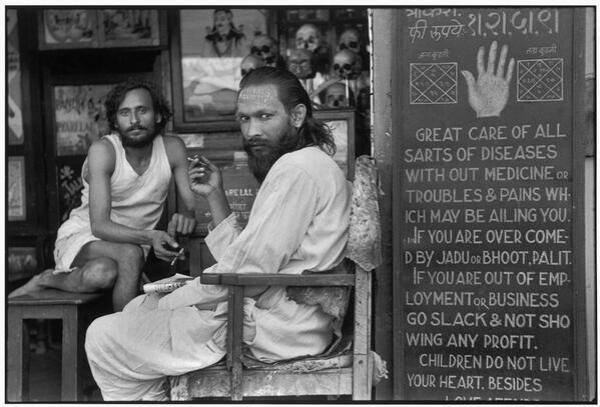
ஜோதிடர் மோசடியும் 114 மோசடி முறைகளும் (Post No.4784)

Date: 25 FEBRUARY 2018

Time uploaded in London- 8-16 am

Written by London swaminathan

Post No. 4784

PICTURES ARE TAKEN from various sources. They may not be directly related to the article. They are only representational.

WARNING: PLEASE SHARE MY ARTICLES; BUT DON’T SHARE IT WITHOUT AUTHOR’S NAME AND THE BLOG NAME. BE HONEST; OTHERS WILL BE HONEST WITH YOU.


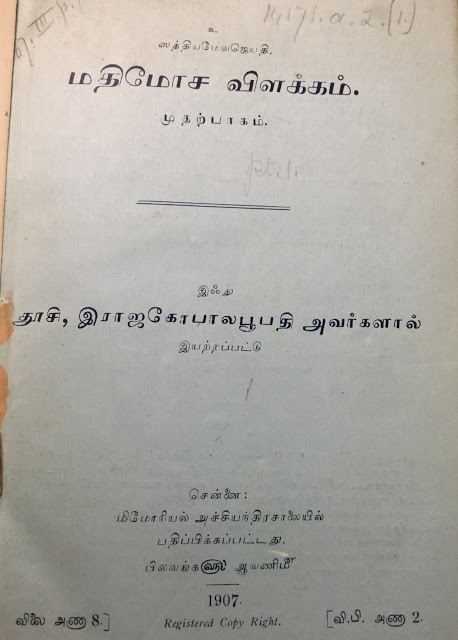
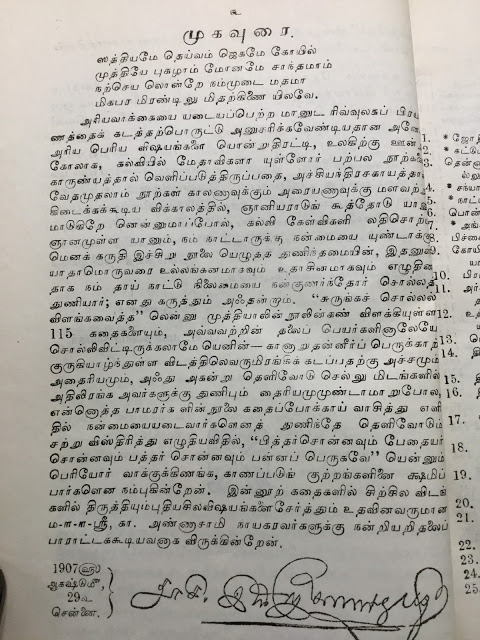
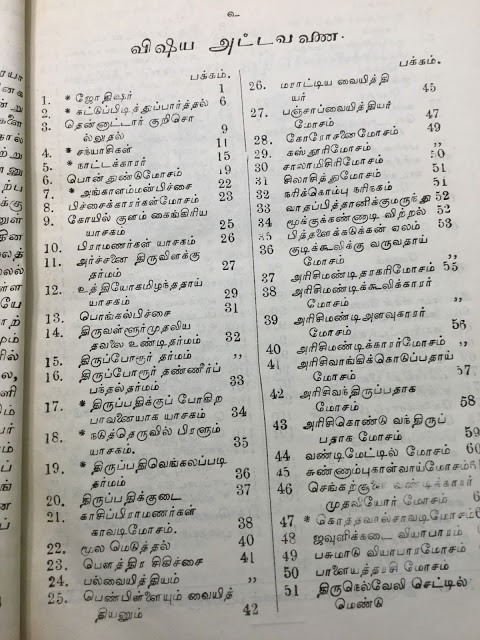
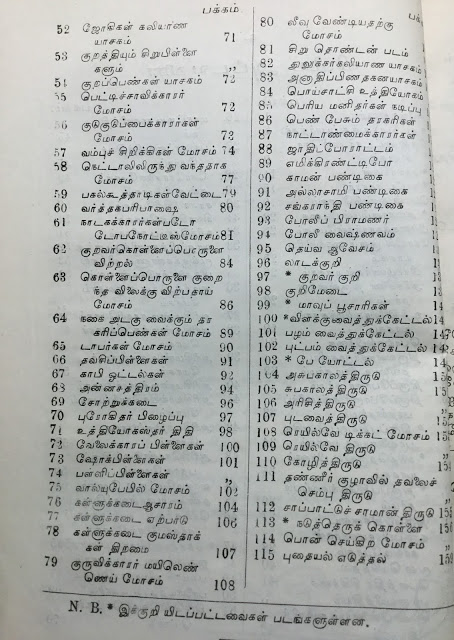
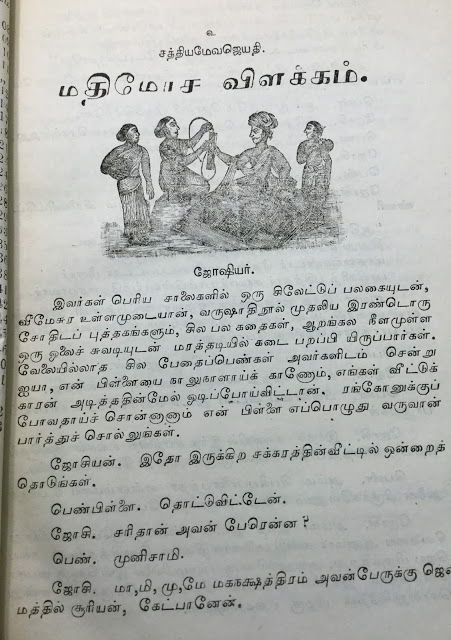
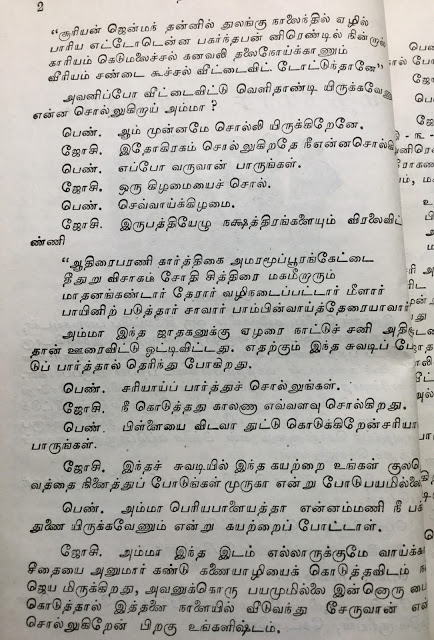
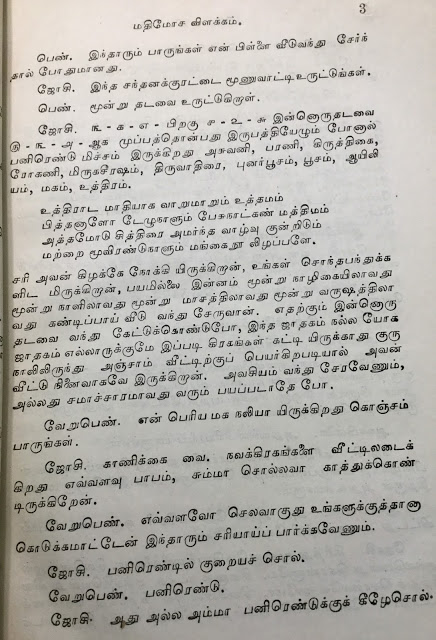
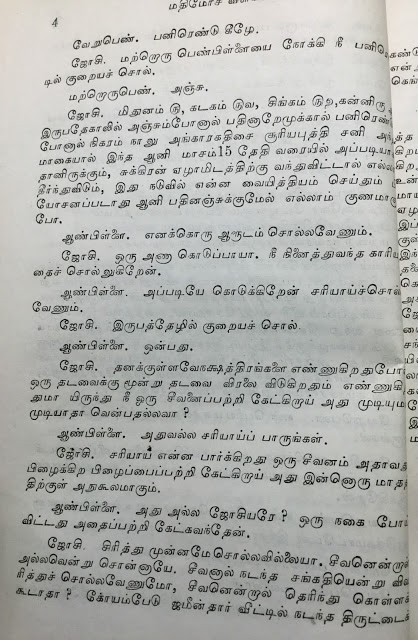
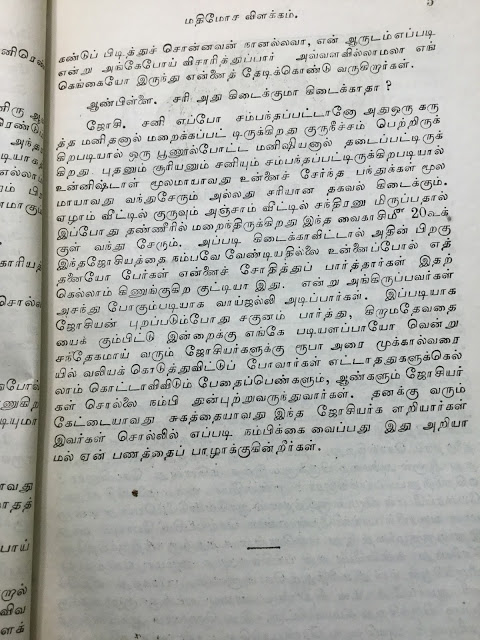
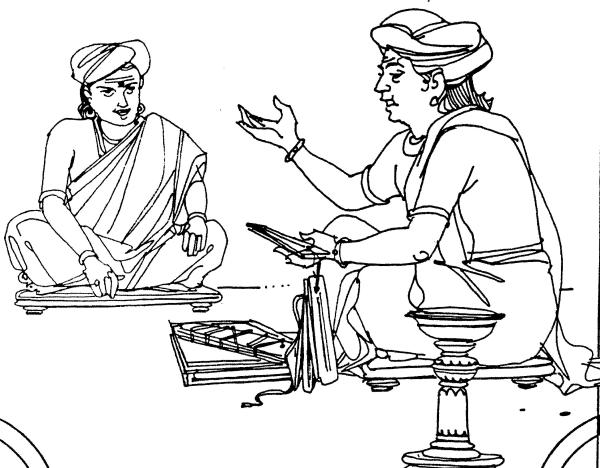
பிரிட்டிஷ் லைப்ரரி (இலண்டன்) யில் ஒரு பழைய நூலைக் கண்டேன். 1907-ஆம் ஆண்டில் தூசி. இராஜகோபால பூபதி என்பவர், 115 விதமான மோசடிகளைப் பற்றி எழுதியுள்ளார். எல்லாமே சுவையான விஷயங்களே. இது சென்னையிலிருந்து வெளியான நூல். இதில் முதல் மோசடி ஜோதிட மோசடி ஆகும்; ஜோதிடர்கள் எப்படி, வாடிக்கையாளரிடம் இருந்தே விஷயத்தைக் கறந்து ஏமாற்றுகிறார்கள் என்பதை இதில் காணலாம்.


புஸ்தகத்தின் பெயர் மதிமோச விளக்கம்

இந்த நூல் தமிழ் மொழி ஆராய்ச்சியாளர்களுக்கும் உதவும்;  ஒரு நூறு ஆண்டுகளுக்கு முன்னர், ஒவ்வொரு தொழில் செய்வோரும் பயன்படுத்திய சொற்களும், அவர்கள் பேசும் முறையும் அப்படியே உள்ளது. இப்பொழுது தமிழ் கற்போருக்கு அது எவ்வளவு புரியும் என்பது கேள்விக்குறியே. இதோ ஜோதிடர்கள் ஏமாற்றும் முறை:


–SUBHAM–

ZODIAC MAN & RARE PICTURES OF HUMAN BODY IN LONDON (Post No.4708)

Date: 6 FEBRUARY 2018


Time uploaded in London- 8-53 am


Compiled by London swaminathan


Post No. 4708


PICTURES ARE TAKEN BY LONDON SWAMINATHAN


WARNING: PLEASE SHARE MY ARTICLES; BUT DON’T SHARE IT WITHOUT AUTHOR’S NAME AND THE BLOG NAME. BE HONEST; OTHERS WILL BE HONEST

WITH YOU.


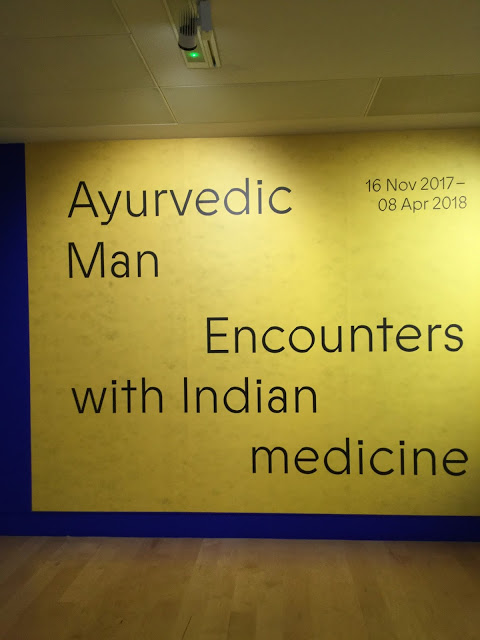
Fourth Part of Ayurveda Exhibition


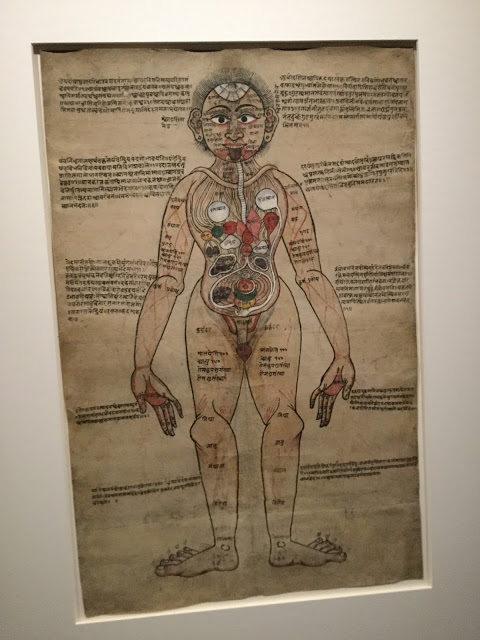
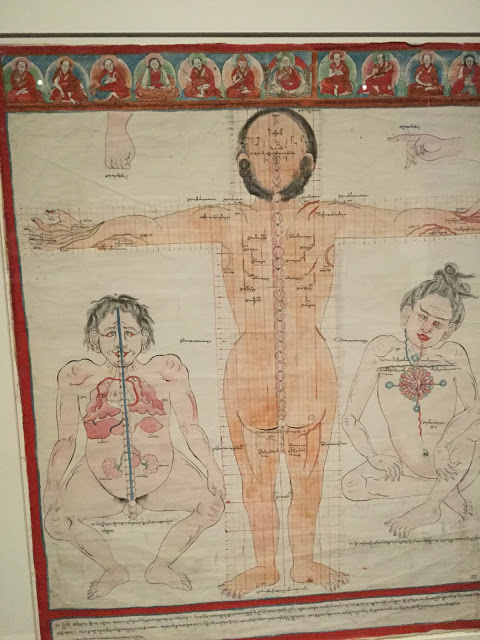
There are some rare pictures of human body displayed in the Ayurveda Man exhibition at Wellcome Centre in London (next to Euston square Underground Station).

1.Zodiac Man

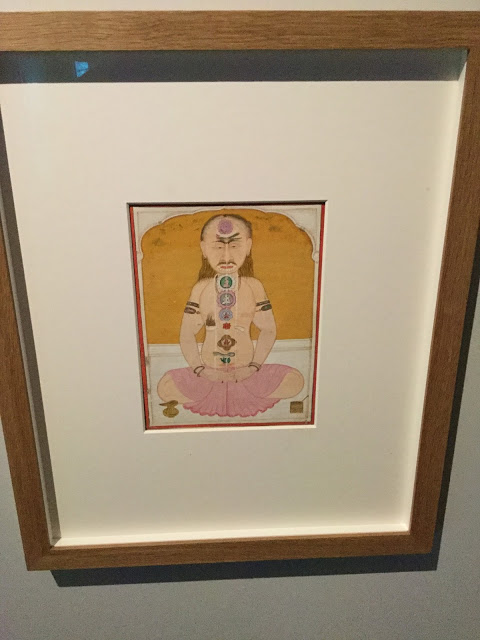
2.Human body with Six Chakras

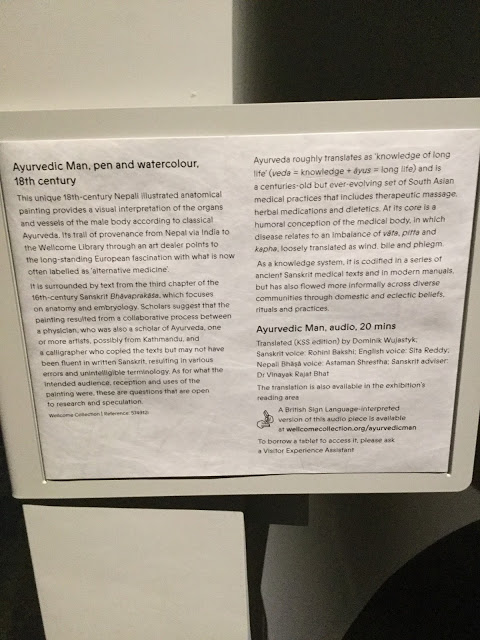
3.Nepali painting of Ayurveda Man

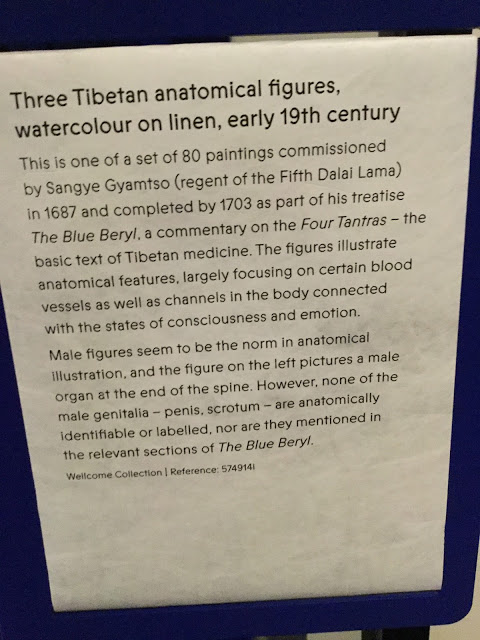
4.Tibetan Painting of Human anatomy

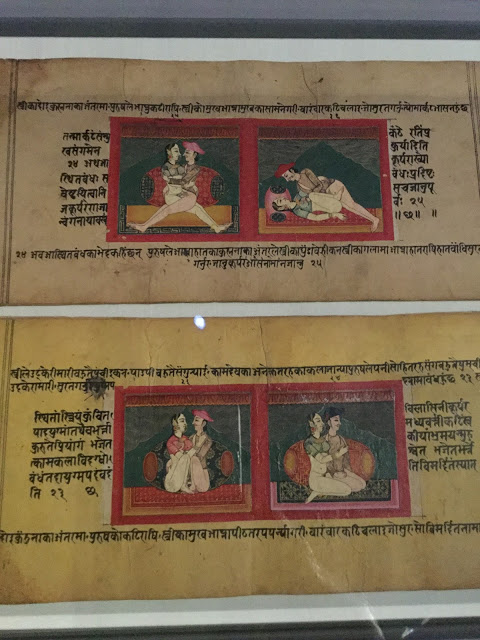
5.Sex Manual of 15th Century


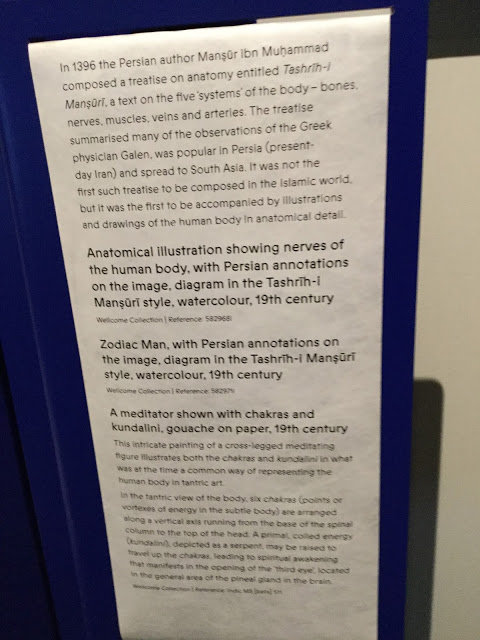
1.What is Zodiac Man?


in 1396, the Persian author Mansur Ibn Muhammad composed a treatise on anatomy entitled Tashrih I Mansuri—a text on the five systems of the body: bones, nerves, muscles, arteries and veins. The treatise summarised many of the observations of the Greek physician Galen, that was popular in Persia (Iran) and spread to South Asia. It was not the first treatise that was composed in the Islamic world, but it was the first one to come with illustrations and drawings of human body.

My comments: Hindus were far advanced in this filed several centuries before the Islamic world.


This is a diagram from 19th century in Tashriq in Mansuri style with Persian annotations. The body parts are marked with zodiac signs in the water colour painting.


My comments: Probably the painter means that different body parts controlled by different signs. Hindu astrologers believe that the body parts are controlled by planets e.g. Sun=eye, Venus=genital organs.


2.Human body with Six Chakras


Hindu Yogis believe that there are six points called chakras (literally wheels) along the spine. At the bottom of the spine is the sleeping/ dormant energy, usually shown in the shape of a coiled snake. Those who can raise this Kundalini energy and take it through the six chakras can attain salvation. It will result in spiritual awakening and opening of the Third Eye. This will give rise to many miraculous powers. The cross-legged meditating figure is from 19th century.


My comments: This Indian knowledge of coiled (dormant) energy is unknown to science or any other culture. A day will come when someone will prove it scientifically. Even then it will remain inaccessible for common people. Once such miraculous powers are in the hands of common people it may result in abusing such powers. We read in Hindu Puranas that the demons got boons to do impossible tasks and created utter chaos.


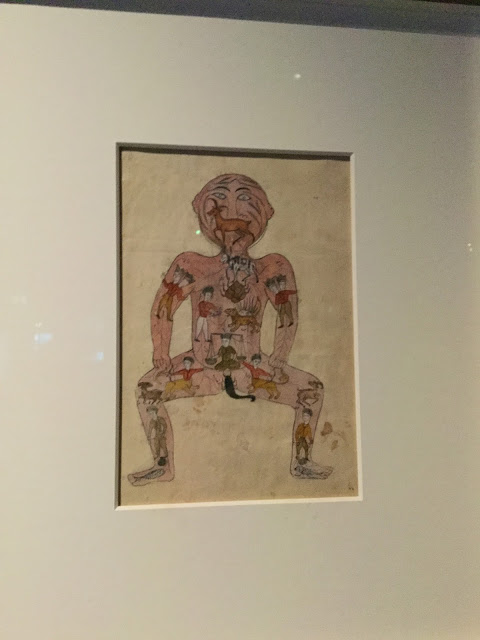
3.Nepali Painting of Ayurvedic Man


This is the painting that gave the title to the current exhibition running until 8th April. This is a pen and water colour painting from Nepal showing all the body organs and vessels of the male body. The painting is from 18th century; but is surrounded by texts in Sanskrit, which are taken from the 16th century work Bhavaprakasa. It focuses on anatomy and embryology. The mistakes in Sanskrit show that the calligrapher was not familiar with Sanskrit. It is drawn according to Ayurveda- the ancient Indian medical system. Ayur Veda means Knowledge of Long Life.


4.Tibetan Paintings

There are water colour paintings on linen. 80 paintings were commissioned by the regent of the Fifth Dalai Lama and they were completed in 1703. He go them for his book Blue Beryl which was a commentary on the four Tantras- the basis of Tibetan medicine. Blood vessesls are shown in the pictures.


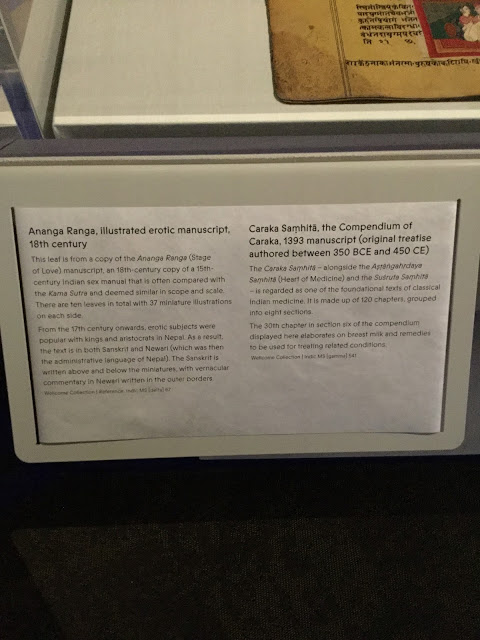
  1. Ananga Ranaga – Sex Manual

This was a fifteenth century book written in Sanskrit and Newari of Nepal, because of the Nepalese interest in sex books. Ten pages contain 37 pictures each. This is compared with the Kama Sutra of Vatsyayana which is 2000 year old- the first sex book in the world.


–SUBHAM–


எந்தக் கேள்விக்கும் இதோ பதில்! (Post No.4703)

Devotee

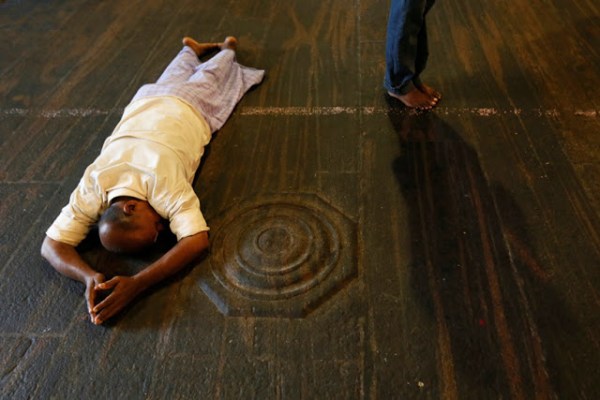
Devotee in Sri Lankan Temple

Date: 5 FEBRUARY 2018


Time uploaded in London- 6-17 am


WRITTEN  by S NAGARAJAN


Post No. 4703


Pictures shown here are taken from various sources such as Facebook friends, Books, Google and newspapers; thanks. Pictures may not be related to the story. They are only representational.


சென்னையிலிருந்து மாதந்தோறும் வெளியாகும் ஞான ஆலயம் பத்திரிகை சிறந்த ஆன்மீகக் கட்டுரைகளை வெளியிடும் சிறந்த பத்திரிகை. இதன் ஆசிரியர் திருமதி மஞ்சுளா ரமேஷ். பிப்ரவரி 2018 இதழில் வெளியாகியுள்ள கட்டுரை இது.


எந்தக் கேள்விக்கும் இதோ பதில்! ஹிந்து மதம் வழங்கும் சம்வாதங்கள்!!


ச.நாகராஜன்
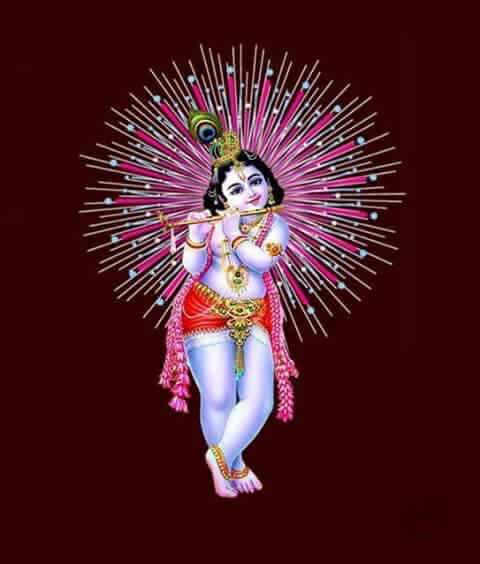
 

Krishna Picture from Facebook friend

1

ஹிந்து மதத்தின் பெரும் சிறப்பியல்புகளில் ஒன்று அது மனித மனத்தில் தோன்றும் எந்தக் கேள்விக்கும் சரியான விடையைத் தருவது தான்!


உலகில் தோன்றுவதிலிருந்து (அதாவது காலிருந்து) மறைவது வரை (அதாவது மரணம் முடிய), அதற்கு அப்பால் மரணத்திற்குப் பின் உள்ள வாழ்க்கை, அதற்கும் அப்பாலாய் ஜனன, மரணச் சுழலிலிருந்து விடுபட்டு முக்தி அடைவது உள்ளிட்ட எதைப் பற்றியும் எந்தக் கேள்வியையும் யார் வேண்டுமானாலும் கேட்கலாம்.


அதற்கு பதில் ரெடி!


வேதங்கள், உபநிடதங்கள், இதிஹாஸங்கள், புராணங்கள், ஸ்மிருதிகள் உள்ளிட்ட இவையே பொதுவாக சாஸ்திரங்கள் எனப்படுகின்றன.


இவற்றில் ஆயிரக்கணக்கான சம்வாதங்களைப் பார்க்கலாம்.

சம்வாதம் என்றால் அர்த்தமுள்ள உரையாடல் என்று பொருள்.  சிரத்தையுள்ள ஒருவர், ஒரு விஷயத்தில் தனக்கு ஏற்பட்டுள்ள சந்தேகத்திற்கான பதிலை, நிஜமாகவே தெரிந்து கொள்ள வேண்டுமென்ற எண்ணத்துடன், அதில் நிபுணராக உள்ள ஒருவரை அணுகித் தெளிவு பெறுவதே சம்வாதம் ஆகும்.

இந்த சம்வாதங்களில் முக்திக்கான பாதை உண்டு, செக்ஸ் சம்பந்தமான கேள்விகளுக்குப் பதில்கள் உண்டு, பொருளை எப்படிச் சம்பாதிக்க வேண்டும், வெற்றிகரமாக வாழ்க்கையை எப்படி நடத்துவது (இன்று செல்ஃப் இம்ப்ரூவ்மெண்ட் என்ற பெயரில் நாம் அறிந்து கொள்பவை) என்பது போன்ற பொருளாதார மேம்பாட்டிற்கான சந்தேகம் போக்கும் பதில்கள் உண்டு, தர்மம் என்றால் என்ன, அதையொட்டி ஏன் நம் வாழ்வு அமைக்கப்பட வேண்டும், ஒருவர் உயரவும் இன்னொருவர் தாழவும் (தர்மம் அனுஷ்டிப்பது) காரணமாவது எப்படி என்பன போன்ற சிக்கலான கேள்விகளுக்கும் பதில் உண்டு.

இந்த சம்வாதங்களைத் தொகுத்தால் அது உலகின் தலை சிறந்த அறிவுக் கருவூலத்தின் கலைக் களஞ்சியமாகத் திகழும்.

ஆயிரக் கணக்கான சம்வாதங்களில் நமக்குப் பிடித்தமான நூற்றெட்டைத் தேர்ந்தெடுத்துப் படித்தாலேயே போதும் – மன அமைதியுடனும், செல்வத்துடனும், குடும்ப வளத்துடனும் தர்ம அடிப்படையில் உலகில் வெற்றிகரமாக வாழ்வதற்கு.

இங்கு சில சுவையான சம்வாதங்களைப் பார்ப்போம்.
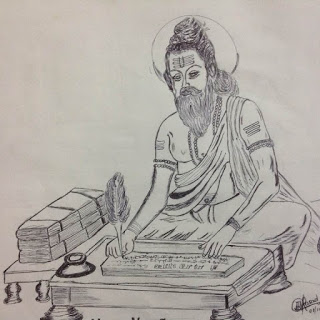
 

2

மஹாபாரதத்தில் தொட்ட இடங்களில் எல்லாம் சுவையான ஒரு சம்வாதம் இடம் பெறும்.


நாரதர் – ஸமங்கர் சம்வாதம்: நாரத மஹரிஷி  ஸமங்கரை ஆச்சரியத்துடன் பார்க்கிறார். எப்போதுமே சந்தோஷத்துடன் இருக்கிறார்; துக்கமே இல்லாதவர்! எப்படி இது சாத்தியம்.

அர்த்தமுள்ள ஒரு உரையாடல் (சம்வாதம்) ஆரம்பிக்கிறது.

ஸமங்கர் நாரதருக்கு விரிவாக பதில் கூறுகிறார். (சாந்தி பர்வம், 292ஆம் அத்தியாயம்)


காலவருக்கும் நாரதருக்கும் நடந்த சம்வாதம் ச்ரேயஸுக்கான காரணத்தை விளக்குகிறது (சாந்தி பர்வம் 293ஆம் அத்தியாயம்)


எதிரிகளை வெல்வது எப்படி? இந்திரனுக்கும் பிரஹஸ்பதிக்கும் நடந்த அர்த்தமுள்ள உரையாடல் எதிரியை வெற்றி கொள்வது பற்றி விவரிக்கிறது. (சாந்தி பர்வம் 103ஆம் அத்தியாயம்)


சத்யபாமா த்ரௌபதியைச் சந்திக்கும் போது எப்படி த்ரௌபதி ஐந்து கணவர்களையும் மனம் கோணாதபடி இணங்கி நடக்கச் செய்கிறாள் என்ற தன் சந்தேகத்தைக் கேட்க, த்ரௌபதி அவளைக் கடிந்து கொள்கிறாள் – கேட்கத் தகாத முறையால் அதைக் கேட்டதால்! இருந்தாலும் தனது கடுமையான ஸ்தீரி தர்மமே  ஐந்து கணவர்களையும் தன்னுடன் இணக்கத்தோடு வாழ வைக்கிறது என்று கூறி தனது ஸ்தீரி தர்மத்தை விரிவாக விளக்குகிறாள். பெண்களுக்கான அருமையான இரகசிய விளக்கம் இது. ( வன பர்வத்தில் திரௌபதி சத்யபாமா சம்வாத பர்வம்)

கர்ம பலன் பற்றி ஒவ்வொருவருக்கும் ஒவ்வொரு விதமான சந்தேகம். எனக்கு மட்டும் ஏன் இப்படி இருக்கிறது என்பது ஒரு பொதுவான கேள்வி. அன்னை பார்வதி சிவபிரானை நோக்கி ஏராளமான கேள்விகளைக் கேட்க சிவபிரான் பொறுமையாக பல்வேறு கர்மங்களுக்கு அதற்கான உரிய பலன்களை விரிவாக விளக்குகிறார். (அநுசாஸன பர்வம் அத்தியாயம் 218 )


தார்க்ஷ்யருக்கும் ஸரஸ்வதிக்கும் இடையே நடக்கும் சம்வாதம் தானம், அக்னிஹோத்ரம், மோக்ஷம் ஆகியவற்றை நிரூபிக்கிறது.

(வன பர்வம்- மார்க்கண்டேய ஸமஸ்யா பர்வம்)


இன்னும் க்ருஷ்ணார்ஜுன சம்வாதமே உலகம் போற்றும் பகவத் கீதை; தர்மருக்கும் யட்சனுக்கும் நடந்த சம்வாதமே யட்சப் ப்ரஸ்னம் என்பதை அறிவோம்.

கிருஷ்ணருக்கும் ஜராசந்தனுக்கும் இடையே நடந்த சம்வாதம்; அனுமன் – பீமசேனன்; த்ருதராஷ்டிரன் – சஞ்சயன்;ராவணன் – சீதா; பரத்வாஜர்- ப்ருகு; கிருஷ்ணர்- உக்ரசேனர்; சூரியன் – கர்ணன்; ஜனகர்- அவர் மனைவி (சாந்தி பர்வம் அத் 18-19): ஒரு பக்ஷி- ரிஷி; தர்மர்- இந்திரன்; ஆக இப்படி இருவருக்கு இடையே நடக்கும் சம்வாதங்கள் ஒரு குறிப்பிட்ட விஷயத்தைப் பற்றிய கேள்வியை எழுப்பி அதற்கான சரியான விடையைத் தருகின்றன.
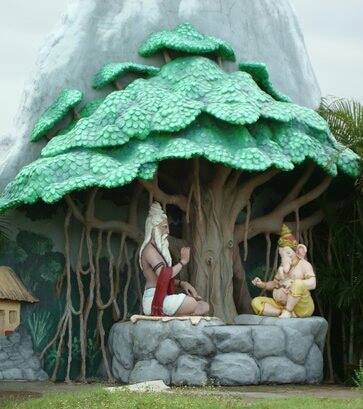
 

3

பாகவதத்தை எடுத்துக் கொண்டால் அதிலும் ஏராளமான சம்வாதங்கள் உண்டு.

ரிஷிகள் சௌனகரை அணுகி 6 கேள்விகளைக் கேட்க அவர் அருமையான பதிலை அளிக்கிறார் (முதல் ஸ்கந்தம்; 2ஆம் அத்தியாயம்) ஒவ்வொருவருக்கும் உண்மையான, நிலைத்திருக்கும், மிகச் சிறந்த நன்மை எது, சாஸ்திரங்களின் சாரம் என்ன, ஏன் பகவான், கிருஷ்ணராகத் தானே நேரில் வந்தார்?, கிருஷ்ண லீலைகள் எவை, பத்து அவதாரங்களில் ஒவ்வொன்றுக்கும் தனித்தனியே உள்ள காரணம் என்ன?, கிருஷ்ணரின் மறைவுக்குப் பின்னர் தர்மம் யாரிடம் தஞ்சம் புகுந்திருக்கிறது என்பன போன்ற கேள்விகளுக்குப் பதிலை இந்த சம்வாதமே தருகிறது.


வியாஸருக்கும் நாரதருக்கும் இடையே நடந்த அர்த்தமுள்ள உரையாடலை முதல் ஸ்கந்தத்தில் காணலாம்.

விதுரருக்கும் உத்தவருக்கும் இடையேயான உரையாடலை மூன்றாம் ஸ்கந்தம் விளக்குகிறது.

நிமிக்கும் ஜெயந்தேயனுக்கும் நடந்த உரையாடல் ஜெயந்தேய கீதையாக பதினொன்றாம் ஸ்கந்தத்தில் மிளிர்கிறது.
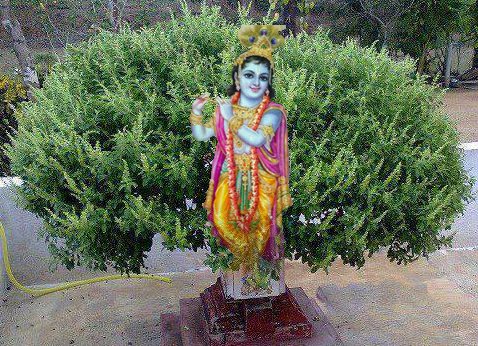
 

4

புராணங்களில் வரும் நூற்றுக் கணக்கான சம்வாதங்கள் பொருள் பொதிந்தவை; சுவையானவை; வேறு எந்த நூல்களிலும் காணக்கிடைக்காதவை!

அருந்ததிக்கும் சாவித்திரிக்கும் இடையேயான சம்வாதம் சூரிய புராணத்தில் இடம் பெறுகிறது.

பீஷ்மர் – புலஸ்த்யர் – பத்ம புராணம்

அம்பரீஷன் – நாரதன் – பத்ம புராணம்

நாரதர் – மஹாதேவர் – பத்ம புராணம்

உமா தேவி – நாரதர் – பத்ம புராணம்

சஞ்ஜயன் – வியாஸர் – பத்ம புராணம்

பூமி – வராஹம் – வராஹ புராணம்

சுக்ரன் – தேவயானி – மத்ஸ்ய புராணம்

தேவயானி – கச்ச – மத்ஸ்ய புராணம்

ப்ரஹ்மா – நாரதர் – ஸ்கந்த புராணம்

ஸ்வேத – கால – ஸௌர புராணம்

மரணத்திற்குப் பின்னர் உயிர் செல்லும் பாதையும், மறு பிறப்பு ரகசியமும், கர்ம பலன்களின் காரணமும் ரிஷிகளின் அருள் வாக்கின் மூலம் அர்த்தமுள்ள உரையாடலில் விளக்கப்படும் போது கேட்டவர் மட்டும் பயன் பெறவில்லை; இன்றளவும் உலகில் உள்ள அனைவரும் பயனடைகின்றனர்.

ஆகவே தான் ஸ்வாமி விவேகானந்தர், “முதலில் இந்த நாட்டில் புராணங்களை வெள்ளமெனப் பாய்ச்சுங்கள்” என்று அருளுரை பகர்ந்தார்.
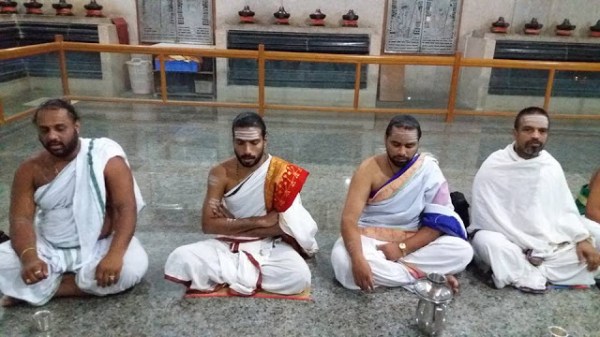


Yajur Veda Parayan, picture posted by Krishna Ganapatigal

5


வசிஷ்டருக்கும் ராமருக்கும் நடந்த நீண்ட உரையாடலே யோக வாசிஷ்டமாக மலர்கிறது.

அபூர்வமான இரகசியங்களை விவரிக்கும் இதை உலகின் தலை சிறந்த நூல்களில் முதலிட வரிசையைப் பிடிக்கும் நூல்களில் ஒன்றாகக் கூறலாம்.


நோய் வரக் காரணம், கர்ம பலன் காரணம், விதியா, மதியா எது பெரிது, எப்போதும் மகிழ்ச்சியாக இருப்பதற்கான வழிகள், எண்ணங்களின் ரகசியம், முக்திக்கு வழி என்று இந்த நூல் தொடாத பொருளே இல்லை. உலகின் தலை சிறந்த மேலை நாட்டு அறிஞர்கள், விஞ்ஞானிகள், கீழை நாட்டு மேதைகள் உள்ளிட்டோர்களின் சிறந்த கொள்கைகளைப் பட்டியலிட்டுப் பார்த்தால் அவை யோக வாசிஷ்டத்தில் இருப்பதைக் கண்டு பிரமிக்கிறோம். இப்படி ஒரு பட்டியலை “யோக வாசிஷ்ட ஸ்லோகம் – அறிஞரின் கூற்று” என்று எதிர் எதிராகப் போட்டு பட்டியலிட்டிருக்கிறார் பி.எல்.ஆத்ரேயா என்ற அறிஞர். (Yoga Vasistha and Modern Thought – B.L.Atreya -1934 Publication) அயர வைக்கும் பட்டியல் இது!


ரிக் வேதத்தில் விஸ்வாமித்திர மஹரிஷிக்கும் நதிக்கும் நடந்த உரையாடல் வியக்க வைக்கும் ஒன்று.

விஸ்வாமித்திரர் நதியைக் கடக்க வேண்டி நதியிடம் வழி விடுமாறு கேட்கிறார். நதியோ இயற்கை தர்மமமான தன் பிரவாகத்தை விட்டு விட முடியாது என்கிறது. தொடர்ந்து விஸ்வாமித்திரர் வெகு தூரத்திலிருந்து வரும் தனக்கு வழி விட்டே ஆக வேண்டும் என்கிறார். நதி சம்மதித்து வழி விடுகிறது. ஒரு பிரச்சினை. அதில் எதிர் கொள்ள வேண்டிய விஷயங்கள், பின்னர் ஒரு உடன்பாடு என்று இப்படி இன்றைய மாடர்ன் மேனேஜ்மெண்ட் சிக்கலைத் தீர்ப்பதை, உலகின் ஆதி நூலான ரிக் வேதத்தில் காண முடிகிறது என்று சம்வாதத்தைப் பற்றிய ஆராய்ச்சியில் ஈடுபடும் மேலை நாட்டோர் வியந்து கூறுவது பொருள் பொதிந்த ஒன்று.


இன்னும் அகஸ்த்யர் – லோபாமுத்ரா; இந்திரன் – இந்திராணி; ஸரமா – பணி; வசிஷ்டர் – சுதாஸ் ஆகியோரது சம்வாதங்களை ரிக் வேதம் விளக்குகிறது.
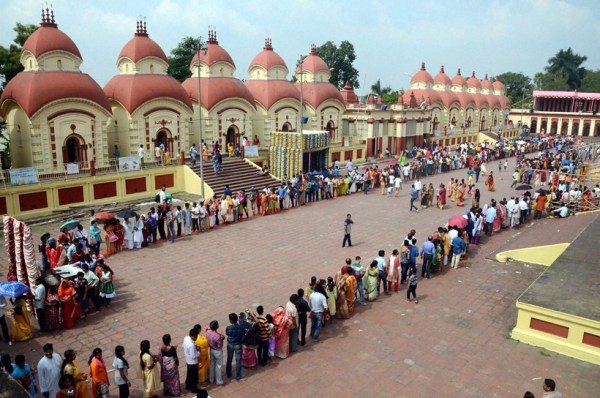


Dakshineswar Kali Temple, Kolkata

6

இராமாயணம் தரும் சம்வாதங்கள் அறத்தின் அடிப்படையிலானவை. படிக்க வேண்டியவை.

ராம – லட்சுமணர்;  நாரதர்- ஸனத்குமாரர்; (வால்மீகி ராமாயணம்) வசிஷ்டர் -அருந்ததி (மணிரத்ன ராமாயணம்) அஞ்சனா-ஹனுமான் (ஸௌர்ய ராமாயணம்) ஹனுமான் -சந்திரன் (சாந்த்ர ராமாயணம்) ஆகியவை சுவாரஸ்யமானவை.

சீதை இராமனின் செயலான சமுத்திரத்தில் சேதுவைக் கட்டியது ஏன் என்பதற்கு, பரிந்து கொண்டு லோபாமுத்ரைக்கு விடை தரும் சம்வாதம் மிகவும் சுவையான ஒன்று. பாணத்தால் வற்ற வைத்தால் கடல் வாழ் உயிரினங்களுக்கு தீங்கு நேரும் என்பதில் ஆரம்பித்து ராமர் ஏன் ஹனுமான் போலப் பறக்கவில்லை (அவர் மனிதர் என்பதே காரணம்) என்பது உள்ளிட்ட வெவ்வேறு காரணங்கள் அலசப்படுகின்றன. சமத்காரமாக புதிர் போன்ற கேள்விகளைக் கேட்டவர் சீதையின் பதிலால் மிகவும் திருப்தியுறுகிறார்.

அத்யாத்ம ராமாயணத்தில் இடம் பெறும் உமா-மஹேஸ்வர சம்வாதம் குறிப்பிடத் தகுந்த ஒன்று.

இறைவனின் திருவிளையாடலில் பொதிந்துள்ள அம்சங்களைக் கண்டு வியக்கிறோம்.
 

7

விநாயக சம்ஹிதாவில் வரும் பார்கவ- ஈஸ்வர சம்வாதம், உமா யாமளத்தில் வரும் ஹரகாரி சம்வாதம், காத்யாயனி தந்திரத்தில் வரும் சிவ- கௌரி சம்வாதம், ப்ருஹதாரண்யக உபநிடதத்தில் வரும் புகழ் பெற்ற யாக்ஞவல்க்யர் –  மைத்ரேயி சம்வாதம், நரசிம்ம புராணத்தில் வரும் யம-யமி சம்வாதம், கர்ம விபாக சம்ஹிதாவில் வரும் பார்வதி- சிவ சம்வாதம் ருத்ர யாமளத்தில் வரும் பைரவ-பைரவி சம்வாதம் ஆகியவை ஒவ்வொன்றும் ஆழ்ந்த ரகசியங்களை விளக்கி அருள்பவை.


8

இன்றைய நவீன கால ஆராய்ச்சியாளர்கள் பிளேட்டோவின் உரையாடலை எடுத்துக் கொண்டு Dialogue எனப்படும் உரையாடலின் மேன்மையை உச்சி மேல் வைத்துக் கொண்டாடுகிறார்கள்.


“Words are events, they do things, change things”  (வார்த்தைகள் நிகழ்வுகளே, அவைகள் அனைத்தையும் செய்யும், எல்லாவற்றையும் மாற்றும்) என்று இன்று வாழ்ந்து கொண்டிருக்கும் பிரபல அமெரிக்க நாவலாசிரியையான அர்சலா கே. லா குவின் (Ursula k. Le Guin) இப்போது சொல்வதைப் பார்க்கும் போது ஏற்கனவே ஆயிரக்கணக்கான அர்த்தமுள்ள உரையாடல்களைக் காலம் காலமாகத் தம் கை வசம் வைத்திருக்கும் ஹிந்துக்களுக்கு புன்முறுவல் தோன்றுவது இயல்பே.


முன்னோர்களின் சரித்திரத்தைக் கேட்போம் என்று வரிந்து கட்டிக் கொண்டு முனிவர்கள் நைமிசாரண்யத்தில் குழுமி உரையாடல் மூலம் அனைத்தையும் உணர்த்திய, உணர்ந்து கொண்ட பரம்பரை வழி வந்தோர் நாம்.


சம்வாதம் என்பது நமக்கு வாழ்க்கை முறையின் ஒரு சிறந்த அம்சம்.


இன்று அதை மறந்து விட்டோம், பல்வேறு குழப்பங்களினால் தவிக்கிறோம் எனில், அதை ஞாபகப் படுத்திக் கொள்ள வேண்டிய தக்க தருணம் இதுவே.


ஒவ்வொரு சம்வாதமாக எடுத்துப் படிப்போம். இனி எந்தக் கேள்வி கேட்டாலும் இதோ பதில் என்று சொல்லும் வலிமையைப் பெறுவோம்; சந்தேக விளக்கத்தின் அடிப்படையில் கிடைக்கும் தெளிவினால்  வாழ்க்கையை அமைத்து வளம் பெறுவோம்.
***

ஞான ஆலயம் பத்திரிகையின் வருடச் சந்தா ரூ360/ 5 ஆண்டுச் சந்தா ரூ1750/ முகவரி: ஸ்ரீ ஆலயம் பப்ளிகேஷன், பழைய எண் 7, புதிய எண்32, அருணாசலபுரம் 2-வது தெரு, அடையாறு,சென்னை 600 020.
 

பக்திப் பாடல்கள் கேள்வி பதில் Quiz(Post No.4681)

Date: 30 JANUARY 2018


Time uploaded in London- 7-46 am


Written  by LONDON SWAMINATHAN


Post No. 4681


Pictures shown here are taken from various sources such as Facebook friends, Books, Google and newspapers; thanks. Pictures may not be related to the story. They are only representational.


WARNING: PLEASE SHARE MY ARTICLES; BUT DON’T SHARE IT WITHOUT AUTHOR’S NAME AND THE BLOG NAME. BE HONEST; OTHERS WILL BE HONEST

WITH YOU.


((நல்லவர்களை எப்படி அறியலாம்? பிறர் எழுதியதை, பிறர் எடுத்த படங்களை அவர்களுடைய பெயர்களுடன் வெளியிடுவார்கள். கெட்டவர்களை எப்படிக் கண்டுபிடிக்கலாம்? பிறர் எழுதியதை, அது வெளியான பிளாக், பத்திரிக்கை பெயர்களை நீக்கிவிட்டு , தங்களுடையது போல வெளியிடுவார்கள்; கெட்டவர்களைக் கண்டுபிடிப்பது மிகவும் எளிது))


நீங்கள் பக்திப் பாடல்களைக் கேட்டிருந்தாலோ பாடியிருந்தாலா கீழ்கண்ட கேள்விகளுக்கு கட்டாயம்  பதில் சொல்ல முடியும்; முயன்று பாருங்கள். பக்திப் பாடல்களுடன் சில இலக்கிய நயம் மிக்க பாடல்களும் உள்ளன

Old books, Picture posted by A Sugumaran

  1. நாடும் பொருட்சுவை சொற்சுவை தோய்தர நாற்கவியும்
    பாடும் பணியில் பணித்தருள்வாய் பங்கயாசனத்தில்


  1. நாய்க்குண்டு தெண்டு, நமக்குண்டு பிச்சை, நமனை வெல்ல
    வாய்க்குண்டு மந்திர பஞ்சாட்சரம், மதியாமல் வரும்
    பேய்க்குண்டு நீறு —


3.அன்பு சிவம் உலகத்துயர் யாவையும்

அன்பினில் போகுமென்றே – இங்கு

முன்பு மொழிந்துலகாண்டதோர் புத்தன்

மொழி எங்கள் அன்னை மொழி


4.அப்பன் இரந்து உண்ணி; ஆத்தாள் மலை நீலி;ஒப்பறிய மாமன் உறி திருடி- சப்பைக்கால் அண்ணன் பெருவயிறன்


5.எவ்வழி நல்லவர் ஆடவர்

அவ்வழி நல்லை! வாழிய நிலனே!


Picture of london pathmanabha iyer

6.அன்னமும் மீனுருவும் ஆளரியும் குறளும்

ஆமையும் ஆனவனே! ஆயர்கள் நாயகனே

என் அவலம் களைவாய்!


  1. துதிப்போர்க்கு வல்வினைபோம், துன்பம் போம் நெஞ்சிற்
    பதிப்போர்க்கு செல்வம் பலித்து கதித்து ஒங்கும்
    நிஷ்டையுங் கைகூடும்,


  1. தீது இலா வடமீனின் திறம் இவள் திறம்


  1. காதன் மடப்பிடியோடுங் களிறு வருவன கண்டேன்

கண்டேன் அவர் திருப்பாதங் கண்டேன்


  1. நன்மையும் செல்வமும் நாளும் நல்குமே

தின்மையும் பாவமும் சிதைந்து தீயுமே

சென்மமும் மரணமும் இன்றித் தீருமே

இம்மையே இராம என்ற இரண்டு எழுத்தினால்


  1. அன்பும் சிவமும் இரண்டென்பர் அறிவிலார்

அன்பே சிவமாவதுயாரும் அறிகிலார்


  1. அந்தணர் என்போர் அறவோர்


  1. அழகிய மயிலே!அழகிய மயிலே!

உனது தோகை புணையாச் சித்திரம்

ஒளிசேர் நவமணிக் களஞ்சியம் அதுவாம்


  1. எல்லை யில்லா ஆனந் தம்அளித்(து)

அல்லல் களைந்தே அருள்வழி காட்டிச்

சத்தத்தின் உள்ளே சதாசிவம் காட்டிச்

சித்தத்தின் உள்ளே சிவலிங்கம் காட்டி


  1. பிறக்கும்பொழுது கொடுவந்ததில்லை பிறந்து மண்மேல்
    இறக்கும்பொழுது கொடுபோவதில்லை இடை நடுவில்
    குறிக்கும் இச்செல்வம் சிவன் தந்ததென்று கொடுக்கறியா
    திறக்கும் குலாமருக்கு என் சொல்லுவேன்கச்சி ஏகம்பனே

 xxxxx


ANSWERS

1.குமர குருபரர், சகல கலா வல்லிமாலை, 2. பட்டினத்தார் பாடல்கள், 3. பாரதியார் பாடல்கள், 4. காளமேகப் புலவர் பாடல்கள் , 5. சங்க கால அவ்வையார் ,புறநானூறு, 6. பெரியாழ்வார் திருமொழி, திவ்யப் பிரபந்தம், 7.தேவராய சுவாமிகள், கந்த சஷ்டிக் கவசம், 8. இளங்கோ, சிலப்பதிகாரம், 9. அப்பர் தேவாரம், நாலாம் திருமுறை, 10. கம்பன், கம்ப ராமாயணம், 11.திருமூலர் எழுதிய திருமந்திரம், 12. திருவள்ளுவர் எழுதிய திருக்குறள், 13. பாரதிதாசன் பாடல்கள், 14. தற்கால அவ்வையார், விநாயகர் அகவல்,  15. பட்டினத்தார் பாடல்கள்
 

–Subham–