ஆய கலைகள் 64 எவை? முழு விளக்கம், விவரங்கள் (Post No.2696)-1

chatus-shasti-kala

Compiled by london swaminathan

Date: 5 April, 2016


Post No. 2696


Time uploaded in London :–  14-58


( Thanks for the Pictures  ) 


DON’T REBLOG IT AT LEAST FOR A WEEK!  DON’T USE THE PICTURES; THEY ARE COPYRIGHTED BY SOMEONE.


(for old articles go to tamilandvedas.com OR swamiindology.blogspot.com)


 Previous articles on 64 Arts:

உலகம் வியக்கும் பெண்கள் பாட திட்டம் !! ( 4 May 2014)


Wonderful Syllabus for Women (Posted on 4 May 2014)

பெண்களின் 64 கலைகள்! (29 May 2012)

Techniques of Secret Writing in India ( 19 March 2013)

காதல் கடிதம் எழுத ரகசிய சங்கேத மொழி ( 19 March 2013)


ஆயகலைகள் அறுபத்து நான்கினையும்

ஏய உணர்விக்கும் என் அம்மை- தூய

உருப்பளிங்கு போல்வாள் என் உள்ளத்தினுள்ளே

இருப்பள் வாராதிங்கு இடர்.


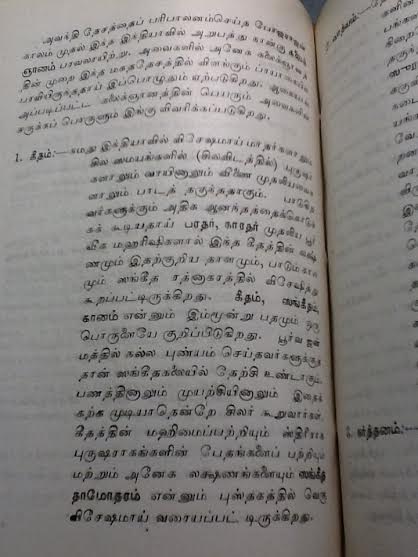
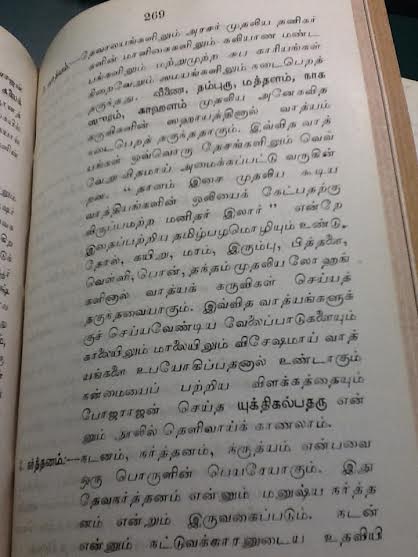
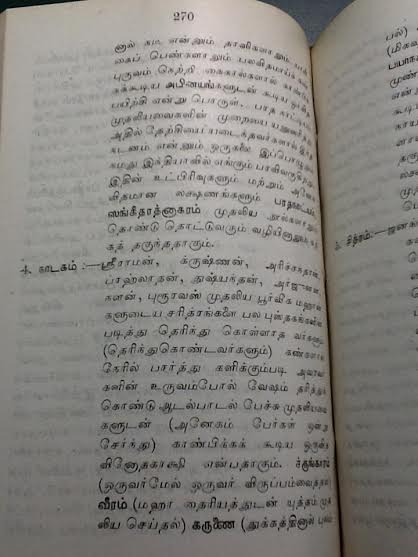
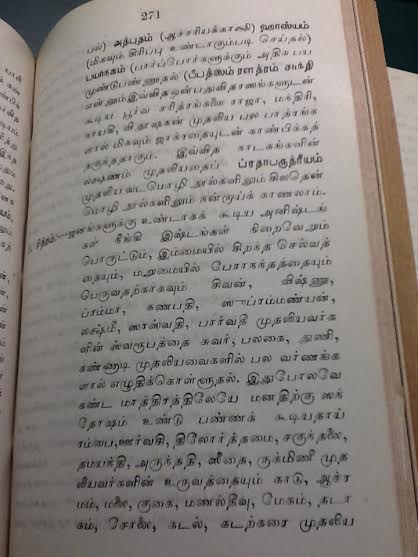
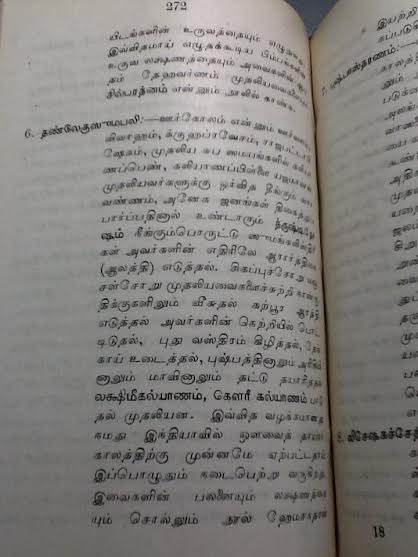
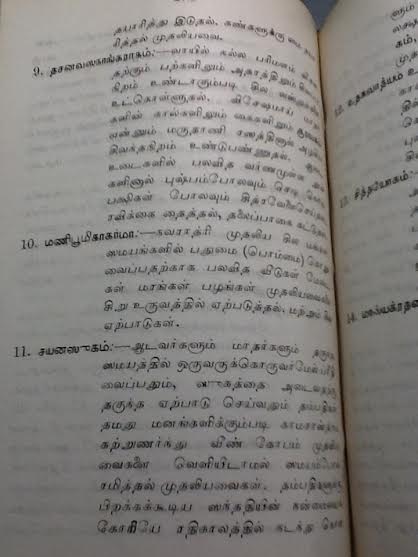
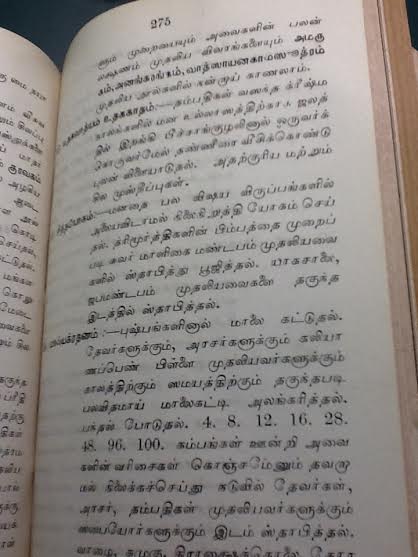
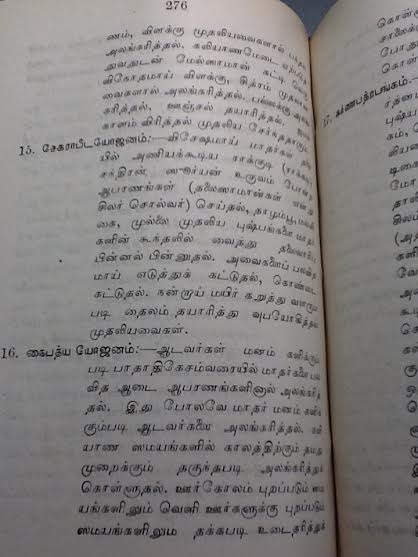
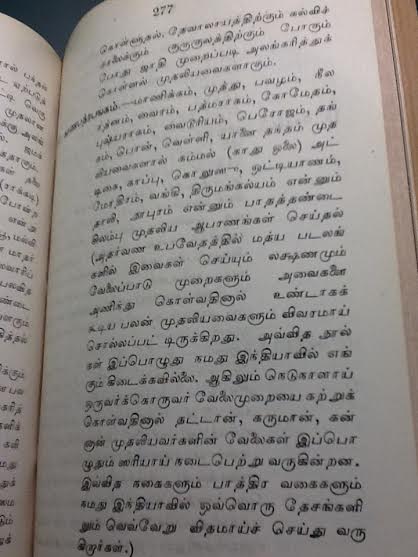
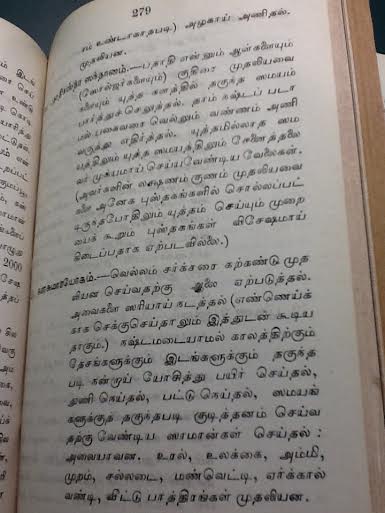
அறுபத்து நான்கு கலைகள் எவை, என்ன என்பது பற்றி நிறைய தகவல்கள் வெளியாகிவிட்டன. ஆனால் இது வரை யாரும் முழு விவரங்களை வெளியிடவில்லை; வெறும் பட்டியலை மட்டுமே வெளியிட்டனர். எனது பிளாக்கிலும் ஐந்து ஆண்டுகளாக பல கட்டுரைகள் உள்ளன. இது தவிர பெர்fயூம் கட்டுரை, இந்திரஜால் என்னும் மாஜிக் பற்றிய கட்டுரை, அவதானம் பற்றிய கட்டுரைகளிலும் இதைக் குறிப்பிட்டுள்ளேன். ஆனால் முதல் தடவையாக 64 கலைகள் குறித்தும் 1918 ஆம் ஆண்டில் பி,வி,ஜகதீச ஐயர் எழுதிய நூலிலிருந்து முழு விவரங்களும் கிடைத்துள்ளன.  உ.வே.சாமிநாத அய்யர் எழுதிய கலைகள் என்ற கட்டுரையில் பல தமிழ் நூல் குறிப்புகளைக் கொடுத்திருக்கிறார். குறிப்பாக மணிமேகலையில் ஆடலில் வல்ல பெண்கள் தெரிந்திருக்க வேண்டிய கலைகள் பற்றி வந்துள்ள பாடலை அவர் தந்துள்ளார். இதோ ஜகதீச அய்யர் நூல் தரும் தகவல்கள்; இது வேறு எந்த என்சைக்ளோபீடியாவிலும் இல்லாதவை:–


64 art-1

64 art-2

64 art-3

64 art-4


64 art-5

64-art-6


64 art-7


64 art-8

64 art-9


64 art-10

64 art-11

64 art-12

தொடரும்—–


சுப்புடுவுக்கே சுப்புடு! (Post No 2695)

subbudu 2

விபரீத விமரிசனம்

சுப்புடுவுக்கே சுப்புடு!


Written by S NAGARAJAN

Date: 5 April 2016


Post No. 2695


Time uploaded in London :–  7-58  AM


( Thanks for the Pictures)


DON’T REBLOG IT AT LEAST FOR A WEEK!  DON’T USE THE PICTURES; THEY ARE COPYRIGHTED BY SOMEONE.


(for old articles go to tamilandvedas.com OR swamiindology.blogspot.com)


ச.நாகராஜன்


subbudu

உலகத்திலேயே சுலபமான வேலை எது என்று கேட்டால் குற்றம் குறைகளைச் சொல்லுவது தான்!


இதற்கு நவீன காலப் பெயர் விமரிசனம்!

பத்து வருடங்களுக்கு முன்னர் சுப்புடுவை அறியாதவர்கள் இருக்க மாட்டார்கள்.


மனுஷனைக் கண்டாலே சங்கீத வித்வான்களுக்கு அலர்ஜி!

கிழி கிழி என்று கிழித்து விடுவார்.


இந்தக் ‘கிழிப்பைப் போடப் பத்திரிகைகள் அணி வகுத்துத் தயாராய் நிற்கும்.


எதிர்பாராத விதமாக ஓஹோ என்று சிலருக்குப் புகழ் மாலையும் சூட்டப்படும். அன்று அவர்கள் சாதகம் செய்தார்களோ இல்லையோ சாமியைக் கும்பிட்டார்களோ இல்லையோ நரி முகத்தில் விழித்திருக்க வேண்டும் அல்லது சுப்புடுவின் மூடைக் கெடுக்காமலாவது இருந்திருக்க வேண்டும்.

ஆனால் சுப்புடுவுக்கே சுப்புடு இருந்திருக்கிறார்கள், காலம் காலமாக!


பட்டென்று சம்யோசிதமாக விமரிசனம் செய்வது, பதிலடி கொடுப்பது, சாமர்த்தியமாக நிலைமையைக் கையாளுவது, நையாண்டி செய்யும் அதே சமயம் பிறர் மனதைப் புண்படுத்தாமல் இருப்பது என்று இப்படி பல ரகங்களிலும் பெரும் மேதைகள், சாமர்த்தியசாலிகள் இருந்திருக்கிறார்கள்.

சில உதாரணங்களை மட்டும் பார்த்து மகிழலாம்.

ரிச்சர்ட் அட்லிங்டன் என்று ஒருவர். சுப்புடுவுக்கே சுப்புடு இவர்!

விமரிசனங்களை அள்ளித் தெளிப்பார். ஜனங்கள் ரசிப்பார்கள். விமரிசனத்திற்குள்ளான்வர்கள் நெளிவார்கள்.


ஒரு சமயம் இவரிடம் ஒரு கவிதை விமரிசனத்திற்காக வந்தது.

வந்த கவிதை இது தான்:


A  B   C  D  E  F

G   H   I   J   K  L

M   N  O  P  Q   R

S    T   U  V  W X

Y   Z


பார்த்தார் மனிதர். இதற்கு என்ன விமரிசனம் செய்வது?

இப்படி எழுதினார் விமரிசனத்தை:


1   2   3   4    5

6   7   8   9   10


“I still think that was the most snappy review I ever wrote; but unfortunately, “The Times’ refused  to print it” என்று எழுதியிருக்கிறார் அவர்..

பிரபல பத்திரிகையான டைம்ஸ் இதழே இதைப் பிரசுரிக்க தயங்கி விட்டது என்றால் அது எப்படிப்பட்ட விமரிசனம் என்பதை நாம் புரிந்து கொள்ள முடியும்!


ரீடர்ஸ் டைஜஸ்ட் இதழில் வெளி வந்த விம்ரிசனம் பற்றிய துணுக்கு இது:
ஒரு புத்தகத்தை விமரிசனம் செய்தவர் எழுதிய விமரிசனம் இது:
“இந்தப் புத்தகத்தில் நான் ரசித்த ஒரே அம்சம் இதன் அகலமான மார்ஜின் தான்!”


என்ன வேண்டுமானாலும் எழுதிக் கொள்ள அது  பயன் படுமே! இந்தப் புத்தகத்தில் என்பதன் உண்மையான அர்த்தம் இந்த   270 பக்க அபத்த புத்தகத்தில் என்பது தான்!


என்ன இந்தக் கட்டுரையை சுப்புடு பாணியில் விமரிசிக்க ஆரம்பிக்கிறீர்களா! ஹி..ஹி. வேண்டாமே!


************

Eight Great Writers’ Views on the Role of a King (Post No.2688)

SIVAJI ON THRONE

picture of great Hindu King Veera Sivaji

Compiled  by london swaminathan

Date: 2 April, 2016


Post No. 2688


Time uploaded in London :–  15-39


( Thanks for the Pictures  ) 


DON’T REBLOG IT AT LEAST FOR A WEEK!  DON’T USE THE PICTURES; THEY ARE COPYRIGHTED BY SOMEONE.


(for old articles go to tamilandvedas.com OR swamiindology.blogspot.com)


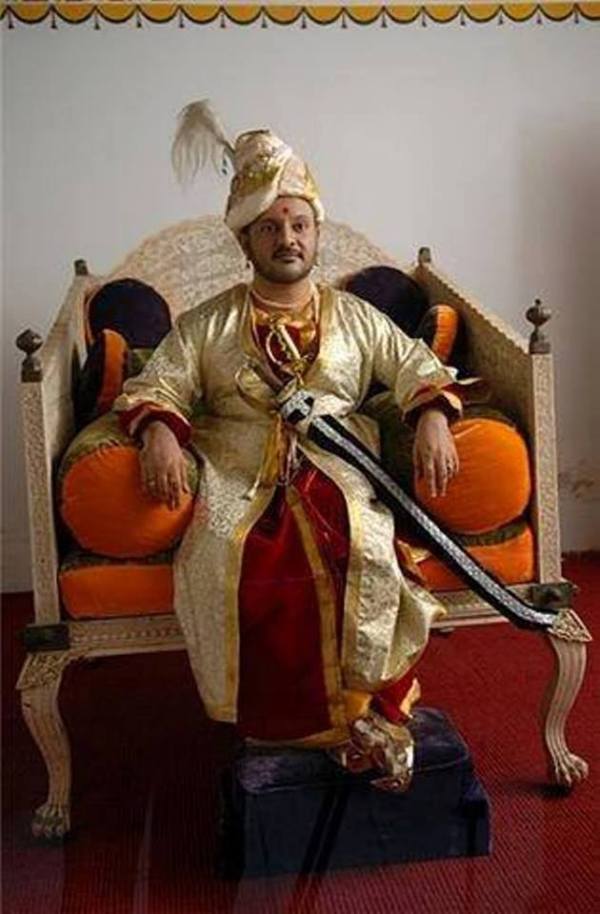
aswathi thirunal prince

King of kerala

1.Kautilya/ Chanakya

Harmlessness, truthfulness, purity, freedom from spite, abstinence from cruelty and forgiveness are duties common to us all.  Hence the king shall never allow the people to swerve from their Dharma; for whoever upholds his own duty even adhering to the customs of the cultured will surely be happy both here and hereafter.  For the world, when maintained in accordance with injunctions of the Vedas, will surely progress, but never perish.


2.Sukra

How can the man who is unable to subdue his mind and senses master the world? The king should first provide discipline to himself, then to his sons and then to ministers, then to servants, then to the subjects.


3.Tiruvalluvar (Tamil Poet)

He is a lion among leaders who has these six: an army, subjects, wealth, ministers, allies and fortifications (Kural 381);courage, liberality, wisdom and zeal – these four qualities form royal features (Kural 382); the three things alertness, learning and bravery should never be wanting in the ruler of a country (Kural 383).


4.Manu

When creatures, being without a king, were through fear dispersed in all directions, the Lord created a king for the protection of this whole creation, the king who properly inflicts punishment prospers, but he who is voluptuous, partial and deceitful, will be destroyed, even through the unjust punishment which he inflicts. (Manu Smriti, seventh chapter)

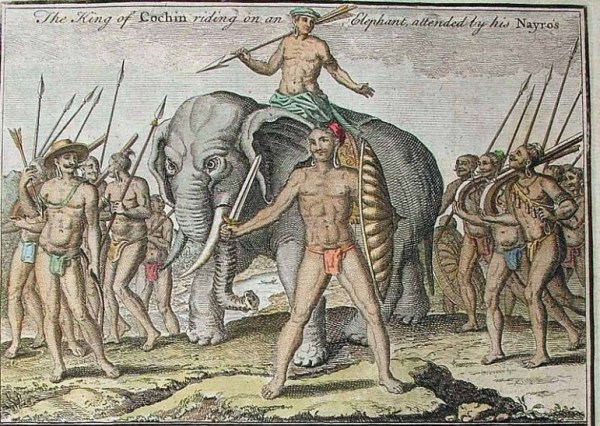
kings-of-Cochin-771x548

Picture of King of Cochin

5.Vyasa

All creatures rest upon righteousness. All creatures grow in the growth of

Righteousness and decay with its decay. Righteousness is called dharma. The sages, O king, have declared that Dharma restrains and sets bounds to all evil acts of men.  The Lord created Dharma for the advancement and growth of creatures.


6.Mosikeeranar (Sangam Tamil Poet)

The life breath of this vast land is the king. Paddy is not life; water is not life. The king should know that he is the life of the world/people (Verse 186, Purananuru).


7.Vivekananda

The king is like the lion; in hi are present both the good and evil propensities of the lord of the beasts. Kings are the centres where all the forces of society, otherwise loosely scattered about, are made to converge and from which they start and course through the body politic and animate society. But the king forgets that those forces are only stored with him so that he may increase and give them back.

விஷ்ணுவர்தன் ராஜா

Picture of Hoysala King Vishnuvardhan

8.Mahatma Gandhi

Government over self is the truest Swaraj; it is synonymous with Moksha or salvation. The first step to Swaraj lies in the individual. The great truth: As with the individual so with the universe, is applicable here as elsewhere.  A drowning man cannot save others. In order to fit to save others, we must try to save ourselves. The individual, being pure, sacrifices himself for the family, the latter for the village, the village for the district, the district for the province, the province for the nation, the nation for all.


–Subham–


அய்யங்கார் செய்த அற்புதம்! (Post No 2687)

sriranaga

Compiled  by london swaminathan

Date: 2 April, 2016


Post No. 2687


Time uploaded in London :–  9-02 AM


( Thanks for the Pictures  ) 


DON’T REBLOG IT AT LEAST FOR A WEEK!  DON’T USE THE PICTURES; THEY ARE COPYRIGHTED BY SOMEONE.


(for old articles go to tamilandvedas.com OR swamiindology.blogspot.com)


பிள்ளைப் பெருமாள் அய்யங்கார் என்பவர் செய்த அற்புதம் பற்றி 1908 ஆம் ஆண்டில் வெளியான தமிழ்ப் பெயரகராதியில் ஈக்காடு இரத்தினவேலு முதலியார் தந்துள்ள விவரத்தின் சுருக்கம் இதோ:-

பிள்ளைப் பெருமாள் அய்யங்கார், வேதியர் குலத்தில் உதித்து, வேத வேதாங்கங்களில் புலமை பெற்று வருணாசிரம தருமங்களை வழுவாது அனுசரித்து வருங்காலத்தில் மதுரையில் திருமலை நாயக்கர் அரசாட்சி செய்து வந்தார். அவரது ராஜாங்க சேவையில் ஈடுபட்ட அய்யங்கார் ஒரு நாள் அனைவர் முன்னிலையிலும் தனது (உத்தரீயத்தின்) மேல்துண்டின் முனைகளை சரசரவென்று தேய்த்தார்.

அனைவரும் இது கண்டு நகைத்து, ‘ஐயன்மீர் ஏன் இப்படித் தேய்த்தீர்?’ என்று வினவ அவர் ஸ்ரீரங்கம் தேர்த்திருவிழாவில், தீவட்டி ஏந்தி வந்தவர்களின் தீச்சுவாலைபட்டு, தேர்த் திரைச் சீலை தீப்பற்றியதாகவும் அதை அணைக்கவே அவ்வாறு செய்ததாகவும் பதில் தந்தார்.

srirangam row of towers

இதைக் கேட்ட பலரும் அய்யங்காருக்குச் சித்தப் பிரமை பிடித்துவிட்டது என்று நாயக்க மன்னரிடம் தெரிவித்தனர்.

மன்னரோ, அய்யங்கார் மீதுள்ள மதிப்பு காரணமாக, திருவரங்கத்திற்கு ஒரு ஆளை அனுப்பி, தீரவிசாரித்து வருமாறு உத்தரவிட்டார். அவர் திருவரங்கம் அர்ச்சகர்களைக் கண்டு தேரின் திரைகள் தீப்பிடித்ததா என்று கேட்டனர். அவர்கள், ஆம் தேர்த்துணிகள் தீபிடித்தவுடன், அருகிலிருந்த அய்யங்கார் அவைகளை அவித்தார் என்றும் சொன்னார்கள்.

இதைக் கேட்ட நாயக்கர் ஆனந்தப் பரவசப்பட்டு அய்யங்காரை வரவழைத்து, திருவரங்கத்தான் தேர்த் தீபிடித்தபோது நீவீர், இங்கேயல்லவா இருந்தீர், அங்கே போனதாகப் பலரும் சொல்வதெப்படியென வினவ, அவர் தன் மனதளவில் அங்கே என்று எம்பெருமானை சேவித்தேன் என்றார். அருகிலுள்ளவர்களும் ஆமாம், இவர் கிருஷ்ண, கிருஷ்ண என்று சொல்லி உத்தரீயத்தைத் தேய்த்தார் என்றும் அப்போது காரணம் கேட்டதற்கு இதையே சொன்னதாகவும் உறுதி செய்தனர். உடனே நாயக்க மன்னர் அவரை சாஷ்டாங்க நமஸ்காரம் செய்து பூஜித்து அனுப்பிவைத்தார்.


அன்றிரவு நாயக்க மன்னர் ஒரு கனவு கண்டார். அதில் தான் , காவிரி நதியில் ஸ்நானம் செய்துவிட்டுப் பிள்ளைப் பெருமாள் அய்யங்காருடன் சென்று, திருவரங்கப் பெருமானைச் சேவித்ததாகவும், திரும்பி வருகையில் திடீரென்று அய்யங்கார் காணாமற் போனதாகவும் கனவு கண்டார்.


நாயக்க மன்னர் மிகவும் விசனப்பட்டு மறு நாள் காலையில் அய்யங்காரை வரவழைத்துச் சேவித்து, ‘தேவரீர்! உங்களைப் போன்ற பெரியோரை நான் லௌகீகத் தொழிலில் இதுவரை ஈடுபடுத்தியது தவறு. நீங்கள் என்னைச் க்ஷமித்து (மன்னித்து) இனி வைதீக காரியங்களில் ஈடுபட்டு காலட்சேபம் செய்ய அடியேன் யாது செய்யவேண்டு’ மென்று இறைஞ்சினார்.

tirumalai nayak1

அய்யங்காரும் தான், திருவரங்கப் பெருமானுக்கு அருகிலிருக்க விரும்புவதாகச் சொல்லவே, கோவிலுக்கு வடமேற்கில் ஒரு திருமாளிகை புதுக்கி, அதில் அவரை எழுந்தருளச் செய்து தானும் அடிக்கடி திருவரங்கம் சென்று அவரை உபசரித்து மகிழ்ந்தனன்.


அங்கெழுந்தருளிய அய்யங்கார் நூற்றெட்டு திருப்பதி அந்தாதி, திருவேங்கட மாலை, திருவேங்கட அந்தாதி, அழகர் அந்தாதி, திருவரங்கத்துக் கலம்பகம், திருவரங்க மாலை, அந்தாதி, அஷ்டப் பிரபந்தம், பரப்ரம்ம விவேகம் என்னும் பல நூல்கள் செய்து பகவத் கைங்கரியத்தில் காலம் தள்ளினார். ஒருநாள் கோவிலில் தரிசனம் செய்துகொண்டிருக்கையில் ஒரு நொண்டிப் பசு இடறி அவர் காலில் விழுந்தது. அதுவே தனது இறுதிக்காலம் என்று ஒரு பாடலில் சொல்லிவிட்டு கொஞ்சம் காலம் கழித்து பரமபதம் சேர்ந்தார்.

எனது முந்தைய கட்டுரைகள்
1.ஆண்டாளுடன் 60 வினாடி பேட்டி (20 ஜனவரி 2012)

2.வங்கக் கடல் கடைந்த ஆண்டாள் தரும் அற்புதத் தகவல்- 9 ஜனவரி 2014

3. ‘இனித்தான் எழுந்திராய்! ஈதென்ன பேருறக்கம்!’ ஆண்டாள் அறைகூவல்! – 28 நவம்பர் 2014

4. Sri Ramanuja’s Favourite Tamil Hymn! (Article No.1443; Dated 28th November 2014.)


5. Amazing Andal: Where did she see the Lion? ( 30 -1-2013)

6. Ramanuja and Non Brahmins ( 13-5-2013)

7.காலா! என் காலருகே வாடா! ஞானிகளின் ஞானத் திமிர்!! (கட்டுரை எண்: 925 தேதி: 23 March 2014.)


8. Andal by C.Subrahmanya Bharati (Post No.924 Date: 22nd March 2014.)

9. கொக்கைப் போல இருப்பான், கோழி போல இருப்பான், உப்பைப் போல இருப்பான் பக்தன் (Post No. 900 Dated 11th March 2014)

10. Vaishnavite Saint NAMMALWAR (Post no 915 date 18th March 2014)


11.ஆழ்வார் முக்கியப் பாடல்கள் (மே சிந்தனைச் சிற்பிகள் காலண்டர்) (Post No.1011; Date:30 ஏப்ரல் 2014


And more articles about Alvars and other Vaishnavite saints

-subham-

“My father always………”- Jahangir about Akbar! (Post No.2675)

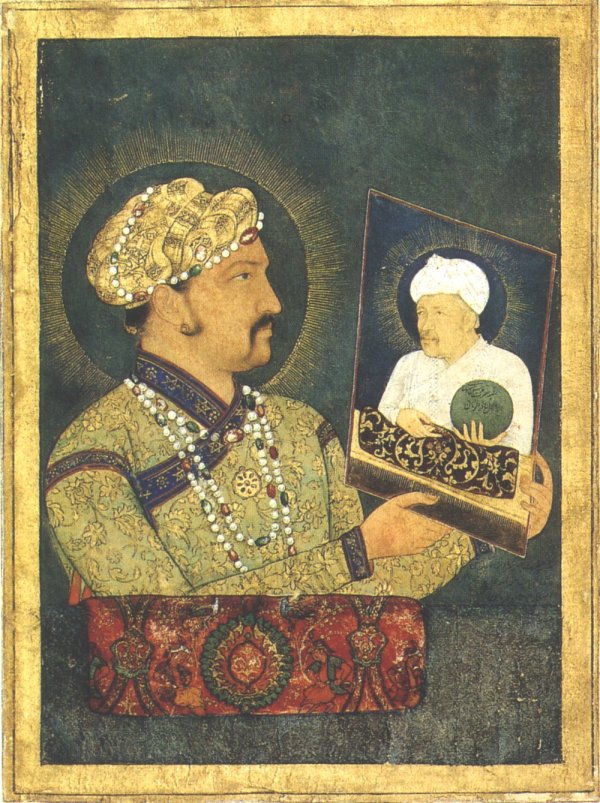
Jahangir_with_portrait_of_Akbar

Jahangir holding a portrait of Akbar.

Compiled by london swaminathan

Date: 29 March,2016

Post No. 2675

Time uploaded in London :–  16-36

( Thanks for the Pictures  ) 

DON’T REBLOG IT AT LEAST FOR A WEEK!  DON’T USE THE PICTURES; THEY ARE COPYRIGHTED BY SOMEONE.

(for old articles go to tamilandvedas.com OR swamiindology.blogspot.com)


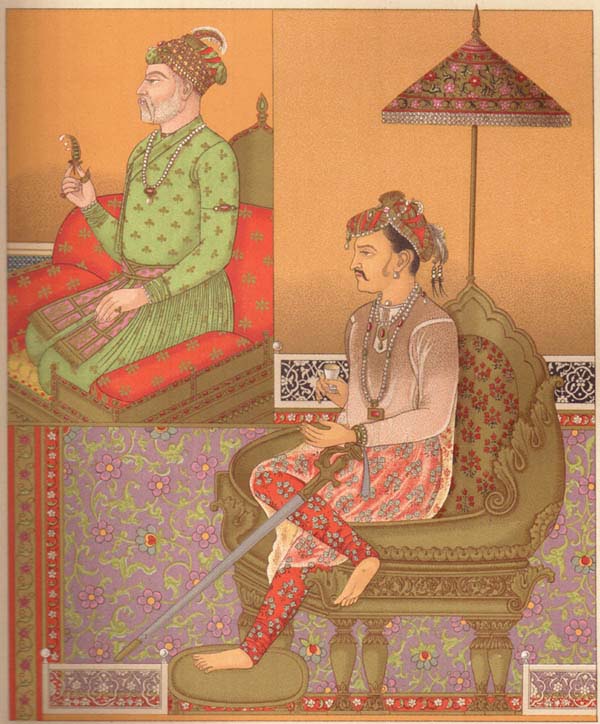
akbarjahangir

“My father always associated with the learned of every creed and religion: especially the Pundits and the learned of India, and, although he was illiterate, so much became clear to him through constant intercourse with the learned and the wise, in his conversations with them, that no one knew him to be illiterate, and he was so well acquainted with the niceties of verse and prose compositions that his deficiency was not thought of.


In his august personal appearance he was of middle height, but inclining to be tall; he was of the hue of wheat; his eyes and eyebrows were black, and his complexion rather dark than fair; he was lion-bodied with a broad chest and his hands and arms long. On the left side of his nose he had a fleshy mole, very agreeable in appearance, of the size of half a pea. Those skilled in the science of physiognomy considered this mole a sign of great prosperity and exceeding good fortune. His august voice was very loud, and in speaking and explaining, had a peculiar richness.


In his actions and movements he was no like the people of the world and the Glory of God manifested itself in him.  Notwithstanding his kingship, his treasures, his fighting elephants and Arab horses he never by a hair’s breadth placed his foot beyond the base of humility before the Throne of God, and never for one moment forgot Him.

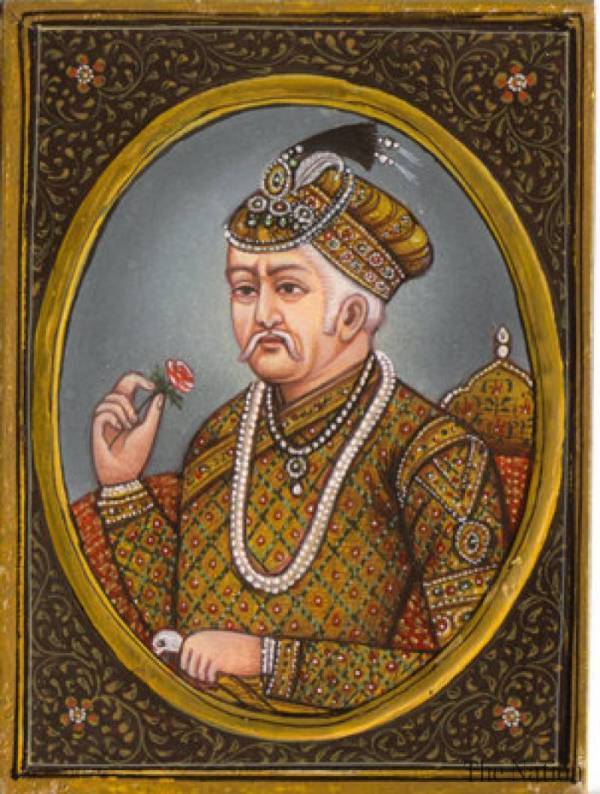
the-nav-ratna-of-akbar

He associated with the good of every race and creed and persuasion, and was gracious to all in accordance with their condition and understanding. He passed his nights in wakefulness, and slept little in the day. The length of his sleep during a whole night and day was not more than a watch and a half.  He counted his wakefulness at night as so much added to his life.  His courage and boldness were such that he could mount raging, rutting elephants and subdue to obedience murderous elephants.”

—Emperor Jehangir’s Memoirs


புளியமரத்தில் பேய்கள் வசிப்பது ஏன்? ஒரு ஆராய்ச்சிக் கட்டுரை (Post No.2667)

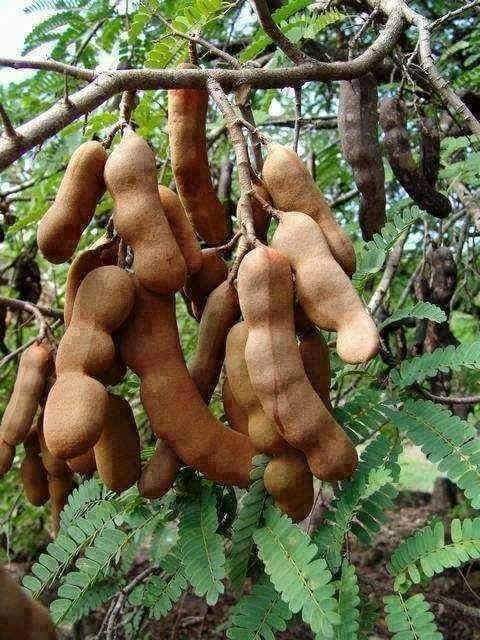
puLi,tamarind

Research Article by london swaminathan


Date: 27 March 2016


Post No. 2667


Time uploaded in London :– 9-18 AM


( Thanks for the Pictures)


DON’T REBLOG IT AT LEAST FOR A WEEK!  DON’T USE THE PICTURES; THEY ARE COPYRIGHTED BY SOMEONE.


(for old articles go to tamilandvedas.com OR swamiindology.blogspot.com)


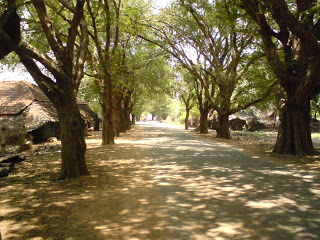
புளியமர2

நானும் என் அண்ணன் நாகராஜனும் என் பிளாக்குகளில் எழுதும் கட்டுரைகளுக்கு ஒவ்வொரு நாளும் குறைந்தது 3000 ‘ஹிட்ஸ்’ வருகின்றன. இதில் அதிகம் ஹிட்ஸ், பழைய இந்திய ரூபாய் நோட்டுகளின் மதிப்பு பற்றி எழுதிய கட்டுரைக்கும், 72 தமிழர்களைக் கொன்ற நீலி பேய் பற்றிய கட்டுரைக்கும்தான் வருகின்றன.


தமிழர்களுக்கு பேய் என்றால் நிறையப் பிடிக்கும். “பேயாட்சி செய்தால், பிணம் தின்னும் சாத்திரங்கள்” — என்ற பாரதியின் வரிதான் நினைவுக்கு வருகிறது. புளிய மரத்துக்கும் பேய்க்கும் என்ன சம்பந்தம் என்று ஆராயப் புகுந்தபோது புளியமரம், பேய்கள் பற்றி மேலும் சில சுவையான விஷயங்கள் கிடைத்தன.


1.புளியமரத்துக்கும் பேய்க்குமுள்ள தொடர்பு புகழ்மிகு சேங்காலிபுரம் ஸ்ரீ அனந்தராம தீட்சிதர் எழுதிய நூல் முகவுரையில் உளது. இதுவரை என் பிளாக்கில், அது தொடர்பான கட்டுரையைப் படிக்கவில்லையானால் இந்தக் கட்டுரையின் இறுதியில் உள்ள *தகவலைப் பார்க்கவும்.

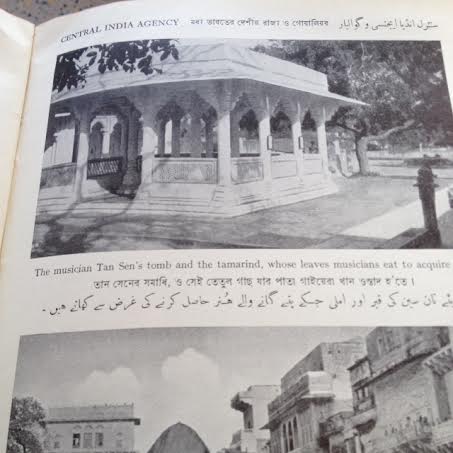
tansen tomb

  1. மத்தியப் பிரதேச குவாலியர் நகரில், மொகலாய சாம்ராஜ்யத்தின் மாபெரும் இசை மேதை தான்சேனின் சமாதி/கல்லறை உள்ளது. அங்குள்ள ஒரு புளிய மரம் மிகவும் புகழ்பெற்றது. காரணம் – தன் இலைகளைச் சுவைத்தால் நல்ல குரல் வளம் எற்படும் என்ற நம்பிக்கை உள்ளது. இதனால் இப்போது இந்த மரம் மொட்டையாக இருக்கிறது. “ஆளுக்கு ஒரு மயிர் பிடுங்கினால் அடியேன் தலை மொட்டை” – என்ற சாமியார் பழமொழி நினைவுக்கு வருகிறது.


3.புளியமரத்துக்கும் பேயுக்குமுள்ள தொடர்புக்கு விஞ்ஞான விளக்கம் கிடைக்கவில்லை. ஆனால் புளிய இலைகளிலுள்ள அமிலச் சத்தானது அதன் கீழே வேறு தாவரங்களை வளரவிடுவதில்லை என்ற ஒரு விளக்கம் இருக்கிறது. அரசமரம் போன்றவை அதிக ஆக்சிஜனை வெளியிடுவதால், அதைச் சுற்றி வருவது நல்லது என்று எண்ணிய இந்துக்கள் அதனடியில் கோவில்களை அமைத்தனர். பறவைகளும் அத்தகைய ஆரோக்கிய மரங்களில்தான் பெரும்பாலும் கூடு கட்டுகின்றன

.

4.தான்சேன் புளியமரம், வட நாட்டில் எவ்வளவு புகழ்படைத்ததோ அது போல தமிழ் நாட்டில் புகழ்படைத்தது திருக்குருகூர்/ ஆழ்வார் திருநகரி புளியமரம்தான். 16 ஆண்டுக் காலம் ஊமையாகக் கிடந்த மாறன் சடகோபனைப் பாட வைத்து, நம்மாழ்வார் என்று புகழ் ஈட்டித்தந்தது ஒரு புளிய மரமே! புத்தனுக்கு அரச மரத்தயில் ஞானம் கிடைத்தது; நம்மாழ்வாருக்குப் புளியமரத்தடியில் ஞானம் கிடைத்தது! வேதம் தமிழ் செய்த மாறன் சடகோபன் வாழ்க!


5.திருமங்கை ஆழ்வாருக்கும் உதவியது ஒரு புளியமரமே! திருவரங்கப் பெருமானுக்குப் பெரிய கோவில் கட்ட ஆசை கொண்ட திருமங்கை மன்னனுக்கு பணம் தேவைப்பட்டது. மாணிக்க வாசகர், பாண்டிய மன்னனின் பணத்தை எடுத்துக் கோவில் கட்டினார்; கஷ்டப்பட்டார். திருமங்கை ஆழ்வாரோ நாகப்பட்டிண தங்க புத்தர் சிலையை ஒரு பாடலின் மூலம் உருக்கி, அதை ஈயச் சிலையாக வைத்துவிட்டு தங்கத்தை எடுத்துவந்தார் என்று வைணவப் பெரியோர்கள் சொல்லுவர். அப்படி வரும் வழியில் களைப்பு தீர உறங்கச் சென்ற அவர், தங்கத்தை மண்ணுக்கு அடியில் மறைத்துவிட்டு ஒரு புளியமரத்தடியில் படுத்தார். ஏ புளியமராமே! நீ தூங்காமலிருந்து என் செல்வத்தைக் காப்பாற்று என்று கட்டளையிட்டுவிட்டுத் தூங்கினார். பொழுதும் விடிந்தது; உழவர்களும் வயல் வேலைகளுக்கு வந்துவிட்டனர். புளியமரம் பார்த்தது. இந்த ஆளை எப்படி எழுப்புவது என்று யோசித்தது. தன் இலைகளையெல்லாம் அவர் மீது கொட்டவே அவர் விழித்தெழுந்தார். இது திருக்கண்ணன்குடியில் நடந்தது. உறங்காப்புளி வாழ்க!

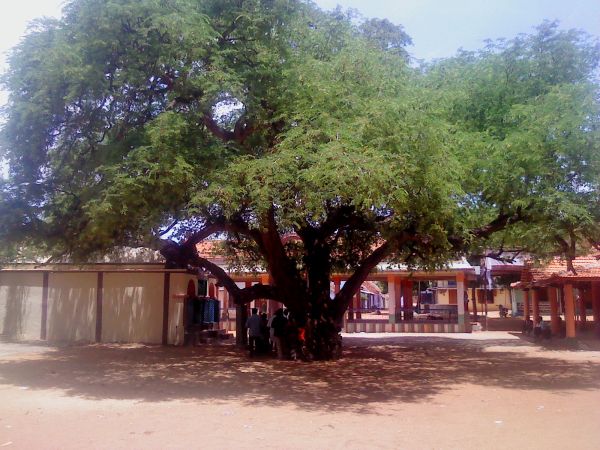
குட்டம் – ஆனந்தவல்லி கோவில் தூங்காப் புளியின் படம்

குட்ம், ஆனந்தவல்லி கோவில், புளி

  1. தமிழ்நாட்டில் பல கோவில்களில் உறங்காப்புளிய மரங்கள் உள்ளன. அதாவது எல்லாப் புளிய மரங்களும் இரவில் இலைகளை மூடிக் குவித்து தூங்கும். சில புளிய மரங்கள் இப்படித் தூங்காததற்கு, அந்தந்த ஊர்க் கோவில்களில் பல கதைகள் உண்டு. இதற்கு விளக்கம் கூறுவோர், இருவகையில் இதை நோக்குவர்.1) உறங்காப்புளி என்பதே ஒரு வகை மரமாகும். அவைகள் , மற்ற வகை மரங்களைப் போல இலைகளை மூடா என்பர் 2) மற்றொரு விளக்கம், எல்லாம் இறைவனின் அற்புதத் திருவிளையாடல் என்பர். இது மேலும் ஆராயப்பட வேண்டிய விஷயம்.

7.ஸ்ரீ ராமனுஜரும், காஞ்சீபுரப் பேயும் என்று ஒரு சம்பவமும் உள்ளது. அதை வேறு ஒரு கட்டுரையில் காண்போம். ஒவ்வொரு பண்பாட்டிலும் மரங்களைப் பற்றி பல நம்பிக்கைகள் உள. இவையனைத்தும் முன்னோரின் அனுபவ அடிப்படையில் அமைந்தவை. எளிதில் அறிவியல் விளக்கம் பெறக்கூடியவை.

மரங்கள் வாழ்க! புளிய மரமும் வாழ்க!

பழைய பேய்க்கட்டுரைகள்:–

*புளியமரத்தை ஒடித்துவிட்டு ஓடிப்போன பேய் !

எழுதியவர்—லண்டன் சுவாமிநாதன்
கட்டுரை எண்— 1001 தேதி—-25 ஏப்ரல் 2014

நான் எழுதிய முந்தைய பேய்க் கட்டுரைகள்:–

1.Ghost that killed 72 people (posted on 23 December 2012)
2.Ghost in Indus Seals
3.Tamil Poetess Encounter with a Ghost (19-12-2013)

4.தமிழ்நாட்டை உலுக்கிய பேய் (டிசம்பர் 23/ 2012 கட்டுரை)
5.தமிழில் பூதம், பேய், பிசாசு (ஆகஸ்ட் 12/ 2013 கட்டுரை)
6.அவ்வையாரை மிரட்டிய பேய் ( டிசம்பர் 19, 2013)
7.தமிழ் பூதமும் கிரேக்க பூதமும் (ஏப்ரல் 15, 2012)
8.டெல்பி ஆருடமும் குறிசொல்வோரும் (ஆகஸ்ட் 12, 2013)
9. சங்கத் தமிழ் இலக்கயத்தில் யக்ஷிணி, அணங்குகள்

contact swami_4 @yahoo.com

பெண்களுக்கும் மலர் மாலைக்கும் என்ன ஒற்றுமை? (Post No. 2665)

IMG_4530

Translated by london swaminathan


Date: 26 March 2016


Post No. 2665


Time uploaded in London :– 7-57 AM


( Thanks for the Pictures)


DON’T REBLOG IT AT LEAST FOR A WEEK!  DON’T USE THE PICTURES; THEY ARE COPYRIGHTED BY SOMEONE.


(for old articles go to tamilandvedas.com OR swamiindology.blogspot.com)


பெண்கள் பற்றி 150 சம்ஸ்க்ருத பழமொழிகள் –பகுதி 1

மான் கூட்டத்தில் காணாமற்போன பெண்ணைக் கண்டுபிடிக்க முடியாதென்கிறார் வால்மீகி! என்ன அழகான கற்பனை! தொடர்ந்து படியுங்கள்.


1.அதீரம் லலநா மன: – ப்ருஹத் கதா மஞ்சரி

பெண்கள் சலனமான மனத்தைக் கொண்டவர்கள்


Xxx

2.அநாதா க்ருச்ரபதிதா விதேசே ஸ்த்ரீ கரோதி கிம் – கதா சரித் சாகரம்

வெளிநாட்டில் சிக்கிக்கொண்ட, உதவியற்ற, துயரமுடைய ஒரு பெண் என்ன செய்வாள்?

Xxx

3.அப்ரதிஷ்டம் மன: ஸ்த்ரீணாம் — கதா சரித் சாகரம்

பெண்கள் மனது நிலையற்றது.

Xxx

4.அவத்யா:  சர்வபூதானாம் ப்ரமதா: – வால்மீகி ராமாயணம்

உயிர்வாழும் எல்லா இனங்களிலும் மென்மையான பெண்களைக் கொல்லக்கூடாது

Xxx

5.அசஹ்யம் ஹி புரந்த்ரீணாம் ப்ரேம்ணோகாதஸ்ய கண்டனம் – கதா சரித் சாகரம்

ஆழ்ந்த காதலில் சிக்கிய பெண்கள், பொறுக்கமுடியாத துன்பம் அடைகின்றனர்.

IMG_4880 (2)

Xxx

6.அஹோ ஸ்த்ரீ சரிதம் சித்ரம் – கதா சரித் சாகரம்

பெண்களின் செயல்கள் மிக விநோதமானவை

Xxx

7.ஆனுகூல்ய கதயா ஹி நராணாம் ஆக்ஷிபந்தி ஹ்ருதயானி தருண்ய: -சிசுபாலவதம்

அனுகூலமாக நடந்து, மனிதர்களின் இதயங்களை ஆட்கொள்வர் பெண்கள்.


Xxx

8.ஆசய: ஸ்த்ரீணாம் துர்விக்ஞேய: சுரைரபி – ப்ருஹத் கதா மஞ்சரி

தேவர்களுக்கும் புரியாதது பெண்களின் எண்ணம்!

Xxx

9.ஷ்டா ஹி ஸ்த்ரீணாம் அன்யா அசஹிஷ்ணுதா – கதா சரித் சாகரம்

பெண்கள் மற்ற பெண்களை சகிக்கமுடியாதது வருந்தக்கூடிய விஷயம்.

Xxx

10.குதூஹலவானபி நிச்சர்கசாலீன: ஸ்த்ரீஜன:

-மாளவிகாக்னிமித்ர

ஆடிப்பாடி ஓடினாலும் பெண்கள், இயற்கையில் தைரியமற்றவர்கள்.

Xxx


IMG_4885 (2)

11.கோ ஹி வித்தம்  ரஹஸ்யம் வா ஸ்த்ரீஷு சக்னோதி கூஹிதும் – கதா சரித் சாகரம்

ஒரு பெண்ணிடமிருந்து ரகசியத்தையோ, செல்வத்தையோ யாரால் காப்பாற்ற முடியும்?


Xxx

12.க்ருஹாந்தா ப்ரபுதா ஸ்த்ரிய:

வீட்டிற்குள்தான் பெண்களின் ஆட்டபாட்டமெல்லாம்.


Xxx

13.தூரஸ்தா ஏவ சோபந்தே புஷ்ப மாலா இவ அங்கனா: – ராமாயண மஞ்சரி

பெண்களின் வசீகரம்/கவர்ச்சியானது,மலர் மாலைகளைப் போல தூரத்தில் இருக்கும்போது மட்டுமே.

Xxx

14.திக் ஜன்ம ந்ருபயோஷிதாம் – விக்ரமசரிதா

ராணிகளின் பரிதாப வாழ்க்கை முடியட்டும்

Xxx

15.ந பரஸ்பர்சமாத்ரம் ஹி ஸ்தீணாம் ஆபதி தூஷணம் – கதா சரித் சாகரம்

ஆபத்தில் சிக்கிய பெண்ணைத் தொட்டால் தப்பில்லை; அதை யாரும் கண்டிப்பதில்லை.


Xxxx


16.ந புன: சர்வதா சர்வா துர்வ்ருத்தா ஏவ யோஷித: – கதா சரித் சாகரம்

எல்லா பெண்களும் எப்போதும் கெட்டவர்கள் இல்லை.

Xxx

17.நவ அங்கனானாம்  நவ ஏவ பந்தா:

–சுபாஷிதரத்னகண்டமஞ்சுசா

இளம் பெண்கள், புதுப்புது பாதைகளை (பாஷன்) நாடுவர்.


Xxx

18.ந சக்யம் ப்ரமதா நஷ்டா ம்ருகீஷு பரிமார்கிதும் -– வால்மீகி ராமாயணம்

மான்களிடையே காணாமற்போன பெண்ணைக் (மான்விழியாளை) கண்டுபிடிப்பது அரிது!

Xxx

19.ந ஹி நார்யோம் வினேஷ்ர்யயா —சுபாஷிதரத்னகண்டமஞ்சுசா

பொறாமையில்லாத பெண்கள் இல்லை.
IMG_4412

Xxx

20.நஹி அதிசம்மானயேத் ப்ரமதாம் – சதோபதேசப்ரபந்த

இளம் பெண்ணை அதிகம் புகழாதே.


Xxx

21.நாரீணாம் பரமோ தர்மோ நிஜசீலஸ்ய பாலனம் –விக்ரம சரிதம்

ஒரு பெண்ணின் தலையாய கடமை, கற்பைப் பாதுகாப்பதே.(தமிழ் மொழியாக்கம்-லண்டன் சுவாமிநாதன்)

தொடரும்……………………………

Source: Suktisudha- The Elixir of Adages, Chinmaya International Foundation, Ernakulam, Kerala

Holy Cow: Edwin Arnold (Post No 2650)

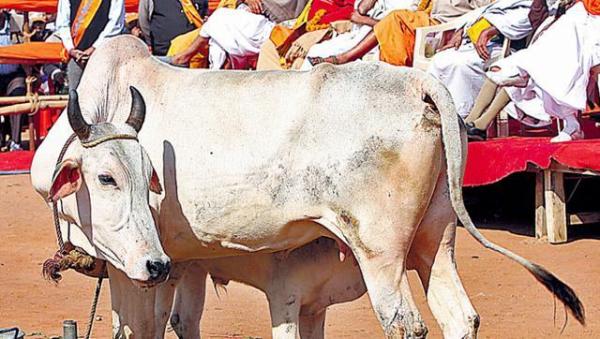
azakana madu, cowcow, HT photo

Compiled by london swaminathan


Date: 20 March 2016


Post No. 2650


Time uploaded in London :–  21-28


(Thanks for the Pictures; they are taken from various sources)


DON’T REBLOG IT AT LEAST FOR A WEEK!  DON’T USE THE PICTURES; THEY ARE COPYRIGHTED BY SOMEONE.


(for old articles go to tamilandvedas.com OR swamiindology.blogspot.com)


From the book ‘India Revisited’ by Edwin Arnold, published in 1886 in London


This comes immediately after his description of Bombay in 1885; please go to my earlier post Why I love Bombay by Edwin Arnold.


“one cannot be a day in this land without observing how the ancient worship of the cow still holds  the minds of the Hindoos. Those baskets of ‘bratties’ are the established fuel of the country, which everywhere burns the bois de vache. The banjaras are the only sect in British India which allow the cow to labour and good Brahmans will feed a cow before they take their own breakfast exclaiming,

“Daughter of Surabhi, formed of five elements, auspicious, pure, and holy, sprung from the sun, accept this food from me salutation and peace.”


Everything which comes from the cow is sacred and purifying, — the droppings are plastered with water over the floors and verandahs of all native huses, and upon the cooking places; the ashes of the same commodity are used, with colouring powders, to mark the foreheads, necks and the arms of the pious, and no punctilious Hindu would pass by a cow in the act of staling without catching the hallowed stream in his palm to bedew his forehead and breast. I have observed this morning my hamal reverently touch the compound cow as she passed him, when nobody was looking, and raise his hand to his mouth. He doubtless muttered the mantra,

“Hail O Cow! Mother of the Rudra, daughter of the Vasu, sister of the Aditya, thou who are the source of ambrosia”. India does not change.


-subham-

Mogul Emperor for 72 Minutes only! (Post No 2642)

HUMAYUN BABAR (2)

Written by london swaminathan


Date: 18 March 2016


Post No. 2642


Time uploaded in London :–  6-10 AM


(Thanks for the Pictures; they are taken from various sources)


DON’T REBLOG IT AT LEAST FOR A WEEK!  DON’T USE THE PICTURES; THEY ARE COPYRIGHTED BY SOMEONE.


(for old articles go to tamilandvedas.com OR swamiindology.blogspot.com)


There are very interesting stories in the life of second Mogul emperor Jahangir. The name means ‘a lucky one’. But he was the most unfortunate king in the list of the Moguls. When he was born he was very sick and about to die. His father Babur prayed to god to take his life and save his son’s. God also did the same. Babur died and Humayun recovered dramatically and survived. But he faced lot of difficulties.


As soon as he ascended the throne a Battani leader by name Sersha invaded Delhi. Humayun   chased him but he hid in the mountains. Humayun reached Bengal by pursuing him.


Humayun was the cause for his own downfall. He spent most of the time in partying, womanising and taking opium.

3 NAZIKAI THRONE (2)

When the rainy season started Humayun wanted to return to Delhi but couldn’t do that due to flooding of rivers. Suddenly Shersa came back from the hills and challenged him. Humayun could not tackle him and was forced to make peace with Shersa. Humayun told him that he would give him certain areas. At once Shersa promised him a free passage. Trusting him  Humayun camped with his army on the banks of Ganges.


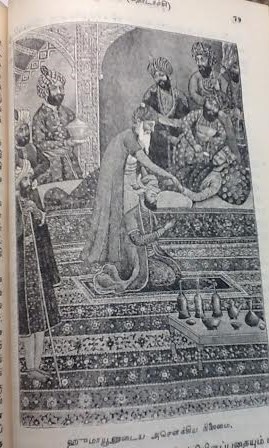
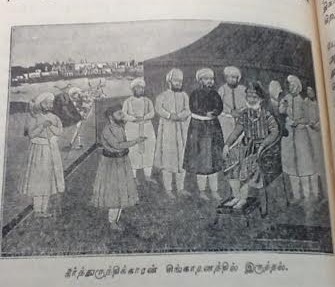
Shersa attacked him in the night and many of  his commanders were killed. Humayun  had to run for his life. He tried to cross the river on horseback but washed away by the floods. A water man who fills water in the leather bags was swimming with the help of two air filled leather bags. Seeing the Mogul emperor struggling for his life, he went near him and asked him to hold the air filled leather bags. Humayun did it and came to Agra safely. While he was swimming with him, he promised the waterman that he would make him ascend the throne for three Nazika ( one Nazikai is equal to 24 minutes; a day is made up of 60 nazikas).


As promised the waterman was made king for three nazikas in Agra. The waterman was sitting on the throne. He cut his leather bags and made each one a valuable coin with his seal on it. He made his relatives to receive valuable gifts from the emperor.


While Humayun was in Delhi, Shersa attacked him again with his army.  asked hi Humayun’s brothers to help him in the battle. Instead of helping him they also attacked him from other sides.  ran to Persia/Iran where he got the help of the king. He lived there for 15 years. When Shersa and his son died Humayun,  came back to Delhi and ruled the country. His life was a sad story in the chapters of Mogul history.


–subham–


India, farewell! Poem by Edwin Arnold (Post No 2637)


ilove my indiaCompiled by london swaminathan


Date: 16 March 2016


Post No. 2637


Time uploaded in London :–  6-09 AM


(Thanks for the Pictures; they are taken from various sources)


DON’T REBLOG IT AT LEAST FOR A WEEK!  DON’T USE THE PICTURES; THEY ARE COPYRIGHTED BY SOMEONE.


(for old articles go to tamilandvedas.com OR swamiindology.blogspot.com)


An Adieu

India, farewell! I shall not see again

Thy shining shores, thy peoples of the sun

Gentle, soft mannered, by a kind word won

To such quick kindness! O’er the Arab main

Our flying flag streams back; and backwards stream

My thoughts to those fair open fields I love,

City and village, maidan, jungle, grove,

The temples and rivers! Must it seem

Too great for one man’s heart to say it holds

So many many Indian sisters dear,

So many unknown brothers? That it folds

Lakhs of true friends parting? Nay! But there

Lingers my heart, leave-taking; and it roves

From hut to hut whispering “he knows and loves!”

Good-bye! Good-night! Sweet may your slumbers be,

Gunga! And Kasi! And Saraswati!

-Edwin Arnold

March 8, 1886

From his book India Revisited (Published in1886)

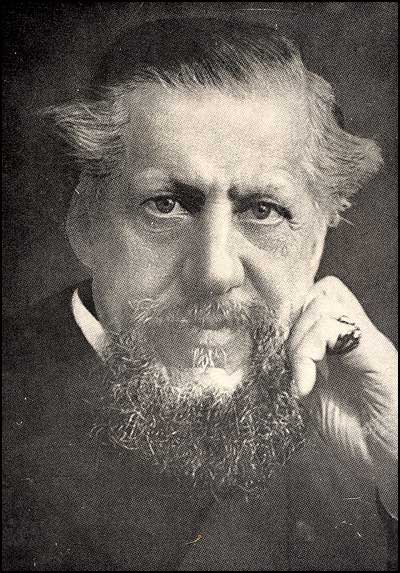
edwin arnold

On the last page of the book he says:

“I leave my heart behind me in leaving these Indian peoples, who have taught me, as I have wandered among them, that manners more noble and gentle, learning more modest and profound, loyalty more sincere, refinement more natural, and sweeter simplicities of life, and love, and duty exist in the length and breadth of British Asia than even I had gathered from my old experiences, before India was “revisited.”

THE END (page 324)

EdwinArnold 1832 – 1904 (English Poet, Journalist and author of many books)

His famous books (poetical works) are:

The Light of Asia, Indian Poetry, Pearls of the Faith, Indian Idylls,The Secret of Death, The Song Celestial (Bhagavad Gita)

-subham-