ஆரோக்கியத்துடன் வாழ சரகர் கூறும் அறிவுரை! – 2 (Post No.4671)

Date: 28 JANUARY 2018


Time uploaded in London- 6-23 am


Written  by S NAGARAJAN


Post No. 4671


Pictures shown here are taken from various sources such as Facebook friends, Books, Google and newspapers; thanks. Pictures may not be related to the story. They are only representational.


WARNING: PLEASE SHARE MY ARTICLES; BUT DON’T SHARE IT WITHOUT AUTHOR’S NAME AND THE BLOG NAME. BE HONEST; OTHERS WILL BE HONEST WITH YOU


(என் வாசகர்கள் தமிழர்கள்; அதாவது நல்லவர்கள்; எல்லோரும் நேர்மையாக இருக்க வேண்டும் என்று எண்ணுவர். ஆகையால் என் எழுத்துக்களைத் திருட மாட்டார்கள். எழுதியவர் பெயருடன் பகிர்வார்கள்; பிளாக் பெயரை நீக்க மாட்டார்கள்)


ஆயுர்வேத மஹிமை

திருநெல்வேலியிலிருந்து வெளியாகும் ஹெல்த்கேர் மாத இதழில் வெளியாகியுள்ள கட்டுரை  இரண்டாம் பகுதி.

முதல் பகுதி கட்டுரை எண்  4187 வெளியான தேதி 6-9-2017


நீடித்து ஆரோக்கியத்துடன் வாழ சரகர் கூறும் ஏழு மூன்றுகள் பற்றிய அறிவுரை! – 2


ச.நாகராஜன்

 

மூன்று விதமான வியாதிகள் வரும் வழிகள்:


  • ஷாகா – புறத்தில் வருவன
  • மர்மாஸ்திசந்தி – முக்கியமான உடல் உறுப்புகள், மூட்டுகள் மற்றும் எலும்பு சம்பந்தப்பட்டவை. இது மத்திம வழி எனப்படுகிறது.
  • கோஷ்டா – உடலின் மைய அமைப்பு

இரத்தம் தோல் உள்ளிட்டவை புறத்தில் அடங்கும்

முக்கிய உறுப்புகள் என்பதில் சிறுநீரகப் பை,இத்யம், தலை உள்ளிட்டவை அடங்கும். மூட்டு இணைப்புகள், இணைந்துள்ள எலும்புகள் ஆகியவையும் இதில் அடங்கும்

மைய அமைப்பு என்பது மஹா ஸ்ரோதா – அதாவது பெரு வழி;

சரீர மத்யம் – உடலின் மையப் பகுதி,

மஹாநிம்ன – உடலில் ஆழ்ந்து உள்ளிருக்கும் பகுதி,

ஆமபக்வஷய – வயிறு மற்றும் குடல்கள் ஆகியவை ஆகும்.


மூன்று வகை வியாதிகளுக்கான எடுத்துக்காட்டுகள்:



புறத்தில் வருவன் : பரு, கட்டி, தழுப்பு,  குஷ்ட ரோகம் போன்றவையாகும்

பாரிச வாயு, முக வலிப்பு,மூட்டு வலி,  மத்திம அமைப்பில் வருபவை.

தலை, இதயம், சிறு நீரகம் போன்ற முக்கிய உறுப்புகளில் வரும் வியாதிகள், ஜ்வரம், இருமல் உள்ளிட்ட பல்வகை வியாதிகள் மைய அமைப்பில் வருபவை.


மூன்று விதமான வைத்தியர்கள்


போலி வைத்தியர்கள்

ஒன்றும் அறியாத வைத்தியர்கள்

நல்ல வைத்தியர்கள்

இப்படி வைத்தியர்கள் மூன்று விதமாக உள்ளனர்.

மருத்துவப் பெட்டியைத் தூக்கிக் கொண்டு சில மருத்துவ உபகரணங்களை எடுத்துக் கொண்டு எல்லாம் தெரிந்தவர்கள் போல வரும் ஒன்றும் அறியாத போலிகளை போலி வைத்தியர் எனலாம்.


புகழ் பெற்றவர்கள், செல்வந்தர்கள், பண்டிதர்கள் ஆகியோருடன் நெருங்கிப் பழகி அதை மட்டுமே தகுதியாகக் கொண்டு மருத்துவம் பற்றி ஒன்றுமே அறியாத மருத்துவர்கள் இரண்டாம் வகையைச் சேர்ந்தவர்கள்.

வியாதிகள், அதைத் தீர்க்கும் முறைகள், மருந்துகள் பற்றிய அறிவையும் அனுபவத்தையும் கொண்டவர்கள் ந்ல்ல வைத்தியர்கள்.

மூன்று விதமான சிகிச்சை முறைகள்


இந்த வைத்தியர்கள் ஆன்மீக ரீதியிலான சிகிச்சை, அறிவு சார்ந்த தர்க்க ரீதியிலான சிகிச்சை மற்றும் உ:ளவியல் அடிப்படையிலான சிகிச்சை ஆகிய மூன்று முறைகளைக் கடைப்பிடிக்கின்றனர்.

மந்திரம் ஓதுதல், தாயத்து அணிதல், நவரத்தினங்களை அணிதல், விரதம் அனுஷ்டித்தல், பரிகாரங்களைச் செய்தல் தானம் கொடுத்தல், தல யாத்திரைகள் போன்றவை ஆன்மீகத்தின் அடிப்படையில் செய்யப்படுப்வை.

சரியான உணவை உட்கொள்ளச் செய்தல், சரியான

மருந்துகளை அளித்தல் ஆகியவை தர்க்க ரீதியிலான சிகிச்சை முறையாகும்.


தீங்கு தருவனவற்றிலிருந்து மனதை விலக்கல் உளவியல் ரீதியிலான சிகிச்சை முறையாகும்.

உடலில் இருக்கும் தோஷங்களின் அடிப்படையில் பொதுவாக மூன்று விதமான சிகிச்சை முறைகள் தேவைப்படுகின்றன.


உட்புற சுத்தம்

வெளிப்புற சுத்தம்

அறுவை சிகிச்சை


என இப்படி மூன்று வித சிகிச்சை முறைகள் உள்ளன.

முறையற்ற உணவுகளை உட்கொள்ளல் போன்றவற்றால் உடலில் ஏற்படும் வியாதிகளுக்கு உட்புற சுத்தம் தேவை.

மசாஜ், ஒத்தடம் கொடுத்தல்,களிம்பு அல்லது தைலம் தடவுதல், நீரைப் பீய்ச்சி அடித்து காய்ச்சலைக் குறைத்தல், பிசைந்து விடுதல் போன்றவற்றால் வியாதிகள் குறையச் செய்தலை வெளிப்புற சுத்தம் எனலாம்.

அறுவை சிகிச்சை என்பது உட்புறம் அறுத்தல், வெளிப்புறம் அறுத்தல், துளையிடல், தேய்த்து விடுதல் போன்றவையாகும்.


மூன்று மூன்றாகச் சொல்லப்பட்ட இந்த அனைத்தையும் ஒருவன் நன்கு அறிந்து கொண்டால் அவன் நீடித்து வாழ முடியும்.

அடிப்படை ஆசைகள்

துணை உதவிகள்

வலிமை

வியாதிகள் ஏற்படுவதற்கான காரணங்கள்

வியாதிகள்

அது வரும் வழிகள்

வைத்தியர்கள்

சிகிச்சை முறைகள்

ஆகிய இந்த எட்டு காரணிகள் இங்கு விளக்கப்பட்டுள்ளன.

இதைக் கூறியவர் ரிஷி க்ருஷ்ணாத்ரேயர் ஆவார்.

அவர் அறிவாளி.உலக இச்சைகளைத் துறந்தவர்.

புண்ணியம்,செல்வம்,ஆசை ஆகியவை இந்த எட்டு காரணிகளின் அடிப்படையிலேயே அமைந்துள்ளன.


மேற்கூறியவற்றுடன் இந்த அத்தியாயம் முடிகிறது.

இதில் கூறியவற்றை அறிந்தவர்கள் நோயற்ற வாழ்வை அடைவர்.


நோயால் பீடிக்கப்படுவோர் அதிலிருந்து நிவாரணம் அடைவர்.


“அதாதோ தீர்க ஜீவிதீயம் அத்யாயம் வ்யாக்யாஸ்யாம்:”

தீர்க ஆயுளுடன் வாழ்வது எப்படி என்ற அத்தியாயத்தை இப்போது விவரிக்கிறோம் என்று ஆரம்பிக்கும் சரக சம்ஹிதை அற்புதமாக பல இரகசியங்களை வெளிப்படுத்துகிறது.


நூலின் பதினொன்றாம் அத்தியாயத்தில் உள்ள விவரங்களையே நாம் இங்கு பார்த்தோம்.

நூல் முழுவதையும் படித்து சரகரின் நெறியில் நின்று நூறாண்டு வாழ்வோமாக!

**** (இந்தத் தொடர் நிறைவுறுகிறது)
 

TIT FOR TAT- CHANAKYA’S ADVICE (Post No.4661)

Written by London Swaminathan 


Date: 25 JANUARY 2018


Time uploaded in London – 17-55


Post No. 4661

Pictures shown here are taken from various sources such as Facebook friends, Books, Google and newspapers; thanks.


WARNING: PLEASE SHARE MY ARTICLES; BUT DON’T SHARE IT WITHOUT AUTHOR’S NAME AND THE BLOG NAME. BE HONEST; OTHERS WILL BE HONEST WITH YOU


‘Cut a diamond with a diamond’, ‘take a thorn with another thorn’ are some of the proverbs in many Indian languages. We have many stories of ‘Tit for Tat’ in Indian folk tales. Chanakya also advocates this policy.


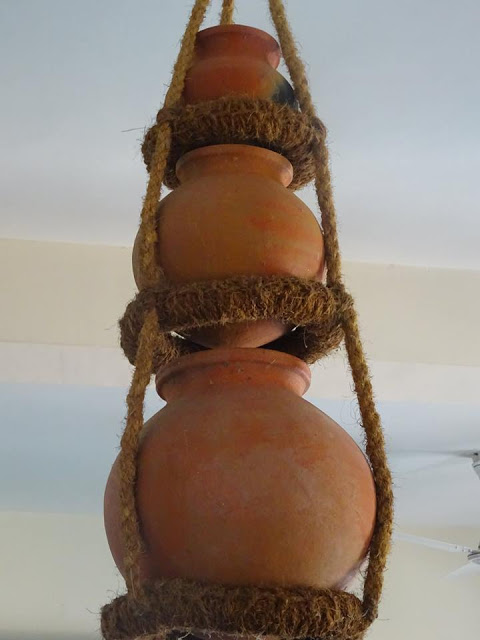
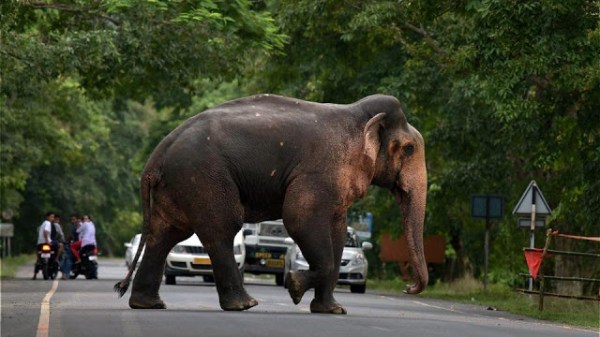
Every South Indian child has heard the story that elephant and pots are equal. If you have not heard that story, here it is in short : A person hired an elephant for a procession and unfortunately it died while it was in the procession. When the owner came and demanded the elephant the person was ready to give its price saying it was dead during the procession. But the owner harassed him saying that he wanted the elephant alive and not the money. The person who hired it was struggling to convince him. But he had a wise friend who whispered something into his ear. Then he asked the owner of the elephant to come to his house next day morning to get the elephant.


The stupid owner went to his house the next morning. When the door did not open, he broke it open and entered the house. Behind the door were several mud pots staked into several rows. All those pots were broken because of his gate crashing. And yet he demanded his elephant.


Now the person inside the house cried, “ Oh my god, my pots with big antique value were all crushed into pieces’. He demanded that the owner of the elephant should return all those pots intact. When he told that he would give the money for the pots he refused to accept it. He told him , “ you refused to accept my money for the elephant and wanted the dead elephant to come back alive. In the same way, I  want my pots with antique value to come back ‘alive’.


When the argument grew louder and louder they went to the court and the judge told that you lost your elephant and he lost the valuable mud pots. Both of you refused to accept money and the lost elephant and the lost antique pots were equal and so no one need to give anything to the other party. Case was settled.


This is what we call ‘Tit for Tat’.

Chanakya says,

“A good turn is to be repaid by good turn and the violence by counter-violence. There is nothing wrong in it. One should behave in a wicked manner with the wicked.”

-Chanakya Niti, Chapter 17, Sloka 2

krute pratikrutam kuryaad himsane pratihimsanam

tatra dosho na patati dushte dushtam samaacharet


xxx

At bad time, Mind goes astray!

He also added that one’s mind go astray when one’s end is near i.e Vinaasa Kale Vipareetha Buddhi


“The golden deer was not made by some one, nor was it seen earlier, nor it heard about. When adversity is round the corner, mind goes astray.”

-Chanakya Niti, Chapter 16, Sloka 5

na nirmitah kena na drushtapuuvah

na sruuyate hema mayah kurangah

tathaapi thrushnaa raghunandanasya

vinaasa kale vipareeta budhdhih


(This is a reference to the golden deer anecdote in the Ramayana)


–Subham–


WHY DO WE LIGHT LAMPS AT HOME? (Post No.4657)

Written by London Swaminathan 


Date: 24 JANUARY 2018


Time uploaded in London – 17-53


Post No. 4657

Pictures shown here are taken from various sources such as Facebook friends, Books, Google and newspapers; thanks.


WARNING: PLEASE SHARE MY ARTICLES; BUT DON’T SHARE IT WITHOUT AUTHOR’S NAME AND THE BLOG NAME. BE HONEST; OTHERS WILL BE HONEST WITH YOU


There are two stories in Tamil Nadu about lighting a lamp in the house when the sun sets. Even today most of the Tamils follow it despite electric lights in every room of a house. We do follow it in London despite the fire hazards.


In the days before electricity came to Indian towns and villages it was a must. But even today people follow the ancient custom of lighting the traditional lamp in the prayer room or a corner of a house.


To illustrate the importance of it there are some folk tales. Mr Natesa Sastri was a scholar who collected them from old people and published them in 1886 in Tamil and English. But I give below my own translation.


There was a farmer in a village who had two daughters. One of them got married locally and another was married to a Sozian ( a man form Chola country) in a nearby town. The eldest one who was married locally lost her husband and father in course of time. She had no issue. She made her living by working in the paddy fields. She had an unusual habit of consuming a large quantity of food i.e two measures of rice every day. Actually, ten people can eat in two measures of rice. (A Tamil measure is bigger than one litre). She was very shy and so she did not tell anyone about it and never sought a reason for it.

One day the eldest one felt sick. Sozian’s wife visited her elder sister. It was getting darker and the sun had set. The eldest one started cooking by adding an extra half a measure  because of her younger sister’s visit.


Two things surprised her younger sister. Firstly, two and half measures of rice for two people! Secondly, cooking in a pitch dark place. She slowly spoke to her elder sister. She asked why she was cooking in a pitch-dark place and why she cook for ten to twelve people. Her elder sister answered her saying that she had no money to buy oil and more over she was eating two measures of rice every day and she did not know why.

Then her younger sister insisted she must go and get some oil for the lamp, otherwise she could not stay there for night. At last she went out and got some oil for half a measure of rice and lighted the lamp and finished the cooking. When both of them felt contented after eating they saw three fourth of their rice was still in the cooking pot. While both of them were wondering how was it that after eating little they felt full in stomach.

At that time they heard a loud noise. One voice asked the other voice, ‘Oh Sokka, do we get food or not tonight?’ The other voice replied ‘Oh, No, Sozian came and spoiled it’. Both the sisters were puzzled by that noise because no one else was in that house. When they gathered enough courage, they asked who they were. One voice replied that he was a ghost and came to this house every day to take the food because it was dark. Today the Sozian made her to light the lamp and so they were running away from the place. Now the younger one reasoned out that was why her elder sister consumed two measures of rice every day. When the ghosts went out of the house the eldest daughter returned to her normal eating schedule.

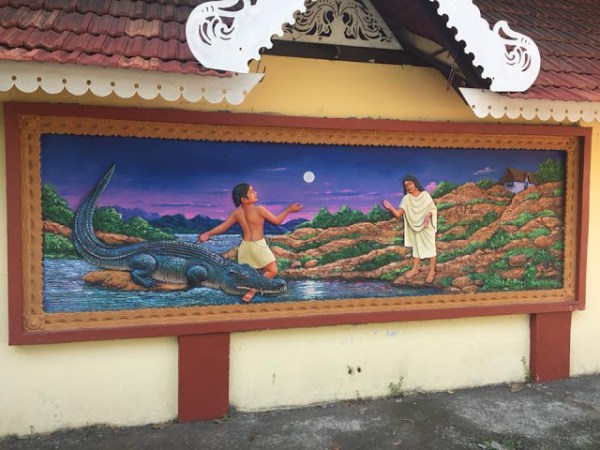
Picture by Karthik Raghavan sent from Kaladi in Kerala


A crocodile story

There was a Brahmin youth in a village. He got married to a woman in a village nearby. After the traditional four day marriage, the first night was arranged. The newly married Brahmin youth went to the nearby tank (pond) for evening prayers and water ablution. The tank had several man eating crocodiles. No one warned the bridegroom. Suddenly a crocodile pulled him into water.


The bridegroom had the shock of his life. But in a moment, he managed to say a few words. ‘Oh Crocodile Unlce! leave me alone for this night. I am newly married and my wife is waiting for the first night meeting. Let us have our honey moon tonight and I will definitely come tomorrow morning and then you may eat me. If you swallow me  now, my wife and her aged father would die of sorrow and you would incur the sin of killing three Brahmins.”


The crocodile said to him, “Ok, you may go now and return tomorrow. Because you are a Brahmin who never go back on his words, I trust you”.

The young Brahmin returned home and went to bed with his wife. In the middle of night he explained everything that happened on that day. His wife told him, “Oh, My Darling! Don’t wait till tomorrow morning; others may not allow you to go to die; So go to the tank now!”


He was shocked to hear such horrible words from his new wife. He thought women must be devils; so, it is better to die in the pond by the crocodiles instead of living with this cruel woman. He came back to the tank and called the crocodile. The crocodile sprang upon him. At that moment, a sudden flash of light appeared in the place and disappeared. The crocodile said to him, Oh No, I can’t eat you. The light has gone out. No living being eats if the lights go out. Sorry, You may go home”.


When he turned back he saw his wife coming running with tears of joy in her eyes. She said to him,

“Oh My Darling I prayed to all the Gods in the world that my plan should work. I lighted a lamp in a pan ad covered it. When the crocodile sprang upon you I showed it to him and put it off. You know what happened then”

Then he hugged his wife and said to her, “Darling You are the most beautiful woman in the world. You are the most intelligent woman in the world;  all the people in the world would come to know the significance of lighting a lamp in the house through you”. From that day onwards village folk lighted lamps inside the house and put one lamp in the niche on the outside wall.


Both these stories are in wide circulation among villagers in South India.


–Subham–


பாரதி போற்றி ஆயிரம் – 33


Date:- 22 January 2018

Time uploaded in London- 7-55 am

Compiled by S Nagarajan

Post No.4646

Share it, but with author’s name and blog name; Dont use it without author’s name or blog name; pictures are noot ours; they are mostly from Facebook friends and newspapers. Beware of copy right laws.

பாடல்கள் 188 முதல் 193


கவிதை இயற்றியோர்: பல்வேறு கவிஞர்கள்

தொகுப்பு : ச.நாகராஜன்

கண்ணதாசன் பாடல்கள்

பாரதியும் பாரதிதாசனும் (தொடர்ச்சி)

பாரதி பாரதி தாசன் – இரு

     பைந்தமிழ்ப் பாவலர் தம்மிடை யேயும்

பாரதி பல்லவி சொன்னான் – தாசன்

     பாக்கியைப் பாடித்தன் பாட்டை முடித்தான்!


பாரதி பாட மறந்த – ஒரு

     பக்கம் திராவிட நாட்டின் எழுச்சி

யாரதைப் பாடிய வீரன்? – வேறு

    யாரவன், பாரதி தாசனல் லாமல்!


இன்றைய மாந்தரின் எண்ணம் – நன்(கு)

     ஏற்றமு றத்தந்த பாரதி தாசன்

பின்றைய நாளில் தனக்கே ஒரு

     பேரிடம் தந்தனன் மூடுதற் கில்லை!


பெண்கள் விடுதலை காதல் – திறம்

     பேசுந் தமிழின் கனிரசம், இன்பம்

மண்ணில் அனைவரும் ஒன்றே – என

    வாழ்த்தும் புதுக்குரல் வாழ்க்கையின் நீதி!


சாத்திரம் பொய்யெனும் சூது – தண்டச்

     சாகசப் பார்ப்பனர் செய்கையின் – மீது

ஆத்திரங் கொள்ளும் குணங்கள் – இவை

     யாவிலும் பாரதி மூத்தவன் என்பேன்!


இந்த வகைகளில் ஒன்றை – தாசன்

      எப்படிப் பாடி எழில்தந்த போதும்

‘தந்தையர் பாரதி’ என்றால் – அவன்

      தாச னுரைத்தது தானிந்த வார்த்தை!

                                    ****                           (இக்கவிதை முடிந்தது)

தொகுப்பாளர் குறிப்பு: இந்தக் கவிதையில் உள்ள ‘திராவிட எழுச்சி’ மற்றும் ‘பார்ப்பனர் எதிர்ப்பு’ போன்ற கருத்துக்களை பின்னாளில் கவிஞர் கண்ணதாசன் மாற்றிக் கொண்டுள்ளார்.

கவிஞர் கண்ணதாசன்: கவிஞரைப் பற்றிய குறிப்பு ஏற்கனவே தரப்பட்டுள்ளது.


‘***

IS SILAPPADIKARAM A BRAHMANA KAVYA? (Post No.4609)- Part 1

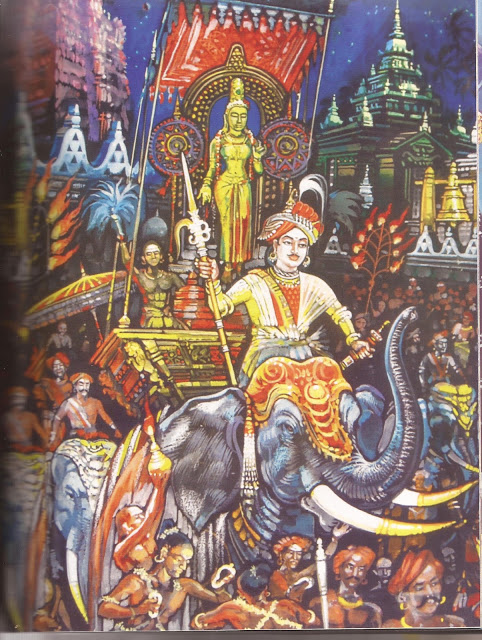
Cheran Senkuttuvan picture from World Tamil Conference Souvenir


Research Paper Written by London Swaminathan 


Date: 12 JANUARY 2018


Time uploaded in London  6-57 AM


Post No. 4609

Pictures shown here are taken from various sources such as Facebook friends, Books, Google and newspapers; thanks.


WARNING: DON’T SHARE IT WITHOUT AUTHOR’S NAME AND  BLOG NAME. BE HONEST; OTHERS WILL BE HONEST WITH YOU.


ROLE OF BRAHMINS IN SILAPPADIKARAM


Abstract

Introduction and Background Premise

Issues Addressed in Paper

CONTENT ( the 3 docs can be combined appropriately)

Conclusion

References


(This research article was submitted to Swadeshi Conference held in December 2017 in Chennai)


Abstract:

A Brahmin by name Matala Maraiyon plays an important role in the Tamil epic Silappadikaram. It is amazing to see that Ilango Adikal, considered to be a Jain by some scholars, has not only introduced Matala Maraiyon, but gives him a commanding role. He commands the mighty Chera King Senkuttuvan to do good things such as Vedic rituals and the king readily obeys him. The Brahmin is amply rewarded by the king. Matala Maraiyon is the one who fills in the gaps in the epic by telling the king what happened to Madhavi and others. He is the main link in the story. Another Brahmin Alamar Selvan (Dakshinamurthy) is introduced by the author Ilango to show the state of Vedic education in those days. Apart from this, Brahmins play the role of ambassador and actor. This shows the respect Brahmins commanded in the second century CE Tamil Nadu. This paper goes into the details with supporting information from the epic.


Introduction

it is very interesting to see that Ilango, author of most famous Tamil epic Silappadikaram, has introduced several Brahmin characters from the very first chapter to the last chapter.


Matala Maraiyon is the most interesting character in the epic. He commands a great influence over the mighty Chera Emperor Cheran Senkuttuvan. The king gave him gold weighing his body weight. He listened to the advice and performed Vedic Yajnas according to the instructions of the Brahmin.


Silappadikaram praised the Brahmins as chaste Tamil speakers (Vandamiz Maraiyor). That proved that Brahmins were sons of the soil.


The Parasaran- Dakshinamurthy (Aalamar selvan) episode is another Brahmin episode which  showed that the Vedic education among the Brahmins of second century CE was of very high standard.


Tollkappiam says that one of the roles of Brahmins is the job of an ambassador. Ilango introduced a Brahmin (Kosikan= Kausikan) ambassador.

(English translation of prof. V R Ramachandra  Dikshitar in his book The Cilappatikaram , 1978 is used in this article with some spelling changes)


Contents:


1.Wedding with the help of a Brahmin Priest

Silappadikarm is the first ancient book to show that marriages were conducted by Brahmin priests in the Second century CE Tamil Nadu.


“That was the day on which the moon moving in the sky approached the Star Rohini, when Kovalan who walked  around the holy fire in accordance with the scriptural injunctions as directed by the revered Brahmin priest, approached his bride, divinely fair resembling the star Aruntati. How fortunate were those who enjoyed such a splendid sight!

–Mankala valtup patal

Akananuru verses 86,136 and Vedic literature say that the Hindus conducted marriages under the Rohini asterism. But Akananuru verses did not mention the Brahmin priests or the sacred fire.

Picture by Maniam Selvan


2.Here comes Matala Maraiyon!

Ilango introduced the Brahmin Matala Maraiyon in the Ataikkala Katai, in the following words:


“Kovalan went outside the gates of the Madurai fortress, into the grove wherein dwelt monks engaged in in imparting of Dharma.

And while he was narrating to the sage Kavunti the undiminishing prosperity of Madura and the prowess of the Pantyan king, MATALAN OF TALAICCENKANAM, THE FIRST AMONGST BRAHMANAS, WELL VERSED IN THE FOUR VEDAS, APPEARED AT THEIR RESIDENCE IN THE GROVE SORROUNDED BY A SHALLOW MOAT. He had come there to obtain relief from the fatigue of his journey while returning to his own family, after circumambulating the hill (Potiyil, sacred to the sage Agastya).

To him Kovalan prostrated himself, while the Brahmana skilled in speech, on being addressed, replied as follows.


Ilango deliberately puts some incidents into the mouth of Matalan, praising the Brahmins:


3.Kovalan Saves a Brahmin

The first incident was about a shipwreck and the person saved by the deity of the sea, Manimekalai, whose name was given to courtesan Matavi’s daughter. So Matalan gives some new information about what happened to Matavi after Kovalan left her.

Matalan continues: “On that day when you sat with that happy lady Matavi, and showered gifts of gold with your beautiful hands, a Brahmana, with bent body, having attained the very limits of knowledge and good conduct, came feebly along with the aid of a stick in order to receive the gifts. Seeing him in the clutches of a fast and furious elephant which had thrown its mahout and was rushing in all directions to the loud noise of the drum, O merciful hero, you stepped forth instantly with a cry, after rescuing the man of high birth, you released yourself from its curved hollow trunk and remaining between the white tusks, stood on its nape like a Vidhyadhara on a dark hill, and curbed the still furious elephant

One should note the high sounding respectful epithets given to the Brahmana.

4.Kovalan Helps a Brahmin Lady

Matalan continues: “on another occasion, a Brahmana left for the north abandoning his wife who had caused the death of a young mongoose. When she followed him, the Brahmana said “it is not proper for me to eat food served by your hands. You give this note containing a Sanskrit verse to people leading a virtuous life”. With this the Brahmana lady went through the bazars where the tall mansions of the wealthy merchants were, and showed the note from house to house proclaiming, “ O will no one relieve me of my sins and enjoy the fruits of s doing? At once you called to her and asked “What is your trouble and what is this note? The lady narrated to you the great distress she was in, and said “take this leaf on which has been written the verse, and by giving me money absolve me from my great sin.” You replied to her, “ Do not fret. Do not be afraid. I shall relieve you of your difficulty” and in order that her sinful deed might be atoned for, you made gifts in accordance with the instituted rules and relieved the lady of her worry. O wealthy man of imperishable riches! Then you made her husband, who had left for the forest come back and live with her in the right path by giving them copious wealth of out of your limitless riches.


5.Bhutam Devours a bad man!

The last incident is about a Bhutam (goblin or ghost) devouring a man who gave false evidence and Kovalan supporting the chaste lady and her family for several years.

Then Matalan continues: I know all the good things you have done in this birth, but owing to your deeds in the past birth, O Gopala (Kovalan is the Tamil version of Gopala) of ripe knowledge, you have fallen into incredible suffering along with your gem like young wife who is like Lakshmi herself.”


Then Kovalan narrated a nightmare he had in the previous night portending the bad events.


Ilango cleverly used Matalan to show that Gopalan’s help to Brahmins and his knowledge in Sanskrit etc.

to be continued……………………………

–Subham–


சாணக்கியன் பற்றிய சுவையான கதைகள் (Post No.4547)

Written by London Swaminathan 


Date: 26 DECEMBER 2017 


Time uploaded in London- 6-36 am


Post No. 4547

Pictures shown here are taken from various sources such as Facebook friends, Books, Google and newspapers; thanks


சாணக்கியன் ஒரு பெரிய சிந்தனையாளர்; திட உறுதி பூண்டவர்; வெற்றி பெறுவதற்கு சாம, தான, பேத, தண்டம் என்னும் சதுர்வித உபாயங்களையும் பயன்படுத்தத் தயங்காதவர். இந்தியாவில் தோன்றிய மிகப் பெரிய அரசியல்வாதி அவர்தான் என்றால் மிகையல்ல. பெரிய ராஜ தந்திரி; ராஜதந்திரம் உடையோருக்கு எல்லாம் முன்னோடி என்பதால் எந்த திறமையான அரசியல் வித்தகரையும் ‘சாணக்கியன்’ என்ற அடைமொழியோடு அழைக்கும் அளவுக்கு முன்னுதாரணமானவர். சூழ்ச்சிமிக்கவர்.


நரியின் தந்திரமும் யானையின் பேருருவமும், சிங்கத்தின் பராக்ரமும், புலியின் பாய்ச்சலும் உடையவர். ஆயினும் தனிப்பட்ட வாழ்க்கையில் ஒரு துறவி; செல்வத்தையும் பதவியையும் துச்சமாக மதித்தவர். மாபெரும் மகத சாம்ராஜ்யத்தை — அலெக்ஸாண்டரை நடுங்க வைத்த பிரம்மாண்டமான படையை– உருவாக்கிய – சாணக்கியன் இருந்ததோ ஒரு சிறு குடிலில்; இதனால்தான் அவருக்கு மதிப்பு; பற்றற்ற வாழ்க்கையில் பற்றுக் கொண்டதால் எதைக் கண்டும் அஞ்சவில்லை.


சிறந்த நிர்வாகியான சாணக்கியனை நிறைய புராதன எழுத்தாளர்கள் போற்றிப் புகழ்ந்துள்ளனர். நீதி நூல்களும் கதைகளும் அவர் பெயரை மொழிகின்றன. தண்டியின் தச குமார சரிதம், விஷ்ணு ஸர்மனின் பஞ்ச தந்திரம் அவர் பெயரைப் போற்றுகின்றன. பாணனும், வராஹமிஹிரரும், சோமதேவரும், நீதி சாஸ்திரத்தின் ஆசிரியர் காமந்தகியும் முதல் அத்தியாயத்திலேயே அவருக்கு முதல் வணக்கம் செலுத்துகின்றனர். விஷ்ணு புராணம் அவரைக் கௌடில்யர் என்ற பெயரில் குறிப்பிடுகிறது. பாகவத புராணம் நந்தர்களை முறியடிக்கும் பிராமணன் என்று மட்டும் சொல்லும்.


உயர்ந்த சிந்தனை, பரந்த அறிவு, எளிய வாழ்க்கைக்கு முன்னுதாரணம் சாணக்கியன். அவர் எழுதிய அர்த்த சாஸ்திரம் போன்ற பொருளாதார நூல் பழங்கால உலகில் எங்குமே இல்லை.


சந்திரகுப்த மௌர்யன் என்னும் பேரரசனின் அதிகாரி அவர் வீட்டிற்குள் சென்றபோது கண்ட காட்சியை வருணிக்கிறார்:-


அஹோ ராஜாதிராஜ மந்த்ரிணோ விபூதிஹி–


உபலஸகலமேதத் பேதகம் கோமயானாம்

படுபிருபஹ்ருதானாம் பர்ஹிஷாம் ஸ்தூபமேதத்

ஸரணமபி சமிதிபஹ ஸுஸ்யமாணாபிராபி

விர்னமிதபடலாந்தம் த்ருஸ்யதே ஜீர்ணகுட்யம் (3-15)


பொருள்:

மன்னாதி மன்னனின் மந்திரியின் செல்வத்தைப் பற்றிக் கேளுங்கள்:-

பசுஞ்சாண விரட்டிகளை உடைக்க ஒரு கல்லைக் கண்டேன்; அதோ இளம் சிறார்கள் — சிஷ்யப் பிள்ளைகள் — சேகரித்த தர்ப்பைப் புல் இருக்கிறது; அவருடைய குடிலின் சுவர்கள் பாழடைந்து இருக்கின்றன; மேல் கூரையில் காயப்போட்டுள்ள யாகத்துக்கான மரக்  குச்சிகளின் பாரம் தாங்காது கூரை சரிந்து நிற்கிறது.


முதல் கதை


பாடலிபுத்திரத்தில் கிரேக்க தூதர் பதவி ஏற்ற மெகஸ்தனீஸ் சாணக்கியனைப் பார்க்க வந்தார். அது இரவு நேரச் சந்திப்பு. ஆட்சி சம்பந்தப்பட்ட ஓலைச் சுவடிகளைப் புரட்டிக் கொண்டிருந்தார் சாணக்கியன். ஒரு மூலையில் தீப ஒளி பிரகாஸித்துக் கொண்டிருந்தது. மெகஸ்தனீஸ் உள்ளே நுழைந்தவுடன் அந்த விளக்கை அணைத்துவிட்டு, சாணக்கியன் வேறு ஒரு தீபத்தை ஏற்றினார். மெகஸ்தனீசுக்கு பெரும் வியப்பு!


ஐயன்மீர்! ஏன் ஒரு விளக்கை அனைத்து இன்னும் ஒரு விளக்கை ஏற்றினீர்? இதன் தாத்பர்யம் என்னவோ? என்றார் மெகஸ்தனீஸ்.


சாணக்கியன் சொன்னார்:

நீவிர் வரும் வரை எரிந்த தீபம் அரசங்கப் பணி நிமித்தம் ஆட்சி நிர்வாக வேலைகளுக்காக, அரசு செலவில் ஏற்றப்பட்டது. இப்போது நாம் சந்திப்பது அரசுப் பணியல்ல நீவிர் எனது விருந்தாளி; ஆகவே இது என் செலவில் எரிக்கப்படும் தீபம் ; ஆகையால்தான் இதை ஏற்றினேன்.


இதுதான் சாணக்கியனின் குணாதிசயங்களைக் காட்டும் நிகழ்ச்சி. தன்னலம் கருதாத் தகைமையாளராக இருந்தும் அரசுப் பணி இது, சுய வாழ்வு இது என்று வரம்பு கட்டிய மாமனிதன்.


அவலட்சணப் பிராமணன்; இரண்டாவது கதை


சாணக்கியன் பல நீதி நூல்களுக்கும் ஆசிரியன்; அவனுக்கு விஷ்ணுகுப்தன் கௌடில்யன் (கௌடல்யன்) என்ற பெயர்களும் உண்டு. அவர் வாழ்ந்த காலத்தில் மகத சாம்ராஜ்யத்தை ஆண்டவர்கள் நவநந்தர்கள் எனப்படும் ஒன்பது பேர் ஆவர். மஹா பத்ம நந்தன் தலைவன். அவர்களுக்கு ராக்ஷஸன் என்ற திறமையான அமைச்சன் உதவினான்.


சாணக்கியன் பற்றி அதிகத் தகவல் கிடைக்கவில்லை. ஆனால் விஸாக தத்தன் எழுதிய முத்ரா ராக்ஷஸம் என்ற நாடகத்திலிருந்து வாழ்க்கைச் சரிதத்தை ஒருவாறு ஊகிக்க முடிகிறது. அவர் ஒரு முறை சாப்பாட்டுப் பந்தியில் முதல் வரிசையில் உட்கார்ந்திருந்தாராம். அறிவின் சிகரத்தை எட்டிய அவருக்கு ஆண்டவன் அழகைக் கொடுக்கவில்லை.

யார் இந்த அவலட்சணமான பிராமணன்? முதல் வரிசையில் இவன் எதற்கு உட்கார்ந்தான்? என்று மன்னன் மஹா பத்ம நந்தன், சாணக்கியனை தர, தர வென்று இழுத்துச் சென்று வெளியே விட்டானாம். காரணமின்றி தன்னை அவமானப் படுத்திய நந்த வம்ஸத்தை வேர் அறுக்காமல் என் ஸிகையை முடிய மாட்டேன் என்று குடுமியை அவிழ்த்துவிட்டு அவரும் வெளி ஏறினாராம். அன்று முதல் அவர் திட்டம்போட்டு நவ நந்தர்களை ஒழித்ததோடுமில்லாமல் மயில் வளர்க்கும் முரா வம்ஸத்தைச் சேர்ந்த சந்திரகுப்தனைப் பேரரசனாக்கினார்.


முத்ரா ராக்ஷஸ நாடக வசனத்தில் வரும் காட்சி:

என்னை அன்று தர தர என்று வெளியே இழுத்ததை வேடிக்கை பார்த்த மக்கள் இன்று நவ நந்தர்களை அரசுக் கட்டிலில் இருந்து நான் விழுத்தட்டியதையும் பார்த்தார்கள்; ஒரு மலை உச்சியின் மீதுள்ள யானையை சிங்கம் மலை உச்சியில் இருந்து இழுத்துப் போட்டதைப் போல நான் செய்துவிட்டேன்.


‘நந்த வம்ஸத்தை விழுத்தாட்டியது இருக்கட்டும்; என் புத்தி மட்டும் என்றும் குறைந்து விடக்கூடாது’ என்று வேண்டியதாகவும் ஸம்ஸ்கிருத நாடக வசனம் செல்கிறது. நவ நந்தர்களின் திறமை மிகு அமைச்சன் ராக்ஷஸன் போட்ட ஒவ்வொரு திட்டத்துக்கும் சாணக்கியன் வேட்டு வைத்ததை ஸம்ஸ்கிருத நூல்கள் சித்தரிக்கின்றன.


வேறு சில சுவையான கதைகளும் உள. அவற்றைத் தனியே மொழிவேன்.


–சுபம்–

பாரதி போற்றி ஆயிரம் – 8 (Post No.4510)

Date: 18  DECEMBER 2017


Time uploaded in London- 5-32 am


Compiled by S NAGARAJAN


Post No. 4510

Pictures shown here are taken from various sources such as Facebook friends, Books, Google and newspapers; thanks. Pictures may not be related to the story. They are only representational.


பாரதி போற்றி ஆயிரம் – 8

  பாடல்கள் 43 முதல் 51


கவிதை இயற்றியோர்: பல்வேறு கவிஞர்கள்

தொகுப்பு : ச.நாகராஜன்

பாரதிதாசன் பாடல்கள்

பாடல்கள் 43 முதல் 51

மகா கவி

பாரதியார் உலககவி! அகத்தில் அன்பும்
பரந்துயர்ந்த அறிவினிலே ஒளியும் வாய்ந்தோர்!
ஓரூருக் கொருநாட்டுக் குரிய தான
ஒட்டைச்சாண் நினைப்புடையர் அல்லர். மற்றும்
வீரர்அவர்! மக்களிலே மேல்கீழ் என்று
விள்ளுவதைக் கிள்ளிவிட வேண்டும் என்பார்!
சீருயர்ந்த கவிஞரிடம் எதிர்பார்க் கின்ற
செம்மைநலம் எல்லாமும் அவர்பாற் கண்டோம்.

அகத்திலுறும் எண்ணங்கள், உலகின் இன்னல்
அறுப்பவைகள்; புதியவைகள்; அவற்றை யெல்லாம்
திகழ்பார்க்குப் பாரதியார் எடுத்துச் சொல்வார்
தெளிவாக, அழகாக, உண்மையாக!
முகத்தினிலே களையிழந்த மக்கள் தம்மை
முனை முகத்தும் சலியாத வீரராகப்
புகுத்துமொழிப் பேச்செல்லாம் பொன்னி யாற்றுப்
புனல்போலத் தொடர்வதுண்டாம் அன்னார் பாட்டில்.

பழையநடை, பழங்கவிதை, பழந் தமிழ்நூல்,
பார்த்தெழுதிப் பாரதியார் உயர்ந்தா ரில்லை;
பொழிந்திடுசெவ் வியஉள்ளம் கவிதை யுள்ளம்
பூண்டிருந்த பாரதியா ராலே இந்நாள்
அழுந்தியிருந் திட்டதமிழ் எழுந்த தென்றே
ஆணையிட்டுச் சொல்லிடுவோம் அன்னை மீதில்.
அழகொளிசேர் பாரதியார் கவிதை தன்னை
அறிந்திலதே புவிஎன்றால் புவிமேற் குற்றம்!

கிராமியம்நன் னாகரிகம் பாடி வைத்தார்
கீர்த்தியுறத் தேசியம் சித்த ரித்தார்
சராசரம்சேர் லௌகிகத்தை நன்றாய்ச் சொன்னார்.
தங்குதடை யற்றஉள்ளம் சமத்வ உள்ளம்;
இராததென ஒன்றில்லாப் பெரிய உள்ளம்!
இன்புள்ளம் அன்புள்ளம் அன்னார் உள்ளம்!
தராதலத்துப் பாஷைகளில் அண்ணல் தந்த
தமிழ்ப் பாட்டை மொழிபெயர்த்தால் தெரியும் சேதி!

ஞானரதம் போலொருநூல் எழுது தற்கு
நானிலத்தில் ஆளில்லை; கண்ணன் பாட்டுப்
போல்நவிலக் கற்பனைக்குப் போவ தெங்கே?
புதியநெறிப் பாஞ்சாலி சபதம் போலே
தேனினிப்பில் தருபவர்யார்? மற்றும் இந்நாள்
ஜெயபே ரிகைகொட் டடாஎன் றோதிக்
கூனர்களும் குவலயத்தை அளாவும் வண்ணம்
கொட்டிவைத்த கவிதைதிசை எட்டும் காணோம்!

“பார்ப்பானை ஐயரென்ற கால மும்போச்
சே”யென்ற பாரதியார் பெற்ற கீர்த்தி
போய்ப்பாழும் கிணற்றினிலே விழாதா என்று
பொழுதெல்லாம் தவங்கிடக்கும் கூட்டத் தார்கள்
வேர்ப்பார்கள்; பாரதியார் வேம்பென் பார்கள்;
வீணாக உலககவி அன்றென் பார்கள்.
ஊர்ப்புறத்தில் தமக்கான ஒருவ னைப்போய்
உயர்கவிஞன் என்பார்கள் வஞ்ச கர்கள்.

“சாதிகளே இல்லையடி பாப்பா” என்றார்
“தாழ்ச்சிஉயர்ச் சிகள்சொல்லல் பாவம்” என்றார்.
சோதிக்கின் “சூத்திரர்க்கோர் நீதி தண்டச்
சோறுண்ணும் பார்ப்புக்கு வேறோர் நீதி”
ஓதியதைப் பாரதியார் வெறுத்தார் நாட்டில்
ஒடுக்கப்பட் டார்நிலைக்கு வருந்தி நின்றார்.
பாதிக்கும் படி”பழமை பழமை என்பீர்
பழமைஇருந் திட்டநிலை அறியீர்” என்றார்.

தேசத்தார் நல்லுணர்வு பெரும் பொருட்டுச்
சேரியிலே நாள்முழுதும் தங்கி யுண்டார்.
காசுதந்து கடைத்தெருவில் துலுக்கர் விற்கும்
சிற்றுணவு வாங்கி,அதைக் கனிவாய் உண்டார்.
பேசிவந்த வசைபொறுத்தார். நாட்டிற் பல்லோர்
பிறப்பினிலே தாழ்வுயர்வு பேசு கின்ற
மோசத்தை நடக்கையினால், எழுத்தால், பேச்சால்
முரசறைந்தார்; இங்கிவற்றால் வறுமை ஏற்றார்.

வையத்து மாகவிஞர் மறைந்து போனார்;
வைதிகர்க்குப் பாரதியார் பகைவ ரேனும்
செய்வதென்ன? மேலுக்குப் புகழ்ந்தே வந்தார்;
சில நாட்கள் போகட்டும் எனஇ ருந்தார்.
உய்யும்வழி கெடாதிருக்க மெதுவாய் இந்நாள்
உலககவி அல்லஅவர் எனத் தொடங்கி
ஐயர்கவி தைக்கிழுக்கும் கற்பிக் கின்றார்
அழகாக முடிச்சவிழ்த்தால் விடுவார் உண்டோ?

[ இது அந்நாளில் ஆனந்த விகடனில் “ரா.கி” (கல்கி)யால் பாரதி உலககவி அல்ல  என்றும், அவர் பாடலில் வெறுக்கத் தக்கன உள்ளன என்றும், எழுதியதற்கு மறுப்பாக எழுதப்பட்டது.

குறிப்பு : இந்தப் பகுதிக்கு பாரதி பற்றி எழுதப்பட்ட பாடல்களை ஸ்கேன் செய்தோ, போட்டோ எடுத்தோ அனுப்பி உதவலாம். கவிஞரின் பெயர், அவரைப் பற்றிய 50 வார்த்தைகளுக்கு மிகாமல் உள்ள குறிப்பு, பாடல் வெளியிடப்பட்ட இதழ் அல்லது நூல் பற்றிய குறிப்பு ஆகியவற்றையும் அனுப்ப வேண்டுகிறோம். 


*****

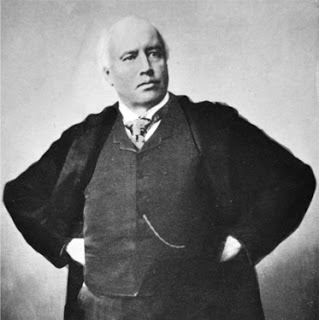
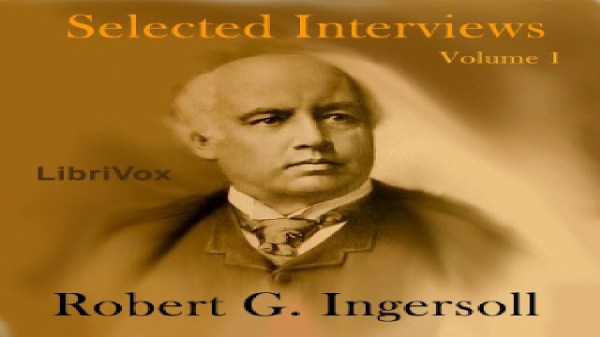
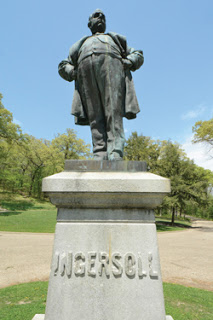
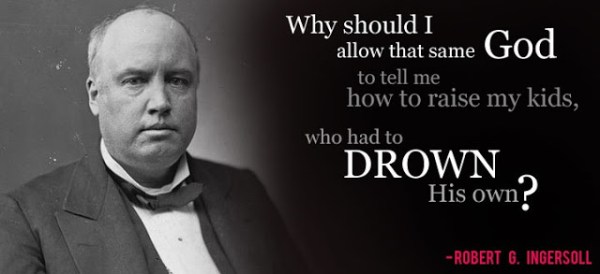
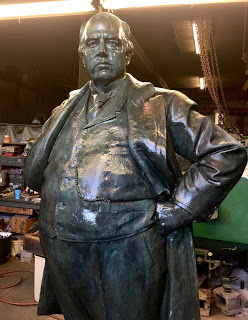
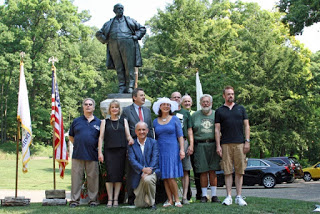
அமெரிக்காவைக் கலக்கிய நாத்திகவாதி இங்கர்சால் (Post No.4411)


Written by London Swaminathan


Date: 19 NOVEMBER 2017


Time uploaded in London- 11-08 am


Post No. 4411

Pictures shown here are taken from various sources such as Facebook friends, Books, Google and newspapers; thanks.


அமெரிக்காவின் சக்திவாய்ந்த பேச்சாளர் ராபர்ட் க்ரீன் இங்கர்சால் (1833-1899 ஆவார்). அவரது தந்தையோ கிறிஸ்தவ மதப் பிரசாரகர்; இவரோ கடவுளையும் பைபிளையும் எதிர்த்துப் பிரசாரம் செய்தவர். அவர் படிக்காத மேதை; கருணை வள்ளல்; மானுடத்துக்காகப் போராடியவர். அவருடைய பேச்சைக் கேட்கப் பெருங்கூட்டம் கூடும். ஆனால் பத்திரிக்கைகளோ அவருக்கு எதிராகப் பிரசாரம் செய்தன. அந்தக் காலத்தில் ஒரு டாலர் கட்டணம் கொடுத்து இவரது பேச்சைக் கேட்டனர். இது ரூ10,000 கொடுத்து ஒருவர் உரையைக் கேட்பது  போல!


அவரது வாழ்க்கையில் நடந்த சில சுவையான சம்பவங்கள் இதோ!


தந்தைக்குப் பிறந்த ஐவரில் இவரும் ஒருவர். ஆனால் அதிகம் படிக்கவில்லை; ஒரு வழக்கறிஞரிடம் பயிற்சி பெற்றதால் வழக்கறிஞர் ஆனார்.

சுவாமி விவேகாநந்தரின் உரையைக் கேட்டு வியப்புற்றவர் இவர். இவரை நாத்தீகவாதி (atheist) என்று சொல்லாமல் ஆக்ஞேயவாதி (agnostic) என்றும் சுதந்திர சிந்தனையாளர் என்றும் அமெரிக்கர்கள் அழைத்தனர். புத்தரும் ஒரு ஆக்ஞேயவாதி; அதாவது கடவுளைப் பற்றியோ சடங்குகளைப் பற்றியோ கவலைப்படாதே; தூய வாழ்க்கை வாழ்ந்தால் போதும் என்பவர் ஆக்ஞேயவாதி.


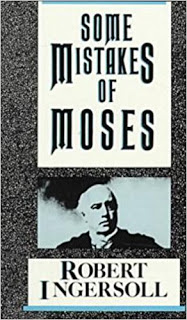
இவர் பைபிளில் உள்ள பல கதைகளையும் நம்பிக்கைகளையும் கண்டித்தார். தான் கூறும் பைபிளின் ஒரு அத்தியாயத்தை எந்த கிறிஸ்தவ மதபோதகராவது ஞாயிற்றுக்கிழமை பிராரத்தனையில் அப்படியே படித்துக் காட்டினால் அவர்களுக்கு ஆயிரம் டாலர் தருவதாக சவால் விட்டார். அந்தக் காலத்தில் ஆயிரம் டாலர் என்பது மிகப்பெரிய தொகை! யாரும் அந்த சவாலை ஏற்கவரவில்லை. பைபிளில் பல அபத்தக் களஞ்சியம் இருப்பதாக அவர் சாடினார். மோசஸ் செய்த பிழைகள் என்ற தலைப்பில் உரையாற்றினார்.

ஞான ஸ்நானத்தில் நம்பிக்கை உண்டா?


ஒருமுறை இவர் பெரிய மண்டபத்தில் பேசிக்கொண்டிருந்தார். எள் போட்டால் எண்ணை ஆகிவிடும் அளவுக்குக் கூட்டம். ஊசி விழுந்தால் கூட சப்தம் கேட்கும் அளவுக்கு அமைதி. அப்படிப்பட்ட சூழ்நிலையில் எல்லோரும் ஆணி அடித்து சுவரில் மாட்டப்பட்ட படம் போல ஆடாமல் அசையாமல் சொற்பொழிவைச் செவிமடுத்த சமயம். ஒருவர் திடீரென்று எழுந்து அமைதியைக் குலைக்கும் வண்ணம், “அன்பரே உமக்கு ஞான ஸ்நானத்தில் நம்பிக்கை உண்டா?” என்று வினவினார்.


இங்கர்சாலும் சற்றும் தயங்காமல் “ஐயன்மீர்! எனக்கு ஞான ஸ்நானத்தில் நம்பிக்கை உண்டு; குறிப்பாக சோப்புப் போட்டுக் குளிக்கும் ஞான ஸ்நானத்தில் நம்பிக்கை உண்டு” என்று சொன்னார். உடனே பயங்கர கரகோசம் விண்ணைப் பிளந்தது!


ஞான ஸ்நானம் என்பது சர்ச்சுகளில் குழந்தைகளுக்கு பாதிரிமார்கள் செய்யும் புனிதச் சடங்கு; இதைத் தான் இங்கர்சால் கிண்டல் செய்தார்.


இங்கர்சாலின் பேச்சுகளில் சிரிப்பொலியும் கேட்கும்; அழுகை ஒலியும் கேட்கும்; நகைச் சுவையாகவும் உருக்கமாகவும் பேசவல்லவர் அவர். மக்களைச் சிந்திக்கத் தூண்டுபவர். ஆனால் தனக்குப் பிறகு ஒரு அமைப்போ, இயக்கமோ உருவாக விரும்பாதவர். சில அமெரிக்கர்கள், எழுத்தின் மூலம் சீர்திருத்தம் கொண்டுவந்தனர். இவர் பேச்சின் மூலம் சிந்தனையைத் தூண்டியவர்.


இந்திய பகுத்தறிவுவாதிகள் மாதிரி ஒழுக்கம் குறைந்தவர் அல்ல. நேர்மையானவர். இவர் தூயவர் என்பதால் இவர் சொல்லுக்கு மதிப்பு இருந்தது.

கோர்ட்டில்


ஒரு முறை, ஒரு சண்டையில், கோபத்தில் ஒருவரைக் கொன்றுவிட்ட ஒரு நல்லவரைக் கோர்ட்டில் வாதாடிக் காப்பாற்றினார். நீதிபதி முன்னே சென்று நின்று வாதாடத் துவங்கினார்: இப்பொழுது  ஒரு வீட்டின் வழியே வந்தேன்; உள்ளே நுழைந்தேன். பெற்ற குழந்தையைப் பக்கத்தில் போட்டுக்கொண்டு கண்ணீரும் கம்பலையுமாக இருந்த ஒருத்தியைப் பார்த்தேன்; தனது கணவர் ஒன்றும் அறியாத அப்பாவி; அவரைக் குழந்தையிடம் உடனே அனுப்புங்கள் என்று சொல்லி பெண்மணி அழுதாள்……………. இப்படி உருக்கமாக இங்கர்சால் தனது வாதத்தை முன்வைத்து முடிக்கும் முன்பாக திடீரென்று ஒரு ஜூரி (jury) கத்தினார், “அன்பரே அவரை உடனே விடுதலை செய்து வீட்டுக்கு அனுப்பிவிடுகிறோம்” என்று


அவருடைய பேச்சாற்றலைவிட நேர்மைக்குக் கிடைத்த பரிசு இது என்றே சொல்ல வேண்டும்.


அவருடைய வீட்டிலுள்ளோர் சொன்ன ஒரு விஷயம்! அவரிடம் நாங்கள் பணம் கேட்போம் . எதற்காக?, எவ்வளவு வேண்டும்? என்று கேட்டதே இல்லை. இதோ இந்த மேஜை டிராயரில் பணம் உள்ளது என்பார் . நாங்கள் எடுத்துக் கொள்வோம். இது போல நிறைய தர்ம கைங்கர்யங்களையும் அவர் செய்திருக்கிறார்.


மத எதிர்ப்பு என்பது இவரது தொழில் அல்ல. அது தன்னிச்சையாக வந்தது. வக்கீல் தொழிலில் நிறைய பேரும் புகழும் பணமும் வந்தது.


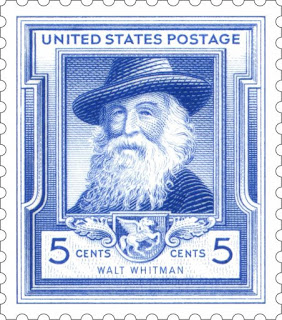
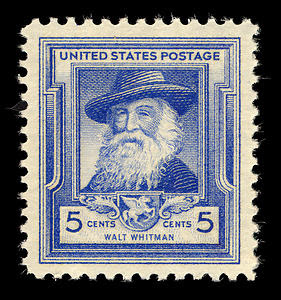
வால்ட் விட்மன்

வால்ட் விட்மன் (Walt Whitman) என்ற புகழ்பெற்ற அமெரிக்க கவிஞர், கட்டுரையாளர், பத்திரிக்கையாளர், மானுட நண்பர் இவருக்கு மிகவும் நெருங்கிய நண்பர். ஒரு முறை அவரைச் சந்திக்கச் சென்றார். அவருடைய வீடும், அவர் இருந்த அறையும் அலங்கோலமாகக் காட்சி அளித்தது. “வால்ட், நீங்கள் வாழ்க்கையில் ஒரு தப்பு செய்துவிட்டீர்கள்; கல்யாணம் கட்டாமல் இருந்து விட்டீர்களே; வீட்டில் ஒரு இல்லத்தரசி இல்லையே” என்றார்.


வால்ட் விட்மன் இறந்தபோது இங்கர்சால் ஆற்றிய இரங்கல் உரை அமெரிக்காவையே அசத்திவிட்டது. அப்படிப்பட்ட பேருரை; இரங்கல் உரை என்றால் என்ன என்பதற்கு இலக்கணம் கற்பித்தவர்.


இங்கர் சால், ஷேக்ஸ்பியர் நாடகங்களைக் கரைத்துக் குடித்தவர்; பேசும்போதெல்லாம் செகப்பிரியரின் (Shakespeare) வாசனை சொற்களில் வீசும்.


பகுத்தறிவுவாதிகளில் ஒழுக்கமும் நேர்மையும் நிறந்தவர் என்பதால் இவருடைய சொற்பொழிவுகளுக்கு மகத்தான சக்தி இருந்தது. பகுத்தறிவு பேசி பணம் சம்பாதிக்கும் வர்கத்தில் சேராதவர்.

இங்கர்சால் புகழ் இன்றும் நிலைத்து நிற்கிறது; என்றும் நிலைத்து நிற்கும் என்பதில் இரு வேறு கருத்துக்கு இடமில்லை.


TAGS:– ராபர்ட் இங்கர்சால், நாத்திகவாதி, பேச்சாளர், அமெரிக்க

—சுபம், சுபம்—-


Ingersoll believed in Baptism! (Post No.4409)

Compiled by London Swaminathan 


Date: 18 NOVEMBER 2017


Time uploaded in London- 20-35


Post No. 4409

Pictures shown here are taken from various sources such as Facebook friends, Books, Google and newspapers; thanks.


Robert G.Ingersoll (1833-1899), an agnostic and a great orator of America attracted huge audience in spite of the negative publicity from the press. People were ready to pay one dollar to listen to his lecture. In those days, it was a big amount! His lectures are used by atheists even today.

M D Conway, who had met him, gives some interesting details about Ingersoll in his book “My pilgrimage to the Wise Men of the East (New York, 1906).

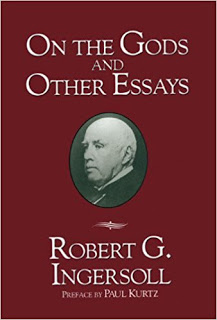
“It was a stage in my pilgrimage to visit in his handsome mansion in New York a man who had for some time appeared to me the most striking figure in religious America. Many years before, a young relative of my wife, William Jencks, had sent me to London a book on The Gods apparently made up of occasional addresses by Ingersoll. He was then styled Colonel Ingersoll because of his services in the Union War, and he had also been a member of Congress.


In one of these lectures, he said “An honest god is the noblest work of man” which became a sort of Western proverb.

In 1881, being on a visit to Boston, my wife and I found ourselves in the Parker House with the Ingesolls and went over to Charlestown to hear him lecture. His subject was ‘The Mistakes of Moses’ and it was a memorable experience.


Every variety of power was in this orator- logic, poetry, humour and imagination, simplicity and dramatic art, moral earnestness and boundless sympathy. The effect on the people was indescribable. The large theatre was crowded from pit to dome. The people were carried from plaudits of his argument to loud laughter at his humorous sentences, and his flexible voice carried the sympathies of the assembly with it, at times moving them to tears to his pathos.


The perfect freedom of Ingersoll’s mind was often illustrated in his lecture: as for instance after having cited from the Bible some narrative of terrible cruelty ascribed to the command of Jehovah, he paused for nearly a minute, then lifting his hand and looking upward he said solemnly, “I trust that God, if there be a God, will take notice that I am down here on earth denouncing this libel on his character.”

The country was full of incidents and anecdotes relating to these marvellous lectures. Once when he was lecturing at San Francisco on a Snday evening in a crowded theatre, some man in the audience cried,

“Do you believe in Baptism?:

Ingersoll replied good naturedly,

“Yes, — especially with a soap!”


Long before his reputation as a free thinker was made he was noted in the West for his great ability in defending persons in danger of injustice. Ingersoll was a lawyer. On one occasion, he defenced a humble man charged with manslaughter, which had occurred in some broil. Ingersoll came into court and after listening to the prosecution arose and said, “On my way to this room I stopped at the house of a poor woman. She had been confined while her husband was in prison—the prisoner at the bar. The woman lay on her bed with the infant beside her, and with tears in her eyes she said to me, “Send me back my husband; he is a good husband, good father, an industrious man. Oh, send me back my husband!”. There was a moment’s silence after Ingersoll said this in his tender voice, and then one of the jury cried out, “By God, Bob, we will do it”. He was a very able lawyer and by his profession gained reputation and wealth; hiss religious iconoclasm was incidental. As he was always ready to answer, his audiences swelled until it was difficult to get a seat in the always crowded theatres.

Anti- Bible Tirades

Ingersoll said, I will give any respectable clergyman a thousand dollars if he will read to his congregation on a Sunday every word of a chapter I shall select from the bible.” This challenge was of course not accepted, and it was a blow all the more effective because of the orator’s always unblemished personal character and his charities.


There were several months during which an ailment of the throat prevented Ingersoll in from speaking in public. Curiosity and interest in the South led me to an assembly in Brooklyn to welcome a Southern revivalist – Rev Sam Jones – who said in his address, “The only way with infidels is to stop their talking; a touch on the throat of Ingersoll’—a burst of laughter from the preachers present ended the sentence.


I was somewhat amused by Mrs Farrel, who in her boundless devotion to her brother confided to me that she had remarked that “every public speaker who had defamed Robert (Ingersoll) had somehow come to a bad end.”


Walt Whitman

On Ingersoll’s last visit to Walt Whitman, — to whom he was bountiful – he said, “Walt, the mistake of your life was that you did not marry. There ought to be a woman here,” he added, looking around at the poor chaotic room. (Ingersoll’s address at the funeral of Walt Whitman was the grandest and most impressive utterance of that kind which I have ever heard.)

One very intimate in the family told me that whenever one of them applied for money, Ingesoll never asked how much or what it was for, but pointed to a drawer and said, “There it is; help yourself.”


I have gone far ahead of the year when I first talked with Ingersoll in his own home. My call had no purpose except to pay some homage to the ablest free thinker America has produced I remember nothing of our conversation except he surprised me by his thorough knowledge of Shakespeare.”


–Subham–


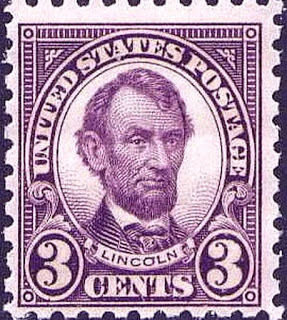
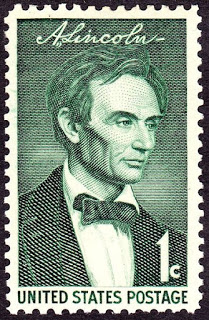
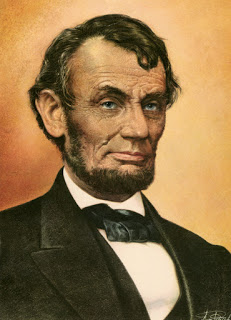
‘Papa, Abraham Lincoln is not Ugly!’ Homeliness Anecdotes (Post No.4377)


Written by London Swaminathan 


Date: 8 NOVEMBER 2017


Time uploaded in London- 17-24


Post No. 4377

Pictures shown here are taken from various sources such as Facebook friends, Books, Google and newspapers; thanks.


Lincoln’s great love for children easily won their confidence. A little girl, who had been told that the president was very homely, was taken by her father to see the President at the White House.


Lincoln took her upon her knee and chatted with her a moment in his merry way, when she turned to her father and exclaimed

Oh Papa ! He is not ugly at all; he is just beautiful.


Xxxx

JACK-KNIFE FOR LINCOLN

Abraham Lincoln delighted to tell stories about himself. One of his favourites was the following:


” In the days w a I used to be on the circuit (travelling from one county court to another on horse back ) I was once accosted by s stranger, who said

Excuse me, sir, but I have an article which belongs to you

How is that? I asked, considerably astonished.

The strange r took a jack knife from his pocket.

This knife, he said, was placed in my hands some years ago, with the injunction that I was to keep it until I found a man homlier looking than I am myself. I have carried it from that time until this; allow me to say ,sir, you are fairly entitled to the property.

Xxxx


NOSE IS UGLY, NOW

An acquaintance came to Jerrold and said indignantly

I hear you said my nose was like the ace of club s!

Jerrold looked thoughtful.

No,  I did not, he drawled;

But now that I look at it, I see it is– very like.”


Xxx

SKIN YOUR WIFE


Said the brash travelling salesman to the farmer,

My God, that is certainly a homely woman!

“That is my wife, young man, said the farmer, and you might remember that beauty is only skin deep ”

Then, said the salesman, for Heavens sake, skin her!”


Xxx


LINCOLN’S PORTRAIT

The day following the adjournment of the Baltimore Convention, at which President Lincoln was renominated, various political organisations called to pay their respects. While the Philadelphia delegation was being presented, the chairman of that body, in introducing one of the members said,

Mr President, this is Mr S of the second district of our state, a most active and earnest friend of yours and the cause. He has,among other things, been good enough to paint and present to our league room s a most beautiful portrait of your self.”

President Lincoln took the gentleman s hand in his, and shaking it cordially said, with a merry voice,

I presume, sir, in painting your beautiful portrait, you took your idea of me from my principle s and not from my person.”


Xxxx

UNDER THE BUSH

A farmer, making his nightly rounds, saw a shadowy figure holding a lantern and standing somewhat furtively by the side of the house.

Knowing that all his family was in the house, he shouted,

Hey, there. Who are you?

Holding the lantern head high, the figure laughed and said,

“It is only me, Albert.”


Why I thought you were in bed long ago. What are you doing out so late?


Well, said Albert, shifting about a bit as though in embarrassment, I am courting, Annie


The farmer chuckle d. Why, the lantern? Why, when I was courting my missus, I didn’t take a lantern.


The young man hesitated for a minute, then said in all seriousness,

Yes, sir. I know. We can all see that, sir.”


Xxxx SUBHAM xxx