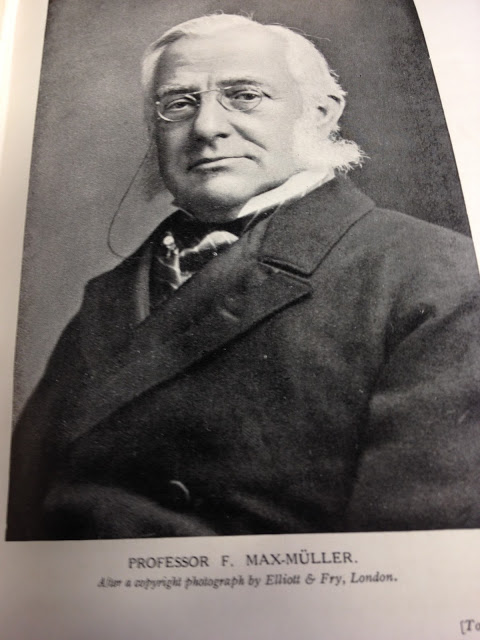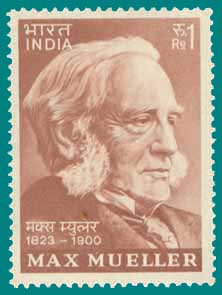
Max Muller Exposed! True Colours of Max Muller! (Post No.4224)

Written by London Swaminathan


Date: 18 September 2017


Time uploaded in London- 18-10


Post No. 4224


Pictures are taken from various sources; thanks.


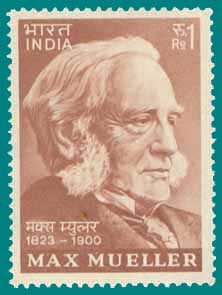
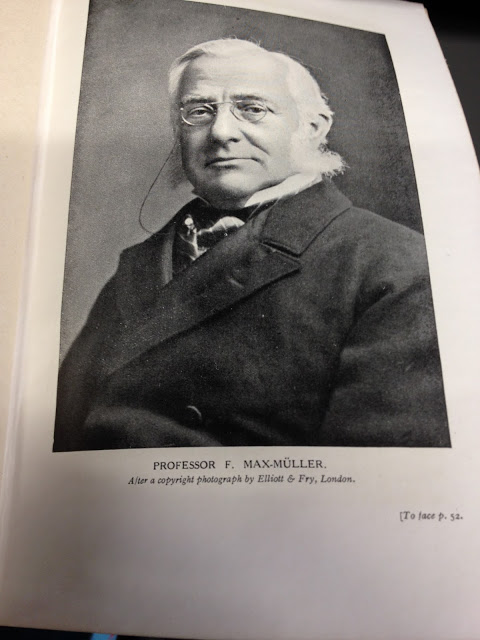
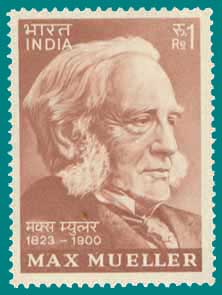
It is true that Friedrich Max Muller, the German born philologist and Orientalist, spent most of his life in studying the Vedas. It is also true that he edited and published 51 Volume Sacred Books of the East. But not many people knew that he was like a coolie worker who got the wages from East India Company and started translating the Vedas to denigrate them. As he matured, he changed his views a little. But even the professorship he held in the universities stipulated that he should uphold the Christian religion, which he did faithfully.


Like a snake he had split tongue. Sometimes he praised the Vedas and other times he scoffed at them. Why? Anyone who studies Max Muller’s writings can see one thing crystal clear. Whenever he praised the Vedas, he would show that the Aryans and Germans lived under one roof at one time and then the Aryans entered India. This is what he paid for by the East India Company and the universities. He and Caldwell distorted the history of India by giving a new meaning for the word Aryan. In the Vedas and Sangam Tamil literature it hasn’t got any racial connotation. But he deliberately gave a racial meaning and instead of using the word Vedic Hindus, throughout his writing he used Aryans. He and people like Caldwell created Hitler who was so obsessed with the word Arya and Hindu Swastika symbol. The atrocity Max Muller did against the Hindus and the Jews was immeasurable.

Here is a piece which shows his true colours, a paid coolie to show that India was full of migrants; this shows his wishful thinking: –
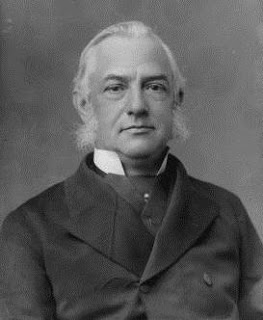
MY GREATEST DISCOVERY: MAX MULLER

“If I were asked what I consider the most important discovery which has been made during the nineteenth century, with respect to the ancient history of mankind, I should answer by the following short line

“Sanskrit DYAUSH PITAR= Greek ZEUS PATER = Latin JUPITER = Old Norse TYR”

“Think what this equation implies! It implies not only that own ancestors and the ancestors of Homer and Cicero (the Greeks and Romans) spoke the same language as the people of India – this is a discovery, which however incredible it sounded at first, has long ceased to cause any surprise – but it implies and proves that they all had once the same faith, and worshipped for a time the same supreme Deity under exactly the same name- a name which meant Heaven Father”.


Those simple hearted forefathers of ours, says Kinsley, “looked round upon the earth and said within themselves, ‘where is the All Father. If All Father there be? Not in this earth; for it will perish. Nor in the sun, moon or stars; for they all will perish too. Where is He who abideth for ever?

“Then they lifted up their eyes, and saw, as hey thought, beyond sun and moon, and stars and all which changes and will change, the clear blue sky, the boundless firmament of heaven.

“That never changed; that was always the same. The clouds and storm rolled far below it, and all the bustle of this noisy world; but there the sky was still, as bright and as clam as ever. The All father must be there, unchangeable in the unchanging heaven; bright and pure and be there and boundless like the heavens.; and like the heavens too, silent and far off.


And how, says Max Muller, did they call that All Father?


Five thousand years ago, it may be earlier, the Aryans speaking neither Sanskrit, Greek or Latin, called him Dyupatar- Heaven Father


Four thousand years ago, or it may be earlier, the Aryans who had travelled southward to the rivers of the Punjab called him Dyaush-Pita, Heaven father.


Three thousand years ago, or it may be earlier, the Aryans on the shores of the Hellespont, called him Zeus Pater, Heaven father

Two thousand years ago, the Aryans of Italy looked up to that bright heaven above, and called it Jupiter, Heaven father.

“And a thousand years ago the same Heaven Father and All father was invoked in the dark forests of Germany by the Teutonic Aryans, and his old name of Tiu or Zio was then heard perhaps for the last time.


“If we want a name for the invisible, the infinite, that surrounds us on every side, the unknown, the True Self of the world and true self ourselves – we, too, feeling once more like children, kneeling in a small dark room, can hardly find a better name than ‘Our Father which art in Heaven.”


There are clear traces in some of the hymns of the Rig Veda that at one time Dyaus, the sky, was the supreme deity.

At an early period, however, the earth under the name Prithvi, was associated with Dyaus. The Aitareya Brahmana mentions their marriage: The gods then brought the two (Heaven and Earth) together, and when they came together, they performed a wedding of the Gods


The ancient Greeks had the same idea. The earth is addressed as Mother of Gods, the wife of the Starry Heaven, Their marriage too is described


The Hindus thought their gods were much like themselves; so heaven and earth were called the father and mother of the Gods.


In the hymns there are various speculations about the origin of Dyaus and Prithvi. A Perplexed poet enquires, “Which of these was the first, and which the last? How they have been produced

? Sages, who knows?”


In the Vedas Dyaus is chiefly invoked in connection with the Earth. He is invoked by himself also, but he is a vanishing God, and his place is taken in most of the Vedic poems by the younger and more active God, Indra”.
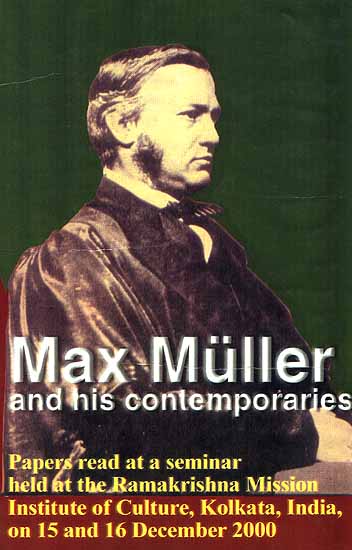
 

MY COMMENTS:

Max Muller’s Lies!

Sanskrit and Sanskrit literature are older than Greek by several thousand years! Saraswati River research has proved that the Vedas existed before Harappa and Mohanjadaro. Atomic Isotopes and satellite images cannot lie.


Like the fanatic Tamils hide under the guise of Indus valley Civilization saying that they spoke Tamil, Europeans hide under a supposed language IE (Indo European); it was never proved. It was invented to support their false theories.


His Norse Tyr, Roma Jupiter, Greek Zeus were very Junior Gods compared to Dyaus Pater.


More over Dyaus Pater has only a passing remark in the Vedas where as Indra, Varuna and Agni command great respect and take thousands of Mantras.

Neither Max Muller nor any scholar has proved that the Dyaus Pita is in the oldest hymn of Rig Veda; once again it is Max Muller’s invention!


Thousands of things mentioned in the Vedas were not even found anywhere in Europe. Oldest Greek literature is from 800 BCE, whereas the Vedic literature is at least 5000 years old even according to Max Muller. He went back from his old theory of 1200 BCE (for RV) when he was attacked by other contemporary scholars. Tilak and Jacobi proved that the Rig Veda belonged to 4500 BCE or before. No one has challenged their astronomical proof until today. Marxist writers and foreign writers never even mentioned them.


Because Max Muller was paid a coolie he said that we all lived under one roof 5000 years ago outside India! This he tried to prove in his 51 volumes and miserably failed. The fact of the matter is Hindus went outside and spread their culture.


Sumerians, Babylonians and Egyptians say that they came from a far off land; but neither Sangam Tamil literature nor Vedas claim any outside origin. There is very clear indication to show that they have been living here for thousands of years. Bhimbetka caves and other places show that human beings lived here for thousands and thousands of years.

Max  Muller’s lies are exposed now. Faithful to the coolie he received, though out his writings he said that Hindus came from outside. He did not even use the word Hindus. He invented a new race called Aryans. He has done an immense damage to human history.


–SUBHAM–


வாஜபேய யக்ஞம் — இந்திய ஒலிம்பிக்ஸ்? (Post No.4223)

Written by London Swaminathan


Date: 18 September 2017


Time uploaded in London- 10-33 am


Post No. 4223


Pictures are taken from various sources; thanks.


What does Vajapeya yajna show?


இந்தியாவின் பத்தாவது பிரதமராக அடல் பிஹாரி வாஜ்பாயீ பதவி ஏற்றவுடன் வாஜபேயம் என்பது ஒரு யாகம் என்பதும் அதைச் செய்த குடும்பத்தில் அவர் பிறந்ததால் அந்த துணைப்பெயர் அவர் பெயரில் ஒட்டிக்கொண்டது என்றும் பலருக்கும் தெரிய வந்தது.

யஜூர் வேதத்தில் இரண்டு பகுதிகள் உண்டு. அதில் சுக்ல (வெள்ளை) யஜூர் வேதத்தில் சதபத பிராமணம் என்ற உரை நடை நூல் இருக்கிறது. அதில் ராஜ சூயம், அஸ்வமேதம், வாஜபேயம் ஆகியன பற்றிய விரிவான விவரங்கள் இருக்கின்றன.


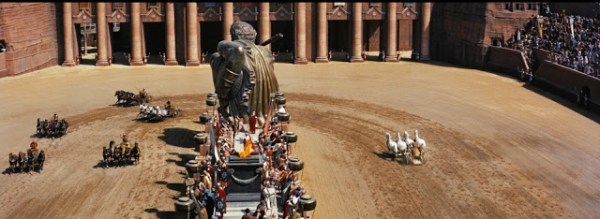
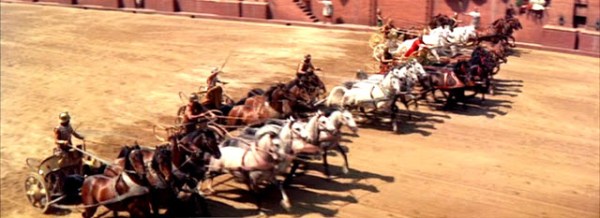
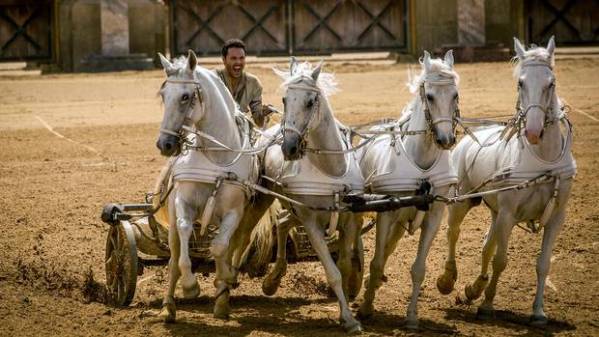
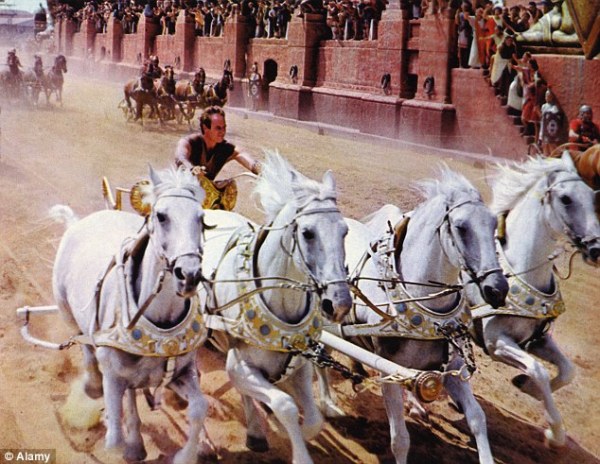
சதபத பிராமண நூலை நன்கு பயின்ற ஹில்ப்ராண்ட் (Hillebrandt) என்ற அறிஞர் இதை ஒலிம்பிக் விளையாட்டுடன் ஒப்பிட்டுக் கட்டுரை எழுதியுள்ளார். ஏனெனில் இதில் வெறும் யாகம் மட்டும் இல்லாமல் நிறைய விளையாட்டுகள் குறிப்பாக பெரிய குதிரை பூட்டிய தேர்ப் பந்தயம் இருக்கிறது. பென்ஹுர் (Benhur) போன்ற  திரைப்படங்களைப் பார்த்தவர்களுக்கு இது எவ்வளவு ரசிக்கக்கூடியது என்பது விளங்கும். ஊரே கூடி ஓ என்றும் ஆ என்றும் கூவி உற்சாகப்படுத்துவர். பெரிய பேரிகைகள் (Drums) முழங்கும்.


இந்துக்கள் செய்யும் 400-க்கும் அதிகமான யாக யக்ஞங்களில் இதுவும் ஒன்று. இந்த யாகம் எதைக்கட்டுகிறது?


வேத கால இந்துக்கள் மிகவும் நாகரீகம் அடைந்தவர்கள்; ஏனெனில் உலகிற்கே பசு மாடு, குதிரை, இரும்பு, தசாம்ச முறையைக் கற்பித்து உலகையே இன்பக்கேணியாக மாற்றியவர்கள். விளையாட்டு வீரர்கள்!


இன்று கோவில் திருவிழாக்களில் ஜல்லிக்கட்டு, ரேக்ளா ரேஸ், உறியடி போன்றவை எல்லாம் இருக்கிறதென்றால், அதற்கு வேத கால இந்துக்களே முன்னோடிகள்! எகிப்தியர்களுக்கு தேர் பற்றியோ, குதிரை பற்றியோ, யானை பற்றியோ ஒன்றுமே தெரியாது; வெறும் குண்டுச் சட்டியில் குதிரை ஓட்டி வந்தனர். அவர்களுக்கு கி.மு.1500  இந்தியர்கள் போய் (யக்ஷர்கள் HYKSOS) குதிரையை உபயோகப் படுத்துவது எப்படி என்று காட்டினர். யானைக ளைப் படைகளில் உபயோகப் படுத்தியதும் இந்துக்களே. அமெரிக்காவில் குதிரை புகுந்தவுடன் அதன் வரலாற்றே மாறியது. இந்தப் பசுமாட்டையும், குதிரையையும் யானையயும் புனித மிருகங்களாக உயர்த்திய பெருமை இந்துக்களுடையதே.

வேத கால இந்துக்கள் எதையுமே பாஸிட்டிவாக (ஆக்கபூர்வமாக) பார்த்தார்கள். ஆயிரம், கோடி லட்சம் என்று உயர்வாகவே எண்ணுவர்.

வாஜபேயம் என்பதை பிராணர்களும் அரசர்களும் செய்தனர். ஆயினும் அரசர்களுக்கு ராஜ சூயம் எவ்வளவு முக்கியமோ அவ்வளவு பிராணர்களுக்கு முக்கியமானது வாஜபேயம் என்று கருதுவர். வைஸ்யர்களும் கூட வாஜபேயம் செய்தனர். ஒரு பிராமணர் புரோகிதராக உயர வாஜபேயம் செய்வார்.


ஆயினும் சங்கத் தமிழ் நூல்களில் வாஜபேயம் பற்றி நேரடியான குறிப்புகள் இல்லை. ஆனால் சோழ மன்னர்கள் செய்த ராஜ சூயம் முதலான யக்ஞங்கள் பற்றித் தெளிவான பாடல்கள் புற நானூற்றில் இருக்கின்றன. பாண்டிய மன்னன் பல்யாக சாலை முதுகுடுமிப் பெருவழுதி செய்யாத யாகங்களே இல்லை.


காளிதாசன், பாண்டிய மன்னர்களின் குல குரு அகத்தியன் என்று சொல்லிவிட்டு அவர்கள் எப்போதும் யாகத்துக்கான அவப்ருத ஸ்நானத்தில் மூழ்கிக் கிடப்பவர்கள் என்று புகழ்கிறான்.


2200 ஆண்டுகளுக்கு முன்னரே தமிழகத்தில் இந்த யாக யக்ஞங்கள் புகழ் பெற்றுவிட்டன என்றால் அதற்கு 3000 ஆண்டுகளுக்கு முன்னரே மாபெரும் சரஸ்வதி நதி தீரத்தில் யாகத் தீ எரிந்ததில் வியப்பில்லை.

வாஜ பேயம் என்றால் (உண்ணல்=வாஜ, குடித்தல் = பேயம்) பலத்துக்காக உண்ணுவது பானங்களைக் குடிப்பது என்று பொருள்;இதிலும் சோம ரசம் பருகுதல் உண்டு. ஆயினும் அதற்குப்பின்னர் நடக்கும் தேர்ப் பந்தயத்தில் யாகத்தைச் செய்தவர் வெற்றி பெறும் போட்டியும் இருக்கும்.


யார் ஒருவர் வாஜபேயம் செய்கின்றாரோ அவருக்கு உணவுப்பஞ்சம் என்பதே கிடையாது என்று ஸ்ரௌத சூத்ரங்கள் சொல்லுகின்றன.


வாஜ்பேயம் செய்பவர் பிரஜாபதியைத் துதி பாடுவர். அவருடைய சக்தி போலத் தனக்கும் எல்லாத் திசைகளிலும் வெற்றியும் சக்தியும் கிடைக்க வேண்டும் என்று உரைப்பர். பிரஜாபதிக்கு எப்படிப் புகழும் சக்தியும் வெற்றியும் உண்டோ அப்படித் தனக்கும் கிடைக்கும் என்று எண்ணுவர். எல்லாம் ஆ க்கபூர்வ சிந்தனைகளே!

எனது முந்தைய கட்டுரைகள்:


  1. 400 வகையாகங்கள் … – tamilandvedas.com

tamilandvedas.com/2014/03/06/400-வகை…

Sri Sathya Sai Baba in Ati Rudra Maha Yagna By London Swaminathan லண்டன் சுவாமிநாதன் கட்டுரை எண் — 890 …

  1. 400 Types of Yagas (Fire Ceremonies) | Tamil and Vedas

tamilandvedas.com/2014/03/06/400-types-of-yagas…

400 types of Yagas. … https://tamilandvedas.com/2014/03/06/400-types-of-yagas-fire-ceremonies/ Previous Post 400 வகை யாகங்கள்: …

  1. 5 மஹா யக்ஞம், 14 ச்ரௌத யக்ஞம், 7 பாக யக்ஞங்கள் (Post No.3312 …

swamiindology.blogspot.com/2016/11/5-14-7-post-no3312.html

பாக யக்ஞங்கள் ஏழு வகை; … 400 வகை யாகங்கள்: காஞ்சி …


Tamil Olympics | Tamil and Vedas

tamilandvedas.com/tag/tamil-olympics

Posts about Tamil Olympics written by Tamil and Vedas


Tags: வாஜபேயம், இந்திய ஒலிம்பிக்ஸ்


மாக்ஸ்முல்லர் மர்மம்! – 1 (Post No.4222)

Written by S.NAGARAJAN


Date: 18 September 2017


Time uploaded in London- 6-08 am


Post No. 4222

Pictures shown here are taken from various sources such as Facebook friends, Books, Google and newspapers; thanks.


மாக்ஸ்முல்லர் மண்ணைக் கவ்வினார்; அணுசக்தி விஞ்ஞானிகள் செமை அடி என்ற ச.சுவாமிநாதனின் கட்டுரையை- 16-9-17இல் வெளியான கட்டுரை எண் 4217- ஐப் படிக்குமாறு அன்பர்களை வேண்டுகிறேன்.

நண்பரா, கைக்கூலியா!


மாக்ஸ்முல்லர் மர்மம்! – 1


ச.நாகராஜன்

1


மாக்ஸ்முல்லர்!

வேதங்களை மொழி பெயர்த்தவர்; ஹிந்து மதத்தின் பால், – ஹிந்து நாகரிகத்தின் பால், பெரு மதிப்புக் கொண்டிருந்தவர் என்ற புகழுரைகள் ஒரு புறம்!

ஹிந்து மதத்திற்கு எதிராக சதி வேலை செய்தவர், பிரிட்டிஷாரின் கைக்கூலி; கிறிஸ்தவ பாதிரிகளின் கைப்பாவை – என்று இப்படி அவருக்கு எதிரான குற்றச்சாட்டுகள் இன்னொரு புறம்!

சாயனரே மறு அவதாரம் எடுத்து வந்திருப்பதாகக் கருதுகிறேன். எவ்வளவு பெரிய வேலையைச் செய்திருக்கிறார்; அவருக்கு ஹிந்து மதத்தின் மீது தான் எவ்வளவு அன்பு என்று ஸ்வாமி விவேகானந்தரின் புகழுரைகள் இன்னொரு புறம்!

எந்த ஒரு நல்ல விஷயத்தை எடுத்துக் கொண்டாலும் அது தோன்றிய நாடு என்று என் கை சுட்டிக் காட்டுவது இந்தியாவைத் தான் என்று அடித்துச் சொல்லி (எழுதி) இந்தியாவை புகழேணியில் உச்சியில் ஏற்றும் மாக்ஸ்முல்லரின் எழுத்துக்கள் (அச்சிலே வந்து விட்டன நூலகள்) இன்னொரு புறம்.

மலைக்கிறோம்.

திகைக்கிறோம்.

அவரது அன்னைக்கு எழுதிய கடிதத்தில் வேதம் பற்றிய அவரது கருத்தைக் கண்டு மயங்குகிறோம்.

India – what it can teach us என்ற நூலில் அவர் இந்தியா பற்றி எழுதிய புகழாரம் கண்டு மகிழ்கிறோம்.

அவர் என்ன முரண்பாடுகளின் மூட்டையா?

அல்லது முதலில் ஹிந்து மதத்திற்கு எதிராகச் சதி செய்த சதிகாரப் பாதிரிகளுக்கு கைக் கூலியாக இருந்து மனம் மாறிய மனிதரா?

அவரது ஆராய்ச்சியில் அர்த்தம் உண்டா?

அல்லது ரஷியர் ஒருவர் கூறியது போல அவை அனைத்துமே பிழையானவை என்று சொல்லி விடலாமா?


அரைகுறை ஆராய்ச்சியாளரா, அல்லது ஆராய்ச்சியின் பரிணாம வளர்ச்சியில் வளர்ந்து வந்தாரா?

பல ஆண்டுகளாக இந்தக் குழப்பம் எனக்கு இருக்கிறது.

இதே குழப்பம் ஆயிரக்கணக்கானோருக்கும் இருப்பதிலும் வியப்பில்லை.

மாறுபட்ட கருத்துக்கள் அதற்குரிய ஆதாரங்களுட்ன வரும் போது குழப்பம் வருவது இயற்கை தான்!

அனைத்தையும் ஒரு அலசு அலசினால் உணமை வராதா என்ன?

முயன்று பார்ப்போம்!


2

முதலில் அவர் கூறிய் ஒரு புகழுரை.


“If I were asked under what sky the human mind has most fully developed some of its choicest gifts, has most deeply pondered over the greatest problems of life, and has found solutions of some of them which well deserve the attention even of those who have studied Plato and Kant, I should point to India. And if I were to ask myself from what literature we who have been nurtured almost exclusively on the thoughts of Greeks and Romans, and of the Semitic race, the Jewish, may draw the corrective which is most wanted in order to make our inner life more perfect, more comprehensive, more universal, in fact more truly human a life… again I should point to India.”
― 
Friedrich Max MüllerIndia: What it Can Teach Us

உலகம் வியக்கும் உயர்ந்த வேத சிந்தனைகள் என்ற எனது கட்டுரையில் (சில ஆண்டுகளுக்கு முன்னர் எழுதியது)  எனது மொழிபெயர்ப்பு இது:

“வானத்தின் கீழ, எந்த மனிதர்களின் மனம், தமக்கு அரிதாகக் கொடுக்கப்பட்ட கொடைகளை முழுவதுமாக வளர்ச்சியுறச் செய்திருக்கிறது; வாழ்வின் பெரிய பிரச்சினைகளை ஆய்ந்திருக்கிறது; அது மட்டுமின்றி,பிளேடோ, காண்ட் போன்றோரை – நன்கு பயின்றவர்களைக் கூடக் கவரும் வகையில் அந்தப் பிரச்சினைகளில் சிலவற்றிற்குத் தீர்வைக் கண்டிருக்கிறது என்று என்னைக் கேட்டால் இந்தியாவையே நான் சுட்டிக் காட்டுவேன். இங்கே ஐரோப்பாவில் கிரேக்க, ரோமானிய மற்றும் செமிடிக் இனமான யூத இனத்தின்  சிந்தனைகளை மட்டும் பிரத்யேகமாக ஏற்றுக் கொண்டிருக்கிறோமோ அப்படிப்பட்ட நாம் நமது அக வாழ்விற்கு பரிபூரணமான, மிகப் பரந்த, பிரபஞ்சம் அளாவிய, இன்னும் சொல்லப்ப்போனால் நிஜமாகவே மனிதாபிமானமுள்ள ஒரு வாழ்க்கைக்காக – இந்த பூமியில் வாழும் வாழ்க்கை மட்டுமல்லாமல் இதற்கு அப்பால் என்றும் நிலைத்து வாழும் வாழ்க்கைக்குமாக – எந்த இலக்கியத்திலிருந்து வேண்டிய திருத்தங்களைப் பெற முடியும் என்று என்னைக் கேட்டால் மீண்டும் நான் இந்தியாவையே சுட்டிக் காட்டுவேன்.”

தனது திடமான உள்ளார்ந்த நம்பிக்கையை இப்படி அழுத்தம் திருத்தமாக கம்பீரமான சொற்களினால் மாக்ஸ்முல்லர் சொல்வதை “India, What it can teach us” நூலில் காண முடிகிறது.

* ஆய்வைத் தொடர்வோம்


Vajapeya Yajna- The Olympic games of Ancient India? (Post No.4221)

Written by London Swaminathan


Date: 17 September 2017


Time uploaded in London- 16-39


Post No. 4221


Pictures are taken from various sources; thanks.


What does Vajapeya yajna show?

Vedic Hindus were very sportive; they were highly civilized; even the religious, ritualistic sacrifices had great sports events such as horse races with the beating of the drums. They aimed high in everything; they always aimed at victory. They were positive thinking people. Like todays festivals religion and art went together. Even the utensils and vessels used in the sacrifice were elevated to sacred objects.


Atal Bihari Vajapayee was the tenth prime minister of India. He belongs to the family of Vajapeya performers. Because of him the word Vajapeya became familiar.


Hillebrandt goes so far as to compare it to the Olympic games (Vedische mythologie, 1, 247). Because the yajna is full of games, dance and music.


Vajapeya is the name of a fire ceremony which according to the Satapata Brahmana is performed by a Brahmin or Kshatriya. The book insists that this sacrifice is superior to the Rajasuya, but the consensus of others assigns to it merely the place of a preliminary to the Brhaspatisava in the case of a priest, and to the Rajasuya in the case of a king, while the Satapata is compelled to identify the Brhaspatisava with the Vajapeya.


(Brhaspatisava: It is the name of a sacrifice which according to the T

aittiriya Brahmana, the priest who desired to become a Purohita obtained that office. According to the Asvalayana Srauta Sutra it was the sacrifice to be performed by a priest after the Vajapeya, while the king performed the Rajasuya. It is identified with Vajapeya in the Satapata Brahmana.)

The essential ceremony is a chariot race in which the sacrifice is victorious. There is evidence in the sankhyayana Srauta Sutra showing that once the festival was one which any Hindu could perform.


Eggeling holds the view that the Vajapeya was a preliminary rite performed by a Brahmin prior to his formal installation as a Purohita, or by a king prior to his consecration. The Kuru Vajapeya was specially well known (Sankhyayana and Apastmaba Srauta Sutras).


Satapata Brahmana belongs to Sukla (white) Yajur Veda. Satapata is called 10 paths or sections (sata=100). Book 5 is taken up with the two great sacrifices of Vajapeya and Rajasuya or inauguration of a King. Vajapeya means Drink of Strength or Race cup.


Sangam age Tamil kings performed Rajasuya 2000 years ago according to Purananuru. But there is no reference to Vajapeya in ancient Tamil literature. Yudhishthira performed according to Mahabharata. It is very interesting to see that these Yagas and yajnas were rooted in Tamil Nadu 2000 years ago. Yudhishthira performed it 3100 years before the Tamils!


He who offers the Vajapeya wins food, for Vajapeya doubtless means the same as Anna-peya (food and drink).


Thereupon while looking in different directions, he mutters “ ours be your power, your manhood and intelligence, ours be your energies! For he who offers Vajapeya sacrifice wins everything as he does Prajapati, and Prajapati being everywhere here – having appropriated to himself the glory, the power and the strength of this all, he now lays them within himself, makes them his own; that is why he mutters, while looking in the different directions.  – Sat.Br. 5-2-1-15


The many ritual details of the Vajapeya (Vaja= Food, Peya= Drink) show that the rite is a variety of the Soma sacrifice with which coalesced various popular festivals and rites. It was performed in autumn; the season in later times kings set out on military expeditions for annexing contiguous or distant territories. In addition to Brahmins and Kshatrias, even Vaisyas (business community) performed it for prosperity.


The cups and ladles used in the Yajna were considered sacred or divine; deification of the  wheel  shaped cake in the Vajapeya sacrifice, the torch, the golden plater representing the sun by night, the Mahavira cauldron in the Pravargya rite are cases in the point.

Also read my old article:

Tamil Olympics | Tamil and Vedas

tamilandvedas.com/tag/tamil-olympics

Posts about Tamil Olympics written by Tamil and Vedas


–SUBHAM–


பெண்ணின் மனம்: ரிக் வேதம், ஷேக்ஸ்பியர், தமிழ் பாட்டு ஒப்பீடு (Post No.4220)

Written by London Swaminathan


Date: 17 September 2017


Time uploaded in London- 6-56 am


Post No. 4220


Pictures are taken from various sources; thanks.


பெண்களை தாயார் ஸ்தானத்தில் வைக்கும்போது அவர்களை இந்து மதம் புகழ்வது போல வேறு எந்த மதமும் புகழ்வதில்லை; தமிழ் சம்ஸ்கிருத நூல்களில் கண்டது போல வேறு எங்கும் கண்டதில்லை. மனு தர்ம சாஸ்திரமோ பெண்களை உச்சானிக்  கொம்பில் வைத்து போற்றுகிறது. அவர்கள் அழுதால் அந்தக் குடும்பம் அல்லது அதற்குக்  காரணமானவர் வேருடன் சாய்வர் என்று எச்சரிக்கிறார் மனு. பெண்களுக்கு நகை நட்டுகளை வாங்கிக் கொடுத்து அவர்களை எப்போதும் மகிழ்ச்சிக் கடலில் மிதக்க வைக்க வேண்டும் என்றும் உலகிற்கு புத்திமதி சொல்கிறார். சுத்த மான இடங்கள் எவை என்பதை பட்டியலிடுகையில் பெண்களின் வாய் எப்போதும் சுத்தமானது என்றும் சொல்லுகிறார் மனு (எனது பழைய கட்டுரைகளில் ஸ்லோக எண்களுடன்  மேல் விவரம் காண்க)


மேல் நாட்டு இலக்கியங்களில் பெண்களின் அழகை வருணிப்பர்; அவர்களைத் தூற்றுவர். ஆங்கில  மஹா கவி ஷேக்ஸ்பியர் நாடக வசனங்களிலும் இதைக் காணலாம்; கம்பனிலும் இதைக் காணலாம். நீதி வெண்பாவிலும் இதைக் காணலாம்; திருக்குறளிலும் இதைப் படிக்கலாம்.


ஆனால் தாய், சஹோதரி என்ற நிலையில் நாம் புகழ்வோம்; மேல்நாட்டு இலக்கியங்களில் அப்படி இல்லை!


அதிகம் கேட்டிராத நீதி வெண்பாப் பாடலைப் பார்ப்போம்:


அத்தி மலரும் அருங்காக்கை வெண்ணிறமுங்

கத்து புனல் மீன் பதமுங் கண்டாலும் — பித்தரே

கானார் தெரியற் கடவுளருங் காண்பரோ

மானார் விழியார் மனம்.


பொருள்:

பித்தரே= பெண் மயக்கம் கொண்ட பித்தர்களே; பைத்தியக்காரர்களே!


அரு = பார்ப்பதற்கு அருமையான

அத்தி மலரும் = அத்திப் பூவும்

காக்கை வெண்ணிறமும் = காக்கையின் வெள்ளை நிறமும்

கத்து புனல் மீன் பதமும் = ஒலிக்கின்ற கடலில் உள்ள பெரு மீன்களின் கால்களும்

கண்டாலும் = ஒருக்கால் பார்க்க இயன்றாலும்

(பெண்களின் மன நிலையை நம்மால் காண/ அறிய முடியாது)

(நாம் மட்டும் அல்ல)

கான் ஆர் தெரியல் கடவுளரும் = மணம் பொருந்திய மாலைகளை உடைய தேவரும்

மான் ஆர் விழியார் மனம் = மான் பார்வை போலும் மருண்ட கண்களை உடைய அப்பெ ண்களின் நெஞ்சத்தைக் காண்பரோ = காண்பார்களோ?

(அவர்களும் காண மாட்டார்)


ஷேக்ஸ்பியர் என்ன சொல்கிறார்?

புலியின் இதயம், பெண்ணின் அழகிய தோலுக்குள் மறைந்திருக்கிறது

ஹென்ரி 6- பகுதி 3

Oh tiger’s heart wrapped in a woman’s hide – York

Henry VI Part 3


ஒரு விலைமாது போல சொற்களால் என் இதயத்தைத் திறந்து காட்டுவேன்– ஹாம்லெட்

Must, like a whore, unpack my heart with words – Hamlet


ரிக் வேதத்தில் ஊர்வசிக்கும் (10-95) புரூருவசுக்கும் இடையே நடை பெறும் அற்புதமான உரையாடல் உளது; அதில் ஊர்வசி சொல்கிறாள்


வேண்டாம்; புரூருவஸ், இறந்து விடாதே, றைந்து விடாதே. கெட்ட ஓநாய்கள் உன்னை விழுங்கிவிடக் கூடாது.


பெண்களுடன் நிரந்தர நட்பு என்று எதுவுமே கிடையாது; பெண்களின் இதயம் புலியின் (கழுதைப் புலி) இதயம் போன்றது.


ஷேக்ஸ்பியர் சொன்ன அதே சொற்கள்!

Nay, do not die Puruvas, nor vanish;

let not the evil-omened wolves devour thee.

With women, there can be no lasting friendship; hearts of the hyenas are the hearts of women.

RV 10-95-15

கம்பன், வள்ளுவன், வேத கால ரிஷி, ஷேக்ஸ்பியர் ஆகியோர் எச்சரிக்கும் அழகே தனி! ஒப்பிட்டு மகிழ்க!


My Old Article:

  1. பெண்களின்எதிரி | Tamil and Vedas

tamilandvedas.com/tag/பெண்களின்…

Posts about பெண்களின் … பெண்களின் எதிரியா? … கம்பன், …


TAGS: பெண் மனம், புலியின் இதயம், ஷேக்ஸ்பியர், ரிக்வேதம், நீதி வெண்பா


–Subham–

விதுரர் கூறும் விதுர நீதி – 1 (Post No.4219)

Written by S.NAGARAJAN


Date: 17 September 2017


Time uploaded in London- 5-01 am


Post No. 4219

Pictures shown here are taken from various sources such as Facebook friends, Books, Google and newspapers; thanks.


மஹாபாரதம்

விதுரர் கூறும் விதுர நீதி – 1

ச.நாகராஜன்


மஹாபாரதம் ஒரு பெரிய நீதிக் களஞ்சியம்.

அதில் அற்புதமான ஒரு பகுதியாக அமைகிறது விதுரர் திருதராஷ்டிரனுக்குக் கூறும் நீதி உபதேசம்.


இந்த இருவருக்கும் இடையேயான உரையாடல் விதுர நீதி என்று அழைக்கப்படுகிறது; காலம் காலமாக பெரியோர்களால் வாழ்வாங்கு வாழும் வழியாக விதுர நீதி உபதேசிக்கப்பட்டு வருகிறது.

உத்யோக பர்வத்தில் ப்ரஜாகர பர்வத்தில் வருவது விதுர நீதி.

எந்த விதமான உடன்பாட்டிற்கும் வர முடியாது என்ற தன் உறுதியான நிலைப்பாட்டை துரியோதனன் எடுத்து, ஊசி அளவு இடம் கூட உங்களுக்குத் தர மாட்டேன் என்று பாண்டவர்களிடம் கூறி விடுகிறான்.


பாண்டவர்களுக்கும் தனது குமாரனான துரியோதனனுக்கும் நடக்கும் இந்த சண்டையை எண்ணி திருதராஷ்டிரனால் தூங்கவே முடியவில்லை.


உடனே அவன் சகல நீதிகளையும் அறிந்த விதுரரை வருமாறு அழைப்பு விடுக்கிறான்.


அப்போது விதுரர் நீதி மொழிகளைப் புகல்கிறார்.

புரிந்து கொள்வதற்கு மிகவும் கஷ்டமான புதிர் போன்ற பாணியில் கூட அவரது உரை அமைகிறது.


காலம் காலமாக உரையாசிரியர்கள் இதற்குத் தகுந்த விளக்கம் சொல்லி வந்துள்ளதால் நாம் விதுரர் கூறியதை உணர முடிகிறது.

எடுத்துக் காட்டாக ஒரு சுலோகத்தை இங்கே பார்க்கலாம்.


ஏகயா த்வே விநிச்சித்ய த்ரீந் சதுர்பிந் வசே குரு I

பஞ்ச ஜித்வா விதி த்வா ஷட் சப்த ஹித்வா சுகீ பவ II


இதன் பொருள்:

ஒன்றால் இரண்டை ஜயித்து நான்கினால் மூன்றை வசமாக்கிக் கொள். ஐந்தை ஜயித்து ஆறை அறிந்து, ஏழை விட்டு சுகமாக இரு.


இங்கு ஒன்று, இரண்டு, மூன்று போன்றவற்றிற்கான பொருள் விளங்கவில்லை.


ஆனால் உரையாசிரியர்கள் தக்க விளக்கத்தைத் தந்துள்ளனர்.

ஒன்றால் – ஒரே உறுதியான புத்தியால்

இரண்டை – செய்யத் தகுந்தது, செய்யத் தகாதது  இவ்விரண்டையும் ஆய்ந்து தீர்மானித்து’


மூன்றை – நண்பர், விரோதி, நட்பும் பகையும் இன்றி நடு நிலையில் இருப்போர் ஆகியோரை

நான்கினால் – சாம், தான, பேத, தண்டத்தால்

ஐந்தை ஜயித்து  – ஐந்து புலன்களை ஜயித்து


ஆறை – சந்தி, விக்ரஹம், யானம், ஆஸனம்,த்வைதீ பாவம், ஸமாஸ்ரயணம் என்ற ராஜ நீதியில் விதிக்கப்பட்ட ஆறு உபாயங்களை அறிந்து


ஏழை – பெண்களிடம் மோகம், சூதாட்டம், வேட்டை, குடி, கடுஞ்சொல், கொடிய தண்டனை, பொருளை வீணாக செலவழித்தல், ஆகிய ஏழு குற்றங்களையும்

அறிந்து சுகமாக இரு.


இப்போது நன்கு பொருள் விளங்குகிறது.

இது போன்ற ஏராளமான நீதி மொழிகளை விதுரர் மனித குலத்தின் நன்மைக்காகத் தருகிறார்.


அதாவது மஹாபாரதத்தை இயற்றிய வியாசர் தருகிறார்.

இன்னும் சில விதுர நீதிகளை ப் பார்ப்போம்

****


Comets: Shakespeare also believed Hindu Views (Post No.4218)

Written by London Swaminathan


Date: 16 September 2017


Time uploaded in London- 18-48


Post No. 4218


Pictures are taken from various sources; thanks.


In Sangam Tamil literature and Hindu epic literature lot of references to comets (dhumaketu) are vailable.; all those references fear the evil effect of the comets. Ancient tamils used both Sanskrit word Dhumam (smoke) and the lieral translation of Dhema Ketu + Pukaik kodi in Purananuru.

Shakespeare also had the same belief about comets in his drama Julius Caesar, Calpurnia says

“When beggars die, there are no comets seen; the heavens themselves blaze forth the death of princes” Julius Caesar 2-2-30/31


Meaning:

Calpurnia, wife of Julius Caesar, begs her husband not to venture out on this morning, the ides of March. Caesar has spent a restless night and there is a wild storm raging. Calpurnia has had disturbing dreams, as well; crying out three times in her sleep, “They murder Caesar!” She begs him to stay home. Caesar sends word to the priests and they, too, return a warning that Caesar must stay home. Calpurnia is very upset , especially because of the strange events of the preceding evening: reports that a lioness was seen giving birth in the streets of Rome, the dead rising from their graves, warriors fighting in the clouds, reports of horses neighing and dying men groaning, ghosts shrieking. Comets were seen during the night, which Calpurnia interprets as a prophecy of the death of a prince.


Shakespeare had similar views about eclipse which is also in Tamil and Sanskrit books.

Tamil Belief

Meteor
Meteors: Kudalur Kizar (Puram 229) described the effect of a meteor he and his colleagues saw in the sky. They predicted that the Chera King Mantharan Ceral Irumporai would die in seven days time and it came true.

Comets: Like any ancient community Tamils were also afraid of the comets. They used the Sanskrit word ( Dhuma ketu) and Tamil word (Pukai Kodi) for it. Reference: Puram 117and 395 Also in post- Sangam Tamil epic Manimekalai 6-64, 7-74, Silappadikaram 10-102


Tamil Poet Bharati On Halley’s Comet
1.Like a palm tree set on a millet plant,
With a growing tail on a little star,
You blaze forth in kinship with eastern moon
Oh, lustrous comet! I bid you welcome

2.You range over countless crores of Yojanas
They say your endless tail wrought of gas
The softness of which is indeed peerless

  1. They say that yourtail touches the earth too
    An you fare forth with no harm to the poor;
    The wise talk of your myriad marvels.
    ( I have given only 3 stanzas from 7 stanzas of translation by Dr T N Ramachandran)

Varahamihira on Comets:


  1. Dhumaketu | Tamil and Vedas

tamilandvedas.com/tag/dhumaketu

Posts about Dhumaketu written by Tamil and Vedas. … is considered as Dhumaketu – a portentous comet … //tamilandvedas.com/2015/05/13/comets-in-brhat-samhita/


  1. ISON comet | Tamil and Vedas

tamilandvedas.com/tag/ison-comet

Posts about ISON comet written by Tamil and Vedas. … Dhumaketu in Sanskrit means Lord Ganesh and the … //tamilandvedas.com/2013/01/05/spectacular-comet-show-in …


மாக்ஸ்முல்லர் மண்ணைக் கவ்வினார்! அணுசக்தி விஞ்ஞானிகள் செமை அடி! (Post No.4217)

Written by London Swaminathan


Date: 16 September 2017


Time uploaded in London- 16-51


Post No. 4217


Pictures are taken from various sources; thanks.


வேதத்தை மொழிபெயர்த்து வெளியிட்ட மாக்ஸ்முல்லருக்கு பாம்பு போல இரட்டை நாக்கு; சில இடங்களில் வேதத்தைப் புகழ்வார்; சில இடங்களில் வேதத்தை இகழ்வார்; அவர் செய்தது கூலி வேலை. முதலில் கிழக்கிந்திய கம்பெனியும் அப்புறம் இங்கிலாந்திலுள்ள பல்கலைக்கழகங்களும் அவருக்கு கூலி கொடுத்தன. அதாவது கூலிக்கு மாரடித்த குப்புசாமி! கூலி போட்டவர்களின் நோக்கம் என்ன? எப்படியாவது இந்துமதத்தை மட்டம் தட்ட வேண்டும் என்பதே. ஆனால் அவர்கள் பாச்சா பலிக்வில்லை. வேதத்தில் உள்ள துதிகள் உலகையே வியக்கவைத்தன. பிக் பேங்(Big Bang) பற்றியும் உலக சமாதானம் பற்றியும், பூமித் தாய் பற்றியும், நதிகள் பற்றியும், இயற்கையின் விந்தைகள் பற்றியும், காலைக் கதிரவனுக்கு முன்னர் தோன்றும் உஷா தேவி பற்றியும்’ அளவற்ற வளம் படைத்த அதிதி தேவி பற்றியும், மாயாஜாலம்  புரிந்து கடலில் சென்றவர்களை மீட்ட அஸ்வினி தேவர்களைப் பற்றியும், அக்கினி தேவன், வௌணன், உலக மஹா வீரன் இந்திரன் ஆகியோர் பற்றியும் சரமா என்ற நாய் பற்றியும், கணித வரிசைப்படி யாப்பு இலக்கணம் ( மீட்டர்) பற்றியும், டெஸிமல் ஸிஸ்டம் பற்றியும் வேத கால ரிஷிகள் பாடிய பாடல்கள்- அதுவும் மாக்ஸ்முல்லர் கணக்குப்படி 3200 ஆண்டுகளுக்கு முன் பாடிய பாடல்கள் எல்லோர் மூக்கிலும் விரல்களை வைத்து வியக்க வைத்தன.


துப்புகெட்ட மாக்ஸ்முல்லர் ஒரு தப்புக் கணக்குப் போட்டார். வேதத்துக்கு காலம் நிர்ணயிக்கிறேன் என்று கடலாழம் தெரியாமல் காலைவிட்டார்; உலகில் எல்லா மொழிகளும் 200 ஆண்டுகளுக்கு ஒரு முறை மாறும். புத்தமத வாசனையே இல்லாத உபநிஷதங்களுக்கு கி.மு 800 என்று காலம் சொல்வேன். அதற்கு முந்தைய ஆரண்யக, பிராமண நூல் களுக்கு கிமு.1000 என்று காலம்  சூட்டுவேன்; அதற்கு முந்தைய சம்ஹிதையிலுள்ள துதிகளுக்கு கி.மு 1200 என்று முத்திரை குத்துவேன் என்றார்.


மொழிகள் மாறுமென்பது உண்மையே. புற நானூற்றுத் தமிழ் இன்று இல்லை; தொல்காப்பிய விதிகளை நாம் இன்று பின்பற்றுவதில்லை. ஆனால் மண்டு மாக்ஸ்முல்லர் தெரிந்தும் மறைத்த உண்மை- வேத மொழி மாறாதது; மாற்ற முடியாதது; அதில் இலக்கணப் பிழைகள் இருந்தாலும் ரிஷிகள் சொன்னது சத்தியம் என்று சொல்லி யாரும் அதை மாற்றிவிடக்கூடாது என்பதற்காக உலகம் வியக்கும் அதிசயமான கண பாடம், ஜடா பாராயணம் என்றெல்லாம் சொல்லைப் புரட்டிப் புரட்டி பாடம் கற்பித்தனர். உலகில் இந்த அற்புதத்தை வேறு எந்த மொழியிலும் காண முடியாது.

அது மட்டுமல்ல; திருட்டு மாக்ஸ்முல்லர், நுழை நரிக்குப் பிறந்த தந்திரசாலி மாக்ஸ்முல்லர், இன்னொரு உண்மையையும் மறைத்தார். அவர் சொன்ன 200 ஆண்டு மொழிமாற்றக் கணக்கை வேறு எந்த பழைய மொழிக்கும் ஒப்பிட்டுக் காட்டவில்லை. எடுத்துக் காட்டாக தமிழ இலக்கியத்தில  இந்தக்கொள்கையை புகுத்தினால் பழைய நூல்களின் காலம் உல்டா (அந்தர் பல்டி) அடிக்கும். சிலப்பதிகாரம், பொருள் அதிகாரம், திருக்குறள் அதிகாரம் ஆகியன ஆறாம் நூற்றாண்டுக்குத் தவ்விக் குதிக்கும்! ஆக மாக்ஸ்முல்லர் போட்டது குத்து மதிப்பான பால்காரிக் கணக்கு!


மாக்ஸ்முல்லர் கி.மு 1200 என்று ரிக் வேதத்துக்கு முத்திரை குத்தியவுடன் அவர் காலத்தில் வாழ்ந்த ஏனைய வேதம் படித்த வெள்ளையர்கள் அவர் மீது பாய்ந்து குதறினர். உடனே அவர் ‘ஜகா’ வாங்கினார். நான் சொன்னது இதற்கும் கீழாக எவரும் ரிக் வேத காலத்தைக் குறைக்க முடியாது என்பதே; உண்மையில் ரிக்வேத காலத்தை எவரும் சொல்ல முடியாது. அது 5000 ஆண்டுகளுக்கும் முன்னதாக இருக்கலாம் என்று பின்வாங்கினார்.

விஞ்ஞானிகள் நிரூபணம்


கடந்த 25 ஆண்டுகளில் பாபா அணுசக்தி ஆய்வுக் கேந்திர விஞ்ஞானிகள், நிலத்தடி நீர்க் கமிஷன் விஞ்ஞானிகள், பல்வேறு பல்கலைக்கழக ஆய்வுத் துறை விஞ்ஞானிகள் ஆகியோரும், விண்வெளி விண்கல புகைப்படமும் காட்டிய பேருண்மை, மாக்ஸ் முல்லருக்கும் இந்துக்களை மட்டம் தட்டும் மார்கசீய வாதிகளுக்கும் செமை அடி– அடி மேல் அடி — வகையடி- தொகையடி– கொடுத்தது. அதாவது ரிக்வேதம் 50-க்கும் மேலான இடங்களில் விதந்து ஓதும் பிரம்மாண்டமான, கடல் போன்ற சரஸ்வதி நதி கி.மு 2000க்கு முன் வட மாநிலங்க களை ள வளப்படுத்தி பாய்ந்தது என்றும் அது மறைந்த பின்னரே ஹரப்பா மொஹஞ்சதாரோ நாகரீகம் உச்ச கட்டத்தை அடைந்தது என்றும் காட்டினர்.


இது மேலும் ஒரு புதிரைப் போட்டது. சரஸ்வதி நதி ஆய்வுக்கு முன்னர், ரிக் வேதத்தின் பத்து மண்டலங்களையும் பல்வேறு அறிஞர்கள் பல்வேறு முறையில் கால வரிசைப்படுத்தினர். இப்பொழுது அவர்களுக்கும் அடி விழுந்தது. ஏனேனில் சரஸ்வதி நதியைப் புகழும் பகுதிகள் பல மண்டலங்களில் பரவி விரவிக் கிடக்கின்றன. ஆகவே அவை அனைத்தும் கி.மு.2000க்கு முன்னரே — அல்லது மிகமிக முன்னரே பாடப்பட்டிருக்க வேண்டும். நல்ல ஆராய்ச்சியளர்கள் சரஸ்வதி நதிக் குறிப்பு களைக் கொண்டே வேதத்துக்கு காலம் நிர்ணயிக்க முடியும்.


போகிறபோக்கைப் பார்த்தால் வியாசர் கி.மு 3102 வாக்கில் (கலியுக துவக்கம்) வேததங்களை நான்காக வகுத்ததாக இந்துக்கள் நம்புவது விஞ்ஞான உண்மையே என்று முடிவு செய்து விடுவார்கள்.


வானவியல்

வேதத்தில் உள்ள வானவியல் குறிப்புகளைக் கொண்டு ரிக்வேதத்துக்கு கி.மு4000 என்று திலகரும், கி.மு 4500 என்று ஜெர்மானிய அறிஞர் ஹெர்மன் ஜாகோபியும் கால நிர்ணயம் செய்தனர். இதை ப்யூலர், பார்த், வின்டெர்நீட்ஸ், ப்ளூம்பீல்ட் ஆகியோர் ஏற்றதாகவும் அவர்களுடைய கணக்கீட் டில் எந்த தவற்றையும் எவரும் காணவில்லை என்றும் திரு சட்டோபத்யாயா கூறினார். பேராசிரியர் சென் குப்தா பழங்கால இந்திய காலவரிசை என்ற நூலில் ரிக் வேதத்துக்கு கி.மு 4000 என்று காலம் காட்டினார்.


ஆக பாபா அணுசக்தி கேந்திர நிலத்தடி நீர் ஆய்வு, ஐசடோப் ஆய்வு, கார்பன் 14 தேதி நிர்ணயம் — எல்லாம் சரியே; அவை அனைத்தும் சிந்து சமவெளி நாகரீகத்துக்கு முன்னரே சரஸ்வதி நதி ஓடியது என்று காட்டுகின்றன.


இந்தியாவுக்கு 3 சாபக்கேடுகள்/ பரிசுகள்


சீன, எகிப்திய, பாபிலோனிய, கிரேக்க, மாயன் நாகரீகத்துக்கும் இந்திய நாகரீகத்துக்கும் ஒரு பெரிய வேறு பாடு உண்டு.


இந்திய நாகரீகத்தை தடயங்களை மூன்று விஷயங்கள் அழித்தன


பருவக்காற்று- தென் மேற்குப் பருவக் காற்றும் வடகிழக்குப் பருவக் காற்றும் ஆண்டுதோறும் மழையைக் கொட்டி, நதிகளை வெள்ளப் பெருக்கெடுக்க வைத்து பல ஊர்களை அழித்தன. நாம் அசோகர் காலத்துக்கு முன்னர் கல்லில் எதையும் வடிக்காததால் தடயங்கள் அழிந்தன. பருவக்காற்றுகளை இயற்கை தந்த பரிசு என்றும் சொல்லலாம். ஜீவநதிகளால் பாசனம் பெருகியது

இரண்டாவது சாபக்கேடு; நில அதிர்ச்சி/ பூகம்பம்


நமது காலத்திலேயே தென்னாட்டில் தனுஷ்கோடி கடலுக்குள் போனதைப் பார்த்தோம். நேபாளக் கோவில் கோபுரங்கள் உருண்டோடி மொட்டைக் கோபுரம் ஆனதைக் கண்டோம். 1000 அல்லது 2000 ஆண்டுகளுக்கு ஒரு முறை உண்டாக்கும் மாபெரும் பூமி அதிர்ச்சி நதிகளைப் பிறட்டி,உருட்டி அட்டஹாசம் செய்தன. ஆகையால் நமது நாகரீக தடயங்கள் அழிந்தன. மொஹஞ்சதாரோவில் கல்லில் முத்திரை களை உருவாக்காவிடில் நாம் முக்கிய தடய ங்களை  இழந்திருப்போம்.


மூன்றாவது சாபக்கேடு வெளி நாட்டினரின் படை எடுப்பும் அவர்களின் அழிவு வேலைகளும் ஆகும். நமது கண்ணுக்கு முன்னாலேயே முஸ்லீம் பயங்கரவாதிகள் ஆப்கானிஸ்தானிலுள்ள பாமியன் குகை புத்தர் சிலைகளை — மிக உயரமான புத்தர் சிலைகளை –அழித்ததைக் கண்டோம். கிமு ஆறாம் நூற்றாண்டு டேரியஸ் (Darius) காலம் முதல் 2600 ஆண்டுகளாக இந்தியா தாக்குதலுக்கு உள்ளானது; கஜினி முகமதுகளும் மாலீக்காபூர்களும் உலகிலேயே செல்வச் செழிப்புள்ள நாடு இந்தியா  என்பதை அறிந்து கொள்ளையோ கொள்ளை என்று அடித்துச் சென்றனர். இது வெள்ளையரின் கோஹினூர் வைரக் கொள்ளை வரை நீடித்தது.


உலக மஹா எஞ்சினீயர் பகீரதன், அகத்தியன்!


இவ்வாறு சரஸ்வதி நதி மஹாபாரத காலத்திலேயே (கி.மு3102) வற்றி பூமியில் மறையவே கங்கை என்னும் நதி புனிதம் பெற்றது. அதன் தடைபட்ட பாதையை மாற்றி அதை உத்திரப் பிரதேச, வங்காள பூமியில் திசை திருப்ப பல இந்து மன்னர்கள் முயன்றனர். இறுதியில் உலகப் புகழ்பெற்ற — உலகின் முதல் நதி நீர் பொறியியல் வல்லுனன்– பேரரசன் பகீரதன் அந்த கங்கை நதியை மாற்றினான். அதைக் கடல் வரை- வங்காள விரிகுடா சாகர் தீவு வரை பாய வைத்தான். அவனது எஞ்சினீயரிங் வேலலைகளை நாம் இன்றும் புராணக் கதைகளாகப் படிக்கிறோம். இதைப் பார்த்து அகத்தியர் என்னும் எஞ்சினீயர்/ முனிவர் காவிரி நதியையும் திசை திருப்பி கர்நாடகம், தமிழ் நாடு வரை பாயவைத்தார். விந்திய மலை மீது முதல் முதல் நில மார்க்க சாலைகளைப் போட்டார் அகத்தியர். இதை விந்திய கர்வபங்கம் என்ற புராணக்  கதைகளாக நாம் படிக்கிறோம். மூன்றாவதாக தென் கிழக்காசியாவுக்கு கடல் வழி மூலம் இந்து நாகரீகத்தை எடுத்துச் சென்றார். இதனால் அவரது சிலைகள் தென் கிழக்காசியா முழுதும் பரவிக்கிடக்கின்றன.

மார்கஸீயத் திருடர்கள்!

இந்திய கல்வித்துறை காங்கிரஸ் ஆட்சிக்காலத்தில் வெளிநாட்டு அடிவருடிகள்– மார்கஸீயத் திருடர்கள் கைகளில் இருந்ததால் பல தொல்பொருத்துறை உண்மகைள் எழுதப்படவில்லை. போர்னியோவில் மனிதரே நுழைய முடியாத காட்டில் நாலாம் நூற்றாண்டு மூலவர்மனின் யூபஸ்தம்பம் இருந்தது. துருக்கி-சிரியா எல்லையில் பொகஸ்கோய் நகரத்தில் வேத மந்திரம் எழுதிய க்யூனிபார்ம் கல்வெட்டு கண்டுபித்தது, தசரதன், பிரதர்தனன் முதலிய பெயர்களில் சிரியா-துருக்கியை இந்து மன்னர்கள் ( மிடன்னி நாகரீகம்) ஆண்டது முதலியவைகளை காஞ்சி பரமாசார்ய சுவாமிகள் தனது உரைகளில் 75 ஆண்டுகளுக்கு முன்னர் குறிப்பிட்டும் கூட கல்வித்துறை கயவர்கள் நமது சரித்திரப் புத்தகத்தில் அதைச் சேர்க்கவே இல்லை. வெள்ளைத் தோல் அறிஞர்களும் மிட்டனி நாகரீகம் குறித்தோ இந்திரன், மித்திரன், வருணன் ஆகிய வேத கால தெய்வங்களின் பெயரில் உடன்படிக்கை கைச்சாத்திட்டதையோ பேசாமல் ‘கப் சிப்’ என்று வாய் மூடி இருந்தனர்.


கிக்குலி என்பவன் துருக்கி நாட்டில் (துரகம்= குதிரை) வடமொழியைப் பயன்படுத்தி கி.மு 1400ல் குதிரைப் பயிற்சி கொடுத்த நூல் கிடைத்துள்ளது.


இது தவிர எகிப்திய மன்னன் மூன்றாவது அமெனோபிஸ்ஸுக்கு தசரதன் மகளை மணம்புரிவித்து, அவன் எழுதிய தசரதன் கடிதங்கள் இன்னும் எகிப்தில் உள்ளன. இவை அனைத்தையும் காங்கிரஸ் ஆட்சிக்கால கயவர்கள்- திருடர்கள் – வரலாற்றுப் புத்தகத்தில் சேர்க்காமல்- மார்கஸீயவாதிகள் எழுதிய அசிங்கங்களையும் வெள்ளைக்காரர்கள் தங்களை இந்திரனே சந்திரனே என்று புகழ்ந்து எழுதிய விஷயங்களையும் மட்டும் சிலபஸில் சேர்த்தனர்.


ராமாயாண  தசரதனையும் இந்த தசரதனையும் குழப்பிக்கொண்டு விடாதீர்கள் மாமன்னர் அசோகனின் பேரன் பெயர் கூட தசரதன்தான்.


மேற்கூறிய கட்டுரையின் சாரம்:–


பாபா அணுண்சக்தி ஆராய்ச்சியாலரின் அறிவியல் கூற்றுகளும்

திலகர் ஜாகோபியின் வானவியல் கூற்றுகளும்

பொகஸ்கோய் க்யூனிபார்ம் கல்வெட்டு தரும் தொல்பொருத் துறை ஆதாரங்களும்

எகிப்திலுள்ள தசரதன் கடிதங்களும்

ரிக் வேதத்திலுள்ள சரஸ்வதி நதியின் பிரம்மாண்ட வர்ணனைகளும்


மாக்ஸ்முல்லரின் வேத காலக் கொள்கைகளைப் பொடிப் பொ டியாக்கி பொய்யாய் பழங்கதையாய்ச் செய்துவிட்டன.


வேத காலம் என்பது வியாசரின் காலத்துக்கும் (கி.மு.3102) முந்தையது என்பது நிரூபிக்கப்ப ட்டுவிட்டது.


வேத காலத்துக்கு இந்திய அறிஞர்களால் கொடுக்கப்பட்ட தேதி

ஜி.கே பிள்ளை- கி.மு4000 முதல் கி.மு 3000 வரை

ராஜேஸ்வர் குப்தா- கி.மு 4000

உ.வி.ராவ்- கி.மு.5000


வெளிநாட்டு அறிஞர்கள்

எஹ்.டி.கிரிஸ்வால்ட்- கிமு 1200 முதல் கி.மு 4000

டி.பர்ரோ- கி.மு 1200


இவர்களுக்கு எல்லாம் அ ண்மை க் கால சரஸ்வதி நதி பற்றிய ஆராய்ச்சிகள் தெரியாததால் அறியாத பிள்ளைகளை மன்னித்துவிடலாம்.


சிலர் குதிரை, இரும்பு பற்றிய குறிப்புகள் இருப்பதால் வேதங்களை கி.மு1500 க்கு முன்னர் வை க் கமுடியாதென்று வாதிடுவர். ஆனால் அந்த குதிரைக்கும் இரும்புக்கும் தேதி நிர்ண யிப்பது வெள்ளைத் தோல், உள் நோக்கப் பேர்வழிகள். இவை இரண்டும் இந்துக்களின் கண்டுபிடிப்பு; உலகம் முழுதும் சென்றது இந்தியாவில் இருந்துதான். நாம் நிர்ண யிக்கும் தேதியே சரி. மேலும் அஸ்வ (குதிரை) அயஸ் (பொன்) என்பது பல பொருள் உடைத்து.


இதையெல்லாம்விட மிக முக்கிய சான்று சங்கத் தமிழில் உள்ளது. புற நானூற்றின் முதல் பாடல் முதல் கடடைசி பாடல் வரை வேதக் குறிப்புகள், வேதச் சடங்கு குறிப்புகள் உள. இவை 2200 ஆண்டுகளுக்கு முந்தையவை. நாட்டில் இமயம் முதல் குமரி வரை – போர்னியோவின் மூல வர்மன் ஆட்சி வரை- வியட் நாமின் பாண்டிய மன்னன் ஸ்ரீமாறன் வரை ஒரே கலாசாரம் 2000 ஆண்டுகளுக்கு முன் இருக்க வேண்டும் என்றால்– போக்குவரத்தும் இன்டெர்நெட்டும் மொபைலும் இல்லாத காலத்தில் பரவ வேண்டுமானால் – அதற்கு 1000 அல்லது 1500 ஆண்டுகளாவது ஆகும்.

எல்லாவித தடயங்களையும் சான்றுகளை யும் ஒட்டு மொத்த முகமாக நோக்குமிடத்து பாபா அணு சக் தி ஆய்வுகளும் வியாசரும் சொல்லுவதே சரி.

TAGS: மாக்ஸ்முல்லர், வேத காலம், தேதி

–சுபம்—

சம்ஸ்கிருதத்தில் இரு புதிர்க் கவிதைகள்! (Post No.4216)

Written  by S.NAGARAJAN


Date: 16 September 2017


Time uploaded in London- 5-56 am


Post No. 4216

Pictures shown here are taken from various sources such as Facebook friends, Books, Google and newspapers; thanks.


சம்ஸ்கிருதத்தில் இரு புதிர்க் கவிதைகள்!


ச.நாகராஜன்


சம்ஸ்கிருத இலக்கியத்தில் ஆயிரக்கணக்கான புதிர்க் கவிதைகள் உள்ளன.


இவற்றை விடுவிப்பதில் அனைவருக்கும் ஒரு ஆனந்தம்.

இரு கவிதைகளை மட்டும் இங்குக் காண்போம்.


உரசி முரமித: கா காடமாலிங்கிதாஸ்தே

  சரஸிஜமகரந்தாமோதிதா நந்தனே கா I

கிரிசமலகுவர்ணைரனர்வாக்யாதிசங்க்யைர்

  குருமிரபி க்ருதா கா சந்தஸாம் வ்ருதிரஸ்தி II


சுபாஷித ரத்ன பாண்டாகாரம் என்ற சுபாஷிதத் தொகுப்பு நூலில் இடம் பெற்றுள்ள கவிதை இது.

இதன் பொருள்:

கிருஷ்ணரின் மார்பில் அவரை ஆரத் தழுவி இருப்பது யார்?

மாலினி! (1)


நந்தனா தோட்டத்தில் தாமரைகளின் மது யாருக்கு வழங்கப்பட்டது?

மாலினி! (2)


பெரிய மலைகளின் எண்ணிக்கையால் குற்றோசை உடைய அசைகளாலும், கடல்களின் எண்ணிக்கையால் நெடிலோசை நிறைந்த அசைகளாலும் எந்த சந்தம் இருக்கிறது?

மாலினி! (3)


  1. மலர் மாலை
  2. ஆகாய கங்கை அல்லது ஒரு பூக்காரி
  3. மாலினி என்ற சந்தம்

ஆங்கிலத்தில் இந்தக் கவிதைக்கான மொழிபெயர்ப்பை A.A.R. இப்படி வழங்குகிறார்:

Who remains on the chest of Krishna embracing him tightly? (Malini 1)

Who is rendered fragrant by the honey of lotuses in the Nandana garden?

(Malini 2)

With short syllables of the number of the great mountains and with long ones of the number of seas, which metre is made up? (Malini 3)

  1. Flower – garland
  2. A female florist or heavenly Ganga
  3. Malini metre.

*

உபௌ ரம்பாஸ்தம்பாவுபரி விபரீதௌ கமலயோஸ்

    ததங்கர்வே ரத்னாஷ்மஸ்தலமய துரூஹம் கிமதி தத் I

தத: கும்போ பஸ்சாத் பிஸகிஸலயே கந்தலமயோ

    ததன்விந்தாவிந்தீவரமதுகரா: கிம் புனரிதம் II


பகதத்தரின் சுக்திமுக்தாவளியில் உள்ள கவிதை இது.

இது அமைந்துள்ள சந்தம் ஷிகாரிணி

இதன் பொருள்:

இரண்டு தாமரை மலர்களின் மேல் (2) இரு வாழைத் தண்டுகள் (1) வெவ்வேறு விதமாக வைக்கப்பட்டுள்ளன.

இவற்றின் மேலே ரத்தினக் கல்லென்னும் அகலமான பிரதேச்ம் உள்ளது.(3)


பிறகு அதன் நுண்ணிய தன்மையால் இன்னதென்று ஊகிக்க முடியாத ஒன்று இருக்கிறது. (4)

பின்னர் இரு கலசங்கள் உள்ளன. (5)

அதன் பிறகு அடுத்து இரு வாழைத்தண்டுகள் உள்ளன.(6)

பின்னர் மிருதுவான குருத்து (7)சந்திரனுடன் (8)வருகிறது.

அதன் மேல் இரு நீல அல்லி மலர்கள் உள்ளன. (9)

அத்துடம் தேனீக் கூட்டம் (10) வேறு உள்ளது.

இது என்ன? (11)


  1. தொடைகள்
  2. பாதங்கள்
  3. ப்ருஷ்ட பாகம்
  4. மெல்லிய இடை
  5. மார்பகம்
  6. கைகள்
  7. கழுத்து
  8. முகம்
  9. இரு கண்கள்
  10. கூந்தல்
  11. அழகிய பெண்

இதன் ஆங்கில மொழிபெயர்ப்பைக் கீழே காணலாம்: (மொழியாக்கம் A.A.R)

Two banana –stems (1) placed differently  over two lotuses (2) , above these there is the broad region of a gem-slab  (3), and then something (4) which is difficult to guess (due to smallness), then are the two pots (5), and next come two stalks (6), then the tende sprout (7), with the moon (8) over which are two blue lilies (9) and a swarm of bees (10) – What can this be (11)  – Translation by A.A.R.


  1. Thighs
  2. Feet
  3. Hips
  4. Thin waist
  5. Bosom
  6. Hands
  7. Neck
  8. Face
  9. Eyes
  10. Tresses
  11. A (beautiful woman)


சம்ஸ்கிருத இலக்கியத்தில் இருக்கும் ஆயிரக் கணக்கான புதிர்க் கவிதைகளை ரசிப்பது ஒரு வாழ்நாள் இலக்கிய அனுபவமாகவே இருக்கும்.

இன்னும் சிலவற்றைப் பின்னர் காண்போம்.

***


IMPORTANCE OF KRITHIKA NAKSHATRA (Post No.4215)

Written by London Swaminathan


Date: 15 September 2017


Time uploaded in London- 19-32


Post No. 4215


Pictures are taken from various sources; thanks.


The following extract from Satapata Brahmana (dated 850 BCE by foreigners) shows that even before the Greeks wrote their literature we have all the stars mentioned in our Vedic literature. So foreigners claim that Hindus borrowed astronomy from the Greeks is  false. They themselves contradict their dates. They believed that Greeks contact came only after Alexander’s invasion.


The following piece shows also how complicated and symbolic is the language of the Brahmanas.


it is interesting to note that Tamil Sangam literature says that the Tamils celebrated the marriages under the star Rohini (see my earlier research article).


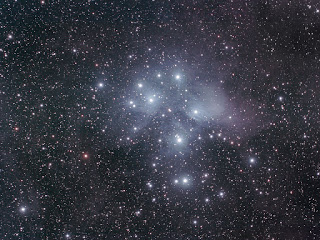
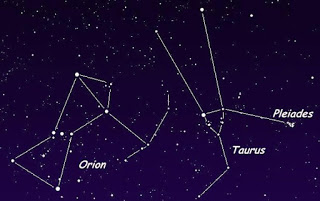
It is also noteworthy that Agni, Krithika Star (the Pleiades) and Lord Kartikeya are always linked in later Puranas. This has its  origin in the Vedas. in short, Hindu astronomy is older than the Greek literature. But in the time of Aryabhata, some new elements were introduced in to Hindu astronomy. Since we have lost enormous amount of Vedic literature we may never know who proposed those things first.


Vedic astronomers calculated that Pleiades was rising star at the horizon around 2100 BCE. So this will help us to date the Satapata Brahmana.


“The priest may set up fire (Yaga fire) under the Pleiades (Krithika nakshatra) for the Pleiades are Agni’s constellation (asterism) so that if he sets up fire under Agni’s constellation he will bring about a correspondence between his fires and the constellation.


For this reason be may setup his fires under the Pleiades. The Pleiades are the most numerous  of asterisms; hence he thereby obtains an abundance. For this reason he may set up his fires under the Pleiades. And again they do not move away do move from the eastern quarter. Thus his two fires are established in the eastern quarter; for this reason be may up his fires under The Pleiades.


On the other hand it is argued why he should not set up fires under the Pleiades originally the later ( the Pleiades) were the wives of the Bears (Rikshas or the Ursa Major = the great bear constellation). for the seven rishis (Saptarishi) were in former times called Rikshas. They (the Pleiades) were however precluded from intercourses with their husbands, for the latter ( the Seven Rishis) rise in the north and the  the Pleiades  in the east.


Now it is a misfortune for one to be precluded from intercourse with his wife. He should set fires under the Pleiades. He therefore should not set up fires under the Pleiades lest he should thereby be precluded from intercourse. But he may nevertheless set up his fire under the Pleiades; for Agni doubtless is their mate, and it is with Agni that they have intercourse.


for this reason he may set up fire under the Pleiades’ He may also set up his fire under the  constellation of Rohinii for under Rohini it was that Prajapati, when desirous of progeny, set up his fires. He created beings, and the creatures produced by him remained invariable and constant, like red cows ;hence the cow like nature of Rohini. Rich in cattle and offspring therefore he becomes- whosoever, knowing this, sets up fires under Rohini. Under Rohini indeed, the cattle set up their fires thinking that they may attain to (ruh) the desire or love of men. They did attain the desire of men; and whatever desire the cattle then obtained in regard to men, that same desire he (the sacrificer) obtains in regard to cattle, whosoever  knowing this, sets up his fire under Rohini.


Satapata Brahmana . 2.1-2-1-7


Ursa Major= Saptarishi= Great Bear


xxx

In the time of Alexander the Great the Hindus did not claim greater antiquity than 6777 B. c. The mode of reckoning adopted by the Hindus by which they got the Yugas is very simple. Given the precession of 49-8 seconds as determined by Hipparchus, the period of one revolution through the whole circle of 360 degrees would be  26,024 and16/166 (fraction) years. Getting rid of the fraction in the usual way by multiplying by 166 and adding the 16 we have 4,320,000 years – a Yuga.   The same result is obtained by Parasara;s precession of 46-5 or Aryabhata’s 46-2


-Subham–