What makes Madurai Unique in the World: Oswald J.Couldrey

temple big

DON’T REBLOG IT AT LEAST FOR A WEEK!  DON’T USE PICTURES; THEY ARE COPYRIGHTED BY SOMEONE.


Research Article: Written by London swaminathan

Date: 21 September 2015

Post No: 2178

Time uploaded in London :– 20-15

(Thanks  for the pictures) 

Please read my post “The Wonder that is Madurai Meenakshi Temple” posted by me here on 14th October 2011.

Following is excerpt from South Indian Hours by Oswald J.Couldrey, Year 1924

“Madura is a city in the far south, and very old. You will find her name recorded in Ptolemy’s Greek, MODOURA, which better represents the Tamil pronunciation than does the English form. Her ancient Pandya kings, who grew early rich upon the local pearl fisheries, and are mentioned in Asoka’s Edicts, were connected by the Greeks with King Pandion, by themselves and neighbours with the five legendary Pandavas, the heroes of the Mahabharata. Of that remote civilization there are now probably few material remains. The monuments of Madura chiefly refer to the seventeenth century Naiks, those powerful viceroys of the great Southern Hindu Empire of Vijayanagar, who rivalled and outlasted the splendour of their suzerain.

But what makes Madura almost unique among the cities of the world, wherein the past can be studied, is the fact that her antiquity generally, though having its roots far back in an almost Babylonish past, is also of the twentieth century. I speaks of no stagnation. Art and religion here were alive and growing with a vigour and direction imparted long ago. The life seen here today is sister to the life of ancient Shinar, a younger sister, and grown up in time.

The glory and potential crown of Madura is the great double temple (but they stand within the same enclosure) of Siva and Minakshi. You hear more of the goddess, the Fish-Eyed, though her husband’s lodging is larger; and I suspect that she represents an older local cult, espoused later by the religion of the Brahmins. There are in India many temples far older, many holier than this, some more cunningly designed and adorned; few larger, grander and more intricate, none more crowded, busy, eloquent of the living past. For size, you could put all the temples of Benares within the Madura precinct, and have room to spare, in extent, variety, and occupation, it resembles a city rather than a temple, and a city where you will not quickly learn your way about.

The good people of Madura, which is large and flourishing town, spend much of their time in temple, like Anglo-Indians at a club, or Greeks in their agora, and so fill the place themselves, without the help of pilgrims and sight seers, f whom, however, there is no lack. I have been to the Madura temple several times, and know well the lie of its courts and edifices; but to explain it is another matter, and I shall attempt only a general description.

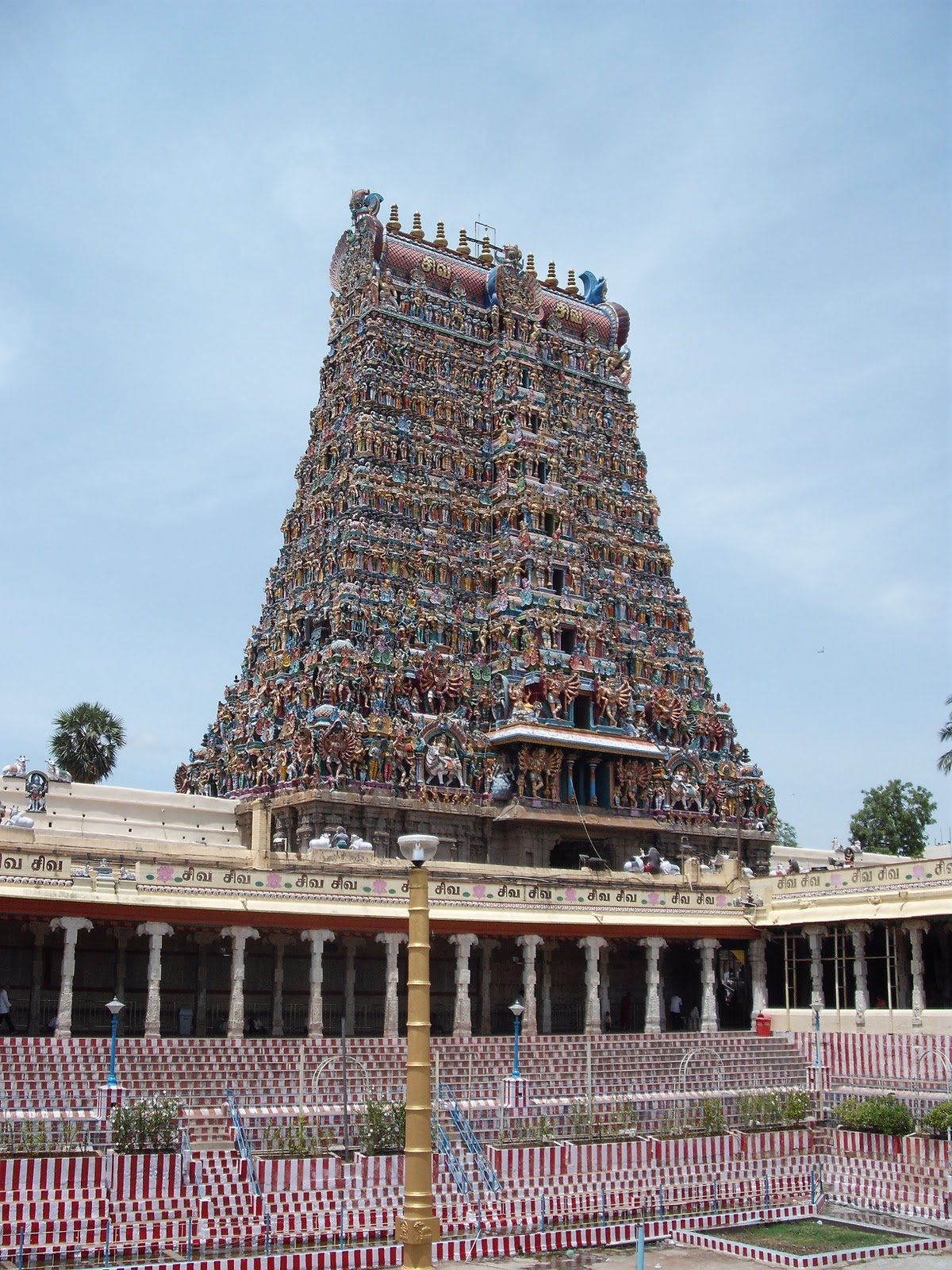
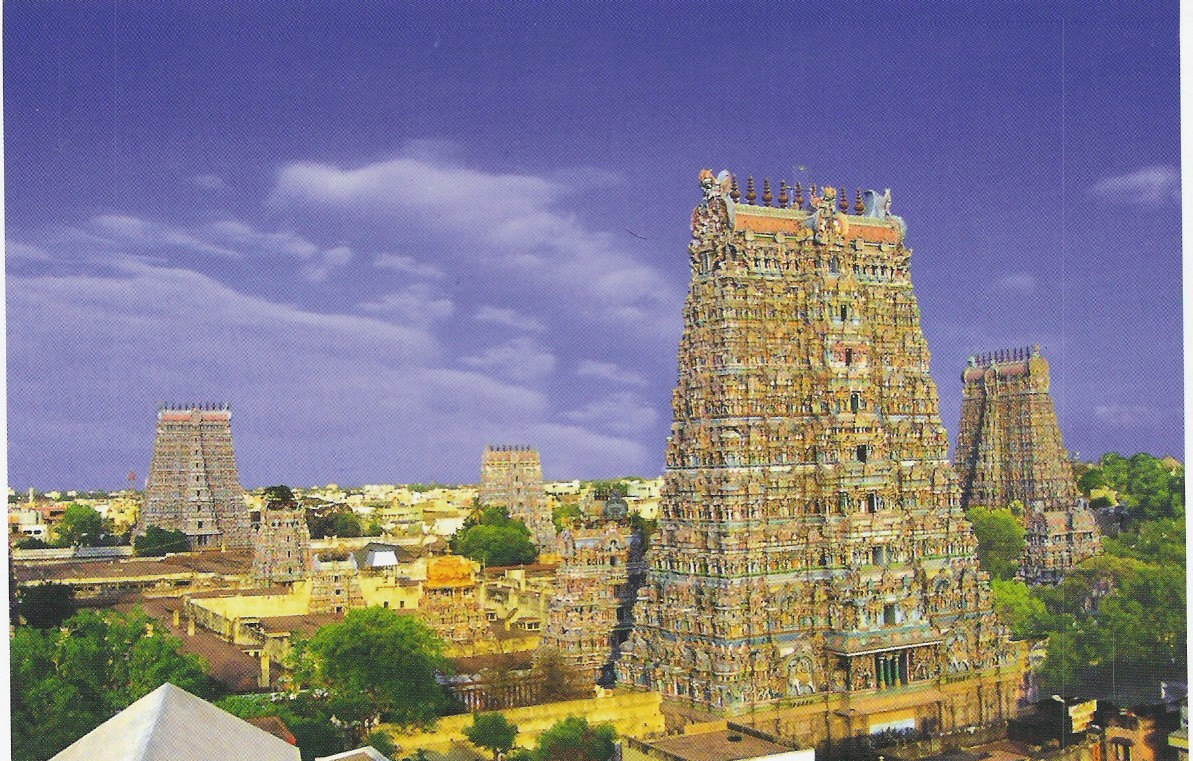
The temple is, four square, like the heavenly Jerusalem, and girt with a high wall.in the middle of each side is the pylon or gopuram, but far taller than usual, and all crusted with idols; four towers that crown the city like the tiaras upon the fourfold brows of Brahma.

M.Temple

The great pile of the gate head is plastered thick with images, which stand se before its innumerable storied, lessening cells, like an enormous and splendid swarms of bees; all the mystic and many weaponed persons of the Siva pantheon, infinitely multiplied and repeated and reduced, and carried in rising ranks, and receding tiers, up to the horns and scrolls of the topmost roof.

There, and yonder, he appears as Nataraja, the dancer, his polyp arms spread round him like an aureole, as he weaves the mystic dance of the worlds, the universal and eternal dance of life, which is the pastime of god. Near him, with arms as many, and a whole brigade of heads, Skanda, the War God, Siva’s first born, rides upon his peacock, a fine image of the pomp and circumstance of Asian war. Nor is the figure of his brother Ganapati, round bellied, elephant faced, the people’s darling fetish, less conspicuous and frequent along the ranks of his pyramid of idols, and plastic pandemonium.

Immediately within, and all about the eastern gates of the god and goddess, there is a gloomy labyrinth of arcades and corridors, solemn indeed and lofty, but choked with shops and stalls of food and fruit and sweets, garlands, toys and various glittering knacks whose nature and use I have forgotten, save that they seemed to have little to do with the temple worship. But sculptured saints stood with joined hands among the confectionery, hoar dragons guarded the trash of the toy shops, and cheap cutlery from Birmingham.

From this imposing den of thieves we pass into the outer court, which is here confined and crowded with various porches of similar architecture, but elsewhere spreads, uneventful and empty, between the sanctuaries and outer wall. We are now directly before the temple of god; we find ourselves within the cloister of the Golden Lily Pool, which lies opposite her ancient shrine.

The pool and its colonnade, and especially the chain of porticos before Minakshi’s shrine, are always the most crowded and lively portions of the temple. The steps and water are constantly thronged with bathers and visited of housewives bearing brazen pitchers; the cloisters full of naked, sleek and shaven Brahmins, lounging, chatting, meditating, waiting to minister, for a fee, to the spiritual needs of the pilgrims. One chants a spell for a pair of rustics, which seems chiefly concerned with the business of informing God, not only of the name, parentage and present address (in a geography no longer recognisable) of the persons on whose behalf it is recited, but also of the particular point and minute of eternity, the hour and year, and aeon (he species the Kaliyuga, as we perhaps might say, the iron age) in which the service is performed and reward expected; a formula crude perhaps in some respects, but calculated to a degree not often found, I cannot help thinking, in our own liturgies, to make a simple fellow realise his own littleness, and the metaphysical mystery of the universe.
-images-city-134-Meenakshi temple

(His description continues for a few more pages; he describes Thousand Pillar Hall, Tirumalai Nayak Palace etc. and concludes with the following paragraph)

I am constrained to close upon a note of apprehension. You may buy little gods in the Madura bazaars, akin apparently to the temple sculpture, and steeped in odour of old sanctity. Too often nowadays they prove to be forgeries, new ware made rough, buried a while, dug up and kept for sale as old brass to the Americans. For these have discovered Madura before ourselves, who have lived there for a hundred years. Consequently, though there is still no city in South India, where you can to more advantage study the real religion of antiquity, there is none where you can more easily buy false god, or as some would say, gods doubly false (unless two wrongs should make a right) than in Madura, the city of Minakshi may it be long ere the dissolvent curiosity, or blasting disapproval of the West goes deeper”.

Year of Publication in London — 1924.
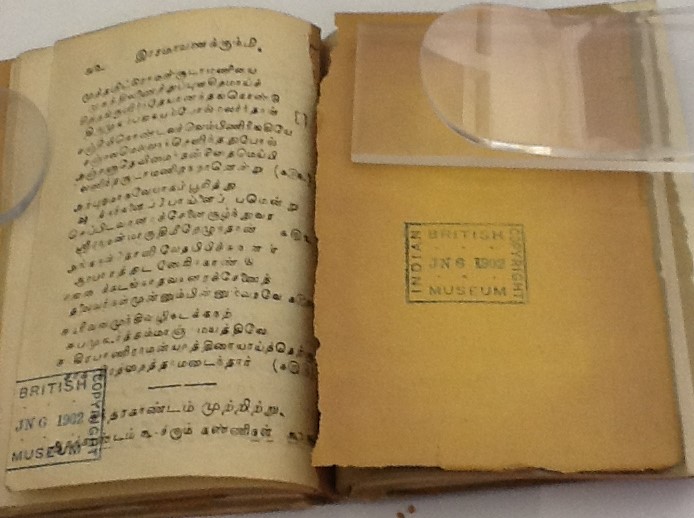
300 ராமாயணமா? 3000 ராமாயணமா? –Part 3

S kanda 9

DON’T REBLOG IT AT LEAST FOR A WEEK!  DON’T USE PICTURES; THEY ARE COPYRIGHTED BY SOMEONE.


Research Article: Written by London swaminathan

Date: 21 September 2015

Post No: 2177

Time uploaded in London :– 15-45

(Thanks  for the pictures) 

First part was uploaded on 15th September, 2015

சுந்தர காண்டம் வரையே லண்டன் பிரிட்டிஷ் லைப்ரரியில் கிடைத்தது.

 S kanda 4

ஒவ்வொரு பக்கம் மீதும் “க்ளிக்” செய்தால் பக்கம் பெரிதாகும். இவ்வாறு “ஸூம்” செய்து படிக்கவும்.

IMG_3437 (2)

IMG_3438 (2)

IMG_3440 (2)

IMG_3441 (2)

IMG_3443 (2)

IMG_3444 (2)

IMG_3447 (2)

IMG_3449 (2)

IMG_3450 (2)

IMG_3451 (2)

IMG_3452 (2)

IMG_3454 (2)

IMG_3455 (2)

IMG_3456 (2)IMG_3459 (2) IMG_3462 (2)

IMG_3465 (2)IMG_3468 (2)

IMG_3471 (2)

IMG_3472 (2)

IMG_3473 (2) IMG_3474 (2)

IMG_3475 (2)

சுந்தர காண்டம் முற்றும்.

இராமாயண கும்மி முற்றும்.

-சுபம்-

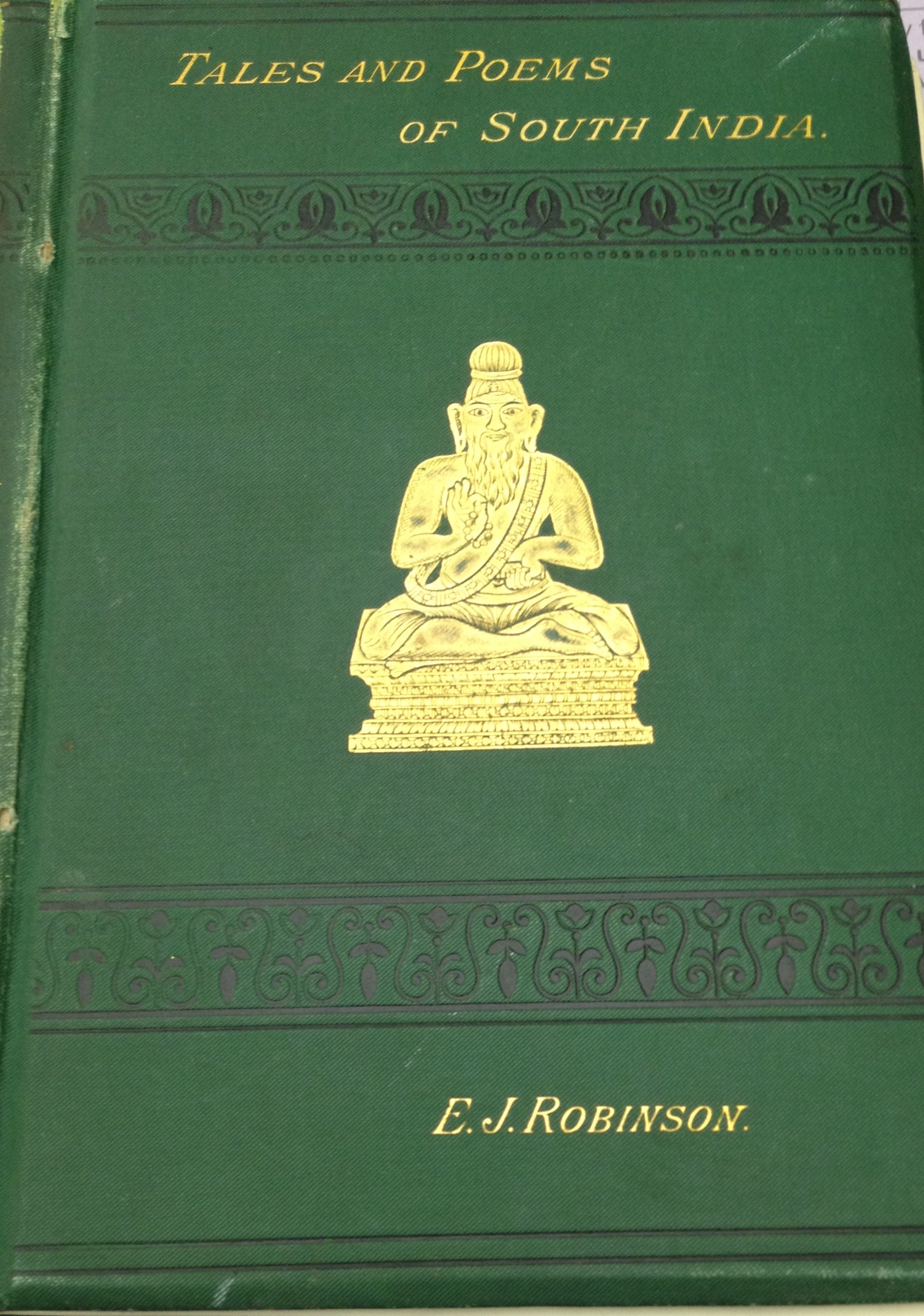
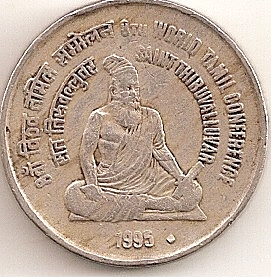
வள்ளுவராலும் பதில் சொல்ல முடியாத கேள்வி!

 IMG_5749 (2)

Article written by S NAGARAJAN

Date: 21  September 2015

Post No: 2176

Time uploaded in London :– 7-52 am

(Thanks  for the pictures) 


By ச.நாகராஜன்


மன்றம் கூடியது


சில நிமிடங்களில் ஊர் மன்றம் கூடி விட்டது! ஏன்?

வள்ளுவர் வந்திருக்கிறாராம்!

வள்ளுவர் வந்திருக்கிறாராம்!

செய்தி அதிக வேகத்தில் பரவவே, பறக்கவே அனைவரும் ஊர் மன்றமான ஆலமரத்தடியில் கூடி விட்டனர். ஆலமரத்தைச் சுற்றியுள்ள மேடையில் அமர்ந்திருப்பவர் நிஜமாகவே வள்ளுவர் தான்!

அவரை வணங்கினர்; தொழுதனர்; கை கட்டி, வாய் மூடி உற்றுப் பார்த்து தங்களின் தரிசன பாக்கியத்தை நினைத்து மகிழ்ந்தனர்.

இன்று முழித்த வேளை நல்ல வேளை!

மெதுவாக ஊர்ப் பெரியவர் ஒருவர் எழுந்தார். ‘பெரிசு’ ஏதாவது பொருள் பொதிந்த ஒன்றைத் தான் கேட்கும்! அனைவரும் ‘பெரிசையும்’ அதற்கு வள்ளுவர் என்ன சொல்லப் போகிறார் என்பதையும் ஆவலுடன் எதிர் நோக்கினர்.

அப்போது கூட்டமாகக் கூடி இருக்கும் கூட்டத்தைப் பார்த்து பிச்சை எடுக்கும் வறியவன் ஒருவனும் ஓரமாக வந்து நின்றான்.

caoin valluvar2

பத்துக் கேள்விகள்

பெரியவர் கேட்டார்: “வள்ளுவரே! வணக்கம். உங்கள் அருளை நாடி நிற்கிறோம். அருள் அல்லாதது யாது?

வள்ளுவர் அவரைக் கனிவுடன் நோக்கினார். பின்னர் கூறினார்:-

“அருள் அல்லது யாதெனின் கொல்லாமை கோறல்

பொருள் அல்லது அவ்வூன் தினல்             (குறள் 254)

ஒரு கேள்வி; அதற்கு அற்புதமாக இரண்டு விஷயங்களைப் பதிலாகப் பெற முடிந்தது. ஒரு உயிரையும் கொல்லாமல் இருப்பதே அருள்; அந்த மாமிசத்தை வாங்கித் தின்னுவதே பொருள் அற்றது.

ஊர் மக்கள் சைவ உணவை மட்டும் உண்ணத் தீர்மானித்து விட்டனர்.

ஒரு கேள்வி கேட்டு பதிலும் வந்ததால் அடுத்தவர் மெல்ல எழுந்தார்.

“வாய்மை எனப்படுவது யாது?”

“வாய்மை எனப்பதுவது யாதெனின் …..

யாதெனின்?!

“யாதொன்றும் தீமை இலாத சொலல்”   (குறள் 291)

ஆஹா! எளிமையான சுருக்கமான சூத்திரமாக இருக்கிறதே! பிற உயிருக்குத் தீமை பயக்காத சொற்களைச் சொல்லுவதே வாய்மை!

மூன்றாமவர் எழுந்தார்:-“ அறவினை யாது?”

“அறவினை யாதெனின் கொல்லாமை கோறல்

பிறவினை எல்லாம் தரும்”            (குறள் 321)

தான் முதலில் சொன்னதை மீண்டும் வலியுறுத்தி வள்ளுவர் கூறியதை அனைவரும் பக்தியுடன் மனதில் குறித்துக் கொண்டனர். பிற உயிரைக் கொல்லாமல் இருப்பதே அறவினை. அப்படிக் கொல்வோருக்கு அறமற்ற பிற தீவினைகள் சேரும்.

கூட்டத்தில் அஹிம்சையைப் பின்பற்றுபவருக்கு ஒரே சந்தோஷம். மனதிற்குள் உருகினார்.

இன்னொருவர் கேட்டார்:- “நல் ஆறு யாது?”

நல்ல வழி எது என்றா கேட்கிறீர்கள்?

வள்ளுவர் கூறினார்:-“ நல் ஆறு எனப்படுவது யாதெனின்  யாதொன்றும் கொல்லாமை சூழும் நெறி”    (குறள் 324)

அட, அதே கருத்து! திருப்பித் திருப்பி வலியுறுத்துகிறாரே! சொல் சிக்கனம் உடைய வள்ளுவர் ஆழ்ந்த கருத்தை வலியுறுத்தி, எந்த உயிரையும் கொல்லாமல் இருப்பதே நல் ஆறு என்கிறாரே!

கையிலுள்ள பணம் சுருங்கக் கூடாது; குறையக் கூடாது என்ற கவலையில் இருந்தவர் கேட்டார்:- : செல்வத்திற்கு அஃகாமை யாது?

வள்ளுவர் சிரித்தார்:- “அஃகாமை செல்வத்திற்கு யாதெனின் வெஃகாமை வேண்டும் பிறன் கைப் பொருள்”   (குறள் 178)

பிறர் கைப்பொருளைக் கவரக் கூடாது என்று இருத்தலே தன் கைப்பொருள் சுருங்காமல் இருக்கும் வழி!

மோசமான அரசியல்வாதிகள் எல்லாம் அங்கு தலையைக் குனிந்து கொண்டனர்.

நண்பர்கள் இருவர் எழுந்தனர்: ஒருவர் கேட்டார்:-“நட்பிற்குச் சிறந்த நிலை யாது?”

பதில் உடனே வந்தது: “நட்பிற்கு வீற்றிருக்கை யாதெனின் கொட்பின்றி ஒல்லும் வாய் ஊன்றும் நிலை”   (குற:ள் 789)

நட்பிற்கு வீற்றிருக்கை – சிறந்த நிலை – மாறுபாடின்றி முடிந்த போதெல்லாம் உதவி செய்து தாங்கிக் கொண்டிருப்பதே ஆகும்.

அடுத்த நண்பர் பளிச்சென்று உடனே கேட்டார்:-“ பழைமை எனப்படுவது யாது?”

“பழைமை எனப்படுவது யாதெனின் யாதும்

கிழமையைக் கீழ்ந்திடா நட்பு”    (குறள் 801)

பழகிய நட்பு, அதாவது பழைமை எனப்படுவது யாதெனில் பழகிய நண்பர் உரிமையாய் செய்யும் எந்தச் செயலையும் அவமதிக்காது ஏற்றுக் கொள்வதேயாகும்.

நண்பர்கள் இருவரும் மகிழ்ந்தனர்.

punul valluvar

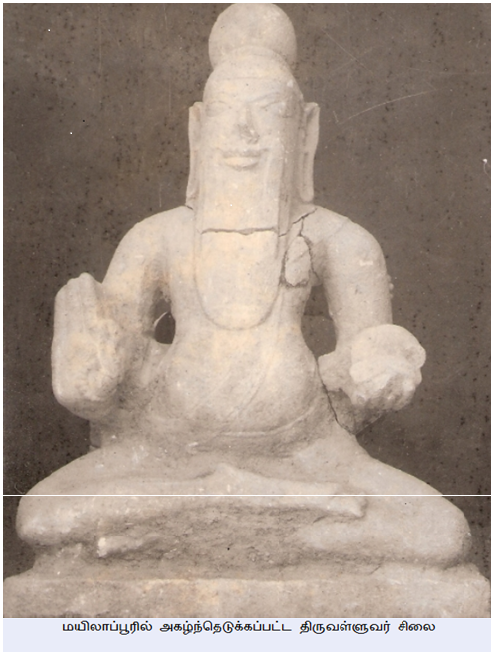
பூணூலணிந்த, அபூர்வ வள்ளுவர் சிலை

அடுத்தவர் எழுந்தார்: “பேதைமை என்பது யாது?”

“பேதைமை அதாவது அறியாமை யாது என்று தானே கேட்கிறீர்கள்?

பேதைமை என்பதொன்று யாதெனின் ஏதங்கொண்டு

ஊதியம் போக விடல்    (குறள் 831)

அறியாமை என்று சொல்லப்படுவது யாதென்றால், தனக்குக் கேடு விளைவிப்பனவற்றைக் கைக்கொண்டு நன்மை தருபனவற்றைக் கை நழுவி விடச் செய்வதாகும்!

இன்னொருவர் எழுந்தார்:-“ வெண்மை எனப்படுவது யாது?”

“வெண்மை எனப்படுவது யாதெனின் ஒண்மை

உடையம் யாம் என்னும் செருக்கு” (குறள் 844)

வெண்மை அதாவது புல்லறிவு – கீழான அறிவு எதுவெனில் யாம் நிறைந்த அறிவு உடையோம் என்று தம்மைத் தாமே மதித்துக் கொண்டிருக்கும் செருக்கு-  அகம்பாவம் – தான்!

கூட்டத்தினர் அகம் மிக மகிழ்ந்தனர். எத்தனை ‘யாதெனின்?’ கேள்விகள். அத்தனைக்கும் உடனுக்குடன் பதில்!

வள்ளுவர் எட்டிப் பார்த்தார். ஓரத்தில் இருந்த பிச்சைக்காரன் முண்டியடித்துக் கொண்டு முன்னே வந்தான்.

வள்ளுவர் அவனுக்கு வழி விடுமாறு சைகை காட்டவே அனைவரும் ஒதுங்கினர்.

அவன் முன்னே வந்தான். “ஐயா! வணக்கம். இன்மையின் இன்னாதது யாது?”

தான் எடுக்கும் இந்த பிச்சையை விடக் கொடியது ஏதாவது இருக்கிறதா?

மனம் கலங்கி இருக்கும் அவனைப் பார்த்த வள்ளுவர் எழுந்தார். அனைவரும் எழுந்தனர்.

இன்மையின் இன்னாதது யாதெனின்..

அனைவரும் வள்ளுவரையே கவனித்தனர். இன்மையின் இன்னாதது யாதெனின்..

யாதெனின்..

வள்ளுவராலும் பதில் சொல்ல முடியாத கேள்வி என்று கூட ஒன்று உண்டா, என்ன?

யாதெனின்;;

என்ன, வள்ளுவர் தடுமாறுகிறார். உடனுக்குடன் பதில் அளித்த வள்ளுவரா, யோசிக்கிறார், தடுமாறுகிறார், பதிலுக்காகத் தவிக்கிறார்.

கூட்டம் வியந்தது; பிரமித்தது.

தன் நிலையை அடைந்த வள்ளுவர் கூறினார்:-

“இன்மையின் இன்னாதது யாதெனின் இன்மையின்

இன்மையே இன்னா தது”    (குறள் 1041)

வறுமையை விடக் கொடியது என்னவென்றால்,..   என்னவென்றால் .. வறுமையைப் போலக் கொடியது வறுமையே தான்!

வள்ளுவரும் கலங்கி நின்றதைப் பார்த்த மன்றமே கலங்கியது.

பிச்சைக்காரன் கண்ணைத் துடைத்துக் கொண்டான்.

வள்ளுவரின் சாபம்

வள்ளுவர் சற்று உரத்த குரலில் கூறினார்:-

“இரந்தும் உயிர் வாழ்தல் வேண்டின் பரந்து கெடுக உலகியற்றியான்” (குறள் 1062)

பிச்சை எடுத்தும் உயிர் வாழுமாறு சிலரைப் படைத்திருந்தால் அந்த உலகை இயற்றியவன் அதே போல பிச்சை எடுத்து அலைந்து திரியட்டும்!

பிச்சைக்காரனின் தோள் மீது கையைப் போட்டுக் கொண்டார் வள்ளுவர். அனைவரும் அவர் மேலே நடக்க வழியை விட்டனர்.

வள்ளுவரின் சாபத்தைக் கேட்ட இறைவன் சிரித்தான். ‘அடடா, என்ன கருணை நெஞ்சம், தெய்வப் புலவருக்கு!’

அருகிலிருந்த அன்னையைப் பார்த்துக் கண் சிமிட்டினான். மதுரையில் பொற்றாமரை ஏறிய ‘பொய்யில் புலவன்’ சாபம் கொடுத்து விட்டான், தேவியே! அதை சிரமேற்கொண்டு நிறைவேற்ற வேண்டாமா?”

தேவியும் சிரித்தாள்.

“வைகை தான் பெருக்கோடுகிறது. வந்தியோ அழைக்கிறாள். பிட்டுக்காவது மண் சுமந்து உங்கள் திருவிளையாடலைத் தொடங்குங்களேன்!”

பத்தே பத்து –  ‘யாதெனின்’ குறள்கள்!

பத்து, நூறு, ஆயிரம் அறிஞர்களும் நூல்களும் சேர்ந்தாலும் விளக்க முடியாத அரிய கருத்துக்கள்,

இல்லையா?

குறள் வாழ்க! தமிழ் வாழ்க!! குறள் நெறி வாழ்வோர் எவரானாலும் எங்கிருந்தாலும் வாழ்க!

****************

Two Anecdotes: Love your Enemy!

finnisdeath

Article written by London swaminathan

Date: 20th  September 2015

Post No: 2175

Time uploaded in London :– 19-18

(Thanks  for the pictures) 

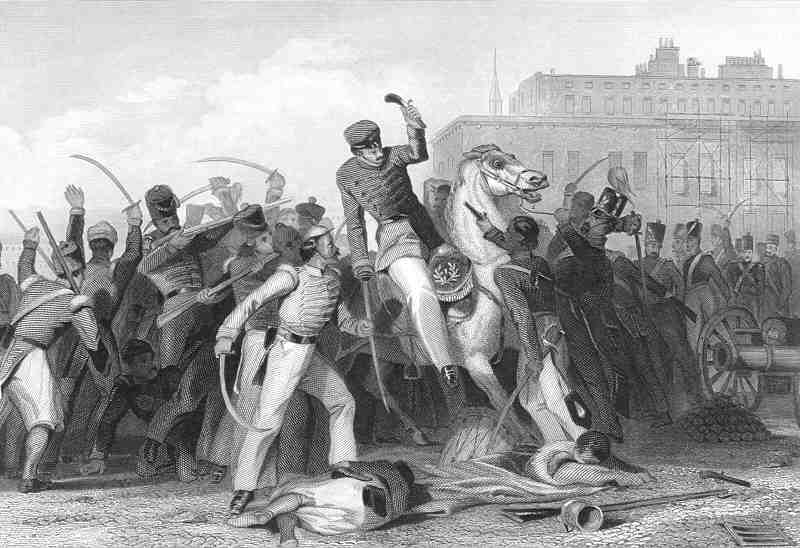
This happened during the Great Indian Mutiny in the year 1857. Indian soldiers revolted against the British Government and the government took stern steps to put them down. The result was, people left the villages in panic. At one place, when they were running away, they saw a Sadhu coming towards their village which they had abandoned. The villagers warned the Sadhu that the British soldiers would be there shortly and kill him mercilessly. The sadhu did not pay heed to the advice, but went on. When he was nearing the village, a British soldier came towards him and stabbed him. The sadhu was fatally injured. He fell down and was about to die. The soldier was looking at him to make sure if he was dead. Before breathing his last, the Sadhu looked at the soldier, his murderer, and smilingly said “You also are He” (Tat Tvam Asi).

Even in the agony of death, the Sadhu saw God in him. What a glorious vision was his! It is indeed wonderful.  Such is the vision of one who has realised God.

periya_puranam_a_tam

Safeway to a Tamil Murderer

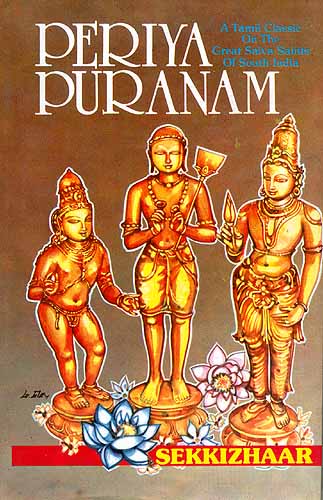
Periyapuranam is a great Tamil literary master piece which deals with the lives of sixty three Saivite Saints of Tamil Land. One of the sixty three saints was Meypporul Nayanar who ruled a small kingdom from Tirukkovilur in North Tamil Nadu. He had a rival in a neighbouring kingdom whose name was Muthanathan. He invaded Meypporul Nayanar’s country several times but was defeated. So he planned to kill him by hook or crook. He knew that Nayanar respected Saivite devotees a lot.

One day Muthanathan came to Nayanar’s palace disguised as a Saivite saint. It was dead of night and so the guards at the gate refused him permission to enter the palace but he insisted that he had brought something important to give it to the king. Then Nayanar’s bodyguard Tattan came and allowed him in; but Tattan was very suspicious about this ascetic guy. So he was ready to meet any eventuality.

When Muthanathan went into the palace, Nayanar was sleeping with his queen in the bed room. She woke up at the slightest noise and woke her husband immediately. As soon as he saw someone with holy ash smeared all over his body he fell at his (Muthanathan’s) feet. Nayanar asked him what brought him at the dead of night to the palace. “Ascetic” Muthanathan told Nayanar that he had got a rare book and wanted to teach him the same night. Nayanar told him that he was ready to receive it the very next minute. But Muthanathan insisted that his wife should not be in the room. Immediately she left the bed room.

When Nayanar fell at Muthanathan’s feet in the traditional way before start of the lesson, Muthanathan took his sword from inside the ascetic robe and stabbed Nayanar. He fell on the floor. As soon as the body guard Tattan heard the noise he rushed into the bed room and caught Muthanathan red handed. But Nayanar, before breathing for the last time, instructed Tattan, “Tatta, He is our man. Please allow him a safe passage”.

As instructed by Nayanar, he took Muthanathan, inspite of a big lynching crowd, out of the city limits and allowed him a safe passage. He was pardoned by Nayanar just because he came in the guise of a Saivite (Shiva) saint.

There are several episodes like this in Indian literature.

மொத்தம் எத்தனை கடவுள்?

vishnu viswarupam

Don’t Reblog it for at least a week; don’t use pictures.


Article written by ச.நாகராஜன்

Date: 20th  September 2015

Post No: 2174

Time uploaded in London :– 12-41

(Thanks  for the pictures) 


ச.நாகராஜன்


மஹரிஷி யாக்ஞவல்க்யரிடம் சில கேள்விகள்!

ப்ருஹத் ஆரண்ய உபநிடதத்தில் ஒரு காட்சி.

பொய்யே சொல்லாதவர் தான் ப்ரஹ்ம ரிஷி எனக் கூறப்பட முடியும்! (கடந்த காலத்தில், நிகழ் காலத்தில் ஒரு பொய்யும் சொல்லி இருக்கக் கூடாது! இனி வரும் காலத்திலும் பொய் சொல்லாத வன்மை கொண்டிருக்க வேண்டும்!)

அப்படிப்பட்ட ப்ரஹ்மரிஷிக்கு ஆயிரம் பசுக்கள் (பொற்கிழிகளுடன் தான்!) தர மன்னர் ஜனகர் முன் வந்தார்.

எல்லோரும் இந்த பிரம்மாண்டமான பட்டத்திற்கு நிச்சயம் தகுதியுள்ளவர் தான் இல்லை என்று எண்ணி அமர்ந்திருந்த போது மஹரிஷி யாக்ஞவல்க்யர் ஆயிரம் பசுக்களையும் சிஷ்யர்களின் துணை கொண்டு ஒட்டலானார்.

பார்த்தார் விதாக்தா சகல்யர்!

மஹரிஷி யாக்ஞவல்க்யரிடம் வந்தார். கேட்டார்.

“மஹரிஷி யாக்ஞவல்க்யரே! எத்தனை கடவுள்கள் உண்டு?

கேள்விகள் கணைகளாக வர பதில்களும் திருப்பிப் பறந்தன இப்படி:

“கடவுளைத் துதி செய்யும் துதிகளில் எத்தனை கடவுள்கள் கூறப்படுகின்றனரோ அத்தனை கடவுள்கள் உண்டு. அதாவது முன்னுற்றி மூன்றும் மேலும் மூவாயிரத்தி மூன்றும்..”

“சரி, ஆனால் எத்தனை கடவுள்கள் உண்டு, மஹரிஷி யாக்ஞவல்க்யரே!”

“முப்பத்தி மூன்று”

“சரி, ஆனால் எத்தனை கடவுள்கள் உண்டு, மஹரிஷி யாக்ஞவல்க்யரே!”

“மூன்று”

“சரி! எத்தனை கடவுள்கள் உண்டு, மஹரிஷி யாக்ஞவல்க்யரே!”

“இரண்டு”

“சரி, எத்தனை கடவுள்கள் உண்டு, மஹரிஷி யாக்ஞவல்க்யரே!”

“ஒன்றரை”

“சரி, எத்தனை கடவுள்கள் உண்டு, மஹரிஷி யாக்ஞவல்க்யரே!”

“ஒன்று”

“சரி, அந்த முன்னுற்றி மூன்றும் மேலும் மூவாயிரத்தி மூன்றும் யாவர்?”

“அவைகள் அவர்களின் சக்தியே! முப்பத்தி மூன்று கடவுள்களே உள்ளனர்”

“அந்த முப்பத்தி மூன்று பேர் யார்?”

“எட்டு வசுக்கள், பதினோரு ருத்ரர்கள், பன்னிரெண்டு ஆதித்யர்கள். இவர்களே முப்பத்தியொன்று பேர். இந்திரனையும் ப்ராஜபதியையும் சேர்த்தால் முப்பத்தி மூன்று ஆகிறது”

“வசுக்கள் யார்?”

“தீ, புவி, காற்று, வளி மண்டலம், சூரியன், வான், சந்திரன், நட்சத்திரங்கள் இவையே வசுக்கள். இவர்களின் மீதே இந்த அழகிய உலகம் உறுதியாக  இருக்கிறது. அதனால் அவர்களின் பெயர் வசுக்கள்”

“ருத்ரர்கள் யார்?”

ஒருவனிடம் உள்ள பத்து மூச்சுகள், ஆத்மாவையும் சேர்த்ந்தால் பதினொன்று. அவைகள் இந்த உடலிலிருந்து நீங்கும் போது நம்மைப் புலம்ப (அழ) வைக்கின்றன. ஆகவே ருத்ரர்கள் என அழைக்கப்படுகிறார்கள்.”

vishnu-vishwaroopa-picture

“ஆதித்யர்கள் யார்?”

“ஒரு வருடத்தில் உள்ள பன்னிரெண்டு மாதங்களே தான்! இந்த உலகை “ எடுத்துக் கொண்டு செல்கின்றவர்கள்” அவர்கள். ஆகவே அவர்கள் ஆதித்யர்கள் எனப்படுகின்றனர்.”

“இந்திரன் யார்? ப்ரஜாபதி யார்?”

“இடி முழக்கமே உண்மையில் இந்திரன். யாகமே ப்ரஜாபதி.”

“இடி முழக்கம் என்பதென்ன?”

“இடியே தான் அது.”

“யாகம் என்பதென்ன?”

“யாகத்தில் இடப்படும் மிருகங்கள்”

“ஆறு கடவுள்கள் யார்?”

““தீ, புவி, காற்று, வளி மண்டலம், சூரியன், வான். இவையே ஆறு கடவுள்கள். ஏனெனில் இந்த உலகமே இந்த ஆறு தான்!”

“மூன்று கடவுள்கள் யார்?”

“உண்மையில் அவை மூன்று உலகங்களே, ஏனெனில் அவற்றில் தான் கடவுளர் இருக்கின்றனர்”

“இரண்டு கடவுள்கள் யார்?”

“உணவும், மூச்சும்”

“ஒன்றரை யார்?”

“இதோ இங்கு யார் தூய்மைப் படுத்துகிறாரோ அவர், காற்று”

“இதோ இங்கு யார் தூய்மைப் படுத்துகிறாரோ அவர் ஒன்று தானே ஆக முடியும், ஒன்றரை எப்படி?”

“ஏனெனில் அவரிடம் முழு உலகமும் செழிக்கிறது. ஆகவே அவர் ஒன்றரை ஆகிறார்.”

“ஒரே கடவுள் யார்?”

“மூச்சு. அதை ப்ரஹ்மா என்று சொல்கின்றனர்.”

பசுக்களை ஓட்டிக் கொண்டு மஹரிஷி செல்கிறார்.

ஜனகர் உள்ளிட்ட அனைவரும் அவரை வணங்கி வழிபட்டு வழி

விட்டு நிற்கின்றனர்.

ஆரண்யத்தில் அற்புதக் காட்சி முடிகிறது!

ப்ரஹ்ம ஞானம் மலர்கிறது!!

**********

தொண்டர் பெருமை: வசிஷ்டர், விஸ்வாமித்திரர் மோதல்!

hare krsn bhajan

Don’t Reblog it for at least a week; don’t use pictures.


Article written by London swaminathan

Date: 20th  September 2015

Post No: 2173

Time uploaded in London :– 12-26

(Thanks  for the pictures) 

பூவோடு சேர்ந்த நாரும் மணம் பெறும் என்பர் – ஆன்றோர்.

நல்லவன் ஒருவன் ஏதேனும் அபூர்வமாக கெட்டது செய்துவிட்டால் – எல்லாம் ‘’சஹவாச தோஷம்’’= சேர்வார் சேர்க்கை என்பர் சான்றோர். இந்தப் பொன்மொழிகளை விளக்கும் கதை கீழே உள்ளது:—

வேத காலத்தில் வாழ்ந்த இரண்டு பெரிய ரிஷிக்கள் வசிஷ்டரும் விஸ்வாமித்திரரும் ஆவர். இருவருக்கும் எப்போது பார்த்தாலும் மோதல். எதிரும் புதிருமாக நிற்பார்கள். கீரியும் பாம்பும் போல சண்டையிடுவர்! காரணம்: விஸ்வாமித்ரர் ஒரு மன்னர். இதனால் ஆட்சியாளருக்கே உரிய தீய குணங்கள் அவரிடம் இருந்தன:-

அஹங்காரம் :–(தன்னை வசிட்டர் வாயினால் பிரம்மரிஷி என்று அழைக்க வேண்டும்.

பெண்வயப்படுதல்:– மேனகாவிடம் வசப்படல்.

வேண்டியவருக்குச் சலுகை:– திரிசங்கு என்பவரை உடலோடு சொர்க்கத்து அனுப்புகிறேன் பார்! என்று சவால் விடுதல்.

பிறர் பொருளுக்கு ஆசைப்படுதல்:வசிஷ்ட முனிவரின் காமதேனு முதலிய அரும்பெரும் விஷயங்களை தனதாக்கிக்கொள்ள விரும்பல்.

இறுதியில் இத்தனை மோக வலைகளையும் தாண்டி வசிட்டர் வாயினால் பிரம்மரிஷி பட்டம் பெற்றார். அதற்கு முன்னால் நடந்த ஒரு மோதல் இதோ:–

எது பெரிது தவமா? நல்லோருடன் இருக்கும் சத்சங்கமா? என்பதே கேள்வி. ஒருவன் நியம நிஷ்டைகளுடன் வாழ்ந்து தவம் இயற்றுவதே சக்தி வாய்ந்தது என்றார் தபோநிதி விசுவாமித்திரர்.

இல்லை அவ்வளவு எல்லாம் கஷ்டப்படவேண்டாம். நல்லவருடன் இருந்து, அவர்களுடைய காற்றோ, நிழலோ மேலே விழுந்தால் அதைவிட சக்தி வாய்ந்தது எதுவுமில்லை என்றார் கருணாநிதி வசிஷ்டர்.

இருவர் வாக்குவாதமும் முடிவில்லாமல் போய் உச்ச ஸ்தாயியை அடைந்தது. இனியும் பேசினால் தொண்டை வறண்டுவிடுமென்று எண்ணி, இருவரும் மஹாவிஷ்ணுவிடம் சென்று முடிவு காண்போம் என்றனர்.

மஹாவிஷ்ணு இருவரையும் பார்த்து விட்டு, இப்பொழுது கொஞ்சம் முக்கியமான அலுவலில் இருக்கிறேன்; கொஞ்சம் ‘பிஸி’. ஆகையால் ஆதிசேஷனிடம் போய்க்கேளுங்கள் அவன்தான் என்னைத் தாங்குகிறான். இந்த பூபாரம் முழுதும் அவன் தலையில்தானே சுழல்கிறது – என்றார்.

இருவரும் மஹாசேஷன் — – ஆதிசேஷன் – என்னும் பாம்பிடம் சென்றனர். அவர் தலையில்தான் பூமி நிற்கிறது என்பது இந்துமத புரானங்கள் சொல்லும் விஷயமாகும். மஹாசேஷன் சொன்னார்: உங்கள் கேள்விக்கு நான் பதில் சொல்லுகிறேன். என் தலைவர் விஷ்ணு அனுப்பிவிட்டால் நான் மறுக்க முடியுமா? ஒரு சின்ன உதவி தேவை. இதோ என் தலையில் இருக்கும் பூபாரத்தை இறக்கிவையுங்கள்; உங்கள் கேள்வியைப் பரிசீலிக்கிறேன் என்றார். உடனே விசுவாமித்திர வழக்கம்போல, ‘முந்திரிக் கொட்டை போல முந்திக் கொண்டு’ சென்று, இதோ பார்! என் தவ வலிமை, நியம, நிஷ்டைகள் அத்தனையையும் பயன்படுத்தி பூமியைத் தூக்குகிறேன் என்று பூமியைத் தூக்க முயன்றார். அதுவோ ஒரு அங்குலம் கூட அசையவில்லை.

இப்பொழுது வசிட்டர், சரி, விடுங்கள்! இப்போது என்னுடைய முறை; நான் முயற்சிக்கிறேன் என்று சொல்லி “நான் நல்லோரிடம் வாழ்ந்த ஒரு நிமிடப் பலனில் இந்த பூமி என் கைக்கு வரட்டும்” என்றார். அவர் கையில் பூமி நின்றது.

மஹாசேஷன் சொன்னார்: “குட் பை! உங்கள் கேள்விக்கு விடை கிடைத்துவிட்டது. பை! பை! என்று சொல்லிவிட்டார்.

இருவரும் நிம்மதியாகத் திரும்பினர். இது சுவாமி ராம்தாஸ் சொன்ன கதை.

ராமகிருஷ்ண பரமஹம்சரும் அவரது உபதேசங்களில் சத்சங்கத்தின் பெருமையை நிறை இடங்களில் விளக்குகிறார். ஒரு ஜமீந்தாரிடம் (நிலச் சுவாந்தார்) வேலைபார்க்கும் ஒரு வேலையாள், கிராமத்திற்குள் தனியே சென்றால் பல அடாவடித்தனக்களைச் செய்து தனது அதிகாரத்தைக் காட்டுவார். அவரே ஜமீந்தாரிடம் வந்துவிட்டால், அன்று அவரிடம் உதவி நாடிவந்த ஏழை விவசாயிகளுக்கு ஜமீந்தார் முன்னால், அடக்க ஒடுக்கமாக, அன்பாக அவ்வளவு உதவிகளையும் அள்ளிவீசுவார். நல்லோரின் சந்நிதானத்தில் வாழ்வோரும் இப்படி அஹங்காரம் ஒடுங்கி நிற்பர்.

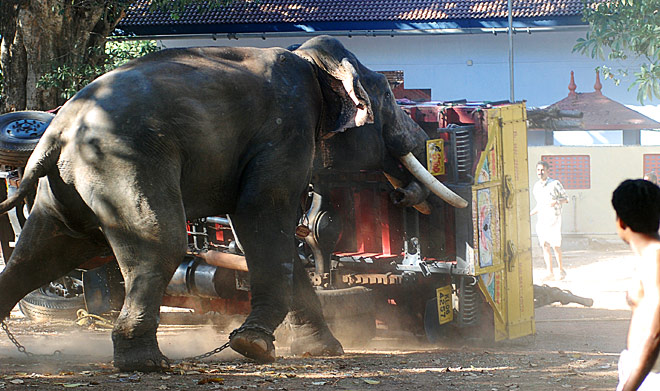
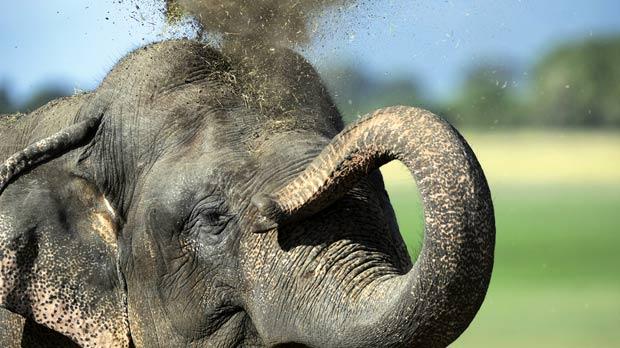
யானையை எவ்வளவு குளிப்பாட்டினாலும் அது, மண்ணில் இருக்கும் வரை,  தன் தலையில் மண்ணை வாரிப் போட்டுக் கொள்ளும். அதே யானையைக் குளிப்பாட்டி, சுத்தமான இடத்தில் கட்டிவிட்டால் அது அப்படிச் செய்யாது. நாமும் கெட்டவர் சஹவாசத்தில் உள்ளவரை இப்படி நம் தலையில் நாமே மண்னை வாரிப் போட்டுக்கொள்வோம். நல்லோர் சஹவாசம் என்னும் கட்டுத்தறியில் கட்டப்பட்டுவிட்டால் சுத்தமாக இருப்போம் என்பார் பரமஹம்சர்.

ஆதிசங்கரரும் பஜகோவிந்தம் என்னும் துதியில் நல்லோர் சஹவாசம் முக்தி நிலைக்கு இட்டும் செல்லும் என்கிறார்:–

சத்சங்கத்வே நிஸ்ஸங்கத்வம்

நிஸ்ஸங்கத்வே நிர்மோஹத்வம்

நிர்மோஹத்வே நிஸ்ஸலிதத்வம்

நிஸ்ஸலிதத்வே ஜீவன் முக்தி – பஜகோவிந்தம்.

திருவள்ளுவரும் சத்சங்கத்தின் பெருமையை, தொண்டர்தம் கூட்டை, ‘கேள்வி’ என்னும் அதிகாரத்தில் சொல்லுவார்:

எனைத்தானும் நல்லவை கேட்க அனைத்தானும்

ஆன்ற பெருமை தரும் (குறள் 416)

கொஞ்சமாவது நல்லது கேளுங்கள்; அது உங்களுக்குப் பயன்படுகிறபோது நல்ல பெருமையைக் கொண்டுவரும் – என்கிறார்.

இன்னொரு குறளில் சறுக்கி விழும் நிலத்தில் நடக்கும்போது பயன்படும் ஊன்றுகோல் போல (வாக்கிங் ஸ்டிக்), புராண இதிஹாசச் சொற்பொழிவுகள் பயன்படும் என்பார்:

இழுக்கல் உடையுழி ஊற்றுக்கோல் அற்றே

ஒழுக்கம் உடையார் வாய்ச்சொல் – குறள் 415

–சுபம்—–

Two Stories: See yourself in all beings!

177414-petrin-hill---hall-of

Don’t Reblog it for at least a week; don’t use pictures.


Article written by London swaminathan

Date: 19th  September 2015

Post No: 2172

Time uploaded in London :– 20-22

(Thanks  for the pictures) 

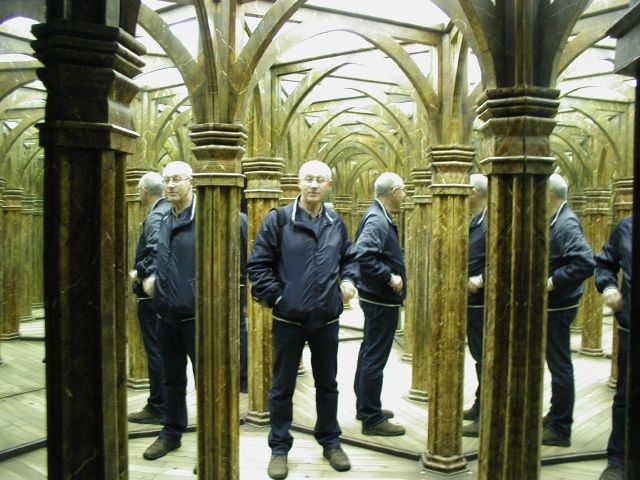
In order to have some fun a man procured innumerable small mirrors and had them fixed in his room on the walls, in the ceiling and on the floor. There was not an inch of space where there was no mirror. After closing the door, he switched on the light and stood in the middle of the room. He saw himself reflected in myriad forms in the mirrors— above, below and on all sides. He enjoyed the sight very much because he loved to see himself everywhere. After having had this fun for a while, he left the room, but forgot to close the door.

His dog entered the room a few minutes later and it saw its own reflections in the mirrors. The dog started barking at its own reflections and jumped and fought with them, as it thought those were dogs different from itself.  It fought till it got completely exhausted and fell down dead.

So, man in his ignorance, when fighting with his fellow thinks that they are separate from him. When he realises that all beings are the images of his own Self, instead of quarrelling with and disliking them, he will love them all equally.

elephant3_

 Ramakrishna Paramahamsa’s Elephant story 

In a forest there lived a holy man who had many disciples. One day he taught them how to see god in all beings and knowing this, to low before them all.

A disciple went to the forest to gather wood for the sacrificial fire. Suddenly he had an outcry, “Get out of the way! A mad elephant is coming!” all but the disciple of the holy man took to their heels. He reasoned that the elephant was also god in another form. Then why should he run away from it? He stood still, bowed before the animal, and began to sing its praises.

The mahut of the elephant was shouting “Run away! Run away!” but the disciple didn’t move. The animal seized him with its trunk, cast him to one side and on its way. Hurt and bruised the disciple lay unconscious on the ground. Hearing what had happened, his teacher and his brother disciples came to him and carried him to the hermitage.

With the help of some medicine he soon regained consciousness. Someone asked him, “You knew the elephant was coming. Why didn’t you leave the place? “But”, he said, “our teacher has told us that God Himself has taken all forms, of animals as well men. Therefore thinking that it was only the elephant God that was coming, I didn’t run away.”

At this the teacher said, “Yes, My child, it is true that the elephant God was coming; but the mahut God forbade you to stay there. Since all are manifestations of God, why didn’t you trust the mahut’s words? You should have heeded the words of the Mahut God.”

God dwells in all beings. But you may be intimate only with good people; you must keep away from the evil minded. God is even in the tiger; but you cannot embrace the tiger on that account! You may say, “Why run away from tiger, which is also a manifestation of god?” The answer to that is: Those who tell you to runaway are also manifestations of God – and why shouldn’t listen to them?

God undoubtedly dwells in the hearts of all – holy and unholy, righteous and unrighteous; but a man should not have dealings with the unholy, the wicked, the impure. He must not be intimate with them. With some of the he may exchange words, but with others one should not go even that far. One should keep aloof from such people.
—Subham–

வசிஷ்டர் தரும் காலத்தை வென்ற இரகசியம்!

yoga vasiosta

Don’t Reblog it for at least a week; don’t use pictures.

Article written by S NAGARAJAN

Date: 19th  September 2015

Post No: 2171

Time uploaded in London :– 17-49

(Thanks  for the pictures) 


ச.நாகராஜன்


நம்பிக்கை தரும் ஹிந்து நூல்கள்


உலகினருக்கு வாழ்க்கையில் நம்பிக்கை தருவதற்கு ஹிந்து நூல்களைப் போல வேறெந்த நூல்களும் இல்லை.

உன்னை நீயே உயர்த்திக் கொள்ளலாம் என்பதே அவற்றின் சாரம்.

கர்மத்தால் கட்டுண்டவன் தான் நீ என்று சொல்லும் போதே நல்ல கர்மங்களைச் செய்து உன்னை உயர்த்திக் கொள் என்று அது ஓங்கிச் சொல்கிறது.

விதி உன்னை விடாது என்று சொல்லும் போதே அந்த விதியை உருவாக்குபவன் நீயே என்று அடித்துச் சொல்கிறது.

பல ஜன்மங்களில் முன்னேற வாய்ப்புண்டு; உடனடியாக முன்னேற்றத்தை நோக்கி முதல் அடியை நீ வை; நான் உன்னை நூறு அடிகள் முன்னேற்றுவேன் என்ற ஆறுதலான அவதாரங்களின் வாக்கியத்தை அது நம் முன் வைக்கிறது.

பிறப்பு ஒன்றே ஒன்று தான் என்றால் ஏன் மனிதனுக்கு மனிதன் வாய்ப்புகளில் ஏன் இந்த வேறுபாடு? அது போகட்டும் பிறந்து ஒரு நாளில் இறக்கும் ஒரு குழந்தைக்கும் நூறு ஆண்டுகள் வாழ்ந்து பல நல்ல, கெட்ட காரியங்களைச் செய்பவனுக்கும் எப்படி சமமான தீர்ப்பு வழங்கப்பட முடியும்? ஒரே ஒரு நாள் வாழ்ந்த குழந்தை தீர்ப்பு வழங்கும் நாளுக்காக எல்லையற்ற காலம் வரை ஏன் காத்திருக்க வேண்டும்!

இறைவனின் நீதி இது என்பதை ஏற்பதில் மனம் சலிப்படைகிறது.

‘சே, போ’, மனம் போன படி நடப்பேன்; நடப்பது நடக்கட்டும் என்பது வாழ்க்கை முறையாகிறது.

மேலை நாடுகளுக்கும் இந்தியாவிற்கும் உள்ள அடிப்படை வித்தியாசம் இது தான்!

yoga-vasistha

ராமரின் சந்தேகங்கள் (636 பாக்களில்)


ராமர் வசிஷ்டரிடம் வருகிறார். நியாயமாக ஒரு மனிதனுக்கு என்னவெல்லாம் சந்தேகம் ஏற்பட முடியுமோ அந்த சந்தேகங்களை அறிவியல் யுகமான நமது இன்றைய நாளுக்கும் பொருந்தும்படி கேட்கிறார்.

அவரது கேள்விகள் 19 அத்தியாயங்களில் 636 ஸ்லோகங்களில் இடம் பெறுகிறது – யோக வாசிஷ்டம் நூலில்.

அற்புதமான இந்த நூல் மனிதனுக்குக் காலத்தை வென்ற இரகசியத்தைக் கூறும் நூல். வாழ்க்கையை எப்படி வாழ்வது என்பதைச் சரியானபடி கூறும் அருமையான நூல் இது. 32000 ஸ்லோகங்கள் உள்ள யோக வாசிஷ்டம் இப்போது நாம் படிக்கும்படியான அளவுக்குச் சுருக்கமாக எந்தக் கருத்தையும் விடாமல் சுருக்கப்பட்டுள்ளது.

நூலின் நடை எளிமையானது. சம்ஸ்கிருதம் படித்தே ஆக வேண்டும் என்ற எண்ணத்தை ஏற்படுத்தும் எளிய நடை; காம்பீர்யமான வார்த்தைகள்.

yoga2

முயற்சியா, விதியா எது வெற்றியைத் தரும்?


உதாரணத்திற்கு மனித முயற்சி, விதி பற்றிய சில ஸ்லோகங்களின் அர்த்தத்தைத் தமிழில் இங்கு பார்ப்போம்.

14_Yoga-Vasistha_1

பௌருஷ மஹிமா (மனித முயற்சியின் மஹிமை)


பௌருஷேன சர்வமாஸாத்யதே (முயற்சியினால் அனைத்தும் கிடைக்கும்).

எதையும் எப்போது வேண்டுமானாலும் அடைய மனித முயற்சியே தேவை. போதுமான முயற்சி செய்த பின்னர் ஒருவன் அடைய விரும்புவதை அடைகிறான்.

கர்மா, தைவம் (விதி) என்று இரண்டைச் சொல்கிறார்களே!

கர்மம் என்பது ஒருவனின் முந்தைய செயல்களைக் குறிப்பதே ஆகும்! ஆனால் ஒருவனின் தற்போதைய முயற்சி முன்னால் செய்ததை மீறிச் செயல்படும்.

தைவம் அதாவது விதி என்பது, அறியாதவர்களுடைய மனக் கற்பனையே. பார்க்க முடியாத ஒன்று அது. விதி என்பதே இல்லை!

தைவம் ந வித்யதே I (தைவம் – விதி என்று ஒன்று இல்லை)

தைவமஸத்ஸதா I (விதி என்பது இல்லாத ஒன்று)

தைவம் ந கிஞ்சித்குருதே கேவலம் கல்பனேத்ருஷி I (விதி ஒன்றையும் செய்வதில்லை. கற்பனையே அதைச் செய்கிறது)

ஒரு விவசாயி தனது நிலத்தில் கஷ்டப்பட்டு பல மாதங்கள் உழைக்கிறான். அறுவடைக் காலம் நெருங்குகிறது. ஆனால் அறுவடை நாளுக்கு முதல் நாள் அடைமழை பெய்கிறது. பயிர்கள் நாசமாகின்றன.

இது விதியா? இதன் காரணம் விதி தானா?

இல்லை; உழைப்பு, மழை என்பதில் மழை உழைப்பை விட வலியதாக இருக்கிறது என்பதே இதன் அர்த்தம்.

நாம் செய்யும் அனைத்துமே ஏன் வெற்றி பெறுவதில்லை?

பதிலை ராமருக்கு வசிஷ்டர் கூறுகிறார்:” இது ஏன் என்றால் வெற்றி என்பது உழைப்பை மட்டும் கொண்டு வருவதில்லை. காலம், வெளி, செல்வம் (Time, Space and Wealth) போன்ற காரணங்களும் இணைந்தே வெற்றியைத் தருகின்றன.

பலன் எப்போதும் எது வலிமையானதோ அதைக் கொண்டு அமைகிறது!

காலம் வேறு இருக்கிறது. சில சமயம் உடனடி பலன் கிடைக்கிறது; சில சமயம் சில காலம் கழித்துக் கிடைக்கிறது. ஆனால் பலன் விளையும் என்பதில் சந்தேகமில்லை.

உடனடியாக நடந்ததற்கும் தாமதமாக ஆனதற்கும், முட்டாள்களே விதியே காரணம் என்கின்றனர்.

கர்மத்தின் ஆதிக்கத்தை எடுத்துக் கொள்வோம். (ஓ, ராமா!)

கர்மம் இரு வகைப்படும்; ஒன்று ப்ரக்தனா (பழையது); மற்றொன்று இஹிகா (தற்போது நடப்பில் உள்ளது)

தற்போதைய கர்மம் பழையதை வெல்லும் ஆற்றல் கொண்டது. இரண்டும் இரண்டு செம்மறி ஆடுகளைப் போலச் சண்டையிடும்; வலியது வெல்லும்! ஆகவே தற்போது வலுவுள்ளவனாக ஆவதே நமது நோக்கமாக இருக்க வேண்டும்.

கடந்த காலம் நிச்சயமாக தற்போதுள்ள நிகழ்காலத்தை விட வலுவுள்ளதாக இருக்க முடியாது. நேற்று சாப்பிட்டதால் வயிற்றில் ஏற்பட்ட அஜீர்ணத்தை இன்று மருந்து சாப்பிட்டுக் குணப்படுத்துவதில்லையா?

samvid yoga

ஏழ்மையாக இருந்தாலும் சரி, பல இன்னல்கள், தடைகள் இருந்தாலும் சரி, எவன் ஒருவன் அவற்றையும் மீறித் தன் முயற்சி மூலம் அவற்றை வெல்கிறானோ அவனே பாராட்டத் தகுந்தவன்!

வசிஷ்டரின் இந்த உபதேசம் நலிந்தோர்க்கு நம்பிக்கை ஊட்டும் ஒன்றல்லவா!

மூன்றாம் உலக நாடுகள் என்று அங்குள்ளோர் தாழ்ந்து இருக்க வேண்டுமென்பதில்லையே! உலகம் முழுவதற்குமான ஒரு நூல்; ஒவ்வொரு மனிதனுக்குமான ஒரு நூல் – யோக வாசிஷ்டம்!

கடந்த காலத்தை மீறி நிகழ்காலத்தில் வலிமையுடன் பாடுபடு என்பதே வசிஷ்டரின் உபதேசம்.

எளிய சம்ஸ்கிருத பதங்கள்; படிப்பதற்கே ஆனந்தம்!  முயற்சி, தெய்வம் ஆகிய இவை, இதர பல விஷயங்களுடன் எப்படிப் பின்னிப் பிணைக்கப்பட்டுள்ளது என்பதையும் சேர்ந்து அறிய வேண்டும்.

ஆகவே, யோக வாசிஷ்டம் முழுவதுமாகப் பயில்வோம்; காலத்தை வென்ற உயர் இரகசியத்தை அறிவோம்!

குறிப்பு: யோக வாசிஷ்டம் பயில விரும்புவோ அருமையான கீழே குறிப்பிடப்படுள்ள இந்த இரு நூல்களை வாங்கலாம்:

  • Quintessence of Yogavasishtha by C.S. Gupta, Satsanga Seva Samithi Gandhi Bazar, Bangalore -4 (174 பக்கங்கள்)
  • The Vision and the way of Vasistha by Samvid (2461 ஸ்லோகங்களை சம்ஸ்கிருத மூலத்திலும் ஆங்கிலத்திலும் தரும் இந்த நூலைப் புகழ்வதற்கு வார்த்தைகளே இல்லை; 583 பக்கங்கள்; வாழ்நாள் முழுவதும் பக்கத்திலேயே வைத்திருந்து படிக்க வேண்டிய நூல்)

*********

மரங்கள் பழுப்பது ஏன்? நதிகள் ஓடுவது ஏன்?

cherry bunch

செர்ரி பழம் படம்

Don’t Reblog it for at least a week; don’t use pictures.


Article written by London swaminathan

Date: 19th  September 2015

Post No: 2170

Time uploaded in London :– 7-05 am

(Thanks  for the pictures) 

உதவி – உபகாரம் பற்றிய பொன்மொழிகள்

(1).பரோபகாராய பலந்தி வ்ருக்ஷா:

பரோபகாராய வஹந்தி நத்யா:

பரோபகாராய துஹந்தி காவ:

பரோபகாரார்த்தம் இதம் சரீரம் – விக்ரம சரிதம்

பொருள்:–

மற்றவர்களுக்காகவே மரங்கள் பழுக்கின்றன

மற்றவர்களுக்காகவே நதிகள் ஓடுகின்றன

மற்றவர்களுக்காகவே பசுக்கள் பாலைப் பொழிகின்றன

மற்றவர்களுக்காகவே இந்த உடல் இருக்கிறது

(2).பரோபகாராய சதாம் விபூதய: – சமயோசித பத்ய மாலிகா

நல்லோருடைய செல்வம் பிறருக்காகவே உளது

(3).விபாதி காய: கருணாபராணாம் பரோபகாரைர்ன து சந்தனேன – பர்த்ருஹரி

ஒருவனுடைய உடல் ஒளிருவது சந்தனத்தால் அல்ல; பிறருக்கு உதவி செய்வதன் மூலமே.

(4).சர்வ பூத உபகாராச்ச கிம் அன்யத் சுக்ருதம் பரம் – கதாசரித் சாகரம்

எல்லா உயிர்களுக்கும் உதவி செய்வதைவிடப் புண்ணியமானது எது?

yellow plums

பிளம்ஸ் பழம் படம்

மனிதரில் முதன்மையானவன் யார்?

(5).ஸ்வார்த்தோ யஸ்ய பரார்த்த ஏவ ஸ ந்ருணாம் அக்ரணீ: – பர்த்ருஹரி

பிறர் நலனைத் தன்னலமாகக் கருதுபவனே மனிதரில் முதன்மையானவன்.

(6).அனபேக்ஷித: குணதோஷ: பரோபகார: சதாம் வ்யசனம் – மஹாபாரதம்

குற்றம், குறைகளைக் கருத்திற் கொள்ளாமல் நல்லோர் உதவி செய்வர்.

(7).அனுத்ததா: சத்புருஷா: சம்ருத்திபி: ஸ்வபாவ ஏவைஷ பரோபகாரிணாம் – சாகுந்தலம்/ பர்த்ருஹரி

வளமுள்ள, செழிப்பான காலங்களில் கூட நல்லோர் அடாவடித்தனம் செய்யமாட்டார்கள்; அவர்களுடையை  இயல்பே பிறருக்கு உதவுவதுதான்.

TWIN TREES

நிழழ் தரும் மரத்தின் படம்

வெய்யிலை வாங்கி நிழலைத் தருவது மரங்களின் குணம்!

(8).அனுபவதி ஹி மூர்த்னா பாதப: தீவ்ரமுஷ்ணம்

சமயதி ப்ரிதாபம் சாயயா சம்ஸ்ரிதானாம் – சாகுந்தலம்

மரங்கள் கடும் வெய்யிலைத் தலையில் தாங்கி, தன் கீழ் இருப்போருக்கு நிழலை மட்டும் தரும் (நல்லோரும் கடும் துயரங்களைச் சுமந்து பிறருக்கு உதவி செய்கிறார்கள்).

(9).அஷ்டதச புராணேஷு வ்யாஸஸ்ய வசனத்வயம்

பரோபகார: புண்யாய பாபாய பரபீடனம்- பஞ்சதந்திரம்

பதினெட்டு புராணங்களிலும் வியாசர் சொல்வது இரண்டே வாக்கியங்கள்தான். 1) மற்றவர்களுக்கு உதவி செய்வது புண்ணியம் 2) மற்றவர்களுக்கு கெடுதல் செய்வது பாபம்.

(10).தனானி ஜீவிதம் சைவ பராத்தே ப்ராக்ஞ உத்ஸ்ருஜேத் – ஹிதோபதேசம்

அறிவாளிகள் தன்னுடைய பொருளையும், உயிரையும் பிறருக்காகவே செலவிட வேண்டும்.

(11).நஹி க்ருதம் உபகாரம் சாதவோ விஸ்மரந்தி – சுபாஷித ரத்ன பாண்டாகாரம் (சு.ர.பா)

செய்த உதவியை நல்லோர் மறப்பதில்லை.

managai

மா மரத்தின் படம்

சந்தன மரத்தில் குளிர்ச்சி இருப்பது யாருக்காக?

(12).ந ஹி ஸ்வதேஹசைத்யாய ஜாயந்தே சந்தன த்ருமா: -(சு.ர.பா)

சந்தன மரம் “தன்னுடைய” குளிர்ச்சிக்காக வளருவதில்லை

(13).பரம் பரோபகாரத்தம் யோ ஜீவதி ச ஜீவதி — சுபாஷித ரத்ன பாண்டாகாரம் (சு.ர.பா)

பிறருக்காக வாழ்பவனே வாழ்பவன்.

They alone live who live for others; the rest are more dead than alive – Swami Vivekananda

sandalwood

சந்தன மரம் படம்

-சுபம்–

Story about Company of the Good: Vasishta X Viswamitra clash!

hare krsn bhajan

Satsang by Hare Krishna Devotees

Don’t Reblog it for at least a week; don’t use pictures.


Article written by London swaminathan

Date: 18th  September 2015

Post No: 2169

Time uploaded in London :– 16-54

(Thanks  for the pictures) 

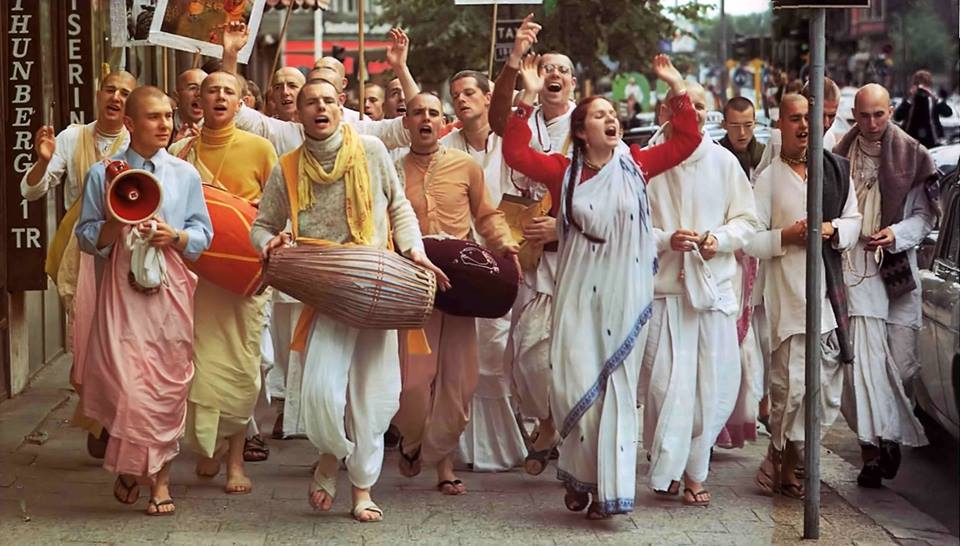
Satsangatve nissangatvam

Nissangatve nirmohatvam

Nirmohatve niscalitatvam

Niscalitatve jivanmuktih

–Adi Sankara’s Bhaja Govindam

“Through the company of the good, there arises non-attachment; through non-attachment there arises freedom from delusion; through delusionlessness, there arises steadfastness; through steadfastness there arises liberation in life.”

There is a story about Viswamitra. Once there was a discussion between him and sage Vasishta, the Guru of Sri Rama. The discussion was: which was greater, the power of austerities or the power of the company of the saints. Vasishta said that the power of the power of the company of the saints was greater. Viswamitra disagreed with him. The matter was brought before Lord Vishnu. He directed them to Mahasesha, the big serpent on whose head this earthly globe is supposed to be resting.

The sages went to Mahasesha and asked him which was greater — company of saints or austerities. Mahasesha said: I have this heavy burden of the earth on my head. If you will just lift it for a moment from my head I will be free to give the answer. At this, Vasishta and Viswamitra looked at each other as to how best this problem could be solved. Viswamitra suggested that he would apply the power he had gained by his austerities and lift the earth. He put forth all the strength he had gained by his austerities but the earth did not move. Then Vasishta came forward and applying the strength which he had gained by one minute company of saints, lifted the earth. Now Mahasesha said: your question has been answered.


Ramakrishna Paramahamsa’s Story

The agent of a rich Zamindar (land owner), when he goes into rural localities tyrannises over the tenants in various ways, but when he come back to the head quarters, and under the eyes of his master, he changes his ways, becomes pious, treats the tenants kindly, investigates into all their grievances fully and tries to meet out justice impartially to all. The tyrannical agent becomes good through the fear of the master and also  by reason of his society. Similarly does the society of the pious make even the wicked righteous, awakening awe and reverence in them.

Clean Temple Elephants

Elephant and soil

If you wash an elephant well and leave it at large, it is sure to make it self dirty in no time; but if, after the wash, you tie it down in its stable, it will remain clean. So if by the good influences of holy men, you once become pure in spirit, and then allow yourself to mix freely with wordly men, you are sure to lose that purity soon; but if you keep your mind fixed on god, you will never more get soiled in spirit